HARMONY HILLS HEALTHCARE AND REHABILITATION CENTER
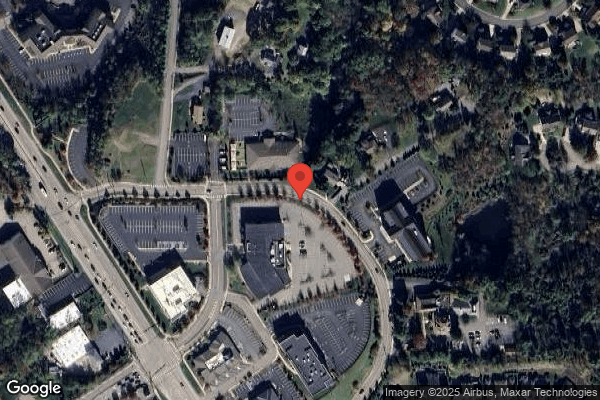

194 SWINDERMAN ROAD, WEXFORD, PA 15090 (724) 935-3781
For profit - Corporation 55 Beds Independent Data: November 2025
Trust Grade
40/100
#434 of 653 in PA
Last Inspection: July 2025

Inspected within the last 6 months. Data reflects current conditions.

Overview

Harmony Hills Healthcare and Rehabilitation Center has received a Trust Grade of D, indicating below-average performance with some concerns. It ranks #434 out of 653 facilities in Pennsylvania, placing it in the bottom half, and #25 out of 52 in Allegheny County, meaning only a few local options are better. The facility's quality appears stable, with 13 issues reported in both 2024 and 2025. Staffing is a mixed bag; while the center has an average staffing rating of 3 out of 5 stars, its turnover rate is concerning at 68%, significantly higher than the state average of 46%. On a positive note, the facility has not incurred any fines, which is a good sign. However, there have been serious incidents, including a failure to provide adequate assistance during a transfer that resulted in a laceration for one resident. Additionally, concerns about food safety were raised due to improper monitoring of kitchen and personal refrigerator temperatures, which could lead to foodborne illnesses. Overall, while there are some strengths, families should be aware of the weaknesses in care and safety practices at this facility.

Trust Score
D
40/100
In Pennsylvania
#434/653
Bottom 34%
Safety Record
Moderate
Needs review
Inspections
Holding Steady
13 → 13 violations
Staff Stability
⚠ Watch
68% turnover. Above average. Higher turnover means staff may not know residents' routines.
Penalties
✓ Good
No fines on record. Clean compliance history, better than most Pennsylvania facilities.
Skilled Nurses
○ Average
Each resident gets 39 minutes of Registered Nurse (RN) attention daily — about average for Pennsylvania. RNs are the most trained staff who monitor for health changes.
Violations
⚠ Watch
34 deficiencies on record. Higher than average. Multiple issues found across inspections.
★★☆☆☆
2.0
Overall Rating
★★★☆☆
3.0
Staff Levels
★★★☆☆
3.0
Care Quality
★★☆☆☆
2.0
Inspection Score
Stable
2024: 13 issues
2025: 13 issues

The Good

  • Full Sprinkler Coverage · Fire safety systems throughout facility
  • No fines on record

Facility shows strength in fire safety.

The Bad

2-Star Overall Rating

Below Pennsylvania average (3.0)

Below average - review inspection findings carefully

Staff Turnover: 68%

22pts above Pennsylvania avg (46%)

Frequent staff changes - ask about care continuity

Staff turnover is elevated (68%)

20 points above Pennsylvania average of 48%

The Ugly 34 deficiencies on record

1 actual harm
Jul 2025 13 deficiencies
CONCERN (D)

Potential for Harm - no one hurt, but risky conditions existed

Deficiency F0637 (Tag F0637)

Could have caused harm · This affected 1 resident

**NOTE- TERMS IN BRACKETS HAVE BEEN EDITED TO PROTECT CONFIDENTIALITY** Based on review of clinical records and staff interviews, it was determined the facility failed to conduct a significant change ...

Read full inspector narrative →
**NOTE- TERMS IN BRACKETS HAVE BEEN EDITED TO PROTECT CONFIDENTIALITY** Based on review of clinical records and staff interviews, it was determined the facility failed to conduct a significant change assessment for one of two residents reviewed (Resident R37).Findings include:According to the Long-Term Care Facility Resident Assessment Instrument (RAI) User's Manual, which provides guidance and instructions for the completion of Minimum Data Set (MDS - a periodic assessment of care needs) assessments dated October 2024, the facility must conduct a comprehensive assessment of a resident within fourteen days after the facility determines or should have determined that there has been a significant change in the resident's physical or mental condition. The RAI Manual indicates a significant change is a major decline or improvement in a resident's status that: 1. Will not normally resolve itself without intervention by staff or by implementing standard disease-related clinical interventions, the decline is not considered self-limiting; 2. Impacts more than one area of the resident's health status; and 3. Requires interdisciplinary review and/or revision of the care plan.Review of the admission record indicated Resident R37 was admitted to the facility on [DATE].Review of Resident R37's MDS dated [DATE], indicated the diagnoses of dementia (a general term for loss of memory, language, problem solving and other thinking abilities that are severe enough to interfere with daily life), anemia (the blood doesn't have enough healthy red blood cells), and depression. Section O0110 K1. Hospice care indicated yes.Review of Resident R37's physician orders dated 4/28/25, indicated Hospice, effective date 3/21/25.Review of Resident R37's MDS assessment schedules indicated a significant change assessment was not completed within 14 days of hospice effective date of 3/21/25, as required.Interview on 7/17/25, at 1:15 p.m. the Director of Nursing confirmed the facility failed to conduct a significant change assessment for one of two residents reviewed (Resident R37).28 Pa. Code 211.12(c)(d)(3)(5) Nursing services
CONCERN (D)

Potential for Harm - no one hurt, but risky conditions existed

Accident Prevention (Tag F0689)

Could have caused harm · This affected 1 resident

**NOTE- TERMS IN BRACKETS HAVE BEEN EDITED TO PROTECT CONFIDENTIALITY** Based on review of facility policy, record review, resident and staff interviews, and observations it was determined that the fa...

Read full inspector narrative →
**NOTE- TERMS IN BRACKETS HAVE BEEN EDITED TO PROTECT CONFIDENTIALITY** Based on review of facility policy, record review, resident and staff interviews, and observations it was determined that the facility failed to provide a resident environment free of potential accidental hazards for one of three residents (Resident R21).Findings include: Review of the facility policy Incident and Accident dated 1/13/25, indicated the facility shall make every effort to ensure that the resident's environment remains as free of accidental hazards as is possible. Review of the admission record indicated Resident R21 was admitted to the facility on [DATE]. Review of Resident R21's Minimum Data Set (MDS- a periodic assessment of care needs) dated 5/7/25, indicated the diagnoses of diabetes (a long-term condition in which the body has trouble controlling blood sugar and using it for energy), renal insufficiency (poor function of the kidneys), and high blood pressure. Review of Resident R21's clinical record on 7/15/25, at 9:00 a.m. failed to include an assessment, identify the risks (burns and fires), ongoing evaluation, and physician's orders for the personal hot plate warmer for coffee cups. Review of Resident R21's current care plan indicated resident presents as needing twenty four hours of care and supervision. Self-care performance deficit related to limited mobility. Observation on 7/15/25, at 10:00 a.m. Resident R21 was sitting up on bed. The bedside stand had a small square hot plate device with a coffee cup on it. Interview with Resident R21 on 7/15/25, at 10:01 a.m. indicated the device was a coffee cup warmer used to keep her coffee hot. Interview on 7/15/25, at 1:00 p.m. the Nursing Home Administrator and Director of Nursing confirmed the presence of the hot plate and indicated Resident R21 keeps on ordering things despite the safety rules and confirmed the facility failed to provide a resident environment free of potential accidental hazards for one of three residents (Resident R21). 28 Pa. Code: 211.10(d) Resident care policies.28 Pa. Code: 211.12(d)(1)(5) Nursing services.28 Pa. Code: 201.18 (b)(1)(d)(e)(1) Management.
CONCERN (D)

Potential for Harm - no one hurt, but risky conditions existed

Deficiency F0691 (Tag F0691)

Could have caused harm · This affected 1 resident

**NOTE- TERMS IN BRACKETS HAVE BEEN EDITED TO PROTECT CONFIDENTIALITY** Based on facility policy review, clinical record review, resident, and staff interviews, it was determined that the facility fai...

Read full inspector narrative →
**NOTE- TERMS IN BRACKETS HAVE BEEN EDITED TO PROTECT CONFIDENTIALITY** Based on facility policy review, clinical record review, resident, and staff interviews, it was determined that the facility failed to provide colostomy care and services consistent with professional standards of practice for one of two residents reviewed (Resident R19).Findings include: Review of facility policy Colostomy Care and Management dated 1/13/25, indicated the facility will ensure the safe, effective, and person-centered care and management of residents with colostomies. Use appropriate pouching system based on stoma (opening in the abdomen), output type, and skin sensitivity. Stoma type, pouching and wafer system including size shall be documented in the medical record. Review of the clinical record revealed that Resident R19 was admitted to the facility on [DATE]. Review of Resident R19's MDS (Minimum Data Set, periodic assessment of resident care needs) dated 5/10/25, indicated diagnoses of high blood pressure, anemia (too little iron in the body causing fatigue), and colostomy (surgery to divert the colon into an artificial opening in the abdominal wall for waste elimination). Review of Resident R19's physician orders dated 5/20/25, indicated to change colostomy skin barrier appliance (wafer) every three days and as needed. The order failed to include size and type of colostomy appliance to be used. Review of Resident R19's current care plan dated 5/12/25, failed to include size and type of colostomy appliance being used. During an Interview on 7/16/25, at 2:25 p.m. the Director of Nursing confirmed the facility failed to provide colostomy care and services consistent with professional standards of practice for one of two residents reviewed (Resident R19). 28 Pa. Code: 201.18 (b)(1)(e)(1) Management.28 Pa. Code: 211.10(c)(d) Resident care policies.28 Pa. Code: 211.12(d)(1)(5) Nursing services.
CONCERN (D)

Potential for Harm - no one hurt, but risky conditions existed

Drug Regimen Review (Tag F0756)

Could have caused harm · This affected 1 resident

**NOTE- TERMS IN BRACKETS HAVE BEEN EDITED TO PROTECT CONFIDENTIALITY** Based on clinical record review, facility policy review, and staff interviews, it was determined that the facility failed to ens...

Read full inspector narrative →
**NOTE- TERMS IN BRACKETS HAVE BEEN EDITED TO PROTECT CONFIDENTIALITY** Based on clinical record review, facility policy review, and staff interviews, it was determined that the facility failed to ensure Medication Regimen Reviews (MRR) were completed by the facility for one of three residents (Resident R2).Findings include: The facility policy Pharmacy Services reviewed 1/13/25, indicated the facility will provide routine and emergency drugs and biologicals to the residents, or obtain them under an agreement and will be provided in a timely manner. Drug regimen review to include: - - A licensed pharmacist will review the drug regimen of each resident at least once a month.- - The pharmacist will report any irregularities to the attending physician and the Director of Nursing. Review of Resident R2's admission record indicated resident was admitted on [DATE]. Review of Resident R2's MDS assessment (Minimum Data Set assessment: MDS -a periodic assessment of resident care needs) dated 5/26/25, indicated diagnoses of depression, migraines (headache), and paraplegia (paralysis of the legs and lower body). Review of Resident R2's clinical record on 7/16/25, at 11:04 a.m. indicated the following: December 2024- facility failed to provide the completed MRRApril 2025 - facility failed to provide the completed MRRMay 2025 - facility failed to provide the completed MRRJune 2025 - facility failed to provide the completed MRR During an interview on 7/17/25, at 10:00 a.m. Director of Nursing stated that the facility has received the encrypted emails from pharmacy however has failed to have all the recommendations reviewed and completed by the physician. During an interview on 7/17/25, at 10:10 a.m. the Director of Nursing confirmed that the facility failed to ensure Medication Regimen Reviews (MRR) were completed by the facility for one of three residents (Resident R2). 28 Pa Code: 201.14 (a) Responsibility of licensee. 28 Pa. Code 211.5(f) Clinical records. 28 Pa. Code 211.9 (k) Pharmacy services.
CONCERN (D)

Potential for Harm - no one hurt, but risky conditions existed

Deficiency F0761 (Tag F0761)

Could have caused harm · This affected 1 resident

Based on review of facility policies, observations, and staff interviews, it was determined that the facility failed to store medications and biologicals properly and securely in one of three medicati...

Read full inspector narrative →
Based on review of facility policies, observations, and staff interviews, it was determined that the facility failed to store medications and biologicals properly and securely in one of three medications carts (C and D Hall Medication Cart) and failed to store drugs and biologicals in a safe, secure, and orderly manner for one of two medication rooms (C and D Hall Medication Room).Based on review of facility policies, observations, and staff interviews, it was determined that the facility failed to store medications and biologicals properly and securely in one of three medications carts (C and D Hall Medication Cart), failed to store drugs and biologicals in a safe, secure, and orderly manner for one of two medication rooms (C and D Hall Medication Room) and failed to maintain documentation of medication refrigerator temperatures in one of two medication rooms (C and D Hall medication refrigerator). Findings include: Review of the facility policy Storage of Medications last reviewed 1/13/25, indicated that medications and biologicals are stored safely, securely, and properly. Medication storage areas are kept clean, well lit, and free of clutter. During an observation on 7/15/25, at 10:03 a.m. the C and D Hall medication cart contained the following: Resident R4's Novolog insulin pen (insulin pen- a device used to inject insulin) not labeled with the date opened and not stored in bag. Resident R4's Basaglar insulin pen not labeled with the date opened and not stored in bag. Resident R17's Aspart insulin pen not stored in a bag. Resident R21's Lantus insulin pen opened and not stored in a bag. Resident R47's Lispro insulin pen not labeled with the date opened and not stored in bag. Resident R17's inhaler spacer (a plastic tube that is attached to the end of an inhaler that allows the user to take multiple breaths of the medication dose) not stored in bag. During an interview completed on 07/15/25, at 10:14 a.m. Licensed Practical Nurse (LPN) Employee E4 confirmed the above observations and that the facility failed to store medications and biologicals properly and securely in one of three medications carts (C and D Hall Medication Cart). During an observation completed on 7/15/25, at 11:09 a.m. the C and D Hall medication storage room it was revealed that two refrigerators were present both failed to have a temperature monitoring log. A shelf contained: Two winter coats A tan tote bag During an interview completed on 7/15/25, at 11:13 a.m. LPN Employee E4 confirmed the refrigerators failed to have temperature monitoring logs and stated, these coats belong to a discharged resident, the family was to come in and pick them up, this is my tote bag.28 Pa. Code: 201.14(a) Responsibility of licensee. 28 Pa. Code: 211.9(a)(1)(k) Pharmacy services. 28 Pa. Code: 211.12(d)(1)(2)(3)(5) Nursing services.
CONCERN (D)

Potential for Harm - no one hurt, but risky conditions existed

Deficiency F0805 (Tag F0805)

Could have caused harm · This affected 1 resident

**NOTE- TERMS IN BRACKETS HAVE BEEN EDITED TO PROTECT CONFIDENTIALITY** Based on facility policy, observation, and staff interviews, it was determined that the facility failed to provide food in a for...

Read full inspector narrative →
**NOTE- TERMS IN BRACKETS HAVE BEEN EDITED TO PROTECT CONFIDENTIALITY** Based on facility policy, observation, and staff interviews, it was determined that the facility failed to provide food in a form to meet individuals' needs in one of four residents ordered an NPO (nothing by mouth) diet (Resident R6). Findings include: Review of the facility policy Nothing by Mouth reviewed 1/13/25, indicated the facility will ensure the safety and well-being of residents who are at risk for aspiration or other swallowing-related complications by strictly enforcing NPO orders as directed by the physician. No food, liquid, or medication shall be administered by mouth to any resident who is under an active NPO status unless otherwise recommended by the Speech-Language Pathologist or ordered by the physician. All staff must strictly adhere to NPO orders. No staff member may provide anything by mouth unless it is explicitly ordered by the physician. Review of the clinical record revealed that Resident R6 was admitted to the facility on [DATE]. Review of Resident R6's MDS (Minimum Data Set, periodic assessment of resident care needs) dated 6/14/25, indicated diagnoses of high blood pressure, dysphagia (difficulty swallowing), and cancer (a disease caused by an uncontrolled division of abnormal cells in a part of the body). Section K0520 indicated that Resident R6 received nutrition through a feeding tube while she was a resident. Review of Resident R6's physician's orders dated 6/6/25, indicated that resident was ordered an NPO diet and may have holiday free diet (a special day when a resident can eat different kinds of food). During an observation on 7/15/25, at 10:30 a.m. Resident R6 was observed resting in bed with a large Styrofoam cup full of ice chips with a spoon on her bedside table. During an interview on 7/15/25, at 10:49 a.m. Registered Nurse (RN) Employee E1 confirmed that Resident R6 was not allowed anything by mouth and that a cup of ice chips was left at her bedside. During an interview on 7/17/25, at 9:50 a.m. Director of Nursing (DON) confirmed that Resident R6 should not have had an order for a holiday free diet since resident was NPO. During an interview on 7/17/25, at 9:52 a.m. the DON confirmed that the facility failed to provide food in a form to meet individuals' needs in one of four residents ordered an NPO diet (Resident R6). 28 Pa.Code: 201.18(b)(3) Management 28 Pa.Code: 211.10(c) Resident Care Policies
CONCERN (D)

Potential for Harm - no one hurt, but risky conditions existed

Deficiency F0806 (Tag F0806)

Could have caused harm · This affected 1 resident

**NOTE- TERMS IN BRACKETS HAVE BEEN EDITED TO PROTECT CONFIDENTIALITY** Based on observations, resident and staff interviews it was determined that the facility failed to provide residents food produc...

Read full inspector narrative →
**NOTE- TERMS IN BRACKETS HAVE BEEN EDITED TO PROTECT CONFIDENTIALITY** Based on observations, resident and staff interviews it was determined that the facility failed to provide residents food products based on their preferences for one out of five residents (Resident R57). During an interview on 7/15/25, at 11:30 am Resident R57 voiced a concern that she is a vegetarian, doesn't drink milk. She feels her dietary needs are not being met.Review of the admission record indicated Resident R57 was admitted to the facility on [DATE].Review of Resident R57's Minimum Data Set (MDS - a periodic assessment of care needs) dated 7/4/25, indicated the diagnoses of fracture of right femur, falls and neuropathy (damage or disease affecting nerves, typically in the peripheral nervous system, which lies outside the brain and spinal cord). Review of nutritional assessment dated [DATE] indicated resident is a vegetarian, no milk has a surgical incision indicating that she requires 64 gm of protein a day.Lunch on 7/15/25 per menu consisted of ham, sweet potatoes, greens beans and pears. Resident R57 tray consisted of buttered noodles, green beans and pears. During an interview of 7/16/25, at 1:30 pm District Manager E3 confirmed Resident R57's tray did not meet her protein needs as required.Pa Code: 201.14(a) Responsibility of licensee.
CONCERN (D)

Potential for Harm - no one hurt, but risky conditions existed

Deficiency F0849 (Tag F0849)

Could have caused harm · This affected 1 resident

**NOTE- TERMS IN BRACKETS HAVE BEEN EDITED TO PROTECT CONFIDENTIALITY** Based on a review of facility policy, resident clinical records, and staff interview, it was determined the facility failed to e...

Read full inspector narrative →
**NOTE- TERMS IN BRACKETS HAVE BEEN EDITED TO PROTECT CONFIDENTIALITY** Based on a review of facility policy, resident clinical records, and staff interview, it was determined the facility failed to ensure the coordination of hospice services with facility services to meet the needs of each resident for end-of-life care for one of two residents (Resident R37).Findings include: Review of facility policy Hospice Care Policy dated 1/13/25, indicated the facility will coordinate and deliver hospice care services in partnership with contracted hospice providers, ensuring residents receive compassionate, appropriate, and compliant end of life care in accordance with federal and state regulations, facility policies, and the resident's plan of care. Review of the admission record indicated Resident R37 admitted to the facility on [DATE]. Review of Resident R37's Minimum Data Set (MDS - a periodic assessment of care needs) dated 5/28/25, indicated the diagnoses of dementia (a general term for loss of memory, language, problem solving and other thinking abilities that are severe enough to interfere with daily life), anemia (the blood doesn't have enough healthy red blood cells), and depression. Section O0110 K1. Hospice care indicated yes. Review of Resident R37's physician orders dated 4/28/25, indicated Hospice, effective date 3/21/25. Review of Resident R37's care plan dated 3/20/25, indicated resident chooses to have death with dignity, advanced directive established. Routine hospice added into care. Observation on 7/17/25, at 1:25 p.m. Resident R37's hospice binder could not be located at the nurse's station. Interview on 7/17/25, at 1:30 p.m. Licensed Practical Nurse (LPN) Employee E7 indicated the binders are kept in the closets or the rack behind the desk and indicated Resident R37 did not have a hospice binder. Interview on 7/17/25, at 1:35 p.m. the Director of Nursing indicated Resident R37 is no longer on hospice services, and confirmed a discharge order was not obtained to stop hospice services, nor was the resident's care plan updated to reflect the change of stopping hospice services. Interview on 7/17/25, 2:00 p.m. the Nursing Home Administrator confirmed the facility failed to ensure the coordination of hospice services with facility services to meet the needs of each resident for end-of-life care for one of two residents (Resident R37). 28 Pa Code: 211.12 (d)(3)(5) Nursing services
CONCERN (D)

Potential for Harm - no one hurt, but risky conditions existed

Deficiency F0868 (Tag F0868)

Could have caused harm · This affected 1 resident

Based on facility policy review, review of Quality Assurance attendance records, and staff interview, it was determined that the facility failed to conduct Quality Assessment and Assurance (QAA) meeti...

Read full inspector narrative →
Based on facility policy review, review of Quality Assurance attendance records, and staff interview, it was determined that the facility failed to conduct Quality Assessment and Assurance (QAA) meetings at least quarterly with all the required committee members for one of three quarterly meetings (Quarter One of 2025). Findings Include: The facility Quality Assurance and Performance Improvement (QAPI) Committee Charter policy dated 1/13/25, indicated the purpose of QAPI is to utilize a method of proactive, data-driven systematic and comprehensive process to monitor performance that identifies trends and opportunities for improvement. Review of Quality assurance and Performance Improvement sign in sheets and attendance records for Quarter One of 2025, failed to reveal the Medical Director was in attendance. During an interview on 7/17/25, at 9:54 a.m. the Nursing Home Administrator confirmed that the facility failed to conduct Quality Assessment and Assurance (QAA) meetings at least quarterly with all the required committee members for one of three quarterly meeting (Quarter One of 2025), as required. 28 Pa Code: 201.18(e)(1)(2)(3)(4) Management.
CONCERN (D)

Potential for Harm - no one hurt, but risky conditions existed

Infection Control (Tag F0880)

Could have caused harm · This affected 1 resident

Based on facility policy, clinical record review, observation, and staff interview, it was determined that the facility failed to prevent cross contamination during a dressing change for one of three ...

Read full inspector narrative →
Based on facility policy, clinical record review, observation, and staff interview, it was determined that the facility failed to prevent cross contamination during a dressing change for one of three residents (Resident R2).Findings include: Review of the facility policy Wound Care last reviewed 1/13/25, indicated to provide guidelines for the care of wounds to promote healing. Steps in the procedure include but not inclusive to loosen tape and remove dressing and discard. Wash and dry hands thoroughly. Review of the facility policy Hand Hygiene last reviewed 1/13/25, indicated the facility considers hand hygiene the primary means to prevent the spread of healthcare associated infections. All personnel are expected to adhere to hand hygiene policies and practices to help prevent the spread of infection. Hand hygiene is indicated but not inclusive to completion before moving from work on a soiled body site to a clean body site, after contact with blood, body fluids, or contaminated surfaces. Review of Resident R2's clinical record indicated admission to the facility on 8/11/23. Review of Resident R2's Minimum Data Set (MDS - periodic assessment of resident care needs) dated 5/26/25, indicated the diagnosis of paraplegia (complete or partial loss of function of the lower limbs), anxiety and depression. Review of Residents R2's physician orders dated 7/16/25, indicate to cleanse right buttock with normal saline, apply Medi-honey, cover with border gauze daily or as needed. During a dressing change observation on 7/16/25, at 10:44 a.m. Licensed Practical Nurse (LPN) Employee E6 removed Resident R2's soiled dressing and cleansed the wound. LPN Employee continued to apply Medi-honey medication and border gauze without completing hand hygiene. During an interview on 7/16/25, at 11:08 a.m. LPN Employee E6 confirmed the failure to completed hand hygiene after removal of soiled dressing and that the facility failed to prevent cross contamination during a dressing change for one of three residents (Resident R2). 28 Pa. Code: 211.10(d) Resident Care Policies.28 Pa. Code: 211.12(d)(1)(5) Nursing Services.
CONCERN (E)

Potential for Harm - no one hurt, but risky conditions existed

Deficiency F0553 (Tag F0553)

Could have caused harm · This affected multiple residents

**NOTE- TERMS IN BRACKETS HAVE BEEN EDITED TO PROTECT CONFIDENTIALITY** Based on review of facility policy, clinical records and staff interviews, it was determined that the facility failed to conduct...

Read full inspector narrative →
**NOTE- TERMS IN BRACKETS HAVE BEEN EDITED TO PROTECT CONFIDENTIALITY** Based on review of facility policy, clinical records and staff interviews, it was determined that the facility failed to conduct care plan conferences and failed to ensure a resident or resident representative was notified in advance of care conference meetings for three of five residents (Resident R2, R31, and R43). Findings include:The facility Participation in Planning Care and Treatment policy dated 1/13/25, indicated that the resident and their family or responsible party have the right to participate in planning care and treatment or changes in care and treatment. The resident care plan shall be reviewed, evaluated, and updated quarterly and as necessary by the interdisciplinary team involved in the care of the resident. The resident and their representative shall be notified of care plan meetings and care conference and offered the opportunity to attend in person or via phone. Review of Resident R2's admission record indicated resident was admitted on [DATE]. Review of Resident R2's MDS assessment (Minimum Data Set assessment: MDS -a periodic assessment of resident care needs) dated 5/26/25, indicated diagnoses of depression, migraines (headache), and paraplegia (paralysis of the legs and lower body). During an interview on 7/15/25, at 9:41 a.m. Resident R2 stated: What is that? I never attended any meetings, when asked if she has participated in care plan meetings. Resident R2 stated she would like to attend if she knew when they were and that she never received an invitation for a care plan meeting. During an interview on 7/16/25, at 1:46 p.m. Assistant Director of Nursing Employee E2 stated that Resident R2 should have had a care conference December 2024, March 2025, and June 2025.The facility failed to provide documented evidence of meetings and failed to send invitations to the meeting to the resident. Review of Resident R31's admission record indicated resident was admitted on [DATE]. Review of Resident R31's MDS dated [DATE], indicated diagnoses of depression, high blood pressure, and cerebral infarction (necrotic tissue in the brain resulting loss of blood and oxygen to the brain). During an interview on 7/17/25, at 9:38 a.m. Resident R31 stated: I haven't been to any care conferences, and I would like to go when asked if she has participated in care plan meetings. Resident R31 stated that she never received an invitation for a care plan meeting. During an interview on 7/17/25, at 11:02 a.m. Assistant Director of Nursing Employee E2 stated that Resident R31 should have had a care conference September 2024, December 2024, February 2025, and May 2025. The facility failed to provide documented evidence of meetings and failed to send invitations to the meeting to the resident. Review of Resident R43's admission record indicated resident was admitted on [DATE]. Review of Resident R43's MDS dated [DATE], indicated diagnoses of high blood pressure, diabetes (a metabolic disorder in which the body has high sugar levels for prolonged periods of time), and heart failure (a progressive heart disease that affects pumping action of the heart muscles). During an interview on 7/15/25, at 9:55 a.m. Resident R43 stated: I haven't been to any care conferences, and I would like to go when asked if she has participated in care plan meetings. Resident R31 stated that she never received an invitation for a care plan meeting. During an interview on 7/16/25, at 1:46 p.m. Assistant Director of Nursing Employee E2 stated that Resident R43 should have invited resident to her initial care plan meetings. The facility failed to send invitations to the meetings to the resident. During an interview on 7/17/25, at 1:30 p.m. Nursing Home Administrator stated that he was aware that residents have not had care conferences for a while and confirmed that the facility failed to conduct care plan conferences and failed to ensure a resident or resident representative was notified in advance of care conference meetings for three of five residents (Resident R2, R31, and R43). 28 Pa. Code 201.29 (a) Resident rights.
CONCERN (E)

Potential for Harm - no one hurt, but risky conditions existed

Deficiency F0628 (Tag F0628)

Could have caused harm · This affected multiple residents

**NOTE- TERMS IN BRACKETS HAVE BEEN EDITED TO PROTECT CONFIDENTIALITY** Based on review of facility policy, clinical record review, and staff interview, it was determined that the facility failed to m...

Read full inspector narrative →
**NOTE- TERMS IN BRACKETS HAVE BEEN EDITED TO PROTECT CONFIDENTIALITY** Based on review of facility policy, clinical record review, and staff interview, it was determined that the facility failed to make certain that the necessary resident information was communicated to the receiving health care provider for three of six residents sampled with hospital transfers (Residents R3, R6, and R43) and failed to obtain a physician order for discharge to home for one of six residents (Resident R56). Findings include: Review of facility policy Documentation of Resident Discharge last reviewed 1/13/25, indicated documentation in Point Click Care will be completed when resident is discharged from the facility. Review of the clinical record indicated Resident R3 was admitted to the facility on [DATE]. Review of Resident 3's Minimum Data Set (MDS - a periodic assessment of care needs) dated 5/8/25, indicated diagnoses of acute pancreatitis (condition where the pancreas becomes inflamed), diabetes mellitus and hypertension (force of blood pushing against the artery walls is consistently too high). Review of the clinical record indicated Resident R3 was transferred to the hospital on 4/29/25, and returned to the facility on 5/2/25. Review of Resident R3's clinical record failed to include documented evidence that the resident or the resident's representative were provided with Resident R3's care plan at the time of the transfer to the hospital on 4/29/25. Review of the clinical record revealed that Resident R6 was admitted to the facility on [DATE]. Review of Resident R6's MDS dated [DATE], indicated diagnoses of high blood pressure, dysphagia (difficulty swallowing), and cancer (a disease caused by an uncontrolled division of abnormal cells in a part of the body). Review of the clinical record indicated Resident R6 was transferred to the hospital on 6/7/25, and returned to the facility on 6/11/25. Review of Resident R6's clinical record revealed no documented evidence that the facility had communicated specific information to the receiving health care provider for the residents transferred and expected to return, which included the resident's care plan goals, to meet the resident's specific needs at the receiving facility. Review of the clinical record revealed that Resident R43 was admitted to the facility on [DATE]. Review of Resident R43's MDS dated [DATE], indicated diagnoses of high blood pressure, diabetes (a metabolic disorder in which the body has high sugar levels for prolonged periods of time), and heart failure (a progressive heart disease that affects pumping action of the heart muscles). Review of the clinical record indicated Resident R43 was transferred to the hospital on 6/1/25, and returned to the facility on 6/5/25. Review of Resident R43's clinical record revealed no documented evidence that the facility had communicated specific information to the receiving health care provider for the residents transferred and expected to return, which included the resident's care plan goals, to meet the resident's specific needs at the receiving facility. Review of the clinical record indicated Resident CR56 was admitted to the facility on [DATE]. Review of Resident CR56's MDS dated [DATE], indicated diagnoses of high blood pressure, diabetes (a long-term condition in which the body has trouble controlling blood sugar and using it for energy), and depression. Review of the clinical record indicated Resident CR56 was discharged home on 4/19/25. Review of Resident CR56's clinical record failed to include a written physician order for discharge as required. Interview on 7/16/25, at 1:00 p.m. the Nursing Home Administrator confirmed the facility failed to obtain a physician order for Resident CR56's discharge as required. Interview on 7/16/25, at 2:00 p.m. the Nursing Home Administrator confirmed the facility failed to make certain that the necessary resident information was communicated to the receiving health care provider for three of six residents sampled with hospital transfers (Residents R3, R6, and R43) and failed to obtain a physician order for discharge to home for one of six residents (Resident R56). 28 Pa. Code: 201.29 (a)(c)(3)(2) Resident rights.
CONCERN (F)

Potential for Harm - no one hurt, but risky conditions existed

Food Safety (Tag F0812)

Could have caused harm · This affected most or all residents

Based on review of facility policy, observations and staff interview, it was determined that the facility failed to maintain sanitary conditions and practice proper infection control which created the...

Read full inspector narrative →
Based on review of facility policy, observations and staff interview, it was determined that the facility failed to maintain sanitary conditions and practice proper infection control which created the potential for cross contamination and food borne illness (Main Kitchen) the facility failed to properly monitor refrigerator temperatures on one of two nursing units (C & D Hall unit) and failed to properly monitor residents in room personal refrigerator temperatures for three of three residents (Resident R20, R23, R50) which created the potential for food borne illness. Review of facility policy Environment dated 1/13/25 indicates all food preparation areas, and dining areas will be maintained in a clean and sanitary condition. Review of the facility policy Resident's Private Refrigerators last reviewed 1/13/25, indicated residents’ private refrigerators will be cleaned to maintain proper infection control. Monitor temperature daily and document on log. Findings include: During an observation of the main designated kitchen on 7/15/25, at 9:05 a.m. the following was observed: - fan on side of dishwasher, brown debris During an observation of lunch tray line in the main designated kitchen on 7/15/25, at 12:22 p.m. the following was observed: - Dietary Aide Employee E5 was on tray line handling food trays with no facial hair covering. During an interview on 7/17/25, at 1:00 p.m. District Manager Employee E3 confirmed that the facility failed to maintain sanitary conditions and which created the potential for food borne illness and cross contamination in the Main Kitchen. During an observation on 7/15/25 at 10:59 a.m. the C and D Hall unit refrigerator temperature log revealed missing temperatures for the following dates: 6/17/25, 6/19/25, 6/23/25, 6/26/25 and 6/30/25. During an interview completed on 7/15/25, at 11:03 a.m. Licensed Practical Nurse (LPN) Employee E4 confirmed the C and D Hall unit refrigerator temperature log was incomplete missing temperatures for the following dates: 6/17/25, /6/19/25, 6/23/25, 6/26/25 and 6/30/25. During an interview and observation completed on 7/15/25, at 9:38 a.m. it was revealed that a personal refrigerator was in Resident R20's room the refrigerator failed to have a temperature log. Upon asking Resident R20 concerning the refrigerator monitoring stated, “there is a thermometer inside, they check it once or twice a month. During an interview and observation completed on 7/15/25, at 9:53 a.m. it was revealed that a personal refrigerator was in Resident R50's room the refrigerator failed to have a temperature log. Upon asking Resident R50 concerning the refrigerator monitoring stated, the maintenance man checks it every couple of months. During an observation completed on 7/15/25, at 12:37 p.m. it was revealed that a personal refrigerator was in Resident R23's room the refrigerator failed to have a temperature log. During an interview completed on 7/15/25, at 10:58 a.m. upon asking LPN Employee E4 about the residents in room personal refrigerator stated, staff do go in and check, the families usually maintain, I don’t know if anyone checks the temperatures. Further interview completed on 7/15/25, at 11:03 a.m. LPN Employee E4 stated the temperature logs are kept in the narcotic count book and are checked on night shift. Observation of the narcotic count book revealed no temperature logs for July of 2025. LPN Employee E4 confirmed that refrigerator logs were not completed for July of 2025, and stated, I didn’t even know we did that.Pa Code 201.14(a) Responsibility of licensee.Pa Code 201.18(b)(3) Management.
Oct 2024 12 deficiencies
CONCERN (D)

Potential for Harm - no one hurt, but risky conditions existed

Transfer Requirements (Tag F0622)

Could have caused harm · This affected 1 resident

**NOTE- TERMS IN BRACKETS HAVE BEEN EDITED TO PROTECT CONFIDENTIALITY** Based on clinical record review, facility policy, and staff interview, it was determined that the facility failed to make certai...

Read full inspector narrative →
**NOTE- TERMS IN BRACKETS HAVE BEEN EDITED TO PROTECT CONFIDENTIALITY** Based on clinical record review, facility policy, and staff interview, it was determined that the facility failed to make certain that the necessary resident information was communicated to the receiving health care provider for two of three residents with facility-initiated transfers (Residents R21 and R28). Findings include: Review of facility policy Documentation of Resident Discharge and Deaths dated 6/17/24, indicated to complete the resident transfer form and provide a photocopy of the following: resident face sheet, advance directive, medication administration record, current history and physical, current month's physician and verbal orders, pertinent diagnostic testing, and enter the name of each item sent as an attachment on the transfer form. Review of the clinical record indicated Resident R21 was admitted to the facility on [DATE]. Review of Resident R21's Minimum Data Set (MDS - a periodic assessment of care needs) dated 8/24/24, indicated diagnoses of high blood pressure, hyperlipidemia (high levels of fat in the blood), and depression (a constant feeling of sadness and loss of interest). Review of Resident R21's clinical record revealed that the resident was transferred to the hospital on 7/16/24. Review of Resident R21's clinical record revealed no documented evidence that the facility had communicated specific information to the receiving health care provider for the residents transferred and expected to return, which included the resident's care plan goals, advanced directive information, specific instructions for ongoing care, resident representative information, and all information necessary to meet the resident's specific needs at the receiving facility. Review of the clinical record indicated Resident R28 was admitted to the facility on [DATE]. Review of Resident R28's MDS dated [DATE], indicated diagnoses of high blood pressure, hyperlipidemia, and difficulty walking. Review of Resident R28's clinical record revealed that the resident was transferred to the hospital on 9/17/24. Review of Resident R28's clinical record revealed no documented evidence that the facility had communicated specific information to the receiving health care provider for the residents transferred and expected to return, which included the resident's care plan goals, advanced directive information, specific instructions for ongoing care, resident representative information, and all information necessary to meet the resident's specific needs at the receiving facility. During an interview on 10/18/24, at 9:09 a.m. the Director of Nursing confirmed that there was no evidence that the necessary information was communicated to the receiving health care institution or provider upon transfer for two of three residents with facility-initiated transfers as required for two of three residents (Residents R21 and R28). 28 Pa. Code 201.29 (a)(c.3)(2) Resident rights.
CONCERN (D)

Potential for Harm - no one hurt, but risky conditions existed

Assessment Accuracy (Tag F0641)

Could have caused harm · This affected 1 resident

**NOTE- TERMS IN BRACKETS HAVE BEEN EDITED TO PROTECT CONFIDENTIALITY** Based on a review of Resident Assessment Instrument (RAI) User's Manual, clinical records, and staff interviews, it was determin...

Read full inspector narrative →
**NOTE- TERMS IN BRACKETS HAVE BEEN EDITED TO PROTECT CONFIDENTIALITY** Based on a review of Resident Assessment Instrument (RAI) User's Manual, clinical records, and staff interviews, it was determined that the facility failed to ensure that MDS assessments accurately reflected the resident's status for one of three residents (Resident R31). Findings include: Review of facility policy MDS/RAI/Care Plan dated 6/17/24, indicated during the first five days of a resident's admission or readmission to the facility the Registered Nurse Assessment Coordinator (RNAC) will establish an assessment date for the Initial Assessment and distribute a schedule to the Interdisciplinary Team. The assessment reference date (ARD) will be set to reflect an accurate reflection of the resident's care needs within a specific reference period. The RNAC will establish a schedule for each subsequent assessment and review changes in residents as they occur and determine if a Significant Change is clinically warranted. The Resident Assessment Instrument (RAI) User's Manual, which gives instructions for completing Minimum Data Set (MDS) assessments (mandated assessments of a resident's abilities and care needs), dated October 2024, indicated the following instructions: - O0110K1, Hospice care: code residents identified as being in a hospice program for terminally ill persons where an array of services is provided for the palliation and management of terminal illness and related conditions. Review of the clinical record indicated Resident R31 was admitted to the facility on [DATE]. Review of Resident R31's Minimum Data Set (MDS - a periodic assessment of care needs) dated 6/9/24, indicated diagnoses of high blood pressure, repeated falls, and dementia (a group of symptoms that affects memory, thinking and interferes with daily life). Review of a physician order dated 2/25/24, indicated to admit to hospice for diagnoses of dementia, effective 2/23/24. Review of Resident R31's Significant Change MDS dated [DATE], revealed that Section O0110K1 (Hospice care) was coded no, indicating that the resident did not receive any hospice care during the 14-day assessment period. Review of Resident R31's Quarterly MDS dated [DATE], revealed that Section O0110K1 (Hospice care) was coded no, indicating that the resident did not receive any hospice care during the 14-day assessment period. During an interview on 10/17/24, at 11:19 a.m. RNAC Employee E1 confirmed that the facility failed to make certain that resident assessments were accurate as required for one of three residents (Resident R31). 28 Pa. Code 211.5(f) Clinical records. 28 Pa. Code 211.12(d)(5) Nursing services.
CONCERN (D)

Potential for Harm - no one hurt, but risky conditions existed

Deficiency F0655 (Tag F0655)

Could have caused harm · This affected 1 resident

Deficiency Text Not Available

Read full inspector narrative →
Deficiency Text Not Available
CONCERN (D)

Potential for Harm - no one hurt, but risky conditions existed

Deficiency F0657 (Tag F0657)

Could have caused harm · This affected 1 resident

Based on review of facility policy, clinical records, and staff interview, it was determined the facility failed to update a care plan for one of three residents (Resident R23) to accurately reflect t...

Read full inspector narrative →
Based on review of facility policy, clinical records, and staff interview, it was determined the facility failed to update a care plan for one of three residents (Resident R23) to accurately reflect the current status of the resident and care needs. Findings include: Review of facility policy MDS/RAI/Care Plan dated 6/17/24, indicated the Resident Assessment Instrument (RAI) and Care Planning Process provide a tool for an interdisciplinary approach to plan the care of the resident. Residents will have a comprehensive care plan completed and reviewed within seven days of the completion date of the Minimum Data Set (MDS). The resident will be assessed at least quarterly and care plan reviewed by the interdisciplinary team. Review of Resident R23's Minimum Data Set (MDS - a periodic assessment of care needs) dated 7/31/24, indicated admission to the facility on 7/25/24 with the diagnosis of the diagnoses of heart failure (heart doesn't pump blood as well as it should), hypertension (high blood pressure), and left side hemiplegia (paralysis that affects one side of the body) Review of Resident R23's physician order dated 9/18/24, indicated bunny boot to right foot at all times while in bed. Review of Resident R23's physician order dated 9/18/24, indicated heel medix boot to left foot at all times while in bed. Review of Resident R23's care plan on 10/17/24, failed to identify the use of a bunny boot or heel medix boot. During an interview on 10/17/24, at 11:15 a.m. Registered Nurse Assessment Coordinator (RNAC) Employee E1 confirmed the facility failed to update a care plan for one of three residents (Resident R29) to accurately reflect the current status of the resident and care needs. 28 Pa. Code: 211.11(a)(b)(c)(d) Resident care plan. 28 Pa. Code: 211.12(d)(1)(5) Nursing services.
CONCERN (D)

Potential for Harm - no one hurt, but risky conditions existed

Quality of Care (Tag F0684)

Could have caused harm · This affected 1 resident

**NOTE- TERMS IN BRACKETS HAVE BEEN EDITED TO PROTECT CONFIDENTIALITY** Based on review of facility policy, clinical closed record review, and staff interviews, it was determined that the facility fai...

Read full inspector narrative →
**NOTE- TERMS IN BRACKETS HAVE BEEN EDITED TO PROTECT CONFIDENTIALITY** Based on review of facility policy, clinical closed record review, and staff interviews, it was determined that the facility failed to ensure a resident had a physician discharge order to return home for one of three residents (Closed Record (CR) Resident R53) and failed to ensure a resident had a physician order for care and management of an over the bed trapeze bar for one of three residents (Resident R47). Findings include: Review of facility policy Documentation of Resident Discharge and Deaths dated 6/17/24, indicated documentation will be completed when a resident is discharged from this facility. Notification to attending physician, noting order for discharge. The following items are to be documented when a resident is discharged from the facility- Physicians Discharge order has been obtained. Review of the facility policy Transcribing Physician Orders dated 6/17/24, indicates physician orders will be transcribed when they are received. Review of CR Resident R53's Minimum Data Set (MDS-periodic assessment of care needs) dated 7/9/24, diagnoses of high blood pressure, depression, and atrial fibrillation (disease of the heart characterized by irregular and often faster heartbeat). A review of CR Resident R53's physician orders on 10/18/24, at 12:12 p.m. failed to contain a physician discharge order to discharge resident home on 7/23/24. During an interview on 10/18/24, at 12:15 p.m. the Director of Nursing (DON) confirmed the facility failed to ensure a resident had a physician discharge order to return home for one of three residents (Closed Record (CR) Resident R53). A review of Resident R47's MDS dated [DATE], indicated admission to facility on 8/11/23, with the diagnosis of GERD (stomach acid flows back into the esophagus), depression, and paraplegia (impairment in motor or sensory function of the lower extremities) During an observation on 10/15/24, at 10:37 a.m. an over the bed trapeze bar (helps bedridden people move) was observed over Resident R47's bed. A review of Resident R47's physician orders on 10/17/24, did not include orders for the over the bed trapeze bar. During an interview on 10/18/24 at 9:07 am the DON confirmed that the facility failed to ensure a resident had a physician order for care and management of an over the bed trapeze bar for one of three residents (Resident R47). 28 Pa. Code 201.18 (b)(1) Management 28 Pa. Code 201.29(d) Resident Rights 28 Pa. Code 211.10 (c)(d) Resident Care policies 28 Pa. Code 211.12 (d)(1)(2)(3)(5) Nursing service
CONCERN (D)

Potential for Harm - no one hurt, but risky conditions existed

Deficiency F0730 (Tag F0730)

Could have caused harm · This affected 1 resident

Based on review of facility policy, personnel records and staff interview it was determined that the facility failed to complete annual performance evaluations for two of five nurse aide personnel rec...

Read full inspector narrative →
Based on review of facility policy, personnel records and staff interview it was determined that the facility failed to complete annual performance evaluations for two of five nurse aide personnel records (Nurse aide Employee E6 and Nurse aide Employee E7). Findings include: The facility Performance Evaluations policy reviewed 6/17/24, indicated that the job performance of each employee shall be reviewed and evaluated at least annually. Review of Nurse aide (NA) Employee E6's personnel record indicated she was hired to the facility on 3/18/22. Review of NA Employee E6's personnel record for the evaluation period of 3/18/23 to 3/18/24, did not indicate a performance review with the employee was completed. Review of NA Employee E7's personnel record indicated she was hired to the facility on 8/1/22. Review of NA Employee E7's personnel record for the evaluation period of 8/1/23 to 8/1/24, did not indicate a performance review with the employee was completed. During an interview on 10/16/24, at 11:15 a.m. the Director of Nursing confirmed that the facility failed to complete annual performance evaluations for NA Employee E6 and NA Employee E7, as required. 28 Pa Code: 201.20 (a)(b)(c)(d) Staff development.
CONCERN (D)

Potential for Harm - no one hurt, but risky conditions existed

Deficiency F0868 (Tag F0868)

Could have caused harm · This affected 1 resident

Based on facility policy review, review of Quality Assurance attendance records, and staff interview, it was determined that the facility failed to conduct Quality Assessment and Assurance (QAA) meeti...

Read full inspector narrative →
Based on facility policy review, review of Quality Assurance attendance records, and staff interview, it was determined that the facility failed to conduct Quality Assessment and Assurance (QAA) meetings at least quarterly with all the required committee members for one of four quarterly meeting (December 2023 through February 2024). Findings Include: The facility Quality Assurance and Performance Improvement (QAPI) Program policy dated 6/17/24, indicated that the facility shall develop, implement, and maintain an ongoing, facility-wide, date-driven QAPI program that is focused on indicators of the outcomes of care and quality of life for our residents. Review of Quality assurance and performance improvement sign in sheets and attendance records indicated the facility failed to provide evidence that the facility conducted a March 2024 QAPI meeting. During an interview on 10/18/24, at 12:52 p.m. the Nursing Home Administrator (NHA) confirmed that the facility failed to conduct QAA meetings at least quarterly with all the required committee members for one of four quarterly meeting (December 2023 through February 2024), as required. 28 Pa Code: 201.18(e)(1)(2)(3)(4) Management.
CONCERN (D)

Potential for Harm - no one hurt, but risky conditions existed

Infection Control (Tag F0880)

Could have caused harm · This affected 1 resident

Deficiency Text Not Available

Read full inspector narrative →
Deficiency Text Not Available
CONCERN (E)

Potential for Harm - no one hurt, but risky conditions existed

Comprehensive Care Plan (Tag F0656)

Could have caused harm · This affected multiple residents

**NOTE- TERMS IN BRACKETS HAVE BEEN EDITED TO PROTECT CONFIDENTIALITY** Based on review of facility policies, clinical records, and staff interviews, it was determined that the facility failed to deve...

Read full inspector narrative →
**NOTE- TERMS IN BRACKETS HAVE BEEN EDITED TO PROTECT CONFIDENTIALITY** Based on review of facility policies, clinical records, and staff interviews, it was determined that the facility failed to develop comprehensive care plans to meet resident care needs for six of 10 residents (Residents R5, R17, R28, R35, R44, and R47). Findings include: Review of facility policy MDS/RAI/Care Plan dated 6/17/24, indicated the Resident Assessment Instrument (RAI) and Care Planning Process provide a tool for an interdisciplinary approach to plan the care of the resident. The purpose of the RAI is to incorporate the identified medical, nursing, nutritional, rehabilitative, and psychosocial needs of each resident into interventions and goals to meet those needs. The RAI is a process that defines an interdisciplinary approach to resident assessment and plan of care to help resident attain the highest practicable functional level. The facility will develop a written plan of care individualized for each resident, which identifies through an assessment process his/her strengths, problems, and needs. Review of the facility policy Proper Use of Side Rails last reviewed 6/17/24, indicate the use of quarter or half-side rails as an assistive device will be addressed in the resident care plan. Review of Resident R5's Minimum Data Set (MDS - a periodic assessment of care needs) dated 9/5/24, indicates admission to facility on 8/29/24, with the diagnosis of atrial fibrillation (rapid and irregular heartbeat), hypertension (high blood pressure) and gastroesophageal disease (GERD-stomach acid flows back into the esophagus). During an observation on 10/15/24, at 09:47 a.m. bilateral quarter rails were observed on Resident R5's bed. Review of Resident R5's physician order dated 9/19/24, indicated bilateral quarter rails for positioning. Review of Resident R5's care plan on 10/17/24, failed to include goals and interventions related to the usage of bilateral quarter side rails for positioning. Review of Resident R17's MDS dated [DATE], indicated admission to facility on 01/30/19, with the diagnosis of coronary artery disease (buildup of plaque in the hearts arteries), heart failure (heart doesn't pump blood the way it should) and hypertension (high blood pressure). During an observation on 10/15/24, at 10:21 a.m. bilateral quarter rails were observed on Resident R17's bed. Review of Resident R 17's physician order dated 9/19/24 indicated bilateral quarter rails for positioning. Review of Resident R17's care plan on 10/17/24, failed to include goals and interventions related to the usage of bilateral quarter side rails for positioning. Review of the clinical record indicated Resident R28 was admitted to the facility on [DATE]. Review of Resident R28's MDS dated [DATE], indicated diagnoses of high blood pressure, hyperlipidemia (high levels of fat in the blood), and difficulty walking. During an observation on 10/15/24, at 10:55 a.m. bilateral quarter side rails were observed on Resident R28's bed. Review of a physician order dated 9/19/24, indicated to use bilateral (both sides) quarter side rails for positioning. Review of Resident R28's care plan on 10/16/24, failed to include goals and interventions related to the usage of quarter side rails for positioning. Review of Resident R35's MDS dated [DATE] indicated re-entry to facility on 12/1/22, with the diagnosis of anemia (low iron in the blood), hypertension (high blood pressure), and orthostatic blood pressure (blood pressure drops upon standing up) Review of physician order dated 1/4/24, indicated Blood glucose monitoring via Dexacom 6 monitor (sends real time glucometer readings to a compatible smart device). Review of Resident R35's care plan on 10/17/24, failed to include interventions for the Dexacom 6 monitor. During an interview on 10/17/24, Registered Nurse Assessment Coordinator (RNAC) Employee E1 confirmed the facility failed to include interventions for the Dexacom 6 monitor on Resident R35's care plan. Review of the clinical record indicated Resident R44 was admitted to the facility on [DATE]. Review of Resident R44's MDS dated [DATE], indicated diagnoses of high blood pressure, diabetes (too much sugar in the blood), and depression (a constant feeling of sadness, loss of interest). During an observation on 10/15/24, at 9:33 a.m. bilateral quarter side rails were observed on Resident R44's bed. Review of a physician order dated 9/19/24, indicated to use bilateral quarter side rails for positioning. Review of Resident R44's care plan on 10/16/24, failed to include goals and interventions related to the usage of quarter side rails for positioning. Review of Resident R47's MDS dated [DATE], indicated admission to facility on 8/11/23, with the diagnosis of GERD (stomach acid flows back into the esophagus), depression, and paraplegia (impairment in motor or sensory function of the lower extremities) Review of physician order dated 9/19/24, indicate bilateral quarter rails for positioning. During an observation on 10/15/24, 10:37 a.m. bilateral quarter rails were observed on Resident R47's bed. Review of Resident R47's care plan on 10/17/24, failed to include goals and interventions related to the usage of quarter side rails for positioning. During an interview on 10/17/24, at 2:15 p.m. the Director of Nursing confirmed that the facility failed to develop comprehensive care plans to meet resident care needs as required for six of 10 residents (Residents R5, R17, R28, R35, R44, and R47). 28 Pa. Code 211.10(c)(d) Resident care policies. 28 Pa. Code 211.12(d)(1)(3)(5) Nursing services.
CONCERN (E)

Potential for Harm - no one hurt, but risky conditions existed

Deficiency F0761 (Tag F0761)

Could have caused harm · This affected multiple residents

**NOTE- TERMS IN BRACKETS HAVE BEEN EDITED TO PROTECT CONFIDENTIALITY** Based on review of facility policies, observations, and staff interviews it was determined that the facility failed to properly ...

Read full inspector narrative →
**NOTE- TERMS IN BRACKETS HAVE BEEN EDITED TO PROTECT CONFIDENTIALITY** Based on review of facility policies, observations, and staff interviews it was determined that the facility failed to properly store medical supplies and biologicals in one of three medication carts (first floor B hall medication cart), one of two medication rooms (first floor medication room) and properly secure stock medications in the central supply area. Findings include: A review of the facility Storage of Medications, last reviewed [DATE], indicates medications are stored in a safe, secure, and orderly manner. Compartments containing medications are locked when not in use. Medications are stored in an orderly manner in cabinets, drawers, or carts. A review of the facility Medication Administration, last reviewed [DATE], indicates medications are administered at the time they are prepared. A review of the State Operations Manual Rev., 225: issued [DATE], §483.45(h)(1) In accordance with State and Federal laws, the facility must store all drugs and biologicals in locked compartments under proper temperature controls and permit only authorized personnel to have access to the keys. During an observation on [DATE], at 8:50 a.m. Licensed Practical Nurse (LPN) Employee E3 opened the top drawer to first floor B hall medication cart and removed a medication cup containing pills. LPN Employee E3 stated I just put them in here a few minutes ago, he was in the bathroom, LPN Employee E3 took the medication cup into Resident R45's room and administered the medications. During an interview on [DATE], at 8:51 a.m. LPN Employee E3 confirmed the medications for Resident R45 were prepared and not administered and placed in the top drawer of the mediation cart and that the facility failed to properly store medical supplies and biologicals in one of three medication carts (first floor B hall medication cart). During an observation on [DATE], at 9:24 a.m., of the first-floor medication room the following was observed under the sink: · One bag containing blue toped blood drawl tubes. · One bag containing yellow top blood drawl tubes. · One bag containing needle hubs for blood drawls. In the unlocked cupboard over the sink a bottle of medication labeled Abilify belonging to Resident R31. LPN Employee E9 stated they were discontinued yesterday; I will destroy them right now. During an interview completed on [DATE] at 9:30 a.m. LPN Employee E9 confirmed the above observations and that the facility failed to properly store medical supplies and biologicals in one of two medication rooms (first floor medication room) During an observation and interview on [DATE], at 12:42 p.m. with the Nursing Home Administrator (NHA) of the central supply room revealed a shelf next to the entrance door containing over the counter medications that included but not inclusive to stool softeners, milk of magnesium bottles, miralax, allergy medications, pain revivers, vitamins. The NHA stated they are over the counter medication overflow. During an interview on [DATE], at 8:35 a.m. Registered Nurse (RN) Employee E10 stated If I need supplies, I usually go to the med room or downstairs in central, when queried of who can go into central? RN employee E10 stated just staff including the nurse aides. During an interview on [DATE], at 8:40 a.m. Nurse Aid (NA) Employee E6 stated If I need supplies, I go downstairs to central supply, when queried who can enter central supply? NA Employee E6 stated the staff goes in; I don't believe kitchen goes in. During an interview on [DATE], at 8:44 a.m. NA Employee E11 stated If I need supplies, I go down to central supply. We can get briefs, pullups, wipe, sanitizer wipes, cups for water pass, barrier cream, soap, antifungal powder, and other toiletries. During an interview on [DATE], at 8:48 a.m. NA Employee E12 stated if I run out of supplies usually, I will ask the nurse to find out where it is, they send me down to the stock room I think it's a code to get in. During an interview on [DATE] 08:51 a.m. NA Employee E13 stated If I run out of supplies, I would go into the supply room, it is secure with a code During an interview on [DATE], at 12:53 p.m. The Director of Nursing stated that the Central Supply area can be accessed by any clinical staff, I will pull the over-the-counter medications and put them in the medication room, there is plenty of room in there and confirmed the facility failed to properly secure stock medications. 28 Pa Code: 211.9 (a) Pharmacy services. 28 Pa. Code: 211.12(d)(1)(2)(3)(5) Nursing services. 28. Pa. Code: 211.10(a)(c)(d) Resident care policies.
CONCERN (E)

Potential for Harm - no one hurt, but risky conditions existed

Deficiency F0847 (Tag F0847)

Could have caused harm · This affected multiple residents

**NOTE- TERMS IN BRACKETS HAVE BEEN EDITED TO PROTECT CONFIDENTIALITY** Based on review of facility documents, resident clinical records and staff interviews it was determined that the facility failed...

Read full inspector narrative →
**NOTE- TERMS IN BRACKETS HAVE BEEN EDITED TO PROTECT CONFIDENTIALITY** Based on review of facility documents, resident clinical records and staff interviews it was determined that the facility failed to ensure a resident had the capacity to understand the terms of a binding arbitration agreement (a binding agreement by the parties to submit to arbitration all or certain disputes which have arisen or may arise between them in respect of a defined legal relationship, whether contractual or not. The decision is final, can be enforced by a court, and can only be appealed on very narrow grounds) for three of ten residents (Resident R17, Resident R25, and Resident R29). Findings include: Review of facility Binding Arbitration Agreement policy reviewed on 6/17/24, indicated residents or representatives are informed of the nature and implications of any proposed binding arbitration agreements so as to make informed decisions on whether to enter into such agreements. Residents or their representatives have the right to make informed decisions about important aspects of their health, welfare, and safety. After the terms and conditions of the agreement are explained, the resident or representative, must acknowledge that he or she understands the agreement before being asked to sign the document. Review of the admission record indicated Resident R17 was admitted to the facility on [DATE]. Review of Resident R17's Minimum Data Set (MDS - a periodic assessment of care needs) dated 3/18/20, indicated the diagnoses of high blood pressure, dementia (a group of symptoms that affects memory, thinking and interferes with daily life), and heart failure (a progressive heart disease that affects pumping action of the heart muscles). Resident R17's MDS assessment section C0200 Brief Interview for Mental Status (BIMS, a screening test that aides in detecting cognitive impairment). The BIMS total score suggests the following distributions: 13-15: cognitively intact, 8-12: moderately impaired, 0-7: severe impairment. Resident R17's BIMS score was a six, indicating severe impairment. Review of Resident R17's Binding Arbitration Agreement indicated that the resident signed the document on 12/30/22. Review of the admission record indicated Resident R25 was admitted to the facility on [DATE]. Review of Resident R25's MDS dated [DATE], indicated the diagnoses of high blood pressure, depression, and cerebral infarction (necrotic tissue in the brain resulting loss of blood and oxygen to the brain). Resident R25's MDS assessment section C0200- BIMS score was a seven, indicating severe impairment. Review of Resident R25's Binding Arbitration Agreement indicated that the resident signed the document on 8/14/24. Review of the admission record indicated Resident R29 was admitted to the facility on [DATE]. Review of Resident R29's MDS dated [DATE], indicated the diagnoses of high blood pressure, coronary artery disease (damage or disease in the heart's major blood vessels), and diabetes (a metabolic disorder in which the body has high sugar levels for prolonged periods of time). Resident R29's MDS assessment section C0200- BIMS score was a seven, indicating severe impairment. Review of Resident R29's Binding Arbitration Agreement indicated that the resident signed the document on 12/30/22. During an interview on 10/16/24, at 1:28 p.m. the Director of Nursing confirmed the facility failed to ensure a resident had the capacity to understand the terms of a binding arbitration agreement for three of ten residents (Resident R17, Resident R25, and Resident R29). 28 Pa. Code: 201.14(a)(c)(d)(e) Responsibility of licensee. 28 Pa. Code: 201.18(e)(1) Management
CONCERN (F)

Potential for Harm - no one hurt, but risky conditions existed

Food Safety (Tag F0812)

Could have caused harm · This affected most or all residents

Based on a review of policy, observations, and staff interviews, it was determined that the facility failed to properly maintain kitchen equipment in a sanitary condition and failed to properly label,...

Read full inspector narrative →
Based on a review of policy, observations, and staff interviews, it was determined that the facility failed to properly maintain kitchen equipment in a sanitary condition and failed to properly label, date, and store food products in the kitchen refrigerator and basement freezer creating the potential for unsafe conditions and the potential for cross contamination in the main kitchen, basement freezer storage area and in one of two kitchenettes (C and D level kitchenette). Findings include: A review of the facility Labeling and Dating Inservice, last reviewed 6/17/24, indicates policy statement: Healthcare Service Group, Inc., and its subsidiaries (HCSG) promotes the health and safety of all employees, as well as that of the clients and residents we serve. Proper labeling and dating ensure that all foods are stored, rotated, and utilized in a first in first out manner. All foods should be dated upon receipt before being stored. A review of the facility Food storage: cold foods last reviewed 6/17/24, indicates all foods will be stored wrapped or in covered containers, labeled and dated, and arranged in a manner to prevent cross contamination. A review of the facility Equipment policy dated 6/17/24, indicates all foodservice equipment will be clean, sanitary, and in proper working order. During an observation of the main kitchen on 10/15/24, at 9:00 a.m. the following was observed: · 2 frying pans under the prep sink shelf were stored not inverted. · Hot plates and plate lids in cart were stored not inverted. During an interview on 10/15/24, at 9:05 a.m. the Dietary District Manager Employee E4 confirmed the above observations, and that the items should have been inverted. During an observation on 10/15/24, at 9:08 a.m. of the kitchen refrigerator Dietary Manager Employee E5 removed a bag of rolls with a knot tie on top and placed on counter in kitchen and stated to kitchen [NAME] Employee E8 here's todays rolls, upon further inspection the bag of frozen rolls were not labeled or dated. During an interview on 10/15/24, at 9:10 a.m. Dietary Manager Employee E5 confirmed the rolls failed to be labeled or dated. During an observation of the basement freezer on 10/15/24, at 9:13 a.m. the following was observed: · A blue water bottle. · An opened bottle of blue Gatorade · A can of Starbucks double shot coffee · A bottle of strawberry banana drink During an interview on 10/15/24, at 9:15 a.m. Dietary Manager Employee E5 confirmed the above observations and stated, it has to be housekeeping's. During an observation on 10/15/24, at 12:51 p.m. the kitchenette on the C and D level hallway contained the following: The upper right cabinet · A black and white lunch bag. · A 1/2 bottle of diet Pepsi. · A tube of gorilla glue adhesive bonding. The upper left cabinet: · An empty sharps container. During an interview on 10/15/24 at 12:52 p.m. the Director of Nursing (DON) removed the items and confirmed they should not be in the kitchen pantry area and that the facility failed to properly label, date, and store food products creating the potential for unsafe conditions and the potential for cross contamination. 28 Pa. Code: 201.18(b)(1) Management. 28 Pa. Code: 211.6(c) Dietary services. 28 Pa. Code: 201.14(a) Responsibility of licensee.
Aug 2024 1 deficiency
CONCERN (D) 📢 Someone Reported This

A family member, employee, or ombudsman was alarmed enough to file a formal complaint

Potential for Harm - no one hurt, but risky conditions existed

Pharmacy Services (Tag F0755)

Could have caused harm · This affected 1 resident

**NOTE- TERMS IN BRACKETS HAVE BEEN EDITED TO PROTECT CONFIDENTIALITY** Based on review of facility policy, clinical records, resident and staff interviews it was determined that the facility failed t...

Read full inspector narrative →
**NOTE- TERMS IN BRACKETS HAVE BEEN EDITED TO PROTECT CONFIDENTIALITY** Based on review of facility policy, clinical records, resident and staff interviews it was determined that the facility failed to implement pharmaceutical services to ensure availability and administration of prescribed medications for one of four sampled residents (Residents R1). This deficiency is cited as past non-compliance. Findings include: The facility Medication packaging policy dated 6/17/24, indicated that medications are provided in packaging to facilitate accurate administration and accountability of medication. It is suggested that nurses review the medication administration records (MAR) prior to passing medications in order to prevent errors. Review of Residents R1's admission record indicated she was admitted on [DATE]. Review of Residents R1's MDS assessment (MDS-Minimum Data Set assessment: periodic assessment of resident care needs) dated 5/18/24, indicated that she had diagnoses that included paraplegia (paralysis of the legs and lower body), anxiety disorder (a medical condition creating a sense of acute fear, restlessness, and worry), history of TIA (Transient ischemic attack-blockage of blood flow in the brain), hyperlipidemia (elevated lipid levels within the blood), diabetes (metabolic disorder impacting organ function related to glucose levels in the human body), disfunction of bladder, and a history of Urinary Tract Infection (an infection in any part of the kidneys, bladder or urethra). The review found these diagnoses to be the most current. Review of Residents R1's care plan dated 6/20/24, indicated to provide medications as ordered and document effectiveness. Review of Residents R1's physician orders dated 3/5/24, indicated to administer Tizanidine (Zanaflex) 2 mg, three times a day for spasms Review of Residents R1's medication administration record (MAR) for July 2024, indicated a 9-see note on 7/8/24 and 7/9/24. Review of Residents R1's medication administration notes dated 7/8/24 and 7/9/24, indicated that Tizanidine (Zanaflex) 2mg ordered for three times a day for spasms was not available to give. During an interview on 8/7/24, at 10:49 a.m. Resident R1 stated the following: I've been here for three years. I think I missed my medications in July for maybe two weeks. The medication is Tizanidine/Zanaflex, on a Thursday night, the fourth of July weekend. They ran out of the medication and they told me that I was ordered it from pharmacy. Never got the medications until Tuesday of the following week. I take it three times a day. I am not sure why the medications are not ordered before they run out. The pharmaceutical report dated 7/15/24, indicated that the Omnicell (automated medication dispensing machine use to hold and account for medication) now had the Tizanidine for use. On 7/9/24, the facility administration initiated plan of correction actions. The facility plan of correction actions included: 1) Audits of Medication carts for Nursing units A, B, C/D per week for four weeks starting 7/9/24 and ending 8/2/24. 2) Re-education on 7/10/24 with nursing staff about pharmacy services, ordering medications, and Omnicell 3) Listing of medications available in the Omnicell on each medication cart in the event that a medication is unavailable 4) Investigation about insurance dropping medication starting on 7/9/24. 5) Discussion with Resident R1's family about the medication not being available. 6) The DON spoke to pharmacy about adding the medication Tinizdine to the Omnicell. 7) The nurse supervisor called pharmacy on 7/7/24 and 7/8/24 about the Tinizdine. The nurse supervisor did notify the doctor about Tinizidine not being available. 8) Quality Assurance Performance Improvement (QAPI) creation of a PIP (Performance improvement plan) for starting 7/10/24 and ending 7/17/24 to ensure medication availability. Review of facility documentation on 8/7/24, indicated corrective actions had taken place and that the facility had demonstrated compliance with the regulation as of 8/2/24. During an interview on 8/7/24, at 11:42 a.m. the Director of Nursing (DON) confirmed that the facility failed to implement pharmaceutical services to ensure availability and administration of prescribed medications for Resident R1. The facility had implemented a plan of correction and achieved compliance on 8/2/24 ensuring the availability and administration of prescribed medications. 28 Pa. Code 201.14(a) Responsibility of licensee. 28 Pa. Code 211.9(a)(1)(k)(l)(1)(2)(3)(4) Pharmacy services 28 Pa. Code 211.10(c) Resident care policies. 28 Pa Code 211.12(d)(1)(5) Nursing services
Nov 2023 4 deficiencies
CONCERN (D)

Potential for Harm - no one hurt, but risky conditions existed

Deficiency F0700 (Tag F0700)

Could have caused harm · This affected 1 resident

**NOTE- TERMS IN BRACKETS HAVE BEEN EDITED TO PROTECT CONFIDENTIALITY** Based on observations, review of facility policy, clinical record review, and staff interview, it was determined that the facili...

Read full inspector narrative →
**NOTE- TERMS IN BRACKETS HAVE BEEN EDITED TO PROTECT CONFIDENTIALITY** Based on observations, review of facility policy, clinical record review, and staff interview, it was determined that the facility failed to conduct ongoing assessments to ensure that bed rails were used to meet residents' needs and the risks associated with bed rail usage for three of three residents (Residents R10, R12 and R23). Findings include: Review of Title 42 Code of Federal Regulations (CFR) §483.25(n) - Bed Rails states that the facility must assess the resident for risk of entrapment from bed rails prior to installation. Additionally, there should be evidence in the resident's records that the facility performed ongoing assessments to assure that the bed rail is used to meet the resident's needs and that there is an ongoing evaluation of risks associated with bed rail usage. Review of the facility policy Proper Use of Side Rails dated 5/1/23, indicated An assessment will be made to determine the resident's symptoms or reason for using side rails. The use of quarter or half rails, as an assistive device will be addressed in the resident care plan. Review of the clinical record indicated that Resident R10 was admitted to the facility on [DATE]. Review of Resident R10's Minimum Data Set (MDS - a periodic assessment of care needs) dated 8/9/23, indicated diagnoses of high blood pressure, stroke (damage to the brain from an interruption of blood supply), and renal insufficiency (condition where the kidneys lose the ability to remove waste and balance fluids). Review of Resident R10's physician order dated 10/5/21, indicated device: side rail: one fourth side rails both for turning and repositioning. Review of Resident R10's care plan dated 11/9/23, indicated device: side rail: one fourth side rails both for turning and repositioning. Review of Resident R10's clinical record revealed the most current Bed Rail Safety Review dated 7/29/22, indicated side rails were in use. Observation on 11/14/23, at 9:30 a.m. indicated Resident R10 lying in bed with one fourth side rails on each side of the bed. Interview on 11/16/23, at 10:07 a.m. Licensed Practical Nurse (LPN) Employee E2 confirmed Resident R10 had one fourth side rails on each side of the bed. Review of the clinical record indicated that Resident R12 was admitted to the facility on [DATE] . Review of Resident R12's MDS dated [DATE], indicated diagnoses of anemia, high blood pressure, and heart failure (heart doesn't pump blood as well as it should). Review of Resident R12's physician order dated 3/23/22, indicated device: side rail: one fourth side rails both for turning and repositioning. Review of Resident R12's care plan dated 11/7/23, indicated side rails : quarter rails up for safety during care provision, to assist with bed mobility. Observe for injury or entrapment related to side rail use. Review of Resident R12's clinical record revealed the most current Bed Rail Safety Review dated 10/6/22, indicated side rails were in use. Observation on 11/14/23, at 9:42 a.m. indicated Resident R12 lying in bed with one fourth side rails on each side of the bed. Interview on 11/16/23, at 10:08 a.m. Licensed Practical Nurse LPN Employee E2 confirmed Resident R12 had one fourth side rails on each side of the bed. Review of the clinical record indicated that Resident R23 was admitted to the facility on [DATE] . Review of Resident R23's MDS dated [DATE], indicated diagnoses of renal insufficiency, diabetes (too much sugar in the blood), and Non-Alzheimer's Dementia (a progressive disease that destroys memory and other important mental functions). Review of Resident R23's physician order dated 9/28/21, indicated device: side rail: one fourth side rails both for turning and repositioning. Review of Resident R23's care plan dated 9/1/23, failed to include interventions and goals for side rails. Review of Resident R23's clinical record revealed the most current Bed Rail Safety Review dated 8/7/22, indicated side rails were in use. Observation on 11/14/23, at 9:47 a.m. indicated Resident R23 lying in bed with one fourth side rails on each side of the bed. Interview on 11/16/23, at 10:10 a.m. Licensed Practical Nurse LPN Employee E2 confirmed Resident R23 had one fourth side rails on each side of the bed. Interview on 11/16/23, at 10:15 a.m. the Director of Nursing stated the assessments were not scheduled after the change in ownership and confirmed the facility failed to conduct ongoing assessments to ensure that bed rails were used to meet residents' needs and the risks associated with bed rail usage for three of three residents (Residents R10, R12 and R23). 28 Pa. Code 201.14(a) Responsibility of Licensee. 28 Pa. Code: 211.10(c)(d) Resident care policies. 28 Pa. Code: 211.12(d)(1)(5) Nursing services.
CONCERN (D)

Potential for Harm - no one hurt, but risky conditions existed

Infection Control (Tag F0880)

Could have caused harm · This affected 1 resident

**NOTE- TERMS IN BRACKETS HAVE BEEN EDITED TO PROTECT CONFIDENTIALITY** Based on review of facility policy, observations, and staff interviews, it was determined that the facility failed to implement ...

Read full inspector narrative →
**NOTE- TERMS IN BRACKETS HAVE BEEN EDITED TO PROTECT CONFIDENTIALITY** Based on review of facility policy, observations, and staff interviews, it was determined that the facility failed to implement infection control practices to prevent cross contamination during a dressing change for one of three residents (Resident R3). Findings include: Review of the facility Wound Care policy dated 9/2017, last reviewed on 5/1/23, indicated to treat wound as ordered, apply new dressing without touching or contaminating the wound bed (open part of the wound). Review of the admission record indicated Resident R3 was admitted to the facility on [DATE]. Review of R3's Minimum Data Set (MDS-periodic assessment of care needs) dated 8/23/23, included diagnoses of high blood pressure, anemia (the blood doesn ' t have enough healthy red blood cells), and heart failure (heart doesn ' t pump blood as well as it should). Review of Resident R3's physician order dated 11/12/23, indicated Cleanse bilateral gluteal folds (skin crease separating the upper thigh from the buttock) with soap and water, pat dry. Apply Zinc (ointment to treat wounds) every shift and as needed with every incontinent episode. Observation of Resident R3's dressing change on 11/15/23, at 9:08 a.m. Licensed Practical Nurse (LPN) Employee E1 failed to treat wound without touching or contaminating the wound bed. After cleansing wound, LPN Employee E1 released Resident R3's skin fold allowing the clean wound to touch the outside of the brief. She washed her hands, applied new gloves and proceeded to place the Zinc ointment on her finger, lift the skin fold off of the brief, apply the zinc with her finger, release the skin fold to retrieve the cover dressing, lifted the skin fold from the brief and applied the covering dressing. During an interview on 11/15/23, at 9:25 a.m. LPN Employee E1 confirmed she failed to implement infection control practices to prevent cross contamination during a dressing change for Resident R3. During an interview on 11/15/23, at 11:20 a.m. the Director of Nursing confirmed the facility failed to implement infection control practices to prevent cross contamination during a dressing change for one of three residents. 28 Pa. Code 201.14(a) Responsibility of Licensee. 28 Pa. Code: 211.10(c)(d) Resident care policies. 28 Pa. Code: 211.12(d)(1)(5) Nursing services.
MINOR (B)

Minor Issue - procedural, no safety impact

Resident Rights (Tag F0550)

Minor procedural issue · This affected multiple residents

Based on review of facility documentation, resident and staff interview it was determined that the facility failed to offer all residents the opportunity to vote for the May and November 2023 election...

Read full inspector narrative →
Based on review of facility documentation, resident and staff interview it was determined that the facility failed to offer all residents the opportunity to vote for the May and November 2023 elections. Findings include: Review of the resident council minutes for five months (October, September, August, July and June 2023) failed to include information about how the facility ask's residents if they are interested in voting. During a Resident group on 11/15/23, at 10:30 a.m. two residents stated they did not get to vote in the November and May elections. Both of the residents stated they were interested in voting. During an interview on 11/16/23, at 2:21 p.m. Director of Activities Employee E6 confirmed that the facility could not provide documentation showing all residents were asked to vote in the May and November election and that the facility failed to offer all residents the opportunity to vote. 28 Pa. Code 201.1(i)Resident rights.
MINOR (C)

Minor Issue - procedural, no safety impact

Deficiency F0558 (Tag F0558)

Minor procedural issue · This affected most or all residents

Based on resident and staff interview it was determined that the facility failed to have a beautician available to meet resident needs for the facility. Findings include: During an interview on 11/15/...

Read full inspector narrative →
Based on resident and staff interview it was determined that the facility failed to have a beautician available to meet resident needs for the facility. Findings include: During an interview on 11/15/23, at 10:35 a.m. Resident R18 indicated that it beautician is not frequently available. During a follow up interview on 11/16/23 at 10:54 a.m. Resident R18 indicated that they were suppose to get their hair done last week but that did not take place. During an interview on 11/16/23, at 11:14 a.m. Director of Activities Employee E6 confirmed that the facility has a beautician but they are onsite every 6 weeks for several hours only. Director of Activities Employee E6 confirmed that the facility failed to offer beautician available to meet resident needs. 28 Pa. Code 201.29(i)Resident rights.
Mar 2023 1 deficiency
CONCERN (D) 📢 Someone Reported This

A family member, employee, or ombudsman was alarmed enough to file a formal complaint

Potential for Harm - no one hurt, but risky conditions existed

Deficiency F0727 (Tag F0727)

Could have caused harm · This affected 1 resident

Based on review of facility policy, facility staffing documentation and staff interview, it was determined that the facility failed to use the services of a Registered Nurse for eight-hour nursing shi...

Read full inspector narrative →
Based on review of facility policy, facility staffing documentation and staff interview, it was determined that the facility failed to use the services of a Registered Nurse for eight-hour nursing shifts for one of 21 days (March 11, 2023). Findings include: Review of facility policy Nursing Services, dated 1/25/23, the facility will have sufficient nursing staff to provide nursing and related services to attain or maintain the highest practicable physical, mental, and psychosocial well being of each resident. Each nursing home will have an organized nursing service that provides twenty-four (24) hour nursing services furnished or supervised by a registered nurse. A review of the facility nursing staffing documentation revealed that the Registered Nurse hours worked were listed as none for the daylight shift (7:00 a.m. to 3:00 p.m.) on March 11, 2023, none on the evening shift (3:00 p.m. to 11:00 p.m.) on March 11, 2023, and none for the overnight shift (11:00 p.m. to 7:00 a.m.) on March 11, 2023. During an interview on 3/23/23, at 1:20 p.m., the Director of Nursing confirmed that the facility failed to use the services of a Registered Nurse for at least 8 consecutive hours a day, 7 days a week. 28 Pa Code 201.14(a) Responsibility of Licensee. 28 Pa. Code 201.18(b)(1) Management
Dec 2022 2 deficiencies
CONCERN (D) 📢 Someone Reported This

A family member, employee, or ombudsman was alarmed enough to file a formal complaint

Potential for Harm - no one hurt, but risky conditions existed

Safe Environment (Tag F0584)

Could have caused harm · This affected 1 resident

Based on observations and staff interviews, it was determined that the facility failed to maintain sanitary conditions and a homelike environment on two of two nursing units (First Floor and Ground Fl...

Read full inspector narrative →
Based on observations and staff interviews, it was determined that the facility failed to maintain sanitary conditions and a homelike environment on two of two nursing units (First Floor and Ground Floor) and failed to maintain comfortable temperatures for one of fifteen rooms on the D wing and one of four lounges (Downstairs Lounge) in the facility. Findings include: During an observation on 12/21/22, at 2:36 p.m., the resident shower on the First Floor Nursing Unit was found to have a dark brown substance along the outside perimeter of the shower floor. During an observation on 12/21/22, at 2:38 p.m., the resident shower on the Ground Floor Nursing Unit was found to have a dark brown substance along the outside perimeter of the shower floor and had several missing tiles from the shower floor. During an interview on 12/22/22, at 8:48 a.m. the Director of Maintenance Employee E1 and LPN Employee E16 confirmed that the facility failed to maintain sanitary conditions and a homelike environment on the First and Ground Floor. During an observation on 12/22/22, at 8:42 a.m., Resident R27's bathroom was noted to be cold. During the same observation Resident R27 stated that the bathroom is usually cold. During an observation on 12/22/22, at 8:55 a.m., Director of Maintenance Employee E1 recorded the temperature of 64°F(degrees Fahrenheit). During an observation on 12/22/22, at 9:30 a.m, Director of Maintenance Employee E1 recorded the temperature in the downstairs lounge of 69° F. During an interview on 12/22/22, at 9:35 a.m., Director of Maintenance Employee E1 confirmed that the temperatures were below the regulation temperature of 72°F and that the facility failed to maintain a comfortable temperature for residents. 28 Pa. code: 207.2 (a) Administrator's Responsibility.
CONCERN (F) 📢 Someone Reported This

A family member, employee, or ombudsman was alarmed enough to file a formal complaint

Potential for Harm - no one hurt, but risky conditions existed

Food Safety (Tag F0812)

Could have caused harm · This affected most or all residents

Based on facility policy, observations and staff interview, it was determined the facility failed to store products in a manner to prevent foodborne illness in two of two Nursing Units (First Floor an...

Read full inspector narrative →
Based on facility policy, observations and staff interview, it was determined the facility failed to store products in a manner to prevent foodborne illness in two of two Nursing Units (First Floor and Ground Floor Nursing units). Findings include: Review of the facility policy Storage Guideline for Food From Outside the Facility, dated 7/21/22, stated that items will be discarded after seven days. Stored items must be in an airtight package or a sealed container with the resident's name, contents and the date they were placed in storage. During an observation on 12/22/22, at 7:15 a.m. on First Floor Nursing Unit, three plastic grocery bags filled with unidentified food were found with no label that indicated a name, contents, or a date. Two plastic containers that contained unidentified food, had no label that indicated contents or a date. A foil pie pan that was covered in foil and appeared to contain pie, had no name or date. During an observation on 12/22/22, at 7:20 a.m., on Ground Floor Nursing Unit a bin of snacks contained nine Chewy Granola bars that had an expiration date of 10/29/22. During an interview on 12/22/22, at 7:25 a.m., the Director of Nursing confirmed that the above observations and that the facility failed to store and label products in a manner to prevent the possibility of foodborne illness in the nursing units. 28 Pa. Code: 201.14(a) Responsibility of Licensee. 28 Pa. Code: 201.18(b)(1) Management.
Nov 2022 1 deficiency 1 Harm
SERIOUS (G) 📢 Someone Reported This

A family member, employee, or ombudsman was alarmed enough to file a formal complaint

Actual Harm - a resident was hurt due to facility failures

Accident Prevention (Tag F0689)

A resident was harmed · This affected 1 resident

**NOTE- TERMS IN BRACKETS HAVE BEEN EDITED TO PROTECT CONFIDENTIALITY** Based on facility policies, clinical records, incident reports, and staff interview, it was determined that the facility failed ...

Read full inspector narrative →
**NOTE- TERMS IN BRACKETS HAVE BEEN EDITED TO PROTECT CONFIDENTIALITY** Based on facility policies, clinical records, incident reports, and staff interview, it was determined that the facility failed to provide adequate assistance during a transfer, resulting in actual harm (laceration [cut] to lower left leg between the calf and ankle) for one of two residents (Resident R1). Findings include: The facility Fall Risks and Prevention Guideline policy last reviewed 5/4/21, indicated the facility, through resident assessment, fall risk assessment and implementation of appropriate intervention, will provide a medical and environmentally safe home for the resident thus ensuring his/her optimum physical, mental, and psychosocial well-being. Review of the medical record indicated Resident R1 was admitted to the facility on [DATE], with diagnoses that included right below the knee amputation, muscle weakness, cutaneous abscess of the left heel, and restless leg syndrome. Review of the Minimum Data Set assessment (MDS- periodic assessment of care needs) dated 9/10/22, Section G, Question G0110: Activities of Daily Living (ADL) Assistance indicated Resident R required two plus persons for physical assistance for transfers. Review of the physician orders dated 9/8/22, indicated Resident R1 was to be a transfer with an assist of two, and was able to use sit to stand lift (a mechanical lift that utilizes the patient's knees in a saddle while an underarm strap is wrapped around the torso to raise the patient to a semi upright position for transfers) when resident was fatigued. Review of the care plan dated 7/7/22, indicated Resident R1's had no documented interventions in place for transfer assistance level until 11/1/22 after the resident had a second laceration incident on the left lower leg occurred. Review of a Sava-Transfer Evaluation (an evaluation based on a points system evaluating the resident's ability to transfer) dated 9/25/22, indicated Resident R1 was a category 3 caregiver performs 50% of the task or greater and Equipment Mechanical lift. Review of the progress note dated 10/20/22, at 7:10 p.m., revealed Resident R1 had acquired a laceration to the left outer calf 7.5 cm (2.95 inches) long. Unsure how acquired but was being transferred back to bed after toileting. Laceration was too deep and active bleeding to approximate and use Steri strip (strips of special tape used in lieu of stitches), so Resident R1 was transferred to hospital for sutures. Review of the progress note dated 10/28/22, at 11:05 p.m., revealed Resident R1 had acquired another laceration 11.5 cm (4.528 inches) long, to the left outer calf during a transfer into bed. Resident R1 had severe bleeding and needed a pressure bandage applied until the ambulance arrived and transported her to the hospital emergency department. Review of an investigative phone interview with Nursing Assistant (NA) Employee E1 on 11/3/22, at 1:37 p.m., revealed NA Employee E1 did not use the sit to stand mechanical lift or ask additional staff for assistance, NA Employee E1 stated that she did not have the assignment sheet with the transfer status, because she did not know the facility had them, and only asked the shift supervisor the resident transfer status. NA Employee E1 also stated that the Resident R1 was transferred the night before the same way. NA Employee E1 also revealed that the afternoon and evening shifts only get transfer status changes by word of mouth. Review of an investigative phone interview with NA Employee E3 on 11/3/22, at 1:45 p.m., revealed NA Employee E1 did check with NA Employee E3 about transfer status and admitted to telling NA employee E1 to transfer Resident R1 not using the sit to stand mechanical lift. NA Employee E3 stated that was she didn't have the assignment sheet with the transfer status, because she didn't know the facility had them, and stated transfer status is communicated through word of mouth. Interview with the Physical Therapist (PT) Employee E4 on 11/4/22 at 2:20 p.m., indicated that the therapy department only communicates changes in status to the nursing staff by word of mouth. PT Employee E4 also stated that she was unsure of any communication between shifts. PT Employee E4 confirmed there was no changes in the transfer order for Resident R1 until after the second laceration incident on 10/28/22. During an interview on 11/4/22, at 2:30 p.m. with the Nursing Home Administrator, Director of Nursing, and Clinical Consultant Employee E2 confirmed the facility the facility failed to provide adequate assistance during a transfer, resulting in actual harm (laceration [cut] to lower left leg between the calf and ankle) for one of two residents (Resident R1) and had failed to update the transfer status on the sheets and in the [NAME] (an electronic charting system that nurse aides use to get updated information on the residents such as bathing and transfer status). 28 Pa Code: 201.14 (a) Responsibility of licensee. 28 Pa Code: 201.18 (e)(1) Management. 28 Pa Code: 211.10 (c)(d) Resident care policies.
Understanding Severity Codes (click to expand)
Life-Threatening (Immediate Jeopardy)
J - Isolated K - Pattern L - Widespread
Actual Harm
G - Isolated H - Pattern I - Widespread
Potential for Harm
D - Isolated E - Pattern F - Widespread
No Harm (Minor)
A - Isolated B - Pattern C - Widespread

Questions to Ask on Your Visit

  • "Why is there high staff turnover? How do you retain staff?"
  • "Can I speak with families of current residents?"
  • "What's your RN coverage like on weekends and overnight?"

Our Honest Assessment

Strengths
  • • No fines on record. Clean compliance history, better than most Pennsylvania facilities.
Concerns
  • • 34 deficiencies on record, including 1 serious (caused harm) violation. Ask about corrective actions taken.
  • • Grade D (40/100). Below average facility with significant concerns.
  • • 68% turnover. Above average. Higher turnover means staff may not know residents' routines.
Bottom line: Trust Score of 40/100 indicates significant concerns. Thoroughly evaluate alternatives.

About This Facility

What is Harmony Hills Healthcare And Rehabilitation Center's CMS Rating?

CMS assigns HARMONY HILLS HEALTHCARE AND REHABILITATION CENTER an overall rating of 2 out of 5 stars, which is considered below average nationally. Within Pennsylvania, this rating places the facility higher than 0% of the state's 100 nursing homes. A rating at this level reflects concerns identified through health inspections, staffing assessments, or quality measures that families should carefully consider.
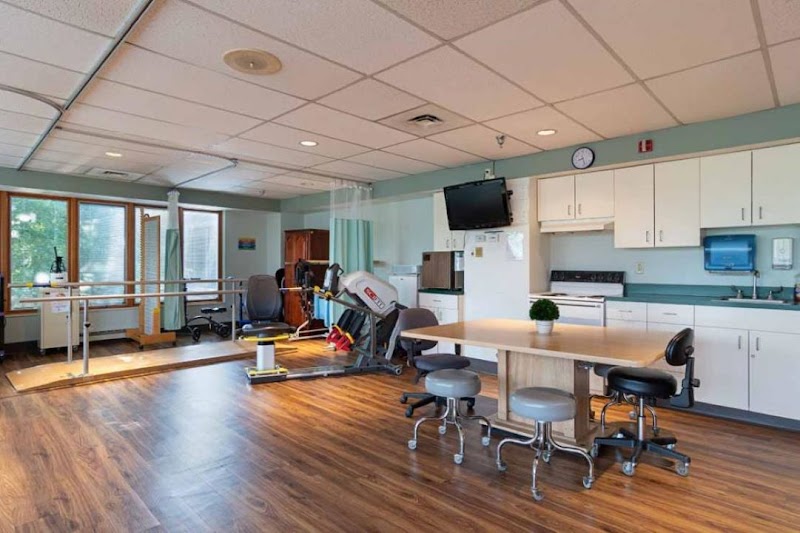
How is Harmony Hills Healthcare And Rehabilitation Center Staffed?

CMS rates HARMONY HILLS HEALTHCARE AND REHABILITATION CENTER's staffing level at 3 out of 5 stars, which is average compared to other nursing homes. Staff turnover is 68%, which is 22 percentage points above the Pennsylvania average of 46%. High turnover can affect care consistency as new staff learn residents' individual needs. RN turnover specifically is 75%, which is notably high. RNs provide skilled clinical oversight, so turnover in this role can affect medical care quality.

What Have Inspectors Found at Harmony Hills Healthcare And Rehabilitation Center?

State health inspectors documented 34 deficiencies at HARMONY HILLS HEALTHCARE AND REHABILITATION CENTER during 2022 to 2025. These included: 1 that caused actual resident harm, 31 with potential for harm, and 2 minor or isolated issues. Deficiencies causing actual harm indicate documented cases where residents experienced negative health consequences.
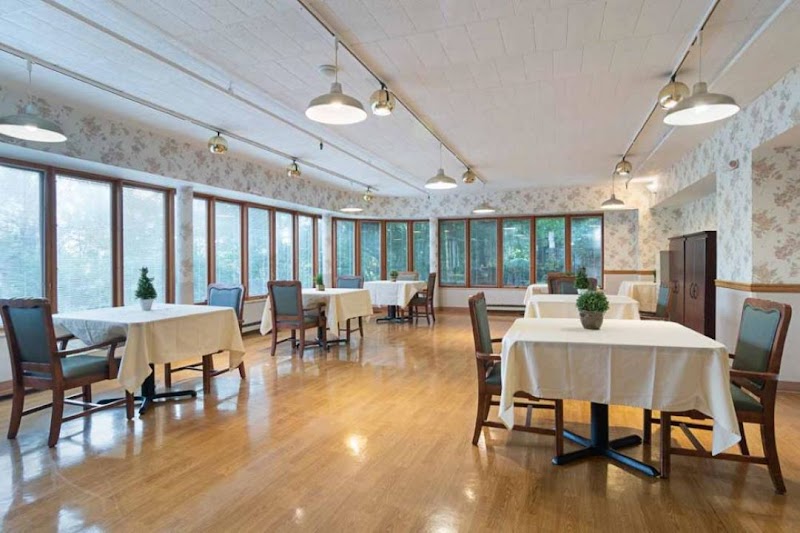
Who Owns and Operates Harmony Hills Healthcare And Rehabilitation Center?

HARMONY HILLS HEALTHCARE AND REHABILITATION CENTER is owned by a for-profit company. For-profit facilities operate as businesses with obligations to shareholders or private owners. The facility operates independently rather than as part of a larger chain. With 55 certified beds and approximately 46 residents (about 84% occupancy), it is a smaller facility located in WEXFORD, Pennsylvania.

How Does Harmony Hills Healthcare And Rehabilitation Center Compare to Other Pennsylvania Nursing Homes?

Compared to the 100 nursing homes in Pennsylvania, HARMONY HILLS HEALTHCARE AND REHABILITATION CENTER's overall rating (2 stars) is below the state average of 3.0, staff turnover (68%) is significantly higher than the state average of 46%, and health inspection rating (2 stars) is below the national benchmark.

What Should Families Ask When Visiting Harmony Hills Healthcare And Rehabilitation Center?

Based on this facility's data, families visiting should ask: "How do you ensure continuity of care given staff turnover, and what is your staff retention strategy?" "Can I visit during a mealtime to observe dining assistance and food quality?" "How do you handle medical emergencies, and what is your hospital transfer rate?" "Can I speak with family members of current residents about their experience?" These questions are particularly relevant given the facility's high staff turnover rate.

Is Harmony Hills Healthcare And Rehabilitation Center Safe?

Based on CMS inspection data, HARMONY HILLS HEALTHCARE AND REHABILITATION CENTER has a clean safety record: no substantiated abuse findings (meaning no confirmed cases of resident harm), no Immediate Jeopardy citations (the most serious violation level indicating risk of serious injury or death), and is not on the Special Focus Facility watch list (a federal program monitoring the lowest-performing 1% of nursing homes). The facility has a 2-star overall rating and ranks #100 of 100 nursing homes in Pennsylvania. While no facility is perfect, families should still ask about staff-to-resident ratios and recent inspection results during their visit.

Do Nurses at Harmony Hills Healthcare And Rehabilitation Center Stick Around?

Staff turnover at HARMONY HILLS HEALTHCARE AND REHABILITATION CENTER is high. At 68%, the facility is 22 percentage points above the Pennsylvania average of 46%. Registered Nurse turnover is particularly concerning at 75%. RNs handle complex medical decisions and coordinate care — frequent RN changes can directly impact care quality. High turnover means new staff may not know residents' individual needs, medications, or preferences. It can also be disorienting for residents, especially those with dementia who rely on familiar faces. Families should ask: What is causing the turnover? What retention programs are in place? How do you ensure care continuity during staff transitions?

Was Harmony Hills Healthcare And Rehabilitation Center Ever Fined?

HARMONY HILLS HEALTHCARE AND REHABILITATION CENTER has no federal fines on record. CMS issues fines when nursing homes fail to meet care standards or don't correct problems found during inspections. The absence of fines suggests the facility has either maintained compliance or corrected any issues before penalties were assessed. This is a positive indicator, though families should still review recent inspection reports for the full picture.

Is Harmony Hills Healthcare And Rehabilitation Center on Any Federal Watch List?

HARMONY HILLS HEALTHCARE AND REHABILITATION CENTER is not on any federal watch list. The most significant is the Special Focus Facility (SFF) program, which identifies the bottom 1% of nursing homes nationally based on persistent, serious quality problems. Not being on this list means the facility has avoided the pattern of deficiencies that triggers enhanced federal oversight. This is a positive indicator, though families should still review the facility's inspection history directly.