WEXFORD HEALTHCARE CENTER
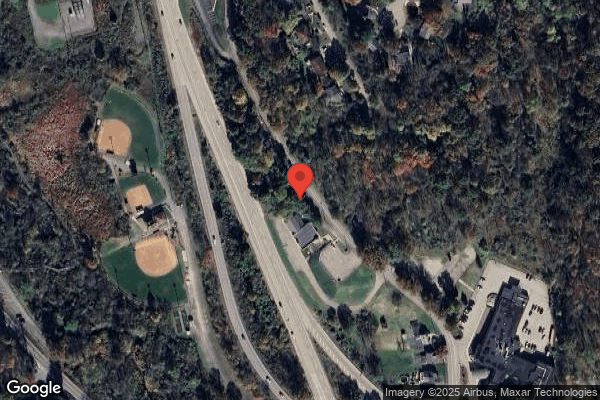

9850 OLD PERRY HIGHWAY, WEXFORD, PA 15090 (412) 366-7900
For profit - Partnership 182 Beds COMMUNICARE HEALTH Data: November 2025 1 Immediate Jeopardy citation
Trust Grade
0/100
#648 of 653 in PA
Last Inspection: October 2024

Within standard 12-15 month inspection cycle. Federal law requires annual inspections.

Overview

Wexford Healthcare Center has received a Trust Grade of F, indicating significant concerns about its care and operations. It ranks #648 out of 653 facilities in Pennsylvania, placing it in the bottom half of all nursing homes in the state, and #50 out of 52 in Allegheny County, suggesting very few local options are better. The facility shows an improving trend, having reduced issues from 52 in 2024 to just 4 in 2025, but still has serious weaknesses. Staffing is average with a rating of 3 out of 5 stars, but the turnover rate is concerning at 69%, which is higher than the state average of 46%. The facility has faced $23,128 in fines, which is average for the state, yet it has more RN coverage than 92% of Pennsylvania facilities, providing some reassurance. Specific incidents include a critical failure to prevent a resident from wandering away unsupervised and serious issues where a resident fell and fractured a hip due to inadequate supervision. Overall, while there are some strengths, families should carefully consider the significant deficiencies and risks present at this facility.

Trust Score
F
0/100
In Pennsylvania
#648/653
Bottom 1%
Safety Record
High Risk
Review needed
Inspections
Getting Better
52 → 4 violations
Staff Stability
⚠ Watch
69% turnover. Above average. Higher turnover means staff may not know residents' routines.
Penalties
✓ Good
$23,128 in fines. Lower than most Pennsylvania facilities. Relatively clean record.
Skilled Nurses
✓ Good
Each resident gets 69 minutes of Registered Nurse (RN) attention daily — more than 97% of Pennsylvania nursing homes. RNs are the most trained staff who catch health problems before they become serious.
Violations
⚠ Watch
116 deficiencies on record. Higher than average. Multiple issues found across inspections.
★☆☆☆☆
1.0
Overall Rating
★★★☆☆
3.0
Staff Levels
★★★☆☆
3.0
Care Quality
★☆☆☆☆
1.0
Inspection Score
Stable
2024: 52 issues
2025: 4 issues

The Good

  • Full Sprinkler Coverage · Fire safety systems throughout facility
  • No fines on record

Facility shows strength in fire safety.

The Bad

1-Star Overall Rating

Below Pennsylvania average (3.0)

Significant quality concerns identified by CMS

Staff Turnover: 69%

23pts above Pennsylvania avg (46%)

Frequent staff changes - ask about care continuity

Federal Fines: $23,128

Below median ($33,413)

Minor penalties assessed

Chain: COMMUNICARE HEALTH

Part of a multi-facility chain

Ask about local staffing decisions and management

Staff turnover is elevated (69%)

21 points above Pennsylvania average of 48%

The Ugly 116 deficiencies on record

1 life-threatening 1 actual harm
Jul 2025 2 deficiencies
CONCERN (D) 📢 Someone Reported This

A family member, employee, or ombudsman was alarmed enough to file a formal complaint

Potential for Harm - no one hurt, but risky conditions existed

Safe Environment (Tag F0584)

Could have caused harm · This affected 1 resident

Based on review of facility policy, observation, and staff interview, it was determined that the facility failed to maintain a clean, safe, and homelike environment for one of one coffee area (first-f...

Read full inspector narrative →
Based on review of facility policy, observation, and staff interview, it was determined that the facility failed to maintain a clean, safe, and homelike environment for one of one coffee area (first-floor lobby). Findings Include: Review of the facility policy Resident Rights last reviewed 3/14/25, indicated it is the policy of this facility to provide resident care that meets the psychosocial, physician and emotional needs and concerns of the resident. Safety of residents, visitors and employees is a top priority of care During an observation completed on 7/1/25, at 9:08 a.m. the first-floor lobby coffee area revealed the following: · The ice machine with white substance on catch tray, the counter area under the ice machine had white substance and debris. · The microwave revealed brown splatter debris on inside. · The sinks plastic shield located over faucet with yellow and brown substances. · The area under sink contained a basket, a washcloth and debris to the left corner as well as scattered on the base of cabinet. · The area under the coffee machine revealed white fuzzy substance underneath as well as a grape. · A step stool splattered with brownish tan substance · The floor with tan debris, paper wrappers and coffee stirrers. · The windowsill had leaf debris under a plant. During an interview completed on 7/1/25, at 9:17 a.m. the receptionist Employee E2 confirmed the above observations and stated, I don ' t think housekeeping has been here they start at 8:00 a.m. During an interview completed on 7/1/25, at 9:22 a.m. the Nursing Home Administrator confirmed the above observations and that the facility failed to maintain a clean, safe, and homelike environment for one of one coffee areas (first-floor lobby). 28 Pa. code: 201.14 (b) Responsibility of licensee. 28 Pa Code: 201.18 (e)(1)(2) Management. 28 Pa Code: 201.29 (a)(c) Resident Rights.
CONCERN (D) 📢 Someone Reported This

A family member, employee, or ombudsman was alarmed enough to file a formal complaint

Potential for Harm - no one hurt, but risky conditions existed

ADL Care (Tag F0677)

Could have caused harm · This affected 1 resident

**NOTE- TERMS IN BRACKETS HAVE BEEN EDITED TO PROTECT CONFIDENTIALITY** Based on review of facility policy, clinical records, resident interviews and staff interview it was determined that the facilit...

Read full inspector narrative →
**NOTE- TERMS IN BRACKETS HAVE BEEN EDITED TO PROTECT CONFIDENTIALITY** Based on review of facility policy, clinical records, resident interviews and staff interview it was determined that the facility failed to provide assistance with Activity of Daily Living (ADL) involving consistent shower or baths for two out of seven residents (Closed Record (CR) Resident R1 and Resident R3). Findings include: The facility Routine Resident Care last reviewed 3/14/25, indicated it is the policy of this facility to promote resident centered care by attending to the total medical, nursing, physical, emotional, mental, social and spiritual needs and honor resident lifestyle preferences while in the care of this facility. Providing routine daily care by a nursing assistant with specialized training including but not limited to maintaining a program for skin care. Routine care includes bathing, dressing, eating and toileting. Review of the clinical record indicated CR Resident R1 was admitted to the facility on [DATE]. Review of CR Resident R1's Minimum Data Set (MDS - a periodic assessment of care needs) dated 6/11/25, indicated the diagnosis of anemia (low iron in the blood), gastroesophageal reflux disease (stomach contents flow back up the esophagus) and anxiety. Review of the facility shower schedule indicated that CR Resident R1 would receive showers on Tuesdays and Fridays on the daylight shift. Review of CR Resident R1's documentation survey report for June of 2025, indicated that resident's shower days are scheduled on Tuesday and Fridays on the daylight shift. Further review failed to include documentation to indicate CR Resident R1 received or refused a shower or bed bath on 6/6/25. During an interview completed on 7/1/25, at 1:40 p.m. the Director of nursing confirmed that CR Resident R1 did not receive a shower or bed bath on 6/6/25. Review of the clinical record indicated Resident R3 was admitted to the facility on [DATE]. Review of Resident R3's MDS assessment dated [DATE], indicated he had diagnoses that included quadriplegia (paralysis of all four limbs), neuromuscular dysfunction of the bladder (muscle and nerve concerns impacting bladder control), and anxiety disorder (a medical condition creating a sense of acute fear, restlessness, and worry). Review of Resident R3's care plan dated 9/27/24, indicated that he is dependent for bathing and helper does all of the effort. Review of Resident R3's physician orders dated 2/21/25, indicated that it was ok for Resident R3 to shower. Review of Resident R3's shower documentation report and the Treatment Administration Record (TAR) for June 2025, failed to include documentation to indicate that Resident R3 received or refused a shower/bed bath on the following dates: 6/5/25 6/9/25 6/23/25 During an interview on 7/1/25, at 9:15 a.m. Resident R3 stated the following: They have only one nurse aide to help shower me or to get me out on Sunday. Longest have gone without a shower was six weeks. One nurse aide is supposed to have 10-12 residents and there are a lot more residents than that on this hallway. They have a real problem with being understaffed. During an interview completed on 7/1/25, at 12:20 p.m. the Director of Nursing (DON) confirmed that the facility failed to provide assistance with Activity of Daily Living (ADL) involving consistent shower or baths for Resident R3 as required. 28 Pa. Code: 211.12(1) Nursing services. 28 Pa. Code: 211.10(d) Resident care policies. 28 Pa. Code: 211.12 (2)(5) Nursing services.
Apr 2025 2 deficiencies 1 IJ
CRITICAL (J) 📢 Someone Reported This

A family member, employee, or ombudsman was alarmed enough to file a formal complaint

Immediate Jeopardy (IJ) - the most serious Medicare violation

Accident Prevention (Tag F0689)

Someone could have died · This affected 1 resident

**NOTE- TERMS IN BRACKETS HAVE BEEN EDITED TO PROTECT CONFIDENTIALITY** Based on facility policy review, clinical and facility record review, facility submitted documents, and staff interviews, it was...

Read full inspector narrative →
**NOTE- TERMS IN BRACKETS HAVE BEEN EDITED TO PROTECT CONFIDENTIALITY** Based on facility policy review, clinical and facility record review, facility submitted documents, and staff interviews, it was determined that the facility failed to provide adequate supervision to prevent elopement for one of eleven residents (Resident R1). This failure created an immediate jeopardy situation for 1 of 124 residents. Review of the facility policy Elopement Prevention and Management Overview dated 10/24/24, defined elopement as when a resident/patient leaves the premises or a safe area without authorization and/or any necessary supervision and places the resident at risk for harm or injury. Unsafe wandering is defined as when a resident/patient enters an area that is physically hazardous or contains potential safety hazards. Review of the clinical record revealed Resident R1 was admitted to the facility on [DATE]. Review of the Minimum Data Set (MDS - periodic assessment of resident care needs) dated 3/19/25, included diagnoses aphasia (language disorder that affects communication and difficulty speaking), heart failure (a progressive heart disease that affects pumping action of the heart muscles), and history of a stroke. Review of Section B: Hearing, Speech, and Vision indicated Resident R1 rarely understands and is rarely understood. Review of the Nursing admission Evaluation(s) dated 12/13/24, 12/20/25, and 1/24/25, indicated Resident R1 is at risk for elopement or unsafe wandering. Review of a Wandering Observation Tool completed on 3/20/25, indicated Resident R1 did not have a history of wandering. Review of a Wandering Observation Tool completed on 3/31/25, indicated Resident R1 did have a history of wandering. Review of the physician's orders dated 12/13/24, through 3/29/25, failed to include orders related to wandering or risk of elopement. Review of Resident R1's plan of care for [Resident R1 is an elopement risk] initiated 12/13/24, indicated that Resident R1 will not exit property if unsafe to navigate community. Review of a progress note dated 3/30/25, at 3:20 p.m. indicated, Called by CNA (nurse aide) that resident is outside of the facility, went directly outside, saw resident with the CNA, assisted back to the facility. Contacted [Doctor's] office ordered to send resident to ED (emergency department) for further evaluation. DON (Director of Nursing) made aware. Sister contacted. 911 activated. EMS (emergency medical service) transported resident via stretcher. Review of a progress note dated 3/30/25, at 10:00 p.m. indicated that Resident R1 returned to the facility at 8:00 p.m. Review of facility submitted documentation dated 3/31/25 by the Director of Nursing (DON), indicated that on 3/30/25, at 2:30 p.m. [Resident R1] was discovered outside in front of the building on the road. He was talking with a passerby. At that time two CNAs were walking around the building and saw two men talking in the road. It looked like they were arguing. They recognized the one man as [Resident R1]. They went to him and after some encouragement convinced him to go with him into the building, He was still agitated, upon entering the building the RN (Registered Nurse) Supervisor completed a head to toe assessment. The only injury that was found was a small open area on his right wrist, 1cm x 2cm. Family and physician were notified, an order was obtained to send the resident to the emergency room for a workup to evaluate for cause of altered mental status. Resident returned from the emergency room (ER) later that evening. Upon return from the ER the resident was assessed for wander risk due to his increase in agitation, he was assessed as being a wander risk and a Wanderguard (electronic monitoring bracelet) was place on the resident, the consultant pharmacist was asked to evaluate the residents medication regimen, to check for drug interactions that might have a negative effect. Family being contacted to get a consent for psych consult. On 4/1/25, the report was updated to include that the resident exited the side door. His last elopement risk assessment was done on 3/20/25 and showed he was not at risk. He was last seen by his nurse at 2:15 p.m. The weather was 60 degrees with light drizzle. The resident had on a long sleeve shirt and pants. Review of an employee statement dated 3/30/25, written by the Licensed Practical Nurse (LPN) Employee E1 indicated, Resident with me this shift (7-3). Followed with medication pass. Pacing up and down halls quickly. No attempts to seek exit. [Resident R1] was agitated, unable to sit for 2 minutes. He was pale and looked very perplexed; very short conversations not baseline. Medications were taken along with prn (as needed) Ativan (medication for anxiety), noted Ativan not to be effective as usual, as improving his agitation and speech. Resident's foley (urinary catheter) was patent and emptied often. At end of the shift, [Resident R1] remained agitated, but we were able to redirect him. Seen him last at 2:15 p.m. at nurses station. Review of an employee statement dated 3/30/25, written by Nurse Aide (NA) Employee E2 indicated, Before rounding, [Resident R1] was doing his normal pacing back and forth. I finished my round and everything was normal. I never heard the alarm because I was in a room with the door closed. I went on a 15-minute break. I was walking with a co-worker around the building. I spotted two people in the middle of the road tussling. I noticed it was [Resident R1] because of his clothes. I ran over to help, the resident was fighting the man. I asked him to let go of the resident and I would take over. I then tried talking to the resident to calm him down and let the man go. He wouldn't so I moved the man out the way and allowed the resident to grab hold of me. He was screaming and hitting me so I walked behind him up the hill while he bent my fingers back. I got him to the sidewalk near the front door where supervisor and aides were running. They took him from there. Review of an employee statement dated 3/30/25, by NA Employee E3 indicated, After doing last rounds I went to the restroom in break area. When finishing up I heard two stairwell alarms going off. One was for [NAME] Tower the other was for Chadsworth. When I came out of the breakroom they turned off. Me and another aide then went on a smoke break. As we were walking around the building we noticed two people in the middle of the street tussling. We were walking to help and noticed it was [Resident R1]. My coworker and I then ran over to help. The resident was fighting the man, as I was calling for help my coworker took over from the man to help [Resident R1]. Once my coworker allowed resident to grab a hold of her, he was screaming and hitting her. I got in touch with the supervisor and supervisor and aides came running out the building. During an interview on 4/2/25, at approximately 2:25 p.m. the DON confirmed that the facility's investigation concluded that Environmental Services Employee (EVS) E4 had silenced the alarm, without checking in the stairwell to ensure no residents were present. During an interview on 4/2/25, at approximately 3:15 p.m. EVS Employee E4 stated that he had been in the bathroom, and the alarm had been sounding for approximately five minutes. EVS Employee E4 stated that he did look into the stairwell, but did not observe any residents. EVS Employee E4 confirmed that he did not inform any other staff of the alarm being silenced. The NHA and the DON were made aware that an Immediate Jeopardy situation existed for residents on 4/2/25, at 3:44 p.m. and a corrective action plan was requested. The Immediate Jeopardy template was provided to the facility administration at 3:50 p.m. On 3/26/25, at 6:13 p.m. an acceptable Corrective Action Plan was received which included the following interventions: -On 3/30/25 at 2:30 p.m. Affected Resident was escorted back into the facility. Wanderguard was then placed on resident immediately. Physician was notified at 2:47 p.m. Body assessment completed and skin tear to resident's right wrist was discovered. Treatment applied. Resident was transferred to ED for evaluation and treatment. Resident returned that evening with a positive UA (urinalysis) but not being treated. -On 3/30/25 at 3:00 p.m. Facility Wide Headcount was conducted by nursing department and all residents were accounted for. -On 3/30/25 at 3:15 p.m. All Alarming Doors were audited to ensure functionality. -On 3/30/25 at 8:00 p.m. after return from hospital immediate intervention of 1:1 was placed on resident and will be until adjustment to new medications is accomplished. -On 3/30/25 at 5:00 p.m. Elopement Books were updated to include affected resident. -On 3/31/25 at 7:30 am Elopement Care plan and Orders were updated on all like residents. -On 4/2/2025 at 3:00 p.m. Whole House Education was completed on Elopement Policy, Responding to Alarms, Code [NAME] and inspecting any stairwells or any exit path by Nurse Educator/designee. -On 3/31/2025, Pharmacist Consultant reviewed medications, no medication changes. On 4/1/2025, Psychiatric consultation was made, and medication adjustments were made. Resident was prescribed Lexapro (a medication used to treat depression and anxiety). -Newly admitted residents are screened for elopement risk upon admission, quarterly and as needed and care plans and assessments done accordingly. Any resident deemed at risk for elopement will have a Wanderguard placed. -On 4/2/2025, Facility Medical Director was notified of the Immediate Jeopardy and Abatement Plan. -Daily Door Alarm Audits will continue by Maintenance Department or designee daily. -Elopement Drills will be conducting weekly for two months, alternating shifts for two months. -The Plan of Correction will be monitored at the Monthly QAPI Committee Meetings monthly for the next three months. Reviewing all door audits, elopement drills, new admissions for elopement assessments and reviewing the Elopement Policy as needed. -Results will be submitted to QAPI. Review of the clinical record indicated Resident R1 received a psychiatric evaluation on 4/1/25. Review of the clinical record indicated Resident R1 received a pharmacist review of medications on 4/2/25. On 4/3/25, the elopement binder was verified as complete and accurate. On 4/3/25, updated elopement assessments, care plans, and orders for residents identified as elopement risks were verified as completed. On 4/3/25, daily door alarm audits were verified as completed for 3/31/25, through 4/3/25. On 4/3/25, review of facility documents revealed on 3/31/25, an elopement drill was held on evening shift. On 4/1/25, elopement drills were held on day and overnight shifts. During staff interviews on 4/3/24, between 1:30 p.m. and 3:00 p.m. and on 4/4/25, between 9:00 a.m. and 10:30 a.m. 34 facility staff members from multiple departments were interviewed, and confirmed that they had received education on elopement prevention, door alarms, and actions to take in the event of a suspected or confirmed resident elopement. The Immediate Jeopardy was removed on 4/4/25, at 10:45 a.m. when the action plan implementation was verified. During an interview on 4/4/25, at approximately 11:00 a.m. the Nursing Home Administrator and the Director of Nursing confirmed that the facility failed to provide adequate supervision to prevent elopement for one of eleven residents. This failure created an immediate jeopardy situation for 1 of 124 residents. 28 Pa. Code 201.14(a) Responsibility of licensee. 28 Pa. Code 201.18(b)(1) Management. 28 Pa. Code 201.20(a)(1) Staff Development. 28 Pa. Code 201.29(a) Resident rights. 28 Pa. Code 211.10(c)(d) Resident care policies. 28 Pa Code 211.12(d)(1)(2)(5) Nursing services.
CONCERN (D) 📢 Someone Reported This

A family member, employee, or ombudsman was alarmed enough to file a formal complaint

Potential for Harm - no one hurt, but risky conditions existed

Investigate Abuse (Tag F0610)

Could have caused harm · This affected 1 resident

**NOTE- TERMS IN BRACKETS HAVE BEEN EDITED TO PROTECT CONFIDENTIALITY** Based on review of facility documents, clinical records, and staff interviews, it was determined that the facility failed to ful...

Read full inspector narrative →
**NOTE- TERMS IN BRACKETS HAVE BEEN EDITED TO PROTECT CONFIDENTIALITY** Based on review of facility documents, clinical records, and staff interviews, it was determined that the facility failed to fully investigate an incident to eliminate possible neglect for one of two residents (Resident R1). Review of the facility policy Abuse, Neglect and Misappropriation, dated 4/18/24, with a previous review date of 8/21/23, indicated that the facility will provide resident centered care and the intent of the facility is to prevent the abuse, mistreatment or neglect of residents. The accurate and timely identification of any event which would place our residents at risk for potential abuse is the primary concern. Each occurrence of resident incident, bruise, etc., will be identified and reported to the supervisor and investigated immediately. In the event a situation is identified as abuse, neglect, etc., an investigation by the executive leadership will follow. Review of the clinical record revealed Resident R1 was admitted to the facility on [DATE]. Review of the Minimum Data Set (MDS - periodic assessment of resident care needs) dated 3/19/25, included diagnoses aphasia (language disorder that affects communication and difficulty speaking), heart failure (a progressive heart disease that affects pumping action of the heart muscles), and history of a stroke. Review of Section B: Hearing, Speech, and Vision indicated Resident R1 rarely understands and is rarely understood. Review of the Nursing admission Evaluation(s) dated 12/13/24, 12/20/25, and 1/24/25, indicated Resident R1 is at risk for elopement or unsafe wandering. Review of an Wandering Observation Tool completed on 3/20/25, indicated Resident R1 did not have a history of wandering. Review of an Wandering Observation Tool completed on 3/31/25, indicated Resident R1 did have a history of wandering. Review of the physician's orders dated 12/13/24, through 3/29/25, failed to include orders related to wandering or risk of elopement. Review of Resident R1's plan of care for [Resident R1 is an elopement risk] initiated 12/13/24, indicated that Resident R1 will not exit property if unsafe to navigate community. Review of a progress note dated 3/30/25, at 3:20 p.m. indicated, Called by CNA (nurse aide) that resident is outside of the facility, went directly outside, saw resident with the CNA, assisted back to the facility. Contacted [Doctor's] office ordered to send resident to ED (emergency department) for further evaluation. DON (Director of Nursing) made aware. Sister contacted. 911 activated. EMS (emergency medical service) transported resident via stretcher. Review of a progress note dated 3/30/25, at 10:00 p.m. indicated that Resident R1 returned to the facility at 8:00 p.m. Review of facility submitted information dated 3/31/25 by the Director of Nursing (DON), indicated that on 3/30/25, at 2:30 p.m. [Resident R1] was discovered outside in front of the building on the road. He was talking with a passerby. At that time two CNAs were walking around the building and saw two men talking in the road. It looked like they were arguing. They recognized the one man as [Resident R1]. They went to him and after some encouragement convinced him to go with him into the building. Review on 4/2/25, of the facility-provided investigation documents revealed statements provided by nurse aide and licensed nurses. During an interview on 4/2/25, at approximately 2:25 p.m. the DON confirmed that the facility's investigation concluded that Environmental Services Employee E4 had silenced the alarm, without checking in the stairwell to ensure no residents were present. During an interview on 4/2/25, at approximately 3:15 p.m. EVS Employee E4 stated that he had been in the bathroom, and the alarm had been sounding for approximately five minutes. EVS Employee E4 stated that he did look into the stairwell, but did not observe any residents. EVS Employee E4 confirmed that he did not inform any other staff of the alarm being silenced. During an interview on 4/4/25, at approximately 11:00 a.m. the Nursing Home Administrator and the Director of Nursing confirmed that the facility failed to interview and gather a statement from Employee E4, the employee who was central to the resident being able to exit the facility without staff being aware and confirmed that the surveyor interview conducted with EVS Employee E4 contradicted the conclusion of the facility's elopement investigation. The Nursing Home Administrator and the Director of Nursing further confirmed that the facility failed to fully investigate an incident to eliminate possible neglect for one of two residents. 28 Pa. Code 201.14(a) Responsibility of licensee. 28 Pa. Code 201.18(b)(1) Management. 28 Pa. Code 201.20(a)(1) Staff Development. 28 Pa. Code 201.29(a) Resident rights. 28 Pa. Code 211.10(c)(d) Resident care policies. 28 Pa Code 211.12(d)(1)(2)(5) Nursing services.
Oct 2024 34 deficiencies
CONCERN (D) 📢 Someone Reported This

A family member, employee, or ombudsman was alarmed enough to file a formal complaint

Potential for Harm - no one hurt, but risky conditions existed

Deficiency F0573 (Tag F0573)

Could have caused harm · This affected 1 resident

**NOTE- TERMS IN BRACKETS HAVE BEEN EDITED TO PROTECT CONFIDENTIALITY** Based on facility policy, resident representative and staff interview it was determined that the facility failed to provide medi...

Read full inspector narrative →
**NOTE- TERMS IN BRACKETS HAVE BEEN EDITED TO PROTECT CONFIDENTIALITY** Based on facility policy, resident representative and staff interview it was determined that the facility failed to provide medical record access for one of four residents (Closed Resident Record R177). Findings include: Review of Resident Rights dated 10/24/24, indicated: Residents have the right to access all resident records, including clinical records (medical records and reports) promptly. The residents legal guardian has the right to look at all of the residents medical records and make important decisions on the residents behalf/ Facility documentation indicated Closed Record Resident R177 was admitted on [DATE]. Facility documentation indicated Closed Record Resident R177 had diagnosis of unspecified dementia, anxiety disorder, and cognitive communication deficient. Which remained current as of the MDS (minimum data set a periodic assessment of basic needs) on 8/13/24. Review of Closed Resident Record R177 progress notes indicated contact with the financial POA for medical decisions on the following days: 9/8/24 - facility called Power of Attorney (POA) asking if they wanted the Closed Record Resident to be sent out for further surgical evaluation, or to control her pain here, opted to send out to hospital for further investigation- 911 called and Director of Nursing (DON) notified. 9/8/24 - family was resident sent out. 9/8/24 - 2nd contact notified (listed as friend on admit sheet) regarding swollen and bruised ankle. 8/13/24 - notified Closed Record Resident R177 POA about weight gain. 8/8/24- left voice mail for POA about weight change. Phone interview on 10/31/24, at 1:15 p.m. Closed Record Resident R177 POA indicated the following she was and (still currently) the financial POA and had been since 2013, the facility contacted her to make medical and financial decision to include when she was sent out to the hospital. Closed record Resident R177 POA requested CR Resident R177 clinical records but was told she could not have the records. The facility did not assist the POA with getting the medical POA. During an interview on 10/31/24, at 1:40 p.m the following was confirmed by Corporate Employee E35, that the facility did use the financial POA as responsible party to make medical decisions for Closed Record Resident R177, and the facility was aware of the request, but did not give the records to the POA. The facility failed to provide medical record access to Closed Record resident R177 POA. 28 Pa. Code 201.29(a)Resident rights.
CONCERN (D)

Potential for Harm - no one hurt, but risky conditions existed

Notification of Changes (Tag F0580)

Could have caused harm · This affected 1 resident

**NOTE- TERMS IN BRACKETS HAVE BEEN EDITED TO PROTECT CONFIDENTIALITY** Based on a review of facility policy, clinical records, and staff interview it was determined the facility failed to notify the ...

Read full inspector narrative →
**NOTE- TERMS IN BRACKETS HAVE BEEN EDITED TO PROTECT CONFIDENTIALITY** Based on a review of facility policy, clinical records, and staff interview it was determined the facility failed to notify the physician of a change of condition for one of eight residents (Resident R173). Findings include: Review of facility policy Notification of Change in Condition, dated 10/24/24, indicated Compliance Guidelines: The center must inform the resident, consult with the residents physician when there is a change requiring notification. Resident R173 was admitted to the facility on [DATE]. Review of Resident R173 admit sheet indicated diagnosis of type II Diabetes Mellitus (chronic disease that occurs when the body doesn't use insulin properly, resulting in high blood sugar levels), and end stage real dependence (permanent condition that occurs when the kidneys are no longer able to function). Review of clinical progress notes dated 10/19/24, indicated Trulicity Subcutaneous Solution Pen-injector ( a type 2 diabetes medication that helps your body release own insulin - given weekly) 0.75MG/0.5ML Inject 0.75mg subcutaneously one time a week every Saturday for DM (diabetes mellitus) - medication not available in house, called Pharmacy script syringe to be delivered soon as possible. Review of Resident R173 clinical record failed to show where medication was given. Review of Resident R173 record failed to indicate the physician was notified. During an interview on 10/31/24, at 8:47 a.m. Director of Nursing confirmed that the facility failed to notify the physician of Resident R173 not being given Trulicity as ordered once a week. 28 Pa. Code 201.14(a)ce Responsibility of licensee. 28 Pa. Code 201.18(b)(1)e(1)Management.
CONCERN (D)

Potential for Harm - no one hurt, but risky conditions existed

Grievances (Tag F0585)

Could have caused harm · This affected 1 resident

**NOTE- TERMS IN BRACKETS HAVE BEEN EDITED TO PROTECT CONFIDENTIALITY** Based on review of facility policy, resident council interview, observations of resident areas and nursing units, and staff inte...

Read full inspector narrative →
**NOTE- TERMS IN BRACKETS HAVE BEEN EDITED TO PROTECT CONFIDENTIALITY** Based on review of facility policy, resident council interview, observations of resident areas and nursing units, and staff interviews it was determined that the facility failed to ensure anonymous grievance forms are readily accessible for resident use on one of three floors (Second floor). Findings include: The facility Resident grievance policy dated 2/20/24, indicated that the facility will maintain a secure box, in an area accessible to residents and visitors, for reporting grievances in writing and anonymously. Multiple boxes may be required in the facility to ensure that all residents are able to exercise their right to file grievances anonymously. During a resident group interview on 10/30/24, at 11:45 a.m the residents stated they do not know where the grievance box is, where the concern forms are or who the grievance officer is. During observations on 10/31/24, at 9:42 a.m. observations of the Second floor D-wing lounge was observed locked. A sign was observed on the outside of the door and it stated: closed for renovation. The Second floor D-wing lounge was observed with the facility grievance box and it was observed empty without any grievance forms. During observations on 10/31/24, at 9:46 a.m. the Lounge across from room [ROOM NUMBER] was observed without a grievance box or forms for resident use. During observations on 10/31/24, at 9:49 a.m. the Second floor Savor lounge was observed without any grievances box or grievance form for resident use. During an interview on 10/31/24, at 11:30 a.m. Nursing Home Adminstrator (NHA) confirmed that the facility failed to have a private grievance box available to residents, with the grievance box on the second floor being in the second floor lounge which is inaccessible to residents due to renovations. During an exit interview on 10/31/24, at 5:10 p.m. information was disseminated to the Nursing Home Administrator (NHA) and the Director of Nursing (DON) that the facility failed to ensure anonymous grievance forms are readily accessible for resident use on the Second floor. 28 Pa. Code 201.29(l)Resident rights. 28 Pa. Code 201.18e(4)Management.
CONCERN (D) 📢 Someone Reported This

A family member, employee, or ombudsman was alarmed enough to file a formal complaint

Potential for Harm - no one hurt, but risky conditions existed

Free from Abuse/Neglect (Tag F0600)

Could have caused harm · This affected 1 resident

**NOTE- TERMS IN BRACKETS HAVE BEEN EDITED TO PROTECT CONFIDENTIALITY** Based on review of facility documents, facility policy, clinical records, resident representative interview, and staff interview...

Read full inspector narrative →
**NOTE- TERMS IN BRACKETS HAVE BEEN EDITED TO PROTECT CONFIDENTIALITY** Based on review of facility documents, facility policy, clinical records, resident representative interview, and staff interviews, it was determined that the facility failed to provide appropriate goods and services to prevent physical neglect for two of four residents (Resident R87 and R107). Findings include: Review of facility Abuse, Neglect and Misappropriation policy dated 9/9/23 and 10/24/24, indicated it is the policy of the facility to provide resident centered care that meets the psychosocial, physical and emotional needs and concerns of the residents. It is the intent of the facility to prevent abuse, mistreatment, or neglect of residents or the misappropriation of their property, corporal punishment and involuntary seclusion and to provide guidance to direct staff to manage any concerns or allegations of abuse, neglect or misappropriation of their property. Review of the clinical record indicated Resident R87 was admitted to the facility on [DATE]. Review of Resident R87's Minimum Data Set (MDS - a periodic assessment of care needs) dated 9/27/24, indicated diagnoses of high blood pressure, depression, and dementia (a group of symptoms that affects memory, thinking and interferes with daily life). Section GG0130 is coded as a 1, indicating dependent for toileting hygiene. Review of Resident R87's care plan dated 9/30/24, indicated toileting hygiene - Dependent. Helper does all of the effort or two or more helper assists. During an interview on 10/27/24, at 12:26 p.m. a resident representative reported an allegation of neglect to State Agency concerning incontinent care being completed timely and that evening shift is the worse shift. During allegation of neglect, it was reported that resident was not changed for nine hours on 10/16/24. During an interview on 10/27/24, at 1:15 p.m. the Nursing Home Administrator stated he was familiar with the neglect allegation and was able to provide documentation dated 10/17/24, regarding the investigation that was conducted related to the event. During review of documentation provided by the facility on 10/28/24, at 10:35 a.m. indicated that the resident was observed to have been incontinent. This was observed by resident representative and other staff members once it was brought to their attention. The incident was discussed with the employee assigned to resident in which she responded, I had not changed her since earlier in the morning. During review of documentation provided by the facility on 10/28/24, at 11:02 a.m. indicated that the facility substantiated the allegation of neglect that was made for Resident R87. During an interview on 10/30/24, at 10:15 a.m. Nursing Home Administer (NHA) stated We did the investigation and the alleged perpetrator resigned from the facility. During an interview on 10/30/24, at 10:37 a.m. NHA confirmed that the facility failed to ensure that residents were free from neglect for Resident R87. Review of the clinical record revealed that Resident R107 was admitted to the facility on [DATE]. Review of Resident 107's MDS dated [DATE], indicated diagnoses of high blood pressure, intracerebral hemorrhage (when a ruptured blood vessel causes bleeding inside the brain), and dysphagia (difficulty swallowing). Review of Resident R107's clinical record revealed a progress note from Physician Assistant (PA) Employee E34 dated 10/30/24, at 5:36 p.m. that stated the following: Very critical K (potassium level) in a non-verbal patient. Full code. Will transfer to ER (Emergency Room). K was 5.5 on the 10/29/24, now 6.8. Transfer to ER. Review of Resident R107's clinical record revealed a nursing progress note dated 10/31/24, at 9:20 a.m. that stated the following: To go into ER due to elevated potassium. During an observation on 10/31/24, at approximately 9:30 a.m. State Agency witnessed Resident R107 being transferred into an ambulance. During an interview on 10/31/24, at 12:53 p.m. PA Employee E34 stated that she had been contacted the evening of 10/30/24, regarding Resident R107's high potassium level via a telehealth visit in which she instructed the nurse who contacted her to send Resident R107 to the hospital. When PA Employee E34 was asked if she meant for Resident R107 to be sent to the hospital the following morning, she replied No. I wanted her sent out right then. PA Employee E34 added that the conversation with facility staff and the contents of the consult are recorded and that there are audio files to support her instructions. During an interview on 10/31/24, at 2:22 p.m. the Director of Nursing (DON) confirmed that Resident R107 was not sent out to the hospital on the evening of 10/30/24, as instructed, and that the expectation would have been to send Resident R107 to hospital directly after having received the order to do so. DON confirmed that the facility neglected to address Resident R107's change in condition in a timely manner. 28 Pa. Code: 201.14(a) Responsibility of licensee 28. Pa Code 201.18(b)(1)(e)(1) Management. 28 Pa. Code 201.29(j) Resident rights. 28. Pa. Code 211.12(d)(1)(5) Nursing services.
CONCERN (D)

Potential for Harm - no one hurt, but risky conditions existed

Report Alleged Abuse (Tag F0609)

Could have caused harm · This affected 1 resident

**NOTE- TERMS IN BRACKETS HAVE BEEN EDITED TO PROTECT CONFIDENTIALITY** Based on review of facility policy, clinical record review, reports submitted to the State, and resident and staff interviews, i...

Read full inspector narrative →
**NOTE- TERMS IN BRACKETS HAVE BEEN EDITED TO PROTECT CONFIDENTIALITY** Based on review of facility policy, clinical record review, reports submitted to the State, and resident and staff interviews, it was determined that the facility failed to report allegations of neglect in the required timeframe one of three residents (Resident R48). Findings include: Review of facility policy Abuse, Neglect and Misappropriation dated 10/24/24, indicated neglect is the failure of the facility, its employees or service providers to provide goods and services to a resident that are necessary to avoid physical harm, pain, mental anguish, or emotional distress. For alleged violations of neglect, exploitation, misappropriation of resident property, or mistreatment that do not result in serious bodily injury, the facility must report the allegation no later than 24 hours. Review of the clinical record indicated Resident R48 was admitted to the facility on [DATE]. Review of Resident R48's MDS dated [DATE], indicated diagnoses of neurogenic bladder (bladder problems due to disease or injury of the nervous system involved in the control of urination), and quadriplegia (paralysis of all four limbs). During an interview on 10/27/24, at 10:37 a.m. Resident R48 stated, I didn't have my call bell available last night from 11 p.m. to 5 a.m. No one rounded on me last night from 11 p.m. to 5 a.m. The aide who put me to bed last night around 9 p.m. did it by herself, she used a Hoyer (a mechanical lift) to put me back to bed by herself when there should have been two people. The aide I have today told me that she would get me up yesterday before lunch and shave me. She didn't get me up until after lunch and she didn't shave me because she said I was rude. During an interview on 10/27/24, at 11:28 a.m. the Nursing Home Administrator (NHA) and Director of Nursing (DON) were made aware by the State Agency of the allegations of neglect that Resident R48 had made during an interview on 10/27/24, at 10:37 a.m. A review of incidents submitted to the State on 10/28/24, at 1:28 p.m. included Resident R48's allegation that an aide failed to shave him, but failed to include the neglect allegations involving not having his call bell available and not being rounded on by nursing staff for six hours and the allegation that one aide used a Hoyer lift to put him back to bed. During an interview on 10/29/24, at 2:35 p.m. the DON confirmed that the facility failed to report allegations of neglect in the required timeframe as required for one of three residents (Resident R48). 28 Pa. Code 201.14(a)(c.)(e.) Responsibility of licensee. 28 Pa. Code 201.18(b)(1)(3)(e)(1) Management. 28 Pa. Code 201.20(b) Staff development. 28 Pa. Code 211.10(c.)(d) Resident care policies.
CONCERN (D)

Potential for Harm - no one hurt, but risky conditions existed

Quality of Care (Tag F0684)

Could have caused harm · This affected 1 resident

**NOTE- TERMS IN BRACKETS HAVE BEEN EDITED TO PROTECT CONFIDENTIALITY** Based on review of facility policy, clinical records, and staff interviews, it was determined that the facility failed to notify...

Read full inspector narrative →
**NOTE- TERMS IN BRACKETS HAVE BEEN EDITED TO PROTECT CONFIDENTIALITY** Based on review of facility policy, clinical records, and staff interviews, it was determined that the facility failed to notify physicians of increased and decreased Capillary Blood Glucose (CBG) levels as per physician's order for two of three sampled residents (Residents R5 and R88) and failed to document appropriate interventions for a resident with hypoglycemia (low blood glucose) for one of three sampled residents (Resident R5). Findings include: The facility Blood glucose point of care policy dated 9/19/23, indicated that point of care testing for blood glucose levels is a lab test that is performed at the bedside by a nurse. Record results and contact provider per physician orders if out of range. The Centers for Disease Control defines diabetes as: Diabetes Mellitus is a chronic (long-lasting) health condition that affects how your body turns food into energy. Most of the food you eat is broken down into sugar (also called glucose) and released into your bloodstream. When your blood sugar goes up, it signals your pancreas to release insulin. Insulin acts like a key to let the blood sugar into your body's cells for use as energy. If you have diabetes, your body either doesn't make enough insulin or can't use the insulin it makes as well as it should. When there isn't enough insulin or cells stop responding to insulin, too much blood sugar stays in your bloodstream. Over time, that can cause serious health problems, such as heart disease, vision loss, and kidney disease. Hypoglycemia is a condition that occurs when blood glucose is lower than normal, usually below 70 milligrams per deciliter (mg/dl). If left untreated, hypoglycemia may lead to weakness, confusion, unconsciousness, arrhythmias and even death. People with Diabetes Mellitus may be prescribed injectable insulin to assist in maintaining acceptable levels of CBG's. Hyperglycemia, or high blood glucose, occurs when there is too much sugar in the blood. This happens when your body has too little insulin. Hyperglycemia is blood glucose greater than 125 mg/dL while fasting (not eating for at least eight hours, or a blood glucose greater than 180 mg/dL one to two hours after eating. If you have hyperglycemia and it's untreated for long periods of time, you can damage your nerves, blood vessels, tissues, and organs. Damage to blood vessels can increase your risk of heart attack and stroke, and nerve damage may also lead to eye damage, kidney damage and non-healing wounds. Review of Resident R5's admission record indicated she was admitted on [DATE], and readmitted on [DATE]. Review of Resident R5's MDS assessment (MDS-Minimum Data Set assessment: periodic assessment of resident care needs) dated 5/24/24, indicated she had diagnoses that included diabetes (a metabolic disorder impacting organ function related to glucose levels in the human body), chronic kidney disease (a loss of kidney function resulting in the swelling of feet, fatigue, high blood pressure and changes in urination), hypertension (a condition impacting blood circulation through the heart related to poor pressure), and chronic obstructive pulmonary disease (COPD: a disease characterized by persistent respiratory symptoms involving breathlessness, coughing, and obstructed airflow to the lungs). These diagnoses were current upon review. Review of Resident R5's care plan dated 4/4/24, indicated to administer insulin injections per orders. Review of Resident R5's physician orders dated 8/23/24, indicated to administer insulin (Aspart) subcutaneously with blood glucose monitoring, provide medication before meals three times per the following protocol: 0-70= notify the physician 70-140 = 0 units 141-180 = 2 units 181-220 =4 units 221-260 = 6 units 261-300 = 8 units 301-400 = 10 units 401-999 = 12 units and call physician Review of Resident R5's vitals records from June 2024 to July 2024, indicated the following blood glucose measurements: 7/9/24= 64 mg/dl 10/6/24= 417 mg/dl 10/7/24= 64 mg/dl 10/9/24= 427 mg/dl Review of Resident R5's clinical records and physician documents did not include notifications to the physician as ordered related to the abnormal blood glucose levels on 7/9/24, 10/6/24, 10/7/24, and 10/9/24. Review of Resident R5's clinical records, nurse notes and physician documents did not include interventions for hypoglycemia for 10/7/24. During an interview on 10/29/24, at 11:05 a.m. Registered Nurse (RN) Employee E4 confirmed that the facility failed to notify a physician of increased and decreased Capillary Blood Glucose (CBG) levels as per physician's order and failed to document appropriate interventions for Resident R5 as required. Review of the clinical record indicated Resident R88 was admitted to the facility on [DATE], and readmitted on [DATE]. Review of Resident R88's MDS dated [DATE], indicated diagnoses of high blood pressure, diabetes, and muscle weakness. Review of a physician order dated 10/9/24, indicated to check the resident's blood sugar level before meals and at bedtime. Notify provider if blood sugar is less than 70 mg/dL or greater than 250 mg/dL. Review of Resident R88's care plan dated 5/31/24, indicated to administer insulin injections per orders. Review of Resident R88's vitals records for October 2024, indicated the following blood glucose measurements: 10/27/24 12:26 p.m. = 252.0 mg/dL 10/26/24 8:13 p.m. = 389.0 mg/dL 10/24/24 8:49 p.m. = 375.0 mg/dL 10/24/24 4:15 p.m. = 288.0 mg/dL 10/21/24 9:23 p.m. = 367.0 mg/dL 10/21/24 12:31 p.m. = 287.0 mg/dL 10/20/24 8:28 p.m. = 340.0 mg/dL 10/19/24 9:15 p.m. = 325.0 mg/dL 10/19/24 4:21 p.m. = 305.0 mg/dL Review of Resident R88's progress notes from 10/19/24, through 10/27/24, failed to include documentation that a physician was notified of Resident R88's abnormal blood glucose levels on the dates listed above. During an interview on 10/29/24, at 2:10 p.m. the Director of Nursing confirmed that the facility failed to follow physician orders and notify a physician of abnormal blood glucose readings for Resident R88 as ordered. 28 Pa. Code 201.18 (b)(1) Management 28 Pa. Code 201.29(a) Resident Rights 28 Pa. Code 211.10 (c)(d) Resident Care policies 28 Pa. Code 211.12 (d)(1)(2)(3)(5) Nursing services
CONCERN (D)

Potential for Harm - no one hurt, but risky conditions existed

Pressure Ulcer Prevention (Tag F0686)

Could have caused harm · This affected 1 resident

**NOTE- TERMS IN BRACKETS HAVE BEEN EDITED TO PROTECT CONFIDENTIALITY** Based on observations and resident and staff interviews, it was it was determined that the facility failed to obtain physician o...

Read full inspector narrative →
**NOTE- TERMS IN BRACKETS HAVE BEEN EDITED TO PROTECT CONFIDENTIALITY** Based on observations and resident and staff interviews, it was it was determined that the facility failed to obtain physician orders for negative pressure wound therapy devices (NPWT or wound vac - used to draw out fluid and infection from a wound to help it heal) for one of three residents (Resident R107), and failed to obtain physician treatment orders for an as needed dressing for one of three residents (Resident R64). Findings include: Review of facility policy Skin Care and Wound Management dated 9/19/23, last reviewed 10/24/24, indicated residents admitted with or develop skin integrity issues will receive treatment and as indicated. Review of facility policy Physician Orders dated 9/19/23, last reviewed 10/24/24, indicated it is the policy of this facility to provide resident centered care that meets the psychosocial, physical and emotional needs and concerns of the resident. Review of the admission record indicated Resident R107 was re-admitted to the facility on [DATE]. Review of Resident R107's Minimum Data Set (MDS- a periodic assessment of care needs) dated 10/7/24, indicated the diagnoses of hypertension (high blood pressure),anemia (low iron in the blood) and neurogenic bladder (nervous system condition that affects the way the bladder works). Section M - Wound care, M1200E indicated that Resident R107 received pressure ulcer/injury care. Review of Resident R107's physician order dated 10/28/24, indicated: cleanse sacrum with 0.125% dakins solution apply NPWT at 125mmhg cover with transparent film. Change Monday, Wednesday, Friday and as needed every day shift. Monitor to make sure it is running at all times. Start date 10/30/24. During an interview on 10/30/24, at 11:39 a.m. Registered Nurse (RN) Employee E18 confirmed the facility failed to obtain orders for the wound vac that included the frequency for the suction setting and interventions for treatment for displacement or malfunction of the wound vac. Review of the admission record indicated Resident R64 was re-admitted to the facility on [DATE]. Review of Resident R64's Minimum Data Set (MDS- a periodic assessment of care needs) dated 8/28/24 indicated the diagnosis of hypertension (high blood pressure), anemia (low iron in the blood) and diabetes (high sugar in the blood). Section M - Wound care, M1200E indicated that Resident R64 received pressure ulcer/injury care. Review of Resident R64's physician orders dated 10/23/24 indicated right lateral malleolus (heel) cleanse with wound cleanser, apply Medi-honey and silver alginate and cover with border gauze. every day shift Monday, Wednesday, Friday for Wound Care During an interview completed on 10/29/24, at 9:45 a.m. Licensed Practical Nurse (LPN) Employee E6 stated I did it yesterday and Sunday I did it two days in row and confirmed the facility failed to obtain physician treatment orders for an as needed dressing for one of three residents (Resident R64). 28 Pa. Code: 201.29(i) Resident Rights. 28 Pa. Code 211.10(c)(d) Resident Care Policies. 28 Pa. Code 211.12(d)(1)(3)(5) Nursing services.
CONCERN (D)

Potential for Harm - no one hurt, but risky conditions existed

Deficiency F0687 (Tag F0687)

Could have caused harm · This affected 1 resident

**NOTE- TERMS IN BRACKETS HAVE BEEN EDITED TO PROTECT CONFIDENTIALITY** Based on review of facility policy, resident clinical records, resident and staff interview, it was determined that the facility...

Read full inspector narrative →
**NOTE- TERMS IN BRACKETS HAVE BEEN EDITED TO PROTECT CONFIDENTIALITY** Based on review of facility policy, resident clinical records, resident and staff interview, it was determined that the facility failed to provide adequate and timely podiatry care for one of three sampled residents (Resident R27). Findings include: The facility Foot care policy dated 9/19/23, indicated that it is the policy to provide resident centered care. Foot care will be provided by nursing personnel for those residents unable to perform the task. Diabetic residents and those with chronic circulatory problems will be treated by licensed professionals Review of Resident R27's admission record indicated he was originally admitted on [DATE], and readmitted on [DATE]. Review of Resident R27's MDS assessment (MDS-Minimum Data Set assessment: periodic assessment of resident care needs) dated 6/18/24, indicated that he had diagnoses that included diabetes (a metabolic disorder impacting organ function related to glucose levels in the human body), peripheral vascular disease (PVD- a narrowing of the blood vessels in the legs), hypertensive heart disease (a condition characterized by long term heart conditions and high blood pressure), anxiety disorder (a medical condition creating a sense of acute fear, restlessness, and worry), and spinal stenosis (a narrowing of the spaces within the spine, which causes pain and weakness). The diagnoses were current upon review. Review of Resident R27's care plan dated 6/20/24, indicated to observe Resident R27 for edema of legs and feet. Review of Resident R27's clinical records and consultation visits did not include routine podiatry services. During observations on 10/27/24. at 12:00 p.m. Resident R27 was observed in his bed. His left leg was observed purple below the left knee and around his left calf. During an interview on 10/27/24, at 1:10 p.m. Resident R27 was interviewed and stated the following: I never had my beard trimmed. There is no barber in this place. No podiatrist either. During an interview on 10/29/24, at 9:25 a.m. Receptionist/Ancillary services coordinator Employee E13 stated the following: I coordinate the podiatry lists. The podiatrist separately bills the insurance company. Resident R27 is not on my list at all. Podiatry comes in twice a month. If a nurse notices someone needs seen, they will asks me to put them on the podiatry list. During an interview on 10/29/24, at 1:14 p.m. Receptionist/Ancillary services coordinator Employee E13 stated: the Podiatrist contacted me and stated that he has never seen Resident R27. He was never placed on the podiatry list. During an interview on 10/29/24, at 2:35 p.m. the Director of Nursing (DON) stated there were no documented refusal of podiatry services from Resident R27, and information relayed was relayed to DON that the facility failed to provide adequate and timely podiatry care to Resident R27 as required. 28 Pa. Code 211.12(d)(1)(5) Nursing services.
CONCERN (D)

Potential for Harm - no one hurt, but risky conditions existed

Accident Prevention (Tag F0689)

Could have caused harm · This affected 1 resident

**NOTE- TERMS IN BRACKETS HAVE BEEN EDITED TO PROTECT CONFIDENTIALITY** Based on review of facility policy, clinical record review, and staff interview, it was determined that the facility failed to p...

Read full inspector narrative →
**NOTE- TERMS IN BRACKETS HAVE BEEN EDITED TO PROTECT CONFIDENTIALITY** Based on review of facility policy, clinical record review, and staff interview, it was determined that the facility failed to perform timely and accurate post-fall documentation and failed to ensure that a resident received neurological assessments after an incident involving a fall for one of five residents (Resident R50). Findings include: Review of facility policy Fall Prevention and Management dated 9/19/23, and last reviewed 10/24/24, indicated after a resident fall, staff should complete the Post Fall Assessment. If the resident hit their head or the fall was unwitnessed, complete Neuro Checks per policy. Complete the Fall Follow Up at least twice each day for three days unless the resident's condition is such that it should be continued longer. Review of the clinical record indicated Resident R50 was admitted to the facility on [DATE]. Review of Resident R50's MDS dated [DATE], indicated diagnoses of high blood pressure, anxiety (a feeling of worry, nervousness, or unease), and Alzheimer's Disease (a progressive disease that destroys memory and other important mental functions). Review of a Telehealth Notification note dated 9/16/24, at 11:04 p.m. completed by Nurse Practitioner Employee E22 stated, Nurse called to report unwitnessed fall. Contusion (bruise) to right side of head with small bump. Range of motion within normal limits for patient. Neuro checks normal. May use ice pack and Tylenol. Call with acute changes. Review of a nursing progress note dated 9/17/24 at 12:06 a.m. completed by Registered Nurse (RN) Employee E21 stated, Resident had an unwitnessed fall, she said she is trying to fix the bedside table then she slipped and fell. Contusion (bruise) noted on the right side on her head, ROM (range of motion) normal, vitals normal. Supervisor informed, called physician. Supervisor, informed hospice as well as the family member. Review of Resident R50's clinical record failed to indicate that a Post Fall Assessment was completed after the resident's unwitnessed fall on 9/16/24. Review of a Neuro Check Eval indicated neurological assessments should be performed every 15 minutes for one hour, every one hour for four hours, and every four hours for 16 hours, and then daily for four days. Review of Resident R50's Neuro Check Eval dated 9/16/24, indicated only 11 neurological checks were completed out of 16 opportunities. Review of a nursing progress note dated 9/23/24 at 11:30 p.m. completed by RN Employee E23 stated, I was notified of the resident having had a fall. The roommate notified the nurse aide that the resident had fallen and gotten herself back up and in bed. VS wnl (vital signs within normal limits). She stated she slid into chair, fell back onto wheelchair while returning from bathroom. Called physician, notified RP (responsible party). Neuro checks started per protocol. No new orders, unless change of condition. Review of Resident R50's clinical record indicated that the Post Fall Assessment and Fall Follow Up were completed by RN Employee E24 on 10/5/24. Review of the Post Fall Assessment and Fall Follow Up indicated they were completed due to the resident having a fall on 9/23/24. Review of Resident R50's Neuro Check Eval dated 9/23/24, indicated only six neurological checks were completed out of 16 opportunities. During an interview on 10/31/24, at 10:21 a.m. the Director of Nursing confirmed that the facility failed to timely and accurately complete the post-fall documentation for Resident R50's falls on 9/16/24, and 9/23/24, and failed to complete neurological assessments per facility policy after Resident R50's falls on 9/16/24, and 9/23/24. 28 Pa. Code: 201.14(a) Responsibility of licensee. 28 Pa. Code: 201.18(e)(1) Management. 28 Pa. Code: 207.2(a) Administrator's responsibility. 28 Pa. Code: 211.10(d) Resident care policies.
CONCERN (D)

Potential for Harm - no one hurt, but risky conditions existed

Tube Feeding (Tag F0693)

Could have caused harm · This affected 1 resident

**NOTE- TERMS IN BRACKETS HAVE BEEN EDITED TO PROTECT CONFIDENTIALITY** Based on clinical record review, observations, and staff interview, it was determined the facility failed to provide to provide ...

Read full inspector narrative →
**NOTE- TERMS IN BRACKETS HAVE BEEN EDITED TO PROTECT CONFIDENTIALITY** Based on clinical record review, observations, and staff interview, it was determined the facility failed to provide to provide appropriate care and services to residents receiving tube feedings for one of two residents reviewed (Residents R85). Findings Include: A review of the facility policy Medication Administered by Enteral Tube (surgically placed device through an artificial opening in the abdominal wall) dated 10/24/24, indicates this policy addresses guidance for the clinical administration of medications through a G-tube (surgically placed device used to give direct access to the stomach). Equipment needed but no inclusive to 60cc piston syringe, the syringe is dated upon opening and changed daily. Review of the clinical record indicated Resident R85 was admitted to the facility on [DATE]. Review of Resident R85's Minimum Data Set (MDS- a periodic assessment of care needs) dated 10/11/24, indicated the diagnosis of hypertension (high blood pressure), diabetes (high sugar in the blood), and dysphagia (difficulty swallowing) Review of resident R85's physician orders dated 4/11/24, indicate enteral feed order one time a day at 10:00 a.m. clear volume fed in the last 24 hours on the pump. Confirm volume to be fed at 1200ml and then turn on. Review of Resident 85's care plan with revision dated 10/24/23, indicates Resident R85 requires a tube feeding due to dysphagia, administer flushes per MD order. During an observation on 10/27/24, at 9:43 a 60cc syringe was sitting in an opened package on the dresser inside of a cup, the syringe failed to be labeled with a date or time. During an interview completed on 10/27/24, at 9:43 a.m. Registered Nurse (RN) Employee E6 confirmed the flush syringe did not have the date opened on it as required and stated I just used it this morning and I didn't put the date on it because I didn't have a marker and confirmed that the facility failed to provide appropriate care and services to residents receiving tube feedings for one of two residents reviewed (Residents R85). 28 Pa. Code: 201.18(b)(1) Management. 28 Pa. Code: 211.10(c) Resident care policies. 28 Pa. Code: 211.12(d)(1) Nursing services.
CONCERN (D)

Potential for Harm - no one hurt, but risky conditions existed

Respiratory Care (Tag F0695)

Could have caused harm · This affected 1 resident

**NOTE- TERMS IN BRACKETS HAVE BEEN EDITED TO PROTECT CONFIDENTIALITY** Based on review of facility policy, clinical records, observations and staff interviews, it was determined that the facility fai...

Read full inspector narrative →
**NOTE- TERMS IN BRACKETS HAVE BEEN EDITED TO PROTECT CONFIDENTIALITY** Based on review of facility policy, clinical records, observations and staff interviews, it was determined that the facility failed to provide appropriate respiratory care and maintain oxygen equipment for two of two residents (Resident R71 and Resident R113). Findings include: The facility Oxygen therapy: using concentrators policy dated 9/19/23, indicated that a concentrator is a medical device used for oxygen supplementation. A physician's order is required for residents on oxygen concentrators. Filters and machines are to be cleaned weekly. Review of the clinical record indicated Resident R71 was admitted to the facility on [DATE]. Review of Resident R71's Minimum Data Set (MDS - a periodic assessment of care needs) dated 8/14/24, indicated diagnoses of high blood pressure, anxiety (a feeling of worry, nervousness, or unease), and unsteadiness on feet. Review of a physician order dated 9/25/23, indicated to change oxygen tubing every week and as needed every Saturday night shift. During an observation on 10/27/24, at 9:34 a.m. Resident R71's nasal cannula tubing was dated 9/29 and the humidification bottle (a medical device used to enhance moisture and reduce dryness of supplemental oxygen) was empty with no date present. During an interview on 10/27/24, at 10:10 a.m. Registered Nurse (RN) Employee E1 confirmed Resident R71's nasal cannula tubing was dated 9/29 and the humidification bottle was empty with no date present. During this interview, RN Employee E1 confirmed that the facility failed to provide appropriate respiratory care and maintain oxygen equipment for Resident R71 as required. Review of Resident R113's admission record dated 9/21/24, and readmitted on [DATE]. Review of Resident R113's MDS assessment (MDS-Minimum Data Set assessment: periodic assessment of resident care needs) dated 10/8/24, indicated that Resident R113 had diagnoses that included acute respiratory failure (the body is not receiving sufficient oxygen), anxiety disorder (a medical condition creating a sense of acute fear, restlessness, and worry), history of falling, neuromuscular disfunction of bladder (central nervous system lacks communication for urinary function and urgency). The diagnoses were current upon review. Review of Resident R113's care plan dated 10/2/24, indicated to administer oxygen at ten liters via nasal cannula. Review of Resident R113's physician order dated 10/1/24, indicated to clean Resident R113's oxygen concentrator every seven days or as needed. Review of Resident R113's physician order dated 10/1/24, indicated to change Resident R113's oxygen tubing and humidifier every seven days or as needed. During observations on 10/27/24, at 9:19 a.m. the following was observed in Resident R113 room: Resident R113 was observed resting in bed. Two concentrators were observed in his room and connected to his oxygen line. Both oxygen concentrators were set to 5 liters of concentrated oxygen. There was no date on the oxygen line and no date on the humidifier water-containers for each oxygen concentrator. During an on 10/27/24, at 9:24 a.m. RN Employee E2 confirmed that the facility failed to provide appropriate respiratory care and maintain oxygen equipment for Resident R113 as required. 28 Pa. Code: 201.29(i) Resident Rights. 28 Pa. Code 211.10(c)(d) Resident Care Policies. 28 Pa. Code 211.12(d)(1)(3)(5) Nursing services.
CONCERN (D)

Potential for Harm - no one hurt, but risky conditions existed

Pharmacy Services (Tag F0755)

Could have caused harm · This affected 1 resident

Based on review of facility policy, observation and staff interview it was determined the facility failed to dispose or reconcile discontinued medication in a timely manner for one of two medication r...

Read full inspector narrative →
Based on review of facility policy, observation and staff interview it was determined the facility failed to dispose or reconcile discontinued medication in a timely manner for one of two medication rooms reviewed (Second floor D Wing Medication room). Findings: Review of facility Storage of Medications policy dated 10/24/24, indicated that medications and biologicals are stored safely, securely, and properly, following manufacturer ' s recommendations or those of the supplier. The medication supply is accessible only to licensed nursing personnel, pharmacy personnel or staff members lawfully authorized to administer medications. This includes medication rooms, carts, and medication supplies are locked when they are not attended. Review of facility Returning Medications to the Pharmacy policy dated 10/24/24, indicated unused medication are returned to the provider pharmacy for credit whenever possible. For each medication returned, the medication is scanned in the Return for Credit application available in the pharmacy ' s customer portal. Once all scanning is complete, the medication disposition form should be printed. One copy should be retained by the facility and the second copy should be placed with the medication for return. During a medication room review on 10/28/24, at 12:40 p.m. four blister pack of medications was observed in an opened tote in the medication room, which was unlocked. The medications observed were: - Zoloft (used for depression) 100 mg - 13 pills. - Warfarin (used to thin blood) 4 mg - 4 pills. - Warfarin 1mg - 12 pills. - Repaglinide (used for high blood sugar) 0.5 mg - 18 pills. During an interview on 10/28/24, at 12:45 p.m. Licensed Practical Nurse (LPN) Employee E8 stated, We don't have any paperwork to complete prior to sending medications back to the pharmacy. No accountability or disposition of the medication is tracked anywhere that i know. They just put them in the tote. During an interview on 10/28/24, at 2:45 p.m. the Director of Nursing confirmed that the facility failed to dispose or reconcile discontinued medication in a timely manner for one of two medication rooms reviewed (Second floor D Wing Medication room). 28 Pa. Code211.12(d)(1)(3)(5) Nursing services.
CONCERN (D)

Potential for Harm - no one hurt, but risky conditions existed

Drug Regimen Review (Tag F0756)

Could have caused harm · This affected 1 resident

**NOTE- TERMS IN BRACKETS HAVE BEEN EDITED TO PROTECT CONFIDENTIALITY** Based on clinical record review, facility policy review, and staff interviews, it was determined that the facility failed to ens...

Read full inspector narrative →
**NOTE- TERMS IN BRACKETS HAVE BEEN EDITED TO PROTECT CONFIDENTIALITY** Based on clinical record review, facility policy review, and staff interviews, it was determined that the facility failed to ensure Medication Regimen Reviews were completed by the facility after the consultant pharmacist recommendations were made for three out of 12 months (November 2023, March 2024, and April 2024). Findings include: The facility Medication Regimen Review policy last reviewed 9/9/23 and 10/24/24, indicated that monthly medication review will be performed by a licensed pharmacist. The pharmacist will report any irregularities to the attending physician, the facilities medical director and director of nursing, and these reports must be acted upon in a timely manner that meets the needs of the residents. Review of Resident R47's admission record indicated he was admitted to the facility on [DATE]. Review of Resident R47's MDS assessment (Minimum Data Set assessment: MDS -a periodic assessment of resident care needs) dated 8/26/24, indicated his diagnoses included high blood pressure, depression, and diabetes (a metabolic disorder in which the body has high sugar levels for prolonged periods of time). Review of Resident R47's clinical pharmacy review notes on 10/31/24, at 9:00 indicated the following: November 2023- see notes. December 2023- no recommendations. January 2024 - no recommendations. February 2024- see notes. March 2024- see notes. April 2024- see notes. May 2024- no recommendations. June 2024 - no recommendations. July 2024- no recommendations. August 2024- no recommendations. September 2024- no recommendations. October 2024- no recommendations. During an interview on 10/31/24, at 10:15 a.m. the Director of Nursing (DON) stated I could only find February 2024 pharmacy review and failed to produce November 2023, March 2024, and April 2024 pharmacy recommendations that were made. During an interview on 10/31/24, at 10:19 a.m. the DON confirmed that the facility failed to ensure Medication Regimen Reviews were completed by the facility after the consultant pharmacist recommendations were made for three out of 12 months (November 2023, March 2024, and April 2024). 28 Pa Code: 201.14 (a) Responsibility of licensee. 28 Pa. Code 211.5(f) Clinical records. 28 Pa. Code 211.9 (k) Pharmacy services.
CONCERN (D)

Potential for Harm - no one hurt, but risky conditions existed

Medication Errors (Tag F0758)

Could have caused harm · This affected 1 resident

**NOTE- TERMS IN BRACKETS HAVE BEEN EDITED TO PROTECT CONFIDENTIALITY** Based on facility policy, clinical record review, and staff interview it was determined the facility failed to identify a diagno...

Read full inspector narrative →
**NOTE- TERMS IN BRACKETS HAVE BEEN EDITED TO PROTECT CONFIDENTIALITY** Based on facility policy, clinical record review, and staff interview it was determined the facility failed to identify a diagnosed specific condition for treatment for one of three residents receiving psychotropic medication reviewed (Resident R93) Findings Include: Review of facility policy Resident Rights dated 9/19/23, last reviewed 10/24/24, indicated to provide resident centered care that meets the psychosocial, physical and emotional needs and concerns of the resident. Review of the admission record indicated that Resident R93 was admitted to the facility on [DATE]. Review of Resident R93's care plan revised on 8/27/24, indicated resident R93 uses anti-psychotic medication due to behaviors: verbal outburst, violently shoving items or throwing items, tearful. Observe for side effects of anti-psychotic medications. Review of Resident R93's Minimum Data Set (MDS- a periodic assessment of care needs) dated 8/7/24, indicated the diagnoses of hypertension (high blood pressure), viral hepatitis (inflammation of liver due to a viral infection), and anxiety disorder. Section N - Medications, N0415A indicated that Resident R93 was taking, and indication noted for use of Antipsychotic medication. Review of Resident R93's physician orders dated 10/12/24, indicated trazadone 50mg give 1/2 tablet (medication used to treat depression, anxiety and insomnia) at bedtime for mood. The physician orders for antipsychotic medication failed to identify a diagnosed specific condition for treatment. Review of physician order dated 10/16/24, indicated risperdal 1mg (medication used to improve mood, thoughts, and behaviors) every morning and bedtime for mood. The physician orders for antipsychotic medication failed to identify a diagnosed specific condition for treatment. During an interview on 10/30/24, at 1:28 p.m. Registered Nurse (RN) Employee E17 confirmed the facility failed to identify a diagnosed specific condition for treatment and stated it should say like disorder for one of three residents receiving psychotropic medication reviewed (Resident R93). 28 Pa Code 211.5(f) Medical records 28 Pa code 211.10(c) Resident care policies 28 Pa. 211.12(c)(d)(1)(3)(5) Nursing services
CONCERN (D) 📢 Someone Reported This

A family member, employee, or ombudsman was alarmed enough to file a formal complaint

Potential for Harm - no one hurt, but risky conditions existed

Deficiency F0760 (Tag F0760)

Could have caused harm · This affected 1 resident

**NOTE- TERMS IN BRACKETS HAVE BEEN EDITED TO PROTECT CONFIDENTIALITY** Based on review of facility policy, clinical record review and staff interview it was determined that the facility failed to mak...

Read full inspector narrative →
**NOTE- TERMS IN BRACKETS HAVE BEEN EDITED TO PROTECT CONFIDENTIALITY** Based on review of facility policy, clinical record review and staff interview it was determined that the facility failed to make certain that residents are free from significant medication errors for two of eight residents (Resident R73 and R173). Findings include: Review of facility policy Missed Medication/Medication Error dated 10/24/24, indicated the following: Medication error/incident - any physician/provider prescribed medication that is not administered to the resident as prescribed regardless of the category or the reason for not providing the medication. Review of manufactures of guidelines for Trulicity (a type 2 diabetes medication that helps your body release own insulin - given weekly) indicated: Recommendations regarding missed dose - If a dose is missed, instruct patients to administer the dose as soon as possible if there are at least 3 days (72 hours) until the next scheduled dose. Review of the clinical record indicated Resident R73 was admitted to the facility on [DATE]. Review of Resident R73 MDS assessment (Minimum Data Set - a periodic assessment of resident care needs) dated 5/22/24, indicated the diagnosis of epilepsy/seizure disorder (a disorder in which nerve cell activity in the brain is disturbed, causing seizures), psychotic disorder (a mental disorder characterized by a disconnection from reality) and mastocytosis (a rare disorder characterized by abnormal accumulation and activation of mast cells in the skin, bone marrow and internal organ). Review of Resident R73 clinical record indicated the following: 10/29/24 Cromolyn Sodium (a medication used to prevent the release of substances in the body that cause inflammation) Oral Concentrate MG (milligrams)/5ML (milliliters) Give 15 ml by mouth four times a day for mastocytosis: medication on order, will administer once available - this was documented at 22:45, 17:35, 13: 48, and 8:06. 10/28/24 Cromolyn Sodium Oral Concentrate MG/5ML Give 15ml by mouth four times a day for mastocytosis - Med not available in house. 10/23/24 Cromolyn Sodium Oral Concentrate MG/5ML Give 15ml by mouth four times a day for mastocytosis - request for refill sent ot pharmacy waiting for supply from the pharmacy. 10/16/24 Cromolyn Sodium Nasal Aerosol Solution 5.2 MG/ACT 1 spray in each nostril four times a day for mastocytosis 12:07 - Meds not available. During an interview on 10/29/24, at 9:27 a.m. Resident R73 said that she/he has missed medications doesn't feel as well as when she/he gets medications as ordered. Resident R173 was admitted to the facility on [DATE]. Review of Resident R173 admit sheet indicated diagnosis of type II Diabetes Mellitus (chronic disease that occurs when the body doesn't use insulin properly, resulting in high blood sugar levels), and end stage real dependence (a permanent condition that occurs when the kidneys are no longer able to function). Review of clinical progress notes dated 10/19/24, indicated Trulicity Subcutaneous Solution Pen-injector 0.75MG/0.5ML Inject .75mg subcutaneously one time a week every Saturday for DM (diabetes mellitus) - medication not available in house, called Pharmacy script syringe to be delivered soon as possible. Review of Resident R173 clinical record failed to show where medication was given. Review of Resident R173 record failed to indicate the physician was notified. During an interview on 10/31/24, at 2:22 p.m. Director of Nursing confirmed that Resident R73 and Resident R173 had missed ordered medication and that the facility failed to get the medication to the residents as ordered and this led to the significant medication error. 28 Pa. Code 211.3(a)(b)c(d)e(1)(2)(3)(4) Verbal and telephone orders.
CONCERN (D)

Potential for Harm - no one hurt, but risky conditions existed

Deficiency F0790 (Tag F0790)

Could have caused harm · This affected 1 resident

**NOTE- TERMS IN BRACKETS HAVE BEEN EDITED TO PROTECT CONFIDENTIALITY** Based on review of facility policy, resident clinical records, and resident and staff interviews, it was determined that the fac...

Read full inspector narrative →
**NOTE- TERMS IN BRACKETS HAVE BEEN EDITED TO PROTECT CONFIDENTIALITY** Based on review of facility policy, resident clinical records, and resident and staff interviews, it was determined that the facility failed to provide routine and emergency dental services for one of two residents (Resident R27). Findings include: The facility Dental services policy dated 9/19/23, indicated that the facility will assist the resident in obtaining routine and 24-hour emergency dental services. Review of Resident R27's admission record indicated he was originally admitted on [DATE], and readmitted on [DATE]. Review of Resident R27's MDS assessment (MDS-Minimum Data Set assessment: periodic assessment of resident care needs) dated 6/18/24, indicated that he had diagnoses that included diabetes (a metabolic disorder impacting organ function related to glucose levels in the human body), peripheral vascular disease (PVD- a narrowing of the blood vessels in the legs), hypertensive heart disease (a condition characterized by long term heart conditions and high blood pressure), anxiety disorder (a medical condition creating a sense of acute fear, restlessness, and worry), and spinal stenosis (a narrowing of the spaces within the spine, which causes pain and weakness). The diagnoses were current upon review. Review of Resident R27's care plan dated 6/26/24, indicated to provide oral hygiene. Review of Resident R27's clinical record and consultation visits did not include routine dental services since his admission on [DATE]. During an interview on 10/27/24, at 1:10 p.m. Resident R27 stated the following: I never had my beard trimmed. There is no barber in this place. No podiatrists either. I never saw a dentist; he was here last week and I need two teeth to come out. During an interview on 10/30/24, at 8:59 a.m. Medical records/Ancillary services coordinator Employee E14 stated: I coordinate dental, vision, and hearing. Resident R27 is not on the list. I have emailed them multiple times. Resident R27 has not been seen for dental. I will have to look at the vision. During an interview on 10/30/24, at 1:52 p.m. the Nursing Home Administrator (NHA) confirmed that the facility failed to provide routine dental services to Resident R27 as required. 28 Pa Code 211.15(a) Dental services
CONCERN (D)

Potential for Harm - no one hurt, but risky conditions existed

Deficiency F0805 (Tag F0805)

Could have caused harm · This affected 1 resident

**NOTE- TERMS IN BRACKETS HAVE BEEN EDITED TO PROTECT CONFIDENTIALITY** Based on facility policy, observation, and staff interviews, it was determined that the facility failed to provide food in a for...

Read full inspector narrative →
**NOTE- TERMS IN BRACKETS HAVE BEEN EDITED TO PROTECT CONFIDENTIALITY** Based on facility policy, observation, and staff interviews, it was determined that the facility failed to provide food in a form to meet individuals' needs in one of two residents ordered an NPO (nothing by mouth) diet. Findings include: Review of the facility policy Resident Rights last reviewed 10/24/24, and previously reviewed 9/9/23, indicated that the facility will provide resident centered care that meets the psychosocial, physical and emotional needs and concerns of the residents. Safety of residents, visitors, and employees is a top priority of care. Review of the clinical record revealed that Resident R107 was admitted to the facility on [DATE]. Review of Resident 107's MDS (Minimum Data Set, periodic assessment of resident care needs) dated 10/7/24, indicated diagnoses of high blood pressure, Intracerebral hemorrhage (when a ruptured blood vessel causes bleeding inside the brain), and dysphagia (difficulty swallowing). Section K0520 indicated that Resident 107 received nutrition through a feeding tube while she was a resident. Review of Resident R107's physician's orders on 10/27/24, indicated that resident was ordered an NPO diet on 10/25/24. During an observation on 10/27/24, at 11:49 a.m. Resident R107 was observed resting in bed with a large Styrofoam cup full of ice water marked Oral Care, and another large Styrofoam cup full of water marked G-tube (a flexible tube that is surgically inserted into the stomach to provide nutrition, hydration or medication) flush on her bedside table. During an interview on 10/27/24, at 12:02 p.m. Registered Nurse (RN) Employee E18 confirmed that Resident R107 was not allowed to drink anything by mouth and that water was left at her bedside, however RN Employee E18 felt that it was allowed Since I marked the cups. During an interview on 10/27/24, at 12:52 p.m. the Director of Nursing (DON) confirmed that a resident that was NPO should not be left any fluids at bedside in the event that the resident, staff, visitors, or other residents could provide the resident with a drink, and that the facility failed to ensure that Resident R107's diet order was enforced as NPO as ordered. 28 Pa. Code: 211.6(d) Dietary services.
CONCERN (D)

Potential for Harm - no one hurt, but risky conditions existed

Room Equipment (Tag F0908)

Could have caused harm · This affected 1 resident

**NOTE- TERMS IN BRACKETS HAVE BEEN EDITED TO PROTECT CONFIDENTIALITY** Based on observations and staff interview it was determined that the facility failed to maintain essential equipment heating uni...

Read full inspector narrative →
**NOTE- TERMS IN BRACKETS HAVE BEEN EDITED TO PROTECT CONFIDENTIALITY** Based on observations and staff interview it was determined that the facility failed to maintain essential equipment heating units for three rooms on the second floor (238, 239, and 251). Findings include: During observations on the second floor the following was observed: 10/27/24: 1:01 p.m. rooms [ROOM NUMBERS] heater removed from wall area open to outside. 10/27/24: 1:12 p.m. room [ROOM NUMBER] heater removed from wall area open to outside. During an interview on 10/27/24, at 1:30 p.m. Nursing Home Administrator (NHA) confirmed that the facility failed pulled the heaters from the above rooms for other rooms in the facility,. During an interview on 10/27/24, at 1:30 p.m. NHA confirmed that the facility failed to maintain essential equipment with heating units being removed from 3 resident rooms, for other rooms that heating units weren't working. 28 Pa. Code 207.2 (a)Administrator's responsibility.
CONCERN (E)

Potential for Harm - no one hurt, but risky conditions existed

Resident Rights (Tag F0550)

Could have caused harm · This affected multiple residents

**NOTE- TERMS IN BRACKETS HAVE BEEN EDITED TO PROTECT CONFIDENTIALITY** Based on review of facility documentation, observations, resident and staff interviews it was determined that the facility faile...

Read full inspector narrative →
**NOTE- TERMS IN BRACKETS HAVE BEEN EDITED TO PROTECT CONFIDENTIALITY** Based on review of facility documentation, observations, resident and staff interviews it was determined that the facility failed to offer residents the opportunity to vote for the May 2024 election and the facility failed to provide a dignified dining experience for one of three Residents (Resident R43). Findings include: Review of the facility policy Resident Rights dated 10/24/24, and previously dated 9/9/23, indicated that residents' care will be provided in a safe and respectful manner. Review of resident council meeting minutes for six months failed to include information of the facility asking the residents about voting. During a resident group on 10/30/24, at 11:40 a.m. residents indicated that they were not offered the ability to vote in this election (November 2024), and in past elections four residents indicated they wanted to vote. During an interview on 10/31/24, at 8:54 a.m. Activity Director Employee E9 confirmed that the facility failed to have documentation showing that all residents in the facility were asked about voting and could not find documentation for May of 2024 and that the facility failed to offer voting to all residents. Review of the clinical record revealed that Resident R43 was admitted to the facility on [DATE]. Review of Resident 43's MDS (Minimum Data Set, periodic assessment of resident care needs) dated 8/9/24, indicated diagnoses of high blood pressure, dementia (a group of symptoms that affects memory, thinking and interferes with daily life), and muscle weakness. Review of Resident R43's physician's order dated 5/3/24, indicated that Resident R43 requires self-feeding assistance during meals. During an observation on 10/27/24, at 1:03 p.m. Resident R43 was seated in her chair beside her bed while being fed by Nurse Aide (NA) Employee E20. NA Employee E20 was standing beside Resident R43 while she was feeding Resident R43. During an interview on 10/27/24, at 1:04 p.m. NA Employee E20 confirmed that she failed to provide a dignified dining experience for Resident R43, as she was standing while feeding Resident R43. 28 Pa. Code 201.1(i)Resident rights.
CONCERN (E)

Potential for Harm - no one hurt, but risky conditions existed

Deficiency F0554 (Tag F0554)

Could have caused harm · This affected multiple residents

**NOTE- TERMS IN BRACKETS HAVE BEEN EDITED TO PROTECT CONFIDENTIALITY** Based on review of facility policies, observations, resident and staff interviews, it was determined that the facility failed to...

Read full inspector narrative →
**NOTE- TERMS IN BRACKETS HAVE BEEN EDITED TO PROTECT CONFIDENTIALITY** Based on review of facility policies, observations, resident and staff interviews, it was determined that the facility failed to determine the ability to self-administer medications for three of 10 residents (Residents R17, R50, and R71). Findings include: Review of facility policy Medication Administration dated 10/24/24, indicated a resident-centered, individualized approach to medication administration will be used for administering medications as possible. Safety and avoiding adverse effects are considered a high priority for medication administration and may preclude some preferences. Remain with resident until the medication is swallowed. Do not leave medication at bedside. Review of the clinical record revealed that Resident R17 was admitted to the facility on [DATE]. Review of Resident R17's MDS (Minimum Data Set, periodic assessment of resident care needs) dated 8/28/24, indicated diagnoses of high blood pressure, respiratory failure (when the lungs cannot get enough oxygen), and low back pain. Review of Resident R17's physician's order failed to include an order for self-administration of medications. Review of Resident R17's care plan on 10/27/24, failed to include self-administration of medication management. Review of Resident R17's clinical record indicated the absence of a Self-Administration of Medication assessment. During an observation on 10/27/24, at 10:21 a.m. Resident R17 was observed holding a medication cup full of medications in her hand and no nursing staff present in her room. During an interview on 10/27/24, at 10:23 a.m. Registered Nurse (RN) Employee E18 confirmed that Resident R17 was left unattended with medications. Review of the clinical record indicated Resident R50 was admitted to the facility on [DATE]. Review of Resident R50's MDS dated [DATE], indicated diagnoses of high blood pressure, anxiety (a feeling of worry, nervousness, or unease), and Alzheimer's Disease (a progressive disease that destroys memory and other important mental functions). Review of a physician order dated 9/30/24, indicated to administer Lorazepam (a controlled medication used to treat anxiety) 0.5 milligrams every six hours for anxiety. Review of Resident R50's physician orders failed to include an order for self-administration of medications. Review of Resident R50's care plan on 10/27/24, failed to include self-administration of medication management. Review of Resident R50's clinical record indicated the absence of a Self-Administration of Medication assessment. Review of a Behavior Note completed by RN Employee E5 stated, Resident R50's granddaughter was visiting when I brought her grandmother Ativan. As she was leaving, she approached me and expressed that the nurse should remain in the room while administering the Ativan; otherwise, her grandmother might not take it and will be climbing the walls. I reassured her that her grandmother consistently takes her medication in my presence, and the only reason I left the Ativan with her was that they were enjoying coffee together. On her way out, the granddaughter handed me an Ativan she found on the floor, expressing concern that previous nurses may have left pills in the room, resulting in her grandmother not receiving her medication. I explained that we had not noticed any behavioral issues with her grandmother, indicating she had been properly medicated. I also pointed out that her roommate had spilled a full cup of medications, which included Ativan, and it was more likely to belong to her. The granddaughter was skeptical of my explanation and requested to speak with the nursing supervisor. During an interview on 10/31/24, at 10:21 a.m. the Director of Nursing (DON) stated that the expectation is that nurses will remain with residents during medication administration and confirmed that RN Employee E5 should have remained with Resident R50 while administering Ativan. Review of the clinical record indicated Resident R71 was admitted to the facility on [DATE]. Review of Resident R71's MDS dated [DATE], indicated diagnoses of high blood pressure, anxiety (a feeling of worry, nervousness, or unease), and unsteadiness on feet. Review of a physician order dated 12/4/23, indicated to apply Biofreeze External Gel 4% to posterior (back of) neck two times a day. Review of Resident R71's physician orders failed to include an order for self-administration of medications. Review of Resident R71's care plan on 10/27/24, failed to include self-administration of medication management. Review of Resident R71's clinical record indicated the absence of a Self-Administration of Medication assessment. During an observation on 10/27/24, at 9:36 a.m. a bottle of Biofreeze was observed on Resident R71's bedside table. During an interview on 10/27/24, at 10:10 a.m. RN Employee E1 confirmed that she left the bottle of Biofreeze in Resident R71's room. During an interview on 10/28/24, at 2:45 p.m. the DON confirmed that the facility failed to determine the ability to self-administer medications for three of 10 residents (Residents R17, R50, and R71). 28 Pa. Code 201.14(a) Responsibility of Licensee. 28 Pa. Code: 211.10(c)(d) Resident care policies. 28 Pa. Code: 211.12(d)(1)(5) Nursing services. 28 Pa. Code: 211.9(a)(1) Pharmacy services.
CONCERN (E)

Potential for Harm - no one hurt, but risky conditions existed

Deficiency F0565 (Tag F0565)

Could have caused harm · This affected multiple residents

Based on review of facility policy, resident council minutes, group and staff interview it was determined that the facility failed to respond to resident concerns and grievances identified during resi...

Read full inspector narrative →
Based on review of facility policy, resident council minutes, group and staff interview it was determined that the facility failed to respond to resident concerns and grievances identified during resident council meeting for six of six months reviewed (May 2024 to October 2024). Findings include: Review of facility policy dated 10/24/24, Resident Grievance indicated: Grievance: an official statement of a complaint over something believed to be wrong or unfair. Review of Resident Council minutes from May 2024 to October 2024 indicated the following concerns: 5/7/24: call bells, 3/11 staff not giving good care, and staff not wearing name tags. 6/4/24: agency aides don't know residents and are rude, want to know staff to resident ratio, why don't wear name tags and introduce themselves, and staff don't wear name tags. 7/2/24: shortage in linens not smelling fresh, not enough oxygen on nursing unit, agency aides not answering call bells. 8/6/24: shortage in linen, vending machine that accepts credit cards, staff not wearing name tags. 9/3/24: vending machine that accepts credit cards, staff not wearing name tags, oxygen tanks on floors, some residents not getting showers. 10/1/24: vending machine that accepts credit cards, staff wearing name tags and evening activities. Resident group meeting on 10/30/24, at 11:35 a.m. residents (total group) agreed that their concerns are on-going, they do not get answers or resolutions to their concerns but are told the facility is working on their concerns. During an interview on 10/31/24, at 8:45 a.m. Activity Director Employee E9, confirmed that there was no documentation to be provided for follow up of residents' concerns from resident council meetings, and that the facility failed to respond to resident concerns and grievances identified during resident council. 28 Pa. Code 201.18(b)(1) Management.
CONCERN (E)

Potential for Harm - no one hurt, but risky conditions existed

Deficiency F0583 (Tag F0583)

Could have caused harm · This affected multiple residents

Based on review of facility policy, observations, and staff interview it was determined that the facility failed to maintain the confidentiality of residents' medical information for three out of six ...

Read full inspector narrative →
Based on review of facility policy, observations, and staff interview it was determined that the facility failed to maintain the confidentiality of residents' medical information for three out of six resident rooms (Resident R12, R75, and R83), and one out of four medication carts (100 RP Wing Med cart). Findings include: The facility Health Insurance Portability and Accountability Act (HIPAA) policy dated 10/2424, indicated that the facility requires providers and others to implement security measures to guard the integrity and confidentiality of medical information. During a tour on 10/27/24, at 9:45 a.m. the following was observed: At 9:47 a.m. Resident R12's room was observed with a sign beside his bed which stated Float heels when in bed with use of heel boots and wedge/pillow to maintain heels off bed at all times. At 9:55 a.m. Resident R75's room was observed with a sign above her bed which stated Upright for all oral intake, open all containers, cut food into bite size pieces, put straws in liquids, make sure food is within reach, remove garbage from tray, go in during meal and encourage her to eat. At 10:15 a.m. Resident R83's room was observed with a sign above her bed which stated Upright for all food/drink, small single bites, at times she is more willing to drink then eat-so if she is not eating offer drinks, offer liquids via straw. During an interview on 10/27/24, at 2:25 p.m. Licensed Practical Nurse Employee E6 stated, I don't know who put the signs up but they should not be there. During an interview on 10/27/24, at 2:45 p.m. the Director of Nursing (DON) confirmed that the facility failed to maintain the confidentiality of residents' medical information for three out of six resident rooms (Residents R12, R75, and R83). During a medication administration observation on 10/28/24, at 8:49 a.m. Registered Nurse (RN) Employee E7 walked away from the medication cart that was across the hallway to administer medication and left the computer screen open for any passerby to see confidential information. During an interview on 10/28/24, at 2:45 p.m. DON confirmed that that the facility failed to maintain the confidentiality of residents' medical information for two out of four medication carts (100 RP Wing Med cart). 28 Pa. Code 201.29(j) Resident rights. 28 Pa. Code 211.5(b) Clinical records.
CONCERN (E)

Potential for Harm - no one hurt, but risky conditions existed

Transfer Requirements (Tag F0622)

Could have caused harm · This affected multiple residents

**NOTE- TERMS IN BRACKETS HAVE BEEN EDITED TO PROTECT CONFIDENTIALITY** Based on clinical record review, facility policy, and staff interview, it was determined that the facility failed to make certai...

Read full inspector narrative →
**NOTE- TERMS IN BRACKETS HAVE BEEN EDITED TO PROTECT CONFIDENTIALITY** Based on clinical record review, facility policy, and staff interview, it was determined that the facility failed to make certain that the necessary resident information was communicated to the receiving health care provider for six of six residents with facility-initiated transfers (Residents R20, R36, R41, R42, R48, and R101). Findings include: Review of facility policy Transfer and Discharge Policy dated 9/19/23, last reviewed 10/24/24, indicated information provided to the receiving provider must include a minimum of the following: contact information of the practitioner responsible for the care of the resident, resident representative information including contact information, advance directive information, all special instructions or precautions for ongoing care as appropriate, comprehensive care plan goals, and all other necessary information, including a copy of the residents discharge summary, as applicable, and any other documentation, as applicable, to ensure a safe and effective transition of care. Review of the clinical record indicated Resident R20 was admitted to the facility on [DATE]. Review of Resident R20's Minimum Data Set (MDS - a periodic assessment of care needs) dated 10/10/24, indicated diagnoses of high blood pressure, depression, and heart failure (a progressive heart disease that affects pumping action of the heart muscles). Review of Resident R20's clinical record indicated the resident was transferred to the hospital on 2/6/24. Review of Resident R20's clinical record revealed no documented evidence that the facility had communicated specific information to the receiving health care provider for the residents transferred and expected to return, which included the resident's care plan goals, advanced directive information, specific instructions for ongoing care, resident representative information, and all information necessary to meet the resident's specific needs at the receiving facility. Review of the clinical record indicated Resident R36 was admitted to the facility on [DATE]. Review of Resident R36's MDS dated [DATE], indicated diagnoses of high blood pressure, hyponatremia (low levels of sodium in the blood), and unsteadiness on feet. Review of Resident R36's clinical record indicated the resident was transferred to the hospital on 7/4/24. Review of Resident R36's clinical record revealed no documented evidence that the facility had communicated specific information to the receiving health care provider for the residents transferred and expected to return, which included the resident's care plan goals, advanced directive information, specific instructions for ongoing care, resident representative information, and all information necessary to meet the resident's specific needs at the receiving facility. Review of the clinical record indicated Resident R41 was admitted to the facility on [DATE]. Review of Resident R41's MDS dated [DATE], indicated diagnoses of high blood pressure, peripheral vascular disease (PVD, circulatory condition in which narrowed blood vessels reduce blood flow to the limbs), and dependence on supplemental oxygen. Review of Resident R41's clinical record indicated the resident was transferred to the hospital on 1/11/24. Review of Resident R41's clinical record revealed no documented evidence that the facility had communicated specific information to the receiving health care provider for the residents transferred and expected to return, which included the resident's care plan goals, advanced directive information, specific instructions for ongoing care, resident representative information, and all information necessary to meet the resident's specific needs at the receiving facility Review of the clinical record indicated Resident R42 was admitted to the facility on [DATE]. Review of Resident R42's MDS dated [DATE], indicated diagnoses of anemia (low iron in the blood), atrial fibrillation(A-fib- irregular and rapid heartbeat), and heart failure (failure of the heart to function properly). Review of Resident R42's clinical record indicated the resident was transferred to the hospital on [DATE]. Review of Resident R42's clinical record revealed no documented evidence that the facility had communicated specific information to the receiving health care provider for the residents transferred and expected to return, which included the resident's care plan goals, advanced directive information, specific instructions for ongoing care, resident representative information, and all information necessary to meet the resident's specific needs at the receiving facility. Review of the clinical record indicated Resident R48 was admitted to the facility on [DATE]. Review of Resident R48's MDS dated [DATE], indicated diagnoses of neurogenic bladder (bladder problems due to disease or injury of the nervous system involved in the control of urination), and quadriplegia (paralysis of all four limbs). Review of Resident R48's clinical record indicated the resident was transferred to the hospital on 5/28/24. Review of Resident R48's clinical record revealed no documented evidence that the facility had communicated specific information to the receiving health care provider for the residents transferred and expected to return, which included the resident's care plan goals, advanced directive information, specific instructions for ongoing care, resident representative information, and all information necessary to meet the resident's specific needs at the receiving facility. Review of the clinical record indicated Resident R101 was admitted to the facility on [DATE]. Review of Resident R101's MDS dated [DATE], indicated diagnoses of depression, muscle weakness, and cancer (occurs when cells in the body grow and divide uncontrollably, which can lead to the development of tumors and the spread of disease throughout the body). Review of Resident R101's clinical record indicated the resident was transferred to the hospital on 1/16/24. Review of Resident R101's clinical record revealed no documented evidence that the facility had communicated specific information to the receiving health care provider for the residents transferred and expected to return, which included the resident's care plan goals, advanced directive information, specific instructions for ongoing care, resident representative information, and all information necessary to meet the resident's specific needs at the receiving facility. During an interview on 10/30/24, at 2:52 p.m. the Director of Nursing confirmed that there was no evidence that the necessary information was communicated to the receiving health care institution or provider upon transfer as required for six of six residents with facility-initiated transfers (Residents R20, R36, R41, R42, R48, and R101). 28 Pa. Code 201.29 (a)(c.3)(2) Resident rights.
CONCERN (E)

Potential for Harm - no one hurt, but risky conditions existed

Deficiency F0625 (Tag F0625)

Could have caused harm · This affected multiple residents

**NOTE- TERMS IN BRACKETS HAVE BEEN EDITED TO PROTECT CONFIDENTIALITY** Based on review of facility policy, clinical record review, and staff interviews, it was determined that the facility failed to ...

Read full inspector narrative →
**NOTE- TERMS IN BRACKETS HAVE BEEN EDITED TO PROTECT CONFIDENTIALITY** Based on review of facility policy, clinical record review, and staff interviews, it was determined that the facility failed to notify the resident or resident's representative of the facility bed-hold policy (an agreement for the facility to hold a bed for an agreed upon rate during a hospitalization) for six of six resident hospital transfers (Residents R20, R36, R41, R42, R48, and R101). Findings include: Review of facility policy Bed Hold Policy dated 9/19/23, and last reviewed 10/24/24, indicated it is the intent of the facility to obtain the proper authorization to hold a resident bed when the resident returns to the hospital or goes on a leave. The bed hold authorization form may be signed prior to the patient leaving the building, or within 24 hours of the resident leaving the facility or the following business day if the resident leaves on the weekend or a holiday. If applicable according to state law if the bed hold authorization form cannot be signed prior to the resident leaving and needs to be mailed, it must be mailed certified return receipt requested by the Business Office Manager or designee. The Admissions Director or designee will notify the resident and/or responsible party of the days available under their Medicaid benefits or the private pay cost associated with holding the bed will be explained, within 24 hours of the patient leaving the facility, or the following business day if the patent leaves on the weekend or a holiday. Review of the clinical record indicated Resident R20 was admitted to the facility on [DATE]. Review of Resident R20's Minimum Data Set (MDS - a periodic assessment of care needs) dated 10/10/24, indicated diagnoses of high blood pressure, depression, and heart failure (a progressive heart disease that affects pumping action of the heart muscles). Review of Resident R20's clinical record indicated the resident was transferred to the hospital on 2/6/24, and returned to the facility on 2/13/24. Review of Resident R20's clinical record failed to include documented evidence that the resident or the resident's representative were provided with written information about the facility's bed hold policy at the time of the transfer to the hospital on 2/6/24. Review of the clinical record indicated Resident R36 was admitted to the facility on [DATE]. Review of Resident R36's MDS dated [DATE], indicated diagnoses of high blood pressure, hyponatremia (low levels of sodium in the blood), and unsteadiness on feet. Review of Resident R36's clinical record indicated the resident was transferred to the hospital on 7/4/24, and returned to the facility on 7/9/24. Review of Resident R36's clinical record failed to include documented evidence that the resident or the resident's representative were provided with written information about the facility's bed hold policy at the time of the transfer to the hospital on 7/4/24. Review of the clinical record indicated Resident R41 was admitted to the facility on [DATE]. Review of Resident R41's MDS dated [DATE], indicated diagnoses of high blood pressure, peripheral vascular disease (PVD, circulatory condition in which narrowed blood vessels reduce blood flow to the limbs), and dependence on supplemental oxygen. Review of Resident R41's clinical record indicated the resident was transferred to the hospital on 1/11/24, and returned to the facility on 1/12/24. Review of Resident R41's clinical record failed to include documented evidence that the resident or the resident's representative were provided with written information about the facility's bed hold policy at the time of the transfer to the hospital on 1/11/24. Review of the clinical record indicated Resident R42 was admitted to the facility on [DATE]. Review of Resident R42's MDS dated [DATE], indicated diagnoses of anemia (low iron in the blood), atrial fibrillation (A-fib- irregular and rapid heartbeat), and heart failure (failure of the heart to function properly). Review of Resident R42's clinical record indicated the resident was transferred to the hospital on [DATE], and returned to the facility on [DATE]. Review of Resident R42's clinical record failed to include documented evidence that the resident or the resident's representative were provided with written information about the facility's bed hold policy at the time of the transfer to the hospital on [DATE]. Review of the clinical record indicated Resident R48 was admitted to the facility on [DATE]. Review of Resident R48's MDS dated [DATE], indicated diagnoses of neurogenic bladder (bladder problems due to disease or injury of the nervous system involved in the control of urination), and quadriplegia (paralysis of all four limbs). Review of Resident R48's clinical record indicated the resident was transferred to the hospital on 5/28/24, and returned to the facility on 6/4/24. Review of Resident R48's clinical record failed to include documented evidence that the resident or the resident's representative were provided with written information about the facility's bed hold policy at the time of the transfer to the hospital on 5/28/24. Review of the clinical record indicated Resident R101 was admitted to the facility on [DATE]. Review of Resident R101's MDS dated [DATE], indicated diagnoses of depression, muscle weakness, and cancer (occur when cells in the body grow and divide uncontrollably, which can lead to the development of tumors and the spread of disease throughout the body). Review of Resident R101's clinical record indicated the resident was transferred to the hospital on 1/16/24, and returned to the facility on 1/19/24. Review of Resident R101's clinical record failed to include documented evidence that the resident or the resident's representative were provided with written information about the facility's bed hold policy at the time of the transfer to the hospital on 1/16/24. During an interview on 10/30/24, at 2:52 p.m. the Director of Nursing confirmed that the facility failed to notify the resident or resident's representative of the facility bed-hold policy for six of six resident hospital transfers as required for six of six resident hospital transfers (Residents R20, R36, R41, R42, R48, and R101). 28 Pa. Code 201.29 (a) (c.3) (2) Resident rights.
CONCERN (E) 📢 Someone Reported This

A family member, employee, or ombudsman was alarmed enough to file a formal complaint

Potential for Harm - no one hurt, but risky conditions existed

ADL Care (Tag F0677)

Could have caused harm · This affected multiple residents

**NOTE- TERMS IN BRACKETS HAVE BEEN EDITED TO PROTECT CONFIDENTIALITY** Based on review of clinical records and observations, as well as staff and resident interviews, it was determined that the facil...

Read full inspector narrative →
**NOTE- TERMS IN BRACKETS HAVE BEEN EDITED TO PROTECT CONFIDENTIALITY** Based on review of clinical records and observations, as well as staff and resident interviews, it was determined that the facility failed to provide Activity of Daily Living (ADL) assistance for four out of nine sampled residents (Resident R27, R46, R48, and R87). Findings include: The facility Routine resident care policy dated 9/19/23, indicated that routine resident care is not necessarily clinical, but is necessary for quality of life. Provide routine daily care by a certified nursing assistant. Routine care includes but is not limited to the following: bathing, dressing and toileting. Review of Resident R27's admission record indicated he was originally admitted on [DATE], and readmitted on [DATE]. Review of Resident R27's MDS assessment (MDS-Minimum Data Set assessment: periodic assessment of resident care needs) dated 6/18/24, indicated that he had diagnoses that included diabetes (a metabolic disorder impacting organ function related to glucose levels in the human body), peripheral vascular disease (PVD- a narrowing of the blood vessels in the legs), hypertensive heart disease (a condition characterized by long term heart conditions and high blood pressure), anxiety disorder (a medical condition creating a sense of acute fear, restlessness, and worry), and spinal stenosis (a narrowing of the spaces within the spine, which causes pain and weakness). The diagnoses were current upon review. Review of Resident R27's MDS assessment dated [DATE], indicated that Section GG0100A-Self care (resident's need for assistance with bathing, dressing, using the toilet) was coded 2 for help needed from another person. Review of Resident R27's care plan dated 6/20/24, indicated that Resident R27 was dependent for shower/bathe. Helper does all of the effort with two or more staff. Review of Resident R27's October 2024 shower documentation indicated there was no shower provided on 10/2/24, 10/26/24, and 10/30/24. During an interview on 10/27/24, at 1:10 p.m. Resident R27 was interviewed and stated the following: I never had my beard trimmed. The Nurse aide did not get me a shower last night and they do not want to do showers. Review of clinical record indicated that Resident R46 was admitted on [DATE]. Review of Resident R46's MDS dated [DATE], indicated diagnoses of high blood pressure, dementia (a group of symptoms that affects memory, thinking and interferes with daily life), and muscle weakness. Review of Resident R46's MDS assessment dated [DATE], indicated that Section GG0100A-Self-care (resident's need for assistance with bathing, dressing, using the toilet) was coded 2 for help needed from another person. Review of Resident R46's care plan dated 9/10/24, indicated that Resident R46 was dependent for shower/bathe. Helper does all of the effort with assistance of one person. Review of Resident R46's October 2024 shower documentation indicated there was no shower provided on 10/10/24, 10/14/24, and 10/28/24. Review of the clinical record indicated Resident R48 was admitted to the facility on [DATE]. Review of Resident R48's MDS dated [DATE], indicated diagnoses of neurogenic bladder (bladder problems due to disease or injury of the nervous system involved in the control of urination), and quadriplegia (paralysis of all four limbs). Section GG - Functional Abilities and Goals, Question GG01130E - Shower/bathe self: indicated Resident R48 was coded 1 dependent, helper does all of the effort. Review of Resident R48's care plan dated 6/4/24, indicated that Resident R48 was dependent for shower/bathe. Helper does all of the effort with two or more staff. Review of Resident R48's October 2024 shower documentation indicated there was no shower or bath provided on 10/3/24, 10/7/24, 10/10/24, 10/14/24, 10/21/24, 10/24/24, and 10/28/24. During an interview on 10/27/24, at 10:18 a.m. Resident R48 stated, I go three weeks without getting a shower. I'm supposed to get showers on Mondays and Thursdays, I have never gotten a shower twice a week here. Review of Resident R87's admission record indicated he was admitted to the facility on [DATE]. Review of Resident R87's MDS dated [DATE], indicated diagnoses of high blood pressure, depression, and dementia (a group of symptoms that affects memory, thinking and interferes with daily life). Review of Resident R87's care plan dated 9/30/24, indicated that Resident R87 was dependent for shower/bathe. Helper does all of the effort with two or more staff. Review of Resident R87's September 2024 shower documentation indicated no showers were provided since admission. Review of Resident R87's October 2024 shower documentation indicated no shower was provided on 10/3/2024, 10/10/2024, 10/17/2024, 10/21/24, 10/24/24, and 10/28/24. During an interview on 10/30/24, at 2:52 p.m the Director of Nursing (DON) confirmed that the facility failed to provide Activity of Daily Living (ADL) assistance for Residents R27, R46, R48, and R87, as required. 28 Pa. Code: 201.14(a) Responsibility of licensee. 28 Pa. Code: 201.18(e)(6) Management. 28 Pa. Code: 211.12(a)(c)(d)(1)(2)(3)(4) Nursing services. 28 Pa. Code: 201.20 Staff development.
CONCERN (E)

Potential for Harm - no one hurt, but risky conditions existed

Deficiency F0679 (Tag F0679)

Could have caused harm · This affected multiple residents

**NOTE- TERMS IN BRACKETS HAVE BEEN EDITED TO PROTECT CONFIDENTIALITY** Based on a review of the clinical record and staff interviews, it was determined that the facility failed to provide an ongoing ...

Read full inspector narrative →
**NOTE- TERMS IN BRACKETS HAVE BEEN EDITED TO PROTECT CONFIDENTIALITY** Based on a review of the clinical record and staff interviews, it was determined that the facility failed to provide an ongoing program of activities to meet the interests of and support the physical, mental, and psychosocial well-being of each resident for six of six residents (Residents R1 and R112 and Residents R200, R201, R202, and R203). Findings include: Review of facility policy Activities Program dated 9/19/23, and last reviewed 10/24/24, indicated the facility is to provide resident centered care that meets the psychosocial, physical and emotional needs and concerns of the residents. The activity program is designed to encourage restoration to self-care and maintenance of normal activity that is geared to the individual resident's needs. The activity program consists of individual and small and large group activities which are designed to meet the needs and interests of each resident and includes social activities, indoor and outdoor activities, activities away from the facility, religious programs, creative activities, intellectual and educational activities, exercise activities, individualized activities, in-room activities, and community activities. During a resident group interview on 10/30/24, at 11:16 a.m. Residents R200, R201, R202 and R204 indicated that the activities don't always meet their needs. Residents stated that the activity calendar can change and activities don't take place, and they are unaware of when the changes are going to take place. Review of the clinical record indicated Resident R1 was admitted to the facility on [DATE]. Review of Resident R1's Minimum Data Set (MDS - a periodic assessment of care needs) dated 9/9/24, indicated diagnoses of high blood pressure, muscle weakness, and dependence on wheelchair. Review of Resident R1's care plan dated 2/23/24, indicated the resident will participate in socialization and recreation activities to decrease isolation, improve mood, and increase peer interaction. Interventions include provide socialization, leisure, and/or recreation activities per the resident's wishes and to offer and encourage attendance and involvement in facility activities. During an interview on 10/27/24, at 9:59 a.m. Resident R1 stated, The facility has a lot of group activities but I am unable to participate in them currently. No one from Activities comes in to do activities with me in my room, but I would like them to. Review of Resident R1's clinical record for October 2024, revealed the facility failed to provide an ongoing program of activities to meet the resident's interests. Review of Resident R1's Activity Participation indicated that no activities were offered to Resident R1 during October of 2024. Review of the clinical record indicated Resident R112 was admitted to the facility on [DATE]. Review of the clinical record MDS dated [DATE], indicated Resident R112 was admitted with the following diagnosis cerebral palsy, and epilepsy. During an interview on 10/29/24, at 9:24 a.m. Resident R112 indicated that she enjoys activities, but they don't come in the room anymore. Review of Resident R112 MDS dated [DATE], activities and preferences indicated activity preferences of:music,animals and favorite activities. No care plan was indicated for activities. Review of Resident R112 clinical doucmentation for September, and October failed to indicate any activities were provided. During an interview on 10/31/24, at 8:55 a.m. Activities Director Employee E9 confirmed that activities have changed without notifying residents. During an interview on 10/31/24, at 9:06 a.m. Activities Director Employee E9 stated, Some resident's don't like to come out of their rooms. I ask them what they like to do and I try to bring them activities that they would like. I do not recall doing activities with Resident R1 in her room. She has never participated in group activities. During an interview on 10/31/24, at 9:13 a.m. Activities Director Employee E9 confirmed there was no documentation to indicate that Resident R1 was offered activities during October 2024. During an interview on 10/31/24, at 9:10 a.m. Activities Director Employee E9 confirmed there was no documention to indicate that resident R112 was offered activities during September and October 2024. During an interview on 10/31/24, at 9:13 a.m. Activities Director Employee E9 confirmed that the facility failed to provide an ongoing program of activities to meet the interests of and support the physical, mental, and psychosocial well-being of each resident for two of six residents (Residents R1, R112, and Residents R200, 201, 202, and 203). 28 Pa. Code: 201. 18(b)(3) Management. 28 Pa. Code: 207.2(a) Administrators Responsibility.
CONCERN (E)

Potential for Harm - no one hurt, but risky conditions existed

Incontinence Care (Tag F0690)

Could have caused harm · This affected multiple residents

**NOTE- TERMS IN BRACKETS HAVE BEEN EDITED TO PROTECT CONFIDENTIALITY** Based on review of facility policy, clinical record review, and staff interview, it was determined that the facility failed to e...

Read full inspector narrative →
**NOTE- TERMS IN BRACKETS HAVE BEEN EDITED TO PROTECT CONFIDENTIALITY** Based on review of facility policy, clinical record review, and staff interview, it was determined that the facility failed to ensure appropriate treatment and services were provided for residents with an indwelling urinary catheter (a tube inserted in the bladder to drain urine) for three of four residents reviewed (Residents R42, R48, and R107). Findings include: Review of facility policy Catheter Care dated 9/19/23, and last reviewed 10/24/24, indicated catheter care at the bedside is performed to promote cleanliness and dignity and is performed by the nursing staff twice daily for residents who have an indwelling catheter. Check that collection bag is not on the floor and is draining properly and secured allowing for no reflux of urine back to the bladder. Review of the clinical record indicated Resident R42 was admitted to the facility on [DATE]. Review of Resident R42's Minimum Data Set (MDS- a periodic assessment of care needs) dated 10/15/24, indicated the diagnosis of anemia (low iron in the blood), cerebral palsy (movement disorder), and benign prostatic hyperplasia (BPH-enlargement of the prostate gland) Review of R42 physician order dated 10/8/24, indicated the resident has a foley catheter (flexible tube that drains urine from the bladder through the urethra) The order failed to include the amount of fluid needed to insert for balloon inflation/securement (the balloon keeps catheter in the bladder) or a diagnosis for the foley catheter. During an interview completed on 10/31/24 at 10:19 a.m. Registered Nurse (RN) Employee E3 confirmed the order did not include the amount of fluid needed for balloon inflation/securement or a diagnosis for the foley catheter and the facility failed to ensure appropriate treatment and services were provided for a resident with a foley catheter (Resident R42) Review of the clinical record indicated Resident R48 was admitted to the facility on [DATE]. Review of Resident R48's MDS dated [DATE], indicated diagnoses of neurogenic bladder (bladder problems due to disease or injury of the nervous system involved in the control of urination), and quadriplegia (paralysis of all four limbs). Review of a physician order dated 9/27/24, indicated the resident has a suprapubic catheter (a catheter inserted into the bladder via an incision in the lower abdomen) for neuromuscular dysfunction of the bladder. Review of a physician order dated 7/23/24, indicated to flush suprapubic catheter daily with 60 milliliters of sterile water or normal saline solution in the afternoon. During an observation on 10/27/24, at 10:22 a.m. Resident R48's catheter collection bag was observed lying on the floor on the right side of the resident's bed with no dignity cover present. During this same observation, an irrigation syringe used to flush Resident R48's catheter and a bottle of sterile water were on Resident R48's bedside dresser. Both the syringe and bottle of sterile water were open and neither had an open date present. During an interview on 10/27/24, at 11:05 a.m. RN Employee E2 confirmed Resident R48's catheter collection bag was on the floor with no dignity cover and the irrigation syringe and bottle of sterile water were open with no open date present. During an interview on 10/27/24, at 11:05 a.m. RN Employee E2 confirmed that the facility failed to ensure appropriate indwelling urinary catheter treatments and services were provided for Resident R48 as required. Review of the clinical record revealed that Resident R107 was admitted to the facility on [DATE]. Review of Resident 107's MDS dated [DATE], indicated diagnoses of high blood pressure, intracerebral hemorrhage (when a ruptured blood vessel causes bleeding inside the brain), and dysphagia (difficulty swallowing). Review of a physician's order dated 10/26/24, indicated that Resident R107 has a Foley catheter (a flexible tube that drains urine from the bladder into a collection bag) for a neurogenic bladder. During an observation on 10/27/24, at 11:49 a.m. Resident R107 was observed resting in bed with no dignity cover on her urine collection bag. During an interview on 10/27/24, at 12:02 p.m. RN Employee E18 confirmed that the facility failed to ensure appropriate indwelling urinary catheter treatments and service were provided for Resident R107 as required. 28 Pa. Code 201.14(a) Responsibility of licensee. 28 Pa. Code 201.29(a)(c)(d)(j) Resident rights. 28 Pa. Code 211.10(c)(d) Resident care policies. 28 Pa. Code 211.12(d)(1)(3)(5) Nursing services.
CONCERN (E)

Potential for Harm - no one hurt, but risky conditions existed

Deficiency F0761 (Tag F0761)

Could have caused harm · This affected multiple residents

**NOTE- TERMS IN BRACKETS HAVE BEEN EDITED TO PROTECT CONFIDENTIALITY** Based on review of facility policy, observation and staff interview, it was determined that the facility failed to make certain ...

Read full inspector narrative →
**NOTE- TERMS IN BRACKETS HAVE BEEN EDITED TO PROTECT CONFIDENTIALITY** Based on review of facility policy, observation and staff interview, it was determined that the facility failed to make certain that refrigerated medications are stored at proper temperatures for one of four medication rooms (Third Floor Medication Room), failed to store medications properly and securely in medication carts, failed to secure treatment carts on two out of five treatment carts (Second Floor C1-Nursing unit, and D Unit Treatment carts), failed to ensure a medication room was properly locked (Second Floor D Wing Medication Room), failed to properly store medical supplies and biologicals in one of two medication rooms (Second Floor D Wing Medication Room), failed to store treatments for residents properly to prevent cross contamination for three of four medication carts (First floor RP Medication cart and Second Floor D Wing Medication cart, Third floor East medication cart), failed to store all biologicals in a safe, secure manner for one of three residents (Resident R104) failed to label open medications with a date on one of two medication carts (Third Floor East Wing cart) and in one of four medication rooms (Third Floor medication refrigerator). Findings include: Review of facility Storage of Medications policy dated 10/24/24, indicated that medications and biologicals are stored safely, securely, and properly, following manufacturer ' s recommendations or those of the supplier. The medication supply is accessible only to licensed nursing personnel, pharmacy personnel or staff members lawfully authorized to administer medications. This includes medication rooms, carts, and medication supplies are locked when they are not attended. Orally administered medications are stored separately from externally used medications and treatments. When the original seal of manufacturer ' s container or vial is initially broken, the container or vial will be dated. The nurse shall place a date opened sticker on the medication and the expiration date will be 30 days from opening. Medications must be poured just prior to administering, prepare one resident's medication at a time. Review of the facility policy Medication administration dated 9/19/23, last reviewed on 10/24/24 indicated the facility should maintain a temperature log in the storage area to record temperatures at least once a day. Review of Tuberculin (TB) (a solution that is administered as an aide in the diagnosis of tuberculosis- a lung infection) manufactures guidelines on 10/31/24, at 2:04 p.m. indicated vials in use more than 30 days should be discarded due to losing the effect of the medication. During a tour of the C1 unit on 10/27/24, at 9:05 a.m. two treatment carts were observed outside of room [ROOM NUMBER]. Both treatment carts were observed unlocked. During an interview on 10/27/24, at 9:06 a.m. Registered Nurse (RN) Employee E15 agreed that the treatment carts were both unlocked and confirmed that the facility failed to secure treatment carts on the C1 nursing unit as required. During an observation on 10/28/24, at 9:37 a.m. on the Second Floor D Unit, the Employee Breakroom door was propped open and a Treatment Cart containing medications was found to be unlocked, and inside the Employee Breakroom. During an interview on 10/28/24, at 9:47 a.m. Interim Unit Manager Employee E25 confirmed that the facility failed to properly secure a medication cart while not in use on the Second Floor D Unit. During a tour of Second Floor D Wing unit on 10/28/24, at 12:40 p.m. the medication room was propped open with a garbage can and was not locked. During an observation on 10/28/24, at 12:42 p.m. Licensed Practical Nurse (LPN) Employee E8 asked someone to pull the garbage can out of the doorway because The door shouldn't be open. A resident could get in there. During an interview on 10/28/24, at 12:44 p.m. LPN Employee E8 confirmed the medication room was not properly locked (Second Floor D Wing Medication Room). During an observation in Second Floor D Wing Mediation Room on 10/28/24, at 12:45 p.m. a vial of TB solution was stored in the medication storage refrigerator, however failed to have a date of which it was opened and failed to have an expiration date on it. During an interview on 10/28/24, at 12:50 p.m. LPN Employee E8 confirmed that there was no open or expiration date on the vial of TB solution. During a medication cart review on 10/29/24, at 2:04 p.m. it was observed that there were multiple used tubes of treatments on the medication cart. Items observed were: - Metronidazole (a cream used for wound care of a cancer lesion) - Diclofenac (a cream used for pain)- four tubes for four different residents. During an interview on 10/29/24, at 2:33 p.m. LPN Employee E4 confirmed that the above would be considered treatments and should be on the treatment cart. During a medication cart review on 10/30/24, at 8:53 a.m. it was observed that there were two tubes of treatments on the medication cart. Items observed were: - Triamcinolone (a cream used for various sin conditions) - Diclofenac - did not contain residents' information. During an interview on 10/30/24, at 9:58 a.m. LPN Employee E5 confirmed that the above would be considered treatments and should be on the treatment cart. During an interview on 10/30/24, at 2:35 p.m. the Director of Nursing confirmed that the facility failed to ensure a medication room was properly locked (Second Floor D Wing Medication Room), failed to properly store medical supplies and biologicals in one of two medication rooms (Second Floor D Wing Medication Room), and failed to store treatments for residents properly to prevent cross contamination for two of four medication carts ( First floor RP Medication cart and Second Floor D Wing Medication cart). During an observation on 10/27/24, at 10:18 a.m. a white jar labeled nystatin/Silvadene cream (medication applied to the skin used to treat fungal infections) was observed on Resident R104's nightstand. During an interview on 10/27/24, at 10:19 a.m. Licensed Practical Nurse (LPN) Employee E6 stated I can't justify why it's in there removed the white jar from nightstand and confirmed the facility failed to store biologicals in a safe, secure, and orderly manner for one of three residents (Resident R93). During a medication cart review on 10/28/24, at 09:38 a.m. the following was observed on the third-floor East wing medication cart: Top drawer: · Medication cup labeled 304 A containing three brown capsules. · Medication cup labeled 304 B containing one pink and one white pill. · Medication cup labeled 312 A containing a crushed white substance. · Medication cup labeled 312 B containing one yellow capsule, one white pill and one pink pill. · Medication cup labeled 313A containing one red capsule, one white oblong pill, one green and white capsule. · Medication cup labeled 313B containing one blue pill, one white pill, 1/2 of a white pill, two yellow oval shaped pills, one brown pill, two pink pills and one yellow pill. · One Novolin Insulin Flex Pen drawn up at 16 units. · One Lantus Insulin Pen drawn up at 15 units. · One Fiasp -Aspart Insulin Pen drawn up at 6 units. Bottom Drawer: · One bottle Geri -tussin house stock not labeled with date opened. · One bottle lactulose not labeled with date opened. · One bottle guaiasorb DM not labeled with date opened. · One bottle nystatin liquid not labeled with date opened. · One tube of diclofenac gel. During an interview completed on 10/28/24 at 9:38 a.m. Registered Nurse (RN) Employee E11 confirmed the above observations and that the facility failed to properly secure prepared medications, label open medications and properly store biologicals in one of eight medication carts (third floor East wing cart). During an observation and interview on 10/27/24, at 12:19 p.m. of the third-floor medication room the following was discovered: · The full-size medication refrigerator temperature log was blank for the following dates: 10/14/24, 10/17/24, 10/18/24 ,10/21/24 ,10/22/24, and 10/23/24. · One vial containing Tuberculin not labeled with date opened. · The smaller narcotic refrigerator temperature log was blank for the following dates: 10/14/24, 10/17/24, 10/18/24 ,10/21/24 ,10/22/24 ,10/23/24. During an interview completed on 10/27/24, at 12:19 p.m. RN Employee E6 confirmed the above observations and that the facility failed to label open medications with a date in one of four medication rooms (Third Floor medication refrigerator) and failed to monitor refrigerator temperatures in one of four medication rooms. (Third Floor medication room). 28 Pa. Code 211.9(a)(1) Pharmacy Services. 28 Pa. Code 211.12(d)(1) Nursing Services.
CONCERN (E)

Potential for Harm - no one hurt, but risky conditions existed

Infection Control (Tag F0880)

Could have caused harm · This affected multiple residents

**NOTE- TERMS IN BRACKETS HAVE BEEN EDITED TO PROTECT CONFIDENTIALITY** Based on review of facility policy, observations, and staff interviews, it was determined that the facility failed to properly m...

Read full inspector narrative →
**NOTE- TERMS IN BRACKETS HAVE BEEN EDITED TO PROTECT CONFIDENTIALITY** Based on review of facility policy, observations, and staff interviews, it was determined that the facility failed to properly monitor resident's personal refrigerators to ensure that food is properly stored and maintained for four of four residents (Resident R7, R47, R77, and R101) failed to maintain proper infection control practices related to care of indwelling urinary catheters (tube inserted in the bladder to drain urine) for two of three residents reviewed (Residents R48 and R113) and failed to provide a safe and sanitary environment to help prevent the potential for cross contamination for one of two medication rooms (Third Floor Medication Room). Findings include: Review of facility policy Storage of Resident Food dated 10/24/24, indicated it is the policy of the facility to provide resident centered care that meets the psychosocial, physical and emotional needs and concerns of the residents. Residents have the option of bringing food into the facility or have family or friends bring into the facility as long as safe storage guidelines are followed to protect the resident. The facility recognizes and supports resident's need and right to bring in food from outside sources but still maintain safety and sanitary conditions for storage and consumption. Residents must agree to allow staff to monitor and log the refrigerator temperatures and expiration of food items. Review of facility policy Catheter Care dated 9/19/23, and last reviewed 10/24/24, indicated to check that collection bag is not on the floor and is draining properly and secured allowing for no reflux of urine back to the bladder. Review if the facility policy Storage of Medications dated 9/19/23, and last reviewed 10/24/24, indicated medications and biologicals are stored safely, securely, and properly. Refrigerated medications are kept in closed and labeled containers with internal and external medications separated from each other. Review of the facility policy Infection Prevention Program: dated 9/19/23, and last reviewed 10/24/24, indicates it is the policy of this facility to provide resident centered care that meets the psychosocial, physical and emotional needs and concerns of the residents. Residents have a right to reside in a safe environment that promotes health and reduces the risk of acquiring infections. During an observation on 10/27/24, at 9:30 a.m. Resident R47 had a small personal refrigerator on his bedside nightstand. During an observation on 10/27/24, at 10:40 a.m. Resident R7 had a small, personal refrigerator on her bedside nightstand which contained two plastic bowls with no date or labels, and no temperature log that included daily monitoring for Resident R7's personal refrigerator. During an observation on 10/27/24, at 2:03 p.m. the contents inside Resident R101's refrigerator included two frozen dinners, condiments such as mayonnaise, ketchup, pickles, wrapped food in aluminum foil with no dates, two personal bowls with no dates, and a fast-food bag with sandwiches in it not dated. During an observation on 10/27/24, at 2:05 p.m. there was no temperature log that included daily monitoring for Resident R47's personal refrigerator. During an observation on 10/27/24, at 10:10 a.m. Resident R101 had a small personal refrigerator on her bedside nightstand. During an observation on 10/27/24, at 2:18 p.m. the contents inside Resident R47's refrigerator included, 14 yogurt, four yogurt in freezer, four small containers of milk (one expired 10/24/24), blueberries, grapes, and an orange. During an observation on 10/27/24, at 2:20 p.m. there was no thermometer inside, and no temperature log that included daily monitoring for Resident R101's personal refrigerator. During an interview on 10/27/24, at 2:30 p.m. Licensed Practical Nurse (LPN) Employee E6 confirmed that the facility failed to properly monitor resident's personal refrigerators to ensure that food is properly stored and maintained for Residents R47 and R101. During an observation and interview completed on 10/27/24, at 10:01 a.m. Resident R77 was noted to have a personal refrigerator in his room. Resident R77 stated my wife brings me in food, and my boost. No refrigerator log was noted in the room. During an interview and observation on 10/27/24 at 1:05 p.m. LPN Employee E6 opened the refrigerator and pulled out a thermometer. LPN Employee E6 stated, There is a thermometer, I can't answer if they check the temperatures, and confirmed there was not a temperature log that included daily monitoring for Resident R77's personal refrigerator. During an interview on 10/28/24, at 10:28 a.m. the Director of Nursing confirmed that the facility failed to ensure that expiration of food items and refrigeration temperatures were monitored for Resident R7. Review of the clinical record indicated Resident R48 was admitted to the facility on [DATE]. Review of Resident R48's MDS dated [DATE], indicated diagnoses of neurogenic bladder (bladder problems due to disease or injury of the nervous system involved in the control of urination), and quadriplegia (paralysis of all four limbs). Review of a physician order dated 9/27/24, indicated the resident has a suprapubic catheter for neuromuscular dysfunction of the bladder. During an observation on 10/27/24, at 10:22 a.m. Resident R48's catheter collection bag was observed lying on the floor on the right side of the resident's bed with no dignity cover present. During an interview on 10/27/24, at 11:05 a.m. Registered Nurse (RN) Employee E2 confirmed Resident R48's catheter collection bag was on the floor with no dignity cover. During an interview on 10/27/24, at 11:05 a.m. RN Employee E2 confirmed that the facility failed to maintain proper infection control practices related to Resident R48's indwelling urinary catheter as required. Review of Resident R113's admission record dated 9/21/24, and readmitted on [DATE]. Review of Resident R113's MDS assessment (MDS-Minimum Data Set assessment: periodic assessment of resident care needs) dated 10/8/24, indicated that Resident R113 had diagnoses that included acute respiratory failure (the body is not receiving sufficient oxygen), anxiety disorder (a medical condition creating a sense of acute fear, restlessness, and worry), history of falling, neuromuscular disfunction of bladder (central nervous system lacks communication for urinary function and urgency). The diagnoses were current upon review. Review of Resident R113's physician order dated 10/1/24, indicated to provide indwelling catheter, change indwelling catheter and bag as needed. During observations on 10/27/24, at 9:19 a.m. the following was observed in Resident R113 room: Resident R113 was observed resting in bed. Resident R113's was observed with a clear line leading to a catheter bag. The catheter bag was observed on the floor with clear fluid in the bag. During an interview on 10/27/24, at 9:24 a.m. RN Employee E2 confirmed that the facility failed to maintain infection control with the use of a catheter for Resident R113. During an observation on 10/27/24, at 12:19 p.m. the Third Floor Medication Room freezer contained: · 16 white ice packs · two soft blue cloth comfort ice packs · three blue ice packs During an interview completed on 10/27/24, at 12:25 p.m. LPN Employee E6 removed all the ice packs and stated, I have never seen these before (the blue soft ones) these blue ones look like the ones they use for knee surgeries there are no names on them, and confirmed the facility failed to provide a safe and sanitary environment to help prevent the potential for cross contamination for one of two medication rooms (Third Floor Medication Room). 28 Pa. code: 201.14 (a) Responsibility of licensee. 28 Pa. Code: 201.18 (b) (1) (e) (1) Management. 28 Pa. Code: 211.10 (d) Resident care policies. 28 Pa. Code: 211.12 (d) (1) (2) (5) Nursing services
CONCERN (E)

Potential for Harm - no one hurt, but risky conditions existed

Deficiency F0925 (Tag F0925)

Could have caused harm · This affected multiple residents

Based on review of facility documentation, resident and staff interview it was determined that the facility failed to maintain an effective pest control program for two of three floors ( first and sec...

Read full inspector narrative →
Based on review of facility documentation, resident and staff interview it was determined that the facility failed to maintain an effective pest control program for two of three floors ( first and second floors). Findings include: During an interview on 10/30/24, at 9:02 a.m. Resident R73 stated that she/he had a mouse in her room in June of 2024. During an interview on 10/30/24, at 11:00 a.m. County Ombudsman confirmed that during a visist with resident R73 they observed mouse droppings around the room of Resident R73. Review of facility documentation resident concerns, showed residents from 2nd floor having multiple concerns regarding seeing mice. During observations on 10/31/24, at 12:10 p.m. Director of Maintenance Employee E36 showed an outside door that has rusted out on the bottom coroner of the door where they believe the mice are coming in. During an interview on 10/31/24, at 12:20 p.m. Director of Maintenance Employee E36 confirmed that Resident R73 did have a hole in an outside wall and mouse droppings were in the room. Director of Maintenance Employee E36 confirmed that residents on the second floor did report seeing mice. The last reported mouse citing was last week on the first floor in a storage room. Director of Maintenance Employee E36 confirmed that the facility failed to maintain ineffective pest control program. 28 Pa. Code: 201.14 (a) Responsibility of licensee.
CONCERN (F)

Potential for Harm - no one hurt, but risky conditions existed

Deficiency F0730 (Tag F0730)

Could have caused harm · This affected most or all residents

**NOTE- TERMS IN BRACKETS HAVE BEEN EDITED TO PROTECT CONFIDENTIALITY** Based on review of facility policy, personnel records and staff interview it was determined that the facility failed to complete...

Read full inspector narrative →
**NOTE- TERMS IN BRACKETS HAVE BEEN EDITED TO PROTECT CONFIDENTIALITY** Based on review of facility policy, personnel records and staff interview it was determined that the facility failed to complete annual performance evaluations for five out of five nurse aide personnel records Nurse Aide (NA) Employee E26, E27, E30, E31, and E33). Findings include: Review of facility Wexford Employee Handbook dated 10/24/24, indicated section 3.5 Job Description and Performance Evaluations states it's important to understand what is in your job description. It forms the basis for the annual performance evaluation that you will receive from your supervisor. You and your supervisor will meet at least once a year to review your job performance. Review of NA Employee E26's personnel record indicated she was hired to the facility on 7/28/21. Review of NA Employee E27's personnel record indicated she was hired to the facility on 6/21/22. Review of NA Employee E30's personnel record indicated she was hired to the facility on [DATE]. Review of NA Employee E31's personnel record indicated she was hired to the facility on 9/5/10. Review of NA Employee E33's personnel record indicated she was hired to the facility on 4/3/15. Review of personnel records did not include an annual performance evaluation based on the date of hire for NA Employee E26, E27, E30, E31, and E33. During an interview on 10/31/24, at 12:05 p.m. Regional Human Resource Employee E12 confirmed that the facility failed to complete annual performance evaluations for five out of five NA personnel records (NA Employee E26, E27, E30, E31, and E33) as required. 28 Pa Code: 201.20 (a)(b)(c)(d) Staff development.
CONCERN (F)

Potential for Harm - no one hurt, but risky conditions existed

Food Safety (Tag F0812)

Could have caused harm · This affected most or all residents

Based on a review of facility policies, observations and staff interviews it was determined that the facility failed to properly label and date food products in the Main Kitchen (Main Kitchen) and fai...

Read full inspector narrative →
Based on a review of facility policies, observations and staff interviews it was determined that the facility failed to properly label and date food products in the Main Kitchen (Main Kitchen) and failed to properly label and date food in one of two nursing unit pantries (Third Floor Unit Pantry) which created the potential for food borne illness. Findings Include: Review of the facility policy Food Storage: Cold Foods last reviewed 10/24/24, and previously reviewed 9/9/23, indicated that all foods will be wrapped or stored in covered containers, labeled, and dated, and arranged in a manner to prevent cross contamination. During an observation and interview in the Main Kitchen walk-in freezer, on 10/27/24, at 9:30 a.m., an open bag of chicken breast was found to be unsealed, unlabeled and undated, and an open package of ravioli was found to be opened, unlabeled, and undated. Assistant Food Service Supervisor Employee E16 confirmed that the facility failed to properly store, label, and date opened food packages to prevent foodborne illness. During an observation on 10/27/24, at 12:30 p.m. the third-floor unit pantry refrigerator contained: · Two containers of vanilla reduced sugar Med pass 2.0 not labeled with date opened. · One container of thickened lemon water not labeled with date opened. · One container of Panera broccoli cheddar soup not labeled with name or date opened. · One box of cheddar biscuits in the freezer not labeled with name or date opened. During an interview completed on 10/27/24, at 12:34 p.m. Licensed Practical Nurse (LPN) Employee E6 confirmed the above observation and that the facility failed to properly label and date food in one of two nursing unit pantries (Third Floor Unit Pantry) which created the potential for food borne illness. 28 Pa. Code 201.14(a)Responsibility of licensee. 28 Pa. Code 201.18(b)(1) Management. 28 Pa. Code 211.6c Dietary services.
CONCERN (F)

Potential for Harm - no one hurt, but risky conditions existed

Deficiency F0865 (Tag F0865)

Could have caused harm · This affected most or all residents

Based on review of facility documentation and staff interview it was determined that the facility failed to maintain and implement an effective Quality Assurance and performance improvement program th...

Read full inspector narrative →
Based on review of facility documentation and staff interview it was determined that the facility failed to maintain and implement an effective Quality Assurance and performance improvement program that focuses on outcome by failing to implement a QAPI for 11 previously cited citations. Findings include: Review of Plan of Correction from Full Health Survey ending 10/27/23, indicated the following citations: F550 F565 F585 F600 F677 F684 F686 F689 F693 F760 F880 Facility indicated that the above citations: results of the audits would be forwarded to the facility QAPI committee for further review and recommendation until substantial compliance is maintained. During an interview on 10/31/24, at 2:51 p.m. Nursing Home Administrator confirmed that the facility had multiple repeat deficiencies and failed to maintain and implement an effective QAPI program that focuses on outcome. 28 Pa. Code 201.14(a)Responsibility of licensee. 28. Pa. Code 201.18(a)(b)(3)e(1)(3)(4)Management.
MINOR (B)

Minor Issue - procedural, no safety impact

Staffing Information (Tag F0732)

Minor procedural issue · This affected multiple residents

Based on an observation and staff interviews, it was determined that the facility failed to prominently display Nurse Staffing Information for two of five days (10/30/24 and 10/31/24). Findings includ...

Read full inspector narrative →
Based on an observation and staff interviews, it was determined that the facility failed to prominently display Nurse Staffing Information for two of five days (10/30/24 and 10/31/24). Findings include: During an observation on 10/31/24, at 11:05 a.m. Receptionist Employee E19 failed to locate the current nurse staffing information at the facility's receptionist desk. During an interview on 10/31/244, at 11:07 a.m. Receptionist Employee E19 confirmed that the facility nurse staffing information was from 10/29/24. During an interview on 10/31/24, at 11:10 a.m. Receptionist Employee E19 stated, I hope that's changed. I guess it's my job to do that, nobody really showed me how to do it During an interview on 10/31/24, at 11:12 a.m. the Nursing Home Administrator confirmed that the facility failed to prominently display Nurse Staffing Information for two of five days (10/30/24 and 10/31/24), as required. 28 Pa. Code 211.12 (d)(1)(3)(4) Nursing services
Sept 2024 1 deficiency
CONCERN (D) 📢 Someone Reported This

A family member, employee, or ombudsman was alarmed enough to file a formal complaint

Potential for Harm - no one hurt, but risky conditions existed

Safe Environment (Tag F0584)

Could have caused harm · This affected 1 resident

**NOTE- TERMS IN BRACKETS HAVE BEEN EDITED TO PROTECT CONFIDENTIALITY** Based on observation, and staff interview, it was determined that the facility failed to maintain a safe, clean and homelike env...

Read full inspector narrative →
**NOTE- TERMS IN BRACKETS HAVE BEEN EDITED TO PROTECT CONFIDENTIALITY** Based on observation, and staff interview, it was determined that the facility failed to maintain a safe, clean and homelike environment in resident public areas. (Front entrance outside walkways). Findings Include: Review of the facility policy Resident Rights dated 4/18/24, indicated - Dignity: a state worthy of honor or respect; includes but not limited to speaking respectfully to resident, providing privacy for care and treatment, providing safe and secure housing, sanitary food and hydration; respecting resident choice and attending to needs in a timely fashion. Review of the admission record indicated Resident R1 was admitted to the facility on [DATE]. Review Resident R1's Minimum Data Set (MDS- a periodic assessment of care needs) dated 9/5/24, indicated the diagnoses of traumatic spinal cord dysfunction (physical damage to the spinal cord which interfere with normal motor, sensory or autonomic function), quadriplegia (a symptom of paralysis that affects all of a person ' s limbs and body from the neck down), and depression. Section C indicated resident is cognitively intact. Review of physician orders dated 8/19/24, indicated resident is permitted to get out of bed into wheelchair. Review of Resident R1's care plan dated 5/12/24, indicated psychosocial well-being: Resident will feel safe, comfortable and well cared for through review date. Interview on 9/17/24, at 9:15 a.m. Resident R1 indicated the walkway adjacent to the driveway is constructed with small stones. Some stones are missing, which leaves holes that are a real hazard to people walking, and to people riding gurneys and wheelchairs to awaiting transportation. Observation and tour with the Nursing Home Administrator on 9/17/24 at 1:50 p.m., of the walkway indicated multiple areas to the right of the entrance with stones missing, holes, and an uneven surface that poses a safety hazard. Interview with the Nursing Home Administrator on 9/17/24, at 2:00 p.m. confirmed the facility failed to maintain a safe, clean and homelike environment in resident public areas. (Front entrance outside walkways). 28 Pa. code: 201.14 (a) Responsibility of licensee. 28 Pa Code: 201.18 (e)(1)(2) Management. 28 Pa Code: 201.29 (a)(c)(d) Resident Rights.
Aug 2024 2 deficiencies
CONCERN (D) 📢 Someone Reported This

A family member, employee, or ombudsman was alarmed enough to file a formal complaint

Potential for Harm - no one hurt, but risky conditions existed

Report Alleged Abuse (Tag F0609)

Could have caused harm · This affected 1 resident

**NOTE- TERMS IN BRACKETS HAVE BEEN EDITED TO PROTECT CONFIDENTIALITY** Based on review of facility policy, resident clinical records, facility documents, resident and staff interviews, it was determi...

Read full inspector narrative →
**NOTE- TERMS IN BRACKETS HAVE BEEN EDITED TO PROTECT CONFIDENTIALITY** Based on review of facility policy, resident clinical records, facility documents, resident and staff interviews, it was determined that the facility failed to report an allegation of physical abuse for one of three sampled residents (Resident R3). Findings include: The facility Abuse, neglect and misappropriation policy dated 4/18/24, indicated that abuse is the willful infliction of injury, unreasonable confinement, intimidation, or punishment with resulting physical harm, pain or mental anguish. Abuse also includes the deprivation by an individual, including a caretaker, of goods or services that are necessary to attain or maintain physical, mental and psychosocial well-being. For alleged violations of abuse or if there is resulting serious bodily injury, the facility must report the allegation immediately, but no later than two hours after the allegation is made. For alleged violations of neglect, exploitation, misappropriation of resident property, or mistreatment that do not result in serious bodily injury, the facility must report the allegation no later than 24 hours. The facility must provide in its report sufficient information to describe the alleged violation and indicate how residents are being protected. It is important that the facility provides as much information as possible, to the best of its knowledge at the time of submission of the report. Review of Resident R3's admission record indicated that she was initially admitted on [DATE]. Review of Resident R3's MDS assessment (Minimum Data Set assessment: MDS -a periodic assessment of resident care needs) dated 6/20/24, indicated she had diagnoses that included artificial right hip, diabetes (metabolic disorder impacting organ function related to glucose levels in the human body), hypertension (a condition impacting blood circulation through the heart related to poor pressure), and spinal stenosis (a narrowing of the spaces within the spine, which causes pain and weakness). The assessment indicated these diagnoses were the most current upon review. Review of Resident R3's clinical progress notes dated 8/16/24 to 8/20/24, did not indicate that Resident R3 made an allegation of physical abuse against staff. Review of facility documents did not indicate that the allegation of abuse was reported. During an interview on 8/20/24, at 11:58 a.m. Resident R3 stated: last Friday, a housekeeper attacked me with a mop. I told Registered Nures (RN) Supervisor Employee E2. I was putting past on my Aunt's dentures when the housekeeper hit my right leg with the mop. She did not injure me. It hurt and I considered it an assault. During an interview on 8/20/24, at 1:27 p.m. Registered Nurse (RN) Supervisor Employee E2 stated that she was familiar with Resident R3 and that on 8/19/24, Resident R3 provided her an allegation that a housekeeper struck her foot with a mop. Registered Nurse (RN) Supervisor Employee E2 checked Resident R3's heel on 8/19/24, but nothing else was done. During an interview on 8/21/24, at 2:51 p.m. the Nursing Home Administrator (NHA) confirmed that the facility failed to report Resident R3's allegation of physical abuse as required. 28 Pa Code: 201.14 (a)(c )(e ) Responsibility of management 28 Pa Code: 201.18 (b)(1) (e)(1) Management.
CONCERN (D) 📢 Someone Reported This

A family member, employee, or ombudsman was alarmed enough to file a formal complaint

Potential for Harm - no one hurt, but risky conditions existed

Deficiency F0760 (Tag F0760)

Could have caused harm · This affected 1 resident

**NOTE- TERMS IN BRACKETS HAVE BEEN EDITED TO PROTECT CONFIDENTIALITY** Based on review of facility policy, clinical record review, and staff interview it was determined that the facility failed to ma...

Read full inspector narrative →
**NOTE- TERMS IN BRACKETS HAVE BEEN EDITED TO PROTECT CONFIDENTIALITY** Based on review of facility policy, clinical record review, and staff interview it was determined that the facility failed to make certain that residents are free from significant medication errors for two of five residents (Resident R2 and Resident R4). Findings include: Review of facility policy Missed Medication/Medication Error dated 4/18/24, indicated Medication error/incident: any physician/provider prescribed medication that is not administered to the resident as prescribed regardless of the category or the reason for not providing the medication. Review of manufactures guidelines for Pregabalin indicated: Increased seizure frequency or other adverse reactions may occur if Pregabalin is rapidly discontinued. Review of Resident R2's admission record indicated she was admitted on [DATE]. Review of Resident R2's MDS assessment (minimum data set - a periodic assessment of resident care needs) dated 7/27/24, indicated she had diagnoses that included chronic obstructive pulmonary disease (COPD: a disease characterized by persistent respiratory symptoms involving breathlessness, coughing, and obstructed airflow to the lungs), chronic kidney disease (a loss of kidney function resulting in the swelling of feet, fatigue, high blood pressure and changes in urination), and anxiety disorder (a medical condition creating a sense of acute fear, restlessness, and worry). Review of Resident R2's care plan dated 7/22/24, indicated to administer medications as ordered. Review of Resident R2's physician orders dated 7/20/24, indicated to provide the following medications: Trazodone HCl Oral Tablet 100 mg. Give 1 tablet by mouth at bedtime for depression. Carvedilol Oral Tablet 25 MG (Carvedilol) Give half tablet by mouth two times a day for hypertension. Review of Resident R2's clinical progress note dated 7/23/24, indicated Trazadone 100mg for depression not available and on order. Her clinical progress note dated 7/24/24, indicated Carvedilol 25mg 0.5 tablet was not available. Review of Resident R2's July 2024 Medication Administration Record (MAR) did not indicate that the Trazadone 100mg was administered on 7/23/24, and the record did not indicate that the Carvedilol 25mg was administered on 7/24/24. During an interview on 8/21/24, at 1:02 p.m. the Nursing Home Administrator (NHA) confirmed that the facility failed to make certain that Resident R2 medication regimen was free from significant medication errors. Review of admission records indicated Resident R4 was admitted on [DATE]. Review of Resident R4 MDS assessment (minimum data set - a periodic assessment of resident care needs) dated 5/22/24, indicated the diagnosis of epilepsy/seizure disorder ( a disorder in which nerve cell activity in the brain is disturbed, causing seizures), psychotic disorder (a mental disorder characterized by a disconnection from reality) and mastocytosis (a rare disorder characterized by abnormal accumulation and activation of mast cells in the skin, bone marrow and internal organ). Review of Resident R4 MAR for July 2024 indicated the following missing medications with a 9/5/or blank: Cenobamate oral tablet 150mg - Give 2 tablets by mouth at bedtime for seizures: 7/11. Montelukast Sodium Oral Packet 4 MG Give 3 packet by mouth at bedtime for lung health: 7/1,7/8, 7/13, 7/17, 7/19, and 7/21. Olanzapine oral tablet 5mg Give 1 tablet by mouth every morning and at bedtime for delusional disorder: 7/1 (bedtime), 7/2 (morning/bedtime), 7/24, 7/25, 7/26 (morning/bedtime), 7/28 (morning), and 7/29 (bedtime). Pregabalin oral capsule 100mg give 1 capsule by mouth two times a day for seizure disorder: 7/6 (afternoon). Cromolyn Sodium oral concentrate 100 mg give 15ml by mouth before meals and at bedtime for mastocytosis: 7/9 (900pm), 7/10 (all day and evening), 7/11 ( all day and evening), 7/12 (800 &1100 am), 7/22 (all day and evening), 7/25 (900pm), 7/28 (800&1100 am), 7/29 (400pm). Review of Resident R4 MAR for August 2024 indicated the following missing medications with a 9/5/or blank: Cenobamate oral tablet 150mg - Give 2 tablets by mouth at bedtime for seizures: 8/12 Olanzapine oral tablet 5mg Give 1 tablet by mouth every morning and at bedtime for delusional disorder: 8/5(am), 8/14 & 8/15 (am). Cromolyn Sodium oral concentrate 100 mg give 15ml by mouth before meals and at bedtime for mastocytosis: 8/2 (400pm), 8/4 (800am,1100am,400pm). During an interview on 8/21/24, Nursing Home Administrator and Director of Nursing confirmed that the facility failed to make certain residents were free from significant medication errors. 28 Pa. Code 201.14(a) Responsibility of Licensee 28 Pa. Code 201.18(b)(1)(e)(1) Management 28 Pa. Code 211.12 (d) (5) Nursing Services
Jul 2024 1 deficiency
CONCERN (D) 📢 Someone Reported This

A family member, employee, or ombudsman was alarmed enough to file a formal complaint

Potential for Harm - no one hurt, but risky conditions existed

Safe Environment (Tag F0584)

Could have caused harm · This affected 1 resident

**NOTE- TERMS IN BRACKETS HAVE BEEN EDITED TO PROTECT CONFIDENTIALITY** Based on review of facility policy, observations, resident council minutes, resident and staff interview it was determined that ...

Read full inspector narrative →
**NOTE- TERMS IN BRACKETS HAVE BEEN EDITED TO PROTECT CONFIDENTIALITY** Based on review of facility policy, observations, resident council minutes, resident and staff interview it was determined that the facility failed to maintain a clean and safe, homelike environment in one of two community bathrooms (across from room [ROOM NUMBER]), one of six resident rooms (Resident R1), and failed to have an ample linen supply available for two of six residents (Resident R1 and Resident R2). Findings Include: Review of the facility policy Resident Rights dated 4/18/24, indicated dignity is a state worthy of honor or respect; includes but not limited to speaking respectfully to residents, providing privacy for care and treatment, providing safe and secure housing, sanitary food, and hydration; respecting resident choice and attending to needs in a timely fashion. Observation on 7/23/24, at 9:15 a.m. the community bathroom across from Resident room [ROOM NUMBER] was adorned with an Out of Order sign. Survey Agency (SA) opened the door, that was not locked, and revealed a hole in the ceiling, a fan on the floor actively running, a garbage can overflowing with plaster pieces, a work light, plugged in and turned on, sitting on the sink, a ladder in the middle of the room, a screwdriver and gallon of paint on the floor, and wires hanging out of the center of the ceiling. Interview on 7/23/24, at 9:15 a.m. Nurse Aide (NA) Employee E1 confirmed the equipment and appearance of the community bathroom and that it was not locked as required. Review of Resident Council Minutes dated 7/2/24, indicated There is a shortage of linen. Not enough linen. The linen does not smell fresh. Review of the admission record indicated Resident R1 was admitted to the facility on [DATE], with the diagnoses of Parkinson's disease (disorder of the nervous system that results in tremors), right buttock ulcer (wound), and difficulty walking. Observation on 7/23/24, at 9:20 a.m. of Resident R1's room indicated a ten-inch brown spot on the ceiling near the window, along with a hole in the ceiling. Interview with Resident R1 on 7/23/24, at 9:21 a.m. indicated They are short on linen. I asked for a blanket last night, and they said they couldn't find one. I slept with just this sheet. Interview on 7/23/24, at 2:00 p.m. Registered Nurse (RN) Employee E2 confirmed the brown stain and hole in the ceiling. Observation of the clean linen room on the Royal Pavilion unit on 7/23/24, at 9:45 a.m. had seven towels, zero blankets, and zero top sheets. Review of the admission record indicated Resident R2 admitted to the facility on [DATE], with the diagnoses of pressure ulcer to left and right buttock Stage 3 (full thickness tissue loss. Subcutaneous fat may be visible, but bone, tendon or muscle is not exposed. Slough may be present but does not obscure the depth of tissue loss. May include undermining and tunneling), and left wrist drop (the wrist becomes limp, and is unable to extend up). Review of Resident R2's Minimum Data Set (MDS - a periodic assessment of care needs) dated 7/1/24, indicated the diagnoses remain current. Interview on 7/23/24, at 9:35 a.m. Resident R2 indicated They don ' t have the proper size sheet for my bariatric (wide)mattress. Sometimes they can't find any sheets. One time a NA had to put two small sheets together which created a seam that was uncomfortable to lay on with my wounds. Laundry isn't getting done. Observation on 7/23/24, at 9:35 a.m. Resident R2's mattress had a white fitted sheet that was folding the mattress up at the edges and was too small. Observation on 7/23/24, at 10:00 a.m. Laundry Worker Employee E3 was folding wash cloths and towels in the laundry department. Interview on 7/23/24, at 10:01 a.m. Laundry Worker Employee E3 indicated We have enough linen, it's just getting to it that's a problem, like today, I'm the only one here. Interview on 7/23/24, at 10:05 a.m. Environmental Services Director (ESD) Employee E4 indicated I have bariatric sheets, they should be on the floors. I have to order them special; they are a blue color, but we have older white ones that have a green trim. Observation on 7/23/24, at 10:06 a.m. ESD Employee E4 pulled three blue bariatric fitted sheets from the supply room on the second floor. During tour with ESD Employee E4 on 7/23/24, at 10:15 a.m. Resident R2's mattress was observed to have a white fitted sheet with blue trim on it that was folding the mattress up at the edges and was too small. Interview on 7/23/24, at 10:16 a.m. ESD Employee E4 confirmed the sheet that was on Resident R2's bed was not the correct size and the white sheet observed did not have the green trim that bariatric sheets have. Interview on 7/23/24, at 11:51 a.m. Licensed Practical Nurse (LPN) Employee E5 indicated We've been short on sheets for about a month. Interview on 7/23/24, at 11:58 a.m. NA Employee E1 indicated There's not enough linen. I mean sheets and blankets. Observation of the clean linen room on the Royal Pavilion unit on 7/23/24, at 9:45 a.m. had seven towels, no blankets, and no top sheets. Interview on 7/23/24, at 3:00 p.m. Mobile Director of Nursing Employee E6 confirmed the facility failed to maintain a clean and safe, homelike environment in one of two community bathrooms (across from room [ROOM NUMBER]), one of six resident rooms (Resident R1), and failed to have an ample linen supply available for two of six residents (Resident R1 and Resident R2). 28 Pa Code: 201.18 (e)(1)(2) Management 28 Pa Code: 201.29 (a )(c)(d) Resident Rights
Jun 2024 1 deficiency
CONCERN (D) 📢 Someone Reported This

A family member, employee, or ombudsman was alarmed enough to file a formal complaint

Potential for Harm - no one hurt, but risky conditions existed

Room Equipment (Tag F0908)

Could have caused harm · This affected 1 resident

Based on observation and staff interview, it was determined the facility failed to ensure that essential equipment was in operating condition for one resident common area (Second floor D-lobby ) and t...

Read full inspector narrative →
Based on observation and staff interview, it was determined the facility failed to ensure that essential equipment was in operating condition for one resident common area (Second floor D-lobby ) and two out of 11 resident rooms (Resident R1 and Resident R2). Findings include: The facility Failure of HVAC system policy dated 4/18/24, indicated that in the event of failure of part of system, check the unit control panel, electrical problem, air restriction in the cooling tower, and operation of the condenser. During observations on 6/25/24, at 10:42 a.m. the Second floor D-lobby was found with two air conditioner units with ice build up on the top of each one. A white towel was observed under one of the air conditioner units to collect dripping water. During an interview on 6/25/24, at 10:43 a.m. Housekeeper Employee E3 stated: I have been here for one month. These air condition units have been dripping water for a few weeks. During observations on 6/25/24, at 11:38 a.m. Resident R1's air conditioner unit was observed not working when set on cool. During an interview on 6/25/24, at 11:39 a.m. Resident R1 stated: my roommate says the air conditioner never works. During an interview on 6/25/24, at 11:50 a.m. Resident R2 stated: our air conditioner is falling off the wall! It's been like that for one week. During observations on 6/25/24, at 11:52 a.m. Resident R2's room was observed with an air conditioner. The air conditioner was observed near the window, removed from the wall and not working. During an interview on 6/25/24, at 12:33 p.m. interview with Maintenance Supervisor Employee E1 stated there are work orders for air conditioner not working. The Air conditioner unit on the Third floor in Resident R1's room. During observations on 6/25/24, at 12:34 p.m observation of the D-lobby common area , observed with Maintenance Supervisor Employee E1 and Maintenance assistant Employee E2, found two air conditioner units with ice build up. During an interview on 6/25/24, at 12:34 p.m Maintenance Supervisor Employee E1 stated: These should not be on, Maintenance did not know about the units ice build up. During observations on 6/25/24, at 12:37 p.m. with Maintenance Supervisor Employee E1 and Maintenance assistant Employee E2, Resident R2's air conditioner unit was found detached from the wall. During an interview on 6/25/24, at 12:38 p.m. Maintenance Supervisor Employee E1 stated: we did not get work orders about the air conditioner out of the wall. During observations on 6/25/24, at 12:40 p.m. Resident R1's room was observed with Maintenance Supervisor Employee E1. Resident R1's air conditioner observed not functioning. During an interview on 6/25/24, at 12:40 p.m. Maintenance Supervisor Employee E1 stated: we knew about this one and will work on it today. During an exit interview on 6/26/24, at 1:01 p.m. the Nursing Home Administrator (NHA) confirmed that the facility failed to ensure that air conditioners worked for Residents R1, Resident R2, and on the Second floor D-lobby as required. 28 Pa. Code 201.14(a) Responsibility of licensee 28 Pa. Code 201.18(b)(1)(3) Management 28 Pa. Code 207.2(a) Administrator's responsibility
Jun 2024 5 deficiencies
CONCERN (D) 📢 Someone Reported This

A family member, employee, or ombudsman was alarmed enough to file a formal complaint

Potential for Harm - no one hurt, but risky conditions existed

Grievances (Tag F0585)

Could have caused harm · This affected 1 resident

**NOTE- TERMS IN BRACKETS HAVE BEEN EDITED TO PROTECT CONFIDENTIALITY** Based on a review of facility policy, clinical records, grievance logs, and Concern Forms it was determined that the facility fa...

Read full inspector narrative →
**NOTE- TERMS IN BRACKETS HAVE BEEN EDITED TO PROTECT CONFIDENTIALITY** Based on a review of facility policy, clinical records, grievance logs, and Concern Forms it was determined that the facility failed to perform a thorough and complete investigation for grievances that were submitted in the facility related to resident care and call bell times for three of three residents (Resident R1, R2, and R3). Findings include: Review of facility policy, Abuse, Neglect and Misappropriation, dated 4/18/24, indicated that the facility will provide resident centered care that meets the psychosocial, physical, and emotional needs and concerns of the residents. Definition of Neglect: the failure of the facility, its employees, or service providers to provide goods and services to a resident that are necessary to avoid harm, pain, mental anguish, or emotional distress. Review of Resident R1's clinical record indicated the resident was admitted [DATE]. Review of Resident R1's Minimum Data Set (MDS- a periodic assessment of resident care needs) dated 5/11/43, indicated he had diagnoses that included hypertension (condition impacting blood circulation through the heart related to poor pressure), anxiety, and depression. Review of Resident R1's care plan dated 8/5/21, indicated the resident had deficits in self-care and requires assistance. It was indicated the resident is dependent for toileting hygiene and requires two or more persons for assistance. During a review of Concern Form dated 5/31/24, at 1:00 p.m. indicated that the facility received a Concern Form for Resident R1. Description of concern was the resident reported that the nurse ' s aide did not put her to bed after therapy. Stated she was in her chair for a long period of time, and she was sore. Resident R1 reported that she was not put back to bed until the next shift. Actions taken to resolve the concern was the facility had a conversation with resident and asked psychiatry (mental health specialty) and psychology (mental health specialty) to see resident. Advised resident to notify supervisor when any issues arise at the time. The Concern Form was also missing Administrators signature. The facility failed to complete a thorough investigation into Resident R1 ' s grievance for neglect. Facility failed to provide documentation of resident and staff statements/interviews, actions taken to prevent neglect from happening again, and failed to notify proper agencies of the allegation. During a review of Concern Form dated 6/4/24, at 1:40 p.m. indicated that facility received a Concern Form for Resident R1. Description of concern was that call bell is not being answered. Feels staff do not know how to use a sliding board for transfers. Actions taken to resolve the concern was that resident was discontinued from therapy on 5/31/24. Therapy did staff education. Will need to re-educate. The Concern Form was missing who was notified of grievance and was also missing Administrators signature. The facility failed to complete a thorough investigation into Resident R1's grievance for neglect. Facility failed to provide documentation of resident and staff statements/interviews, actions taken to prevent neglect from happening again, and failed to notify proper agencies of the allegation. During an interview with Resident R1 on 6/6/24, at 1:06 p.m. resident stated, I went to lunch, I had to wait for next shift. I didn't get into bed until next shift, and I needed to be changed. I was stuck in this chair the whole time. I was miserable. Review of Resident R2's clinical record indicated the resident was admitted on [DATE]. Review of Resident R2's MDS dated [DATE], indicated she had diagnoses that included heart failure (a progressive heart disease affecting the pumping action of the heart impacting circulation and causing shortness of breath), diabetes (metabolic disorder impacting organ function related to glucose levels in the human body), and hypertension. During a review of Resident R2's care plan dated 3/27/23, indicated the resident had deficits in self-care and requires assistance. It was indicated the resident requires partial/moderate assistance for transfers and requires assistance for set up and clean up for toileting hygiene. During a review of Concern Form dated 5/30/24, at 12:00 p.m. indicated that facility received a Concern Form for Resident R2. Description of concern was that resident activated her call bell and a staff member came into her room, turned her light off, failed to assist resident and walked back out of room. Resident R2 turned her call bell on again and no one answered it for three to four hours later. Actions taken to resolve the concern was that no one matching description was on duty that evening. The Concern Form failed to indicate who was made aware of the grievance and was missing the Administrator ' s signature. The facility failed to complete a thorough investigation into Resident R2's grievance for neglect. A review of Resident R2's concern form failed to provide documentation of investigation including resident and staff statements/interviews, actions taken to prevent neglect from happening again, and failed to notify proper agencies of the allegation. During a review of Resident R2's clinical record on 6/6/24, at 11:35 p.m. indicated Resident R2 was admitted to the hospital. Resident R2 was unavailable for an interview. Review of Resident R3's clinical record indicated the resident was admitted on [DATE]. Review of Resident R3's MDS dated [DATE], indicated he had diagnoses that included hypertension, depression, and thyroid disorder (medical condition that keeps your thyroid from making the right amount of hormones.) During a review of Concern Form dated 5/16/24, at 2:00 p.m. indicated that facility received a Concern Form for Resident R3. Description of concern was that resident reported she was told at lunch time that she had to wait until the next shift to be changed. Actions taken to resolve the concern was the aide was no longer here. The facility failed to complete a thorough investigation into Resident R3 ' s grievance for neglect. Review of Resident R3's concern form failed to provide documentation of investigation including resident and staff statements/interviews, actions taken to prevent neglect from happening again, and failed to notify proper agencies of the allegation. During an interview with Resident R3 on 6/6/24, at 1:05 p.m. resident stated, Sometimes if they are busy or if they are in changing somebody it can take longer. One day someone turned my light off and left. Someone else came in to help me then. I needed changed. I urinated in my brief. During an interview on 6/6/24, at 5:00 p.m. the Nursing Home Administrator confirmed that the facility failed to perform a thorough and complete investigation for grievances that were submitted in the facility related to resident care and call bell times for three of three residents (Resident R1, R2, and R3). 28 Pa. Code: 207.2(a) Administrator's responsibility. 28 Pa. Code: 211.12(d)(1)(5) Nursing services 28 Pa Code: 201.29 (I)(o) Resident rights.
CONCERN (D) 📢 Someone Reported This

A family member, employee, or ombudsman was alarmed enough to file a formal complaint

Potential for Harm - no one hurt, but risky conditions existed

Free from Abuse/Neglect (Tag F0600)

Could have caused harm · This affected 1 resident

**NOTE- TERMS IN BRACKETS HAVE BEEN EDITED TO PROTECT CONFIDENTIALITY** Based on review of facility policies, clinical records, facility's grievances, resident and staff interviews, it was determined ...

Read full inspector narrative →
**NOTE- TERMS IN BRACKETS HAVE BEEN EDITED TO PROTECT CONFIDENTIALITY** Based on review of facility policies, clinical records, facility's grievances, resident and staff interviews, it was determined that the facility failed to provide services to create an environment free from neglect for two of four residents (Resident R1 and Resident R3). Findings include: The facility Abuse prohibition policy last reviewed on 4/18/24, indicated that it is the facility's policy to provide resident centered care that meets the psychosocial, physical, and emotional needs and concerns of residents. It is the intent of the facility to prevent abuse, mistreatment, or neglect of residents, and to provide guidance to direct staff to manage any concerns or allegations of abuse and neglect. Review of Resident R1's clinical record indicated the resident was admitted [DATE]. Review of Resident R1's Minimum Data Set (MDS- a periodic assessment of resident care needs) dated 5/11/43, indicated he had diagnoses that included hypertension (a condition impacting blood circulation through the heart related to poor pressure)., anxiety, and depression. Review of Resident R1's care plan dated 8/5/21, indicated the resident had deficits in self-care and requires assistance. It was indicated the resident is dependent for toileting hygiene and requires two or more persons for assistance. Review of Resident R1's physician order dated 7/13/23, indicated the resident must be transferred with a mechanical lift and an assist of two staff members. Review of Resident R1's progress note dated 5/30/24, indicated the resident was examined by the Nurse Practitioner at the request of the patient for follow up for complaints of itching to groin along underwear line. It stated She is upset that she was up in a chair all day yesterday and felt that she was stuck. She could not find anyone to put her back into bed. Review of Resident R1's nurse aide care documentation report dated 5/29/24, indicated the resident was transferred from bed to chair at 1:06 p.m. and was dependent of two staff members. Review of the facility's Grievance/Complaint Log for the Month of May revealed a grievance was filed on 5/31/24, by the Ombudsman and resident regarding Resident R1's wait time. A review of a concern form dated 5/31/24, indicated the Ombudsman sent an email to the facility. A review of the concern form revealed an attach copy of an email from the Ombudsman that was sent to the facility on 5/30/24, that stated Resident R1 reported she has been left unchanged for long periods of time. She also states that she does not get out of bed some days as there is not enough staff to assist her, she has no communication from staff, and she feels she is being ignored. Review of the facility's log for incidents and accidents for May 2024 failed to include Resident R1's allegation of neglect. During an interview on 6/6/24, at 1:06 p.m. Resident R1 indicated on 5/29/24, she got in her chair and went to lunch and when she came back to her room she had to wait for second shift to be changed and put back in bed. Resident R1 stated she usually gets changed after lunch, however she had to wait for hours. She stated she was stuck in chair whole time and didn't get changed or back into bed for hours. Resident R1 stated I was miserable. Review of Resident R3's clinical record indicated the resident was admitted on [DATE]. Review of Resident R3's MDS dated [DATE], indicated he had diagnoses that included hypertension, depression, and thyroid disorder (medical condition that keeps your thyroid from making the right amount of hormones.) Review of a Concern Form dated 5/16/24, indicated Resident R3 reported she was told at lunch time that she had to wait until next shift to be changed. Review of the facility's log for incidents and accidents for May 2024 and June 2024 failed to include Resident R3's allegation of neglect. During an interview on 6/6/24, at 1:05 p.m. Resident R3 stated one day someone turned my light off and left, I needed changed and urinated in my brief. During an interview on 6/6/24, at 4:36 p.m. the Nursing Home Adminstrator, Director of Nursing, and Regional Director of Clinical Operations Employee E1 confirmed that the facility failed to provide services to create an environment free from neglect for Resident R1 and Resident R3 as required. 28 Pa Code: 201.14 (a) Responsibility of licensee. 28 Pa Code: 201.18 (e)(1) Management. 28 Pa Code: 211.10 (c)(d) Resident care policies. 28 Pa Code: 211.11 Resident care plan.
CONCERN (D) 📢 Someone Reported This

A family member, employee, or ombudsman was alarmed enough to file a formal complaint

Potential for Harm - no one hurt, but risky conditions existed

Deficiency F0865 (Tag F0865)

Could have caused harm · This affected 1 resident

**NOTE- TERMS IN BRACKETS HAVE BEEN EDITED TO PROTECT CONFIDENTIALITY** Based on an abbreviated survey in response to a complaint completed on June 4, 2024, it was determined that Quality Life Service...

Read full inspector narrative →
**NOTE- TERMS IN BRACKETS HAVE BEEN EDITED TO PROTECT CONFIDENTIALITY** Based on an abbreviated survey in response to a complaint completed on June 4, 2024, it was determined that Quality Life Services- [NAME] was in compliance with the requirements of 42 CFR Part 483, Subpart B, Requirements for Long-Term Care Facilities and the 28 PA Code, Commonwealth of Pennsylvania Long-Term Care Licensure Regulations. Based on a review of the facility's policies, plans of corrections and the results of the current survey, it was determined that the facility's Quality Assurance Performance Improvement (QAPI) committee failed to correct quality deficiencies and make certain that plans to improve the delivery of care and services effectively addressed recurring deficiencies. Findings include: A review of the facility policy QAPI (Quality Assurance Performance Improvement Plan last reviewed on 4/18/24, indicated it is the facility's policy to provide resident centered care that meets the psychosocial, physical, and emotional needs and concerns of the residents. It was indicated that the facility must have an ongoing quality assurance, process improvement plan to monitor the quality of resident care. The facility QAPI committee will identify Quality assurance and performance improvement needs in daily, weekly, monthly meetings. The facility's deficiencies for an Abbreviated complaint Survey (Department of Health) ending May 22, 2024, revealed that the facility failed to report and investigate allegations of abuse and neglect. The results of the current Abbreviated survey ending June 6, 2024 identified repeated deficiencies related to failure to investigate and report allegations of neglect in response to resident grievances. During an interview on 6/6/24, at 4:36 p.m. the Regional Director of Clinical Operation, Employee E1 stated the facility decides which issues to work on based on previous citations. During an interview on 6/6/24, at 4:50 p.m. the Nursing Home Administrator (NHA) and Director of Nursing (DON) indicated today's plan was to create a plan of correction and indicated the facility will not have a QAPI meeting until the third week of June. The NHA and DON confirmed that the facility failed to develop a corrective action, implement and monitor the action as a good faith effort. Refer to F585. 28 Pa. Code: 201.14(a) Responsibility of licensee. 28 Pa. Code: 201.18(e)(1) Management.
CONCERN (E) 📢 Someone Reported This

A family member, employee, or ombudsman was alarmed enough to file a formal complaint

Potential for Harm - no one hurt, but risky conditions existed

Abuse Prevention Policies (Tag F0607)

Could have caused harm · This affected multiple residents

**NOTE- TERMS IN BRACKETS HAVE BEEN EDITED TO PROTECT CONFIDENTIALITY** Based on review of facility policy, clinical record review, reports submitted to the State, and staff interview, it was determin...

Read full inspector narrative →
**NOTE- TERMS IN BRACKETS HAVE BEEN EDITED TO PROTECT CONFIDENTIALITY** Based on review of facility policy, clinical record review, reports submitted to the State, and staff interview, it was determined that the facility failed to identify and report an allegation of neglect in the required timeframe for three of three abuse allegations (Resident R1, R2, and R3). Findings include: The facility Pennsylvania Abuse, Neglect, and Misappropriation policy last reviewed 4/18/24, indicated in the event a situation is identified as abuse, neglect, or misappropriation, an investigation by the executive leadership will immediately follow. The Executive Director, Director of Nursing, or designee will report immediately to the appropriate agencies, and document the time and date of that report on the investigation report. Review of Title 42 Code of Federal Regulations (CFR) §483.12(c) states in response to allegations of abuse, neglect, exploitation, or mistreatment, the facility must ensure that all alleged violations involving abuse, neglect, exploitation or mistreatment, including injuries of unknown source and misappropriation of resident property, are reported immediately, but not later than 2 hours after the allegation is made, if the events that cause the allegation involve abuse or result in serious bodily injury, or not later than 24 hours if the events that cause the allegation do not involve abuse and do not result in serious bodily injury, to the administrator of the facility and to other officials (including to the State Survey Agency and adult protective services where state law provides for jurisdiction in long-term care facilities) in accordance with State law through established procedures. Review of Resident R1's clinical record indicated the resident was admitted [DATE]. Review of Resident R1's Minimum Data Set (MDS- a periodic assessment of resident care needs) dated 5/11/43, indicated he had diagnoses that included hypertension (a condition impacting blood circulation through the heart related to poor pressure), anxiety, and depression. Review of Resident R1's progress note dated 5/30/24, indicated the resident was examined by the Nurse Practitioner at the request of the patient for follow up for complaints of itching to groin along underwear line. It stated She is upset that she was up in a chair all day yesterday and felt that she was stuck. She could not find anyone to put her back into bed. A review of a concern form dated 5/31/24, indicated the Ombudsman sent an email to the facility. A review of the concern form revealed an attach copy of an email from the Ombudsman that was sent to the facility 5/30/24, at 10:39 p.m. that stated Resident R1 reported she has been left unchanged for long periods of time. She also stated that she does not get out of bed some days as there is not enough staff to assist her, she has no communication from staff, and she feels she is being ignored. A review of a concern form dated 6/4/24, indicated Resident R1 indicated her call bell is not being answered and feels staff do not know how to use sliding board. Review of the facility's log for incidents and accidents for May 2024 and June 2024 failed to include Resident R1's allegation of neglect. A review of incidents submitted to the State from 5/29/24, to 6/6/24, did not include the neglect allegation involving Resident R1. Review of Resident [NAME] R2's clinical record indicated the resident was admitted on [DATE]. Review of Resident R2's MDS dated [DATE], indicated he had diagnoses that included heart failure (a progressive heart disease affecting the pumping action of the heart impacting circulation and causing shortness of breath), diabetes (metabolic disorder impacting organ function related to glucose levels in the human body), and hypertension. Review of a Concern Form dated 5/30/24, indicated Resident R2 reported on 5/29.24m on the 3 p.m. to 11 p.m. shift, Resident R2 described a young, small white women coming into her room and turning her call light off and then walking out without helping her. Resident R3 stated she put her call light on again and was not helped until 3-4 hours later by a member of the night shift after midnight. Review of the facility's log for incidents and accidents for May 2024 failed to include Resident R2's allegation of neglect. A review of incidents submitted to the State from 5/30/24, to 6/7/24, did not include the neglect allegation involving Resident R2. Review of Resident R3's clinical record indicated the resident was admitted on [DATE]. Review of Resident R3's MDS dated [DATE], indicated he had diagnoses that included hypertension, depression, and thyroid disorder (medical condition that keeps your thyroid from making the right amount of hormones.) Review of a Concern Form dated 5/16/24, indicated Resident R3 reported she was told at lunch time that she had to wait until next shift to be changed. Review of the facility's log for incidents and accidents for May 2024 failed to include Resident R3's allegation of neglect. A review of incidents submitted to the State from 5/16/24, to 5/17/24, did not include the neglect allegation involving Resident R3. During an interview on 6/6/24, at 4:36 p.m. the Nursing Home Administrator, Director of Nursing, and Regional Director of Clinical Operations Employee E1 confirmed that the facility identify and report an allegation of neglect in the required timeframe and failed to implement the facility abuse policy for three of three abuse allegations (Resident R1, R2, and R3). 28 Pa Code: 201.14 (a) Responsibility of Management 28 Pa Code: 201.18 (e )(1) Management.
CONCERN (E) 📢 Someone Reported This

A family member, employee, or ombudsman was alarmed enough to file a formal complaint

Potential for Harm - no one hurt, but risky conditions existed

Deficiency F0725 (Tag F0725)

Could have caused harm · This affected multiple residents

Based on review of facility policy, observations, review of grievances, resident and staff interviews it was determined that the facility failed to have sufficient nursing staff to provide nursing and...

Read full inspector narrative →
Based on review of facility policy, observations, review of grievances, resident and staff interviews it was determined that the facility failed to have sufficient nursing staff to provide nursing and related services to attain or maintain the highest practicable physical, mental, and psychosocial well-being of seven of 13 residents (Resident R1, R2, R3, R4, R5, R6 and R7). Findings Include: Review of facility's Nurse Aide job description last revised dated June 2019, previously reviewed 4/18/24, indicated the nurse aides provide routine nursing and personal care for residents to assure that the highest degree of quality resident care is maintained at all times. This position must work effectively with team members ensuring that work is accomplished and quality care delivered. Review of the facility's Resident Rights, ICF Policy last reviewed 4/18/24, indicated it is the facility policy to provide resident centered care that meats the psychosocial, physical, and emotional needs and concerns of residents. The purpose of the policy is to guide employees in the general principles of dignity and respect of caring for residents. Residents have a choice and a voice in how they will be treated. Resident have the right to decide when to go to bed, be free from neglect, and receive proper care. Review of the facility's Routine Resident Care policy dated 4/18/24, indicated it is the facility's policy to promote resident centered care by attending to the total medical, nursing, physical, emotion, mental, and social needs and honor resident lifestyle preferences while in the care of the facility. Routine daily care by a nurse aide is provided and assistance with toileting, providing care for incontinence with dignity and maintaining skin integrity. During an interview on 6/6/24, at 9:30 a.m. Registered Nurse Supervisor Employee E2 stated sometimes there's a problem with staffing. It was indicated if someone calls off it is often difficult in the morning. Registered Nurse Supervisor, Employee E2 stated it is difficult to pass medications timely or do treatments when a call off occurs and she is assigned a medication cart and has to be charge nurse. During an interview on 6/6/24, at 9:35 a.m. Resident R5 stated last night I had an episode of coughing and a staff member gave me a drink and left. She indicated she never seen her again and it's hard to find staff. Resident R5 stated call bells take about a half hour to 45 minutes to be answered. Resident R5 stated when it's time for bed, she can't find anyone. She goes to the nurses station and no one is there. During an interview on 6/6/24, at 9:46 a.m. Nurse Aide (NA), Employee E3 stated the facility is short staffed on the floor and it effects a lot. NA, Employee E3 stated residents have long call bell waits and aides are unable to assist residents timely. NA, Employee E3 resident's call lights are turned off and told I'll be right back when busy assisting another resident. NA, Employee E3 stated during meals it can be difficult feeding residents, especially when assigned up to six residents who require total assistance with meals, which results in residents receiving their trays late or a delay in feeding the residents who require assistance. NA, Employee E3 stated I often has to stay after my shift to catch up on documentation. During an interview on 6/6/24, at 10:03 a.m., Resident R1 stated staffing is not so good. It was indicated she does not receive timely assistance getting into her wheelchair or back into bed. She stated she is frustrated of the care she's been receiving. Resident R1 indicated the staff don't change you properly. She stated she had a rash in her groin and they just take my depends off and would not wipe. She stated she feels staff are being rushed and feels she's in between a rock and a hard place. Resident R1 indicated she gets washed up in bed and prefers showers. Resident R1 indicated she feels staff could bathe her better. Resident R1 indicated in the past she has been told she cannot get a shower because there is not enough staff. Resident R1 stated the care she is receiving is not sufficient and feels the aides do not have enough help. During an interview on 6/6/24, at 10:20 a.m. Resident R6 stated staff answer her call bells but it can take some time. Resident R6 stated yesterday she waited in the bathroom for 35 minutes for a pull up. During an interview on 6/6/24, at 10:24 a.m. Resident R4 call light was on and indicated she needed changed and moved her bowels. She stated she has waited up to a half hour to be changed. During an observation on 6/6/24, at 10:27 a.m. a review of the facility's call bell board revealed Resident R4 rang her call bell at 10:18 a.m. During an observation on 6/6/24, at 10:38 a.m. a staff member was observed entering Resident R4's call bell. Resident R4 was sitting in feces for 20 minutes. During an interview on 6/6/24, at 11:50 a.m. Resident R7 indicated one time she waited up to an hour for her call bell to be answered. During an interview on 6/6/24, at 1:05 p.m. Resident R3 stated sometimes if the staff are busy or they are changing somebody it can take longer for them to answer the call bell. Resident R3 stated one day someone turned my light off and left, then someone else came in to help me eventually. It was indicated she needed changed, she urinated in brief. Resident R3 stated she would like to get out of bed on the weekends, but there is not enough staff. During an interview on 6/6/24, at 2:47 p.m. NA, Employee E4 stated he turns of resident's call bells and returns after. During an interview on 6/6/24, at 2:49 p.m. RN, Employee E5 stated we're helping nurse aides answer call bells by turning off the call light and telling the residents to give us some time, give them a few minutes. RN, Employee E5 stated she notifies the nurse aides of the resident needs when they come out of the other resident's room they are assisting. Review of facility's Grievance/Complaint Log for April 2024, May 2024, and June 2024 revealed a concern for call bell responses and getting out of bed. During an interview on 6/6/24, at 4:36 p.m. the Nursing Home Administrator, Director of Nursing, and Regional Director of Clinical Operations Employee E1 confirmed that the facility failed to have sufficient nursing staff to provide nursing and related services to attain or maintain the highest practicable physical, mental, and psychosocial well-being of residents. 28 Pa. Code: 201.14(a) Responsibility of licensee. 28 Pa. Code: 201.18(e)(6) Management. 28 Pa. Code: 201.20(a) Staff development. 28 Pa. Code: 211.12(a) (c)(d)(1)(2)(3)(4)(5) Nursing services.
May 2024 4 deficiencies
CONCERN (D) 📢 Someone Reported This

A family member, employee, or ombudsman was alarmed enough to file a formal complaint

Potential for Harm - no one hurt, but risky conditions existed

Deficiency F0658 (Tag F0658)

Could have caused harm · This affected 1 resident

Based on facility policy, job descriptions, and staff interviews, it was determined that the facility failed to provide care and services to meet the accepted standards of practice for one of five uni...

Read full inspector narrative →
Based on facility policy, job descriptions, and staff interviews, it was determined that the facility failed to provide care and services to meet the accepted standards of practice for one of five units (E Wing.) Findings Include: Review of facility's Nurse Aide job description last revised dated June 2019, previously reviewed 4/18/24, indicated the nurse aides provide routine nursing and personal care for residents to assure that the highest degree of quality resident care is maintained at all times. This position must work effectively with team members ensuring that work is accomplished and quality care delivered. Review of the facility's Nurse Shift Change and Walking Rounds policy dated 4/18/24, indicated the nurse will provide reports and changes to on-coming nurse assistants. During an interview on 5/22/24, at 10:36 a.m. Nurse Aide (NA) Employee E3 stated she works daylight, and when she gets to the unit at 7:00 a.m. there are no nurse aides there. NA Employee E3 stated the nurse aides who work overnight are bolting before we even get to the unit and nurse aides on daylight are coming in blind. NA Employee E3 stated she is not provided with a report at shift change and is unaware of what residents have appointments. It was indicated she often has to rush to get residents ready last minute. It was indicated Resident R20 had a hair appointment that she was unaware of. During an interview on 5/22/24, at 11:36 a.m. the Director of Nursing and Nursing Home Administrator (NHA) stated for the nurse aides on overnight shift and daylight shift, there is not a crossover. The NHA stated the nurse aides are scheduled from 11 p.m. to 7 a.m. and daylight staff starts at 7 a.m. The charge nurse is responsible to give report to the nurse aides. During an interview on 5/22/24, at 12:39 p.m. the NHA stated none of the nurse aides who work overnight stay to give report to the daylight nurse aides. The NHA confirmed the facility failed to have sufficient nursing staff to provide nursing and related services to attain or maintain the highest practicable physical, mental, and psychosocial well-being for five of five units (BG, RP, C Wing, D Wing, and E Wing.) 28 Pa. Code: 201.14(a) Responsibility of licensee. 28 Pa. Code 211.12(d)(1)(2)(5) Nursing services 28 Pa. Code: 211.12(d)(3) Nursing services.
CONCERN (D) 📢 Someone Reported This

A family member, employee, or ombudsman was alarmed enough to file a formal complaint

Potential for Harm - no one hurt, but risky conditions existed

Deficiency F0760 (Tag F0760)

Could have caused harm · This affected 1 resident

**NOTE- TERMS IN BRACKETS HAVE BEEN EDITED TO PROTECT CONFIDENTIALITY** Based on review of facility policy and clinical records, and staff interview, it was determined that the facility failed to make...

Read full inspector narrative →
**NOTE- TERMS IN BRACKETS HAVE BEEN EDITED TO PROTECT CONFIDENTIALITY** Based on review of facility policy and clinical records, and staff interview, it was determined that the facility failed to make certain medications were administered as ordered by the physician for one of three residents (Resident R12). Findings include: A review of the facility policy Medication Administration dated 4/18/24, indicated to administer medications as prescribed by the provider. It was indicated medications will be administered within the time frame of one hour before up to one hour after time ordered. Review of Resident R12's clinical record indicated she was admitted to the facility on [DATE]. Review of Resident R12's Minimum Data Set (MDS - periodic assessment of resident care needs) dated 4/12/24, indicated diagnosis of osteoarthritis (degeneration of the joint causing pain and stiffness), diabetes (a disease that occurs when your blood glucose, also called blood sugar, is too high), and high blood pressure. Review of a physician order dated 1/19/23, indicated to give 10 units of Humalog KwikPen (a fast-acting insulin that helps control high blood sugar levels that starts to work about 15 minutes after injection, peaks in about an hour, and keeps working for two to four hours after injection) 100unit/ml solution pen-injector, intradermally (under the skin), in the afternoon, before lunch for diabetes. Review of a physician order dated 9/18/23, indicated to give 25 units of Basaglar KwikPen (a long-acting insulin that helps control high blood sugar levels that starts to work several hours after injection and keeps working evenly for 24 hours) 100unit/ml solution pen-injector, intradermally (under the skin) in the morning for diabetes. Review of Resident R12's concern form completed by the facility indicated Resident R12's family member wrote a letter directed to the NHA dated 5/4/24, that stated on Thursday 5/2/24, she called her sister and she was upset and had been crying. It was indicated she never got her morning Insulin shot (due around 9) until 12. Then Friday she called and she indicated she never got her 9 a.m. insulin shot, and at 12:45 p.m. the nurse came in and gave her two shots of insulin. During an interview on 5/22/24, at 9:42 a.m. Resident R12 stated that one day a nurse gave her two shots of insulin. Review of Resident R12's Medication Administration Record (MAR) May 2024, indicated Resident R12 received 25 units of Basaglar that was scheduled for the morning at 12:44 p.m. and received 10 units of Humalog at 12:46 p.m. During an interview on 5/22/24, at 11:36 a.m. the Director of Nursing (DON) and Nursing Home Administrator (NHA) confirmed Resident R12 did not receive her Basaglar on 5/3/24, as ordered. The DON and NHA confirmed facility failed to make certain medications were administered as ordered by the physician for one of three residents (Resident R12). 28 Pa. Code 211.12 (c)(1)(3) Nursing Services.
CONCERN (E) 📢 Someone Reported This

A family member, employee, or ombudsman was alarmed enough to file a formal complaint

Potential for Harm - no one hurt, but risky conditions existed

Report Alleged Abuse (Tag F0609)

Could have caused harm · This affected multiple residents

**NOTE- TERMS IN BRACKETS HAVE BEEN EDITED TO PROTECT CONFIDENTIALITY** Based on review of facility policy, resident clinical record, investigation documentations, family interview and staff interview...

Read full inspector narrative →
**NOTE- TERMS IN BRACKETS HAVE BEEN EDITED TO PROTECT CONFIDENTIALITY** Based on review of facility policy, resident clinical record, investigation documentations, family interview and staff interviews, it was determined that the facility failed to report an allegation of neglect within 24 hours for four out of five residents (Residents R1, R3, and R12) Findings include: The facility Pennsylvania Abuse, Neglect, and Misappropriation policy last reviewed 4/18/24, indicated in the event a situation is identified as abuse, neglect, or misappropriation, an investigation by the executive leadership will immediately follow. The Executive Director, Director of Nursing, or designee will report immediately to the appropriate agencies, and document the time and date of that report on the investigation report. Review of the facility report submitted to the Department of Health on 4/21/24, indicated on 4/18/24, it was discovered Licensed Practical Nurse (LPN) Employee E1 did not chart his morning and early afternoon medications/treatments for (Resident R1 and R3). The facility failed to report an allegation of neglect within 24 hours. Review of Resident R12's clinical record indicated she was admitted to the facility on [DATE]. Review of Resident R12's Minimum Data Set (MDS - periodic assessment of resident care needs) dated 4/12/24, indicated diagnosis of osteoarthritis (degeneration of the joint causing pain and stiffness), diabetes (a disease that occurs when your blood glucose, also called blood sugar, is too high), and high blood pressure. During an interview on 5/22/24, at 9:42 a.m., Resident R12 stated that one day a nurse gave her two shots of insulin and that is was reported to adminstration. Review of the facility's grievance log for the Month of May, revealed a concern form was completed for Resident R12 on 5/6/24. Review of Resident R12's concern form completed by the facility indicated Resident R12's family member wrote a letter directed to the NHA dated 5/4/24, that stated on Thursday 5/2/24, she called her sister and she was upset and had been crying. It was indicated she never got her morning Insulin shot (due around 9) until 12. Then Friday she called and she indicated she never got her 9 a.m. insulin shot, and at 12:45 p.m. the nurse came in and gave her two shots of insulin. Review of the facility report submitted to the Department of Health for the month of May 2024, failed to include the allegation of neglect for Resident R12. During an interview on 5/22/24, at 11:36 a.m. the Director of Nursing (DON) stated the facility reports allegations of abuse/neglect to the Department of Health as soon as possible. The DON indicated she usually puts in a preliminary report for more information to be added later. During an interview on 5/22/24, at 3:52 p.m. the Nursing Home Administrator (NHA), DON, and Regional Nurse Employee E2 confirmed that the facility failed to report allegations of neglect within 24 hours involving as required. 28 Pa Code: 201.14 (a ) Responsibility of Management 28 Pa Code: 201.18 (e)(1) Management
CONCERN (E) 📢 Someone Reported This

A family member, employee, or ombudsman was alarmed enough to file a formal complaint

Potential for Harm - no one hurt, but risky conditions existed

Investigate Abuse (Tag F0610)

Could have caused harm · This affected multiple residents

**NOTE- TERMS IN BRACKETS HAVE BEEN EDITED TO PROTECT CONFIDENTIALITY** Based on review of facility policy, clinical records, reports submitted to the state, and staff interviews, it was determined th...

Read full inspector narrative →
**NOTE- TERMS IN BRACKETS HAVE BEEN EDITED TO PROTECT CONFIDENTIALITY** Based on review of facility policy, clinical records, reports submitted to the state, and staff interviews, it was determined that the facility failed to conduct a thorough investigation to rule out abuse for four of five residents (Residents R1, R3, R12, and R19). Findings include: The facility Pennsylvania Abuse, Neglect, and Misappropriation policy last reviewed 4/18/24, indicated in the event a situation is identified as abuse, neglect, or misappropriation, an investigation by the executive leadership will immediately follow. Statements will be obtained in writing from staff related to the incident, including victim, person reporting incident, accused perpetrator, and witnesses. The executive Director, Director of Nursing, or designee will report immediately to the appropriate agencies, and document the time and date of that report on the investigation report. Review of Resident R1's clinical record indicated she was admitted to the facility on [DATE]. Review of Resident R1's MDS (Minimum Data Set, periodic assessment of resident care needs) dated 3/4/24, indicated diagnosis of anemia (deficiency of healthy red blood cells), diabetes (a disease that occurs when your blood glucose, also called blood sugar, is too high), and depression. Review of Resident R1's physician order dated 8/17/23, indicated to administer 250 mg Primidone (medication used to control seizures) in the morning for seizures. Review of Resident R1's physician order dated 8/18/23, indicated to administer 500 mg ascorbic acid (Vitamin C) in the morning for supplement. Review of Resident R1's physician order dated 8/18/23, indicated to administer 81 mg aspirin in the morning for prophylactic. Review of Resident R1's physician order dated 8/18/23, indicated to administer 25 mcg Cholecalciferol (Vitamin D3) in the morning for supplement. Review of Resident R1's physician order dated 8/18/23, indicated to administer 325 mg ferrous sulfate (iron supplement) in the morning for anemia. Review of Resident R1's physician order dated 8/18/23, indicated to administer 220 mg zinc sulfate in the morning for supplement. Review of Resident R1's physician order dated 8/18/23, indicated to administer 600-10 mg-mcg calcium carb-cholecalciferol in the afternoon for supplement. Review of Resident R1's physician order dated 8/21/23, indicated to apply 4 grams of Diclofenac Sodium (used to treat mild to moderate pain) external gel three times a day for pain. Review of Resident R1's physician order dated 10/28/23, indicated to administer one packet of Juven (nutritional power for wounds) mixed with water in the afternoon. Review of Resident R1's April 2024 Medication Administration Record failed to indicate Resident R1 received her morning and afternoon medications on 4/18/24. Review of Resident R3's clinical record indicated she was admitted to the facility on [DATE]. Review of Resident R3's MDS (Minimum Data Set, periodic assessment of resident care needs) dated 2/13/24, indicated diagnoses of high blood pressure, diabetes, and constipation. Review of Resident R3's physician order dated 7/9/22, indicated to administer 81 mg aspirin in the morning for blood clot prevention. Review of Resident R3's physician order dated 9/7/23, indicated to administer 20mg one tablet of atorvastatin (medication used to lower cholesterol) for by mouth one time a day for hyperlipidemia. Review of Resident R3's physician order dated 11/22/23, indicated to administer 75 mg clopidogrel (medication used to prevent heart attacks) one time a day for anemia. Review of Resident R3's physician order dated 11/28/23, indicated to administer 5mg of lisinopril for high blood pressure. Review of Resident R3's physician order dated 12/6/23, indicated to administer 500mg Ranolazine, one tablet, every morning for chest pain. Review of Resident R3's physician order dated 12/9/23, indicated to administer 5mg amlodipine, one table by mouth in the morning for high blood pressure. Review of Resident R3's physician order dated 12/13/24, indicated to administer 0.4mg Tamsulosin, one tablet one time a day for urinary retention. Review of Resident R3's physician order dated 12/22/23, indicated to administer 750mg Metformin in the morning for diabetes. Review of Resident R3's physician order dated 1/16/24, indicated to administer 25 units Basaglar KwikPen 100unit/ml in the morning for diabetes. Review of Resident R3's physician order dated 2/22/24, indicated to administer 100mg docusate (stool softener), one capsule by mouth in the morning. Review of Resident R3's physician order dated 3/14/24, indicated to administer 75mg Pregabalin (used to treat pain caused by nerve damage), two times a day for neuropathy. Review of Resident R3's physician order dated 4/30/24, indicated to administer 12.5mg Carvedilol, one tablet by mouth two times a day for high blood pressure. Review of Resident R3's April 2024 Medication Administration Record failed to indicate Resident R3 received her morning and afternoon medications on 4/18/24. Review of the facility submitted reported to the Department of Health on 4/21/24, indicated on 4/18/24, it was discovered Licensed Practical Nurse, Licensed Practical Nurse (LPN), Employee E1 did not chart his morning and early afternoon medications/treatments (Resident R1 and R3). Review of the facility's investigation dated 4/19/24, failed to include witness statements from the residents who did not receive their medications/treatments (Resident R1 and R3), LPN, Employee E1, and staff members that worked on 4/18/24. Review of Resident R12's clinical record indicated she was admitted to the facility on [DATE]. Review of Resident R12's MDS dated [DATE], indicated diagnosis of osteoarthritis (degeneration of the joint causing pain and stiffness), diabetes (a disease that occurs when your blood glucose, also called blood sugar, is too high), and high blood pressure. During an interview on 5/22/24, at 9:42 a.m. Resident R12 stated that one day a nurse gave her two shots of insulin. Review of the facility's untitled incident and accident log from March 2024 until May 2024, failed to reveal Resident R12's medication error. Review of the facility's grievance log for the Month of May, revealed a concern form was completed for Resident R12 on 5/6/24. Review of Resident R12's concern form completed by the facility indicated Resident R12's family member wrote a letter directed to the NHA dated 5/4/24, that stated on Thursday 5/2/24, she called her sister and she was upset and had been crying. It was indicated she never got her morning Insulin shot (due around 9) until 12. Then Friday she called and she indicated she never got her 9 a.m. insulin shot, and at 12:45 p.m. the nurse came in and gave her two shots of insulin. Review of the facility's documents that were provided regarding the incident of Resident R12 receiving two shots of insulin failed to reveal any witness statements. The investigation revealed the letter written to the NHA from Resident R12's family member and a medication administration audit report dated 5/8/24. The facility failed to thoroughly investigate the allegations that were made on 5/2/24, and 5/3/24. Review of Resident R19's clinical record indicated she was admitted to the facility on [DATE]. Review of Resident R19's physician order dated 3/8/24, indicated the resident was admitted to hospice. Review of Resident R19's MDS assessment dated [DATE], indicated the resident had diagnoses of Alzheimer's disease (a gradual decline in memory, thinking, behavior and social skills), atrial fibrillation (an irregular and often very rapid heart rhythm), and heart failure (A progressive heart disease that affects pumping action of the heart muscles.) Section GG-Functional Abilities and Goals indicated the resident is dependent for toileting hygiene. Review of Resident R19's progress note dated 5/8/24, indicated the resident was found sitting on the toilet, head down, unresponsive. Review of the facility's untitled incident and accident log for May 2024, failed to reveal Resident R19's incident that occurred on 5/8/24, was investigated to rule out abuse/neglect. During an interview on 5/22/24, at 11:36 a.m. the Director of Nursing (DON) and Nursing Home Administrator (NHA), confirmed the process for reporting abuse is to immediately report it, and it comes up the chain of command. It was indicated witness statements are received from whoever is a part of the incident, including roommates, staff, and visitors. The DON confirmed she was made aware of the concern of Resident R12's medication error through a concern from the resident's sister. During an interview on 5/22/24, at 3:52 p.m. the NHA and DON confirmed the facility failed to conduct a thorough investigation to rule out abuse/neglect for four of five residents (Residents R1, R3, R12, and R19) as required. 28 Pa. Code 201.14(a)(c)(e) Responsibility of licensee. 28 Pa. Code 201.18(e)(1) Management.
Mar 2024 2 deficiencies
CONCERN (D) 📢 Someone Reported This

A family member, employee, or ombudsman was alarmed enough to file a formal complaint

Potential for Harm - no one hurt, but risky conditions existed

Notification of Changes (Tag F0580)

Could have caused harm · This affected 1 resident

**NOTE- TERMS IN BRACKETS HAVE BEEN EDITED TO PROTECT CONFIDENTIALITY** Based on review of facility policy, clinical records, and staff interview it was determined that the facility failed to notify f...

Read full inspector narrative →
**NOTE- TERMS IN BRACKETS HAVE BEEN EDITED TO PROTECT CONFIDENTIALITY** Based on review of facility policy, clinical records, and staff interview it was determined that the facility failed to notify family of a change in condition of a resident for one of three residents (Resident R1). Findings include: Review of the Notification of Change in Condition policy dated 10/17/23, indicated the facility must inform the resident's authorized family member when there is a change in condition requiring such notification. Circumstances requiring such notification include but not limited to a significant change in the resident's physical, mental or psychosocial condition such a deterioration of health, life threatening conditions, or circumstances that require a need to alter treatment. Review of the clinical record indicated that Resident R1's was admitted to the facility on [DATE]. Review of Resident R1's Minimum Data Set (MDS - a periodic assessment of care needs) dated 1/25/23, indicated diagnoses constipation, depression, and high blood pressure. Section C-Cognitive Patterns indicated the resident had a BIMS score of 4, cognitively impaired. Review of Resident R1's progress note dated 2/23/24, at 10:56 a.m. indicated the resident was tachycardic (heart rate that is faster than 100 beats per minute) with a heart rate of 142 beats per minute, a blood pressure of 161/105, and had a pulse ox (measures the saturation of oxygen carried in red blood cells) of 91% on room air. The resident's blood sugar was elevated at 365 mg/dl. It was indicated the resident's abdomen was distended (swollen) and firm. The resident was ordered five additional units of insulin, metoprolol (medications used to treat high blood pressure and abnormally fast heart rate) for her elevated heartrate and blood pressure. One liter of 0.9% normal saline fluids (common IV fluid used for hydration needs), a straight catheterization (a thin tube placed in bladder to empty bladder) for an urinalysis (a test that examines the visual, chemical, and microscopic aspects of urine), and a x-ray of the abdomen. There was no documentation that the family was notified of the resident's change in condition. During an interview on 3/28/24, at 9:39 a.m. Licensed Practical Nurse, Employee E2 stated any change in condition, including new medications should be reported to the resident's family and documented in the progress notes. During an interview on 3/28/24, at 9:47 a.m. Licensed Practical Nurse, Employee E3 stated with any change in condition, including new medications, must be reported to the resident's family. It was indicated all information including who staff spoke with is documented in a progress note in the resident's clinical record. During an interview on 3/28/24, at 11:31 a.m. Resident R1's family member who was at bedside indicated she visits Resident R1 frequently. It was confirmed the facility failed to notify Resident R1's family of the change in condition that occurred on 2/23/24, with Resident R1. During an interview on 3/28/24, at 11:44 a.m. Registered Nurse, Employee E5 confirmed the facility failed to document that family was notifed of Resident R1's change in condition for one of three residents (Resident R1). 28 Pa. Code 201.14(a)(c)(e) Responsibility of licensee. 28 Pa. Code 201.18(b)(1)(e)(1)(3) Management. 28 Pa. Code 201.20(b) Staff development. 28 Pa. Code 211.10(c)(d) Resident care policies.
CONCERN (D) 📢 Someone Reported This

A family member, employee, or ombudsman was alarmed enough to file a formal complaint

Potential for Harm - no one hurt, but risky conditions existed

Comprehensive Care Plan (Tag F0656)

Could have caused harm · This affected 1 resident

Based on review of facility policy, resident observations, clinical record review and staff interviews, it was determined that the facility failed to develop a plan of care to include a focus and inte...

Read full inspector narrative →
Based on review of facility policy, resident observations, clinical record review and staff interviews, it was determined that the facility failed to develop a plan of care to include a focus and interventions to maintain a resident's highest practicable physical well-being as required for two of three residents. (Resident R1 and Resident R44) Findings include: Review of the facility Plan of Care Plan Overview policy dated 10/17/23, indicated care plan documents are resident specific and resident focused. It was indicated nurses are expected to participate in the resident plan of care for reviewing and revising the care plan of residents they provide care for as the resident condition warrants. Review of Resident R1's clinical record indicated an admission date of 9/3/23, with diagnoses of constipation, depression, and high blood pressure. Resident R1's Minimum Data Set (MDS-periodic assessment of care needs) dated 1/25/24, indicated the diagnosis were current. Review of Resident R1's physician order indicated to administered two tablets of 5mg Bisacodyl (a laxative used to treat constipation) every 24 hours as needed for constipation. Review of Resident R1's care plan on 3/28/24, failed to reveal a resident-centered plan of care with goals and interventions related to constipation. Review of Resident R3's clinical record indicated an admission date of 3/4/24, with diagnoses of anxiety, depression, and high blood pressure. Resident R3's Minimum Data Set (MDS-periodic assessment of care needs) dated 3/11/24, indicated the diagnosis were current. Review of Resident R3's physician order dated 3/5/24, indicated to administered two tablets of 8. 6mg Senna (a laxative used to treat constipation) at bedtime for constipation. Review of Resident R3's facesheet indicated an updated diagnosis of constipation as of 3/13/24. Review of Resident R3's care plan on 3/28/24, failed to reveal a resident-centered plan of care with goals and interventions related to constipation. During an interview on 3/28/24, at 11:44 a.m., Registered Nurse Assessment Coordinator (RNAC), Employee E1 confirmed the facility failed to develop a care plan to include goals and interventions for Resident R1 and R3 constipation diagnosis. 28 Pa. Code: 201.18(b)(1)(e)(1) Management. 28 Pa. Code: §211.10(c) Resident care policies
Feb 2024 2 deficiencies
CONCERN (D) 📢 Someone Reported This

A family member, employee, or ombudsman was alarmed enough to file a formal complaint

Potential for Harm - no one hurt, but risky conditions existed

Quality of Care (Tag F0684)

Could have caused harm · This affected 1 resident

Based on review of clinical records, facility policy, and staff interview, it was determined that the facility failed to obtain physician admission orders for one of three residents (Resident R2). Fin...

Read full inspector narrative →
Based on review of clinical records, facility policy, and staff interview, it was determined that the facility failed to obtain physician admission orders for one of three residents (Resident R2). Findings include: Review of the facility policy Resident Rights dated 10/17/23, indicate to provide resident centered care that meets the psychosocial, physical, and emotional needs and concerns of the residents. Review of Resident R2's clinical record indicates a readmission to facility on 2/2/24, with the diagnosis of fracture of first lumbar vertebra (backbone), chronic obstructive pulmonary disease (makes it hard to breath), asthma (respiratory condition that causes difficulty in breathing). Review of clinical records indicate Resident R2 readmitted to facility 2/2/24, 3:11 p.m. Review of physician orders 2/3/24, 7:00 a.m. indicate orders for oxygen at 2 liters per minute via nasal canula every shift. Interview 2/15/23, 3:34 p.m. Regional Clinical Director of Operations. Employee E1 confirmed the facility failed to obtain physician orders upon readmission to facility for one of three residents. 28 Pa. Code: 201.14(a) Responsibility of licensee 28 Pa. Code 201.18(b)(1)(e)(1) Management. 28 Pa. Code 211.11(d) Resident care policies. 28 Pa. Code 201.29(d) Resident Rights 28 Pa. Code 211.12 (d)(1)(2)(3)(5) Nursing services
CONCERN (D) 📢 Someone Reported This

A family member, employee, or ombudsman was alarmed enough to file a formal complaint

Potential for Harm - no one hurt, but risky conditions existed

Tube Feeding (Tag F0693)

Could have caused harm · This affected 1 resident

Based on review of clinical records, facility policy, and staff interview, it was determined that the facility failed to obtain physician admission orders for one of three residents (Resident R). Revi...

Read full inspector narrative →
Based on review of clinical records, facility policy, and staff interview, it was determined that the facility failed to obtain physician admission orders for one of three residents (Resident R). Review of the facility policy Resident Rights dated 10/17/23, indicate to provide resident centered care that meets the psychosocial, physical, and emotional needs and concerns of the residents. Review of the facility policy Enteral General Nutrition (tube feeding) guidelines indicate to verify physician orders for type of enteral formula, amount, frequency, flush volume, and method of delivery. Review of Resident R1 clinical records indicated readmission to facility on 1/23/2024, with the diagnosis of osteomyelitis (infection of bone), pressure ulcer of sacral area (bone at bottom of spine) stage four (deep wound that may impact muscle, tendon, ligaments, and bone) gastrostomy status (surgical procedure that creates an artificial external opening into the stomach for nutritional support). Review of hospital discharge summary of care indicated Gastrostomy Tube (G-tube) placed on January 1/19/24, started on Jevity (formula type) tube feedings as per nutrition service. G-tube dislodged on 1/20/24, repeat tube placement completed on 1/22/24, tube is ready for use. Continue feeding to optimize wound healing. Review of nursing admission evaluation 1/23/24, indicated readmission to facility G-tube inserted 1/22/24. Review of physician orders dated 1/27/24, 11:00 p.m. Enteral Feed every night shift for start at 11:00 p.m. ends at 7:00 a.m. Formula: Jevity 1.5 ml via Peg Tube, 50 cc/hr, with flush of 100cc every 4 hours. Interview 2/15/24, 3:34 p.m. Regional Clinical Director of Operations, Employee E1 confirmed Resident R1's tube feeding was not initiated upon readmission to facility, records indicate feeding orders obtained 1/27/24. Interview 2/15/23, 3:34 p.m .Regional Clinical Director of Operations, Employee E1 confirmed the facility failed to obtain physician orders upon readmission to facility for one of three residents. 28 Pa. Code: 201.14(a) Responsibility of licensee 28 Pa. Code 201.18(b)(1)(e)(1) Management. 28 Pa. Code 211.11(d) Resident care policies. 28 Pa. Code 201.29(d) Resident Rights 28 Pa. Code 211.12 (d)(1)(2)(3)(5) Nursing services
Dec 2023 1 deficiency
CONCERN (D) 📢 Someone Reported This

A family member, employee, or ombudsman was alarmed enough to file a formal complaint

Potential for Harm - no one hurt, but risky conditions existed

Deficiency F0757 (Tag F0757)

Could have caused harm · This affected 1 resident

**NOTE- TERMS IN BRACKETS HAVE BEEN EDITED TO PROTECT CONFIDENTIALITY** Based on a review of facility policy, clinical records and staff interviews it was determined that the facility failed to ensure...

Read full inspector narrative →
**NOTE- TERMS IN BRACKETS HAVE BEEN EDITED TO PROTECT CONFIDENTIALITY** Based on a review of facility policy, clinical records and staff interviews it was determined that the facility failed to ensure that a resident's drug regimen was free of unnecessary medication and medication was provided as per order for one of three closed records (Closed Resident Record CR1) Findings include: The facility Medication administration policy last reviewed 10/17/23, indicated to administer medication only as prescribed by the provider, observed the five rights in giving each medication (right resident, right time, right medicine, right dosage, and right route). Review of Closed Resident Record CR1's admission record indicated she was admitted on [DATE], with diagnoses that included diabetes (metabolic disorder impacting organ function related to glucose levels in the human body), hypertension (high pressure in arteries impacting blood flow), asthma, and paroxysmal atrial fibrillation (irregular heart rhythm that may lead to stroke or dizziness). Review of Closed Resident Record CR1's MDS assessment (MDS-Minimum Data Set assessment: a periodic assessment of resident care needs) dated 10/21/23, indicated that the diagnoses were the most recent upon review. Review of Closed Resident Record CR1's physican orders dated 12/3/23, indicated an order for one liter of 0.9% normal solution (NS) be provided intravenously (IV) for dehydration and oliguria (low urine output) using a bolus administration. Review of Closed Resident Record CR1's physican orders dated 12/4/23, indicated an order for one liter of 0.9% normal solution (NS) be provided intravenously (IV) at the same rate in the morning. Review of documents submitted to the State on 12/4/23, indicated that Closed Resident Record CR1 was ordered one liter of 0.9% normal solution (NS) for hydration and to treat poor kidney function. Licensed Practical Nurse (LPN) Employee E1 hung the treatment. It was discovered the following shift that 0.9% normal solution (NS) was not used, but Closed Resident Record CR1 was receiving Dextrose solution (Solution used to raise blood glucose level due to hypoglycemia) in error. The facility investigation documents dated 12/4/23, Licensed Practical Nurse (LPN) Employee E1 provided a statement indicating that she went into the Omnicell (large device to secure medications and treatments) and pulled the 0.9% normal solution (NS), or what she thought was in the slot for the 0.9% normal solution (NS), and she then hung what she thought was the 0.9% normal solution (NS) after Closed Resident Record CR1 received catheter treatment. Review of Closed Resident Record CR1's nurse practitioner notes dated 12/4/23, indicated she had COVID-19, intractable nausea and vomiting, she had not urinated in over 16 hours, laboratory results indicated a potassium level of 5.4, and it was suggested she be sent to the hospital. Review of Closed Resident Record CR1's nursing facility to hospital transfer form indicated she was transferred on 12/4/23 at 6:13 p.m. Review of Closed Resident Record CR1's SBAR (situation, background, assessment, recommendation) communication form dated 12/5/23, indicated that her blood sugar level rose to 303. During an interview on 12/12/23, at 10:14 a.m. Licensed Practical Nurse (LPN) Employee E2 was interviewed about dextrose: that would raise the blood sugar. Staff would have to send them out to the hospital. And its usually used for residents when they don ' t have diabetes. If you give both, Insulin and dextrose, I guess it may cancel it out. During an interview on 12/12/23, at 10:19 a.m. Agency Registered Nurse (RN) Employee E3 was asked about dextrose: that's used for a resident with low blood sugar. I have never seen it given with insulin before. Its an IV solution for emergency situations and would need a doctor ' s order. A nurse would provide glucagon first, then try dextrose. During an interview on 12/12/23, at 1:54 p.m. the Director of Nursing (DON) confirmed that the facility failed to ensure that a resident's drug regimen was free of unnecessary medication and medication was provided as per order for Closed Resident Record CR1 as required. 28 Pa. Code: 201.18(b)(1) Management. 28 Pa. Code: 201.18(e)(1) Management. 28 Pa. Code: 211.9(a)(1)(g) Pharmacy services. 28 Pa. Code: 211.12(d)(1)(5) Nursing services.
Oct 2023 27 deficiencies
CONCERN (D)

Potential for Harm - no one hurt, but risky conditions existed

Resident Rights (Tag F0550)

Could have caused harm · This affected 1 resident

Based on review of facility documentation, resident and staff interviews it was determined that the facility failed offer residents the opportunity to vote for the May 2023 election and the facility f...

Read full inspector narrative →
Based on review of facility documentation, resident and staff interviews it was determined that the facility failed offer residents the opportunity to vote for the May 2023 election and the facility failed to provide a dignified dining experience for one five residents reviewed (Resident R9). Findings include: Review of resident council minutes for five months failed to include information of the facility asking the residents about voting. During a resident group on 10/25/23, at 11:00 a.m. residents indicated that they were not offered the opportunity to vote for the previous election in May and had not been asked about the upcoming election in November 2023. Residents stated that they use to be asked about voting, but that hasn't happened for a while. Five residents indicated that they were interested in voting. During an interview on 10/25/23, at 3:02 p.m. Activity director Employee E29 confirmed that facility did not ask residents about voting for each election, and that the facility failed to offer residents the opportunity to vote effort the May 2023 election. During an observation on 10/23/23, at 12:50 p.m. Resident R9 had lunch on the bedside table and a full bedside commode sitting by the bedside. During an observation on 10/24/23, at 9:23 a.m. Resident R9 had a bedside commode sitting by the bed, with urine in it. During an observation on 10/24/23, at 1:21 p.m. Resident R9 was waiting for lunch and the bedside commode had urine in it, at 1:30 p.m. lunch was brought in but the bedside commode with the urine in it was not cleaned or emptied. During an interview on 10/24/23, at 1:35 p.m. Nurse Aide Employee E30 confirmed that the facility failed to empty the urinal, and failed to provide a dignified dining experience. 28 Pa. Code 211.12(a)c(d)(4)(5)Nursing services. 28 Pa. Code 201.29(j)Resident rights. 28 Pa. Code 201.29(j)Resident rights.
CONCERN (D)

Potential for Harm - no one hurt, but risky conditions existed

Deficiency F0558 (Tag F0558)

Could have caused harm · This affected 1 resident

**NOTE- TERMS IN BRACKETS HAVE BEEN EDITED TO PROTECT CONFIDENTIALITY** Based on review of facility policy, observations, resident interview, and employee interviews it was determined that the facilit...

Read full inspector narrative →
**NOTE- TERMS IN BRACKETS HAVE BEEN EDITED TO PROTECT CONFIDENTIALITY** Based on review of facility policy, observations, resident interview, and employee interviews it was determined that the facility failed to accommodate the call bell needs of one of six residents (Residents R10). Findings include: The facility policy Resident Rights last reviewed 10/17/23, indicated that the purpose of this policy is to provide resident center care that meets the psychosocial, physical, and emotional needs and concerns of the residents. Residents will be treated with dignity and respect including but not limited to: To have a method to communicate needs to staff. Call light or bell access will be within reach of the resident as one method to communicate needs to staff. Review of Resident R10 ' s admission record indicated she was admitted to the facility on [DATE]. Review of the Minimum Data Set (MDS-periodic assessment of care needs) dated 8/24/23, included diagnoses of diabetes (high levels of sugar in the blood), and Cerebral Palsy (disorder that affect a person ' s ability to move and maintain balance and posture), and muscle weakness. Review of section G: Function Status indicated Resident R10 requires extensive assist with bed mobility, bathing, dressing, toilet use, eating, personal hygiene. During an interview on 10/23/23, at 2:03 p.m. Resident R10 stated, I can't use my hand, can't push the button on my call bell. I wait for staff to walk by and yell for assistance. During an observation made on 10/23/23, at 2:03 p.m. Resident R10 demonstrated that she was unable to push the call bell button. During an interview on 10/26/23, at 9:26 a.m. Licensed Practical Nurse E23 confirmed that Resident R10 mentally knows how to use the call bell, however, physically she is unable to push the button. During an interview on 10/26/23, 10:03 a.m. Interim Director of Nursing and Mobile Nursing Home Administrator confirmed the facility failed to meet the needs of Resident R10 by providing her with a call bell that she can properly utilize. 28 Pa. Code: 201.20(c) Staff development. 28 Pa. Code: 201.29(j) Resident rights.
CONCERN (D)

Potential for Harm - no one hurt, but risky conditions existed

Deficiency F0565 (Tag F0565)

Could have caused harm · This affected 1 resident

Based on review of facility policy, resident council minutes, group and staff interviews it was determined that the facility failed to respond to resident concerns and grievances identified during res...

Read full inspector narrative →
Based on review of facility policy, resident council minutes, group and staff interviews it was determined that the facility failed to respond to resident concerns and grievances identified during resident council minutes for five of five months (October 2023 To July 2023). Findings include: Review of the facility policy dated 10/17/23, Resident Grievances indicated: Grievance: an official statement of a complaint over something believed to be wrong or unfair, Complaint: knowledge that someone believes they have been wronged or treated unfairly . Review of resident council minutes from October to July 2023 indicated the following concerns: 10/10/23: New Business: evening shift not responsive to resident needs, beds not being made, , aids taking clothes away in sheets, 3-11 arguing about who will answer call bells, beds not being made 9/5/23: new business activities low on snacks, nurse aide staff on phone 3-11 D wing, room smells like mold, aids not picking up garbage bags, halls smell 8/1/23 : New business: residents saying not getting shower when asking about it later staff saying it was documented as refused, Resident R94 no shower since July 18th, lack of linen on floor to make bed beds not being stripped and made, 7/11/23: new business: longer call bell times during shift change, staff yelling and carrying on in the hallways, staff not straightening rooms, linens and dirty towels and shift left on floor, housekeeping and nurse aide need to work together, lack of communication nurse aide to nurses, missing clothing items 6/6/23: New business: still missing clothing items, cleanliness has improved around the building, but not an rooms, deep cleaning of rooms starting, noticed more staff in the building, see some staff not helping new staff, want a way for staff to get to know the easier, name bands for residents Resident group meeting on 10/25/23, at 11:25 a.m. Indicated that they felt their concerns from group are on-going and they don't know how or when their concerns get resolved. Review of concerns forms provided by the facility failed to indicate: review of facility documentation for follow up from group for September failed to identify concerns of : new business activities low on snacks, nurse aide staff on phone 3-11 D wing, room smells like mold, aids not picking up garbage bags, review of august failed to identify residents saying not getting shower when asking about it later staff saying it was documented as refused, Resident R94 no shower since July 18th, lack of linen on floor to make bed beds not being stripped and made, review of July not addressed: housekeeping and nurse aide need to work together, lack of communication nurse aide to nurses, missing clothing items. During an interview on 10/27/23, at 12:59 p.m. Mobile NHA (Mobile Nursing Home Administrator) confirmed that the facility provided the documentation of the concern responses and did not have any more documentation and that the facility failed to respond to residents grievances. 28 Pa. Code201.18e(4)Management.
CONCERN (D)

Potential for Harm - no one hurt, but risky conditions existed

Deficiency F0570 (Tag F0570)

Could have caused harm · This affected 1 resident

Based on review of the facility Resident Trust Bond (surety bond), it was determined that the facility failed to identify Residents that had their accounts managed by the facility as the beneficiaries...

Read full inspector narrative →
Based on review of the facility Resident Trust Bond (surety bond), it was determined that the facility failed to identify Residents that had their accounts managed by the facility as the beneficiaries bond. Findings include: The Resident Trust Fund Bond listed the oblige as Commonwealth of Pennsylvania - Department of Aging and not the residents of the facility. During an interview on 10/27/23, at 2:09 p.m. NHA (Nursing Home Administrator) confirmed that the facility failed to identify the oblige as the Residents of the facility. 28 Pa. Code 201.18e(1)Management.
CONCERN (D)

Potential for Harm - no one hurt, but risky conditions existed

Deficiency F0583 (Tag F0583)

Could have caused harm · This affected 1 resident

Based on review of facility policy, observations, and staff interviews, it was determined the facility failed to maintain privacy of confidential information during medication administration for two o...

Read full inspector narrative →
Based on review of facility policy, observations, and staff interviews, it was determined the facility failed to maintain privacy of confidential information during medication administration for two of two residents (first floor nursing unit). Findings include: Review of a facility policy , Routine Resident Care dated 10/17/23, indicated that staff always maintains confidentiality of resident information. Observation on 10/25/23, at 9:10 a.m. indicated Registered Nurse (RN) Employee E8 performed resident medication administration and left the medication cart and the computer screen open with resident information visible to anyone passing by in the corridor. Report sheet with resident information also visible to anyone passing by in the corridor. Interview at the time of the observation, RN Employee E8 acknowledged the lack of privacy with resident information on the computer screen and report sheet. Observation on 10/25/23, at 9:15 indicated Employee E8 performing resident medication administration and left the medication cart and the computer screen open with resident information visible to anyone passing by in the corridor. Interview at the time of the observation, RN Employee E8 acknowledged the lack of privacy with resident information on the computer screen. Interview on 10/27/23, at 3:00 p.m. the Nursing Home Administrator and Director of Nursing confirmed that staff are to secure the computer screen to ensure that resident's personal health information is protected. 28 Pa. Code: 201.29(i) Resident Rights 28 Pa. Code: 211.12(d)(3) Nursing Services
CONCERN (D)

Potential for Harm - no one hurt, but risky conditions existed

Grievances (Tag F0585)

Could have caused harm · This affected 1 resident

Based on facility policy, observations, and resident and staff interviews it was determined that the facility failed to provide and/or identify where the grievance forms were located, failed to inform...

Read full inspector narrative →
Based on facility policy, observations, and resident and staff interviews it was determined that the facility failed to provide and/or identify where the grievance forms were located, failed to inform the residents of the location, in the grievance policy failed to identify what a reasonable time frame for responding to concerns means in the grievance policy met the regulation. Findings include: Review of facility policy Resident Grievances dated 10/17/23, indicated: The facility will make available to all residents posting in a prominent location in the facility information of the right to file grievances orally or in writing; the right to file grievances anonymously; contact information for the Grievance Official; a reasonable time frame of completing the review of the grievance ; the right to obtain a written decision regarding the grievance. Resident group interview on 10/25/23, at 11:45 a.m. residents indicated that they did not know who the grievance official was, did not know what the grievance procedure was, they were unaware of where the grievance forms were located and did not know what they timeframes were for grievances to be addressed. During the same interview residents indicated that they feel their concerns are on-going and they do not get resolved. During observations on 10/26/23, at 8:10a.m. the second and third floor nursing units a sign stating that grievance forms could be found on lounges on the second and third floors. During observations on the second and third floor the lounge areas were not easily identifiable with two lounge areas located on the second floor and one dining room and on the third floor two areas one a lounge area and the second a dining room. During the same observations it was noted that the lounge areas did not include corresponding names as stated on the posted policy. Making it difficult to determine where to go to get the concern forms. During review of the facility policy it was determined that there was no time frame designated in the facility policy. During an interview 10/27/23, at 12:59 p.m. the NHA (Nursing Home Administrator) confirmed that the lounges are not named/identified and that the facility failed to inform the residents of the location of the concern/grievance forms. 28 Pa. Code: 201.29(1)Resident rights. 28 Pa. Code: 201.18 e(4)Management.
CONCERN (D)

Potential for Harm - no one hurt, but risky conditions existed

Free from Abuse/Neglect (Tag F0600)

Could have caused harm · This affected 1 resident

**NOTE- TERMS IN BRACKETS HAVE BEEN EDITED TO PROTECT CONFIDENTIALITY** Based on review of facility policy, facility documents, clinical record and staff interview it was determined that the facility ...

Read full inspector narrative →
**NOTE- TERMS IN BRACKETS HAVE BEEN EDITED TO PROTECT CONFIDENTIALITY** Based on review of facility policy, facility documents, clinical record and staff interview it was determined that the facility failed to protect a Resident from sexual abuse, and failed to implement a long term plan to ensure safety of other residents, failed to monitor Residents for any ongoing behaviors, and failed to identify the behaviors for one of three residents reviewed (Resident R71). Findings include: Review of the facility policy Abuse, Neglect, and Misappropriation dated 10/17/23, indicated that: Abuse the willful infliction of injury, unreasonable confinement, intimidation, or punishment with resulting physical harm, pain or mental anguish Serious bodily injury also includes sexual intercourse with a resident who is incapable of declining to participate in the sexual act or lacks the ability to understand the nature of the sexual act. Review of Resident R71 clinical record indicated he was admitted on [DATE]. Resident R71 has diagnosis of unspecified intellectual disabilities (defects in adaptive functioning that result in failure to meet developmental and sociocultural standards), and anxiety disorder (a mental health disorder characterized by feelings of worry that are strong enough to interfere with one's daily life). Review of the MDS (minimum data set - a brief periodical assessment of resident needs) indicated these remained current. Review of facility submitted documentation dated 10/16/23, indicated: Resident R71 had their hand up Resident R98 shirt touching their breast. Residents were separated and after the initial separation of the residents, the employee found Resident R71 with their hand up Resident R98 shirt touching their breast. At the second time the facility instituted one on one's (when staff stay and monitor a residents behavior). Review of clinical record progress note nurses note dated 10/12/23, indicated upon management notification of incidents Resident R71 was place on one supervision at all times with a Nurse Aide until investigation is complete. During an interview on 10/27/23, at 9:55 a.m. Social Worker Employee E28 Confirmed that the behavior documentation in the clinical record failed to meet what the facility stated they did in the submitted documentation and failed to identify the behavior of Resident R71 touching Resident R98 breast. During an interview on 10/27/23, at 11:33 a.m. RNAC (Registered Nurse Assessment Coordinator) Employee E2 confirmed that the facility failed to protect Resident R98 from sexual abuse from Resident R71, and failed to implement a long term plan to ensure safety of other residents, failed to monitor Residents for any ongoing behaviors, and failed to identify the behaviors. 28 Pa. Code 201.18e(1)Management. 28 Pa. Code 201.20(a)(b)Staff development. 28 Pa. Code 201.29(a)c(d)Resident rights.
CONCERN (D)

Potential for Harm - no one hurt, but risky conditions existed

Deficiency F0604 (Tag F0604)

Could have caused harm · This affected 1 resident

**NOTE- TERMS IN BRACKETS HAVE BEEN EDITED TO PROTECT CONFIDENTIALITY** Based on review of facility policies, clinical record review, observations and staff interviews, it was determined the facility ...

Read full inspector narrative →
**NOTE- TERMS IN BRACKETS HAVE BEEN EDITED TO PROTECT CONFIDENTIALITY** Based on review of facility policies, clinical record review, observations and staff interviews, it was determined the facility failed to identify side rails as a possible restraint and failed to assess the functional status of individual residents to determine if the use of bed rails is a restraint for two of five residents (Residents R29 and R55). Findings include: Review of facility policy Physical Restraint and Management last reviewed 10/17/23, indicated a physical restraint is defined as any manual method, physical, or mechanical device, equipment, or material that meets all of the following criteria: is attached or adjacent to the resident's body, cannot be easily removed by the resident (including cognitive abilities to remove), and restricts the resident's freedom of movement or normal access to his/her body. Restraints may be intentional or unintentionally applied based on the residents ability to easily remove or release the device. The facility evaluates whether a device or situation constitutes a restraint for that resident based on their abilities to easily remove, release, or exit a device and if medical symptoms exist that warrants the use of the restraint. Review of facility policy Side Rail Assessment and Consent Policy last reviewed 10/17/23, indicated a side rail assessment will be completed for residents who desire to use side rails as an assistive or transfer device. This assessment is completed on admission, on initial use, and reviewed quarterly. Review of the clinical record indicated that Resident R29 was admitted to the facility on [DATE]. Review of Resident R29's MDS dated [DATE], indicated diagnoses of hypertension, muscle weakness, and abnormalities of gait and mobility. Review of Resident R29's MDS dated [DATE], Section GG: Functional Abilities and Goals, Question GG0170 indicated that Resident R29 required complete dependence of two or more helpers, with the helper doing all of the effort and the resident doing none of the effort to complete bed mobility. Review of a current physician order dated 2/9/21, indicated to apply bilateral grab bars to the bed to enhance bed mobility and transfers. Review of Resident R29's clinical record revealed the most current Bed Safety Review assessment was completed on 12/6/22, and indicated bilateral bed rails were to be applied to allow the resident to contribute to bed mobility. During an interview on 10/26/23, at 9:04 a.m. Registered Nurse (RN) Employee E5 confirmed that bilateral grab bars were applied to Resident R29's bed. Review of the clinical record indicated that Resident R55 was admitted to the facility on [DATE]. Review of Resident R55's MDS dated [DATE], indicated diagnoses of hypertension, heart failure (a progressive heart disease that affects the pumping action of the heart muscles), and kyphosis (abnormally curved spine). Review of Resident R55's MDS dated [DATE], Section GG: Functional Abilities and Goals, Question GG0170 indicated that Resident R55 required complete dependence of two or more helpers, with the helper doing all of the effort and the resident doing none of the effort to complete bed mobility. Review of a current physician order dated 9/21/21, indicated to apply bilateral grab bars to the bed to enhance bed mobility and transfers. Review of Resident R55's clinical record revealed the most current Bed Safety Review assessment was completed on 3/24/23, and indicated bilateral bed rails were to be applied to allow the resident to contribute to bed mobility. During an interview on 10/26/23, at 9:11 a.m. Licensed Practical Nurse (LPN) Employee E4 confirmed that bilateral grab bars were applied to Resident R55's bed. During an interview on 10/27/23, at 10:20 a.m. the Incoming Director of Nursing confirmed the facility failed to identify side rails as a possible restraint and failed to assess the functional status of individual residents to determine if the use of bed rails is a restraint for two of five residents. 28 Pa. Code 211.8(e)(f) Use of Restraints. 28 Pa. Code 211.10(d) Resident Care Policies. 28 Pa. Code:211.12(d)(1)(5)Nursing services.
CONCERN (D)

Potential for Harm - no one hurt, but risky conditions existed

Deficiency F0658 (Tag F0658)

Could have caused harm · This affected 1 resident

**NOTE- TERMS IN BRACKETS HAVE BEEN EDITED TO PROTECT CONFIDENTIALITY** Based on review of facility policy, clinical record review, observation, and staff interviews, it was determined that the facili...

Read full inspector narrative →
**NOTE- TERMS IN BRACKETS HAVE BEEN EDITED TO PROTECT CONFIDENTIALITY** Based on review of facility policy, clinical record review, observation, and staff interviews, it was determined that the facility failed to provide care and services to meet the accepted standards of practice for one of three residents (Resident R34). Findings include: Review of facility policy Standards of Nursing Practice last reviewed 10/17/23, indicated nurses will provide care according to the Standards of Nursing Practice, and will provide care according to their license scope of practice that is defined within their own state board of nursing. Review of facility policy Wound Care last reviewed 10/17/23, indicated residents/patients admitted with or develop skin integrity issues will receive treatment as indicated based on location, stage, and drainage. Review of the clinical record indicated that Resident R34 was admitted to the facility on [DATE]. Review of Resident R34's Minimum Data Set (MDS - a period assessment of care needs) dated 9/20/23, indicated diagnoses of hypertension (high blood pressure), arthritis (joint inflammation causing pain and stiffness), and hemiplegia (paralysis on one side of the body). Review of a current physician order dated 9/28/23, indicated to cleanse the sacrum (near the lower back and spine) with normal sterile saline, pat dry, apply Medihoney (a wound gel) to wound bed, pack lightly with Calcium Alginate with silver (a highly absorbent dressing), and cover with bordered gauze (a self-adhering, multi-layer foam dressing) daily. During an observation of Resident R34's sacrum dressing change on 10/26/23, at 11:34 a.m. Registered Nurse (RN) Employee E3 placed a 4 inch x 4 inch layer of Calcium Alginate with silver over Resident R34's sacrum wound and did not lightly pack the wound as ordered by the physician. During an interview on 10/26/23, at 11:43 a.m. RN Employee E5 confirmed that she failed to follow a physician order by not packing Resident R34's sacrum wound with Calcium Alginate with silver as ordered. During an interview on 10/26/23, at 12:13 p.m. the Incoming Director of Nursing confirmed that the facility failed to provide care and services to meet the accepted standards of practice for one of three residents. 28 Pa. Code: 201.14(a) Responsibility of licensee. 28 Pa. Code 211.12(d)(1)(2)(5) Nursing services 28 Pa. Code: 211.12(d)(3) Nursing services.
CONCERN (D)

Potential for Harm - no one hurt, but risky conditions existed

Deficiency F0676 (Tag F0676)

Could have caused harm · This affected 1 resident

**NOTE- TERMS IN BRACKETS HAVE BEEN EDITED TO PROTECT CONFIDENTIALITY** Based on review of facility policy, clinical record review, observation, and staff interview, it was determined that the facilit...

Read full inspector narrative →
**NOTE- TERMS IN BRACKETS HAVE BEEN EDITED TO PROTECT CONFIDENTIALITY** Based on review of facility policy, clinical record review, observation, and staff interview, it was determined that the facility failed to provide appropriate care and services to maintain activities of daily living (ADLs) for one of six residents (Resident R101). Findings include: Review of facility policy Routine Resident Care last reviewed 10/17/23, indicated the facility is to promote resident centered care by attending to the total medical, nursing, physical, emotional, mental, social, and spiritual needs and honor resident lifestyle preferences while in care of the facility. Licensed staff will provide services based upon their scope of practice and coordinate and oversee direction and implementation of resident Care Plan with specific accountability for nursing interventions and evaluation. Review of the clinical record indicated that Resident R101 was admitted to the facility on [DATE]. Review of Resident R101's Minimum Data Set (MDS - a periodic assessment of care needs) dated 7/19/23, indicated diagnoses of hypertension (high blood pressure), muscle weakness, and unsteadiness on feet. Review of a current physician order dated 8/22/23, indicated to get Resident 101 out of bed in the Rock 'N Go wheelchair (a type of wheelchair that tilts back and is used to reduce falls) and may put in Broda chair (a large, padded chair that is designed to help residents with limited mobility) at night only. Review of Resident R101's care plan indicated that Resident R101 is at risk for falls and is to be out of bed in a Rock 'N Go chair and may only be put in a Broda chair at night. During an observation on 10/23/23 at 12:17 p.m. Resident R101 was observed sitting in a Broda chair at the E Wing Nurses station. During an observation on 10/23/23, at 1:08 p.m. Resident R101 was again observed sitting in a Broda chair at the E Wing nurses station. During an interview on 10/23/23, at 1:12 p.m. Registered Nurse (RN) Employee E5 confirmed that Resident R101 was sitting in a Broda chair and not a Rock 'N Go wheelchair. During an interview on 10/26/23 at 10:20 a.m. the Incoming Director of Nursing confirmed the facility failed to provide appropriate care and services to maintain activities of daily living (ADLs) for one of six residents. 28 Pa. Code 211.12(d)(5) Nursing services.
CONCERN (D)

Potential for Harm - no one hurt, but risky conditions existed

Pressure Ulcer Prevention (Tag F0686)

Could have caused harm · This affected 1 resident

**NOTE- TERMS IN BRACKETS HAVE BEEN EDITED TO PROTECT CONFIDENTIALITY** Based on review of facility policy, clinical record review, observations, and staff interview, it was determined that the facili...

Read full inspector narrative →
**NOTE- TERMS IN BRACKETS HAVE BEEN EDITED TO PROTECT CONFIDENTIALITY** Based on review of facility policy, clinical record review, observations, and staff interview, it was determined that the facility failed to provide pressure ulcer treatment consistent with professional standards of practice and failed to prevent worsening of pressure injuries. The facility failed to promote healing and provide treatment according to the physician orders for one of three residents (Resident R34). Findings include: Review of facility policy Wound Care last reviewed 10/17/23, indicated residents/patients admitted with or develop skin integrity issues will receive treatment as indicated based on location, stage, and drainage. Review of facility policy Pressure Ulcer Prevention: High Risk last reviewed 10/17/23, indicated staff are to monitor for consistent implementation of interventions, evaluate the effectiveness or interventions, revise intervention and/or goals as indicated, and communicate changes in interventions to the caregiving staff. Review of facility policy Skin Care and Wound Management Overview last reviewed 10/17/23, indicated the facility staff strives to prevent resident/patient skin impairment and to promote the healing of existing wounds. Review of the clinical record indicated that Resident R34 was admitted to the facility on [DATE]. Review of Resident R34's Minimum Data Set (MDS - a period assessment of care needs) dated 9/20/23, indicated diagnoses of hypertension (high blood pressure), arthritis (joint inflammation causing pain and stiffness), and hemiplegia (paralysis on one side of the body). Review of a current physician order dated 9/28/23, indicated to cleanse the sacrum (near the lower back and spine) with normal sterile saline, pat dry, apply Medihoney (a wound gel) to wound bed, pack lightly with Calcium Alginate with silver (a highly absorbent dressing), and cover with bordered gauze (a self-adhering, multilayer foam dressing) daily. During an observation of Resident R34's sacrum dressing change on 10/26/23, at 11:34 a.m. there was no dressing present on Resident R34's sacrum wound when Registered Nurse (RN) Employee E3 removed the resident's brief. During this observation, RN Employee E3 placed a 4 inch x 4 inch layer of Calcium Alginate with silver over Resident R34's sacrum wound and did not lightly pack the wound as ordered by the physician. During an interview on 10/26/23, at 11:43 a.m. RN Employee E3 confirmed that there was not a dressing present on Resident R34's sacrum wound and that she failed to follow a physician order by not packing Resident R34's sacrum wound with Calcium Alginate with silver as ordered. Review of Resident R34's Wound Assessment Report revealed the following: - 9/15/23: Stage 3 (full thickness tissues loss) pressure ulcer to the sacrum measuring 4 centimeters (cm) length (L) x 2 cm width (W) x 0.2 cm depth (D), present on admission - 9/19/23: Stage 3 pressure ulcer to the sacrum measuring L 3.4 cm x W 2.2 cm x D 0.2 cm, with a wound status of improving without complications - 10/3/23: Stage 3 pressure ulcer to the sacrum measuring L 3.4 cm x W 3.6 cm x D 0.2 cm, with a wound status of stable - 10/10/23: Stage 3 pressure ulcer to the sacrum measuring L 3.2 cm x W 5 cm x D 0.2 cm, with a wound status of worsening - 10/17/23: Stage 3 pressure ulcer to the sacrum measuring L 3.1 cm x W 3.4 cm x D 0.2 cm, with a wound status of improving with delayed wound closure - 10/24/23: Stage 3 pressure ulcer to the sacrum measuring L 8 cm x W 5.5 cm x D 0.4 cm, with a wound status of worsening During an interview on 10/26/23, at 1:11 p.m. Nurse Aide (NA) Employee E7 stated that a dressing was not present on Resident R34's sacrum wound when morning rounds were performed. NA Employee E7 stated that she did not notify the nurse that the dressing was not on Resident R34's sacrum wound. During an interview on 10/26/23, at 1:09 p.m. NA Employee E6 stated that he knows which residents have a wound dressing because he often works on the same unit, but sometimes he also gets report from the nurses regarding which residents have a wound dressing. NA Employee E6 stated that he would notify the nurse if he noticed that wound dressing was missing. During an interview on 10/26/23, at 1:19 p.m. NA Employee E24 and NA Employee E25 both stated that sometimes the nurse gives them report regarding which residents have a wound dressing, but usually not. NA Employee E24 and NA Employee E25 both stated that if they noticed a wound dressing was missing, they would report it to the nurse immediately. During an interview on 10/26/23, at 1:21 p.m. NA Employee E26 stated that she asks the nurse which residents have wound dressings and why, she wants to be completely informed about what is going on with the residents. NA Employee E26 also stated that if she noticed a wound dressing was missing, she would immediately notify the nurse and badger them until the dressing is replaced. During an interview on 10/27/23, at 10:20 a.m. the Incoming Director of Nursing confirmed that the facility failed to provide pressure ulcer treatment consistent with professional standards of practice and failed to prevent worsening of pressure injuries for one of three residents. 28 Pa. Code:211.10(a)(c)(d) Resident care policies. 28 Pa. Code: 211.12(d)(1)(2)(3)(5) Nursing services.
CONCERN (D)

Potential for Harm - no one hurt, but risky conditions existed

Accident Prevention (Tag F0689)

Could have caused harm · This affected 1 resident

**NOTE- TERMS IN BRACKETS HAVE BEEN EDITED TO PROTECT CONFIDENTIALITY** Based on review of clinical records and staff interviews, it was determined that the facility failed to provide appropriate assi...

Read full inspector narrative →
**NOTE- TERMS IN BRACKETS HAVE BEEN EDITED TO PROTECT CONFIDENTIALITY** Based on review of clinical records and staff interviews, it was determined that the facility failed to provide appropriate assistance with transfers creating a potential accident and hazards for one of five residents (Resident R30). Findings include: Review of facility policy Routine Resident Care dated 10/17/23, indicated unlicensed staff will provide routine daily care by assisting with ambulation, transfer, repositioning or transport to clinic appointments and activities. Review of admission record indicated Resident R30 was admitted to the facility on [DATE]. Review of Resident R30's Minimum Data Set (MDS - a periodic assessment of care needs) dated 9/5/23, indicated the diagnosis of anemia (the blood doesn't have enough healthy red blood cells), diabetes (a metabolic disorder in which the body has high sugar levels for prolonged periods of time), and high blood pressure. Section G indicated transfer status as needing extensive assistance of two staff members. Review of Resident R30's physician order dated 3/29/23, indicated transfer via mechanical lift (machine used to assist residents with limited mobility from point A to point B) with assistance of two staff. Review of Resident R30's care plan dated 3/29/23 indicated resident requires the use of a mechanical lift with two-person support. Observation on 10/23/23, at 12:15 p.m. indicated Nurse aide (NA) Employee E12 entering Resident R30's room with a mechanical lift. Interview on 10/23/23, at 12:19 a.m. NA Employee E13 indicated for all mechanical lifts staff had to use assistance of two people. Interview on 10/23/23, at 12:20 p.m. NA Employee E14 indicated for lifts it's always two people. Interview on 10/23/23, at 12:22 p.m. NA Employee E15 indicated for lifts it's at least two people. Interview on 10/23/23, at 12:23 p.m. NA Employee E16 indicated for lifts it has to be two people. Observation on 10/23/23, at 12:24 p.m. NA Employee E12 was in Resident R30's room and resident was out of bed into his chair. NA Employee E12 was the only staff member in the room at the time. Interview on 10/23/23, at 12:25 p.m. NA Employee E12 indicated that he transferred Resident R30 out of bed to his chair using the mechanical lift and no other staff assistance, just himself. Interview on 10/23/23, at 12:26 p.m. NA Employee E13 confirmed Resident R30 was transferred from bed to chair without the use of two people as ordered. Interview on 10/27/23, at 3:00 p.m. the Nursing Home Administrator confirmed the facility failed to provide appropriate assistance with transfers creating a potential accident and hazards for one of five residents (Resident R30). 28 Pa. Code 201.14(a) Responsibility of licensee. 28 Pa. Code 201.18(b)(1) Management. 28 Pa. Code 201.18(b)(3) Management 28 Pa. Code 211.10(d) Resident care policies 28 Pa. Code 211.11(d) Resident care plan 28 Pa. Code 211.12(c) Nursing services 28 Pa. Code 211.12(d)(1) Nursing services.
CONCERN (D)

Potential for Harm - no one hurt, but risky conditions existed

Deficiency F0692 (Tag F0692)

Could have caused harm · This affected 1 resident

**NOTE- TERMS IN BRACKETS HAVE BEEN EDITED TO PROTECT CONFIDENTIALITY** Based on review of facility policies, clinical records, and staff interviews, it was determined that the facility failed to make...

Read full inspector narrative →
**NOTE- TERMS IN BRACKETS HAVE BEEN EDITED TO PROTECT CONFIDENTIALITY** Based on review of facility policies, clinical records, and staff interviews, it was determined that the facility failed to make certain that weight loss was identified and addressed in a timely manner for two of five residents (Resident R10, and R118) and to identify needs for increased nutrition for one of five residents (Resident R118). Findings include: Review of facility policy Pressure Ulcer Prevention: High Risk dated 10/17/23, indicated that nutrition status should be monitored to care for and prevent wounds. This should include monitoring the resident ' s weight, and nutritional requirements for calories, minerals, protein, and vitamins. GUIDANCE §483.25(g) Significant weight loss is defined as: 5% or greater in one month 7.5% or greater in three months 10% or greater in six months Altered Nutrient intake, absorption, and utilization: Poor intake, continuing or unabated hunger, or a change in the resident's usual intake that persists for multiple meals, may indicate an underlying condition or illness. Examples of causes include, but are not limited to: o An inadequate amount of food or fluid, including insufficient tube feedings. o Diseases and conditions such as cancer, diabetes mellitus, advanced or uncontrolled heart or lung disease, infection and fever, liver disease, kidney disease, hyperthyroidism, mood disorders, gastrointestinal disorders, pressure injuries or other wounds, and repetitive movement disorders (e.g., wandering, pacing, or rocking). Review of the clinical record revealed that Resident R10 was admitted to the facility on [DATE]. Review of Resident R10's Minimum Data Set (MDS- periodic assessment of resident care needs) dated 8/24/23, indicated diagnoses of stage four pressure ulcer (pressure injury with full thickness skin loss with extensive destruction; tissue necrosis: or damage to muscle, bone or supporting structure) on the sacrum (a shield-shaped bony structure located at the base of spine that is connected to the pelvis), unspecified protein calorie malnutrition (lack of sufficient energy or protein to meet the body ' s demands), and muscle weakness. A review of Resident R10's weight record indicated the following weights: 7/3/23 221.8 pounds 8/4/23 209.8 pounds, a loss of 5.4% in one month 9/5/23 205.2 pounds 10/6/23 202.3 pounds, a loss of 8.8% in three months Review of Resident R10's admission Nutritional assessment dated [DATE], indicated that resident had increased nutritional needs related to pressure ulcer and goal was to promote healing through adequate oral intake. Review of Resident R10's Nutrition Notes failed to reveal any documentation or intervention for the significant weight loss of 5.4% in one month that occurred in August 2023. Review of Resident R10's Nutrition Notes failed to reveal any documentation in the month of September 2023. Review of Resident R10's Nutrition Notes revealed a note dated 10/16/23, that identified that Resident R10 had a significant weight loss of 8.8% in three months, and stated that it was a desirable weight loss however, and did not include any nutrition interventions. Review of the clinical record revealed that Resident R118 was admitted to the facility on [DATE]. Review of Resident R118's MDS dated [DATE], indicated diagnoses of partial traumatic amputation of left med foot, diabetes, and muscle weakness. Review of Resident R118's plan of care indicated that a Wound VAC (vacuum assisted closure- a procedure in which a foam bandage is applied over an open wound and is attached to a vacuum pump that creates negative pressure around the wound to promote healing) is required for wound healing of his left foot. A Review of Resident R118's weight record indicated the following weights: 8/5/23 196.0 pounds 9/8/23 175.0 pounds, a loss of 10.7% in one month Review of Resident R118's admission Nutritional assessment dated [DATE], did not include a need for increased calories for wound healing as required. It did include a goal for weight maintenance and to avoid significant weight loss. Review of Resident R118's Nutrition Note dated 9/25/23, indicated that there was a significant weight loss and that this was discussed with Resident R118, and it was revealed that he had been drinking a gallon of milk within one to two days, and ate larger portions at meals prior to admission, but was not receiving this quantity of milk or larger portions since he had been at the facility. Review of this documentation revealed that no nutrition interventions were implemented for this weight loss. During an interview on 10/26/23, at 2:02 p.m., Registered Dietitian (RD) Employee E22 stated that she believed weight loss was desirable for Resident R10 as she was overweight. RD Employee E22 confirmed that this was not a physician ordered weight loss plan and that Resident R10 did not receive any nutritional intervention for her unplanned weight loss. RD Employee E22 also confirmed that Resident R118 did not have increased calorie needs included in the admission Nutritional Assessment, and that as Resident R118 was consuming less calories at the facility that this would precipitate a weight loss. When RD Employee E22 was asked why Resident R118 was not provided with the amount of milk that he preferred she replied, maybe because of the budget. RD Employee E22 confirmed that Resident R118's unplanned weight loss was not addressed. During an interview on 10/26/23, at 2:08 p.m. RD Employee E22 confirmed that the facility failed to make certain that weight loss was identified and addressed in a timely manner and to identify needs for increased nutrition. 28 Pa. Code: 201.18(b)(1)(e)(1) Management. 28 Pa. Code: 211.12(d)(1) Nursing services. 28 Pa. Code: 211.12(d)(3) Nursing services. 28 Pa. Code: 211.12(d)(5) Nursing services.
CONCERN (D)

Potential for Harm - no one hurt, but risky conditions existed

Tube Feeding (Tag F0693)

Could have caused harm · This affected 1 resident

**NOTE- TERMS IN BRACKETS HAVE BEEN EDITED TO PROTECT CONFIDENTIALITY** Based on review of facility policies and clinical records, as well as observations and staff interviews, it was determined that ...

Read full inspector narrative →
**NOTE- TERMS IN BRACKETS HAVE BEEN EDITED TO PROTECT CONFIDENTIALITY** Based on review of facility policies and clinical records, as well as observations and staff interviews, it was determined that the facility failed to ensure that an enteral feeding (nutrition through a tube in the stomach) was administered in a safe manner to one of two residents (Resident 89) who had a gastrostomy tube (surgically placed tube in the stomach). Findings include: Review of facility policy Medication Administered by Enteral Tube dated 10/17/23, indicated that the staff shall validate tube placement by aspirating 15-30 mls (milliliters) of stomach contents using a 60ml catheter tipped syringe. Replace stomach contents once placement is verified. If placement cannot be validated, do not administer medications and contact the physician. Review of admission record indicated Resident R89 was admitted to the facility on [DATE]. Review of Resident R89's Minimum Data Set (MDS - a periodic assessment of care needs) dated 9/7/23, indicated the diagnoses of stroke (damage to the brain from an interruption of blood supply), high blood pressure, diabetes (too much sugar in the blood), hemiplegia(paralysis of one side of the body), and dysphagia (difficulty swallowing food). Review of Resident R89's physician order dated 9/1/23, indicated to administer enteral feeding Isosource 1.5 at 60mls/hour. Start at 4:00 p.m. take down at 12:00 p.m. Review of Resident R89's care plan dated 10/24/23, indicated to check for placement and residuals per policy. Observation of Resident R89's medication pass on 10/25/23, at 9:15 a.m. Registered Nurse (RN) Employee E8 administered medications and reconnected feeding at 60mls/hour through the gastrostomy tube without verifying placement. Interview with Interim Director of Nursing on 10/25/23, at 1:57 p.m. confirmed that the facility failed to ensure that an enteral feeding was administered in a safe manner to one of two residents (Resident R89) who had a gastrostomy tube. 28 Pa. Code 201.14(a) Responsibility of Licensee. 28 Pa. Code: 211.10(c) Resident care policies. 28 Pa. Code: 211.10(d) Resident care policies. 28 Pa. Code: 211.12(d)(1) Nursing services. 28 Pa. Code: 211.12(d)(5) Nursing services.
CONCERN (D) 📢 Someone Reported This

A family member, employee, or ombudsman was alarmed enough to file a formal complaint

Potential for Harm - no one hurt, but risky conditions existed

Deficiency F0726 (Tag F0726)

Could have caused harm · This affected 1 resident

Based on review of facility education documents and staff interview it was determined that the facility failed to ensure that nurse aides (NA) demonstrate competency and skills necessary to safely tra...

Read full inspector narrative →
Based on review of facility education documents and staff interview it was determined that the facility failed to ensure that nurse aides (NA) demonstrate competency and skills necessary to safely transfer a resident according to the resident's assessed needs and care plan for one of five nurse aides (NA Employee E12) and failed to ensure that an enteral feeding (nutrition through a tube in the stomach), and medications were administered in a safe manner (Registered Nurse RN Employee E8 and RN Employee E17). Findings include: Review of facility policy Routine Resident Care dated 10/17/23, indicated unlicensed staff will provide routine daily care by assisting with ambulation, transfer, repositioning or transport to clinic appointments and activities. Review of facility policy Medication Administered by Enteral Tube dated 10/17/23, indicated that the staff shall validate tube placement by aspirating 15-30 mls (milliliters) of stomach contents using a 60ml catheter tipped syringe. Replace stomach contents once placement is verified. If placement cannot be validated, do not administer medications and contact the physician. Observation on 10/23/23, at 12:24 p.m. NA Employee E12 was in Resident R30's room and resident was out of bed into his chair. NA Employee E12 was the only staff member in the room at the time. Interview on 10/23/23, at 12:25 p.m. NA Employee E12 indicated that he transferred Resident R30 out of bed to his chair using the mechanical lift and no other staff assistance, just himself. Observation of Resident R89's medication pass on 10/25/23, at 9:15 a.m. Registered Nurse (RN) Employee E8 administered medications and reconnected feeding at 60mls/hour through the gastrostomy tube without verifying placement. Interview on 10/25/23, at 11:28 a.m. RN Employee E17 indicated I'm trained to do is to dissolve the medications, and give two or three at a time depending on how big they are through the tube. Interview with Interim Director of Nursing on 10/25/23, at 1:57 p.m. confirmed that the facility failed to ensure that nurse aides demonstrate competency and skills necessary to safely transfer a resident according to the resident's assessed needs and care plan for one of five nurse aides(NA Employee E12) and failed to ensure that an enteral feeding, and medications were administered in a safe manner (Registered Nurse RN Employee E8 and RN Employee E17). 28 Pa. Code 201.14(a) Responsibility of licensee. 28 Pa. Code 201.18(b)(1) Management. 28 Pa. Code 201.18(b)(3) Management 28 Pa. Code 211.10(d) Resident care policies 28 Pa. Code 211.11(d) Resident care plan 28 Pa. Code 211.12(c) Nursing services 28 Pa. Code 211.12(d)(1) Nursing services. 28 Pa. Code 201.20(a): Staff development.
CONCERN (D)

Potential for Harm - no one hurt, but risky conditions existed

Deficiency F0744 (Tag F0744)

Could have caused harm · This affected 1 resident

**NOTE- TERMS IN BRACKETS HAVE BEEN EDITED TO PROTECT CONFIDENTIALITY** Based on clinical record reviews, observations, and staff interviews, it was determined that the facility failed to provide appr...

Read full inspector narrative →
**NOTE- TERMS IN BRACKETS HAVE BEEN EDITED TO PROTECT CONFIDENTIALITY** Based on clinical record reviews, observations, and staff interviews, it was determined that the facility failed to provide appropriate, ongoing assessment for two of three residents reviewed (Resident R25 and R98) who had Alzheimer's dementia (a progressive disease that destroys memory and other important mental functions). Findings include: Review of federal guidance §483.40(b)(3) a resident who displays or is diagnosed with dementia, receives the appropriate treatment and services to attain or maintain his or her highest practicable physical, mental, and psychosocial well-being. The regulations associated with medication management include consideration of: o Indication and clinical need for medication; o Dose (including duplicate therapy); o Duration; o Adequate monitoring for efficacy and adverse consequences; and o Preventing, identifying, and responding to adverse consequences. Review of the admission record indicated Resident R25 was admitted to the facility on [DATE]. Review of Resident R25's Minimum Data Set (MDS- a periodic assessment of care needs) dated 9/1/23, indicated the diagnoses of dementia, psychosis (medical condition characterized by a disconnection from reality), and diabetes (too much sugar in the blood). Review of Resident R25's physician order dated 9/19/23, indicated risperidone (an antipsychotic medication) 1 mg (milligrams) every night. Review of Resident R25's care plan dated 1/26/21, indicated monitor the Abnormal Involuntary Movement Scale (AIMS - a test used to detect tardive dyskinesia - a condition affecting the nervous system, for extra-pyramidal symptoms (restlessness, muscles contract involuntarily, facial movements involuntarily, and symptoms of Parkinson's/tremors) and report abnormal findings. Review of Resident R25's clinical record indicated the AIMS test was conducted on 11/2/22 and 5/3/22. Review of the admission record indicated Resident R98 was admitted to the facility on [DATE]. Review of Resident R98's MDS dated [DATE], indicated the diagnoses of heart failure (heart doesn't pump blood as well as it should), dementia, and high blood pressure. Review of Resident R98's physician order dated 4/18/23, indicated risperdal (an antipsychotic medication) 0.25 mg every night. Review of Resident R98's care plan dated 4/7/23, indicated complete AIMS test per company process. Review of Resident 98's clinical record indicated the AIMS test was conducted on 9/26/22, 3/29/23, and 9/29/23. Interview with Incoming Director of Nursing on 10/27/23, at 1:00 p.m. indicated the facility did not have a policy for antipsychotic drug monitoring and did not have a policy for AIMS testing; however, she confirmed that it is normally completed every three months. Interview with the Nursing Home Administrator on 10/27/23, at 3:00 p.m. confirmed the facility failed to provide appropriate, ongoing assessment for two of three residents reviewed (Resident R25 and R98) who had Alzheimer's dementia (a progressive disease that destroys memory and other important mental functions). 28 Pa. Code 211.12(d)(1)(5) Nursing services.
CONCERN (D)

Potential for Harm - no one hurt, but risky conditions existed

Deficiency F0760 (Tag F0760)

Could have caused harm · This affected 1 resident

**NOTE- TERMS IN BRACKETS HAVE BEEN EDITED TO PROTECT CONFIDENTIALITY** Based on review of facility policy, clinical record review, facility documents and staff interview it was determined the facilit...

Read full inspector narrative →
**NOTE- TERMS IN BRACKETS HAVE BEEN EDITED TO PROTECT CONFIDENTIALITY** Based on review of facility policy, clinical record review, facility documents and staff interview it was determined the facility failed to ensure that residents were free from any significant medication errors for one of three residents. (Resident R89). Findings include: Review of facility policy Medication Administration dated 10/17/23, indicated observe the five rights in giving each medication - the right resident, the right time, the right medicine, the right dose, and the right route. Roll suspension as directed. Review of admission record indicated Resident R89 was admitted to the facility on [DATE]. Review of Resident R89's Minimum Data Set (MDS - a periodic assessment of care needs) dated 9/7/23, indicated the diagnoses of stroke (damage to the brain from an interruption of blood supply), high blood pressure, diabetes (too much sugar in the blood), hemiplegia(paralysis of one side of the body), and dysphagia (difficulty swallowing food). Review of Resident R89's physician order dated 8/31/23, indicated Insulin Lispro Injection Solution 100 unit/milliliter (a short acting, manmade version of human insulin). Inject as per sliding scale: if 70-140=0; 141-180=2; 181-220=4; 221-260=6; 261-300=8; 301-340=10; 341-999 = 12 CALL MD. Observation of Resident R89's medication administration on 10/24/23, at 9:15 a.m. with Registered Nurse (RN) Employee E8 drew up 10 units of Lispro as indicated for glucose of 309; however, failed to roll the insulin as directed first. Observation of Resident R89's medication bag for insulin lispro indicated a label stating: roll gently between palms before use (Humalog insulin lispro injection). Interview with RN Employee E8 at the time of administration confirmed the insulin was not rolled prior to drawing it into the syringe as policy indicated. Interview on 10/26/23, at 8:59 a.m. Licensed Practical Nurse (LPN) Employee E10 confirmed the label on the Humalog insulin lispro injection indicated to roll gently between palms before use. Interview on 10/27/23, at 9:41 a.m. The Mobile Nursing Home Administrator confirmed the labeling on the bag and that the facility failed to ensure that residents were free from any significant medication errors for one of three residents (Resident R89). 28 Pa. Code 211.12(d)(1) Nursing services. 28 Pa. Code 211.12(d)(5) Nursing services.
CONCERN (D)

Potential for Harm - no one hurt, but risky conditions existed

Deficiency F0761 (Tag F0761)

Could have caused harm · This affected 1 resident

Based on review of facility policy, observations, and staff interviews, it was determined that the facility failed to properly store medical supplies and biologicals in one of three medication rooms (...

Read full inspector narrative →
Based on review of facility policy, observations, and staff interviews, it was determined that the facility failed to properly store medical supplies and biologicals in one of three medication rooms (C Wing Medication Room). Findings include: During an observation of the facility medication room on 10/26/23, at 11:47 a.m. the following was observed under the sink: - An open box of individually packaged border gauze dressings (a self-adhering, multi-layer foam dressing) - An open box of individually packaged Medihoney (a wound gel) tubes - An open box of antifungal topical powder - An open box of procedure masks (a loose-fitting mask that covers the mouth and nose) - An open box of oral swabs - A box of hypodermic syringes During an interview on 10/26/23, at 11:47 a.m. Registered Nurse Employee E3 confirmed the above observations. During an interview on 10/26/23, at 12:13 p.m. the Incoming Director of Nursing confirmed the facility failed to properly store medical supplies and biologicals in one of three medication rooms. 28 Pa. Code: 211.10(c) Resident care policies. 28 Pa. Code: 211.12(d)(1)(2)(5) Nursing services.
CONCERN (E)

Potential for Harm - no one hurt, but risky conditions existed

Safe Environment (Tag F0584)

Could have caused harm · This affected multiple residents

**NOTE- TERMS IN BRACKETS HAVE BEEN EDITED TO PROTECT CONFIDENTIALITY** Based on review of facility policy, observations and staff interviews it was determined that the facility failed to provide a cl...

Read full inspector narrative →
**NOTE- TERMS IN BRACKETS HAVE BEEN EDITED TO PROTECT CONFIDENTIALITY** Based on review of facility policy, observations and staff interviews it was determined that the facility failed to provide a clean, safe, comfortable, and homelike environment for one of five resident rooms (Resident R81). Findings include: Review of The Resident's [NAME] of Rights, indicated the resident has the right to a safe, clean comfortable and homelike environment, including but not limited to ensuring that the physical layout of the facility maximizes resident independence and is sanitary, orderly and comfortable. Review of admission record indicated Resident R81 was admitted to the facility on [DATE]. Review of Resident R81's Minimum Data Set (MDS - a periodic assessment of care needs) dated 9/13/23, indicated the diagnoses of dementia (a progressive disease that destroys memory and other important mental functions), alcoholism, and anemia (the blood doesn ' t have enough healthy red blood cells). Observation on 10/24/23, at 10:51 a.m. Resident R81's room indicated a large trash can with a dirty brief in it. Ceiling tile above had a brown residue indicative of water damage. Interview on 10/24/23, at 10:52 a.m. Nurse Aide Employee E13 confirmed the observation and stated that sometimes the ceiling leaks. Interview on 10/24/23, at 11:46 a.m. the Mobile Nursing Home Administrator confirmed that the facility failed to provide a clean, comfortable homelike environment for one of five resident rooms (Resident R81). 28 Pa Code: 201.18 (e)(1)(2) Management 28 Pa Code: 201.29 (a )(c)(d) Resident Rights
CONCERN (E)

Potential for Harm - no one hurt, but risky conditions existed

Comprehensive Care Plan (Tag F0656)

Could have caused harm · This affected multiple residents

**NOTE- TERMS IN BRACKETS HAVE BEEN EDITED TO PROTECT CONFIDENTIALITY** Based on review of facility policy, clinical record review, and staff interviews, it was determined that the facility failed to ...

Read full inspector narrative →
**NOTE- TERMS IN BRACKETS HAVE BEEN EDITED TO PROTECT CONFIDENTIALITY** Based on review of facility policy, clinical record review, and staff interviews, it was determined that the facility failed to develop and implement comprehensive care plans to meet care needs for four of twelve residents (Residents R1, R3, R62, and R71). Findings include: Review of facility policy Plan of Care Overview last reviewed 10/17/23, indicated the care plan is the written treatment provided for a resident that is resident-focused and provides for optimal personalized care. It is the policy of this facility to provide resident centered care that meets the psychosocial, physical, and emotional needs and concerns of the residents. Review of the clinical record indicated that Resident R1 was admitted to the facility on [DATE]. Review of Resident R1's Minimum Data Set (MDS - a periodic assessment of care needs) dated 8/17/23, indicated diagnoses of hypertension (high blood pressure), diabetes (too much sugar in the blood), and unsteadiness on feet. Review of a current physician order dated 1/17/20, indicated to apply bilateral (both sides) grab bars to the bed to enhance bed mobility and transfers. During an interview on 10/26/23, at 9:04 a.m. Registered Nurse (RN) Employee E5 confirmed that bilateral grab bars were applied to Resident R1's bed. Review of Resident R1's current care plan failed to include interventions and goals related to the use of enabler bars. Review of the clinical record indicated that Resident R3 was admitted to the facility on [DATE]. Review of Resident R3's MDS dated [DATE], indicated diagnoses of hypertension, polyneuropathy (damaged nerves in skin, muscles, and organs), and heart failure (a progressive heart disease the affects pumping action of the heart muscles). Review of a current physician's order dated 12/12/22, indicate to apply bilateral grab bars to the bed to enhance bed mobility and transfers. During an interview on 10/26/23, at 9:11 a.m. Licensed Practical Nurse (LPN) Employee E4 confirmed that bilateral grab bars were applied to Resident R3's bed. Review of Resident R3's current care plan failed to include interventions and goals related to the use of enabler bars. Review of the clinical record indicated that Resident R62 was admitted to the facility on [DATE]. Review of Resident R62's MDS dated [DATE], indicated diagnoses of hypertension, abnormalities of gait and mobility, and unsteadiness on feet. Review of a current physician order dated 8/17/22, indicated to apply bilateral grab bars to the bed to enhance bed mobility and transfers. During an interview on 10/26/23, at 9:11 a.m. LPN Employee E4 confirmed that bilateral grab bars were applied to Resident R62's bed. Review of Resident R62's current care plan failed to include interventions and goals related to the use of enabler bars. During an interview on 10/27/23, at 10:20 a.m. Registered Nurse Assessment Coordinator (RNAC) Employee E2 confirmed the facility failed to develop and implement comprehensive care plans to meet care needs for four of twelve residents. Review of Resident R71 clinical record indicated he was admitted on [DATE]. Resident R71 has diagnosis of unspecified intellectual disabilities (defects in adaptive functioning that result in failure to meet developmental and sociocultural standards), and anxiety disorder (a mental health disorder characterized by feelings of worry that are strong enough to interfere with one's daily life). Review of the MDS (minimum data set - a brief periodical assessment of resident needs) indicated these remained current. Review of Resident R71's clinical record indicated an incident on 10/12/23, where Resident R71 put their hand up another Resident's shirt twice in the same day. Review of Resident R71's clinical record failed to include a care plan for any sexual behaviors. During an interview on 10/27/23, at 11:33 a.m. RNAC (Registered Nurse Assessment Coordinator) Employee E2 confirmed that the facility failed to include a care plan for Resident R71 sexual behaviors. 28 Pa. Code 211.10(c)(d) Resident care policies. 28 Pa. Code 211.12(d)(1)(3)(5) Nursing services
CONCERN (E) 📢 Someone Reported This

A family member, employee, or ombudsman was alarmed enough to file a formal complaint

Potential for Harm - no one hurt, but risky conditions existed

ADL Care (Tag F0677)

Could have caused harm · This affected multiple residents

**NOTE- TERMS IN BRACKETS HAVE BEEN EDITED TO PROTECT CONFIDENTIALITY** Based on facility policy, clinical record review, resident interviews, resident representive interview, and staff interviews, it...

Read full inspector narrative →
**NOTE- TERMS IN BRACKETS HAVE BEEN EDITED TO PROTECT CONFIDENTIALITY** Based on facility policy, clinical record review, resident interviews, resident representive interview, and staff interviews, it was determined that the facility failed to make certain that showers and assistance for activities of daily living were consistently provided for two of ten Residents (R7 and R67). Review of the facility policy Routine Resident Care, last reviewed 10/17/23, indicated that routine care by a nursing assistant includes assisting or providing for personal care including bathing. Review of Resident R7's admission record indicated he was admitted to the facility on [DATE]. Review of the Minimum Data Set (MDS-periodic assessment of care needs) dated 8/26//23, included diagnoses of paraplegia (paralysis of the legs and lower body), stage four pressure ulcer (pressure injury with full thickness skin loss with extensive destruction; tissue necrosis: or damage to muscle, bone or supporting structure) of the buttocks, and muscle weakness. Section G0120 stated that resident requires physical help in part of bathing activity of one person. During an interview on 10/23/23, at 10:23 a.m., Resident R7 stated that he had not had a shower since he was admitted on [DATE], and that he had only received bed baths. When Resident R7 was asked why he had not received a shower during this time, he replied that he must always lay on his stomach so that there is no pressure on his backside for the wound on his buttock to heal. When Resident R7 was asked if facility staff had ever offered him the opportunity to utilize a cart in the shower that would allow him to lay down during the shower, he replied No, and it would feel nice to have the water hit me. Review of Resident R7's August shower record indicated that he is to receive showers twice per week on Mondays and Thursdays. The August shower record revealed that he did not receive a shower during the month of August which was a total of 4 missed shower opportunities. Review of Resident R7's September shower record indicated that he is to receive showers twice per week on Mondays and Thursdays. The September shower record revealed that he did not receive a shower during the month of September which was a total of eight missed shower opportunities. Review of Resident R7's October shower record did not include the twice per week shower schedule but did not include any evidence that the resident had received a shower during the month of October which was a total of eight missed shower opportunities. Review of Resident R67's admission record indicated that he was admitted to the facility on [DATE]. Review of the MDS dated [DATE], included diagnoses of neuropathy (weakness, numbness, and pain from nerve damage), seizure disorder, and high blood pressure. During an observation on 10/23/23, at 11:59 a.m., Resident R67 appeared to have an odor, and had a dark brown substance underneath his fingernails. During an interview on 10/23/23/, at 11:59 a.m., Resident R67 stated that he has not received regular showers over the past year and that when he asks staff about a shower they just show me a paper that says that I got one. Review of Resident R67's August shower record indicated that he is to receive showers twice per week on Tuesdays and Fridays. The August shower record revealed that he was scheduled for nine showers and received two, and refused one, which a total of six missed shower opportunities. Review of Resident R67's September shower record indicated that he is to receive showers twice per week on Tuesdays and Fridays. The September shower record revealed that he was scheduled for nine showers and received five showers and one bed bath, which was a total of three missed shower opportunities. Review of Resident R67's October shower record did not include the twice per week shower schedule and revealed that resident had one bed bath, which is a total of six missed shower opportunities. During an interview on 10/27/24, at 8:56 a.m., a Resident Representative stated Plenty of times showers aren't happening. The good aides get backed up. During an interview on 10/27/23, at 9:45 a.m., Nurse Aide (NA) Employee E27 stated that showers are to be given twice per week and should be documented in the computer including any refusals. During an interview on 10/27/23, at 12:45 p.m. Incoming Director of Nursing confirmed that the facility failed to make certain that showers and assistance for activities of daily living were consistently provided. 28 Pa. Code: 211.12(1) Nursing services. 28 Pa. Code: 211.10(d) Resident care policies. 28 Pa. Code: 211.12 (2)(5) Nursing services.
CONCERN (E)

Potential for Harm - no one hurt, but risky conditions existed

Quality of Care (Tag F0684)

Could have caused harm · This affected multiple residents

**NOTE- TERMS IN BRACKETS HAVE BEEN EDITED TO PROTECT CONFIDENTIALITY** Based on observations and resident and staff interviews, it was it was determined that the facility failed to provide sufficient...

Read full inspector narrative →
**NOTE- TERMS IN BRACKETS HAVE BEEN EDITED TO PROTECT CONFIDENTIALITY** Based on observations and resident and staff interviews, it was it was determined that the facility failed to provide sufficient wound care equipment for negative pressure wound therapy devices (NPWT or wound vac - used to draw out fluid and infection from a wound to help it heal) for two of two residents (Resident R121 and R118 ) and failed to follow physician treatment order for one of two residents (Resident R118). Findings include: Review of facility policy Skin Care and Wound Management, dated 10/17/23, indicated residents admitted with or develop skin integrity issues will receive treatment and care as indicated. Review of the admission record indicated Resident R121 was admitted to the facility on [DATE]. Review of Resident R121's Minimum Data Set (MDS - a periodic assessment of resident care needs) dated 10/8/23, indicated diagnoses of diabetes (a metabolic disorder in which the body has high sugar levels for prolonged periods of time), wound infection, and high blood pressure. Review of Resident R121's physician order dated 9/25/23, indicated wound right lateral (side) foot, surgical wound, with continuous NPWT. Cleanse with normal sterile saline, pat dry, line wound bed with one layer of adaptic (non-adhering dressing that minimizes pain and moisture), then pack wound's dead space (open area) loosely with black Granufoam (foam dressing that conforms to irregular wound shapes). Keep foam off peri wound (surrounding) skin. Apply film (protective barrier dressing) over the foam. Perforate (cut) in the middle and apply suction dome (a tube used to collect liquid); set vacuum pump at 125 mm/Hg (millimeters of mercury) three times a week (Monday, Wednesday, and Friday). Review of Resident R121's physician order dated 9/15/23, indicated to check wound VAC; in case of VAC's malfunction, cleanse wound with normal sterile saline, pat dry, apply wet-to-dry dressing, cover with bordered gauze for no longer than two hours; notify Supervisor every shift. Review of Resident R121's treatment administration record (TAR) indicated on 10/23/23, both evening and night shift initialed check wound VAC; in case of VAC's malfunction, cleanse wound with normal sterile saline, pat dry, apply wet-to-dry dressing, cover with bordered gauze for no longer than two hours; notify Supervisor every shift. Review of Resident R121's care plan dated 9/28/23, indicated resident will not exhibit complications from altered skin integrity (right lateral foot diabetic foot ulcer) through next review date, and to administer treatments as ordered by the provider. Interview on 10/24/23, at 9:15 a.m. Resident R121 indicated my wound vac is not on because I went to the doctor's yesterday morning, and it was removed to see how it was healing. The evening shift didn't put my wound vac on because they didn't have the supplies. Interview on 10/24/23, at 9:25 a.m. Registered Nurse (RN) Employee E9 confirmed that she could not locate a vacuum cannister or suction disc on 10/23/24 so the girl who orders them was called and didn't answer the phone. Resident R121 has a wet to dry dressing on. Interview on 10/24/23, at 9:29 a.m. Central Supply Employee E11 indicated we have plenty wound supplies but no wound vac supplies, and the admissions department orders them. Further interview on 10/24/23, at 2:21 p.m. Resident R121 indicated that nobody has changed the dressing to her right lateral foot since the doctor's office appointment yesterday morning around 8:00 a.m. and that staff had not changed the wet to dry dressing every two hours as ordered. Interview on 10/24/23, at 2:23 p.m. RN Employee E9 indicated we did not get to doing the wet to dry dressing yet. Review of Resident R121's progress note dated 10/24/23, at 2:12 p.m. Licensed Practical Nurse (LPN) Employee E10 indicated patient was seen by wound care today, no changes were made today. Interview on 10/24/23, at 2:22 p.m. LPN Employee E10 indicated she did not change the dressing to right lateral foot because she thought the co-worker stated it had been changed. Review of admission record indicated Resident R118 was admitted on [DATE]. Review of Resident R118's MDS dated [DATE], indicated diagnosis of Partial traumatic amputation of left midfoot and type 1 Diabetes Mellitus with hyperglycemia. Interview on 10/26/23, at 9:18 a.m. Resident R118 indicated the following: my wound vac does not get applied as ordered, the facility can not keep supplies in for the wound vac. During this interview the resident was not wearing their wound vac. During previous observation on 10/25/23, at 3:00 p.m Resident R118 was not wearing their wound vac nor during the resident group interview on 10/25/23, from 11:00 a.m. to 12:00 p.m. Review of Resident R118 clinical record indicated: Wound#1 Left foot- Amputation/Artificial skin graft site - Continuous NMPWT therapy:Cleanse with NSS, pat dry, cover transplant site with Adaptic, then apply black Granufoam fit to size, apply film over the foam, perforate in the middle and apply suction dome; set vacuum pump at 125 mm/Hg three times a week (Tue, Thurs, Sat). Interview on 10/27/23, at 3:00 p.m. the Nursing Home Administrator confirmed that the facility failed to provide sufficient wound care equipment for NPWT devices for two of two residents (Resident R121 and R118) and failed to follow physician treatment order for one of two residents (Resident R121). 28 Pa. Code: 201.14(a) Responsibility of licensee. 28 Pa. Code 201.18(b)(1) Management. 28 Pa. Code 201.18(b)(3) Management. 28 Pa. Code: 211.10(c) Resident care policies. 28 Pa. Code: 211.11(d) Resident care plan. 28 Pa. Code: 211.12(d)(1)(3)(5) Nursing services.
CONCERN (E)

Potential for Harm - no one hurt, but risky conditions existed

Deficiency F0700 (Tag F0700)

Could have caused harm · This affected multiple residents

**NOTE- TERMS IN BRACKETS HAVE BEEN EDITED TO PROTECT CONFIDENTIALITY** Based on observations, review of facility policy, clinical record review, and staff interview, it was determined that the facili...

Read full inspector narrative →
**NOTE- TERMS IN BRACKETS HAVE BEEN EDITED TO PROTECT CONFIDENTIALITY** Based on observations, review of facility policy, clinical record review, and staff interview, it was determined that the facility failed to conduct ongoing accurate assessments to ensure that bedrails were used to meet residents' needs and the risks associated with bedrail usage for five of five residents (Resident R1, R3, R29, R55, and R62). Findings include: Review of facility policy Side Rail Assessment and Consent Policy last reviewed 10/17/23, indicated a side rail assessment will be completed for residents who desire to use side rails as an assistive or transfer device. This assessment is completed on admission, on initial use, and reviewed quarterly. Review of the clinical record indicated that Resident R1 was admitted to the facility on [DATE]. Review of Resident R1's Minimum Data Set (MDS - a periodic assessment of care needs) dated 8/17/23, indicated diagnoses of hypertension (high blood pressure), diabetes (too much sugar in the blood), and unsteadiness on feet. Review of Resident R1's MDS dated [DATE], Section G: Functional Status, Question G0110 indicated that Resident R1 required extensive assistance with resident involved in activity and staff to provide weight-bearing support of one to perform bed mobility. Review of a current physician order dated 1/17/20, indicated to apply bilateral (both sides) grab bars to the bed to enhance bed mobility and transfers. Review of Resident R1's clinical record revealed the most current Bed Safety Review assessment was completed on 2/3/23, and indicated bilateral bed rails were to be applied to allow the resident to contribute to bed mobility. During an interview on 10/26/23, at 9:04 a.m. Registered Nurse (RN) Employee E5 confirmed that bilateral grab bars were applied to Resident R1's bed. Review of the clinical record indicated that Resident R3 was admitted to the facility on [DATE]. Review of Resident R3's MDS dated [DATE], indicated diagnoses of hypertension, polyneuropathy (damaged nerves in skin, muscles, and organs), and heart failure (a progressive heart disease the affects pumping action of the heart muscles). Review of Resident R3's MDS dated [DATE], Section G: Functional Status, Question G0110 indicated that Resident R3 required extensive assistance with resident involved in activity and staff to provide weight-bearing support of one to perform bed mobility. Review of a current physician's order dated 12/12/22, indicate to apply bilateral grab bars to the bed to enhance bed mobility and transfers. Review of Resident R3's clinical record revealed the most current Bed Safety Review assessment was completed on 12/12/22, and indicated bilateral bed rails were to be applied to allow the resident to contribute to bed mobility. During an interview on 10/26/23, at 9:11 a.m. Licensed Practical Nurse (LPN) Employee E4 confirmed that bilateral grab bars were applied to Resident R3's bed. Review of the clinical record indicated that Resident R29 was admitted to the facility on [DATE]. Review of Resident R29's MDS dated [DATE], indicated diagnoses of hypertension, muscle weakness, and abnormalities of gait and mobility. Review of Resident R29's MDS dated [DATE], Section GG: Functional Abilities and Goals, Question GG0170 indicated that Resident R29 required complete dependence of two or more helpers, with the helper doing all of the effort and the resident doing none of the effort to complete bed mobility. Review of a current physician order dated 2/9/21, indicated to apply bilateral grab bars to the bed to enhance bed mobility and transfers. Review of Resident R29's clinical record revealed the most current Bed Safety Review assessment was completed on 12/6/22, and indicated bilateral bed rails were to be applied to allow the resident to contribute to bed mobility. During an interview on 10/26/23, at 9:04 a.m. Registered Nurse (RN) Employee E5 confirmed that bilateral grab bars were applied to Resident R29's bed. Review of the clinical record indicated that Resident R55 was admitted to the facility on [DATE]. Review of Resident R55's MDS dated [DATE], indicated diagnoses of hypertension, heart failure (a progressive heart disease that affects the pumping action of the heart muscles), and kyphosis (abnormally curved spine). Review of Resident R55's MDS dated [DATE], Section GG: Functional Abilities and Goals, Question GG0170 indicated that Resident R55 required complete dependence of two or more helpers, with the helper doing all of the effort and the resident doing none of the effort to complete bed mobility. Review of a current physician order dated 9/21/21, indicated to apply bilateral grab bars to the bed to enhance bed mobility and transfers. Review of Resident R55's clinical record revealed the most current Bed Safety Review assessment was completed on 3/24/23, and indicated bilateral bed rails were to be applied to allow the resident to contribute to bed mobility. During an interview on 10/26/23, at 9:11 a.m. Licensed Practical Nurse (LPN) Employee E4 confirmed that bilateral grab bars were applied to Resident R55's bed. Review of the clinical record indicated that Resident R62 was admitted to the facility on [DATE]. Review of Resident R62's MDS dated [DATE], indicated diagnoses of hypertension, abnormalities of gait and mobility, and unsteadiness on feet. Review of Resident R62's MDS dated [DATE], Section G: Functional Status, Question G0110 indicated that Resident R62 was independent with bed mobility and required set up help only from staff. Review of a current physician order dated 8/17/22, indicated to apply bilateral grab bars to the bed to enhance bed mobility and transfers. Review of Resident R62's clinical record revealed the most current Bed Safety Review assessment was completed on 11/18/22, and indicated bilateral bed rails were to be applied to allow the resident to contribute to bed mobility. During an interview on 10/26/23, at 9:11 a.m. LPN Employee E4 confirmed that bilateral grab bars were applied to Resident R62's bed. During an interview on 10/27/23 at 10:20 a.m. the Incoming Director of Nursing confirmed that the facility failed to conduct ongoing accurate assessments to ensure that bedrails were used to meet residents' needs and the risks associated with bedrail usage for five of five residents. 28 Pa. Code: 201.14 (a) Responsibility of licensee. 28 Pa. Code: 211.12 (d) (1) Nursing services.
CONCERN (E) 📢 Someone Reported This

A family member, employee, or ombudsman was alarmed enough to file a formal complaint

Potential for Harm - no one hurt, but risky conditions existed

Deficiency F0725 (Tag F0725)

Could have caused harm · This affected multiple residents

Based on review of facility policy, resident interviews, resident representative interviews. observations, group resident interviews, grievance review, and Resident Council documentation, it was deter...

Read full inspector narrative →
Based on review of facility policy, resident interviews, resident representative interviews. observations, group resident interviews, grievance review, and Resident Council documentation, it was determined that the facility failed to have sufficient nursing staff to provide nursing and related services to attain or maintain the highest practicable physical, mental, and psychosocial well-being of four of six residents (Resident R8, R16, R67, R230). Findings Include: Review of the policy Resident Rights last reviewed 10/17/23, indicated the dignity includes but is not limited to respecting resident choice and attending to needs in a timely fashion. During an interview on 10/23/23, at 9:23 a.m., Resident R230 stated that she had her call bell on one time for two to three hours and no one came. I peed my pants. During an interview on 10/23/23, at 11:59 a.m., Resident R67 stated that one day last week I put the light on at 10:55 (a.m.), and they didn't answer until 12 (noon), and I just wanted water. During an interview on 10/23/23, at 12:51 p.m., Resident R16 stated that during evening shift you can wait one hour for someone to answer your call bell, and that it's even worse on night shift. During an observation on 10/24/23 at 9:33 a.m., Resident R8 activated her call bell from her bathroom. Call bell was answered 24 minutes later at 9: 57 a.m. During an interview on 10/24/23, at 10:02 a.m., Resident R8 stated that she had needed help getting off the toilet. When Resident R8 was asked if the amount of time she waited for staff to answer the call light was typical, she replied, that's sooner than usual and I have had it where no one ever comes at all. During Resident Group interview on 10/25/23, from 11:00 a.m. Residents agreed that the facility did not have enough staff to meet their needs. Residents stated they had extended call bells and were not provided showers. Residents stated that staff will tell them they are too busy to give them a shower on their shower days. Two residents expressed that they just received a shower after being here a month and another for a week. One resident stated they thought they could not get a shower due to not wanting to take one at 6am in the morning. Review of facility documentation to include grievance reviews and resident council minutes, both ADL's for showers and call bells were included as concerns for residents. During an interview on 10/27/23, at 8:56 a.m., a Resident Representative stated that nighttime is the toughest time to find help. She also stated that her family member has put on the call bell to ask about getting a shower on her scheduled shower day and they never come back. Resident Representative also stated, Plenty of times showers aren't happening. The good aides get backed up. They don't have enough help. During an interview on 10/27/23, at 12:46 p.m. the Incoming Director of Nursing confirmed that the facility failed to have sufficient nursing staff to provide nursing and related services to attain or maintain the highest practicable physical, mental, and psychosocial well-being of residents. 28 Pa. Code: 201.14(a) Responsibility of licensee. 28 Pa. Code 201.18(b)(1) Management. 28 Pa. Code 201.18(e)(6) Management. 28 Pa. Code: 201.20(a) Staff development. 28 Pa. Code: 211.12(a) Nursing services. 28 Pa. Code: 211.12(c) Nursing services. 28 Pa. Code: 211.12(d)(1)(3) Nursing services. 28 Pa. Code: 211.12(d)(2) Nursing services. 28 Pa. Code: 211.12(d)(4) Nursing services.
CONCERN (E)

Potential for Harm - no one hurt, but risky conditions existed

Unnecessary Medications (Tag F0759)

Could have caused harm · This affected multiple residents

Based on review of facility policies and clinical records, observations and staff interviews, it was determined that the facility failed to maintain a medication error rate of less than five percent f...

Read full inspector narrative →
Based on review of facility policies and clinical records, observations and staff interviews, it was determined that the facility failed to maintain a medication error rate of less than five percent for one of three residents (Resident R89). Findings include: The observations listed below revealed nine medication errors out of 25 opportunities resulting in a medication error rate of 36%. Review of facility policy, Medication Administration dated 10/17/23, indicated that insulin (a medication used to treat sugar in the blood) should not be shaken rather rotate gently between palms. Review of facility policy Medication Administered by Enteral Tube dated 10/17/23, indicated: -follow the pharmacy requirements for pharmacological crushing or altering medication, -mixing medications may result in a drug interaction that may include occlusion of the tube and does not comply with medication administration practices of administering medications separately, -administer medication one at a time and follow with a minimum of 15ml (milliliters) of water between medications unless otherwise directed to do so which prevents clogging of the tube with drug-to-drug interactions, -provide privacy for the resident, -place approximately 15ml of water in the syringe, unclamp the tube, and flush tubing using gravity flow (allow to infuse without force of the plunger), -pour dissolved/diluted medication in syringe and unclamp tubing, allowing medication to flow by gravity Review of Resident R89's physician order dated 8/31/23, indicated Insulin Lispro Injection Solution 100 unit/milliliter (a short acting, manmade version of human insulin). Inject as per sliding scale: if 70 - 140 = 0; 141 - 180 = 2; 181 - 220 = 4; 221 - 260 = 6; 261 - 300 = 8; 301 - 340 = 10; 341 - 999 = 12 CALL MD. Observation of Resident R89's medication administration on 10/24/23, at 9:15 a.m. with Registered Nurse (RN) Employee E8 drew up 10 units of Lispro as indicated for glucose of 309; however, failed to roll the insulin as directed first. Further review of Resident R89's physician orders indicated the following: -9/1/23 amiodarone (treats heart rhythm problems) 200 mg (milligrams) via gastrostomy tube (GT) every morning, -8/31/23 Coreg (treats high blood pressure and heart failure) 6.25 mg via GT two times a day, -9/1/23 clonidine (treats high blood pressure) 0.1 mg via GT every morning and before bedtime, -10/6/23 Eliquis (blood thinner) 5 mg via GT twice daily, -9/1/23 hydralazine (treats high blood pressure) 50 mg via GT three times a day, -8/31/23 lisinopril (treats high blood pressure) 40 mg via GT every morning, -8/31/23 metformin (treats blood sugar) 1000 mg every morning, -8/31/23 venlafaxine (treats depression) 75 mg every morning and before bedtime. Observation of Resident R89's medication pass on 10/25/23, at 9:15 a.m. Registered Nurse (RN) Employee E8 crushed and dissolved the eight medications listed above and poured them all into the same cup of water and proceeded to administer them all through the GT at the same time and used the plunger during administration instead of allowing them to infuse via gravity per policy. Interview with Interim Director of Nursing on 10/25/23, at 1:57 p.m. confirmed that the facility failed maintain a medication error rate of less than five percent for one of three residents (Resident R89). 28 Pa. Code 211.12(d)(1) Nursing services. 28 Pa. Code 211.12(d)(5) Nursing services.
CONCERN (E)

Potential for Harm - no one hurt, but risky conditions existed

Infection Control (Tag F0880)

Could have caused harm · This affected multiple residents

**NOTE- TERMS IN BRACKETS HAVE BEEN EDITED TO PROTECT CONFIDENTIALITY** Based on observation, review of facility policy and clinical records and staff interview, it was determined that the facility fa...

Read full inspector narrative →
**NOTE- TERMS IN BRACKETS HAVE BEEN EDITED TO PROTECT CONFIDENTIALITY** Based on observation, review of facility policy and clinical records and staff interview, it was determined that the facility failed to maintain an infection prevention and control program designed to provide a safe, sanitary and comfortable environment and to help prevent the development and transmission of communicable diseases and infections for one of three nursing units (first floor nursing unit). The facility failed to provide a safe and sanitary environment to help prevent the potential for cross contamination for one of three medication rooms (E Wing Medication Room). The facility failed to prevent the potential for cross contamination during a dressing change for one of three residents (Resident R34). Findings include: Review of facility policy Medication Administered by Enteral Tube dated 10/17/23, indicated the nurse will observe the standards and protocols for use with enteral drug administration including Enhanced Barrier Precautions (an infection control intervention designed to reduce transmission of multidrug-resistant organisms in nursing homes). Review of admission record indicated Resident R89 was admitted to the facility on [DATE]. Review of Resident R89's Minimum Data Set (MDS - a periodic assessment of care needs) dated 9/7/23, indicated the diagnoses of stroke (damage to the brain from an interruption of blood supply), high blood pressure, diabetes (too much sugar in the blood), hemiplegia(paralysis of one side of the body), and dysphagia (difficulty swallowing food). Observation on 10/24/23, at 9:15a.m. medication administration was observed and resident with a gastrostomy tube (an indwelling medical device to provide nutrition via a tube in the stomach) had no signage for Enhanced barrier Precautions and Registered Nurse (RN) Employee E8 did not wear a gown and as per policy. Interview on 10/24/23, at 9:30 a.m. Interim Director of Nursing confirmed the facility failed to maintain an infection prevention and control program designed to provide a safe, sanitary and comfortable environment and to help prevent the development and transmission of communicable diseases and infections for one of three nursing units (first floor nursing unit). Review of facility policy Wound Care last reviewed 10/17/23, indicated residents/patients admitted with or develop skin integrity issues will receive treatment as indicated based on location, stage, and drainage. Review of facility policy Pressure Ulcer Prevention: High Risk last reviewed 10/17/23, indicated staff are to monitor for consistent implementation of interventions, evaluate the effectiveness or interventions, revise intervention and/or goals as indicated, and communicate changes in interventions to the caregiving staff. Review of facility policy Skin Care and Wound Management Overview last reviewed 10/17/23, indicated the facility staff strives to prevent resident/patient skin impairment and to promote the healing of existing wounds. Review of Title 42 Code of Federal Regulations (CFR) §483.80 - Infection Control defines hand hygiene as hand washing with soap and water and/or alcohol-based hand rub (ABHR). Staff involved in direct resident contact must perform hand hygiene (even if gloves are used): - Before and after contact with the resident - Before performing an aseptic (preventing infection) task - After contact with blood, body fluids, visibly contaminated surfaces or after contact with objects in the resident's room - After removing personal protective equipment (PPE - e.g., gloves, gown, facemask) Appropriate use of PPE includes, but is not limited to, the following: - Gloves worn before and removed after contact with blood or body fluid, mucous membranes, or non-intact skin - Gloves changed and hand hygiene performed before moving from a contaminated-body site to a clean-body site during resident care During an observation of the E Wing Medication Room on 10/25/23, at 12:52 p.m. it was noted that three fabric, reusable lunch boxes and one plastic, reusable liquid container were present on the counter of the medication room. During an interview on 10/25/23, at 12:52 p.m. Registered Nurse (RN) Employee E5 confirmed that the lunch boxes and liquid container all belonged to staff members currently working on the unit. Review of the clinical record indicated that Resident R34 was admitted to the facility on [DATE]. Review of Resident R34's Minimum Data Set (MDS - a period assessment of care needs) dated 9/20/23, indicated diagnoses of hypertension (high blood pressure), arthritis (joint inflammation causing pain and stiffness), and hemiplegia (paralysis on one side of the body). Review of a current physician order dated 9/28/23, indicated to cleanse the sacrum (near the lower back and spine) with normal sterile saline, pat dry, apply Medihoney (a wound gel) to wound bed, pack lightly with Calcium Alginate with silver (a highly absorbent dressing), and cover with bordered gauze (a self-adhering, multilayer foam dressing) daily. During an observation of a dressing change on 10/26/23, at 11:34 a.m. RN Employee E3 gathered all dressing supplies and placed them on top of the treatment cart outside of Resident R34's room. RN Employee E3 proceeded to wheel the treatment cart into the room and placed it at Resident R34's bedside and closed the door to the room. RN Employee E3 and NA Employee E6 performed hand hygiene at the sink in Resident R34's room and donned clean gloves. RN Employee E3 placed an unused trash bag on Resident R34's bed. RN Employee E3 and NA Employee E6 rolled Resident R34 to the left side and removed the brief that the resident was currently wearing. No wound dressing was present on Resident R34's sacrum wound when the brief was removed. RN Employee E3 removed her gloves, placed them in the trash bag on the bed, and washed her hands in the sink before donning clean gloves. RN Employee E3 placed a clean chux (an absorbent pad intended to catch fluids and allow for easy cleanup) under Resident R34's buttock. RN Employee E3 then placed an additional chux on the bed next to Resident R24's head. RN Employee E3 then proceeded to open a packages of 4x4 gauze, Calcium Alginate with silver, and a border gauze dressing and placed them on top of the chux located next to Resident R34's head. RN Employee E3 opened a bottle of normal sterile saline an pulled up 10 milliliters of saline into a syringe and placed the syringe on the chux next to Resident R34's head. RN Employee E3 opened package of cotton tip applications and applied Medihoney to two cotton tip applicators and placed them on the chux next to Resident R34's head. RN Employee E3 irrigated the sacral wound with the saline in the syringe and patted the wound dry with the 4x4 gauze. RN Employee E3 then applied Medihoney to the wound with the cotton tip applicators. RN Employee E3 then placed a 4x4 inch piece of Calcium Alginate with silver on top of the sacral wound and covered the wound with the border gauze dressing. RN Employee E3 discarded of the chux near Resident R34's head into the trash bag on the bed and tied the trash bag. RN Employee E3 and NA Employee E7 placed a new brief on Resident R34. RN Employee E3 and NA Employee E7 then removed their gloves and performed hand hygiene at the sink. During an interview on 10/26/23, at 11:43 a.m. RN Employee E3 confirmed the above observations during the dressing change. During an interview on 10/26/23, at 12:13 p.m. the Incoming Director of Nursing confirmed the facility failed to provide a safe and sanitary environment to help prevent the potential for cross contamination for one of three medication rooms (E Wing Medication Room) and failed to prevent the potential for cross contamination during a dressing change for one of three residents (Resident R34). 28 Pa. Code: 201.14(a) Responsibility of licensee. 28 Pa. Code: 211.10(d) Resident care policies. 28 Pa. Code: 201.18 (b) (1) (e) (1) Management. 28 Pa. Code: 211.12 (d) (1) (2) (5) Nursing services.
CONCERN (F)

Potential for Harm - no one hurt, but risky conditions existed

Food Safety (Tag F0812)

Could have caused harm · This affected most or all residents

Based on a review of facility policies, observations and staff interviews it was determined that the facility failed to properly label and date food products, properly restrain hair and perform hand w...

Read full inspector narrative →
Based on a review of facility policies, observations and staff interviews it was determined that the facility failed to properly label and date food products, properly restrain hair and perform hand washing and verify the sanitizing temperature of the dish machine in the Main Kitchen (Main Kitchen), which created the potential for food borne illness. Findings Include: Review of the facility policy Cold Foods last reviewed 10/17/23, indicated that all foods will be stored wrapped or in covered containers, labeled and dated, and arranged in a manner to prevent cross contamination. Review of the facility policy Staff Attire, last reviewed 10/17/23, indicated that all staff members will have their hair off the shoulders, confined in a hair net or cap, and facial hair properly restrained. Review of the facility policy Ware Washing, last reviewed 10/17/23, indicated that all dish machine water temperatures will be maintained in accordance with manufacturer recommendations. During an observation in the Main Kitchen walk-in refrigerator, on 10/23/23, at 9:55 a.m., a metal bin that contained turkey did not have a label or date, and contained a smaller bin of turkey within the bin that was not covered and had no label or date. Another metal bin had an opened package of hot dogs but was not labeled or dated. During tray line observation on 10/24/23, at 11:45 a.m., [NAME] Employee E19 was noted to have a beard and did not have on a beard net, and Food Service Aide (FSA) Employee E20 had the left side of her hair hanging past her shoulders which was not restrained in a hairnet. During tray line observation on 10/24/23, at 11:46 a.m., FSA Employee E21 was observed wiping his nose on the back of his hand and then attempted to place this hand in a bin of silverware without performing handwashing. During an observation in the Main Kitchen dish room, on 10/24/23, at 1:45 p.m. it was revealed that the facility does not verify the final rinse temperature of the dish machine by running a temperature test strip through the dish machine to verify the operating condition of the dish machine. During an interview on 10/27/23, at 12:20 p.m., Food Service Director Employee E18 confirmed that the facility failed to properly label and date food products, failed to properly restrain hair, and failed to make certain the final rinse temperature of the dish machine was operating properly to sanitize the equipment, which created the potential for food borne illness. 28 Pa. Code 201.14(a)Responsibility of licensee. 28 Pa. Code 201.18(b)(1)Management. 28 Pa. Code 211.6c Dietary services.
Sept 2023 3 deficiencies
CONCERN (D) 📢 Someone Reported This

A family member, employee, or ombudsman was alarmed enough to file a formal complaint

Potential for Harm - no one hurt, but risky conditions existed

Deficiency F0688 (Tag F0688)

Could have caused harm · This affected 1 resident

Based on review of facility policy, clinical records, and staff interview it was determined that the facility failed to ensure that residents with limited range of motion receive assessment and treatm...

Read full inspector narrative →
Based on review of facility policy, clinical records, and staff interview it was determined that the facility failed to ensure that residents with limited range of motion receive assessment and treatment to achieve and maintain and/or improve mobility for one of four residents (Resident R2). Finding s include: Review of facility policy dated 3/30/23, Professional Standards of Quality It is the policy of this facility to provide resident centered care that meets the psychosocial, physical, and emotional needs and concern of the residents. The attending physician shall authenticate orders for the care and treatment of assigned residents. The attending physician or physician designee will review and approve all recommendations, orders received from an outside, non-privileged consultant medical provider. Review of Resident R2 admission record indicated that they were admitted to the facility 5/24/23. Review of the Minimum Data Set (MDS - a brief periodic assessment of resident needs) dated 8/2/23, included diagnosis of cerebral palsy ( a condition marked by impaired muscle coordination), seizure disorder (brain's electrical rhythms have a tendency to become imbalance), and anxiety disorder (persistent and excessive worry that interferes with daily activities). Review of Resident R2 clinical record indicated Orthopedic Surgery for follow up from surgery for failed equipment indicated the following PT: Please continue physical therapy working on gait training, knee range of motion, strengthen, modalities as indicated home exercise program. Review of Resident R2 clinical record failed to include an assessment after the 8/22/23, orthopedic visit. Review of Physical therapy notes failed to include an assessment after the ortho appointment. During an interview on 8/31/23, at 2:01 p.m. Employee E1 Director of Rehabilitation confirmed that they were unaware that an order to assess Resident R2 was made and the facility failed ensure that residents with limited range of motion receive assessment/treatment to achieve and maintain and/or improve mobility for one of four residents reviewed (Resident R2). 28 Pa. Code 211.12 (d)(3)(5) Nursing services.
CONCERN (D) 📢 Someone Reported This

A family member, employee, or ombudsman was alarmed enough to file a formal complaint

Potential for Harm - no one hurt, but risky conditions existed

Deficiency F0760 (Tag F0760)

Could have caused harm · This affected 1 resident

**NOTE- TERMS IN BRACKETS HAVE BEEN EDITED TO PROTECT CONFIDENTIALITY** Based on review of facility policy, clinical records and staff interview it was determined that the facility failed to ensure me...

Read full inspector narrative →
**NOTE- TERMS IN BRACKETS HAVE BEEN EDITED TO PROTECT CONFIDENTIALITY** Based on review of facility policy, clinical records and staff interview it was determined that the facility failed to ensure medications were administered per physician order for one of four residents (Resident R2). Findings include: Review of the facility policy Provision of Physician Ordered Services dated 3/30/23, indicated Professional Standards of Quality means services provided according to accepted standards of clinical practice. Review of Resident R2 was admitted to the facility on [DATE]. Review of Resident R2 Minimum Data Set (MDS - a brief periodic assessment of resident needs) dated 8/2/23, included diagnosis of cerebral palsy ( a condition marked by impaired muscle coordination), seizure disorder (brain's electrical rhythms have a tendency to become imbalanced), and anxiety disorder (persistent and excessive worry that interferes with daily activities). Review of Resident R2 clinical record indicated the following : Allegheny Health Network Neurology 6/12/23, To whom it may concern: Please do not make changes to patient's seizure medications without consulting Neurologist. Patient is taking Banzel (Rufinamide - medication for convulsions) 800mg BID, Topamax (topiramate - medication for convulsions) 100 mg BID, Xcopri (cenobamate -medication for convulsions ) 300 mg nightly and Lyrica (pregabalin - medication for convulsions) 75mg nightly. If you have any questions or concerns, please reach out to our office . Review of Resident R2 clinical record MAR (Medication Administration Record) indicated that Resident medication was the following: Topiramate Oral Tablet 50 mg give 1 tablet by mouth in the morning for convulsions start date 5/25/23, DC date 6/19/23. Review of Resident R2 clinical record MAR indicated that Resident R2 Topiramate 50 mg has a new start date of 6/20/23, give 2 tablet by mouth in the morning for convulsions. Further review of the MAR stated 6/19/23, Do not change seizure meds without consulting neurology. During an interview on 8/31/23, at 6:300 p.m. Director of Nursing confirmed that the facility failed to ensure medications were administered per physicians orders for Resident R2. 28 Pa. Code 211.3 (a)(b)(c)(d)(e)(1)(2)(3)(4) Verbal and telephone orders.
CONCERN (E) 📢 Someone Reported This

A family member, employee, or ombudsman was alarmed enough to file a formal complaint

Potential for Harm - no one hurt, but risky conditions existed

Deficiency F0800 (Tag F0800)

Could have caused harm · This affected multiple residents

Based on observations, resident and staff interviews it was determined that the facility failed to provide complete meals/nutrition services for three of six Residents who did not receive a meat and o...

Read full inspector narrative →
Based on observations, resident and staff interviews it was determined that the facility failed to provide complete meals/nutrition services for three of six Residents who did not receive a meat and or protein option with their dinner meal (Resident R3, R4, and R5). Findings include: During an observation on 8/31/23, between 6:01 p.m. and 6:10 p.m. the following was observed: Resident R3 and Resident R4 had dinner, but did not have a meat option on their plates. Resident R4 stated that this has happened more than once, Resident R3 agreed. Resident R4 stated they met with the Registered Dietitian regarding not getting a meat and their preferences. Resident R4 said that every time there is meatballs they don't get a meat. During an observation on 8/31/23, between 6:01 p.m. and 6:10 p.m. Resident R5 was observed without a meat/protein selection on their plate. Review of the menu indicated the following: Swedish meatballs, mashed potatoes, and green peas. Alternatives (always) hamburger, cheeseburger, grilled cheese, and peanut butter and jelly. During an interview on 8/31/23, at 6:20 p.m. Registered Dietitian Employee E2 confirmed that Residents R3, R4, and R5 should have had a meat/protein with their dinner and that the facility failed to provide complete meals/nutrition services for three of six Residents who did not receive a meat and or protein option with their dinner meal (Resident R3, R4, and R5). 28. Pa. Code 211.6 (a) Dietary services.
Mar 2023 2 deficiencies
CONCERN (D) 📢 Someone Reported This

A family member, employee, or ombudsman was alarmed enough to file a formal complaint

Potential for Harm - no one hurt, but risky conditions existed

Deficiency F0919 (Tag F0919)

Could have caused harm · This affected 1 resident

Based on review of facility policy, state exception, observations and staff interviews, it was determined that the facility failed to provide a working call system for resident use to communicate thei...

Read full inspector narrative →
Based on review of facility policy, state exception, observations and staff interviews, it was determined that the facility failed to provide a working call system for resident use to communicate their needs to staff on one of three Nursing Units (Second Floor Nursing Unit). Findings include: The facility policy Resident Rights dated 3/2022, indicated that residents will have the a method to communicate needs to staff. Review of a facility requested exception to the electrical system dated 11/19/12, indicated A permanent exception is granted to replace the current nurses' call signal, located on the second floor, with a wireless system. During an observation on 3/16/23, at 10:28 a.m. the above door notification lights were illuminated for Resident R1 and Resident R2. Observation at this time of the nurse station monitor did not show Resident R1's and R2's call lights having been activated. During an interview on 3/16/23, at 10:31 a.m. Therapy Employee E1 confirmed the call lights for Residents R1 and R2 were alarming but were not displaying on the nurse station monitor. During an observation on 3/16/23, at 10:33 a.m. Therapy Employee E1 intentionally alarmed Resident R3's call light. The nurse station monitor did not register the call light in the active alarms section. During an observation on 3/16/23, at 10:37 a.m. with Maintenance Employee E2, the nurse station monitor had updated, and Resident R1's, R2's and R3's alarms were displaying. During an interview on 3/16/23, at 11:22 a.m. the Maintenance Director Employee E3 stated the above door notification lights are wired directly to the in room call lights, but the nurse stations monitors are activated through a Wi-Fi connection. Maintenance Director Employee E3 stated the call light system runs off of the house Wi-Fi. Maintenance Director Employee E3 further stated that it is possible for there to be a lag if the Wi-Fi is having problems. During an interview on 3/16/23, at 11:40 a.m. the Nursing Home Administrator (NHA) confirmed the facility no longer uses the previously granted call light exceptions. During an interview on 3/16/23, at 3:30 p.m., the NHA confirmed that the facility is no longer following the permanent exception that was granted on 2/15/10, and that the facility failed to have a working call system for resident use to communicate their needs on the one of three nursing units. 28 Pa. Code: 205.28 (c)(1) Nurse's station. 28 Pa. Code: 205.67 (j)(k) Electric requirements for existing and new construction.
CONCERN (E) 📢 Someone Reported This

A family member, employee, or ombudsman was alarmed enough to file a formal complaint

Potential for Harm - no one hurt, but risky conditions existed

Pressure Ulcer Prevention (Tag F0686)

Could have caused harm · This affected multiple residents

**NOTE- TERMS IN BRACKETS HAVE BEEN EDITED TO PROTECT CONFIDENTIALITY** Based on review of facility policy and records, observations, and staff interviews, it was determined that the facility failed t...

Read full inspector narrative →
**NOTE- TERMS IN BRACKETS HAVE BEEN EDITED TO PROTECT CONFIDENTIALITY** Based on review of facility policy and records, observations, and staff interviews, it was determined that the facility failed to promote the healing and prevent worsening of pressure injuries for seven of 14 residents reviewed (R3, R4, R5, R6, R7, R8, and R9) on one of three nursing floors (Second Floor). Findings include: Review of the facility policy, Wound Care dated 3/2022, indicated residents/patients admitted with or develop skin integrity issues will receive treatment as indicated. Review of Resident R3's clinical face sheet indicated he was admitted to the facility on [DATE]. Review of the Minimum Data Set (MDS- mandated assessments of a resident's abilities and care needs) dated 12/20/22, indicated diagnoses of dementia (a group of symptoms that affects memory, thinking and interferes with daily life), heart failure (a progressive heart disease that affects pumping action of the heart muscles), and the presence of a Stage Two pressure ulcer (pressure injury with a partial thickness loss of skin presenting as a shallow open injury with a red/pink wound bed or an intact or open/ruptured serum filled blister). Review of Resident R3's plan of care included an intervention initiated on 9/29/22, for Resident R3 to have a foot cradle at all times and an intervention dated 11/28/22, indicated for staff to ensure Resident R3 is turned and repositioned and to float heels (intervention of placing a specialized cushion or other object such as a pillow under the lower legs or ankles to allow the feet to float in the air so no pressure is applied to the heels). Review of the facility provided Weekly Wound Report for the week ending 3/16/23, indicated Resident R3 had a Stage Three pressure ulcer (wound has progressed through all layers of skin into the fat tissue) on his left heel. The report further indicated to ensure compliance with turning protocol and to float heels. During observations on 3/16/23, during the times of 10:00-10:25 a.m., 12:25-12:50 p.m., and 2:15 - 2:35 p.m., revealed that during each of the three observations, Resident R3 was positioned on his back, with his feet not floated. During an observation and interview on 3/16/23, at 2:25 p.m. Hospice Aide Employee E4 confirmed that Resident R3 had a specialized cushion to float his heels, but it was positioned incorrectly, with Resident R3's heels directly on the cushion. Review of Resident R4's clinical face sheet indicated he was admitted to the facility on [DATE]. Review of the MDS dated [DATE], indicated diagnoses of dementia and coronary artery disease (damage or disease in the heart's major blood vessels). Review of Resident R4's plan of care included an intervention initiated on 12/29/22, for Resident R4 to be turned and repositioned. Review of the facility provided Weekly Wound Report for the week ending 3/16/23, indicated Resident R4 had a Stage Two pressure ulcer on her coccyx (commonly known as the tailbone). The report further indicated to ensure compliance with turning protocol. During observations on 3/16/23, during the times of 10:0-10:25 a.m., 12:25-12:50 p.m., and 2:15-2:35 p.m. revealed that during each of the three observations, Resident R4 was seated in her wheelchair. Review of Resident R5's clinical face sheet indicated she was admitted to the facility on [DATE]. Review of the MDS dated [DATE], indicated diagnoses of dementia, diabetes (a metabolic disorder in which the body has high sugar levels for prolonged periods of time), and the presence of a deep tissue injury (DTI, an injury to a patients underlying tissue below the skin's surface that results from prolonged pressure in an area of the body). Review of Resident R5's plan of care included an intervention initiated on 1/3/23, for Resident R5 to be turned and repositioned. Review of the facility provided Weekly Wound Report for the week ending 3/16/23, indicated Resident R5 had a suspected deep tissue injury on her sacrum (bone above the coccyx)/buttocks. The report further indicated to ensure compliance with turning protocol. During observations on 3/16/23, during the times of 10:00-10:25 a.m., 12:25-12:50 p.m., and 2:15- 2:35 p.m. revealed that during each of the three observations, Resident R5 was lying on her back in bed. Review of Resident R6's clinical face sheet indicated he was admitted to the facility on [DATE]. Review of the MDS dated [DATE], indicated diagnoses of Alzheimer's disease (a type of brain disorder that causes problems with memory, thinking and behavior), diabetes, and the presence of two Stage Three pressure ulcers. Review of Resident R6's plan of care included an intervention initiated on 8/17/22, for Resident R6 to be turned and repositioned. Review of the facility provided Weekly Wound Report for the week ending 3/16/23, indicated Resident R6 had a Stage Three pressure ulcer on his sacrum. The report further indicated to ensure compliance with turning protocol. During observations on 3/16/23, during the times of 10:00-10:25 a.m., 12:25-12:50 p.m., and 2:15- 2:35 p.m., revealed that during each of the three observations, Resident R6 was lying on his back in bed. Review of Resident R7's clinical face sheet indicated he was admitted to the facility on [DATE]. Review of the MDS dated [DATE], indicated diagnoses of Parkinson's disease (neuromuscular disorder causing tremors and difficulty walking), heart failure, and the presence of a Stage Three pressure ulcer. Review of Resident R7's plan of care included interventions initiated on 5/5/21, for Resident R7 to be turned and repositioned. Review of the facility provided Weekly Wound Report for the week ending 3/16/23, indicated Resident R7 had a Stage Three pressure ulcer on his sacrum and a Stage Two pressure ulcer on his right buttock. The report further indicated to ensure compliance with turning protocol. During observations on 3/16/23, during the times of 10:00-10:25 a.m., 12:25-12:50 p.m., and 2:15-2:35 p.m., revealed that during each of the three observations, Resident R7 was lying on his back in bed. Review of Resident R8's clinical face sheet indicated he was admitted to the facility on [DATE]. Review of the MDS dated [DATE], indicated diagnoses of dementia, muscle contractures, and the presence of three Stage Two pressure ulcers. Review of Resident R8's plan of care included an intervention initiated on 4/20/22, for Resident R8 to be turned and repositioned. Review of the facility provided Weekly Wound Report for the week ending 3/16/23, indicated Resident R8 had a Stage Two pressure ulcer on his mid back, a Stage Three pressure ulcer on his right ankle, and an unstageable pressure ulcer on his sacrum. The report further indicated to ensure compliance with turning protocol. During observations on 3/16/23, during the times of 10:00-10:25 a.m., 12:25 p.m. - 12:50 p.m., and 2:15 p.m. - 2:35 p.m. revealed that during each of the three observations, Resident R8 was sitting up or lying on his back in bed. Review of Resident R9's clinical face sheet indicated she was admitted to the facility on [DATE]. Review of the MDS dated [DATE], indicated diagnoses of diabetes, heart failure, and the presence of an unstageable pressure ulcer. Review of Resident R9's plan of care included an intervention initiated on 5/4/22, for Resident R9 to be educated on the need for turning and repositioning. Review of the facility provided Weekly Wound Report for the week ending 3/16/23, indicated Resident R9 had an unstageable pressure ulcer on her right heel. The report further indicated to ensure compliance with turning protocol and to float her heels. During observations on 3/16/23, during the times of 10:00-10:25 a.m., 12:25-12:50 p.m., and 2:15-2:35 p.m. revealed that during each of the three observations, Resident R9 was lying or sitting up on her back in bed, with her heels not floated. During an observation and interview on 3/16/23, at 2:38 p.m. Nurse Aide Employee E5 confirmed that Resident R9 had a specialized cushion to float her heels, but it was positioned incorrectly, with Resident R9's heels directly on the cushion. During an interview on 3/16/23, at 3:30 p.m. the Nursing Home Administrator and the Director of Nursing confirmed that the facility failed to promote the healing and prevent worsening of seven of 14 residents reviewed, on one of three nursing floors. 28 Pa. Code 201.14(a)Responsibility of licensee. 28 Pa. Code 201.18(b)(1)(e)(1) Management. 28 Pa. Code 201.29(a) Resident rights. 28 Pa. Code 211.10 (c)(d) Resident care policies. 28 Pa. Code 211.11(a) Resident care plan. 28 Pa. Code 211.12(d)(1)(5) Nursing services.
Feb 2023 3 deficiencies
CONCERN (D) 📢 Someone Reported This

A family member, employee, or ombudsman was alarmed enough to file a formal complaint

Potential for Harm - no one hurt, but risky conditions existed

ADL Care (Tag F0677)

Could have caused harm · This affected 1 resident

**NOTE- TERMS IN BRACKETS HAVE BEEN EDITED TO PROTECT CONFIDENTIALITY** Based on review of facility policy and facility grievance records, resident interview and observations, clinical record review, ...

Read full inspector narrative →
**NOTE- TERMS IN BRACKETS HAVE BEEN EDITED TO PROTECT CONFIDENTIALITY** Based on review of facility policy and facility grievance records, resident interview and observations, clinical record review, and staff interview it was determined that the facility failed to provide Activity of Daily Living (ADL) assistance for four of seven residents reviewed (Residents R3, R11, R12 and R13) Findings include: A review of the facility policy Routine Care- Bathing hygiene dated 3/1/22, indicated that the facility will provide routine care for the resident for hygienic purposes and for the psychosocial well-being of the resident including but not limited to routine bathing or showering and Shaving and cleaning of glasses should be completed with routine personal bathing hygiene, if applicable. A review of the clinical record revealed that Resident R3 was admitted to the facility on [DATE]. The Minimum Data Set (MDS - periodic assessment of resident needs) dated 12/2/22, included diagnoses of left sided paralysis and muscle weakness. Review of Section G: Activities of Daily Living Assistance indicated Resident R3 required extensive assistance of one for bathing and personal hygiene. During an interview on 2/21/23, at 8:57 a.m. Resident R3 reported he/she is scheduled for showers on 3-11 and has only been showered twice this month, instead of twice a week as scheduled. Upon observation, Resident R3 appeared to have a noticeable amount of facial hair around the lower face and neck region. Upon inquiry, Resident R3 reported that not all the girls (aides) are comfortable shaving it, and its easier to do in the shower but going periods without showers doesn ' t help. Resident R3 indicated that facility staffing was a primary reason for not being showered. A review of Resident R3's clinical record for the dates 2/1/23 through 2/21/23, indicated Resident R3 received two of six scheduled showers/baths, with no indication in the clinical record of the reason for the omission of bathing. A review of the clinical record revealed that Resident R11 was admitted to the facility on [DATE]. The MDS dated [DATE], included diagnoses of dementia, and muscle weakness. Review of section C: Cognitive Patters indicates Resident R11 had severely impaired cognitive function. Review of Section G: Activities of Daily Living Assistance indicated Resident R11 required total dependence of one for bathing and personal hygiene. A review of Resident R11's clinical record for the dates 2/1/23 through 2/21/23, indicated Resident R11 received zero of six scheduled showers/baths, with no indication in the clinical record of the reason for the omission of bathing. A review of the clinical record revealed that Resident R12 was admitted to the facility on [DATE]. The MDS dated [DATE], included diagnoses of malignant neoplasm (cancer) of the brain and muscle weakness. Review of section C: Cognitive Patters indicates Resident R12 had severely impaired cognitive function. Review of Section G: Activities of Daily Living Assistance indicated Resident R12 required total dependence of one for bathing and personal hygiene. A review of Resident R12's clinical record for the dates 2/1/23 through 2/21/23, indicated Resident R12 received one of six scheduled showers/baths, with no indication in the clinical record of the reason for the omission of bathing. A review of the clinical record revealed that Resident R13 was admitted to the facility on [DATE]. The MDS dated [DATE], included diagnoses of Epilepsy (seizure disorder), and vascular dementia (brain damage cause by strokes.) Review of Section G: Activities of Daily Living Assistance indicated Resident R13 required total dependence of one for bathing and personal hygiene. A review of Resident R13's clinical record for the dates 2/1/23 through 2/21/23, indicated Resident R13 received one bed bath of six scheduled showers/baths, with no indication in the clinical record of the reason for the omission of bathing. During an interview 2/21/23 Nurse Aide Employee E5 reported that facility staffing is just awful, just ridiculous. NA Employee E5 confirmed that things don't always get done and upon inquiry, reported that residents sometimes get bed baths instead of showers due to time constraints and documentation is not completed at times. During an interview on 2/21/23, Employee E7 upon inquiry about how the staffing may be impacting resident care stated, you can't do what you're supposed to. Employee E7 reported that we do the best we can, but not what we should and elaborated that showers are not being completed because they just run out of time and instead end up giving bed baths and many times documentation is not completed. During an interview on 2/21/22 at 4:03 p.m. the Director of Nursing confirmed that residents were not being assisted with activities of daily living as required. 28 Pa. Code: 211.11(d)(e) Resident care plan. 28 Pa. Code: 211.12(d)(3)(5) Nursing services.
CONCERN (D) 📢 Someone Reported This

A family member, employee, or ombudsman was alarmed enough to file a formal complaint

Potential for Harm - no one hurt, but risky conditions existed

Deficiency F0725 (Tag F0725)

Could have caused harm · This affected 1 resident

Based on review of facility policy, staff and resident interviews, it was determined that the facility failed to have sufficient nursing staff to provide nursing and related services to attain or main...

Read full inspector narrative →
Based on review of facility policy, staff and resident interviews, it was determined that the facility failed to have sufficient nursing staff to provide nursing and related services to attain or maintain the highest practicable physical, mental , and psychosocial well being of the residents for one of four units (E-Wing Unit). Findings include: Review of facility policy Nurse Staffing Information dated 3/1/22, indicated it is the policy of this facility to provide resident centered care that meets the psychosocial, physical and emotional needs and concerns of the residents. This facility will provide the sufficient number of staff to care for the resident population. Daily nurse staffing requirements will vary based upon resident census, acuity and safety needs. During an interview on 2/21/23 at 8:44 a.m. Resident R1 reported that last evening for the 3-11 shift the facility didn't have enough staff. Resident R1 continued that they are short staffed frequently and that sometime in in the past few weeks he had soiled himself and had to wait a long time to get changed, stating they are slow to respond because they are short staffed. During an interview on 2/21/23 at 8:52 a.m. Resident R2 reported that staffing is awful that the facility doesn't have enough nurse aides, and they never pass water and if you ask them for anything you're waiting 40 minutes. During an interview on 2/21/23 at 8:57 a.m. Resident R3 reported that last evening that the licensed nurse was the only person working in the hall, and as a result, she was put to bed at 10:00 p.m. Resident R3 reported that 3-11 shift staffing is terrible. Resident R3 also reported that she is scheduled for showers on 3-11 and has only been showered twice this month, instead of twice a week as scheduled. During an interview on 2/21/23, at 9:04 a.m. Resident R4 reported that last night there were no aides when I was getting ready for bed, I had to wait an hour. During an interview at 8:16 a.m. Nurse Aide (NA) Employee E2 reported that when she left the faciity on 3/20/22, at 3:00 p.m. There were two nurse aides and two Licensed Nurses. When I returned at 11:00 p.m., I relieved no one- there was only one licensed nurse assigned to care for all the residents on the floor. NA Employee E5 reported that the rooms were a wreck, there was a million dishes and the other nurse aide and I had to scrape all the dishes so we could stack them and take them down to the kitchen; and then we just each took a side and spent most of the shift going room to room, cleaning up and checking on everyone. During an interview on 2/21/23, at 8:21 a.m. Resident R5 reported that there were no aides last night. And that while she doesn't require assistance, she feel bad for the other people who do. During an interview on 2/21/23, at 9:54 a.m. Resident R6 reported that there was one person on the 3:00-11:00 shift last night, and it's been this way for a while, sometimes they only have one aide for the entire floor, and sometimes I wait 30 minutes or even longer for assistance. During an interview won 2/21/23, at 10:06 a.m. Resident R7 reported that there wasn't enough staff on last night, usual wait is 20 to 30 minutes for them to answer call lights, and that he listens to call light beeping constantly- absolutely constantly most evenings. During a telephone interview on 02/21/23, at 11:32 a.m. with Shift Supervisor Registered Nurse (RN)Employee E2, she reported that she was dealing with three admissions that had come in, as well as finishing up two additional ones that had entered on the 7-3 shift. She recalled speaking with LPN Employee E4 that was assigned to E wing that was leaving (facility staff records indicate 8:35 p.m.), and about 15 minutes later went up to the floor to deal with a new admission assigned to that floor. She recalled that the facility Unit manager was answering call lights at that time. Employee E2 reported that they realized that not all the evening medications had been administered, so the Unit Manager began passing medications, and that she began answering call lights, and ended up collecting dinner trays and getting ice for the floor. RN Employee E2 confirmed that the unit was short staffed, and upon inquiry if anything was not completed, stated I assume so adding, confirming it does absolutely affect care to some degree. During an interview on 2/21/23, at 3:42 p.m. Unit Manager RN Employee E3 stated she went to the E-Wing unit on 2/20/23, at approximately 8:45-8:50 p.m. She stated that she changed four or five residents' incontinence briefs and ended up passing medications. She recalled that RN Employee E2 came up and finished an admission to that unit. She reported that it was nowhere near perfect, but we did what we could. During an interview 2/21/23 Nurse Aide Employee E5 reported that facility staffing is just awful, just ridiculous that the facility licensed nurses don't help, they go into a room with a light on and then go hunt for one of us (aides) to put someone on the bed pan or go get ice. NA Employee E5 confirmed that things don't always get done and upon inquiry, reported that residents sometimes get bed baths instead of showers due to time constraints and documentation is not completed at times. During an interview on 2/21/23 Employee E6 reported that facility staffing is a problem and that these people (residents) deserve better. Employee E6 reported that the facility was having issues staffing the kitchen of all places and were trying to demand nursing staff go assist in the kitchen. Employee E2 reported that the schedule starts okay, then people don't show up for work and stuff doesn't get done. During an interview on 2/21/23, Employee E7 upon inquiry about how the staffing may be impacting resident care stated, you can't do what you're supposed to. Employee E7 reported that we do the best we can, but not what we should and elaborated that showers are not being completed because they just run out of time and instead end up giving bed baths. Upon inquiring if documentation was completed, Employee E7 laughed, stating it just doesn't get done, I can answer the lights that are going off or do my documentation, I'll take care of my residents first. Employee E7 stated that the facility was aware of the problems staffing the 3:00 p.m.-11:00 p.m. shift and reported that they have in the past instructed aides working daylight to perform showers for the upcoming 3:00 p.m.-11:00 p.m. shift to specifically alleviate their workload. Review of the facility scheduling sheets and staff time clock punches for 2/20/23 reveals that E-wing had 45 residents. Staffing for the 3-11 shift indicates that of the four scheduled staff for the unit at the start of the shift, two nurse aides left the facility at 7:00 p.m. as scheduled, leaving two licensed staff (RN Employee E8 and LPN E4) to provide all direct care to residents in addition to passing evening medications. At 8:35 p.m., LPN Employee E4 left the building as she was only scheduled until 8:00 p.m., leaving RN Employee E8 as the only scheduled staff member for the unit from 8:35 p.m. until 11:00 p.m. During an interview on 2/21/23 at 4:04 p.m. the Director of Nursing confirmed that the facility is having ongoing staffing challenges that is impacting resident care, and that the facility failed to staff the unit adequately to meet the needs of the residents for a portion of the 3:00 p.m.-11:00 p.m. shift on 3/20/23.
CONCERN (E) 📢 Someone Reported This

A family member, employee, or ombudsman was alarmed enough to file a formal complaint

Potential for Harm - no one hurt, but risky conditions existed

Medical Records (Tag F0842)

Could have caused harm · This affected multiple residents

Based on review of facility policy and clinical record review and staff interview, it was determined that the facility failed to maintain accurate clinical records for four of four residents reviewed ...

Read full inspector narrative →
Based on review of facility policy and clinical record review and staff interview, it was determined that the facility failed to maintain accurate clinical records for four of four residents reviewed (Residents R3, R11, R12, R13) Findings include: The facility policy Clinical documentation Standards dated 3/1/22 states that A complete medical record contains an accurate and functional representation of actual experience of the resident and must contain enough information to show the status of the individual resident is known, and a plan of care has been identified to meet the care needs identified in the medical record. The primary purpose of the medical record(s) is to provide continuity of care, provide clinical evidence of care and treatment records as evidence of care, and document entries during the work shift and complete all entries before leaving the facility for that tour/shift. During an interview 2/21/23, Nurse Aide Employee E5 reported that due to facility staffing documentation is not completed at times. During an interview on 2/21/23, Employee E7 upon inquiry about how the staffing may be impacting resident care stated, you can ' t do what you ' re supposed to. Employee E7 reported that we do the best we can, but not what we should. Upon inquiring if documentation was completed, Employee E7 laughed, stating it just doesn't get done, I can answer the lights that are going off or do my documentation, I'll take care of my residents first. During a review of the facility aide documentation on 2/21/23 for tasks associated with the Point Of Care (POC- an electronic record of documenting tasks associated with the planned care of a resident) system for Resident R3 revealed that from 2/1/23 through 2/21/23, 19 of 21 days were missing documentation during shifts. During a review of the facility aide documentation on 2/21/23, for tasks associated with the POC system for Resident R11 revealed that from 2/1/23 through 2/21/23, 19 of 21 days were missing documentation during shifts. During a review of the facility aide documentation on 2/21/23, for tasks associated with the POC system for Resident R12 revealed that from 2/1/23 through 2/21/23, 20 of 21 days were missing documentation during shifts. During a review of the facility aide documentation on 2/221/23, for tasks associated with the POC system for Resident R13 revealed that from 2/1/23 through 2/21/23, 20 of 21 days were missing documentation during shifts. During an interview on 2/21/23 at 4:00 p.m., the Director of Nursing confirmed that the facility failed to accurately document the completion of care in the POC system for Residents R3, R11, R12, and R13. 28 Pa. code: 211.5(f) Clinical records.
Jan 2023 2 deficiencies
CONCERN (D) 📢 Someone Reported This

A family member, employee, or ombudsman was alarmed enough to file a formal complaint

Potential for Harm - no one hurt, but risky conditions existed

Deficiency F0804 (Tag F0804)

Could have caused harm · This affected 1 resident

Based on a review of facility policy, observations, and resident and staff interviews, it was determined that the facility failed to provide the residents with a palatable meal for one of one lunch me...

Read full inspector narrative →
Based on a review of facility policy, observations, and resident and staff interviews, it was determined that the facility failed to provide the residents with a palatable meal for one of one lunch meal observed. (Lunch Meal on 1/26/23). Findings include: A review of facility Food: Quality and Palatability Temperatures policy dated 3/1/22, indicated that food will be palatable, attractive and served at a safe and appetizing temperature. During an interview on 1/26/23, at 10:00 a.m., Resident R1 stated that the food has gone downhill, they stopped giving us ginger ale, portions are laughable. During an interview on 1/26/23, at 12:30 p.m., Resident R2 stated that food is not good and my family has to bring me in pop because I can't get ginger ale here anymore During an interview on 1/26/23, at 12:35 p.m., Resident R3 was stated that Food is terrible. Resident R3 also missing whole milk on tray that was listed on tray ticket. During an interview on 1/26/23 at 12:45 p.m., Resident R4 stated I have to eat junk food because the food is awful. During lunch meal observation the above 4 residents did not eat the pizza that was being served because they could not cut it. During an interview on 1/26/23, at 2:00 p.m., the Registered Dietitian Employee E1 confirmed that the facility has not had a Dietary Manager for a month and she was doing both roles, that the facility failed to provide food that was served that was palatable, also that the facility has stopped providing ginger ale to resident's on their trays. 28 PA Code: 211.6(b)(c)(d) Dietary services.
CONCERN (F) 📢 Someone Reported This

A family member, employee, or ombudsman was alarmed enough to file a formal complaint

Potential for Harm - no one hurt, but risky conditions existed

Deficiency F0801 (Tag F0801)

Could have caused harm · This affected most or all residents

Based on review of facility policy and staff interviews it was determined that the the facility failed to employ a full-time director of food and nutrition services for the past one out of two months ...

Read full inspector narrative →
Based on review of facility policy and staff interviews it was determined that the the facility failed to employ a full-time director of food and nutrition services for the past one out of two months (January 2023). Findings include: The facility Department Staffing policy dated 3/01/22 , indicated the director of food and nutrition services is qualified in accordance with applicable regulatory guidelines and will be present in accordance will state and/or local requirements. During a kitchen tour on 1/26/23, at 1:00 p.m. [NAME] Employee E2 stated the kitchen has not had a manager for a month and that the Registered Dietitian has been acting as the manager. During an interview on 1/26/23, at 1:30 p.m., Registered Dietitian (RD) Employee E1 confirmed that the facility failed to employ a full-time director of food and nutrition services for the month of January and she has been acting as both RD and Director. 28 Pa. Code 211. 6(c) Dietary services 28 Pa. Code 201. 18(e)(1)(6) Management
Nov 2022 22 deficiencies 1 Harm
SERIOUS (G)

Actual Harm - a resident was hurt due to facility failures

Accident Prevention (Tag F0689)

A resident was harmed · This affected 1 resident

**NOTE- TERMS IN BRACKETS HAVE BEEN EDITED TO PROTECT CONFIDENTIALITY** Based on clinical record review, review of facility policy and staff interview, it was determined the facility failed to impleme...

Read full inspector narrative →
**NOTE- TERMS IN BRACKETS HAVE BEEN EDITED TO PROTECT CONFIDENTIALITY** Based on clinical record review, review of facility policy and staff interview, it was determined the facility failed to implement interventions to prevent falls for one out of five residents reviewed (Resident R128), resulting in harm from sustaining a fall, transfer to the hospital and diagnosis of a hip fracture; failed to provide adequate supervision during bed mobility for one of two residents (Resident R9), and failed to assess the risk for smoking for two of two residents (Residents R60 and R124). Findings include: Review of facility policy, Fall Prevention and Management last reviewed 3/1/22, revealed fall prevention and management is the process of identifying risk factors that can minimize the potential for falls and a process to manage a resident's care if a fall occurs. If the resident is identified to be at risk for falls, a care plan should be initiated that includes a plan to potentially diminish the risk for falls. The care plan can include interventions that address environmental factors, ADL factors, risk factors that result from dementia and other mental diagnosis, medical diagnosis that put the resident at higher risk. Issues such as toileting, eating, transferring and impulsiveness should be considered. The care plan can address furniture arrangements, footwear, medications that can cause dizziness, drowsiness, and instability. The care plan should also address how the resident can be transferred in and out of bed as well as how the resident can ambulate and move around the facility. The care plan should be reviewed and updated as needed with each change of condition. Post fall intervention: Attempt to identify why the resident fell and put an immediate intervention in place. And The team should have a way to inform all care givers of any new interventions placed in the care plan. During a clinical record review on 11/7/22, documentation revealed Resident R128 sustained four falls during the period from 7/25/22 through 9/7/22. Resident R128 was admitted the facility on 7/12/22, with diagnoses that included osteomyelitis (infection of the bone) left foot, hypertension, and non-Alzheimer's dementia. Review of the MDS (Minimum Data Set- a periodic review of care needs) dated 7/19/22, indicated Resident R128's cognitive status was moderately impaired and required extensive assistance of two persons for bed mobility and transfers. Review of the care plan dated 7/13/22, indicated Resident R128 is at risk for falls related to gait/balance problems, medications, incontinence, poor safety awareness, weakness related to disease processes and impulsive. Review of the clinical record indicated that on 7/25/22, Resident R128 fell. Review of the facility investigation dated 7/25/22, indicated Resident is a known fall risk. Poor safety awareness. As part of the IDT (IDT- Interdisciplinary team) meeting states, Resdient was rolled up in his covers (sheets and blankets). Resident is confused by the situation and stating he doesn't like all the blankets tucked in and wants them removed and that staff had removed the blankets and were aware that Resident R128 did not wish to have blankets on his bed. Review of the clinical record dated 8/17/22, indicated Resident R128 was found sitting on his wheelchair leg rests. Review of the facility investigation, dated 8/17/22, indicated Resident R128 slid from his wheelchair onto the wheelchair leg rests for unknown reason. The IDT meeting states medical workup being done to check for anything going on medically that would cause confusion. There was no documented evidence that the results of the medical work up identified any additional contributing factors and the facility failed to implement any further measures to prevent falls. Review of the clinical record indicated on 8/25/22, Resident R128 was found on the floor next to his bed. Review of the facility investigation dated 8/25/22, indicated Resident R128 was attempting to get up in his chair. Review of Resident R128's care plan on 11/7/22, did not identify any changes and/or ongoing changes to the care plan to include removing blankets from the bed. Review of Resident R128's care plan on 11/7/22, revealed medical workup in progress initiated on 8/18/22, to rule out medical cause for falls. Review of Resident R128's care plan on 11/7/22, revealed the intervention offer resident out of bed at breakfast time, as resident allows initiated on 8/26/22. Review of Resident R128's [NAME] (an electronic record of basic care orders utilized by nursing assistants) failed to identify any interventions of getting the resident out of bed at breakfast time. Review of the clinical record on 11/7/22, failed to identify any documentation Resident R128 was being offered out of bed for breakfast was being completed. Review of the clinical record indicates on 9/1/22, Resident R128 was found on the floor on his right side next to his wheelchair. Review of the facility investigation dated 9/1/22, indicated Patient is confused, unable to recall what occurred Conclusion: Resident is a known fall risk. Resident is a two-person max assist. Residents brief was soiled at the time. Review of Resident R128's care plan on 11/7/22, revealed the intervention Offer toileting at bedtime, as resident allows. and therapy to screen initiated on 9/2/22. Review of Resident R128's [NAME] failed to identify any interventions of toileting the resident at bedtime. Review of the clinical record on 11/7/22, failed to identify any documentation Resident R128 was being toileted at bedtime. Orders for therapy to assess Resident R128 for services were initiated and completed on 9/6/22. On 9/7/22, at approximately 12:15 p.m. Resident R128 was found on the floor next to the bed and was transferred to the hospital where it was discovered that Resident R128 was found to have a right hip fracture. Review of Resident R128's facility [NAME] failed to identify any new interventions/tasks from 7/12/22, to 9/7/22. Review of the physician orders failed to identify orders for removing blankets, out of bed for breakfast, or toileting at bedtime. During an interview with the Regional Director of Clinical Operations (RDCO) Employee E28 on 11/3/22, at 3:35 p.m. it was identified that the care plan was updated, but the system failed to add the interventions to the tasks in the [NAME] system or orders for staff to view or implement. During an interview on 11/7/22, at 2:21 p.m. Nurse Aide Employee E20 reported that aides do not have access to the full care plan, only the parts that appear on their [NAME] system. During an interview on 11/7/22, at 3:20 p.m. the NHA and DON confirmed that the facility failed to implement interventions to prevent Resident R128 from repeated falls, one of which resulted in harm, involving a fractured femur. Review of the clinical record revealed that Resident R9 was admitted to the facility on [DATE]. The MDS dated [DATE], included diagnoses of weakness, low back pain, and diabetes mellitus (a metabolic disorder in which the body has high sugar levels for prolonged periods of time) . Review of the facility care plan dated 5/9/22, indicated that Resident R9 required extensive assistance of one staff while in bed. Resident R9 utilized a mechanical lift for transfers utilizing a hoyer (a mechanical lift which utilizes a large sling called a hoyer pad to lift a resident). During an interview on 11/2/22, at 10:29 a.m. Resident R9 reported that she sustained a skin tear to her right arm while being cared for several weeks ago when she was injured by the hoyer sling while being moved in bed. Review of the clinical records dated 9/15/22, indicates that Resident R9 sustained a skin tear to her right antecubital area (inner elbow) region. During an interview on 11/8/22, NA (Nurse Aide) Employee E20 reported that she was moving Resident R9 in bed on 9/14/22, and pulling out the hoyer pad from underneath her, when the hoyer pad pulled at the skin causing a skin tear. NA Employee E20 stated that at the time she was told to be more careful and was educated to check to make sure the resident was clear of the hoyer before attempting to pull the pad out from under a resident. During an interview on 11/8/22, at 3:15 p.m. the Nursing Home Administrator and Director of Nursing confirmed that the facility failed to ensure Resident R9 was free from accidents and hazards, resulting in a skin tear. During the Entrance Conference interview on 10/31/22, at 9:40 a.m. the Nursing Home Administrator indicated that the facility is non-smoking; and confirmed there are no smoking related policies and procedures. A review of Resident R60's clinical record indicated an admission date of 7/6/22. A Review of the Minimum Data Set (MDS - periodic assessment of resident needs) dated 8/2/22, indicated diagnoses that included diabetes mellitus, and heart failure. Review of Resident R60's MDS dated [DATE], Section J: Health Conditions, Question J1300 Current Tobacco Use indicated an answer of No. During an observation on 11/6/22, at 6:30 p.m. Resident R60 was noted to be smoking a cigarette at the front entrance of the building, unsupervised. Review of Resident R60's clinical record and plan of care reviewed 11/7/22, failed to indicate any assessments for assessments of the hazards or risks for smoking, or goals and interventions related to non-compliance with the facility's non-smoking policy. A review of Resident R124's clinical record indicated an admission date of 4/28/22. Review of the MDS dated [DATE], indicated diagnoses that included diabetes mellitus and high blood pressure. Review of Resident R124's MDS dated [DATE], Section J: Health Conditions, Question J1300 Current Tobacco Use indicated an answer of No. During an observation on 11/7/22, at 1:00 p.m. Resident R124 was seen smoking a cigarette at the front entrance of the building, unsupervised. Review of Resident R124's clinical record and plan of care reviewed on 11/7/22, failed to indicate any assessments of the hazards or risks for smoking, or goals and interventions related to non-compliance with the facility's non-smoking status. During an interview on 11/8/22, at 2:20 p.m. the Director of Nursing confirmed that Residents R60 and R124 were non-compliant with the facility's non-smoking status, the facility was aware of the residents smoking and failed to assess or evaluate the hazard and risk, implement interventions, or care plan for non-compliance creating the potential for injury during smoking. 28 Pa. Code 201.14(a) Responsibility of licensee. 28 Pa. Code 201.18(b)(1) Management. 28 Pa. Code 201.18(b)(3) Management 28 Pa. Code 211.10(d) Resident care policies 28 Pa. Code 211.11(d) Resident care plan 28 Pa. Code 211.12(c) Nursing services 28 Pa. Code 211.12(d)(1) Nursing services.
CONCERN (D) 📢 Someone Reported This

A family member, employee, or ombudsman was alarmed enough to file a formal complaint

Potential for Harm - no one hurt, but risky conditions existed

Safe Environment (Tag F0584)

Could have caused harm · This affected 1 resident

Based on observations and staff interviews, it was determined that the facility failed to provide a clean and comfortable environment for residents on two of three nursing units (second and third floo...

Read full inspector narrative →
Based on observations and staff interviews, it was determined that the facility failed to provide a clean and comfortable environment for residents on two of three nursing units (second and third floor nursing unit). Findings include: Observations on the second-floor nursing unit on 11/4/22, from 9:30 a.m. through 9:45 a.m. revealed the following: - Approximate 9-inch x 2-inch section of drywall and underlying concrete broken away from wall facing Resident R120's bed. - Four dime sized holes above Resident R28's head of bed. Radiator rusted. Approximately 9 x 3-inch section of drywall missing above radiator. During an interview on 11/4/22 at 9:45 a.m. Certified Nursing Assistant Employee E20 confirmed the rooms were in need of repairs. Observations on the third-floor nursing unit on 11/4/22 from 10:00 a.m. through 10:17 a.m. revealed the following: - [NAME] stain on ceiling across from Resident R40's bed. - Resident R 99's closet door off track. Bathroom vanity missing one sliding door. Inside of vanity rusted. - Approximately 24 inch piece of baseboard peeling off wall behind Resident R 23's head of bed During an interview on 11/8/22, at 2:17 p.m. Licensed Practical Nurse Employee E13 confirmed the rooms were in need of repairs. 28 Pa. Code 207.2(a) Administrator's responsibility
CONCERN (D)

Potential for Harm - no one hurt, but risky conditions existed

Abuse Prevention Policies (Tag F0607)

Could have caused harm · This affected 1 resident

**NOTE- TERMS IN BRACKETS HAVE BEEN EDITED TO PROTECT CONFIDENTIALITY** Based on review of facility policy, clinical record review, and staff and resident interviews, the facility failed to implement ...

Read full inspector narrative →
**NOTE- TERMS IN BRACKETS HAVE BEEN EDITED TO PROTECT CONFIDENTIALITY** Based on review of facility policy, clinical record review, and staff and resident interviews, the facility failed to implement policies and procedures for the investigation of potential abuse or neglect for two of seven residents (Residents R4 and R9). Findings include: Review of the facility policy Abuse, Neglect, and Misappropriation reviewed on 3/1/22, defined abuse as The willful infliction of injury, unreasonable confinement, intimidation, or punishment, with resulting physical harm, pain, or mental anguish. Abuse also includes deprivation by an individual, including a caretaker, of goods or services that are necessary to attain or maintain physical, mental and psychosocial well-being. The facility policy defined neglect as the failure of the facility, its employees or service providers to provide goods and services to a resident that are necessary to avoid physical harm, pain, mental anguish, or emotional distress. The policy further states, Each occurrence of resident incident, bruise, abrasion or injury of unknown source; or report of alleged abuse, neglect or misappropriation will be identified and reported to the supervisor and investigated thoroughly and The supervisor or designee will notify the Director of Nursing and Executive Director of the incident or allegation immediately; and The Executive Director will direct the investigation. A review of the clinical record revealed that Resident R4 was admitted the the facility on 12/5/20. The Minimum Data Set (MDS- a periodic assessment of care needs) dated 6/10/22 included diagnoses of dementia (a chronic or persistent disorder of the mental processes caused by brain disease or injury and marked by memory disorders, personality changes, and impaired reasoning), anxiety (a medical condition creating a sense of acute fear, restlessness, and worry) and lymphedema (a condition that results in tissue swelling of the arm or leg). A review of the facility records indicated on 7/22/22, Resident R4 sustained a fall during a transfer from bed to wheelchair, during which she sustained an injury that required staples to the head. During an interview with Resident R4 on 11/8/22, at 11:47 a.m. revealed the facility never spoke to the resident regarding the incident. During an interview on 11/8/22, at 3:17 p.m. the Director of Nursing confirmed she only interviewed Nurse Aide Employee E25. A review of the clinical record revealed that Resident R9 was admitted to the facility on [DATE]. The MDS dated [DATE] included diagnoses of weakness, low back pain, and diabetes mellitus. Review of the facility care plan dated 11/08/21, indicated that Resident R9 required extensive assistance of one staff while in bed and two persons with a mechanical lift for transfers utilizing a Hoyer (a mechanical lift which utilizes a large sling called a Hoyer pad to lift a resident). During an interview on 11/2/22, at 10:29 a.m. Resident R9 reported sustaining a skin tear to the right arm while being cared for several weeks ago when she was injured by the Hoyer sling while being moved in the bed. Resident R9 reported that a nurse placed a bandage on it at the time. Upon inquiry if anyone ever came to ask what happened afterwards, Resident R9 stated No. Review of the clinical records dated 9/15/22, indicated that Resident R9 sustained a skin tear to the right antecubital area (inner elbow) region. During an interview on 11/3/22, at 3:10 p.m. the DON (Director of Nursing) was asked for the incident report associated with Resident R9's injury. At that time, the DON reported the facility did not identify the incident as potential abuse or neglect and there was no documentation of an investigation being completed to rule it out. On 11/7/22, at 9:40 a.m. the facility provided a written statement signed by Nurse Aide (NA) Employee E20 at the time of the incident. The facility confirmed at that time that there was no additional documentation associated with the incident. During an interview on 11/8/22, at 2:21 p.m. NA Employee E20 reported that she was moving Resident R9 in bed on 9/14/22 and pulling out the Hoyer pad from underneath Resident R9, when the Hoyer pad pulled at the skin on Resident R9's arm causing a skin tear. NA Employee E20 stated that at the time she was told to be more careful and was educated to check to make sure the resident was clear of the Hoyer before attempting to pull the pad out from under a resident. She did complete a written statement at the time and thought the nurse on duty would take care of it (the investigation). When asked if there was any additional follow up regarding the incident, NA Employee E20 reported No. During an interview on 11/8/22, at 3:17 p.m. the Director of Nursing and Nursing Home Administator were informed that the incidents were not fully investigated to rule out potential abuse or neglect. 28 Pa. Code: 201.14(a) Responsibility of licensee. Previously cited: 5/19/21, 11/11/21, 1/27/22, 4/6/22, 8/31/22, 9/15/22. 28 Pa. Code: 201.18(e)(1) Management Previously cited: 5/19/21, 11/11/21, 1/27/22. 28 Pa. Code: 211.10(d) Resident care policies. Previously cited: 5/19/21, 11/11/21, 4/6/22, 9/15/22.
CONCERN (D)

Potential for Harm - no one hurt, but risky conditions existed

Respiratory Care (Tag F0695)

Could have caused harm · This affected 1 resident

**NOTE- TERMS IN BRACKETS HAVE BEEN EDITED TO PROTECT CONFIDENTIALITY** Based on observations, interview, physician orders, and professional standards, the facility failed to ensure respiratory servic...

Read full inspector narrative →
**NOTE- TERMS IN BRACKETS HAVE BEEN EDITED TO PROTECT CONFIDENTIALITY** Based on observations, interview, physician orders, and professional standards, the facility failed to ensure respiratory services were provided according to physician orders and professional standards for two of two residents reviewed (Residents R78 and R113). [NAME] Respironics, manufacturer of respiratory devices recommends mechanical ventilator (A mechanical ventilator is a machine that helps a patient breathe when he or she cannot breathe on his or her own for any reason) equipment including tubing, masks and headgear should be cleaned weekly to prevent growth of bacteria and mold in equipment. Resident R113 was admitted to the facility on [DATE], with diagnoses that included Chronic Obstructive Pulmonary Disease (chronic lung disease), muscle weakness and obstructive sleep apnea (obstruction of the airway while sleeping). During an interview on 11/1/22, at 10:11 a.m. Resident R113 when questioned about how often the CPAP (Continuous Positive Airway Pressure- a type of mechanical ventilator) was cleaned by staff, stated, they don't. Observation of the CPAP tubing and mask during the interview failed to identify any date indicating the equipment had been cleaned or changed. During an observation on 11/2/22, at 7:52 p.m. Resident R113 was noted to be sleeping in the bed with his CPAP on. Observation revealed the tubing still failed to identify a date indicating the equipment had been cleaned or changed, and the one-gallon bottle of water used to fill the CPAP water reservoir was noted to be sitting bedside with no date of opening. During an interview at that time, the Clinical Unit Manager Employee E7, confirmed that the CPAP tubing was undated, and after searching the room and supply rooms, admitted the facility had no systems in place to ensure the tubing was cleaned or changed and documenting it, and that the water bottle was undated. During a review of Resident R113's physician orders, it was noted there were no orders for changing the tubing or cleaning the parts of the CPAP machine. Resident R78 was admitted to the facility on [DATE] with diagnoses that included acute respiratory failure, dementia, and cerebral infraction (stroke). Review of the physician orders dated 9/16/22 indicate resident R78 was to have Bipap (a type of mechanical ventilator) at night. Additionally Resident R72 was ordered medication to administered through a nebulizer (a device that dispenses aerosolized medicine through a mask to the lungs). During an observation on 11/2/22, at 8:07 p.m. the tubing and mask for Resident R78's Bipap machine were noted to be undated, and the one gallon bottle of water used to fill the Bipap water reservoir was noted to be sitting bedside with no date of opening, without a lid. Additionally, the nebulizer mask was noted to be sitting directly on the bedside table. During an interview at that time, Unit Manager Employee E7 confirmed that there was note date or indication that the equipment had been cleaned or changed, and the one gallon bottle of water used to fill the Bipap water reservoir was noted to be sitting bedside with no date of opening, without a lid on it. During a review of Resident R78's physician orders, it was noted there were no orders for changing the tubing or cleaning the parts of the Cpap machine. During the exit conference on 11/8/22 at 3:20 p.m. the NHA and DON were made aware that the facility failed to have systems in place to ensure the mechanical ventilation equipment was being cleaned or changed according to manufacturer's guidelines and professional standards of practice. 28 Pa. Code 201.14(a) Responsibility of Licensee. 28 Pa. Code: 211.10(c) Resident care policies. 28 Pa. Code: 211.10(d) Resident care policies. 28 Pa. Code: 211.12(d)(1) Nursing services. 28 Pa. Code: 211.12(d)(5) Nursing services.
CONCERN (D) 📢 Someone Reported This

A family member, employee, or ombudsman was alarmed enough to file a formal complaint

Potential for Harm - no one hurt, but risky conditions existed

Pharmacy Services (Tag F0755)

Could have caused harm · This affected 1 resident

**NOTE- TERMS IN BRACKETS HAVE BEEN EDITED TO PROTECT CONFIDENTIALITY** Based on review of facility documents and policy, clinical records, and staff interviews, it was determined that the facility fa...

Read full inspector narrative →
**NOTE- TERMS IN BRACKETS HAVE BEEN EDITED TO PROTECT CONFIDENTIALITY** Based on review of facility documents and policy, clinical records, and staff interviews, it was determined that the facility failed to obtain medication for one of eight residents (Resident R50) Findings include: A review of facility policy Provider Pharmacy Requirements dated 3/1/22, indicated reliable pharmaceutical services will be provided to the residents. Review of Resident R50's admission record indicated he was initially admitted to the facility on [DATE]. A review of the Minimum Data Set (MDS - periodic assessment of care needs) dated 9/13/22, included diagnoses of diabetes (a metabolic disorder in which the body has high sugar levels for prolonged periods of time) and history of a stroke. Review of Section J: Health Conditions, Question J1300 Current Tobacco Use indicated an answer of No. Review of the clinical record diagnosis list included the diagnosis of nicotine dependence, cigarettes. Review of the admission Initial Evaluation dated 9/7/22, at 7:49 p.m. indicated that Resident R50 uses nicotine, in the form of nicotine patches. The frequency for the use of nicotine was documented as six to 10 times per day. Additionally, the evaluation documented that Resident R50's care plan was updated to reflect the use of nicotine, and that nicotine patches were ordered. Review of both the 48 Hour Baseline Care Plan dated 9/7/22, and the comprehensive care plan dated 9/8/22, failed to include a plan of care, goals, or interventions related to Resident R50's dependence on nicotine or the use of smoking cessation aids. Review of the physician' s orders failed to include an order for nicotine patches, as documented in the admission Evaluation. The physician's orders included an order for Nicotine Gum 2 milligrams, written on 9/8/22, to be given every two hours as needed for cigarette cravings. During an interview with Resident R50's family member on 11/2/22, at 11:00 a.m. the family member stated Resident R50 was a pack-per-day smoker prior to entry in the facility, and that she currently wants to smoke. The family member indicated that the facility was late in getting the gum. Review of the facility provided packing slip details indicated that Resident R50's nicotine gum was shipped to the facility on 9/13/22. Review of the Medication Administration Record (MAR) for September 2022 failed to indicate the Resident R50 was provided with nicotine gum until 9/13/22, at 8:00 a.m. During an interview on 11/8/22, at 2:20 p.m. the Director of Nursing stated that nicotine patches are always available as a generic, non-name specific medication. The Director of Nursing further confirmed that the ordered medication was not received for five days after ordering, that no interim measures were put in place to mitigate Resident R50's desire to smoke, and that Resident R50's care plan failed to include goals and intervention related to her desire to smoke and the use of smoking cessation aids. 28 Pa. Code 211.9(a)(1) Pharmacy services. 28 Pa. Code: 211.10(a) Resident care policies. 28 Pa. Code: 211.10(c) Resident care policies. 28 Pa. Code: 211.12(d)(1)(3)(5) Nursing services.
CONCERN (D)

Potential for Harm - no one hurt, but risky conditions existed

Deficiency F0760 (Tag F0760)

Could have caused harm · This affected 1 resident

**NOTE- TERMS IN BRACKETS HAVE BEEN EDITED TO PROTECT CONFIDENTIALITY** Based on observation, interview, review of facility policy, manufacturer's guidelines, and clinical records, it was determined t...

Read full inspector narrative →
**NOTE- TERMS IN BRACKETS HAVE BEEN EDITED TO PROTECT CONFIDENTIALITY** Based on observation, interview, review of facility policy, manufacturer's guidelines, and clinical records, it was determined that the facility failed to ensure that residents were free from significant medication errors for one of seven residents reviewed (Resident R31). Findings include: The facility's policy General Guidelines for Medication Administration dated 3/1/22, indicated that prescribed medications were to be administered in accordance with physician's orders. Manufacturer's instructions for Potassium tablets (medication used in increase potassium levels) indicate medications should be taken as directed by the physician. Resident R31 was admitted to the facility on [DATE], with diagnoses that included intestinal malabsorption (the inability of the intestines to absorb nutrients effectively), diarrhea, protein calorie malnutrition (not enough calories to maintain function of the body), coronary artery disease, non-Alzheimer ' s dementia, and muscle weakness. Review of the MDS (MDS-a periodic assessment of resident care needs) dated 9/7/22 indicates the diagnoses remained current. Physician's orders for Resident 31, dated 1/21/22, included orders for the resident to receive Potassium tablet-give 40 milliequivalents by mouth in the morning for hypokalemia (a disorder which potassium levels are low which can interfere with electrical signals to cells to the body), and Loperamide (anti-diarrheal) two milligrams three times daily for diarrhea. During an observation on 11/2/22, at 12:23 p.m. Resident R31 was noted to be sleeping in the bed. On the bedside table a cup was noted with two pills in it, unattended. During an interview on at that time, Unit Manager Employee E30 confirmed the medications were potassium and Immodium and that resulted in a significant medication error as they were not taken by Resident R31. 28 Pa. Code 211.12(d)(1) Nursing services. 28 Pa. Code 211.12(d)(5) Nursing services.
CONCERN (D)

Potential for Harm - no one hurt, but risky conditions existed

Deficiency F0847 (Tag F0847)

Could have caused harm · This affected 1 resident

**NOTE- TERMS IN BRACKETS HAVE BEEN EDITED TO PROTECT CONFIDENTIALITY** Based on a review of facility admission documents, Resident Group meeting, resident record reviews, resident interviews, and sta...

Read full inspector narrative →
**NOTE- TERMS IN BRACKETS HAVE BEEN EDITED TO PROTECT CONFIDENTIALITY** Based on a review of facility admission documents, Resident Group meeting, resident record reviews, resident interviews, and staff interview it was determined the facility failed to ensure resident's rights to make informed decisions and choices in the resident's welfare by making certain residents/resident representatives understand the conditions of entering into a Binding Arbitration Agreement and that the Binding Arbitration Agreement explicitly informs the resident/resident representative of his or her right to not sign the agreement as a condition of admission or as a requirement to continue to receive care at the facility for one of nine residents (Resident R60). Findings include: Review of the facility's admission Agreement packet contained the document titled Alternative Dispute Resolution/Binding and Mandatory Arbitration Agreement. Language of the agreement included Resident and Facility are parties to this admission Agreement (the Agreement) dated (resident admission date) wherein Resident desired to be admitted to Facility for the benefit and care required by Resident and Facility has agreed to admit the Resident to its Facility and to provide the healthcare services. During a Resident Group meeting conducted on 11/1/22, residents were asked if the facility asked residents/resident representatives to sign a binding arbitration agreement to resolve disputes. Resident R60 attended the Resident Council meeting. There were seven additional residents in the meeting and all reported 'no' to signing a binding arbitration agreement. Review of Resident R60's record indicated the resident was admitted to the facility on [DATE]. Diagnoses included malignant neoplasm of the bladder (bladder cancer), anemia (low red blood cells), artificial opening of the urinary tract, adjustment disorder with depressed mood, blindness in left eye, peripheral vascular disease (a circulatory condition which narrowed blood vessels reduce blood flow to the lower limbs), heart disease, heart failure, hypertension (high blood pressure), hyperlipidemia (high cholesterol), chronic kidney disease (loss of the kidney's ability to filter water and excess fluid from the blood), absence of right and left toes, diabetes, and need for assistance at home. Review of Resident R60's record revealed the resident had signed the Alternative Dispute Resolution/Binding and Mandatory Arbitration Agreement on 7/6/22. During an interview with Resident R60 on 11/7/22, at 9:23 a.m. the resident confirmed their signature on the Alternative Dispute Resolution/Binding and Mandatory Arbitration Agreement dated 7/6/22. The resident was unable to explain what a binding arbitration agreement was and reported, on admission, a staff person presented a stack of papers and told the resident to signed here and initial here. Surveyor reviewed binding arbitration with the resident and Resident R60 replied they were not in agreement with binding arbitration and would want to be able to hire an attorney for a lawsuit if necessary. During an interview on 11/8/22, at 11:30 a.m. Admissions Director Employee E11 remembered speaking with Resident R60 at admission and reported when the admission packet was presented, Resident R60 got a 'glazed over look on their face and was like working with a 6 year old and trying to get them to do homework.' Admissions Director Employee E11 reported reviewing the title of the Admissions Agreement documents with Resident R60. During an interview on 11/8/22, at 11:40 a.m. admission Director Employee E11 confirmed Resident R60 signed the Alternative Dispute Resolution/Binding and Mandatory Arbitration Agreement without fully understanding what they were signing. During an interview on 11/8/22, at 11:42 a.m. Admissions Director Employee E11 reviewed the Alternative Dispute Resolution/Binding and Mandatory Arbitration Agreement for language that explicitly informs the resident/resident representative of his or her right to not sign the agreement as a condition of admission or as a requirement to continue to receive care at the facility. During an interview on 11/8/22, at 11:48 a.m. Admissions Director Employee E11 confirmed language that explicitly informs the resident/resident representative of his or her right to not sign the agreement as a condition of admission or as a requirement to continue to receive care was not included in the Alternative Dispute Resolution/Binding and Mandatory Arbitration Agreement. 28 Pa. Code 201.14(a) Responsibility of Licensee 28 Pa. Code 201.18(b)(2) Management 28 Pa. Code 201.29(a)(j) Resident Rights
CONCERN (D)

Potential for Harm - no one hurt, but risky conditions existed

Infection Control (Tag F0880)

Could have caused harm · This affected 1 resident

**NOTE- TERMS IN BRACKETS HAVE BEEN EDITED TO PROTECT CONFIDENTIALITY** Based on observations, interviews, professional standards, and facility policy, the facility failed to follow acceptable infecti...

Read full inspector narrative →
**NOTE- TERMS IN BRACKETS HAVE BEEN EDITED TO PROTECT CONFIDENTIALITY** Based on observations, interviews, professional standards, and facility policy, the facility failed to follow acceptable infection control practices related to maintaining mechanical ventilation units for two for two residents (Residents R78 and R113), dispose of used resident care items and trash on two of 5 units (D, BG, and E wings), properly label enteral feeding equipment and solution for one of two residents (Resident R78) and prevent the potential for cross contamination in one of three treatment carts (second floor). The facility policy Infection Prevention and Control dated 3/1/22, stated that Residents have the right to resident in a safe environment that promotes health and reduces the risk of acquiring infections. [NAME] Respironics, manufacturer of respiratory devices recommends mechanical ventilator (A mechanical ventilator is a machine that helps a patient breathe when he or she cannot breathe on his or her own for any reason) equipment including tubing, masks and headgear should be cleaned weekly to prevent growth of bacteria and mold in equipment. The facility policy Enteral Nutrition with Continuous Pump dated 3/1/22 stated The tubing/bag will be changed per the manufacturers recommendation or at a minimum of every 24 hours to reduce contamination; tubing/bag will be labeled when opened/hung to be discarded 24 hours after the date. During an observation on 10/31/22, at 10:20 a.m. in the bathroom of Resident R63, it was noted there was a used foley catheter, a urine collection bag with some urine still in it, and a used brief noted to be sitting in the bathroom trash. During an interview at that time, RN Employee E31 confirmed the findings. During an observation on 11/2/22, at 6:42 a bag of trash was noted to be sitting on the floor in the hall outside of a room in the E wing hall. During an interview at that time Clinical manager Employee E7 confirmed the trash was in the hallway. A review of the clinical record revealed that Resident R113 was admitted to the facility on [DATE]. The Minimum Data Set (MDS- a periodic assessment of care needs) dated 10/26/22, included diagnoses of Chronic Obstructive Pulmonary Disease (chronic lung disease), muscle weakness, and obstructive sleep apnea (obstruction of the airway while sleeping. During an observation on 11/2/22, at 7:52 p.m. R113 was noted to be sleeping in the bed with the CPAP (a machine used to assist in breathing) on. Observation revealed the tubing failed to identify a date indicating the equipment had been cleaned or changed, and the one-gallon bottle of water used to fill the CPAP water reservoir was noted to be sitting bedside with no date of opening. During an interview at that time, the Clinical Unit Manager Employee E7, confirmed that the CPAP tubing and water bottle used to fill the reservoir were undated, posing a risk for bacterial and mold growth. A review of the clinical record revelaed that Resident R78 was admitted to the facility on [DATE]. The Minimum Data Set (MDS-a periodic assessment of care needs) dated 9/23/22, included diagnoses of acute respiratory failure, dementia, and cerebral infarction (stroke). Review of the physician orders dated 9/16/22, indicated resident R78 was to have Bipap (a type of mechanical ventilator) at night. Resident R72 was ordered medication to administered through a nebulizer (a device that dispenses aerosolized medicine through a mask to the lungs), and Enteral Tube feedings (feeding tube to provide nutrition). During an observation on 11/2/22, at 8:07 p.m. the tubing and mask for Resident R78's Bipap machine were noted to be undated, and the one gallon bottle of water used to fill the Bipap water reservoir was noted to be sitting bedside with no date of opening, without a lid. The nebulizer mask was noted to be sitting directly on the bedside table and a 250 ml bottle of saline undated and opened was sitting on the table. Additionally, Resident R78's tube feed and water flush bag were running with no date on it. During an interview at that time, Unit Manager Employee E7 confirmed the above findings and the potential for cross contamination and bacterial mold growth in the equipment. During an observation on 11/4/22, at 9:42 a.m. in the second-floor treatment cart, six tubes of ointments/creams were noted to be unbagged and co-mingling in the drawer. During an interview at that time LPN Employee E27 confirmed the above findings and the potential for cross contamination. During an observation on 11/4/22, at 9:48 a.m. Resident R31's room, a pair of gloves and a used brief were noted to be on the floor. During an interview at that time, NA Employee E20 confirmed the items provided the potential for cross contamination. 28 Pa. Code: 201.14(a) Responsibility of licensee. 28 Pa. Code: 211.10(d) Resident care policies.
CONCERN (E)

Potential for Harm - no one hurt, but risky conditions existed

Deficiency F0554 (Tag F0554)

Could have caused harm · This affected multiple residents

**NOTE- TERMS IN BRACKETS HAVE BEEN EDITED TO PROTECT CONFIDENTIALITY** Based on a review of facility policy, resident interview, resident observation, and staff interview, it was determined the facil...

Read full inspector narrative →
**NOTE- TERMS IN BRACKETS HAVE BEEN EDITED TO PROTECT CONFIDENTIALITY** Based on a review of facility policy, resident interview, resident observation, and staff interview, it was determined the facility failed to assess the clinical appropriateness of medication self-administration for two of 16 residents (Resident R87 and R9) Findings include: Review of facility policy titled Resident Self-Administration of Medications last revised 9/25/22, indicated on admission, the facility will assess the resident for safety through an IDT (Interdisciplinary Team composed of professionals from a variety of disciplines (nursing, therapy, social services, dietary, pharmacy and other[s]) care planning team prior to the resident exercising their right of self-administration of drugs. Review of Resident R87's clinical record indicated the resident was admitted to the facility on [DATE]. Diagnoses included an open wound left lower leg, infection of the skin and subcutaneous tissue (layer of tissue under the skin), congestive heart failure, and hypertension (high blood pressure). Review of the Minimum Data Set (a periodic assessment of resident needs) dated 9/23/22, indicated the diagnoses remained current and included the resident is on a scheduled, and as needed, pain management medication regimen. Review of Resident R87's physician orders dated 11/8/22, included medications of apixaban (a blood thinner/anticoagulant), diltiazem (for high blood pressure and chest pain), diphenhydramine HCI (for allergy relief), furosemide (a diuretic for fluid retention), metoprolol tartrate (for high blood pressure, chest pain, and heart failure), multi vitamin-minerals, omeprazole (for heartburn), Ondansetron (for vomiting and nausea), simethicone (for painful gas relief), tramadol (pain relief), and Tylenol (pain relief). Review of Resident R87's October 2022, Medication Administration Record (MAR) indicated morning medications included diltiazem, furosemide, multi vitamins/minerals, apixaban, famotidine, metoprolol tartrate, and Tylenol. During an interview and observation on 10/31/22, at 10:00 a.m. Resident R87 was alone in their room with the door closed, holding a medication cup, and self-administering medications. Resident R87 reported being capable of taking them myself. During an interview on 10/31/22, at 10:09 a.m. Licensed Practical Nurse Employee E10 confirmed Resident R87 was provided the cup of morning medications for self-administration without being clinically assessed by an IDT for self-administration appropriateness and no physician order to self administer medications. Review of the physician's orders failed to include an order for self-administration. Review of Resident R9's clinical record indicated the resident was admitted to the facility on [DATE]. Review of Resident R9's Minimum Data Set (MDS, periodic assessment of resident care needs) dated 8/29/22 included diagnoses of hypertension, diabetes (a metabolic disorder in which the body has high sugar levels for prolonged periods of time), and Alzheimer ' s disease (a type of brain disorder that causes problems with memory, thinking and behavior). Review of Resident R9's November 2022 MAR for 11/6/22, indicated morning medications documented as received were ferrous sulfate (iron supplement), metformin (medication to treat diabetes), tamsulosin (medication to treat urinary retention), calcium/vitamin D3 (supplement), Colace (stool softener), gabapentin (medication being used to treat chronic hand pain), sodium chloride (supplement). Afternoon medications documented as received were gabapentin and sodium chloride. During an interview and observation on 11/6/22, at 7:15 p.m. Registered Nurse (RN) Employee E14 was approached by a family member of Resident R9 with a medicine cup of pudding in her hand that had multiple pills partially dissolved in it. The family member questioned if these were the evening medications. RN Employee E14 confirmed that Resident R9's evening medications were not administered yet, and those medications must have been left by an earlier shift. Review of Resident R9's clinical record failed to reveal an assessment for the self administration of medication by the IDT. Review of the physician's orders failed to include an order for self-administration. During an interview on 11/8/22, at 2:20 p.m. the Director of Nursing confirmed that the facility failed to assess the clinical appropriateness of medication self-administration for two of five residents. 28 Pa. Code: 211.9(d) Pharmacy Services
CONCERN (E)

Potential for Harm - no one hurt, but risky conditions existed

Deficiency F0565 (Tag F0565)

Could have caused harm · This affected multiple residents

Based on review of facility policy, Resident Group interviews, Resident Council meeting minutes, grievances, and staff interview it was determined the facility failed to consider the views of a reside...

Read full inspector narrative →
Based on review of facility policy, Resident Group interviews, Resident Council meeting minutes, grievances, and staff interview it was determined the facility failed to consider the views of a resident and/or family and act promptly on grievances and recommendations concerning issues of resident care and life in the facility for six of seven months (April, May, June, July, August, and October, 2022). Findings include: Review of facility policy titled Resident Council last reviewed 3/1/22, indicated it is the expectation that all Administrators should offer to attend Resident Council Group Meeting, while it is residents' choice to have staff in attendance, to assure residents that all grievances and concerns are as important to the management team as they are to the resident. The Duties of the Resident Council include: helping to identify concerns and improve the atmosphere of the facility. [The] Facility should follow the Resident Grievance Procedure for any concerns identified. Review of facility policy titled Resident Grievance last reviewed 3/1/22, indicated it is the policy of this facility to provide resident centered care that meets the psychosocial, physical and emotional needs and concerns of the residents. The facility will make available to all residents a reasonable time frame for completing review of the grievance and the right to obtain a written decision regarding the grievance. The procedure is to prevent ongoing violations, investigation of resident grievances by the grievance official, grievance review will be completed in a reasonable time frame, the grievance official will complete a written grievance decision, and the grievance official will meet with the resident and inform the resident of the results of the investigation, and how the grievance was or will be resolved. Review of facility postings regarding grievances and concerns listed the Nursing Home Administrator as the Grievance Official. During a Resident Group meeting held on 11/1/22, six of nine members voiced concerns over food quality and cold food temperatures, and three of nine residents voiced concerns over care needs not being met. Resident R500 reported meals are cold and has complained to management for the last 3-4 months with no resolve. Resident R501 reported they were to be showered on 10/31/22, and did not receive the shower. Resident R502 reported fish and pork are cold, food items are missing from the trays and staff won't send down for the missing items. Resident R503 reported meals are cold and not cooked all the way. Resident R504 reported meals are cold and uncooked. Resident R504 also reported they take it upon themselves to shower or they won't get one. Resident R505 reported meals are cold and vegetables are undercooked. Resident R506 reported food is cold, meat is tough and cannot be chewed, and wound care and dressing changes are not done and the wound odor so bad it's not funny. Review of Resident Council meeting minutes revealed food quality and cold food temperature concerns as follows 5/25/22 - Old Business - Food and drinks on the resident's trays are not the correct temperatures. Food or drinks that are meant to be hot are only luke warm. The residents said they do not see their aides at night even when call bells are being rung. Residents are not being given showers and the aides say they refuse them even when they didn't. New Business - The aides are not offereing showers, but saying the residents refuse them even when the resident didn't refuse it. The call bells are slow to answer. Some residents stated they wait over 30 minutes til someone comes. A resident stated she was not checked on during the night, couldn't reach her call bell, was soaked, and did not feel like yelling for help because she didn;t want to disrupt anyone. When the food cart leaves the kitchen and goes on the units, it sits for about 10 minutes before it is passed. The food carts are late for all meals. The meals are luke warm, but that could be due to the trays not being passed quick enough or right when they get on the unit. 6/29/22 - Old Business - Orders aren't right. Meatballs instead of meatloaf, nothing is hot, defensive when asked about it. Got coffee instead of tea, trays are cold, times on food cart differs. Weekends are the worst. Cart stays in hall, not enough time to eat at night. Diabetics get sugar instead of Sweet-n-Low. 9/6/22 - Old Business - Cold trays. Call bells not being answered timely. Dirty floors. Nurses on phones. 10/4/22 - Old Business - Cold food. Not being temped. Food preferences. Call bells. Privacy curtains. Showers. The facility could not provide documentation that the facility investigated and provided a resolution of the Resident Council concerns. Review of grievances/complaint concerns from April, 2022, through October, 2022, documented lack of resident care for the following: 4/26/22 - Wound dressing not changed as ordered. No documentation from grievance official on actions taken, resolution and resident/resident representative notification of resolution. 5/19/22 - Delay in care and treatment. No documentation from grievance official on actions taken, resolution and resident/resident representative notification of resolution. 6/24/22 - Resident's physical condition not assessed. No documentation from grievance official on actions taken, resolution and resident/resident representative notification of resolution. 7/7/22 - Resident Representative concerned with lack of care provided by facility nursing staff, and facility nursing staff being rude and nasty. No documentation from grievance official on actions taken, resolution and resident/resident representative notification of resolution. 7/7/22 - Resident not being positioned, water not provided even when requested, incontinence care, and room accommodations for visual impairment. No documentation from grievance official on actions taken, resolution and resident/resident representative notification of resolution. 8/9/22 - Allegation of physical abuse and positioning. No documentation from grievance official on actions taken, resolution and resident/resident representative notification of resolution. During an interview on 11/7/22, at 11:44 a.m. the Nursing Home Administrator confirmed the facility failed to consider the views of the a resident and/or family and act promptly on grievances and recommendations concerning issues of resident care and life in the facility. 28 Pa. Code: 201.18(e)(4) Management 28 Pa. Code: 201.29(i) Resident Rights 28 Pa. Code: 211.12(d)(3) Nursing Services
CONCERN (E)

Potential for Harm - no one hurt, but risky conditions existed

Investigate Abuse (Tag F0610)

Could have caused harm · This affected multiple residents

**NOTE- TERMS IN BRACKETS HAVE BEEN EDITED TO PROTECT CONFIDENTIALITY** Based on facility policy, clinical record review and staff interview, it was determined that the facility failed to investigate ...

Read full inspector narrative →
**NOTE- TERMS IN BRACKETS HAVE BEEN EDITED TO PROTECT CONFIDENTIALITY** Based on facility policy, clinical record review and staff interview, it was determined that the facility failed to investigate an incident for two of seven residents (Residents R4 and R9). Findings include: Review of the facility policy Abuse, Neglect, and Misappropriation reviewed on 3/1/22, indicated the facility is responsible for the investigation of all allegations of abuse and/or neglect. A review of the clinical record revealed that Resident R4 was admitted the facility on 12/5/20. The Minimum Data Set (MDS- a periodic assessment of care needs) dated 6/10/22 included diagnoses of dementia (a chronic or persistent disorder of the mental processes caused by brain disease or injury and marked by memory disorders, personality changes, and impaired reasoning), anxiety (a medical condition creating a sense of acute fear, restlessness, and worry) and lymphedema (a condition that results in tissue swelling of the arm or leg). A review of the facility records indicated on 7/22/22, Resident R4 sustained a fall during a transfer from bed to wheelchair, during which she sustained an injury that required staples. An interview with Resident R4 on 11/8/22 at 11:47 a.m. revealed the facility never spoke to the resident regarding the incident. During an interview on 11/8/22, at 3:17 p.m. the Director of Nursing confirmed she only interviewed Nurse Aide Employee E25. A review of the clinical record revealed that Resident R9 was admitted to the facility on [DATE]. The MDS dated [DATE] included diagnoses of weakness, low back pain, and diabetes mellitus. Review of the facility care plan dated 11/08/21 indicated that Resident R9 required extensive assistance of one staff while in bed and two persons with a mechanical lift for transfers utilizing a hoyer (a mechanical lift which utilizes a large sling called a hoyer pad to lift a resident). During an interview on 11/2/22, at 10:29 a.m. Resident R9 reported that she sustained a skin tear to her right arm while being cared for several weeks ago when she was injured by the hoyer sling while being moved in bed. Review of the clinical records dated 9/15/22 indicates that Resident R9 sustained a skin tear to her right antecubital area (inner elbow) region. During an interview on 11/3/22, at 3:10 p.m. the DON (Director of Nursing) was asked for the incident report associated with Resident R9's injury. At that time, the DON reported there was no documentation of an investigation being completed. On 11/7/22, at 9:40 a.m. the facility provided a written statement signed by Nurse Aide (NA) Employee E20 at the time of the incident. The facility confirmed at that time that there was no additional documentation associated with the incident. During an interview on 11/8/22, at 2:21 p.m. NA Employee E20 reported that she was moving Resident R9 in bed on 9/14/22 while pulling out the hoyer pad from underneath Resident 9, when the hoyer pad brushed against Resident R9's arm and pulled at the skin causing a skin tear. NA Employee E20 stated that at the time she was told to be more careful and was educated to check to make sure the resident was clear of the hoyer before attempting to pull the pad out from under a resident. She did complete a written statement at the time and thought the nurse on duty would take care of it (the investigation). When asked if there was any additional follow up regarding the incident, NA Employee E20 reported No. During an interview on 11/8/22, at 3:17 p.m. the Director of Nursing confirmed that the incidents were not fully investigated to rule out potential abuse or neglect. 28 Pa. Code: 201.14(a) Responsibility of licensee. Previously cited: 5/19/21, 11/11/21, 1/27/22, 4/6/22, 8/31/22, 9/15/22. 28 Pa. Code: 201.18(e)(1) Management Previously cited: 5/19/21, 11/11/21, 1/27/22. 28 Pa. Code: 211.10(d) Resident care policies. Previously cited: 5/19/21, 11/11/21, 4/6/22, 9/15/22.
CONCERN (E)

Potential for Harm - no one hurt, but risky conditions existed

Deficiency F0625 (Tag F0625)

Could have caused harm · This affected multiple residents

**NOTE- TERMS IN BRACKETS HAVE BEEN EDITED TO PROTECT CONFIDENTIALITY** Based on review of clinical records and staff interview, it was determined that the facility failed to provide the resident and/...

Read full inspector narrative →
**NOTE- TERMS IN BRACKETS HAVE BEEN EDITED TO PROTECT CONFIDENTIALITY** Based on review of clinical records and staff interview, it was determined that the facility failed to provide the resident and/or resident representative a notice of bed-hold policy (explanation of how long a bed can be held during a leave of absence and the cost per day) for one of of two residents (Resident R22). Findings include: Review of the facility Bed Hold Policy dated 3/1/22, indicated the nurse or designee will obtain the resident's or responsible party's signature on the bed hold authorization form each time the resident leaves on a bed hold. If the bed hold authorization form cannot be signed prior to the resident leaving and needs to be mailed, it must be mailed certified return receipt requested by the Business Office Manager or designee. A review of Resident R248 ' s clinical record indicated an admission date of 4/8/21. Review of the Minimum Data Set (MDS - periodic assessment of resident needs) dated 5/30/22, indicated diagnoses that included Alzheimer ' s disease (a type of brain disorder that causes problems with memory, thinking and behavior) and diabetes (a metabolic disorder in which the body has high sugar levels for prolonged periods of time). Review of a progress note dated 8/26/22, at 8:04 p.m. indicated that Resident R248 was transferred to the hospital after becoming unresponsive and having low blood pressure. The clinical record did not include documentation that the resident and/or resident representative was provided the notice of bed hold policy. A review of Resident R248 ' s clinical record indicated an admission date of 8/4/22 with diagnoses that included bone cancer and dependence on supplemental oxygen. Review of a progress note dated 8/4/22, at 8:15 p.m. indicated that Resident R248 was transferred to the hospital after a fall. Review of the facility provided Bed Hold Authorization Form dated 8/5/22, included only a signature by Admissions Director Employee E11, that indicated a request had been made not to hold the bed. Directions on the form below the signature indicated Please mail to responsible party/guarantor for authorization and signature and have them return the form in person or by mail. This section was blank, and the facility was unable to provide documentation that the form was mailed to the responsible party/guarantor. A review of Resident R250 ' s clinical record indicated an admission date of 8/3/22. Review of the MDS dated [DATE], indicated diagnoses that included diabetes and coronary artery disease (damage or disease in the heart's major blood vessels). Review of a progress note dated 8/31/22, at 11:00 p.m. indicated that Resident R250 was transferred to the hospital for bradycardia (slow heart rate). Review of the facility provided Bed Hold Authorization Form dated 8/31/22, included only a signature by Admissions Director Employee E11, that indicated a request had been made not to hold the bed. Directions on the form below the signature indicated Please mail to responsible party/guarantor for authorization and signature and have them return the form in person or by mail. This section was blank, and the facility was unable to provide documentation that the form was mailed to the responsible party/guarantor. During an interview on 11/8/22, at 2:20 p.m. the Director of Nursing confirmed that the facility failed to provide the resident and/or resident representative a notice of bed-hold policy for three of six residents. 28 Pa. Code: 201.18(e)(1) Management. 28 Pa. Code: 201.29(f) Resident rights.
CONCERN (E) 📢 Someone Reported This

A family member, employee, or ombudsman was alarmed enough to file a formal complaint

Potential for Harm - no one hurt, but risky conditions existed

Quality of Care (Tag F0684)

Could have caused harm · This affected multiple residents

**NOTE- TERMS IN BRACKETS HAVE BEEN EDITED TO PROTECT CONFIDENTIALITY** Based on review of clinical records and staff interviews, it was determined that the facility failed to effectively communicate ...

Read full inspector narrative →
**NOTE- TERMS IN BRACKETS HAVE BEEN EDITED TO PROTECT CONFIDENTIALITY** Based on review of clinical records and staff interviews, it was determined that the facility failed to effectively communicate resident functional status to contract hospice providers for one of eight residents (Resident R80). Findings include: Review of the Hospice Therapy Services Agreement dated 6/18/18, indicated the following: Section 1. Responsibilities of the Provider, (a) Provision of Services (i) Services, stated that services shall be delivered in accordance with the patient ' s plan of care. The title Provider having been previously in the document designated to be the facility. Section 2. Responsibilities of Hospice, (a) Professional Management Responsibility (ii) Coordination and Evaluation, stated that the Hospice shall retain responsibility for coordinating, evaluating, and administering the hospice program, as well as ensuring the continuity of care of Hospice patients, which shall include coordination of services. Review of the clinical record indicated that Resident R80 was initially admitted to the facility on [DATE]. Review of the MDS (Minimum Data Set, periodic assessment of resident care needs) dated 8/10/22, included diagnoses of Parkinson's disease (neuromuscular disorder causing tremors and difficulty walking), diabetes (a metabolic disorder in which the body has high sugar levels for prolonged periods of time), and dementia (a group of thinking and social symptoms that interfere with daily functioning). Review of the MDS dated [DATE], Section G: Functional Status indicated that Resident R80 required extensive assistance of two or more staff members for bed mobility, transfers, and toilet use. Review of a physician order dated 4/28/22, indicated transfer extensive assistance of 2. Review of a physician order dated 3/9/22, indicated to admit to hospice. Review of a physician order dated 5/9/22, indicated to discontinue hospice services. Review of the facility plan of care in effect on 5/11/22, indicated Resident R80 has an ADL (Activities of Daily Living) deficit, with interventions of transfers extensive assistance of 2 and bed mobility: requires extensive assistance of 1 staff participation to reposition and turn in bed, may have 2 to pull up. Review of the Documentation Survey Report (ADL care record) for the week of 5/4/22, through 5/10/22, indicated resident transfers were documented on 12 times, with 10 of those times having required two staff to perform the transfer. Review of the facility provided hospice Aide Care Plan Report dated 4/1/22, indicated that the aide will transfer client from bed to chair, and from chair to bed on every visit. The details of this order indicate the aide will place Hoyer pad under patient in wc (wheelchair). During an interview on 11/6/22, 11:00 a.m. Physical Therapist Employee E15 confirmed that a Hoyer lift always requires the use of two staff members. Review of a social services progress note dated 5/11/22, at 8:16 a.m. indicated that Resident R80 was discharged from hospice services on 5/9/22. Review of a progress note written by Licensed Practical Nurse (LPN) Employee E13 dated 5/11/22, at 12:52 p.m. stated Reported from hospice aide resident slid to the floor from bed to mat. Assessed for pain, able to move all extremities. Review of the facility provided investigation of Resident R80's fall indicated Resident on hospice services. Hospice CNA (nurse aide) in to see resident. While CNA was in providing care, resident slid off the edge of the bed. Fall was witnessed. CNA told charge nurse she was unable to steady him after a certain point. Hospice CNA to not sit resident on the edge of the bed while doing care due to weakness and decline. During an interview on 11/8/22, at 2:20 p.m. the Director of Nursing confirmed that the facility failed to effectively communicate resident functional status to contract hospice providers for one of eight residents. 28 Pa. Code: 201.14(a) Responsibility of licensee. 28 Pa. Code 201.18(b)(1) Management. 28 Pa. Code 201.18(b)(3) Management. 28 Pa. Code: 211.10(c) Resident care policies. 28 Pa. Code: 211.11(d) Resident care plan. 28 Pa. Code: 211.12(d)(1)(3)(5) Nursing services.
CONCERN (E)

Potential for Harm - no one hurt, but risky conditions existed

Deficiency F0761 (Tag F0761)

Could have caused harm · This affected multiple residents

**NOTE- TERMS IN BRACKETS HAVE BEEN EDITED TO PROTECT CONFIDENTIALITY** Based on review of facility policy, manufacturer guidelines, observation, and staff interview, it was determined that the facili...

Read full inspector narrative →
**NOTE- TERMS IN BRACKETS HAVE BEEN EDITED TO PROTECT CONFIDENTIALITY** Based on review of facility policy, manufacturer guidelines, observation, and staff interview, it was determined that the facility failed to properly store medications on three of five medication carts (D1 cart, D2 cart, C1 cart), and one treatment cart (second floor). Findings include: The facility policy Storage of medications dated 3/1/22, states that Medications are stored safely, securely, and properly, following manufacturers recommendations or those of the supplier. The medication supply is accessible only to licensed nursing personnel, pharmacy personnel, or staff members lawfully authorized to administer medications, and all medications dispensed by the pharmacy are stored in the pharmacy container with the pharmacy label. Manufacturer guidelines for Anoro Ellipta (a handheld prefilled unit dose inhaler) state to throw the inhaler away 6 weeks after opening, or when the dose indicator shows a zero (whichever comes first). Manufacturer recommendations for Pulmicort ampules (ampule- a prefilled unit dose container containing a liquid solution) indicate that after opening the aluminum foil envelope, the unused ampules should be returned to the aluminum foil envelope to protect them from light. Manufacturer recommendations for albuterol ampules is to return to the aluminum foil envelope to protect them from light. During an observation on 11/2/22, at 2:15 p.m. of the C1 medication cart, there were four Pulmicort ampules (respiratory medication in unit dose containers) unwrapped and unlabeled sitting on top of the medication cart unattended, and Anoro Inhaler in the cart opened without a date on it. During an interview at that time, RN Employee E9 confirmed the above findings. During an observation on 11/2/22, at 6:32 p.m. on top of the C1 cart, four ampules of albuterol noted to be left on top of the cart, unattended. During an interview at that time the Director of Nursing confirmed the medications were stored improperly and accessible to unlicensed personnel. During an observation on 11/2/22, at 6:39 p.m. on the D2 wing a medication cart was unattended and unlocked sitting in the hall parked between rooms [ROOM NUMBERS]. The D1 wing medication cart was also noted to be sitting unattended and unlocked between rooms [ROOM NUMBERS]. During an interview at 11/2/22, at 6:40 p.m. RN Employee E26 confirmed both carts were unlocked, unattended and the contents were accessible to unlicensed personnel. During an observation on 11/4/22, at 9:42 a.m. the second-floor treatment cart was noted to be unattended and unlocked in the hallway. During an interview on 11/4/22, at 9:43 a.m. LPN Employee E27 confirmed the treatment cart was left unattended and unlocked and accessible to unlicensed personnel. During an observation on 11/6/22, at 6:46 p.m. a treatment cart was observed unlocked and unattended on the second floor. The cart was located just outside of the tub room. The surveyor opened each drawer to confirm the treatment cart was accessible. The surveyor waited in the hall for a staff member to confirm the unattended cart. On 11/6/22, at 6:51 p.m. the surveyor left the unattended cart, as still no staff member was present. 28 Pa. Code 211.9(a)(1) Pharmacy services. 28 Pa. Code 211.9(h)(i) Pharmacy Services. Pa. Code 211.12(d)(1) Nursing Services. Pa. Code 211.12 (d)(2) Nursing Services.
CONCERN (E)

Potential for Harm - no one hurt, but risky conditions existed

Deficiency F0802 (Tag F0802)

Could have caused harm · This affected multiple residents

Based on review of facility policy, observations, staff , resident and visitor interviews, it was determined that the facility failed to have sufficient dietary staff to perform essential kitchen duti...

Read full inspector narrative →
Based on review of facility policy, observations, staff , resident and visitor interviews, it was determined that the facility failed to have sufficient dietary staff to perform essential kitchen duties in the Main Kitchen. Findings include: The facility policy Department Staffing dated 3/1/22, indicated the Dining Services department will employ sufficient staff, with appropriate competencies and skill sets to carry out the functions of food and nutrition services in a manner that is safe and effective. Review of facility documents Mealtimes, stated that lunch will be served starting at 11:45 a.m. During Resident Group meeting on 11/1/22, at 11:00 a.m., it was stated that meals are served in Styrofoam one to two times per day because there is no one to wash dishes. Resident Group Meeting also revealed that seven out of eight residents stated that the food is served cold. During an observation on 11/1/22, at 11:25 a.m., Dietary Manger Employee E1, and Corporate Registered Dietitian E2 were observed preparing food items and setting up the lunch tray line. During an observation on 11/1/22, at 11:40 tray line began with four employees present, that included the Dietary Manger and Corporate Registered Dietitian. During an interview on 11/1/22, at 11:45 a.m., with Dietary Aide Employee E4, it was stated that Corporate does not come in to help for tray line. During an interview on 11/1/22, at 1:00 p.m., Nurse Aide Employee E8 stated that she was waiting for the lunch trays to arrive and you never know what time trays are coming. During an observation on 11/1/22, at 1:22 p.m., lunch trays were delivered to the Third Floor E wing. During an interview on 11/1/22, at 1:35 p.m., Nurse Aide Employee E9 stated finally, when a comment was made regarding food being served on plates. Nurse Aide Employee E9 also stated that Styrofoam is used every meal, every day. During an interview on 11/2/22, at 12:05 p.m., Resident Family RF50 stated that food has only been served twice on plates since her family member was admitted two months ago and that she visits every evening. Resident Family RF50 also stated that she was told by administration that food was served on Styrofoam to give dietary a break. During an interview on 11/8/22, at 11:03 a.m., [NAME] Employee E5 stated that the dish machine has not been broken. During an interview on 11/8/22, at 11:10 p.m., Registered Dietitian Employee E3 stated that staffing has been a struggle During an interview on 11/8/22, at 2:14 p.m. Director of Nursing confirmed that the facility failed to have sufficient dietary staff. 28 Pa. Code: 211.6 (c) Dietary services.
CONCERN (E)

Potential for Harm - no one hurt, but risky conditions existed

Deficiency F0804 (Tag F0804)

Could have caused harm · This affected multiple residents

Based on a review of facility policy, Resident Council meeting minutes, observations, and resident and staff interviews, it was determined that the facility failed to provide the residents with a pala...

Read full inspector narrative →
Based on a review of facility policy, Resident Council meeting minutes, observations, and resident and staff interviews, it was determined that the facility failed to provide the residents with a palatable meal, and at an appetizing temperature for one of one lunch meal observed. (Lunch Meal on 11/1/22). Findings include: A review of facility Food: Quality and Palatability Temperatures policy dated 3/1/22, indicated that food will be palatable, attractive and served at a safe and appetizing temperature. Review of Resident Council meeting minutes revealed the following: 5/25/22 Old Business: Food and drinks on the residents trays are not the correct temperatures. New Business: When the food carts leave leaves the kitchen and goes on the units, it sits for about 10 minutes before it [trays] is passed. The food carts are late for all meals. The meals are lukewarm. 6/29/22 Old Business: Nothing is hot, defensive when asked about it. Cart stays in the hall. 9/6/22 Old Business: Cold trays. 10/4/22 Old Business: Cold Food. Food too cold. Not being temped. During an interview on 10/31/22, at 9:59 a.m., Resident R130 stated that the food is bad. During an interview on 10/31/22, at 10:00 a.m., Resident R97 stated that food is bad and I have to order food out all the time During an interview on 10/31/22, at 11:39 a.m., Resident R91 stated that Food is terrible. Nothing is good. During an interview on 11/1/22 at 10:07 a.m., Resident R22 stated that food is not so good, and that the same thing is served and is not hot During an interview on 11/1/22, at 10:18 a.m., Resident R 123 stated Food isn't so great. It's cold. and Fridays you get cold fish. During a group interview on 11/1/22, at 11:00 a.m. seven out of eight residents stated that the food is served cold. Three out of eight residents stated that the food is undercooked stating not cooked all the way, uncooked, and vegetables are uncooked During an interview on 11/1/22, at 11:54 a.m., Resident R113 stated that the food is rubbery and hard to chew and he would rather have field rations. During an interview on 11/1/22, at 12:41 p.m., Resident R132 stated Everything is great here except the food. I got something one time and it was gray. During a test tray observation on 11/1/22 at 1:35 p.m., the following food temperatures were observed, and temperatures taken by facility staff and facility thermometer: Pork loin 116 °F (degrees Fahrenheit) Brussel sprouts: 116 °F Au gratin potatoes 132 °F Coffee 151 °F Butterscotch pudding 43.5 °F During the test tray observation on 11/1/22, at 1:35 p.m. the State Agency tasted the food products for palatability and determined the following: Pork Loin was hard to cut, tough to chew, and lacked flavor During an interview on 11/1/22, at 1:35 p.m., the Registered Dietitian Employee E3 confirmed that the facility failed to provide food that was served at an appropriate temperature or that was palatable. During an interview on 11/2/22, at 9:25 a.m. Resident R 120 stated food is bad and is poorly prepared and poor quality. Meats are tough. Liquid not drained off some foods such as vegetables at time of serving and it makes all food soggy. During an interview on 11/2/22, at 12:50 p.m., Resident Family RF134, stated that neither she nor her family member could cut through the pork. During an interview on 11/2/22, at 1:20 p.m. Resident R123 stated that he has been served undercooked hamburgers five times since March. It was also stated that I couldn't cut my roast beef today or my pork yesterday. During an interview on 11/8/22, at 11:10 p.m. the Registered Dietitian Employee E3 confirmed that the facility failed to establish point of service food temperatures that met the satisfaction of the residents, and that the food lacked flavor, and seasoning, and was hard to cut, which created the potential for residents to not receive a palatable meal. 28 PA Code: 211.6(b)(c)(d) Dietary services.
CONCERN (E)

Potential for Harm - no one hurt, but risky conditions existed

Deficiency F0809 (Tag F0809)

Could have caused harm · This affected multiple residents

**NOTE- TERMS IN BRACKETS HAVE BEEN EDITED TO PROTECT CONFIDENTIALITY** Based on review of facility policy, resident interviews, observation, and staff interview, it was determined the facility failed...

Read full inspector narrative →
**NOTE- TERMS IN BRACKETS HAVE BEEN EDITED TO PROTECT CONFIDENTIALITY** Based on review of facility policy, resident interviews, observation, and staff interview, it was determined the facility failed to provide a nourishing snack upon request for nine of nine residents (Residents R500, R501, R502, R503, R504, R505, R506, R507, R508). Findings include: Review of facility policy titled Snacks last reviewed 3/1/22, indicated bedtime snacks will be provided for all residents. Nursing Services is responsible for delivering the individual snacks to the identified residents and for offering evening snacks to all other residents. During a Resident Group meeting conducted on 11/1/22, at 11:00 a.m. eight of eight council members reported not getting an evening snack, even when requested. Review of Resident Council Minutes revealed the following: 5/25/22 - Old Business: Residents stated snacks are not being offered or given to them even though the kitchen drops off snacks on the unit everyday. New Business: The aides are not passing out snacks or offering them. When asked the aides say they don't have any even though the kitchen sends snacks to the units everyday. 9/26/22 - Old Business: Aides eating residents snacks. During an interview on 11/8/22, at 12:00 p.m. Resident R36 reported not getting an evening snack and had a snack 'only once or twice' since admission on [DATE]. Observation of the C Wing pantry on 11/8/22, at 12:02 p.m. revealed there was nine ice cream cups, three cookies, and eight gold fish cracker snack bags. Twenty residents resided on the C Wing. During an interview on 11/8/22, at 12:03 p.m. Nursing Assistant Employee E12 confirmed the lack of snacks available for the residents and that it is an ongoing problem. 28 Pa. Code: 211.6(b)(c) Dietary services
CONCERN (E)

Potential for Harm - no one hurt, but risky conditions existed

Food Safety (Tag F0812)

Could have caused harm · This affected multiple residents

**NOTE- TERMS IN BRACKETS HAVE BEEN EDITED TO PROTECT CONFIDENTIALITY** Based on a review of facility policies, observations and staff interviews, it was determined that the facility failed to properl...

Read full inspector narrative →
**NOTE- TERMS IN BRACKETS HAVE BEEN EDITED TO PROTECT CONFIDENTIALITY** Based on a review of facility policies, observations and staff interviews, it was determined that the facility failed to properly monitor refrigerator temperatures, food expiration dates, and cleanliness on two of four nursing unit food pantries (1st and 2nd Floor Nursing unit food pantries) creating the potential for food-borne illness. Findings include: A review of facility policy Food: Safe Handling for Foods, dated 3/1/22, indicated that refrigerator/freezers for storage of foods will be maintained and: Equipped with thermometers Have temperature monitored daily for refrigeration < 41° Fahrenheit and freezer < 10 ° Fahrenheit Daily monitoring for refrigerated storage duration and discard of any food items that have been stored for > 7 days Cleaned Weekly During an observation on 11/2/22, at 11:20 a.m., the First Floor Royal Pavilion Unit Pantry failed to reveal a thermometer inside the refrigerator and failed to reveal any temperature log for the refrigerator. During an interview on 11/2/22, at 11:20 a.m., Licensed Practical Nurse (LPN) Employee E6 confirmed that this refrigerator was designated for resident use and did not have a thermometer or temperature log. During an observation on 11/2/22, at 7:29 p.m. the Second Floor [NAME] Gardens Unit Pantry contained five food items that had no label or date on them, three additional items without a date, spilled milk on the shelf located on the interior of the door of the refrigerator, and no thermometer, or temperature log sheet. During an interview on 11/2/22, at 7:29 p.m., Clinical Unit Manager Employee E7 confirmed that facility failed to monitor refrigerator temperatures, maintain cleanliness of the refrigerator, and ensure that foods were labeled and not expired. During an additional observation on 11/2/22, at 8:28 p.m., the First Floor Royal Pavilion Unit Pantry contained cheesy bread with no label or date, a yogurt parfait with no name and an expiration date of 9/15/22, a yogurt parfait with no name and an expiration date of 9/23/22, fruit salad with no name or date, a container of leftovers with no name or date, and no thermometer of temperature log sheet as stated above. During an interview on 11/2/22, at 8:28 p.m. Clinical Unit Manager E7 confirmed that the facility failed to monitor refrigerator temperatures and ensure that foods were labeled and not expired for two of four nursing unit pantries creating a potential for food-borne illness. 28 Pa. Code: 201.14(a) Responsibility of licensee 28 Pa. Code: 201.18(b)(1) Management. 28 Pa. Code: 211.6(c) Dietary services.
CONCERN (E) 📢 Someone Reported This

A family member, employee, or ombudsman was alarmed enough to file a formal complaint

Potential for Harm - no one hurt, but risky conditions existed

QAPI Program (Tag F0867)

Could have caused harm · This affected multiple residents

Based on a review of the facility's policies, plans of corrections and the results of the current and former surveys, it was determined that the facility's Quality Assurance Performance Improvement (Q...

Read full inspector narrative →
Based on a review of the facility's policies, plans of corrections and the results of the current and former surveys, it was determined that the facility's Quality Assurance Performance Improvement (QAPI) committee failed to correct quality deficiencies and make certain that plans to improve the delivery of care and services effectively addressed recurring deficiencies. Findings include: Review of the facility policy QAPI dated 3/1/22, indicated that the facility program is ongoing and comprehensive and encompasses the full range of services offered by the facility and includes all departments. The program addresses all systems of care and management practices, including clinical care, quality of life and resident choice. The program strives for safety and high quality with all clinical interventions. The facility will use an ongoing data driven program of identifying systematic and resident choice concerns requiring further review and need for intervention and need for development of a performance improvement plan. The facility will use performance indicators to monitor quality of care and services and satisfaction of residents. The facility will track, investigate and monitor adverse events that must be investigated, and action plans will be implemented. Review of the facility policy QAPI dated 3/1/22, indicated the center leadership will use performance indicators from multiple sources to monitor the quality of care and services and satisfaction of residents. Listed in the examples of data collection and tools that will be used included regulatory agency citations. The results of the current survey ending 11/8/22, identified repeated deficiencies related to a failure to employee sufficient dietary staff, failure to provide palatable food with a safe and appetizing temperature, The facility's deficiencies and plans of correction for State Survey and Certification (Department of Health) survey ending 5/19/21, 7/22/21, 4/6/22, and 9/15/22, revealed that the facility would maintain compliance with cited nursing home regulations. The facility's plan of correction for a deficiency regarding a failure to maintain sufficient nursing staff for resident care needs, cited during the survey ending on 5/19/21, 7/22/21, and 9/15/22, revealed that the facility developed a plan of correction that included completing audits and reporting the results of the audits to the QAPI committee for review. The facility's plan of correction for a deficiency regarding a failure to sufficient dietary staffing, and failure to provide food at palatable temperatures, cited during the survey ending on 4/6/22, revealed that the facility developed a plan of correction that included completing audits and reporting the results of the audits to the QAPI committee for review. The results of the current survey, cited under F725, F802, and F804, revealed that the facility's QAPI committee failed to successfully implement their plan to make certain ongoing compliance with regulations regarding the facility nursing staffing, facility dietary staffing, and the provision of food at a palatable temperature. The results of the current survey ending 11/8/22, identified repeated deficiencies related to facility nursing staffing, facility dietary staffing, and the provision of food at a palatable temperature. 28 Pa. Code: 201.14(a) Responsibility of licensee. 28 Pa. Code 201.18(e)(1) Management.
CONCERN (E)

Potential for Harm - no one hurt, but risky conditions existed

Antibiotic Stewardship (Tag F0881)

Could have caused harm · This affected multiple residents

Based on a review of the facility's infection control policies and procedures and staff interview, it was determined the facility failed to implement an antibiotic stewardship program for six of twelv...

Read full inspector narrative →
Based on a review of the facility's infection control policies and procedures and staff interview, it was determined the facility failed to implement an antibiotic stewardship program for six of twelve months (April, May, June, July, September, and October 2022). Findings include: Review of the facility policy entitled Antibiotic Stewardship Plan dated 3/1/22, indicated the facility will track the amounts of antibiotic used in the facility, over time to review patterns of use. Review of the facility provided Infection Control Meeting documentation from October 2021, through September 2022, revealed the following: April 2022: failed to indicate the infection rate, organisms isolated, issues reported, trends identified, and staff illness. May 2022: failed to indicate the infection rate, organisms isolated, issues reported, trends identified, and staff illness. The Covid testing done section was blank. June 2022: 41 residents documented as being on antibiotics, with only six having a designation of urinary tract infection, skin infection, or gastrointestinal infection. July 2022: failed to indicate the organisms isolated, issues reported, and staff illness. The Covid testing done section was blank. The trend identified section indicated an outbreak of vaginal warts on two different units. When requested, the facility failed to provide any further information on this outbreak and how it was researched and resolved. Review of the infection line-listing for September and October 2022, failed to include the organism identified as the cause of the infection. During an interview on 11/8/22, at 2:20 p.m. the Director of Nursing confirmed that the facility failed to implement an Antibiotic Stewardship program for six of twelve months. 28 Pa. Code: 201.14(a) Responsibility of licensee. 28 Pa. Code 201.18(b)(1) Management. 28 Pa. Code: 211.10(d) Resident care policies. 28 Pa. Code: 211.12(d)(1)(5) Nursing services.
CONCERN (E)

Potential for Harm - no one hurt, but risky conditions existed

Deficiency F0883 (Tag F0883)

Could have caused harm · This affected multiple residents

**NOTE- TERMS IN BRACKETS HAVE BEEN EDITED TO PROTECT CONFIDENTIALITY** Based on review of facility policy, clinical record review and staff interview, it was determined that the facility failed to ma...

Read full inspector narrative →
**NOTE- TERMS IN BRACKETS HAVE BEEN EDITED TO PROTECT CONFIDENTIALITY** Based on review of facility policy, clinical record review and staff interview, it was determined that the facility failed to make certain that a pneumococcal immunization was offered to seven of ten residents (Resident R47, R48, R55, R63, R127, R201, and R298). Findings include: The facility policy Resident Pneumococcal Vaccine dated 3/1/22, indicated residents in the facility will be offered education regarding the pneumococcal pneumonia vaccine, unless medically contraindicated or the resident has already been immunized. Review of the Centers for Disease Control (CDC) document, Pneumococcal Vaccination: Summary of Who and When to Vaccinate last reviewed 1/24/22, indicated that CDC recommends pneumococcal vaccination for all adults 65 years or older, and for adults 19 through [AGE] years old who have certain chronic medical conditions or other risk factors. Included in this list were: alcoholism, chronic liver disease, chronic lung disease, chronic renal failure, cigarette smoking, diabetes, and heart failure. The admission Record indicated that Resident R47, was admitted to the facility on [DATE]. At the time of the survey, Resident R47 was less than [AGE] years old. A review of Minimum Data Set (MDS-periodic assessment of care needs) dated 8/2/22, included a diagnosis of diabetes (a metabolic disorder in which the body has high sugar levels for prolonged periods of time). Section O0300 Pneumococcal Vaccine indicated Resident R10 did not receive the vaccine because it was not offered. The admission Record indicated that Resident R48 was admitted to the facility on [DATE]. At the time of the survey, Resident R48 was less than [AGE] years old. A review of MDS dated [DATE], included diagnoses of COPD and diabetes. Section O0300 Pneumococcal Vaccine indicated Resident R48 did not receive the vaccine because it was not offered. A review of the clinical record did not include any documentation that Resident R48 was offered or assessed to receive the pneumococcal vaccine. A review of the clinical record did not include any documentation that Resident R47 was offered or assessed to receive the pneumococcal vaccine. The admission Record indicated that Resident R55 was admitted to the facility on [DATE]. At the time of the survey, Resident R55 was less than [AGE] years old. A review of MDS dated [DATE], included diagnoses of pancreatic cancer, cirrhosis of the liver, and diabetes. Section O0300 Pneumococcal Vaccine indicated Resident R55 did not receive the vaccine because it was not offered. A review of the clinical record did not include any documentation that Resident R55 was offered or assessed to receive the pneumococcal vaccine. The admission Record indicated that Resident R63 was admitted to the facility on [DATE]. At the time of the survey, Resident R63 was less than [AGE] years old. A review of MDS dated [DATE], included a diagnosis of diabetes. Section O0300 Pneumococcal Vaccine indicated Resident R63 did not receive the vaccine because it was not offered. A review of the clinical record did not include any documentation that Resident R63 was offered or assessed to receive the pneumococcal vaccine. The admission Record indicated that Resident R127 was admitted to the facility on [DATE]. At the time of the survey, Resident R127 was less than [AGE] years old. A review of MDS dated [DATE], included a diagnosis of alcohol dependence. Section O0300 Pneumococcal Vaccine indicated Resident R127 did not receive the vaccine because it was not offered. A review of the clinical record did not include any documentation that Resident R127 was offered or assessed to receive the pneumococcal vaccine. The admission Record indicated that Resident R201 was admitted to the facility on [DATE]. At the time of the survey, Resident R201 was less than [AGE] years old. A review of MDS dated [DATE], included a diagnosis of chronic obstructive pulmonary disease (COPD, a group of progressive lung disorders characterized by increasing breathlessness). Section O0300 Pneumococcal Vaccine indicated Resident R201 did not receive the vaccine because it was not offered. A review of the clinical record did not include any documentation that Resident R201 was offered or assessed to receive the pneumococcal vaccine. The admission Record indicated that Resident R298 was admitted to the facility on [DATE]. At the time of the survey, Resident R298 was less than [AGE] years old. A review of MDS dated [DATE], included a diagnosis of COPD. Section O0300 Pneumococcal Vaccine indicated Resident R298 did not receive the vaccine because it was not offered. A review of the clinical record did not include any documentation that Resident R298 was offered or assessed to receive the pneumococcal vaccine. During an interview on 11/7/22, at 12:55 p.m. the Nursing Home Administrator confirmed that the facility failed to make certain that a pneumococcal immunization was offered to Resident R47, R48, R55, R63, R127, R201, and R298. 28 Pa. Code 211.5(f) Clinical records
CONCERN (F) 📢 Someone Reported This

A family member, employee, or ombudsman was alarmed enough to file a formal complaint

Potential for Harm - no one hurt, but risky conditions existed

Deficiency F0725 (Tag F0725)

Could have caused harm · This affected most or all residents

Based on review of facility policy, resident observations, individual and group resident interviews, Ombudsman and confidential staff interviews, grievance review, and Resident Council documentation, ...

Read full inspector narrative →
Based on review of facility policy, resident observations, individual and group resident interviews, Ombudsman and confidential staff interviews, grievance review, and Resident Council documentation, it was determined that the facility failed to have sufficient nursing staff to provide nursing and related services to attain or maintain the highest practicable physical, mental, and psychosocial well-being of 23 of 43 residents (Resident R1, R8, R12, R15, R22, R31, R42, R50, R55, R60, R64, R65, R77, R85, R86, R100, R102, R106, R117, R124, R300, R302, and R303). Findings Include: Review of the Facility Assessment Tool dated 10/1/21 through 9/30/22, indicated the facility will ensure that there is sufficient staff to meet the needs of the facility's resident population. Review of facility policy Nurse Staffing Information dated 3/1/22, indicated it is the policy of this facility to provide resident centered care that meets the psychosocial, physical and emotional needs and concerns of the residents. This facility will provide the sufficient number of staff to care for the resident population. Daily nurse staffing requirements will vary based upon resident census, acuity and safety needs. During an interview on 10/31/22 9:51 a.m. Resident R55 stated, they do not have enough staff. always take aides from this floor and send to 2nd floor. Resident R55 further stated that call light response varies, and he has had to wait 35 minutes for a cup of ice. During an observation on 10/31/22, at 10:02 a.m. the following occurred: -10:02 a.m. the light for Resident R42 was activated. -10:11 a.m. LPN Employee E18 moved her cart one door down from Resident R42's room -10:20 a.m. LPN Employee E13, who had been seated at the nurse's station since the call light began to alarm, confirmed the call light had been activating for 18 minutes. LPN Employee E13 stated, Most of the time it's for another floor. -10:21 a.m. LPN Employee E13 entered Resident R42's room and shut the call light off. She then returned to the nurse's station, without having assisted Resident R42, and stated Resident R42 was waiting to be changed. -10:42 a.m. NA Employee E19 completed providing incontinence care to Resident R42. During an observation on 10/31/22, at 10:28 a.m. the call light for Resident R55 began to alarm, and was not answered by staff until 10:43 a.m., by NA Employee E19. During an interview on 10/31/22, 11:15 a.m. Resident R64 stated that sometimes it takes longer to answer the call bell. During an interview on 10/31/22, at 1:41 p.m. Resident R65 stated that call light response can be up to 90 minutes. During an interview on 11/01/22, 09:35 a.m. Resident R86 stated that on Saturday (10/29/22) his call light was activated for 45 minutes before a staff member came in and the staff member reported she had just got there (to work). Resident R86 then stated he had to ask her to go get him some assistance. During an observation on 11/1/22, at 10:06 a.m. Resident R22 engaged their call bell for water. The call bell was not answered until 10:29 a.m., a 23 minute response time. During an interview on 11/1/22, at 10:30 a.m. Nursing Assistant Employee E16 confirmed the 23 minute call bell response time and reported there are not enough staff to answer timely. During an observation 11/1/22, Resident R77's call light activated at 10:19 a.m. The nurse aide entered room at 10:47 a.m. Resident was overheard to have said, I've had an accident, please help me I've been waiting. Unit Manager Employee E7 confirmed at 10:54 that the call light was activated at 10:19 a.m. Unit Manager Employee E7 further stated, we don't have the pagers anymore and have no way to look up the call light times. Audits are done live by staff. During an interview on 11/1/22, at 1:44 p.m. Resident R1 stated that call bell wait times average about 40 minutes. Resident R1 further stated he has sat in wet briefs as staff do not respond to the call bell for toileting. During an interview on 11/02/22, at 9:16 a.m. Resident R8 stated she was left in a brief after having a liquid bowel movement for almost two hours. Resident R8 stated, What am I supposed to do, dance in the hall to get some help? During an interview on 11/2/22, at 3:06 pm: Resident R15 stated, the aides say I'll be back and turn the light off. You'll wait 45 minutes, turn the light back on and they'll do it again. During an observation on 11/2/22, 11:00 a.m. family member of Resident R50 put her mother's light on- gave up and put mother on toilet- light activated 6:39 p.m. The call light was not answered until Unit Manager Employee E7 went in Resident R50's at 7:13 pm. During an interview on 11/4/22, at 10:15 a.m. when asked about staffing, Resident R12 stated, they don't understand I have to go; I'm on a water pill, I can't wait, sometimes I'm wearing a diaper half on, half off and it runs down my leg. During an observation on 11/8/22, at 12:03 p.m. the electronic call bell monitor displayed the following: Resident R302 engaged the call bell at 11:19 a.m. and staff responded at 12:12 p.m, a 53 minute response time. Resident R50 engaged the call bell at 11:52 a.m. and staff responded at 12:18 p.m, a 26 minute response time. During an interview on 11/1/22, at 12:20 p.m. Nursing Assistant Employee E12 confirmed the call bell response times. Review of a grievance filed by Resident R303's family member on 4/13/22, stated that Resident R303 called her stating she had been incontinent this morning and had told the aide, and told the aide she could come back to change her. The aide did not return. Resident R303 turned on the call light again, and when aide responded, told Resident R303 that hospice does that for her. Review of a grievance filed for Resident R78 on 4/26/22, stated Resident R78's dressing is not changed twice daily as ordered. At one point, not even daily. Review of a grievance filed by Resident R102's family member on 5/6/22, stated Found her mom to be in feces and it appeared she had not been changed in a while. Review of a grievance filed for Resident R300 on 5/19/22, stated Resident R300 had concerns about delays in care. Review of a grievance filed by Resident R117 on 6/9/22, stated Staff comes in and answers call bell and doesn't return. The grievance continued on to say Resident R117 indicated his needs are not being met. Review of a grievance filed by Resident R31 on 6/10/22, stated that Resident R31's ostomy bag was not being emptied frequently enough causing it to leak and come off, spilling feces. Review of a grievance filed by Resident R117 on 7/6/22, stated Resident R117 complained about call light response time. Review of a grievance filed by a hired caregiver on 7/7/22, indicated that Employee E17 does not do anything for the patient, rarely comes to [the resident's] room, and is generally rude and nasty. Review of a grievance filed by Resident R48 on 7/7/22, stated improper trained aides, the resident rings for water, aides say they'll come back and they never come back. The resident has gone hours with out water. Review of a grievance filed by Resident R302 on 7/17/22, stated the nurse said she would be back. She did not come back. Review of a grievance filed by a staff member on 7/23/22, indicated that Resident R117 had been double briefed because he was a heavy wetter. Review of a grievance filed by the Ombudsman on 8/31/22, indicated that Resident R124 had communicated to him that call light wait times are long. Review of a grievance filed by Resident R100's family member on 10/25/22, stated that Resident R100 had not been bathed. During an interview conducted on 11/1/22, at 10:30 a.m. Allegheny County Area Agency on Aging Ombudsman reported the agency receives numerous complaints on long call bell response times and the facility not having enough staff to meet resident needs. During a Resident Group meeting conducted on 11/1/22, at 11:00 a.m. eight of eight residents reported there are not enough staff to meet resident care needs and call bell response times average between 30-45 minutes. Resident R85 was to receive a shower on 10/31/22, and did not get one. Resident R106 reported taking showers without staff because they wouldn't get one otherwise. Resident R60 doesn't receive wound care and the odor is so bad it's not funny. Review of Resident Council meetings minutes revealed the following: 5/25/22: Old Business: The residents said they do not see their aides at night even when call bells are rung. Residents are not being given showers and the aides say they refuse them even when they didn't. New Business: 'The aides are not offering showers, but saying the residents are refusing them even when the resident didn't refuse it. The call bells are slow to answer. Some residents stated they waited over 30 minutes till someone comes. A resident stated she was not checked on during the night, couldn't reach her call bell, was soaked, and did not feel like yelling for help because she didn't want to disrupt anyone. Another resident stated that she sees no aides on 11-7[shift]. On daylight and 3-11[shift] unless the usual aide is on duty, the fill in aides are often hiding in the dining room and on their phones. Residents also stated they do not like to see the aides on their phones while doing care or when they [have] airbuds in. They feel it is disrespectful to them. 9/6/22: Old Business: Call bells not answered timely, nurses on phones. 10/4/22: Old Business: call bells, showers, privacy curtains. Confidential staff interviews conducted during the survey about sufficient facility staffing indicated the following: During an interview on 10/31/22, at 10:18 a.m. Employee E100 stated, nothing's changed since the last time you were in, and they got cited. During an interview on 11/1/22, at 11:06 a.m. when Employee E101 was asked if the facility staffing adequate and if they were able to give the residents the care they need or that they would like to, NA answered No to both questions. NA appeared to become anxious and ended the interview. During an interview on 11/2/22, at 6:55 p.m. Employee E107 stated, Honestly showers are what gives with staffing issues, usually I chart it as a bed bath cause that's what I'll do instead of a shower. During an interview on 11/6/22, at 6:56 p.m. Employee E102 stated, Sometimes it is low. It fluctuates. During an interview on 11/6/22, at 6:57 p.m. Employee E103 stated, It's usually bad on the weekends. During an interview on 11/6/22, at 6:59 p.m. Employee E104 stated, There's a lot here tonight. During an interview on 11/6/22, at 7:02 p.m. Employee E105 stated, There is a lot more than normal tonight. There is never this many. During an interview on 11/6/22, at 7:16 p.m. Employee E106 stated, You should have been here last night (11/5/22). It was horrible. During an interview on 11/8/22, at 3:00 p.m. the Nursing Home Administrator confirmed that the facility failed to have sufficient nursing staff to provide nursing and related services to attain or maintain the highest practicable physical, mental, and psychosocial well-being of 23 of 43 residents. 28 Pa. Code: 201.14(a) Responsibility of licensee. 28 Pa. Code 201.18(b)(1) Management. 28 Pa. Code 201.18(e)(6) Management. 28 Pa. Code: 201.20(a) Staff development. 28 Pa. Code: 211.12(a) Nursing services. 28 Pa. Code: 211.12(c) Nursing services. 28 Pa. Code: 211.12(d)(1)(3) Nursing services. 28 Pa. Code: 211.12(d)(2) Nursing services. 28 Pa. Code: 211.12(d)(4) Nursing services.
Understanding Severity Codes (click to expand)
Life-Threatening (Immediate Jeopardy)
J - Isolated K - Pattern L - Widespread
Actual Harm
G - Isolated H - Pattern I - Widespread
Potential for Harm
D - Isolated E - Pattern F - Widespread
No Harm (Minor)
A - Isolated B - Pattern C - Widespread

Questions to Ask on Your Visit

  • "What changes have you made since the serious inspection findings?"
  • "What safeguards are in place to prevent abuse and neglect?"
  • "Why is there high staff turnover? How do you retain staff?"
  • "Can I speak with families of current residents?"
  • "What's your RN coverage like on weekends and overnight?"

Our Honest Assessment

Strengths
  • • Licensed and certified facility. Meets minimum state requirements.
Concerns
  • • Multiple safety concerns identified: Federal abuse finding, 1 life-threatening violation(s), Special Focus Facility, 1 harm violation(s). Review inspection reports carefully.
  • • 116 deficiencies on record, including 1 critical (life-threatening) violation. These warrant careful review before choosing this facility.
  • • $23,128 in fines. Higher than 94% of Pennsylvania facilities, suggesting repeated compliance issues.
  • • Grade F (0/100). Below average facility with significant concerns.
Bottom line: This facility has a substantiated abuse finding. Extreme caution advised. Explore alternatives.

About This Facility

What is Wexford Healthcare Center's CMS Rating?

CMS assigns WEXFORD HEALTHCARE CENTER an overall rating of 1 out of 5 stars, which is considered much below average nationally. Within Pennsylvania, this rating places the facility higher than 0% of the state's 100 nursing homes. A rating at this level reflects concerns identified through health inspections, staffing assessments, or quality measures that families should carefully consider.

How is Wexford Healthcare Center Staffed?

CMS rates WEXFORD HEALTHCARE CENTER's staffing level at 3 out of 5 stars, which is average compared to other nursing homes. Staff turnover is 69%, which is 23 percentage points above the Pennsylvania average of 46%. High turnover can affect care consistency as new staff learn residents' individual needs. RN turnover specifically is 64%, which is notably high. RNs provide skilled clinical oversight, so turnover in this role can affect medical care quality.

What Have Inspectors Found at Wexford Healthcare Center?

State health inspectors documented 116 deficiencies at WEXFORD HEALTHCARE CENTER during 2022 to 2025. These included: 1 Immediate Jeopardy (the most serious level, indicating potential for serious harm or death), 1 that caused actual resident harm, 113 with potential for harm, and 1 minor or isolated issues. Immediate Jeopardy findings are rare and represent the most serious regulatory concerns. They require immediate corrective action.
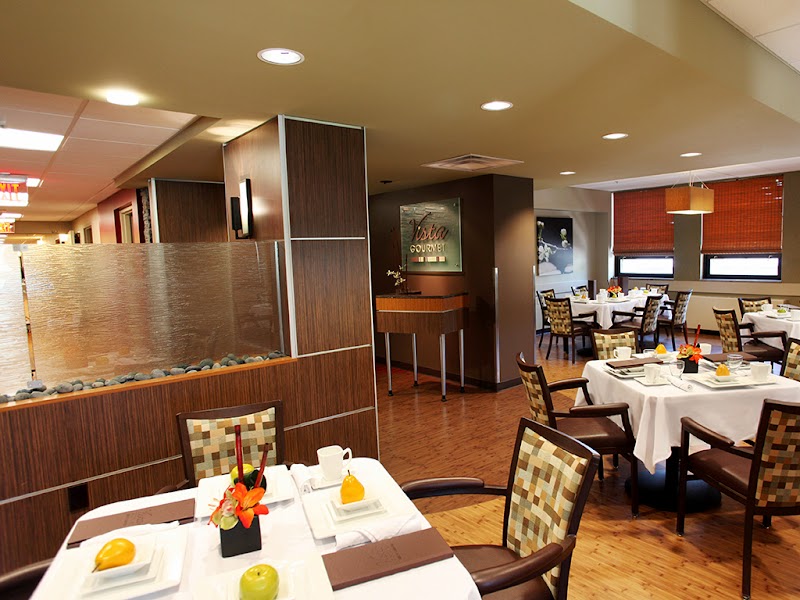
Who Owns and Operates Wexford Healthcare Center?

WEXFORD HEALTHCARE CENTER is owned by a for-profit company. For-profit facilities operate as businesses with obligations to shareholders or private owners. The facility is operated by COMMUNICARE HEALTH, a chain that manages multiple nursing homes. With 182 certified beds and approximately 123 residents (about 68% occupancy), it is a mid-sized facility located in WEXFORD, Pennsylvania.
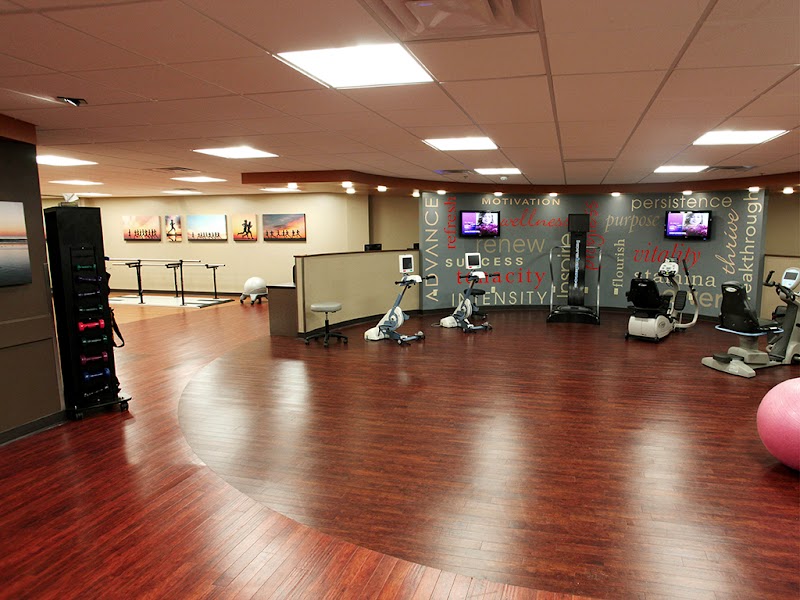
How Does Wexford Healthcare Center Compare to Other Pennsylvania Nursing Homes?

Compared to the 100 nursing homes in Pennsylvania, WEXFORD HEALTHCARE CENTER's overall rating (1 stars) is below the state average of 3.0, staff turnover (69%) is significantly higher than the state average of 46%, and health inspection rating (1 stars) is much below the national benchmark.

What Should Families Ask When Visiting Wexford Healthcare Center?

Based on this facility's data, families visiting should ask: "What changes have been made since the serious inspection findings, and how are you preventing similar issues?" "What safeguards and monitoring systems are in place to protect residents from abuse or neglect?" "How do you ensure continuity of care given staff turnover, and what is your staff retention strategy?" "Can I visit during a mealtime to observe dining assistance and food quality?" These questions are particularly relevant given the facility's Immediate Jeopardy citations, the substantiated abuse finding on record, and the facility's high staff turnover rate.

Is Wexford Healthcare Center Safe?

Based on CMS inspection data, WEXFORD HEALTHCARE CENTER has documented safety concerns. The facility has 1 substantiated abuse finding (meaning confirmed case of resident harm by staff or other residents). Inspectors have issued 1 Immediate Jeopardy citation (the most serious violation level indicating risk of serious injury or death). The facility is currently on the Special Focus Facility watch list (a federal program monitoring the lowest-performing 1% of nursing homes nationwide). The facility has a 1-star overall rating and ranks #100 of 100 nursing homes in Pennsylvania. Families considering this facility should ask detailed questions about what corrective actions have been taken since these incidents.

Do Nurses at Wexford Healthcare Center Stick Around?

Staff turnover at WEXFORD HEALTHCARE CENTER is high. At 69%, the facility is 23 percentage points above the Pennsylvania average of 46%. Registered Nurse turnover is particularly concerning at 64%. RNs handle complex medical decisions and coordinate care — frequent RN changes can directly impact care quality. High turnover means new staff may not know residents' individual needs, medications, or preferences. It can also be disorienting for residents, especially those with dementia who rely on familiar faces. Families should ask: What is causing the turnover? What retention programs are in place? How do you ensure care continuity during staff transitions?

Was Wexford Healthcare Center Ever Fined?

WEXFORD HEALTHCARE CENTER has been fined $23,128 across 2 penalty actions. This is below the Pennsylvania average of $33,310. While any fine indicates a compliance issue, fines under $50,000 are relatively common and typically reflect isolated problems that were subsequently corrected. Families should ask what specific issues led to these fines and confirm they've been resolved.

Is Wexford Healthcare Center on Any Federal Watch List?

WEXFORD HEALTHCARE CENTER is currently an SFF Candidate, meaning CMS has identified it as potentially qualifying for the Special Focus Facility watch list. SFF Candidates have a history of serious deficiencies but haven't yet reached the threshold for full SFF designation. The facility is being monitored more closely — if problems continue, it may be added to the official watch list. Families should ask what the facility is doing to address the issues that led to this status.