QUALITY LIFE SERVICES - SUGAR CREEK
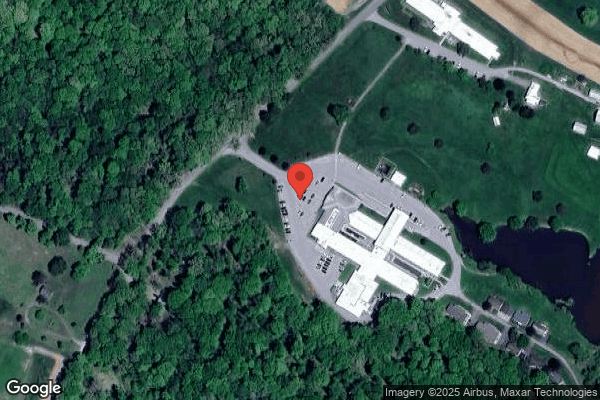
120 LAKESIDE DRIVE, WORTHINGTON, PA 16262 (724) 445-3146
For profit - Limited Liability company 114 Beds QUALITY LIFE SERVICES Data: November 2025
Trust Grade
45/100
#342 of 653 in PA
Last Inspection: May 2025

Inspected within the last 6 months. Data reflects current conditions.

Overview

Quality Life Services in Sugar Creek, Pennsylvania, has received a Trust Grade of D, indicating below-average performance and some concerning issues. Ranking #342 out of 653 facilities in Pennsylvania places it in the bottom half, although it is #2 out of 4 in Armstrong County, meaning there are limited local alternatives. The facility's trend is worsening, with reported issues increasing from 11 in 2024 to 17 in 2025. Staffing is relatively stable with a 40% turnover rate, which is better than the state average, but the RN coverage is concerning as it falls below that of 76% of Pennsylvania facilities. Families should note that there have been significant fines totaling $155,235, indicating compliance problems. Recent inspections found that the kitchen cleanliness was inadequate, with food debris buildup, and that the facility failed to employ a fully qualified Food Service Director for many months, which raises questions about food safety and management. Overall, while there are some staffing strengths, the facility has several significant weaknesses that families should consider carefully.

Trust Score
D
45/100
In Pennsylvania
#342/653
Bottom 48%
Safety Record
High Risk
Review needed
Inspections
Getting Worse
11 → 17 violations
Staff Stability
○ Average
40% turnover. Near Pennsylvania's 48% average. Typical for the industry.
Penalties
✓ Good
$155,235 in fines. Lower than most Pennsylvania facilities. Relatively clean record.
Skilled Nurses
⚠ Watch
Each resident gets only 29 minutes of Registered Nurse (RN) attention daily — below average for Pennsylvania. Fewer RN minutes means fewer trained eyes watching for problems.
Violations
⚠ Watch
37 deficiencies on record. Higher than average. Multiple issues found across inspections.
★★★☆☆
3.0
Overall Rating
★★★☆☆
3.0
Staff Levels
★★★★★
5.0
Care Quality
★★☆☆☆
2.0
Inspection Score
Stable
2024: 11 issues
2025: 17 issues

The Good

  • 5-Star Quality Measures · Strong clinical quality outcomes
  • Full Sprinkler Coverage · Fire safety systems throughout facility
  • No fines on record
  • Staff turnover below average (40%)

    8 points below Pennsylvania average of 48%

Facility shows strength in quality measures, fire safety.

The Bad

3-Star Overall Rating

Near Pennsylvania average (3.0)

Meets federal standards, typical of most facilities

Staff Turnover: 40%

Near Pennsylvania avg (46%)

Typical for the industry

Federal Fines: $155,235

Well above median ($33,413)

Significant penalties indicating serious issues

Chain: QUALITY LIFE SERVICES

Part of a multi-facility chain

Ask about local staffing decisions and management

The Ugly 37 deficiencies on record

May 2025 17 deficiencies
CONCERN (D)

Potential for Harm - no one hurt, but risky conditions existed

Grievances (Tag F0585)

Could have caused harm · This affected 1 resident

Based on review of facility policy, and resident and staff interview , it was determined that the facility failed to inform residents on the grievance policy and procedures for seven of seven resident...

Read full inspector narrative →
Based on review of facility policy, and resident and staff interview , it was determined that the facility failed to inform residents on the grievance policy and procedures for seven of seven residents. Findings include: Review of facility policy Communication of Resident, Family, and Staff Concerns and Grievances, stated 3/17/25, indicated: The facility offers several communication avenues for residents, family members, and staff to questions and to report any concerns related to quality of care, customer service, regulatory issue or employee matter. Resident group interview on 5/14/25, at 10:40 a.m. indicated that residents did not know who the grievance officer was, how to file a grievance, where the grievance forms were or what the process was. Residents were asked how the facility responds to grievances and the residents said that they did not know how they respond to concerns. Review of resident council minutes for six months (November, December, January, Febraury, March, and April) failed to include discussion of resident rights, how residents file grievance, where the grievances were located, who the grievance officer was, or any information about resident rights or grievances. During an interview on 5/16/25, at 10:04 a.m. Social Worker Employee E5 confirmed that they are the grievance officer and they attend resident council. During a subsequent interview on 5/16/25, at 10:58 a.m. Social Worker Employee E5 confirmed that no information could be found to support that the facility had informed residents of the grievance process, and that the facility failed to inform residents on the grievance process policy and procedures. 28 Pa. Code 201.29(a)Resident rights
CONCERN (D) 📢 Someone Reported This

A family member, employee, or ombudsman was alarmed enough to file a formal complaint

Potential for Harm - no one hurt, but risky conditions existed

Free from Abuse/Neglect (Tag F0600)

Could have caused harm · This affected 1 resident

**NOTE- TERMS IN BRACKETS HAVE BEEN EDITED TO PROTECT CONFIDENTIALITY** Based on review of facility policies, facility provided documents, clinical records and staff interviews, it was determined that...

Read full inspector narrative →
**NOTE- TERMS IN BRACKETS HAVE BEEN EDITED TO PROTECT CONFIDENTIALITY** Based on review of facility policies, facility provided documents, clinical records and staff interviews, it was determined that the facility failed to make certain a resident was free from neglect for two of five residents reviewed (Resident R48 and R260) which resulted in actual harm of a skin tear (Resident R48) and a dislocation of right elbow, fracture of the right distal radius (bone near wrist) and a fractured of the right coronoid process of the ulna (bone of forearm) (Resident R260). Findings include: The facility's policy Resident Protection from Abuse, Neglect, Mistreatment or exploitation last reviewed 3/17/25, indicated it is the facility's policy to treat residents with kindness, respect and in a manner that is at all times free from abuse, neglect, misappropriation of property, exploitation or mistreatment. To protect our residents, procedures will be implemented in the areas of screening, training, prevention, identification, investigation, protection, reporting/response and corrective action. - Neglect is defined of the failure of the facility, its employees or service providers to provide goods and services to a resident that are necessary to avoid physical harm, pain, mental anguish, or emotional distress. - Neglect occurs when the facility is aware of or should have been aware of goods or services that a resident requires but the facility fails to provide them to a resident, that has resulted or may result in physical harm, pain, mental anguish, or emotional distress. - Neglect includes cases where the facilities indifference or disregard for resident care, comfort or safety, resulted in or could have resulted in physical harm, pain, mental anguish or emotional distress. Identification: Abuse, neglect, misappropriation of property and exploitation will be identified through various methods that include but not inclusive to: - reports from employed or contracted staff. - utilization of resident incident reports to determine suspicious events. Reporting/Response - the following procedure will be implemented when an incident of abuse, neglect, exploitation, or mistreatment including injuries of unknow source alleged or suspected: - The Administrator (NHA) or Director of Nursing (DON) must be notified immediately. - The NHA or DON will notify the Pennsylvania department of health. Investigation - all reports of abuse, neglect, exploitation or mistreatment including injuries of unknown source will be investigated and documented. - An internal investigation will be conducted utilizing the resident incident report, the PB-22 form, interviews of resident, staff, and family members and description of the resident's injuries. All investigations will be conducted thoroughly and attempts to gather as much factual information as possible. Review of admission record indicated Resident R48 was admitted to the facility on [DATE]. Review of Resident R48's Minimum Data Set (MDS - a periodic assessment of care needs) dated 2/19/25, indicated the diagnoses of anemia (low iron on the blood), heart failure (the heart can't pump blood as well as it should), and hypertension (high blood pressure). Section GG 5.E. Chair/bed-to-chair transfer is coded as 01, (01- indicating dependent). Review of Resident R48's care plan initiated on 10/18/24, indicated: Focus: The resident is to be transferred utilizing a front wheeled walker with assist x two. Focus: I am at high risk for falls related to confusion, deconditioning, gait/balance problems, history of frequent falls and falling out of bed. Review of incident note dated 5/3/25, at 1:30 a.m. indicated Nurse Aid (NA) informed writer that when she went to put the resident into bed the resident stated, Watch my leg. NA then looked at the resident's legs and saw a skin tear on the residents lower left lateral leg. Earlier in the shift resident was in bed yelling so a different NA assisted the resident up and into her chair to bring her to the nurse's station at 9:00 p.m. Resident sat at the nurse's station and did not say anything. The resident started falling asleep and was assisted back to her room around 1:30 a.m. when skin tear was discovered. When asked what had happened resident said, It happened when I got in my chair. Skin tear measures 3cm x 3cm and is in the shape of a triangle. Skin tear was cleansed with NSS, patted dry, 3 steri-strips applied, and covered with bordered gauze. Review of undated facility provided skin impairment huddle indicates: How was skin impairment acquired? During transfer was noted with a question mark (?). Residents' description of incident: when I got in my chair. Immediate intervention initiated: cleansed, patted dry, applied steri-strips, covered with border gauze. Review of undated, unsigned, typed interview investigation completed by Registered Nurse (RN) Employee E3 indicated resident stated watch my leg when she was transferred into bed around 1:30 a.m. due to falling asleep at nurse's station. Residents front of wheelchair faced the head of bed placing her left lower leg near bed frame during transfer. When resident was in bed NA lifted pant leg and noticed fresh blood to left lower leg and skin tear. Its likely resident obtained skin tear from rubbing against bed frame with transfer back into bed. During an interview completed on 5/14/25, at 12:33 p.m. the DON confirmed that Resident R48 was an assist of two for transfers, a high fall risk, and that Resident R48 was transferred with an assist of one back to bed and that the facility failed to make certain a resident was free from neglect by not following transfer orders.). Review of admission record indicated Resident R260 was admitted to the facility on [DATE]. Review of Resident R260's MDS dated [DATE], indicated the diagnoses of arthritis (joint inflammation) Parkinson's (neurological condition that causes difficulty with movement), and depression. Section GG -F Toilet transfer: The ability to get on and off a toilet or commode is coded 88 (88 = Not attempted due to medical condition or safety concerns). Review of physician orders dated 10/1/24, indicated activities/mobility: transfer with assist of two staff, no ambulation in room or corridor, safety devices bed and chair alarms, low bed to floor. Review of Resident R260's care plan dated 10/1/24, Focus indicated high risk for falls, Interventions: Be sure my call light is within reach and encourage me to use it for assistance. I need prompt response to all request for assistance. Focus: I have actual bowel incontinence related to decreased mobility. Interventions: Provide me with a bedpan or bedside commode as needed. Review of R260 progress note dated 10/14/24, at 5:24 p.m. indicated Nurse Aid (NA) put resident on toilet and went to answer another call light. As this writer was walking to her room, I heard an alarm going off and went to answer it. Upon returning this writer heard resident yelling for help and rushed with NA to residents' room to observe resident outside bathroom door lying on her right side of her body yelling it hurts with her head pointing toward bathroom door. Tylenol given for right side arm/shoulder pain. When this writer asked resident why she didn't pull call bell and get up off toilet she stated what does it matter. Notified RN to come to residents' room to assess for injuries' notified sister-in-law and DR. Able to move all extremities except her right arm, shoulder and wrist that she is complaining of hurting and unable to move. Resident was put in bed by staff. Neuro checks all within normal range. x-ray ordered, here at facility. Review of the facility provided incident reported dated 10/15/24, indicated NA entered Resident R260's room and observed her standing at the toilet pulling her pants down to use bathroom as she was self-transferring. Resident stated that she needed to have a bowel movement and would take a long period of time on the toilet. Requested staff to leave the bathroom for privacy. Staff transferred to toilet and instructed to use call bell when she was ready, they would wait outside her bathroom door. Call bell cord placed in resident's hand. Another resident's alarm was sounding across the hallway. Staff immediately responded to alarm. Within a few minutes nurse entered residents' room (alarm that had been sounding) NA asked nurse to check on Resident R260 while they provided care to resident that had alarm sounding. As nurse was walking over to Resident R260's room, she heard her calling out for help. Observed resident outside bathroom door lying on her right side of her body yelling it hurts with her head pointing toward bathroom door. Registered Nurse called for assessment. Resident R260 complained of right arm pain, wrist and shoulder discomfort. Resident R260 was able to move left upper extremity (LUE), and bilateral lower extremities (BLE), range of motion (ROM) within normal limits (WNL). Staff performed blanket lift assist x 4 to bed. RN immobilized right arm and contacted resident representative to update. Stated that she did not want Resident R260 to be transferred to the hospital and requested mobile x-ray. Physician contacted and approved mobile x-ray to come to facility. Review of Resident R260's mobile x-ray findings dated 10/14/24, at 5:59 p.m. indicated mobile x-ray completed impression right humerus no fracture, incidental fracture dislocation deformity of the elbow. Recommendation to follow up with a dedicated x-ray series of the right elbow. Review of Resident R260's progress note dated 10/15/24, indicated physician was notified and orders to apply a sling and to follow up with orthopedics on 10/15/24. Facility called orthopedics and an appointment was scheduled for 10/15/24, orthopedics requested an x-ray to be obtained at the hospital one hour prior to appointment. The orthopedic physician called the facility and reported that Resident R260's right elbow is dislocated and they will send to the emergency room for sedation and to reset the elbow. Review of Resident 260's hospital note dated 10/15/24, indicated x-ray of the right wrist shows a fracture of the distal radius, a fracture of the coronoid process and elbow dislocation. Using conscious sedation a reduction was completed. She was placed in a simple sling and wrist splint and advised to follow up with an orthopedic provider. Review of Resident R260's progress notes indicated a follow up appointment was scheduled on 10/22/24, with orthopedics for elbow dislocation, elbow fracture, and wrist fracture. During an interview completed on 5/14/25, at 12:33 p.m. the DON confirmed that resident R260 was an assist of two for transfers, a high fall risk, and that Resident R260 was left in the bathroom unattended resulting in a fall that caused a dislocation of right elbow, fracture of the distal radius and a fractured of the coronoid process of the ulna and the facility failed to make certain a resident was free from neglect. 28 Pa. Code 201.14(a) Responsibility of licensee. 28 Pa. Code 201.18(b)(1)(3) Management. 28 Pa. Code 211.10(d) Resident care policies. 28 Pa. Code 211.12(d)(1)(3)(5) Nursing services.
CONCERN (D) 📢 Someone Reported This

A family member, employee, or ombudsman was alarmed enough to file a formal complaint

Potential for Harm - no one hurt, but risky conditions existed

Abuse Prevention Policies (Tag F0607)

Could have caused harm · This affected 1 resident

**NOTE- TERMS IN BRACKETS HAVE BEEN EDITED TO PROTECT CONFIDENTIALITY** Based on review of facility documents, facility policy, clinical records, and staff interviews, it was determined that the facil...

Read full inspector narrative →
**NOTE- TERMS IN BRACKETS HAVE BEEN EDITED TO PROTECT CONFIDENTIALITY** Based on review of facility documents, facility policy, clinical records, and staff interviews, it was determined that the facility failed to implement written policies and procedures to prohibit and prevent abuse, neglect, and exploitation with a complete and thorough investigation of an incident involving the potential for neglect for one of four residents (Resident R260). Findings include: The facility's policy Resident Protection from Abuse, Neglect, Mistreatment or exploitation last reviewed 3/17/25, indicated it is the facility's policy to treat residents with kindness, respect and in a manner that is at all times free from abuse, neglect, misappropriation of property, exploitation or mistreatment. To protect our residents, procedures will be implemented in the areas of screening, training, prevention, identification, investigation, protection, reporting/response and corrective action. - Neglect is defined of the failure of the facility, its employees or service providers to provide goods and services to a resident that are necessary to avoid physical harm, pain, mental anguish, or emotional distress. - Neglect occurs when the facility is aware of, or should have been aware of goods or services that a resident requires but the facility fails to provide them to a resident, that has resulted or may result in physical harm, pain, mental anguish , or emotional distress. - Neglect includes cases where the facilities indifference or disregard for resident care, comfort or safety, resulted in or could have resulted in physical harm, pain, mental anguish or emotional distress. Identification: Abuse, neglect, misappropriation of property and exploitation will be identified through various methods that include but not inclusive to: - reports from employed or contracted staff. - utilization of resident incident reports to determine suspicious events. Reporting/Response - the following procedure will be implemented when an incident of abuse, neglect, exploitation, or mistreatment including injuries of unknow source alleged or suspected: - The Administrator (NHA) or Director of Nursing (DON) must be notified immediately. - The NHA or DON will notify the Pennsylvania department of health. Investigation - all reports of abuse, neglect, exploitation or mistreatment including injuries of unknown source will be investigated and documented. - An internal investigation will be conducted utilizing the resident incident report, the PB-22 form, interviews of resident, staff, and family members and description of the resident's injuries. All investigations will be conducted thoroughly and attempts to gather as much factual information as possible. Review of admission record indicated Resident R260 was admitted to the facility on [DATE]. Review of Resident R260's MDS dated [DATE], indicated the diagnoses of arthritis (joint inflammation) Parkinson's (neurological condition that causes difficulty with movement), and depression. : Section GG -F Toilet transfer: The ability to get on and off a toilet or commode is coded 88 (88 = Not attempted due to medical condition or safety concerns). Review of Resident R260's physician orders dated 10/1/24, indicated activities/mobility: transfer with assist of two staff, no ambulation in room or corridor, safety devices bed and chair alarms, low bed to floor. Review of Resident R260's care plan dated 10/1/24, Focus indicated high risk for falls, Interventions: Be sure my call light is within reach and encourage me to use it for assistance. I need prompt response to all request for assistance. Focus: I have actual bowel incontinence related to decreased mobility. Interventions: Provide me with a bedpan or bedside commode as needed. Review of the facility provided incident reported dated 10/15/24, indicated NA entered resident 260's room and observed her standing at the toilet pulling her pants down to use bathroom as she was self-transferring. Resident stated that she needed to have a bowel movement and would take a long period of time on the toilet. Requested staff to leave the bathroom for privacy. Staff transferred to toilet and instructed to use call bell when she was ready, they would wait outside her bathroom door. Call bell cord placed in resident's hand. Another resident ' s alarm was sounding across the hallway. Staff immediately responded to alarm. Within a few minutes nurse entered residents room (alarm that had been sounding) NA asked nurse to check on Resident R260 while they provided care to resident that had alarm sounding. As nurse was walking over to Resident R260's room, she heard her calling out for help. Observed resident outside bathroom door lying on her right side of her body yelling it hurts with her head pointing toward bathroom door. Registered Nurse called for assessment. Resident R260 complained of right arm pain, wrist and shoulder discomfort. Resident R260 was able to move left upper extremity (LUE), and bilateral lower extremities (BLE), range of motion (ROM) within normal limits (WNL). Staff performed blanket lift assist x 4 to bed. RN immobilized right arm and contacted resident representative to update. Stated that she did not want Resident R260 to be transferred to the hospital and requested mobile x-ray. Physician contacted and approved mobile x-ray to come to facility. Review of Resident R260's mobile x- ray findings dated 10/14/24, at 5:59 p.m. indicated mobile x ray completed impression right humerus no fracture, incidental fracture dislocation deformity of the elbow. Recommendation to follow up with a dedicated x-ray series of the right elbow. Review of Resident R260's progress note dated 10/15/24, indicated physician was notified and orders to apply a sling and to follow up with orthopedics on 10/15/24. Facility called orthopedics and an appointment was scheduled for 10/15/24, orthopedics requested an x -ray to be obtained at the hospital one hour prior to appointment. The orthopedic physician called the facility and reported that Resident R260's right elbow is dislocated and they will send to the emergency room for sedation and to reset the elbow. Review of Resident 260's hospital note dated 10/15/24, indicated x-ray of the right wrist shows a fracture of the distal radius, a fracture of the coronoid process and elbow dislocation. Using conscious sedation a reduction was completed. She was placed in a simple sling and wrist splint and advised to follow up with an orthopedic provider. Review of Resident R260's progress notes indicated follow up appointment was scheduled on 10/22/24, with orthopedics for elbow dislocation, elbow fracture, and wrist fracture. During an interview completed on 5/14/25, at 12:33 p.m. the DON confirmed that resident R260 was an assist of two for transfers, a high fall risk, and that Resident R260 was left in the bathroom unattended resulting in a fall that caused a dislocation of right elbow, fracture of the distal radius and a fractured of the coronoid process of the ulna and confirmed that the facility failed to implement written policies and procedures to ensure a complete and thorough investigation of an incident involving the potential for neglect for one of four residents (Resident R260). 28 Pa. Code 201.14(a) Responsibility of licensee. 28 Pa. Code 201.18(e)(1) Management.
CONCERN (D) 📢 Someone Reported This

A family member, employee, or ombudsman was alarmed enough to file a formal complaint

Potential for Harm - no one hurt, but risky conditions existed

Report Alleged Abuse (Tag F0609)

Could have caused harm · This affected 1 resident

**NOTE- TERMS IN BRACKETS HAVE BEEN EDITED TO PROTECT CONFIDENTIALITY** Based on review of facility policy, resident clinical record, incident reports, reports submitted to the State, and staff interv...

Read full inspector narrative →
**NOTE- TERMS IN BRACKETS HAVE BEEN EDITED TO PROTECT CONFIDENTIALITY** Based on review of facility policy, resident clinical record, incident reports, reports submitted to the State, and staff interview it was determined that the facility failed to report an allegation of neglect for one of three residents (Resident R260). Findings include: The facility's policy Resident Protection from Abuse, Neglect, Mistreatment or exploitation last reviewed 3/17/25, indicated it is the facility's policy to treat residents with kindness, respect and in a manner that is at all times free from abuse, neglect, misappropriation of property, exploitation or mistreatment. To protect our residents, procedures will be implemented in the areas of screening, training, prevention, identification, investigation, protection, reporting/response and corrective action. - Neglect is defined of the failure of the facility, its employees or service providers to provide goods and services to a resident that are necessary to avoid physical harm, pain, mental anguish, or emotional distress. - Neglect occurs when the facility is aware of or should have been aware of goods or services that a resident requires but the facility fails to provide them to a resident, that has resulted or may result in physical harm, pain, mental anguish, or emotional distress. - Neglect includes cases where the facilities indifference or disregard for resident care, comfort or safety, resulted in or could have resulted in physical harm, pain, mental anguish or emotional distress. Identification: Abuse, neglect, misappropriation of property and exploitation will be identified through various methods that include but not inclusive to: - reports from employed or contracted staff. - utilization of resident incident reports to determine suspicious events. Reporting/Response - the following procedure will be implemented when an incident of abuse, neglect, exploitation, or mistreatment including injuries of unknow source alleged or suspected: - The Administrator (NHA) or Director of Nursing (DON) must be notified immediately. - The NHA or DON will notify the Pennsylvania department of health. Investigation - all reports of abuse, neglect, exploitation or mistreatment including injuries of unknown source will be investigated and documented. - An internal investigation will be conducted utilizing the resident incident report, the PB-22 form, interviews of resident, staff, and family members and description of the resident ' s injuries. All investigations will be conducted thoroughly and attempts to gather as much factual information as possible. Review of admission record indicated Resident R260 was admitted to the facility on [DATE]. Review of Resident R260's MDS dated [DATE], indicated the diagnoses of arthritis (joint inflammation) Parkinson's (neurological condition that causes difficulty with movement), and depression.: Section GG -F Toilet transfer: The ability to get on and off a toilet or commode is coded 88 (88 = Not attempted due to medical condition or safety concerns). Review of Resident R260's physician orders dated 10/1/24, indicated activities/mobility: transfer with assist of two staff, no ambulation in room or corridor,safety devices bed and chair alarms, low bed to floor. Review of Resident R260's care plan dated 10/1/24, Focus indicated high risk for falls, Interventions: Be sure my call light is within reach and encourage me to use it for assistance. I need prompt response to all request for assistance. Focus: I have actual bowel incontinence related to decreased mobility. Interventions: Provide me with a bedpan or bedside commode as needed. Review of the facility provided incident reported dated 10/15/24, indicated NA entered resident 260's room and observed her standing at the toilet pulling her pants down to use bathroom as she was self-transferring. Resident stated that she needed to have a bowel movement and would take a long period of time on the toilet. Requested staff to leave the bathroom for privacy. Staff transferred to toilet and instructed to use call bell when she was ready, they would wait outside her bathroom door. Call bell cord placed in resident's hand. Another resident ' s alarm was sounding across the hallway. Staff immediately responded to alarm. Within a few minutes nurse entered residents ' room (alarm that had been sounding) NA asked nurse to check on Resident R260 while they provided care to resident that had alarm sounding. As nurse was walking over to Resident R260's room, she heard her calling out for help. Observed resident outside bathroom door lying on her right side of her body yelling it hurts with her head pointing toward bathroom door. Registered Nurse called for assessment. Resident R260 complained of right arm pain, wrist and shoulder discomfort. Resident R260 was able to move left upper extremity (LUE), and bilateral lower extremities (BLE), range of motion (ROM) within normal limits (WNL). Staff performed blanket lift assist x 4 to bed. RN immobilized right arm and contacted resident representative to update. Stated that she did not want Resident R260 to be transferred to the hospital and requested mobile x-ray. Physician contacted and approved mobile x-ray to come to facility. Review of Resident R260's mobile x-ray findings dated 10/14/24, at 5:59 p.m. indicated mobile x-ray completed: impression right humerus no fracture, incidental fracture dislocation deformity of the elbow. Recommendation to follow up with a dedicated x-ray series of the right elbow. Review of Resident R260's progress note dated 10/15/24, indicated physician was notified and orders to apply a sling and to follow up with orthopedics on 10/15/24. Facility called orthopedics and an appointment was scheduled for 10/15/24, orthopedics requested an x-ray to be obtained at the hospital one hour prior to appointment. The orthopedic physician called the facility and reported that Resident R260's right elbow is dislocated and they will send to the emergency room for sedation and to reset the elbow. Review of Resident 260's hospital note dated 10/15/24, indicated x-ray of the right wrist shows a fracture of the distal radius, a fracture of the coronoid process and elbow dislocation. Using conscious sedation a reduction was completed. She was placed in a simple sling and wrist splint and advised to follow up with an orthopedic provider. Review of Resident R260's progress notes indicated a follow up appointment was scheduled on 10/22/24, with orthopedics for elbow dislocation, elbow fracture, and wrist fracture. Review of facility submitted events to the state survey agency failed to include the report of an allegation of neglect. During an interview completed on 5/14/25, at 12:33 p.m. the DON confirmed that that the facility failed to report an allegation of neglect for one of three residents (Resident R260). 28 Pa Code: 201.14 (a)(c )(e ) Responsibility of management 28 Pa Code: 201.18 (b)(1) (e)(1) Management.
CONCERN (D) 📢 Someone Reported This

A family member, employee, or ombudsman was alarmed enough to file a formal complaint

Potential for Harm - no one hurt, but risky conditions existed

Investigate Abuse (Tag F0610)

Could have caused harm · This affected 1 resident

**NOTE- TERMS IN BRACKETS HAVE BEEN EDITED TO PROTECT CONFIDENTIALITY** Based on review of facility policy, clinical record review and staff interview, it was determined that the facility failed to fu...

Read full inspector narrative →
**NOTE- TERMS IN BRACKETS HAVE BEEN EDITED TO PROTECT CONFIDENTIALITY** Based on review of facility policy, clinical record review and staff interview, it was determined that the facility failed to fully investigate an incident to eliminate possible abuse neglect for one of four residents (Resident R260). Findings include: The facility's policy Resident Protection from Abuse, Neglect, Mistreatment or exploitation last reviewed 3/17/25, indicated it is the facility's policy to treat residents with kindness, respect and in a manner that is at all times free from abuse, neglect, misappropriation of property, exploitation or mistreatment. To protect our residents, procedures will be implemented in the areas of screening, training, prevention, identification, investigation, protection, reporting/response and corrective action. - Neglect is defined of the failure of the facility, its employees or service providers to provide goods and services to a resident that are necessary to avoid physical harm, pain, mental anguish, or emotional distress. - Neglect occurs when the facility is aware of, or should have been aware of goods or services that a resident requires but the facility fails to provide them to a resident, that has resulted or may result in physical harm, pain, mental anguish, or emotional distress. - Neglect includes cases where the facilities indifference or disregard for resident care, comfort or safety, resulted in or could have resulted in physical harm, pain, mental anguish or emotional distress. Identification: Abuse, neglect, misappropriation of property and exploitation will be identified through various methods that include but not inclusive to: - reports from employed or contracted staff. - utilization of resident incident reports to determine suspicious events. Reporting/Response - the following procedure will be implemented when an incident of abuse, neglect, exploitation, or mistreatment including injuries of unknow source alleged or suspected: - The Administrator (NHA) or Director of Nursing (DON) must be notified immediately. - The NHA or DON will notify the Pennsylvania department of health. Investigation - all reports of abuse, neglect, exploitation or mistreatment including injuries of unknown source will be investigated and documented. - An internal investigation will be conducted utilizing the resident incident report, the PB-22 form, interviews of resident, staff, and family members and description of the resident's injuries. All investigations will be conducted thoroughly and attempts to gather as much factual information as possible. Review of admission record indicated Resident R260 was admitted to the facility on [DATE]. Review of Resident R260's MDS dated [DATE], indicated the diagnoses of arthritis (joint inflammation) Parkinson's (neurological condition that causes difficulty with movement), and depression.: Section GG -F Toilet transfer: The ability to get on and off a toilet or commode is coded 88 (88 = Not attempted due to medical condition or safety concerns). Review of Resident R260's physician orders dated 10/1/24, indicated activities/mobility: transfer with assist of two staff, no ambulation in room or corridor, safety devices bed and chair alarms, low bed to floor. Review of Resident R260's care plan dated 10/1/24, Focus indicated high risk for falls, Interventions: Be sure my call light is within reach and encourage me to use it for assistance. I need prompt response to all request for assistance. Focus: I have actual bowel incontinence related to decreased mobility. Interventions: Provide me with a bedpan or bedside commode as needed. Review of the facility provided incident reported dated 10/15/24, indicated NA entered resident 260's room and observed her standing at the toilet pulling her pants down to use bathroom as she was self-transferring. Resident stated that she needed to have a bowel movement and would take a long period of time on the toilet. Requested staff to leave the bathroom for privacy. Staff transferred to toilet and instructed to use call bell when she was ready, they would wait outside her bathroom door. Call bell cord placed in resident's hand. Another resident ' s alarm was sounding across the hallway. Staff immediately responded to alarm. Within a few minutes nurse entered residents room (alarm that had been sounding) NA asked nurse to check on Resident R260 while they provided care to resident that had alarm sounding. As nurse was walking over to Resident R260's room, she heard her calling out for help. Observed resident outside bathroom door lying on her right side of her body yelling it hurts with her head pointing toward bathroom door. Registered Nurse called for assessment. Resident R260 complained of right arm pain, wrist and shoulder discomfort. Resident R260 was able to move left upper extremity (LUE), and bilateral lower extremities (BLE), range of motion (ROM) within normal limits (WNL). Staff performed blanket lift assist x 4 to bed. RN immobilized right arm and contacted resident representative to update. Stated that she did not want Resident R260 to be transferred to the hospital and requested mobile x-ray. Physician contacted and approved mobile x-ray to come to facility. Review of Resident R260's mobile x- ray findings dated 10/14/24, at 5:59 p.m. indicated mobile x- ray completed: impression right humerus no fracture, incidental fracture dislocation deformity of the elbow. Recommendation to follow up with a dedicated x-ray series of the right elbow. Review of Resident R260's progress note dated 10/15/24, indicated physician was notified and orders to apply a sling and to follow up with orthopedics on 10/15/24. Facility called orthopedics and an appointment was scheduled for 10/15/24, orthopedics requested an x-ray to be obtained at the hospital one hour prior to appointment. The orthopedic physician called the facility and reported that Resident R260's right elbow is dislocated and they will send to the emergency room for sedation and to reset the elbow. Review of Resident 260's hospital note dated 10/15/24, indicated x-ray of the right wrist shows a fracture of the distal radius, a fracture of the coronoid process and elbow dislocation. Using conscious sedation a reduction was completed. She was placed in a simple sling and wrist splint and advised to follow up with an orthopedic provider. Review of Resident R260's progress notes indicated a follow up appointment was scheduled on 10/22/24, with orthopedics for elbow dislocation, elbow fracture, and wrist fracture. Review of facility submitted reports did not include the allegation of neglect or that an investigation was completed. During an interview completed on 5/14/25, at 12:33 p.m. the DON confirmed that the facility failed to fully investigate an incident to eliminate possible neglect for one of four residents (R260). 28 Pa. Code 201.14(a) Responsibility of licensee. 28 Pa. Code 201.18(e)(1) Management.
CONCERN (D)

Potential for Harm - no one hurt, but risky conditions existed

Deficiency F0627 (Tag F0627)

Could have caused harm · This affected 1 resident

**NOTE- TERMS IN BRACKETS HAVE BEEN EDITED TO PROTECT CONFIDENTIALITY** Based on review of facility policy, clinical record review, and staff interview, it was determined that the facility failed to m...

Read full inspector narrative →
**NOTE- TERMS IN BRACKETS HAVE BEEN EDITED TO PROTECT CONFIDENTIALITY** Based on review of facility policy, clinical record review, and staff interview, it was determined that the facility failed to make certain that the necessary resident information was communicated to the receiving health care provider for one of three residents sampled with facility-initiated transfers (Resident R57) and failed to provide a discharge summary completed by a physician for one of two residents (Resident R108). Findings include: Review of facility policy Transfer of Resident to Another Care Community dated 3/17/25, indicated transfer of resident to another care community is carried out based on physician order. Copy and prepare documents needed for transfer, including, but not limited to: - Medical Records Face sheet - Advanced Directives/POLST - Current physician orders - Medication Administration Record - Problem List - History and Physical - Appointments - Lab Work Review of the clinical record indicated Resident R57 was admitted to the facility on [DATE]. Review of Resident R57's MDS (Minimum Data Set, periodic assessment of resident care needs) dated 4/8/25, indicated diagnoses of anemia (too little iron in the body causing fatigue), dementia (a group of symptoms that affects memory, thinking and interferes with daily life), and diabetes (a metabolic disorder in which the body has high sugar levels for prolonged periods of time) Review of the clinical record indicated Resident R57 was transferred to the hospital on [DATE] and returned to the facility on [DATE]. Review of Resident R57's clinical record revealed no documented evidence that the facility had communicated specific information to the receiving health care provider for the residents transferred and expected to return, which included the resident's care plan goals, advanced directive information, specific instructions for ongoing care, resident representative information, and all information necessary to meet the resident's specific needs at the receiving facility. Review of the clinical record indicated Resident R108 was admitted to the facility on [DATE]. Review of Resident R108's MDS dated [DATE], indicated diagnoses of chest pain, vitamin deficiency, and osteoporosis (condition when the bones become brittle and fragile). Review of clinical record indicated Resident R108 left the facility Against Medical Advice (AMA) on 2/12/25. During a closed record review on 5/15/25, at 1:10 p.m. the facility failed to provide a discharge summary completed by the physician after Resident R108 left the facility. During an interview on 5/15/25, at 1:23 p.m. Medical Records Employee E4 confirmed that the discharge summary was not included in Resident R108's medical record. During an interview on 5/16/25, at 10:54 a.m. Director of Nursing confirmed that the facility failed to make certain that the necessary resident information was communicated to the receiving health care provider for one of three residents sampled with facility-initiated transfers (Resident R57) and failed to provide a discharge summary from a physician for one of two residents (Resident R108). 28 Pa. Code 201.29 (a) (c.3) (2) Resident rights.
CONCERN (D)

Potential for Harm - no one hurt, but risky conditions existed

Quality of Care (Tag F0684)

Could have caused harm · This affected 1 resident

**NOTE- TERMS IN BRACKETS HAVE BEEN EDITED TO PROTECT CONFIDENTIALITY** Based on a review of facility policy, clinical record, and staff interview, it was determined that the facility failed to provid...

Read full inspector narrative →
**NOTE- TERMS IN BRACKETS HAVE BEEN EDITED TO PROTECT CONFIDENTIALITY** Based on a review of facility policy, clinical record, and staff interview, it was determined that the facility failed to provide an ongoing neurological assessment post unwitnessed fall for one of four residents (Resident R100). Findings include: Review of the facility policy Falls: Care During and After last reviewed 3/17/25, indicates all residents experiencing a fall will receive appropriate care and investigation of the cause. Assess residents ' condition immediately to determine extent of injury for both witnesses and unwitnessed falls by following Guideline for Fall Aftercare. Guidelines for Fall Aftercare: - If head injury, assess neurological status. - Monitor resident, including vital signs and neurological checks as indicated and ordered. Review of the clinical record indicated that Resident R100 was admitted to the facility on [DATE]. Review of Resident R100's Minimum Data Set (MDS - a periodic assessment of care needs) dated 3/11/25, indicated diagnoses of unsteadiness on feet, abnormalities of gait and mobility, and hypertension (high blood pressure). Section C-cognitive patterns brief interview for mental status (BIMS-a tool to evaluate orientation and recall in residents) 0-7 points indicates severely impaired cognition, 8-12 indicates moderate impaired cognition and 13-15 indicates intact cognition. Resident R100's score C0400 is marked as 03, indicating severe impairment. Review of Resident R100's care plan initiated on 4/24/24, indicates at risk for falls. Review of Resident R100's fall with injury statement dated 12/25/24, indicates writer was assisting another resident when heard a thud. Upon investigation found resident laying on his side on the floor. He said he did not hit his head but did hit his arm off the nightstand and had four separate skin tears. The physician and resident's son were notified. Review of Resident R100's physician orders and treatment administration record (TAR) for December 2025, failed to include post fall neurological checks for the unwitnessed fall. During an interview on 5/16/25, at 10:43 a.m. the Director of Nursing (DON) confirmed the facility failed to provide an ongoing neurological assessment post unwitnessed fall for one of four residents (Resident R100). 28 Pa. Code: 201.14(a) Responsibility of licensee. 28 Pa. Code: 201.18 (b)(1) Management. 28 Pa. Code: 211.10 (c)(d) Resident Care policies. 28 Pa. Code: 211.12 (d)(1)(2)(3)(5) Nursing services.
CONCERN (D)

Potential for Harm - no one hurt, but risky conditions existed

Accident Prevention (Tag F0689)

Could have caused harm · This affected 1 resident

**NOTE- TERMS IN BRACKETS HAVE BEEN EDITED TO PROTECT CONFIDENTIALITY** Based on review of facility policy, clinical record review, and staff interview it was determined that the facility failed to pr...

Read full inspector narrative →
**NOTE- TERMS IN BRACKETS HAVE BEEN EDITED TO PROTECT CONFIDENTIALITY** Based on review of facility policy, clinical record review, and staff interview it was determined that the facility failed to provide adequate supervision to prevent elopement for one of three residents (Resident R106). Findings include: Review of the facility policy Accidents and Incidents dated 3/17/25, indicated: An accident/incident is any happening, which is not consistent with routine operations or the routine care of the particular resident. Resident R106 was admitted to the facility on [DATE]. Resident R106's MDS (minimum data set an assessment of resident needs) dated 3/10/25, indicated the following diagnosis Unspecified Nondisplaced Fracture Of Second Cervical Vertebra Subsequent Encounter For Fracture With Routine Healing ( a cervical fracture often called a broken neck) , wandering (person becomes lost or confused), and unspecified dementia ( a condition where people lose the ability to think, remember, learn, make decisions and solve problems). Review of facility documentation progress notes dated 3/13/25, indicated the following: Staff came to unit at approximately 4:40 pm, to notify nursing staff that resident was in the kitchen area. Employee E14 Nurse Aide went down to the kitchen and redirected Resident R106 back to the unit. Resident R106 has been wandering throughout the building this entire shift. Resident R106 requires continuous redirection to stay out of other residents' rooms. Review of Resident R106's clinical record failed to include a care plan for wandering. During an interview on 5/13/25, Employee E14 Nurse Aide indicated that staff from the kitchen came to the unit and said there was a resident in the kitchen who needed taken back to the nursing unit. Upon arrival to the area Resident R106 was in the area (a storage room) before the kitchen. I took Resident R106 back to the nursing unit. Resident R106 indicated that they were looking for a cup of coffee, I gave the Resident a cup of coffee once back on the nursing unit. During an interview on 5/14/25, Director of Nursing (DON) confirmed that Resident R106 has a history of wandering, did go into an area that was not designated for residents, that the resident was originally identified in the area by a dietary aide who in turn went to the nursing unit to get a nursing staff to bring resident back to the nursing unit. During an inteview on 5/14/25, at 2:30 p.m. DON was informed that the facility failed to provide adequate supervision to prevent elopement for one of three residents (Resident R106). 28 Pa. Code 201.14 (a) Responsibility of licensee 28 Pa. Code 201.18 (b)(1) Management 28 Pa. Code 211.12 (d)(1)(3)(5) Nursing services
CONCERN (D)

Potential for Harm - no one hurt, but risky conditions existed

Deficiency F0694 (Tag F0694)

Could have caused harm · This affected 1 resident

**NOTE- TERMS IN BRACKETS HAVE BEEN EDITED TO PROTECT CONFIDENTIALITY** Based on review of facility policy, observations, and staff interviews, it was determined that the facility failed to provide ad...

Read full inspector narrative →
**NOTE- TERMS IN BRACKETS HAVE BEEN EDITED TO PROTECT CONFIDENTIALITY** Based on review of facility policy, observations, and staff interviews, it was determined that the facility failed to provide adequate treatment and care for a peripheral inserted central catheter (PICC - a thin tube that's inserted through a vein in your arm and passed through to the larger veins near your heart) in accordance with professional standards of practice for one of two residents (Resident R70). Findings include: Review of the facility provided quick reference guide last reviewed 3/17/25, indicates dressing changes to central lines: PICC should be performed every seven days and if needed as soiled using aseptic (practices to prevent infection) technique. Review of the clinical record indicated Resident R70 was admitted to the facility on [DATE]. Review of Resident R70's Minimum Data Set (MDS - a periodic assessment of care needs) dated 4/15/25, indicated diagnoses of heart failure (a progressive heart disease that affects pumping action of the heart muscles), diabetes (a metabolic disorder in which the body has high sugar levels for prolonged periods of time), and osteomyelitis (infection of bone) of the right ankle and foot. Review of physician orders dated 4/14/24, indicated Zosyn Solution Reconstituted 3- 0.375 gram (GM) Use 1 vial intravenously (IV) every eight hours. Review of Resident R70's care plan dated 4/15/25, focus indicates PICC line therapy related to infection. Intervention/task indicates check my IV site for any signs or symptoms of infection, such as redness, warmth or swelling and notify my physician if any are noted. Ensure that my dressing remains intact and is changed according to the protocol in my home or as otherwise ordered. During an observation on 5/13/25, at 9:35 a.m. Resident R70's left arm PICC site dressing was labeled with the date of 4/29/25. During an interview completed on 5/13/25, at 9:40 a.m. Licensed Practical Nurse (LPN) Employee E2 confirmed the dressing site was dated 4/29/25, and that the facility failed to provide adequate treatment and care for a peripheral inserted central catheter (PICC - a thin tube that's inserted through a vein in your arm and passed through to the larger veins near your heart) in accordance with professional standards of practice for one of two residents (Resident R70). 28 Pa. Code: 211.12 (d)(1)(2)(3)(5) Nursing Services. 28 Pa. Code: 201.14(a) Responsibility of licensee.
CONCERN (D)

Potential for Harm - no one hurt, but risky conditions existed

Deficiency F0699 (Tag F0699)

Could have caused harm · This affected 1 resident

**NOTE- TERMS IN BRACKETS HAVE BEEN EDITED TO PROTECT CONFIDENTIALITY** Based on review of resident record review, and staff interviews, it was determined that the facility failed to provide a trauma ...

Read full inspector narrative →
**NOTE- TERMS IN BRACKETS HAVE BEEN EDITED TO PROTECT CONFIDENTIALITY** Based on review of resident record review, and staff interviews, it was determined that the facility failed to provide a trauma survivor with trauma informed care to eliminate or mitigate triggers that may cause re-traumatization of the resident for two of two residents (Resident R4, and R9). Findings include: Review of the clinical record indicated Resident R4 was admitted to the facility on [DATE]. Review of Resident R4's MDS (Minimum Data Set - a periodic mandatory Federal assessment used to determine a resident's care needs) dated 2/20/25, indicated diagnoses of post-traumatic stress disorder (PTSD-a mental health condition in people who have experienced or witnessed a traumatic event), anemia (low iron in the blood) and high blood pressure. Review of Resident R4's care plan indicated that resident had PTSD but failed to identify what the triggers were and how to avoid them. Review of the clinical record indicated Resident R9 was admitted to the facility on [DATE]. Review of Resident R9's MDS dated [DATE], indicated diagnoses of PTSD, coronary artery disease (damage or disease in the heart's major blood vessels), and dementia (a group of symptoms that affects memory, thinking and interferes with daily life). Review of Resident R9's care plan indicated that resident had PTSD but failed to identify what the triggers were and how to avoid them. During an interview on 5/16/25, at 10:17 a.m. Social Service Director Employee E5 confirmed that the facility failed to identify PTSD triggers for Resident R4, and R9 in order to eliminate or mitigate any triggers that may cause re-traumatization for the resident. 28 Pa. Code: 201.14(a) Responsibility of licensee. 28 Pa. Code: 201.18(b)(1) Management.
CONCERN (D)

Potential for Harm - no one hurt, but risky conditions existed

Deficiency F0760 (Tag F0760)

Could have caused harm · This affected 1 resident

**NOTE- TERMS IN BRACKETS HAVE BEEN EDITED TO PROTECT CONFIDENTIALITY** Based on review of facility policy, clinical records, and staff interview, it was determined that the facility failed to make ce...

Read full inspector narrative →
**NOTE- TERMS IN BRACKETS HAVE BEEN EDITED TO PROTECT CONFIDENTIALITY** Based on review of facility policy, clinical records, and staff interview, it was determined that the facility failed to make certain medications were administered as ordered by the physician for one of three residents (Resident R88). Findings include: Review of the facility policy Specific Medication Administration Procedures last reviewed 3/17/25, indicates to administer medications in a safe and effective manner. After administration, return to cart, replace medication container (if multi-dose and doses remain). Review of the facility policy Physician Orders last reviewed 3/17/25, last reviewed 3/17/25. indicated physician orders are followed in accordance with good nursing principles and practices and are transcribed and carried out by persons legally authorized to do so. Review of Resident R88's clinical record indicated she was admitted to the facility on [DATE]. Review of Resident R88's Minimum Data Set (MDS - periodic assessment of resident care needs) dated 4/2/25, indicated diagnosis of anemia (low iron in the blood), heart failure (the heart doesn't pump the way it should) and hypertension (high blood pressure) Review of a physician order dated 8/13/24, indicated to administer artificial tear solution one drop in both eyes two times a day. During a medication pass observation completed on 5/13/25, at 9:44 a.m. Licensed Practical Nurse (LPN) Employee E2 was preparing medications for Resident R88, LPN Employee E2 removed a box of artificial tears from the medication cart and placed into her scrub top pocket. LPN Employee E2 administered Resident R88's medication, however the eye drops were not given. LPN Employee E2 returned to medication cart and began preparing medication for the next resident. Upon asking about the eye drops LPN Employee E2 removed the eye drops from her pocket. During an interview completed on 5/13/25, at 10:52 a.m. LPN Employee E2 confirmed she did not administer Resident R88's eye drops as ordered and that the facility failed to make certain medications were administered as ordered by the physician 28 Pa. Code 211.12 (c)(1)(3) Nursing Services.
CONCERN (D)

Potential for Harm - no one hurt, but risky conditions existed

Deficiency F0761 (Tag F0761)

Could have caused harm · This affected 1 resident

**NOTE- TERMS IN BRACKETS HAVE BEEN EDITED TO PROTECT CONFIDENTIALITY** Based on review of facility policies, observations, and staff interviews, it was determined that the facility failed to store al...

Read full inspector narrative →
**NOTE- TERMS IN BRACKETS HAVE BEEN EDITED TO PROTECT CONFIDENTIALITY** Based on review of facility policies, observations, and staff interviews, it was determined that the facility failed to store all drugs and biologicals in a safe, secure, and orderly manner for one of two medication rooms (Hemlock Medication Room), and failed to store medications and biologicals properly and securely in three of five medications carts (Hickory hall, Hemlock hall, and [NAME] hall medication carts). Findings include: Review of the facility policy Storage of Medications last reviewed [DATE], indicates medications and biologicals are stored safely, securely, and properly, following manufacture's recommendations or those of the supplier. Orally administered medications are kept separate from externally used medications and treatments. Outdated, contaminated, or deteriorated medications and those in containers that are cracked, soiled or without secure closures are immediately removed from inventory. The nurse will check the expiration date of each medication before administering it. Review of the facility policy Administration Procedures for all Medications last reviewed [DATE], indicated to administer medications in a safe effective manner. Check expiration date on package/container before administering any medication. When opening a multidose container, place the date on the container. During an observation on [DATE], at 11:25 a.m. the Hemlock medication room contained the following: 1. Two vials of Tuberculin (a substance used to detect a respiratory condition) that were expired. During an interview on [DATE], at 11:29 a.m. Licensed Practical Nurse (LPN) confirmed the above findings. During an observation on [DATE], at 1:51 p.m. the Hickory hall medication cart contained the following: 1. One medication cup of prepoured pills containing one white pill. 2. One medication cup of prepoured pills containing one black pill, two blue pills, two white and pink pills, two white pills, two peach pills, two orange pills, and one yellow pill. 3. One medication cup of prepoured pills containing nine white pills, two orange pills, one red pill, one blue pill, and one peach pill. 4. One cup of prepoured liquid containing a powdered medication. During an inteview on [DATE], at 2:05 p.m. LPN Employee E2 stated that they were three different resident's medications who were not in their room, and was waiting for them to return to their rooms. During an interview on [DATE], at 2:08 p.m. LPN Employee E2 confirmed the above findings. During an observation on [DATE], at 2:20 p.m. the Hemlock hall medication cart contained the following: 1. Lantus Insulin Pen (a medication used to treat diabetes-a metabolic disorder in which the body has high sugar levels for prolonged periods of time) with no open or expiration date. During an interview on [DATE], at 2:22 p.m. LPN Employee E1 confirmed the above findings. During an observation on [DATE], at 9:35 a.m. the [NAME] hall medication cart contained the following: 1. Bisacodyl suppositories comingling with oral medications. 2. Tioujeo insulin pen unlabeled, not dated and not stored in a bag. 3. Two bottles of lactulose liquid opened and without a date. 4. A bottle of sore throat spray opened and without a date 5. A bottle fluticasone nose spray opened and without a date During an interview completed on [DATE], at 9:45 a.m. LPN Employee E11 confirmed the above findings. During an inteview on [DATE], at 3:00 p.m. the Director of Nursing confirmed the facility failed to store all drugs and biologicals in a safe, secure, and orderly manner for one of two medication rooms, and failed to store medications and biologicals properly and securely in three of five medications carts. 28 Pa. Code: 211.10(c)(d) Resident care policies. 28 Pa. Code: 211.12(d)(1)(5) Nursing services.
CONCERN (D)

Potential for Harm - no one hurt, but risky conditions existed

Infection Control (Tag F0880)

Could have caused harm · This affected 1 resident

**NOTE- TERMS IN BRACKETS HAVE BEEN EDITED TO PROTECT CONFIDENTIALITY** Based on facility policy, clinical record review, observation, and staff interview, it was determined that the facility failed t...

Read full inspector narrative →
**NOTE- TERMS IN BRACKETS HAVE BEEN EDITED TO PROTECT CONFIDENTIALITY** Based on facility policy, clinical record review, observation, and staff interview, it was determined that the facility failed to prevent cross contamination during a dressing change for one of three residents (Resident R107). Findings include: Review of the facility policy Skin Integrity and Wound Management last reviewed 3/17/25, indicates to provide safe and effective care to prevent the occurrence of pressure ulcers, manage treatment and promote healing of all wounds. Review of the facility policy Wound Dressing Change last reviewed 3/17/25, indicates all wound care will be performed using medical aseptic technique, unless otherwise ordered by the physician, to prevent contamination of the wound bed. Procedure includes but not inclusive to: If a break in the aseptic technique occurs at any point, stop the procedure, remove your gloves, cleanse your hands, re-glove and/or re-gown and continue the procedure. Individual resident supplies may be placed on the over-bed table after it has been disinfected and a protective barrier has been placed on the table. Review of Resident R107's clinical record indicated he was admitted to the facility on [DATE]. Review of Residents R107's physician orders dated 5/7/25, indicate to cleanse right lateral unstageable wound with soap and warm water, pat dry, skin prep peri wound, apply nickel thick Santyl ointment, cover with dry dressing every day shift . During an observation on 5/24/25, at 1:34 p.m. Licensed Practical Nurse (LPN) Employee E11 entered Resident R107's room to complete his dressing change. LPN Employee E11 placed a towel on Resident R107's bed and placed the dressing supplies on the towel. She removed Resident R107's boot and sock and placed on chair, removed her gloves and placed new gloves. After applying the Santyl ointment she removed her gloves and removed a pen from her pocket and applied the date to the cover dressing, she returned the pen to her pocket and applied new gloves. During an interview on 05/24/25, at 1:57 p.m. LPN Employee E11 confirmed the failure to set up a clean barrier field, not completing hand hygiene after removal of gloves, and that the facility failed to prevent cross contamination during a dressing change for one of three residents (Resident R107). 28 Pa. Code: 211.10(d) Resident Care Policies. 28 Pa. Code: 211.12(d)(1)(5) Nursing Services.
CONCERN (D)

Potential for Harm - no one hurt, but risky conditions existed

Room Equipment (Tag F0908)

Could have caused harm · This affected 1 resident

**NOTE- TERMS IN BRACKETS HAVE BEEN EDITED TO PROTECT CONFIDENTIALITY** Based on observations, review of facility documentation, and staff interview, it was determined that the facility failed to make...

Read full inspector narrative →
**NOTE- TERMS IN BRACKETS HAVE BEEN EDITED TO PROTECT CONFIDENTIALITY** Based on observations, review of facility documentation, and staff interview, it was determined that the facility failed to make certain that equipment was in safe operating condition for one of three crash carts (Exam Room). Findings include: Review of the facility Emergency Cart policy dated [DATE], indicated the emergency cart will be appropriately stocked and ready for use when attempting to resuscitate a resident. The cart will be readily available for use and its inventory maintained. During an observation of the Exam Room crash cart (a cart maintained with equipment used in cardiac emergencies) on [DATE], at 10:49 a.m. revealed the following expired supplies: - Foley Insertion Kit (a thin flexible tube inserted into the bladder to drain urine), expired [DATE]. - IV Start Kit expired [DATE]. - Syringe Piston not sealed closed. - Dressing Kit expired [DATE]. - Yanker Suction device (used to clear drainage out of a person ' s mouth) expired [DATE]. - Tracheostomy (an opening in the front of the neck that provides an airway for breathing) Care Tray expired [DATE]. During an interview on [DATE], at 10:45 a.m. Assistant Director of Nursing Employee E3 confirmed the above observations and confirmed that the facility failed to make certain that equipment was in safe operating condition for one of three crash carts, as required. 28 Pa Code: 201.14(a) Responsibility of licensee.
CONCERN (E)

Potential for Harm - no one hurt, but risky conditions existed

Deficiency F0568 (Tag F0568)

Could have caused harm · This affected multiple residents

Based on resident and staff interviews, and review of facility documentation, it was determined that the facility failed to provide residents with their quarterly banking statements for three of five ...

Read full inspector narrative →
Based on resident and staff interviews, and review of facility documentation, it was determined that the facility failed to provide residents with their quarterly banking statements for three of five residents. Findings include: During a group interview on 5/14/25, at 10:45 a.m. residents indicated that they did not get quarterly statements from the facility for their monies that the facility receives. Residents indicated that they were not aware they were to receive quarterly statements for their monies. During a review of residents quarterly statements the following was noted: Resident R500: resident fund statement indicated that the responsible party of the resident received the resident fund quarterly statement for the period of 1/1/25, thru 3/31/25. Resident R501: resident fund statement indicated that the responsible party of the resident received the resident fund quarterly statement for the period of 1/1/25, thru 3/31/25. Resident R502: resident fund statement indicated that the responsible party of the resident received the resident fund quarterly statement for the period of 1/1/25, thru 3/31/25. During an interview on 5/16/25, at 11:41 a.m. Business Office Manager Employee E12 confirmed that the facility sends out quarterly statement, and the person who receives the statement is indicated on the quarterly statement for the residents. During an interview on 5/16/25, at 1:12 p.m. Nursing Home Administrator confirmed that the facility failed to send quarterly statements to residents who had monies in the resident account and sent to their responsible parties. 28 Pa. Code 201.18(b)(2) Management. 28 Pa. Code 201.29(a) Resident rights.
CONCERN (E)

Potential for Harm - no one hurt, but risky conditions existed

Deficiency F0605 (Tag F0605)

Could have caused harm · This affected multiple residents

**NOTE- TERMS IN BRACKETS HAVE BEEN EDITED TO PROTECT CONFIDENTIALITY** Based on clinical record review, facility provided documents, and staff interview, it was determined that the facility failed to...

Read full inspector narrative →
**NOTE- TERMS IN BRACKETS HAVE BEEN EDITED TO PROTECT CONFIDENTIALITY** Based on clinical record review, facility provided documents, and staff interview, it was determined that the facility failed to ensure that residents medication regime was free from unnecessary psychotropic medication for three of five residents (Residents R4, R86 and, R106). Findings include: Review of facility Behavior Standard Index dated 3/17/25, indicated the facility will develop and implement behavior plans and medication regimes, in efforts to optimize the functional abilities of residents while monitoring for adverse side effects and improve behaviors. When control is needed to prevent harm and to allow evaluation and treatment, psychotropic medication may be required. Behavioral sheets will be utilized at the time of drug initiation or admission to home with drug order. Behaviors must be quantitatively and objectively documented by the nursing staff. Non-pharmacological interventions are implemented and assessed for effectiveness prior to considering initiation of medication. Review of the clinical record indicated Resident R4 was admitted to the facility on [DATE]. Review of Resident R4's Minimum Data Set (MDS - a periodic assessment of care needs) dated 2/20/25, indicated diagnoses of anemia (low iron in the blood), hypertension (high blood pressure), and anxiety. Review of Resident R4's physician order dated 2/21/25, indicated to administer Ativan oral tablet (a psychotropic medication used to treat anxiety) 0.5 milligram every eight hours as needed (PRN) for anxiety for six months. Review of Resident R4's physician order failed to include a 14 day stop date and there was no documented rationale by the physician for the medication to extend past 14 days for Resident R4's Ativan Review of Resident R4's Medication Administration Record (MAR) dated February 2025 through May 2025, indicated that resident received Ativan PRN 24 times per order. Review of Resident R4's Progress Notes dated February 2025 through May 2025 failed to indicate any documented non-pharmacological interventions used by staff prior to administering Resident R4's Ativan. Review of the clinical record indicated Resident R86 was admitted to the facility on [DATE]. Review of Resident R86's MDS dated [DATE], indicated diagnoses of high blood pressure, dementia (a group of symptoms that affects memory, thinking and interferes with daily life), and anxiety. Review of Resident R86's physician order revised on 5/15/25, indicated to administer Ativan Solution (a psychotropic medication used to treat anxiety), give 0.5 milliliters (ml) under tongue every four hours PRN for anxiety. Review of Resident R86's physician order failed to include a 14 day stop date and there was no documented rationale by the physician for the medication to extend past 14 days for Resident R86's Ativan. Review of Resident R86's Medication Administration Record dated January 2025 through May 2025, indicated that resident received Ativan PRN 11 times per order. Review of Resident R86's Progress Notes dated January 2025 through May 2025 failed to indicate any documented non-pharmacological interventions used by staff prior to administering Resident R86's Ativan. Resident R106 was admitted to the facility on [DATE]. Resident R106 MDS dated [DATE], indicated the following diagnosis Unspecified Nondisplaced Fracture Of Second Cervical Vertebra Subsequent Encounter For Fracture With Routine Healing ( a cervical fracture often called a broken neck) , wandering (person becomes lost or confused) and unspecified dementia ( a condition where people lose the ability to think, remember, learn, make decisions and solve problems). Review of Resident R106's physican order dated 1/30/25: Ativan Oral Tablet 0.5 MG (Lorazepam) Give 0.25 mg by mouth every 8 hours as needed for anxiety -Start Date- 01/30/2025 Review of Resident R106's physician order failed to include a 14 days stop date and there was no documented rationale by the physician for the medication to extend past the 14 days for Resident R106's Ativan. Review of Resident R106 MAR's January 2025 through March 2025 indicated that resident received Ativan 10 times. Review of the progress notes dated January 2025 through March 2025 failed to indicate any documented non-pharmacological interventions used by staff prior to administering PRN Ativan. During an interview on 5/16/25, at 11:04 a.m. Director of Nursing confirmed that the facility failed to ensure that residents medication regime was free from unnecessary psychotropic medication for three of five residents (Residents R4, R86 and, R106). 28 Pa. Code 211.2(d)(3) Medical director 28 Pa. Code 211.10(a) Resident care policies
CONCERN (F)

Potential for Harm - no one hurt, but risky conditions existed

Food Safety (Tag F0812)

Could have caused harm · This affected most or all residents

Based on a review of facility policy, observation and staff interview, it was determined that the facility failed to properly maintain cleanliness and sanitation of the Main Kitchen. (Main Kitchen). ...

Read full inspector narrative →
Based on a review of facility policy, observation and staff interview, it was determined that the facility failed to properly maintain cleanliness and sanitation of the Main Kitchen. (Main Kitchen). Findings include: Review of facility policy Food Safety and Sanitation, dated 3/17/25, indicated that all local, state and federal standards and regulations are followed in order to assure a safe and sanitary food services department. During an observation of the main designated kitchen on 5/15/25, at 11:35 a.m. the following was observed: - Wall behind Cook's preparation area, build-up of food spillage/brown debris - Wall behind Robocoupe (food processor)/blender area, build-up of food spillage/brown debris - Wall behind garbage can located next to steamer, build-up of food spillage/brown debris During an interview conducted 5/15/25, at 11:36 a.m., Registered Dietitian (RD) Employee E13 confirmed that the facility failed to properly maintain cleanliness and sanitation of the Main Kitchen. (Main Kitchen). 28 Pa. Code: 201.14(a) Responsibility of licensee. 28 Pa. Code: 201.18(b)(1) Management.
Jun 2024 11 deficiencies
CONCERN (D)

Potential for Harm - no one hurt, but risky conditions existed

Assessment Accuracy (Tag F0641)

Could have caused harm · This affected 1 resident

**NOTE- TERMS IN BRACKETS HAVE BEEN EDITED TO PROTECT CONFIDENTIALITY** Based on a review of Resident Assessment Instrument (RAI) User's Manual, clinical records, and staff interviews, it was determin...

Read full inspector narrative →
**NOTE- TERMS IN BRACKETS HAVE BEEN EDITED TO PROTECT CONFIDENTIALITY** Based on a review of Resident Assessment Instrument (RAI) User's Manual, clinical records, and staff interviews, it was determined that the facility failed to ensure that MDS assessments accurately reflected the resident's status for two of three residents (Resident R9 and Resident R58). Findings include: Review of facility policy Resident Assessment: RAI/MDS/CAA Process dated 4/8/24, indicated a minimum data set (MDS) will be completed for every resident within 14 days of admission and according to the Medicare and OBRA Guidelines. Refer to the MDS 3.0 manual for the requirements. The Resident Assessment Instrument (RAI) User's Manual, which gives instructions for completing Minimum Data Set (MDS) assessments (mandated assessments of a resident's abilities and care needs), dated October 2023, indicated the following instructions: -Section J - Health Conditions: Current Tobacco Use, Ask the resident if they used tobacco in any form during the 7-day look-back period. If the resident states that they used tobacco in some form during the 7-day look-back period, code 1, yes. Review of the clinical record revealed that Resident R9 was admitted to the facility on [DATE]. Review of Resident R9's MDS (Minimum Data Set, periodic assessment of resident care needs) dated 5/17/24, indicated diagnoses of diabetes (too much sugar in the blood), high blood pressure, and abnormal posture. Review of Resident R9's admission MDS, Section J: Health Conditions, Question J1300 indicated that Resident R58 does not use tobacco. Review of the facility list of residents that smoke, provided on 6/10/24, included Resident R9. Review of smoking assessment completed on 5/15/24, confirmed that Resident R9 has chosen to smoke cigarettes, Review of the clinical record indicated Resident R58 was admitted to the facility on [DATE]. Review of Resident R58's MDS dated [DATE], indicated diagnoses of diabetes, chronic pain, and ulcerative colitis (a chronic, inflammatory bowel disease that causes inflammation in the digestive tract). Review of Resident R58's admission MDS, Section J: Health Conditions, Question J1300 indicated that Resident R58 does not use tobacco. Review of the facility list of residents that smoke, provided on 6/10/24, included Resident R58. Review of smoking assessments completed on 11/7/23, 2/7/24, and 5/7/24, confirmed that Resident R58 has chosen to smoke cigarettes. During an interview on 6/13/24, at 12:27 p.m. Registered Nurse Assessment Coordinator (RNAC) Employee E2 stated, I'm pretty sure Resident R58 arrived to the facility smoking a cigarette. During an interview on 6/13/24, at 12:27 p.m. RNAC Employee E2 confirmed that the facility failed to ensure that a MDS assessment accurately reflected Resident R58's tobacco use status. During an interview on 6/14/24, at 10:57 a.m. the Director of Nursing confirmed that the facility failed to ensure that a MDS assessment accurately reflected Resident R9's tobacco use status. 28 Pa. Code: 211.12(d)(1)(2)(3)(5) Nursing Services.
CONCERN (D)

Potential for Harm - no one hurt, but risky conditions existed

Quality of Care (Tag F0684)

Could have caused harm · This affected 1 resident

**NOTE- TERMS IN BRACKETS HAVE BEEN EDITED TO PROTECT CONFIDENTIALITY** Based on review of facility policy, clinical record review, and staff interview, it was determined that the facility failed to n...

Read full inspector narrative →
**NOTE- TERMS IN BRACKETS HAVE BEEN EDITED TO PROTECT CONFIDENTIALITY** Based on review of facility policy, clinical record review, and staff interview, it was determined that the facility failed to notify the physician of increased Capillary Blood Glucose (CBG) levels as ordered for one of three residents (Resident R82) and obtain physician orders for a resident's wound for one of three residents (Resident R260). Findings include: Review of facility policy Physician Orders- NU 2.18 dated 4/8/24, indicated physician orders are followed in accordance with good nursing principles and practices and are transcribed and carried out by persons legally authorized to do so. It was indicated treatments may not be administered to the resident without the written approval from the attending physician. Review of facility policy Nursing Services - NU 2.15 dated 4/8/24, indicated nursing care includes the provision of all prescribed medications and treatments, and nursing care will be provided within the scope of practice and in accordance with nursing standards of care. Review of facility policy Physician Notification - NU 2.17 dated 4/8/24, indicated upon identification of a resident who has clinical changes, a change in condition, or abnormal lab values, a licensed nurse will perform appropriate clinical observations and data collection and report to the physician as indicated. The Centers for Disease Control defines diabetes as: Diabetes Mellitus is a chronic (long-lasting) health condition that affects how your body turns food into energy. Most of the food you eat is broken down into sugar (also called glucose) and released into your bloodstream. When your blood sugar goes up, it signals your pancreas to release insulin. Insulin acts like a key to let the blood sugar into your body's cells for use as energy. If you have diabetes, your body either doesn't make enough insulin or can't use the insulin it makes as well as it should. When there isn't enough insulin or cells stop responding to insulin, too much blood sugar stays in your bloodstream. Over time, that can cause serious health problems, such as heart disease, vision loss, and kidney disease. People with Diabetes Mellitus may be prescribed injectable insulin to assist in maintaining acceptable levels of CBG's. Hyperglycemia, or high blood glucose, occurs when there is too much sugar in the blood. This happens when your body has too little insulin. Hyperglycemia is blood glucose greater than 125 mg/dL while fasting (not eating for at least eight hours, or a blood glucose greater than 180 mg/dL one to two hours after eating. If you have hyperglycemia and it's untreated for long periods of time, you can damage your nerves, blood vessels, tissues and organs. Damage to blood vessels can increase your risk of heart attack and stroke, and nerve damage may also lead to eye damage, kidney damage and non-healing wounds. Review of the clinical record indicated Resident R82 was admitted to the facility on [DATE]. Review of Resident R82's Minimum Data Set (MDS - a periodic assessment of care needs) dated 3/13/24, indicated diagnoses of high blood pressure, diabetes mellitus, and overactive bladder. Review a physician order dated 12/13/23, indicated to check Resident R82's CBG in the morning, call physician if result is less than 60 mg/dL or greater than 400 mg/dL. Review of the clinical record revealed Resident R82's CBGs were as follows: 3/14/24: 415 mg/dL 3/18/24: 458 mg/dL Review of Resident R82's progress notes from 3/14/24 through 3/18/24, failed to include documentation that a physician was notified for Resident R82's abnormal high blood glucose levels on 3/14/24, and 3/18/24, as ordered. During an interview on 6/14/24, at 10:53 a.m. the Director of Nursing (DON) confirmed that the facility failed to notify the physician of Resident R82's abnormal high blood glucose levels on 3/14/24, and 3/18/24, as ordered. Review of Resident R260's admission record indicated the resident was admitted to the facility on [DATE], with the diagnoses of dementia (a general term for loss of memory, language, problem solving and other thinking abilities that are severe enough to interfere with daily life), fracture of one rib on right side, and high blood pressure. Review of Resident R260's progress note dated 6/5/24, indicated the resident was admitted from the hospital after a fall. It was documented that the resident had a large abrasion, with dried blood and below right elbow. Review of Resident R260's clinical record from 6/5/24, through 6/10/24, failed to include an order for Resident R260's wound. During an observation and interview on 6/10/24, at 11:45 a.m. Resident R260 was observed with a undated bandage on his right elbow. Resident R260 stated he had a skin tear from falling down the stairs at home. During and observation and interview on 6/12/24, at 10:43 a.m. the Director of Nursing confirmed Resident R260's wound dressing located on his right elbow was undated. The DON confirmed the facility failed to ensure the facility obtained physician orders for Resident R260's wound. 28 Pa. Code 201.18 (b)(1) Management 28 Pa. Code 201.29(d) Resident Rights 28 Pa. Code 211.10 (c)(d) Resident Care policies 28 Pa. Code 211.12 (d)(1)(2)(3)(5) Nursing services
CONCERN (D)

Potential for Harm - no one hurt, but risky conditions existed

Deficiency F0692 (Tag F0692)

Could have caused harm · This affected 1 resident

**NOTE- TERMS IN BRACKETS HAVE BEEN EDITED TO PROTECT CONFIDENTIALITY** Based on a review of clinical record, and staff interview, it was determined that the facility failed to ensure a resident was o...

Read full inspector narrative →
**NOTE- TERMS IN BRACKETS HAVE BEEN EDITED TO PROTECT CONFIDENTIALITY** Based on a review of clinical record, and staff interview, it was determined that the facility failed to ensure a resident was offered sufficient fluid intake to maintain proper hydration and health for one of two residents (Resident R54). Findings include: Review of the Nutrition/Hydration Management- NU 9.9 policy last reviewed 4/8/24, stated residents will receive care and support to enhance potential for attaining the highest level of nutrition and hydration status and the pleasure of eating. It is the facility's policy to provide safe and effective care to manage residents' nutrition and hydration needs. Review of the clinical record revealed that Resident R54 was admitted to the facility on [DATE]. Review of Resident 54's MDS (Minimum Data Set, periodic assessment of resident care needs) dated 5/2/24, indicated diagnoses of dementia (the loss of cognitive functioning - thinking, remembering, and reasoning - to such an extent that it interferes with a person's daily life and activities), anxiety, and muscle weakness. During an observation on 6/10/24, at 11:29 a.m. Resident R54 indicated she asked for water an hour ago. No water was observed at the resident's bedside. The resident was observed with a dry mouth. Resident R54 stated staff do not leave water at her bedside, and she has to ask for it. Resident R54 stated I am always thirsty. During an interview on 6/10/24, at 11:35 a.m. Nurse Aide (NA), Employee E5 stated we are supposed to pass water every shift and in between. NA, Employee E5 confirmed the facility failed to offer sufficient fluid intake to maintain proper hydration and health for Resident R54. During an observation and interview on 6/13/24, at 10:24 a.m. Resident R54 stated she wanted some water. No water was observed at the resident's bedside. During an interview on 6/13/24, at 10:31 a.m. Activity Aide, Employee E6 confirmed Resident R54 did not have any water at bedside. During an interview on 6/13/24, at 10:36 the Director of Nursing and Nursing Home confirmed the facility failed to ensure a resident was offered sufficient fluid intake to maintain proper hydration and health for one of two residents (Resident R54). 28 Pa. Code: 201.18(b)(1)(e)(1) Management 28 Pa. Code: 201.12(d)(1)(3)(5) Nursing services
CONCERN (D)

Potential for Harm - no one hurt, but risky conditions existed

Respiratory Care (Tag F0695)

Could have caused harm · This affected 1 resident

**NOTE- TERMS IN BRACKETS HAVE BEEN EDITED TO PROTECT CONFIDENTIALITY** Based on observations, interviews, and clinical record review, it was determined that the facility failed to provide appropriate...

Read full inspector narrative →
**NOTE- TERMS IN BRACKETS HAVE BEEN EDITED TO PROTECT CONFIDENTIALITY** Based on observations, interviews, and clinical record review, it was determined that the facility failed to provide appropriate respiratory care for one of three residents (Residents R75). Findings include: Review of the clinical record indicated that Resident R75 was admitted to the facility on [DATE], and readmitted on [DATE], with diagnosis of obstructive sleep apnea, (occurs when your breathing is interrupted during sleep, for longer than 10 seconds at least 5 times per hour (on average) throughout your sleep period), high blood pressure, and heart failure (a progressive heart disease that affects pumping action of the heart muscles. This causes fatigue, shortness of breath.) Review of Resident R75's care plan dated 5/4/22, indicated the resident receives oxygen therapy for ineffective gas exchange. Review of Resident 75's MDS (Minimum Data Set, periodic assessment of resident care needs) dated 5/8/24, indicated the resident receives oxygen therapy while a resident. Review of Resident R75's physician's order dated 4/29/24, indicated to change and date oxygen tubing weekly for prevention. Review of Resident R75's physician's order dated 4/29/24, indicated to change oxygen tubing for CPAP (Continuous Positive Airway Pressure machine that delivers pressurized air to your nose and mouth to treat sleep apnea) weekly for prevention. During an observation on 6/10/24, at 11:14 a.m. Resident R75 CPAP oxygen tubing was observed not in use and on the ground. During an observation on 6/12/24, at 9:07 a.m. Resident R75 nasal cannula oxygen tubing was observed not in use and on the ground. During an interview on 6/12/24, at 9:10 a.m. Registered Nurse Employee E7 confirmed Resident R75's oxygen tubing was not stored properly when not in use and was on the ground. The facility failed to provide appropriate respiratory care for one of three residents (Residents R75). 28 Pa. Code: 201.14(a) Responsibility of licensee. 28 Pa. Code 211.12(d)(1)(2)(3)(5) Nursing services.
CONCERN (D)

Potential for Harm - no one hurt, but risky conditions existed

Deficiency F0761 (Tag F0761)

Could have caused harm · This affected 1 resident

Based on review of facility policy, observation, and staff interviews, it was determined that the facility failed to date opened medications in one of three medication carts (Willow Medication Cart). ...

Read full inspector narrative →
Based on review of facility policy, observation, and staff interviews, it was determined that the facility failed to date opened medications in one of three medication carts (Willow Medication Cart). Findings include: Review of facility policy Storage of Medications dated 4/8/24, indicated when the original seal of a manufacturer's container or vial is initially broken, the container or vial will be dated. Drugs dispensed in the manufacture's original container will carry the manufacturer's expiration date. Once opened, these will be good to use until the manufacturer's expiration date is reached unless the medication is in a multi-dose injectable vial, an ophthalmic medication, or an item for which the manufacturer has specified a usual life after opening. During an observation on 6/12/24, at 8:42 a.m. of the [NAME] Medication Cart indicated the following medications not dated upon opening: - Resident R41's TobraDex eye drops, no date opened. - Resident R41's Muro 128 eye drops, no date opened. - Resident R58's Lantus (prefilled pen to inject long acting insulin under the skin) pen, no date opened. - Resident R58's Dorzolamide HCl-Timolol Maleate eye drops, no date opened. During an interview on 6/12/24, at 8:48 a.m. Licensed Practical Nurse Employee E1 confirmed the above findings. During an interview on 6/12/24, at 12:34 p.m. the Nursing Home Administrator confirmed that the facility failed to date opened medications in one of three medication carts (Willow Medication Cart). 28 Pa. Code: 201.14 (a) Responsibility of licensee. 28 Pa. Code: 201.18 (b)(1)(e)(1) Management. 28 Pa. Code: 211.9 (a)(1) Pharmacy services. 28 Pa. Code: 211.12 (d)(1)(3)(5) Nursing services.
CONCERN (D)

Potential for Harm - no one hurt, but risky conditions existed

Garbage Disposal (Tag F0814)

Could have caused harm · This affected 1 resident

Based on facility policy, observation, and staff interview it was determined that the facility failed to properly contain and dispose of garbage in one of one outside dumpsters to prevent the potentia...

Read full inspector narrative →
Based on facility policy, observation, and staff interview it was determined that the facility failed to properly contain and dispose of garbage in one of one outside dumpsters to prevent the potential for rodent and insect infestation. Findings include: Review of facility policy Waste Disposal, dated 4/8/24, indicated that trash will be deposited into a sealed container outside the premises. During an observation of the facility's outdoor trash receptacle on 6/10/24, at 11:00 a.m. revealed approximately five empty boxes piled up outside of the dumpster. During an interview on 6/10/24, at 11:00 a.m. Food Service Director Employee E93 confirmed that the facility failed to properly contain and dispose of garbage in the outside trash receptacles to prevent the potential for rodent and insect infestation. 28 Pa. Code 201.18(b)(3) Management. 28 Pa. Code 207.2(a) Administrator's responsibility.
CONCERN (D)

Potential for Harm - no one hurt, but risky conditions existed

Medical Records (Tag F0842)

Could have caused harm · This affected 1 resident

**NOTE- TERMS IN BRACKETS HAVE BEEN EDITED TO PROTECT CONFIDENTIALITY** Based on clinical record review and staff interview, it was determined that the facility failed to ensure that clinical records ...

Read full inspector narrative →
**NOTE- TERMS IN BRACKETS HAVE BEEN EDITED TO PROTECT CONFIDENTIALITY** Based on clinical record review and staff interview, it was determined that the facility failed to ensure that clinical records were complete and accurate for one of six residents reviewed (Resident R260). Findings include: Review of the facility policy Medical Records-The Medical Record date 12/12/23, indicated that the medical record will contain complete and accurate documentation, which clearly identifies the resident, justifies the diagnoses, condition, treatment, care approaches, and responses to the care provided. Review of Resident R260's admission record indicated the resident was admitted to the facility on [DATE], with the diagnoses of dementia (a general term for loss of memory, language, problem solving and other thinking abilities that are severe enough to interfere with daily life), fracture of one rib on right side, and high blood pressure. Review of Resident R260's progress note dated 6/5/24, indicated the resident was admitted from the hospital after a fall. It was documented that the resident had a large abrasion, with dried blood and below right elbow. Review of Resident R260's Non-Pressure Wound Tool: B-Shoulder/Arm V 5 report dated 6/5/24, indicated the resident's affected area was the left elbow. A description of the location of the wound stated skin tear to left elbow with wide steri strips on, unable to measure skin tear. The facility failed to accurately document the anatomical location of Resident R260's skin tear. During an observation and interview on 6/10/24, at 11:45 a.m. Resident R260 was observed with a bandage on his right elbow. Resident R260 stated he had a skin tear from falling down the stairs at home. During and observation and interview on 6/12/24, at 10:43 a.m. the Director of Nursing confirmed Resident R260's wound was located on his right elbow confirmed the facility failed to ensure that clinical records were complete and accurate for one of six residents reviewed (Resident R260). 28 Pa. Code 211.5(f) Clinical Records 28 Pa. Code 211.12(d)(1)(5) Nursing services.
CONCERN (D)

Potential for Harm - no one hurt, but risky conditions existed

Room Equipment (Tag F0908)

Could have caused harm · This affected 1 resident

**NOTE- TERMS IN BRACKETS HAVE BEEN EDITED TO PROTECT CONFIDENTIALITY** Based on observation, staff interviews, resident interviews, it was determined the facility failed to maintain patient care equi...

Read full inspector narrative →
**NOTE- TERMS IN BRACKETS HAVE BEEN EDITED TO PROTECT CONFIDENTIALITY** Based on observation, staff interviews, resident interviews, it was determined the facility failed to maintain patient care equipment in a safe operating condition for one of three residents (Resident R11). Findings include: Review of the clinical record revealed that Resident R11 was admitted to the facility on [DATE]. Review of Resident 11's MDS (Minimum Data Set, periodic assessment of resident care needs) dated 5/10/24, indicated diagnoses of dementia (the loss of cognitive functioning - thinking, remembering, and reasoning - to such an extent that it interferes with a person's daily life and activities), morbid obesity, hemiplegia following cerebral infarction affecting left nondominant side (paralysis of left side of body following a stroke), and muscle weakness. Review of facility provided documentation, it was indicated the facility initially reached out to the resident's wheelchair manufacturer to repair Resident R11's wheelchair on 3/14/24. Resident R11's order for her wheelchair part was not confirmed until 6/6/24, 84 days since the facility was aware Resident R11's wheelchair needed repaired. During an interview on 6/11/24, at 11:59 a.m. Resident R11 indicated the right arm on her wheelchair has been broken for six weeks. Resident R11's right arm wheel chair was observed broken and easily disconnected if pulled. During an interview on 6/12/24, at 11:19 a.m. and 12:21 p.m. the Nursing Home Administrator confirmed she was aware Resident R11's wheelchair needed repaired and failed to maintain patient care equipment in a safe operating condition 28 Pa. code 207.2(a) Administrator's responsibility. 28 Pa. Code 207.4 Ice containers and storage.
CONCERN (E)

Potential for Harm - no one hurt, but risky conditions existed

Transfer Requirements (Tag F0622)

Could have caused harm · This affected multiple residents

**NOTE- TERMS IN BRACKETS HAVE BEEN EDITED TO PROTECT CONFIDENTIALITY** Based on clinical record review and staff interview, it was determined that the facility failed to make certain that the necessa...

Read full inspector narrative →
**NOTE- TERMS IN BRACKETS HAVE BEEN EDITED TO PROTECT CONFIDENTIALITY** Based on clinical record review and staff interview, it was determined that the facility failed to make certain that the necessary resident information was communicated to the receiving health care provider for four out of four residents sampled with facility-initiated transfers (Residents R5, R37, R94, and R108). Findings include: Review of Title 42 code of Federal Regulations (CFR) §483.15(c)(2) Documentation indicated: When the facility transfers or discharges a resident under any of the circumstances specified in paragraphs (c)(1)(i)(A) through (F) of this section, the facility must ensure that the transfer or discharge is documented in the resident's medical record and appropriate information is communicated to the receiving health care institution or provider. (i) Documentation in the resident's medical record must include: (A) The basis for the transfer per paragraph (c)(1)(i) of this section. (B) In the case of paragraph (c)(1)(i)(A) of this section, the specific resident need(s) that cannot be met, facility attempts to meet the resident needs, and the service available at the receiving facility to meet the need(s). (ii) The documentation required by paragraph (c)(2)(i) of this section must be made by- (A) The resident's physician when transfer or discharge is necessary under paragraph (c) (1) (A) or (B) of this section; and (B) A physician when transfer or discharge is necessary under paragraph (c)(1)(i)(C) or (D) of this section. (iii) Information provided to the receiving provider must include a minimum of the following: (A) Contact information of the practitioner responsible for the care of the resident. (B) Resident representative information including contact information (C) Advance Directive information (D) All special instructions or precautions for ongoing care, as appropriate. (E) Comprehensive care plan goals; (F) All other necessary information, including a copy of the resident's discharge summary, consistent with §483.21(c)(2) as applicable, and any other documentation, as applicable, to ensure a safe and effective transition of care. Review of the clinical record indicated Resident R5 was admitted to the facility on [DATE]. Review of Resident R5's Minimum Data Set (MDS - a periodic assessment of care needs) dated 5/10/24, indicated diagnoses of high blood pressure, chronic pain syndrome, and depression (a constant feeling of sadness and loss of interest). Review of Resident R5's clinical record indicated the resident was transferred to the hospital on 2/17/24, and returned to the facility on 2/19/24. Review of Resident R5's clinical record revealed no documented evidence that the facility had communicated specific information to the receiving health care provider for the residents transferred and expected to return, which included the resident's care plan goals, to meet the resident's specific needs at the receiving facility. Review of the clinical record indicated Resident R37 was admitted to the facility on [DATE]. Review of Resident R37's MDS dated [DATE], indicated diagnoses of high blood pressure, dysphagia (difficulty swallowing), and abnormal posture. Review of Resident R37's clinical record indicated the resident was transferred to the hospital on 3/19/24, and returned to the facility on 3/25/24. Review of Resident R37's clinical record revealed no documented evidence that the facility had communicated specific information to the receiving health care provider for the residents transferred and expected to return, which included the resident's care plan goals, to meet the resident's specific needs at the receiving facility. Review of the clinical record indicated Resident R94 was admitted to the facility on [DATE]. Review of Resident R94's MDS dated [DATE], indicated diagnoses of high blood pressure, diabetes (too much sugar in the blood), and depression. Review of Resident R94's clinical record indicated the resident was transferred to the hospital on 3/11/24, and returned to the facility on 3/14/24. Review of Resident R94's clinical record revealed no documented evidence that the facility had communicated specific information to the receiving health care provider for the residents transferred and expected to return, which included the resident's care plan goals, to meet the resident's specific needs at the receiving facility. Review of the clinical record indicated Resident R108 was admitted to the facility on [DATE]. Review of Resident R108's MDS dated [DATE], indicated diagnoses of dysphagia, heart failure (a progressive heart disease that affects pumping action of the heart muscles), and unsteadiness on feet. Review of Resident R108's clinical record indicated the resident was transferred to the hospital on 3/26/24, where she ceased to breathe on 3/31/24. Review of Resident R108's clinical record revealed no documented evidence that the facility had communicated specific information to the receiving health care provider for the residents transferred and expected to return, which included the resident's care plan goals, to meet the resident's specific needs at the receiving facility. During an interview on 6/13/24, at 2:01 p.m. the Nursing Home Administrator (NHA) stated, I asked staff and they said they don't typically send care plans with residents when they are transferred to the hospital. During an interview on 6/13/24, at 2:01 p.m. the NHA confirmed that the facility failed to make certain that the necessary resident information was communicated to the receiving health care provider for four out of four residents sampled with facility-initiated transfers (Residents R5, R37, R94, and R108). 28 Pa. Code 201.29 (a)(c.3)(2) Resident rights.
CONCERN (E)

Potential for Harm - no one hurt, but risky conditions existed

Deficiency F0691 (Tag F0691)

Could have caused harm · This affected multiple residents

**NOTE- TERMS IN BRACKETS HAVE BEEN EDITED TO PROTECT CONFIDENTIALITY** Based on facility policy review, clinical record review, resident, and staff interviews, it was determined that the facility fai...

Read full inspector narrative →
**NOTE- TERMS IN BRACKETS HAVE BEEN EDITED TO PROTECT CONFIDENTIALITY** Based on facility policy review, clinical record review, resident, and staff interviews, it was determined that the facility failed to provide colostomy care and services consistent with professional standards of practice for two of two residents reviewed (Resident R58 and R262). Findings include: Review of facility policy Ostomy Care dated 4/8/24, indicated ostomy care will be provided for residents who have a urostomy, colostomy, or ileostomy. Ostomy appliances are changed and ostomy pouches are emptied as needed. The purpose of this policy is to maintain integrity of peristomal (around the stoma) skin, monitor condition of stoma (any opening in the body), manage odor, and promote resident's self-esteem. Review of facility policy Care Plan and Interdisciplinary Care Conferences- NU 6.1 dated 4/8/24, indicated an individualized care plan is initiated within 24 hours for each resident as part of the care delivery process. The care plan is a working tool that is reviewed and revised at specific intervals and as needed to reflect response to care and changing needs and goals. Review of the clinical record indicated Resident R58 was admitted to the facility on [DATE]. Review of Resident R58's Minimum Data Set (MDS - a periodic assessment of care needs) dated 5/3/24, indicated diagnoses of diabetes (too much sugar in the blood), chronic pain, and ulcerative colitis (a chronic, inflammatory bowel disease that causes inflammation in the digestive tract). Section H indicated a colostomy (a surgical process that diverts bowel through an artificial opening in the abdominal wall) was present. Observation of Resident R58 on 6/10/24, at 10:45 a.m. indicated she had a colostomy. Review of physician order dated 11/7/23, indicated colostomy care every shift and as needed. Review of Resident R58's care plan dated 11/12/23, failed to include the type of appliance, size of the appliance or wafer, and type of collection bag required for colostomy maintenance. During an interview on 6/14/24, at 9:56 a.m. the Director of Nursing confirmed the facility failed to provide colostomy care and services consistent with professional standards of practice for Resident R58. Review of the clinical record indicated Resident R262 was admitted to the facility on [DATE], and readmitted on [DATE], with diagnoses of diverticulitis of large intestine with perforation and abscess (inflammation of irregular bulging pouches in the wall of the large intestine), peritoneal abscess (a collection of pus or infected fluid that is surrounded by inflamed tissue inside the belly), and dementia (the loss of cognitive functioning - thinking, remembering, and reasoning - to such an extent that it interferes with a person's daily life and activities). Review of Resident R262's Clinician admission H&P assessment dated [DATE], indicated the resident was admitted from the hospital and had a new colostomy. Review of Resident R262's care plan dated 6/5/24, failed to include care interventions related to resident R262's colostomy. Review of Resident R262's clinical record from 6/5/24, through 6/12/24, failed to include an assessment of Resident R262's stoma to ensure adequate perfusion. During an interview on 6/12/24, at 12:44 p.m. Licensed Nurse Assessment Coordinator (LNAC), Employee E9 confirmed the facility failed to implement a baseline care plan for Resident R262's colostomy. During an interview on 6/12/24, at 1:06 p.m. the Nursing Home Administrator confirmed the facility failed to provide colostomy care and services consistent with professional standards of practice for Resident R262. 28 Pa. Code: 211.11 (a)(c)(d) Resident care plan 28 Pa. Code: 211.10(c) Resident care policies. 28 Pa. Code:211.12(d)(1) Nursing services.
CONCERN (F)

Potential for Harm - no one hurt, but risky conditions existed

Deficiency F0801 (Tag F0801)

Could have caused harm · This affected most or all residents

Based on staff interviews, and employee file review, it was determined that the facility failed to employ a full-time qualified Food Service Director for ten of ten months (August 2023 through Decembe...

Read full inspector narrative →
Based on staff interviews, and employee file review, it was determined that the facility failed to employ a full-time qualified Food Service Director for ten of ten months (August 2023 through December 2023, and January 2024 through June 2024). Finding include: During an interview conducted at initial tour on 6/10/24, at 10:29 a.m. Food Service Director (FSD) Employee E3, stated that he was not a Certified Dietary Manager (CDM) and did not have any formal education or certificates in food service management. FSD Employee E3 stated that the facility employs a Registered Dietitian, but that he comes in building only two days per week. During an interview on 6/10/24, at 2:29 p.m. Nursing Home Administrator (NHA) confirmed that FSD Employee E3 did not possess the appropriate qualifications as required. Review of FSD Employee E2's employee file, revealed that he did not possess qualifications for Food Service Director, and had been employed at the facility since 8/9/23. During an interview on 6/11/24, at 11:05 a.m. Registered Dietitian (RD) Employee E4 stated that he works in the facility two days per week and that he is only responsible for clinical duties. RD Employee E4 confirmed that the facility failed to employ a qualified FSD for ten of ten months 28 Pa. Code: 211.6(c)(d) Dietary services.
Aug 2023 9 deficiencies
CONCERN (D)

Potential for Harm - no one hurt, but risky conditions existed

Deficiency F0658 (Tag F0658)

Could have caused harm · This affected 1 resident

**NOTE- TERMS IN BRACKETS HAVE BEEN EDITED TO PROTECT CONFIDENTIALITY** Based on staff interview, record review, and state scope of practice, it was determined that the facility failed to follow profe...

Read full inspector narrative →
**NOTE- TERMS IN BRACKETS HAVE BEEN EDITED TO PROTECT CONFIDENTIALITY** Based on staff interview, record review, and state scope of practice, it was determined that the facility failed to follow professional standards of practice when providing medication administration to two of six residents reviewed (Resident R44 and R101). Findings include: Review of the facility's Medication Administration-General Guidelines policy dated 11/1/23, indicated medications are administered as prescribed in accordance with good nursing principles and practices and only by persons legally authorized to do so. It was indicated the five rights- right resident, right drug, right dose, right route and right time are applied for each medication being administered. A triple check of these five rights is recommended at three steps in the process of preparation of a medication for administration: (1) when the medication is selected, (2) when the dose is removed from the container, and finally (3) just after the dose is prepared and the medication put away. Review of the facility's job description for Licensed Practical Nurse's (LPN) dated 11/1/23, indicated it is the responsibility of the LPN to follow established standards of nursing practices to implement company policies and procedures related to medication administration. Review of Resident R44's clinical record indicated she was admitted [DATE]. Review of Resident R44's MDS assessment (Minimum Data Set assessment: MDS - a periodic assessment of resident care needs) dated 8/2/23, indicated that she was admitted with diagnoses that included hypertension (elevated blood pressure) and apraxia (a neurological syndrome characterized by difficulty in performing daily tasks even if the instructions are understood.) The MDS indicated that these diagnose were current upon review. A review of the facility's incident report dated 8/14/23, indicated Resident R44 had a medication error incident on 8/1/23. A review of Resident R44's incident report dated 8/1/23, indicated LPN Employee E2 gave Resident R44 another resident's medications. It was indicated Resident R44 received 46 units of Toujeo (a long acting insulin), 5 mg Namenda (used to treat moderate to severe confusion related to Alzheimer's disease), 40 mg lisinopril (used to treat high blood pressure), and 5 mg amlodipine (used to treat high blood pressure), 20 mg Lexapro (used to treat anxiety and depression), 1000 mg metformin (used to control high blood sugar), and 20 mg prednisone (steroid used to decrease inflammation) in error. A review of LPN Employee E2's Employee Communication Record dated 8/2/23, indicted LPN, Employee E2 made a nursing error and actions taken included retraining on the five rights of medication administration. A review of the admission record indicated Resident R101 was admitted to the facility on [DATE]. A review of Resident R101's MDS dated [DATE], indicated the diagnoses of pelvic fracture (damage to the hip bones, sacrum or coccyx), anemia, and seizures (sudden, violent, irregular movement of a limb or the entire body caused by a brain disorder). A review of incident report documentation dated 5/9/23, Resident R101 received Tylenol for pain. Further review revealed a summary from 5/12/23, that indicated Resident has an allergy to Tylenol and Registered Nurse (RN) Employee E13 did not realize it until after the Tylenol was administered. A review of Registered Nurse (RN) Employee E13's Communication Record dated 5/10/23, indicated RN Employee E13 administered Tylenol to Resident R101 for complaints of pain. Resident R101 had no physician order for Tylenol and has a documented allergy to Tylenol. No ill effects to resident observed. During an interview on 8/17/23, at 10:40 a.m., Nursing Home Administrator (NHA) confirmed LPN Employee E2 failed to follow the five rights of medications administration for Resident R44 on 8/1/23, and R101 on 5/9/23, which resulted in medication errors. The NHA confirmed the facility failed to follow professional standards of practice when providing medication administration to two of six residents reviewed (Resident R44 and R101). 28 Pa. Code 211.12(d)(1)(5)Nursing services
CONCERN (D)

Potential for Harm - no one hurt, but risky conditions existed

Quality of Care (Tag F0684)

Could have caused harm · This affected 1 resident

**NOTE- TERMS IN BRACKETS HAVE BEEN EDITED TO PROTECT CONFIDENTIALITY** Based on review of facility policy, clinical records, and staff interview it was determined that the facility failed to follow p...

Read full inspector narrative →
**NOTE- TERMS IN BRACKETS HAVE BEEN EDITED TO PROTECT CONFIDENTIALITY** Based on review of facility policy, clinical records, and staff interview it was determined that the facility failed to follow physician orders and notify a physician of abnormal glucose readings via a Capillary Blood Glucose (CBG) level as per ordered for two of three residents (Resident R36 and R49). Findings include: The Centers for Disease Control defines diabetes as: Diabetes Mellitus is a chronic (long-lasting) health condition that affects how your body turns food into energy. Most of the food you eat is broken down into sugar (also called glucose) and released into your bloodstream. When your blood sugar goes up, it signals your pancreas to release insulin. Insulin acts like a key to let the blood sugar into your body's cells for use as energy. If you have diabetes, your body either doesn't make enough insulin or can't use the insulin it makes as well as it should. When there isn't enough insulin or cells stop responding to insulin, too much blood sugar stays in your bloodstream. Over time, that can cause serious health problems, such as heart disease, vision loss, and kidney disease. Hypoglycemia is a condition that occurs when blood glucose is lower than normal, usually below 70 milligrams per deciliter (mg/dl). If left untreated, hypoglycemia may lead to weakness, confusion, unconsciousness, arrhythmias and even death. People with Diabetes Mellitus may be prescribed injectable insulin to assist in maintaining acceptable levels of CBG's. Hyperglycemia, or high blood glucose, occurs when there is too much sugar in the blood. This happens when your body has too little insulin. Hyperglycemia is blood glucose greater than 125 mg/dL while fasting (not eating for at least eight hours, or a blood glucose greater than 180 mg/dL one to two hours after eating. The facility Hypoglycemia Protocol policy dated 11/1/23, indicated that staff will appropriately assess for and respond to and treat residents who have a hypoglycemia episode. It was indicated treatment for hypoglycemia is glucose gel (a medication commonly used by people with diabetes to raise their blood sugar when it becomes dangerously low), however if the resident has difficulty swallowing or a decreased level of consciousness, Glucagon (a medication that is injected to raise the blood sugar) IM (intramuscular - a type of injection that delivers medication into a muscle) should be given. It was indicated blood glucose must be rechecked and the doctor notified. Review of facility policy Nursing Services - NU 2.15 dated 11/1/22, indicated nursing care includes the provision of all prescribed medications and treatments, and nursing care will be provided within the scope of practice and in accordance with nursing standards of care. Review of facility policy Physician Notification - NU 2.17 dated 11/1/22, indicated upon identification of a resident who has clinical changes, a change in condition, or abnormal lab values, a licensed nurse will perform appropriate clinical observations and data collection and report to the physician as indicated. Review of Resident R36's clinical record indicated an admission date of 2/28/20. Review of Resident R36's MDS assessment (Minimum Data Set assessment: MDS -a periodic assessment of resident care needs) dated 5/9/23, indicated that she was admitted with diagnoses that included diabetes (a metabolic disorder in which the body has high sugar levels for prolonged periods of time), hyperglycemia (an excess of glucose in the bloodstream), and hypertension (a condition impacting blood circulation through the heart related to poor pressure). The MDS indicated that these diagnose were current upon review. Review of Resident R36's care plan dated 3/5/20, indicated to administer diabetes medications as ordered, monitor for effectiveness and the occurrence of any side effects and report them to my physician. Review of Resident R36's physician order dated 7/28/22, indicated to administer 37.5 gram Glucose Gel 40 %, by mouth as needed for Hypoglycemia. Notify pharmacy of amount used. Call physician if glucometer is less than 60, squeeze entire tube into mouth and swallow. May repeat one time in 15 minutes. If glucometer remains less than 60. If unconscious/ineffective refer to Glucagon IM. Review of Resident R36's physician order dated 7/28/22, indicated to administer 1 mg of Glucagon IM as needed for Hypoglycemia diabetes. Call physician. Inject if blood sugar is less than 60, resident is unconscious, or Glucose Gel is ineffective. If resident does not wake within 15 minutes or injection is ineffective, repeat one time in 15 minutes. Review of Resident R36's physician order dated 11/8/22, indicated to complete a Glucometer check at bedtime. No insulin coverage at bedtime. Alert physician if blood glucose is less than 60 or greater than 450. Review of Resident R36's bedtime blood glucose from 7/1/23 through 8/17/23 was the following: 7/13/23: 456 mg/dl 7/15/23: 473 mg/dl 8/2/23: 452 mg/dl Review of Resident R36's progress note from 7/13/23 through 8/2/23, failed to include documentation that a physician was notified for Resident R36's abnormal high blood glucose levels on 7/13/23, 7/15/23, and 8/2/23. Review of Resident R36's blood glucose from 7/1/23 through 8/17/23 indicated the following: 7/3/23: 41 mg/dl 7/10/23: 48 mg/dl 7/15/23: 52 mg/dl 7/25/23: 55 mg/dl 8/6/23: 27 mg/dl 8/12/23: 59 mg/dl Review of Resident R36's progress notes from 7/3/23 through 8/12/23, failed to include doucmentation that a physician was notified for Resident R36's abnormal low blood glucose levels on 7/3/23, 7/10/23, 7/15/23, 8/6/23, and 8/12/23. Review of Resident R36's July's and August Medication Administration Record (MAR) failed to indicate the resident was administered the ordered 37.5 gram glucose gel or 1 mg of glucagon as needed for hypoglycemia on 7/3/23, 7/10/23, 7/15/23, 8/6/23, and 8/12/23. Review of the clinical record indicated Resident R49 was admitted to the facility on [DATE]. Review of the MDS dated [DATE], indicated diagnoses of diabetes, pulmonary edema (a condition caused by too much fluid in the lungs), and coronary artery disease (damage or disease in the heart's major blood vessels). Review of a physician order dated 4/6/22, indicated to administer Glucose Gel 40% 37.5 grams by mouth as needed for hypoglycemia. May obtain from E-Box (emergency box). Notify pharmacy of amount used. Call MD (physician) if blood sugar is less than 60, squeeze entire tube into mouth and swallow. May repeat 1 time in 15 minutes if glucometer remains less than 60. If unconscious/ineffective, refer to Glucagon IM. Review of a physician order dated 4/6/22, indicated to inject 1 milligram intramuscularly as needed for hypoglycemia from E-Box. Notify pharmacy of amount used from E-Box. Call MD. Inject if blood sugar is less than 60, resident is unconscious, or Glucose Gel is ineffective. If resident does not wake within 15 minutes or injection is ineffective, repeat once in 15 minutes and call 911. Review of Resident R49's blood glucose from 1/15/23 through 1/24/23 indicated the following: 1/15/23: 53 mg/dl 1/16/23: 50mg/dl 1/22/23: 46 mg/dl 1/24/23: 46 mg/dl Review of Resident R49's progress notes from 1/15/23 through 1/25/23, failed to include documentation that a physician was notified for Resident R49's abnormal glucose levels on 1/15/23, 1/16/23, 1/22/23, and 1/24/23. Review of Resident R36's January MAR failed to indicate the resident was administered the ordered 37.5 gram glucose gel or 1 mg of glucagon as needed for hypoglycemia on 1/15/23, 1/16/23, 1/22/23, and 1/24/23. Review of a progress note dated 1/24/23, indicated Resident R49 did not receive the scheduled 34 units of Lantus (a long-acting insulin medication used to control high blood sugar) at 8:59 p.m. because the resident's blood sugar was 62 mg/dl. It stated the resident was experiencing reoccurring low blood sugars at night time and in the am. Resident was given orange juice. RN supervisor aware and ordered to hold Lantus and recheck resident at 0200. Will continue to observe. Review of Resident R49's clinical record and progress notes dated 1/24/23 and 1/25/23, failed to reveal communication to the physician regarding the blood sugar reading of 62, a physician order to hold the scheduled Lantus, and documentation of the resident's blood sugar level at 2 a.m. on 1/25/23. During an interview on 8/17/23, at 10:40 a.m. the Assistant Director of Nursing (ADON), Employee E1 confirmed the facility failed to follow physician orders and notify a physician of abnormal glucose readings as ordered for two of three residents (Resident R36 and R49). 28 Pa. Code: 211.10(c)(d) Resident care policies. 28 Pa. Code: 211.12(d)(1)(2)(3)(5) Nursing services.
CONCERN (D)

Potential for Harm - no one hurt, but risky conditions existed

Deficiency F0698 (Tag F0698)

Could have caused harm · This affected 1 resident

**NOTE- TERMS IN BRACKETS HAVE BEEN EDITED TO PROTECT CONFIDENTIALITY** Based on review of facility policy and clinical record and staff interview it was determined that the facility failed to make ce...

Read full inspector narrative →
**NOTE- TERMS IN BRACKETS HAVE BEEN EDITED TO PROTECT CONFIDENTIALITY** Based on review of facility policy and clinical record and staff interview it was determined that the facility failed to make certain consistent dialysis communication was maintained for one of two dialysis residents. (Resident R71). Findings include: Review of CMS guidelines, 483.25(1) states the facility assures that each resident receives care and services for the provision of dialysis (a machine filters wastes, salts and fluid from your blood when your kidneys are no longer healthy enough to do this work adequately) including the ongoing assessment of the resident's condition and monitoring for complications before and after dialysis treatments. Review of the admission record indicated Resident R71 was admitted to the facility on [DATE]. Review of Resident R71's Minimum Data Set (MDS - a periodic assessment of care needs) dated 8/2/23, indicated the diagnoses of anemia (the blood doesn ' t have enough healthy red blood cells), heart failure (heart doesn ' t pump blood as well as it should), and renal failure (condition where the kidneys lose the ability to remove waste and balance fluids) with dialysis. A review of the physician order dated 5/1/23, indicated that Resident R71 goes to dialysis on Monday, Wednesday and Friday. Review of Resident R71's care plan failed to include a plan for dialysis management and monitoring. A review of the clinical record did not include complete communication forms for fifteen of the previous 15 dialysis visits (8/11/23, 8/9/23, 8/7/2, 8/4/23, 7/31/23, 7/27/23, 7/17/23, 7/14/23, 7/7/23, 7/5/23, 7/3/23, 6/21/23, 6/23/23, 6/19/23, 6/14/23), with 3 additional undated forms with partial information on them. Interview on 8/15/23, at 12:27 p.m. Licensed Practical Nurse (LPN) Employee E10 confirmed the above dates did not include complete communication forms as required for Resident R71. Interview on 8/16/23, at 10:00 a.m. the Nursing Home Administrator confirmed that the facility failed to make certain consistent dialysis communication was maintained for Resident R71. 28 Pa. Code: §211.12(c)(d)(1)(3)(5) Nursing services. 28 Pa. Code 211.5(f) Clinical records.
CONCERN (D)

Potential for Harm - no one hurt, but risky conditions existed

Deficiency F0760 (Tag F0760)

Could have caused harm · This affected 1 resident

**NOTE- TERMS IN BRACKETS HAVE BEEN EDITED TO PROTECT CONFIDENTIALITY** Based on facility policy, clinical record and staff interviews, it was determined that the facility failed to ensure medications...

Read full inspector narrative →
**NOTE- TERMS IN BRACKETS HAVE BEEN EDITED TO PROTECT CONFIDENTIALITY** Based on facility policy, clinical record and staff interviews, it was determined that the facility failed to ensure medications were administered according to physician orders, to the correct resident, and according to the accepted standards of practice to make certain residents were free of significant medication errors for two of six residents reviewed (Residents R44 and R101). Findings include: Review of the facility's Medication Administration-General Guidelines policy dated 11/1/23, indicated medications are administered as prescribed in accordance with good nursing principles and practices and only by persons legally authorized to do so. It was indicated the five rights- right resident, right drug, right dose, right route and right time are applied for each medication being administered. A triple check of these five rights is recommended at three steps in the process of preparation of a medication for administration: (1) when the medication is selected, (2) when the dose is removed from the container, and finally (3) just after the dose is prepared and the medication put away. Review of Resident R44's clinical record indicated she was admitted [DATE]. Review of Resident R44's MDS assessment (Minimum Data Set assessment: MDS -a periodic assessment of resident care needs) dated 8/2/23, indicated that she was admitted with diagnoses that included hypertension (elevated blood pressure), atrial fibrillation (irregular heart rhythm), diabetes (high blood glucose in the blood), and stroke. The MDS indicated that these diagnoses were current upon review. A review of Resident R44's progress note dated 8/1/23, stated LPN accidently gave resident another resident's medications. Medications given in error were 46 units of Toujeo (a long acting insulin), 5 mg Namenda (used to treat moderate to severe confusion related to Alzheimer's disease), 40 mg lisinopril (used to treat high blood pressure), and 5 mg amlodipine (used to treat high blood pressure), 20 mg Lexapro (used to treat anxiety and depression), 1000 mg metformin (used to control high blood sugar), and 20 mg prednisone (steroid used to decrease inflammation). It was indicated the Resident's order for Atenolol (used to treat high blood pressure), Nifedical (used to prevent chest pains and lower blood pressure), Dicyclomine (used to treat irritable bowel syndrome) and Eliquis (blood thinner) were placed on hold for one day. A review of Resident R44's physician order dated 8/1/23, indicated to hold the ordered 60 mg of Nifedical, in the morning for hypertension until 8/2/23, at 4:00 a.m. A review of Resident R44's physician order dated 8/1/23, indicated to hold the ordered 50mg of Atenolol, in the morning for hypertension until 8/2/23, at 4:00 a.m. A review of Resident R44's physician order dated 8/1/23, indicated to hold the ordered 2.5 mg of Eliquis, two times a day for atrial fibrillation until 8/2/23, at 4:00 a.m. A review of the Employee Communication Record dated 8/2/23, indicted LPN, Employee E2 made a nursing error and actions taken included retraining on the five rights of medication administration. A review of the admission record indicated Resident R101 was admitted to the facility on [DATE]. A review of Resident R101's MDS dated [DATE], indicated the diagnoses of pelvic fracture (damage to the hip bones, sacrum or coccyx), anemia, and seizures (sudden, violent, irregular movement of a limb or the entire body caused by a brain disorder). A review of incident report documentation dated 5/9/23, Resident R101 received Tylenol for pain. Further review revealed a summary from 5/12/23, that indicated Resident has an allergy to Tylenol and Registered Nurse (RN) Employee E13 did not realize it until after the Tylenol was administered. A review of RN Employee E13's Communication Record dated 5/10/23, indicated RN Employee E13 administered Tylenol to Resident R101 for complaints of pain. Resident R101 had no physician order for Tylenol and has a documented allergy to Tylenol. No ill effects to resident observed. During an interview on 2/24/23, at 2:30 p.m. the Nursing Home Administrator (NHA) confirmed the facility failed to ensure medications were administered according to physician orders, to the correct resident, and according to the accepted standards of practice to make certain residents were free of significant medication errors for two of six residents reviewed (Residents R44 and R101). 28 Pa Code: 211.9 (a) Pharmacy services. 28 Pa code: 211.12 (d) (1) (5) Nursing services.
CONCERN (D)

Potential for Harm - no one hurt, but risky conditions existed

Deficiency F0761 (Tag F0761)

Could have caused harm · This affected 1 resident

Based on observations and staff interviews, it was determined that the facility failed to properly store biologicals and medications safely on two of three units (Maple and Hemlock ). Findings include...

Read full inspector narrative →
Based on observations and staff interviews, it was determined that the facility failed to properly store biologicals and medications safely on two of three units (Maple and Hemlock ). Findings include: Review of the facility policy ID:1 Storage of Medications dated 11/1/23, indicated that when the original seal of a manufacturer's container or vial is initially broken, the container or vial will be dated. It was indicated all expired medications must be removed from the active supply and destroyed in the facility regardless of amount remaining. During an observation on 8/14/23, at 12:09 p.m. the Maple Unit's medication storage room refrigerator indicated a vial of tuberculin solution opened and failed to have a date opened. Interview on 8/14/23, at 12:10 p.m. Licensed Practical Nurse (LPN) Employee E6 confirmed the tuberculin vial was opened and failed to have a date opened. During an observation on 8/15/23, at 12:14 p.m. the Hemlock Unit's medication storage room refrigerator indicated a vial of tuberculin solution opened with an expiration date of 6/11/23. Interview on 8/15/23, at 12:17 p.m. Licensed Practical Nurse (LPN) Employee E12 confirmed the tuberculin vial was expired and left in the refrigerator. Interview on 8/17/23, at 2:30 p.m. the Nursing Home Administrator confirmed the facility failed to properly store biologicals and medications safely on two of three units (Maple and Hemlock). 28 Pa. Code: 211.12(d)(1)(3)(5) Nursing Services.
CONCERN (D)

Potential for Harm - no one hurt, but risky conditions existed

Room Equipment (Tag F0908)

Could have caused harm · This affected 1 resident

Based on a review of observation and staff interview, it was determined that the facility failed to properly maintain kitchen equipment in a sanitary condition creating the potential for unsafe condit...

Read full inspector narrative →
Based on a review of observation and staff interview, it was determined that the facility failed to properly maintain kitchen equipment in a sanitary condition creating the potential for unsafe conditions & the potential for cross contamination in the main kitchen of the facility. Findings include: During an observation made on 8/14/23, at 10:15 a.m., dishwasher in the main kitchen had towels on the floor underneath the right side catching a slow drip of water. Dietary Manager Employee E8 on 8/14/23, at 10:30 a.m., stated it had been leaking for about a month, maintenance was aware. Reviewed maintenance logs January 2023 through current, no main kitchen dishwasher work order. During an dish room observation 8/16/23, at 12:37 p.m., there was a puddle of water under the dishwasher that continued half way across the kitchen. During an interview with Environmental Services Director E9 on 8/17/23, at 11:55 a.m., she stated she was unaware of the dishwasher leaking and confirmed the creating the potential for unsafe conditions. 28 Pa. Code: 201.18(b)(1) Management. 28 Pa. Code: 211.6(c) Dietary services. 28 Pa. Code: 201.14(a) Responsibility of licensee.
CONCERN (D)

Potential for Harm - no one hurt, but risky conditions existed

Deficiency F0922 (Tag F0922)

Could have caused harm · This affected 1 resident

Based on review of the facility disaster plan, observation, and staff interview, it was determined that the facility failed to establish written procedures to ensure that potable (drinking) water was ...

Read full inspector narrative →
Based on review of the facility disaster plan, observation, and staff interview, it was determined that the facility failed to establish written procedures to ensure that potable (drinking) water was available to essential areas during periods when there was a loss of normal water supply. Findings include: Review of the facility disaster preparedness plan plan last reviewed 11/01/22, revealed the facility does not have provisions to obtain the minimum amount of water required in the event of an emergency. Observation of the dry storage room of the main kitchen 8/14/23 at 10:15 a.m. revealed there was no emergency drinking water stored onsite. Interviewed with Environmental Services Director Employee E9 on 8/16/23 at 11:34 a.m. revealed the facility has two wells and there is a holding tank that stores so much water. In an interview on 8/17/23, at 11:30 a.m., the Nursing Home Administrator stated that the facility does not have provisions to obtain the minimum amount of water required in the event of an emergency. 28 Pa.Code 201. 18(b)(1)(3)Management. 28 Pa. Code 209.7(a) Disaster preparedness.
CONCERN (E)

Potential for Harm - no one hurt, but risky conditions existed

Comprehensive Care Plan (Tag F0656)

Could have caused harm · This affected multiple residents

**NOTE- TERMS IN BRACKETS HAVE BEEN EDITED TO PROTECT CONFIDENTIALITY** Based on review of facility policies, clinical records, and staff interviews, it was determined that the facility failed to deve...

Read full inspector narrative →
**NOTE- TERMS IN BRACKETS HAVE BEEN EDITED TO PROTECT CONFIDENTIALITY** Based on review of facility policies, clinical records, and staff interviews, it was determined that the facility failed to develop and implement comprehensive care plans to meet care needs for six of ten residents (Resident R23, R52, R55, R69, R71, and R101). Findings include: Review of facility policy Care Plan and Interdisciplinary Care Conferences - NU6.1 dated 11/1/22, indicated the care plan is reviewed and updated when medications are added, and when there is a change in the resident's status. Review of the clinical record indicated Resident R52 was admitted to the facility on [DATE]. Review of the MDS dated [DATE], indicated diagnoses of respiratory failure (a condition where not enough oxygen passes from the lungs to the blood), hypertension (high blood pressure in the arteries), and aphasia (loss of the ability to express speech). Review of a physician order dated 12/7/22, indicated to apply oxygen at 2 liters per minute via nasal cannula as needed. Observation and interview on 8/14/23, at 10:32 a.m. revealed Resident R52 was receiving oxygen at 2 liters via a nasal cannula. Review of Resident R52's care plan failed to include a plan of care related to the use of oxygen therapy and respiratory equipment. Review of the clinical record indicated Resident R69 was admitted to the facility on [DATE]. Review of Resident R69's Minimum Data Set (MDS - a periodic assessment of care needs) dated 6/16/23, indicated diagnoses of dysphasia (a condition that affects your ability to produce and understand spoken language), abnormal weight loss, and Pick's disease (several disorders that affect the frontal and temporal lobes of the brain that causes changes in personality and behavior). Review of Resident R69's physician order dated 8/4/23, indicated to administer one tablet of 500 mg Amoxicillin (antibiotic used to treat infections) three times a day by mouth, for a periapical abscess (collection of pus that forms around the tip of the tooth root due to bacterial infection.) Review of Resident R69's care plan failed to include a plan of care related to the periapical abscess. Review of the clinical record indicated Resident R23 was admitted to the facility on [DATE]. Review of the Minimum Data Set, dated [DATE], indicated diagnoses of muscle weakness, heart failure (a progressive heart disease that affects pumping action of the heart muscles), and diabetes (a metabolic disorder in which the body has high sugar levels for prolonged periods of time). Review of a physician order dated 7/7/23, indicated to apply humidified oxygen at 2 liters per minute via nasal cannula (an oxygen delivery device consisting of a lightweight tube which on one end splits into two prongs which are placed in the nostrils) continuous. Observation and interview on 8/14/23, at 10:50 a.m. revealed Resident R23 receiving oxygen at 2 liters via a nasal cannula. Review of Resident R23's care plan failed to include a plan of care related to the use of oxygen therapy and respiratory equipment. Review of the clinical record indicated Resident R55 was admitted to the facility on [DATE]. Review of the MDS dated [DATE], indicated diagnoses of diabetes, hypertension, and coronary artery disease (damage or disease in the heart's major blood vessels). Review of a physician order dated 3/4/23, indicated to provide colostomy (an opening for the large intestine through the abdomen) care every shift and as needed. Review of Resident R55's care plan failed to include a plan of care related to colostomy care including required type of appliance, size of appliance and wafer, and type of collection bag. During an interview on 8/16/23, at 10:36 a.m., Licensed Practical Nurse Assessment Coordinator (LPNAC) Employee E4 confirmed the facility failed to develop and implement individualized plans of care for Resident R23, R52, and R55. Review of the admission record indicated Resident R71 was admitted to the facility on [DATE]. Review of Resident R71's MDS dated [DATE], indicated the diagnoses of anemia (the blood doesn't have enough healthy red blood cells), heart failure (heart doesn ' t pump blood as well as it should), and renal failure (condition where the kidneys lose the ability to remove waste and balance fluids) with dialysis. Review of documentation provided from the facility indicated Resident R71 was an active smoker. Interview on 8/14/23, at 9:50 a.m. Nursing Assistant (NA) Employee E11 indicated Resident R71 was an active smoker. Review of Resident R71's care plan failed to include a plan of care relating to smoking monitoring and management. Interview on 8/17/23, at 11:16 a.m. Registered Nurse Assessment Coordinator (RNAC) Employee E7 confirmed there was not a care plan for Resident R71's smoking monitoring and management. Review of the admission record indicated Resident R101 was admitted to the facility on [DATE]. Review of Resident R101's MDS dated [DATE], indicated the diagnoses of pelvic fracture (damage to the hip bones, sacrum or coccyx), anemia, and seizures (sudden, violent, irregular movement of a limb or the entire body caused by a brain disorder). Review of Resident R101's physician order dated 8/4/23, indicated hospice services via a contracted vendor. Review of Resident R101's care plan failed to include a plan of care relating to hospice care and management. Interview on 8/16/23, at 9:32 a.m. Licensed Practical Nurse Assessment Coordinator (LPNAC) Employee E4 confirmed the facility failed to have a plan of care relating to hospice care and management. Interview of 8/18/23, at 2:00 p.m. the Nursing Home Administrator confirmed the facility failed to develop and implement comprehensive care plans to meet care needs for six of ten residents (Resident R23, R52, R55, R69, R71, and R101). 28 Pa. Code 211.11 (a)(c) Resident care plans.
CONCERN (E)

Potential for Harm - no one hurt, but risky conditions existed

Deficiency F0680 (Tag F0680)

Could have caused harm · This affected multiple residents

Based on staff interview, it was determined that the facility failed to ensure that the Activities department had a qualified director to oversee the Activities Program. Findings include: Review of th...

Read full inspector narrative →
Based on staff interview, it was determined that the facility failed to ensure that the Activities department had a qualified director to oversee the Activities Program. Findings include: Review of the Activity Supervisor job description dated 8/1/21, indicated the qualifictions for the position included a bachelor's degree in recreational therapy. During an interview on 8/15/23, at 1:00 p.m. with Activities Director Employee E3 indicated that she had been the Director for approximately one year and the assistant the year prior and had a bachelor's degree. During an interview on 8/16/23, at 12:26 p.m. the Human Resource Employee E5 confirmed that Activity Director Employee E3 did not complete a state approved program to be qualified to oversee the Activity Program and the bachelor's degree was not in recreational therapy. During an interview on 8/17/23, at 2:30 p.m. the Nursing Home Administrator confirmed the facility failed to ensure that the Activities department had a qualified director to oversee the Activities Program. 28 Pa. Code: 201.18(b)(3)Management. 28 Pa. Code 201.14(a) Responsibility of licensee.
Understanding Severity Codes (click to expand)
Life-Threatening (Immediate Jeopardy)
J - Isolated K - Pattern L - Widespread
Actual Harm
G - Isolated H - Pattern I - Widespread
Potential for Harm
D - Isolated E - Pattern F - Widespread
No Harm (Minor)
A - Isolated B - Pattern C - Widespread

Questions to Ask on Your Visit

  • "Can I speak with families of current residents?"
  • "What's your RN coverage like on weekends and overnight?"

Our Honest Assessment

Strengths
  • • 40% turnover. Below Pennsylvania's 48% average. Good staff retention means consistent care.
Concerns
  • • Multiple safety concerns identified: $155,235 in fines, Payment denial on record. Review inspection reports carefully.
  • • 37 deficiencies on record. Higher than average. Multiple issues found across inspections.
  • • $155,235 in fines. Extremely high, among the most fined facilities in Pennsylvania. Major compliance failures.
  • • Grade D (45/100). Below average facility with significant concerns.
Bottom line: Trust Score of 45/100 indicates significant concerns. Thoroughly evaluate alternatives.

About This Facility

What is Quality Life Services - Sugar Creek's CMS Rating?

CMS assigns QUALITY LIFE SERVICES - SUGAR CREEK an overall rating of 3 out of 5 stars, which is considered average nationally. Within Pennsylvania, this rating places the facility higher than 0% of the state's 100 nursing homes. This mid-range rating indicates the facility meets federal standards but may have areas for improvement.
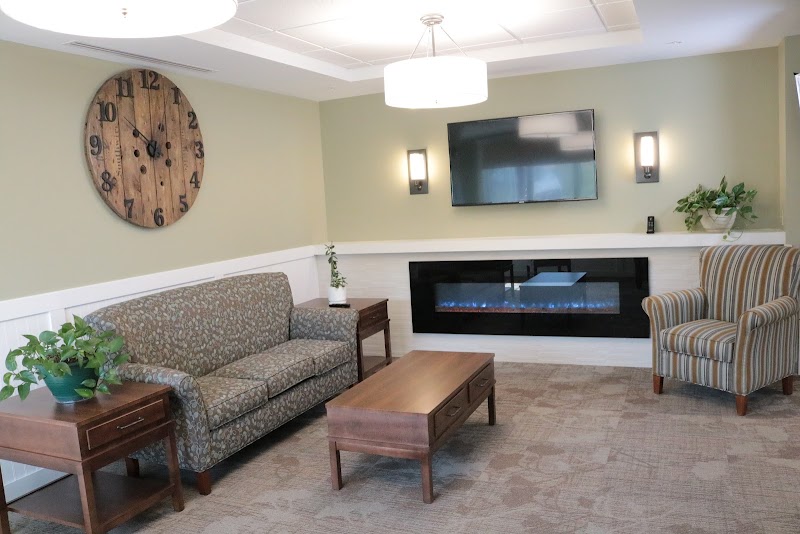
How is Quality Life Services - Sugar Creek Staffed?

CMS rates QUALITY LIFE SERVICES - SUGAR CREEK's staffing level at 3 out of 5 stars, which is average compared to other nursing homes. Staff turnover is 40%, compared to the Pennsylvania average of 46%. This relatively stable workforce can support continuity of care.

What Have Inspectors Found at Quality Life Services - Sugar Creek?

State health inspectors documented 37 deficiencies at QUALITY LIFE SERVICES - SUGAR CREEK during 2023 to 2025. These included: 37 with potential for harm.
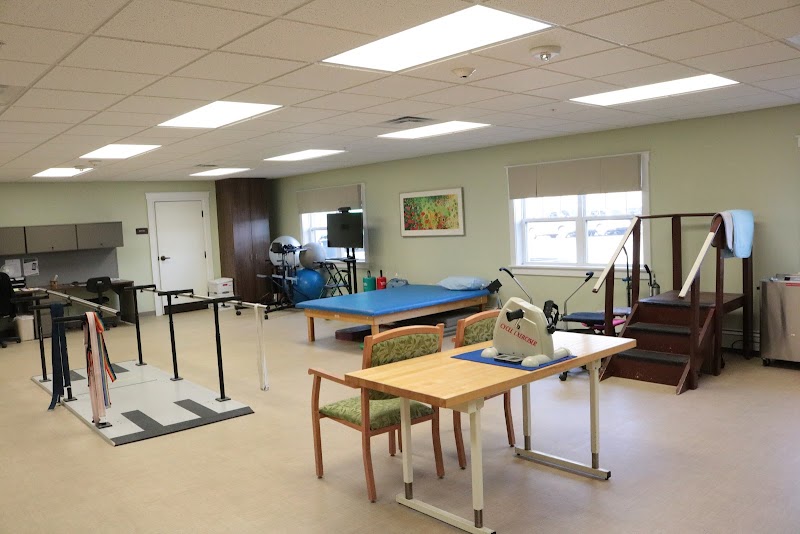
Who Owns and Operates Quality Life Services - Sugar Creek?

QUALITY LIFE SERVICES - SUGAR CREEK is owned by a for-profit company. For-profit facilities operate as businesses with obligations to shareholders or private owners. The facility is operated by QUALITY LIFE SERVICES, a chain that manages multiple nursing homes. With 114 certified beds and approximately 108 residents (about 95% occupancy), it is a mid-sized facility located in WORTHINGTON, Pennsylvania.
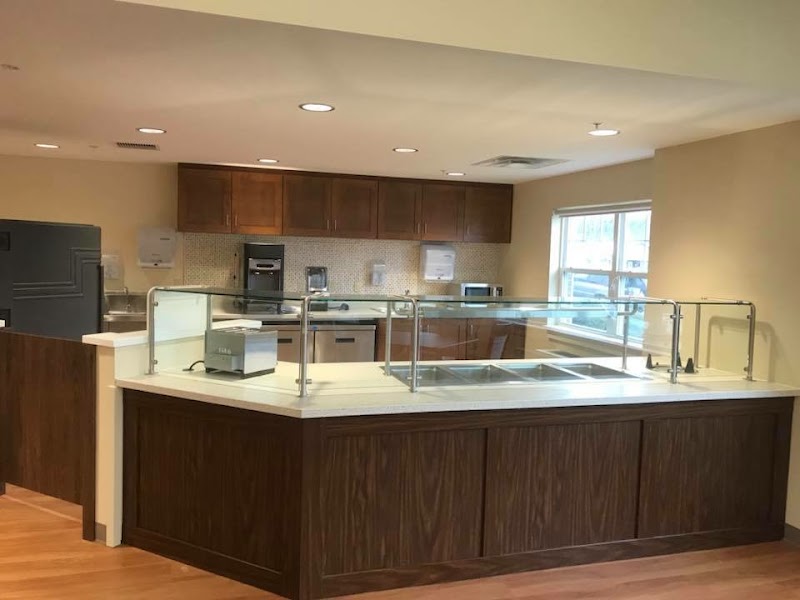
How Does Quality Life Services - Sugar Creek Compare to Other Pennsylvania Nursing Homes?

Compared to the 100 nursing homes in Pennsylvania, QUALITY LIFE SERVICES - SUGAR CREEK's overall rating (3 stars) matches the state average, staff turnover (40%) is near the state average of 46%, and health inspection rating (2 stars) is below the national benchmark.

What Should Families Ask When Visiting Quality Life Services - Sugar Creek?

Based on this facility's data, families visiting should ask: "Can I visit during a mealtime to observe dining assistance and food quality?" "How do you handle medical emergencies, and what is your hospital transfer rate?" "Can I speak with family members of current residents about their experience?"

Is Quality Life Services - Sugar Creek Safe?

Based on CMS inspection data, QUALITY LIFE SERVICES - SUGAR CREEK has a clean safety record: no substantiated abuse findings (meaning no confirmed cases of resident harm), no Immediate Jeopardy citations (the most serious violation level indicating risk of serious injury or death), and is not on the Special Focus Facility watch list (a federal program monitoring the lowest-performing 1% of nursing homes). The facility has a 3-star overall rating and ranks #1 of 100 nursing homes in Pennsylvania. While no facility is perfect, families should still ask about staff-to-resident ratios and recent inspection results during their visit.

Do Nurses at Quality Life Services - Sugar Creek Stick Around?

QUALITY LIFE SERVICES - SUGAR CREEK has a staff turnover rate of 40%, which is about average for Pennsylvania nursing homes (state average: 46%). Moderate turnover is common in nursing homes, but families should still ask about staff tenure and how the facility maintains care continuity when employees leave.

Was Quality Life Services - Sugar Creek Ever Fined?

QUALITY LIFE SERVICES - SUGAR CREEK has been fined $155,235 across 1 penalty action. This is 4.5x the Pennsylvania average of $34,631. Fines at this level are uncommon and typically indicate a pattern of serious deficiencies, repeated violations, or failure to correct problems promptly. CMS reserves penalties of this magnitude for facilities that pose significant, documented risk to resident health or safety. Families should request specific documentation of what issues led to these fines and what systemic changes have been implemented.

Is Quality Life Services - Sugar Creek on Any Federal Watch List?

QUALITY LIFE SERVICES - SUGAR CREEK is not on any federal watch list. The most significant is the Special Focus Facility (SFF) program, which identifies the bottom 1% of nursing homes nationally based on persistent, serious quality problems. Not being on this list means the facility has avoided the pattern of deficiencies that triggers enhanced federal oversight. This is a positive indicator, though families should still review the facility's inspection history directly.