HIGHLANDS AT WYOMISSING
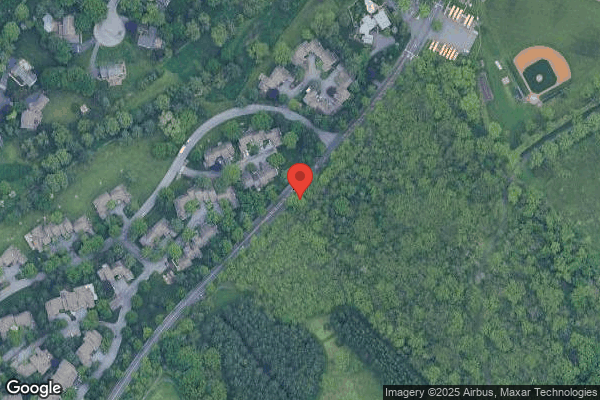
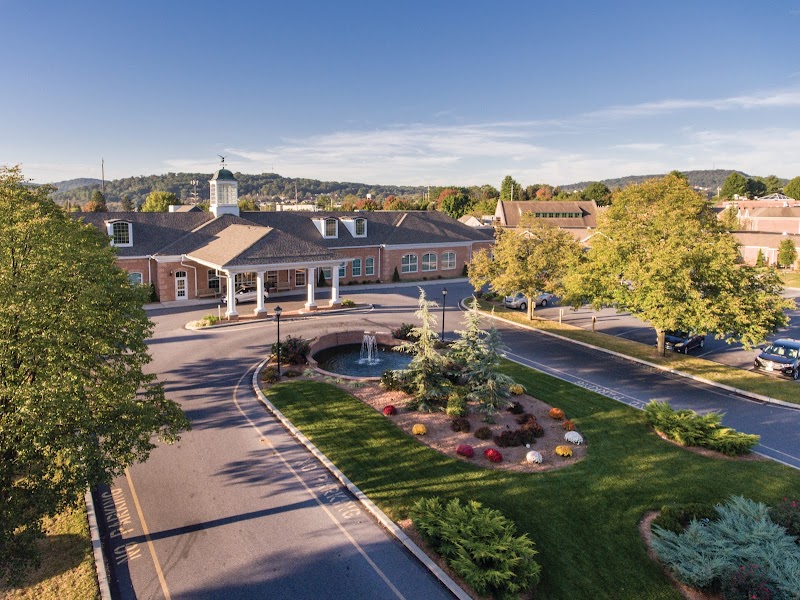
2000 CAMBRIDGE AVENUE, WYOMISSING, PA 19610 (610) 775-2300
Non profit - Corporation 80 Beds Independent Data: November 2025 1 Immediate Jeopardy citation
Trust Grade
48/100
#437 of 653 in PA
Last Inspection: May 2025

Inspected within the last 6 months. Data reflects current conditions.

Overview

The Highlands at Wyomissing has received a Trust Grade of D, indicating below-average performance with some concerns about care quality. Ranked #437 out of 653 facilities in Pennsylvania, they are in the bottom half statewide, and #12 out of 15 in Berks County, suggesting limited local options for better care. The facility is worsening, with issues increasing from 2 in 2024 to 3 in 2025. Although staffing is a strength with a 4 out of 5-star rating and a turnover rate of 54%, which aligns with the state average, there is concerningly less RN coverage than 75% of Pennsylvania facilities, potentially impacting care quality. Some specific incidents include a critical finding where residents were served hot beverages at unsafe temperatures, risking burn injuries, and a concerning delay in answering call bells, with some residents waiting over 30 minutes for assistance. While there are no fines recorded, the overall quality ratings and recent trends raise significant concerns for families considering this facility.

Trust Score
D
48/100
In Pennsylvania
#437/653
Bottom 34%
Safety Record
High Risk
Review needed
Inspections
Getting Worse
2 → 3 violations
Staff Stability
⚠ Watch
54% turnover. Above average. Higher turnover means staff may not know residents' routines.
Penalties
✓ Good
No fines on record. Clean compliance history, better than most Pennsylvania facilities.
Skilled Nurses
✓ Good
Each resident gets 44 minutes of Registered Nurse (RN) attention daily — more than average for Pennsylvania. RNs are trained to catch health problems early.
Violations
○ Average
6 deficiencies on record. Average for a facility this size. Mostly minor or procedural issues.
★★☆☆☆
2.0
Overall Rating
★★★★☆
4.0
Staff Levels
★★★☆☆
3.0
Care Quality
★★☆☆☆
2.0
Inspection Score
Stable
2024: 2 issues
2025: 3 issues

The Good

  • 4-Star Staffing Rating · Above-average nurse staffing levels
  • Full Sprinkler Coverage · Fire safety systems throughout facility
  • No fines on record

Facility shows strength in staffing levels, fire safety.

The Bad

2-Star Overall Rating

Below Pennsylvania average (3.0)

Below average - review inspection findings carefully

Staff Turnover: 54%

Near Pennsylvania avg (46%)

Higher turnover may affect care consistency

The Ugly 6 deficiencies on record

1 life-threatening
May 2025 3 deficiencies 1 IJ (1 affecting multiple)
CRITICAL (K)

Immediate Jeopardy (IJ) - the most serious Medicare violation

Deficiency F0804 (Tag F0804)

Someone could have died · This affected multiple residents

**NOTE- TERMS IN BRACKETS HAVE BEEN EDITED TO PROTECT CONFIDENTIALITY** Based on observation, facility policy review, and staff and resident interview, it was determined that the facility failed to en...

Read full inspector narrative →
**NOTE- TERMS IN BRACKETS HAVE BEEN EDITED TO PROTECT CONFIDENTIALITY** Based on observation, facility policy review, and staff and resident interview, it was determined that the facility failed to ensure that hot beverages were monitored and served at a safe temperature on the nursing units which placed residents at risk for burn injuries. ([NAME] Court, units 100, 200, and 300) This failure resulted in an Immediate Jeopardy situation. Findings include: Review of documentation by the American Burn Association's Burn Prevention Committee entitled, Scald Injury Prevention, revealed that a scald injury occurred when a hot liquid damaged one or more layers of skin and hot beverages were a frequent source of scald burns. Older adults were the most frequent victims of scald injuries due to thin skin, reduced mobility, and reduced ability to feel heat. Hot liquid at a temperature of 155 degrees Farenheit (F) could result in a scald injury in one second. Review of the facility policy entitled, Service Temperatures, last reviewed July 2024, revealed that staff were to ensure that temperatures were within critical limits and that coffee was to be a minimum of 150 degrees F and a maximum 180 degrees F. The policy indicated that hot beverages could be served at temperatures greater than 155 degrees F, contrary to the safety parameters outlined by the American Burn Prevention Committee. Observation during a test tray audit conducted on May 20, 2025, at 11:53 a.m., at the time the last resident meal tray was served, it was determined that the coffee provided on the tray was 179 degrees F. In an interview during the tray audit, Dietary Manager (DM) 1 confirmed the temperature of the coffee was 179 degrees F and that temperature was excessively hot for coffee at the point of service. In an interview on May 20, 2025, at 12:04 p.m., Dietary Aide (DA) 1 stated that she did not test the temperature of the coffee before the start of service or before the trays left the kitchen. She also stated that she did not typically test the temperature of the coffee before service to residents. There was a lack of evidence to support that any staff were testing the temperature of the coffee before service to residents. In an interview on May 20, 2025, at 1:20 p.m., DM 1 stated that Residents 1, 3, 4, 8, 14, and 23 typically ordered and drank coffee from the dietary department on a regular basis. In an interview on May 20, 2025, at 1:30 p.m., the Administrator stated that the facility did not have a procedure in place to assess a resident's ability to safely manage hot beverages. In interviews on May 20, 2025, at 4:10 p.m., and 4:22 p.m., Residents 4 and 8 stated that the coffee was often served hot and they could not drink it when served. On May 20, 2025, at 3:36 p.m., the Administrator was notified that the failure to ensure hot beverages were served at a safe temperature constituted an Immediate Jeopardy situation at F 804 K, and the Immediate Jeopardy template was provided. The facility was informed that a corrective action plan was required. The facility provided an acceptable action plan for removal of the Immediate Jeopardy on May 20, 2025, at 7:19 p.m. The facility's action plan contained the following: 1. The temperature of hot beverages would be recorded by a dietary aide on a log at the start of every meal service. If the temperature of the beverage exceeded 150 degrees F, the liquid would be poured into a serving vessel to allow time to cool to the appropriate temperature and the temperature would be retested to ensure it was within range before service. 2. Dining services revised their policy to reflect a safe serving temperature of hot beverages to be between 130 degrees F and 150 degrees F. 3. All scheduled dietary staff who were onsite were educated on the safe service temperature of hot beverages and the procedure to monitor temperatures of hot beverages. One hundred percent (%) of all staff would be educated by May 23, 2025. 4. The Dietary department would contact the manufacturer of the coffee machine on May 21, 2025, to determine if the setting of the machine could be adjusted to brew at a lower temperature. The settings would be adjusted if able to do so. 5. The Dietary Supervisor would conduct weekly audits of the temperature logs to ensure that temperatures were properly obtained and were within the safe range for service. 6. If it was determined that temperatures of hot beverages were not being obtained before meal service or that hot beverages were being served outside of the safe temperature range, an additional in-service would be held with dietary staff to ensure understanding. The survey team validated that Immediate Jeopardy was removed on May 20, 2025, at 7:19 p.m., through observation, staff interview, review of staff training, and review of the facility policy and procedure following the facility's implementation of the action plan for removal of the Immediate Jeopardy. 28 Pa. Code 201.14(a) Responsibility of licensee. 28 Pa. Code 201.18(b)(1)(3) Management.
CONCERN (D)

Potential for Harm - no one hurt, but risky conditions existed

MDS Data Transmission (Tag F0640)

Could have caused harm · This affected 1 resident

Based on clinical record review and staff interview, it was determined that the facility failed to electronically transmit encoded Minimum Data Set (MDS) data to the Centers for Medicare and Medicaid ...

Read full inspector narrative →
Based on clinical record review and staff interview, it was determined that the facility failed to electronically transmit encoded Minimum Data Set (MDS) data to the Centers for Medicare and Medicaid Services (CMS) within 14 days after the facility completed the resident assessment for one of three sampled residents who were discharged from the facility. (Resident 45) Findings include: Clinical record review revealed that Resident 45's discharge MDS assessment was completed on December 20, 2024, but had not been exported as of May 20, 2025. In an interview on May 21, 2025, at 11:00 a.m., Registered Nurse 1 confirmed that the MDS assessment had not been exported.
MINOR (B)

Minor Issue - procedural, no safety impact

Deficiency F0628 (Tag F0628)

Minor procedural issue · This affected multiple residents

Based on clinical record review and staff interview, it was determined that the facility failed to notify the resident and the resident's representative(s) of transfer(s), including the reasons for th...

Read full inspector narrative →
Based on clinical record review and staff interview, it was determined that the facility failed to notify the resident and the resident's representative(s) of transfer(s), including the reasons for the moves and Ombudsman information, in writing upon transfer from the facility for two of three sampled residents who were transferred to the hospital. (Residents 7, 16) Findings include: Clinical record review revealed that Resident 7 was transferred to the hospital on March 22, 2025, after a change in condition. There was no documentation to support that the resident and the resident's responsible party or legal representative were provided with written information regarding the transfer to the hospital. Clinical record review revealed that Resident 16 was transferred to the hospital on December 23, 2024, after a change in condition. There was no documentation to support that the resident and the resident's responsible party or legal representative were provided with written information regarding the transfer to the hospital. In an interview on May 21, 2025, at 12:20 p.m., the Administrator confirmed that there was no evidence that the residents and residents' representatives were given written notices regarding the identified transfers. 28 Pa. Code 201.14(a) Responsibility of licensee.
Jul 2024 2 deficiencies
CONCERN (D)

Potential for Harm - no one hurt, but risky conditions existed

Resident Rights (Tag F0550)

Could have caused harm · This affected 1 resident

Based on a group interview and staff interview, it was determined that the facility failed to ensure that each resident's call bell was answered in a timely manner for three of four alert and oriented...

Read full inspector narrative →
Based on a group interview and staff interview, it was determined that the facility failed to ensure that each resident's call bell was answered in a timely manner for three of four alert and oriented residents. (Residents 17, 20, 58) Findings include: During a group interview on July 17, 2024, at 9:40 a.m., Residents 17, 20, and 58 reported that it takes long periods of time of (30 minutes or more) for staff to answer their call bells and get assistance. In an interview on July 18, 2024, at 11:00 a.m., the Administrator revealed that staff was expected to respond to a call light within six minutes. Review of the facility form entitled, Zone Activity Report, for Residents 17, 20, and 58, revealed from July 1 through July 17, 2024, there were 44 occurrences when the call bell response time exceeded more than six minutes including on July 5, at 5:54 p.m., when Resident 17 waited 49 minutes, July 13, at 9:53 a.m., when Resident 20 waited 41 minutes, and July 6, 2024, at 2:06 p.m., when Resident 58 waited 60 minutes. In an interview on July 18, 2024, at 11:40 a.m., the Adminstrator confirmed Residents 17, 20, and 58 waited more than the expected response time of six minutes. 28 Pa Code 211.12(d)(1)(5) Nursing services.
CONCERN (D)

Potential for Harm - no one hurt, but risky conditions existed

Deficiency F0692 (Tag F0692)

Could have caused harm · This affected 1 resident

Based on review of facility policy, clinical record review and staff interview, it was determined that the facility failed to monitor and assess nutritional status for two of 15 sampled residents. (Re...

Read full inspector narrative →
Based on review of facility policy, clinical record review and staff interview, it was determined that the facility failed to monitor and assess nutritional status for two of 15 sampled residents. (Residents 18 and 42) Findings include: Review of the facility policy entitled Weight Policy, last reviewed February 19, 2024, revealed that the purpose of the policy was to monitor residents' weight status. When a resident's recorded weight showed a five percent difference, plus or minus, from the previous weight, a re-weight was to be obtained. The provider was to be notified of any weight loss or weight gain of five percent or greater. Weights were to be reviewed weekly by the dietician, their designee, and nursing to determine significant changes. Clinical record review revealed that Resident 18 had diagnoses that included autoimmune hemolytic anemia, congestive heart failure and chronic leukemia. A review of the care plan revealed that the resident's nutritional status was at risk of being compromised due to chronic lymphocytic leukemia. Review of the resident's weights revealed that on June 5, 2024, her weight was 104.4 pounds. On June 29, 2024, her weight was 122.5 pounds which indicated that she had a weight gain of 18.1 pounds which was greater then five percent. There was no documented evidence that the staff re-weighed the resident to verify the accuracy of the weight and the significant weight gain. In an interview on July 18, 2024, at 11:00 a.m., the Director of Nursing confirmed that the resident had not been re-weighed as per facility policy. Clinical record review revealed that Resident 42 had diagnoses that included congestive heart failure, Alzheimer's disease, and dysphagia (difficulty swallowing). Review of Resident 42's care plan revealed his nutritional status was compromised. On May 20, 2024, Resident 42 weighed 155.1 pounds and on June 5, 2024, he weighed 144.1 pounds, a significant weight loss of over seven percent. There was no documented evidence that the physician was notified of the significant change. 28 Pa. Code 211.12(d)(1)(5) Nursing services.
Jun 2023 1 deficiency
CONCERN (D)

Potential for Harm - no one hurt, but risky conditions existed

Assessment Accuracy (Tag F0641)

Could have caused harm · This affected 1 resident

**NOTE- TERMS IN BRACKETS HAVE BEEN EDITED TO PROTECT CONFIDENTIALITY** Based on clinical record review and staff interview, it was determined that the facility failed to ensure that the Minimum Data ...

Read full inspector narrative →
**NOTE- TERMS IN BRACKETS HAVE BEEN EDITED TO PROTECT CONFIDENTIALITY** Based on clinical record review and staff interview, it was determined that the facility failed to ensure that the Minimum Data Set (MDS) assessment was completed to accurately reflect the resident's current status for three of fourteen sampled residents. (Residents 161, 26, 41) Findings include: Clinical record review revealed that Resident 161 had diagnoses that included anxiety and altered mental status. Section B of the MDS assessment dated [DATE], indicated that the resident was not in a vegetative state, had clear speech, was able to make themself understood and could understand others. Section C of the same assessment indicated that the resident's ability to participate in the brief interview for mental status (BIMS, an interview to determine cognitive status) was not assessed. Clinical record review revealed that Resident 26 had diagnoses that included dementia. Section B of the MDS assessment dated [DATE], indicated that the resident had clear speech, usually understood others, and was sometimes understood. Section C of the same assessment indicated that the resident could never understand others, was never understood, and the BIMS was not conducted. Clinical record review revealed that Resident 41 had diagnoses that included dementia without psychotic disturbance, mood disturbance, and anxiety. Section B of the MDS assessment dated [DATE], indicated that the resident was not in a vegetative state, had clear speech, usually made themself understood, sometimes understood others, and had adequate hearing. Section C of the same assessment indicated that the resident could never understand others, was never understood, and the BIMS was not conducted. In an interview on June 29, 2023, at 9:58 a.m., the Registered Nurse Assessment Coordinator (RNAC) confirmed that the brief interview for mental status should have been attempted and the MDS assessments should have been coded accordingly. CFR 483.20 Accuracy of Assessments. Previously cited 7/8/22
Understanding Severity Codes (click to expand)
Life-Threatening (Immediate Jeopardy)
J - Isolated K - Pattern L - Widespread
Actual Harm
G - Isolated H - Pattern I - Widespread
Potential for Harm
D - Isolated E - Pattern F - Widespread
No Harm (Minor)
A - Isolated B - Pattern C - Widespread

Questions to Ask on Your Visit

  • "What changes have you made since the serious inspection findings?"
  • "Can I speak with families of current residents?"
  • "What's your RN coverage like on weekends and overnight?"

Our Honest Assessment

Strengths
  • • No fines on record. Clean compliance history, better than most Pennsylvania facilities.
Concerns
  • • Multiple safety concerns identified: 1 life-threatening violation(s). Review inspection reports carefully.
  • • 6 deficiencies on record, including 1 critical (life-threatening) violation. These warrant careful review before choosing this facility.
  • • Grade D (48/100). Below average facility with significant concerns.
Bottom line: Trust Score of 48/100 indicates significant concerns. Thoroughly evaluate alternatives.

About This Facility

What is Highlands At Wyomissing's CMS Rating?

CMS assigns HIGHLANDS AT WYOMISSING an overall rating of 2 out of 5 stars, which is considered below average nationally. Within Pennsylvania, this rating places the facility higher than 0% of the state's 100 nursing homes. A rating at this level reflects concerns identified through health inspections, staffing assessments, or quality measures that families should carefully consider.
How is Highlands At Wyomissing Staffed?

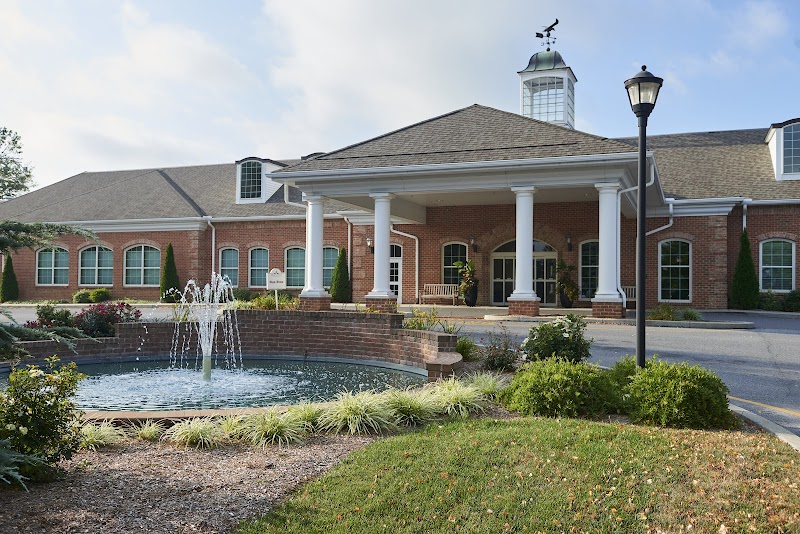
CMS rates HIGHLANDS AT WYOMISSING's staffing level at 4 out of 5 stars, which is above average compared to other nursing homes. Staff turnover is 54%, compared to the Pennsylvania average of 46%.

What Have Inspectors Found at Highlands At Wyomissing?

State health inspectors documented 6 deficiencies at HIGHLANDS AT WYOMISSING during 2023 to 2025. These included: 1 Immediate Jeopardy (the most serious level, indicating potential for serious harm or death), 4 with potential for harm, and 1 minor or isolated issues. Immediate Jeopardy findings are rare and represent the most serious regulatory concerns. They require immediate corrective action.
Who Owns and Operates Highlands At Wyomissing?

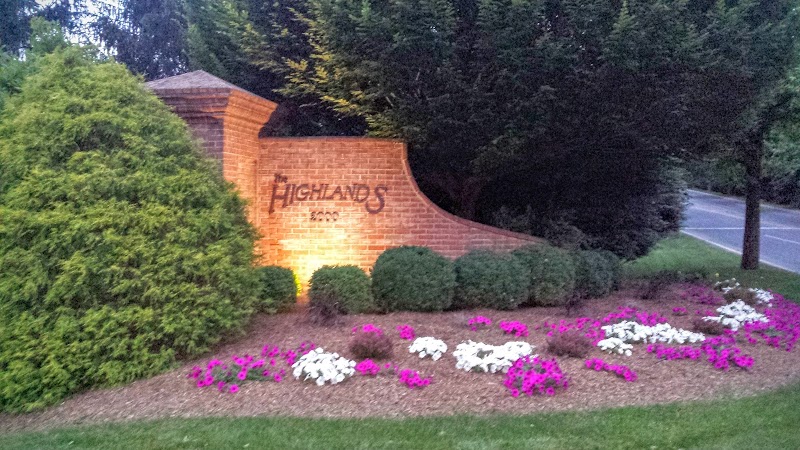
HIGHLANDS AT WYOMISSING is owned by a non-profit organization. Non-profit facilities reinvest revenue into operations rather than distributing to shareholders. The facility operates independently rather than as part of a larger chain. With 80 certified beds and approximately 45 residents (about 56% occupancy), it is a smaller facility located in WYOMISSING, Pennsylvania.
How Does Highlands At Wyomissing Compare to Other Pennsylvania Nursing Homes?

Compared to the 100 nursing homes in Pennsylvania, HIGHLANDS AT WYOMISSING's overall rating (2 stars) is below the state average of 3.0, staff turnover (54%) is near the state average of 46%, and health inspection rating (2 stars) is below the national benchmark.

What Should Families Ask When Visiting Highlands At Wyomissing?

Based on this facility's data, families visiting should ask: "What changes have been made since the serious inspection findings, and how are you preventing similar issues?" "Can I visit during a mealtime to observe dining assistance and food quality?" "How do you handle medical emergencies, and what is your hospital transfer rate?" "Can I speak with family members of current residents about their experience?" These questions are particularly relevant given the facility's Immediate Jeopardy citations.

Is Highlands At Wyomissing Safe?

Based on CMS inspection data, HIGHLANDS AT WYOMISSING has documented safety concerns. Inspectors have issued 1 Immediate Jeopardy citation (the most serious violation level indicating risk of serious injury or death). The facility has a 2-star overall rating and ranks #100 of 100 nursing homes in Pennsylvania. Families considering this facility should ask detailed questions about what corrective actions have been taken since these incidents.

Do Nurses at Highlands At Wyomissing Stick Around?

HIGHLANDS AT WYOMISSING has a staff turnover rate of 54%, which is 8 percentage points above the Pennsylvania average of 46%. Moderate turnover is common in nursing homes, but families should still ask about staff tenure and how the facility maintains care continuity when employees leave.

Was Highlands At Wyomissing Ever Fined?

HIGHLANDS AT WYOMISSING has no federal fines on record. CMS issues fines when nursing homes fail to meet care standards or don't correct problems found during inspections. The absence of fines suggests the facility has either maintained compliance or corrected any issues before penalties were assessed. This is a positive indicator, though families should still review recent inspection reports for the full picture.

Is Highlands At Wyomissing on Any Federal Watch List?

HIGHLANDS AT WYOMISSING is not on any federal watch list. The most significant is the Special Focus Facility (SFF) program, which identifies the bottom 1% of nursing homes nationally based on persistent, serious quality problems. Not being on this list means the facility has avoided the pattern of deficiencies that triggers enhanced federal oversight. This is a positive indicator, though families should still review the facility's inspection history directly.