YARDLEY REHABILITATION AND HEALTHCARE CENTER


1480 OXFORD VALLEY ROAD, YARDLEY, PA 19067 (215) 321-3921
For profit - Corporation 170 Beds MARQUIS HEALTH SERVICES Data: November 2025
Trust Grade
75/100
#255 of 653 in PA
Last Inspection: March 2025

Within standard 12-15 month inspection cycle. Federal law requires annual inspections.

Overview

Yardley Rehabilitation and Healthcare Center has a Trust Grade of B, indicating it is a good choice among nursing homes. It ranks #255 out of 653 facilities in Pennsylvania, placing it in the top half of all state options, but it is #21 out of 29 in Bucks County, meaning there are only a few local facilities that rate higher. Unfortunately, the facility is trending worse, with the number of issues increasing from 6 in 2024 to 9 in 2025. Staffing is a relative strength with a 3/5 rating and a turnover rate of 38%, which is below the state average, but the facility has demonstrated some concerning incidents. For example, raw poultry was stored improperly above cooked food, a call bell was inaccessible for a resident who needed assistance, and another resident did not receive the promised support for ambulation, suggesting gaps in care that families should consider.

Trust Score
B
75/100
In Pennsylvania
#255/653
Top 39%
Safety Record
Low Risk
No red flags
Inspections
Getting Worse
6 → 9 violations
Staff Stability
○ Average
38% turnover. Near Pennsylvania's 48% average. Typical for the industry.
Penalties
✓ Good
No fines on record. Clean compliance history, better than most Pennsylvania facilities.
Skilled Nurses
✓ Good
Each resident gets 49 minutes of Registered Nurse (RN) attention daily — more than average for Pennsylvania. RNs are trained to catch health problems early.
Violations
⚠ Watch
20 deficiencies on record. Higher than average. Multiple issues found across inspections.
★★★★☆
4.0
Overall Rating
★★★☆☆
3.0
Staff Levels
★★★★☆
4.0
Care Quality
★★★★☆
4.0
Inspection Score
Stable
2024: 6 issues
2025: 9 issues

The Good

  • 4-Star Quality Measures · Strong clinical quality outcomes
  • Full Sprinkler Coverage · Fire safety systems throughout facility
  • No fines on record
  • Staff turnover below average (38%)

    10 points below Pennsylvania average of 48%

Facility shows strength in quality measures, fire safety.

The Bad

Staff Turnover: 38%

Near Pennsylvania avg (46%)

Typical for the industry

Chain: MARQUIS HEALTH SERVICES

Part of a multi-facility chain

Ask about local staffing decisions and management

The Ugly 20 deficiencies on record

Mar 2025 8 deficiencies
CONCERN (D)

Potential for Harm - no one hurt, but risky conditions existed

Deficiency F0558 (Tag F0558)

Could have caused harm · This affected 1 resident

Based on clinical record review and observation, it was determined that the facility failed to ensure that a call bell was accessible for one of 32 sampled residents. (Resident 3) Findings include: C...

Read full inspector narrative →
Based on clinical record review and observation, it was determined that the facility failed to ensure that a call bell was accessible for one of 32 sampled residents. (Resident 3) Findings include: Clinical record review revealed that Resident 3 had diagnoses that included anxiety, dysphagia, and osteoarthritis. Review of the care plan revealed that the resident had a self-care deficit due to physical limitations and the intervention was for staff to encourage her to use the call bell for assistance. On March 9, 2025, at 11:54 a.m. and 1:53 p.m., the resident was observed in bed. The call bell was inside of the drawer to her bedside stand which was positioned away from the bed, out of reach. On March 11, 2025, at 11:02 a.m., the resident was observed in bed; the call bell was again observed in the drawer of the bedside stand, out of reach. 28 Pa. Code 211.12(d)(1)(5) Nursing services.
CONCERN (D)

Potential for Harm - no one hurt, but risky conditions existed

Deficiency F0676 (Tag F0676)

Could have caused harm · This affected 1 resident

Based on clinical record review and resident and staff interviews, it was determined that the facility failed to provide services to improve activities of daily living (ADLs) for one of 32 sampled res...

Read full inspector narrative →
Based on clinical record review and resident and staff interviews, it was determined that the facility failed to provide services to improve activities of daily living (ADLs) for one of 32 sampled residents. (Resident 14) Findings include Clinical record review revealed that Resident 14 had diagnoses that included anxiety, osteoarthritis, and muscle weakness. Review of the care plan revealed that the resident had a self-care deficit and required a restorative nursing program (RNP) for ambulation (walking). The interventions were for staff to assist with ambulation and perform a restorative nursing program with the resident daily. In an interview on March 11, 2025, at 1:11 p.m., the resident stated that she was willing to walk with staff but that staff had not offered to assist her with ambulation regularly. Review of the nurse aide task record revealed no evidence to support that staff offered to assist the resident with the ambulation RNP on February 10, 12, 15, 16, 17, 19, 22, 26, and 27, 2025, and March 1, 2, 5, and 8, 2025. There were no documented refusals. In an interview on March 12, 2025, at 12:26 p.m., the Administrator confirmed that the RNP was to be performed daily and there was a lack of evidence that staff offered to ambulate the resident daily. 28 Pa. Code 211.12(d)(1)(5) Nursing services.
CONCERN (D)

Potential for Harm - no one hurt, but risky conditions existed

Deficiency F0688 (Tag F0688)

Could have caused harm · This affected 1 resident

**NOTE- TERMS IN BRACKETS HAVE BEEN EDITED TO PROTECT CONFIDENTIALITY** Based on clinical record review, observation, and resident interview, it was determined that the facility failed to implement in...

Read full inspector narrative →
**NOTE- TERMS IN BRACKETS HAVE BEEN EDITED TO PROTECT CONFIDENTIALITY** Based on clinical record review, observation, and resident interview, it was determined that the facility failed to implement interventions to prevent a decline in range of motion for one of 32 sampled residents. (Resident 103) Findings include: Clinical record review revealed that Resident 103 had diagnoses that included left wrist contracture. Review of the care plan revealed that the resident required assistance from staff for activities of daily living (ADLs). A physician's order dated April 15, 2024, directed staff to apply a soft pro [NAME] resting hand splint due to a left-hand contracture. The resident was observed on March 9, 10, and 11, 2025, at 12:34 p.m., 1:05 p.m., and 11:06 a.m., respectively. The splint was not in place at any of those times. The resident stated that staff had not applied the hand splint in a while and he had not refused use of the splint. There was a lack of evidence to support that staff had applied the splint; there were no documented refusals. 28 Pa. Code 211.12(d)(1)(5) Nursing services.
CONCERN (D)

Potential for Harm - no one hurt, but risky conditions existed

Accident Prevention (Tag F0689)

Could have caused harm · This affected 1 resident

**NOTE- TERMS IN BRACKETS HAVE BEEN EDITED TO PROTECT CONFIDENTIALITY** Based on clinical record review, observation, and staff interview, it was determined that the facility failed to provide adequat...

Read full inspector narrative →
**NOTE- TERMS IN BRACKETS HAVE BEEN EDITED TO PROTECT CONFIDENTIALITY** Based on clinical record review, observation, and staff interview, it was determined that the facility failed to provide adequate supervision to prevent accidents for one of 32 sampled residents. (Resident 99) Findings include: Clinical record review revealed that Resident 99 was admitted to the facility on [DATE], with diagnoses that included dementia, anxiety, and dysphagia (difficulty swallowing). Review of the Minimum Data Set (MDS) assessment dated [DATE], revealed that the resident had moderate cognitive impairment, but could make her needs known. A review of the care plan revealed that the resident had a self-care deficit related to her cognitive disease process and required supervision with eating and drinking. The interventions were for staff to ensure the resident was upright prior to all oral intake, provide supervision of all meals, and have the resident out of bed and in the dining room for meals. On March 5, 2025, staff noted that Resident 99 experienced a choking episode that required mechanical assistance from staff. Review of a speech therapy evaluation dated March 6, 2025, indicated the resident would benefit from proper positioning and supervision with meals. On March 7, 2025, the nurse practitioner noted that Resident 99 was to sit in an upright position for meals and continue with speech therapy. Observations on March 9, 2025, from 12:10 p.m. to 12:35 p.m., and March 11, 2025, from 12:07 p.m. to 12:30 p.m., revealed that the resident was lying in her bed eating her meal with the head of the bed at less than a 45-degree angle; her head was just above the level of the meal tray on the bedside table. On March 12, 2025, from 12:05 p.m. to 12:15 p.m., the resident was again observed lying in her bed while eating her meal. Her chest and head were propped up on her left elbow; she was not sitting upright. Staff did not provide supervision during those meals. In an interview on March 12, 2025, at 1:05 p.m., the Director of Nursing confirmed the resident should have been supervised while eating. 28 Pa. Code 211.12(d)(1)(5) Nursing services.
CONCERN (D)

Potential for Harm - no one hurt, but risky conditions existed

Incontinence Care (Tag F0690)

Could have caused harm · This affected 1 resident

**NOTE- TERMS IN BRACKETS HAVE BEEN EDITED TO PROTECT CONFIDENTIALITY** Based on clinical record review and policy review, it was determined that the facility failed to assess residents who were incon...

Read full inspector narrative →
**NOTE- TERMS IN BRACKETS HAVE BEEN EDITED TO PROTECT CONFIDENTIALITY** Based on clinical record review and policy review, it was determined that the facility failed to assess residents who were incontinent of bladder to determine the cause of the incontinence or if normal bladder function could be restored for two of 32 sampled residents. (Residents 9 and 87) Findings include: Review of the facility policy entitled, Urinary Continence and Incontinence - Assessment and Management, last reviewed January 7, 2025, revealed that the facility was to assess residents who were incontinent of bladder, including determining the type of incontinence and any clinical factors contributing to the incontinence, so residents' normal bladder function could potentially be restored. Clinical record review revealed that Resident 9 was admitted to the facility on [DATE], and had diagnoses that included heart failure and muscle wasting. At the time of admission, the physician assessed the resident and noted that he had previously been continent of bladder. According to the Minimum Data Set (MDS) assessment, dated February 18, 2025, the resident had no cognitive impairment, was able to communicate needs, and was always incontinent of bladder. Nurse aide records since admission confirmed that the resident was completely incontinent of bladder. There was no documented evidence that the facility ever assessed the resident for the cause of their incontinence or evaluated to determine if normal bladder function could be restored. Clinical record review revealed that Resident 87 was admitted to the facility on [DATE], and had diagnoses that included a urinary tract infection and muscle wasting. According to a nursing assessment on the day of admission, the resident was continent of bladder. According to her MDS assessment, dated January 24, 2025, the resident was able to communicate her needs, required assistance from staff for mobility, and had become frequently incontinent of bladder. From February 14 through 26, 2025, the resident was hospitalized due to a change in condition. According to a nursing assessment when she was readmitted to the facility, the resident's continence again declined to being completely incontinent. This was confirmed by a review of the nurse aide records. There was no documented evidence that the facility ever assessed the resident for the cause of their incontinence or evaluated to determine if normal bladder function could be restored. 28 Pa. Code 211.12(d)(1)(5) Nursing services.
CONCERN (D)

Potential for Harm - no one hurt, but risky conditions existed

Garbage Disposal (Tag F0814)

Could have caused harm · This affected 1 resident

Based on observation, it was determined that the facility failed to dispose of trash and refuse properly. Findings include: Observation during an environmental tour on March 9, 2025, at 9:54 a.m., r...

Read full inspector narrative →
Based on observation, it was determined that the facility failed to dispose of trash and refuse properly. Findings include: Observation during an environmental tour on March 9, 2025, at 9:54 a.m., revealed the following: The trash compactor was overflowing with trash bags from the top and out of the back of the machine, onto the ground. The lid on top of the machine and the cover on the back of the machine were not able to be closed due to the overflow of trash. 28 Pa. Code 201.18(b)(3) Management.
CONCERN (E)

Potential for Harm - no one hurt, but risky conditions existed

Food Safety (Tag F0812)

Could have caused harm · This affected multiple residents

Based on observation and staff interview it was determined that the facility failed to store food under sanitary conditions in the kitchen. Findings include: Observation of the kitchen on March 9, 2...

Read full inspector narrative →
Based on observation and staff interview it was determined that the facility failed to store food under sanitary conditions in the kitchen. Findings include: Observation of the kitchen on March 9, 2025, at 9:54 a.m., revealed the following: In the walk in refrigerator, there was a rolling storage rack that contained raw meat. There was a pan of raw chicken that was stored above a pan of cooked roast beef. The same rolling storage rack also held pans of raw turkey, cubed beef, whole beef tenderloins, and ground meat. The raw poultry (chicken and turkey) were stored above the raw beef, which required a lower internal cooking temperature than raw poultry. In an interview on March 12, 2025, at 9:33 a.m., the Administrator confirmed that the raw meat was not stored properly and raw poultry should not have been stored above cooked food or raw beef. 28 Pa. Code 201.18(b)(3) Management.
MINOR (C) 📢 Someone Reported This

A family member, employee, or ombudsman was alarmed enough to file a formal complaint

Minor Issue - procedural, no safety impact

Staffing Information (Tag F0732)

Minor procedural issue · This affected most or all residents

Based on observation and staff interview, it was determined that the facility failed to post accurate and current nurse staffing information. Findings include: Observation on March 9, 2025, at 9:29 a....

Read full inspector narrative →
Based on observation and staff interview, it was determined that the facility failed to post accurate and current nurse staffing information. Findings include: Observation on March 9, 2025, at 9:29 a.m., revealed that staffing information posted in the lobby was dated for March 6, 2025. In an interview on March 12, 2025, at 12:36 p.m., the Director of Nursing confirmed that the incorrect staffing information was posted. 28 Pa. Code 201.18(b)(3) Management.
Jan 2025 1 deficiency
MINOR (C) 📢 Someone Reported This

A family member, employee, or ombudsman was alarmed enough to file a formal complaint

Minor Issue - procedural, no safety impact

Transfer Notice (Tag F0623)

Minor procedural issue · This affected most or all residents

Based on facility policy review, clinical record review, facility documentation review, and staff interview, it was determined that the facility failed to notify the resident's representative of a 30 ...

Read full inspector narrative →
Based on facility policy review, clinical record review, facility documentation review, and staff interview, it was determined that the facility failed to notify the resident's representative of a 30 day advanced notice of discharge and failed to notify the resident and the resident representative(s) of hospital transfer(s), including the reasons for the moves, Ombudsman information, and how to file an appeal, in writing for four of four sampled residents who had an impending discharge from the facility or who were transferred to the hospital. (Residents 1, 2, 3, 4) Findings include: A review of the facility policy entitled, Transfer or Discharge, Facility-Initiated, last reviewed January 7, 2025, revealed that the resident and resident representative were to be given a 30 day advanced written notice of a planned impending transfer or discharge from the facility and a transfer notice if sent to the hospital. Clinical record review revealed that Resident 1 received a 30 day discharge notice on January 16, 2025. Review of facility documentation revealed that Resident 1 had a revised 30 day advanced written notice of planned discharge date d January 24, 2025, that was to begin that day. There was no documentation to support that the resident's responsible party or legal representative was provided written information regarding the pending discharge. In an interview on January 28, 2025, at 1:05 p.m., the Administrator confirmed that 30 day discharge notifications in writing were not provided to the resident 's responsible party or legal representative. Clinical record review revealed that Resident 2 was transferred to the hospital on January 6, 2025, after a change in condition. There was no documentation to support that the resident and/or the resident's responsible party or legal representative was provided written information regarding the transfer to the hospital. Clinical record review revealed that Resident 3 was transferred to the hospital on January 3, 2025, after a change in condition. There was no documentation to support that the resident and/or the resident's responsible party or legal representative was provided written information regarding the transfer to the hospital. Clinical record review revealed that Resident 4 was transferred to the hospital on January 18, 2025, after a change in condition. There was no documentation to support that the resident and/or the resident's responsible party or legal representative was provided written information regarding the transfer to the hospital. In an interview on January 28, 2025, at 1:05 p.m., the Administrator confirmed that hospital transfer notifications in writing were not provided to the resident and/or the resident's responsible party or legal representative.
Feb 2024 6 deficiencies
CONCERN (D)

Potential for Harm - no one hurt, but risky conditions existed

Resident Rights (Tag F0550)

Could have caused harm · This affected 1 resident

**NOTE- TERMS IN BRACKETS HAVE BEEN EDITED TO PROTECT CONFIDENTIALITY** Based on clinical record review, observation and resident and staff interview, it was determined that the facility failed to ens...

Read full inspector narrative →
**NOTE- TERMS IN BRACKETS HAVE BEEN EDITED TO PROTECT CONFIDENTIALITY** Based on clinical record review, observation and resident and staff interview, it was determined that the facility failed to ensure that a resident had the call bell accessible for one of 33 sampled residents. (Resident 139) Findings include: Clinical record review revealed that Resident 139 had diagnoses of Parkinson's disease, dysphagia, (difficulty swallowing) and history of mild protein and calorie malnutrition. The Minimum Data Set assessment dated [DATE], indicated that the resident was alert and oriented, was frequently incontinent of bowel and bladder and had limitations in his upper and lower extremities on both sides. The care plan identified that the resident was at risk for falls due to Parkinson's disease. There was an intervention for staff to ensure that the resident had his call bell within reach. On February 20, 2024, at 10:29 a.m., 11:00 a.m., and 12:18 p.m., the resident was observed in bed. His touch pad call bell had been placed near the top of his pillow, completely out of his reach. At 10:29 a.m., the resident stated that he was thirsty and that he needed fresh water in his cup that was on his over the bed table. The cup of water was on the table and was out of his reach. On February 21, 2024, at 9:55 a.m., the resident was observed in bed. The call bell had been placed on his upper right shoulder, but it was upside down. At that time, the resident stated that he could not reach the call bell and that the cord needed to be about four to five inches longer so that he could utilize it to call for assistance from staff. In an interview on February 22, 2024, at 9:56 a.m., the Registered Nurse (RN 2 ) stated that the cord had not been long enough for the resident to reach the call bell and that he was capable of utilizing the call bell to call for assistance from staff. 28 Pa. Code 211.12(d)(1)(5) Nursing services.
CONCERN (D)

Potential for Harm - no one hurt, but risky conditions existed

Comprehensive Care Plan (Tag F0656)

Could have caused harm · This affected 1 resident

**NOTE- TERMS IN BRACKETS HAVE BEEN EDITED TO PROTECT CONFIDENTIALITY** Based on clinical record review and staff interview, it was determined that the facility failed to develop a comprehensive care ...

Read full inspector narrative →
**NOTE- TERMS IN BRACKETS HAVE BEEN EDITED TO PROTECT CONFIDENTIALITY** Based on clinical record review and staff interview, it was determined that the facility failed to develop a comprehensive care plan to meet each resident's needs identified in the comprehensive assessment for two of 33 sampled residents. (Resident 39, 42) Findings include: Clinical record review revealed that Resident 39 was admitted to the facility on [DATE], and had diagnoses that included muscle weakness and history of a traumatic brain injury. The Minimum Data Set (MDS) assessment dated [DATE], identified that Resident 39 was frequently incontinent of urine and the Care Area Assessment (CAA) summary indicated that it was to be addressed in the care plan. There was no evidence that interventions to address Resident 39's urinary incontinence were included in the current care plan. Clinical record review revealed that Resident 42 was admitted to the facility on [DATE], and had diagnoses that included Parkinson's disease and dementia. The MDS assessment dated [DATE], indicated that Resident 42 was always incontinent of urine and the CAA summary indicated that it was to be addressed in the care plan. There was no evidence that interventions to address Resident 42's urinary incontinence were included in the current care plan. In an interview on February 22, 2024, at 11:35 a.m., the Director of Nursing confirmed that the identified care areas were not addressed in the residents' care plans. 28 Pa. Code 211.12(d)(1)(5) Nursing services.
CONCERN (D)

Potential for Harm - no one hurt, but risky conditions existed

ADL Care (Tag F0677)

Could have caused harm · This affected 1 resident

**NOTE- TERMS IN BRACKETS HAVE BEEN EDITED TO PROTECT CONFIDENTIALITY** Based on clinical record review, observation, and resident interview, it was determined that the facility failed to ensure that ...

Read full inspector narrative →
**NOTE- TERMS IN BRACKETS HAVE BEEN EDITED TO PROTECT CONFIDENTIALITY** Based on clinical record review, observation, and resident interview, it was determined that the facility failed to ensure that appropriate assistance with eating was provided to one of four sampled residents who required assistance with activities of daily living, including eating. (Resident 139) Findings include: Clinical record review revealed that Resident 139 had diagnoses that included Parkinson's disease, cognitive communication deficit, and history of mild protein malnutrition. The Minimum Data Set assesment dated February 5, 2024, indicated that the resident was alert and oriented and had limitations in range of motion of his upper and lower extremities on both sides. The care plan identified that the resident had a self-care deficit in activities of daily living, including eating. There was an intervention that indicated he required hands-on assistance for eating and drinking. Review of a speech language pathology Discharge summary dated [DATE], revealed a therapist documented that the resident was totally dependent for feeding assistance. Further review of the summary revealed that the therapist recommended close supervision and feeding assistance as he was totally dependent for eating. Review of a nutrition note dated February 16, 2024, revealed that the resident needed to be fed by staff because of tremors that he had from Parkinson's disease. Observation on February 21, 2024, at 12:20 p.m., revealed that the resident was in his room in bed and a staff member brought in his food tray and placed it on his over the bed table. At 12:40 p.m., the resident was still not eating and had not touched any of the food or drinks on his food tray. He stated that staff usually assisted him with eating his meals; however, today no one had assisted him with eating his meal. He further stated that he was hungry and thirsty. It was not until 12:45 p.m., 25 minutes after receiving his meal, that a staff member went in to the room and sat down to assist him with eating his meal. CFR 483.254(a)(2) ADL Care Provided for Dependent Residents. Previously cited 3/10/23 28 Pa. Code 211.12(d)(1)(5) Nursing services.
CONCERN (D)

Potential for Harm - no one hurt, but risky conditions existed

Deficiency F0697 (Tag F0697)

Could have caused harm · This affected 1 resident

Based on facility policy review, clinical record review, and staff interview, it was determined that the facility failed to attempt non-pharmacological interventions to alleviate pain prior to the adm...

Read full inspector narrative →
Based on facility policy review, clinical record review, and staff interview, it was determined that the facility failed to attempt non-pharmacological interventions to alleviate pain prior to the administration of pain medication prescribed on an as needed basis for four of 33 sampled residents. (Resident 22, 64, 116, 121) Findings include: Review of the facility policy entitled, Pain Management, last reviewed February 1, 2024, revealed that the facility was to provide adequate pain control for the residents. Pain was to be managed through non-pharmacological and pharmacological interventions. Clinical record review revealed that Resident 22 had diagnoses that included neuropathy (nerve pain). A physician's order dated November 2, 2023 directed staff to administer the narcotic pain medication, oxycodone, every four hours as needed for moderate to severe pain. Review of the care plan revealed the resident had pain and interventions included that staff offer relaxation therapy, heat and cold application, muscle simulation, or positioning to assist with pain control. Review of the Medication Administration Records (MARs), revealed that the resident received the oxycodone six times in January and twice in February, 2024, without evidence to support that non-pharmacological interventions were offered prior to the administration of the as needed pain medication. Clinical record review revealed that Resident 64 had diagnoses that included fibromyalgia and muscle wasting and atrophy (shrinking of muscles). A physician's order dated November 17, 2023, directed staff to administer the narcotic pain medication, oxycodone, every six hours as needed for pain. Review of the care plan revealed the resident had chronic pain and interventions included that staff offer relaxation therapy, bathing, heat and cold application, or muscle stimulation to assist with pain control. Review of the MARs, revealed that the resident received the oxycodone 65 times in January and 36 times in February, 2024, without evidence to support that non-pharmacological interventions were offered prior to the administration of the as needed pain medication. Clinical record review revealed that Resident 116 had diagnoses that included lumbago with sciatica (low back pain) and muscle weakness. A physician's order dated July 14, 2023, directed staff to administer the narcotic pain medication, oxycodone, every six hours as needed for pain. Review of the care plan revealed the resident had chronic pain and interventions included that staff offer relaxation therapy, heat and cold application, muscle stimulation, or positioning to assist with pain control. Review of the MARs, revealed that the resident received the oxycodone 54 times in January and 37 times in February, 2024, without evidence to support that non-pharmacological interventions were offered prior to the administration of the as needed pain medication. Clinical record review revealed that Resident 121 had diagnoses that included hemiparesis (weakness one one side of the body), neuropathy, and depression. A physician's order dated August 3, 2022, directed staff to administer the narcotic pain medication, oxycodone, every four hours as needed for severe pain. Review of the care plan revealed the resident had pain and interventions included that staff offer relaxation therapy, heat and cold application, muscle stimulation, or positioning to assist with pain control. Review of the MARs, revealed that the resident received the oxycodone 25 times in January and 20 times in February, 2024, without evidence to support that non-pharmacological interventions were offered prior to the administration of the as needed pain medication. In an interview on February 22, 2024, at 10:42 a.m., the Director of Nursing confirmed that there was no documented evidence that staff offered non-pharmacological interventions prior to the administration of the as needed pain medication. 28 Pa. Code 211.12(d)(1)(5) Nursing services.
CONCERN (D)

Potential for Harm - no one hurt, but risky conditions existed

Deficiency F0698 (Tag F0698)

Could have caused harm · This affected 1 resident

Based on policy review, clinical record review, observation, and interview, it was determined that the facility failed to ensure that staff provided services consistent with professional standards of ...

Read full inspector narrative →
Based on policy review, clinical record review, observation, and interview, it was determined that the facility failed to ensure that staff provided services consistent with professional standards of practice for one of three sampled dialysis residents. (Resident 147) Findings include: Review of the facility policy entitled, Hemodialysis Access Emergency Care Policy, dated February 1, 2024, revealed that a smooth clamp should be kept at the bedside of residents with a dialysis catheter in place. Clinical record review revealed that Resident 147 had diagnoses that included end stage renal disease, permacath (tunneled catheter inserted into the blood vessel in the neck or upper chest under the collarbone and into the right side of the heart for dialysis), and dependence on renal dialysis (a process of removing waste products and excess fluid from the body when the kidneys are not able to adequately filter the blood). Review of current physician's orders revealed that there was an order since January 24, 2024, for staff to keep a clamp at bedside at all times and to check for placement every shift. Observation on February 20, 2024, at 11:23 a.m., and February 21, 2024, at 10:00 a.m., revealed there was no clamp available in Resident 147's room as ordered. On February 21, 2024, at 11:00 a.m., LPN 1 confirmed that there was no clamp at the bedside. In an interview on February 22, 2024, at 9:40 a.m., The Director of Nursing confirmed that the facility failed to ensure the availability of necessary emergency supplies at the resident's bedside. 28 Pa. Code 211.12(c)(d)(1)(2)(5) Nursing Services.
MINOR (C)

Minor Issue - procedural, no safety impact

Staffing Information (Tag F0732)

Minor procedural issue · This affected most or all residents

Based on observation and interview, it was determined that the facility failed to post accurate and current nurse staffing information. Findings include: Observation on February 20, 2024, at 10:05 a....

Read full inspector narrative →
Based on observation and interview, it was determined that the facility failed to post accurate and current nurse staffing information. Findings include: Observation on February 20, 2024, at 10:05 a.m., and February 21, 2024, at 9:25 a.m., revealed that nurse staffing information was posted in the lobby and had not been updated since February 16, 2024. In an interview on February 21, 2024, at 1:00 p.m., the Nursing Home Administrator confirmed that incorrect staffing data was posted. 28 Pa Code 201.18(b)(3) Management.
Mar 2023 5 deficiencies
CONCERN (D)

Potential for Harm - no one hurt, but risky conditions existed

Safe Environment (Tag F0584)

Could have caused harm · This affected 1 resident

**NOTE- TERMS IN BRACKETS HAVE BEEN EDITED TO PROTECT CONFIDENTIALITY** Based on observation, it was determined that the facility failed to provide a safe, clean, and comfortable environment on one of...

Read full inspector narrative →
**NOTE- TERMS IN BRACKETS HAVE BEEN EDITED TO PROTECT CONFIDENTIALITY** Based on observation, it was determined that the facility failed to provide a safe, clean, and comfortable environment on one of three nursing units. (South) Findings include: Observations during an environmental tour of the South nursing unit on March 8, 2023, at 9:57 a.m., revealed the following: Wallpaper was peeling and missing on the wall around the overbed light fixture in resident room [ROOM NUMBER] B. There was a build-up of rust and dirt around the base of the toilet, the linoleum was loose around the edges of the floor adjacent to the walls, and the paper towel holder was empty in resident bathroom [ROOM NUMBER]. There was an area of rough, unpainted plaster placed over the wall paper near the cove molding in the bathroom of 207. In the bathroom of room [ROOM NUMBER], there was a build-up of rust around the base of the toilet, the linoleum was loose around the edges of the floor adjacent to the walls, there were patches of rough, unpainted plaster near the the cove molding and the mirror, and the paper towel holder was missing. In the bathroom of resident room [ROOM NUMBER], the cove molding beside the toilet was coming loose from the wall. The gap on the floor between the linoleum and cove molding had a build-up of dirt. Observation during an environmental tour of the South nursing unit on March 7, 2023, at 12:05 p.m. and 12:50 p.m., revealed the over-bed table in resident room [ROOM NUMBER] A held medical supplies (two bags of tubing) and a washcloth and was observed with multiple areas of dried spillage and debris. 28 Pa. Code 207.2(a) Administrator's responsibility.
CONCERN (D)

Potential for Harm - no one hurt, but risky conditions existed

ADL Care (Tag F0677)

Could have caused harm · This affected 1 resident

**NOTE- TERMS IN BRACKETS HAVE BEEN EDITED TO PROTECT CONFIDENTIALITY** Based on clinical record review and observation, it was determined that the facility failed to provide services to maintain adeq...

Read full inspector narrative →
**NOTE- TERMS IN BRACKETS HAVE BEEN EDITED TO PROTECT CONFIDENTIALITY** Based on clinical record review and observation, it was determined that the facility failed to provide services to maintain adequate grooming and personal hygiene for residents unable to carry out activities of daily living for two of 29 sampled residents. (Residents 48, 71) Findings include: Clinical record review revealed that Resident 48 had diagnoses that included dementia, contractures of both legs, and history of a stroke. The Minimum Data Set assessment dated [DATE], indicated that the resident was cognitively impaired and required extensive staff assistance for personal hygiene. The care plan identified that Resident 48 had difficulty caring for herself due to her physical limitations and interventions included that staff assist with daily hygiene and grooming. Observations on March 7, 2023, at 1:53 p.m., and March 8, 2023, at 9:59 a.m., revealed that Resident 48's fingernails on both hands were long with dirt underneath. Clinical record review revealed that Resident 71 had diagnoses that included muscle weakness, history of a stroke affecting the right dominant side, and contractures of the right elbow, muscle of the right arm, and right hand. The MDS assessment dated [DATE], indicated that the resident was cognitively impaired and required extensive staff assistance for personal hygiene. The care plan identified that Resident 71 had difficulty caring for herself due to unsteady gait and physical limitations and interventions included that staff assist with daily hygiene and grooming. Observations on March 7, 2023, at 12:54 p.m., and March 8, 2023, at 10:24 a.m., revealed that Resident 71's fingernails on both hands were long with dirt underneath. 28 Pa. Code 211.12(d)(1)(5) Nursing services.
CONCERN (D)

Potential for Harm - no one hurt, but risky conditions existed

Deficiency F0679 (Tag F0679)

Could have caused harm · This affected 1 resident

**NOTE- TERMS IN BRACKETS HAVE BEEN EDITED TO PROTECT CONFIDENTIALITY** Based on clinical record review, observation, staff interview, and resident interview, it was determined that the facility faile...

Read full inspector narrative →
**NOTE- TERMS IN BRACKETS HAVE BEEN EDITED TO PROTECT CONFIDENTIALITY** Based on clinical record review, observation, staff interview, and resident interview, it was determined that the facility failed to provide an activities program to meet needs and preferences based on the comprehensive assessment and care plan for one of 29 sampled residents. (Resident 121) Findings include: Clinical record review revealed that Resident 121 had diagnoses that included depression, anxiety disorder, and limitation of activities due to disability. The quarterly Minimum Data Set (MDS) assessment dated [DATE], indicated that the resident had no memory problems, but was unable to report the correct day of the week. In addition, Resident 121 required staff assistance for transferring between surfaces and moving about the unit. The annual MDS assessment dated [DATE], identified that Resident 121 expressed that it was important to do things with groups of people, listen to preferred music, and to participate in religious services or practices. The resident's care plan identified that the resident enjoyed activities such as watching movies and listening to oldies music. Interventions included offering activities consistent with known interests and encouraging participation. Review of the Social Services assessment dated [DATE], indicated that the resident's religious preference was Catholic. During an interview on March 7, 2023, at 1:24 p.m., Resident 121 reported that he was not informed of activities programming and was not able to read the activities calendar. The resident stated that he found out about a religious service for Ash Wednesday on March 22, 2023, after it was over and that participation was important for him to receive the ashes. Also, the resident stated that he desired to meet with a priest at other times, requested the same, and was not provided with the opportunity. In addition, Resident 121 stated that he would like to attend group activities, such as movies, if someone would assist him to go. Review of activities calendars for February and March 2023, revealed that bible study was offered on Resident 121's unit weekly, that movies were shown in the Main Dining Room three times in February 2023, and oldies music was offered four times in March 2023. Observation in the South lounge on March 8, 2023, from 10:30 a.m. through 11:00 a.m., revealed that a religious activity, including music/singing, was held on Resident 121's unit while the resident remained in bed. Review the resident's clinical record and activities attendance sheets revealed there was a lack of documentation to support that Resident 121 was invited to any group activities and/or provided with an opportunity to participate in religious services or practices. During an interview on March 10, 2023, at 1:13 p.m., the Activities Director confirmed that the priest did not visit residents in their rooms and that services were held on Ash Wednesday. 28 Pa. Code 201.29(j) Resident rights.
CONCERN (D)

Potential for Harm - no one hurt, but risky conditions existed

Quality of Care (Tag F0684)

Could have caused harm · This affected 1 resident

Based on clinical record review and staff interview, it was determined that the facility failed to ensure physicians' orders were implemented for two of 29 sampled residents. (Residents 38, 71) Findin...

Read full inspector narrative →
Based on clinical record review and staff interview, it was determined that the facility failed to ensure physicians' orders were implemented for two of 29 sampled residents. (Residents 38, 71) Findings include: Clinical record review revealed that Resident 71 had diagnoses that included high blood pressure and history of a stroke. On June 15, 2020, a physician ordered that staff administer a medication (metoprolol tartrate) three times daily to treat the resident's high blood pressure. Staff was not to give the metoprolol tartrate if the resident had a systolic blood pressure (the first measurement of blood pressure when the heart beats, and the pressure is at its highest) of less than 110 millimeters of mercury (mm/Hg) or heart rate of less than 60 beats per minute (bpm). A physician's order dated January 21, 2021, directed staff to administer an additional medication (hydralazine) every six hours to treat the resident's high blood pressure. Staff was not to give the hydralazine if the resident had a systolic blood pressure of less than 130 mm/Hg or heart rate of less than 60 bpm. A review of Medication Administration Records (MARs) revealed that staff administered the hydralazine when the resident's systolic blood pressure was under 130 mm/Hg on seven occasions in February 2023, and three occasions in March 2023. In addition, staff administered the metoprolol on 18 occasions in February and six occasions in March 2023, and administered the hydralazine on 20 occasions in February 2023, and six occasions in March 202,3 with no evidence that blood pressure and/or heart rate was measured prior to giving the medications. In an interview conducted on March 10, 2023, the Director of Nursing confirmed that Resident 71 received the hydralazine outside prescribed parameters on multiple occasions. Clinical record review revealed that Resident 38 had diagnoses that included high blood pressure and an irregular heart rhythm. On November 17, 2015, a physician ordered that staff administer a medication (metoprolol succinate) once daily at bed time to treat the resident's high blood pressure. Staff was not to give the medication if the resident had a systolic blood pressure of less than 100 mm/Hg or heart rate of less than 60 bpm. A review of the February and March 2023, MARs revealed that staff administered the medication with no evidence that blood pressure and/or heart rate was measured on five occasions in February 2023, and three occasions in March 2023. 28 Pa. Code 211.12(d)(1)(5) Nursing services.
CONCERN (D)

Potential for Harm - no one hurt, but risky conditions existed

Deficiency F0685 (Tag F0685)

Could have caused harm · This affected 1 resident

**NOTE- TERMS IN BRACKETS HAVE BEEN EDITED TO PROTECT CONFIDENTIALITY** Based on clinical record review, observation, and staff interview, it was determined that the facility failed to ensure each res...

Read full inspector narrative →
**NOTE- TERMS IN BRACKETS HAVE BEEN EDITED TO PROTECT CONFIDENTIALITY** Based on clinical record review, observation, and staff interview, it was determined that the facility failed to ensure each resident received assistive devices to maintain hearing abilities for one of 29 sampled residents. (Resident 38) Findings include: Clinical record review revealed that Resident 38 had diagnoses that included pigmentary retinal dystrophy (causes progressive vision loss), depression, and anxiety disorder. The Minimum Data Set assessment dated [DATE], indicated that the resident's vision was impaired and hearing was highly impaired. The care plan identified that the resident had difficulty communicating as evidenced by hearing loss/deafness. Interventions included for the resident to use cochlear implant hearing aides in both ears and to use a communication board. On September 15, 2022, the Nurse Practioner noted that staff was to encourage Resident 38 to wear the cochlear devices daily. Review of additional physician's documentation dated January 13, 2023, revealed that Resident 38's cochlear implants were broken and awaiting replacement. It was also noted that the resident had a white board at bedside for communication; but, typically stated, I can't see it. Resident 38 was observed in bed on March 7, 2023, with signs posted on the overbed light fixture that read, [Patient] can't hear without cochlear implants. Both broken. [Patient] can read lips. On March 8, 2023, at 10:17 a.m., the surveyor attempted to communicate with the resident by writing on the white board. The resident stated, I can't see it. In addition, when speaking to the the resident with lips visible, Resident 38 squinted while looking toward the speaker; but, did not respond. During an interview on March 7, 2023, at 12:15 p.m., LPN 1 was not aware of the status of the broken hearing devices. There was a lack of documentation to support that the facility assisted Resident 38 with acquiring needed hearing devices. 28 Pa. Code 211.12(d)(1)(3)(5) Nursing services. 28 Pa. Code 211.16(a) Social services.
Understanding Severity Codes (click to expand)
Life-Threatening (Immediate Jeopardy)
J - Isolated K - Pattern L - Widespread
Actual Harm
G - Isolated H - Pattern I - Widespread
Potential for Harm
D - Isolated E - Pattern F - Widespread
No Harm (Minor)
A - Isolated B - Pattern C - Widespread

Questions to Ask on Your Visit

  • "Can I speak with families of current residents?"
  • "What's your RN coverage like on weekends and overnight?"

Our Honest Assessment

Strengths
  • • No major safety red flags. No abuse findings, life-threatening violations, or SFF status.
  • • No fines on record. Clean compliance history, better than most Pennsylvania facilities.
  • • 38% turnover. Below Pennsylvania's 48% average. Good staff retention means consistent care.
Concerns
  • • 20 deficiencies on record. Higher than average. Multiple issues found across inspections.
Bottom line: Generally positive indicators. Standard due diligence and a personal visit recommended.

About This Facility

What is Yardley Rehabilitation And Healthcare Center's CMS Rating?

CMS assigns YARDLEY REHABILITATION AND HEALTHCARE CENTER an overall rating of 4 out of 5 stars, which is considered above average nationally. Within Pennsylvania, this rating places the facility higher than 99% of the state's 100 nursing homes. This rating reflects solid performance across the metrics CMS uses to evaluate nursing home quality.
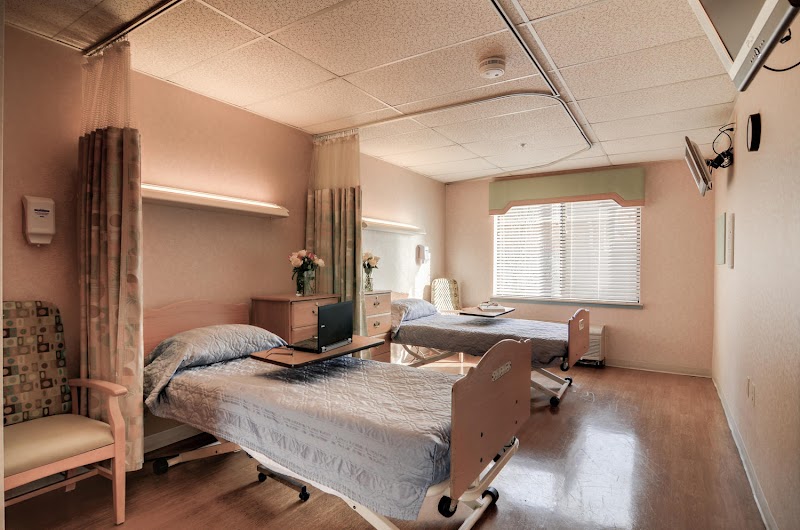
How is Yardley Rehabilitation And Healthcare Center Staffed?

CMS rates YARDLEY REHABILITATION AND HEALTHCARE CENTER's staffing level at 3 out of 5 stars, which is average compared to other nursing homes. Staff turnover is 38%, compared to the Pennsylvania average of 46%. This relatively stable workforce can support continuity of care.

What Have Inspectors Found at Yardley Rehabilitation And Healthcare Center?

State health inspectors documented 20 deficiencies at YARDLEY REHABILITATION AND HEALTHCARE CENTER during 2023 to 2025. These included: 17 with potential for harm and 3 minor or isolated issues.
Who Owns and Operates Yardley Rehabilitation And Healthcare Center?

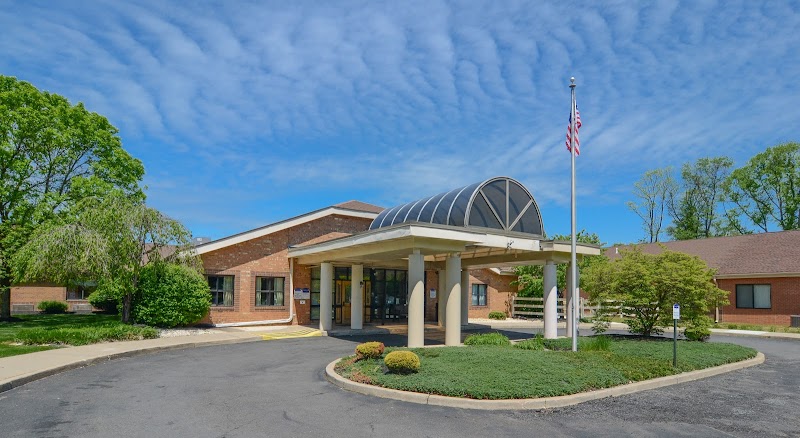
YARDLEY REHABILITATION AND HEALTHCARE CENTER is owned by a for-profit company. For-profit facilities operate as businesses with obligations to shareholders or private owners. The facility is operated by MARQUIS HEALTH SERVICES, a chain that manages multiple nursing homes. With 170 certified beds and approximately 163 residents (about 96% occupancy), it is a mid-sized facility located in YARDLEY, Pennsylvania.
How Does Yardley Rehabilitation And Healthcare Center Compare to Other Pennsylvania Nursing Homes?

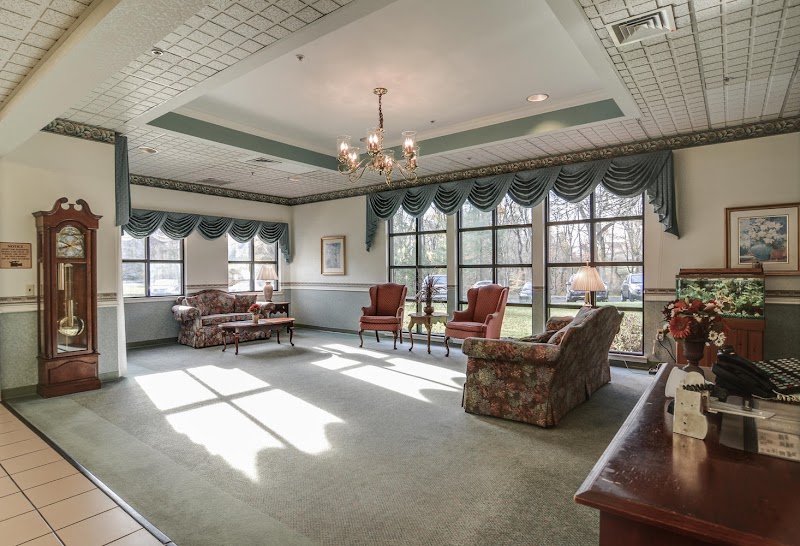
Compared to the 100 nursing homes in Pennsylvania, YARDLEY REHABILITATION AND HEALTHCARE CENTER's overall rating (4 stars) is above the state average of 3.0, staff turnover (38%) is near the state average of 46%, and health inspection rating (4 stars) is above the national benchmark.

What Should Families Ask When Visiting Yardley Rehabilitation And Healthcare Center?

Based on this facility's data, families visiting should ask: "Can I visit during a mealtime to observe dining assistance and food quality?" "How do you handle medical emergencies, and what is your hospital transfer rate?" "Can I speak with family members of current residents about their experience?"

Is Yardley Rehabilitation And Healthcare Center Safe?

Based on CMS inspection data, YARDLEY REHABILITATION AND HEALTHCARE CENTER has a clean safety record: no substantiated abuse findings (meaning no confirmed cases of resident harm), no Immediate Jeopardy citations (the most serious violation level indicating risk of serious injury or death), and is not on the Special Focus Facility watch list (a federal program monitoring the lowest-performing 1% of nursing homes). The facility has a 4-star overall rating and ranks #1 of 100 nursing homes in Pennsylvania. While no facility is perfect, families should still ask about staff-to-resident ratios and recent inspection results during their visit.

Do Nurses at Yardley Rehabilitation And Healthcare Center Stick Around?

YARDLEY REHABILITATION AND HEALTHCARE CENTER has a staff turnover rate of 38%, which is about average for Pennsylvania nursing homes (state average: 46%). Moderate turnover is common in nursing homes, but families should still ask about staff tenure and how the facility maintains care continuity when employees leave.

Was Yardley Rehabilitation And Healthcare Center Ever Fined?

YARDLEY REHABILITATION AND HEALTHCARE CENTER has no federal fines on record. CMS issues fines when nursing homes fail to meet care standards or don't correct problems found during inspections. The absence of fines suggests the facility has either maintained compliance or corrected any issues before penalties were assessed. This is a positive indicator, though families should still review recent inspection reports for the full picture.

Is Yardley Rehabilitation And Healthcare Center on Any Federal Watch List?

YARDLEY REHABILITATION AND HEALTHCARE CENTER is not on any federal watch list. The most significant is the Special Focus Facility (SFF) program, which identifies the bottom 1% of nursing homes nationally based on persistent, serious quality problems. Not being on this list means the facility has avoided the pattern of deficiencies that triggers enhanced federal oversight. This is a positive indicator, though families should still review the facility's inspection history directly.