West Shore Health Center Inc

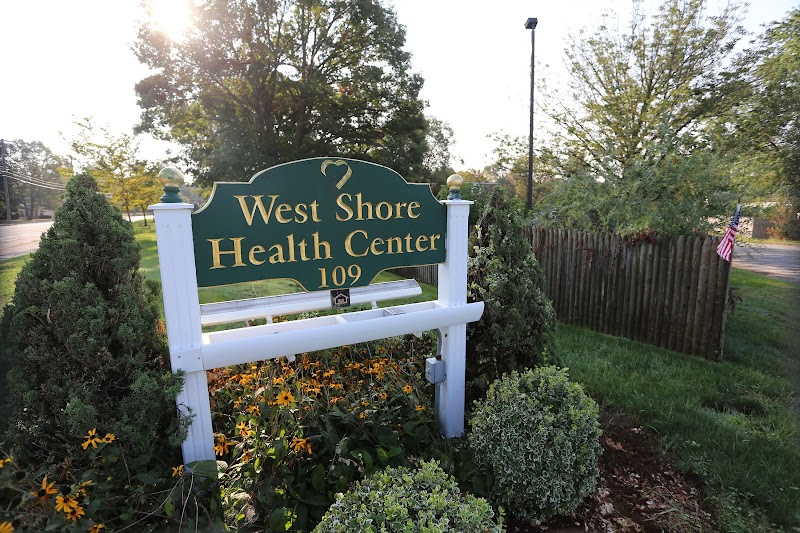
109 West Shore Road, Warwick, RI 02889 (401) 739-9440
For profit - Corporation 145 Beds HEALTH CONCEPTS, LTD. Data: November 2025
Trust Grade
65/100
#47 of 72 in RI
Last Inspection: June 2025

Inspected within the last 6 months. Data reflects current conditions.

Overview

West Shore Health Center Inc has a Trust Grade of C+, indicating it is slightly above average but not particularly impressive. It ranks #47 out of 72 nursing homes in Rhode Island, placing it in the bottom half of facilities in the state, and #7 out of 11 in Kent County, meaning there are only a few local options that are better. Unfortunately, the facility is experiencing a worsening trend, with reported issues increasing from 4 in 2024 to 6 in 2025. Staffing is rated at 2 out of 5 stars, which is below average, with a turnover rate of 43% that aligns with the state average. While the facility has no fines on record, which is a positive sign, there have been concerning incidents such as the failure to maintain a safe water management system to prevent infections and issues with food safety, where dirty dishes were found in the kitchen. Additionally, staff were reported to have difficulty following infection control protocols, raising questions about resident safety. Overall, while there are strengths like no fines and decent health inspections, significant weaknesses in staffing and compliance need to be considered.
Trust Score
C+
65/100
In Rhode Island
#47/72
Bottom 35%
Safety Record
Low Risk
No red flags
Inspections
Getting Worse
4 → 6 violations
Staff Stability
○ Average
43% turnover. Near Rhode Island's 48% average. Typical for the industry.
Penalties
✓ Good
No fines on record. Clean compliance history, better than most Rhode Island facilities.
Skilled Nurses
○ Average
Each resident gets 31 minutes of Registered Nurse (RN) attention daily — about average for Rhode Island. RNs are the most trained staff who monitor for health changes.
Violations
⚠ Watch
13 deficiencies on record. Higher than average. Multiple issues found across inspections.
★★★☆☆
3.0
Overall Rating
★★☆☆☆
2.0
Staff Levels
★☆☆☆☆
1.0
Care Quality
★★★★☆
4.0
Inspection Score
Stable
2024: 4 issues
2025: 6 issues

The Good

  • Full Sprinkler Coverage · Fire safety systems throughout facility
  • No fines on record
  • Staff turnover below average (43%)

    5 points below Rhode Island average of 48%

Facility shows strength in fire safety.

The Bad

3-Star Overall Rating

Near Rhode Island average (3.1)

Meets federal standards, typical of most facilities

Staff Turnover: 43%

Near Rhode Island avg (46%)

Typical for the industry

Chain: HEALTH CONCEPTS, LTD.

Part of a multi-facility chain

Ask about local staffing decisions and management

The Ugly 13 deficiencies on record

Jun 2025 6 deficiencies
CONCERN (D)

Potential for Harm - no one hurt, but risky conditions existed

Deficiency F0605 (Tag F0605)

Could have caused harm · This affected 1 resident

Based on record review and staff interview, it has been determined that the facility failed to ensure that residents who are prescribed psychotropic medications (medications prescribed to affect behav...

Read full inspector narrative →
Based on record review and staff interview, it has been determined that the facility failed to ensure that residents who are prescribed psychotropic medications (medications prescribed to affect behavior, mood, thoughts, or perception) receive a gradual dose reduction (GDR) unless clinically contraindicated, in an effort to discontinue these medications, for 1 of 2 residents reviewed with a recommendation for a GDR, Resident ID #97. Findings are as follows: Record review of a facility policy titled Reduction of Antipsychotic Medications, states in part, .The physician will order the medication reductions and or discontinuance . Record review of a facility policy titled, Monthly Drug Regimen Review, states in part, .It is the policy of this facility that the drug regimen of each resident is reviewed by pharmacy services on a monthly basis and that recommendations are acted upon in a timely manner . Record review revealed the following physician's orders: - Trazodone (a psychotropic medication) 25 milligrams (mg) once a day to be administered between 5:00 AM and 7:00 AM, with a start date of 5/1/2025. - Trazodone 50 mg to be administered at bedtime with a start date of 5/12/2025. Record review of the pharmacy review titled Monthly Medication Recommendation dated 5/18/2025 revealed a recommendation to reduce the Trazodone 50 mg to 37.5 mg at bedtime. Further review revealed this recommendation was signed by the provider on 5/20/2025. Record review failed to reveal evidence that the facility acted upon this GDR recommendation until it was brought to the facility's attention on 6/3/2025 by the surveyor. Therefore, the resident continued to receive Trazodone 50 mg at bedtime for 14 days after the recommendation had been signed by the provider. During a surveyor interview on 6/5/2025 at 9:31 AM with Licensed Practical Nurse, Staff A, she acknowledged that the GDR to reduce the Trazodone was signed on 5/20/2025 and should have been addressed prior to 6/3/2025. During a surveyor interview on 6/5/2025 at 11:35 AM with the Director of Nursing Services, she indicated that the GDR for the resident had not been completed prior to 6/3/2025 because they were waiting for the resident's family member to get back to them for approval, as they could not reach him/her for three weeks. Record review of a nursing progress note dated 6/3/2025 revealed that the resident's family member agreed to the decrease of the Trazodone dose. Additionally, the progress note indicated that the family member had been unavailable due to having the flu for three weeks. During a surveyor interview on 6/6/2025 at 9:41 AM with the resident's family member, s/he revealed that s/he is on vacation and that they had received a call from the facility on 6/3/2025 regarding the GDR. Additionally, they denied receiving any other calls from the facility regarding the GDR prior to 6/3/2025.
CONCERN (D)

Potential for Harm - no one hurt, but risky conditions existed

Deficiency F0658 (Tag F0658)

Could have caused harm · This affected 1 resident

Based on surveyor observation, record review, and staff interview, it has been determined that the facility failed to ensure that services provided by the facility meet professional standards of quali...

Read full inspector narrative →
Based on surveyor observation, record review, and staff interview, it has been determined that the facility failed to ensure that services provided by the facility meet professional standards of quality relative to following physician's orders for 1 of 2 residents reviewed with a discontinued wound dressing, Resident ID #117, and for 1 of 1 resident who has a history of pressure ulcers (localized damage to the skin and underlying tissue, typically occurring over bony prominences due to prolonged pressure, friction, or shear forces) with an order for an air mattress, Resident ID #125. Findings are as follows: According to Mosby's 4th Edition, Fundamentals of Nursing, page 314 states, The physician is responsible for directing medical treatment. Nurses are obligated to follow physician's orders unless they believe the orders are in error or would harm the clients. 1. Record review revealed Resident ID #117 was readmitted to the facility in January of 2025 with a diagnosis including, but not limited to, severe protein-calorie malnutrition. During a surveyor observation on 6/3/2025 at 1:06 PM, a dressing was revealed on the resident's left hand. Record review revealed a physician's order dated 5/7/2025 to cleanse the skin tear to his/her left hand with normal saline followed by a foam dressing. Further record review revealed this order was discontinued on 5/17/2025. Record review failed to reveal evidence that any additional wound orders were in place after the above order was discontinued on 5/17/2025. During a surveyor interview on 6/3/2025 at 1:48 PM with Licensed Practical Nurse, Staff C, she acknowledged that the resident had a dressing on his/her left hand. Additionally, she acknowledged that the dressing order had been discontinued. During a surveyor interview on 6/4/2025 at 12:55 PM with the Director of Nursing Services (DNS), she acknowledged the physician's order had been discontinued since 5/17/2025 and the dressing should not have been in place. 2. Record review revealed Resident ID #125 was readmitted to the facility in March of 2025 with a diagnosis including, but not limited to, adult failure to thrive. Record review revealed a physician's order dated 5/5/2025 for an air mattress set at 100 and check function, every shift. During surveyor observations the air mattress was set to 150 on the following dates and times: -6/2/2025 at 10:25 AM -6/5/2025 at 9:17 AM and 10:58 AM During a surveyor interview on 6/5/2025 at 10:48 AM with Nursing Assistant, Staff D, she acknowledged the air mattress setting was at 150. During a surveyor interview on 6/5/2025 at 10:50 AM with Registered Nurse, Staff E, she acknowledged that the air mattress setting was at 150. Additionally, when she reviewed the physician's order with the surveyor, she acknowledged that the air mattress was ordered to be set at 100. During a surveyor interview on 6/5/2025 at 11:35 AM with the DNS, she would not acknowledge that the physician's order was not followed but she indicated that her expectation would be that the order for the air mattress setting would also include for comfort.
CONCERN (D)

Potential for Harm - no one hurt, but risky conditions existed

Deficiency F0773 (Tag F0773)

Could have caused harm · This affected 1 resident

Based on record review and staff interview, it has been determined that the facility failed to promptly notify the ordering physician, physician assistant, nurse practitioner, or clinical nurse specia...

Read full inspector narrative →
Based on record review and staff interview, it has been determined that the facility failed to promptly notify the ordering physician, physician assistant, nurse practitioner, or clinical nurse specialist of laboratory results that fall outside of the clinical reference ranges for 1 of 1 resident reviewed, Resident ID #110. Findings are as follows: Record review revealed that the resident was admitted to the facility in May of 2025 with a diagnosis including, but not limited to, hypothyroidism (under-active thyroid). Record review of a pharmacy document titled, Note to Attending Physician/Prescriber, dated 5/14/2025, revealed the resident's most recent thyroid stimulating hormone (TSH - a lab test that measures the amount of TSH in the blood and conveys how well the thyroid gland is functioning. A normal result would be between 0.400 - 4.100) was 24.0, which may indicate the need to adjust the dose. TSH should be monitored every 6-8 weeks until normalized; 8-12 weeks after dosage changes; every 6-12 months throughout therapy. Further review of the document revealed a recommendation that a full thyroid panel be completed. The prescriber signed the document on 5/20/2025 to be completed in the morning. Record review of the physician's orders revealed an order dated 5/21/2025 for lab work including a complete blood count, metabolic panel, and TSH. Record review of the lab results in the resident's Electronic Medical Record, with collection date of 5/21/2025 and a print date of 5/21/2025, revealed that the TSH was still pending, but all other lab results were present on the lab report. It further revealed that on the bottom of the lab report it stated no new order (NNO) and was initialed. Further review of the resident's record on 6/4/2025 at approximately 12:30 PM failed to reveal evidence that the facility had obtained the results for the TSH that was drawn on 5/21/2025. During a surveyor interview on 6/4/2025 at 1:04 PM with the Director of Nursing Services (DNS) regarding the pending TSH results, she revealed that she was going to get back to the surveyor after she researched the issue. During a surveyor interview on 6/4/2025 at 3:08 PM with the DNS in the presence of 2 additional surveyors, she provided a copy of the resident's lab results from 5/21/2025 which indicated that the resident's TSH was high at 21.80. This document had a print date of 6/4/2025 which was the date of this interview. On the side of the document there was a notation that there were no new orders pending endocrinology. This notation had failed to indicate who the author was. During an additional surveyor interview on 6/4/2025 at 3:20 PM with the DNS in the presence of 2 surveyors, she revealed that Registered Nurse, Staff M, had contacted the nurse practitioner about the laboratory results on 6/4/2025 after she had received the results. She could not provide evidence that the TSH results were obtained from the lab or reported to the provider prior to this surveyor bringing it to her attention on 6/4/2025. Record review of a progress note dated 6/4/2025 at 3:27 PM written by Staff M revealed that the nurse practitioner (NP) is aware of the TSH result from 5/21/2025 and no new orders were provided because the resident had an endocrinology appointment. The residents appointment with endocrinology was completed on 5/28/2025, prior to the NP being notified of the results. Record review of the progress note dated 5/21/2025 at 3:57 PM revealed the lab results were reported to the Nurse Practitioner with no new orders. During a surveyor interview on 6/5/2025 at 1:04 PM with Staff M in the presence of an additional surveyor, she acknowledged that she printed the lab work containing the TSH results on 6/4/2025 and then called the nurse practitioner. She further revealed that there was a progress note dated 5/21/2025 which indicated that the lab work was reported with no new orders, however, she acknowledged the TSH lab was pending, and the progress not did not reflect this. During a surveyor interview on 6/5/2025 at 1:15 PM with a staff member of the laboratory, she revealed that the resident's TSH result was still pending until the results became available at 4:18 PM on 5/21/2025 and therefore could not have been provided to the Nurse Practitioner on 5/21/2025 at 3:57 PM.
CONCERN (D)

Potential for Harm - no one hurt, but risky conditions existed

Infection Control (Tag F0880)

Could have caused harm · This affected 1 resident

**NOTE- TERMS IN BRACKETS HAVE BEEN EDITED TO PROTECT CONFIDENTIALITY** Based on surveyor observation, record review, and staff interview, it has been determined that the facility failed to maintain a...

Read full inspector narrative →
**NOTE- TERMS IN BRACKETS HAVE BEEN EDITED TO PROTECT CONFIDENTIALITY** Based on surveyor observation, record review, and staff interview, it has been determined that the facility failed to maintain an infection prevention and control program to help prevent the transmission of communicable diseases and infections relative to contact precautions (an infection control intervention designed to reduce the transmission of diseases and infections that are transmitted by direct and indirect physical contact. It involves putting on a gown and gloves prior to entering a room) for 1 of 1 resident reviewed, Resident ID #287. Findings are as follows: Review of a facility policy titled, Isolation last reviewed on 2/20/2025 states in part, .Contact precautions require the use of appropriate PPE [Personal Protective Equipment], including a gown and gloves upon entering the contact precaution room. Prior to leaving the contact precaution room, the PPE is removed and hand hygiene performed . Record review revealed Resident ID #287 was readmitted to the facility In May of 2025 with diagnoses including but not limited to, Methicillin-resistant Staphylococcus Aureus (MRSA - an MDRO [multi-drug resistant organism], a type of contagious bacteria that is resistant to antibiotics, spreads through contact, and may cause serious infections) in the nares (nose), and Vancomycin Resistant Enterococci (VRE - a type of bacteria that is resistant to the antibiotic Vancomycin and is spread through direct contact and indirect contact on contaminated surfaces) in the rectum. Review of the Minimum Data Set Assessment (MDS) dated [DATE] revealed a Brief Interview for Mental Status score of 3 out of 15, indicating severely impaired cognition. Further review revealed the resident is able to ambulate around his/her room with supervision and a walker. Additional review revealed the resident is incontinent of stool. Review of the bowel record revealed the resident was recently having loose stools. Record review revealed a physician's order with a start date of 5/29/2025 and an end date of 6/7/2025 for Mupirocin ointment (a medication prescribed to treat MRSA) to the nares. During surveyor observations from 6/2/2025 through 6/5/2025, signage was affixed to the resident's doorway and a bin containing PPE was outside of the resident's room. The signage indicated that Contact Precautions were in place and .Everyone must: Clean their hands, including before entering and when leaving the room. Providers and Staff must also: Put on gloves [and] .gown before room entry . During surveyor observations of the resident's room, the staff members listed below failed failed to implement proper infection prevention techniques for contact precautions: - 6/2/2025 at approximately 10:22 AM - Nursing Assistant (NA) Staff F, was observed entering the room without PPE and touching the privacy curtain (a curtain that separates the A and B bed). - 6/3/2025 at 11:21 AM - NA, Staff B, entered the resident's room without a gown to assist the resident's roommate. Further observations at this time reveled Staff B touched the privacy curtain between the resident's beds. - 6/3/2025 at 12:58 PM - Maintenance Assistant, Staff G, was observed in the resident's room without wearing a gown and touching the resident's bed. The resident and his/her spouse were in the room at the time of this observation. Staff G was then observed leaving the resident's room without removing his gloves or performing hand hygiene and brought the resident's mattress into another resident room. Furthermore, Staff G failed to perform hand hygiene after removing his gloves. Staff G then re-entered the room without wearing a gown or gloves, removed the air mattress motor and exited the room without performing hand hygiene. - 6/3/2025 at 1:32 PM - Housekeeper, Staff H, was observed in the resident's room without a gown, wearing only gloves. At this time, she indicated that she was getting ready to deep clean the room. - 6/4/2025 at 9:43 AM - Certified Medication Technician, Staff I, entered the resident's room to administer medications without a gown or gloves. - 6/5/2025 10:56 AM - Laundry Aid, Staff J, entered the resident's room to deliver clean laundry without wearing a gown or gloves and was putting clothes away. During a surveyor interview on 6/3/2025 at 12:50 PM with Licensed Practical Nurse, Staff C, she indicated that Resident ID #287 was positive for MRSA in the nares and VRE in the rectum. Additionally, she indicated that the resident was on contact precautions. During a surveyor interview on 6/3/2025 at 1:07 PM with the Director of Nursing Services, she acknowledged that the resident was on contact precautions. Additionally, she indicated that she would expect staff to put on PPE only when directly caring for the resident, and not prior to entering the room, which is the requirement for EBP and is contrary to the facility's policy, the competencies provided to the staff, and the contact precaution sign that was affixed to the resident's doorway. During a surveyor interview on 6/3/2025 at 1:23 PM with the Infection Preventionist, she acknowledged that the resident is positive for MRSA and VRE and is on contact precautions. She further indicated that Resident ID #287's roommate does not have an infectious disease, and precautions are not needed when entering the room, only for direct care with Resident ID #287. These interviews are indicative of the facility's failures to implement the proper precaution requirements for a resident who is on contact precautions and has an active MDRO infection. Per the regulation, facility policy and precaution signage, the facility staff in the above scenario should have wore a gown and gloves and washed their hands prior to entering the room for any reason, and then removed the gown and gloves, and washed their hands prior to exiting the room. Cross reference F 726
CONCERN (E)

Potential for Harm - no one hurt, but risky conditions existed

Deficiency F0726 (Tag F0726)

Could have caused harm · This affected multiple residents

Based on record review and staff interview, it has been determined that the facility failed to ensure that staff were competent to provide nursing and related services to assure resident safety to att...

Read full inspector narrative →
Based on record review and staff interview, it has been determined that the facility failed to ensure that staff were competent to provide nursing and related services to assure resident safety to attain or maintain the highest practicable physical, mental, and psychosocial wellbeing of each resident, as facility staff were unable to differentiate between contact precautions and enhanced barrier precautions (EBP), despite having received competencies in infection control. Findings are as follows: Review of a facility policy titled, Isolation last reviewed on 2/20/2025 states in part, .Enhanced Barrier Precautions: This level of precaution expands the use of PPE [Personal Protective Equipment] beyond situations in which exposure to blood and body fluids is anticipated and refers to the use of gown and gloves during high contact resident care activities that provide opportunities for transfer of MDRO [multi-drug resistant organism] to employee hands and clothing .Contact precautions: in addition to Standard Precautions and Enhanced Barrier Precautions, use Contact Precautions for residents known or suspected to be infected with any microorganism that can be easily transmitted by direct or indirect contact such as handling environmental surfaces or resident-care items .includes organisms such as MRSA (Methicillin-resistant Staphylococcus aureus - a type of contagious bacteria that is resistant to antibiotics, spreads through contact, and may cause serious infections) and VRE (Vancomycin Resistant Enterococci - a type of bacteria that is resistant to the antibiotic Vancomycin and is spread through direct contact and indirect contact on contaminated surfaces) .require the use of appropriate PPE, including a gown and gloves upon entering the contact precaution room. Prior to leaving the contact precaution room the PPE is removed and hand hygiene performed . Record review of an annual education/competency document, provided to facility staff revealed a topic related to Infection Prevention Techniques revealed the following: - Contact precaution is implemented when transmission of infectious organisms is expected through physical contact. Gown and gloves should be worn every time a staff member enters a resident room. - EBP is implemented with any resident who is in close proximity to a resident who does have a pan-resistant organism (bacteria that have developed resistance to all commercially available antimicrobial agents), colonized or active. The use of PPE (gown/gloves) is implemented during high contact resident care which includes dressing, transferring, and changing linens. Record review revealed Resident ID #287 was readmitted to the facility in May of 2025 with diagnoses including but not limited to, MRSA in the nares (openings of the nose) and VRE in the rectum. During a surveyor interview on 6/3/2025 at 12:50 PM with Licensed Practical Nurse, Staff C, she indicated that Resident ID #287 was positive for MRSA in the nares and VRE in the rectum. Additionally, she indicated that the resident was on Contact Precautions. During surveyor observations from 6/2/2025 through 6/5/2025, a sign was affixed to the resident's doorway indicating that Contact Precautions was in place and .Everyone must: Clean their hands, including before entering and when leaving the room. Providers and Staff must also: Put on gloves [and] .gown before room entry . Record review revealed that the following staff members attended the annual education/competency for Infection Prevention Techniques, but they failed to implement proper infection prevention techniques for contact precautions based on the following observations: - 6/2/2025 at approximately 10:22 AM - Nursing Assistant (NA) Staff F, was observed entering the room without PPE. - 6/3/2025 at 11:21 AM - NA, Staff B, entered the resident's room without a gown. - 6/3/2025 at 12:58 PM - Maintenance Assistant, Staff G, was observed in the resident's room without wearing a gown, left the room without removing his gloves or performing hand hygiene. Further observation revealed that he then re-entered the room without wearing a gown or gloves, removed the air mattress motor and exited the room without performing hand hygiene. - 6/4/2025 at 9:43 AM - Certified Medication Technician, Staff I, entered the resident's room to administer medications without a gown or gloves. - 6/5/2025 10:56 AM - Laundry Aid, Staff J, entered the resident's room to deliver clean laundry without wearing a gown or gloves and was putting clothes away. During a surveyor interview on 6/3/2025 at 1:07 PM with the Director of Nursing Services, she acknowledged that the resident was on contact precautions. Additionally, she indicated that she would expect staff to put on PPE only when directly caring for the resident, and not prior to entering the room, which is the requirement for EBP and is contrary to the facility's policy, the competencies provided to the staff, and the contact precaution sign. During a surveyor interview on 6/3/2025 at 1:23 PM with the Infection Preventionist, she acknowledged that the resident is positive for MRSA and VRE and is on contact precautions. She further indicated that resident's roommate does not have an infectious disease, and PPE is not necessary when entering the room, unless the staff is providing care for the resident, which is the requirement for EBP and is contrary to the facility's policy, the competencies provided to the staff, and the contact precaution sign that was affixed to the resident's doorway. During a surveyor interview on 6/4/2025 at 11:37 AM with the Assistant Director of Nursing Services, she revealed that EBP and contact precautions are the same thing, which is contrary to the facility's policy, the competencies provided to the staff, and the contact precaution sign. These interviews are indicative of the staff's failure to implement the proper precaution required for a resident who is on contact precautions and has an active MDRO infection. Per the regulation, the facility's policy, the competencies provided to the staff, and the precaution signage, the facility staff in the above scenarios should have worn gown and gloves and washed their hands prior to entering the room for any reason, and removed the gown and gloves and washed their hands prior to exiting the room. Cross reference F - 880
CONCERN (E)

Potential for Harm - no one hurt, but risky conditions existed

Deficiency F0761 (Tag F0761)

Could have caused harm · This affected multiple residents

**NOTE- TERMS IN BRACKETS HAVE BEEN EDITED TO PROTECT CONFIDENTIALITY** Based on surveyor observation, record review, and staff interview, it has been determined that the facility failed to store drug...

Read full inspector narrative →
**NOTE- TERMS IN BRACKETS HAVE BEEN EDITED TO PROTECT CONFIDENTIALITY** Based on surveyor observation, record review, and staff interview, it has been determined that the facility failed to store drugs and biologicals in accordance with currently accepted professional principles for 2 of 4 medication carts, and 2 of 2 medication storage rooms observed during the medication storage task. Findings are as follows: Record review of a facility policy titled Medication Storage states in part .medications and biologicals are stored properly, following manufacturer's or provider pharmacy recommendations .medication supply shall be accessible only to licensed nursing personnel, pharmacy personnel, or employees lawfully authorized to administer medications. 1. During a surveyor observation on [DATE] at 9:50 AM of the 1st floor north medication cart in the presence of Registered Nurse (RN), Staff L, the following was observed: - Trelegy Ellipta 100-62.5-25 mcg (micrograms) inhaler (a medication prescribed to treat long term chronic obstructive pulmonary disease) opened and undated. The manufacturer's instructions on the box indicate to discard 6 weeks after opening. - Breo Ellipta 200-25 mcg inhaler (a prescribed medication used long term to prevent and control symptoms of asthma) opened and undated. The manufacturer's instructions on the box indicate to discard 6 weeks after opening. During a surveyor interview with Staff L immediately following the above observation, he acknowledged the inhalers were opened and undated. 2. During a surveyor observation on [DATE] at approximately 9:00 AM of the second-floor medication room in the presence of Licensed Practical Nurse, Staff K, revealed the following: - Three opened and undated 30 mL (milliliters) bottles of Lorazepam (a medication prescribed to treat anxiety). The manufacturer's instruction states to discard 90 days after opening. During a surveyor interview at the time of the above observation, Staff K acknowledged that the above Lorazepam bottles were opened and undated. 3. During a surveyor observation on [DATE] at 9:40 AM of the first-floor medication room in the presence of RN, Staff L, revealed the following: - One 30 mL bottle of Lorazepam, dated as opened on [DATE] and should have been discarded on [DATE]. The manufacturer's instruction states to discard 90 days after opening. During a surveyor interview with Staff L immediately following the above observation, he acknowledged the bottle of expired Lorazepam should have been discarded as indicated. During a surveyor interview on [DATE] at 1:04 PM with the Director of Nursing Services, she indicated that it is her expectation that the Lorazepam would have been dated when opened, and expired Lorazepam should be discarded.
Jun 2024 4 deficiencies
CONCERN (D)

Potential for Harm - no one hurt, but risky conditions existed

Antibiotic Stewardship (Tag F0881)

Could have caused harm · This affected 1 resident

Based on record review and staff interview, it has been determined that the facility failed to establish an Infection Prevention and Control Program (IPCP) that must include, at a minimum, an antibiot...

Read full inspector narrative →
Based on record review and staff interview, it has been determined that the facility failed to establish an Infection Prevention and Control Program (IPCP) that must include, at a minimum, an antibiotic stewardship program that includes antibiotic use protocols and a system to monitor antibiotic use for 1 of 2 residents reviewed on antibiotics, Resident ID #16. Findings are as follows: According to the Centers for Disease Control and Prevention document titled, The Core Elements of Antibiotic Stewardship for Nursing Homes states in part, Standardize the practices which should be applied during the care of any resident suspected of an infection or started on an antibiotic. These practices include improving the evaluation and communication of clinical signs and symptoms when a resident is first suspected of having an infection, optimizing the use of diagnostic testing, and implementing an antibiotic review process, also known as an antibiotic time-out, for all antibiotics prescribed in your facility. Antibiotic reviews provide clinicians with an opportunity to reassess the ongoing need for and choice of an antibiotic when the clinical picture is clearer and more information is available .Track the amount of antibiotic used in your nursing home to review patterns of use and determine the impact of new stewardship interventions .Interventions designed to shorten the duration of antibiotic courses, or discontinue antibiotics based on post-prescription review (i.e., antibiotic time-out), may not necessarily change the rate of antibiotic starts, but would decrease the antibiotic DOT [days of therapy] . Record review revealed that the resident was admitted to the facility in April of 2023 with diagnoses including, but not limited to, chronic respiratory failure and chronic obstructive pulmonary disorder. Review of an X-ray report dated 5/28/2024 revealed that the resident has a right lower lobe infiltrate (an abnormality in the lung). Review of a progress note dated 5/28/2024 revealed a new order for Augmentin (an antibiotic) twice a day for 7 days. Review of the May 2024 Medication Administration Record (MAR) revealed an order dated 6/1/2024 for, Complete Appropriateness of Antibiotic Assessment Observation related to recent start of antibiotic therapy Record review failed to reveal evidence of an Appropriateness of Antibiotic Assessment Observation completed for the resident. During a surveyor interview on 6/7/2024 at 8:13 AM with the Director of Nursing Services she acknowledged that an Appropriateness of Antibiotic Assessment Observation was not completed as ordered. Additionally, she was unable to provide evidence that the antibiotic review process, also known as an antibiotic time-out as part of the antibiotic stewardship program was completed.
CONCERN (E)

Potential for Harm - no one hurt, but risky conditions existed

Deficiency F0760 (Tag F0760)

Could have caused harm · This affected multiple residents

Based on record review and staff interview it has been determined that the facility failed to keep residents free from significant medication errors for 2 of 2 residents reviewed relative to antibioti...

Read full inspector narrative →
Based on record review and staff interview it has been determined that the facility failed to keep residents free from significant medication errors for 2 of 2 residents reviewed relative to antibiotic use, Resident ID #s 16 and 102. Findings are as follows: 1. Record review revealed that Resident ID #16 was admitted to the facility in April of 2023 with diagnoses including, but not limited to, chronic respiratory failure and chronic obstructive pulmonary disorder. Review of an X-ray report dated 5/28/2024 revealed that the resident has a right lower lobe infiltrate (an abnormality in the lung). Review of a progress note dated 5/28/2024 revealed a new order for Augmentin (an antibiotic) twice a day for 7 days. Review of the May 2024 Medication Administration Record (MAR) revealed that the resident received 6 days of Augmentin and not 7 days as ordered. This indicates that the resident received two less doses than what was ordered. 2. Record review revealed that Resident ID #102 was readmitted to the facility in May of 2024 with diagnoses including, but not limited to, methicillin resistant staphylococcus aureus infection and sepsis (an infection of the blood stream). Review of the hospital Continuity of Care form dated 5/27/2024 revealed an order for intravenous Cefepime (antibiotic) every 12 hours for 10 days. Review of the May 2024 MAR revealed the resident received 19 doses of Cefepime versus the 10 days or 20 doses as ordered. This indicates that the resident received one less dose than what was ordered. During a surveyor interview on 6/7/2024 at 8:13 AM with the Director of Nursing Services she acknowledged that Resident ID #s 16 and 102 did not receive their antibiotics as ordered. Additionally, she was unable to provide evidence that the above residents were kept free from significant medication errors.
CONCERN (E)

Potential for Harm - no one hurt, but risky conditions existed

Deficiency F0805 (Tag F0805)

Could have caused harm · This affected multiple residents

Based on surveyor observation, record review, and staff interview, it has been determined that the facility failed to assure that residents receive and consume beverages and food in the appropriate fo...

Read full inspector narrative →
Based on surveyor observation, record review, and staff interview, it has been determined that the facility failed to assure that residents receive and consume beverages and food in the appropriate form for 1 of 2 residents reviewed for thickened beverages, Resident ID #25 and for 3 of 5 residents reviewed for mechanical soft diets, Resident ID #s 8, 25 and 62. Findings are as follows: 1. Record review revealed Resident ID #25 was admitted to the facility in May of 2023 with a diagnosis that includes, but is not limited to, dysphagia (difficulty swallowing). Record review of a physician order for the month of June 2024 revealed in part, .House, HONEY THICK, [consistency of bees honey] Mechanical Soft with Puree Fruit and veg . Record review of a Speech Language Pathologist (SLP) Evaluation and Plan of Treatment dated 6/6/2024 at 10:46 AM revealed in part, .resident demonstrated with moderate to severe oropharyngeal dysphagia. coughing during and after swallow .NECTAR [liquid that is the comparable to the consistency of apricot nectar] severe oral impairments characterized by an incomplete bolus [ball like mixture of food and saliva that forms in the mouth] formation and premature spillage into the pharynx[throat] .HONEY liquid .incomplete bolus formation and suspected spillage into pharynx. Reflexive throat clearing during intake complete bolus formation, coughing after swallow . 1a. During a surveyor observation of the lunch meal on 6/4/2024 revealed that the resident received 4 ounces of pre-thickened nectar apple juice. 1b. An additional surveyor observation on 6/4/2024 at approximately 2:30 PM revealed the hospice nursing assistant (NA) preparing the honey thickened beverage for the resident using a nectar thick gel packet. The hospice NA mixed two packets of nectar gel thickener with 7.5 ounces of a cola beverage. This indicates that the liquid was not thickened to the ordered honey thick consistency. During a surveyor interview directly following the above observation with the hospice NA she acknowledged that she mixed two packets of nectar thickener into the beverage and revealed it was too thin. She then mixed a third packet into the soda and proceeded to assist the resident with drinking it. During a surveyor interview with the SLP on 6/5/2024 at approximately 2:30 PM she revealed it would take 4 packets of nectar gel thickener mixed in 7.5 ounces of fluid to achieve the appropriate honey thick consistency. 1c. During surveyor observation during the lunch meal on 6/6/2024 the resident received pre-thickened nectar thick water and cranberry juice. During a surveyor interview on 6/6/2024 at approximately 12:05 PM with Licensed Practical Nurse, Staff B, she acknowledged the beverages were not honey thick as ordered. 2. Record review of the facility's diet manual titled Dietitians of New England states in part, .Soft/Bite Size Consistency, Foods to avoid .Protein foods in sizes larger than 1.5cm (centimeters) x 1.5 cm pieces .fish that is not soft enough to be cut in 1.5 cm x 1.5 cm pieces .any raw vegetables . During a surveyor interview on 6/5/2024 at approximately 2:30 PM with the SLP she revealed the soft/bite size consistency diet descriptor from the diet manual is what the facility utilizes for the physician diet orders for mechanical soft diets. Record review of the facility menu titled West Shore Health Center Week 3 S/S[Spring/Summer] reads in part . Mech Soft Texture Diets: Tuesday: Spaghetti and Meatballs Tossed Salad Thursday: Meatloaf, moist ground w/gravy Friday Beer Battered Cod Coleslaw 2a. Record review of Resident ID #8 revealed that s/he was admitted to the facility in March of 2024 with a diagnosis including, but not limited to, dysphagia (difficulty swallowing). Record review revealed Resident ID #8 had a physician's order dated 5/20/2024 for House, Mechanical Soft . Record review of his/her care plan, revised on 3/8/2024, revealed in part, .Diet: reg, mech, [mech soft] During a surveyor observation on 6/6/2024 at 12:00 PM, of the resident's lunch meal revealed that s/he received a slice of meatloaf that was not cut up into the appropriate sized pieces according to the diet manual. During a a surveyor interview with the SLP on 6/6/2024 at 12:12 PM, she acknowledged that the resident's meal was not cut into small enough pieces for the resident to safely swallow. Additionally, she indicated she would expect meals to be served per the physician order as well as the diet descriptor listed in the facility's diet manual. 2b. Record review revealed Resident ID #25 was admitted to the facility in May of 2023 with a diagnosis including, but not limited to dysphagia. Record review of a physician order for the month of June revealed in part, .House, HONEY THICK, Mechanical Soft with Puree Fruit and veg . During a surveyor observation of the lunch meal on 6/4/2024 the resident received whole meatballs that were cut in quarters, not cut up into the appropriate sized pieces according to the diet manual. Further surveyor observations of the lunch meal on 6/6/2024 and 6/7/2024 revealed a slice of meatloaf, not cut up into the appropriate sized pieces according to the diet manual and battered fish that was not cut up into the appropriate sized pieces according to the diet manual. During a surveyor interview on 6/7/2024 at approximately 12:05 PM with Licensed Practical Nurse, Staff B, she was unable to provide evidence that the diet was served per the descriptor in the diet manual. 2c. Record review for Resident ID #62 revealed that s/he was admitted to the facility in December of 2018, with a diagnosis including but not limited to dysphagia. Record review revealed Resident ID #62 had a physician's order dated 4/12/2024 for House, Mechanical Soft Special Instructions: no corn no rice no raw salads no straws Fortified potatoes with dinner and fortified pudding with lunch. During a surveyor observation of lunch meal service on 6/07/2024 at 11:47 AM, revealed that the resident was served a piece of uncut battered fish with steak fried potatoes. During an interview with the SLP on 6/07/2024 at 11:52 AM, she revealed it was her expectation that the fish and potatoes would be cut up into small bite size pieces as indicated by the description outlined in the facility's diet manual. During a surveyor interview on 6/6/2024 at approximately 2:00 PM with the Food Service Director he was unable to provide evidence that the mechanical soft diets were served per the descriptor that was outlined in the facility's diet manual. During a surveyor interview on 6/7/2024 at approximately 1:40 PM with the Administrator and the Director of Nursing Services they were unable to provide evidence that the mechanical soft diets and thickened liquids were served in their appropriate food form.
CONCERN (F)

Potential for Harm - no one hurt, but risky conditions existed

Infection Control (Tag F0880)

Could have caused harm · This affected most or all residents

Based on record review and staff interview, it has been determined that the facility failed to provide a safe and sanitary environment to help prevent the transmission of infections relative to implem...

Read full inspector narrative →
Based on record review and staff interview, it has been determined that the facility failed to provide a safe and sanitary environment to help prevent the transmission of infections relative to implementing a water management program based upon industry standards and/or the Centers for Disease Control and Prevention (CDC) toolkit. Findings are as follows: Review of the CDC document titled, Developing a Water Management Program to Reduce Legionella [a bacteria that may cause a very serious type of lung infection] Growth & Spread in Buildings, dated June of 2021, Version 1.1 states in part, .The key to preventing Legionnaires' disease is maintenance of the water systems in which Legionella may grow .Water stagnation: Encourages biofilm growth and reduces temperature and levels of disinfectant. Common issues that contribute to water stagnation include .reduced building occupancy .Stagnation can also occur when fixtures go unused, like a rarely used shower . Review of a document titled, Risk management plan for LEGIONELLA CONTROL last revised on 2/19/2024, revealed in part that the facility provides water to 145 residents for purposes including, but not limited to, drinking, bathing, toilet flushing, laundry services, food preparation, and ice making. Review of a document titled, West Shore Health Center Water Management Program Hazard identification and risk assessment table revealed that the pipework risk score was considered high due to low flow in several areas. This may allow the growth and spread of Legionella as there is no control measure in place for weekly flushing of areas of low water use. Record review revealed that the facility census on 6/4/2024 was 134 residents. Additional record review failed to reveal evidence that the facility had identified areas of low water use, such as, unoccupied rooms and infrequently used water fixtures. Further record review failed to reveal that the facility implemented their control measure of weekly flushing to mitigate the risk for the growth and spread of Legionella. During a surveyor interview on 6/7/2024 at 11:18 AM with the Maintenance Director he was unable to provide evidence that the facility is following the risk management plan for Legionella including monitoring and flushing infrequently used water fixtures that includes, but is not limited to, toilets and faucets in unoccupied resident rooms. During a surveyor interview on 6/7/2024 at 11:30 AM with the Director of Nursing Services and the Administrator, they were unable to provide evidence that they maintained or implemented a water management program based upon industry standards and the CDC toolkit for the prevention of Legionella, as required.
May 2023 3 deficiencies
CONCERN (D)

Potential for Harm - no one hurt, but risky conditions existed

Pressure Ulcer Prevention (Tag F0686)

Could have caused harm · This affected 1 resident

Based on surveyor observation, record review, and staff interview, it has been determined that the facility failed to ensure that a resident with pressure ulcers receives necessary treatment and servi...

Read full inspector narrative →
Based on surveyor observation, record review, and staff interview, it has been determined that the facility failed to ensure that a resident with pressure ulcers receives necessary treatment and services, consistent with professional standards of practice, to promote healing, prevent infection and prevent new ulcers from developing for 1 of 2 residents observed for wound care, Resident ID #71. Findings are as follows: Review of a facility policy and procedure titled, Clean Dressing Technique dated 1/2018, states in part, Policy: It is the policy of this facility to prevent the spread of infection by utilizing proper dressing technique. Procedure .7. Establish a clean field, using clean linen or plastic .12. Remove old dressing .13. Remove gloves. Wash hands. (Hand sanitizer may be used) Apply clean gloves.14. Cleanse wound with solution ordered using the no touch technique .do not directly touch any item that will come in contact with the wound . Record review revealed that the resident was re-admitted to the facility in March of 2022 with diagnoses including, but not limited to, stage 4 pressure ulcer (full thickness skin loss with extensive destruction, tissue necrosis, or damage to muscle, bone, or supporting structures) of the right upper back and methicillin resistant staphylococcus aureus infection (MRSA, type of bacteria that's resistant to several widely used antibiotics). Review of the physician orders revealed that the resident is on contact precautions for MRSA in his/her wound (Contact Precautions are intended to prevent transmission of infectious agents; Health care personnel caring for patients on Contact Precautions must wear a gown and gloves for all interactions that involve contact with the patient and the patient environment). Additionally, it revealed an order to cleanse and flush the wound to his/her right upper back with vashe wash (a prescription strength wound cleanser) and pack the wound with Mesalt (a dressing that stimulates the cleansing of heavily discharging wounds in the inflammatory phase by absorbing bacteria and necrotic material) and cover with a foam dressing daily. During a surveyor observation on 5/9/2023 at approximately 10:45 AM with Registered Nurse (RN), Staff A, of wound care, she failed to establish a clean field. She was then observed to place all of the supplies for the wound treatment, including a clean dressing, scissors and mesalt on the back of the resident's wheelchair, which was covered by a shawl the resident had just taken off. Additionally, she was observed removing a dirty dressing followed by cleaning the wound without changing her gloves or performing hand hygiene. Staff A was then observed packing the mesalt into the wound with her right index finger, touching the wound directly with the contaminated glove and utilizing scissors that had been placed on the residents clothing without being cleaned prior to their use. She then applied a clean dressing without performing hand hygiene or changing her gloves. During a surveyor interview on 5/9/2023 directly following the above observation with Staff A, she acknowledged that she did not set up a clean field, change her gloves or perform hand hygiene after removing the dirty dressing and applying a clean dressing to the resident's wound. Additionally, she acknowledged that the resident has a MRSA infection in his/her wound. During a surveyor interview with the Director of Nursing Services and the Administrator they acknowledged that Staff A should have created a clean field, changed her gloves, performed hand hygiene during the dressing and utilized an applicator to pack the wound, per the facility policy. Additionally, they were unable to provide evidence that wound care was provided consistent with professional standards of practice, to promote healing and prevent infection.
CONCERN (D)

Potential for Harm - no one hurt, but risky conditions existed

Accident Prevention (Tag F0689)

Could have caused harm · This affected 1 resident

Based on surveyor observation, record review, and staff interview, it has been determined that the facility failed to ensure that residents receive adequate supervision to prevent accidents, relative ...

Read full inspector narrative →
Based on surveyor observation, record review, and staff interview, it has been determined that the facility failed to ensure that residents receive adequate supervision to prevent accidents, relative to supervision while eating for 1 of 2 residents observed, Resident ID #429. Findings are as follows: Record review revealed that Resident ID #429 was admitted to the facility in May of 2023 with diagnoses including, but not limited to, pneumonia and dementia. Record review of the May Medication Administration Record (MAR) revealed an order with a start date of 5/9/2023 that states, Resident is 1:1 [one staff to one resident] feed with meals d/t [due to] aspiration [aspiration occurs when food, liquid, or other material enters a person's airway and eventually the lungs by accident] With meals. Record review of a care plan approach dated 5/10/2023 states in part, Resident is 1:1 feed with meal secondary to aspiration . Record review of the Residents Discharge Summary Final Report form dated 5/9/2023 revealed, that the resident is at risk for aspiration and has a recommendation for one to one supervision at meals. During a surveyor observation on 5/11/2023 at approximately 8:33 AM, the resident was observed seated upright in his/her bed with the breakfast meal located on a tray table in front of him/her. The resident was observed taking sips of fluid from a clear plastic cup without staff assistance or supervision. At 8:37 AM, Nurse Assistant (NA) Staff B, was observed entering the room, providing an alternative meal, and then exiting the room. The Registered Nurse (RN), Staff C, entered the room to perform a blood sugar test then exited the room at 8:40 AM. The resident continued to eat without one-to-one supervision. During continuous observation of the resident, from 8:40 AM until 8:47AM s/he was observed coughing while eating without supervision. During a surveyor interview on 5/11/2023 at 8:48 AM with Staff C, she revealed that the resident required one to one supervision with meals and acknowledged that the resident was left unsupervised during the breakfast meal. During a surveyor interview on 5/11/2023 at 9:37 AM with Staff B, she revealed she was not aware of the resident's need for one-to-one supervision at meals and acknowledged that the resident was left unsupervised for the breakfast meal. During a surveyor interview on 5/11/2023 at 9:43 AM with the Speech Language Pathologist (SLP), she revealed that she completed the Resident's Initial Speech Therapy Evaluation, and the resident needs a staff member to watch him/her eat due to his/her aspiration risk. During an interview with the Director of Nursing Services on 5/11/2023 at 10:11AM, she acknowledged the resident was at risk for aspiration during meals and would expect that staff follow the physician's order for one-to-one feed with the resident's meals. Additionally, she was unable to provide evidence that the facility provided adequate supervision to prevent accidents.
CONCERN (F)

Potential for Harm - no one hurt, but risky conditions existed

Food Safety (Tag F0812)

Could have caused harm · This affected most or all residents

Based on surveyor observation, record review, and staff interview, it has been determined that the facility failed to store, prepare, distribute, and serve food in accordance with professional standar...

Read full inspector narrative →
Based on surveyor observation, record review, and staff interview, it has been determined that the facility failed to store, prepare, distribute, and serve food in accordance with professional standards for food service safety relative to the main kitchen. Findings are as follows: Record review of the Rhode Island Food Code 2018 edition, section 4-602.11 states in part, . (C) Non FOOD-CONTACT SURFACES of EQUIPMENT shall be kept free of an accumulation of dust, dirt, FOOD residue, and other debris . During an initial tour of the main kitchen in the dishroom, on 5/8/2023 at 8:30 AM, revealed: 3 ready to use coffee mugs and 9 ready to use bowls with a scrapeable brown film accumulation on the inside of the mugs and bowls. During a surveyor interview with the Food Service Director (FSD) following the above observation, he acknowledged the above and revealed that he has a box of new bowls but is waiting to use them until he has enough for all the residents. During a follow up visit to the main kitchen on 5/10/2023 at 9:45 AM revealed the following: - a total of 26 bowls with scrapeable brown film where 2 of the bowls had dried yellow matter stuck to the inside of the bowls. During a surveyor interview following the above observation, Dietary, Staff D, acknowledged the brown film and yellow matter in the bowls and further acknowledged that the bowls were going to be used for service. -2 wall mounted fans that had an accumulation of dust, currently in use, facing in the direction of 11 ready to use coffee pitchers, 6 ready to use black hot water pitchers, and the steam table. Following the above observation, Cook, Staff E, acknowledged that the fans were dusty and indicated that they should not be in use. During a surveyor interview with the FSD on 5/11/2023 at 11:46 AM, he acknowledged that the fans were dirty.
Understanding Severity Codes (click to expand)
Life-Threatening (Immediate Jeopardy)
J - Isolated K - Pattern L - Widespread
Actual Harm
G - Isolated H - Pattern I - Widespread
Potential for Harm
D - Isolated E - Pattern F - Widespread
No Harm (Minor)
A - Isolated B - Pattern C - Widespread

Questions to Ask on Your Visit

  • "Can I speak with families of current residents?"
  • "What's your RN coverage like on weekends and overnight?"

Our Honest Assessment

Strengths
  • • No major safety red flags. No abuse findings, life-threatening violations, or SFF status.
  • • No fines on record. Clean compliance history, better than most Rhode Island facilities.
  • • 43% turnover. Below Rhode Island's 48% average. Good staff retention means consistent care.
Concerns
  • • 13 deficiencies on record. Higher than average. Multiple issues found across inspections.
Bottom line: Mixed indicators with Trust Score of 65/100. Visit in person and ask pointed questions.

About This Facility

What is West Shore Health Center Inc's CMS Rating?

CMS assigns West Shore Health Center Inc an overall rating of 3 out of 5 stars, which is considered average nationally. Within Rhode Island, this rating places the facility higher than 0% of the state's 100 nursing homes. This mid-range rating indicates the facility meets federal standards but may have areas for improvement.

How is West Shore Health Center Inc Staffed?
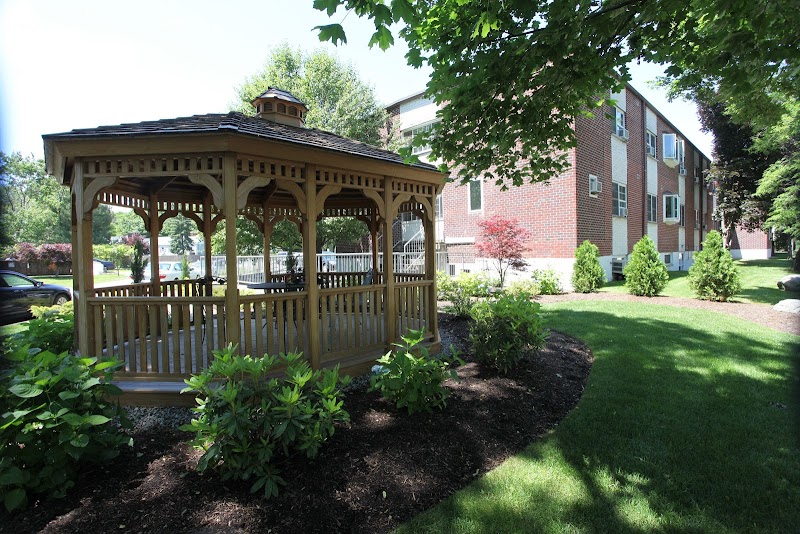
CMS rates West Shore Health Center Inc's staffing level at 2 out of 5 stars, which is below average compared to other nursing homes. Staff turnover is 43%, compared to the Rhode Island average of 46%. This relatively stable workforce can support continuity of care.

What Have Inspectors Found at West Shore Health Center Inc?

State health inspectors documented 13 deficiencies at West Shore Health Center Inc during 2023 to 2025. These included: 13 with potential for harm.

Who Owns and Operates West Shore Health Center Inc?

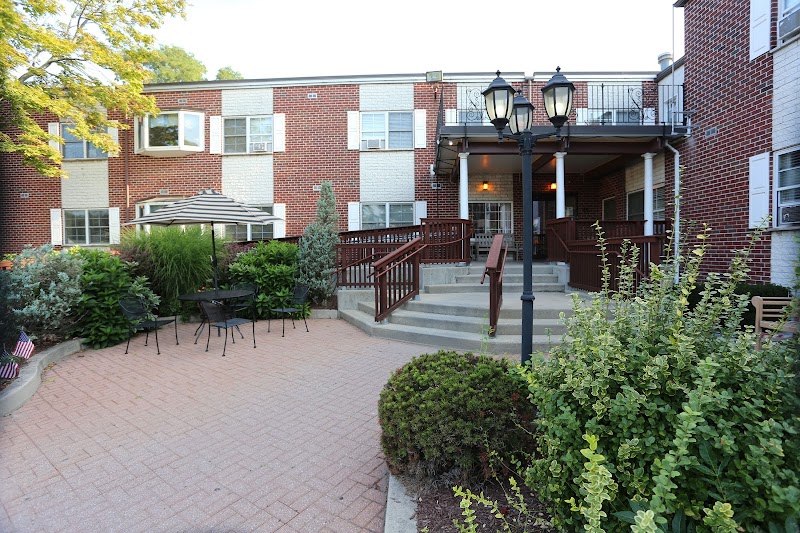
West Shore Health Center Inc is owned by a for-profit company. For-profit facilities operate as businesses with obligations to shareholders or private owners. The facility is operated by HEALTH CONCEPTS, LTD., a chain that manages multiple nursing homes. With 145 certified beds and approximately 130 residents (about 90% occupancy), it is a mid-sized facility located in Warwick, Rhode Island.

How Does West Shore Health Center Inc Compare to Other Rhode Island Nursing Homes?

Compared to the 100 nursing homes in Rhode Island, West Shore Health Center Inc's overall rating (3 stars) is below the state average of 3.1, staff turnover (43%) is near the state average of 46%, and health inspection rating (4 stars) is above the national benchmark.

What Should Families Ask When Visiting West Shore Health Center Inc?

Based on this facility's data, families visiting should ask: "Can you walk me through typical staffing levels on day, evening, and night shifts?" "Can I visit during a mealtime to observe dining assistance and food quality?" "How do you handle medical emergencies, and what is your hospital transfer rate?" "Can I speak with family members of current residents about their experience?" These questions are particularly relevant given the below-average staffing rating.

Is West Shore Health Center Inc Safe?

Based on CMS inspection data, West Shore Health Center Inc has a clean safety record: no substantiated abuse findings (meaning no confirmed cases of resident harm), no Immediate Jeopardy citations (the most serious violation level indicating risk of serious injury or death), and is not on the Special Focus Facility watch list (a federal program monitoring the lowest-performing 1% of nursing homes). The facility has a 3-star overall rating and ranks #100 of 100 nursing homes in Rhode Island. While no facility is perfect, families should still ask about staff-to-resident ratios and recent inspection results during their visit.

Do Nurses at West Shore Health Center Inc Stick Around?

West Shore Health Center Inc has a staff turnover rate of 43%, which is about average for Rhode Island nursing homes (state average: 46%). Moderate turnover is common in nursing homes, but families should still ask about staff tenure and how the facility maintains care continuity when employees leave.

Was West Shore Health Center Inc Ever Fined?

West Shore Health Center Inc has no federal fines on record. CMS issues fines when nursing homes fail to meet care standards or don't correct problems found during inspections. The absence of fines suggests the facility has either maintained compliance or corrected any issues before penalties were assessed. This is a positive indicator, though families should still review recent inspection reports for the full picture.

Is West Shore Health Center Inc on Any Federal Watch List?

West Shore Health Center Inc is not on any federal watch list. The most significant is the Special Focus Facility (SFF) program, which identifies the bottom 1% of nursing homes nationally based on persistent, serious quality problems. Not being on this list means the facility has avoided the pattern of deficiencies that triggers enhanced federal oversight. This is a positive indicator, though families should still review the facility's inspection history directly.