West View Nursing & Rehabilitation Center
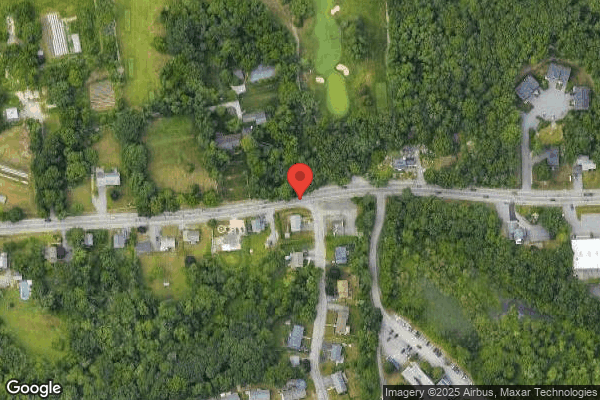
239 Legris Avenue, West Warwick, RI 02893 (401) 828-9000
For profit - Limited Liability company 120 Beds EDEN HEALTHCARE Data: November 2025 2 Immediate Jeopardy citations
Trust Grade
0/100
#72 of 72 in RI
Last Inspection: November 2024

Within standard 12-15 month inspection cycle. Federal law requires annual inspections.

Overview

West View Nursing & Rehabilitation Center has received a Trust Grade of F, indicating significant concerns about the facility's quality of care. It ranks #72 out of 72 facilities in Rhode Island and #11 out of 11 in Kent County, placing it in the bottom tier of options. Although the facility is trending towards improvement with issues decreasing from 15 to 4 over the past year, it still reported 27 deficiencies, including critical incidents like failing to provide properly prepared food for residents with specific dietary needs and using physical restraints improperly. Staffing is rated average with a turnover rate of 56%, which is above the state average, while RN coverage is better than 88% of facilities, suggesting that qualified nursing staff are present. However, the facility has incurred fines totaling $76,008, which may indicate ongoing compliance problems that could affect resident safety and care.
Trust Score
F
0/100
In Rhode Island
#72/72
Bottom 1%
Safety Record
High Risk
Review needed
Inspections
Getting Better
15 → 4 violations
Staff Stability
⚠ Watch
56% turnover. Above average. Higher turnover means staff may not know residents' routines.
Penalties
○ Average
$76,008 in fines. Higher than 53% of Rhode Island facilities. Some compliance issues.
Skilled Nurses
✓ Good
Each resident gets 75 minutes of Registered Nurse (RN) attention daily — more than 97% of Rhode Island nursing homes. RNs are the most trained staff who catch health problems before they become serious.
Violations
⚠ Watch
27 deficiencies on record. Higher than average. Multiple issues found across inspections.
★☆☆☆☆
1.0
Overall Rating
★★★☆☆
3.0
Staff Levels
★★☆☆☆
2.0
Care Quality
★☆☆☆☆
1.0
Inspection Score
Stable
2024: 15 issues
2025: 4 issues

The Good

  • Full Sprinkler Coverage · Fire safety systems throughout facility
  • No fines on record

Facility shows strength in fire safety.

The Bad

1-Star Overall Rating

Below Rhode Island average (3.0)

Significant quality concerns identified by CMS

Staff Turnover: 56%

10pts above Rhode Island avg (46%)

Frequent staff changes - ask about care continuity

Federal Fines: $76,008

Well above median ($33,413)

Moderate penalties - review what triggered them

Chain: EDEN HEALTHCARE

Part of a multi-facility chain

Ask about local staffing decisions and management

Staff turnover is elevated (56%)

8 points above Rhode Island average of 48%

The Ugly 27 deficiencies on record

2 life-threatening 4 actual harm
Jun 2025 2 deficiencies
CONCERN (D) 📢 Someone Reported This

A family member, employee, or ombudsman was alarmed enough to file a formal complaint

Potential for Harm - no one hurt, but risky conditions existed

Quality of Care (Tag F0684)

Could have caused harm · This affected 1 resident

**NOTE- TERMS IN BRACKETS HAVE BEEN EDITED TO PROTECT CONFIDENTIALITY** Based on record review and staff interview, it has been determined that the facility failed to ensure that residents receive tre...

Read full inspector narrative →
**NOTE- TERMS IN BRACKETS HAVE BEEN EDITED TO PROTECT CONFIDENTIALITY** Based on record review and staff interview, it has been determined that the facility failed to ensure that residents receive treatment and care in accordance with professional standards of practice and the comprehensive care plan relative to 1 of 2 residents reviewed with non-pressure wounds, Resident ID #1. Findings are as follows: Record review revealed Resident ID #1 was admitted to the facility in May of 2025 with a diagnosis including, but not limited to, dependence on a ventilator (a device that assists in breathing). Record review of the admission skin assessment dated [DATE] revealed the resident had the following skin impairments: -A rash to the upper-mid vertebrae (an area of the spine) -An excoriation (the mechanical removal of the skins surface caused by scratching, rubbing, or picking) to his/her groin Record review of the physician's orders revealed an order dated 5/13/2025 for Miconazole Nitrate (a medicated powder prescribed to treat a fungal rash) to be applied to the groin twice daily. Additional review of the physician's orders failed to reveal evidence of a treatment order for the resident's rash to his/her vertebrae. Record review revealed the resident was transferred to the hospital on 5/17/2025 and was readmitted to the facility on [DATE]. Record review of the re-admission skin assessment dated [DATE] revealed the following skin impairments: - A rash to the vertebrae -An excoriation to the groin Record review of the physician's orders revealed an order dated 5/21/2025 for Miconazole Nitrate Powder 2%, to be applied to the groin twice daily. Additional review of the physician's orders failed to reveal evidence of a treatment order for the resident's rash to his/her vertebrae. Record review revealed the resident was transferred to the hospital on 5/22/2025 due to elevated blood pressure. Record review of the hospital admission paperwork dated 5/22/2025, revealed the resident complained about and was found to have a fungal rash to his/her back and a fungal infection to his/her groin and genital area. Additionally, the hospital paperwork indicated that the resident presented to the hospital after s/he was found to have a blood pressure of 240/120 (a normal blood pressure reading is 130/80) on the morning of 5/22/2025. Further review revealed documentation that indicated the cause of the resident's labile blood pressures (a condition where the blood pressure fluctuates significantly) was likely due to fungal infection. During a surveyor interview on 6/10/2025 at 2:43 PM with the admitting nurse, Registered Nurse, Staff A, she revealed that on 5/20/2025 Resident ID #1 was re-admitted with a reddened rash to his/her groin and his/her entire back. Additionally, Staff A revealed that the resident was readmitted from the hospital with a treatment order for his/her groin rash and Staff A did not obtain a treatment order for the rash that she identified on the resident's entire back. During a surveyor interview on 6/10/2025 at 2:57 PM with the Director of Nursing Services, she acknowledged that there were no treatment orders initiated for the rash that was identified on the resident's vertebrae when s/he was admitted to the facility on 5/12 and re-admitted on [DATE]. Additionally, she revealed that upon admission to the facility, she would expect that the nurse would complete a skin assessment and obtain orders for all areas requiring treatments.
CONCERN (D) 📢 Someone Reported This

A family member, employee, or ombudsman was alarmed enough to file a formal complaint

Potential for Harm - no one hurt, but risky conditions existed

Pressure Ulcer Prevention (Tag F0686)

Could have caused harm · This affected 1 resident

**NOTE- TERMS IN BRACKETS HAVE BEEN EDITED TO PROTECT CONFIDENTIALITY** Based on surveyor observation, record review, and staff interview, it has been determined that the facility failed to ensure tha...

Read full inspector narrative →
**NOTE- TERMS IN BRACKETS HAVE BEEN EDITED TO PROTECT CONFIDENTIALITY** Based on surveyor observation, record review, and staff interview, it has been determined that the facility failed to ensure that a resident receives care, consistent with professional standards of practice, to promote wound healing for 1 of 4 residents reviewed who is at risk for skin breakdown, Resident ID #1, and for 1 of 2 residents reviewed with actual pressure ulcers (a localized injury to the skin and/or underlying skin usually over a bony prominence), Resident ID #2. Findings are as follows: 1. Record review revealed Resident ID #1 was admitted to the facility in May of 2025 with a diagnosis including, but not limited to, dependence on a ventilator (a device that assists in breathing). Record review of the facility's admission skin assessment dated [DATE] revealed the resident had an excoriation (an excoriation is a linear erosion caused by scratching, rubbing, or picking) to his/her sacrum. Record review of the physician's orders failed to reveal evidence of a treatment order for the resident's excoriated sacrum. Further record review revealed Resident ID #1 was transferred to the hospital on 5/17/2025 and was readmitted to the facility on [DATE]. Record review of the re-admission skin assessment dated [DATE] revealed s/he had an excoriated sacrum. Record review of a care plan dated 5/20/2025 revealed the resident is at risk for skin breakdown with interventions including, but not limited to, pressure areas and interventions are to be placed. Record review of the physician's orders failed to reveal evidence of a treatment order for the excoriated sacrum. Record review revealed the resident was transferred to the hospital on 5/22/2025. Record review of the hospital admission physician's progress note dated 5/22/2025 indicated that Resident ID #1 presented to the hospital with a Stage II (a shallow open ulcer with a red-pink wound bed) pressure injury to his/her sacrum. During a surveyor interview on 6/10/2025 at 2:43 PM with the admitting nurse, Registered Nurse, Staff A, she acknowledged that on 5/20/2025 the resident was re-admitted with an excoriated sacrum and that she did not obtain a treatment order for the area. During a surveyor interview on 6/10/2025 at 2:57 PM with the Director of Nursing Services (DNS), she acknowledged that there was no treatment order for the excoriated sacrum. Additionally, she revealed that upon admission to the facility, she would expect that the nurse would complete a skin assessment and obtain treatment orders for any skin impairments. 2. Record review revealed Resident ID #2 was admitted to the facility in June of 2025 with diagnoses including, but not limited to, pressure ulcer of the sacral region and diabetes mellitus. Record review of the facility's admission skin assessment dated [DATE] revealed the following: - A sacral stage II pressure ulcer - A left gluteal fold (located at the bottom border of the buttocks) stage II pressure ulcer - A right gluteal fold pressure ulcer - A right lateral (towards the side) gluteal fold pressure ulcer Record review of the physician's orders revealed the following wound treatment orders dated 6/6/2025: - Sacrum/bilateral buttocks, (the sacral, left gluteal fold, right gluteal fold and the right lateral gluteal fold pressure ulcers), cleanse with normal saline and apply zinc oxide-based paste to the wound bed and cover with bordered foam dressing daily. Additional record review of the sacrum/buttocks treatment order revealed that the order was entered into the computer system without being designated to the Treatment Administration Record (TAR), therefore the wound treatment order was not transcribed onto the TAR; therefore, the treatments for the sacral stage II pressure ulcer, left gluteal fold, right gluteal fold and the right lateral gluteal fold was not available for the staff to see and complete daily as ordered. During a surveyor interview with the DNS on 6/10/2025 at 4:20 PM, she was unable to provide evidence that the treatment was implemented for the above-mentioned wounds as ordered for Resident ID #2.
Mar 2025 2 deficiencies 1 IJ
CRITICAL (J) 📢 Someone Reported This

A family member, employee, or ombudsman was alarmed enough to file a formal complaint

Immediate Jeopardy (IJ) - the most serious Medicare violation

Deficiency F0604 (Tag F0604)

Someone could have died · This affected 1 resident

Based on record review and staff interview, it has been determined that the facility failed to ensure that residents are free from physical restraints that are not required to treat the resident's med...

Read full inspector narrative →
Based on record review and staff interview, it has been determined that the facility failed to ensure that residents are free from physical restraints that are not required to treat the resident's medical symptoms for 1 of 1 resident reviewed for an actual restraint, as the resident was observed in bed with a bed sheet tied across him/her, Resident ID #1. Findings are as follows: Review of a facility policy titled, Restraint Use-Physical states in part, .A physical restraint may be used only as a last resort and for a short period of time when it is documented in the medical record that the use of said restraint is in the best interests of the resident and allows the resident to receive the treatment that he/she has previously agreed to receive. Nursing documentation must specifically describe the behavior/medical symptoms that indicate the need for restraints and all the interventions that have been attempted before obtaining a doctor's order for a restraint . Record review of a facility reported incident submitted to the Rhode Island Department of Health on 2/27/2025 states in part, During first rounds on the day shift this morning, one of our CNAs [Certified Nursing Assistant] reported to the Director of Nursing (DNS) that one of the residents was found in bed with a bed sheet over [his/her] waist, seemingly placed this way to prevent [him/her] from getting out of bed; the bed sheet was loosely tied with each end tied to each (left and right) side rail . Record review revealed that the resident was admitted to the facility in February of 2025 with diagnoses including, but not limited to, epilepsy, cerebral infarction (stroke) and aphasia (a comprehension and communication disorder resulting from damage or injury to the brain). Review of a facility provided statement authored by CNA, Staff A, dated 2/27/2025 states in part, On the night of 2/26/25 at 8:00 PM I laid [Resident ID #1] in [his/her] bed and tied [him/her] from one side to the other on [his/her] stomach with a sheet, so [s/he] doesn't move or fall .I've seen [him/her] tied up in the past and I never reported it because I thought it was ok to do since [s/he] is a frequent faller. Review of a facility provided statement authored by CNA, Staff B, dated 2/27/2025 states in part, Today 2/27/25 me and [CNA, Staff C] went to get [Resident ID #1] washed for the day, while I was removing some of [his/her] blankets I notice [sic] a blanket was tied from each of the siderails restraining [him/her] to the bed . During a surveyor interview on 2/28/2025 at 1:02 PM with Staff B, she revealed that she found the resident in bed with a sheet tied from one side rail to the other. Additionally, Staff B revealed that the resident was found with pillows surrounding him/her. Per Staff B there were three pillows on each side of the resident, and they were tucked under the fitted sheet to keep them in place. Staff B revealed that the resident was unable to get out of bed due to the tied sheet and the pillows surrounding him/her. Review of a facility provided statement authored by Registered Nurse, Staff D, states, I [Staff D] have never restrained, restricted, nor tied said patient to a bed. Safety of a patient is a priority and due to recent multiple falls, impulsivity, and lack of proper staffing I have tucked patient in bed but in no way was it a restraint. During a surveyor interview on 3/3/2025 at 1:25 PM with CNA, Staff E, she revealed that she observed Staff D, roll up a flat sheet and place it across the resident's stomach, through the side rails and tuck it under the mattress. Additionally, Staff E revealed that when the sheet was across Resident ID #1 and tucked under the mattress s/he was unable to get up or roll over independently. Record review failed to reveal evidence of a physician order for a restraint, an assessment for the use of a restraint, medical symptoms being treated or interventions attempted prior to the use of a restraint. During a surveyor interview on 2/28/2025 at 11:53 AM with the Administrator and DNS, they acknowledged that Resident ID #1 was physically restrained on 2/26/2025 by Staff A. During a follow up interview on 3/3/2025 at approximately 12:00 PM with the Administrator she acknowledged that Staff D revealed she uses a flat sheet to tuck Resident ID #1 in bed to keep him/her from falling. Additionally, the Administrator acknowledged that tucking a sheet under the mattress to restrict the resident from getting out of bed is a physical restraint. This failure had the potential to cause more than minimal harm as the resident was at risk for entrapment, suffocation, strangulation injury or death.
CONCERN (D) 📢 Someone Reported This

A family member, employee, or ombudsman was alarmed enough to file a formal complaint

Potential for Harm - no one hurt, but risky conditions existed

Free from Abuse/Neglect (Tag F0600)

Could have caused harm · This affected 1 resident

**NOTE- TERMS IN BRACKETS HAVE BEEN EDITED TO PROTECT CONFIDENTIALITY** Based on record review, staff and resident interview, it has been determined that the facility failed to keep a resident free fr...

Read full inspector narrative →
**NOTE- TERMS IN BRACKETS HAVE BEEN EDITED TO PROTECT CONFIDENTIALITY** Based on record review, staff and resident interview, it has been determined that the facility failed to keep a resident free from physical abuse for 1 of 7 residents reviewed, Resident ID #7. Findings are as follows: Review of a facility policy titled, Abuse Prohibition states in part, It is the policy of this facility to ensure that all residents are treated with respect and dignity and that all residents are free from abuse, mistreatment, neglect .Abuse: willful infliction of injury, unreasonable confinement, intimidation, or punishment resulting in physical harm, pain or mental anguish . Review of a facility reported incident received by the Rhode Island Department of Health on 3/3/2025 revealed that the Administrator was informed that an Activity Aide was seen coming down the hall, wheeling Resident ID #7 very quickly and then let go of the wheelchair causing the resident to roll several more feet and hitting the wall. The resident was startled, but did not fall and was not injured. Record review revealed that Resident ID #7 was readmitted to the facility in 1/2025 with diagnoses including, but not limited to, dementia and anxiety disorder. Review of a Minimum Data Set assessment dated [DATE] revealed a Brief Interview for Mental Status score of 7 out of 15, indicating severe cognitive impairment. Additional review of the assessment revealed that s/he self-propels independently in his/her wheelchair. Review of a statement authored by Nursing Assistant (NA), Staff F, revealed that she witnessed Activity Aide, Staff G, wheeling the resident erratically and stated get out of here and aggressively pushed the resident's wheelchair and then let go. Per Staff F, the wheelchair continued to roll and hit the wall. During a surveyor interview on 3/3/2025 at 9:15 AM with the resident, s/he revealed that somebody pushed my wheelchair. Additionally, the resident revealed that s/he was unsure why this happened and was startled by the interaction. During a surveyor interview on 3/3/2025 at 9:31 AM with Staff G, she acknowledged that she did push the resident's wheelchair and it hit the wall. Additionally, she revealed that she made a mistake and knows that the resident has dementia and she should not get upset with him/her. Staff G indicated that the resident was shutting the lights off during an activity and that her own anxiety was heightened when she pushed the resident's wheelchair. During a surveyor interview on 3/3/2025 at approximately 8:00 AM with the Administrator, she acknowledged that Resident ID #7 was pushed aggressively by Staff G and that his/her wheelchair hit the wall. She revealed that the resident was immediately assessed and did not sustain any injury. Additionally, she revealed that the staff member was immediately suspended pending her completed investigation and that all staff received additional abuse training. The Administrator was unable to provide evidence that all residents were treated with respect and dignity and kept free from abuse.
Nov 2024 10 deficiencies 1 IJ (1 affecting multiple)
CRITICAL (K)

Immediate Jeopardy (IJ) - the most serious Medicare violation

Deficiency F0805 (Tag F0805)

Someone could have died · This affected multiple residents

**NOTE- TERMS IN BRACKETS HAVE BEEN EDITED TO PROTECT CONFIDENTIALITY** Based on surveyor observation, record review, staff and resident interview, it has been determined that the facility failed to p...

Read full inspector narrative →
**NOTE- TERMS IN BRACKETS HAVE BEEN EDITED TO PROTECT CONFIDENTIALITY** Based on surveyor observation, record review, staff and resident interview, it has been determined that the facility failed to provide and prepare food in a form designed to meet individual needs for 3 of 4 residents reviewed with a physician's order for thickened consistency fluids, including mildly thick (nectar) and moderately thick (honey) consistencies, Resident ID #s 7, 26, and 98. Findings are as follows: 1. Record review revealed Resident ID #26 was admitted to the facility in May of 2023 with diagnoses including, but not limited to, dysphagia, chronic obstructive pulmonary disease (COPD), and pneumonitis (inflammation of the lungs making it difficult to breathe) due to inhalation of food and vomit. Review of a Minimum Data Set assessment dated [DATE] revealed a Brief Interview for Mental Status score of 15 out of 15, indicating intact cognition. Review of the care plan revealed a focus area initiated on 11/7/2024 indicating Resident ID #26 has a potential for aspiration due to dysphagia with an intervention to provide a therapeutic diet as ordered including the prescribed fluid consistency. Review of a physician's diet order dated 11/6/2024 revealed that Resident ID #26 requires nectar thickened fluids. Record review revealed the following progress notes: - 11/3/2024: Resident ID #26 complained about being short of breath and his/her oxygen saturation level (spo2) dropped to 64% on 3 liters of oxygen (normal spo2 of an individual with COPD is typically 88-92%), his/her respirations were elevated at 32 respirations per minute (normal respirations per minute approximately 12-20 at rest), and his/her temperature was elevated to 99.6 degrees Fahrenheit (F) (normal body temperature approximately 98.6 degrees F). Additionally, s/he was transferred to the hospital via rescue. - 11/6/2024: Resident ID #26 returned from the hospital and was to continue receiving oral antibiotics and an anti-inflammatory medication for his/her COPD exacerbation and pneumonia. Review of a Speech Therapy document dated 11/8/2024 revealed that Resident ID #26 had a swallowing assessment completed at the hospital that revealed s/he has silent aspiration (no overt signs of choking) of thin liquids and poor clearance with coughing. Additionally, the resident's diet was modified to include nectar thick liquids. During a surveyor observation of Resident ID #26 on 11/18/2024 at approximately 12:10 PM, during the lunch meal revealed a lunch meal ticket dated 11/18/2024, that indicated s/he was to receive 4 oz. of nectar thick milk, 4 oz. of nectar thick cola, and 6 oz. of nectar thick coffee. Further observation revealed the resident had a 6 oz. cup of apple juice that was full, a 6 oz. cup of milk that was full, and an 8 oz. cup of coffee that was full on his/her meal tray. During a surveyor interview with NA, Staff A immediately following the above observation she revealed that the resident requires nectar consistency fluids and the nursing staff on the unit are responsible for preparing the beverages to the prescribed consistency. Additionally she revealed thickening packets provided by Dietary on the meal tray are used to thicken the beverages. Staff A further revealed that there was 1 thickening packet provided by dietary per beverage and that is what she used to prepare the nectar thick consistency beverages. Additionally, Staff A revealed that she does not read the instructions on the thickening packets nor does she premeasure the fluids that she pours into the cups on the tray. Lastly, after reviewing the instructions on the thickener packet with the surveyor, she acknowledged that the milk and apple juice require 1.5 thickening packets to achieve a nectar consistency, as the resident was served 6 oz. of these beverages and a single thickening packet is only sufficient for a 4 oz. serving, and the coffee requires 2 packets, as it is an 8 oz. serving. Review of the thickening packet used to thicken Resident ID #26's fluids, SimplyThick Easy Mix instant food thickener, Mildly Thick, Nectar Thick states, .Directions .Add to 4 fl. oz. of liquid . During a surveyor interview on 11/18/2024 at 12:19 PM with Licensed Practical Nurse, Staff M, she revealed that the nurses typically do not oversee the NAs thickening of the fluids for the residents. Additionally, she revealed that dietary sends the thickening packets on the residents' trays and indicated that 1 thickening packet per beverage is sufficient to achieve the desired consistency for all the prescribed thickened fluids. During a surveyor interview on 11/18/2024 at approximately 12:30 PM with the Food Service Director (FSD) in the presence of the Dietitian, he revealed that dietary places the thickening packets on the residents' trays and the nursing staff are responsible to thicken fluids on the units. The FSD indicated that dietary provides the exact amount of thickening packets on the residents' trays to achieve the prescribed consistency of fluids for the residents. Additionally, they acknowledged that the coffee/tea mugs held more than 8 oz. of fluid and the hard plastic cup that milk/juices are served in held more than 6 oz of fluid. During a surveyor interview on 11/18/2024 at approximately 1:00 PM with Dietary Aid, Staff D, she revealed that she was the individual that placed the thickening packets on the residents' trays for the lunch meal service on 11/18/2024. She further revealed that she places 1 thickening packet per beverage on the trays for residents who are prescribed thickened fluids. Additionally, she stated that she was unaware that some beverages required more than 1 thickening packet to achieve the prescribed consistency. Furthermore, she revealed that she has been working at the facility for approximately 4-5 months and has not received any training or education regarding thickening agents and modified consistency fluids. A surveyor interview was attempted with Resident ID #26's physician on 11/18/2024 at 1:12 PM, a voice message was left, however no return call has been received. During a surveyor interview on 11/18/2024 at approximately 2:30 PM with the Director of Nursing Services (DNS), she revealed that facility wide education is required for staff regarding the process of thickening fluids for the residents. Additionally, she revealed that she would expect that the nursing staff would be reading the instructions on the thickening packets and measuring the volume of fluids that they add to the cups and not just filling them up. During a surveyor interview on 11/19/2024 at approximately 10:00 AM with Resident ID #26, s/he indicated that s/he chokes and coughs when drinking the beverages that are prepared by the staff. 2. Record review revealed Resident ID #7 was admitted to the facility in March of 2023 with a diagnosis including, but not limited to, dysphagia (difficulty swallowing). Review of the care plan revealed a focus area last revised on 7/25/2023 indicating Resident ID #7 is at risk for an alteration in nutrition with an intervention to provide a therapeutic diet as ordered, including the prescribed fluid consistency. Review of a physician's diet order dated 5/28/2024 revealed that Resident ID #7 requires honey thickened fluids. Review of a Speech Therapy document dated 7/9/2024 revealed that Resident ID #7 indicated s/he feels like s/he chokes with thin liquids and s/he is recommended to continue with honey thickened fluids due to his/her physical impairments and functional deficits that place him/her at risk for aspiration, repeat pneumonia, and dehydration. Review of Resident ID #7's lunch meal ticket dated 11/18/2024 revealed s/he was to receive 4 ounces (oz) of honey thick milk and 6 oz. of honey thick coffee. During a surveyor observation and simultaneous interview on 11/18/2024 at approximately 12:30 PM of Resident ID #7's lunch meal with Nursing Assistant (NA), Staff B, and the Assistant Director of Nursing Services (ADNS), Resident ID #7 was observed to have a 4 oz. cup of cranberry juice that was half empty, a 6 oz. cup of milk that was full, and an 8 oz. cup of coffee that was full. Staff B revealed that she does not pre-measure the fluids prior to filling up the cups on the tray provided by the kitchen. Staff B further revealed that she uses only 1 packet of thickener to thicken each beverage and indicated that if she thickens it more, the resident will not drink the beverage. Review of the thickening packet used to thicken Resident ID #7's fluids during the above observation with the ADNS and Staff B, it revealed, SimplyThick Easy Mix instant food thickener, Moderately Thick, Honey Thick states, .Directions .Add to 4 fl. [fluid] oz. of liquid . Staff B stated that she only used one packet to thicken the resident's beverages and acknowledged that she should have used 2 packets to thicken the resident's coffee as it was 8 oz. to achieve the prescribed consistency. Additionally, the ADNS acknowledged that the cranberry juice, milk, and coffee were not honey consistency as prescribed. 3. Record review revealed Resident ID #98 was admitted to the facility in September of 2024 with diagnoses including, but not limited to, quadriplegia (paralysis that affects a person's limbs and body from the neck down) and dependence on a ventilator (a life support machine that helps people breathe when they are unable to do so on their own). Review of the care plan revealed a focus area last revised on 11/5/2024 indicating Resident ID #98 has aspiration pneumonia and receives oral nutrition in addition to his/her enteral nutrition (liquid nutrition provided via a gastrostomy tube [feeding tube]) with an intervention that includes to monitor for signs and symptoms of aspiration. Review of a physician's diet order dated 11/7/2024 revealed that Resident ID #98 requires nectar thickened fluids. Review of a Speech Therapy document dated 10/1/2024 revealed that Resident ID #98 is at risk for aspiration and pneumonia due to his/her physical impairments and functional deficits. During a surveyor observation and simultaneous interview on 11/18/2024 at approximately 11:45 AM of Resident ID #98's lunch meal, in the presence of Registered Nurse, Staff C, the resident was observed to have 1 cup of approximately 6 oz. of milk and 1 cup of approximately 8 oz. of coffee. Additionally, there were 2 unopened nectar thickening packets on the resident's tray. Staff C revealed that the resident had refused lunch, however if she were to prepare the thickened beverages for the resident to achieve nectar consistency, she would use 1 packet for the 6 oz. milk and 1 packet for the 8 oz. coffee. Review of the 2 thickening packets provided on Resident ID #98's tray, SimplyThick Easy Mix instant food thickener, Mildly Thick, Nectar Thick states, .Directions .Add to 4 fl. oz. of liquid . During a surveyor interview on 11/18/2024 at approximately 2:30 PM with the DNS, she was unable to provide evidence that the above residents were served a therapeutic diet and food in the appropriate form as prescribed by the physician. Additionally, she stated that she would expect the residents to receive fluids at the appropriate consistency as ordered, to ensure the safety of the residents. The facility's failure to provide and prepare foods in a form designed to meet individual needs for Resident ID #s 7, 26, and 98 placed the residents at risk for more than minimal harm, impairment, or death.
SERIOUS (G)

Actual Harm - a resident was hurt due to facility failures

Incontinence Care (Tag F0690)

A resident was harmed · This affected 1 resident

Based on surveyor observation, record review, resident and staff interview, it has been determined that the facility failed to provide appropriate treatment and services for 1 of 2 residents reviewed ...

Read full inspector narrative →
Based on surveyor observation, record review, resident and staff interview, it has been determined that the facility failed to provide appropriate treatment and services for 1 of 2 residents reviewed with a suprapubic catheter (SP catheter- a device inserted through the abdomen into the bladder to drain urine), Resident ID #16. Findings are as follows: 1a) Review of the facility's policy titled, Foley Catheters dated 1/16/2024 states in part, .3. The catheter is to be changed per MD [Medical Doctor] order . Record review revealed Resident ID #16 was admitted to the facility in August of 2023 with a diagnosis including, but not limited to, obstructive and reflux uropathy (a condition in which the flow of urine is blocked). Record review of a care plan dated 7/5/2024 revealed the resident has a SP catheter due to obstructive uropathy and staff interventions include, but are not limited to, change the resident's catheter per the facility's policy. Record review failed to reveal evidence that an order was obtained from the provider for the SP catheter to be changed while at the facility. Record review failed to reveal evidence that the SP catheter was changed from 5/13/2024 until 10/19/2024, a total of 20 weeks, missing 3 of 3 opportunities. Record review revealed the following progress notes related to the resident's catheter: - On 10/11/2024 at 3:00 PM: .resident pant was wet during care, minimal blood noted in catheter bag .findings reported to incoming nurse . - On 10/12/2024 at 1:38 AM: .Suprapubic Catheter Issue .Patient began to feel extreme pain unable to withdraw amount .pt.[patient] states painful .hematuria [blood in urine] complaint of 9/10 pain .condition is worsening . - On 10/12/2024 at 3:28 AM: Pt having trouble urinating, flushed with pink return called third eye [telehealth provider] .patient complaining of a lot of pain was instructed to send out via ambulance . - On 10/12/2024 at 3:30 AM: Pt. sent to [local hospital] due to suprapubic tube to be replaced .Pt complaining of an increase pain . - On 10/13/2024 at 9:42 AM: Resident transported back to the facility .offers c/o [complain of] suprapubic pain, foley [SP catheter] flushed, hematuria noted in urinary bag. Resident needs f/u [follow up] with urology for foley replacement, message left with unit secretary . - On 10/17/2024 at 7:01 AM: .patient returned from [acute care hospital] .patient started on ABX [antibiotic] for 7 days .suspected UTI [urinary tract infection] . - On 10/17/2024 at 2:55 PM: Resident noted to be very restless today .Resident noted to have hematuria, SPT [suprapubic tube] was also noted to be leaking .attempted to change SPT however resistance was noted .resident sent to ER [emergency room] . - On 10/19/2024 at 2:42 PM: .Resident's SPT was noted leaking a large amount of urine on the floor .SPT was removed and replaced .continue on treatment for UTI . During a surveyor interview on 11/20/2024 at 8:29 AM with the resident, s/he indicated that his/her catheter was last changed sometime in May and could not recall a specific date. Additionally, the resident indicated that s/he has had discomfort and pain with the catheter. During a surveyor interview on 11/20/2024 at 8:32 AM, with a Licensed Practical Nurse, Staff M, she indicated that the resident had been sent to the hospital due to his/her catheter malfunctioning. Staff M further acknowledged that the resident did not have an order to change his/her catheter. During a surveyor interview on 11/20/2024 at 8:54 AM with the Medical Director (MD) who is also the resident's primary care physician, he indicated that he was not aware that an SP catheter could be changed at the facility until it was brought to his attention by the Assistant Director of Nursing a few weeks ago. The MD indicated that he would have expected the staff to have obtained an order to change the resident's catheter from the resident's urologist. Additionally, the MD indicated that he would expect the staff to notify the urologist whenever the resident is experiencing complications from his/her catheter. Record review revealed an order was written on 11/20/2024 at 9:56 AM to change the resident's SP catheter every 6 weeks. This order was obtained after it was brought to the facility's attention by the surveyor on 11/20/2024 at approximately 8:30 AM. 1b) Review of the facility's policy titled, Foley Catheters dated 1/16/2024 states in part, .8. If the resident is being followed by a urologist, ensure appointments are kept and followed . Record review of a care plan dated 7/5/2024 revealed the resident has a SP catheter due to obstructive uropathy and staff interventions include, but are not limited to, urology follow up as ordered and indicated. Review of a progress note dated 10/13/2024 revealed, Resident needs f/u [follow up] with urology for foley [SP] replacement, message left with unit secretary . Record review failed to reveal evidence that a urologist appointment was obtained as indicated in a progress note dated 10/13/2024 after the resident had returned from the hospital with an indication to follow up with his/her urologist. Additional record review failed to reveal evidence that the resident has had an appointment with his/her urologist since his/her admission in August 2023, until it was brought to the facility's attention by the surveyor on 11/20/2024. During a surveyor interview on 11/20/2024 at 8:54 AM with the Medical Director he indicated that he would expect the staff to notify the urologist whenever the resident is experiencing complications from his/her catheter. During a surveyor interview on 11/20/2024 at 9:24 AM with the secretary at the resident's urologist office, she indicated that the resident had an appointment scheduled for July 24, 2024. The office staff further indicated that the resident did not attend this appointment, and the urologist office did not receive a call from the facility to reschedule an appointment until on 11/20/2024 at approximately 9:00 AM. The staff at the urologist office further indicated that their records did not have any notification from the facility indicating the resident was experiencing complications from the catheter. During surveyor interviews on 11/20/2024 at 8:42 AM and 11:00 AM with the Director of Nursing Services (DNS), she indicated that the resident has had pain, discomfort, and malfunctioning of his/her SP catheter and has been sent to the hospital twice in October 2024 due to these symptoms. The DNS acknowledged that the resident's catheter was not changed at the hospital during these visits. She further acknowledged that the resident did not have a current order to change his/her catheter since it was last changed at the facility in May of 2024, and would expect the staff to have obtained an order from the physician. The DNS acknowledged that resident's catheter had not been changed since 5/13/2024, until she changed it on 10/19/2024 due to the resident experiencing pain and leakage at the catheter site. Additionally, the DNS acknowledged that the resident had an appointment with his/her urologist in July 2024 and was unable to explain why the resident did not attend this appointment or why the appointment was not rescheduled until it was brought to the facility's attention by the surveyor on 11/20/2024.
CONCERN (D)

Potential for Harm - no one hurt, but risky conditions existed

Deficiency F0561 (Tag F0561)

Could have caused harm · This affected 1 resident

**NOTE- TERMS IN BRACKETS HAVE BEEN EDITED TO PROTECT CONFIDENTIALITY** Based on surveyor observation, record review, resident, and staff interview, it has been determined that the facility failed to ...

Read full inspector narrative →
**NOTE- TERMS IN BRACKETS HAVE BEEN EDITED TO PROTECT CONFIDENTIALITY** Based on surveyor observation, record review, resident, and staff interview, it has been determined that the facility failed to promote and facilitate self-determination through support of a resident choice, relative to weekly showers for 1 of 1 resident reviewed, Resident ID #29. Findings are as follows: Record review revealed that Resident ID #29 was admitted to the facility in March of 2024 with diagnoses including, but not limited to, hemiplegia (complete or severe paralysis on one side of the body) and hemiparesis (one-sided muscle weakness) following a stroke affecting the right dominant side. Record review of the resident's admission Minimum Data Set assessment dated [DATE] revealed a Brief Interview for Mental Status score of 14 out of 15, indicating the resident's cognition is intact. It further revealed that his/her preference to choose between a tub bath, shower, bed bath, or sponge bath as very important. During a surveyor interview with the resident on 11/20/2024 at 9:30 AM, the resident indicated that s/he has not had a shower in 3 weeks and that s/he prefers a shower. Review of the shower task in the resident's Electronic Medical Record (EMR), indicated that the resident is scheduled for a shower and shampoo every Tuesday and Friday. Review of the bathing task documentation from 11/7/2024 through 11/20/2024 revealed that out of 40 opportunities to provide a shower, that a bed bath was documented 25 times, 7 times it was documented as a no and 8 times it was documented as Not Applicable. Record review failed to reveal documentation that a shower was offered, received, or declined as per the resident's preference. Review of a Nursing Assistant (NA) assignment sheet, provided to the surveyor by the Assistant Director of Nursing Services (ADNS) revealed that Resident ID #29's scheduled shower days are Wednesdays during the 7:00 AM - 3:00 PM shift and on Saturdays during the 3:00 PM - 11:00 PM shift and not every Tuesday and Friday as indicated for the shower task in the EMR. During surveyor interviews on 11/20/2024 at 10:10 AM and 10:47 AM with NA, Staff K, she revealed that she could not remember if she assisted Resident ID #29 with a shower on his/her scheduled Wednesday showers during the 7:00 AM - 3:00 PM shifts prior to 11/20/2024. During a surveyor observation and interview on 11/20/2024 at 10:17 AM in the presence of Registered Nurse, Staff E, she acknowledged that the resident had long toenails, long fingernails to his/her right contracted hand, and his/her skin was dry. Additionally, Staff E indicated that nail care is supposed to be completed when residents receive a shower. During a surveyor interview on 11/20/2024 at approximately 3:20 PM, with NA, Staff F, in the presence of the ADNS, she stated that she most likely did not assist Resident ID #29 with a shower on his/her shower day, Saturday 11/16/2024 during the 3:00 PM - 11:00 PM shift. During a surveyor interview on 11/21/2024 at approximately 11:09 AM with the Director of Nursing Services, she was unable to provide evidence that Resident ID #29 received a shower in the last 20 days as per his/her preference.
CONCERN (D)

Potential for Harm - no one hurt, but risky conditions existed

Deficiency F0757 (Tag F0757)

Could have caused harm · This affected 1 resident

Based on record review and staff interview, it has been determined that the facility failed to ensure that the resident's drug regimen is free from unnecessary drugs for 1 of 1 resident reviewed for a...

Read full inspector narrative →
Based on record review and staff interview, it has been determined that the facility failed to ensure that the resident's drug regimen is free from unnecessary drugs for 1 of 1 resident reviewed for a medication with parameters to treat low blood pressure, Resident ID #74. Findings are as follows: Record review revealed the resident was admitted to the facility in June of 2023 with a diagnosis including, but not limited to, hypotension (low blood pressure; blood pressure lower than 90/60). Review of a physician's order dated 9/6/2024 revealed Midodrine 10 milligrams (mg) give one tablet three times daily for hypotension with parameters to hold the medication if the systolic blood pressure (SBP; top number/pressure when the heart beats) is greater than 110. Review of the November 2024 Medication Administration Record (MAR) revealed that the resident was administered the Midodrine when it was indicated to be held based on the parameters on the following dates and times: -11/2 before breakfast (Blood Pressure (BP) 112/68) -11/2 before lunch (BP 112/68) -11/3 before lunch (BP 114/67) -11/8 before breakfast (BP 114/66) -11/12 before breakfast (BP 112/66) -11/15 before lunch (BP 112/68) -11/16 before lunch (BP 112/72) -11/17 before breakfast (BP 114/68) -11/17 before lunch (BP 112/66) Additional review of the November 2024 MAR revealed that Certified Medication Technician, Staff N, was the individual that administered the Midodrine to the resident when it was indicated to be held on the dates and times listed above. During a surveyor interview on 11/20/2024 at 9:39 AM with Staff N, she was unable to explain why the Midodrine was documented as being administered on the above-mentioned dates and times and acknowledged that the Midodrine should have been held based on the parameters. During a surveyor interview on 11/20/2024 at 10:10 AM, with the Director of Nursing Services in the presence of the Administrator, she revealed that she would have expected Staff N to have held the Midodrine based on the parameters as ordered.
CONCERN (D)

Potential for Harm - no one hurt, but risky conditions existed

Dental Services (Tag F0791)

Could have caused harm · This affected 1 resident

**NOTE- TERMS IN BRACKETS HAVE BEEN EDITED TO PROTECT CONFIDENTIALITY** Based on surveyor observation, record review, resident, and staff interview, it has been determined that the facility failed to ...

Read full inspector narrative →
**NOTE- TERMS IN BRACKETS HAVE BEEN EDITED TO PROTECT CONFIDENTIALITY** Based on surveyor observation, record review, resident, and staff interview, it has been determined that the facility failed to assist residents in obtaining routine and emergency dental care for 1 of 1 resident reviewed, Resident ID #62. Findings are as follows: Record review revealed the resident was admitted to the facility in December of 2022 with diagnoses including, but not limited to, muscle weakness and legal blindness. Record review of a Quarterly Minimum Data Set assessment dated [DATE] revealed a Brief Interview for Mental Status score of 15 out of 15, indicating s/he has intact cognition. During surveyor interviews with the resident on 11/18/2024 at 8:55 AM and 10:36 AM, s/he stated that s/he needs to have some teeth removed due to mouth pain. Additionally, s/he stated that s/he was supposed to be seen outside of the facility on two occasions however was not. Lastly, s/he revealed that s/he has a canker sore [a shallow, painful sore that develops on the soft tissue of the mouth] on his/her tongue because his/her tongue rubs against his/her teeth and causes him/her discomfort. Additionally, s/he indicated that the canker sore has been on his/her tongue for some time. During a surveyor observation of the resident's mouth and teeth on 11/18/2024 at approximately 9:00 AM, revealed that his/her teeth were dark, discolored, and jagged. His/her tongue was observed to have an approximately 1 centimeter abrasion that was surrounded by white tissue on the left side of his/her tongue. Further record review revealed documents containing mobile dentistry clinical notes which reveal the following: - On 5/23/2024, the note indicates that the resident is having a problem with teeth numbers 2 through 11, 13, 15, and 18 through 29 and s/he needs dental treatment that cannot be provided in the nursing facility. Additionally, the note indicates that the recommendation is for the resident to be seen by an oral surgeon for extractions due to broken and decayed teeth that irritate his/her tongue and is likely to cause him/her pain or infection. - On 8/27/2024, the note indicates that the facility was provided with a referral for oral surgery for his/her complaints of oral pain. - On 10/8/2024, the note indicates that the resident was seen for a broken tooth. Additionally, the document revealed that the resident has not had any teeth extractions yet and s/he requested to have teeth numbers 3 [upper right molar] and 19 [bottom left molar] to be extracted because they cut into his/her tongue. The document further indicates that a referral for oral surgery was sent to the facility on 8/30/2024. Record review of a progress note dated 11/11/2024 authored by the Unit Secretary, Staff R, revealed that the resident had an appointment at an outside dental clinic scheduled on 11/14/2024. Additional record review failed to reveal evidence that the resident was seen by the provider on 11/14/2024. Further record review of a progress note dated 11/15/2024 at 1:56 PM, authored by Registered Nurse (RN), Staff E, revealed that Resident ID #62 was scheduled to go out for an appointment but needed it to be rescheduled because the facility was unable to arrange transportation for the resident. During a surveyor telephone interview on 11/21/2024 at 9:12 AM with the dental office's receptionist she stated the following. Resident ID #62 had his/her first appointment as a new patient on 11/14/2024. S/he arrived at the appointment with a Nursing Assistant but did not have any identification or facility provided paperwork. The receptionist called the facility and was transferred several times with no resolution. She further stated that if she was able to speak with someone at the facility, she would have requested the resident's paperwork to be faxed over so s/he could be seen. The receptionist stated that she was able to reschedule the appointment emergently on the following day on 11/15/2024. She further revealed that on 11/15/2024, the resident never arrived at his/her appointment and no one from the facility called the office. The receptionist indicated that she called the facility and was told his/her ride did not show up. During a surveyor observation and interview with Resident ID #62 in the presence of Staff E, on 11/20/2024 at approximately 10:36 AM, she acknowledged the approximately 1 cm canker sore to the resident's left tongue. Resident ID #62 stated it has been there for some time. Further record review failed to reveal evidence of documentation indicating the resident had a canker sore or a treatment in place until it was brought to the attention of the facility by the surveyor. Record review revealed a progress note dated 11/20/2024 at 1:05 PM, authored by RN, Staff E, which indicates the provider was notified of the canker sore to the left side of the resident's tongue and s/he was ordered antiviral medication to be administered every 12 hours for 7 days. Additionally, topical oral pain medication was ordered to be applied to the affected area three times per day for 7 days. During a surveyor interview on 11/20/2024 at 2:43 PM with Staff R and the Administrator, revealed that Resident ID #62 went to dental appointment on 11/14/2024 however s/he was not seen because s/he did not go with the paperwork that s/he should have gone with. Additionally, Staff R indicated that an appointment was made for him/her to return on 11/15/2024, however, because of an issue with transportation s/he did not go. Lastly, the Administrator acknowledged that the facility has a vehicle and indicated that she did not offer transportation accommodations to the resident on 11/15/2024 after s/he had the second appointment to address his/her ongoing tooth and mouth pain. During a surveyor interview on 11/21/2024 at 11:01 AM with Director of Nursing Services (DNS), she stated that she would have expected that Resident ID #62 would have been provided with paperwork to take with him/her to the dental appointment on 11/14/2024. Additionally, she was unable to provide evidence that Resident ID #62 received dental services outside of the facility as recommended to address his/her ongoing dental pain.
CONCERN (E)

Potential for Harm - no one hurt, but risky conditions existed

Pressure Ulcer Prevention (Tag F0686)

Could have caused harm · This affected multiple residents

Based on surveyor observation, record review, and staff interview, it has been determined that the facility failed to ensure that residents with pressure ulcers receive the necessary treatment and ser...

Read full inspector narrative →
Based on surveyor observation, record review, and staff interview, it has been determined that the facility failed to ensure that residents with pressure ulcers receive the necessary treatment and services, consistent with professional standards of practice, to promote healing, prevent infection and prevent new ulcers from developing for 2 of 4 residents reviewed for pressure ulcers, Resident ID #s 65 and 84. Findings are as follows: 1. Review of a facility policy titled, Clean Dressing Technique dated January of 2018 states in part, .Check the physician order for current, correct treatment . Record review revealed that Resident ID #65 was readmitted to the facility in October of 2024 with diagnoses including, but not limited to, paraplegia (paralysis affecting the lower half of the body) and dependence on a ventilator (a life support machine that helps people breathe when they are unable to do so on their own). Review of an Integrated Wound Care follow up progress note dated 11/4/2024 revealed that the resident has a stage 4 pressure ulcer (most serious type of pressure ulcer that may impact muscle, tendons, ligaments, and bone) to his/her sacrum (base of the spine) measuring 3.5 centimeters (cm) by 8.5 cm by 0.1 cm. Further review revealed that s/he has a stage 4 pressure ulcer to his/her right ischium (a bone that forms the lower/back part of the hip) measuring 3.0 cm by 1.4 cm by 0.1 cm. Record review revealed physician's orders dated 11/18/2024 to cleanse both wounds with wound cleanser, pat dry, apply medihoney (a wound gel made from honey) to wound base, cover with calcium alginate AG (a wound treatment with silver; silver aides in preventing infection), and cover with a bordered foam dressing daily and as needed. During a surveyor observation on 11/20/2024 at approximately 12:15 PM of Resident ID #65's wound dressing changes, Registered Nurse (RN), Staff G, was observed applying calcium alginate to both wounds, instead of calcium alginate AG, which was ordered. During a surveyor interview on 11/20/2024 at 12:30 PM with Staff G, he acknowledged that he applied the incorrect dressing to the wounds. During a surveyor interview on 11/20/2024 at 1:20 PM with the Director of Nursing Services (DNS), she acknowledged that Staff G did not follow the physician's orders for calcium alginate AG for both of the wounds. 2. Review of a facility policy titled, Skin Care Protocol dated 1/6/2011 states in part, .With each dressing or at least weekly, the following documentation must be present: Location and staging; size, depth, and the presence, location and extent if any undermining or tunneling/sinus tract; exudate [drainage], if present; type, color, odor, and approximate amount; pain if present .wound bed: color, type of tissue/character including evidence of healing .description of wound edges and surrounding tissue . Record review revealed that Resident ID #84 was readmitted to the facility in February of 2024 with diagnoses including, but not limited to, stroke and muscle weakness. During a surveyor observation on 11/17/2024 at 9:15 AM revealed the resident was in bed and had a dressing in place to his/her second toe of the right foot. Record review revealed that Resident ID #84 has a wound to his/her right foot second toe that requires a daily dressing since 11/12/2024. Review of a progress note dated 11/18/2024 authored by Nurse Practitioner (NP), Staff H, revealed that she was conducting a follow up visit for Resident ID #84's wound on his/her right second toe. Additionally, the note revealed that a small open area with bloody drainage on the resident's right second toe was identified on 11/11/2024 and s/he was treated for cellulitis (a potentially serious bacterial skin infection) of the area with antibiotics for 7 days. Record review failed to reveal evidence of documentation of Resident ID #84's right second toe wound including, staging of the wound, measurements, and presence of pain, until after it was brought to the facility's attention by the surveyor. During a surveyor interview on 11/20/2024 at 8:20 AM with RN, Staff I, she acknowledged that Resident ID #84 has a wound to his/her right second toe. Additionally, she revealed that the wound was identified on 11/11/2024 and acknowledged that there were no wound measurements, staging, or descriptions of the wound documented since it was first identified on 11/11/2024. Review of a progress note dated 11/20/2024 at 8:49 AM indicated that the wound was measured at 0.3 cm by 0.2 cm by <0.1 cm after it was brought to the facility's attention by the surveyor. During a surveyor interview on 11/20/2024 at 9:25 AM with the Wound Nurse, RN, Staff J, she revealed that the there were no wound measurements or descriptions of the wound until it was brought to the facility's attention by the surveyor 9 days after the wound was identified. During a surveyor interview on 11/20/2024 at 11:26 AM with the DNS, she was unable to provide evidence of wound measurements or descriptions of Resident ID #84's wound.
CONCERN (E)

Potential for Harm - no one hurt, but risky conditions existed

Deficiency F0687 (Tag F0687)

Could have caused harm · This affected multiple residents

**NOTE- TERMS IN BRACKETS HAVE BEEN EDITED TO PROTECT CONFIDENTIALITY** Based on surveyor observation, record review, resident, and staff interview, it has been determined that the facility failed to ...

Read full inspector narrative →
**NOTE- TERMS IN BRACKETS HAVE BEEN EDITED TO PROTECT CONFIDENTIALITY** Based on surveyor observation, record review, resident, and staff interview, it has been determined that the facility failed to ensure that the residents receive proper foot care and treatment in accordance with professional standards of practice for 1 of 1 resident reviewed, Resident ID #29. Findings are as follows: Record review revealed that the resident was admitted to the facility in March of 2024 with a diagnosis including, but not limited to, diabetes. Record review of a Quarterly Minimum Data Set assessment dated [DATE] revealed a Brief Interview for Mental Status score of 14 out of 15, indicating intact cognition. During a surveyor interview on 11/17/2024 at 9:38 AM with the resident, s/he stated that s/he has not been offered or provided with podiatry services and would like to receive it. Record review revealed a physician's order dated 3/27/2024 for podiatry services as needed. Further record review failed to reveal evidence that podiatry services were offered or provided to the resident since his/her admission to the facility. During a surveyor observation of Resident ID #29's feet in the presence of Nursing Assistants (NA) Staff K and Staff L, on 11/20/2024 at 10:10 AM, revealed the skin of his/her feet had dry skin and long toenails. The great toenails extended approximately 1 inch above the toes and the remaining toenails were observed to be curved over touching the skin of the resident's toes. Staff K and L acknowledged the above observations. During a surveyor interview with Registered Nurse (RN) Staff E, on 11/20/2024 at 10:15 AM, she stated that the resident has not received podiatry services and was unable to say if s/he was offered it. During a surveyor observation of the resident's toes in the presence of RN, Staff E, on 11/20/2024 at 10:17 AM, she acknowledged that Resident ID # 29's feet had dry skin and long toenails. During a surveyor interview with the Administrator on 11/20/2024 at 2:41 PM, she was unable to provide evidence that Resident ID #29 was offered or provided with podiatry services since his/her admission to the facility.
CONCERN (E)

Potential for Harm - no one hurt, but risky conditions existed

Deficiency F0761 (Tag F0761)

Could have caused harm · This affected multiple residents

Based on surveyor observation, record review, and staff interview, it has been determined that the facility failed to store drugs and biologicals in accordance with currently accepted professional pri...

Read full inspector narrative →
Based on surveyor observation, record review, and staff interview, it has been determined that the facility failed to store drugs and biologicals in accordance with currently accepted professional principles relative to 5 of 6 medication carts observed. Findings are as follows: Review of the facility's policy titled Medication storage states in part, .Procedures 2. Controlled medications must be stored separately from non-controlled medications. The access system (key, security codes) used to lock Schedule II medications [medications that have a high potential for abuse and may lead to severe physical or psychological dependence] and other medications subject to abuse, cannot be the same access system used to obtain the non-scheduled mediations .14. Outdated, contaminated, discontinued, or deteriorated medications and those in containers that are cracked, soiled, or without secure closures are immediately removed from stock . 1. During a surveyor observation on 11/17/2024 at 9:46 AM in the presence of Licensed Practical Nurse, Staff O, of the Meadows and Garden medication cart revealed the following: - Nitroglycerin sublingual tablets (a medication used to treat chest pain) without a resident identifier and with a manufacturer's expiration date of 10/23/2022 - Nitroglycerin sublingual tablets without a resident identifier and with a manufacturer's expiration date of 1/24 - Permethrin cream 5% topical (a medication used to treat scabies) one time use packet, opened, and dated 9/27/2024. - Ammonium Lactate 12% cream (a medication used to treat dry, scaly skin), open, not dated, and without a resident identifier. During a surveyor interview at the time of this observation with Staff O, she acknowledged the Nitroglycerin tablets and above-mentioned creams were expired and should have been discarded. 2. During a surveyor observation on 11/17/2024 at 10:51 AM in the presence of a Registered Nurse, Staff I, of the Pine nurse medication cart revealed a bottle of probiotic tablets (a medication used to promote gut health) with a manufacturer's expiration date of 9/2024. During a surveyor interview at the time of this observation with Staff I, she acknowledged the probiotic tablets were expired and should have been discarded. 3. During a surveyor observation on 11/17/2024 at 10:55 AM in the presence of a Certified Medication Technician (CMT), Staff P of the Vineyard medication cart revealed the following: - Twenty-two blue capsules observed in a clear plastic cup with no identifying information - Breo Ellipta 100 microgram (mcg)/25 mcg inhaler opened and not dated. Manufacturer's instruction indicates to discard the inhaler 6 weeks after opening. - Wixela 500/50 mcg inhaler opened and not dated. Manufacturer's instruction indicates to discard the inhaler 6 weeks after opening. - Trelegy Ellipta 20 mcg/62.5/25 mcg inhaler opened and not dated. Manufacturer's instruction indicates to discard the inhaler 6 weeks after opening. - One of one bottle of Active liquid protein opened and not dated. Manufacturer's instruction indicates to discard 3 months after opening. - One of one bottle of Geri-lanta regular strength antacid (a medication used to treat heartburn, upset stomach and acid indigestion) with a manufacturer's expiration date of 10/24. During a surveyor interview at the time of this observation with Staff P, she acknowledged the 22 capsules were not stored in a pharmacy or manufacturer's labeled container, indicating the name of the medication and a resident identifier. Additionally, Staff P acknowledged the inhalers and the bottle of liquid protein were opened and not dated, and the antacid was expired. 4. During a surveyor observation on 11/17/2024 at 11:00 AM in the presence of a Registered Nurse, Staff Q, of the [NAME] low side medication cart revealed the following: - Ibuprofen oral liquid suspension (pain medication) with a use by date of 1/31/2024. - EpiPen injection (a medication used to treat a life-threatening allergic reaction in an emergency) with a manufacturer's expiration date of 7/2024. - Refresh Lacri-lube eye ointment, opened and not dated. Manufacturer's instruction indicates to discard 30 days after opening. - Docusate sodium liquid (stool softener), opened, not dated, and the manufacturer's expiration date was not legible. - Mucus relief 400 milligram (mg, a medication used to treat cough) with a manufacturer's expiration date of 9/2024. - Oyster shell calcium 500 mg (supplement) with a manufacturer's expiration date of 8/2024. - Ultra lubricant eye drops with an open date of 12/15/2023. Manufacturer's instruction indicates to discard the eye drops one month after opening. - Gas relief 80 mg tablets with a manufacturer's expiration date of 8/2024. - Bisacodyl 5 mg tablets (a medication used to treat constipation) with a manufacturer's expiration date of 9/2024. - Magnesium chloride with calcium (supplement) with a manufacturer's expiration date of 6/2024. - One-daily multivitamin tablets with a manufacturer's expiration date of 8/2024. - Calcium 600 +D mcg tablets (supplement with vitamin D) with a manufacturer's expiration date of 6/2024. - Active liquid protein opened and not dated. Manufacturer's instruction indicates to discard 3 months after opening. During a surveyor interview at the time of this observation with Staff Q, she acknowledged the above-mentioned medications were expired and should have been discarded. 5. During a surveyor observation on 11/17/2024 at 11:19 AM in the presence of a Registered Nurse, Staff M of the garden CMT medication cart revealed a bottle of Roxanol (a schedule II pain medication) that was not stored in a double locked compartment of the medication cart. During a surveyor interview at the time of this observation with Staff M, she acknowledged the Roxanol should have been stored in the narcotic box in the nurse's medication cart and not the CMT cart as observed. During a surveyor interview on 11/19/2024 at 10:02 AM with the Director of Nursing Services (DNS), she indicated that she would expect the staff to audit the medication carts at least once a week and all expired medications should be discarded. The DNS further indicated that she would expect the Roxanol to be stored in a double locked compartment of the nurse's medication cart and not stored in the single locked CMT cart, as observed. Additionally, the DNS indicated that she would expect the staff to appropriately date all eye drops and inhalers upon opening, as per the manufacturer's instructions.
CONCERN (E)

Potential for Harm - no one hurt, but risky conditions existed

Infection Control (Tag F0880)

Could have caused harm · This affected multiple residents

Based on surveyor observation, record review, and staff interview, it has been determined that the facility failed to maintain an infection prevention and control program to help prevent the transmiss...

Read full inspector narrative →
Based on surveyor observation, record review, and staff interview, it has been determined that the facility failed to maintain an infection prevention and control program to help prevent the transmission of communicable diseases and infections, relative to Enhanced Barrier Precautions (EBP; involves using gown and gloves during high-contact resident care activities) for 2 of 3 residents reviewed during the infection control task, Resident ID #s 84 and 458. Findings are as follows: Review of a facility policy titled, Guidelines for Management of MDROs [multi-drug resistant organism] states in part, .Caring for a resident with a MDRO .Enhanced Barrier Precautions [EBP] expand the use of PPE [personal protective equipment] beyond situations in which exposure to blood and body fluids is anticipated and refers to gown and glove use during high-contact resident care activities for residents with infection or colonization with a targeted MDRO .High risk resident care activities provide opportunities for the transfer of MDROs to staff hands and clothing. Examples of resident care activities requiring gown and glove use for Enhanced Barrier Precautions include: Dressing .Transferring .Providing hygiene .Device care or use .urinary catheter .Wound care: any skin opening requiring a dressing . 1) Record review revealed Resident ID #84 was readmitted to the facility in February of 2024 with a diagnosis including, but not limited to, adjustment disorder. Record review revealed that Resident ID #84 has a wound that requires a daily dressing since 11/12/2024. Record review failed to reveal evidence that the resident was on EBP for his/her wound. During multiple surveyor observations throughout the survey from 11/17 through 11/20/2024, failed to reveal evidence that Resident ID #84 was placed on EBP for his/her wound. During a surveyor interview with the Wound Nurse, Staff J, on 11/20/2024 at 9:25 AM, she acknowledged that the resident was not on EBP, and revealed that the resident does have a wound and should have been placed on EBP. During a surveyor interview with the Infection Preventionist on 11/20/2024 at 10:26 AM, she revealed that Resident ID #84 should have been placed on EBP. During a surveyor interview on 11/20/2024 at 1:24 PM with the Director of Nursing Services (DNS), she acknowledged that the resident was not placed on EBP and should have been for his/her wound as per the facility policy. 2) Record review revealed that Resident ID #458 was admitted to the facility in November of 2024 with a diagnosis including, but not limited to, multiple sclerosis (a chronic neurological disorder). Record review revealed that the resident has a suprapubic catheter (a device that helps drain urine from your bladder that enters your body through a small incision in your abdomen). Record review revealed a physician's order with a start date of 11/5/2024 for EBP. Record review revealed a care plan with a revision date of 11/6/2024 that indicates the resident is on EBP related to having a suprapubic catheter, with interventions that include, but are not limited to, Signage on resident entry door/wall to communicate to staff that resident is on EBP, PPE is available to staff . During surveyor observations on the following dates and times failed to reveal signage posted indicating that Resident ID #458 is on EBP for his/her suprapubic catheter: -11/18/2024 at 9:29 AM and 4:13 PM -11/19/2024 at 10:36 AM During a surveyor interview on 11/19/2024 at 9:29 AM with Nursing Assistant, Staff T, she revealed that if the resident was on EBP precautions there would be signage posted outside of the resident's room and indicated that the resident was not on precautions. Additionally, she indicated that when she provides care for Resident ID #458, all that is required is gloves. She further revealed that she gave him/her a shower and provided assistance with personal hygiene earlier that morning on 11/19/2024 and she did not wear a gown as required for a resident on EBP. During a surveyor interview on 11/19/2024 at 10:48 AM with Registered Nurse, Staff E, she acknowledged that the resident has a suprapubic catheter and that there is no signage posted outside of the resident's room to indicate s/he requires EBP. During a surveyor interview with the DNS on 11/19/2024 at 10:54 AM, she revealed that there should be signage posted in English and Spanish outside of the resident's door. She further revealed that she would expect the staff to wear a gown when providing assistance with personal hygiene. During a surveyor interview with the Infection Preventionist on 11/20/2024 at 10:27 AM, she revealed that there should have been signage posted outside of the resident's room indicating that the s/he was on EBP. Additionally, she revealed that the staff should utilize EBP for a resident with a suprapubic catheter.
CONCERN (F)

Potential for Harm - no one hurt, but risky conditions existed

Food Safety (Tag F0812)

Could have caused harm · This affected most or all residents

**NOTE- TERMS IN BRACKETS HAVE BEEN EDITED TO PROTECT CONFIDENTIALITY** Based on surveyor observation, record review, and staff interview, it has been determined that the facility failed to store, pre...

Read full inspector narrative →
**NOTE- TERMS IN BRACKETS HAVE BEEN EDITED TO PROTECT CONFIDENTIALITY** Based on surveyor observation, record review, and staff interview, it has been determined that the facility failed to store, prepare, distribute, and serve food in accordance with professional standards for food service safety relative to 1 of 1 resident reviewed for safe food temperatures, Resident ID #45, and 3 of 3 ice machines without an air gap (gap between the water supply inlet and the flood level rim of the plumbing fixture). Findings are as follows: 1. The Rhode Island Food Code 2018 Edition 3.501.16, states in part, Time/Temperature Control for Safety Food Hot and Cold Holding .shall be maintained at .5 degrees C [Centigrade, which is 41 degrees Fahrenheit [F]] or less . Record review revealed that Resident ID #45 was readmitted to the facility in August of 2024 with diagnoses including, but not limited to, stroke and dysphagia (difficulty swallowing). Review of a Minimum Data Set (MDS) assessment dated [DATE] revealed a Brief Interview for Mental Status score of 2 out of 15 indicating severe cognitive impairment. Additional review of the MDS revealed that the resident requires extensive assistance of one staff member for eating. During a surveyor observation on 11/18/2024 at approximately 12:05 PM revealed a lunch tray was passed to the resident while s/he was sleeping in his/her chair. No staff was observed to be assisting the resident. During a surveyor observation on 11/18/2024 at 12:41 PM revealed a lunch tray sitting in front of Resident ID #45 while s/he slept. The tray contained half of a ham salad sandwich, mashed potatoes with gravy and approximately a 6-ounce glass of milk. No staff was observed to be assisting the resident. During a surveyor observation on 11/18/2024 at 1:06 PM revealed his/her lunch tray remained in front of him/her while s/he slept in his/her chair. During a surveyor interview on 11/18/2024 at 1:06 PM with Nursing Assistant (NA), Staff S, she revealed that residents will be woken up to eat, however, if the resident does not wake up then the staff will place the tray in the fridge. During a surveyor observation on 11/18/2024 at 1:08 PM of the resident revealed Staff S attempting to wake up the resident and offering him/her assistance to eat the ham salad sandwich that had been sitting in front of him/her for over an hour. Staff S acknowledged that the lunch tray had been sitting in front of the resident for longer than an hour. At this time the surveyor intervened to stop Staff S from feeding the resident the food on the tray. A surveyor interview was attempted with the resident on 11/18/2024 at approximately 1:10 PM, however s/he did not answer any questions asked by the surveyor. During a surveyor observation on 11/18/2024 at approximately 1:20 PM in the presence of Staff S, the temperature of the ham salad sandwich was obtained and registered at 66.6 degrees F. Additionally, the temperature of the milk was obtained and registered at 63.7 degrees F, both food items registered more than 20 degrees higher than the safe holding temperature of 41 degrees F. During a surveyor interview on 11/18/2024 at 1:30 PM with the Assistant Director of Nursing Services, she revealed that she would expect staff to wake up a resident to eat when the food is served or to store the food in the refrigerator until the resident is ready to eat it. During a surveyor interview on 11/18/2024 at 2:46 PM with the Food Service Director (FSD), he revealed that the ham salad sandwich and milk should remain at or below 41 degrees F to ensure food safety. During a surveyor interview on 11/18/2024 at 2:09 PM with the Administrator, she revealed that she would expect that the staff would not serve potentially hazardous foods to residents outside of the safe temperature. 2. Review of the Rhode Island Food Code 2018 Edition 5-202.13 states in part, An air gap between the water supply inlet and the flood level rim of the PLUMBING FIXTURE, EQUIPMENT, or nonFOOD EQUIPMENT shall be at least twice the diameter of the water supply inlet and may not be less than 25mm [millimeter] (1 inch). During a surveyor observation on 11/17/2024 at 9:44 AM in the presence of the FSD of the first floor kitchenette, revealed an ice machine without an air gap. Additionally, the pipe had a build up of black matter on the exterior of the pipe. During a surveyor observation on 11/17/2024 at 9:47 AM in the presence of the FSD of the second floor kitchenette, revealed an ice machine without an air gap. During a surveyor observation on 11/17/2024 at 9:51 AM in the presence of the FSD in the main kitchen, revealed an ice machine without an air gap. During a surveyor interview directly following the above observations with the FSD he acknowledged that all three of the facility's ice machines did not have an air gap as outlined in the Rhode Island Food Code. Additionally, he acknowledged the build up of black matter on the exterior of the pipe on the ice machine of the first floor kitchenette.
Jan 2024 5 deficiencies 3 Harm
SERIOUS (G)

Actual Harm - a resident was hurt due to facility failures

Deficiency F0658 (Tag F0658)

A resident was harmed · This affected 1 resident

**NOTE- TERMS IN BRACKETS HAVE BEEN EDITED TO PROTECT CONFIDENTIALITY** Based on record review and staff interview, it has been determined that the facility failed to ensure that residents receive tre...

Read full inspector narrative →
**NOTE- TERMS IN BRACKETS HAVE BEEN EDITED TO PROTECT CONFIDENTIALITY** Based on record review and staff interview, it has been determined that the facility failed to ensure that residents receive treatment and care in accordance with professional standards of practice relative to 1 of 2 residents reviewed for a change in condition, Resident ID #202. Findings are as follows: According to Mosby's 4th Edition, Fundamentals of Nursing, page 314 states, The physician is responsible for directing medical treatment, Nurses are obligated to follow physician's orders unless they believe the orders are in error or would harm the clients. Review of the facility's diet manual Diet & Dining Manual for Extended Care in a Culture changes Environment from section Fluid Management 2019, states in part, While the fluid intake goals need to be calculated and individualized by the Registered Dietitian, generally the elderly population should take in a minimum of 1500 [milliliters] per day .and preferably up to 2000 [milliliters] per day . According to Elsevier, 2024, .dehydration occurs when an individual excretes too much water without also excreting electrolytes .Diarrhea and vomiting are common causes of dehydration due to rapid fluid loss through the gastrointestinal tract .signs and symptoms .an individual may experience fatigue, dark urine, less frequent urination, dry skin, or dry lips. In addition to these, as severity increases .in severe situations, an individual may experience .death .Blood test results that suggest hypertonic dehydration include elevated blood urea nitrogen (BUN) .elevated sodium (Na) .Individuals with severe dehydration who do not respond to oral rehydration therapy may need to be administered fluids via IV [Intravenously]. According to the Standard Nursing Practice second edition, 2003 .dry mucus membranes are signs of dehydration. Intake and output needs to be monitored to determine body fluid status. Record review revealed Resident ID #202 was admitted to the facility in December of 2023 with diagnoses including, but not limited to, below the knee amputation aftercare, infection in the surgical wound, and a history of congestive heart failure (a weakness of the heart that leads to the buildup of fluid in the lungs and the surrounding tissue). Review of the resident's care plan revealed a goal that the resident will be safely transferred back to the community and that the resident was admitted to the facility for short term placement. The care plan further revealed that the resident was not exhibiting impaired cognition on admission. Record review revealed the resident had a foley catheter in place for urinary retention. Record review of a progress note dated [DATE], authored by Nurse Practitioner (NP), Staff A, revealed the resident stated s/he was feeling well and denied fatigue. Record review of a nursing admission note, dated [DATE], revealed the resident was alert and able to make needs known and had a foley catheter in place. Record review revealed the following physician's orders: Loperamide HCL oral solution 1 MG/7.5 ml (milliliter) give 15 ml by mouth every 6 hours as needed for diarrhea dated [DATE]. Torsemide (a medication used to decrease fluid buildup in the body) Oral Tablet 20 milligrams (mg) to be given once a day, alternating every other day with Torsemide Oral Tablet 40 mg dated [DATE]. Record review revealed on [DATE] labs were obtained which indicated an increased sodium (Na) level of 146 milliequivalents per liter (mEq/L; normal lab value 135-145 mEq/L) and an elevated BUN (Blood Urea Nitrogen- an indicator of kidney function) of 31 milligrams per deciliter, (MG/DL; normal lab value 6-20 MG/DL). Further review revealed a physician's order to hold the Torsemide for 2 days (12/26 and [DATE]). Additional review revealed poor fluid intake was documented as 0 ml and no urine output was documented. Record review of a nursing progress note dated [DATE] indicated the resident was declining and lethargic. Record review revealed on [DATE] labs were obtained which indicated a Na level of 150 mEq/L and BUN of 32 MG/DL. Further review revealed a new physician's order for the Torsemide to be held indefinitely, which was not transcribed into the resident's Medication Administration Record (MAR). Additionally, no urine output was documented. Record review revealed a progress note dated [DATE], authored by Nurse Practitioner (NP) Staff A, which states in part, Diarrhea .Imodium [Loperamide] PRN [as needed] diarrhea . Further review revealed the resident's mouth was dry on assessment and to encourage fluids. Record review revealed on [DATE] the resident had experienced diarrhea three times. Further review revealed the Loperamide was not administered for the diarrhea. Additional review revealed the resident was experiencing confusion and delusions and and no urine output was documented. Record review revealed on [DATE] Torsemide 20 mg was administered in error, poor oral intake was documented, 960 ml, and the resident continued to experience diarrhea. Further review revealed the Loperamide was not administered. Additionally, labs were obtained which indicated abnormal values of Na=148 and BUN=29. Record review revealed on [DATE] labs were obtained which indicated abnormal values of Na=148 and BUN= 32. Further review revealed a chest Xray was ordered and obtained which indicated the resident was suffering from pulmonary edema (fluid in the lungs). A new physician's order for Torsemide 40 mg to be administered once was put in place however Torsemide 40 mg was administered twice in error. Additionally, poor oral intake was documented, 480 ml, and the NP, Staff A, documented that the resident was lethargic and grabbing at the air. Record review revealed on [DATE] administration of the Torsemide was attempted however the resident refused the medication. Further review revealed a nursing progress note that the resident was very fatigued and weak. Additionally, poor oral intake was documented, 600 ml and no urine output was documented. Record review revealed on [DATE] the resident was lethargic and refused meals and fluids. Further review revealed a nursing progress note indicating that the resident's family was concerned with his/her lethargy and had asked if the resident was receiving the wrong medications. The note further indicated that the nurse stated that the resident was not receiving the wrong medications, despite that the resident had been receiving the Torsemide in error, as stated above. Additionally, no urine output was documented. Record review revealed on [DATE] the resident refused medications and meals and poor oral intake was documented, 120 ml. Additionally, no urine output was documented. Record review revealed on [DATE] the resident experienced diarrhea twice and Loperamide was not administered. Poor oral intake was documented, 720 ml and a new physician's order to administer ½ Normal Saline (fluids) via IV for hydration. Additionally, labs were obtained which indicated worsening abnormal values of Na= 152 and BUN= 43. Record review revealed an NP note dated [DATE], authored by Staff A, indicating the resident had multiple episodes of lethargy, had a weight loss of 11.5 pounds since admission (12 days), and hospice care was discussed with the family. Further review revealed that the family was not in agreement with a hospice admission and it was noted that the resident would continue to benefit from skilled therapy. Additionally, the note indicated that the resident was at high risk for rehospitalization due to multiple active comorbidities. Record review failed to reveal evidence that a hospital transfer was offered or executed due to the resident's decline in health status. Record review revealed on [DATE] the resident experienced diarrhea and Loperamide was not administered. Further record review revealed a nursing note dated [DATE] at 10:48 AM that indicated the resident was found not breathing, cool to touch, pupils dilated/non-reactive. Resident expired at 10:38 AM. Record review indicated that the resident was suffering from dehydration prior to his/her death at the facility as evidenced by multiple days of a poor oral fluid intake, fluid loss through diarrhea, a medication that depletes fluid in the body administered multiple times in error, abnormal lab values that are indicative of dehydration, and the need for IV fluids for hydration given on [DATE], the evening prior to his/her death on the morning of [DATE]. During a surveyor interview on [DATE] at 12:06 PM with Registered Nurse, Staff B, she acknowledged that the resident should not have received the Torsemide on the above-mentioned dates. Additionally, she could not provide evidence that the Loperamide was administered to the resident as needed for diarrhea. During a surveyor interview on [DATE] at 9:46 AM with Staff A, she indicated that the resident was lethargic and confused at times during his/her admission as well as experiencing diarrhea. She further indicated that the resident may have been dehydrated due to the loose stools. Additionally, she indicated that the resident's Na and BUN levels were elevated, and she would have expected the Torsemide to be held as ordered. During a surveyor interview on [DATE] at 10:45 AM with the Director of Nursing Services, she indicated that she would expect urine output to be documented for a resident with a foley catheter and for Resident ID #202. She further indicated that she would have expected the Torsemide to be held as ordered and Loperamide to be given for diarrhea as ordered. Refer to F 692 and F 760.
SERIOUS (G)

Actual Harm - a resident was hurt due to facility failures

Deficiency F0760 (Tag F0760)

A resident was harmed · This affected 1 resident

**NOTE- TERMS IN BRACKETS HAVE BEEN EDITED TO PROTECT CONFIDENTIALITY** Based on record review and staff interview it has been determined that the facility failed to ensure that the residents are free...

Read full inspector narrative →
**NOTE- TERMS IN BRACKETS HAVE BEEN EDITED TO PROTECT CONFIDENTIALITY** Based on record review and staff interview it has been determined that the facility failed to ensure that the residents are free from significant medication errors for 1 of 2 residents reviewed who expired in the facility, Resident ID #202. Findings are as follows: 1a. Record review revealed Resident ID #202 was admitted to the facility in December of 2023 with diagnoses including, but not limited to, below the knee amputation aftercare, infection in the surgical wound, and a history of congestive heart failure (a weakness of the heart that leads to the buildup of fluid in the lungs and the surrounding tissue). Record review revealed the following physician's orders: Torsemide (a medication used to decrease fluid buildup in the body) Oral Tablet 20 milligrams (mg) to be given once a day, alternating every other day with Torsemide Oral Tablet 40 mg. Record review revealed labs were obtained on [DATE] which indicated an increased sodium (Na) level of 146 milliequivalents per liter (mEq/L; normal lab value 135-145 mEq/L) and an elevated BUN (Blood Urea Nitrogen- an indicator of kidney function) of 31 milligrams per deciliter, (MG/DL; normal lab value 6-20 MG/DL). Record review revealed a physician's order dated [DATE] to hold the Torsemide for 2 days (12/26 and [DATE]). Record review revealed labs obtained on [DATE] indicated an increase in both the resident's Na level to 150 mEq/L and BUN to 32 MG/DL . Record review revealed a new physician's order was obtained on [DATE] to continue to hold the Torsemide indefinitely. Further record review revealed this order was not transcribed into the resident's Medication Administration Record (MAR). Review of the [DATE] and [DATE] MARs revealed that the resident was administered the Torsemide in error on the following dates: -[DATE]- Torsemide 20 mg -[DATE]- Torsemide 40 mg -[DATE]- Torsemide 20 mg -[DATE]- The resident was offered the medication but refused -[DATE]- The resident was offered the medication but refused -[DATE]- Torsemide 40 mg This indicates that the Torsemide was not held from [DATE] through [DATE] as ordered. Further record review revealed the following abnormal labs: -[DATE] - Na=148, BUN=29 -[DATE]- Na=148, BUN= 32 -[DATE]- Na= 152, BUN= 43 1b. Record review revealed documentation that the resident experienced diarrhea on the following days: -[DATE]- twice -[DATE]- three times -[DATE]- once -[DATE]- twice -[DATE]- once Record review revealed a physician's order dated [DATE] for Loperamide HCL oral solution 1 MG/7.5 ml (milliliter) give 15 ml by mouth every 6 hours as needed for diarrhea. Record review revealed a progress note dated [DATE], authored by Nurse Practitioner (NP) Staff A, which states in part, Diarrhea .Imodium [Loperamide] PRN [as needed] diarrhea . Further review revealed the resident's mouth was dry on assessment and to encourage fluids. Record review of the [DATE] and [DATE] MARs failed to reveal evidence that the Loperamide HCL was administered to the resident on 12/23,12/27,[DATE],1/2 or [DATE] when s/he had diarrhea. Record review revealed the resident expired at the facility on [DATE] at 10:38 AM. Record review indicated that the resident was suffering from dehydration prior to his/her death at the facility as evidence by multiple days of fluid loss through diarrhea, a medication that depletes fluid in the body administered multiple times in error and abnormal lab values that are indicative of dehydration. During a surveyor interview on [DATE] at 12:06 PM with Registered Nurse, Staff B, she acknowledged that the resident should not have received the Torsemide on the above-mentioned dates. Additionally, she could not provide evidence that the Loperamide was administered to the resident as needed for diarrhea. During a surveyor interview on [DATE] at 9:46 AM with Nurse Practitioner, Staff A, she indicated that the resident was lethargic and confused at times during his/her admission as well as experiencing diarrhea. She further indicated she would have expected the Torsemide to be held as ordered. Additionally, she could not provide evidence that the Loperamide was administered as needed for diarrhea. During a surveyor interview on [DATE] at 10:45 AM with the Director of Nursing Services, she indicated that she would have expected the Torsemide to be held as ordered and Loperamide to be given for diarrhea as needed. Additionally, she was unable to provide evidence that the facililty ensured that the resident was free from significant medication errors. Refer to F 658 and F 692
SERIOUS (H)

Actual Harm - a resident was hurt due to facility failures

Deficiency F0692 (Tag F0692)

A resident was harmed · This affected multiple residents

Based on record review and staff interview it has been determined that the facility failed to ensure residents maintain acceptable parameters of nutritional status such a usual body weight or desirabl...

Read full inspector narrative →
Based on record review and staff interview it has been determined that the facility failed to ensure residents maintain acceptable parameters of nutritional status such a usual body weight or desirable body weight and are offered sufficient fluid intake to maintain proper hydration for 3 of 7 residents reviewed, Resident ID #s 81, 202 and 304. Additionally, the facility failed to offer a therapeutic diet when there is a nutritional problem for 1 of 7 residents reviewed, Resident ID #303. Findings are as follows: 1.According to the Standard Nursing Practice second edition, 2003 .dry mucus membranes are signs of dehydration. Intake and output needs to be monitored to determine body fluid status. According to Elsevier, 2024, .dehydration occurs when an individual excretes too much water without also excreting electrolytes .Diarrhea and vomiting are common causes of dehydration due to rapid fluid loss through the gastrointestinal tract .signs and symptoms .an individual may experience fatigue, dark urine, less frequent urination, dry skin, or dry lips. In addition to these, as severity increases .in severe situations, an individual may experience .death .Blood test results that suggest hypertonic dehydration include elevated blood urea nitrogen (BUN)[In dehydration, as water decreases and urea is reabsorbed, the BUN rises.] .elevated sodium (Na) .Individuals with severe dehydration who do not respond to oral rehydration therapy may need to be administered fluids via IV [Intravenously]. Review of the facility's diet manual Diet & Dining Manual for Extended Care in a Culture changes Environment from section Fluid Management 2019, states in part, While the fluid intake goals need to be calculated and individualized by the Registered Dietitian, generally the elderly population should take in a minimum of 1500 [milliliters] per day .and preferably up to 2000 [milliliters] per day . 1. Record review revealed Resident ID #202 was admitted to the facility in December of 2023 with diagnoses including, but not limited to, below the knee amputation aftercare, infection in the surgical wound, and a history of congestive heart failure (a weakness of the heart that leads to the buildup of fluid in the lungs and the surrounding tissue). Record review revealed the following inadequate oral fluid intakes for the resident: -12/23/2023- 580 ml -12/24/2023- 840 ml -12/25/2023- 0 ml -12/27/2023- 1,080 ml -12/28/2023- 960 ml -12/29/2023- 480 ml -12/30/2023- 600 ml 12/31/2023- none documented 1/1/2024- 120 ml 1/2/2024- 720 ml 1/3/2024- 0 ml Record review revealed documentation of diarrhea on the following days: -12/23/2023- twice -12/27/2023- three times -12/28/2023- once -1/2/2024- twice -1/3/2024- once Record review revealed a progress note dated 12/27/2023, authored by Nurse Practitioner (NP) Staff A, which states in part, Diarrhea .Imodium [Loperamide] PRN [as needed] diarrhea . Further review revealed the resident's mouth was dry on assessment and to encourage fluids. Record review failed to reveal evidence that the resident received his/her ordered dose of Imodium when s/he experienced episode(s) of diarrhea on 12/23/2023, 12/27/2023, 12/28/2023, 1/2/2024 and 1/3/2024. Record review revealed the following lab values that may be indicative of dehydration: -12/25/2023= Na (level of 146 milliequivalents per liter (mEq/L; normal lab value 135-145 mEq/L) = 146, BUN (Blood Urea Nitrogen- an indicator of kidney function) of 31 milligrams per deciliter, (MG/DL; normal lab value 6-20 MG/DL) = 31 -12/26/2023- Na= 150, BUN= 32 -12/28/2023- Na=148, BUN=29 -12/29/2023- Na=148, BUN= 32 - 1/2/2024- Na= 152, BUN= 43 Record review revealed the resident had a foley catheter in place for urinary retention. Further record review failed to reveal evidence that the resident's urine output was being documented or monitored when the facility had documented evidence that the resident had poor oral fluid intake, was experiencing diarrhea and had abnormal lab values that could indicate the resident was dehydrated. Record review revealed the resident was administered IV fluids on 1/2/2024 for hydration. Record review revealed the resident expired at the facility on 1/3/2024 at 10:38 AM. Record review indicated that the resident was suffering from dehydration prior to his/her death at the facility as evidenced by multiple days of a poor oral fluid intake, fluid loss through diarrhea, abnormal lab values that are indicative of dehydration, and the need for IV fluids for hydration given on 1/2/2024, the evening prior to his/her death on the morning of 1/3/2024. During a surveyor interview on 1/4/2024 at 12:06 PM with Registered Nurse, Staff B, she could not provide evidence that an intervention was implemented for the resident's diarrhea. During a surveyor interview on 1/5/2024 at 9:46 AM with Nurse Practitioner, Staff A, she indicated that the resident was lethargic and confused at times during his/her admission as well as experiencing diarrhea. She further indicated that the resident's Na and BUN levels were elevated and that the resident may have been dehydrated due to the loose stools. During a surveyor interview on 1/5/2024 at 10:45 AM with the Director of Nursing Services (DNS), she indicated that she would expect that the urine output for Resident ID #202 to be monitored and documented. Additionally, she could not provide evidence that the facility properly maintained the resident's hydration. Refer to F 658 2a. Review of a facility policy titled, Weight Loss/Gain Protocol dated 5/19 states in part, .For the purpose of this policy, a significant weight discrepancy is defined as: 1. Daily weights- a change of 3 pounds or more in a day, or a weight change of 5 pounds in one week. 2. Monthly weights- a loss/gain of 5% within one month .When a significant weight loss or gain is noted (as defined above), the following interventions must occur .a reweigh will be completed within 48 hours for a resident with a significant weight discrepancy. 3. If the re-weigh is accurate and there has been a significant weight gain/loss, the following must be notified: a Physician b. Dietician c. Family/responsible party . Record review revealed that Resident ID #81 was admitted to the facility in April of 2023 with diagnoses including, but not limited to, dementia and feeding difficulty. Record review of the resident's documented weights revealed the following: -9/3/2023 153.4 pounds (Lbs.) -10/5/2023 151.6 Lbs. -11/2/2023 149.2 Lbs. -12/1/2023 147.0 Lbs. -1/1/2024 143.4 Lbs. Review of a progress note authored by the Registered Dietitian on 11/10/2023 revealed that the resident had a weight loss, and a recommendation was made for Mighty Shakes (a supplement used to prevent weight loss), three times a day, as an intervention. Review of the physician's orders failed to reveal evidence that the recommendation for Mighty Shakes, three times a day, was implemented to prevent further weight loss. Further review of the resident's documented weights revealed the resident continued to lose weight after the weight loss was identified on 11/10/2023, without an added intervention in place, for a total of a 5.8 Lbs. weight loss in 2 months. During a surveyor interview on 1/4/2024 at 9:33 AM with Registered Nurse (RN), Staff B, she acknowledged that the recommendation for Mighty Shakes was not implemented and revealed that she would have expected the recommendation to be implemented and to be transcribed into the physician's orders. During a surveyor interview on 1/4/2024 at 10:00 AM with the Registered Dietitian, she revealed that she would have expected the Mighty Shakes to have been put in to place after her recommendation, to prevent further weight loss. Additionally, she revealed that she had missed a step with this recommendation and failed to put it in the electronic communication for the nurses to forward to the resident's physician for approval. During a surveyor interview on 1/4/2024 at 12:37 PM with the Director of Nursing Services (DNS), she revealed that she would expect the recommendation for the Mighty Shakes to be implemented to prevent future weight loss. Additionally, she was unable to provide evidence that the resident's Mighty Shakes were implemented to maintain acceptable parameters of nutritional status related to weight loss and acknowledged that the resident continued to lose weight. 2b. Review of Resident ID #81's care plan revealed that s/he is at risk for weight loss, dehydration, and malnutrition related to dementia and type 2 diabetes. It further revealed interventions which include, but are not limited to, encourage adequate fluid intake and to monitor and record food and fluid intake. Review of a progress note dated 10/3/2023, authored by the Registered Dietitian, states in part, .Estimated fluid needs 2000 [mL] . Review of the resident's documented fluid intake from 12/6/2023 through 1/3/2024 failed to revealed evidence that the resident's fluid intake met the recommended estimated fluid intake needs. Further review revealed the resident's fluid intake was less than 1000 mL on the following dates: -12/6/2023 480 mL -12/7/2023 740 mL -12/22/2023 840 mL -12/23/2023 840 mL -12/25/2023 360 mL -12/30/2023 240 mL -12/31/2023 600 mL -1/1/2024 720 mL During a surveyor interview on 1/4/2024 at 10:00 AM with the Registered Dietitian, she acknowledged that the resident's fluid intake documentation did not meet the resident's estimated recommended fluid intake. During a surveyor interview on 1/4/2024 at 12:37 PM with the DNS, she acknowledged that the documented fluid intake was less than the 1500 ml per the diet manual daily or the estimated fluid consumption of 2000 mL, per the Registered Dietitian's calculations. 3a. According to the State Operations Manual Appendix PP - Guidance to Surveyors for Long Term Care Facilities last revised on 2/3/2023 reveals in part, suggested parameters for evaluating significance of unplanned and undesired weight loss in 1 month are, significant weight loss is 5% weight loss in a month and severe weight loss is greater than 5% weight loss in one month. Record review revealed that Resident ID #304 was admitted to the facility in December of 2023 with diagnoses including, but not limited to, Barrett's esophagus (a condition in which the lining of the swallowing tube that connects the mouth to the stomach becomes damaged by acid reflux) without dysplasia (abnormal growth) and dysphagia (difficulty swallowing). Record review of the resident's documented weights revealed the following: -12/18/2023- 204.12 Lbs. -12/26/2023- 202.0 Lbs. -1/1/2024- 188.7 Lbs.- a 13.3 Lbs. weight loss, 6.58% weight loss in a week indicating severe weight loss -1/3/2024- 188.2 Lbs.- a 13.8 Lbs. weight loss, 6.83% weight loss in a week indicating severe weight loss Review of the resident's progress notes from 1/1/2024 through 1/3/2024 failed to reveal evidence the Physician, Dietician or family/responsible party were notified of the approximate 13 Lbs. weight loss in one week. During a surveyor interview on 1/4/2024 at 9:53 AM with the Registered Dietitian, she revealed that she was not notified of the resident's weight loss. She further revealed that she will assess him/her today, after the weight loss was brought to her attention by the surveyor. During a surveyor interview on 1/4/2024 at 10:04 AM, with RN, Staff D, she revealed that the facility has a Nurse Practitioner (NP), Staff A, in the building 5 days a week and that they would notify her of any weight changes. She further revealed that she was unsure if the NP was notified of the resident's weight loss. During a surveyor interview with NP, Staff A, on 1/4/2024 at 10:28 AM, she revealed that she was unaware of the resident's weight loss and that she will assess him/her today, after the weight loss was brought to her attention by the surveyor. During a surveyor interview on 1/4/2023 at 10:37 AM with the DNS she revealed that she would expect the nurse to notify the NP, Dietitian, and the family, if a resident has a weight loss. 3b. Record review for Resident ID #304 revealed a progress note dated 12/12/2023, authored by the Registered Dietitian, which states in part, .Estimated fluid needs: 2000-2100ml (26ml/Kg [kilogram]) . Review of the resident's fluid intake from 12/22/2023 through 1/3/2024 revealed the following: -12/22/2023 540 mL -12/23/2023 360 mL -12/24/2023 660 mL -12/25/2023 1020 mL -12/26/2023 540 mL -12/27/2023 940 mL -12/28/2023 960 mL -12/29/2023 480 mL -12/30/2023 840 mL -12/31/2023 680 mL -1/1/2024 740 mL -1/2/2024 840 mL -1/3/2024 840 mL Record review failed to reveal evidence that the resident met the minimum amount of fluid intake, per the diet manual, or the estimated fluid needs per the Registered Dietitian's calculations. Additionally the record failed to reveal evidence that the resident refused any fluids. During a surveyor interview on 1/4/2024 at 12:43 PM with the DNS, she acknowledged that the resident was not documented as consuming 1500 mL per the diet manual or the estimated fluid consumption per the Registered Dietitian's calculations. Review of laboratory results obtained on 1/5/2024 revealed the resident Blood Urea Nitrogen (BUN, a medical test that measures the amount of urea nitrogen found in blood. In dehydration, as water decreases and urea is reabsorbed, the BUN rises.) was elevated to 27 from 15 on 12/18/2023 indicating possible dehydration. 4. Record review revealed that Resident ID #303 was admitted to the facility in December of 2023 with diagnoses including, but not limited to, acute kidney injury and heart failure. Review of the resident's demographic information dated 12/27/2023 revealed a diet order for No Added Salt 4G[gram], Phosphorus Restricted diet. Review of a dietary assessment completed in the hospital dated 12/27/2023 revealed a Current Diet Order: No Added Salt 4G, Phosphorus Restricted This patient has no supplements ordered. Record review revealed a physician's order with a start date of 12/28/2023 for a No Salt Packet diet .Regular texture .Thin Consistency, for diet. During a surveyor interview on 1/4/2024 at 8:41 AM with Registered Nurse, Staff D, she acknowledged that the resident was not on a phosphorus restricted diet. During a surveyor interview on 1/4/2024 at 9:55 AM with the Registered Dietitian, she revealed that she was unaware of the resident's diet order from the hospital. During a subsequent surveyor interview on 1/4/2024 at 10:04 AM with Staff D, she revealed that she completed the admission and that she missed the diet order. During a surveyor interview on 1/4/2024 at 10:37 AM with the DNS, she acknowledged that the phosphorus restricted diet was not implemented for this resident. Additionally, she was unable to provide evidence that the facility provided a therapeutic diet when there is a nutritional problem. Refer to F 658 and F 760.
CONCERN (D)

Potential for Harm - no one hurt, but risky conditions existed

Accident Prevention (Tag F0689)

Could have caused harm · This affected 1 resident

Based on surveyor observation, record review and staff interview, it has been determined that the facility failed to ensure that each resident receives adequate supervision to prevent accidents, for 1...

Read full inspector narrative →
Based on surveyor observation, record review and staff interview, it has been determined that the facility failed to ensure that each resident receives adequate supervision to prevent accidents, for 1 of 2 residents reviewed for supervision with eating, Resident ID #81. Findings are as follows: According to the State Operation Manual Appendix PP- Guidance to Surveyors for Long Term Care Facilities, last revised 2/3/2023 states in part, .Supervision is an intervention and a means of mitigating accident risk. Facilities are obligated to provide adequate supervision to prevent accidents. Adequacy of supervision is defined by type and frequency, based on the individual resident's assessed needs, and identified hazards in the resident environment . Record review revealed the resident was admitted to the facility in April of 2023 with a diagnosis including, but not limited to, dementia. Review of a care plan initiated on 4/21/2023 revealed the resident is at risk for weight loss, skin breakdown, dehydration, and malnutrition due to dementia and diabetes mellitus, type two. Interventions include, but are not limited to, therapeutic diet as ordered. Record review revealed a physician's order dated 7/20/2023 for House diet .Minced and Moist texture .Moderately Thick consistency, supervision. Review of a document titled Speech Therapy SLP [Speech Language Pathology] Evaluation & Plan of Treatment dated 7/21/2023 revealed the resident has a diagnosis of dysphagia (difficulty swallowing) and can self-feed with stand by assistance. During surveyor observations on the following dates and times, the resident was observed eating in his/her room without supervision: -1/2/2024 at 12:16 PM through 12:26 PM -1/3/2024 at 8:35 AM -1/4/2024 at 8:08 AM through 8:13 AM Review of a nutrition note dated 1/2/2024, authored by the Registered Dietitian, revealed the resident can feed him/herself independently with supervision. During a surveyor interview on 1/4/2024 at 8:13 AM with Nursing Assistant (NA), Staff C, she acknowledged that the resident was not supervised while eating at that time. During a surveyor interview on 1/4/2024 at approximately 8:14 AM, with Registered Nurse, Staff B, she indicated that the resident should be supervised while eating due to poor safety awareness. She further revealed that the resident's last speech evaluation was completed in July of 2023, where it was recommended that s/he should be supervised with meals. During a surveyor interview on 1/4/2024 at 8:30 AM with the Director of Nursing Services, she acknowledged the resident should be supervised while eating. Additionally, she was unable to provide evidence that the facility ensured that each resident received adequate supervision to prevent accidents.
MINOR (B)

Minor Issue - procedural, no safety impact

MDS Data Transmission (Tag F0640)

Minor procedural issue · This affected multiple residents

Based on record review and staff interview it has been determined that the facility failed to electronically transmit encoded, accurate, and complete Minimum Data Set (MDS) data to the Centers for Med...

Read full inspector narrative →
Based on record review and staff interview it has been determined that the facility failed to electronically transmit encoded, accurate, and complete Minimum Data Set (MDS) data to the Centers for Medicare & Medicaid Services (CMS) System within 14 days of completion for 9 of 10 residents reviewed for assessments due in October of 2023, Resident ID #s 2, 8, 9, 15, 39, 42, 58, 63, and 80. Findings are as follows: Review of the Minimum Data Set (MDS) 3.0 Resident Assessment Instrument (RAI) Manual v1.18.11 effective 10/01/2023 revealed that all assessments must be transmitted within 14 days of the assessment completion date. 1. Record review revealed that Resident ID #2 was readmitted to the facility in March of 2021 with diagnoses including, but not limited to, heart failure and chronic obstructive pulmonary disease. Review of a Quarterly MDS Assessment with an Assessment Reference Date (ARD) of 10/16/2023 revealed that the assessment was not successfully transmitted to the CMS System until 1/3/2024 after it was brought to the facility's attention by the surveyor. 2. Record review revealed that Resident ID #8 was admitted to the facility in October of 2018 with diagnoses including, but not limited to, dementia and heart failure. Review of a Significant Change MDS Assessment with an ARD of 10/9/2023 revealed that the assessment was not successfully transmitted to the CMS system until 1/4/2024 after it was brought to the facility's attention by the surveyor. 3. Record review revealed that Resident ID #9 was admitted to the facility in November of 2020 with diagnoses including, but not limited to, mild cognitive impairment and type II diabetes mellitus. Review of a Quarterly MDS Assessment with an ARD of 10/13/2023 revealed that the assessment was not successfully transmitted to the CMS system until 1/4/2024 after it was brought to the facility's attention by the surveyor. 4. Record review revealed that Resident ID #15 was admitted to the facility in October of 2023 with diagnoses including, but not limited to, heart failure and respiratory failure. Review of an admission MDS Assessment with an ARD of 10/11/2023 revealed that the assessment was not successfully transmitted to the CMS system until 1/4/2024 after it was brought to the facility's attention by the surveyor. 5. Record review revealed that Resident ID #39 was admitted to the facility in May of 2023 with diagnoses including, but not limited to, adult failure to the thrive and anxiety disorder. Review of a Quarterly MDS Assessment with an ARD of 10/10/2023 revealed that the assessment was not successfully transmitted to the CMS system until 1/4/2024 after it was brought to the facility's attention by the surveyor. 6. Record review revealed that Resident ID #42 was admitted to the facility in January of 2017 with diagnoses including, but not limited to, hypertension and type II diabetes mellitus. Review of an Annual MDS Assessment with an ARD of 10/13/2023 revealed the assessment was not successfully transmitted to the CMS system until 1/4/2024 after it was brought to the facility's attention by the surveyor. 7. Record review revealed that Resident ID #58 was admitted to the facility in November of 2022 with diagnoses including, but not limited to, dementia and type II diabetes mellitus. Review of a Quarterly MDS Assessment with an ARD of 10/7/2023 revealed that the assessment was not successfully transmitted to the CMS system until 1/3/2024 after it was brought to the facility's attention by the surveyor. 8. Record review revealed that Resident ID #63 was admitted to the facility in December of 2021 with diagnoses including, but not limited to, protein calorie malnutrition and cerebral infarction (stroke). Review of a Quarterly MDS Assessment with an ARD of 10/17/2023 revealed that the assessment was not successfully transmitted to the CMS system until 1/4/2024 after it was brought to the facility's attention by the surveyor. 9. Record review revealed that Resident ID #80 was admitted to the facility in April of 2023 with diagnoses including, but not limited to, dementia and cerebral infarction. Review of a Quarterly MDS Assessment with an ARD of 10/14/2023 revealed that the assessment was not successfully transmitted to the CMS system until 1/3/2024 after it was brought to the facility's attention by the surveyor. During a surveyor interview on 1/5/2024 at approximately 8:00 AM with the Administrator and the Director of Nursing Services they were unable to provide evidence that the facility successfully transmitted the above assessments within 14 days of completion per the regulation. During a surveyor interview on 1/5/2024 at approximately 12:00 PM with the Regional MDS Nurse, she acknowledged that the above MDS assessments were not successfully submitted to CMS until after it was brought to the facility's attention by the surveyor. She further revealed that the above assessments were rejected initially due to a change in MDS that occurred in October of 2023 and that the facility should have resubmitted the rejected assessments as instructed by CMS in November of 2023.
Oct 2022 8 deficiencies
CONCERN (D)

Potential for Harm - no one hurt, but risky conditions existed

Deficiency F0578 (Tag F0578)

Could have caused harm · This affected 1 resident

**NOTE- TERMS IN BRACKETS HAVE BEEN EDITED TO PROTECT CONFIDENTIALITY** Based on record review and staff interview, it has been determined that the facility failed to ensure that a resident's code sta...

Read full inspector narrative →
**NOTE- TERMS IN BRACKETS HAVE BEEN EDITED TO PROTECT CONFIDENTIALITY** Based on record review and staff interview, it has been determined that the facility failed to ensure that a resident's code status was consistent with the resident's advance directive and physician orders for 1 of 2 residents reviewed, Resident ID #31. Findings are as follows: Review of the facility policy titled, Advanced Directives, dated [DATE], states in part: .Once the resident or responsible party has indicated the preferred code status and has signed the form, the signed form is to be placed in the Physician's Order section or Advanced .section of the resident's medical record for the physician's review and signature .A copy of the advanced directive is to be maintained in the resident's record and is to be forwarded with the resident when he/she is transferred to another health care facility . Record review revealed the resident was admitted to the facility in August of 2022 with a diagnosis that includes, but is not limited to, acute kidney failure. Review of a document titled, [name redacted] Advanced Directive Form, dated [DATE], revealed Section B, NO CPR [cardiopulmonary resuscitation], was marked off, indicating the resident would not have received resuscitation in an emergency. Review of a physician's order dated [DATE], revealed an order for CPR. Additional record review revealed a care plan dated [DATE], which states in part, .Advanced Directives for medical interventions. Code Status: CPR . During a surveyor interview on [DATE] at 11:42 AM, with Registered Nurse, Staff A, she acknowledged that the resident's hard copy of his/her advance directive indicated s/he did not want CPR performed. During a surveyor interview with the Director of Nursing Services on [DATE] at 12:07 PM, she acknowledged the signed hard copy of the advanced directives did not match the physician's order. Further record review revealed an updated Advanced Directive Form, dated [DATE], that indicates the resident would like CPR performed. This document was updated after the surveyor brought this discrepancy to the facility's attention.
CONCERN (D)

Potential for Harm - no one hurt, but risky conditions existed

Pressure Ulcer Prevention (Tag F0686)

Could have caused harm · This affected 1 resident

Based on surveyor observation, record review, and staff interview, it has been determined that the facility failed to ensure that residents with pressure ulcers receive necessary treatment and service...

Read full inspector narrative →
Based on surveyor observation, record review, and staff interview, it has been determined that the facility failed to ensure that residents with pressure ulcers receive necessary treatment and services, consistent with professional standards of practice, to promote healing and prevent infection for 2 of 5 residents reviewed relative to pressure ulcer treatments, Resident ID #s 31 and 66. Findings are as follows: According to Mosby's 4th Edition, Fundamentals of Nursing, page 314 states, The physician is responsible for directing medical treatment. Nurses are obligated to follow physician's orders unless they believe the orders are in error or would harm the clients. 1. Record review for Resident ID #31 revealed s/he was admitted to the facility in August of 2022 with diagnoses including, but not limited to, pressure ulcer of left upper back, unstageable (full thickness tissue loss in which the base of the ulcer is covered by slough) and type 2 diabetes mellitus (a condition that results from insufficient production of insulin, causing high blood sugar). Record review revealed a physician's order dated 10/11/2022 for Left Upper Back Wound: Clean with Vashe [solution intended for cleansing, irrigating, moistening, debriding, and removing foreign material from acute and chronic dermal lesions]: Skin prep [a protective film that helps protect against friction and shear] periwound [skin around the wound], Wet to Dry with Vashe onto gauze, cover dressing. Change daily and prn [as needed]. During a surveyor observation with Registered Nurse, Staff A on 10/14/2022 at 9:00 AM, she was changing Resident ID #31's left upper back wound dressing. She was observed using Dakin's solution 0.125% (antiseptic solution containing hypochlorite that was developed to treat infected wounds) instead of using the Vashe solution as ordered. During a surveyor interview with Staff A following the observation, she acknowledged that she did not use the appropriate solution as ordered. During a surveyor interview with the Nurse Practitioner, Staff D, on 10/14/2022 at 12:39 PM, he revealed that he would expect the nurse to complete the treatment as ordered. 2. Record review for Resident ID #66 revealed s/he was admitted to the facility in May of 2021 with diagnoses including, but not limited to pressure ulcer of other site, stage 4 (full thickness tissue loss with exposed bone, tendon, or muscle) and peripheral vascular disease (narrowing, blockage, or spasms of the blood vessels). Record review of the document titled Current Wound Rounds Assessment dated 10/11/2022 revealed the following, .Integrity .Site .Right MT [metatarsal - refers to the long bones of the foot that connect the ankle to the toes] .Type .Pressure .Stage IV [4] .current treatment alginate [absorbent wound dressing that may be used on multiple wound types] .Change in Treatment Required .Wound cleanse, iodosorb [a wound cleansing gel with antibacterial properties], foam cover daily and prn [as needed] .Notifications A. Physician MD . Further record review failed to reveal evidence that the above order was transcribed or completed. During a surveyor observation of the resident's right foot dressing on 10/13/2022 at approximately 10:45 AM in the presence of Registered Nurse, Staff E, she acknowledged that the date on the dressing was 10/11. Additionally, she could not provide evidence of a current treatment for the wound. During a surveyor interview with the Wound Nurse/Infection Preventionist, Staff C, in the presence of the Director of Nursing Services on 10/13/2022 at 11:10 AM, she acknowledged that she failed to transcribe the order on 10/11/2022 and could not provide evidence that the treatment was completed on 10/12/2022.
CONCERN (D)

Potential for Harm - no one hurt, but risky conditions existed

Incontinence Care (Tag F0690)

Could have caused harm · This affected 1 resident

Based on surveyor observation, record review, and staff interview, it has been determined that the facility failed to ensure that a resident who has a urinary catheter receives appropriate treatment a...

Read full inspector narrative →
Based on surveyor observation, record review, and staff interview, it has been determined that the facility failed to ensure that a resident who has a urinary catheter receives appropriate treatment and services for 1 of 4 residents reviewed with a urinary catheter, Resident ID #58. Record review revealed the resident was admitted to the facility in September of 2022 with diagnoses which include, but are not limited to, urinary retention with a urinary catheter (a tube inserted into the bladder that drains out urine) and urinary tract infection. During a surveyor observation on 10/12/2022 from 11:16 AM to 11:33 AM, the resident was observed ambulating in the hallway with Physical Therapist, Staff F, with urine exposed in the urinary catheter bag. During a surveyor interview on 10/12/2022 at 11:34 AM with Staff F, she acknowledged the resident's urinary catheter bag was without a covering and should have had a covering. During a surveyor interview on 10/12/2022 at 12:58 PM with the Director of Nursing Services, she acknowledged the urinary catheter bag should have been covered with a privacy bag.
CONCERN (D)

Potential for Harm - no one hurt, but risky conditions existed

Respiratory Care (Tag F0695)

Could have caused harm · This affected 1 resident

Based on surveyor observation, record review, and staff interview, it has been determined that the facility failed to provide respiratory care consistent with professional standards of practice for 1 ...

Read full inspector narrative →
Based on surveyor observation, record review, and staff interview, it has been determined that the facility failed to provide respiratory care consistent with professional standards of practice for 1 of 2 residents receiving oxygen therapy, Resident ID #60. Findings are as follows: According to Brunner and Sudarth's textbook, Medical and Surgical Nursing, 7th Edition, 1992, p.524, states in part, .as with other medications, oxygen is administered with care, and its effects on each patient are carefully assessed. Oxygen is a drug and except in emergency situations is prescribed by a physician . Record review revealed the resident was readmitted to the facility in September of 2022 with diagnoses which include, but are not limited to, acute respiratory failure with hypoxia (acute or chronic impairment of gas exchange between the lungs and the blood), pneumonitis (occurs when an irritating substance causes the tiny air sacs in your lungs to become inflamed), and chronic obstructive pulmonary disease (a group of lung diseases that block airflow and makes it difficult to breathe). Record review revealed a physician's order dated 9/23/2022 which states in part, Oxygen at 2 liters[L] per minute via nasal cannula [a tube used to administer oxygen] due to diagnosis of Hypoxia [an absence of enough oxygen in the tissues to sustain bodily functions] . During surveyor observations of the resident on 10/11/2022 at 11:15 AM and 12:12 PM and on 10/12/2022 at 11:48 AM revealed s/he was receiving 1L of oxygen. Additional surveyor observation of the resident on 10/12/2022 at 8:52 AM revealed s/he was receiving 1.5L of oxygen. During a surveyor observation of the resident on 10/12/2022 at 12:03 PM in the presence of Registered Nurse, Staff G revealed the resident was receiving 1.5L of O2. During a surveyor interview immediately following this observation with Staff G, she acknowledged that the resident was receiving 1.5L of O2 instead of 2L of O2 as ordered. Record review of the Treatment Administration Record (TAR) for September 2022 failed to reveal evidence that the resident received the 2 liters of oxygen as ordered on the following dates and shifts: -9/23/2022 night shift: O2L (oxygen/liter) 3L -9/24/2022 day shift: 3L -9/24/2022 evening shift: 3.5L -9/24/2022 night shift: 4L -9/25/2022 day shift, evening, and night shifts: 4L -9/26/2022 day and evening shifts: 4L -9/27/2022 day, evening, and night shifts: 4L -9/28/2022 day shift: blank (no documentation of O2 administered) -9/28/2022 evening and night shifts: 4L -9/29/2022 day, evening, and night shifts: 4L -9/30/2022 day and evening shifts: 4L Record review of the TAR for October 2022 failed to reveal evidence of the resident receiving the 2 liters of oxygen as ordered on the following dates and shifts: -10/1/2022 day shift: 3.5L -10/1/2022 evening shift: 3L -10/2/2022 day shift: 2.5L -10/2/2022 evening and night shifts: no documentation of O2 being administered -10/3/2022 evening shift: 3L -10/5/2022 day shift: 3L -10/5/2022 evening shift: 2.5L -10/5/2022 night shift: 3L -10/6/2022 day shift: 2.5L -10/7/2022 day shift:2.5L -10/7/2022 evening shift: 1.5L -10/7/2022 night shift: 3L -10/8/2022 day and evening shifts:1.5L -10/9/2022 day and evening shifts: 1.5L -10/9/2022 night shift:3L -10/10/2022 day shift: 1.5L -10/10/2022 evening and night shifts: 1L -10/11/2022 night shift: 1L During a surveyor interview on 10/12/2022 at 12:10 PM with the Director of Nursing Services, she indicated that the resident has an order for 2L of oxygen. She was unable to explain why the order was not being followed.
CONCERN (D)

Potential for Harm - no one hurt, but risky conditions existed

Deficiency F0760 (Tag F0760)

Could have caused harm · This affected 1 resident

Based on record review and staff interview, it has been determined that the facility failed to ensure that residents are free of any significant medication errors, relative to medication omissions, fo...

Read full inspector narrative →
Based on record review and staff interview, it has been determined that the facility failed to ensure that residents are free of any significant medication errors, relative to medication omissions, for 2 of 5 residents reviewed, Resident ID #s 44 and 70. Findings are as follows: 1. Record review revealed Resident ID #44 was admitted to the facility in August of 2020 with diagnoses including, but not limited to, chronic kidney disease, stage 3, and Alzheimer's disease. Additional record review revealed a physician's order dated 9/7/2022, for Tramadol (pain medication), 50 mg (milligrams), every 4 hours. Review of the September 2022 Medication Administration Record (MAR), revealed the following dates and times the resident's Tramadol order was not signed off as being administered: - 9/18/2022 at 6:00 AM - 9/23/2022 at 6:00 AM - 9/26/2022 at 6:00 AM - 9/29/2022 at 6:00 AM - 9/29/2022 at 10:00 PM Review of the October 2022 MAR, revealed the following dates and times the resident's Tramadol order was not signed off as being administered: - 10/3/2022 at 6:00 AM - 10/4/2022 at 6:00 AM - 10/8/2022 at 6:00 AM - 10/10/2022 at 6:00 AM Review of the narcotic log revealed Resident ID #44's Tramadol order was not signed off as being removed from the medication cart, on the above dates and times. During a surveyor interview on 10/13/2022 at approximately 11:50 AM, with the Director of Nursing Services (DNS), she was unable to provide evidence that Resident ID# 44's Tramadol was administered on the above-mentioned dates and times. 2. Record review revealed Resident ID #70 was admitted to the facility in September of 2022 with a diagnosis that includes, but is not limited to, Diabetes Mellitus [a condition that affects the way the body processes blood sugar], type 2. Additional record review revealed a physician's order, with a start date of 9/25/2022, which states, Admelog SoloStar Solution Pen-injector 100 UNIT/ML [milliliter] [a type of insulin to treat high blood sugar] Inject as per sliding scale [based on residents blood sugar]: if [blood sugar is] 70 - 199 = [equal to] 0 unit < [less than] 70, hypoglycemia protocol and call MD; 200 - 249 = 2 units; 250 - 299 = 4 units; 300 - 349 = 6 units; 350 - 399 = 8 units > [greater than] 299, call MD [medical director], subcutaneously [under the skin] before meals for DM [Diabetes Mellitus]. Review of a document titled Blood Sugar Summary, revealed the following entries: - 10/1/2022 at 7:36 AM, revealed a blood sugar reading of 247. - 10/2/2022 at 7:14 AM, revealed a blood sugar reading of 243. Record review failed to reveal evidence that Resident ID #70 received 2 units of insulin, per the sliding scale, on the above dates and times, as per the physician's order. During a surveyor interview on 10/14/2022 at approximately 8:52 AM, with the DNS, she was unable to provide evidence that Resident ID #70's insulin was administered as ordered on the above-mentioned dates and times.
CONCERN (D)

Potential for Harm - no one hurt, but risky conditions existed

Deficiency F0761 (Tag F0761)

Could have caused harm · This affected 1 resident

Based on record review, surveyor observation and staff interview, it has been determined that the facility failed to ensure that medication carts were kept locked or kept under direct observation of a...

Read full inspector narrative →
Based on record review, surveyor observation and staff interview, it has been determined that the facility failed to ensure that medication carts were kept locked or kept under direct observation of authorized staff in an area where residents could access for 1 of 4 medication carts observed, First Floor Nurse Medication Cart. Finding are as follows: Record review of the facility's policy titled, Storage of Medication dated 2007, states in part, .medication supplies should remain locked when not in use or attended by persons with authorized access . Surveyor observations of the first-floor nurse medication cart revealed the following: -On 10/12/2022 from 2:38 PM to 2:50 PM, the nurse medication cart was observed in the hallway unlocked and unattended for approximately 12 minutes. During a surveyor interview on 10/12/2022 at 2:50 PM with the Director of Nursing Services, she acknowledged that the nurse medication cart was unlocked and unattended. -On 10/13/2022 from 10:13 AM to 10:15 AM, the nurse medication cart was observed in the hallway unlocked and unattended. During a surveyor interview on 10/13/2022 at 1:00 PM with the Licensed Practical Nurse, Staff H, she acknowledged that the medication cart was left unlocked and unattended. -On 10/14/2022 from 9:17 AM to 9:25 AM, the nurse medication cart was observed in the hallway unlocked and unattended for approximately 8 minutes. During a surveyor interview immediately following this observation with the Registered Nurse, Staff A, she acknowledged that the medication cart was unlocked and unattended. During a surveyor interview on 10/14/2022 at 10:50 AM with the Director of Nursing Services, she indicated that she would expect the medication cart to be locked when unattended and not in use.
CONCERN (D)

Potential for Harm - no one hurt, but risky conditions existed

Infection Control (Tag F0880)

Could have caused harm · This affected 1 resident

Based on surveyor observation, record review and staff interview, it has been determined the facility failed to maintain an infection prevention and control program designed to help prevent the develo...

Read full inspector narrative →
Based on surveyor observation, record review and staff interview, it has been determined the facility failed to maintain an infection prevention and control program designed to help prevent the development and transmission of communicable diseases and infection for 1 of 1 residents positive for methicillin resistant staphylococcus aureus Resident ID #31 and 2 of 2 resident reviewed for quarantine precautions ID #'s 324, and 325. Findings are as follows: 1. Record review of a Rhode Island Department of Health document provided by the facility titled, Guidelines for the Management of Methicillin Resistant Staphylococcus aureus [MRSA, an antibiotic resistive infection] in Rhode Island LongTerm Care Facilities states in part, .Contact precautions [CP, gown and gloves when entering the residents room] are indicated for all residents infected with MRSA and those colonized residents who are more likely to shed MRSA into the environment .contact precautions may be discontinued when there is documentation of two consecutive negative MRSA screens .at least 5 days apart . Record review revealed resident ID #31 was admitted to the facility in August of 2022 with a diagnosis that includes, but is not limited to, Down Syndrome (a genetic disorder caused by the presence of all or part of a third copy of chromosome 21. It is usually associated with physical growth delays, mild to moderate intellectual disability). Record review of a document titled, Continuity of Care- Post-Acute Facility [COC] dated 8/17/2022 reveals the resident's infection status as MRSA. Further review of the residents COC form reveals a lab titled, MRSA Screen Nasal; Nares dated 8/15/2022 that states abnormal, indicating the resident is positive for MRSA. Additional record review of document titled Rhode Island Department of Health My hospital Stay Continuity of Care Form dated 8/25/2022 reveals a section titled Isolation Status stating infection control precautions: Yes with MRSA listed as an active infection. Record review failed to reveal that the resident was placed on contact precautions upon return from the hospital on 8/25/2022 through 9/9/2022. Record review of a facility provided lab dated 9/7/2022 reveals an eye culture with results stating, METHICILLIN RESISTANT STAPHYLOCOCCUS AUREUS. Review of the resident progress note dated 9/9/2022 at 1:59 PM revealed in part, .bilat [bilateral] eye cultures completed .L [left] eye +[positive] MRSA. precautions in place . Record review of a document titled Examination from the Ophthalmologist dated 9/14/2022 indicates in part that the resident is receiving Gentamicin (an antibiotic to treat an eye infection) and s/he should be recultured 4 days after the completion of the Gentamicin. Additional record review failed to reveal evidence that after 9/16/2022 when the antibiotic was completed that the resident remained on contact precautions until two consecutive negative MRSA screens were obtained per the facility guidelines. Surveyor observations of the resident on 10/11/2022, 10/12/2022, 10/13/2022 and 10/14/2022 failed to reveal evidence that the resident was maintained on contact precautions. During a surveyor interview on 10/14/2022 at 10:46 AM, with the Infection Preventionist/Wound Nurse, Staff C, she was unable to provide evidence of two consecutive negative MRSA screens per the facility guidelines. Additionally, she was unable to provide evidence the resident was on contact precautions per the Rhode Island Department of Health document provided to the surveyors by the facility. 2. According to the Rhode Island Department of Health document titled COVID-19 Exposure, Quarantine, and Isolation Guidance by Population, dated 8/26/2022 states in part .Residents not up to date with their vaccines who are new admissions or residents who have left the facility for more than 24 hours should be placed in quarantine until their second test is negative . 2a. Record review revealed Resident ID #325 was admitted to the facility in October of 2022 with diagnoses including, but not limited to, adult failure to thrive and hypertension. Record review of a physician order dated 10/5/2022 states, Contact/ Isolation Precautions as per DOH [Department OF Health] Guidance Resident vaccine status not up to date. During surveyor observation on 10/11/2022 at approximately 11:41 AM, Nursing Assistant, Staff I, entered Resident ID #325's room, which had signage at the doorway indicating for staff to wear and N95 mask, face shield, gown, and gloves. Staff I entered the resident room only wearing an N95 mask. 2b. Record review revealed Resident ID #324 was admitted to the facility in October of 2022 with diagnoses including, but not limited to, pneumonia and altered mental status. Record review of a physician order dated 10/6/2022 that states, Contact/ Isolation Precautions as per DOH Guidance Resident vaccine status not up to date. During surveyor observation on 10/11/2022 at approximately 11:44 AM revealed Staff I entered Resident ID #324's room, which had signage at the doorway indicating staff to wear and N95 mask, face shield, gown, and gloves. Staff I entered the resident room only wearing an N95 mask. Staff I failed to perform hand hygiene in between resident rooms. Additionally, Staff I failed to put on a face shield, gown, and gloves prior to entering Resident ID #'s 324 and 325 rooms. During an interview on 10/11/2022 at approximately 11:47 AM with Staff I, she acknowledged that she did not perform hand hygiene and did not wear the personal protective equipment (face shield, gown, and gloves) per the signage on the door. During an interview on 10/11/2022 at 11:49 AM with the Director of Nursing Services, she acknowledged that all staff entering the quarantine rooms should be wearing full PPE.
CONCERN (D)

Potential for Harm - no one hurt, but risky conditions existed

Deficiency F0883 (Tag F0883)

Could have caused harm · This affected 1 resident

Based on record review and staff interview, it has been determined that the facility failed to ensure the resident's medical record includes documentation that the resident either received the pneumoc...

Read full inspector narrative →
Based on record review and staff interview, it has been determined that the facility failed to ensure the resident's medical record includes documentation that the resident either received the pneumococcal vaccination or did not receive the vaccination due to medical contraindications or refusal, for 4 of 9 residents, reviewed Residents ID #'s 44, 62, 64, and 66. Findings are follows: Review of a facility policy titled, Resident Vaccination (Flu and pneumonia) states in part, Upon admission, the facility is to notify the resident/legal guardian of immunization requirement .the facility will document the .immunization against pueumococcal [sic] disease for each resident .in the event that the resident is lacking documentation that he/she has received the appropriate immunization(s), the facility will make the necessary immunization(s) available. Vaccination are to provided in accordance with the most recent ACIP(Advisory Council on Immunization Practices) and CDC [Center for Disease Control] guidelines .CDC recommends pneumococcal vaccination for all adults 65 years or older .for adults who have only received PPSV23 [23 vaccination] .The PVC15 [type of pneumococcal conjugate vaccine] or PVC20 [type of pneumococcal conjugate vaccine] dose should be administer at least one year after the most recent PPSV23 vaccination .For adults 65 years or older who have only received PVC13 [type of pneumococcal conjugate vaccine] .Give PPSV23 as previously recommended . 1. Record review for Resident ID #44 revealed the resident was admitted to the facility in August of 2020. Record review of the resident's immunization records failed to reveal evidence that the PPSV23 or PCV20 was offered, received, or declined. 2. Record review for Resident ID #62 revealed the resident was initially admitted to the facility in January of 2021. Record review of the resident's immunization records failed to reveal evidence that the PPSV23 or PCV20 offered, received, or declined. 3. Record review for Resident ID #64 revealed the resident was admitted to the facility in May of 2022. Record review of the resident's immunization records failed to reveal evidence that the PPSV23 or PCV20 was offered, received, or declined. 4. Record review for Resident ID #66 revealed the resident was admitted to the facility in May 2021. Record review of the resident's immunization records failed to reveal evidence that the PVC13, PVC15, PPSV23, or PCV20 was offered, received, or declined. During an interview on 10/14/2022 at 1:03 PM with the Director of Nurses Services, she was unable to provide evidence that Resident ID #s 44, 62, 64, and 66 was offered, received, or declined the pneumococcal immunizations.
Understanding Severity Codes (click to expand)
Life-Threatening (Immediate Jeopardy)
J - Isolated K - Pattern L - Widespread
Actual Harm
G - Isolated H - Pattern I - Widespread
Potential for Harm
D - Isolated E - Pattern F - Widespread
No Harm (Minor)
A - Isolated B - Pattern C - Widespread

Questions to Ask on Your Visit

  • "What changes have you made since the serious inspection findings?"
  • "Why is there high staff turnover? How do you retain staff?"
  • "Can I speak with families of current residents?"
  • "What's your RN coverage like on weekends and overnight?"

Our Honest Assessment

Strengths
  • • Licensed and certified facility. Meets minimum state requirements.
Concerns
  • • Multiple safety concerns identified: 2 life-threatening violation(s), 4 harm violation(s), $76,008 in fines. Review inspection reports carefully.
  • • 27 deficiencies on record, including 2 critical (life-threatening) violations. These warrant careful review before choosing this facility.
  • • $76,008 in fines. Extremely high, among the most fined facilities in Rhode Island. Major compliance failures.
  • • Grade F (0/100). Below average facility with significant concerns.
Bottom line: Trust Score of 0/100 indicates significant concerns. Thoroughly evaluate alternatives.

About This Facility

What is West View Nursing & Rehabilitation Center's CMS Rating?

CMS assigns West View Nursing & Rehabilitation Center an overall rating of 1 out of 5 stars, which is considered much below average nationally. Within Rhode Island, this rating places the facility higher than 0% of the state's 100 nursing homes. A rating at this level reflects concerns identified through health inspections, staffing assessments, or quality measures that families should carefully consider.
How is West View Nursing & Rehabilitation Center Staffed?
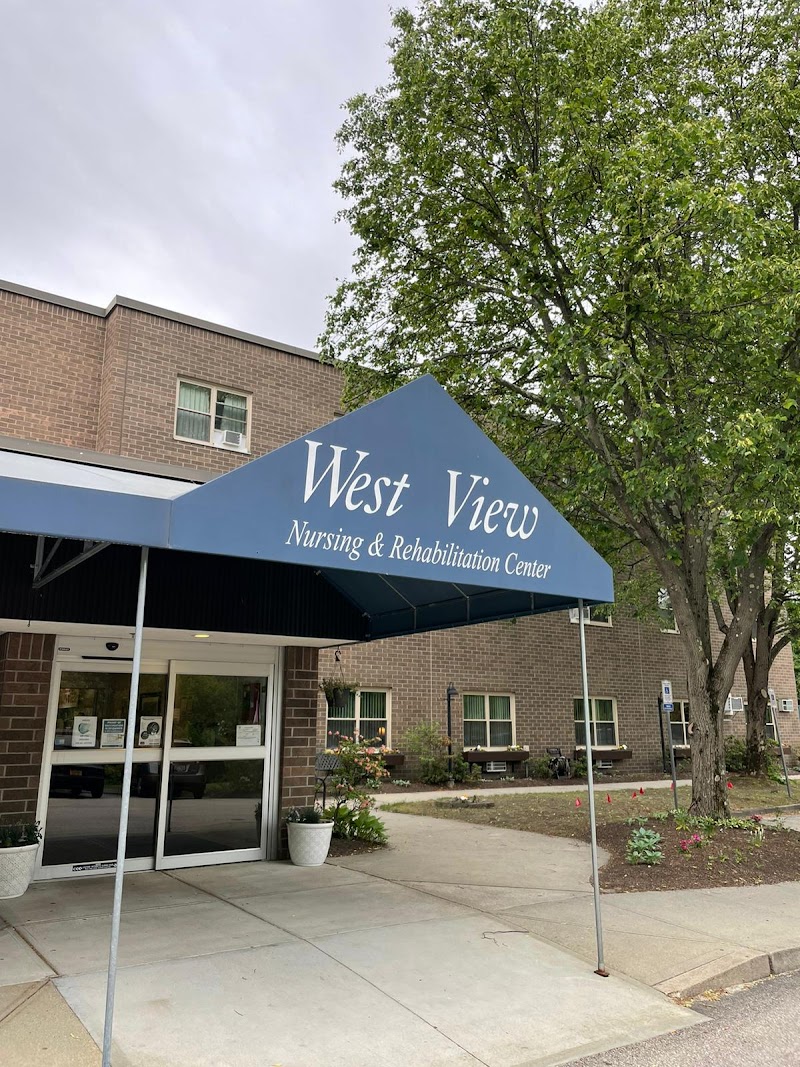
CMS rates West View Nursing & Rehabilitation Center's staffing level at 3 out of 5 stars, which is average compared to other nursing homes. Staff turnover is 56%, which is 10 percentage points above the Rhode Island average of 46%. High turnover can affect care consistency as new staff learn residents' individual needs.

What Have Inspectors Found at West View Nursing & Rehabilitation Center?

State health inspectors documented 27 deficiencies at West View Nursing & Rehabilitation Center during 2022 to 2025. These included: 2 Immediate Jeopardy (the most serious level, indicating potential for serious harm or death), 4 that caused actual resident harm, 20 with potential for harm, and 1 minor or isolated issues. Immediate Jeopardy findings are rare and represent the most serious regulatory concerns. They require immediate corrective action.

Who Owns and Operates West View Nursing & Rehabilitation Center?

West View Nursing & Rehabilitation Center is owned by a for-profit company. For-profit facilities operate as businesses with obligations to shareholders or private owners. The facility is operated by EDEN HEALTHCARE, a chain that manages multiple nursing homes. With 120 certified beds and approximately 97 residents (about 81% occupancy), it is a mid-sized facility located in West Warwick, Rhode Island.

How Does West View Nursing & Rehabilitation Center Compare to Other Rhode Island Nursing Homes?

Compared to the 100 nursing homes in Rhode Island, West View Nursing & Rehabilitation Center's overall rating (1 stars) is below the state average of 3.0, staff turnover (56%) is significantly higher than the state average of 46%, and health inspection rating (1 stars) is much below the national benchmark.

What Should Families Ask When Visiting West View Nursing & Rehabilitation Center?

Based on this facility's data, families visiting should ask: "What changes have been made since the serious inspection findings, and how are you preventing similar issues?" "How do you ensure continuity of care given staff turnover, and what is your staff retention strategy?" "Can I visit during a mealtime to observe dining assistance and food quality?" "How do you handle medical emergencies, and what is your hospital transfer rate?" These questions are particularly relevant given the facility's Immediate Jeopardy citations and the facility's high staff turnover rate.

Is West View Nursing & Rehabilitation Center Safe?

Based on CMS inspection data, West View Nursing & Rehabilitation Center has documented safety concerns. Inspectors have issued 2 Immediate Jeopardy citations (the most serious violation level indicating risk of serious injury or death). The facility has a 1-star overall rating and ranks #100 of 100 nursing homes in Rhode Island. Families considering this facility should ask detailed questions about what corrective actions have been taken since these incidents.

Do Nurses at West View Nursing & Rehabilitation Center Stick Around?

Staff turnover at West View Nursing & Rehabilitation Center is high. At 56%, the facility is 10 percentage points above the Rhode Island average of 46%. High turnover means new staff may not know residents' individual needs, medications, or preferences. It can also be disorienting for residents, especially those with dementia who rely on familiar faces. Families should ask: What is causing the turnover? What retention programs are in place? How do you ensure care continuity during staff transitions?

Was West View Nursing & Rehabilitation Center Ever Fined?

West View Nursing & Rehabilitation Center has been fined $76,008 across 3 penalty actions. This is above the Rhode Island average of $33,839. Fines in this range indicate compliance issues significant enough for CMS to impose meaningful financial consequences. Common causes include delayed correction of deficiencies, repeat violations, or care failures affecting resident safety. Families should ask facility leadership what changes have been made since these penalties.

Is West View Nursing & Rehabilitation Center on Any Federal Watch List?

West View Nursing & Rehabilitation Center is not on any federal watch list. The most significant is the Special Focus Facility (SFF) program, which identifies the bottom 1% of nursing homes nationally based on persistent, serious quality problems. Not being on this list means the facility has avoided the pattern of deficiencies that triggers enhanced federal oversight. This is a positive indicator, though families should still review the facility's inspection history directly.