Carlyle Senior Care of Blackville
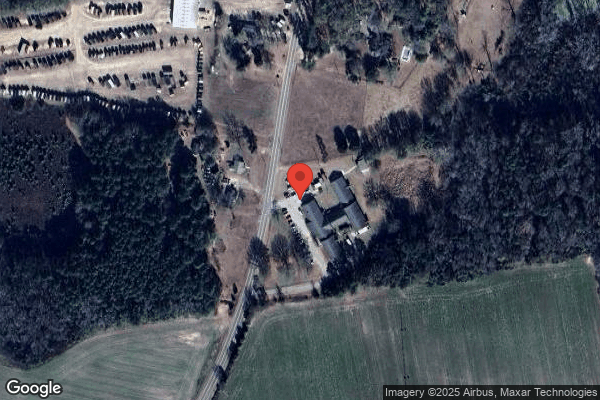
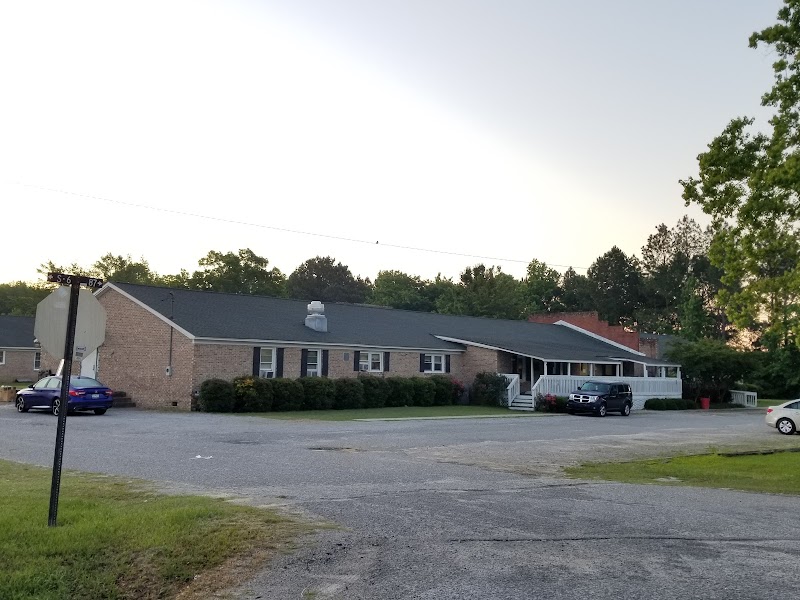
1612 Jones Bridge Road, Blackville, SC 29817 (803) 284-4313
For profit - Corporation 85 Beds CARLYLE SENIOR CARE Data: November 2025 3 Immediate Jeopardy citations
Trust Grade
0/100
#146 of 186 in SC
Last Inspection: February 2025

Within standard 12-15 month inspection cycle. Federal law requires annual inspections.

Overview

Carlyle Senior Care of Blackville has a Trust Grade of F, indicating significant concerns about the facility's quality of care. Ranking #146 out of 186 nursing homes in South Carolina places it in the bottom half, and it is the least favorable option in Barnwell County, ranking #3 out of 3. The facility's conditions are worsening, with issues increasing from 1 in 2024 to 4 in 2025. Staffing is rated average at 3 out of 5 stars with a turnover rate of 51%, which is around the state average. However, the facility has concerning fines totaling $66,905, which is higher than 93% of South Carolina facilities, indicating ongoing compliance issues. Additionally, there are significant concerns regarding resident safety, such as incidents involving inadequate supervision that led to residents eloping from the facility and sustaining serious injuries. One resident was found on the ground with visible lacerations after managing to leave the premises unaccompanied, which raises serious alarm about overall supervision. Another critical issue involved the failure to properly sanitize soiled laundry, risking infection for the residents. Families should weigh these serious deficiencies against the average staffing and consider other options for their loved ones.
Trust Score
F
0/100
In South Carolina
#146/186
Bottom 22%
Safety Record
High Risk
Review needed
Inspections
Getting Worse
1 → 4 violations
Staff Stability
⚠ Watch
51% turnover. Above average. Higher turnover means staff may not know residents' routines.
Penalties
○ Average
$66,905 in fines. Higher than 70% of South Carolina facilities. Some compliance issues.
Skilled Nurses
⚠ Watch
Each resident gets only 25 minutes of Registered Nurse (RN) attention daily — below average for South Carolina. Fewer RN minutes means fewer trained eyes watching for problems.
Violations
⚠ Watch
14 deficiencies on record. Higher than average. Multiple issues found across inspections.
★☆☆☆☆
1.0
Overall Rating
★★★☆☆
3.0
Staff Levels
★★★☆☆
3.0
Care Quality
★☆☆☆☆
1.0
Inspection Score
Stable
2024: 1 issues
2025: 4 issues

The Good

  • Full Sprinkler Coverage · Fire safety systems throughout facility
  • No fines on record

Facility shows strength in fire safety.

The Bad

1-Star Overall Rating

Below South Carolina average (2.8)

Significant quality concerns identified by CMS

Staff Turnover: 51%

Near South Carolina avg (46%)

Higher turnover may affect care consistency

Federal Fines: $66,905

Well above median ($33,413)

Moderate penalties - review what triggered them

Chain: CARLYLE SENIOR CARE

Part of a multi-facility chain

Ask about local staffing decisions and management

The Ugly 14 deficiencies on record

3 life-threatening 2 actual harm
Jul 2025 1 deficiency 1 IJ
CRITICAL (J) 📢 Someone Reported This

A family member, employee, or ombudsman was alarmed enough to file a formal complaint

Immediate Jeopardy (IJ) - the most serious Medicare violation

Accident Prevention (Tag F0689)

Someone could have died · This affected 1 resident

**NOTE- TERMS IN BRACKETS HAVE BEEN EDITED TO PROTECT CONFIDENTIALITY** Based on interview, record review, and facility policy the facility failed to ensure that Resident (R)1 had adequate supervision...

Read full inspector narrative →
**NOTE- TERMS IN BRACKETS HAVE BEEN EDITED TO PROTECT CONFIDENTIALITY** Based on interview, record review, and facility policy the facility failed to ensure that Resident (R)1 had adequate supervision to prevent an elopement on 07/15/25 at approximately 7:30 PM. R1 was observed by a Laundry Aid staff member lying on the ground by a porch at the bottom of three steps, near an exit door at the rear of building. It was determined that R1 self-propelled herself in her wheelchair off the porch. R1 was observed with visible lacerations to the back of her head and her bilateral upper extremities.On July 24, 2025 at 12:16 PM the the State Agency (SA) determined that the facility's non-compliance with one or more federal health, safety, and/or quality regulations has caused or was likely to cause serious injury, serious harm, serious impairment, or death.On July 24, 2025 at 12:16 PM the Administrator was notified that the failure to provide appropriate supervision for a resident, which resulted in the resident successfully eloping from the facility constituted Immediate Jeopardy at F689.On July 24, 2025 at 12:16 PM the survey team provided the Administrator with a copy of the CMS Immediate Jeopardy (IJ) Template, informing the facility IJ existed as of July 15, 2025 at approximately 7:30 PM. The IJ was related to 42 CFR S483.25(d) - Free of Accident Hazards/Supervision/Devices.On July 24, 2025 at 1:30 PM the facility provided an acceptable IJ Removal Plan. On July 24, 2025 at 3:35 PM the survey team validated the facility's corrective actions and determined the facility put forth due diligence in addressing the noncompliance. The IJ is considered at Past Non-Compliance as of July 18, 2025.An extended survey was conducted in conjunction with the Complaint Survey for non-compliance at F689, constituting substandard quality of care. Review of the facility policy titled Elopements and Wandering Residents revealed this facility ensures that resident who exhibit wandering behavior and or/are at risk for elopement receive adequate supervision to prevent accidents and receive care in accordance with their person-centered plan of care addressing the unique factors contributing to wandering or elopement risk. Policy explanation and compliance include: the facility is equipped with door locks/alarms to help avoid elopements. Alarms are not a replacement for necessary supervision. Staff are to be vigilant in responding to alarms in a timely manner. The facility shall establish and utilize a systemic approach to monitoring and managing residents at risk for elopement or unsafe wandering, including identification and assessment of risk, evaluation and analysis of hazards and risk, implementing interventions to reduce hazards and risks, and monitoring for effectiveness and modifying interventions when necessary. Record review of R1's Face Sheet revealed she was admitted to the facility on [DATE] with diagnoses including but not limited to senile degeneration, dysphagia, abnormalities of gait and mobility, lack of coordination, muscle weakness, and history of falling. Record review of R1's admission Minimum Data Set (MDS) with an Assessment Reference Date (ARD) of 04/27/25 revealed that R1 had a Brief Interview of Mental Status (BIMS) score of 05 out of 15 indicating a severe cognitive impairment. Further review of the admission MDS revealed R1 utilizes a manual wheelchair and is able to wheel 0 - 150 feet in her with supervision or touching assistance. Record review of R1's Active Physician Orders for July 2025 revealed an order for an electronic monitoring device with a start date of 04/28/25. The electronic monitoring device is to be checked for placement, function, and skin integrity every shift. Record review of R1's Medication Administration Record (MAR)/Treatment Administration Record (TAR) for July 2025 revealed R1's electronic monitoring device was checked for placement daily on each shift from 07/01/25 - 07/22/25. Record review of R1's Progress Notes dated 07/15/25 revealed Back Hall nurse responded to housekeeping yelling for help. Noted resident [R1] outside of back door at the bottom of three steps on the ground lying on her left side with visible laceration to back of head and blue upper extremity. Nurse stayed with resident while the front hall nurse called 911. Vitals were the following: blood pressure 169/72, pulse 72, respiratory rate 20, temperature 98/9, pressure applied to laceration on head. Resident is alert and talking with staff, [R1] unable to state what she was doing, resident is confused as baseline. Multiple areas bleed to bilateral upper extremity and bilateral lower extremity Medical Doctor, Hospice, and Resident Representative made aware. Record review of R1's Elopement Assessment completed on 05/19/25 revealed R1 wanders the budling but does not try to leave. Record review of R1's Care Plan with an intervention initiated on 05/26/25 revealed R1 is an elopement risk/wanderer related to place, history of attempts to leave facility unattended, impaired safety awareness. Resident wanders aimlessly as evidence by frequently requires redirection from staff, resident to accept redirection, poor short-term memory, and failure to follow multiple step instructions at times. Interventions include assess for fall risk, back up door alarms to be checked for function per facility protocol, identify pattern of wandering (is wandering purposeful, aimless, or escapist) intervene as appropriate, monitor for fatigue and weight loss, provide structured activities, electronic monitoring device check placement, function, and skin integrity each shift. Record review of R1's Care Plan with an intervention initiated on 05/09/25 revealed R1 is at risk for falls related to confusion, deconditioning, gait/balance problems, unaware of safety needs, senile degeneration of brain, incontinent episodes, history of falling, and generalized weakness. R1 has been noted to lean forward in her wheelchair, utilize her wheelchair as a walker and fidget/erratically move her body and limbs at times. R1 receives hospice services related to senile degeneration of the brain, hospice to be incorporated into each focus as appropriate. Interventions include ensure resident is wearing non-slip footwear when ambulating or mobilizing in wheelchair, encourage resident to utilize wheelchair as intended (seated in chair, not pushing as though it is a walker). 07/15/25 fall with minor injuries, treatments as ordered, back up door alarms to be checked for function per facility protocol. An attempted phone interview with R1's Resident Representative was unsuccessful; a voicemail was left with contact information. An interview on 07/23/25 at 1:00 PM with Laundry Aid (LA)1 revealed that on 07/15/25 they worked from 3:00 PM - 11:00 PM, on their 7:00 PM 30-minute break around 7:30 PM when it was over, they observed R1 lying on the ground near the back steps. LA1 stated they went to immediately call for help and a nurse came out shortly to check on the resident. LA1 stated she could not recall if any alarms were sounding at the time. LA1 finally stated that prior to going on break they observed the resident a little before 7:00 PM in the dining area sitting in her wheelchair. An attempted phone interview on 07/23/25 at 1:57 PM with Certified Nursing Assistant (CNA)1 was unsuccessful, phone number provided no longer in service. A phone interview with Licensed Practical Nurse (LPN)1 on 07/23/25 at 2:00 PM revealed that they were not the resident's assigned nurse for the evening of 07/15/25 and have never worked with the resident personally. LPN1 stated that on 07/15/25 around 7:30 PM nursing staff just completed a shift change when they overheard LA1 yelling out for help. LPN1 stated that when she went to find out what was wrong, LA1 guided her outside and there they saw R1 lying on the ground at the bottom of three steps. R1 was able to elope the facility in her wheelchair and was observed with visible lacerations to the back of her head. I applied pressure to the areas, while other staff called 911. R1 was alert and talkative but she was unable to describe how she got out of the building/ what happened. LPN1 stated that they could not recall hearing any alarms sounding off at the time. A phone interview with LPN2 on 07/23/25 at 2:17 PM revealed that they were not the resident's assigned nurse for the evening of 07/15/25 but is familiar with R1 and her history of wandering behaviors. LPN2 stated that the resident constantly wanders around the facility, but they have never witnessed the resident be exit seeking while wandering, and usually R1 is able to be re-directed when she wanders into inappropriate areas. LPN2 stated that around 7:05 PM they were receiving report from a staff member when they overheard other staff members saying that R1 had eloped from the building and fell outside. LPN1 stated that they did not witness the resident outside but stayed inside because it was enough staff members assisting R1 at that time and they called 911 and informed appropriate parties. LPN2 also stated that she was unsure if any alarms sounded on that evening but stated that they were on the Front Hall of the facility and staff, specifically housekeeping staff utilize the door R1 was found nearby outside at often (alarms always going off). An interview with LPN3 on 07/23/25 at 3:38 PM revealed that LPN3 is the resident's current nurse for the day and stated that R1's baseline can depend upon the day due to the resident being diagnosis of senile brain degeneration and being under hospice service. LPN3 stated that some days the resident can be extremely active and constantly wandering around the facility but not exit seeking. Other days (like today 07/23/25) the resident can sleep for most of the day. A phone interview on 07/23/25 at 4:17 PM with CNA2 revealed that they were the resident's assigned CNA on 07/15/25 during the 3:00 PM - 11:00 PM shift. CNA2 stated that on 07/15/25 when they came to work the resident was exhibiting wandering behaviors and they had to re-direct the resident from unsafe areas about three separate times prior to the resident eloping around 7:00 PM. CNA2 stated the resident can be redirected if you talk to her and walk beside her as she self-propels herself in her wheelchair. CNA2 stated that the last time she observed the resident she was in dining room with other residents about 15- 20 minutes prior to the resident being found by the Laundry Aid. CNA2 stated that she was informed that R1 had eloped and had fallen by LA1 and another CNA and immediately went outside to assist with LPN1 and helping the resident. R1 was sent to the hospital shortly after being found due to the resident having excessive bleeding and lacerations. CNA2 finally stated that she could not recall hearing any alarms sounding and R1 wears an electronic monitoring device, and the door should have locked and started to alarm if R1 pushed on the door to exit, it would eventually open about 15 seconds later, but it should also be alarming with sound. An interview on 07/23/25 at 5:06 PM with the Director of Nursing (DON) and Administrator revealed that on 07/15/25 at approximately 7:30 PM R1 was observed by LA1 outside at the rear of the building at the bottom of 3 steps. Prior to being found outside R1 was having a very anxious day and had to be re-directed by other staff members several times related to her wandering behaviors. R1 was also redirected by a resident when she attempted to follow R2, (R2's room is close to the door R1 eloped from). The DON and Administrator stated that had left for the day but believe that the resident did not have adequate supervision due to nursing staff recently completing a shift change. A phone interview after the exit conference on 07/25/25 at 12:05 PM with R1's Attending Physician (AP) revealed that they were notified of the resident's elopement. They further stated that the resident was evaluated by the Nurse Practitioner the next day 07/16/25 and sustained no major injury from the elopement or fall. On 07/24/25 at 1:30 PM the facility provided an acceptable IJ Removal Plan, which included the following:R1's electronic monitoring device bracelet was checked and found to be activated. R1 was promptly sent to the emergency room for a comprehensive evaluation as per the Physician Orders. The attending Medical Director (MD), the responsible party, the Director of Nursing (DON), and the facility's Administrator were all promptly informed of the situation and the actions taken. Following the evaluation, R1 returned from the hospital with no major injuries reported, according to the hospital record. All residents equipped with electronic monitoring devices were thoroughly inspected to confirm that each device was present and functioning properly, any that needed to be replaced were replaced. A headcount was conducted to verify that all residents were accounted for within the facility, every resident was present in the building at the time of the count. All back-up alarms on exit doors thoroughly checked and successfully activated. All entry and exit coding alarms were checked on all doors and were found to be functional. A detailed inspection of all exit doors to ensure they were operating as intended. The electronic monitoring device system was inspected, and any necessary upgrades have been ordered and are currently underway. All back-up alarms on the exit doors are activated, providing an additional layer of security to protect the residents. Additionally, an extensive audit was conducted on all resident to identify those who have undergone risk assessments related to potential to elopement. The policy regarding the development and management of electronic monitoring devices and falls management was reviewed, and it was determined that no revisions are necessary at this time. All nursing staff across all shifts have undergone comprehensive education on several critical topics, the training included essential protocols such as resident safety measures; exit door protocols; response to alarms. This training was conducted by the DON or designated representative, for any staff members on leave during the training, education will be rescheduled and provided on their first scheduled workday upon their return. Additionally, agency staff will also receive similar training before commencing tier duties. This training was started on 07/15/25 and will continue until all staff have received training with the exception of those on leave and they will be educated when they return to work. Newly hired staff will receive education during orientation that includes guidance on monitoring electronic monitoring devices, responding to alarms, adhering to exit door protocols, and ensuring overall resident safety. The DON or designee will conduct audits on new admissions, specifically those at risk for elopement. The Maintenance Supervisor is responsible for daily monitoring of all electronic monitoring alarms and back-up alarms to confirm their activation and proper function and reports any issues to the Administrator. The Administrator will oversee the back-up alarms and electronic monitoring device alarms on a weekly basis to ensure they are operational, any issues noted with alarms that need repairs will be reported to the corporation. Additionally nursing staff will perform checks on the backup alarms every two hours for an initial two-week period, transitioning to checks every four hours thereafter until the facility determined that this is no longer significant risk and can move to less intensive, yet routine ongoing monitoring. A gate has been ordered and will be installed on the back porch to enhance safety and discouraging residents from exiting this area unsupervised. The Medical Records Clerk or designee will be responsible for conducting daily check on the placement and functionality of the electronic monitoring devices. This includes verifying that the devices are properly functioning as intended, the designee will document the results of these findings using the electronic monitoring device tester. The facility will maintain the use of secure, locked security alarms on all doors that necessitate a code for entry and exit. As part of our commitment to quality improvement a Quality Assurance Performance Improvement (QAPI) Performance Improvement Project (PIP) has been established. To prevent recurrence of these deficiencies all finding and improvement measures will be discussed at the monthly Quality Assurance and Assessment (QAA) meeting for a minimum of three months, followed by quarterly until substantial compliance is met.
Feb 2025 3 deficiencies 1 IJ (1 facility-wide)
CRITICAL (L)

Immediate Jeopardy (IJ) - the most serious Medicare violation

Infection Control (Tag F0880)

Someone could have died · This affected most or all residents

⚠️ Facility-wide issue

**NOTE- TERMS IN BRACKETS HAVE BEEN EDITED TO PROTECT CONFIDENTIALITY** Based on review of facility policy, observation, interview, and record review, the facility failed to ensure that soiled laundry...

Read full inspector narrative →
**NOTE- TERMS IN BRACKETS HAVE BEEN EDITED TO PROTECT CONFIDENTIALITY** Based on review of facility policy, observation, interview, and record review, the facility failed to ensure that soiled laundry was washed and appropriately sanitized to prevent the potential spread of infection. Specifically, the washing machine failed to maintain adequate hot water temperature. Furthermore, the facility failed to maintain a process to ensure that washing machines and chemical products were assessed appropriately in 2 of 2 washing machines. On 02/20/25 at 11:40 AM, the Administrator and the Director of Nursing were notified that the failure to ensure soiled laundry was washed and appropriately sanitized to prevent the potential spread of infection constituted Immediate Jeopardy (IJ) at F880. On 02/20/25 at 11:40 AM, the survey team provided the Administrator with a copy of the CMS Immediate Jeopardy (IJ) Template and informed the facility IJ existed as of 02/19/25. The IJ was related to 42 CFR 483.80 Infection Control. On 02/21/25 at 2:43 PM, the facility provided an acceptable IJ Removal Plan. On 02/21/25 at 3:00 PM, the survey team, validated the facility's corrective actions and removed the IJ. The facility remained out of a compliance at a lower scope and severity of F. Findings include: Review of the undated facility policy titled, Equipment Inspections, revealed, The Maintenance Director is responsible for ensuring that all required inspections for the building and equipment are completed in a timely manner. The maintenance director shall ensure that required inspections performed at regular intervals by licensed vendors in accordance with state and/or local regulations. Contracts shall be maintained with appropriate vendors to ensure that inspections are conducted as needed/required . Outside vendors must keep the Maintenance Director or Administrator with reports of all inspections conducted. Keep these reports in the administrative files (proof of completed inspections may need to be provided to the fire marshal or other licensing authority). Review of the undated facility policy titled, Preventative Maintenance, revealed, The maintenance director will ensure that all preventative maintenance tasks are performed according to the regular schedule to maintain the building and equipment in a safe manner and to extend the life of the property. The maintenance director shall maintain a record of all preventative maintenance and routine maintenance that is needed and performed at the facility. At the minimum, records shall indicate the frequency of all needed maintenance tasks and whether the task would typically be performed by an outside contractor or by the maintenance director. The Administrator shall periodically review preventative maintenance records. Review of the undated facility policy titled, Maintenance Work Area/Supplies, revealed, The Maintenance Director is responsible for ensuring that the maintenance work area and maintenance supplies are maintained in a safe, efficient and cost-effective manner. The Maintenance Director will maintain his/her work area in a clean and safe manner, following all safety procedures outlined in the Safety policy. The Maintenance Director will keep a Material Data Safety Sheet (MDSS) on all chemicals and hazardous materials used in the Maintenance Department (e.g., paint, caulking, cleaning products, lubricants, etc.). Product manufacturers supply these sheets. Ensure that a copy of each MSDS is provided to administration. Review of the undated facility policy titled, Safety (General), revealed, Staff should report all unsafe conditions and equipment to their supervisors. Inspect all mechanized equipment routinely prior to use. Ensure that all heating appliances are inspected on an annual basis and are properly maintained. Record review of the facility's contract with Laundry [NAME] revealed the contract was signed on 02/21/25. The contract stated, All linen and laundry are washed according to CDC guidelines. Hot water provides an effective means of destroying microorganisms. A temperature of at least 160°F (71°C) for a minimum of 25 minutes, using only non-allergic soaps, detergents, bleaches, or other chemicals to render the finished products clean and usable. Review of an Ecolab Service Call dated 12/13/24 revealed, the machine at this time was at the appropriate chemical sanitization level. The facility was unable to provide any documentation for sanitization levels for 2025. During an observation on 02/19/25 at 12:17 PM, Washer One was running with linens and resident's gowns, but there was no visible detergent coming from the tubing. Housekeeper (HK) 1 stated, they have no way of conducting temperature checks on the washers, because they have never done it before. There were no visible thermometer gauges to detect the water temperature for the Washer One or Washer Two. During an observation on 02/19/25 at 3:30 PM, Washer One was inoperable due to the laundry detergent pumps not pumping into the washer machine. No visible signs of detergent or suds during the wash cycle. Additionally, there was no visible liquid coming through the lines to the washer. There wasn't a temperature gauge on Washer One or Washer Two to determine the temperature for proper sanitization for each machine. During an observation on 02/19/25 at 6:00 PM, Washer Machine one was inoperable due to laundry pumps malfunctioning. On 02/21/25 at 2:43 PM, the facility provided an acceptable IJ Removal Plan, which included the following: The laundry staff stopped doing laundry when they realized that the water temperature was not 160 degrees and that the dispenser for detergent was not dispensing appropriately on 2/19/25 at 12:17 pm. The Ecolab technician repaired the detergent dispenser on 2/19/25 at 3 :45 pm. There were no other chemicals that were not dispensing at that time. The Ecolab technician has been asked for a service visit to check all our chemicals to be sure that they are dispensing appropriately and in correct amounts. He will be at the facility today 2/21/25, late evening, to inspect and provide a written report. We have signed a contract with a Laundry Service, [NAME] Laundry Service, who will start service today 2/21/25 and have pick up scheduled for around 5 pm. All residents have the potential to be affected by the deficient practice. The laundry staff were in-serviced on 2/20/25 by the housekeeping supervisor and the nurse consultant regarding checking the dispensers when washing clothes to be sure that chemicals are dispensed properly, and if not, they are to notify the housekeeping supervisor or the maintenance supervisor immediately. Any newly hired housekeeping staff will be trained during their orientation period regarding checking the dispensers to be sure that chemicals are The administrator will monitor monthly to assure that Ecolab has made monthly visits and will review the dispenser function logs and the washing machine temperature logs on a weekly basis. The Administrator will bring all Ecolab reports, temperature logs, and dispenser logs to be reviewed in QA monthly x 3 and then quarterly until it is determined that the deficient practice is not likely to occur.
CONCERN (E)

Potential for Harm - no one hurt, but risky conditions existed

Deficiency F0568 (Tag F0568)

Could have caused harm · This affected multiple residents

**NOTE- TERMS IN BRACKETS HAVE BEEN EDITED TO PROTECT CONFIDENTIALITY** Based on review of facility policy, record review, observation and interviews, the facility failed to provide Residents and/or t...

Read full inspector narrative →
**NOTE- TERMS IN BRACKETS HAVE BEEN EDITED TO PROTECT CONFIDENTIALITY** Based on review of facility policy, record review, observation and interviews, the facility failed to provide Residents and/or their Resident Representatives financial quarterly statements for 3 of 4 Residents (R)45, R51, and R52 reviewed for personal funds. Findings include: Review of facility policy titled Resident Personal Funds last revised 07/24 revealed, The resident has the right to manage his or her financial affairs to include the right to know, in advance, what charges a facility may impose against a resident's personal funds. Policy explanation and compliance guidelines: If the resident chooses to deposit personal funds with the facility, upon written authorization of a resident, the facility must act as a fiduciary of the resident's funds and hold, safeguard, manage, and account for the personal funds of the resident deposited with the facility. Accounting and records: the individual financial record must be available to the resident through quarterly statements and upon request. Record review of R45's Face Sheet revealed, R45 was admitted to the facility on [DATE] with diagnoses including but not limited to: schizophrenia, intellectual disabilities, and repeated falls. Record review of R45's Quarterly Minimum Data Set (MDS) with an Assessment Reference Date (ARD)of 12/14/24 revealed, R45 has a Brief Interview of Mental Status (BIMS) score of 03 out of 15 which indicates he is not cognitively intact. A phone interview on 02/20/25 at 1:58 PM with R45's Resident Representative (RR) revealed, they have not been receiving quarterly statements from the facility. RR reports that the last quarterly statement that was provided to them was dated 09/18/24. Record review of R51's Face Sheet revealed, R51 was admitted to the facility on [DATE] with diagnoses including but not limited to: hypertension, severe protein-calorie malnutrition, and encounter for hospice care. Record review of R51's Quarterly MDS with an ARD of 01/29/25 revealed, R51 has a BIMS score of 99 out of 15 indicating R 51 was unable to complete the interview. During an interview on 02/20/25 at 7:20 PM with the Business Office Manager (BOM), revealed, they began working at the facility in October of 2024 and was unsure if residents/resident representatives received quarterly statement prior to that time. The BOM further stated that they keep records of quarterly statements that are sent by making a copy of the envelope that is mailed out to resident representatives. An observation of an envelope that the facility utilizes as proof of notification revealed no date/time stamp by the postal service. During a phone interview with R51 RR on 02/21/25 at 9:45 AM revealed that they have not been receiving quarterly statements. R51's RR further stated that they were unsure of the resident's account balance and has been trying to get in contact with someone from the facility several times about the resident's funds. Record review of R52 Face Sheet revealed he was admitted to the facility on [DATE] with diagnoses including but not limited to: hypertension, malnutrition, and other fractures. Record Review of R52's Quarterly MDS with an ARD of 11/19/24 revealed R52 has a BIMS score of 15 out of 15 which indicates he is cognitively intact. During a phone interview on 02/21/25 at 11:13 AM with R52's RR revealed, the resident recently discharged from the facility on 02/14/25 and it was during the discharge process they were notified that the resident had a financial account with the facility [sic] the first time receiving a statement related to the resident's funds. During an interview on 02/21/25 at 2:00 PM with the Administrator and BOM revealed, they were unable to provide documentation of notification of quarterly statements prior to October.
CONCERN (E)

Potential for Harm - no one hurt, but risky conditions existed

Deficiency F0569 (Tag F0569)

Could have caused harm · This affected multiple residents

**NOTE- TERMS IN BRACKETS HAVE BEEN EDITED TO PROTECT CONFIDENTIALITY** Based on review of facility policy, record review and interviews, the facility failed to notify Residents and Resident Represent...

Read full inspector narrative →
**NOTE- TERMS IN BRACKETS HAVE BEEN EDITED TO PROTECT CONFIDENTIALITY** Based on review of facility policy, record review and interviews, the facility failed to notify Residents and Resident Representatives of account balances exceeding the Medicaid eligibility limit, which had the potential to disqualify the residents of Medicaid services for 3 of 4 Residents (R)44, R51, and R52 reviewed for personal funds. Findings include: Review of facility policy titled Resident Personal Funds last revised 07/24 revealed, The residents have a right to manage his or her financial affairs to include the right to know, in advances, what charges a facility may impose against a resident's personal funds. The facility must notify each resident that receives Medicaid benefits when the amount in the resident's account reaches $200 less that the Supplemental Security Income (SSI) resource limit for the one persona and; if the amount in the account, in addition to the value of the resident's other nonexempt resources, reaches the SSI resource limit for one person, the resident may lose eligibility for Medicaid or SSI. Record review of the Social Security Administration website revealed, then 2024 SSI resource limit for countable resources is $2,000 for an individual and $3,000 for a couple. Record review of R44's Face Sheet revealed, R44 was admitted to the facility on [DATE] with diagnoses including but not limited to: dementia, anxiety disorder, traumatic brain injury, and psychotic disorder. Record review of R44's Annual Minimum Data Set (MDS) with an Assessment Reference Date (ARD) of 01/07/25 revealed, R44 has a Brief Interview of Mental Status (BIMS) score of 99 out of 15, indicating R44 was unable to complete the interview. Record review of R44's Resident Statement Landscape revealed, a balance of $5,036.12 as of 02/07/25. A phone interview on 02/21/25 at 10:09 AM with R44's Resident Representative (RR) revealed, they received quarterly statements from the facility but was unaware that the residents current balance exceeds the income limit. Record review of R51's Face Sheet revealed, R51 was admitted to the facility on [DATE] with diagnoses including but not limited to: hypertension, severe protein-calorie malnutrition, and encounter for hospice care. Record review of R51's Quarterly MDS with an ARD of 01/29/25 revealed, R51 has a BIMS score of 99 out of 15 indicating R 51 was unable to complete the interview. Record review of R51's Resident Statement Landscape revealed, a balance of $4,375.40 as of 02/03/25. A phone interview with R51's RR on 02/21/25 9:45 AM revealed, they are unsure of the amount of money in the resident's account and was not informed by the facility that the balance exceeds the income limit. Record review of R52 Face Sheet revealed he was admitted to the facility on [DATE] with diagnoses including but not limited to: hypertension, malnutrition, and other fractures. Record Review of R52's Quarterly MDS with an ARD of 11/19/24 revealed R52 has a BIMS score of 15 out of 15 which indicates he is cognitively intact. Record review of R52's Resident Statement Landscape revealed, a balance of $8,023.50 as of 02/07/25. A phone interview with R52's RR on 02/21/25 11:13 AM revealed, the resident was discharged from the facility on 02/14/25 and that was when they were first notified of the resident's account balance for his personal funds. The RR further stated, no one from the facility notified her the resident account balance exceeded the income limit. An interview on 02/21/25 at 2:00 PM, the Business Office Manager (BOM) and Administrator revealed, the facility is currently in the process of communicating with residents and their families about their resident funds account balances.
Apr 2024 1 deficiency 1 IJ
CRITICAL (J) 📢 Someone Reported This

A family member, employee, or ombudsman was alarmed enough to file a formal complaint

Immediate Jeopardy (IJ) - the most serious Medicare violation

Accident Prevention (Tag F0689)

Someone could have died · This affected 1 resident

**NOTE- TERMS IN BRACKETS HAVE BEEN EDITED TO PROTECT CONFIDENTIALITY** Based on review of facility policy, record review, and interview, the facility failed to ensure adequate supervision of Resident...

Read full inspector narrative →
**NOTE- TERMS IN BRACKETS HAVE BEEN EDITED TO PROTECT CONFIDENTIALITY** Based on review of facility policy, record review, and interview, the facility failed to ensure adequate supervision of Resident (R)4 to prevent elopement from the facility on 02/24/24 at approximately 6:30 AM. On 04/05/24 at 4:11 PM, the State Agency (SA) determined that the facility's non-compliance with one or more federal health, safety, and/or quality regulations has caused or was likely to cause serious injury, serious harm, serious impairment, or death. On 04/05/24 at 4:11 PM, the survey team provided the Administrator with a copy of the CMS Immediate Jeopardy (IJ) Template, informing the facility IJ existed as of 02/24/24. The IJ was related to 42 CFR 483.25 - Quality of Care. On 04/05/24 the facility provided an acceptable IJ Removal Plan. On 04/05/24 the survey team, validated the facility's corrective actions and determined the facility put forth due diligence in addressing the noncompliance. The IJ is considered at Past Non-Complaince as of 02/27/24. An extended survey was conducted in conjunction with the Complaint Survey for non-compliance at F689, constituting substandard quality of care. Findings include: Review of the undated facility policy titled, Elopements and Wandering Residents revealed, This facility ensures that residents who exhibit wandering behavior and/or are at risk for elopement receive adequate supervision to prevent accidents and receive care in accordance with their person-centered plan of care addressing the unique factors contributing to wandering or elopement risk. Definitions: Elopement occurs when a resident leaves the premises or a safe area without authorization (i.e., an order for discharge or leave of absence) and/or any necessary supervision to do so. Under policy and explanation and compliance guidelines states under section D, Adequate supervision will be provided to help prevent accidents or elopements. Review of R4's Face Sheet revealed R4 was admitted to the facility on [DATE] with diagnoses including but not limited to: Schizophrenia, nontraumatic subdural hemorrhage, insomnia, anorexia, bacterial meningitis, severe sepsis with septic shock, and muscle weakness. Review of R4's unspecified Minimum Data Set (MDS) with an Assessment Reference Date (ARD) of 01/28/24, revealed R4 had a Brief Interview of Mental Status (BIMS) score of 12 out of 15, indicating R4 had moderate cognitive impairment. Further review of the MDS revealed R4 had wandering behaviors. The MDS also indicated R4 is at risk for falls r/t (related to) confusion, deconditioning, gait/balance problems, incontinence, unaware of safety needs, wandering, and hx (history) of falls. Review of R4's Elopement Risk assessment dated [DATE] revealed the following: resident is disoriented daily, complacent, ambulatory or able to self propel W/C (wheelchair), full mobility, medications that alter mental status, and wanders the building but does not try to leave. Total Score: 10 or greater elopement risk. Further review of the assessment did not indicate a score. The heading of the assessment under the score section, indicated NA. Review of R4's Care Plan initiated on 02/02/24, revealed, The resident is an elopement risk r/t Disoriented to place, impaired safety awareness, wandering behavior noted, schizophrenia, impaired cognitive status. The goals of the care plan documented, The resident's safety will be maintained through the review date. The resident will demonstrate happiness with daily routine through the review date. The resident will not leave facility unattended through the review date. Interventions included but were not limited to, Distract resident from wandering by offering pleasant diversions, structured activities, food, conversation, television, book . Review of R4's Body Audit Sheet dated 02/24/24, revealed a picture of a front view and back view of the human body. The back view revealed R4 suffered skin tears on both elbows and swelling/laceration to the back of the head. Review of R4's Discharge Summary [local hospital] with an admission date of 02/24/24 and discharge date of 02/27/24, revealed R4 was admitted due to subdural hematoma (a pool of blood between the brain and its outermost covering. Usually caused by a head injury strong enough to burst blood vessels) from a fall. Further review of the Discharge Summary revealed, multiple fractures of ribs, right side, other specified fracture of right pubis, and fracture of other specified skull and facial bones, right side. Review of Weatherunderground.com revealed the weather on the morning of 02/24/24 at approximately 6:45 AM, was 43 degrees Fahrenheit. During an interview on 04/05/24 at 10:04 AM, Environmental Services (ES) stated she arrived to work at approximately 7:00 AM, and was sitting in the office. ES stated she heard another employee yell that R4 was outside. ES stated she held the door for them to bring R4 back into the facility. ES further stated R4 was unsteady when walking. During an interview on 04/05/24 at 10:08 AM, Licensed Practical Nurse (LPN)3 stated she arrived at work at 7:00 AM and was getting the morning report from another nurse when a staff member notified her that R4 was outside. LPN3 assessed R4 and noted scratches and bleeding and she called 911. LPN3 stated the alarm is loud and staff are to check the door when the alarm sounds. LPN3 further stated with the wander guard she does not believe the door should open, that morning she did not check for R4's wander guard. She was focused on getting him medical attention. During an interview on 04/05/24 at 10:16 AM, LPN2 stated, I last saw [R4] when I was passing 6:00 AM meds, I am unaware if he had his wander guard. I do recall hearing a noise and asking a CNA [certified nursing assistance] about it. During an interview on 04/05/24 at 10:38 AM, the Housekeeper stated, I arrived to work around 7:00 AM and clocked in. When I went outside to get my cart, I saw [R4] sitting at the picnic table, he was cold and bleeding. I went into the facility to get help and the nurse came and called 911. The door alarms are loud at the facility and any staff can check when the door alarms. During an interview on 04/05/24 at 12:11 PM, Certified Nursing Assistant (CNA)2 stated, I worked the 11:00 PM - 7:00 AM shift that day, I changed [R4] between 6:00 AM - 6:25 AM, after that he was sitting in the back living room area like he always did. [R4] is normally always walking around, if he is near the door staff redirect. During an interview on 04/05/24 at 2:58 PM, CNA1 stated R4 was wearing pants, t-shirt, and skid-socks. During an interview on 04/05/24 at 4:03 PM, the Administrator revealed the emergency fire door that R4 exited the building through has an alarm system that when pushed an alarm will sound for 15 seconds and the door will open after the 15 seconds. On 04/05/24 the facility provided an acceptable IJ Removal Plan, which included: 1. What was done for resident affected - The wander guard of [initials](R#4) had been checked on 2/23/24 on 7p/7a and was present and functional per MAR. - The doors had been checked by the maintenance supervisor on 2/22/24 and were all functional per his wander guard log. - Resident [initials](R#4) was given first aid by the nurse and was sent out to the hospital 2/24/24. - Resident [initials](R#4) returned to the facility on 2/27/24 and was placed on 15 minute checks x 72 hours. - A therapy referral was made for resident [initials]#4 to be assessed. - Resident [initials](R#4) had another wander guard applied when he returned to the facility and his care plan was updated to reflect fall and wandering/elopement risk. 2. How to identify other residents with potential to be affected - All other residents with wander guards were checked to assure they had their wander guards intact and they were functional. - The head count was done all other residents to assure all were in the building. - All doors were checked to assure that they were functioning, and all were. - An audit was completed on all residents to identify residents who had risk assessments for potential of elopement and to assure interventions such as wander guards were in place. - Staff were placed at exit doors to monitor doors until wander guard system on doors were properly functioning. (the alarm was adjusted so it did not self silence its self) - Residents with wander guards were placed on 15 minute checks until wander guard system on doors was properly functioning. (the alarm was adjusted so it did not self silence its self) 1. Actions to Prevent Occurrence/Recurrence: - The wander guard system to the doors was adjusted so that it could only be turned off by staff and would not silence its self. This was completed on 02/27/24. - The development and wandering residents' policy was reviewed no revision required. - All nursing staff on all shifts received education on resident safety checking alarms and checking guards from the DON or designee(s). Any staff on leave will receive education on their next scheduled workday. Agency staff will also be educated on resident safety and checking alarms and wander guards prior to work. All newly hired staff will receive training during orientation regarding monitoring wander guards, responding to alarms and resident safety. - The DON or designee will audit new admissions for elopement risk and ensure appropriate interventions are in place. - The maintenance supervisor will monitor doors to assure that alarms are functioning properly. The results of this monitoring will be reviewed monthly by the administrator. - New hires will receive education on wandering, elopement, and resident safety by the DON or designee, - A Quality Assurance Performance Improvement (QAPI) Performance Improvement Project (PIP) was implemented to review and interpret all audit findings to determine root cause. Root cause findings were identified to be an issue with the wander guard alarm silencing its self after only a few seconds (15) of sounding. The issue was resolved 2/27/24. 2. How ill you ensure the deficient practice is not likely to recur? All findings will be discussed at the monthly QAA meeting for a minimum of three months and then quarterly until the pattern of compliance is maintained. Date of completion 2/27/24
Jul 2023 1 deficiency
CONCERN (D) 📢 Someone Reported This

A family member, employee, or ombudsman was alarmed enough to file a formal complaint

Potential for Harm - no one hurt, but risky conditions existed

Free from Abuse/Neglect (Tag F0600)

Could have caused harm · This affected 1 resident

**NOTE- TERMS IN BRACKETS HAVE BEEN EDITED TO PROTECT CONFIDENTIALITY** Based on review of the facility policy, interview, observation, and record review, the facility failed to protect 1 of 6 residen...

Read full inspector narrative →
**NOTE- TERMS IN BRACKETS HAVE BEEN EDITED TO PROTECT CONFIDENTIALITY** Based on review of the facility policy, interview, observation, and record review, the facility failed to protect 1 of 6 residents (R) reviewed from mental abuse. On 04/30/2023, R3 and R5 alleged Certified Nursing Aide (CNA)1 of handling R4 roughly and being mentally abusive. R4 confirmed this in a statement to the facility. The findings include: Review of facility policy titled Abuse, Neglect and Exploitation Policy with effective date of 07/14/2017 revealed that Each resident has the right to be free from abuse, neglect, misappropriation of resident property and exploitation. The facility defines mental abuse as humiliation, harassment, threats of punishment, or deprivation. R4 was admitted to the facility on [DATE] with diagnoses including, but not limited to, alcohol abuse, personal history of transient ischemic attack, epilepsy, depression, and altered mental status. Based on his quarterly Minimum Data Set (MDS) with assessment reference date (ARD) of 06/20/2023, he scored a Brief Interview for Mental Status (BIMS) of 5 out of 15, indicating severe cognitive impairment. R3 was admitted to the facility on [DATE] with diagnoses including, but not limited to, hemiplegia, depression, and panic disorder. Review of his admission MDS with ARD of 04/17/2023 revealed a BIMS of 04 out of 15, indicating severe cognitive impairment. R5 was admitted to the facility on [DATE] with diagnoses including, but not limited to, hemiplegia, contractures, and depression. Review of his quarterly MDS with ARD of 06/26/2023 revealed a BIMS of 14 out of 15, indicating he was cognitively intact. Review of statement to the facility by R3 on 04/30/2023 and again on 05/02/2023 revealed a male CNA had been rude to R4, roommate of R3. The CNA had lifted R3's legs over his head during care and told him if he acted like a baby, he would be treated like one. Review of statement to the facility by R3 on 05/02/2023 revealed it had been CNA1 who had said things like we have to treat you like a baby to R4 while changing him. Interview with R3 on 07/25/2023 at approximately 3 PM confirmed his statement to the facility. CNA1 had been verbally abusive to his roommate, R4, while providing care, calling the resident a baby and saying he would have to be treated like one (R3 gestured spanking). To his knowledge, the abuse was verbal and not physical. Though the resident's most recent BIMS indicated severe cognitive impairment, the resident was composed and coherent during the interview, and said the CNA had already been fired by the facility. Review of statement to the facility by R5 on 04/30/2023 revealed that CNA1 treated R4 badly, as in throwing him in the bed. Interview with R5 on 07/25/2023 at 3:18 PM confirmed his statement to the facility. CNA1 had treated R4 badly during care. Review of R4's statement to the facility on [DATE] revealed the night CNA doesn't say nice things and says he will treat R4 like a baby. The resident was uninterviewable during the survey. Review of CNA2's statement to the facility on [DATE] revealed she had witnessed CNA1 speak to residents rudely. Interview with CNA2 on 07/26/2023 at 1:24 PM revealed she had overheard the interactions between CNA1 and R4 and not visually witnessed them. She characterized CNA1's language toward R4 as abusive, saying his tone was harsh and he cursed at the resident. Review of R7's statement to the facility on [DATE] revealed CNA1 was very rude toward R4 during provision of care. R7's BIMS, written on her statement to the facility, was 14 out of 15, indicating she was cognitively intact. The resident was unable to be interviewed during the survey.
Apr 2023 6 deficiencies
CONCERN (D)

Potential for Harm - no one hurt, but risky conditions existed

Deficiency F0554 (Tag F0554)

Could have caused harm · This affected 1 resident

Based on observation, interview, record review, and facility policy review, the facility failed to ensure one (Resident (R)224) of twenty sampled residents was clinically appropriate to self-administe...

Read full inspector narrative →
Based on observation, interview, record review, and facility policy review, the facility failed to ensure one (Resident (R)224) of twenty sampled residents was clinically appropriate to self-administer medication and did not self-administer his inhalant (nebulizer) medication. The facility's deficient practice increased R224's risk of adverse medication consequences. Findings include: Review of the facility's policy titled Resident Self-Administration of Medication, dated 10/22/22, revealed, . It is the policy of this facility to support each resident's right to self-administer medication. A resident may only self-administer medication after the facility's interdisciplinary team has determined which medications may be self-administered safely . The results of the interdisciplinary team assessment are recorded on the Medication Self-Administration Assessment Form, which is placed in the resident's medical record . Review of the facility's policy titled Medication Administration, dated 04/15/19, revealed, . Medications are administered by licensed nurse . Review of the facility's policy titled Nebulizer Treatments, dated 04/10/19, revealed, . It is the policy of this facility . [for nebulizer treatments] to be administered by nursing staff . observe resident during this procedure for any change in condition . Review of R224's undated admission Record, located under the Profile tab of the electronic medical record (EMR), revealed R224 was admitted to the facility with diagnoses that included pneumonia, sepsis, and altered mental status. Review of R224's Physician's Orders, dated April 2023 and located under the Orders tab of the EMR, revealed no order for self-administration of medication. Review of R224's Medication Administration Record (MAR) and Treatment Administration Record (TAR), dated April 2023 and located under the Orders tab of the EMR, revealed no order for self-administration of medication. Review of R224's Assessments, located under the Evaluation tab of the EMR, revealed no assessment for self-administration of medication. During an observation on 04/24/23 at 3:15 PM, R224's oxygen mask covered his nose and mouth, was connected to his nebulizer machine located on his nightstand, and the nebulizer machine was operating without staff present. R224 stated the nurse put the mask on him. R224 further stated the facility staff administered his medication and he was waiting on her to return to take it off. During an observation on 04/24/23 at 3:29 PM, Licensed Practical Nurse (LPN)2 entered R224's room and removed his oxygen mask from his face. LPN2 verified she had put R224's steroid medication into his nebulizer reservoir, placed his nebulizer treatment on him, and left his room about 15 minutes prior. LPN2 stated she returned 15 minutes later to remove it. During an interview on 04/25/23 at 12:05 PM, Unit Manager (UM)1 verified R224 should not self-administer his medications. UM1 stated the facility did not assess R224 for self-administration, she expected the nursing staff to remain with the resident until the nebulizer treatment was complete. UM1 further stated it was important to ensure the resident was getting the medication. UM1 concluded the side effects to the resident's nebulizer treatments had the potential to be life threating and required monitoring during administration. During an interview on 04/26/23 at 9:01 PM, the Director of Nursing (DON) stated the facility's nurses were responsible for residents' medication administration. The DON further stated no resident residing at the facility self-administered their own medications and the residents were not assessed for self-administration of medications. The DON concluded she expected the nursing staff to remain with the resident until their medications were consumed, including their nebulizer treatments, it was important for the nurse to remain with the resident to assess and monitor for adverse reactions and to ensure the resident consumed the medication.
CONCERN (D)

Potential for Harm - no one hurt, but risky conditions existed

ADL Care (Tag F0677)

Could have caused harm · This affected 1 resident

Based on observation, interview, record review, and facility policy review, the facility failed to ensure one (Resident (R)24) of three sampled residents reviewed for activities of daily living (ADLs)...

Read full inspector narrative →
Based on observation, interview, record review, and facility policy review, the facility failed to ensure one (Resident (R)24) of three sampled residents reviewed for activities of daily living (ADLs) received assistance with nail care and oral care. The facility's deficient practice increased R24's risk of poor personal hygiene and plaque associated oral diseases. Findings include: Review of the facility's policy titled Providing Nail Care, dated 05/12/21 revealed, . The purpose of this procedure is to provide guidance for the provision of care to a resident's nails for good grooming and health . Routine cleaning and inspection of nails will be provided during ADL care on an ongoing basis . Routine nail care, to include trimming and filing, will be provided on a regular schedule as indicated. Nail care will be provided between scheduled occasions as the need arises . Nail should be kept smooth to avoid skin injury . Only licensed nurses shall trim or file fingernails of a resident with diabetes . Review of the facility's policy titled Oral Care, dated 11/20/18 revealed, . It is the practice of this facility to provide oral care to residents in order to prevent and control plaque-associated oral diseases . Review of R24's undated admission Record, located under the Profile tab of the electronic medical record (EMR), revealed R24 was admitted with diagnoses that included diabetes, dementia, and catatonic schizophrenia. Review of R24's annual Minimum Data Set (MDS) with an Assessment Reference Date (ARD) of 01/17/23 and located in the EMR under the MDS tab, revealed a Brief Interview for Mental Status (BIMS) with a score of 99 which indicated R24was unable to complete the interview. The MDS documented R24 required one-person physical assistance with her personal hygiene. Review of R24's comprehensive Care Plan, dated 03/18/19 and located under the Care Plan tab of the EMR, revealed R24 had an ADL self-care performance deficit. It was documented R24 required total assistance with personal hygiene. During an observation and interview on 04/25/23 at 11:20 AM, R24's fingernails and toenails were long and unkempt. Certified Nursing Assistant (CNA)1 stated R24's fingernails were unclean and should be cleaned. CNA1 stated R24's mouth was not clean, had a brown crusty substance in it, and her teeth were brown and not clean. During an observation and interview on 04/25/23 at 12:01 PM, Unit Manager (UM)1 verified R24's toenails were unclean, unkempt, and needed trimming. UM1 stated she was in R24's room earlier that day and had instructed the CNA staff to clean R24's fingernails, cut them, and place a washcloth in her hands for her contractures. UM1 verified R24's mouth was unclean and oral care was needed. During an observation on 04/24/23 at 12:35 PM, CNA2 provided R24 with perineal care. R24's fingernails and toenails were observed to be long and unkempt. A brown/black substance was observed under R24's fingernails. R24's mouth and tongue were observed to have a brown crusty substance. CNA2 did not provide nail care or mouth care prior to exiting R24's room. During an interview on 04/25/23 at 10:58 AM, CNA1 stated she provided R24's ADL care at times and verified R24 required total care assistance with ADLs. CNA1 further stated the CNA staff were responsible for brushing R24's teeth and she provided oral care for R24 once a day and after meals. CNA1 concluded that the CNA staff were responsible for cleaning the resident's fingernails and toenails, but the nurses were responsible for clipping the resident's nails. During an interview on 04/25/23 at 11:49 AM, UM1 stated the nursing and CNA staff were responsible for cutting and cleaning the resident's fingernails and toenails and should provide care for them daily and as needed. During an interview on 04/26/23 at 9:06 PM, the Director of Nursing (DON) stated the CNA and nursing staff were responsible for providing nail care for the residents. The DON further stated she expected the CNA staff to provide residents with oral care after meals and as needed. The DON concluded she would not expect to see a brown crust in R24's mouth.
CONCERN (D)

Potential for Harm - no one hurt, but risky conditions existed

Drug Regimen Review (Tag F0756)

Could have caused harm · This affected 1 resident

Based on record review, interview, and policy review, the facility failed to ensure the attending physician provided a clinical rationale for declining the pharmacist recommendation for one (Resident ...

Read full inspector narrative →
Based on record review, interview, and policy review, the facility failed to ensure the attending physician provided a clinical rationale for declining the pharmacist recommendation for one (Resident (R)48) of five sampled residents reviewed for unnecessary medications. This failure increased the risk that residents would continue to receive unnecessary medications that potentially could cause serious adverse effects. Findings include: Review of the facility's policy titled Gradual Dose Reduction of Psychotropic Drugs, dated 10/24/22 revealed, . Residents who use psychotropic drugs receive gradual dose reductions and behavioral interventions, unless clinically contraindicated, in an effort to discontinue these drugs . Reducing the need for and maximizing the effectiveness of medications shall be considered for all residents who use psychotropic drugs. Therefore, dose reductions and behavioral interventions are part of medication management . For any individual who is receiving a psychotropic medication to treat a disorder other than expressions or indications of distress related to dementia (for example, schizophrenia, bipolar mania, depression with psychotic features, or another medical condition, other than dementia, which may cause psychosis), the GDR may be considered clinically contraindicated for reasons that include, but that are not limited to: a. The continued use is in accordance with relevant current standards of practice and the physician has documented the clinical rationale for why any attempted dose reduction would be likely to impair the resident's function or exacerbate an underlying medical or psychiatric disorder; or b. The resident's target symptoms returned or worsened after the most recent attempt at a GDR within the facility and the physician has documented the clinical rationale for why any additional attempted dose reduction at that time would be likely to impair the resident's function or exacerbate an underlying medical or psychiatric disorder . Rationale for clinical contraindications may be documented on the Clinically Contraindicated Dosage Reduction form. Review of R48's admission Record located under the Profile tab of the Electronic Medical Record (EMR), revealed R48 was admitted with diagnoses that included schizophrenia, insomnia, delusional disorders, anxiety disorder, panic disorder and unspecified intellectual disabilities . Review of R48's Physician Orders, dated 07/22/22 and located under the Orders tab of the EMR, revealed R48's medication regimen included divalproex sodium (indicated for treatment of manic episodes associated with bipolar disorder) Tablet Delayed Release 500 milligrams (mg), give one tablet by mouth three times a day for schizophrenia. Review of R48's Consultant Pharmacist Recommendation to Physician, printed 03/07/23 and located under the Miscellaneous tab of the EMR, revealed, . Federal guidelines state psychopharmacological drugs should have an attempt at a gradual dose reduction (GDR) twice per year for the first year in 2 different quarters with 1 month between attempts, then annually thereafter, when used to manage behavior, stabilize mood or treat psych [psychiatric] disorder. This resident has been taking divalproex DR 500 mg TID [three times daily] since 7/21/22 without a GDR. Could we attempt a dose reduction at this time to perhaps divalproex DR 500mg q am [every morning], 250mg q pm [every evening] and 500mg q hs [at bedtime] to verify this resident is on the lowest possible dose? If not, please indicate response below . The document revealed the physician checked the response The drug, dose, duration and indications are clinically appropriate; further reductions are contraindicated due to: There was no clinical rationale provided for not accepting the pharmacist's recommendation. The document was signed by the physician and dated 03/13/23. During an interview with the Director of Nursing (DON) on 04/26/23 at 7:00 PM, the DON verified the pharmacy recommendation document failed to reveal a clinical rationale by the physician for rejecting the pharmacist's recommendation.
CONCERN (D)

Potential for Harm - no one hurt, but risky conditions existed

Deficiency F0847 (Tag F0847)

Could have caused harm · This affected 1 resident

Based on record review and interview, the facility failed to ensure that binding arbitration agreements contained explicit language informing residents that signing the binding arbitration was not a c...

Read full inspector narrative →
Based on record review and interview, the facility failed to ensure that binding arbitration agreements contained explicit language informing residents that signing the binding arbitration was not a condition of admission to the facility and failed to ensure residents indicated by signature that they understood the binding arbitration agreement for 2 (Resident (R) 29 and R58) of 3 sampled residents reviewed for binding arbitration agreements. Findings include: 1. Review of R29's admission Minimum Data Set (MDS), located in the electronic medical record (EMR) under the MDS tab and with an Assessment Reference Date (ARD) of 01/31/23, revealed R29 was admitted to the facility with diagnoses that included nontraumatic intracranial hemorrhage, altered mental status, and generalized muscle weakness. The MDS indicated R29 had a Brief Interview for Mental Status (BIMS) score of 11 out of 15, indicating moderate cognitive impairment. Review of the facility's Binding Arbitration Agreement, provided by the facility, revealed, . Warranty of Capacity and Comprehension. Resident and, if present, Resident's Responsible Party hereby affirm that (s)he possesses the mental capacity to execute this Agreement and that (s)he has not been diagnosed as incapacitated by a physician or adjudicated as incapacitated by a Court. Both Resident and the Resident's Responsible Party agree and affirm that they have reviewed and understand this Agreement. The agreement did not address that signing the agreement was not a condition of admission to the facility. Review of R29's binding arbitration agreement, provided by the facility, revealed R29 had signed a binding arbitration on 01/25/23 but failed to sign the section on warranty of capacity and comprehension. 2. Review of R58's admission MDS, located in the EMR under the MDS tab and with an ARD of 03/27/23, revealed R58 was admitted to the facility with diagnoses that included acquired absence of left leg below knee and pressure ulcer. The MDS indicated R58 had a BIMS score of 14 out of 15, indicating R58 was cognitively intact. Review of the facility's Binding Arbitration Agreement, provided by the facility, revealed, . Warranty of Capacity and Comprehension. Resident and, if present, Resident's Responsible Party hereby affirm that (s)he possesses the mental capacity to execute this Agreement and that (s)he has not been diagnosed as incapacitated by a physician or adjudicated as incapacitated by a Court. Both Resident and the Resident's Responsible Party agree and affirm that they have reviewed and understand this Agreement. The agreement did not address that signing the agreement was not a condition of admission to the facility. Review of R58's binding arbitration agreement, provided by the facility, revealed R58 had signed a binding arbitration on 03/21/23 but failed to sign the section on warranty of capacity and comprehension. During an interview with the Administrator on 04/26/23 at 8:51 PM, the Administrator verified the facility's binding arbitration agreement lacked information acknowledging that residents did not have to sign the agreement as a basis for admission. The Administrator verified that residents had to sign the section on warranty of capacity and comprehension.
CONCERN (D)

Potential for Harm - no one hurt, but risky conditions existed

Deficiency F0883 (Tag F0883)

Could have caused harm · This affected 1 resident

**NOTE- TERMS IN BRACKETS HAVE BEEN EDITED TO PROTECT CONFIDENTIALITY** Based on interview, record review, facility policy review, and Centers for Disease Control and Prevention (CDC) guidelines, the ...

Read full inspector narrative →
**NOTE- TERMS IN BRACKETS HAVE BEEN EDITED TO PROTECT CONFIDENTIALITY** Based on interview, record review, facility policy review, and Centers for Disease Control and Prevention (CDC) guidelines, the facility failed to ensure the pneumococcal vaccination was offered to four (Resident (R) 38, 50, 51, and 52) of five sampled residents reviewed for influenza/pneumococcal vaccinations. Findings include: Review of the facility's policy titled Pneumococcal Vaccine (Series), dated 10/24/22 and provided by the facility revealed, . Each resident will be offered a pneumococcal immunization unless it is medically contraindicated, or the resident has already been immunized. Following assessment for any medical contraindications, the immunization may be administered in accordance with physician-approved 'standing orders' . The type of pneumococcal vaccine (PCV13, PPSV23/PPSV) offered will depend upon the recipient's age and susceptibility to pneumonia, in accordance with current CDC guidelines and recommendations . A series of vaccinations will be offered to immunocompetent* [sic] adults [equal to or less than] 65, depending on current vaccination status, CDC recommendations and practitioner recommendation: a. For adults 65 years or older who do not have an immunocompromising condition, cerebrospinal fluid leak, or cochlear implant and want to receive PPSV23 only: Administer I dose of PPSV23. (Anyone who received any doses of PPSV23 before age [AGE] should receive 1 final dose of the vaccine at age [AGE] or older. Administer this last dose at least 5 years after the prior PPSV23 dose.) b. For adults 65 years or older who do not have an immunocompromising condition, cerebrospinal fluid leak, or cochlear implant and want to receive PCVI3 and PPSSV23: Administer 1 dose of PCV 13 first then give I dose of PPSV23 at least 1 year later. (Anyone who received any doses of PPSV23 before age [AGE] should receive 1 final dose of the vaccine at age [AGE] or older. Administer this last dose at least 5 years after the prior PPSV23 dose. If the resident already received PPSV23, give the dose of PCV13 at least 1 year after they received the most recent dose.). 1. Review of R38's admission Record, located under the Profile tab of the Electronic Medical Record (EMR), indicated the resident was admitted to the facility with diagnoses that included idiopathic peripheral autonomic neuropathy, hypertension, major depressive disorder, and hyperlipidemia. Review of R38's immunization record, located under the Immunization tab of the EMR, indicated R38 received PPSV23 on 3/24/2018. R38 was under [AGE] years of age when vaccinated. During an interview on 04/25/23 at 3:36 PM, the Director of Nursing (DON) verified R38 was due for a pneumococcal vaccine dose after turning 65. 2. Review of R50's admission Record, located under the Profile tab of the EMR, revealed R50 was admitted to the facility with diagnoses that included dementia and depression. Review of R50's immunization record, located under the Immunization tab of the EMR, indicated R50 received PPSV23 on 10/12/20. R50 was under [AGE] years of age when vaccinated. During an interview on 04/25/23 at 3:36 PM, the DON verified R50 had underlying conditions that made her a candidate for a follow-up dose to the PPSV23. 3. Review of R51's admission Record, located under the Profile tab of the EMR, revealed R51 was admitted to the facility with diagnoses that included malnutrition and anxiety disorder. Review of R51's immunization record, located under the Immunization tab of the EMR, revealed R51 received PPSV23 on 04/14/21. R51 was over [AGE] years old when vaccinated. During an interview on 04/25/23 at 3:36 PM, the DON verified R51 was due for a follow-up dose to the PPSV23 after a year. 4. Review of R52's admission Record, located under the Profile tab of the EMR, revealed R52 was admitted on [DATE]. Review of R52's immunization record, located under the Immunization tab of the EMR, revealed R52 received PPSV23 on 11/30/21. R52 was under [AGE] years old when vaccinated. During an interview on 04/25/23 at 3:36 PM the DON verified R52 was due for a follow-up dose to the PPSV23 after turning 65. During an interview on 04/26/23 at 3:12 PM, the DON stated she did not know the most current pneumococcal vaccination recommendations from the CDC.
CONCERN (F)

Potential for Harm - no one hurt, but risky conditions existed

Deficiency F0727 (Tag F0727)

Could have caused harm · This affected most or all residents

Based on record review and staff interviews, the facility failed to ensure a Registered Nurse (RN) was scheduled for at least eight consecutive hours a day on five days during Quarters 3 and 4 of Fisc...

Read full inspector narrative →
Based on record review and staff interviews, the facility failed to ensure a Registered Nurse (RN) was scheduled for at least eight consecutive hours a day on five days during Quarters 3 and 4 of Fiscal Year (FY) 2022. This had the potential to affect all the residents residing in the facility. Findings include: Review of the facility's policy titled Nursing Services-Registered Nurse (RN) dated 10/24/22 revealed, . It is the intent of the facility to comply with Registered Nurse staffing requirements . The facility will utilize the services of a Registered Nurse for at least 8 consecutive hours per day, 7 days per week . Review of the facility assessment, dated 10/01/22 revealed, . Staffing for the facility is as follows . RN for 8 hours daily . Review of the Payroll Based Journal (PBJ) Staffing Data Report for Quarter 3 (April 1 - June 30) and Quarter 4 (July 1 - September 30) of FY 2022 revealed the facility failed to have a RN on duty for 8 consecutive hours on 04/23/22, 04/24/22, 05/08/22, 05/14/22, 05/15/22, 05/29/22, 06/04, 06/05, 06/12, 06/19/22, 06/25/22, 07/23/22, 08/13/22, 08/14/22, 09/17/22, and 09/24/22. Review of staffing records provided by the facility revealed no RN coverage for the facility on 04/23/22, 04/24/22, 05/08/22, 05/15/22, and 06/19/22. During an interview with the Director of Nursing (DON) on 04/26/23 at 8:03 PM, the DON confirmed there was no RN coverage on 04/23/22, 04/24/22, 05/08/22, 05/15/22, and 06/19/22.
Jul 2021 2 deficiencies 2 Harm
SERIOUS (G)

Actual Harm - a resident was hurt due to facility failures

Deficiency F0657 (Tag F0657)

A resident was harmed · This affected 1 resident

Based on observations, record review, interviews, and facility policy review, it was determined the facility failed to review and revise a care plan for one (1) of 23 sampled residents, (Resident #42)...

Read full inspector narrative →
Based on observations, record review, interviews, and facility policy review, it was determined the facility failed to review and revise a care plan for one (1) of 23 sampled residents, (Resident #42). The care plan for Resident #42 was not reviewed or revised with goals or interventions to ensure the safety of the resident who had multiple falls, one (1) with a major injury, to include fractures to bilateral shoulders and right hip. Findings include: Review of the facility's Policy entitled Care Plans (not dated) revealed, The facility will conduct the Interdisciplinary (IDT) Care Meeting: The team including the resident when possible, should present findings from assessments, using information from the Minimum Data Set (MDS) and medical record, and discuss suggested new goals or approaches as appropriate. Existing goals and approaches should be reviewed and revised, as needed. Any input gained from the resident should be recorded in the plan of care and the resident should sign the care plan acknowledging their involvement. When the resident is unable to participate in the care plan meeting the resident's responsible party should be encouraged to attend, in behalf of the resident as permitted by the resident. The responsible party should sign the care plan acknowledging their involvement. When the resident is unable to attend, but able to comprehend the plan of care, a review of the plan should be conducted by the care plan designee. The resident should sign the care plan, as able acknowledging the review. Attempts for resident and responsible party participation in care plan review will be flexible to phone conference and in facility meetings. When the responsible party or resident (s) are unable to attend the meeting a review of the plan of care should be conducted by the care plan team. The team should attempt to make care plan goals measurable, attainable, resident specific and easy to understand. Disciplines responsible for actions should be documented. Target dates for the accomplishment of goals may vary dependent on the nature of the problem. When a new approach or goal is identified, the entry should be dated using the date the goal/approach is entered on the care plan. When problems, goals, or approaches identified in the care plan are resolved they should be discontinued from the care plan. Each participant in the care plan meeting should document their involvement by signing the Care Plan Attendance Form retained in the front of the care plan. Review of Resident #42's Face Sheet revealed, the resident was admitted into the facility on 9/13/2018. The resident was assessed on the Quarterly Minimum Data Set (MDS) assessment, dated 5/3/2021 to have diagnoses to include but not limited to; Displaced Subtrochanteric Fracture of Left Femur, Dementia with Behavioral Disturbance, and Fracture of Right Shoulder Girdle Part Unspecified. Resident #42 had a Brief Mental Status (BIMS) score of 99, indicating severe cognitive impairment. Under Section G, the resident was assessed as requiring extensive to total assistance with all Activities of Daily Living, including transfers and bed mobility. Under Section V Care area Assessment, the resident was assessed as having communicating diagnoses and was coded as having falls. Review of Resident #42's plan of care dated 5/20/21 after the fall with a major injury revealed the resident is at risk for major injury related to (R/T) falls. The resident has limited physical mobility related to hip and shoulder fractures, at risk for skin impairment, pain, contractures, and thrombus formation. Under the Goal section, the resident will not have complications related to serious injury via fall through the review date target date 10/17/21. The resident will remain free of complications related to immobility, including contractures, thrombus formation, skin breakdown, fall related injury through next review date 10/17/21. Under the interventions section, ½ side rails to promote bed mobility. Ensure that the resident is wearing appropriate well-fitting footwear or non-skid socks when out of bed (OOB), follow facility fall protocol, PT (Physical Therapy) as ordered, the resident needs activities that minimize the potential for falls while providing diversion and distraction. The resident is non-weight bearing, locomotion resident uses Geri-chair as tolerated, Monitor/document/report as needed and sign/symptoms of immobility, contractures forming or worsening, thrombus formation, skin breakdown, fall related injury, provide gentle range of motion as tolerated with daily care, provide supportive care assistance with mobility as needed, document assistance as needed, PT, OT (Occupational Therapy) referrals as ordered, PRN (as needed). 1. 5/12/21-Fall with skin tear-MD (Medical Doctor) to evaluate for acute processes 2. 5/15/21-Fall with skin tear-Psychiatry to review medications regimen for restlessness 3. 5/17/21 Fall with major injury-Frequently check on resident when in bed, when awake, encourage resident to spend time in common areas when awake 4. 6/2/21- Fall no injury-MD to evaluate for acute processes and medication regimen for restlessness 5. 7/15/21-Fall skin tear to left 3rd toe appeared to be constipated, stool softener given An interview was conducted on 7/28/21 at 2:53 p.m. with the Director of Nursing (DON) revealed, I'm just going to be honest with you, no fall meeting was conducted, nor have we had a PAR (Patient at risk) meeting in a while no interventions or action plans were completed for this fall. As the DON, my expectation would be that interventions, fall meetings, and PAR meetings should have been done to include additional interventions and placed them on the care plans. Further interview with the DON at 3:54 p.m. revealed, I take full responsibility for the interventions not being updated to include fall mats. The previous Administrator stated fall mats were considered a restraint and not to use them. The facility does not use alarms. We just included fall mats as an intervention today. An interview was conducted on 7/28/21 at 3:13 p.m. with the MDS Coordinator, revealed, My responsibility is to check the twenty-four (24) hour report or the seventy-two (72) hour report, and place anything pertinent in the care plans to include fall interventions. We learn of Resident #42's fall in the morning meeting after the fall. Usually, there is an order, or I would receive a note to place interventions in the care plans. All nurses can update the care plan as well. For Resident #42, I was only told to place an intervention to check on him/her frequently while in bed. After he/she returned from the hospital, I do not recall any additional interventions due to the resident being cognitively impaired. It's hard for him/her to remember instructions like call for assistance or use the call light. The facility failed to review, revise and update Resident #42's Care Plan to include approaches, goals, and interventions to prevent falls. The resident had multiple falls prior to the fall with a major injury. The facility failed to include additional interventions which caused harm to the resident resulting in multiple fractures and hospitalization.
SERIOUS (G)

Actual Harm - a resident was hurt due to facility failures

Accident Prevention (Tag F0689)

A resident was harmed · This affected 1 resident

**NOTE- TERMS IN BRACKETS HAVE BEEN EDITED TO PROTECT CONFIDENTIALITY** Based on observation, record reviews, interviews, and review of facility policy, it was determined for one (1) of 23 sampled res...

Read full inspector narrative →
**NOTE- TERMS IN BRACKETS HAVE BEEN EDITED TO PROTECT CONFIDENTIALITY** Based on observation, record reviews, interviews, and review of facility policy, it was determined for one (1) of 23 sampled residents (Resident #42), the facility failed to ensure that the resident's environment remained free of accident hazards as possible, and that the resident received adequate supervision as well as assistance to prevent accidents. The facility failed to ensure residents safety by not ensuring proper interventions were in place to prevent the resident from falling out of bed, fracturing bilateral shoulders, and left hip. Resident #42 was assessed to require extensive assistance from staff for activities of daily living (ADL's) which included supervision to keep the resident safe. Findings Include: Review of the facility's policy entitled. Incidents and Accidents (not dated) revealed, Purposed: The resident's environment remains free of accidents hazards as is possible, however, when an accident occurs, prompt response and reporting should occur. Process: 1. Handling Accident Occurrences: The resident should not be moved unnecessarily until condition has been assessed by Licensed Nurse Assess resident's injury, pain, range of motion, bruising, bleeding, lacerations Assess neurological signs as appropriate Notify the physician; obtain orders for care Notify the responsible party of incident and treatment plan Obtain medical care as needed; transfer to emergency room as needed 2. Documentation: Description of the incident and injury along with interventions should be documented in the nurse's notes and on the 24-hour report An incident/accident report should be completed Witness statements should be obtained when necessary The plan of care should be updated to reflect the incident and any new interventions. Review of the clinical record revealed Resident #42 was admitted to the facility on [DATE]. The resident was assessed on the Quarterly Minimum Data Set (MDS) assessment, dated 5/3/21, to have diagnoses to include but not limited to; of Displaced Subtrochanteric Fracture of Left Femur, Sequela, Muscle Weakness, Fracture of Right Shoulder Girdle Part Unspecified, Rheumatoid Arthritis and Psychosis not due to a substance or known Physiological condition. Resident #42 had a Brief Interview for Mental Status (BIMS) score of 99, indicating severe cognitive impairment. The MDS revealed Resident #42 had a Mood score of two (2), indicating the resident had trouble falling and staying asleep and trouble concentrating. Under Section G functional status, the resident was coded as requiring extensive to total assistance from staff for all activities of daily living, including dressing, personal hygiene, transferring, eating, and toileting. Review of the Care Plan dated 9/13/2018 and revision date of 5/20/21 revealed, Resident #42 is at risk for injury related to (R/T) falls. The resident has limited physical mobility related to hip and shoulder fracture, at risk for skin impairment, pain, contractures, thrombus formation. The resident is at risk for major injury related to falls. Under the goal section resident will not sustain serious injury through the review date, the resident will remain free of complications related to immobility, including injury, through next review date of 10/17/21. Under the intervention tasks ½ side rails to promote bed mobility, 8/12/20 fall no injury re-educate resident to dangers of rolling him/herself out of bed, anticipate and meet resident's needs, be sure call light is within reach and encourage the resident to use it for assistance as needed. The resident needs prompt responses to all requests for assistance. Encourage the resident to participate in activities that promote exercise, physical activity for strengthen improve mobility, ensure that the resident is wearing appropriate well-fitting footwear or non-skid socks when out of bed (OOB), follow facility fall protocol, the resident needs activities that minimize the potential for falls while providing diversion and distraction, the resident is non-weight bearing, Locomotion the resident uses Geri-chair as tolerated, Monitor/document/report as needed any signs/symptoms of immobility: fall related injury, provide supportive care, assistance with mobility as needed. 1. 5/12/21-Fall with skin tear-MD (Medical Doctor) to evaluate for acute processes 2. 5/15/21-Fall with skin tear-Psychiatry to review medications regimen for restlessness 3. 5/17/21 Fall with major injury-Frequently check on resident when in bed, when awake, encourage resident to spend time in common areas when awake 4. 6/2/21- Fall no injury-MD to evaluate for acute processes and medication regimen for restlessness 5. 7/15/21-Fall skin tear to left 3rd toe appeared to be constipated, stool softener given 6. 8/12/20-Fall no injury re-educate resident to dangers of rolling out of the bed. Review of the facility's Morse Fall Risk Assessments dates revealed: 1. 4/15/2020- Resident #42 was assessed as having a score of 50 2. 8/13/2020-Resident #42 was assessed as having a score of 75 3. 9/17/2020-Resident #42 was assessed as having a score of 50 4. 3/10/21 Resident #42 was assessed as having a score of 50 5. 4/26/21 Resident # 42 was assessed as having a score of 50 6. 5/12/21 Resident #42 was assessed as having a score of 75, all scores indicating the resident was at high risk of falling. Review of the facility's Incident Description Report dated 5/17/21 revealed, at 1:35 a.m. Resident #42 attempted to get out of bed, un-assisted, and fell to the floor beside the bed. Upon assessment, unable to move left hip and knee. Resident continued to babble per her/his normal state and doesn't appear to be in pain, no range of motion (ROM). No other injuries noted. MD made aware and ordered evaluation at the emergency room (ED) for potential fracture. Resident #42 transported to hospital, has no Resident Representative (RP) Administrator and Director of Nursing (DON) made aware. Hospital called facility at 12:00 p.m. next day to report left hip and bilateral shoulders fractures. Reported to DHEC (Department of Health and Environmental Control) Licensure. Review of the hospital report for Resident #42 dated 5/17/21 revealed, reason for visit left hip pain after a fall, patient from(Facility name). Procedure performed insertion Intramedullary Nail Femur, acute blood loss as cause of postoperative anemia, closed fracture of right shoulder, closed fracture of left subtrochanteric femur. Observation on 7/27/21 at 10:28 a.m., 12:30 p.m., and 2:00 p.m. of Resident #42 revealed him/her awake in bed, very talkative and confused. There are ½ side rails up with a wedge pillow used, bed is against the wall with no fall mats in place. The beds are old and cannot be lowered to the floor. Observation on 7/28/21 at 9:30 a.m. and 11:00 a.m. revealed Resident #42 sitting up in a Geri-chair, sleeping with his/her bed against the wall and no fall mats in place. Observation on 7/28/21 at 2:00 p.m. and 2:30 p.m. revealed Resident #42 resting in bed, ½ rails up times two, wedge pillow for positioning in place with no fall mats next to bed. An interview was conducted on 7/28/21 at 2:53 p.m. with the Director of Nursing (DON) revealing, I'm just going to be honest with you, the previous Administrator did not do an investigation for the fall with major injury on 5/17/21 for Resident #42. No fall meeting was conducted, nor have we had a PAR (Patient at Risk) meeting in a while. No interventions or action plans were completed for this fall. As the DON, my expectation would be that interventions, fall meetings, and PAR meetings should have been done to include additional interventions and placed them on the care plans. Further interview with the DON at 3:54 p.m. revealed, I take full responsibility for the interventions not being updated to include fall mats. The previous Administrator stated fall mats were considered a restraint and not to use them. The facility does not use alarms. We just included fall mats as an intervention today. An interview was conducted on 7/28/21 at 3:13 p.m. with the MDS Coordinator, revealed, My responsibility is to check the twenty-four (24) hour report or the seventy-two (72) hour report, and place anything pertinent in the care plans to include fall interventions. We learned of Resident #42's fall in the morning meeting after the fall. Usually, there is an order, or I would receive a note to place interventions in the care plans. All nurses can update the care plan as well. For Resident #42, I was only told to place an intervention to check on him/her frequently while in bed. After he/she returned from the hospital, I do not recall any additional interventions. Due to the resident being cognitively impaired. It's hard for him/her to remember instructions like call for assistance or use the call light. The staff involved the night of the fall on 5/17/21 could not be reached for an interview. The License Practical Nurse (LPN) was unavailable, and the Certified Nursing Assistant (CNA) was from an Agency and no longer worked at the facility.
Understanding Severity Codes (click to expand)
Life-Threatening (Immediate Jeopardy)
J - Isolated K - Pattern L - Widespread
Actual Harm
G - Isolated H - Pattern I - Widespread
Potential for Harm
D - Isolated E - Pattern F - Widespread
No Harm (Minor)
A - Isolated B - Pattern C - Widespread

Questions to Ask on Your Visit

  • "What changes have you made since the serious inspection findings?"
  • "Can I speak with families of current residents?"
  • "What's your RN coverage like on weekends and overnight?"

Our Honest Assessment

Strengths
  • • Licensed and certified facility. Meets minimum state requirements.
Concerns
  • • Multiple safety concerns identified: 3 life-threatening violation(s), 2 harm violation(s), $66,905 in fines. Review inspection reports carefully.
  • • 14 deficiencies on record, including 3 critical (life-threatening) violations. These warrant careful review before choosing this facility.
  • • $66,905 in fines. Extremely high, among the most fined facilities in South Carolina. Major compliance failures.
  • • Grade F (0/100). Below average facility with significant concerns.
Bottom line: This facility has 3 Immediate Jeopardy findings. Serious concerns require careful evaluation.

About This Facility

What is Carlyle Senior Care Of Blackville's CMS Rating?

CMS assigns Carlyle Senior Care of Blackville an overall rating of 1 out of 5 stars, which is considered much below average nationally. Within South Carolina, this rating places the facility higher than 0% of the state's 100 nursing homes. A rating at this level reflects concerns identified through health inspections, staffing assessments, or quality measures that families should carefully consider.

How is Carlyle Senior Care Of Blackville Staffed?

CMS rates Carlyle Senior Care of Blackville's staffing level at 3 out of 5 stars, which is average compared to other nursing homes. Staff turnover is 51%, compared to the South Carolina average of 46%.

What Have Inspectors Found at Carlyle Senior Care Of Blackville?

State health inspectors documented 14 deficiencies at Carlyle Senior Care of Blackville during 2021 to 2025. These included: 3 Immediate Jeopardy (the most serious level, indicating potential for serious harm or death), 2 that caused actual resident harm, and 9 with potential for harm. Immediate Jeopardy findings are rare and represent the most serious regulatory concerns. They require immediate corrective action.

Who Owns and Operates Carlyle Senior Care Of Blackville?

Carlyle Senior Care of Blackville is owned by a for-profit company. For-profit facilities operate as businesses with obligations to shareholders or private owners. The facility is operated by CARLYLE SENIOR CARE, a chain that manages multiple nursing homes. With 85 certified beds and approximately 72 residents (about 85% occupancy), it is a smaller facility located in Blackville, South Carolina.

How Does Carlyle Senior Care Of Blackville Compare to Other South Carolina Nursing Homes?

Compared to the 100 nursing homes in South Carolina, Carlyle Senior Care of Blackville's overall rating (1 stars) is below the state average of 2.8, staff turnover (51%) is near the state average of 46%, and health inspection rating (1 stars) is much below the national benchmark.

What Should Families Ask When Visiting Carlyle Senior Care Of Blackville?

Based on this facility's data, families visiting should ask: "What changes have been made since the serious inspection findings, and how are you preventing similar issues?" "Can I visit during a mealtime to observe dining assistance and food quality?" "How do you handle medical emergencies, and what is your hospital transfer rate?" "Can I speak with family members of current residents about their experience?" These questions are particularly relevant given the facility's Immediate Jeopardy citations.

Is Carlyle Senior Care Of Blackville Safe?

Based on CMS inspection data, Carlyle Senior Care of Blackville has documented safety concerns. Inspectors have issued 3 Immediate Jeopardy citations (the most serious violation level indicating risk of serious injury or death). The facility has a 1-star overall rating and ranks #100 of 100 nursing homes in South Carolina. Families considering this facility should ask detailed questions about what corrective actions have been taken since these incidents.

Do Nurses at Carlyle Senior Care Of Blackville Stick Around?

Carlyle Senior Care of Blackville has a staff turnover rate of 51%, which is about average for South Carolina nursing homes (state average: 46%). Moderate turnover is common in nursing homes, but families should still ask about staff tenure and how the facility maintains care continuity when employees leave.

Was Carlyle Senior Care Of Blackville Ever Fined?

Carlyle Senior Care of Blackville has been fined $66,905 across 3 penalty actions. This is above the South Carolina average of $33,748. Fines in this range indicate compliance issues significant enough for CMS to impose meaningful financial consequences. Common causes include delayed correction of deficiencies, repeat violations, or care failures affecting resident safety. Families should ask facility leadership what changes have been made since these penalties.

Is Carlyle Senior Care Of Blackville on Any Federal Watch List?

Carlyle Senior Care of Blackville is not on any federal watch list. The most significant is the Special Focus Facility (SFF) program, which identifies the bottom 1% of nursing homes nationally based on persistent, serious quality problems. Not being on this list means the facility has avoided the pattern of deficiencies that triggers enhanced federal oversight. This is a positive indicator, though families should still review the facility's inspection history directly.