Retreat at Wellmore of Daniel Island
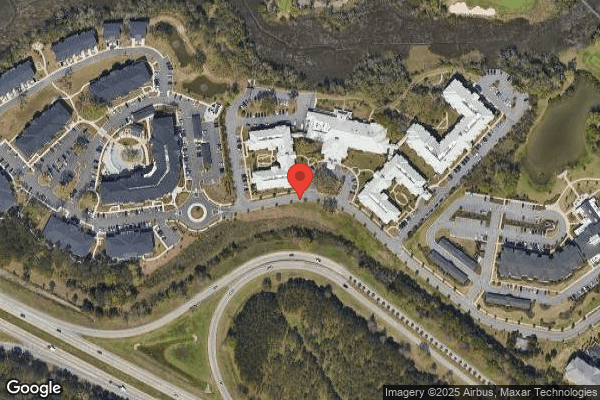

580 Robert Daniel Drive, Charleston, SC 29492 (843) 566-1000
For profit - Corporation 60 Beds Independent Data: November 2025 1 Immediate Jeopardy citation
Trust Grade
53/100
#98 of 186 in SC
Last Inspection: April 2025

Within standard 12-15 month inspection cycle. Federal law requires annual inspections.

Overview

The Retreat at Wellmore of Daniel Island has a Trust Grade of C, which means it is average and sits in the middle of the pack among nursing homes. They rank #98 out of 186 facilities in South Carolina, placing them in the bottom half, but they are #1 out of 4 in Berkeley County, indicating they are the best local option. The facility is showing improvement, with the number of issues decreasing from 7 in 2024 to just 2 in 2025. Staffing is a strength, rated 4 out of 5 stars, but the turnover rate is 54%, which is around the state average, meaning staff may not be as consistent as desired. On the downside, there was a critical incident where a resident successfully eloped from the facility, putting them at risk, and there were also concerns about food safety practices, including improper food storage and staff not practicing adequate hand hygiene during food preparation. While the absence of fines is a positive sign, families should weigh both the strengths and weaknesses when considering this facility.

Trust Score
C
53/100
In South Carolina
#98/186
Bottom 48%
Safety Record
High Risk
Review needed
Inspections
Getting Better
7 → 2 violations
Staff Stability
⚠ Watch
54% turnover. Above average. Higher turnover means staff may not know residents' routines.
Penalties
✓ Good
No fines on record. Clean compliance history, better than most South Carolina facilities.
Skilled Nurses
✓ Good
Each resident gets 50 minutes of Registered Nurse (RN) attention daily — more than average for South Carolina. RNs are trained to catch health problems early.
Violations
⚠ Watch
18 deficiencies on record. Higher than average. Multiple issues found across inspections.
★★★☆☆
3.0
Overall Rating
★★★★☆
4.0
Staff Levels
★★★★★
5.0
Care Quality
★★☆☆☆
2.0
Inspection Score
Stable
2024: 7 issues
2025: 2 issues

The Good

  • 4-Star Staffing Rating · Above-average nurse staffing levels
  • 5-Star Quality Measures · Strong clinical quality outcomes
  • Full Sprinkler Coverage · Fire safety systems throughout facility
  • No fines on record

Facility shows strength in staffing levels, quality measures, fire safety.

The Bad

3-Star Overall Rating

Near South Carolina average (2.8)

Meets federal standards, typical of most facilities

Staff Turnover: 54%

Near South Carolina avg (46%)

Higher turnover may affect care consistency

The Ugly 18 deficiencies on record

1 life-threatening
Sept 2025 1 deficiency 1 IJ
CRITICAL (J) 📢 Someone Reported This

A family member, employee, or ombudsman was alarmed enough to file a formal complaint

Immediate Jeopardy (IJ) - the most serious Medicare violation

Accident Prevention (Tag F0689)

Someone could have died · This affected 1 resident

**NOTE- TERMS IN BRACKETS HAVE BEEN EDITED TO PROTECT CONFIDENTIALITY** Based on review of facility policy, record review, video footage and interviews, the facility failed to prevent accidents/hazard...

Read full inspector narrative →
**NOTE- TERMS IN BRACKETS HAVE BEEN EDITED TO PROTECT CONFIDENTIALITY** Based on review of facility policy, record review, video footage and interviews, the facility failed to prevent accidents/hazards for 1 of 3 residents reviewed. Specifically, on 8/30/25, Resident (R)1 had a successful elopement from the facility. R1 was placed at an increased risk of being struck by a vehicle and/or suffering a heat related and inclement illness.On 09/11/25 at 2:22 PM, the State Agency (SA) determined that the facility's non-compliance with one or more federal health, safety, and/or quality regulations has caused or was likely to cause serious injury, serious harm, serious impairment, or death.On 09/11/25 at 2:22 PM, the Executive Director (ED) was notified that the failure to protect R1 from having a successful elopement from the facility constituted Immediate Jeopardy (IJ) at F689.On 09/11/25 at 2:22 PM, the survey team provided the Executive Director with a copy of the CMS Immediate Jeopardy (IJ) Template and informed the facility IJ existed as of 8/30/25. The IJ was related to S483.25 Quality of Care- F689: Free of Accident Hazards/Supervision/Devices.On 09/11/25 at 4:28 PM, the facility provided an acceptable IJ Removal Plan. On 09/11/25, the survey team validated the facility's corrective actions and determined the facility made good faith attempts at correcting the non-compliance. The IJ is considered at Past Non-Compliance as of 09/03/25. The survey team concluded all corrective actions were put in place prior to arrival onsite.An extended survey was conducted in conjunction with the Complaint survey for non-compliance at F689, constituting substandard quality of care.Findings include:Review of the facility's undated policy titled, Roam Alert Policy and Procedure Version 1.2 revealed, Policy Statement: The Roam Alert Notification System is a Wander Management system used to monitor cognitively impaired individuals with wandering, exit-seeking, or aggressive behaviors. The Member wears a Roam Alert wrist/ankle band signaling device. When the Member is near a monitored doorway and the door is open, an alarm sounds at the door, displays on the Staff Station Computer, and alarms to the direct care staff pagers. Staff shall manage the implementation, maintenance and monitoring according to the following procedures: 1. SYSTEM DESRIPTION AND PARAMETERSa. Each monitored doorway is connected via the [NAME]-Care Nurse Call system to the direct care pagers.b. The direct care pager alerts caregivers to alarms when they are out of hearing range,c. Each doorway that has a keypad has a code that will by-pass the door alarm temporarily.d. Each doorway that has a keypad has a code that will reset the system.e. The code will be given to staff members only and will be changed when needed by the Facility Services Director.f. The Roam Alert Tags are battery-operated with a unique ID number that must be programmed into the [NAME]-Care software.g. The Roam Alert Tag has a 3-year expiration date upon time of purchase)h. Members must be programmed into the [NAME]-Care software and assigned specific tags.2. DETERMINING THE NEED FOR A ROAM ALERT TAG.a. If, at any time the Staff believes a Member is a Wander Risk and needs a Roam Alert tag, the CSA, DON, RCD, or RCC will be consulted to determine if the request is appropriate.3. ISSUING A ROAM ALERT [NAME]. New Member . Review of the facility's policy titled, ELOPEMENT PREVENTION with a revision date of 1/11 (no year) revealed: GENERAL: The community recognizes that other than our designated memory care units, the entrances and exits to all other levels of care are not secure.POLICY: The purpose of this policy is to insure the assessment, identification, and supervision of at risk residents who deliberately elope and those who may wander due to a confused state. It also promotes the immediate and proper response when a resident goes missing by specifying detailed duties and requiring quarterly drill. An elopement is defined as anytime a resident is missing and not located within community's campus within 60 minutes of initial report . Review of R1's Face Sheet revealed R1 was admitted to the facility on [DATE] with diagnoses including but not limited to Alzheimer's disease with late onset, dementia, hypothyroidism, and diabetes mellitus with hyperglycemia.Review of R1's Minimum Data Set (MDS) with an Assessment Reference Date (ARD) of 08/05/25 revealed R1 had a Brief Interview of Mental Status (BIMS) score of 4 out of 15, indicating R1 was cognitively impaired.Review of R1's Elopement Assessment noted on his care plan, revised 09/05/25, revealed R1 was at risk for wandering and elopement.Review of the facility's statement dated 09/04/25 revealed, On 8/30/25 at approximately 12:39pm, Life Enrichment Coordinator (later defined as LEL) received telephone call at the front desk from a former employee who stated she was driving by and observed a gentleman out front of the SNF/AL building wearing what appeared to a roam alert and she was worried he could be from the community. LEL (Life Enrichment Leader) immediately left out the front door and went left towards the SNF/AL (Skilled Nursing Facility/Assisted Living) and observed resident near the garages of the adjoining community. Resident continued to propel self forward while in eyesight of the employee and she was able to get him to stop in front of the main entrance of the adjoining community. She was able to redirect him back to community with encouragement and returned him to his room in SNF at approximately 12:49pm. LEL notified ED, Administrator, DON (Director of Nursing), ADON (Assistant Director of Nursing), and Nursing Station regarding incident. Community On-Call Nurse also provided notification. Staff provided 1:1 to ensure safety after return to floor until a 1:1 sitter could be obtained. The on-call provider and family were notified. The unit nurse, Registered Nurse 1 completed a skin observation, no injuries were sustained, and vital were WNL. New wander risk assessments were completed on all residents. DON onsite to provide education to staff and Administrator/HRD reviewed camera footage to determine a timeline.On 8/30/25 the state agency received an Initial/24-hour report alleging that on 8/30/25 R1 was reported to have an alleged elopement. He is safe, no injuries noted, and he has a 1:1 sitte(r). All exits were assessed by Maintenance to be in good working order. As part of the investigation, immediate education provided to all SNF team members present on the date of incident 8/30/25, all team members were re-educated via Regroup on the roam alert policy, and pager policy, they were also re-educated regarding responding to roam alerts across all service lines, 9/2/25. Immediate interventions taken to reduce the risk of elopement by the IDT (Interdisciplinary Team). At the conclusion of the investigation, it was determined that the elopement was substantiated. He was brought back to the community by the facility team members with no visible injuries. He was then assessed by the nurse and found to have no injuries. Increased supervision was put in place for 72 hours, on-call provider and family were notified.During an interview on 09/11/25 at approximately 11:16 AM, the Executive Director/Administrator confirmed that R1 did elope through the main SNF (Skilled Nursing Facility) exit located on the first floor adjacent to the elevator.During an interview on 09/11/25 at approximately 11:23 AM, the Executive Director and the Care Services Administrator (CSA), via telephone stated, The staff station computer display is in the nursing station overlooking the dining area and when the alarm system is triggered, the computer and the pager are alerted at the same time, and that a pager works throughout the whole property. She stated that they still have concerns about why Registered Nurse (RN)1 did not hear the page, since she had a pager.During an interview on 09/11/25 at approximately 12:11 PM, the Scheduler stated after speaking with R1 and sitting with him, he stated he was trying to leave behind his wife. His caregiver stated she had just left to take his wife home. He wanted to go home to be with his wife. The Scheduler confirmed that his wife had visited that day and stated her office is near the Activity Room, on the first floor, near the main exit.During an interview on 09/11/25 at approximately 12:25 PM, the Life Enrichment Leader (LEL), not LEC as stated in the 5-day report, confirmed her statement as to how she was working the Main Building front desk when she received call from an ex-employee who recognized that a resident was in a wheelchair outside the building heading toward [NAME] Pointe. She went outside and saw him in a non-motorized wheelchair about a block away from the SNF building near some garages and was able to assist him back into the SNF and to his room. She stated it was a hot and humid day with intermittent rain, but it was not raining at the time.During an interview on 09/11/25 at approximately 12:42 PM, the Care Services Administrator (CSA) confirmed the following timeline was developed from the 8/30/25 camera footage review: 12:03 pm - resident propels himself to [NAME] Staff Workroom12:03:37 - resident propels himself down the hallway12:04:18 - resident reaches the elevator lobby on the 2nd floor of SNF and goes out of frame12:04:29 - resident presses button on elevator12:04:33 - resident enters elevator12:04:51 - elevator doors close12:05:03 - elevator doors open on 1st floor12:05:07 - resident exits elevator12:05:50 - resident pushes on doors to exit the main entrance doors of SNF12:06:07 - resident fully exits SNF12:06:11 - SNF door fully closes12:11:05 - resident is fully out of camera view12:38:59 - former employee calls facility to report resident outside of SNF/AL building12:40:00 pm - LEC exits front doors of community to respond to needUpon completion of timeline investigation, it was determined that resident was unattended when he left off the SNF unit.Attempts were made to contact the eye-witness/ex-employee via telephone with no success.During a telephone interview on 09/11/25 at approximately 12:38 PM, RN1 stated that she was working on the [NAME] Unit, on the second floor and had last seen R1 in the dining room, eating lunch, with two Certified Nursing Assistants (CNA)s sitting in attendance and that she had gone on a 15-minute break to visit another nurse on the Folly Unit, also on the second floor. When asked, she stated she was not wearing her pager because she was on break. During an interview on 09/11/25 at approximately 12:54 PM, CNA1 stated that she last saw R1 shortly after 12:30 PM, sitting in his wheelchair, in front of the television, in the dining room, with other residents and that he left wandering in the hallway, near the nursing station and then came back. She stated wandering is his normal habit and is more out of curiosity than exit seeking. On 9/11/25 at approximately 12:58 PM, CNA1 stated that she was not wearing her pager at the time, because she was on break.During a telephone interview on 9/11/25 at approximately 1:06 PM, R1's spouse stated she had visited on 8/30/25 and had been informed after leaving that he had eloped, stating that she still felt he was safe in the facility. On 9/11/25 at approximately 1:36 PM, camera footage provided by the Executive Director was reviewed by this Surveyor showed R1 leaving the facility alone at 12:06 PM, wearing short pants and a short-sleeved tee-shirt, in his wheelchair. The temperature outside was 90 degrees Fahrenheit, with intermittent rain on [NAME] Island, according to Weather Channel records. The facility's Immediate Jeopardy Removal Plan included the following:Date: September 11, 2025Subject: Immediate Jeopardy Removal Team - F689Dear Survey TeamThis letter serves as our formal Immediate Jeopardy (IJ) Removal Plan in response to the identified deficiency F689 regarding resident safety and elopement prevention. Our facility takes the matter with the utmost seriousness and has implemented the following corrective actions to ensure resident safety and regulatory compliance.I. Ensuring Harm Will Not OCCUR or Reoccur: To prevent recurrence of elopement incidents, our facility has taken immediate and ongoing actions to eliminate the risk associated with unsafe wandering and elopement. These steps include the reassessment of all residents at risk, reinforcement of security measures, and staff education to ensure proper monitoring and response. All actions taken are designed to provide an accident=- environment while ensuring adequate supervision for all at-[NAME] residents.II. Date of Implementation: While all corrective actions were initiated immediately upon discovery of the deficiency, the official implementation dates for specific actions are listed below:1. August 30, 2025 - Member, [R1] was returned to his apartment and immediately assessed by the Registered Nurse (RN)1 for any injury. No injuries were identified. Skin checks were initiated for 48 hours, and no injuries were noted. The family was notified. Medical Director was notified, and provider team completed an assessment. Safety checks were completed for the Member for 72 hours. The Community implemented 1:1 sitter immediately following the event. The Pharmacy consultant completed a med review that was provided to the Medical Provider. The Administrator met with the family and updated the Member's care plan. Pending room availability and appropriateness the Community has made the recommendation to move to Memory Care Assisted Living when appropriate.2. August 30, 2025 - New elopement screening conducted for all residents by Unit Nurse.3. August 30, 2025 - Residents assessed by Unit Nurse for ambulatory status and BIMS (Behavioral Interview for Mental Status) level of 5 or below. Roam Alert tags and corresponding physician orders obtained for qualifying residents.4. August 30, 2025 - RN and C.N.A. assigned to Member [R1] were given immediate education on pager and call bell system use by the DON.5. August 30, 2025, and September 2, 2025 - DON (Director of Nursing) completed immediate reeducation to SNF staff in day of incident, 8/30/2025 and All community staff reeducated by CSA on Roam Alert and Pager Policy, 9/2/2025. Working pagers and radios verified for all staff.6. September 2, 2025 - Maintenance staff assessed all exit points to ensure they were in proper working order.7. September 2, 2025 - elopement binders updated by ADON for all service lines.8. September 2, 2025 - Maintenance increased the sound frequency on squealers from 90 decibels to 10 decibels at all SNF exit points.9. September 2, 2025 - Maintenance reviewed [NAME]-Tone monitor volumes and ordered eternal speakers to increase sound of call bells/roam alerts.10. September 3, 2025 - VP of Construction ordered Desk Top pagers that will be secured in hallways to provide additional alert of call bells/roam alerts.11. Ongoing - Upon admission, each resident will undergo elopement screening, including evaluation of ambulatory status by Unit Nurse, to then be reviewed by DON and/or ADON.12. Ongoing - Nursing staff will complete daily Roam Alert Tag audits to verify device functionality, proper placement, and skin integrity monitoring once per shift. Documentation will be maintained in the medical record and Roam Alert List.III. Identifying Those Affected or at Risk: The resident involved in the elopement incident, along with all residents assigned a Roam Alert tag, have been identified as at risk. Immediate interventions were implemented for these residents, including reassessment and reinforcement of monitoring protocols to prevent further occurrences.IV. Systematic Process Changes to Prevent Recurrence: The facility has taken the following steps to alter systemic failures and prevent adverse outcomes:1. Increased Monitoring and Audits:- CSA, DON, and/or Designee will conduct audits daily for two weeks, weekly for eight weeks, and monthly for three months or longer until 100% compliance is met to ensure Roam Alert tags are functioning and in proper use. All negative findings will be corrected immediately. Involved Team Members will be reeducated immediately.- Audit results will be reviewed in monthly Quality Assurance (QA) meetings for further recommendations.- The facility's assessment will be updated to incorporate specific Roam Alert system requirements.2. Enhanced Staff Training and Education:- All staff re-educated by DON and CA on elopement prevention policies. Including the proper use of Roam Alert tags, immediate response protocols, and the importance of timely supervision.-New hires will receive elopement training during orientation, and annual refresher training will be conducted for all staff by Administrative Nurse Staff.3. Family and Resident Engagement:-Family input will be incorporated into individualized care plans to enhance elopement prevention strategies at start of admission and will be carried out by the IDT. Through these measures, our facility is committed to maintaining resident safety, addressing all deficiencies, and ensuring ongoing compliance with federal regulations. The facility alleges compliance on 9/3/2025.
Apr 2025 1 deficiency
CONCERN (F)

Potential for Harm - no one hurt, but risky conditions existed

Food Safety (Tag F0812)

Could have caused harm · This affected most or all residents

Based on observation, interview, and facility policy review, the facility failed to ensure items in the refrigerator, freezer, and dry storage were properly sealed, labeled, and dated. The facility al...

Read full inspector narrative →
Based on observation, interview, and facility policy review, the facility failed to ensure items in the refrigerator, freezer, and dry storage were properly sealed, labeled, and dated. The facility also failed to discard expired items in dry storage. These failures had the potential to affect all 51 residents who consumed food from the kitchen. Findings include: Review of the facility's policy titled Dating for Food Storage revealed, For labeling, dating items requires special attention. All foods that require time and temperature control (TCS) should be labeled with the following: Common name of the food. Date the food was made. Use by date. The following observations were confirmed on 03/31/25 at 11:00 AM with the Director of Diet (DD) and the Executive Chef (EC): 1. The walk-in cooler had the following: 4 quart clear container labeled Noodles for soup dated 3/31, with no label. (Only Date). The container was not covered. 4 quart clear container labeled Apricot Glaze with no date. 4 quart clear container labeled Strawberry Sauce dated 3/29, with no label. (Only Date). 2 quart clear container labeled Salmon dated 3/26, with no label (Only Date). 4 quart clear container labeled Pimento Spread with no date. 12-quart clear container labeled Chicken Soup with a date of 3/30, with no label. (Only Date). 6 quart clear container labeled Meatballs with a date of 3/29, with no label. (Only Date). 4 quart clear container labeled Tomato Paste with a date of 3/31, with no label. (Only Date). 4 quart clear container labeled Turkey Gravy with a date of 3/29, with no label. (Only Date). 6 quart clear container labeled Chicken Base with a date of 3/27, with no label. (Only Date). 4 quart clear container labeled Thickening Agent with a date of 3/26, with no label. (Only Date). 1-2-Gallon ziplock bag of shredded cheese, not in original packaging, not labeled, with a date of 3/30. 2. The walk-in dry storage on 03/31/25 at 11:30 AM contained the following: 1-10 LB bag of Rigatoni Noodles, opened with no open date. 1-10 LB bag of Cut Ziti Noodles, opened with no open date. 1-10 LB bag of spaghetti Noodles, opened with no open date. Wrapped in plastic wrap. 1-10 LB bag of Curly Wide Eggs Noodles, unsealed/opened with no open date. 1-8.9-ounce cereal bag of Cornflakes, opened with no open date. 1-8.9-ounce cereal bag of Raisan Brand, opened with no open date. 1-8.9-ounce cereal bag of Cheerios, opened with no open date. 1-5-lb open container of Hershey's Cocoa Powder with a use-by date of 08/2024. 1-5-lb container of Baking Soda with a use-by date of 04/05/2022. 3. The walk-in freezer contained the following: 1-2-gallon ziplock bag of what appeared to be cut-up beef. No label and no dates. 1-2-gallon ziplock bag of garlic bread, not in original packaging, with a date of 3/29. During an observation of a 7-tier Non-Insulated Mobile Cabinet on 04/01/25, revealed the following: 4 loaves of wheat bread with use-by dates of 12/19/24 (3 loaves) and 01/28/25 (1 loaf). 2 loaves of white bread, both with a use-by date of 02/05/25. 3 loaves of raisin bread, all with a use-by date of 01/03/25. These items were confirmed by the DD and EC. During an interview with the DD on 03/31/25 at 11:42 AM, the DD stated that all dietary staff is responsible for spot-checking and making sure all items in the kitchen are free from expiration. All leftovers must have appropriate labels and must include the date the food item was placed in the container and the date to discard, within 3 days. During an interview with the Director of Nursing (DON) on 04/01/25 at 8:29 AM, revealed she was unaware of the findings, and her expectations are for all dietary staff to follow regulations when it comes to food storage and labeling. During an interview with the Facility Administrator (FA) on 04/01/25 at 9:56 AM, revealed that to her knowledge that dietary staff corrected the concerns, and she would review the policies to see what areas the Dietary staff can work on.
Apr 2024 7 deficiencies
CONCERN (D)

Potential for Harm - no one hurt, but risky conditions existed

Unnecessary Medications (Tag F0759)

Could have caused harm · This affected 1 resident

Based on review of the facility policy titled, Administering Medications, observations and interviews, the facility failed to ensure a medication administration error rate of less than 5 percent. The ...

Read full inspector narrative →
Based on review of the facility policy titled, Administering Medications, observations and interviews, the facility failed to ensure a medication administration error rate of less than 5 percent. The medication error rate was 7.69 percent for 2 out of 26 opportunities for error. Specifically medications for Resident (R)8 that were clearly labeled as, Do Not Crush or Chew, were crushed by Licensed Practical Nurse (LPN)2 and administered. Findings include: Review of the facility policy titled, Administering Medications, under Policy Statement, reads, Medications are administered in a safe and timely manner and as prescribed. 4. Medications are administered in accordance with prescribers orders, including any required time frame. 10. The individual administering the medication checks the label THREE (3) times to verify the right resident, the right medication, right dosage, right time and right method (route) of administration before giving the medication. 31. Each nurses' station has a current Physician's Desk Reference (PDR) and/or other medication reference, as well as a copy of the surveyor guidance (Pharmacy Services) available. Manufacturer's instructions or user's manuals related to any medication administration devices are kept with the devices or at the nurses' station. During an observation and interview on 04/17/2024 at 08:05 AM during med pass, LPN2 administered, by mouth medications for R8. LPN2 crushed all of R8's medications and placed them in applesauce and went into her room and administered them. LPN2 stated that R8 liked her medications crushed and placed in the applesauce. During medication reconciliation on 04/17/2024 at 08:30 AM revealed that the prescribed medications observed to be crushed were not supposed to be crushed, according to the medication label. During an interview on 04/17/2024 at 09:45 AM with LPN2, she stated that R8 is a choking risk and this is why she crushes her medications. During an interview with Registered Nurse (RN)2, this surveyor asked if she had ever taken care of R8 and administered her medications and she confirmed that the had. RN2 was asked if she crushed her medications, and she stated, I crush the ones I can, but some of her medications cannot be crushed.
CONCERN (D)

Potential for Harm - no one hurt, but risky conditions existed

Deficiency F0760 (Tag F0760)

Could have caused harm · This affected 1 resident

Based on the facility policy titled, Administering Medications, observations and interviews, the facility failed to ensure medications that were not supposed to be crushed were crushed and administere...

Read full inspector narrative →
Based on the facility policy titled, Administering Medications, observations and interviews, the facility failed to ensure medications that were not supposed to be crushed were crushed and administered in applesauce. Specifically medications for Resident (R)8 that were clearly labeled as, Do Not Crush or Chew, were crushed by Licensed Practical Nurse (LPN)2 and administered. Findings include: Review of the facility policy titled, Administering Medications, under Policy Statement, reads, Medications are administered in a safe and timely manner and as prescribed. 4. Medications are administered in accordance with prescribers orders, including any required time frame. 10. The individual administering the medication checks the label THREE (3) times to verify the right resident, the right medication, right dosage, right time and right method (route) of administration before giving the medication. 31. Each nurses' station has a current Physician's Desk Reference (PDR) and/or other medication reference, as well as a copy of the surveyor guidance (Pharmacy Services) available. Manufacturer's instructions or user's manuals related to any medication administration devices are kept with the devices or at the nurses' station. During an observation on 04/17/2024 at 08:05 AM during med pass, LPN2 administered, by mouth medications for R8. LPN2 crushed all of R8's medications and placed them in applesauce and went into her room and administered them. LPN2 stated that R8 liked her medications crushed and placed in the applesauce. During medication reconciliation on 04/17/2024 at 08:30 AM revealed the prescribed medications for R8 were observed to be crushed and were ordered as, Do Not Crush or Chew, according to the medication label and physician's orders. During an interview on 04/17/2024 at 09:45 AM with LPN2, she stated that R8 is a choking risk and this is why she crushes all of her medications. During an interview with Registered Nurse (RN)2, this surveyor asked if she had ever taken care of R8 and administered her medications and she confirmed that the had. RN2 was asked if she crushed her medications, and she stated, I crush the ones I can, but some of her medications cannot be crushed.
CONCERN (D)

Potential for Harm - no one hurt, but risky conditions existed

Deficiency F0761 (Tag F0761)

Could have caused harm · This affected 1 resident

**NOTE- TERMS IN BRACKETS HAVE BEEN EDITED TO PROTECT CONFIDENTIALITY** Based on the facility policy titled, Medication Labeling and Storage, observations and interviews, the facility failed to ensure...

Read full inspector narrative →
**NOTE- TERMS IN BRACKETS HAVE BEEN EDITED TO PROTECT CONFIDENTIALITY** Based on the facility policy titled, Medication Labeling and Storage, observations and interviews, the facility failed to ensure medications that were outdated/expired or incorrectly labeled were removed from storage and not stored with other medications and biologicals used for residents in 2 of 4 medication carts and 1 of 3 treatment carts. Findings include: Review of the facility policy titled,Medications Labeling and Storage, states the, Policy Interpretation and Implementation, under Medication Storage, states: 1. Medications and biological's are stored in the packaging, containers or dispensing systems in which they are received. Only the issuing pharmacy is authorized to transfer medications between containers. 3. If the facility has discontinued, outdated or deteriorated medications or biological's, the dispensing pharmacy is contacted for instructions regarding returning or destroying these items. Medication Labeling 1. Labeling of medications and biological's dispensed by the pharmacy is consistent with applicable federal and state requirements and currently accepted pharmaceutical practices. 2. The medication label includes, at a minimum: a. medication name (generic and/or brand); b. prescribed dose; c. strength; d. expiration date, when applicable; e. resident's name; f. route of administration; and g. appropriate instructions and precautions. 8. If medication containers have missing, incomplete, improper or incorrect labels, contact the dispensing pharmacy for instructions regarding returning or destroying these items. 10. Only the dispensing pharmacy may label or alter the label on a medication container or package. An observation on 04/17/2024 at 10:12 AM of the Folly Hall medication cart revealed: Acetaminophen 500 milligrams with Lot #251921, manufactured by Major Pharmaceuticals, 14 tablets expired on 04/10/2024. Vitamin D3 50 micrograms, 29 capsules with Lot #S221063, manufactured by Leader Brand Products was expired on 04/13/2024. These expired medications were confirmed on 04/17/2024 at 10:13 AM by Registered Nurse (RN)2. An observation on 04/17/2024 at 10:22 AM of the [NAME] Hall treatment cart revealed, 7 Lemon Glycerine Swabs was expired on 02/2024. Licensed Practical Nurse (LPN)2 confirmed the expired swabs. An observation on 04/17/2024 at 10:40 AM of the [NAME] Hall medication cart revealed a blister pack of the medication, Trazodone 50 milligrams with Lot #E301645, manufactured by Zydus Pharmaceuticals USA, 11 tablets were expired on 03/31/2024. On 04/17/2024 at 10:45 AM, LPN2 confirmed the expiration of the medication. During an interview on 04/17/2024 at 02:10 PM with the Director of Nursing, she revealed that on the blister card for the Trazodone 50 milligrams, the label affixed to the back of the card revealed the expiration date of 03/31/2024 but the front of the card had a receipt date from the pharmacy as 03/2024. She confirmed the label on the back was incorrectly applied by the pharmacy and no one had questioned the label nor the expiration date.
CONCERN (D)

Potential for Harm - no one hurt, but risky conditions existed

Infection Control (Tag F0880)

Could have caused harm · This affected 1 resident

**NOTE- TERMS IN BRACKETS HAVE BEEN EDITED TO PROTECT CONFIDENTIALITY** Based on review of the facility policy titled, Hand Washing/Hand Hygiene, and Food Preparation and Service, observations, and in...

Read full inspector narrative →
**NOTE- TERMS IN BRACKETS HAVE BEEN EDITED TO PROTECT CONFIDENTIALITY** Based on review of the facility policy titled, Hand Washing/Hand Hygiene, and Food Preparation and Service, observations, and interview, the facility failed to ensure proper hand washing during the lunch meal service on 04/15/2024. The facility failed to ensure staff were adhering to safe meal service to residents related to hand hygiene, and enhanced barrier precautions on the [NAME] Hall for 1 of 4 halls observed during the lunch meal service. Findings include: Review on 04/15/2024 of the facility policy titled, Handwashing/Hand Hygiene, revealed the Policy Statement, which reads, This facility considers hand hygiene the primary means to prevent the spread of healthcare-associated infections. The Policy Interpretation and Implementation. Administrative Practices to Promote Hand Hygiene,. 1. All personnel are trained and regularly in-serviced on the importance of hand hygiene in preventing the transmission of healthcare-associated infections. 2. All personnel are expected to adhere to hand hygiene policies and practices to help prevent the spread of infections to other personnel, residents, and visitors. 3. Hand hygiene products and supplies (sinks, soap, towels, alcohol-based hand rub, etc) are readily accessible and convenient for staff to use to encourage compliance with hand hygiene policies. Alcohol-based hand-rub (ABHR) dispensers are placed in areas of high visibility and consistent with workflow throughout the facility. Indications for Hand Hygiene 1. Hand Hygiene is indicated: a. immediately before touching a resident: b. before performing an aseptic task; c. after contact with blood, body fluids, or contaminated surfaces; d. after touching a resident; e. after touching the resident's environment. 4. Single-use disposable gloves should be used: c. when in contact with a resident, or the equipment or environment of a resident, who is on contact precautions. 5. The use of gloves does not replace hand washing/hand hygiene. Review of the facility policy titled, Food Preparation and Service, states under the Policy Statement, Food and nutrition services employees prepare, distribute and serve food in a manner that complies with safe food handling practices. Food Distribution and Service. 5. Food and nutrition services staff, including nursing services personnel, wash their hands before serving food to residents, Employees also wash their hands after collecting soiled plates and food waste prior to handling food trays. During an observation on 04/15/2024 at 11:31 AM of the lunch meal on the [NAME] Hall revealed Certified Nursing Assistant (CNA)1 placing resident lunch meal trays on a small cart and going in and out of each resident's room with the meal trays and not cleansing their hands. Continued observation of the lunch meal service on 04/15/2024 revealed a meal ticket blowing off the small cart and falling on the floor, a nurse called the CNA's attention to it and the nurse picked up the meal ticket and handed it to CNA1, who was delivering the lunch meal trays. CNA1 took the ticket and placed it on the meal cart with other lunch trays being delivered to residents. An additional observation on 04/15/2024 at 11:36 AM, of the lunch meal service revealed, CNA1 donning PPE to deliver a tray into a room that was labeled, Enhanced Barrier Precautions (EHP). After delivering the meal tray, CNA1 came out of the room with the gown under their arm, and walked over to the medication cart and put the soiled gown into the trash bin on the medication cart. CNA1 did not wash their hands and continued to serve meal trays. CNA1 started to put on another gown for an EHP room and then placed it in the housekeeping cart that was sitting in front of another resident's room, and with bare hands lifted the cover from the trash and placed the soiled gown in the bin, and lowered the cover. CNA1 then went into another room to deliver a meal tray. Not once during the meal service was CNA1 observed washing or sanitizing their hands. CNA1 went back to the satellite kitchen area and placed another meal tray on the small cart, and with bare hands, opened the straw and placed it in a cup of tea and served it to a resident. During an interview on 04/15/2024 at 11:50 AM with CNA1, they stated that before starting to serve meal trays they had washed their hands well. CNA1 confirmed that they had not washed or cleansed their hands before and after each resident and asked the surveyor, if that was what they were supposed to be doing.
CONCERN (D)

Potential for Harm - no one hurt, but risky conditions existed

Room Equipment (Tag F0908)

Could have caused harm · This affected 1 resident

Based on observation and interviews, the facility failed to ensure commercial dryers were free from lint buildup, which could increase the likelihood of causing the unit to overheat or combust in fire...

Read full inspector narrative →
Based on observation and interviews, the facility failed to ensure commercial dryers were free from lint buildup, which could increase the likelihood of causing the unit to overheat or combust in fire. Findings include: In an observation on 04/16/24 at approximately 11:30 AM of the Central Laundry Room with Certified Nursing Assistant (CNA)2 revealed lint in the tray in the commercial dryer #1 and #2, along with clothing thrown in cubie cubes alongside wall, plastic bins in the middle of the floor, and laundry sitting in washer. During an interview with CNA2 on 04/16/24 at 11:38 AM, she acknowledged the lint in dryer tray and stated this could have accumulated from clothing being completed on last night, but stated she did not know much about the process in this laundry room because she only completes laundry such as clothing on the hall for the residents. This is the laundry room where CNAs complete linens for the residents. In an attempt to observe laundry on 04/17/24 at 7:02 AM in the Central Laundry room revealed a clean and clear room, no clothing in washer but more accumulation of lint in both lint trays in dryer #1 and dryer #2. In an interview and observation on 04/17/24 at 8:00 AM, the Administrator and Director of Nursing (DON), stated laundry is completed at night by CNAs on the hall. The Administrator and DON were shown the lint in the lint trays and acknowledged the lint in the trays in dryer #1 and #2. The Administrator stated the trays are cleaned nightly, and DON obtained the lint logbook which was signed in for April 16, 2024 as being completed. The Administrator stated there is a supervisor for this room, however, essentially the laundry is completed by the CNAs. Later, the Administrator informed there is no specific policy pertaining to lint cleaning of the dryers.
CONCERN (E)

Potential for Harm - no one hurt, but risky conditions existed

Staffing Information (Tag F0732)

Could have caused harm · This affected multiple residents

Based on staff interviews, facility Registered Nurse (RN) coverage postings, and facility policy review, the facility failed to post RN coverage on daily staffing posted for March 2024 to the current ...

Read full inspector narrative →
Based on staff interviews, facility Registered Nurse (RN) coverage postings, and facility policy review, the facility failed to post RN coverage on daily staffing posted for March 2024 to the current date in April. Findings include: Review of the facility policy titled, Posting Direct Care Daily Staffing Numbers, (revised August 2022) revealed: The information required on the form shall include the following: f. Type (RN, LPN, LVN, or CNA) and category (licensed or non-licensed) of nursing staff working during that shift who are paid by the facility (including contract staff); g. The actual time worked during that shift for each category and type of nursing staff. Review of the facility staff postings on the skilled units for March 2024 to current date in April revealed that 8-hour RN coverage was not posted. On 04/17/24 at approximately 10:08 AM, an interview with the Director of Nursing (DON) revealed the reason for not posting RN 8-hour coverage is because their current system does not delineate between RN and Licensed Practical Nurse (LPN) hours on daily posting logs. The DON revealed the facility has a new system called Ultimate Kronos Group, UKG, Human Resource system that will designate RN hours. DON revealed on day-to-day coverage, the facility has 3 RNs for 8 hours each shift, Monday through Friday. DON revealed the night shift supervisor is also an RN and works four times a week. The DON revealed she and the Assistant DON (ADON)are always on call and the new UKG system started on 04/01/24 and are building out reports for the facility. The DON further stated there is a designation of responsibility form for the facility, the Care Service Administrator, CSA, and ADON can share with anyone if there are RNs/LPNs in the building, or on shifts. DON revealed an email with all staffing information can be sent if needed. DON revealed requirements for the number of staff hours in the facility needed are being met. DON revealed she did not know how anyone would know if there was an RN or LPN unless they asked staff for their credentials. The DON revealed her expectations for RN posting is she is very present for resident/family. DON reveals she could be reached or ADON can be reached at any time if anyone questions RN coverage. DON revealed the facility is working toward requirements for RNs in relation to proposed change for 24/7 coverage per CMS. On 04/17/24 at approximately 11:15 AM, an interview with the Facility Administrator revealed the Ultimate Kronos Group, UKG, new HR system will be replacing the current HR/scheduling system. He stated, all is in process, once that is done, we will post leadership nursing positions. The Administrator revealed the UKG started on 04/01/24 and the facility is currently running both systems together until UKG is up and fully running.
CONCERN (F)

Potential for Harm - no one hurt, but risky conditions existed

Food Safety (Tag F0812)

Could have caused harm · This affected most or all residents

**NOTE- TERMS IN BRACKETS HAVE BEEN EDITED TO PROTECT CONFIDENTIALITY** Based on review of the facility policy, observations, and interviews, the facility failed to ensure that: 1. Staff practiced pro...

Read full inspector narrative →
**NOTE- TERMS IN BRACKETS HAVE BEEN EDITED TO PROTECT CONFIDENTIALITY** Based on review of the facility policy, observations, and interviews, the facility failed to ensure that: 1. Staff practiced proper hand hygiene during meal tray preparation and 2. Prepared food was being held at regulatory temperatures on the serving line for hot and cold foods, in 2 of 4 satellite kitchens. Findings Include: Review of the facility policy titled, Preventing Foodborne Illness- Employee Hygiene Sanitary Practices, with a revision date of November 2022 states, Food and nutrition services employees follow appropriate hygiene and sanitary procedures to prevent the spread of foodborne illness. 6. Employees must wash their hands: g. during food preparation, as often as necessary to remove soil and contamination and to prevent cross contamination when changing tasks. 9. Gloves are considered single-use items and must be discarded after completing the task for which they are used. Gloves are removed, hands are washed and gloves are replaced . Review of the facility policy titled, Food Preparation and Service, with a revision date of November 2022 states, Food and Nutrition services employees prepare, distribute and serve food in a manner that complies with safe food handling practices. 3. Food preparation staff adhere to proper hygiene and sanitary practices to prevent the spread of foodborne illness. 4. When verifying food temperatures, staff use a thermometer which is both clean, sanitized, and calibrated to ensure accuracy. Food Preparation, Cooking and Holding Time/Temperatures, 1. The danger zone for food temperatures is above 41ºF and below 135ºF. This temperature range promotes the rapid growth of pathogenic microorganisms that cause foodborne illness. 5. Food thermometers used to check food temperatures are clean, sanitized and calibrated for accuracy. During an observation on 04/16/24 at 11:44 AM in the first-floor satellite kitchen revealed, Cook1 was in the kitchen beginning to prepare lunch trays. With gloves donned, he intermittently touched other surfaces. He began with touching the mobile Cambro, of which the food is transported, and then drawers for utensils. Next, he picked up the plates to begin plating food. He was then asked to temp the food, of which he grabbed a piece of the fried fish, with the same gloves on, pulled his thermometer from its cover and began to gain a temperature. He failed to clean and calibrate the thermometer prior to inserting in the piece of fish. Temperatures revealed, [NAME] slaw that was resting on ice, was 60ºF, a glass of Apple juice was 50ºF, fried tator tots were 110ºF, and steamed carrots were 110ºF. During an observation on 04/16/24 at approximately 12:15 PM on the second-floor satellite kitchen revealed, Cook2 was in the kitchen preparing to serve trays and acquiring all utensils and plating. Prior to donning gloves, he proceeded to the sink to wash his hands and there was no soap, so he rinsed and dried them and put on gloves. Cook2 removed a small pan with a piece of grilled chicken, he removed it from the pan and placed the thermometer in it, without cleaning or calibrating it. During an interview with the Certified Dietary Manager (CDM) on 04/16/24 at approximately 1:30 PM revealed her expectations for the kitchenette temperatures of foods that are not at safe temperatures is for the food to be brought back to the main kitchen to be reheated. If it is not in the appropriate time and temperature frame, then she would expect that they prepare the resident with a new meal. To ensure foods are held at cold temperatures, ice can be added to the drinks, but she is unsure about the salad temperature and will check on that and provide a response later. During an interview with Cook2 on 04/16/24 at 12:41 PM revealed that he is responsible for ensuring foods are labeled and at correct temperatures, kitchens are stocked up with gloves, dish soap, kitchens cleaned and wiped down, sanitization and at times he rotates areas. He included that proper hand washing includes washing with soap and water for at least 30 seconds and after every change of gloves or any other surface that would present cross contamination. To correctly temp food, he states that thermometers should be wiped with an alcohol wipe before and after temping food and make sure its calibrated. During an interview with Cook1 on 04/16/24 at 12:47 PM revealed he is responsible for cooking, servicing, preparing plates, special orders, and checking meal tickets. Proper handwashing procedures is for them to wash hands first, put on gloves and change gloves after any service. He states that they temp foods daily and to correctly temp foods you should clean the thermometer, temp the food, clean the thermometer, and when finished, place back in the holder. During an interview with Registered Dietician (RD) on 04/16/24 at 2:39 PM revealed that she visits the facility at least once a month and completes a kitchen audit. Her expectations are for them to receive a grade of 'A' or higher for the audits, but areas that are identified that are not satisfactory, she provides them to the Chef or CDM and when she returns the following month, it is within hopes that these areas have been addressed. She stated that the cooks should be checking temperatures during each meal, following all protocols. During an interview with the CDM on 04/17/24 at 8:18 AM revealed that in-services are provided for staff during onboarding and as needed. Some are completed monthly on Relias. All staff has had proper training as to when they are to wash their hands when handling/ preparing food and working with other objects.
Sept 2023 1 deficiency
CONCERN (D) 📢 Someone Reported This

A family member, employee, or ombudsman was alarmed enough to file a formal complaint

Potential for Harm - no one hurt, but risky conditions existed

Deficiency F0726 (Tag F0726)

Could have caused harm · This affected 1 resident

**NOTE- TERMS IN BRACKETS HAVE BEEN EDITED TO PROTECT CONFIDENTIALITY** Based on record reviews, interviews, observations and review of facility policy, the facility failed to ensure that a member of ...

Read full inspector narrative →
**NOTE- TERMS IN BRACKETS HAVE BEEN EDITED TO PROTECT CONFIDENTIALITY** Based on record reviews, interviews, observations and review of facility policy, the facility failed to ensure that a member of the nursing staff had renewed her Licensed Practical Nurse (LPN) license in a timely manner for 1 of 3 licensed practical nurses reviewed. Finding include: Review of the facility policy titled Licensure, Certification, and Registration of Personnel with a revised date of [DATE] states, A copy of the recertifications (e.g., (for example) annual, bi-annual, etc. (and so forth), as applicable) must be presented to the Human Resources Director/designee upon receipt of such recertifications and prior to the expiration of current licensure, certification, and/or registration. A copy of the recertification must be filed in the employee's personnel record. Review of the facility investigation on [DATE] at approximately 12:15 PM revealed that license number 51037 for LPN1, which was originally issued on [DATE], had expired on [DATE] and that the facility did not discover the lapsed license until [DATE]. During an interview on [DATE] at approximately 1:31 PM, the Administrator and the Director of Nursing, in the presence of the facility Executive Director, confirmed that LPN1 was employed at the facility from [DATE] through [DATE] without an active license from the SC Board of Nursing.
May 2022 8 deficiencies
CONCERN (D)

Potential for Harm - no one hurt, but risky conditions existed

Deficiency F0605 (Tag F0605)

Could have caused harm · This affected 1 resident

**NOTE- TERMS IN BRACKETS HAVE BEEN EDITED TO PROTECT CONFIDENTIALITY** Based on record reviews, interviews, and review of the facility policy titled, Antipsychotic Medication Use, and the Product Mon...

Read full inspector narrative →
**NOTE- TERMS IN BRACKETS HAVE BEEN EDITED TO PROTECT CONFIDENTIALITY** Based on record reviews, interviews, and review of the facility policy titled, Antipsychotic Medication Use, and the Product Monograph Including Patient Medication Information, for Seroquel and additional review of the facility Clinical Protocol titled, Medication Utilization and Prescribing, the facility failed to ensure the antipsychotic medication, Seroquel, was not used as a chemical restraint for 1 of 5 residents reviewed for Unnecessary Medications. Findings include: The facility admitted Resident (R)15, a [AGE] year old female, with diagnoses including but not limited to, dementia with behaviors, anxiety disorder, major depressive disorder, agitation and restlessness, lack of coordination and muscle weakness. Review on 5/11/22 at 9:44 AM of the medical record for R15 revealed she has a history of falls and has fall mats in place at bedside. R15 had a fall on 4/10/22, in which she fell out of bed, while attempting to turn off the light. R15 was sent out to the hospital for a fall with a major injury. At this time, R15 was receiving the antipsychotic medication, Seroquel 12.5 milligrams. R15 does not have a diagnosis to ensure the use of Seroquel. R15 is also prescribed the medication Citalopram 20 milligrams for depression, Clonazepam 1 milligram for anxiety, Melatonin 5 milligrams to aid in sleep, and Tramadol 50 mg for pain. Review on 5/12/22 at 1:11 PM of the hospital visit for the fall on 4/10/22 stated that R15, received a large hematoma to her left upper forehead area, as well as skin tears on her left shoulder, elbow and knee, a dislocated shoulder and a closed fracture of the left elbow. The fall was unwitnessed by staff. Further review on 5/12/22 at 1:45 PM of the Comprehensive Plan of Care for R15, did include high risk for falls, and non-pharmacological interventions for behaviors. During an interview on 5/12/22 at 2:00 PM with the Physician's Assistant (PA) who wrote the order to increase the Seroquel from 12.5 milligrams to 25 milligrams, she stated, she was trying to control R15's behaviors and actions so that she did not get out of bed at night and stated that R15 gets scared at night. The PA stated she had been a PA for 20 years and had experience with geriatric patients, as well as worked in a family practice. The PA was asked about the approved indications for the use of Seroquel, an antipsychotic, she stated she was aware of the uses for the medication Seroquel. The use is for Schizophrenia and Bipolar Disorder, but she was trying to keep R15 in bed at night. R15 does not have the diagnoses of Schizophrenia or Bipolar Disorder. She did make the comment that R15 has Psychosis and Hallucinations. No documentation could be found in the medical record to substantiate the diagnoses of Psychosis nor Hallucinations. This surveyor brought to the attention of the PA that she documented in her follow-up visit for R15, after the fall on 4/10/22, dated 4/11/22, She is with her daughter who is requesting to have the Seroquel increased and an order for fall mats. The Seroquel was increased to 25 milligrams daily at this time. During an interview on 5/13/22 at 9:14 AM with the facility Administrator concerning his expectations of residents receiving antipsychotic medications, he stated, We never want to restrain a resident. The facility is working closely with the provider for a gradual dose reduction. He went on to say that sometimes residents were admitted from the hospital with the antipsychotic medications. This surveyor asked for any education that the Personal Representative had received and signed, indicating that they were aware of the possible side effects of taking an antipsychotic medication. None was provided. Review on 5/13/22 at 10:00 AM of the facility policy titled, Antipsychotic Medication Use, states, Antipsychotic medications may be considered for residents with dementia but only after medical, physical, functional, psychological, emotional psychiatric, social and environmental causes of behavioral symptoms have been identified and addressed. Under, Policy Interpretation and Implementation, Number 7. states, Antipsychotic medications shall generally be used for the following conditions/diagnoses as documented in the record, consistent with the definition(s) in the Diagnostic and Statistical Manual of Mental Disorders (current or subsequent editions): a. Schizophrenia, b. Schizoaffective disorder, c. Schizophreniform disorder, d. delusional disorder, e. Mood disorders (e.g. bipolar disorder, depression with psychotic features, and treatment refractory major depression), f. Psychosis in the absence of dementia, g. Medical illnesses with psychotic symptoms and or treatment-related psychosis or mania, h. Tourette's disorder, i. Huntington's Disease, j. Hiccups (not induced by other medications), k. Nausea and vomiting associated with cancer or chemotherapy. Number 8. Diagnoses alone do not warrant the use of antipsychotic medication. In addition to the above criteria, antipsychotic medications will only be considered if the following conditions are also met: a. The behavioral symptoms present a danger to the resident or others. Review on 5/13/22 at 11:00 AM of the, Product Monograph Including Patient Medication Information, for the antipsychotic medication, Seroquel, states under number 3. Serious Warnings and Precautions Box: Serious Warnings and Precautions, Increased mortality in elderly patients with dementia. Elderly patients with dementia treated with atypical antipsychotic drugs are at an increased risk of death compared to placebo. Analyses of thirteen placebo-controlled trials with various atypical antipsychotics (model duration of 10 weeks) in these patients showed a mean 1.6 fold increase in death rate in the drug related patients. Although the causes of death were varied, most of the deaths appeared to be either cardiovascular, (e.g., heart failure, sudden death) or infections (e.g., pneumonia) in nature. The approved diagnoses for the use of Seroquel in the elderly patients with Dementia/Alzheimer's Disease are Schizophrenia and Bipolar Disorder. R15 does not have documentation in her medical record as having either of these diagnoses.
CONCERN (D)

Potential for Harm - no one hurt, but risky conditions existed

Report Alleged Abuse (Tag F0609)

Could have caused harm · This affected 1 resident

**NOTE- TERMS IN BRACKETS HAVE BEEN EDITED TO PROTECT CONFIDENTIALITY** Findings include: Record review of facility policy titled Abuse Investigation and Reporting last revised July, 2017 revealed All...

Read full inspector narrative →
**NOTE- TERMS IN BRACKETS HAVE BEEN EDITED TO PROTECT CONFIDENTIALITY** Findings include: Record review of facility policy titled Abuse Investigation and Reporting last revised July, 2017 revealed All reports of resident abuse, neglect, exploitation, misappropriation of resident property, mistreatment and/or injuries of unknown source (abuse) shall be promptly reported to local, state and federal agencies (as defined by current regulation) and thoroughly investigated by facility management. Findings of abuse investigation will also be reported. R29 was admitted to the facility on [DATE] with diagnoses including but not limited to schizoaffective anxiety disorder, dementia with behavioral disturbances, major depressive disorder, encephalopathy, and type 2 diabetes. According to the admission Minimum Data Set (MDS) for R29, R29 has a Brief Interview for Mental Status (BIMS) score of 2 out of 15, which indicated she is cognitively impaired. R24 was admitted to the facility on [DATE] with diagnoses including but not limited to parkinson's disease, hypertensive heart disease, type 2 diabetes, anxiety disorder, and major depressive disorder. Review of R24's Quarterly MDS with an Assessment Reference Date (ARD) of 3/25/22 indicated, R24 has a BIMS score of 6 out of 15, which indicated she is cognitively impaired. Record review on 5/13/22 at 8:30 AM revealed a Nurses Note dated 4/30/22 stating Certified Nursing Assistant (C.N.A) reports finding resident at roommate's bed with her night gown off. Roommate's stated she pulled the covers off me, resident had her hands under roommate's sheet. Resident redirected multiple times that roommate is not her husband. Told at this time that she is not to be on roommate's side of the room, and again informed that roommate is not her husband. Record review on 5/13/22 at 8:35 AM of R29's Care Plan revealed R29 has known behavioral symptoms that include: wandering related to diagnosis of schizophrenia, dementia, and anxiety. Record review on 5/13/22 at 8:45 AM of R24's Electronic Medical Record revealed no documentation of this incident. An interview on 5/13/22 at 10:04 AM with 2 C.N.A's and 1 Licensed Practical Nurse (LPN) that refused to state their names revealed they had never seen R29 and R24 be sexually inappropriate with each other, but R29 will rub R24's back to comfort her at times, and R29 believes that R24 is her husband. An interview on 5/13/22 at 1:24 PM with LPN5 revealed A C.N.A had informed them that they found R29 standing without any clothes on and hand under R24's sheet because she believes that R24 is her husband. We redirected R29 back to her side of the room and explained to her that R24 is not her husband and she had no other wandering attempts that night. I put this incident in the 24 hour book for our Director of Nursing (DON) to review and follow up on incidents. I am unsure if this incident had been investigated or reported to the state agency. An interview with the DON on 5/13/22 at 3:12 PM revealed that they were unaware of this incident and had not investigated or reported this potential abuse to law enforcement or the state agency. Based on record reviews, interviews, and review of the facility policy titled, Accidents and Incidents-Investigating and Reporting, the facility failed to report an unwitnessed fall with major injury for Resident (R)15, and further failed to report potential resident to resident abuse for R29 and R24 for 1 of 5 residents reviewed for Falls and for 2 of 2 residents reviewed for Abuse. Findings include: The facility admitted R15, a [AGE] year old female, with diagnoses including but not limited to, dementia, a history of falls, lack of coordination and muscle weakness. Review on 5/11/22 at 9:44 AM of the medical record for R15 revealed she has a history of falls and has fall mats in place at bedside. R15 had a fall on 4/10/22, in which she fell out of bed, while attempting to turn off the light. R15 was sent out to the hospital for a fall with a major injury. Review on 5/12/22 at 1:11 PM of the hospital visit for the fall on 4/10/22 stated that R15, received a large hematoma to her left upper forehead area, as well as skin tears on her left shoulder, elbow and knee, a dislocated shoulder and a closed fracture of the left elbow. The fall was unwitnessed by staff. Further review on 5/12/22 at 1:45 PM of the Comprehensive Plan of Care for R15, did include high risk for falls. During an interview on 5/12/22 at 1:06 PM with the Director of Nursing (DON), he stated that the unwitnessed fall with major injury for R15 was reported to the State Agency on 5/12/22. He did not provide a time or confirmation document indicating that it was faxed to the State Licensure Department. Review on 5/12/22 at 3:00 PM of the facility policy titled, Abuse Investigation and Reporting, states, All reports of resident abuse, neglect, exploitation, misappropriation of resident property, mistreatment and or injuries of unknown source shall be promptly reported to local, state, and federal agencies (as defined by current regulations) and thoroughly investigated by facility management. Under Reporting, number 2 states, All alleged violations involving abuse, neglect, exploitation, or mistreatment, including injuries of unknown source and misappropriation of property will be reported immediately, but no later than: a. Two (2) hours if the alleged violation involves abuse OR resulted in serious bodily injury; or b. Twenty-four (24) hours if the alleged violation does not involve abuse AND has not resulted in serious bodily injury.
CONCERN (D)

Potential for Harm - no one hurt, but risky conditions existed

Investigate Abuse (Tag F0610)

Could have caused harm · This affected 1 resident

**NOTE- TERMS IN BRACKETS HAVE BEEN EDITED TO PROTECT CONFIDENTIALITY** Based on interview, record review, and review of the facility policy titled, Abuse Investigation and Reporting, the facility fai...

Read full inspector narrative →
**NOTE- TERMS IN BRACKETS HAVE BEEN EDITED TO PROTECT CONFIDENTIALITY** Based on interview, record review, and review of the facility policy titled, Abuse Investigation and Reporting, the facility failed to investigate potential sexual abuse between Resident (R)29 and R24 for 2 of 2 residents reviewed for abuse. Findings include: Record review of facility policy titled Abuse Investigation and Reporting last revised July, 2017 revealed All reports of resident abuse, neglect, exploitation, misappropriation of resident property, mistreatment and/or injuries of unknown source (abuse) shall be promptly reported to local, state and federal agencies (as defined by current regulation) and thoroughly investigated by facility management. Findings of abuse investigation will also be reported. R29 was admitted to the facility on [DATE] with diagnoses including but not limited to schizoaffective anxiety disorder, dementia with behavioral disturbances, major depressive disorder, encephalopathy, and type 2 diabetes. According to the admission Minimum Data Set (MDS) for R29, R29 has a Brief Interview for Mental Status (BIMS) score of 2 out of 15, which indicated she is cognitively impaired. R24 was admitted to the facility on [DATE] with diagnoses including but not limited to parkinson's disease, hypertensive heart disease, type 2 diabetes, anxiety disorder, and major depressive disorder. Review of R24's Quarterly MDS with an Assessment Reference Date (ARD) of 3/25/22 indicated, R24 has a BIMS score of 6 out of 15, which indicated she is cognitively impaired. Record review on 5/13/22 at 8:30 AM revealed a Nurses Note dated 4/30/22 stating Certified Nursing Assistant (C.N.A) reports finding resident at roommate's bed with her night gown off. Roommate's stated she pulled the covers off me, resident had her hands under roommate's sheet. Resident redirected multiple times that roommate is not her husband. Told at this time that she is not to be on roommate's side of the room, and again informed that roommate is not her husband. Record review on 5/13/22 at 8:35 AM of R29's Care Plan revealed R29 has known behavioral symptoms that include: wandering related to diagnosis of schizophrenia, dementia, and anxiety. Record review on 5/13/22 at 8:45 AM of R24's Electronic Medical Record revealed no documentation of this incident. An interview on 5/13/22 at 10:04 AM with 2 C.N.A's and 1 Licensed Practical Nurse (LPN) that refused to state their names revealed they had never seen R29 and R24 be sexually inappropriate with each other, but R29 will rub R24's back to comfort her at times, and R29 believes that R24 is her husband. An interview on 5/13/22 at 1:24 PM with LPN5 revealed A C.N.A had informed them that they found R29 standing without any clothes on and hand under R24's sheet because she believes that R24 is her husband. We redirected R29 back to her side of the room and explained to her that R24 is not her husband and she had no other wandering attempts that night. I put this incident in the 24 hour book for our Director of Nursing (DON) to review and follow up on incidents. I am unsure if this incident had been investigated or reported to the state agency. An interview with the DON on 5/13/22 at 3:12 PM revealed that they were unaware of this incident and had not investigated or reported this potential abuse to law enforcement or the state agency.
CONCERN (D)

Potential for Harm - no one hurt, but risky conditions existed

Pressure Ulcer Prevention (Tag F0686)

Could have caused harm · This affected 1 resident

Based on record review, observation, interviews and review of the facility policy titled: Wound Care, and Hand Washing/ Hand Hygiene, the facility failed to follow a procedure during wound care for Re...

Read full inspector narrative →
Based on record review, observation, interviews and review of the facility policy titled: Wound Care, and Hand Washing/ Hand Hygiene, the facility failed to follow a procedure during wound care for Resident (R)39 to promote healing and to prevent infection for 1 of 1 residents reviewed for Pressure Ulcers. Findings include: The facility admitted R39 with diagnoses including, but not limited to, diabetes mellitus type 2, multiple pressure sores and acute cystitis without hematuria. Review on 5/12/22 at 2:45 PM of the medical record for R39 included a Physician's order for wound care. The order states, Clean the left and right buttocks with wound cleanser, pat dry and apply Medihoney and cover with dry foam dressing daily and as needed. The wound care was performed by Registered Nurse (RN)1 and the Assistant Director of Nursing (ADON), who was assisting RN1. Wound care is described as follows: RN1 knocked on the door and asked permission to enter, R39 had visitors and she asked them to step out of the room for a few minutes. RN1 explained the procedure to R39 and provided privacy. This surveyor asked permission to observe RN1 performing the physician ordered wound care and R39 gave permission. Both nurses washed their hands, and applied gloves and removed the bed linen covering the resident. RN1 then removed her gloves and cleaned her hands and then reapplied gloves. R39 was positioned on her left side by the ADON assisting with wound care. RN1 opened the supplies and placed them on a paper towel on the over bed table. Then RN1 removed her gloves and washed her hands and applied gloves, the ADON pulled the resident's brief down over the right buttock to expose the wound. RN1 then sprayed wound cleanser on the 2 x 2's and wiped the entire wound going back and forth from side to side across the wound several times with the same 2 x 2's. Then taking the dry 2 x 2's she blotted all over the wound bed and the surrounding area. (After cleaning the wound she did not remove her gloves, clean her hands and then reapply gloves.) Then taking a cotton applicator, she applied a small amount of Medihoney to the wound bed then applied a clean outer foam dressing. RN1 then removed her gloves and took a marker from her pocket and wrote the date, time and her initials on the dressing. While RN1 washed her hands and applied gloves, the ADON helped the resident turn on her right side to expose the left buttock and then the ADON removed the soiled dressing. RN1 sprayed the wound cleanser on 2 x 2's and wiped back and forth across the wound bed and surrounding tissue, then took dry 2 x 2's and blotted over the wound bed and the surrounding tissue. (RN1 did not remove her gloves and wash her hands) before taking a cotton applicator and applying Medihoney to the wound bed x 2 using a clean cotton applicator each time. She then applied a foam dressing and wrote the date, time and her initials on the clean foam dressing. RN1 removed her gloves and bagged the trash, then washed her hands, she did not apply gloves before assisting the ADON in pulling the resident up in bed and making her comfortable. During an interview on 5/12/22 at 3:05 PM with RN1 and the DON, I informed them of the concerns with wound care and then RN1 states, I really don't know why I did that, I know better. The ADON agreed that RN1 had wiped the wound, during cleaning, going back and forth over the wound bed and onto the surrounding tissue. Review on 5/12/22 at 3:40 PM of the facility policy titled, Wound Care, stated under, Purpose, The purpose of this procedure is to provide guidelines for the care of wounds to promote healing. Steps in the procedure: 1. Use disposable cloth (paper towel is adequate) to establish clean field on resident's over bed table. Place all items to be used during procedure on the clean field. Arrange supplies so they can be easily reached. 2. Wash and dry your hand thoroughly. 3. Position resident. Place disposable cloth next to resident (under the wound) to serve as a barrier to protect the bed linen and other body sites. 4. Put on exam glove. Loosen tape and remove dressing. 5. Pull glove over dressing and discard into appropriate receptacle. Wash and dry hands thoroughly. 6. Put on gloves. 7. Use no-touch technique. Use sterile tongue blades and applicators to remove ointments and creams from their containers. 8. Pour liquid solutions directly on gauze sponges on their papers. 9. Wear exam gloves for holding gauze to catch irrigation solutions that are poured directly over the wound. 10. Wear sterile gloves when physically touching the wound or holding a moist surface over the wound. 11. Place one (1) gauze to cover the broken skin. Wash tissue around the wound that is usually covered by the dressing, tape or gauze with antiseptic or soap and water. 12. Remove the dry gauze. Apply treatments as indicated. 13. Dress wound. Pick up sponge with paper and apply directly to area. [NAME] tape with initials, time and date and apply to dressing. Review on 5/12/22 at 3:50 PM of the facility policy titled, Hand Washing/Hand Hygiene, states, This facility considers hand hygiene the primary means to prevent the spread of infections. Number 7 under Policy Interpretation and Implementation, states: Use an alcohol-based hand rub containing at least 62% alcohol; or, alternatively, soap (antimicrobial or non-antimicrobial) and water for the following situations: a. Before and after coming on duty. b. Before and after direct contact with residents. c. Before preparing or handling medications. d. Before performing any non-surgical invasive procedures; f. Before donning sterile gloves. g. Before handling clean or soiled dressings, gauze pads, etc. h. Before moving from a contaminated body site to a clean body site during resident care. i. After contact with a resident's intact skin. k. After handling used dressings, contaminated equipment, etc. l. After contact with objects (e.g., medical equipment) in the immediate vicinity of the resident. m. After removing gloves. Number 9 states, The use of gloves does not replace hand washing/hand hygiene. Integration of glove use along with routine hand hygiene is recognized as the best practice for preventing healthcare-associated infections.
CONCERN (D)

Potential for Harm - no one hurt, but risky conditions existed

Medication Errors (Tag F0758)

Could have caused harm · This affected 1 resident

**NOTE- TERMS IN BRACKETS HAVE BEEN EDITED TO PROTECT CONFIDENTIALITY** Based on record reviews, interviews, and review of the facility policy titled, Antipsychotic Medication Use, and the Product Mon...

Read full inspector narrative →
**NOTE- TERMS IN BRACKETS HAVE BEEN EDITED TO PROTECT CONFIDENTIALITY** Based on record reviews, interviews, and review of the facility policy titled, Antipsychotic Medication Use, and the Product Monograph Including Patient Medication Information, for Seroquel and additional review of the facility Clinical Protocol titled, Medication Utilization and Prescribing, the facility, failed to ensure Resident (R)15 was free from an unnecessary medication, Seroquel, an antipsychotic medication for 1 of 5 residents reviewed for Unnecessary Medications. Findings include: The facility admitted Resident (R)15, a [AGE] year old female, with diagnoses including but not limited to, dementia with behaviors, anxiety disorder, major depressive disorder, agitation and restlessness, lack of coordination and muscle weakness. Review on 5/11/22 at 9:44 AM of the medical record for R15 revealed she has a history of falls and has fall mats in place at bedside. R15 had a fall on 4/10/22, in which she fell out of bed, while attempting to turn off the light. R15 was sent out to the hospital for a fall with a major injury. At this time, R15 was receiving the antipsychotic medication, Seroquel 12.5 milligrams. R15 does not have a diagnosis to ensure the use of Seroquel. R15 is also prescribed the medication Citalopram 20 milligrams for depression, Clonazepam 1 milligram for anxiety, Melatonin 5 milligrams to aid in sleep, and Tramadol 50 mg for pain. Review on 5/12/22 at 1:11 PM of the hospital visit for the fall on 4/10/22 stated that R15, received a large hematoma to her left upper forehead area, as well as skin tears on her left shoulder, elbow and knee, a dislocated shoulder and a closed fracture of the left elbow. The fall was unwitnessed by staff. Further review on 5/12/22 at 1:45 PM of the Comprehensive Plan of Care for R15, did include high risk for falls, and non-pharmacological interventions for behaviors. During an interview on 5/12/22 at 2:00 PM with the Physician's Assistant (PA) who wrote the order to increase the Seroquel from 12.5 milligrams to 25 milligrams, she stated, she was trying to control R15's behaviors and actions so that she did not get out of bed at night and stated that R15 gets scared at night. The PA stated she had been a PA for 20 years and had experience with geriatric patients, as well as worked in a family practice. The PA was asked about the approved indications for the use of Seroquel, an antipsychotic, she stated she was aware of the uses for the medication Seroquel. The use is for Schizophrenia and Bipolar Disorder, but she was trying to keep R15 in bed at night. R15 does not have the diagnoses of Schizophrenia or Bipolar Disorder. She did make the comment that R15 has Psychosis and Hallucinations. No documentation could be found in the medical record to substantiate the diagnoses of Psychosis nor Hallucinations. This surveyor brought to the attention of the PA that she documented in her follow-up visit for R15, after the fall on 4/10/22, dated 4/11/22, She is with her daughter who is requesting to have the Seroquel increased and an order for fall mats. The Seroquel was increased to 25 milligrams daily at this time. During an interview on 5/12/22 at 3:20 PM with the Consultant Pharmacist, she was familiar with R15, and knew of the fall with injury on 4/10/2022. During the interview the Consultant Pharmacist stated that combativeness and behaviors is an inappropriate diagnoses for the use of Seroquel an antipsychotic medication. The Consultant Pharmacist also stated that before R15 fell on 4/10/22 she was receiving Seroquel 12.5 milligrams. She also stated that she had recommended on 2/27/22 behavior monitoring, monitoring for side effects and non-pharmacological interventions Review on 5/13/22 at 10:00 AM of the facility policy titled, Antipsychotic Medication Use, states, Antipsychotic medications may be considered for residents with dementia but only after medical, physical, functional, psychological, emotional psychiatric, social and environmental causes of behavioral symptoms have been identified and addressed. Under, Policy Interpretation and Implementation, Number 7. states, Antipsychotic medications shall generally be used for the following conditions/diagnoses as documented in the record, consistent with the definition(s) in the Diagnostic and Statistical Manual of Mental Disorders (current or subsequent editions): a. Schizophrenia, b. Schizoaffective disorder, c. Schizophreniform disorder, d. delusional disorder, e. Mood disorders (e.g. bipolar disorder, depression with psychotic features, and treatment refractory major depression), f. Psychosis in the absence of dementia, g. Medical illnesses with psychotic symptoms and or treatment-related psychosis or mania, h. Tourette's disorder, i. Huntington's Disease, j. Hiccups (not induced by other medications), k. Nausea and vomiting associated with cancer or chemotherapy. Number 8. Diagnoses alone do not warrant the use of antipsychotic medication. In addition to the above criteria, antipsychotic medications will only be considered if the following conditions are also met: a. The behavioral symptoms present a danger to the resident or others. Review on 5/13/22 at 10:15 AM of the facility Clinical Protocol, Medication Utilization and Prescribing. Number 1 states, When a medication is prescribed for any reason, the physician and staff will identify the indications (condition or problem for which it is being given, or what the medication is supposed to do or prevent.), considering the resident's age, medical and psychiatric conditions, risks, health status and existing medication regimen. Number 4 under, Cause Identification states, The consultant pharmacist should use the monthly and interim drug regimen review to help identify potentially problematic medications, including medication regimens that are not supported based on clinical signs or symptoms. Review on 5/13/22 at 11:00 AM of the, Product Monograph Including Patient Medication Information, for the antipsychotic medication, Seroquel, states under number 3. Serious Warnings and Precautions Box: Serious Warnings and Precautions, Increased mortality in elderly patients with dementia. Elderly patients with dementia treated with atypical antipsychotic drugs are at an increased risk of death compared to placebo. Analyses of thirteen placebo-controlled trials with various atypical antipsychotics (model duration of 10 weeks) in these patients showed a mean 1.6 fold increase in death rate in the drug related patients. Although the causes of death were varied, most of the deaths appeared to be either cardiovascular, (e.g., heart failure, sudden death) or infections (e.g., pneumonia) in nature. The approved diagnoses for the use of Seroquel in the elderly patients with Dementia/Alzheimer's Disease are Schizophrenia and Bipolar Disorder.
CONCERN (D)

Potential for Harm - no one hurt, but risky conditions existed

Garbage Disposal (Tag F0814)

Could have caused harm · This affected 1 resident

Based on observation, interview and review of the facility policy titled, Food-Related Garbage and Refuse Disposal, and Removal of Trash and Refuse, the facility failed to ensure the outside dumpster'...

Read full inspector narrative →
Based on observation, interview and review of the facility policy titled, Food-Related Garbage and Refuse Disposal, and Removal of Trash and Refuse, the facility failed to ensure the outside dumpster's were free from debris/trash around the dumpster's, did not have leakage, odors and flying insects. The facility further failed to ensure the grease trap was not running over onto the cement, and the area was free from odors and flying insects for 1 of 1 trash collection area and 1 of 1 grease traps. Findings include: During an observation on 5/12/22 at 10:30 AM of the facility dumpster's and the grease trap revealed the following: The dumpster has trash around it on the cement, there was leakage on the cement from the dumpster and an odor. Flying insects were all around the dumpster. The grease trap was running over with leakage onto the cement, the grease odor was strong, and flying insects were flying all around it. An interview with the Dietary Director on 5/12/22 at 10:30 AM confirmed the findings and he stated, I will call the refuse company to come and empty the grease trap. Review on 5/12/22 at 11:10 AM of the facility policy titled, Food-Related Garbage and Refuse Disposal, states under Policy Statement, Food-Related garbage and refuse are disposed of in accordance with current state laws. The Policy Interpretation and Implementation states: 1. All food waste shall be kept in containers. 5. Garbage and refuse containing food wastes will be stored in a manner that is inaccessible to pests. 7. Outside dumpster's provided by garbage pickup services will be kept closed and free of surrounding litter. Review on 5/12/22 at 11:15 AM of the facility policy titled, Removal of Trash and Refuse, states under, Procedure, Number 1. Procedure: Daily Tasks: b. No trash/refuse is to be left on or around the dumpster at the end of the day. Number 2: Cleaning Trash/Refuse areas c. The dumpster area will be kept free of all refuse and trash not used for storage of any other outside materials. The area will be swept and hosed down whenever the dumpster is pulled. Clean and hose down the dumpster area as required between pulls to control odor and insect infestation.
CONCERN (E)

Potential for Harm - no one hurt, but risky conditions existed

Deficiency F0761 (Tag F0761)

Could have caused harm · This affected multiple residents

**NOTE- TERMS IN BRACKETS HAVE BEEN EDITED TO PROTECT CONFIDENTIALITY** Based on observation, record review, interview, facility policy, manufacturer package insert and manufacturer labeling the facil...

Read full inspector narrative →
**NOTE- TERMS IN BRACKETS HAVE BEEN EDITED TO PROTECT CONFIDENTIALITY** Based on observation, record review, interview, facility policy, manufacturer package insert and manufacturer labeling the facility failed to assure safe medication storage in 3 of 4 treatment carts, 1 of 4 medication carts and 2 of 4 of medication rooms. Findings include: Record review of the facility's policy titled,Storage of Medications, revised [DATE], showed that the facility stores all drug and biologicals in a safe, secure, and orderly manner and that discontinued, outdated, or deteriorated drug or biologicals are returned to the dispensing pharmacy or destroyed. Review of the PAR package insert for Aplisol, Tuberculin, Purified Protein Derivative (PPD), Diluted, 5 tuberculin units (TU)/0.1 milliliter (ml) stated Vials in use more than 30 days should be discarded due to possible oxidation and degradation which may affect potency. Review of the [NAME] package labeling for Iodoform Packing Strip Sterile 1/2 inch () x 5 yards (yds) bottle stated Do Not Reuse, Single Patient Use and Contents STERILE in unopened, undamaged package. Review of the Integra MedHoney Gel Wound and Burn Dressing 18.5 Gram (gm) package labeling stated Sterile and Single Use Only Review of the AstraZeneca Symbicort (budesonide and formoterol fumarate dihydrate) 160 micrograms (mcg)/4.5 mcg Inhalation Aerosol, for oral inhalation use, package insert and labeling stated Throw away SYMBICORT when the counter reached zero (0) or 3 months after you take SYMBICORT out of its foil pouch, whichever comes first. Observation on [DATE] at approximately 10:34 AM, inspection of the [NAME] Wing treatment cart showed one opened (integrity seal not intact) bottle of [NAME] Iodoform Packing Strip, 1/2 x 5 yds, third drawer from the top of the cart. During an interview on [DATE] at 10:43 AM, Licensed Practical Nurse (LPN)1 stated that the bottle had been opened, used during wound care, and returned to the treatment cart. Observation on [DATE] at approximately 08:57 AM, inspection of the [NAME] Wing treatment cart showed one opened (integrity seal not intact) bottle of [NAME] Iodoform Packing Strip 1/2 x 5 yds and labeled Do Not Reuse and Contents STERILE in unopened, undamaged package located in bottom drawer of the cart. During an interview on [DATE] at 09:05 AM, LPN2 stated the container had been opened and returned to the treatment cart. Observation on [DATE] at approximately 11:52 AM, inspection of the Folly Wing medication room refrigerator showed eleven intravenous bulbs of Ertapenem 1 Gm (gram) in NS (normal saline) dated expired [DATE] by the pharmacy. During an interview on [DATE] at 11:59 AM, the Assistant Director of Nursing (ADON) stated that the medication had expired and should have been removed from active storage by the Pharmacist, who visits monthly and that agency nurses do not have a key to the medication room, but can gain access by contacting a facility employed nurse. Observation on [DATE] at approximately 12:05 PM, inspection of the [NAME] Wing medication room refrigerator showed one opened and undated, 1 milliliter (ml) vial of Aplisol (tuberculin Purified Protein Derivative 5 TU/0.1 ml, dispensed [DATE], lot C5822AA, and one opened and undated 1 ml vial of Aplisol, Tuberculin PPD, dispensed [DATE], lot C5823BA. During an interview on [DATE] at 12:11 PM, the ADON stated the two containers had not been dated when opened and was asked to provide a list of all residents receiving Tuberculin PPD, including lot number, since [DATE]. The ADON stated that agency nurses do not have a key to the medication room. Observation on [DATE] at approximately 12:33 PM, inspection of the [NAME] Wing treatment cart showed one opened (integrity seal not intact) bottle of [NAME] Iodoform Packing Strip 1/2 x 5 yds located in bottom drawer and one opened tube of MedHoney Gel 18.4 gm dated by facility as opened [DATE] with the handwritten name for Resident # 39. During an interview on [DATE] at 12:38 PM, LPN3 stated that both the Iodoform and Medhoney containers had been opened and returned to the treatment cart. Observation on [DATE] at approximately 09:55 AM, inspection of the [NAME] Wing medication cart showed one Symbicort Inhaler,160 mcg/4.5 mcg opened and not dated by the facility as to opened or expiration date. A pharmacy applied label for entry of opened and expiration dates was attached and had not been filled in. During an interview on [DATE] at 09:59 AM, LPN4 stated that the Symbicort was currently in-use and had not been dated when opened.
CONCERN (F)

Potential for Harm - no one hurt, but risky conditions existed

Food Safety (Tag F0812)

Could have caused harm · This affected most or all residents

Based on observations, interviews and review of the facility policy titled, Food Receiving and Storage, and Sanitation, the facility failed to store, prepare and serve foods under sanitary conditions ...

Read full inspector narrative →
Based on observations, interviews and review of the facility policy titled, Food Receiving and Storage, and Sanitation, the facility failed to store, prepare and serve foods under sanitary conditions in 1 of 1 main kitchen. Findings include: An observation during initial tour of the main kitchen on 5/11/22 at 10:15 AM revealed the following: In the dry storage area; there was Risotto and Coconut Flakes opened with no date, several packages of pasta, rice, vanilla wafers all opened with no date. There was 2 packages of cornbread mix in a plastic bag with a green dried substance inside the bag. The walk in cooler had a CVS bag with 3 soft drinks that belonged to staff. The walk in freezer had a bag of breaded Zucchini opened with no date. A large box of herbed butter that was opened and partially used and replaced in the box with no open date. A bag of chicken tenders was opened and partially used with no open date. The mixer has a dried yellowish substance on the bottom where the bowl sits. The can opener has a dried red substance on the base along the side. The ice machine has a blackish substance on the door in the left hand corner. The handwashing sink was in need of cleaning. During an interview on 5/11/22 at 10:15 AM with the Chef and the Dietary Director the above findings were confirmed. Review on 5/11/22 at 12:40 PM of the facility policy titled, Food Receiving and Storage, states under Policy Statement, Foods shall be received and stored in a manner that complies with safe food handling practices. The policies Interpretation and Implementation states: 1. Food services, or other designated staff, will maintain clean food storage areas at all times. 5. Non-refrigerated foods, disposable dishware and napkins will be stored in a designated, dry storage, unit which is temperature and humidity controlled, free of insects and rodents and kept clean. 8. All foods stored in the refrigerator or freezer will be covered, labeled and dated. Review on 5/11/22 at 10:30 AM of the facility policy titled, Sanitization, states under Policy Statement, The food service area shall be maintained in a clean and sanitary manner. Policy Interpretation and Implementation, states: 3. All equipment, food contact surfaces and utensils shall be washed to remove or completely loosen soils by using the manual or mechanical means necessary and sanitized using hot water and/or chemical sanitizing solutions. 4. Sanitizing of environmental surfaces must be performed with one of the following solutions: a. 50-100 ppm (parts per million) chlorine solution. b. 150-200 ppm quaternary ammonium compound (QAC); or c. 12.5 ppm iodine solution. Number 11 states, For fixed equipment or utensils that do not fit in the dishwashing machine, washing shall consist of the following steps: a. Equipment will be disassembled as necessary to allow for access of detergent/solution to all parts; b. Removable components will be scraped to remove food particle accumulation and washed according to manual or dishwashing procedures. Number 12 states, Ice machines and ice storage containers will be drained, cleaned and sanitized per manufacturer's instructions and facility policy.
Understanding Severity Codes (click to expand)
Life-Threatening (Immediate Jeopardy)
J - Isolated K - Pattern L - Widespread
Actual Harm
G - Isolated H - Pattern I - Widespread
Potential for Harm
D - Isolated E - Pattern F - Widespread
No Harm (Minor)
A - Isolated B - Pattern C - Widespread

Questions to Ask on Your Visit

  • "What changes have you made since the serious inspection findings?"
  • "Can I speak with families of current residents?"
  • "What's your RN coverage like on weekends and overnight?"

Our Honest Assessment

Strengths
  • • No fines on record. Clean compliance history, better than most South Carolina facilities.
Concerns
  • • Multiple safety concerns identified: 1 life-threatening violation(s). Review inspection reports carefully.
  • • 18 deficiencies on record, including 1 critical (life-threatening) violation. These warrant careful review before choosing this facility.
  • • Grade C (53/100). Below average facility with significant concerns.
Bottom line: Mixed indicators with Trust Score of 53/100. Visit in person and ask pointed questions.

About This Facility

What is Retreat At Wellmore Of Daniel Island's CMS Rating?

CMS assigns Retreat at Wellmore of Daniel Island an overall rating of 3 out of 5 stars, which is considered average nationally. Within South Carolina, this rating places the facility higher than 99% of the state's 100 nursing homes. This mid-range rating indicates the facility meets federal standards but may have areas for improvement.
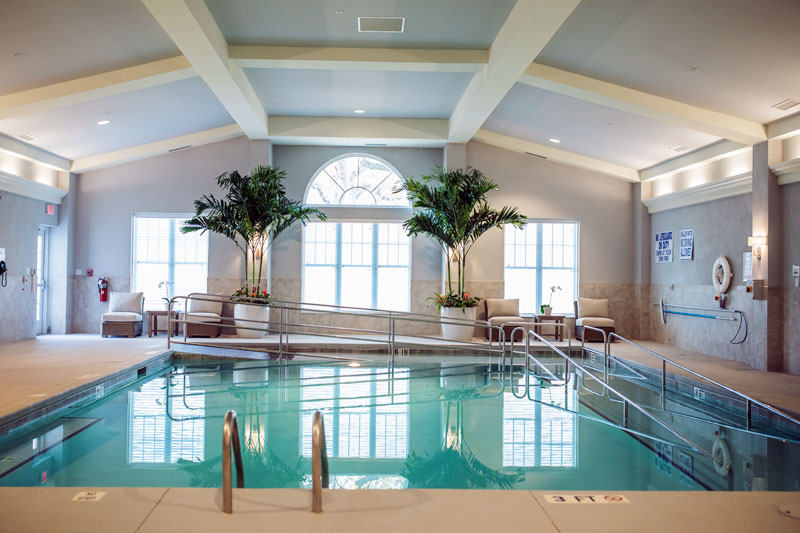
How is Retreat At Wellmore Of Daniel Island Staffed?

CMS rates Retreat at Wellmore of Daniel Island's staffing level at 4 out of 5 stars, which is above average compared to other nursing homes. Staff turnover is 54%, compared to the South Carolina average of 46%.

What Have Inspectors Found at Retreat At Wellmore Of Daniel Island?

State health inspectors documented 18 deficiencies at Retreat at Wellmore of Daniel Island during 2022 to 2025. These included: 1 Immediate Jeopardy (the most serious level, indicating potential for serious harm or death) and 17 with potential for harm. Immediate Jeopardy findings are rare and represent the most serious regulatory concerns. They require immediate corrective action.

Who Owns and Operates Retreat At Wellmore Of Daniel Island?

Retreat at Wellmore of Daniel Island is owned by a for-profit company. For-profit facilities operate as businesses with obligations to shareholders or private owners. The facility operates independently rather than as part of a larger chain. With 60 certified beds and approximately 49 residents (about 82% occupancy), it is a smaller facility located in Charleston, South Carolina.

How Does Retreat At Wellmore Of Daniel Island Compare to Other South Carolina Nursing Homes?

Compared to the 100 nursing homes in South Carolina, Retreat at Wellmore of Daniel Island's overall rating (3 stars) is above the state average of 2.8, staff turnover (54%) is near the state average of 46%, and health inspection rating (2 stars) is below the national benchmark.

What Should Families Ask When Visiting Retreat At Wellmore Of Daniel Island?

Based on this facility's data, families visiting should ask: "What changes have been made since the serious inspection findings, and how are you preventing similar issues?" "Can I visit during a mealtime to observe dining assistance and food quality?" "How do you handle medical emergencies, and what is your hospital transfer rate?" "Can I speak with family members of current residents about their experience?" These questions are particularly relevant given the facility's Immediate Jeopardy citations.

Is Retreat At Wellmore Of Daniel Island Safe?

Based on CMS inspection data, Retreat at Wellmore of Daniel Island has documented safety concerns. Inspectors have issued 1 Immediate Jeopardy citation (the most serious violation level indicating risk of serious injury or death). The facility has a 3-star overall rating and ranks #1 of 100 nursing homes in South Carolina. Families considering this facility should ask detailed questions about what corrective actions have been taken since these incidents.

Do Nurses at Retreat At Wellmore Of Daniel Island Stick Around?

Retreat at Wellmore of Daniel Island has a staff turnover rate of 54%, which is 8 percentage points above the South Carolina average of 46%. Moderate turnover is common in nursing homes, but families should still ask about staff tenure and how the facility maintains care continuity when employees leave.

Was Retreat At Wellmore Of Daniel Island Ever Fined?

Retreat at Wellmore of Daniel Island has no federal fines on record. CMS issues fines when nursing homes fail to meet care standards or don't correct problems found during inspections. The absence of fines suggests the facility has either maintained compliance or corrected any issues before penalties were assessed. This is a positive indicator, though families should still review recent inspection reports for the full picture.

Is Retreat At Wellmore Of Daniel Island on Any Federal Watch List?

Retreat at Wellmore of Daniel Island is not on any federal watch list. The most significant is the Special Focus Facility (SFF) program, which identifies the bottom 1% of nursing homes nationally based on persistent, serious quality problems. Not being on this list means the facility has avoided the pattern of deficiencies that triggers enhanced federal oversight. This is a positive indicator, though families should still review the facility's inspection history directly.