C M Tucker Jr Nursing Care Center Roddey Pavilio

2200 Harden Street, Columbia, SC 29203 (803) 737-5300
Government - State 308 Beds Independent Data: November 2025 3 Immediate Jeopardy citations
Trust Grade
9/100
#105 of 186 in SC
Last Inspection: April 2025

Within standard 12-15 month inspection cycle. Federal law requires annual inspections.

Overview

C M Tucker Jr Nursing Care Center Roddey Pavilion has received a Trust Grade of F, indicating significant concerns about the quality of care provided. Ranking #105 out of 186 facilities in South Carolina places it in the bottom half of nursing homes in the state, and #5 out of 14 in Richland County, suggesting that there are better local options available. While the facility's trend is improving, with the number of issues decreasing from three in 2024 to two in 2025, the number of critical incidents is alarming. Staffing is a strength here, rated 5 out of 5 stars with a turnover rate of just 34%, which is well below the state average, and they provide more RN coverage than 92% of other facilities. However, there are serious concerns, including failures in infection control in laundry services that could spread infections, a case of physical abuse by a staff member, and a prior incident where a resident eloped, exposing them to potential harm.

Trust Score
F
9/100
In South Carolina
#105/186
Bottom 44%
Safety Record
High Risk
Review needed
Inspections
Getting Better
3 → 2 violations
Staff Stability
○ Average
34% turnover. Near South Carolina's 48% average. Typical for the industry.
Penalties
⚠ Watch
$65,686 in fines. Higher than 79% of South Carolina facilities, suggesting repeated compliance issues.
Skilled Nurses
✓ Good
Each resident gets 110 minutes of Registered Nurse (RN) attention daily — more than 97% of South Carolina nursing homes. RNs are the most trained staff who catch health problems before they become serious.
Violations
○ Average
10 deficiencies on record. Average for a facility this size. Mostly minor or procedural issues.
★★☆☆☆
2.0
Overall Rating
★★★★★
5.0
Staff Levels
★★★★☆
4.0
Care Quality
★☆☆☆☆
1.0
Inspection Score
Stable
2024: 3 issues
2025: 2 issues

The Good

  • 5-Star Staffing Rating · Excellent nurse staffing levels
  • 4-Star Quality Measures · Strong clinical quality outcomes
  • Full Sprinkler Coverage · Fire safety systems throughout facility
  • No fines on record
  • Staff turnover below average (34%)

    14 points below South Carolina average of 48%

Facility shows strength in staffing levels, quality measures, fire safety.

The Bad

2-Star Overall Rating

Below South Carolina average (2.8)

Below average - review inspection findings carefully

Staff Turnover: 34%

12pts below South Carolina avg (46%)

Typical for the industry

Federal Fines: $65,686

Above median ($33,413)

Moderate penalties - review what triggered them

The Ugly 10 deficiencies on record

3 life-threatening 1 actual harm
Apr 2025 2 deficiencies 1 IJ (1 facility-wide)
CRITICAL (L)

Immediate Jeopardy (IJ) - the most serious Medicare violation

Infection Control (Tag F0880)

Someone could have died · This affected most or all residents

⚠️ Facility-wide issue

Based on observation, interview, and a review of facility policy, the facility failed to follow proper infection control protocol in 3 of 3 laundry rooms. Specifically, there was a lack of separation ...

Read full inspector narrative →
Based on observation, interview, and a review of facility policy, the facility failed to follow proper infection control protocol in 3 of 3 laundry rooms. Specifically, there was a lack of separation between the clean and soiled laundry room. Laundry staff did not adhere to manufacturer guidelines regarding the use of detergents and sanitizers. Additionally, heavily soiled clothing items were being rinsed out in areas such as resident bathroom toilets/sinks or the sinks in shared shower rooms. This failure had the potential to spread bacteria, viruses, and fungal infections. On 04/18/25 at approximately 11:45 AM, the Administrator and the Director of Nursing (DON) were notified that the failure to follow infection control standards regarding laundry services constituted Immediate Jeopardy (IJ) at F880. On 04/18/25 at approximately 11:45 AM, the survey team presented the Administrator with a copy of the CMS Immediate Jeopardy (IJ) Template and informed the facility that IJ existed as of 02/17/25. The IJ was related to 42 CFR 483.80 - Infection Control. On 04/18/25, the facility provided an acceptable IJ Removal Plan. On 04/18/25 at 3:00 PM, the survey team validated the facility's corrective actions and removed the IJ. The facility remained out of compliance at a lower scope and severity of F. Findings include: Review of the facility policy titled, Infection Control for Laundry-Personal/Unit Based, with a review date of February 2025, documented, It is the policy of Laundry Service to adhere to standards of infection control practice while providing services to prevent the spread of infection and disease . Soiled laundry shall neither be sorted nor rinsed prior to placing in the washer. Further review of the policy revealed, 1. Unit Washer: . b. Laundry detergent is released in pre-measured amounts from an automatic dispensing system . Unit Laundry Room: . d. Clean and soiled clothing will remain separated at all times to avoid contamination. Review of the facility's QAPI Action Plan, with a Date of Implementation 02/17/25 and a Completion Date of 12/31/25, revealed an Action Plan which documented, There is a need for re-education on the proper use of chemicals, adhering to cleaning schedules to ensure facility cleanliness, and laundering process. Further review of the QAPI Action Plan revealed inservice sign in sheets dated: 02/17/25, 03/18/25, and 04/09/25. Additionally, documentation titled Audit to Ensure ALL EVS Policies and Processes are Followed, revealed audits were being conducted for the months of 02/25, 03/25, and 04/25. Results of documentation reviewed for this QAPI, did not confirm or solidify these processes were in place at the time of the survey, evidenced by multiple surveyor observations throughout the survey. During an observation and interview on 04/16/25 at approximately 8:38 AM, the laundry rooms on Unit 140, Unit 130, and Unit 138, were observed with no designation or separation indicating which side was clean and and which side was dirty/soiled linens. Further observation revealed a bag of dirty linens were observed in a thin, clear plastic bag on the floor. Clean linens were sitting strewn and unfolded on top of the dryer and throughout the laundry room. Folded and clean hospital gowns were observed in the left corner of the room. An interview with Laundry Service Worker and the Housekeeping Manager verified that residents' dirty and clean clothes are laundered together in the same space. During an observation and interview on 04/16/25 at approximately 8:38 AM, a container of Oxy Suds Premium Laundry Detergent was observed on a stand next to the washer. The detergent was connected to an automatic dispensing system. The Label instructions read: Instructions Usage: 2 to 4 oz [ounces] for home-type washer, Use 4 to 8 oz per 100lbs [pounds] on commercial machines. Use for HE [High Efficiency] washers; High efficiency - use 2 oz per load. The Laundry Service Worker stated that the automatic dispenser only releases a small amount of detergent. He further explained that he manually adds more detergent to the washer to compensate, without measuring the amount. The Laundry Service Worker further stated he picks up the Oxy Suds container and pours it directly into the washer. During an interview on 04/16/25 at approximately 8:38 AM, the Housekeeping Manager stated that Certified Nursing Assistants (CNA)s manually remove excessive amounts of feces from personal clothing items into residents' toilets, sinks, or shower rooms. During an interview on 04/17/25 at approximately 1:45 PM, the Infection Preventionist (IP) stated that he expects dirty/soiled linens and personal items to be separate in the laundry. During a follow-up interview on 04/17/25 at approximately 2:54 PM, both the Environmental Services (EVS) Supervisor and Housekeeping Manager confirmed that staff rinse fecal matter in the resident sinks before washing personal clothing items. Multiple interviews were conducted on 04/18/25 between approximately 9:12 AM and 9:45 AM, with Registered Nurse (RN)1, CNA1, CNA3, CNA4, CNA5, CNA6, and CNA7, all confirmed the practice of removing feces from the residents' clothing and rinsing the soiled items out into the residents' sinks, toilets, and the shower. At approximately 10:15 AM on 04/18/25, the facility provided an acceptable IJ Removal Plan, which included the following: Facility failed to follow proper infection control standards regarding laundry services in 3 of 3 laundry rooms, to include: 1. Laundry Room not separated into a clean area and dirty/soiled area. 2. Laundry aids were not following manufacturer recommendations regarding detergent/sanitizer use in washing machines. 3. Certified Nursing Assistant were rinsing off heavily soiled clothing items in the resident's personal toilets (CNA) were rinsing off heavily soiled clothing items in the resident's personal toilets (located in their room) before processing them for laundry services. The facility's failure to follow infection control standards in the laundry process has the potential for transmission of pathogens and cross contamination. It places all residents at risk of contracting infections, such as bacterial, viral, fungal, or parasitic infections. Facility previously identified these issues in February 2025 and had placed a QAPI Action Plan in place, with an alleged date of total compliance of 12/31/25. Laundry Staff and CNAs were educated on the Facility's Infection Control for Laundry-Personal Unit Based Policy and process. USA Vendor is currently in facility working to secure laundry detergent for staff not to be able to add additional chemicals. Facility placed signs in the laundry rooms, in order to identify the Clean vs Dirty Side of the laundry room. The EVS Management staff will be utilizing the audit tool created to monitor the deficiencies twice a week until 12/31/202. Results from this audit will be brought forth to the QAPI Committee. Facility has previously put this issue into our QAPI plan. Therefore, will continue to monitor for compliance. The following compliance issues were noted: -Improper use of chemicals, detergent, and sanitizing agents -Failing to adhere to deep cleaning schedules -Failing to keep separate the clean and dirty side of laundry room -Proper disposal of soiled linen. Do not trash without getting approval from resident's RP and/or resident -Failing to measure chemicals when mixing AOC Date 04/18/25
CONCERN (D)

Potential for Harm - no one hurt, but risky conditions existed

Deficiency F0692 (Tag F0692)

Could have caused harm · This affected 1 resident

**NOTE- TERMS IN BRACKETS HAVE BEEN EDITED TO PROTECT CONFIDENTIALITY** Based on observation, interview, record review, and review of facility policy, the facility failed to provide Resident (R)50 wit...

Read full inspector narrative →
**NOTE- TERMS IN BRACKETS HAVE BEEN EDITED TO PROTECT CONFIDENTIALITY** Based on observation, interview, record review, and review of facility policy, the facility failed to provide Resident (R)50 with sufficient daily fluid intake, for 1 of 1 resident reviewed for hydration. Findings include: Review of the facility policy titled Intake and Output last revised October 2023 revealed, To maintain an accurate record of the resident's fluid intake and output. Documentation of intake and output are indicated when there is a change in the resident's intake or output, when intravenous fluid are being administered, or when a resident is on a fluid restriction. Procedure includes identify resident, use both resident's identification bracelet and resident photograph on unit. Record all fluid intake, a cup of ice is equal to approximately mL (milliliter) of fluid, record all intake, every shift. Review of R50's Face Sheet revealed she was admitted to the facility on [DATE], with diagnoses including but not limited to: schizophrenia, congestive heart failure, and dementia with agitation. Review of R50's Quarterly Minimum Data Set (MDS) with an Assessment Reference Date (ARD) of 01/28/25, revealed that R50 had a Brief Interview of Mental Status (BIMS) score of 15 out of 15 which indicates that R50 is cognitively intact. Further review of the Quarterly MDS revealed that R50 requires set up or clean up assistance with the Activities of Daily Living (ADL) task of eating. R50 has no issues with swallowing or nutritional status. During an observation and interview on 04/15/25 at 12:59 PM, R50 was in her in bed with a water jug of 500 liters of water. During interview with R50 she stated that staff do not provide her adequate hydration during day and the only times she receives fluids are during mealtimes and when she gets her medications. Further interview with R50 stated that the last time staff offered to provide her hydration in her water jug was about 2 weeks ago. R50 stated I do not want to drink water that has been sitting for days because it is not fresh. Observation of the 500 liters of water revealed no ice or condensation on the outside of the water jug, it appeared to be room temperature. During an interview on 04/17/25 at 3:55 PM, R50 stated that again today no staff provided her hydration other than with her meals or medications. Review of R50 Intake/Output Monitoring Report for January 2025, revealed the following dates recorded for fluid intake: -01/07/25 at 10:23 AM - 420 mL -01/13/25 at 10:29 AM- 240 mL -01/21/25 at 5:36 PM - 240 mL -01/22/25 at 8:36 AM - 480 mL -01/25/25 at 8:00 PM - 720 mL The record of fluid intake was missing for multiple days in the month of January 2025. There was no other documentation found for the month of January 2025 for R50 Intake/Output monitoring. Record review of R50 Intake/Out Monitoring Report for February 2025, revealed the following dates recorded for fluid intake: -02/01/25 at 7:00 AM - 420 mL -02/01/25 at 7:00 AM - 420 mL -02/03/25 at 6:39 PM - 240 mL -02/10/25 at 10:26 AM - 420 mL -02/10/25 at 10:27 AM - 420 mL -02/11/25 at 8:49 PM - 240 mL The record of fluid intake was missing for multiple days in the month of February 2025. There was no other documentation found for the month of February 2025 for R50 Intake/Output monitoring. Record review of R50 Intake/Output Monitoring Report for Mach 2025, revealed the following dates recorded for fluid intake: -03/07/25 at 8:30 PM - 240 mL -03/12/25 at 10:26 PM - 240 mL -03/25/25 at 1:10 PM - 120 mL -03/25/25 at 1:10 PM - 420 mL -03/29/25 at 2:34 PM - 420 mL -03/29/25 at 2:34 PM - 420 mL The record of fluid intake was missing for multiple days in the month of March 2025. There was no other documentation found for the month of March 2025 for R50 Intake/Output monitoring. Review of R50's Intake/Output Monitoring Report for April 2025, revealed the following dates recorded for fluid intake: -04/09/25 at 1:11 PM - n/a The record of fluid intake was missing for multiple days in the month of April 2025. There was no other documentation found for the month of April 2025 for R50 Intake/Output monitoring. Review of R50's Care Plan last revised on 12/04/24, revealed, [R50] has the potential for complications related to multiple medical problems as evidence by diagnosis of cardiac issues, respiratory issues, history of Urinary Tract Infection, hypertension, gastrointestinal (GI) bleed/anemia . interventions include encourage to drink fluid on meal tray, with medications, and during hydration rounds. During an interview on 04/17/25 at 6:17 PM, the Unit Manager revealed that her expectation is for staff to document resident's input/output for hydration on every shift. During an interview on 04/17/25 at 6:45 PM, the Director of Nursing revealed that their expectation is for staff to document resident's intake/output monitoring in the Electronic Medical Record (EMR) every shift. During an interview on 04/18/25 at 9:55 AM, the Nurse Consultant revealed that the facility was unable to locate any additional documentation for R50 related to her intake/output monitoring for 2025.
Dec 2024 2 deficiencies
CONCERN (D) 📢 Someone Reported This

A family member, employee, or ombudsman was alarmed enough to file a formal complaint

Potential for Harm - no one hurt, but risky conditions existed

Report Alleged Abuse (Tag F0609)

Could have caused harm · This affected 1 resident

Amended 1/9/25 Based on interview, record review, and facility document and policy review, the facility failed to timely report an allegation of abuse to the state survey agency for 1 (Resident (R)4) ...

Read full inspector narrative →
Amended 1/9/25 Based on interview, record review, and facility document and policy review, the facility failed to timely report an allegation of abuse to the state survey agency for 1 (Resident (R)4) of 3 sampled residents reviewed for abuse. Findings included: 1. A facility policy titled, Protection From Harm Program, revised 11/2024, indicated the facility will report all incidents of alleged or substantiated abuse to the proper government agencies as outlined by state, federal and local regulations governing the operation of a long-term nursing care facility. The policy revealed DHEC [Department of Health and Environmental Control] requires the reporting of Resident-to-Resident abuse, altercations involving physical contact between two residents. A Face Sheet indicated the facility admitted R3 on 03/21/2023. According to the Face Sheet, the resident had a medical history that included diagnoses of dementia, type 2 diabetes mellitus, encephalopathy, wandering, and schizophrenia. A significant change in status Minimum Data Set (MDS), with an Assessment Reference Date (ARD) of 10/10/2024, revealed R3 had a Brief Interview for Mental Status (BIMS) score of 8, which indicated the resident had moderate cognitive impairment. R3's Care Plan Report included an undated problem statement, that indicated the resident had behavioral symptoms that included being resistant to care; noncompliant with care/medications; combative; hard to redirect; easily agitated by others (yelling out, loud disruptions); unpredictable behaviors with episodes of verbal threats of physical aggression towards staff and peers without provoking; spitting towards staff and peers; ineffective understanding of safety; threatening and taunting behavior with attempts to break facility equipment by punching, kicking, and grabbing materials which are thrown at staff. A Face Sheet indicated the facility admitted R4 on 10/20/2022. According to the Face Sheet, the resident had a medical history that included diagnoses of schizophrenia, schizoaffective disorder, and altered mental status. A quarterly MDS, with an ARD of 09/19/2024, revealed R4 had a BIMS score of 7, which indicated the resident had severe cognitive impairment. An Initial Report, dated 11/16/2024, indicated the facility was informed of an allegation of resident-to-resident abuse on 11/15/2024 at 7:25 PM. A facsimile report dated 11/16/2024, indicated the facility notified the state survey agency of the abuse allegation on 11/16/2024 at 10:51 AM. Per the Initial Report, R3 alleged that R4 pulled their leg and spat on them. During an interview on 12/05/2024 at 12:30 PM, the Director of Nursing stated it was her expectation that facility staff report alleged abuse allegations timely based on facility policy and regulatory guidelines. During an interview on 12/05/2024 at 12:32 PM, the Administrator stated it was her expectation that facility staff report alleged abuse allegations timely based on facility policy and regulatory guidelines.
CONCERN (D) 📢 Someone Reported This

A family member, employee, or ombudsman was alarmed enough to file a formal complaint

Potential for Harm - no one hurt, but risky conditions existed

Accident Prevention (Tag F0689)

Could have caused harm · This affected 1 resident

Based on interview, record review, document review, and facility policy review, the facility failed to provide supervision to prevent accidents for 1 (Resident #3) of 3 sampled residents reviewed for ...

Read full inspector narrative →
Based on interview, record review, document review, and facility policy review, the facility failed to provide supervision to prevent accidents for 1 (Resident #3) of 3 sampled residents reviewed for abuse. Specifically, staff were required to keep Resident #3 within line of sight when the resident was out of their room. On 11/15/2024 at approximately 7:25 PM, staff failed to supervise Resident #3 and found the resident in Resident #4's room. Findings included: A facility policy titled, Special Treatment Modalities and Observation Levels effective 09/2024, revealed, This directive defines the process for administering care to resident populations who because of their behavior/condition, require more intensive monitoring within the facility. It is the policy of [the facility] to provide an appropriate level of supervision for those residents who are at significant risk of harm to self and/or others and/or who may create serious disruption in the environment. The policy revealed, Constant Observation-Line of Sight (COLS): Occurs when an individual staff member may be responsible for up to two (2) residents who remains at all times within the line of sight of the assigned staff. A Face Sheet indicated the facility admitted Resident #3 on 03/21/2023. According to the Face Sheet, the resident had a medical history that included diagnoses of dementia, type 2 diabetes mellitus, encephalopathy, wandering, and schizophrenia. A significant change in status Minimum Data Set (MDS), with an Assessment Reference Date (ARD) of 10/10/2024, revealed Resident #3 had a Brief Interview for Mental Status (BIMS) score of 8, which indicated the resident had moderate cognitive impairment. According to the MDS, the resident had physical and verbal behavioral symptoms directed toward others one to three days during the assessment period. The MDS revealed the resident used a manual wheelchair and was independent for sit to stand and chair/bed-to-chair transfer and with walking up to 150 feet. Resident #3's Care Plan Report included an undated problem statement, that indicated the resident had behavioral symptoms that included being resistant to care; noncompliant with care/medications; combative; hard to redirect; easily agitated by others (yelling out, loud disruptions); unpredictable behaviors with episodes of verbal threats of physical aggression towards staff and peers without provoking; spitting towards staff and peers; ineffective understanding of safety; threatening and taunting behavior with attempts to break facility equipment by punching, kicking, and grabbing materials which are thrown at staff. Interventions directed staff to provide special treatment modalities and observation levels per physician orders. The intervention indicated that staff may observe the resident up to ten feet away (initiated 01/01/2023). The facility Five-Day Follow-Up Report, dated 11/22/2024 revealed it was reported that on 11/15/2024 at 7:25 PM, Resident #3 entered Resident #4's room, during shift change and pulled Resident #4's leg. The report revealed that upon investigation, video footage showed Resident #3 coming down the hall from the nurse's station via wheelchair and going to the doorway of Resident #4's room. Video footage showed Resident #3 stood up and entered Resident #4's room. After approximately 30 seconds, the video footage showed two staff members at the doorway of Resident #4's room directing Resident #3 to come out. Per the facility's report, video footage showed Resident #3 left the room and sat in their wheelchair. The report revealed the two staff members stated that they heard Resident #4 saying not to spit or kick them as the staff approached Resident #4's room. Per the report, when they arrived at Resident #4's room, the staff saw Resident #3 pulling Resident #4's leg. The report revealed Resident #3 had a history of aggression towards peers and staff. Per the report, Resident #4 had a history of agitation, yelling, and being verbally aggressive toward staff and others. According to the report, the facility conducted an investigation that included obtaining staff witness and resident statements, conducting record review, and reviewing camera footage. The report revealed the facility determined that Resident #3 entered Resident #4's room where an inappropriate exchange occurred between the residents and neither resident sustained an injury. Per the report, facility staff quickly intervened once Resident #3 entered the room; psychiatry evaluated Resident #4 and Resident #3 and medication adjustments were made, and Resident #3 would remain on continuous line of sight supervision. Per the report, based on the evidence, the facility could not determine Resident #3's intent when they entered Resident #4's room; subsequently, abuse could not be substantiated. Resident #3's 1:1 Observation Flowsheet-Nursing Service for 11/15/2024, revealed staff should observe [the resident] every hour and CLOS when out of room due to Risk of Injury to Others. Per the flowsheet, at 7:00 PM on 11/15/2024, Certified Nursing Assistant (CNA) #7 documented that Resident #3 was in the hallway and in the resident's room. The flowsheet revealed no further documentation regarding Resident #3's location until 8:00 PM. During an interview on 12/02/2024 at 1:55 PM, Registered Nurse (RN) #19 stated that Resident #3 required continuous observation when the resident was out of their room. During a telephone interview on 12/03/2024 at 2:14 PM, RN #9 stated he was unable to explain how Resident #3 was able to go into Resident #4's room when Resident #3 was supposed to be supervised when out of their room. During an interview on 12/03/2024 at 4:41 PM, CNA #12 stated she started work on the day of the incident at 7:00 PM. CNA #12 stated during the beginning of shift change she noticed an empty wheelchair in front of Resident #4's room. CNA #12 indicated that she saw Resident #3 standing over Resident #4 pulling the resident's leg as if the Resident #3 was trying to put Resident #4's leg back on the bed. Per CNA #12, Resident #4 stated that Resident #3 kicked and spat on them. CNA #12 indicated that she did not witness Resident #3 spitting or kicking Resident #4. CNA #12 indicated that when Resident #3 was out of their room, a TA was supposed to be observing Resident #3. CNA #12 indicated that there was no TA who sat near the nurse's station when she started work at 7:00 PM. During an interview on 12/04/2024 at 2:50 PM, CNA #8 stated Resident #3 was usually a protector of the residents. CNA #8 indicated that she had never seen Resident #3 go in another resident's room. CNA #8 stated she was not aware she was assigned TA duties on the day of the incident until CNA #7, who was leaving, notified her. CNA #8 indicated that when she came in to work, Resident #4 was in bed and requested assistance to sit in their chair. CNA #8 stated she went to get CNA #12 to assist her with getting Resident #4 to a chair. CNA #8 stated they found Resident #3 was in Resident #4's room. Per CNA #8, CNA #12 redirected Resident #3 out of the room and reported the incident to the RN #9. During an interview on 12/04/2024 at 4:49 PM, CNA #7 stated that on the day of the incident, the TA left early due illness, and she took over the observation of residents until 7:00 PM. CNA #7 indicated that during the time she watched residents in the hallway, Resident #3 did not come out of their room. CNA #7 indicated that she was due to get off at 7:00 PM and was at the nurses' station assisting the nurse when the incident occurred. CNA #7 further indicated that CNA #8, was supposed to be assigned TA duties at 7:00 PM, and was supposed to observe residents that were in the hallway. During an interview on 12/04/2024 at 12:25 PM, the Director of Nursing stated that it was her expectation that the staff follow facility and regulatory guidelines related to preventing abuse and keeping residents safe. During an interview on 12/04/2024 at 12:30 PM, the Administrator stated that it was her expectation that the staff follow facility and regulatory guidelines related to preventing abuse and keeping residents safe.
Mar 2024 1 deficiency 1 IJ
CRITICAL (J) 📢 Someone Reported This

A family member, employee, or ombudsman was alarmed enough to file a formal complaint

Immediate Jeopardy (IJ) - the most serious Medicare violation

Free from Abuse/Neglect (Tag F0600)

Someone could have died · This affected 1 resident

**NOTE- TERMS IN BRACKETS HAVE BEEN EDITED TO PROTECT CONFIDENTIALITY** Based on review of the facility policy, interviews, and record review, the facility failed to ensure Resident (R)1 was free from...

Read full inspector narrative →
**NOTE- TERMS IN BRACKETS HAVE BEEN EDITED TO PROTECT CONFIDENTIALITY** Based on review of the facility policy, interviews, and record review, the facility failed to ensure Resident (R)1 was free from physical abuse by Certified Nursing Assistant (CNA)2. On 03/18/24 at 10:25 AM, the Administrator and the Director of Nursing were notified that the failure to ensure Resident (R)1 was free from physical abuse constituted Immediate Jeopardy (IJ) at F600. On 03/18/24 at 10:25 AM, the survey team provided the Administrator with a copy of the CMS Immediate Jeopardy (IJ) Template and informed the facility IJ existed as of 12/30/23. The IJ was related to 42 CFR 483.12 - Freedom from Abuse, Neglect, and Exploitation. On 03/18/24 at 12:27 PM, the facility presented an acceptable plan of removal of the IJ. On 03/18/24 at 12:57 PM, the survey team validated the facility's corrective actions and determined the facility put forth good faith attempts to address the non-compliance, considering the IJ at Past Non-Compliance as of 01/05/24. An extended survey was conducted in conjunction with the Complaint Survey for non-compliance at F600, constituting substandard quality of care. Findings include: Review of the facility's policy titled, C.M. [NAME], Jr. Nursing Care Center Protection from Harm Program dated November 2023 indicated, Section 2.0 Definitions: a). abuse is the willful infliction of injury, unreasonable confinement, intimidation, or punishment with resulting physical harm, pain, or mental anguish. Willful as used in this definition of abuse, means the individual must have acted deliberately, not that the individual must have intended to inflict injury or harm. Review of facility's training titled, Training for: Managing Agitation in the Psychiatric and Long Term Care Setting - MAPS with a revised date of 10/23/20, indicated, General Overview of Physical Skills for Protection (Used when attempts to de-escalate have failed and patient is in crisis/behavioral emergency.) Protection Skills: These skills are used to protect the employee when the patient becomes aggressive and is attempting to strike/hit a staff member. The purpose of these skills is to maintain staff and patient safety, giving the employee adequate time to call for help using the appropriate behavioral emergency code. Section XIII - Physical skills for protection listed protection, release, grip on both writs, two hand on one wrist, bite, grip pressure point, rear choke standing, front choke, rear choke sitting, forearm choke, hair pull, bear hug, basket hold, straight arm hold/and or transport in bed or floor restraint, high blow or punch to head, high blow, pivot and deflect, and kick. Further review of the training did not include arm to back protection skills. Review of R1's Face Sheet revealed R1 was admitted to the facility on [DATE] with diagnoses including but not limited to: schizoaffective disorder, depression, and wandering. Review of R1's Quarterly Minimum Data Set (MDS) with an Assessment Reference Date (ARD) date of 09/07/23 revealed a Brief Interview for Mental Status (BIMS) score of 9 out of 15, indicating R1 had moderately impaired cognition. Review of R1's Care Plan with a start date of 10/02/23 documented, BEHAVIORAL SYMPTOMS: [R1] has been resistive to care and noncompliant with care/medication, combative, hard to redirect, unspecified type with history of being agitated (Poor insight and judgement), unpredictable behaviors with episodes of verbal threats of physical aggression towards staff and peers without provoking, derogatory language towards staff and peers, sexually inappropriate behaviors, spitting towards staff and peers, and ineffective understanding of safety. Threatening and Taunting behaviors with attempts to break facility equipment by punching, kicking, and grabbing materials which are thrown towards staff. 2/3/24 Making verbal threats softly to himself about causing harm to other individuals. 3/26/23 Resident observed throwing chair at exit door in day area 4/13/2023 RESIDENT SPIT ON STAFF 4/14/23 Alleged Physical Abuse 4/22/23. Resident inappropriate and grabbed staff jacket sleeve. 5/03/2023 Resident punch fire extinguisher down center hallway with left fist 5/31/23 Resident threatened staff with writing pen. 7/9/23: Resident attempted to hit peer with a closed fist 7/12/23: Resident threw chair/table at staff 7/17/23: Resident threw chair and broke the TV 8/18/23 Resident reached over nurses' station and threw the computer monitor three times 9/4/23 Resident spit into staff's face 10/8/23 climbing over nurses station 12/18/23 Resident spit in nurse's face, hair, and arms. 12/19/2023 tried to jump into the Nurses station 12/30/23 Resident reached over glass at nurses' station and threw monitor on floor, spit on staff, not redirectable, resident observed with superficial scratches to face. believing that his clothes were missing. 1/11/24: RESIDENT HIT PEER ON THE KNEE 1/17/24: Resident reached over nurse's station knocking monitors off desk, spit on staff, and urinated on the floor. Goal: Resident will be reminded to of consequences of non-compliance with medications. Review of AIMS dated 11/1/23 and 10/10/23 no noted abnormal involuntary movement. Interventions: Resides on a secure unit-must be supervised when off unit. Observe for and document any exit seeking behavior. Review of R1's Clinical Notes Report dated 12/30/23 documented, Resident became agitated at 11:15 AM to which began climbing on front of nurse desk resulting in resident knocking call bell phone and computer monitors off onto the floor while staff served lunch to the other residents while monitoring resident from a distance. Behavior escalated to resident raising fist to staff in day room during lunch and becoming verbally aggressive and threatening. The resident was escorted from day room to bedroom for a time out to calm down away from other residents. Just after the staff returned to the day room to complete feeding lunch, resident returned without w/c, took a drink of tea, spit on staff member and raised both fists in the air in attempt to come attack and became verbally threatening once again. Resident was assisted by 2 staff members to get out of the day room from other residents for safety to which LPN [Licensed Practical Nurse] was called for assistance and nurse called supervision on duty to unit. Nurse and a staff member assisted resident back to room to get w/c. Resident went to bathroom and while in bathroom, supervisors arrived on unit and took over the de-escalation at that time. All appropriate contacts were made. Review of R1's South Carolina Department of Mental Health Incident Report by Code Management dated 12/30/23 with case #T12723223 indicated, staff member stating she was assaulted by resident and reacted to resident by restraining his right hand behind his back. Review of training in abuse, neglect and exploitation, revealed CNA2 completed this training 06/16/23 and completed MAPS training on 06/28/23. During an interview on 03/07/24 at 1:03 PM, Registered Nurse (RN)1 revealed, she was called down to the unit with another nurse because R1 was being aggressive. RN1 stated R1 was in his bathroom, and he was trying to get out the door of the room saying I'm going to get her. RN1 stated she stayed in the room and talked with R1 a little bit. RN1 was not aggressive towards her. RN1 further stated, normally we attempt to deescalate verbally and get the charge nurse or call the doctor or supervisor. We try different things, like take him to his room. It is normal procedure to take him back to his room. RN1 stated she saw markings on his skin, blood a little from the scratches on his face. R1 had been in the bathroom by himself. During an interview on 03/07/24 at 1:26 PM, CNA1 revealed she witnessed the incident. CNA1 stated the resident was agitated, and they were feeding. During the first incident when we were feeding, I saw him go over towards CNA2. I didn't hear the conversation, but they were going back and forth. CNA1 stated CNA2 pushed R1's wheelchair out of the day room and she escorted them. CNA1 stated she came back first when R1 was calm and CNA2 came back later. CNA1 further stated R1 came back again into the dining room and took a sip of something, his gait was unsteady, came with his fists up, and she heard CNA2 say R1 spit on her. CNA1 stated CNA2 was holding R1 inappropriately, and CNA1 called another nurse to take over. CNA1 and another nurse took R1 back to his room. CNA1 stated she told CNA2 that was not the way to hold R1 and called for the nurse. CNA1 concluded she did not see any scratches on R1's face prior to this incident and she did not see any marks on R1's face after the incident occurred. During an interview on 03/07/24 at 2:04 PM, LPN1 stated, While passing out trays to other residents, [R1] continued to push things off the desk. At this time [R1] was not hurting others or himself. We were trying to get the other residents meals served. Once the desk was cleared R1 stopped. [R1] came into the dining room to eat. [R1] was paying attention to another resident, then he began to be mean to the other resident. He started being mean to another resident. [R1] began to get aggressive, he began to put his fist up to swing at [CNA2] and she deflected at first. LPN1 stated CNA1 reminded CNA2 to not grab him, we don't do that. LPN1 further stated she stayed in the dining room and fed other residents while they escorted [R1] to his room, but I stayed on alert. LPN1 stated CNA2 came back to the dining room and said everything is cool. LPN1 thought R1 was fine, and they had removed him from the situation. LPN1 further stated, CNA1 came back in, and she was kind of stirred and shaken. Then, R1 comes back in without his wheelchair, and they were like where is your chair, and he takes a drink from his cup and spits on CNA2, then proceeds to get physical with her. CNA2 got vocal with him, and CNA2 grabbed him and was again reminded not to do that. That's when LPN1 called the supervisor for extra assistance. LPN1 stated the first time she noticed scratches on R1's face, was after he came out of the bathroom, it was a minor laceration to his lip, and a small scratch on his cheek which was after the second incident when he came into the dining room without his wheelchair. LPN1 concluded the grab CNA2 used with R1 is not a hold we were trained to use. During an interview on 03/07/24 at 2:29 PM, CNA2 stated R1 became agitated, and they took him to his room to calm down. R1 had chased her out of his room and he came back to dining room, and I pushed his hand away, to keep him from getting aggressive with me. CNA2 stated he came towards me aggressively and I pushed him away and he did spit in her face. During an interview on 03/07/24 at 2:48 PM, the Administrator reviewed correspondence forwarded to CNA2 to notify of suspension for alleged abuse and termination for abuse and neglect. The Administrator stated copies of this correspondence could not be provided to surveyor. During an interview on 03/07/24 at 2:57 PM, the Administrator stated the facility no longer has the video of the incident. The Administrator stated when she watched the video you could tell R1 was visibly upset. The Administrator observed staff was trying to deflect R1's strike and deflected in a way that made R1's arm go behind his back. The Administrator stated R 1 was in the day room threatening other residents. R1 was one of the forensic residents, and they had to take him to a safer place, but R1 came back, took a drink of his tea and spits at staff. The nursing staff escorted R1 out and to his room, the Public Safety Officer calmed him down. The Administrator stated when R1 spit, she saw staff intervene to get him out. The staff deflected and while deflecting they hit R1's hand behind his back. The Administrator concluded her expectation of staff is to follow facility policies, follow MAPS, and to use non-pharmacological procedures first. On 03/18/24 at 12:27 PM, the facility presented a plan of removal, which included the following: Upon facility conducting the investigation to include review of staff members' witness statements and review of video footage, it was concluded that staff member used an inappropriate de-escalation maneuver, and inappropriately closed the resident's door. it could not be substantiated that staff member scratched resident in the face, based on previous periods of agitation and aggression prior to this allegation or while resident was in his room/bathroom unattended. 12/30/23 Resident assessed for injury or adverse effect of allegation of Physical Abuse on 12/30/23. Resident was noted with scratches above the right eye, cheek, lateral nose, under the left eye and left inner nose. No adverse effect noted. MD/RP notified on 12/30/23. 12/30/23 Employee was suspended immediately pending investigation. 12/30/23 Residents who have a history of known combative and physical aggression are at risk to have the potential to be affected. Continuous All M300s incidents related to physical aggressive behaviors and combativeness will be reviewed to ensure proper interventions are implemented. Continuous Educate facility staff related to facility's Protection from Harm and MAPs techniques. 01/05/24 M300s incidents related to physical aggressive behaviors and combativeness will be reviewed by the Administrator, DON, and/ or designee to ensure proper interventions are implemented. It will be completed daily for 4 weeks then monthly for 2 additional months to ensure proper interventions are implemented. 04/05/24 AD Hoc QAPI held during daily morning meeting. 01/03/24 Medical Director was notified of the incident and plan for improvement. 12/30/24 This process will be reviewed in QAPI for a minimum of 3 months. 04/05/24
Sept 2023 1 deficiency 1 IJ
CRITICAL (J) 📢 Someone Reported This

A family member, employee, or ombudsman was alarmed enough to file a formal complaint

Immediate Jeopardy (IJ) - the most serious Medicare violation

Accident Prevention (Tag F0689)

Someone could have died · This affected 1 resident

**NOTE- TERMS IN BRACKETS HAVE BEEN EDITED TO PROTECT CONFIDENTIALITY** Based on interview and record review, the facility failed to provide supervision to prevent the elopement of 1 of 7 residents re...

Read full inspector narrative →
**NOTE- TERMS IN BRACKETS HAVE BEEN EDITED TO PROTECT CONFIDENTIALITY** Based on interview and record review, the facility failed to provide supervision to prevent the elopement of 1 of 7 residents reviewed. Resident (R) #7 eloped from the facility on 07/02/2023 at approximately 6:16 PM. This situation placed the resident at increased risk for severe harm and / or death. R7 was outside of a safe area without facility awareness, supervision, or permission, placing her increased risk of heat exposure, dehydration and / or other medical complications, or being struck by a motor vehicle. On 09/18/23 at 1:58 PM, the Administrator and the Director of Nursing (DON) were notified that Resident (R)7's successful elopement from the facility constituted Immediate Jeopardy (IJ) at F689. On 09/18/23 at 1:58 PM, the survey team provided the Administrator and the DON with a copy of the CMS Immediate Jeopardy (IJ) Template and informed the facility IJ existed as of 07/02/23. The IJ was related to 42 CFR 483.25 - Quality of Care. On 09/18/23 at 12:41 PM, the facility presented an acceptable plan of removal of the IJ. On 09/19/23 at 12:50 PM, the survey team validated that the IJ was removed as of 07/07/23. Due to the facility's due diligence and implementation of a plan of removal, the IJ is considered at Past Non-Compliance. An extended survey was conducted in conjunction with the Complaint Survey for non-compliance at F689, constituting substandard quality of care. Findings include: Review of the facility policy tilted Wandering/Elopement Risk Residents with an effective or revised date of April 2023, documented, It will be the policy of [Facility] that all residents of the facility receive care and treatment that promotes freedom of movement in a safe environment. Review of R7's Face Sheet revealed R7 was admitted to the facility on [DATE] with diagnoses including but not limited to, schizoaffective bipolar type, chronic ischemic heart disease, and spinal stenosis. Review of R7's quarterly Minimum Data Set (MDS) with an Assessment Reference Date (ARD) of 07/04/23, revealed R7 scored a 14 out of 15 on the Brief Interview for Mental Status (BIMS), indicating R7 was cognitively intact. Review of R7's Care Plan with an effective date of 04/25/23 revealed the following problems, Potential for injury r/t [related to] falls due to impaired mobility . that could cause orthostatic hypotension, dizziness, drowsiness . Intervention included, On 06/09/23 informed staff to monitor Resident more closely . Review of R7's Clinical Notes dated 07/02/23 at 7:30 PM revealed, Informed via employee from food service that resident was observed in the front parking lot of [NAME] Bldg. at her car standing. Pt. stated that she was waiting for her son, [name of son]. When asked, how did you get out of the bldg, pt. said she knows the code to the door but she was not going to tell . Review of the 07/02/23 video footage of the lobby, revealed R7 exited the facility through the lobby doors at approximately 6:16 PM (5:55 PM according to the timestamp). At 6:36 PM (6:16 PM per timestamp), approximately 20 minutes later, Food Services employee (FSE)1 escorts Certified Nursing Assistant (CNA)1 outside. CNA1 returns to the facility shortly after, assisting R7 inside the facility. Review of timeanddate.com revealed the weather in [NAME], SC on 07/02/23 at 5:53 PM and 6:53 PM was 91 degrees Fahrenheit. Review of FSE1's statement to the facility written on 07/07/23 at 9:05 PM, revealed she saw the resident and believed she was a visitor. In an interview on 09/18/23 at 11:56 AM, FSE1 confirmed her statement to the facility. FSE1 saw the resident in the parking lot and did not immediately realize it was a resident. Review of CNA1's statement to the facility on [DATE] at 7:30 PM, revealed the resident was observed standing in the parking lot behind a car and in front of the building. In an interview on 09/18/23 at approximately 12:24 PM, CNA1 revealed she was in the supervisor's office when FSE1 told them there was a lady outside. CNA1 assisted the resident back inside. This happened in the evening around 7:00 PM. CNA1 further revealed R7 had no history of wandering or exit-seeking. The resident was ambulatory, but she would move about the facility with purpose and clear destinations in mind. In an interview on 09/18/23 at approximately 12:50 PM, the Administrator revealed the facility defined elopement the same way as the Centers for Medicare and Medicaid Services (CMS). The Administrator further revealed CMS defines elopement as a situation in which a resident leaves the premises or a safe area without the facility's knowledge and supervision. In an interview on 09/19/23 at 11:05 AM, the facility Safety Officer revealed that R7 likely exited by pushing the door until it released, per emergency protocol. If this happened, the door would have alarmed, and the alarm would not have silenced until someone turned it off. In an interview on 09/19/23 at 11:10 AM, the Administrator confirmed the footage has no audio, so it is impossible to know if the alarm sounded when R7 triggered the door's emergency release. Furthermore, during the 22 minutes that the resident was outside the facility, the footage does not show anyone arriving to turn off the alarm. Several people go in and out before FSE1 shows CNA1 the resident outside, but nobody appears to silence the alarm from the lobby. It is possible somebody turned off the alarm from the outside, which the camera would not have been able to capture. However, if this happened, the staff member failed to investigate the cause of the alarm or realize that a resident was standing in the parking lot. The facility's allegation of compliance included: Resident was noted in the parking lot of facility and was brought back into the facility. Resident read signage on door that stated, Push until alarm sounds door can be opened in 15 seconds Therefore, resident completed this task. Resident assessed for injury or adverse effect of elopement on 07/02/23. No injuries or adverse effect noted. MD/RP notified on 07/02/23. Wanderguard placed on 07/02/23. Elopement risk evaluation/assessment completed. Residents at risk of elopement have the potential to be affected. Elopement risk evaluations done on current residents in facility reviewed by nursing manager(s) for accuracy. Residents identified at risk will be reviewed for appropriate interventions. Completed by 07/07/23. Educate facility staff related to facility's wandering/elopement policy/procedures. Completed by 07/06/23. Educate facility staff on CMS's definition of elopement and wandering. Completed by 07/06/23. Elopement risks assessments will be reviewed for accuracy and interventions validated if indicated, during Quarterly Assessments. Monitored Monthly for 3 months. All new residents will have an Elopement risk assessment as part of the Admissions Assessments. Monitored Monthly for 3 months. Quarterly assessments will be reviewed as part of the MOS/Care planning process. Monthly for 3 months. The administrator will make rounds weekly for 4 weeks then monthly for 2 additional months to validate that residents' wanderguards are in place and functioning properly on each unit. Completed by 10/31/23. Ad Hoc QAPI held during daily morning meeting on 07/03/23. QAPI meeting held on 07/27/23. Medical Director was notified of the incident and plan for improvement on 07/02/23. This process will be reviewed in QAPI for a minimum of 3 months. AOC 07/07/23.
Apr 2023 4 deficiencies 1 Harm
SERIOUS (G) 📢 Someone Reported This

A family member, employee, or ombudsman was alarmed enough to file a formal complaint

Actual Harm - a resident was hurt due to facility failures

Accident Prevention (Tag F0689)

A resident was harmed · This affected 1 resident

**NOTE- TERMS IN BRACKETS HAVE BEEN EDITED TO PROTECT CONFIDENTIALITY** Based on observation, interviews, record review, and facility policy review, the facility failed to ensure 1 (Resident (R)12) of...

Read full inspector narrative →
**NOTE- TERMS IN BRACKETS HAVE BEEN EDITED TO PROTECT CONFIDENTIALITY** Based on observation, interviews, record review, and facility policy review, the facility failed to ensure 1 (Resident (R)12) of 4 residents reviewed for falls received adequate supervision and assistance devices to prevent accidents. Specifically, R12 did not have a chair alarm in use as required and sustained a fall on 02/21/2023, which resulted in a fractured clavicle. The facility developed an intervention that required staff to provide one on one supervision for the resident. However, on 03/29/2023, staff failed to provide supervision as required and there was no documented evidence the chair alarm was utilized. R12 sustained another fall, which resulted in an abrasion. The facility further failed to ensure quarterly fall risk assessments were consistently completed for 1 (R1) of 4 residents reviewed for falls. Findings include: 1. Review of a facility policy titled, Protection From Harm Program, dated November 2022, specified it was the facility's policy that every resident has the right to the highest level of quality of life in an environment that prevents and/or reduces the number of falls and the resident will receive the most appropriate and effective fall prevention interventions to provide the safest and least restrictive environment. The policy indicated At the time of admission, a Registered Nurse is responsible for completing a Falls Risk Assessment to identify those residents that may be at risk for falls or repeated falls. This assessment is continued periodically throughout the residents stay. The Resident Care Team will review all assessment data and observations to develop a plan of care that prevents or reduces the number of falls or injuries from falls. The plan of care is adjusted or updated any time there is a change in condition that increases the resident's risk of falling. Examples of fall interventions (including but not limited to): were alarms and employee monitoring. A review of a Face Sheet indicated the facility admitted R12 on 06/03/2019 with diagnoses that included schizophrenia, schizoaffective disorder, bipolar type, unspecified dementia with behavioral disturbance, age related osteoporosis (bone disease), restlessness, and agitation. A review of R12's annual Minimum Data Set (MDS), with an Assessment Reference Date (ARD) of 02/01/2023 revealed the resident had a Brief Interview for Mental Status (MDS) score of 0, which indicated the resident was severely cognitively impaired. Further review revealed R12 was independent with bed mobility, transfers, and walking. According to the MDS, the resident had not sustained any falls since the previous MDS assessment. In addition, the MDS revealed R12 utilized a bed alarm and chair alarm daily. Review of R12's Care Plan, dated 02/08/2023, revealed the resident was at risk for falls related to impaired safety awareness, cognitive deficits, use of psychotropic medication, weakness, unsteady gait, and a history of sitting on the floor. Interventions directed staff to provide toileting assistance as needed and with all transfers, provide hipsters (garments fitted with foam pads over both sides of the hip to protect from hip fracture during a fall), keep the bed in the lowest position with the brakes locked, ensure a bed alarm and call light were within reach at all times when the resident was in bed, ensure a self-release belt was in place and check placement when in a wheelchair. A review of the [Facility Name] Incident Report, dated 02/21/2023 at 11:58 PM, indicated R12 had an unwitnessed fall in their room. At 10:50 PM, a nurse walked by the resident's room and saw the resident on the floor at the foot of the resident's bed. The resident sat in an upright position. According to the report, the resident had orders for a chair alarm, but it was not in place at the time of the fall. The form indicated R12 had complaints of right shoulder pain but was assessed and no injury was noted. A review of R12's Hospital Emergency Department record dated 02/23/2023 at 3:00 PM indicated the reason for the visit was a shoulder injury and acute pain. The resident was diagnosed with a closed displaced fracture of the right clavicle. R12 was discharged back to the nursing home on [DATE]. A review of the facility's Initial 2/24-Hour Report dated 02/23/2023, that was sent to the state agency revealed the resident had a fall on 02/21/2023 and the cause of the fall was unknown. The resident was transferred to the hospital for x-rays and evaluation/treatment, and it was discovered the resident had sustained a right clavicle fracture. A review of the physical therapy (PT) Clinical Notes Report, dated 02/24/2023 at 8:43 AM, indicated a PT screen was completed due to the unwitnessed fall on 02/21/2023. The note indicated the resident had attempted to ambulate without assistance and sustained a fracture of the right clavicle as a result of the fall. The PT indicated the resident's current safety measures included one-to-one supervision during mealtimes and snack distribution, otherwise close observation every 15 minutes; hipsters; bed/chair alarms; assist with ambulation to the bathroom; bed in the lowest position; and assistance with toileting and ambulation but resident was noncompliant. According to the PT note, at the time of the fall, all safety measures were in place, with exception of chair alarm. According to the note, the PT recommended the use of chair alarm with a pressure pad. Further review of R12's Care Plan Report revealed the facility revised the resident's care plan on 02/24/2023 with an intervention that directed staff to provide one-on-one observation due to fall risk and a fractured clavicle. There was no documented evidence the facility revised the care plan with the PT's recommendation for a pressure pad chair alarm. A review of the [Facility Name] Incident Report, dated 03/29/2023 at 7:30 AM, indicated staff responded to a scream from the hallway, at 12:00 AM on 03/29/2023, and observed R12 on the floor. The resident stated, I fell down, and My knee hurt. A left knee abrasion that measured 1 centimeter (cm) by (x) 1 cm was noted. The protective devices/measures that were in use at the time of the incident included hipsters, half side rails, and a bed in low position. There was no documented evidence that one-on-one observation nor a bed alarm was implemented at the time of the fall. According to the report, the resident would be monitored more closely. A review of Therapeutic Assistant (TA)20's witness statement dated 03/29/2023 at 12:15 AM, indicated she was assigned to supervise R12 on 03/28/2023, beginning at 11:30 PM, The statement revealed TA20 had to leave the room to use the restroom and did not have time to ask another staff to relieve her. She indicated that as she came back from the bathroom, she heard the resident screaming. A review of a facility Record of Employee Counseling form, dated 03/30/2023, revealed that on 03/29/2023, TA20 was assigned to provide one-on-one coverage for R12, who previously experienced a fall that resulted in an injury. The TA's assignment was to observe the resident closely throughout her shift to keep the resident from having another fall. TA20 left the resident without having someone to relieve her to watch the resident until she returned. Observation of R12 on 04/26/2023 at 1:18 PM revealed the resident was in the dayroom and no injuries were observed. Attempts were made to contact TA20 for an interview on 04/26/2023 at 8:50 AM and at 5:50 PM, and on 04/27/2023 at 10:00 AM. There was no answer nor a voicemail option. During an interview on 04/27/2023 at 9:25 AM, Certified Nurse Assistant (CNA)12 stated residents' status could change daily, and staff must know the resident to provide safety measures such as call lights in reach, ensure bed/chair alarms are on, check on the resident every 15 minutes instead of an hourly rotation, and place the bed in low position. CNA12 stated R12 required assistance, but the resident would go to the restroom on their own which resulted in falls. As a result of one of the falls, the resident injured their shoulder. CNA12 did not recall the resident being on one-to-one supervision prior to the last fall. However, since the fall, staff always supervised the resident and kept the resident within arm's reach. CNA12 stated they must get another staff to relieve them to use the restroom. If not, the resident could fall and cause injury. CNA12 was unsure what other interventions should be implemented for R12, other than one-on-one supervision. During an interview on 04/27/2023 at 8:40 AM, Licensed Practical Nurse (LPN)1 revealed she was the charge nurse on the unit when R12 fell approximately one month prior. She stated it was at the beginning of her shift, before 1:00 AM in the morning, when she heard R12 scream. She went directly to the resident's room and observed the resident on the floor, between the bed and the door. The resident was in a sitting position and was alone, but no bed or chair alarm was sounding. When LPN1 entered the room, TA20, who was assigned to monitor the resident one-on-one, came from the hallway, and said she had to leave to go to the bathroom right away. LPN1 stated she was aware TA20 was previously sick and had been off work; however, the LPN stated the TA should not leave a resident that was as impulsive as R12 and had a recent history of falls. LPN1 also stated that the resident had a shoulder injury from a previous fall and must be monitored closely. The LPN recalled the resident had no injuries and no pain, vital signs were obtained, and she notified the supervisor with an incident report. Also, LPN1 stated she assisted R12 back to the chair and had another staff member provide one-on-one supervision. During an interview on 04/26/2023 at 2:00 PM, Medical Doctor (MD)8 revealed R12 continued to have chronic mental illness with active symptoms. Even with medications, the resident's symptoms were ongoing. He stated the resident demonstrated impulsiveness with sudden movements and unpleasant behaviors. He further stated the resident liked to sleep in their chair at night and would get up and grab for whatever the resident wanted. Also, the resident would transfer to the bathroom, even though the resident was now on one-to-one observation. MD #8 indicated the facility must provide staff education with episodic trainings when events and/or incidents occur, as in R12's recent case, to decrease resident risk of falls. During an interview on 04/26/2023 at 2:50 PM, MD7 revealed the on-call night physician notified her of R12's 02/21/2023 unwitnessed fall. The resident had complaints of right shoulder pain, and MD #7 was notified the resident was monitored. She stated the next morning, she assessed R12, and the resident did not demonstrate much pain. However, due to the resident's age and pain, she ordered an x-ray, which revealed a fracture of the clavicle. Therefore, she sent the resident to the hospital for further evaluation and then to the orthopedist, and a sling was placed. MD7 stated the resident was currently on one-on-one monitoring. The physician stated that due to the resident's impulsive behavior, attempts to self-transfer, and fall risk, staff must monitor the resident closely in their room and with transfers. She added the resident had another fall shortly after the first and she was concerned the resident reinjured their clavicle. Also, she was concerned that the staff left the resident alone and the resident had another unwitnessed fall when one-on-one supervision was required. MD7 stated the staff must follow the orders and monitor the residents for their safety. During an interview on 04/28/2023 at 6:23 PM, the Director of Nurses (DON) stated she was aware of R12's falls, as all incidents/accidents must go directly through her and the Administrator. The DON stated when a fall occurred, the nurse should do an incident report and assessments. She stated the incident report included the date and time of the occurrence, any injury, when the resident was last observed, notifications, devices and orders that were in use and not in use at the time, and corrective measures. The DON stated the investigation process involved witness statements and interviews to reveal how, why, and what happened to the resident in an effort to prevent further falls. She stated the interventions they put into place was dependent upon the cause of the fall, which was determined by the DON and the Administrator. She stated if they noted a pattern with falls, then they would collaborate with the physicians and directors. According to the DON, there were standard interventions for nurses and staff to implement. The DON stated the care plan was the resident's lifeline and provided the staff with the information needed to care for the residents and cater to their needs. The DON stated R12 required one-on-one since their last fall and was care planned appropriately. She stated was unsure whether the bed and/or chair alarm sounded when R12 sustained falls; however, she recalled checking the alarms with both incidents and found no issues. Related to the second fall, the DON stated the resident was required to have constant one-on-one supervision and monitoring. She stated the staff member (TA20) should never leave a resident without notifying someone to get relief. Unfortunately, she did not follow the orders nor the facility's expectations with R12, and the resident had another fall. The DON stated this was a perfect example of what could happen if interventions were not implemented. She stated the incident happened, putting the resident at further risk. During an interview on 04/28/2023 at 7:35 PM, the Administrator stated it was her expectation that staff ensure resident safety by reporting and completing the incident report in a timely manner, as well as a complete and thorough investigation to prevent it from reoccurring. The Administrator stated, like care plans, it was the facility's goal to prevent falls from happening and to protect residents from harm. 2. Review of a facility policy titled, Falls Prevention & Management Program, revised in September 2022, indicated, Policy: Upon admission, residents are provided an assessment of their risk for falls; manipulation of the environment to prevent falls; and appropriate management of those who experience a fall. In the section titled, A. Delegation of Authority and Responsibilities, the policy indicated, 3. Registered Nurses are responsible for implementation and oversight of individualized residents fall prevention as follows: a. Assessing fall risk upon admission using the C.M. [NAME] Fall Scale (Attachment A). Instructions in Attachment A indicated it was, To be completed by a Registered Nurse upon admission (Initial), Annually, Quarterly, and Significant Change (SC). A review of R1's Face Sheet revealed the facility admitted the resident on 01/20/1999 with diagnoses that included psychosis, obsessive-compulsive disorder, legal blindness, age-related osteoporosis, and Alzheimer's disease. A review of a significant change Minimum Data Set (MDS), with an Assessment Reference Date of 12/16/2022, revealed R1 had a Brief Interview for Mental Status (BIMS) score of 15, which indicated the resident was cognitively intact. The MDS indicated the resident's vision was severely impaired. The MDS indicated the resident was independent with bed mobility and transfers and required setup assistance only with walking and locomotion on and off the unit. A review of R1's Care Plan Report, revised on 12/18/2022, indicated the resident had the potential for injury due to falls as evidenced by (AEB) congenital blindness and use of antidepressant medication. I A review of R1's Fall Risk Assessments completed from January 2021 through April 2023 revealed there were no quarterly fall risk assessments completed from 06/15/2021 through 12/14/2022. During an interview on 04/28/2023 at 6:30 PM with the Director of Nurses, she stated she expected resident fall risk assessments be completed on admission, quarterly, and after a fall. She indicated that fall risk assessments should be completed at least quarterly to determine if a resident's risk for falls had increased since their last assessment. During an interview on 04/28/2023 at 7:27 PM with the Administrator, she stated she expected staff to follow the policy for fall risk assessments.
CONCERN (D) 📢 Someone Reported This

A family member, employee, or ombudsman was alarmed enough to file a formal complaint

Potential for Harm - no one hurt, but risky conditions existed

Report Alleged Abuse (Tag F0609)

Could have caused harm · This affected 1 resident

Based on record review, facility policy review, and interviews, the facility failed to ensure allegations of abuse were reported timely for 1 (Resident (R)11) of 11 residents reviewed for abuse. Findi...

Read full inspector narrative →
Based on record review, facility policy review, and interviews, the facility failed to ensure allegations of abuse were reported timely for 1 (Resident (R)11) of 11 residents reviewed for abuse. Findings included: The facility's policy, titled, Protection From Harm Program, dated November 2022, indicated, A significant aspect of resident's rights is the right to be free from abuse/neglect. The facility will have a zero tolerance for any type of abuse. The policy indicated, If a covered or non-covered [facility] employee or agency staffing member has reason to believe that a resident has been or is likely to be abused, neglected or exploited or if a covered or non-covered [facility] employee or agency staffing member suspects that a resident has been a victim of any other crime they must insure safety of the resident and report the incident immediately, within 24 hours, but no longer than 24 hours. If serious bodily injury has occurred then the report must be made within two hours. A review of R11's Face Sheet revealed the facility admitted the resident on 02/14/2023 with diagnoses that included type 2 diabetes mellitus, schizoaffective disorder- bipolar type, neurocognitive disorder, unsteadiness on feet, and difficulty walking. A review of the admission Minimum Data Set (MDS), with an Assessment Reference Date (ARD) of 02/14/2023, revealed R11 had a Brief Interview for Mental Status (BIMS) score of 15, indicating the resident was cognitively intact. The MDS indicated the resident had delusions but did not have any behavioral symptoms. A review of R11's Care Plan Report, initiated on 02/22/2023, indicated the resident had the potential for impaired psychosocial functioning related to diagnoses of major neurocognitive disorder and schizoaffective disorder and recent admission to a new facility. Interventions directed staff to introduce themselves to the resident and explain their role in the resident's care, maintain a calm, therapeutic environment, and a structured routine. The care plan also indicated for staff to observe for any changes or decline in cognition, mood, or behavior and to report to the medical doctor/psychiatrist. A review of the facility's [Facility Name] Incident Report, dated 02/28/2023, revealed that on 02/27/2023, Speech Language Pathologist (SLP) #26 witnessed a verbal interaction between Certified Nursing Assistant (CNA)17 and R11. CNA17 made a statement that caused the resident to become upset. R11 responded with profanity and upon returning to their room, the resident stated, I want to leave; he may try to do something while I'm sleeping. SLP #26 reassured the resident that nothing would happen, and no one would harm the resident. Further review of the report revealed there was no injury to R11; however, the SLP did not report the incident until 02/28/2023, the day after the incident. During an interview on 04/27/2023 at 12:50 PM, Speech Language Pathologist SLP26 stated R11 was on therapy case load for skilled services. After the dinner meal on 02/27/2023 at 5:11 PM, in the hallway, staff were picking up the dinner trays for the residents that had completed their meals. SLP26 stated she observed CNA #17 with a tray in his hand. R11 was coming out of the dayroom into the hallway. CNA17 stated to the resident, Move out of the way, you are moving too slow. During that time, R11 was pushing their wheelchair and said their legs were weak. CNA17 then repeated the statement, You are moving too slow. Also, CNA17 stated to the resident, They will send you back where you came from. At that point, the resident turned around and addressed CNA17's comment with profanity. CNA17 again repeated, They are going to send you back where you came from. SLP26 stated a nurse from night shift duty was also present at the time and was assisting with collecting trays. SLP26 stated the nurse approached her and said, I did not perceive the situation as abuse. SLP26 revealed she spoke with RN #18 on 02/28/2023 at 8:48 AM, the next day, and informed her of the situation, and an abuse report was filed. During an interview on 04/27/2023 at 8:15 AM, Licensed Practical Nurse (LPN)13 indicated she was familiar with R11. The resident was very pleasant and cooperative. LPN13 stated the resident came from a bullying environment from their last facility. She stated that regarding the incident with R11, she had just walked up on the situation while gathering trays and heard CNA17 say to the resident, You got to speed it up; I don't want them to send you back. Therefore, it caused the resident to trigger and instantly become aggressive with profanity, and the resident replied, I'm not going back there. There was no documented evidence LPN13 reported the incident as an allegation of abuse. LPN13 stated she felt it was an educational moment for CNA17. During an interview on 04/28/2023 at 6:23 PM, the Director of Nursing (DON) stated as soon as she was made aware of the abuse allegation, on 02/28/2023, she reported to all the appropriate authorities. The DON stated reporting was a must. She stated even if staff were not sure, it must be reported. During an interview on 04/28/2023 at 7:35 PM, the Administrator stated it was her expectation that staff ensure resident safety by reporting immediately.
CONCERN (D) 📢 Someone Reported This

A family member, employee, or ombudsman was alarmed enough to file a formal complaint

Potential for Harm - no one hurt, but risky conditions existed

Comprehensive Care Plan (Tag F0656)

Could have caused harm · This affected 1 resident

Based on observations, record review, interviews, and facility policy review, the facility failed to ensure the care plan was implemented for 1 (Resident (R)12) of 4 sampled residents reviewed for acc...

Read full inspector narrative →
Based on observations, record review, interviews, and facility policy review, the facility failed to ensure the care plan was implemented for 1 (Resident (R)12) of 4 sampled residents reviewed for accidents. The facility developed a care plan that included an intervention that required staff to provide one on one supervision for R12 due to fall risk and a fractured clavicle. However, on 03/28/2023, the facility failed to supervise R12, and the resident sustained a fall. Findings include: A review of the facility's Resident Care Conference policy, dated February 2023, indicated, Resident Care Conferences (RCC) are herby established for the purpose of providing the most effective utilization of available resources in the planning and re-evaluation of an individualized care and treatment plan which is based on a comprehensive assessment. The RCC of each unit shall meet weekly. Special reviews are scheduled as needed. All staff engaged in any aspect of the care of residents are considered members of the RCC. There was no documented evidence the policy addressed the facility's procedure for ensuring resident care plans are implemented. A review of a Face Sheet indicated the facility admitted R12 on 06/03/2019 with diagnoses that included schizophrenia, schizoaffective disorder, bipolar type, unspecified dementia with behavioral disturbance, age related osteoporosis (bone disease), restlessness, and agitation. A review of R12's annual Minimum Data Set (MDS), with an Assessment Reference Date of 02/01/2023 revealed the resident had a Brief Interview for Mental Status (MDS) score of 0, which indicated the resident was severely cognitively impaired. According to the MDS, R12 was independent with bed mobility, transfers, and walking. According to the MDS, the resident had not sustained any falls since the previous MDS assessment. Review of R12's Care Plan, dated 02/08/2023, revealed the resident was at risk for falls related to impaired safety awareness, cognitive deficits, use of psychotropic medication, weakness, unsteady gait, and a history of sitting on the floor. On 02/24/2023, the facility revised the resident's care plan with an intervention that directed staff to provide one-on-one observation due to fall risk and a fractured clavicle. A review of the [Facility Name] Incident Report, dated 03/29/2023 at 7:30 AM, indicated staff responded to a scream from the hallway, at 12:00 AM on 03/29/2023, and observed R12 on the floor. The resident stated, I fell down, and My knee hurt. A left knee abrasion that measured 1 centimeter (cm) by (x) 1 cm was noted. The protective devices/measures that were in use at the time of the incident included hipsters, half side rails, and a bed in low position. There was no documented evidence that one-on-one observation was implemented at the time of the fall. A review of Therapeutic Assistant (TA)20's witness statement dated 03/29/2023 at 12:15 AM, indicated she was assigned to supervise R12 on 03/28/2023, beginning at 11:30 PM, The statement revealed TA20 had to leave the room to use the restroom and did not have time to ask another staff to relieve her. She indicated that as she came from the bathroom, she heard the resident screaming. Attempts were made to contact TA20 for an interview on 04/26/2023 at 8:50 AM and at 5:50 PM, and on 04/27/2023 at 10:00 AM. There was no answer nor a voicemail option. During an interview on 04/27/2023 at 8:40 AM, Licensed Practical Nurse (LPN)1 revealed she was the charge nurse on the unit when the fall occurred. She stated before 1:00 AM that morning, she heard R12 scream. When LPN1 entered the room, TA20, who was assigned to monitor the resident one-on-one, came from the hallway, and said she had to leave to go to the bathroom right away. LPN1 stated she was aware TA20 was previously sick and had been off work; however, the LPN stated the TA should not leave a resident that was as impulsive as R12 and had a recent history of falls. LPN1 also stated that the resident had a shoulder injury from a previous fall and must be monitored closely. During an interview on 04/26/2023 at 2:50 PM, Medical Doctor (MD)7 revealed due to R12's impulsive behavior, attempts to self-transfer, and fall risk, staff must monitor the resident closely in their room and with transfers. The resident had previously had a clavicle fracture and she was concerned the resident reinjured their clavicle. Also, she was concerned that the staff left the resident alone and the resident had another unwitnessed fall when one-on-one supervision was required. MD7 stated the staff must monitor residents for their safety. During an interview on 04/28/2023 at 6:23 PM, the Director of Nurses (DON) stated R12 was required to have constant one-on-one supervision and monitoring. She stated the staff member (TA20) should never leave a resident without notifying someone to get relief. Unfortunately, TA20 did not follow the orders nor the facility's expectations with R12, and the resident had another fall. The DON stated this was a perfect example of what could happen if interventions were not implemented. She stated the incident put the resident at further risk. During an interview on 04/28/2023 at 7:35 PM, the Administrator stated, like care plans, it was the facility's goal to prevent falls from happening and to protect residents from harm.
CONCERN (E) 📢 Someone Reported This

A family member, employee, or ombudsman was alarmed enough to file a formal complaint

Potential for Harm - no one hurt, but risky conditions existed

Free from Abuse/Neglect (Tag F0600)

Could have caused harm · This affected multiple residents

**NOTE- TERMS IN BRACKETS HAVE BEEN EDITED TO PROTECT CONFIDENTIALITY** Based on interviews, record review, video footage review, and facility policy review, the facility failed to protect 3 (Resident...

Read full inspector narrative →
**NOTE- TERMS IN BRACKETS HAVE BEEN EDITED TO PROTECT CONFIDENTIALITY** Based on interviews, record review, video footage review, and facility policy review, the facility failed to protect 3 (Residents (R)11, R3, R15) of 11 residents' right to be free from mental/verbal/physical abuse by staff and residents. Specifically, the facility failed to protect R11's right to be from verbal abuse by Certified Nursing Assistant (CNA)17; failed to protect R3's right to be free from physical abuse by R2; and failed to protect R15's right to be free from physical and mental abuse by Therapeutic Assistant (TA)27 and TA28. Findings include: The facility's policy, titled, Protection From Harm Program, dated November 2022, indicated, A significant aspect of resident's rights is the right to be free from abuse/neglect. [The facilities] have a zero tolerance for any type of abuse. The policy indicated, Abuse is the willful infliction of injury, unreasonable confinement, intimidation, or punishment with resulting physical harm, pain, or mental anguish. The policy revealed, Instances of abuse of all residents, irrespective of any mental or physical condition cause harm, pain or mental anguish. 'Willful' as used in this definition of abuse, means the individual must have acted deliberately, not that the individual must have intended to inflict injury or harm. Further review of the policy revealed, Physical Abuse means hitting, slapping, pinching, kicking, and includes controlling resident behavior through corporal punishment. The policy indicated, Verbal abuse means any use of oral, written, or gestured language that willfully includes disparaging and derogatory terms to resident or their families, or within the hearing distance, regardless of their age, disability or ability to comprehend. According to the policy, Covered and non-covered [facility] employees and agency staff will be held responsible in the prevention of abuse and neglect of all residents. Further review of the policy revealed, When circumstances suggest that an employee has abused, neglected or exploited a resident, the employee is advised of the allegation, informed of his/her legal rights and is immediately removed from the facility until the incident has been thoroughly investigated. This action allows for the employee to be safe from further accusations/confrontations with the accusing resident, family member, or other [facility] employees and agency staffing and for the resident to feel safe and secure. The resident, if necessary, will be afforded the opportunity to relocate to another area of the facility if he/she no longer feels comfortable in the present setting. Under no circumstances will the facility tolerate any type of repercussions to the resident or employee for making a complaint regarding abuse or suspected abuse. 1. A review of R11's Face Sheet revealed the facility admitted the resident on 02/14/2023 with diagnoses that included type 2 diabetes mellitus, schizoaffective disorder- bipolar type, neurocognitive disorder, unsteadiness on feet, and difficulty in walking. A review of the admission Minimum Data Set (MDS), with an Assessment Reference Date (ARD) of 02/14/2023, revealed R11 had a Brief Interview for Mental Status (BIMS) score of 15, indicating the resident was cognitively intact. The MDS indicated the resident had delusions but did not have any behavioral symptoms. A review of R11's Care Plan Report, initiated on 02/22/2023, indicated the resident had the potential for impaired psychosocial functioning related to diagnoses of major neurocognitive disorder and schizoaffective disorder, and related to being a recent admission to a new facility. Interventions directed staff to introduce themselves to the resident and explain their role in the resident's care and to maintain a calm, therapeutic environment, and structured routine. The care plan also directed staff to observe for any changes or decline in cognition, mood, or behavior and to report to the medical doctor/psychiatrist. A review of the facility's [Facility Name] Incident Report, dated 02/28/2023, revealed on 02/27/2023, Speech Language Pathologist (SLP) #26 witnessed a verbal interaction between CNA17 and R11. CNA17 made a statement that caused the resident to become upset. R11 responded with profanity and upon returning to their room the resident stated, I want to leave; he may try to do something while I'm sleeping. SLP26 reassured the resident that nothing would happen, and no one would harm the resident. Further review of the report revealed no injury to R11. A review of the facility's Accident/Incident Reporting Form, dated 03/03/2023, indicated that on 02/28/2023, SLP26 reported that on 02/27/2023 she witnessed a verbal interaction between CNA17 and R11. SLP26 overheard CNA17 tell R11 to move out of the way because the resident was moving too slowly. R11 responded to CNA17 by saying his/her legs were too weak, CNA17 then responded back to the resident and said, They will send you back where you came from. The resident stopped walking, turned around, and started using profanity at CNA17. After R11 returned to their room, the resident stated to SLP #26 that the resident wanted to leave because CNA17 may try to do something to them while sleeping. SLP26 explained to the resident that nothing would happen to them, and no one would harm the resident. When the Director of Nursing (DON) and Day Shift Supervisor interviewed CNA17 about the incident, CNA17 stated R11 was walking to their room, and as the resident walked past the CNA, the resident said they had to use the restroom. CNA17 stated he told the resident to hurry up, and he encouraged the resident to move faster. CNA17 stated he did not recall and was unsure whether he told the resident they would be sending the resident back where they came from. CNA17 was suspended and terminated. Further review revealed the facility substantiated that abuse occurred. During an observation and interview on 04/24/2023 at 10:20 AM, R11 was sitting on their bed in their room with no bruises or injuries observed. R11 stated no one had been mean or hurt them, and no one had made negative statements toward the resident. The resident did not recall any staff telling them to move out of the way or they were going to send them back. R11 denied the incident occurred. During an interview on 04/27/2023 at 12:50 PM, SLP #26 stated R11 received therapy from February 2023 to March 2023 related to the resident's history of dysphagia. SLP #26 stated the alleged abuse occurred on 02/27/2023 at 5:11 PM in the hallway. After the dinner meal, when staff were picking up the dinner trays for the residents that had completed their meals, SLP #26 stated she observed CNA17 with a tray in his hand. R11 was coming out of the dayroom into the hallway. CNA17 stated to the resident, Move out of the way, you are moving too slow. During that time, R11 was pushing their wheelchair and said their legs were weak. CNA17 then repeated the statement, You are moving too slow. Also, CNA17 stated to the resident, They will send you back where you came from. At that point, the resident turned around and addressed CNA17's comment with profanity. CNA17 again repeated, They are going to send you back where you came from. SLP26 stated a nurse from night shift was also present and was assisting with collecting trays. SLP26 stated the nurse approached her and said, I did not perceive the situation as abuse. The SLP stated at no point did CNA17 raise his voice or raise his hands to the resident. The CNA spoke in a leveled, non-elevated tone and nonaggressive actions. Further, SLP26 revealed she spoke with RN18 on 02/28/2023 at 8:48 AM, the next day, and informed her of the situation, and a report was filed. SLP26 also stated she had a conversation with the Administrator who told the SLP if she thought the incident was actual abuse on 02/27/2023, she should have reported immediately. During an interview on 04/27/2023 at 8:47 PM, CNA17 revealed he was no longer employed at the facility related to a false abuse allegation. CNA17 stated he recalled the incident with R11 well and briefly stated that he was only trying to motivate the resident to be more mobile and independent. CNA17 said that at no point in his health care career would he ever intentionally harm or verbally abuse a resident; however, if manipulating a resident to be more independent was abuse then, Yes, it was verbal abuse. During an interview on 04/27/2023 at 8:15 AM, Licensed Practical Nurse (LPN)13 revealed R11 came from another facility where staff created a bullying environment. She stated she had just walked up on the situation while gathering trays and heard CNA17 say to the resident, You got to speed it up; I don't want them to send you back. Subsequently, it caused the resident to trigger and instantly become aggressive, using profanity, and the resident replied, I'm not going back there. LPN13 stated she intervened, calmed the resident, removed CNA17 from the situation, and took over the resident's care. During an interview on 04/28/2023 at 6:23 PM, the DON stated verbal abuse did occur, and CNA17 was terminated. The DON stated abuse would not be tolerated at the facility and there was zero tolerance for any type of abuse. During an interview on 04/28/2023 at 7:35 PM, the Administrator also stated abuse of no type would be tolerated. He stated, We are a zero-tolerance facility. 2. A review of R15's Face Sheet revealed the facility admitted the resident on 03/212023, with diagnoses that included psychoactive substance use with persisting dementia, type 2 diabetes mellitus, encephalopathy, schizophrenia, and extrapyramidal and movement disorder. A review of R15's Care Plan Report, dated 03/23/2023, indicated the resident had altered thought processes and impaired decision making related to diagnoses of major neurocognitive disorder secondary to paranoid schizophrenia and depression. The resident had behavioral episodes of being combative and hard to redirect, a history of being agitated (poor insight and judgement), unpredictable behaviors with episodes of verbal threats of physical aggression, and ineffective understanding of safety. Interventions included for staff to provide one-on-one (1:1) observation for safety, observe and assess the resident's mood and behavior, observe for signs of psychological trauma such as increased agitation, and worried facial expression, change in sleeping pattern or appetite. Additional care plan interventions indicated staff should provide a calm therapeutic environment and structured routine, observe for escalating behaviors and be sure needs were met, when escalating behaviors were identified, remove the resident to a more quiet place and observe until behaviors are resolved; and if the resident was experiencing significant agitation that was impacting the resident's safety and the safety of others, contact the unit physician or on call physician. A review of the [Facility Name] Incident Report, revealed TA28 indicated that on 04/13/2023 at 5:12 PM, a resident offered R15 a brush comb. R15 then snatched the hairbrush from the resident and stood up from his/her wheelchair to fight. According to the report, TA #27 held the resident down while seated in the wheelchair while TA28 took the hairbrush from the resident. TA28 documented that the resident spit on his face. According to the report, initially, the facility planned to retrain the staff; however, on 04/14/2023, the facility reviewed video surveillance footage and suspended the staff. A review of the facility's Accident/Incident Reporting Form submitted to the state agency on 04/19/2023 as a five-day report revealed on 04/14/2023, the Administrator and Director of Nursing (DON) reviewed video footage related to a report of R15 spitting in TA #28's face. Upon reviewing the video footage from the dayroom, TA27, and TA28, used what appeared to be excessive force with R15. The investigation indicated after snatching the hairbrush, R15 attempted to stand up, and TA #27 came from behind the resident to calm them down by sitting R15 back in their wheelchair. R15 was viewed trying to punch the two [NAME], and TA27 was observed holding R15's arms at their side. According to the report, alleged physical abuse was not substantiated for TA #27; however, the facility substantiated psychological abuse on TA #28 because the TA was seen on video continuing to insight the [resident's] behavior by pointing his finger in the resident's face, and jumping at the resident which made the resident more agitated. On 02/25/2023 at 2:00 PM and 6:00 PM, and on 02/26/2023 at 5:46 PM, attempts were made to contact TA27; however, there was no answer and no option to leave a voicemail. On 02/25/2023 at 2:00 PM and 6:00 PM, and on 02/26/2023 at 5:46 PM, attempts were made to contact TA28; however, there was no answer and no option to leave a voicemail. During an interview on 04/27/2023 at 3:43 PM with Social Worker (SW) #32, he stated he had met and followed up with R15 after the incident to ensure their safety and recalled no issues. During an interview on 04/26/2023 at 1:30 PM with TA29, she stated she worked all units. The TA's duties were to sit with residents that required one-on-one observation and ensure their safety. She stated [NAME] were trained to supervise residents with behaviors, such as with R15. She said staff must redirect them and stay calm. [NAME] were allowed to prevent accidents, cue residents, and call for help, but should not restrain a resident. During an interview on 04/26/2023 at 10:48 AM with CNA14, she stated she did not witness the incident with R15 and the [NAME]. She stated staff, including [NAME], were required to stay calm and be aware of the resident's assessment and how they communicated. If a resident was agitated, staff must redirect and calm the resident and not take the resident's behavior personally. CNA14 stated staff were not permitted to force the resident or hold them down. CNA14 also stated staff were not permitted to use a raised voice, demine the resident, or point their fingers, or invade the resident's space because such behavior could be viewed as abuse. During an interview on 04/27/2023 at 8:15 AM with Licensed Practical Nurse (LPN)13, she revealed she did not witness the incident with R15; however, stated staff needed to approach R15 calmly and explain the situation. LPN13 added [NAME] were not allowed to touch the residents and were trained on proper intervention techniques. During an interview on 04/27/2023 at 3:50 PM, Therapeutic Director (TD) #31 revealed all [NAME] were trained regarding how to provide one-on-one observation, remaining at least an arms reach of the resident, not touching a resident, and most importantly, not restraining a resident in any way. He stated the [NAME] must also consider the resident's history and status, and redirect/deescalate the resident when they were having behaviors. TD31 stated the facility's expectations were to provide close monitoring and alert nursing staff if the resident's aggression continued. He stated the incident with R15 was shocking. TD31 stated neither TA27 nor TA28 had ever posed a threat to any residents and were not loud or threatening. TD31 stated he felt that in that situation, the staff were trying to get the item (brush) from the resident to prevent serious harm to residents and staff. During an interview on 04/28/2023 at 6:23 PM, the DON stated R15 was abused. The DON added she would have never expected that type of behavior, and she felt they were trying to prevent harm to R15 and the other residents. However, it was abuse and was unacceptable. The DON stated abuse would not be tolerated at the facility, and the facility had zero tolerance for any type of abuse. During an interview on 04/28/2023 at 7:35 PM, the Administrator stated it was her expectation that staff ensure resident safety and protect them from harm. She stated abuse of any type would not be tolerated. They were a zero tolerance facility. 3. A review of R2's Face Sheet revealed the facility admitted the resident on 09/30/2014 with diagnoses that included schizophrenia, schizoaffective disorder, and dementia without behavioral disturbance, psychotic disturbance, mood disturbance, or anxiety. Review of a quarterly Minimum Data Set (MDS), with an Assessment Reference Date (ARD) of 03/14/2023, revealed R2 had a Brief Interview for Mental Status (BIMS) score of 15, which indicated the resident was cognitively intact. The MDS indicated the resident did not have physical or verbal behavioral symptoms directed toward others. The MDS indicated the resident transferred and walked independently and was independent in locomotion on the unit. According to the MDS, the resident had no functional limitations in range of motion in the upper or lower extremities. The MDS indicated the resident used a walker for mobility. A review of R2's Care Plan, revised 01/12/2023, indicated the resident had the potential for impaired adjustment and psychosocial functioning in a long-term care facility related to their diagnoses and history of behavior problems. The care plan indicated that on 01/12/2023, the resident hit another resident multiple times. Interventions directed staff to encourage the resident to notify staff when angry or dysregulated (inability of a person to control or regulate their emotional responses to provocative stimuli). The care plan indicated the resident agreed to leave area when upset. A review of R3's Face Sheet revealed the facility admitted the resident on 05/19/2009 with diagnoses that included intracranial injury with loss of consciousness, dementia with behavioral disturbance, personality change, obsessive-compulsive disorder, schizoaffective disorder, and quadriplegia. Review of a quarterly Minimum Data Set (MDS), with an Assessment Reference Date (ARD) of 01/31/2023, revealed R3 had a Brief Interview for Mental Status (BIMS) score of 6, which indicated the resident had severe cognitive impairment. The MDS revealed the resident had other behavioral symptoms not directed toward others, such as verbal/vocal symptoms, like screaming and disruptive sounds, daily during the review period. The MDS indicated the resident was totally dependent on staff for bed mobility, transfers, locomotion on the unit, dressing, eating, toilet use, and personal hygiene. The MDS indicated the resident had functional limitations in range of motion in their bilateral upper and lower extremities and used a wheelchair for mobility. Review of R3's Care Plan Report, revised 01/12/2023, revealed a problem related to behaviors and cognition. The care plan indicated the resident had behavior and mood problems related to their diagnoses and became verbally abusive toward the staff and yells out at unseen others when agitated. The care plan indicated that on 01/12/2023 the resident was struck by another resident in the day area with no injuries noted. Interventions directed staff to monitor R3 when the resident was up in the chair, alternate areas when the resident was up in the chair, and attempt one-on-one (1:1) interaction with the resident in a quiet/calm setting during periods when the resident was yelling and screaming out. A review of the [Facility Name] Incident Report, dated 01/12/2023 at 11:00 AM, revealed R3 was sitting in the day room when R2 hit R3 in the mouth. The report also indicated that another resident in the day room observed what happened and informed the nurse on the unit about the incident. R3 was assessed, and a small abrasion was noted on the resident's left upper gums. The two residents were separated, and an investigation was immediately initiated. Review of the 5-day investigation report, dated 01/17/2023, revealed that during the investigation into the incident, Medical Doctor (MD)7 and MD8 viewed video footage with the Director of Nursing (DON). It was noted that on 01/12/2023 at approximately 11:03 AM, R2 was seen yelling across the day room at R3, appearing to tell them to shut up. This was determined by reading R2's lips. The report indicated that in the video footage R2 was seen using their walker to walk over to R3 and then was seen punching R3 on the left side of their face approximately six times. The report indicated that during the investigation, R2 was asked by MD7 and MD8 about the incident, and the resident said R3 was making too much noise and kept banging on their wheelchair. R2 was apologetic and stated that they let their emotions take over their brain and stated they would never do it again. The report indicated R2 was placed on close observation every 30 minutes for seven days for aggression toward their peers. The report indicated R2 did not have a history of hitting other residents; this was an isolated incident. On 04/28/2023 at 5:50 PM, the surveyor viewed video footage of the incident described above with the DON. R2 and R3 were observed in the day room, sitting approximately 12 to 15 feet apart prior to the incident. R2 was sitting in a chair with their rolling walker positioned next to them, and R3 was sitting in a reclined geriatric chair. R2 stood up, ambulated toward R3, and R2 punched R3 six times on the left side of their face with a closed fist. Another resident (the only other person in the room) was observed to leave the day room and return approximately three minutes later with a staff member, who immediately separated R2 and R3. During an interview on 04/27/2023 at 8:58 AM, Certified Nursing Assistant (CNA)5 stated R2 could stand and walk with their walker. She said staff had to encourage R2 to get up and go to the day room and not sleep all day. She said that for the most part, R2 was usually calm and respectful. She said she was only aware of this one time that the resident lashed out and hit R3. CNA5 stated that the two residents were in the day room, and there were not any staff in the day room when the incident occurred. She said the only other person in the day room at that time was another resident, who came out of the day room and reported the incident to the staff at the nurses' station. CNA5 said she ran to the day room to see what had happened, found R2 standing over R3 with a mad face, and R3's lip was bleeding. CNA5 said she asked R2 what had happened, and R2 told her it was just too much noise because R3 liked to yell and would not be quiet, and that was why R2 hit R3. CNA5 stated R3 could not do anything for themself, required total care, and screams all day long. She said that when R3 was yelling, staff checked on the resident frequently, at least every 30 minutes, to see if the resident was okay or if they needed anything. During an interview on 04/27/2023 at 9:55 AM, Registered Nurse (RN)6 stated she recalled an incident earlier this year between R2 and R3. She said she heard a resident calling for help and when she got to the day room, CNA5 told her that R2 had hit R3. She indicated that when she entered the day room, R2 was back in their chair. RN6 stated that R3 had a slight abrasion on their gum line, but nothing that needed first aid. RN6 said R2 told her that R3 was being too loud. She said R2 had never tried to do anything like that in the past that she was aware of. She also indicated that R2 and R3 were no longer allowed to be in the day room by themselves without a staff member. RN6 said they rotated the common areas where the residents were placed because R3 was defenseless. During an interview on 04/28/2023 at 5:58 PM, the DON said she expected residents to be free from abuse and confirmed that R2, who had a BIMS score of 15 which indicated intact cognition, intentionally physically abused R3, who was defenseless. During an interview on 04/28/2023 at 7:25 PM, the Administrator said she expected residents to be free from abuse from other residents, staff, and visitors.
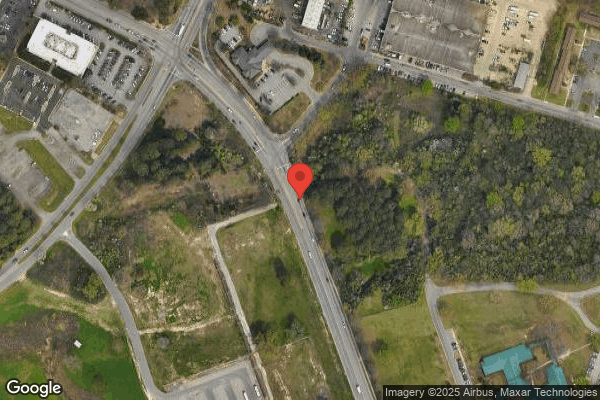
Understanding Severity Codes (click to expand)
Life-Threatening (Immediate Jeopardy)
J - Isolated K - Pattern L - Widespread
Actual Harm
G - Isolated H - Pattern I - Widespread
Potential for Harm
D - Isolated E - Pattern F - Widespread
No Harm (Minor)
A - Isolated B - Pattern C - Widespread

Questions to Ask on Your Visit

  • "What changes have you made since the serious inspection findings?"
  • "Can I speak with families of current residents?"
  • "What's your RN coverage like on weekends and overnight?"

Our Honest Assessment

Strengths
  • • 34% turnover. Below South Carolina's 48% average. Good staff retention means consistent care.
Concerns
  • • Multiple safety concerns identified: 3 life-threatening violation(s), 1 harm violation(s), $65,686 in fines. Review inspection reports carefully.
  • • 10 deficiencies on record, including 3 critical (life-threatening) violations. These warrant careful review before choosing this facility.
  • • $65,686 in fines. Extremely high, among the most fined facilities in South Carolina. Major compliance failures.
  • • Grade F (9/100). Below average facility with significant concerns.
Bottom line: This facility has 3 Immediate Jeopardy findings. Serious concerns require careful evaluation.

About This Facility

What is C M Tucker Jr Nursing Care Center Roddey Pavilio's CMS Rating?

CMS assigns C M Tucker Jr Nursing Care Center Roddey Pavilio an overall rating of 2 out of 5 stars, which is considered below average nationally. Within South Carolina, this rating places the facility higher than 0% of the state's 100 nursing homes. A rating at this level reflects concerns identified through health inspections, staffing assessments, or quality measures that families should carefully consider.

How is C M Tucker Jr Nursing Care Center Roddey Pavilio Staffed?

CMS rates C M Tucker Jr Nursing Care Center Roddey Pavilio's staffing level at 5 out of 5 stars, which is much above average compared to other nursing homes. Staff turnover is 34%, compared to the South Carolina average of 46%. This relatively stable workforce can support continuity of care.

What Have Inspectors Found at C M Tucker Jr Nursing Care Center Roddey Pavilio?

State health inspectors documented 10 deficiencies at C M Tucker Jr Nursing Care Center Roddey Pavilio during 2023 to 2025. These included: 3 Immediate Jeopardy (the most serious level, indicating potential for serious harm or death), 1 that caused actual resident harm, and 6 with potential for harm. Immediate Jeopardy findings are rare and represent the most serious regulatory concerns. They require immediate corrective action.

Who Owns and Operates C M Tucker Jr Nursing Care Center Roddey Pavilio?

C M Tucker Jr Nursing Care Center Roddey Pavilio is owned by a government entity. Government-operated facilities are typically run by state, county, or municipal agencies. The facility operates independently rather than as part of a larger chain. With 308 certified beds and approximately 77 residents (about 25% occupancy), it is a large facility located in Columbia, South Carolina.

How Does C M Tucker Jr Nursing Care Center Roddey Pavilio Compare to Other South Carolina Nursing Homes?

Compared to the 100 nursing homes in South Carolina, C M Tucker Jr Nursing Care Center Roddey Pavilio's overall rating (2 stars) is below the state average of 2.8, staff turnover (34%) is significantly lower than the state average of 46%, and health inspection rating (1 stars) is much below the national benchmark.

What Should Families Ask When Visiting C M Tucker Jr Nursing Care Center Roddey Pavilio?

Based on this facility's data, families visiting should ask: "What changes have been made since the serious inspection findings, and how are you preventing similar issues?" "Can I visit during a mealtime to observe dining assistance and food quality?" "How do you handle medical emergencies, and what is your hospital transfer rate?" "Can I speak with family members of current residents about their experience?" These questions are particularly relevant given the facility's Immediate Jeopardy citations.

Is C M Tucker Jr Nursing Care Center Roddey Pavilio Safe?

Based on CMS inspection data, C M Tucker Jr Nursing Care Center Roddey Pavilio has documented safety concerns. Inspectors have issued 3 Immediate Jeopardy citations (the most serious violation level indicating risk of serious injury or death). The facility has a 2-star overall rating and ranks #100 of 100 nursing homes in South Carolina. Families considering this facility should ask detailed questions about what corrective actions have been taken since these incidents.

Do Nurses at C M Tucker Jr Nursing Care Center Roddey Pavilio Stick Around?

C M Tucker Jr Nursing Care Center Roddey Pavilio has a staff turnover rate of 34%, which is about average for South Carolina nursing homes (state average: 46%). Moderate turnover is common in nursing homes, but families should still ask about staff tenure and how the facility maintains care continuity when employees leave.

Was C M Tucker Jr Nursing Care Center Roddey Pavilio Ever Fined?

C M Tucker Jr Nursing Care Center Roddey Pavilio has been fined $65,686 across 4 penalty actions. This is above the South Carolina average of $33,736. Fines in this range indicate compliance issues significant enough for CMS to impose meaningful financial consequences. Common causes include delayed correction of deficiencies, repeat violations, or care failures affecting resident safety. Families should ask facility leadership what changes have been made since these penalties.

Is C M Tucker Jr Nursing Care Center Roddey Pavilio on Any Federal Watch List?

C M Tucker Jr Nursing Care Center Roddey Pavilio is not on any federal watch list. The most significant is the Special Focus Facility (SFF) program, which identifies the bottom 1% of nursing homes nationally based on persistent, serious quality problems. Not being on this list means the facility has avoided the pattern of deficiencies that triggers enhanced federal oversight. This is a positive indicator, though families should still review the facility's inspection history directly.