Forest Acres Post Acute
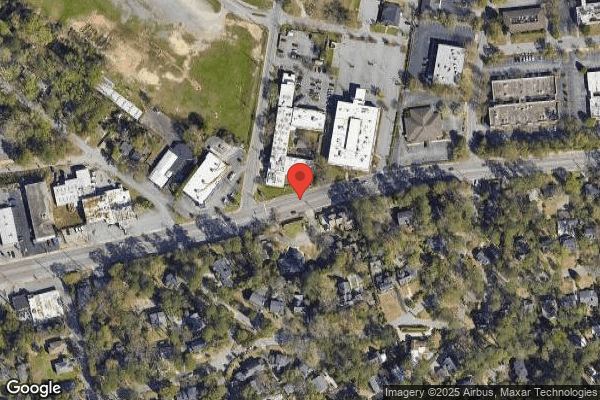
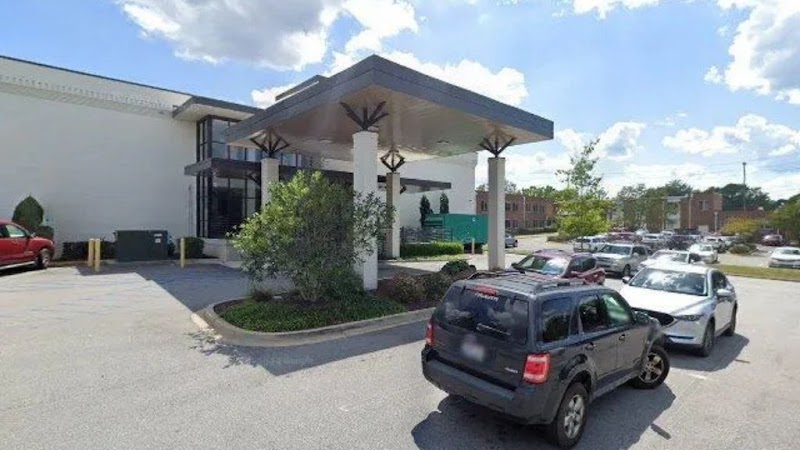
2601 Forest Drive, Columbia, SC 29204 (803) 256-4983
For profit - Limited Liability company 132 Beds PACS GROUP Data: November 2025 1 Immediate Jeopardy citation
Trust Grade
23/100
#149 of 186 in SC
Last Inspection: May 2025

Inspected within the last 6 months. Data reflects current conditions.

Overview

Forest Acres Post Acute has received a Trust Grade of F, indicating poor performance and significant concerns about the quality of care. Ranking #149 out of 186 facilities in South Carolina places it in the bottom half, and #10 out of 14 in Richland County suggests that only a few local options are better. While the facility shows an improving trend, having reduced serious issues from 9 in 2024 to just 1 in 2025, staffing remains a major concern with a high turnover rate of 68%, which is above the state average. The facility also faces concerning fines totaling $85,163, higher than 90% of other South Carolina facilities. Additionally, a critical incident was reported where a resident was not properly assessed, leading to a risk of limb loss, and there were also issues with food temperature and maintenance of an antibiotic stewardship program, indicating areas that need significant improvement alongside some strengths in quality measures.

Trust Score
F
23/100
In South Carolina
#149/186
Bottom 20%
Safety Record
High Risk
Review needed
Inspections
Getting Better
9 → 1 violations
Staff Stability
⚠ Watch
68% turnover. Above average. Higher turnover means staff may not know residents' routines.
Penalties
✓ Good
$85,163 in fines. Lower than most South Carolina facilities. Relatively clean record.
Skilled Nurses
⚠ Watch
Each resident gets only 20 minutes of Registered Nurse (RN) attention daily — below average for South Carolina. Fewer RN minutes means fewer trained eyes watching for problems.
Violations
⚠ Watch
12 deficiencies on record. Higher than average. Multiple issues found across inspections.
★☆☆☆☆
1.0
Overall Rating
★☆☆☆☆
1.0
Staff Levels
★★★★☆
4.0
Care Quality
★★☆☆☆
2.0
Inspection Score
Stable
2024: 9 issues
2025: 1 issues

The Good

  • 4-Star Quality Measures · Strong clinical quality outcomes
  • Full Sprinkler Coverage · Fire safety systems throughout facility
  • No fines on record

Facility shows strength in quality measures, fire safety.

The Bad

1-Star Overall Rating

Below South Carolina average (2.8)

Significant quality concerns identified by CMS

Staff Turnover: 68%

21pts above South Carolina avg (46%)

Frequent staff changes - ask about care continuity

Federal Fines: $85,163

Well above median ($33,413)

Moderate penalties - review what triggered them

Chain: PACS GROUP

Part of a multi-facility chain

Ask about local staffing decisions and management

Staff turnover is elevated (68%)

20 points above South Carolina average of 48%

The Ugly 12 deficiencies on record

1 life-threatening
May 2025 1 deficiency
CONCERN (D)

Potential for Harm - no one hurt, but risky conditions existed

PASARR Coordination (Tag F0644)

Could have caused harm · This affected 1 resident

**NOTE- TERMS IN BRACKETS HAVE BEEN EDITED TO PROTECT CONFIDENTIALITY** Based on interview, record review, and facility policy review, the facility failed to ensure a Pre-admission Screening and Resid...

Read full inspector narrative →
**NOTE- TERMS IN BRACKETS HAVE BEEN EDITED TO PROTECT CONFIDENTIALITY** Based on interview, record review, and facility policy review, the facility failed to ensure a Pre-admission Screening and Resident Review (PASARR) Level 1 Screening was accurate for one (Resident (R) 114) of four residents reviewed for PASARR. This created a potential failure to identify what specialized or rehabilitative services the resident needed and whether placement in the facility was appropriate prior to admission. Findings include: Review of R114's undated admission Record located in the electronic medical record (EMR) under the Profile tab revealed the resident was admitted to the facility on [DATE] with diagnoses including anxiety disorder, schizophrenia, and major depressive disorder. R114 did not have a diagnosis of dementia or intellectual disability. Review of R114's Orders located in the EMR under the Orders tab indicated the resident was prescribed doxepin for depression, sertraline for depression, and aripiprazole for paranoid schizophrenia. Review of R114's Care Plan dated 03/25/25, located in the EMR under the Care Plan tab revealed Psychosocial- Well-being: Resident is at risk for psychosocial well-being concerns related to anxiety, diagnosis of Depression, Schizophrenia. Goal: Will have psychosocial needs Met and will minimize risk for decline in mood and behavior/psychosocial well-being. Interventions included Encourage friends and family to visit and observe for tearfulness, increased agitation, and decreased participation in care. Review of R114's PASARR Level I form provided by the facility, dated 03/18/25, documented R114 did not have a diagnosis of mental illness and was not prescribed any psychotropic medications. During an interview on 05/14/25 at 1:52 PM with the Social Service Director (SSD), the SSD confirmed R114's PASARR Level I was inaccurate and stated, I don't know how I let that one slip through. The SSD said the process is once the PASARR is uploaded it is reviewed to ensure it matches with the diagnoses. If it is inaccurate then she would resubmit it for review of PASARR level II. During an interview on 05/14/25 at 2:27 PM with the Administrator, the Administrator revealed he expected the residents' PASARRs to be audited on admission to ensure they are accurate, and services are provided.
Feb 2024 9 deficiencies 1 IJ
CRITICAL (J) 📢 Someone Reported This

A family member, employee, or ombudsman was alarmed enough to file a formal complaint

Immediate Jeopardy (IJ) - the most serious Medicare violation

Free from Abuse/Neglect (Tag F0600)

Someone could have died · This affected 1 resident

**NOTE- TERMS IN BRACKETS HAVE BEEN EDITED TO PROTECT CONFIDENTIALITY** Based on review of the facility policy, record reviews, and interviews, the facility failed to ensure Resident (R)78 was free fr...

Read full inspector narrative →
**NOTE- TERMS IN BRACKETS HAVE BEEN EDITED TO PROTECT CONFIDENTIALITY** Based on review of the facility policy, record reviews, and interviews, the facility failed to ensure Resident (R)78 was free from neglect. Specifically, the facility failed to properly assess and provide care and services to prevent the loss of a limb for 1 of 1 residents. On 02/14/24 at 5:49 PM, the State Agency (SA) determined that the facility's non-compliance with one or more federal health, safety, and/or quality regulations has caused or was likely to cause serious injury, serious harm, serious impairment, or death. On 02/14/24 at 5:49 PM, the Administrator and the Director of Nursing (DON) were notified that failure to provide care and services for a resident to prevent the loss of a limb constituted Immediate Jeopardy (IJ) at F600. On 02/14/24 at 5:49 PM, the survey team provided the Administrator with a copy of the CMS Immediate Jeopardy (IJ) Template and informed the facility IJ existed as of 11/10/23. The IJ was related to 42 CFR 483.12 - Freedom from Abuse, Neglect, and Exploitation. On 02/15/24 at 1:13 PM, the facility presented an acceptable IJ Removal Plan. On 02/15/24 at 5:00 PM, the survey team validated the facility's corrective actions and removed the IJ. The facility remained out of compliance at F600 at a lower scope and severity of D. An extended survey was conducted in conjunction with the Recertification Survey for non-compliance at F600, constituting substandard quality of care. Findings include: Review of the facility policy titled, Abuse, Neglect, Exploitation and Misappropriation Prevention Program, states under Policy Statement, Residents have the right to be free from abuse, neglect, misappropriation of resident property and exploitation. Review of the facility policy titled, Abuse and Neglect -Clinical Protocol, states, Abuse is defined as the willful infliction of injury, unreasonable confinement, intimidation, or punishment with resulting physical harm, pain, or mental anguish. Also abuse includes the deprivation by an individual, including a caretaker, of goods or services that are necessary to attain or maintain physical, mental, and psychosocial well- being. 2. Neglect as defined means, the failure of the facility, its employees or service providers to provide goods and services to a resident that are necessary to avoid physical harm, pain, mental anguish or emotional distress. Review of R78's Face Sheet revealed R78 was admitted to the facility on [DATE] with diagnoses including, but not limited to: right below knee amputation, severe protein calorie malnutrition, muscle wasting and atrophy, type 2 diabetes mellitus and lack of coordination. Review of R78's medical record revealed R78 was hospitalized from [DATE] through 02/13/24, due to the neglect of the facility to provide care and services to prevent skin breakdown, deterioration of the muscle, bone exposure and loss of his left lower extremity. R78 received a left, below the knee amputation on 02/06/24. It is documented that R78 was walking with a prosthesis when admitted to the facility on [DATE]. Further review revealed, R78 was able to get to the restroom on his own, and bath himself. R78 would also change his bed linens, and bag the soiled linen. It was also documented that R78 liked to wear a sock on his left leg. The Hospital Report dated 02/04/24 at 3:52 PM documented, the facility reportedly noticed the wound today after removing his socks which he had on for a week, signed by the emergency room physician. Review of R78's Skin Worksheets revealed the following: a Skin Worksheet dated 11/10/23 which indicated the left lower extremity is discolored. No open areas. On 11/25/23 the Skin Worksheet revealed discoloration to the left lower extremity. The Skin Worksheet dated 12/09/23, 12/16/23 and 01/06/24 indicates no discoloration or open areas to R78's left lower extremity. Review of the Skin Worksheet dated 01/27/24 which is titled, Body Audit, indicated dry skin to R78's lower left extremity, still no open areas documented. Review of the Skin Worksheet dated 02/03/24 indicated a wound to R78's left lower extremity, and documents that the Nurse Practitioner (NP) needs to look at it. At this time it is open. R78 sent out to hospital on [DATE] and his left leg is amputated below the knee on 02/06/24. Review of R78's Comprehensive Plan of Care dated 09/26/23, revealed a focus area, Activities of Daily Living (ADL) self care deficit related to physical limitations. The goal states, Will receive assistance necessary to meet ADL needs, dated 09/26/23. Interventions include: Acknowledge the patients right to refuse care/services but continue to offer assistance as needed, dated 10/25/23. Assist to bathe/shower as needed. dated 09/26/23. Assist with daily hygiene, grooming, dressing, oral care and eating as needed, dated 09/26/23. Resident is sometimes non-compliant with assistance. Provide education about the risks associated with the denial of services, dated 02/04/24. Resident's preference is to remain independent for ADLs not allowing anyone to see his skin, dated 02/04/24. Further review of the Plan of Care revealed another focus area: At risk for alteration in skin integrity related to impaired mobility, bowel incontinence, and indwelling catheter, dated 09/22/23. Resident does not have use of Foley catheter. The goal states, Skin will remain intact, free from erythema, breakdown, excoriation, or bruising. The interventions include. Encourage to reposition as needed; use assistive devices as needed, dated 10/05/23. Observe skin condition with ADL care daily; report abnormalities, dated 10/05/23. Resident's preference is to remain independent for ADLs not allowing anyone to see his skin. Provide education about the risks associated with the denial of services, dated 02/04/24. Review of R78's Nurses note dated 02/04/24 at 12:01 PM states, Resident has an open wound on his left foot showing bone or tendon, will send him out to the hospital. Review of R78's Nurses Note dated 02/04/24 at 12:45 PM states, Late entry from yesterday, 02/03/2024. Resident asked the janitor to take his sock off which he had on for one week. Janitor tried but the sock was stuck to the resident's left lower extremity. The janitor told me that the resident wanted me to cut his sock off. I looked at it and it was stuck. I removed the sock by putting saline on it. I notified the Nurse Practitioner, she advised to put it in the Provider's Book, which I did. Resident wanted to get another sock on it. I advised him not to. I advised that I will wrap it up. I cleansed the wound with wound cleanser, patted it dry with gauze. Soaked gauze with betadine and covered the wound with it and wrapped the wound with kerlex gauze bandage wrap. Review of R78's Progress Notes revealed progress notes revealed the following: 09/26/24, Under skin assessment it states, Inspection and palpation, no rash, right stump excoriation, hyperpigmented lower extremities dark in color. Left medial scar from the groin to the lower leg. Hypopigmented vitiligo noted to the chest, back and neck. On 10/02/23 at 10:30 AM seen by NP2, and the skin assessment states, Inspection and palpation, no rash, lesions or jaundice, nails normal. On 10/08/23 at 9:45 AM seen by NP2, skin assessment states, Inspection and palpation, no rash, lesions, or jaundice. Nails, normal. On 10/10/23 at 3:45 PM seen by NP3, skin assessment states, Inspection and palpation, no jaundice. Nails normal. On 10/14/23 at 3:30 PM seen by NP3, skin assessment states, Inspection and palpation, good turgor and no jaundice. Nails normal. On 10/16/23 at 8:45 AM seen by NP2, skin assessment states, Inspection and palpation, no rashes or jaundice. Nails normal. On 10/28/23 at 4:16 PM seen by NP2, skin assessment states, Inspection and palpation, no jaundice. Nails normal. On 11/01/23 at 11:15 AM seen by NP2, skin assessment states, Inspection and palpation, no rash, lesions, or jaundice. Nails normal. On 11/15/23 at 9:15 AM seen by the Physician. skin assessment states, Inspection and palpation, no rash, hyperpigmented lower extremities dark in color. Left medial scar from the groin to the lower leg. Hypopigmented vitiligo noted to the chest back and neck. On 01/13/24 at 12:00 PM seen by NP2, skin assessment states, Inspection and palpation, no lesions, jaundice, or rash. Nails normal. On 01/25/24 at 12:30 PM seen by NP2, skin assessment states, Inspection and palpation, no lesions, jaundice, or rash. Nails normal. On 01/27/24 at 10:45 AM seen by NP2, skin assessment states, Inspection and palpation, no lesions, jaundice, or rash. Nails normal. On 01/28/24 at 11:15 AM seen by NP2, skin assessment states, Inspection and palpation, no lesions, jaundice, or rash. Nails normal. On 01/28/24 at 3:15 PM seen by NP1, skin assessment states, Inspection and palpation, no lesions, jaundice or rash. Nails normal. On 02/04/24 at 2:45 PM seen by NP1, no skin assessment documented on progress note. Resident sent out to the hospital for evaluation of left lower extremity. No documentation could be found to ensure any of the nurse practitioners had looked at R78's left lower extremity. During an interview on 02/14/24 at 8:00 AM, R78, when asked about the care he is receiving, stated, No, they are not doing anything for me. During the interview R78 continued to reiterate that the facility staff were not taking care of him. During an interview on 02/14/24 at 10:55 AM, the Wound Care Nurse stated, He [R78] was admitted in September, and he did not have any sores or wounds on his leg. The Wound Care Nurse further stated, His [R78] leg was discolored on admission, he [R78] was not getting any treatments to his left leg at all. During an interview on 02/14/24 at 11:45 AM, Registered Nurse Unit Manager (RN1) stated that R78 was ok on admission and R78 had no skin issues. RN1 further stated the facility was in the process of changing from paper to the computer system at that time. RN1 concluded that the resident would refuse care at times. RN1 stated, He [R78] would not let us look at his body nor his foot. During an interview on 02/14/24 at 12:58 PM, Licensed Practical Nurse (LPN)2 stated she did a body audit on 01/20/24. LPN1 revealed that R78 refused to let her check his left lower extremity. LPN1 stated she documented it under the skin and comprehensive assessments. LPN1 further stated that R78 would let her look at his bottom and privates but not his feet. LPN1 concluded that she did not tell anyone about his refusals. During an interview on 02/14/24 at 1:03 PM, Certified Nursing Assistant (CNA)1 revealed that she has worked at this facility for 14 years and has been a CNA for three years. CNA1 stated they would just set up his bath water and sometimes he would agree to go to the shower. CNA1 further stated there were no wound or sores on his left leg or foot. CNA1 stated his leg was skinny and she noticed no odor. CNA1 concluded, If I tried to wash him he would say that he could do it himself. During an interview on 02/14/24 at 1:09 PM, CNA2 revealed that she has worked at this facility for 22 years. CNA2 stated that R78 had no complaints of pain, he would get himself up every day with no assistance and get into a wheel chair. CNA2 stated she did notice that his leg was skinny, but had no odor. She stated that he would not let you see his body, he wanted to do everything for himself. During an interview at an unspecified date and time, the Nurse Practitioner (NP)1 stated that no one had told her that there was a new wound, once they reported it I saw him the next day. NP1 denies any odor and that most of the time he was up in the wheel chair with a blanket over his head. He had no fever at all. NP1 stated that they do an annual head to toe assessments. NP1 mentioned a communication book at the desk and there was no documentation of a new wound documented in the book for this resident. NP1 further stated the resident will decline help from staff and ask them to get out of his room. He can be nasty. He did not get looked at completely due to his behaviors. He has not been seen by psych and she stated she does not know his background. During an interview on 02/15/24 at 11:50 PM, NP2 stated she had not physically seen the resident's foot at all. She stated it was a vascular issue, no odor at all. NP2 went on to say that monthly and annually the doctor or the nurse practitioner will look at their skin and do a head-to-toe assessment. NP2 concluded the staff and techs will bring any acute skin issues to their attention by writing it in a communication book at the desk and then the physician will address any issues. During an interview on 02/15/24 at 2:20 PM, the attending Physician who is also the Medical Director (MD), stated that when he saw the resident's left leg it was only discolored, no open wounds or odor. The MD stated he first saw his left lower extremity on 09/26/24 when the resident was first admitted . He also mentioned the communication book at the nurse's desk, and stated that if the nurse sees any skin issues they will write it in the communication book. He went on to say that the nurse practitioner sees the residents more than he does. On 02/15/24 at 1:13 PM, the facility provided an acceptable Allegation of Compliance which documented the following: Immediate actions taken: NP was notified of the wound once staff were aware and she evaluated and resident was sent to the ER for further evaluation. Investigation was initiated immediately into the development of the wound and lack of documentation. QAPI initiated to address lack of documentation regarding, his skin assessments, his preferences, and refusals to allow staff to assess his skin and lack of care planning of his preferences and refusals. 100% audit of all residents in the facility complete on 02/05/2024 to ensure there were not other wounds in the facility that staff were unaware of. Educations initiated on 02/24/2024 for all licensed nurses and CNAs regarding skin assessments, baths, and assessing skin during baths, ensure baths are given as scheduled, ensuring resident refusals and preferences are all care planned appropriately. ADHOC QA Meeting held on 02/15/2024. Members present: Administrator, Director of Nursing, Regional Director of Clinical Services, the Social Services Director, the MDS, Care Plan Coordinator, and the Medical Director. Root cause of issue related to wound development and staff unaware: lack of documentation in medical record to support resident refusals to allow staff to assist with bathing or dressing or to assess his skin and lack of documentation on his care plan related to his refusals or his preferences. Audits of 100% of residents in facility completed on 02/05/2024 to ensure no other wounds in facility that staff were unaware of. There were no new wounds identified. Education was initiated with all licensed nurses and CNAs to include completion of body audits, documentation of refusals and resident preferences to include care planning. MDS education, completion of shower sheets to be completed by the CNA with each bath/shower. Education to ensure nurses and CNAs document any and all refusals of care as well as preferences. Any nurses left at this point will receive the education prior to next shift worked. Education initiated with 100% of staff on 02/14/2024 to review abuse and neglect policy and reporting. Any staff who were unable to be reached will have education complete prior to next shift worked. Audits will be complete M-Fri by the administrative nursing team to maintain a master list of residents and their bath schedules to ensure baths given as scheduled and that shower sheets were complete by CNA and any f/u was obtained. Review of all body audits that were due the previous day will be reviewed daily Monday through Friday during the daily clinical meeting by the Administrative to ensure that they were complete and any f/u needed was complete. Review of the eTAR will be reviewed daily during clinical meeting by Administrative nursing team for discrepancies and or missing documentation. Any refusals or variances in skin integrity noted on body audits and or shower sheets will be f/u to ensure any notifications and or communication needed with provider or nursing management and any further education needed for staff. QAPI committee will meet weekly to ensure all data from the previous week will be reviewed to determine effectiveness of the initial education and of the ongoing action plan. Documentation of this meeting should include the names of all parties present, topics that were discussed, minutes and any action items that were created as a result of a particular meeting. Administrator along with QAPI committee will determine need for continued monitoring and any adjustments needed to the plan. The above components have been implemented and complete as of 02/15/2024 by 10:00 AM.
CONCERN (D) 📢 Someone Reported This

A family member, employee, or ombudsman was alarmed enough to file a formal complaint

Potential for Harm - no one hurt, but risky conditions existed

Assessment Accuracy (Tag F0641)

Could have caused harm · This affected 1 resident

Based on record reviews and interviews, the facility failed to accurately code the Minimum Data Set (MDS) assessment for Resident (R)80 for dialysis for 1 of 1 resident. The facility further failed to...

Read full inspector narrative →
Based on record reviews and interviews, the facility failed to accurately code the Minimum Data Set (MDS) assessment for Resident (R)80 for dialysis for 1 of 1 resident. The facility further failed to ensure 2 assessments were coded correctly and no missing OBRA assessments for Resident A and Resident B for 2 of 2 residents reviewed on a monthly missing OBRA assessment report. Findings include: Review of the transmission report for Resident A and Resident B indicated a warning, monthly, on the missing OBRA assessment report for the facility. The discrepancies were not corrected, so the error kept occurring on the missing assessment report month after month when the report was generated by the facility. During an interview on 02/15/24 at 10:45 AM, the MDS Assessment Coordinator stated that the two names kept coming up on the, Missing OBRA Assessment, report monthly, but she could not figure out why or what the discrepancy was. She stated that today, 02/15/24, the MDS regional nurse was in the facility and she had her to look at it, and it was corrected.
CONCERN (D) 📢 Someone Reported This

A family member, employee, or ombudsman was alarmed enough to file a formal complaint

Potential for Harm - no one hurt, but risky conditions existed

Medication Errors (Tag F0758)

Could have caused harm · This affected 1 resident

**NOTE- TERMS IN BRACKETS HAVE BEEN EDITED TO PROTECT CONFIDENTIALITY** Based on observations, record reviews and interviews the facility failed to ensure Resident #167 (167) was free from unnecessary...

Read full inspector narrative →
**NOTE- TERMS IN BRACKETS HAVE BEEN EDITED TO PROTECT CONFIDENTIALITY** Based on observations, record reviews and interviews the facility failed to ensure Resident #167 (167) was free from unnecessary psychotropic medications for 1 of 5 residents reviewed for unnecessary medications. The findings included: The facility admitted R167, a [AGE] year old, with diagnoses including, but not limited to, dementia without behavioral disturbance, hematemesis, conjunctivitis of the right eye and diabetes mellitus type 2. No other diagnoses were listed in the medical record for R167. An observation on 02/13/2024 at 09:21 PM revealed R167 in a hospital gown, resting in bed. An observation on 02/14/2024 at 10:15 AM revealed R167 in a hospital gown, resting in bed. An observation on 02/15/2024 at 03:45 PM revealed R167 in a hospital gown, resting in bed. Review on 02/13/2024 at 12:03 PM of the physician orders for R167 included: Haloperidol (Haldol) 2 milligrams q6 hours as needed for agitation ordered 01/29/2024. Haloperidol (Haldol) 2 milligrams by mouth 2 times daily. Lorazepam 0.5 milliliters by mouth every 4 hours as needed for anxiety. Morphine 0.25 milliliters (5 milligrams) tid (3 times daily), maximum daily amount is 15 milligrams. Morphine 0.25 milliliters every 4 hours as needed for pain maximum daily amount is 30 milligrams. Zofran 4 milligrams by mouth, disintegrating tablet every 8 hours. Prilosec 40 milligrams by mouth 2 times daily before a meal. No behaviors and no pain documented in the medical record for R167. During an interview on 02/14/2024 at 04:12 PM with the Medical Director and he stated that this resident is PACE, a resident that a room is rented by the hospital and their physicians see those residents. So he could not speak to the unnecessary medications for R167. Review of the behavior and pain monitoring for R167, revealed no documentation of any behaviors nor any pain.
CONCERN (D) 📢 Someone Reported This

A family member, employee, or ombudsman was alarmed enough to file a formal complaint

Potential for Harm - no one hurt, but risky conditions existed

Unnecessary Medications (Tag F0759)

Could have caused harm · This affected 1 resident

Based on review of facility policy, observations, interviews, and record review, the facility failed to ensure a medication error rate less than 5 percent. Specifically, an insulin pen was not primed ...

Read full inspector narrative →
Based on review of facility policy, observations, interviews, and record review, the facility failed to ensure a medication error rate less than 5 percent. Specifically, an insulin pen was not primed prior to administering 4 units of insulin and an insulin pen was not primed correctly prior to administration. The medication error rate is 7.41 percent for 2 of 27 opportunities for error. Findings include: Review of the undated facility policy titled, Administering Medications, states under the Policy Statement, Medications are administered in a safe and timely manner, and as prescribed. Review of the Lispro Insulin package insert states, The pen must be primed before each injection to make sure the pen is ready to dose. It is important to make sure insulin comes out, and is visualized when the dose button is pressed and the air is removed. To properly prime the insulin pen, remove the cover and wipe the hub with an alcohol wipe. Apply a needle and remove the cover. Holding the pen vertically, dial 2 units and press the dose button, make sure you see insulin escape the needle. If you do not see insulin escape the needle, dial 2 more units and press the dose button. Continue at least 3 times and if you still do not see insulin escape the needle then replace the needle and start the process of priming over again. Once the pen is primed, dial up the correct dose. Then you are ready to administer the insulin. During an observation on 02/14/24 at 8:00 AM, revealed Licensed Practical Nurse (LPN)6 failed to prime the insulin pen before administering the 4 units as ordered with meals, 3 times daily. During an interview on 02/14/24 at approximately 8:00 AM, LPN6 stated that she did not know that she needed to prime the pen each time insulin was administered. LPN6 stated that she thought it was only primed the first time the insulin pen was used. During an observation on 02/14/24 at 8:40 AM, revealed LPN2 failed to correctly prime an insulin pen. LPN2 took the cap off the pen, applied the needle and then dialed up 2 units and held the pen horizontally and did not watch to see if insulin escaped the needle. During an interview on 02/14/24 at approximately 8:40 AM, LPN2 confirmed that she had not primed the insulin pen correctly.
CONCERN (D) 📢 Someone Reported This

A family member, employee, or ombudsman was alarmed enough to file a formal complaint

Potential for Harm - no one hurt, but risky conditions existed

Food Safety (Tag F0812)

Could have caused harm · This affected 1 resident

**NOTE- TERMS IN BRACKETS HAVE BEEN EDITED TO PROTECT CONFIDENTIALITY** Based on observations, interviews, and review of facility policy, the facility failed to follow sanitation and proper food handl...

Read full inspector narrative →
**NOTE- TERMS IN BRACKETS HAVE BEEN EDITED TO PROTECT CONFIDENTIALITY** Based on observations, interviews, and review of facility policy, the facility failed to follow sanitation and proper food handling to prevent foodborne illnesses. Specifically, the facility failed to ensure the ice scoop was covered and not left in the container of ice. Furthermore, during the lunch meal, brownies and mandarin oranges were not covered during transport to resident's room. Findings include: Review of the undated facility policy titled Meal Distribution states, Meals are transported to the dining locations in a manner that ensures proper temperature, maintenance, protects against contamination, and are delivered in a timely and accurate manner. Meal Distribution, 3. All foods that are transported to dining areas that are not adjacent to the kitchens will be covered. During an observation of lunch service on 02/13/24 revealed the following: At 12:56 PM, an uncovered plate of brownie was taken from the cart and delivered to room [ROOM NUMBER] approximately 15 feet down the hallway. At 12:58 PM, Certified Nursing Assistant (CNA)4 delivered a lunch tray with an uncovered brownie to room [ROOM NUMBER] approximately 24 feet down hallway. At 12:59 PM, CNA4 used a plastic scoop that was left inside a plastic container that contained ice/water. At 1:03 PM, a tray with a dessert bowl of mandarin oranges was uncovered and taken to room [ROOM NUMBER] approximately 24 feet down the hallway. During an interview on 02/13/24 at 1:04 PM, CNA4 stated that the plastic ice scoop should not be left in the container of ice and that she should have disinfected her hands between scooping ice and delivering resident's lunch trays, which could cause cross contamination. CNA4 indicated that she had disinfected her hands between delivering trays. During an interview on 02/15/24 at 8:18 AM, Dietary Manager (DM) revealed the rack with desserts could be Saran wrapped and the entire dessert cart if there was not a top on it. The DM further stated, I can see taking it from the cart to the room uncovered is an issue, so going forward we will make sure the desserts are covered prior to taking them to the hall.
CONCERN (D) 📢 Someone Reported This

A family member, employee, or ombudsman was alarmed enough to file a formal complaint

Potential for Harm - no one hurt, but risky conditions existed

Infection Control (Tag F0880)

Could have caused harm · This affected 1 resident

**NOTE- TERMS IN BRACKETS HAVE BEEN EDITED TO PROTECT CONFIDENTIALITY** Review of the facility policy titled, Handwashing/Hand Hygiene, (Revised October 2023) states, This facility considers hand hygi...

Read full inspector narrative →
**NOTE- TERMS IN BRACKETS HAVE BEEN EDITED TO PROTECT CONFIDENTIALITY** Review of the facility policy titled, Handwashing/Hand Hygiene, (Revised October 2023) states, This facility considers hand hygiene the primary means to prevent the spread of healthcare- associated infections. Indications for Hand Hygiene, 1. Hand hygiene is indicated: e. after touching the resident's environment; 2. Use an alcohol-based hand rub containing at least 60% alcohol for most clinical situations. During an observation on 02/13/24 at 12:52 PM, Certified Nursing Assistant (CNA)4 delivered a food tray to room [ROOM NUMBER]-2. CNA4 did not practice proper hand hygiene prior to taking the food tray in or scooping ice into glass for tea. During an observation on 02/13/24 at 12:59 PM, CNA4 did not practice proper hand hygiene after delivering a food tray to room [ROOM NUMBER] and prior to using plastic scoop that was left inside the resident's room. During an interview on 02/13/24 at 1:04 PM, CNA4 revealed the plastic scoop should not be left in the container of ice and that she should have practiced proper hand hygiene between scooping ice and delivering residents lunch trays, which could cause cross contamination. CNA4 indicated that she had disinfected her hands between delivering lunch trays. Based on review of facility policy, observations and interviews, the facility failed to ensure staff used proper hand hygiene during meal service, for 1 of 2 observations of meal service. Findings include:
CONCERN (E) 📢 Someone Reported This

A family member, employee, or ombudsman was alarmed enough to file a formal complaint

Potential for Harm - no one hurt, but risky conditions existed

Deficiency F0761 (Tag F0761)

Could have caused harm · This affected multiple residents

Based on review of facility policy, observations and interviews, the facility failed to ensure medications and biological's, that were expired, were removed from medication carts and treatment carts. ...

Read full inspector narrative →
Based on review of facility policy, observations and interviews, the facility failed to ensure medications and biological's, that were expired, were removed from medication carts and treatment carts. The expired medications were observed in 3 of 5 medication carts and in 1 of 1 treatment cart. Findings include: Review of the undated facility policy titled, Medication and Labeling and Storage, states, Medication Storage: 2. The nursing staff is responsible for maintaining medication storage and preparation areas in a clean, safe, and sanitary manner. 3. If the facility has discontinued, outdated or deteriorated medications or biological's, the dispensing pharmacy is contacted for instructions regarding returning or destroying these items. During an observation on 02/12/24 at 12:10 PM, of the treatment cart on the back hall revealed: One tube Skintegrity Hydrogel 4 ounces, manufactured by Medline expired on 07/2023. One bottle of AMT Wound Care 2 ounces with Lot #15038-01 expired on 12/2023. One bottle of Anti-perspirant 1.5 ounces, Manufactured by Medline with Lot #60538 expired on 10/2023. One bottle of Anti-perspirant 1.5 ounces, Manufactured by Medline with Lot #60440 expired on 10/2023. One bottle of Anti-perspirant 1.5 ounces, Manufactured by Medline with Lot #60692 expired on 11/2023. One jar of Hydrocortisone Cream 1 pound, with Lot #LL2336 expired on 08/2023. Curity Plain Packing Strips with Lot #18E110162 expired on 04/2023. Comfitel Silicone Contact Layer Dressing, 6 dressings 3 x 4 with Lot #E20160127 expired 01/26/2021. Opticell 4.25 x 4.25 squares, sterile, Manufactured by Medline with Lot #W056844 opened and placed back on the treatment cart for use and no longer sterile. Skintegrity Hydrogel 2 x 2 squares, Manufactured by Medline with Lot #18475 expired on 08/2022. One Curad Xeroform Petrolatum Dressing with Lot #6052236004, sterile, opened and partially used and placed back on the treatment cart for use and no longer sterile. During an interview on 02/12/24 at 12:15 PM, the Director of Nursing (DON) confirmed the above biological's and medications were expired and removed from the treatment cart. During an observation on 02/12/24 at 1:00 PM, of the Hall 1 back medication cart revealed the following: One bottle of Bisacodyl 5 milligrams tablets Manufactured by Gericare with Lot #441V02 expired on 01/24/2024. One box of Even Care Glucose Control Solution, Manufactured by Medline with Level 1 and Level 3 solution was opened on 09/2023. The package insert states, Discard any unused control solution 90 days after first opening or after expiration date, whichever comes first. The medications and biological's on the Hall 1 back medication cart were confirmed as expired and removed from the cart by Registered Nurse (RN)2. Due to incomplete review of the Hall 1 back medication cart on 02/12/24, a continuation of the review on 02/14/24 at 6:47 AM of the cart revealed: One bottle of Calcium Citrate 100 coated tablets with Lot #13286 expired on 01/24/2024. One Glargine Insulin pen was opened and in use with no open date. During an interview on 02/14/24 7:00 AM, Licensed Practical Nurse (LPN)4 confirmed the expired medication and the insulin pen with no open date and removed them from the medication cart. During an observation on 02/14/24 at 7:30 AM of the Hall 2 front/back cart revealed the following: One bottle of Timolol 22.3-68.1 eye drops was expired on 01/27/2024 and still in use for the resident receiving them. The box was wet due to the leaking eye drops and the label was also wet. The expired eye drops were confirmed by LPN2 and removed from the medication cart.
CONCERN (F) 📢 Someone Reported This

A family member, employee, or ombudsman was alarmed enough to file a formal complaint

Potential for Harm - no one hurt, but risky conditions existed

Deficiency F0804 (Tag F0804)

Could have caused harm · This affected most or all residents

Based on observations, interviews and review of facility policy, the facility failed to ensure proper temperature of the food was maintained upon delivery to residents rooms. Furthermore, the facility...

Read full inspector narrative →
Based on observations, interviews and review of facility policy, the facility failed to ensure proper temperature of the food was maintained upon delivery to residents rooms. Furthermore, the facility failed to ensure food was appetizing and palatable. Findings include: Review of the facility policy titled Food and Nutrition Services (Revised October 2017) states, .each resident is provided with a nourishing, palatable, well-balanced diet that meets his or her daily nutritional and special dietary needs, taking into consideration the preference of each resident. Food and Nutrition Services, 7. Food and nutrition services staff will inspect food trays to ensure that the correct meal is provided to each resident, the food appears palatable and attractive, and it is served at a safe and appetizing temperature. During an observation on 02/13/24 at 1:00 PM, of a test tray, after the last tray was served, revealed food temperatures taken by the Dietary Manager (DM). The results are as follows: Potatoes - 130 degrees Fahrenheit, Broccoli - 120 degrees Fahrenheit, and mechanical chopped chicken - 125 degrees Fahrenheit. During an interview on 02/15/24 at 8:18 AM, the DM revealed they have a new Director of Nurses (DON) and Administrator, and they will work together to assist with the issue of proper food temperatures. The DM revealed as soon as trays hit the unit, Certified Nurses Assistants (CNAs) should start passing them out to residents. If no one immediately starts passing trays the temperature of the food will drop if not immediately passed out. The DM also revealed she would speak with the Administrator and DON to work on the process of getting drinks poured in the kitchen prior to passing trays on the halls. The DM stated they use to have them announce when trays were on the hall, but no longer do this. The DM further stated they could possibly start announcing this again so all hands can be on deck. The DM concluded the temperature of the food that was taken on 02/13/24 was down because it took a while for them to pass trays.
CONCERN (F) 📢 Someone Reported This

A family member, employee, or ombudsman was alarmed enough to file a formal complaint

Potential for Harm - no one hurt, but risky conditions existed

Antibiotic Stewardship (Tag F0881)

Could have caused harm · This affected most or all residents

Based on observation, interview, and review of facility policy, the facility failed to ensure an ongoing antibiotic stewardship program. Findings include: Review of facility policy titled Antibiotic ...

Read full inspector narrative →
Based on observation, interview, and review of facility policy, the facility failed to ensure an ongoing antibiotic stewardship program. Findings include: Review of facility policy titled Antibiotic Stewardship (Revised December 2016) states Antibiotics will be prescribed and administered to residents under the guidance of the facility's Antibiotic Stewardship Program. Antibiotic Stewardship, 1. The purpose of our Antibiotic Stewardship Program is to monitor the use of antibiotics in our residents. 5. When a resident is admitted from an emergency department, acute care facility, or other care facility, the admitting nurse will review discharge and transfer paperwork for current antibiotic /anti-infective orders. 11. When a culture and sensitivity (C&S) is ordered lab results and the current clinical situation will be communicated to the prescriber as soon as available to determine if the antibiotic therapy should be started, continued, modified, or discontinued. 12. Before a nurse removes and antibiotic from the facility emergency supply of medication, he or she will check for the right drug, right strength, allergy information and use of warfarin, along with the following: a. The nurse will contact the pharmacist if not familiar with the antibiotic dose or drug-drug interactions; b. The pharmacy removal slip for the dose(s) removed will be completed; and c. As soon as clinically appropriate, the prescriber will be asked to review converting parenteral antibiotics to an oral formulation. Review of the facility policy titled, Infections-Clinical Protocol (Revised March 2018) states Monitoring and Follow-up, 1. The nursing staff and physician or provider will monitor the progress of a resident with an infection until it is resolved (i.e., no further significant clinical signs or symptoms). 6. The physician or provider will evaluate the duration of any antibiotic treatment and will identify whether antibiotics can be stopped (for example, if an individual with an uncomplicated infection is afebrile and asymptomatic at least 48 hours). 7. The physician or provider will identify and address possible complications of antibiotic treatment including adverse drug reactions, allergic reactions, drug interactions, and antibiotic-related colitis or diarrhea. During an interview on 02/15/24 at 9:12 AM, the Infection Control Preventionist (ICP) revealed, I started last January and switched jobs in August. The Director of Nursing has been doing it since the change. The previous DON did it from August until she quit at the end of October or beginning of November and the new DON took over in December. The ICP revealed she and the Social Worker completed documentation after the previous DON left and before the new DON started. When the new company took over there was no way to track because we only had Point Click Care, PCC. The ICP stated, I stopped monitoring in August when I changed jobs, the previous DON was monitoring, I am not sure where the papers are. I don't do infection tracking because I am the unit manager now. During an interview on 02/15/24 9:43 AM, the Director of Nursing (DON) confirmed that the ICP is the person who is the certified ICP for the facility. The DON stated that there is no one else certified and that no one is consistently assigned to monitor infection control at this time. In regard to missing documentation in the tracking and trending of all infection's notebook, The DON stated that the ICP was the interim DON when she got here and was responsible for that as well. The DON reviewed the notebooks provided by the ICP and stated that they should contain infection control tracking, trending, and monitoring and agreed that there was no documentation since July of 2023.
Mar 2023 1 deficiency
CONCERN (D) 📢 Someone Reported This

A family member, employee, or ombudsman was alarmed enough to file a formal complaint

Potential for Harm - no one hurt, but risky conditions existed

Resident Rights (Tag F0550)

Could have caused harm · This affected 1 resident

**NOTE- TERMS IN BRACKETS HAVE BEEN EDITED TO PROTECT CONFIDENTIALITY** Based on review of the facility policy, record review, and interviews, the facility failed to treat Resident (R)2 and their Resi...

Read full inspector narrative →
**NOTE- TERMS IN BRACKETS HAVE BEEN EDITED TO PROTECT CONFIDENTIALITY** Based on review of the facility policy, record review, and interviews, the facility failed to treat Resident (R)2 and their Resident Representative (RR) with dignity and respect. 1 of 2 residents reviewed for dignity. Findings include: Review of the facility's undated policy titled, Respect, Dignity, Right to have Personal Property revealed the resident has a right to be treated with respect and dignity. R2 was admitted to the facility on [DATE] with diagnoses including, but not limited to; type 2 diabetes, congestive heart failure, and chronic kidney disease. Review of the Significant Change Minimum Data Set (MDS) with an Assessment Reference Date (ARD) of 12/22/22 revealed R2 has a Brief Interview of Mental Status (BIMS) score of 6 out of 15, indicating cognitive impairment. An interview on 03/16/23 at 12:05 PM with R2 revealed At this time right now, I currently have no issues with staff at the facility, but in the past have had issues with a nurse, (Licensed Practical Nurse (LPN)1). She would provide me care, but always would have a bad attitude about caring for me. It's been several times that she has been disrespectful to me. I told my RR about it and she came to the facility and LPN1 was rude to her in front of me as well. After that incident, my RR filed a complaint with the facility and LPN1 is no longer allowed to work on this unit. A phone interview on 03/16/23 at 1:20 PM with R2's RR revealed, I've been on the phone with R2 and have overheard LPN1 speak in a disrespectful tone towards R2. There have also been times where I called the facility to get updates about R2's care because she was behaving strangely. When R2 acts like that, she normally has a urinary tract infection(UTI). When I asked about this before, LPN1 was rude to me on the phone as well and laughing with other staff members instead of talking with me. I live out of state, but when I got a chance to visit R2, I also got to speak with LPN1 and she was disrespectful towards me as well, while R2 was in the room. I was trying to follow up about some medications for R2 and LPN1 was rude to me and walked away from me while I was trying to ask basic questions. I told Administration about LPN1 and since they are no longer allowed to work with R2, I am okay. However, I worry about how LPN1 speaks to other residents in the facility. An interview on 03/16/23 at 3:10 PM with LPN1 revealed that they could recall having a conversation with R2's RR and denied all accusations of being rude to the RR, R2, or any other residents at the facility. During the exit of the interview, LPN1 stated in a rude tone I don't know why you are asking me about this, that woman does not know what she is talking about because she has dementia and is confused. LPN1 then proceeded to slam the door of the conference room and shouted loudly in a rude tone to another staff member I didn't even do anything. Review of a witness statement written by LPN1, dated 02/23/23 at 2:22 PM revealed She asked if the resident had a UTI or had a lot discharge and I told her that there was nothing that I observed, but I completed an order for a Urine Analysis (UA). The door was closed, I stayed in the room, and told her I would let the Doctor know. I might have been talking to someone else and caught me off guard (when asked if laughing with other staff while on phone calls with Resident Representatives). An interview on 03/16/23 at 5:49 PM with the Administrator and Director of Nursing (DON) revealed that staff are expected to treat residents and their representatives with dignity. The DON and Administrator further stated that during staff interviews, they determined LPN1 had been rude/disrespectful to other staff at the facility and placed LPN1 under a verbal warning related to her professionalism.
Jan 2023 1 deficiency
CONCERN (D) 📢 Someone Reported This

A family member, employee, or ombudsman was alarmed enough to file a formal complaint

Potential for Harm - no one hurt, but risky conditions existed

Deficiency F0918 (Tag F0918)

Could have caused harm · This affected 1 resident

**NOTE- TERMS IN BRACKETS HAVE BEEN EDITED TO PROTECT CONFIDENTIALITY** Based on observations, record reviews and interviews, the facility failed to assure that commodes were working in two resident b...

Read full inspector narrative →
**NOTE- TERMS IN BRACKETS HAVE BEEN EDITED TO PROTECT CONFIDENTIALITY** Based on observations, record reviews and interviews, the facility failed to assure that commodes were working in two resident bathrooms for 1 of 3 Residents (R) reviewed during the complaint survey. Findings include: R1 was admitted to the facility on [DATE] with diagnoses including, but not limited to osteomyelitis and overactive bladder. R2 was admitted to the facility on [DATE] with diagnoses including, but not limited to urea cycle metabolism disorder and Alzheimer's disease. On 1/23/23 at approximately 10:40 AM, during initial tour, a random check of bathrooms revealed that the bathroom commodes of R1 and R2 were not flushing. R1 stated that she had repeatedly told staff that the commode occasionally flushes once and then runs, taking forever to fill the tank before being able to flush again. R2 stated that he did not remember how long since his bathroom commode would flush, that he had told staff about the problem but it has never been fixed. R2 stated that he usually uses a bathroom elsewhere in the facility, or just uses his commode even though it will not flush. On 1/23/23 at approximately 12:43 PM, the commodes for R1 and R2 were checked again by the Surveyor and neither commode was flushing. On 1/23/23 approximately 1:03 PM, the Maintenance Director stated that when he finds out about a commode problem, he sometimes writes it down on a piece of paper or someone has entered into TELS (a building management platform). In either case a record of repairs is not retained. On 1/23/23 at approximately 1:13 PM, the Maintenance Director and Surveyor went to the bathroom for R2 and found fecal matter and toilet tissue in the commode. The Maintenance Director was unable to make the commode flush and stated that it was broken. On 1/23/23 at approximately 1:19 PM, the Maintenance Director and Surveyor went to the bathroom for R1 and found the commode running, but not filling the tank with water and the Maintenance Director stated that the fill mechanism was broken or not attached. On 1/23/23 at approximately 2:19 PM, the Maintenance Director had not provided repair records for either of these two commodes, although he recalled having worked on the commode in bathroom of R1. On 1/23/23 at approximately 1:24 PM, the Administrator stated that needed repairs are either recorded in a book at the nursing stations or entered into TELS, but was unsure how records were otherwise maintained or if the book was being used.
Understanding Severity Codes (click to expand)
Life-Threatening (Immediate Jeopardy)
J - Isolated K - Pattern L - Widespread
Actual Harm
G - Isolated H - Pattern I - Widespread
Potential for Harm
D - Isolated E - Pattern F - Widespread
No Harm (Minor)
A - Isolated B - Pattern C - Widespread

Questions to Ask on Your Visit

  • "What changes have you made since the serious inspection findings?"
  • "Why is there high staff turnover? How do you retain staff?"
  • "Can I speak with families of current residents?"
  • "What's your RN coverage like on weekends and overnight?"

Our Honest Assessment

Strengths
  • • Licensed and certified facility. Meets minimum state requirements.
Concerns
  • • Multiple safety concerns identified: 1 life-threatening violation(s), $85,163 in fines, Payment denial on record. Review inspection reports carefully.
  • • 12 deficiencies on record, including 1 critical (life-threatening) violation. These warrant careful review before choosing this facility.
  • • $85,163 in fines. Extremely high, among the most fined facilities in South Carolina. Major compliance failures.
  • • Grade F (23/100). Below average facility with significant concerns.
Bottom line: Trust Score of 23/100 indicates significant concerns. Thoroughly evaluate alternatives.

About This Facility

What is Forest Acres Post Acute's CMS Rating?

CMS assigns Forest Acres Post Acute an overall rating of 1 out of 5 stars, which is considered much below average nationally. Within South Carolina, this rating places the facility higher than 0% of the state's 100 nursing homes. A rating at this level reflects concerns identified through health inspections, staffing assessments, or quality measures that families should carefully consider.

How is Forest Acres Post Acute Staffed?

CMS rates Forest Acres Post Acute's staffing level at 1 out of 5 stars, which is much below average compared to other nursing homes. Staff turnover is 68%, which is 21 percentage points above the South Carolina average of 46%. High turnover can affect care consistency as new staff learn residents' individual needs. RN turnover specifically is 69%, which is notably high. RNs provide skilled clinical oversight, so turnover in this role can affect medical care quality.

What Have Inspectors Found at Forest Acres Post Acute?

State health inspectors documented 12 deficiencies at Forest Acres Post Acute during 2023 to 2025. These included: 1 Immediate Jeopardy (the most serious level, indicating potential for serious harm or death) and 11 with potential for harm. Immediate Jeopardy findings are rare and represent the most serious regulatory concerns. They require immediate corrective action.

Who Owns and Operates Forest Acres Post Acute?

Forest Acres Post Acute is owned by a for-profit company. For-profit facilities operate as businesses with obligations to shareholders or private owners. The facility is operated by PACS GROUP, a chain that manages multiple nursing homes. With 132 certified beds and approximately 123 residents (about 93% occupancy), it is a mid-sized facility located in Columbia, South Carolina.

How Does Forest Acres Post Acute Compare to Other South Carolina Nursing Homes?

Compared to the 100 nursing homes in South Carolina, Forest Acres Post Acute's overall rating (1 stars) is below the state average of 2.8, staff turnover (68%) is significantly higher than the state average of 46%, and health inspection rating (2 stars) is below the national benchmark.

What Should Families Ask When Visiting Forest Acres Post Acute?

Based on this facility's data, families visiting should ask: "What changes have been made since the serious inspection findings, and how are you preventing similar issues?" "How do you ensure continuity of care given staff turnover, and what is your staff retention strategy?" "Can you walk me through typical staffing levels on day, evening, and night shifts?" "Can I visit during a mealtime to observe dining assistance and food quality?" These questions are particularly relevant given the facility's Immediate Jeopardy citations, the facility's high staff turnover rate, and the below-average staffing rating.

Is Forest Acres Post Acute Safe?

Based on CMS inspection data, Forest Acres Post Acute has documented safety concerns. Inspectors have issued 1 Immediate Jeopardy citation (the most serious violation level indicating risk of serious injury or death). The facility has a 1-star overall rating and ranks #100 of 100 nursing homes in South Carolina. Families considering this facility should ask detailed questions about what corrective actions have been taken since these incidents.

Do Nurses at Forest Acres Post Acute Stick Around?

Staff turnover at Forest Acres Post Acute is high. At 68%, the facility is 21 percentage points above the South Carolina average of 46%. Registered Nurse turnover is particularly concerning at 69%. RNs handle complex medical decisions and coordinate care — frequent RN changes can directly impact care quality. High turnover means new staff may not know residents' individual needs, medications, or preferences. It can also be disorienting for residents, especially those with dementia who rely on familiar faces. Families should ask: What is causing the turnover? What retention programs are in place? How do you ensure care continuity during staff transitions?

Was Forest Acres Post Acute Ever Fined?

Forest Acres Post Acute has been fined $85,163 across 2 penalty actions. This is above the South Carolina average of $33,930. Fines in this range indicate compliance issues significant enough for CMS to impose meaningful financial consequences. Common causes include delayed correction of deficiencies, repeat violations, or care failures affecting resident safety. Families should ask facility leadership what changes have been made since these penalties.

Is Forest Acres Post Acute on Any Federal Watch List?

Forest Acres Post Acute is not on any federal watch list. The most significant is the Special Focus Facility (SFF) program, which identifies the bottom 1% of nursing homes nationally based on persistent, serious quality problems. Not being on this list means the facility has avoided the pattern of deficiencies that triggers enhanced federal oversight. This is a positive indicator, though families should still review the facility's inspection history directly.