Midlands Health & Rehabilitation Center
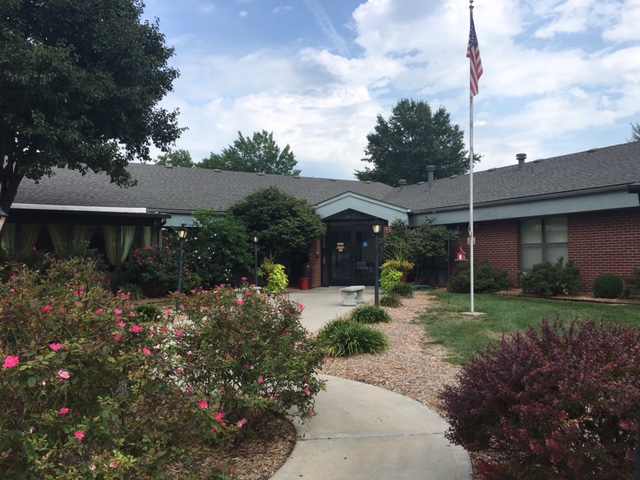
1007 N King St, Columbia, SC 29223 (803) 699-4111
For profit - Corporation 88 Beds FUNDAMENTAL HEALTHCARE Data: November 2025 1 Immediate Jeopardy citation
Trust Grade
28/100
#123 of 186 in SC
Last Inspection: August 2024

Within standard 12-15 month inspection cycle. Federal law requires annual inspections.

Overview

Midlands Health & Rehabilitation Center has received a Trust Grade of F, indicating significant concerns about the quality of care provided. With a state rank of #123 out of 186 facilities in South Carolina, they are in the bottom half, and at #8 out of 14 in Richland County, only one local facility ranks lower. Although the facility is showing improvement, having reduced their issues from five in 2024 to two in 2025, the situation remains serious, especially with $51,803 in fines, which is higher than 87% of other facilities in the state. Staffing is a notable weakness, with a poor 1/5 star rating and a turnover rate of 51%, while RN coverage is concerning as it falls short of 94% of state facilities. Specific incidents include a critical finding where residents were exposed to electrical hazards, failure to offer COVID-19 vaccine boosters to eligible residents, and improper storage of expired medications, indicating ongoing compliance and safety issues.
Trust Score
F
28/100
In South Carolina
#123/186
Bottom 34%
Safety Record
High Risk
Review needed
Inspections
Getting Better
5 → 2 violations
Staff Stability
⚠ Watch
51% turnover. Above average. Higher turnover means staff may not know residents' routines.
Penalties
○ Average
$51,803 in fines. Higher than 56% of South Carolina facilities. Some compliance issues.
Skilled Nurses
⚠ Watch
Each resident gets only 15 minutes of Registered Nurse (RN) attention daily — below average for South Carolina. Fewer RN minutes means fewer trained eyes watching for problems.
Violations
⚠ Watch
22 deficiencies on record. Higher than average. Multiple issues found across inspections.
★★☆☆☆
2.0
Overall Rating
★☆☆☆☆
1.0
Staff Levels
★★★★★
5.0
Care Quality
★★☆☆☆
2.0
Inspection Score
Stable
2024: 5 issues
2025: 2 issues

The Good

  • 5-Star Quality Measures · Strong clinical quality outcomes
  • Full Sprinkler Coverage · Fire safety systems throughout facility
  • No fines on record

Facility shows strength in quality measures, fire safety.

The Bad

2-Star Overall Rating

Below South Carolina average (2.8)

Below average - review inspection findings carefully

Staff Turnover: 51%

Near South Carolina avg (46%)

Higher turnover may affect care consistency

Federal Fines: $51,803

Above median ($33,413)

Moderate penalties - review what triggered them

Chain: FUNDAMENTAL HEALTHCARE

Part of a multi-facility chain

Ask about local staffing decisions and management

The Ugly 22 deficiencies on record

1 life-threatening
Sept 2025 2 deficiencies
CONCERN (D) 📢 Someone Reported This

A family member, employee, or ombudsman was alarmed enough to file a formal complaint

Potential for Harm - no one hurt, but risky conditions existed

Deficiency F0628 (Tag F0628)

Could have caused harm · This affected 1 resident

**NOTE- TERMS IN BRACKETS HAVE BEEN EDITED TO PROTECT CONFIDENTIALITY** Based on observation, record review, interview, and facility policy review, the facility failed to ensure that the Ombudsman was...

Read full inspector narrative →
**NOTE- TERMS IN BRACKETS HAVE BEEN EDITED TO PROTECT CONFIDENTIALITY** Based on observation, record review, interview, and facility policy review, the facility failed to ensure that the Ombudsman was notified of 2 residents (Resident (R)56 and R93) discharge to an acute care hospital out of a sample of 26 residents. This failure increased the risk for inappropriate transfer or discharge and increased the risk for the resident having access to an advocate who could inform them of their options and rights.Findings include:Review of the facility's policy and procedures titled, Admission, Discharge and Transfer - Code of Ethics revised on 10/23/19 indicated . The written notice of transfer or discharge includes: . The name, address, and telephone number of the State Ombudsman . The policy did not include Ombudsman notification of the transfer/discharge.Review of R56's Face Sheet in the Electronic Medical Record (EMR) under the Resident tab indicated he was initially admitted to the facility on [DATE].Review of R56's Notice of Transfer or discharge date d 07/31/25, provided by the facility, indicated that R56 required immediate care which could not be provided by the facility.Review of R93's Face Sheet in the EMR under the Resident tab indicated she was initially admitted to the facility on [DATE] with a primary diagnosis of chronic respiratory failure.Review of R93's Notice of Transfer or discharge date d 06/11/25, provided by the facility, indicated that R93 required immediate care which could not be provided by the facility.During an interview on 09/10/25 at 6:41 PM, the Administrator revealed that the previous Social Worker (SW) was employed by the facility up until August 2025 and that she had been responsible for notifying the Ombudsman of resident transfers/discharges. The Administrator stated no paper copy was kept, but she had an email that was sent to the Ombudsman's office on 09/09/25 requesting confirmation that the previous SW had provided monthly transfer/discharge notifications.During a follow up interview on 09/11/25 at 4:25 PM, the Administrator stated that when sending a resident to the hospital, the nurse was to complete a Notice of Transfer or Discharge and the Ombudsman's office was to be notified at the beginning of the month of any discharges for the prior month. The Administrator provided an email dated 09/09/25 that the Human Resources (HR) staff emailed the Ombudsman's office requesting confirmation from their office to determine if the previous SW had been sending monthly transfer/discharge notifications.During an interview on 09/11/25 at 10:33 AM, the Ombudsman Program Assistant reported that they had not received any transfer/discharge reports from the facility since March 2025.During an interview on 09/11/25 at 4:30 PM, the Business Office Manager (BOM) stated that she was to fill out the Notice of Transfer or Discharge form, send a copy of the forms with the resident to the hospital, and then send a copy to the Responsible Party. The Social Worker would then run a report at the beginning of the month for the month prior for all transfers/discharges. The SW was to send notification to the Ombudsman's office.
CONCERN (E) 📢 Someone Reported This

A family member, employee, or ombudsman was alarmed enough to file a formal complaint

Potential for Harm - no one hurt, but risky conditions existed

Deficiency F0887 (Tag F0887)

Could have caused harm · This affected multiple residents

**NOTE- TERMS IN BRACKETS HAVE BEEN EDITED TO PROTECT CONFIDENTIALITY** Based on record review, interview, review of the Centers for Disease and Prevention (CDC) recommendations, and facility policy r...

Read full inspector narrative →
**NOTE- TERMS IN BRACKETS HAVE BEEN EDITED TO PROTECT CONFIDENTIALITY** Based on record review, interview, review of the Centers for Disease and Prevention (CDC) recommendations, and facility policy review, the facility failed to ensure that 4 residents (Resident (R)6, R16, R25, and R46) out of 5 reviewed, were offered the COVID-19 vaccine booster out of a total sample of 26 residents. This failure had the potential for the residents and/or their responsible party of not being informed to make a decision if they wanted the vaccine and a potential risk of contracting COVID-19.Findings include:Review of the facility's policy titled, Infection Prevention and Control Policies and Procedures Subject: Immunization recommendations for patients/residents and health care workers revised 05/15/23 indicated .The facility will track all staff and resident vaccination status for the COVID-19 vaccine. Resident vaccination status will be documented in their medical record and include: 1) Education provided to the resident or resident representative regarding the benefits and potential risks associated with the COVID-19 vaccine (including date and name of representative) .Review of CDC recommendations for 2024-2025 COVID-19 vaccinations located at cdc.gov/covid/vaccines/stay-up-to-date.html as of May 29, 2025, the schedule incorporates the HHS [Health and Human Services] directive regarding COVID-19 vaccine recommendations . for adults 19-26, 27-29, and 50-64 was to receive one or more doses of 2024-2025 vaccine and for adults older than [AGE] years of age should receive two or more doses of 2024-2025 vaccine .Review of R6's Face Sheet located in the Electronic Medical Record (EMR) under the Resident tab indicated that she was originally admitted to the facility on [DATE]. R6 was [AGE] years old.Review of R6's Care Plan located in the resident's EMR under the Care Plan tab and updated 09/10/25 included R6 being at risk for infections with need for vaccinations.Review of R6's Preventive Health Care tab located in the EMR indicated that on 11/20/24 the COVID-19 vaccine status was Other - pending consent.Review of R16's Face Sheet located in the EMR under the Resident tab indicated that he was originally admitted to the facility on [DATE]. R16 was [AGE] years old.Review of R16's Care Plan located in the resident's EMR under the Care Plan tab and updated 09/10/25 included R6 being at risk for infections with need for vaccinations.Review of R16's Preventive Health Care tab located in the EMR indicated that on 11/20/24 the COVID-19 vaccine status was Other - pending consent.Review of R25's Face Sheet located in the EMR under the Resident tab indicated that she was admitted to the facility on [DATE]. R25 was [AGE] years old.Review of R25's Care Plan located in the resident's EMR under the Care Plan tab and updated 08/18/25 did not include an immunization status.Review of R25's Preventive Health Care tab located in the EMR had no information.Review of R46's Face Sheet located in the EMR under the Resident tab indicated that she was admitted to the facility on [DATE]. R46 was [AGE] years old.Review of R46's Care Plan located in the resident's EMR under the Care Plan tab and updated 09/10/25 included R46 being at risk for infections with need for vaccinations.Review of R46's Preventive Health Care tab located in the EMR indicated that on 11/19/24 the COVID-19 vaccine status was Other - pending consent.During an interview on 09/11/25 at 5:55 PM, the Administrator stated she felt that multiple turnovers for the infection preventionist role contributed to the lack of identification of COVID-19 immunizations and/or boosters not being offered. The Administrator confirmed there was no evidence in the four residents' (R6, R16, R25, and R46) records of being offered a COVID-19 vaccine or booster.
Aug 2024 4 deficiencies
CONCERN (D)

Potential for Harm - no one hurt, but risky conditions existed

Transfer Notice (Tag F0623)

Could have caused harm · This affected 1 resident

**NOTE- TERMS IN BRACKETS HAVE BEEN EDITED TO PROTECT CONFIDENTIALITY** Based on the facility policy, records reviews and interviews, the facility failed to ensure Resident (R)41 and her responsible p...

Read full inspector narrative →
**NOTE- TERMS IN BRACKETS HAVE BEEN EDITED TO PROTECT CONFIDENTIALITY** Based on the facility policy, records reviews and interviews, the facility failed to ensure Resident (R)41 and her responsible party received notice of transfer, for a hospital stay, in writing and in a language they could understand of the reason for transfer for 1 of 2 residents reviewed for hospitalization. Review on 08/26/24 at 03:10 PM of the facility policy titled, Admission, Discharge and Transfer, states: 4. Facility staff provides, upon admission, at the time of transfer to a hospital, and before therapeutic leave begins, written information to the patient/resident and a family member or representative concerning the duration of the bed-hold policy under the state plan and under alternative payor plans. Facility staff documents in the medical record that written notice was provided. 21. The patient/resident/family member receives notice of transfer or discharge, as soon as practical depending on the reason for the discharge, in a language they can understand. A. Safety or health of the patient/resident or others is at stake. C. An immediate transfer or discharge is required by the patient/resident's urgent medical needs. 22. The written notice of transfer or discharge includes. A. The reason for discharge. B. The effective date of the transfer or discharge. C. The location to which the patient/resident will be transferred or discharged . 23. The reasons's for transfer or discharge are recorded in the patient/resident's clinical record. The findings include: The facility admitted R41 on 04/18/24 with diagnoses including, but not limited to, severe sepsis with septic shock, Alzheimer's, dementia, schizophrenia, atrial fibrillation, diabetes mellitus and hypertension. Review of the medical record on 08/27/24 at 09:03 AM for R41 revealed a discharge to the hospital on [DATE] for respiratory distress. There was no documentation to ensure the resident nor the resident received notification of transfer to the hospital to include the reason for transfer. The Administrator provided a from titled, SNF/NF to Hospital Transfer Form, the form included the resident's name, the date of birth and the date of transfer to the hospital. No other documentation was on the form. A second form was provided which states, Pursuant to Federal and State regulations, this Notice is being provided as a formal notification that this resident is transferred and or discharged from this facility on 07/22/24 for the following reason, no reason was documented. The facility social worker signed the document, but no documentation to ensure the resident nor the personal representative received a copy. During an interview on 08/28/24 at 08:40 AM with the Administrator, this surveyor brought to her attention that the transfer form contained the resident's name, date of birth , and the date transferred to the hospital and that no other documentation was on the form. The Administrator circled an area on the form, Additional Relevant Information, an acute care transfer list of relevant documentation sent to the resident/patient. The checklist was not provided for R41 nor her responsible party. During an interview on 08/28/24 at 09:20 AM with Registered Nurse (RN)1, she stated, when asked about the process for resident transfer to the hospital and she stated, First we assess the resident, get vitals, and notify the attending physician and the resident's personal representative. If we receive orders to send out to the hospital then we call 911. When asked about the notice of transfer to the hospital, she stated, it is filled out and a copy is presented to the resident and the personal representative along with the Bed Hold Policy. She also mentioned the check list that is completed and in the medical record. No completed checklist was provided for R41's discharge to the hospital.
CONCERN (D)

Potential for Harm - no one hurt, but risky conditions existed

Deficiency F0625 (Tag F0625)

Could have caused harm · This affected 1 resident

**NOTE- TERMS IN BRACKETS HAVE BEEN EDITED TO PROTECT CONFIDENTIALITY** Based on the facility policy, record reviews and interviews, the facility failed to ensure Resident (R)41) or her responsible pa...

Read full inspector narrative →
**NOTE- TERMS IN BRACKETS HAVE BEEN EDITED TO PROTECT CONFIDENTIALITY** Based on the facility policy, record reviews and interviews, the facility failed to ensure Resident (R)41) or her responsible party received a copy of the Bed Hold Policy, in a timely manner, for a discharge to the hospital from [DATE] through 07/31/24. Review of the facility policy titled, Facility's Policy and State Requirements for Temporary Leave Bed-Hold, states, If a resident leaves the facility for temporary hospitalization or therapeutic leave, the resident or his/her representative may ask the facility to hold the resident's bed until the resident is ready to return. The resident and/or his/her representative will be given an copy of the facility's bed-hold policy before the resident actually leaves for his/her temporary leave or hospitalization. In the case of an emergency, hospitalization, the bed hold policy may accompany the resident to the hospital or will be given to the resident or his/her legal representative within twenty-four (24) hours of the resident's hospitalization. The findings include: The facility admitted R41 on 04/18/24 with diagnoses including, but not limited to, severe sepsis with septic shock, Alzheimer's, dementia, acute respiratory failure and pneumonia. Review of the medical record on 08/27/24 at 09:03 AM for R41 revealed a discharge to the hospital on [DATE] through 07/31/24 for respiratory distress. There was no documentation to ensure the resident nor the resident received a copy of the facility bed hold policy in a timely manner. During an interview on 08/28/24 at 08:40 AM with the Administrator she provided a copy of the bed hold policy dated 07/22/24 which included the resident representative's name, and the date that R41 was transferred to the hospital but no documentation to ensure the resident or the representative received a copy of the bed hold policy within a timely manner of the discharge to the hospital.
CONCERN (D)

Potential for Harm - no one hurt, but risky conditions existed

Deficiency F0679 (Tag F0679)

Could have caused harm · This affected 1 resident

**NOTE- TERMS IN BRACKETS HAVE BEEN EDITED TO PROTECT CONFIDENTIALITY** Based on the facility policy, observations, record reviews and interviews, the facility failed to ensure Resident (R)20) was aff...

Read full inspector narrative →
**NOTE- TERMS IN BRACKETS HAVE BEEN EDITED TO PROTECT CONFIDENTIALITY** Based on the facility policy, observations, record reviews and interviews, the facility failed to ensure Resident (R)20) was afforded and/or provided an ongoing program of activities designed to meet her interest and preferences for 1 of 2 residents reviewed for activities. Review of the facility policy titled, Activity/Recreation Programming, states as the policy, Based on a comprehensive assessment, individualized care plan and the preferences of each resident, the Activity/Recreation Director and staff shall provide an ongoing Activity/Recreation program to support resident's personal choice of activities, facility-sponsored group and individual activities, and independent activities designed to meet the interests of and support the physical, mental and psychosocial well-being of each resident, encouraging both independence and community interaction. Purpose: To implement an ongoing resident centered activities program that incorporated the resident's needs, interests, hobbies and cultural preferences which is integral to maintaining and/or improving physical, mental, psychosocial well-being and independence. To create opportunities for each resident to have a meaningful life by supporting the domains of wellness (security, autonomy, growth, connectedness, identity, joy and meaning). The findings include: The facility admitted R20 on 06/14/24 with diagnoses including, but not limited to, muscle wasting and atrophy, need for assistance with personal care, muscle weakness, end stage renal disease with need for Dialysis. Review of the Minimum Data Set Assessment (MDS) revealed a five day assessment dated [DATE] and the Brief Interview for Mental States (BIMS) is scored as a (0) indicated R20 is severely impaired cognition. Multiple observations on 08/25/24, 08/26/24, 08/27/24 and 08/28/24 at various times revealed R20 in bed, daily with no activities provided. During an interview on 08/25/24 at 06:30 PM with the personal representative for R20, she stated that R20 is always in the bed, never gotten up and activities are not provided for this resident. Review of the Comprehensive Care Plan for R20 states, Resident needs one to one visits such as listening to music, reading of the daily chronicles in an effort to meet her emotional, intellectual, physical and social needs. The goal states, she will benefit from one to one as evidenced to improve quality and effectiveness. The interventions listed are: Staff will read to resident during one to one visits. Activity staff will observe and document resident's response to the one to one visit. Staff will provide music of interest during one to one visits. Activity staff will provide one to one visits such as reading of the daily chronicles ad gospel music. Review of the documented activity sheets for 3 months which included June '24, July '24 and August '24 revealed, R20 was visited one time weekly in June '24 which included, 06/14/24, 06/21/24, 06/24/24 and 06/28/24 and the resident received reading of the current events and the radio was on during the visits. Nail care was provided only one time in the 3 months reviewed, which is documented on June 18th. Review of the activity attendance sheets for July '24 revealed, R20 received reading of cultural events on 7/01/24, 07/02/24 and 07/12/24. Current events news was provided on 07/31/24. During the one to one visits music was provided on 07/04/24 and 07/12/24. Reading was provided on 07/16/24 and 07/19/24 and 07/31/24. No documentation was for the time spent with the resident or if there was any type response from R20 during the activity. Review of the activity attendance sheet for August '24 revealed that 2 times weekly music and reading are provided at the same time. No current events are offered for August '24 and only 3 times for July '24. No documentation of the resident response if any or the amount of time spent with the resident was provided. During an interview on 08/27/24 at 11:14 AM with the Activity Director she stated, this resident needs in room activities. She stated, when asked, if R20 is able to get up or be gotten up into a geri chair and she stated she is able to get up into a geri chair and could possibly attend social activities with other resident's. This surveyor asked about the documented day of nail care on 06/18/24 since it was only documented as receiving one time, and she stated, if the aide has already provided nail care then she does not do it, but the resident likes to have manicures. R20, likes gospel music and religious services, but none were provided. No social interaction or group activities were offered to R20 for the 3 months of activity attendance reviewed.
CONCERN (E)

Potential for Harm - no one hurt, but risky conditions existed

Deficiency F0761 (Tag F0761)

Could have caused harm · This affected multiple residents

Based on the facility policy, observations and interviews, the facility failed to ensure expired medications were removed and not stored with other medications in use for residents in 3 of 4 med carts...

Read full inspector narrative →
Based on the facility policy, observations and interviews, the facility failed to ensure expired medications were removed and not stored with other medications in use for residents in 3 of 4 med carts and 2 of 2 medication rooms. The facility further failed to ensure medications that were discontinued, or the medications for discharged residents were not stored in a med room on the North Hall. The facility additionally failed to ensure personal snacks were not stored on the North Hall front med cart. Review of the facility policy titled, Section 5 - Medication Disposal and Returns, states under procedures: 1. When medication is discontinued or a resident is discharged , facility staff should refer to the LTC Provider Pharmacy policies regarding medication return eligibility and the process to be followed for returns. 2. Nursing staff shall dispose of any medication that has been discontinued, expired or that is not returnable to the pharmacy according to Facility Policy. 3. Facility should segregate and securely store the medications to be returned to pharmacy until they are picked up by pharmacy. Review of the facility policy titled, Section 8 - Medication Storage, states under policy: 1. Medications and biological's are stored safely, securely and properly following a manufacturer's recommendations or those of the supplier. 2. The medication and biological supply is only accessible to licensed nursing personnel, pharmacy personnel or authorized staff member. Procedures: 6. Once any medication or biological package is opened, the facility should follow manufacturer/supplier guidelines with respect to expiration dates of opened medications. 7. Once any multi-dose packaged medication or biological is opened, nursing will mark the multi-dose products (e.g. inhalers, insulin, ophthalmic, otics and the like) with the date opened and follow manufacturer's/supplier guidelines with respect to expiration dates. The findings include: An observation on 08/25/24 at 11:42 AM of the North Hall A medication cart revealed: A bottle of Levetiracetam 100 milligram/milliliter, Manufactured by APL Healthcare Limited was expired. A Basaglar Kwik Pen, Manufactured by Lilly with Lot #D667654C has no open date and no expiration date. A Lispro Kwik Pen, Manufactured by Lilly with Lot #D672155A opened on 07/23/24 with no expiration date had expired after being in use for over 28 days. During an interview with Licensed Practical Nurse (LPN)1 at 08/25/24 at 11:45 AM, she confirmed the findings and removed the expired medications from the medication cart. An observation on 08/25/24 at 12:28 PM of North Hall B medication cart revealed: One bottle of Geri Care Saline Nasal Spray 1.5 ounces, Lot #97051 was expired on 06/24. Also stored in the medication cart North B was an opened cherry coke and a pack of cheese Ritz crackers. During an interview at this time with LPN2 confirmed the expired nasal spray, the cherry coke and the cheese Ritz crackers and removed them from the medication cart. An observation on 08/27/24 at 10:32 AM of the North Medication Room revealed: The medication Lorazepam 1 milligram/milliliter, individual wrapped 25 packages with Lot #254510 was expired on 07/28/24. Lorazepam 1 milligram/milliliter, individual wrapped 2 packages with Lot #252609 was expired on 06/17/24. One bag of Vancomycin 250 milliliters for intravenous use with ID 32571 and RO #27805 contained a use by date of 08/19/24. The medications were confirmed as expired and removed from storage by the Assistant Director of Nursing (ADON). During the North Hall Medication Room observation, the cabinets contained 3 shelves high of medications that were either discontinued or the residents were no longer residing in the facility. The cabinet contained 3 shelves full of blister packs of medications. The cabinet was locked on one side and the other side was easily opened. During an interview with the ADON, she stated the medications are awaiting to be discontinued for 60 days before they can be returned to the pharmacy. She stated the pharmacy will not take them back until they have been in the facility storage for 60 days. This surveyor asked the ADON who was monitoring the meds for the 60 days and she stated she did not know if anyone was monitoring the medications. Review on 08/27/24 at 10:50 AM of the South Hall Medication Storage Room revealed: Expired medications in the Emergency Medication Box. The medication Fluconazole 50 milligrams, 5 pills with Lot #FL0823001A, Manufactured by NorthStar were expired on 07/31/24. Also in the emergency medication box were 6 tablets of Baclofen with Lot #07352 expired on 04/30/24. The South Medication Room expired medications were verified as expired by the ADON on 08/27/24 at 11:10 AM and removed from storage. During observations of med pass on 08/27/24 at 08:00 AM revealed LPN5 administering medications. LPN5 was in the process of pulling an inhaler from North Med Cart A, she removed the inhaler and handed it to this surveyor. The inhaler was for Symbicort and was opened on 05/25/24 and was only to be used for 3 months and then discarded. The inhaler was expired and LPN5 confirmed that it was expired and pulled a second inhaler for the resident from the med cart and administered it. During an interview on 08/28/24 at 10:05 AM with the Administrator, she stated that the pharmacy comes on Tuesdays, and will pick up the discontinued meds at that time. This surveyor informed her that the cabinet was overly full and the medications should not be stored in the med room for long periods of time. The medications were not controlled drugs but could easily be taken from the medication room.
Apr 2024 1 deficiency 1 IJ
CRITICAL (J) 📢 Someone Reported This

A family member, employee, or ombudsman was alarmed enough to file a formal complaint

Immediate Jeopardy (IJ) - the most serious Medicare violation

Room Equipment (Tag F0908)

Someone could have died · This affected 1 resident

**NOTE- TERMS IN BRACKETS HAVE BEEN EDITED TO PROTECT CONFIDENTIALITY** Based on review of facility policy, interviews, and record review, the facility failed to ensure Resident (R)1 and R2 was free f...

Read full inspector narrative →
**NOTE- TERMS IN BRACKETS HAVE BEEN EDITED TO PROTECT CONFIDENTIALITY** Based on review of facility policy, interviews, and record review, the facility failed to ensure Resident (R)1 and R2 was free from electrical hazards. On 04/08/24 at 4:00 PM, the Administrator and Director of Nursing were notified that the failure to maintain all mechanical, electrical, and patient care equipment in safe operation constituted Immediate Jeopardy (IJ) at F908. On 04/08/24 at 4:00 PM, the survey team provided the Administrator with a copy of the CMS Immediate Jeopardy (IJ) Template and informed the facility IJ existed as of 12/15/23. The IJ was related to 42 CFR 483.90 - Physical Environment. On 04/08/24 at 6:18 PM, the facility presented an acceptable plan of removal of the IJ. On 04/08/24 at 6:18 PM, the survey team, validated the facility's corrective actions and removed the IJ. The facility remained out of compliance at F908 at a lower scope and severity of D following removal of the IJ. Findings include: Review of the facility's policy titled, Maintenance/Housekeeping Policies and Procedures dated email revision August 2019, indicated, 2). Observe bed operation 6). Check underside bed frame and mattress support platform 8). Check wiring for proper connections and damage (fraying, kinking, or deterioration). Bedframes, mattresses, bed rails (if applicable), inspect bed power cord, cord plug and wall plug for damage. Review of R1's Face Sheet revealed R1 was admitted to the facility on [DATE] with diagnoses including but not limited to: depression, heart failure, and cognitive communication deficit. Review of R1's Quarterly Minimum Data Set (MDS) with an Assessment Reference Date (ARD) date of 10/31/23 revealed a Brief Interview for Mental Status (BIMS) score of 12 out of 15, indicating R1 was moderately cognitively impaired. Review of R1's Physician Orders revealed R1 was ordered, Albuterol sulfate, HFA aerosol inhaler; 90 mcg/actuation; amt 2 puffs; inhalation and O2 supplies weekly on Sundays. Review of R1's Care Plan with a start date of 08/10/22, revealed, [R1] is at risk for respiratory complications . with an approach indicating, Keep room cool and free of irritants such as smoke, dust, cleaning agents. Review of R1's Progress Notes dated 12/15/23, revealed, Resident is received back to the facility at MHR with room change at change of shift (7pm). Resident vital signs taken and recorded- and are abnormal as follows T- 103.6, p 115, r- 24, bp- 100/68. Report and after visit summary (hospital paperwork) were provided to oncoming nurse. This nurse writer called the on call provider and received telephone orders which are being entered by department and these are for Tylenol 650mg every 6 hours as needed for fever and or pain, flu and covid swabs, chest x ray, vitals times two this shift, oxygen as needed- titrate oxygen to maintain o2 saturations greater than 92%, and provider notification- notify provider if o2 saturations fall less than 92%. These orders are conveyed in nurse report hand off. Review of R2's Face Sheet revealed R2 was admitted to the facility on [DATE] with diagnoses including but not limited to: anxiety disorder, absence of right leg below knee, and morbid obesity. Review of R2's Quarterly MDS with an ARD date of 11/03/24 revealed a BIMS score of 14 out of 15, indicating R2 was cognitively intact. Review of R2's Physician Orders revealed R2 was ordered, O2 4 liters per minute via nasal cannula. Review of a Five-Day Report dated 02/15/24 revealed, Certified Nursing Assistant (CNA) was sitting at the nursing station, when she overheard R2 calling out for assistance. When entering the room, R2 stated the bed was smoking. Staff reports sparks were observed. Review of a Work History Report revealed the following: Task Type Preventive Maintenance, Due Date 10/31/23, 11/30/23, and 12/31/23, Category Beds - Electric, Task Description Beds & Mattresses: Inspect Bed Rails. Review of the Work History Order revealed the tasks during the indicated days were completed. However further review of the Work History Report did not indicate that the electric system, (check wiring for proper connections and damage fraying, kinking, or deterioration) of the beds were inspected, only that the bed rails were inspected. Review of a Fire Report from the local fire department dated 12/15/23 revealed, Engine 32 investigated and found a damaged cord from a bed. There was no fire. Reports from staff members confirmed this cord was arcing [when electricity jumps from one connection to another. The discharge of electricity is produced during an electrical breakdown . This often causes a flash, sparks, and a sizzling or cracking sound]. Engine 32-1 unplugged the cord from the wall socket. There was no fire extension. Ladder 4 then ventilated the wing. Command was terminated and Engine 32 went back in service. The Maintenance Director was unavailable for interview. During an interview on 04/08/24 at 11:09 AM, R2 stated he looked over, heard zapping and heard R1 making non-coherent noises. R2 further stated he saw flames and the bed itself was on fire, so he pushed the call button and called for help. During an interview on 04/08/24 at 11:29 AM, RN1 stated she heard R2 calling for help. RN1 stated upon entering the room she saw sparks coming from under R1's bed. RN1 pulled the alarm, and everyone came in to assist with getting the residents out of the room. RN1 further stated R1 was in his bed at the time, and she could see the sparks and smoke coming from behind the bed. There was a moderate amount of smoke and you could see the smoke in the room. RN1 stated she utilized the fire extinguisher, aiming behind and on the bed, shortly thereafter the fire department was on the scene. RN1 concluded R1 is total care, g-tube and incontinent. During an interview on 04/08/24 at 11:38 AM, Certified Nursing Assistant (CNA)1 stated she heard R2 yelling out Fire. CNA1 stated upon entering the room she saw smoke and they moved R1 out of his bed first and then proceeded to move R2 out of his bed to safety. CNA1 further stated the fire department was called. CNA1 concluded that R1 and R2 are total care. During an interview on 04/08/24 at 1:09 PM, R1 stated he didn't see any fire, but he heard R2 calling for help. R1 concluded he was okay, but he needs a new bed. During an interview on 04/08/24 at approximately 2:40 PM, the Administrator stated the Work History Report does not indicate what maintenance checked. The Administrator further stated the facility does not have any written documentation of the routine preventive maintenance of electric beds. On 04/08/24 at 6:18 PM, the facility presented an acceptable plan of removal, which included the following: Resident #2 resides in the facility. On 12-15-2023, Resident #2 notified staff that that [sic] resident #1 bed was smoking. Staff members responded to the incident, Resident #1 and Resident #2 were relocated. The Fire Department responded and found a damaged cord from the bed- there was no actual fire. A complete audit of mechanical, electrical and patient care equipment was performed on 4-8-24 with no concerns at this time. The Medical Director was notified of the incident on 12-15-2023. Residents who reside in the facility have the potential to be affected by this alleged deficient practice. Administrator re-educated the Maintenance Supervisor via telephone on preventative maintenance for mechanical, electrical and patient care equipment on 4-8-2024. Additional education to be completed with Regional Maintenance. Director of Nursing/Designee will re-educate licensed nurses and unlicensed staff 4-8-24 to include the following: - Process of documenting maintenance concerns in the maintenance log. - RACE (Rescue, Alarm, Contain, Extinguish) is to be initiated. Staff members are required to be a part of an emergency. - Staff is required to remain in place until cleared. - Staff re-educated on power cord safety and non-battery operated equipment. Education focused on observation for function and deterioration of parts the equipment. Staff not receiving this re-education on 4-8-24 will receive prior to working the next scheduled shift. This will be presented in new hire orientation and for agency staff. The Maintenance Director will perform audits of ten resident's mechanical, electrical and patient care equipment Monday - Friday for four weeks and then ten weekly for additional months. Any concerns will be addressed at the time of discovery. The Medical Director was notified on 4-8-24 of the Immediate Jeopardy. An Ad-Hoc Quality Assurance Performance Improvement meeting was held on 4-8-2024 regarding the contents of this plan. The Facility Administrator will oversee compliance of this plan for three months.
Sept 2022 8 deficiencies
CONCERN (D)

Potential for Harm - no one hurt, but risky conditions existed

Resident Rights (Tag F0550)

Could have caused harm · This affected 1 resident

**NOTE- TERMS IN BRACKETS HAVE BEEN EDITED TO PROTECT CONFIDENTIALITY** Based on review of facility policy, record review, observation, and interviews, the facility failed to ensure that residents who...

Read full inspector narrative →
**NOTE- TERMS IN BRACKETS HAVE BEEN EDITED TO PROTECT CONFIDENTIALITY** Based on review of facility policy, record review, observation, and interviews, the facility failed to ensure that residents who required feeding assistance were able to dine with dignity. Two of 21 sampled residents (R)59 and R5, that were dependent on staff for feeding assistance, were observed to receive assistance from staff who were standing and not at eye level with the resident. Additionally, dining signage and Certified Nursing Assistant (CNA) staff did not use person-centered language and referred to residents who required assistance with dining as feeders. Findings include: 1. Review of the facility policy, revised 11/01/17, titled Leadership Policies and Procedures Section XI Resident Rights under the subject Environment that preserves dignity - Resident right for revealed The Facility staff will provide the patient/resident with the right to an environment that preserves dignity and contributes to a positive self-image. The Meal Service Times posted outside of the north and south hall's dining rooms for breakfast lunch and dinner on each hall revealed the second cart was labeled w/[with] feeders. 1. Review of R59's electronic medical record (EMR) quarterly Minimum Data Set (MDS) with an Assessment Reference Date (ARD) of 08/09/22 revealed: R59 originally admitted to the facility on [DATE] with diagnoses including dementia, severe intellectual disability, and need for assistance with personal care; a Brief Interview for Mental Status (BIMS) score was not completed by staff because R59 was rarely/never understood; and R59 required extensive assistance from one person for eating. During observation of lunch service in the South [NAME] dining room on 09/26/22 from 12:26 PM to 12:34 PM, CNA2 was feeding R59 her meal. R59 was seated in her geri chair. CNA2 was standing to the right of R59 while she fed R59 her entire meal over eight minutes. R59's eye level was approximately at CNA2's waist. At 12:34 PM, CNA2 prepared to assist another resident and another staff member brought CNA2 a chair from outside of the dining room. CNA2 commented that she couldn't find a chair earlier. During an interview on 09/26/22 at 12:40 PM, CNA2 stated she did not typically stand while assisting R59 with her meal. CNA2 stated at that time I didn't have a seat, but when I'm in there most of the time we don't have so many people in there and I have a chair. During an interview on 09/28/22 at 4:52 PM, the Director of Nursing (DON) stated she would expect staff to be at face level with the resident when assisting residents with meals. The DON stated that she had not observed staff standing above residents during dining but would reeducate staff if she observed this. The DON stated the appropriate terminology used by staff and on the dining posting should be resident requires assistance with feeding, and staff would be educated. 2. Review of R5's quarterly MDS located in the EMR under the RAI tab with an assessment reference date (ARD) of 08/30/22, BIMS score of 99, indicating R5 was unable to complete the interview. The MDS revealed R5 required total dependence for assistance with eating. During observation of lunch service in the South [NAME] dining room on 09/27/22 from 12:20 PM to 12:26 PM, CNA3 was feeding R5 her meal. R5 was seated in her geri chair. CNA3 was standing up while she fed R5 her lunch meal for over six minutes. R5's eye level was approximately at CNA3's waist. During an interview on 09/27/22 at 2:40 PM, CNA3 stated staff should sit when assisting residents with eating. CNA3 confirmed she was standing while feeding R5. During an interview on 09/27/22 at 5:35 PM with CNA1, when asked when the trays for the South [NAME] Hall would arrive, CNA1 stated, The trays are on the hall but the trays for the feeders are not here yet. Those will come after we finish passing the trays. This statement was made in the presence of one CNA, three nurses, and three residents. During a follow-up interview on 09/27/22 at 5:42 PM with CNA1, when asked to see if a certain resident that needed assistance with eating had received her tray, CNA1 stated, We are still passing trays to the feeders. CNA1 stated she was unaware the term feeder should not be used.
CONCERN (D)

Potential for Harm - no one hurt, but risky conditions existed

Deficiency F0558 (Tag F0558)

Could have caused harm · This affected 1 resident

Based on review of the facility policy, record review, observations and interviews, the facility failed to provide adequate accommodations to Resident (R)13 related to bedding sheets. Additionally, st...

Read full inspector narrative →
Based on review of the facility policy, record review, observations and interviews, the facility failed to provide adequate accommodations to Resident (R)13 related to bedding sheets. Additionally, staff were unaware that the Hoyer lift is able to meet R1's3 bariatric needs, 1 of 5 residents reviewed for Activities of Daily living (ADL). Findings include: Review of the facility policy last revised 11/01/17, titled Leadership Policies and Procedures Section XI Resident Rights under the subject Environment that preserves dignity - Resident right for revealed The Facility staff will provide the patient/resident with the right to an environment that preserves dignity and contributes to a positive self-image. An observation and interview on 12/06/22 at 1:26 PM with R13 in their room revealed R13 wrapped in a sheet with no bedding sheets on the bariatric mattress. R13 stated that they have not been able to have a shower in months due to the facility no longer renting a bariatric Hoyer lift that is able to meet their needs. R13 further stated that since the equipment is no longer available at the facility, they have no choice but to receive a bed bath even though that is not their preference for every day. Record review on 12/06/22 at 2:00 PM of R13's ADL Shower Documentation for October 2022 revealed completed bed baths for each day during 10/1/22-10/31/22 with no documentation of a completed shower. Record review on 12/06/22 at 2:03 PM of R13's ADL Shower Documentation for November 2022 revealed completed bed baths for each day during 11/1/22-11/30/22 with no documentation of a completed shower. Record review on 12/06/22 at 2:06 PM of R13's ADL Shower Documentation for December 2022 revealed completed bed baths for each day during 12/1/22- 12/6/22 (current date) with no documentation of a completed shower. An interview on 12/07/22 at 11:42 AM with Certified Nursing Assistant (CNA)1 revealed I've been working at the facility for a few months and I work with R13. Further stated that they are unsure if the facility has equipment for bariatric residents and she only gives the resident a bed bath. An interview on 12/07/22 at 11:47 AM with Licensed Practical Nurse (LPN)1 revealed I previously worked at this facility but now I am an agency nurse for the facility and has worked with the resident for several years. When I worked a few years ago, R13 was able to take showers and was able to transfer with a bariatric Hoyer lift. LPN1 further stated that they were unsure if the resident receives showers at this time or if the facility still has adequate bariatric equipment. An interview with the Director of Nursing (DON) on 12/07/22 at 2:30 PM revealed the Hoyer lift on the unit is able to accommodate for the resident's needs and is able to withstand 700 lbs. The DON further stated that they were unaware the resident would like to take a shower over a bed bath.
CONCERN (D)

Potential for Harm - no one hurt, but risky conditions existed

Comprehensive Care Plan (Tag F0656)

Could have caused harm · This affected 1 resident

**NOTE- TERMS IN BRACKETS HAVE BEEN EDITED TO PROTECT CONFIDENTIALITY** Based on interview, record review, and policy review, the facility failed to ensure a resident with a history of falls had Care ...

Read full inspector narrative →
**NOTE- TERMS IN BRACKETS HAVE BEEN EDITED TO PROTECT CONFIDENTIALITY** Based on interview, record review, and policy review, the facility failed to ensure a resident with a history of falls had Care Plan interventions implemented for one Resident (R)20 of two reviewed for falls. This had the potential for R20 to sustain a fall with injury. Findings include: Review of the paper Person-Centered Care Plan Process policy dated 07/01/16 provided by the facility, revealed The facility will develop and implement a baseline and comprehensive care plan that includes instructions needed to provide effective and person-centered care of the resident that meet professional standards of quality of care. Review of R20's Face Sheet located in the electronic medical record (EMR) revealed R20 was originally admitted to the facility on [DATE]; his most recent readmission was on 09/06/22 from the hospital. R20 had diagnoses of dementia, fractured femur, behavioral disturbances, and muscle wasting and atrophy. Review of the re-admission Minimum Data Set (MDS) with an Assessment Reference Date (ARD) of 06/28/22, revealed R20 was severely cognitively impaired with a Brief Interview for Mental Status (BIMS) score of 4 out of 15. R20 had walked during the assessment period. R20 was documented to be steady without staff assistance. Review of the Care Plan, dated 07/06/22 and located in the EMR under the Care Plan tab, revealed R20 was at risk for falls due to impaired safety awareness and increased need for assistance with Activities of Daily Living (ADLs). The goal was for the resident's needs to be met. The Care Plan included: remind him to stand up slowly, encourage him to use rails in the hall while ambulating, and ensure the environment was free of clutter. The Care Plan was updated on 08/31/22 to include placing a mat beside his bed and moving his bed against the wall. Observation on 09/27/22 at 3:20 PM revealed R20 was observed in his room, sitting on side of his bed. There was no fall mat in place and the bed was not against the wall. During an interview on 09/27/22 at 3:45 PM, the Assistant Director of Nursing (ADON) verified there was no mat on R20's floor and his bed was not against the wall as the Care Plan indicated.
CONCERN (D)

Potential for Harm - no one hurt, but risky conditions existed

Deficiency F0688 (Tag F0688)

Could have caused harm · This affected 1 resident

**NOTE- TERMS IN BRACKETS HAVE BEEN EDITED TO PROTECT CONFIDENTIALITY** Based on facility policy review, record reviews, observation, and interview, the facility failed to provide range of motion (ROM...

Read full inspector narrative →
**NOTE- TERMS IN BRACKETS HAVE BEEN EDITED TO PROTECT CONFIDENTIALITY** Based on facility policy review, record reviews, observation, and interview, the facility failed to provide range of motion (ROM) services per the Care Plan for 1 of 1 Resident (R)25 reviewed for ROM in the total sample of 21. This had the potential for R25 to have a decline in functional status. Findings include: Review of the facility policy revised 05/01/22, provided by the Director of Nursing (DON) titled: Restorative Nursing Policies and Procedures, revealed Subject: Range of Motion exercises indicated: to review care plan to determine the type of ROM to be performed. The policy was a step-by-step instruction on how to perform ROM. Review of R25's electronic medical record (EMR) Face Sheet under the Profile tab revealed R25 was originally admitted to the facility on [DATE]. R25 had diagnoses of contracture of muscle left ankle and foot, contracture of muscle of her left upper arm, contracture of cerebral infarction (stroke) affecting his right dominant side, muscle wasting and atrophy multiple sites, and cognitive communication deficit. Review of the Quarterly Minimum Data Set (MDS) found under the MDS tab in the EMR with an Assessment Reference Date (ARD) of 07/12/22, revealed R25's cognition was intact with a Brief Interview for Mental Status (BIMS) score of 13 out of 15. The MDS assessment revealed R25 ROM limitations were on one side both her upper and lower extremities (shoulder, elbow, arms, hands, legs, feet). Review of the Care Plan last revised 08/07/22 located in the EMR under the Care Plan tab revealed R25 was to receive active/passive ROM during the AM and PM during care. During an observation and interview on 09/26/22 at 9:31 AM revealed R25 had a contracted right hand, He said he did not receive any exercises from staff to his hand. R25 said he cannot open and close his hand. He said he goes to therapy three times a week, but they do not stretch out his hand. R25 had his right hand clinched and attempted to open his hand but was unable. During an interview with the Physical Therapist Assistant (PTA) on 09/27/22 at 12:15 PM he said R25 received therapy three times a week, he said the therapy lasted between 15 minutes to an hour. He said he received some ROM on his hand at that time, however the staff should be doing the ROM on the other days when he did not attend therapy. The PTA said ROM was important to prevent further decline. On 09/27/22 at 2:50 PM during an observation and interview with the Assistant Director of Nursing (ADON) she attempted to open R25's right hand and said his hand was not contracted completely. The ADON could not fully open R25's right hand. During an interview with Certified Nursing Assistant (CNA)1 on 09/28/22 at 4:45 PM related to ROM every shift both AM and PM, she said she had not done any ROM on R25's hand, but the day shift could have been doing ROM, she did not know. During an interview with CNA5 on 09/28/22 at 4:46 PM related to ROM every shift both AM and PM. She said she had not done any ROM on R25's hand, but the day shift could have been doing ROM, she did not know. On 09/28/22 at 4:53 PM during an interview with the DON, she said her expectations were that residents requiring ROM received the care and services to prevent further decline in ROM.
CONCERN (D)

Potential for Harm - no one hurt, but risky conditions existed

Deficiency F0692 (Tag F0692)

Could have caused harm · This affected 1 resident

Based on review of facility policy, record review, observation, and interviews, the facility failed to provide ordered supplements used to potentially prevent weight loss for 1 of 2 residents (R)59 re...

Read full inspector narrative →
Based on review of facility policy, record review, observation, and interviews, the facility failed to provide ordered supplements used to potentially prevent weight loss for 1 of 2 residents (R)59 reviewed for nutrition in a total sample of 21 residents. Findings include: Review of facility policy titled, Supplements, dated 08/01/20 revealed, Deliver labeled supplements to designated patients or residents. Review of facility policy titled, Therapeutic Diets, dated 08/01/20 revealed, Check all trays for accuracy before they are served to the patient/resident. Review of R59's Face Sheet located in the electronic medical record (EMR) under the Resident tab, revealed an admission date of 05/14/19 with medical diagnoses that included dysphagia, dementia, and severe intellectual disabilities. Review of R59's quarterly Minimum Data Set (MDS) located in the EMR under the RAI tab with an assessment reference date (ARD) of 08/09/22, revealed a Brief Interview for Mental Status (BIMS) score was not completed by staff because R59 was rarely/never understood. The MDS revealed R59 required extensive physical assistance of one person for assistance with eating. Review of R59's Orders located in the EMR under the Resident tab revealed the following orders: 9/08/22 - frozen nutritional treat bid [twice a day] (lunch and dinner); and 08/05/22 -regular pureed diet with nectar thick liquids. Staff assistance with all meals. Review of R59's Vitals Report located in the EMR under the Resident tab revealed the following weights: 08/05/22 - 127.6 lbs [pounds] and 09/06/22 - 119.9 lbs. This indicated a weight loss of 6% in one month. Review of R59's lunch meal ticket dated 09/27/22 included the following items: pureed sweet and sour pork, pureed fluffy rice, pureed oriental vegetable blend, bread slurry, pureed frozen nutritional treat, nectar thickened iced tea, and nectar thickened water. During an observation on 09/27/22 at 12:29 PM, R59 was observed seated her geri chair being assisted with her lunch meal. R59 had eaten nearly 100% of her meal with only a small bit of pureed cake remained. R59's dinner tray did not include the pureed frozen nutritional treat, nor did it include the nectar thickened iced tea. Review of R59's dinner meal ticket dated 09/27/22 included the following items: pureed roast beef, pureed parsley buttered noodles, pureed vegetable blend, bread slurry, pureed frozen nutritional treat, nectar thickened iced tea and nectar thickened 2% milk. During an observation on 09/27/22 at 5:44 PM, R59 was observed seated in her bed being assisted to eat her dinner meal by Certified Nursing Assistant (CNA)4. R59's dinner tray did not include the pureed frozen nutritional treat, nor did it include the nectar thickened 2% milk. CNA4 confirmed the absence of these items. Review of R59's Care Plan located in the EMR under the RAI tab last updated 09/08/22 read, . has a weight loss of 6% in one month r/t [related to] sepsis, hospitalization, AMS [altered mental status]. One of the interventions included in the care plan was, Supplements as ordered. Review of R59's EMR revealed no refusal of ordered supplements. During an interview on 09/28/22 at 11:54 AM, the Dietary Manager (DM) stated when plating meals, the cook puts the items on the plate but there are three dietary staff, the sender, the loader, and the runner that are responsible for ensuring the correct items on the meal tickets. The DM stated, The sender calls out the items on the meal ticket to the cook. The loader is last and is supposed to check the ticket and ensure all items on the ticket are put on the plate. If missing items, the loader notifies the runner, and they get the items. The DM further stated, My expectation is that these types are things [items left off the residents' meal tray] are not to happen and if the item is on the meal ticket, the resident should receive. During an interview with the Registered Dietitian (RD) and DM on 09/28/22 at 4:28 PM, the RD stated, On 9/8 [R59] had a weight loss of 6% in one month and then 4% in 6 months. She was in the hospital in late July with sepsis and UTI [urinary tract infection]. That's when weight loss occurred between 8/5 and 9/6. I assessed her on 9/8 and I ordered frozen nutritional treat twice a day and house shake at breakfast. The frozen treat added an extra 600 calories and 19 grams of protein, and the house shake added an extra 200 calories and 6 grams of protein. The RD further stated, My expectation is for my orders to be carried out so she wouldn't have continued weight loss. The DM stated, The frozen nutritional treat was on recall, so I replaced it with a shake for some residents but not for [R59]. The RD, I didn't know that it was on recall. There are other brands that could have been used. I should have been told about the recall so that an appropriate substitution could have been made.
CONCERN (D)

Potential for Harm - no one hurt, but risky conditions existed

Medication Errors (Tag F0758)

Could have caused harm · This affected 1 resident

**NOTE- TERMS IN BRACKETS HAVE BEEN EDITED TO PROTECT CONFIDENTIALITY** Based on interview, observations, record review, hospital record review, and review of facility policy, the facility failed to e...

Read full inspector narrative →
**NOTE- TERMS IN BRACKETS HAVE BEEN EDITED TO PROTECT CONFIDENTIALITY** Based on interview, observations, record review, hospital record review, and review of facility policy, the facility failed to ensure residents were free from use of unnecessary psychotropic medications for 1 of 1 resident (R)62 reviewed for behavioral/emotional health. Findings include: Review of the facility's Combative Resident, Care and Safety, revised 03/02/18, policies and procedures revealed: The Facility has procedures in place to protect the health and safety of residents, staff, visitors and others in the care or proximity of a combative resident. Procedures: 1. Any person who identifies a resident with a change in behavior or an escalation of behavior which may lead to physical combativeness, reports observation to a licensed nurse. 2. A licensed professional . evaluates the resident and may intervene with behavior de-escalation techniques . 3. Individuals deemed to be combative or otherwise dangerous to self or others may be placed on close observation, which may include but is not limited to: A. Relocating individual to a less stimulating environment B. Conducting frequent checks. C. Providing a one-on-one staff member . D. Redirecting attention or use of other therapeutic techniques for de-escalation 4. Notification of change in condition and escalation of behaviors is made to: A. Physician or licensed independent practitioner. 5. Transfers and Communication A. Combative or persons exhibiting dangerous behaviors may have treatment and care needs outside the scope of the Facility. In these cases, and to ensure the most appropriate services, the physician may order a transfer to a different level of care. Review of the facility's Social Services Policies and Procedures for the subject of Dementia, revised 10/01/20 revealed A resident who displays or is diagnosed with dementia receives the appropriate treatment and services to attain or maintain their highest practicable physical, mental, psychosocial well-being. Staff will provide necessary person-centered care and services, respects the resident's dignity, autonomy . independence, choice, and will use individualized non-pharmacological approaches to care. Review of the manufacturer's prescribing information for Zyprexa (olanzapine) revealed WARNING: INCREASED MORTALITY IN ELDERLY PATIENTS WITH DEMENTIA-RELATED PSYCHOSIS See full prescribing information for complete boxed warning. o Elderly patients with dementia-related psychosis treated with antipsychotic drugs are at an increased risk of death. ZYPREXA is not approved for the treatment of patients with dementia-related psychosis . ZYPREXA IntraMuscular is indicated for the treatment of acute agitation associated with Schizophrenia and Bipolar I Mania. 'Psychomotor agitation' is defined in DSM-IV as 'excessive motor activity associated with a feeling of inner tension.' Patients experiencing agitation often manifest behaviors that interfere with their diagnosis and care, e.g., threatening behaviors, escalating or urgently distressing behavior, or self-exhausting behavior, leading clinicians to the use of intramuscular antipsychotic medications to achieve immediate control of the agitation [see Clinical Studies (14.3)]. Review of R62's electronic medical record (EMR) Face Sheet tab revealed R62 was admitted to the facility on [DATE] with diagnoses including displaced fracture of acromial process, right shoulder, subsequent encounter for fracture with routine healing, and unspecified dementia, unspecified severity, without behavioral disturbance, psychotic disturbance, mood disturbance, and anxiety. A diagnosis of schizoaffective disorder, depressive type was added on 07/25/22. R62's admission Minimum Data Set (MDS) located in the EMR under the RAI tab revealed a Brief Interview for Mental Status (BIMS) score of 99 indicating the interview could not be completed due to R62's cognition; facility staff assessed R62 as having impaired short-term and long-term memory as well as being severely impaired for decision making for tasks of daily life, having inattention, and having disorganized thinking. The MDS indicated R62 did not have hallucinations or delusions. Review of R62's EMR Documents tab hospital Discharge summary dated [DATE] revealed the following information; R62's Preadmission Screening and Resident Review (PASRR) Level 1 Screening Form dated 07/13/22, revealed that R62 did not have a diagnosis of a serious mental illness, history of psychiatric hospitalizations, or current behaviors. Review of R62's Hospital Course revealed her dementia was stable, calm, and not requiring a sitter. Cont [continue] supportive care and redirection as needed. Cont Remeron [antidepressant medication] and Aricept [Donepezil, cognition enhancing medication, used in the treatment of Alzheimer's]. Review of R62's updated medication list dated 07/13/22 did not include any anti-psychotic medications. Review of R62's EMR Progress Notes located in the EMR under the Progress Notes tab revealed the following four progress notes on R62's first three days of admission to the facility: 1. On 07/13/22 at 7:37 PM, Resident arrived at facility @ [at] approximately 345pm, on stretcher, via ambulance service. Resident escorted by two EMS [emergency medical services] staff. Resident with history of dementia. Resident is calm and awake, alert to self, not following commands, and does not answer questions appropriately. No distress noted. No guarding observed. Resident not cooperative during assessment, resident spitting and using profanity at staff. The right arm is currently in a sling, due to right shoulder fracture which occurred prior to this admission. Lidocaine patch noted to right shoulder. Decrease ROM [range of motion] to RUE [Right Upper Extremities]. She is bed bound, requires total care with ADL's and extensive . charted by Licensed Practical Nurse (LPN)1. 2. On 07/14/22 at 12:52 PM, SSD [Social Services Director] met with [R62] observed in bed, calm, staff resident display aggression, calm during visit unable to conducted interview alert with confusion during visit. admitted diagnosis of dementia (currently taking Remeron and Aricept) 3. On 07/14/22 at 1:52 PM, Resident aggressive towards staff, yelling inappropriately, and spitting on staff, received one time order for Olanzapine, charted by LPN1. 4. On 07/15/2022 at 10:11 AM, Resident is in the bed this am . Resident yells out when having ADL [Activities of Daily Living] care. Resident is offered reassurance and distraction when behaviors occur. Review of R62's Medication Administration Record (MAR) located in the EMR under the Orders tab for July 2022 revealed on the afternoon on 07/14/22, R62 was administered 10 milligrams (mg) of olanzapine for a diagnoses of vascular dementia with behavioral disturbance. During an interview on 09/28/22 at 9:51 AM, Certified Nursing Assistant (CNA)4 stated R62 could not get out of bed on her own and required the use of a hoyer lift. CNA4 stated R62's behaviors included screaming when staff changed or bathed her and believed it was part of her dementia process. CNA4 stated R62 would try to hit staff at times. When asked about hallucinations/delusions, CNA4 stated R62 would talk to herself as if she was talking to somebody and would be laughing and happy. CNA4 stated sometimes R62 could be calmed by talking to her, but if not, CNAs would get a nurse. During an interview on 09/28/22 at 10:13 AM, LPN3 stated R62 had had behaviors when it came to changing and dressing her, she would scream out and hit staff, we would try to redirect/calm her and get her mind focused on something else. Sometimes it would work sometimes it wouldn't, so she was seen by the NP [Nurse Practitioner] for prn [as needed] Ativan [anti-anxiety medication] and then I think they scheduled it. LPN3 was not aware of R62 having a history of hallucinations or delusions. During observation on 09/28/22 at 9:55 AM, R62 was sitting in bed. R62 was pleasant and cheerful, television was on to an old sitcom. During interview on 09/28/22 at 9:57 AM, the Activities Assistant (AA) stated R62 she did one-on-one activities with R62 and was not aware of any behaviors the resident had. During an interview on 09/28/22 at 10:18 AM, CNA6 stated she had only worked with R62 once a long time ago and did not remember much. CNA6 stated she R62 had Alzheimer's disease and other staff had stated R62 was screaming a lot in the past. During an interview on 09/28/22 at 10:23 AM, CNA5 stated R62 did not have outburst, but when staff change R62 she gets upset at times. CNA5 stated she could soothe/calm R62 usually by rubbing her back and talking calmly with her. During an interview on 09/28/22 at 11:11 AM, LPN1 stated the first time I took care of her, I think it was a new environment, seeing the people. She was kind of aggressive. You know we have to get them in the routine . She was having behaviors. She was pretty aggressive. We couldn't really get her to follow any commands. LPN1 stated R62 was verbally aggressive and swatting at staff LPN1 stated, she seemed confused and combative, staff tried to be calm and talk to her. She wasn't going for it. We'd go back out and give her time, but she still wasn't accepting care. LPN1 stated she called the on-call NP who gave her an order for a prn [as needed] medication, confirmed it was olanzapine. LPN1 could not recall if R62 had a mental illness diagnoses. LPN1 stated R62 was not completely coherent, she understands what you're saying . it's like she has her moments where she understands and other times she's non-compliant. LPN1 stated she's noticed R62 having conversations with herself and sometimes she's calm and sometimes it's an outburst. LPN1 stated after the administration of the prn R62 was more manageable, where staff could talk with her, touch her and get what she needed done. LPN1 stated R62 was not sedated but more relaxed and able to take direction. LPN1 stated she could not say if R62 was just refusing care or if there was something going on, since it was her first time caring for R62. LPN1 stated R62 was just out of control and we couldn't provide care for her. During an interview on 09/28/22 at 11:31 AM, the NP stated R62 had admitted to the facility that summer with pretty advanced dementia. The NP stated she could not get a history from R62. The NP recalled when R62 first admitted she had a lot of behavior issues. I remember either the first or second day [of her admission] when the CNAs were trying to clean her up, she was hitting and spitting with them. She had poop and pee all over. Then we adjusted some of her medications and psych started seeing her and adjusted her medications. The NP stated it was hard to know what was causing the behaviors. The NP stated R62 also admitted with a shoulder fracture, and it was hard to know if she was having pain, so she started her on scheduled acetaminophen. The NP stated she was not sure if R62 had a psychiatric diagnoses, as far as I know it was more of dementia with behaviors. The NP stated it appeared to be psychosis, the hospital mentioned some behaviors. I can't remember what. They [the hospital] mentioned she did not require a sitter. I could see some psychosis; I don't know if that's the right thing . from what staff said to me. The NP stated prior to olanzapine being administered, staff tried to reorient and redirect her, and she was agitated; she became agitated, aggressive, hitting, and spitting. The NP stated, when I saw her I was able to redirect her at that point. I gave her the only thing available in the e-kit (medication kit available on hand in the facility) for that night. The NP stated R62 admitted with donepezil for dementia and Ativan (anti-anxiety medication). The NP stated for acute behavior we normally we use Haldol [first generation antipsychotic used in the treatment of schizophrenia] intramuscular (IM) but that it was on back order and olanzapine is in the same drug class. The NP stated she would have used IM Ativan first (anti-anxiety medication) but it was not available. The NP stated the IM medications are used when residents are harmful to themselves or staff and we cannot orient them . I was not there. She calmed down when they backed down . can't leave her poop or pee either. They were trying to get her cleaned up. The NP stated she saw R62 the next morning and she as less agitated. The NP stated after the administration of olanzapine, the nurse said R62 had a better day. When asked if R62 needed time to adjust to the facility, the NP responded at this point when she's been aggressive I don't know how much of an adjustment period you can give. Zyprexa was used for acute treatment with Seroquel added the next day for maintenance until psych saw her. The NP stated the IM olanzapine effects would last about a day. During an interview on 09/28/22 at 12:06 PM, SSD stated when R62 first admitted to the facility she had a lot of behaviors. SSD stated she thought it was more sort of her transition to the facility, a new environment, impacting the behaviors. The SSD stated R62 had anxiousness, staff reported that she was spitting yelling. The SSD stated she was not aware of R62 having hallucinations or delusions. During an interview on 09/28/22 at 1:33 PM, the Medical Director stated R62 had been having some behavioral issues before .sometimes [the residents] may need medication to help them a bit more clearly, not sedate them of course - to calm them down. A lot of times we get that from the psychiatrist . We will do that some of the atypicals [atypical psychotropic medications]. I've seen psych recommend that . the effects of Zyprexa, we'd expect it to help her with her thoughts not sedate her. The Medical Director stated she was not very familiar with anti-psychotic medications and would have to look them up before prescribing them. The Medical Director stated she was not familiar with warnings for Zyprexa in elderly patients with dementia. The Medical Director stated she felt the NP was more comfortable working with those mediations. The Medical director stated the facility prefers to contact psych before starting psychotropic medications. During an interview on 09/28/22 at 4:52 PM, the Director of Nursing (DON) stated the best practice when working with residents with behaviors would be to refer to the plan of care and use patient centered care. The DON stated safety would be the first priority. The DON stated staff should try to redirect, reapproach, and provide a comfort soft touch, etc. The DON stated she did not recall working with R62 her first few days of admission but heard R62 was initially calm and started to progress the next day. The DON stated it was potentially related to pain, and staff were treating pain and with the underlying dementia R62 was not able to communicate her needs and non-pharmaceutical interventions were ineffective.
CONCERN (E)

Potential for Harm - no one hurt, but risky conditions existed

ADL Care (Tag F0677)

Could have caused harm · This affected multiple residents

**NOTE- TERMS IN BRACKETS HAVE BEEN EDITED TO PROTECT CONFIDENTIALITY** Based on review of facility policy, record review, observations, and interviews, the facility failed to assist residents with Ac...

Read full inspector narrative →
**NOTE- TERMS IN BRACKETS HAVE BEEN EDITED TO PROTECT CONFIDENTIALITY** Based on review of facility policy, record review, observations, and interviews, the facility failed to assist residents with Activities of Daily Living (ADL) care for 6 of 8 residents (R)13, R18, R25, R68, R74, and R78, who were dependent for ADL care in a total sample of 21 residents. Findings include: Review of the facility policy titled, Activities of Daily Living, Optimal Function, dated 08/30/17 revealed, The Facility provides necessary care to all residents that are unable to carry out activities of daily living on their own to ensure they maintain proper nutrition, grooming, and hygiene. 1. Review of R13's Face Sheet located in the electronic medical record (EMR) under the Resident tab, revealed an admission date of 12/14/18 with medical diagnoses that included muscle wasting and atrophy in left and right arms. Review of R13's quarterly Minimum Data Set (MDS) located in the EMR under the RAI tab with an assessment reference date (ARD) of 06/22/22, revealed a Brief Interview for Mental Status (BIMS) score of 15 out of 15, indicating R13 was cognitively intact. The MDS revealed R13 required extensive physical assistance of one person for her personal hygiene needs. Review of R13's Care Plan located in the EMR under the RAI tab last updated 08/02/22 read, . is dependent with bathing, limited to extensive assist with bed mobility, dressing, toileting and hygiene, supervision for eating and dependent for transfer, and locomotion. One of the interventions included in the Care Plan was, Provide required assistance for self care [sic]. Review of R13's EMR revealed no documented refusals of ADL care in the past 30 days. During an observation on 09/26/22 at 11:22 AM, R13 was lying in bed and R13's hair appeared unwashed with white buildup throughout. R13's hair was pulled up into a bun hairstyle at the time of the observation. R13 stated it had been quite a while since she had her hair washed and would like for it to be washed as soon as possible. During an observation on 09/27/22 at 11:42 AM, R13 was lying in bed and her hair remained unwashed, with white buildup, pulled up into a bun hairstyle. R13 again stated she wanted her hair to be washed. R13 proceeded to loosen her hair from the bun. R13's hair was mid-back length, and the hair did not flow freely. R13's hair was severely tangled and matted with white buildup throughout entire length of hair. R13 stated her hair had not been washed since 07/13/22. R13 stated, I remember vividly because it was the day before my birthday. R13 stated she had never refused to have her hair washed. During an observation on 09/28/22 at 8:36 AM, R13's hair remained unwashed with white buildup. During an interview on 09/27/22 at 2:40 PM, Certified Nursing Assistant (CNA)3 stated she washed residents' hair when she gave them a bath or shower. CNA3 stated she was the primary caregiver for R13, had worked at the facility for approximately one month, and had never washed R13's hair. CNA3 stated R13 had never refused to have her hair washed. During an interview on 09/27/22 at 3:20 PM, CNA1 stated she has been assigned to R13 on the day and evening shift for the past month. CNA1 stated she had worked at the facility for approximately one month and had never washed R13's hair. CNA1 stated she had never known R13 to refuse to have her hair washed. 2. Review of R74's Face Sheet located in the EMR under the Resident tab, revealed an admission date of 08/16/22 with medical diagnoses that included wedge compression fracture of first lumbar vertebra. Review of R74's MDS located in the EMR under the RAI tab with an ARD of 09/07/22, revealed a BIMS score of 12 out of 15, indicating R74 was moderately cognitively impaired. The MDS revealed R74 required extensive physical assistance of one person for her personal hygiene needs. Review of R74's Care Plan located in the EMR under the RAI tab last updated 08/19/22 read, . requires assistance with adl's d/t [due to] recent compression fracture. One of the interventions included in the care plan was, Assist with personal hygiene as needed. Review of R74's EMR revealed no documented refusals of ADL care in the past 30 days. During an observation on 09/26/22 at 9:53 AM, R74 was lying in bed awake and R74 had excessive chin hair, gray in color, approximately 1.5 inches long. R74 stated she did not know the last time her chin hair had been groomed but she did not like long chin hair and would like for it to be removed. During an observation on 09/27/22 at 8:27 AM, R74 was sitting upright in bed eating breakfast. R74's chin hair remained unchanged from the observation on 09/26/22. During an observation on 09/28/22 at 8:37 AM, R74 was sitting in bed awake reading a magazine. R74's chin hair remained unchanged from previous two observations. During an interview on 09/27/22 at 2:40 PM, CNA3 stated she was assigned to R74 in early September 2022 and shaved her chin hairs at that time. CNA3 stated she had not been assigned to R74 since that time. During an interview on 09/27/22 at 3:20 PM, CNA1 stated she was the main caregiver for R74. CNA1 stated she shaved residents' chin hair as needed. CNA1 stated she had never shaved R74 and had not noticed R74's chin hair. 3. Review of R78's Face Sheet located in the EMR under the Resident tab, revealed an admission date of 05/25/22 with medical diagnoses that included transient cerebral ischemic attack (stroke). Review of R78's quarterly MDS located in the EMR under the RAI tab with an ARD of 08/30/22, revealed a BIMS score of 10 out of 15, indicating R78 was moderately cognitively impaired. The MDS revealed R78 required extensive physical assistance of one person for her personal hygiene needs. Review of R78's Care Plan, located in the EMR under the RAI tab last updated 06/14//22 read, . requires assistance with adl's d/t dx of TIA with right sided weakness, MS and recent decline related to hospital stay. One of the interventions included in the care plan was, Assist with personal hygiene as needed. Review of R78's EMR revealed no refusal of ADL care in the past 30 days. During an observation on 09/26/22 at 10:09 AM, R78's hair appeared to be greasy and disheveled. R78 stated, My hair has only been washed twice since I have been here. During an observation on 09/27/22 at 11:59 AM, R78's hair remained greasy and disheveled. R78 stated, I haven't gotten my hair washed yet. R78 further stated the last time her hair was washed was last month. During an observation on 09/28/22 at 8:38 AM, R78's hair remained greasy and disheveled. During an interview on 09/27/22 at 2:40 PM, CNA3 stated she was the primary caregiver for R78. CNA3 stated R78 had never refused ADL care until yesterday. CNA3 stated the last time she had washed R78's hair was the beginning of September. During an interview on 09/27/22 at 3:20 PM, CNA1 stated she has been assigned to R78 on the day and evening shift for the past month. CNA1 stated she had never washed R78's hair and she had never known R78 to refuse care. During an interview on 09/27/22 at 3:33 PM, the Director of Nursing (DON) stated, she expected all refusals of ADL care to be documented. The DON stated she expected the residents' hair to be washed with showers or bed baths. 4. Review of R68's EMR Face Sheet under the Resident tab revealed R68 admitted to the facility on [DATE] with diagnoses including muscle wasting atrophy, not otherwise specified and cognitive communication deficit. Review of R68's MDS with an ARD of 08/13/22 revealed a BIMS score of 12 out of 15 indicating the resident was moderately impaired cognitively and required extensive assistance from one person for personal hygiene. Review of R68's Care Plan located in the EMR under the Care Plan tab dated 08/18/22 revealed a problem, start date of 06/06/22 indicating R68, requires assistance with ADLs. with the goal resident will have a clean, neat appearance qd [everyday] and approaches to include assist with nail care as needed. Review of R68's Progress Notes under the Progress Notes tab in the EMR for August 2022 and September 2022 revealed one note regarding care refusals, on 08/07/2022 at 6:13 AM, Resident refused ADL care from staff times several attempts from different staff members. During an observation on 09/26/22 at 9:53 AM, R68 was sleeping, her toenails were observed to be long and jagged. During interview on 09/27/22 at 9:00 AM, R68 was difficult to understand at times and interview was limited. R68's toenails were not visible. During an observation on 09/27/22 at 11:55 AM, R68's toenails were observed to remain long and jagged. During an interview on 09/27/22 at 3:17 PM, Licensed Practical Nurse (LPN)4, stated she had noticed R68's toenails were very long and needed cut. LPN4 stated that R68 did refuse cares but if you butter her up maybe she'll let me cut the nails. LPN4 stated that when residents refused cares it should be documented on the Medication Administration Record (MAR) or in the Progress Notes. LPN4 opened R68's MAR in the EMR. LPN4 could not find were care refusals would be documented for R68. During an interview on 09/27/22 at 3:37 PM, the DON stated any direct care staff can provide nail cares; and only nursing staff or podiatry cut toenails. The DON stated refusals of care should be documented and care planned. The DON stated R68 did refuse some cares at times and that it should be documented. During an interview on 09/28/22 at 11:02 AM, the DON confirmed there were no additional refusals of care documented for R68 in August or September of 2022 and there was no documentation of staff offering to cut R68's toenails. The DON stated for toenails licensed nursing staff should offer to cut residents toenails unless the resident was diabetic and on the podiatry list. 5. Review of R25's Face Sheet under the Profile tab in the EMR revealed R25 was originally admitted to the facility on [DATE]. R25 had diagnoses of contracture of muscle left ankle and foot, contracture of muscle of his left upper arm, contracture of cerebral infarction (stroke) affecting his right dominant side, muscle wasting and atrophy multiple sites, and cognitive communication deficit. Review of the Quarterly MDS found under the MDS tab with an ARD of 07/12/22, revealed R25's cognition was intact with a BIMS score of 13 out of 15. R25 required extensive staff assistance with ADLs. Review of R25's Care Plan dated 08/07/22 located in the EMR under the RAI tab indicated he required supervision to total assistance with all ADLs. The Care Plan indicated a licensed nurse or podiatrist would clip and file toenails and (certified nurse aides) would clip and file fingernails. During an observation and interview on 09/26/22 at 9:31 AM, R25 said he thought he had a sore on his foot and he was concerned about his foot not being treated. On 09/27/22 at 9:21 AM, R25's feet was observed with the Assistant Director of Nursing (ADON). His toenails were an inch long and jagged. R25 said he wanted them treated as soon as possible. He said he believed they were starting to hurt, and he thought he had a sore on his feet. The ADON said she was unsure of the last time a podiatrist saw the resident. During an interview with CNA1 on 09/28/22 at 4:45 PM related to ADLs indicated the nurses or the podiatrist cut the resident's toenails. During an interview with CNA5 on 09/28/22 at 4:46 PM related to ADLs indicated only the nurses and podiatrist cut resident's toenails. On 09/28/22 at 4:53 PM, during an interview with the DON, she said her expectations were that residents requiring ADL assistance received the care and services, including toenails being trimmed and clean. 6. Review of R18's EMR revealed the undated Face Sheet under the Resident tab indicated R18 was admitted to the facility on [DATE] and readmitted on [DATE]. R18 had diagnoses of chronic kidney disease, major depressive disorder, muscle weakness, and anxiety disorder. Review of R18's quarterly MDS with ARD of 6/14/22 indicated that R18 had a BIMS score of 15 out of 15, which indicated R18 was cognitively intact. R18 was documented to require total assistance with ADLs, including hygiene and grooming. Review of R18's Care Plan located in the resident's EMR under the RAI tab indicated a problem with limited mobility, personal hygiene and bathing with interventions to assist with all ADL needs including routine nail care. During an observation and interview on 09/27/22 at 2:15 PM, R18 was observed to have approximately 1/2-inch hair growth on her chin and around her lip area. She said the staff were supposed to remove it and she did not want it on her face, but they did not take very good care of her and provide assistance as needed. During an interview on 09/28/22 at 5:05 PM, CNA1 said when they were shorthanded, so a lot of residents did not get showers or required assistance. CNA1 said she tells the DON and tries to make sure everyone gets what they need. She verified R18 should not have the facial hair. During an interview on 09/28/22 at 4:48 PM, the DON said her expectations were residents to be kept clean, she said showers were given three times a week, but sometimes they refuse. The DON said she required staff to ask the residents if they wanted facial hair removed at the time of their showers.
CONCERN (E)

Potential for Harm - no one hurt, but risky conditions existed

Accident Prevention (Tag F0689)

Could have caused harm · This affected multiple residents

Based on observations, interview, record review, and review of facility policy, the facility failed to ensure the environment remained as free from potential accident hazards as possible for 1 of 1 re...

Read full inspector narrative →
Based on observations, interview, record review, and review of facility policy, the facility failed to ensure the environment remained as free from potential accident hazards as possible for 1 of 1 resident (R)23 reviewed for smoking. The facility failed to ensure R23 was effectively monitored to prevent smoking in non-smoking areas per facility policy. Findings include: Review of the facility provided Smoking Policy'' from the Admissions Handbook, signed by R23 on 07/22/22, revealed ''. this facility is a smoke-free environment and there are NO designated smoking areas inside the building or on its premises for its residents. Smoking in any areas of the facility or on its premises . is strictly prohibited and will not be tolerated. Violations of this policy endanger the health and safety of others and the facility and may be cause for progressive disciplines up to and including involuntary discharge. Review of R23's Care Plan located in the electronic medical record (EMR) under the Care Plan tab revealed problem, start date 08/24/22, for R23 is non-compliant with facility non-smoking policy as evidenced by his being found smoking in room and outside without supervision. The approaches included monitor resident and room for signs of symptoms of smoking. Request permission to search room when suspect of having smoking instruments on him.offer cessation programs . remind [R23] that this is a non-smoking facility as needed. Encourage him to consider the safety of others. review policy and procedures with resident in regards to smoking . Praise positive behaviors. Review of a R23's Safety Evaluation For Smoking/Care Plan dated 07/19/22, provided by the facility, revealed R23 could smoke safely without the use of safety devices. The form indicated the facility's non-smoking policy was reviewed by social services and the resident was able to verbalize the policy and restrictions. Review of R23's EMR Progress Notes under the Progress Notes tab revealed the following: On 06/02/22 at 4:45 PM, SSD [Social Services Director] informed by staff that [R23] was seen with tobacco products. SSD and nursing staff enter into resident room . observed smoke scent in room. SSD inquired about tobacco products [R23] became very hostile in tone, indicated that he will not give his tobacco products up unless they paid for them. [R23] was educated on safety and policy informed that he will have to discharge for not following policy. SSd [sic] informed that nursing staff will do 15 mins checks for safety . On 06/02/22 at 6:58 PM, [R23] outside on the porch smoking. Aide saw resident smoking and reported it. Aide watched resident and tried to tell him to give staff the cigarettes. Resident got verbally abusive and started getting physical. Staff backed away from resident and kept eye on resident to make sure he does not harm himself. Nurse charting contacted DON [Director of Nursing] and made aware of situation. Per DON and Doctor, an order was given to send resident out for combative behaviors. Resident has history of schizophrenia. Resident came from off porch and proceeded to go back into room when oncoming nurse asked him for the cigarettes. Resident stated he did not have any and continued to walk away. Resident has been on 15 [minute]checks since 515pm. On 06/03/22 at 3:48 PM, SSD reach out to [R23's family member] update on [R23] informed her of finding placing for [R23] non complaint with smoking polices [sic]. SSD send referral to [names of multiple alternative facilities]. SSD continue to search for placement nursing continue 15 mins checks. On 06/05/22 at 3:05 AM, [R23] WAS OBSERVED OUTSIDE ON PATIO AT 7:15 PM WITH CIGARETTE SMOKING I APPROACHED RESIDENT ASK HIM NOT TO SMOKE BECAUSE OF OUR NO SMOKING POLICY . HE BECAME VERBALLY LOUD FLINGING HANDS AND ARMS UP IN THE AIR STATING 'I'M NOT BOTHERING NO ONE IM OUTSIDE' HE CONTINUE TO SMOKE HIS CIGARETTE. DON WAS IMMEDIATELY NOTIFIED AND 911 [emergency services] CALLED. R23 did not leave with EMS and eventually gave cigarettes to nursing. On 06/06/22 12:16 PM, SSD met with [R23] in room observed laying [sic] in bed . still non compliant with smoking policy. SSD continues to educate on safety awareness. SSD continue to look for placement for. On 06/15/22 at 9:22 AM, SSD informed that [R23] continue to be no [sic] compliant with Smoking policies, educated by staff of policies. SSD continue to search for placement. On 06/17/22 at 1:25 PM, [R23] transferred out of facility due to noncompliance and believed to be a harm to himself and others. Resident . went on the sunporch where an aide caught the resident outside smoking. DON and other staff went to educate resident that he could not smoke, resident got upset and started using [sic] foul language towards staff. 911was called and residents room was searched and found a lighter in one of residents shirt pockets. Resident stayed in room until around lunch time and went outside. Aide came and got nurse and stated I think I know how he is getting stuff. Nurse went to the sunporch and saw a gentlemen walking up with a bag, nurse charting told staff to go get DON, DON came and talked with the gentlemen and handled the situation. EMS [Emergency Medical Services] was called and resident used very foul language with EMS. On 07/08/22 at 4:34 PM, SSD informed that [R23] is non compliance [sic] with smoking policies. SSD met with [R23] observed sitting in front of building. [Resident's Name] educated on safety and smoking policies; nonchalant mood stated ok. The note indicated the SSD was continuing to send referrals to alternate facilities. On 07/20/22 at 4:31 PM, [Recorded as Late Entry on 07/21/2022 04:31 AM] resident cont [continues] to not comply with facility rules with no smoking, seen smoking on back patio, inform resident he is not allowed to smoke started swearing and stated 'he is a grown man and he do what he want' he handed the cigarette over, I locked them up and notified np [nurse practitioner], order to DC [discontinue] nicotine patch On 07/22/22 at 1:12 PM, SSD observed resident being non compliance [sic] with smoking policy. SSD educated [R23] on smoking policy resident sign and verbalize understanding of smoking policy is aware of violations of policy. SSD continue to look for placement. On 07/26/22 at 4:52 PM, Resident found smoking in room, educated resident on the importance and safety issue on smoking in the facility resident stated that he understands, and he will not do it again. On 07/26/22 at 6:39 PM, STAFF REPORTS, RESIDENT NOT ADHERENT TO THE SMOKING POLICY PER FACILITY. WHEN ASKED, 'ARE YOU SMOKING IN THE ROOM?' RESIDENT LAUGHED AND STATED, 'I AIN'T SMOKING.' DON AND ADON [Assistant Director of Nursing] AT BEDSIDE, RESIDENT DECLINE ROOM CHECK, CIGARETTES NOT VISIBLE AT THE TIME OF OCCURRENCE HOWEVER NOTABLE SMELL PRESENT IN ROOM. POLICY REVIEWED WITH RESIDENT AS PREVIOUSLY OUTLINES BY SS [social services] DEPARTMENT. RESIDENT MAKE AWARE OF RIGHTS 'TO SIGN SELF OUT' PER CARE PLANNED INTERVENTIONS. RESIDENT ABLE TO VERBALIZE CARE PLAN AND DECLINED ANY CHANGES REQUESTED TO MET NEEDS AT THIS TIME. SAFETY RISK RT NONCOMPLIANCE REVIEWED RESIDENT ABLE TO VERBALIZE UNDERSTANDING AT THIS TIME. On 09/19/22 at 5:16 PM, SSD informed by NP that resident [sic] be smoking, SSD met with [R23] coming up the hallway asked if he has been smoking resident stated he was smoking outside. SSD inquired to see if he had any other tobacco items resident empty pockets and tote no observed tobacco products. SSD educated [R23] on smoking policies encourage him to consider the safety of others verbalize understanding. SSD offer cessation program and snacks denies at time. On 09/20/22 at 10:45 AM, SSD and Admin [Administrator] met with [R23] educating resident on the safety of not smoking in the building. [R23] verbally agreed that he understand the safety concerns. SSD will provide support and assistance as needed. During an interview on 09/26/22 at 11:06 AM, R10 stated he was concerned with another resident (R23) smoking in the facility and smelling cigarette smoke in the building. Review of R10's annual Minimum Data Set (MDS) with an Assessment Reference Date (ARD) of 06/04/22 located in the EMR revealed a Brief Interview for Mental Status (BIMS) score of 15 out of 15, indicating intact cognition. During an observation and interview on 09/27/22 at 4:53 PM, R23 was sitting in a chair located against the dining room wall on the concrete patio outside. The sliding door into the dining room was open approximately one foot, no smoke odor was noted in the dining room. R23 was observed to have a lit cigarette in his hand, upon the surveyor approaching the resident, R23 flicked the cigarette onto the concrete. The smoldering cigarette landed next to four other cigarette butts. When asked about smoking, R23 became defensive. R23 confirmed he was aware the facility was non-smoking. R23 stated we all smoke outside, when asked who we included R23 stated everybody. During an interview on 09/27/22 at 5:14 PM, Certified Nursing Assistant (CNA)4 stated R23 had been found in the building smoking in the past. CNA4 stated R23 had been informed he cannot smoke in the building, and he could sign himself out to go off property to smoke. During an interview on 09/27/22 at 5:18 PM, Licensed Practical Nurse (LPN)2 stated she did not know anything about R23's smoking and if she observed him smoking on the premises, she would report it to management and let them handle it. During an interview on 09/27/22 at 5:25 PM, CNA2 stated she has not observed R23 smoking. CNA2 stated R23 often smelled like smoke. CNA2 stated smoking was not allowed on property, so R23 typically went over to the property of the neighboring apartments to smoke. During an interview on 09/27/22 at 5:31 PM, the SSD stated R23 admitted to the facility prior to her starting in May 2022. The SSD stated to her knowledge if a resident who smokes admits to the facility nursing would complete a smoking assessment, offer cessation interventions, and review the non-smoking facility policy with him. The SSD stated if staff observed R23 smoking on the property he should be redirected. The SSD stated R23 would typically become very verbal when redirected by staff especially regarding smoking. The SSD stated R23 has been educated to go off property to smoke. During an interview on 09/27/22 at 5:38 PM, the Director of Nursing (DON) stated if a resident who smokes was admitted to the facility a smoking assessment would be completed and the resident would be informed of the facility policies and procedures. The DON stated she had received complaints related to R23's strong odor of cigarettes, and they have provided education, and he has the ability to sign himself out to go off premise. The DON stated if staff observe R23 smoking they should notify her or management and remove smoking paraphernalia if he is smoking on the property. During a follow up interview on 09/28/22 at 11:02 AM, the DON stated R23 only had one smoking assessment completed in July 2022 because R23 had not been smoking on admission to the facility. During an interview on 09/28/22 at 4:52 PM, when asked why R23's smoking assessment was completed on 07/19/22 when facility documentation showed he was observed smoking 06/02/22, the DON stated the facility had to consult with their legal team since this was a new situation for the facility, so the smoking assessment was provided by the legal team and that is why there was a delay.
Jul 2021 7 deficiencies
CONCERN (D)

Potential for Harm - no one hurt, but risky conditions existed

Grievances (Tag F0585)

Could have caused harm · This affected 1 resident

**NOTE- TERMS IN BRACKETS HAVE BEEN EDITED TO PROTECT CONFIDENTIALITY** Based on interview, record review, and review of the facility policy titled Complaints and Grievances the facility failed to res...

Read full inspector narrative →
**NOTE- TERMS IN BRACKETS HAVE BEEN EDITED TO PROTECT CONFIDENTIALITY** Based on interview, record review, and review of the facility policy titled Complaints and Grievances the facility failed to respond to Resident #62 grievance about his/her room change being honored, One (1) of one (1) reviewed for grievance concerns. Resident #62 was admitted to the facility on [DATE] with the diagnoses including but not limited to Lack of coordination, Repeated falls, Chronic pain, Constipation, Osteoarthritis, Spondylosis, Repeated falls, and Muscle wasting atrophy. Resident #62 has the Brief Interview Mental Status (BIMS) of 15, indicating s/he was cognitively intact. An interview on 7/26/2021 at 1:44 PM with Resident #62 revealed that they have been telling staff at the facility that they would like a new roommate for some time now and no one has done anything about it. Resident #62 stated that their roommate hollers out at night which gets on my nerves, when they start hollering, I take my grabber and start hitting it on my bed to make them stop and it mostly works. I know I might not be able to get a private room, but it would be nice to have someone that is in their right mind like me Resident #62 displayed how they bang on their bed with grabber to demonstrate to the surveyor what they do to stop roommate from making noise. Resident #62 also stated that they have been telling people (staff) that they would like to be discharged home or to an assisted living apartment. I do for myself here I can even use the bathroom on my own so I know I can live alone again but they just want me to stay here and take my money. A record review on 7/26/2021 at 1:30 PM of the Social Services Progress Notes dated 3/30/2021 stated does not want a roommate, makes complaints related to roommate keeping them awake, not wanting to smell their roommate being changed, etc. Continues to report trouble sleeping daily, continues to take trazodone 25 mg, and bangs on the bed with Reacher if roommate keeps her up. Is followed by psych staff to continue to resident and explain to Resident #62 that they can't hit the bed with their Reacher A record review on 7/26/2021 at 1:40 PM of Social Services Progress Review dated on 1/10/2020 Resident states that their plans are to be short term rehab returning to the community, however, resident does not have a safe place to discharge and does not have family to discharge with. The resident states his/her apartment has been torn down, this writer will attempt to meet with the family to get a better understanding of the resident's plans. A record review on 7/26/2021 at 1:45 PM of Resident #62 revealed that they were not care planned for Long-Term stay or Discharge planning. An interview with Social Services on 7/27/2021 at 10:00 AM revealed Social Services stated that they were aware of Resident #62 wanting to be discharged however, they have no family or stable housing to be able to stay safely on their own. An interview with Licensed Practical Nurse (LPN) #1 on 7/27/2021 at 12:00 PM revealed that they are working with Resident #62 on finding a new roommate that will be more compatible and added to Resident #62 wishes to be discharged on their care plan. A record review of facility policy titled Complaints and Grievances revealed that The facilities leadership will support the patients/resident's right to voice complaints/grievances regarding concerns they have about services and treatment received including but not limited to treatment, care, management of funds, lost articles, behavior of other patients/residents, violations of residents rights, and environmental issues. After receiving a grievance/complaint the facility will seek a problem resolution and will keep the patient/resident informed of the progress toward resolution.
CONCERN (D)

Potential for Harm - no one hurt, but risky conditions existed

Deficiency F0645 (Tag F0645)

Could have caused harm · This affected 1 resident

Based on record review and interview, the facility failed to ensure a newly admitted resident with a recommendation for further evaluation on his/her Pre-admission Screening and Resident Review (PASAR...

Read full inspector narrative →
Based on record review and interview, the facility failed to ensure a newly admitted resident with a recommendation for further evaluation on his/her Pre-admission Screening and Resident Review (PASARR) was done for 1 of 2 sampled residents reviewed. Resident #227 had a recommendation for further evaluation not completed. The findings included: The facility admitted Resident #227 on 3/09/21 with diagnoses that included Cognitive Communication Deficit, Mental Disorder and Schizoaffective Disorder. A review of the medical record on 7/25/21 revealed a PASARR was completed on 3/09/21 with a recommendation for further evaluation. There was no documentation that the recommendations were followed. An interview on 7/26/21 at 2:20 PM with the Social Services Director who acknowledged the resident's PASARR indicated further evaluation was noted and stated a referral for further evaluation has not been done.
CONCERN (D)

Potential for Harm - no one hurt, but risky conditions existed

Deficiency F0660 (Tag F0660)

Could have caused harm · This affected 1 resident

**NOTE- TERMS IN BRACKETS HAVE BEEN EDITED TO PROTECT CONFIDENTIALITY** Based on interview, record review, and review of the facility policy titled Discharge Planning the facility failed to document d...

Read full inspector narrative →
**NOTE- TERMS IN BRACKETS HAVE BEEN EDITED TO PROTECT CONFIDENTIALITY** Based on interview, record review, and review of the facility policy titled Discharge Planning the facility failed to document discharge planning for Resident #62, One (1) of two (2) reviewed for discharge planning. The findings include: Resident #62 was admitted to the facility on [DATE] with the diagnosis including but not limited to Spinal stenosis, Muscle spasm, Congenital viral diseases, Zoster without complications, Muscle spasm of the calf, Hyperlipidemia, Abrasion of other part of head initial encounter part of head initial encounter abrasion of left check, Open wound (right lower leg), Difficulty in walking, Retention of urine, Gait and mobility, Lack of coordination, Repeated falls, Chronic pain, Constipation, Osteoarthritis, Spondylosis, Repeated falls, and Muscle wasting atrophy. Resident #62 has the Brief Interview Mental Status (BIMS) of 15. An interview on 7/26/2021 at 1:44 PM with Resident #62 revealed that they have been telling staff at the facility that they would like a new roommate for some time now and no one has done anything about it. Resident #62 stated that their roommate hollers out at night which gets on my nerves, when they start hollering, I take my grabber and start hitting it on my bed to make them stop and it mostly works. I know I might not be able to get a private room, but it would be nice to have someone that is in their right mind like me Resident #62 displayed how they bang on their bed with grabber to demonstrate to the surveyor what they do to stop roommate from making noise. Resident #62 also stated that they have been telling people (staff) that they would like to be discharged home or to an assisted living apartment. I do for myself here I can even use the bathroom on my own so I know I can live alone again but they just want me to stay here and take my money. A record review on 7/26/2021 at 1:30 PM of the Social Services Progress Notes dated 3/30/2021 stated does not want a roommate, makes complaints related to roommate keeping them awake, not wanting to smell their roommate being changed, etc. Continues to report trouble sleeping daily, continues to take trazodone 25 mg, and bangs on the bed with Reacher if roommate keeps her up. Is followed by psych staff to continue to resident and explain to Resident #62 that they can't hit the bed with their Reacher. A record review on 7/26/2021 1:40 PM of Social Services Progress Review dated on 1/10/2020 Resident states that their plans are to be short term rehab returning to the community, however, resident does not have a safe place to discharge and does not have family to discharge with. The resident states his/her apartment has been torn down, this writer will attempt to meet with the family to get a better understanding of the resident's plans. A record review on 7/26/2021 at 1:45 PM of Resident #62 revealed that they were not care planned for Long-Term stay or Discharge planning. An interview with Social Services on 7/27/2021 at 10:00 AM revealed Social Services stated that they were aware of Resident #62 wanting to be discharged however, they have no family or stable housing to be able to stay safely on their own. An interview with Licensed Practical Nurse (LPN) #1 on 7/27/2021 at 12:00 PM revealed that they are working with Resident #62 on finding a new roommate that will be more compatible and added to Resident #62 wishes to be discharged on their care plan. A review of the facility policy titled Discharge Planning revealed that Social Services staff, as members of the Interdisciplinary Team, will participate in the development of a discharge plan for patients or residents with a potential for discharge to a private residence, another nursing facility or to another type of residential facility. Discharge planning begins at the time of admission and any changes in a patients or resident's discharge plan will be documented in the Discharge Summary and Care Plan in Matrix or Discharge Evaluation and Plan form.
CONCERN (D)

Potential for Harm - no one hurt, but risky conditions existed

Quality of Care (Tag F0684)

Could have caused harm · This affected 1 resident

Based on record review and interviews, the facility failed to ensure a resident who received hospice services had the required hospice documentation of visits and services provided in the facility for...

Read full inspector narrative →
Based on record review and interviews, the facility failed to ensure a resident who received hospice services had the required hospice documentation of visits and services provided in the facility for 1 of 1 hospice resident reviewed. Resident #60 with no current hospices visits, consents, certifications and orders located in the facility. The findings include: The facility admitted Resident #60 on 3/12/21 with diagnoses that included Generalized Anxiety Disorder, Restlessness, Agitation and Pain. A review of the hospice book on the unit on 7/26/21 at 12:17 PM revealed hospice services started on 1/08/21 with a diagnosis of Alzheimer's (Dementia). Further review of the notes in the hospice book and the facility's paper charting revealed there were no current nurses, certified nursing aid and/or Chaplain visits, consent for hospice services, physician's orders or hospice certification documentation in the medical record. A interview on 7/26/21 at 12:28 PM with Registered Nurse (RN) #1 confirmed the findings after going through the hospice book and paper charting in the facility. An interview on 7/26/21 at 12:35 PM with Licensed Practical Nurse (LPN) #1 who reviewed the hospice book stated he/she will contact hospice to obtain the updated information. An interview on 7/27/21 at 9:53 AM with the Assistant Director of Nursing (ADON) and LPN #1 revealed the current documentation was faxed to the facility on 7/26/21 from the hospice agency.
CONCERN (D)

Potential for Harm - no one hurt, but risky conditions existed

Deficiency F0692 (Tag F0692)

Could have caused harm · This affected 1 resident

Based on observation, interview, and review of facility policy titled Hydration the facility failed to offer Resident #44 fresh water or ice in-between meals. The findings include: Resident #44 was ...

Read full inspector narrative →
Based on observation, interview, and review of facility policy titled Hydration the facility failed to offer Resident #44 fresh water or ice in-between meals. The findings include: Resident #44 was admitted to the facility with diagnoses including but not limited to; Nontraumatic intracerebral hemorrhage, Vitamin B deficiency, Insomnia, Urinary tract infection, Nutritional anemia, Chronic atrial fibrillation, and other abnormal findings in urine. An observation and interview with Resident #44 on 07/26/21 at 02:18 PM revealed s/he was observed emptying their own urinal (urine was dark brown color) but stated that they don't mind doing for themselves. During the interview, a Certified Nursing Assistant (CNA) came by with a hydration cart. Resident #44 stated that this was the first time today someone offered him/her ice or water and it only happens in between shift changes or mealtimes. Resident #44 further stated that's why I keep my own water by my bed, because no one comes and checks on me. Surveyor observed case of water next to the bed of the resident. A second observation and interview on 07/27/21 at 11:38 AM, Resident #44 stated that again no one has been by this morning to offer them any ice or water, but they only normally get water or ice after lunch. S/he then stated that s/he has been urinating blood and has a urologist appointment coming up tomorrow (7/27/2021) to figure out what is wrong. A record review on 7/26/2021 at 11:00 AM of the Resident Council Minutes dated 4/22/2021 revealed that not enough ice on South unit (Current Unit of Resident #44) as a concern for new business. The action taken was told unit manager and CDM, they will re-educate dietary staff. An interview with Licensed Practical Nurse (LPN) #1 on 7/27/2021 at 1:30 PM revealed that staff are supposed to be offering water or ice to residents every 2 hours. A record review of the facility policy titled Hydration- Oral revealed Patient/Resident is provided with sufficient fluid intake to maintain proper hydration. Recommended fluid (6- 8 glasses per day) to patients/residents during and in-between meals and during periods of physical activity. Provide fresh water and ice at bedside except when contraindicated ex: patient/resident is on thickened liquids or a fluid restriction. Closely monitor all patients/residents at risk for dehydration, who have a history of poor oral intake and are enteral fed (NPO) or have an indwelling catheter
CONCERN (D)

Potential for Harm - no one hurt, but risky conditions existed

Deficiency F0760 (Tag F0760)

Could have caused harm · This affected 1 resident

Based on observation, interview, review of facility policy and review of manufacturer instructions for use, the facility failed to ensure Resident #25 was free of significant medication errors, 1 of 1...

Read full inspector narrative →
Based on observation, interview, review of facility policy and review of manufacturer instructions for use, the facility failed to ensure Resident #25 was free of significant medication errors, 1 of 1 sampled residents observed for insulin administration. Licensed Practical Nurse (LPN) #1 failed to give an airshot prior to injecting Resident #25 with insulin. This failure had the potential to deliver less than the required amount of Insulin. The findings included: The facility admitted Resident #25 with diagnoses including, but not limited to, Diabetes. Resident #25 was observed for Insulin administration on 7/27/21 at 9:20 AM. The order was reviewed with LPN #1-Levemir Flextouch 100 units per milliliter. 24 units subcutaneously one time a day in the morning with breakfast. LPN #1 removed the Insulin pen and supplies from the medication cart. LPN #1 set the dose on the Insulin pen to 24 units. LPN #1 cleaned the rubber stopper with alcohol and attached the needle to the pen cartridge. LPN #1 then proceeded into the residents room and administered the 24 units of insulin. LPN #1 did not give an airshot before the injection. During an interview with LPN #1, on 7/27/21 at 9:45 AM, LPN #1 confirmed she did not give an airshot prior to giving the resident their insulin. LPN #1 stated an airshot is required before an insulin injection, but s/he forgot to do so for Resident #25. During an interview with LPN #1, on 7/27/21 at 2:20 PM, LPN #1 was asked, what is the purpose of giving an airshot before each injection? LPN #1 stated the purpose of the airshot is to ensure there are no air bubbles in the pen that would prevent the resident from getting the correct dose of Insulin and to ensure the pen is working properly. Review of the facility Medication Management Program policy revealed: Follow manufacturer guidelines for medication pen-style delivery devices for priming and air shots. Review of the manufacturer instructions revealed small amounts of air may collect in the cartridge during normal use. To avoid injecting air and to ensure proper dosing: Turn the dose selector to select 2 units. Hold the pen with the needle pointing up and tap the cartridge with your finger a few times to make any air bubbles collect at the top of the cartridge. Keep the needle pointing upwards and press the push-button all the way in. A drop of Insulin should appear at the needle tip.
CONCERN (D)

Potential for Harm - no one hurt, but risky conditions existed

Medical Records (Tag F0842)

Could have caused harm · This affected 1 resident

**NOTE- TERMS IN BRACKETS HAVE BEEN EDITED TO PROTECT CONFIDENTIALITY** The facility admitted Resident #39 to the facility on 5/22/2020 with the diagnoses including but not limited to Essential primar...

Read full inspector narrative →
**NOTE- TERMS IN BRACKETS HAVE BEEN EDITED TO PROTECT CONFIDENTIALITY** The facility admitted Resident #39 to the facility on 5/22/2020 with the diagnoses including but not limited to Essential primary hypertension, Impulse disorder, Dysuria, GERD, Eating disorder, Depressive episodes, Primary hypertension, Atrial fibrillation, Muscle wasting atrophy, Muscle weakness, Unsteadiness on feet, and other lack of coordination. A record review of Resident #39 Daily Skilled Nurses Notes on 7/26/2021 at 1:00 PM revealed the most recent nurses note in their chart was dated 12/8/2020. A record review of the thinned medical chart from Medical Records on 07/26/21 at 01:19 PM revealed that the chart was thinned 4/12/21, chart notes varies from 12/1/2020 -7/2020. An interview with Medical Records on 07/26/21 at 11:53 AM regarding thinning of medical records revealed that the facility thins records every 3 months but could not explain why the last Daily Skilled Nurses Note in Resident #39 chart was dated for 12/8/2020. Resident #62 Resident #62 was admitted to the facility on [DATE] with the diagnosis including but not limited to Spinal stenosis, Muscle spasm, Congenital viral diseases, Zoster without complications, Muscle spasm of the calf, Hyperlipidemia, Abrasion of other part of head initial encounter part of head initial encounter abrasion of left check, Open wound, Right lower leg, Difficulty in walking, Retention of urine, Gait and mobility, Lack of coordination, Repeated falls, Chronic pain, Constipation, Osteoarthritis, Spondylosis, Repeated falls, and Muscle wasting atrophy. Resident #62 has a Brief Mental Interview Status (BIMS) of 15. An interview with Resident #62 on 07/27/21 at 09:15 AM revealed that their legs and back were hurting this morning, but still haven't heard back about when they were getting their MRI again from the nurses. I went out last month by myself and the company told me that they don't help lift people so I would have to come back. I'm still having a lot of pain and I'm ready to go back to see what's causing all of my issues. A record review the Nurses Notes dated 6/11/2021 on 7/27/21 at 10:00 AM revealed Resident with complaints of spasms that start in their neck and radiate down into their spine. Nurse Practitioner at bedside to evaluate and ordered an MRI of neck and spine without contrast to be scheduled and Robatin 750 mg by mouth three (3) times a day for spasms. Orders implemented no further complaints of pain or distress voiced or observed. An interview on 07/27/21 at 11:00 AM with the Staffing Coordinator revealed that the facility did schedule Resident #62 an MRI appointment for 7/8/2021 but the resident was sent back due to not having someone accompany them to assist with transferring. Resident #62 new appointment is scheduled for 8/9/2021 at 7:30 AM and they will have to go out through the hospital so they will have assistance with transferring. Surveyor explained to Staffing Coordinator that the last documentation regarding Resident #62 was dated on 6/11/2021 and related to the order of the original MRI appointment. A record review of facility policy titled Documentation Guidelines revealed Documentation guidelines pertinent to good clinical record practice will be followed by all individuals who document in the patient's record. A complete health picture of the patient must be available to all disciplines contributing to patient care. The facility admitted Resident #25 with diagnoses including, but not limited to, Pressure ulcer of sacral region, stage 4. Record review of the June, 2021 Treatment Administration Record (TAR), on 7/25/22 at 9:22 AM, revealed multiple treatments were not documented as done. Review of the TAR revealed 49 blank spaces for treatments related to the resident's urinary catheter-catheter care (10 blanks), emptying and recording urinary output (20 blanks), ensuring privacy cover in place (7 blanks), ensuring catheter leg strap in place (11), and changing the catheter monthly (1). In addition, there were 7 blanks for applying zinc paste to the sacrum every shift after each incontinent episode. During an interview with the Director of Nursing (DON), on 7/27/21 at 1:45 PM, the DON confirmed the blank spaces on the residents TAR. The DON stated it is facility policy for nursing to initial the TAR at the time the treatments are completed. Review of the facility's Documentation-Licensed Nursing policy revealed: The qualified nursing staff notes the time, date and dosage of all medication and treatments at the time they are administered and initials the note on the medication and/or treatment record. Based on record review and interview, the facility failed to ensure residents medical records were complete and accurate for 4 of 18 sampled residents reviewed. Residents #35 and #25 had blanks of Medication Administration Record Sheets and Treatment Administration Records and Residents #39 and #62 had no nursing notes in the medical record since 2020. The findings included: Record review of resident #35 revealed the resident admitted to the facility on [DATE] with current diagnoses of Cerebral Infarction, unspecified (Primary), Restlessness and agitation, Unspecified convulsions, Coronavirus infection, unspecified, Other encephalopathy, Psychotic disorder with hallucinations due to known physiological condition, Unspecified atrial fibrillation, Nontraumatic intracerebral hemorrhage, unspecified, Essential hypertension, Mood disorder due to known physiological condition, unspecified, Major depressive disorder, recurrent, unspecified, Hyperlipidemia, unspecified, Constipation, unspecified, Rheumatoid arthritis, unspecified, Muscle wasting and atrophy, right upper arm, left upper arm, Difficulty in walking, Dysphagia, unspecified, Other abnormalities of gait and mobility, Unspecified lack of coordination, Restlessness and agitation, Chronic viral Hepatitis, Aphasia. The resident has a gastronomy in place in the stomach for tube feedings, medications, and flushes. A review of the Enteral (feeding tube) Flowsheet in the record of resident #35 for the months of June 2021 and July 2021 showed missing initials of the nurse for the patient's enteral care to indicate the care was completed. Further investigation revealed for the month of June 2021 included physician orders for Enteral Feeding: Jevity Strength: 1.5 CAL Flow Rate: 70(cc's/hr) x 20 hours via pump per gastric tube Auto FLUSH at 30cc/hr HOLD BETWEEN 8PM AND 12AM Twice a Day. Additional review showed the nurse should initial and make a check mark for off to indicate tube feeding was held starting at 8:00 PM and initials and check mark at 12:00 AM to mark for on to indicate the tube feeding was started again. During the month of June 2021, no initials or check mark for off at 8:00 PM was completed for June 9 and June 14. Further investigation showed for the month of July 2021 no initials or check mark for off at 8:00 PM was completed for July 2 and July 6. Also, the record indicates during the month of June 2021 no nurse initials or check mark for 12;00 AM to restart the tube feeding on June 19. In addition, during the month of July 2021 no nurse initials or check mark was noted for the 12:AM tube feeding to restart on July 8 and July 13. Additional review of the Enteral Flowsheef for resident #35 revealed no nurse initials to show the feeding tube site care was completed. Physician orders states Enteral Feeding: Tube site care EVERY SHIFT. Review of the Enteral Flowsheet for the month of June 2021 showed no nurse initials for tube site care on second shift on June 7 and June 9 and no nurse initials for tube site care on June 14 on third shift. Also, during the month of July 2021 no nurse initials noted for third shift for July 3 and July 6 to show tube site care was done. Further review of the Enteral Flowsheet for resident #35 showed physician orders Enteral Feeding: Placement Verification - Check Residual Other Test: Every Shift if residual 150 ml (milliliters) or less reinsert volume into stomach and continue feeding. If greater than 150 ml, hold feeding and notify physician. Further investigation revealed during the month of June 2021 on June 9 on the 7:00 AM to 3:00 PM shift no residual amount was completed by the nurse. Also, on June 9 on the 3:00 PM - 11:00 PM shift no nurses initials noted on the flowsheet to indicate the placement of the gastronomy tube was checked and the amount of residual did not have an amount and blank also. In addition, on June 14 on the 11:00 PM to 7:AM shift no nurses initials noted on the flowsheet to indicate the placement of the gastronomy tube was checked and the amount of residual did not have an amount and blank also. Director of Nurses was notified of the findings at 2:45 PM on 07/26/2021. Director of Nurses agreed with findings. Review of facility policy NURSING POLICIES AND PROCEDURES SUBJECT: DOCUMENTATION - LICENSED NURSING POLICY: Documentation pertaining to the patient/resident will be recorded in accordance with regulatory requirements. PROCEDURES: The nursing staff will be responsible for recording care and treatment, observations and assessments and other appropriate entries in the patient/resident clinical record. 4. Medications and Treatments: The qualified nursing staff notes the time, date and dosage of all medications and treatments at the time they are administered and initials the note on the medication and/or treatment record.
Understanding Severity Codes (click to expand)
Life-Threatening (Immediate Jeopardy)
J - Isolated K - Pattern L - Widespread
Actual Harm
G - Isolated H - Pattern I - Widespread
Potential for Harm
D - Isolated E - Pattern F - Widespread
No Harm (Minor)
A - Isolated B - Pattern C - Widespread

Questions to Ask on Your Visit

  • "What changes have you made since the serious inspection findings?"
  • "Can I speak with families of current residents?"
  • "What's your RN coverage like on weekends and overnight?"

Our Honest Assessment

Strengths
  • • Licensed and certified facility. Meets minimum state requirements.
Concerns
  • • Multiple safety concerns identified: 1 life-threatening violation(s), $51,803 in fines. Review inspection reports carefully.
  • • 22 deficiencies on record, including 1 critical (life-threatening) violation. These warrant careful review before choosing this facility.
  • • $51,803 in fines. Extremely high, among the most fined facilities in South Carolina. Major compliance failures.
  • • Grade F (28/100). Below average facility with significant concerns.
Bottom line: Trust Score of 28/100 indicates significant concerns. Thoroughly evaluate alternatives.

About This Facility

What is Midlands Health & Rehabilitation Center's CMS Rating?

CMS assigns Midlands Health & Rehabilitation Center an overall rating of 2 out of 5 stars, which is considered below average nationally. Within South Carolina, this rating places the facility higher than 0% of the state's 100 nursing homes. A rating at this level reflects concerns identified through health inspections, staffing assessments, or quality measures that families should carefully consider.

How is Midlands Health & Rehabilitation Center Staffed?
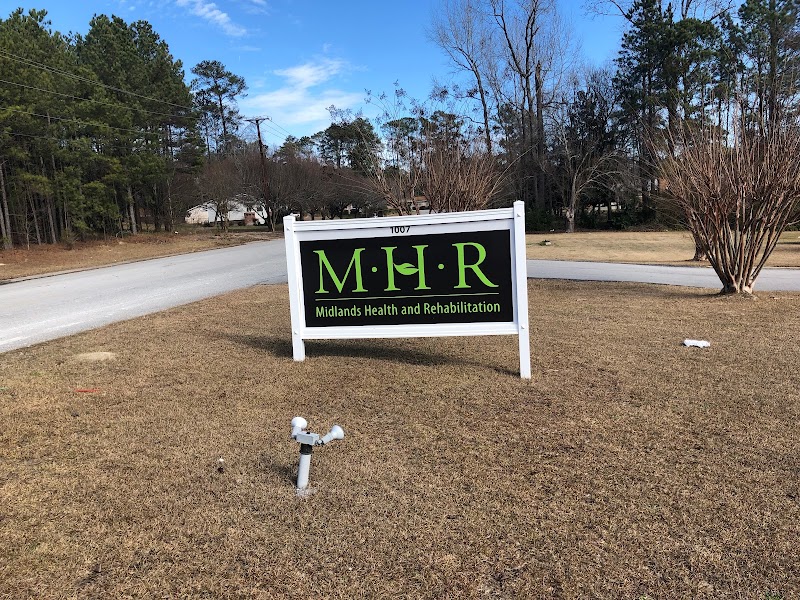
CMS rates Midlands Health & Rehabilitation Center's staffing level at 1 out of 5 stars, which is much below average compared to other nursing homes. Staff turnover is 51%, compared to the South Carolina average of 46%. RN turnover specifically is 67%, which is notably high. RNs provide skilled clinical oversight, so turnover in this role can affect medical care quality.

What Have Inspectors Found at Midlands Health & Rehabilitation Center?

State health inspectors documented 22 deficiencies at Midlands Health & Rehabilitation Center during 2021 to 2025. These included: 1 Immediate Jeopardy (the most serious level, indicating potential for serious harm or death) and 21 with potential for harm. Immediate Jeopardy findings are rare and represent the most serious regulatory concerns. They require immediate corrective action.

Who Owns and Operates Midlands Health & Rehabilitation Center?

Midlands Health & Rehabilitation Center is owned by a for-profit company. For-profit facilities operate as businesses with obligations to shareholders or private owners. The facility is operated by FUNDAMENTAL HEALTHCARE, a chain that manages multiple nursing homes. With 88 certified beds and approximately 85 residents (about 97% occupancy), it is a smaller facility located in Columbia, South Carolina.

How Does Midlands Health & Rehabilitation Center Compare to Other South Carolina Nursing Homes?

Compared to the 100 nursing homes in South Carolina, Midlands Health & Rehabilitation Center's overall rating (2 stars) is below the state average of 2.8, staff turnover (51%) is near the state average of 46%, and health inspection rating (2 stars) is below the national benchmark.

What Should Families Ask When Visiting Midlands Health & Rehabilitation Center?

Based on this facility's data, families visiting should ask: "What changes have been made since the serious inspection findings, and how are you preventing similar issues?" "Can you walk me through typical staffing levels on day, evening, and night shifts?" "Can I visit during a mealtime to observe dining assistance and food quality?" "How do you handle medical emergencies, and what is your hospital transfer rate?" These questions are particularly relevant given the facility's Immediate Jeopardy citations and the below-average staffing rating.

Is Midlands Health & Rehabilitation Center Safe?

Based on CMS inspection data, Midlands Health & Rehabilitation Center has documented safety concerns. Inspectors have issued 1 Immediate Jeopardy citation (the most serious violation level indicating risk of serious injury or death). The facility has a 2-star overall rating and ranks #100 of 100 nursing homes in South Carolina. Families considering this facility should ask detailed questions about what corrective actions have been taken since these incidents.

Do Nurses at Midlands Health & Rehabilitation Center Stick Around?

Midlands Health & Rehabilitation Center has a staff turnover rate of 51%, which is about average for South Carolina nursing homes (state average: 46%). Moderate turnover is common in nursing homes, but families should still ask about staff tenure and how the facility maintains care continuity when employees leave.

Was Midlands Health & Rehabilitation Center Ever Fined?

Midlands Health & Rehabilitation Center has been fined $51,803 across 2 penalty actions. This is above the South Carolina average of $33,597. Fines in this range indicate compliance issues significant enough for CMS to impose meaningful financial consequences. Common causes include delayed correction of deficiencies, repeat violations, or care failures affecting resident safety. Families should ask facility leadership what changes have been made since these penalties.

Is Midlands Health & Rehabilitation Center on Any Federal Watch List?

Midlands Health & Rehabilitation Center is not on any federal watch list. The most significant is the Special Focus Facility (SFF) program, which identifies the bottom 1% of nursing homes nationally based on persistent, serious quality problems. Not being on this list means the facility has avoided the pattern of deficiencies that triggers enhanced federal oversight. This is a positive indicator, though families should still review the facility's inspection history directly.