NHC Healthcare - Parklane
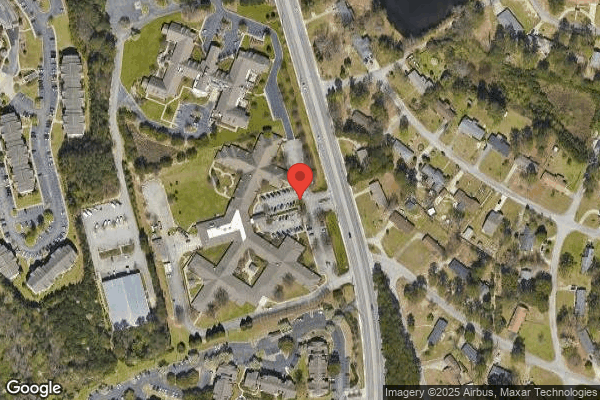
7601 Parklane Road, Columbia, SC 29223 (803) 741-9090
For profit - Corporation 106 Beds NATIONAL HEALTHCARE CORPORATION Data: November 2025
Trust Grade
55/100
#87 of 186 in SC
Last Inspection: December 2024

Within standard 12-15 month inspection cycle. Federal law requires annual inspections.

Overview

NHC Healthcare - Parklane has received a Trust Grade of C, indicating that it is average compared to other facilities, meaning it is neither great nor terrible. It ranks #87 out of 186 facilities in South Carolina, placing it in the top half, and #3 out of 14 in Richland County, which shows that only two local options are rated higher. The facility's performance has remained stable, with six issues reported in both 2023 and 2024. Staffing is a concern here, with a turnover rate of 59%, higher than the state average, and RN coverage is less than 80% of other South Carolina facilities, which could impact care quality. While the facility has not incurred any fines, which is a positive sign, there have been serious incidents such as a resident who went without pain medication for six hours after a fall, resulting in significant discomfort. Additionally, there were concerns about food safety practices that could pose health risks to residents. Overall, while there are some strengths, including no fines and decent quality measures, families should be aware of the staffing concerns and past incidents when considering this nursing home.

Trust Score
C
55/100
In South Carolina
#87/186
Top 46%
Safety Record
Moderate
Needs review
Inspections
Holding Steady
6 → 6 violations
Staff Stability
⚠ Watch
59% turnover. Above average. Higher turnover means staff may not know residents' routines.
Penalties
✓ Good
No fines on record. Clean compliance history, better than most South Carolina facilities.
Skilled Nurses
⚠ Watch
Each resident gets only 29 minutes of Registered Nurse (RN) attention daily — below average for South Carolina. Fewer RN minutes means fewer trained eyes watching for problems.
Violations
⚠ Watch
19 deficiencies on record. Higher than average. Multiple issues found across inspections.
★★★☆☆
3.0
Overall Rating
★★★☆☆
3.0
Staff Levels
★★★★☆
4.0
Care Quality
★★★☆☆
3.0
Inspection Score
Stable
2023: 6 issues
2024: 6 issues

The Good

  • 4-Star Quality Measures · Strong clinical quality outcomes
  • Full Sprinkler Coverage · Fire safety systems throughout facility
  • No fines on record

Facility shows strength in quality measures, fire safety.

The Bad

3-Star Overall Rating

Near South Carolina average (2.8)

Meets federal standards, typical of most facilities

Staff Turnover: 59%

13pts above South Carolina avg (46%)

Frequent staff changes - ask about care continuity

Chain: NATIONAL HEALTHCARE CORPORATION

Part of a multi-facility chain

Ask about local staffing decisions and management

Staff turnover is elevated (59%)

11 points above South Carolina average of 48%

The Ugly 19 deficiencies on record

1 actual harm
Dec 2024 6 deficiencies
CONCERN (D)

Potential for Harm - no one hurt, but risky conditions existed

Deficiency F0554 (Tag F0554)

Could have caused harm · This affected 1 resident

**NOTE- TERMS IN BRACKETS HAVE BEEN EDITED TO PROTECT CONFIDENTIALITY** Based on observations, record review, interviews, and facility policy, the facility failed to ensure medications were properly s...

Read full inspector narrative →
**NOTE- TERMS IN BRACKETS HAVE BEEN EDITED TO PROTECT CONFIDENTIALITY** Based on observations, record review, interviews, and facility policy, the facility failed to ensure medications were properly stored for Resident (R)72 for 1 of 1 residents reviewed for accident hazards. Findings include: Review of the facility's policy titled, Review of the facility policy titled, Network Pharmacy Policy and Procedure with revised date 01/01/19 revealed, Subject: Storage of Medications. Policy: Medications and biologicals are stored safely, securely, and properly, following manufacturer's recommendations or those of the supplier. Review of the facility's policy titled, Review of the facility policy titled, Network Pharmacy Policy and Procedure with revised date 01/01/19 revealed, Subject: Medication Administration-General Guidelines. Policy: Medications are administered as prescribed in accordance with good nursing principles and practices and only by persons legally authorized to do so .Procedures: B. Administration. 1. Medications are administered only by licensed nursing, medical, pharmacy or other personnel authorized by state laws and regulations to administer medications. 2. Medications are administered in accordance with written orders of the prescriber. Review of R72's Electronic Medical Record (EMR) revealed R72 was admitted to the facility on [DATE] with diagnoses including but not limited to: depression, post-traumatic stress disorder, restlessness, and agitation. Review of R72's Progress Notes revealed no documentation of staff educating the family or R72 on not being able to have medications at bedside. Review of R72's Orders revealed no self administration order to have medications at bedside. Review of R72's admission Minimum Data Set (MDS) with an Assessment Reference Date (ARD) date of 10/24/24 revealed a Brief Interview for Mental Status (BIMS) score of 15 out of 15, indicating R72's cognition is intact. Review of R72's Medication Administration Record (MAR) with a start date of 12/01/24 revealed no orders for the medications observed at bedside. During an observation on 12/10/24 at 11:28 AM, medications observed at bedside: Walgreen's Pain Relieving Cream with Lidocaine over the counter and Hydrophilic (used for Eucern) cream with prescription label from the Veteran's Administration (VA). During an interview on 12/10/24 at 11:35 AM, Licensed Practical Nurse (LPN)1 confirmed that R72 did not have a self administration order and stated that the facility had spoken to R72 many times about medication being at the bedside. Although they have removed medications, they keep showing up and the son continues to bring in stuff. LPN1 verified in the computer that there was no order for either medication observed at bedside by surveyor. During an observation and interview on 12/10/24 at 11:38 AM, R72 was in their room in a wheelchair sitting at bedside. LPN1 verified that medications were at bedside on bedside table and that one comes from the VA-Hydrophilic with a prescription label. LPN1 verified that it should not be at bedside and removed the Hydrophilic cream and Walgreen's Pain Relieving Cream with Lidocaine from room. During an interview on 12/11/24 at 4:04 PM, the Director of Nursing (DON) stated the expectations for the nursing staff is that during rounds the room should be scanned and items removed. Rounds should be made during off hours of the aides. Aides should go in the drawers and should report findings to nurse. If the resident is alert and oriented the physician will assess for self administration and if the medication has a valid need for the medication to be ordered. Family is contacted or the concern is discussed with the resident depending on their Brief Interview of Mental Status (BIMS) score. Medications would be removed from the room until someone can come to pick up from the family and either locked up or disposed depending on the situation. The care plan may be updated if needed.
CONCERN (D)

Potential for Harm - no one hurt, but risky conditions existed

Assessment Accuracy (Tag F0641)

Could have caused harm · This affected 1 resident

Based on record reviews and interviews, the facility failed to accurately code the Minimum Data Set (MDS) assessment for Resident (R)64 for scheduled pain medication for 1 of 1 resident reviewed. Find...

Read full inspector narrative →
Based on record reviews and interviews, the facility failed to accurately code the Minimum Data Set (MDS) assessment for Resident (R)64 for scheduled pain medication for 1 of 1 resident reviewed. Findings include: A review of the admission MDS with an Assessment Reference Date (ARD) of 11/05/24, Section J revealed that the resident did not receive a scheduled pain medication regimen during the look back period. A review of the Physician Order Report dated 11/12/24-12/12/24 revealed an order for acetaminophen tablet; 325 mg; amt:2 tablets (650 mg); oral Twice A Day; 08:00 AM, 09:00 PM. A review of a Pharmacist Progress Note dated 10/22/24 and 11/19/24 stated that resident receives acetaminophen for pain. A review of the Medication Administration Record dated 10/30/24 through 11/05/24 revealed that resident received the acetaminophen 325mg; 2 tablets (650mg) everyday, during the dates of 10/30/24 through 11/5/24. A review of R64's care plan started on 02/15/24 and revised on 11/06/24, revealed that the resident has the potential for pain related to gout, reflux, and history of cerebrovascular accident. Interventions for this resident regarding pain include to administer medications as ordered and assess effectiveness, with a start date of 02/15/24. An interview on 12/12/24 at 03:00 PM with the MDS Director revealed that R64 did receive scheduled pain medication during the ARD date. The MDS Director stated the data was entered incorrectly. An interview on 12/12/24 at 04:13 PM with the Director of Nursing revealed that he expects the MDS assessment should comply with the Resident Assessment Instrument (RAI) manual and should be coded per the RAI. An interview on 12/12/24 at 05:04 PM with the Administrator revealed that there is no policy on coding or preparation of the MDS. The Administrator stated, We follow the RAI manual.
CONCERN (D)

Potential for Harm - no one hurt, but risky conditions existed

ADL Care (Tag F0677)

Could have caused harm · This affected 1 resident

**NOTE- TERMS IN BRACKETS HAVE BEEN EDITED TO PROTECT CONFIDENTIALITY** Based on interviews, record reviews, and facility policy, the facility failed to provide Activities of Daily Living (ADLs) care,...

Read full inspector narrative →
**NOTE- TERMS IN BRACKETS HAVE BEEN EDITED TO PROTECT CONFIDENTIALITY** Based on interviews, record reviews, and facility policy, the facility failed to provide Activities of Daily Living (ADLs) care, specifically fingernail care to 1 of 1 residents (R)64, reviewed for ADL care. Findings Include: Review of facility policy, Activities of Daily Living, with no revision date revealed, Residents will provided with care, treatment and services as appropriate to maintain or improve their ability to carry out activities of daily living (ADLs). Patient needs vary depending on their abilities, these personalized approaches may be reflected on their care plans. Review of R64's Face Sheet revealed he was admitted to the facility on [DATE] with diagnoses including, but not limited to, Alzheimer's disease, hypertensive chronic kidney disease with stage 1 through stage 4 chronic kidney disease, gastro-esophageal reflux disease without esophagitis, obstructive and reflux uropathy, and age-related osteoporosis without current pathological fracture. Review of R64's Five Day Minimum Data Set (MDS) with an Assessment Reference Date (ARD) of 11/05/24 revealed R64 has a Brief Interview of Mental Status (BIMS) score of 06 out of 15, suggesting that she has severe cognitive impairment. R64 is dependent for oral hygiene, toileting, showering, upper body dressing, lower body dressing, putting on and taking off footwear and personal hygiene. Review of R64's Care Plan with a revision date of 12/03/24 revealed that R64 requires staff assistance with ADL's r/t (related to) cognitive impairment. Staff provides assistance with eating, substantial assistance with bed mobility, transfers, dressing, bathing and toileting hygiene. The Care Plan also states that ADL needs will be met with staff assistance. Observations revealed that on 12/10/24 at 12:23 PM, 12/10/24 at 04:00 PM and 12/11/24 at 10:00 AM, R64 was noted with facial hair and brown matter under all fingernails. During an interview with Certified Nursing Assistant (CNA)7 on 12/12/24 at 03:18 PM revealed that if the resident's nails are dirty, the CNA's are supposed to clean them and cut them as needed. If the resident is a diabetic, the nurse cuts their nails. During an interview with Licensed Practical Nurse (LPN)3 on 12/12/24 at 03:27 PM revealed, Nurses and CNA's should clean a resident's nails if they are dirty. Nurses cut the resident's nails if they are diabetic. During an interview with the Director of Nursing (DON) on 12/12/24 at 04:13 PM, he stated that he expects staff to offer any and all care when they have a resident. He expects staff to report any refusals of care that residents have so we can make sure it is documented and care planned.
CONCERN (D)

Potential for Harm - no one hurt, but risky conditions existed

Respiratory Care (Tag F0695)

Could have caused harm · This affected 1 resident

**NOTE- TERMS IN BRACKETS HAVE BEEN EDITED TO PROTECT CONFIDENTIALITY** Based on observations, interviews, record review and facility policy, the facility failed to ensure storage of the nebulizer mas...

Read full inspector narrative →
**NOTE- TERMS IN BRACKETS HAVE BEEN EDITED TO PROTECT CONFIDENTIALITY** Based on observations, interviews, record review and facility policy, the facility failed to ensure storage of the nebulizer mask and accuracy of the oxygen flow rate for Resident (R)16 for 1 of 2 residents reviewed for respirator care. Findings include: Review of the facility's policy titled, Oxygen Administration with no dated revealed, Purpose: The purpose of this procedure is to provide guidelines for safe oxygen administration. Preparation: 1. Verify that there is a physician's order for this procedure. Review the physician's orders or facility protocol for oxygen administration. Review of R16's Electronic Medical Record (EMR) revealed R16 was admitted to the facility on [DATE] with diagnoses including but not limited to: Anxiety disorder, depression, acute respiratory failure with hypoxia, pleural effusion in other conditions classified elsewhere, dependence on supplemental oxygen, and personal history of nicotine dependence. Review of R16's admission Minimum Data Set (MDS) with an Assessment Reference Date (ARD) date of 11/01/24 revealed a Brief Interview for Mental Status (BIMS) score of 14 out of 15, indicating R16's cognition is intact. Review of R16's Care Plan documented, Problem: Respiratory Function - at risk for compromise related to: recent acute failure with hypoxia as well as aspiration pneumonia .oxygen dependent and requires HOB elevated for optimal respiratory effort. Start Date 10/25/2024. Goal(s): Patient will have needs related to deficits in respiratory function addressed and risk of complications minimized; Target Date: 03/28/2025 (Long Term Goal). Approach(s): Oxygen as ordered: Start Date 10/25/2024. Review of R16's Medication Administration Record (MAR) with a start date of 12/01/24 documented, May titrate oxygen flow via nasal cannula 2-4L for comfort. OXYGEN Special Instructions: 4 L/MIN VIA NASAL CANNULA Every Shift. During an observation on 12/10/24 at 11:11 AM, the nebulizer mask was observed on the bedside stand dated 12/08/24 and uncovered. Oxygen was observed at 4.5 L/min. by nasal cannula. Physician order noted oxygen was to be at 4L/min. During an interview and subsequent observation on 12/10/24 at 11:20 AM, Licensed Practical Nurse (LPN)1 verified oxygen order and stated it was ordered at 4L/min in the computer. LPN1 went to R16's room and stated it looked like it is above the 4 mark. LPN1 confirmed that the measurement should be made by the middle of the ball having the line through it. The oxygen flow rate was adjusted by LPN1. LPN1 confirmed that the nebulizer mask should be stored in a bag when not in use. LPN1 placed the nebulizer mask in a labeled bag attached to the oxygen concentrator. During an interview on 12/11/24 at 4:09 PM, the Director of Nursing (DON) stated their expectation was that the nursing staff should ensure accuracy of oxygen based on the orders and care plan and while on rounds should check the rate especially at the beginning of the shift and during off hour rounds. The nursing staff should assess if there is any distress. The method for reading the rate should be based on manufacturer standards, but confirmed that the gold standard is for the ball to be in the middle of the line although during their career they had been educated that the ball needs to be around the line. The DON stated that there should not be a question regarding where the line is at regardless. The DON also confirmed that the nebulizer mask should be stored in the bag. At the end of the treatment the mask set should be rinsed and bagged.
CONCERN (D)

Potential for Harm - no one hurt, but risky conditions existed

Deficiency F0761 (Tag F0761)

Could have caused harm · This affected 1 resident

Based on observations, facility policy and interviews, the facility failed to remove expired medications and biologicals in 2 of 2 medication storage rooms. Additionally, the facility failed to ensure...

Read full inspector narrative →
Based on observations, facility policy and interviews, the facility failed to remove expired medications and biologicals in 2 of 2 medication storage rooms. Additionally, the facility failed to ensure the medication refrigerator was free of live pests. Findings include: Review of the facility policy titled, Safety & Sanitation Best Practice Guidelines with revised date 01/2011 revealed, Subject: Pest Control. Outcome: .will implement preventive measures which focus on denying pests access to the building, .by working with a pest control operator (PCO). Guidelines: 1. The presence of insects, rodents, and other pests shall be controlled to eliminate their presence on the premises by routinely inspecting incoming shipments of food and supplies .5. Center should work with a pest control operator (PCO) in preventive and control measures to eliminate pests and keep them from infesting the building. Review of the facility policy titled, Network Pharmacy Policy and Procedure with revised date 01/01/19 revealed, Subject: Storage of Medications. Policy: Medications and biologicals are stored safely, securely, and properly, following manufacturer's recommendations or those of the supplier .Procedures: I. Outdated .are removed from inventory, disposed of according to procedures for medication disposal .and reordered from the pharmacy .K. Medication storage conditions are monitored on a quarterly basis by the consultant pharmacist or pharmacy designee and corrective action taken if problems are identified. Expiration Dating (Beyond-use dating) H. All expired medications will be destroyed in the facility, regardless of amount remaining. The medication will be destroyed in the usual manner. The product may be stored in the medication room until destroyed up to 30 days. During an observation and interview on 12/11/24 at 5:30 PM with Licensed Practical Nurse (LPN)1 revealed the condition of the following medications and biologicals stored on the 200 Unit medication storage room. LPN1 confirmed that the items were expired and removed them. 1. Medical Action Industries, Inc.:Central Line Dressing Tray with Tegaderm-One package, Lot number 304955, Expiration date 8/15/2024 2. Medical Action Industries, Inc.:Central Line Dressing Tray with Tegaderm-One package, Lot number 61249, Expiration date 7/20/2024 3. Medical Action Industries, Inc.:Central Line Dressing Tray with Tegaderm-Three packages, Lot number 61249, Expiration date 10/15/2024 During an observation and interview on 12/11/24 at 5:56 PM with LPN2 revealed the condition of the following medications and biologicals stored in the 100 Unit medication storage room. LPN2 verified the medication supplies were expired and removed them from the medication storage area. 1. Banatrol Plus with Bimuno Prebiotic for Diarrhea and Loose Stools-51 packets, Lot HB111622A, Expiration date 11/16/24 2. 5% Dextrose and 0.9% Normal Saline 1000ml- 2 IV bags, Lot 7945788, Expiration date Oct. 2024 3. 5% Dextrose and 0.45% Normal Saline 1000ml- 1 IV bag, Lot Y421089, Expiration date Oct. 2024 4. BD Safety Glide 1ml, 25G x 5/8 in injection needle with luer slip syringe- 42 syringes, Lot 9177763, Expiration date 6/30/2024 During an observation and interview on 12/11/24 at 6:11 PM, LPN2 verified a live pest in a blue basket that contained Tylenol and Dulcolax suppositories in the 100 Unit medication room refrigerator. The Director of Nursing (DON) came into medication room to confirm and was asked how this could happen. The DON stated it must have come in from a pharmacy tote. The seal on the refrigerator door was checked by the DON and no concern observed.
CONCERN (D)

Potential for Harm - no one hurt, but risky conditions existed

Room Equipment (Tag F0908)

Could have caused harm · This affected 1 resident

**NOTE- TERMS IN BRACKETS HAVE BEEN EDITED TO PROTECT CONFIDENTIALITY** Based on record review, interviews and facility policy, the facility failed to report and ensure equipment, specifically showers...

Read full inspector narrative →
**NOTE- TERMS IN BRACKETS HAVE BEEN EDITED TO PROTECT CONFIDENTIALITY** Based on record review, interviews and facility policy, the facility failed to report and ensure equipment, specifically showers were operable for resident use for 1 of 3 central shower areas. Findings Include: Review of the facility policy titled Facility Equipment Maintenance Policy with no revision date, revealed This policy helps to plan maintenance activities according to certain priorities and realistic guidelines to improve the quality and availability of health care services. Staff will communicate any breakdown of equipment via TELS and/or written system by completing and submitting a work order. Members of the maintenance team will collect information daily from the TELS and/or written system and follow up accordingly. Members of maintenance team will prioritize the information collected ass to reasonably direct maintenance of equipment. During an interview on 12/11/24 at 2:08 PM with Resident (R)254 revealed, R254 did not take a shower due to shower being broken, resident had to take a bed bath instead. During an interview with the Director of Maintenance on 12/11/24 at 2:00 PM revealed, the facility has a system called TELS that alerts maintenance of any issues reported, if not put in the TELS system they are not aware. Maintenance did not have a work order for room [ROOM NUMBER] or other area on unit 200. The Director of Maintenance put an emergency work order in while speaking with surveyor. During an interview with Certified Nursing Assistant(CNA)1 on 12/11/24 at 2:11 PM revealed, the CNA's look at assignments to see who has showers. CNA1 was unaware showers were not working. CNA1 stated, there is a central shower and I am unfamiliar with R254's care. During an interview on 12/11/24 at 2:20 PM with the Registered Nurse (RN)1 revealed, no complaints of the showers not working were reported by residents to the nurse. The CNA showers the resident and report back to the nurse any findings. RN1 was told the central showers were not working by CNA2, but did not put a TELS system. RN1 stated Resident was in a shower chair and shower was done in her room. RN1 was not aware R254 did not have a shower. During an interview on 12/11/24 at 2:25 PM with CNA2 revealed, the central shower and the shower in room [ROOM NUMBER] was not working. CNA2 did not put a TELs work order in, but let the charge nurse know. CNA2 reported to nurse the resident took a full bath because the shower was not working. A bed bath was given by occupational therapy with CNA2's assistance. During an interview on 12/11/24 at 1:59 PM with the Director of Nursing revealed, he was unaware showers are not working.
Apr 2023 6 deficiencies 1 Harm
SERIOUS (G)

Actual Harm - a resident was hurt due to facility failures

Deficiency F0697 (Tag F0697)

A resident was harmed · This affected 1 resident

**NOTE- TERMS IN BRACKETS HAVE BEEN EDITED TO PROTECT CONFIDENTIALITY** Based on observation, interviews, record reviews, and facility policy review, the facility failed to ensure that pain management...

Read full inspector narrative →
**NOTE- TERMS IN BRACKETS HAVE BEEN EDITED TO PROTECT CONFIDENTIALITY** Based on observation, interviews, record reviews, and facility policy review, the facility failed to ensure that pain management was provided for 1 Resident(R88) of 3 residents reviewed for pain. Specifically, the facility failed to provide R88 pain medication the resident had requested after a fall. This failure resulted in R88 being in pain for approximately six hours, from the time of their fall to the time they received pain medication. The resident's pain limited R88's ability to participate in activities of daily living (ADLs) and the resident was heard crying out in pain. Findings included: A review of a facility policy titled, Pain Management, reviewed in March 23, revealed, The goal of pain management is patient control of interventions for pain relief. The patient is the authority on their comfort and quality of life. Our goal is to promote comfort, independence, and socialization. Further review of the policy revealed, The onset of any new behavior or change in routine needs to alert the nurse to assess the patient more closely. Communication and interventions are important for quality patient care. A review of a Resident Face Sheet revealed the facility admitted R88 with diagnoses that included anxiety disorder, wedge compression fracture of the thoracic vertebrae, chronic pain, polyneuropathy, rheumatoid arthritis, and osteoarthritis. A review of the admission Minimum Data Set (MDS), dated [DATE], revealed R88 had a Brief Interview for Mental Status (BIMS) score of 14, indicating the resident was cognitively intact. The pain assessment interview indicated the resident reported no pain within the previous five days. A review of R88's Care Plan indicated the resident had a problem category of Pain with a problem start date of 02/22/23, related to rheumatoid arthritis, osteoarthritis, compression fracture, and neuropathy. The facility developed an intervention that instructed staff to assess the resident for pain and intervene as indicated. A review of an Observation Detail List Report, completed by Occupational Therapist (OT) #1, with an Observation Date of 04/04/23 at 7:54 AM, indicated that OT1 was walking down the hallway and heard R88 yelling, Help. R88 was observed on the floor, and there were three certified nursing assistants (CNAs) already in the resident's room. The report indicated a nurse was called to the resident's room, and the staff picked the resident up off the floor and put the resident back in bed. OT1 assisted the resident with positioning. R88 said their right hip and left hand/forearm were hurting after the fall and requested acetaminophen for the pain. During the initial tour of the facility on 04/04/23 at 1:50 PM, R88 was heard crying out and was observed lying in bed with a pillow under their right knee. During an interview at that time, R88 stated they had fallen that morning and thought their leg had been broken. In an interview on 04/04/23 between 1:50 PM and 2:00 PM, Registered Nurse (RN) #1 and Licensed Practical Nurse (LPN) #1 stated R88 had fallen that morning. LPN1 stated the doctor had been notified, and the facility was waiting on the mobile X-ray provider to arrive to complete an X-ray. LPN1 stated she was just in the resident's room and the resident did not complain of pain but would provide the resident with some pain medication. On 04/04/23 between 1:50 PM and 2:00 PM, LPN1 entered R88's room with a medication cup and stated it was the resident's pain medication. Review of a Medication Administration Record (MAR) for April 23 indicated R88 had a physician's order, with a start date of 03/08/23, for acetaminophen 325 milligrams (mg), two tablets as needed every six hours for general discomfort. The MAR revealed that on 04/04/23 at 1:52 PM, LPN1 administered 650 mg of acetaminophen to R88. The MAR indicated R88 had rated their pain a 6 on a scale of 0 to 10. The MAR indicated R88 had received no pain medication on 04/04/23 prior to the administration of acetaminophen at 1:52 PM. During an observation on 04/04/23 at 2:07 PM, the Assistant Director of Nursing (ADON) was in Resident 88's room with two CNAs providing incontinent care for the resident. R88 began to cry out in apparent pain loudly enough to be heard in the hallway. Review of an Occupational Therapy Treatment Encounter Note(s), dated 04/04/23 at 2:23 PM and signed by OT1, indicated OT1 provided services to R88 on 04/04/23. The note indicated R88 fell that morning, and OT1 had assisted with getting R88 back in bed after the fall. The note indicated that during the therapy session, R88 had increased pain in their shoulders and right hip, as well as increased pain with movement from rolling left to right in bed. The note indicated R88 had pain that was exhibited by clenched teeth, facial grimacing, holding the area of pain, heavy breathing, and rubbing the area of pain. The note indicated the pain limited R88's bed mobility and activities of daily living (ADLs). The note also indicated moving around after the fall exacerbated R88's pain. In a Progress Note, dated 04/04/23 at 2:33 PM, Medical Doctor (MD) #1 documented he was called and notified of R88's fall, the resident complained of right hip pain after the fall, and X-rays had been ordered. During an interview on 04/04/23 at 2:51 PM, R88 was lying in bed and could not recall how the fall occurred that morning. The resident appeared confused, and a thorough interview was not completed due to the resident's cognitive status. Review of an Event Report completed by LPN1, with an Event Date of 04/04/23 at 3:05 PM and a Completed Date of 04/04/23 at 3:12 PM, revealed LPN1 indicated that R88 had a fall and was found on the floor in the resident's room. The report indicated the resident complained of pain in their right hip after the fall and rated the pain a 3 on a scale of 0 to 10. The report further indicated a range of motion assessment was completed without pain, and the physician was notified of the fall on 04/04/23 at 3:15 PM. Review of a Progress Note dated 04/04/23 at 7:47 PM and signed by LPN1, revealed LPN1 was summoned to R88's room by staff, and R88 was observed lying on the floor on the resident's right buttock. R88 stated they wanted to go home. LPN1 completed a range of motion assessment, and the resident stated they felt a little pain, but it was not too bad. R88 was assisted back to bed and the MD was notified. The note did not indicate the time of the MD notification. During an interview on 04/05/23 at 1:21 PM, LPN1 stated R88 had an unwitnessed fall the morning of 04/04/23 but could not recall the time, stating she thought it occurred between 9:00 AM and 11:00 AM. LPN1 stated CNA1 went into the resident's room to provide care, and the resident was found on the floor, lying on the resident's right side. LPN1 stated a therapist, CNA1, and possibly two other staff members were in the resident's room. LPN1 stated the facility's policy required staff to notify the doctor and the family after a resident had a fall and that she notified the resident's family member and MD1 during MD1's morning rounds the morning of the fall. LPN1 stated MD1 asked if the resident was in any pain, and LPN1 reported the resident had minimal pain on the resident's right side. LPN1 stated she talked to MD1 after he left the facility and notified MD1 the resident was complaining of pain and asked if she could order an X-ray. LPN1 stated the X-ray was ordered in the afternoon but could not recall the time. LPN1 stated the resident complained of pain mid-morning after the fall when a CNA attempted to provide care to the resident, and the resident did not want staff to roll the resident over in the bed for the care to be provided. LPN1 stated she provided R88 with acetaminophen after the surveyor notified LPN1 of the resident's pain and had not provided the resident with any pain medication prior to that time on 04/04/23. LPN1 clarified her documentation in the Progress Note of 04/04/23 at 7:47 PM, stating the fall occurred the morning of 04/04/23, and the time on the note was when she was able to sit down to chart on the resident. LPN1 stated, Yesterday was so crazy. I had a lot going on yesterday morning. During an interview on 04/06/23 at 10:52 AM, MD1 stated the facility did not notify him of the fall that occurred on 04/04/23 until 2:30 PM. MD1 stated staff told him R88 had pain after the fall and the nurse had already put in an order for the X-ray. MD1 stated if a resident fell, staff should notify him right away if there were any injury or pain. MD1 stated he was in the facility the morning of the fall, and nobody notified him until that afternoon. During an interview on 04/05/23 at 2:21 PM, OT1 stated that on 04/04/23, before 8:00 AM, she was walking down the hall and heard R88 saying, Help. OT1 went into R88's room and the resident was lying between the wall and the bed, with the resident's head near the foot of the bed. OT1 stated there were three CNAs in the resident's room, and they waited for LPN1 to assess the resident. OT1 stated she was not sure if the resident received any pain medication, but LPN1 had told OT1 that she was going to give the resident acetaminophen for the pain. OT1 stated she saw the resident later that morning for therapy and stated the resident was hurting and the exercises were really, really painful. The resident told OT1 that the resident had pain everywhere, which was not typical for the resident, and the resident was in a lot more pain than normal. OT1 stated she did not report the pain to anyone because she knew the resident had fallen that morning. During an interview on 04/05/23 at 2:46 PM, CNA1 stated she was one of the staff members in R88's room after the resident fell. She stated CNAs #2, #3, and #4, and LPN1 were in the resident's room. CNA1 stated the resident complained of pain in the right leg. During an interview on 04/06/23 at 10:05 AM, CNA2 stated that on 04/04/23, at approximately 7:30 AM, R88 yelled for help. CNA2 stated that she, CNA4, OT1, and LPN1 went into the resident's room and found the resident on the floor in their bedroom. CNA2 stated the resident complained of pain after the staff members picked the resident up and put the resident back in bed. During an interview on 04/06/23 at 10:22 AM, CNA3 stated that the morning of 04/04/23, a staff member called her into R88's room, and the resident was found on the floor, on the resident's right side. CNA3 stated there were three or four staff members in the resident's room. CNA3 stated the resident complained of pain in the resident's right side and in their leg. CNA3 stated R88 always complained of pain in their right leg, but the resident appeared to be in more pain than normal. During an interview on 04/06/23 at 10:39 AM, CNA4 stated R88 fell the morning of 04/04/23, sometime before breakfast. CNA4 stated she heard the resident yell for help and she and CNA2 were in the hall by the nurse's desk. When they arrived at the resident's room, the resident was found on the floor. CNA4 stated she left the room and notified LPN1, and OT1 was in the hallway, so she assisted, as well as CNA3. CNA4 stated LPN1 assessed the resident and asked if the resident was in any pain, and the resident stated their hip was hurting. CNA4 stated OT1 said the resident always complained about pain in their hip. CNA4 stated the resident appeared to be in more pain than normal after the fall. CNA4 stated that afternoon after the fall, it took her, CNA2, and the ADON to change the resident's brief because it hurt the resident to slide the brief underneath the resident and to move the resident's leg. The resident was crying out in pain. CNA4 stated she did not know if the resident had received any pain medication at that time. CNA4 stated they gave the resident breaks during care and R88 would tell the staff when they could continue. CNA4 stated she had never had any issues with changing the resident's brief before. During an interview on 04/07/23 at 11:08 AM, the Director of Nursing (DON) stated that after a resident fell and complained of pain, staff should notify the MD, Unit Manager, and DON immediately after the resident had been stabilized. The DON stated if a resident had pain beyond their baseline pain and requested pain medication, staff should notify the MD and get further orders, or if the resident had an as-needed (PRN) pain medication, it should be given. An interview was not conducted with the Administrator due to the Administrator not being present during the survey.
CONCERN (D)

Potential for Harm - no one hurt, but risky conditions existed

Deficiency F0561 (Tag F0561)

Could have caused harm · This affected 1 resident

**NOTE- TERMS IN BRACKETS HAVE BEEN EDITED TO PROTECT CONFIDENTIALITY** Based on interview, record review, and review of the facility policy, the facility failed to honor Resident (R)9's request for a...

Read full inspector narrative →
**NOTE- TERMS IN BRACKETS HAVE BEEN EDITED TO PROTECT CONFIDENTIALITY** Based on interview, record review, and review of the facility policy, the facility failed to honor Resident (R)9's request for a room change. 1 of 2 reviewed for choices. Findings include: Review of the facility policy titled, Patient Rights revealed We support the patient/resident's right to live in an environment which is individualized for them. It is policy of the management of to provide as full complement of services as possible and attainable to meet the needs of all patients. The Center agrees to offer services including but not limited to room changes. Many factors must be taken into account in selecting room assignments. This center attempts to accommodate the needs of all its patients as comfortably as possible. Every effort will be made to accommodate your preferences and request. If you are located in a room where you are not satisfied, you are encouraged to discuss the options available wit the staff, requesting a more suitable situation. R9 was admitted to the facility on [DATE] with diagnoses including, but not limited to; Alzheimer's, dementia with mood disturbance, major depressive disorder, insomnia, and cyclothymic disorder (depressive symptoms). Review of the Minimum Data Set (MDS) with a Assessment Reference Date (ARD) of 12/07/22 revealed R9 has a Brief Interview of Mental Status (BIMS) score of 8 out of 15, which indicates they have moderately impaired cognitive function. An observation and interview with R9 on 04/06/23 at 12:15 PM revealed that they prefer to sleep in later in the mornings, but at times their roommate can wake them up, which frustrates R9. Record review on 04/06/23 at 1:00 PM of a Progress Note for R9 dated 01/12/23 at 7:59 AM revealed Resident very agitated this morning cursing at window at the nurses station. States she is upset because light has to be on in the night to check her roommate. I shouldn't have to go through this. Record review on 04/06/23 at 1:03 PM of a Progress Note for R9 dated 01/15/23 at 7:56 AM revealed resident had one episode of agitation around 10:30 PM, states she is not happy with her roommate. Resident began yelling and cursing. Record review on 04/06/23 at 1:05 PM of a Progress Notes for R9 dated 01/29/23 at 1:20 AM revealed resident yelling and curing x 2 at approximately 11:40 PM states she wants a new roommate, resting quietly at this time. Roommate has been exhibiting increased restlessness which bother resident (R9). Record review on 04/06/23 at 1:07 PM of a late entry Progress Note for R9 dated 01/29/23 at 6:30 AM as entry for 1/29/23 at 9:32 AM revealed Resident yelling and cursing loudly at window in front of nurse's station. Did sleep soundly during the night, but is stating that she wants a new roommate. Record review on 04/06/23 at 1:10 PM of Psychiatry Progress Note for R9 dated 03/9/23 at 11:15 AM revealed Patient seen in follow up, please refer to full dictated note. Increased lability during evening and night, easily set off when roommate makes noise. Respectfully suggest room/roommate change if possible. Record review on 04/06/23 at 1:15 PM of R9 Census Report revealed their last room change was on 01/21/21 to the dementia/locked unit of the facility. Resident is still located in this room on the dementia unit during time of observation. An interview on 04/07/23 at 8:47 AM with Licensed Practical Nurse (LPN)2 revealed R9 does request to have other roommates because they prefer to sleep in in the morning and wakes up around 11:30 AM, which is documented in her Care Plan. When R9 roommates wake her, she gets upset with them but later forgets because of the dementia. We have previously moved the resident to other rooms with other roommates and she still has the same issue when they wake her up. At one point the resident was in a room by herself but stated that she got lonely. She enjoys being around other residents during the day when she up and dressed, and can't remember being upset once she is up for the day. A phone interview on 04/07/23 at 9:45 AM with the Nurse Practitioner (NP) revealed staff reported R9 was very combative with staff and yelling at them and her roommate after they were woken up. NP further stated that they did suggest to staff that the resident have a roommate change but the next day the resident had no more issues with the roommate and both had forgot about the incident. An interview on 04/07/23 at 11:00 AM with the Director of Nursing (DON) revealed the facility does try to accommodate resident preferences with roommates, at times there are no private rooms available but when that happens, we try to see if other residents are willing to move rooms to better fit compatibility. A phone interview on 04/07/23 at 12:01 PM with R9's Resident Representative revealed R9 is used to living alone because they had been living alone for many years prior to admitting to the facility. At times, R9 will get upset with her roommates and will become combative with staff, but in 15 minutes will forget that she is upset because she has dementia. Record review on 04/07/23 at 12:45 PM of R9's Care Plan, last revised on 04/07/23, revealed R9 has history of depression, dementia, psychotic disturbance, and anxiety. Her mood fluctuates depending on what is going on around her. Has times of increased agitation and has a history of behaviors including being easily agitation, having altercations with other and yelling/cursing at staff. She is followed by psychiatry, history of dissatisfaction of roommates. Per her Resident Representative, resident is not a people person and would probably have issues with all roommates. Resident Representative heavily involved and will let staff know if R9 needs roommate changes.
CONCERN (D)

Potential for Harm - no one hurt, but risky conditions existed

Notification of Changes (Tag F0580)

Could have caused harm · This affected 1 resident

**NOTE- TERMS IN BRACKETS HAVE BEEN EDITED TO PROTECT CONFIDENTIALITY** Based on observation, interviews, record reviews, and facility policy review, the facility failed to immediately notify the phys...

Read full inspector narrative →
**NOTE- TERMS IN BRACKETS HAVE BEEN EDITED TO PROTECT CONFIDENTIALITY** Based on observation, interviews, record reviews, and facility policy review, the facility failed to immediately notify the physician for 1 Resident, (R)88, of 3 residents reviewed for pain. Specifically, the facility failed to immediately notify R88's physician of a fall that resulted in significant pain. Findings included: A review of an undated facility policy titled, Falls Safety, indicated that after a resident has a fall, staff should assess the resident, notify the Medical Doctor (MD) and responsible party, and initiate an appropriate intervention as necessary. A review of a Resident Face Sheet revealed the facility admitted R88 with diagnoses that included anxiety disorder, wedge compression fracture of the thoracic vertebrae, chronic pain, polyneuropathy, rheumatoid arthritis, and osteoarthritis. A review of the admission Minimum Data Set (MDS), dated [DATE], revealed R88 had a Brief Interview for Mental Status (BIMS) score of 14, indicating the resident was cognitively intact. The pain assessment interview indicated the resident reported no pain in the previous five days. A review of R88's Care Plan indicated the resident had a problem category of Pain with a problem start date of 02/22/2023, related to rheumatoid arthritis, osteoarthritis, compression fracture, and neuropathy. The facility developed an intervention that instructed staff to assess the resident for pain and intervene as indicated. A review of an Observation Detail List Report, completed by Occupational Therapist (OT)1, with an Observation Date of 04/04/2023 at 7:54 AM, indicated that OT1 was walking down the hallway and heard R88 yelling, Help. R88 was observed on the floor, and there were three certified nursing assistants (CNAs) already in the resident's room. The report indicated a nurse was called to the resident's room, and the staff picked the resident up off the floor and put the resident back in bed. OT1 assisted the resident with positioning. R88 said their right hip and left hand/forearm were hurting after the fall and requested acetaminophen for the pain. During the initial tour of the facility on 04/04/2023 at 1:50 PM, R88 was heard crying out and was observed lying in bed with a pillow under their right knee. During an interview at that time, R88 stated they had fallen that morning and thought their leg had been broken. In an interview on 04/04/2023 between 1:50 PM and 2:00 PM, Registered Nurse (RN)1 and Licensed Practical Nurse (LPN)1 stated R88 had fallen that morning. LPN1 stated the doctor had been notified, and the facility was waiting on the mobile X-ray provider to arrive to complete an X-ray. LPN1 stated she was just in the resident's room and the resident did not complain of pain but would provide the resident with some pain medication. Review of a New Order indicated that on 04/04/2023 at 2:05 PM, a physician's order was placed for a right femur X-ray due to a fall for R88. Review of a Progress Note, dated 04/04/2023 at 2:33 PM, revealed Medical Doctor (MD)1 documented he was called and notified of R88's fall, the resident complained of right hip pain after the fall, and X-rays had been ordered. Review of an Occupational Therapy Treatment Encounter Note(s), dated 04/04/2023 at 2:23 PM and signed by OT1, indicated OT1 provided services to R88 on 04/04/2023. The note indicated R88 fell that morning and OT1 had assisted with getting R88 back in bed after the fall. The note indicated that during the therapy session, R88 had increased pain in the shoulders and right hip, as well as increased pain with movement from rolling left to right in bed. The note indicated R88 had pain, which was exhibited by clenched teeth, facial grimacing, holding area of pain, heavy breathing, and rubbing the area of pain. The note indicated the pain limited R88's bed mobility and activities of daily living (ADLs). The note also indicated moving around after the fall exacerbated R88's pain. Review of an Event Report, completed by LPN1 on 04/04/2023 at 3:12 PM, indicated that on 04/04/2023, R88 had a fall and was found on the floor in their room. The Event Date in the report was shown as 04/04/2023 at 3:05 PM. The report indicated R88 complained of pain in their right hip after the fall and rated the pain a 3 on a scale of 0 to 10. The report further indicated a range of motion assessment was completed without pain, and the physician was notified of the fall on 04/04/2023 at 3:15 PM. Review of a Progress Note, dated 04/04/2023 at 7:47 PM and signed by LPN1, revealed LPN1 was summoned to R88's room by staff, and R88 was observed lying on the floor on the resident's right buttock. R88 stated they wanted to go home. LPN1 completed a range of motion assessment, and the resident stated they felt a little pain, but it was not too bad. The note indicated R88 was assisted back to bed and the MD was notified, along with the resident's representative. The note did not indicate the time of the notifications. During an interview on 04/05/2023 at 1:21 PM, LPN1 stated R88 had an unwitnessed fall the morning of 04/04/2023 but could not recall the time, stating she thought it occurred between 9:00 AM and 11:00 AM. LPN1 stated CNA1 went into the resident's room to provide care, and the resident was found on the floor, lying on the resident's right side. LPN1 stated the facility's policy required staff to notify the doctor and the family after a resident had a fall and that she notified the resident's family member and MD1 during MD1's morning rounds the morning of the fall. LPN1 stated MD1 asked if the resident was in any pain, and LPN1 reported the resident had minimal pain on the resident's right side. LPN1 stated she talked to MD1 after he left the facility and notified MD1 the resident was complaining of pain and asked if she could order an X-ray. During an interview on 04/06/2023 at 10:52 AM, MD1 stated the facility did not notify him of the fall that occurred on 04/04/2023 until 2:30 PM. MD1 stated staff told him R88 had pain after the fall, and the nurse had already put in an order for the X-ray. MD1 stated if a resident fell, staff should notify him right away if there were any injury or pain. MD1 said in this situation, staff should have notified him immediately by phone. MD1 stated he was in the facility the morning of the fall, but nobody notified him until that afternoon. During an interview on 04/07/2023 at 11:08 AM, the Director of Nursing (DON) stated that after a resident fell and complained of pain, staff should notify the MD, Unit Manager, and DON immediately after the resident had been stabilized. The DON was advised by the surveyor that the resident fell before 8:00 AM but MD1 was not notified until the afternoon on the same day, and the DON stated the nurse should have notified the MD immediately. The DON stated if a resident had pain beyond their baseline pain and requested pain medication, staff should notify the MD and get further orders, or if the resident had an as-needed (PRN) pain medication, it should be given. An interview was not conducted with the Administrator due to the Administrator not being present during the survey.
CONCERN (D)

Potential for Harm - no one hurt, but risky conditions existed

Unnecessary Medications (Tag F0759)

Could have caused harm · This affected 1 resident

Based on observations, interviews, and review of the facility policy titled, Specific Medication Administration Procedures for Injectable Medication Administration, and the package insert of the manuf...

Read full inspector narrative →
Based on observations, interviews, and review of the facility policy titled, Specific Medication Administration Procedures for Injectable Medication Administration, and the package insert of the manufacturer's recommendation for administration of Lantus and Lispro via a flex pen, the facility failed to ensure a medication error rate of less than 5 percent (%) during medication administration. The medication administration error rate was 8% during the medication administration for 2 of 25 opportunities for error. The residents observed were Resident (R)62 and R25. Findings include: Review of the facility policy titled, Specific Medication Administration Procedures, states, To administer medications via subcutaneous, intradermal and intramuscular routes in a safe, accurate, and effective manner.The procedure under subcutaneous for, Pen Devices, states, Dial dose as instructed by pen manufacturer. Review of the manufacturer's recommendations for administering insulin via flex pen states, Step 1: Pull the pen cap straight off. Wipe the rubber seal with an alcohol swab. Step 2. Insulin Lispro injection should look clear and colorless. Do not use if it is cloudy, colored or has particles or clumps in it. Step 3. Select a new needle and pull the paper tab from the outer needle shield. Step 4. Push the capped needle straight onto the pen and twist the needle on until it is tight. Step 5. Pull off the outer needle shield. Do not throw it away. Priming the pen. Prime before each injection. Priming the pen means removing the air from the needle and cartridge that may collect during normal use and ensures that the pen is working correctly. If you do not prime before each injection you may get too much or too little insulin. Step 6. To prime the pen, turn the dose knob to select 2 units. Step 7. Hold the pen with the needle pointing up. Tap the cartridge holder gently to collect air bubbles at the top. Step 8. Continue holding the pen with the needle pointing up. Push the dose knob until it stops and 0 is seen in the dose window. Hold the dose knob in an count to 5 slowly. You should see insulin at the tip of the needle. If you do not see insulin, repeat priming, no more than 4 times. If you still do not see insulin, change the needle and repeat priming as instructed in steps 6 to 8. Review of the manufacturer's recommendations for preparing the pen and administering Lantus via a flex pen is the same as Lispro and for all insulin's administered via flex pen. An observation and interview on 04/05/23 at 08:30 AM during medication administration revealed Licensed Practical Nurse (LPN)7 priming the Lantus insulin pen for R62 by holding the pen horizontal. LPN7 checked the expiration date, removed the cap and wiped the rubber seal with an alcohol wipe, then applied the needle. LPN7 did not remove the needle cap. She dialed up 55 units of Lantus, the dose to be given was 54 units, holding the pen horizontal she pushed the dose knob and ejected 1 unit. The pen was not held with the needle up, and the needle cover removed. The insulin was not observed at the point of the needle and she could not confirm that the air was removed from the needle. LPN7 proceeded to give the insulin via the flex pen. An observation and interview on 04/05/23 at 11:50 AM during medication administration revealed LPN1 priming the Lispro insulin pen for R25 by holding the pen horizontal. LPN1 checked the expiration date, removed the pens cap and wiped the rubber seal with a alcohol wipe, then applied the needle. LPN1 did not remove the needle cap. She dialed up the 5 units, the ordered dose to be given was 4 units. Then holding the pen horizontal she pushed the dose knob and expelled 1 unit. The pen was not held with the needle up, and the needle was covered, so the needle was not visible. The insulin was not observed at the point of the needle and she could not confirm that the air was removed from the needle and the resident would receive the correct dose. LPN1 then went back over the process step by step and stated that was the way they administered insulin via a flex pen. .
CONCERN (E)

Potential for Harm - no one hurt, but risky conditions existed

ADL Care (Tag F0677)

Could have caused harm · This affected multiple residents

**NOTE- TERMS IN BRACKETS HAVE BEEN EDITED TO PROTECT CONFIDENTIALITY** A review of R2's Face Sheet revealed the admission date of 02/16/23 and the diagnoses include, but are not limited to; protein-c...

Read full inspector narrative →
**NOTE- TERMS IN BRACKETS HAVE BEEN EDITED TO PROTECT CONFIDENTIALITY** A review of R2's Face Sheet revealed the admission date of 02/16/23 and the diagnoses include, but are not limited to; protein-calorie malnutrition, dementia, hypothyroidism and hyperlipidemia. A review of R2's MDS with an ARD of 02/22/23 documented a BIMS score of 10 out of 15, indicating R2 is moderately cognitively impaired. R2 requires two-person physical assistance with self-help skills and activity of daily living skills. A review of R2's Care Plan dated 02/23/23 revealed there was no preference listed to identify the resident preferring showers instead of bed baths. The care plan goal stated ADL needs will be met with staff assistance. The following approaches are listed, assist with ADLs/meals per patient's need and preferences, assist with toileting/incontinence care as needed, Assist X 1, Encourage independence as much as possible/tolerated and Support daily routines/preferences. R2 is not care-planned for refusing care, being combative, and verbally abusive toward staff during care. A review of the CNA Assignment sheet revealed R2 is supposed to receive showers on Mondays, Wednesdays, and Fridays. A review of ADL Point of Care documentation for February, March, and April of 2023, brought in by the DON (Director of Nursing) to the conference room revealed R2 had not had a shower since admission to now February 17th, 2023, through April 4th, 2023, 45 days no shower, only a bed bath. In an interview with R2 on 04/04/23 at 02:32 PM, R2 stated they had received no showers, only bed baths. R2 stated that she has not had showers in weeks, and only bed bath since admission. R2 stated she has told staff about showers, and nothing has changed. A review of R7's Face Sheet revealed the admission date of 12/19/17 and the diagnoses including but not limited to; end stage renal disease, dementia, diabetes and chronic kidney disease. A review of R7's MDS with an ARD of 01/18/23 documented a BIMS score of 11 out of 15, indicating R7 is moderately cognitively impaired. R7 requires two-person physical assistance with self-help skills and activity of daily living skills. A review of R7's Care Plan dated 01/19/23 revealed there was no preference listed to identify the resident preferring showers instead of bed baths. The care plan goal stated Honor resident's preference not to wear partials and adult briefs for containment and dignity. Assist as indicated, assess residents' ability for self-participation in ADLs as indicated, encourage self-care as able, assist a resident with showering and shampoo as tolerated and as allowed by a resident, assist with oral care daily, encourage Participation, Check, and change with each incontinent episode and PRN. Encourage residents to assist with bathing and dressing. Provide simple one-step cues while the resident washes. R7 is not care-planned for refusing care, being combative, and verbally abusive toward staff during care. A review of the CNA Assignment sheet revealed R7 is supposed to receive showers on Tuesdays, Thursdays, and Saturdays. A review of ADL Point of Care documentation dated March 2023 and April 2023 brought in by the DON to the conference room revealed R7 had not had a shower the whole month of March 2023 through April 6th, 36 days with no shower, only a bed bath. In an interview with R7 and R7's son on 04/05/23 at 09:48 AM, R7 stated that showers are a problem and that she doesn't get showers on shower days. R7 states that she is a double amputee and is depending on staff to come in and give her actual showers. R7 stated that she feels dirty after a bed bath and it's not enough for her. The surveyor asked the son if he had any concerns about the facility or the level of care, Son replied My mother covered it all. An interview on 04/05/23 at 3:26 PM the DON stated that it has not been brought to his attention that resident 2 wanted showers. DON also stated it wasn't until 20 minutes ago that he sent somebody from the corporate that was in the building to check on R2 to see if she wanted a shower. DON also stated R2 stated to him and the corporate employee No shower, no bath, no wheelchair, she wants to go home. DON stated that the resident level of assistance depends on the tasks, for showers or bed baths it would be extensive assistance for R2. DON stated that the ADLs are provided according to the resident's care plan and preferences. DON also stated R2 had not had a physical decline, although the resident is confused at times. In a followup interview on 04/07/23 at 9:53 AM, the DON stated Residents who require assistance with ADLs (showers) are determined by the resident's care plan. Residents have set shower days, if a resident refuses a shower, they get a bed bath. Refusals are not documented in the matrix as staff should be doing. DON confirmed that R2 and R7 did not have a preference listed in the care plan regarding showers. DON stated that R2 had no decline in the ability to independently perform any ADL except showers due to R2 needing physical assistance with showers. R7 had a decline in the ability to independently perform any of his/her ADLs due to being a double amputee and R7 being concurrent with the disease process she has. DON stated that he doesn't know why residents refuse to care. When the resident refuses a shower, the staff is supposed to explain to the resident why care is important. The DON confirmed that a review of the care plan revealed the facility did not have documentation such as refusals for showers, or documentation of the resident preferring a shower for R2 and R7. Based on observation, interview, and record review, the facility failed to provide Activities of Daily Living (ADL) care to include showers for Resident (R)2 and R7. Further the facility failed to assist with the removal of unwanted facial hair for R9. Finding include: A request for the policy related to ADLs was made during the survey. It was not provided prior to the exit of the survey. R9 was admitted to the facility on [DATE] with diagnoses including, but not limited to; Alzheimer's disease, dementia with mood disturbance, major depressive disorder, insomnia, and cyclothymic disorder (depressive symptoms). Review of the Minimum Data Set (MDS) with a Assessment Reference Date (ARD) of 12/7/22 revealed R9 has a Brief Interview of Mental Status (BIMS) score of 8 out of 15, which indicates they have moderately impaired cognitive function. R9 requires supervision and set- up for most ADLs. An observation on 04/05/23 at 12:30 PM revealed R9 in the day area eating lunch with other residents and in need of facial care. An observation and interview on 04/06/23 at 12:15 PM revealed R9 appropriately dressed and in good spirits. Further observation of R9 revealed they were in need of facial care. During the interview, R9 stated, they would love to have someone shave them because it's been a while and they don't like when their facial care grows out too thick. An interview on 04/6/23 at 3:30 PM with Certified Nursing Assistant (CNA)5 revealed staff are not responsible for shaving residents but are responsible for taking them to the Beauty Shop 1 time a week or 1 time every other week depending on the resident and their needs. I have never shaved this resident or any other residents here, but I do ask them if they want to go to the Beauty Shop, and most times, R9 is agreeable in going. An interview on 04/07/23 at 8:47 AM with Licensed Practical Nurse (LPN)2 revealed CNA's are expected and allowed to provide ADL care to residents including assisting resident with shaving facial hair on their face. CNAs along with assistance from the Beautician. LPN 2 further stated they were unsure if CNAs document if a resident refused facial care when offered by staff. An interview on 04/07/23 at 10:59 AM with the Director of Nursing (DON) revealed both CNAs and the beauty salon are expected to provide facial care/grooming for residents and should be done as needed. Record review on 04/07/23 at 11:15 AM of R9's Care Plan, revised on 3/21/23, revealed Alteration in self-care related to impaired decision-making ability, impaired short-term memory, left knee osteoarthritis, periods of agitation. Requires supervision assistance of 1 person with bed mobility, transfers, toileting, and dressing. Resident at times prefers not to remove her facial hair, continue to offer the choice as other times she prefers to remove it.
CONCERN (E)

Potential for Harm - no one hurt, but risky conditions existed

Deficiency F0761 (Tag F0761)

Could have caused harm · This affected multiple residents

**NOTE- TERMS IN BRACKETS HAVE BEEN EDITED TO PROTECT CONFIDENTIALITY** Based on review of the facility policy titled Medication Storage in the Facility, observations and interviews, the facility fail...

Read full inspector narrative →
**NOTE- TERMS IN BRACKETS HAVE BEEN EDITED TO PROTECT CONFIDENTIALITY** Based on review of the facility policy titled Medication Storage in the Facility, observations and interviews, the facility failed to ensure an expired medication was removed from storage with resident medications that were in use and failed to remove 2 bottles of [NAME], Sterile, Plain Packing Strips, no longer sterile from 1 of 4 medication carts. The facility further failed to remove 1 bottle of [NAME], Sterile Plain Packing Strips opened and no longer sterile from 1 of 2 treatment carts. Findings include: Review of the facility policy titled, Medication Storage in the Facility, states, Policy, Medications and biological's are stored safely, securely, and properly, following manufacturer's recommendations or those of the supplier. Procedures states, Outdated, contaminated, or deteriorated medications and those in containers that are cracked, soiled or without secure closures, are removed from inventory, disposed of according to procedures for medication disposal. K. states, Medication storage conditions are monitored on a quarterly basis by the consultant pharmacist or pharmacy designee and corrective action is taken if problems are identified. F. on page 3 of the policy states, The nurse will check the expiration date of each medication before administering it. G. states, No expired medication will be administered to a resident. K. states, Nursing staff should consult with the dispensing pharmacist for any questions related to medication expiration dates. An observation and interview on [DATE] at 1:57 PM of the medication cart on the Memory Unit revealed 2 bottles of Plain Packing Strips, Manufacturer, [NAME], MFR 61-59320, Lot# H22444. The bottles were marked sterile, but were open and no longer sterile, one had a opened date of [DATE]. Licensed Practical Nurse (LPN)5 confirmed the findings and placed the 2 bottles back on the medication cart with other medications in use for residents. An observation and interview on [DATE] at 08:19 AM of the medication cart on Unit 100 revealed a Lantus Flex Pen that was expired on [DATE]. LPN4 confirmed that the Lantus Pen was expired. An observation and interview on [DATE] at 08:40 AM of the treatment cart on Unit 100 revealed, one bottle of [NAME], Plain Packing Strips, sterile, opened and no longer sterile, MFR 61-59320, Lot # H2244. The bottle of sterile packing strips were opened and was confirmed that they were no longer sterile by LPN6.
Jun 2021 7 deficiencies
CONCERN (D)

Potential for Harm - no one hurt, but risky conditions existed

Deficiency F0645 (Tag F0645)

Could have caused harm · This affected 1 resident

Based on interview and record review, the facility failed to ensure that the PASARR (Preadmission Screening and Resident Review) for one (Resident #42) of one residents reviewed for PASARR completion ...

Read full inspector narrative →
Based on interview and record review, the facility failed to ensure that the PASARR (Preadmission Screening and Resident Review) for one (Resident #42) of one residents reviewed for PASARR completion reflected the level of services needed for the resident. This failure had the potential to identify whether or not the resident required any specialized mental health services. The findings included: Review of Resident #42's 11/07/2019 Face Sheet revealed the resident was admitted to the facility with the following diagnoses including but not limited to Drug induced secondary parkinsonism, Alzheimer's disease, dementia, schizoaffective disorder, bipolar type, generalized anxiety disorder, and major depressive disorder. Review of Resident #42's 09/18/2019 PASARR Level I Screening denoted the resident with a diagnosis of mental illness. Review of the recommendation section denoted no information for the facility, including whether Resident #42 was appropriate for nursing home placement or whether s/he required any specialized mental health services. On 06/09/2021 at 10:30 am, in a concurrent interview with the Administrator and Social Services Director, the Administrator stated we reviewed the PASARR and felt that since the PASARR stated that there were no changes with the medications that a Level II was not warranted, even though there was nothing under the recommendations. The Administrator stated Resident #42 was admitted prior to him/her and the Social Services Director working in the facility, and stated s/he was unsure whether it was the facility's responsibility to follow up on a PASARR Level I Screening if there were no recommendations included. On 06/09/2021 at 10:35 am, the Administrator stated the facility did not have a policy addressing PASARR completion, adding, We follow the guidelines for CMS (Centers for Medicare and Medicaid). Review of the Medicaid.gov website indicates under, Preadmission Screening and Resident Review, the PASRR process requires that all applicants to Medicaid-certified nursing facilities be given a preliminary assessment to determine whether they might have serious mental illness (SMI) or intellectual disability (ID). This is called a Level I screen. Those individuals who test positive at Level I are then evaluated in depth, called Level II PASRR. The results of this evaluation result in a determination of need, determination of appropriate setting, and a set of recommendations for services to inform the individual's plan of care.
CONCERN (D)

Potential for Harm - no one hurt, but risky conditions existed

Quality of Care (Tag F0684)

Could have caused harm · This affected 1 resident

Based on record review and interviews, the facility failed to ensure that a resident's physician's order was followed related to hospice education services for 1 of 5 sampled residents reviewed for un...

Read full inspector narrative →
Based on record review and interviews, the facility failed to ensure that a resident's physician's order was followed related to hospice education services for 1 of 5 sampled residents reviewed for unnecessary medications. Resident #32 had a 5/20/21 physician's order for hospice education with no documentation to indicate the services were provided. The findings included: The facility admitted Resident #32 on 6/15/18 with diagnoses that included Psychotic Disorders, Delusional Disorder, Anemia and Dementia with Behavior Disturbances. A review of the medical record on 6/08/21 at approximately 2:38 PM revealed a progress note dated 5/20/21, which indicated the resident family member/responsible party requested hospice services for the resident. Further record review of the medical record revealed a Physician's order dated 5/20/21 that indicated Hospice Education Visit Special Instructions: Hospice to evaluate and admit if appropriate. There was no documentation to indicate the services were provided. An interview on 6/08/21 at approximately 3:40 PM with Licensed Practical Nurse (LPN) #2 confirmed the findings. LPN #2 further stated the facility spoke with hospice today (6/08/21) to address the hospice referral concerns. An interview on 6/08/21 at approximately 4:05 PM with the facility Administrator revealed he/she spoke with the family member who indicated they still wanted hospice services for Resident #32.
CONCERN (D)

Potential for Harm - no one hurt, but risky conditions existed

Deficiency F0692 (Tag F0692)

Could have caused harm · This affected 1 resident

Based on observation, interview, record review and review of facility policy and procedure the facility failed to ensure one (Resident #31) of three residents reviewed for nutrition maintained suffici...

Read full inspector narrative →
Based on observation, interview, record review and review of facility policy and procedure the facility failed to ensure one (Resident #31) of three residents reviewed for nutrition maintained sufficient food and fluid intake to prevent potential nutritional problems, dehydration, or weight loss. The findings included: On 06/07/21 at 1:20 pm Resident #31 was observed during lunch being encouraged to feed self by a staff member located at the dining room table who, was feeding two other other residents. Resident #31 consumed 8 oz (ounces) of fluid. On 06/08/21 at 12:25 pm Resident #31 was observed during lunch time feeding him/herself. The resident consumed eight ounces (8 oz) of fluid by him/herself and ate two fried chicken nuggets. A Certified Nursing Assistant (CNA) came over to aide with the meal at 1:05 pm but the resident refused at this time any additional food or fluids. Review of resident #31's 06/09/2020 care plan revealed Nutritional status, Nutrition/Hydration-related to inadequate oral po (oral) intake requiring supplementation-significant weight decline 10% (percent) X (by) 180D (days) Monitor weights, labs, po intake, eating/feeding ability. document and report change . Review of dietician notes dated 03/23/21 at 10:26 am revealed Nutrition Note resident #31 continues on a regular diet with small portions. Po intake is decreased per Nursing. Resident receives juice supplements(600kcal/18gm protein) (kilocalorie/gram) in addition to medpass supplement(1440kcal/60gm protein) 240ml (milliliter) TID (three times a day) with 100% (percent) accepted mostly noted. Monthly weight 115.2 lbs (pounds); showing a significant weight decrease X (by) 180D (day); however stable X 30D and X 90D. Suspected weight decrease r/t (related to) variable po intake. No pressure areas noted. Labs on 01/20/2021 Glucose 49(L)(low) and Calcium 8.57(L). Recommend: 1.Continue with current diet regimen and supplements. 2.Continue to monitor po intake, weights, skin, and labs 3. F/u prn (follow up as needed). Review of a nutrition note dated 05/10/21 at 11:30 am revealed Nutrition Note (Resident #31) continues on a regular diet with small portions. Po intake is variable per Nursing. Resident receives juice supplements(600kcal/18gm protein) in addition to medpass supplement(1440kcal/60gm protein) 240ml TID with 100% accepted mostly noted. Monthly weight 112.6 lbs; showing a significant weight decrease 10% X 180D; however stable X 30D and X 90D. Suspected weight decrease r/t variable po intake. No pressure areas noted. No new labs noted. 1.Continue with current diet regimen and supplements. 2.Continue to monitor po intake, weights, skin, and labs 3. F/u prn. Review of the resident ' s medical record revealed no additional documentation addressing the resident's meal intakes, including observation of meals or discussions with staff, even though variable intakes was cited as a possible cause of weight loss by the Registered Dietician (RD), and the care-planned interventions included monitoring of meal intakes. On 06/08/21 at 1:45 pm, interview with (RD) #1 revealed the CNA's, nurses, and family members are asked about the residents eating habits and I review their plates for waste and observe their clothing As a company, CNA's are not required to document the intake on residents I am always talking to CNA's and nurses about the resident's consumption or lack of it We have a weekly Five- Star meeting where we review each resident and make any changes that are needed. On 06/08/21 at 1:50 pm, the surveyor requested information related to the weekly Five-Star meeting and was informed by the RD that the information was HIPAA ( Health Insurance Portability Accountability Act) protected and did not provide the surveyor with any additional information. On 06/08/21 at 2:45 PM, the Administrator informed the surveyor that the information was a part of the QA (Quality Assurance) process, and she/he would be unable to provide the Five-Star meeting information. The facility's 03/2021 policy addressing Nutritional Intakes documented, 1. The dietitian or designee will observe each patient during mealtime(s) to assess food and fluid intake and feeding ability. a. Meal observations are to completed on admission, quarterly, and when a significant change in condition occurs. More routine observations maybe necessary for patients at risk for malnutrition or experiencing a decline .
CONCERN (D)

Potential for Harm - no one hurt, but risky conditions existed

Medical Records (Tag F0842)

Could have caused harm · This affected 1 resident

Based on record review and interviews, the facility failed to ensure a resident's medical record was accurately documented related to services provided for 1 of 19 sampled residents reviewed. Resident...

Read full inspector narrative →
Based on record review and interviews, the facility failed to ensure a resident's medical record was accurately documented related to services provided for 1 of 19 sampled residents reviewed. Resident #50 had a progress noted dated 4/02/21 with noted concerns of foul bowel movement odor and that information was placed in medical doctor book. There was no documented follow up in the resident's medical record. The findings included: The facility admitted Resident #50 on 9/08/15 with diagnoses that included Dementia, Hypertension and Atrial Fibrillation. A review of the medical record on 6/07/21 at approximately 3:51 PM revealed a progress note dated 4/02/21 that indicated upon arriving on unit a very foul odor from Resident #50 room. The writer observed very loose brown foul smelling stool. The concern was noted in the MD (Medical Doctor) book. Further review of the medical record revealed there was no documented follow up the documented foul order concerning the resident. An interview on 6/08/21 at approximately 10:16 AM with Licensed Practical Nurse (LPN) #1 revealed that he/she was aware of the noted concerns in the nurse's note from the nurse on the previous shift. LPN #1 further stated he/she did not put the concerns in the MD book and that he/she monitored the resident throughout the day. An interview on 6/08/21 at approximately 10:55 AM with the MD revealed there was no documentation of the concerns noted in his/her MD book. The MD further stated the nurse would have noted the foul smelling bowel movement due to concerns related C-Diff but knowing the resident's history he/she had no concerns that C-Diff was an issue.
CONCERN (E)

Potential for Harm - no one hurt, but risky conditions existed

Deficiency F0679 (Tag F0679)

Could have caused harm · This affected multiple residents

The facility admitted Resident #14 with diagnoses including, but not limited to, Epilepsy, Auditory Hallucinations, Dementia with Behaviors, Major Depression, Hereditary Retinal Dystrophy and Hearing ...

Read full inspector narrative →
The facility admitted Resident #14 with diagnoses including, but not limited to, Epilepsy, Auditory Hallucinations, Dementia with Behaviors, Major Depression, Hereditary Retinal Dystrophy and Hearing Loss. Random observations on 6/7/2021, 6/8/2021 and 6/9/2021, revealed Resident #14 in bed, sleeping at intervals, no television on in the room, music and no visitors or activity staff. Review on 6/8/2021 at approximately 9:35 AM of the medical record Resident #14 revealed a Comprehensive Plan of Care for Activities of residents preferences. Resident #14's activity preferences included, music, Bible reading on tape, books on tape and television programs and movies. No activities of preference were provided for Resident #14. Review on 6/9/2021 at approximately 10:00 AM of the activity sheets from March 2021 through June 4, 2021 did not include Resident #14. During an interview on 6/9/2021 at approximately 10:30 AM with the Activity Director confirmed that there was no documentation to ensure Resident #14 had been provided the activities of choice. The Activity Director did provide a written statement written on 6/9/2021 that states, During the months of March 2020-April 2021 Recreation staff visited each resident on each station daily. Our policy was each station is assigned a Recreation Staff Member and a cart was packed with materials to be used with our residents. Cleaning guidelines were followed and what was one time use only was thrown away or left in the Resident's room. All residents were visited daily, if not, a note was made as to why. May 2021, we began our attendance logs once again. During these noted months we followed CDC guidelines as to visiting only Resident's rooms during Covid. Resident #14 was not documented as receiving any type of activities during March 2020 through June 2021. The Activity Director went on to say that the facility has 4 Activity Staff that go around to each resident's room. He/she could not find documentation for Resident #14, and stated that was because of the amount of visits and the amount of residents that were visited. Based on observation, interview, record review, and review of facility activity calendar, the facility failed to ensure three (Residents 14, 31, 48) of four residents received ongoing program of activities to meet the individual needs and interest, which had the potential to negatively affect the well-being of the resident. The findings included: On 06/07/21 at 11:44 am Resident # 31 was asleep in a wheelchair in the main gathering room by the window upon initial tour and remained there until he/she was awakened at 12:54 pm for lunch. At 2:35 PM, the resident was awake and still sitting in the wheelchair with no activities noted during this period. Subsequent observation of Resident #31 at 11:42 am on 06/08/21 revealed he/she was sitting in a wheel chair in the main gathering room. The resident was sitting with no activities or interaction with any other residents. At 1:30 pm, resident observed sitting in his/her wheel chair in the main gathering room with no activities observed. On 06/08/21 at 11:50 am interview with Certified Nursing Assistant (CNA) #1 revealed we don't have any set activities for them. Only about two of the residents can go out for movies or other activities. Review of Resident #31's 03/26/2020 care plan denoted for Recreation/Wellness that the resident has a history of including but not limited to enjoying music, singing, looking at pictures in books and newspapers, watching TV (television), playing monopoly, cooking, animals and sitting outside when weather permits and would need to be remind and encourage and invite to attend socials and activities of interest such as musicals, glamour nails, etc. Review of the Resident Activity sheet dated 06/07/2021 revealed the following activities listed, 10:30 am balloon volleyball 2:30 pm Music Matters. 06/08/21 activities noted as 10:30 am Glamour Nails 2:30 pm Balloon Volleyball. Resident #31 was not listed as a participant on the activity sheet. On 06/08/21 at 3:00 pm interview with the Activities Director revealed that we do music and anything to get the residents up and moving like gardening outside, nails, baby dolls and busy blankets, balloon toss are all provided. Every month we have a set calendar of what we do. On 06/09/21 at 12:09 pm review of the activity calendar revealed on the days of the survey two activities for the day were scheduled with one of the two activities in the main dining room and weekend activities denoted as independent activities and supplies. Additional findings included: On 06/07/21 at 02:45 pm observation of Resident #48 revealed the resident was observed in bed with the television on. On 06/08/21 at 11:40 am Resident #48 was observed in a Broda chair sitting in the main dining area. Resident #48 was noted with his/her eyes closed while in the area. At 12:35 pm, the resident was observed being taken via Broda chair to his/her room and placed in the bed with no activities performed with the resident. At 1:35 pm, resident #48 noted in his/her bed with no activities noted with the television on. Review of Resident #48's 04/23/2020 plan of care denoted for Recreation/Wellness revealed the resident had a history of enjoying old time gospel & (and) country music, watching tv, flowers, outside activities, etc and assist him/her to/from activities & allow /encourage him/her to be a spectator at activities which involve music Encourage interaction w(with)/others of similar interests Encourage him/her to be out of room as tolerated for socialization. Review of the Resident Activity sheet dated 06/07/2021 revealed the following activities listed, 10:30 am balloon volleyball 2:30 pm Music Matters. 06/08/21 activities noted at 10:30 am Glamour Nails 2:30 pm Balloon Volleyball. Resident #48 was not denoted on the resident activity sheet.
CONCERN (E)

Potential for Harm - no one hurt, but risky conditions existed

Infection Control (Tag F0880)

Could have caused harm · This affected multiple residents

Based on observations, interviews, and review of the facility policy titled, Soiled Linen Collection and Handling in Patient Areas, the facility failed to ensure soiled linen was bagged at point of us...

Read full inspector narrative →
Based on observations, interviews, and review of the facility policy titled, Soiled Linen Collection and Handling in Patient Areas, the facility failed to ensure soiled linen was bagged at point of use and not thrown into the soiled bins on 3 of 4 halls. The findings included: Observations on 6/9/2021 at approximately 9:20 AM on 3 of 4 halls revealed soiled linen not bagged at point of use and placed in the soiled linen carts located in a designated area in the hallway for the soiled linen and trash. An interview on 6/9/2021 at approximately 9:25 AM with the Housekeeping Supervisor confirmed that the soiled linen was placed in the soiled linen carts in the hallway in a designated area and was not bagged at point of use. He/she went on to say that it should have been bagged before it was put in the carts. Review on 6/9/2021 at approximately 10:00 AM of the facility policy titled, Soiled Linen Collection and Handling in Patient Areas, states, Soiled linen should be collected (at the bedside) in such a manner as to avoid microbial dissemination into the environment and should be placed in impervious bags that are properly closed for transporting to the laundry facility. Transporting of these filled impervious bags must be in a container used primarily for the collection of soiled linen.
CONCERN (F)

Potential for Harm - no one hurt, but risky conditions existed

Food Safety (Tag F0812)

Could have caused harm · This affected most or all residents

Based on observations, interviews, and review of facility policy and procedure, the facility failed to store and prepare food in accordance with professional standards for food service safety. This fa...

Read full inspector narrative →
Based on observations, interviews, and review of facility policy and procedure, the facility failed to store and prepare food in accordance with professional standards for food service safety. This failure had the potential to cause food-borne illness to all 91 facility residents. The findings included: On 06/07/21 at 10:35 AM observation revealed the following: Six Chef salads with turkey, ham, cheese, and eggs in the kitchen refrigerator without a date denoting when prepared, five bagels in the kitchen freezer without a date, half a bag of Heath medium ground English toffee bits dated opened on 05/20/21, and a gray trash can with several dented food cans with no signage denoted for non- usage. Concurrent interview with Dietary manager #1 revealed food was discarded based on the refrigeration reference sheet posted outside on the refrigerator door, food items are to be labeled when opened and labeled , and the trash can with the dented food cans should have a label but staff know not to use it. Per the refrigeration reference sheet, posted outside of the walk-in refrigerator door, Refrigerator and Freezer Storage, Luncheon meats (cold cuts, ham, etc) prepared sandwiches, Storage Time Manufacturer's expiration or 3-5 days after opening(whichever comes first), Special Instructions Refrigerated immediately; covered securely; date when opened and with use by date . On 06/09/21 at 10:00 am observation of the kitchen revealed Dietary Partner #1 preparing pimento cheese sandwiches and peanut butter sandwiches without gloves donned. S/he was observed to touch the sandwiches with her/his ungloved hands while preparing them. Immediate interview with him/her revealed gloves are to be worn while preparing sandwiches to prevent cross-contamination.
Understanding Severity Codes (click to expand)
Life-Threatening (Immediate Jeopardy)
J - Isolated K - Pattern L - Widespread
Actual Harm
G - Isolated H - Pattern I - Widespread
Potential for Harm
D - Isolated E - Pattern F - Widespread
No Harm (Minor)
A - Isolated B - Pattern C - Widespread

Questions to Ask on Your Visit

  • "Why is there high staff turnover? How do you retain staff?"
  • "Can I speak with families of current residents?"
  • "What's your RN coverage like on weekends and overnight?"

Our Honest Assessment

Strengths
  • • No fines on record. Clean compliance history, better than most South Carolina facilities.
Concerns
  • • 19 deficiencies on record, including 1 serious (caused harm) violation. Ask about corrective actions taken.
  • • Grade C (55/100). Below average facility with significant concerns.
  • • 59% turnover. Above average. Higher turnover means staff may not know residents' routines.
Bottom line: Mixed indicators with Trust Score of 55/100. Visit in person and ask pointed questions.

About This Facility

What is Nhc Healthcare - Parklane's CMS Rating?

CMS assigns NHC Healthcare - Parklane an overall rating of 3 out of 5 stars, which is considered average nationally. Within South Carolina, this rating places the facility higher than 99% of the state's 100 nursing homes. This mid-range rating indicates the facility meets federal standards but may have areas for improvement.

How is Nhc Healthcare - Parklane Staffed?

CMS rates NHC Healthcare - Parklane's staffing level at 3 out of 5 stars, which is average compared to other nursing homes. Staff turnover is 59%, which is 13 percentage points above the South Carolina average of 46%. High turnover can affect care consistency as new staff learn residents' individual needs. RN turnover specifically is 69%, which is notably high. RNs provide skilled clinical oversight, so turnover in this role can affect medical care quality.

What Have Inspectors Found at Nhc Healthcare - Parklane?

State health inspectors documented 19 deficiencies at NHC Healthcare - Parklane during 2021 to 2024. These included: 1 that caused actual resident harm and 18 with potential for harm. Deficiencies causing actual harm indicate documented cases where residents experienced negative health consequences.

Who Owns and Operates Nhc Healthcare - Parklane?

NHC Healthcare - Parklane is owned by a for-profit company. For-profit facilities operate as businesses with obligations to shareholders or private owners. The facility is operated by NATIONAL HEALTHCARE CORPORATION, a chain that manages multiple nursing homes. With 106 certified beds and approximately 100 residents (about 94% occupancy), it is a mid-sized facility located in Columbia, South Carolina.

How Does Nhc Healthcare - Parklane Compare to Other South Carolina Nursing Homes?

Compared to the 100 nursing homes in South Carolina, NHC Healthcare - Parklane's overall rating (3 stars) is above the state average of 2.8, staff turnover (59%) is significantly higher than the state average of 46%, and health inspection rating (3 stars) is at the national benchmark.

What Should Families Ask When Visiting Nhc Healthcare - Parklane?

Based on this facility's data, families visiting should ask: "How do you ensure continuity of care given staff turnover, and what is your staff retention strategy?" "Can I visit during a mealtime to observe dining assistance and food quality?" "How do you handle medical emergencies, and what is your hospital transfer rate?" "Can I speak with family members of current residents about their experience?" These questions are particularly relevant given the facility's high staff turnover rate.

Is Nhc Healthcare - Parklane Safe?

Based on CMS inspection data, NHC Healthcare - Parklane has a clean safety record: no substantiated abuse findings (meaning no confirmed cases of resident harm), no Immediate Jeopardy citations (the most serious violation level indicating risk of serious injury or death), and is not on the Special Focus Facility watch list (a federal program monitoring the lowest-performing 1% of nursing homes). The facility has a 3-star overall rating and ranks #1 of 100 nursing homes in South Carolina. While no facility is perfect, families should still ask about staff-to-resident ratios and recent inspection results during their visit.

Do Nurses at Nhc Healthcare - Parklane Stick Around?

Staff turnover at NHC Healthcare - Parklane is high. At 59%, the facility is 13 percentage points above the South Carolina average of 46%. Registered Nurse turnover is particularly concerning at 69%. RNs handle complex medical decisions and coordinate care — frequent RN changes can directly impact care quality. High turnover means new staff may not know residents' individual needs, medications, or preferences. It can also be disorienting for residents, especially those with dementia who rely on familiar faces. Families should ask: What is causing the turnover? What retention programs are in place? How do you ensure care continuity during staff transitions?

Was Nhc Healthcare - Parklane Ever Fined?

NHC Healthcare - Parklane has no federal fines on record. CMS issues fines when nursing homes fail to meet care standards or don't correct problems found during inspections. The absence of fines suggests the facility has either maintained compliance or corrected any issues before penalties were assessed. This is a positive indicator, though families should still review recent inspection reports for the full picture.

Is Nhc Healthcare - Parklane on Any Federal Watch List?

NHC Healthcare - Parklane is not on any federal watch list. The most significant is the Special Focus Facility (SFF) program, which identifies the bottom 1% of nursing homes nationally based on persistent, serious quality problems. Not being on this list means the facility has avoided the pattern of deficiencies that triggers enhanced federal oversight. This is a positive indicator, though families should still review the facility's inspection history directly.