PruittHealth- Blythewood
1075 Heather Green Drive, Columbia, SC 29229 (803) 419-9863
For profit - Corporation 120 Beds PRUITTHEALTH Data: November 2025
Trust Grade
65/100
#93 of 186 in SC
Last Inspection: October 2024

Within standard 12-15 month inspection cycle. Federal law requires annual inspections.

Overview

PruittHealth-Blythewood has a Trust Grade of C+, indicating it is slightly above average. It ranks #93 out of 186 nursing homes in South Carolina, placing it in the top half of facilities statewide, and #4 of 14 in Richland County, meaning only three local options are better. The facility's performance has remained stable, with 17 reported issues in both 2022 and 2024, but it has no fines on record, which is a positive sign. Staffing is a concern, with a rating of 2 out of 5 stars and a turnover rate of 42%, which is better than the state average but still below expectations. While PruittHealth-Blythewood has more RN coverage than 76% of South Carolina facilities, it has faced serious issues, such as not properly labeling and dating food items in storage, which could pose health risks to residents, and incomplete documentation of medication administration, potentially impacting patient care. Overall, the facility has strengths in some areas, but these significant concerns warrant careful consideration.

Trust Score
C+
65/100
In South Carolina
#93/186
Top 50%
Safety Record
Low Risk
No red flags
Inspections
Holding Steady
6 → 6 violations
Staff Stability
○ Average
42% turnover. Near South Carolina's 48% average. Typical for the industry.
Penalties
✓ Good
No fines on record. Clean compliance history, better than most South Carolina facilities.
Skilled Nurses
⚠ Watch
Each resident gets only 21 minutes of Registered Nurse (RN) attention daily — below average for South Carolina. Fewer RN minutes means fewer trained eyes watching for problems.
Violations
⚠ Watch
17 deficiencies on record. Higher than average. Multiple issues found across inspections.
★★★☆☆
3.0
Overall Rating
★★☆☆☆
2.0
Staff Levels
★★★★☆
4.0
Care Quality
★★★☆☆
3.0
Inspection Score
Stable
2022: 6 issues
2024: 6 issues

The Good

  • 4-Star Quality Measures · Strong clinical quality outcomes
  • Full Sprinkler Coverage · Fire safety systems throughout facility
  • No fines on record
  • Staff turnover below average (42%)

    6 points below South Carolina average of 48%

Facility shows strength in quality measures, fire safety.

The Bad

3-Star Overall Rating

Near South Carolina average (2.8)

Meets federal standards, typical of most facilities

Staff Turnover: 42%

Near South Carolina avg (46%)

Typical for the industry

Chain: PRUITTHEALTH

Part of a multi-facility chain

Ask about local staffing decisions and management

The Ugly 17 deficiencies on record

Oct 2024 5 deficiencies
CONCERN (D)

Potential for Harm - no one hurt, but risky conditions existed

Deficiency F0679 (Tag F0679)

Could have caused harm · This affected 1 resident

**NOTE- TERMS IN BRACKETS HAVE BEEN EDITED TO PROTECT CONFIDENTIALITY** Based on review of facility policy, record review and interview, the facility failed to provide Resident (R)106 ongoing activiti...

Read full inspector narrative →
**NOTE- TERMS IN BRACKETS HAVE BEEN EDITED TO PROTECT CONFIDENTIALITY** Based on review of facility policy, record review and interview, the facility failed to provide Resident (R)106 ongoing activities designed to meet the resident's interests, hobbies, and cultural preferences to promote physical, mental, and psychosocial well-being for 1 of 2 residents reviewed for activities. Findings include: Review of the undated facility policy titled, Activities Program, states, The Health Care center provides an ongoing program of Activities designed to meet the physical, mental, and psychosocial well-being of each resident while offering a rich array of activities to the residents of the center. The center shall offer a variety of recreational programs to suit the interest and physical/cognitive of the residents that choose to participate. The center shall provide recreational activities that provide stimulation, promote or enhance physical, mental, and or party as well as information obtained by an initial assessment. Review of R106's Face Sheet revealed R106 was admitted to the facility on [DATE], with diagnoses including, but not limited to: depression, difficulty in walking, other encephalopathy, and vascular dementia without behavioral disturbance. Review of R106's Physician Order revealed, May have activities/social rehab as tolerated. Review of R106's Care Plan revealed, [R106] is a risk for social isolation and low activity participation related to: New Residents/Short-term residents. Resident has dementia and identifies with activities of prior lifestyle - prefers independent activities, and spending time with visitors, and loved ones. Category Activities Start Date 08/02/2024. Further review of the Care Plan revealed the following approaches, Introduce [R106] to other residents with similar interests and [R106] is to choose activities that match his interests and abilities. Review of R106's admission Minimum Data Set (MDS) with an Assessment Reference Date (ARD) of 08/05/24, revealed R106 has a Brief Interview for Mental Status (BIMS) score of of 99, indicating the resident is severely cognitively impaired. Further review of the MDS revealed R106's activity pursuit and preferences; attempt to interview all residents able to communicate daily and activity preferences. Preferences on admission included but were not limited to: somewhat important to have books, newspapers, and magazines to read, somewhat important to listen to music you like, somewhat important to keep up with the news, somewhat important to do things with groups of people, somewhat important to go outside to get fresh air when the weather is good. The primary respondent noted was family or significant other. Review of R106's Activity Log with a start date of 08/02/24 revealed no activities were provided for 17 out of 31 days. September 2024 - No activities for the entire month. October 2024 - No activities were charted for 1st and 3rd. During an observation and interview on 10/01/24 at 12:48 PM, revealed R106 sitting in his non-motorized wheelchair, looking out of the window, and exhibiting tearfulness from watching residents participate in live music. R106's wife revealed she visits daily and alternates visits with the sister-in-law. She is here during the day and her sister-in-law follows up during dinner time and weekends. R106's wife states she's never seen residents participate in activities since he's been here. She states she has witnessed it daily where Certified Nurse Aides (CNAs) just skip rooms and don't ask if he would like to participate. R106's wife further states, R106 is not very vocal, neither she or her sister-in-law has seen anyone come into his room to encourage the resident to participate in anything since he was admitted in August 2024. R106's wife stated, Today there was live music, and no one came and even asked him. He gets fidgety and starts crying when staying in his room too long. Weekends are horrible, no one is here, and I don't even think activities are provided on weekends. The facility does not provide any books to read or color. R106's wife concluded, I already told the facility staff his likes and dislikes. We must bring magazines, and different things from home to keep him entertained or he will get tearful. Review of R106's medical record revealed no evidence of activity attendance sheets for one-to-one activities or any group activities. During an interview on 10/02/24 at approximately 12:00 PM, R106's wife stated her husband went out to therapy and is waiting on his return. R106's wife states since yesterday (10/01/24), he has not participated in anything other than therapy. During an observation and interview on 10/03/24 at approximately 11:00 AM, R106's sister states, His wife and I take turns with him to make sure he is not alone because it will cause him to get more depressed. I'm surprised, this is the first day since he has been here that they came into his room and asked him to go to bingo here in the courtyard. I was shocked because we had never seen them come in and ask. The only time we have seen him leave his room is for therapy. He looks so happy, and I hope they keep this up when you all leave. During an interview on 10/03/24 at 12:30 PM, the Activities Director (AD) states that typically when a resident gets admitted , her role is to follow up with them to ask for likes and dislikes, and it gets documented in the MDS. The AD states the activity for the day gets announced through morning announcements to make residents aware. The AD further states she is only one person and is dependent on the CNAs on each unit to bring the residents to activities, and is unsure of what they do, throughout all units. The AD stated, I can confirm that residents don't get pushed out like they are supposed to daily. The AD confirmed that R106 had not participated in activities for September 2024. During an interview on 10/04/24 at 1:26 PM, the Administrator revealed activities are provided for residents daily and the Activity Director along with CNAs are to visit the patient's room daily. They are to ask if they want to attend and if a resident declines, then provide alternatives. The Administrator states he was not aware of residents not being asked if they would like to participate or being brought to activities. However, the Administrator states he would follow up on the concern.
CONCERN (D)

Potential for Harm - no one hurt, but risky conditions existed

Deficiency F0692 (Tag F0692)

Could have caused harm · This affected 1 resident

**NOTE- TERMS IN BRACKETS HAVE BEEN EDITED TO PROTECT CONFIDENTIALITY** Based on observation, interview, and review of facility policy, the facility failed to offer Resident (R)59, R106, R2, and R79, ...

Read full inspector narrative →
**NOTE- TERMS IN BRACKETS HAVE BEEN EDITED TO PROTECT CONFIDENTIALITY** Based on observation, interview, and review of facility policy, the facility failed to offer Resident (R)59, R106, R2, and R79, [NAME] or ice in-between meals and failed to provide a minimum of 16 ounces of fluids on resident's lunch trays. Findings include: Review of the facility policy titled Hydration: Dietary Services with a revision date of 10/18/17, states, All patient/resident will be provided a minimum of 16 OZ of fluids on each meal tray unless contraindicated. Water pitchers are filled with ice/water at least, but not limited to, twice per day. Review of R59's Face Sheet revealed R59 was admitted to the facility with diagnoses including but not limited to: urinary tract infection, quadriplegia, neuromuscular dysfunction of the bladder, and bacteremia. During an observation and interview on 10/02/24 at 11:01 AM, R59 was observed asking Certified Nursing Assistant (CNA)2 for water to drink. CNA2 did not address the resident and walked out of the room. R59 then presses his call light and states that CNA2 came back to his room and says to him, You pressed your light so how can I help you? R59 is observed telling CNA2, I just need some water; I'm not feeling well. CNA2 left the room and later returned with water in a clear plastic cup. R59 states that staff does this all the time and he will often drink fluids when trays come out. R59 states, it's a constant battle with staff to bring basic needs. During an interview on 10/02/24 at approximately 11:15 AM, CNA2 states staff are doing rounds every shift once they arrive for their scheduled shift, not every two hours. CNA2 states, If a resident is on fluid restriction, then it gets monitored, other than that, we don't monitor fluids. Review of R106's Face Sheet revealed R106 was admitted to the facility with diagnoses including but not limited to: muscle weakness, other symbolic dysfunctions, difficulty in walking, and vascular dementia. During an observation and interview on 10/01/24 at 1:12 PM, revealed that R106's spouse went into her bag, took out a 16-ounce (approximately) water bottle, opened it, and poured it into the resident's stainless-steel cup. R106's spouse stated, Staff does not provide water or enough beverages throughout the day. Only on meal trays. R106's spouse further states, The resident does not need assistance to drink the fluids. I have to come in daily and I have to beg staff multiple times. I get tired of asking for basic needs and went and purchased him a stainless-steel travel cup and I come in every day to fill it up myself with water and ice. During an observation and interview on 10/02/24 at 12:30 PM, the Certified Dietary Manager (CDM) and Registered Dietician (RD) revealed dietary staff was observed putting one (1) 8-ounce fluid drink (iced tea) on all trays during the plating of meals. No water was observed on the trays. Both the CDM and RD, confirmed the residents receive 1 cup of iced tea with their lunch and dinner meals. Water is available upon request from the resident to have it added to their meal. Review of R2's Face Sheet revealed R2 was admitted to the facility with diagnoses including but not limited to: Type 2 diabetes mellitus without complications, dementia, muscle weakness, and chronic kidney disease, stage 3. During an observation on 10/04/24 at approximately 8:49 AM, CNA1 was observed pushing a hydration cart, that contained 1 red cooler of ice, and a scoop in a plastic bag. CNA1 stops in front of R2's room and walks into R2's room providing R2 with ice only. CNA1 did not offer water. Further observation revealed that R2 had no fluids at the bedside or in her room. Review of R2's Medical Record, under Vitals, from 09/01/24 through 10/03/24, revealed R2 had 0 mL of fluid consumption on 09/12/24, 09/27/24, and 10/03/24. Review of R79's Face Sheet was admitted to the facility with diagnoses including but not limited to: urinary tract infection, bacteremia, muscle weakness, and constipation. During an observation and interview on 10/01/24 at 3:44 PM, R79 had an empty water pitcher with no straw sitting on the bedside table. R79 stated he gets drinks on the trays, but it's just one drink and I don't receive fluids any other time. It's like they forget about me, trying to get their attention is horrible. I get tired of trying. During an observation and interview on 10/03/24 at 3:30 PM, revealed an empty water pitcher with no straw sitting on R79's bedside table. R79 stated his pitcher remained empty since the first observation and he had no water at all today, other than the tea for lunch. During an interview on 10/03/24 at 3:37 PM, Registered Nurse (RN) states typically resident rounding is during the beginning of the shift to her knowledge. The RN states the CNAs will pass ice that's in a cooler but has not seen the CNAs offer or pass water as far as every 2 hours or in between the meals. During an interview on 10/04/24 at 1:26 PM, the Administrator revealed that he is new to his role, and he had not been aware of the hydration concerns of the residents. The Administrator stated his expectations are to ensure residents have enough fluids throughout the day.
CONCERN (D)

Potential for Harm - no one hurt, but risky conditions existed

Unnecessary Medications (Tag F0759)

Could have caused harm · This affected 1 resident

**NOTE- TERMS IN BRACKETS HAVE BEEN EDITED TO PROTECT CONFIDENTIALITY** Based on review of facility policy, manufacturers instruction for use, observation and interview, the facility failed to ensure ...

Read full inspector narrative →
**NOTE- TERMS IN BRACKETS HAVE BEEN EDITED TO PROTECT CONFIDENTIALITY** Based on review of facility policy, manufacturers instruction for use, observation and interview, the facility failed to ensure a medication error rate less than 5 percent. Specifically, the Humalog Kwikpen and Lantus Solostar Pen for Resident (R)44 was not properly primed prior to administration. The medication error rate was 7.14 percent for 2 of 28 opportunities for error. Findings include: Review of the facility policy titled, Medication Administration: General Guidelines revised on 04/10/19 states, Medications are administered as prescribed, in accordance with good nursing principles and practices and only by persons legally authorized to do so. Personnel authorized to administer medications do so only after they have familiarized themselves with the medication. Review of the [NAME] Lilly and Company Humalog Kwikpen, revised on 07/2023, instructions for use states,Prime before each injection. Priming your Pen means removing the air from the Needle and Cartridge that may collect during normal use and ensures that the Pen is working correctly. If you do not prime before each injection, you may get too much or too little insulin . Step 6: To prime your Pen, turn the Dose Knob to select 2 units. Step 7: Hold your Pen with the Needle pointing up. Tap the Cartridge Holder gently to collect air bubbles at the top. Step 8: Continue holding your Pen with Needle pointing up. Push the Dose Knob in until it stops, and 0 is seen in the Dose Window. Hold the Dose Knob in and count to 5 slowly. You should see insulin at the tip of the Needle. If you do not see insulin, repeat priming steps 6 to 8, no more than 4 times. If you still do not see insulin, change the Needle and repeat priming steps 6 to 8. Review of Sanofi 2022 [NAME]-Aventis U.S LLC Lantus Solostar Pen 08/2022 instructions for use states, Step 3 Perform a safety test. Dial a test dose of 2 Units. Hold pen with the needle pointing up and lightly tap the insulin reservoir so the air bubbles rise to the top of the needle. This will help you get the most accurate dose. Press the injection button all the way in and check to see that insulin comes out of the needle. The dial will automatically go back to zero . If no insulin comes out, repeat the test 2 more times. If there is still no insulin coming out, use a new needle and do the safety test again. Always perform the safety test before each injection. Never use the pen if no insulin comes out Review of R44's Physician Orders revealed the following: Humalog [NAME] KwikPen U-100 (insulin lispro) insulin pen, half-unit; 100 unit/mL; amt: 2 units; subcutaneous with special Instructions: Give 2 units under the skin 4 times daily before meals and at bedtime Four Times A Day, and Lantus Solostar U-100 Insulin (insulin glargine) insulin pen; 100 unit/mL (3 mL); amount: 10 units; subcutaneous special Instructions: Give 10 units under the skin every morning once A Day. During an observation on 10/02/24 at 9:29 AM, revealed Licensed Practical Nurse (LPN)1 preparing to administer insulin to R44. LPN1 failed to properly prime the insulin pens before administering the units 2 units of Humalog insulin and Lantus 10 units to R44. LPN1 attempted to prime both pens with needle facing downward above trash bin next to the medication cart. During an interview on 10/02/24 at an unspecified time, LPN1 verbally repeated the steps of insulin administration. LPN1 stated check the order, review for units, check expiration date, clean the hub off, apply the needle cap and prime with two units of insulin. LPN1 revealed the expectation is to set dosage to two units, press the pen with the pen facing downward until it empties. LPN1 stated then set the dose to the order set. During an interview on 10/03/24 at 4:13 PM, the Director of Health Services (DHS) revealed staff are to review the orders, they knock and give privacy, clean site, and administer insulin per physician orders. Prior to administration the nurse should prime the needle to ensure there is no air. During an interview on 10/04/24 at 9:48 AM, the Administrator revealed prior to administration, the flex pen should be primed and primed upwards. The same as insulin in the bottle/vial it is the same to prime upwards.
CONCERN (D)

Potential for Harm - no one hurt, but risky conditions existed

Deficiency F0761 (Tag F0761)

Could have caused harm · This affected 1 resident

**NOTE- TERMS IN BRACKETS HAVE BEEN EDITED TO PROTECT CONFIDENTIALITY** Based on review of facility policy, observation, and interviews, the facility failed to ensure medications were secured and prop...

Read full inspector narrative →
**NOTE- TERMS IN BRACKETS HAVE BEEN EDITED TO PROTECT CONFIDENTIALITY** Based on review of facility policy, observation, and interviews, the facility failed to ensure medications were secured and properly stored for 3 out of 21 residents, Resident (R)20, R23, R43. Findings include: Review of the facility policy titled, Medication Storage in the Healthcare Centers dated 04/09/24 states, Medications and biologicals are stored safely, securely, and properly following manufacturer's recommendations or those the supplier. The medication supply is accessible only to licensed nursing personnel and pharmacy personnel . 2. Only licensed nurses and the pharmacy personnel are allowed to access to medications . Medication room, carts, and medication supplies are locked or attended by persons with authorized access. Review of the facility policy titled, Medication Administration: General Guidelines revised on 04/10/19 states, 1. Medications are prepared, administered, and recorded only by licensed nursing, medical, or pharmacy personnel. 2. Medications are administered in accordance with written orders of the attending physician . 3. Patients/residents are allowed to self-administer medications when specifically authorized by the attending physician and in accordance with procedures for self-administration of medications. 6. Topical medications unused in treatments are listed on the Treatment Administration Record or within the e-TAR system for facilities using electronic charting of treatments. During an observation on 10/01/24 at 1:09 PM, revealed the following on the nightstand and dresser in R20's room: 16 oz of Beta[DATE]% Lot number 2310491 with expiration date 03/2026, Biotene Dry Mouth 16oz Lot number 3H14OC expiration 07/08/2026, and Mupirocin Ointment 2% expiration 06/2025 Lot number 744123 on resident's dresser and nightstand. During an observation on 10/01/2024 at 11:12 AM, revealed the following medications on the bedside table and dresser in R23's room: two 1 oz tubes of Equate Anti-Itch Cream extra strength Lot 4ET0435 expiration date of 2026/APR, Equate Nasal Spray Oxymetazoline HCL 0.05% Nasal Decongestant 1 Fl oz Lot 4CK0912 [DATE], Azelastine HCL 0.1% nasal solution expiration date of 11/2016 Lot MD0524 30mL NDC 60505-0833-5, Visine Dry Eye Relief 15 mL Lot MFB 1X01 expiration date of 11/2024, Iodent Oral Analgesic gel Benzacaine 20% oral pain Reliever expiration date of 03/2025 LOT: ZDP2240. During an observation on 10/01/24 at 3:12 PM, revealed the following medications on the counter in R43's bathroom: one 4 oz tube of Calmoseptine Ointment lot number 2790 and a 3 oz bottle of Antifungal Powder lot number E240217. During an interview on 10/03/24 at 3:43 PM, Licensed Practical Nurse (LPN)1 revealed the only time any resident has medications at bedside is with teaching, a completed assessment form, and with a physician's order. There are to be no over the counter or prescribed medications at bedside. If the patient refuses medications, the medication should be taken out the room with the nurse. It is the same for the treatment medications cream or powder, anything from the pharmacy or with any active medications. They should be locked up and applied only by a nurse. During an interview on 10/03/24 at 4:30 PM, the Director of Health Services (DHS) revealed medications should not be at bedside or drawer. Medications should be locked and only accessible to nursing or pharmacy staff. There should only be medications in storage that are ordered and active for the patient. The DHS further stated the expectation is for nurses to scan rooms for items family could bring in to protect the patient, staff and facility with patient permission. This will help with patient safety. These items should not have been at bedside, and they were removed once notified. During an interview on 10/04/24 at 9:51 AM, the Administrator revealed medications should not be at bedside unless there is an order. The patient should be checked off if they are cognitive aware and has passed in service to administer medication. There would be an order and a care plan to review if this patient is allowed to have medication at bedside or self-administration. There is no patient at this facility that can self-administer or have OTC (over the counter) medications at bedside.
CONCERN (F)

Potential for Harm - no one hurt, but risky conditions existed

Food Safety (Tag F0812)

Could have caused harm · This affected most or all residents

**NOTE- TERMS IN BRACKETS HAVE BEEN EDITED TO PROTECT CONFIDENTIALITY** Based on review of facility policy, observations, and interviews, the facility failed to ensure foods stored in the main cooler,...

Read full inspector narrative →
**NOTE- TERMS IN BRACKETS HAVE BEEN EDITED TO PROTECT CONFIDENTIALITY** Based on review of facility policy, observations, and interviews, the facility failed to ensure foods stored in the main cooler, dry storage, and the preparatory area were labeled, dated, and not expired. This failure could potentially affect all 116 residents in the facility, who consumed food from the kitchen. Findings include: Review of the facility policy titled, Labeling, Dating, and Storage with a complete revision date of 11/11/22, states, 4. Food and beverage items will be discarded according to guidance from a government agency such as the USD and FDA. During an observation on 10/01/24 at 10:35 AM, the following food items were observed in the main cooler and verified by the Certified Dietary Manager (CDM): 5 bags, unopened - NET WT 5 LBS (pounds) per bag of [NAME] Farms Shredded Carrots with Use by date 09/20/24. 1 open bag of [NAME] Farms Shredded Carrots, wrapped in plastic wrap with no date or label. 1 bag Iceberg salad mix with an expiration date of 09/27/24. During an observation on 10/01/24 at 11:00 AM, the following food items were observed in the dry storage and verified by the CDM: 1 10 lb. bag of [NAME] Macaroni Noodles wrapped in plastic wrap with no label or date. 1 box containing six (6) 66.5 OZ Empress Chunk Light Tuna with an In date of 8/10/23 and Out date of 9/10/24. During an observation on 10/01/24 at 11:06 AM, the following food items were observed in the preparatory area and verified by the CDM: An observation of a 9-tier Bakery Bread Tray/Bread Rack located by the main preparatory area contained the following: On the second rack - 8 loaves of [NAME] Bread with a use-by date of September 5th, 2024. On the third rack - 8 loaves of [NAME] Bread with a use-by date of September 5th, 2024. On the fourth rack - 10 loaves of [NAME] Bread with a use-by date of September 5th, 2024. On the fifth rack - 10 loaves of [NAME] Bread with a use-by date of September 26th, 2024. On the sixth rack - 8 loaves of [NAME] Bread with a use-by date of September 26th, 2024. On the seventh rack - 10 loaves of [NAME] Bread with a use-by date of September 26th, 2024. On the eighth rack - 8 loaves of [NAME] Bread with a use-by date of September 26th,2024. During an interview on 10/01/24 at 11:18 AM, the CDM stated, As far as the cooler, dry storage, and the bread, it's everyone's job to make sure everything is done as far as checking them daily and removing the expired products, I've told them about this. During an interview on 10/04/24 at 1:26 PM, the Administrator states that he has been identifying concerns with the kitchen since August of 2024 while prepping for the facility's annual survey. The Administrator stated concerns were related to expired foods once he conducted an audit. The Administrator concluded that his expectation is for staff to be monitoring for expired foods and labeling open products appropriately.
Apr 2024 1 deficiency
CONCERN (D) 📢 Someone Reported This

A family member, employee, or ombudsman was alarmed enough to file a formal complaint

Potential for Harm - no one hurt, but risky conditions existed

Report Alleged Abuse (Tag F0609)

Could have caused harm · This affected 1 resident

Based on observation, interviews, record review, and facility document and policy review, the facility failed to ensure an allegation of abuse was reported to the administrator of the facility and to ...

Read full inspector narrative →
Based on observation, interviews, record review, and facility document and policy review, the facility failed to ensure an allegation of abuse was reported to the administrator of the facility and to the state survey agency within two hours for 1 (Resident (R)2) of 3 sampled residents reviewed for abuse. Specifically, on 02/14/2024, R2 reported to Licensed Practical Nurse (LPN)5 that Certified Nursing Assistant (CNA)7 was rough when providing care. LPN5 failed to notify the Administrator immediately; subsequently, the allegation was not reported to the State Agency until 02/15/2024 at 7:08 PM, the day after the incident occurred. Findings included: A review of the facility policy titled Reporting Patient Abuse, Neglect, Exploitation, Mistreatment, and Misappropriation of Property, revised on 07/29/2019, revealed, 1. Any allegation, suspicion, or identified occurrence is identified involving patient abuse, neglect, exploitation, mistreatment, and misappropriation of property, including injuries of an unknown source, should be immediately reported to the Administrator of the provider entity. The policy revealed, The state survey agency and the state agency for adult protective services should be notified in accordance with state law through established procedures of any allegation of abuse, neglect, exploitation or mistreatment, including injuries of an unknown source and misappropriation of patient property, within 2 hours after the allegation is made if the events upon which the allegation is based involve abuse or results in serious bodily injury, and not later than 24 hours if the events upon which the allegation is based do not involve abuse and do not result in serious bodily injury. A review of R2's Resident Face Sheet revealed the facility re-admitted the resident on 06/20/2023. The Resident Face Sheet revealed the resident had diagnoses that included cognitive communication deficit, anemia, muscle weakness, difficulty walking, bone marrow transplant status, chronic pain syndrome, myelodysplastic syndrome (a group of disorders caused by blood cells that are poorly formed or do not work properly. Symptoms may include easy or unusual bruising and pinpoint-sized red spots just beneath the skin that are caused by bleeding), immunodeficiency, a disorder of iron metabolism, excoriation (skin-picking) disorder, and anxiety disorder. A review of R2's quarterly Minimum Data Set (MDS) with an Assessment Reference Date (ARD) of 12/12/2023 revealed the resident had a Brief Interview for Mental Status (BIMS) score of 15, which indicated the resident was cognitively intact. The MDS revealed R2 had no behavioral symptoms during the assessment period. The MDS revealed R2 had no impairment in upper body range of motion but had impairment in the lower extremity on one side. The MDS revealed the resident required partial/moderate assistance with rolling left and right and was incontinent of bowel and bladder. A review of R2's Care Plan revealed a Problem area dated 06/21/2023 that indicated the resident was at risk for skin discoloration related to excoriation (skin-picking) disorder and an iron metabolism disorder. The facility developed interventions that directed staff to anticipate the resident's needs, meet activities of daily living (ADL) needs, and turn and reposition frequently during rounds and as needed. The Care Plan revealed a Problem area dated 07/03/2023 that indicated the resident had a history of osteoporosis and was at risk for injury. The Care Plan revealed a Problem area dated 07/03/2023 that indicated the resident had a risk of a decline in activities of daily living (ADL). The facility developed interventions that directed staff to provide safe positioning and transfers. During an observation on 04/15/2024 at 9:00 AM, R2 was in bed. The resident's hands and arms were observed to be largely discolored with purplish/brownish spots. The resident's skin appeared thin. During an interview on 04/15/2024 at 9:00 AM, R2 stated the CNA they had in February 2024 seemed to be rougher when turning them causing their arm to be discolored. R2 stated they had no areas of redness and their arms stayed discolored. A review of the facility's Initial Report dated 02/15/2024 revealed R2 stated during ADL care on 02/14/2024 at dinner time, CNA7 attempted to roll them over and caused discoloration to the upper left arm. The report revealed the allegation was reported to the state agency on 02/15/2024 at 6:35 PM, the day after the allegation occurred. A review of a typed statement dated 02/15/2024, signed by CNA7 revealed CNA7 provided care for R2 on 02/14/2024 and indicated she did not hurt or harm R2. The statement revealed she assisted the resident with ADL care on 02/14/2024 and changed R2 when the resident was soiled. The statement revealed the resident did not have any complaints during care but reported to the nurse that CNA7 was rough with the resident. During a phone interview on 04/15/2024 at 12:52 PM, CNA7 stated she was passing out dinner trays when R2 called her name. She stated she answered R2's call light and the resident stated they did not know why she did not know how to clean them correctly. CNA7 stated R2 told her to get out of their room. CNA7 stated she reported the incident to the nurse (LPN5), who checked on the resident. CNA7 stated R2 told the nurse that she was rough with them before dinner and asked the nurse to check their arm because she hurt their arm. CNA7 stated she had not provided care for R2 when the incident occurred because the resident had told her to leave the room. CNA7 stated the resident's skin normally appeared bruised. She stated the nurse asked the resident if they wanted her to continue to care for them, and the resident said yes. CNA7 stated that after the incident, she provided incontinence care for R2 during the night, and the resident had no concerns when she provided care. A review of electronic mail (email) sent from LPN5 to the Director of Nursing (DON) on 02/15/2024 at 7:08 PM revealed that on 02/14/2024, LPN5 was called to R2's room to look at the resident's arm for bruising. The email revealed R2 stated they felt the CNA was rough. The email revealed LPN5 informed the resident they did not see anything on their arm and was going to find another CNA to work with the resident. During a phone interview on 04/15/2024 at 2:39 PM, LPN5 stated R2 had her look for a bruise; however, she did not see anything. LPN5 stated she never saw hand marks or finger marks on R2. She stated she told R2 she could have another CNA care for them, and the resident said no. LPN5 stated she considered the incident as a bedside manner issue and possibly that the CNA had not explained care prior to rolling the resident or that the CNA possibly held the resident's arm too hard. LPN5 stated she did not report to anyone but told CNA7 to make sure she was gentle with the resident. LPN5 stated she did not think this was an abuse allegation, especially since R2 wanted to keep the CNA that night. LPN5 stated R2 had thin skin, and their skin appeared bruised at all times. During an interview on 04/15/2024 at 1:58 PM, the DON stated they learned of the incident when R2 asked her and the previous Administrator to come to their room. The DON stated R2 told her what happened and that they wanted to make a report. The DON stated the resident's concern was that the CNA handled them roughly. The DON stated the resident said the first time CNA7 came into their room, they kicked the CNA out. The DON stated then later, the resident wanted CNA7 to take care of them. The DON stated the resident's skin stayed discolored due to their diagnosis of myelodysplastic syndrome and the medications they received. The DON stated the resident had generalized discoloring; however, they had no bruises from fingerprints. The DON stated LPN5 should have reported the allegation immediately. During a follow-up interview on 04/16/2024 at 11:48 AM, the DON stated she would expect any abuse allegation or concern to be reported immediately to the abuse coordinator. During an interview on 04/16/2024 at 11:50 AM, the Administrator stated if there was suspected abuse or abuse it should be reported to the Administrator. The Administrator stated residents had a right to be protected from any type of abuse.
Sept 2022 6 deficiencies
CONCERN (D)

Potential for Harm - no one hurt, but risky conditions existed

Investigate Abuse (Tag F0610)

Could have caused harm · This affected 1 resident

**NOTE- TERMS IN BRACKETS HAVE BEEN EDITED TO PROTECT CONFIDENTIALITY** Based on review of the facility policy, interviews, and record reviews, the facility failed to thoroughly investigate potential ...

Read full inspector narrative →
**NOTE- TERMS IN BRACKETS HAVE BEEN EDITED TO PROTECT CONFIDENTIALITY** Based on review of the facility policy, interviews, and record reviews, the facility failed to thoroughly investigate potential abuse for 2 of 2 residents (Resident (R) 65 and R110) sampled for abuse in a total sample of 30 residents. A lack of investigation has the potential to place other dependent residents at risk for neglect/abuse. Findings include: Review of the facility policy titled, Investigation of Patient Abuse, Neglect, Exploitation, Mistreatment, and Misappropriation of Property, revised October 2020 revealed, Interviews should be conducted of all individuals who have relevant information, utilizing open-ended questions. Written signed statements from any involved parties should be obtained (and notarized, if necessary). Statements should be gathered from the following individuals: the suspect; the person(s) making accusation(s); the patient(s) involved; reliable patients who may have witnessed the incident; and any other persons who may have information. During a screening interview on 09/19/22 at 10:53 AM, when asked if anyone had abused her or if she had seen anyone be abused, R13 stated Staff hit my roommate. The staff still cares for me, but not her. Review of the quarterly Minimum Data Set (MDS) located in the electronic medical record (EMR) under the RAI tab with an Assessment Reference Date (ARD) of 06/20/22 revealed, R13 had a Brief Interview of Mental Status (BIMS) score of 8 out of 15, indicating R13 was moderately, cognitively impaired. During an interview on 09/19/22 at 10:59 AM, R65 informed the survey team that Certified Nursing Assistant (CNA) 1 hit her in the face and that she was afraid of CNA1. R65 stated CNA1 made her wash up and she did not want to wash up. R65 stated the police came to the facility and she told the police that she was afraid of CNA1. R65 stated CNA1 still worked at the facility and came into her room to help her roommate. R65 appeared despondent during this interview and stated she felt as if the facility was letting me go down because they don't believe me. Review of the Resident Face Sheet located in the electronic medical record (EMR) under the Resident tab revealed R65 was admitted to the facility on [DATE] with diagnoses that included, but were not limited to; kidney disease, diabetes, and paranoid schizophrenia. Review of the quarterly MDS located in the EMR under the RAI tab with an ARD of 08/09/22 revealed R65 had a BIMS score of 13 out of 15, indicating R65 was cognitively intact. During a follow-up interview on 09/20/22 at 4:00 PM, R65 stated .wished I wasn't here [at the facility] and staff doesn't believe me. R65 started crying during this interview. A review of the Initial 2/24-Hour Report, provided by the facility dated 08/02/22 was completed. This report documented, Resident [65] states that CNA [1] hit her in the face with her fist and that she hit her back. A review of the Five-Day Follow-Up Report, provided by the facility dated 08/02/22 was completed. This report documented the following: Suspended CNA, did reportable, investigation, police report. The summary of the report documented, We feel the allegation is false due to dx [diagnosis] and interviews. Review of the facility's complete investigation included the following interviews: CNA1; Licensed Practical Nurse (LPN)1; R95, BIMS score of 9, indicative of moderate cognitive impairment; R75, BIMS score of 3, indicative of sever cognitive impairment. The investigation did not include interviews with R65 or R65's roommate, R13. During an interview on 09/20/22 at 8:48 AM, when asked about the incident that occurred on 08/02/22, CNA1 stated, Went to get ready for breakfast. She [R65] asked me to change her so was going to go ahead and wash her up, but she didn't want me to wash her up. I changed her brief and decided to wash her up anyway. Then she started to fight me. She grabbed the bed sheet and my fingers at the same time. I moved my hand from her hand got the nurse. During an interview on 09/20/22 at 9:45 AM, LPN1 stated she was not in the room when the incident occurred but entered the room after the incident and encouraged R65 to get into her wheelchair to start her day. LPN1 stated when she went into the room, R65 had already been bathed by CNA1 and was R65 was stating, You see how she is treating me? LPN1 stated the roommate, R13, was in the room at the time of the incident. During a follow up interview on 09/20/22 at 10:36 AM, CNA1 stated R13 was in the room at the time of the incident. During an interview on 09/20/22 at 10:38 AM, the Social Services Director (SSD) stated the Administrator informed her of the incident. The SSD stated she assessed to see if R65 had distress or bruising. The SSD stated R65 did not have any bruising or distress. During an interview on 09/20/22 at 10:42 AM, the Activities Director (AD) stated when she went to visit R65 on the morning of 08/02/22, R65 reported that CNA1 slapped her. The AD stated she immediately reported the incident to the SSD. During an interview on 09/20/22 at 10:54 AM, Registered Nurse (RN)1 stated she was informed of the incident by the team and R65's Responsible Party (RP). RN1 stated the Administrator was already aware of the incident by the time that she was informed. RN1 stated the normal procedure when there was an allegation of abuse notify abuse coordinator, assess the patient, get a statement from resident, get staff statement, and ask staff to work in a different area while the investigation is going on. During an interview on 09/20/22 at 11:05 AM, R65's RP (RP65) stated R65 told her that CNA1 tried to give her a bath and she did not want one so R65 yanked the covers and CNA1 hit her in the face. During an interview on 09/21/22 at 1:30 PM, the Administrator stated he had provided the survey team with R65's complete investigation. The Administrator stated the roommate, R13, had not been interviewed because he was told that she was not in the room. The Administrator stated he did not interview R65 because she had given a statement to the AD. The Administrator stated the investigation could have been better and he would do better in future investigations. 2. Review of the facility investigation for R110 revealed, on 08/01/22, R110's family member alleged that R110 was possibly neglected and/or abused by facility staff. The investigation revealed the allegation was advised to the State Agency on 08/01/22 at 2:21 PM (an attempt at 1:02 PM failed due to a busy signal, according to the fax sheet) and that the allegation was made at 12:30 PM. Review of R110's MDS history showed an entry MDS with an ARD of 07/29/22 and a discharge MDS with an ARD of 08/03/22 showed R110 had a BIMS score of 15 out of 15, indicative of being cognitively intact. Review of the facility census for R110's hall on 08/01/22 showed 18 residents, the 08/02/22 census showed 20 residents. Review of the facility five-day investigation report sent to the State Agency on 08/05/22 at 11:55 AM according to the confirmation email, showed one Licensed Practical Nurse was interviewed on 08/01/22, three middle management staff members were interviewed on 08/05/22, along with two residents on 08/05/22. R110 was not interviewed. One of the two resident interviews completed for the investigation was the roommate of R110. According to the electronic medical records Census subtab, R110 discharged at 4:45 PM on 08/03/22 and the interviewed roommate admitted at 12:09 PM on 08/03/22; two days after the allegations were made. During an interview on 09/20/22 at 1:45 PM, the Administrator responded to the query regarding why R110 was not interviewed stating, The resident discharged before I had a chance to talk with her. I have called but the family or resident has not returned my call. When asked if allegation was made on 08/01/22 and R110 discharged on 08/03/22 if he could have spoken with R110, the Administrator stated, By the time I was ready to talk to the resident she had discharged . Review of the FRI investigation did not reveal any documented attempts to contact R110 or RP110 after the discharge. During a follow-up interview on 09/21/22 at 2:55 PM, the Administrator stated RP110 was not specific, more generalized in that she thought maybe R110 was being neglected or abused; I reviewed the [EMR] Progress Notes and talked to staff and the resident didn't verbalize any complaints. I opened a reportable and when I went to close the reportable, she had been discharged . So, I finished [the investigation] by interviewing staff and patients in the general area. When asked why those two residents were interviewed, the Administrator stated I usually do two or three resident interviews. When the query was clarified, were those two residents cared for by the same staff as R110, the Administrator stated, Oh, I see. but was not definitive.
CONCERN (D)

Potential for Harm - no one hurt, but risky conditions existed

Deficiency F0692 (Tag F0692)

Could have caused harm · This affected 1 resident

**NOTE- TERMS IN BRACKETS HAVE BEEN EDITED TO PROTECT CONFIDENTIALITY** Based on review of facility policy, record review, and interviews, the facility failed to provide care and services to maintain ...

Read full inspector narrative →
**NOTE- TERMS IN BRACKETS HAVE BEEN EDITED TO PROTECT CONFIDENTIALITY** Based on review of facility policy, record review, and interviews, the facility failed to provide care and services to maintain nutritional status and prevent weight loss for 1 resident (R)413, of 30 sampled residents. Specifically, the facility failed to follow their policy to obtain an admission weight for R413. R413 had significant weight loss and new nutritional interventions were not implemented to prevent additional weight loss. Findings include: Review of the facility's policy Weight Monitoring Program dated 06/13/18 revealed It is the policy . for each patient/resident to be weighed once a month unless ordered by the physician or contraindicated by patient/resident's medical condition. The Weight Team will review patient/resident weights on a monthly basis to determine risk of weight loss or weight gain. In a phone interview with the Resident's Representative (RR) (Family Member (F) 413) on 09/21/22 at 4:15 PM, F413 stated that R413 went from 118 lbs from entry date of 07/11/22 to 98 lbs on discharge date of 09/16/22. F413 stated that R413 was unable to feed herself and staff were aware of this because F413 noted needs assistance with eating written on R413's daily meal ticket placed on her serving tray to remind staff to assist her. F413 said sometimes staff assisted the resident and sometimes they told her they will come back and help after meals got delivered and that sometimes took up to an hour and a half. F413 said she came to visit R413 one day and R413 was crying, and food was all over the resident and the floor because no staff assisted R413 to eat and she was hungry. F413 said the week before discharge, R413 called her crying at 4:00 PM because she was hungry and had not received lunch yet. R413's 07/14/22 admission Minimum Data Set (MDS) assessment indicated that R413 was admitted on [DATE] with active diagnoses of atrial fibrillation, coronary artery disease, gastroesophageal reflux disease, hyponatremia, hyperlipidemia, thyroid disease, Non-Alzheimer's dementia, and malnutrition. The MDS revealed R413 had a Brief Interview for Mental Status score of 14 out of 15 indicating intact cognition and R413's weight upon entry was 117 pounds (lbs). R413 discharged from the facility on 09/16/22. R413's Initial Nutrition Assessment found in the resident's electronic medical record (EMR) completed on 07/14/22 indicated the following: R413 receives a no fried food diet r/t [related to] dx [diagnosis] HLD [hyperlipidemia]. She was admitted with UTI [urinary tract infection] and weakness. She is consuming 50% or less of meals and refuses Ensure. Agrees to Ensure Clear 1 x [time] day. Receives Lasix. At risk for malnutrition r/t [related to] inadequate energy intake, dx [diagnosis] AFTT [adult failure to thrive] and dementia requiring a therapeutic diet. At risk for dehydration r/t [related to] diuretic use. There were no other nutrition assessments or dietitian notes found in R413's EMR. R413's Care Plan, located in the resident's EMR under the RAI tab (Resident Assessment Instrument) dated 07/14/22, documented R413 is malnourished r/t [related to] inadequate energy intake, dx [diagnosis] AFTT [adult failure to thrive] and dementia requiring a therapeutic diet. The Care Plan also documented that resident requires assistance for eating meals (must be fed per staff). Review of R413's EMR under the Vital Signs Weight section included the following weights: 08/08/22: 102.2 lbs (a severe weight loss of 12.6% from R413's admission weight), 08/15/22: 103 lbs, 08/26/22: 98 lbs (a significant weight loss of 4.9% in one week), 09/15/22: 99 lbs. In the electronic medical record (EMR) under Physicians Orders, a nutritional milkshake was ordered on 07/26/22. There were no other nutritional interventions in the orders. In the EMR under Progress Notes on 08/10/22, the IDT team first noted poor dietary intake. Supplements offered after R413's weight was taken for the first time on 08/08/22 and was documented in Vital Signs Weight to be 102.2 lbs. There were no new nutrition interventions implemented at that time. In the EMR under Progress Notes dated 08/24/22 at 2:58 PM indicated IDT meeting: continues weight loss. Resident has poor intake. Refuses most meals. Staff assists with meals. Daughter provides premier shakes. Resident often refuses. There were no new interventions implemented at that time. In a telephone interview with the Registered Dietitian (RD) on 09/21/22 at 5:01 PM regarding the weight loss concern, RD stated that the weight of 117 lbs noted on the hospital's discharge summary was used as the admission weight for the initial dietary assessment even though I expect staff to weigh the new admissions and get their weight within the first 72 hours and then at least monthly. RD stated staff did not weigh R413, even though that was the expectation. Per RD's review of R413's EMR, RD confirmed that the resident's first weight taken by the facility was documented to be on 08/08/22 and R413 weighed 102 lbs at that time. RD stated that R413 had a history of not eating per the resident's daughter. RD stated that the only supplement that the resident would drink was the shake offered by the resident's daughter. RD stated that R413 refused all supplements that the facility offered. RD also stated that the facility only offered Ensure Clear to the resident because the other supplements they have were milk based and the resident refused them. RD stated they did offer R413 a nutritional milkshake at lunch time per physician's orders beginning 07/26/22. RD stated it would be hard to say that R413 lost weight while in the facility, and that it was likely the resident lost weight while in the hospital. When asked how RD could know for sure without having an accurate admission weight taken by staff, RD stated, we can't know the resident didn't lose weight in the facility. RD stated that a Significant Change assessment was completed for the resident on 08/22/22 and the facility was offering supplements, honoring resident's food preference, and offering alternates. RD stated that they did not try any other changes to R413's diet at that time due to resident's refusals and the fact that she would only drink the shakes that the daughter brought in. During an interview on 09/21/22 at 5:20 PM, the Director of Nursing (DON) and the facility's Nurse Consultant (NC), DON stated the expectation was that weights are to be taken within one hour of admissions by the Admissions Nurse (AN) or a Certified Nursing Assistant (CNA) on duty. When asked to show documentation of R413's weight being noted upon admission by the facility, DON and NC were unable to find this information in the resident's EMR. Both agreed that the only weight documented was from the hospital discharge summary. While reviewing the policy Weight Monitoring Program, DON and NC said, per policy, it does not specify where the admission weight has to come from even though DON previously stated it is expected to be taken by facility staff within one hour of admission. DON provided a printed meal intake report for R413 from 07/11/22 admission date through 09/16/22 discharge date . The copy showed that no documentation of meal intakes were completed for R413 until 08/22/22, which indicated almost an entire month had lapsed with no staff documenting the resident's intake. When asked if DON thought expectations and policies were followed for this resident, DON stated they should have taken another weight in July. DON was then asked to provide the policy was on meal intake. DON stated there was no specific policy but it would be nice if staff would document meal intake daily, but it's not required unless ordered by a physician.
CONCERN (D)

Potential for Harm - no one hurt, but risky conditions existed

Menu Adequacy (Tag F0803)

Could have caused harm · This affected 1 resident

**NOTE- TERMS IN BRACKETS HAVE BEEN EDITED TO PROTECT CONFIDENTIALITY** Based on observation, interview, record review, and facility policy review, the facility failed to follow the menu by failing to...

Read full inspector narrative →
**NOTE- TERMS IN BRACKETS HAVE BEEN EDITED TO PROTECT CONFIDENTIALITY** Based on observation, interview, record review, and facility policy review, the facility failed to follow the menu by failing to provide a substitution of equally nutritive value for 1 of 1 resident (R)38 reviewed for following menus in a total sample of 30 residents. Findings include: During an observation on 09/20/22 at 12:54 PM, R38 was observed being assisted to eat his lunch meal. During this observation, R38's lunch meal tray included cabbage, stewed tomatoes, rice, cornbread, and sweet tea. Review of R38's lunch meal ticket dated 09/20/22 included the following items: veggie burger, scalloped potatoes, sauteed cabbage, cornbread, sweet tea, canned fruit, fortified juice, and cranberry juice. During an observation on 09/20/22 at 6:06 PM, R38 was observed eating dinner. During this observation, R38's dinner meal tray included noodles, corn, sweet peas, banana pudding, and sweet tea. Review of R38's dinner meal ticket dated 09/20/22 included the following items: veggie burger, buttered parslied noodles, whole kernel corn, dinner roll, diet banana pudding, iced sweet tea, canned fruit, canned fruit, orange juice, and fortified juice Review of the Resident Face Sheet located in the electronic medical record (EMR) under the Resident tab revealed R38 was admitted to the facility on [DATE] with diagnoses that included but were not limited to anorexia, acute kidney failure, and diabetes. Review of the annual Minimum Data Set (MDS) located in the EMR under the RAI tab with an Assessment Reference Date (ARD) of 07/11/22 revealed, R38's Brief Interview of Mental Status (BIMS) score could not be assessed due to resident rarely understood. The survey team attempted to interview R38, but unable to complete due the language barrier. A review of R38's Orders located in the EMR under the Resident tab revealed the following order, dated 11/30/21, indicated, CCHO [consistent carbohydrate]/Liberalized Diabetic Special Instructions: VEGAN Fortified juice all meals. A review of R38's Care Plan dated 07/28/22 located in the EMR under the RAI tab, revealed the following: .is Malnourished r/t [related to] poor meal intake with increased nutrient needs, receiving a therapeutic diet and limited ability to communicate food preferences r/t language barrier: Hindu faith. BMI [body mass index] in underweight range. During an interview on 09/21/22 at 11:35 AM, the Certified Dietary Manager (CDM) stated, We did not have veggie burgers on yesterday, so we just gave him veggies. The CDM stated she did not contact the Registered Dietitian (RD) to approve the substitution. The CDM stated, I just mark out the item and write on the log what I substituted. When asked for a copy of the CDM's marked up log, the CDM stated she had not written the menu substitutions in the log. Additionally, the CDM stated that R38 was the only vegan in the facility and was unable to state the length of time that the facility had not had vegetarian burgers in stock. During an interview on 09/21/22 at 1:02 PM, the RD stated she was not informed that the facility did not have vegetarian burgers in stock. The RD stated she expected to be informed when a menu item was not in stock. Additionally, the RD stated the CDM can make substitution for vegetable to vegetable and fruit to fruit without approval. The RD stated the CDM should have received her approval for the vegetarian burger substitution. The RD stated a vegetable was not an appropriate substitute for the vegetarian burger. The RD stated a substitution of similar nutritive value would have been dried beans or legumes. During an interview on 9/21/22 at 6:05 PM, the Administrator There is no substitution policy. For substitutions they use the log and make sure they have approval by the RD and me and then let the resident know about the change. When asked if he was aware that the CDM was substituting menu items without approval, he stated Usually the CDM and RD communicate but if that's what they told you, I trust that.
CONCERN (D)

Potential for Harm - no one hurt, but risky conditions existed

Deficiency F0806 (Tag F0806)

Could have caused harm · This affected 1 resident

**NOTE- TERMS IN BRACKETS HAVE BEEN EDITED TO PROTECT CONFIDENTIALITY** Based on facility policy review, observations, record review, and interview, the facility failed to accommodate a resident's die...

Read full inspector narrative →
**NOTE- TERMS IN BRACKETS HAVE BEEN EDITED TO PROTECT CONFIDENTIALITY** Based on facility policy review, observations, record review, and interview, the facility failed to accommodate a resident's dietary preferences for 1 of 1 resident (R)38, reviewed for food preferences in a total sample of 30 residents. The facility served R38 foods that were not part of his religious dietary preference. This deficient practice could result in reduced consumption for R38. Findings include: Review of the facility policy titled, Nutritional Screening and Assessment/Food Preferences, reviewed January 2021 revealed, Patient/resident food preferences and choices will be honored within reason according to the patient/resident's diet order and menu selections available. During an observation on 09/20/22 at 9:08 AM, R38's breakfast meal tray was observed to have the following items: scrambled eggs, a slice of toast, a sausage link, grits, skim milk, apple juice, coffee, and Nepro (a commercial nutritional shake). Review of R38's breakfast meal ticket dated 09/20/22 included but not limited to the following items: apple juice, fortified juice, buttered grits, toast, skim milk, coffee, and canned fruit. The sausage link and the scrambled eggs was not listed on the meal ticket. During three additional meal observations on 09/20/22 at 12:54 PM, 09/20/22 at 6:06 PM, 09/21/22 at 9:07 AM, R38 did not receive his ordered fortified juice. The fortified juice was listed on the meal tickets. Review of the Resident Face Sheet located in the electronic medical record (EMR) under the Resident tab revealed R38 was admitted to the facility on [DATE] with diagnoses that included but were not limited to anorexia (loss of appetite), acute kidney failure, and diabetes. Review of the annual Minimum Data Set (MDS) located in the EMR under the RAI tab with an Assessment Reference Date (ARD) of 07/11/22 revealed, R38's Brief Interview of Mental Status (BIMS) score could not be assessed due to resident rarely understood. The survey team attempted to interview R38, but unable to complete due the language barrier. A review of R38's Orders located in the EMR under the Resident tab revealed the following order, dated 11/30/21, indicated, CCHO [consistent carbohydrate]/Liberalized Diabetic Special Instructions: VEGAN Fortified juice all meals. A review of R38's Care Plan dated 07/28/22 located in the EMR under the RAI tab, revealed the following: .is Malnourished r/t [related to] poor meal intake with increased nutrient needs, receiving a therapeutic diet and limited ability to communicate food preferences r/t language barrier: Hindu faith. BMI in underweight range. Further review of the Care Plan revealed the following interventions: Provided Vegan diet per Resident perferences [sic], (No fish, Meat, Eggs,). During an interview on 09/21/22 at 9:16 AM, Certified Nursing Assistant (CNA)5 stated she had been R38's CNA for the past three weeks. CNA5 stated, If he likes his meal, he will eat 100%. He loves oatmeal and so he always eats 100% of that. He also likes anything sweet so he will eat 100% of that also. I attempted to feed him breakfast yesterday, but he wouldn't eat. He tried a small spoonful of grits but didn't like. There was sausage on his plate, and he is a vegetarian. Whenever there is meat on his plate, I don't give it to him. CNA5 stated R38 had eggs on his plate but did not eat them. During an interview on 09/21/22 at 11:35 AM, the Certified Dietary Manager (CDM) stated, there is one dietary staff that reads the meal ticket and the other dietary staff that plates the food items. When informing the CDM R38 had scrambled eggs and sausage on his breakfast tray but those items are were not on the meal ticket, the CDM was unable to state how those items were added to R38's tray. The CDM stated that R38 was Vegan and did not eat meat or eggs and stated those items were not to be served to the resident. The CDM was also unable to state why R38 did not receive the ordered fortified juice. During an interview on 09/21/22 at 1:02 PM, the RD stated R38 does not eat meat or eggs due to being a Vegan. The RD stated she expected the staff to follow R38's meal ticket as written. The RD stated fortified juice is juice based but added but has added protein. The RD stated the fortified juice was added to help with R38's needed nutrition.
CONCERN (D)

Potential for Harm - no one hurt, but risky conditions existed

Infection Control (Tag F0880)

Could have caused harm · This affected 1 resident

**NOTE- TERMS IN BRACKETS HAVE BEEN EDITED TO PROTECT CONFIDENTIALITY** Based on observation, interview, record review, policy review, and review of Centers for Disease Control and Prevention (CDC) re...

Read full inspector narrative →
**NOTE- TERMS IN BRACKETS HAVE BEEN EDITED TO PROTECT CONFIDENTIALITY** Based on observation, interview, record review, policy review, and review of Centers for Disease Control and Prevention (CDC) recommendations, the facility failed to ensure appropriate personal protective equipment (PPE) was worn into quarantine/isolation resident rooms by two facility contracted staff. This failure had the potential to spread infectious organisms throughout the facility to the 114 current residents and any staff working. Findings include: Review of the CDC's webpage Infection Control Recommendations, updated 02/02/22 revealed HCP [health care professionals] who enter the room of a patient with suspected or confirmed SARS-CoV-2 infection should adhere to Standard Precautions and use a NIOSH-approved N95 or equivalent or higher-level respirator, gown, gloves, and eye protection (i.e., goggles or a face shield that covers the front and sides of the face). retrieved from https://www.cdc.gov/coronavirus/2019-ncov/hcp/infection-control-recommendations.html. Review of the facility policy titled COVID-19 Isolation and Cohorting [sic] Process, revised 07/27/22, revealed: .II. Level I and Level II area/Room: 1. Healthcare centers that admit residents who are confirmed COVID-19 positive, have residents confirmed positive or exposed, and/or admit residents not Up to Date with COVID vaccination and require quarantine will be cohort [sic] residents based on Positive or PUI [person under investigation] status. 2. Entering or exiting Level I or II area room: .3) When ENTERING the Level I or II area/room, you must make sure you have the proper PPE on. The proper PPE are N95 Mask and Eye Protection. 4) Multiple isolation carts will be placed throughout the unit either outside the door of the resident's room or adjacent to the room to accommodate easy access to proper PPE. a) N95 masks will be used throughout the levels I and II (extended use) . b) Eye protection will be removed after leaving the resident's room and cleaned with disinfectant wipes or discarded. c) Gown and gloves are donned outside the doorway of the resident room where care will be provided. d) Gown will be changed between rooms. e) Gloves will be changed between residents. Review of the Centers for Disease Control and Prevention (CDC) COVID Data Tracker website, https://covid.cdc.gov/covid-data-tracker/#datatracker-home, revealed the Community Transmission Level for the county was High on 09/19/22. During the entrance conference on 09/19/22 at 9:11 AM, the Director of Nursing (DON) stated there was one COVID positive resident on the 100 hall and the 100 hall was a combination of all levels. The levels were clarified as Level 1 was a COVID positive patient on isolation, Level 2 was a person under investigation for COVID or on quarantine, and Level 3 had no precautions. During observation of the 100 hall on 09/19/22 at 11:52 AM, a sign showing Level 2 with an arrow on both sides of the hall pointed to rooms [ROOM NUMBERS], no PPE was located outside of the rooms. During an interview at that time, the Admissions Coordinator (Admissions 1) stated the rooms were on quarantine and was not sure why nothing [no PPE] was by the door. During a follow-up observation and interview on 09/19/22 at 3:00 PM, rooms [ROOM NUMBERS] now had PPE by the doors and Licensed Practical Nurse (LPN)2 confirmed those rooms and all rooms to the double doors were on quarantine or isolation status. During observation on the quarantine/isolation section of the 100 hall on 09/20/22 at 9:37 AM, the Nurse Practitioner (NP) was observed with a rolling business case exiting R112's room (a level two room), asked hall staff a question and was directed to/went to the 200 hall with the rolling case. At 9:40 AM Physical Therapy Assistant (PTA) was observed entering R113's room with facemask and face shield, but without a gown. At 9:41 AM, a Housekeeper (HSK) was in the hall and also observed the Physical Therapy Assistant (PTA). Signs on the doors of R112's and R113's rooms (all isolation/quarantine rooms) stated: Special Contact/Droplet Precautions All Healthcare Personnel must: Clean hands before entering and when leaving room. Wear a gown when entering room and remove before leaving. Wear N95 or higher level respirator before entering the room and remove after exiting. Protective eyewear (face shield or goggles) Wear gloves when entering the room and remove before leaving. On 09/20/22 at 9:43 AM, NP was observed entering R263's room without PPE of gown and gloves, and with the rolling bag. The NP was wearing a facemask and face shield. A Level 2 sign was hanging in plain sight outside of R263's room. A sign on top of night stand/bedside table stocked with PPE outside Level 2 rooms had sign sitting on the top of the table that stated: Warning: Isolation/Quarantine Area High Risk of COVID-19 Transmission with icons showing an KN95 mask, Gloves, Gown, and Face Shield, Appropriate PPE Required Review of R112's Continuing Care Document [CCD], from the electronic medical record (EMR) Resident tab, showed a facility admission date of 09/07/22 with medical diagnoses that included immunodeficiency and respiratory failure. Review of R113's CCD, from the EMR Resident tab, showed a facility admission date of 09/16/22 with medical diagnoses that included stage renal disease and atrial fibrillation. Review of R263's CCD, from the EMR Resident tab, showed a facility admission date of 09/09/22 with medical diagnoses that included spinal stenosis and atrial fibrillation. In an interview on the Level 2 hall on 09/20/22 at 9:52 AM, the Infection Preventionist (IP) confirmed all rooms were for new admits (PUI) rooms and required full PPE (gloves, gown, facemask, face shield). At 9:57 AM, the NP was observed exiting R263's room with the rolling case and was asked if she was aware of the PPE requirement, the NP responded, I'm aware of the face shield and facemask, but I wasn't aware of the gown and glove requirement. In a follow-up interview at 10:01 AM, the NP explained going down to the 200 hall (a level 3 area) and clarified she did not enter any rooms. On 09/20/22 at 10:09 AM, the PTA and was asked about the PPE requirement. The PTA stated, Yes ma'am, I was just in doing an interview. Unless I physically touch them and move them around, no gown is required. I wash my hands in the room and put on gloves. The PTA confirmed a gown was not required in a Level 2 room for interviews of residents on quarantine. In an interview on 09/21/22 at 3:10 PM, the Administrator expressed an expectation that the NP, PTA, any contract staff would follow transmission-based precautions/PPE requirements. During an interview on 09/21/22 at 3:42 PM regarding equipment between quarantine/isolation rooms, the IP stated The policy we follow, not sure it's in writing, the equipment is to be cleaned with wipes [retrieved a canister of Force Disinfectant Wipes] before it goes into another room. The NP should not have taken her bag into other rooms. The IP confirmed the NP and PTA should have been in full PPE and that they were contract staff not employees.
CONCERN (E)

Potential for Harm - no one hurt, but risky conditions existed

Food Safety (Tag F0812)

Could have caused harm · This affected multiple residents

Based on policy review, observation, and interview, the facility failed to provide food storage in a safe and consistent manner. This had the potential to affect 107 of 114 residents who consumed food...

Read full inspector narrative →
Based on policy review, observation, and interview, the facility failed to provide food storage in a safe and consistent manner. This had the potential to affect 107 of 114 residents who consumed food from the kitchen. Findings include: Review the of facility's policy titled, Food Ordering, Receiving, and Storage dated 08/03/17, indicated, Date all stock items with delivery date. During an observation and initial kitchen walk through with the Dietary Manager (DM) on 09/19/22 beginning at 9:00 AM, the following was observed: 1. In the dry storage area, there was a clear, opened container of peanut butter with no label indicating open date or use by date. DM stated that this item should have been labeled and dated. 2. In the dry storage area, there was a large, clear storage bin containing a bag of breadcrumbs and a bag of meal. Both had been opened and securely closed, but there were no labels on either bag indicating an open or use by date. DM stated that these items should have been labeled. 3. In the dry storage area, there were four large containers of thousand island dressing labeled 01/24/22. DM stated that the date written on the lids was the received date. DM said the kitchen is allowed to keep them for five months and then the items should be discarded. DM stated that these containers should have been discarded. 4. In the dry storage area as well as in the actual kitchen area, several containers of spices were being used and were unlabeled with no opened date. DM stated that these containers should have been labeled as well. A follow up interview with the DM on 09/19/22 at 9:30 AM confirmed the above findings.
Jul 2021 5 deficiencies
CONCERN (D)

Potential for Harm - no one hurt, but risky conditions existed

Deficiency F0557 (Tag F0557)

Could have caused harm · This affected 1 resident

**NOTE- TERMS IN BRACKETS HAVE BEEN EDITED TO PROTECT CONFIDENTIALITY** Based on observations and interviews, the facility failed to provide a privacy bag for 1 out of 1 resident reviewed for catheter...

Read full inspector narrative →
**NOTE- TERMS IN BRACKETS HAVE BEEN EDITED TO PROTECT CONFIDENTIALITY** Based on observations and interviews, the facility failed to provide a privacy bag for 1 out of 1 resident reviewed for catheters. Findings Include: Resident #392 was admitted to the facility on [DATE] with the diagnoses including but not limited to: Pyelonephritis, Anemia and Anxiety Disorder. Observations of Resident #392 revealed on 07/06/21 at 03:38 PM, s/he was observed in the hallway with his/her catheter bag exposed, full of urine with no privacy bag in place. Additional observations on 07/07/21 at 11:45 a.m. revealed Resident #392 in the hall sitting in his/her wheelchair with catheter bag fully visible and filled with urine. This surveyor then asked the Resident was his/her bag ever covered, in which Resident #392 stated no. During an interview on 07/07/2021 at 11:52 am with the Unit Manager, s/he stated catheter bags should be covered with a privacy bag. S/he then went on to confirm that Resident #392's was exposed. During an observation of Resident #392 on 07/08/21 at 9:51 am, s/he was once again observed with his/her catheter bag exposed without a privacy bag. Resident #392 then stated s/he does not like having everyone see his/her urine in their bag. During this observation, Certified Nursing Assistant (CNA) #1 was also present in the room. CNA #1 was asked about the usage of a privacy bag for the catheter and replied, I did not know s/he was supposed to have a privacy bag, but the nurse did tell me to put a privacy bag on the catheter.
CONCERN (D)

Potential for Harm - no one hurt, but risky conditions existed

Deficiency F0657 (Tag F0657)

Could have caused harm · This affected 1 resident

Based on interview, record review, and review of facility policy and procedure, the facility failed to prepare an interdisciplinary comprehensive assessment and complete a quarterly comprehensive asse...

Read full inspector narrative →
Based on interview, record review, and review of facility policy and procedure, the facility failed to prepare an interdisciplinary comprehensive assessment and complete a quarterly comprehensive assessment for one (Resident #20) of two resident charts reviewed. The findings include: The facility admitted Resident #20 with the following diagnoses including but not limited to Other paralytic syndrome following cerebral infarction, Sepsis, Cognitive communication deficit, Neuromuscular dysfunction of bladder and Anemia. On 07/06/21 at 11:07 am interview with Resident #20 revealed they have not been including his/her or his/her family member in the care plan meetings. Review of the care plan dated 03/03/21 revealed the comprehensive care plan was signed by the Registered Nurse, Resident Activity Director, and the Kitchen Manager only. Further review of the chart revealed no documentation of the 06/01/21 care plan. On 07/07/2021 at 1:26 pm, an interview with Registered Nurse #6 revealed the care plan for 06/01/21 was not completed, this was an oversight. We are running behind. The facility's policy dated 12/31/1996 addressing Care Plans Definitions: Interdiciplinary Team (IDT): The Interdisciplinary Team members includes a Registered Nurse, LPN (licensed practical nurse) Charge Nurse, CNA (certified nursing assistant), Social Worker, Activity Director, Dietary Manager, Registered Dietician, Skilled Therapist, Hospice partner, and other appropriate partner as determined by the patient/resident's needs 6. If the patient and representative participated in the Post admission Care Conference, follow the below bullet points A designated member of the IDT will follow up with patient and representative to review those changes. The form should be printed and signed by the IDT member and the patient/representative. A copy of the signed (Multidisciplinary Care Conference Form) should be provided to patient and or representative and original filed in medical record 1. Comprehensive care plans should be reviewed not less than quarterly according to the OBRA (Omnibus Budget Reconciliation Act) MDS (Minimum Data Set) schedule, following the completion of the assessment .
CONCERN (D)

Potential for Harm - no one hurt, but risky conditions existed

Deficiency F0679 (Tag F0679)

Could have caused harm · This affected 1 resident

Based on observation, interview, and review of resident care plan, the facility failed to ensure that one (Resident #20) of four residents received an ongoing program of activities to meet the individ...

Read full inspector narrative →
Based on observation, interview, and review of resident care plan, the facility failed to ensure that one (Resident #20) of four residents received an ongoing program of activities to meet the individual needs and interests, which had the potential to negatively affect the well-being of the resident. The findings included: On 07/06/21 at 10:57 am, an observation of Resident #20 revealed the resident laying in bed on his/her back watching television. At 2:51 pm on 7/6/2021, the resident was awake and laying on his/her back watching television. In an interview with him/her on 7/6/2021 at 2:53 pm, Resident #20 stated no activities were being offered this afternoon. At 4:16 pm on 7/6/21, the resident was again observed laying in bed on his/her back with no activities, still watching television. Interview with Resident #20 revealed the resident stated when I first came here but not anymore. I don't know why it stopped. The last activity calendar I got was in May. Subsequent observations of Resident #20 at 11:35 am on 07/07/21 revealed s/he was laying in bed watching television. Resident stated no activities have been offered today. At 1:33 pm, resident was once again observed laying in bed watching television. Resident stated that no activities have been offered. S/he then stated they don't come around and see if you want to do anything. At 2:25 pm, the resident was observed laying in bed with no activities observed. On 07/07/21 at 11:45 am, an interview with Resident Activities Director revealed that I have only been here since the end of June. The activity calendar for July is awaiting for it to come from the print shop. On 07/08/21 at 12:05 pm, an interview with Licensed Practical Nurse #2 revealed the resident watches TV and will get activities when out of the bed. I don't have anything for him/her for activities. Review of Resident #20's 03/03/21 care plan denoted At risk for activities decline r/t (related to) his/her hx (history) of stroke with right side hemiparesis, Goal: Will express satisfaction with quality and quantity of activities with modifications as needed Approach: Adjust the intensity of activities to accommodate energy level and tolerance and right side hemiparesis .
CONCERN (D)

Potential for Harm - no one hurt, but risky conditions existed

Laboratory Services (Tag F0770)

Could have caused harm · This affected 1 resident

Based on record review, interview and review of facility policy, the facility failed to follow up on lab work in a timely manner for Resident #391, 1 of 1 sampled residents reviewed for Labs. The faci...

Read full inspector narrative →
Based on record review, interview and review of facility policy, the facility failed to follow up on lab work in a timely manner for Resident #391, 1 of 1 sampled residents reviewed for Labs. The facility did not follow up on a urinalysis until 8 days after the results were available. The findings included: The facility admitted resident #391 with diagnoses including, but not limited to, Encephalopathy, Diabetes, Sepsis, Alzheimer's disease, COPD, and Hypertension. Record review of Lab Reports, on 7/7/21 at 11:40 AM, revealed urinalysis results, dated 5/18/21, indicating Resident #391 had a urinary tract infection (UTI). A handwritten note on the report indicated treatment did not begin until 5/26/21. Record review of nurse's notes, on 7/7/21 at 12:17 PM, revealed a note from 5/26/21 at 7:28 PM, indicating the resident's family reported the resident had chills and the resident stated s/he was cold. The nurse checked the resident's temperature, which was normal at 98.6. The note also indicated the lab report from 5/18/21 was reviewed by nursing for the first time. The nurse noted the lab report indicated the resident had a UTI and contacted the provider. The provider ordered antibiotics, which were started on 5/26/21. Review of a nurse's note from 5/27/21 revealed the resident was very confused and disoriented, complained of not feeling well at all, and complained of headache and neck pain. The resident was sent to the hospital for further evaluation. Review of hospital progress notes from 5/27/21 and 5/29/21, on 7/7/21 at 1:59 PM, revealed lab work and blood cultures completed in the hospital indicated the resident did not have a UTI and did not have sepsis. Antibiotics for the suspected UTI were discontinued. CT scan results revealed abnormal findings to the spine that may have been indicative of an uncommon condition known as Discitis, an inflammatory condition of the spine. During an interview with the Nursing Home Administrator (NHA) and Registered Nurse (RN) #1 on 7/7/21 at 12:45 PM, the NHA confirmed the resident's lab results were not acted upon until 5/26/21. The NHA stated the facility implemented a plan of correction for lab follow up on 5/27/21. The plan of correction included daily audits of all labs and monthly meetings of the Quality Assessment and Assurance Committee until the issue was corrected. During a telephone interview with the Director of Nursing (DON), on 7/8/21 at 1:09 PM (with the NHA and RN #1 present), the DON explained what happened related to the lab results from 5/18/21. The DON stated nurses have to go online and look up labs. S/he stated the lab typically calls or sends an email to notify the facility labs are available online. The DON stated the lab did not do that on this occasion. The DON was asked what the facility's responsibility is for follow up on lab results. The DON stated it is policy and nursing's responsibility to follow up on all the labs within 48 hours and report abnormal findings to the provider. The DON confirmed this was not done. Review of the facility's Diagnostic and Laboratory Services: Procedure for Processing policy revealed nursing was responsible for obtaining lab results and communicating the results with the provider upon receipt. However, the policy did not indicate a timeframe for following up on the availability of lab results.
CONCERN (E)

Potential for Harm - no one hurt, but risky conditions existed

Medical Records (Tag F0842)

Could have caused harm · This affected multiple residents

Review of Resident #10's medication administration history 05/01/21 to 05/31/21 on 07/08/21 at 2:15 pm revealed incomplete documentation of the following medications: Amlodipine 5 milligrams, Administ...

Read full inspector narrative →
Review of Resident #10's medication administration history 05/01/21 to 05/31/21 on 07/08/21 at 2:15 pm revealed incomplete documentation of the following medications: Amlodipine 5 milligrams, Administer 1 tablet orally on 05/15/21, Aspirin 81 milligram 1 tablet orally on 05/15/21, Atorvastatin 40 milligrams 1 tab at bedtime on 05/15/21 and 05/19/21, Cetirizine 10 milligrams 1 tab orally on 05/15/21 and Enoxaprin 40 milligrams subcutaneous every 12 hours on 05/06/21 and 05/15/21. Review of Resident 37's medication administration history 04/01/21 to 04/30/21 on 07/08/21 at 2:45 pm revealed incomplete documentation of the following medications: Aspirin 81 milligrams (mg) once a day on 04/11, 04/13, 04/22, 04/23, 04/24, 04/25, 04/29 and 04/30; Atenolol 50 mg 1 tab every 12 hours on 04/11 at 9 am, 04/13 at 9 am, 04/22 at 9 am and 9 pm, 04/23 at 9 am, 04/24 at 9 am, 04/25 at 9 am, 04/29 at 9 am, 04/30 at 9 am; Glipizide 5 mg 1 tab once a day on 04/11, 04/13, 04/22, 04/23, 04/24, 04/25, 04/29, 04/30; Hydrochlorathiazide 25 mg 1 tab once a day on 04/11, 04/13, 04/22, 04/23, 04/24, 04/25, 04/29, 04/30; Miralax 17 grams per dose by mouth mixed with 6-8 ounces water Monday, Wednesday, Friday for chronic constipation on 04/23 and 04/30. Subsequent review of Resident 37's medication history 05/01/21 to 05/31/21 on 07/08/21 at 3:15 pm revealed incomplete documentation of the following medications: Aspirin 81 mg once a day on 05/03, 05/06, 05/09, 05/17, 05/24; Atenolol 50 mg 1 tab every 12 hours on 05/03 at 9 am, 05/06 at 9 am, 05/09 at 9 am, 05/17 at 9 am; Glipizide 5 mg 1 tab once a day on 05/03, 05/06, 05/09, 05/17, 05/24; Hydrochlorothiazide 25 mg 1 tab once a day on 05/03, 05/06, 05/09, 05/17, 05/24; Levemir Flextouch U-100 (unit) administer 30 units subcutaneous every am for diabetes on 05/03, 05/06, 05/08, 05/09, 05/17, and 05/24. On 07/08/21 at 4:10 pm interview with registered nurse #3 revealed unable to explain why the medications were not documented.
Understanding Severity Codes (click to expand)
Life-Threatening (Immediate Jeopardy)
J - Isolated K - Pattern L - Widespread
Actual Harm
G - Isolated H - Pattern I - Widespread
Potential for Harm
D - Isolated E - Pattern F - Widespread
No Harm (Minor)
A - Isolated B - Pattern C - Widespread

Questions to Ask on Your Visit

  • "Can I speak with families of current residents?"
  • "What's your RN coverage like on weekends and overnight?"

Our Honest Assessment

Strengths
  • • No major safety red flags. No abuse findings, life-threatening violations, or SFF status.
  • • No fines on record. Clean compliance history, better than most South Carolina facilities.
  • • 42% turnover. Below South Carolina's 48% average. Good staff retention means consistent care.
Concerns
  • • 17 deficiencies on record. Higher than average. Multiple issues found across inspections.
Bottom line: Mixed indicators with Trust Score of 65/100. Visit in person and ask pointed questions.

About This Facility

What is Pruitthealth- Blythewood's CMS Rating?

CMS assigns PruittHealth- Blythewood an overall rating of 3 out of 5 stars, which is considered average nationally. Within South Carolina, this rating places the facility higher than 99% of the state's 100 nursing homes. This mid-range rating indicates the facility meets federal standards but may have areas for improvement.
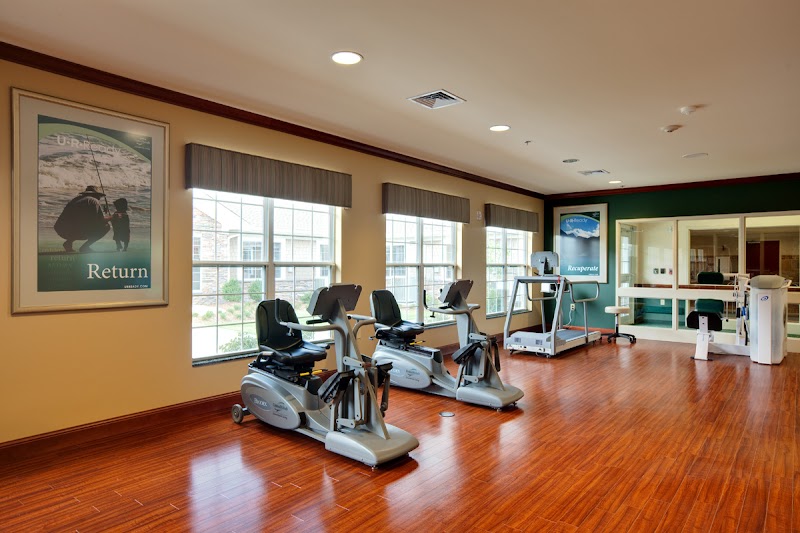
How is Pruitthealth- Blythewood Staffed?

CMS rates PruittHealth- Blythewood's staffing level at 2 out of 5 stars, which is below average compared to other nursing homes. Staff turnover is 42%, compared to the South Carolina average of 46%. This relatively stable workforce can support continuity of care.

What Have Inspectors Found at Pruitthealth- Blythewood?

State health inspectors documented 17 deficiencies at PruittHealth- Blythewood during 2021 to 2024. These included: 17 with potential for harm.

Who Owns and Operates Pruitthealth- Blythewood?

PruittHealth- Blythewood is owned by a for-profit company. For-profit facilities operate as businesses with obligations to shareholders or private owners. The facility is operated by PRUITTHEALTH, a chain that manages multiple nursing homes. With 120 certified beds and approximately 116 residents (about 97% occupancy), it is a mid-sized facility located in Columbia, South Carolina.

How Does Pruitthealth- Blythewood Compare to Other South Carolina Nursing Homes?

Compared to the 100 nursing homes in South Carolina, PruittHealth- Blythewood's overall rating (3 stars) is above the state average of 2.8, staff turnover (42%) is near the state average of 46%, and health inspection rating (3 stars) is at the national benchmark.

What Should Families Ask When Visiting Pruitthealth- Blythewood?

Based on this facility's data, families visiting should ask: "Can you walk me through typical staffing levels on day, evening, and night shifts?" "Can I visit during a mealtime to observe dining assistance and food quality?" "How do you handle medical emergencies, and what is your hospital transfer rate?" "Can I speak with family members of current residents about their experience?" These questions are particularly relevant given the below-average staffing rating.

Is Pruitthealth- Blythewood Safe?

Based on CMS inspection data, PruittHealth- Blythewood has a clean safety record: no substantiated abuse findings (meaning no confirmed cases of resident harm), no Immediate Jeopardy citations (the most serious violation level indicating risk of serious injury or death), and is not on the Special Focus Facility watch list (a federal program monitoring the lowest-performing 1% of nursing homes). The facility has a 3-star overall rating and ranks #1 of 100 nursing homes in South Carolina. While no facility is perfect, families should still ask about staff-to-resident ratios and recent inspection results during their visit.

Do Nurses at Pruitthealth- Blythewood Stick Around?

PruittHealth- Blythewood has a staff turnover rate of 42%, which is about average for South Carolina nursing homes (state average: 46%). Moderate turnover is common in nursing homes, but families should still ask about staff tenure and how the facility maintains care continuity when employees leave.

Was Pruitthealth- Blythewood Ever Fined?

PruittHealth- Blythewood has no federal fines on record. CMS issues fines when nursing homes fail to meet care standards or don't correct problems found during inspections. The absence of fines suggests the facility has either maintained compliance or corrected any issues before penalties were assessed. This is a positive indicator, though families should still review recent inspection reports for the full picture.

Is Pruitthealth- Blythewood on Any Federal Watch List?

PruittHealth- Blythewood is not on any federal watch list. The most significant is the Special Focus Facility (SFF) program, which identifies the bottom 1% of nursing homes nationally based on persistent, serious quality problems. Not being on this list means the facility has avoided the pattern of deficiencies that triggers enhanced federal oversight. This is a positive indicator, though families should still review the facility's inspection history directly.