Rice Estate Rehabilitation and Healthcare
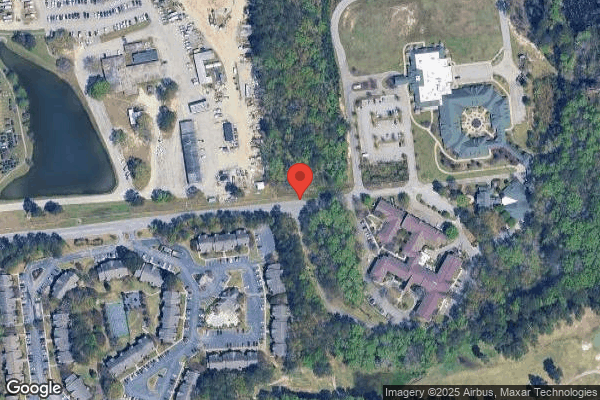

100 Finley Road, Columbia, SC 29203 (803) 691-5720
Non profit - Corporation 80 Beds Independent Data: November 2025
Trust Grade
80/100
#55 of 186 in SC
Last Inspection: March 2025

Within standard 12-15 month inspection cycle. Federal law requires annual inspections.

Overview

Rice Estate Rehabilitation and Healthcare has a Trust Grade of B+, which means it is above average and recommended for families considering this option. It ranks #55 out of 186 facilities in South Carolina, placing it in the top half of nursing homes in the state, and it is the best facility out of 14 in Richland County. The facility is showing improvement, with issues decreasing from 2 in 2023 to 1 in 2025. Staffing is rated average with a turnover rate of 54%, which is near the state average but may indicate some instability. Fortunately, the facility has not incurred any fines, suggesting good compliance overall, and it has an average level of RN coverage, which is important for monitoring resident care. However, there are some concerns: a recent inspection revealed that staff failed to properly implement pharmacy procedures for controlled medications, did not adequately inform residents about their rights, and did not sanitize kitchen equipment properly. These incidents highlight areas where the facility needs to improve, but the absence of critical or serious issues is a positive sign. Overall, Rice Estate has strengths in its ranking and compliance but must address its procedural weaknesses for better resident safety and satisfaction.
Trust Score
B+
80/100
In South Carolina
#55/186
Top 29%
Safety Record
Low Risk
No red flags
Inspections
Getting Better
2 → 1 violations
Staff Stability
⚠ Watch
54% turnover. Above average. Higher turnover means staff may not know residents' routines.
Penalties
✓ Good
No fines on record. Clean compliance history, better than most South Carolina facilities.
Skilled Nurses
○ Average
Each resident gets 38 minutes of Registered Nurse (RN) attention daily — about average for South Carolina. RNs are the most trained staff who monitor for health changes.
Violations
○ Average
8 deficiencies on record. Average for a facility this size. Mostly minor or procedural issues.
★★★★☆
4.0
Overall Rating
★★★☆☆
3.0
Staff Levels
★★★★☆
4.0
Care Quality
★★★★☆
4.0
Inspection Score
Stable
2023: 2 issues
2025: 1 issues

The Good

  • 4-Star Quality Measures · Strong clinical quality outcomes
  • Full Sprinkler Coverage · Fire safety systems throughout facility
  • No fines on record

Facility shows strength in quality measures, fire safety.

The Bad

Staff Turnover: 54%

Near South Carolina avg (46%)

Higher turnover may affect care consistency

The Ugly 8 deficiencies on record

Mar 2025 1 deficiency
CONCERN (F)

Potential for Harm - no one hurt, but risky conditions existed

Pharmacy Services (Tag F0755)

Could have caused harm · This affected most or all residents

**NOTE- TERMS IN BRACKETS HAVE BEEN EDITED TO PROTECT CONFIDENTIALITY** Based on observation, staff interviews, record reviews , and facility policy review, the facility failed to implement pharmacy p...

Read full inspector narrative →
**NOTE- TERMS IN BRACKETS HAVE BEEN EDITED TO PROTECT CONFIDENTIALITY** Based on observation, staff interviews, record reviews , and facility policy review, the facility failed to implement pharmacy procedures for the reconciliation of controlled drugs on four (4) out of four (4) medication carts (Arbor Medication Cart Number One (#1), Arbor Medication Cart Number Two (#2), [NAME] Medication Cart, and [NAME] Medication Cart). Findings include: Review of the facility's policy titled, Controlled Substances, revised April 2019, revealed controlled medications are counted at the end of each shift. The nurse coming on duty and the nurse going off duty determines the count together. A review of the facility's documents titled Record of Narcotic and Medication Administration Record Review, and Change of Shift Controlled Medication Sheet, was identified by Licensed Practical Nurse (LPN)2, as the change of shift controlled drugs count sheets for March 2025, designated for the Arbor Medication Cart #2 The documents revealed that the on-coming nurse and/or off-going nurse failed to sign the sheets during shift change on 3/1/25, 3/2/25, and 3/3/25 to verify completion of the task to count the controlled drugs in the respective medication cart. Interview with LPN2, on 3/4/25, at approximately 11:40 a.m., he/she confirmed the observation and acknowledged that licensed nurses are expected to sign the count verification sheets at the change of shift. A review of the facility's document titled Shift-Change Controlled Substance Count Check, identified by Registered Nurse (RN)2 as the change of shift controlled count sheets for February through March 2025 for Arbor Medication Cart #1, revealed that the on-coming nurse and/or off-going nurse failed to sign the sheets during shift change on the following date to verify completion of the task to count the controlled drugs in the respective medication cart 2/23/25, 2/24/25, and 2/26/25, and 3/1/25. Interview with RN2, on 3/4/25, at approximately 12:22 p.m., confirmed the observation and acknowledged the licensed nurses are expected to sign the count verification at change of shift. A review of a document titled Change of Shift Controlled Medication Sheet, identified by LPN5 as the change of shift controlled drugs count sheet for March 2025, for the [NAME] Medication Cart, revealed that the on-coming nurse and/or off-going nurse failed to sign the sheets during shift change on 3/1/25 to verify completion of the task to count the controlled drugs in the respective medication cart. Interview with LPN5, on 3/4/25 at approximately 12:53 p.m., he/she confirmed the observation and acknowledged that licensed nurses are expected to sign the count verification at change of shift. A review of a document titled Record of Narcotic and Medication Administration Record Review, and Narcotic/Control Count, identified by LPN7, as the change of shift controlled drugs count sheets for January 2025, February 2025, and March 2025, for the [NAME] Medication Cart, revealed that the on-coming nurse and/or off-going nurse failed to sign the sheets during shift change on the following dates to verify completion of the task to count the controlled drugs in the respective medication cart; 1/1/25, 1/5/25, 1/6/25, 1/20/25, 1/23/25, 1/27/25, 2/6/25, 2/16/25, 2/17/25, 2/22/25, and 3/1/25. During an interview with LPN7, on 3/4/25 at approximately 1:08 p.m., he/she confirmed the observation and acknowledged that licensed nurses are expected to sign the count verification at change of shift. A review of facility provided controlled drug count records titled, Record of Narcotic and Medication Administration Record Review, and Shift-Change Controlled Substance Count Check for January 2025 and February 2025 for the [NAME] Medication Cart, revealed that the on-coming nurse and/or off-going nurse failed to sign the sheets during shift change to verify completion of the task to count the controlled drugs on 1/3/25, 1/8/25, 1/9/25, and 1/10/25; and 2/25/25, 2/26/25, and 2/28/25. A continued review of facility provided controlled drug count records titled Record of Narcotic and Medication Administration Record Review, and Shift-Change Controlled Substance Count Check for January 2025 and February 2025, Arbor Medication Cart #1 revealed that the on-coming nurse and/or off-going nurse failed to sign the sheets during shift change on the following date to verify completion of the task to count the controlled drugs in the respective medication cart on 1/27/25, 2/4/25, 2/23/25, 2/24/25, and 2/26/25. A further review of facility provided controlled drug count records entitled Record of Narcotic and Medication Administration Record Review, and Shift-Change Controlled Substance Count Check for January 2025 and February 2025, for Arbor Medication Cart #2, revealed that the on-coming nurse and/or off-going nurse failed to sign the sheets during shift change to verify completion of the task to count the controlled drugs in the respective medication cart on 1/14/25, 1/27/25, 2/6/25, 2/14/25, 2/15/25, 2/25/25, 2/26/25, 2/27/25, and 2/28/25. During an interview, with the Director of Nursing (DON), on 3/5/25 at approximately 4:03 p.m., he/she confirmed that it was his/her expectation that nursing staff sign the Control Substance logs at change of shift to demonstrate that they have completed the count of the controlled drugs to identify any discrepancies. The DON further confirmed that the facility failed to implement pharmacy procedures for the reconciliation of controlled drugs.
Dec 2023 2 deficiencies
CONCERN (F)

Potential for Harm - no one hurt, but risky conditions existed

Deficiency F0572 (Tag F0572)

Could have caused harm · This affected most or all residents

**NOTE- TERMS IN BRACKETS HAVE BEEN EDITED TO PROTECT CONFIDENTIALITY** Based on review of facility policy, observation and interviews, the facility failed to inform residents of their resident's righ...

Read full inspector narrative →
**NOTE- TERMS IN BRACKETS HAVE BEEN EDITED TO PROTECT CONFIDENTIALITY** Based on review of facility policy, observation and interviews, the facility failed to inform residents of their resident's rights, rules and regulations governing resident conduct and responsibilities during resident's stay in the facility. Findings include: Review of the facility's policy revised February 2021, titled, Resident Council documented the facility supports resident's rights to organize and participate in the resident council. The purpose of the resident council is to provide a forum for: (a) residents, families, and resident representatives to have input in the operation of the facility; (b) discussion of concerns and suggestions for improvement; (c) consensus building and communication between residents and facility staff; and (d) disseminating information and gathering feedback from interested residents. Review of facility's policy revised December 2016, titled, Resident Rights documented (1.) Federal and state laws guarantee certain basic rights to all residents of this facility. These rights include the resident right to: (j) be informed about his or her rights and responsibilities. Review of facility's undated policy titled, Lutheran Homes of South Carolina Grievance Policy documented under Procedure (a) The facility will promote the grievance process throughout the organization. This includes notifying residents of their rights related to grievances as well as educating all those affected by potential grievances or concerns or the facility grievance processes; (c) the facility will inform residents orally and in writing of their right to make complaints and grievances and the process to do so during admission, and the care planning process. This notice shall include: (a) information on how to file a grievance or complaint (b) resident right to file grievances orally or in writing (c) resident right to file grievance anonymously (d) contact information of the facility designated grievance official (g) contact information of independent entities with who grievances may be filed. Review of Resident Council Visits for the month of September 2023, October 2023, and November 2023 revealed the [NAME] Unit, [NAME] Unit and Arbor unit resident council visits were documented to be held one-on-one with certain residents. Furthermore, the council visits outline general topic areas such as: management department, dietary, maintenance, environment, laundry, nursing, activities department concerns. Rights were not listed nor documented as discussed. During the Resident's Rights Council Certification Review meeting held on 12/20/23 at 2:30 PM, with four residents selected by the facility, revealed a consensus when asked about knowledge of resident's rights, how to file a grievance and how to contact the Ombudsman office, all the residents stated no one has spoken with them about their rights, they did not know how to file a grievance and did not know what the Ombudsman was. Furthermore, the residents stated they did not know where the Resident's Rights posting was in the facility. During an interview on 12/19/23 at 2:54 PM, the Activity Therapist revealed they review rights with the residents verbally during their visits. The Activity Therapist stated she did not have any documentation to present that resident rights are reviewed during visits. The Activity Therapist further stated Social Services review rights with the residents and may have documentation of the rights reviewed. During an interview on 12/19/23 at approximately 3:00 PM, the Social Worker (SW) revealed she visits the residents and asks them how they are doing and if they have any concerns. The SW stated she does document her visits with the residents, but she doesn't review residents' rights. During an interview on 12/20/23 at 11:10 AM, the Administrator stated his expectation is for rights to be reviewed during resident council meetings and the rights are posted on the walls in the facilities. After reviewing the Resident Council Visits provided to the survey team, he stated they have resident council meetings and the council minutes provided was perhaps an error in wording stating, Resident Council Visits.
CONCERN (F)

Potential for Harm - no one hurt, but risky conditions existed

Food Safety (Tag F0812)

Could have caused harm · This affected most or all residents

Based on observation, interview, and review of facility policy, the facility failed to properly sanitize a meal thermometer in-between a tray line testing. Additionally, the facility failed to properl...

Read full inspector narrative →
Based on observation, interview, and review of facility policy, the facility failed to properly sanitize a meal thermometer in-between a tray line testing. Additionally, the facility failed to properly label and date items in the walk-in cooler and items in the freezer for 2 of 2 kitchens reviewed. Findings include: Review of the undated facility policy titled Food Preparation revealed, All foods are prepared in accordance with the Food and Drug Administration Food Code. Dining Services staff will be responsible for food preparation procedures that avoid contamination by potentially harmful physical, biological, and chemical contamination. All utensils, food contact equipment, and food contact surfaces will be cleaned and sanitized after every use. Review of facility policy titled Food Receiving and Storage last revised 10/31/17 revealed Food shall be receiving and stored in a manner that complies with safe food handling practices. Dry foods that are stored in bins will be removed from original packaging, labeled and dated use by date. Such foods will be rotated using a first-in-first-out system. All foods stored in the refrigerator or freezer will be covered, labeled, and dated (use-by) date. During an observation and interview of food temperature checks on 12/18/23 at 12:01 PM, of the Magnolia Kitchen, revealed the temping of 3 food items (scallop potatoes, broccoli, and carrots), without properly using sanitization methods before temping the next food item. An interview with the Head Chief revealed that staff are expected to sanitize in between temping food items. During an observation of the walk-in cooler of the Magnolia Kitchen on 12/18/23 at 12:15 PM, revealed the following items not properly labeled and dated after opening: cheddar cheese, apple juice, eggnog, turkey sausage, bacon, feta cheese, mashed potatoes, pepperoni, garlic bread, a bag of rolls/bread, a bag of hot dog buns, and pudding mix. During an observation on 12/19/23 at 12:23 of the Arbor Center Kitchen freezer revealed the following items not properly labeled and dated: frozen beans, frozen catfish nuggets, frozen onion rolls, and frozen pepperoni.
Jan 2022 5 deficiencies
CONCERN (D)

Potential for Harm - no one hurt, but risky conditions existed

Transfer Notice (Tag F0623)

Could have caused harm · This affected 1 resident

**NOTE- TERMS IN BRACKETS HAVE BEEN EDITED TO PROTECT CONFIDENTIALITY** Based on record review, interview, and facility policy review, the facility failed to notify in writing the resident's represent...

Read full inspector narrative →
**NOTE- TERMS IN BRACKETS HAVE BEEN EDITED TO PROTECT CONFIDENTIALITY** Based on record review, interview, and facility policy review, the facility failed to notify in writing the resident's representative and the Ombudsman of transfer to the hospital for one (R80) of three reviewed for hospitalization in a total sample of 24 residents. Findings include: Review of the facility's policy, Transfer or Discharge Notice, revised 03/21 stated, Policy Interpretation and Implementation .4. Under the following circumstances, the notice is given as soon as it is practicable but before the transfer or discharge: .d. An immediate transfer or discharge is required by the resident's urgent medical needs .5. The resident and representative are notified in writing of the following information: a. The specific reason for the transfer; b. The effective date of the transfer or discharge; c. The location to which the resident is being transferred or discharged .e. The facility bed hold policy; f. The name, address, and telephone number of the office of the State Long-term Care Ombudsman .6. A copy of the notice is sent to the Office of the State Long-Term Care Ombudsman at the same time the notice of transfer or discharge is provided to the resident and representative. Review of the electronic medical record (EMR) under the Census tab revealed R80 was admitted to the facility on [DATE]. Review of R80's EMR under the Clinical notes tab, revealed R80 was admitted with the diagnoses of diabetes mellitus and status post coronary artery bypass graft (CABG) surgery on 11/04/21. Review of R80's EMR under the Clinical Notes tab revealed a progress note dated 11/22/21 which revealed the resident was found by facility staff having emesis. The physician was notified, and orders were received to transfer R80 to the hospital for evaluation. The responsible party was notified via phone of the transfer. There was no documentation in the EMR of written notification regarding R80's transfer to R80's representative and/or the Ombudsman. During an interview on 01/07/22 at 7:55 PM, the [NAME] President of Clinical Operations, Registered Nurse (VPCORN) stated she was unable to locate written notification regarding R80's transfer to the hospital being provided to R80's representative and the Ombudsman. VPCORN said at the time of R80's transfer, the staff member who made the transfer notifications thought she did not need to provide the written notification due to an 1135 waiver, a result of the Coronavirus Disease 2019 (COVID-19) pandemic. The VPCORN stated during December 2021 she realized the notifications to the Ombudsman were not being made and instructed staff to re-start the resident's representative and Ombudsman notification process upon transfer.
CONCERN (D)

Potential for Harm - no one hurt, but risky conditions existed

Deficiency F0625 (Tag F0625)

Could have caused harm · This affected 1 resident

**NOTE- TERMS IN BRACKETS HAVE BEEN EDITED TO PROTECT CONFIDENTIALITY** Based on record review, interview, and facility policy review, the facility failed to provide written information regarding the ...

Read full inspector narrative →
**NOTE- TERMS IN BRACKETS HAVE BEEN EDITED TO PROTECT CONFIDENTIALITY** Based on record review, interview, and facility policy review, the facility failed to provide written information regarding the facility's bed hold policy to the resident and the resident's representative at the time of transfer or within 24 hours of the transfer for one (Resident (R)80) of three reviewed for hospitalization in a total sample of 24 residents. Findings include: Review of the facility's policy, Transfer or Discharge Notice, revised 03/21 stated, .5. The resident and representative are notified in writing of the following information: .e. The facility bed hold policy Review of the electronic medical record (EMR) under the Census tab revealed R80 was admitted to the facility on [DATE]. Review of R80's EMR under the Clinical notes tab, revealed R80 was admitted with the diagnoses of diabetes mellitus and status post coronary artery bypass graft (CABG) surgery on 11/04/21. Review of R80's EMR under the Clinical Notes tab revealed a progress note dated 11/22/21 which documented the resident was found by facility staff having emesis. The physician was notified, and orders were received to transfer R80 to the hospital for evaluation. The responsible party was notified via phone of the transfer. There was no documentation, located in the EMR, of written notice regarding the facility's bed hold policy being provided to R80 and/or their representative. During an interview on 01/07/22 at 7:55 PM the [NAME] President of Clinical Operations, Registered Nurse (VPCORN) stated she was unable to locate written notification provided to R80 and/or their representative explaining the facility's bed hold policy. The VPCORN said at the time of R80's transfer to the hospital the staff member who should have provided the bed hold information thought it was not required due to an 1135 waiver, a result of the Coronavirus Disease 2019 (COVID-19) pandemic. The VPCORN stated during December 2021 she realized the information was not being provided and instructed staff to re-start the process.
CONCERN (D)

Potential for Harm - no one hurt, but risky conditions existed

Deficiency F0657 (Tag F0657)

Could have caused harm · This affected 1 resident

**NOTE- TERMS IN BRACKETS HAVE BEEN EDITED TO PROTECT CONFIDENTIALITY** Based on interview, record review, and policy review, the facility failed to ensure the care plan was revised when a change in r...

Read full inspector narrative →
**NOTE- TERMS IN BRACKETS HAVE BEEN EDITED TO PROTECT CONFIDENTIALITY** Based on interview, record review, and policy review, the facility failed to ensure the care plan was revised when a change in resuscitation status was made for one (Resident (R)33) of 10 reviewed for advanced directives in a total sample of 24 residents. R33's care plan documented he was designated as both full code (if a person's heart stopped beating and/or they stopped breathing, all resuscitation procedures will be provided to keep them alive) and Do Not Resuscitate (DNR). Findings include: Review of the paper Care Plans Comprehensive Person-Centered policy dated 2016, provided by the facility, revealed A comprehensive, person-centered care plan that includes measurable objectives and timetables to meet the resident's physical, psychosocial and functional needs is developed and implemented for each resident .The care planning process will . reflect the resident's expressed wishes regarding care and treatment goals; The interdisciplinary team must review and update the care plan: a. when there has been a significant change in the resident's condition. Review of the Clinical tab, undated, in the Electronic Medical Record (EMR) revealed R33 was admitted to the facility on [DATE]. Review of the Diagnoses/Surgical Procedures tab, undated, in the EMR revealed R33's diagnoses included in pertinent part, chronic kidney disease stage 4 severe, dementia, anxiety disorder, chronic congestive heart failure, and a right femur fracture (hip fracture). Review of the admission Minimum Data Set (MDS) with an Assessment Reference Date (ARD) of 08/10/21, in the EMR under the MDS tab, revealed R33 was moderately impaired in cognition with a Brief Interview for Mental Status score (BIMS) of eight (score of eight - 12 indicates moderate cognitive impairment). R33 required extensive assistance of one staff for activities of daily living (ADLs) including bed mobility and personal hygiene; he was dependent on one staff member for toilet use and dressing. R33 had experienced a fall within the previous two to six months with a fracture occurring. Both the resident and family participated in the assessment. The resident was expected to remain in the facility. Review of the Home tab, undated, in the EMR revealed R33's status was DNR. Review of the Physician's Order Sheet for January 2022, in the EMR under the Orders tab revealed the resident's status was DNR. Review of the Emergency Services Do Not Resuscitate Order dated 08/10/21, in the EMR under the Attachments tab, revealed two physicians and R33's family member signed the document indicating R33 was not to be resuscitated in the event his heart stopped beating (coded). Review of the Care Plan Report dated 08/03/21 (initiation date), in the EMR, under the Care Plan tab, under the heading of Advanced Directives indicated Full code, Do Not Resuscitate. The Care Plan Report did not include any additional information related to advanced directives and whether full code or DNR should be enacted in the event the resident coded. During an interview on 01/07/22 at 8:52 AM, the Director of Social Services stated R33's family member made health care decisions for R33. The Director of Social Services reviewed the care plan in the EMR and verified the care plan documented both full code and DNR, which were opposite of each other. The Director of Social Services stated the care plan should document DNR only and showed the surveyor the current Emergency Services Do Not Resuscitate Order dated 08/10/21. The Director of Social Services stated when residents were admitted to the facility, their status was usually full code until the advanced directives could be completed. The Director of Social Services verified R33's status was initially full code when he was admitted . She stated she was not sure why the Full Code did not get deleted when DNR was added to the care plan. During an interview on 01/07/22 at 9:09 AM, the MDS Coordinator stated her responsibilities included care planning. She reviewed R33's care plan and stated she had not known R33's care plan documented both DNR and full code. She stated the Advanced Directives heading auto populated from the physician's order. The MDS Coordinator stated the current order said DNR and that was what the care plan should say. The MDS Coordinator stated R33's initial order dated 08/03/21 documented full code and it was changed on 8/10/21 to DNR per physician's orders. The MDS Coordinator stated if she were working and the resident coded, she would look in the EMR on the home screen or under the clinical tab to determine a resident's code status, which both documented DNR for R33. During an interview on 01/07/22 at 10:55 AM, Unit Manager (UM)1 stated R33's status was DNR, and not full code based on documentation in the EMR and on the 24-Hour report. She indicated she would look on the initial screen in the EMR to determine whether to resuscitate a resident, which indicated DNR.
CONCERN (E)

Potential for Harm - no one hurt, but risky conditions existed

Food Safety (Tag F0812)

Could have caused harm · This affected multiple residents

**NOTE- TERMS IN BRACKETS HAVE BEEN EDITED TO PROTECT CONFIDENTIALITY** Based on observation, interview, record review, and policy review, the facility failed to ensure the kitchenette in one of three...

Read full inspector narrative →
**NOTE- TERMS IN BRACKETS HAVE BEEN EDITED TO PROTECT CONFIDENTIALITY** Based on observation, interview, record review, and policy review, the facility failed to ensure the kitchenette in one of three buildings/units (the [NAME] unit) was maintained in a sanitary manner creating the risk for foodborne illness. Fourteen out of 75 total residents resided on the [NAME] unit. Findings include: Review of the paper Sanitization policy, undated, revealed, The food service area shall be maintained in a clean and sanitary manner . Ice machines and ice storage containers will be drained, cleaned and sanitized per manufacturer's instructions and facility policy . Food service staff will be trained to maintain cleanliness throughout their work areas during all tasks, and to clean after each task before proceeding to the next assignment. During an observation on 01/05/22 at 12:26 PM, three staff were serving lunch to residents who resided on the [NAME] unit. Staff were observed to go into the kitchenette, scoop ice out of the ice machine into an ice bin, and then scoop ice from the ice bin into individual cups for residents' beverages. During an observation on 01/05/22 at 12:19 PM, the kitchenette on the [NAME] unit was inspected. The refrigerator/freezer (household type of refrigerator/freezer with the freezer on the top and refrigerator on the bottom) was evaluated. The bottom shelf of the freezer, on which foods were stored, was soiled with large food spills covering approximately 25% of the surface. There was a fast-food plastic cup with an orange beverage with a straw in it on the freezer shelf. The ice machine used earlier to obtain ice for residents' beverages was inspected. There was a plastic bar in the ice machine going from one side to the other, directly above the ice. The plastic bar had a black colored substance a quarter inch in width adhered to the plastic the entire length of the bar. This was located directly above the ice. Water was dripping in the ice machine from the top of the machine, near where the black substance was located. During an observation on 01/06/22 at 10:38 AM, the freezer in the [NAME] kitchenette was observed. The orange drink with the straw in it as well as the food spills remained in the freezer on the bottom shelf. In addition, the ice machine was in the same condition, with the black colored substance adhered to the plastic piece above the ice. Observation at this time revealed this was the only ice machine for the [NAME] building. On 01/06/22 at 11:55 AM the Certified Dietary Manager (CDM), accompanied the surveyor to the [NAME] kitchenette. The CDM stated the orange beverage with the straw in the fast-food cup in the freezer was a staff member's beverage. She stated staffs' food should be placed in the staff refrigerator in the other building (Arbor). The CDM stated the shelf with food spills needed to be cleaned. The CDM looked in the ice machine and stated the substance adhered to the plastic looked like mildew. The CDM stated the ice machine had been repaired recently due to dripping/leaking water. The CDM stated the facility had signed a contract to get the ice machines cleaned on a quarterly basis which would be implemented soon. The CDM instructed the housekeeper to clean out the ice machine and to dispose of the contents (ice). The CDM stated she would have the main kitchen provide ice to use for lunch. The CDM stated the dietary staff and housekeeping staff were responsible for keeping the kitchenette clean. During an interview on 01/06/22 at 12:31 PM, the CDM stated that the ice machine in the [NAME] unit had been fixed on 12/07/21 due to dripping and water leaking. The CDM stated the repair person would have observed the condition of the ice machine at that time, which led her to believe the black substance/mildew accumulated after that date. The CDM stated there were no other records of the ice machine having been cleaned or serviced. The CDM stated the housekeeper would be responsible for cleaning the kitchenette and ice machine going forward. During an interview on 01/07/22 at 10:06 AM, the Environmental Services Aide on the [NAME] unit stated he was told it was the kitchen staffs' responsibility to clean the kitchenette in the [NAME] unit; however, he would do it. During an interview on 01/07/22 at approximately 11:30 AM, the Director of Maintenance stated he supervised the housekeeping staff. The Director of Maintenance stated, We are now responsible for that kitchenette ([NAME]). The Director of Maintenance stated his staff had wiped and cleaned the refrigerator numerous times, indicating it could get bad in a brief period. He verified the facility now had a contract to get their ice machines cleaned and serviced by an outside vendor going forward.
CONCERN (E)

Potential for Harm - no one hurt, but risky conditions existed

Infection Control (Tag F0880)

Could have caused harm · This affected multiple residents

**NOTE- TERMS IN BRACKETS HAVE BEEN EDITED TO PROTECT CONFIDENTIALITY** Based on observation, interview, and policy review, the facility failed to ensure staff wore the appropriate Personal Protective...

Read full inspector narrative →
**NOTE- TERMS IN BRACKETS HAVE BEEN EDITED TO PROTECT CONFIDENTIALITY** Based on observation, interview, and policy review, the facility failed to ensure staff wore the appropriate Personal Protective Equipment (PPE) on the COVID-19 Unit; ensure staff that worked the COVID-19 Unit doffed their PPE appropriately before and exited the COVID-19 Unit at the appropriate exit; ensured that laundry was delivered covered on the COVID-19 Unit; and ensure staff were consistently screened for COVID-19 prior to working. Findings include: Review of the facility policy titled, Infection Prevention and Control Program, with a revised date of October 2018 revealed, Policy Statement: An infection prevention and control program (IPCP) is established and maintained to provide a safe and comfortable environment and to help prevent the development and transmission of communicable infections. Review of the facility policy titled, Coronavirus Disease (COVID-19) Prevention and Control, dated March 2020, Policy Statement: Facility leadership and clinical staff are implementing reasonable measures to protect the health and safety of residents and staff during the current outbreak of coronavirus disease (COVID-19) . During the entrance conference on 01/05/21 at 10:40 AM, the Administrator was asked what the appropriate PPE was to be worn on the COVID-19 Unit. The Administrator stated staff were expected to wear a gown, gloves, face shield, and KN-95 mask. 1. During observations on 01/05/22 at 12:55 PM, Licensed Practical Nurse (LPN)1 walked into the COVID-19 Unit wearing a surgical mask. LPN1 was observed on the Unit at the medication cart only wearing the surgical mask. The LPN was not wearing the KN-95 or a face shield. During an interview on 01/05/22 at 1:03 PM, LPN1 was asked about the PPE that should be worn on the COVID-19 Unit. LPN1 stated a gown, shield, and a mask. LPN1 was asked what kind of mask and shield. LPN1 stated she did not know about the mask and then reached in the clean area, grabbed a face shield, and put it on. LPN1 was asked if staff that worked the COVID -19 Unit should wear a KN-95 mask. LPN1 stated, No one told me, and I can't breathe wearing those masks. 2. During observation on 01/05/22 at 1:22 PM, Certified Nursing Assistant (CNA)2 was observed exiting the COVID-19 unit through the side door still donned in a mask, gown, and face shield. During an interview on 01/05/22 at 1:23 PM, CNA4 was asked what the procedure was to doff gowns and shield prior to leaving the unit. CNA4 stated this side door was the way to come in and out of the unit. CNA4 was asked about doffing PPE before leaving the unit. CNA4 stated, I throw my gown in the trash up by the double doors of the unit and then walk through the unit to leave. CNA4 was asked if gowns were to be worn in the halls of the unit. CNA4 stated, Yes, but there is no trash can at the door to throw the gown. During an interview on 01/05/22 at 3:00 PM, CNA2 was asked about exiting the side door with the gown on and face shield. CNA2 stated, There was no trash can. So, I went out that door and took the gown and shield off outside and threw them away in the trash on the other unit. When asked if that was appropriate, CNA2 stated, I'm confused because they say we can't use the double doors to get back on the other unit and we only have this door, but the trash can is kept up by the double doors. During an interview on 01/07/22 at 11:50 AM, LPN4 was asked how she entered and exited the unit. LPN4 stated, I use the same door to enter and exit the unit. No one has told me anything else. 3. Review of the facility policy titled, Laundry and Bedding, Soiled, revised October 2018, Policy Statement: Soiled laundry/bedding shall be handled, transported and processed according to best practices for infection prevention and control. During an observation on 01/05/22 at 3:05 PM, CNA2 placed multiple uncovered clothing items on the sofa in the hall of the COVID-19 Unit. CNA4 then went back and forth from rooms delivering the clothes in resident rooms. During an interview on 01/05/22 at 3:28 PM, [NAME] President of Clinical Operations (VPCO RN) was asked what the staff were expected to wear on the COVID-19 Unit. VPCO RN stated, Full PPE should be worn that included gown, N-95 mask, gloves, and face shield or goggles. VPCO RN was asked about staff entering and exiting through the same door. VPCO RN stated, There is a separate door that staff are to use for exiting the unit. It is a little room with the trash can in it. It is closed off and should be the only exit from the unit. The VPCO RN added the staff have been educated to this. VPCO RN was asked how the laundry should be delivered on the COVID-19 Unit. VPCO RN stated the laundry should be covered and delivered to the residents' room. VPCO RN confirmed the clothing should not be laid on the sofa. 4. Review of the paper Coronavirus Disease 2019 (COVID-19) pandemic Prevention and Response Plan undated, provided by the facility indicated, This emergency response guide and plan is a guideline to establish the decision-making and coordinating structures for response to a COVID-19 pandemic; to delineate the actions needed for procedural implementation disease surveillance and staff education and training; internal and external communications; employee health . The essential components for responding to a COVID-19 outbreak included surveillance, command, control procedures, communication, care delivery, and service delivery. Review of the paper policy COVID-19 Staff Screening, undated, provided by the facility read in full, At the beginning and end of each shift staff will be screened for signs and symptoms of COVID-19: Signs and symptoms may include: -Fever or chills -Cough -Shortness of breath or difficulty breathing -Fatigue -Muscle or body aches -Headache -New loss of taste or smell -Sore throat -Congestion or runny nose -Nausea or vomiting -Diarrhea Any of these signs and symptoms should be reported to immediate supervisor. If symptoms are present prior to shift employee should call supervisor and notify. Follow CDC (Center for Disease Control) Guidance for exclusion and return to work recommendations. The details, such as who would take staffs' temperature, who would record it, and what occurred if there were any negative responses documented, were not included in the policy. During an interview on 01/07/22 at 10:29 AM, Unit Manager (UM)1 stated the staff screening location for the [NAME] building was in the foyer after entering the building from the main entry door; this area was separated from the [NAME] nursing home area with residents by a set of double doors which remained closed and required pushing a button to enter. In the foyer, UM1 showed the surveyor a scanner for staff to use to take their temperatures and a log on the credenza in which they were to document their name, date, temperature, and presence/absence of cough, chest pain, shortness of breath, and other. Staff were to answer the questions (cough, chest pain, SOB, and other) with a yes or no response prior to entering the [NAME] unit. UM1 stated staff were responsible to screen themselves as there was no staff person who manned the doors and screened staff. UM1 verified it was a small unit with few staff and a current resident census of 14 residents. UM1 stated anyone working in the building had to be screened. When asked about which staff member reviewed the logs for completion, she stated the Director of Nursing (DON) checked the logs. The DON was not present or available during the survey for interview. Observation of screening area at this time with UM1 revealed the scanner for taking temperatures and log for staff to complete were in place on the credenza in the foyer. a. Observation and interview on 01/06/22 revealed not all staff working in the [NAME] building had been screened prior to entering the unit and working: During an interview on 01/06/22 at 10:56 AM, the Environmental Services Aide stated he worked five to six days a week completing housekeeping duties on the [NAME] Unit. He was asked about employee screening. The Environmental Services Aide showed the surveyor his vaccination card indicating he received two COVID-19 vaccines and a booster. He stated, based on being vaccinated and being tested twice a week for COVID, he was not required to be screened prior to working on the unit. He verified he did not get screened prior to working on the unit. Review of the screening log Daily Temp & Symptoms Check form dated 01/06/22 revealed the Environmental Services Aide had not self-screened and signed in on 01/06/22 prior to working on the [NAME] unit. b. Observation and interview on 01/07/22 revealed not all staff working in the [NAME] building had been screened prior to entering the unit and working: An observation on 01/07/22 at 10:06 AM revealed the Environmental Services Aide was conducting housekeeping duties on the [NAME] unit. During an interview on 01/07/22 at 10:08 AM, Licensed Practical Nurse (LPN)3 stated she was the charge nurse working the 7:00 AM - 7:00 PM shift. She stated she was employed by a staffing agency and was not directly employed by the facility. LPN3 stated there were two Certified Nursing Assistants (CNAs) working with her currently on the [NAME] unit (CNA3 and CNA4). LPN3 stated staff came in the main door into the foyer area, took and recorded their temperatures prior to working on [NAME]. On 01/07/22 at 10:19 AM, observation of the Daily Temp & Symptoms Check dated 01/07/22 revealed the Environmental Services Aide, LPN3, and CNA3 had not signed in and self-screened for COVID-19 on the [NAME] unit. At this time LPN3 was interviewed and stated she had not screened herself or signed in today prior to working in the unit. Review of the Daily Temp & Symptoms Check forms dated 12/01/21 - 01/07/22 (at 10:08 AM) revealed the Environmental Services Aide had not self-screened for COVID-19. During an interview on 01/07/22 at 10:23 AM, CNA3 stated staff were supposed to self-screen in the foyer prior to entering the [NAME] unit to work. CNA3 verified she had not signed in on the Daily Temp & Symptoms Check form on this date; however, indicated she had taken her temperature. CNA3 verified she worked for a staffing agency and was not a direct employee of the facility. CNA3 stated she was supposed to write down the screening information on the form (Daily Temp & Symptoms Check). During an interview on 01/07/22 at 10:29 AM, UM1 stated if staff did not write down the screening information on the form (Daily Temp & Symptoms Check), then she viewed it as the staff not having self-screened. During an interview with the Director of Maintenance on 01/07/21 at 2:08 PM, he stated the Environmental Services Aide worked five days a week on the [NAME] unit and had been trained regarding self-screening. The Director of Maintenance reported the Environmental Services Aide should have been conducting self-screening and signing the log prior to working on the [NAME] unit. During an interview on 01/07/22 at 3:51 PM with the [NAME] President of Clinical Operations, Registered Nurse (VPCO RN) and Administrator, the VPCO RN indicated she was filling in for the DON in the role of Infection Preventionist while he was out of the facility. They stated all staff should have their temperatures taken and fill out the Daily Temp & Symptoms Check form prior to work. They stated if staff failed to document the screening process, it was unknown if they had been screened or were symptomatic. They verified the DON monitored the forms and maintained the logs, which included going through the forms and making sure everyone was screened. They verified the routine failure of the Environmental Services Aide to self-screen should have been identified. The Administrator stated, if an employee failed to self-screen, they should not be scheduled. The Administrator stated all staff and residents had been tested for COVID-19 this week with results noted on 01/06/22 for both residents and staff being negative for COVID-19.
Understanding Severity Codes (click to expand)
Life-Threatening (Immediate Jeopardy)
J - Isolated K - Pattern L - Widespread
Actual Harm
G - Isolated H - Pattern I - Widespread
Potential for Harm
D - Isolated E - Pattern F - Widespread
No Harm (Minor)
A - Isolated B - Pattern C - Widespread

Questions to Ask on Your Visit

  • "Can I speak with families of current residents?"
  • "What's your RN coverage like on weekends and overnight?"

Our Honest Assessment

Strengths
  • • Grade B+ (80/100). Above average facility, better than most options in South Carolina.
  • • No major safety red flags. No abuse findings, life-threatening violations, or SFF status.
  • • No fines on record. Clean compliance history, better than most South Carolina facilities.
Concerns
  • • No significant concerns identified. This facility shows no red flags across CMS ratings, staff turnover, or federal penalties.
Bottom line: Generally positive indicators. Standard due diligence and a personal visit recommended.

About This Facility

What is Rice Estate Rehabilitation And Healthcare's CMS Rating?

CMS assigns Rice Estate Rehabilitation and Healthcare an overall rating of 4 out of 5 stars, which is considered above average nationally. Within South Carolina, this rating places the facility higher than 99% of the state's 100 nursing homes. This rating reflects solid performance across the metrics CMS uses to evaluate nursing home quality.
How is Rice Estate Rehabilitation And Healthcare Staffed?

CMS rates Rice Estate Rehabilitation and Healthcare's staffing level at 3 out of 5 stars, which is average compared to other nursing homes. Staff turnover is 54%, compared to the South Carolina average of 46%. RN turnover specifically is 79%, which is notably high. RNs provide skilled clinical oversight, so turnover in this role can affect medical care quality.

What Have Inspectors Found at Rice Estate Rehabilitation And Healthcare?

State health inspectors documented 8 deficiencies at Rice Estate Rehabilitation and Healthcare during 2022 to 2025. These included: 8 with potential for harm.

Who Owns and Operates Rice Estate Rehabilitation And Healthcare?

Rice Estate Rehabilitation and Healthcare is owned by a non-profit organization. Non-profit facilities reinvest revenue into operations rather than distributing to shareholders. The facility operates independently rather than as part of a larger chain. With 80 certified beds and approximately 77 residents (about 96% occupancy), it is a smaller facility located in Columbia, South Carolina.

How Does Rice Estate Rehabilitation And Healthcare Compare to Other South Carolina Nursing Homes?

Compared to the 100 nursing homes in South Carolina, Rice Estate Rehabilitation and Healthcare's overall rating (4 stars) is above the state average of 2.9, staff turnover (54%) is near the state average of 46%, and health inspection rating (4 stars) is above the national benchmark.

What Should Families Ask When Visiting Rice Estate Rehabilitation And Healthcare?

Based on this facility's data, families visiting should ask: "Can I visit during a mealtime to observe dining assistance and food quality?" "How do you handle medical emergencies, and what is your hospital transfer rate?" "Can I speak with family members of current residents about their experience?"

Is Rice Estate Rehabilitation And Healthcare Safe?

Based on CMS inspection data, Rice Estate Rehabilitation and Healthcare has a clean safety record: no substantiated abuse findings (meaning no confirmed cases of resident harm), no Immediate Jeopardy citations (the most serious violation level indicating risk of serious injury or death), and is not on the Special Focus Facility watch list (a federal program monitoring the lowest-performing 1% of nursing homes). The facility has a 4-star overall rating and ranks #1 of 100 nursing homes in South Carolina. While no facility is perfect, families should still ask about staff-to-resident ratios and recent inspection results during their visit.

Do Nurses at Rice Estate Rehabilitation And Healthcare Stick Around?

Rice Estate Rehabilitation and Healthcare has a staff turnover rate of 54%, which is 8 percentage points above the South Carolina average of 46%. Moderate turnover is common in nursing homes, but families should still ask about staff tenure and how the facility maintains care continuity when employees leave.

Was Rice Estate Rehabilitation And Healthcare Ever Fined?

Rice Estate Rehabilitation and Healthcare has no federal fines on record. CMS issues fines when nursing homes fail to meet care standards or don't correct problems found during inspections. The absence of fines suggests the facility has either maintained compliance or corrected any issues before penalties were assessed. This is a positive indicator, though families should still review recent inspection reports for the full picture.

Is Rice Estate Rehabilitation And Healthcare on Any Federal Watch List?

Rice Estate Rehabilitation and Healthcare is not on any federal watch list. The most significant is the Special Focus Facility (SFF) program, which identifies the bottom 1% of nursing homes nationally based on persistent, serious quality problems. Not being on this list means the facility has avoided the pattern of deficiencies that triggers enhanced federal oversight. This is a positive indicator, though families should still review the facility's inspection history directly.