St Andrews Operator, LLC
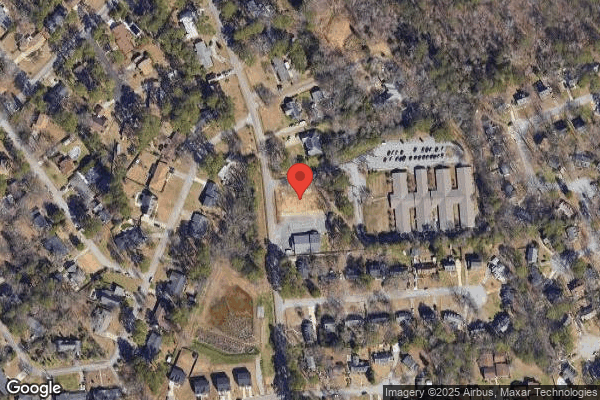
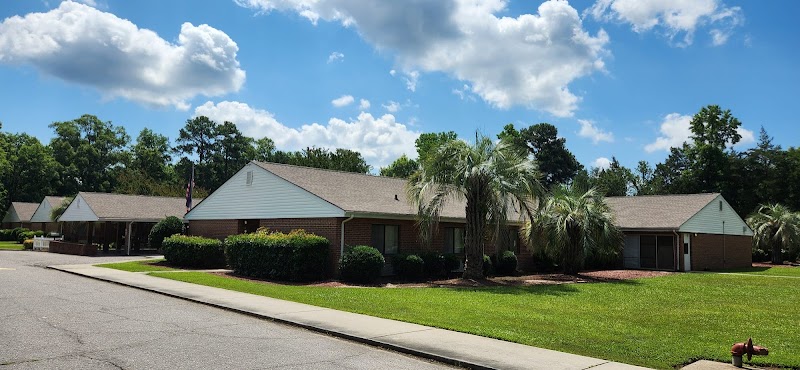
3514 Sidney Road, Columbia, SC 29210 (803) 798-9715
For profit - Individual 108 Beds YAD HEALTHCARE Data: November 2025 4 Immediate Jeopardy citations
Trust Grade
0/100
#179 of 186 in SC
Last Inspection: July 2025

Inspected within the last 6 months. Data reflects current conditions.

Overview

St Andrews Operator, LLC has a Trust Grade of F, which indicates significant concerns and is one of the poorest ratings available. It ranks #179 out of 186 facilities in South Carolina, placing it well in the bottom half, and #13 out of 14 in Richland County, meaning only one local option is worse. The facility is worsening, with issues increasing from 8 in 2024 to 14 in 2025. Staffing is a weak point, rated 2 out of 5 stars, but it has a low turnover rate of 0%, which is much better than the state average. However, the facility has accumulated $41,015 in fines, which is concerning as it is higher than 83% of South Carolina facilities, indicating ongoing compliance problems. Specific incidents of concern include a failure to protect a resident from a non-consensual sexual encounter, highlighting significant lapses in resident safety. Additionally, the facility did not report this incident to the proper authorities in a timely manner, raising serious questions about their protocols for handling allegations of abuse. There was also a critical incident where a resident with dementia was able to leave the facility unassisted, showcasing inadequate supervision. While the staffing turnover is a positive aspect, the overall safety and compliance issues present serious risks for potential residents and their families.
Trust Score
F
0/100
In South Carolina
#179/186
Bottom 4%
Safety Record
High Risk
Review needed
Inspections
Getting Worse
8 → 14 violations
Staff Stability
○ Average
Turnover data not reported for this facility.
Penalties
✓ Good
$41,015 in fines. Lower than most South Carolina facilities. Relatively clean record.
Skilled Nurses
⚠ Watch
Each resident gets only 29 minutes of Registered Nurse (RN) attention daily — below average for South Carolina. Fewer RN minutes means fewer trained eyes watching for problems.
Violations
⚠ Watch
41 deficiencies on record. Higher than average. Multiple issues found across inspections.
★☆☆☆☆
1.0
Overall Rating
★★☆☆☆
2.0
Staff Levels
★★☆☆☆
2.0
Care Quality
★☆☆☆☆
1.0
Inspection Score
Stable
2024: 8 issues
2025: 14 issues

The Good

  • Full Sprinkler Coverage · Fire safety systems throughout facility
  • No fines on record

Facility shows strength in fire safety.

The Bad

1-Star Overall Rating

Below South Carolina average (2.8)

Significant quality concerns identified by CMS

Federal Fines: $41,015

Above median ($33,413)

Moderate penalties - review what triggered them

Chain: YAD HEALTHCARE

Part of a multi-facility chain

Ask about local staffing decisions and management

The Ugly 41 deficiencies on record

4 life-threatening
Jul 2025 8 deficiencies
CONCERN (D)

Potential for Harm - no one hurt, but risky conditions existed

Assessment Accuracy (Tag F0641)

Could have caused harm · This affected 1 resident

**NOTE- TERMS IN BRACKETS HAVE BEEN EDITED TO PROTECT CONFIDENTIALITY** Based on review of facility policy, record review and interviews, the facility failed to ensure resident assessments accurately ...

Read full inspector narrative →
**NOTE- TERMS IN BRACKETS HAVE BEEN EDITED TO PROTECT CONFIDENTIALITY** Based on review of facility policy, record review and interviews, the facility failed to ensure resident assessments accurately reflected the resident's status for pressure ulcers for 1 of 2 residents, Resident (R)10, reviewed for pressure ulcers. Specifically, R10 was readmitted to the facility on [DATE] with a sacral pressure ulcer that was not documented on his skin assessment or Minimum Data Set (MDS). Findings include:Review of the facility policy titled Resident Assessments last revised on 03/22 revealed, 1. The resident assessment coordinator is responsible for ensuring that the interdisciplinary team conducts timely and appropriate resident assessments and reviews.Review of the facility policy titled Functional Impairment - Clinical Protocol last revised 03/18 revealed, Upon admission to the facility, whenever a significant change of condition occurs, and periodically during a resident/patient's stay, the physician and staff will assess the resident/patient's function along with their physical condition.Review of R10's Face Sheet revealed he was initially admitted to the facility on [DATE] and readmitted on [DATE], with diagnoses including but not limited to malignant neoplasm of lateral wall of the bladder, malignant neoplasm of left kidney, hemiplegia and hemiparesis, acute cystitis with hematuria and diabetes mellitus type two. R10's sacral pressure ulcer was not listed. Review of R10's re-admission Head to Toe Skin Check dated 06/21/25 revealed, Skin Integrity, New Other Issue, Resident returned from hospital with new open area to coccyx, noted under type as pressure no further documentation of the wound was noted.Review of R10's Weekly Head to Toe Skin Check dated 06/28/25 noted R10's skin to be intact with no documentation of any wounds. Review of R10's Weekly Head to Toe Skin Check dated 07/05/25 revealed, Skin Integrity, Existing Pressure Ulcer, open area noted to sacrum. No additional wounds documentation was noted. Review of R10's Weekly Head to Toe Skin Check dated 07/12/25 revealed, Skin Integrity, New Pressure Ulcer, Sacrum Wound, Under wound care DR.Review of a document titled Provider Communication Log revealed, on 06/21/25, R10 had a concern noted as New open area to coccyx, 9.5 [centimeters] cm [by] x 10.3 cm, Wound [doctor] DR aware. Review of R10's Physician Orders revealed Apply Santyl and Alginate to sacrum wound bed. Cover with border dressing. every shift for Wound Care with a start date of 07/02/25. Review of R10's Significant Change Minimum Data Set (MDS) with an Assessment Reference Date (ARD) of 06/30/25 revealed a Brief Interview for Mental Status (BIMS) score of 13 out of 15, indicating R10 was cognitively intact. Review of Section M - Skin Conditions noted R10 was at risk of pressure ulcers but did not have any pressure ulcers. During an interview on 07/16/25 at 4:35 PM, Licensed Practical Nurse (LPN) 3 stated the facility does not have a dedicated wound care nurse. LPN3 stated the facility nurses perform wound care and assessments. The wound care provider and the Nurse Practitioner (NP) make weekly rounds at the facility to assess residents with wounds.During an interview on 07/17/25 at 8:40 AM, the MDS Coordinator stated that she is responsible for completing MDS assessments. She then stated that she uses the assessments/evaluations completed by the nursing staff and placed in the Electronic Medical Record (EMR) to complete the necessary MDS. The MDS Coordinator also noted that when completing a Significant Change in Status MDS for R10, she did a seven-day lookback at his skin assessment, and it showed that his skin was intact. The MDS Coordinator confirmed that R10 did indeed have a sacral pressure ulcer that was not accurately documented in the resident skin/wound assessments. During an interview on 07/17/25 at 8:54 AM, the Director of Nursing (DON) stated the Unit Managers (UM) on the floor are responsible for completing admission assessments for the residents; however, the floor nurses complete ongoing skin assessments and should notate if there are any skin issues. The DON also stated she expects assessments to be complete and accurate.
CONCERN (D)

Potential for Harm - no one hurt, but risky conditions existed

Deficiency F0655 (Tag F0655)

Could have caused harm · This affected 1 resident

**NOTE- TERMS IN BRACKETS HAVE BEEN EDITED TO PROTECT CONFIDENTIALITY** Based on interview, record review, and facility policy review, the facility failed to timely develop a baseline care plan for 1 ...

Read full inspector narrative →
**NOTE- TERMS IN BRACKETS HAVE BEEN EDITED TO PROTECT CONFIDENTIALITY** Based on interview, record review, and facility policy review, the facility failed to timely develop a baseline care plan for 1 (Resident (R)502) of 7 sampled residents.Findings include:Review of an undated facility policy titled Care Plans-Baseline revealed, A baseline plan of care to meet the resident's immediate health and safety needs is developed for each resident within forty-eight (48) hours of admission.Review of an admission Record revealed the facility admitted R502 on 07/16/25. According to the admission Record, the resident had a medical history that included but was not limited to diagnoses of cerebral infarction, hyperglycemia, aphasia, and gastrostomy status.Review of R502's medical record revealed a care plan report for an admission date of 07/16/25. The care plan report initiated on 08/06/25 indicated the resident was admitted to the facility with pressure areas to several areas of their body and non-pressure areas to the back and left ear.During an interview on 08/23/25 at 3:30 PM, the Minimum Data Set (MDS) Coordinator stated R502's baseline care plan was not completed for the resident's admission on [DATE] until 08/06/25, and it did not include the resident's need to be fed by way of a tube. The MDS Coordinator stated the baseline care plan should include all interventions the resident needed so the staff could manage the resident's care until completion of the comprehensive care plan.
CONCERN (D)

Potential for Harm - no one hurt, but risky conditions existed

Tube Feeding (Tag F0693)

Could have caused harm · This affected 1 resident

**NOTE- TERMS IN BRACKETS HAVE BEEN EDITED TO PROTECT CONFIDENTIALITY** Based on review of facility policy, record review, observations and interviews, the facility failed to ensure a resident with co...

Read full inspector narrative →
**NOTE- TERMS IN BRACKETS HAVE BEEN EDITED TO PROTECT CONFIDENTIALITY** Based on review of facility policy, record review, observations and interviews, the facility failed to ensure a resident with continuous tube feed received the correct ordered amount and rate of tube feed. The facility also failed to label and date a tube feed bag for 1 of 1 resident, Resident (R)9 reviewed for tube feedings. Specifically, R9's tube feed was infusing at 45 milliliters (ml) per hour (hr) instead of the physician's ordered rate of 50 ml per hour.Review of the facility policy titled Enteral Tube Feeding via Continuous Pump last revised on 11/18, states, The purpose of this procedure is to provide a guideline for the use of a pump for enteral feedings. General Guidelines. 3. Check the enteral nutrition label against the order before administration. Check the following information: Resident name, ID and room number; Type of formula; Date and time formula was prepared; and Rate of administration mL/hour. Initiate Feeding. On the formula label document initials, date and time the formula was hung/administered, and initial that the label was checked against the order.Review of R9's Face Sheet revealed R9 was initially admitted to the facility on [DATE] and readmitted on [DATE], with diagnoses including but not limited to: gastrostomy status, dysphagia and adult failure to thrive. Review of R9's admission Minimum Data Set (MDS) with an Assessment Reference Date (ARD) of 04/07/25 revealed a Brief Interview for Mental Status (BIMS) score was unable to be conducted. Review of Section K - Swallowing/Nutritional Status noted R9 received 51% or more of nutritional intake through a Feeding Tube.Review of R9's Physician Orders documented the following: Order Date, 05/03/25: Enteral Feed Order two times a day related to Gastrostomy status. Jevity 1.5 at 50 mL/hr x 20 hours. 1000 mL total infused. Order Date, 05/19/25: Start Jevity 1.5 @ 50 ml at 8 pm. at bedtime start Jevity 1.5 @ 50 ml total feed 1000 ml. Order Date, 05/03/25: Turn feeding off at 4pm daily in the afternoon turn feeding off at 4pm daily.Review of a Nutrition Progress Note dated 07/10/25 revealed, Enteral: Jevity 1.5 at 50 mL x 20 hours, total infused 1000 mL. Run 8pm-4pm. This will provide 1500 [kilocalories] kcals, 63 [grams] gm [protein] PRO, and 750 mL of free water. Flush 250 mL [four times a day] QID (+1000 mL) = 1750 mL.During an observation on 07/16/25 at 9:59 AM, R9's tube feed was observed without a label or date, the feed was running at a rate of 45 ml/hr.During an observation on 07/16/25 at 11:58 AM, R9's tube feed was again observed at a rate of 45 ml/hr.During an interview on 07/16/25 at 12:06 PM, Licensed Practical Nurse (LPN)1, confirmed R9's tube feed orders of 50 ml/hr, and when notified that R9's current rate was not the ordered rate, LPN1 stated, Let me guess, it's at 45. LPN1 was asked if she verified the correct rate with the off-going nurse, LPN1 replied, She just told me she started it, no verification was done. LPN1 then entered R9's room and confirmed the incorrect rate of 45 ml/hr.During an interview on 07/17/25 at 8:54 AM, the Director of Nursing (DON) stated, the off-going nurse and the incoming nurse must verify and check residents' tube feed orders during change of shift, residents should receive tube feed as ordered.
CONCERN (D)

Potential for Harm - no one hurt, but risky conditions existed

Respiratory Care (Tag F0695)

Could have caused harm · This affected 1 resident

**NOTE- TERMS IN BRACKETS HAVE BEEN EDITED TO PROTECT CONFIDENTIALITY** Based on review of facility policy, record review, observation, and interview, the facility failed to provide respiratory care i...

Read full inspector narrative →
**NOTE- TERMS IN BRACKETS HAVE BEEN EDITED TO PROTECT CONFIDENTIALITY** Based on review of facility policy, record review, observation, and interview, the facility failed to provide respiratory care in accordance with professional standards. Specifically, the facility failed to ensure one nebulizer machine, one oxygen mask and one medication chamber were clean and/or bagged when not in use for 1 of 2 residents (Resident (R)82), reviewed for respiratory care.Findings include:Review of the facility's policy titled Nebulizer Therapy, with a revision date of October 2024, revealed, Purpose: The purpose of this procedure is to safely administer aerosolized particles of medication into the resident's airway. Steps in the Procedure: 1. Obtain equipment (i.e., administration set up, plastic bag, gauze sponge). 2. Wash hands. 3. After completion of therapy: a. Remove the nebulizer container; b. Rinse the container with fresh tap water; and c. Dry on a clean paper towel or gauze sponge. 4. Reconnect to the administration setup when air dried. 5. Take care not to contaminate internal nebulizer tubes. 6. Wipe the mouthpiece with a damp paper towel or gauze sponge. 7. Store the circuit in a plastic bag, marked with the date and resident's name, between uses. 8. Wash hands. 9. Discard the administration set up every seven days. Review of the facility's policy titled Oxygen Administration, revision date of 01/23/25, revealed, Policy: Licensed clinicians with the demonstrated competence will administer oxygen via the specified route as ordered by a provider. In an emergency situation, clinicians may administer oxygen and obtain a provider's order as soon as practicably possible after patient stabilization or transfer. Procedure: 1. Verify provider order. Administration Via Nasal Cannula: 5. Set flow rate as prescribed or to obtain desired SpO2. Standard nasal cannulas provide flow rates up to 6L/min. >6L/min use high flow nasal cannula device.Review of R82's Face Sheet, located in the Electronic Medical Record (EMR) under the Clinical tab, revealed R82 was admitted to the facility on [DATE] with diagnoses including but not limited to metabolic encephalopathy, Chronic Obstructive Pulmonary Disease (COPD), respiratory failure, pneumonia and dementia. Review of R82's Annual Minimum Data Set (MDS) with an Assessment Reference Date (ARD) of 07/03/25 revealed a Brief Interview for Mental Status (BIMS) score of 11 out of 15, indicating R82 has moderate cognitive impairment. Review of R82's Care Plan documented a focus: has oxygen therapy to relieve hypoxia r/t End Stage COPD, recent Flu, Hypoxia, respiratory distress, Chronic Hypoxemic respiratory failure. The goal documented, Will have no s/sx of poor oxygen absorption through the review date. Intervention directed staff to OXYGEN SETTINGS: O2 via nasal cannula as ordered.Review of R82's Medication Administration Record (MAR) for 07/01/25 - 07/17/25 revealed an order for O2 AT 2L-3L Continuous VIA NC every shift for to relieve hypoxia related to Chronic Obstructive Pulmonary Disease with (Acute) Exacerbation; Acute and Chronic Respiratory Failure with an order date of 07/10/25. Review of R82's Physician Orders located in the EMR under the Orders tab and dated start date 07/10/25 with a revision date of 07/15/25 revealed an order for Budesonide Inhalation Susp 0.5 MG/2ML 2 cc inhale orally two times a day related to Acute and Chronic Respiratory Failure and Pneumonia, Pulmicort Suspension 0.5 MG/2ML (Budesonide) 2 ml inhale orally via nebulizer every 12 hours related to Chronic Obstructive Pulmonary Disease. Further review of the Physician Orders revealed O2 AT 2L-3L Continuous VIA NC every shift to relieve hypoxia related to Chronic Obstructive Pulmonary Disease with Acute Exacerbation and Acute and Chronic Respiratory Failure . with a start date of 07/11/25.During an observation and interview on 07/15/25 at 11:25 AM, R82's nebulizer mask lying in the middle of the resident's bed face down. The oxygen mask was attached to the medication chamber and the tubing. The mask was not bagged. There was a clear liquid in the medication chamber. The medication chamber was attached to the mask and the oxygen tubing. The medication chamber was not bagged. R82 states she does not know how much oxygen she is on. Further observation revealed oxygen noted running via concentrator. Nasal cannula noted in the resident's nose, and the oxygen rate was at 4 litres per minute (LPM).During an observation on 07/15/25 at 4:00 PM, revealed resident was sitting on the side of her bed, the oxygen concentrator was set at 4.0 liters per minute (LPM). The nebulizer was on the resident's bedside table. Black writing on the nebulizer mask reads 07/14/25. The oxygen mask was face down in the middle of the resident's bed. The mask was attached to the medication chamber and the tubing. The mask was not bagged. There was a clear liquid in the medication chamber. The medication chamber was attached to the mask and the oxygen tubing. The medication chamber was not bagged.During an interview on 07/15/25 at 4:10 PM, LPN1 verified the nebulizer mask was face down in the middle of the resident's bed. The mask was attached to the medication chamber and the tubing. The mask was not bagged. There was a clear liquid in the medication chamber. The medication chamber was attached to the mask and the oxygen tubing. LPN1 revealed that the nebulizer mask should be cleaned and placed in a bag. LPN1 confirmed that the nebulizer mask was dated 07/14/25. LPN1 revealed that the day and time to change the mask and tubing pops up on the MAR every two to three days. The resident's order reads to change mask and tubing every Sunday. The nurse verified that the date on the mask was a Monday. LPN1 verified that the oxygen was on 4 LPM and it should be on 2 to 3 liters per minute. Oxygen was adjusted to 3 liters per minute as per order by LPN1.During an interview with the Unit Manager on 07/15/25 at 4:27 PM, the resident's oxygen order of O2 at 2-3 liters per minute via nasal cannula.During an interview on 07/17/24 at 9:00 AM, revealed oxygen rates should be verified by each nurse assigned to a resident receiving oxygen at the beginning of every shift and as need.
CONCERN (E)

Potential for Harm - no one hurt, but risky conditions existed

Deficiency F0761 (Tag F0761)

Could have caused harm · This affected multiple residents

Based on review of the facility policy, observations, record review and interviews, the facility failed to remove expired and discontinued medications from storage and failed to label and date open me...

Read full inspector narrative →
Based on review of the facility policy, observations, record review and interviews, the facility failed to remove expired and discontinued medications from storage and failed to label and date open medications in 3 of 6 medication carts. Findings include:Review of the facility policy titled Medication Labeling and Storage last revised on 02/23 revealed the nursing staff is responsible for maintaining medication storage and preparation in a sanitary manner. If the facility has discontinued, outdated or deteriorated medications or biologic pharmacy is contacted for instructions regarding returning or destroying these items. Labeling of medications and biologicals dispensed by the pharmacy is consistent with applicable federal and state requirements and currently accepted pharmaceutical practices. The medication label includes, at a minimum: expiration date, when applicable.On 07/16/25 at 11:38 AM, observation of the 200 Back Hall medication cart with Licensed Practical Nurse (LPN)4 revealed one box of Nutren 2.0 tube feeding formula with an expiration date of 06/27/25; one opened Novolog FlexPen injector with no open or expiration date; and one unidentified loose oblong white pill. LPN4 confirmed the findings and stated that the nurse who opened the insulin pen should have documented the open and expiration dates. She also explained that Novolog pens are typically only viable for 28 days after opening. LPN4 then disposed of the tube feeding formula and the loose pill.On 07/16/25 at 4:28 PM, observation of the 300 Hall medication cart with LPN3 revealed one opened bottle of Sorbitol 70% solution with an expiration date of 10/11/24 and one opened bottle of Robitussin DM with an expiration date of 11/29/24. LPN3 confirmed the medications were expired and stated they had been previously discontinued. However, she was unsure how to properly dispose of the medications and stated she would need to check with someone for that.During an interview on 07/17/25 at 8:46 AM, the Director of Nursing (DON) stated that all nurses have the authority to dispose of expired or discontinued medications on the medication carts using a [Drug Buster], which is kept on each cart. The DON further stated that Unit Managers are responsible for auditing the medication carts weekly, expired medications should be removed from medication carts.
CONCERN (F)

Potential for Harm - no one hurt, but risky conditions existed

Food Safety (Tag F0812)

Could have caused harm · This affected most or all residents

Based on observation, interview, and review of facility policy, the facility failed to ensure foods that are stored in the freezer, refrigerator and dry food storage were appropriately sealed, labeled...

Read full inspector narrative →
Based on observation, interview, and review of facility policy, the facility failed to ensure foods that are stored in the freezer, refrigerator and dry food storage were appropriately sealed, labeled, dated with a use by date, and/or discarded after the manufacturer's expiration date in 1 of 1 kitchen.Findings include:Review of the facility's undated policy, titled, Labeling and Dating, revealed Importance of Labeling and Dating Proper labeling and dating ensures that all foods are stored, rotated, and utilized in a First In First Out (FIFO) manner. This will minimize waste and ensure that items that are passed their due date are discarded. Food labels must include: The food item name, the date of preparation/receipt/removal from freezer, the use by date. Leftovers must be labeled and dated with the date they are prepared and the use by date.During an initial observation of the kitchen on 07/15/25 at 9:51 AM, the Dry Food Storage revealed the following:Boxes on the floor.1 - 10-pound (lb) bag of macaroni noodles was opened with no open date and no use-by date.1 - 25 lb box of semi-sweet mini morsels was opened and not sealed, with no open date and no use-by date.3 - 28 ounce (oz) diced tomatoes with green chiles with a use-by date of August 28, 2024.Multiple cans were covered with a white powdery substance.1 - 25 lb box of instant food thicker with an open not properly sealed, no open date, no use-by date,During an initial observation of the walk-in cooler/refrigerator, the following was revealed:Rusted shelves.1 - 8-quart (qt) container not labelled with food contents.1 - 1-gallon (gal) container of mayonnaise with no open date and no use-by date.1 - Cut onion wrapped with a prep date of 07/06/25 and a use-by date of 06/09/25.1 bag baby spinach was opened with no open date and no use-by date; the spinach was brown and wilted.During an initial observation, the walk-in freezer revealed the following:1 opened bag of frozen corn placed in a box that was labelled broccoli, not properly sealed, with no open date and no use-by date.1 30 lb box of cut green beans was opened and not sealed properly, with no open date and no use-by date.During a follow up observation of the kitchen on 07/17/25 at 11:45 AM, the bottom shelf of one prep table was lined with multiple sheets of aluminium foil. The following items were opened with no open date or use-by date and were being stored on this shelf:1 - 18 oz container of granulated onion.1 - 24 oz container of blackened seasoning.1 - 16 oz container of turmeric1 - 16 oz container of ground cinnamon.1 - 18 oz container of ground cinnamon.1 - 16 oz container of black pepper.1 - 16 oz container of Italian seasoning.1 - 42 oz container of Quick Oats marked with the following dates: 06/16/25, 06/20/25 and 06/25/25.1 - 5.3 lb container of mashed potatoes.During an interview on 07/17/25 at 8:57 AM, the Dietary Manager (DM) revealed that Healthcare Services took over the kitchen services in July 2024 and that he has been with the company for about 6 or 7 months. The DM states that his expectations for food storage are for items to be used first in/first out; any items that have been removed from it's original packaging should be rewrapped or repacked, sealed and labelled with a prep/open date and a use by date in the dry food storage, refrigerators and freezers. The DM states that any ready-to-eat food/leftovers should be discarded after 3 days. The DM explains that any items past the manufacturer expiration date or marked use by date should be discarded. The DM further explains that he conducts rounds/walks through the kitchen daily.During an interview on 07/17/25 at 3:51 PM, the Administrator revealed that the kitchen services are contracted out and managed by Healthcare services. The Administrator explains that he tries to conduct weekly or monthly walkthroughs of the kitchen. The Administrator explains that his expectation is that food items be stored with labels that include an open date, a use-by date or product manufacturer expiration date. The Administrator continues to explain that his expectation are that open items be in a container and sealed and that no food items be exposed.
CONCERN (F)

Potential for Harm - no one hurt, but risky conditions existed

QAPI Program (Tag F0867)

Could have caused harm · This affected most or all residents

Based on observation, interview, document review, and facility policy review, the facility's quality assurance and performance improvement (QAPI) committee failed to implement effective corrective act...

Read full inspector narrative →
Based on observation, interview, document review, and facility policy review, the facility's quality assurance and performance improvement (QAPI) committee failed to implement effective corrective actions to ensure previously identified deficient practices were corrected and sustained. This deficient practice had the potential to affect all 91 residents who resided in the facility.Cross Reference: F693, F761, and F812.Findings included:Review of a facility policy titled Quality Assurance and Performance Improvement (QAPI) Program Governance and Leadership Policy Statement, revised on 03/2020, revealed, 2. The governing body is responsible for ensuring that the QAPI program: a. Is implemented and maintained to address identified priorities; b. Is sustained through transitions of leadership and staffing; c. Is adequately resourced and funded, including the provision of money, time, equipment, training and staff coverage sufficient to conduct the activities of the program; d. Is based on data, resident and staff input, and other information that measures performance; and e. Focuses on problems and opportunities that reflect processes, functions and services provided to the residents.According to the Centers for Medicare & Medicaid Services (CMS) - 2567, during a Recertification and Complaint Survey conducted from 07/15/25 to 07/17/25, the facility was cited at F693 for a failure to label and date a tube feeding bag, F761 for a failure to label and date opened medications, and F812 for a failure to ensure food stored was sealed, labeled and dated with a use-by date.During observations conducted on 08/23/25, R502's tube feeding bag was not labeled; two medication carts had opened vials of insulin that were not labeled with an opened date; and food items in the kitchen were opened, unsealed and not labeled with an opened and/or use-by date. Review of the facility QAPI meeting minutes dated 08/15/25 revealed, Review of the Annual survey results. Discussion of the POC [plan of correction] and audit tools; see attached. The only reference to the plan of correction was a copy of the CMS-2567 attached to the meeting minutes.During an interview on 08/23/25 at 4:47 PM, the Administrator stated the QAPI committee discussed the plan of correction, and during the discussion, everyone reported the audits were effective. The Administrator stated he felt the audits were effective, and he did not understand why there were continued failures.
CONCERN (F)

Potential for Harm - no one hurt, but risky conditions existed

Infection Control (Tag F0880)

Could have caused harm · This affected most or all residents

F880Based on review of facility policy, observation, record review and interview, the facility failed to establish and maintain an infection prevention and control program designed to provide a safe, ...

Read full inspector narrative →
F880Based on review of facility policy, observation, record review and interview, the facility failed to establish and maintain an infection prevention and control program designed to provide a safe, sanitary and comfortable environment and to help prevent the development and transmission of communicable diseases and infections. Specifically, the facility failed to produce documentation of a surveillance plan, based on a facility assessment, for tracking, and/monitoring infections, communicable diseases and outbreaks among residents and staff for the entire year 2024 and the months of January 2025 and February 2025.Findings include:Review of the facility policy titled Monitoring Compliance with Infection Control states, Policy Statement: Routine monitoring and surveillance of the workplace are conducted to determine compliance with infection prevention and control policies and practices.Policy Interpretation and Implementation: 1. The infection preventionist or designee monitors the compliance and effectiveness of our infection prevention and control policies and practices.2. Monitoring includes regular surveillance of adherence to hand hygiene practices and availability of hand hygiene supplies, and the availability of personal protective equipment and its appropriate use.3. The infection preventionist conducts compliance surveillance at least quarterly or at a frequency determined by the Infection Prevention and Control Committee (IPCC) or the Quality Assurance and Performance Improvement (QAPI) committee.4. Compliance surveillance is unannounced.5. Compliance surveillance includes the use of standardized assessment and observation tools.6. The infection preventionist and/or the IPC committee provides reports to the QAPI committee that reflect:Staff adherence to infection prevention processes (hand hygiene, use of personal protective equipment, etc.);Incidents of employee exposure to blood/body fluids (including a description of the precipitating events and outcomes);Adherence to the facility's antibiotic stewardship program; andAll infection surveillance data7. The QAPI committee reviews and acts upon, as necessary, surveillance and monitoring records.8. Gaps identified in infection prevention and control processes are addressed promptly.During an interview on 07/16/25 at 8:45 AM, the Infection Preventionist revealed, I identify infections by symptoms the resident is having. I talk to the doctor about the resident's symptoms. I talk to the doctor about drawing labs that could identify a potential infection. The doctor may order a broad-spectrum antibiotic if he chooses to cover the resident until the lab results are back. I complete the infection line tracking and any contact tracing. I have not needed to perform any contact tracing since I have been the infection preventionist.During an interview on 07/16/25 at 8:50 AM, the Director of Nursing (DON) revealed antibiotic stewardship is reviewed monthly in QAPI. During a follow-up interview on 07/17/25 at 11:20 AM, the Director of Nursing revealed the previous Assistant Director of Nursing (ADON) was also the infection preventionist. She left on March 3, 2025, and she took her infection control book with her. So there is no infection control data available before April 2025. We have a clinical meeting every morning, and we review all new antibiotics. The current ADON/ Infection Preventionist presents the number of Infections in QAPI each month. She has not presented any infection tracking in QAPI. During an interview on 07/17/25 at 1:30 PM, the Regional Clinical Nurse revealed all antibiotics are reviewed in the morning clinical meeting to make sure that we have an appropriate diagnosis and rationale. The line listing report is completed by the IP daily and the monthly infection rate report is completed monthly and presented in QAPI. There is no infection tracking or trending that I can produce before April 2025. The previous DON and ADON quit abruptly and took that information with them and we have not been able to get that information from them. We have made phone calls and sent letters with no response.
Apr 2025 6 deficiencies 2 IJ
CRITICAL (J) 📢 Someone Reported This

A family member, employee, or ombudsman was alarmed enough to file a formal complaint

Immediate Jeopardy (IJ) - the most serious Medicare violation

Free from Abuse/Neglect (Tag F0600)

Someone could have died · This affected 1 resident

**NOTE- TERMS IN BRACKETS HAVE BEEN EDITED TO PROTECT CONFIDENTIALITY** Based on interview, record review, and facility policy review, the facility failed to protect one non-interviewable, cognitively...

Read full inspector narrative →
**NOTE- TERMS IN BRACKETS HAVE BEEN EDITED TO PROTECT CONFIDENTIALITY** Based on interview, record review, and facility policy review, the facility failed to protect one non-interviewable, cognitively impaired Resident (R2) from a non-consensual sexual encounter with R1. Despite prior documentation of R1's inappropriate and unsafe behaviors toward female residents, the facility did not implement timely or adequate interventions to prevent further incidents. On April 25, 2025 at 5:26 PM, the Administrator and Director of Nursing (DON) were notified that the failure to protect Resident (R)2 from a non-consensual sexual encounter with R1 constituted Immediate Jeopardy (IJ) at F600. On April 25, 2025 at 5:26 PM, the survey team provided the Administrator and DON with a copy of the CMS IJ Template and informed the facility the IJ existed as of April 16, 2025. The IJ was related to §483.12 - Freedom from Abuse, Neglect, and Exploitation. On April 28, 2025, the facility provided an acceptable IJ Removal Plan. On April 28, 2025 at 12:00 PM, the survey team validated the facility's corrective action and removed the IJ. The facility remained out of compliance at F600 at a lower scope and severity of D. An extended survey was conducted in conjunction with the Complaint Survey for non-compliance at F600, constituting substandard quality of care. Findings include: Review of the facility's policy titled Abuse Prevention Program last revised December 2016, revealed, Our residents have the right to be free from abuse . This includes but is not limited . sexual or physical abuse, and physical or chemical restraint not required to treat the resident's symptoms. As part of the resident abuse prevention, the administration will protect our residents from abuse by anyone including but necessarily limited to facility staff, other residents . Protect residents during abuse investigations. Sexual abuse is defined as non-consensual sexual contact of any type with a resident. Review of R1's Face Sheet revealed he was admitted to the facility on [DATE], with diagnoses including but not limited to: frontal lobe and executive function deficit, impulse disorder, dementia with behaviors, and psychoactive substance dependence in remission. Review of R1's Quarterly Minimum Data Set (MDS) with an Assessment Reference Date (ARD) of 02/05/25, revealed he had a Brief Interview of Mental Status (BIMS) score of 7 out of 15 which indicates that he had severe cognitive impairment. Review of R1's Electronic Medical Record (EMR) Nurses Note revealed a note dated 04/16/25 at 9:25 AM, which revealed, Resident was seen going into a female resident's room [R2] while Certified Nursing Assistant (CNA) was performing Activities of Daily Living (ADL) care. [R1] was directed to leave the room and not return. Female resident next door [R5] also stated that he went into the same resident's room last night and was attempting to come into her room as well. Female resident asked [R1] to leave and not come back. Management was notified of the behavior for possible room change. Review of R1's EMR Nurses Note dated 04/16/25 at 12:57 PM, revealed, Writer educated resident about entering another resident's room without their consent. Resident understood to not enter another resident's room. Plan of care is ongoing. Review of R1's Nurses Notes revealed a note dated 04/16/25 at 3:22 PM, which revealed 15-minute check was initiated at noon. Resident has been redirected out of female's rooms three times. Review of R1's EMR Situation Background Assessment Recommendation (SBAR) Summary dated 04/17/25 at 8:12 AM, revealed, Increased confusion . Resident is being sent to local hospital for evaluation and treatment, Resident Representative notified, primary care physician notified. Review of R1's EMR Nurses Note revealed a note dated 04/17/25 at 12:45 PM, 15-minute check reinitiated since return from hospital. Review of R1's EMR Nurses Note revealed a note dated 04/18/25 at 6:06 AM, 15-minute checks remain in place resident at rest with no behaviors noted plan of care ongoing. Review of R1's EMR Nurses Note revealed a note dated 04/18/25 at 1:02 PM, Resident remains on 1:1 monitoring, Medical Director (MD) and Resident Representative (RR) made aware, plan of care is ongoing. Review of R1's EMR Nurses Note revealed a note dated 04/18/25 at 6:04 PM, [R1] doing well has had 1:1 sitter all day no complaints voiced. Review of R1's EMR Physician Progress Notes dated 04/17/25 at 1:30 PM, revealed, [R1] seen today for management of acute or chronic conditions to avoid decline while in Skilled Nursing Facility (SNF), per staff patient altered mental status now wandering into opposite sexes room two days. Per Nurse Practitioner sent to emergency room (ER). No pain noted, no skin issues reported, staff has no concerns at this time. Assessment/Plan - altered mental status increased for two day and now wandering into opposite sex rooms, sent out for evaluation. Review of R1's EMR Physician Progress Note dated 04/18/25 at 1:30 PM, revealed [R1] being seen today for management of acute or chronic conditions to avoid decline while in SNF. Patient being seen for follow up from ED visit, per staff, no new orders or findings from ED report. No pain noted, no skin issues reported, staff has no concerns at this time. Assessment/Plan - altered mental status increased for two days and now wandering into opposite sexes rooms, sent out for evaluation . Facility made [R1] 1:1 supervision until resident seen by psychiatric services. Review of R1's EMR Psychiatry Initial Consult dated 04/18/25, revealed, Assessment and Plan - dementia, BIMS 15 out of 15, moderate symptoms of cognitive impairment, sexual inappropriate behaviors reported, intrusive behavior, symptoms will progress as dementia progress. Start Divalproex ER 250mg tablet extended related 24 hours, take one tablet by mouth once a day. Review of R1'S Care Plan revised on 04/24/25 (during survey) revealed, [R1] exhibits severe cognitive impairment and memory loss. He is alert and oriented to self only. R1 has a diagnosis of frontal lobe and executive deficit following cerebral infraction and diagnosis of dementia with behaviors. Damage to the frontal lobe can cause executive dysfunction affecting ability to perform everyday tasks. R1 has trouble with planning, starting tasks, remembering things, and shifting plans. He may also experience behavioral changes, mood swings, and loss of interest in activities. He also has a history of psychoactive substance abuse in remission. Strengths include [R1] appears to understand what is said to him, answers simple questions and make needs/wants known, and is pleasantly confused and cooperative with staff. He was poor hygiene and poor safety awareness at times. Toilets in inappropriate areas, wanders on unit at times. Interventions include 1:1 due to increased confusion/wandering; explain all procedure to [R1]; give [R1] simple choices to increase sense of autonomy and reduce the stress of decision making; monitor for any changes or decline in [R1] cognitive status; notify nurse/MD of any changes in mental status. Review of R1's Notification of Room Change/Notification of Roommate document dated 04/25/25 revealed, Staff reported that [R1's] roommate watches adult entertainment on his phone/tablet and plays it out loud. To avoid any triggers for [R1] he is being moved to another unit. [R1] agreed to the room change. He is familiar with 300 Hall and was previously in a room on that unit. Said he'd be glad to move back to the 300 Unit. Review of R2's Face Sheet revealed that she was readmitted to the facility on [DATE], with diagnoses including but not limited to: muscle wasting atrophy, weakness, contracture of muscle, cognitive communication deficit, and paraplegia. Review of R2's Quarterly MDS with and an ARD of 03/12/25, revealed that R2 is in a vegetative state, no BIMS score was record. Further review of the Quarterly MDS revealed that R2 is dependent on staff for all ADLs. Review of R2's EMR Nurses Notes for April 2025, revealed no notes related to this incident. Review of R2's EMR Assessments revealed a Head-to-Toe Skin Check dated 04/17/25 at 7:05 AM, status was still in progress on 04/24/25 at 1:53 PM. Further review of the Head-to-Toe Skin Check revealed that it was incomplete/blank. During an observation and an attempted interview on 04/24/25 at 10:17 AM, with R1 was unsuccessful. The resident at this time was asleep. Further observation and interview revealed Certified Nursing Assistant (CNA)1 sitting outside of R1's door and providing 1:1 supervision for R1. During an observation and attempted interview on 04/24/25 at 10:17 AM, with R2 was unsuccessful, as R2 is in a vegetative state. During an observation and interview on 04/24/25 at 11:44 AM, R2's Resident Representative (RR) in R2's room revealed, On Easter Sunday (04/20/25) I was informed by a resident that they overheard on 04/17/25 a staff member yelling at [R1], What are you doing in here . you should not be in [R2's] room with the door closed. The staff member escorted [R1] out of [R2's] room and was yelling about [R1] touching [R2] inappropriately in her room to other staff and attempting to get other staff to call law enforcement. R2's RR further stated that when this resident reported this information to her she was in shock because they were not informed by the facility staff of any incident occurring with R2 and was told by the resident that law enforcement never came to the facility and R2 was never sent out to the hospital for evaluation, only R1. R2's RR was also informed by the resident that this was the third time that he witnessed/overheard R1 entering R2's room without consent and having to be redirected by staff out of her room and this has been happening ever since R2's former/more cognitively intact roommate discharged from the facility a few weeks ago. The resident told R2's RR that R1 was sent to the hospital but returned to the facility the same day and was placed back in the same room [ROOM NUMBER] doors down from R2. During interview with R2's RR they stated that a staff member/nurse (unable to recall name) also informed them that something inappropriate occurred to R2 by R1. This staff member explained to her that they wanted to call law enforcement and report this incident to the appropriate authorities, but they were told (by Administration) to change their documentation in the EMR/Nurses Notes to make the incident appear like R1 did not have a non-consensual encounter with R2. Further interview with R2's RR revealed that they visit R2 daily and visited the resident on 04/19/25 (day before R3 reported incident to RR) but could tell something was off with R2 on that Saturday because of her facial expressions, specifically R2 appeared to have a worried grimace. R2's RR additionally stated that they are disappointed and upset with the facility for not informing her of this incident and does not feel like R2 is safe because R1 is still 2 doors down from her. Although R1 has a sitter with him for now, I feel like after the state agency leaves/in a few weeks when things settle down, he (R1) will be back wandering the facility again and in other resident rooms. During a follow up interview on 04/24/25 at 12:05 PM, CNA1 revealed they were assigned to R1 for 1:1 supervision last week but could not recall which specific date. CNA1 stated the reason they have to provide R1 with 1:1 supervision is because R1 sexually assaulted another resident at the facility and was informed of this by another CNA that works at the facility. CNA1 stated that they haven't personally witnessed R1 touching other resident's inappropriately but have seen him wandering out of female resident rooms and other staff in the past had to redirect him out. Review of R3's Face Sheet revealed that he was admitted to the facility on [DATE], with diagnoses including but not limited to cerebral palsy, muscle weakness, pain, abnormalities of gait and mobility, and major depressive disorder recurrent (mild). Review of R3's Quarterly MDS with an ARD of 03/19/25, revealed that R3 had a BIMS score of 15 out of 15, which indicates that he is cognitively intact. During an interview with R3 on 04/24/25 at 2:10 PM, revealed on 04/17/25 around 7:00 AM I overheard a staff member yelling at R1 from R2's room, What are you doing in [R2's] room with the door closed? R3 stated they heard a staff member yelling out to other staff to help assist her with removing R1 out of R2's room. R3 stated that this was not the first time that R1 wandered into R2's room and he has observed R1 close the door while alone with R2 and could recall this incident happening two times prior. R3 stated that R1 was sent out to the hospital after being found in R2's room that morning but returned to the facility a few hours later and was returned to his room. R3 stated that they did not observe R2 being sent for evaluation. When R1 returned to the facility he was then placed on 1:1 supervision. R3 stated facility staff did not report this incident to R2's RR or call law enforcement but they could not allow this situation to go unreported out of fear for R2's safety because she is vulnerable due to her vegetative state. R3 revealed that they have had conversations with R1 about the incident with R2 while outside smoking with staff and R1 stated, I wanted to touch some pussy. Review of R4's Face Sheet revealed he was admitted to the facility on [DATE], with diagnoses including but not limited to: type 2 diabetes with diabetic neuropathy, acquired absence of left and right leg below knee, abnormalities of gait and mobility, major depressive disorder recurrent severe without psychotic features, and congestive heart failure. Review of R4's Quarterly MDS with an ARD date of 03/13/25, revealed that R4 had a BIMS score of 15 out of 15, which indicates that he is cognitively intact. During an observation and interview with R4 on 04/24/25 at 2:42 PM, revealed that they are currently roommates with R1 and overheard CNA2 yelling at R1 to get out of R2's room. R4 further stated that they witnessed CNA2 bring R1 back into the room and yelling at other staff to call law enforcement because R1 was touching R2 in a non-consensual and sexually inappropriate manner. R4 further revealed, He has been living with me for a few weeks prior to the incident with R2, but R1 has always wandered and taken other resident's food/snacks. R1 would also at times relieve (defecate/urinate) in public areas. There have been times in the past when R1 eats others meal trays that have been left for clean up in the dining area. I always keep my foods/snacks on me and on the back of my wheelchair because I don't want R1 to take my food. During the daytime I stay out of my room because I don't feel comfortable being in the room with R1 and I also don't like now that it has to always have a sitter with him because the incident with R2. R4 he stated that staff have been retaliative towards him because of this incident. R4 revealed that he was outside smoking with R1 after the incident on 04/17/25, and R1 was bragging about, touching [R2's] pussy to [R4], [R3], other residents and staff. One staff member even told R1 that he was being bad but R1 laughed it off. Review of R5's Face Sheet revealed she was admitted to the facility on [DATE], with diagnoses including but not limited to: muscle weakness, need for assistance with personal care, major depressive disorder recurrent, and generalized anxiety disorder. Review of R5's Quarterly MDS with an ARD of 04/17/25, revealed R5 had a BIMS score of 13 out of 15, which indicates that she is cognitively intact. During an interview on 04/24/25 at 3:30 PM, R5 revealed that R1 attempted to enter her room on 04/16/25 around midday. R5 stated that she yelled at R1, If you come in here, I will gouge out your eyes. R1 ran next door into R2's room and was in there for several minutes. R1 was then observed by a staff member in R2's room and ran out of R2's and back into his room and closed his door. R5 stated that this was not the first incident of R1 attempting to enter female resident's room, and they have witnessed R1 enter R2's room at night over the last few weeks. R5 stated that they reported this to a nurse (unsure of name), but nothing was done about the situation/it was brushed off. R5 further stated that she does not feel safe at the facility because R1 is still located on the same hall, R5 also stated that she is frustrated that R1 is still 2 doors away from R1 as well. R5 finally stated that she has informed her family about the incident in the event anything should happen. R5 feels the facility is not protecting R2 by allowing this behavior to continue. During an interview on 04/24/25 at 4:30 PM, R1 revealed I was sent to the hospital on [DATE], because I went in the room next door and touched [R2]. I touched her leg. R1 stated he viewed R2 in bed with one leg hanging out of the covers. R1 begin to demonstrate how he touched R2. R1 beginning to rub his own leg starting at his knee and moving up towards the body. When asked why did you touch R2's leg, R1 replied, Because I'm a man and I have urges. That was the first time I touched another resident and the last time. I realized it was wrong, and someone told me I'm not supposed to do that. I was punished for what I did. The day after the incident I was required to always have a sitter as a punishment. During an interview with CNA2 on 04/25/25 at 9:06 AM, revealed that they did not witness R1 in R2's room on 04/17/25 and that she was providing ADL care to another resident but heard a commotion and someone yelling, What are you doing in here? to R1 while in R2's room. CNA2 stated that when they made it to R2's room, the Unit Manager and a nurse (unable to recall name) assisted the resident back to the room. CNA2 stated that law enforcement was not notified of the incident but R1 was sent to the hospital for an altered mental state. CNA2 stated she was unsure if R2 was assessed or sent out for evaluation for a potential non-consensual sexual encounter. During an interview on 04/25/25 at 9:58 AM, Licensed Practical Nurse (LPN)1 revealed at approximately 6:45 AM on 4/17/25, during med pass she heard a male voice yell out, What are you doing? and upon inspection, she noted her supervisor, standing in R2's doorway while R1 was sitting in his wheelchair outside the room. LPN1 reports that R1 stated, He wanted to see her pussy and that he has needs. LPN1 reports R1 was sent out for a psych evaluation and that no police were called, nor was R2 sent out to be evaluated. LPN1 further stated she reported her concerns to the Administrator and Director of Nursing (DON) and gave them her written statement. LPN1 stated, She felt like they should have done more by calling the police and having [R2] evaluated after an alleged assumption of sexual abuse, but she was told to follow her higher-up's instruction. During an interview on 04/25/25 at 11:51 AM, CNA3 revealed that R1 was placed on 1:1 observation due to wandering into R2's room without her consent. CNA3 revealed that R1 does not have a history of behaviors, and they have never witnessed R1 wandering into other residents' room or exhibiting inappropriate behaviors. CNA3 stated [R1] used to relieve himself in sinks at the facility but does not currently have that behavior. CNA3 stated that they are aware of the facilities abuse policy and that, If you see something then you should report it immediately to the nurse or supervisor then stop talking about the incident. During an interview on 04/25/25 at 12:54 PM, LPN2 stated on 04/16/25 between approximately 10:00 and 10:30 AM, R5 reported to her, That white man [R1], kept coming in [R2's] room last night and tried to come into my room. LPN2 stated not even 1 hour later, a CNA was screaming that R1 had entered R2's room and pulled her curtains back while she was performing ADL care. R1 was told to leave R2's room. LPN2 then notified the unit manager (UM) about her concerns who replied with OK. LPN2 further states that after she documented in R1's progress notes the UM stated they were placing R1 on 15-minute checks. LPN2 had to redirect R1 from entering female residents' room three more times afterwards. LPN2 stated the potential was there for R1 to abuse residents and expected that the facility would move R1 from the hall and from around female residents and wanted to prevent anything further from happening. During an interview on 04/25/25 at 12:36 PM, the Social Worker (SW) revealed that R1 often sleeps during the day but does not have any significant behaviors. R1 recently began wandering into other resident's rooms which is a new behavior for R1. The SW revealed that R4 reported to them that they witnessed R1 being brought back into the room on 04/17/25, after being observed near R2's room and staff were questioning R1 about what he was doing in front of R2's room. The SW revealed they were not at the facility yet for the day for work when this incident occurred and doesn't know the full details, but they reported what R4 told them to the Administrator and was told the administrative staff was handling this incident. The SW stated that the last abuse training/in-service they received was about two months ago. During an interview with the Unit Manager (UM) on 04/25/25 at 1:40 PM, revealed that they were not at work yet for the day on 04/17/25, but it was reported to them that R1 was observed outside of R2's door and has had an increase of wandering behavior which is new behavior for R1. The UM further stated that because R1 was observed near R2's door he was sent to the hospital due to altered mental status and was placed on 1:1 supervision, when R1 returned from the hospital. The UM stated that a body audit was completed for R2. During an interview on 04/25/25 at 2:29 PM, the Assistant Director of Nursing (ADON) and Administrator, when asked what interventions were implemented after R1 was redirected 3 times from entering female residents' room after being on 15-minute checks, no answer was provided. The Administrator stated he was unaware of R1's documented behavioral concerns on 4/16/25 the day prior to the incident. During a phone interview on 04/25/25 at 2:58 PM, CNA4 revealed that they work the night shift at the facility and is often assigned to R1 and R2. CNA4 stated that most nights R1 wanders the unit and mostly goes to the nurse's station to ask for snacks and to the main dining area. CNA4 states that R1 looks/enters into the female resident's room. CNA4 stated that in the last few weeks (could not recall specific date) they observed R1 wandering into R2's room at night, and they observed at least three separate occasions. On the first two incidents CNA4 stated that they observed R1 in the room but not close to R2 and they observed R2's sheets on her bed were disheveled each time and they had to redirect R1 out of the room and tuck R2's sheet back in place. On the third observation CNA4 stated that she observed R1 in his wheelchair next to R2's bed. CNA4 stated that she did not observe R1 touching R2 but observed that R2's sheets were disheveled again and realized that R1 must have been the reason why the resident's sheets were displaced because he was the only other person in R2's room and she is not able to transfer/move without staff assistance. CNA4 stated that they reported this 3rd incident to LPN1. CNA4 stated that the morning of 04/17/25 at approximately 7:00 AM, CNA2 observed R1 in R2's room and had to redirect him out of her room as well. CNA4 revealed that it has been about one month are longer since the last time they received abuse/neglect training. Review of a Hospital Transfer Form dated 04/25/25 at 3:14 PM, revealed, Key Clinical Information reason for transfer: other: hospital given report. Resident Representative notified on 04/25/25 at 3:22 PM Review of a Hospital Discharge summary dated [DATE] revealed, [R2] has a past medial history of Anoxic brain injury, sacral decubitus ulcer, seizure disorder, functional quadriplegia who presents to the Emergency Department (ED) for evaluation of potential reported sexual assault per patient's mother. Patient is resident at Skilled Nursing Facility, history obtained from the Emergency Medial Services (EMS) and patient's mother. Patient's mother states that she heard from another resident at the facility that another patient (R1) was seen in [R2] room a week ago (04/17/25). According to the mother (R2 Resident Representative) there was no visualization of any sexual activity. EMS sates that the facility did a full physical exam including external genitalia exam and did not see any evidence of infection . During a phone interview on 04/28/25 at 11:19 AM, the Psychiatric Nurse Practitioner (PNP) revealed that they first evaluated R1 on 04/18/25 due to a change in R1's mental status specifically that the resident was exhibiting verbal aggression and sexually inappropriate behaviors towards female residents by wandering into their rooms without their consent. After the initial consult on 04/18/25 a recommendation was made to start Divalproex 250 mg tablet for a diagnosis of dementia with behavioral disturbances. A second evaluation of R1 was conducted by the PNP on 04/25/25 and a recommendation was made to start Seroquel 50 mg tablet for a diagnosis of dementia with behavioral disturbance. During a phone interview on 04/28/25 at 1:10 PM, the Medical Director (MD) revealed that they were not formally informed by the facilities Administration of the potential non-consensual sexual abuse. The MD revealed that they had spoken with other residents and were informed by a potential incident with R1 and R2 during their last visit to the facility on [DATE] but was unaware of the extent of the situation. The MD revealed that the resident has a history of inappropriate behaviors such as urinating in public areas but wandering into other resident rooms is a new behavior for R1. The MD also stated that the only facility staff member that was spoken to regarding the potential incident was the Social Worker and was told that the facility was investigating the matter. The MD stated that he was not notified on the Immediate Jeopardy that is ongoing at this time related to R1 and R2 and the potential non-consensual sexual abuse. On April 28, 2025, the facility provided an acceptable IJ Removal Plan, which included the following: On 04/17/25 at approximately 7:00 AM R1 was placed on one-to-one supervision; on 04/17/25 at 8:12 AM R1 was sent to the hospital for evaluation; on 04/17/25 R2 has a skin check performed by a licensed nurse state post the event to check for apparent injuries without findings; on 04/17/25 at approximately 9:15 AM R2 was assessed by the Nurse Practitioner (NP) status post event to check for apparent injuries without findings; on 04/17/25 at 9:45 PM R1 returned from the hospital without orders and was placed on one-to-one staff supervision; on 04/17/25 at approximately 1:30 PM R1 was assessed by the NP post the event without further orders R1 remained on one-to-one staff supervision; on 04/18/25 at 1:30 PM R1 continued on one-to-one staff supervision and was assessed by the NP post event without orders; on 04/18/25 R1 was assessed by the facilities Psychiatric Nurse Practitioner (PNP) post the event with the new medications orders R1 remained on one-to-one staff supervision; on 04/25/25 room change for R1 remains on one-to-one supervision; on 04/25/25 at approximately 3:15 PM R2 was transferred to the hospital for evaluation; on 04/26/25 the Social Services Director (SSD) completed interviews with residents with Brief Interview of Mental Status (BIMS) score of 13 or above were interviewed to ensure no abuse or neglect; on 04/26/25 all current residents had skin checks by licensed nurse and documented in the facility Electronic Medical Report to ensure no suspicious injuries or indication of abuse or neglect. On 04/26/25 current residents with targeted physical behaviors of wandering into other resident room potentially becoming sexually inappropriate towards others were identified by the Interdisciplinary Team (IDT) to include the Administrator, DON, Medical Director (MD), SSD, Therapy Director, Unit Managers, and Regional Clinical Director (RCD). On 04/26/25 current residents with targeted physical behaviors care plans and behavior monitoring tools were reviewed and updated as needed by the IDT to ensure interventions are in place for safety. On 04/26/25 the RCD reviewed the policy with and completed re-education of the facility's policies and procedures for abuse and neglect with the Administrator and DON to ensure understanding with a verbal return demonstration as to the types of abuse and neglect, dealing with disruptive behaviors including dementia care sexually acting out, to include but not limited to what to do if staff witness abuse and neglect, when to report abuse and neglect, to whom to report abuse and neglect and the designated facility abuse coordinator, who is the facility administrator. On 04/26/25 the DON and Unit Managers completed re-education with all current staff, including Dietary, Housekeeping, Laundry, Administration, Maintenance, Social Services, Therapy, Activities, Department Managers, Nursing including Licensed Nurses and Certified Nursing Assistants (CNA) including agency staff on the facility's policy and procedure for abuse and neglect, Dealing with Disruptive Behaviors including Dementia Care Sexually Acting Out, to ensure understanding with a verbal return demonstration as to the types of abuse and neglect to include but not limited to what to do if staff witness abuse and neglect, to whom to report abuse and neglect and the designated facility abuse coordinator. This education for staff will be the responsibility of the DON/ Licensed Nurse Manager for current staff. Staff who were not educated on 04/26/25 either in person or by telephone will be educated prior to the start of their next shift. The DON and Licensed Nurse Managers were notified of this responsibility on 04/26/25. A Quality Assurance Performance Improvement (QAPI) Committee was held on 04/25/25 to formulate and approve a plan of correction for the deficient practice. The Administrator will be responsible for the completion of the corrective action plan. The DON/Designee will review the 24-hour report five times a week for 12 weeks to ensure wandering behaviors are addressed timely and without incident; the DON/Designee will be reviewing five residents skin assessments weekly for 12 weeks to ensure no signs of abuse/neglect; the SSD will interview five cognitively intact residents for 12 weeks to ensure no signs of abuse/neglect. The DON/Designee and the SSD will be responsible for reporting the results of these audits to the facility's monthly QAPI committee will make recommendations and changes as indicated based upon the findings of the audits.
CRITICAL (J) 📢 Someone Reported This

A family member, employee, or ombudsman was alarmed enough to file a formal complaint

Immediate Jeopardy (IJ) - the most serious Medicare violation

Report Alleged Abuse (Tag F0609)

Someone could have died · This affected 1 resident

**NOTE- TERMS IN BRACKETS HAVE BEEN EDITED TO PROTECT CONFIDENTIALITY** Based on review of facility policy, record review, and interview, the facility failed to report an allegation of potential non-c...

Read full inspector narrative →
**NOTE- TERMS IN BRACKETS HAVE BEEN EDITED TO PROTECT CONFIDENTIALITY** Based on review of facility policy, record review, and interview, the facility failed to report an allegation of potential non-consensual sexual abuse for Resident (R)2 by R1 to the proper authorities/state agency within the appropriate timeframes. On April 28, 2025 at 4:03 PM, the survey team notified the Administrator and DON that the failure to report an allegation of sexual abuse made by residents and staff constituted IJ at F609. On April 28, 2025 at 4:03 PM, the survey team provided the Administrator and DON with a copy of the CMS IJ Template and informed the facility the IJ existed as of April 16, 2025. The IJ was related to §483.12 - Freedom from Abuse, Neglect, and Exploitation. On April 28, 2025, the facility provided an acceptable IJ Removal Plan. On April 29, 2025 at 10:00 AM, the survey team validated the facility's corrective actions were in place as of April 28, 2025 and removed the IJ. The facility remained out of compliance at F609 at a lower scope and severity of D. An extended survey was conducted in conjunction with the Complaint Survey for non-compliance at F609, constituting substandard quality of care. Findings include: Record Review of the facility policy titled Abuse Investigation and Reporting last revised July 2017 revealed All reports of resident abuse, neglect, exploitation, misappropriation of resident property, mistreatment and or/ injuries of unknown source (abuse) shall be promptly reported to local, state, and federal agencies (as defined by current regulations) and thoroughly investigated by facility management. Findings of abuse investigations will also be reported. Policy interpretation and implementation include: .the administrator will keep the resident and his/her representative informed of the progress of the investigation; the administrator will ensure that any further potential abuse, neglect, exploitation, or mistreatment is prevented; the administrator will inform the resident and his/her representative of the status of the investigation and measures taken to protect the safety and privacy of the resident .All alleged violation involving abuse, neglect, exploitation, or mistreatment, including injuries of an unknown source and misappropriation of property will be reported by the facility administrator, or his/her designee, to the following persons or agencies: the state licensing/certification agency responsible for surveying/licensing the facility; the local/state Ombudsman; The Resident's Representative (Sponsor) of Record; Law Enforcement officials; the resident's attending physician; and the facility Medical Director (MD). An alleged violation of abuse, neglect, exploitation or mistreatment (including injuries of unknown source and misappropriation of resident property) will be reported immediately but not later than two hours if alleged violation involves abuse or has resulted in serious bodily injury; or 24 hours if the alleged violation does not involve abuse and has not resulted in serious bodily injury. The administrator or his/her designee will provide the appropriate agencies or individuals listed above with a written report of the findings of the investigation within five working days of the occurrence of the incident. Record review of R1's Electronic Medical Record (EMR) Nurses Note revealed a note dated 04/16/25 at 9:25 AM revealed, Resident was seen going into a female resident's room (R2) while Certified Nursing Assistant (CNA) was performing Activities of Daily Living (ADL) care. R1 was directed to leave the room and not return. Female resident next door (R5) also stated that he went into the same resident's room last night and was attempting to come into her room as well. Female resident asked R1 to leave and not come back. Management was notified of the behavior for possible room change. Record review of R1's EMR Nurses Note dated 04/16/25 at 12:57 PM revealed Writer educated resident about entering another resident's room without their consent. Resident understood to not enter another resident's room. Plan of care is ongoing. Record review of R1's Nurses Notes revealed a note dated 04/16/25 at 3:22 PM, revealed 15-minute check was initiated at noon. Resident has been redirected out of female's rooms three times. Record review of R1's EMR Situation Background Assessment Recommendation (SBAR) Summary dated 04/17/25 at 8:12 AM revealed Increased confusion . Resident is being sent to local hospital for evaluation and treatment, Resident Representative notified, primary care physician notified. Record review of R1 EMR Physician Progress Notes dated 04/17/25 at 1:30 PM revealed R1 seen today for management of acute or chronic conditions to avoid decline while in Skilled Nursing Facility (SNF), per staff patient altered mental status now wandering into opposite sexes room two days. Per Nurse Practitioner sent to emergency room (ER). No pain noted, no skin issues reported, staff has no concerns at this time. Assessment/Plan - altered mental status increased for two day and now wandering into opposite sex rooms, sent out for evaluation. Record review of R1 EMR Physician Progress Note dated 04/18/25 at 1:30 PM, revealed R1 being seen today for management of acute or chronic conditions to avoid decline while in SNF. Patient being seen for follow up from ED visit, per staff, no new orders or findings from ED report. No pain noted, no skin issues reported, staff has no concerns at this time. Assessment/Plan - altered mental status increased for two days and now wandering into opposite sexes rooms, sent out for evaluation . Facility made R1 1:1 supervision until resident seen by psychiatric services. Record review of R1 EMR Psychiatry Initial Consult dated 04/18/25, revealed, Assessment and Plan - dementia, BIMS 15 out of 15, moderate symptoms of cognitive impairment, sexual inappropriate behaviors reported, intrusive behavior, symptoms will progress as dementia progress. Start Divalproex ER 250mg tablet extended related 24 hours, take one tablet by mouth once a day. Record review of R2's EMR Nurses Notes for April 2025 revealed no notes related to this incident. Record review of R2's EMR Assessments revealed a Head-to-Toe Skin Check dated 04/17/25 at 7:05 AM, that status was still in progress on 04/24/25 at 1:53 PM. Further review of the Head-to-Toe Skin Check revealed that it was incomplete/blank. An observation and interview on 04/24/25 at 11:44 AM with R2's Resident Representative (RR) in R2's room revealed that they were informed by another resident at the facility that R2 may have potentially been sexual abused by R1 and that the facility staff were attempting to hide/cover up the incident. R2's RR revealed that a staff member also reported to them off the record that they had concerns with R2 potentially being sexually assaulted by R1 as well. This staff member explained to her that they wanted to call law enforcement and report this incident to the appropriate authorities, but they were told (by Administration) to change their documentation in the EMR/Nurses Notes to make the incident appear like R1 did not have a non-consensual encounter with R2. R2's RR stated that no one from the facility administration has formally on the record notified her of any incident regarding R2 potentially being sexually abused by R1. An interview with R3 on 04/24/25 at 2:10 PM revealed that that they recall R1 being sent out to the hospital after that incident but R2 remained in the facility and law enforcement was not notified and never came to the facility regarding this incident. An interview on 04/25/25 at 9:58 AM, Licensed Practical Nurse (LPN)1 revealed R1 stated, He wanted to see her pussy and that he has needs. LPN1 further stated she reported her concerns to the Administrator and Director of Nursing (DON) and gave them her written statement. LPN1 stated she felt like they should have done more by calling police and having R2 evaluated after an alleged assumption of sexual abuse, but she was told to follow her higher-up's instruction. An interview on 04/25/25 at 12:36 PM, the Social Worker (SW) revealed R4 told the Administrator and was told by the administrative staff that they were handling this incident. An interview with the Unit Manager (UM) on 04/25/25 at 1:40 PM the UM questions were asked about how the facility ensured a thorough investigation was completed to ensure that no harm/potential occurred with R2, and they stated that a body audit was completed. During the interview the surveyor revealed that the body audit dated for 04/17/25, was still marked in progress on the EMR. Further interview with the UM revealed that the facility did not notify R2's Resident Representative of the potential for harm related to this incident, and no other residents', specifically female residents, that are in close contact to R1, were interviewed. Final interview with the UM revealed that they were unaware of other incidents' of R1 being reported in R2 and other female resident's rooms. An interview on 04/25/25 at 2:29 PM, the Assistant Director of Nursing (ADON) and Administrator, revealed no residents were interviewed regarding safety concerns, after the alleged incident occurred with R1 and R2. When asked how they ensured that no additional residents were impacted and all residents remained safe, there was no answer given. When asked what interventions were implemented after R1 was redirected 3 times from entering female's room after being on 15-minute checks, no answer was provided. The Administrator stated he was unaware of R1's documented behavioral concerns on 04/16/25 the day prior to the incident. An observation on 04/25/24 at 4:33 PM, the Administrator and Law Enforcement Officer revealed that the facility is having this alleged incident investigated by law enforcement (8) days after the potential sexual abuse incident. A follow-up interview with the Administrator on 04/25/25 at 4:48 PM, they provided the case number for the law enforcement investigation, Administrator stated that the official report will be ready in a few days. A phone interview on 04/24/25 at 10:23 AM, the local Ombudsman revealed that they were unaware of any allegations of potential non-consensual sexual abuse and was not notified by the facility. During interview with the Ombudsman state surveyor that complaint was received anonymously and that this was not a facility reported investigation. An in-person follow-up interview on 04/28/25 at 10:30 AM with the local Ombudsman revealed that they still have not been formally notified of the allegation of potential non-consensual sexual incident by R1 with R2 by the facility. Further interview with Ombudsman revealed that they spoke with the facility and explained that their expectation and state regulation require for facilities to report abuse which includes allegation of potential abuse. A follow-up phone interview on 04/28/25 at 12:39 PM with R2's RR revealed that they have still not been formally notified of the potential non-consensual sexual incident regarding R1 and R2. R2's RR stated that the Administrator and Unit Manager spoke with her on 04/25/25 and stated that they were sending R2 to the hospital even though nothing happened but the Administrator and Unit Manager never went into detail about incident/ complete reason for transfer. Record review of a Hospital Transfer Form dated 04/25/25 at 3:14 PM revealed Key Clinical Information reason for transfer: other: hospital given report. Resident Representative notified on 04/25/25 at 3:22 PM Record review of a Hospital Discharge summary dated [DATE] revealed R2 has a past medial history of Anoxic brain injury, sacral decubitus ulcer, seizure disorder, functional quadriplegia who presents to the Emergency Department (ED) for evaluation of potential reported sexual assault per patient's mother. Patient is resident at Skilled Nursing Facility, history obtained from the Emergency Medial Services (EMS) and patient's mother. Patient's mother states that she heard from another resident at the facility that another patient (R1) was seen in R2 room a week ago (*04/17/25). According to the mother (R2 Resident Representative) there was no visualization of any sexual activity. EMS sates that the facility did a full physical exam including external genitalia exam and did not see any evidence of infection . A phone interview on 04/28/25 at 1:10 PM with the Medical Director revealed that they were not formally informed by the facilities Administration of the potential non-consensual sexual abuse. During interview with the MD, they revealed that they had spoken with other residents and were informed by a potential incident with R1 and R2 during their last visit to the facility on [DATE] but was unaware of the extent of the situation. MD revealed that the resident has a history of inappropriate behaviors such as urinating in public areas but wandering into other resident rooms is a new behavior for R1. MD also stated that the only facility staff member that spoke with regarding the potential incident was the Social Worker and was told that the facility was investigating the matter. MD finally stated that he was not notified on the Immediate Jeopardy that is ongoing at this time related to R1 and R2 and the potential non-consensual sexual abuse. On April 28, 2025, the facility provided an acceptable IJ Removal Plan, which included: On 04/25/25 the facility completed an initial report with the state agency and the property authorities for allegation of potential sexual abuse for R2 by R1; on 04/26/25 the DON notified the responsible party of R2 of investigation by the facility and proper authorities; on 04/26/25 the Medical Director (MD) was notified of the facility failure to report potential sexual abuse for R2 by R1; on 04/26/25 the Social Services Director (SSD) completed interviews with residents of Brief Interview of Mental Status (BIMS) score 13 or above were interviewed to ensure no potential abuse and neglect needed to be self-reported to the stated agency and proper authorities; on 04/26/25 all current residents had skins check performed by licensed nurse and documented in the facility Electronic Medical Report, to ensure no suspicious injuries or indication of abuse or neglect that needed to be reported to the state agency and proper authorities; on 04/26/25 the Regional Clinical Director (RCD) and Unit Manager reviewed the incident log for the past 30 days for any other potential abuse allegations needing to be self-reported to the state agency and the proper authorities without further instances; on 04/28/25 the Ombudsman was notified by the Administrator of failure to report an allegation of potential sexual abuse for R2 by R1; on 04/26/25 the RCD reviewed the policy with and completed re-education of the facility's policy and procedures for abuse and neglect with the Administrator and DON to ensure understanding with verbal return demonstration as to the types of abuse and neglect, dealing with dealing with disruptive behaviors including dementia care sexually acting out, to include but not limited to what to do if staff witness abuse and neglect, when to report abuse and neglect, to whom to report abuse and neglect and the designated facility abuse coordinator, who is the facility administrator. The RCD will review all reports for 12 weeks to ensure proper notification to the state agency/proper authorities and the facility Medical Director is completed timely. A Quality Assurance Performance Improvement (QAPI) Committee was held on 04/28/25 to formulate and approve a plan of correction for the deficient practice. The Administrator will be responsible for the completion of the corrective action plan. The Administrator/Designee will be responsible for reporting the results of these audits to the QAPI committee meeting for three months. The QAPI committee will make recommendations and changes as indicated based upon the findings of the audits.
CONCERN (D) 📢 Someone Reported This

A family member, employee, or ombudsman was alarmed enough to file a formal complaint

Potential for Harm - no one hurt, but risky conditions existed

Deficiency F0605 (Tag F0605)

Could have caused harm · This affected 1 resident

**NOTE- TERMS IN BRACKETS HAVE BEEN EDITED TO PROTECT CONFIDENTIALITY** Based on interview, record review, and review of facility policy, the facility failed to ensure Resident (R)1 was being monitore...

Read full inspector narrative →
**NOTE- TERMS IN BRACKETS HAVE BEEN EDITED TO PROTECT CONFIDENTIALITY** Based on interview, record review, and review of facility policy, the facility failed to ensure Resident (R)1 was being monitored for the use of Psychotropic Medication, for 1 of 3 residents reviewed for chemical restraints. Findings include: Review of the undated facility policy titled Psychotropic Medication Use revealed, Residents will not receive medications that are not clinically indicated to treat a specific condition. A psychotropic medication is any medication that affects brain activity associated with mental processes and behavior. Drugs in the following categories are considered psychotropic medications and are subject to prescribing, monitoring, and review requirements specific to psychotropic medications: anti-psychotics; anti-depressants; anti-anxiety medications; and hypnotics. Residents, families, and or/or the representative are involved in the medication management process. Psychotropic medication management include indications for use; dose (including duplicate therapy); duration; adequate monitoring for efficacy and adverse consequences; and preventing, identifying, and responding to adverse consequences. Residents who have not used psychotropic medications are not prescribed or given these medications unless the medication is determined to be necessary to treat a specific condition that is diagnosed and documented in the medical record. Use of psychotropic (other than antipsychotics) are not increased when efforts to decreased antipsychotic medications are being implemented. Medications not classified as anti-psychotic, anti-depressant, anti-anxiety, and hypnotic medication are not prescribed or administered as a substitution for another psychotropic medication unless there is a documented clinical indication consistent with clinical standard of practice. Consideration of the use of psychotropic medication is based on comprehensive review of the resident. This includes evaluation of the resident's signs and symptoms in order to identify underlying causes. Non-pharmacological approaches are used (unless contraindicated) to minimize the need for medications, permit the lowest possible dose, and allow for discontinuation of medications when possible. Residents receiving psychotropic medications are monitored for adverse consequences including anticholinergic effects; cardiovascular effects; metabolic effects; neurologic effects; and or psychosocial effects. Review of R1's Face Sheet revealed he was admitted to the facility on [DATE], with diagnoses including but not limited to: frontal lobe and executive function deficit, impulse disorder, dementia with behaviors, and psychoactive substance dependence in remission. Review of R1's Quarterly Minimum Data Set (MDS) with an Assessment Reference Date (ARD) of 02/05/25, revealed that that he had a Brief Interview for Mental Status (BIMS) score of 7 out of 15, which indicates that he had severe cognitive impairment. Review of R1's April 2025 Physician Orders revealed an order for Depakote Oral Tablet 250 MG related to a diagnosis of dementia with behavioral disturbance with an order date of 04/18/25 and start date of 04/19/25. Review of R1's Medication Administration Record (MAR) for April 2025 revealed R1 received the medication Depakote Oral Tablet 250 MG related to a diagnosis of dementia with behavioral disturbance daily one time each day from 04/19/25 - 04/28/25. Review of R1's April 2025 Physician Orders revealed an order for Seroquel Oral Tablet 50 MG related to a diagnosis of impulse disorder and dementia with behavioral disturbance with an order date of 04/27/25 and start date of 04/27/25. Review of R1's MAR for April 2025 revealed R1 received the medication Seroquel Oral Tablet 50 MG related to a diagnosis of impulse disorder and dementia with behavioral disturbance daily one time each day from 04/27/25 - 04/28/25. Review of R1's Physician Orders for April 2025 revealed an order for Antipsychotic Medication Monitoring with a start date of 04/27/25, R1 had no antipsychotic monitoring for his Seroquel from 04/19/25 - 04/26/25. During a phone interview on 04/28/25 at 10:07 AM, the Consultant Pharmacist revealed that R1's antipsychotic monitoring should have behavior monitoring when the resident was started on Depakote on 04/19/25. Review of R1's Care Plan revealed R1 receives antipsychotic medications (Seroquel) related to Impulse Disorder interventions include administer antipsychotic medications as ordered by physician observe for side effects and effectiveness; Abnormal Involuntary Movement Scale (AIMS) every six months and as needed; observed/document/report as needed any adverse reactions of psychotropic medications: unsteady gait, tardive dyskinesia, frequent falls, social isolation, behavioral symptoms not usual to the person, etc. During a phone interview on 04/28/25 at 11:19 AM, the Psychiatric Nurse Practitioner (PNP) revealed that they first evaluated R1 on 04/18/25 due to a change in R1's mental status specifically that the resident was exhibiting verbal aggression and sexually inappropriate behaviors towards female residents by wandering into their rooms without their consent. After the initial consult on 04/18/25 a recommendation was made to start Divalproex 250 mg tablet for a diagnosis of dementia with behavioral disturbances. A second evaluation of R1 was conducted by the PNP on 04/25/25 and a recommendation was made to start Seroquel 50 mg tablet for a diagnosis of dementia with behavioral disturbance. During a phone interview on 04/28/25 at 1:10 PM, the Medical Director revealed that the resident should have had an order for antipsychotic monitoring when the resident was started on Depakote on 04/19/25.
CONCERN (D) 📢 Someone Reported This

A family member, employee, or ombudsman was alarmed enough to file a formal complaint

Potential for Harm - no one hurt, but risky conditions existed

Abuse Prevention Policies (Tag F0607)

Could have caused harm · This affected 1 resident

Based on review of facility policy, interview, and record review, the facility failed to implement their abuse policies Abuse Investigation and Reporting and Abuse Prevention Program regarding an alle...

Read full inspector narrative →
Based on review of facility policy, interview, and record review, the facility failed to implement their abuse policies Abuse Investigation and Reporting and Abuse Prevention Program regarding an allegation of sexual abuse for 2 of 5 residents (Resident (R)1 and R2) reviewed for abuse. Specifically, the facility failed to investigate, report, prevent and or protect allegations of sexual abuse. Findings Include: Review of facility policy titled Abuse Investigation and Reporting last revised July 2017 revealed .5. The administrator will ensure that any further potential abuse, neglect exploitation or mistreatment is prevented. Role of the Investigator: 1. The individual conducting the investigation will, as a minimum: g. interview staff members (on all shifts) who have had contact with the resident during the period of the alleged incident. interview the resident's roommate, family members, and visitors j. review all events leading up to the alleged incident. Review of facility policy titled Abuse Prevention Program last revised December 2016, revealed, As part of the resident abuse prevention, the administration will: 1. Protect our residents from abuse by anyone including .residents . 3. Develop and implement policies and procedures to aid our facility in preventing abuse, neglect, or mistreatment of our residents. 6. Identify and assess all possible incidents of abuse. 7. Investigate and report any allegations of abuse within timeframes as required by federal requirements. 8. Protect residents during abuse investigations. Review of R1's Nurses Notes dated 04/16/25 at 9:25 AM, revealed, Resident was seen going into a female resident's room [R2] while Certified Nursing Assistant (CNA) was performing Activities of Daily Living (ADL) care. [R1] was directed to leave the room and not return. Female resident next door [R5] also stated that he went into the same resident's room last night and was attempting to come into her room as well. Female resident asked [R1] to leave and not come back. Management was notified of the behavior for possible room change. Review of R1's Nurses Note dated 04/16/25 at 12:57 PM, revealed, Writer educated resident about entering another resident's room without their consent. Resident understood to not enter another resident's room. Plan of care is ongoing. Review of R2's Nurses Notes for April 2025, did not reveal any notes related to this incident. During an interview on 04/24/25 at 12:05 PM, CNA1 revealed they were assigned to R1 for 1:1 supervision last week but could not recall which specific date because R1 sexually assaulted another resident at the facility. CNA1 stated they have previously seen R1 wandering out of female resident rooms in the past. During an interview on 04/25/25 at 9:06 AM, CNA2 stated, on 04/17/25, she heard a commotion and someone yelling, What are you doing in here? to R1 while in R2's room. CNA2 stated when they made it to R2's room, the Unit Manager (UM) and a nurse assisted R1 back to his room. CNA2 further stated law enforcement was not notified of the incident but R1 was sent to the hospital for an altered mental state. CNA2 stated she was unsure if R2 was assessed or sent out for evaluation for a potential non-consensual sexual encounter. During an interview on 04/25/25 at 9:58 AM, Licensed Practical Nurse (LPN)1 stated, at approximately 6:45 AM on 4/17/25, during med pass she heard a male voice yell out What are you doing? and upon inspection, she noted her supervisor, standing in R2's doorway while R1 was sitting in his wheelchair outside the room. LPN1 reports that R1 stated, He wanted to see her pussy and that he has needs. LPN1 reports R1 was sent out for a psych evaluation and that the police were not called, nor was R2 sent out to be evaluated. LPN1 further stated she reported her concerns to the Facility Administrator (FA) and Director of Nursing (DON) and gave them her written statement. LPN1 stated, She felt like they should have done more by calling police and having R2 evaluated after an alleged assumption of sexual abuse, but she was told to follow her higher-up's instruction. During an interview on 04/25/25 at 12:54 PM, LPN2 stated, on 04/16/25 between approximately 10:00 and 10:30 AM, R5 reported to her, That white man [R1], kept coming in R2's room last night and tried to come into my room. LPN2 stated not even 1 hour later, a CNA was screaming that R1 had entered R2's room and pulled her curtains back while she was performing ADL care. R1 was told to leave R2's room. LPN2 then notified the unit manager about her concerns who replied with OK. LPN2 further reports that after she documented in R1's progress notes the UM stated they were placing R1 on 15-minute checks. LPN2 had to redirect R1 from entering female residents' room three more times afterwards. LPN2 stated the potential was there for R1 to abuse residents and expected that the facility would move R1 from the hall and from around female residents and wanted to prevent anything further from happening. During an interview on 04/25/25 at 12:36 PM, the Social Worker (SW) stated they reported what R4 told them to the FA and was told the administrative staff was handling this incident. During an interview on 04/25/25 at 1:40 PM, the UM stated they were not at work yet for the day on 04/17/25, but it was reported to them that R1 was observed outside of R2's door and has had an increase of wandering behavior which is new behavior for R1. UM further stated that because R1 was observed near R2's door he was sent to the hospital due to altered mental status and was placed on 1:1 supervision when R1 returned to the hospital. When asked about how the facility ensured a thorough investigation was completed to ensure that no harm/potential occurred with R2, and the UM stated, a body audit was completed. Further interview with the UM revealed that the facility did not notify R2's Resident Representative of the potential for harm related to this incident, and no other resident's, specifically female residents were interviewed. Lastly, the UM noted they are aware of the facilities abuse/neglect polices and how the investigation process should be handled but the UM was unsure about the facilities polices for potential abuse/allegations of abuse. During an interview on 04/25/25 at 2:29 PM, the ADON and FA, revealed, no residents were interviewed regarding safety concerns, after the alleged incident occurred with R1 and R2. When asked how they ensured that no additional residents were impacted and all residents remained safe, there was no answer given. When asked what interventions were implemented after R1 was redirected 3 times from entering female's room after being on 15-minute checks, no answer was provided. Administrator stated he was unaware of R1's documented behavioral concerns on 04/16/25 the day prior to the incident. During an interview on 04/25/25 at 2:58 PM, CNA4 revealed that R1 looks/enters the female residents' room. CNA4 stated that in the last few weeks (could not recall specific date) they observed three separate occasions of R1 wandering into R2's room at night. On the first two incidents CNA4 stated she observed R1 in the room but not close to R2 and she observed R2's sheets on her bed were disheveled each time and they had to redirect R1 out of the room and tuck R2's sheet back in place. On the third observation CNA4 stated that she observed R1 in his wheelchair next to R2's bed. CNA4 stated that she did not observe R1 touching R2 but observed that R2's sheets were disheveled again and realized that R1 must have been the reason why the residents' sheets were displaced because he was the only other person in R2's room. CNA4 stated that they reported this third incident to LPN1. CNA4 stated that the morning of 04/17/25 at approximately 7:00 AM CNA2 observed R1 in R2's room and had to redirect him out of her room as well.
CONCERN (E) 📢 Someone Reported This

A family member, employee, or ombudsman was alarmed enough to file a formal complaint

Potential for Harm - no one hurt, but risky conditions existed

Resident Rights (Tag F0550)

Could have caused harm · This affected multiple residents

**NOTE- TERMS IN BRACKETS HAVE BEEN EDITED TO PROTECT CONFIDENTIALITY** Based on observations, interviews, record reviews, and facility policy review, the facility failed to ensure 3 of 5 residents re...

Read full inspector narrative →
**NOTE- TERMS IN BRACKETS HAVE BEEN EDITED TO PROTECT CONFIDENTIALITY** Based on observations, interviews, record reviews, and facility policy review, the facility failed to ensure 3 of 5 residents reviewed for dignity (Resident (R)3, R4, and R5) were treated in a manner that maintained and promoted their dignity and sense of safety after reporting or witnessing a potential non-consensual sexual encounter involving a non-interviewable resident (R2). Cross-Reference: F600 §483.12 Freedom from Abuse, Neglect, and Exploitation. Findings include: Record review of facility policy titled Quality of Life Dignity last revised February 2020 revealed Each resident shall be cared for in a manner that promotes and enhances his or her sense of well-being, level of satisfaction with life, feeling of self-worth and self-esteem. Policy interpretation and implementation include residents are treated with dignity and respect at all times. The facility culture is one that supports and encourages humanization and individuation of residents, and honors resident choices, preferences, values, and beliefs. This begins with the initial admission and continues throughout the resident's facility stay. Resident's private space and property are respected at all times. Staff inform and orient residents to their environment. Procedures are explained before they are performed, and residents will be told in advance if they are going to be taken out their usual or familiar surroundings. Review of R3's Face Sheet revealed that he was admitted to the facility on [DATE], with diagnoses including but not limited to: cerebral palsy, muscle weakness, pain, abnormalities of gait and mobility, and major depressive disorder recurrent (mild). Review of R3's Quarterly Minimum Data Set (MDS) with an Assessment Reference Date (ARD) of 03/19/25, revealed that R3 has a Brief Interview for Mental Status (BIMS) score of 15 out of 15 which indicates that he is cognitively intact. During an interview with R3 on 04/24/25 at 2:10 PM, revealed on 04/17/25 around 7:00 AM, I overheard a staff member yelling at R] from R2's room; What are you doing in [R2's] room with the door closed? [R3] stated they heard a staff member yelling out to other staff to help assist her with removing R1 out of R2's room. During interview with R3 he stated that this was not the first time that R1 wandered into R2's room and he has observed R1 close the door while alone with R2 and could recall this incident happening two times prior. R3 stated that R1 was sent out to the hospital after being found in R2's room that morning but returned to the facility a few hours later and was returned to his room. R3 stated that they did not observe R2 being sent for evaluation. When R1 returned to the facility he was then placed on 1:1 supervision. R3 stated facility staff did not report this incident to R2's RR or call law enforcement but they could not allow this situation to go unreported out of fear for R2's safety because she is vulnerable due to her vegetative state. Further interview with R3 revealed that they have had conversations with R1 about the incident with R2 while outside smoking with staff and R1 stated, I wanted to touch some pussy. R3 stated that staff members have been retaliative towards him, and he has some fear of his future treatment/care by staff, I have had a staff member tell me that I shouldn't spread false rumors and that I should shut my mouth because I don't know what I am talking about. R3 did not feel comfortable identifying a specific staff member that had been retaliative towards him. Review of R4's Face Sheet revealed he was admitted to the facility on [DATE], with diagnoses including but not limited to: type 2 diabetes with diabetic neuropathy, acquired absence of left and right leg below knee, abnormalities of gait and mobility, major depressive disorder recurrent severe without psychotic features, and congestive heart failure. Review of R4's Quarterly MDS with an ARD date of 03/13/25, revealed that R4 had a BIMS score of 15 out of 15, which indicates that he is cognitively intact. During an observation and interview with R4 on 04/24/25 at 2:42 PM, revealed that they are currently roommates with R1 and overheard Certified Nursing Assistant (CNA)2 yelling at R1 to get out of R2's room. R4 further stated that they witnessed CNA2 bring R1 back into the room and yelling at other staff to call law enforcement because R1 was touching R2 in a non-consensual and sexually inappropriate manner. R4 further revealed, He has been living with me for a few weeks prior to the incident with R2, but R1 has always wandered and taken other resident's food/snacks. R1 would also at times relieve (defecate/urinate) in public areas. There have been times in the past when R1 eats others meal trays that have been left for clean up in the dining area. I always keep my foods/snacks on me and on the back of my wheelchair because I don't want R1 to take my food. During the daytime I stay out of my room because I don't feel comfortable being in the room with R1 and I also don't like now that it has to always have a sitter with him because the incident with R2. R4 stated that staff have been retaliative towards him because of this incident. Observation of R4 revealed several bags attached to the back of his wheelchair with food/snack items. R4 revealed that he was outside smoking with R1 after the incident on 04/17/25 and R1 was bragging about touching R2's vagina to R4, R3, and other residents and staff. One staff member even told R1 that he was being bad but R1 laughed it off. Review of R5's Face Sheet revealed she was admitted to the facility on [DATE], with diagnoses including but not limited to: muscle weakness, need for assistance with personal care, major depressive disorder recurrent, and generalized anxiety disorder. Review of R5's Quarterly MDS with an ARD of 04/17/25, revealed R5 had a BIMS score of 13 out of 15, which indicates that she is cognitively intact. During an interview on 04/24/25 at 3:30 PM, R5 revealed that R1 attempted to enter on 04/16/25 around midday. R5 stated that she yelled at R1, if you come in here, I will gouge out your eyes. R1 ran next door into R2's room and was in there for several minutes. R1 was then observed by a staff member in R2's room and ran out of R2's room and back into his room and closed his door. R5 stated that this was not the first incident of R1 attempting to enter female resident's room, and they have witnessed R1 enter R2's room at night over the last few weeks. R5 stated that they reported this to a nurse (unsure of name), but nothing was done about the situation, it was brushed off. R5 further stated that she does not feel safe at the facility because R1 is still located on the same hall, R5 also stated that she's frustrated that R1 is still 2 doors away from R2 as well. R5 finally stated that she has informed her family about the incident in the event anything should happen. R5 feels the facility is protecting R1 by allowing this behavior to continue.
CONCERN (F) 📢 Someone Reported This

A family member, employee, or ombudsman was alarmed enough to file a formal complaint

Potential for Harm - no one hurt, but risky conditions existed

Accident Prevention (Tag F0689)

Could have caused harm · This affected most or all residents

**NOTE- TERMS IN BRACKETS HAVE BEEN EDITED TO PROTECT CONFIDENTIALITY** Based on review of the facility policy and procedures, observations and interviews, the facility failed to maintain water temper...

Read full inspector narrative →
**NOTE- TERMS IN BRACKETS HAVE BEEN EDITED TO PROTECT CONFIDENTIALITY** Based on review of the facility policy and procedures, observations and interviews, the facility failed to maintain water temperatures within safe limits. This failure placed residents with access to hand sinks/showers at a potential risk for scalding injuries for three of three halls reviewed. Findings include: Review of the facility policy titled Water Temperatures, Safety of last revised December 2009, states, Tap water in the facility shall be kept within a temperature range to prevent scalding of residents. Policy Interpretation and Implementation, Water heaters that service resident rooms, bathrooms, common areas, and tub/shower areas shall be set to temperatures of no more than 120° [Fahrenheit] F or 48.88°[Celsius] C, or the maximum allowable temperature per state regulation . If at any time water temperatures feel excessive to the touch (i.e., hot enough to be painful or cause reddening of the skin after removal of the hand from the water), staff will report this finding to the immediate supervisor . Review of an undated facility procedure guide titled F-689 Accidents- Water Temperatures revealed, Common Causes of tap-water burns to the elderly include . Residents may also not check the water temperature . Task Instructions, as the temperature of the water is taken hold your hand under the running water at about the same time assess how the water feels on your skin. 1. For burn prevention, federal guidelines advise that you keep domestic water temperatures below 120 degrees Fahrenheit . Check resident rooms at the end of each wing on a rotating basis or per facility policy. During observation and interview on 04/28/25 at 2:58 PM with the Plant Operations Director (POD), the following room temperatures was observed: room [ROOM NUMBER]: 122.1°F room [ROOM NUMBER]: 132°F room [ROOM NUMBER]: 128.8°F room [ROOM NUMBER]: 124°F room [ROOM NUMBER]: 123°F room [ROOM NUMBER]: 125.6°F room [ROOM NUMBER]: 128°F 100 Hall Shower Room: 131.1°F While checking the room temperatures, the POD placed his hand under the running water and said, this water is way too hot, it shouldn't be this hot, I'll have to turn it down. POD further stated that over the winter period residents made complaints stating the water was too cold, so he turned it up. Lastly, he said, they have not turned the water temperatures down since then, nor after the facility installed boosters around the units. During an interview on 04/28/25 at 3:13 PM, Licensed Practical Nurse (LPN)3, stated, No residents had formally complained about the water temperature. However, she noted that when washing hands, the sinks became really hot. During a follow up interview on 04/29/25 at 10:35 AM, the POD stated that he turned the temperature down at the mixing valve from 137°F to 110°F. POD also noted the facility was replacing the mixing valve as a precaution. During an interview on 04/29/25 at 10:41 AM, the Facility Administrator (FA) stated, Maintenance usually checks the temperatures in rooms and around he facility every couple of days. When asked if he knew the process on how the POD check the temperatures, he stated he was unaware. FA noted the temps are usually set around 120°F and he believes the temperatures were checked after the facility installed booster. When asked if the mixing valve being set at 137°F met the facility's threshold, FA said it was set above their threshold. Lastly, he stated his expectations for temperatures is that it should between 110°F-120°F.
Jan 2024 8 deficiencies
CONCERN (D)

Potential for Harm - no one hurt, but risky conditions existed

Resident Rights (Tag F0550)

Could have caused harm · This affected 1 resident

Based on observation, interview, record review, and facility policy review, the facility failed to serve meals to the residents eating at the same table, at the same time, promoting dignity and well-b...

Read full inspector narrative →
Based on observation, interview, record review, and facility policy review, the facility failed to serve meals to the residents eating at the same table, at the same time, promoting dignity and well-being for three of four residents (Resident (R) 29, R4, and R88) of 31 sample residents. Findings include: During an observation of meal service in the dining room on 01/23/24 at 12:11 PM, R29 received her meal tray at 12:11 PM with three other residents seated at the same table without food. R4 was seated next to R29 and did not receive her meal tray. R4 appeared to be anxious while waiting to receive her meal tray. During an interview on 01/23/24 at 12:13 PM, R29 stated that she would not eat her meal until the other residents at the table received their meal. She said, it is rude to eat in front of others that didn't have their food. Observation of meal service on 01/23/24 at 12:26 PM, R4 received her meal tray at 12:26 PM. The other two residents seated at the same table received a meal tray at 12:32 PM and 12:36 PM. During an interview on 01/23/24 at 12:15 PM, the Dietary Manager (DM) stated that she did not have a system in place that would serve all residents seated at the same table at the same time. She stated the residents seated together always ate at the same table, but they did not all eat every day in the dining room. During an interview on 01/23/24, at 12:15 PM, the Regional Nurse Consultant stated her expectation for meal service was to serve all residents while they were seated together at the table.
CONCERN (D)

Potential for Harm - no one hurt, but risky conditions existed

Comprehensive Care Plan (Tag F0656)

Could have caused harm · This affected 1 resident

Based on interview, record review, and facility policy review, the facility failed to ensure a comprehensive care plan was developed for dementia for one of two residents (Residents (R) 28) sampled fo...

Read full inspector narrative →
Based on interview, record review, and facility policy review, the facility failed to ensure a comprehensive care plan was developed for dementia for one of two residents (Residents (R) 28) sampled for dementia care. Findings include: Review of the facility policy titled, Care Planning, dated 07/17, revealed The purpose of the Care Planning . is to ensure that each resident receives the necessary care and services to attain or maintain the highest practicable physical, mental and psychosocial wellbeing, in accordance with the comprehensive assessment and plan of care and resident desires. Review of R28's Face Sheet located in the electronic medical record (EMR) under the Resident Profile tab, revealed an admission date of 08/12/23 and readmission date of 11/17/23 with medical diagnoses that included adult failure to thrive and dementia. Review of R28's significant change Minimum Data Set (MDS) with an Assessment Reference Date (ARD) of 11/23/23 revealed a Brief Interview for Mental Status (BIMS) score of six out of 15, which indicated severe cognitive impairment. During an observation on 01/22/24 at 2:29 PM, R28 was in bed, eyes open, and responded to being greeted, smiled, and said hello. During an observation on 01/23/24 at 1:36 PM, R28 was in bed, covered up to her chin, following commands to turn on side for brief to be checked. During an interview on 01/23/24 at 1:38 PM, Registered Nurse (RN)1 explained R28 stayed in bed most of the time. Review of the Care Plan located under the Care Plan tab in the EMR for R28 lacked documentation for a plan of care for dementia. During an interview on 01/24/24 at 12:08 PM, RN1 confirmed the medical record for R28 lacked a care plan for dementia and there should be a plan of care for dementia for R28. During an interview on 01/24/24 at 12:04 PM, the Social Services Director (SSD) reviewed the care plan for R28 and confirmed there was no plan of care or interventions for dementia for R28 and verified there should be a dementia care plan. During an interview on 01/24/24 at 5:08 PM, the Director of Nursing (DON) confirmed the expectation for resident R28, with a diagnosis of dementia, should have had a care plan for dementia.
CONCERN (D)

Potential for Harm - no one hurt, but risky conditions existed

ADL Care (Tag F0677)

Could have caused harm · This affected 1 resident

**NOTE- TERMS IN BRACKETS HAVE BEEN EDITED TO PROTECT CONFIDENTIALITY** Based on observations, interview, record review, and facility policy review, the facility failed to ensure residents who were de...

Read full inspector narrative →
**NOTE- TERMS IN BRACKETS HAVE BEEN EDITED TO PROTECT CONFIDENTIALITY** Based on observations, interview, record review, and facility policy review, the facility failed to ensure residents who were dependent on staff for Activities of Daily Living (ADL) assistance received fingernail care services for one of three residents (Resident (R) R58) of 31 sample residents. This failure placed residents at risk for diminished self-worth, self-esteem, feelings of embarrassment, and/or medical issues. Findings include: Review of the facility's policy titled, Activities of Daily Living (ADL), dated November 2017, documented: The objective of the Activities of Daily Living Policy is to ensure that residents maintain their highest practicable level . A resident who is unable to carry out activities of daily living will received the necessary services to maintain good nutrition, grooming, and personal care, and oral hygiene. Review of R58's Face Sheet located under the Resident Profile tab located in the electronic medical record (EMR) revealed R58 was admitted to the facility on [DATE] with diagnoses of history of a stroke, contracture of left hand, major depression, and need for assistance with personal care. Review of R58's quarterly Minimum Data Set (MDS) assessment located under the MDS tab in the EMR with an Assessment Reference Date (ARD) of 01/07/23, revealed R58's Brief Interview for Mental Status (BIMS) was 15 out of 15 which indicated R58 had intact cognition. R58 was coded for maximum staff assistance with personal care. Review of R58's Care Plan located under the Care Plan tab in the EMR, dated 01/01/22, revealed: Resident requires assistance for mobility, transfers, dressing, grooming, toileting and bathing related to weakness, left sided Hemiplegia. Interventions included: assist with Activity of Daily Living (ADLs). Observations on 01/22/04 at 9:36 AM and 3:06 PM, on 01/23/24 at 9:23 AM, 12:57 PM, and 3:28 PM and on 01/24/24 at 9:26 AM and 10:55 AM, revealed R58 had dark brown debris under all of his nails, his nails were long, and needed to be trimmed and cleaned. During an interview on 01/22/24 at 09:36 AM, R58 stated the staff did not always have time to trim and clean his nails. He stated sometimes he asked the staff to trim his nails, they said they would come back to do that, and never did. R58 stated sometimes when he asked to have his nails trimmed, they told him they would do it in the shower. He stated sometimes they did and sometimes they did not. R58 stated the staff gave him a shower three times a week but some days, they were busy, and they washed him in bed. During an interview on 01/23/24 at 11:15 AM, Certified Nursing Assistant (CNA) 7 stated R58 was alert and oriented and agreeable to personal care. CNA7 stated fingernail care was provided to all residents during the day shift on Sunday. CNA7 stated sometimes the unit was short staffed and not all the residents received fingernail care. She stated if they had time, the evening shift CNAs provided nail care to the residents, who did not receive nail care. CNA7 stated the staff also did nail care on the days the residents were assigned a shower. She stated R58 received his showers on Tuesday, Thursday, and Saturday during the evening shift. CNA7 stated sometimes R58 asked to have his fingernails trimmed and she tried to trim the nails if she had time. During an interview on 01/24/24 at 9:00 AM, R58 stated the staff told him they would trim his nails today during his shower. During an observation on 01/24/24 at 9:26 AM, CNA7 and CNA6 gave a shower to R58. Neither CNAs provided nail care to R58 nor ask him if he wanted his fingernails trimmed and cleaned. During an interview on 01/24/24 at 10:55 AM, CNA7 stated although she gave R58 a shower on 01/24/24 in the morning, she was not aware R58 needed fingernail care and confirmed she did not ask R58 if he wanted nail care and did not trim or clean his nails during or after his shower. She confirmed R58's fingernails were long and had brown material under the nails and said she would immediately clean his nails. R58 was agreeable to this. During an interview on 01/24/24 at 11:04 AM, Registered Nurse (RN)1 stated R58 was compliant with personal care and fingernail care. She assessed R58's fingernails and stated his nails were too long and needed cleaning. During an interview on 01/24/24 at 12:31 PM, the Director of Nurses (DON) stated fingernail care was to be done with showers and as needed.
CONCERN (D)

Potential for Harm - no one hurt, but risky conditions existed

Deficiency F0688 (Tag F0688)

Could have caused harm · This affected 1 resident

**NOTE- TERMS IN BRACKETS HAVE BEEN EDITED TO PROTECT CONFIDENTIALITY** Based on observations, interviews, record review, and facility policy review, the facility failed to ensure that one of three re...

Read full inspector narrative →
**NOTE- TERMS IN BRACKETS HAVE BEEN EDITED TO PROTECT CONFIDENTIALITY** Based on observations, interviews, record review, and facility policy review, the facility failed to ensure that one of three residents (Resident (R)13) reviewed for splinting of 31 sample residents received the orthotic devices ordered by the Physician. This practice has the potential for other residents to be at risk for decreased range of motion and/or worsening of their contracture. Findings include: Review of the facility policy titled, Resident Mobility and Range of Motion (ROM), dated December 2017, documented: The purpose of the Resident Mobility and ROM policy is to ensure each resident maintains their highest level of function in regards to range of motion and mobility .Residents with limited range of motion will receive treatment and services to increase and/or prevent a further decrease in ROM. Residents with limited mobility will receive appropriate services, equipment, and assistance to maintain or improve mobility unless reduction in mobility is unavoidable. Review of R13's Face Sheet located under the Resident Profile tab located in the electronic medical record (EMR) revealed R13 was admitted to the facility on [DATE] with diagnoses of anoxic brain damage, contracture of muscles multiple sites, and paraplegia. Review of R13's quarterly Minimum Data Set (MDS) assessment located under the MDS tab in the EMR with an Assessment Reference Date (ARD) of 11/24/23, revealed R13's Brief Interview for Mental Status (BIMS) was not completed because of the resident's anoxic brain injury and aphasia. The assessment indicated she had impairment of both upper and lower extremities. Review of R13's Physician Orders located under the Orders tab in the EMR, dated 05/08/23, revealed a physician's order for Patient to wear bilateral palm protectors 9:00 AM to 5:00 PM. Review of R13's Care Plan located under the Care Plan tab in the EMR, dated 11/14/23, revealed the following: resident to remain free from further skin breakdown On 04/27/23, R13 had an Occupational Therapy (OT) evaluation, and plan was for resident to wear bilateral palm protectors 9:00 AM to 5:00 PM and assist with activity of daily living (ADL). During observations on 01/22/24 at 8:51 AM, 12:00 PM, 1:42 PM, and 3:03 PM and on 01/23/24 at 8:56 AM, 12:30 PM, and 3:19 PM, R13 was observed in her bed with both hands closed into a fist, and there were no palm protectors or washcloths in her hands. During an interview on 01/22/24 at 3:04 PM, the Family Member said the staff were to place splints (palm protectors) on R13's hands everyday per the therapy recommendations. She stated she visited R13 daily and on several occasions, there were no splints in her hands. She stated sometimes she told the staff, and they placed the splints on R13. Review R13's OT progress notes provided by the Rehabilitation Director documented the following: 10/12/23 to 11/06/23: rolled up washcloth placed in bilateral hands to decrease risk for skin breakdown. Review of the Training and Education Log provided by the Director of Rehabilitation, dated 10/19/2,3 documented Application of bilateral palm protectors for R13. Also, hand hygiene and use of washcloth if unable to use palm protectors. The education was provided to five staff members that included the Staff Scheduler, and four Certified Nursing Assistants (CNA)s. During an interview on 01/23/24 at 4:45 PM, the Rehabilitation Director stated R13 had significant bilateral hand/arm contractures since her admission to the facility and was treated several times by the rehabilitation team. She said the palm protectors were used to prevent R13's fingers from digging into the palm of her hand to prevent skin damage and prevent further deformity. The Rehabilitation Director stated in October 2023, on some days, R13 appeared to not tolerate the application of the palm protector. She stated on those days, rolled wash cloths were placed in R13's hands, which were tolerated well. The Rehabilitation Director stated on 10/19/23, the Occupational Therapist educated the staff to use palm protectors to R13's hands and if she was not able to tolerate the palm protectors, they were to use rolled washcloths when R13 did not receive OT. She stated she provided a copy of the education to the Director of Nursing (DON) and Unit Manager, who was no longer employed at the facility. The Director of Rehabilitation stated 11/09/23 was the last day of R13's occupational therapy and nursing was to assume the daily application of the palm protectors or washcloths to her hands. During an interview on 01/24/23 at 7:29 AM, CNA9 stated R13 had some type of device on her hands when treated by the therapist. She stated some of the time, she observed a rolled washcloth in R13's hands. CNA9 stated she had not seen any type of device or washcloth in R13's hands in several weeks and had received no education to apply anything to R13's hands. During an interview on 01/24/24 at 10:10 AM, CNA8 stated she was not aware R13 was to have palm protectors as tolerated or washcloths placed in her hands. During an interview on 01/24/24 at 9:55 AM, Licensed Practical Nurse (LPN)2 stated R13 wore boots daily and a rolled towel was placed between her arms and her chest to prevent friction per the Family Member request. LPN2 stated at one time, R13 wore palm protectors when she received therapy but said she had not seen them in her hands in several months. She stated when therapy was completed, the therapist educated the nurses and CNAs regarding the plan for the resident. LPN2 stated she was never educated by the therapist that nursing was to use palm protectors if tolerated or rolled washcloths in R13's hand during the day. LPN2 stated the information would be placed in the resident's Treatment Administration Record (TAR) to alert the staff regarding the treatment. She stated the application of R13's palm protectors or washcloths to her hands was not transcribed to the TAR. LPN2 acknowledged she was not aware the staff were to place palm protectors or washcloths in R13's hand and therefore, did not ensure she or her staff placed palm protectors or washcloths in her hands. LPN2 stated late in the day on 01/23/24, she was told R13 was to have washcloths in her hands. She stated on 01/24/24 she placed washcloths in R13's hands and a few hours later, she observed carrots in R13's hands. LPN2 stated she did not know who placed the carrots in R13's hands and how often or how long the carrots were to remain in her hands. Review of R13's November 2023, December 2023, and January 2024 TAR located in the EMR under the Orders Tab revealed they did not document any information related to placing palm protectors or washcloths to R13's hands. There was no documentation in the EMR that palm protectors or washcloths were placed in R13's hands. During an interview on 01/24/23 at 3:45 PM, the DON stated she did not receive any education from therapy in October that the therapists were using wash cloths in R13's hands if she was not able to tolerate the palm protectors. She stated she was not aware the nursing staff was to continue that treatment once R13 was discharged from therapy. The DON confirmed the information was not transcribed to the TAR, and confirmed there was no evidence in the EMR that the staff were applying palm protectors or washcloths to R13's hands. She stated the staff that were educated may have applied palm protectors or wash cloths to R13's hands on the days they were assigned to R13 and acknowledged not all the staff were aware of the plan.
CONCERN (D)

Potential for Harm - no one hurt, but risky conditions existed

Deficiency F0698 (Tag F0698)

Could have caused harm · This affected 1 resident

Based on interview, record review, and facility policy review, the facility failed to ensure to document the resident's condition upon return from dialysis treatment for one of one resident (Resident ...

Read full inspector narrative →
Based on interview, record review, and facility policy review, the facility failed to ensure to document the resident's condition upon return from dialysis treatment for one of one resident (Resident (R)52) reviewed for dialysis care. As a result of this deficient practice potential hemodynamic instability could go unnoticed and compromise the care of the dialysis resident after treatment. Findings include: Review of the facility's policy titled, Dialysis, dated 11/17 and revised on 02/21, revealed The facility will conduct ongoing assessment of the resident's condition and monitor for complications prior to and after dialysis treatments received at a certified dialysis facility . The facility will participate in ongoing communication with the dialysis center for the development and implementation of the dialysis care plan . The facility will communicate using the Dialysis Communication form which is filed in the resident's medical record. Review of R52's Face Sheet located under the Resident Profile tab in the electronic medical record (EMR) revealed an admission date of 07/06/23 with medical diagnoses that included type II diabetes mellitus with foot ulcer and dependence on renal dialysis. Review of the physician orders located under the Orders tab of the EMR for R28, dated 07/06/23, documented check [blood pressure] before and after dialysis, and [dialysis] kidney care Tuesday/Thursday/Saturday at 11:30 AM. Review of the Care Plan located under the Care Plan tab of the EMR for R52, revealed a care plan focus for dialysis, initiated 05/15/23, with interventions that included Monitor AV (arterio-venous) Fistula for patency, redness, warmth, or s/s (signs and symptoms) of infection to notify MD (medical doctor) as needed . Palpate for thrill, auscultate for bruit daily to LUE (left upper extremity) AV Fistula. Review of the dialysis communication binder located at the nurse's station for R52, revealed missing documentation for the vital signs, condition of the fistula site including dressing change, assessment of resident lungs, medications given, and resident weights before and after treatment for the care of R52 upon leaving the dialysis unit. The forms were lacking documentation to be completed by the dialysis unit staff upon return with the resident, for dialysis visits on 01/17/24, 01/13/24, 01/10/24, and 01/05/24. The missing documentation by the nurse receiving the resident after dialysis treatments included vital signs, lung assessment, fistula dressing change, and thrill/bruit present for the following dates: 01/19/24, 01/17/24, 01/12/24, 01/08/24, 01/03/24, 12/27/23, and 12/24/23. During an interview on 01/24/24 at 12:18 PM, Registered Nurse (RN) 1 verified all three sections of the dialysis documentation of care needed to be documented that included the condition of the resident upon leaving the facility, condition of the resident upon completion of the dialysis treatment, and the assessment and condition of the resident upon returning to the facility and were crucial for the best care of the dialysis resident because all of the blood of the body was involved in dialysis treatments. During an interview on 01/24/24 at 5:08 PM, the Director of Nursing (DON) confirmed the expectation from the staff was to ensure all the sections on the communication form be completed when a resident left and returned to the facility for dialysis treatments. The nurse receiving the resident after treatment should have completed the bottom section of the form and the dialysis unit should have completed the middle section of the form.
CONCERN (D)

Potential for Harm - no one hurt, but risky conditions existed

Deficiency F0757 (Tag F0757)

Could have caused harm · This affected 1 resident

Based on observation, interview, record review, and facility policy review, the facility failed to ensure residents on psychotropic medications were adequately monitored for side effects, behaviors, a...

Read full inspector narrative →
Based on observation, interview, record review, and facility policy review, the facility failed to ensure residents on psychotropic medications were adequately monitored for side effects, behaviors, and results documented for two of five residents (Resident (R) 28 and R6) reviewed for unnecessary medications of 31 sample residents. As a result of this deficient practice residents on antipsychotic medications not being monitored for behaviors may be over or under medicated. Findings include: Review of the facility policy titled, Psychotropic Medication, dated 02/2019, revealed Residents are not given psychotropic drugs unless the medication is necessary to treat a specific condition, as diagnosed and documented in the clinical records, and the medication is beneficial to the resident, as demonstrated by monitoring and documentation of the resident's response to the medication(s) .Nursing monitors psychotropic drug use daily noting any adverse effects such as an increase somnolence or functional decline. 1. Review of R28's Face Sheet located under the Resident Profile tab of the electronic medical record (EMR) revealed an admission date of 08/12/23 and readmission date of 11/17/23 with medical diagnoses that included adult failure to thrive and unspecified dementia. Review pf R28's significant change Minimum Data Set (MDS) with an Assessment Reference Date (ARD) of 11/23/23 revealed a Brief Interview for Mental Status (BIMS) score of six out of 15 which indicated severe cognitive impairment. Review of the physician orders located under the Orders tab of the EMR for R28, dated 11/16/23, documented mirtazapine (an antidepressant medication) 15 milligram (mg) tablet, administer by mouth at bedtime daily, trazodone (an antidepressant medication) 50 mg tablet administer one tablet three times daily, and quetiapine (Seroquel, an antipsychotic medication) 25 mg administer one tablet by mouth at bedtime daily. Review of the monthly Pharmacy Medication Regime Review (MRR) for December 2023, dated 12/16/23, documented This resident has an active order for Seroquel and requires routine behavioral monitoring. Please consider clarifying order in .EMR) to include appropriate behavioral monitoring documentation. During an observation on 01/22/24 at 2:29 PM, R28 was in bed, eyes open, and responded to being greeted, smiled, and said hello. During an observation on 01/23/24 at 1:36 PM, R28 was in bed, covered up to her chin, and followed commands to turn on side for brief to be checked. During an interview on 01/23/24 at 1:38 PM, Registered Nurse (RN) 1 explained R28 stayed in bed most of the time. Review of the Care Plan located under the Care Plan tab of the EMR for antidepressant medication use revealed at risk for side effects, initiated 11/17/23, with interventions to include monitor patterns of target behaviors, assess for adverse side effects, document and report and monitor for signs of extrapyramidal symptoms and document. Review of the medical record of the EMR for R28 lacked documentation of behavior monitoring for side effects due to multiple antidepressant medications. During an interview on 001/24/24 at 12:08 PM, RN1 confirmed the behaviors for R28 were not being documented in the EMR and they should have been documented. During an interview on 01/24/23 at 11:13 AM, the Regional Nurse Consultant confirmed the chart for R28 lacked behavioral monitoring and there should have been behavioral monitoring documented. 2. Review of R6's Face sheet located under the Resident Profile tab of the EMR revealed an admission date of 06/28/22 with medical diagnoses that included schizoaffective disorder, unspecified, and major depressive disorder. Review pf R6's quarterly MDS with an ARD of 01/02/24 revealed a BIMS score of 15 out of 15 which indicated R6 was cognitively intact. Review of the physician orders located under the Orders tab of the EMR for R6, dated 06/29/22, documented Buspirone (antianxiety) 15 mg tablet: give one tablet by mouth every 12 hours for dx (diagnosis) anxiety, 07/23/23 olanzapine (antipsychotic) 2.5 mg tablet: give one tablet by mouth at bedtime for schizophrenia/depressive disorder with psychotic symptoms, 08/15/23 trazodone (antidepressant) 50 mg tablet: administer one tablet by mouth at bedtime, 12/04/23 mirtazapine (Remeron antidepressant) 15 mg take one tablet by mouth at bedtime. Review of the January 2024 Medication Administration Record (MAR) for R6 revealed an order dated 08/08/23, documented monitoring for behaviors due to medication use which lacked specific behaviors to monitor and document. During an n interview on 01/24/24 at 8:58 AM, the Regional Nurse Consultant confirmed the behavior monitoring for R6 did not specifically list the behaviors to be monitored and should specifically list what was to be monitored. During an interview on 01/24/24 at 5:08 PM, the Director of Nursing (DON) confirmed there should be behavior monitoring for R28 and R6 since the residents were on antidepressant medications and antipsychotic medications.
CONCERN (D)

Potential for Harm - no one hurt, but risky conditions existed

Infection Control (Tag F0880)

Could have caused harm · This affected 1 resident

Based on observation, interview, and facility policy review, the facility failed to ensure that one of two refrigerators and sinks during observations of one of two medication rooms were cleaned for 9...

Read full inspector narrative →
Based on observation, interview, and facility policy review, the facility failed to ensure that one of two refrigerators and sinks during observations of one of two medication rooms were cleaned for 94 census residents. Findings include: Review of the undated facility's policy titled, Storage of Medications revealed: Medication storage areas are to be kept clean Medication storage conditions are monitored on a monthly basis by the consultant pharmacy or appropriate pharmacy representative and corrective action taken if problems are identified . During an interview on 01/24/24 at 7:14 AM, Licensed Practical Nurse (LPN) 2 stated the medication storage room was kept locked and only nurses had keys to the room. She stated the nurses were responsible for keeping the refrigerator and sink cleaned in the medication storage room. During an observation on 01/23/24 at 3:43 PM, the inside of the refrigerator on the 300 unit had sticky orange and black material and dust particles on the bottom of the storage shelves on the inside door of the refrigerator and the bottom of the refrigerator under the drawer. Three strands of black hair were on the bottom of the lowest storage shelf. The top of the refrigerator had dust particles. The sink was surrounded by dust and there was a moderate amount of brown dried material on the counter to the right on the sink. The inside of the sink had dried white material and plastic pieces. There was grime around the faucet in the sink. During an interview on 01/23/24 at 3:53 PM, LPN4 stated the sink was disgusting, the refrigerator was dirty, and needed to be cleaned. She stated she did not usually work on that unit and did not know who was responsible for cleaning the sink and refrigerator. During an interview on 01/23/24 at 4:03 PM, The Regional Nurse Consultant confirmed the above findings. She stated there was no schedule for cleaning the medication storage room and the nurses were responsible for keeping the medication storage room clean.
CONCERN (E)

Potential for Harm - no one hurt, but risky conditions existed

Deficiency F0804 (Tag F0804)

Could have caused harm · This affected multiple residents

Based on observation, interview, record review, and facility policy review, the facility failed to serve foods palatable, safe, and at an appetizing temperature for six residents (Resident (R) 88, R1,...

Read full inspector narrative →
Based on observation, interview, record review, and facility policy review, the facility failed to serve foods palatable, safe, and at an appetizing temperature for six residents (Resident (R) 88, R1, R3, R6, R7, and R18) out of 31 sample residents. Findings include: Review of the facility's policy titled, Meal Distribution, dated August 2022 and provided by the facility administrator, revealed that hot foods should be held at a temperature of equal to or greater than 136 degrees F [Fahrenheit] until served. During an interview on 01/22/24 at 9:52 AM, R88 stated that he received cold breakfast food when he received breakfast in his room. Review of the Resident Council meeting minutes, dated 12/29/23, indicated the breakfast grits were cold when served. During a resident group meeting conducted on 01/23/24, at 12:43 PM, five residents (R1, R3, R6, R7, and R18) in attendance agreed that food served in the dining room was hot but residents that ate in their room received cold food, and that the breakfast biscuits with gravy and grits were always cold. A test tray was reviewed alongside the Dietary Manager (DM) on 01/24/24 at 7:47 AM. The DM assisted in taking the temperature of each breakfast item. The temperature of the scrambled eggs was 113 degrees F. The sausage gravy temperature was 112 degrees F. The grits temperature was 109 degrees F. During an interview 01/24/24 at 9:30 AM, the DM stated that she was not aware the residents were receiving cold breakfast food in their room. She stated that she would request serving carts that would help to contain heat for food transported to individual resident rooms. During an interview on 01/24/24 at 5:15 PM, the Administrator stated he was aware that the food served to residents in their room was cold. He stated that his expectation for food service was to make sure the residents received a hot breakfast, at the desired preference for the residents, and at the required serving temperatures.
Jul 2023 1 deficiency
CONCERN (D) 📢 Someone Reported This

A family member, employee, or ombudsman was alarmed enough to file a formal complaint

Potential for Harm - no one hurt, but risky conditions existed

Pharmacy Services (Tag F0755)

Could have caused harm · This affected 1 resident

Based on review the facility's policy, record review, and interviews, the facility failed to follow destruction of controlled substances by documenting the final count of Tramadol and locking it up to...

Read full inspector narrative →
Based on review the facility's policy, record review, and interviews, the facility failed to follow destruction of controlled substances by documenting the final count of Tramadol and locking it up to be destroyed for 1 of 1 Resident (R) reviewed for medication destruction. Licensed Practical Nurse (LPN)2 handed LPN1 a controlled substance without counting and recording. Findings include: Review of the facility's policy titled, Disposal of Medications and Medication-Related Supplies, with an unspecified revision/effective date revealed: All controlled substances remaining in the facility after a resident has been discharged , or the order is discontinued, are disposed of in the facility by the director of nursing and the consultant pharmacist (or appropriate pharmacy representative) .1) The nurse will document the final remaining count that is to be locked up until it can be destroyed on the individual resident's controlled substance record . R4 was admitted to facility on 08/01/17 with diagnoses including but not limited to: diabetes, chronic kidney disease, hypertension, major depressive disorder and sleep apnea. Review of an unspecified Minimum Data Set (MDS) revealed R4 has a Brief Interview of Mental Status (BIMS) score of 15, indicating R4 is cognitively intact. During an observation and interview on 07/12/23 at 1:30 PM, with LPN1/Unit Manager, she explained her actions taken in the medication room on 300 hall. She revealed she had placed 2 Cards of Tramadol, with narcotic count sheets in an unlocked cabinet. She revealed she placed the medications behind a container where she thought they would be kept safe until she could give them to the Director of Nursing (DON). An interview with the DON on 7/12/23 at 2:03 PM revealed she received information from LPN1 that R4's Tramadol was re-ordered, so she needed her to retrieve them from the locked narcotic destruction box. The DON stated that there was 15 Tramadol pills in the cart to be destroyed, but it was not R4's Tramadol. She then called LPN1 and asked where was R4's Tramadol. The DON stated that she interviewed the nurses but could not determine where the medication was. Staff was re-educated of the procedure to destroy medications. A second interview with LPN1/Unit Manager on 7/12/23 at 2:16 PM revealed that she was approached by LPN2, who stated that R4's Tramadol had been discontinued and asked if she could give the medication to the DON for destruction. LPN1 stated that 2 cards of Tramadol and 2 narcotic count sheets were removed from the back hall cart, one card of Tramadol was for R4 and the other card was from another resident. LPN1 stated that she proceeded to the DON's office with the narcotics and made several stops, talking with residents and staff and the DON's office was closed. The Corporate Pharmacist was in the building this day so, it was hectic and busy. LPN1 went to the 300 hall; wrapped the 2 narcotic cards of Tramadol with the 2 narcotic sheets in a rubber band and placed them in the Medication room, in the cabinet behind the white container. LPN1 stated that when she was called the next day about the medications whereabouts by the DON, she told her where she placed the Tramadol and DON told her they were not there. LPN1 stated that she and the DON looked everywhere for the Tramadol, but could not locate them. LPN2 was unavailable for interview.
Apr 2023 1 deficiency
CONCERN (D) 📢 Someone Reported This

A family member, employee, or ombudsman was alarmed enough to file a formal complaint

Potential for Harm - no one hurt, but risky conditions existed

Pressure Ulcer Prevention (Tag F0686)

Could have caused harm · This affected 1 resident

**NOTE- TERMS IN BRACKETS HAVE BEEN EDITED TO PROTECT CONFIDENTIALITY** Based on review of facility policy, record review, and interview the facility failed to ensure the necessary treatment and servi...

Read full inspector narrative →
**NOTE- TERMS IN BRACKETS HAVE BEEN EDITED TO PROTECT CONFIDENTIALITY** Based on review of facility policy, record review, and interview the facility failed to ensure the necessary treatment and services were provided to promote wound healing and prevent the spread of infection for 1 (Resident (R)4) of 3 residents reviewed for pressure ulcers. Specifically, R4 did not receive necessary wound treatment for a pressure ulcer, resulting in R4 being hospitalized . Findings include: Review of a facility policy titled Wound Management Program last revised 2/21 revealed, The purpose of the Wound Management Program policy is to ensure a comprehensive approach to skin management and to ensure that residents receive the treatment and care in accordance with professional standards of practice, the comprehensive care plan, and the resident's choices, related to skin management. At the time of admission, the discharge record from the prior facility are reviewed for information relating to wounds or alteration in skin integrity; staging from another facility is not adopted for use in the facility; wounds are assessed at the time of admission (same shift) and if not possible, within 24 hours. The admission skin assessment includes an interview of the resident or family about a history of skin altercations; physical evaluation to include the identification of skin integrity and tissue intolerance, skin alterations present on admission, skin discolorations, and any evidence of scarring on pressure points. Completion of a Skin Assessment Tool (Braden Skin Risk Assessment or Norton risk Assessment Tool. Review of R4's Face Sheet revealed, R4 was admitted to the facility on [DATE] with diagnosis including but not limited to: acute respiratory failure, chronic kidney disease, and pressure ulcer of the sacral region (unstageable). Review of R4's admission Minimum Data Set (MDS) with an Assessment Reference Date (ARD) of 08/03/22 revealed, R4 has a Brief Interview of Mental Status (BIMS) score of 99, which indicates R4 is not cognitively intact. Further review of the MDS revealed, R4 is at risk of developing a pressure. However, the Skin Assessment section of the MDS revealed R4 did not have a pressure ulcer/injuries and did not have skin problems. Review of R4's Hospital discharge date d 07/27/23 revealed, [R4] admitted to the hospital on [DATE] for a tracheostomy care/discharge. Resident was seen by pulmonology and infectious disease, during stay resident completed a seven-day course of antibiotics for respiratory cultures. Resident treated for tracheobronchitis with antibiotic was also seen by wound care for a gluteal clef Stage II pressure ulcer (sacrum wound). Review R4's Wound Assessment Report dated 07/27/22 revealed, Wound location: Neck - Front; Post tracheostomy site with measurements of length (0.50 cm); width (.40 cm); depth (.20 cm). Review of R4's Wound Assessment Report dated 08/04/22 revealed, Wound location Coccyx (sacrum) Incontinence - associated dermatitis with site measurements of length (8.50 cm); width (7.50 cm); depth (0.10 cm); and pending treatment orders. Review R4's Wound Assessment Report dated 08/15/23 revealed, Date wound identified 8/4/22; Wound location sacrum (unstageable pressure ulcer); length (10.50 cm); width (13.50 cm); depth (0.00 cm). Review of R4's Electronic Treatment Administration Record (ETAR) dated July 2022 revealed no documentation of treatment or services was provided to R4's sacrum wound. Review of R4's ETAR dated August 2022 revealed a sacrum unstageable pressure ulcer treatment with an order date of 08/15/22. Treatments were documented on the following dates: 8/15/22, 8/16/22, 8/17/22, 8/18/22, 8/19/22, 8/20/22, 8/21/22, 8/23/22, and 8/24/22. Review of R4's Wound Physicians Specialty Physician Initial Wound Evaluation and Management Summary with date of service 08/25/2022 revealed, Patient presents with a wound on his sacrum. Moderate serous. Unstageable (Due to Necrosis) Sacrum Full Thickness. Slough: This wound is in an inflammatory stage and is unable to progress to a healing phase because of the presence of a biofilm. During a phone interview on 04/28/22 at 11:00 AM with R4's Resident Representative revealed, they visited the resident in August of 2022 and R4 had a strong odor that they believed was a result of failure to properly assess and treat R4's sacrum wound. When the Resident Representative spoke with the facility, they requested the resident be discharged to the hospital which was completed after their visit. In an interview with the Director of Nursing (DON) on 04/28/22 at 11:45 AM revealed that R4's sacrum wound should have been assessed, documented, and treated upon admission. In an interview with the Administrator and DON on 04/28/22 at 2:45 PM revealed the facility was unable to provide R4's admission Skin Assessment/ Braden Skin Risk Assessment.
Oct 2021 17 deficiencies 2 IJ
CRITICAL (J)

Immediate Jeopardy (IJ) - the most serious Medicare violation

Free from Abuse/Neglect (Tag F0600)

Someone could have died · This affected 1 resident

**NOTE- TERMS IN BRACKETS HAVE BEEN EDITED TO PROTECT CONFIDENTIALITY** Based on observations, record review, interviews, and review of the facility policy titled, Elopement and Wandering Residents, t...

Read full inspector narrative →
**NOTE- TERMS IN BRACKETS HAVE BEEN EDITED TO PROTECT CONFIDENTIALITY** Based on observations, record review, interviews, and review of the facility policy titled, Elopement and Wandering Residents, the facility failed to ensure neglect did not occur by providing adequate supervision to prevent elopement. Resident (R)26 exited the facility on June 27, 2021 at 4:20 PM unassisted. A nursing staff member identified a man coming up the road with his walker toward the stop sign of [NAME] road, street frontage, as R26. On 10/28/21 at 4:07 PM, the Nursing Home Administrator (NHA) and the Director of Nursing (DON) were notified that the facility neglected to provide adequate supervision to prevent elopement for Resident (R) 26. R26 had a successful elopement from the facility on June 27, 2021. R26 was found walking down the street with a walker by a member of the facility staff. R26 was unharmed and did not obtain any injuries. The facility's failure to provide adequate supervision to a resident diagnosed with dementia and who ambulated independently throughout the facility has the potential for serious injury, serious harm, serious impairment, or death, constituted Immediate Jeopardy (IJ) Past Non-Compliance at F600 and F689. The immediate jeopardy existed from June 27, 2021 to June 30, 2021. The facility presented an allegation of compliance plan of correction on 10/28/21 at 5:00 PM, indicating they had identified their own deficiency and put a plan in place to remove the immediacy. Staff interviews, record review, policy review and review of training were completed during the survey to verify the immediate corrective actions taken by the facility. There was sufficient evidence that the facility corrected the noncompliance and was in substantial compliance at the time of the survey. Therefore, this deficient practice was cited as Past Noncompliance. The credible allegation of compliance included the following: On 6-27-21-Headcount completed by the Director of Nursing to ensure all residents were accounted for. All residents present. On 6-27-21- Door checks conducted by Maintenance Director to ensure all doors alarm accordingly when breached ensuring all residents who are assessed at risk for elopement are supervised by facility staff when exiting the facility, identifying exit seeking behaviors, and redirecting residents, reporting any observations of unsecured doors or concerns related to all aspect of resident safety immediately and directly to the NHA and DON. On 6-28-21-Audit of all residents with wander-guards conducted to ensure proper placement/function, expiration date, care plan updated and in the elopement binder. Effective 6-28-21, the Director of Social Services will review all electronic nursing notes for the last 30 days to ensure there weren't any other exit seeking behaviors. This will be completed by 6-28-21. Elopement assessment and care plans were reviewed and validated for all residents assessed at risk by MDS. Elopement notebooks were reviewed and updated as needed by the nurse managers. This will be completed by 6-28-21. On 6-28-21, elopement assessments were completed by the Unit Manager, ADON or DON for current facility residents. On 6-28-21-All doors were checked by Maintenance director to ensure proper function. Effective 6-28-21, Executive director and director of nursing will monitor incident reports, electronic nurse's note and 24-hour report to ensure there aren't any instances of exit seeking behaviors or incidents associated with exit seeking behaviors. This monitoring will occur daily (M-F) x 30 days and weekly x 8 weeks. Effective 6-28-21, Executive Director will report findings of this monitoring process to the facility Quality Assurance and Performance Improvement Committee for any additional monitoring or modification of this plan monthly x 3 months, or until the pattern of compliance is maintained. Effective 6-28-21, the center Executive Director and the Director of Nursing will be ultimately responsible for ensure implementation of the credible allegation. Compliance Date: 6-30-21 Findings: Review of the facility's policy titled Elopement and Wandering Resident reads: IV. Policy The facility will strive to promote resident safety and protect the rights and dignity of the resident by preventing unsafe wandering while maintaining the least restrictive environment for residents who are at risk of elopement. This facility ensures that residents who exhibit wandering behavior and/or are at risk of elopement receive adequate supervision to prevent accidents and receive care in accordance with their person-centered plan of care addressing the unique factors contributing to wandering or elopement risk. R26 is a [AGE] year-old resident admitted to the facility on [DATE] with diagnoses, including but not limited to; unspecified dementia without behavioral disturbance, adult failure to thrive, cognitive-communication deficit, muscle weakness, unsteadiness on feet, and mood disorder due to known physiological condition with depressive features. Observations during the survey revealed on 10/25/21 at 4:30 PM, R26 was sitting at the nurse's station of unit 200. S/he was among other residents. S/he appeared well-groomed and in good spirits. On 10/27/21 at approximately 12 PM, R26 was walking with his/her walker between units 100 and 200. On 10/28/21 at approximately 5:00 PM, R26 was observed walking toward unit 100. The Minimum Data Set (MDS) assessment dated [DATE] revealed that R26 scored an 8 (mildly impaired mental status) in his/her brief interview for mental status (BIMS). R26 was coded as having adequate hearing and clear speech. S/he is able to make self-understood and understand others and has no wandering behaviors coded. Progress notes reviewed on 10/28/21 at 8:30 AM revealed that on 6/27/21 at 4:15 PM, the facility became aware that R26 was seen walking with his/her walker on [NAME] road by a staff member. A Certified Nursing Assistant (CNA) got into the car of the staff member who reported seeing R26 on the road. R26 was returned to the facility unharmed. A basic assessment (BA) was completed and neurological checks started. No injuries were noted at the time. However, the resident complained of knee pain, and pain medication was provided. The Director of Nursing (DON), unit manager, and physician were notified. R26's sister was contacted by telephone to alert her of the incident. Review of the DON's notes revealed R26 stated in an interview that s/he was going home because every time s/he left the house, his/her mother and sister sell his/her cars. R26 was an auto-body repair mechanic. An internal investigation was started. DON informed the resident's daughter of the incident. 15-minute monitoring continues. Staff will continue to monitor the patient to detour any exit-seeking behavior. The facility investigation report reviewed on 10/28/21 at approximately 10:25 AM revealed Registered Nurse (RN)4 provided the facility a written statement detailing what had happened. RN4's statement revealed, Returning from lunch at 4:20 PM when I noted what appeared to be one of our residents coming up the road with his walker towards the stop sign of [NAME] Rd. I proceeded to the facility to inform the receptionist and get assistance. CNA3 got in the car with me. We pull over in a driveway and asked the resident where he was heading. He stated that he was going to the store to get economical cigarettes. Explained to him I would take him to the store. He thanked me and got in the car. Drove him to the store and bought him a pack of cigarettes and returned him to the facility and his nurse. CNA3 also gave the facility a written statement of his/her involvement in the matter. His/her statement reads, At exactly 3 PM, I observed R26 was sitting in front of the nurse's station. At approximately 4:15 PM, I was notified that R26 had left the facility. S/he had not observed resident leaving. I assisted a nurse in bringing resident back to facility. Began 15 min interval vitals checks. R26's elopement assessment dated [DATE] and reviewed on 10/28/21 at approximately 12:00 PM stated that in its conclusion that R26 was not at risk of elopement at the time. Elopement assessment dated [DATE] stated the resident exited the facility. R26's care plan reviewed on 10/28/21 at 12:45 PM revealed on 6/27/21, a care plan for exit seeking was developed on 6/27/21 with the goal that R26 will not exit the facility and will not wander outside of the building. The interventions included wander-guard as ordered, Q15 minute checks initiated, redirect, reassure, and orient resident as needed, provide diversional activities if resident is attempting to exit the building. Offer food, snacks, visit with others, group activities, individual activities, music, etc. Notify MD and resident representative. In an interview with CNA1 on 10/28/21 at 1:15 PM, s/he stated that R26 walks around the facility hallways with his/her walker. At times, s/he seems confused and wander into other residents' rooms, but is easily redirected. S/he also likes to sit at the nurse's station with other residents. CNA1 has not seen R26 attempting to exit the facility. In an interview with CNA2 on 10/28/21 at approximately 1:25 PM, s/he stated that R26 is confused at times and thinks s/he is in a relationship with some of the residents. S/he is easily redirected most time. In a phone interview with RN4 on 10/28/21 at approximately 1:45 PM, her/his statement was read back to him/her and asked if s/he verifies that the statement read to her/him was truth to the best of her knowledge, s/he stated, yes. S/he also said that s/he thinks someone was with the resident by the time s/he got back to him/her, but she was not sure and could not remember the name of the alleged person. In a phone interview with CNA3, her/his statement was read back to him/her and asked if s/he verifies that the statement read to her/him was truth to the best of her knowledge, s/he stated, yes and did not want to add anything else. In an interview with the DON and NHA, they both acknowledged that on 6/27/21, R26 exited alone the facility and was found on [NAME] Road by nursing staff. The DON added that R26 was brought back to the facility unharmed.
CRITICAL (J)

Immediate Jeopardy (IJ) - the most serious Medicare violation

Accident Prevention (Tag F0689)

Someone could have died · This affected 1 resident

**NOTE- TERMS IN BRACKETS HAVE BEEN EDITED TO PROTECT CONFIDENTIALITY** Based on observations, record review, interviews, and review of the facility policy titled, Elopement and Wandering Residents, t...

Read full inspector narrative →
**NOTE- TERMS IN BRACKETS HAVE BEEN EDITED TO PROTECT CONFIDENTIALITY** Based on observations, record review, interviews, and review of the facility policy titled, Elopement and Wandering Residents, the facility failed to provide adequate supervision to prevent elopement. Resident (R)26 exited the facility on June 27, 2021 at 4:20 PM unassisted. A nursing staff member identified a man coming up the road with his walker toward the stop sign of [NAME] road, street frontage, as R26. On 10/28/21 at 4:07 PM, the Nursing Home Administrator (NHA) and the Director of Nursing (DON) were notified that the facility neglected to provide adequate supervision to prevent elopement for Resident (R) 26. R26 had a successful elopement from the facility on June 27, 2021. R26 was found walking down the street with a walker by a member of the facility staff. R26 was unharmed and did not obtain any injuries. The facility's failure to provide adequate supervision to a resident diagnosed with dementia and who ambulated independently throughout the facility has the potential for serious injury, serious harm, serious impairment, or death, constituted Immediate Jeopardy (IJ) Past Non-Compliance at F600 and F689. The immediate jeopardy existed from June 27, 2021 to June 30, 2021. The facility presented an allegation of compliance plan of correction on 10/28/21 at 5:00 PM, indicating they had identified their own deficiency and put a plan in place to remove the immediacy. Staff interviews, record review, policy review and review of training were completed during the survey to verify the immediate corrective actions taken by the facility. There was sufficient evidence that the facility corrected the noncompliance and was in substantial compliance at the time of the survey. Therefore, this deficient practice was cited as Past Noncompliance. The credible allegation of compliance included the following: On 6-27-21-Headcount completed by the Director of Nursing to ensure all residents were accounted for. All residents present. On 6-27-21- Door checks conducted by Maintenance Director to ensure all doors alarm accordingly when breached ensuring all residents who are assessed at risk for elopement are supervised by facility staff when exiting the facility, identifying exit seeking behaviors, and redirecting residents, reporting any observations of unsecured doors or concerns related to all aspect of resident safety immediately and directly to the NHA and DON. On 6-28-21-Audit of all residents with wander-guards conducted to ensure proper placement/function, expiration date, care plan updated and in the elopement binder. Effective 6-28-21, the Director of Social Services will review all electronic nursing notes for the last 30 days to ensure there weren't any other exit seeking behaviors. This will be completed by 6-28-21. Elopement assessment and care plans were reviewed and validated for all residents assessed at risk by MDS. Elopement notebooks were reviewed and updated as needed by the nurse managers. This will be completed by 6-28-21. On 6-28-21, elopement assessments were completed by the Unit Manager, ADON or DON for current facility residents. On 6-28-21-All doors were checked by Maintenance director to ensure proper function. Effective 6-28-21, Executive director and director of nursing will monitor incident reports, electronic nurse's note and 24-hour report to ensure there aren't any instances of exit seeking behaviors or incidents associated with exit seeking behaviors. This monitoring will occur daily (M-F) x 30 days and weekly x 8 weeks. Effective 6-28-21, Executive Director will report findings of this monitoring process to the facility Quality Assurance and Performance Improvement Committee for any additional monitoring or modification of this plan monthly x 3 months, or until the pattern of compliance is maintained. Effective 6-28-21, the center Executive Director and the Director of Nursing will be ultimately responsible for ensure implementation of the credible allegation. Compliance Date: 6-30-21 Findings: Review of the facility's policy titled Elopement and Wandering Resident reads: IV. Policy The facility will strive to promote resident safety and protect the rights and dignity of the resident by preventing unsafe wandering while maintaining the least restrictive environment for residents who are at risk of elopement. This facility ensures that residents who exhibit wandering behavior and/or are at risk of elopement receive adequate supervision to prevent accidents and receive care in accordance with their person-centered plan of care addressing the unique factors contributing to wandering or elopement risk. R26 is a [AGE] year-old resident admitted to the facility on [DATE] with diagnoses, including but not limited to; unspecified dementia without behavioral disturbance, adult failure to thrive, cognitive-communication deficit, muscle weakness, unsteadiness on feet, and mood disorder due to known physiological condition with depressive features. Observations during the survey revealed on 10/25/21 at 4:30 PM, R26 was sitting at the nurse's station of unit 200. S/he was among other residents. S/he appeared well-groomed and in good spirits. On 10/27/21 at approximately 12 PM, R26 was walking with his/her walker between units 100 and 200. On 10/28/21 at approximately 5:00 PM, R26 was observed walking toward unit 100. The Minimum Data Set (MDS) assessment dated [DATE] revealed that R26 scored an 8 (mildly impaired mental status) in his/her brief interview for mental status (BIMS). R26 was coded as having adequate hearing and clear speech. S/he is able to make self-understood and understand others and has no wandering behaviors coded. Progress notes reviewed on 10/28/21 at 8:30 AM revealed that on 6/27/21 at 4:15 PM, the facility became aware that R26 was seen walking with his/her walker on [NAME] road by a staff member. A Certified Nursing Assistant (CNA) got into the car of the staff member who reported seeing R26 on the road. R26 was returned to the facility unharmed. A basic assessment (BA) was completed and neurological checks started. No injuries were noted at the time. However, the resident complained of knee pain, and pain medication was provided. The Director of Nursing (DON), unit manager, and physician were notified. R26's sister was contacted by telephone to alert her of the incident. Review of the DON's notes revealed R26 stated in an interview that s/he was going home because every time s/he left the house, his/her mother and sister sell his/her cars. R26 was an auto-body repair mechanic. An internal investigation was started. DON informed the resident's daughter of the incident. 15-minute monitoring continues. Staff will continue to monitor the patient to detour any exit-seeking behavior. The facility investigation report reviewed on 10/28/21 at approximately 10:25 AM revealed Registered Nurse (RN)4 provided the facility a written statement detailing what had happened. RN4's statement revealed, Returning from lunch at 4:20 PM when I noted what appeared to be one of our residents coming up the road with his walker towards the stop sign of [NAME] Rd. I proceeded to the facility to inform the receptionist and get assistance. CNA3 got in the car with me. We pull over in a driveway and asked the resident where he was heading. He stated that he was going to the store to get economical cigarettes. Explained to him I would take him to the store. He thanked me and got in the car. Drove him to the store and bought him a pack of cigarettes and returned him to the facility and his nurse. CNA3 also gave the facility a written statement of his/her involvement in the matter. His/her statement reads, At exactly 3 PM, I observed R26 was sitting in front of the nurse's station. At approximately 4:15 PM, I was notified that R26 had left the facility. S/he had not observed resident leaving. I assisted a nurse in bringing resident back to facility. Began 15 min interval vitals checks. R26's elopement assessment dated [DATE] and reviewed on 10/28/21 at approximately 12:00 PM stated that in its conclusion that R26 was not at risk of elopement at the time. Elopement assessment dated [DATE] stated the resident exited the facility. R26's care plan reviewed on 10/28/21 at 12:45 PM revealed on 6/27/21, a care plan for exit seeking was developed on 6/27/21 with the goal that R26 will not exit the facility and will not wander outside of the building. The interventions included wander-guard as ordered, Q15 minute checks initiated, redirect, reassure, and orient resident as needed, provide diversional activities if resident is attempting to exit the building. Offer food, snacks, visit with others, group activities, individual activities, music, etc. Notify MD and resident representative. In an interview with CNA1 on 10/28/21 at 1:15 PM, s/he stated that R26 walks around the facility hallways with his/her walker. At times, s/he seems confused and wander into other residents' rooms, but is easily redirected. S/he also likes to sit at the nurse's station with other residents. CNA1 has not seen R26 attempting to exit the facility. In an interview with CNA2 on 10/28/21 at approximately 1:25 PM, s/he stated that R26 is confused at times and thinks s/he is in a relationship with some of the residents. S/he is easily redirected most time. In a phone interview with RN4 on 10/28/21 at approximately 1:45 PM, her/his statement was read back to him/her and asked if s/he verifies that the statement read to her/him was truth to the best of her knowledge, s/he stated, yes. S/he also said that s/he thinks someone was with the resident by the time s/he got back to him/her, but she was not sure and could not remember the name of the alleged person. In a phone interview with CNA3, her/his statement was read back to him/her and asked if s/he verifies that the statement read to her/him was truth to the best of her knowledge, s/he stated, yes and did not want to add anything else. In an interview with the DON and NHA, they both acknowledged that on 6/27/21, R26 exited alone the facility and was found on [NAME] Road by nursing staff. The DON added that R26 was brought back to the facility unharmed.
CONCERN (D)

Potential for Harm - no one hurt, but risky conditions existed

Deficiency F0578 (Tag F0578)

Could have caused harm · This affected 1 resident

Based on record review, interviews and review of the facility policy titled, Advance Directives, the facility failed to ensure Resident #70 and Resident #7 were afforded the right to formulate an Adva...

Read full inspector narrative →
Based on record review, interviews and review of the facility policy titled, Advance Directives, the facility failed to ensure Resident #70 and Resident #7 were afforded the right to formulate an Advance Directive for 2 of 3 residents reviewed for Advance Directives. The findings included: The facility admitted Resident #70 with diagnoses including, but not limited to, Epilepsy/Seizures, Shortness of Breath, Anxiety, Schizoaffective Disorder, Pulmonary Hypertension, and Congestive Heart Failure. The facility admitted Resident #7 with diagnoses including, but not limited to, Altered Mental Status, Seizures, Impulse Disorder, Dementia with Behaviors, Orthostatic Hypotension. Review on 10/26/2021 at approximately 10:00 AM of the medical record for Resident #70 revealed an Advance Directive signed by his/her Personal Representative. No documentation could be found in the medical record for Resident #70 deeming him/her unable to make his/her own healthcare decisions by 2 physicians. Review on 10/27/2021 at approximately 9:45 AM of the medical record for Resident #7 revealed an Advance Directive signed by his/her Personal Representative. Resident #7 had not been deemed unable to make his/her own healthcare decisions by 2 physicians. During an interview on 10/27/2021 at approximately 2:45 PM with the admission Coordinator, he/she confirmed that the resident's Personal Representatives were signing all the paperwork when a resident was being admitted to the facility. He/she reviewed the medical records for Resident #70 and #7 and could not find any documentation to ensure these residents could not make their own health care decisions. Review on 10/27/2021 at approximately 2:56 PM of the facility policy titled, Advance Directives, and Resident Rights, states under Section IV. Policy, states, The resident has the right and the facility will assist the resident to formulate an Advance Directive at their option. Section V. 3. states, Decision making capacity will be assessed upon admission and the facility will determine the primary decision maker.
CONCERN (D)

Potential for Harm - no one hurt, but risky conditions existed

Abuse Prevention Policies (Tag F0607)

Could have caused harm · This affected 1 resident

Based on observations, interviews, and records review, the facility failed to implement the policy for abuse for 2 of 5 Residents (R) (R52 and R79) being reviewed for abuse. Findings include; During a...

Read full inspector narrative →
Based on observations, interviews, and records review, the facility failed to implement the policy for abuse for 2 of 5 Residents (R) (R52 and R79) being reviewed for abuse. Findings include; During an interview on 10/25/21 at 2:48 PM, R52 stated that during her bath sometime last month, a Certified Nurse Aide (CNA) became upset and said she was too heavy, so he started jerking her around and hurt her. She said she let staff know and they did an x-ray. She was told the x-rays did not show anything, but she was still in pain. Review of R52's quarterly Minimum Data Set (MDS) assessment, with an assessment reference date (ARD) of 09/08/21, revealed she scored a 15 out of 15 on the Brief Interview for Mental Status (BIMS), indicating she was cognitively intact. R52 was totally dependent on staff for mobility and all activities of daily living (ADLs). A 09/30/21 Progress Note found in R52's electronic medical record (EMR) documented, Patient has been teary eyed and upset on current shift. States, 'my leg and thigh hurt' . Patient states that a male CNA had been completing ADLs and placed 'most of his weight' on her leg. When asked who was the male CNA, patient stated, 'I can't talk about it right now. My leg hurts too bad.' . When asked sometime after r/t [related to] her leg pain, patient became teary eyed. Stated that male CNA jerked her around during ADLs. Patient has a female CNA assigned today. Patient states that incident did not happen today - unable to recall specific date. When asked what did the CNA look like - patient stated, I don't know. He was middle aged. Skin check completed and no visible bruising, swelling, or changes to skin turgor noted at this time. Unit manager notified r/t incident. On 10/27/21 at 10:50 AM in an interview with the Administrator, he recalled the incident on 09/30/21 and provided the Incident Report and investigative documentation. Review of the documents provided showed a thorough investigation was not conducted per facility policy: there was no documentation of an interview with the alleged perpetrator, other staff involved in care of the resident, other facility residents with the same caregivers, or the resident ' s roommate. The Administrator also stated this incident was not reported to the State Agency per the facility policy, as he did not believe it was a reportable incident. Cross-reference F609: Abuse Reporting and F610: Abuse Investigation. On 10/25/21 at 11:38 AM during an interview, R79 stated that she had injuries on both hands and her right eye that were caused by one of the staff. R79 stated this happened around December 2020. R79 said that she had another incident to occur in October of 2020 where her two fingers were broken when her hands got caught in the sleeve of a shirt as a staff member was helping her dress. Review of R79's annual MDS assessment, with an ARD of 10/05/21, revealed she scored a 12 of 15 on the BIMs, which indicated limited cognitive impairment. R79 was totally dependent on staff for mobility and ADLs. On 10/27/2021 at 12:07 PM, a record review of the progress notes for Resident #79, showed there were multiple entries referencing incidents where an injury occurred and R79 alleged abuse by staff: 1. An 05/29/20 entry noted, This am [morning], resident reported that while being changed staff grabbed her hand thus causing a bruise to right hand, will continue to monitor. 2. An 07/21/20 entry noted, Resident reported to writer that CNA turned her too far when providing incontinence care and she bumped her head on the wall. Resident reported headache that lasted entire shift and dizziness that lasted approx. 30 mins to an hour. Medication administered for pain. Resident stated pain in 8/10. MD aware. 3. The 10/20/20 entry noted, At approx. 3:10 [PM], resident taking a bed bath with 2 of the staff members when she hit her left hand on the bedside table. Staff member came to the writer to assess the skin tear. Resident denied any pain, writer cleanse the wound and covered it with dry dsg. [dressing]. 4. A 12/13/20 entry noted, Resident noted to have a dark bluish area on her right lower inner arm. Resident said it happened when she was being turned during care. Doctor and Resident Representative informed. No c/o [complaints of] pain voiced. Safety measures in place. 5. The 12/17/20 entry noted, CNA reported to nurse that resident reported that CNA hit resident in eye with elbow during repositioning. Writer had no prior knowledge and was not present during incident. Statements written by CNA & writer. DON notified. On 10/27/21 at 12:45 PM, the administrator stated there were no investigation records on file for the above allegations of abuse, and none of the above allegations were reported to the State Agency. Cross-reference F609: Abuse Reporting and F610: Abuse Investigation. Review of the Policies and Procedures for Abuse Prevention, Intervention, Reporting, and Investigation, dated November 2016, indicated, All alleged violations involving abuse, neglect, exploitation or mistreatment, including injuries of unknown source and misappropriation of resident property, are reported immediately, but not later than 2 hours after the allegation is made . [and] the facility conducts investigations of alleged abuse or neglect, misappropriation of resident property, and injuries of unknown source in accordance with federal requirements and state law.
CONCERN (D)

Potential for Harm - no one hurt, but risky conditions existed

Report Alleged Abuse (Tag F0609)

Could have caused harm · This affected 1 resident

Based on interviews, record reviews and review of the facility's abuse policy, the facility failed to report alleged violations in a timely manner for 2 of 5 Residents (R) (R52 and R79) being reviewed...

Read full inspector narrative →
Based on interviews, record reviews and review of the facility's abuse policy, the facility failed to report alleged violations in a timely manner for 2 of 5 Residents (R) (R52 and R79) being reviewed for abuse. Findings include: Review of R52's Progress Notes revealed a note on 09/30/21, which documented an allegation of abuse by a facility Certified Nurse Aide (CNA). On 10/27/2021 at 10:50 AM, the Administrator provided the Incident Report, which did not document reporting to the State Agency. The Administrator stated that he did not report the allegation of abuse to the State Agency because he did not think it qualified as reportable as he felt the resident's allegation was not valid. However, he had failed to conduct a thorough investigation to rule out abuse (cross-reference F610: Abuse Investigation. Review of R79's Progress Notes revealed entries for 05/29/20, 07/21/20, 10/20/20, 12/13/20, and 12/17/20 which all referenced allegations of incidents where an injury occurred during staff assisting resident with activities of daily living. On 10/27/21 at 12:45 PM, the administrator provided the Incident Reports for the above allegations of abuse, and none indicated the allegation was reported to the State Agency. The Administrator confirmed these incidents had not been reported as required. Review of the Policies and Procedures for Abuse Prevention, Intervention, Reporting, and Investigation, dated November 2016, revealed All alleged violations involving abuse, neglect, exploitation or mistreatment, including injuries of unknown source and misappropriation of resident property, are reported immediately, but not later than 2 hours after the allegation is made.
CONCERN (D)

Potential for Harm - no one hurt, but risky conditions existed

Investigate Abuse (Tag F0610)

Could have caused harm · This affected 1 resident

Based on record review and staff interview, the facility failed to ensure that all alleged violations involving abuse were thoroughly investigated for two (Resident (R) 52 and R79) of five residents r...

Read full inspector narrative →
Based on record review and staff interview, the facility failed to ensure that all alleged violations involving abuse were thoroughly investigated for two (Resident (R) 52 and R79) of five residents reviewed for abuse. The facility had multiple incidents of alleged abuse for R79 and one incident of alleged abuse for R52 that were not properly investigated. This failure had the potential to contribute to the lack of prevention of abuse and protection of the residents from harm and abuse. Findings include: 1. Review of R52's Progress Notes revealed a note on 09/30/21, which documented an allegation of abuse by a facility Certified Nurse Aide (CNA). On 10/27/2021 at 10:50 AM in an interview with the Administrator, he recalled the incident on 09/30/21 and provided the Incident Report and investigative documentation. Review of the documents provided showed only an interview conducted with R52 by the Administrator and an interview that the Family Nurse Practitioner conducted with the writer of the 09/30/21 Progress Note. Based on an interview with the Social Worker on 10/27/21 at 10:37, an interview would be done with other residents regarding any abuse allegation but that was not done. The Administrator confirmed that there were no additional investigative documentation. 2. Record review of the Progress Notes for R79 revealed entries for 05/29/20, 07/21/20, 10/20/20, 12/13/20, and 12/17/20 where R79 made allegations of an incidents where an injury occurred during staff assisting her with ADLs. On 10/27/21 at 12:45 PM, the administrator was able to provide the Incident Reports addressing R79's allegations made on 05/29/20, 07/20/20, 10/20/20, 12/13/20, and 12/17/2020, but stated there were no investigation records on file. On 10/27/21 at approximately 3:30 PM, the Director of Nursing (DON) stated she was unable to locate any investigation records for the above allegations of abuse. The facility's Policies and Procedures for Abuse Prevention, Intervention, Reporting, and Investigation, dated November 2016, documented, The facility conducts investigations of alleged abuse or neglect, misappropriation of resident property, and injuries of unknown source in accordance with federal requirements and state law.
CONCERN (D)

Potential for Harm - no one hurt, but risky conditions existed

Deficiency F0645 (Tag F0645)

Could have caused harm · This affected 1 resident

**NOTE- TERMS IN BRACKETS HAVE BEEN EDITED TO PROTECT CONFIDENTIALITY** Based on observations, interviews, and record reviews, the facility failed to provide the Pre-admission Screening and Annual Res...

Read full inspector narrative →
**NOTE- TERMS IN BRACKETS HAVE BEEN EDITED TO PROTECT CONFIDENTIALITY** Based on observations, interviews, and record reviews, the facility failed to provide the Pre-admission Screening and Annual Resident Review (PASARR) for mental illness (MI) and intellectual disability (ID) for 1 out of 19 residents reviewed during the initial pool. Findings include: Resident (R) 19 was admitted to the facility on [DATE] with diagnoses including, but not limited to, Schizophrenia and unspecified dementia without behavioral disturbance . Review of R19's records revealed that there was no PASARR, in neither the electronic nor paper chart, completed. Interview was conducted with the facility Social Worker at 10:20 AM on 10/28/21 in regard to the resident not having a PASARR in either the paper or electronic charts. She stated that when the resident was first admitted , they were under a waiver that started shortly after the height of COVID-19 for newly admitted residents hence why this resident didn't have one. The waiver that the Social Worker was referring to was sent out by [NAME] D. Baker, Director of South Carolina Department of Health and Human Services on March 31, 2020 states, . Suspend Pre-admission Screening and Annual Resident Review (PASRR) Level I and Level II Assessments for 30 days: Section 1919 (e)(7) of the Act allows Level I and Level II assessments to be waived for 30 days. All new admissions can be treated like exempted hospital discharges. After 30 days, new admissions with mental illness (MI) or intellectual disability (ID) should receive a Resident Review as soon as resources become available. This waiver is a part of Section 1135 Waiver Flexibilities-South Carolina Coronavirus Disease 2019. During another interview conducted with the facility Social Worker, she acknowledged that a PASSAR for R19 was not completed after the 30 days of the resident being admitted had passed.
CONCERN (D)

Potential for Harm - no one hurt, but risky conditions existed

Comprehensive Care Plan (Tag F0656)

Could have caused harm · This affected 1 resident

Based on staff interviews, record review, and review of the facility's policy, the facility failed to develop and implement a comprehensive, person-centered Care Plan addressing the use of antipsychot...

Read full inspector narrative →
Based on staff interviews, record review, and review of the facility's policy, the facility failed to develop and implement a comprehensive, person-centered Care Plan addressing the use of antipsychotic medication for one (Resident (R) 46) of five residents reviewed for Unnecessary Medications. This failure created a potential for inconsistent monitoring and inadequate behavior and medication management for R46. Findings include: Review of the facility's policy titled Care Planning, dated July 2017, revealed the facility ensured that each resident receives the necessary care and services to attain or maintain the highest practicable physical, mental, and psychosocial well-being, in accordance with the comprehensive assessment and plan of care the resident desired. Review of R46's quarterly Minimum Data Set (MDS) assessment, with an assessment reference date (ARD) of 09/01/21, revealed R46 ' s cognition was severely impaired with a Brief Interview for Mental Status (BIMS) score of three out of 15. Review of R46's October 2021 Physician Orders revealed an order, which originated on 07/22/21, for Zyprexa (an antipsychotic medication), for a diagnosis of mood disorder/depression. Review R46's comprehensive Care Plan, dated 8/11/21, revealed it did not include the use of antipsychotic medication, specific behavioral symptoms the medication was used to treat, and individualized non-pharmacological approaches to address the target behaviors. Review of R46's July 2021 to October 2021 Progress Notes revealed there was no documentation of behavioral symptoms, that were a danger to R46 or to others, which warranted treatment with antipsychotic medication. On 10/27/21 at approximately 4:00 PM, the facility ' s MDS Coordinator stated R46 was supposed to be care-planned for psychotropic medication use, and the Social Worker was supposed to address specific behaviors and interventions. The MDS Coordinator stated she was not sure what the Care Plan had not been updated with the medication use and behavioral symptoms. On 10/27/21 at approximately 4:05 PM, the Social Worker reported she was not given the necessary paperwork form from the MDS department that alerted her to new orders for psychotropic medications. The Social Worker stated R46's Care Plan should have been updated but was missed.
CONCERN (D)

Potential for Harm - no one hurt, but risky conditions existed

Pressure Ulcer Prevention (Tag F0686)

Could have caused harm · This affected 1 resident

Based on observations, interviews and review of the facility policy titled, Procedure: Guidelines for Cleansing and Observing a Wound, the facility failed to follow a procedure to ensure proper wound ...

Read full inspector narrative →
Based on observations, interviews and review of the facility policy titled, Procedure: Guidelines for Cleansing and Observing a Wound, the facility failed to follow a procedure to ensure proper wound care for Resident #24 for 1 of 3 resident's reviewed for pressure ulcers. The findings included: The facility admitted Resident #24 with diagnoses including, but not limited to, Stage 3 and 4 Pressure ulcers, Multiple Contractures, Anoxic Brain Injury, Convulsions and Encephalopathy. An observation of wound care on 10/27/2021 at approximately 11:45 AM was noted as follows: The Licensed Practical Nurse (LPN) #4, the wound care nurse knocked on the door and asked permission to enter. This surveyor asked permission to observe wound care and the resident could not answer. The LPN provided privacy. Both LPN #4 and the Certified Nursing Assistant (CNA) that was assisting LPN #4 washed their hands and applied gloves and brought the table to the right side of the bed, and opened the supplies, used a pen and wrote the date and time on the outer foam dressing and cut the calcium alginate, helped the CNA remove the brief and position the resident on his/her left side. The wound dressing had already been removed. The LPN did not remove his/her gloves and wash his/her hands after bringing the over the bed table to the right side of the bed, writing on the clean dressing, then he/she sued the same gloved hands to clean the wound. The the LPN removed his/her gloves and washed his/her hands applied gloves and dried the wound, then applied the calcium alginate and outer dressing. Then the nurse removed his/her gloves and washed his/her hands, applied gloves and aided the CNA in reapplying the brief, pulling the resident up in bed, and positioning him/her on his/her right side . LPN #4 the removed his/her gloves and washed his/her and cleaned the over the bed table the pen, scissors, bagged the trash and carried it to the soiled utility and charted the treatment. During an interview on 10/27/2021 at approximately 12:05 PM with LPN #4, he/she confirmed that he/she did not remove his/her gloves and wash his/her hands after positioning the over the bed table, opening the supplies and writing the date and time on the outer dressing, prior to cleaning the wound for Resident #24. Review of the policy on 10/27/2021 at approximately 1:00 PM titled, Procedure: Guidelines for Cleansing and Observing a Wound, states under #14. Everything you touch will be contaminated by microorganisms. Number 19 states, Perform hand hygiene according to facility policy/protocol. .
CONCERN (D)

Potential for Harm - no one hurt, but risky conditions existed

Deficiency F0692 (Tag F0692)

Could have caused harm · This affected 1 resident

**NOTE- TERMS IN BRACKETS HAVE BEEN EDITED TO PROTECT CONFIDENTIALITY** Based on observations, record review and interviews, the facility failed to develop and implement a nutrition prevention interve...

Read full inspector narrative →
**NOTE- TERMS IN BRACKETS HAVE BEEN EDITED TO PROTECT CONFIDENTIALITY** Based on observations, record review and interviews, the facility failed to develop and implement a nutrition prevention intervention plan to prevent significant weight loss for one of one sampled resident, Resident (R) 25, reviewed for nutrition. Findings include: R25 is a [AGE] year-old resident with a Brief Interview of Mental Status (BIMS) score of 2, indicating R25 has a severe impaired cognitive status. R25 was admitted to the facility on [DATE] with diagnoses including but not limited to hyperlipidemia, vitamin D deficiency, pure hypercholesterolemia, dysphagia, idiopathic peripheral autonomic neuropathy, and pseudo-bulbar affect. An observation on 10/26/21 at 9:05 AM, revealed R25 was in bed sleeping. On 10/26/21 at approximately 12 PM revealed R25 sitting at the nurse's station of unit 200. On 10/27/21 at 9:00 AM, R25 was in bed sleeping. At 11:42 AM on 10/27/21, R25 was actively participating in a singing activity in the dining room. S/he stayed in the dining room after the activity and had lunch. S/he was eating independently and did not finish all of her/his lunch. R25's medical record review on 10/27/21 at 3:30 PM revealed R25 had a significant weight loss. On 6/10/21, R25 weighed 129.4 lbs. On 7/9/21, his/her weight declined to 125 lbs. On 7/13/21, his/her weight declined to 124.6 lbs. On 9/13/21, s/he weighed 117.4 lbs. On 10/01/21, her/his weight was noted as 114 lbs. R25's total body weight loss was greater than 10% (11.2%) in less than 6 months (113 days). Progress notes reviewed on 10/27/21 at approximately 4:00 PM revealed on 6/27/21, nursing staff noted resident has not eaten any of his/her food. A note was put in the doctor's book. Care plan review on 10/28/21 at 8:39 AM indicated that R25 requires assistance with eating. The care plan goal stated adequate fluid/nutrition intake and the intervention is Encourage good nutritional intake The most current nutritional screening and assessment provided by the facility was dated 1/7/20. The assessment indicates that R25 is on a regular, no added sodium (NAS), reduced concentrated sweets (RCS), fortified foods diet. S/he has a fair appetite and requires assistance with eating. Usual body weight is 130lbs and ideal body weight is 125lbs. Her/his average intake percentage for all meals is 50%. The nutritional plan of care indicated s/he is within his/her ideal body weight range with a body mass index (BMI) of 22. Weight stability is the goal. On 10/27/21 at 12:19 PM, an interview with Certified Nursing Assistant (CNA)1 revealed R25 walks a lot, s/he asks for his/her mom and wants to go home. Lately, s/he is not eating a lot on her own, but if we feed her s/he would eat. CNA1 stated R25 does not always get help with feeding. In an interview with the Administrator on 10/28/21 at approximately 11:25 AM, s/he stated that the Certified Dietary Manager was not available for an interview. The Registered Dietitian was new and that s/he was aware that there was not adequate nutrition interventions in place to address or prevent R25's weight loss.
CONCERN (D)

Potential for Harm - no one hurt, but risky conditions existed

Medication Errors (Tag F0758)

Could have caused harm · This affected 1 resident

**NOTE- TERMS IN BRACKETS HAVE BEEN EDITED TO PROTECT CONFIDENTIALITY** Based on staff interviews, record review, and review of the facility's policy titled, Psychotropic Medication, the facility fail...

Read full inspector narrative →
**NOTE- TERMS IN BRACKETS HAVE BEEN EDITED TO PROTECT CONFIDENTIALITY** Based on staff interviews, record review, and review of the facility's policy titled, Psychotropic Medication, the facility failed to ensure two (Residents (R) 46 and R3) of five residents reviewed for Unnecessary Medications was free from unnecessary antipsychotic medication use. The failure to ensure adequate indication for use and adequate monitoring for effectiveness of antipsychotic medication placed R46 at potential of adverse side effects of using unnecessary antipsychotic medication. Findings include: Review of the facility's policy titled, Psychotropic Medication, dated February 2019, revealed the facility was to ensure appropriate use of psychotropic medications as well as ongoing evaluation and monitoring. The policy documented, Residents are not given psychotropic drugs unless the medication is necessary to treat a specific condition, as diagnosed and documented in the clinical records. Review of R46's quarterly Minimum Data Set (MDS) assessment, with an assessment reference date (ARD) of 09/01/21, revealed R46 ' s cognition was severely impaired with a Brief Interview for Mental Status (BIMS) score of three out of 15, indicating severe cognitive impairment. Review of R46's October 2021 Physician Orders revealed an order, which originated on 07/22/21, for Zyprexa (an antipsychotic medication), 2.5 milligrams daily, for a diagnosis of mood disorder/depression. Review of R46's comprehensive Care Plan revealed there was no information addressing the resident's need for antipsychotic medication, specific behavioral symptoms being treated and monitored, or non-pharmacological interventions to address the behavioral symptoms. Crossreference F656: Comprehensive Care Plan. Review of R46's physician Progress Notes from a visit on 08/09/21 revealed no notes regarding the use of Zyprexa and documented a recommendation to consider a trial of Trazodone (anti-depressant medication) if R46 continued to have agitation. Review of R46's July 2021 to October 2021 Progress Notes revealed no documentation of behavioral symptoms, which were a danger to R46 or to others, warranting treatment with antipsychotic medication. Several notes indicated the resident was restless and squirmed in bed, but no other behaviors were documented. Interview with the Social Worker on 10/28/21at approximately 9:13 AM revealed R46 was discharged from the hospital on [DATE] and at readmission to the facility, had an order for the medication Zyprexa. The findings include: On 10/26/21 at approximately 1:22 PM a review of the physician's orders for Resident # 3 revealed that Lorazepam (Ativan) 2 mg (milligram)/ml (milliliter Oral Concentrate Give 0.5ml (milliliter) (1mg (milligram)) sublingual every 4 hours as needed for anxiety/restlessness and Lorazepam 2mg/ml Oral Concentrate Give 1 ml (2mg) sublingual every 4 hours as needed for severe anxiety/restlessness had been ordered on 7/9/21. Review of the MAR (medication administration records) from July - October 2021 revealed that no doses had been administered. On 10/26/21 at approximately 3:39 PM inspection of of narcotic drawer of the Hall 200-Front medication cart revealed a bottle of Lorazepam 2mg/ml Oral Concentrate and Controlled Substance sign out sheet which showed no usage of this medications. LPN (Licensed Practical Nurse) # 2 verified the findings and stated that Resident # 3 had never needed to have this medication administered. On 10/27/21 at approximately 8:50 AM a review of the Pharmacist Recommendations for July, August and September 2021, revealed that a Medication Regimen Review was conducted on Resident # 3 by CP (Consultant Pharmacist) # 1 who made the following recommendations to Physician # 1: Please note this resident was recently started on a PRN anxiolytic, Ativan (Lorazepam) 1-2mg (milligram) q (every) 4 hrs (hours) prn (as needed). Per CMS guidelines a new start anxiolytic (including Hospice orders) can only be prescribed 14 days at which point the resident and medication must be reassessed, if the medication is still required the medication may be extended only in 4 months intervals with reassessment completed prior to each new script. Please consider the following: ___Yes ____No Continue Ativan 1-2 mg q 4 hrs prn x 4 months, resident was revaluated by provider within 14 days of the start and the medication was determined to have continued need with benefit outweighing the risk of therapy. **Please ensure a clinical note addressing the ongoing the need of the medication and evaluation for safety is completed and place in the chart** A check mark had been placed in front of Yes with ON Hospice 7/29/21 with no physician signature or date entries, Patient is on Hospice 8/30/21 written above the Physician Response Section signed and dated by __?___ NP (nurse Practitioner) 9/13/21 andPatient is Hospice patient re evaluated by their staff 9/30/21 signed and dated 10/4/21 by ___?___NP (Nurse Practitioner). There were no physician notes in the medical record justifying a continued prescription for Ativan (lorazepam).
CONCERN (D)

Potential for Harm - no one hurt, but risky conditions existed

Unnecessary Medications (Tag F0759)

Could have caused harm · This affected 1 resident

**NOTE- TERMS IN BRACKETS HAVE BEEN EDITED TO PROTECT CONFIDENTIALITY** Based on observations, interviews, and review of the facility policy titled, Medication Administration - General Guidelines, the...

Read full inspector narrative →
**NOTE- TERMS IN BRACKETS HAVE BEEN EDITED TO PROTECT CONFIDENTIALITY** Based on observations, interviews, and review of the facility policy titled, Medication Administration - General Guidelines, the facility failed to ensure a medication administration error rate of less than 5% for 5 out of 28 opportunities for errors. The medication error rate was 17.86%. The findings include: The facility admitted R286 receiving Lovenox 40 milligrams (mg) subcutaneously, prophylactically. An observation on 10/27/21 at approximately 8:05 AM revealed Registered Nurse (RN)1 administering Lovenox 40 mg subcutaneously in the left arm and not the abdomen and then RN1 massaged the area vigorously. An interview on 10/27/21 at approximately 8:07 AM with RN1 confirmed that s/he did administer the Love[DATE] mg in the left arm and then rubbed the injection site. Review of the recommendations from the Institute of Safe Medical Practice on 10/27/21 at approximately 2:00 PM states under, How to inject Enoxaparin (Lovenox), cleanse an infection site 2 inches to the right or left of the belly button using an alcohol swab and let it dry, to prevent bruising, do not rub the injection site. The facility admitted R285 with a diagnoses including, but not limited to, Diabetes Mellitus Type II. An observation on 10/27/21 at approximately 8:25 AM revealed Licensed Practical Nurse (LPN)3 administered 4 units of Novolog Flex Pen and failed to prime the needle, once it was applied to the syringe. An interview on 10/27/21 at approximately 8:25 AM, prior to administration of the Novolog 4 units, LPN3 stated s/he had never heard of priming the syringe after applying the needle. Review of the manufacturer's recommendations includes; priming the Insulin Flex Pen each time before administration. The facility admitted R70 with diagnoses including, but not limited to, Shortness of Breath and Pneumonia. An observation on 10/27/21 at 8:32 AM revealed LPN3 failed to first shake the Dulera Inhaler and then failed to wait at least 30 seconds between the 2 ordered puffs. Review of the manufacturers recommendations for the Dulera Inhaler states to shake the inhaler prior to administering it and wait 30 seconds between each puff. LPN3 was not available for interview.
CONCERN (D)

Potential for Harm - no one hurt, but risky conditions existed

Deficiency F0760 (Tag F0760)

Could have caused harm · This affected 1 resident

**NOTE- TERMS IN BRACKETS HAVE BEEN EDITED TO PROTECT CONFIDENTIALITY** Based on observations, interviews, and review of information from the Institute of Safe Medical Practice, the facility failed to...

Read full inspector narrative →
**NOTE- TERMS IN BRACKETS HAVE BEEN EDITED TO PROTECT CONFIDENTIALITY** Based on observations, interviews, and review of information from the Institute of Safe Medical Practice, the facility failed to ensure Resident (R) 286, R285, and R70 were free from significant medication errors for 3 residents receiving medications for 5 out of 28 opportunities for error. The findings include: The facility admitted R286 receiving Lovenox 40 milligrams (mg) subcutaneously, prophylactically. An observation on 10/27/21 at approximately 8:05 AM revealed Registered Nurse (RN)1 administering Lovenox 40 mg subcutaneously in the left arm and not the abdomen and then RN1 massaged the area vigorously. An interview on 10/27/21 at approximately 8:07 AM with RN1 confirmed that s/he did administer the Love[DATE] mg in the left arm and then rubbed the injection site. Review of the recommendations from the Institute of Safe Medical Practice on 10/27/21 at approximately 2:00 PM states under, How to inject Enoxaparin (Lovenox), cleanse an infection site 2 inches to the right or left of the belly button using an alcohol swab and let it dry, to prevent bruising, do not rub the injection site. The facility admitted R285 with a diagnoses including, but not limited to, Diabetes Mellitus Type II. An observation on 10/27/21 at approximately 8:25 AM revealed Licensed Practical Nurse (LPN)3 administered 4 units of Novolog Flex Pen and failed to prime the needle, once it was applied to the syringe. An interview on 10/27/21 at approximately 8:25 AM, prior to administration of the Novolog 4 units, LPN3 stated s/he had never heard of priming the syringe after applying the needle. Review of the manufacturer's recommendations includes; priming the Insulin Flex Pen each time before administration. The facility admitted R70 with diagnoses including, but not limited to, Shortness of Breath and Pneumonia. An observation on 10/27/21 at 8:32 AM revealed LPN3 failed to first shake the Dulera Inhaler and then failed to wait at least 30 seconds between the 2 ordered puffs. Review of the manufacturers recommendations for the Dulera Inhaler states to shake the inhaler prior to administering it and wait 30 seconds between each puff. LPN3 was not available for interview.
CONCERN (D)

Potential for Harm - no one hurt, but risky conditions existed

Deficiency F0761 (Tag F0761)

Could have caused harm · This affected 1 resident

**NOTE- TERMS IN BRACKETS HAVE BEEN EDITED TO PROTECT CONFIDENTIALITY** Based on observations, interviews, and review of the facility policy titled, Storage of Medications, the facility failed to remo...

Read full inspector narrative →
**NOTE- TERMS IN BRACKETS HAVE BEEN EDITED TO PROTECT CONFIDENTIALITY** Based on observations, interviews, and review of the facility policy titled, Storage of Medications, the facility failed to remove an expired medication from 1 of 3 medication rooms. The findings include: An observation on [DATE] at 9:00 AM of the 300 Hall Medication Storage Room revealed: 4 Single Dose vials of Pneumoccal Vaccine Polyvalent, Pneumovax 23, Lot- T021329, Expired [DATE]. SN100895443592, CTN-00300064943009. An interview on [DATE] at 9:10 AM with Licensed Practical Nurse (LPN) #5 confirmed the findings. Review on [DATE] at 9:45 AM of the facility policy titled, Storage of Medications, states under Section 1, Purpose, The purpose of the Storage of Medications policy is to ensure proper medication storage. Under Section V, number 5 states, Discontinued, outdated, or deteriorated drugs or biologicals are returned to the dispensing pharmacy or destroyed.
CONCERN (D)

Potential for Harm - no one hurt, but risky conditions existed

Medical Records (Tag F0842)

Could have caused harm · This affected 1 resident

Based on staff interview and record review, the facility failed to ensure the electronic Medication Administration Record (MAR) was complete and accurate for one (Resident (R) 52) of 19 residents whos...

Read full inspector narrative →
Based on staff interview and record review, the facility failed to ensure the electronic Medication Administration Record (MAR) was complete and accurate for one (Resident (R) 52) of 19 residents whose medical records were reviewed. Specifically, staff did not document the administration of controlled medications on the MAR to reflect actual usage by the resident or accurately document her pain rating on the MAR. This failure had the potential to contribute to drug diversion and the potential to lead to inadequate pain control for R52. Findings include: Review of R52's quarterly Minimum Data Set (MDS) assessment, with an assessment reference date (ARD) of 09/08/21 noted that the resident had a Brief Interview for Mental Status (BIMS) score of 15, indicating no cognitive impairments. R52 required total assistance for all activities of daily living and had diagnoses of depression, bipolar disorder, chronic pain syndrome, and anxiety disorder due to known physiological condition. R52 experienced frequent pain at a level of four out of 10. During an interview with R52 on 10/25/21 at 3:22 PM, the resident stated that she had pain in her legs and feet, and she cried out at night for pain medication but was often told it was not yet time for another pain pill. On 10/27/21 at 9:40 AM, R52 was observed sitting up in bed. She stated she was in pain overnight and called out for more medication from the nurse. When asked if she received medication, R52 stated that she had already gotten all the medication she could receive. Review of R52's October 2021 Physician's Orders revealed the following orders for pain management: 1. Lidocaine 5% patch to both knees daily for knee pain; 2. Voltaren 1% gel, 2.5 grams topically to both knees every evening for chronic pain; 3. Gabapentin (a medication used to treat nerve pain, or neuropathy), 200 milligrams (mg) twice daily for neuropathy; 4. Duloxetine (an antidepressant medication with pain alleviating qualities), 30 mg daily for chronic pain; 5. Tramadol (a narcotic pain medication),50 mg every six hours as needed (PRN) for pain; and 6. Ibuprofen (an over-the-counter pain reliever), 400 mg caplet every six hours PRN for breakthrough pain. In an interview on 10/27/21 at 10:05 AM with Licensed Practical Nurse (LPN) 5 and Registered Nurse (RN) 3, RN3 confirmed that R52 cried out occasionally in pain. LPN5 stated R52 had arthritis pain in her legs. RN3 stated the resident received pain medications and patches as prescribed by physician orders and had as-needed (PRN) pain medications ordered to address breakthrough pain. Record review on 10/27/21 at 10:28 AM of R52's MAR for October 2021 showed pain assessments at a 0 out of 10 daily during the day shift except for on 10/10/21 (4 of 10) and 10/17/21 (7 of 10), and daily during the night shift except for 10/02/21 (4 of 10), 10/3/21 (Level 4), 10/6/21 (Level 5), 10/10/21 (Level 4), 10/13/21 (Level 5), 10/16/21 (Level 5), 10/26/21 (Level 3). Record review of the October 2021 Vital Signs pain assessments in the electronic medical record (EMR) showed discrepancies with the pain assessments documented on the MAR. On the Vital Signs, R52's pain level did not match the 0 documented on the MAR on 10/02/21 during the day shift (4 of 10), 10/03/21 during the day shift (4 of 10), 10/06/21 during the day shift (5 of 10), 10/09/21 during the night shift - 4 of 10, 10/13/21 during the day shift (5 of 10), and 10/16/21 at 12:09 PM (5 of 10). Additionally, discrepancies were noted regarding administration of the PRN Tramadol: Record review of the Controlled Drug Receipt/Record/Disposition Form showed that the Tramadol was administered: twice on 10/06/21, three times on 10/07/21, once on 10/08/21, once on 10/09/21, once on 10/10/21, once on 10/11/21, once on 10/12/21, twice on 10/13/21, twice on 10/15/21, once on 10/16/21, once on 10/17/21, twice on 10/18/21, twice on 10/19/21, twice on 10/20/21, twice on 10/21/21, twice on 10/22/21, twice on 10/25/21, once on 10/26/21, and once on 10/27/21. However, the October 2021 MAR showed the Tramadol was only administered once on 10/06/21, once on 10/10/21, once on 10/16/21, once on 10/20/21, once on 10/21/21, and once on 10/25/21. The times documented on the MAR did not match the times documented on the Controlled Drug Receipt/Record/Disposition Form. On 10/28/21 at 11:38 AM during a phone interview with the night shift nurse, LPN8 she stated that R52 called out almost every night regarding pain. The nurse normally administered the PRN Tramadol during the first medication pass of the shift and utilized the PRN Ibuprofen for breakthrough pain between doses of Tramadol. During an interview with LPN6 on 10/28/21 at 11:43 AM regarding R52's pain assessments, she stated that the resident did not complaint of pain often on day shift. LPN6 stated she administered PRN Tramadol and Ibuprofen to R52 when warranted for breakthrough pain, as it was important to stay on top of the pain, so it was not unbearable. LPN6 stated she had just been told that she needed to document administration of PRN pain medications in the MAR; however, she had not been documenting administration of PRN medications in the MAR prior to today. LPN6 explained the electronic charting system was not conducive to documenting the administration of PRN medications in the MAR. LPN6 stated administration of Tramadol would be documented on the Controlled Drug Receipt/Record/Disposition Form but there was not documentation to indicate when the PRN Ibuprofen was administered. During an interview with the Director of Nursing (DON) on 10/28/21 at 1:42 PM, she confirmed that a verbal pain assessment was required to be performed at least once per shift, and the pain assessment documented in the Vitals section of the EMR should match the documentation in the MAR. All medications administered, including PRN medications, should be documented on the MAR and controlled medication usage reflected on the Controlled Drug Receipt/Record/Disposition Form. The DON stated many nurses were recently hired and acknowledged that there was a need for more training on using the EMR. The DON stated, however, that her expectation for all medications administered to be documented on the MAR was a standard of professional practice and stated, that's nursing 101.
CONCERN (D)

Potential for Harm - no one hurt, but risky conditions existed

Deficiency F0919 (Tag F0919)

Could have caused harm · This affected 1 resident

Based on observations, resident and staff interviews, the facility failed to maintain and ensure the call light system was properly working for one (Resident (R) 57) of 19 residents reviewed for funct...

Read full inspector narrative →
Based on observations, resident and staff interviews, the facility failed to maintain and ensure the call light system was properly working for one (Resident (R) 57) of 19 residents reviewed for functioning call lights. This failure had the potential to delay staff response in the event of an emergency or unmet need. Findings include: During an interview on 10/26/21 at 9:15 AM with R57 in his room, he stated that the call light did not work properly. R57 stated the call light would alarm and light up at the nurses' station, but the light above the door did not light up. On 10/26/21 at 9:30 AM, R57's call light was activated, but the light was not working outside the door of the room. At the nurses' station, a light at the station panel was illuminated and an alarm was sounding for R57's room. On 10/26/21 at 9:32 AM, Licensed Practical Nurse (LPN) 7 stated the light should light up over the room door and at the nurses' station. He stated he would talk with maintenance to get it fixed. On 10/28/21 at approximately 10:15 AM, R57's call light was activated in the presence of the Maintenance Supervisor, who verified the light above the room door did not illuminate as it should. The Maintenance Supervisor stated there was a maintenance log that staff were to utilize for reporting issues. He confirmed that R57's call light was not noted in the log. The Maintenance Supervisor stated he would fix the issue within the hour.
CONCERN (F)

Potential for Harm - no one hurt, but risky conditions existed

Deficiency F0583 (Tag F0583)

Could have caused harm · This affected most or all residents

Based on staff and resident interviews, observations, and review of the facility's policy, it was determined the facility failed to provide personal privacy for 12 of 12 residents who attended the Res...

Read full inspector narrative →
Based on staff and resident interviews, observations, and review of the facility's policy, it was determined the facility failed to provide personal privacy for 12 of 12 residents who attended the Resident Council interview (Resident (R) 9, 6, 10, 19, 21, 42, 47, 49, 68, 69, 81 and 437) when making phone calls from the phone provided by the facility. This failure had the potential to create an undignified existence for the 12 residents who voiced they were unable to carry on private telephone conversations. Findings include: Review of the facility's policy titled, Resident Rights, dated December 2016, revealed the facility ensured that each resident has a dignified existence, self-determination, and communication with and access to persons and services inside and outside the facility. The facility ' s undated admission Agreement documented, Personal privacy includes accommodations, medical treatment, written and telephone communication. On 10/26/21 at approximately 1:30 PM during an interview with the Resident Council, the 12 residents in attendance complained they were not able have a private conversation when using the facility's phone, as it was typically located inside the communal Activity Room. The residents added the phone was out in the hall this week while the surveyors were accommodated in the Activity Room. On 10/26/21 at approximately 2:45 PM, the facility's Administrator reported he was in the process of getting two private areas in the facility for resident telephone use. He stated he had purchased two cordless phones, but they were not completely set up yet. The Administrator stated the residents now use a phone available in the communal Activity Room and acknowledged this did not allow for a private conversation. Throughout the survey from 10/25/21 to 10/28/21, the Activities Room was designated to accommodate the survey team, and the facility phone for resident use had been placed on a small rolling table and set outside of the Activities Room in a busy main hallway, where conversations could be overheard, and no privacy was afforded. On 10/27/21 at approximately 10:50 AM, an unidentified resident was observed using the phone in the hallway outside the Activities Room with many staff residents passing by the area.
Understanding Severity Codes (click to expand)
Life-Threatening (Immediate Jeopardy)
J - Isolated K - Pattern L - Widespread
Actual Harm
G - Isolated H - Pattern I - Widespread
Potential for Harm
D - Isolated E - Pattern F - Widespread
No Harm (Minor)
A - Isolated B - Pattern C - Widespread

Questions to Ask on Your Visit

  • "What changes have you made since the serious inspection findings?"
  • "What safeguards are in place to prevent abuse and neglect?"
  • "Can I speak with families of current residents?"
  • "What's your RN coverage like on weekends and overnight?"

Our Honest Assessment

Strengths
  • • Licensed and certified facility. Meets minimum state requirements.
Concerns
  • • Multiple safety concerns identified: Federal abuse finding, 4 life-threatening violation(s), $41,015 in fines. Review inspection reports carefully.
  • • 41 deficiencies on record, including 4 critical (life-threatening) violations. These warrant careful review before choosing this facility.
  • • $41,015 in fines. Higher than 94% of South Carolina facilities, suggesting repeated compliance issues.
  • • Grade F (0/100). Below average facility with significant concerns.
Bottom line: This facility has a substantiated abuse finding. Extreme caution advised. Explore alternatives.

About This Facility

What is St Andrews Operator, Llc's CMS Rating?

CMS assigns St Andrews Operator, LLC an overall rating of 1 out of 5 stars, which is considered much below average nationally. Within South Carolina, this rating places the facility higher than 0% of the state's 100 nursing homes. A rating at this level reflects concerns identified through health inspections, staffing assessments, or quality measures that families should carefully consider.
How is St Andrews Operator, Llc Staffed?

CMS rates St Andrews Operator, LLC's staffing level at 2 out of 5 stars, which is below average compared to other nursing homes.

What Have Inspectors Found at St Andrews Operator, Llc?

State health inspectors documented 41 deficiencies at St Andrews Operator, LLC during 2021 to 2025. These included: 4 Immediate Jeopardy (the most serious level, indicating potential for serious harm or death) and 37 with potential for harm. Immediate Jeopardy findings are rare and represent the most serious regulatory concerns. They require immediate corrective action.
Who Owns and Operates St Andrews Operator, Llc?

St Andrews Operator, LLC is owned by a for-profit company. For-profit facilities operate as businesses with obligations to shareholders or private owners. The facility is operated by YAD HEALTHCARE, a chain that manages multiple nursing homes. With 108 certified beds and approximately 83 residents (about 77% occupancy), it is a mid-sized facility located in Columbia, South Carolina.

How Does St Andrews Operator, Llc Compare to Other South Carolina Nursing Homes?

Compared to the 100 nursing homes in South Carolina, St Andrews Operator, LLC's overall rating (1 stars) is below the state average of 2.8 and health inspection rating (1 stars) is much below the national benchmark.

What Should Families Ask When Visiting St Andrews Operator, Llc?

Based on this facility's data, families visiting should ask: "What changes have been made since the serious inspection findings, and how are you preventing similar issues?" "What safeguards and monitoring systems are in place to protect residents from abuse or neglect?" "Can you walk me through typical staffing levels on day, evening, and night shifts?" "Can I visit during a mealtime to observe dining assistance and food quality?" These questions are particularly relevant given the facility's Immediate Jeopardy citations, the substantiated abuse finding on record, and the below-average staffing rating.

Is St Andrews Operator, Llc Safe?

Based on CMS inspection data, St Andrews Operator, LLC has documented safety concerns. The facility has 1 substantiated abuse finding (meaning confirmed case of resident harm by staff or other residents). Inspectors have issued 4 Immediate Jeopardy citations (the most serious violation level indicating risk of serious injury or death). The facility has a 1-star overall rating and ranks #100 of 100 nursing homes in South Carolina. Families considering this facility should ask detailed questions about what corrective actions have been taken since these incidents.

Do Nurses at St Andrews Operator, Llc Stick Around?

St Andrews Operator, LLC has not reported staff turnover data to CMS. Staff turnover matters because consistent caregivers learn residents' individual needs, medications, and preferences. When staff frequently change, this institutional knowledge is lost. Families should ask the facility directly about their staff retention rates and average employee tenure.

Was St Andrews Operator, Llc Ever Fined?

St Andrews Operator, LLC has been fined $41,015 across 1 penalty action. The South Carolina average is $33,489. While any fine indicates a compliance issue, fines under $50,000 are relatively common and typically reflect isolated problems that were subsequently corrected. Families should ask what specific issues led to these fines and confirm they've been resolved.

Is St Andrews Operator, Llc on Any Federal Watch List?

St Andrews Operator, LLC is not on any federal watch list. The most significant is the Special Focus Facility (SFF) program, which identifies the bottom 1% of nursing homes nationally based on persistent, serious quality problems. Not being on this list means the facility has avoided the pattern of deficiencies that triggers enhanced federal oversight. This is a positive indicator, though families should still review the facility's inspection history directly.