White Oak Manor - Columbia
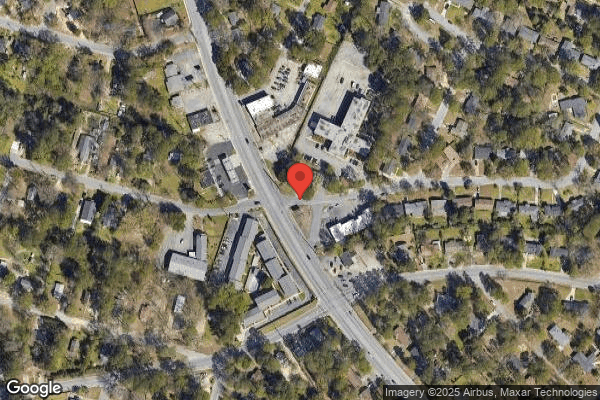
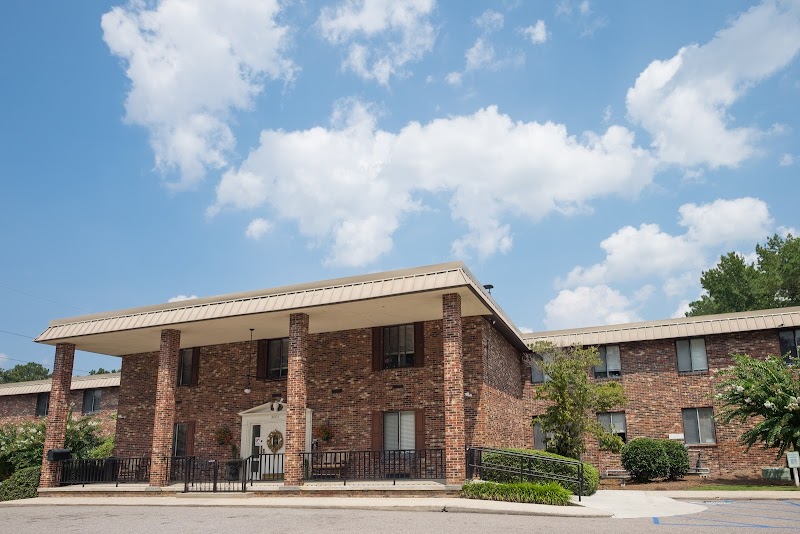
3001 Beechaven Road, Columbia, SC 29204 (803) 782-4363
For profit - Limited Liability company 120 Beds WHITE OAK MANAGEMENT Data: November 2025
Trust Grade
55/100
#140 of 186 in SC
Last Inspection: August 2024

Within standard 12-15 month inspection cycle. Federal law requires annual inspections.

Overview

White Oak Manor in Columbia, South Carolina, has a Trust Grade of C, which means it is average and situated in the middle of the pack among nursing homes. It ranks #140 out of 186 facilities in the state, placing it in the bottom half, and #9 out of 14 in Richland County, indicating that only a few local options are better. The facility is improving, having reduced its issues from four in 2024 to one in 2025, though it still had 11 total issues identified in recent inspections, including a serious incident where a resident with a history of falls sustained an injury due to inadequate supervision. Staffing is a moderate strength, with a 3-star rating and a turnover rate of 39%, which is lower than the state average, but the RN coverage is concerning, being less than that of 86% of facilities in South Carolina. On a positive note, the facility has not incurred any fines, suggesting compliance with regulations, but there are notable weaknesses in areas like food safety and cleanliness, including failures to label and date food items and maintain kitchen sanitation.

Trust Score
C
55/100
In South Carolina
#140/186
Bottom 25%
Safety Record
Moderate
Needs review
Inspections
Getting Better
4 → 1 violations
Staff Stability
○ Average
39% turnover. Near South Carolina's 48% average. Typical for the industry.
Penalties
✓ Good
No fines on record. Clean compliance history, better than most South Carolina facilities.
Skilled Nurses
⚠ Watch
Each resident gets only 21 minutes of Registered Nurse (RN) attention daily — below average for South Carolina. Fewer RN minutes means fewer trained eyes watching for problems.
Violations
⚠ Watch
11 deficiencies on record. Higher than average. Multiple issues found across inspections.
★★☆☆☆
2.0
Overall Rating
★★★☆☆
3.0
Staff Levels
★★★★☆
4.0
Care Quality
★★☆☆☆
2.0
Inspection Score
Stable
2024: 4 issues
2025: 1 issues

The Good

  • 4-Star Quality Measures · Strong clinical quality outcomes
  • Full Sprinkler Coverage · Fire safety systems throughout facility
  • No fines on record
  • Staff turnover below average (39%)

    9 points below South Carolina average of 48%

Facility shows strength in quality measures, fire safety.

The Bad

2-Star Overall Rating

Below South Carolina average (2.8)

Below average - review inspection findings carefully

Staff Turnover: 39%

Near South Carolina avg (46%)

Typical for the industry

Chain: WHITE OAK MANAGEMENT

Part of a multi-facility chain

Ask about local staffing decisions and management

The Ugly 11 deficiencies on record

1 actual harm
Apr 2025 1 deficiency 1 Harm
SERIOUS (G) 📢 Someone Reported This

A family member, employee, or ombudsman was alarmed enough to file a formal complaint

Actual Harm - a resident was hurt due to facility failures

Accident Prevention (Tag F0689)

A resident was harmed · This affected 1 resident

Based on observation, record review, interview, and facility document and policy review, the facility failed to provide adequate supervision to prevent falls, failed to consider all causal factors rel...

Read full inspector narrative →
Based on observation, record review, interview, and facility document and policy review, the facility failed to provide adequate supervision to prevent falls, failed to consider all causal factors related to falls, and failed to update a resident-centered care plan with appropriate interventions to prevent further falls for 1 (Resident (R)3) of 4 sampled residents reviewed for falls. Specifically, R3, a resident with a history of multiple falls, sustained falls on 08/18/2024, 09/03/2024, and 01/16/2025, and the facility failed to consider all causal factors related to these falls in an effort to develop and implement appropriate fall prevention interventions. Subsequently, on 02/07/2025, the resident sustained a fall that resulted in an injury. In addition, the facility failed to ensure staff performed an appropriate transfer from the floor to the bed following the fall on 02/07/2025. After hospital evaluation, R3 was diagnosed with a right humeral neck fracture. R3 sustained an additional fall on 02/23/2025. Findings included: An undated facility policy titled, Falls Management Program indicated, INTRODUCTION: To attempt to provide an environment as free from accidental hazards as possible and provide adequate supervision and assistive devices to attempt to reduce the risk for occurrences. The policy revealed, The Fall Management Program has been developed to assist facilities in identifying strategies to minimize the risk of falls for residents and still maintain the highest practicable level of functioning and mobility through comprehensive analysis of physical, mental and psychosocial conditions and the development and implementation of individualized plan of care. The section of the policy titled, DOCUMENTATION specified, -Fall Investigation *This form is to be completed upon occurrence of any fall *Documentation should include date, time and exact location of fall; prior history of falls; reason/circumstances surrounding the fall; review of care plan and update of interventions; review need for placement in Fall Management Program, review of medication, diagnosis, assistive and protective devices, environmental factors, mental status and action taken to reduce risk of a fall. The section of the policy titled DOCUMENTATION also specified, -Care Plan *When developing a plan of care to reduce the incidence of falls, staff need to review the factors that can contribute to, or directly cause, these types of incidents. In addition, the policy specified, -Following a fall an Occurrence Report, Witness Statement and Fall Investigation are completed. - Any resident who experiences a fall is reviewed by the Safety / QI [Quality Improvement] Committee for recommendations of possible changes in interventions and communicated to the facility care team. The policy included a NURSING FALL PROTOCOL, revised 12/22/2022, that specified nursing responsibilities for resident falls included, -Investigate cause of the fall, using witness if it was witnessed -Educate resident and staff on interventions needed -Occurrence Report, including witness statement, -Complete Fall Investigation, -Refer to Physical / Occupational Therapy for evaluation and possible additional equipment or preventive devices as appropriate, -Refer to Safety / QI Committee for review. A Resident Face Sheet revealed the facility admitted R3 on 03/11/2019 and most recently admitted the resident on 02/01/2025. According to the Resident Face Sheet, the resident had a medical history that included diagnoses of paranoid schizophrenia, insomnia, lack of coordination, unsteadiness on feet, muscle weakness, Alzheimer's disease with early onset, Parkinson's disease, and repeated falls. A quarterly Minimum Data Set (MDS), with an Assessment Reference Date (ARD) of 06/11/2024, revealed R3 had a Brief Interview for Mental Status (BIMS) score of 6, which indicated the resident had severe cognitive impairment. The MDS indicated the resident required partial/moderate assistance with putting on and taking off footwear and required supervision or touching assistance when transitioning from a sitting to standing position, with toilet transfers, and with walking distances of 10 feet, 50 feet with two turns, and 150 feet. Per the MDS, the resident had sustained two falls without injury and one fall with injury (not major) since admission or reentry to the facility or their prior MDS assessment. An annual MDS, with an ARD of 09/10/2024, revealed R3 had a BIMS score of 8, which indicated the resident had moderate cognitive impairment. The MDS indicated the resident required partial/moderate assistance with putting on and taking off footwear and required supervision or touching assistance when transitioning from a sitting to standing position, with toilet transfers, and with walking distances of 10 feet, 50 feet with two turns, and 150 feet. Per the MDS, the resident had sustained two falls without injury since admission or reentry to the facility or their prior MDS assessment. An Event Summary List for the timeframe from 08/01/2024 through 04/16/2025 revealed R3 sustained falls on 08/18/2024, 09/03/2024, 01/16/2025, 02/07/2025, and 02/23/2025. R3's Care Plan History included a problem statement, with a start date of 08/16/2018, that indicated the resident was at risk for falls due to general weakness; a history of falls/falls with major injury; potential medication side effects; episodes of incontinence and pain; cognition that waxed and waned with episodes of confusion or agitation; and diagnoses of Parkinson's disease, Alzheimer's dementia, schizophrenia, and anemia. Interventions in place prior to the above-listed falls directed staff to ensure the resident used a wheelchair for long distance locomotion (started 11/20/2018); conduct safety checks during rounds and as needed (started 11/20/2018); ensure the resident's room and hall were free from clutter, spills, or other tripping hazards (started 11/20/2018); administer Parkinson's medications as ordered and monitor for and report any adverse side effects (started 03/11/2019); physical therapy (PT) to evaluate and treat as needed (started 07/05/2021); encourage the resident to use their call light for assistance (started 10/01/2021); assist the resident to the bathroom after breakfast (started 10/08/2023); utilize a defined perimeter mattress on the resident's bed due to attempts to stand from the bed by self and unable to do so (started on 01/29/2024); assist the resident with early morning care and get up as tolerated (started 03/23/2024); assist the resident with toileting before bedtime as tolerated (started 05/06/2024); ensure the resident had non-skid socks on at all times/in bed as tolerated (started 05/15/2024); toilet the resident before lunch as tolerated (started 06/01/2024); use non-slip material on the resident's mattress (started 07/10/2024); and ensure when the resident was in bed that the resident's wheelchair was at the resident's bedside with brakes locked with shoes in the wheelchair for easy access (started 07/25/2024). R3's Care Plan History also included a problem statement, started on 05/24/2024, that indicated the resident was noncompliant with calling for staff assistance and waiting for staff assistance related to fluctuating cognitive status; poor safety awareness; and diagnoses of Alzheimer's dementia, schizophrenia, and Parkinson's disease. During an interview on 04/18/2025 at 3:45 PM, the Director of Nursing (DON) stated she left all falls and fall investigations for the Assistant Director of Nursing (ADON) to handle. During an interview on 04/17/2025 at 1:49 PM, the ADON described the fall investigation process and indicated that following falls, she spoke with the resident, the resident's roommate (if applicable), and staff but did not document any notes of the details discovered during the investigation or any details obtained when speaking with individuals about the fall. The ADON stated if anything struck her as unusual, she asked more questions. The ADON further stated nursing staff turned in a fall packet after a resident fall, and the packet was reviewed during the facility's morning meeting the following day and during Friday risk assessment meetings. An Event Report, completed by the ADON on 08/19/2024, revealed R3 was found on the floor in their bathroom on 08/18/2024 at 12:40 AM without injury. Per the Event Report, immediate measures taken included assessing the resident for an acute process. The Event Report reflected a Progress Note, dated 08/18/2024 at 3:02 AM, that indicated the resident reported to staff they were trying to go to the bathroom when they fell. The Progress Note indicated staff told the resident to use their call light when they needed assistance. The Event Report also reflected the following Progress Notes: - a note dated 08/19/2024 at 10:33 AM that indicated new orders for a urinalysis and urine culture were received related to an assessment for acute processes r/t [related to] fall; and - a note 08/22/2024 at 10:44 PM that indicated the resident's laboratory results (urine culture) were received, and there were no new orders. R3's fall risk care plan revealed an intervention was added on 08/18/2024 to assess for acute processes, and the intervention was discontinued as of 08/21/2024. The fall risk care plan revealed no additional updates or revisions to prevent further falls or to ensure the resident's safety related to the fall on 08/18/2024. During an interview on 04/18/2025 at 3:05 PM, the ADON stated it was not appropriate for the nurse to educate the resident to use their call light when they needed assistance (due to the resident's cognitive function); however, the ADON stated they also evaluated the resident for an acute process. During an interview on 04/18/2025 at 3:45 PM, the DON stated she did not feel it was appropriate to educate R3 after the fall on 08/18/2024. The DON stated the interdisciplinary team also met and discussed the fall and had the resident assessed to determine if they may have had a urinary tract infection, which the DON stated she felt was an appropriate fall intervention. An Event Report, completed by the ADON on 09/09/2024, revealed R3 was found on the floor in their room on 09/03/2024 at 7:00 AM without injury. The Event Report revealed the resident had bare feet at the time of the fall, and the resident was trying to get out of bed. Per the Event Report, possible contributing factors included that the resident would not call for assistance. The Event Report indicated immediate measures taken included pillows for positioning and comfort. The Event Report reflected a Progress Note, dated 09/03/2024 at 2:52 PM, that indicated the resident was reeducated on using their call light and wearing non-skid socks. R3's fall risk care plan revealed an intervention was added on 09/03/2024 to provide extra pillows in bed for positioning. The fall risk care plan revealed no additional updates or revisions to address the contributing factor identified by the facility for the 09/03/2024 fall (resident would not call for assistance). There were also no updates or revisions to address the absence of non-skid socks as per the resident's care plan at the time of the fall. During an interview on 04/18/2025 at 3:05 PM, the ADON stated the addition of pillows after the fall on 09/03/2024 was decided upon to help the resident stay in bed. During an interview on 04/18/2025 at 3:45 PM, the DON stated that for the fall on 09/03/2024, R3 probably took their non-skid socks off while they were in bed, but it was not appropriate for staff to reeducate the resident on using their call light and wearing non-skid socks (due to the resident's cognitive function). The DON stated the facility placed pillows for the resident's comfort following this fall. An Event Report, completed by the ADON on 01/17/2025, revealed R3 was found on the floor in their room on 01/16/2025 at 3:25 PM without injury. The Event Report revealed the resident was getting up from their wheelchair when the fall occurred. The Event Report revealed no possible contributing factors were identified by the facility. The Event Report indicated immediate measures taken included a dental evaluation during the dentist's upcoming visit. The Event Report reflected a Progress Note, dated 01/16/2025 at 3:25 PM, that indicated the resident was at the nurses' station just prior to the fall and reported they needed to get their dentures. Per the Progress Note, the resident's dentures were observed on the counter in their room within arm's reach. R3's fall risk care plan revealed an intervention was added on 01/16/2025 to have the resident's dentures assessed by the dentist for proper fit. The fall risk care plan revealed no additional updates or revisions to address the resident's fall from their wheelchair, such as non-slip material to the resident's wheelchair seat. There were also no updates or revisions to address the resident's need for assistance with their dentures and denture care in relation to this fall. An intervention was later added on 03/28/2025 to place the resident's dentures within reach when the resident was out of bed. During an interview on 04/16/2025 at 1:39 PM, Licensed Practical Nurse (LPN)11stated she was assigned to care for R3 on 01/16/2025. She recalled that on 01/16/2025, R3 was found on the floor after returning to their room to retrieve their dentures. LPN11further stated a member of the administrative nursing team implemented the intervention for a dental consultation following the fall. During a concurrent observation and interview on 04/17/2025 at 11:00 AM, the Therapy Director observed R3's wheelchair and verified the resident's wheelchair did not have any slip-resistant material. During an interview on 04/18/2025 at 9:35 AM, the Medical Director (MD) stated a dental evaluation would not prevent a fall. The MD stated he was not involved in the development of that particular intervention. During an interview on 04/18/2025 at 3:05 PM, the ADON stated that for the fall on 01/16/2025, R3 went back to their room to get their dentures, because their dentures were not in their mouth. The ADON stated that if the resident had their dentures in their mouth, the resident would not have had to go back to their room to get them and therefore would not have fallen. The ADON stated they felt the intervention to have the resident's dentures assessed was an appropriate fall intervention. The ADON further stated she was not aware of the interdisciplinary team ever discussing the implementation of non-slip material to the resident's wheelchair. During an interview on 04/18/2025 at 3:45 PM, the DON stated the interdisciplinary team felt having R3's dentures assessed for proper fit after the fall on 01/16/2025 was an appropriate intervention to prevent falls. An Event Report, completed by the ADON on 02/10/2025, revealed R3 was found on the floor in their room on 02/07/2025 at 5:00 PM. The Event Report revealed the resident was utilizing a wheelchair at the time of the event and was changing their clothes. Per the Event Report, the resident's footwear at the time of the fall consisted of plain socks, as opposed to non-skid socks as per their care plan. The Event Report revealed no possible contributing factors were identified by the facility. The Event Report indicated immediate measures taken included to assist the resident to change clothes before dinner as tolerated. The Event Report reflected a Progress Note, dated 02/08/2025 at 1:56 AM, that indicated during a neurological check, R3 was noted with no grip strength in their right hand and slight swelling to their right arm. The Progress Note further indicated that the resident was only able to raise their right arm by lifting their right arm with their left hand, and the resident was sent to the emergency room for further evaluation. Another Progress Note, dated 02/08/2025 at 7:19 AM, indicated the resident would be returning to the facility with a mildly displaced femoral neck fracture. R3's fall risk care plan revealed an intervention was added on 02/07/2025 to assist the resident with changing clothes before dinner as tolerated. There were no updates or revisions to address the absence of non-skid socks as per the resident's care plan at the time of the fall or to interventions to address the fact that the resident was utilizing their wheelchair at the time of the fall, such as non-slip material to the resident's wheelchair seat. During an interview on 04/18/2025 at 3:45 PM, the DON stated the interdisciplinary team felt assisting the resident to change clothes and get ready for bed before dinner would prevent the resident from falling. A Confidential Occurrence Statement or Interview, signed by LPN11 on 02/07/2025, indicated LPN11 was not present at the time of R3's fall but was notified by the resident's roommate. According to the statement, LPN11 assessed R3 for injuries and assisted R3 back to bed with the assistance of Certified Nursing Assistant (CNA)12 and CNA16. During an interview on 04/16/2025 at 1:39 PM, LPN11 stated she was assigned to care for R3 on 02/07/2025. LPN11 stated that on 02/07/2025, R3 was on the floor of their room with their legs stretched out straight towards the top of their bed. She stated the residents' right side was parallel to the bed. LPN11 stated she assessed the resident and found no injuries, then she, CNA12, and CNA16 lifted the resident into the bed. She stated the transfer from the floor to the bed was completed by CNA12 and CNA16 lifting the resident under the resident's arms and LPN11 lifting the resident's legs. During an interview on 04/17/2025 at 11:42 AM, CNA12 stated she was on duty on 02/07/2025 and was assigned to R3 when the resident was found on the floor. CNA12 explained that R3 was positioned on the floor in a seated position with their right side towards the bed, their left side parallel to the sink, and their legs outstretched towards the head of the bed. She stated the resident had removed the clothing from their lower body and was wearing plain socks or TED hose (stockings to prevent blood clots and swelling in the legs) at the time of the fall. She stated the resident had also removed their incontinence brief. CNA12 further stated that after the nurse assessed the resident, she and CNA16 lifted the resident under the resident's arms while LPN11 lifted the resident's feet, and the three of them placed the resident into bed. CNA12 stated she was under the resident's right side, CNA16 was under the resident's left side, and LPN11 held the resident's feet/legs during the transfer. CNA12 recalled that while assisting the resident into the bed, she fell over into the bed against the resident on the resident's right side. During an interview on 04/16/2025 at 1:32 PM, CNA16 stated she was not assigned to R3 on 02/07/2025 but assisted with R3's transfer from the floor to the bed. She stated R3 was disrobed from the waist down. CNA16 stated R3 was unable or refused to bear weight to assist staff with the transfer into bed. CNA16 stated she and CNA12 assisted LPN11 transfer R3 into the bed by placing their arms under each of the resident's arms, and LPN11 lifted the resident's legs. During an interview on 04/16/2025 at 4:00 PM, with both the ADON and DON present, the DON stated that when it came to lifting residents after a fall, the appropriate transfer status was based upon how well the resident could assist with that transfer. The ADON stated if the resident was not injured and was able to do 75 percent (%) of the work and bear weight, then the staff could use two people to manually lift and transfer the resident from the floor to the bed, but if the resident required more assistance, a mechanical lift should be utilized. During an interview on 04/18/2025 at 9:35 AM, the MD stated staff should not perform transfers by lifting under the arms of a resident because it increased the risk of an injury. An Initial Report, dated 02/08/2025, revealed the facility reported the fall on 02/07/2023 to the state survey agency as a bone or joint fracture due to a fall. A Five-Day Follow-Up Report, dated 02/12/2025, revealed staff had last seen R3 at approximately 4:30 PM self-propelling themself in their wheelchair toward their room after activities. The report indicated the resident was changing their clothes and slid out of their wheelchair. According to the report, to prevent future injuries, the facility implemented an intervention that directed staff to assist the resident with changing clothes before dinner as tolerated. The Five-Day Follow-Up Report revealed no documentation to indicate the facility considered new interventions related to the resident sliding out of their wheelchair or that non-skid socks were not in use at the time of the fall. In addition, there was no indication the facility identified any concerns related to the method of transfer to the bed following the resident's fall. During an interview on 04/17/2025 at 1:49 PM, the ADON stated she could not recall why the resident was found to be wearing plain socks instead of non-skid socks at the time of the fall. The ADON further stated that during the course of her investigation, she had not identified that the resident was placed into bed with the assistance of three staff members due to the resident not bearing weight, or that CNA12 had fallen into the bed with R3 during the transfer from the floor to the bed on 02/07/2025. During an interview on 04/18/2025 at 3:45 PM, the DON stated the facility had not identified any concerns with the method of transfer during their investigation into the resident's falls. An Event Report, completed by the ADON on 02/25/2025, revealed R3 was found on the floor in their bathroom on 02/23/2025 at 11:00 AM without injury. The Event Report revealed the resident was getting up from their wheelchair at the time of the fall. The Event Report revealed no possible contributing factors were identified by the facility. The Event Report indicated immediate measures taken included a therapy evaluation. The Event Report reflected a Progress Note, dated 02/23/2025 at 12:58 PM, that indicated the resident was in the bathroom in their room at the time of the fall and was being assisted by a staff member. The Progress Note indicated the staff member stepped out of the bathroom to obtain an item from the room, and upon returning to the bathroom, found the resident on the floor. R3's fall risk care plan revealed an intervention was added on 02/23/2025 for therapy to do safety training with the resident regarding transfers. There were no updates or revisions to address the fact that the resident was utilizing their wheelchair at the time of the fall, such as non-slip material to the resident's wheelchair seat. There were also no updates or revisions addressing the resident's needed level of supervision when being assisted by staff in the bathroom. During an interview on 04/16/2025 at 1:00 PM, the Therapy Director stated R3 was already on therapy caseload at the time of the fall on 02/23/2025. The Therapy Director stated the resident had been on caseload since 01/2025. During an interview on 04/18/2025 at 3:05 PM, the ADON stated the staff member did not necessarily leave the resident on 02/23/2025 and that although they liked staff to have everything they needed, they sometimes forgot things. The ADON stated they did not know if the staff was going to get water in a basin or if they were warming water in the sink. The ADON further stated she could not confirm or deny whether the staff member should have known what items they needed before entering the bathroom to assist the resident that morning. The ADON stated that the reason for the therapy evaluation after R3's fall on 02/23/2025 was that they needed to do more or something different for the resident. The ADON further stated she was unaware of the interdisciplinary team every discussing the use of non-slip material in the resident's wheelchair. The ADON stated non-slip material for the wheelchair should be considered if the resident slid out of their wheelchair; however, the ADON denied having knowledge of R3 ever sliding from their wheelchair (despite documentation of such for the fall on 02/07/2025). During an interview on 04/18/2025 at 3:45 PM, the DON stated the interdisciplinary team decided on a therapy evaluation following R3's fall on 02/23/2025, and therapy should have alerted the ADON that the resident was already on their caseload. During an interview on 04/17/2025 at 1:49 PM, the ADON stated the facility ran out of interventions to place for R3.
Aug 2024 4 deficiencies
CONCERN (D)

Potential for Harm - no one hurt, but risky conditions existed

PASARR Coordination (Tag F0644)

Could have caused harm · This affected 1 resident

**NOTE- TERMS IN BRACKETS HAVE BEEN EDITED TO PROTECT CONFIDENTIALITY** Based on review of facility policy, record review, and interview, the facility failed to ensure Resident (R)79 was screened time...

Read full inspector narrative →
**NOTE- TERMS IN BRACKETS HAVE BEEN EDITED TO PROTECT CONFIDENTIALITY** Based on review of facility policy, record review, and interview, the facility failed to ensure Resident (R)79 was screened timely for a PASARR Level II, with recommendations for further evaluation based on intellectual disabilities indicators for 1 of 3 residents reviewed for a PASARR Level II. Findings include: Review of the undated facility policy titled Preadmission Screening and Resident Review states: Level II screens are federally mandated to be performed prior to admission for all MI, ID, DD and RC applicants to Medicaid certified nursing facilities (Preadmission Screen). Subsequent assessments are required in the event of a significant change in the mental or physical condition of a resident suspected of having a mental illness, intellectual disability, development disability or related condition. All applicants to and residents of Medicaid certified nursing facilities (NFs), regardless of whether they are funded by Medicaid or utilize other sources of payment, must be screened through Level I and, if appropriate, Level II process. Residents of these facilities who exhibit significant change in mental health intellectual/development disability or related condition needs must also be re-screened through Level I as a change in status. A change in status can occur for residents with newly discovered diagnoses or symptoms of MI, ID, DD, and RC as well as residents known to have MI, ID, DD, and/or RC but whose treatment needs for those conditions change significantly. Review of R79's Face Sheet revealed the facility admitted R79 on 09/27/21, with diagnoses including, but not limited to: anxiety, depression, and intellectual disabilities. Since admission on [DATE], R79 has presented with diagnoses of schizophrenia, major depressive disorder, psychotic disorder with hallucinations, dementia, mood disturbance and psychotic disturbance. To date, no PASARR Level II screening has been completed for R79. Review of R79's PASARR Level I screening dated 09/27/21, prior to admission, included anxiety, depression and intellectual disabilities. Further review of the PASARR Level 1 recommended further evaluation based on the intellectual disabilities indicators. Review on 08/24/24 at 11:20 AM, of a social service note written on admission states, Resident was admitted from the hospital with diagnoses of altered mental status, anxiety and depression. Resident will be long term. Resident also has diagnoses of pressure injury of a deep tissue of buttock, Parkinson's, chronic hypotension, tremors and adult failure to thrive. Social Services will assist as needed with adjustment. During an interview on 08/24/24 at approximately 12:00 PM, the Social Service Worker for R79 stated she would have to pull the notes from her files. After a period of time the Social Service Worker provided a form completed on 08/20/24, titled Psychiatric Evaluation Level II. The form contained the diagnoses of Parkinson's Disease, dementia, major depressive disorder, anxiety disorder and intellectual disabilities. The form did not include schizophrenia, psychotic disorder with hallucinations and mood disturbance. R79 was not screened using the PASARR Level II Process, in a timely manner in which R79 may have benefited from aide of outside services not provided by the facility.
CONCERN (D)

Potential for Harm - no one hurt, but risky conditions existed

Respiratory Care (Tag F0695)

Could have caused harm · This affected 1 resident

Based on observations, interview, record review, and review of facility policy, the facility failed to administer oxygen therapy at the physician's prescribed setting for 1 of 3 residents (Resident (R...

Read full inspector narrative →
Based on observations, interview, record review, and review of facility policy, the facility failed to administer oxygen therapy at the physician's prescribed setting for 1 of 3 residents (Resident (R)78) reviewed for respiratory care and services. Findings include: Review of the facility policy titled, Oxygen Therapy with a revised date of 06/25/18, did not reveal verifying physician orders related to the flow rate of oxygen. Review of R78's admission record revealed the facility admitted R78 on 01/11/24, with diagnoses including: hemiplegia and hemiparesis following cerebral infarction affecting left non-dominant side, generalized idiopathic epilepsy and epileptic syndromes, not intractable, without status epilepticus, vascular dementia, psychotic disturbance, mood disturbance, anxiety, anemia, dysarthria following cerebral infarction, and Type 2 diabetes mellitus with hyperglycemia. Review of R78's Order Summary Report for the month of August 2024, revealed an order for oxygen (O2) via nasal cannula (N/C) @ 2 liters per minute (L/Min), dated 08/01/24. Review of R78's Comprehensive Care Plan, initiated on 07/12/24, revealed the resident is at risk for respiratory distress related to (r/t) shortness of breath/end of life care. Interventions included administer oxygen as ordered by provider. Review of R78's Minimum Data Set (MDS) with an Assessment Reference Date (ARD) of 07/30/24, revealed R78 had a Brief Interview for Mental Status (BIMS) of 5 out of 15, which indicated the resident was severely cognitively impaired. Further review of the MDS revealed R78 required substantial/maximal assistance with Activities of Daily Living (ADLs). During an observation on 08/20/24 at 12:33 PM, R78 was receiving oxygen via nasal cannula and the oxygen concentrator was at a flow rate of 5L/Min. During an observation on 08/22/24 at 9:08 AM, R78 was receiving oxygen via nasal cannula and the oxygen concentrator was at a flow rate of 5L/Min. During an interview on 08/22/24 at 9:13 AM, License Practical Nurse (LPN)1 stated R78 is ordered for 2L/Min. During an interview on 08/22/24 at 9:21 AM, LPN1 stated, I don't have no idea how he was on 5L/min. I checked Oxygen when I go in the room to give med pass. During an interview on 08/22/24 at 10:02 AM, the Director of Nursing (DON) stated, We have a pharmacy tech who verifies all our orders in the system and print out a copy for the wound nurse to check every morning. During an interview on 08/22/24 at 10:25 AM, the Wound Nurse stated, I realized my oxygen print out was old. I come to work at 5 AM, so I was tasked with checking everyone's oxygen levels. [R78's] oxygen level was accurate this morning. I checked it about 6ish. I don't know how it was on 5L, that's mind boggling.
CONCERN (E)

Potential for Harm - no one hurt, but risky conditions existed

Deficiency F0761 (Tag F0761)

Could have caused harm · This affected multiple residents

**NOTE- TERMS IN BRACKETS HAVE BEEN EDITED TO PROTECT CONFIDENTIALITY** Based on observations, interviews and review of facility policy, the facility failed to: 1) remove/dispose of expired medication...

Read full inspector narrative →
**NOTE- TERMS IN BRACKETS HAVE BEEN EDITED TO PROTECT CONFIDENTIALITY** Based on observations, interviews and review of facility policy, the facility failed to: 1) remove/dispose of expired medication from 1 of 4 medication carts. 2) Date/label open insulin pens on 1 of 4 medication carts. 3) Remove expired biological from 1 of 4 treatment carts reviewed for medication storage. Findings include: Review of the facility's policy titled, Medication Storage In The Facility dated September 21, 2022, stated, Policy: Medications and biologicals are stored safely, securely and properly following manufacturer's recommendations or those of the supplier . Procedure: . 9. Outdated, contaminated or deteriorated medications and those in containers that are cracked, soiled, without secure closures are immediately removed from stock, disposed of according to procedures for medication destruction, and reordered from the pharmacy, if a current order exists . 11. Multi-dose vials, ophthalmics, otics and other sterile products will be dated and initialed with the first puncture of the vial or opening. Multi-dose vials including insulin may be used after opening for 28 days unless the manufacturer has data to support longer dating . During an observation on 08/22/24 at 10:48 AM, the medication and treatment cart on the 1st floor long hall with Licensed Practical Nurse (LPN)1 revealed the following: Medication cart: 1 Basaglar Kwipen 100 units/ml (milliliters) with no open date. Manufacturer's label directed staff to discard after 28 days. 1 Insulin glargine with no open date. Manufacturer's label directed staff to discard after 28 days. 1 Lantus Solostar insulin glargine injection 100 units/ml with no open date. Manufacturer's label directed staff to discard after 28 days. 1 Lantus Solostar insulin glargine injection 100 units/ml with no open date. Manufacturer's label directed staff to discard after 28 days. 1 bottle Fluticasone Propionate nasal spray 50 mg (milligrams) with a missing cap. Treatment cart: 1 skin closure strip reinforced 1/2 x 4 open package. Manufacturer's label directed staff do not reuse. 2 boxes of 25 [NAME] Allyn thermometer probe covers boxes, covered in a sticky red substance. During an observation on 08/22/24 at 11:39 AM, of the 1st floor short hall treatment cart with LPN5 revealed the following: Treatment cart 1 box of 8 Mepilex border sacrum 22x25 cm (centimeters) 8.7 x 9.8 in (inches) pads with an expiration date of 2024-07-28. 1 Mepilex border sacrum 22x25 cm/8.7 x 9.8 in (inches) with an expiration date of 2022-05. During an observation on 08/22/24 at 12:33 PM, of the 2nd floor long hall medication and treatment carts with LPN4 revealed the following: Medication Cart: 9 Meloxicam 7.5 mg unichem (PRN) with an expiration date of 7/31/24. Treatment cart: 1 skin closure strip reinforced 1/2 x 4 opened. Manufacturer's label directed staff do not reuse. 1 4.9 oz tube ammonium lactate 12% with an expiration date of 08/20/24. During an observation on 08/22/24 at 1:28 PM, with LPN of 2nd floor short hall medication cart revealed: 1 pack skin closure strip reinforced 1/2 x 4 open package. Manufacturer's label directed staff do not reuse. 4 loose small round orange pills in the back of drawer 8. 2 loose small white pills in the back of drawer 8. During an interview on 08/22/24 at 11:23 AM, LPN1 revealed they thought the insulin pen was ok as long as it has an expiration date on them. LPN1 explains that when they open an insulin pen, they write the expiration date on it and that there is a calendar they follow from the date it was open to determine the expiration date. During an interview on 08/22/24 at 12:10 PM, LPN5 revealed that the medication and treatment carts are checked by all the nurses including the treatment nurse because we all use it. LPN5 continues to explain that the charts are checked weekly for supplies. LPN5 states that the expired medication on the treatment cart just came to the facility this week and has been here for 2 weeks. LPN5 revealed that when items come into the facility they just sign something saying they received the items but they are not left with any documentation. During an interview on 08/22/24 at 12:20 PM, the Assistant Director of Nursing (ADON) revealed we (nursing staff and pharmacy) are all responsible for making sure that the medication carts are free from expired medications. The ADON continues to explain that when insulin pens are received from the pharmacy they are put in the refrigerator and when they are opened the nurses should put an open date and end date on them. During an interview on 08/22/24 at 1:23 PM, LPN4 revealed that the Meloxicam 7.5 is a PRN (as needed) medication and there is no new order for it and had not been given to the resident. LPN4 continues to explain that the medication had been discontinued (d/c). LPN4 further explains that if medication has been d/c it should be pulled off the cart. LPN4 revealed that the carts are checked all the time, we check them and the pharmacy checks behind us and the same goes for the treatment carts. During an interview on 08/22/24 at 2:02 PM, LPN2 revealed all nurses should make sure the carts are up to par which means dates should put on items we open, we should make sure that tops are on bottles, wipe off bottles if there is spillage and pick up loose pills if we notice a pill drops.
CONCERN (F)

Potential for Harm - no one hurt, but risky conditions existed

Food Safety (Tag F0812)

Could have caused harm · This affected most or all residents

**NOTE- TERMS IN BRACKETS HAVE BEEN EDITED TO PROTECT CONFIDENTIALITY** Based on observation, interviews and facility policy, the facility failed to label and date open food items. The facility furthe...

Read full inspector narrative →
**NOTE- TERMS IN BRACKETS HAVE BEEN EDITED TO PROTECT CONFIDENTIALITY** Based on observation, interviews and facility policy, the facility failed to label and date open food items. The facility further failed to discard expired food items for 1 of 1 kitchen. This has the potential to lead to food poisoning, gastrointestinal distress and or growth of harmful bacteria. Findings Include: Review of the facility policy titled, Storage of Food and Supplies with a revision date of 08/2010, revealed, Food and supplies are received, stored, and monitored according to federal, state, and local guidelines. Potentially hazardous foods are stored in the refrigerator in a manner to prevent cross-contamination. When meat, poultry, and fish products require simultaneous refrigerated storage, the items are stored from bottom shelf to top in this order: poultry, meat, fish, then ready-to-eat. All items are labeled with a use-by date as well as the contents (if not readily identifiable). All opened items are securely wrapped or stored in a secure storage container and labeled to identify the product (if not readily identifiable) as well as a use-by date no greater than 72 hours after opening (unless documentation available for a longer shelf life is available). Staple products such as flour, sugar, cornmeal, dries pasta, etc. may be stored in designated, secured bins. Staple bin scoops may be stored in the product if the handle is out the product in a manner to prevent to touching of the food product. During an observation on 08/20/24 at 10:18 AM, revealed the following under the preparatory counter: 1 package of chicken flavor gravy mix wrapped in saran wrap was open and undated. 5 slices of bread in a clear bag was open and undated without label. 1 container of poultry seasoning without an expiration date. During an observation on 08/20/24 at 10:38 PM revealed the following in the walk-in freezer: 1 open undated pack of swiss cheese. 1 open undated pack of smoked provolone cheese. 1 open undated container of daisy sour cream. 1 open undated box of pasteurized eggs. 1 open undated package of [NAME] Italian sausage. During an observation on 08/20/24 at 10:57 AM, revealed the following in the dry storage: 1 box with six bottles of mint extract, one of the six bottles was opened with an expiration date of 10/26/22. 1 eleven ounce container of parsley flakes with an expiration date of 08/27/23. 1 open undated bag of [NAME] Choice mini sweet chocolate chips. 1 open undated box of US no. onions. 6 cans of no salt added diced tomatoes without expiration date. 1 can of [NAME] Brand fruit cocktail without an expiration date. 7 cans of [NAME] Choice peach fillers without an expiration date. 3 bags of yellow cake mix without an expiration date. 1 bottle of Kibmee Farms natural orange blossom honey was open and undated. 3 128 ounce jars of maraschino cherries without an expiration date. During an interview on 08/20/24 at 11:10 AM, the Certified Dietary Manager (CDM) revealed, when items are received, items are opened and put on shelf, boxes are thrown away. During an interview on 08/21/24 at 12:24 PM, the Dietary Aide [NAME] revealed, anything opened should be dated and anything outdated should be thrown away. If food items are close to the expiration date, its circled and after discarded. The Dietary Aide [NAME] stated when food items are pulled it should be put in the refrigerator and labeled with the date of use. During an interview on 08/21/24 at 12:39 PM, the CDM revealed, food items should be labeled with an open date. The CDM checks for expired food items every Monday. During an interview on 08/21/24 at 12:40 PM, the Dietary Technician revealed, food items should be labeled with an open date, for example, if we open on the 21st we would use by the 23rd. The Dietary Technician stated, A walk through is done to check for expired food items. The CDM checks for expired food items during inventory every Monday. During an interview on 08/21/24 at 12:47 PM, the Dietician revealed, items should have an open and a discard date. Food items can be used 3 days from manufacture date, if expired discard immediately.
Jul 2022 2 deficiencies
CONCERN (E)

Potential for Harm - no one hurt, but risky conditions existed

Deficiency F0761 (Tag F0761)

Could have caused harm · This affected multiple residents

Based on review of the facility policy, observations, and interviews, the facility failed to monitor medication refrigerator temperatures in 2 of 2 medication refrigerators. These failures had the pot...

Read full inspector narrative →
Based on review of the facility policy, observations, and interviews, the facility failed to monitor medication refrigerator temperatures in 2 of 2 medication refrigerators. These failures had the potential to decrease the efficacy of medications for all residents in need of emergency medications and 19 residents whose insulins were being stored. Findings include: Review of the facility's undated policy titled Medication storage in the facility, indicated Only licensed nurses, the consultant pharmacist, designated pharmacy staff and those lawfully authorized to administer medications (e.g., medication aides) are allowed to access to medications. Medication rooms, carts, and medication supplies are locked or attended by persons with authorized access .Medications requiring refrigeration or temperatures between 36F (degrees Fahrenheit) and 46F are kept in a refrigerator with a thermometer to allow temperature monitoring. Medications requiring storage in a cool place are refrigerated unless otherwise directed on the label . Observation on 07/26/22 at 2:16 PM revealed the medication refrigerator located on the second floor did not have temperatures monitored. Further observation on 07/26/22 at 5:00 PM revealed the medication freezer on the second floor, located at the nurses' station had a temperature of 0F and was empty. The medication refrigerator temperature was 50F. The medication refrigerator contained emergency medications including five vials of insulin (diabetic medication), one bottle of Ativan (anti-anxiety medication), five Bisacodyl suppositories (laxative), and six Phenergan suppositories (anti-nausea medication). Additionally, the medication refrigerator contained 15 Trulicity pens (diabetic medication), two bottles of latanoprost ophthalmic solution (glaucoma treatment), five bisacodyl suppositories (house stock- laxative), 15 Levemir flextouch pens (diabetic medication), five bottles of Humalog 3ml bottle (diabetic medication), one bottle of Humalog 30ml bottle (diabetic medication), one bottle of Insulin aspart (diabetic medication), three Humalog mix kwikpen 50/50 (diabetic medication), two Novolog flexpens (diabetic medication), one vial of insulin Glargine, and one Lantus solostar pen (diabetic medication). Observation of the medications in the second-floor refrigerator revealed: Trulicity insulin pens included a sticker on the packaging from the pharmacy stating, keep refrigerated do not freeze. Insulin aspart insulin pens, Humalog, Glargine, Novolog, and Lantus medications included a sticker on the packaging from the pharmacy stating, refrigerate until opened. Latanoprost ophthalmic solution included a sticker on the packaging from the pharmacy stating, refrigerate until opened. Opened bottle can be stored at room temperature up to 6 weeks. Observation on 07/26/22 at 3:58 PM revealed the medication refrigerator located on the first floor at the nurses' station did not have temperatures monitored. The medication freezer temperature was 49F and was empty. The medication refrigerator temperature was not available due to no thermometer placed in the refrigerator at that time. Licensed Practical Nurse (LPN)2 moved the thermometer from the freezer to the refrigerator to begin temperature monitoring. The medication refrigerator contained emergency medications including three vials of Ativan (injectable anti-anxiety medication), twenty Trulicity pens (diabetic medication), one Risperdal injectable pen (anti-psychotic medication), 16 Insulin Aspartate pens diabetic medication), 11 Levemir Flextouch injectable pens (diabetic medication), five Lantus Solostar injectable pens (diabetic medication), one Novolog Flexpen (diabetic medication), and one Insulin Glargine injectable pen (diabetic medication). Observation on 07/26/22 at 6:24 PM revealed the medication refrigerator on the 1st floor had a temperature of 56F. Interview on 07/26/22 at 2:16 PM with LPN2 indicated the medication refrigerator for the 2nd floor nurses station was fairly new and she was not aware of any temperature monitoring logs being recorded. LPN2 confirmed there were no refrigerator logs located in/near the 2nd floor medication refrigerator and that multiple residents had insulin stored in the refrigerator along with emergency medications for all residents that receive medications for the 2nd floor. Interview on 07/26/22 at 2:36 PM with Interim Director of Nursing (IDON) indicated the maintenance department or a nurse looks at refrigerator temperatures daily and that usually the third shift (11pm-7am) checks refrigerator temperatures but do not document them anywhere. Staff are to report to maintenance if there are any temperature irregularities. IDON indicated that the medication refrigerators should maintain a temperature below 50F. Review of a receipt provided by the Maintenance Director (MD) indicated a refrigerator was purchased on 07/24/22. Interview on 07/26/22 at 3:14 PM with the MD indicated he replaced the medication refrigerator on the second floor a few days ago when the prior refrigerator was not holding temperatures properly and the thermometer was reading about 50F. Interview on 07/26/22 at 3:58 PM with LPN2 confirmed there were no temperature monitoring logs available for the first-floor medication refrigerator. LPN2 confirmed the first-floor freezer thermometer read 49 F, was empty and the refrigerator did not have a thermometer. Interview on 07/26/22 at 5:00 PM with LPN2 and IDON present, confirmed the temperatures in the 2nd floor medication refrigerator along with refrigerator temperature of 50F and freezer temperature of 0F. IDON confirmed medication refrigerator temperature reading of 50F. Both nurses could not state how long the medications had been stored in the refrigerator, how many times the door had been opened, or if the medication refrigerators had dropped below or rose above recommended temperature ranges. Interview on 07/26/22 at 5:36 PM with the Consultant Pharmacist (CP) stated that she recalled being in the facility on 07/24/22 at which time the outside of the refrigerator felt warm to her; the inside was not running warm, under 50F, and the staff had opened it several times to obtain medications. The pharmacist stated she suggested to LPN2 and the IDON that they have it replaced due to it feeling hot on the outside. The pharmacist further stated that her expectation for storage of refrigerated medications should maintain a temperature between 36F to 46F. Temperatures above this range could potentially cause the medications to be less effective depending on the length of time the medications were at suboptimal temperatures. Interview on 07/26/22 at 6:24 PM with IDON and LPN2 both confirmed that the 1st floor medication storage refrigerator had a temperature of 56F.
CONCERN (E)

Potential for Harm - no one hurt, but risky conditions existed

Infection Control (Tag F0880)

Could have caused harm · This affected multiple residents

**NOTE- TERMS IN BRACKETS HAVE BEEN EDITED TO PROTECT CONFIDENTIALITY** Based on observations, interviews, review of facility policies, and review of Centers for Disease Control and Prevention (CDC) C...

Read full inspector narrative →
**NOTE- TERMS IN BRACKETS HAVE BEEN EDITED TO PROTECT CONFIDENTIALITY** Based on observations, interviews, review of facility policies, and review of Centers for Disease Control and Prevention (CDC) COVID-19 guidance, the facility failed to ensure two Certified Nursing Assistants (CNA)1 and CNA2 donned (put on) proper personal protective equipment (PPE) prior to providing care to one of 17 residents (Resident (R) 44) under droplet precautions for COVID-19. Additionally, the facility failed to properly isolate two of 17 residents (R24 and R71) under droplet precautions for COVID-19. Findings include: Review of a document provided by the facility titled COVID-19 PLAN, revised on 06/01/22, indicated .designated staff caring for patients in the designated separate units or areas of the facility will wear appropriate personal protective equipment (PPE) when providing care for these patients . Review of a document provided by the facility titled Columbia Covid Surveillance Line List- Date 7/24/22 indicated R24, R44, and R71 received positive test results for COVID-19 on 07/19/22 and required 10 days of droplet isolation/quarantine until 07/29/22. Review of a document provided by the facility titled Enhanced Droplet-Contact Precautions, dated 03/2020, indicated do not enter the room, report to the nurses station with questions, and to perform hand hygiene, don mask, eye protection, gown, and gloves. Keep door closed. Review of a document provided by the facility titled General Guidelines Transmission-Based Precautions, dated 08/04/21, indicated enhanced droplet isolation for COVID-19 should include family and visitors not entering the room, private room or cohort with door closed in addition to standard precautions. 1. Review of a document provided by the facility titled Face Sheet, dated 07/26/22, indicated R44 was admitted to the facility on [DATE] with a primary diagnosis of Type 2 diabetes mellitus without complications. Review of R44's medical record revealed a Care Plan, dated 07/19/22, which included Covid-19- Resident is at risk for complications r/t [related to] Covid 19 + .droplet precautions .keep room door closed r/t Covid 19 precautions . Review of R44's Physician Orders List included .enhanced droplet precautions r/t COVID . with a start date of 07/19/22 and a stop date of 07/28/22. During an observation on 07/24/22 at 11:44 AM, R44's doorway had signage hanging up including droplet precautions, personal protective equipment cart outside the door, and a sign stating, stop see nurse before entering, and a sign stating, keep door closed. During an observation on 07/24/22 at 12:18 PM, CNA2 was observed entering R44's room wearing a face shield and N95 mask, but no gown or gloves, while delivering the resident's lunch tray. During an interview on 07/24/22 at 12:18 PM, CNA2 confirmed R44 had COVID-19 and was on droplet precautions. CNA2 confirmed that she did not don a gown or gloves, but should have. CNA2 confirmed that she did not change out her N95 mask until prompted to do so by the surveyor. During an observation on 07/24/22 at 4:57 PM, R44 was sitting up in bed speaking with this surveyor, then CNA1 entered R44's room with her dinner meal tray. CNA1 was wearing a face shield and N95 face mask. CNA1 moved R44's used fluid filled cups with her bare hands to make room for the meal tray. During an interview on 07/24/22 at 4:57 PM with CNA1 stated she did not see the signage on the R44's bedroom door when she opened it to deliver the meal tray. CNA1 then viewed the signage on the door and confirmed that full PPE should be worn in R44's room and all other rooms with droplet precautions or isolation signs on the doors. CNA1 confirmed that she moved R44's soiled cups with her bare hands and that she did not perform hand sanitizing until surveyor prompted her to do so before leaving R44's room. During an interview on 07/24/22 at 5:00 PM with a Registered Nurse (RN), she confirmed R44 continues on droplet precautions due to COVID-19 status and that all staff entering the rooms with droplet precautions signage should don full PPE prior to entering the room. Before exiting a COVID-19 positive room, the staff member should doff (take off) their gown and gloves, discard them in the proper bin just inside the resident's room. Face shields may be wiped down with disinfectant wipe and N95's should be changed out prior to entering the next resident's room. 2. Review of R24's Face Sheet, dated 07/26/22, indicated R24 was admitted to the facility on [DATE] with a primary diagnosis of unspecified dementia with behavioral disturbance and a current diagnosis of Contact with and [suspected] exposure to COVID-19 . Review of R24's Care Plan, dated 07/19/22, included Covid-19- Resident is at risk for complications r/t [related to] Covid 19 + .droplet precautions .keep room door closed r/t Covid 19 precautions . Review of R24's Physician Orders List included .enhances [sic] droplet precautions r/t COVID . with a start date of 07/19/22 and a stop date of 07/28/22. 3. Review of R71's Face Sheet, dated 07/26/22 indicated R71 was admitted to the facility on [DATE] with a primary diagnosis of Alzheimer's disease. Review of R71's Care Plan, dated 07/20/22, included Covid-19- Resident is at risk for complications r/t [related to] Covid 19 + .droplet precautions .keep room door closed r/t Covid 19 precautions . Review of R71's Physician Orders List included .enhanced droplet precautions r/t COVID . with a start date of 07/19/22 and no stop date. During an observation on 07/24/22 at 12:23 PM, R24's doorway had signage hanging up including droplet precautions, personal protective equipment cart outside the door, and a sign stating, stop see nurse before entering, and a sign stating, keep door closed. The door was open during observation. During an observation on 07/24/22 at 12:23 PM, R71's doorway had signage hanging up including droplet precautions, personal protective equipment cart outside the door, and a sign stating, stop see nurse before entering, and a sign stating, keep door closed. R71 had an audible cough while the door was open. The door was open during observation. During an interview on 07/24/22 at 12:23 PM with Registered Nurse (RN) confirmed that R24 and R71 were on droplet precautions due to COVID-19 and that the door should be closed to minimize exposure to other residents. Additionally, RN confirmed that R71 had an audible, productive cough. RN then explained to R24 and R71 that she was closing their bedroom door due to droplet precautions in place. During an interview on 07/24/22 at 1:47 PM, the Administrator stated R24, R44, and R71 tested positive for COVID-19 on 07/19/22 and were on droplet precautions for 10 days. It was her expectation that all staff don full PPE for residents on enhanced droplet precautions, and to don face shield and a mask for non-contact precautions throughout the facility to COVID-19 outbreak. Staff caring for COVID-19 positive residents should change out PPE prior to caring for the next resident. During an interview on 07/24/22 at 2:35 PM with the Corporate Nurse Consultant indicated if any resident that was confirmed with COVID-19 required staff to wear full PPE (gloves, gown, mask, and gloves).
Apr 2021 4 deficiencies
CONCERN (D)

Potential for Harm - no one hurt, but risky conditions existed

Safe Environment (Tag F0584)

Could have caused harm · This affected 1 resident

Based on observation and interview, the facility failed to provide a safe, clean, comfortable, and homelike environment to residents for one of four halls toured during the initial observation of the ...

Read full inspector narrative →
Based on observation and interview, the facility failed to provide a safe, clean, comfortable, and homelike environment to residents for one of four halls toured during the initial observation of the survey process. Findings: During the initial tour of the facility on 4/19/2021 at approximately 11:15 AM the first room on the left of the short hall of unit 100 appeared cluttered, unclean, and potentially unsafe. The room had three beds. The first bed was by the door, the second one was by the window to the right of the room, and the third bed was to the left of the room and right corner. The second and third beds were occupied by residents. The first bed did not have a mattress on it (just the metal frame) but had two large cardboard boxes and some random items on it. A wheelchair scale was next to it and trash on the floor. Facing the first bed was a bathroom sink with drawers underneath. The middle pickguard laminate was missing, and the right and left pickguard laminates were damaged. Belongings, boxes, clothes, soft drinks, of the resident occupying the third bed, were on the floor and the area appeared unclean and cluttered. The ceiling tile to the left of the room and right corner showed water damage (largely black and brown spot) and it had a hole of approximately one foot by three inches in size. The Resident's belongings were on the floor. In an interview with Resident #34, resident occupying the third bed, on 4/21/2021 approximately 11:48 AM [s/he] stated that the room, including the hole in the ceiling title, has been like that since [s/he] got there. The resident also stated that [s/he] had brought up the issues with the facility staff several times but it hasn't been fixed. On 4/21/21 at approximately 1:30 AM a walk through with maintenance, housekeeping, and the facility administrator was conducted, and concerned areas brought up. Finding confirmed by all parties.
CONCERN (D)

Potential for Harm - no one hurt, but risky conditions existed

Respiratory Care (Tag F0695)

Could have caused harm · This affected 1 resident

Based on observations, records review, and interviews, the facility failed to ensure Resident #39 received respiratory care consistent with the physician's order for one of one sampled resident review...

Read full inspector narrative →
Based on observations, records review, and interviews, the facility failed to ensure Resident #39 received respiratory care consistent with the physician's order for one of one sampled resident reviewed for respiratory care. Findings: The facility admitted R #39 on 01/13/2015 with diagnoses including but not limited to chronic respiratory failure with hypoxia, post-polio syndrome, essential tremor and hypertension, hypokalemia, glaucoma, urinary tract infection, and active bladder. Observation of the resident during the initial survey process on 4/19/2021 at 12:45 PM two surveyors noticed the oxygen concentrator to be set at 4.5 liters per minute (L/min). Review of R #39's clinical record noted [his/her] physician ordered oxygen (O2) therapy at 2L/min via nasal cannula continuously for Shortness Of Breath (SOB). On 4/20/2021 at 12:18 PM R #39 was observed in bed with nasal cannula properly placed on [him/her] face. The oxygen concentrator was dispensing 4.5L/min. In an interview with the licensed practical nurse (LPN) #1 [s/he] confirmed that the oxygen concentrator was not set at 2L/min. The LPN #1 reviewed the physician's orders and confirmed that the physician's order indicated oxygen therapy at 2L/min.
CONCERN (D)

Potential for Harm - no one hurt, but risky conditions existed

Infection Control (Tag F0880)

Could have caused harm · This affected 1 resident

Based on observations and interview and review of the facility Infection Control Prevention the facility failed to make sure the kitchen staff wear required personal protective equipment (PPE) appropr...

Read full inspector narrative →
Based on observations and interview and review of the facility Infection Control Prevention the facility failed to make sure the kitchen staff wear required personal protective equipment (PPE) appropriately. The kitchen staff was observed wearing facemasks under the nose and under the chin in multiple occasions during the kitchen observation survey process for one of one kitchen observed. Findings During the initial walk through of the kitchen on 4/19/2021 at 10:30 AM observed one kitchen staff preparing salad, with [he/her] facemask below her nose, a second staff was observed walking back and ford in the kitchen with [hi/her] facemask below the nose, and a third staff entered the kitchen with [his/her] facemask down to the chin. In a follow up visits to the kitchen, same day, at 11:15 AM and 3:30 PM observed the same kitchen staff wearing facemask below the nose. Concerns were share with the Registered Dietitian. The next day, 4/20/2021 at 9:45 AM, 10:56 AM, and 3:58 PM staff were observed wearing facemask inappropriately, under the nose/chin. The registered dietitian reminded staff to wear facemask over nose and mouth. However, on 4/21/2021 at 9:30 AM a noticed a kitchen staff wearing [his/her] facemask under the nose. Dietitian present during observation. Review of the facility Infection Control Prevention Program on 4/21/2021 at 10:00 AM includes policy regarding facemask wearing.
CONCERN (F)

Potential for Harm - no one hurt, but risky conditions existed

Food Safety (Tag F0812)

Could have caused harm · This affected most or all residents

**NOTE- TERMS IN BRACKETS HAVE BEEN EDITED TO PROTECT CONFIDENTIALITY** Based on observations and interviews, the facility failed to maintain the kitchen adequately cleaned and sanitized, including ha...

Read full inspector narrative →
**NOTE- TERMS IN BRACKETS HAVE BEEN EDITED TO PROTECT CONFIDENTIALITY** Based on observations and interviews, the facility failed to maintain the kitchen adequately cleaned and sanitized, including hand-washing sink, food preparation surfaces, pots and pans, bins, and floor. In addition, the facility did not timely discard spoiled food and food with an expired use-by date. The facility also failed to properly date and label cook foods for one of one kitchen observed during the survey. Findings: During the initial walk through of the kitchen on 4/19/21 at 10:30 AM noticed the hand-washing sink to be unclean, brown/gold smear on the wall, sink, and underneath of it. The soap dispenser in the dishwasher area was not working properly. The dishwasher staff poured soap from a gallon into the dishware and sprayed them with water. The floor around the dishwasher area had large amounts old looking foods and large brown buildup at the foot of the wall, dishwasher's pipe, and drainage. The countertops/food preparation had water-stain on it, appeared opaque and greasy to the touch, three-compartment sink and red buckets with sanitation solution were not in use. Also noticed three white bins with clear top, cornmeal, flour, and rice bins, smeared with brown/black-looking stains. In the reach-in cooler observed 3 [NAME]-steel containers with cook foods not properly dated and labeled. In the walk-in cooler observed 1 ½ bags of broccoli and ½ a bag of shredded cabbage spoiled (not fresh looking). The registered dietitian was present during observation, [s/he] confirmed findings. In the dried/cleaned dishware area there was a minimum of 6 pans with dried food on them and greasy to the touch. Concerns shared with the Registered Dietitian. In the dried food storage area observed 6 pasta containers (clear plastic) with greasy tops and no label or use by date. Noticed one dented #10 can on the cans good shelve. Also observed 8 bags of dried mashed potatoes, 6 pancake mix boxes, 6 bottles of chocolate sauce, 14 bottles of ketchup, 3 bags of yellow cake, and 3 bags of white cake without expiration date. In addition, noticed 11 individual packed blue cheese salads dressing puffed-up not equal to other of the same. Kitchen staff #1 was present during observation. On day two of the survey process, 4/20/2021, at 8:49 AM observed 20 web nesting and greasy pans with dried food particles on them. Also observed a kitchen staff used and dried rag to wipe a surface area. Red buckets with sanitation solutions not in use. Observed 3 white blankets on the floor by dishwasher (2 to the left and 1 to the right) completely sucked with water. The registered dietitian confirmed the findings.
Understanding Severity Codes (click to expand)
Life-Threatening (Immediate Jeopardy)
J - Isolated K - Pattern L - Widespread
Actual Harm
G - Isolated H - Pattern I - Widespread
Potential for Harm
D - Isolated E - Pattern F - Widespread
No Harm (Minor)
A - Isolated B - Pattern C - Widespread

Questions to Ask on Your Visit

  • "Can I speak with families of current residents?"
  • "What's your RN coverage like on weekends and overnight?"

Our Honest Assessment

Strengths
  • • No fines on record. Clean compliance history, better than most South Carolina facilities.
  • • 39% turnover. Below South Carolina's 48% average. Good staff retention means consistent care.
Concerns
  • • 11 deficiencies on record, including 1 serious (caused harm) violation. Ask about corrective actions taken.
  • • Grade C (55/100). Below average facility with significant concerns.
Bottom line: Mixed indicators with Trust Score of 55/100. Visit in person and ask pointed questions.

About This Facility

What is White Oak Manor - Columbia's CMS Rating?

CMS assigns White Oak Manor - Columbia an overall rating of 2 out of 5 stars, which is considered below average nationally. Within South Carolina, this rating places the facility higher than 0% of the state's 100 nursing homes. A rating at this level reflects concerns identified through health inspections, staffing assessments, or quality measures that families should carefully consider.

How is White Oak Manor - Columbia Staffed?

CMS rates White Oak Manor - Columbia's staffing level at 3 out of 5 stars, which is average compared to other nursing homes. Staff turnover is 39%, compared to the South Carolina average of 46%. This relatively stable workforce can support continuity of care.

What Have Inspectors Found at White Oak Manor - Columbia?

State health inspectors documented 11 deficiencies at White Oak Manor - Columbia during 2021 to 2025. These included: 1 that caused actual resident harm and 10 with potential for harm. Deficiencies causing actual harm indicate documented cases where residents experienced negative health consequences.

Who Owns and Operates White Oak Manor - Columbia?

White Oak Manor - Columbia is owned by a for-profit company. For-profit facilities operate as businesses with obligations to shareholders or private owners. The facility is operated by WHITE OAK MANAGEMENT, a chain that manages multiple nursing homes. With 120 certified beds and approximately 108 residents (about 90% occupancy), it is a mid-sized facility located in Columbia, South Carolina.

How Does White Oak Manor - Columbia Compare to Other South Carolina Nursing Homes?

Compared to the 100 nursing homes in South Carolina, White Oak Manor - Columbia's overall rating (2 stars) is below the state average of 2.8, staff turnover (39%) is near the state average of 46%, and health inspection rating (2 stars) is below the national benchmark.

What Should Families Ask When Visiting White Oak Manor - Columbia?

Based on this facility's data, families visiting should ask: "Can I visit during a mealtime to observe dining assistance and food quality?" "How do you handle medical emergencies, and what is your hospital transfer rate?" "Can I speak with family members of current residents about their experience?"

Is White Oak Manor - Columbia Safe?

Based on CMS inspection data, White Oak Manor - Columbia has a clean safety record: no substantiated abuse findings (meaning no confirmed cases of resident harm), no Immediate Jeopardy citations (the most serious violation level indicating risk of serious injury or death), and is not on the Special Focus Facility watch list (a federal program monitoring the lowest-performing 1% of nursing homes). The facility has a 2-star overall rating and ranks #100 of 100 nursing homes in South Carolina. While no facility is perfect, families should still ask about staff-to-resident ratios and recent inspection results during their visit.

Do Nurses at White Oak Manor - Columbia Stick Around?

White Oak Manor - Columbia has a staff turnover rate of 39%, which is about average for South Carolina nursing homes (state average: 46%). Moderate turnover is common in nursing homes, but families should still ask about staff tenure and how the facility maintains care continuity when employees leave.

Was White Oak Manor - Columbia Ever Fined?

White Oak Manor - Columbia has no federal fines on record. CMS issues fines when nursing homes fail to meet care standards or don't correct problems found during inspections. The absence of fines suggests the facility has either maintained compliance or corrected any issues before penalties were assessed. This is a positive indicator, though families should still review recent inspection reports for the full picture.

Is White Oak Manor - Columbia on Any Federal Watch List?

White Oak Manor - Columbia is not on any federal watch list. The most significant is the Special Focus Facility (SFF) program, which identifies the bottom 1% of nursing homes nationally based on persistent, serious quality problems. Not being on this list means the facility has avoided the pattern of deficiencies that triggers enhanced federal oversight. This is a positive indicator, though families should still review the facility's inspection history directly.