Compass Post Acute Rehabilitation
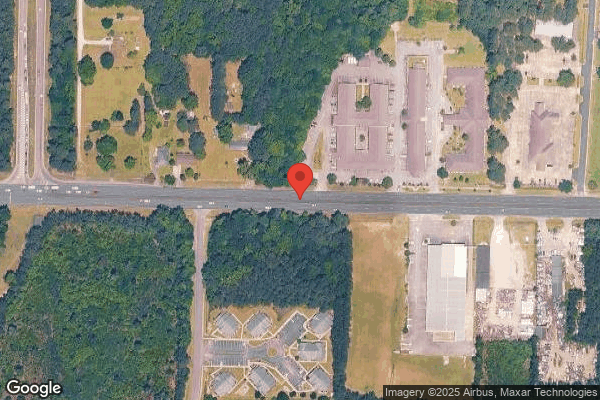
2320 Highway 378, Conway, SC 29527 (843) 397-2273
For profit - Corporation 95 Beds THE ENSIGN GROUP Data: November 2025
Trust Grade
90/100
#4 of 186 in SC
Last Inspection: April 2025

Within standard 12-15 month inspection cycle. Federal law requires annual inspections.

Overview

Compass Post Acute Rehabilitation in Conway, South Carolina, has received a Trust Grade of A, indicating it is excellent and highly recommended among nursing homes. It ranks #4 out of 186 facilities in the state and #2 out of 8 in Horry County, placing it in the top tier of options available. However, the facility's trend is concerning as it has worsened, increasing from 1 issue in 2024 to 2 in 2025. Staffing is a weak point, with a rating of 2 out of 5 stars and a turnover rate of 40%, which is better than the state average but still below ideal. Notably, there have been incidents where staff failed to properly wash their hands after removing gloves, which risks food contamination, and residents were not given a chance to attend care conferences to voice their needs, indicating areas for improvement despite having no fines on record and average RN coverage.

Trust Score
A
90/100
In South Carolina
#4/186
Top 2%
Safety Record
Low Risk
No red flags
Inspections
Getting Worse
1 → 2 violations
Staff Stability
○ Average
40% turnover. Near South Carolina's 48% average. Typical for the industry.
Penalties
✓ Good
No fines on record. Clean compliance history, better than most South Carolina facilities.
Skilled Nurses
○ Average
Each resident gets 34 minutes of Registered Nurse (RN) attention daily — about average for South Carolina. RNs are the most trained staff who monitor for health changes.
Violations
✓ Good
Only 3 deficiencies on record. Cleaner than most facilities. Minor issues only.
★★★★★
5.0
Overall Rating
★★☆☆☆
2.0
Staff Levels
★★★★★
5.0
Care Quality
★★★★☆
4.0
Inspection Score
Stable
2024: 1 issues
2025: 2 issues

The Good

  • 5-Star Quality Measures · Strong clinical quality outcomes
  • Full Sprinkler Coverage · Fire safety systems throughout facility
  • No fines on record
  • Staff turnover below average (40%)

    8 points below South Carolina average of 48%

Facility shows strength in quality measures, fire safety.

The Bad

Staff Turnover: 40%

Near South Carolina avg (46%)

Typical for the industry

Chain: THE ENSIGN GROUP

Part of a multi-facility chain

Ask about local staffing decisions and management

The Ugly 3 deficiencies on record

Apr 2025 2 deficiencies
CONCERN (D)

Potential for Harm - no one hurt, but risky conditions existed

Deficiency F0657 (Tag F0657)

Could have caused harm · This affected 1 resident

**NOTE- TERMS IN BRACKETS HAVE BEEN EDITED TO PROTECT CONFIDENTIALITY** Based on record reviews, and interviews, the facility failed to ensure five of 22 sample residents (Resident (R)9, R52, R3, R16,...

Read full inspector narrative →
**NOTE- TERMS IN BRACKETS HAVE BEEN EDITED TO PROTECT CONFIDENTIALITY** Based on record reviews, and interviews, the facility failed to ensure five of 22 sample residents (Resident (R)9, R52, R3, R16, and R34) were provided with the opportunity to attend their care conferences to express their concerns and needs. This failure has resulted in care conference's being completed without residents and/or representative's input and attendance. Findings include: 1. Review of R9's admission Record, found in the resident's electronic medical record (EMR) under the Census tab revealed the facility admitted the resident on 01/22/24. Review of R9's quarterly Minimum Data Set (MDS) with an Assessment Reference Date (ARD) of 03/10/25, located in the resident's EMR under the MDS tab, revealed the facility assessed R9 to have a Brief Interview for Mental Status (BIMS) score of 15 out of 15 which indicated the resident was cognitively intact. Review of R9's scanned records included a quarterly Care Conference (Care Plan Review) form, dated 04/23/24, under the EMR Miscellaneous tab. The note documented the participants, Social Services Director (SSD), Minimum Data Set Coordinator (MDSC)1, Dietary Manager (DM), and the Activities Director (AD), included the following: invitations to R9, resident representative, offer of the care plan, face sheet information verification, and advance directives verification. The form indicated the resident declined to attend the care conference. Review of R9's scanned records included a quarterly Care Conference (Care Plan Review form, dated 07/23/24, under the EMR Miscellaneous tab. The note documented the participants, SSD, MDSC1, DM, and the AD, included the following: invitations to R9, resident representative, both R9 and his representative attended. Review of R9's scanned records included a quarterly Care Conference (Care Plan Review form, dated 10/24/24, under the EMR Miscellaneous tab. The note documented the participants, SSD, MDSC1, DM, and the AD, included the following: an invitation was placed in R9's room on 10/08/24, an invitation was mailed to his resident representative on 10/01/24, and offer of the care plan was declined. Resident update included Alert and oriented, prefers in room activities, likes family visits, needs help with all ADLs [activities of daily living]. Review of R9's scanned records included an annual Care Conference (Care Plan Review form, dated 12/24/24, under the EMR Miscellaneous tab. The note documented the participants, SSD, MDSC1, DM, AD, and therapy, included the following: an invitation was placed in R9's room on 11/25/24, an invitation was mailed to his resident representative on 11/25/24, and the offer of the care plan was declined. Review of R9's scanned records included a quarterly Care Conference (Care Plan Review form, dated 03/18/25, under the EMR Miscellaneous tab. The note documented the participants, SSD, MDSC1, DM, AD, and therapy, included the following: an invitation was placed in R9's room on 02/28/25, an invitation was mailed to his resident representative on 02/28/25, and an offer of the care plan was declined. During an interview on 04/08/25 at 3:15 PM with R9 he stated was not sure what a care plan conference was. He doubted he had attended any meeting with a group of people. Telephone interview on 04/10/25 at 4:56 PM with Family Member (FM)2 revealed she had only received one invitation for a care conference meeting. SFM2had attended that meeting. She had not received any notifications mailed to her about coming to another care conference. She indicated if she had been invited, she would respond and come to the conference or would like to participate in the conference during a phone call. 2. Review of R52's admission Record, found in the resident's EMR under the Census tab revealed the facility admitted the resident on 09/23/23. Review of R52's quarterly MDS with an ARD of 01/09/25, found in the resident's EMR under the MDS tab, revealed the facility assessed R52 to have a BIMS score of 03 out of 15 which indicated the resident was severely cognitively impaired. R52's scanned records included a quarterly Care Conference (Care Plan Review form, dated 10/01/24, under the EMR Miscellaneous tab. The note documented the participants, SSD, MDSC1, DM, AD, and therapy, included the following: an invitation was placed in R52's room on 09/06/24, an invitation was mailed to his resident representative on 09/06/24, and an offer of the care plan was declined. Resident update included Continues on [name] hospice. Enjoys spending time with wife and family visits. Attends most activities. It had been indicated that neither R52 nor his representative attended. It had been documented they declined to attend. R52's scanned records included a quarterly Care Conference (Care Plan Review form, dated 01/21/25, under the EMR Miscellaneous tab. The note documented the participants, SSD, MDSC1, DM, AD, and therapy, included the following: an invitation was placed in R52's room on 12/27/24, an invitation was mailed to his resident representative on 12/27/24, and an offer of the care plan was declined. Resident update included Alert with confusion, needs help with some activities. Needs help with some activities of daily living. It had been indicated that neither R52 nor his representative attended. It had been documented they declined to attend. R52's scanned records included an annual Care Conference (Care Plan Review form, dated 04/01/25, under the EMR Miscellaneous tab. The note documented the participants, SSD, MDSC1, DM, AD, and therapy, included the following: an invitation was placed in R52's room on 02/28/25, an invitation was mailed to his resident representative on 02/28/25, and an offer of the care plan was declined. Resident update included Alert with confusion, needs help with some activities. Needs help with some activities of daily living. It had been indicated that neither R52 nor his representative attended. It had been documented they declined to attend. 3. Review of R3's update Face Sheet, located in R3's EMR under the Profile tab, revealed R3 was admitted to the facility on [DATE] with a diagnosis that included cerebral palsy, unspecified, and malignant neoplasm of unspecified site of left female breast. Review of the quarterly Minimum Data Set (MDS) with the Assessment Reference Date (ARD) on 01/29/25, located under the MDS tab, revealed a Brief Interview for Mental Status (BIMS) score of 14 out of 15, which indicated R3 was cognitively intact. Review of the Care Plan Conference Review Meeting Sign in Sheet located in R3's EMR under the Miscellaneous tab revealed R3 had a quarterly Care Plan Conference Review on 03/12/24, the invite request was placed in R3's room on 02/29/24. On attendance, it indicated the resident declined. Care Plan Conference Review on 08/27/24 (quarterly), the invite requested was placed in R3's room on 08/21/24. On attendance, it indicated that R3 declined. Care Plan Conference Review (quarterly) on 02/04/25, the invite was placed in R3's room on 12/27/24. On attendance, it indicated that R3 declined. 4. Review of R16's update Face Sheet, located in R16's EMR under the Profile tab, revealed R16 was admitted to the facility on [DATE] with a diagnosis that included epilepsy, unspecified, not intractable, without status epilepticus, cognitive communication deficit, and, bipolar disorder, unspecified. Review of the annual (MDS with an ARD on 02/21/25, located under the MDS tab, revealed a BIMS score of 15 out of 15, which indicated R16 was cognitively intact. Review of the Care Plan Conference Review Meeting Sign in Sheet located in R16's EMR under the Miscellaneous tab revealed R16 had a quarterly Care Plan Conference Review on 07/22/24, the invite request was placed in R16's room on 06/11/24. On attendance, it indicated the resident declined. Care Plan Conference Review (quarterly) on 09/24/24, the invite was placed in the room on 09/06/24. On attendance, it indicated the resident declined. Care Plan Conference Review (quarterly) on 12/10/24, the invite was placed in the room on 11/25/24. On attendance, it indicated the resident declined. Care Plan Conference Review (quarterly) on 02/25/25, the invite was placed in the room on 01/27/25. On attendance, it indicated the resident declined. 5. Review of R34's update Face Sheet, located in R34's EMR under the Profile tab, revealed R34 was admitted to the facility on [DATE] with a diagnosis that included Parkinson's disease without dyskinesia, without mention of fluctuations, alcohol abuse, uncomplicated, and unspecified visual loss. Review of the quarterly MDS with the ARD) on 03/05/25, located under the MDS tab, revealed a BIMS score of 11 out of 15, which indicated R34 was moderately cognitively intact. Review of the Care Plan Conference Review Meeting Sign in Sheet located in R34 EMR under the Miscellaneous tab revealed R34 had a quarterly Care Plan Conference Review on 07/23/24, the invite request was placed in R34 room on 07/04/23. On attendance, it indicated the resident declined. Care Plan Conference Review (quarterly) on 10/01/24, the invite was placed in the room on 09/06/24. On attendance, it indicated the resident declined. Care Plan Conference Review (annual) on 12/24/24, the invite was placed in the room on 11/25/24. On attendance, it indicated the resident declined. Care Plan Conference Review (quarterly) on 03/11/25, the invite was placed in the room on 02/28/25. On attendance, it indicated the resident declined. During an interview on 04/09/25 at 5:06 PM with the Social Service Director (SSD) revealed that providing the resident with an invitation to the care plan meeting. On the invite, it indicates to contact the SSD to set up a time. When people do not make contact with her, the Interdisciplinary Team (IDT) goes ahead and has the meeting. There are only a couple of people who attend the Care Plan meetings. When asked about follow-up with residents after providing the invite, the SSD indicated not having any follow-up with residents, family members, or resident representatives. When asked about the decline, the SSD revealed that how it is indicated the resident did not attend. During an interview on 04/10/25 at 12:08 PM with the Administrator and Director of Nursing (DON), the DON indicated not being aware that this was the process that was being used and documented for the care conference. The Administrator also indicated being unaware of the process and the care conference attendance sheet showing declined.
CONCERN (F)

Potential for Harm - no one hurt, but risky conditions existed

Food Safety (Tag F0812)

Could have caused harm · This affected most or all residents

**NOTE- TERMS IN BRACKETS HAVE BEEN EDITED TO PROTECT CONFIDENTIALITY** Based on observation, interview, and policy review, the facility failed to ensure three of three observed employes (Cook1, Cook2...

Read full inspector narrative →
**NOTE- TERMS IN BRACKETS HAVE BEEN EDITED TO PROTECT CONFIDENTIALITY** Based on observation, interview, and policy review, the facility failed to ensure three of three observed employes (Cook1, Cook2, and Cook3) performed handwashing after they removed gloves prior to putting on a new pair. Cooks 1 and 3 touched foods with their gloved hands after touching other surfaces which put the food at risk of being contaminated. Findings include: Review of the facility's 2020 Guideline and Procedure policy indicated, All employees will use proper hand washing procedures and glove usage in accordance with State and Federal sanitation guidelines. Employees will wash hands before and after handling foods, after touching any part of the uniform, face, or hair, and before and after working with an individual resident. Gloves are to be used whenever direct [NAME] contact is required. Hands are washed before donning gloves after removing gloves. Gloves are changed any time hand washing would be required. This includes when leaving the kitchen for a break, or to go to another location in the building; after handling potentially hazardous raw food; or if the gloves become contaminated by touching the face, hair, uniform, or other non-food contact surface, such as door handles and equipment. Staff should be reminded that gloves become contaminated just as hands do and should be changed often. When in doubt, remove gloves and wash hands again. When gloves must be changed, they are removed, hand washing procedure is followed, and a new pair of gloves is applied. Gloves are never placed on dirty hands; the procedure is always wash, glove, remove, rewash, and re-glove. Review of a 03/13/24 Dietary Uniform Policy in-service included Disposable gloves must be worn when handling food, you must change your gloves in between tasks, when leaving the back line, you must remove your gloves wash your hand and put new gloves on. The in-service had been attended by Cook1, Cook2, and Cook3. Observation of tray service with Cook1 and Cook2 on 04/10/25 at 11:35 AM revealed [NAME] 1 had gloves on, used a suction device to place a heated base onto an insulated bottom and place a heated plate on the insulated bottom. She would change her gloves, place those soiled gloves either in her uniform pocket, a cart next to the steam table, or on the counter next to the heated plate machine. She did not wash her hands before she put new gloves on, at times she touched the fried chicken and potato slices to ensure the portion stayed on the plate. [NAME] 2 was taking the resident trays and placed the plated food on them, retrieved covers to cover the food, and put the trays in the tray cart. She wore the same pair of gloves the entire time. She also put dishes of coleslaw and desserts on the trays. Observation on 04/10/25 at 12:15 PM of Cook3 revealed [NAME] 1 placed a stuffed cabbage roll on a plate. [NAME] 3 took that plated cabbage roll from the tray line to the front counter. He changed his gloves and did not wash his hands before putting on a new pair of gloves. He placed a cutting board on the counter and retrieved a knife from a knife holder. He then used his gloved hands and picked up the cabbage roll and placed it on the cutting board, while he held the cabbage roll, he sliced it into pieces. He then used his gloved hands and held the cut-up cabbage roll and slid the knife under it and placed it in back on the plate. He changed his gloves without washing his hands in between the soiled gloves and the new pair of gloves and carried the plated cabbage roll back to the tray line. Observation on 04/10/25 at 12:3 PM of Cook3 revealed he used his gloved hands to take a hamburger bun out of the bag and then placed the hamburger on the bun. He used his gloved hands to hold the hamburger while he held it, he then put it on a plate. He removed his gloves and lifted the cover of a garbage can and put a new pair of gloves on without washing his hands. [NAME] 3 then picked up the plated hamburger and carried it back to the tray line where [NAME] 2 placed on a resident tray. Observation on 04/10/25 from 11:35 AM through 12:30 PM revealed no staff had washed their hands. The handwashing sink was behind the tray carts. No staff moved the trays carts to use the handwashing sink. Interview on 04/10/25 at 12:45 PM with the Dietary Manager confirmed the dietary staff including Cooks1, 2, and 3 had not washed their hands between glove changes She agreed if they had changed gloves they should have washed their hands. She also said the lids on the large garbage cans in the kitchen stayed on at all times. She agreed that if staff lifted the lids of the garbage cans after they washed their hands, they contaminated their hands. Interview on 04/10/25 at 6:15 PM with the Administrator revealed the staff in the kitchen had been educated several times on the importance of handwashing between glove changes.
Mar 2024 1 deficiency
CONCERN (F)

Potential for Harm - no one hurt, but risky conditions existed

Food Safety (Tag F0812)

Could have caused harm · This affected most or all residents

**NOTE- TERMS IN BRACKETS HAVE BEEN EDITED TO PROTECT CONFIDENTIALITY** Based on observations, interviews, and review of facility policy, the facility failed to ensure foods that were stored in the fr...

Read full inspector narrative →
**NOTE- TERMS IN BRACKETS HAVE BEEN EDITED TO PROTECT CONFIDENTIALITY** Based on observations, interviews, and review of facility policy, the facility failed to ensure foods that were stored in the freezer, refrigerators and dry food storage were appropriately sealed, labeled, dated with a use by date, and/or discarded after the manufacturer's expiration date. This had the potential to affect all residents who received meal trays from the kitchen. Findings include: Review of the facility's undated policy titled, Food Storage (Dry, Refrigerated, and Frozen) revealed, General storage guidelines to be followed: a. all food items will be labeled. The label must include the name of the food and the date by which it should be sold, consumed, or discarded, 2. Aprons, guideline: Aprons shall be worn when preparing or serving food, Procedure: 1. Cloth aprons shall be worn during food production, 2. Disposable aprons shall be worn when washing dishes, 3. Cloth aprons should be removed when leaving the kitchen. Guideline: Food storage Label & Dating, procedure: 1. Products in the freezer that are opened must be labeled with an open date and expiration date. If you do not use of the product, and place part of the product back in the box it must be wrapped appropriately, and dated with an open date and same expiration date. During an observation on 03/24/24 at 10:45 AM, of the walk-in freezer revealed the following: 1 - package of chicken breasts containing 6 chicken breasts was opened and not dated or labeled. 1 - bag of shrimp which was opened with clear plastic wrap over the bag, not dated or labeled. 1 - 1 lbs bag of chicken breast fritters which was opened and not dated or labeled. During an observation on 03/25/24 at 10:32 AM, of the walk-in refrigerator revealed the following: 1 - 8 ounce (oz) package of bagels that were opened and not dated or labeled. 1 - 32 oz carton traditional scrambled egg mix liquid egg product which was opened, not dated or labeled. 1 - box of tomatoes (cherry tomatoes) with a label indicating 03/18/24, however the good through date was smeared and not legible. During a follow-up observation on 03/26/24 at 7:51 AM, of the walk-in freezer revealed the following: 1 - box of 48 4 fluid (fl) oz of Blue Bunny chocolate marble ice cream on the floor. 1 - box of 48 4 fl oz of Blue Bunny vanilla ice cream on the floor. 3 - 4 fl oz of vanilla ice cream out of boxes on the floor. 1 - box of okra with label on box indicating 01/09/24 good through date 02/10/24. 1 - box chicken cordon bleu with label on box indicating 01/05/24 good through 02/13/24. 1 - 40 portions box of pork steak fritters with label on box indicating 12/08/23 good through 12/31/23. During an observation on 03/26/24 at 12:30 PM, the emergency water supply revealed 250, 1-gallon jugs of [NAME] Alpine Spring Water dated 01/10/23 with a manufacturer's best by date of 3/22/23. During an interview on 03/24/24 at 10:50 AM, the Dietary Manager (DM) revealed that it is her practice to place open bags and containers in dated and labeled boxes and not date label actual packages. During an interview on 03/25/24 at 8:00 AM, the DM stated the good through labels on the stickers on the outside of the box are the expiration dates for what the box contains. During an interview on 03/27/24 at 10:12 AM, the Administrator revealed that the dietary manager manages the kitchen, but he oversees the kitchen along with everything else, and he goes through the kitchen at least once a day to make sure things are labeled, clean and there is no build up on the equipment. The Administrator further states that the dietary manager has a good system, and he trusts her labeling system, but something thing can happen. The Administrator revealed his expectation for open packages is that they be labeled for the date it was opened.
Understanding Severity Codes (click to expand)
Life-Threatening (Immediate Jeopardy)
J - Isolated K - Pattern L - Widespread
Actual Harm
G - Isolated H - Pattern I - Widespread
Potential for Harm
D - Isolated E - Pattern F - Widespread
No Harm (Minor)
A - Isolated B - Pattern C - Widespread

Questions to Ask on Your Visit

  • "Can I speak with families of current residents?"
  • "What's your RN coverage like on weekends and overnight?"

Our Honest Assessment

Strengths
  • • Grade A (90/100). Above average facility, better than most options in South Carolina.
  • • No major safety red flags. No abuse findings, life-threatening violations, or SFF status.
  • • No fines on record. Clean compliance history, better than most South Carolina facilities.
  • • Only 3 deficiencies on record. Cleaner than most facilities. Minor issues only.
Concerns
  • • No significant concerns identified. This facility shows no red flags across CMS ratings, staff turnover, or federal penalties.
Bottom line: Generally positive indicators. Standard due diligence and a personal visit recommended.

About This Facility

What is Compass Post Acute Rehabilitation's CMS Rating?

CMS assigns Compass Post Acute Rehabilitation an overall rating of 5 out of 5 stars, which is considered much above average nationally. Within South Carolina, this rating places the facility higher than 99% of the state's 100 nursing homes. This rating reflects solid performance across the metrics CMS uses to evaluate nursing home quality.

How is Compass Post Acute Rehabilitation Staffed?

CMS rates Compass Post Acute Rehabilitation's staffing level at 2 out of 5 stars, which is below average compared to other nursing homes. Staff turnover is 40%, compared to the South Carolina average of 46%. This relatively stable workforce can support continuity of care.

What Have Inspectors Found at Compass Post Acute Rehabilitation?

State health inspectors documented 3 deficiencies at Compass Post Acute Rehabilitation during 2024 to 2025. These included: 3 with potential for harm.

Who Owns and Operates Compass Post Acute Rehabilitation?

Compass Post Acute Rehabilitation is owned by a for-profit company. For-profit facilities operate as businesses with obligations to shareholders or private owners. The facility is operated by THE ENSIGN GROUP, a chain that manages multiple nursing homes. With 95 certified beds and approximately 81 residents (about 85% occupancy), it is a smaller facility located in Conway, South Carolina.

How Does Compass Post Acute Rehabilitation Compare to Other South Carolina Nursing Homes?

Compared to the 100 nursing homes in South Carolina, Compass Post Acute Rehabilitation's overall rating (5 stars) is above the state average of 2.9, staff turnover (40%) is near the state average of 46%, and health inspection rating (4 stars) is above the national benchmark.

What Should Families Ask When Visiting Compass Post Acute Rehabilitation?

Based on this facility's data, families visiting should ask: "Can you walk me through typical staffing levels on day, evening, and night shifts?" "Can I visit during a mealtime to observe dining assistance and food quality?" "How do you handle medical emergencies, and what is your hospital transfer rate?" "Can I speak with family members of current residents about their experience?" These questions are particularly relevant given the below-average staffing rating.

Is Compass Post Acute Rehabilitation Safe?

Based on CMS inspection data, Compass Post Acute Rehabilitation has a clean safety record: no substantiated abuse findings (meaning no confirmed cases of resident harm), no Immediate Jeopardy citations (the most serious violation level indicating risk of serious injury or death), and is not on the Special Focus Facility watch list (a federal program monitoring the lowest-performing 1% of nursing homes). The facility has a 5-star overall rating and ranks #1 of 100 nursing homes in South Carolina. While no facility is perfect, families should still ask about staff-to-resident ratios and recent inspection results during their visit.

Do Nurses at Compass Post Acute Rehabilitation Stick Around?

Compass Post Acute Rehabilitation has a staff turnover rate of 40%, which is about average for South Carolina nursing homes (state average: 46%). Moderate turnover is common in nursing homes, but families should still ask about staff tenure and how the facility maintains care continuity when employees leave.

Was Compass Post Acute Rehabilitation Ever Fined?

Compass Post Acute Rehabilitation has no federal fines on record. CMS issues fines when nursing homes fail to meet care standards or don't correct problems found during inspections. The absence of fines suggests the facility has either maintained compliance or corrected any issues before penalties were assessed. This is a positive indicator, though families should still review recent inspection reports for the full picture.

Is Compass Post Acute Rehabilitation on Any Federal Watch List?

Compass Post Acute Rehabilitation is not on any federal watch list. The most significant is the Special Focus Facility (SFF) program, which identifies the bottom 1% of nursing homes nationally based on persistent, serious quality problems. Not being on this list means the facility has avoided the pattern of deficiencies that triggers enhanced federal oversight. This is a positive indicator, though families should still review the facility's inspection history directly.