PruittHealth- Conway At Conway Medical Center
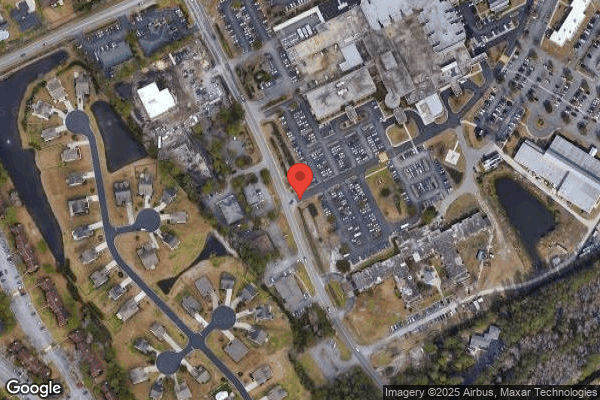
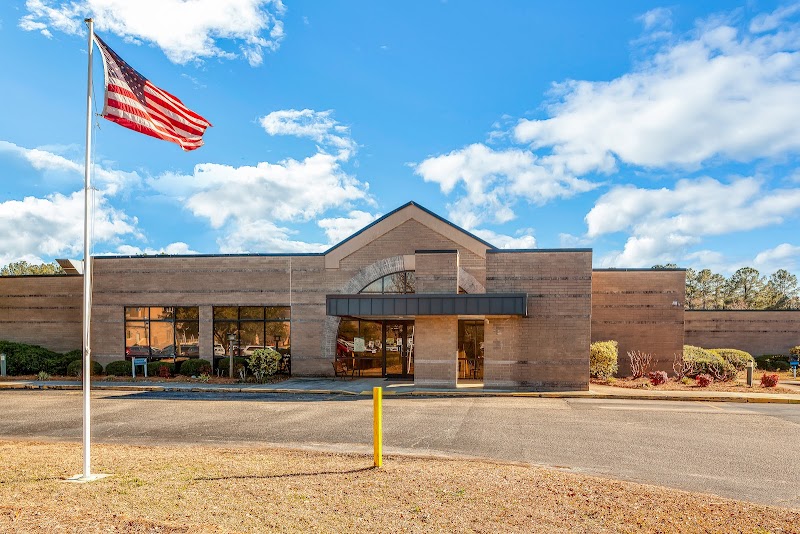
2379 Cypress Circle, Conway, SC 29526 (843) 347-8179
For profit - Corporation 88 Beds PRUITTHEALTH Data: November 2025 1 Immediate Jeopardy citation
Trust Grade
28/100
#167 of 186 in SC
Last Inspection: May 2025

Inspected within the last 6 months. Data reflects current conditions.

Overview

PruittHealth-Conway has a Trust Grade of F, which indicates significant concerns about the facility's care and operations. Ranked #167 out of 186 facilities in South Carolina, they are in the bottom half of all nursing homes in the state and last out of 8 in Horry County. While the facility is improving, having reduced issues from 12 to 8 over the last two years, it still reported 29 total problems, including a critical incident where a resident eloped during an event due to lack of supervision. Staffing levels are average with a turnover rate that matches the state average, but the facility benefits from having more registered nurse coverage than 87% of similar facilities. Additionally, there have been no fines recorded, which is a positive sign, but the facility has struggled with infection control and medication management, indicating areas that require immediate attention.

Trust Score
F
28/100
In South Carolina
#167/186
Bottom 11%
Safety Record
High Risk
Review needed
Inspections
Getting Better
12 → 8 violations
Staff Stability
⚠ Watch
46% turnover. Above average. Higher turnover means staff may not know residents' routines.
Penalties
✓ Good
No fines on record. Clean compliance history, better than most South Carolina facilities.
Skilled Nurses
✓ Good
Each resident gets 48 minutes of Registered Nurse (RN) attention daily — more than average for South Carolina. RNs are trained to catch health problems early.
Violations
⚠ Watch
29 deficiencies on record. Higher than average. Multiple issues found across inspections.
★☆☆☆☆
1.0
Overall Rating
★★★☆☆
3.0
Staff Levels
★★★☆☆
3.0
Care Quality
★☆☆☆☆
1.0
Inspection Score
Stable
2023: 12 issues
2025: 8 issues

The Good

  • Full Sprinkler Coverage · Fire safety systems throughout facility
  • No fines on record

Facility shows strength in fire safety.

The Bad

1-Star Overall Rating

Below South Carolina average (2.8)

Significant quality concerns identified by CMS

Staff Turnover: 46%

Near South Carolina avg (46%)

Higher turnover may affect care consistency

Chain: PRUITTHEALTH

Part of a multi-facility chain

Ask about local staffing decisions and management

The Ugly 29 deficiencies on record

1 life-threatening
May 2025 8 deficiencies
CONCERN (D)

Potential for Harm - no one hurt, but risky conditions existed

Deficiency F0558 (Tag F0558)

Could have caused harm · This affected 1 resident

Based on observation, interview, policy review, and record review, the facility failed to provide reasonable accommodation of resident needs and preferences for one (1) of 39 sampled residents, (Resid...

Read full inspector narrative →
Based on observation, interview, policy review, and record review, the facility failed to provide reasonable accommodation of resident needs and preferences for one (1) of 39 sampled residents, (Resident (R)39). The resident could not access his/her call light during three (3) different observations. Findings include: Review of facility policy titled, Nursing: Patient/Rights, Accommodation of Needs, dated 12/01/23, stated, It is the policy of this healthcare center to promote and protect the rights of the patients/residents residing in the center . Essential Points - Unless indicated in the care plan, each patient/resident, when in their room or in bed, must have the call light placed within reach at all times, regardless of staff assessment of patient/residents ability to use it. When the patient/resident is in bed, the call light should be fastened to the side rail he/she is facing. When out of the bed, the call bell is to be draped across the bed, so it is accessible from wheelchair, or bedside chair. Review of R39's Resident Face Sheet revealed the facility admitted the resident on 12/07/20. Review of R39's Progress Note Current Procedural Terminology (CPT) (Amended), dated 12/20/25, revealed the resident had diagnoses including but not limited to: Anxiety, Vascular Dementia, Unspecified Severity, with Anxiety, Type II Diabetes Mellitus, Hypertensive Heart Disease with Heart Failure, Atrial Fibrillation, Chronic Obstructive Pulmonary Disease (COPD), Chronic Respiratory Failure with Hypoxia, Thrombocytopenia, Long-Term Use of Anticoagulants, Hemiplegia and Hemiparesis Following Cerebral Infarction Affecting the Left Non-Dominant Side. Review of R39's Care Plan, dated 12/20/20, stated, Resident at risk for falling related to (R/T) weakness limited mobility, history of (H/O) Cerebrovascular Disease (CVA) and COVID19. Approach- Keep call light in reach at all times. Review of R39's Quarterly Minimum Data Set (MDS) with an Assessment Reference Date (ARD) of 02/13/25, revealed the resident had a Brief Interview Mental Status (BIMS) score of 11 out of 15, which indicated moderate cognitive impairment. Further review of the MDS revealed R39 required Partial/moderate assistance to roll from left to right and the resident was always incontinent of bowel and bladder. During an observation of R39 on 04/16/25 at 8:55 AM, revealed the resident to be in his/her bed, alert, awake, and oriented to person, place, and time. R39's call light was on the floor, on the left side of his/her bed and below his/her shoulder line. During an interview with R39 on 04/16/25 at 8:56 AM, revealed he/she did not always get help from the staff quickly because he/she could not often find his/her call light. During an observation on 04/16/25 at 9:05 AM, revealed Certified Nursing Assistant (CNA)12 entered the resident's room to assist with the resident's breakfast meal. During an observation on 04/16/25 at 9:20 AM, revealed CNA12 had exited the resident's room and the call light was observed to still be lying on the floor, in the same position as observed on 04/16/25 at 8:56 AM. During an observation of R39, on 04/17/25 at 9:34 AM, revealed the resident to be awake, alert and oriented to person, place and time. The resident was in the bed, with the head of the bed (HOB) elevated approximately 40 degrees. The resident's call light was noted to be clipped to the upper right side of the bed's siderail. When asked if R39 could reach the call light, R39 tried to reach behind to access the call light but was unable to access it. During an interview on 04/17/25 at 9:36 AM, CNA3 revealed R39's call light should have been clipped on the resident and not on the side rail where the resident could not access it. CNA3 stated that he/she was unsure who had placed the call light like that, but it was wrong. CNA3 went on to state that the call lights were to be checked for correct placement upon every staff round. During an interview on 04/18/25 at 8:13 AM, Registered Nurse (RN)7 revealed that every hour or two, staff completed rounds on all the residents and at that time staff checked for the placement of the call lights so that the residents could have access to them. RN7 stated that he/she would expect staff to notice a call light was on the floor. During an interview on 04/18/25 at 8:30 AM, the Director of Nursing (DON) revealed that every time staff went into a resident's room, they should have looked to see where the call light was before an incident occurred because the resident could not reach their call light.
CONCERN (D)

Potential for Harm - no one hurt, but risky conditions existed

Deficiency F0583 (Tag F0583)

Could have caused harm · This affected 1 resident

Based on observation, interview, facility policy review, and record review, the facility failed to protect the personal privacy and confidentiality of personal and medical records for two (2) of five ...

Read full inspector narrative →
Based on observation, interview, facility policy review, and record review, the facility failed to protect the personal privacy and confidentiality of personal and medical records for two (2) of five (5) sampled residents, (Resident (R)37 and R73). Specifically, the Electronic Medication Administration Records (EMR) were not minimized and/or concealed while the medication cart was left unattended by a Registered Nurse (RN). Findings include: Review of the facility's policy titled Privacy Practices: Use of Notice of Privacy Practices for Protected Health Information (PHI), dated 05/16/23, stated, Protected Health Information (or PHI) is individually identifiable health information. Health information means any information, whether oral or recorded in any medium, that: Is created or received by (facility) or an affiliated entity or business associate, and Relates to the past, present or future physical or mental health or condition of an individual: the provision of health care to an individual . Review of the facility's policy and procedure, titled, Medication Administration: General Guidelines, dated 07/22/24, stated, During routine administration of medications, the medication cart is kept in the doorway of the patient/resident's room, with open drawers facing inward and all other sides closed and locked . and all outward sides must be inaccessible to patients/visitors or other passing by. 1. Review of R37's Resident Face Sheet revealed, the facility admitted the resident on 11/07/24. Review of R37's Progress Note dated 03/31/25, revealed, the resident had diagnoses including but not limited to: Constipation, Chronic Kidney Disease, and Functional Quadriplegia. Review of R37's Quarterly Minimum Data Set (MDS) with an Assessment Reference Date (ARD) of 02/20/25, revealed the resident had a Brief Interview for Mental Status (BIMS) score of seven(7) out of 15, which indicated the resident had severe cognitive impairment, and the resident was not interviewable. During an observation of a medication administration pass for R37, on 04/14/25 at 11:15 AM, by Registered Nurse (RN)5, revealed once he/she had completed the preparation of R37's medications, he/she failed to minimize and/or conceal the Electronic Medication Administration Record. Continued observation of the medication cart, at this time, revealed the cart was left sitting in the hallway, several doors down from R37's doorway, and was unattended by staff. One (1) resident was observed sitting in a wheelchair directly across from the unattended cart. 2. Review of R73's Progress Note, dated 04/10/25, revealed the facility had admitted the resident on 03/11/25, status post hospitalization from a fall at home, which resulted in a Right Open Reduction Internal Fixation (ORIF). Continued review of the Progress Note, revealed the resident had diagnoses including but not limited to: Pancreatic Cancer, Generalized Weakness, and Seasonal Allergies. Review of R73's Comprehensive MDS with an ARD of 03/24/25, revealed the resident's BIMS score was 14 out of 15, which indicated the resident was cognitively intact, and the resident was interviewable. During an observation of a medication administration pass for R73, on 04/14/25 at 11:50 AM, by RN5, revealed once RN5 had completed the preparation of the resident's medications, he/she failed to minimize and/or conceal the Electronic Medication Administration Record. Continued observation of the medication cart, at this time, revealed the cart was left sitting in the hallway, several doors down from R73's doorway, and was unattended by staff. One (1) resident was observed sitting in a wheelchair directly across from the unattended cart. During an interview on 04/15/25 at 3:00 PM, RN5 revealed he/she should have closed the screen on the Electronic Medical Record (EMR) once he/she had left the cart unattended due to privacy issues. During an interview on 04/18/25 at 8:13 AM, RN7 revealed that anytime a medication cart was left unattended, the Walk Away Button should be activated in order to protect resident records. RN7 revealed patients and/or visitors would be able to view residents' protected information if the screen was not shut down. RN7 also revealed that the medication cart should be placed in front of the resident's room when that specific resident was receiving their medications. During an interview on 04/18/25 at 8:30 AM, the Director of Nursing (DON) stated the medication cart should be placed at the doorway of the resident who received the medications, and the EMR screen should be minimized in order to be adherent to HIPAA laws. During an interview on 04/18/25 at 9:49 AM, the Administrator revealed it was his/her expectation that privacy was maintained on all residents, and that all staff had received education on this upon hire.
CONCERN (D)

Potential for Harm - no one hurt, but risky conditions existed

MDS Data Transmission (Tag F0640)

Could have caused harm · This affected 1 resident

Based on review of facility policy, record review and interview, the facility failed to electronically transmit encoded, accurate, and complete Minimum Data Set (MDS) data to the CMS System for seven ...

Read full inspector narrative →
Based on review of facility policy, record review and interview, the facility failed to electronically transmit encoded, accurate, and complete Minimum Data Set (MDS) data to the CMS System for seven (7) out of 74 resident reviewed. Findings include: The facility's MDS Assessment policy dated 12/06/22 stated, It is the policy of this healthcare center that each Minimum Data Set (MDS) reflect the acuity and the medical status of each patient/resident in accordance with acceptable professional standards and practices. The assessment will be scheduled to accurately account for the acuity and complexity of the patient/resident. Each Assessment Reference Date (ARD) will be chosen to capture services rendered and reflect an accurate clinical profile of each patient/resident. The Interdisciplinary Team will be assessing based on a set ARD to maintain accuracy, timeliness, and consistency, and generate the most effective Plan of Care for each patient/resident. Review of resident records revealed Resident (R)32's MDS was assigned 03/04/25, due 03/05/25, and sent to the facility's corporate office on 04/17/25, which was greater than 14 days after completion. The most recent MDS was submitted to CMS on 12/04/24. R3's Quarterly MDS was assigned 02/28/25, due 02/27/25, and sent to the facility's corporate office on 04/17/25, which was greater than 14 days after completion. The most recent MDS for a significant change was submitted to CMS on 12/03/24. R16's Quarterly MDS was assigned 03/04/25, due 03/05/25, and sent to the facility's corporate office on 04/18/25, which was greater than 14 days after completion. The most recent MDS was submitted to CMS on 12/08/24. R18's Quarterly MDS was assigned 03/06/25, due 03/07/25, and sent to the facility's corporate office on 04/18/25, which was greater than 14 days after completion. The most recent MDS was submitted to CMS on 12/05/24. R33's Quarterly MDS was assigned 03/04/25, due 03/05/25, and sent to the facility's corporate office on 4/18/25, which was greater than 14 days after completion. The most recent MDS was submitted to CMS on 12/03/24. R44's Quarterly MDS was assigned 03/06/25, due 03/08/25, and sent to the facility's corporate office on 04/18/25, which was greater than 14 days after completion. The most recent MDS was submitted to CMS on 12/03/24. R61's Quarterly MDS was assigned 03/04/25, due 03/05/25, and sent to the facility's corporate office on 04/17/25, which was greater than 14 days after completion. The most recent MDS was submitted to CMS on 12/04/24. During an interview on 04/18/25 at 9:30 AM, the MDS Nurse confirmed that the MDS submissions were submitted late. The MDS Nurse stated they were supposed to complete the MDS and submit to the facility's headquarters; headquarters would then submit to CMS. The MDS Nurse stated that the facility lost the Admissions Director and Social Worker, and the facility hired a new Director of Nursing and a new Administrator. The MDS Nurse stated that they were filling in for several positions and with all the turnover, the MDS submissions got overlooked.
CONCERN (D)

Potential for Harm - no one hurt, but risky conditions existed

Assessment Accuracy (Tag F0641)

Could have caused harm · This affected 1 resident

Based on observations, interviews, facility policy review, and record review, the facility failed to accurately reflect the resident's status for one (1) of five (5) sampled residents. Specifically, t...

Read full inspector narrative →
Based on observations, interviews, facility policy review, and record review, the facility failed to accurately reflect the resident's status for one (1) of five (5) sampled residents. Specifically, the Registered Nurse (RN) failed to accurately document an Accu-check (a device used to check blood sugars) result for Resident (R)73. Findings include: The facility did not provide a copy of the policy and procedure related to accuracy and documentation of resident assessment; however, review of the Evencare G3 Blood Glucose Monitoring System: Certified Instructor Record Competency Checklist revealed that staff should record the patient result accurately. Review of R73's Progress Note dated 04/10/25, revealed the facility admitted the resident on 03/11/25, status post hospitalization from a fall at home, which resulted in a Right Open Reduction Internal Fixation (ORIF). Continued review of the Progress Note, revealed diagnoses including but not limited to: Pancreatic Cancer, Generalized Weakness, and Seasonal Allergies. Review of R73's Comprehensive Minimum Data Set (MDS) with an Assessment Reference Date (ARD) of 03/24/25, revealed the resident's Brief Interview for Mental Status (BIMS) score was 14 out of 15, which indicated the resident was cognitively intact and interviewable. Continued review of the MDS revealed the resident had a diagnosis of Diabetes Mellitus and the resident had received seven (7) doses of insulin in the past seven (7) days or since admission/entry or re-entry if less than seven (7) days. Review of R73's Medication Administration History, dated 04/01/25 - 04/15/25, revealed the following prescriber's orders: Novolog Flexpen U-100 Insulin (insulin aspart u-100) Insulin pen; 100 units per milliliter (mL) Amount to administer per mL: . if Blood Sugar is 250 to 299 give six (6) units. Before meals and at bedtime. Start 3/11/25.[sic] During an observation of Registered Nurse (RN)5, on 04/15/25 at 11:45 AM, revealed the nurse checked the resident's blood sugar with the blood glucose monitoring machine and obtained a value of 262. Continued observation of RN5, upon arrival back to the medication cart, revealed the nurse could not remember the blood glucose value. The nurse was then observed to pick up the glucose machine, push a button, and stated, It was 264. Review of the View Vital screen, in the Electronic Medical Record (EMR), it was observed that RN5 had documented the blood glucose for R73 as a value of 264. During an observation on 04/16/25 at 9:30 AM, of the blood glucose monitoring re-call screen, with Unit Manager (UM)6 and the Director of Nurses (DON), revealed the actual value of R73's blood glucose on 04/15/25 was not 264, but rather 262. During an interview on 04/15/25 at 3:00 PM, RN5 revealed he/she had forgotten the actual blood glucose value by the time he/she had gotten back to the medication cart to draw up the resident's sliding scale insulin, and he/she should not have guessed on what the blood sugar actually had been. RN5 stated that he/she actually had no idea on how to recall a blood glucose value on the glucose machine. RN5 stated that he/she should have re-checked the resident's blood sugar again before any insulin had been administered and recorded that value in the EMR. During an interview with RN7 on 04/18/25 at 8:13 AM, RN7 revealed the glucose monitoring machine had a memory button on it so that previous blood sugar values could be re-called, and staff had received training on how to use it. RN7 stated if he/she had forgotten a blood sugar value, he/she would either recall the number on the machine, or re-check the value so the proper amount of insulin could be administered. RN7 stated he/she would then accurately record the value in the EMR. During an interview with the Director of Nursing (DON) on 04/18/25 at 8:30 AM, revealed there was a memory button on the glucose monitor the nurse had been trained to use. The DON stated RN5 should have asked for help with the machine, and not just blindly administer insulin to the resident, and record an inaccurate finding.
CONCERN (D)

Potential for Harm - no one hurt, but risky conditions existed

Comprehensive Care Plan (Tag F0656)

Could have caused harm · This affected 1 resident

Based on observation, interview, facility policy review and record review, the facility failed to develop and implement a comprehensive person-centered care plan for each resident, that included measu...

Read full inspector narrative →
Based on observation, interview, facility policy review and record review, the facility failed to develop and implement a comprehensive person-centered care plan for each resident, that included measurable objectives and timeframes to meet a resident's medical, nursing, and mental and psychosocial needs that were identified in the comprehensive assessment. Specifically, Resident (R)39 did not have his/her call light within reach as outlined in the care plan. Additionally, R37 was not care planned for Enhanced Barrier Precautions (EBP). This affected two (2) of seven (7) sampled residents. Findings include: 1. Review of R39's Resident Face Sheet, revealed the facility admitted the resident on 12/07/20. Review of R39's Progress Note Current Procedural Terminology (CPT) (Amended), dated 12/20/25, revealed the resident had diagnoses including but not limited to: Anxiety, Vascular Dementia, Unspecified Severity, with Anxiety, Type II Diabetes Mellitus, Hypertensive Heart Disease with Heart Failure, Atrial Fibrillation, Chronic Obstructive Pulmonary Disease (COPD), Chronic Respiratory Failure with Hypoxia, Thrombocytopenia, Long-Time Use of Anticoagulants, Hemiplegia and Hemiparesis Following Cerebral Infarction Affecting the Left Non-Dominant Side. Review of R39's Care Plan dated 12/20/20, stated, Resident at risk for falling related to (R/T) weakness limited mobility, history of (H/O) Cerebrovascular Disease (CVA) and COVID19. Approach - Keep call light in reach at all times. During an observation of R39, on 04/16/25 at 8:55 AM, revealed the resident in his/her bed, alert, awake, and oriented to person, place, and time. During an interview with R39, on 04/16/25 at 8:56 AM, revealed he/she did not always get help from the staff quickly because he/she could not often find his/her call light. During an observation on 04/16/25 at 8:56 AM, revealed the resident's call light was on the floor, on the left side of his/her bed, and below his/her shoulder line. During an observation on 04/16/25 at 9:05 AM, revealed Certified Nursing Assistant (CNA)8 entered R39's room to assist with the resident's breakfast meal. During an observation on 04/16/25 at 9:20 AM, revealed CNA8 exited R39's room and the call light was observed to still be lying on the floor, in the same position as observed on 04/16/25 at 8:56 AM. During an observation of R39 on 04/17/25 at 9:34 AM, revealed the resident to be awake, alert, and oriented to person, place and time. The resident was in bed, with the head of the bed (HOB) elevated approximately 40 degrees. R39's call light was noted to be clipped to the upper right side of the bed's siderail. When asked if he/she could reach the call light, the resident tried to reach behind him/herself to access the call light but was unable to access it. 2. Review of R37's Resident Face Sheet, revealed the facility admitted the resident on 11/07/24, with diagnoses including but not limited to: Constipation, Chronic Kidney Disease, and Functional Quadriplegia. Review of the R37's Quarterly Minimum Data Set (MDS) with an Assessment Reference Date (ARD) of 02/20/25, revealed a Brief Interview for Mental Status (BIMS) score of seven (7) out of 15, which indicated the resident had severe cognitive impairment, and the resident was not interviewable. During an observation on 04/14/25 at 11:04 AM, R37's door frame, prior to entry into the resident's room, had signage that stated, STOP ENHANCED BARRIER PRECAUTIONS (EBP) STOP EVERYONE MUST: clean their hands, including before entering and when leaving the room. PROVIDERS AND STAFF MUST ALSO: Wear gloves and a gown for the following High-Contact Resident Care Activities .Device care or use: feeding tube . During an observation of R37 on 04/14/25 at 11:05 AM, revealed the resident in his/her bed, watching television. During an observation of a medication administration pass with RN5, on 04/14/25 at 11:15 AM, revealed RN5 administered medications via R37's gastrostomy tube. The nurse did not wash his/her hands, and failed to don (put on) a gown. Review of the Individualized Care Plan for R37, revealed the resident did not have a Care Plan to address EBP. During an interview with the MDS Nurse, on 04/16/25 at 1:30 PM, revealed R37 should have been care planned for EBP but must have been missed. The MDS Nurse stated that she/he along with other licensed staff could develop and/or update a care plan. During an interview on 04/18/25 at 8:13 AM, RN7 revealed any licensed nurse could start or update a Care Plan. RN7 stated a Care Plan should be followed because it was the resident's preference, and for their safety. He/She revealed a Care Plan helped staff to provide the best care possible to the resident. During an interview on 04/18/25 at 8:30 AM, the Director of Nursing (DON) revealed all licensed staff could update the resident Care Plans, and that it was his/her expectations that staff followed the Care Plan in order to obtain the best possible outcomes for our residents.
CONCERN (D)

Potential for Harm - no one hurt, but risky conditions existed

Deficiency F0658 (Tag F0658)

Could have caused harm · This affected 1 resident

**NOTE- TERMS IN BRACKETS HAVE BEEN EDITED TO PROTECT CONFIDENTIALITY** Based on observation, interview, record review, and facility policy review, the facility failed to ensure a Physician's Order wa...

Read full inspector narrative →
**NOTE- TERMS IN BRACKETS HAVE BEEN EDITED TO PROTECT CONFIDENTIALITY** Based on observation, interview, record review, and facility policy review, the facility failed to ensure a Physician's Order was followed for the administration of a medication patch, Lidocaine (used for the treatment of pain). This affected one (1) of six (6) residents (Resident (R)75) observed during medication administration. Findings include: Review of the facility's policy titled Medication Administration: General Guidelines with a revised date of 04/20/19, revealed: Medications are administered as prescribed, in accordance with good practices and only by persons legally authorized to do so . Procedure: 1. Medications are prepared, administered, and recorded only by licensed nursing, medical, or pharmacy personnel. 2. Medications are administered in accordance with written orders of the attending physician . 10. Medications are administered within 60 minutes before or after scheduled time, . Unless otherwise specified by the physician, routine medications are administered according to the established medication administration schedule for the healthcare center . Review of R75's Resident Face Sheet revealed the resident was admitted to the facility on [DATE], with diagnoses including but not limited to: Paraplegia Incomplete, Benign Neoplasm of Brain, Major Depressive Disorder, Seizures, Essential Primary Hypertension, Legal Blindness, Hyperlipidemia, and Overactive Bladder. Review of R75's clinical record revealed a current Quarterly Minimum Data Set (MDS) with an Assessment Reference Date (ARD) of 02/26/25. The assessment revealed R75's Brief Interview for Mental Status (BIMS) score was 12 out of 15, which indicated the resident's cognition was moderately impaired. Review of R75's Medication Administration History revealed, . Order Lidocaine (OTC) (Over the Counter) adhesive patch, medicated; 4 % Amount to Administer: right hip; topical Frequency Once a Day . Scheduled Date 04/16/2025 Scheduled Time 9:00 AM Charted Date 4/16/2025 10:50 AM Reason/Comments Late Administration: . During an interview on 04/18/25 at 8:07 AM, the Director of Nursing (DON) stated staff should follow the physician's orders within the guidelines. The DON confirmed the nurse did not administer the medication one hour before or one hour after the scheduled time, and that was a medication error.
CONCERN (D)

Potential for Harm - no one hurt, but risky conditions existed

Deficiency F0761 (Tag F0761)

Could have caused harm · This affected 1 resident

**NOTE- TERMS IN BRACKETS HAVE BEEN EDITED TO PROTECT CONFIDENTIALITY** Based on observation, interview, record review, and facility policy review, the facility failed to ensure that medications were ...

Read full inspector narrative →
**NOTE- TERMS IN BRACKETS HAVE BEEN EDITED TO PROTECT CONFIDENTIALITY** Based on observation, interview, record review, and facility policy review, the facility failed to ensure that medications were properly stored for one (1) of six (6) residents (Resident (R)33) when staff left medications on top of a medication cart unattended and out of view. Findings include: A review of the facility's policy titled Medication Storage in the Healthcare Centers with a revised date of 11/01/24, revealed, . Policy Statement: Medications and biologicals are stored safely, securely, and properly following manufacturing recommendations or those of the supplier .16. During routine administration of medications, the medication cart is kept in the doorway of the patient/resident's room, with open drawers facing inward and all other sides closed and locked. No medications are kept on top of the cart, and all outward sides must be inaccessible to patients/residents or others passing by . A record review of R33's Resident Face Sheet revealed the resident was admitted on [DATE], with diagnoses including but not limited to: Acute Posthemorrhagic Anemia, Chronic Obstructive Pulmonary Disease, Muscle Weakness, Type 2 Diabetes Mellitus, Morbid Obesity, Polyneuropathy, Hypokalemia, Essential Primary Hypertension, Atherosclerotic Heart Disease of Native Coronary Artery Without Angina Pectoris, Bilateral Primary Osteoarthritis of Knee, Chronic Sinusitis, Sprain of Left Rotator Cup Capsule, Obstructive Sleep Apnea, Dyspnea, Vitamin D Deficiency, Ventricular Tachycardia, and Irritable Bowel Syndrome. A review of R33's current Annual Minimum Data Sheet (MDS) with an Assessment Reference Date (ARD) of 12/03/24, revealed R33's Brief Interview for Mental Status (BIMS) score was 15 out of 15, which indicated the resident's cognition was intact. During an observation on 04/16/25 at 9:55 AM, during medication administration, revealed Licensed Practical Nurse (LPN)2 dispensed 15 oral medications, two (2) nasal sprays, the Deep-Sea Nasal Spray and Flonase, a Trelegy/Elipta Inhaler, and an insulin pen. LPN2 then went down the hallway and returned to the cart with a container of Acidopholus for administration to R33. LPN2 left a Cetirizine bottle on top of the cart. LPN2 entered the resident's room to administer R33's medication. When LPN2 returned to the medication cart, LPN2 picked up the Cetirizine bottle and stated that he/she should not have left the medication on top of the medication cart but instead should have locked in the cart before leaving the medication cart and medicines unattended and unsecured. During an interview on 04/16/25 at 10:30 AM, LPN2 stated the Cetirizine (was left on top of the medication cart) and said that someone could have gotten the bottle and taken the pills. During an interview on 04/18/25 at 8:07 AM, with the Director of Nursing (DON), the surveyor asked when should staff leave medications on top of medication cart and unattended. The DON stated, never.
CONCERN (F)

Potential for Harm - no one hurt, but risky conditions existed

Infection Control (Tag F0880)

Could have caused harm · This affected most or all residents

**NOTE- TERMS IN BRACKETS HAVE BEEN EDITED TO PROTECT CONFIDENTIALITY** Based on observation, interview, facility policy review, and record review, the facility failed to maintain an infection prevent...

Read full inspector narrative →
**NOTE- TERMS IN BRACKETS HAVE BEEN EDITED TO PROTECT CONFIDENTIALITY** Based on observation, interview, facility policy review, and record review, the facility failed to maintain an infection prevention and control program designed to provide a safe, sanitary and comfortable environment and to help prevent the development and transmission of communicable diseases and infections for five (5) out of five (5) sampled residents (Resident (R)33, R37, R73, R75 and R188). Findings include: Review of the facility policy titled, Infection Prevention and Control Program Surveillance Reporting dated 11/30/23, revealed, It is the policy of this facility to establish and maintain an Infection Control Program than includes detection, prevention and control of the transmission of disease and infection among patients/residents and partners . Review of the facility policy titled, Enhanced Barrier Precaution (EBP) dated 04/30/24, stated, It is the policy of this facility to implement EBP for the prevention of transmission of multidrug-resistant organisms . 2. Initiation of EBP i.indwelling medical devices (e.g. feeding tubes .) Review of the policy titled, Medication Administration: Enteral Tubes dated 01/06/25, stated, 15. Clean feeding syringe and return to bedside stand. Syringes will be replaced after 24 hours or as required by state regulations. Review of the facility policy titled, Glucometer Cleaning and Disinfecting dated 06/18/24, revealed, A blood glucose monitor measure the concentration of glucose in a person's blood. The Centers for Disease Control and Prevention recommends refraining from sharing blood glucose monitors among residents whenever possible. If one device must be used to monitor several residents, it must be cleaned and disinfected after every use following the manufacturer's instructions to prevent carryover of blood and infectious agents . 1. Clean and disinfect glucose meter before and after each patient use. 2. Wash hands with soap and water. Put on a pair of single use of disposable gloves. 3. Inspect for blood, debris, dust or lint anywhere on the meter. Blood and bodily fluids must be thoroughly cleaned from the surface of the meter. 4. Clean and disinfect the meter by using the EPA approved germicidal/virucidal disinfectant wipes. Wipe all external areas of the meter including both the front and back surfaces until visible clean . 5. Ensure that the surface of the meter remains wet at room termination for the contact time listed on the wipe's directions for use. Allow to air dry. Review of the facility policy titled, Handwashing dated 10/09/23, revealed, It is the policy of (facility) that partners will clean their hands by either using soap and water or antiseptic hand sanitizer. Cleaning your hands reduces the spread of germs and decreases the spread of infection. When to perform hand hygiene: Before and after any direct patient's skin contact, after contact with blood, body fluids, excretions, mucus membranes, non-intact skin or wound dressings. After any contact with objects/medical equipment on the vicinity of the patient. If your hands move from a contaminated body site to a clean body site. After removing gloves. After using the restroom. 1. Review of R75's Residents Face Sheet revealed the resident was admitted to the facility on [DATE], with diagnoses including but not limited to: Paraplegia Incomplete, Benign Neoplasm of Brain, Major Depressive Disorder, Seizures, Essential Primary Hypertension, Legal Blindness, Hyperlipidemia, and Overactive Bladder. Review of R75's clinical record revealed a current Quarterly Minimum Data Set (MDS), with an Assessment Reference Date (ARD) of 02/26/25,which revealed R75's Brief Interview for Mental Status (BIMS) score was 12 out of 15, which indicated the resident's cognition was moderately impaired. During an observation on 04/16/25 at 9:10 AM, during medication administration, Licensed Practical Nurse (LPN)1 dispensed an eye drop medication and four (4) oral medications for administration to R75. LPN1 did not sanitize or wash his/her hands before he/she dispensed medications for R75. LPN1 opened a new container of Miralax by using his/her left thumb to remove the seal. LPN1 poured the medication into the container's cap of Miralax, after he/she mixed the Miralax with water, LPN1 opened and placed a straw in the Miralax/water mixture. Then LPN1 locked the medication cart, entered the resident's room with the medication. LPN1 administered the oral medication with the Miralax mixture to R75. Then LPN1 washed his/her hands and applied gloves. LPN1 administered the eye drops to R75, removed his/her gloves, returned the eye drops to the medication cart, and documented the administration of medications. LPN1 did not wash or sanitize his/her hands after he/she removed the gloves. During an interview on 04/16/25 at 9:25 AM, the surveyor asked LPN1 what should be done before entering a resident's room and leaving a resident's room that is on Enhanced Barrier Precautions. LPN1 stated to apply gown and gloves before entering the room and upon exit, remove all personal protective equipment and wash hands. The surveyor asked was that what he/she did. LPN1 stated he/she was not always told to do that with medication administration, and he/she did not wash or sanitize hands before he/she entered the resident's room, nor did he/she wash or sanitize hands before he/she started R75's medication pass. 2. Review of R33's Resident Face Sheet revealed the resident was admitted on [DATE], with diagnoses included but was not limited to: Acute Posthemorrhagic Anemia, Chronic Obstructive Pulmonary Disease, Muscle Weakness, Type 2 Diabetes Mellitus, Morbid Obesity, Polyneuropathy, Hypokalemia, Essential Primary Hypertension, Atherosclerotic Heart Disease of Native Coronary Artery Without Angina Pectoris, Bilateral Primary Osteoarthritis of Knee, Chronic Sinusitis, Sprain of Left Rotator Cup Capsule, Obstructive Sleep Apnea, Dyspnea, Vitamin D Deficiency, Ventricular Tachycardia, and Irritable Bowel Syndrome. Review of R33's current Annual MDS, with an ARD of 12/03/24, revealed R33's BIMS score was 15 out of 15, which indicated the resident's cognition was intact. During an observation on 04/16/25 at 9:55 AM, during medication administration, revealed LPN2 dispensed 15 oral medications, two (2) nasal sprays, an inhaler, and an insulin pen. LPN2 then exited the hallway and returned to the cart with a container of Acidopholus for administration to R33. LPN2 punched the seal with his/her right thumb. LPN2 did not wash or sanitize his/her hands before removing the container's seal. LPN2 placed his/her left index and middle finger inside a 30 ml (milliliter) cup after he/she removed the cup from a stack of cups and poured liquid medication into the cup. Then LPN2 removed several pre-packaged medication packages from the medication cart. LPN2 placed his/her right index finger inside another 30 ml cup after he/she removed it from a stack of 30 ml cups. LPN2 dispensed the medication from the packages into the 30 ml cup. LPN2 then placed his/her left hand index finger inside of a 120 ml cup after he/she removed it from a stack of 120 ml cups and poured water into the cup. LPN2 placed his/her left index finger inside of the 120 ml cup container water and picked up the 120 ml cup containing water. As LPN2 picked up the cup containing the medications and the 30 ml cup containing the liquid medication, a small amount of water from the 120 ml cup spilled onto the floor. LPN2 placed all the medication on the medication cart, obtained a paper towel and wiped the water up. LPN2 sanitized his/her hands, stacked the 30ml cup containing the liquid medications on top of the 30 ml cup containing the pills, picked up both cups, picked up the 120 ml cup containing water, placed the boxed inhalers, nasal sprays and the insulin in his/her pocket and entered the resident's room. LPN2 administered the oral medications with the water. LPN2 handed the nasal sprays to the resident, and the resident administered both nasal sprays. LPN2 administered the remaining oral medications. LPN2 exited the room and obtained a needle for the insulin pen. LPN2 returned to the room and administered the Lantus injection to the resident's right abdominal quad. During an interview with LPN2 on 04/16/25 at 10:30 AM, the surveyor asked when opening a bottle of medication should fingers be placed inside of the container. LPN2 stated no, but he/she had used their thumb to peel the seal back and did not wear gloves. The surveyor asked when removing a medication cup and a water cup from a stack of cups, should fingers be placed inside of the cups after the cups are removed. LPN2 stated no, but when he/she pulled the cups he/she placed their index finger inside of the cup. The surveyor asked when should medication cups containing medication be stacked atop of each other. LPN2 stated, they should not, but he/she stacked the cups containing the liquid medication on top of the cup containing the pills. The surveyor asked when should staff sanitize or wash hands during the medication pass, LPN2 stated after each patient, but he/she did not sanitize or wash hands before the insulin injection and should have. During an interview on 04/18/25 at 8:07 AM, the Director of Nursing (DON) stated all staff should wash or sanitize hands before entering or exiting a room; staff should not touch the inside of a medication bottle with hands; staff should not place their fingers inside of any container; staff should never stack medications cups on top of each other because the outside of the medication cup was considered contaminated or dirty; staff should wash or sanitize hands before starting medication pass and before entering a room and upon exiting. The surveyor asked what about his/her expectations were for staff regarding hand hygiene with administration of injections with pens. The DON stated the same process was used for pens and needles, which included: hand hygiene, apply gloves, administer medications, remove gloves, and then hand hygiene after gloves were removed. 3. Review of R188's Resident Face Sheet revealed the facility admitted the resident on 02/21/25. Review of the Progress Note dated 04/03/25, revealed R188 had diagnoses including but not limited to: Atrial Fibrillation, Benign Prostatic Hyperplasia (BPH), and Generalized Weakness. During an observation of R188 on 04/15/25 at 11:10 AM, revealed the resident was awake, alert, and lying in his/her bed. During an observation of a medication pass for R188 on 04/15/25 at 11:00 AM, with Registered Nurse (RN)5 revealed the nurse removed a packet of three (3) medications from the medication cart drawer. As the nurse removed the packet of pills, one (1) of the pills came out of the top of the packet and the nurse caught the medication with his/her bare hands and placed the pill back into the packet. Continued observation of the medication preparation revealed the nurse then dropped two (2) more of the resident's pills onto the bare surface of the medication cart, used a split open medication packet to try and scoop the medications off the surface of the medication cart, and into a medication cup. RN5 was not observed to wash his/her hands at any time before the start of the medication preparation or at the end of the medication preparation. Continued observation revealed the nurse administered the contaminated medications to the resident. The nurse was not observed to do any hand sanitation before, during or after the medication administration. The nurse was observed to wear gloves he/she had donned (put on) in the resident's room out into the hallway and disposed of the gloves at the medication cart. Again, no hand hygiene or sanitation was observed. 4. Review of R37's Resident Face Sheet revealed the facility admitted the resident on 11/07/24. Review of the Progress Note dated 04/01/25, revealed the resident had diagnoses including but not limited to: Constipation, Chronic Kidney Disease, and Functional Quadriplegia. During an observation on 04/14/25 at 11:04 AM, R37's door frame, prior to entry into the resident's room, revealed signage was posted that noted, STOP ENHANCED BARRIER PRECAUTIONS (EBP) STOP EVERYONE MUST: clean their hands, including before entering and when leaving the room. PROVIDERS AND STAFF MUST ALSO: Wear gloves and a gown for the following High-Contact Resident Care Activities . Device care or use: feeding tube . During an observation of a medication administration pass on 04/14/25 at 11:15 AM, RN5 revealed the nurse had not sanitized his/her hands prior to the preparation of the resident's medications. Continued observation of the medication preparation revealed the nurse touched the inside of the packets used to crush the resident's medications and touched the inside of the medication cups with his/her bare hands. Continued observation of the medication pass via the resident's gastrostomy tube (Gtube) revealed the nurse failed to clean and date two (2) syringes used during the administration of the medications. The nurse was observed to leave the dirty syringes on the resident's bedside table. No handwashing was observed before, during or after the medication pass. During another observation on 04/14/24 at 11:17 AM, of RN5 administering medications via R37's gastrostomy tube (Gtube), revealed the nurse failed to don (put on) a gown prior to the administration of the medications. During an interview with RN5 on 04/15/25 at 3:00 PM, revealed he/she had not performed hand hygiene between the care he/she had delivered to R188, R37 or R73 even though he/she received education on hand hygiene from the facility. The nurse revealed washing hands before and after resident care could prevent the spread of germs. The nurse also stated he/she had received training on Enhanced Barrier Precautions (EBP) and should have donned a gown when care was provided to R37 because a gown would protect him/herself and others from germs. Continued interview with RN5 revealed he/she should have discarded R37's used syringes in the trash instead of placing them on the bedside table. 5. Review of R73's Progress Note dated 04/10/25, revealed the facility admitted the resident on 03/11/25, status post hospitalization from a fall at home which resulted in a Right Open Reduction Internal Fixation (ORIF). Continued review of the Progress Note revealed diagnoses including but not limited to: Pancreatic Cancer, Generalized Weakness, and Seasonal Allergies. Review of R73's Comprehensive MDS with an ARD of 03/24/25, revealed the resident's BIMS score was 14 out of 15, indicating R73 was cognitively intact, and the resident was interviewable. During an observation of a blood glucose monitoring on 04/14/25 at 11:15 AM, for R73 by RN5 revealed the nurse failed to sanitize the glucose monitor before and after he/she conducted the glucose check on the resident. Continued observation of the RN revealed he/she donned gloves in the resident's room per the resident's request, however, the nurse failed to dispose of the gloves in the resident's room but rather walked down the hallway several feet and disposed of the gloves at the medication cart. The nurse was not observed to perform any hand sanitation before or after he/she tested the resident's blood sugar; and was not observed performing hand hygiene after he/she had administered insulin to the resident. In addition, the nurse failed to perform hand sanitation after he/she removed the contaminated gloves at the medication cart. During an interview on 04/15/25 at 3:00 PM, RN5 revealed he/she received training on how to clean the blood glucose monitoring machine after each use. RN5 stated the machine should be cleaned with alcohol wipes, which was incorrect. The nurse also revealed that soiled gloves should not be worn in the hallway and should be discarded in the resident's room. During an interview on 04/18/25 at 8:13 AM, with RN7 revealed staff received training on EBP. The nurse stated EBP were used for residents with open wounds, and indwelling medical devices. He/she revealed the proper Personal Protective Equipment (PPE) worn during care of these residents included gowns and gloves. RN7 went on to state that handwashing should be performed between the care of each resident, and a negative outcome of improper handwashing might be that a resident or a staff person could get ill from the transmission of germs/bugs. RN7 stated the blood glucose monitoring machine was used on several different residents and must be cleaned with Sani-Wipes after each use. The nurse also stated that dirty syringes should be rinsed and left to dry air on a paper towel. He/she stated they should also be dated. The nurse revealed the syringes used during Gtube administration of medications should be changed out every day. During an interview with the DON, on 04/18/25 at 8:30 AM, he/she revealed the purpose of EBP was to protect the residents from the staff. The DON stated a resident with any indwelling medical device would be placed in EBP and staff who provided direct resident care should don a gown, and gloves. The DON stated the glucose monitoring machines should be cleaned between each resident with a Sani-Wipe and allowed to dry. He/She revealed alcohol swabs should not be used to clean the machine. The DON went on to state that used resident equipment, such as syringes, should be cleaned with water, labeled, and dated because staff should not use dirty equipment on the residents. He/She stated equipment such as syringes that were used to administer medication via Gtube should be discarded daily. As far as handling medications, the DON stated medications should never be touched by staff with bare hands. The DON also said that a medication that dropped onto the surface of the medication cart would be considered dirty. Handwashing should occur between each resident and dirty gloves should never be worn out into the hallway but rather disposed of in the resident's room with hand hygiene to follow. The DON stated all the facility nurses had to complete a skills checklist related to infection control upon their hire, and annually.
Jul 2023 11 deficiencies
CONCERN (D) 📢 Someone Reported This

A family member, employee, or ombudsman was alarmed enough to file a formal complaint

Potential for Harm - no one hurt, but risky conditions existed

Deficiency F0558 (Tag F0558)

Could have caused harm · This affected 1 resident

Based on review of the facility policy, observations, interviews and record reviews, the facility failed to ensure that Resident (R)18 was provided a comfortable fitting bed for 1 of 1 residents revie...

Read full inspector narrative →
Based on review of the facility policy, observations, interviews and record reviews, the facility failed to ensure that Resident (R)18 was provided a comfortable fitting bed for 1 of 1 residents reviewed for accommodation of needs. Findings include: A review of a facility policy titled, Procedure: Positioning Resident: Basic Body Positions Used in Bed, dated 2019, documented, Procedure: The basic body positions used for residents in bed are supine, semi supine, prone, semi prone, lateral, and several variations of the Fowler's position. 7. Sitting positions: b. Semi Fowler's-positioned with the head elevated 30 degrees and knees raised slightly. c. Fowler's-positioned with the head elevated 45 degrees and knees raised slightly. d. High Fowler's-positioned with the head elevated 60 degrees and knees raised slightly. Considerations: Be sure the body is well supported, and the resident is repositioned frequently to relieve pressure. Review of R18's Face sheet indicated the facility admitted R18 with diagnoses that included but no limited to; encounter for other orthopedic aftercare, fracture of unspecified part of neck of left femur, subsequent encounter for closed fracture with routine healing, other intraarticular fracture of lower end of left radius, subsequent encounter for closed fracture with routine healing, type 2 diabetes mellitus without complications, and encounter for prophylactic measures. Review of R18's admission Minimum Data Set (MDS) with an Assessment Reference Date of 07/05/23, revealed R18 had a Brief Interview for Mental Status (BIMS) score of 99 which indicated the resident was unable to complete the interview. The Staff Assessment of Mental Status (SAMS) indicated R18 had modified independence in cognitive skills for daily decision making. R18 required limited assistance with bed mobility and extensive assistance with transfers and toileting. Review of R18's Care Plan, dated 07/25/23, revealed R18 was at risk for falling related to healing fracture of left femur and healing fracture of left radius with history of falls. Interventions included to obtain Physical Therapy (PT) consult for strength training, toning, positioning, transfer training, gait training, mobility devices, and to provide the resident with safety device/appliance: walker, wheelchair (w/c). Further review of R18's Care Plan, dated 07/25/23, revealed R18 had Activities of Daily Living (ADLs) Functional Status/Rehabilitation Potential Resident's ability to transfer, walk in room, walk in corridor, dress, eat, toilet, maintain personal hygiene has deteriorated R/T hospital stay. Interventions included follow Occupational Therapy/Physical, Therapy/Speech Therapy, recommendations. Further review of R18's Care Plan, dated 06/27/23, revealed R18 was at risk for skin breakdown related to (r/t) weakness, limited mobility, and rom. Interventions included pressure relieving device to bed, and to report any signs of skin breakdown (sore, tender, red or broken areas). Review of R18's Physician Orders, for the month of 06/2023, revealed an order, dated 06/27/23, for nursing to document the need to keep head of the bed elevated and/or the need to use extra pillows to prevent shortness of breath when lying flat. During an observation on 07/24/23 at 11:09 AM, revealed R18's feet were hanging off the end of the bed, R18's feet were propped up on the footboard of the bed. R18's head of the bed was positioned at a 45-degree angle. R18's bed was observed not to be long enough to accomodate R18's comfort. During an observation on 07/25/23 at 9:07 AM, revealed R18's feet were hanging off the end of the bed. R18's head of bed was raised up at a 30-degree angle. R18 stated that the foot railing of the bed hurt the back of their legs and feet at night while they were trying to sleep. During an observation on 07/25/23 at 3:20 PM, revealed R18's head of bed was raised up at a 30-degree angle. R18's feet were observed at the bottom of the mattress and was touching the front of the footboard. R18's knees were not raised. During an observation on 07/26/23 at 10:22 AM, revealed R18 was in bed appeared to be sleeping, with the head of the bed at a 45-degree angle. R18's feet were observed hanging past the footrail of the bed. During an observation on 07/26/23 at 12:55 PM, revealed R18 was telling the Physical Therapy Assistant (PTA) that they sit sideways in the bed because their feet hang off the end of the bed and the footboard hurt their feet. During an interview on 07/25/23 at 3:20 PM, the Administrator stated they did not have a policy on bed assessments. During an interview on 07/26/23 at 12:49 PM, Licensed Practical Nurse (LPN)1, stated that most of the time R18's feet are not at the end of the bed. LPN1 stated that they scoot down in the bed to get comfortable. LPN1 just noticed that the bed looked too short for R18. LPN1 further stated that the Maintenance Director is responsible for getting R18 a longer bed. LPN1 concluded that she expected R18 to be in a bed that was long enough and comfortable. During an interview on 07/26/23 at 12:55 PM, the PTA stated that once she scooted R18 up in the bed and sat them up as the physician ordered, their feet were touching the end of the bed. The PTA further stated the bed needed to be longer for R18 so that their feet were not touching or hanging over the footboard of the bed. During an interview on 07/26/23 at 1:04 PM, the Director of Nursing (DON) stated that she was not aware of R18's bed being too short for their comfort. The DON stated that R18 had dementia. The DON further stated that she expected R18 to be comfortable in their bed and the bed to be long enough for their height and comfort.
CONCERN (D) 📢 Someone Reported This

A family member, employee, or ombudsman was alarmed enough to file a formal complaint

Potential for Harm - no one hurt, but risky conditions existed

Deficiency F0645 (Tag F0645)

Could have caused harm · This affected 1 resident

Based on interviews and record reviews, the facility failed to ensure that Resident (R)54 had an accurate Level 1 Preadmission Screening and Resident Review (PASARR), for 1 of 1 residents reviewed for...

Read full inspector narrative →
Based on interviews and record reviews, the facility failed to ensure that Resident (R)54 had an accurate Level 1 Preadmission Screening and Resident Review (PASARR), for 1 of 1 residents reviewed for PASARR. Findings include: Review of R54's Face Sheet indicated the facility admitted R54 with diagnoses that included, but was not limited to, schizoaffective disorder, and unspecified dementia with psychotic disturbance. Review of R54's Discharge-Return Anticipated Minimum Data Set (MDS) with an Assessment Reference Date (ARD)of 07/06/23, revealed R54's Brief Interview for Mental Status (BIMS) interview was not performed. The Staff Assessment for Mental Status (SAMS) score was two, indicating R54 was moderately impaired in cognitive skills for daily decision making. Further review of the MDS revealed R54 required extensive assistance with bed mobility and eating and was totally dependent on staff for toileting. Review of R54's Physician Orders, for the month of 07/23, revealed an order, dated 07/19/23, for quetiapine (an antimanic agent) 50 milligrams (mg), one tablet twice daily for schizoaffective disorder. Review of R54's electronic medical record (EMR) indicated a diagnosis of schizoaffective disorder, dated 02/10/23. Further review of the EMR did not reveal level one PASARR including the diagnosis of schizoaffective disorder. Review of R54's Level-1 PASARR dated 07/18/23, indicated R54 did not have a mental illness. However, R54 had a diagnosis of schizoaffective disorder, dated 02/10/23. During an interview on 07/26/23 at 9:08 AM, the Administrator stated that the Admissions Director (AD)amended R54's PASARR Level-1 to include the diagnosis of schizoaffective disorder on 07/25/23. The Administrator further stated the facility does not have a policy for assuring PASARRs are completed accurately. The Administrator stated they follow state regulations During an interview on 07/26/23 at 9:19 AM, the AD stated that she was the only person in the building that was trained to complete PASARRs. The AD attended a PASARR training seminar two years ago. She stated that R54 was admitted into the facility with a PASARR from the hospital that did not include a diagnosis of schizoaffective disorder. The AD does not change the resident's documents once the resident returns from the hospital. The hospital did not diagnosis R54 with schizoaffective therefore, the hospital did not add the diagnosis to the level-1 PASARR before discharging R54 back to the facility. The AD further stated that it was important to have the correct documentation on R54 so that they could receive the care and medications that they need for their mental illness. Residents with a mental illness diagnosis is documented on their level-1 PASARR so that a level-2 PASARR determination could be made. The facility's medical records department is responsible for uploading the PASARR into their EMR called Matrix. The PASARR Level-1 was then sent to the state for the determination of a level-2 PASARR. During an interview on 07/27/23 at approximately 10:37 AM, the Director of Nursing (DON) stated that she did not complete or review PASARRs. The DON expected PASARRs to be completed accurately. The DON stated that PASARRs are completed to determine a resident's level of care which would guide their care and services for mental illness. During an interview on 07/27/23 at approximately 10:42 AM, the Administrator stated that she expected the PASARRs to be obtained and updated per the state regulations.
CONCERN (D) 📢 Someone Reported This

A family member, employee, or ombudsman was alarmed enough to file a formal complaint

Potential for Harm - no one hurt, but risky conditions existed

Pressure Ulcer Prevention (Tag F0686)

Could have caused harm · This affected 1 resident

Based on review of facility policy, observations, and interviews, the facility failed to follow procedure during wound care for Resident (R)12 to promote healing and to prevent or decrease the likelih...

Read full inspector narrative →
Based on review of facility policy, observations, and interviews, the facility failed to follow procedure during wound care for Resident (R)12 to promote healing and to prevent or decrease the likelihood of infection for 1 of 2 residents reviewed with pressure ulcers. Findings include: Review of the undated facility policy tiled, Guidelines for Cleansing and Observing a Wound, under Procedure states: 4. Perform hand hygiene according to facility policy/protocol. 5. [NAME] personal protective equipment as appropriate for procedure. 7. Gently clean the wound with the ordered cleanser or normal saline. 8. Work from clean areas to less clean areas. 9. To cleanse any injury or pressure ulcer, work in half circles or full circles, beginning in the center of the wound and working outward. Cleanse the skin at least on inch beyond the edge of the dressing. Use a new sponge for each circle. 10. Avoid rubbing back forth. Rinse using the same technique. 11. Use each gauze sponge once, then discard it. 14. As soon as you have finished removing the soiled dressing and cleaning the wound, remove and discard your gloves. Otherwise, everything you touch, including the faucet and handles, will be contaminated by microorganisms on your gloves. 16. Wash your hands (or use an alcohol cleanser) after removing and discarding the existing dressing. 17. Put on clean gloves before applying a new dressing. 18. Be sure soiled supplies do not come in contact with clean supplies. 19. Perform hand hygiene according to facility policy/protocol. Review of R12's Face Sheet revealed the facility admitted R12 with diagnoses including, but not limited to, stage 3 pressure ulcer of the sacral area, vascular dementia, major depressive disorder and functional quadriplegia. Review of R12's physician order revealed, Cleanse the sacral wound with wound cleanser, pat dry and fill the wound bed with gauze soaked in Acetic Acid and cover with and ABD pad and secure with tape. During an observation of wound care on 07/26/23 at 10:21 AM revealed the following: Registered Nurse (RN)4 started wound care directly after providing supra pubic catheter care to R12. RN4 did not cleanse or wash her hands before starting wound care. RN4 performed wound care and Licensed Practical Nurse (LPN)1 assisted. RN4 knocked on the door and the resident asked us in. RN4 explained the procedure and this surveyor asked if it was ok to observe wound care, R12 stated that it would be ok. Neither RN4 nor LPN1 washed their hands before providing care. Both RN4 and LPN1 applied gloves, pulled the covers off the resident, RN4 and LPN1 handled R12's catheter tubing and catheter bag, moving it to the other side of the bed. Both nurses assisted R12 in turning onto her left side. RN4 unfastened R12's brief, took wipes and cleaned the resident's bottom and then removed the soiled dressing. RN4 removed her gloves, RN4 did not clean her hands with hand sanitizer or wash her hands. RN4 then applied gloves, RN4 opened 3 packs of 4 x 4's and sprayed the wound cleanser into the pack and then rung out the excess wound cleanser. RN4 removed a soaked 4 x 4 from the package and wiped around the outer edges and then patted the wound bed with the same 4 x 4 a total of 3 times. RN4 removed her gloves and applied new gloves, RN4 opened the Acetic Acid and poured it on 3 opened 4 x 4s. RN4 proceeded to take the 4 x 4s one at a time and applied it to the wound bed, covering the entire area. RN4 then opened the ABD pad and taped it over the wound, pulled tape from the roll and took a marker from her pocket and wrote the date and her initials on the tape and applied it to the clean dressing. RN4 removed her gloves and applied new gloves, RN4 did not clean or wash her hands. RN4 proceeded to a cabinet in R12's room and got a clean brief, took a soiled chux from under R12 and went and placed it in the clothes hamper inside the resident's room door. RN4 and LPN1 applied the clean brief and made R12 comfortable. RN4 and the LPN1 removed their gloves and washed their hands before leaving R12's room. RN4 had not cleansed or washed her hands prior to completing would care and during wound care. During an interview on 07/26/23 at 10:40 AM, RN4 acknowledged that she had not cleansed or washed her hands at all while providing wound care.
CONCERN (D) 📢 Someone Reported This

A family member, employee, or ombudsman was alarmed enough to file a formal complaint

Potential for Harm - no one hurt, but risky conditions existed

Incontinence Care (Tag F0690)

Could have caused harm · This affected 1 resident

Based on review of facility policy, observations, and interviews, the facility failed to follow procedure during suprapubic catheter care for Resident (R)12, to reduce the risk of infection for 1 of 3...

Read full inspector narrative →
Based on review of facility policy, observations, and interviews, the facility failed to follow procedure during suprapubic catheter care for Resident (R)12, to reduce the risk of infection for 1 of 3 residents reviewed for catheter care. Findings include: Review of the undated facility policy titled, Catheter Care, states under Procedure: 1. Identify resident. 3. Explain procedure to resident. 4. Perform hand hygiene according to facility policy/protocol. 5. [NAME] personal protective equipment as appropriate for procedure. 6. Explain the reason for the procedure to the resident. 7. Wash your hands and pull the curtain. 8. Position the bed protector. 9. Drape the resident for modesty. Review of an undated facility document titled, Competency: Suprapubic Catheter Care, revealed the following: Greet patient and explain procedure, pull privacy curtains, close door and blinds. Gather supplies (disposable wipes, gloves and plastic bag), wash hands, drape resident, place clean trash bag at the foot of the bed. Use disposable cloth-with one stroke, wash the side away from you, cleansing skin and catheter outward (semi-circle. Use disposable cloth with one stroke, wash side closest to you, cleansing the skin and catheter outward (semi-circle). Gently slide fingers to grasp catheter close to the stoma. Wash hands. While holding catheter at stoma without tugging, clean at least four inches of catheter from stoma, moving in only one direction (away from the stoma) using a clean cloth with each stroke. Remove gloves and discard in a plastic bag. Wash or sanitize hands. Cover patient/resident and make the patient/resident comfortable. Secure catheter drainage bag at a level below the bladder and above the floor. Ensure the drainage bag is covered. Remove the trash bag and dispose of appropriately. Wash hands. Review of R12's Face Sheet revealed the facility admitted R12 with diagnoses including, but not limited to, neurogenic bladder, fever, vascular dementia, and a stage 3 sacral pressure ulcer. During an observation of supra pubic catheter care on 07/26/23 at 10:10 AM revealed the following: Registered Nurse (RN)4 performed supra cath care and Licensed Practical Nurse (LPN)1 assisted. At the treatment cart outside of R12's room in the hallway, RN4 cleaned her scissors with a Clorox wipe and then laid them directly on the top of the treatment cart. RN4 cleaned her hands while in the hallway with hand sanitizer. RN4 knocked on the resident's door and waited for R12 to ask us in. RN4 explained the procedure to R12 and this surveyor asked permission to observe RN4 performing the catheter care. R12 stated it was ok with her. LPN1 applied gloves and RN4 provided privacy and took out the wipes. RN4 did not wash her hands, applied gloves, and removed the covers from R12. RN4 then raised R12's gown, unfastened her brief and rolled it down below the suprapubic catheter insertion site. RN4 then removed the soiled dressing. The soiled dressing was wet and dark as RN4 stated the catheter was leaking at the insertion site. RN4 took a wipe and wiped around the insertion site once and discarded the wipe. RN4 got another wipe and wiped around the insertion site a second time and then discarded the wipe. RN4 did not removed her gloves and did not wash her hands after removing the soiled dressing from the leaking suprapubic catheter site. Using the same gloved hands, RN4 opened a 4 x 4 drain sponge and removed her gloves. RN4 applied new gloves, RN4 did not cleanse or wash her hands prior to applying the new gloves. RN4 then applied the drain sponge around the insertion site and removed her gloves. RN4 did not wash or cleanse her hands and proceeded to perform wound care for R12. During an interview on 07/26/23 at 10:40 AM, RN4 confirmed that she had not washed or sanitized her hands during suprapubic catheter care.
CONCERN (D) 📢 Someone Reported This

A family member, employee, or ombudsman was alarmed enough to file a formal complaint

Potential for Harm - no one hurt, but risky conditions existed

Deficiency F0760 (Tag F0760)

Could have caused harm · This affected 1 resident

**NOTE- TERMS IN BRACKETS HAVE BEEN EDITED TO PROTECT CONFIDENTIALITY** Based on record reviews, interviews, and review of facility policy, the facility failed to ensure Resident (R)24 received all do...

Read full inspector narrative →
**NOTE- TERMS IN BRACKETS HAVE BEEN EDITED TO PROTECT CONFIDENTIALITY** Based on record reviews, interviews, and review of facility policy, the facility failed to ensure Resident (R)24 received all doses of a drug prescribed for atrial fibrillation for 1 of 6 residents reviewed for unnecessary medications. Findings include: Review of a facility policy titled. Ordering Medications from the Pharmacy, with a reviewed date of 7/19/23, documented, The healthcare center will transmit physician orders to the pharmacy using facsimile or other technology in order to receive medication on a timely basis. and Medication orders requiring refill are recorded on Medication Reorder sheet . Medication should be reordered four (4) days in advance of need in order to maintain an adequate supply on hand. Review of a facility policy titled, Medication Administration: General Guideline with a reviewed date of 5/31/23, documented, Medications are administered as prescribed . Review of R24's Face Sheet revealed R24 was admitted to the facility on [DATE] with diagnoses including, but not limited to, atrial fibrillation and presence of cardiac pacemaker. Review of R24's physician orders dated 03/30/23 through 07/25/23, revealed an opened ended order dated 03/30/23 for dofetilide 500 mcg (microgram) to be administer twice a day at 9:00 AM and 9:00 PM with a diagnosis of atrial fibrillation. Review of R24's Medication Administration Record (MAR) dated 03/30/23 through 07/25/23, revealed that dofetilide 500 mcg had not been administered on 05/18/23 at 9:00 PM and on 05/19/23 at 9:00 AM and 9:00 PM with the Reason/Comments on 05/18/23 at 11:14 PM stating, Not Administered: Drug/Item Unavailable Comment: family provides, will have day nurse to call family and on 05/19/23 at 11:55 AM stating, Not Administered: Drug/Item Unavailable and on 05/19/23 at 3:28 AM stating, Not Administered: Drug/Item Unavailable. Review of R24's Resident Progress dated 05/19/23 at 5:02 PM, revealed res brought meds from home and asked to use them up before having Pharmacy provide the [sic]. Res ran out of Dofetilide. He receives it BID [twice a day]. Nurse mgr called Pharmacy and they stated the med would be in tonight. Res was very concerned and argued with this nurse about way I let it run out. Affirmed with Pharmacy of its arrival tonight. During an interview on 07/26/23 between 9:44 AM - 9:58 AM, Registered Nurse (RN)3 was unable to find a record of when dofetilide had been ordered from the pharmacy or requested from the family and Pharmacy. RN3 stated that the Pharmacy had been providing dofetilide since admission on [DATE]. RN3 felt the Pharmacy was wrong since the family had at some point been providing the dofetilide. Further search by RN3 failed to provide proof of receipt from any party for dofetilide and after reviewing the MAR for May, 2023, RN3 acknowledged that three consecutive doses had not been administered because the drug was not available.
CONCERN (D) 📢 Someone Reported This

A family member, employee, or ombudsman was alarmed enough to file a formal complaint

Potential for Harm - no one hurt, but risky conditions existed

Infection Control (Tag F0880)

Could have caused harm · This affected 1 resident

Based on review of facility, observations, and interviews, the facility failed to ensure proper hand washing during suprapubic catheter care and wound care for 1 of 1 residents reviewed for catheter c...

Read full inspector narrative →
Based on review of facility, observations, and interviews, the facility failed to ensure proper hand washing during suprapubic catheter care and wound care for 1 of 1 residents reviewed for catheter care and wound care. Findings include: Review of the undated facility policy titled, Infection Prevention - Hand Hygiene, states, This facility will improve hand hygiene practices and reduce Healthcare Associated Infections. Under Procedures section D states, Indications Requiring Hand Wash or Hand Rub. 1. Before and after contact with the resident. 2. Before donning gloves, including sterile gloves. 3. Before inserting indwelling urinary catheters, peripheral vascular catheters. IV or other invasive devices that do not require a surgical procedure. 4. After contact with a resident's intact skin. 5. After contact with blood, body fluids or excretions, mucous membranes, non-intact skin, and wound dressings. 6. When hands move from a contaminated-body site to a clean-body site during resident care. 7. Immediately after removal pf personal protective equipment, (gloves, gown, facemask's) 8. After contact with inanimate objects (including medical equipment) in the immediate vicinity of the resident. NOTE: Glove punctures or tears occur; therefore, hand hygiene is important. During an observation on 07/26/23 at 10:10 AM, revealed Registered Nurse (RN)4 performing supra pubic catheter care. RN4 did not cleanse or wash her hands during the entire procedure. After finishing supra pubic catheter care, RN4 did not cleanse or wash her hands before starting wound care on the same resident. RN4 did not cleanse or wash her hands during the entire wound care procedure. During an interview on 07/26/23 at 10:40 AM, RN4 acknowledged that she had not cleansed her hands or washed her hands during supra pubic catheter care and wound care.
CONCERN (E) 📢 Someone Reported This

A family member, employee, or ombudsman was alarmed enough to file a formal complaint

Potential for Harm - no one hurt, but risky conditions existed

Deficiency F0725 (Tag F0725)

Could have caused harm · This affected multiple residents

Based on review of facility policy, interviews, record review, and observation, the facility failed to ensure sufficient nursing staff for 19 of 30 days reviewed for sufficient staff needed to maintai...

Read full inspector narrative →
Based on review of facility policy, interviews, record review, and observation, the facility failed to ensure sufficient nursing staff for 19 of 30 days reviewed for sufficient staff needed to maintain the highest practicable physical, mental, and psychosocial health and safety of each resident. Findings include: Review of a facility policy titled, State Minimum Staffing for Healthcare Centers with a revision date of 07/15/16 documented, The facility will maintain the minimum staffing hours in accordance with federal law . Staffing shall be sufficient to meet the healthcare needs of each patient/resident as identified in the patient/resident's plan of care. Daily nursing hours will be posted at each facility accordance with federal regulations. Review of a document tilted, Daily Nursing Hours for Healthcare Centers Form from 06/26/23 - 07/25/23, revealed the following days the facility was short nursing staff: 06/26/23 06/30/23 07/01/23 - 07/02/23 07/04/23 - 07/09/23 07/12/23 07/14/23 - 07/17/23 07/20/23 - 07/22/23 07/25/23 During an interview on 07/27/23 at 8:57 AM, the Administrator revealed she recorded the dates for low staffing. She stated at this time they are working actively with recruitment. During an interview on 07/27/23 at 10:39 AM, the Director of Nursing (DON) acknowledged that there are staffing issues. During an interview on 07/27/23 at 10:43 AM, Certified Nursing Assistant (CNA)1 revealed that he is aware the facility is short staffed. He stated he tries his best to ensure that the residents are getting what they need, even if it does take him a while to get it. During an interview on 07/26/23 at 2:30 PM, members of the resdient council revealed there is not enough staff. The members stated due to this shortage they have long wait times to receive care, toileting needs/brief changes, and sometimes their food is cold when they receive it.
CONCERN (E) 📢 Someone Reported This

A family member, employee, or ombudsman was alarmed enough to file a formal complaint

Potential for Harm - no one hurt, but risky conditions existed

Deficiency F0883 (Tag F0883)

Could have caused harm · This affected multiple residents

**NOTE- TERMS IN BRACKETS HAVE BEEN EDITED TO PROTECT CONFIDENTIALITY** Based on review of facility policy, record reviews and interviews, the facility failed to ensure residents were offered the Pneu...

Read full inspector narrative →
**NOTE- TERMS IN BRACKETS HAVE BEEN EDITED TO PROTECT CONFIDENTIALITY** Based on review of facility policy, record reviews and interviews, the facility failed to ensure residents were offered the Pneumococcal Vaccinations, and to ensure residents had received the vaccination while a resident of the facility, if they chose to do so for 5 of 5 residents reviewed for immunizations. Findings include: Review of the facility policy titled, Pneumococcal Vaccinations, states under policy statement, All patients/residents who reside in this healthcare center are to receive the pneumoccal vaccine(s) within the current CDC guidelines unless contraindicated by their physician or refused by the patient/resident or the patient/resident's family. If the patient/resident is cognitively impaired as evidenced by scoring on the MDS, the responsible party will be contacted and their wishes will be followed in this matter. The Procedure states: 1. The admission process will include determining whether the patient/resident has received the pneumococcal vaccine in the past. This will be the responsibility of the Director of Health Services or designee. Every effort will be made to obtain documentation of the date of prior immunization and what type of vaccine. If reliable documentation of previous immunization is obtained, the date should be entered on the Immunization Record and made a part of the clinical record. If no reliable date of previous vaccination can be obtained, the patient/resident should be considered eligible for vaccination. 2. A Vaccination Information Sheet (VIS) will be provided to inform the patient/resident/family member of the side effects, benefits and risks of the vaccine. This education will be documented on the Interdisciplinary Teaching Record. 3. Permission or refusal to receive the vaccine within the CDC guidelines will be obtained on admission using the Pneumococcal Vaccine Consent/Refusal Form. A separate consent for each type of vaccine is required. 4. An order for each vaccine will be obtained from the physician, as necessary, to assure the vaccine is within the CDC guidelines of those patients/residents who wish to receive the vaccine. 5. The Immunization Record will be part of each patient/resident's clinical record and will be used to document the date of each pneumococcal vaccine previously received by the patient/resident and/or administered by the healthcare center. 6. If the vaccine is refused based on medical contraindications or side effects, there must be supporting documentation in the clinical record. 7. The Director of Health Services or designee will maintain a list of patients/residents with the date of administration of pneumococcal vaccine and make it available to state surveyors upon request. 8. Pneumococcal Vaccines are stored, prepared, and administered per manufacturer's guidelines. 9. Administration: Adults [AGE] years of age or older. Review of the Influenza, Pneumococcal and Covid -19 vaccines revealed 5 residents reviewed had no documentation to ensure they had been offered or received/declined the Pneomococcal vaccine. During an interview on 07/26/23 at an unspecified time, the Infection Control Preventionist revealed that she had not offered any residents a Pneumococcal vaccine.
CONCERN (F) 📢 Someone Reported This

A family member, employee, or ombudsman was alarmed enough to file a formal complaint

Potential for Harm - no one hurt, but risky conditions existed

Deficiency F0761 (Tag F0761)

Could have caused harm · This affected most or all residents

Based on review of facility policy, observations and interviews, the facility failed to ensure that medications were secured, that outdated medications were removed from active storage and that medica...

Read full inspector narrative →
Based on review of facility policy, observations and interviews, the facility failed to ensure that medications were secured, that outdated medications were removed from active storage and that medications were labeled as to opened and/or expiration date for 6 of 8 medication storage areas with expired medications and/or unlocked medication carts. Finding include: Review of a facility policy titled, Medication Storage in the Healthcare Centers, with a reviewed date of 07/11/22, states, Medications and biologicals are stored safely, securely, and properly following manufacturer's recommendation or those of the supplier. Medication rooms, carts, and medication supplies are locked or attended by persons with authorized access . Multi-dose containers of injectables . and inhalers are to be dated (when opened) and Outdated . medications . are immediately removed from stock . During an observation on 07/24/23 at approximately 10:37 AM, of the crash cart revealed it was unlocked and contained two 10 ml (milliliter) syringes of Sterile NaCl (Sodium Chloride) 0.9% (percent), USP (United States Pharmacopoeia) with expiration dates of 10/31/22. These syringes were located in drawer 2. Review a document titled, 11p-7a. Nurses Daily check lists dated July 2023, located atop the crash cart, revealed that the crash cart had not been initialed as checked on 7/19/23, 7/22/23 and 7/23/23. During an interview on 07/24/23 at approximately 10:46 AM, registered nurse (RN)1 confirmed that the medications were outdated, the crash cart was unlocked, and had not be checked daily. During an observation on 07/24/23 at approximately 10:48 AM, of a treatment cart revealed that it was unlocked. During an interview on 07/24/23 at approximately 11:03 AM, RN1 confirmed that the treatment cart was unlocked. During an observation on 07/24/23 at approximately 10:54 AM, of the Care Lane treatment cart revealed that it was unlocked. This finding was verified on 07/24/23 at approximately 10:56 AM by an unidentified nurse. During an observation on 07/25/23 at approximately 11:05 AM, of the Care Lane medication cart revealed one opened (in use) and undated Novolog Flexpen and one opened (in use) and undated Incruse Ellipta 62.5 mg (milligram) for Oral Inhalation which was labeled by the manufacturer Discard INCRUSE ELLIPTA 6 weeks after opening the foil tray or when the counter reads 0 . whichever comes first. During an interview on 07/25/23 at approximately 11:08 AM, Licensed Practical Nurse (LPN)1 confirmed these findings and stated both medications were in use. During an observation on 07/25/23 at approximately 11:18 AM, of the Medstar medication cart revealed that it was unlocked and unattended with staff and visitors in the immediate area. During an interview on 07/25/23 at approximately 11:23 AM, RN1 confirmed the medication cart was unlocked and stated she had only left the medication cart unlocked for a few minutes. During an observation on 07/25/23 at approximately 11:26 AM, of the Medstar medication cart 2 revealed one opened bottle of Melatonin 200 mg by Nature Made with expiration date March, 2023 and one Albuterol Sulfate HFA (hydrofluoroalkane) Inhaler dated opened 6/01/23 and expired 07/04/23. During an interview on 07/25/23 at approximately 11:35 AM, RN1 confirmed these findings as outdated and stated that the Melatonin had been brought in by a resident. During an interview on 07/25/23 at approximately 12:38 PM, the Director of Nursing provided a copy of the facility's medication storage policy and stated there was no policy on crash carts and provided a copy of the AED (Automated External Defibrillator) Crash Cart Checklist, with a reviewed date of 05/25/21. Review of this policy did not include a check for outdated contents and did not list medications under Items on Crash Cart.
CONCERN (F) 📢 Someone Reported This

A family member, employee, or ombudsman was alarmed enough to file a formal complaint

Potential for Harm - no one hurt, but risky conditions existed

Food Safety (Tag F0812)

Could have caused harm · This affected most or all residents

**NOTE- TERMS IN BRACKETS HAVE BEEN EDITED TO PROTECT CONFIDENTIALITY** Based on observations, interviews, and review of the facility policy, the facility failed to ensure foods that are stored in the...

Read full inspector narrative →
**NOTE- TERMS IN BRACKETS HAVE BEEN EDITED TO PROTECT CONFIDENTIALITY** Based on observations, interviews, and review of the facility policy, the facility failed to ensure foods that are stored in the freezer, dry storage, emergency storage and resident dietary rooms were labeled with contents and open date and discarded after the manufacturer's expiration date. Findings Include: Review of the facility ' s policy titled, Food Ordering, Receiving, and Storage, with an effective date of 09/01/2001, reveals It is the policy of PruittHealth that food will be routinely ordered and received from approved corporate vendors who obtain food from regulated and reputable sources to ensure safety. Storage and Rotation Guidelines: FIFO: first in, first out. Stock should be rotated utilizing this principle. Old products should be moved to the front of the shelf, new products behind the old. Date all stock items with delivery date. An observation on 07/24/23 at approximately 10:55AM, revealed a half head of lettuce, a plastic square container with a green lid with chicken salad, a silver pan of penne pasta, covered in plastic wrap, a silver pan containing 2 chicken quarters, covered in plastic wrap, and a silver container of salad mix, also covered with plastic wrap, did not contain any labels or dates. There was also a pan of plain chicken that was not dated. These items were in the walk in refrigerator, labeled #3. An observation on 07/24/23 at approximately 11:00AM, in the reach in refrigerator, revealed two clear plastic containers with cheese not labeled or dated. A clear plastic Ziploc bag containing cheddar cheese slices and a bag containing swiss cheese slices were also observed as not having a label or date. An observation on 07/24/23 at approximately 11:05AM, in refrigerator #2, revealed a bowl of salad that was covered with plastic wrap, not labeled or dated. An observation on 07/24/23 at approximately 11:08AM, in the dry storage room, revealed two- five-pound containers of Creamy Peanut Butter with a best by date of 07/08/23. A box containing six, 1.5lb bags of Homestyle Old Fashioned Biscuit Gravy Mix contained a date of 06/19/23. An observation on 07/24/23 at approximately 11:15AM, in the kitchen, revealed a large white container on wheels with a white lid, that contained a substance similar to sugar, was not labeled or dated. The items observed were removed by the Dietary Aide and Facilities Director. An observation on 07/25/23 at approximately 3:29PM in the kitchenette of the East Wing, revealed a box of Lucky Charms with three packs of Oatmeal with an expiration date of 08/26/22. There was also a five-pound container of Creamy Peanut Butter with a best by date of 07/08/23. An observation on 07/25/23 at approximately 2:45PM in the emergency food storage closet revealed: 1. Six, 6.63lb cans of Beef Stew-not dates, expiration or received 2. Six- 6lb 8oz cans of Fruit Cocktail- with an expiration date of September 1, 2021 3. Twelve- 6.56 lb cans of Sliced Pears- not dates, expiration or received 4. Twenty-four- 14.75 oz cans of Portico Classic Pink Salmon-not dated, a received sticker with a date of 07/27/21 was attached to the box. 5. Six- 6.75lb cans of Sysco Reliane Applesauce- not dates, expiration or received 6.Six- 6.5lb cans of Sysco Classic Fruit Cocktail with a received sticker of 03/25/22, no expiration date observed on cans or box. 7. 12-6.5lb cans of Sysco Classic Vanilla Pudding-received date of 07/27/21, no expiration date observed on cans or box. 8. Six-6.5lb cans of Sysco Classic Evaporated Milk-received date of 03/25/22, no expiration date observed on cans or box. 9. Six 6.5lb cans of Sysco Classic Chocolate Pudding- received date of 07/27/21- no expiration date observed on cans or box. All items were removed from storage area on 07/27/23, by the CDM and the Regional [NAME] Health Dietician. On 07/26/23 at approximately 12:00 PM, an interview with the Dietary Aide revealed that they have a list that details the shelf life for foods. Foods should be dated the day it is opened and according to the chart of how long it can be dated out before it has to be discarded. She includes that any food that comes in, they date it the day it was received. They do not have a policy or schedule to check for expired foods. 0n 07/26/23 at approximately 3:30 PM, an interview with the Certified Dietary Manager (CDM), revealed that they operate with the method of first in, first out method. When they receive a shipment every other week and they go through so much food on a daily basis, so there is not much that usually expires. Whenever any items are opened and used there should be a date that is placed on that item, on a daily basis. She also included that there has been a staffing challenge and that doesn ' t allow to complete all job duties in a timely manner. Her expectations include, that staff come in, on time, look at dates, label and date all items and if something needs to be corrected then they will have in-services. On 07/27/23 at 10:35AM, an interview with the Administrator, revealed that they have implemented a Performance Improvement Plan (PIP), as of Monday, July 24, 2023 to implement daily checks to ensure that the don ' t miss any expired foods. Those included in this plan are the dietary staff, the maintenance director, and myself. She also includes that if there was an emergency, if the hospital wasn ' t able to provide food during an emergency, then they would defer to the hospital ' s emergency plan.
CONCERN (F) 📢 Someone Reported This

A family member, employee, or ombudsman was alarmed enough to file a formal complaint

Potential for Harm - no one hurt, but risky conditions existed

Room Equipment (Tag F0908)

Could have caused harm · This affected most or all residents

Based on review of facility policy, observations, and interviews, the facility failed to ensure an excessive build-up of lint was removed from 2 of 2 clothes dryers. Findings include: Review of the fa...

Read full inspector narrative →
Based on review of facility policy, observations, and interviews, the facility failed to ensure an excessive build-up of lint was removed from 2 of 2 clothes dryers. Findings include: Review of the facility policy titled, Dryer Vent: Complete In-House System Cleaning, states, Confirm that the lint is removed from the stack and inside the dryer. It is a fire hazard and a code violation if this is not maintained. Inside and Behind Dryer and Drum: Pull the front covers off the dryers and clean the entire area. A shop vac or air compressor works best for this task. Lint Catch/Screens Lint Catchers should be cleaned after each load. Every few months, remove the lint catch and with a bristle brush, wash the screen clean. A fine layer of lint can form across the screen and stop the flow of clean air out of the dryer, hampering the speed of drying the items. During an observation of the laundry room on 07/26/23 at 8:45 AM, revealed 2 of 2 clothes dryers with excessive lint under the lint basket, on the sides and inside the lint compartment which hold the lint basket. During an interview on 07/26/23 at 8:50 AM, Laundry Worker (LW)1 and Environmental Services Manager (ESM) confirmed the excessive amount of lint. LW1 stated that she cleans the lint basket after each load. The ESM provided a Work History Report, and indicated that the dryer vents were cleaned of lint on 07/19/23.
Mar 2023 1 deficiency
CONCERN (F) 📢 Someone Reported This

A family member, employee, or ombudsman was alarmed enough to file a formal complaint

Potential for Harm - no one hurt, but risky conditions existed

Deficiency F0725 (Tag F0725)

Could have caused harm · This affected most or all residents

Based on interview, observation, and record review, the facility failed to provide sufficient staffing to ensure the highest practicable physical, mental, and psychosocial well-being of each resident ...

Read full inspector narrative →
Based on interview, observation, and record review, the facility failed to provide sufficient staffing to ensure the highest practicable physical, mental, and psychosocial well-being of each resident for 3 of 3 months reviewed for staffing. Findings include: Interview with Certified Nursing Aide (CNA)1 on 03/31/2023 at approximately 11:21 AM revealed she usually works 1st shift, sometimes 2nd. This morning she had 15 residents on her assignment due to a callout. It sometimes happens that CNAs have more than 9 residents on 1st shift. The facility does not use agency staff. Interview with CNA2 on 03/31/2023 at approximately 12:06 PM revealed that she usually takes 2nd shift. She usually has 22 residents to manage on 2nd shift. She is sometimes able to complete all her tasks, but if not she will just tell the oncoming CNA what she was not able to complete. Usually she is unable to provide showers to residents because she cannot find a second person to help with showers. Interview with the Director of Nursing (DON) on 03/31/2023 at 12:12 PM revealed the facility has struggled with staffing. The facility does not use agency staff to supplement staffing because corporate will not allow it. Interview with CNA3 on 03/31/2023 at approximately 1:50 PM revealed she intended to quit because of staffing issues. On the first shift, she was managing 11 residents, and there wasn't enough time to complete her tasks. She was the only CNA on the whole unit that morning until after 10 AM. From 7 AM to 10 AM, she alone had to provide care to 20 residents. Interview with Licensed Practical Nurse (LPN)1 on 03/31/2023 at approximately 2:05 PM revealed there was no CNA on the unit at that moment. The facility does not use agency staffing to supplement staffing deficits. She does not have enough time to complete her tasks, and sometimes residents receive medications more than one hour after scheduled. Resident showers and bath are most affected by lack of staffing. Review of 01/18/2023 grievance revealed a resident put on her call bell at 7:30 PM. The call bell was not answered until 9:10 PM. Review of 02/10/2023 grievance revealed a complaint about long wait times for toileting support. The resident complained that waits to use the restroom could be up to 45 minutes. Review of a 03/02/2023 grievance revealed R4 was left with multiple wipes sitting on her peri-area. The wipes were soiled with stool. Review of 03/20/2023 grievance revealed a patient's sister complained that aids over the weekend of 03/28/2023 - 03/19/2023 failed to answer call lights, leaving the resident naked in bed. The family had to provide personal care to the resident. A review of nurse staff postings for the past for the last three months revealed multiple days where the facility did not staff sufficiently. For every day in March 2023, there were more than 9 residents to each CNA in the building. For every day in February 2023, except 02/21/2023, there were more than 9 residents to each CNA in the building. And in January 2023, all days except 01/03/2023, 01/05/2023, 01/11/2023, 01/16/2023, 01/17/2023, 01/18/2023, and 01/25/2023 had more than 9 residents to each CNA.
Nov 2022 1 deficiency 1 IJ
CRITICAL (J) 📢 Someone Reported This

A family member, employee, or ombudsman was alarmed enough to file a formal complaint

Immediate Jeopardy (IJ) - the most serious Medicare violation

Accident Prevention (Tag F0689)

Someone could have died · This affected 1 resident

**NOTE- TERMS IN BRACKETS HAVE BEEN EDITED TO PROTECT CONFIDENTIALITY** Based on record reviews and interviews, the facility failed to ensure Resident (R)1 was monitored to ensure safety during an out...

Read full inspector narrative →
**NOTE- TERMS IN BRACKETS HAVE BEEN EDITED TO PROTECT CONFIDENTIALITY** Based on record reviews and interviews, the facility failed to ensure Resident (R)1 was monitored to ensure safety during an outdoor, facility hosted, event and prevent elopement from the facility for 1 of 3 residents reviewed for elopement. On November 9, 2022 at 3:00 PM, the Administrator was provided an Immediate Jeopardy (IJ) Template indicating on November 5, 2022 at approximately 11:45 PM, R1 had a successful, unwitnessed elopement from the facility parking lot. R1 was attending a facility hosted event in the parking lot when he was left unsupervised. At approximately 11:45 AM on November 5, 2022, R1 was last seen at the facility's event. On November 5, 2022, at approximately 12:10 PM, R1 was found in the lobby of the Hospital's Emergency Department (ED). The ED was located opposite of the facility, across the parking lot and a road. Upon assessment, R1 was noted to be unharmed and at his baseline. R1 was noted to be hot and sweaty. He was then returned to the facility. R1 was noted to be dressed appropriately in long pants, shoes, and a shirt. The weather was noted to be approximately 68 degrees Fahrenheit. An acceptable Allegation of Compliance was presented on November 9, 2022, at 5:25 PM. Upon review of implementation, the AOC was accepted and the IJ was removed and lowered to a scope and severity level of D. The facility's failure constituted substandard quality of care and an extended survey was conducted on November 18, 2022. Findings include: The facility admitted R1 with diagnoses including, but not limited to, Dementia without behaviors and cognitive communication deficit. R1 has a Brief Interview of Mental Status (BIMS) obtained during a Quarterly Minimum Data Set Assessment (MDS) with an Assessment Reference Date (ARD) of 10/26/22, revealed R1 scored a 6 out of 15, indicating R1 was cognitively impaired. Review of R1's Electronic Medical Record (EMR) revealed he uses an electronic security system that was placed on his right wrist on 08/25/21 and it is checked each shift to ensure it is functioning properly. Review on 11/09/22 at 10:45 AM of R1's Medication Administration Record (MAR), confirmed that R1 was currently taking the medication, Donepezil 5 milligrams orally at bedtime for Dementia. He is not prescribed any behavior, or mind-altering drugs. Review on 11/09/22 at 11:00 AM of R1's Elopement Risk assessment dated [DATE] revealed the date of the elopement and completed on 11/08/22. R1 scored an 11 on the assessment, indicating he was high risk for elopement. Review on 11/09/22 at 11:15 AM of the Comprehensive Care Plan for R1 dated 08/25/21 included short- and long-term memory loss and risk for falls due to a status post hip fracture. The care plan for R1 also included risk for elopement and a goal to include that he will not exit the facility without supervision. Interventions were put into place. During an interview on 11/09/22 at 11:20 AM, the Administrator confirmed the elopement had occurred on 11/05/22 during an outside facility hosted event for the residents and staff had not had any in services or education on elopement since that time. The Administrator also confirmed that the facility did not have a policy on elopement. During an interview on 11/09/22 at 11:40 AM, the Director of Nursing (DON) gave an account of the elopement told to her by staff and the steps taken by the facility to find R1. The DON did confirm the outside area was roped off for the event, but the parking lot area was still utilized by all types of vehicles to include ambulances, that use the parking lot and emergency entrance of the hospital. During an interview on 11/09/22 at 12:10 PM, the Maintenance Director confirmed that he had taken the resident to the different attractions of the outside event and that another resident had asked for assistance to go back into the facility. The Maintenance Director assisted the other resident back in the facility while leaving R1 unsupervised. When the Maintenance Director returned, R1 was no longer sitting in the area, in which he was left. The Maintenance Director stated that Code Pink, was initiated and the staff started searching for R1. The resident was later found at the hospital emergency room. The facility presented an acceptable Allegation of Compliance on 11/09/22 at 5:25 PM. Verification of implementation of the facility's Allegation of Compliance was completed on 11/9/22 and the Administrator was notified the IJ was removed and lowered to a scope and severity of D. The Allegation of Compliance revealed the following: What corrective action will be accomplished for the residents found to have been affected by the deficient practice? Resident was admitted on [DATE]. Resident was escorted out of the facility by maintenance personnel to attend facility's fall festival on facility's property on 11/05/2022. While maintenance personnel was assisting another resident, the resident wheeled himself to the ER, on same property as facility (facility and hospital share common parking lot). Resident was last observed sitting in wheelchair at the petting zoo at 11:45 AM. At 11:50 AM maintenance personnel recognized that resident was missing and notified the administrator and code pink was initiated. During code pink, the facility nurse received a call from the ER at 12:00 PM notifying us that the resident was there. Administrator and DHS went to the ER and retrieved resident and returned him to facility at 12:15 PM. Upon return body audit completed with no injuries being noted. MD and Responsible party notified of incident. On 11/09/2022 partners were in serviced by the Director of Health Services, Clinical Competency Coordinator (CCC), Unit Managers, and the Administrator on assisting residents with an ESS bracelet out of facility - Education to all staff that anytime they assist a resident with an ESS bracelet out of the facility, they are to supervise the resident the whole time they are outside and they are to notify the charge nurse when they take them out and when they bring them back in. All other partners who are on FMLA or otherwise out will receive education prior to returning to work. The education will include elopement procedures, assisting residents with an ESS bracelet out of facility - Education to all staff that anytime they assist a resident with an ESS bracelet out of the facility, they are to supervise the resident the whole time they are outside and they are to notify the charge nurse when they take them out and when they bring them back in. This education will be conducted via telephone and or in-person prior to the start of his/her next scheduled shift. All department managers are responsible for keeping track of in-services in each department. New hires will be educated during orientation on the elopement procedure and assisting residents with an ESS bracelet out of the facility - Education to all staff that anytime they assist a resident with an ESS bracelet out of the facility, they are to supervise the resident the whole time they are outside and they are to notify the charge nurse when they take them out and when they bring them back in. How will you identify other residents having the potential to be affected by the same deficient practice and what corrective action will be taken? Facility will continue to identify all residents utilizing ESS bracelets so that staff can supervise residents accordingly. What measures will be put in place, or what systemic changes will be made to ensure that the deficient practice will not reoccur? During any outdoor events, staff will be assigned to supervise residents with ESS bracelets at all times. Indicate how the facility plans to monitor its performance to make sure that solutions are sustained: An impromptu QAPI meeting was held 11/9/2022. Elopement incidents and controls were discussed. This includes assisting residents with ESS bracelets out of facility and their need to be supervised at all times. On going audits will be determined based on findings and corrective actions needed. Audit tools will be reviewed by the Administrator and/or DHS weekly and results will be presented during the monthly QAPI Committee meetings until all findings have been corrected. Date of completion: 11/9/2022
Oct 2021 8 deficiencies
CONCERN (D)

Potential for Harm - no one hurt, but risky conditions existed

Report Alleged Abuse (Tag F0609)

Could have caused harm · This affected 1 resident

**NOTE- TERMS IN BRACKETS HAVE BEEN EDITED TO PROTECT CONFIDENTIALITY** Based on interview, record review and review of facility policy and procedure, the facility failed to report an elopement for 1 ...

Read full inspector narrative →
**NOTE- TERMS IN BRACKETS HAVE BEEN EDITED TO PROTECT CONFIDENTIALITY** Based on interview, record review and review of facility policy and procedure, the facility failed to report an elopement for 1 of 1 (Residents (R) 8 reviewed for elopement. Findings include: Review of facility policy titled, Reporting Patient Abuse, Neglect, Exploitation, Mistreatment, and Misappropriation of Property revised date 07/29/19 revealed, 2. In accordance with applicable laws and regulations, the Administrator or his or her designee should notify the appropriate state agency (or agencies), the patient's attending physician, and the patient's designated representative of any allegation or incident described above and of the pending investigation. The state survey agency and the state agency for adult protective services should be notified in accordance with state law through established procedures of any allegations of abuse, neglect, exploitation or mistreatment, including injuries of an unknown source and misappropriation of patient property, within 2 hours after the allegation is made if the events upon which the allegation is based involve abuse or result in serious bodily injury. The Ombudsman should also be notified as required by state law. The Administrator or designee should direct an investigation into the allegation or incident .5. Follow specific state reporting form/web portals for documenting reportable event. Unless state requirements specify otherwise, a written investigation report should be submitted to the state agency within 5 days of the incident . Review of facility face sheet dated 10/26/17 revealed R8 was admitted to the facility with the following pertinent diagnoses: unspecified dementia without behavioral disturbance, unspecified lack of coordination, unspecified hearing loss, unspecified ear, and anxiety disorder, unspecified. Review of annual Minimum Data Set (MDS) dated 04/07/21 revealed R8's Brief Interview for Mental Status (BIMS) score of 4 which indicated the resident was severely cognitively impaired. Review of R8's care plan dated 09/28/21 revealed, Resident exhibits wandering /exit seeking behavior. Review of R8's physician orders dated 04/06/19 to 10/04/21 revealed, Check wander guard placement Q (every) shift twice a day. Review of R8's facility Elopement Risk Observation form dated 04/09/21, R8 scored as 13 (High Risk) and on 07/21/21 R8 scored as 15 (High Risk) which indicated interventions include but not limited to: 3-day monitoring, Weekly Behavioral Management, Wanderguard Program . Review of R8's nursing progress notes dated 05/10/20 at 5:38 PM revealed, This nurse was notified of resident in room [ROOM NUMBER]A outside, was brought back through med star door, apparently went out front doors after food delivered. Returned in good condition. Family notified. Put on eyes on. Will continue with plan of care. During an attempted phone interview on 10/05/21 at 10:58 AM, 3:07 PM, and 6:57 PM, Licensed Practical Nurse (LPN) 3 failed to return a phone call to the surveyor. During an interview on 10/05/21 at 11:20 AM, the Administrator stated he could not locate any documentation that the elopement for R8 had been reported and/or investigated to the State Agency and/or Ombudsman. During an interview on 10/05/21 at 12:15 PM, the Ombudsman stated the facility had not reported the elopement of the resident to her.
CONCERN (D)

Potential for Harm - no one hurt, but risky conditions existed

Investigate Abuse (Tag F0610)

Could have caused harm · This affected 1 resident

Based on interview, record review, and review of facility policy and procedure, the facility failed to investigate 1 of 1 (Resident (R) 8) for allegation of abuse and/or neglect. Specifically, R8 elop...

Read full inspector narrative →
Based on interview, record review, and review of facility policy and procedure, the facility failed to investigate 1 of 1 (Resident (R) 8) for allegation of abuse and/or neglect. Specifically, R8 eloped from the facility without supervision. Findings include: Review of facility policy titled, Investigation if Patient Abuse, Neglect, Exploitation, Mistreatment, and Misappropriation of Property revised date 10/09/20 revealed, 1. The Administrator of the provider is responsible for assuring that an accurate and timely investigation is completed. If there is an occurrence of or allegation involving patient abuse (including injuries of unknown source), neglect, exploitation, mistreatment or misappropriation of patient property, the following investigation and reporting procedures will be followed: a. The provider should assure that precautions are taken to protect the health and safety of the resident during the course or and following the investigation .Interviews should be conducted of all individuals who have relevant information, utilizing open-ended questions. Written signed statements from any involved parties should be obtained (and notarized, if necessary) .A written report of the investigation and follow-up should be submitted to the appropriate agency within five working days of the occurrence, unless otherwise if indicated . Review of facility face sheet dated 10/26/17 revealed R8 was admitted to the facility with the following pertinent diagnoses unspecified dementia without behavioral disturbance, unspecified lack of coordination, unspecified hearing loss, unspecified ear, and anxiety disorder, unspecified. Review of annual Minimum Data Set (MDS) dated 04/07/21 revealed R8's Brief Interview for Mental Status (BIMS) score of 4 which indicated the resident was severely cognitively impaired. Review of R8's care plan dated 09/28/21 revealed, Resident exhibits wandering/exit seeking behavior. Review of R8's physician orders dated 04/06/19 to 10/04/21 revealed, Check wander guard placement Q (every) shift twice a day. Review of R8's facility Elopement Risk Observation form dated 04/09/21, R8 scored as 13 (High Risk) and on 07/21/21, R8 scored as 15 (High Risk) which indicated interventions include but not limited to: 3-day monitoring, Weekly Behavioral Management, Wanderguard Program . Review of R8's nursing progress notes dated 05/10/20 at 5:38 PM revealed, This nurse was notified of resident in 250A outside, was brought back through med star door, apparently went out front doors after food delivered. Returned in good condition. Family notified. Put on eyes on. Will continue with plan of care. During an attempted phone interview on 10/05/21 at 10:58 AM, 3:07 PM, and 6:57 PM, Licensed Practical Nurse (LPN) 3 failed to return a phone call to the surveyor. During an interview on 10/05/21 at 11:20 AM, the Administrator stated he could not locate any documentation that the elopement for R8 had been reported and/or investigated to the State Agency and/or Ombudsman.
CONCERN (D)

Potential for Harm - no one hurt, but risky conditions existed

Deficiency F0657 (Tag F0657)

Could have caused harm · This affected 1 resident

Based on observation, interview, record review, and review of facility policy and procedure, the facility failed to ensure 1 of 1 (Resident (R) 8 ) care plan was updated and/or revised post elopement ...

Read full inspector narrative →
Based on observation, interview, record review, and review of facility policy and procedure, the facility failed to ensure 1 of 1 (Resident (R) 8 ) care plan was updated and/or revised post elopement by the resident. Specifically, the facility failed to ensure interventions continued to be appropriate for the resident. Findings include: Review of facility policy titled, Care Plans dated 12/31/96 revealed, 1. Comprehensive care plans should be reviewed not less than quarterly according to the OBRA (Omnibus Budget Reconciliation Act) MDS (Minimum Data Set) schedule, following the completion of the assessment. Care plan updates/reviews will be performed within 7 days of each quarterly assessment, each acute change in condition, and as needed following each hospital stay .4. Care plans will be updated by nurses, Case Mix Directors (CMD), or any other interdisciplinary team member so that the care plan will reflect the patient/resident's needs at any given moment. Review of facility face sheet dated 10/26/17 revealed R8 was admitted to the facility with the following pertinent diagnoses unspecified dementia without behavioral disturbance, unspecified lack of coordination, unspecified hearing loss, unspecified ear, and anxiety disorder, unspecified. Review of annual Minimum Data Set (MDS) dated 04/07/21 revealed R8's Brief Interview for Mental Status (BIMS) score of 4 which indicated the resident was severely cognitively impaired. Review of R8's care plan dated 09/28/21 revealed, Resident exhibits wandering /exit seeking behavior. Review of R8's care plan dated 09/28/21 and last reviewed/revised on 10/04/21 revealed interventions Left facility unattended and returned without incident. Placed on Eyes On. Resident utilizes an ESS bracelet. Placement to be checked daily . Review of R8's physician orders dated 04/06/19 to 10/04/21 revealed, Check wander guard placement Q (every) shift twice a day. Review of R8's facility Elopement Risk Observation form dated 04/09/21, R8 scored as 13 (High Risk) and on 07/21/21 R8 scored as 15 (High Risk) which indicated interventions include but not limited to: 3-day monitoring, Weekly Behavioral Management, Wanderguard Program . Review of R8's nursing progress notes dated 05/10/20 at 5:38 PM revealed, This nurse was notified of resident in 250 a out side, was brought back through med star door, apparently went out front doors after food delivered. Returned in good condition. Family notified. Put on eyes on. Will continue with plan of care. During an observation on 10/4/21 at 5:20 PM, R8 walked to the MedStar Unit with the ESS/wander guard donned, the ESS/wanderguard system did not alarm and the door unlocked after 15 seconds of holding the handle. R8 able to exit with no supervision. During an interview on 10/04/21 at 2:41 PM Licensed Practical Nurse (LPN) 1 stated, Resident will wander off of unit but can not leave out of the building. She is pretty steady on her feet. Wander guard is more of a precaution. Risk assessments are typically assessed quarterly. During an interview on 10/04/21 at 3:08 PM, Certified Nursing Assistant (CNA) 1 stated, Resident has never eloped that I'm aware of. She has stood at the door and pushed it with the alarm going off. This is usually around lunchtime and usually she has to be redirected maybe 1-2 times a week. Most times (R8) easy to be redirected. During an interview on 10/05/21 at 08:26 AM, LPN 2 stated, We had a box to check the wander guards with. We used to do it on night shift. The box checked to see if it was functional. I would see it in the orders if a resident is on a wander guard. I would not have a way of knowing if someone coming through the unit (MedStar) has a wander guard on or not unless I see it.
CONCERN (D)

Potential for Harm - no one hurt, but risky conditions existed

Deficiency F0676 (Tag F0676)

Could have caused harm · This affected 1 resident

**NOTE- TERMS IN BRACKETS HAVE BEEN EDITED TO PROTECT CONFIDENTIALITY** Based on observation, interview, record review and review of facility policy and procedure, the facility failed to ensure 1 of 1...

Read full inspector narrative →
**NOTE- TERMS IN BRACKETS HAVE BEEN EDITED TO PROTECT CONFIDENTIALITY** Based on observation, interview, record review and review of facility policy and procedure, the facility failed to ensure 1 of 1 (Resident (R) 59) provided care and services related to activities and communication needs of the resident. Specifically, R59's primary language is Spanish. Findings include: Review of facility policy titled, Assistance for Patients with Communication/Language Barriers dated 12/12 revealed, 1. An assessment will be made by the nurse to determine: a. The specific nature and degree of impairment b. Resources (persons and equipment) available to and utilized by the person. c. Past and present methods of coping with the impairment. d. Present and possible future needs and problems 2. A plan will be developed by nurse and the patient/family a. Whenever possible and reasonable, family members and friends will be asked to help meet the needs. b. When the services of qualified interpreters are needed, appropriate agencies will be contacted and utilized. c. Efforts will be made to help families obtain other aids, such as bells, intercoms, etc. 3. The team members will be advised of any special needs and the plan of care will be developed to meet these needs. Review of facility face sheet dated 06/07/21 revealed R59 was admitted to the facility for the following pertinent diagnoses type 2 diabetes mellitus with diabetic neuropathic arthropathy, unspecified dementia with behavioral disturbance, and Major depressive disorder, single episode, unspecified. Review of admission Minimum Data Set (MDS) dated 06/07/21 revealed R59's Brief Interview for Mental Status (BIMS) score of 6 which indicated the resident was severely cognitively impaired. Review of R59's care plan last revised dated 09/03/21 revealed, Alteration in communication secondary to resident speaks Spanish only. Interventions of: language phone line available to all and call daughter when available, staff to monitor resident's gestures, body language to understand her needs. Staff to use communication chart made by resident's daughter. Staff to utilize those staff members who work in the facility that speak Spanish when needed. Review of physician orders dated 07/28/21 revealed no orders related to communication barrier. During an observation on 10/03/21 at 11:46 AM, R59 observed speaking Spanish only to the staff members. During a subsequent observation at 12:45 PM, a staff member was speaking English to R59 only. R59 responded in Spanish with no response from the staff member. During an observation on 10/05/21 at 1:00 PM, R59 observed in a chair beside the desk by Certified Nursing Assistant (CNA) 1. R59 speaking in Spanish with no response from CNA 1. During an observation on 10/05/21 at 2:38 PM with LPN 1 of R59's room revealed R59 has a regular landline phone. No phone language line is within the resident's room. During an observation on 10/07/21 at 09:35 AM revealed, R59 was unable to use an Ipad provided by the Activities Director to communicate with the staff. During an interview with R59 on 10/06/21 at 9:00 AM, surveyor attempted to speak to R59 in English and R59 responded No [NAME], espanol (no English, Spanish). During an interview with CNA 1 on 10/04/21 at 3:02 PM, stated, I know some basic needs words from Spanish and we did have some cards. We have the Google translate on our devices (cellphones) but unsure if we can use it. We would probably have to contact her daughter if we can't figure out (what she is saying). (We listen) how she verbalizes and her body language and sometimes we have to get the Infection Prevention (IP) nurse to come and help us. We have cue cards and (use) a lot of body language and she will point a lot. I speak very little Spanish. CNA 1 works the day shift when assigned. During an interview with Licensed Practical Nurse (LPN) 1 on 10/04/21 at 2:46 PM stated, I have worked with her since she has been here. I do not speak Spanish, the IP nurse and the Nurse Practitioner (NP) speak fluent Spanish and if unable to understand from there we contact her daughter. We have a translator app that we have on our phones to use if we need to say something to her and her daughter has provided some cue cards for simple things to ask her. If I am unable to verify what she is referring to I will point at various things to try and figure out what she is in need of. The television system does not have a Spanish speaking channel at all. LPN 1 works day shift when assigned. During an interview with LPN 1 on 10/05/21 at 1:15 PM, stated, I am not aware of a language phone line available for us to use. During an interview with the IP nurse on 10/05/21 at 1:25 PM, stated, I have been working with the resident since she's been here. She has a set of flashcards, 1 side Spanish and 1 side English. A few of the CNA's do speak Spanish I taught them for a few essentials. If need be they call me or the family. The family is very involved -they come daily. Any changes in communication functions the girls (staff) notice a little difference-tone of voice, facial expression, talking too fast- they will bring the concern to me and I will call the family and they will communicate with her. They do offer a language line on the units. There has been no need for it. They (the staff) will call the family as support is needed. The Administrator is fluent in Spanish. Family will bring her magazines to read. When she first came the family said she doesn't watch TV. IP nurse works day shift when assigned. During an an interview with R59's Resident Representative (RR) on 10/05/21 at 1:56 PM, stated, She visits the resident almost everyday. One of the nurses uses Google translation or they call me, I am only 10 mins away. She (the resident ) does like to look at TV especially the animal show. We don't have anything here not on the cable in Spanish. The facility has not offered anything in Spanish for her to look at on TV. During an interview with Director of Health Services on 10/05/21 at 2:15 PM, stated, The resident has flash cards and an interpreter phone in the room. Some of the nurses use a phone app that they use to communicate with her. The IP nurse and the Administrator are fluent in Spanish. She also gestures with us and understands those. Phone language line is in the room. Her family is also supportive and sweet. Family visits daily. I would have to check with Facility Director if anything is programmed. No material that I am aware of is provided to her in Spanish. During an interview with Facility Director on 10/05/21 at 2:24 PM, stated, There are no TV's (televisions) programmed in the building for Spanish residents. During an interview with Facility Director on 10/06/21 at 10:27 AM stated, An email was sent to the IT (information technology) department and awaiting a response. We were unable to program it (the television) here. During an interview with Facility Director on 10/07/21 at 09:20 AM stated, I have received no answer from corporate yet (regarding R59's television). During an interview with Activities Director on 10/07/21 at 09:25 AM stated, I have a book coming on Friday. It's a word search book in Spanish. I have also provided her an Ipad. Some of the girls have an app (application) on their phones that they use to communicate with her.
CONCERN (D)

Potential for Harm - no one hurt, but risky conditions existed

Pressure Ulcer Prevention (Tag F0686)

Could have caused harm · This affected 1 resident

Based on observation, interview, and record review, the facility failed to ensure 1 of 1 (Residents (R) 424) was provided proper care for a sacral wound to promote healing and prevent infection. Speci...

Read full inspector narrative →
Based on observation, interview, and record review, the facility failed to ensure 1 of 1 (Residents (R) 424) was provided proper care for a sacral wound to promote healing and prevent infection. Specifically, the facility did not document the initial wound measurements of the resident upon admission. Findings include: Review of facility face sheet dated 09/29/21 revealed R424 was admitted to the facility with the following pertinent diagnoses unspecified protein-calorie malnutrition, pressure ulcer of sacral region, stage 3, chronic kidney disease, stage 3 unspecified, muscle weakness (generalized), and other abnormalities of gait and mobility. Review of R424's admission Minimum Data Set (MDS) dated 10/04/21 revealed a Brief Interview for Mental Status (BIMS) score of 5 which indicated the resident was severely cognitively impaired. Further review of the skin assessment revealed two stage two pressure ulcers and one stage three pressure ulcer. Review of R424's baseline care plan dated 09/29/21 revealed, Resident is at risk for pressure ulcer due to bedfast/mobility. Current stage three ulcer on sacrum-presented from hospital. Review of R424's physician orders dated 10/04/21 to 10/6/21 revealed, Dakin's solution, 0.25% (percent); amt (amount) 1; miscellaneous. Special instructions: to coccyx wound, DX (diagnosis): Pressure ulcer of sacral region, stage 3, Twice a day. Review of R424's physician orders dated 10/06/21 revealed, Santyl (collagenase clostridium histo. (histolyticum) ointment; 250 unit/gram; amt: 14.5 cm (centimeters)/30 gm (gram) tube; topical. Special instructions: apply to sacral area wound twice a day. Review of R424's nursing progress notes dated 09/29/21 at 4:22 PM, revealed, Resident is dysphasic, skin conditions to note Stage 3 on sacrum covered with dressing-duoderm, skin condition noted to upper right back small in size, left inside of the ankle-small in size, soft heels. Heel pads noted on bilateral heels .second toe on the left foot necrotic-no tx (treatment)noted from hospital . Review of R424's wound management form dated 10/06/21 at 10:23 AM revealed, Pressure ulcer, sacrum, identified 10/01/21 at 10:12 AM, present on admission, measurements 4 cm (centimeters) x(by) 7.5 cm, no depth, light exudates, serosanguineous color. Review of R424's chart further revealed no sacrum wound measurements of the site upon admission. During an observation on 10/06/21 at 4:55 PM during wound care to the sacrum, R424's wound was cleaned and redressed by RN 4. R424's wound bed observed with serosanguineous drainage noted to the dressing, open area noted to the left upper side of the wound bed and yellow slough noted over the wound bed. During an interview with Registered Nurse (RN) 4 on 10/06/21 at 9:45 AM stated, We document measurements on the wound weekly. We started documentation from the date she arrived. There probably isn't info (information) in her chart yet. The sacrum wound is changed twice a day.
CONCERN (D)

Potential for Harm - no one hurt, but risky conditions existed

Deficiency F0947 (Tag F0947)

Could have caused harm · This affected 1 resident

Based on interview and review of staff training, the facility failed to ensure that 4 of 20 (Certified Nursing Assistants (CNA 1, 5, 6, and 7) received Dementia training and 3 of 20 CNA's (6, 7, and 8...

Read full inspector narrative →
Based on interview and review of staff training, the facility failed to ensure that 4 of 20 (Certified Nursing Assistants (CNA 1, 5, 6, and 7) received Dementia training and 3 of 20 CNA's (6, 7, and 8) received Elopement training. Findings include: Review of facility staff training revealed four staff members with no current Dementia training since date of hire: 1. CNA 1, hired on 01/08/20 2. CNA 5, hired on 08/12/20 3. CNA 6, hired on 05/11/21 4. CNA 7, hired on 06/30/21 Review of facility staff training revealed three staff members with no current elopement training since date of hire: 1. CNA 6, hired on 05/11/21 2. CNA 7, hired on 06/30/21 3. CNA 8, hired on 09/29/19 Facility policy requested on 10/07/21 with none provided. During an interview with the Infection Prevention on 10/06/21 at 11:00 AM, stated, She verified that there was no additional information for the CNA's that could be provided.
CONCERN (F)

Potential for Harm - no one hurt, but risky conditions existed

Infection Control (Tag F0880)

Could have caused harm · This affected most or all residents

Based on record review and interview, it was determined the facility failed to ensure that Infection Control policies and procedures, that affect all the facility residents, were reviewed at least ann...

Read full inspector narrative →
Based on record review and interview, it was determined the facility failed to ensure that Infection Control policies and procedures, that affect all the facility residents, were reviewed at least annually. This failure to review and update policies and procedures had the potential to affect all of the facility residents The facility census was 75 residents. The findings include: A review of the facility's Infection Control Manual, which contained multiple policies and procedures related to infection control, revealed no documented evidence that the facility staff, Administrator and/or Medical Director reviewed the following infection control policies and procedures annually: Influenza Vaccination for Healthcare Center Patients, revised: 09/30/2019 Infection Control: EVENCARE G3 Cleaning and Disinfecting, revised 07/01/2020 Pruitthealth Alert: Communication of Emergency Events and Infection Control Status Updates, revised: 06/09/2020 Contagious Disease Monitoring, revised: 05/14/2020 Antibiotic Stewardship Program, revised: 09/26/2019 Infection Control Linen and Laundry, revised: 04/02/2020 On 10/06/21 at approximately 9:00 AM, Infection Control Preventionist (ICP) 1, was asked for the documentation verifying the Medical Director and Administrator reviewed and approved policies and procedures at least annually. ICP 1 was asked for all signature pages with dates the policies were approved by the medical director and administrator. During an interview with the ICP 1, on 10/07/21 at 9:30 AM, proof that the facility policies were reviewed annually was requested again. The ICP was not able to produce documentation to verify the annual reviews occurred. During an interview with the facility Administrator, on 10/07/21 at 12:20 PM, it was indicated the facility did not have a documentation sheet showing that policies and procedures were being reviewed and approved by the Medical Director and Administrator at least annually.
CONCERN (F)

Potential for Harm - no one hurt, but risky conditions existed

Room Equipment (Tag F0908)

Could have caused harm · This affected most or all residents

**NOTE- TERMS IN BRACKETS HAVE BEEN EDITED TO PROTECT CONFIDENTIALITY** Based on observation, interview, review of facility policy and procedure, and review of manufacturer's guidelines, the facility ...

Read full inspector narrative →
**NOTE- TERMS IN BRACKETS HAVE BEEN EDITED TO PROTECT CONFIDENTIALITY** Based on observation, interview, review of facility policy and procedure, and review of manufacturer's guidelines, the facility failed to ensure that the Electronic Security System (ESS)/Wander Management System functioned properly for 7 of 7 Residents ((R) 8, 15, 23, 28, 40, 44, and 45) wearing a ESS/wanderguard bracelet. Findings include: Review of undated manufacturer's guidelines titled, Kareteq Handheld Tag & (and) Door Tester revealed, Directly test resident and staff hands-free tag battery level and key door controller functions, test data is stored on tester for later upload to Organeez supervisory software database. Database stores test history which can be easily retrieved for reporting or archived. Summary mode shows which tags and doors have not been tested, so you don't miss any. Review of facility policy titled, Door Alarm Device Daily Testing Report Form dated 10/09/2015 revealed, 1. The door alarm signaling devices worn by the patients/residents and the door alarm must be checked by the maintenance Department/designated staff on a daily basis using the signal tester available in each healthcare center. A log sheet is to be initiated for each patient/resident wearing a signaling device and each alarmed door. The center's log sheet will include the following information: a. Date and time of test b. Door location or patient/resident's name and room number c. Type of device. d. Placement of device on patient/resident (left leg, right wrist, etc.). e. Expiration date of device. f. Name of Data Performer. g. Daily location of device . 3. The door alarm devices are categorized as either 90 day or 12 month: The 90 day signaling device has a six (6) month shelf life and must be activated by a staff member by the activation date stamped on the device. Verify the signal after activation with the Signal Tester. The activation date indicates the last date the device can be activated which will permit approximately 90 day use. The 12 month signaling device is activated when it leaves the factory. It is already working when it leaves the factory-there is no shelf life. It should be placed on a patient/resident as soon as possible after receipt and the signal verified by using the Signal Tester. Each Signaling Device has a date stamped on it which indicates the last date the service will work. 4. Depending on the device selected by the healthcare center, the expiration date will be placed on the patient/resident's individual log sheet monthly. The device must be removed prior to the expiration date and replaced with a new device and the expiration date recorded. The expiration date is checked by the Maintenance Department/designated staff on a daily basis. Review of facility Weekly ESS Door and Tag Check Log dated 05/20 revealed Front door, Courtyard, Dock, Care Lane, Hummingbird, Ocean Blvd, Medstar and Sunroom units all passed inspection for the month. 1. Review of facility face sheet dated 10/26/17 revealed Resident (R)8 was admitted to the facility with the following pertinent diagnoses unspecified dementia without behavioral disturbance, unspecified lack of coordination, unspecified hearing loss, unspecified ear, and anxiety disorder, unspecified. Review of annual Minimum Data Set (MDS) dated 04/07/21 revealed R8's Brief Interview for Mental Status (BIMS) score of 4 which indicated the resident was severely cognitively impaired. Review of R8's care plan dated 09/28/21 revealed, Resident exhibits wandering /exit seeking behavior. Review of R8's physician orders dated 04/06/19 to 10/04/21 revealed, Check wander guard placement Q (every) shift twice a day. Review of R8's nursing progress notes dated 05/10/20 at 5:38 PM revealed, This nurse was notified of resident in 250 a out side, was brought back through med star door, apparently went out front doors after food delivered. Returned in good condition. Family notified. Put on eyes on. Will continue with plan of care. 2. Review of facility face sheet dated 04/12/21 revealed R15 was admitted to the facility with the following pertinent diagnoses unspecified dementia without behavioral disturbance, cognitive communication deficit, and other abnormalities of gait and mobility. Review of admission MDS dated [DATE] revealed R15's BIMS score of 6 which indicated the resident was severely cognitively impaired. Review of R15's care plan dated 01/21/21 revealed R15, Resident is at risk for elopement secondary to desire to go home. Review of R15's physician orders dated 04/13/21 to 10/04/21 revealed, Monitor placement of wanderguard every shift. Twice a day. 3. Review of facility face sheet dated 05/06/2019 revealed R23 was admitted to the facility for the following pertinent diagnoses unspecified dementia without behavioral disturbance, history of falling, anxiety disorder, unspecified, and cognitive communication deficit. Review of annual MDS dated [DATE] revealed R23's BIMS score of 5 which indicated the resident was severely cognitively impaired. Review of R23's care plan dated 01/19/21 revealed R23, Potential risk for elopement secondary to verbalization of wanting to go home. Review of R23's physician orders dated 03/17/21 to 10/04/21 revealed, Check placement of wander guard every shift. Special instructions: Unit Manager will discontinue when resident no longer is seeking to leave facility either physically or verbally twice a day. 4. Review of facility face sheet dated 07/30/21 for R28 revealed the resident was admitted to the facility for the following pertinent diagnoses unspecified dementia with behavioral disturbance and cognitive communication deficit. Review of admission MDS dated [DATE] revealed R28's BIMS score of 2 which indicated the resident was severely cognitively impaired. Review of R28's care plan dated 08/09/21 revealed Patient wanders in w/c (wheelchair) seeking doors to get out and speaks of going home. Review of R28's physician orders dated 09/04/21 to 10/04/21 revealed, Verify EES [sic] bracelet is on w/c Q shift twice a day. 5. Review of facility face sheet dated 05/07/21 revealed R40 was admitted to the facility with the following pertinent diagnoses unspecified dementia without behavioral disturbance, anxiety disorder, unspecified, and unspecified dementia with behavioral disturbance. Review of admission MDS dated [DATE] revealed R40's BIMS score of 3 which indicated the resident was severely cognitively impaired. Review of R40's care plan dated 05/10/21 revealed , Resident is at risk for elopement secondary to her wandering behavior. Review of R40's physician orders dated 05/08/21 to 10/04/21 revealed, Check placement of wander guard every shift. 6. Review of facility face sheet dated 09/24/21 revealed R44 was admitted to the facility for the following pertinent diagnoses unspecified dementia without behavioral disturbance and cognitive communication deficit. Review of admission MDS dated [DATE] revealed R44's BIMS score of 3 which indicated the resident was severely cognitively impaired. Review of R44's care plan dated 08/25/21 revealed, Resident is at risk for elopement. Review of R44's physician orders dated 08/24/21 to 10/04/21 revealed, Check placement of wanderguard every shift. 7. Review of facility face sheet dated 08/24/20 revealed R45 was admitted to the facility for the following pertinent diagnoses Alzheimer's disease, unspecified, dementia in other diseases classified elsewhere without behavioral disturbance, and cognitive communication deficit. Review of annual MDS dated [DATE] revealed R45's BIMS score of 4 which indicated the resident was severely cognitively impaired. Review of R45's care plan dated 04/10/21 revealed, Resident exhibits wandering/exit seeking behavior, i.e. Resident goes in courtyard to garden. Review of R45's physician orders dated 05/17/21 to 10/04/21 revealed, ESS bracelet to left wrist to alert staff that resident is in the courtyard. Verify placement Q shift. During an interview with the Facility Director on 10/04/21 at 4:32 PM, Facility Director stated, He checks the wander guard but he does not document the checks for the wander guard . During a subsequent interview with the Facility Director at 4:45 PM, Facility Director stated, The wander guards on the residents are not checked to ensure that they are functioning properly. During an interview with the Facility Director on 10/05/21 at 08:10 AM, Facility Director stated, There are seven residents currently on wander guards. We do not have a log book as our policy states but the Administrator has developed a book with the residents pictures that we are making up for every unit.
Understanding Severity Codes (click to expand)
Life-Threatening (Immediate Jeopardy)
J - Isolated K - Pattern L - Widespread
Actual Harm
G - Isolated H - Pattern I - Widespread
Potential for Harm
D - Isolated E - Pattern F - Widespread
No Harm (Minor)
A - Isolated B - Pattern C - Widespread

Questions to Ask on Your Visit

  • "What changes have you made since the serious inspection findings?"
  • "Can I speak with families of current residents?"
  • "What's your RN coverage like on weekends and overnight?"

Our Honest Assessment

Strengths
  • • No fines on record. Clean compliance history, better than most South Carolina facilities.
Concerns
  • • Multiple safety concerns identified: 1 life-threatening violation(s). Review inspection reports carefully.
  • • 29 deficiencies on record, including 1 critical (life-threatening) violation. These warrant careful review before choosing this facility.
  • • Grade F (28/100). Below average facility with significant concerns.
Bottom line: Trust Score of 28/100 indicates significant concerns. Thoroughly evaluate alternatives.

About This Facility

What is Pruitthealth- Conway At Conway Medical Center's CMS Rating?

CMS assigns PruittHealth- Conway At Conway Medical Center an overall rating of 1 out of 5 stars, which is considered much below average nationally. Within South Carolina, this rating places the facility higher than 0% of the state's 100 nursing homes. A rating at this level reflects concerns identified through health inspections, staffing assessments, or quality measures that families should carefully consider.
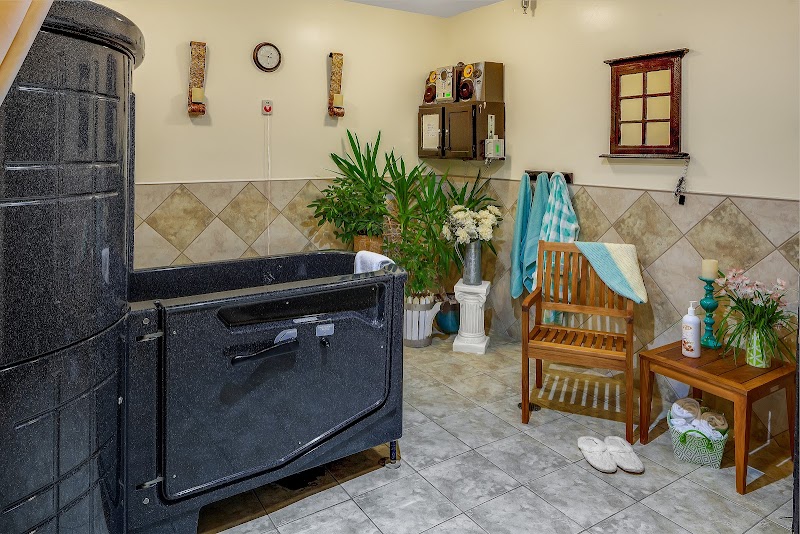
How is Pruitthealth- Conway At Conway Medical Center Staffed?

CMS rates PruittHealth- Conway At Conway Medical Center's staffing level at 3 out of 5 stars, which is average compared to other nursing homes. Staff turnover is 46%, compared to the South Carolina average of 46%.

What Have Inspectors Found at Pruitthealth- Conway At Conway Medical Center?

State health inspectors documented 29 deficiencies at PruittHealth- Conway At Conway Medical Center during 2021 to 2025. These included: 1 Immediate Jeopardy (the most serious level, indicating potential for serious harm or death) and 28 with potential for harm. Immediate Jeopardy findings are rare and represent the most serious regulatory concerns. They require immediate corrective action.
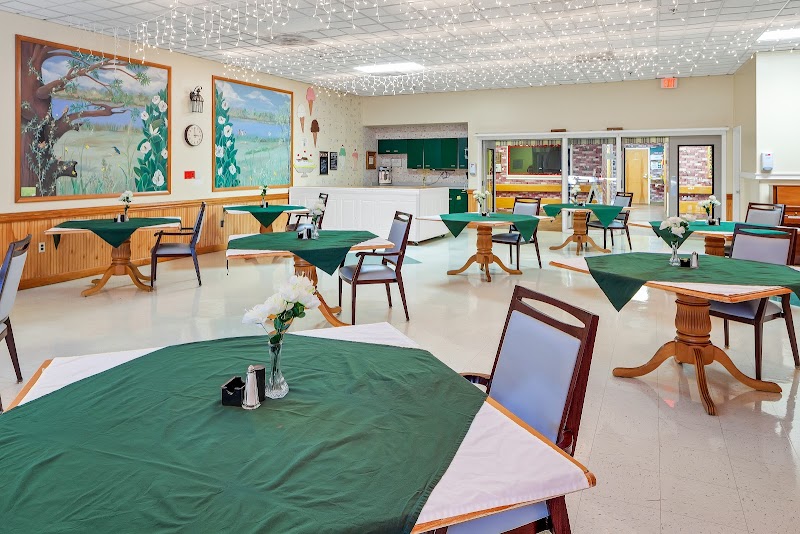
Who Owns and Operates Pruitthealth- Conway At Conway Medical Center?

PruittHealth- Conway At Conway Medical Center is owned by a for-profit company. For-profit facilities operate as businesses with obligations to shareholders or private owners. The facility is operated by PRUITTHEALTH, a chain that manages multiple nursing homes. With 88 certified beds and approximately 73 residents (about 83% occupancy), it is a smaller facility located in Conway, South Carolina.
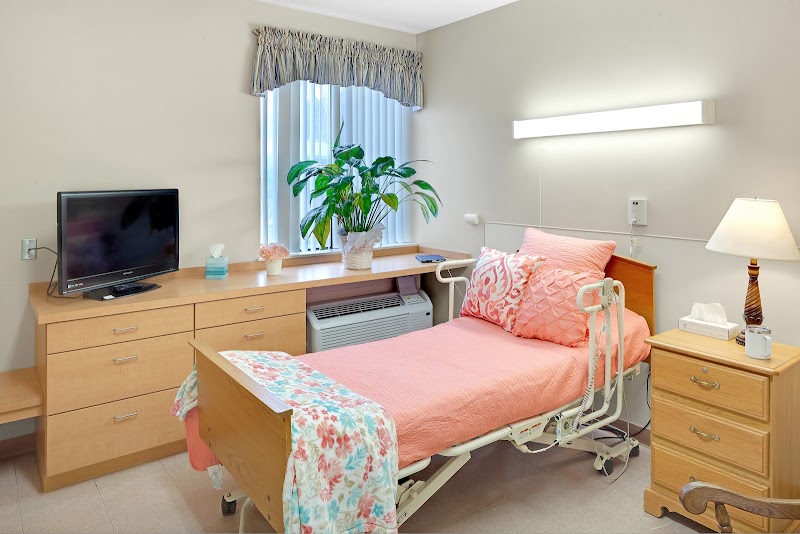
How Does Pruitthealth- Conway At Conway Medical Center Compare to Other South Carolina Nursing Homes?

Compared to the 100 nursing homes in South Carolina, PruittHealth- Conway At Conway Medical Center's overall rating (1 stars) is below the state average of 2.8, staff turnover (46%) is near the state average of 46%, and health inspection rating (1 stars) is much below the national benchmark.

What Should Families Ask When Visiting Pruitthealth- Conway At Conway Medical Center?

Based on this facility's data, families visiting should ask: "What changes have been made since the serious inspection findings, and how are you preventing similar issues?" "Can I visit during a mealtime to observe dining assistance and food quality?" "How do you handle medical emergencies, and what is your hospital transfer rate?" "Can I speak with family members of current residents about their experience?" These questions are particularly relevant given the facility's Immediate Jeopardy citations.

Is Pruitthealth- Conway At Conway Medical Center Safe?

Based on CMS inspection data, PruittHealth- Conway At Conway Medical Center has documented safety concerns. Inspectors have issued 1 Immediate Jeopardy citation (the most serious violation level indicating risk of serious injury or death). The facility has a 1-star overall rating and ranks #100 of 100 nursing homes in South Carolina. Families considering this facility should ask detailed questions about what corrective actions have been taken since these incidents.

Do Nurses at Pruitthealth- Conway At Conway Medical Center Stick Around?

PruittHealth- Conway At Conway Medical Center has a staff turnover rate of 46%, which is about average for South Carolina nursing homes (state average: 46%). Moderate turnover is common in nursing homes, but families should still ask about staff tenure and how the facility maintains care continuity when employees leave.

Was Pruitthealth- Conway At Conway Medical Center Ever Fined?

PruittHealth- Conway At Conway Medical Center has no federal fines on record. CMS issues fines when nursing homes fail to meet care standards or don't correct problems found during inspections. The absence of fines suggests the facility has either maintained compliance or corrected any issues before penalties were assessed. This is a positive indicator, though families should still review recent inspection reports for the full picture.

Is Pruitthealth- Conway At Conway Medical Center on Any Federal Watch List?

PruittHealth- Conway At Conway Medical Center is not on any federal watch list. The most significant is the Special Focus Facility (SFF) program, which identifies the bottom 1% of nursing homes nationally based on persistent, serious quality problems. Not being on this list means the facility has avoided the pattern of deficiencies that triggers enhanced federal oversight. This is a positive indicator, though families should still review the facility's inspection history directly.