Bethea Baptist Healthcare Center
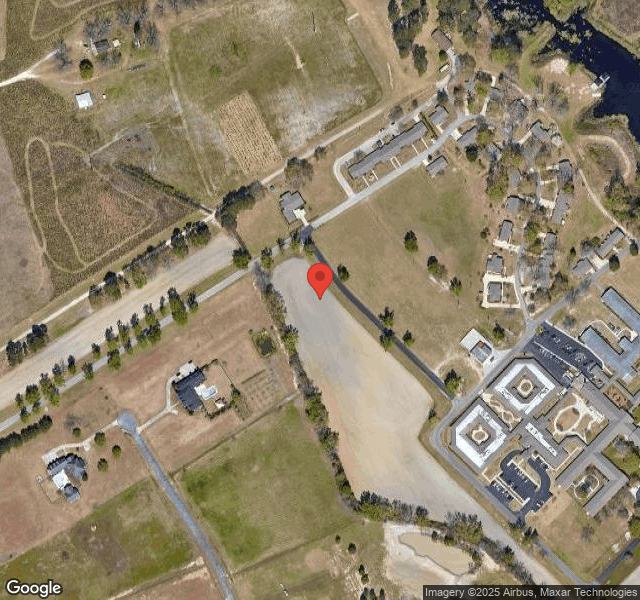
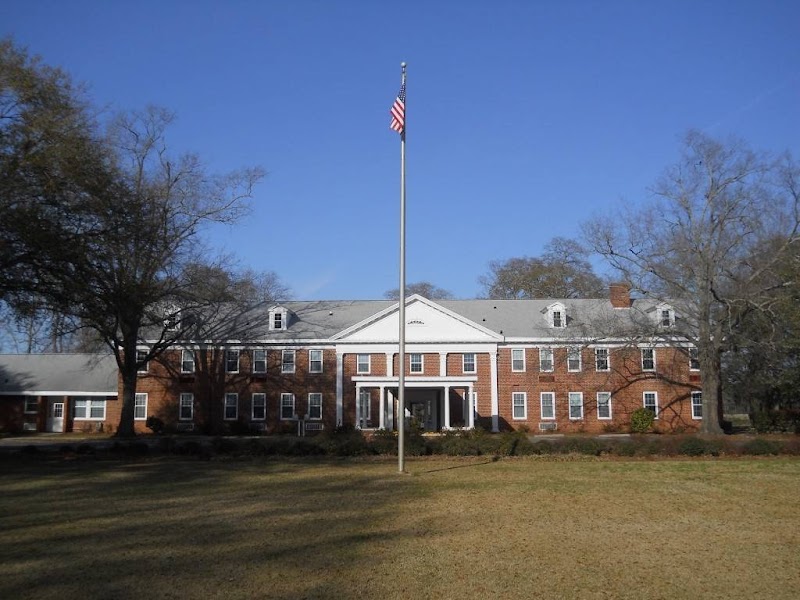
157 Home Avenue, Darlington, SC 29532 (843) 393-2867
Non profit - Church related 88 Beds Independent Data: November 2025
Trust Grade
75/100
#34 of 186 in SC
Last Inspection: April 2025

Within standard 12-15 month inspection cycle. Federal law requires annual inspections.

Overview

Bethea Baptist Healthcare Center has a Trust Grade of B, indicating it is a good choice, though not without its issues. Ranked #34 out of 186 facilities in South Carolina, it is in the top half and #2 out of 4 in Darlington County, meaning there is only one better local option. However, the facility is experiencing a worsening trend, with the number of issues increasing from 1 in 2024 to 5 in 2025. Staffing is rated 4 out of 5 stars, but the turnover rate of 48% is average for the state. Although the center has not incurred any fines, it has some concerning incidents, including failures to properly store expired medications and ensure sanitary food preparation, which could pose health risks to residents. Additionally, the RN coverage is lower than 86% of other facilities in South Carolina, which may impact the level of care provided. Families should weigh these strengths and weaknesses when considering this facility for their loved ones.
Trust Score
B
75/100
In South Carolina
#34/186
Top 18%
Safety Record
Low Risk
No red flags
Inspections
Getting Worse
1 → 5 violations
Staff Stability
⚠ Watch
48% turnover. Above average. Higher turnover means staff may not know residents' routines.
Penalties
✓ Good
No fines on record. Clean compliance history, better than most South Carolina facilities.
Skilled Nurses
○ Average
Each resident gets 34 minutes of Registered Nurse (RN) attention daily — about average for South Carolina. RNs are the most trained staff who monitor for health changes.
Violations
⚠ Watch
13 deficiencies on record. Higher than average. Multiple issues found across inspections.
★★★★☆
4.0
Overall Rating
★★★★☆
4.0
Staff Levels
★★★★☆
4.0
Care Quality
★★★★☆
4.0
Inspection Score
Stable
2024: 1 issues
2025: 5 issues

The Good

  • 4-Star Staffing Rating · Above-average nurse staffing levels
  • 4-Star Quality Measures · Strong clinical quality outcomes
  • Full Sprinkler Coverage · Fire safety systems throughout facility
  • No fines on record

Facility shows strength in staffing levels, quality measures, fire safety.

The Bad

Staff Turnover: 48%

Near South Carolina avg (46%)

Higher turnover may affect care consistency

The Ugly 13 deficiencies on record

Apr 2025 5 deficiencies
CONCERN (D) 📢 Someone Reported This

A family member, employee, or ombudsman was alarmed enough to file a formal complaint

Potential for Harm - no one hurt, but risky conditions existed

Deficiency F0625 (Tag F0625)

Could have caused harm · This affected 1 resident

**NOTE- TERMS IN BRACKETS HAVE BEEN EDITED TO PROTECT CONFIDENTIALITY** Based on the facility policy, record reviews and interviews, the facility failed to ensure the facility bedhold policy with the ...

Read full inspector narrative →
**NOTE- TERMS IN BRACKETS HAVE BEEN EDITED TO PROTECT CONFIDENTIALITY** Based on the facility policy, record reviews and interviews, the facility failed to ensure the facility bedhold policy with the bed hold amount was provided to the resident and or the personal representative in a timely manner for Resident (R56) who was discharged to the hospital on [DATE] for 1 of 4 residents reviewed for hospitalizations. Findings include: Review of the facility policy titled, Bed Hold Notice, states, This notice fulfills requirements to remind you of this facility's bed hold policy. Please read carefully and indicate whether or not you wish to reserve your room. I understand that the basic per diem rate is $310.00 per day. The facility admitted R56 on 12/30/2024 with diagnoses including, but not limited to, altered mental status, dementia, need for assistance with personal care, depression and anxiety disorder and chronic pain. Review of the admission minimum data set (MDS) assessment, dated 01/05/2025, revealed section C0500, Brief Interview of Mental Status (BIMS), not scored, indicating severe cognitive deficits. Further review of the, Notice of Resident Transfer, dated 01/11/2025 revealed R56 is not responding verbally, and has difficulty swallowing. Attached to the notice of transfer is a copy of an envelope to indicate that the copy of the bed hold was mailed out to the personal representative on 12/23/2024. R56 was not admitted until 12/30/2024. During an interview on 04/02/2025 at 02:46 PM with the Administrator and the Director of Nursing, they could not confirm that R56 nor her responsible party had received the bedhold policy timely or at all. During the interview, the Administrator stated that, the social worker will make multiple copies of the envelopes at a time, but could not confirm that the resident not the representatives receive the bed hold policy.
CONCERN (D)

Potential for Harm - no one hurt, but risky conditions existed

Deficiency F0660 (Tag F0660)

Could have caused harm · This affected 1 resident

**NOTE- TERMS IN BRACKETS HAVE BEEN EDITED TO PROTECT CONFIDENTIALITY** Based on facility policy, record reviews and interviews the facility failed to ensure an anticipated discharge for Resident (R)5...

Read full inspector narrative →
**NOTE- TERMS IN BRACKETS HAVE BEEN EDITED TO PROTECT CONFIDENTIALITY** Based on facility policy, record reviews and interviews the facility failed to ensure an anticipated discharge for Resident (R)57) was documented and facilitated to ensure a safe and well planned discharge to the community for 1 of 1 residents reviewed for admission transfer and discharge. Specifically R57 was ordered by the physician at discharge, for home health which was not set up prior to discharge by the facility. Findings include: Review of the facility policy titled, Transfer and Discharge. states, Anticipated Discharge, is a discharge that is planned and not due to the resident's death, or an emergency. Policy Explanation and Compliance Guidelines. 2b. The transfer or discharge is appropriate because the resident's health has improved sufficiently so that the resident no longer needs services provided by the facility. 12. Anticipated Discharge to the Community. a. Facility will obtain a physician's order for transfer or discharge instructions or precautions for ongoing care. b. A member of the interdisciplinary team will complete relevant sections of the Discharge Summary. The nurse caring for the resident at the time of discharge is responsible for ensuring the Discharge Summary is complete and includes, but not limited to the following: i. A recap of the resident's stay that includes diagnoses, course of illness/treatment or therapy, and pertinent lab, radiology and consultation results. ii. A final summary of the resident's status. iii. Reconciliation of all pre-discharge medications with the resident's post-discharge medications (both prescribed and over the counter). iv. A post discharge plan of care that is developed with the participation of the resident, and the resident's representative(s) which will assist the resident to adjust to his or her new living environment. c. Orientation for transfer or discharge will be provided and documented to ensure a safe and orderly transfer or discharge from the facility, in a form and manner that the resident can understand. Depending on the circumstances, this orientation may be provided by various members of the interdisciplinary team. d. Facility will assist with transportation arrangements to the new facility and any other arrangements as needed. e. The comprehensive, person-centered care plan shall contain the resident's goals for admission and desired outcomes and shall be in alignment with the discharge. f. Supporting documentation shall include evidence of the resident's or resident representative's verbal or written notice of intent to leave the facility, a discharge plan, and documented discussions with the resident and/or resident representative. Review of the facility policy titled, Documentation in Medical Record, states as the the policy, Each resident's medical record shall contain an accurate representation of the actual experiences of the resident and include enough information to provide a picture of the resident's progress through complete, accurate, and timely documentation. The facility admitted R57 on 12/16/2024 with severe protein calorie malnutrition, acute and chronic kidney failure, muscle weakness, need for assistance with personal care, history of a pulmonary embolus and anemia. Review of the admission MDS (Minimum Data Set) assessment dated [DATE] indicated a BIMS (Brief Interview of Mental States) coded as 13 out of 15 indicating no cognitive deficits. Review of the discharge progress note from the physician dated 01/01/2025 states as the discharge orders: 1) Continue medical management. 2) PO (by mouth) diet 3) Tolerating PT and OT 4) OK to D/C (discharge home) with HH (Home Health) The home health order was never carried out, so R57 did not receive home health as ordered by the physician. Review of the Comprehensive Plan of Care for R57 revealed a problem area: Family and resident will discuss discharge options with social worker or designee that will ensure a safe discharge plan for myself. Goal: Resident will be discharged to community with a safe plan in place. Staff will review discharge plans comprehensive assessments only. Interventions: Refer to discharge observation form for final discharge arrangements. Resident will receive assists with referrals to appropriate community agencies. SS will explore options with resident and family for safe discharge planning. Staff will discuss discharge plans with resident and family at time of admission. Review of the last progress note on 04/02/2025 at 2:45 PM is documented as follows: Progress note: Last note: 01/01/2025 at 09:30 AM Resident in bed, alert and verbal, speech clear, able to make wants and needs known. Skin warm and dry to touch. Respirations even and unlabored, no signs of SOB noted. Continent to bowel and bladder. Uses walker for mobility, participates in PT. AM meds taken whole with thin liquids, with no difficulty. Able to feed self after tray setup. Meals taken in room. Bed locked and lowered and call light within reach of resident. Review of the Progress note: Last and only note for Social Services 12/23/2024 at 11:25 AM Resident was addressed as an admission/5day assessment. Resident scored cognitively intact on her BIMS interview (13 of 15). Resident is alert and verbal and able to express her wants and needs. Resident receives assistance from staff in meeting her wants and needs. Resident denied having any mood issues during the mood interview. Resident was encouraged to reach out if needed. Resident had no noted behaviors or refusals during the review period. Resident is a short term rehab patient with plans to return home upon completion of her rehab services. Staff will continue to observe for any changes in resident, and make appropriate staff aware of any changes. Social will continue to monitor as indicated. During an interview on 04/03/2025 at 09:00 AM with the DON she confirmed the progress notes and provided text messages back and forth with the Medical Supply Company, the note read, Good afternoon. Resident is scheduled for discharge on the 2nd. Upon her return home, she will need a shower chair and rolling walker. Therefore, I kindly ask if you could deliver those one day before her discharge date . Thank you for your assistance. Response: Resident is good, is it ok if we deliver it tomorrow while we are already there? We are not open on the 1st. Social Service response: Absolutely, that sounds great! Thank you so much. At this time of the discharge and the setting up of the durable medical equipment, the social service director is on medical leave. An administrative assistant is sending faxes to the medical equipment company using the social service providers emails. During an interview on 04/03/2025 at 11:34 AM with the Social Service Director she confirmed that she was on medical leave starting on 12/26/2024. She stated that the scheduler was handling the discharge. She confirmed that the scheduler had used her email to order the medical equipment for R57 and then confirmed that the home health for R57 was not set up according to the physician's orders. During an interview on 04/03/2025 at 11:50 AM with the Administrator and the Scheduler that was filling in for the Social Worker on 01/01/2025 confirmed that the email for the social worker was used by the scheduler to order the medical equipment and also confirmed that the home health ordered by the physician on 01/01/2025 had not been set up upon discharge home for R57.
CONCERN (D)

Potential for Harm - no one hurt, but risky conditions existed

Respiratory Care (Tag F0695)

Could have caused harm · This affected 1 resident

**NOTE- TERMS IN BRACKETS HAVE BEEN EDITED TO PROTECT CONFIDENTIALITY** Based on observations, interviews, record review and facility policy, the facility failed to administer oxygen according to phys...

Read full inspector narrative →
**NOTE- TERMS IN BRACKETS HAVE BEEN EDITED TO PROTECT CONFIDENTIALITY** Based on observations, interviews, record review and facility policy, the facility failed to administer oxygen according to physician's orders for 1 of 1 residents reviewed for respiratory care, Resident (R)10. Findings include: Review of the facility's policy titled, Oxygen Administration with revision date October 2010 revealed, Purpose: The purpose of this procedure is to provide guidelines for safe oxygen administration. Steps in the Procedure: 8. Turn on the oxygen. Unless otherwise ordered, start the flow of oxygen at the rate of 2 to 3 liters per minute. Review of R10's face sheet revealed he was admitted to the facility on [DATE] with diagnosis including, but not limited to, type II diabetes, major depressive disorder, hemiplegia, hypertension, dementia and chronic sinusitis. Review of R10's quarterly Minimum Data Set (MDS) Assessment, with an Assessment Reference Date (ARD) of 03/28/25 revealed R10 had a Brief Interview of Mental Status (BIMS) score of 10 of 15, indicating that the resident is moderate cognitively impaired. Review of R10's Physicians Orders for months March- April 2025 revealed R10's Oxygen order is, O2 Per 2 L/min continuous R/T resp failure twice a day. Review of R10's Progress Notes dated from 03/07/25 revealed, resident is alert and oriented with confusion @ times. O2 @ 2 liters via nasal cannula. Respirations are even and unlabored. Skin is warm & dry. He takes his medications while with Glucerna. He is incontinent of bowels with incontinence care & turning every 2 hours & as needed. Foley catheter to BSD with adequate output noted. He is able to make his needs known. Call light is within easy reach. Bed is low and locked. Review of R10's Care Plan with a start date of 08/24/23 revealed, resident is at risk for respiratory distress due to obstructive sleep apnea and respiratory failure. I refuse to wear my c-pap. Interventions include administer oxygen as ordered. Maintain oxygen equipment as directed initiated on 07/16/24. During an observation on 04/03/25 at 08:33 AM, R10's oxygen tank was on with an oxygen flow rate of 2L/min via nasal cannula in resident's nose. During an observation on 04/03/25 at 10:30 AM, R10's oxygen machine was not turned on while resident had nasal cannula in his nose. Registered Nurse (RN)1 was present in the resident's room. During an interview on 04/03/25 at 1030 AM, RN1 states that she wasn't aware that the oxygen machine was turned off in the resident's room. R10's nasal cannula was in his nose, and she thought that the oxygen was on. During an interview on 04/03/25 at 2:45 PM, the Director of Nursing (DON) states that her expectation of staff is to follow guidelines for oxygen therapy for the residents and to ensure they are following the physician orders. The DON states that when nurses conduct rounds, they are to check if the resident has oxygen, ensure the oxygen machine is on, and the nasal cannula is in the resident's nose. She also states that the nurses are to assess the resident's respiratory status. The DON states that clinical trainings are conducted on an annual basis.
CONCERN (D)

Potential for Harm - no one hurt, but risky conditions existed

Deficiency F0761 (Tag F0761)

Could have caused harm · This affected 1 resident

**NOTE- TERMS IN BRACKETS HAVE BEEN EDITED TO PROTECT CONFIDENTIALITY** Based on observations, interviews, and facility policy, the facility failed to ensure that medications belonging to Resident (R)...

Read full inspector narrative →
**NOTE- TERMS IN BRACKETS HAVE BEEN EDITED TO PROTECT CONFIDENTIALITY** Based on observations, interviews, and facility policy, the facility failed to ensure that medications belonging to Resident (R)10 were properly stored, secured, and/or administered prior to staff leaving the room for 1 of 1 residents reviewed for medication storage and administration. Findings include: Review of the facility policy titled, Medication Storage, with no revision date revealed, it is the policy of this facility to ensure all medications housed on our premises will be stored in the pharmacy and/or medication rooms according to the manufacturer's recommendations and sufficient to ensure proper sanitation, temperature, light, ventilation, moisture control, segregation, and security. Policy Explanation and Compliance Guidelines, 1c. During medication pass, medications must be under the direct observation of the person administering medications or locked in the medication storage area/cart. Review of R10's face sheet revealed he was admitted to the facility on [DATE] with diagnosis including, but not limited to, type II diabetes, major depressive disorder, hemiplegia, hypertension, dementia and chronic sinusitis. Review of R10's quarterly Minimum Data Set (MDS) Assessment, with an Assessment Reference Date (ARD) of 03/28/25 revealed R10 had a Brief Interview of Mental Status (BIMS) score of 10 of 15, indicating that the resident is moderate cognitively impaired. Review of R10's Medication Administration Record (MAR) for April 2025, physician orders for 04/03/25 revealed an administration record for 7:00AM-10:00AM of Aspirin 81mg tab, Amlodipine 10mg tab, Finasteride 5mg tab, Macrodantin 50mg cap, Potassium Chloride 20 mEq cap, Sertraline 25mg tab, Tab-A-Vite 400mcg tab, Tamsulosin 0.4mg cap, and Urecholine 50mg tab. Registered Nurse (RN)1 signed off for administration on 04/03/25 as a late entry for medications at 10:46AM. Medications observed on R10's bedside table at 10:30AM. Review of R10's orders did not include an order for self-administration of medication. During an observation on 04/03/25 at 10:30 AM, R10's room revealed, one clear medicine cup on the overbed table with multiple pills inside. The medication cup was unlabeled as to the medication contents. During an interview on 04/03/25 at 10:30 AM, RN1 states that she verifies the medications on the MAR prior to giving them to the residents. RN1 states she left R10's morning medications at bedside in a medication cup that consist of nine pills. She didn't observe resident take the medications. RN1 states that this isn't her usual practice, and she knows that she isn't supposed to leave the medications at bedside unattended. RN1 states that the resident could have choked or someone else could have taken the medication. During an interview on 04/03/25 at 11:11 AM, the Director of Nursing (DON) states that her expectations for staff are to check the MAR prior to medication administration and to verify the medication card to ensure that the meds are given to the right patient. The DON states that staff stays at bedside while the medication is being administered to ensure the resident takes the medications. The DON states that staff doesn't leave medications unattended in a resident's room. The DON explains that staff are to always follow policy and procedures.
CONCERN (D)

Potential for Harm - no one hurt, but risky conditions existed

Medical Records (Tag F0842)

Could have caused harm · This affected 1 resident

**NOTE- TERMS IN BRACKETS HAVE BEEN EDITED TO PROTECT CONFIDENTIALITY** Based on the facility policy, record reviews and interviews, the facility failed to ensure complete and accurate records related...

Read full inspector narrative →
**NOTE- TERMS IN BRACKETS HAVE BEEN EDITED TO PROTECT CONFIDENTIALITY** Based on the facility policy, record reviews and interviews, the facility failed to ensure complete and accurate records related to a planned discharge for Resident (R)57). Specifically, there is no documentation in the medical record for R57 pertaining to a discharge home with home health services. Findings include: Review of the facility policy titled, Documentation in Medical Record, states as the the policy, Each resident's medical record shall contain an accurate representation of the actual experiences of the resident and include enough information to provide a picture of the resident's progress through complete, accurate, and timely documentation. Policy Explanation and Compliance Guidelines: 1. Licensed staff and interdisciplinary team members shall document all assessments, observations, and services provided in the resident's medical record in accordance with state law and facility policy. 2. Documentation shall be completed at the time of service, but no later than the shift in which the assessment, observation, or care service occurred. 4b. Documentation shall be accurate, relevant, and complete, containing sufficient details about the resident's care and/or responses to care. 4c. Documentation shall be timely and in chronological order. The facility admitted R57 on 12/16/2024 with severe protein calorie malnutrition, acute and chronic kidney failure, muscle weakness, need for assistance with personal care, history of a pulmonary embolus and anemia. Review of the admission MDS (Minimum Data Set) assessment dated [DATE] indicated a BIMS (Brief Interview of Mental States) coded as 13 out of 15 indicating no cognitive deficits. Review of the discharge progress note from the physician dated 01/01/2025 states as the discharge orders: 1) Continue medical management. 2) PO (by mouth) diet 3) Tolerating PT and OT 4) OK to D/C (discharge home) with HH (Home Health) The home health order was never carried out, so R57 did not receive home health as ordered by the physician. Review of the last progress note on 04/02/2025 at 2:45 PM is documented as follows: Progress note: Last note: 01/01/2025 at 09:30 AM Resident in bed, alert and verbal, speech clear, able to make wants and needs known. Skin warm and dry to touch. Respirations even and unlabored, no signs of SOB noted. Continent to bowel and bladder. Uses walker for mobility, participates in PT. AM meds taken whole with thin liquids, with no difficulty. Able to feed self after tray setup. Meals taken in room. Bed locked and lowered and call light within reach of resident. Review of the Progress note: Last and only note for Social Services 12/23/2024 at 11:25 AM Resident was addressed as an admission/5day assessment. Resident scored cognitively intact on her BIMS interview (13 of 15). Resident is alert and verbal and able to express her wants and needs. Resident receives assistance from staff in meeting her wants and needs. Resident denied having any mood issues during the mood interview. Resident was encouraged to reach out if needed. Resident had no noted behaviors or refusals during the review period. Resident is a short term rehab patient with plans to return home upon completion of her rehab services. Staff will continue to observe for any changes in resident, and make appropriate staff aware of any changes. Social will continue to monitor as indicated. During an interview on 04/03/2025 at 10:48 AM with the Director of Nursing, she acknowledged the missing documentation or lack there of pertaining to the accuracy of the documentation in the medical record for R57. During an interview on 04/03/2025 at 11:34 AM with the Social Service Director she confirmed that she was on medical leave starting on 12/26/2024. She stated that the scheduler was handling the discharge. She confirmed that the scheduler had used her email to order the medical equipment for R57 and then confirmed that the home health for R57 was not set up according to the physician's orders. During an interview on 04/03/2025 at 11:50 AM with the Administrator and the Scheduler that was filling in for the Social Worker on 01/01/2025 confirmed that the email for the social worker was used by the scheduler to order the medical equipment and also confirmed that the home health ordered by the physician on 01/01/2025 had not been set up upon discharge home for R57.
Aug 2024 1 deficiency
CONCERN (D) 📢 Someone Reported This

A family member, employee, or ombudsman was alarmed enough to file a formal complaint

Potential for Harm - no one hurt, but risky conditions existed

Medication Errors (Tag F0758)

Could have caused harm · This affected 1 resident

**NOTE- TERMS IN BRACKETS HAVE BEEN EDITED TO PROTECT CONFIDENTIALITY** Based on observation, record review, interviews, review of the Food and Drug Administration (FDA) Manufacturer' Guidelines, and ...

Read full inspector narrative →
**NOTE- TERMS IN BRACKETS HAVE BEEN EDITED TO PROTECT CONFIDENTIALITY** Based on observation, record review, interviews, review of the Food and Drug Administration (FDA) Manufacturer' Guidelines, and review of the facility's policy and procedures, the facility and Medical Director failed to ensure that 1 of 3 residents (Resident (R)1) reviewed for falls were free of unnecessary medications. Specifically, an antipsychotic and psychoactive medication were used by the facility without proper medical rationale, proper indication for use, and the lack of behavior and side effect monitoring. Findings include: Review of the facility's undated policy titled Use of Psychotropic Medication Copyright 2024 The Compliance Store, LLC revealed, Residents are not given psychotropic drugs unless the medication is necessary to treat a specific condition, as diagnosed and documented in the clinical record, and the medication is beneficial to the resident, as demonstrated by monitoring and documentation of the resident's response to the medication(s) . The attending physician will assume leadership in medication management by developing, monitoring, and modifying the medication in collaboration with residents, their families and/or representatives, other professionals, and the interdisciplinary team. Review of the Centers for Medicare and Medicaid Memo Ref 13-35-NH dated May 24, 2013, revealed, .The problematic use of medications, such as antipsychotics, is part of a larger, growing concern. This concern is that nursing homes and other settings (i.e., hospitals, ambulatory care) may use medications as a quick fix for behavioral symptoms or as a substitute for a holistic approach that involves a thorough assessment of underlying causes of behaviors and individualized, person-centered interventions. When antipsychotic medications are used without an adequate rationale, or for the purpose of limiting or controlling behavior of an unidentified cause, there is little chance it will be effective. In addition, they commonly cause complications such as movement disorders, falls, hip fractures, cardiovascular events (cardiovascular accidents and transient ischemic events) and increased risk of death . Review of the FDA's manufacturer's guideline for the use of Seroquel (quetiapine) XR (extended release), revised October 2013, revealed under the section titled, Indications and Usage that Seroquel XR is an atypical antipsychotic indicated for the treatment of Schizophrenia; Bipolar I disorder, manic or mixed episodes; Bipolar disorder, depressive episodes; Major depressive disorder, adjuvant therapy with antidepressants with a Black Box Warning Increased Mortality in Elderly Patients with Dementia related Psychosis.Elderly patients with dementia-related psychosis treated with antipsychotic drugs are at an increased risk of death. Seroquel XR is not approved for elderly patients with dementia-related psychosis. Review of R1's Face Sheet revealed R1 was admitted to the facility on [DATE], with diagnoses including but not limited to: critical illness myopathy, acute and subacute infective endocarditis and urinary tract infection. Readmissions to the facility from the hospital occurred on 04/17/24, subsequent to a diagnosis of pneumonia and on 05/13/24, subsequent to a mechanical fall from standing position resulting in fracture of the ninth right rib. Both of these readmissions included an order for Seroquel XR 50 mg by mouth at bedtime. Review of R1's Electronic Medical Record (EMR), Physicians Orders and Medication Administration Record (MAR) revealed an open ended order dated 04/24/24 for Seroquel XR 24 hr (hour); 50 mg. Amount to Administer: 1 tab; oral Once An Evening [DX: Unspecified dementia, unspecified severity, without behavioral disturbance, psychotic disturbance, mood disturbance, and anxiety] for which all doses had been charted as administered. Review of R1's EMR did not reveal and order for behavior monitoring. Review of R1's Care Plan did not reveal a Care Plan for behavior monitoring. However, there was a Care Plan for psychoactive medication and at risk for adverse reactions. Review of Physician progress notes dated 04/04/24, 06/02/24 and 07/03/24, do not comment on the use of Seroquel or behaviors. During an interview on 08/26/24 at approximately 3:39 PM, the Administrator stated he was somewhat familiar with the current regulations and the Assistant Director of Nursing (ADON) stated the use of antipsychotic medication and dementia is discussed on Wednesdays during weekly risk meetings and the Medical Director does not attend but does make rounds on Wednesdays. The ADON acknowledged that Seroquel XR 50mg at bedtime was being administered and stated she would expect a resident on Seroquel XR to have orders for behavioral monitoring. On 08/26/24 at approximately 4:05 PM, the Administrator provided a Consultant Pharmacist record of Psychoactive Utilization report, dated 05/31/24, for R1, which revealed that Quetiapine had been ordered 04/24/24 with a diagnosis of Dem w/beh. and that the next evaluation was due 10/24. During a subsequent telephone interview with the Consultant Pharmacist he stated that he started work at the Facility earlier this year, that he attends the monthly QAA (Quality Assurance) meeting, that the Medical Director does get copies of his recommendations and that he suggests monitoring for potential adverse metabolic effects for antipsychotic medications. On 08/26/24 at approximately 4:54 PM, during a telephone interview, the Medical Director and prescribing Physician stated he makes rounds weekly and was aware FDA prescribing guidelines related to diagnoses for use on Quetiapine and was unsure if behavioral monitoring had been ordered for R1. He did not describe a process to determine if a medication is still needed after hospitalization, but did state according to the nursing staff R1 is more confused, might have sundowners and is unable to sleep. The Medical Director further stated he feels that R1 needs to be on Seroquel because he has a diagnosis of dementia with behaviors which has been overlooked. When asked, he stated R1 does not have schizophrenia or bipolar disorder.
Aug 2023 1 deficiency
CONCERN (F)

Potential for Harm - no one hurt, but risky conditions existed

Deficiency F0761 (Tag F0761)

Could have caused harm · This affected most or all residents

Based on the facility policy titled, Medication Storage, observations and interviews, the facility failed to ensure expired medications and biological's were removed and not stored with medications in...

Read full inspector narrative →
Based on the facility policy titled, Medication Storage, observations and interviews, the facility failed to ensure expired medications and biological's were removed and not stored with medications in use by residents on 3 of 3 units. The findings included: Review of the facility policy titled, Medication Storage, revealed, It is the policy of this facility to ensure all medications housed on our premises will be stored in the pharmacy and/or medications rooms according to the manufacturer's recommendations and sufficient to ensure proper sanitation, temperature, light, ventilation, moisture control, segregation and security. Number 8 under, Policy Explanation and Compliance Guidelines, states: Unused Medications: The pharmacy and all medication rooms are routinely inspected by the consultant pharmacist for discontinued, outdated, defective, or deteriorated medications with worn, illegible, or missing labels. These medications are destroyed in accordance with our Destruction of Unused Drugs Policy. An observation of the medications drawers on the 2000 Unit revealed the following: On 08/01/2023 at 12:48 PM revealed six (6) capsules of Docusate Sodium 100 milligrams (mgs) expired on 07/20/2023, RX#1211335, Lot #W560033. Fourteen (14) tablets of Levothyroxine 25 micrograms (mcgs) expired on 06/30/2023, RX#1560331, Lot #C230008. Fifty four (54) tablets of Meclizine 25 mgs expired on 07/14/2023, RX#1207941, Lot# BA05422A. During an interview on 08/01/2023 at 12:48 PM, Licensed Practical Nurse #2 (LPN2) confirmed the findings and removed the expired medications from storage with other medications in use by residents. An observation on 08/03/2023 at 7:25 AM of the stored medications and biological's on the 1000 unit revealed one (1) bottle of Sterile Water 100 milliliters (ml's), for single use, was opened and placed back in storage with other biological's in use by residents. LPN1 confirmed the opened bottle of Sterile Water was no longer sterile. An interview on 08/03/2023 at 7:30 AM with LPN1 confirmed the opened bottle of Sterile Water for single use, was no longer sterile once opened, and removed it from storage with other biological's in use by residents. An observation on 08/03/2023 at 12:20 PM of the 4000 Unit revealed one (1) bottle of Sea Clens Wound Cleanser with Lot#8132867 was expired on 07/2023 and remained with other biological's in use by residents. During an interview on 08/03/2023 at 12:25 PM with LPN3, he confirmed the expiration date of 07/2023 and removed the wound cleanser from storage with other biological's in use by residents.
Jan 2022 6 deficiencies
CONCERN (D)

Potential for Harm - no one hurt, but risky conditions existed

Report Alleged Abuse (Tag F0609)

Could have caused harm · This affected 1 resident

**NOTE- TERMS IN BRACKETS HAVE BEEN EDITED TO PROTECT CONFIDENTIALITY** Based on record reviews and interviews, the facility failed to ensure that a documented injury of unknown origin was reported to...

Read full inspector narrative →
**NOTE- TERMS IN BRACKETS HAVE BEEN EDITED TO PROTECT CONFIDENTIALITY** Based on record reviews and interviews, the facility failed to ensure that a documented injury of unknown origin was reported to the State Agency for 1 of 4 sampled residents. Resident (R) 20 with documented opened areas on right leg was not reported as an injury of unknown origin but it was investigated by the facility. Findings include: The facility admitted R20 on 2/17/16 with diagnoses that included Dementia and Major Depressive Disorder. A review of an Annual Minimum Data Set (MDS) dated [DATE] indicated R20 was severely, cognitively impaired with no Brief Interview of Mental Status (BIMS) score being given. A review of the medical record on 1/18/22 at 3:02 PM revealed a nursing note dated 11/21/21 that indicated at 8:55 PM, the nurse was approached by Certified Nursing Aide (CNA) staff at 8 PM, stating this nurse should come to the resident's room ASAP. As this nurse walked into resident's room, 2 more CNA staff were standing over resident and showed this nurse open areas on resident's right leg. These wounds were scabbed over and 1 had a PolyMem as of last night, as this nurse also assessed resident's body and he was audited, and last night there were no skin concerns. This was noted as the CNA staff was making rounds, as previous CNA whom had resident was in till 7:15 this evening. Area was cleansed and PolyMem's applied. An interview on 1/20/22 at 10:45 AM with the Administrator revealed the facility interviewed facility staff regarding the injury to the resident's right leg in the 11/21/21 nurse's note. Documentation was provided as Employee Statement Admin & DON were made aware of concern that RP expressed. About residents right leg. Upon interviewing staff and attempting to interview resident. It was determined that resident legs frequently fall off side of bed and the area of concern was caused by the residents legs frequently fall off side of bed and that the area of concern was caused by the residents leg making contact with the side of bed. An interview on 1/20/22 at 12:11 PM with the Director of Nursing (DON) and Administrator revealed the facility did not report the injury of unknown origin but they investigated the incident. The Administrator further stated he did not report the incident because he used 24 hours to investigate the injury and determined it was not unknown. There was no documentation in the nurses notes to indicated the resident frequently left his leg hanging off the side of the bed. The 11/21/21 nurses notes indicate the resident could not be interviewed due to severe cognitive impairments and being non verbal.
CONCERN (D)

Potential for Harm - no one hurt, but risky conditions existed

Deficiency F0698 (Tag F0698)

Could have caused harm · This affected 1 resident

**NOTE- TERMS IN BRACKETS HAVE BEEN EDITED TO PROTECT CONFIDENTIALITY** Based on interview and record review, the facility failed to ensure collaboration between the facility and the dialysis facility...

Read full inspector narrative →
**NOTE- TERMS IN BRACKETS HAVE BEEN EDITED TO PROTECT CONFIDENTIALITY** Based on interview and record review, the facility failed to ensure collaboration between the facility and the dialysis facility for one of one Resident(R) 359 reviewed for dialysis. Findings include: Review of R359's face sheet dated 01/04/22 revealed R359 was admitted to the facility with the following pertinent diagnoses: acute and chronic respiratory failure with hypoxia, type 2 diabetes mellitus without complications, and chronic kidney disease, stage 4 (severe). Review of R359's Minimum Data Set (MDS) dated [DATE] revealed a Brief Interview for Mental Assessment Score (BIMS) of 15 which was consistent for cognitively intact. Review of R359's Care Plan dated 1/19/22 revealed R359, Is receiving Dialysis due to CKD (chronic kidney disease) and is at risk for weight fluctations and fluid overload .Weight before dialysis and after returning to facility and record. Review of physician orders dated 1/04/22 revealed Obtain weight before dialysis on these days: Tues (Tuesday), Thurs (Thursday), Sat (Saturday) .Obtain weight after dialysis on these days: Tues, Thurs, Sat . Review of facility Dialysis Communication booklet on 1/19/22 at 2:00 PM revealed no documentation of communication sheets and/or dialysis treatment sheets between the facility and the dialysis facility. Review of facility Dialysis Communication forms on 1/19/22 at 4:50 PM revealed incomplete documentation by the facility prior to dialysis treatment for vital signs, weights, blood sugar checks and/or concerns and by the dialysis facility post dialysis treatment for vital signs, pre-weights, post weights and/or concerns. Subsequently, dialysis treatment sheets obtained from the dialysis center for review during this time. During an interview on 1/19/22 at 2:15 PM with Certified Nursing Assistant (CNA) 1 stated, I am told what time the resident leaves, ensure she receives breakfast and get her ready to go to dialysis, and get weights if needed. This information is received from the nurses. She is to have weights done before she goes to dialysis on first shift. The nurses will usually ask us to get them done . During an interview on 1/19/22 at 2:26 PM with Licensed Practical Nurse (LPN) 2 stated, I don't usually weigh her before dialysis because they weigh her there but I do vital signs before and after she returns from dialysis. We use the dialysis communication sheet that is sent with the resident to each treatment (for coordinated care). During an interview on 1/20/22 at 3:30 PM with Director of Nursing (DON) stated, The dialysis staff communicate directly with the nurse who is caring for the resident. During an interview on 1/20/22 at 3:45 PM with the DON a copy of the dialysis contract was requested with none provided prior to exit conference.
CONCERN (D)

Potential for Harm - no one hurt, but risky conditions existed

Pharmacy Services (Tag F0755)

Could have caused harm · This affected 1 resident

**NOTE- TERMS IN BRACKETS HAVE BEEN EDITED TO PROTECT CONFIDENTIALITY** Based on observation, interview, and review of facility policy and procedure the facility failed to ensure expired supplies were...

Read full inspector narrative →
**NOTE- TERMS IN BRACKETS HAVE BEEN EDITED TO PROTECT CONFIDENTIALITY** Based on observation, interview, and review of facility policy and procedure the facility failed to ensure expired supplies were removed from three of three resident treatment carts and two of two medication refrigerators were monitored daily for acceptable temperature ranges. Findings include: Review of facility policy titled, Storage of Medications dated 07/09 revealed K. Medications requiring refrigeration or temperatures between 2 (degrees) C (Celsius) (36 degree F (Fahrenheit)) and 8 degrees C (46 degrees F) are kept in a refrigerator with a thermometer to allow temperature monitoring. Medications requiring storage in a cool place are refrigerated unless otherwise directed on the label .M. Outdated, contaminated, or deteriorated medications and those in containers that are cracked, soiled, or without secure closures are immediately removed from stock, disposed of according to procedures for medication disposal .O. Medication storage conditions are monitored on a (monthly) basis and corrective action taken if problems are identified. 1. During an observation on [DATE] at 9:02 AM of Sweetgrass Unit Treatment cart revealed the following expired items: Ten (10) Bleach Sani-cloth disposable wipes expired 4/21, Forty-nine (49) Steri strips 1/4 (one fourth) in.(inch) x 3 (three) in. expired 6/21. An interview on [DATE] at 9:05 AM with Licensed Practical Nurse (LPN) 3 verified the findings. 2. During an observation on [DATE] at 9:34 AM of [NAME] Unit (4000) Treatment Cart revealed the following expired item: Twelve (12) Povidone Iodine swabs expired [DATE]. An interview on [DATE] at 9:35 AM with LPN 1 verified the findings. 3. During an observation on [DATE] at 10:31 AM of Indigo Unit treatment cart revealed the following expired items: Thirty (30) Steri strips expired 6/21, One (1) tube Clobetasol Propionate 0.05% (percent) exp 12/21. During an interview on [DATE] at 10:32 AM with LPN 2, she verified the findings. 1. During an observation on [DATE] at 9:56 AM of the medication rooms for [NAME] and Jessimine units, the medication temperature refrigerator log sheets for the month of November was noted with seven of thirty-one days of completed temperatures logged for the month, December was noted with eleven of thirty-one days of completed temperatures logged for the month, and January was noted with seven of twenty days of completed temperatures logged for the month. Further observation of the medication refrigerator revealed the following patient items inside the refrigerator: Combigan Solution 0.2%/0.5% eye drops, Latanoprost Solution 0.005% eye drops, Lorazepamide liquid, Insulin pens- Lantus, Basaglar, Humalog kwikpen, and Bisacodyl 10 mg (milligram) rectal suppository. During an interview on [DATE] at 10:00 AM with LPN1, she stated that the night shift is responsible for checking the medication refrigerators. 2. During an observation on [DATE] at 10:10 AM of the medication rooms for Sweetgrass and Indigo units, the medication refrigerator temperature log sheet for the month of January was noted with three of twenty days of completed temperatures logged for the month. Further observation of the medication refrigerator revealed the following patient items inside the refrigerator: Lantaprost eye drops, Tubersol solution, acetaminophen rectal suppository 650 mg, bisacodyl rectal suppositories, Lantus insulin, and Toujeo insulin. During an interview on [DATE] at 10:22 AM with LPN 4, she stated, the medication temperature log sheet was incomplete. The night shift nurse is responsible for checking the refrigerators. During an interview on [DATE] at 12:36 PM, the Director of Nursing (DON) stated, The night shift nurse is responsible for checking the medication refrigerator.
CONCERN (D)

Potential for Harm - no one hurt, but risky conditions existed

Deficiency F0761 (Tag F0761)

Could have caused harm · This affected 1 resident

**NOTE- TERMS IN BRACKETS HAVE BEEN EDITED TO PROTECT CONFIDENTIALITY** Based on observation, interview, and review of facility policy and procedures, the facility failed to ensure the method of narco...

Read full inspector narrative →
**NOTE- TERMS IN BRACKETS HAVE BEEN EDITED TO PROTECT CONFIDENTIALITY** Based on observation, interview, and review of facility policy and procedures, the facility failed to ensure the method of narcotic disposal was documented on the narcotic disposal form. Findings include: Review of facility policy titled Disposal of Medications and Medication-Related Supplies dated 07/09 revealed C. Schedule II medications remaining in the facility after a resident has been discharged , or the order discontinued, are disposed of in the facility by the director of nursing/administrative nurse and consultant pharmacist; as directed by state laws, regulations, and/or the DEA (Drug Enforcement Administration). D. Schedule III, IV, and V controlled substances are disposed of at the facility by the director of nursing/administrative nurse and the consultant pharmacist, as directed by state law. During an observation on [DATE] at 11:30 AM of the locked narcotics with the Director of Nursing (DON) revealed the narcotics disposal sheet did not contain documentation of the type of disposal method used for destruction of expired and/or medications no longer in use by the residents. During an interview on [DATE] at 11:10 AM with the DON, she stated, Narcotics awaiting disposal are kept in my locked file cabinet and the nurse or another nurse or myself document two signatures on the pharmacy slip. The pharmacist comes monthly for cart checks and she will come anytime that I need her for medication disposal. The last noted time that meds (medications) were disposed was [DATE]. We only use RX (prescription) destroyer to destroy our meds, but the sheets with their sticker and number on it is all that we use. An interview on [DATE] at 11:55 AM with Consultant Pharmacist revealed, Narcotics are disposed by the DON who accepts the meds (medications) from the carts due to death or discharge from the floor nurse. The DON puts the meds in a file cabinet under double lock. I review the narcotic sheet and I sign the narcotic sheets so there should be 3 signatures on the sheets. Then I fill out a narcotics sheet. That sheet is signed by myself, Administrator and the DON. Those sheets are left at the facility with the bundle of narcotic sheets. I come monthly but try to do narc (narcotic)disposal every 3 months. An interview on [DATE] at 12:40 PM with the DON revealed, There is no documentation of the method of disposal used for the narcotics on the disposal sheets.
CONCERN (D)

Potential for Harm - no one hurt, but risky conditions existed

Medical Records (Tag F0842)

Could have caused harm · This affected 1 resident

**NOTE- TERMS IN BRACKETS HAVE BEEN EDITED TO PROTECT CONFIDENTIALITY** Based on record reviews and interviews, the facility failed to ensure that a resident's medical record was accurately documented...

Read full inspector narrative →
**NOTE- TERMS IN BRACKETS HAVE BEEN EDITED TO PROTECT CONFIDENTIALITY** Based on record reviews and interviews, the facility failed to ensure that a resident's medical record was accurately documented to reflect an injury of unknown origin, behaviors that could have caused the injury and family notification of the injury and treatment provided for 1 of 1 sampled resident, Resident (R) 20 with documented opened areas on right leg with no documentation of how injury was caused or family notification of injury and treatment provided. Findings include: The facility admitted R20 on 2/17/16 with diagnoses that included Dementia and Major Depressive Disorder. A review of an Annual Minimum Data Set (MDS) dated [DATE] indicated R20 was severely cognitive impaired with no Brief Interview Mental Status (BIMS) score being given. A review of the medical record on 1/18/22 at 3:02 PM revealed a nursing note dated 11/21/21 that indicated at 8:55 PM the nurse was approached by Certified Nursing Aide (CNA) staff a 8 PM, stating this nurse should come to the resident's room asap. As this nurse walked into resident's room, 2 more CNA staff were standing over resident and showed this nurse open areas on resident's right leg. These wounds were scabbed over and 1 had a PolyMem as of last night, as this nurse also assessed resident's body and audited, and last night there were no skin concerns. This was noted as the CNA staff was making rounds, as the previous CNA whom had the resident was in until 7:15 this evening. Area was cleansed and PolyMem's applied. An interview on 1/20/22 at 10:45 AM with the Administrator revealed the facility interviewed facility staff regarding the injury to the resident's right leg the 11/21/21 nurse's note. A note was provided by the Administrator as Employee Statement Admin & DON were made aware of concern that RP expressed. About residents right leg. Upon interviewing staff and attempting to interview resident. It was determined that resident legs frequently fall off side of bed and the area of concern was caused by the residents legs frequently fall off side of bed and that the area of concern was caused by the residents leg making contact with the side of bed. An interview with the Administrator on 1/20/22 at 11:05 AM revealed per the employee written statement, the responsible party (RP) expressed concerns about the injury to the resident's right leg and brought it to the facility's attention. There was no documentation in the electronic medical record (progress notes) to indicate the responsible party was made aware of the 11/21/21 incident. An interview on 1/20/22 at 12:11 PM with the Director of Nursing (DON) and Administrator revealed the employee statement was incorrect and that the facility spoke with the responsible party on 11/22/21 who was in the room with the resident when the incident was reported to the RP. The DON confirmed there was no documentation in the electronic medical record that indicated the resident's had a behavior of hanging his leg off the side of the bed and provided a second employee statement to indicate the RP was informed resident received a skin tear due to throwing his leg off the side of the bed. The DON stated she could not recall if interventions were put in place to prevent further skin tears.
CONCERN (F)

Potential for Harm - no one hurt, but risky conditions existed

Food Safety (Tag F0812)

Could have caused harm · This affected most or all residents

Based on observation, interview, and review of the facility policies and procedures, the facility failed to store, prepare, and serve food under sanitary conditions for 61 out of 61 residents who rece...

Read full inspector narrative →
Based on observation, interview, and review of the facility policies and procedures, the facility failed to store, prepare, and serve food under sanitary conditions for 61 out of 61 residents who received food prepared in the kitchen. These failures had the potential to increase the prevalence and spread of foodborne illness and infection to all residents. Findings include: Policy review of un-dated policies titled Date Marking for Food Safety, Sanitation Inspection and Kitchen Hood Inspection and Cleaning. Policy: The facility adheres to date marking system to ensure the safety and of ready-to-eat, time/temperature control for safety food. Policy Explanation and Compliance Guidelines for staffing: 1. Refrigerated, ready-to-eat, perishable food shall be held at a temperature of 41F or less for a maximum of 3 days. Policy: It is the policy of this facility to conduct inspections to ensure food service areas are clean, sanitary, and in compliance with applicable state and federal regulations. Policy Explanation and Compliance Guidelines: 1. All food service area shall be kept clean, free from litter, rubbish and protected from rodents, roaches, flies and other insects. Policy: A safe and healthful work environment will be provided for all employees, residents, and visitors. Pursuant to this end, the kitchen hood exhaust system will be properly cleaned and maintained in order to support the functioning of the kitchen hood fire suppression system. Policy Explanation and compliance Guidelines: 4. The kitchen hood visual inspection will be completed monthly by the Facility Maintenance Director or his designee. 5. If the hood visual inspection system is found to be contaminated with deposits from grease-laden vapors, the contaminated portions of the exhaust system will be cleaned by a properly trained, qualified, and certified person (s) acceptable to the authority having jurisdiction. On 01/18/22 at 10:30 AM, the initial tour of the kitchen accompanied by the Registered Dietitian (RD) revealed the following: One 4 oz carton of milk expired on 12/19/21. The door of the reach-in cooler has a stain/smear on the handle and there was food debris at the base of it. There is old-looking trash behind the ice maker. The thermometer outside the reach-in cooler read 54 degrees Fahrenheit and on the inside, it read 50 degrees Fahrenheit. The temperature of a chicken salad inside the reach-in cooler read 46 degrees Fahrenheit. The kitchen salad was discarded. The mixer was not clean, and had dried food and dust on it. The RD stated it has not been used for over a year. There was visible grease on the oven hood and on the outside of the fryers. In the clean dishware storage area were 10 large pans with dried food present and were greasy to the touch. Observation of the walk-in-cooler revealed stainless steel container with cooked food that was unlabeled. There was a wet box containing 4 cartons of liquid eggs, in which one carton was busted open. On 01/19/22 at 10:32 AM, a follow-up visit was conducted to the kitchenette located between the 3000-4000 halls. In the clean dishware storage area were 6 wet nesting pans. One of the reach-in coolers has excess condensation dripping onto food items and onto the floor. There were 2 wet eggs cartons with 3 cracked eggs in them and a large box containing a carton of liquid eggs cartons was wet. A second kitchenette located between the 1000-2000 halls had a dishwasher, not in use (not working). The reach-in-cooler had a container with cooked food, undated and unlabeled. There was also old-looking trash behind the stove. There was a large amount of old-looking trash around the dumpster located outside behind the kitchen. The Administrator stated that it was cleaned and pressure washed, after being brought to their attention.
Understanding Severity Codes (click to expand)
Life-Threatening (Immediate Jeopardy)
J - Isolated K - Pattern L - Widespread
Actual Harm
G - Isolated H - Pattern I - Widespread
Potential for Harm
D - Isolated E - Pattern F - Widespread
No Harm (Minor)
A - Isolated B - Pattern C - Widespread

Questions to Ask on Your Visit

  • "Can I speak with families of current residents?"
  • "What's your RN coverage like on weekends and overnight?"

Our Honest Assessment

Strengths
  • • No major safety red flags. No abuse findings, life-threatening violations, or SFF status.
  • • No fines on record. Clean compliance history, better than most South Carolina facilities.
Concerns
  • • 13 deficiencies on record. Higher than average. Multiple issues found across inspections.
Bottom line: Generally positive indicators. Standard due diligence and a personal visit recommended.

About This Facility

What is Bethea Baptist Healthcare Center's CMS Rating?

CMS assigns Bethea Baptist Healthcare Center an overall rating of 4 out of 5 stars, which is considered above average nationally. Within South Carolina, this rating places the facility higher than 99% of the state's 100 nursing homes. This rating reflects solid performance across the metrics CMS uses to evaluate nursing home quality.

How is Bethea Baptist Healthcare Center Staffed?
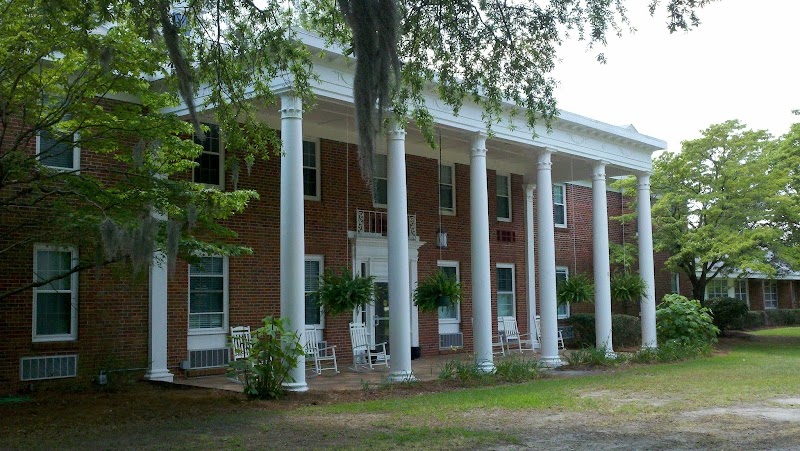
CMS rates Bethea Baptist Healthcare Center's staffing level at 4 out of 5 stars, which is above average compared to other nursing homes. Staff turnover is 48%, compared to the South Carolina average of 46%.

What Have Inspectors Found at Bethea Baptist Healthcare Center?

State health inspectors documented 13 deficiencies at Bethea Baptist Healthcare Center during 2022 to 2025. These included: 13 with potential for harm.

Who Owns and Operates Bethea Baptist Healthcare Center?

Bethea Baptist Healthcare Center is owned by a non-profit organization. Non-profit facilities reinvest revenue into operations rather than distributing to shareholders. The facility operates independently rather than as part of a larger chain. With 88 certified beds and approximately 57 residents (about 65% occupancy), it is a smaller facility located in Darlington, South Carolina.

How Does Bethea Baptist Healthcare Center Compare to Other South Carolina Nursing Homes?

Compared to the 100 nursing homes in South Carolina, Bethea Baptist Healthcare Center's overall rating (4 stars) is above the state average of 2.9, staff turnover (48%) is near the state average of 46%, and health inspection rating (4 stars) is above the national benchmark.

What Should Families Ask When Visiting Bethea Baptist Healthcare Center?

Based on this facility's data, families visiting should ask: "Can I visit during a mealtime to observe dining assistance and food quality?" "How do you handle medical emergencies, and what is your hospital transfer rate?" "Can I speak with family members of current residents about their experience?"

Is Bethea Baptist Healthcare Center Safe?

Based on CMS inspection data, Bethea Baptist Healthcare Center has a clean safety record: no substantiated abuse findings (meaning no confirmed cases of resident harm), no Immediate Jeopardy citations (the most serious violation level indicating risk of serious injury or death), and is not on the Special Focus Facility watch list (a federal program monitoring the lowest-performing 1% of nursing homes). The facility has a 4-star overall rating and ranks #1 of 100 nursing homes in South Carolina. While no facility is perfect, families should still ask about staff-to-resident ratios and recent inspection results during their visit.

Do Nurses at Bethea Baptist Healthcare Center Stick Around?

Bethea Baptist Healthcare Center has a staff turnover rate of 48%, which is about average for South Carolina nursing homes (state average: 46%). Moderate turnover is common in nursing homes, but families should still ask about staff tenure and how the facility maintains care continuity when employees leave.

Was Bethea Baptist Healthcare Center Ever Fined?

Bethea Baptist Healthcare Center has no federal fines on record. CMS issues fines when nursing homes fail to meet care standards or don't correct problems found during inspections. The absence of fines suggests the facility has either maintained compliance or corrected any issues before penalties were assessed. This is a positive indicator, though families should still review recent inspection reports for the full picture.

Is Bethea Baptist Healthcare Center on Any Federal Watch List?

Bethea Baptist Healthcare Center is not on any federal watch list. The most significant is the Special Focus Facility (SFF) program, which identifies the bottom 1% of nursing homes nationally based on persistent, serious quality problems. Not being on this list means the facility has avoided the pattern of deficiencies that triggers enhanced federal oversight. This is a positive indicator, though families should still review the facility's inspection history directly.