PruittHealth- Dillon
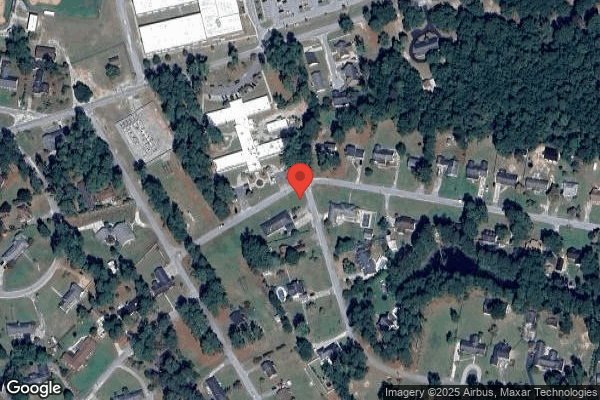
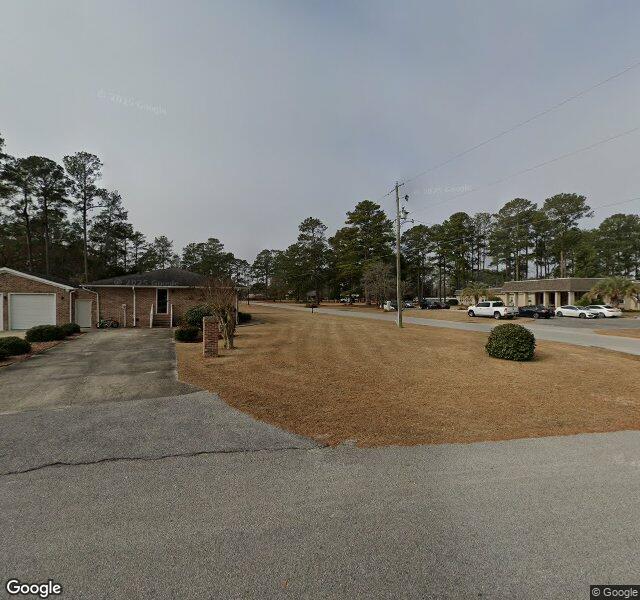
413 Lakeside Court, Dillon, SC 29536 (843) 774-2741
For profit - Limited Liability company 84 Beds PRUITTHEALTH Data: November 2025 2 Immediate Jeopardy citations
Trust Grade
39/100
#94 of 186 in SC
Last Inspection: May 2025

Inspected within the last 6 months. Data reflects current conditions.

Overview

PruittHealth-Dillon has a Trust Grade of F, indicating significant concerns and a poor reputation among nursing homes. Ranking #94 out of 186 facilities in South Carolina places it in the bottom half, and it is the second out of two in Dillon County, meaning families have limited local options. The facility is improving, as issues have decreased from 7 in 2024 to 4 in 2025, but it still faces serious challenges. Staffing is a strength, with a 3-star rating and a turnover rate of 33%, which is below the state average of 46%, indicating that staff are likely to stay and become familiar with residents. However, there are some concerning incidents, such as a resident being administered a chemical restraint without proper justification and failures in ensuring safe discharges for residents, which highlight ongoing issues that need addressing.

Trust Score
F
39/100
In South Carolina
#94/186
Top 50%
Safety Record
High Risk
Review needed
Inspections
Getting Better
7 → 4 violations
Staff Stability
○ Average
33% turnover. Near South Carolina's 48% average. Typical for the industry.
Penalties
✓ Good
$10,036 in fines. Lower than most South Carolina facilities. Relatively clean record.
Skilled Nurses
⚠ Watch
Each resident gets only 28 minutes of Registered Nurse (RN) attention daily — below average for South Carolina. Fewer RN minutes means fewer trained eyes watching for problems.
Violations
⚠ Watch
16 deficiencies on record. Higher than average. Multiple issues found across inspections.
★★★☆☆
3.0
Overall Rating
★★★☆☆
3.0
Staff Levels
★★★★★
5.0
Care Quality
★★☆☆☆
2.0
Inspection Score
Stable
2024: 7 issues
2025: 4 issues

The Good

  • 5-Star Quality Measures · Strong clinical quality outcomes
  • Full Sprinkler Coverage · Fire safety systems throughout facility
  • No fines on record
  • Staff turnover below average (33%)

    15 points below South Carolina average of 48%

Facility shows strength in quality measures, fire safety.

The Bad

3-Star Overall Rating

Near South Carolina average (2.8)

Meets federal standards, typical of most facilities

Staff Turnover: 33%

13pts below South Carolina avg (46%)

Typical for the industry

Federal Fines: $10,036

Below median ($33,413)

Minor penalties assessed

Chain: PRUITTHEALTH

Part of a multi-facility chain

Ask about local staffing decisions and management

The Ugly 16 deficiencies on record

2 life-threatening
May 2025 4 deficiencies
CONCERN (D)

Potential for Harm - no one hurt, but risky conditions existed

Notification of Changes (Tag F0580)

Could have caused harm · This affected 1 resident

**NOTE- TERMS IN BRACKETS HAVE BEEN EDITED TO PROTECT CONFIDENTIALITY** Based on record review, interviews, and procedure guide review, the facility failed to notify a physician of a high blood sugar ...

Read full inspector narrative →
**NOTE- TERMS IN BRACKETS HAVE BEEN EDITED TO PROTECT CONFIDENTIALITY** Based on record review, interviews, and procedure guide review, the facility failed to notify a physician of a high blood sugar level for one of five residents (Resident (R) 50) reviewed for unnecessary medication of 27 sample residents. The facility failed to notify the resident's physician of a significant change in the resident's blood glucose levels. Findings include: Review of the facility's procedure guide titled, Change in Condition reporting parameters, dated June 2018 and provided by the Director of Health Services (DHS), revealed that staff were to report to the resident's physician any Blood Glucose levels greater than 300mg/dl (milligrams/ deciliter) or less than 70mg/dl. Review of R50's face sheet located under the Resident tab of the electronic medical record (EMR) revealed the resident was admitted to the facility from the hospital on [DATE], with diagnoses that included pneumonia, overactive bladder, type two diabetes mellitus, and Alzheimer's disease. Review of R50's care plan, located under the Resident Assessment Instrument (RAI) tab, revealed a focus that indicated the resident had a diagnosis of diabetes with the use of hypoglycemic medication (40 units of Lantus Solostar each morning) and had the potential for complications related to instances of low or elevated blood glucose [blood sugar (BS)] levels. The goal was for R50 to have no complications due to the disease or from the use of hypoglycemic medications using approaches that included observing the resident for signs of hyperglycemia (BS greater than 140mg/dl) and hypoglycemia (BS less than 60mg/dl) and notifying the physician as indicated/as needed. Review of R50's physician orders located under the Resident tab of the EMR, revealed an order Fingerstick Blood Sugars 4X Daily D/T [due to] Blood Sugar Easily Drops starting on 09/19/23. Review of the Medication Administration Record (MAR) located under the Resident tab under Reports revealed BS levels greater than 400 (mg/dl) on 05/03/25 (429 mg/dl) and on 05/12/25 (561 mg/dl). Review of a corresponding progress note, located under the Resident tab, on 05/03/25 at 9:30 PM authored by Licensed Practical Nurse (LPN) 2, revealed the physician was notified and sent order for R50 to receive 10 units of Humalog stat, increase Lantus to 50 units subq in the morning . A search of the progress notes revealed there was no corresponding note related to the abnormal BS taken on 05/12/25 at 2:04 PM by Registered Nurse (RN)1. During an interview on 05/23/25 at 8:46 AM, RN1 stated that she had worked with R50 since her admission and confirmed the resident received insulin each morning and had her BS checked before each meal and before bed. She added that she did not recall R50 having a BS that high, but that she would have notified the physician if the input was correct. During an interview on 05/23/25 at 9:25 AM, the Medical Director was asked at what BS level would he expect nursing staff to notify him and stated that it depended on the situation, adding that a BS of 300 (mg/dl) for one resident may not be reported for one resident, but could be detrimental to another. He confirmed that he depended on the knowledge and judgement of his nursing staff to make the determination and knew that any abnormal readings were confirmed. During an interview on 05/23/25 at 8:51 AM, the DHS stated that she expected that for any BS over 400 (mg/dl) the resident's physician would be notified. The DHS added that the order was also missing parameters defining when a physician should be notified.
CONCERN (D)

Potential for Harm - no one hurt, but risky conditions existed

Deficiency F0645 (Tag F0645)

Could have caused harm · This affected 1 resident

**NOTE- TERMS IN BRACKETS HAVE BEEN EDITED TO PROTECT CONFIDENTIALITY** Based on record review and interview, the facility failed to accurately complete Pre-admission Screening and Resident Review (PA...

Read full inspector narrative →
**NOTE- TERMS IN BRACKETS HAVE BEEN EDITED TO PROTECT CONFIDENTIALITY** Based on record review and interview, the facility failed to accurately complete Pre-admission Screening and Resident Review (PASARR) as required for one of one resident (Resident (R) 25) reviewed for PASARRs of 27 sample residents. R25 did not have an accurate PASARR Level I which failed to identify that the resident had intellectual disabilities prior to his admission to the facility. This deficient practice resulted in R25 not being evaluated for and/or provided specialized care and treatment. Findings include: Review of a document for R25 located under Resident titled PASARR - Level I Screening Form, dated 02/27/25, failed to indicate the resident had a diagnosis of intellectual disabilities. Review of R25's electronic medical record (EMR) titled Resident Face Sheet located under the Resident tab indicated the resident was admitted to the facility on [DATE] with a diagnosis of unspecified intellectual disabilities. Review of R25's admission Minimum Data Set (MDS) with an Assessment Reference Date (ARD) of 04/09/25 located under the RAI (Resident Assessment Instrument) tab indicated the resident had a Brief Interview for Mental Status (BIMS) score of 12 out of 15 which indicated the resident was moderately cognitively impaired. Review of R25's Care Plan located under the RAI tab failed to indicate the resident had a diagnosis of unspecified intellectual disabilities nor if he received any specialized services. During an interview on 05/22/25 at 12:25 PM, the Social Services Director (SSD) stated if a resident was newly diagnosed with an intellectual disability, she would then make a referral for a Level II PASARR. During this interview, SSD stated she could not locate a current diagnosis of intellectual disability. During an interview on 05/22/25 at 12:38 PM, the Family member (F)1 and the party responsible for R25 confirmed that the resident had intellectual disabilities his entire life. During an interview on 05/23/25 at 9:21 AM, the SSD stated the facility did not have a PASARR policy, they followed the federal requirements, and confirmed Level II referral should have been completed. The Director of Nursing was present during this interview.
CONCERN (D)

Potential for Harm - no one hurt, but risky conditions existed

Deficiency F0848 (Tag F0848)

Could have caused harm · This affected 1 resident

**NOTE- TERMS IN BRACKETS HAVE BEEN EDITED TO PROTECT CONFIDENTIALITY** Based on interview and record review, the facility failed to contain specific language into the facility's arbitration agreement...

Read full inspector narrative →
**NOTE- TERMS IN BRACKETS HAVE BEEN EDITED TO PROTECT CONFIDENTIALITY** Based on interview and record review, the facility failed to contain specific language into the facility's arbitration agreement for three of three residents (Resident (R) 5, R15, and R45) reviewed for arbitration agreement of 27 sample residents. Specifically, the facility failed to ensure that residents and/or their representatives were informed of the opportunity to agree on a neutral arbitrator and convenient location for the arbitration to be held. Findings include: 1. Review of R5's Resident Face Sheet found in the electronic medical record (EMR) under the dashboard, indicated the resident was admitted to the facility on [DATE]. Review of a document provided by the facility titled, Arbitration Agreement, signed 12/10/19, indicated R5's representative signed the agreement. The arbitration agreement indicated .The parties intend that Miles Mediation and Arbitration Services (CMMAS') shall be the Arbitration Service Provider . The document did not expressly state that the residents and/or their representative were informed of the opportunity to agree on a neutral arbitrator and convenient location for the arbitration to be held. Review of R5's annual Minimum Data Set (MDS) with an Assessment Reference Date (ARD) of 05/02/25 located under the Resident Assessment Instrument (RAI) tab indicated the staff could not determine a Brief Interview for Mental Status (BIMS) score and determined the resident had short-and-long-term memory problems. 2. Review of R15's Resident Face Sheet found in the EMR under the dashboard, indicated the resident was admitted to the facility on [DATE]. Review of a document provided by the facility titled, Arbitration Agreement, signed 02/02/22, indicated R15's representative signed the agreement. The arbitration agreement indicated .The parties intend that Miles Mediation and Arbitration Services (CMMAS') shall be the Arbitration Service Provider . The document did not expressly state that the residents and/or their representative were informed of the opportunity to agree on a neutral arbitrator and convenient location for the arbitration to be held. Review of R15's quarterly MDS with an ARD of 02/21/25 indicated the resident had a BIMS score of eight out of 15 which revealed the resident was moderately cognitively impaired. 3. Review of R45's Resident Face Sheet found in the EMR under the dashboard, indicated the resident was admitted to the facility on [DATE]. Review of a document provided by the facility titled, Arbitration Agreement, signed 03/15/22, indicated R45's representative signed the agreement. The arbitration agreement indicated .The parties intend that Miles Mediation and Arbitration Services (CMMAS') shall be the Arbitration Service Provider . The document did not expressly state that the residents and/or their representatives were informed of the opportunity to agree on a neutral arbitrator and convenient location for the arbitration to be held. Review of R45's quarterly MDS with an ARD of 04/01/25 located under the RAI tab, indicated the staff could not determine a BIMS score and determined the resident had short-and-long-term memory problems. During an interview on 05/22/25 at 3:28 PM, the Administrator verified that there was no language in the arbitration agreement for R5, R15, and R45 and confirmed they were not informed of the opportunity to agree on a neutral arbitrator and convenient location for the arbitration to be held. During an interview on 05/23/25 at 10:03 AM, the Administrator stated there were still a few residents who did not have an updated arbitration agreement and would assume the residents would be provided with the opportunity to sign a correct arbitration agreement. The Administrator stated current residents and/or their representatives were offered the corrected arbitration.
CONCERN (D)

Potential for Harm - no one hurt, but risky conditions existed

Infection Control (Tag F0880)

Could have caused harm · This affected 1 resident

**NOTE- TERMS IN BRACKETS HAVE BEEN EDITED TO PROTECT CONFIDENTIALITY** Based on observation, record review, interview, and facility policy review, the facility failed to adhere to infection control p...

Read full inspector narrative →
**NOTE- TERMS IN BRACKETS HAVE BEEN EDITED TO PROTECT CONFIDENTIALITY** Based on observation, record review, interview, and facility policy review, the facility failed to adhere to infection control practices and policies for three of three residents (Resident (R)5, R50, and R73) reviewed for infection control of 27 sample residents. The facility failed to wear a gown and implement Enhanced Barrier Precautions (EBP) for R5 and failed to ensure the residents' catheter was not touching the ground for R50 and R73. The deficient practice increased the risk of infection for the residents. Findings include: Review of the facility's policy titled, Enhanced Barrier Precautions (EBP), revised 04/30/24, indicated Enhanced barrier precautions (EBP) refer to an infection control intervention designed to reduce transmission of multidrug-resistant organisms that employs targeted gown and gloves use during high contact resident care activities .Initiation of Enhanced Barrier Precautions .An order for enhanced barrier precautions will be obtained for residents with any of the following: Wounds (e.g., chronic wounds such as pressure ulcers) .Implementation of Enhanced Barrier Precautions: Make gowns and gloves available immediately near or outside of the resident's room .The Infection Preventionist will incorporate periodic monitoring and assessment of adherence to determine the need for additional training and education .High contact resident care activities include .Wound care: any skin opening requiring a dressing. 1. Observation on 05/22/25 at 11:30 AM, Registered Nurse (RN)1 and RN Clinical Competency Coordinator (RNCCC) entered R5's room to perform wound care. There was no EBP sign on R5's door. RNCCC performed hand hygiene and donned (put on) clean gloves. RNCCC held R5 on her side while wound care was performed and did not wear a gown. RN1 washed hands, donned clean gloves, and removed the cover from supplies that were set up on the bedside table. Then, RN1 removed her gloves, washed hands, donned clean gloves, applied saline to gauze pads, and removed the old dressing without wearing a gown. Then, RN1 removed soiled gloves, washed hands, donned clean gloves, and cleaned the small open wound on the sacrum using the saline soaked gauze. Then, RN1 removed the soiled gloves, washed hands, donned clean gloves, applied cream to the wound using a cotton swab, and applied a dated boarder gauze dressing. RN1 did not wear a gown during wound care. Finally, RN1 discarded extra supplies, removed soiled gloves, and washed hands. Review of R5's Face Sheet located under the Resident tab of the electronic medical record (EMR), revealed the resident was initially admitted on [DATE] and returned from a hospital stay on 03/25/25. Diagnoses included stage two pressure ulcer of sacral region. Review of R5's physician orders located under the Resident tab of the EMR, revealed an order for Enhanced Barrier Precautions, dated 05/06/25. Review of R5's care plan located under the Resident Assessment Instrument (RAI) tab of the EMR, revealed the resident had a pressure ulcer with an intervention that staff were to follow enhanced barrier precautions date, 03/25/25. During an interview on 05/22/25 at 11:45 AM, RNCCC and RN1 both stated, [R5] should have been on EBP precautions due to an open wound. EBP precautions would include wearing a gown and gloves during resident contact. We will place [R5] on EBP precautions and post the sign. We don't know why we didn't think about EBP precautions, we guess we were just thinking about getting the wound care done. During an interview on 05/23/25 at 9:59 AM, the Director of Health Services (DHS) stated, Residents with tube feeding, foley catheter, indwelling tubes, dressing changes, or other potential infections of colonization are to have EBP. On admission, the admission nurse would be responsible to place the resident on EBP, and the infection prevention nurse would follow up. If the resident had a change during admission, the floor nurse would be responsible for implementing EBP and followed up by the infection prevention nurse. The risk of not following EBP would increase the risk of infection. The DHS verified R5's orders and care plan included EBP. During an interview on 05/23/25 at 10:10 AM, the Administrator stated the infection prevention nurse was not available and the DHS was covering. 2. Review of the discharge documentation found in the EMR under the Resident tab under Resident Documents revealed R50 was admitted to the facility on [DATE], following a hospitalization related to a distended bladder with bilateral hydronephrosis and urinary retention leading to the placement of a Foley catheter. Review of R50's care plan, dated 09/20/23 and located under the RAI tab, revealed a focus indicating that R50 was admitted to the facility with a Foley catheter and had the potential for complications with a goal of the resident not exhibiting signs or symptoms of complications due to incontinence, urinary retention, or kidney injury. The approaches or interventions included observing complications and urinary retention and reporting it to the resident's physician. During an observation that occurred on 05/21/25 at 9:31 AM, R50 was lying in bed, confused and mumbling incoherently. She did not appear distressed and there were no odors present. The resident's bed was in the lowest position and the catheter bag that attached was in contact with the floor. A second observation was made on 05/21/25 at 3:19 PM of R50 and she was seated in her wheelchair and her spouse was present. The resident's catheter bag was attached to the right side of her wheelchair and was in contact with the floor. 3. Review of R73's Face Sheet located in the EMR under the Resident tab revealed the resident was admitted to the facility from the hospital on [DATE] with diagnoses that included urinary tract infection (UTI), prostate cancer, and obstructive reflux uropathy. Review of the R73's physician orders, located under the Resident tab, revealed the resident had an order for a suprapubic urinary catheter for a diagnosis of urinary outlet obstruction, dated 05/06/25. Review of R73's care plan, dated 04/21/25 and located under the RAI tab, revealed the resident had an Indwelling Catheter and the goal for care was for the resident to not develop any complications associated with catheter usage . The approaches or interventions to prevent catheter complications included providing catheter care per the facility's policy and to notify the physician of any complications. During an observation on 05/22/25 at 9:33 AM, R73 was lying in bed resting. The resident's catheter bag, which was attached to the side of the bed and covered in a blue privacy cover, was in contact with the floor. During an observation and interview on 05/22/25 at 9:44 AM, Licensed Practical Nurse (LPN)1 was shown R73's catheter bag resting on the ground, and she said that catheter bags should not come in contact with the ground as this could result in contamination or infection. During an interview on 5/22/25 at 1:35 PM, the DHS stated that catheter bags should not come in contact with the ground due to infection control. She added that R73 and R50 both have a history of UTIs.
Jun 2024 7 deficiencies 2 IJ
CRITICAL (J)

Immediate Jeopardy (IJ) - the most serious Medicare violation

Deficiency F0605 (Tag F0605)

Someone could have died · This affected 1 resident

**NOTE- TERMS IN BRACKETS HAVE BEEN EDITED TO PROTECT CONFIDENTIALITY** Based on interview, record review, and facility policy the facility failed to ensure Resident (R)369 was free from chemical rest...

Read full inspector narrative →
**NOTE- TERMS IN BRACKETS HAVE BEEN EDITED TO PROTECT CONFIDENTIALITY** Based on interview, record review, and facility policy the facility failed to ensure Resident (R)369 was free from chemical restraints when it was identified that R369 was administered Haloperidol (An antipsychotic used to treat certain types of mental disorders (eg, schizophrenia). It can also control symptoms of Tourette syndrome) for 'exit-seeking behaviors, for 1 of 5 residents reviewed for unnecessary medications. On 06/20/24 at 2:09 PM, the survey team notified the Administrator and DON that the failure to ensure residents are free from physical or chemical restraints imposed for purposes of discipline or convenience and that are not required to treat the residents medical symptoms constituted IJ at F605. On 06/20/24 at 2:09 PM, the survey team provided the Administrator and DON with a copy of the CMS IJ template and informed them that IJ existed as of 06/17/24, due to Resident (R)369 receiving a Haldol injection after displaying exit seeking behaviors and staff being unable to redirect the resident from wandering. The IJ was related to §483.12 Freedom from Abuse, Neglect, and Exploitation. On 06/21/24, the facility provided an acceptable IJ Removal Plan. On 06/21/24 at 8:17 AM, the survey team validated the facility's corrective actions and removed the IJ as of 06/21/24. The facility remained out of compliance at F605 at a lower scope and severity of D. An Extended Survey was conducted in conjuction with the Recertification and Complaint Survey, for noncompliance at F605. Findings include: Review of the facility policy titled Unnecessary Medications Use and Monitoring with a reviewed date of 01/03/24, documented, Procedure: 1. The regulations associated with medication management include consideration of: Indication and clinical need for the medication . 2. Psychotropic medication requires additional regulations: Psychotropic medications are only given when necessary to treat a specific diagnosed or documented condition. Review of the Manufactures Recommendation for the medication Haldol revealed, Increased Mortality in Elderly Patients with Dementia-Related Psychosis Elderly patients with dementia-related psychosis treated with antipsychotic drugs are at an increased risk of death. Observational studies suggest that, similar to atypical antipsychotic drugs, treatment with conventional antipsychotic drugs may increase mortality. The extent to which the findings of increased mortality in observational studies may be attributed to the antipsychotic drug as opposed to some characteristic(s) of the patients is not clear. HALDOL decanoate is not approved for the treatment of patients with dementia related psychosis. HALDOL decanoate 50 and HALDOL decanoate 100 are indicated for the treatment of patients with schizophrenia who require prolonged parenteral antipsychotic therapy. Review of R369's Face Sheet revealed R369 was admitted to the facility on [DATE], with diagnoses including but not limited to: dementia, major depressive disorder, anxiety disorder, and adjustment disorder. Review of R369's Care Plan with a start date of 07/16/24 documented, Presence of Behaviors: Wanders, requires Wanderguard. Further review of the Care Plan revealed the following approach, Administer and monitor the effectiveness side effects of medications as ordered-see physician orders and MAR. Review of R369's Care Plan revealed, R369 was care planned on 07/16/24 for Presence of Behavioral Symptoms: Wanders; EMD in place as evidenced by: wandering about facility looking for family to take home. Review of R369's Physician Orders revealed an order for, haloperidol 5 mg oral one time with a start date of 06/17/24. No indications of use were noted on the order. Review of R369's Medication Administration Record (MAR) revealed, on 06/17/24 at 3:00 PM, R369 was administered 5 mg of oral Haloperidol. Further review revealed documentation of R369's Behavior Monitoring chart which indicated R369 behavior as wanders. Review of R369's Progress Notes revealed, on 06/17/24 at 2:56 PM, Patient has attempted several times to leave facility. Called MD see new order for Haloperidol 5mg x 1 dose until he sees her in the morning for anxiety, RR made aware. During an interview on 06/19/24 at 3:40 PM, Licensed Practical Nurse (LPN)2 revealed that the resident had been exit seeking since being admitted to the facility on [DATE] which is why she decided to place the resident on a 1:1 intervention and place an Electronic Medical Device (EMD) on the resident. LPN2 stated that she notified the Medical Director (MD) of the resident's behaviors, and he put in an order for a one time use for a Haldol injection. During an interview on 06/19/24 at 4:51 PM, MD1 revealed R369 was displaying exit seeking behaviors shortly after finishing her admission evaluation. MD1 stated that they overheard the EMD alarm sounding off while they were at the facility and witnessed staff having difficulty redirecting the resident from that behavior. MD1 further stated due to the resident having exit seeking behaviors and staff being unable to redirect the resident and due to the resident's agitation, a one-time order of Haldol was placed for the resident's agitation. During an interview on 06/20/24 at 11:05 AM, LPN1 revealed R369 was agitated and constantly exit seeking and saying things such as He knows not to leave me here. I am going with my family. LPN1 further stated Haldol was given one time and the MD stated that he would come to re-evaluate R369 the next day. During a follow up interview on 06/20/24 at 12:36 PM, MD1 stated, She was agitated, she was trying to leave the facility and they didn't want to use physical restraints. I prescribed Haldol. I use Haldol with psychosis. Do I need legal counsel? She was agitated and wanted to leave, so I gave Haldol. I use this medication short term until I can get them on something long term or until I can prescribe something else. MD1 concluded, Educate me on what I should use. On 06/21/24, the facility provided an acceptable IJ Removal Plan, which included the following: Implementation of the removal plan for F605 include: R369 was admitted to the facility on [DATE] with a diagnosis including but not limited to unspecified dementia without behaviors, major depressive disorder, anxiety disorder, and adjustment disorder. R369 displayed exit seeking behaviors upon admission and throughout her stay within the facility. Interventions of 1:1 supervision and placement of an Electronic Monitoring Device (EMD) were put into place to ensure resident safety and security. While R369 was in the facility, partners/staff attempted to redirect the resident when she displayed exit seeking behaviors and she stated, I am going home with family . He knows not to leave me here. Medical Director (MD)1 witnessed R369 displaying exit seeking behaviors and that the partners/staff were having difficulty redirecting the resident due to the resident's agitation. MD1 placed a one-time order of Haloperidol 5 mg oral tablet for the resident's agitation. Methods to identify any other resident who might be affected include: all ambulatory residents with exit seeking behaviors and increased agitation. Systemic Changes include: the facility regional Area [NAME] President (AVP) and or Senior Nurse Consultant (SNC) has scheduled an in-service on 06/20/24 to be instructed by our Chief Medical Officer to the facility MD (MD1). This in-service will include recommendations of interventions for residents with increased agitation while displaying exit seeking behaviors that are following the manufacturer's recommendations of the medication while meeting the Center's of Medicare and Medicaid (CMS) regulations/guidelines for not chemically sedating. New orders for psychotropic will be reviewed with the MD and Quality Assurance and Performance Improvement (QAPI) committee monthly to ensure/confirm rational and appropriate usage. The date of substantial compliance is set at 06/21/24. Monitoring includes: the Administrator will present results of reviews to the QAPI Committee monthly for three months and or until substantial compliance is achieved.
CRITICAL (J)

Immediate Jeopardy (IJ) - the most serious Medicare violation

Deficiency F0624 (Tag F0624)

Someone could have died · This affected 1 resident

**NOTE- TERMS IN BRACKETS HAVE BEEN EDITED TO PROTECT CONFIDENTIALITY** Based on observation, interview, record review, and facility policy review, the facility failed to provide Resident (R)369 and h...

Read full inspector narrative →
**NOTE- TERMS IN BRACKETS HAVE BEEN EDITED TO PROTECT CONFIDENTIALITY** Based on observation, interview, record review, and facility policy review, the facility failed to provide Resident (R)369 and her Resident Representative with sufficient preparation and presentation to ensure an orderly and safe discharge from the facility, for 1 of 6 residents reviewed for transfer/discharge. On 06/19/24 at 9:09 PM, the Administrator and Director of Nursing (DON) were notified that the failure to provide and document sufficient preparation and orientation to ensure residents have a safe and orderly discharge from the facility constituted Immediate Jeopardy (IJ) at F624. On 06/19/24 at 9:09 PM, the survey team provided the Administrator and DON with a copy of the CMS IJ Template and informed the facility the IJ existed as of 06/19/24. The IJ was related to 483.15 Admission, Transfer, and Discharge. On 06/20/24 the facility provided an acceptable IJ Removal Plan. On 06/20/24 at 12:23 PM, the survey team validated the facility's corrective action and removed the IJ as of 06/20/24 at 12:23 PM. The facility remained out of compliance at F624 at a lower scope and severity of D. Findings include: Review of the facility policy titled Discharge Planning with a reviewed date of 01/11/24, documented, Discharge planning will begin with each patient/resident and patient/resident's representative upon admission. The process is coordinated by Social Services/Nurse Navigator or designee. The patient/resident representative and Interdisciplinary Team (IDT) are involved in the planning process. The post-discharge plan of care is developed with the participation of the patient/resident and/or patient/resident's representative . Procedure: 3. Community resources should be determined based on input from the patient/resident, patient resident representative to include consideration of caregiver/support person availability and the patient/resident's or caregiver's/support person(s) capacity and capability to perform required care . 6. The Nurse Navigator, SSD, or Administrators designee provides oversight for the completion of this process and reviews all aspects of care with the patient/resident and patient/resident representative. Review of R369's Face Sheet revealed R369 was admitted to the facility on [DATE], with diagnoses including but not limited to: dementia, psychotics disturbance, mood disturbance, anxiety, and age related cognitive decline. Review of R369's Care Plan last revised on 06/17/24, revealed, No caregiver or family support identified, concern for patient readiness/family readiness (may need home modifications). Concern for risk of hospital readmission, patient cannot afford medications, no home health services in community. Patient cannot afford durable medical equipment, program take a while. Interventions include, involve patient/resident representative and interdisciplinary team. Review of R369's Care Plan with a start date of 06/17/24 documented, Behavioral Symptoms Presence of Behavioral Symptoms: Wanders; Wander guard in place as evidenced by: wandering about facility looking for family to take home. Further review of the Care Plan revealed the following approach, redirect as needed/indicated, check wander guard for function daily, observe for increased wandering/exit seeking, check wander guard for placement q shift, provide diversional activities per resident preference. Review of R369's Physician Order with a start date of 06/17/24 documented, behavior monitoring, monitor placement of wander guard to right ankle every shift, and monitor wander guard for function daily. Review of a Nurses Note dated 06/19/24 at 12:38 PM, revealed, Discharge planning meeting was held with [R369] Resident Representatives in person and via phone. Administrator and Nurse Consultant was present during this meeting, the family discusses that they would like to discharge the resident home. Staff educated family on importance of safety for the resident when she returns back home. SW has setup home health and other community services that will make a smoother transition back home. SW also sent referral to a sister facility (105 miles away according to Apple Maps) for a Memory Support Unit (MSU) bed to give family another option if family can't provide care for resident once returned home. Review of a Nurses Note dated 06/19/24 at 4:00 PM, revealed, Spoke with MD and made him aware of family request for discharge home. See new orders for discharge home with home health. Resident was assessed per MD on 06/18/24 during MD rounds. During an observation on 06/18/24 at 10:30 AM, revealed R369 sitting on a bench by the front door of the facility, appropriately dressed, with an Electronic Monitoring Device (EMD) on her right ankle. Licensed Practical Nurse (LPN)1 was close to the resident and encouraging her to come back inside of the facility. During a phone interview on 06/18/24 at 2:11 PM, R369's Resident Representative (RR)1 revealed that R369 needed to be admitted to the facility because the resident was no longer able to take care of herself and was becoming forgetful. R369's other family members were also unable to care for the resident, so the family began to look for Long Term Care (LTC) in August of 2023 and was approved for LTC in February. The resident is physically fine but mentally she is unable to make her own decisions. While at home she often sat outside and knew my vehicle and would often wait for me outside. RR1 stated, I am planning to come to the facility on 06/19 around lunch because the staff asked me to come due to her exit seeking behaviors. During an observation on 06/19/24 at 12:58 PM, R369 was with her RR1 eating lunch and appropriately dressed with an EMD in place on her right ankle. During an observation on 06/19/24 at 1:54 PM, revealed R369 and her resident representatives walking to their vehicle with R369's belongings and being discharged home with the resident representatives. During an interview on 06/19/24 at 3:07 PM, the Social Worker (SW) revealed that R369 was admitted to the facility for LTC. Due to the resident having exit seeking behaviors and the potential of elopement. The SW further stated the facility along with R369's resident representatives, in person and over the phone, suggest an alternative placement in LTC on a memory care unit. The SW stated R369's family was not in agreement with R369 being discharged to a memory care unit at another facility, and decided to care for the resident at home which is nearby. The SW further stated that the facility does not have any other residents that exit seek at the facility. During an interview on 06/19/24 at 3:40 PM, LPN2 revealed that R369 had been exit seeking since being admitted to the facility on [DATE], which is why she decided to place the resident on a 1:1 intervention and place an EMD on the resident. LPN2 stated that she notified the Medical Director (MD)1 of the resident's behaviors. LPN2 further stated they were unaware that the resident was being discharged from the facility until around 11:00 AM or 11:30 AM and was notified by the SW. LPN2 stated that she did not complete discharge paperwork or speak with R369's resident representatives related to her being discharged from the facility. LPN2 stated that she was instructed by the SW to complete an order for R369 to receive home health services and to be discharged from the facility. LPN2 finally stated that she has never discharged a resident from the facility in this manner and normally discharges are completed days in advance to coordinate with family and gather resources for the resident to go home. During an interview on 06/19/24 at 4:14 PM, R369's RR1 revealed that he had a meeting with the SW and other facility staff due to the resident's exit seeking behaviors and the facility was unable to handle her need of care. The facility suggested that the resident be discharged to a locked unit about two hours away (105 miles according Apple Maps) and that would not be feasible for family to visit the resident. RR1 stated that they currently don't have any medication for R369 and they are trying to schedule an appointment at a local doctor's office near their home to get the resident some medication. RR1 finally stated that the SW completed the discharge paperwork with them, and they did not speak with the resident's nurse during the discharge process. During an interview on 06/19/24 at 4:51 PM, MD1 stated I work the South side and [MD2] works the North side. MD1 stated I think that was her family's decision to take her home. MD1 stated I saw her earlier in the week. It surprised me. She doesn't look like she would be demented. She is incontinent of urine. I was trying to get more information from her. She initially came to us with no medications. She isn't on any meds. MD1 further stated, It doesn't seem like she needs to be admitted to a nursing home. Her agitation was a wanting to leave behaviors. MD1 stated while I was seeing other patients, I heard the door go off of her trying to leave. MD1 concluded, I do not make preparation for discharges. This occurs prior to and I sign off. I only see the residents once a month. During an interview on 06/19/24 at 6:39 PM, RR2 revealed that they are unsure why RR1 agreed to take the resident home because they know how difficult it is to care for someone with dementia and specifically a person with dementia that exit seeks. RR2 stated that she hopes that her family will be able to care for R369 but believed that it would have been best for R369 to remain at the facility under LTC. RR2 further stated that during the meeting this morning, they attended via phone, that the resident being discharged from the facility was not planned by R369's family. The facility stated that due to the resident's exit seeking behaviors the facility was unable to provide care for high level of needs and they suggested that she be transferred to a memory care unit (105 miles away). RR2 stated that was unfeasible due to her family not being able to travel that far, along with the family not feeling comfortable with the resident being on a locked unit, both resident representatives agreed to bring R369 home due to having no other choices. RR2 further stated that they and RR1 are in the process of becoming Power of Attorney (POA)'s for R369 and are hoping to find another LTC closer to RR1. During an interview on 06/19/24 at 6:00 PM, the Director of Nursing (DON) stated, When a resident is about to be discharged from the facility, we talk to the families to see what they need to be functional at home. We usually coordinate with the MD's office for home health and medical devices to setup in the home. Mostly Social Services conducts discharge meetings with residents and their representatives. I did not attend the meeting with the family of [R369] and the Administrator. The discharge today with [R369] consisted of the Social Worker and Administrator. We coordinate services and have the Social Worker follow the services up. The DON further stated, she was unable to follow up procedures today because this was an isolated incident. The facility was trying to coordinate something different so they can follow up with R369's case, because it is more isolated. No one knew she was going home today. The DON concluded, Today, the Nurse Consultant, Administrator and Social Worker assisted [R369's] family with discharge planning. During an interview on 06/19/24 at 6:09 PM, the Administrator stated, When a person is admitted we schedule a meeting with the resident and or representatives which occurs within 48 to 72 hours. We clarify if they have concerns and goals. Sometimes we clarify it on admission if they are planning on staying short term or long term. Discharge planning occurs with the family who decides what is needed such as supplies, durable medical equipment. This is coordinated with their insurance, the durable medical services, home health agency of their choice to get them set up at home. The Administrator further stated that herself, the SW, and a Nurse Consultant spoke with R369 RR's because R369 was calling them and saying that she wanted to go home. The facility wanted to discuss with the family about her exit seeking behaviors and high level of care. The Administrator stated, During the conversation staff offered another appropriate place for placement in a MSU but the family was not in agreement with that option. The family then suggested that they wanted to discharge the resident home and care for her there which was a surprise because we were unaware that wanted to take [R369] home. During the meeting we also suggested that the family do a Leave of Absence (LOA) to ensure that they will be equipped to care for her high level of needs, but they also refused that option as well. The Social Worker then provided [R369's] family with resources in the area closes to [R369's RR1]. The Administrator also stated that she will be following up with R369 RR's and potentially Adult Protective Services to ensure that the resident had a safe discharge and an appropriate placement and educated RR's about the importance of keeping R369 on a schedule to adjust back to being home to reduce the potential of her eloping. The Administrator finally stated that she was unaware of how/why the SW gave an order to the nursing staff to put a discharge order and home health order for R369. On 06/20/24 the facility provided an acceptable IJ Removal Plan, which included the following: Implementation of the removal plan for F624 includes: R369 Resident Representative (RR)1 verbalized R369 would discharge home on [DATE] during a post admission care conference meeting. This meeting occurs with residents to discuss the resident's needs, review the resident's plan of care and discuss discharging planning. While the meeting was being held, further discussion regarding the potential need for transfer to a facility with supporting memory support unit was discussed due to the resident verbalizing and displaying the desire to go home. RR1 then verbalized that would not be optional for the family and the resident would be discharged home. The facility Administrator further discussed the resident's safety concerns and suggested to the resident's RR1 that the facility would place the resident on leave of absence, giving them the opportunity to bring R369 back to the facility if the transition back home was not feasible. The family proceeded with the decision to take R369 home despite facility efforts to allow appropriate planning for alternate discharge needs. Our date of achieving substantial compliance is 06/20/24. Methods to identify any other residents who might be affected include: all residents who discharge without appropriate planning of discharge, have the potential to be affected by the alleged deficient practice. Systemic changes include: The facility's regional team Area [NAME] President ([NAME]) and/or Senior Nurse Consultant (SNC) will initiate education on 06/19/24, to the facility Administrator, Social Worker, and Director of Health Services/ DON on the facility discharge process, to include but not limited to needs at time of discharge such as: medications, discharge instructions, home health and/or medical device needs. The facility Administrator, DHS, or appointed designee will educate the same process to the facility clinical partners and interdisciplinary team (IDT) starting on 06/19/24 and all education will be completed by 06/20/24 prior to the partners starting their next scheduled work assignment. The facility Administrator will review residents who discharge to ensure proper discharge process is followed. Any discharge that is determined to be potentially unsafe, the Administrator will notify the appropriate agencies such as Adult Protective Services (APS),the Ombudsman, and/or local law enforcement agencies if appropriate. Monitoring includes: the Administrator will present results of reviews to the QAPI Committee monthly for three months and or until substantial compliance is achieved.
CONCERN (D)

Potential for Harm - no one hurt, but risky conditions existed

Deficiency F0657 (Tag F0657)

Could have caused harm · This affected 1 resident

**NOTE- TERMS IN BRACKETS HAVE BEEN EDITED TO PROTECT CONFIDENTIALITY** Based on interview, record review, and review of facility policy, the facility failed to implement care plan interventions for R...

Read full inspector narrative →
**NOTE- TERMS IN BRACKETS HAVE BEEN EDITED TO PROTECT CONFIDENTIALITY** Based on interview, record review, and review of facility policy, the facility failed to implement care plan interventions for Resident (R)55 for oxygen use, for 1 of 3 residents reviewed for care plans. Findings include: Review of the facility policy titled Care Plans last revised on 07/21/21, revealed, It is policy of the health care center for each patient/residents to have a person centered baseline care plan followed by a comprehensive care plan developed following the completion of the Minimum Data Set (MDS) and Care Area Assessment (CAA) portions of the comprehensive assessment according to the Resident Assessment Instrument (RAI) Manual and the patient/resident choice. Comprehensive care plans should be reviewed not less than quarterly according to the MDS schedule, following the completion of the assessment. Care plans updates/reviews will be performed within seven days of each quarterly assessment, each acute change in condition, and as needed following each hospital stay. Care plans will be updated by Nurses, Case Mix Directors (CMD), or any other interdisciplinary team member so that the care plan will reflect the patient/resident's needs at any given moment. Review of R55's Face Sheet revealed R55 was admitted to the facility on [DATE], with diagnoses including but not limited to: respiratory syncytial pneumonia, sleep apnea, type 2 diabetes, and muscle weakness. Review of R55's Quarterly MDS with an Assessment Reference Date (ARD) of 06/05/24, revealed R55 had a Brief Interview for Mental Status (BIMS) score of 15 out of 15, which indicates that R55 is cognitively intact. Further review of the Quarterly MDS revealed that R55 utilizes oxygen as a special treatment. Review of R55's Physician Order Report dated 05/21/24 - 06/21/24, revealed R55 had an order for oxygen with a start date of 05/16/24, at 2 liters/minute via nasal cannula as needed. Review of R55's Care Plan revealed R55 no care plan or interventions related to oxygen or oxygen usage. During an interview on 06/18/24 at 11:30 AM, R55 revealed they were unsure of the last time the facility spoke with her about her plan of care/care plan meetings. During an interview on 06/21/24 at 10:36 AM, Licensed Practical Nurse (LPN)4 verified that R55 had not been care planned and has no intervention for oxygen use in her Electronic Medical Record (EMR) at this time. LPN4 stated that according to the EMR, R55's last care plan conference occurred on 03/04/24 and a quarterly care plan should have taken place on 06/02/24, but was unable to verify that it occurred. During an interview on 06/21/24 at 11:24 AM, the Director of Nursing (DON) revealed R55 should have a care plan and interventions related to her oxygen use and they were also not able to verify if a care plan meeting took place on 06/02/24 for R55 and their resident representative.
CONCERN (D)

Potential for Harm - no one hurt, but risky conditions existed

ADL Care (Tag F0677)

Could have caused harm · This affected 1 resident

**NOTE- TERMS IN BRACKETS HAVE BEEN EDITED TO PROTECT CONFIDENTIALITY** Based on review of facility policy, observation, interview, and record review, the facility failed to ensure a resident who was ...

Read full inspector narrative →
**NOTE- TERMS IN BRACKETS HAVE BEEN EDITED TO PROTECT CONFIDENTIALITY** Based on review of facility policy, observation, interview, and record review, the facility failed to ensure a resident who was dependent on staff for Activities of Daily Living (ADLs) received the necessary services to maintain personal hygiene, specifically nail care, bed baths and showers, for 1 of 7 sampled residents (Resident (R) 2). Findings include: Review of the facility policy titled, Charting Activities of Daily Living (ADLs) with a date of 2014, revealed, Definitions: Activities of Daily Living (ADLS's): The task of everyday life. The ability or inability to perform ADL's is a measurement of the functional status of a person. Review of R2's Annual Minimum Data Set (MDS) with an Assessment Reference Date (ARD) of 03/19/24, indicated R2 was admitted to the facility from the hospital on [DATE], with diagnoses including but not limited to: chronic obstructive pulmonary disease with (acute) exacerbation, chronic diastolic (congestive) heart failure, malignant neoplasm of upper lobe, left bronchus or lung, syndrome of inappropriate secretion of antidiuretic hormone, and dementia. Further review of the MDS revealed R2 had a Brief Interview for Mental Status (BIMS) score of 9 out of 15, which revealed the resident was moderately cognitively impaired. During an observation on 06/18/24 at 2:04 PM, R2 was lying in bed, hair disheveled, nails dirty, face and clothing had dried on food. During an observation on 06/19/24 at 11:20 AM, R2's hair was unkept, she was wearing a black shirt with a bright pink emblem. R2's nails were dirty. R2's face, clothing, and sheets contained dried food. During an observation on 06/20/24 at 11:03 AM, R2 was lying in bed with the same black and pink shirt that she wore on the previous day. R2's nails were dirty, hair unkept, and dried food was on her clothes, face, and sheets. During an observation on 06/20/24 at 4:34 PM, R2 was lying in bed with the same black and pink shirt that she wore previously. R2's nails were dirty, hair unkept, and dried food was on her clothes, face, and sheets. During an interview on 06/20/24 at approximately 7:03 PM, Certified Nursing Assistant (CNA)4 revealed she was not assigned to R2. CNA4 stated, It is never acceptable for residents not to get assistance daily with ADL care. During an interview on 06/20/24 at approximately 7:18 PM, CNA1 revealed she was assigned to R2 and is familiar with the resident. CNA1 stated R2 requires extensive care and follows R2's shower schedules that are in the system. R2 gets bed baths on the days that she does not get showers. CNA1 further stated nail care and hair care is included when she provides ADL care.
CONCERN (D)

Potential for Harm - no one hurt, but risky conditions existed

Medical Records (Tag F0842)

Could have caused harm · This affected 1 resident

**NOTE- TERMS IN BRACKETS HAVE BEEN EDITED TO PROTECT CONFIDENTIALITY** Based on interview, record review, and review of facility policy, the facility failed to maintain complete and accurate medical ...

Read full inspector narrative →
**NOTE- TERMS IN BRACKETS HAVE BEEN EDITED TO PROTECT CONFIDENTIALITY** Based on interview, record review, and review of facility policy, the facility failed to maintain complete and accurate medical records for Resident (R)55, in accordance with accepted professional standards and practices, for 1 of 5 residents reviewed. Findings include: Review of the facility policy titled Maintenance of Medical Records last revised on 12/06/22 revealed, It is the policy of the facility to maintain a medical record for each patient/resident in the healthcare center/agency that is to be accurate, complete, and systematically organized. Review of R55's Face Sheet revealed R55 was admitted to the facility on [DATE], with the diagnoses including but not limited to: respiratory syncytial pneumonia, sleep apnea, type 2 diabetes, and muscle weakness. Review of R55's Quarterly Minimum Data Set (MDS) with an Assessment Reference Date of 06/05/24, revealed R55 had a Brief Interview for Mental Status (BIMS) score of 15 out of 15, which indicated that she is cognitively intact. Further review of the Quarterly MDS revealed that R55 utilizes oxygen as a special treatment. Review of R55's Physician Order Report dated 05/21/24 - 06/21/24, revealed R55 had an order for oxygen with a start date of 05/16/24 at 2 liters/minute via nasal cannula as needed. Review of R55's Medication Administration Record (MAR) and Treatment Administration Record (TAR) for June 2024, revealed that R55 has an order for O2 (oxygen) at 2 Liters per min via nasal cannula as needed. Further review of the MAR and TAR revealed nursing staff did not document times oxygen were administered, reason for administering, and follow result from being administered from 06/01/24 - 06/20/24. Review of R55's MAR and TAR for May 2024, revealed R55 had an order for oxygen at two liters a minute via nasal cannula as needed. Further review of the MAR and TAR revealed nursing staff did not document times oxygen were administered, reason for administering, and follow results from being administered from 05/16/24 - 5/31/24. Review of R55's Nursing Notes revealed several different nursing staff incorrectly charting the oxygen that was administered to R55 as 3 liters/minute instead of the Physician Ordered 2 liters/minute, on the following dates: 05/05/24, 05/06/24, 05/08/24, 05/27/24, and 06/02/24. During an interview on 06/21/24 at 10:36 AM, Licensed Practical Nurse (LPN)4 revealed that the resident is on PRN (as needed) oxygen use, nursing staff don't always document in the MAR when a resident is on PRN oxygen use, only for continuous usage. LPN4 further stated that R55 will take off her oxygen throughout the day at times and will mostly use her oxygen while laying in bed, she discontinues when attending therapy. LPN4 reviewed R55's Physician Orders and verified that oxygen is at 2 liters. LPN4 reviewed R55's nursing notes and verified that nursing documentation has been incorrectly charted at 3 liters by several nursing staff. During an interview on 06/21/24 at 11:24 AM, the Director of Nursing (DON) expects nursing staff to document in the MAR when a resident is on oxygen even if the order is as needed/prn. The DON also stated that her expectation is for nursing staff to document accurately in the EMR.
CONCERN (D)

Potential for Harm - no one hurt, but risky conditions existed

Infection Control (Tag F0880)

Could have caused harm · This affected 1 resident

Based on review of the facility policy, observations, interviews, recorded reviews, the facility failed to utilize appropriate hand hygiene during serving of meals on 1 of 3 units. Findings include: ...

Read full inspector narrative →
Based on review of the facility policy, observations, interviews, recorded reviews, the facility failed to utilize appropriate hand hygiene during serving of meals on 1 of 3 units. Findings include: Review of the facility policy titled Infection Prevention - Hand Hygiene dated 2014, revealed, D. Indication Requiring Hand Wash or Hand Rub: 9. Passing meal trays to residents. During an observation on 06/19/24 at 8:18 AM, revealed on the Northside, staff not sanitizing their hands while passing out breakfast trays to residents. During an observation on 06/19/24 at approximately 12:37 PM, Certified Nursing Assistant (CNA)3 was not sanitizing her hands while passing out lunch meal trays. During an observation on 06/20/24 at 5:37 PM, CNA4 was not sanitizing her hands while passing out dinner meal trays. During an interview on 06/19/24 at approximately 2:37 PM, CNA3 revealed the policy and procedure for sanitizing hands while passing out meal trays is to always sanitize hand before going in the room and coming out of the residents' room, no exceptions. During an interview on 06/20/24 at approximately 7:03 PM, CNA4 stated, You always wash hands before passing out the trays and after wash them passing out the meal trays. During an interview on 06/21/24 at 8:43 AM, the Director of Nursing (DON) revealed all staff are required to sanitize their hands before passing out meal trays and after passing out meal trays, any time the staff hands become soiled.
CONCERN (F)

Potential for Harm - no one hurt, but risky conditions existed

Food Safety (Tag F0812)

Could have caused harm · This affected most or all residents

Based on review of facility policy, observation, interview, and record review, the facility failed to ensure: accurate labeling and dating of foods and removal of expired foods from 1 of 1 main kitche...

Read full inspector narrative →
Based on review of facility policy, observation, interview, and record review, the facility failed to ensure: accurate labeling and dating of foods and removal of expired foods from 1 of 1 main kitchen. Findings include: Review of the facility policy title Labeling, Dating, and Storage dated 2014, revealed, Policy Statement: It is the policy of PruittHealth for all partners who assist in handling, preparing, serving, and storing food and beverage items to follow the proper procedures for labeling, dating, and storage to ensure proper food safety. During an observation on 06/18/24 at 10:47 AM, with the Dietary Manager (DM), revealed the cooler contained the following: 2 rotten heads of cabbage, dated 05/08/24, 3 cucumbers undated in a box that contained potatoes, 1 jar of reliance Italian dressing, opened 06/03/21 with an expiration date of 04/30/24, 1 large container of Apple Sauce dated 06/10/24, no expiration date. During an interview on 06/19/24 at 12:48 PM, the Kitchen Manager-Dietary Manager (DM) revealed labeling, storing, discarding of expired items are done by all staff and all staff received training. The items are always first in first out in all storage areas. It is the DM's expectation that staff always label, date, and discard of expired items.
Mar 2022 5 deficiencies
CONCERN (D)

Potential for Harm - no one hurt, but risky conditions existed

Assessment Accuracy (Tag F0641)

Could have caused harm · This affected 1 resident

**NOTE- TERMS IN BRACKETS HAVE BEEN EDITED TO PROTECT CONFIDENTIALITY** Based on observation, record review, staff interview, and review of the Centers for Medicare and Medicaid Services (CMS) Residen...

Read full inspector narrative →
**NOTE- TERMS IN BRACKETS HAVE BEEN EDITED TO PROTECT CONFIDENTIALITY** Based on observation, record review, staff interview, and review of the Centers for Medicare and Medicaid Services (CMS) Resident Assessment Instrument (RAI) Version 3.0 Manual, the facility failed to ensure the assessment accurately reflected the resident's status for one of 20 residents (Resident (R)42). Specifically, R42's comprehensive assessments revealed the resident was not accurately assessed for existing skin problems. Findings include: Review of CMS's RAI Version 3.0 Manual Section M1040: Other Ulcers, Wounds and Skin Problems Skin wounds and lesions affect quality of life for residents because they may limit activity, may be painful, and may require time-consuming treatments and dressing changes. Many of these ulcers, wounds and skin problems can worsen or increase risk for local and systemic infections .The presence of wounds and skin changes should be accounted for in the interdisciplinary care plan .1. Review the medical record, including skin care flow sheets or other skin tracking forms. 2. Speak with direct care staff and the treatment nurse to confirm conclusions from the medical record review. 3. Examine the resident and determine whether any ulcers, wounds, or skin problems are present .Open lesions that develop as part of a disease or condition and are not coded elsewhere on the MDS, such as wounds, boils, cysts, and vesicles, should be coded in this item. Review of R42's Face Sheet in the electronic Medical Record (EMR) under the Resident tab, revealed the R42 was admitted to the facility on [DATE] for long term care. Review of R42's Dermatology note dated 10/01/21 in the EMR under the Provider Note tab within the Resident tab, documented the resident had telangiectatic (shiny smooth skin) papule (swollen inflamed rash) on the nasal tip and right lower supralip (upper lip) and was biopsied for basal cell carcinoma (cancer). Review of a Dermatology Laboratory form dated 10/01/21 in the EMR located under the Labs tab under the Resident tab revaeled the biopsy of the nasal tip and the supralip were both positive for basal cell carcinoma. Review of R42's Quarterly Minimum Data Set (MDS) with an assessment reference date (ARD) of 11/11/21 and R42's Annual MDS with and ARD of 02/07/22 located in the Resident's EMR under the RAI tab, revealed no documentation indicating R42 had Other Ulcers, Wounds, and Skin Problems. During an observation and interview on 02/28/22 at 10:46 AM, R42 was observed in bed with a skin lesion on the tip of his nose and he stated he had skin cancer all over his face that required treatment. During an interview on 03/02/22 at 1:20 PM, the MDS Coordinator revealed she obtained information for coding Section M of the 11/11/21 and 12/07/22 MDS from body audits performed by the Licensed Practical Nurses (LPNs) on the night shift. During the interview the MDSC acknowledged that she did not see the Dermatology note and the Dermatology Lab result dated 10/01/21 and stated she missed it. During an interview on 03/02/22 at 3:30 PM, the Director of Health Services (DHS) acknowledged that the MDS Coordinator should have identified all of R42's skin problems and coded it on the MDS.
CONCERN (D)

Potential for Harm - no one hurt, but risky conditions existed

Deficiency F0657 (Tag F0657)

Could have caused harm · This affected 1 resident

**NOTE- TERMS IN BRACKETS HAVE BEEN EDITED TO PROTECT CONFIDENTIALITY** Based on record review, review of hospital records, interview and review of the facility policy, the facility failed to ensure o...

Read full inspector narrative →
**NOTE- TERMS IN BRACKETS HAVE BEEN EDITED TO PROTECT CONFIDENTIALITY** Based on record review, review of hospital records, interview and review of the facility policy, the facility failed to ensure one (Resident (R)42) of 20 residents reviewed for comprehensive care plans had a care plan revised to include the resident's newly diagnosed skin cancer. This deficient practice had the potential for R42 to experience skin complications that could worsen or increase risk for local and systemic infections. Findings include: Review of the facility's policy titled Care Plans dated 12/31/96 directs It is the policy of the health care center for each patient/resident to have a person centered [sic] baseline care plan followed by a comprehensive care plan developed following completion of the Minimum Data Set (MDS) and Care Area Assessment (CAA) portions of the comprehensive assessment according to the Resident Assessment Instrument (RAI) Manual and the patient/resident choice . The comprehensive care plan should describe the following- - The services to be furnished to attain or maintain the resident's highest practicable physical, mental, and psychosocial well-being - Any services that would otherwise be required but are not provided due to the resident's exercise of rights including the right to refuse treatment and action taken by the facility staff to educate the resident and resident representative, if applicable, regarding alternatives and consequences .Comprehensive care plans should be reviewed not less than quarterly according to the OBRA MDS schedule, following the completion of the assessment. Care plan updates/reviews will be performed within 7 days of each quarterly assessment, each acute change in condition, and as needed following each hospital stay. Review of R42's Face Sheet in the electronic medical record (EMR) under the Resident tab, revealed R42 was admitted to the facility on [DATE] for long term care. Review of R42's Care Plan in the EMR under the Care Plan section under the RAI tab revealed under the Pressure Ulcer Problem with a start date of 08/13/19 with an update on 08/23/21 revealed Pt [patient]has dark mole/skin lesion(s) on right side of his nose/mouth/chin with an identified goal Pt will incur no infection or other complications from nose/mouth/chin lesion(s) and a new approach on 08/23/21 Dermatologist appts [appointments]as ordered/indicated. There were no further updates on the Care Plan for this issue and it was not identified as an individual problem separate from R42's pressure ulcer problem. Review of R42's Dermatology note dated 10/01/21 in the EMR under the Provider Note tab within the Resident tab, documented the resident had telangiectatic (shiny smooth skin) papule (swollen inflamed rash) on the nasal tip and right lower supralip (upper lip) and was biopsied for basal cell carcinoma (skin cancer). Review of a Dermatology Laboratory form dated 10/02/21 in the EMR located under the Labs tab under the Resident tab revealed the biopsy of the nasal tip and the supralip were both positive for basal cell carcinoma. Review of R42's Quarterly MDS with an assessment reference date (ARD) of 11/11/21 and R42's Annual MDS with and ARD of 02/07/22 located in the resident's EMR under the RAI tab, revealed no documentation indicating R42 had Other Ulcers, Wounds, and Skin Problems. During an observation and interview on 02/28/22 at 10:46 AM, R42 was observed in bed with a skin lesion on the tip of his nose and he stated he had skin cancer all over his face that required treatment. During an interview on 03/02/22 at 1:20 PM, the MDS Registered Nurse (RN) acknowledged that she did not see the Dermatology note and the Dermatology Lab dated 10/01/21, she miscoded the MDS evaluations on 11/11/21 and 02/07/21, and she did not place any care plan revisions in the resident's Care Plan for resident-centered approaches for the basal cell carcinoma. During an interview on 03/02/22 at 3:30 PM, the Director of Health Services (DHS) acknowledged that the MDS RN should have identified R42's basal cell carcinoma, coded it on the MDS, and make resident-centered approaches to deal with the problem.
CONCERN (D)

Potential for Harm - no one hurt, but risky conditions existed

Deficiency F0658 (Tag F0658)

Could have caused harm · This affected 1 resident

**NOTE- TERMS IN BRACKETS HAVE BEEN EDITED TO PROTECT CONFIDENTIALITY** Based on observations, interview, and record review, the facility failed to provide services based on acceptable standards of pr...

Read full inspector narrative →
**NOTE- TERMS IN BRACKETS HAVE BEEN EDITED TO PROTECT CONFIDENTIALITY** Based on observations, interview, and record review, the facility failed to provide services based on acceptable standards of practice, by specifically failing to accurately assess an oral health status for a resident upon admission (Resident (R) 201) in a sample of 20. Findings include: Review of R201's Face Sheet located under the Resident then Face Sheet tab of the electronic medical record (EMR) revealed R201 was admitted to the facility on [DATE] and included the following diagnoses: cerebral infarction (stroke) and dysphagia (difficulty swallowing). Review of R201's Oral Cavity Observation document dated 02/22/22 and located under the Resident then Observations tab of the EMR revealed R201's tongue was pink and smooth. Review of R201's admission Note dated 02/22/22, located under the Resident then Progress Notes tab in the EMR revealed, Patient requires total care for all Activities of Daily Livings (ADLs). Review of R201's Point of Care History, provided to the survey team by the facility, revealed oral hygiene was completed per shift as required. During observations on 02/28/22 at 9:30 AM, 03/01/22 at 8:39 AM, 03/01/22 at 2:20 PM, and 03/02/22 at 7:20 AM, R201 was observed to have a thick, white substance covering her tongue. During an interview on 03/02/22 at 7:25 AM, Certified Nursing Assistant (CNA) 4, stated she was R201's regular CNA and she completed R201's oral hygiene daily, using a swab, toothpaste, and mouthwash. CNA4 stated she noticed the white substance on R201's tongue and reported it to the nurse. CNA4 stated R201 was admitted with the white substance on her tongue, and she has been unsuccessful in getting the white substance to break up. During an interview on 03/02/22 at 7:32 AM, Registered Nurse (RN) 1 stated she noticed the white substance on the R201's tongue and stated it was also reported to her by CNA4. RN1 stated she did oral care on R201 on Sunday, 02/27/22 and noticed R201 had thick secretions when performing the oral care. RN1 stated, No, I have not charted about it, and I have not reported it to the doctor. It is probably something that I need to report because it looks like thrush. RN1 also stated that R201 was admitted with the white substance on her tongue. During an interview on 03/02/22 at 8:20 AM, the Director of Health Services (DHS) stated oral care is completed once per shift. The DHS stated if the CNA notes any concerns, the concerns should be reported to the nurse. The DHS stated the nurse should then assess the resident and report the concerns to the doctor. During the time of this interview, the DHS and a member of the survey team observed R201. The DHS stated the condition of R201's tongue should have been reported to the doctor. During an interview on 03/02/22 at 10:45 AM, the Infection Preventionist (IP) stated she completed the admission assessment for R201. The IP stated, When I saw her tongue, it was pink. I only saw a small part, so I put pink. I didn't see her whole tongue. I just put the part that I saw. During an interview on 03/02/22 at 10:49 AM, the DHS stated her expectation is for the nurse to physically assess the resident, head to toe, upon admission and for the assessment to be accurate. The survey team requested policies for admission nursing assessments and notification to the physician. The facility indicated they did not have these policies in the requested areas.
CONCERN (D)

Potential for Harm - no one hurt, but risky conditions existed

Respiratory Care (Tag F0695)

Could have caused harm · This affected 1 resident

**NOTE- TERMS IN BRACKETS HAVE BEEN EDITED TO PROTECT CONFIDENTIALITY** Based on observations, interview, record review, and facility policy review, the facility failed to provide necessary respirator...

Read full inspector narrative →
**NOTE- TERMS IN BRACKETS HAVE BEEN EDITED TO PROTECT CONFIDENTIALITY** Based on observations, interview, record review, and facility policy review, the facility failed to provide necessary respiratory care and services in accordance with professional standards of practice, by specifically failing to change oxygen tubing as ordered, administer oxygen at the ordered level, and safely store respiratory equipment for one (Resident (R) 44) of two residents reviewed for respiratory care. Findings include: Review of R44's Face Sheet located under the Resident then Face Sheet tab of the electronic medical record (EMR) revealed R44 was admitted to the facility on [DATE] and included the following diagnoses: functional quadriplegia and chronic respiratory failure with hypoxia (decreased oxygen). Review of R44's Orders located under the Resident then Orders tab, revealed the following physician's order dated 09/17/21: Oxygen: Change respiratory circuit/supplies weekly. Once a day on Sat (Saturday) days. An additional physician's order dated 09/17/21 revealed the following: Oxygen at 2 LPM (liters per minute) via nasal cannula continuous. Review of R44's Care Plan located under the Care Plan tab, revealed the following respiratory care interventions: Provide O2 use, and related interventions prn [as needed] as ordered/indicated. During observations on 02/28/22 at 9:42 AM, at 11:40 AM, and on 03/01/22 at 8:20 AM, R44's oxygen tubing was dated 02/11/22, oxygen level was set at 2.5 LPM, and two bilevel positive airway pressure (BiPAP) masks were on the bedside table, uncovered. During an interview and observation on 03/01/22 at 10:11 AM, the Infection Preventionist (RP) stated she was the nurse taking care of R44 during this shift. The IP stated oxygen tubing should be changed weekly and dated at the time the tubing is changed. The IP observed R44's oxygen tubing and confirmed the oxygen tubing was dated 02/11/22. The IP also confirmed the two BiPAP masks were uncovered and R44's oxygen level was set at 2.5 LPM and the order was for 2 LPM. The IP also stated the BiPAP masked should be cleaned and bagged daily. During an interview on 03/01/22 at 10:22 AM, Registered Nurse (RN) 2 stated oxygen tubing was changed weekly. RN2 also stated BiPAP masked were to be stored in a plastic bag. RN2 further stated BiPAP masks should not be stored uncovered due to bacteria and viruses that could be introduced to the resident's respiratory system. During an observation on 03/01/22 at 2:27 PM, R44's oxygen tubing was dated 03/01/22, the two BiPAP masks were covered. R44's oxygen level was still set at 2.5 LPM. During an interview on 03/01/22 at 3:27 PM, the Director of Health Services (DHS) stated oxygen tubing should be changed weekly and the tubing should be dated. The DHS further stated the oxygen level should be set per physician orders and the BiPAP masks should be cleaned and covered daily. During an interview on 03/01/22 at 3:40 PM, the Administrator stated the facility did not have a policy on the storage of respiratory care, but the facility follows normal standards of practice. Review of facility policy titled, Respiratory Equipment Changeouts, revised 01/25/22 revealed, Nasal Cannula (low flow) and tubing shall be changed weekly.
CONCERN (E)

Potential for Harm - no one hurt, but risky conditions existed

Deficiency F0700 (Tag F0700)

Could have caused harm · This affected multiple residents

**NOTE- TERMS IN BRACKETS HAVE BEEN EDITED TO PROTECT CONFIDENTIALITY** Based on observations, interviews, record reviews, and review of facility policy, the facility failed to ensure four (Residents(...

Read full inspector narrative →
**NOTE- TERMS IN BRACKETS HAVE BEEN EDITED TO PROTECT CONFIDENTIALITY** Based on observations, interviews, record reviews, and review of facility policy, the facility failed to ensure four (Residents(R)8, R21, R42, and R48) of four reviewed were assessed for the use of side rails, failed to accurately complete the side rail consents, and failed to attempt alternative use of bed rails prior to the use of side rails. Findings include: Review of the facility's policy titled Bed Rails dated 02/01/18, revealed prior to installing or using bed rails on a patient's bed, the patient should be assessed by the admitting nursing and/or interdisplinary team (IDT) .the patient and/or the patient's representative should be educated on the proper use of bed rails as well as the risks of using bed rails, which should include, but not limited to, the risk of entrapment. The nurse should complete the initial/annual observation for physical device form in determining whether the bedrails should be considered an enabler or a restraint for the patient. 1. Review of R8's undated Face Sheet located in R8's electronic medical record (EMR) under the Face Sheet tab, revealed R8 was initially admitted to the facility on [DATE] and readmitted on [DATE]. Diagnoses included muscle weakness, spondylosis (age-related change of the bones (vertebrae) and discs of the spine-osteoarthritis) of the cervical region, and lack of coordination. Review of R8's Quarterly Minimum Data Set (MDS) located in the EMR under the MDS Assessment tab, with an assessment reference dated (ARD) of 12/16/21, revealed the facility assessed R8's cognition as 10 out of 15, indicating R8's cognition was moderately impaired. R8 required extensive assistance for bed mobility and transfers. Review of R8's Physician's Orders for February 2022 located in the EMR under the Resident tab, revealed an Open-Ended order for 1/2 siderails for turning and repositioning initiated on 03/13/19 Review of R8's EMR revealed R8 had not been assessed for the use of side rails, did not contain a side rail consent, and there were no documented attempts for alternatives prior to the use of side rails. Observations on 02/28/22 at 2:14 PM, on 03/01/22 at 8:11 AM, and at 10:09 AM revealed R8's was in bed with bilateral upper siderails that remained up. During the 03/01/22 observation at 10:09 AM, two Certified Nursing Assistants (CNAs), CNA2 and CNA 3, provided incontinence care for the resident and never instructed, nor did the resident use the siderails for enablers. During an interview on 03/01/22 at 10:29 AM, CNA2 stated that since the resident had a fall the beginning of February, he has not used the siderails to turn and position and prior to the fall he did not use them that much. 2. Review of R42's Face Sheet in the EMR under the Resident tab, revealed the R42 was admitted to the facility on [DATE] for long term care. Diagnoses included hemiplegia (paralysis on one side of the body) and hemiparesis (weakness) affecting left side, and muscle weakness. Review of R42's quarterly MDS located in the EMR under the MDS tab, with an ARD of 02/07/22, revealed R42 had a BIMS score of 13 out of 15 which indicated R42 was cognitively intact. R42 required extensive assistance with bed mobility. Review of R42's February 2022 Physician Orders located in the EMR under the Resident tab, revealed an Open-Ended order for 1/2 siderails for turning and repositioning initiated on 08/01/19. Review of R42's EMR revealed R42 had not been assessed for the use of side rails, did not contain a side rail consent, and there were no documented attempts for alternatives prior to the use of side rails. Observations on 02/28/22 at 10:40 AM, on 03/01/22 at 8:41 AM, on 03/02/22 at 07:50 AM, and at 1:39 PM revealed R42 was in bed with bilateral upper side rails that remained up. During an interview on 03/02/22 at 1:39 PM, R42 stated he could only use the rail on right side upon instruction; however, he was unable to pull himself over in bed. R42 acknowledged that staff did not educate him on the risks of the siderails nor ask him to sign a consent for use. 3. Review of R21's undated Face Sheet located in the EMR under the Face Sheet tab, indicated R21 was admitted to the facility on [DATE]. R21 had diagnosis of restlessness and agitation, morbid obesity and generalized muscle weakness. Review of R21's Quarterly MDS located in the EMR under the MDS tab, with an ARD of 01/10/22 revealed R21's BIMS score was 12 out of 15 which indicated the resident had moderate cognitive impairment. R21 required extensive assistance for bed mobility and total assistance for transfers. Review of R21's Physician Orders dated February 2022 located in the EMR under the Resident tab, revealed an Open-Ended order for 1/2 side rails for turning and repositioning. Initiated on 03/20/20. Review of R21's EMR revealed R21 had not been assessed for the use of side rails, did not contain a side rail consent, and there were no documented attempts for alternatives prior to the use of side rails. Observations on 02/28/22 at 2:44 PM, on 03/01/22 at 8:13 AM, and on 03/02/22 at 7:27 AM revealed R21 was in bed with 1/2 bilateral upper siderails that remained up on the bed. During an interview on 03/02/22 at 7:27 AM, R21 stated she had no recollection of receiving education about the risks of using siderails or giving consent for their use; they just use them. During an interview on 03/02/22 at 3:29 PM, the Director of Health Services (DHS) acknowledged R21 had the siderails for enablers. 4. Review of R48's undated Face Sheet located in the EMR under the Face Sheet tab, revealed R48 was initially admitted to the facility on [DATE]. Diagnoses included dementia with behavioral disturbance, insomnia, and muscle weakness. Review of R48's Quarterly MDS located in the EMR under the MDS tab, with an ARD of 02/15/22, revealed the facility assessed R48's cognitive skills for daily decision making as severely impaired. R48 required extensive assistance for bed mobility and transfer did not occur. Review of R48's February 2022 Physician's Orders located in the EMR under the Resident tab, revealed an Open-Ended order for ½ siderails for turning and repositioning initiated on 11/20/30. Review of R48's EMR revealed R48 had not been assessed for the use of side rails, did not contain a side rail consent, and there were no documented attempts for alternatives prior to the use of side rails. Observations on 02/28/22 at 11:28 AM, on 03/01/22 at 8:03 AM, at 12:40 PM, at 2:29 PM, and on 03/02/22 at 7:25 AM revealed R48 was in bed with 1/2 bilateral upper siderails that remained up on the bed. During an interview on 03/02/22 at 2:31 PM, the DHS confirmed R8, R21, R42, and R48's EMRs lacked documentation of an assessment for the use of the side rails, assessment of entrapment risks, signed consents, and alternatives attempted prior to the use of the side rails.
Understanding Severity Codes (click to expand)
Life-Threatening (Immediate Jeopardy)
J - Isolated K - Pattern L - Widespread
Actual Harm
G - Isolated H - Pattern I - Widespread
Potential for Harm
D - Isolated E - Pattern F - Widespread
No Harm (Minor)
A - Isolated B - Pattern C - Widespread

Questions to Ask on Your Visit

  • "What changes have you made since the serious inspection findings?"
  • "Can I speak with families of current residents?"
  • "What's your RN coverage like on weekends and overnight?"

Our Honest Assessment

Strengths
  • • 33% turnover. Below South Carolina's 48% average. Good staff retention means consistent care.
Concerns
  • • Multiple safety concerns identified: 2 life-threatening violation(s). Review inspection reports carefully.
  • • 16 deficiencies on record, including 2 critical (life-threatening) violations. These warrant careful review before choosing this facility.
  • • $10,036 in fines. Above average for South Carolina. Some compliance problems on record.
  • • Grade F (39/100). Below average facility with significant concerns.
Bottom line: Trust Score of 39/100 indicates significant concerns. Thoroughly evaluate alternatives.

About This Facility

What is Pruitthealth- Dillon's CMS Rating?

CMS assigns PruittHealth- Dillon an overall rating of 3 out of 5 stars, which is considered average nationally. Within South Carolina, this rating places the facility higher than 99% of the state's 100 nursing homes. This mid-range rating indicates the facility meets federal standards but may have areas for improvement.

How is Pruitthealth- Dillon Staffed?

CMS rates PruittHealth- Dillon's staffing level at 3 out of 5 stars, which is average compared to other nursing homes. Staff turnover is 33%, compared to the South Carolina average of 46%. This relatively stable workforce can support continuity of care.

What Have Inspectors Found at Pruitthealth- Dillon?

State health inspectors documented 16 deficiencies at PruittHealth- Dillon during 2022 to 2025. These included: 2 Immediate Jeopardy (the most serious level, indicating potential for serious harm or death) and 14 with potential for harm. Immediate Jeopardy findings are rare and represent the most serious regulatory concerns. They require immediate corrective action.

Who Owns and Operates Pruitthealth- Dillon?

PruittHealth- Dillon is owned by a for-profit company. For-profit facilities operate as businesses with obligations to shareholders or private owners. The facility is operated by PRUITTHEALTH, a chain that manages multiple nursing homes. With 84 certified beds and approximately 74 residents (about 88% occupancy), it is a smaller facility located in Dillon, South Carolina.

How Does Pruitthealth- Dillon Compare to Other South Carolina Nursing Homes?

Compared to the 100 nursing homes in South Carolina, PruittHealth- Dillon's overall rating (3 stars) is above the state average of 2.8, staff turnover (33%) is significantly lower than the state average of 46%, and health inspection rating (2 stars) is below the national benchmark.

What Should Families Ask When Visiting Pruitthealth- Dillon?

Based on this facility's data, families visiting should ask: "What changes have been made since the serious inspection findings, and how are you preventing similar issues?" "Can I visit during a mealtime to observe dining assistance and food quality?" "How do you handle medical emergencies, and what is your hospital transfer rate?" "Can I speak with family members of current residents about their experience?" These questions are particularly relevant given the facility's Immediate Jeopardy citations.

Is Pruitthealth- Dillon Safe?

Based on CMS inspection data, PruittHealth- Dillon has documented safety concerns. Inspectors have issued 2 Immediate Jeopardy citations (the most serious violation level indicating risk of serious injury or death). The facility has a 3-star overall rating and ranks #1 of 100 nursing homes in South Carolina. Families considering this facility should ask detailed questions about what corrective actions have been taken since these incidents.

Do Nurses at Pruitthealth- Dillon Stick Around?

PruittHealth- Dillon has a staff turnover rate of 33%, which is about average for South Carolina nursing homes (state average: 46%). Moderate turnover is common in nursing homes, but families should still ask about staff tenure and how the facility maintains care continuity when employees leave.

Was Pruitthealth- Dillon Ever Fined?

PruittHealth- Dillon has been fined $10,036 across 1 penalty action. This is below the South Carolina average of $33,179. While any fine indicates a compliance issue, fines under $50,000 are relatively common and typically reflect isolated problems that were subsequently corrected. Families should ask what specific issues led to these fines and confirm they've been resolved.

Is Pruitthealth- Dillon on Any Federal Watch List?

PruittHealth- Dillon is not on any federal watch list. The most significant is the Special Focus Facility (SFF) program, which identifies the bottom 1% of nursing homes nationally based on persistent, serious quality problems. Not being on this list means the facility has avoided the pattern of deficiencies that triggers enhanced federal oversight. This is a positive indicator, though families should still review the facility's inspection history directly.