Fleetwood Post-Acute

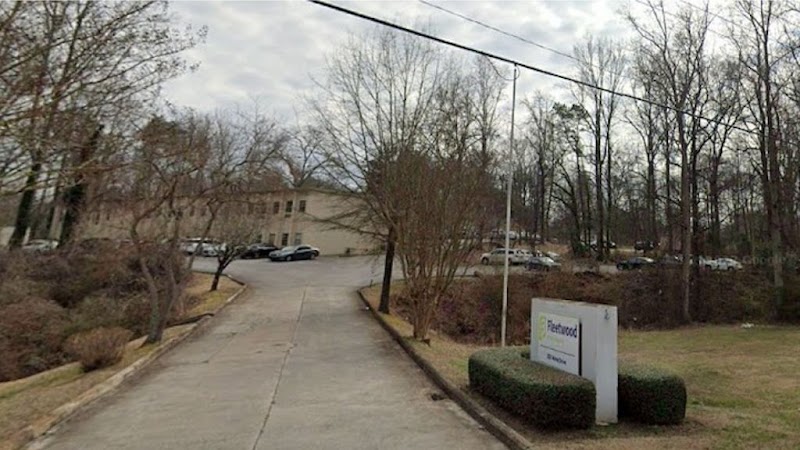
200 Anne Drive, Easley, SC 29640 (864) 859-9754
For profit - Limited Liability company 103 Beds PACS GROUP Data: November 2025 3 Immediate Jeopardy citations
Trust Grade
22/100
#112 of 186 in SC
Last Inspection: May 2025

Inspected within the last 6 months. Data reflects current conditions.

Overview

Fleetwood Post-Acute receives a Trust Grade of F, indicating poor performance and significant concerns regarding care quality. It ranks #112 out of 186 nursing homes in South Carolina, placing it in the bottom half of facilities, and #4 out of 5 in Pickens County, suggesting only one local option is better. While the facility shows an improving trend, reducing serious issues from five to one over two years, there are still critical incidents that raise alarm. Staffing has a mediocre rating of 2 out of 5 stars, with a turnover rate of 54%, which is average compared to state figures. Notably, there have been serious incidents, including the failure to provide a resident with a therapeutic diet, leading to asphyxiation and the need for CPR, which highlights significant weaknesses in care protocols despite some strengths in overall quality measures.

Trust Score
F
22/100
In South Carolina
#112/186
Bottom 40%
Safety Record
High Risk
Review needed
Inspections
Getting Better
5 → 1 violations
Staff Stability
⚠ Watch
54% turnover. Above average. Higher turnover means staff may not know residents' routines.
Penalties
✓ Good
$14,842 in fines. Lower than most South Carolina facilities. Relatively clean record.
Skilled Nurses
⚠ Watch
Each resident gets only 28 minutes of Registered Nurse (RN) attention daily — below average for South Carolina. Fewer RN minutes means fewer trained eyes watching for problems.
Violations
○ Average
10 deficiencies on record. Average for a facility this size. Mostly minor or procedural issues.
★★☆☆☆
2.0
Overall Rating
★★☆☆☆
2.0
Staff Levels
★★★★☆
4.0
Care Quality
★★☆☆☆
2.0
Inspection Score
Stable
2023: 5 issues
2025: 1 issues

The Good

  • 4-Star Quality Measures · Strong clinical quality outcomes
  • Full Sprinkler Coverage · Fire safety systems throughout facility
  • No fines on record

Facility shows strength in quality measures, fire safety.

The Bad

2-Star Overall Rating

Below South Carolina average (2.8)

Below average - review inspection findings carefully

Staff Turnover: 54%

Near South Carolina avg (46%)

Higher turnover may affect care consistency

Federal Fines: $14,842

Below median ($33,413)

Minor penalties assessed

Chain: PACS GROUP

Part of a multi-facility chain

Ask about local staffing decisions and management

The Ugly 10 deficiencies on record

3 life-threatening
May 2025 1 deficiency
CONCERN (D)

Potential for Harm - no one hurt, but risky conditions existed

Deficiency F0698 (Tag F0698)

Could have caused harm · This affected 1 resident

Based on review of the facility policy, observation, record review, and interview, the facility failed to ensure fluid restriction was maintained for (Resident (R)50, for 1 of 1 resident reviewed for ...

Read full inspector narrative →
Based on review of the facility policy, observation, record review, and interview, the facility failed to ensure fluid restriction was maintained for (Resident (R)50, for 1 of 1 resident reviewed for dialysis. Failure of following fluid restriction orders could lead to excess fluid in the tissues requiring additional dialysis chair time. Findings include: Review of an untitled and undated facility policy, revealed under the policy, Obtain a physicians order for fluid restriction that includes total amount of fluids allowed each day and the diagnosis/reason for the fluid restriction. Nursing notifies Dietary Services when a resident is placed on fluid restriction. The total of fluid allowed, and the amount allotted to dietary is specified by nursing. Remove bedside water pitcher from residents room. Record review of R50's face sheet revealed his initial admission date was 07/09/2019 with diagnoses that include but are not limited to, chronic congestive heart failure, end stage renal disease, dependence on renal dialysis and cardiac pacemaker. Record review of R50's Quarterly Minimum Data Set (MDS) with an assessment reference date (ARD) of 03/04/2025 revealed he had a Brief Interview of Mental Status (BIMS) score of 14 out of 15, indicating he had no cognitive impairment. Record review of R50's physician orders dated 01/22/2025 revealed an order for 1200 milliliters (ml) fluid restriction, give 240 ml's on meal trays. Additionally, an order dated 09/16/2024 revealed an order for (all caps) R50, NO FLUIDS AFTER DINNER PER DIALYSIS. 1200 ml fluid restriction, and a 3rd order for R50 dated 05/21/2024 of 1200 ml/24 hours fluid restriction, give 120 ml with each med pass. Record review of R50's recorded fluid intake over the 14 day lookback revealed on 04/30/2025, his intake was recorded as receiving 1340 ml of fluids and on 04/26/2025 it recorded 1260 ml of fluids. There are many shifts where no fluid intake was recorded. On 05/05/2025 at 11:10 AM, an observation revealed R50 sitting by the door in his room. He stated he was on fluid restriction and he goes to dialysis on Monday, Wednesday and Friday. On 05/05/2025 at 11:15 AM, a water pitcher was observed in R50's room. Licensed Practical Nurse (LPN)2 picked up the water pitcher and was looking for the dialysis emergency kit, and placed it back down on the bedside drawer. On 05/06/2025 at 8:40 AM, an observation revealed R50 sitting up at the table in the common area. His meal tray was in front of him. He had just eaten. R50's meal ticket was observed. It recorded 1200 ml fluid restriction. Double meat with gravy. No straws. 4 fl oz. cranberry juice. Double meat and eggs. No pork sausage. Puree, Renal, thin liquids. The cranberry juice was empty and the coffee mug was also empty. On 05/06/2025 at 8:52 AM, an observation of R50's room revealed a water pitcher at his bedside. It was full with ice and water. On 05/06/2025 at 8:55 AM, an interview was conducted with Certified Nurse Assistant (CNA)1. She said R50 had a cup of coffee, cranberry juice and he had double portion oatmeal, double meat, and sausage. She also confirmed he drank all the cranberry juice and his coffee, which was a full mug. On 05/06/2025 at 9:40 AM, an interview was conducted with the Nurse Practitioner (NP). She said the fluid restriction for R50 was from dialysis. She stated, They said they were pulling too much fluid off him. Since September 2024, he was placed on 1200 cc fluid restriction. Our Registered Dietician (RD) is in contact with dialysis and will send over recommendations or call them. When I go in and see R50, he does not have any kind of fluids on his table. I see R50 about every 30 days. On 05/06/2025 at approximately 10:04 AM, a second observation revealed the ice pitcher in R50's room. LPN2 was in the hallway by the door at the medication cart. This surveyor asked LPN2 to come in the room to confirm the water at bedside. At that time, the Assistant Director of Nursing (ADON) entered the room. On 05/06/2025 at approximately 10:05 AM, the ADON was in R50's room. She stated, R50 is on a fluid restriction. She said she poured the water out and placed it in the trash. She confirmed he should not have water at his bedside. On 05/06/2025 at 10:06 AM, an interview was conducted with LPN2. He stated he didn't think about it yesterday when in R50's room and he picked up the water pitcher to move it. LPN2 said, I think it's the night shift that must be putting it in his room. He's on 1200 ml in 24 hours. For each med pass, I give 120 ml. He confirmed if the nurses are giving him 120 ml with each med pass, that would be over the 480 ml nursing gives. He said, R50 gets 240 ml with his meal trays. It is ok to have the mug of coffee and his juice, they are 120 ml each. At least I think the coffee mug is 120 mls. On 05/06/2025 at 10:20 AM, an interview was conducted with the Unit Manager, LPN1. She measured out the coffee mug using a 240 ml calibrated cup. She confirmed the 240 ml filled the coffee mug. She confirmed there are 5 administration times that medication is given, not 4. LPN1 stated, I can have the NP change his medication time to give all at the same time. She also reviewed the fluid intake record for R50. She stated, According to the documentation, it shows he is receiving more fluid than he should receive, but that is a dialysis day. There are many shifts where nothing is recorded. It is a problem. On 05/06/2025 at 10:53 AM, an interview was conducted with the Director of Nurses (DON). She stated, R50 is on dialysis. He's on a 1200 ml fluid restriction. The kitchen should give him 240 ml with meals and nursing 120 ml with each med pass, 4 times a day. After reviewing the Medication Administration Record (MAR), she confirmed he does have 5 medication administration times recorded on the MAR. She said the juice came from the kitchen, nursing pours the coffee to residents who request it. She confirmed he received more fluids than he was supposed to receive. On 05/06/2025 at 1:15 PM, an interview was conducted with the Certified Dietary Manager (CDM). She said, We don't put coffee out on the resident's trays. Nursing passes out the coffee. We only give R50, 120 ml of juice with his breakfast, but he can have up to 240 ml with each meal.
Dec 2023 2 deficiencies
CONCERN (E)

Potential for Harm - no one hurt, but risky conditions existed

Accident Prevention (Tag F0689)

Could have caused harm · This affected multiple residents

**NOTE- TERMS IN BRACKETS HAVE BEEN EDITED TO PROTECT CONFIDENTIALITY** Based on observation, interview, record review, and review of facility policy, the facility failed to ensure no smoking/oxygen i...

Read full inspector narrative →
**NOTE- TERMS IN BRACKETS HAVE BEEN EDITED TO PROTECT CONFIDENTIALITY** Based on observation, interview, record review, and review of facility policy, the facility failed to ensure no smoking/oxygen in use signs were posted on the entry ways of residents' rooms or a no smoking sign was posted at the entrance of the facility to alert visitors that oxygen was in use for 4 of 12 residents (Resident (R) 29, R79, R87, R145) reviewed for accidents, out of 33 sampled residents. This failure had the potential to cause a fire if any visitors smoked in the facility while oxygen was in use. Findings include: Review of the facility's undated policy titled Oxygen Administration, revealed Purpose The purpose of this procedure is to provide guidelines for safe oxygen administration . General Guidelines . 2. No smoking/oxygen in use signs should be posted at the major entrance(s) of the facility. 1. Review of R29's undated admission Record located in the electronic medical record (EMR) under the Profile tab, revealed she was admitted to the facility on [DATE] with a diagnosis of chronic respiratory failure with hypoxia (low levels of oxygen). Review of R29's Physician's Order dated 12/07/23, located in the EMR under the Orders tab, revealed an order for auto continuous positive airway pressure (CPAP) with oxygen (O2) at 3 Liters per Minute (LPM) via nasal prongs to be worn at bedtime and during the day when napping at bedtime for nocturnal hypoxia and as needed for nocturnal hypoxia when napping. During an observation on 12/28/23 at 1:41 PM revealed R29 was lying in bed in her room with O2 on via nasal cannula (NC) and there was no signage at the doorway or within view of the entryway to the resident's room to alert staff and visitors that oxygen was in use. 2. Review of R79's undated admission Record located in the EMR under the Profile tab, revealed he was admitted to the facility on [DATE] with a diagnosis of chronic respiratory failure, unspecified with hypoxia or hypercapnia (build up of carbon dioxide in the bloodstream). Review of R79's Physician's Order, dated 12/07/23, located in the EMR under the Orders tab, revealed an order for O2 at 2 LPM via NC to maintain oxygen saturation at or greater than 90 % (percent) every shift. During an observation on 12/28/23 at 1:38 PM revealed R79 was lying in bed in his room with O2 on via NC and there was no signage at the doorway or within view of the entryway to the resident's room to alert staff and visitors that oxygen was in use. 3. Review of R87's undated admission Record located in the EMR under the Profile tab, revealed she was admitted to the facility on [DATE] with a diagnosis of chronic respiratory failure, unspecified with hypoxia or hypercapnia. Review of R87's Physician's Order dated 12/07/23, located in the EMR under the Orders tab, revealed an order for O2 continuous via NC at 2 LPM. Monitor levels every (Q) shift every day and night shift. During an observation on 12/28/23 at 1:40 PM revealed R87 was lying in bed in his room with O2 on via NC and there was no sign on the resident's doorway alerting staff and visitors that oxygen was in use. 4. Review of R145's undated admission Record located in the EMR under the Profile tab, revealed she was admitted to the facility on [DATE] with a diagnosis of acute respiratory failure with hypoxia. Review of R145's Physician's Order dated 12/07/23, located in the EMR under the Orders tab, revealed an order for O2 at 2 LPM via nasal cannula to maintain oxygen saturation at or greater than 90 % every shift. During an observation on 12/28/23 at 1:33 PM revealed R145 was lying in bed in his room with O2 on via NC; however, there was no oxygen in use sign posted at the doorway to the resident's room. During an observation and interview on 12/28/23 at 2:34 PM with the Administrator and Maintenance Director (MD) confirmed there was not a No Smoking sign posted at the front entrance of the building. During an interview on 12/28/23 at 2:36 PM, the Administrator confirmed there were 14 residents that smoked in the courtyard, there were no signs posted in the facility on the outside of the residents' rooms of no smoking/oxygen in use, and a no smoking sign was not posted outside at the entrance of the facility. The Administrator stated the purpose of posting the signs was to alert visitors and residents that oxygen was in use in the building to prevent a fire. The Administrator indicated that they did not have a policy that stated either oxygen in use signs had to be posted on entryways of residents' rooms or a no smoking sign had to be posted on the front entrance of the building. During an interview on 12/28/23 at 2:37 PM, the MD stated there was a no smoking sign by the front door, but he didn't know what happened to it. The MD acknowledged he had worked at the facility for three years and had not seen signs on the entryways to the residents' rooms.
CONCERN (F)

Potential for Harm - no one hurt, but risky conditions existed

Food Safety (Tag F0812)

Could have caused harm · This affected most or all residents

Based on observation, interview, and facility policy review, the facility failed to store food in accordance with professional standards for food service safety for 1 kitchen and 3 of 3 unit nourishme...

Read full inspector narrative →
Based on observation, interview, and facility policy review, the facility failed to store food in accordance with professional standards for food service safety for 1 kitchen and 3 of 3 unit nourishment refrigerators for residents. Specifically, concerns were noted with food not being labeled or dated. This had the potential to affect 94 of 95 residents (one resident received nutrition via tube feeding) who received food from the kitchen. Findings include: Review of the facility's policy titled, Food Storage: Dry Goods dated 5/2014 and revised 2/2023, revealed, All dry goods will be appropriately stored in accordance with the FDA Food Code . Storage areas will be neat, arranged for easy identification, and date marked as appropriate. Review of the facility's policy titled, Food Storage: Cold Foods dated 5/2014 and revised 2/2023, revealed, All Time/Temperature Control for Safety (TCS) foods, frozen and refrigerated, will be appropriately stored in accordance with guidelines of the FDA Food Code . All foods will be stored wrapped or in covered containers, labeled and dated, and arranged in a manner to prevent cross contamination. Review of the facility's policy titled, Food from an Approved Source dated 5/2014 and revised 10/2022, revealed All food will be procured from sources approved or considered satisfactory by federal, state, and local authorities . Food may be brought into the facility by family, visitors, or other outside sources. The facility staff will assist with proper food storage and handling, as appropriate. Review of the facility's policy titled, Food Brought by Family/Visitors revised October 2017, revealed, Family members and visitors are requested to inform nursing staff of their desire to bring foods into the facility . Safe food handling practices will be explained to family/visitors in a language and format they understand . Food brought by family/visitors that is left with the resident to consume later will labeled and stored in a manner that it is clearly distinguishable from facility-prepared food. a. Non-perishable foods will be stored in re-sealable containers with tight-fitting lids. b. Perishable foods must be stored in re-sealable containers with tightly fitting lids in a refrigerator. Containers will be labeled with the resident's name, the item and the use by date .Staff will discard perishable foods on or before the use by date. The nursing and/or food service staff will discard any foods prepared for the resident that show obvious signs of potential foodborne danger (for example, mold growth, foul odor, past due package expiration dates). During the initial kitchen inspection on 12/27/23 from 8:03 AM through 8:50 AM with the Dietary Manager (DM). The following concerns were noted: a. In the reach in cooler a tray of unlabeled sandwiches with a prep date of 12/25 and no discard date was observed. b. A tray of unlabeled, undated pureed fruit was observed stacked on top of multiple other trays of food items. The DM stated that the pureed fruit has the same prep date as the foods underneath. The foods underneath had a prep date of 12/25 and no discard date. c. In the walk in cooler, a large, opened package of ham was observed with a date of 12/24/22. The DM stated that this was the opened date. There was no discard date on the package of ham. d. In the cooks' refrigerator there was a plate of sliced American cheese covered with plastic wrap dated 12/24/23 with no discard date. The DM stated she had to check on what the cheese was for. e. A container labeled baked beans with a prep date of 12/23/23 and a discard date of 12/26/23 was observed. The DM confirmed that this food item was past its discard date. f. A large plastic container of vanilla pudding with a prep date of 12/26/23 and no discard date was observed. g. A large plastic container of lima beans dated 12/26/23 and no discard date was observed. When asked how the staff know when to discard food items, she stated they know to discard it based on the date of the package. Further interview with the DM confirmed there was no longer any packaging on the item to show an expiration date. h. A tray of pureed sandwiches with a prep date of 12/26/23 and no discard date was observed. The DM stated these items were to be used today. i. A plastic bag of peanut butter and jelly sandwiches dated 12/24/23 with no discard date was observed. j. In the dry storage area a large plastic bin of corn meal, dated 12/16/23 with no discard date was observed. k. A large plastic bin of sugar dated 12/26/23 with no discard date was observed. The DM was not sure about the policy on dry food storage. l. A 36-ounce opened box of Potatoes Au Gratin dated 12/19/23 with no discard date was observed. m. Two loaves of white bread were observed to have a use by date of 12/26/23. During an observation and second visit to the kitchen with the DM on 12/29/23 at 10:32 AM, a 16-ounce container of Sysco Beef Base was observed with an open date of 12/23 and no discard date. During a tour of the unit nourishment refrigerators with the DM on 12/29/23 at 10:54 AM the following observations were made: a. In the Unit 3 refrigerator two bags of take-out were observed. One bag was dated 12/25/23 with no discard date. The other bag was dated 12/24/23 with no discard date. The Licensed Practical Nurse (LPN)1 on the unit was immediately interviewed. She stated that family can bring in food, but it must be labeled with the resident's name and date on it, and it should be discarded after three days. I was told dietary oversaw throwing out items past their discard date. A bag of unlabeled, undated sandwiches was also observed in the refrigerator. The DM stated that those were from the kitchen and should have been labeled and dated. b. The Unit 2 refrigerator was observed with multiple splatter stains along the top and bottom two shelves and along the door. An unlabeled, undated plastic bag of take-out was observed; an unlabeled, undated plastic bag of dinner rolls was observed; a red unlabeled, undated plastic container containing food was observed; opened, unlabeled, undated containers of salsa and mustard were also observed. The Unit Manager Station 2 (UM-S2) was immediately interviewed. She stated that when food was brought in by visitors it was dated and initialed. It can stay in the refrigerator for three days UM-S2 stated that she has cleaned out the refrigerator herself, usually on Saturdays. c. On Unit 1 the housekeeper (HSK) was in the process of cleaning the Unit 1 refrigerator. In the resident's refrigerator, an opened, unlabeled, undated, 2-liter bottle of Sprite was observed; an opened, unlabeled, undated jar of pickles was observed; and an opened, undated, unlabeled container of vegetable oil spread was observed. The LPN2 on the unit was immediately interviewed. LPN2 stated that food brought in by visitors is to be dated and discarded within 48 hours. She stated they go through it periodically to see if anything needs to be tossed and that it is everyone's responsibility to go through the refrigerator. The DM stated that if she just started throwing away the residents' food in the refrigerator, the staff and residents would not be happy, especially if the items were not labeled. During an interview with the Regional District Manager (RDM) on 12/29/23 at 11:46 AM revealed that anything we stock should be labeled and dated. Per the policy it states that facility staff can discard items after three days. The RDM stated that it is 90% their [the kitchen staff's] responsibility to discard food items in the unit refrigerators. He stated that as long as it [the food item] is labeled and dated within three days, if it is not labeled or dated then the kitchen staff member should go and check with nursing staff on the floor. He stated it was largely an oversight on their part [the kitchen's] that the food items were not being discarded in a timely manner. When asked where in the policy it indicated the three-day timeframe or the requirement for kitchen staff to consult the nursing staff to identify the owner of specific food items, he was not able to locate that reference in the documentation. During an interview with the Registered Dietitian (RD) on 12/29/23 at 12:35 PM revealed that he was not sure what the policy was on food from outside. Usually when family comes in they ask where to put the food for the resident. The unit staff are supposed to label it and educate the family on the policy. During an interview with Administrator on 12/29/23 at 1:29 PM he stated that everybody should take responsibility for correctly labeling and discarding food items in the unit refrigerators. He stated that the Unit Managers should be educating the family on what to do with the food, confirming if it's the correct diet, texture, and consistency.
Oct 2023 3 deficiencies 3 IJ
CRITICAL (J) 📢 Someone Reported This

A family member, employee, or ombudsman was alarmed enough to file a formal complaint

Immediate Jeopardy (IJ) - the most serious Medicare violation

Quality of Care (Tag F0684)

Someone could have died · This affected 1 resident

**NOTE- TERMS IN BRACKETS HAVE BEEN EDITED TO PROTECT CONFIDENTIALITY** Based on review of the facility policy, record review, and interview, the facility failed to provide life saving practices in a ...

Read full inspector narrative →
**NOTE- TERMS IN BRACKETS HAVE BEEN EDITED TO PROTECT CONFIDENTIALITY** Based on review of the facility policy, record review, and interview, the facility failed to provide life saving practices in a timely manner for 1 of 1 residents. Specifically, R1 was found in the dining room unresponsive after R1 consumed an egg salad croissant that did not meet R1's therapeutic diet. On 10/06/23 at 2:55 PM, the State Agency (SA) determined that the facility's non-compliance with one or more federal health, safety, and/or quality regulations has caused or was likely to cause serious injury, serious harm, serious impairment, or death. On 10/06/23 at 2:55 PM, the Administrator and the Director of Nursing (DON) were notified that the failure to provide life-saving practices in a timely manner constituted Immediate Jeopardy (IJ) at F684. On 10/06/23 at 2:55 PM, the survey team provided the Administrator with a copy of the CMS Immediate Jeopardy (IJ) Template and informed the facility IJ existed as of 09/18/23. The IJ was related to 42 CFR 483.25 - Quality of Care. On 10/06/23 at 9:18 PM, the facility provided an acceptable IJ Removal Plan. On 10/09/23 at 10:00 AM, the survey team validated the facility's corrective actions and removed the IJ as of 10/06/23. The facility remained out of compliance at F684 at a lower scope and severity of D. An extended survey was conducted in conjunction with the Complaint Survey for non-compliance at F684 constituting substandard quality of care. Findings include: Review of the facility policy titled Emergency Procedure-Chocking revised on August 2018, states, Trained staff will assist those who are choking by attempting to expel the foreign body from the airway. Unconscious Resident-Lying Down (or when Unable to Reach Around the Resident) 1. Ease the resident as gently as possible to the floor. 2. Call for help if assistance is not already present but do not leave the resident unattended. 3. Position the resident on his or her back with arms at his or her side. 4. Perform abdominal thrust as follows a. Facing the resident, kneel and straddle the resident's upper thigh with your body. b. Place the heel of one hand on the resident's upper mid-abdomen, below the rib cage, and above the navel with fingers pointed toward the resident's chest. c. Place the other hand directly over the positioned hand. d. Bring your shoulders forward over your hands. e. Use your body weight to press your hands into the resident's upper abdomen with a quick upward thrust. 5. Perform the finger sweep maneuver to check for a foreign body as follows: a. Keep the residents face up. b. Perform the tongue-jaw lift to open the resident's mouth. (Note: Moving the lower jaw moves the tongue off the throat and opens the airway. c. Perform the finger sweep using your index finger as a hook. 1. Insert your index finger into the resident's mouth alongside the cheek and across the base of the tongue 2. Try to remove any foreign objects. 3. Avoid pushing foreign objects deeper into the throat. 4. Turn the resident's head to one side if needed to sweep an object from the mouth. Under the documentation section states, The person performing this procedure should record the following information in the resident's medical record. 1. The date and time the procedure was performed. 2. The name and title of the individual (s) who performed the procedure. 3. The exact time the choking began. 4. The exact time of any unconsciousness. 5. All assessment data obtained during the procedure. 6. The time the procedure was started and stopped. 7. The resident's response to the procedure. 8. The signature and title of the person recording the data. Review of the facility policy titled Emergency Procedure - Cardiopulmonary Resuscitation with a revised date of February 2018, states, Personnel have completed training on the initiation of cardiopulmonary resuscitation (CPR) and basic life support (BLS) . General Guidelines states, 4. The chances of surviving SCA may be increased if CPR is initiated immediately upon collapse. 6. If an individual (resident, visitor, or staff member) is found unresponsive and not breathing normally, a licensed staff member who is certified in CPR/BLS shall initiate CPR . Emergency Procedure - Cardiopulmonary Resuscitation states, 1. If an individual is found unresponsive, briefly assess for abnormal or absence of breathing . Review of R1's Face Sheet revealed, R1 was admitted to the facility on [DATE] with a re-admission date of 12/07/21, and diagnoses including but not limited to; Parkinson's disease, diabetes mellitus, dementia, Schizoaffective Disorder, bipolar disorder and dysphagia. Further review of R1's Face Sheet indicated R1 was a full code. Review of R1's quarterly Minimum Data Set (MDS) with an Assessment Reference Date (ARD) date of 09/07/23 revealed R1 had a Brief Interview of Mental Status (BIMS) score of 7 out of 15 which indicated R1 was severely cognitively impaired. Further review of the MDS revealed R1 requires supervision and set up help only while eating. Review of R1's Physician Orders revealed an active order for, Dysphagia Mechanical Texture Soft Diet. Review of R1's Progress Note dated 9/18/23 at 5:45 PM, revealed, Note Text: Resident at supper in the dining room. Passed by res and noted res not moving and not responding to any type of stimuli. Took res to room and noted pulse. Requested assist from other nurses; res placed on bed w large amt of food removed from the throat. Call to EMS. Res was given CPR at 17:54 as EMS was entering the building. EMS began CPR.DON was contacted. Review of R1's Hospital Emergency Department Encounter Note dated 09/18/23 revealed, . by EMS from her SNF after reported aspiration event which resulted in her going into cardiac arrest. Patient was intubated by EMS and received 3 rounds of epinephrine prior to receiving ROSC . Upon arrival to the ED, patient obtunded, unresponsive, GCS 3 T, tachycardic, hypotensive, coarse breath sounds that are worse in the right lung field. Further review of the Encounter Note revealed, Independent interpretation of chest x-ray demonstrates right upper lobe opacities consistent with aspiration . Case discussed with critical care team who agrees to evaluate the patient for admission due to cardiac arrest likely secondary to acute hypoxic respiratory failure from aspiration. Hospital Course, 1. S/P out of hospital cardiac arrest on 9/18 - at least 16 min downtime. Suspected to be secondary to aspiration event - continue supportive care. During an interview on 10/03/23 at 1:29 PM, R1's son stated, Everybody knows on the second floor, that my mom is on a puree diet which is like baby food. What idiot gave my mom a croissant sandwich and walked off, which is on the hospital report, she was left unattended for 20 minutes with no oxygen going to the brain, and when she got to the hospital, the hospital staff suctioned the food from her throat. Doctors told me that she was brain-dead because of the aspiration. My mom can't walk, she has Dementia, my mom can't even feed herself due to constant shaking due to Parkinson's. I trusted the facility to give my mom the care I could not give her, and she died on Sunday 10/01 from the aspiration that occurred on 09/18. During an interview on 10/04/23 at 12:43 PM, Certified Nursing Assistant (CNA)1 revealed that she was passing out trays on station 1, with the help of another CNA. As CNA1 was passing out trays, R1 grabbed an egg salad croissant sandwich from another resident's tray and took multiple bites of it. CNA1 then provided R1 with her meal tray. CNA1 stated that she noticed that the sandwich that was on R1's tray was the same as the sandwich R1 took from the other resident. The only difference was that R1 had 2 sandwiches on her tray, the egg salad croissant, and an egg salad sandwich on regular bread. CNA1 stated she gave the other resident R1's egg salad croissant to replace the sandwich that R1 took. CNA 1 stated she observed R1 eat the rest of her food while talking and with a mouth full of food and CNA1 told her to chew her food and slow down while eating. CNA1 stated that she continued to pass out trays to other residents. CNA1 further stated approximately 5 minutes later, Licensed Practical Nurse (LPN)1 asked CNA1 and another CNA to transfer R1 to her room because she was unresponsive. Review of LPN1's witness statement dated 09/18/23 revealed, At 5:45 PM on 09/18/2023, I was assisting with supper in the dining room and noticed that [R1] was quiet which is unlike her. The resident checked the pulse present, but the resident was unresponsive. Egg salad was noted on the face. I sent [CNA1] upstairs to get help. [LPN2] and [LPN3] arrived. Took the resident to her room, and she was still unresponsive. at 5:54 PM, [R1] lost her pulse. CPR was initiated and 911 was called. EMS arrived within minutes and took over the code. Called resident RP, after EMS arrived. During an interview on 10/06/23 at 10:56 AM, LPN1 stated that she was in the station 1 dining room, R1 was found unresponsive with a faint pulse, quiet, and not responding to verbal commands or physical touch. R1's head was down. LPN1 stated that she didn't know how long the resident was unresponsive before she saw her. LPN1 stated that she noticed R1 had egg salad on her face and was not aware of what R1's meal was that day and stated R1 was on a puree diet with thickened liquids. LPN1 further stated that the Heimlich maneuver was not done because R1 was already unresponsive and CPR was not done in the dining room due to the resident having a faint pulse. LPN1 stated that she sent CNA1, and another CNA to grab help for R1. Once helped arrived, LPN1 stated that she wheeled R1 to her room, layed R1 on her side, and cleared her throat while waiting for other staff to get to the room before calling 911. LPN1 further stated finger sweeps were not done until R1 was wheeled to her room and placed on the bed. LPN1 stated that the crash cart is in station 1 dining room, left of the piano, where R1 was located and does not remember if the crash cart was used. LPN1 stated the AED pads were not used while performing CPR, and she did compressions while LPN2 was doing breaths. LPN1 stated she did 1 set of 20 compressions, and EMS took over. On 10/06/23 the facility presented an acceptable removal plan, which included: Actions Taken: Facility leadership interviewed facility staff working on 9/18/2023 Facility initiated education for facility staff related to identifying the need for and providing basic life-saving measures on 9/19/2023 Facility initiated education for facility staff on facility's choking policy 10/6/2023 Facility initiated skills checks for Licensed Nurses related to providing CPR, the Heimlich maneuver, and finger sweeps on 10/6/2023 Facility to monitor staff's response to emergency situations by performing mock code drills 1 time per shift per month for 3 months - 9/26/2023 Facility to continue daily audits on crash carts on the presence and availability of supplies - ongoing Facility reviewed emergency procedure - choking policy on 10/6/2023 Date of compliance: 10/6/2023
CRITICAL (J) 📢 Someone Reported This

A family member, employee, or ombudsman was alarmed enough to file a formal complaint

Immediate Jeopardy (IJ) - the most serious Medicare violation

Accident Prevention (Tag F0689)

Someone could have died · This affected 1 resident

**NOTE- TERMS IN BRACKETS HAVE BEEN EDITED TO PROTECT CONFIDENTIALITY** Based on record review and interviews, the facility failed to ensure Resident (R)1 received proper supervision to prevent asphyx...

Read full inspector narrative →
**NOTE- TERMS IN BRACKETS HAVE BEEN EDITED TO PROTECT CONFIDENTIALITY** Based on record review and interviews, the facility failed to ensure Resident (R)1 received proper supervision to prevent asphyxiation. Specifically, R1 was found in the dining room unresponsive after R1 consumed an egg salad croissant that did not meet R1's therapeutic diet. On 10/06/23 at 2:55 PM, the State Agency (SA) determined that the facility's non-compliance with one or more federal health, safety, and/or quality regulations has caused or was likely to cause serious injury, serious harm, serious impairment, or death. On 10/06/23 at 2:55 PM, the Administrator and the Director of Nursing (DON) were notified that the failure to provide proper supervision to prevent asphyxiation constituted Immediate Jeopardy (IJ) at F689. On 10/06/23 at 2:55 PM, the survey team provided the Administrator with a copy of the CMS Immediate Jeopardy (IJ) Template and informed the facility IJ existed as of 09/18/23. The IJ was related to 42 CFR 483.25 - Quality of Care. On 10/06/23 at 9:18 PM, the facility provided an acceptable IJ Removal Plan. On 10/09/23 at 10:00 AM, the survey team validated the facility's corrective actions and removed the IJ as of 10/06/23. The facility remained out of compliance at F689 at a lower scope and severity of D. An extended survey was conducted in conjunction with the Complaint Survey for non-compliance at F689, constituting substandard quality of care. Findings include: Review of R1's Face Sheet revealed, R1 was admitted to the facility on [DATE] with a re-admission date of 12/07/21, and diagnoses including but not limited to; Parkinson's disease, diabetes mellitus, dementia, Schizoaffective Disorder, bipolar disorder and dysphagia. Further review of R1's Face Sheet indicated R1 was a full code. Review of R1's quarterly Minimum Data Set (MDS) with an Assessment Reference Date (ARD) date of 09/07/23 revealed R1 had a Brief Interview of Mental Status (BIMS) score of 7 out of 15 which indicated R1 was severely cognitively impaired. Further review of the MDS revealed R1 requires supervision and set up help only while eating. Review of R1's Physician Orders revealed an active order for, Dysphagia Mechanical Texture Soft Diet. Review of R1's Hospital Emergency Department Encounter Note dated 09/18/23 revealed, . by EMS from her SNF after reported aspiration event which resulted in her going into cardiac arrest. Patient was intubated by EMS and received 3 rounds of epinephrine prior to receiving ROSC . Upon arrival to the ED, patient obtunded, unresponsive, GCS 3 T, tachycardic, hypotensive, coarse breath sounds that are worse in the right lung field. Further review of the Encounter Note revealed, Independent interpretation of chest x-ray demonstrates right upper lobe opacities consistent with aspiration . Case discussed with critical care team who agrees to evaluate the patient for admission due to cardiac arrest likely secondary to acute hypoxic respiratory failure from aspiration. Hospital Course, 1. S/P out of hospital cardiac arrest on 9/18 - at least 16 min downtime. Suspected to be secondary to aspiration event - continue supportive care. Review of R1's Care Plan with a revision date of 06/07/22 revealed, I have the potential for alteration in cardiac function/output dx htn and hyperlipidemia. The goal with a target date of 09/18/23 revealed, Risk for complications of cardiac problems through the next 90 day review period. the interventions/tasks with a revision date of 03/22/21 revealed, provide my diet as ordered. Further review of R1's Care Plan with an initiated date of of 10/14/16 revealed, Altered diet r/t decrease with chewing, dx dysphagia, Vit D-defiency, gerd. The goal with a revision date of 03/17/23 revealed, I will have decreased risk for s/s of aspiration through next 90 day review period. The interventions/tasks with an revision date of 02/10/17 revealed, Provide diet as ordered. Review of R1's Progress Note dated 09/18/23 at 5:45 PM, revealed, Note Text: Resident at supper in the dining room. Passed by res and noted res not moving and not responding to any type of stimuli. Took res to room and noted pulse. Requested assist from other nurses; res placed on bed w large amt of food removed from the throat. Call to EMS. Res was given CPR at 17:54 as EMS was entering the building. EMS began CPR. DON was contacted. During an interview on 10/03/23 at 1:29 PM, R1's son stated, Everybody knows on the second floor, that my mom is on a puree diet which is like baby food. What idiot gave my mom a croissant sandwich and walked off, which is on the hospital report, she was left unattended for 20 minutes with no oxygen going to the brain, and when she got to the hospital, the hospital staff suctioned the food from her throat. Doctors told me that she was brain-dead because of the aspiration. My mom can't walk, she has Dementia, my mom can't even feed herself due to constant shaking due to Parkinson's. I trusted the facility to give my mom the care I could not give her, and she died on Sunday 10/01 from the aspiration that occurred on 09/18. During an interview on 10/04/23 at 12:43 PM, Certified Nursing Assistant (CNA)1 revealed that she was passing out trays on station 1, with the help of another CNA. As CNA1 was passing out trays, R1 grabbed an egg salad croissant sandwich from another resident's tray and took multiple bites of it. CNA1 then provided R1 with her meal tray, which contained an egg salad croissant. CNA1 stated she observed R1 eat the rest of her food while talking with a mouth full of food and CNA1 told R1 to chew her food and slow down while eating. CNA1 stated that she continued to pass out trays to other residents. CNA1 further stated approximately 5 minutes later, Licensed Practical Nurse (LPN)1 asked CNA1 and another CNA to transfer R1 to her room because she was unresponsive. Review of LPN1's witness statement dated 09/18/23 revealed, At 5:45 PM on 09/18/2023, I was assisting with supper in the dining room and noticed that [R1] was quiet which is unlike her. The resident checked the pulse present, but the resident was unresponsive. Egg salad was noted on the face. I sent [CNA1] upstairs to get help. [LPN2] and [LPN3] arrived. Took the resident to her room, and she was still unresponsive. at 5:54 PM, [R1] lost her pulse. CPR was initiated and 911 was called. EMS arrived within minutes and took over the code. Called resident RP, after EMS arrived. During an interview on 10/06/23 at 10:56 AM, LPN1 stated that she was in the station 1 dining room, R1 was found unresponsive with a faint pulse, quiet, and not responding to verbal commands or physical touch. R1's head was down. LPN1 stated that she didn't know how long the resident was unresponsive before she saw her. LPN1 stated that she noticed R1 had egg salad on her face and was not aware of what R1's meal was that day and stated R1 was on a puree diet with thickened liquids. On 10/06/23 the facility presented an acceptable removal plan which included: Actions Taken: Facility leadership interviewed facility staff working on 9/18/2023 DON/Designee initiated dining observation audits on 9/19/2023 Facility initiated education for facility staff related to providing adequate supervision during meal service including safe eating practices and appropriate time of cleaning trays on 10/6/2023 Facility initiated education for direct care staff on utilization of the Nursing Observation for Therapy Screening form on 9/19/2023 Facility implemented therapeutic diet binder on each nurse's station to include resident photos for residents receiving a therapeutic diet on 10/6/2023 Facility initiated education for facility staff on therapeutic binder as it relates to residents that may require increased monitoring during meals on 10/6/2023 Facility to implement monitoring process for any residents who receive an upgraded diet daily for 10 days, weekly for 4 weeks, and monthly for 2 months for meal safety on 10/6/2023 Date of compliance: 10/6/2023
CRITICAL (J) 📢 Someone Reported This

A family member, employee, or ombudsman was alarmed enough to file a formal complaint

Immediate Jeopardy (IJ) - the most serious Medicare violation

Deficiency F0808 (Tag F0808)

Someone could have died · This affected 1 resident

**NOTE- TERMS IN BRACKETS HAVE BEEN EDITED TO PROTECT CONFIDENTIALITY** Based on review of facility policy, record review and interview, the facility failed to provide Resident (R)1 with a therapeutic...

Read full inspector narrative →
**NOTE- TERMS IN BRACKETS HAVE BEEN EDITED TO PROTECT CONFIDENTIALITY** Based on review of facility policy, record review and interview, the facility failed to provide Resident (R)1 with a therapeutic diet as prescribed by the physician. Specifically, R1 had a physician order for Dysphagia Mechanical Texture Soft Diet and on 09/18/23 R1's meal did not reflect the prescribed diet orders resulting in R1 suffering asphyxiation requiring Cardiopulmonary Resuscitation (CPR) and being sent to a local hospital. On 10/06/23 at 2:55 PM, the State Agency (SA) determined that the facility's non-compliance with one or more federal health, safety, and/or quality regulations has caused or was likely to cause serious injury, serious harm, serious impairment, or death. On 10/06/23 at 2:55 PM, the Administrator and the Director of Nursing (DON) were notified that the failure to provide R1 with a prescribed therapeutic diet constituted Immediate Jeopardy (IJ) at F808. On 10/06/23 at 2:55 PM, the survey team provided the Administrator with a copy of the CMS Immediate Jeopardy (IJ) Template and informed the facility IJ existed as of 09/18/23. The IJ was related to 42 CFR 483.60 - Food and Nutrition Services. On 10/06/23 at 9:18 PM, the facility provided an acceptable IJ Removal Plan. On 10/09/23 at 10:00 AM, the survey team validated the facility's corrective actions and removed the IJ as of 10/06/23. The facility remained out of compliance at F808 at a lower scope and severity of D. Findings include: Review of the facility's policy titled Therapeutic Diet with a revised date of 10/2017 states, Policy Interpretation and Implementation 1. Diet will be determined in accordance with the resident's informed choices, preferences, treatment goals and wishes. Diagnosis alone will not determine whether the resident is prescribed a therapeutic diet. 2. A therapeutic diet is considered a diet ordered by a physician, practitioner, or dietician as part of treatment for a disease or clinical condition, to modify specific nutrients in the diet, or to alter the texture of a diet . 4. If a mechanically altered diet is ordered, the provider will specify the texture modification. 6. The dietician, nursing staff, and attending physician will regularly review the need for, and resident acceptance of, prescribed therapeutic diets. Review of the undated Texture Modification Inservice provided by the facility states, Purpose: to educate all new hires and current employees on the importance of and guidelines for proper texture modification. Importance of texture Modification Some residents have problems chewing or use multiple swallows to swallow one bite . Proper preparation and delivery of texture modified diets is critical for resident safety and wellness. Dysphagia Mech Soft Consistency requires meat to be ground and moistened. Bread items are pureed to a smooth mousse-like texture. Items may be served as pureed for this consistency if they are not inherently fork-mashable or soft. Review of R1's Face Sheet revealed, R1 was admitted to the facility on [DATE] with a re-admission date of 12/07/21, and diagnoses including but not limited to; Parkinson's disease, diabetes mellitus, dementia, Schizoaffective Disorder, bipolar disorder and dysphagia. Review of R1's quarterly Minimum Data Set (MDS) with an Assessment Reference Date (ARD) date of 09/07/23 revealed R1 had a Brief Interview of Mental Status (BIMS) score of 7 out of 15 which indicated R1 was severely cognitively impaired. Further review of the MDS revealed R1 requires supervision and set up help only while eating. Review of R1's physician orders revealed an active order for Dysphagia Mechanical Texture Soft Diet with a start date of 07/03/23. Review of R1's meal ticket dated 09/18/23 revealed, Regular - Dys Adv. Nectar, double portions with meals, and no salt packets. Marinated green bean Salad- 1/2 Cup, Chocolate cake w/ Peanut Butter Frosting- 1 square. Nectar Tea -4 Oz, Nectar Thick, Nectar water- 4 Oz, Nectar Thick, Creamy Dill Macaroni Salad (no raw veg)- 1/2 cup, Egg Salad for sandwich - 1/2 cup, Savory Summer Soup - 6 Oz, Nectar Thick. Double portions w/All meals. Ground Meats w/gravy, Puree all other food, Puree dessert. Review of R1's Speech Therapy Discharge Summary revealed R1 was discharged from speech therapy due to highest Practical Level Achieved. The patient was seen for 2 days during the 6/24/2023-06/28/2023 progress period. Discontinued on 06/28/2023. The patient safely consumes mechanical soft consistency while facilitating safe swallow strategies exhibiting modified independence. R1's discharge status and recommendations state, Solids=Mechanical soft/chopped textures. Review of R1's Care Plan with a revision date of 06/07/22 revealed, I have the potential for alteration in cardiac function/output dx htn and hyperlipidemia. The goal with a target date of 09/18/23 revealed, Risk for complications of cardiac problems through the next 90 day review period. the interventions/tasks with a revision date of 03/22/21 revealed, provide my diet as ordered. Further review of R1's Care Plan with an initiated date of of 10/14/16 revealed, Altered diet r/t decrease with chewing, dx dysphagia, Vit D-defiency, gerd. The goal with a revision date of 03/17/23 revealed, I will have decreased risk for s/s of aspiration through next 90 day review period. The interventions/tasks with an revision date of 02/10/17 revealed, Provide diet as ordered. Review of R1's Hospital Emergency Department Encounter Note dated 09/18/23 revealed, . by EMS from her SNF after reported aspiration event which resulted in her going into cardiac arrest. Patient was intubated by EMS and received 3 rounds of epinephrine prior to receiving ROSC . Upon arrival to the ED, patient obtunded, unresponsive, GCS 3 T, tachycardic, hypotensive, coarse breath sounds that are worse in the right lung field. Further review of the Encounter Note revealed, Independent interpretation of chest x-ray demonstrates right upper lobe opacities consistent with aspiration . Case discussed with critical care team who agrees to evaluate the patient for admission due to cardiac arrest likely secondary to acute hypoxic respiratory failure from aspiration. Hospital Course, 1. S/P out of hospital cardiac arrest on 9/18 - at least 16 min downtime. Suspected to be secondary to aspiration event - continue supportive care. During an interview on 10/03/23 at 1:29 PM, R1's son stated, Everybody knows on the second floor, that my mom is on a puree diet which is like baby food. What idiot gave my mom a croissant sandwich and walked off, which is on the hospital report, she was left unattended for 20 minutes with no oxygen going to the brain, and when she got to the hospital, the hospital staff suctioned the food from her throat. Doctors told me that she was brain-dead because of the aspiration. My mom can't walk, she has Dementia, my mom can't even feed herself due to constant shaking due to Parkinson's. I trusted the facility to give my mom the care I could not give her, and she died on Sunday 10/01 from the aspiration that occurred on 09/18. During an interview on 10/03/23 at approximately 4:41 PM, the Dietary Aide (DA) stated that his duties are dishes and the tray line. The DA further stated by looking at R1's meal ticket from 09/18/23, the vegetables would have been pureed, and the egg salad sandwich would have been given to her as a regular sandwich, with the croissant cut open and egg salad stuffed in the croissant and would have been given thicken liquids as well per meal ticket. Furthermore, the DA stated that if R1 had puree beside the egg salad sandwich, as noted on her meal ticket, then it would have been chopped up and served in a cup. During an interview on 10/04/23 at 12:10 PM, the District Kitchen Manager (DKM) revealed that looking at R1's meal ticket dated 09/18/23, R1 is advanced dysphagia mechanical soft which is one above a puree diet. The DKM states residents with a mechanical soft diet would be required to eat soft bread such as a croissant and by looking at the meal ticket R1 received a regular egg salad croissant sandwich. DKM states vegetables would be cooked down until soft, however not pureed, along with thickened liquids. During an interview on 10/04/23 at 12:43 PM, Certified Nursing Assistant (CNA)1 revealed that she was passing out trays on station 1, with the help of another CNA. As CNA1 was passing out trays, R1 grabbed an egg salad croissant sandwich from another resident's tray and took multiple bites of it. CNA1 then provided R1 with her meal tray. CNA1 stated that she noticed that the sandwich that was on R1's tray was the same as the sandwich R1 took from the other resident. The only difference was that R1 had 2 sandwiches on her tray, the egg salad croissant, and an egg salad sandwich on regular bread. CNA1 stated she gave the other resident R1's egg salad croissant to replace the sandwich that R1 took. CNA1 stated she observed R1 eat the rest of her food while talking and with a mouth full of food and CNA1 told her to chew her food and slow down while eating. CNA1 stated that she continued to pass out trays to other residents. CNA1 further stated approximately 5 minutes later, Licensed Practical Nurse (LPN)1 asked CNA1 and another CNA to transfer R1 to her room because she was unresponsive. On 10/06/23 the facility presented an acceptable removal plan which included: Actions Taken by Facility: Facility leadership interviewed facility staff working on 9/18/2023 Facility reviewed policies on Therapeutic Diets on 9/19/2023 Facility updated policy on Meal Ticket Process to include the process by which meal tickets are updated when a new diet order is entered for a resident on 10/6/2023 DON/Designee audited all residents on therapeutic diets to ensure meal tickets match the residents' diets on 10/5/2023 Dietary Manager and/or designee to monitor each meal tray for accuracy with meal ticket for all meals for 10 days, all meal trays for one meal per week for 4 weeks, and all meal trays for one meal per month for 2 months. Initiated facility staff education on therapeutic diets including what textures each diet consists of on 10/6/2023 Initiated facility staff education on reviewing meal tickets for accuracy with the prescribed diet on 10/6/2023 Date of Compliance: 10/6/2023
Dec 2021 4 deficiencies
CONCERN (D)

Potential for Harm - no one hurt, but risky conditions existed

Deficiency F0578 (Tag F0578)

Could have caused harm · This affected 1 resident

**NOTE- TERMS IN BRACKETS HAVE BEEN EDITED TO PROTECT CONFIDENTIALITY** Based on observation, record review, interview, and facility policy review, the facility failed to ensure a change in code statu...

Read full inspector narrative →
**NOTE- TERMS IN BRACKETS HAVE BEEN EDITED TO PROTECT CONFIDENTIALITY** Based on observation, record review, interview, and facility policy review, the facility failed to ensure a change in code status was reflected in the clinical record in a timely manner for one resident (Resident (R)42) of 29 residents reviewed for code status during the Initial Pool portion of the survey process. The facility had a total of eight residents receiving hospice services at the time of survey, and five of those residents were included in the Initial Pool review. Findings include: The facility policy titled, Hospice Program, with a revision date of [DATE], documented the facility was responsible for, .b. Communicating with hospice representatives and other healthcare providers participating in the hospice vision of care for terminal illness, related conditions, and other conditions, to ensure quality of care for the resident and family. C. Ensuring the LTC communicates with the hospice medical director, the resident's attending physician, and other practitioners participating in the provision of care to the resident as needed to coordinate the hospice care with medical care provided by other physicians. D .(7) hospice physician and attending physician (if any) orders specific to each resident .14. The coordinated care plan will reflect the resident's goals and wishes, as stated in his or her advance directives and during ongoing communication with the resident or representative, including a. Palliative goals and objectives; b. palliative interventions; and c. Medical treatment and diagnostic tests . The facility policy titled, Emergency and/or Alternative Physician Care, with a revision date of [DATE], documented, All residents shall be provided with emergency and/or alternative care .3. Backup coverage may be provided by another licensed physician or physician group or an appropriately licensed and supervised midlevel practitioner, consistent with state regulations . The facility policy titled, Do Not Resuscitate Order, with a revision date of [DATE], documented, 1. Do not resuscitate orders must be signed by the resident's attending physician on the physician's order sheet maintained in the resident's medical record . Review of R42's paper record kept at the Unit two nurses' station revealed the first item in the chart was a large green piece of paper which read Full Code in large black letters. Review of the significant change Minimum Data Set (MDS) with an Assessment Reference Date (ARD) of [DATE] located in the EMR MDS tab revealed R42 had a Brief Interview for Mental Status (BIMS) score of 13 out of 15, indicating intact cognition. Review of the EMR Prog [Progress] Notes tab revealed an Order Note dated [DATE] at 5:36 PM which documented a new order was received to admit R42 to hospice services. During an interview on [DATE] at 1:23 PM, Licensed Practical Nurse (LPN) 22 reported R42 was recently placed on hospice services. During the interview she reviewed the EMR and reported R42's code statues at that time was Full Code. During an interview on [DATE] at 1:30 PM, LPN23 stated she believed R42 recently accepted to begin hospice services and as far as she knew he remained a Full Code. During the interview she confirmed the resident had a code status of Full Code by showing the surveyor the documentation in both the EMR and paper record. Interview with the Social Services Director (SSD) on [DATE] at 1:37 PM revealed R42 had accepted to change his code status at the time of admission to hospice however she was waiting on a signature from the physician for one of the hospice forms prior to updating his code status in the clinical record. The SSD further reported, typically when a resident changed their code status it was updated in the record more timely, but the physician had been on vacation and when they returned to the facility on [DATE] they missed signing one of the forms. The SSD stated she faxed the form to the physician and was waiting for the returned signed form. At the time of interview, the SSD showed the surveyor the forms the facility had received already signed by the physician. One of the forms was the signed physician order titled, Resident/Family Consent For Cardiopulmonary Resuscitation [CPR]. It was signed by the resident on [DATE] and by the physician on [DATE]. The SSD reported she thought she needed to wait for a physician signature on the carbon copy telephone order form, as this was the form she was waiting on via fax. During an interview on [DATE] at 2:23 PM the SSD reported the facility had no other residents with pending change in code status orders. An interview was conducted on [DATE] at 2:38 PM with the SSD, the Administrator, and the Director of Nursing (DON). The SSD explained when the Medical Director was out another physician from their practice covered until he returned. The staff further reported the covering physician had been in the facility to round on residents Wednesday of the previous week but must have missed the pending change in code status order for R42. The DON reported if a decline were noted on a resident admitted to hospice services who did not have an active DNR the facility was able to contact the hospice group at any time to obtain a 24-hour DNR order which could be renewed as needed. He further explained R42 had not displayed a decline in his status from [DATE] to [DATE] so they did not utilize this method and waited to obtain the signature from the Medical Director when he returned.
CONCERN (D)

Potential for Harm - no one hurt, but risky conditions existed

Deficiency F0602 (Tag F0602)

Could have caused harm · This affected 1 resident

Based on observation, record review, and interview, the facility failed to ensure resident property was kept safe from loss or theft for one resident (Resident (R)69) of three residents reviewed for p...

Read full inspector narrative →
Based on observation, record review, and interview, the facility failed to ensure resident property was kept safe from loss or theft for one resident (Resident (R)69) of three residents reviewed for personal property in a total sample of 22 residents. Findings include: The facility policy titled, Dignity, with a revision date of February 2021, revealed, .6. Residents' private space and property are respected at all times. Staff do not handle or move resident's personal belongings without the resident's permission . The facility policy titled, Resident Rights, with a revision date of December 2016, revealed, 1. Federal and state laws guarantee certain basic rights to all residents of this facility. These rights include the resident's right to .c. be free from abuse, neglect, misappropriation of property, and exploitation .r. manage his or her personal funds, or have the facility manage his or her funds (if he or she wishes) .ee. Retain and use personal possessions to the maximum extent that space and safety permit . During an interview on 12/08/21 at 2:36 PM conducted in the resident's room, R69 reported her lock/cash box had gone missing from a shelf in her room in October of 2021. R69 further explained that she noticed it when she returned to the facility from a short hospital stay and reported the missing item to the nurse working at the time. R69 said the box contained $120 and a Ziplock bag holding multiple pieces of jewelry that were given to her by her mother. R69 reported the facility replaced her money, provided her with a new lock box, offered to replace the jewelry, and informed her they were conducting an investigation into the matter. Observation at the time of interview revealed a lock box rested on the bedside table and R69 wore a bracelet on her right wrist with a key. Review of the quarterly Minimum Data Set (MDS) with an Assessment Reference Date (ARD) of 10/29/21 revealed R69 had a Brief Interview for Mental Status (BIMS) score of 15 out of 15, indicated intact cognition. Review of the facility provided Initial 2/24-Hour Report, dated 10/03/21, and the Five-Day Follow-Up Report, dated 10/08/21, revealed the facility received an allegation of a missing lock box containing money and jewelry from R69. The facility reported the allegation of missing property to the state agency and the local police department in a timely manner. Interviews were conducted with all staff working the unit on which R69 resided on the days leading up to the allegation. All that were interviewed denied taking the box or witnessing any other staff or residents in R69's during the alleged timeframe. The Administrator also spoke with R69's family who reported they had provided her with some cash recently but were unsure of the amount she would have on hand. The Social Service Director completed interviews with residents on the unit related to misappropriation of resident property with no adverse findings. The facility completed staff education related to abuse and neglect with an emphasis on misappropriation. The investigation reports indicated the $120 cash was replaced, a new lock box was provided, and the facility offered to replace the jewelry.
CONCERN (D)

Potential for Harm - no one hurt, but risky conditions existed

Deficiency F0688 (Tag F0688)

Could have caused harm · This affected 1 resident

**NOTE- TERMS IN BRACKETS HAVE BEEN EDITED TO PROTECT CONFIDENTIALITY** Based on observations, interviews, and record review, the facility failed to apply a splint for one resident (Resident (R) 40) o...

Read full inspector narrative →
**NOTE- TERMS IN BRACKETS HAVE BEEN EDITED TO PROTECT CONFIDENTIALITY** Based on observations, interviews, and record review, the facility failed to apply a splint for one resident (Resident (R) 40) of one resident reviewed for positioning and mobility in a total sample of 22 residents. Findings include: The facility's Resident Mobility and Range of Motion Policy, dated July 2017, read, in pertinent part, Resident with limited range of motion (ROM) will receive appropriate treatment and services to increase and/or prevent further decrease in ROM. Review of R40's undated admission Record, found in the electronic medical record (EMR) under the Admission tab, indicated R40 was admitted to the facility on [DATE] with diagnoses which included history of a stroke and contractures (shortening of muscle or tendon causing a deformity to the joint) to the right and left hands. Review of R40's quarterly Minimum Data Set (MDS), with an Assessment Reference Date (ARD) of 10/11/21, indicated the Brief Interview for Mental Status (BIMS) was unable to be completed due to R40's poor cognition with both short and long-term memory deficits. This MDS assessment also indicated R40 had Range of Motion (ROM) impairment to her upper and lower extremities on both sides of her body, and that a splint or brace had not been applied any of the seven days prior to the ARD. Review of R40's Contracture Care Plan, dated 02/17/21 and found in the EMR under the Care Plan tab, indicated R40 had limited ROM contractures of her bilateral joints. Interventions included the application of carrot splints to R40's hands as ordered. Review of R40's Occupational Therapy (OT) Discharge Summary, dated 05/13/21 and found in the EMR under the Therapy tab, read, The caregiver performs 100% return demonstration of RNP [Restorative Nursing Practice] focused on donning/doffing [putting on and taking off] of B/L [bilateral] hand carrots in conjunction with the discharge planning of OT services to decrease contracture progression, maintain joint mobility and skin integrity. Review of R40's facility provided Order Summary Report, dated 12/10/21 and found in the EMR under the Orders tab, indicated an order for Carrot splints to both of the resident's hands daily. The order indicated the carrot splints were to be applied in the morning and removed at bedtime. Review of R40's Treatment Administration Record (TAR), dated 12/2021, indicated the resident's bilateral hand carrots were to be applied at 9:00 AM each day and removed at 9:00 PM. Observation on 12/08/21 at 4:29 PM revealed R40 lying in her bed. R40's hands were contracted and observed with no hand carrots in place. R40 was observed on 12/09/21 at 12:39 PM, 1:53 PM, 3:45 PM, and 5:18 PM while lying in her bed. R40 did not have carrots in either of her hands at each observation. During the medication pass with Licensed Practical Nurse (LPN) 19 on 12/10/21 at 9:29 AM, R40 was observed lying in bed with no carrots in either of her hands. During an interview on 12/10/21 at 9:30 AM, LPN19 acknowledged R40 was not wearing her carrots as ordered, removed two soft carrots from the resident's bedside stand, and stated, Yes. She is supposed to have the carrots in both hands. During an interview on 12/10/21 at 11:06 AM, Certified Nursing Assistant (CNA) 20 stated she worked with R40 frequently and stated, I've never seen her wearing the carrots. I didn't know she had them. During an interview on 12/10/21 at 11:09 AM, CNA21 indicated she was familiar with R40 and worked with her often and stated, I have seen her carrots in her hands before and she is supposed to have them on. If the carrots are dirty the nurse will have us roll up a little towel or washcloth and put them in her hands. During an interview on 12/10/21 at 11:22 AM, the Director of Nursing (DON) stated, She [R40] should have them [the bilateral hand carrots] on.
CONCERN (D)

Potential for Harm - no one hurt, but risky conditions existed

Deficiency F0692 (Tag F0692)

Could have caused harm · This affected 1 resident

**NOTE- TERMS IN BRACKETS HAVE BEEN EDITED TO PROTECT CONFIDENTIALITY** Based on observations, interview, and record review, the facility failed to consistently provide assistance, supplements, and/or...

Read full inspector narrative →
**NOTE- TERMS IN BRACKETS HAVE BEEN EDITED TO PROTECT CONFIDENTIALITY** Based on observations, interview, and record review, the facility failed to consistently provide assistance, supplements, and/or preferred diets to prevent weight loss for one (Resident (R) 51) of six sampled residents reviewed for weight loss in a total sample of 22 residents. Findings include: Review of the facility's revised September 2008 Weight Assessment and Intervention policy revealed under the policy statement The multidisciplinary team will strive to prevent, monitor, and intervene for undesirable weight loss for our residents. Under the Analysis 1. Assessment information shall be analyzed by the multidisciplinary team and conclusions shall be made regarding the . b. Approximate calories, protein, and other nutrient needs compared with the resident's current intake and 2. The physician and the multidisciplinary team will identify conditions and medications that may be causing anorexia, weight loss or increasing the risk of weight loss . d. Medication-related adverse consequences; i. Inadequate availability of foods or fluids. 2. Individualized care plans shall address to the extent possible: a. The identified causes of weight loss . Under the Interventions 1. Interventions for undesirable weight loss shall be based on careful consideration of the following: c. Functional factors that may inhibit independent eating; g. The use of supplementation . Review of R51's Resident Face Sheet, located in the electronic medical record (EMR) under the admission Record tab, revealed an admission date of 09/04/20. Review of R51's most current Minimum Data Set (MDS), located in the EMR under the MDS tab, was a significant change with an Assessment Reference Date (ARD) of 10/20/21. Review of R51's Brief Interview for Mental status (BIMS) located in this MDS assessment, revealed a score of 13, indicating R51 was cognitively intact. Further review of this MDS revealed R51 required extensive assistance with eating and had no weight loss during the assessment period. Review of the 11/01/21 Plan of Care Notes, located in the EMR under the Progress Notes tab, revealed Completed a significant change assessment for resident with ARD of 10/18/21. Due to decline in ADLs [activities of daily living] r/t [related to] diagnosis of CVA [cerebrovascular accident-stroke] with right sided hemiparesis [weakness]. Resident now needs assistance with meals and had a recent weight loss. Review of R51's comprehensive Care Plan, initiated on 08/17/20 with a revision date of 12/09/21, located in the EMR under the Care Plan tab, revealed a focus area of I have a potential for alternation in nutrition r/t [related to] GERD [gastroesophageal reflux disease], anemia, H/O [history of] nausea, dysphagia [difficulty swallowing], HX [history] of weight loss, at risk for malnutrition. Goals included I will consume my diet as ordered without complication, meet my nutritional needs through meals and supplements through the next review period, and maintain my current body weight through the next 90 days. Interventions included provide my diet as ordered, provide my supplements as ordered, and staff to encourage meal intake. Further review of the care plan revealed no mention that R51 required extensive assistance with meals per the MDS with an ARD of 10/20/21. Review of the 10/18/21 Nutrition/Dietary Notes, located in the EMR under the Progress Note tab, revealed RD [Registered Dietitian] Eval [evaluation]: Res [resident] is [AGE] year old female, Wt [weight]: 212 lbs, Ht [height]: 67 [inches], BMI [body mass index]: 33.3. Diet: Regular diet, dysphagia mech [mechanical] soft, thickened nectar liquids. Res does not eat meat. Res has lost a sig [significant] amount of wt. RD Recommendation: Magic Cup q [every] day. M/E FU PRN [follow-up as needed]. Review of R51's weight summary, located under the Weight/Vitals tab in the EMR, revealed a weight loss of 5.5 pounds between 10/17/21 (212.9 pounds) and 11/15/21 (207.4 pounds). Review of the Treatment Administration Record (TAR) located in the EMR under the Orders tab and dated October 2021 and November 2021, revealed Magic cup supplement ended on 11/19/21 even though R51 continued losing weight. Further review of R51's weights summary revealed a weight loss of 8.5 pounds between 11/08/21 (206.1 pounds) and 12/06/21 (197.6). Review of the TARs dated November 19, 2021, through December 1-9, 2021, revealed no supplement was provided to R51 despite continued weight loss. On 12/09/21 at about 8:10 AM, R51 was observed in bed with her breakfast tray on her overbed table positioned over her lap. The food was untouched, and no one was assisting R51 with her meal. R51 sat in her bed staring at her food and did not respond when asked questions about her meal. R51's meal consumption records for this meal, provided by the Administrator, revealed she consumed 0-25%. On 12/09/21 at 11:52 AM, R51 was observed in bed with her lunch tray on her overbed table positioned over her lap. Her meal consisted of broccoli, mashed potatoes with gravy, a roll, peaches, thickened tea, and two small cups of juice. No meat substitute or Magic Cup was on the tray. No one was assisting R51 with her meal. R51 did not respond when asked questions about her meal. At 12:05 PM, R51's tray had been removed from the room. When Certified Nursing Assistant (CNA)7, was asked about R51's tray, CNA7 stated R51 didn't eat good. In fact, she was choking before she started eating. CNA9 found R51's tray on the cart with collected tray and only her tea and a few peach slices were consumed. At 1:40 PM, R51 was observed in bed with the same juices from lunch. No other food or supplement were observed. On 12/09/21 at 3:18 PM, when asked if any problems with lunch were reported to her, Licensed Practical Nurse (LPN)17 stated a CNA reported to her at lunch on her hall was R51 had been served meat, so she ordered a new tray without meat. Review of the facility's menus extensions for Wednesday to Friday [12/8-10/21], provided by the Certified Dietary Manager (CDM), revealed no vegetarian or non-meat diet. On 12/09/21 at 3:30 PM, when asked about how CNAs know who gets meal assistance, LPN17 stated they will know by looking up the residents the nurse aide information sheets located in green notebooks at the nurse station. The nurse looked up R51 and the section under meals reflected set-up even though the significant change MDS assessment with an ARD of 10/20/21 stated R51 required extensive assistance with feeding. On 12/10/21 at 9:24 AM, the RD was interviewed by phone concerning R51's weight loss. The RD stated a Magic Cup had been ordered but dropped off after 30 days, per the facility's policy. The RD went on to say she may not always know that a Magic Cup order dropped off. When asked about R51 not receiving a protein to replace the omitted meat, the RD stated an appropriate replacement should be provided such as rice and beans or milk as a high biological protein. The RD stated she would not expect the Certified Dietary Manager (CDM) to decide on a protein replacement for the R51's meat. The RD went on to say a protein should have been on R51's tray. The RD stated she was unaware the menus did not include a diet for someone who did not eat meat. On 12/10/21 at 11:54 AM, R51's lunch tray taken into her room. R51 was served collard greens, roll, tea, macaroni and cheese, pineapples, and two cups of a supplement-like beverage. R51 was observed attempting to feed herself. At 12:12 PM R51 was observed with her lunch tray and no assistance. At 1:05 PM, CNA13 was observed in R51's room and the resident's tray gone. When asked about meal assistance, CNA13 stated R51 did not require feeding assistance for lunch. Review of the 12/10/21 Nutrition/Dietary Notes for R51, located in the EMR under the Progress Note tab, revealed RD Eval: CBW [current body weight]: 197 lbs, Ht: 67, BMI: 30.9. Res has lost a sig amount of wt x 30 days. Res admitting dx: cerebral Infarction. Diet: Regular diet, dysphagia mech soft (ground texture), nectar thick fluids. Res does not eat meat. Res receives Magic Cup q day r/t wt loss. RD Recommendations: MVI (multivitamin) q day r/t low meat intake. Add milk to all trays for additional protein. Add large Egg and Bean portions to trays. Change Diet to Lacto-Ovo Vegetarian Diet. Update Food preferences in Meal Tracker. M/E FU PRN. During an interview on 12/10/21 at 2:20 PM, the CDM stated R51 was more interviewable before her stroke a few months ago. The CDM knew that R51 did not eat meat because of her love for animals. However, the RD had not given her any instructions on replacing the meat entrees until 12/10/21. The CDM stated that the RD had instructed her to double up on breakfast eggs, include milk on her tray and provide Med Pass 2.0 (nutritional supplement). Review of R51's meal percentages for 11/25/21 through 12/09/21, provided by the Administrator, revealed R51 consumed 15 of 34 meals at 0-25% and 10 of 34 meals at 26-50%. During this same period, R51 was documented as independent to supervision assistance with eating, per review of R51's eating: self-performance sheet, provided by the Administrator, although R51 required extensive assistance following her stroke. On 12/10/21 at 2:00 PM, the attending physician was interviewed by phone about R51's weight loss. The surveyor informed the physician that based on interviews, observations, and record review, the staff were not providing extensive feeding assistance, dietary supplement, and/or a meat substitute even though R51 continued to lose weight. The attending physician stated he was aware R51's weight loss and considered it unavoidable due to R51's recent stroke.
Understanding Severity Codes (click to expand)
Life-Threatening (Immediate Jeopardy)
J - Isolated K - Pattern L - Widespread
Actual Harm
G - Isolated H - Pattern I - Widespread
Potential for Harm
D - Isolated E - Pattern F - Widespread
No Harm (Minor)
A - Isolated B - Pattern C - Widespread

Questions to Ask on Your Visit

  • "What changes have you made since the serious inspection findings?"
  • "Can I speak with families of current residents?"
  • "What's your RN coverage like on weekends and overnight?"

Our Honest Assessment

Strengths
  • • Licensed and certified facility. Meets minimum state requirements.
Concerns
  • • Multiple safety concerns identified: 3 life-threatening violation(s). Review inspection reports carefully.
  • • 10 deficiencies on record, including 3 critical (life-threatening) violations. These warrant careful review before choosing this facility.
  • • $14,842 in fines. Above average for South Carolina. Some compliance problems on record.
  • • Grade F (22/100). Below average facility with significant concerns.
Bottom line: This facility has 3 Immediate Jeopardy findings. Serious concerns require careful evaluation.

About This Facility

What is Fleetwood Post-Acute's CMS Rating?

CMS assigns Fleetwood Post-Acute an overall rating of 2 out of 5 stars, which is considered below average nationally. Within South Carolina, this rating places the facility higher than 0% of the state's 100 nursing homes. A rating at this level reflects concerns identified through health inspections, staffing assessments, or quality measures that families should carefully consider.
How is Fleetwood Post-Acute Staffed?

CMS rates Fleetwood Post-Acute's staffing level at 2 out of 5 stars, which is below average compared to other nursing homes. Staff turnover is 54%, compared to the South Carolina average of 46%. RN turnover specifically is 57%, which is notably high. RNs provide skilled clinical oversight, so turnover in this role can affect medical care quality.

What Have Inspectors Found at Fleetwood Post-Acute?

State health inspectors documented 10 deficiencies at Fleetwood Post-Acute during 2021 to 2025. These included: 3 Immediate Jeopardy (the most serious level, indicating potential for serious harm or death) and 7 with potential for harm. Immediate Jeopardy findings are rare and represent the most serious regulatory concerns. They require immediate corrective action.

Who Owns and Operates Fleetwood Post-Acute?

Fleetwood Post-Acute is owned by a for-profit company. For-profit facilities operate as businesses with obligations to shareholders or private owners. The facility is operated by PACS GROUP, a chain that manages multiple nursing homes. With 103 certified beds and approximately 93 residents (about 90% occupancy), it is a mid-sized facility located in Easley, South Carolina.

How Does Fleetwood Post-Acute Compare to Other South Carolina Nursing Homes?

Compared to the 100 nursing homes in South Carolina, Fleetwood Post-Acute's overall rating (2 stars) is below the state average of 2.8, staff turnover (54%) is near the state average of 46%, and health inspection rating (2 stars) is below the national benchmark.

What Should Families Ask When Visiting Fleetwood Post-Acute?

Based on this facility's data, families visiting should ask: "What changes have been made since the serious inspection findings, and how are you preventing similar issues?" "Can you walk me through typical staffing levels on day, evening, and night shifts?" "Can I visit during a mealtime to observe dining assistance and food quality?" "How do you handle medical emergencies, and what is your hospital transfer rate?" These questions are particularly relevant given the facility's Immediate Jeopardy citations and the below-average staffing rating.

Is Fleetwood Post-Acute Safe?

Based on CMS inspection data, Fleetwood Post-Acute has documented safety concerns. Inspectors have issued 3 Immediate Jeopardy citations (the most serious violation level indicating risk of serious injury or death). The facility has a 2-star overall rating and ranks #100 of 100 nursing homes in South Carolina. Families considering this facility should ask detailed questions about what corrective actions have been taken since these incidents.

Do Nurses at Fleetwood Post-Acute Stick Around?

Fleetwood Post-Acute has a staff turnover rate of 54%, which is 8 percentage points above the South Carolina average of 46%. Moderate turnover is common in nursing homes, but families should still ask about staff tenure and how the facility maintains care continuity when employees leave.

Was Fleetwood Post-Acute Ever Fined?

Fleetwood Post-Acute has been fined $14,842 across 2 penalty actions. This is below the South Carolina average of $33,227. While any fine indicates a compliance issue, fines under $50,000 are relatively common and typically reflect isolated problems that were subsequently corrected. Families should ask what specific issues led to these fines and confirm they've been resolved.

Is Fleetwood Post-Acute on Any Federal Watch List?

Fleetwood Post-Acute is not on any federal watch list. The most significant is the Special Focus Facility (SFF) program, which identifies the bottom 1% of nursing homes nationally based on persistent, serious quality problems. Not being on this list means the facility has avoided the pattern of deficiencies that triggers enhanced federal oversight. This is a positive indicator, though families should still review the facility's inspection history directly.