Presbyterian Home Of SC - Foothills
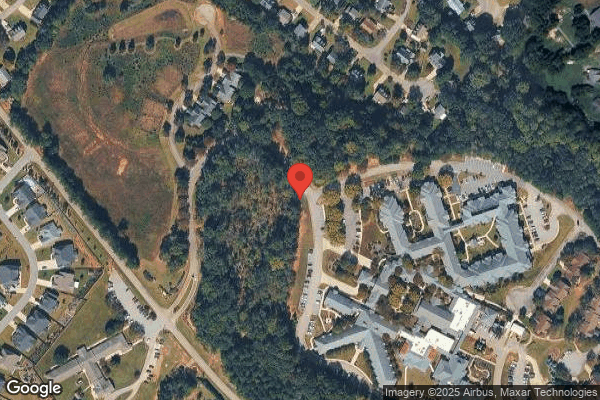
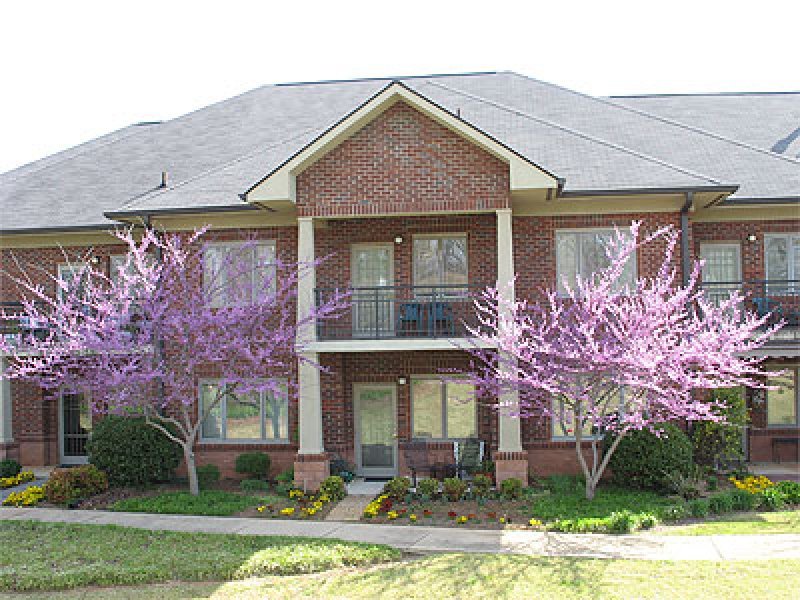
205 Bud Nalley Drive, Easley, SC 29642 (864) 859-3367
Non profit - Corporation 22 Beds PRESBYTERIAN COMMUNITIES OF SOUTH CAROLINA Data: November 2025
Trust Grade
90/100
#21 of 186 in SC
Last Inspection: January 2025

Within standard 12-15 month inspection cycle. Federal law requires annual inspections.

Overview

Presbyterian Home of SC - Foothills in Easley, South Carolina has an excellent Trust Grade of A, indicating a high level of quality care and service. Ranked #21 out of 186 facilities in South Carolina and #1 out of 5 in Pickens County, it is among the top performers in the region. However, the facility is experiencing a worsening trend, with the number of identified concerns increasing from 1 in 2023 to 2 in 2025. Staffing is a strong point, boasting a 5-star rating and only 41% turnover, which is better than the state average, and it benefits from more RN coverage than 97% of other facilities, ensuring attentive care. That said, there have been specific incidents, such as failing to follow proper food storage protocols and a delayed report of a suspected abuse case, which raises some concerns about safety and compliance.

Trust Score
A
90/100
In South Carolina
#21/186
Top 11%
Safety Record
Low Risk
No red flags
Inspections
Getting Worse
1 → 2 violations
Staff Stability
○ Average
41% turnover. Near South Carolina's 48% average. Typical for the industry.
Penalties
✓ Good
No fines on record. Clean compliance history, better than most South Carolina facilities.
Skilled Nurses
✓ Good
Each resident gets 127 minutes of Registered Nurse (RN) attention daily — more than 97% of South Carolina nursing homes. RNs are the most trained staff who catch health problems before they become serious.
Violations
✓ Good
Only 5 deficiencies on record. Cleaner than most facilities. Minor issues only.
★★★★★
5.0
Overall Rating
★★★★★
5.0
Staff Levels
★★★★☆
4.0
Care Quality
★★★★★
5.0
Inspection Score
Stable
2023: 1 issues
2025: 2 issues

The Good

  • 5-Star Staffing Rating · Excellent nurse staffing levels
  • 4-Star Quality Measures · Strong clinical quality outcomes
  • Full Sprinkler Coverage · Fire safety systems throughout facility
  • No fines on record
  • Staff turnover below average (41%)

    7 points below South Carolina average of 48%

Facility shows strength in staffing levels, quality measures, fire safety.

The Bad

Staff Turnover: 41%

Near South Carolina avg (46%)

Typical for the industry

Chain: PRESBYTERIAN COMMUNITIES OF SOUTH C

Part of a multi-facility chain

Ask about local staffing decisions and management

The Ugly 5 deficiencies on record

Jan 2025 2 deficiencies
CONCERN (D) 📢 Someone Reported This

A family member, employee, or ombudsman was alarmed enough to file a formal complaint

Potential for Harm - no one hurt, but risky conditions existed

Report Alleged Abuse (Tag F0609)

Could have caused harm · This affected 1 resident

**NOTE- TERMS IN BRACKETS HAVE BEEN EDITED TO PROTECT CONFIDENTIALITY** Based on review of the facility policy, record review, and interviews, the facility failed to timely report an allegation of abu...

Read full inspector narrative →
**NOTE- TERMS IN BRACKETS HAVE BEEN EDITED TO PROTECT CONFIDENTIALITY** Based on review of the facility policy, record review, and interviews, the facility failed to timely report an allegation of abuse for 1 of 1 residents (R)76, reviewed for abuse. Not reporting timely had the potential to cause further potential abuse. Findings include: Review of the facility's undated policy titled, Reporting Abuse to State Agencies and Other Entities/Individuals recorded under the policy, All suspected violations .of abuse will be immediately reported to appropriate state agencies and other entities or individuals as may be required by law. When an incident of resident abuse is suspected or confirmed, the incident must be immediately reported to facility management regardless of the time lapse since the incident occurred. R76 was admitted to the facility on [DATE] with diagnoses that include, but not limited to multiple fractured ribs left side, atrial fibrillation, pleural effusion, congestive heart failure and hypertension. Record review of R76's Minimum Data Set (MDS) assessment dated [DATE] revealed that R76's cognitive status from a Brief Interview Mental Status (BIMS) was scored as 14 of 15, indicating she had no cognitive impairment. Review of the Against Medical Advice (AMA) form with R76 name was completed and signed on 09/03/2024. Review of the Facility Reported Incident (FRI) report date of 09/04/2024 of a 2 hour report revealed the Administrator and Director of Nurses (DON) during a care plan meeting the previous day, a resident's daughter used the word manhandled by a staff member and was afraid to stay another night. A fax confirmation of the 24 report was dated 09/04/2024 at 12:34 PM. An interview with the Administrator on 01/16/2025 at 12:15 PM revealed when discussing the allegation of abuse reporting, she stated, I learned of this on September 4th. The DON and I are the Abuse Coordinators. The reporting time is 2 hours. Staff are to report immediately to us if there is the suspicion or allegation. This was a late reportable with notification. If it was reported to me on the 3rd, I would have reported it on the 3rd. An interview with the DON on 01/16/2025 at 1:04 PM revealed, I was not here that day, September 3rd, 2024. The Administrator and I were out on training. I was made aware on the 4th. The Administrator was not made aware until I came to her and reported it to her. After it was reported on the 3rd, it should have been reported. We knew it was late reporting when we reported it.
CONCERN (D)

Potential for Harm - no one hurt, but risky conditions existed

MDS Data Transmission (Tag F0640)

Could have caused harm · This affected 1 resident

Based on review of the facility policy, report review and interview, the facility failed to complete and submit 2 of 3 resident Minimum Data Sheet (MDS) assessments timely. Findings include: Review of...

Read full inspector narrative →
Based on review of the facility policy, report review and interview, the facility failed to complete and submit 2 of 3 resident Minimum Data Sheet (MDS) assessments timely. Findings include: Review of the undated facility policy titled, Resident Assessment Using the Minimum Data Set (MDS), revealed under the policy, Every resident will be assessed using the MDS according to guidelines set forth in the Resident Assessment Instrument (RAI) manual. The facility will conduct initially and periodically a comprehensive, accurate, standardized reproducible assessment of each resident's functional capacity. Review of the MDS 3.0 Missing OBRA Assessment Report dated 01/09/2025 revealed the facility had 3 resident assessments that were not submitted to CMS. Review of the MDS 3.0 Nursing Home Validation Report dated 01/14/2025 at 11:12 AM revealed the same 3 residents that were missing were submitted after the Missing OBRA Assessment Report was given to the Administrator. An interview with the MDS Nurse on 01/14/2025 at 3:25 PM revealed that the 3 resident assessment were not submitted and that 1 was completed. She stated, I unlocked it and set it for submission. I transmitted it today. She confirmed and stated, 2 of the 3 assessments was not completed at all. I completed it this morning after I received the report. It is now submitted. I just missed it. We follow the RAI. We have 14 days to close the admission assessment. On 01/16/2025 at 1:04 PM, an interview with the Director of Nursing (DON) revealed, I'm not an MDS nurse. When the residents admitm an Assessment Reference Date (ARD) is set, determined on multiple things. We should not miss or skip an MDS.
Apr 2023 1 deficiency
CONCERN (D)

Potential for Harm - no one hurt, but risky conditions existed

Deficiency F0578 (Tag F0578)

Could have caused harm · This affected 1 resident

**NOTE- TERMS IN BRACKETS HAVE BEEN EDITED TO PROTECT CONFIDENTIALITY** Based on interviews, record reviews, and review of the facility's policy, the facility failed to ensure a resident's end of life...

Read full inspector narrative →
**NOTE- TERMS IN BRACKETS HAVE BEEN EDITED TO PROTECT CONFIDENTIALITY** Based on interviews, record reviews, and review of the facility's policy, the facility failed to ensure a resident's end of life wishes and physician's orders were correctly documented throughout the medical record resulting in the potential that one resident's wishes (Resident (R) 122) out of a total sample of 13 residents would not be honored in the event of a life-threatening emergency. Findings include: Review of the facility's undated Advance Directives policy, indicated .information about whether or not the resident has executed an advance directive shall be displayed prominently in the medical record, on the MAR, TAR (Treatment Administration Record), and care plan . The assigned Nurse will notify the Attending Physician of advance directives so that appropriate orders can be documented in the resident's medical record and plan of care. Nursing will mark the residents chart . Review of the facility's undated Do Not Resuscitate Order Policy Statement indicated Our facility will not use cardiopulmonary resuscitation and related emergency measures to maintain life functions on a resident when there is a Do Not Resuscitate Order in effect .Do not resuscitate orders must be signed by the resident's Attending Physician on the physician's order sheet maintained in the resident's medical record. Review of R122's admission Record, located in the Profile tab of the electronic medical record (EMR), revealed R122 was admitted to the facility on [DATE]. R122's diagnoses included chronic obstructive pulmonary disease, diabetes mellitus, and chronic respiratory failure. Review of R122's Brief Interview for Mental Status (BIMS) located in the Minimum Data Set (MDS) with an Assessment Reference Date (ARD) of [DATE], located in the Assessment tab of the EMR, revealed a score of 13 out of 15 which indicated R122 was cognitively intact. Review of R122's Physician's Orders, dated [DATE] under the Orders tab located in the EMR, revealed R122's code status as Full Code. Full code means all resuscitative measures would be attempted in the event R122 was found without a pulse and/or not breathing. Review of R122's Authorization of DNR, dated [DATE] under Misc tab located in the EMR, signed by R122 revealed R122 chose the code status of Do Not Resuscitate [DNR]. DNR means no resuscitative measures would be attempted in the event R122 was found without a pulse and/or not breathing. Review of the provider note titled, Physician History and Physical, dated [DATE] under the Progress Notes tab located in R122's EMR, revealed .I spent <30 min discussing advanced care planning with this patient, and they desire DNR (Do Not Resuscitate). Appropriate paperwork completed placed on file and order in facility record reflects DNR. During an interview on [DATE] at 11:37 AM, R122 stated, I signed the paperwork to be a DNR, that is my wish. During an interview on [DATE] at 3:13 PM, Certified Nursing Assistant (CNA)1 stated a resident's code status was located in different places. CNA1 said if a resident were unresponsive she would get assistance, a nurse would come and make the decision on how to proceed. CNA1 said if a resident's chart says he was FULL CODE, Cardiopulmonary Resuscitation (CPR) would be done. During an interview on [DATE] at 3:15 PM, Registered Nurse (RN)1 stated I would call a code and ask them to call 911, R122 is a full code. RN1 was shown in R122's EMR where the Medication Administration Record (MAR) stated DNR. RN1 said since the written order was a Full Code she would try to bring him back. During an interview on [DATE] at 3:17 PM, the Social Services Director (SSD) said we talk about code status on admission when we go through the admission packet with a resident and/or responsible party. The SSD stated the Nurse Practitioner (NP) also reviews the resident's desire regarding code status. The SSD stated, If I found a patient unresponsive I would call the nurse and look in the system to check the code status. Right here on the EMR, R122 is a Full Code, but his paperwork says he is a DNR. I'm not going to lie I would look at the EMR and start CPR. During an interview on [DATE] at 8:06 AM with the Director of Nursing (DON), the DON stated, We admit everyone with a full code [status] until they are seen by a provider. If someone would code we need to look at the whole picture, I would expect staff to look at both places [the order and the document]. I don't think looking in both places would delay care. If there is a signed DNR I would expect staff to use that directive. During an interview on [DATE] at 9:49 AM with Licensed Practical Nurse (LPN)1, LPN1 said a resident's Code Status was found in the tool bar in the EMR. LPN1 stated, I would use the EMR Code Status. If the Code Status in the EMR and the DNR [paperwork] conflicted I would start CPR.
May 2021 2 deficiencies
CONCERN (E)

Potential for Harm - no one hurt, but risky conditions existed

Menu Adequacy (Tag F0803)

Could have caused harm · This affected multiple residents

Based on observation, record review, and interviews, the facility failed to follow the scoop size when plating the resident's diet. Review of the facility provided Resident and Diet List revealed five...

Read full inspector narrative →
Based on observation, record review, and interviews, the facility failed to follow the scoop size when plating the resident's diet. Review of the facility provided Resident and Diet List revealed five residents received a mechanical soft ground diet. Findings include: Observation on 5/25/21 beginning at 12:00 p.m., of the plating of the noon meal in the Satellite kitchen, revealed staff served bowtie pasta and used a four (4) ounce ladle to serve a sauce over the pasta. Further observation revealed the fullness of the ladle varied. Review of the Diet Spreadsheet for 5/25/21 lacked the sauce and the corresponding amount to serve. Interview with the Executive Chef and Wait Staff on 5/25/21 at 12:55 p.m., who plated the food, was unable to identify the size of the yellow scoop used to serve the chopped chicken and stated the scoops used to serve the pureed chicken and pureed peas were a size 16, but unable to state how many ounces that was. Wait Staff also stated the stir fry was served with a four (4) ounce ladle. Review of the Diet Spreadsheet for 5/25/21 revealed the staff should serve the residents six (6) ounces of the stir fry and four, (4) ounces of the pureed peas. Further review of the Diet Spreadsheet lacked evidence the staff should serve a sauce over the pasta and the pureed chicken and chopped chicken. Review of the Standard Scoop Measurements with no date. Revealed the yellow scoop consists of 1- 3/4 ounce instead of the usual six (6) ounce serving of meat. The Size 16 scoop consisted of 2 to 2 - ½ ounces instead of the documented four (4) ounce serving of peas and the usual six (6) ounce serving of meat. Review of the training the kitchen staff received on employment and annually, did not include any training pertaining to dietary or kitchen.
CONCERN (F)

Potential for Harm - no one hurt, but risky conditions existed

Food Safety (Tag F0812)

Could have caused harm · This affected most or all residents

Based on observation, record review, interviews and facility policy, the facility failed to store food in a closed manner, failed to label food containers when opened, failed to store dishes and utens...

Read full inspector narrative →
Based on observation, record review, interviews and facility policy, the facility failed to store food in a closed manner, failed to label food containers when opened, failed to store dishes and utensils in a sanitary manner, failed to maintain an air gap on the ice machine, failed to maintain appropriate sanitization levels in the cleaning buckets and failed to serve food in a sanitary manner. The facility had one (1) main kitchen and a satellite kitchen that provided meals for the skilled unit. Findings include: Review of the policy titled, Handwashing, with no date, revealed, rewash hands after touching anything that may contaminate hands. Review of the policy titled, Storing: Food and Equipment, with no date, revealed, label all food items that were not kept in their original containers, including condiments. Each label must contain the following: product name, use-by-date, date the product was prepared or opened, and team member initials where applicable. The policy also documented staff should store the glasses and cups upside down on a clean shelf or rack and do not nest wet glasses or cups. Review of the policy titled, Dishwashing and Pot Washing Procedures, dated 3/2020 revealed allow dishes to air dry, do not wipe them with cloths. Review of the policy titled, Cleaning and Sanitizing, with no date, revealed, the cleaning schedule must identified the cleaning jobs in each area of the kitchen, assign cleaning responsibilities to each job position, and schedule the time the cleaning was to be done and/or completed. Staff should train all team members on the following: importance of cleanliness in the food service operation, cleaning schedule assignments, correct tools, and chemicals to utilize when cleaning equipment, and check the completion of tasks on the Cleaning Log. Ensure team members understand who they should direct their questions to regarding the cleaning procedures. Review of the policy titled, Surface: Cleaning and Sanitizing, with no date, revealed, keep sanitizing solution between 200 to 400 parts per million (ppm) quaternary ammonium. Change sanitizer as often as necessary to keep water clean and sanitizer effective. Review of the policy titled, Dish machine, with no date, revealed, team members must clean, rinse, and sanitize tableware, dishes, utensils, and other approved equipment after each use. Air dry all items and do not stack or nest wet items. Review of the policy titled, Physical Facilities, with no date, revealed the location Supervisor and District Manager must work with the client to choose, install and maintain utilities, materials and equipment, to promote food safety and proper sanitation. Plumbing should be maintained to prevent backflow preventions or any cross-connection (link through which contaminants from drains, sewers or other wastewater sources could enter a drinkable water supply). 1. Observation of the main kitchen, during the initial tour on 5/25/2021 from at 10:30 a.m. to 11:42 a.m. revealed: Three (3) racks of steam table pans, baking sheets, muffin tins and mixing bowls by the three (3) compartment-sink. Further observation on all three (3) racks revealed, multiple number of the steam table pans, baking sheets, muffin tins and mixing bowls were stacked together with water between them, some were stored upright and some had dried food debris. • The dry storage room revealed the following opened to the air: Five (5) pound bag of Fish and Vegetable Batter Mix; container of cornmeal; opened bag of raisins inside an opened box; box of lentils; 11 kilogram box of rice; and ten (10) pound box of Quinoa. Further observation revealed an opened container of Pork Gelatin not dated when staff opened it. • The walk-in refrigerator revealed one (1) gallon container of Asian Sesame Dressing opened and not labelled with the opened date. • The prep area shelving revealed 19 opened containers of seasonings, vinegar or soy sauce unlabeled with the date staff opened them and a gallon size bottle of vinegar, on the bottom self with no lid an no label. Further observation revealed a plastic container of cream of tartar with a label to use within six (6) months with no documented date of when opened. • Check of the chemical level of the sanitization bucket in the prep area revealed it did not register on the test strip. Additional check of another sanitization bucket revealed brownish colored water and particles floating in the bucket. • Large floor mixer covered with a plastic bag and food noted on the underside where the beaters would go and along the shield of the mixer. • Five (5) tablecloths on hangers in a storage room with staffs' coats on same rack. • Linen room with plastic bags filled with towels on the floor and one (1) bag on the floor opened with towels exposed. • No air gap on the ice machine drain and dust particles on the side vents. • Two (2) Robot coupe (industrial food processor) bowls covered with a lid and blades inside the bowl, one (1) with standing water and the other with dried food on the blades. • Large flour bin with a label to use the flour by 5/15/21 still in use. • Stainless steel rack with stacked clear plastic containers with water between some of the containers, positioned on the shelf above dishes stored upright and not covered. • Mixer with food debris present. • One (1) gallon of red wine vinegar by the stove, opened and not labeled with the opened date. • Drawer containing knives with old food stains in the drawer, and food debris on some of the knives. • Steam table pan of buffalo sauce and steam table pan of butter (that had separated) dated 5/24 sitting on the shelf above over the stove. 2. Observation on 5/25/21 from 11:56 a.m. to 12:58 a.m. of the satellite kitchen revealed glasses and plate covers stacked and water between them. Cartons of Health Shakes in the cooler not dated when placed in the cooler to thaw. Review of the cartons of the Health Shake revealed documentation that stated the Health Shakes should be used within 14 days after thawing. Dishes in the cabinet with old food noted on the side of the plates, observable when the cabinet door was opened. 3. Further observation revealed the Wait Staff took the temperature on the steam table. The chopped chicken was 136.4 degrees Fahrenheit (F), egg rolls were 130.8 degrees F, pureed peas were 116.4 degrees F and the pureed chicken was 131.4 degrees F. Interview with the Executive Chef at that time revealed the temperature of the food should be 145 degrees F or higher. Dietary staff took the egg rolls, pureed peas and pureed chicken back to the main kitchen to reheat. Dietary staff brought the egg rolls, pureed peas and pureed chicken back and placed on the steam table. The surveyor prompted the staff the temperature of the ground chicken was 131.4 degrees when taken and the dietary staff then removed the ground chicken and took it back to the main kitchen to reheat. 4. Additional observation revealed the Health Care Dining Supervisor came into the satellite kitchen with gloves on, threw paper towels into the trash can by touching the sides of the lid and then lifted the tray covering the duck sauce. The surveyor at that time prompted the supervisor to change his/her gloves. 5. Observation at 12:52 p.m. revealed a nurse aide entered the satellite kitchen without a hair net on and obtained an item from the cooler while the food was still on the steam table and then left the kitchen. 6. Observation of the main kitchen on 5/27/21 at 10:12 a.m. revealed large plastic containers stacked in the dry storage room with water between them and some with dried debris. Further observation revealed ten (10) containers of spices from five (5) to 30 ounces in weight unlabeled as to when opened. Observation at 10:15 a.m. revealed the floor mixer with a small amount of dried food underneath where the beaters went and on the shield of the mixer. Further observation revealed the knife drawer with food debris on some of the knives. The stainless-steel rack had stacked plastic containers with water between them. On the same rack, stainless steel cup looking containers, several had water between them and two (2) with moist looking food between them. Further observation revealed two (2) staff drying dishes and trays with towels. The surveyor prompted the Regional Director to stop the towel drying of the dishes. Review of the training the kitchen staff received on employment and annually, did not include any training pertaining to dietary or kitchen. Review of the 5/2021 Back of the House Cleaning Log revealed, Daily Clean and Sanitize, Weekly, and Monthly sections. Further review of the cleaning log revealed checkmarks placed but inconsistent upon completion of the areas. The log did not assign a cleaning task by job title Interview with the Executive Chef on 5/25/21 at 11:00 a.m. revealed the staff should change the chemical solution in the sanitization buckets every two to four hours. Further interview with the Executive Chef regarding the kitchen cleaning schedule revealed the staff all worked together and started at the dishwashing area and worked towards the back door. A cleaning schedule with assigned jobs was not utilized. The Executive Chef stated he/she did not know the Health Shakes had to be used within 14 days of being thawed. Interview with Director of the Kitchen on 5/25/21 at 11:30 a.m. revealed the staff should change out the sanitization buckets when there were food particles in the water. Further interview with the Executive Chef on 5/27/21 at 9:45 a.m. revealed he/she was in charge of the ordering of the food and the kitchen staff. The Director of the Kitchen was his/her supervisor. The Executive Chef also stated the staff should keep food items from being opened to the air. The labels for the food containers should include the date opened, the used by date, day of the week, name of the product and the staff's initials. Staff should air dry the dishes after they were washed and anybody working can put the dishes/utensils away when they were dry. The Executive Director stated the ice machine air gap was not fixed yet but he/she had placed a maintenance order to have it fixed. Interview with the [NAME] on 5/27/21 at 10:16 a.m. revealed he/she started here four (4) years ago and when he/she started was trained on the normal things but could not remember what. The cook also stated the staff should label any item in the kitchen when opened. Interview with the Dishwasher on 5/27/21 at 10:30 a.m. revealed he/she started working in the kitchen about one (1) year ago and the training he/she received was following someone else around. The dishwasher stated he/she found out he/she had been doing everything wrong but did not have any towels to dry the dishes with previously.
Understanding Severity Codes (click to expand)
Life-Threatening (Immediate Jeopardy)
J - Isolated K - Pattern L - Widespread
Actual Harm
G - Isolated H - Pattern I - Widespread
Potential for Harm
D - Isolated E - Pattern F - Widespread
No Harm (Minor)
A - Isolated B - Pattern C - Widespread

Questions to Ask on Your Visit

  • "Can I speak with families of current residents?"
  • "What's your RN coverage like on weekends and overnight?"

Our Honest Assessment

Strengths
  • • Grade A (90/100). Above average facility, better than most options in South Carolina.
  • • No major safety red flags. No abuse findings, life-threatening violations, or SFF status.
  • • No fines on record. Clean compliance history, better than most South Carolina facilities.
  • • Only 5 deficiencies on record. Cleaner than most facilities. Minor issues only.
Concerns
  • • No significant concerns identified. This facility shows no red flags across CMS ratings, staff turnover, or federal penalties.
Bottom line: Generally positive indicators. Standard due diligence and a personal visit recommended.

About This Facility

What is Presbyterian Home Of Sc - Foothills's CMS Rating?

CMS assigns Presbyterian Home Of SC - Foothills an overall rating of 5 out of 5 stars, which is considered much above average nationally. Within South Carolina, this rating places the facility higher than 99% of the state's 100 nursing homes. This rating reflects solid performance across the metrics CMS uses to evaluate nursing home quality.
How is Presbyterian Home Of Sc - Foothills Staffed?

CMS rates Presbyterian Home Of SC - Foothills's staffing level at 5 out of 5 stars, which is much above average compared to other nursing homes. Staff turnover is 41%, compared to the South Carolina average of 46%. This relatively stable workforce can support continuity of care.

What Have Inspectors Found at Presbyterian Home Of Sc - Foothills?

State health inspectors documented 5 deficiencies at Presbyterian Home Of SC - Foothills during 2021 to 2025. These included: 5 with potential for harm.

Who Owns and Operates Presbyterian Home Of Sc - Foothills?

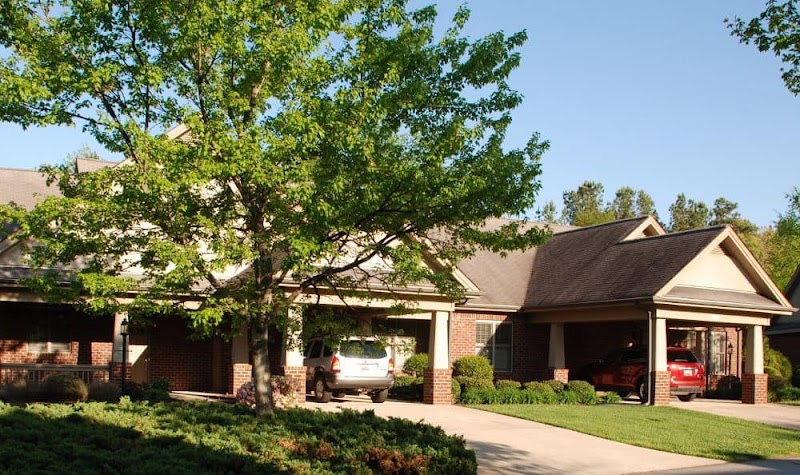
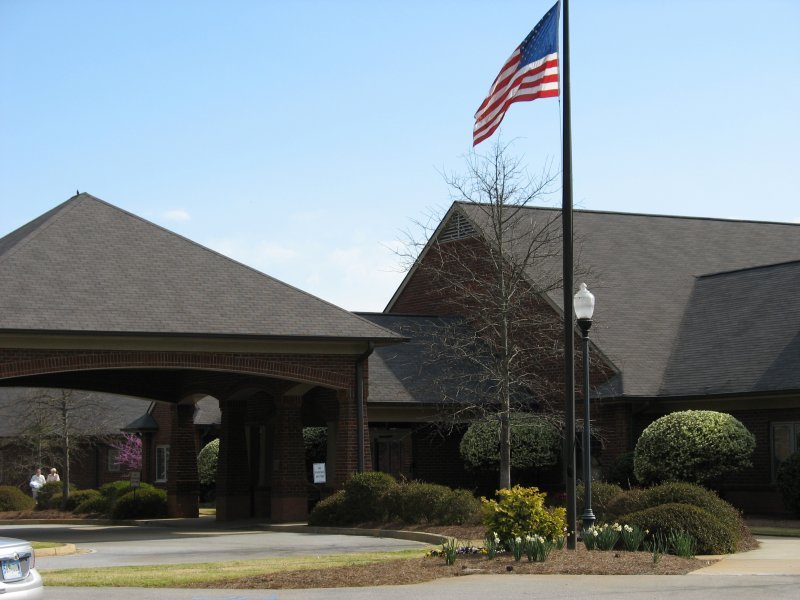
Presbyterian Home Of SC - Foothills is owned by a non-profit organization. Non-profit facilities reinvest revenue into operations rather than distributing to shareholders. The facility is operated by PRESBYTERIAN COMMUNITIES OF SOUTH CAROLINA, a chain that manages multiple nursing homes. With 22 certified beds and approximately 19 residents (about 86% occupancy), it is a smaller facility located in Easley, South Carolina.
How Does Presbyterian Home Of Sc - Foothills Compare to Other South Carolina Nursing Homes?

Compared to the 100 nursing homes in South Carolina, Presbyterian Home Of SC - Foothills's overall rating (5 stars) is above the state average of 2.9, staff turnover (41%) is near the state average of 46%, and health inspection rating (5 stars) is much above the national benchmark.

What Should Families Ask When Visiting Presbyterian Home Of Sc - Foothills?

Based on this facility's data, families visiting should ask: "Can I visit during a mealtime to observe dining assistance and food quality?" "How do you handle medical emergencies, and what is your hospital transfer rate?" "Can I speak with family members of current residents about their experience?"

Is Presbyterian Home Of Sc - Foothills Safe?

Based on CMS inspection data, Presbyterian Home Of SC - Foothills has a clean safety record: no substantiated abuse findings (meaning no confirmed cases of resident harm), no Immediate Jeopardy citations (the most serious violation level indicating risk of serious injury or death), and is not on the Special Focus Facility watch list (a federal program monitoring the lowest-performing 1% of nursing homes). The facility has a 5-star overall rating and ranks #1 of 100 nursing homes in South Carolina. While no facility is perfect, families should still ask about staff-to-resident ratios and recent inspection results during their visit.

Do Nurses at Presbyterian Home Of Sc - Foothills Stick Around?

Presbyterian Home Of SC - Foothills has a staff turnover rate of 41%, which is about average for South Carolina nursing homes (state average: 46%). Moderate turnover is common in nursing homes, but families should still ask about staff tenure and how the facility maintains care continuity when employees leave.

Was Presbyterian Home Of Sc - Foothills Ever Fined?

Presbyterian Home Of SC - Foothills has no federal fines on record. CMS issues fines when nursing homes fail to meet care standards or don't correct problems found during inspections. The absence of fines suggests the facility has either maintained compliance or corrected any issues before penalties were assessed. This is a positive indicator, though families should still review recent inspection reports for the full picture.

Is Presbyterian Home Of Sc - Foothills on Any Federal Watch List?

Presbyterian Home Of SC - Foothills is not on any federal watch list. The most significant is the Special Focus Facility (SFF) program, which identifies the bottom 1% of nursing homes nationally based on persistent, serious quality problems. Not being on this list means the facility has avoided the pattern of deficiencies that triggers enhanced federal oversight. This is a positive indicator, though families should still review the facility's inspection history directly.