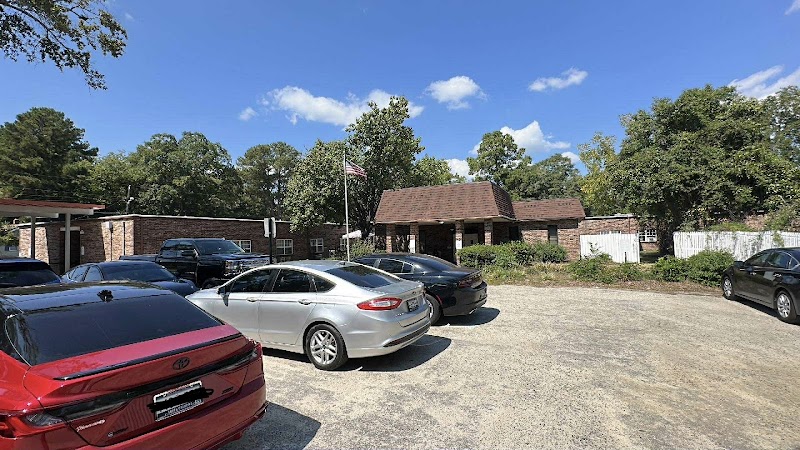
Faith Healthcare Center
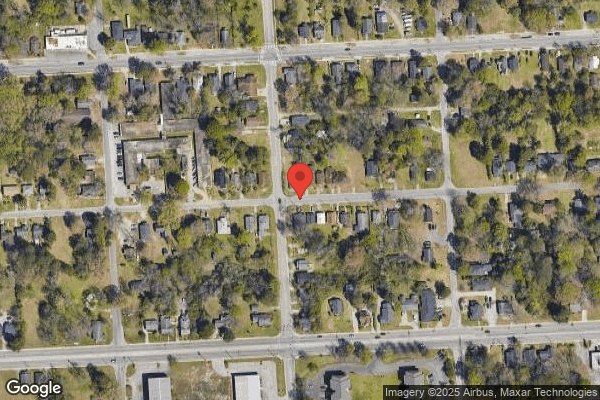

617 West Marion Street, Florence, SC 29501 (843) 669-9958
For profit - Limited Liability company 104 Beds FUNDAMENTAL HEALTHCARE Data: November 2025 1 Immediate Jeopardy citation
Trust Grade
33/100
#148 of 186 in SC
Last Inspection: February 2025

Within standard 12-15 month inspection cycle. Federal law requires annual inspections.

Overview

Faith Healthcare Center in Florence, South Carolina has received a Trust Grade of F, indicating significant concerns about the facility's quality of care. It ranks #148 out of 186 nursing homes in the state, placing it in the bottom half, and #9 out of 9 in Florence County, meaning there are no better local options available. The facility's situation is worsening, with issues increasing from 2 in 2023 to 10 in 2025. Staffing is rated at 2 out of 5 stars, which is below average, and the turnover rate is 43%, slightly better than the state average, but indicates instability. Although there are no fines on record, the facility has concerning deficiencies, including a critical incident where a confused resident was found wandering outside the facility unsupervised, posing serious safety risks. Additionally, there were issues with food sanitation in the kitchen and improper medication storage, highlighting both strengths and weaknesses in care.
Trust Score
F
33/100
In South Carolina
#148/186
Bottom 21%
Safety Record
High Risk
Review needed
Inspections
Getting Worse
2 → 10 violations
Staff Stability
○ Average
43% turnover. Near South Carolina's 48% average. Typical for the industry.
Penalties
✓ Good
No fines on record. Clean compliance history, better than most South Carolina facilities.
Skilled Nurses
⚠ Watch
Each resident gets only 17 minutes of Registered Nurse (RN) attention daily — below average for South Carolina. Fewer RN minutes means fewer trained eyes watching for problems.
Violations
⚠ Watch
13 deficiencies on record. Higher than average. Multiple issues found across inspections.
★☆☆☆☆
1.0
Overall Rating
★★☆☆☆
2.0
Staff Levels
★☆☆☆☆
1.0
Care Quality
★☆☆☆☆
1.0
Inspection Score
Stable
2023: 2 issues
2025: 10 issues

The Good

  • Full Sprinkler Coverage · Fire safety systems throughout facility
  • No fines on record
  • Staff turnover below average (43%)

    5 points below South Carolina average of 48%

Facility shows strength in fire safety.

The Bad

1-Star Overall Rating

Below South Carolina average (2.8)

Significant quality concerns identified by CMS

Staff Turnover: 43%

Near South Carolina avg (46%)

Typical for the industry

Chain: FUNDAMENTAL HEALTHCARE

Part of a multi-facility chain

Ask about local staffing decisions and management

The Ugly 13 deficiencies on record

1 life-threatening
Sept 2025 1 deficiency 1 IJ
CRITICAL (J) 📢 Someone Reported This

A family member, employee, or ombudsman was alarmed enough to file a formal complaint

Immediate Jeopardy (IJ) - the most serious Medicare violation

Accident Prevention (Tag F0689)

Someone could have died · This affected 1 resident

**NOTE- TERMS IN BRACKETS HAVE BEEN EDITED TO PROTECT CONFIDENTIALITY** Based on review of facility policy, record review, and staff interview, the facility failed to provide adequate supervision for ...

Read full inspector narrative →
**NOTE- TERMS IN BRACKETS HAVE BEEN EDITED TO PROTECT CONFIDENTIALITY** Based on review of facility policy, record review, and staff interview, the facility failed to provide adequate supervision for 1 of 1 resident reviewed. Specifically, on 09/01/25 a demented, confused resident was found across the street, approximately 500 feet, from the nursing home facility by a citizen passing by in a car. This citizen contacted 911 emergency services, detailing that a young lady was on the ground in front of a local grocery store. On 09/04/25 at 7:45PM, the State Agency determined that the facility's noncompliance with one or more federal health, safety, and/or quality regulations had caused or was likely to cause serious harm, psychosocial harm, serious impairment or death.On 09/04/25 at 7:45 PM, the Administrator was notified that the failure to provide appropriate supervision to Resident (R)1, resulting in a successful elopement from the facility, constituted Immediate Jeopardy (IJ) at F689.On 09/04/25 at 7:45 PM, the survey team provided the Administrator with a copy of the CMS Immediate Jeopardy (IJ) Template and informed the facility IJ existed as of 09/01/25. The IJ was related to 42 CFR 483.25 - Free of Accident Hazards, Supervision, and Devices.On 09/05/25 at 2:00 PM, the facility provided an acceptable IJ Removal Plan. The survey team verified that the facility put forth due diligence in addressing this non-compliance. The SA is considering the IJ at Past Non-Compliance as of 09/02/25.An extended survey was conducted in conjunction with the Compliant Survey for non-compliance at F689, constituting substandard quality of care.Findings Include: Review of the facility policy titled Elopement with a complete revision date of 11/01/17, revealed, Policy: To safely and timely redirect patients/residents to a safe environment. A prompt investigation and search will be conducted if a patient/resident is considered missing. The Facility will determine a signal code, e.g. Code [NAME] to designate a missing patient/resident. Review of R1's Face Sheet revealed R1 was admitted to the facility on [DATE] with diagnoses including, but not limited to, Alzheimer's dementia, depression, anxiety disorder, multiple falls, muscle weakness, and impaired gait and mobility. Review of R1's Quarterly Minimum Data Set (MDS) Nursing assessment dated [DATE] revealed R1 has a short-term memory problem, and her decision-making ability is moderately impaired. R1 shows little interest or pleasure in doing things and can be short-tempered. R1 was noted to wander, which placed resident at significant risk of getting to a potentially dangerous place. R1 uses a walker and has an impairment of her left upper extremity. R1 had one fall in the prior 31-180 days. R1's balance was not steady, but she was able to stabilize without human assistance. R1 is on anticoagulant therapy. Review of R1's Care Plan revealed R1 is at risk for unwanted side effects of antianxiety medication prescribed for treatment of anxiety, insomnia, behaviors associated with Alzheimer's Dementia with agitation. Further review of the Care Plan revealed on 01/21/25 it was identified the resident wanders through out the facility, on 09/19/24 she is unaware of her surroundings, very confused and unable to make decisions related to Alzheimer's Disease and she has potential for falls and injuries. Review of R1's Assessments reveals R1 had an Elopement assessment completed on 09/01/25, and she was at risk for elopement/wandering as evidenced by, Resident wanders in the facility and went out of an exit door. There were no prior Elopement assessments completed. Review of R1's Nurse's Note on 09/01/25 revealed the resident left the building at 2:36 PM, she was found by a local grocery store and was taken to the hospital by EMS (emergency medical services). Resident returned to the facility at around 5:49 PM. Body audit was conducted skin was warm and dry with no apparent issues. Resident was pleasant and calm. Lungs were clear and there were no signs and symptoms of pain or being in stress. No acute changes of condition. During an observation on 09/04/25 at an unspecified time revealed the local grocery store is located on a busy street. There were two abandoned houses that neighbor the facility doors, and across the street was a house that had demolished material in a large trash container. The local grocery store was closed due to the holiday. According to a weather report the temperature for the day of the elopement was 82 degrees Fahrenheit. During an interview on 09/04/25 at 11:22 AM, the Facility Administrator (FA) revealed the facility does not have wander guards for their residents. They have an elopement book that is kept at each nurse's station and one at the front desk. During an interview on 09/04/25 at 12:38 PM, the Minimum Data Set (MDS) Coordinator 1 revealed that they are located on D hall with the business office, supply room, social services director, classrooms, and therapy. She includes that deliveries are received at that door, and one would have to have a key and a code to open the door. The supply room has a key to open the door. The MDS Coordinator 1 stated that she was off that day, so she was informed of the incident upon her return on Tuesday. She also includes that maintenance has been working on the door, and they have received a mitigation plan about elopement. She includes that residents are always on the hall either with therapy or visiting one of the other administrative offices on the hall. MDS Coordinator 1 further stated she is not familiar with a time that the door is left open or unlocked without the alarm. She is responsible for making sure that the care plan and interventions are updated. During an interview on 09/04/25 at 1:16 PM, the Maintenance Director (MD) revealed that alarm systems are mag locks and are controlled if the fire alarm goes off, they are released. The red alarms are back up battery operated, if the door is opened by anyone the alarm will go off. Both alarms must be cut off with a key if the alarm sounds. In the evenings before the MD leaves, the MD verifies if the mag locks are locked on all halls. He checks and makes sure the red box is armed and makes sure the LED lights are red and not green and check a quick push on the door it to make sure it beeps to make sure that it is on. The MD stated shipment, and deliveries are delivered on the D hall, at least twice a month, and to keep the alarm from resetting, the staff would turn off the alarm with the key to both alarms, the mag lock and the red box. We received a delivery today and on last Thursday. The MD states that he has a set of keys, the administrator, housekeeping supervisor, and the supply staff also have keys. The MD also stated that the last day he worked was last Friday, of which he went through and checked all the doors. Friday, everything checked out fine to my knowledge. Tuesday, when he returned, he was informed that a resident had gotten out the building from D hall and they wanted him to assess the area to see if there were any defects or improvements to eliminate the threat of any resident being able to get out that area. The MD stated no one goes in and out of the door just for deliveries. The MD stated that he thinks that the mag lock malfunctioned and it could have been possible that the red box had been turned off/disabled. During an interview on 09/04/25 at 1:52 PM, Central Supply (CS) revealed that she gets deliveries every Tuesday and Thursday. The delivery person would come to D hall, would ring the bell, it rings in my office, and I go and open the door. The CS states she uses a key to the mag lock, and she must punch in a code and then open the door. The alarm will not sound due to the key being turned in the mag loc. Once the Mag lock is turned off with the key, you must go back and reset it with the key, there is no way to enter or exit without a key or code. The CS includes that no one enters through the door on D hall for any other reason. If the door is held open, then the alarm will automatically sound after about 15 seconds. The CS revealed she knows if the door is locked or not by looking for the red light on the box. That indicates that it is locked and if it is green then it is unlocked. The CS further stated she checks the door every day. The CS stated that staff on D hall and C hall, which is perpendicular to D hall, would be able to hear the alarm if it were to go off. The last day she was here was Saturday and she had checked the door to ensure that it was locked. The CS also states that residents are on the hall frequently with therapy, but she has never had to redirect residents from attempting to go out that door. During an interview on 09/04/25 at 2:00 PM Licensed Practical Nurse (LPN)1 revealed she was off the day of the elopement. LPN1 stated my understanding is one of the residents went out one of the doors. The resident went to the hospital to get checked out because she fell, she does have a history or bradycardia. LPN1 stated I know they did neuro checks, body audits after the resident came back from the emergency room (ER). When asked what her understanding was of the elopement on Monday, LPN1 stated, I understand a passerby called the ambulance because they saw her sitting. I don't believe they witnessed her falling. I think they assumed she fell because she was on the ground. We didn't receive any real records from the ER when the resident returned. It was just a form saying to follow up with her Primary Care Physician (PCP) and a list of her medications. There wasn't a note about what the ER did or found. I'm not sure how they determined the resident belonged to this facility. LPN1 further stated, I was the one who tried to notify the representative, but he is hard to get ahold of. I called him twice. I finally left a message with his assistant to let him know what had /happened and gave her my phone number for him to call if he had any questions. I plan to call him today to let him know about the discontinuation of the medication because of her low heart rate. During an interview on 09/04/25 at 2:13 PM the Facility Administrator (FA) revealed that the facility has cameras, but they do not record, the footage recycles after a 24-hour period. He also states that the local grocery store wouldn't provide them with footage, but they stated on their cameras they saw a young lady fall between 2:15 PM and 2:30 PM. The FA stated he saw the resident exit through the door on D hall from the cameras, but the time was not as accurate, so they provided an approximate time of when a nursing assistant was clocking back in from lunch to pinpoint a time. The FA stated that he was informed that the resident was sitting on the ground at a local grocery and someone from the grocery store called 911, he received the call at 2:45 PM. The FA indicated that the Emergency Medical Services (EMS) contacted the facility, of which he thinks that they assumed that it was one of their patients and called to check if in fact it was. The call was transferred to Registered Nurse (RN)1 on the skilled hall of which she notified the scheduler, and she proceeded to check for all the residents in the building. The FA stated that the MD informed him that he had worked on the door on D hall about three days prior and he left it unlocked. The FA included the MD stated that he was working on the door and he went outside but, when he came back in, he forgot to turn the alarm back on. When the resident exited out of the door on D hall, an alarm never went off, because both alarms were disconnected, the mag lock and the red alarm. The FA revealed there were staff on that hall, even though it was a holiday and two staff members had seen her in passing. The FA stated that the door would automatically shut back, so it would never be left open to identify if someone had exited the door. During an interview on 09/04/25 at 2:23 PM LPN2 revealed, The incident happened before I came in. I spoke to the Nurse Practitioner [NP] about 10:45 PM to report the elopement to her. She ordered vital signs every four hours, body audit, and 15-minute checks of the resident for 36 hours. When asked how the resident acted the evening of 09/01/25, she stated, She was great. She was walking up and down the hall. There were no changes from her norm. She was cheerful the next morning too. During an interview on 09/04/25 at 2:45 PM the Director of Nursing (DON) revealed she was called at 2:52 PM by the Unit Manager and stated that a resident had eloped. The DON stated, I was told the resident had been found by a passerby, who called 911, and the resident was taken to the hospital. I then called and reported it to our Clinical Regional Consultant. I called the Assistant Director of Nursing, and we immediately came into the facility. Before our arrival, the nursing staff had conducted a 100% check of the residents. They also checked the doors to ensure they were functional. They found that the D-Hall door was unlocked. They immediately locked it when it was found unlocked. The DON was unsure of how the hospital knew R1 was a resident at this facility. I just know that EMS called the facility to see if she was a resident here. The DON further stated, I guess they assumed she belonged to us since [local grocery store] is just down the street from here. After the incident, we spoke with everyone - housekeeping, maintenance, therapy, nursing, etc. We discovered the D-Hall door had been left unlocked. Supposedly, it was being worked on by Maintenance. I don't know if the work had been done on that day or when it was done. The D-Hall door was an exit/entrance as well as for deliveries. During an interview on 09/04/25 at 2:46 PM, the Scheduler revealed that she was walking down the hall, RN1 was on the phone with EMS. The Schedular stated that RN1 stated a resident was found across the street and she then did a check of all the doors in the building and then did a resident check. She includes she checked D hall, and it was not locked. It usually has the red light, and it was not on, when she attempted to push the door it opened, and no alarm came on. She then locked the door. The Scheduler states that she saw R1 about 1:00 PM walking up and down the hall, she typically walks up and down the hall, but she usually is not on D hall. The Scheduler concluded the resident does not have therapy, so she is not on that hall frequently. During an interview on 09/04/25 at 3:34 PM, LPN3 revealed that a little bit after 2:00 PM on 09/01/25, EMS called and asked if R1 was one of our residents. They stated they had her and they were transporting her to a local hospital; a lady had called in and stated they found her at the store across the street. LPN3 stated she then sent the Scheduler and a CNA (certified nursing assistant) to see what was going on. EMS stated they were taking her to the hospital because she was confused and asked what hospital they wanted them to take her to. LPN3 further revealed that residents don't have any identification cards or bracelets to be identified. LPN3 keeps a check on all doors, and she looks for the red-light indicator, red light on the keypad denotes that the door is locked and when you put in the code it will turn green, and it will open. LPN3 stated that she typically works the skilled nursing hall, and she had seen R1 walking around earlier that day and sometimes she must be redirected, but she is easy to redirect. On 09/05/25 at 2:00 PM the facility provided an acceptable IJ Removal Plan which included the following:Resident #1 evaluated at emergency room on 9/1/25. No injuries indicated Each Exit door was checked and secured on 9/1/25 by Manager on Duty.Resident returned to facility and placed on 15-minute checks. Physical Assessment Completed by Licensed Nurse with no injuries identified.Upon Resident return, Elopement Risk Assessment Updated to reflect current status by Licensed Nurse. Care Plan and resident profile updated on 9/1/25 by licensed Nurse.Maintenance Director was reeducated by the Administrator on 9/1/25 on validating doors are engaged and secure after any repair to door.Residents residing in the facility had an Elopement Risk Assessments updated on 9/2/25 by Director of Nursing/Designee. Residents identified as elopement risk were placed in the elopement binder and had care plans and profiles updated by Director of Nursing/Designee on 9/2/25.Facility Staff were reeducated by the Director of Nursing/Designee on Elopement Policy and Process on 9/1/25.Designated doors were set for facility staff to enter and exit the building. Any keys to disable door locks or alarms were placed with the Administrator on 9/1/25. The identified side door will remain locked and alarmed at all times.Facility Staff were reeducated by the Administrator/Designee on the use of the designated doors for entry and exit on 9/1/25.Any staff not receiving this education by 9/1/25 will receive prior to their next scheduled shift.Doors will be checked daily validating they are secure and properly functioning by Administrator/Designee for 3 months.Maintenance Director will validate exit doors are secure and functioning properly weekly. Elopement Drills will be completed with facility staff three times a month for 3 months.September: 1st shift 9/3/25, 2nd shift 9/9/25, 3rd shift 9/16/25 October: 1st shift 10/7/25, 2nd shift 10/14/25, 3rd shift 10/21/25November: l51 shift 11/4/25, 2nd shift 11/11/25, 3rd 11/18/25The Medical Director was notified of the contents of this plan on 9/2/25 and the Immediate Jeopardy on 9/4/25.Ad Hoc QAPI was held on 9/2/25.
Feb 2025 9 deficiencies
CONCERN (D)

Potential for Harm - no one hurt, but risky conditions existed

Resident Rights (Tag F0550)

Could have caused harm · This affected 1 resident

**NOTE- TERMS IN BRACKETS HAVE BEEN EDITED TO PROTECT CONFIDENTIALITY** Based on review of the facility policy, observations, and interviews, the facility failed to ensure Resident (R)39 and R74 was w...

Read full inspector narrative →
**NOTE- TERMS IN BRACKETS HAVE BEEN EDITED TO PROTECT CONFIDENTIALITY** Based on review of the facility policy, observations, and interviews, the facility failed to ensure Resident (R)39 and R74 was without unwanted facial hair. Additionally, the facility failed to ensure dignity while R2's catheter bag was exposed. Findings include: Review of the facility's policy titled, Social Services Policies and Procedures. Subject: Patient/Resident Rights with revision date 06/09/2023 revealed, Policy: The Facility employs measures to ensure patient and resident personal dignity, well-being, and self-determination are maintained .The Facility has established the Patient/Resident [NAME] of Rights and Responsibilities in accordance with state and federal regulations .Resident Rights: A facility must treat each resident with respect and dignity and care for each resident in a manner and in an environment that promotes maintenance or enhancement of his or her quality of life, recognizing each resident's individuality. Review of R39's Electronic Medical Record (EMR) revealed R39 was admitted to the facility on [DATE] with diagnoses including but not limited to: Functional quadriplegia, cognitive communication deficit, other pulmonary embolism without acute cor pulmonale, pneumonia, unspecified organism, hydronephrosis with renal and ureteral calculous obstruction, and major depressive disorder. Review of R39's Quarterly Minimum Data Set (MDS) with an Assessment Reference Date (ARD) date of 12/20/24 revealed a Brief Interview for Mental Status (BIMS) score of 99. During an observation on 02/04/25 at 8:41 AM, R39 was observed with facial hair on her chin. During an observation on 02/04/25 at 11:21 AM, facial hair remains after personal care received from the hospice aide. During an observation on 02/06/25 at 12:53 PM, R39 was observed with facial hair. During an interview on 02/06/25 at 12:53 PM with Certified Nursing Assistant (CNA)2, it was confirmed that there was presence of facial hair on chin. CNA2 reported that the hospice aide provides personal care in the morning and does hair but she guesses she forgot to address the facial hair. CNA2 stated that once the hospice aide leaves, care is on her. During an observation and interview on 02/06/25 at 1:26 PM, Licensed Practical Nurse (LPN)5 confirmed facial hair on the chin of the resident. During an interview on 02/06/24 at 9:53 AM, the Director of Nursing (DON) stated that her expectation would be if there is facial hair on female residents it would be shaven if the resident would allow. The frequency varies based on how the hair grows. Review of R74's Electronic Medical Record (EMR) revealed R74 was admitted to the facility on [DATE] with diagnoses including but not limited to: Dementia, schizophrenia, bipolar disorder, schizoaffective disorder, and cognitive communication deficit. Review of R74's Annual MDS with an ARD date of 12/30/24 revealed a BIMS score of 6 out of 15, indicating R74 has severe cognitive impairment. During an observation on 02/04/25 at 8:39 AM, R74 was observed with facial hair. During an observation on 02/05/25 at 9:27 AM, R74 was observed with facial hair. During an observation on 02/06/25 at 8:35 AM, R74 was observed with facial hair. During an observation and interview on 02/06/25 at 8:58 AM, CNA2 who stated that R74 can assist with some personal care. CNA2 agreed that facial hair is unacceptable for women, and it should be removed as soon as it is visible. Upon observing the resident in the room, CNA2 confirmed that facial hair was present under the chin and at mustache area. CNA 2 stated she would shave R74 today during care. During an interview on 02/06/25 at 8:55 AM, LPN5 stated that R74 has behaviors and will reject care and it depends on the approach. LPN5 agreed that facial hair for women is unacceptable. LPN5 observed and confirmed facial hair on mustache area and on chin. R74 agreed to being shaved today. During an interview on 02/06/24 at 9:53 AM, the DON stated that her expectation would be if there is facial hair on female residents it would be shaven if the resident will allow. The frequency varies based on how the hair grows. She was not sure if the resident is one who would not allow staff to shave and would need to speak with the unit manager. Review of R2's EMR revealed R2 was admitted to the facility on [DATE] with diagnoses including but not limited to: Paraplegia and acquired absence of left leg above knee. Review of R2's Medicare 5 Day MDS with an ARD date of 01/08/25 revealed a BIMS score of 15 out of 15, indicating R2's cognition is intact. During an observation on 02/04/25 at 8:58 AM, the foley catheter was not covered at bedside. During an observation and interview on 02/04/25 at 12:28 PM, the foley catheter bag was not covered and LPN2 confirmed during observation that there needs to be a privacy bag. During an observation and interview on 02/06/25 at 11:32 AM, the foley catheter was observed to be inside a privacy bag. LPN5 confirmed that foley catheters are supposed to have a privacy bag at all times. She stated that when hired it is covered in orientation with the Assistant Director of Nursing (ADON) who covers infection control education. LPN5 stated that the type of catheter bag varies depending on the vendor. Some foley catheters in the facility will have an attached cover if the Fig Leaf style is used while other catheter bags will be placed inside a separate privacy bag. During an interview on 02/06/25 at 11:42 AM, the ADON stated that in orientation for new hires catheter care education is provided to include addressing dignity by providing a cover for the catheter bag. It was reported that there was a check off for catheter care for nurses and CNAs. She confirmed that previously they only used a privacy cover when the resident was out of the room but since it was brought up earlier in the week they have provided one for all catheters while in the rooms. The ADON confirmed that all nursing staff are responsible to ensure the catheter bags are covered for dignity. The ADON will add education to orientation and an in-service was started for all staff this week.
CONCERN (D)

Potential for Harm - no one hurt, but risky conditions existed

Deficiency F0554 (Tag F0554)

Could have caused harm · This affected 1 resident

**NOTE- TERMS IN BRACKETS HAVE BEEN EDITED TO PROTECT CONFIDENTIALITY** Based on observations, interviews, and facility policy, the facility failed to ensure residents were free from hazards, specific...

Read full inspector narrative →
**NOTE- TERMS IN BRACKETS HAVE BEEN EDITED TO PROTECT CONFIDENTIALITY** Based on observations, interviews, and facility policy, the facility failed to ensure residents were free from hazards, specifically leaving unlabeled medicinal substances at the bedside of 1 of 4 residents reviewed for accidents and self-administration of medication. Findings Include: Review of the facility policy titled, Medication Management Program, with a complete revision date of 05/05/23 states, 10. The authorized staff member or licensed nurse must remain with the resident while the medication is swallowed. Never leave medication in a resident room without order to do so. 16. Once removed from the package or container, unused doses should be destroyed following facility policy and documenting the destruction according to facility policy. Review of R79's Face Sheet revealed he was admitted to the facility on [DATE], with diagnoses including, but not limited to, psychotic disturbance, syncope and collapse, Spinal stenosis, Type 2 diabetes mellitus with diabetic polyneuropathy, carpal tunnel syndrome, repeated falls, need for assistance with personal care, dysphagia, and muscle weakness. Review of R79's five- day scheduled Minimum Data Set (MDS) Assessment with an Assessment Reference Date (ARD) of 01/08/24 revealed, he had a Brief Interview of Mental Status (BIMS) of 99, suggesting the interview was incomplete due to the resident not being able to complete the assessment or it was stopped early. The MDS further reveals that R79 needs partial or moderate assistance with personal hygiene. Review of R79's Physician Orders did not reveal any orders for self- administration of medication. During an observation on 02/04/25 at 10:59 AM revealed two small clear medicine cups with a white creamy substance in R79's second drawer of his nightstand. There was also a small clear cup with a white creamy substance on the top of the soap dispenser in his room, accessible to both residents. During an observation on 02/05/25 at 08:56 AM revealed two small clear medicine cups with a white creamy substance in R79's second drawer of his nightstand. During an interview on 02/06/25 at 9:47 AM with Certified Nursing Assistant (CNA)4, she states she has seen the white substance in his drawer before and she thinks it may be for his bottom, but if she does see it she would take it to the nurse because medicines shouldn't be by their bedside. The effects of leaving medication at the bedside is they may eat it, or play with it, you just never know what they will do with it. Medicines aren't left at the bedside for the resident's safety. During an interview on 02/06/25 at 1:52 PM with the Director of Nursing (DON), revealed that all medications should be stored in the medication cart or drug room for safety. There isn't an appropriate time that medication should be left of stored at the bedside. Protective cream can be stored at the bedside, but not medicated cream. If the resident uses the cream daily or if they need it for a one time use the nurse puts it in a cup and they leave it at the bedside for future use. There should only be a one-time use of the cup containing the contents and it should be thrown away. If the substance was in the tube it could have been stored there but not in a cup. This could result in improper use from anybody that came in if they couldn't identify what it was. During an interview on 02/06/25 at 3:38 PM with the Facility Administrator, revealed that nurses shouldn't leave any medications at bed side, if the substance is nontoxic the resident can have the substance and apply as needed. If the substance is toxic, then they shouldn't leave it there. All medications should be labeled, so anyone is able to identify the substance. Staff is educated as issues are identified, as a new hire and annual certification. The Administrator states the effects of leaving medication at the bedside of a resident is they could eat the medication, and the importance is to ensure the health and wellness of our residents.
CONCERN (D)

Potential for Harm - no one hurt, but risky conditions existed

Deficiency F0558 (Tag F0558)

Could have caused harm · This affected 1 resident

Based on interview, record review, and observation, the facility failed to ensure the call light was within reach for two (Resident (R)50 and R33) of two residents reviewed for call light accessibilit...

Read full inspector narrative →
Based on interview, record review, and observation, the facility failed to ensure the call light was within reach for two (Resident (R)50 and R33) of two residents reviewed for call light accessibility. This failure had the potential to impact R50 and R33's physical and emotional well-being by limiting his access to call for help in the event of an emergency. Findings include: A review of facility policy titled Call Lights, responding to with a complete revision date of May 5, 2019, revealed When leaving the patient or resident room, ensure the call light is placed within resident/patient ' s reach. Review of R50's Face Sheet located in the hard chart on unit revealed an admission date of 3/29/2021 with medical diagnosis that included cerebral infarction due to embolism of right middle cerebral artery, colostomy status, dysphagia, and hemiplegia affecting left non dominant side. Review of R50's Quarterly Minimum Data Set (MDS) with an Assessment Reference Date (ARD) of 12/04/2024 revealed a Brief Interview for Mental Status (BIMS) score of 08 out of 15, which indicated the resident was moderately impaired and required moderate assistance with bed mobility, substantial/maximal assistance for transfers, dependent for toileting, and substantial/maximal assistance for personal hygiene. Review of R50's Care Plan with a review date of 1/7/2025 revealed R50 is at risk falls/fall related injuries related to impaired functioning/mobility, weakness, bowel/bladder incontinence, multiple medication use and has dx of Anemia, Generalized Muscle Weakness, Muscle Wasting and Atrophy, Lack of Coordination, Age Related Debility, Anemia, Hypomagnesemia, Hypokalemia, Cognitive Communication Deficits, Aphasia, and hx of Right CVA with Left Sided Hemiplegia, and Metabolic Encephalopathy. 8/8/2022: Found on floor per staff. Stated he was attempting to grab water pitcher for bedside table. No injuries noted per staff. Approach: Encourage him to use the call light for assistance. Keep call light withing reach and answer promptly if/when used. Remind R50 not to attempt to get up/transfer without assistance. Educate/ remind R59 on the use of call light as needed/indicated Review of R33 ' s Face Sheet located in the hard chart on unit revealed an admission date of 09/22/2020 with medical diagnosis that included Cognitive communication deficit, dysphagia, lack of coordination, hemiplegia affecting right dominant side, dementia, and muscle weakness. Review of R33's Quarterly Minimum Data Set (MDS) with an Assessment Reference Date (ARD) of 11/25/2024 revealed a Brief Interview for Mental Status (BIMS) score of 06 out of 15, which indicated the resident was severely impaired and required substantial/maximal assistance with bed mobility, dependent for transfers, dependent for toileting, and substantial/maximal assistance for personal hygiene. Review of R33's Care Plan with a review/revised date of 12/4/2025 revealed R33 is at risk for Injuries/falling R/T weakness, impaired mobility, malnutrition, metabolic encephalopathy, thrombocytopenia, anemia, CVA, and acute respiratory failure, incontinence, dementia, right hemiplegia, CHF. Approach: keep call light in reach. During an observation on 02/04/25 at 02:13 PM, R50's call light was not within reach, call light was approximately 5 feet from resident sitting on the nightstand. During an observation and interview on 02/04/25 at 02:24 PM, R50 stated he can' t reach his call light, and he won't be able to receive assistance until a Certified Nursing Aide (CNA) pops back in. R50 stated, this is normal, he gets his brief changed and they go on about their business. During an observation and interview on 02/04/25 at 2:32 PM, R33's call light was not in-reach, placed on R33's nightstand approximately 5 feet from R33's bed. R33 stated he would like to voice his needs and not have to wait, due to not being able to reach his call light. R33 states he is always looking for his call light. An interview on 2/4/2025 at 2:45 PM with CNA3 confirmed she is the aide for the unit and works first shift. She stated she will conduct her round 3-4 times through out the day starting when she first arrives. CNA3 stated she will ensure all call lights are within reach at the beginning of her shift as well as ensuring residents have water. CNA3 confirmed call lights were not in reach for R 50 and R33. She states she forgot to put it back for both beds from her previous visit in the room earlier in the day when she changed their briefs. An interview on 2/5/2025 at approximately 3:00PM with Licensed Practical Nurse (LPN)6 revealed there have been no issues with the call lights on this unit. No residents or staff have notified me of any complaints regarding call lights on the floor. LPN6 stated she expects for her aides to be rounding every hour or so and ensure that call lights are within reach for all resident, specifically for the residents who are dependent. An interview on 2/6/2025 at 12:46 PM with the Director of Nursing (DON) revealed the call lights should always be accessible to residents, its standards of practice. She stated, That's the way the residents can call for help. Before the staff leave the residents room, they should be making sure the call light is in reach.
CONCERN (D)

Potential for Harm - no one hurt, but risky conditions existed

Tube Feeding (Tag F0693)

Could have caused harm · This affected 1 resident

**NOTE- TERMS IN BRACKETS HAVE BEEN EDITED TO PROTECT CONFIDENTIALITY** Based on observations, record reviews, interviews and facility policy the facility failed to check the placement of a resident's...

Read full inspector narrative →
**NOTE- TERMS IN BRACKETS HAVE BEEN EDITED TO PROTECT CONFIDENTIALITY** Based on observations, record reviews, interviews and facility policy the facility failed to check the placement of a resident's g (gastrostomy)-tube prior to administrating medications for 1 of 3 residents observed during medication pass administration. Resident (R)395 was admitted to the facility on [DATE] with diagnoses including but not limited to traumatic brain injury. Findings include: Review of the facility policy entitled Medication Management Program, revised May 6, 2023 revealed: The Facility implements a Medication Management program to meet the pharmaceutical needs of patients and residents, according to established standards of practice and regulatory requirements. On 2/06/25 at approximately 8:31 AM, Licensed Practical Nurse (LPN)3 prepared a watery mixture (approximately 4 ounces) of Haldol Oral Solution 2 mg (milligram)/ml (milliliter) 5 ml (10 mg), gabapentin 100 mg x 2 capsules emptied/crushed, amlodipine 10 mg x 1 tablet crushed and thiamine 100 mg x 1 tablet crushed and proceeded to administered these medications to R 395 through his g-tube without checking for g-tube placement. 02/06/25 at approximately 8:46 AM, during an interview, LPN3 acknowledged that she did not check placement prior to administering the medications. 02/06/25 at approximately 10:22 AM, during an interview, the Director of Nursing stated that checking g-tube placement is standard nursing practice and that it should always be checked prior to the administration of medications.
CONCERN (D)

Potential for Harm - no one hurt, but risky conditions existed

Respiratory Care (Tag F0695)

Could have caused harm · This affected 1 resident

**NOTE- TERMS IN BRACKETS HAVE BEEN EDITED TO PROTECT CONFIDENTIALITY** Based on observations, interviews, record review and facility policy, the facility failed administer oxygen according to physici...

Read full inspector narrative →
**NOTE- TERMS IN BRACKETS HAVE BEEN EDITED TO PROTECT CONFIDENTIALITY** Based on observations, interviews, record review and facility policy, the facility failed administer oxygen according to physician's orders for 3 of 3 residents reviewed for respiratory care, Resident (R)9, R39, and R3. Findings include: Review of the facility's policy titled, Respiratory Policies and Procedures. Subject: Oxygen Therapy with revision date 02/12/2024 revealed, Preparation of Equipment: The licensed nurse is to check the oxygen outlet port to verify flow in accordance with providers order. Procedures: A. Verify the provider's order for the oxygen therapy; all orders for oxygen therapy will include administration modality, liter flow, continuous or as needed (PRN) . Review of R39's Electronic Medical Record (EMR) revealed R39 was admitted to the facility on [DATE] with diagnoses including but not limited to: Functional quadriplegia, cognitive communication deficit, other pulmonary embolism without acute cor pulmonale, pneumonia, unspecified organism, hydronephrosis with renal and ureteral calculous obstruction, and major depressive disorder. Review of R39's Quarterly Minimum Data Set (MDS) with an Assessment Reference Date (ARD) date of 12/20/24 revealed a Brief Interview for Mental Status (BIMS) score of 99. Review of R39's Care Plan documented, Problem: Resident has impaired gas exchange R/T (related to) hypoxia . with start date 02/20/2024. Goal: Resident will have an effective gas exchange as evidenced by: clear breath sounds, mental status within normal limits, skin color within normal limits, pulse oximetry above 92% with target date: 03/15/2025. Approach: Administer oxygen per NC (nasal cannula) as ordered . with start date 02/20/2024. Review of R39's Physician Order documented, Oxygen at 2 Liters (L) per minute by nasal cannula as tolerated for hypoxia. During an observation of R39's room on 02/04/25 at 8:41 AM, observed oxygen via nasal cannula at 1 Liter per minute using a concentrator. During an observation of R39's room on 02/04/25 at 11:22 AM, observed oxygen via nasal cannula at 1 Liter per minute. During an observation and interview on 02/04/25 at 12:25 PM, Licensed Practical Nurse (LPN)2 verified oxygen was set at 1 L/min while in room at the concentrator. LPN2 then checked order on Medication Administration Record (MAR) which was observed to be 2L/min. When asked what the next steps would be, LPN2 stated that she was going to adjust the rate to what it was supposed to be. During an interview on 02/04/25 at 12:40 PM, the Director of Nursing (DON) stated that it is the nurse's responsibility to verify the oxygen order and then to check the oxygen flow rate in the room every shift. The nurse should then sign off on the administration record to ensure the accuracy of order being administered by orders. 2. Review of R9's Face Sheet revealed she was admitted to the facility on [DATE] with diagnoses including, but not limited to, acute respiratory failure with hypoxia esophagitis with bleeding, morbid obesity due to excess calories, hypoxemia, and type II diabetes mellitus. Review of R9's Quarterly MDS Assessment, with an ARD of 12/03/24 revealed R9 had a BIMS score of 12 out of 15, indicating that the resident has a moderate cognitive impairment. Review of R9's Care Plan with a start date of 11/20/24, revealed R9 requires oxygen therapy related to shortness of breath, chronic obstructive pulmonary disease, and respiratory failure with hypoxia. R9 has a new diagnosis of congestive heart failure. Interventions include administer oxygen as ordered, observe oxygen precautions, change tubing per protocol, break tasks into manageable sub-tasks, encourage frequent rest periods, monitor and report signs of hypoxia (cyanosis, tachypnea, dyspnea, confusion, restlessness, nasal flaring, elevated blood pressure, increased respirations, increased pulse) and monitor oxygen saturation via pulse oximetry initiated on 12/11/24. Review of R9's Progress Note dated 12/18/24 revealed, R9 was hospitalized on [DATE]-[DATE] for acute hypercapnic respiratory failure that resolved with oxygen supplementation. R9 did not want BiPAP, and her issue resolved with five liters of oxygen via nasal cannula. Review of R3's Face sheet revealed he was admitted to the facility on [DATE] with a readmission date of 11/22/18 with diagnoses including, but not limited to, cerebral palsy, muscle weakness, lack of coordination, intellectual disabilities, psychosis, hypothyroidism, acute respiratory disease, and pneumonia. Review of R3's Quarterly MDS Assessment, with an ARD of 12/03/24 revealed R9 had a BIMS score of 01 out of 15, indicating that the resident has severe cognitive impairment. Review of R3's Care Plan with a start date of 02/03/25, revealed R3 has potential for complications related to bronchitis, hypoxia. Interventions include monitor for signs of dyspnea, respiratory distress, oxygen as ordered, change tubing per protocol initiated on 02/03/25. R3 is at risk for respiratory failure related to wheezing, 11/22/24 pneumonia, 01/29/25 hypoxia, and 02/03/25 rib fractures. Interventions include monitor respiratory status daily during treatment period. Respiratory distress s/sx: -Shortness of breath. -Fast breathing, or taking lots of rapid, shallow breaths. -Fast heart rate. -Coughing that produces phlegm. -Blue fingernails or blue tone to the skin or lips. -Extreme tiredness. -Fever. -Crackling sound in the lungs. Nebulizer treatments as ordered, change tubing per protocol and as needed. Review of R3's Physicians Orders for the month of January 2025 revealed, Oxygen at two liters per minute via nasal cannula wear as tolerated, oxygen at four liters per minute via nasal cannula as needed to keep oxygen saturation above 88, check oxygen saturation every shift. Orders for the month of February 2025, revealed oxygen at two liters per minute via nasal cannula to keep saturations above 94%, every shift effective 02/04/25. Oxygen at four liters per minute via nasal cannula as needed to keep oxygen saturation above 88%, order was discontinued. During an observation on 02/04/25 at 9:28 AM, R3's oxygen flow rate was on 2.5 L/min. During an observation on 02/04/25 at 9:28 AM, R9's oxygen was set at a flow rate of 3 L/min. R9 stated her oxygen is supposed to be set on 5 L/min, via nasal cannula. During an observation on 02/04/25 at 1:30 PM, R9's oxygen flow rate was at 5L/min. R9 stated that the nurse had just came in her room to adjust the rate. During an observation on 02/05/25 at 8:58 AM, R3's oxygen flow rate was on 2.5 L/min via nasal cannula. During an interview on 02/04/25 at 12:44 PM, the DON stated that she expects staff to verify oxygen orders for the residents receiving oxygen. The DON stated that staff are to sign off on the orders every shift, to ensure residents are getting the correct flow of oxygen. The DON's expectation of staff is to follow guidelines for oxygen therapy for the residents and to ensure they are following the physician orders. The DON stated if there is additional training that needs to be performed, they will offer the training to staff as needed. During an interview on 02/04/25 at 1:00 PM, the Administrator stated that his staff is to follow the physician's orders for oxygen. He stated that staff is to ensure the resident's oxygen flow rate is on the correct setting to ensure the resident is getting the oxygen they need. The administrator stated that annual trainings are conducted for clinical services and on an as needed basis. During an interview on 02/04/25 at 1:30 PM, LPN2 stated that she corrected the oxygen flow rate on R9 to five liters per minute at 1:00 PM. LPN2 stated that she was notified by the DON that another surveyor encountered an inaccurate flow rate for another resident. LPN2 stated that prompted her to check R9's oxygen. She realized the flow rate was set at three liters, so she corrected it at that time to five liters. LPN2 stated that she never checks the oxygen flow rate on her residents, she just glances to see if the humidifier has water and checks the resident's oxygen saturation rate during her shift.
CONCERN (D)

Potential for Harm - no one hurt, but risky conditions existed

Unnecessary Medications (Tag F0759)

Could have caused harm · This affected 1 resident

**NOTE- TERMS IN BRACKETS HAVE BEEN EDITED TO PROTECT CONFIDENTIALITY** Based on observations, record reviews, interviews and facility policy the facility failed to ensure a medication error rate less...

Read full inspector narrative →
**NOTE- TERMS IN BRACKETS HAVE BEEN EDITED TO PROTECT CONFIDENTIALITY** Based on observations, record reviews, interviews and facility policy the facility failed to ensure a medication error rate less than 5 % (percent) for 1 of 3 residents observed during medication pass administration. The medication error rate was 14.29 % (percent) based on 4 medications not being completely administered to Resident (R)395 through his g (gastrostomy)- tube. R395 was admitted to the facility on [DATE] with diagnoses including but not limited to traumatic brain injury. Findings include: Review of the facility policy entitled Medication Management Program, revised May 6, 2023 revealed The Facility implements a Medication Management program to meet the pharmaceutical needs of patients and residents, according to established standards of practice and regulatory requirements. On 2/06/25 at approximately 8:31 AM Licensed Practical Nurse (LPN)3 prepared a watery mixture (approximately 4 ounces) of Haldol Oral Solution 2 mg (milligram)/ml (milliliter) 5 ml (10 mg), gabapentin 100 mg x 2 capsules emptied/crushed, amlodipine 10 mg x 1 tablet crushed and thiamine 100 mg x 1 tablet crushed and proceeded to administered these medications to R395 through his g-tube. On 2/06/25 at approximately 8:48 AM, after LPN3 had finishing administrating the four medications, the Surveyor inspected the medication cup and found approximately 15 ml of the medication slurry left in the cup with visible pieces of crushed medications. On 2/06/25 at approximately 8:51 AM, LPN3 acknowledged that the slurry left in the medication cup contained medications and she had not administered all of the prepared medications. On 2/06/25 at approximately 10:22 AM, the Director of Nursing (DON) stated a nurse should always make sure that all medications are administered, unless there is a good reason not to do so.
CONCERN (D)

Potential for Harm - no one hurt, but risky conditions existed

Deficiency F0761 (Tag F0761)

Could have caused harm · This affected 1 resident

Based on observations, interviews and facility policy, the facility failed to ensure that medications were locked when not being used or being observed by licensed staff in 1 of 8 medication carts. Fi...

Read full inspector narrative →
Based on observations, interviews and facility policy, the facility failed to ensure that medications were locked when not being used or being observed by licensed staff in 1 of 8 medication carts. Findings include: Review of the facility policy entitled General Guideline for Storage of Medications and Biologicals, revised 4/1/2022 states Medications and biologicals are stored safely, securely and properly following manufacturer's recommendation or those of the supplier., In accordance with State and Federal laws, the facility will store all drugs and biologicals in locked compartments , The medication and biological supply is only accessible to licensed nursing personnel, pharmacy personnel or authorized staff members., .Outdated .medications are immediately removed from stock Review of the facility policy entitled Medication Management Program, revised May 5, 2023 states no medications are left on top of the cart. On 2/04/25 at approximately 9:54 AM an unattended medication cart on Skilled East was observed near the common area with approximately four medication cards containing medications located atop the locked cart with a wandering resident in wheelchair passing the cart. On 2/04/25 at approximately 9:58 AM during an interview Licensed Practical Nurse (LPN)1 confirmed having left the medicines unattended atop the cart. On 2/04/25 at approximately 12:46 PM, the DON (Director of Nursing) stated her expectation is that unattended medications be locked.
CONCERN (D)

Potential for Harm - no one hurt, but risky conditions existed

Infection Control (Tag F0880)

Could have caused harm · This affected 1 resident

**NOTE- TERMS IN BRACKETS HAVE BEEN EDITED TO PROTECT CONFIDENTIALITY** Based on observations, interviews, and facility policy, the facility failed to adhere to foley catheter procedures for 1 of 1 re...

Read full inspector narrative →
**NOTE- TERMS IN BRACKETS HAVE BEEN EDITED TO PROTECT CONFIDENTIALITY** Based on observations, interviews, and facility policy, the facility failed to adhere to foley catheter procedures for 1 of 1 resident reviewed for infection control. Specifically, Resident (R)359's foley catheter bag wasn't properly stored below the bladder to maintain unobstructed urine flow. R359's tubing contained cloudy urine with debris and sedimentation, which could potentially cause discomfort and urinary complications. Findings include: Review of the Centers for Disease and Control (CDC) Infection Control Summary of Recommendations with a revised date of 03/25/24 states, III.B. Maintain unobstructed urine flow. III.B.1. Keep the catheter and collecting tube free from kinking. III.B.2. Keep the collecting bag below the bladder at all times. Review of the Indwelling Urinary Catheter Care and Removal, policy with no revision date states, Implementation Catheter Care: Keep the catheter and drainage tubing free from kinks and avoid dependent loops to allow the free flow of urine. Keep the drainage bag below the level of the patient's bladder to prevent backflow of urine into the bladder, which increases the risk of Catheter-Associated Urinary Tract Infection (CAUTI). Review of R359's face sheet revealed he was admitted to the facility on [DATE] with diagnoses including, but not limited to, traumatic subdural hemorrhage, gastrostomy, dysphasia, and retention of urine. Review of R359's Quarterly Minimum Data Set (MDS) Assessment, with an Assessment Reference Date (ARD) of 01/22/25 revealed R359 had a Brief Interview of Mental Status (BIMS) score of 11 of 15, indicating that the resident has a moderate cognitive impairment. R359's MDS indicated he is always incontinent of bowel and bladder and has an indwelling catheter. Review of R359's Care Plan with a start date of 01/27/25, revealed R359 has a urinary catheter. Interventions include to keep the catheter bag off the floor, keep kinks out of the tubing, and keep the catheter below the bladder. Review of R359's Progress Note dated 01/15/25 revealed, R359 has urinary retention requiring foley catheter placement. A foley catheter was placed on 12/11/24. R359 failed voiding trial. R359 will continue Flomax 0.4 mg twice a day. During an observation on 02/04/25 at 9:44 AM, R359's foley catheter bag was folded and tucked in the bed rail on the right side. The tubing contained cloudy urine with sedimentation and debris. R359's foley catheter didn't have a privacy bag. During an observation on 02/04/25 at 12:11 PM, R359's foley catheter bag was folded and tucked on the right-side rail. The foley catheter didn't have a privacy covering. The tubing contained cloudy urine with sedimentation and debris. During an observation on 02/05/25 at 08:58 AM, R359's foley catheter bag was dated, and below waist level hanging on side of bed rail. R359's urine was free of kinks and urine was flowing freely. During an interview on 02/04/25 at 12:11 PM, Licensed Practical Nurse (LPN)2 states that the foley catheter bag is supposed to have a privacy bag and be hung below R359's waist to prevent kinks in tubing and not on the side of the bed rail. LPN2 further states that the urine could backflow and cause urinary retention. She acknowledges the foley catheter wasn't dated. LPN2 states she was going to replace the foley catheter, tubing and obtain a privacy covering for the bag. During an interview on 02/04/25 at 12:43 PM, the Director of Nursing (DON) states that foley catheter care is important as it relates to infection prevention of the resident. The DON states there should be no obstruction or kinks in the tubing, and the foley catheter bag should be below the bladder, secured in a privacy bag. She states that the privacy bags are to cover the foley catheter bag whenever the residents are away from their room. The DON states that she isn't sure what the policy says when the resident is in the room. During an interview on 02/04/25 at 1:56 PM, the Administrator states he normally reaches out to the clinical team for questions regarding nursing. The Administrator states that if there are issues with the foley catheters, the staff takes care of them. He states that if the foley catheter bag needs to be emptied or changed, he expects his staff to do so in a timely manner. The Administrator states that the staff development coordinator annually trains staff and upon hiring on clinical competencies such as catheter care. He further states if there is an issue with the foley catheters, he ensures that his staff is reeducated. His expectation of staff is to provide the best care for the residents and their needs. The Administrator states they have clinical meetings in the mornings, and they try to rectify any issues at that time. He states that he knows the importance of dignity with the residents regarding caring for foley catheters. He also states that it is important to ensure that foley catheters are properly handled so there won't be any infections and to keep the residents in-house and out of the hospital.
CONCERN (F)

Potential for Harm - no one hurt, but risky conditions existed

Food Safety (Tag F0812)

Could have caused harm · This affected most or all residents

Based on observation, staff interviews and a review of facility dietary policies, revealed the facility failed to ensure proper sanitation of kitchen equipment and overall main-kitchen cleanliness. Th...

Read full inspector narrative →
Based on observation, staff interviews and a review of facility dietary policies, revealed the facility failed to ensure proper sanitation of kitchen equipment and overall main-kitchen cleanliness. The facility also failed to properly label leftovers and discard expired foods in 1 of 1 main kitchen. These deficiencies could potentially affect 100 residents who reside in the facility and who consume food from the kitchen. Finding include: A review of facility policy titled, Food Safety In Receiving and Storage with a completed revision date of 6/20/2023 states check expiration dates and use by dates to assure the days are within acceptable parameters. Store food in its original packaging if the packaging is clean, dry, and intact. Place food that is repackaged in a leak proof, pest proof, non-absorbent, sanitary container with tight fitting lid, Label both the container and its lid with the common name of the content, the date it was transferred to the new container, and the discard date. Refrigerated, ready to eat are properly covered, labeled, dated with a use by date. [NAME] them clearly to indicate the date the food by which the food should be consumed or discarded. A review of facility policy titled, Safe Food Preparation with a completed revision date of 6/20/2023 states, All working surfaces, utensils, and equipment are cleansed thoroughly and sanitized after each period of use. An initial walk through of the kitchen on 02/04/25 at 8 AM revealed the following: Main walk-in cooler, located outside of the main kitchen. 1 18-ounce jar of Smuckers red raspberry jam with a use by date of 03/18/23. Main Freezer, located in the main kitchen- 1-gallon Ziploc bag of hot dogs sealed, with a date written of 1/31/25 1-gallon Ziploc bag country style steak dated 01/28, with no year. 1-gallon Ziploc bag of chicken, dated 02/01, with no year. No use by date or expiration date written and items were not in original packing. Cooler- 2 Lettuce in Ziploc bag dated 02/01/25, no use by date. Pint size Ziploc bag labeled, turkey with date of 02/03. No year, no use by date. Not in original packing. Cooler-3 2-quart round container written brown gravy dated 02/02/25, no use by date. 2-quart round container containing a red substance, dated 02/02. There was no year and no use by date. 4-quart round container with red Jello, with a preparation date of 01/31, no year and no use by date. 2-quart round container written pudding vanilla use by date of 02/01/25. Second freezer 1-gallon Ziploc bag containing 5 blueberry muffins dated 1/26, no year, no use by date and not in original packaging. 1-gallon Ziploc bag containing 12 muffins dated 01/05, no year, no use by date and not in original packaging. 1-gallon Ziploc bag containing 6 blueberry muffins dated 02/02. no year, no use by date and not in original packaging. 1 2-gallon Ziploc bag dated 12/12 of what appeared to be 5 chocolate chip individual dough, no year, no use by date and not in original packaging. Dry Storage 2-gallon size Ziploc bag filled with bread loaves, dated 02/02 no year, no use by date and not in original packaging. 1 clear plastic bag containing 5 burger buns dated 1/19, no label and no use by date. 1 lb, 4-ounce bag of Texas Toast bread best used by date 01/27/25. 24-count Food Service dinner rolls with a best use by date 02/02/25. 2-gallon size Ziploc bag filled with bread loaves in original packaging with best use by date of 01/09/25. An interview on 02/04/25 at 8:09 AM with Dietary Aide/Cook revealed left overs are kept 2-3 days. They are to be labeled, have a prep date, and use by date. A continuation of initial walk-through on 02/04/25 at 8:49 AM revealed in the main preparatory area, observation of the facility's industrial double-doors oven (all) were visibly dirty. Behind the oven, the oven motor was full of covered with brown lint/dust with brown and white residue throughout back of the oven. The deep fryer had an accumulation of old food crumbs/grease debris throughout the front panel, and inside the deep fryer, where the baskets hang. An observation of the facility's industrial stove there was a heavy accumulation of old food /grease debris was observed on the side of the stove. Accumulation of grime was observed on the side backsplash of the stove, beside the deep fryer. An observation of the large window, above the three compartment sinks, were visibly dirty. Window had accumulation of dried grease and grime, making it difficult to see outside. An observation of all kitchen doors that led to outside and that led to the main dining room were visibly dirty. There was chipped paint on all 3 doors, also with visible dirty with finger prints, built-up dirt/grime. There was also a brown, unknown substance on all doors. During an interview with the Dietary Manager (DM) on 02/04/25 at 2:20 PM revealed she has been in her role for approximately two years. DM confirmed the findings, however, was unable to confirm if the dates on all Ziploc bags were expiration dates or dates the items were placed in the sealed bags. She states she is responsible for receiving and storing the shipments. DM confirms left overs are to be kept for 2-3 days, then left overs would need to be discarded. DM stated the facility uses first in first out method and everyone in the kitchen is responsible for making sure all expired foods get discarded, and all foods get checked daily. DM stated the facility has had a high turn over rate, which is why things are not getting done as they should, such as checking for expired foods and cleanings. She stated cleanings are done daily, and the cooks are to maintain their designated areas cleaned. One designated staff that will mop and sweep under equipment. DM stated the kitchen is deep cleaned weekly. DM stated Ecolab provides all cleaning chemicals. A walk through on 02/05/25 at 11:44 AM revealed the kitchen in the same condition from the 02/04/25 observations. A walk through on 02/06/25 at 11:13 AM revealed the kitchen in the same condition from the 02/04/25 observations. An interview with the Director of Nursing (DON) on 02/06/25 at 1:02 PM revealed she was unaware of the findings in the kitchen, and that mock surveys were done annually. She stated she will be putting a system in place to get all those areas of concern fixed. DON stated the DM is ultimately responsible for overseeing dietary staff and ensuring kitchen cleanliness.
May 2023 2 deficiencies
CONCERN (D) 📢 Someone Reported This

A family member, employee, or ombudsman was alarmed enough to file a formal complaint

Potential for Harm - no one hurt, but risky conditions existed

Tube Feeding (Tag F0693)

Could have caused harm · This affected 1 resident

**NOTE- TERMS IN BRACKETS HAVE BEEN EDITED TO PROTECT CONFIDENTIALITY** Based on review of facility policy, observation, record review, and interview, the facility failed to ensure Resident (R)47 rece...

Read full inspector narrative →
**NOTE- TERMS IN BRACKETS HAVE BEEN EDITED TO PROTECT CONFIDENTIALITY** Based on review of facility policy, observation, record review, and interview, the facility failed to ensure Resident (R)47 received nutrition via percutaneous endoscopic gastrostomy (PEG) tube. Additionally, while in bed receiving a pleasure tray, the facility failed to position R47 correctly to decrease the potential for aspiration, for 1 of 2 residents reviewed for tube feedings. Findings Include: Review of the facility policy titled, Nutrition Policy and Procedures: Subject: Enteral Feeding-Documentation, with a complete revision date of 08/01/2020 revealed, the resident's head of the bed (HOB) 30 to 45 degrees during administration of the feeding and for one hour after the feeding is completed. A review of R47's Resident Face Sheet revealed, R47 was admitted to the facility on [DATE] with diagnoses that included, encounter for surgical aftercare following surgery on the digestive system, gastrostomy status, undifferentiated schizophrenia, Tuberculosis pleurisy with right pleural effusion, diabetes mellitus type 2, gastro-esophageal reflux disease without esophagitis, dysphagia, oropharyngeal phase, unspecified dementia with behavioral disturbances, Parkinson's disease, and unspecified severe protein-calorie malnutrition. A review R47's Care Plan with a refused/revised date of 03/22/23 revealed, R47 had a history of discomfort related to gastric reflux disease and the resident should be encouraged to not lie down after one to three hours depending on the severity of the reflux and to raise the head of bed to the upright position while the resident was eating in bed. The Care Plan also indicated R47 is at risk for unplanned change in weight and hydration related to diagnoses of dementia, Parkinson's disease, diabetes mellitus type 2, and schizophrenia. R47 required one on one supervision from caregivers during meals and snacks due to the resident shaking and to ensure adequate intakes. R47 had an altered consistency meals that included ground/minced/moist with some food restrictions related to swallowing impairment related to the diagnosis of Parkinson's disease. R47 was to receive enteral feed of required a tube feeding for supplemental nutrition needs. The facility developed interventions to include, elevate the resident's head of bed 30 to 45 degrees during tube feeding regimen and flushes for safety. Review of R47's significant change Minimum Data Set (MDS) with an Assessment Reference Date (ARD) of 05/03/2023, revealed R47 had a Brief Interview for Mental Status (BIMS) score of 00 of 15, which indicated the resident was severely cognitively impaired. R47 was totally dependent on one person for eating and held food in their mouth/cheek after meals as well as coughed or choked during meals. Further review of the MDS indicated R47 received a feeding tube as well as a mechanically altered and therapeutic diet for nutritional needs. Review of R47's Physician's Orders revealed, R47 was ordered a diet of pleasure feeding of ground moist and thin liquids. R47 also had an order to keep the resident's head of the bed 30 or greater while tube feeding is running. R47 also had an order for Jevity 1.5 with a rate of 60 milliliters (ml) per hour (hr.) per gastrostomy tube and flush with 40 ml/hr. with water continuously. During an observation on 05/03/23 at 9:03 AM, R47 was being fed a breakfast of eggs and sausage by Certified Nursing Assistant (CNA)1, who was sitting in a chair next to the resident's bed. R47's HOB was raised approximately 15 degrees. While R47 was being fed the breakfast meal, R47 also had an enteral feed of Jevity 1.5 ml running at 60 ml/hr, the bottle was dated 05/03/2023 with no time written on the bottle and 700 ml was remaining. Free water was running at 40 ml/hr and dated 05/03/2023 with no time documented, and 500 ml remaining. During an interview on 05/03/23 at 2:40 PM, CNA1 stated she had worked at the facility for approximately two weeks, and she has been a CNA for approximately three and a half years. CNA1 stated she knew the resident wasn't positioned correctly when the surveyor observed the CNA feeding the resident that morning. CNA1 verified R47 should have been all the way up, at least 60 degrees when the resident is being fed or when a tube feeding is running. CNA1 stated when a resident is eating, the resident should be sitting upright, a resident could choke if the HOB is less than 30 degrees. The signs to look for if a resident is aspirating will be shaking, foaming at the mouth and their eyes will be watery. CNA1 concluded, R47's tube feeding should have been stopped, but she did not stop R47's tube feeding and the resident's HOB was elevated maybe 5 degrees. During an interview on 05/03/23 at 2:48 PM, LPN 3 stated the HOB should be elevated at least 30 degrees, but 45 degrees would be better. When educating CNAs on feeding residents or on residents who have tube feeding running, staff should make sure the resident's head is up, they have support for the resident's head, make sure the CNA is facing the resident, and make sure the resident is swallowing properly. LPN3 stated CNAs are told on rounds how the patient should be positioned. The signs and symptoms of aspiration are coughing, choking symptoms, and sometimes they silently aspirate, and those signs are fevers and audible congestion. LPN3 stated that a resident who has GERD like R47, the HOB should be raised at least 45 degrees with the tube feeding running and R47's tube feeding should be stopped when R47 is being fed a meal tray. LPN3 further stated aspiration or death could be the complication for a resident who is being fed with the HOB positioned at 15 degrees. LPN 3 concluded, she did not know if R47 had been hospitalized for aspiration pneumonia, but R47 had been hospitalized several times. She also stated R47 has a gargling sound when she would listen to his lungs, but R47 had the sound since R47 had tuberculosis in 2022. During an interview on 05/04/23 at 2:26 PM, the Director of Nursing (DON) stated that resident's HOB should be 30 to 45 degrees when a resident was receiving tube feeds. The DON stated that CNAs are educated that residents should be in an upright position in bed or the chair to prevent the resident from choking. The DON wanted residents at a 90-degree angle when the resident was being fed from a tray. Tube feeding residents can be at 30 to 45 degrees when in bed to prevent aspiration. The DON further stated if the resident's HOB was below 30 degrees, it would put the resident at risk for aspiration. The DON concluded that the physician decides if the resident's tube feeding should be off while a resident was eating, and R47 was one of those residents whose tube feeding should continue to infuse while the resident was eating their meal tray due to weight concerns. During an interview on 05/04/23 at 2:49 PM, the Administrator stated he expected staff to know how to correctly position residents when they were being fed and/or tube feedings are running. The Administrator stated that if residents aren't positioned correctly, they will not eat the way they should or digest food correctly. The Administrator stated if he notices a problem with staff, he redirects the staff to the Staff Development Coordinator or the Infection Preventionist.
CONCERN (F) 📢 Someone Reported This

A family member, employee, or ombudsman was alarmed enough to file a formal complaint

Potential for Harm - no one hurt, but risky conditions existed

Deficiency F0761 (Tag F0761)

Could have caused harm · This affected most or all residents

Based on observations, interviews, and facility policy review, the facility failed to ensure 2 (Zone 1 and Zone 6) of 4 treatment carts were locked when unattended to limit access to only authorized p...

Read full inspector narrative →
Based on observations, interviews, and facility policy review, the facility failed to ensure 2 (Zone 1 and Zone 6) of 4 treatment carts were locked when unattended to limit access to only authorized personnel. Additionally, the facility failed to ensure 3 of 4 treatments carts and 4 of 5 medication carts were free from expired medications/biological's and unopened sterile supplies. Findings included: A review of the facility's policy titled, Section 8 Medication Storage Policy, revised 04/01/2022, revealed, Medications and biological's are stored safely, securely, and properly following manufacturer's recommendations or those of the supplier. In accordance with State and Federal laws, the facility will store all drugs and biological's in locked compartments under proper temperatures, and other appropriate environmental controls to preserve their integrity. It also revealed, Medications with manufacturer's expiration date expressed in month and year (e.g., May 2019) will expire on the last day of the month. (Unless a sooner expiration date has been placed on the package by the pharmacy). Once any medication or biological package has been opened, the facility should follow manufacture/supplier guidelines with respect to expiration of opened medications. 1. During an observation on 05/05/23 at 7:03 AM, a medication cart and a treatment cart were located in front of the nurse's station in Zone 6 near the Zone 7 entrance. The treatment cart was unlocked as indicated by the metal lock not being pressed in. Licensed Practical Nurse (LPN)1 went inside of the eyewash station to empty the trash, making the treatment cart outside of her line of vision. At 7:05 AM a Certified Occupational Therapy Assistant and the Business Office Manager walked by the treatment cart near Zone 7 entrance. At 7:10 AM, LPN1 and Registered Nurse (RN)2 walked near the cart but did not lock it. At 7:12 AM the surveyor opened the treatment cart drawers, which contained alcohol pads, scissors, silvasorb gel, Aspercreme, Ciclopirox shampoo 1%, Dakins one-fourth strength solution, Skintegrity wound cleanser, and Iodine 10% solution. During an interview on 05/05/23 at 7:15 AM, LPN1 stated she was responsible for the treatment cart and the cart should be locked. LPN1 further stated she was the only nurse there and she wasn't finished with her treatments. During an observation on 05/05/23 at 7:28 AM, two medication carts and one treatment cart were located in front of the nurse's station in Zone 1. RN1 and LPN2 were at the nurse's station prepping to start their medication pass. The treatment cart was unlocked as indicated by the metal lock not being pressed in. LPN2 moved his medication cart to the very end of Zone 1, making the unlocked treatment cart not visible to the LPN. RN1 had also left the nurse's station, leaving the line of sight of the unlocked treatment cart. The surveyor opened the drawers of the treatment cart, which contained wound treatment supplies, antifungal powder with miconazole nitrate 2%, Dakins half strength solution, Dakins quarter strength solution, hydrogen peroxide, and Skintegrity wound cleanser. At 7:31 AM, RN 1 walked by the surveyor when the treatment cart drawers were open and continued to walk down the hall and go into a resident's room. At 7:32 AM, there were no staff present on the hall to observe the unlocked treatment cart. During an interview on 05/05/23 at 7:33 AM, RN1 stated she should not have allowed the surveyor to go through the treatment cart, the cart should have been locked, and it was unlocked because the night shift did not lock the cart. RN1 then locked the treatment cart. 2. An observation on 05/02/23 at 12:05 PM of the C Wing medication cart revealed the following: 1 Levemir Flex Pen in use with no open date and no expiration date 1 Novolog Flex Pen in use with no open date and no expiration date 1`Basaglar Kwik Pen in use with no open date and no expiration date 1 Humalog Kwik Pen in use with no open date and no expiration date 1 container of Even Care G2 Glucose Test Strips - 50 with Lot #1682201204 - Expires on 10/25/2023 with no open date and no expiration date - based on the manufacturer's recommendation to discard after 90 days from opening. 1 Bottle of TUMS ES Assorted Fruit Flavors Lot #1275757 was expired on 02/2023. An interview on 05/02/23 at 12:30 PM with LPN7 confirmed the findings. LPN7 removed the insulin pens, glucose strips and the Tums from the C Wing medication cart. An observation on 05/02/23 at 12:40 PM of the C Wing Treatment Cart revealed the following: 2 bottles of Iodoform Packing Strip - opened and no longer sterile and placed back on the treatment cart for use. Lot #1135 and will expire on 01/20/2024 1 bottle of Plain Packing Strips - open and no longer sterile and placed back on the treatment cart for use. Lot #6052004023 - 1/4 inch. 2 packages of cut pieces of Calcium Alginate Lot #83622093231 open and no longer sterile and expired on 09/02/2021. 1 Package of of opened Calcium Alginate Lot #83622072783 open and no longer sterile and expires on 07/01/2025. 1 package of Simplicity Alginate Wound Dressing, 4 x 4 open and no longer sterile Lot #2022-05-25 expires on 05/24/2025 - opened and placed back on the treatment cart for use. An interview on 05/02/23 at 12:50 PM with LPN7 confirmed the findings. LPN7 removed the expired medications and biologicals from the cart. An observation on 05/05/23 at 9:00 AM of the Hall AB treatment cart revealed the following: 1 bottle of Swan 70% Isopropyl Alcohol 1 bottle 16 fluid ounces partially used with expiration date 04/2023 with Lot # 0480086. Lemon-Glycerine Swabsticks manufactured for Dynarex Corp. Lot #90406 18 total had expired on 09/2022 and in use for residents. Even Care G3, Glucose Control Solution Ref #MPH 3560 High and Low solution opened on 01/25/2023 expires on 12/9/23 - good for 90 days after opened. Lot #16821123104/0213201 An interview on 05/05/23 at 9:15 AM with RN1 confirmed the findings. RN1 removed the medications and biological's. An observation on 05/05/23 at 9:20 AM of the AB Medication Cart revealed the following: Levemir Flex Pen in use and expired on 04/03/2023 Even Care G2, Glucose Control Solution Lot #16822062203 exp 06/08/2024 was opened on 12/15/2022 and still in use with the glucometers. Per the manufacturer's recommendations the solution is only good for 90 days after opened. An interview on 05/05/23 at 09:30 AM with LPN2 confirmed the findings. LPN2 removed the expired medications and biological's from the cart. An observation 05/05/23 at 9:45 AM of the East Hall Medication Cart revealed the following: 2 packages of Even Care G3 High and Low Solution opened with no opened date, Lot #16822013102/203. Per the manufacturer's recommendations the solution is only good for 90 days after opened. An interview on 05/05/23 at 9:47 AM with RN2 confirmed the findings and removed the solution from the medications cart. An observation on 05/05/23 at 10:00 AM of the East Hall Treatment Cart revealed the following: Iodosorb Cadexomer Iodine Gel 10 grams, 0.35 ounces, 1 tube expired on 06/2022. An interview on 05/05/23 at 10:00 AM with RN2 confirmed the findings and removed the medication from the treatment cart. An interview 05/05/23 at 11:14 AM with a Consumer Sales Representative from Medline, regarding the EvenCare G2 and G3 glucometers/solution revealed, once the control bottle has been opened, the control is good for 90 days and this applied to both the G2 and G3 model. During an interview on 05/05/23 at 10:38 AM, the Director of Nursing (DON) stated she expected the staff to make sure the treatment carts were locked and that there are were no expired supplies on the cart. The DON further stated if the staff walks away, the carts should be locked when unattended. During an interview on 05/05/23 at 11:06 AM, the Administrator stated he expected staff to lock the treatment cart when unattended and keep it clean.
Sept 2021 1 deficiency
CONCERN (E)

Potential for Harm - no one hurt, but risky conditions existed

Pharmacy Services (Tag F0755)

Could have caused harm · This affected multiple residents

Based on observation, interviews, and facility policy Medication Disposal and Return, the facility failed to properly dispose of discontinued/discharged medications. Findings include: Review of the p...

Read full inspector narrative →
Based on observation, interviews, and facility policy Medication Disposal and Return, the facility failed to properly dispose of discontinued/discharged medications. Findings include: Review of the policy titled Medication Disposal and Return (Section 5) revision date 8/21/19 revealed, nursing staff are responsible for the disposal of all discontinued and/or expired medications that are not returnable to the pharmacy. The procedure is, but not limited to, licensed nursing staff will properly place all resident's discharged medications, discontinued, or outdated medications in a secure location which are designated for Pharmaceutical waste destruction. Non-Controlled medications are placed into an appropriate pharmaceutical destruction container. The destruction of medications procedure was to remove pills, capsules, liquids, creams, and place in a dispensing container, a licensed nurse will add a substance to the container that renders the medication unusable. The unusable medication will be securely sealed, labeled as Medications for Destruction. The container will be secured in a locked cabinet or room until it is picked up by the licensed waste disposal company. Review of the Stericycle Master Service Agreement reveals the facility entered into an agreement on 9/21/20. The agreement was to provide but not limited to biohazardous waste training, non-hazardous drug disposal service, pathological and trace chemotherapy waste disposal. On 9/22/21 at 11:05 a.m., Licensed Practical Nurse (LPN) #4 unlocked a storage door which was directly behind the East Nursing desk. Observation of the storage room revealed discontinued/discharged medications that filled the sink, one (1) large hard shell blue crate, one (1) large cardboard box and three (3) large clear garbage bags. Further observation revealed non-narcotic medications dated as far back as April 2021 to September 2021. The Director of Nursing (DON) and Administrator entered into the storage room and confirmed the observation. Interview conducted during the 9/22/21 observation with LPN #4 revealed s/he was unsure of how long the medications have been in the storage room. Interview at 11:10 a.m. on 9/22/21 with the DON revealed, being unaware of the abundance of discontinued/discharged medications. S/he stated the pharmacy was responsible for removing and destroying wasted medications. Interview at 11:15 a.m on 9/22/21 with LPN #1 revealed the medications were either from discontinued/outdated or discharged residents. S/he stated, 'the disposal procedure was upon delivery of the prescribed medications, the night pharmacy will then remove the wasted medications for disposal. However, in the past month or so the discarded medications had not been picked up, all narcotics are given to the DON for disposal. Interview on 9/22/21 at 11:30 a.m. with the Pharmacist revealed, the pharmacy company would remove the wasted medications nightly. However, the facility discontinued utilizing the pharmacy for nightly medication removal approximately six (6) to nine (9) months ago. Interview on 9/23/21 at 9:30 a.m. with the Administrator revealed s/he was unaware that discontinued or discharged medications were not being disposed of.
Understanding Severity Codes (click to expand)
Life-Threatening (Immediate Jeopardy)
J - Isolated K - Pattern L - Widespread
Actual Harm
G - Isolated H - Pattern I - Widespread
Potential for Harm
D - Isolated E - Pattern F - Widespread
No Harm (Minor)
A - Isolated B - Pattern C - Widespread

Questions to Ask on Your Visit

  • "What changes have you made since the serious inspection findings?"
  • "Can I speak with families of current residents?"
  • "What's your RN coverage like on weekends and overnight?"

Our Honest Assessment

Strengths
  • • No fines on record. Clean compliance history, better than most South Carolina facilities.
  • • 43% turnover. Below South Carolina's 48% average. Good staff retention means consistent care.
Concerns
  • • Multiple safety concerns identified: 1 life-threatening violation(s). Review inspection reports carefully.
  • • 13 deficiencies on record, including 1 critical (life-threatening) violation. These warrant careful review before choosing this facility.
  • • Grade F (33/100). Below average facility with significant concerns.
Bottom line: Trust Score of 33/100 indicates significant concerns. Thoroughly evaluate alternatives.

About This Facility

What is Faith Healthcare Center's CMS Rating?

CMS assigns Faith Healthcare Center an overall rating of 1 out of 5 stars, which is considered much below average nationally. Within South Carolina, this rating places the facility higher than 0% of the state's 100 nursing homes. A rating at this level reflects concerns identified through health inspections, staffing assessments, or quality measures that families should carefully consider.
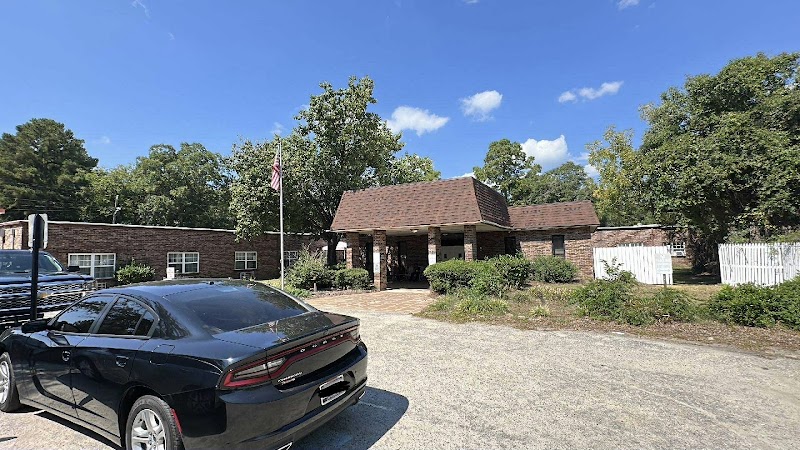
How is Faith Healthcare Center Staffed?

CMS rates Faith Healthcare Center's staffing level at 2 out of 5 stars, which is below average compared to other nursing homes. Staff turnover is 43%, compared to the South Carolina average of 46%. This relatively stable workforce can support continuity of care.

What Have Inspectors Found at Faith Healthcare Center?

State health inspectors documented 13 deficiencies at Faith Healthcare Center during 2021 to 2025. These included: 1 Immediate Jeopardy (the most serious level, indicating potential for serious harm or death) and 12 with potential for harm. Immediate Jeopardy findings are rare and represent the most serious regulatory concerns. They require immediate corrective action.

Who Owns and Operates Faith Healthcare Center?

Faith Healthcare Center is owned by a for-profit company. For-profit facilities operate as businesses with obligations to shareholders or private owners. The facility is operated by FUNDAMENTAL HEALTHCARE, a chain that manages multiple nursing homes. With 104 certified beds and approximately 98 residents (about 94% occupancy), it is a mid-sized facility located in Florence, South Carolina.

How Does Faith Healthcare Center Compare to Other South Carolina Nursing Homes?

Compared to the 100 nursing homes in South Carolina, Faith Healthcare Center's overall rating (1 stars) is below the state average of 2.8, staff turnover (43%) is near the state average of 46%, and health inspection rating (1 stars) is much below the national benchmark.

What Should Families Ask When Visiting Faith Healthcare Center?

Based on this facility's data, families visiting should ask: "What changes have been made since the serious inspection findings, and how are you preventing similar issues?" "Can you walk me through typical staffing levels on day, evening, and night shifts?" "Can I visit during a mealtime to observe dining assistance and food quality?" "How do you handle medical emergencies, and what is your hospital transfer rate?" These questions are particularly relevant given the facility's Immediate Jeopardy citations and the below-average staffing rating.

Is Faith Healthcare Center Safe?

Based on CMS inspection data, Faith Healthcare Center has documented safety concerns. Inspectors have issued 1 Immediate Jeopardy citation (the most serious violation level indicating risk of serious injury or death). The facility has a 1-star overall rating and ranks #100 of 100 nursing homes in South Carolina. Families considering this facility should ask detailed questions about what corrective actions have been taken since these incidents.

Do Nurses at Faith Healthcare Center Stick Around?

Faith Healthcare Center has a staff turnover rate of 43%, which is about average for South Carolina nursing homes (state average: 46%). Moderate turnover is common in nursing homes, but families should still ask about staff tenure and how the facility maintains care continuity when employees leave.

Was Faith Healthcare Center Ever Fined?

Faith Healthcare Center has no federal fines on record. CMS issues fines when nursing homes fail to meet care standards or don't correct problems found during inspections. The absence of fines suggests the facility has either maintained compliance or corrected any issues before penalties were assessed. This is a positive indicator, though families should still review recent inspection reports for the full picture.

Is Faith Healthcare Center on Any Federal Watch List?

Faith Healthcare Center is not on any federal watch list. The most significant is the Special Focus Facility (SFF) program, which identifies the bottom 1% of nursing homes nationally based on persistent, serious quality problems. Not being on this list means the facility has avoided the pattern of deficiencies that triggers enhanced federal oversight. This is a positive indicator, though families should still review the facility's inspection history directly.