Heritage Home Of Florence Inc
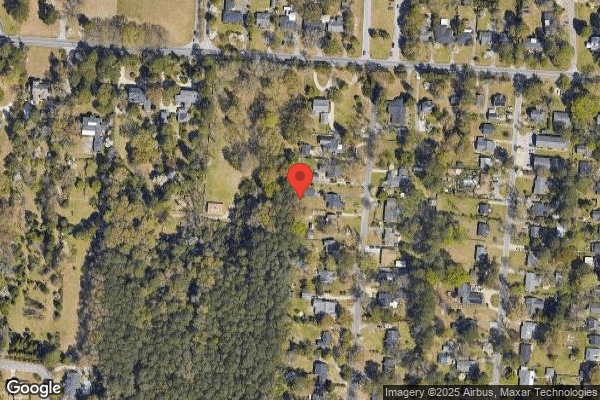
515 South Warley Streeet, Florence, SC 29501 (843) 662-4573
For profit - Corporation 132 Beds Independent Data: November 2025
Trust Grade
68/100
#37 of 186 in SC
Last Inspection: October 2024

Within standard 12-15 month inspection cycle. Federal law requires annual inspections.

Overview

Heritage Home of Florence Inc has a Trust Grade of C+, indicating it is slightly above average, but not outstanding. It ranks #37 out of 186 facilities in South Carolina, placing it in the top half, and #3 of 9 in Florence County, meaning only two local options are better. Unfortunately, the facility's performance is worsening, with the number of reported issues increasing from 1 in 2023 to 3 in 2024. Staffing is a concern, with a rating of 3/5 but a turnover rate of 66%, which is higher than the state's average of 46%, suggesting a lack of continuity in care. While the facility's RN coverage is average, there were troubling findings, including expired medications not being removed from storage and a failure to provide ordered nutritional supplements, as well as lapses in hand hygiene during wound care, which could jeopardize resident safety.

Trust Score
C+
68/100
In South Carolina
#37/186
Top 19%
Safety Record
Low Risk
No red flags
Inspections
Getting Worse
1 → 3 violations
Staff Stability
⚠ Watch
66% turnover. Above average. Higher turnover means staff may not know residents' routines.
Penalties
✓ Good
$15,812 in fines. Lower than most South Carolina facilities. Relatively clean record.
Skilled Nurses
⚠ Watch
Each resident gets only 28 minutes of Registered Nurse (RN) attention daily — below average for South Carolina. Fewer RN minutes means fewer trained eyes watching for problems.
Violations
⚠ Watch
15 deficiencies on record. Higher than average. Multiple issues found across inspections.
★★★★☆
4.0
Overall Rating
★★★☆☆
3.0
Staff Levels
★★☆☆☆
2.0
Care Quality
★★★★☆
4.0
Inspection Score
Stable
2023: 1 issues
2024: 3 issues

The Good

  • Full Sprinkler Coverage · Fire safety systems throughout facility
  • No fines on record

Facility shows strength in fire safety.

The Bad

Staff Turnover: 66%

20pts above South Carolina avg (46%)

Frequent staff changes - ask about care continuity

Federal Fines: $15,812

Below median ($33,413)

Minor penalties assessed

Staff turnover is elevated (66%)

18 points above South Carolina average of 48%

The Ugly 15 deficiencies on record

Oct 2024 3 deficiencies
CONCERN (D)

Potential for Harm - no one hurt, but risky conditions existed

Deficiency F0761 (Tag F0761)

Could have caused harm · This affected 1 resident

**NOTE- TERMS IN BRACKETS HAVE BEEN EDITED TO PROTECT CONFIDENTIALITY** Based on observations, facility policy, and interviews, the facility failed to remove expired medications and biologicals from 1...

Read full inspector narrative →
**NOTE- TERMS IN BRACKETS HAVE BEEN EDITED TO PROTECT CONFIDENTIALITY** Based on observations, facility policy, and interviews, the facility failed to remove expired medications and biologicals from 1 of 4 medication carts and from 1 of 1 medication storage rooms. Additionally, the facility failed to ensure the medication room was properly secure. Findings include: Review of the facility policy titled, Medication Storage in the Healthcare Centers with revised date 04/09/24 revealed, Policy Statement: .The medication supply is accessible only to licensed nursing personnel and pharmacy personnel .Procedure: 2. Only licensed nurses and the pharmacy personnel are allowed access to medications Medication rooms, carts, and medication supplies are locked or attended by persons with authorized access. 3. Nurses are required to check all medications for deterioration and expiration before administration. Nurses are also required to inspect medication storage facilities, including medication carts, routinely .12. Outdated, contaminated, or deteriorated medications and those in containers that are cracked, soiled, or without secure closures are immediately removed from stock, disposed of according to procedures for medication destruction, and reordered from the pharmacy, if a current order exists. During an observation and interview on 10/08/24 at 8:28 AM of the Chestnut Medication Storage Room revealed, Rugby Hemorrhoidal Suppositories with 12 suppositories in each box. Box One was observed with lot number 2JT0434 and expiration date 08/24. Box Two was observed with lot number 2KT0513 and expiration date 09/24. There was a total of 24 expired suppositories. Licensed Practical Nurse (LPN)1 verified the medication supplies were expired and removed them from the medication storage room on Chestnut. During an observation and interview on 10/08/24 at 11:48 AM of the Chestnut Medication Storage Room revealed, BD Vacutainer Safety-Lok Blood Collection Set: Four (4) packages with lot number 1F2281 and expiration date 06/30/24. In addition, there was [NAME] Povidone-Iodine, USP Swab Stick packets with 16 single swab packets containing the lot number CJB08-01 and expiration date 08/05/24. LPN2 verified the medication supplies were expired and removed them from the medication storage room on Chestnut. During an observation and interview on 10/08/24 at 11:53 AM of the Chestnut Front Hall Cart revealed. Hydrocodone-Acetaminophen 5-325 mg with dispensed date of 08/04/23. There were 21 tablets in the bottle. LPN2 verified the medication was expired with the pharmacy as of 08/04/24 and removed the bottle from the medication narcotic drawer on the Chestnut Front Hall Cart. The medication will be given to the Director of Nursing for disposal. During an interview on 10/10/24 at 9:40 AM, the DON stated that the pharmacy consultant and account managers from [NAME] Health check for expired medications on the medication carts and medication rooms. Unit supervisors and nurses on the floor are responsible for checking for expired supplies however there is no check off to ensure compliance. If items are found to be expired, they should be discarded. Additionally, unauthorized access to medication storage room by unlicensed personnel was observed. During an interview on 10/08/24 at 8:10 AM, Certified Nursing Assistant (CNA)3 entered the medication storage room on the Chestnut unit while the surveyor was present. Upon entry, the surveyor was notified that the CNA3 needed to warm a resident tray in the microwave on the counter. When asked if this was the designated room to use the microwave for the unit, CNA3 confirmed and stated that there was another microwave on the other unit but the only room to warm food on Chestnut. When asked how was the room accessed, it was confirmed that a code was used. When asked what the code was, the CNA provided the code. During an interview on 10/08/24 at 8:20 AM, LPN1 and unit manager confirmed that the lock was on the door was related to medication storage. When asked who should have access to the room where medications were stored, it was stated that only the nurses. LPN1 was asked if any unlicensed personnel come into the medication room such as nursing assistants. The nurse reported that nursing assistants are allowed in to heat food in the microwave. When asked how do nursing assistants get access to the locked room it was reported that everyone knows the code. It was asked if any other staff access the room and it was reported that the housekeepers come in to clean the microwave. LPN1 stated that this has been going on the 10 years she has been employed. During an interview on 10/08/24 at 8:39 AM, Housekeeper (HSK)1 reported that there was another person assigned to clean the Chestnut medication room microwave. During an interview on 10/08/24 at 8:41 AM, HSK2 confirmed that the assigned housekeeper had access to enter the medication room on Chestnut to clean the microwave. When asked what the code was, it was confirmed. When asked if it was known what is stored in the cabinets and refrigerator, it was reported as unknown. It was confirmed that the practice of entering the medication room to clean the microwave had been occurring for a while. During an interview on 10/08/24 at 8:44 AM, the DON confirmed that only nursing staff, specifically licensed nurses should have access to the medication room. It was confirmed that stock medication were stored in the medication room in unlocked cabinets and it was confirmed that other staff are able to access the room. However, the DON agreed that other staff should not have access although there is a lock on the door and both licensed and unlicensed staff have the code. The DON stated, Honestly I had not thought about this .about stock being accessible. The only thoughts the DON had was about the need for the narcotics to be double locked. When asked about how long this practice had been in process, it was reported that they had switched pharmacy around 2020 and stock meds were not in the room prior to this switch. Stock medications were maintained only on the medication carts and there was no excess.
CONCERN (D)

Potential for Harm - no one hurt, but risky conditions existed

Deficiency F0800 (Tag F0800)

Could have caused harm · This affected 1 resident

**NOTE- TERMS IN BRACKETS HAVE BEEN EDITED TO PROTECT CONFIDENTIALITY** Based on facility policy, record review, observation and interview, the facility failed to ensure ordered supplements were provi...

Read full inspector narrative →
**NOTE- TERMS IN BRACKETS HAVE BEEN EDITED TO PROTECT CONFIDENTIALITY** Based on facility policy, record review, observation and interview, the facility failed to ensure ordered supplements were provided for 1 of 2 residents, (R)50 reviewed for nutritional supplements. Findings include: Record review of the facility policy dated 07/03/2019 titled, Telephone/Verbal Orders From Physician revealed under the policy, Llicensed staff may obtain orders from their extenders via verbal order or telephone orders. The nursing staff may repeat the order back to the physician or extender for verification if necessary. The physician signs the order on his/her next visit. Record review of R50's medical record revealed she was admitted to the facility on [DATE] with diagnosis that include but are not limited to anemia, hyperlipidemia, cerebral infarction, anxiety, gastroesophogeal reflux and osteoporosis. Record review of R50's quarterly Minimum Data Set (MDS) assessment dated [DATE] revealed a Brief Interview of Mental Status (BIMS) score of 13, indicating she is cognitively intact. Record review of the Registered Dietician's (RD) quarterly assessment of R50 dated 09/07/24 revealed unintentional weight loss of 10.40% x 180 days. R50 receiving nutritional supplements of IN-HOUSE supplements twice a day (BID) (LUNCH AND DINNER) (providing 400 calories, 12 gram protein) and Ice Cream BID (LUNCH and DINNER) (providing 280 calories, 4 grams protein) for nutrition and weight gain.Resident receiving nutritional supplements of IN-HOUSE BID (LUNCH AND DINNER) (providing 400 cal, 12 gm protein) and Ice Cream BID (LUNCH and DINNER) (providing 280 cal, 4 gm protein) for nutrition and weight gain. Review of R50's orders revealed an order for House Shake dated 03/15/24 to recieve at lunch and dinner. On 10/09/24 at 12:25 PM, an observation of R50's lunch tray revealed an ice cream was with her meal, but no House Shake was delivered. R50 stated, My ice cream is melted. I don't get the milkshakes, they give them to my roommate occasionally. Review of her meal ticket recorded her meal as regular, thin liquid and ice cream was written in on the ticket. Milkshake was not recorded on her lunch menu ticket. On 10/09/24 at 2:40 PM, an observation revealed snacks received from the kitchen. R50 did not have any supplement/snack on the tray. On 10/09/24 at 5:25 PM, R50's dinner tray was delivered. Observation of the meal tray revealed ice cream on her tray, but she did not receive the ordered supplement. On 10/10/24 at 9:25 AM, an interview with the Dietary Manager (DM) revealed, When the resident has an order for the Health Shakes, the RD will put that on the meal ticket. She said R50 gets it for lunch and dinner and she also gets ice cream. The DM reviewed R50's meal ticket dated 10/10/24 for lunch, and said, it isn't here. The ice cream is here. The DM said the dietary staff would not know to give the House Shake if it was not on the meal ticket. On 10/10/24 at 8:59 AM, an interview with the Director of Nursing (DON) revealed House Shakes are delivered by the kitchen. Sometimes it's ordered with meals and sometimes it comes up as a snack. She reviewed R50's medication administration record (MAR) and stated, it is not on the MAR for the nurses to sign it as given. On 10/10/24 at 11:35 AM, an interview with the Unit Manager revealed, I put the order in for the House Shake for lunch and dinner on 03/05/24. She said, I don't know why she has not received her House Shakes when I gave them the communication sheet that the order was written.
CONCERN (D)

Potential for Harm - no one hurt, but risky conditions existed

Infection Control (Tag F0880)

Could have caused harm · This affected 1 resident

**NOTE- TERMS IN BRACKETS HAVE BEEN EDITED TO PROTECT CONFIDENTIALITY** Based on review of the facility policy, record review, observation, and interview, the facility failed to ensure hand hygeine wa...

Read full inspector narrative →
**NOTE- TERMS IN BRACKETS HAVE BEEN EDITED TO PROTECT CONFIDENTIALITY** Based on review of the facility policy, record review, observation, and interview, the facility failed to ensure hand hygeine was followed for 1 of 4 residents, (R)58, reviewed for pressure ulcers. Findings include: Review of the facility policy, date unspecified, titled, Wound Care/Dressing Change Procedure states under the policy, Clean the wound according to the order. Remove gloves and place in the trash. Hand hygeine. Put on clean gloves. Apply clean dressing as ordered. Remove gloves and place in the trash can. Make resident comfortable. Hand hygiene. Record review revealed R58 was admitted on [DATE] with diagnoses that included but not limited to dementia, depression, Alzheimers' Disease, dysphagia, and hypertension. Review of R58's treatment orders revealed a treatment order dated 09/03/24 to cleanse sacral wound with normal saline, apply medihoney and calcium alginate to wound bed, and cover with a dry dressing until healed. Apply house barrier cream and antifungal powder to skin surrounding wound to prevent moisture one time a day. Record review of a progress note dated 10/08/24 recorded Wound physician rounded and assessed R58's stage 4 pressure ulcer wound to sacrum. Surgical excisional debridement done at bedside by wound doctor. An observation of wound care on 10/09/24 at 11:27 AM with Registered Nurse (RN)1 revealed, She gowned and washed her hands, then applied gloves. The treatment supplies were already setup on R58's overbed table, to include a small tube of Medi-honey, calcium alginate, extra protective cream (EPC) anti fungal powder, normal saline and gauze on a towel on the overbed table. Privacy was maintained and her curtains were closed. The blankets were pulled down, and R58 was turned onto her side. There was no dressing observed. There was a foul odor emanating from the open wound. A deep crater was observed with a small amount of slough on the inside of the wound bed. RN1 cleaned the wound with normal saline solution and gauze. She discarded the gauze and removed the gloves, washed her hands and donned new gloves. She then applied Medi-honey into wound, with q-tip. She removed her gloves, but did not wash or sanitize her hands and applied another pair of gloves. She applied EPC cream with her fingered glove around the peri wound. She discarded one glove and applied another without sanitizing her hands. She placed the calcium alginate into the wound. She removed both gloves, and again falied to sanitize her hands. She applied the outer dressing, Mepore island dressing and applied antifungal powder, sprinkled to outer wound dressing and the dressing. She removed gloves, failed to wash or sanitize her hands, and donned new gloves. She repositioned R58 and turned her onto her left side with a wedge. Afterward, she removed her gloves. RN1 bagged all discarded items then removed the gown. She washed her hands and exited the room with the bag of soiled items. On 10/09/24 at 11:45 AM, during an interview with RN1, when asked why she failed to sanitize her hands after multiple gloves changes?, she stated, I should have sanitized my hands or washed my hands between glove changes. When I removed the one glove, it was because I didn't touch anything with the other glove. On 10/09/24 at 11:50 AM, during an interview with the Unit Manager, she stated, The nurses are supposed to sanitize after they remove gloves during a dressing change and apply new gloves. During an interview with the Director of Nurses (DON) on 10/10/24 at 8:59 AM, she stated, It's required to perform hand hygiene, before a dressing change, after removing a dressing, after completing the treatment. Whenever gloves are removed, they should sanitize their hands. Typically they remove both gloves, not just one, and then sanitize. Based on review of the facility policy, record review, observation, and interview, the facility failed to ensure hand hygeine was followed for 1 of 4 residents, (R)58, reviewed for pressure ulcers. Findings include: Review of the facility policy, date unspecified, titled, Wound Care/Dressing Change Procedure states under the policy, Clean the wound according to the order. Remove gloves and place in the trash. Hand hygeine. Put on clean gloves. Apply clean dressing as ordered. Remove gloves and place in the trash can. Make resident comfortable. Hand hygiene. Record review revealed R58 was admitted on [DATE] with diagnoses that included but not limited to dementia, depression, Alzheimers' Disease, dysphagia, and hypertension. Review of R58's treatment orders revealed a treatment order dated 09/03/24 to cleanse sacral wound with normal saline, apply medihoney and calcium alginate to wound bed, and cover with a dry dressing until healed. Apply house barrier cream and antifungal powder to skin surrounding wound to prevent moisture one time a day. Record review of a progress note dated 10/08/24 recorded Wound physician rounded and assessed R58's stage 4 pressure ulcer wound to sacrum. Surgical excisional debridement done at bedside by wound doctor. An observation of wound care on 10/09/24 at 11:27 AM with Registered Nurse (RN)1 revealed, She gowned and washed her hands, then applied gloves. The treatment supplies were already setup on R58's overbed table, to include a small tube of Medi-honey, calcium alginate, extra protective cream (EPC) anti fungal powder, normal saline and gauze on a towel on the overbed table. Privacy was maintained and her curtains were closed. The blankets were pulled down, and R58 was turned onto her side. There was no dressing observed. There was a foul odor emanating from the open wound. A deep crater was observed with a small amount of slough on the inside of the wound bed. RN1 cleaned the wound with normal saline solution and gauze. She discarded the gauze and removed the gloves, washed her hands and donned new gloves. She then applied Medi-honey into wound, with q-tip. She removed her gloves, but did not wash or sanitize her hands and applied another pair of gloves. She applied EPC cream with her fingered glove around the peri wound. She discarded one glove and applied another without sanitizing her hands. She placed the calcium alginate into the wound. She removed both gloves, and again falied to sanitize her hands. She applied the outer dressing, Mepore island dressing and applied antifungal powder, sprinkled to outer wound dressing and the dressing. She removed gloves, failed to wash or sanitize her hands, and donned new gloves. She repositioned R58 and turned her onto her left side with a wedge. Afterward, she removed her gloves. RN1 bagged all discarded items then removed the gown. She washed her hands and exited the room with the bag of soiled items. On 10/09/24 at 11:45 AM, during an interview with RN1, when asked why she failed to sanitize her hands after multiple gloves changes?, she stated, I should have sanitized my hands or washed my hands between glove changes. When I removed the one glove, it was because I didn't touch anything with the other glove. On 10/09/24 at 11:50 AM, during an interview with the Unit Manager, she stated, The nurses are supposed to sanitize after they remove gloves during a dressing change and apply new gloves. During an interview with the Director of Nurses (DON) on 10/10/24 at 8:59 AM, she stated, It's required to perform hand hygiene, before a dressing change, after removing a dressing, after completing the treatment. Whenever gloves are removed, they should sanitize their hands. Typically they remove both gloves, not just one, and then sanitize.
Jan 2023 1 deficiency
CONCERN (D)

Potential for Harm - no one hurt, but risky conditions existed

Deficiency F0806 (Tag F0806)

Could have caused harm · This affected 1 resident

Based on review of the facility policy, record review, interviews, and observation, the facility failed to ensure Resident (R)60, 1 of 1 reviewed with food allergies, did not receive food items to whi...

Read full inspector narrative →
Based on review of the facility policy, record review, interviews, and observation, the facility failed to ensure Resident (R)60, 1 of 1 reviewed with food allergies, did not receive food items to which s/he was allergic. Findings include: Review of the facility's undated policy and procedure titled, ALLERGIES states: Policy- To avoid administration of medications and foods that cause residents to experience adverse reactions. The facility admitted R60 with diagnoses including but not limited to type 2 diabetes, anemia, osteoarthritis, and hyperlipidemia. Review of the Minimum Data Set with an Assessment Reference Date (ARD) of 11/28/22 revealed R60 has a Brief Interview of Mental Status (BIMS) score of 15 out of 15, indicating he is cognitively intact. Record review on 01/05/23 at approximately 09:05 AM revealed a dietary order dated 11/22/22 stating CCHO REGULAR CONSISTENCY DIET ***NO FISH, NO PORK, NO SEAFOOD, AND NO IODINE CONTAINING COMPOUNDS***. Record review on 01/05/23 revealed a progress note dated 01/04/23 at 02:22 PM stating Resident ate a piece of shrimp gumbo during lunch. Resident has a shrimp allergy. Resident c/o dizziness. MD made aware. Resident sent to MRMC ED for evaluation. Attempts were made to interview R60 during the survey with no success. During an interview on 01/05/23 at 09:10 AM the Wing Supervisor/Licensed Practical Nurse (LPN) stated she couldn't give an answer on why R60 received shrimp on 01/04/23 when shrimp was listed as an allergy on 11/22/22. She stated to ask the Director of Nursing (DON). During an interview on 01/05/23 at 10:35 AM the Kitchen Manager (KM) stated that the residents have a meal ticket that tells the kitchen staff the type of diet and intolerances that the residents have. The KM did confirm R60 had shrimp gumbo for lunch on 01/04/23. S/he revealed kitchen staff that was plating the food didn't catch it, and it wasn't caught when the trays went out. She stated R60 went out to the hospital and returned the same day. During an interview on 01/05/23 at 12:30 PM the Administrator stated the kitchen staff preps the food, plates it, and disburses to Certified Nursing Assistants (CNA)s to hand out the trays on each unit. Administrator stated the meal tickets stay on the tray until the resident gets the tray and R60 had symptoms of dizziness and anxiousness after eating the shrimp gumbo. She revealed R60 was sent out to the hospital following the incident and returned the same day. During an interview on 01/05/23 at 1:50 PM the DON stated when the menu has an item that the resident is allergic to, typically there is an alternative list that staff provides the resident. She stated that R60 should have gotten an alternative menu on 01/04/23.
Jun 2021 11 deficiencies
CONCERN (D)

Potential for Harm - no one hurt, but risky conditions existed

Deficiency F0578 (Tag F0578)

Could have caused harm · This affected 1 resident

**NOTE- TERMS IN BRACKETS HAVE BEEN EDITED TO PROTECT CONFIDENTIALITY** R #21 was admitted to the facility on [DATE] with diagnosis including but not limited to: heart failure, other specified arthrit...

Read full inspector narrative →
**NOTE- TERMS IN BRACKETS HAVE BEEN EDITED TO PROTECT CONFIDENTIALITY** R #21 was admitted to the facility on [DATE] with diagnosis including but not limited to: heart failure, other specified arthritis, chronic pain, unsteadiness on feet, essential hypertension, fracture of T7-T8 vertebra, sequela, atrial fibrillation, hypo-osmolality and hyponatremia, type 2 diabetes mellitus, and chronic kidney disease stage 3. Upon review of R #21's e-chart there was a diagnosis of Do Not Resuscitate (DNR) added to the chart on 2/11/2021. Resident #21's paper chart indicated a FULL Code status as evidenced by, written documentation, no red dot on the outside of the chart by Resident #21's name as well as the absences of a red dot on Resident #21's wall name placard by her/his door. Licensed Practical Nurse (LPN) #3 stated s/he would refer to the sticker on the chart when needing to know the resident's code status. When asked what R #21's status was, upon review of the chart, LPN #3 answered with FULL CODE as R #21 does not have a red dot near the name on the chart. S/he also confirmed the e-chart status of DNR. Based on record review, interview and review of the facility policy titled, Advance Directive, the facility failed to ensure Resident #21 and Resident #68 and/or his/her Responsible Party was afforded the right to formulate or refuse an Advance Directive and/or medical/surgical treatment for 2 of 5 residents reviewed for Advance Directives. The findings included: The facility admitted Resident #68 (R) on 5/13/2021 with diagnoses including, but not limited to, Orthopedic After Care, Anemia and Dementia. Review on 6/21/2021 at approximately 3:41 PM of the medical record for R #68 revealed no documentation to ensure R #68 or his/her Responsible Party was afforded the right to formulate an advance directive. During further review on 6/22/2021 at approximately 2:21 PM of the medical record for R #68 for an Advance directive, the Director of Nursing, stated the Attending Physician would address the Advance Directive on his/her next visit to the facility. Review on 6/22/2021 at approximately 4:00 PM of the facility policy titled, Advance Directive, states under Policy, It is the policy of this facility to establish, maintain, and implement the resident's right to formulate or refuse an Advance Directive and/or medical/surgical treatment.'
CONCERN (D)

Potential for Harm - no one hurt, but risky conditions existed

Transfer Notice (Tag F0623)

Could have caused harm · This affected 1 resident

**NOTE- TERMS IN BRACKETS HAVE BEEN EDITED TO PROTECT CONFIDENTIALITY** Based on record review and staff interview, the facility failed to notify the resident and the resident's representative of the ...

Read full inspector narrative →
**NOTE- TERMS IN BRACKETS HAVE BEEN EDITED TO PROTECT CONFIDENTIALITY** Based on record review and staff interview, the facility failed to notify the resident and the resident's representative of the discharge/transfer to the hospital emergency room (ER) in writing, and in a language and manner, they understand for one of one sampled residents reviewed for hospitalization. Findings: The facility admitted R #78 on [DATE] with diagnoses including, but not limited to chronic obstructive pulmonary disease, hypertension, hyperlipidemia, chronic kidney disease (stage 3), osteoarthritis, gastro-esophageal reflux disease without esophagitis, and anemia. Record reviewed on [DATE] at 10:32 AM revealed that on [DATE] the facility sent R #78 to the hospital emergency room (ER) for evaluation and treatment related to signs and symptoms of aspiration and respiratory distress. The resident expired at the hospital 06/14/ 2021. The resident's medical record did not contain documentation to support that the facility notified the resident and the resident's representative in writing of the transfers and reasons for it. The Administrator provided documentation of the facility's Bed hold Notification form which included a brief summary of the reason the resident was transferred to the hospital, however this documentation was not signed by the resident or the resident's representative. During an interview with the Social Services on [DATE] at 10:15 AM, Social Worker (SW) #1 stated s/he calls the representative the day they are mailing out the bed hold notification letter and explains the facility's bed hold policy to the resident's representative. SW #2 confirmed the above statement and stated that the Ombudsman is notified monthly, but the facility has not sent the Ombudsman notification for the month of June. During an interview with the Director of Nurses (DON) on [DATE] at 10:18 AM, the DON stated the facility calls the family and informs them the reason for the transfer. A transfer form is filled out and provided to the hospital, and the nurses document in the nurses notes when the representative is contacted via phone and informed about the transfer.
CONCERN (D)

Potential for Harm - no one hurt, but risky conditions existed

ADL Care (Tag F0677)

Could have caused harm · This affected 1 resident

**NOTE- TERMS IN BRACKETS HAVE BEEN EDITED TO PROTECT CONFIDENTIALITY** Based on observation, record review and interview, the facility failed to ensure that the necessary care and services were provi...

Read full inspector narrative →
**NOTE- TERMS IN BRACKETS HAVE BEEN EDITED TO PROTECT CONFIDENTIALITY** Based on observation, record review and interview, the facility failed to ensure that the necessary care and services were provided for a resident to maintain grooming and personal hygiene. The facility also failed to keep the resident's environment clean and free from offensive odors for one of two sampled residents reviewed for activities of daily living (ADLs). Findings: The facility admitted R #70 on 11/25/2019 with diagnoses including, but not limited to, fracture around internal prosthetic hip, Alzheimer's disease, depression, muscle wasting and atrophy, cerebrovascular disease, disorder of autonomic nervous, and benign prostatic hyperplasia. On 6/21/2021 at 11:47 AM observed R #70 in [his/her] room with the door closed. After knocking and asking permission to enter the room, the surveyor observed resident in bed. There was a very strong and offensive urine odor in the R #70's room, and around [his/her] bed. R #70's clothes were disheveled, exposing [his/her] soiled brief. His/her white t-shirt had, what appears, urine stains on it. There was a urinal, with urine in it, hanging off the bed side rail. There was trash on the floor; including a juice carton, paper towels and clothes. In an interview with R #70 on 6/21/2021 at 11:48 AM [s/he] stated that [s/he] would like to have more freedom. S/he would like to see spouse whenever [s/he] wanted to. R #70 was not interested in getting out of the room to socialize with other residents. S/he was only interested in getting out of the room if [s/he] going to visit with [his/her] spouse. On 6/21/2021 at 02:17 PM R #70 was observation in [his/her] room. Door closed, room not cleaned or free from offensive urine odor, resident not bathed or changed. On 6/21/2021 at approximately 4:15 PM, the resident was still not changed and [his/her] room not cleaned, and the urinal was not empty or removed. Care plan reviewed on 6/23/2021 at 1:29 AM indicated that R #70 is unable to do [his/her] own ADL care. S/he requires set-up to extensive assistance with ADLs. Resident needs total assistance with bathing. R #70 can feed self and move about in wheelchair. Resident refuses showers, baths, and changing clothes at times. Nurses' notes reviewed on 6/21/2021 at approximately 4:35 PM did not have notes regarding resident refusing showers, change of clothes or to having [his/her] room clean on 6/21/2021. Review of the Minimum data set (MDS) with an assessment date of 2/24/2021 and reviewed on 6/23/21 at approximately 1:45 PM indicated that R #70 needed supervision with bed mobility, transfer, dressing, toilet use and personal hygiene. The MDS assessment dated [DATE] indicated that R #70 needed supervision with bed mobility, transfer, and dressing. S/he needed limited assistance with toilet use and personal hygiene. Review of R #70's activity of daily living (ADL) log for June, revealed that bathing was not documented at all on 6/1/21, 6/2/21, 6/5/21, 6/6/21, 6/9/21, 6/16/21, 6/19/21, 6/21/2. On 6/4/21, 6/10/21, 6/12/21, bathing was done by resident independently and 6/13/21 and 6/18/21 bathing did not occur. In an interview with Certified Nursing Assistant (CNA) #3 [s/he] stated that R #70 has episodes of bowel and bladder incontinence. The CNA stated that [s/he] has no issues with the resident when providing care. S/he added that the resident moves around [his/her] room in the wheelchair and prefers to be in [his/her] room. On 6/24/2021 at 11:15 AM, an interview was conducted with the MDS Coordinator regarding discrepancies among the R #70's care plan, MDS assessment, and the ability/willingness care for self. S/he acknowledged concerns brought forward regarding R #70 and [his/her] ADLs care performance. In an interview with the Director of Nursing on 6/23/2021, [s/he] acknowledged the resident's poor hygiene status and stated that R #70 is upset. His/her spouse used to be at the facility and [s/he] was able to visit whenever [s/he] wanted to but the spouse was discharged to the community.
CONCERN (D)

Potential for Harm - no one hurt, but risky conditions existed

Deficiency F0679 (Tag F0679)

Could have caused harm · This affected 1 resident

Based on observation, interview, record review and review of facility activity calendar, the facility failed to ensure two (R #54 and #56) of two residents received ongoing program of activities to me...

Read full inspector narrative →
Based on observation, interview, record review and review of facility activity calendar, the facility failed to ensure two (R #54 and #56) of two residents received ongoing program of activities to meet the individual needs and interest, which had the potential to negatively affect the well-being of the resident. The findings included: On 06/21/2021 at 12:43 pm, R #56 was observed with his/her eyes closed in bed. Interview with the resident representative stated they are unsure if any activities are held with the resident. At 1:35 pm, the resident was observed being fed by staff. At 3:28 pm, the resident was observed sitting up in bed awake with no activities noted during this period. Subsequent observation of R #56 at 02:01 pm on 06/22/2021 revealed he/she was awake in the bed with the TV on watching it with no other activities noted. At 3:20 pm, the resident was observed laying in bed awake looking at TV with no other activities observed. On 06/23/2021 at 10:43 am the resident was observed laying in bed awake with the television on. At 12:00 pm, the resident was observed lying in bed awake with the television on and no activities observed. At 02:01 pm, the resident was observed in bed awake looking at television with no activities observed. Review of R #56's 05/26/2021 care plan denoted Provide individual activities or materials for activities in room, provide nail care and one on one visits to resident, and provide in room activities of choice, as able. Review of the resident activity calendar sheet dated 05/09/2021-06/23/2021 revealed the following activities listed: 05/09 Mother's Day with carnations and stop visits, 05/10/21 Stop visits, 06/03/21 stop visits, 06/07/21 Calendar hanging and stop visits, 06/18/21 stop visits, and 06/21/21 stop visits and hanging calendars in rooms. On 06/23/2021 at 3:30 pm interview with Activities Director revealed the residents that can't come to the activity I stop and talk with them and provide support to them. Staff also provide one on one. The care plan addresses what activities the resident will be provided. Care plans are updated every quarter and if there's any significant changes and annually. On 06/23/2021 at 3:45 pm review of the activity calendar revealed on the days of the survey one activity for each day with stop visits, mail visits, and one to one activities scheduled for each day. The facility's 03/11/2021 policy addressing Activities, 2. Activities will be designed with the intent to: h. Reflect choices of the residents. Activities will be accomplished via activities on each hall with residents in their doorway, room visits, 1:1 (one to one) activities . Additional findings included: On 06/21/2021 at 11:04 am R #54 was interviewed and stated that he/she was not doing any activities at all. We used to play Bingo but we haven't been doing that either. At 3:01 pm, the resident was observed asleep in bed with no activities observed during the day. Subsequent observation of R #54 at 09:45 am on 06/22/2021 revealed he/she was sitting up in a wheelchair with no activities in the hallway. At 01:19 pm, the resident was observed asleep in the bed. At 1:59 PM, the resident was observed asleep in the bed. At 3:23 pm, the resident was observed asleep in the bed. At 3:59 pm, the resident was observed awake in the bed with a Certified Nursing Assistant in the room assisting with care needs. On 06/23/2021 at 10:09 am R #54 was observed asleep in bed but easily aroused with the television on with no other activities. Resident stated that she still had not been provided any activities to do. At 12:05 pm, the resident was observed sitting in his/her wheelchair in his/her room with the television on and no activities observed for the resident. At 2:07 pm, the resident was laying in bed asleep with no activities observed. Review of R #54's 05/26/2021 care plan denoted Resident requires individualized activity visits and interactions due to imposed Public Health emergency precautions r/t (related to) Covid 19 I will accept and participate in 1:1 (one to one) visits with activity staff Provide individual activities or materials for activities in room, provide nail care and one on one visits to residents . Review of the resident activity sheet dated 03/23/21-06/23/21 revealed the following activities listed from May to June: 05/01/21 Stop visits, 05/03/21 stop visits, 05/04/21 Mail delivery, 05/07/21 stop visits, 05/09/21 Mother's day with carnations and stop visits, 05/10/21 stop visits, 05/11/21 stop visits, 05/19/21 one to one visits, 05/27/21 stop visits, 06/07/21 calendar hanging, stop visits, mail delivery, 06/08/21 stop visits, 06/09/21 stop visits, 06/11/21 stop visits, and 06/21/21 stop visits and hanging calendars in rooms. On 06/23/2021 at 3:45 pm review of the activity calendar revealed on the days of the survey one activity for each day with stop visits, mail visits, and one to one activities scheduled for each day.
CONCERN (D)

Potential for Harm - no one hurt, but risky conditions existed

Quality of Care (Tag F0684)

Could have caused harm · This affected 1 resident

Based on observation, interview, record review, review of facility policy and procedure, the facility failed to ensure that one (R #56) of one resident received treatment and care based on the compreh...

Read full inspector narrative →
Based on observation, interview, record review, review of facility policy and procedure, the facility failed to ensure that one (R #56) of one resident received treatment and care based on the comprehensive person-centered care plan and assessment. The findings include: R #56 was admitted to the facility with diagnoses including, but not limited to, Vascular dementia without behavioral disturbance, Major depressive disorder, Hypothyroidism, and Hyperlipidemia. Review of hospice recertification dated 03/29/2021 for certification period 04/13/2021 to 07/11/2021 denoted a calendar frequency for skilled nursing visits effective 04/13/2021 1W13 (one time a week for thirteen weeks), 4 PRN (four as needed visits) symptom management and Master social worker visits effective 04/13/2021 1M1 (one time a month for one month), 2M2 (two times a month for two months), 2 PRN (two as needed visits) psychological needs. Subsequent record review on 06/22/2021 noted ten hospice aide visits for April, twenty visits for May, and fourteen visits in June with no hospice aide order. On 06/23/2021 at 2:35 pm interview with LPN #1 revealed that the hospice facility provided an order for the hospice aide effective 06/18/2021 for 1W1 (one time a week for one week), 2W12 (two times a week for twelve weeks). Additional findings included: Review of Resident #56's 06/18/2021 hospice recert summary report denoted medications effective for the 4/13/21 to 07/11/21 certification period with the following medications noted as active: Novolog Flexpen U (unit)-100 (one hundred) insulin 3 (three) ml (milliter) as directed per sliding scale, Atorvastatin 80 (eighty) mg (milligram) at bedtime, and Basaglar Kwikpen U (unit)-100 (one hundred) insulin 3 (three) ml (milliter) at bedtime. Subsequent review of the facility medication administration record (MAR) for June 2021 revealed no documentation for Novolog Flex pen U-100, Atorvastatin 80 mg, and Basaglar Kwikpen U-100. On 6/23/2021 at 9:28 am interview with LPN #2 revealed that hospice orders all meds for the patient. Hospice is supposed to give us (the facility) updates for the medications. They provide the list and we follow it but all insulins for the resident were discontinued and I am unsure why it is still showing on their list. Additional findings included: On 06/21/2021 at 12:13 pm R #56 was observed laying on his/her back during the resident representative interview. At 1:35 pm, the resident was observed being fed by staff. At 3:28 pm, the resident was observed sitting up in bed on his/her back awake. Subsequent observations at 1:05 pm on 06/22/2021 revealed R #56 sitting up in bed being fed by a staff member for lunch. At 2:02 pm, the resident was observed laying on his/her back watching television. At 3:56 pm, the resident was observed still laying on his/her back. On 06/23/2021 at 10:43 am R #56 observed laying in bed on back awake. At 12:00 pm, the resident was observed lying in bed on his/her back awake. At 2:01 pm, the resident in bed awake looking at TV on back. At 4:00 pm, the resident was laying on his/her back asleep. Review of resident monthly summary dated 06/01/2021 revealed the resident is to be positioned every 2 (two) hours. Review of charge nurse turn logs dated 06/21/2021 revealed documented position changes from eight am to four pm only with no documentation from twelve am to six am and six pm to ten pm, 06/22/2021 position changes noted from eight am to ten pm only with no documentation from twelve am to six am, and 06/23/2021 with twelve am to eight am with no documentation from ten am to four pm. On 06/23/2021 at 2:25 pm interview with LPN #1 revealed the nurses document information on the turn log. If a resident refuses the nurses document that and if the resident is self care or has a certain preference that information is placed on their care plan. The blank sections on the turn log are supposed to be filled out in its entirety.
CONCERN (D)

Potential for Harm - no one hurt, but risky conditions existed

Deficiency F0727 (Tag F0727)

Could have caused harm · This affected 1 resident

Based on record review and interview, the facility failed to provide the services of a Registered Nurse (RN) for at least 8 consecutive hours a day, 7 days a week. Findings: Review of the daily nurs...

Read full inspector narrative →
Based on record review and interview, the facility failed to provide the services of a Registered Nurse (RN) for at least 8 consecutive hours a day, 7 days a week. Findings: Review of the daily nurse staffing postings dated from March 21, 2021 through June 20, 2021 on 6/22/2021 at approximately 4:00 PM revealed the following: On May 23, 2021, the facility's census was 85 and the services of the RN were not provided on the first, second, or third shift. On June 6, 2021, the facility's census was 84 and the services of a RN were not provided on the first, second, or third shift. On June 20, 2021, the facility's census was 79 and the services of a RN was not provided on the first, second, or third shift. In an interview with the Director of Nursing on 6/23/2021 at 2:53 PM, s/he reviewed and confirmed that the services of a RN were not provided for at least 8 consecutive hours a day for seven days a week on May 23, June 6, and June 20.
CONCERN (D)

Potential for Harm - no one hurt, but risky conditions existed

Deficiency F0760 (Tag F0760)

Could have caused harm · This affected 1 resident

**NOTE- TERMS IN BRACKETS HAVE BEEN EDITED TO PROTECT CONFIDENTIALITY** Based on record review and interview, the facility failed to ensure all residents were free of significant medication errors aff...

Read full inspector narrative →
**NOTE- TERMS IN BRACKETS HAVE BEEN EDITED TO PROTECT CONFIDENTIALITY** Based on record review and interview, the facility failed to ensure all residents were free of significant medication errors affecting one (#21) of two residents. The findings include: R #21 was admitted on [DATE] with diagnosis including but not limited to: heart failure, other specified arthritis, chronic pain, unsteadiness on feet, essential hypertension, fracture of T7-T8 vertebra, sequela, atrial fibrillation, hypo-osmolality and hyponatremia, type 2 diabetes mellitus, and chronic kidney disease stage 3. A review of R #21 orders and Medication Administration Record (MAR) revealed the following: Novolog 100 unit/ml flexpen- inject 12 units subcutaneously three times daily with meals, dated 10/27/2020. It was not documented as given on: 3/12/2021 (12:30pm). 4/10/2021 (7:30am), 4/11/2021 (7:30am), 4/12/2021 (5:30 pm), 4/19/2021 (5:30 pm), 4/26/2021 (5:30 pm), 4/28/2021 (5:30 pm). 5/03/2021 (5:30pm), 5/06/2021 (5:30pm), 5/08/2021 (5:30pm), 5/9/2021 (5:30pm), 5/11/2021 (7:30am, 12:30pm, 5:30pm), 5/14/2021 (7:30am, 5:30pm), 5/18/2021 (5:30pm), 5/28/2021 (5:30pm), 5/31/2021 (5:30pm). 6/3/2021 (5:30 pm), 6/6/2021 (5:30 pm), 6/7/2021 (5:30pm), 6/11/2021 (7:30 am), 6/14/2021 (5:30pm), 6/17/2021 (5:30pm), 6/18/2021 (7:30 am, 12:30 pm), 6/19/2021 (7:30 am), 6/20/2021 (7:30 am) , 6/21/2021 (5:30pm) Digoxin 125 mcg tablet 1 tab by mouth daily, dated 4/12/2019, start date 7/11/2019. It was not documented as given on: 4/8/2021, 4/16/2021, 5/14/2021, 5/24/2021, Toresmide 100 mg tablet 1 tab by mouth daily, order date 9/12/2019, start date 10/12/2019, discontinue date 5/14/2021. It was not documented as given on: 4/12/2021. Levemir Flextouch 100 unit/ml inject 20 subcut twice daily, order date 11/9/2020. It was not documented as given on: 3/18/2021 (7:00 pm). Medication policy reviewed.
CONCERN (D)

Potential for Harm - no one hurt, but risky conditions existed

Deficiency F0761 (Tag F0761)

Could have caused harm · This affected 1 resident

**NOTE- TERMS IN BRACKETS HAVE BEEN EDITED TO PROTECT CONFIDENTIALITY** Based on observation and interview, the failed to ensure that expired supplies and biologicals were discarded from the medicatio...

Read full inspector narrative →
**NOTE- TERMS IN BRACKETS HAVE BEEN EDITED TO PROTECT CONFIDENTIALITY** Based on observation and interview, the failed to ensure that expired supplies and biologicals were discarded from the medication and supply rooms. The findings included: On [DATE] at 1:06 pm the following was observed expired in the medication room: two Promethazine Hydrochloride Suppository 25 mg(milligram) expired on 09/2021. The following was observed expired in the supply room: Four vanilla Nepro therapeutic nutrition drinks eight ounces expired [DATE], two butter pecan Nepro therapeutic nutrition drinks eight ounces expired [DATE], and one blue top blood collection tube expired [DATE]. At 1:25 pm, interview with LPN #2 revealed the items should be discarded.
CONCERN (D)

Potential for Harm - no one hurt, but risky conditions existed

Food Safety (Tag F0812)

Could have caused harm · This affected 1 resident

Based on observations and staff interviews, the facility failed to ensure food was stored in accordance with professional standards for food service safety. Food items that were expired were not disca...

Read full inspector narrative →
Based on observations and staff interviews, the facility failed to ensure food was stored in accordance with professional standards for food service safety. Food items that were expired were not discarded on or before the expiration date for 1 of 1 kitchens observed. On 06/21/2021 at 10:19 AM, a brief initial tour of the kitchen with the Kitchen Manager (KM) revealed: (1) bag of hot dogs with a use by date of 06/15/2021, (1) enclosed bag of bacon pieces with a use by date of 06/11/2021, and (1) zip lock storage bag of white American cheese with a use by date of 06/16/2021. On 06/21/2021 at 10:27 AM, the KM was asked were the food items expired. S/he stated the hot dogs were leftovers that were frozen from a previous meal but were taken out of the freezer to thaw for future use. The KM was asked if the bacon pieces and cheese were expired. S/he stated the bacon and cheese were left overs but were stored for future use. The KM discarded the hot dogs, bacon pieces and cheese. During an interview with the KM on 06/21/2021 at 10:45 AM, the KM stated the food items were not expired but were labeled incorrectly by the same dietary aide. The KM was asked if s/he could confirm the expiration dates for the hot dogs, bacon pieces and cheese. The KM stated S/he could not confirm the correct expiration date. During a interview with the Certified Dietary Manager (CDM) on 06/23/2021 at 09:37 AM, S/he was asked what was the facility policy on food storage, labeling/dating, and leftovers. The CDM stated all food items should be labeled and dated when opened and should be removed and discarded by expiration date. S/he stated leftovers are cooled, labeled/dated and discarded by expiration dates according to State and Federal regulations. At 9:48 AM, the CDM confirmed the hot dogs, bacon pieces, and cheese were expired according to the use by date. Review of the facility policy titled, Food storage procedures, stated The length of time food may be kept satisfactorily depends on the quality of the product when stored, how well it is stored, and the temperature of the storage area. The manager should be consulted in regard to any food that may be questionable, before food production or service. Further review of food storage procedures stated, II. Leftovers- Leftovers should be used within 30 hours for use at next meal service day.
CONCERN (D)

Potential for Harm - no one hurt, but risky conditions existed

Room Equipment (Tag F0908)

Could have caused harm · This affected 1 resident

Based on observations, interview and review of the facility policy titled, Dryer Maintenance, the facility failed to ensure an excessive amount of lint was removed from behind 3 of 3 clothes dryers. T...

Read full inspector narrative →
Based on observations, interview and review of the facility policy titled, Dryer Maintenance, the facility failed to ensure an excessive amount of lint was removed from behind 3 of 3 clothes dryers. The findings included: On 6/23/2021 at approximately 7:45 AM an observation of 3 of 3 clothes dryers revealed excessive lint, built up behind the dryers, close to the burners, on the floor and on the wiring and insulation of 3 of 3 clothes dryers. An additional observation on 6/23/2021 at approximately 8:45 AM of the backs of 3 of 3 clothes dryers revealed an excessive build up of lint still present behind the clothes dryers. An interview on 6/23/2021 at approximately 8:45 AM with the Housekeeping Supervisor confirmed the excessive lint build up of lint behind 3 of 3 clothes dryers. The Housekeeping Supervisor went on to say that the Maintenance Director takes care of the lint behind the clothes dryers. An interview on 6/23/2021 at approximately 10:45 AM with the Maintenance Director, observed the 3 clothes dryers and stated that maintenance will vacuum the bottom front of the dryers weekly around the wiring and the lint baskets and that the backs of the dryers are vacuumed monthly, but he/she stated there was no log to indicate when the last time the clothes dryers were vacuumed on the backs and around the burners. Review on 6/23/2021 at approximately 11:10 AM of the facility policy titled, Dryer Maintenance, states, in order to keep the dryers in working order, the dryer filters will be cleaned daily by the laundry staff. Maintenance will clean weekly and vacuum the bottom of the dryer. Once a month maintenance removes the top of the dryer to clean the lint and dust from the burners.
CONCERN (D)

Potential for Harm - no one hurt, but risky conditions existed

Deficiency F0925 (Tag F0925)

Could have caused harm · This affected 1 resident

Based on observation, interview and review of facility pest control, the facility failed to maintain an effective pest control program free of pests. The findings include: On 06/21/2021 at 01:04 pm ob...

Read full inspector narrative →
Based on observation, interview and review of facility pest control, the facility failed to maintain an effective pest control program free of pests. The findings include: On 06/21/2021 at 01:04 pm observation of the 200 Hall medication room refrigerator revealed a roach crawling along the inside lining edge of the refrigerator and one tiny roach observed dead on the inside of the floor of the refrigerator. Interview with LPN #2 revealed pest control was in the building a few weeks prior. Subsequent observations revealed at 12:15 pm on 06/23/2021 a resident on the 200 Hall was complaining of flies and gnats in his/her room during medication administration. On 06/24/2021 at 7:25 am observation of a resident during medication administration noted flies in the room disturbing the resident while trying to eat breakfast. Review of facility pest control dated 06/14/2021 revealed nine rooms on the 100 Hall were treated along with the dining room, nursing stations, kitchen, receiving room and perimeter of nursing home with previous service dates on 05/18/21, 04/27/21, and 04/22/21.
Understanding Severity Codes (click to expand)
Life-Threatening (Immediate Jeopardy)
J - Isolated K - Pattern L - Widespread
Actual Harm
G - Isolated H - Pattern I - Widespread
Potential for Harm
D - Isolated E - Pattern F - Widespread
No Harm (Minor)
A - Isolated B - Pattern C - Widespread

Questions to Ask on Your Visit

  • "Why is there high staff turnover? How do you retain staff?"
  • "Can I speak with families of current residents?"
  • "What's your RN coverage like on weekends and overnight?"

Our Honest Assessment

Strengths
  • • No major safety red flags. No abuse findings, life-threatening violations, or SFF status.
Concerns
  • • 15 deficiencies on record. Higher than average. Multiple issues found across inspections.
  • • $15,812 in fines. Above average for South Carolina. Some compliance problems on record.
  • • 66% turnover. Above average. Higher turnover means staff may not know residents' routines.
Bottom line: Mixed indicators with Trust Score of 68/100. Visit in person and ask pointed questions.

About This Facility

What is Heritage Home Of Florence Inc's CMS Rating?

CMS assigns Heritage Home Of Florence Inc an overall rating of 4 out of 5 stars, which is considered above average nationally. Within South Carolina, this rating places the facility higher than 99% of the state's 100 nursing homes. This rating reflects solid performance across the metrics CMS uses to evaluate nursing home quality.

How is Heritage Home Of Florence Inc Staffed?

CMS rates Heritage Home Of Florence Inc's staffing level at 3 out of 5 stars, which is average compared to other nursing homes. Staff turnover is 66%, which is 20 percentage points above the South Carolina average of 46%. High turnover can affect care consistency as new staff learn residents' individual needs.

What Have Inspectors Found at Heritage Home Of Florence Inc?

State health inspectors documented 15 deficiencies at Heritage Home Of Florence Inc during 2021 to 2024. These included: 15 with potential for harm.

Who Owns and Operates Heritage Home Of Florence Inc?

Heritage Home Of Florence Inc is owned by a for-profit company. For-profit facilities operate as businesses with obligations to shareholders or private owners. The facility operates independently rather than as part of a larger chain. With 132 certified beds and approximately 113 residents (about 86% occupancy), it is a mid-sized facility located in Florence, South Carolina.

How Does Heritage Home Of Florence Inc Compare to Other South Carolina Nursing Homes?

Compared to the 100 nursing homes in South Carolina, Heritage Home Of Florence Inc's overall rating (4 stars) is above the state average of 2.9, staff turnover (66%) is significantly higher than the state average of 46%, and health inspection rating (4 stars) is above the national benchmark.

What Should Families Ask When Visiting Heritage Home Of Florence Inc?

Based on this facility's data, families visiting should ask: "How do you ensure continuity of care given staff turnover, and what is your staff retention strategy?" "Can I visit during a mealtime to observe dining assistance and food quality?" "How do you handle medical emergencies, and what is your hospital transfer rate?" "Can I speak with family members of current residents about their experience?" These questions are particularly relevant given the facility's high staff turnover rate.

Is Heritage Home Of Florence Inc Safe?

Based on CMS inspection data, Heritage Home Of Florence Inc has a clean safety record: no substantiated abuse findings (meaning no confirmed cases of resident harm), no Immediate Jeopardy citations (the most serious violation level indicating risk of serious injury or death), and is not on the Special Focus Facility watch list (a federal program monitoring the lowest-performing 1% of nursing homes). The facility has a 4-star overall rating and ranks #1 of 100 nursing homes in South Carolina. While no facility is perfect, families should still ask about staff-to-resident ratios and recent inspection results during their visit.

Do Nurses at Heritage Home Of Florence Inc Stick Around?

Staff turnover at Heritage Home Of Florence Inc is high. At 66%, the facility is 20 percentage points above the South Carolina average of 46%. High turnover means new staff may not know residents' individual needs, medications, or preferences. It can also be disorienting for residents, especially those with dementia who rely on familiar faces. Families should ask: What is causing the turnover? What retention programs are in place? How do you ensure care continuity during staff transitions?

Was Heritage Home Of Florence Inc Ever Fined?

Heritage Home Of Florence Inc has been fined $15,812 across 2 penalty actions. This is below the South Carolina average of $33,237. While any fine indicates a compliance issue, fines under $50,000 are relatively common and typically reflect isolated problems that were subsequently corrected. Families should ask what specific issues led to these fines and confirm they've been resolved.

Is Heritage Home Of Florence Inc on Any Federal Watch List?

Heritage Home Of Florence Inc is not on any federal watch list. The most significant is the Special Focus Facility (SFF) program, which identifies the bottom 1% of nursing homes nationally based on persistent, serious quality problems. Not being on this list means the facility has avoided the pattern of deficiencies that triggers enhanced federal oversight. This is a positive indicator, though families should still review the facility's inspection history directly.