Southland Health Care Center
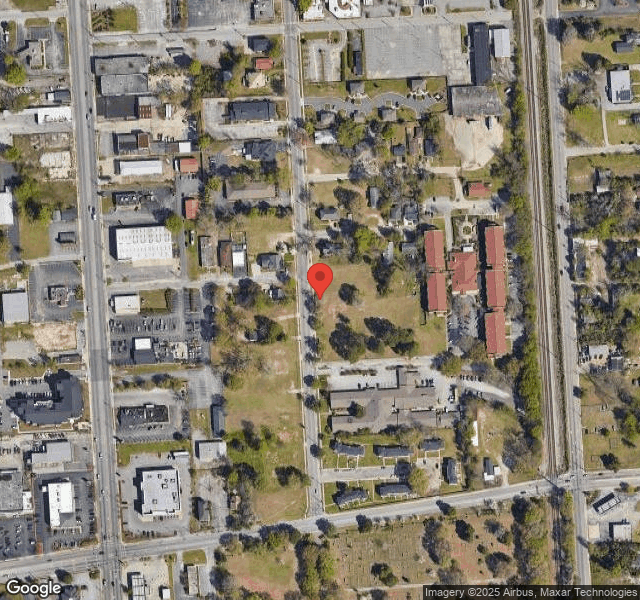
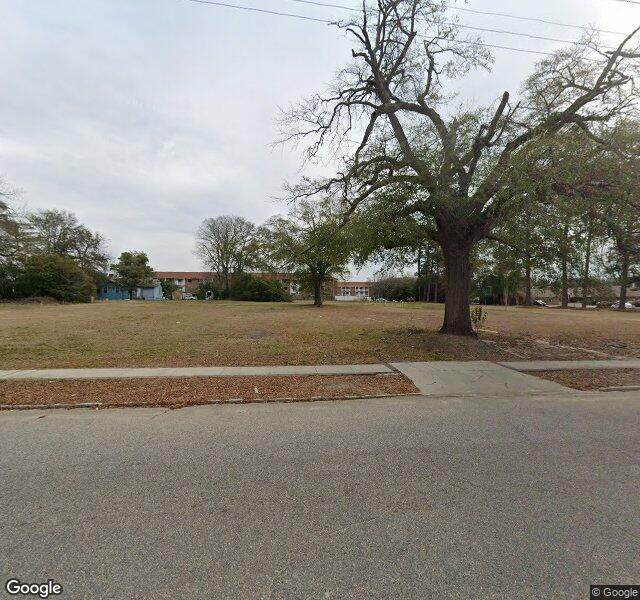
711 South Dargan Street, Florence, SC 29506 (843) 669-4403
For profit - Limited Liability company 88 Beds Independent Data: November 2025 1 Immediate Jeopardy citation
Trust Grade
66/100
#59 of 186 in SC
Last Inspection: October 2024

Within standard 12-15 month inspection cycle. Federal law requires annual inspections.

Overview

Southland Health Care Center has a Trust Grade of C+, which means it is slightly above average but not exceptional. It ranks #59 out of 186 facilities in South Carolina, placing it in the top half, and #5 out of 9 in Florence County, indicating that only a few local options are better. The facility is improving, having reduced issues from 1 in 2023 to none in 2024. Staffing is a strong point, with a 4/5 star rating and a turnover rate of 42%, which is below the state average of 46%, suggesting that staff are stable and familiar with residents. However, the center has faced some serious concerns, including a critical incident where a resident received the wrong medications, which could have caused significant harm, and other incidents involving improper COVID-19 screening and missed insulin administration for a resident. Overall, while there are notable strengths in staffing and recent improvements, families should be aware of past medication errors and some procedural oversights.

Trust Score
C+
66/100
In South Carolina
#59/186
Top 31%
Safety Record
High Risk
Review needed
Inspections
Getting Better
1 → 0 violations
Staff Stability
○ Average
42% turnover. Near South Carolina's 48% average. Typical for the industry.
Penalties
✓ Good
$9,318 in fines. Lower than most South Carolina facilities. Relatively clean record.
Skilled Nurses
○ Average
Each resident gets 38 minutes of Registered Nurse (RN) attention daily — about average for South Carolina. RNs are the most trained staff who monitor for health changes.
Violations
○ Average
6 deficiencies on record. Average for a facility this size. Mostly minor or procedural issues.
★★★★☆
4.0
Overall Rating
★★★★☆
4.0
Staff Levels
★★★☆☆
3.0
Care Quality
★★★★☆
4.0
Inspection Score
Stable
2023: 1 issues
2024: 0 issues

The Good

  • 4-Star Staffing Rating · Above-average nurse staffing levels
  • Full Sprinkler Coverage · Fire safety systems throughout facility
  • No fines on record
  • Staff turnover below average (42%)

    6 points below South Carolina average of 48%

Facility shows strength in staffing levels, fire safety.

The Bad

Staff Turnover: 42%

Near South Carolina avg (46%)

Typical for the industry

Federal Fines: $9,318

Below median ($33,413)

Minor penalties assessed

The Ugly 6 deficiencies on record

1 life-threatening
Jun 2023 1 deficiency 1 IJ
CRITICAL (J) 📢 Someone Reported This

A family member, employee, or ombudsman was alarmed enough to file a formal complaint

Immediate Jeopardy (IJ) - the most serious Medicare violation

Deficiency F0760 (Tag F0760)

Someone could have died · This affected 1 resident

**NOTE- TERMS IN BRACKETS HAVE BEEN EDITED TO PROTECT CONFIDENTIALITY** Based on interviews, record review, document review, and facility policy review, the facility failed to ensure a significant med...

Read full inspector narrative →
**NOTE- TERMS IN BRACKETS HAVE BEEN EDITED TO PROTECT CONFIDENTIALITY** Based on interviews, record review, document review, and facility policy review, the facility failed to ensure a significant medication error did not occur for 1 (Resident (R)1) of 3 residents reviewed for medication administration. During the 9:00 AM medication pass on 06/05/23, R1 received their own prescribed anti-hypertensive medication (used to treat high blood pressure), a calcium channel blocker (used to treat high blood pressure) and a beta blocker (used to treat high blood pressure and heart failure). During the same medication pass, a different nurse administered R1 antihypertensive and beta blocker medications ordered for a different resident, R6. The administration of the additional medications not ordered for R1 caused the resident's blood pressure to decrease to a level that required medical intervention. It was determined the provider's non-compliance with one or more requirements of participation had caused, or was likely to cause, serious injury, harm, impairment, or death to residents. The Immediate Jeopardy (IJ) was related to State Operations Manual, Appendix PP, 483.45 (Pharmacy Services) at a scope and severity of J. On 06/09/23 at 8:28 AM, the Administrator and Director of Nursing (DON) were informed of the Immediate Jeopardy situation. The IJ began on 06/05/23 when R1 received another resident's medications, which resulted in a decrease in R1's blood pressure. On 06/09/23 at 8:37 AM, the Administrator was provided with the completed IJ template. The Administrator signed the template and returned the original to the survey team. A Plan of Removal was requested. Findings include: Review of a facility policy titled, Medication Administration, dated 02/16/23, indicated Medications are administered by licensed nurses, or other staff who are legally authorized to do so in this state, as ordered by the physician and in accordance with professional standards of practice, in a manner to prevent contamination or infection. A review of R1's admission Record revealed the facility admitted the resident on 11/08/2018 with diagnoses that included hypertension. Per the record, on 06/08/2022, R1 received a diagnosis of heart failure. A review of the quarterly Minimum Data Set (MDS), with an Assessment Reference Date (ARD) of 03/28/23, revealed R1 had a Brief Interview for Mental Status (BIMS) score of 9, indicating the resident had moderate cognitive impairment. A review of R1's care plan revised on 03/31/23, indicated R1 had a diagnosis of hypertension. Interventions directed the staff to give anti-hypertensive medications as ordered. A review of R1's care plan revised on 05/30/23, indicated R1 had a diagnosis of congestive heart failure. Interventions directed the staff to give cardiac medications as ordered. A review of R1's Order Summary Report, indicated on 11/19/2022, the resident received an order for amlodipine besylate (a calcium channel blocker) 10 milligram (mg) one tablet by mouth one time a day for essential hypertension, carvedilol (a beta blocker) 3.125 mg one tablet by mouth two times a day for hypertension, clonidine hydrogen chloride (HCl) (an antihypertensive) 0.1 mg one tablet by mouth two times a day for hypertension, and losartan potassium (an antihypertensive) 50 mg one table by mouth two times a day related to acute on chronic diastolic heart failure. Review of R1's Medication Administration Record (MAR), for June 23, revealed during the 9:00 AM medication pass on 06/05/23, Licensed Practical Nurse (LPN) #2 administered the following blood pressure medications to R1: amlodipine besylate 10 mg, carvedilol 3.125 mg, clonidine HCl 0.1 mg, and losartan potassium 50 mg. Per the MAR, R1's blood pressure was recorded as 152/87 millimeters of mercury (mmHg) and pulse (heart rate) as 60 beats per minute (BPM). Review of the Progress Notes, dated 06/05/23 at 9:25 AM, revealed R1 yelled out, I feel dizzy. Per the note, the resident's vital signs were obtained and recorded as a blood pressure of 77/52 mmHg, pulse of 62 BPM, and respirations of 18 breaths per minute. According to the note, the resident was placed in the Trendelenburg position (a position in which a person is laid flat on their back with their feet raised above their head) and the physician was called. Contained within the facility's investigation file was an Employee Statement, signed by LPN2 and dated 06/05/23, which indicated LPN2 administered R1's morning medications according to the physician's orders. Per the statement, LPN2 was called by a certified nursing assistant to R1's room about an hour later. LPN2 indicated the resident stated they felt dizzy. According to the statement, LPN2 notified the supervisor that R1 had received medications from another nurse. Unsuccessful attempts were made to contact LPN2 on 06/08/23 at 12:31 PM, a voice mail message was left. On 06/08/23 at 7:55 PM and 06/09/23 at 2:20 PM, there was no answer. Review of the Medication Error Report Form, dated 06/05/23, revealed on 06/05/23 at 8:38 AM, a nurse administered medications to the wrong resident. The report identified the resident as R1 and the medications as losartan potassium 100 mg and metoprolol succinate extended release (a beta blocker) 25 mg. The report indicated the medication error was discovered on 06/05/23 at 9:25 AM and the contributing factor as the room numbers and names had been temporarily taken off the door due to the wall being painted/wallpaper placed. Interventions/corrective actions implemented by the facility revealed the resident's name and room number were placed on the door and staff education was provided. Review of the Progress Notes, dated 06/05/23 at 10:20 AM, revealed the physician returned the staff's call and gave new orders to start an intravenous (IV) line to administer one liter of ½ normal saline and if unable to start the line, send the resident to the emergency room for evaluation. Per the note, R1 had a blood pressure of 91/46 mmHg, a heart rate of 55 BPM, respirations at 18 breaths per minute, and an oxygen saturation level of 98%. Review of R1's Progress Notes, dated 06/05/23 at 10:25 AM, indicated an unsuccessful attempt to start an IV line. Review of R1's ED [Emergency Department] Provider Notes, dated 06/05/23, revealed R1 presented to the ED with a chief complaint of drug overdose; Per the note, R1 was given the wrong blood pressure medications at the nursing home. Per emergency medical services, R1 received their morning medications to include Norvasc (amlodipine), Coreg (carvedilol) and clonidine and was also administered losartan 100 mg and metoprolol 25 mg that belonged to another resident. Laboratory tests performed were normal and R1 was discharged back to the nursing home with instructions to monitor the resident's blood pressure every four hours and return to the ED if the resident's condition worsened. In an interview on 06/08/23 at 8:05 AM, R1 stated they had an issue a couple of days ago when they received their medications and then someone else gave them more medications that belonged to another resident. Per R1, they had no real problem, the nurses checked them over and they were good now. During an interview with LPN1 on 06/08/23 at 9:11 AM, she stated as she administered medications to residents (on 06/05/23) some of the room numbers and resident names were not on the residents' room doors or walls because of construction. LPN1 acknowledged at approximately 9:00 AM, she administered the medications ordered for R6 to R1. LPN1 stated she thought she had entered R6's room, but she had entered R1's room. LPN1 explained about an hour later after she administered the wrong medications to R1, the resident began to feel dizzy and when the resident's blood pressure was checked, the resident's blood pressure was low. Per LPN1, R1 was placed in the Trendelenburg position, the resident's blood pressure increased, but it decreased again, and the resident was sent to the emergency room (ER). LPN1 stated R1 was okay and returned to the facility later the same day. Review of the Progress Notes, dated 06/05/23 at 9:47 PM, revealed R1 returned to the facility on [DATE] at 8:30 PM. During an interview with the Director of Nursing (DON) on 06/08/23 at 9:21 AM, she stated LPN2 administered R1 their 9:00 AM medications (on 06/05/23) and then LPN1 administered R1 medications that belonged to another resident. According to the DON, the medication error occurred as LPN1 thought she had entered R6's room. In a follow-up interview with the DON on 06/08/23 at 2:20 PM, she stated her expectation was that this incident should never have happened. Per the DON, during orientation the importance of identification of the resident name and the correct medication was reviewed. The DON stated she expected the nurse would have ensured this was the correct resident before the administration of medications. During an interview with the Physician on 06/08/23 at 11:35 AM, he stated he was aware of the incident and ordered intravenous (IV) fluids for R1; however, the facility was unable to get an IV line started so the resident was sent to the hospital for evaluation. The Physician stated the hospital staff called and informed him that the resident's vital signs were normal, the resident experienced no negative outcome, and returned to the facility the same day. The Physician stated the concern regarding this incident would be the resident's decrease in blood pressure. Per the Physician, there was always a concern when the elderly were administered extra medications. During an interview with the Administrator on 06/08/23 at 3:09 PM, she stated R1 stated they felt dizzy, and the facility called the physician. Per the Administrator, LPN1 checked the resident's vital signs, and the resident's blood pressure was low. The Administrator explained the nurse assigned to the resident, LPN2, informed LPN1 that she had already administered R1 their medications. The Administrator stated the resident was immediately placed in the Trendelenburg position and the physician called. The Administrator stated her expectation would be that any nurse who administered medications would verify the right resident and right medication before medication administration. On 06/09/23 at 6:48 PM, a Removal Plan was submitted by the facility and accepted by the State Agency. It read as follows: 1. On 06/09/23 at approximately 8:28 AM, the Facility Administrator and Director of Nursing were notified by the Health Facilities Surveyor of the facility being placed in Immediate Jeopardy (IJ) involving R1. 2. Administrative Team held an ADHOC [a Latin word that meant 'for this situation'] Quality Assurance and Performance Improvement (QAPI) meeting on 06/09/23 at approximately 08:40 AM to discuss the IJ. 3. Attendees were: Administrator, Director of Nursing, Assistant Director of Nursing, North Hall Unit Manager, South Hall Unit Manager, Care Plan Coordinator, Social Service Director, and Medical Director via [by way of] phone. 4. Root cause identified during ADHOC QAPI to be that R1 and R6 Medical Record Photograph is similar in appearance due to R6 having a cap on in [his/her] photograph. The Director of Nursing immediately had the North Hall Unit Secretary retake R6's photograph. 5. Facility respectfully submits the below allegation of compliance for F760 Residents are free of significant medication errors. 6. R1 was affected by deficient practice on 06/05/23 at approximately 9:25 AM. R1 complained of Dizziness and both Licensed Practical Nurse (LPN) assigned to North Hall responded to the resident's room. R1 assigned nurse identified that R1 had received R6 medications. R1 vitals were immediately obtained, R1 was placed in Trendelenburg position, and Primary Physician was notified. New orders obtained to administer intravenous (ID) bolus 0.45% Normal Saline (NS) if able to obtain IV access, and if not to send to the emergency room (ER) for evaluation. 7. All residents who were assigned to North Hall Cart 1 had the potential to be affected. 8. The Director of Nursing provided education to the LPN assigned to North Cart Hall 1 on 06/05/23 on the 7 rights of safe medication administration, the importance of knowing the resident's identification before administering medications and completed a medication administration competency on 06/05/23. 9. All Licensed Nurses present in the facility were provided education on proper medication administration, the 7 Rights of Medical Administration, and the importance of knowing the resident's identification on 06/09/203 by the Nurse Management Team to include the Unit Managers, Assistant Director of Nursing, and Director of Nursing. Remaining Licensed Nurses will be educated by the end of day 06/09/23. Newly Hired Licensed Nurses will be educated during new hire orientation training. New hire skills checkoff will be verified by the Director of Nursing prior to ending orientation training. 10. The Nursing Management Team includes the Unit Managers, Assistant Director of Nursing, and Director of Nursing. The Nurse Management Team conducted a 100 percent audit of all residents Medical Record Photograph on 06/09/23. Photographs that appear blurred or unrecognizable were retaken and uploaded in the medical record on 06/09/23. No photographs will be taken with a hat in place on new admissions. The Nurse Management Team will conduct random medication administration skills check offs for a minimum of 50 percent of scheduled Licensed Nurses weekly x 4 weeks, and monthly x 3. The Director of Nursing will review and report findings during the quarterly Quality Assurance and Performance Improvement (QAPI) meetings. 11. The Administrator is responsible for implementation and oversight of this plan. 12. All Corrections were completed on 06/09/23. 13. All Immediacy of the IJ was removed on 06/09/23. Onsite Verification: Onsite verification was conducted on 06/09/23 to verify the facility had implemented the Removal Plan. The onsite verification revealed the facility had determined the root cause of the medication error, had provided education on the importance of knowing the resident's identification before administration of medications, and completed a medication administration competency check for LPN1 on 06/05/23. On 06/09/23, 100% of all licensed nursing staff were educated on the importance of identifying the seven rights of safe medication administration, to include the right medication administered to the right resident. Licensed staff were interviewed related to the covered in-service material. 100% audits were completed on resident photographs in the electric health record. Photographs that were blurred or unrecognizable were retaken and uploaded into the residents' electronic health record. A medication administration observation was conducted, and no concerns were identified. The IJ continued until 06/09/23 at 8:14 PM, when the survey team verified the elements of the Removal Plan had been implemented. The noncompliance remained on 06/09/23 for no actual harm with the potential for more than minimal harm that is not immediate jeopardy based on the facility continuing training of new hires and on-going audits.
Dec 2022 1 deficiency
CONCERN (D)

Potential for Harm - no one hurt, but risky conditions existed

Deficiency F0761 (Tag F0761)

Could have caused harm · This affected 1 resident

**NOTE- TERMS IN BRACKETS HAVE BEEN EDITED TO PROTECT CONFIDENTIALITY** Based on observations, interviews, and facility policy review, the facility failed to ensure medications were secured and not le...

Read full inspector narrative →
**NOTE- TERMS IN BRACKETS HAVE BEEN EDITED TO PROTECT CONFIDENTIALITY** Based on observations, interviews, and facility policy review, the facility failed to ensure medications were secured and not left unattended. Additionally, the facility also failed to ensure medication carts were locked during the medication pass. These failures place the residents at risk of having their unsecured medications diverted. Findings include: Review of the facility's policy titled, Medication Storage, dated 08/2022, revealed .b. Only authorized personnel with have access to the secured compartment. c. During a medication pass, medications must be under the direct observation of the person administering medications or locked in the medication storage area/cart . Observation on 12/07/22 at 9:44 AM of the medication cart on the 100-hall revealed Registered Nurse (RN) 1 left the medication cart unlocked and unattended while she was inside resident room [ROOM NUMBER] administering medications. The medication cart which was located outside of resident room [ROOM NUMBER] had a medication cup on top with 4 loose pills. The medication cart was out of sight of the RN1 for 4 minutes. Two staff members and one resident were in the hall within 15 feet of the unlocked medication cart that the cup of unsecured medication was on. During an interview on 12/07/22 at 10:09 AM, RN1 confirmed that the medication cart was unlocked and unattended with unsecured medication on top of the medication cart. RN1 stated I have so much trouble getting in it [medication cart]. RN1 then went into room [ROOM NUMBER] to deliver the loose medications that were in cup on top of medication cart, again leaving the medication cart unlocked and unattended. RN1 was not in sight of cart for two minutes while in room [ROOM NUMBER]. RN1 confirmed that the medication cart should remain locked and secured when not attended During an interview on 12/07/22 at 4:28 PM, the Director of Nursing (DON) confirmed that the medication carts should stay locked when unattended and medication should not be left unattended on top of the medication cart. The DON stated, A resident could come by and get that medication causing health issues.
Sept 2021 4 deficiencies
CONCERN (D)

Potential for Harm - no one hurt, but risky conditions existed

Deficiency F0761 (Tag F0761)

Could have caused harm · This affected 1 resident

**NOTE- TERMS IN BRACKETS HAVE BEEN EDITED TO PROTECT CONFIDENTIALITY** Based on observations, interviews, and record review, the facility failed to safely maintain biologicals and medications in one ...

Read full inspector narrative →
**NOTE- TERMS IN BRACKETS HAVE BEEN EDITED TO PROTECT CONFIDENTIALITY** Based on observations, interviews, and record review, the facility failed to safely maintain biologicals and medications in one of two medication storage rooms inspected. On inspection of the medication room, expired biologicals and medication were found in the emergency cart located inside the medication storage room. Findings include: Observation of the medication storage room on Unit 200 (South Hall), on [DATE] at 9:45 am, revealed the emergency cart located inside the storage room contained one bottle of normal saline 100 milliliters (mL) which had an expiration date of [DATE] and a hypodermic syringe 10 cubic centimeter (cc) which had an expiration date of 07/2021. Review of the facility's policy titled Medication Storage, revealed under Section 8.Unused Medications: The pharmacy and all medication rooms are routinely inspected by the consultant pharmacist for discontinued, outdated, defective, or deteriorated medications with worn, illegible, or missing labels. These prescription medications are returned to the pharmacy. OTC (over the counter) are destroyed in the drug buster . Interview with [NAME] Clerk #4 (WC4) on [DATE] at approximately 9:48 AM confirmed there were expired biologicals and medications located in the emergency cart inside the medication room. WC4 further stated that the medication storage room was audited for expired biologicals and medications three times a month, but there was no set schedule. WC4 stated the medication room was stocked once a week with medications and twice a week with biological supplies and when she found expired biologicals and medications, the Registered Nurse (RN) Supervisor would dispose of them.
CONCERN (E)

Potential for Harm - no one hurt, but risky conditions existed

Deficiency F0760 (Tag F0760)

Could have caused harm · This affected multiple residents

Based on record reviews and interviews, the facility failed ensure that a resident received insulin per physician's order for 1 of 6 sampled residents reviewed for unnecessary medications. Resident #5...

Read full inspector narrative →
Based on record reviews and interviews, the facility failed ensure that a resident received insulin per physician's order for 1 of 6 sampled residents reviewed for unnecessary medications. Resident #52 did not receive sliding scale insulin as ordered. The findings included: The facility admitted Resident #52 on 1/22/18 and re-admitted date of 6/14/21 with diagnoses that included Hyperglycemia, Vascular Dementia, Disorientation, Insomnia and Major Depressive Disorder. A review of the Electronic Medication Administration Record on 9/29/21 at 2:59 PM revealed a physician's order dated 6/14/21 that indicated Novolog U (unit) 100 Insulin aspart 100 unit/mL (milliliter) subcutaneous solution inject by subcutaneous route 2 times per day per sliding scale protocol. Blood Sugar Sliding scale 70-150=0; 151-200=2 units; 201-250=4 units; 251-300=6; 301-350=8 units; 351-400=10 units > (greater) 400 give 12 units and call MD (Medical Doctor). Further review of the Electronic Medication Administration Record on 9/29/21 at 2:59 PM with Registered Nurse (RN) #1 revealed insulin was not given as ordered for the resident. Resident #52 Finger Stick Blood Sugars (FSBS) were done with no insulin given per the physician's orders on the following dates: 7/29/21 FSBS 158 no insulin given; 8/07/21 FSBS 155 no insulin given; 8/08/21 FSBS 156 no insulin given; 8/10/21 FSBS 213 no insulin given; 8/12/21 FSBS 209 no insulin given; 8/16/21 FSBS 154 no insulin given; 8/21/21 FSBS 155 no insulin given; 9/17/21 FSBS 188 no insulin given and on 9/18/21 FSBS 157 no insulin given. RN # 1 confirmed the documentation in the electronic medical record and stated s/he will look to see if any paper documentation was available. An interview on 9/30/21 at 8:46 AM with RN #1 revealed there was no additional documentation to determine that Resident #52 was given per physician orders. The documentation in the electronic record was the only documentation available.
CONCERN (E)

Potential for Harm - no one hurt, but risky conditions existed

Medical Records (Tag F0842)

Could have caused harm · This affected multiple residents

Based on record reviews and interviews, the facility failed that a resident's medical record was accurately documented for 1 of 6 sampled residents reviewed for unnecessary medications. Resident #52 h...

Read full inspector narrative →
Based on record reviews and interviews, the facility failed that a resident's medical record was accurately documented for 1 of 6 sampled residents reviewed for unnecessary medications. Resident #52 had blanks on the medication administration sheets for the month of July and August 2021. The findings included: The facility admitted Resident #52 on 1/22/18 and re-admitted date of 6/14/21 with diagnoses that included Hyperglycemia, Vascular Dementia, Disorientation, Insomnia and Major Depressive Disorder. A review of the Electronic Medication Administration Record on 9/29/21 at 2:59 PM with Registered Nurse (RN) #1 revealed a physician's order dated 6/14/21 that indicated Resident #52 had an order for Novolog U (unit) 100 Insulin aspart 100 unit/mL (milliliter) subcutaneous solution inject by subcutaneous route 2 times per day per sliding scale protocol. Blood Sugar Sliding scale 70-150=0; 151-200=2 units; 201-250=4 units; 251-300=6; 301-350=8 units; 351-400=10 units > (greater) 400 give 12 units and call MD (Medical Doctor). Further review of the medical record with RN #1 revealed there was no documentation in the electronic medical record that indicated Finger Stick Blood Sugars were done during the month of July 2021 on 7/01/21, 7/02/21, 7/03/21, 7/04/21 (PM), 7/05/21. 7/06/21 (AM), 7/07/21 (PM), 7/08/21 (PM), 7/09/21, 7/10/21, 7/11/21, 7/12/21, 7/14/21, 7/15/21, 7/16/21, 7/17/21, 7/19/21, 7/20/21, 7/21/21 (AM), 7/22/21,7/23/21, 7/24/21/ 7/25/21, 7/26/21, 7/27/21, 7/29/21 (AM), 7/30/21 and 7/31/21. During the month of August 2021, there was no documentation to indicate the FSBS were done on 8/01/21, 8/02/21,8/03/21, 8/04/21 and 8/05/21 (AM). RN #1 stated he/she did not realize blood sugars were not being documented until 8/05/21. RN #1 further stated an email was sent the nursing staff to ensure FSBS were documented per physician's orders and would provide the surveyor copy
CONCERN (F)

Potential for Harm - no one hurt, but risky conditions existed

Infection Control (Tag F0880)

Could have caused harm · This affected most or all residents

Based on observations and interview, the facility failed to ensure the staff were appropriately screened for COVID (Coronavirus-19) prior to entering the residents residential area. The findings inclu...

Read full inspector narrative →
Based on observations and interview, the facility failed to ensure the staff were appropriately screened for COVID (Coronavirus-19) prior to entering the residents residential area. The findings included: Random observations on 9/28/21 from approximately 8:10 AM to 9:20 AM revealed two (2) staff members coming up to the nursing station on the 100 Hall to complete their COVID screening. A therapist was observed taking his/her temperature with the provided thermometer and then jokingly stated 93.7, I know that is not right because I would be dead. About 10 minutes later, maintenance staff was observed taking his/her temperatures on unit and documenting the temperature in the book left on counter at nursing station. Staff had to pass resident rooms 119 through 129 before being screened for COVID. There were residents noted in 4 to 5 rooms on the hall 119 through 129. Additional observations showed visitors exiting an isolation room of a Resident without doffing PPE. Observations of isolation rooms on 9/28/21 at 9:00 AM also revealed cloth gowns being reused between individuals without sanitization. An interview around 11:45 AM with the Director of Nursing, revealed the facility has had 5 (five) COVID surveys and no citations, indicating s/he had no concerns with the current process.
Understanding Severity Codes (click to expand)
Life-Threatening (Immediate Jeopardy)
J - Isolated K - Pattern L - Widespread
Actual Harm
G - Isolated H - Pattern I - Widespread
Potential for Harm
D - Isolated E - Pattern F - Widespread
No Harm (Minor)
A - Isolated B - Pattern C - Widespread

Questions to Ask on Your Visit

  • "What changes have you made since the serious inspection findings?"
  • "Can I speak with families of current residents?"
  • "What's your RN coverage like on weekends and overnight?"

Our Honest Assessment

Strengths
  • • 42% turnover. Below South Carolina's 48% average. Good staff retention means consistent care.
Concerns
  • • Multiple safety concerns identified: 1 life-threatening violation(s). Review inspection reports carefully.
  • • 6 deficiencies on record, including 1 critical (life-threatening) violation. These warrant careful review before choosing this facility.
Bottom line: Mixed indicators with Trust Score of 66/100. Visit in person and ask pointed questions.

About This Facility

What is Southland Health Care Center's CMS Rating?

CMS assigns Southland Health Care Center an overall rating of 4 out of 5 stars, which is considered above average nationally. Within South Carolina, this rating places the facility higher than 99% of the state's 100 nursing homes. This rating reflects solid performance across the metrics CMS uses to evaluate nursing home quality.

How is Southland Health Care Center Staffed?

CMS rates Southland Health Care Center's staffing level at 4 out of 5 stars, which is above average compared to other nursing homes. Staff turnover is 42%, compared to the South Carolina average of 46%. This relatively stable workforce can support continuity of care.

What Have Inspectors Found at Southland Health Care Center?

State health inspectors documented 6 deficiencies at Southland Health Care Center during 2021 to 2023. These included: 1 Immediate Jeopardy (the most serious level, indicating potential for serious harm or death) and 5 with potential for harm. Immediate Jeopardy findings are rare and represent the most serious regulatory concerns. They require immediate corrective action.

Who Owns and Operates Southland Health Care Center?

Southland Health Care Center is owned by a for-profit company. For-profit facilities operate as businesses with obligations to shareholders or private owners. The facility operates independently rather than as part of a larger chain. With 88 certified beds and approximately 79 residents (about 90% occupancy), it is a smaller facility located in Florence, South Carolina.

How Does Southland Health Care Center Compare to Other South Carolina Nursing Homes?

Compared to the 100 nursing homes in South Carolina, Southland Health Care Center's overall rating (4 stars) is above the state average of 2.9, staff turnover (42%) is near the state average of 46%, and health inspection rating (4 stars) is above the national benchmark.

What Should Families Ask When Visiting Southland Health Care Center?

Based on this facility's data, families visiting should ask: "What changes have been made since the serious inspection findings, and how are you preventing similar issues?" "Can I visit during a mealtime to observe dining assistance and food quality?" "How do you handle medical emergencies, and what is your hospital transfer rate?" "Can I speak with family members of current residents about their experience?" These questions are particularly relevant given the facility's Immediate Jeopardy citations.

Is Southland Health Care Center Safe?

Based on CMS inspection data, Southland Health Care Center has documented safety concerns. Inspectors have issued 1 Immediate Jeopardy citation (the most serious violation level indicating risk of serious injury or death). The facility has a 4-star overall rating and ranks #1 of 100 nursing homes in South Carolina. Families considering this facility should ask detailed questions about what corrective actions have been taken since these incidents.

Do Nurses at Southland Health Care Center Stick Around?

Southland Health Care Center has a staff turnover rate of 42%, which is about average for South Carolina nursing homes (state average: 46%). Moderate turnover is common in nursing homes, but families should still ask about staff tenure and how the facility maintains care continuity when employees leave.

Was Southland Health Care Center Ever Fined?

Southland Health Care Center has been fined $9,318 across 1 penalty action. This is below the South Carolina average of $33,172. While any fine indicates a compliance issue, fines under $50,000 are relatively common and typically reflect isolated problems that were subsequently corrected. Families should ask what specific issues led to these fines and confirm they've been resolved.

Is Southland Health Care Center on Any Federal Watch List?

Southland Health Care Center is not on any federal watch list. The most significant is the Special Focus Facility (SFF) program, which identifies the bottom 1% of nursing homes nationally based on persistent, serious quality problems. Not being on this list means the facility has avoided the pattern of deficiencies that triggers enhanced federal oversight. This is a positive indicator, though families should still review the facility's inspection history directly.