The Lodge At Wellmore- Tega Cay
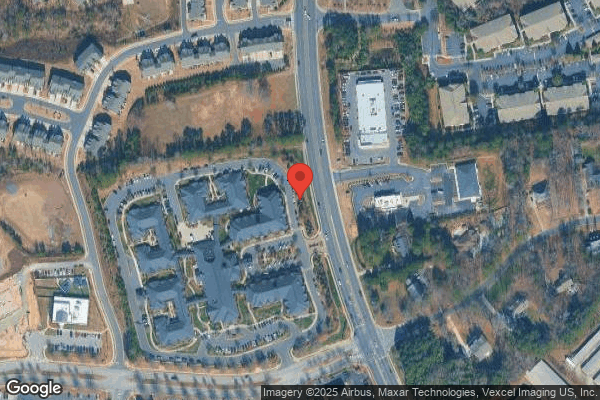
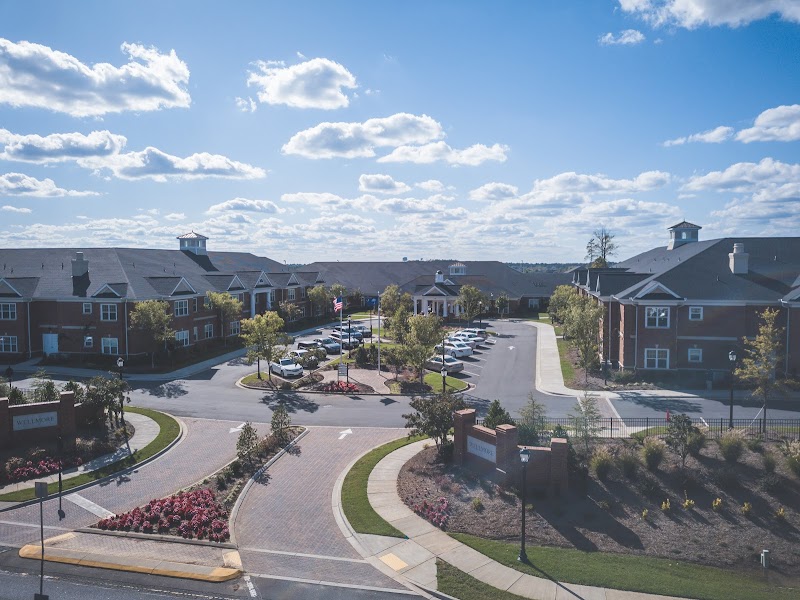
111 Wellmore Drive, Fort Mill, SC 29708 (803) 835-7000
For profit - Corporation 60 Beds Independent Data: November 2025 2 Immediate Jeopardy citations
Trust Grade
36/100
#99 of 186 in SC
Last Inspection: April 2025

Within standard 12-15 month inspection cycle. Federal law requires annual inspections.

Overview

The Lodge At Wellmore in Tega Cay, South Carolina has received a Trust Grade of F, which indicates significant concerns about the facility's care and operations. Ranking #99 out of 186 nursing homes in the state places it in the bottom half, and #5 out of 8 in York County shows that there are only three local options that are worse. Unfortunately, the facility is worsening, with issues increasing from 1 in 2024 to 2 in 2025. While staffing is a strength, rated 5 out of 5 stars with a low turnover rate of 34%, the facility has concerning fines totaling $39,971, higher than 91% of facilities in South Carolina. Critical incidents include a resident successfully eloping from the facility twice, resulting in injuries, as well as a serious fall that caused fractures, highlighting significant safety and supervision issues despite good staffing levels.

Trust Score
F
36/100
In South Carolina
#99/186
Bottom 47%
Safety Record
High Risk
Review needed
Inspections
Getting Worse
1 → 2 violations
Staff Stability
○ Average
34% turnover. Near South Carolina's 48% average. Typical for the industry.
Penalties
⚠ Watch
$39,971 in fines. Higher than 95% of South Carolina facilities. Major compliance failures.
Skilled Nurses
✓ Good
Each resident gets 53 minutes of Registered Nurse (RN) attention daily — more than average for South Carolina. RNs are trained to catch health problems early.
Violations
○ Average
7 deficiencies on record. Average for a facility this size. Mostly minor or procedural issues.
★★★☆☆
3.0
Overall Rating
★★★★★
5.0
Staff Levels
★★★★☆
4.0
Care Quality
★★☆☆☆
2.0
Inspection Score
Stable
2024: 1 issues
2025: 2 issues

The Good

  • 5-Star Staffing Rating · Excellent nurse staffing levels
  • 4-Star Quality Measures · Strong clinical quality outcomes
  • Full Sprinkler Coverage · Fire safety systems throughout facility
  • No fines on record
  • Staff turnover below average (34%)

    14 points below South Carolina average of 48%

Facility shows strength in staffing levels, quality measures, fire safety.

The Bad

3-Star Overall Rating

Near South Carolina average (2.8)

Meets federal standards, typical of most facilities

Staff Turnover: 34%

12pts below South Carolina avg (46%)

Typical for the industry

Federal Fines: $39,971

Above median ($33,413)

Moderate penalties - review what triggered them

The Ugly 7 deficiencies on record

2 life-threatening 1 actual harm
Apr 2025 1 deficiency
CONCERN (E)

Potential for Harm - no one hurt, but risky conditions existed

Infection Control (Tag F0880)

Could have caused harm · This affected multiple residents

**NOTE- TERMS IN BRACKETS HAVE BEEN EDITED TO PROTECT CONFIDENTIALITY** Based on observation, interview, and review of the facility's policy, the facility failed to ensure that staff used proper hand ...

Read full inspector narrative →
**NOTE- TERMS IN BRACKETS HAVE BEEN EDITED TO PROTECT CONFIDENTIALITY** Based on observation, interview, and review of the facility's policy, the facility failed to ensure that staff used proper hand hygiene when passing trays during the dining observation for 2 of 2 dining observations. Findings include: Review of the facility policy titled, Handwashing/Hand Hygiene revised on October 2023, documented, Administrative Practices to Promote Hand Hygiene, 2. All personnel are expected to adhere to hand hygiene policies and practices to help prevent the spread of infections to other personnel, residents and visitors. During an observation on 04/04/25 at an unspecified time, Certified Nursing Assistant (CNA)1 was standing in the doorway of the kitchenette on the 400 high hall, CNA1 was observed pulling her hair up into a pony tail. After pulling her hair up into a ponytail, CNA1 was observed opening the food cart located outside the kitchenette door and pulling out one plate and then walking it into the kitchenette. CNA1 exited the kitchenette and proceeded to push the food cart to the floor and pass plates to residents, in their rooms. CNA1 did not sanitize her hands or perform hand hygiene. CNA1 was observed pulling a plate from the food cart and delivering it to room [ROOM NUMBER]. CNA1 exited room [ROOM NUMBER] and proceeded to push the food cart to room [ROOM NUMBER]. CNA1 proceeded to remove another plate from the food cart and take it in to room [ROOM NUMBER]. CNA1 exited room [ROOM NUMBER] and pushed the cart further down the hall and opened the cart and passed a plate to another staff member, then proceed to get another plate out and took it to room [ROOM NUMBER]. CNA1 did not sanitize her hands or perform hand hygiene. During an interview on 04/01/25 at an unspecified time, CNA1 revealed that she washes her hands before she starts serving residents and as she exits their rooms. CNA1 continued to explain that she did not wash or sanitize her hands after pulling her hair up into a ponytail before serving trays from the cart. CNA1 further states that she should have sanitized her hands after putting her hair into a ponytail and between residents when she is serving residents. During an interview on 04/03/25 at 9:25 AM, the Administrator stated that the protocol and her expectation is for staff to clean their hands with hand sanitizer before passing trays and feeding residents. The Administrator further stated that while passing trays the staff is good as long as they do not touch any of the resident's environment, if staff touch their person/themselves or their hair they should sanitize their hands before continuing. All staff receive training on hand washing during orientation, annually, and as needed.
Feb 2025 1 deficiency 1 Harm
SERIOUS (G) 📢 Someone Reported This

A family member, employee, or ombudsman was alarmed enough to file a formal complaint

Actual Harm - a resident was hurt due to facility failures

Accident Prevention (Tag F0689)

A resident was harmed · This affected 1 resident

**NOTE- TERMS IN BRACKETS HAVE BEEN EDITED TO PROTECT CONFIDENTIALITY** Based on review of facility policy, record review, and interview, the facility failed to prevent an avoidable accident, when Res...

Read full inspector narrative →
**NOTE- TERMS IN BRACKETS HAVE BEEN EDITED TO PROTECT CONFIDENTIALITY** Based on review of facility policy, record review, and interview, the facility failed to prevent an avoidable accident, when Resident (R)1 fell out of the bed while receiving care for 1 of 1 resident. Resulting in R1 suffering fractures to the lower left leg. Findings include: Review of the facility policy titled, Falls and Fall Risk, Managing copyright date 2001 MED-PASS, Inc., documented, Based on previous evaluations and current data the staff will identify interventions related to the resident's specific risks and causes to try to prevent the resident from falling and to try to minimize complications from falling . Fall Risk Factors 2. Resident conditions that may contribute to the risk of falls include: . c. delirium and other cognitive impairment . l. functional impairments . Review of R1's Face Sheet revealed R1 was admitted to the facility on [DATE], with diagnoses including but not limited to: dementia advanced and history of fall at home. Review of R1's admission Minimum Data Set (MDS) with an Assessment Reference Date (ARD) of 12/28/24, revealed a Brief Interview for Mental Status (BIMS) score of 1 out of 15, indicating R1 was severely cognitively impaired. Review of R1's Care Plan with a start date of 02/27/23 documented, [R1] at risk for falls related to generalized weakness, dementia. Further review of the Care Plan revealed interventions directing staff to: Fall mats by bed for [R1's] safety, keep areas free of obstructions to reduce the risk of falls or injury during transfer, footwear will fit properly and have non-skid soles, position R1 in the center of the bed and assess frequently for safe position, and keep bed low while in bed. Review of R1's Physician Orders dated 11/29/22, revealed, Fall Mat two times daily. Review of R1's Physician Orders dated 01/28/25, revealed, Weight Bearing status: Non weight bearing-do not transfer until weight bearing status clears. Review of R1's Progress Note dated 12/28/24 at 7:19 PM, revealed, . fall was reported from night shift nurse and lower left leg was swollen. Resident expressed pain when touched or leg was moved. VIA hospice was notified, and x-ray and pain meds were given. Xray showed fractures on lower left leg. Family and Hospice was notified of Xray results. Hospice and family made decision to send resident out to [local hospital] @ 1700/ resident was placed on Leave of absence until final notice. Review of R1's Progress Note dated 12/29/24 at 5:44 AM, revealed, Patient returned to the facility at 04:15, splint in place on LLE repeat x-ray in two weeks. Pt. resting in bed with bed in lowest position with mats for safety. Will notify hospice. During an interview on 02/20/25 at 2:53 PM, Licensed Practical Nurse (LPN)1 stated, I came to work at 7 AM. I received report and she told me that the Certified Nursing Assistant (CNA) was changing her and he was reaching for some supplies and she fell out of the bed. I was told her leg was swollen and she was complaining of pain. Daily we reiterate prevention for falls. During an interview on 02/20/25 at 3:27 PM, CNA1 stated, I was the CNA from 7P-7A. She was sitting on the side of the bed. I placed her back in bed. Around 6AM, [R1] was one of the last people for me to change that morning. I raised the bed to the appropriate height to place the brief under her. She has Dementia. I reach to go grab a chux and she started falling to the other side of the bed. I attempted to grab her, but she still fell. I am sorry that happened. I met with the Director of Nursing (DON), and [Registered Nurse (RN)1] informed me if a resident is confused to get help with performing Activities of Daily Living (ADLs). If I am unable to get assistance from another CNA, I need to call for the nurse or the CNA that works the other side of the building. Going forward I need to make sure we have two people assist with [R1] and any other resident that has dementia. Administration told me to have the bed low and not too high. When I roll the resident over make sure they have enough room in the bed so if they try to get out of the bed, I can reach them before that. Again, this was my fault, I am sorry that this happened. [R1] was sent to the Emergency Room. She is on Hospice. We called the Medical Director, too. The nurse came and did an assessment. During an interview on 02/20/25 at 3:37 PM, LPN2 stated, I remember it was evening shift going into day shift. I was with another resident two rooms over. [CNA1] came and told me [R1] fell. I went in to do an assessment. Her baseline is not oriented. We did a neuro assessment. She wasn't expressing any pain. I touched her head. We did a head-to-toe assessment. She grimaced around her ankle area when I touched it. It had discoloration and it wasn't straight. It was obviously painful. I called the on-call Hospice and told the nurse what happened. She was debating on what they were going to do. I tried to administer liquid Tylenol, but [R1] was not taking any oral medications. Hospice nurse came to assess and decided to send her out. The swelling started more so imaging was needed. During an interview on 02/20/25 at 3:48 PM, the Director of Nursing (DON) stated, We immediately investigated the situation. We had an in-service with the staff. We disciplined the employee. We felt it was some precautions that could have happened. We gave him a progressive disciplinary action. He wasn't suspended .
Jul 2024 1 deficiency 1 IJ
CRITICAL (J) 📢 Someone Reported This

A family member, employee, or ombudsman was alarmed enough to file a formal complaint

Immediate Jeopardy (IJ) - the most serious Medicare violation

Accident Prevention (Tag F0689)

Someone could have died · This affected 1 resident

**NOTE- TERMS IN BRACKETS HAVE BEEN EDITED TO PROTECT CONFIDENTIALITY** Based on observations, record review, interviews, and review of facility policy, the facility failed to provide adequate supervi...

Read full inspector narrative →
**NOTE- TERMS IN BRACKETS HAVE BEEN EDITED TO PROTECT CONFIDENTIALITY** Based on observations, record review, interviews, and review of facility policy, the facility failed to provide adequate supervision to prevent a successful elopement for 1 of 1 resident reviewed for accidents. Specifically, Resident (R)1 had a successful elopement from the facility on 04/08/24. During the elopement, R1 suffered lacerations to the right eyebrow and right side of scalp, scattered, scuffed, bleeding scabbed areas were also noted to R1's right lower leg. On 07/24/24 at 6:59 PM, the Administrator was notified that the failure to prevent a resident from successfully eloping from the facility constituted Immediate Jeopardy (IJ) at F689. On 07/24/24 at 6:59 PM, the survey team provided the Administrator with a copy of the CMS IJ Template and informed the facility IJ existed as of 04/08/24. The IJ was related to 42 CFR 483.25 - Quality of Care. On 07/25/24 at 6:10 PM, the facility provided an acceptable IJ Removal Plan. On 07/25/24, the survey team, validated the facility's corrective actions and removed the IJ as of 07/24/24. The facility remained out of compliance at F689 at a lower scope and severity of D. An extended survey was conducted in conjunction with the Complaint Survey for non-compliance at F689, constituting substandard quality of care. Findings include: Review of the facility policy titled Elopement Prevention last revised on March 2019 stated, The facility will identify residents who are at risk of unsafe wandering and strive to prevent harm while maintaining the least restrictive environment for residents. Review of the undated facility policy titled SLC-WELLMORE Roam Alert Policy and Procedure documented, The Roam Alert Notification System is a Wander Management system used to monitor cognitively impaired individuals with wandering, exit-seeking, or aggressive behaviors. The Member wears a Roam Alert wrist/ankle band signaling device. When the Member is near a monitored doorway and the door is open, an alarm sounds at the door, displays on the Staff Station Computer, and alarms to the direct care staff pagers. Review of R1's Face Sheet revealed R1 was admitted to the facility on [DATE], with diagnoses including but not limited to: generalized anxiety disorder, pneumonia, and hypertension. Review of the hospital's Physical Therapy Evaluation dated 04/03/24, revealed, patient is an [AGE] year old admitted [DATE] with history of dementia, falls, asthma, MR, and hypertension. Patient was found in her bed by memory care staff minimally responsive on day of admission. Review of R1's admission Minimum Data Set (MDS) with an Assessment Reference Date (ARD) of 04/11/24, revealed R1 had a Brief Interview for Mental Status (BIMS) score of 6 out of 15, indicating R1 was severely cognitively impaired. Further review of the MDS revealed there were no wandering behaviors exhibited. Review of R1's Elopement Risk Tool dated 04/05/24, revealed R1 had no wandering behavior exhibited and resident is cognitively impaired and independently ambulatory. Not applicable was selected in response to the resident having previously attempted to leave a residence or other place unescorted. Elopement risk assessment score of 0 out of 9, indicating R1 was not at risk. Review of R1's Care Plan with an effective date of 04/05/24, revealed the problem, Wandering - [R1] is at risk for Wandering Behavior - [R1] is actively exit seeking. The goal revealed, Current level of mobility will be maintained within a secure environment through the next review. Interventions included but were not limited to, Assess potential physical causes for wandering and exit seeking. Provide diversional activites. Redirect [R1] behavior/activity when wandering/exit seeking is observed. Wander Guard/Roam Alert - Check Functioning, Placement, and Positioning per order. frequent rounding. monitor [R1] in facility and document attempts to exit seek out of facility. Review of R1's Physician Orders dated 04/05/24, revealed the following order, Wander guard/roam alert- check placement and positioning two times daily. Review of R1's Progress Note dated 04/06/24 at 5:18 PM revealed, Resident admitted to Wellmore skilled nursing with a diagnosis of Multifocal pneumonia, essential hypertension, asthma, GERD [a condition in which stomach acid repeatedly flows back up into the tube connecting the mouth and stomach], generalized anxiety. Resident requires skilled nursing for assessment, medical and medication management. Resident is alert x 2 . Per daughter report. Resident lived in [memory care], used a rollator for mobility, completed her activities of daily life independently. Resident was able to stand to pivot with supervision only, continent of bladder so far. Resident noted transferring self out of bed to wheelchair without asking for assistance after she had just asked to lie down. The resident has been shown how to use call light for assist. Resident requires skilled nursing services for assessment, medical and medication management. The resident is confused and refused/spit out medication, resident was upset when redirected to where her room was. Resident has behavioral issues and wanders frequently without exit seeking throughout the night and refuses to keep oxygen on she stated, I don't need it do just fine w/o it. frequent checks of oxygen levels ongoing and stable. Will continue plan of care. Review of R1's Progress Note dated 04/07/24 at 12:50 PM revealed, Resident keeps wandering around, staff redirecting. Wander guard in place . resident taught on how to use the call bell for help. Review of R1's Progress Note dated 04/08/24 at 8:15 PM, revealed, During evening Med Pass at approximately 1755, [Licensed Practical Nurse [LPN]2] was alerted by the High 400 Rehab Hall nurse that resident had been sighted by a visitor on the sidewalk just outside the High 400 exit door. This nurse responded immediately to assist and observed [R1] sitting on the grassy area near sidewalk. Upon assessment, [R1] was alert and responsive. [R1] was not able to recall what had happened, but stated she was looking for her daughter and wanted to call her. Lacerations noted to right eyebrow and right scalp. Scattered, scuffed, bleeding scabbed areas also noted to right lower leg. Resident denied any pain and/or further injury and was able to stand with assist without difficulty. [R1] assisted back inside unit via w/c, vital signs checked and stable. One to one care provided by [Certified Nursing Assistant [CNA]1], while this nurse contacted the MD [Medical Director] who advised to send resident to ER [Emergency Room] for eval and treat. EMS [Emergency Medical Services] activated, and resident was transported out of facility by Medic at 7 PM. Review of R1's Physician Progress Note with a date of service of 04/09/24, documented, Patient was sent to ED last night after having an unwitnessed fall . She sustained 2 lacerations on her right scalp and near her right eyebrow . Sutures were placed and patient returned to the facility . Patient is a poor historian related to their dementia . Skin: Right lateral eyebrow with running suture in place. Right frontal scalp just above hairline with running suture in place. Ecchymosis and minimal edema of right upper eyelid . Diagnoses Laceration of right eyebrow, subsequent encounter Laceration of scalp, subsequent encounter . Review of TekCare (a system used to track wander guard alerts) report dated 04/08/24, revealed no documentation that R1's wander guard device alerted on the day of the elopement. Review of a Huddle Form dated 04/08/24, revealed R1 was fully clothed and wearing tennis shoes when R1 eloped. Facility surveillance cameras were inoperable at the time of the elopement. Unable to identify visitor that found R1. During an observation and interview on 07/24/24 at 5:11 PM, Registered Nurse (RN)1 revealed the alarm for wander guard does not sound for doors that exit into the facility's courtyards. R1 was found outside on the ground in one of the areas. The courtyard was one door down from R1's room. RN1 stated there is an iron gate that surrounds the area, accessible with a code. Observation revealed the wander guard did not alarm at the door or gate, when we allowed R2 access to the door and gate. RN1 confirmed there was no alarm sounding. During an interview on 07/24/24 at 12:37 PM, Licensed Practical Nurse (LPN)1 revealed that she was charting on her assigned hall, and was told by a visitor at approximately 5:55 PM that a resident was outside on the ground. LPN1 stated she went outside and assessed R1. LPN1 realized that R1 was not her resident, so she used the walkie talkie and called that unit's nurse, and she came immediately. LPN1 further stated R1 stayed on the ground for assessment until EMS arrived. LPN1 stated the resident was asking for a phone to call her daughter as she rendered first aid. LPN1 revealed that wander guards go off when they get to an exit door. LPN1 stated she did not hear any alarms going off on her side of the unit (high 400 hall). LPN1 concluded that R1 did not leave through her unit. During an interview on 07/24/24 at 12:57 PM, LPN2 revealed that R1 was fast and constantly walking up and down the halls, with and without devices, she would wander around frequently. R1 would normally want a phone to call her daughter. LPN2 further stated being in other residents' room on the low 400 hall but heard LPN1 request immediate assistance on the walkie talkie. LPN2 saw R1 located on a grassy pad outside of the rehab hallway door entrance. LPN2 continued that R1 was bleeding and LPN1 had direct pressure on the injury. R1 was confused but it was not abnormal for this patient. LPN2 stated the resident was trying to call her daughter. R1 was able to stand up with assistance to a wheelchair. R1 was wheeled into her room to be cleaned. The on call MD was notified and the resident was sent to the emergency department for further treatment. LPN2 revealed that the wander guard alarm did not go off for the patient and stated that the alarm sounded when the resident re-entered the building from the incident. LPN2 concluded that wander guard checks consist of visibly seeing that the device is in place. There is no other way to check, I just ensure that I see the device. During an interview on 07/24/24 at 1:25 PM, the Director of Facilities stated, The wander guard system is on most of the doors of the facility. If anyone with a tag gets close to it, it will beep and if they go through the door or if the if the door is open it goes through the Tekton system (nurse call system) causing an alarm. The system is checked weekly by using a tag and do a run though. The Director of Facilities revealed he has a test tag that he uses each time. The nurses have scanners on the cart they are supposed to be using daily to ensure the device is functioning. The Director of Facilities stated he input the information of the patient initially and gave the device to the patient. I have not had any issues with the device. In the past it may have been issues with doors when I did rounds but nothing that has affected patient care. Those issues have been fixed in the past. There were no issues in April. I am not aware of any patient that went outside of the building, and I did not have any record of alarms that went off that day for an elopement attempt. During an interview on 07/24/24 at 1:36 PM, Certified Nursing Assistant (CNA)1 revealed that R1 wanders, so she tried to keep her around her prior to this incident. R1 was last seen sitting in a chair in her room at 5:45 PM. CNA1 stated while she was picking up dinner trays from residents rooms a family member of another resident said she saw a lady outside on the ground. By the time this information was told to CNA1, she left and went to see R1 on the ground. CNA1 further stated R1 was located close to the door of high 400 and she was bleeding. CNA1 revealed she did not hear any alarms prior to and during this event, but R1 had a wander guard on her leg. The device did not show on the screen for the nursing staff. I was picking up trays and going back and forth in the hallways and no alarm was seen or sounded. During an interview on 07/24/24 at 3:53 PM, R1's Responsible Party (RP) revealed, [R1] had bilateral pneumonia and came to them from the hospital. While in the hospital [R1] was on a Neuro floor due to her Dementia and Delirium. Upon admission I told them of my concerns about it not being a locked unit. I told them that the room being next to a courtyard is not a good decision. My mom voiced that she wanted out. She also has a history of exit seeking behavior. She eloped from a previous facility, then she was sent to memory care in Rock Hill. Prior to that she eloped from our home and drove away, a bolo [be on the lookout] had to be placed on her. During an interview on 07/25/24 at 1:38 PM, the Director of Nursing (DON) revealed the staff and team are very communicative and if there is an issue we are proactive. The nursing staff can see any intervention changes on their care plans and in their system for documentation. The DON stated expectation will always be progressive, focusing on the best way to keep the residents safe, starting at admission, to ensure the safety of all patients that stay with us. The DON further stated, I was aware that the patient came from a memory care unit. I was told that patient ambulated by a rollator. Being that the patient was from a memory care unit I put a wander guard on the resident. I told her that I was on call for the weekend, and I told her if anything happens, I will contact her. During an interview on 07/25/24 at 1:59 PM, the Social Worker revealed that she heard the conversation between the Assistant Director of Nursing (ADON), DON and the RP. The Social Worker revealed that the resident was in memory care at two different facilities prior to admission to this facility. The Social Worker stated the RP said that R1 walks, and R1 does wander, however the RP did not voice that R1 has a history of exit seeking behavior, just wanders. On 07/25/24 at 6:10 PM, the facility provided an acceptable IJ Removal Plan, which included the following: An in-service held on April 10, 2024 at 7:30 AM and 2:00 PM regarding falls, elopements, and rounding. Follow up in-service was conducted on 7/24/2024 at 8:00 PM and 7/25/2024 at 7:30 AM regarding policies and procedures on elopements, roam alerts, and door alarms. Upon R1's return from hospital on April 8, 2024, R1 had 1:1 round the clock care for the remainder of stay at this facility. After the incident, social work coordinated discharge plans with previous memory care facility to evaluate resident in anticipation of returning. Resident discharged on April 12, 2024 to her previous facility that could meet her needs in a more appropriate setting. Implemented on July 24, 2024, a new door alarm installed on SNF Rehabilitation door leading to the courtyard. Implemented on July 24, 2024, if a resident with a confirmed provider with a diagnosis of dementia, history of wandering, BIMS of less than 10, or history of elopement that are self-ambulatory will be escorted and/or accompanied while in courtyard by a staff member, or a family member. Skilled Nursing staff in service on the correction plan on July 24, 2024 at 8:00 PM and July 25, 2024 at 7:30 AM. Regroup was sent to all Skilled Nursing Facility staff on July 24, 2024, with education on elopements, roam alerts, and delayed egress maglock doors. Director of Facilities or designee will test the functioning status of the skilled nursing rehabilitation courtyard door alarm and courtyard gate equipped with a delayed egress maglock tied to a universal transmitter that goes to TekCare weekly to prevent future events. All elopement risk screening tools in EMAR for residents at risk will be audited weekly by the DON and/or designee until 100% compliance is met. All negative findings will be reported to QAPI. All negative findings will be corrected upon discovery. Date of substantial compliance is 07/24/24.
Oct 2023 1 deficiency 1 IJ
CRITICAL (J) 📢 Someone Reported This

A family member, employee, or ombudsman was alarmed enough to file a formal complaint

Immediate Jeopardy (IJ) - the most serious Medicare violation

Accident Prevention (Tag F0689)

Someone could have died · This affected 1 resident

**NOTE- TERMS IN BRACKETS HAVE BEEN EDITED TO PROTECT CONFIDENTIALITY** Based on interviews, record review, and review of facility policy, the facility failed to ensure that Resident (R)1 received pro...

Read full inspector narrative →
**NOTE- TERMS IN BRACKETS HAVE BEEN EDITED TO PROTECT CONFIDENTIALITY** Based on interviews, record review, and review of facility policy, the facility failed to ensure that Resident (R)1 received proper supervision to prevent elopement. Specifically, R1 successfully eloped from the facility on 10/09/23 at approximately 8:30 AM-9:00 AM. She was found down the street, off of the facility premises, approximately 0.6 miles. She was fully dressed appropriately in a sweater, pants, and shoes. On 10/16/23 at 4:01 PM, the State Agency (SA) determined that the facility's non-compliance with one or more federal health, safety, and/or quality regulations has caused or was likely to cause serious injury, serious harm, serious impairment, or death. On 10/16/23 at 4:01 PM, the Administrator and the Director of Nursing were notified that the failure to ensure a resident received proper supervision to prevent elopement constituted Immediate Jeopardy (IJ) at F689. On 10/16/23 at 4:01 PM, the survey team provided the Administrator with a copy of the CMS Immediate Jeopardy (IJ) Template and informed the facility IJ existed as of 10/09/23. The IJ was related to 42 CFR 483.25 - Quality of Care. On 10/16/23 at 5:30 PM, the facility provided an acceptable IJ Removal Plan. On 10/16/23, the survey team validated the facility's corrective actions and removed the IJ as of 10/10/23, indicating an IJ at Past NonCompliance An extended survey was conducted in conjunction with the Complaint Survey for non-compliance at F689, constituting substandard quality of care. Findings include: A review of the facility's policy titled, Emergency Procedure- Missing Resident revealed Resident elopement resulting in a missing resident is considered a facility emergency. 1. Residents at risk for wandering and/or elopement will be monitored, and staff will take necessary precautions to ensure their safety. 2. Staff will implement the protocol for missing residents immediately upon discovering that a resident cannot be located. R1 was admitted to the facility on [DATE] with diagnoses including but not limited to Dementia, heart failure, diabetes mellitus, Alzheimer's, unsteadiness on feet, lack of coordination, cognitive communication deficit, and dysphagia. Review of the admission Minimal Data Set (MDS) with an Assessment Reference Date (ARD) of 09/28/23, revealed R1 has a Brief Interview of Mental Status (BIMS) score of 3 out of 15, which indicates she is not cognitively intact. Further review of MDS revealed that R1 had no wandering behaviors during the assessment period. Record review revealed a note written on 10/09/23 by a nurse that stated Alerted by Certified Nursing Assistant (CNA) resident whereabouts was unknown at 0900. Staff immediately searched the unit and outer perimeters of the premises. The resident eloped and located outside of the building. The resident returned to the unit and a body assessment was done. No apparent injury noted, resident denies any pain. The resident was unable to give an explanation due to her cognition. Son and MD were notified of the incident. The resident monitored closely by staff with bouts of restlessness and agitated behaviors continues to wander around the unit and in and out of other residents' rooms. VSS B/P 162/80 P59 R18 T98.3 02 Sat=97 %. An interview with the Assistant Director of Nursing (ADON) on 10/16/2023 at 12:39 PM revealed, I was coming in the front door at the concierge desk at approximately 8:58 AM right before the morning meeting. The Concierge staff member asked me if I had a resident missing, and I told her I didn't know I just walked in. The concierge staff stated that she had someone on the phone who saw a lady had just crossed the street walking, so I picked up a walkie-talkie and started alerting staff if a resident went missing, and a staff member responded YES. At that time, I left the building out the front door, jumped in my car and at least 3 people came with me to look for the resident. I drove out of the property and saw a pedestrian had stopped and kept the resident safe. The resident had her walker. The resident was mad that she was stopped, and police pulled up to check on the situation. The pedestrian left and I put the resident in the car and brought her back to the facility. An interview with CNA1 on 10/16/23 at 1:05 PM revealed, R1 returned from the hospital around 7:30 AM. CNA2 and I got R1 dressed and didn't leave her room until 7:50 AM. R1 was sitting on her bed, watching TV. Around 8 AM, I went pass R1's room to go get breakfast trays and R1 was still sitting on the bed. At 8:15 AM, I saw R1 sitting at the table in the dining room, eating. As I was continuing to pass out trays, R1 got up and walked around the unit, which is normal for her to walk up and down the hall and the nurse notified us that she was up and walking. R1 was then seen sitting down on her rollator walker at around 8:50 AM on the unit, so I continued to assist other residents. When I came out of room [ROOM NUMBER] from feeding another resident, which is a few rooms down the hall, R1 was no longer observed in the hall and I started looking for her in all rooms. I told the nurse that I could not find R1 and I told CNA2 who helped me look for her. We alerted management and everyone started looking for her and R1 was found outside of the building. An interview with CNA2 on 10/16/23 at 1:10 PM revealed, R1 came from the hospital that morning around 7:30 AM. CNA1 and I got her dressed and we didn't leave her room until around 7:50 AM. I went to make drinks and CNA1 came by to drop off R1's tray. R1 was not in her room, she was seen down the hall by the dining room. I sat R1 down by the dining room with her breakfast tray around 8:30 AM. After we passed out all the trays, I went into room [ROOM NUMBER] around 8:50 AM to help get another resident get dressed. Shortly after, I stepped out of room [ROOM NUMBER] to grab something around 9 AM, and R1 was walking with her rollator walker around the 400 hall. A few minutes later I could no longer see R1. I looked in all the rooms on the 400 unit and then called on the radio to report that R1 had gone missing. After that, I went outside and found her with other staff members around 9:15 AM. She was so fast, I was shocked because this was the first time something like this had happened to her, she has never tried to leave since she got here. An interview with Licensed Practical Nurse (LPN)1 on 10/16/23 at 1:15 PM revealed R1 had returned from the hospital that morning, the night before she was sent out for aggressive and agitated behaviors. When she came back around 7:30 AM, R1 was in her room. Although still agitated, she let staff change her clothes and perform care. At around 9 AM, CNA1 alerted me that R1 was not in her room or on the unit. R1 was last seen around 8:50 AM by room [ROOM NUMBER] ambulating up and down the 400 hall, entering and exiting rooms on the 400 unit. Staff coordinated and searched the unit along with asking on the walkie-talkie if the R1 was seen. Shortly after, R1 was located outside of the premises. R1 can walk with or without a walker. R1 wasn't exit-seeking and didn't exhibit exit-seeking behavior until that day. Once management brought R1 back in the building, a body assessment was done, and a wandergaurd was placed on R1 upon return to the building. R1 was on 1:1 with the staff that day. R1 was very difficult to redirect and very combative upon return. An interview with R1's son via telephone on 10/16/23 at 2:06 PM revealed. The facility did call me and let me know that she had eloped. My mom has old age Dementia and has behavioral issues and refusals often, which is why I could not take care of her. My mom was there for two weeks, and we have no concerns with abuse or neglect. My mom was supposed to be discharged the day after the 10th, but it got delayed due to her diagnosis of pneumonia and the worsening of behaviors. R1 was not available for interview or observation. Review of the facility's removal plan included: All residents have the potential to be affected by this alleged noncompliance. A reassessment of wander/elopement resik completed on all residents in skilled units on 10/09/23 conducted by DON and ADON. SNF staff meeting held on 10/09/23 at 9:30 AM by the ADON to review in-service and education on elopement, roam alert, and missing persons policies. Facility wide re-education via regroup. DFS/ADON/RCC did an audit and tested all roam alerts and exit doors and deemed them to be functioning properly on 10/09/23 at 10:30 AM. Immediate correction plan that was implemented post incident on 10/09/23 included new wander/elopement assessment was completed. Roam alert placed on this resident on 10/09/23 by the ADON due to newly calculated elopement risk based on assessment. Head to toe assessment completed by ADON. VS at baseline. One on one sitter implemented 24/7 on 10/09/23 until discharge from the facility. Orientation has not returned to baseline since ER visit prior to elopement. Skin assessment completed. No injuries noted. Physician was notified and no new orders. Orientation did not return to baseline as of 10/10/23 and was sent to emergency room for evaluation and treatment. Resident has not returned to the facility. New process implemented by the DON to prevent future and/or similar events was implemented 10/09/23. A triage for roam alert placement based on BIMS score of less than 10 and functional status upon admission in conjunction with continuing wander assessment on admission if changes from conducted by LPN/RN on the floor has been implemented 10/09/23. ADHOC QAPI conducted 10/09/23 reviewed by IDT and agreed upon for plan of correction. All residents BIMS score less than 10 and are self ambulatory were fitted with a roam alert by the DON on 10/09/23. All orders consistent with roam alert has been entered as physician orders by the DON on 10/09/23. All negative findings were corrected immediately. DON/or designee will reevaluate BIMS and elopement risk when based on functional and/or clinical changes from baseline. All elopement risk and function status changes will be audited weekly by the DON and/or designee until 100% compliance is met. All negative findings will be reported to QAPI. All negative findings will be corrected upon discovery. Date of substantial compliance is 10/10/23.
Mar 2023 3 deficiencies
CONCERN (D)

Potential for Harm - no one hurt, but risky conditions existed

Deficiency F0657 (Tag F0657)

Could have caused harm · This affected 1 resident

**NOTE- TERMS IN BRACKETS HAVE BEEN EDITED TO PROTECT CONFIDENTIALITY** Based on observations, record review, interviews, and facility policy review, it was determined the facility failed to ensure th...

Read full inspector narrative →
**NOTE- TERMS IN BRACKETS HAVE BEEN EDITED TO PROTECT CONFIDENTIALITY** Based on observations, record review, interviews, and facility policy review, it was determined the facility failed to ensure the comprehensive care plan was revised according to the resident's needs for 1 Resident (R)19 of 3 residents reviewed for care planning. Specifically, the facility failed to ensure R19's care plan was revised with interventions that were recommended by the interdisciplinary team after the resident had a fall on 12/29/22. Findings include: The Care Plans, Comprehensive Person-Centered policy, revised March 2022, indicated, The comprehensive, person-centered care plan is developed within seven (7) days of the completion of the required minimum data set (MDS) assessment (Admission, Annual or Significant Change in Status), and no more than 21 days after admission. Care plan interventions are chosen only after data gathering, proper sequencing of events, careful consideration of the relationship between the resident's problem areas and their causes, and relevant clinical decision making. When possible, interventions address the underlying source(s) of the problem area(s), not just symptoms or triggers. Assessments of residents are ongoing and care plans are revised as information about the residents and the residents' conditions change. Review of a Face Sheet revealed the facility admitted R19 with diagnoses that included clavicle (the bone connecting the breastbone and shoulder) fracture, left femur (hip) fracture, unsteadiness on feet, malignant neoplasm (cancer), and cognitive communication disorder. Review of a quarterly Minimum Data Set (MDS), dated [DATE], revealed R19 had moderate cognitive impairment as evidenced by a Brief Interview for Mental Status (BIMS) score of 9. According to the MDS, the resident required two-person extensive assistance from staff with all activities of daily living (ADLs). Review of the significant change MDS, dated [DATE], revealed R19 had severe cognitive impairment as evidenced by a BIMS score of 5. The MDS indicated the resident was receiving hospice services. The assessment further indicated the resident had not had any falls since admission or since the prior MDS assessment. Review of an Incident Report Investigation, dated 12/29/22 at 2:30 PM, revealed R19 was observed lying on the floor on their right side near the bedside when the nurse entered the room to administer afternoon medications. R19 stated he/she was attempting to get up and walk around and slid down to the floor bracing against the bed with his/her elbows to prevent falling. R19 was assessed by staff for injuries and complained of pain to his/her right clavicle. The nursing staff contacted the nurse practitioner who was in the building to assess the resident. It was determined that R19 needed emergency medical services (EMS) and the resident was transported to the hospital. Further review of the investigation revealed the interdisciplinary team (IDT) reviewed the incident and the plan was to have staff provide R19 education on the importance of calling for assistance, reevaluate if R19 needed fall mats and have cues around the room to remind R19 to call for assistance when help was needed. Review of a Care Plan Report, initiated 06/03/2022 and revised 03/03/2023, revealed R19 was at risk for falls related to weakness and poor balance. Interventions included staff were to place the call bell/light within easy reach, remind the resident to call for assistance before moving from bed-to-chair and from chair-to-bed, and ensure the resident wore proper non-skid footwear. The care plan did not include the interventions recommended by the IDT after the fall on 12/29/22. Observations on 03/20/23 at 10:05 AM revealed R19 was lying in bed with the bed in the lowest position and fall mats were noted on both sides of the bed. No cues were noted in the room to remind the resident to use the call light. R19's room was observed with Licensed Practical Nurse (LPN)6 on 03/23/23 at 10:25 AM. LPN6 confirmed there were no cues in the room to remind R19 to call for assistance. During an interview on 03/23/23 at 9:48 AM, the MDS Coordinator stated she and her MDS assistant developed care plans on admission. She stated after an incident was investigated and reviewed by the IDT, staff updated care plans when necessary. The MDS Coordinator stated she was on leave during the time the incident report was reviewed for R19 on 12/29/22. She stated all staff had access to the care plan, and she would have expected staff to add the interventions that were implemented. She indicated if the information was not added to the care plan, then staff would depend on receiving updated information in their shift-to-shift report. During an interview on 03/23/23 at 11:20 AM, the Director of Nursing (DON) stated the IDT reviewed incident reports for cause and implementation of interventions. She stated she did not expect all interventions to be added to R19's care plan because the resident was declining, and the resident's physical and mental abilities fluctuated. The DON was unable to explain why the recommended interventions were not added to R19's care plan. During an interview on 03/23/23 at 1:06 PM, the Executive Director (ED) stated the goal of the fall investigation was to make sure staff found out the cause of the fall and implemented interventions to prevent further falls.
CONCERN (D)

Potential for Harm - no one hurt, but risky conditions existed

Accident Prevention (Tag F0689)

Could have caused harm · This affected 1 resident

**NOTE- TERMS IN BRACKETS HAVE BEEN EDITED TO PROTECT CONFIDENTIALITY** Based on observation, interview, record review, and facility policy review, it was determined the facility failed to ensure each...

Read full inspector narrative →
**NOTE- TERMS IN BRACKETS HAVE BEEN EDITED TO PROTECT CONFIDENTIALITY** Based on observation, interview, record review, and facility policy review, it was determined the facility failed to ensure each resident received adequate supervision and assistance devices to prevent accidents for 1 Resident (R)93 of 3 residents reviewed for falls. Specifically, R93 had a fall on 03/12/23 and two falls on 03/18/23 and the facility failed to determine the root cause of the fall and develop interventions to prevent further falls. Findings include: Review of a facility policy titled, Falls and Fall Risk, Managing, dated March 2018, specified, Based on previous evaluations and current data, the staff will identify interventions related to the resident's specific risks and causes to try to prevent the resident from falling and to try to minimize complications from falling. If falling recurs despite initial interventions, staff will implement additional or different interventions, or indicate why the current approach remains relevant. A review of a Face Sheet indicated the facility admitted R93 with diagnoses that included spinal stenosis (a condition where the spinal column narrows and compresses the spinal cord) with low back pain, muscle atrophy (loss of muscle), unsteadiness, and lack of coordination. The admission Minimum Data Set (MDS), dated [DATE], revealed R93 had a Brief Interview for Mental Status (BIMS) score of 13, which indicated the resident was cognitively intact. The resident required limited assistance with all activities of daily living (ADLs). The MDS indicated the resident had a fall prior to admission to the facility and one fall with no injury after admission to the facility. Review of R93's Care Plan, dated 03/07/23, revealed the resident was at risk for falls related to intractable pain, weakness, poor balance, and advanced age. Interventions directed staff to ensure properly fitting footwear with non-skid soles, keep area free of obstructions to reduce the risk of falls or injury, place call bell/light within easy reach, remind the resident to call for assistance before moving from the bed to the chair and from the chair to the bed, and respond promptly to calls for assistance to the toilet. During an interview on 03/20/23 at 12:25 PM, R93 stated they fell twice on Friday and the facility had not done anything since the falls to make sure there was nothing wrong. A review of a Fall Risk Screening and Interventions form dated 03/07/23, indicated R93 was at moderate risk for falls, with a score of 4. A review of the Clinical Notes Report revealed a note, dated 03/12/23 at 11:29 PM, that indicated R93 was sitting on their buttocks on the floor beside the bed with their legs extended and stated they were trying to go to the bathroom when their legs became shaky and weak, and they fell to the floor. The note indicated the resident did not have any injuries and stated they did not call for help because that had never happened before. A review of the Resident Incident Reporting Form, dated 03/12/23, indicated R93 fell while ambulating. The form indicated interventions included that the resident was educated to call for assistance when transferring and to ensure proper footwear was in place. A review of the Clinical Notes Report revealed a note, dated 03/19/23, that indicated R93 fell twice on 03/18/23 at 9:05 PM and then again at 9:20 PM. The note indicated the resident tried to sit on the side of the bed, missed, and sat on the floor with their back against the bed. The note indicated the resident was sitting on the side of the bed and ten minutes later slid off the side of the bed onto the floor again while the certified nursing assistant (CNA) was in the bathroom. The note indicated the resident was sent to the hospital at 9:45 PM, per the resident's request. A review of a Resident Incident Reporting Form, dated 03/18/23 at 9:05 PM, indicated R93 stated they went to sit on the bed and missed. The form indicated the resident was sitting on their buttocks with their back against the bed. The form indicated interventions would be to remind the resident to call for assistance prior to ambulating. The form was signed as being completed on 03/19/23 at 7:35 PM, the following evening. A review of a Resident Incident Reporting Form, dated 03/18/23 at 9:20 PM, indicated R93 stated they were sitting on the side of the bed and slid off the bed to the floor while the CNA was in the bathroom getting something for the resident. The form indicated the resident was sitting on their buttocks with their back against the bed again. The form indicated the resident stated they wanted to go to the hospital after being asked and the intervention was to send the resident to the emergency room for evaluation and treatment. The form was signed as being completed on 03/19/23 at 7:43 PM, the following evening. A review of the Incident Report Investigation, dated 03/18/23 at 9:20 PM, revealed the section indicating what steps were taken to prevent recurrence was incomplete. The form was signed off by the Director of Nursing (DON) on 03/20/23. A review of the Clinical Notes Report revealed a note, dated 03/19/23, that indicated R93 returned from the hospital at 5:45 AM and was reminded not to get up without assistance, and the call light was within reach. A review of the medical record revealed no evidence that new interventions were initiated to prevent the resident from falling again. A review of the Clinical Notes Report revealed a note, dated 03/22/23 at 11:19 AM, that indicated R93 was discussed in the risk management meeting for the fall on 03/08/23 (there was no evidence that the resident had a fall on this date). The note indicated the resident would be reminded to use a call bell and ask for assistance. The note indicated the resident was gaining strength with therapy, and the falls may be due to disease process resulting in poor judgement and impulsivity. The note indicated the resident had been transported to the hospital due to a decline. During an interview on 03/22/23 at 2:21 PM, Registered Nurse (RN)1 stated that when a resident fell, she would go in immediately and do a head-to-toe assessment, including vital signs and neurological checks, range of motion (ROM), and pain. RN1 stated if the resident did not have an injury, they would assist the resident back to bed, put the bed in a low position, put fall mats down if appropriate, and monitor them frequently, usually according to the neurological assessment in the electronic health record (her). She stated if the resident did have an injury, then she would send them out to the hospital. RN1 stated she would complete an incident report and fall risk assessment and write a progress note. She stated she did not know who would determine root cause and implement interventions. During an interview via telephone on 03/22/23 at 6:45 PM, Licensed Practical Nurse (LPN)2, the nurse caring for R93 when they fell on [DATE], stated that when a resident fell, she would go in and assess them, ask about pain, ask them if they were injured anywhere, and if they were coherent, she said she would ask them what happened. She stated she would check their ROM and vital signs, and if able, would get them to stand and put them in bed or a chair. LPN2 stated paperwork included an incident report and another report sheet after that but she was unsure what it was called, and she would write a note. She stated interventions were put into place by the nursing staff and management. LPN2 stated if she was involved in the assessment then she would have to determine the root cause, and it should be documented in the notes why they thought the resident fell. She stated they should interview the staff involved and document it, but she was not sure where it was documented. LPN2 stated R93 was ringing the call light, and the CNA found them sitting on their buttocks on the floor. She stated the resident had not fallen before and stated their legs got shaky and weak and they just fell. She stated she told the resident to ask for assistance before walking after that. During an interview on 03/23/23 at 8:56 AM, CNA4 stated that when a resident fell, she would call on the walkie talkie for the nurse to come and assess them. She stated that once the nurse arrived, then she would get the resident's vital signs. Then when the nurse said it was okay, they would help get the resident up. She stated the nurse would document the incident. CNA4 stated the nurse would ask the CNAs what happened, but the CNAs did not document it anywhere. She said that after a fall, they would put the bed in the low position, put fall mats down, and check on them more frequently, every 15 minutes instead of every two hours. CNA4 stated that after R93's last fall, the resident was telling the staff that they could not walk, and the resident was not getting out of bed. She stated that before R93 fell, they were walking up and down the hallways. She said she would get information in report at shift change if a resident had specific things in place such as a fall mat or a low bed. She stated she was unsure what other interventions were used besides checking on the resident frequently. During an interview via telephone on 03/23/23 at 12:45 PM, LPN3, the nurse caring for R93 when they fell on [DATE], stated that when a resident fell, the nurse should put in an intervention and update the care plan. She stated then they would verbally tell the staff about any new interventions. LPN3 stated R93's first fall occurred when the resident was backing up to the bed and missed the bed. She stated the second fall occurred when the CNA was in the room helping the resident with something and the resident fell. She stated she checked the resident out and did vital signs and neurological checks. LPN3 stated she sent the resident out to the hospital because it was not normal for the resident to have two falls within 20 minutes of each other. During an interview on 03/23/23 at 11:15 AM, the Director of Nursing (DON) stated that when a resident fell, they would have an informal fall meeting with the staff that were present in the hallway after the resident was settled to talk about the fall and do a fall risk assessment. She stated this was not documented. The DON stated the nurse should do an incident report and assessments. She stated the incident report had the time and date of the occurrence, any injury, vital signs, where the fall occurred, the position of the resident, and the nurse should write a narrative that included interventions. She stated she, as the DON, would review the incident report and start an investigation, including interviewing the staff to find out what happened. She stated the interventions they put into place would depend on the cause of the fall, which was determined by the DON and the Assistant Director of Nursing (ADON). She stated if they noted a pattern of three or more falls, then they would have a care plan meeting with the family and resident. She stated there were standard interventions for the staff to implement and all interventions should be entered as an order. She stated any interventions put into place were discussed with the interdisciplinary team (IDT), including the executive director (ED), nursing, maintenance, MDS, activities, social services, and rehab. The DON stated R93 was alert and oriented and was fine until they were told they could not go shopping. She stated she felt the resident's falls were behavioral. She stated the intervention put into place after the 03/18/23 fall was to send the resident to the emergency room. When the resident returned from the hospital, they felt the falls were behavioral and since the resident was alert and oriented, the resident was going to do what they wanted to do. The DON stated the behavior should be care planned, but she was unsure if it was. During an interview on 03/23/23 at 1:02 PM, the Executive Director (ED) stated that when a resident fell, an incident report was completed, and this was followed up on by the nurse managers. She stated the nurse manager should read the notes and give a summary of the incident during their morning meeting so they could discuss what they needed to do to prevent it from reoccurring. The ED stated the goal of a fall investigation was to identify what the cause of the fall was to implement interventions to prevent it from happening again.
CONCERN (E)

Potential for Harm - no one hurt, but risky conditions existed

Food Safety (Tag F0812)

Could have caused harm · This affected multiple residents

**NOTE- TERMS IN BRACKETS HAVE BEEN EDITED TO PROTECT CONFIDENTIALITY** Based on observations, interviews, document review, and facility policy review it was determined the facility failed to store fo...

Read full inspector narrative →
**NOTE- TERMS IN BRACKETS HAVE BEEN EDITED TO PROTECT CONFIDENTIALITY** Based on observations, interviews, document review, and facility policy review it was determined the facility failed to store food in accordance with professional standards for food service safety in 2 of 4 unit refrigerators. Specifically, the facility failed to: - ensure all resident food had a use-by date and ensure food was discarded by the use-by date; - ensure the refrigerator/freezer was clean and without spills for one of the refrigerators; and - ensure resident drinks and personal items were dated when first opened. Findings include: The Refrigerators and Freezers policy, revised December 2014, indicated, The facility will ensure safe refrigerator and freezer maintenance, temperatures, and sanitation, and will observe food expiration guidelines. The policy further indicated, All food shall be appropriately dated to ensure proper rotation by expiration dates. 'Received' dates (dates of delivery) will be marked on cases and on individual items removed from cases for storage. 'Use by' dates will be completed with expiration dates on all prepared food in refrigerators. Expiration dates on unopened food will be observed and 'use by' dates indicated once food is opened. The policy specified, Refrigerators and freezers will be kept clean, free of debris, and mopped with sanitizing solution on a scheduled basis and more often as necessary. On 03/20/23 at 12:48 PM, the resident refrigerators on the 400 Unit were observed. One of the two refrigerators had two plastic containers containing macaroni salad for room [ROOM NUMBER]. One was dated 03/11/23 and the other had no date, however, it was unknown if the date was a use-by date or the date it was brought to the facility. Additionally, there was no use by date on the plastic containers and the freezer had dried spilled food. An interview with Certified Nursing Assistant (CNA)9 at the time of the observation on 03/20/23 at 12:48 PM revealed the CNA stated dietary staff typically dated and labeled all items in the refrigerator. She indicated she was not sure who was supposed to check the refrigerators for expired or undated food. During an interview on 03/20/23 at 12:56 PM, the Sous Chef stated all dated food should be discarded within seven days of the date the food was placed in the refrigerator. He stated dietary staff were supposed to check the refrigerators daily to ensure food/drinks were dated when opened, expired food was discarded, and the refrigerator was supposed to be cleaned twice weekly. He indicated the macaroni salad should have been thrown out by day seven. On 03/21/23 at 10:30 AM, observations of the refrigerators on the 500 Unit revealed one of the two refrigerators had an opened, undated carton of cranberry juice cocktail, and the freezer had an opened, undated ice cream carton. During an interview on 03/21/23 at 10:36 AM, CNA5 stated the refrigerator was used for drinks. CNA5 indicated kitchen staff checked the refrigerators every morning to make sure expired food was thrown out, and nursing was supposed to date the drinks that staff opened for the residents. During an interview on 03/21/23 at 10:39 AM, Licensed Practical Nurse (LPN)6 stated the kitchen staff checked the refrigerator to ensure open items were dated and thrown out after they were expired. During an observation and interview on 03/21/23 at 10:45 AM, the Dietary Technician (DT) stated staff utilized the refrigerator on the skilled high side (500 Unit) for drinks, soda, pudding, applesauce, fruit cups, juices, tea, and utilized the freezer if the resident's family brought items in for the residents. She indicated dietary staff, usually one of the cooks, checked the unit refrigerators daily to ensure items that were opened were dated and food/drink was thrown out when expired. She noted the cranberry juice cocktail and ice cream did not have a date on them, and they were opened. She stated items needed to have a date when opened to ensure they were discarded by seven days. Review of the Units Daily Cleaning List for the week of 03/13/23 to 03/19/23 revealed no evidence the staff had checked the unit refrigerators on 03/14/23, 03/15/23, 03/18/23, and 03/19/23. During an interview on 03/22/23 at 12:26 PM, the Dietary Manager stated dietary staff should have caught the undated food/drinks and ensured it was removed during their daily auditing. She stated food in the refrigerators needed to be discarded by the end of seven days. During an interview on 03/23/23 at 1:40 PM, the Executive Director (ED) stated she was told by the dietary manager the concerns with undated food, drinks, and unlabeled food not being removed from the unit refrigerators. She stated she was made aware of the delay in dietary staff ensuring the refrigerators were checked.
Understanding Severity Codes (click to expand)
Life-Threatening (Immediate Jeopardy)
J - Isolated K - Pattern L - Widespread
Actual Harm
G - Isolated H - Pattern I - Widespread
Potential for Harm
D - Isolated E - Pattern F - Widespread
No Harm (Minor)
A - Isolated B - Pattern C - Widespread

Questions to Ask on Your Visit

  • "What changes have you made since the serious inspection findings?"
  • "Can I speak with families of current residents?"
  • "What's your RN coverage like on weekends and overnight?"

Our Honest Assessment

Strengths
  • • 34% turnover. Below South Carolina's 48% average. Good staff retention means consistent care.
Concerns
  • • Multiple safety concerns identified: 2 life-threatening violation(s), 1 harm violation(s), $39,971 in fines. Review inspection reports carefully.
  • • 7 deficiencies on record, including 2 critical (life-threatening) violations. These warrant careful review before choosing this facility.
  • • $39,971 in fines. Higher than 94% of South Carolina facilities, suggesting repeated compliance issues.
  • • Grade F (36/100). Below average facility with significant concerns.
Bottom line: Trust Score of 36/100 indicates significant concerns. Thoroughly evaluate alternatives.

About This Facility

What is The Lodge At Wellmore- Tega Cay's CMS Rating?

CMS assigns The Lodge At Wellmore- Tega Cay an overall rating of 3 out of 5 stars, which is considered average nationally. Within South Carolina, this rating places the facility higher than 99% of the state's 100 nursing homes. This mid-range rating indicates the facility meets federal standards but may have areas for improvement.
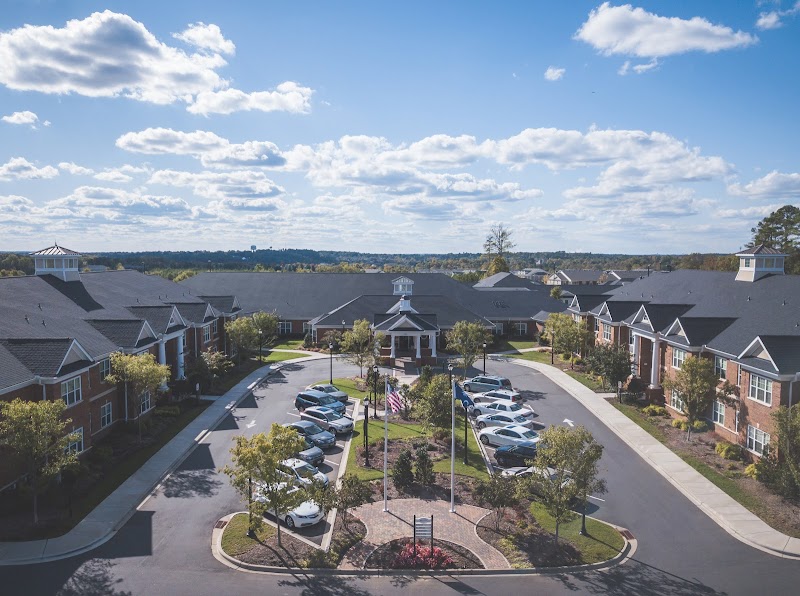
How is The Lodge At Wellmore- Tega Cay Staffed?
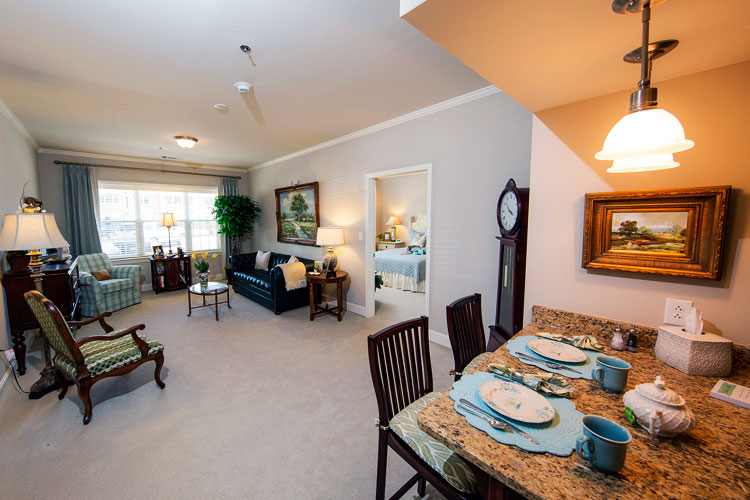
CMS rates The Lodge At Wellmore- Tega Cay's staffing level at 5 out of 5 stars, which is much above average compared to other nursing homes. Staff turnover is 34%, compared to the South Carolina average of 46%. This relatively stable workforce can support continuity of care.

What Have Inspectors Found at The Lodge At Wellmore- Tega Cay?

State health inspectors documented 7 deficiencies at The Lodge At Wellmore- Tega Cay during 2023 to 2025. These included: 2 Immediate Jeopardy (the most serious level, indicating potential for serious harm or death), 1 that caused actual resident harm, and 4 with potential for harm. Immediate Jeopardy findings are rare and represent the most serious regulatory concerns. They require immediate corrective action.
Who Owns and Operates The Lodge At Wellmore- Tega Cay?

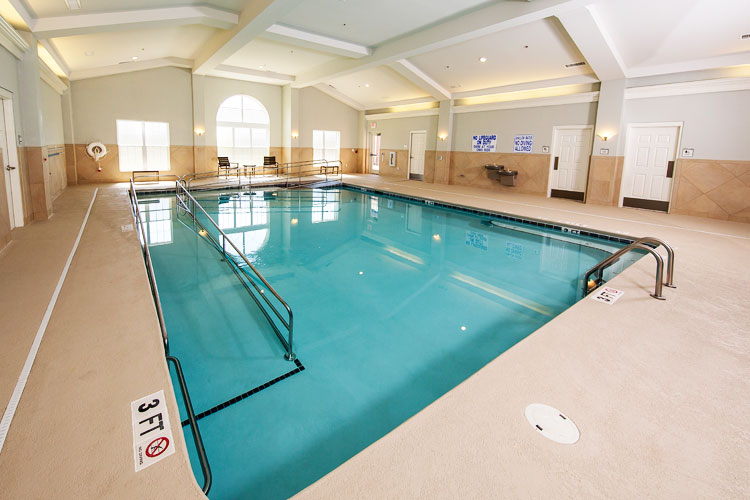
The Lodge At Wellmore- Tega Cay is owned by a for-profit company. For-profit facilities operate as businesses with obligations to shareholders or private owners. The facility operates independently rather than as part of a larger chain. With 60 certified beds and approximately 48 residents (about 80% occupancy), it is a smaller facility located in Fort Mill, South Carolina.

How Does The Lodge At Wellmore- Tega Cay Compare to Other South Carolina Nursing Homes?

Compared to the 100 nursing homes in South Carolina, The Lodge At Wellmore- Tega Cay's overall rating (3 stars) is above the state average of 2.8, staff turnover (34%) is significantly lower than the state average of 46%, and health inspection rating (2 stars) is below the national benchmark.

What Should Families Ask When Visiting The Lodge At Wellmore- Tega Cay?

Based on this facility's data, families visiting should ask: "What changes have been made since the serious inspection findings, and how are you preventing similar issues?" "Can I visit during a mealtime to observe dining assistance and food quality?" "How do you handle medical emergencies, and what is your hospital transfer rate?" "Can I speak with family members of current residents about their experience?" These questions are particularly relevant given the facility's Immediate Jeopardy citations.

Is The Lodge At Wellmore- Tega Cay Safe?

Based on CMS inspection data, The Lodge At Wellmore- Tega Cay has documented safety concerns. Inspectors have issued 2 Immediate Jeopardy citations (the most serious violation level indicating risk of serious injury or death). The facility has a 3-star overall rating and ranks #1 of 100 nursing homes in South Carolina. Families considering this facility should ask detailed questions about what corrective actions have been taken since these incidents.

Do Nurses at The Lodge At Wellmore- Tega Cay Stick Around?

The Lodge At Wellmore- Tega Cay has a staff turnover rate of 34%, which is about average for South Carolina nursing homes (state average: 46%). Moderate turnover is common in nursing homes, but families should still ask about staff tenure and how the facility maintains care continuity when employees leave.

Was The Lodge At Wellmore- Tega Cay Ever Fined?

The Lodge At Wellmore- Tega Cay has been fined $39,971 across 5 penalty actions. The South Carolina average is $33,479. While any fine indicates a compliance issue, fines under $50,000 are relatively common and typically reflect isolated problems that were subsequently corrected. Families should ask what specific issues led to these fines and confirm they've been resolved.

Is The Lodge At Wellmore- Tega Cay on Any Federal Watch List?

The Lodge At Wellmore- Tega Cay is not on any federal watch list. The most significant is the Special Focus Facility (SFF) program, which identifies the bottom 1% of nursing homes nationally based on persistent, serious quality problems. Not being on this list means the facility has avoided the pattern of deficiencies that triggers enhanced federal oversight. This is a positive indicator, though families should still review the facility's inspection history directly.