NHC Healthcare - Garden City
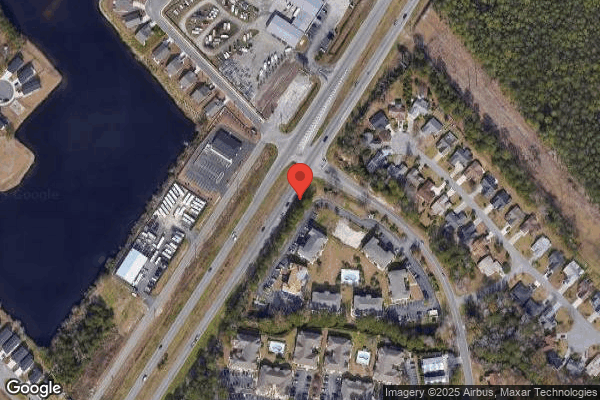

9405 Hwy 17 Bypass, Garden City, SC 29576 (843) 650-2213
For profit - Corporation 148 Beds NATIONAL HEALTHCARE CORPORATION Data: November 2025
Trust Grade
63/100
#85 of 186 in SC
Last Inspection: January 2025

Within standard 12-15 month inspection cycle. Federal law requires annual inspections.

Overview

NHC Healthcare - Garden City has a Trust Grade of C+, indicating it is slightly above average but not outstanding. It ranks #85 out of 186 nursing homes in South Carolina, placing it in the top half of facilities statewide, and #5 out of 8 in Horry County, meaning only three local options are better. The facility is improving, having decreased its issues from 9 in 2023 to 4 in 2025. Staffing is rated average with a turnover rate of 44%, which is slightly below the state average, suggesting some staff stability. However, there are concerns, including $6,380 in fines which is about average for the area, and specific incidents where dietary staff shortages impacted meal service, and improper storage practices for medications were noted, which could pose risks to residents. Overall, while there are strengths in staffing stability, the facility has room for improvement in areas like meal preparation and medication management.

Trust Score
C+
63/100
In South Carolina
#85/186
Top 45%
Safety Record
Low Risk
No red flags
Inspections
Getting Better
9 → 4 violations
Staff Stability
○ Average
44% turnover. Near South Carolina's 48% average. Typical for the industry.
Penalties
○ Average
$6,380 in fines. Higher than 73% of South Carolina facilities. Some compliance issues.
Skilled Nurses
○ Average
Each resident gets 37 minutes of Registered Nurse (RN) attention daily — about average for South Carolina. RNs are the most trained staff who monitor for health changes.
Violations
⚠ Watch
16 deficiencies on record. Higher than average. Multiple issues found across inspections.
★★★☆☆
3.0
Overall Rating
★★★☆☆
3.0
Staff Levels
★★★★☆
4.0
Care Quality
★★★☆☆
3.0
Inspection Score
Stable
2023: 9 issues
2025: 4 issues

The Good

  • 4-Star Quality Measures · Strong clinical quality outcomes
  • Full Sprinkler Coverage · Fire safety systems throughout facility
  • No fines on record
  • Staff turnover below average (44%)

    4 points below South Carolina average of 48%

Facility shows strength in quality measures, fire safety.

The Bad

3-Star Overall Rating

Near South Carolina average (2.8)

Meets federal standards, typical of most facilities

Staff Turnover: 44%

Near South Carolina avg (46%)

Typical for the industry

Federal Fines: $6,380

Below median ($33,413)

Minor penalties assessed

Chain: NATIONAL HEALTHCARE CORPORATION

Part of a multi-facility chain

Ask about local staffing decisions and management

The Ugly 16 deficiencies on record

Jan 2025 4 deficiencies
CONCERN (D)

Potential for Harm - no one hurt, but risky conditions existed

Respiratory Care (Tag F0695)

Could have caused harm · This affected 1 resident

**NOTE- TERMS IN BRACKETS HAVE BEEN EDITED TO PROTECT CONFIDENTIALITY** Based on observations, interviews, and record review, the facility failed to provide respiratory care consistent with profession...

Read full inspector narrative →
**NOTE- TERMS IN BRACKETS HAVE BEEN EDITED TO PROTECT CONFIDENTIALITY** Based on observations, interviews, and record review, the facility failed to provide respiratory care consistent with professional standards of practice for 1 of 1 residents reviewed for respiratory care, Resident (R)70. Findings include: The facility did not provide a policy related to Oxygen Administration. Review of R70's Face Sheet revealed R70 was admitted to the facility on [DATE], with diagnoses including but not limited to: unspecified dementia, moderate, with mood disturbance Note: SEE PSYCH NOTES, solitary pulmonary nodule, basal cell carcinoma of skin of nose, hypertensive chronic kidney disease with stage 1 through stage 4 chronic kidney disease, or unspecified chronic kidney disease, chronic kidney disease, stage 3b, hyperlipidemia, hypothyroidism, unspecified osteoarthritis, major depressive disorder, recurrent, anxiety disorder, dysphagia, oropharyngeal phase, insomnia, chronic respiratory failure, unspecified protein-calorie malnutrition, syncope and collapse, and dependence on supplemental oxygen. Review of R70's Quarterly Minimum Data Set (MDS) with an Assessment Reference Date (ARD) date of 11/18/24, revealed a Brief Interview for Mental Status (BIMS) was not conducted due to resident being never or rarely understood. Review of R70's Care Plan with a start date of 05/05/22, and a target date of 02/18/25, documented, At Risk for Respiratory Complications r/t H/o Nicotine Dependence, Dx. of Sinus Congestion, Post Nasal Drip. Uses O2 as needed. The documented goal revealed, Will have no unrecognized s/s of Respiratory Distress/Complications daily through next review. Interventions directed staff to, O2 2L via nasal cannula for Sats less than 93% as needed. Further review of the Care Plan with start date of 05/05/22 and target date 02/18/25, documented interventions revealed, Observe respiratory rate and airway effectiveness as needed and report as indicated. Observe tolerance of ADL's and activities. Assess lung sounds as needed and report as indicated. Medications as ordered; observe efficacy and adverse effects; notify MD as needed. Vital signs if symptomatic. Observe for SOB with exertion, at rest or when lying flat. Review of R70's Physician Order with a start date of 11/29/24, revealed, Oxygen Special Instructions: 2L/Min via nasal cannula - mild SOB, 3L/Min via nasal cannula - moderate SOB, 4L/Min via nasal cannula - severe SOB. Every shift, Days, Nights. During an observation on 01/07/25 at 1:29 PM, R70 was lying in bed. R70 was receiving oxygen via nasal cannula at a flow rate of 5 Liters Per Minute (LPM). During an observation on 01/07/25 at 3:37 PM, R70 was receiving oxygen at 5 LPM. During an interview on 01/07/25 at 4:13 PM, Licensed Practical Nurse (LPN)2 verified R70's order for oxygen. LPN2 stated, Oxygen should not be above 4 LPM. LPN2 entered R70's room and verified R70 was receiving oxygen at 5 LPM. LPN2 stated that staff probably bumped the oxygen up due to resident's O2 Sat. LPN2 verified that resident oxygen should not be above 4 LPM. LPN2 lowered R70's oxygen to 4 LPM. During an interview on 01/09/25 at 2:10 PM, the Administrator stated, NHC does not have an Oxygen Administration Policy. The facility just follows doctor's orders. During an interview on 01/09/25 at 4:20 PM, the Director of Nursing revealed, My expectation is that oxygen is provided for the patient per doctor's order.
CONCERN (D)

Potential for Harm - no one hurt, but risky conditions existed

Unnecessary Medications (Tag F0759)

Could have caused harm · This affected 1 resident

Based on review of facility policy, observations, record review and interviews, the facility failed to ensure a medication administration error rate of less than 5 percent. The facility additionally f...

Read full inspector narrative →
Based on review of facility policy, observations, record review and interviews, the facility failed to ensure a medication administration error rate of less than 5 percent. The facility additionally failed to ensure an ordered medication for Resident (R)526 was administered timely. The medication administration error rate was 12.12 percent. Findings include: Review of the facility policy titled Specific Medication Administration Procedures revised on 01/01/19, documented, Purpose: To administer oral medications in a safe, accurate, and effective manner. Review and confirm medication orders for each individual resident on the Medication Administration Record PRIOR to administering medications to each resident. Pour correct number of tablets or capsules into the medication cup, taking care to avoid touching the tablet or capsule, unless wearing gloves. During an observation of medication pass on 01/08/25 at 7:44 AM, revealed Registered Nurse (RN)1 dropped a pill on the medication cart and picked the pill up with the medication wrapper and put it in the medication cup. The pill was administered to the resident. Further observation revealed RN1 did not administer an order for Bumetanide, Questran, or Voltaren Arthritis Pain Gel. Review of R526's Physican Orders revealed the following orders: Bumetanide 2 mg 1 tablet by mouth at 08:00 AM, Questran 4 Gms by mouth daily at 08:00 AM and Voltaren Arthritis Pain gel 1% apply to bilateral shoulders for pain twice a day at 08:00AM and 08:00 PM. During an observation of medication pass on 01/08/25 at 8:19 AM, revealed Licensed Practical Nurse (LPN)1 did not rinse the resident's mouth with water after administering Fluticasone Propionate Inhaler as directed in the physician order. LPN1 also failed to measure out the appropriate amount of water for administering Miralax. LPN1 did not measure the water and poured the water from a pitcher on the medication cart. During an interview on 01/08/25 at 7:58 AM, RN1 confirmed that she did drop a pill on the cart and pick it up with the medication wrappers and place it in the medication cup for R526. The medication was delivered to the resident and eventually consumed by the resident. RN1 stated that she, did not even think about it. During an interview on 01/08/25 at 8:27 AM, LPN1 was asked how she knew how much water to mix the Miralax powder in. LPN1 looked at the resident's order which did not specify. The nurse read the Miralax bottle which stated mix with 4 to 8 ounces of water. During an interview on 01/08/25 at 8:31 AM, LPN1 was asked why she did not rinse the resident's mouth out with water after she administered the inhaler as noted in the doctor's order. LPN1 stated, Oh my Gosh. I forgot. During an interview on 01/08/25 at 2:32 PM, RN1 stated that R526 Bumetanide 2mg 1 tablet by mouth was not discontinued as she previously stated. RN1 looked in the cart and gave it late at 10:10 AM. Bumetanide 2mg was due at 8:00 AM. RN1 stated that she did give R526's Questran 4 Gms late at 10:10 AM also. RN1 stated that she has not given the resident his Voltaren gel. The Voltaren gel was due at 8:00 AM also. During an interview on 01/09/25 at 4:20 PM, the Director of Nursing revealed that her expectation is that the medications be administered as ordered.
CONCERN (D)

Potential for Harm - no one hurt, but risky conditions existed

Deficiency F0760 (Tag F0760)

Could have caused harm · This affected 1 resident

Based on observation, record review, interview, and review of manufacturer guidelines, the facility failed to ensure no significant medication errors for Resident (R)85 and R86. Specifically, R85's in...

Read full inspector narrative →
Based on observation, record review, interview, and review of manufacturer guidelines, the facility failed to ensure no significant medication errors for Resident (R)85 and R86. Specifically, R85's insulin pen was not primed prior to administering and an extended release medication for R86 was crushed and placed in applesauce with all the other medications for 2 of 4 residents reviewed. Findings include: Review of the Manufacturer's Recommendations titled, Insulin Administration Using an Insulin Pen, documents, How to Use . 7. Wipe the tip of the pen where the needle will attach with an alcohol swab or cotton ball moistened with alcohol. 8. Remove the protective pull tab from the needle and screw it onto the pen until snug (but not too tight.) 9. Removed the plastic outer cap and inner needle cap. 10. Look at the dose window and turn the dosage knob to 2 units. 11. Holding the pen with the needle pointing upwards, press the button until at least a drop of insulin appears. this will prime the needle and remove any air from the needle. Repeat this step if needed until a drop appears. 12. Dial the number of units ordered. Review of Resident (R)85's Face Sheet revealed the facility admitted R85 with a diagnosis including, but not limited to Diabetes Mellitus Type 2. During an observation on 02/27/25 at 9:15 AM, of the administration of insulin via a flex pen went as follows: Licensed Practical Nurse (LPN)1 was preparing to administer 7 units of Lispro Insulin to R85, who had a blood glucose level of 418, as ordered by the physician. LPN1 retrieved the pen, and removed the pen cap and then retrieved a needle and removed the protective pull tab and screwed the needle onto the pen. LPN1 did not wipe the tip of the pen with an alcohol swab prior to applying the needle. LPN1 then dialed up the ordered 7 units to be administered to R85, but LPN1 failed to prime the insulin pen. LPN1 then entered the room for R85 and administered the insulin. During an interview on 02/27/25 at 9:20 AM, LPN1 confirmed that she did not prime the insulin pen prior to administering it to R85 and stated, the pens are preprimed. Review of R86's Face Sheet revealed the facility admitted R86 with a diagnosis including, but not limited to coronary artery disease. During an observation and interview on 02/27/25 at 9:30 AM, revealed LPN2 beginning to prepare the morning medications for R86. LPN2 stated that R86 preferred her medications crushed to a finer consistency and placed in applesauce. LPN2 proceeded to open all of R86's medications and crushed them and placed them in applesauce for the resident to ingest. LPN2 crushed R86's Isosorbide ER (extended release) 30 milligrams (mgs), that was an extended release medication. During an interview on 02/27/25 at 9:40 AM, LPN2 confirmed that she had crushed the extended release medication and verified that it should not have been crushed.
CONCERN (E)

Potential for Harm - no one hurt, but risky conditions existed

Deficiency F0761 (Tag F0761)

Could have caused harm · This affected multiple residents

**NOTE- TERMS IN BRACKETS HAVE BEEN EDITED TO PROTECT CONFIDENTIALITY** Based on review of the facility policy, observations and interviews, the facility failed to ensure medications and biologicals w...

Read full inspector narrative →
**NOTE- TERMS IN BRACKETS HAVE BEEN EDITED TO PROTECT CONFIDENTIALITY** Based on review of the facility policy, observations and interviews, the facility failed to ensure medications and biologicals were properly stored in 3 of 7 medication carts. Findings include: Review of the facility policy titled, Medication Storage In the Facility documented, Policy: Medications and biological's are stored safely, securely, and properly, following manufacturer's recommendations or those of the supplier. The medication supply is accessible only to licensed nursing personnel, pharmacy personnel, or staff members lawfully authorized to administer medications. I. Outdated, contaminated, or deteriorated medications and those in containers that are cracked, soiled, or without secure closures are removed from inventory, disposed of according to procedures for medication disposal. J. Medication storage areas are kept clean, well lit, and free of clutter and extreme temperatures and humidity. K. Medication storage conditions are monitored on a quarterly basis by the consultant pharmacist or pharmacy designee and corrective action taken if problems are identified. During an observation on 01/08/25 at 2:55 PM, of the East Hall middle cart 2 revealed the following: Vitamin B Complex 2 tablets, Manufactured by [NAME] with Lot #36668 was expired on 11/07/2024. One tube of Iodosorb, Manufactured by [NAME] & Nephew with lot #BFA121, expired on 01/01/2025. One Telfa Dressing, STR 2 x 3, 1'8, Manufactured by Covidien with lot #45191 expired on 01/2024. Six Telfa Dressings, STR 2 x 3, 1'8, Manufactured by Covidien with lot #47904 expired on 09/2024. One Acticoat Flex 3 Sterile Dressing, 4 x 4, Manufactured by [NAME] & Nephew with lot #(10)2151 was expired on 10/01/2024. Two Calcium Alginate Wound Dressings with Antibacterial Silver, 4 x 5 in. (10 x 12.5 cm) Ref #EQX9045, GT IN (01) 10888277729292 with lot #83623126339, opened and partially used and no longer sterile was left on the medication cart and labeled as Single Use Only. One Derma Rite 5 x 9 with lot # F-20230313 was open and left on the cart, no longer sterile. One Dermaginate 4 x 5 dressing, open partially used and left on the cart, no longer sterile, lot #F-202404. One 4 x 4 border gauze bandage was removed from the package and had a hand written date of 11/02/2024. One Aquacel Foam dressing, 10 cm x 10 cm - 4 in. x 4 in. with lot #2491713 was expired on 02/2021. One Aquacel - Convatec, 2 x 45 cm with lot #9M00928, opened on the cart and no longer sterile was expired on 12/01/2024. During an interview on 01/08/25 at approximately 3:00 PM, Licensed Practical Nurse (LPN)1 confirmed the expired, outdated, and opened medications and biologicals and removed them from storage. During an observation on 01/09/25 at 9:38 AM, of the East Hall medication cart 3 revealed the following: Two blunt plastic cannulas with lot#9228512 was expired on 09/30/2024. One 10 milliliter syringe with lot#9323497 was expired on 10/31/2024. During an interview on 01/09/25 at approximately 9:45 AM, LPN2 verified the expired items and removed them from storage. During an observation on 01/09/25 at 10:30 AM, of the East Hall medication cart 2 revealed the following: One packet of lubricating jelly 5 grams, manufactured by [NAME] with lot #CHBA11-02 was expired on 11/28/2024. One open [NAME] Point 3 milliliter needle was opened and unused but left on the medication cart. On 10/09/25 at approximately 10:35 AM, LPN1 verified the expired item and storage of the needle and removed them from storage. During an observation on 01/09/25 at 11:48 AM, of the North Hall medication cart 1 revealed the following: The medication Lasix, Manufactured by Avkare with lot #1257301872 had a use by date of 01/02/25. The medication Levothyroxine 75 micrograms filled on 01/10/2024 and expired on 12/31/2024, remained on the cart and was being administered to a resident. During an interview on 01/09/25 at approximately 11:53 AM, Registered Nurse (RN)2 verified the expired medications and removed them from storage.
Apr 2023 9 deficiencies
CONCERN (D)

Potential for Harm - no one hurt, but risky conditions existed

Resident Rights (Tag F0550)

Could have caused harm · This affected 1 resident

**NOTE- TERMS IN BRACKETS HAVE BEEN EDITED TO PROTECT CONFIDENTIALITY** Based on observations, interviews, record review, and facility policy review, the facility failed to ensure one (Resident (R)55)...

Read full inspector narrative →
**NOTE- TERMS IN BRACKETS HAVE BEEN EDITED TO PROTECT CONFIDENTIALITY** Based on observations, interviews, record review, and facility policy review, the facility failed to ensure one (Resident (R)55) out of 29 sampled residents, was provided personal privacy. This had the potential for the risk of R55 not being provided dignity and the potential for psychological harm. Findings include: Review of the facility policy titled, Privacy in the Patient Rights (undated) provided by the Administrator revealed .we provide you with privacy so that you may maintain a dignified existence .In your accommodations you will be afforded at least visual privacy . Review of R55's undated admission Record located on the Electronic Medical Record (EMR) revealed he was initially admitted to the facility on [DATE] and readmitted on [DATE]. Review of R55's quarterly Minimum Data Set (MDS) with an Assessment Reference Date (ARD) of 03/13/23 and located in his EMR under the MDS tab, revealed a Brief Interview for Mental Status (BIMS) with a score of 13 out of 15 indicating the resident was cognitively intact. During an observation on 04/11/23 at 3:39 PM revealed R55 lying on his back in his room with his eyes closed. R55's door was open. R55 was wearing a T-shirt with his groin unclothed and exposed. R55's total groin area was visible from the hallway. During an observation and interview on 04/11/23 at 3:52 PM Certified Nursing Assistant (CNA)11 confirmed R55's door was open, he did not have clothing/covering his groin and was exposed to residents, staff and visitors passing by his doorway. CNA11 stated R55 should be provided with personal privacy. During an interview on 04/13/23 at 7:11 PM the Director of Nursing (DON) stated the facility should provide R55's personal privacy and his unclothed body should not be exposed and visual to the staff, residents and visitors passing by his room. The DON stated the facility should have closed his door or his curtain and removed him from view of people in the hallway.
CONCERN (D)

Potential for Harm - no one hurt, but risky conditions existed

Deficiency F0554 (Tag F0554)

Could have caused harm · This affected 1 resident

**NOTE- TERMS IN BRACKETS HAVE BEEN EDITED TO PROTECT CONFIDENTIALITY** Based on observation, interview, record review, and facility policy review, the facility failed to determine if self-administrat...

Read full inspector narrative →
**NOTE- TERMS IN BRACKETS HAVE BEEN EDITED TO PROTECT CONFIDENTIALITY** Based on observation, interview, record review, and facility policy review, the facility failed to determine if self-administration of a nasal spray was safe and clinically appropriate for one (Resident (R) 10) of 29 sampled residents. This failure placed the resident at risk for inappropriate and unsafe medication use. Findings include: Review of a facility policy titled, Self-Administration of Medication, dated 01/01/19, indicated, .residents who desire to self-administer medications are permitted to do so if the facility's interdisciplinary team has determined that the practice would be safe for the resident and other residents of the facility and there is a prescriber's order to self-administer . Review of R10's undated Face Sheet, located in the electronic medication record (EMR) under the Resident tab revealed the resident was admitted to the facility on [DATE]. Review of R10's quarterly Minimum Data Set (MDS) located in the resident's EMR under the RAI tab with an Assessment Reference Date (ARD) of 01/12/23, revealed a Brief Interview for Mental Status (BIMS) score of 11 out of 15, indicating R10 was moderately cognitively impaired. Review of R10's Orders, located in the EMR under the Orders tab revealed, an order dated 04/27/21, for Flonase Allergy Relief (fluticasone propionate) [OTC] spray, suspension;50 mcg . one spray in each nares every 12 hours . There was no evidence in R10's EMR of an order for self-administration of medication or an evaluation for self-administration of medications. During an observation and concurrent interview in R10's room on 04/11/23 at 10:52 AM, revealed nasal spray was on the overbed table in front of him. R10 stated that he administered the nasal spray himself when he needed it. There were no staff present in R10's room during this observation. Licensed Practical Nurse (LPN)4, verified that the nasal spray belonged to R10, but reported that R10 was assigned to Registered Nurse (RN)3 for that shift. During an interview on 04/11/23 at 2:57 PM, RN3 stated that R10 could self-administer his nasal spray. During an interview on 04/13/23 at 5:50 PM, the Director of Nursing (DON) confirmed that R10 did not have a physician's order to self-administer medications and that R10 had not been evaluated for self-administration of medications. The DON stated that RN3 should have stored the medication in the medication cart.
CONCERN (D)

Potential for Harm - no one hurt, but risky conditions existed

Safe Environment (Tag F0584)

Could have caused harm · This affected 1 resident

**NOTE- TERMS IN BRACKETS HAVE BEEN EDITED TO PROTECT CONFIDENTIALITY** Based on observation, interview and record review, the facility failed to maintain a comfortable environment for one (Resident (...

Read full inspector narrative →
**NOTE- TERMS IN BRACKETS HAVE BEEN EDITED TO PROTECT CONFIDENTIALITY** Based on observation, interview and record review, the facility failed to maintain a comfortable environment for one (Resident (R) 41) of 29 sampled residents. Specifically, R41's bed was not maintained in good condition and comfortable for the resident. Findings include: Review of R41's undated Face Sheet, located in the electronic medical record (EMR) under the Resident tab revealed the resident was admitted to the facility on [DATE] with diagnosis of Parkinson's disease. Review of R41's quarterly Minimum Data Set (MDS), located in the EMR under the RAI (Resident Assessment Instrument) tab with an Assessment Reference Date (ARD) of 04/04/23, revealed a Brief Interview for Mental Status (BIMS) score of five out of 15, indicating R41 was severely cognitively impaired. Review of a Maintenance Request, dated 03/23/23 provided by the Maintenance Partner (MP) from a shelf at the nurses' station, revealed the following request for R41's bed: Feet will not go up or down. This request was marked as completed on 03/24/23. During an observation and concurrent interview on 04/11/23 at 11:06 AM, R41 was observed seated upright in her bed. R41's bed was observed to go downwards at an angle beginning near R41's knees. R41 stated her bed was broken and she had reported it to the staff. R41 further stated, They [staff] said it is not broken. Not comfortable. Want fixed. During an additional observation on 04/11/23 at 3:19 PM, R41 was again seated upright in her bed and the bed was observed in the same condition. During an observation and concurrent interview on 04/12/23 at 11:02 AM, R41's bed remained in the same position. R41 reiterated that her bed was uncomfortable. During an interview on 04/12/23 at 11:06 AM, the MP stated it was reported approximately two weeks ago that R41's bed was broken, and he fixed the bed at that time. The MP stated R41's bed had a dual motor that sometimes did not sync properly. During an observation with the MP and concurrent interview on 04/12/23 at 11:08 AM, R41's bed was observed to go downwards near the middle to bottom of the bed. The MP stated R41's bed was not level and out of sync again. During this time, R41 stated, My bed is not comfortable. The MP attempted to re-sync the bed in the presence of the surveyor but was unable to re-sync the bed as the bed remained unlevel and sloped downwards. The MP stated, I'm not able to sync the bed this time. The control box is not getting the correct amount of power to one of the motors. My guess would be the foot motor. The bed needs to be replaced. During an interview on 04/12/23 at 12:07 PM, Certified Nursing Assistant (CNA)5 stated, she had put in a request for R41's bed to be repaired. CNA5 stated, The bed is not level. It goes down halfway and she [R41] slides down in the bed. CNA5 stated the maintenance request on 03/23/23 was not the first request she made. CNA5 stated the bed had been broken for about three months. CNA5 further stated, They [maintenance staff] have fixed it several times, but it keeps happening. I think that she needs a whole new bed.
CONCERN (D) 📢 Someone Reported This

A family member, employee, or ombudsman was alarmed enough to file a formal complaint

Potential for Harm - no one hurt, but risky conditions existed

MDS Data Transmission (Tag F0640)

Could have caused harm · This affected 1 resident

**NOTE- TERMS IN BRACKETS HAVE BEEN EDITED TO PROTECT CONFIDENTIALITY** Based on interview and record review, the facility failed to transmit discharge a Minimum Data Set (MDS) assessment within the r...

Read full inspector narrative →
**NOTE- TERMS IN BRACKETS HAVE BEEN EDITED TO PROTECT CONFIDENTIALITY** Based on interview and record review, the facility failed to transmit discharge a Minimum Data Set (MDS) assessment within the required timeframe for one (Resident (R) 260) of three residents reviewed for MDS 3.0 Missing Omnibus Budget Reconciliation Act (OBRA) Assessment. Findings include: Review of MDS 3.0 Missing OBRA Assessment with a run date of 04/06/23, revealed three residents with potentially missing assessments. Review of R260's undated Face Sheet, located in the electronic medical record (EMR) under the Resident tab revealed the resident was admitted to the facility on [DATE] and was discharged from the facility on 07/18/22. Review of R260's discharge MDS, located in the resident's EMR under the RAI (Resident Assessment Instrument) tab with an Assessment Reference Date (ARD) of 07/18/22, revealed the MDS was in process. During an interview on 04/12/23 at 1:13 PM, the MDS Coordinator (MDSC) confirmed R260's discharge MDS had not been transmitted. MDSC further stated, That is a missed MDS.
CONCERN (D) 📢 Someone Reported This

A family member, employee, or ombudsman was alarmed enough to file a formal complaint

Potential for Harm - no one hurt, but risky conditions existed

Quality of Care (Tag F0684)

Could have caused harm · This affected 1 resident

**NOTE- TERMS IN BRACKETS HAVE BEEN EDITED TO PROTECT CONFIDENTIALITY** Based on interview, record review, and review of hospital documentation, the facility failed to ensure one (Resident (R)360) out...

Read full inspector narrative →
**NOTE- TERMS IN BRACKETS HAVE BEEN EDITED TO PROTECT CONFIDENTIALITY** Based on interview, record review, and review of hospital documentation, the facility failed to ensure one (Resident (R)360) out of 29 sampled residents, was provided surgical wound treatment for his biliary tube (allows bile to flow out from a blocked bile duct) insertion/surgical site. This had the potential for the increased risk of biliary tube complications for R360. Findings include: The facility did not have a Biliary Tube policy for review. Review of R360's .Hospital Discharge Summary dated 02/28/23 located under the Documents tab in the Electronic Medical Record (EMR) revealed .Biliary and Gallbladder: Unchanged percutaneous biliary drainage stent tip terminating in the duodenum . Discharge Instructions Wound Care keep wound clean and dry . Review of R360's Face Sheet (undated) located in the EMR revealed R360 was initially admitted to the facility on [DATE] and readmitted on [DATE] and was discharged on 03/13/23. R360 had multiple diagnoses to include obstruction of bile duct, malignant neoplasm of retroperitoneum, and end stage renal disease (ESRD). Review of R360's Physician's Orders Report dated 02/23/23-03/23/23 provided by the Administrator revealed no order for surgical wound care/monitoring/emptying biliary drain or dressing change for R360's biliary tube insertion site. Review of R360's Wound Management under the Wound tab located in the EMR revealed no information for surgical wound or biliary tube insertion site. Review of R360's comprehensive Care Plan under Care Plan tab located in the EMR revealed .Problem Start Date: 02/28/2023 Category: Pain Comfort: Resident has increased potential for unrelieved pain r/t dialysis, presence of surgical wound, biliary drain tube to abdomen. Edited: 03/13/2023 .Monitor surgical site for s/s of infection .Created: 03/01/2023 . There was no information related to the location of the surgical site or dressing changes. Review of R360's Progress Notes located under the Progress Notes tab located in the EMR revealed .03/03/23 .biliary drain insertion site leaking biliary drainage .RES [resident] transported via 911 [emergency services] TO .H [hospital] . Review of R360's Emergency Department Provider Documentation dated 03/03/23 located in the EMR under the Documents tab revealed .biliary drain .presenting with .leaking around . tube sent to this facility for evaluation despite the procedure being performed at [different hospital] .Physical Exam .Gastrointestinal .tube present to the right lateral abdomen with some yellowish drainage around the tube .Differential Diagnosis Leaking biliary drain .I was able to contact .representative for interventional radiology .States she will call the patient's wife .to schedule for tube exchange .Dressing change in the Emergency department .Patient discharged .will follow- up with .interventional radiology for tube exchange . During an interview on 04/13/23 at 5:35 PM the Medical Director stated residents with a biliary tubes should have physician orders for the staff to change the surgical insertion site dressing. The Medical Director stated it was important for the staff to observe the resident's surgical site and tube because the resident's tube could migrate or become dislodged. The Medical Director stated someone dropped the ball for R360's biliary tube by not ensuring his orders included specifics including changing his surgical site dressing. During an interview on 04/13/23 at 6:36 PM the Director of Nursing (DON) verified R360's physician's orders did not include an order for his surgical site dressing treatment for his biliary tube insertion site and should have one. The DON verified R360 was sent to the emergency room on [DATE] due to his biliary drain surgical site leaking.
CONCERN (D) 📢 Someone Reported This

A family member, employee, or ombudsman was alarmed enough to file a formal complaint

Potential for Harm - no one hurt, but risky conditions existed

Menu Adequacy (Tag F0803)

Could have caused harm · This affected 1 resident

**NOTE- TERMS IN BRACKETS HAVE BEEN EDITED TO PROTECT CONFIDENTIALITY** Based on observation, interview, record review, resident selective menu review, and facility policy review, the facility failed ...

Read full inspector narrative →
**NOTE- TERMS IN BRACKETS HAVE BEEN EDITED TO PROTECT CONFIDENTIALITY** Based on observation, interview, record review, resident selective menu review, and facility policy review, the facility failed to serve foods that were selected and written on a selective menu for one (Resident (R) 89) of four sampled residents reviewed for menus being followed and adequate. Findings include: Review of the facility's policy titled, Menu Planning and Service, with a revised date of 11/2020, revealed Cycle menus, either selective or non-selective, are used, written and revised periodically . 9. Overall meal acceptability, therapeutic modifications and patient preferences, needs and allergies/intolerances will be monitored for accuracy by the Dietitian and/or FNS (Director of Food and Nutrition Services) Manager. Review of the admission Record located in R89's electronic medical record (EMR) under the Resident tab indicated she was admitted to the facility on [DATE]. Review of the resident's admission Minimum Data Set (MDS) with an Assessment Reference Date (ARD) of 03/05/23 located in the EMR under the RAI revealed R89 had a Brief Interview for Mental Status (BIMS) score of 14 out of 15, which indicated the resident was cognitively intact. Review of R89's Care Plan located in the EMR under the RAI tab dated 03/01/23 revealed, Problem of Physician's orders, EMAR [electronic medication administration record], ETAR [electronic treatment administration record] and therapy plans of treatment are considered components of the comprehensive care plan. Care plan approaches included Diet as ordered: NAS (no added salt); with select menu to maximize food preferences. During an interview on 04/11/23 at 12:23 PM, R89 stated that she was provided a selective menu for each meal to inform the kitchen what food and beverages she wanted to be served. R89 stated that she made her meal preferences known on her selective menus but did not always receive her requested items on her meal trays. Observation and interview on 04/12/23 at 9:25 AM revealed R89 was eating her breakfast meal in her room. A review of R89's selective menu, that was on her meal tray, revealed a note written by the resident that specified she wanted three cream cheese packets and six sugar packets served with her breakfast meal. The resident stated that she did not receive any cream cheese and received only one sugar packet with her meal. R89 also stated that during the evening meal of 04/11/23 she requested on her selective menu to receive a chicken sandwich with cheese, but only received a bun with nothing on it at this meal. R89 stated the staff had to go to the kitchen to get chicken and cheese for her sandwich. Observation and interview on 04/12/23 at 6:35 PM revealed R89 was in her room with her evening meal. A review of the resident's selective menu, that was on her meal tray, revealed a note written by the resident that she wanted extra mayonnaise served with her evening meal. Observation of the resident's meal tray revealed the resident did not receive any mayonnaise with her meal. R89 stated that she was upset because the kitchen staff did not put extra mayonnaise on her meal tray as she requested on her selective menu for this meal. Additionally, the staff who served her meal tray, told her that the kitchen did not have any mayonnaise available. R89 further stated that it was frustrating because she makes her food and beverage preferences known on her selective menus but did not receive her requests and preferences on her meal trays. During an interview on 04/12/23 at 6:38 PM, the facility's Registered Dietitian (RD) stated the kitchen had mayonnaise available and would provide R89 with extra mayonnaise for her evening meal. During an interview on 04/13/23 at 11:10 AM, the Dietary Manager (DM) stated residents should receive the foods and beverages at meals that they select and write on their selective menu.
CONCERN (D) 📢 Someone Reported This

A family member, employee, or ombudsman was alarmed enough to file a formal complaint

Potential for Harm - no one hurt, but risky conditions existed

Deficiency F0804 (Tag F0804)

Could have caused harm · This affected 1 resident

Based on observation, interview, record review, recipe review, and facility policy review, the facility failed to serve food that was properly cooked and well-seasoned to three (Resident (R) 42, R98, ...

Read full inspector narrative →
Based on observation, interview, record review, recipe review, and facility policy review, the facility failed to serve food that was properly cooked and well-seasoned to three (Resident (R) 42, R98, and R89) of four sampled residents reviewed for food palatability. Findings include: Review of the facility's policy titled, Recipes, with a revised date of 11/2020, revealed Standardized recipes will be used for all menu items to ensure consistent quality food. Guidelines 1. Recipes will be provided for each menu cycle and will be used for all food preparation. Instructions will be provided on recipes for proper preparation in order to consistently yield attractive, nutritious, flavorful, and pleasurable foods. Each recipe will state the Critical Control Points (CCP) to ensure food safety is maintained throughout the food production process. 1. Review of R42's electronic medical record (EMR) revealed a quarterly Minimum Data Set (MDS) with an Assessment Reference Date (ARD) of 01/07/23 located under the RAI (Resident Assessment Instrument) tab revealed a Brief Interview for Mental Status (BIMS) score of 15 of 15 which indicated the resident was cognitively intact. During an interview on 04/11/23 at 11:25 AM, R42 stated that the food served at meals was questionable. R42 stated rice and potatoes were under cooked and other foods were overcooked making them tough to eat. Observation on 04/12/23 at 6:40 PM revealed R42 was in a facility dining room eating her evening meal which included a piece of baked chicken. The resident stated the chicken was too dry and too tough to eat. Observation of the chicken served to R42's revealed it was very dry. 2. Review of R98's EMR revealed a quarterly MDS with an ARD of 03/07/23 located under the RAI tab revealed a BIMS score of 15 of 15 which indicated the resident was cognitively intact. During an interview on 04/11/23 at 11:15 AM, R98 stated that the food served at meals was not always seasoned, not always hot, and the meat was tough to chew at times. Observation on 04/12/23 at 6:10 PM revealed R98 was in her room eating her evening meal which included a piece of baked chicken and squash. The resident was observed to take a bite of the baked chicken and spit it into a napkin. The resident stated the chicken was too dry to eat and the squash was tasteless because it lacked seasoning. Observation of the baked chicken served on R98's plate revealed it was very dry. 3. Review of R89's EMR revealed an admission MDS with an ARD of 03/05/23 located under the RAI tab revealed a BIMS score of 14 of 15 which indicated the resident was cognitively intact. During an interview on 04/11/23 at 12:23 PM, R89 stated the food served at meals was not always hot, contained too much pepper and the meat was tough to chew. During an interview on 04/12/23 at 7:00 PM, Cook1 (C1) stated that she prepared the Baked Cornbread Crusted Chicken and Seasoned Zucchini Squash that were on the facility's planned menu and served during the 04/12/23 evening meal. C1 stated that recipes were available for the baked chicken and squash, but she did not follow these recipes when preparing these menu items. C1 stated that she baked the chicken at 350 degrees Fahrenheit (F) for 45 minutes in a convection oven. C1 explained when she prepared the baked chicken, she used a seasoning blend instead of the ingredients (sage, thyme and paprika) that were specified in the recipe. C1 also stated that she did not measure any of the ingredients that she used when she prepared the baked chicken or the squash that were served at this meal. Review of the facility's standardized recipe for the Baked Cornbread Crusted Chicken provided by the facility revealed it was to be prepared utilizing ingredients which included three-ounces boneless, skinless raw chicken breasts and specific amounts of crumbled cornbread, Kosher salt, ground black pepper, large fresh eggs, crushed sage, dried thyme leaves, paprika, melted butter and chicken stock depending on the number of servings that needed to be prepared. The recipe specified the chicken was to be placed in a heated oven and baked at either 300 degrees F. in a convection oven or 350 degrees F. in conventional oven until done, when it reached an internal temperature of 165 degrees F. The dietary staff were unable to locate the standardized recipe for the Seasoned Zucchini Squash that was served during the evening meal of 4/12/23 at this time. During an interview on 04/12/23 at 7:15 PM, the Dietary Manager (DM) stated staff should follow the facility's standardized recipes when preparing menu items for resident meals.
CONCERN (D) 📢 Someone Reported This

A family member, employee, or ombudsman was alarmed enough to file a formal complaint

Potential for Harm - no one hurt, but risky conditions existed

Deficiency F0805 (Tag F0805)

Could have caused harm · This affected 1 resident

**NOTE- TERMS IN BRACKETS HAVE BEEN EDITED TO PROTECT CONFIDENTIALITY** Based on observations, interviews, and record review, the facility failed to provide thickened liquids in the prescribed consist...

Read full inspector narrative →
**NOTE- TERMS IN BRACKETS HAVE BEEN EDITED TO PROTECT CONFIDENTIALITY** Based on observations, interviews, and record review, the facility failed to provide thickened liquids in the prescribed consistency for one (Resident (R)105) of one sampled residents who had a diagnosis of dysphagia (difficulty with swallowing) and received thickened liquids. Findings include: Review of the admission Record located in R105's electronic medical record (EMR) under the Resident tab indicated she was admitted to the facility on [DATE] and had diagnoses including dysphagia and Alzheimer's disease. Review of R105's quarterly Minimum Data Set (MDS) with an Assessment Reference Date (ARD) of 03/05/23 located in the EMR under the RAI tab revealed R105 had a Brief Interview for Mental Status (BIMS) score of five out of 15, which indicated severe cognitive impairment. The MDS also indicated R105 experienced coughing or choking during meals or when swallowing medications, had complaints of difficulty or pain when swallowing and required limited assistance with one-person physical assistance with eating. Review of R105's Care Plan located in the EMR under the RAI tab dated 03/02/23 revealed, Problem of Dysphagia treatment 5x[times]/weekly. Care plan interventions included Compensatory Swallowing Strategies to improve swallow function and safety, Diet modification to reduce to reduce risk of aspiration, dehydration, and weight loss and Swallowing therapy to decrease risk for aspiration, dehydration, malnutrition and weight loss. Review of the current physician's Orders located in R105's EMR under the Orders tab revealed an order for a regular, nectar thick liquid, mechanical-ground meat diet. Observation and interview on 04/12/23 at 2:14 PM revealed R105 was seated in the 200-hall dining room eating her lunch meal with a private duty sitter present. The lunch meal was provided by Certified Nurse Aid (CNA)6. Review of the resident's meal ticket, that was served with the meal, revealed the resident was to receive nectar thickened liquids. Observation of R105's meal revealed a cup of water was within the resident's reach. The water had an opaque appearance, but the top portion of the water was clear and did not appear to be thickened. R105 picked up the cup of water and began moving it toward her mouth. Registered Nurse (RN)4 was alerted by the surveyor that R105 picked up the cup of water and the nurse removed the cup from the resident's hand and placed it out of the resident's reach. During an interview on 04/12/23 at 2:23 PM, RN1, who was the 200 Hall Unit Manager, observed the cup of water served to R105 and confirmed the water was not nectar thick consistency. RN1 stated the water appeared to have thickener added, but the thickener was not stirred into the water to make all of the water in the cup nectar thick. During an interview on 04/12/23 at 2:35 PM, the Speech Therapist (ST) observed the cup of water R105 was served and confirmed it was not a nectar thick consistency liquid. The ST stated it appeared that thickener was added to the water, but it needed to be stirred into the water to obtain a nectar thick consistency that R105 was currently ordered to receive. The ST stated when staff prepare thickened liquids, they need to stir the thickening agent into the liquid and confirm the liquid is the proper consistency prior to serving it to the resident. During an interview on 04/12/23 at 2:36 PM, CNA6 confirmed that she served the cup of water to R105 during the lunch meal. CNA6 stated that she added thickener to R105's water but did not stir the thickener into the water prior to serving it to the resident.
CONCERN (F) 📢 Someone Reported This

A family member, employee, or ombudsman was alarmed enough to file a formal complaint

Potential for Harm - no one hurt, but risky conditions existed

Deficiency F0802 (Tag F0802)

Could have caused harm · This affected most or all residents

**NOTE- TERMS IN BRACKETS HAVE BEEN EDITED TO PROTECT CONFIDENTIALITY** Based on observation, interview, record review, review of Resident Council meeting minutes, facility recipe review, and facility...

Read full inspector narrative →
**NOTE- TERMS IN BRACKETS HAVE BEEN EDITED TO PROTECT CONFIDENTIALITY** Based on observation, interview, record review, review of Resident Council meeting minutes, facility recipe review, and facility policy review, the facility failed to have sufficient dietary staff to assure resident meals were served as scheduled and standardized recipes were followed to provide properly cooked, well-seasoned and hot food to residents. The facility's failure to have sufficient dietary staff to prepare and serve meals had the potential to affect 127 residents who received meals that were prepared in the kitchen. Findings include: Review of the facility's policy titled, Meal Service & Patient Meal Delivery, with a revised date of 11/2020, revealed Meals will be planned and served at regular times comparable to normal mealtimes in the community and/or based on patient's needs and preferences . Guidelines 1. Mealtimes will be planned and posted in areas which are accessible to patients and families. Review of the facility's Meal Service Distribution and Time Sheet, updated on 10/10/18, revealed the last resident meals were scheduled to depart from the kitchen at 8:35 AM for breakfast, at 1:30 PM for lunch, and at 6:25 PM for supper. The dietary staff failed to follow standardized recipes to ensure food was properly cooked, well-seasoned and hot when served to residents. This had the potential to affect 127 residents who consumed food that was prepared from the facility's kitchen. (See F804) Review of the 02/15/23, Resident Council Meeting minutes provided by the facility revealed 14 residents attended the meeting and Residents were concern [sic] about meals being consistent and on time. 1. Review of Resident (R)42's electronic medical record (EMR) revealed a quarterly Minimum Data Set (MDS) with an Assessment Reference Date (ARD) of 01/07/23 located under the RAI (Resident Assessment Instrument) tab revealed a Brief Interview for Mental Status (BIMS) score of 15 of 15 which indicated the resident was cognitively intact. Observation on 04/11/23 at 1:49 PM revealed nursing staff were serving lunch meals to 10 residents, including R42, who were dining in the facility's 200 (East) Hall dining room. Review of the facility's Meal Service Distribution Time Sheet provided by the facility revealed the 200 (East) Hall lunch meal carts were scheduled to depart the kitchen between 12:30 PM to 1:00 PM. Observation on 04/12/23 at 1:53 PM revealed nursing staff were serving lunch meals to 11 residents, including R42, who were dining in the facility's 200 (East) Hall dining room. Review of the facility's Meal Service Distribution Time Sheet revealed the 200 (East) Hall lunch meal carts were scheduled to depart the kitchen between 12:30 PM to 1:00 PM. During an interview on 04/13/23 at 9:50 AM, R42 stated that meals being served later than scheduled continued to be an issue. R42 specified that this concern was brought up by residents at a recent resident council meeting, but it had not been fixed because meals continued to be served later than scheduled. 2. Review of R105's quarterly MDS with an ARD of 03/05/23 located in the EMR under the RAI tab revealed R105 had a BIMS score of five out of 15, which indicated severe cognitive impairment. During an interview on 04/11/23 at 1:34 PM, family member (F)105 stated that resident meals were served very late. F105 specified meals were being served later than scheduled and it seemed the resident meals were being served later and later in the day. Observation on 04/11/23 at 1:49 PM revealed nursing staff were serving lunch meals to the 10 residents, including R105, who were dining in the facility's 200 (East) Hall dining room. Review of the facility's Meal Service Distribution Time Sheet revealed the 200 (East) Hall lunch meal carts were scheduled to depart the kitchen between 12:30 PM to 1:00 PM. Observation on 04/12/23 at 1:53 PM revealed nursing staff were serving lunch meals to 11 residents, including R105, who were dining in the facility's 200 (East) Hall dining room. Review of the facility's Meal Service Distribution Time Sheet revealed the 200 (East) Hall lunch meal carts were scheduled to depart the kitchen between 12:30 PM to 1:00 PM. 3. Observation and interview on 04/13/23 at 10:20 AM revealed staff on the facility's 300 Hall were in the process of serving breakfast meals to residents in the dining room and in resident rooms. Review of the facility's Meal Service Distribution Time Sheet revealed the 300 (South) Hall breakfast meal carts were scheduled to depart the kitchen between 8:25 AM to 8:35 AM. Licensed Practical Nurse (LPN)1 stated the kitchen delivered the last breakfast meal cart to the 300 Hall at 10:15 AM this morning. LPN1 specified that this was the latest she had seen the breakfast meal served to residents on the 300 Hall and that the breakfast meal usually was served to residents on the 300 Hall between 9:20 AM to 9:30 AM. Observation and interview on 04/13/23 at 10:35 AM revealed Certified Nursing Aide (CNA)9 was feeding R74 his breakfast meal in his room on the 300 Hall. CNA9 stated the 300 Hall resident breakfast meals arrived very late from the kitchen this morning and the kitchen had delivered resident meals to the 300 Hall late all this week. During an interview on 04/13/23 at 11:10 AM, the Dietary Manager (DM) stated the residents' breakfast meal was served later than scheduled on 04/13/23 because the kitchen staff ran out of omelets while serving resident meals from the kitchen's tray line and staff had to take time to prepare more omelets to complete the breakfast meal service. The DM stated the kitchen was currently short-staffed and resident meals were occasionally served later than scheduled. 4. Review of R27's undated Face Sheet, located in the resident's EMR under the Resident tab revealed the resident was admitted to the facility on [DATE] with a diagnosis of diabetes. Review of R27's quarterly MDS located in the resident's EMR under the RAI tab with an ARD of 03/05/23, revealed a BIMS score of 10 out of 15, indicating R27 was moderately cognitively impaired. During an initial screening interview on 04/11/23 at 10:39 AM, R27 stated that all meals arrived one hour late. 5. Review of R33's undated Face Sheet, located in the resident's EMR under the Resident tab revealed the resident was admitted to the facility on [DATE]. Review of R33's quarterly MDS, located in the resident's EMR under the RAI tab with an ARD of 03/02/23, revealed a BIMS score of 13 out of 15, indicating R33 was cognitively intact. During an initial screening interview on 04/11/23 at 11:19 AM, R33 stated that food arrived late daily. 6. Review of R49's undated Face Sheet, located in the resident's EMR under the Resident tab revealed the resident was admitted to the facility on [DATE]. Review of R49's annual MDS, located in the resident's EMR under the RAI tab with an ARD of 02/20/23, revealed a BIMS score of 15 out of 15, indicating R49 was cognitively intact. During an initial screening interview on 04/11/23 at 11:46 AM, R49 stated meals arrived one and a half hours late. 7. Review of R23's undated Resident Face Sheet, located in the resident's EMR under the Resident tab revealed the resident was admitted to the facility on [DATE]. Review of R23's quarterly MDS, located in the resident's EMR under the RAI tab with an ARD of 03/03/23, revealed a BIMS score of 14 out of 15, indicating R23 was cognitively intact. During an initial screening interview on 04/11/23 at 11:59 AM, R23 introduced himself as the president of the resident council. R23 stated it had been his experience and the experience of the resident council group that meals would commonly arrive at the unit up to an hour late. R23 stated, It [food] does come late a lot and we are the last hall served. During an observation and interview on 04/13/23 at 10:09 AM, Certified Nursing Assistant (CNA) 1, CNA2, and CNA3 were observed passing out breakfast trays on the south middle hall. CNA1, CNA2, and CNA3 all stated that meal trays were late daily, but this was the first time that trays arrived at that late hour. During an interview on 04/13/23 at 10:12 AM, CNA4 stated meal trays were commonly late. CNA4 stated south hall was the last hall to be served meal trays and the trays normally arrived between 8:30 AM - 9:00 AM. During an observation and interview on 04/13/23 at 10:15 AM, breakfast trays arrived on the south back hall. Unit Manager (UM) 1 stated, Meals are commonly late but never this late. They [meals] usually arrive about 9:00 AM. I was told by a resident that dinner came at 7:30 PM last night. During an interview on 04/13/23 at 10:17 AM, Registered Nurse (RN) 3 stated that she worked in the afternoon and meal trays were often late. RN3 stated, Residents and families complain. This hall is served last and there was talk about maybe switching the order of how the halls are served but not sure what happened with that. During an observation on 04/13/23 at 10:20 AM, breakfast trays arrived at the south dining room. There were five residents seated in the dining room waiting for breakfast during this observation. At 10:26 AM, breakfast trays arrived at the south assisted dining room. There were four residents seated in the dining room waiting to be assisted with breakfast during this observation.
Jan 2022 3 deficiencies
CONCERN (D)

Potential for Harm - no one hurt, but risky conditions existed

Investigate Abuse (Tag F0610)

Could have caused harm · This affected 1 resident

**NOTE- TERMS IN BRACKETS HAVE BEEN EDITED TO PROTECT CONFIDENTIALITY** Based on interview, record review, and facility policy review, the facility failed to conduct a thorough investigation of an abu...

Read full inspector narrative →
**NOTE- TERMS IN BRACKETS HAVE BEEN EDITED TO PROTECT CONFIDENTIALITY** Based on interview, record review, and facility policy review, the facility failed to conduct a thorough investigation of an abuse allegation for one of five residents (Resident (R)30) reviewed for abuse in a total sample of 29 residents. Findings include: Review of a SC [South Carolina] Five Day Follow Up DHEC [Department of Health and Environmental Control] Report (final investigation summary submitted to the State Survey Agency) revealed the facility reported an allegation of Abuse between R30 and R415 on 01/07/22 at 4:00 PM. The Director of Nursing (DON) received a report that R415 was sitting in the day room when R30 propelled himself to the nurses' station to get coffee. R415 was talking loudly in the day room so R30 closed the door to the day room. R415 got up from her chair using her walker, went to the doorway and told R30 she was going to hurt him and struck his wheelchair with her walker two to three times. Facility staff witnessed the incident and immediately intervened. There were no injuries to either resident. Review of the facility's investigation into the incident indicated R415 was experiencing high levels of anxiety and mania for the 24 hours leading up to the incident. R415 was sent to the hospital for evaluation soon after the incident and no longer resided at the facility. R415 had no previous history of altercations with any residents. An interview with R30 was not documented in the facility's investigation. Review of R30's undated Face Sheet found in the electronic medical record (EMR) under the Resident Documents tab, revealed R30 was admitted to the facility on [DATE] with diagnoses including diffuse traumatic brain injury without loss of consciousness, spastic hemiplegia affecting right dominant side, mild intellectual disabilities, aphasia, dysphagia, bipolar disorder, unspecified mood affective disorder and anxiety disorder. Review of the quarterly Minimum Data Set (MDS) with an Assessment Reference Date (ARD) of 11/08/21 indicated a Brief Interview of Mental Status (BIMS) score of 12 out of 15 which meant R30 had moderate cognitive impairment. An interview with R30 on 01/25/22 at 1:59 PM, revealed he did not fear anyone at the facility and felt safe. He did recall the incident with R415 and said he was not injured. R30 confirmed he never had any altercations with R415 before and that was not her normal behavior. R30 could not recall if he was interviewed by facility staff after the incident. During an interview on 01/25/22 at 4:26 PM, the DON said she was not sure if she interviewed R30 after the incident. She confirmed there was no documented statement from R30 in the facility's abuse investigation. During an interview on 01/25/22 at 5:04 PM, Registered Nurse (RN) 5, who was also the Unit Manager for 300 hall, said after the incident she asked R30 some questions, but she did not document it. She said her responsibilities were notifying the responsible party and the Physician. The DON was also present and said she was responsible for the investigation, and she did not interview R30. During an interview on 01/26/22 at 1:09 PM, the Administrator and DON were both present. The Administrator said he did not interview R30 after the incident. The Administrator said he would expect the staff who witnessed the incident to interview the resident and document it. The Administrator and DON confirmed it should be documented where residents involved in abuse investigations should be interviewed if possible. Review of the facility's policy titled Patient Protection and Response Policy for Allegations/Incidents of Abuse, Neglect, Misappropriation of Property and Exploitation dated 12/11/17 indicated under the heading Internal Investigation Policy that the Administrator or Director of Nursing will determine the direction of the investigation once notified of alleged incident. Continued review of the facility's policy revealed no specific direction as to what constituted a thorough investigation.
CONCERN (D)

Potential for Harm - no one hurt, but risky conditions existed

Accident Prevention (Tag F0689)

Could have caused harm · This affected 1 resident

**NOTE- TERMS IN BRACKETS HAVE BEEN EDITED TO PROTECT CONFIDENTIALITY** Based on observation, interview and record review, the facility failed to provide supervision to prevent a resident from wanderi...

Read full inspector narrative →
**NOTE- TERMS IN BRACKETS HAVE BEEN EDITED TO PROTECT CONFIDENTIALITY** Based on observation, interview and record review, the facility failed to provide supervision to prevent a resident from wandering into other resident rooms for one (Resident (R) 91) of one sampled resident reviewed for wandering. Findings include: Review of R91's Face Sheet in the electronic medical record (EMR) under the Resident tab revealed the resident was admitted to the facility on [DATE]. Review of R91's annual Minimum Data Set (MDS), with an Assessment Reference Date (ARD) date of 01/11/22, located in the EMR under the MDS tab, revealed a Brief Interview for Mental Status (BIMS) score of 3 out of 15, indicating severely impaired cognition. Continued review of the MDS revealed R91 walked on the corridor and unit, required supervision, and had diagnoses of Alzheimer's disease and dementia, and had not wandered during the previous seven days. Review of R91's Care Plan, revised 01/14/22 and located in the EMR under the Care Plan tab, revealed a problem that included, . Behaviors being observed and/or monitored AEB (as evidenced by) res (resident) wanders esp (especially) at night. The care plan goal for R91 included, [R91] will continue to receive supervision from staff to decrease potential for harm secondary to wandering through next assessment. No care plan interventions were found for discouraging R91 from wandering into other resident rooms. Review of R91's Elopement Risk assessment, dated 01/14/22, located in the EMR under the Observation tab revealed, R91 was an elopement risk and was to use a Wander guard alarm. Review of R91's Progress Notes in the EMR under the Resident tab revealed on 01/08/22, She wanders aimlessly thru halls and eenters [sic] others rooms, attempts to redirect are unsuccessful; on 01/09/22 Wanders through hall ways singing repetitive tunes and often will enter others rooms, redirected freq (frequently) and compliant with short term effects; on 01/10/22, Often wanders into others rooms, redirected freq. (frequently) . ; and on 01/11/22, Able to find own room most of time, but will enter others [sic] rooms, easily redirected. Unable to participate in most activities D/T (due to) dementia, one on one activities supplied as res (resident) able. On 01/24/22 at approximately 10:30 AM during the surveyor's greeting to R19, R91 entered the room. R19 stopped the greeting to point out to the surveyor that R91was in his room. R19 expressed his grievance with R91 in his room. Certified Nursing Assistant (CNA) 14 came in and redirected R91 out of the room. R19 stated R91 came in his room frequently and he had reported this on numerous occasions to all care staff including the Social Worker (SW), with no results. He went on to say R91 messed with his things, opened his cabinet, and touched his meal tray. On 01/24/22 at 2:50 PM, R58's door was observed closed. An interview with R58 revealed she kept the door to her room closed to prevent other residents, including R91, from entering her room uninvited. An interview with R67 on 01/24/22 at 3:00 PM revealed R91 tried to come into her room on multiple occasions, but she stopped her by holding her hand up and saying, I'm not accepting visitors right now. On 1/24/22 at 3:13 PM, R64 stated that R91 often wandered into his room. An interview with CNA14 on 01/25/22 at 10:04 AM revealed she frequently redirected R91 out of R19's room. She stated R91 did not wander everyday, but maybe every other day and she tried to do her best redirecting R91, but was not aware of any interventions that were in place to keep her out of other resident rooms, except activities. On 01/25/22 at 10:17 AM, CNA20 stated R91 wandered into other resident rooms and sang to them and was redirectable only for a short time. CNA20 stated the facility had not provided her with interventions for R19, however, she had figured out on her own that when R91 wandered into other resident rooms she may need to go to the bathroom because it appeared she was searching for the bathroom. On 01/25/22 at 10:43 AM, the Recreation Manager was interviewed. She stated she provided either small groups or one on one activities for residents who wandered. She was aware of R19 who frequently wandered into other resident rooms and sang to them, and she kept activities supplies at the nurse's station for staff to use with R91. On 01/25/22 at 5:06 PM, R91 was observed ambulating in another resident room, adjacent her room. Moments later, CNA17 came up to R91 and escorted her out. CNA17 commented at this time that R19 is all over the place. The resident in the adjacent room was in bed and stated R91 had come into her room to look out the window and once laid on her roommate's bed. On 01/25/22 at 6:30 PM, R91 was observed walking up and down the halls on the south station, looking into resident rooms. No staff was observed to intervene. On 01/26/22 at 10:26 AM, the Administrator was asked to provide policies for dementia care, including residents who wandered. Review of the policies provided revealed no policy for residents who wandered. An interview with the Director of Nursing (DON) on 01/26/22 at 11:50 AM revealed that she was aware there were residents who wandered into resident rooms, including R91. The DON stated that wandering interventions for R91 included activities, singing with her as she loved music, toileting, and redirecting her. Review of the facility's policy titled Memory Care Philosophy, dated 11/01/06, revealed under objectives, To maximize stage-specific guidance, supervision, and structure for patients with dementing illness that: provides a safe environment geared toward promoting independence and decreasing stress .
CONCERN (E)

Potential for Harm - no one hurt, but risky conditions existed

Infection Control (Tag F0880)

Could have caused harm · This affected multiple residents

Based on observation, interview, record review, and review of facility policy, the facility failed to provide adequate infection control measures to four (Resident (R) 16, 86, 94 and 366) of 29 reside...

Read full inspector narrative →
Based on observation, interview, record review, and review of facility policy, the facility failed to provide adequate infection control measures to four (Resident (R) 16, 86, 94 and 366) of 29 residents reviewed for infection control when they failed to bag soiled laundry for transport through resident care areas and failed to perform hand hygiene during resident cares. Findings include: Review of the facility's undated policy titled 805 Linen Transport stated, . 1. Place soiled linen from patient room in cart to transport to laundry chute or area. Avoid overfilling so line does not hang over sides of cart. 2. Transport laundry from laundry chute or area room. Avoid leaning into cart when gathering laundry to prevent direct contact of skin and clothes with dirty linens . Review of the facility's policy Infection Control Manual .Section: Standard Precautions dated 01/05/21 stated, . 4. Laundry . Soiled linen should be handled as little as possible and with minimum agitation to prevent gross microbial contamination of the air and of person handling the linen. All soiled linen should be bagged at the location where it was used; it should not be sorted or rinsed in patient care areas. Linen soiled with blood or body fluids should be placed and transported in bags that prevent leakage . 1. An observation on 01/24/22 at 10:35 AM revealed Certified Nursing Assistant (CNA) 23 exited R16's room with unbagged soiled laundry which she held in her bare hands, walked down the hall approximately fifteen feet, and deposited it into a laundry bin on the back hall of the East wing. An interview with CNA23 on 01/24/22 at 10:36 AM confirmed that soiled laundry was transported from R16's room to the laundry bin. CNA23 stated that she and the other CNAs normally bring soiled laundry unbagged from resident rooms and carry it to the laundry bin on the back hall of the East wing. 2. An observation on 01/26/22 at 9:08 AM revealed R86's being transferred from wheelchair to her bed by CNA24 and RN31. CNA24 and RN31 then sanitized their hands, donned gloves, and removed R86's pants and soiled brief. CNA24 performed peri care, doffed her gloves, and donned clean gloves without first performing hand hygiene. After this was pointed out by the surveyor, RN31 instructed CNA24 to use the hand sanitizer on the wall. CNA24 then sanitized hands and donned clean gloves. An interview with RN31 on 01/26/22 at 9:08 AM confirmed CNA24 failed to use hand sanitizer but should have between glove changes for R86. An interview with CNA24 on 01/26/22 at 9:08 AM confirmed she did not use hand sanitizer until prompted but should have between doffing and donning gloves while performing peri care for R86. 3. An observation on 01/25/22 at 5:29 PM revealed LPN10 provided foley catheter care to R94 with R94 sitting on a towel on his bed. After catheter care was complete, LPN10 began to exit the room with the soiled towel, which was not bagged. An interview with LPN10 on 01/25/22 at 5:29 PM confirmed she had performed catheter care for R94 and was planning to exit the resident's room with an unbagged soiled towel. LPN10 confirmed she needed to bag the soiled towel prior to exiting the room and transporting it to the laundry bin in the hallway. 4. An observation on 01/25/22 at 9:44 AM revealed RN8 provided wound care to R366. After wound care was complete, RN8 picked up a towel that was soiled from wound care procedure and walked out of the room to place it in the laundry bin in the hallway. An interview on 01/25/22 at 9:44 AM with RN8 confirmed she took soiled towel out of the room and to the laundry bin in the hallway and should have placed in bag prior to leaving the room.
Understanding Severity Codes (click to expand)
Life-Threatening (Immediate Jeopardy)
J - Isolated K - Pattern L - Widespread
Actual Harm
G - Isolated H - Pattern I - Widespread
Potential for Harm
D - Isolated E - Pattern F - Widespread
No Harm (Minor)
A - Isolated B - Pattern C - Widespread

Questions to Ask on Your Visit

  • "Can I speak with families of current residents?"
  • "What's your RN coverage like on weekends and overnight?"

Our Honest Assessment

Strengths
  • • No major safety red flags. No abuse findings, life-threatening violations, or SFF status.
  • • 44% turnover. Below South Carolina's 48% average. Good staff retention means consistent care.
Concerns
  • • 16 deficiencies on record. Higher than average. Multiple issues found across inspections.
Bottom line: Mixed indicators with Trust Score of 63/100. Visit in person and ask pointed questions.

About This Facility

What is Nhc Healthcare - Garden City's CMS Rating?

CMS assigns NHC Healthcare - Garden City an overall rating of 3 out of 5 stars, which is considered average nationally. Within South Carolina, this rating places the facility higher than 99% of the state's 100 nursing homes. This mid-range rating indicates the facility meets federal standards but may have areas for improvement.

How is Nhc Healthcare - Garden City Staffed?

CMS rates NHC Healthcare - Garden City's staffing level at 3 out of 5 stars, which is average compared to other nursing homes. Staff turnover is 44%, compared to the South Carolina average of 46%. This relatively stable workforce can support continuity of care.

What Have Inspectors Found at Nhc Healthcare - Garden City?

State health inspectors documented 16 deficiencies at NHC Healthcare - Garden City during 2022 to 2025. These included: 16 with potential for harm.

Who Owns and Operates Nhc Healthcare - Garden City?

NHC Healthcare - Garden City is owned by a for-profit company. For-profit facilities operate as businesses with obligations to shareholders or private owners. The facility is operated by NATIONAL HEALTHCARE CORPORATION, a chain that manages multiple nursing homes. With 148 certified beds and approximately 135 residents (about 91% occupancy), it is a mid-sized facility located in Garden City, South Carolina.

How Does Nhc Healthcare - Garden City Compare to Other South Carolina Nursing Homes?

Compared to the 100 nursing homes in South Carolina, NHC Healthcare - Garden City's overall rating (3 stars) is above the state average of 2.8, staff turnover (44%) is near the state average of 46%, and health inspection rating (3 stars) is at the national benchmark.

What Should Families Ask When Visiting Nhc Healthcare - Garden City?

Based on this facility's data, families visiting should ask: "Can I visit during a mealtime to observe dining assistance and food quality?" "How do you handle medical emergencies, and what is your hospital transfer rate?" "Can I speak with family members of current residents about their experience?"

Is Nhc Healthcare - Garden City Safe?

Based on CMS inspection data, NHC Healthcare - Garden City has a clean safety record: no substantiated abuse findings (meaning no confirmed cases of resident harm), no Immediate Jeopardy citations (the most serious violation level indicating risk of serious injury or death), and is not on the Special Focus Facility watch list (a federal program monitoring the lowest-performing 1% of nursing homes). The facility has a 3-star overall rating and ranks #1 of 100 nursing homes in South Carolina. While no facility is perfect, families should still ask about staff-to-resident ratios and recent inspection results during their visit.

Do Nurses at Nhc Healthcare - Garden City Stick Around?

NHC Healthcare - Garden City has a staff turnover rate of 44%, which is about average for South Carolina nursing homes (state average: 46%). Moderate turnover is common in nursing homes, but families should still ask about staff tenure and how the facility maintains care continuity when employees leave.

Was Nhc Healthcare - Garden City Ever Fined?

NHC Healthcare - Garden City has been fined $6,380 across 1 penalty action. This is below the South Carolina average of $33,143. While any fine indicates a compliance issue, fines under $50,000 are relatively common and typically reflect isolated problems that were subsequently corrected. Families should ask what specific issues led to these fines and confirm they've been resolved.

Is Nhc Healthcare - Garden City on Any Federal Watch List?

NHC Healthcare - Garden City is not on any federal watch list. The most significant is the Special Focus Facility (SFF) program, which identifies the bottom 1% of nursing homes nationally based on persistent, serious quality problems. Not being on this list means the facility has avoided the pattern of deficiencies that triggers enhanced federal oversight. This is a positive indicator, though families should still review the facility's inspection history directly.