Broad Creek Care Center

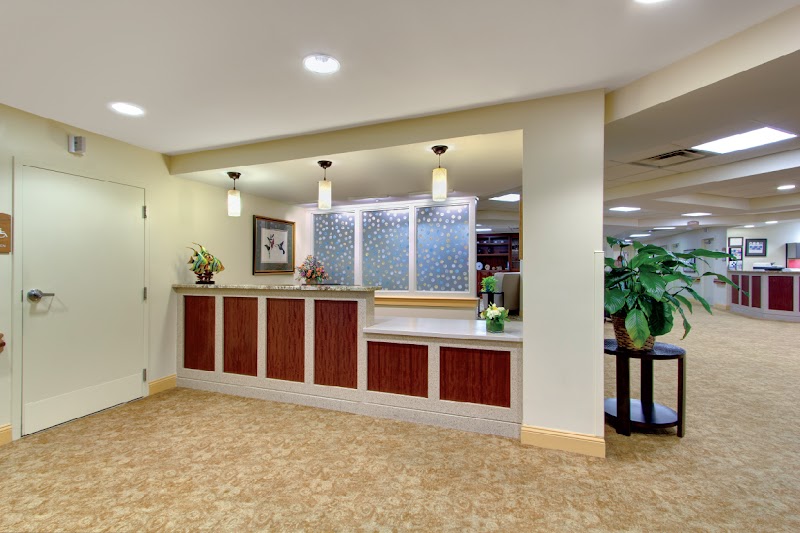
801 Lemon Grass Court, Hilton Head Island, SC 29928 (843) 341-7311
For profit - Corporation 25 Beds VI LIVING Data: November 2025
Trust Grade
88/100
#3 of 186 in SC
Last Inspection: February 2025

Within standard 12-15 month inspection cycle. Federal law requires annual inspections.

Overview

Broad Creek Care Center has a Trust Grade of B+, meaning it is above average and recommended for families looking for a nursing home. It ranks #3 out of 186 facilities in South Carolina, placing it in the top tier of options available. The facility is showing improvement, having reduced its issues from 6 in 2023 to none in 2025. Staffing is a strong point, with a 5/5 star rating and a turnover rate of 43%, slightly below the state average, indicating that staff are experienced and familiar with the residents. However, the home has faced some concerns, including receiving $8,739 in fines, which is higher than 83% of facilities in the state, suggesting ongoing compliance issues. Additionally, there were specific incidents where food storage was not maintained properly, and staff failed to immediately remove a CNA accused of abuse, highlighting areas that need attention. Overall, while Broad Creek Care Center has many strengths, families should be aware of these concerns when considering care for their loved ones.
Trust Score
B+
88/100
In South Carolina
#3/186
Top 1%
Safety Record
Low Risk
No red flags
Inspections
Getting Better
6 → 0 violations
Staff Stability
○ Average
43% turnover. Near South Carolina's 48% average. Typical for the industry.
Penalties
⚠ Watch
$8,739 in fines. Higher than 77% of South Carolina facilities, suggesting repeated compliance issues.
Skilled Nurses
✓ Good
Each resident gets 127 minutes of Registered Nurse (RN) attention daily — more than 97% of South Carolina nursing homes. RNs are the most trained staff who catch health problems before they become serious.
Violations
○ Average
6 deficiencies on record. Average for a facility this size. Mostly minor or procedural issues.
★★★★★
5.0
Overall Rating
★★★★★
5.0
Staff Levels
★★★★☆
4.0
Care Quality
★★★★☆
4.0
Inspection Score
Stable
2023: 6 issues
2025: 0 issues

The Good

  • 5-Star Staffing Rating · Excellent nurse staffing levels
  • 4-Star Quality Measures · Strong clinical quality outcomes
  • Full Sprinkler Coverage · Fire safety systems throughout facility
  • No fines on record
  • Staff turnover below average (43%)

    5 points below South Carolina average of 48%

Facility shows strength in staffing levels, quality measures, fire safety.

The Bad

Staff Turnover: 43%

Near South Carolina avg (46%)

Typical for the industry

Federal Fines: $8,739

Below median ($33,413)

Minor penalties assessed

Chain: VI LIVING

Part of a multi-facility chain

Ask about local staffing decisions and management

The Ugly 6 deficiencies on record

Oct 2023 3 deficiencies
CONCERN (D) 📢 Someone Reported This

A family member, employee, or ombudsman was alarmed enough to file a formal complaint

Potential for Harm - no one hurt, but risky conditions existed

Abuse Prevention Policies (Tag F0607)

Could have caused harm · This affected 1 resident

Based on interviews, record review, document review, and policy review, the facility failed to ensure Certified Nursing Assistant (CNA)1 was immediately removed from resident contact for 1 of 5 sample...

Read full inspector narrative →
Based on interviews, record review, document review, and policy review, the facility failed to ensure Certified Nursing Assistant (CNA)1 was immediately removed from resident contact for 1 of 5 sampled residents reviewed for abuse. Specifically, Resident (R)1 alleged physical abuse perpetrated by CNA1 and CNA1 was not immediately removed from the situation. Findings included: Review of a facility policy titled, Abuse/Neglect Prevention Protocol, revised March 2018, revealed, 4. Employees of the community who have been accused of mistreatment will be removed from resident contact immediately until the results of the investigation have been reviewed by the Administrator or designee. Employees accused of possible mistreatment will not complete their shift and are placed on suspension until the investigation is completed. Review of R1's Face Sheet revealed the facility admitted R1 on 10/18/21 with diagnoses including but not limited to; Parkinson's disease, dementia, altered mental status, and cognitive communication deficit. Review of R1's quarterly Minimum Data Set (MDS) with an Assessment Reference Date (ARD) of 07/28/23, revealed R1 had a Brief Interview for Mental Status (BIMS) score of 10 out of 15, which indicated the resident had moderate cognitive impairment. The MDS indicated R1 was totally dependent on staff for toilet use and always incontinent of bowel and bladder. Review of R1's Care Plan with a problem start date of 02/14/22, revealed R1 had verbally abusive behavioral systems. Interventions directed the staff to stop and try the task later when the resident became verbally abusive. Review of R1's Care Plan edited on 07/26/23, revealed R1 was incontinent of bowel and bladder due to advanced aging process, an aging organ, and debility. Interventions directed the staff to assist and offer to toilet the resident every two hours and as needed, encourage independence, and check and change the resident's incontinent brief, if used, every two hours and as needed. Review of R1's Progress Notes dated 09/25/23 at 1:57 AM and written by Registered Nurse (RN)2, revealed at approximately 10:30 PM (on 09/24/23), RN2 heard a resident yell for help. Per the Progress Note, RN2 entered the resident's room and observed R1 had a bloody nose with blood on the resident's fitted bedsheet. When asked what happened, RN2 reported the resident stated they were hit by CNA1. According to the Progress Note, CNA1 reported that, as she tried to turn the resident and change their incontinence brief, the resident resisted, and hit the CNA. Per the Progress Note, when the CNA tried to block the hit from the resident, the resident hit themselves in the face. During an interview on 10/26/23 at 2:45 PM, CNA1 stated she began her rounds between 10:00 PM to 10:30 PM on 09/24/23. According to CNA1, she entered R1's room and explained to the resident that she was coming to check and change them. CNA1 stated as she lowered the head of the resident's bed, R1 informed her they wanted their head of bed to remain in the up position. CNA1 stated when she started to remove the resident's incontinent brief, the resident began to yell and say they were hurting and to let the head of their bed back up. CNA1 indicated R1 pushed back with their right hand and resisted care. CNA1 stated she told R1 that she was almost done. Per CNA1, R1 cursed at her, let go of the side rail, and hit her in the left eye. CNA1 reported R1 yelled help and RN2 entered R1's room. CNA1 stated RN2 asked what happened and R1 informed the RN they had been hit by CNA1. CNA1 reported she worked her entire shift from 7:00 PM to 7:00 AM and was the only CNA on the hall where R1 resided. During an interview on 10/26/23 at 3:58 PM, RN2 stated on 09/24/23, she heard someone say help in the hallway and she went into R1's room. Per RN2, R1 stated CNA1 hit them in their eye. RN2 stated she saw blood on R1's pillow and the resident's left nostril was bleeding. RN2 stated CNA1 worked her shift from 7:00 PM to 7:00 AM that began on 09/24/23 and continued to work with R1 for the remainder of the shift. Review of a Provider Assignment Record dated 09/24/23, revealed CNA1 worked the hall where R1 resided from 7:00 PM to 7:00 AM on 09/24/23 for a total of 11.5 hours. During an interview on 10/27/23 at 4:45 PM, R1 stated they did remember an instance when a CNA came in their room that they had never seen before. R1 stated they could not remember the date and explained that they were half asleep and the CNA startled them. According to R1, when they are turned, their left side hurt, so they told the CNA that they were too rough, but the CNA continued to provide incontinence care. R1 stated the CNA slapped them and gave them a black eye. R1 indicated the CNA did not come back in their room after the incident, but they heard the CNA up and down the hall screaming she was hit by a resident. R1 reported they felt safe in the facility. During an interview on 10/27/23 at 5:29 PM, the Clinical Reimbursement Manager/MDS Coordinator indicated CNA1 should have been sent home immediately after the allegation was made, until the investigation was completed. During an interview on 10/27/23 at 6:45 PM, the Administrator indicated that it was his expectation that the perpetrator be placed on administrative leave until after the investigation.
CONCERN (D) 📢 Someone Reported This

A family member, employee, or ombudsman was alarmed enough to file a formal complaint

Potential for Harm - no one hurt, but risky conditions existed

Report Alleged Abuse (Tag F0609)

Could have caused harm · This affected 1 resident

Based on interviews, record review, and policy review, the facility failed to ensure staff immediately reported an allegation of physical abuse to the Director of Nursing (DON) or Administrator for 1 ...

Read full inspector narrative →
Based on interviews, record review, and policy review, the facility failed to ensure staff immediately reported an allegation of physical abuse to the Director of Nursing (DON) or Administrator for 1 of 5 sampled residents reviewed for abuse, Resident (R)1. Findings include: Review of the facility's policy titled, Abuse/Neglect Prevention Protocol, revised March 2018, revealed, Internal Report Requirements and Identifications of Allegations: 1. Employees are required to report any occurrences of potential mistreatment they observe, hear about, or suspect to the Administrator. 2. All residents, visitors, volunteers, family members and others must report their grievances or suspected incidents of potential mistreatment to the Administrator. 3. Such reports may be made without fear of retaliation. Anonymous reports are thoroughly investigated. 4. In the Administrator's absence, the Director of Nursing is the 'Acting Administrator.' Review of R1's Face Sheet revealed the facility admitted R1 on 10/18/21 with diagnoses that included but was not limited to; Parkinson's disease, dementia, altered mental status, and cognitive communication deficit. Review of R1's quarterly Minimum Data Set (MDS) with an Assessment Reference Date (ARD) of 07/28/23, revealed R1 had a Brief Interview for Mental Status (BIMS) score of 10 out of 15, which indicated the resident had moderate cognitive impairment. The MDS indicated R1 was totally dependent on staff for toilet use and always incontinent of bowel and bladder. Review of R1's Care Plan with a problem start date of 02/14/22, revealed the resident had verbally abusive behavioral systems. Interventions directed the staff to stop and try the task later when the resident became verbally abusive. Review of R1's Progress Note dated 09/25/23 at 1:57 AM and written by Registered Nurse (RN)2, revealed at approximately 10:30 PM (on 09/24/23), RN2 heard a resident yell for help. Per the Progress Note, RN2 entered the resident's room and observed R1 had a bloody nose with blood on the resident's fitted bedsheet. When asked what happened, RN2 reported the resident stated they were hit by Certified Nursing Assistant (CNA)1. According to the Progress Note, CNA1 reported that, as she tried to turn the resident and change their incontinence brief, the resident resisted, and hit the CNA. Per the Progress Note, when the CNA tried to block the hit from the resident, the resident hit themselves in the face. During an interview on 10/27/23 at 4:45 PM, R1 stated they did remember an instance when a CNA came in their room that they had never seen before. R1 stated they could not remember the date and explained that they were half asleep and the CNA startled them. According to R1, when they are turned, their left side hurt, so they told the CNA that they were too rough, but the CNA continued to provide incontinence care. R1 further stated the CNA slapped them and gave them a black eye. R1 indicated the CNA did not come back in their room after the incident, but they heard the CNA up and down the hall screaming she was hit by a resident. R1 reported they felt safe in the facility. During an interview on 10/26/23 at 3:58 PM, RN2 stated on 09/24/23, she heard someone say help in the hallway and she went into R1's room. Per RN2, R1 stated CNA1 hit them in their eye. RN2 stated she saw blood on R1's pillow and the resident's left nostril was bleeding. RN2 indicated she worked as needed in the facility and did not now she had to report the incident immediately. RN2 stated she reported the allegation of abuse to the day supervisor when they came to work the next morning, on 09/25/23. During an interview on 10/27/23 at 5:29 PM, the Clinical Reimbursement Manager/MDS Coordinator indicated the RN on duty should have reported the allegation of abuse to the Director of Nursing or the Administrator immediately. During an interview on 10/27/23 at 6:45 PM, the Administrator indicated that it was his expectation that an allegation of abuse be reported immediately to a supervisor or the abuse coordinator.
CONCERN (D) 📢 Someone Reported This

A family member, employee, or ombudsman was alarmed enough to file a formal complaint

Potential for Harm - no one hurt, but risky conditions existed

Comprehensive Care Plan (Tag F0656)

Could have caused harm · This affected 1 resident

Based on interviews, record review and facility policy review, the facility failed to ensure staff implemented the care plan for the level of staff assistance required for toileting for 1 of 5 sampled...

Read full inspector narrative →
Based on interviews, record review and facility policy review, the facility failed to ensure staff implemented the care plan for the level of staff assistance required for toileting for 1 of 5 sampled residents, Resident (R)1. Findings include: Review of the facility policy titled, Medical, Nursing and Personal Care, revised October 2017, revealed, Philosophy - Resident Care Policies are intended to describe the Company commitment to a customer-centered approach to care provided throughout the continuum of clinical services. Purpose - This policy outlines general requirements for care and services provided to residents in Skilled Nursing (SN). Process - SN provides the necessary care and services in order to attain or maintain the highest practicable physical, mental, and psychological well-being of the resident, in accordance with each resident's assessment and plan of care. Nursing care and personal care are provided to meet the needs of each resident. The policy indicated, 10. The licensed care staff provides and delegates care provision to the resident according to the individualized plan of care. Review of R1's Face Sheet revealed the facility admitted R1 on 10/18/21 with diagnoses that included but was not limited to; Parkinson's disease, dementia, altered mental status, and cognitive communication deficit. Review of R1's quarterly Minimum Data Set (MDS) with an Assessment Reference Date (ARD) of 07/28/23, revealed R1 had a Brief Interview for Mental Status (BIMS) score of 10 out of 15, which indicated the resident had moderate cognitive impairment. The MDS indicated R1 was totally dependent on two plus person physical assistance of staff for toilet use and always incontinent of bowel and bladder. Review of R1's Care Plan with a problem start date of 02/14/22, revealed the resident had verbally abusive behavioral systems. An intervention started on 05/03/23, directed the staff to provide paired care at all times to avoid resident complaints. Review of R1's Progress Notes dated 09/25/23 at 1:57 AM and written by Registered Nurse (RN)2, revealed at approximately 10:30 PM (on 09/24/23), RN 2 heard a resident yell for help. Per the Progress Note, RN2 entered the resident's room and observed R1 had a bloody nose with blood on the resident's fitted bedsheet. When asked what happened, RN2 reported the resident stated they were hit by Certified Nursing Assistant (CNA)1. According to the Progress Note, CNA1 reported that, as she tried to turn the resident and change their incontinence brief, the resident resisted, and hit the CNA. Per the Progress Note, when the CNA tried to block the hit from the resident, the resident hit themselves in the face. During an interview on 10/26/23 at 2:45 PM, CNA1 stated she began her rounds between 10:00 PM to 10:30 PM on 09/24/23. According to CNA1, she entered R1's room and explained to the resident that she was coming to check and change them. CNA1 stated as she lowered the head of the resident's bed, R1 informed her they wanted their head of bed to remain in the up position. CNA1 stated when she started to remove the resident's incontinent brief, the resident began to yell and say they were hurting and to let the head of their bed back up. CNA1 indicated R1 pushed back with their right hand and resisted care. CNA1 stated she told R1 that she was almost done. Per CNA1, R1 cursed at her, let go of the side rail, and hit her in the left eye. CNA1 reported R1 yelled help and RN2 entered R1's room. CNA1 stated RN2 asked what happened and R1 informed the RN they had been hit by CNA1. CNA1 acknowledged that when RN2 entered R1's room, the RN stated two staff were required to provide care for the resident due to accusations made by the resident. During an interview on 10/27/23 at 4:45 PM, R1 stated they did remember an instance when a CNA came in their room that they had never seen before. R1 stated they could not remember the date and explained that they were half asleep and the CNA startled them. According to R1, when they are turned, their left side hurt, so they told the CNA that they were too rough, but the CNA continued to provide incontinence care. R1 stated usually two CNAs provided their incontinence care. During an interview on 10/27/23 at 5:29 PM, the Clinical Reimbursement Manager/MDS Coordinator indicated CNA1 should have known about the resident's care or asked questions on how to find the information. The Clinical Reimbursement Manager/MDS Coordinator stated she expected CNAs to follow a resident's plan of care. During an interview on 10/27/23 at 6:45 PM, the Administrator indicated that it was his expectation that staff follow a resident's plan of care and ask questions, if needed.
Jun 2023 3 deficiencies
CONCERN (D)

Potential for Harm - no one hurt, but risky conditions existed

Comprehensive Care Plan (Tag F0656)

Could have caused harm · This affected 1 resident

**NOTE- TERMS IN BRACKETS HAVE BEEN EDITED TO PROTECT CONFIDENTIALITY** Based on interview, record review, and facility policy review, the facility failed to ensure that one (Resident (R)6) of five re...

Read full inspector narrative →
**NOTE- TERMS IN BRACKETS HAVE BEEN EDITED TO PROTECT CONFIDENTIALITY** Based on interview, record review, and facility policy review, the facility failed to ensure that one (Resident (R)6) of five residents reviewed for unnecessary medications had a comprehensive care plan with interventions to reduce the risk of bleeding, a side effect of anticoagulant medications (a blood thinner). This failure had the potential to lead to an adverse event, related to bleeding for residents on blood thinners. Findings include: Review of the facility's policy titled Plan of Care, revised October 2017, . 4. A comprehensive person-centered care plan is developed for each resident that includes measurable objectives and timeframes to meet a resident's medical, nursing, and mental and psychosocial needs that are identified in the comprehensive assessment . Both the baseline and comprehensive plans of care embody current standards of professional practice and also may reflect: A resident's needs, strengths, and preferences; Alternative means to address issues if the resident has refused initial treatment plan; Attempts to manage risk factors; and Interventions toward prevention of avoidable decline in function. A plan of care may encompass routine interventions (e.g., activities involvement) and at risk conditions (e.g., skin breakdown, falls) even if the at-risk situation is not actualized. Review of R6's undated Face Sheet, located in the electronic medical record (EMR) under the Face Sheet tab, indicated R6 was admitted on [DATE] with a diagnosis including but not limited to; history of a cerebral vascular accident (CVA). Review of R6's Physician's Orders, dated 11/07/22, and located in the EMR under the Orders tab, revealed an order for Eliquis (a blood thinner) 5 milligrams (MG) take one tablet twice daily. Review of R6's quarterly Minimum Data Set (MDS) with an Assessment Reference Date (ARD) of 04/27/23 and located in the EMR under the MDS 3.0 Assessment tab revealed a Brief Interview for Mental Status (BIMS) score of 15 out of 15, which indicated R6 was cognitively intact. Further review of the MDS also indicated R6 had a diagnosis of CVA, had no falls, and had received seven anticoagulants in the last seven days. Review of R6's Care Plan, dated 01/18/22, and located in the EMR under the Care Planning tab, listed the problem as resident has cardiac diagnosis including history of CVA. The care plan included the following interventions: To administer medications as ordered, evaluate/record/report effectiveness/adverse side effects; assess for signs of dysrhythmias (palpitations, dizziness, fatigue, chest pain, syncope, pallor, diaphoresis, SOB [shortness of breath], tachycardia, bradycardia, hypotension, hypertension, anxiety, abdominal pain, altered level of consciousness, etc.); obtain blood pressure, apical pulse, radial pulse, respirations as ordered; and obtain diagnostic tests/labs per MD [medical doctor] order. However, the care plan did not include interventions to prevent possible bleeding. During an interview on 06/07/23 at 3:55 PM, the MDS Coordinator stated she was responsible for developing the care plans for the residents. The MDS Coordinator acknowledged that R6 had an order for an anticoagulant, and that she did not develop the care plan with interventions to prevent bleeding. The MDS Coordinator also stated she should have developed the care plan with interventions to prevent and monitor bleeding due to residents being at risk for it when taking blood thinners. The MDS Coordinator indicated the care plan was for the interdisciplinary team (IDT) to use to know what to look for specific to the resident's care. During an interview on 06/07/23 at 4:10 PM, the Director of Nursing (DON) stated she expected the MDS Coordinator to develop the care plan for residents on anticoagulants with interventions to monitor for adverse reactions, effectiveness of the medications, and laboratory results if applicable. The DON also stated the care plan should be developed to follow any physician orders regarding the administration of the medication.
CONCERN (D)

Potential for Harm - no one hurt, but risky conditions existed

Medication Errors (Tag F0758)

Could have caused harm · This affected 1 resident

**NOTE- TERMS IN BRACKETS HAVE BEEN EDITED TO PROTECT CONFIDENTIALITY** Based on interviews, record review, and facility policy review, the facility failed to ensure three (Resident (R)1, R5, and R18)...

Read full inspector narrative →
**NOTE- TERMS IN BRACKETS HAVE BEEN EDITED TO PROTECT CONFIDENTIALITY** Based on interviews, record review, and facility policy review, the facility failed to ensure three (Resident (R)1, R5, and R18) of five residents reviewed for unnecessary medications had a limited 14 day stop date on a psychotropic (PRN) [as needed] medication order. The facility's deficient practice increased the resident's risk of adverse drug reactions. Findings include: Review of facility's policy titled Behavior Management - Psychotropic/Antipsychotic Drugs, revised October 2017, revealed . Residents are not given psychotropic drugs unless such drug therapy is ordered by a healthcare provider with prescriptive authority and the reason for the drug is documented. A psychotropic drug is any drug that affects brain activities with mental processes and behavior. Psychotropic drugs include, but are not limited to, drugs in the following categories: Anti-psychotic; Anti-depressant; Anti-anxiety; and Hypnotic. Residents will not be given psychotropic drugs unless necessary to treat a specific condition that is documented in the resident's clinical record based upon a comprehensive assessment. 2.1 PRN orders for anti- psychotic drugs is limited to 14 days. If the physician believes it is appropriate to extend beyond 14 days, their rationale and the duration of the PRN order will be documented in the resident's clinical record. 2.2 PRN orders for anti-psychotic drugs is limited to 14 days and will only be renewed if the physician evaluates the resident for the appropriateness of the medication. 1. Review of R1's undated Face Sheet, located in the electronic medical record (EMR) under the Face Sheet tab revealed she was admitted to the facility on [DATE] with multiple diagnoses to include but not limited to; dizziness and giddiness, repeated falls, generalized anxiety disorder, and multiple fractures of ribs, left side, subsequent encounter for fracture with routine healing. Review of R1's quarterly Minimum Data Set (MDS) with an Assessment Reference Date (ARD) of 05/17/23 and located in his EMR under the MDS 3.0 Assessment tab, revealed a Brief Interview for Mental Status (BIMS) with a score of 99 out of 15 indicating R1 was not interviewable. The facility assessed the resident as severely impaired in making decisions regarding daily tasks of living. The MDS also indicated R1 had anxiety disorder and received seven antianxiety medications in the last seven days. Review of R1's Physician's Orders dated 02/08/23 located in the EMR under the Orders tab revealed an order for Ativan (an antianxiety medication) 0.5 milligrams (MG) PRN (as needed) administer every four hours as needed for anxiety and agitation with a start date of 02/08/23 and no end date. Review of R1's Medication Administration Record (MAR) dated May 2023 located in the EMR under the Reports tab revealed Ativan 0.5 MG was administered on 05/11/23, 05/14/23, and 05/24/23. Review of R1's Comprehensive Care Plan, located in the EMR under the Care Planning tab, revealed R1 had no focus, goal, or interventions related to Ativan administration. Review of R1's Consultant Pharmacist's Medication Regimen Review, from February to June 2023, revealed the medications were reviewed with no recommendations related to the Ativan PRN medication order without a 14 day stop date. 2. Review of R5's undated Face Sheet, located in the EMR revealed she was initially admitted to the facility on [DATE] with multiple diagnoses to include but not limited to; major depressive disorder, moderate, and anxiety disorder. Review of R5's quarterly MDS with an ARD of 04/28/23, located in the EMR under the MDS 3.0 Assessment tab, revealed a BIMS with a score of 10 out of 15, indicating R5 was moderately cognitively impaired. Review of R5's Physician's Orders dated 06/13/22 and under the Orders tab located on her EMR revealed the following: Lorazepam [Ativan] tablet 0.5 mg, one tablet by mouth three times a day PRN for anxiety and agitation, with an ordered start date of 06/13/22 and an open-end date. Review of R5's Consultant Pharmacist's Medication Regimen Review, located under the resident's consults tab, dated 04/20/2022 reveals a Miscellaneous psychotropic therapy recommendation (MRR) Date 04/19/2022 .this resident is currently receiving Lorazepam 0.5 mg on a PRN basis. Per regulatory guidelines, the duration of treatment with such medication on a PRN basis should be limited to 14 days, however a new order may be written to extend the duration beyond 14 days if the prescriber believes it is appropriate. Please evaluate the continued need for this medication. If it is to be extended, please document the rationale for the extended time period in the medical record and indicate a specific duration. Further review of R5's chart revealed a second MMR dated 01/24/2023 from the Consultant pharmacy - This resident is currently receiving Lorazepam medication on a PRN basis. Per regulatory guidelines, the duration of treatment with such medications on a PRN basis should be limited to 14 days, however a new order may be written to extend the duration beyond 14 days if the prescriber believes it is appropriate. This resident last received a dose of Lorazepam on 01/13/23. Please evaluate the continued need for this medication. If it is to be extended, please document the rationale for the extended time period in the medical record and indicate a specific duration. 3. Review of R18's undated Face Sheet, located in the EMR under the Face Sheet tab revealed she was admitted to the facility on [DATE] with multiple diagnoses to include but not limited to; Alzheimer's disease, unspecified dementia with behavioral disturbance, and major depressive disorder. Review of R18's annual MDS with an ARD of 05/01/23 and located in his EMR under the MDS 3.0 Assessment tab, revealed a BIMS with a score of one out of 15 indicating the resident was severely cognitively impaired. The MDS indicated R18 had Alzheimer's disease, dementia, and depression and received an antianxiety medication three days in the last seven days. Review of R18's Physician's Orders dated 04/16/23 located in the EMR under the Orders tab revealed an order for Ativan 0.5 milligrams (MG) PRN administer one tablet every six hours as needed for anxiety and agitation with a start date of 04/16/23 and no end date. Review of R18's MAR dated May 2023 located in the EMR under the Reports tab revealed Ativan 0.5 MG was administered on 05/08/23, 05/16/23, 05/17/23, 05/18/23, 05/25/23, 05/26/23, 05/29/23 and 05/30/23. Review of R18's Consultant Pharmacist's Medication Regimen Review, from April to June 2023, revealed the medications were reviewed with no recommendations related to the Ativan PRN medication order without a 14 day stop date. During an interview on 06/06/2023 at 2:41 PM, the Medical Director revealed R5 was ordered and administered Lorazepam as needed for longer than a 14-day duration. The Medical Director stated the facility is not triggering for him to see PRN anti-anxiety medication residents to be re-evaluated. He states that he typically reviews the use of anti-anxiety psych medications every 30 days, and he felt R5 needed to continue the anti-anxiety medication. The Medical Director stated the facility needed a better system in place to remind him about the 14-day review and re-eval for residents on anti-anxiety medications PRN. During an interview on 06/06/23 at 6:00 PM, the Director of Nursing (DON) confirmed the time frame for administering psychotropic medication PRN was 14 days. The DON confirmed R1 and R18 were ordered and administered Ativan PRN. The DON confirmed R1 and R18 were on Ativan medication since the Medical Director ordered it and there was no break in the medication, which was over two weeks. The DON confirmed R1 and R18's Ativan medication was ordered ongoing. During an interview on 06/07/23 at 8:12 AM, the Pharmacy Consultant (PC) confirmed R1 and R18 were ordered Ativan PRN and for a duration longer than 14 days for anxiety. The PC stated that he reviewed the resident's medications monthly and made recommendations to the physician when a rationale for the continued use of the PRN medication was not provided in the physician's progress notes. The PC verified that he did not make any recommendations to the physician regarding R1 and R18's antianxiety medications since he found the rationale for the continued use in the physician's progress notes. The PC also stated that he thought that a PRN antianxiety medication was only limited to 14 days if not reevaluated by the physician and did not know that another order was needed for continued use past the 14 days. During an additional interview on 06/07/23 at 9:23 AM, the Medical Director revealed R1 and R18 were ordered and administered psychotropic medications, including Ativan as needed for longer than a 14-day duration. The Medical Director indicated he ordered R1 and R18's Ativan for an undefined duration (more than 14 days) because they had anxiety. The Medical Director also indicated he evaluated the use of the medication and documented the rationale for the continued use of the medication in the progress notes. The Medical Director stated that the antianxiety medication for PRN use was limited to 14 days, but he was not aware that a stop date was not on the order. During a secondary interview on 06/07/23 at 10:00 AM, the DON confirmed R5 was ordered/administered Ativan PRN. The DON confirmed the resident was on her Ativan medication from December 2022 to the present time of June 2023, and there was no break in the medication, which was over two weeks. The DON confirmed R5's Ativan, as needed order should have been administered for a duration of 14 days, and then reviewed but was not. The DON confirmed R5's Ativan medication was ordered ongoing. During a secondary interview on 06/07/23 at 11:36 AM, the PC confirmed R5 was ordered Lorazepam 0.5 mg tablet, one tablet by mouth three times a day PRN, for anxiety and agitation, with a start date of 06/13/22 and an open-end date. The PC confirmed the facility did not document discussions or rationale for R5's as needed psychotropic and should have. The PC confirmed R5's Lorazepam medication order was available for the staff to administer to R5 for use longer than two weeks without written documentation of reevaluation of the rationale for the medication. Continued interview with the PC revealed, he reviewed R5's pharmacy documentation which showed two pharmacy recommendations had been made to the physician on 01/24/23 and 4/19/22. The pharmacist stated his usual protocol is to follow-up by looking at the physician's recommendations reply or progress notes regarding the pharmacy recommendations. However, the pharmacist stated he did not follow-up and does not know why, states he will review going forward will follow-up with the physicians and nursing staff regarding the pharmacy recommendations monthly.
CONCERN (F)

Potential for Harm - no one hurt, but risky conditions existed

Food Safety (Tag F0812)

Could have caused harm · This affected most or all residents

Based on observation, interview, and facility policy review, the facility failed to provide safe food storage and maintain sanitation in a safe and consistent manner. This had the potential to affect ...

Read full inspector narrative →
Based on observation, interview, and facility policy review, the facility failed to provide safe food storage and maintain sanitation in a safe and consistent manner. This had the potential to affect 22 residents who consumed food from the kitchen. Findings include: Review of the facility's policy titled Sanitation and Safety, revised June 2011, revealed . 2. F&B [Food and Beverage] staff is expected to practice good personal hygiene and cleanliness to protect residents and guests from potential foodborne illness. Hygiene standards include but are not limited to those listed below . 2.3 Approved hair restraints or head coverings are worn in food preparation areas . 4.2.2 Thermometers are chosen for specific purposes and are washed, rinsed, sanitized and air-dried before and after each use. When taking temperatures of several different food items at one time, special attention is devoted to preventing cross contamination . 5.2 Refrigerated stores 5.2.1 Foods prepared on the premises to be held cold will be labeled with the name and the date of preparation. This food will also be labeled with the date to discard or use by. The discard/use by date will be a maximum of 6 days after the preparation. 1. During an observation on 06/05/23 at 9:02 AM, Culinary Aide 1 walked through the kitchen without a hairnet while staff were preparing the lunch meal. During an interview on 06/05/23 at 9:04 AM with Culinary Aide 1 revealed, she arrived at 8:00 AM and forgot to apply a hairnet. Culinary Aide 1 stated that hairnets were located outside of the kitchen door in a box attached to the wall, and she should wear the hairnet in the kitchen to prevent hair from getting in the food. 2. During an observation on 06/05/23 at 9:12 AM of [NAME] 1, revealed a white container with a red lid contained a thick, white liquid and was not labeled, located on the second shelf in the walk-in refrigerator. During an interview on 06/05/23 at 9:12 AM, [NAME] 1 acknowledged the container did not have a label on it. [NAME] 1 stated when staff placed condensed milk in the container, a label should have been placed on it with the name of the item, the date the milk was poured in the container, and the use by date. [NAME] 1 also stated that the staff used labeling guidelines to determine the date the items should be discarded (three or seven days). 3. During an observation and interview on 06/05/23 at 11:40 AM of the Chef during tray line, revealed the Chef wiped the thermometer with a paper towel between temping the food items on the steam table prior to serving it to the residents. The Chef stated he was not trained to take the temperature of the foods and did not know he should have cleaned the thermometer with an alcohol wipe or thermometer wipe. The Chef also stated the Executive Chef was responsible for taking the temperature of the food items, but he resigned from the position three months ago. 4. During an observation and interview on 06/05/23 at 12:14 PM revealed the Chef and the Kitchen Attendant had beards but were not wearing a beard guard. An interview with the Chef revealed he had worked at the facility for over a year and was not told to wear a beard guard but should have, in order to keep hair out of the food when he cooked it. An interview with the Kitchen Attendant revealed he had worked at the facility for eight months and was not trained to wear a beard guard but should have worn it since he prepares the food. During an interview on 06/06/23 at 11:32 AM, the Dining Room Supervisor stated she expected staff working in the kitchen to wear a hair net or beard guard to prevent hair from falling in the food and hair nets were located outside of the doors to the kitchen. The Dining Room Supervisor indicated that the thermometer should be wiped with an alcohol wipe after taking the temperature of the food items. The Dining Room Supervisor indicated all opened food items or food items placed in containers should have a label on them with the item name, opened date and use by date. The Dining Room Supervisor also indicated that food items should be discarded by the use by date to prevent food borne illness. During an interview on 06/06/23 at 12:59 PM, the Director of Dining stated that he expected staff to follow the kitchen policy for safe food preparation which includes wearing hair nets and labeling and dating food items. During an interview on 06/07/23 at 8:36 AM, the Registered Dietician (RD) revealed that staff were expected to place a label on any food items placed in containers with the item name, date poured in the container, and use by date using the three-day or seven-day labeling guidelines to prevent food borne illness. The RD stated that all staff should wear hair nets and if applicable beard guards to prevent hair from falling into the food. The RD also stated that the Chef should have cleaned the thermometer with an alcohol wipe instead of a paper towel after taking the temperature of the food items on the tray line.
Understanding Severity Codes (click to expand)
Life-Threatening (Immediate Jeopardy)
J - Isolated K - Pattern L - Widespread
Actual Harm
G - Isolated H - Pattern I - Widespread
Potential for Harm
D - Isolated E - Pattern F - Widespread
No Harm (Minor)
A - Isolated B - Pattern C - Widespread

Questions to Ask on Your Visit

  • "Can I speak with families of current residents?"
  • "What's your RN coverage like on weekends and overnight?"

Our Honest Assessment

Strengths
  • • Grade B+ (88/100). Above average facility, better than most options in South Carolina.
  • • No major safety red flags. No abuse findings, life-threatening violations, or SFF status.
  • • 43% turnover. Below South Carolina's 48% average. Good staff retention means consistent care.
Concerns
  • • No significant concerns identified. This facility shows no red flags across CMS ratings, staff turnover, or federal penalties.
Bottom line: Generally positive indicators. Standard due diligence and a personal visit recommended.

About This Facility

What is Broad Creek Care Center's CMS Rating?

CMS assigns Broad Creek Care Center an overall rating of 5 out of 5 stars, which is considered much above average nationally. Within South Carolina, this rating places the facility higher than 99% of the state's 100 nursing homes. This rating reflects solid performance across the metrics CMS uses to evaluate nursing home quality.

How is Broad Creek Care Center Staffed?

CMS rates Broad Creek Care Center's staffing level at 5 out of 5 stars, which is much above average compared to other nursing homes. Staff turnover is 43%, compared to the South Carolina average of 46%. This relatively stable workforce can support continuity of care.

What Have Inspectors Found at Broad Creek Care Center?

State health inspectors documented 6 deficiencies at Broad Creek Care Center during 2023. These included: 6 with potential for harm.

Who Owns and Operates Broad Creek Care Center?

Broad Creek Care Center is owned by a for-profit company. For-profit facilities operate as businesses with obligations to shareholders or private owners. The facility is operated by VI LIVING, a chain that manages multiple nursing homes. With 25 certified beds and approximately 23 residents (about 92% occupancy), it is a smaller facility located in Hilton Head Island, South Carolina.

How Does Broad Creek Care Center Compare to Other South Carolina Nursing Homes?

Compared to the 100 nursing homes in South Carolina, Broad Creek Care Center's overall rating (5 stars) is above the state average of 2.9, staff turnover (43%) is near the state average of 46%, and health inspection rating (4 stars) is above the national benchmark.

What Should Families Ask When Visiting Broad Creek Care Center?

Based on this facility's data, families visiting should ask: "Can I visit during a mealtime to observe dining assistance and food quality?" "How do you handle medical emergencies, and what is your hospital transfer rate?" "Can I speak with family members of current residents about their experience?"

Is Broad Creek Care Center Safe?

Based on CMS inspection data, Broad Creek Care Center has a clean safety record: no substantiated abuse findings (meaning no confirmed cases of resident harm), no Immediate Jeopardy citations (the most serious violation level indicating risk of serious injury or death), and is not on the Special Focus Facility watch list (a federal program monitoring the lowest-performing 1% of nursing homes). The facility has a 5-star overall rating and ranks #1 of 100 nursing homes in South Carolina. While no facility is perfect, families should still ask about staff-to-resident ratios and recent inspection results during their visit.

Do Nurses at Broad Creek Care Center Stick Around?

Broad Creek Care Center has a staff turnover rate of 43%, which is about average for South Carolina nursing homes (state average: 46%). Moderate turnover is common in nursing homes, but families should still ask about staff tenure and how the facility maintains care continuity when employees leave.

Was Broad Creek Care Center Ever Fined?

Broad Creek Care Center has been fined $8,739 across 3 penalty actions. This is below the South Carolina average of $33,166. While any fine indicates a compliance issue, fines under $50,000 are relatively common and typically reflect isolated problems that were subsequently corrected. Families should ask what specific issues led to these fines and confirm they've been resolved.

Is Broad Creek Care Center on Any Federal Watch List?

Broad Creek Care Center is not on any federal watch list. The most significant is the Special Focus Facility (SFF) program, which identifies the bottom 1% of nursing homes nationally based on persistent, serious quality problems. Not being on this list means the facility has avoided the pattern of deficiencies that triggers enhanced federal oversight. This is a positive indicator, though families should still review the facility's inspection history directly.