Sedgewood Manor Health Care Center
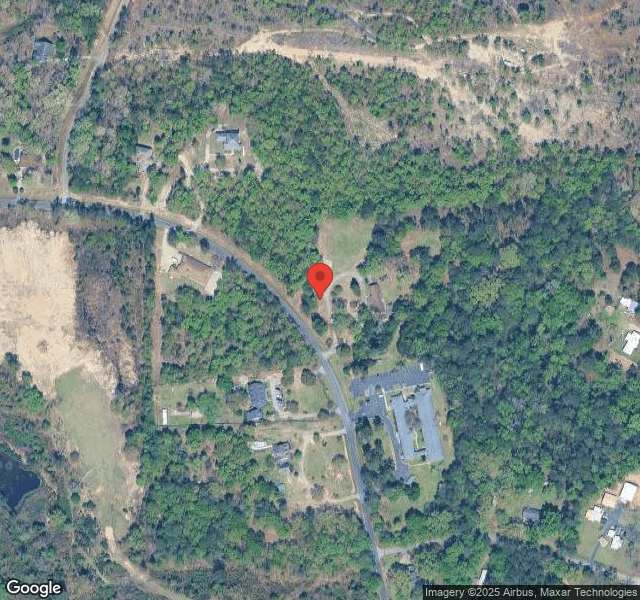
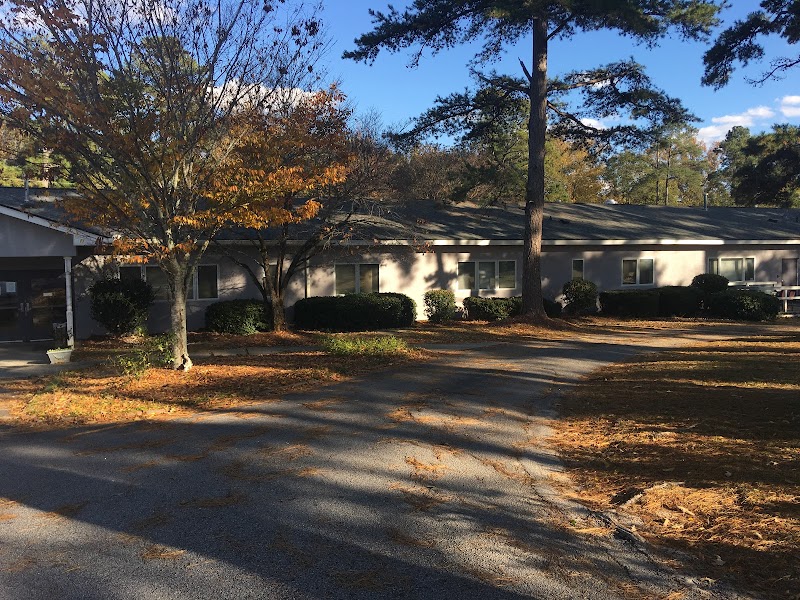
1645 Ridge Road, Hopkins, SC 29061 (803) 776-3873
For profit - Limited Liability company 38 Beds Independent Data: November 2025
Trust Grade
40/100
#177 of 186 in SC
Last Inspection: July 2024

Within standard 12-15 month inspection cycle. Federal law requires annual inspections.

Overview

Sedgewood Manor Health Care Center has received a Trust Grade of D, indicating below-average quality with some significant concerns. It ranks #177 out of 186 nursing facilities in South Carolina, placing it in the bottom half, and #12 out of 14 in Richland County, suggesting limited better options nearby. The facility is worsening, with reported issues increasing from 2 in 2022 to 6 in 2024. Staffing is a major concern, rated only 1 out of 5 stars, with a high turnover rate of 76%, which is significantly above the state average. While there are no fines on record, recent inspections revealed critical lapses, such as a lack of RN coverage for at least eight consecutive hours daily, expired food items not being discarded, and inadequate implementation of an Antibiotic Stewardship Program, all of which could jeopardize residents' health and safety.

Trust Score
D
40/100
In South Carolina
#177/186
Bottom 5%
Safety Record
Low Risk
No red flags
Inspections
Getting Worse
2 → 6 violations
Staff Stability
⚠ Watch
76% turnover. Very high, 28 points above average. Constant new faces learning your loved one's needs.
Penalties
✓ Good
No fines on record. Clean compliance history, better than most South Carolina facilities.
Skilled Nurses
⚠ Watch
Each resident gets only 23 minutes of Registered Nurse (RN) attention daily — below average for South Carolina. Fewer RN minutes means fewer trained eyes watching for problems.
Violations
⚠ Watch
11 deficiencies on record. Higher than average. Multiple issues found across inspections.
★☆☆☆☆
1.0
Overall Rating
★☆☆☆☆
1.0
Staff Levels
★★★★☆
4.0
Care Quality
★★☆☆☆
2.0
Inspection Score
Stable
2022: 2 issues
2024: 6 issues

The Good

  • 4-Star Quality Measures · Strong clinical quality outcomes
  • Full Sprinkler Coverage · Fire safety systems throughout facility
  • No fines on record

Facility shows strength in quality measures, fire safety.

The Bad

1-Star Overall Rating

Below South Carolina average (2.8)

Significant quality concerns identified by CMS

Staff Turnover: 76%

30pts above South Carolina avg (46%)

Frequent staff changes - ask about care continuity

Staff turnover is very high (76%)

28 points above South Carolina average of 48%

The Ugly 11 deficiencies on record

Jul 2024 6 deficiencies
CONCERN (D)

Potential for Harm - no one hurt, but risky conditions existed

Accident Prevention (Tag F0689)

Could have caused harm · This affected 1 resident

Based on observations, interviews, record review, and review of facility policy, the facility failed to ensure the environment remained as free from potential accident hazards as possible for 1 of 1 r...

Read full inspector narrative →
Based on observations, interviews, record review, and review of facility policy, the facility failed to ensure the environment remained as free from potential accident hazards as possible for 1 of 1 resident (R)23. Specifically medications were found at R23's bedside. Findings include: Review of the facility policies titled Medication Administration and Medication Storage with no revision date noted, states that medication are administered by licensed nurses, or other staff who are legally authorized to do so in this state, as ordered by the physician and in accordance with professional standards of practice. 18. Observe resident consumption of medication. 1c. During medication pass, medications must be under the direct observation of the person administering medication or locked in the medication storage area/cart. Review of Medication Administration Policy with an in-service dated 07/08/2024, revealed a total of five licensed practical nurses and one registered nurse signatures that attest to reading of the Medication Administration Policy. Review of R23's face sheet revealed an admission date of 09/25/2020 with the diagnoses listed but not limited to cerebral infarction, left hemiparesis, dysphagia, dementia, major depressive disorder, presbyopia, and constipation. Review of R23's Care Plan with a revision date of 10/14/2022 revealed a focus of a confounding problem: R23 very slow and noncompliant with taking medication at times (will spit out and hide pills). Interventions listed, Stay with [R23] during medication administration and check mouth for medication holding if indicated. Check resident's environment as needed for any untaken medication. Reinforce importance of pros/cons of compliance with consumption of prescribed medications. Reproach as need when resident refuses. Review of R23's quarterly Minimum Data Set (MDS) with an Assessment Reference Date (ARD) of 04/04/2024 revealed a Brief Interview for Mental Status (BIMS) score of 15 out of 15, indicating intact cognition. During an observation and interview on 07/08/2024 at 11:18 AM, R23 was sitting in a wheelchair next to her bed. The call light was not in reach and a medication pill was in a cup on the bedside table. The medication in the pill cup was round, orange, and small. R23 stated that the pill is a stool softener and revealed that nurses put it in her room all the time per her choice. During the interview R23 picked pill out of medication cup and placed it back in the cup. During an observation and interview on 07/08/2024 at 11:38 AM, Licensed Practical Nurse (LPN)2 revealed that medication administration was from 8:00 AM to 9:00 AM for R23. LPN2 stated R23 does not have a self-administration order, but she left medication at the bedside because R23 at times refuses to take medication during administration. LPN2 picked up the medication that was in the medication cup during the interview and placed it back on R23's table. LPN2 left the room with medication unattended 07/08/2024 at 11:39 AM. During an observation 07/08/2024 at 11:42 AM, Director of Nursing DON requested to R23's room to witness medication left at R23's bedside. LPN2 returned to R23's bedside and spoke with DON. During an interview on 07/08/24 at 04:08 PM, DON revealed expectation for the nurses to check their orders, six rights, and not leave the medications at the bedside. The DON stated, the nurse today got educated about the policy and my expectations. During an interview on 07/09/24 at 2:03 PM, the DON revealed an in-service was done yesterday with staff about leaving medications at bed side. During an interview on 07/10/24 at 03:53 PM, the Administrator revealed his expectation is for the nurses to be fully educated when administering medication to the residents. He stated, There should not be any medication left unattended at any resident's bedside.
CONCERN (D)

Potential for Harm - no one hurt, but risky conditions existed

Deficiency F0925 (Tag F0925)

Could have caused harm · This affected 1 resident

**NOTE- TERMS IN BRACKETS HAVE BEEN EDITED TO PROTECT CONFIDENTIALITY** Based on observations, interviews, record review and facility policy the facility failed to maintain an effective pest control p...

Read full inspector narrative →
**NOTE- TERMS IN BRACKETS HAVE BEEN EDITED TO PROTECT CONFIDENTIALITY** Based on observations, interviews, record review and facility policy the facility failed to maintain an effective pest control program. Findings Include: Review of the undated facility policy titled, Pest Control Program, revealed, It is the policy of this facility to maintain an effective pest control program that eradicates and contains common household pests and rodents. Effective pest control program is defined as measures to eradicate and contain common household pests (e.g. bed bugs, lice, roaches, ants, mosquitos, flies, mice, and rats). During a review of the Service Inspection Reports for June 2024 revealed Open Conditions of unsealed cracks and crevices, doors have gaps allowing pest entry, back door has gaps, cracks and gaps in the ceiling, and there is standing water under appliance/machinery/equipment in the kitchen. During an observation on 07/08/24 at 10:15 AM in the common area, of which the surveyors were housed for survey, revealed approximately 10-15 flies throughout the day. During an observation on 07/08/24 at 10:57 AM in the kitchen, revealed multiple flies flying around the kitchen as food was being prepped for lunch. During an observation on 07/08/24 at 11:35 AM in room [ROOM NUMBER], revealed two flies flying around the resident's room. During an observation on 07/09/24 at 9:05 AM in the common area and the hall that leads to the kitchen revealed approximately 8-10 flies throughout the day. During an observation on 07/10/24 at 9:15 AM in the common area and the hall that leads to the kitchen revealed approximately 8-10 flies flying throughout the day. During an interview on 07/08/24 at 11:38 AM with R31 revealed that she sees flies all the time and she is going to ask her husband to bring her a fly swatter because no one else can seem to do anything. During an interview on 07/10/24 approximately 11:30AM with the Kitchen Manager, revealed that she sees flies all the time in the kitchen and she lets the Administrator know and he gets someone to come in and spray from time to time. During an interview on 07/10/24 at 3:33PM with the Facility Administrator revealed, that flies will be addressed in the next Quality Assurance and Performance Improvement (QAPI) meeting, he will also reach out to the pest control company to see what can be done to minimize the flies. The Administrator includes that flies have been a big problem recently with the amount of heat.
CONCERN (E)

Potential for Harm - no one hurt, but risky conditions existed

Deficiency F0947 (Tag F0947)

Could have caused harm · This affected multiple residents

Based on record reviews and interviews, the facility failed to ensure all nurse aide personnel have completed the required 12 hours of training per employment year based on the hire date for 07 out of...

Read full inspector narrative →
Based on record reviews and interviews, the facility failed to ensure all nurse aide personnel have completed the required 12 hours of training per employment year based on the hire date for 07 out of 14 Certified Nursing Assistants (CNAs). Findings include: A review of the undated facility policy titled, Competency Evaluation, revealed Policy: It is the policy of this facility to evaluate each employee to ensure appropriate competencies and skills for performing his or her job and to meet the needs of facility residents. Policy Explanation and Compliance Guidelines: 1. The knowledge and skills required among staff to meet residents' needs are determined through the facility assessment process. 2. Evaluating the competency of staff is accomplished through the facility's training program. 4. Subsequent and/or annual competency is evaluated at a frequency determined by the facility assessment, evaluation of the training program, and/or job performance evaluations. 8. Employee competency forms are maintained in the Director of Nursing's office for the current training year, then forwarded to the Human Resources Director for placing into the employee's personnel file. A review of facility staff training revealed seven (7) staff members did not have the 12-hour required yearly training. CNA 1, hired 09/08/2022 10.25 hours CNA 2, hired 07/01/2019 9.00 hours CNA 3, hired 05/04/2023 4.75 hours CNA 4, hired 10/14/2002 6.25 hours CNA 5, hired 04/24/2023 4.75 hours CNA 6, hired 04/06/2023 2.00 hours CNA 7, hired on 08/05/2021 6.87 hours An interview with the Director of Nursing (DON) on 07/9/2024 at 4:09 PM revealed that she is over the staff competency, along with the Assistant Director of Nursing (ADON), who is out on leave. DON stated the facility conducted training on paper before the transition to an electronic system (Relias) mid-year in 2023. DON states her expectation 1 credit a month, however sometimes it doesn't always work that way. DON states she gives her staff a time frame to typically complete the credits. DON stated all staff is trained, particularly all of the CNAS, She just can't find the documentation for all training that was conducted on paper. Ultimately, DON states her expectation is that her staff completes training, and a better method of keeping track of all documentation of training requirements. An interview with the Facility Administrator (FA) on 07/10/2024 at 2:25 PM revealed training is done on Relias, a third-party system that has different courses, which is mandatory training. FA stated before Relias, competency were done on paper. FA stated that he expects all Certified Nursing Aides to either complete courses monthly or in a timely manner. FA stated that ADON and HR are typically responsible for keeping up with compliance of training requirements for all staff including new hires and existing. FA stated I'm unaware that my staff was not receiving training, I need to have a better oversight. I can't produce information I don't have.
CONCERN (F)

Potential for Harm - no one hurt, but risky conditions existed

Deficiency F0727 (Tag F0727)

Could have caused harm · This affected most or all residents

Based on record review and interview, the facility failed to ensure the services of a Registered Nurse (RN) were used for at least eight consecutive hours a day, seven days a week. A review of the nur...

Read full inspector narrative →
Based on record review and interview, the facility failed to ensure the services of a Registered Nurse (RN) were used for at least eight consecutive hours a day, seven days a week. A review of the nursing schedule provided by the facility revealed an RN was not on site for eight consecutive hours a day on the weekends for seven (7) consecutive months, from January 2024 through July 2024. This failure had the potential to affect the provision of registered nursing assessments and services to all 32 residents in the facility. The findings included: A Review of the facility's undated policy titled, Nursing Services and Sufficient Staff revealed 8. Except when waived, the facility must use the services of a registered nurse for at least 8 consecutive hours a day, 7 days a week. A review of registered nursing timecard reports revealed the following days of no RN on staff for at least eight consecutive hours with the resident census each day: January 2024 01/20/2024-37(census) 01/21/2024-37 (census) 01/27/2024-37 (census) 01/28/2024-37 (census) February 2024 02/03/2024-32 (census) 02/04/2024-35 (census) 02/10/2024-33 (census) 02/11/2024-33 (census) 02/17/2024-34 (census) 02/18/2024-34 (census) 02/24/2024-33 (census) 02/25/2024-32 (census) March 2024 03/02/2024-32 (census) 03/03/2024-34 (census) 03/09/2024-33 (census) 03/10/2024-33 (census) 03/16/2024-32 (census) 03/17/2024-33 (census) 03/23/2024-34 (census) 03/24/2024-34 (census) 03/30/2024-35 (census) 03/31/2024-35 (census) April 2024 04/07/2024-35(census) 04/13/2024-36(census) 04/14/2024-35(census) 04/20/2024-33(census) 04/21/2024-32 (census) 04/27/2024-34(census) May 2024 05/04/2024-34(census) 05/05/2024-34 (census) 05/18/2024-33 (census) 05/19/2024-32(census) 05/25/2024-32 (census) 05/26/2024-31 (census) June 2024 06/08/2024- 32 (census) 06/09/2024- 32 (census) 06/15/2024- 34 (census) 06/16/2024- 34 (census) 06/23/2024- 36 (census) 06/29/2024- 36 (census) 06/30/2024- 35 (census) July 2024 07/06/2024- 33 (census) 07/07/2024- 32 (census) On 07/09/2024 at 12:57 PM, an interview with the Director of Nursing (DON), revealed that there is no RNs (registered nurses) in the building on weekends. DON states she and another nurse are the only registered nurses in the building, and the other RN is only PRN (as needed), and its rare she will work on a weekend. DON states her schedule is works Monday through Friday, 8 hours a day. DON confirmed she does not come in on weekends, and if an emergency occurs she can be reached by phone. DON stated the facility does not use agency staff. DON stated no waivers were used for this facility. DON stated if there is a resident who requires an RN to provide care, she will come in, however, there has not been a time she has had to. DON stated weekend staffing schedules run the same as it would during the week. On 07/10/2014 at 2:12 PM, an interview with the Facility Administrator, (FA), revealed When an RN is not in the building, the DON is on call and can reached by phone if an emergency arises. No resident has been impacted, to his knowledge. If the DON who is an RN, can't make it into her scheduled shift, the Facility will try to utilize another RN who is PRN. If a PRN RN is also unable to make it in or take the shift, the facility will depend on LPNS, (Licensed Practical Nurses), who are scheduled. FA states he is working on trying to hire RN's for weekends, unfortunately, no one has accepted the job. FA states he had suggested DON come in on the weekends, unfortunately, it has not been working.
CONCERN (F)

Potential for Harm - no one hurt, but risky conditions existed

Food Safety (Tag F0812)

Could have caused harm · This affected most or all residents

Based on observation, interviews and review of the facility policy, the facility failed to discard expired food items for 1 of 1 kitchen area. Findings Include: Review of the facility policy titled, ...

Read full inspector narrative →
Based on observation, interviews and review of the facility policy, the facility failed to discard expired food items for 1 of 1 kitchen area. Findings Include: Review of the facility policy titled, Food Storage without a revision date, revealed, All stock must be rotated with each new order received. Rotating stock is essential to ensure the freshness and highest quality of all foods. Place new items behind supply in stock of the same item; in this way oldest stock is always used first. Supervision is necessary to make sure that the person designated to put stock away is rotating it properly. Review of Storage policy from Optima Solutions titled, Guidelines for Storage revealed, Bread must be stored in pantry area at room temperature for five to seven days. Review of Flowers Bakeries Sheet revealed, All European bakers thaw and serve bread or rolls have a 270-day shelf life when kept frozen at zero degrees and five to seven days when kept at room temperature. Flowers guarantees a minimum of 45 days product shelf life at time of delivery. During an observation on 07/08/24 at 10:35 AM revealed, nine bags of 12 count hamburger buns with an expiration date of 05/01/24. Five bags of 12 count hamburger buns had an expiration date of 05/22/24 and eleven bags of 12 count hamburger buns had an expiration date of 06/05/24, in which five buns from one pack were molded. During an observation on 07/09/24 at approximately 10:30 AM revealed, expired bread on a tan cart in the hallway between kitchen area entrances. During an interview on 07/08/24 at 10:45 AM the Certified Dietary Manager (CDM) stated, The kitchen staff is responsible for removing outdated bread and I don't know the expiration date to anything. During an interview on 07/10/24 at 10:17 AM with the Kitchen Manager revealed, when items are open, she makes sure items have a date and put them in their proper place. She also checks daily for expiration dates to ensure it's right.
CONCERN (F)

Potential for Harm - no one hurt, but risky conditions existed

Antibiotic Stewardship (Tag F0881)

Could have caused harm · This affected most or all residents

Based on the review of facility policy, interviews, and record review, the facility failed to develop, implement, and monitor the Antibiotic Stewardship Program. This failure placed all residents at r...

Read full inspector narrative →
Based on the review of facility policy, interviews, and record review, the facility failed to develop, implement, and monitor the Antibiotic Stewardship Program. This failure placed all residents at risk for the potential transmission of infections and communicable diseases. Findings include: A review of the facility policy titled, Antibiotic Stewardship Program, with no revision date, revealed 11. Documentation related to the program is maintained by the Infection Preventionist, including, but not limited to: a. Action plans and/or work plans associated with the program. b. Assessment forms. c. Antibiotic use protocols/algorithms. d. Data collection forms for antibiotic use, process, and outcome measures. e. Antibiotic stewardship meeting minutes. f. Feedback reports. g. Records related to the education of physicians, staff, residents, and families. h. Annual reports On the following dates, a request was made to the administrative staff regarding documentation related to the Antibiotic Stewardship Program. Requested 07/08/2024 at approximately 1:00 PM. Regional Consultant. Requested 07/09/2024 at approximately 08:30 AM. Regional Consultant and Facility Administrator. Requested 07/09/2024 at approximately 2:25 PM. Regional Consultant. Requested 07/09/2024 at approximately 4:30 PM. Director of Nursing. Requested 07/10/2024 at approximately 09:00 AM. Director of Nursing. An interview with the Director of Nursing (DON) on 07/10/2024 at 12:53 PM, revealed, The ADON, Assistant Director of Nursing who is also the Infection Control Preventionist, is out on vacation. DON stated it's her and ADON's responsibility to ensure they keep up with the book with accurate information. DON stated the facility has a Line Listing they use which is sorted by resident's name and room number, type of infection, and the type of treatment the residents receive and the ADON is to keep track of the program monthly. DON stated they focus on physician orders and labs to determine if residents are receiving appropriate treatment. DON stated July 1st, 2024, the facility switched to a new lab. DON stated she only has 1 resident currently in the facility with an infection- Urinary tract, who completed her antibiotic treatment on July 9th, 2024. As of 07/10/024, no residents with a current infection. DON stated she could not produce documentation for 12 months in regard to antibiotic stewardship. An interview with the Facility Administrator (FA) on 07/10/2024 at 2:19 PM- Facility Administrator revealed that neither he, the regional consultant, nor DON can locate the antibiotic stewardship book. FA states that the facility uses the pharmacy input and its electronic medical record system (Point Click Care) to keep track of antibiotic use. FA states the trends are addressed in QAPI meetings, which are done quarterly. FA stated there has been no outbreak of infections that he is aware of. FA stated that his expectation is to document and have an organized system in place to prevent and treat infections when they arise.
Mar 2022 2 deficiencies
CONCERN (D)

Potential for Harm - no one hurt, but risky conditions existed

Infection Control (Tag F0880)

Could have caused harm · This affected 1 resident

Based on observation and interview, the facility failed to ensure hand hygiene for 1 of 1 Residents ((R) 30) prior to lunch and the laundry area was free of potential spread of infections. Specificall...

Read full inspector narrative →
Based on observation and interview, the facility failed to ensure hand hygiene for 1 of 1 Residents ((R) 30) prior to lunch and the laundry area was free of potential spread of infections. Specifically, the facility failed to provide hand hygiene for residents prior to meals and ensure no dust, holes, or exposed plaster was noted in the laundry area. Findings include: 1. During the lunch observation on 03/08/22 at 12:45 PM revealed R30 sitting in a wheelchair in the common area in front of the nurses station while meal trays were being passed out by staff. R30 observed with no meal tray as the other resident noted in the area was eating lunch. R30 was observed playing with the top of and inside of her brief before being wheeled to her room by Certified Nursing Assistant (CNA)1 with no hand hygiene performed prior to meal set-up. During an interview on 03/08/22 at 2:00 PM, CNA1 stated, Normally we don't offer the residents anything to wipe their hands with prior to eating. I didn't offer R30 anything to wipe her hands with. I thought she was just playing with the top part of her diaper. A policy and procedure was requested by the facility with none provided prior to exit. 2. An observation of the laundry area on 03/09/22 at 1:00 PM revealed the following: A. An open area in the side of the building by the dryer with plastic over the open area with noticeable movement of the plastic. B. Two air conditioners noted with dust on them in the clean and dirty sides of the laundry area. C. Holes noted in the walls with exposed plaster noted to the wall edges. D. Peeling paint noted on the walls behind the washing machine. During an interview on 3/9/22 at 1:30 PM, the Housekeeping/Maintenance Director stated, We are supposed to be getting a new building and I try to keep up with the repairs of everything here. During an interview on 03/11/22 at 3:45 PM with the Administrator, he stated, We don't have a policy on cleaning the laundry area, but I do have a cleaning schedule checklist. Review of undated facility Laundry Cleaning Schedule revealed the following: 1. Wipe down washing machine, dryer, clothing racks, walls, etc. 2. Keep dirty clothes separate from the clean clothes 3. Rake around the surrounding area for cigarette butts, trash, debris, etc. 4. Sweep the floor every shift 5. Change the lint filter after every load 6. Make sure all clean clothes are put on hangers.
CONCERN (E)

Potential for Harm - no one hurt, but risky conditions existed

Pharmacy Services (Tag F0755)

Could have caused harm · This affected multiple residents

**NOTE- TERMS IN BRACKETS HAVE BEEN EDITED TO PROTECT CONFIDENTIALITY** Based on observation and interview, the facility failed to ensure a system of records of receipt of controlled drugs, in suffici...

Read full inspector narrative →
**NOTE- TERMS IN BRACKETS HAVE BEEN EDITED TO PROTECT CONFIDENTIALITY** Based on observation and interview, the facility failed to ensure a system of records of receipt of controlled drugs, in sufficient detail, to enable an accurate reconciliation until disposition of destruction and identification of the method of destruction used for controlled medications. Specifically, the facility had the potential for drug diversion with controlled substances and failed to ensure a system of receipt and disposition of all controlled drugs in sufficient detail to ensure an accurate reconciliation and the controlled drugs destruction log did not contain the destruction method for controlled medications. Findings include: Review of consultant pharmacy A contract dated [DATE] revealed no agreement related to destruction and/or supervision of controlled substances for destruction. Review of facility contract with Prisma Health Senior Care PACE (Providing All inclusive Care for the Elderly) program dated [DATE] revealed no contracted services for pharmacy provided to the facility. 1. An observation on [DATE] at 10:45 AM revealed a locked file cabinet that the facility used for controlled medications until destruction. An observation of the locked file cabinet on [DATE] at 10:47 AM revealed the following medications awaiting destruction by pharmacy company A: Resident (R)1--Hydrocodone-Acetaminophen 5/325 mg (milligram), seven pills, dated [DATE] as the date of removal from the medication cart for disposal. R2-- A. Vimpat 10 mg/ml (milliter) solution, 240 ml remaining in the bottle, dated [DATE] as the date of removal from the medication cart for disposal. B. Clonazepam 0.5 mg tablet, 18 pills, dated [DATE] as the date of removal from the medication cart for disposal. C. Lorazepam intensol 2 mg/ml, 10 mls, dated [DATE] as the date of removal from the medication cart for disposal. R5-- Diazepam 5 mg, 7 pills, dated [DATE] as the date of removal from the medication cart for disposal. An observation of the locked file cabinet on [DATE] at 10:47 AM revealed the following medications awaiting destruction by pharmacy company B: R3--A. Hydrocodone-Acetaminophen 5/325 mg, 25 pills, dated [DATE] as the date of removal from the medication cart for disposal. B. Hydrocodone-Acetaminophen 5/325 mg, 31 pills, dated as [DATE] as the date of removal from the medication cart for disposal. R4--Vimpat 10 mg/1 ml, 200 ml, dated [DATE] as the date of removal from the medication cart for disposal. R5--Diazepam 2 mg, 1 pill, dated [DATE] as the date of removal from the medication cart for disposal. During an interview on [DATE] at 11:07 AM with the Director of Nursing (DON), she stated, The process for medication destruction is, it is brought to me by the nurses off the floor when the meds (medications) are either to be discontinued, discharged or expired. Narcotics are provided to me and all other meds are returned to the (2) individual pharmacies. Narcotics are locked up until the pharmacists comes once a month. (Pharmacy A hand delivers meds and Pharmacy B comes once a month). We started using the drug buster now to destroy the meds within the past year. Meds are removed from the pill packets and disposed of in the drug buster and it is kept locked up in the med room. Pharmacy B goes into their pharmacy system and print me out a list of the meds that are destroyed. Pharmacy A signs directly on the narcotic sheet the meds destroyed, the number, the date, and her signature. On that sheet it only contains her name (the pharmacist). The pharmacist have been here every month but we don't normally destroy every single time they come. Pharmacy B last came and destroyed (narcotics) in [DATE] and Pharmacy A last came and destroyed (narcotics) in 2020 . During an interview on [DATE] at 11:50 AM with Certified Pharmacy Technician (CPHT) 1, they stated, I come to the skilled side once a month. My role is to check the med carts, med rooms, medication open dates and narcotic destruction inventory. Narcotic destruction is based off of (Pharmacy B's medication system) with multiple people including the DON with multi-signatures. The actual Pharmacy B destruction sheet should have the DON, mine and the other nurses signatures and we destroy it (the narcotics) in the drug buster. I am alerted to medications that need to be destroyed by whatever they have locked up in the drawer is what is destroyed. I offer to destroy meds each time that I come to the facility and its up to the facility if they want me to destroy (narcotics). I was last there in February 2022 and I offered to destroy narcotics and she said they didn't have anything much. The last two times I've been there I was declined to waste narcotics and I try to let them know ahead of time that I'm coming. I do not got through their drawers for meds, I wait for them to hand me whatever they want to destroy. We don't always put in a reason for destruction but I just found out that the mode of destruction is supposed to be on it (controlled substance form). During an interview on [DATE] at 12:06 PM with Pharmacy A's Pharmacist, they stated, I deliver meds specifically for the PACE program. On the skilled side, we have eleven residents currently there. When we come to the facility, it is to deliver monthly meds. I review the previous months meds to see if they have directly what they have. Any extra meds I will discuss with the DON why the resident has excess meds for the month. Any excess is destroyed. Controlled substances is wasted with the DON. We haven't had to do that because there wasn't any meds that had to be destroyed on my visit. My last visit was on [DATE]. The meds to be wasted they are usually locked up in the DON's office. I usually send the DON a copy of my report once completed. I have been the primary person during the past several months. Normally the DON alerts me of any meds that need to be destroyed. The DON and I would document directly on the form what's wasted, amount on the card, manner of wasting, and the DON and I would sign the form together. The only person I have every wasted meds with is the current DON. The previous DON never wasted meds with me. 2. Review of the facility Controlled Substance Inventory Form dated [DATE] revealed the form does not identify the method of destruction used to waste controlled narcotics. During an interview on [DATE] at 11:07 AM with the DON, she stated, I was unaware about that as we do waste the narcotics in the drug buster.
Nov 2020 3 deficiencies
CONCERN (E)

Potential for Harm - no one hurt, but risky conditions existed

Resident Rights (Tag F0550)

Could have caused harm · This affected multiple residents

**NOTE- TERMS IN BRACKETS HAVE BEEN EDITED TO PROTECT CONFIDENTIALITY** Based on observations, interviews, and review of the facility policy titled Quality of Life-Dignity, the facility failed to trea...

Read full inspector narrative →
**NOTE- TERMS IN BRACKETS HAVE BEEN EDITED TO PROTECT CONFIDENTIALITY** Based on observations, interviews, and review of the facility policy titled Quality of Life-Dignity, the facility failed to treat Resident's #1, #4, #6, # 9, #15, and #19 with dignity for 35 Residents observed on 2 of 2 Halls (Front Hall Rooms 100-111 and Back Hall Rooms 112-119) during random dining observations. The Findings included: On 11/16/20 at approximately 12:06PM, CNA #1was observed entering room [ROOM NUMBER] without knocking on the door or announcing to seek permission to enter Resident's #6 and #15 rooms due to having food tray in hands. On 11/16/20 at approximately 12:03PM, Resident #9 was observed eating lunch in the room with no privacy curtain pulled, while roommate Resident #1 was observed with no tray. On 11/16/2020 at 1:05 PM CNA #2 was observed entering Resident 19's room with lunch tray and did not request permission before entering. At 1:10 PM, Certified Nursing Assistant #3 entered Resident 4's room with lunch tray and did not request permission before entering. On 11/17/2020 at 1:00 PM, Certified Nursing Assistant #3 was asked why S/he did not request permission before entering rooms during lunch. The nurse stated S/he normally request permission if the doors are closed but S/he did not request permission on the above times because the residents' doors were open. A review of facility policy Quality of Life- Dignity states under procedure 6 , Residents' private space and property shall be respected at all times. Staff will knock and request permission before entering residents' room.
CONCERN (E)

Potential for Harm - no one hurt, but risky conditions existed

Food Safety (Tag F0812)

Could have caused harm · This affected multiple residents

**NOTE- TERMS IN BRACKETS HAVE BEEN EDITED TO PROTECT CONFIDENTIALITY** Based on observation, interview and the facility policy, the facility failed to ensure that all foods were labeled in accordance...

Read full inspector narrative →
**NOTE- TERMS IN BRACKETS HAVE BEEN EDITED TO PROTECT CONFIDENTIALITY** Based on observation, interview and the facility policy, the facility failed to ensure that all foods were labeled in accordance with professional standards for food service safety. The facility also failed to clean the ice machine, vents and hood. The findings included: On 11/15/2020 at 11:30 AM, a random observation of the main kitchen with [NAME] revealed: 1). Frozen mac and cheese, (1) bag of onion rings, and (1) bag of hot dogs was in in reach-in freezer without label or date on them. 2). (1) bag of shredded cheese and (2) blocks of sliced cheese was in the reach-in refrigerator without label or date on them 3). Mold-like substance inside the ice machine 4). The hood over the grill and stove had heavy accumulation of grease and dust Following the above random observation, the Certified Dietary Manager verified the food in the freezer did not have a label or date, the ice machine deflector had mold-like substance, and the hood had heavy accumulation of grease and dust. On 11/16/2020 at 11:00 AM, a random observation of the main kitchen with the Certified Dietary Manager revealed: 1). Frozen mac and cheese, (1) bag of onion rings, and (1) bag of hot dogs was in in reach-in freezer without label or date on them. 2). (1) bag of shredded cheese and (2) blocks of sliced cheese was in the reach-in refrigerator without label or date on them 3). Mold-like substance inside the ice machine 4). The hood over the grill and stove had heavy accumulation of grease and dust Following the above random observation, the Certified Dietary Manager verified the food in the freezer did not have a label or date, the ice machine deflector had mold-like substance, and the hood had heavy accumulation of grease and dust. Review of the facility policy entitled, Food Storage, states under procedure 15, Leftover food is stored in covered containers or wrapped carefully and securely. Furthermore, procedure 17 g states, To freeze leftover food, package in small airtight units for quick freezing, label and date. Review of the facility policy entitled, Assistance with meals states under procedure 12, Ice machines and ice storage containers will be drained, cleaned and sanitized per manufacturer's instructions and facility policy. Furthermore, procedure 17 states, The Food Services Manager will be responsible for scheduling staff for regular cleaning of kitchen and dining areas. Food service staff will be trained to maintain cleanliness throughout their work areas during all tasks, and to clean after each task before proceeding to the next assignment.
CONCERN (E)

Potential for Harm - no one hurt, but risky conditions existed

Infection Control (Tag F0880)

Could have caused harm · This affected multiple residents

**NOTE- TERMS IN BRACKETS HAVE BEEN EDITED TO PROTECT CONFIDENTIALITY** On 11/16/2020 at 12:13 PM, Certified Nursing Assistant #1 did not properly sanitize hands before entering Resident 4's room with...

Read full inspector narrative →
**NOTE- TERMS IN BRACKETS HAVE BEEN EDITED TO PROTECT CONFIDENTIALITY** On 11/16/2020 at 12:13 PM, Certified Nursing Assistant #1 did not properly sanitize hands before entering Resident 4's room with lunch tray. At 12:17 PM, Certified Nursing Assistant #1 did not properly sanitize hands before entering Resident 19's room with lunch tray. On 11/16/2020 at 1:06PM, Certified Nursing Assistant #1 was asked why s/he did not follow hand hygiene procedures when involved in direct resident contact. The nurse stated s/he forgot to sanitize hands. A review of the facility policy entitled, Dining Room Audits states, All employees who provide resident assistance with meals will be trained and shall demonstrate competency in the prevention of foodborne illness, including personal hygiene practices and safe food handling. Based on record review, observations, interview, facility policy Dining Room Audits, and information from the Centers for Disease Control (CDC), the facility failed to ensure infection control procedures were adhered to for 1 of 1 laundry observations, 4 of 4 dining observations during meal delivery, and 3 of 3 dining observations to include uncovered food/drinks. The findings include: On 11/15/20 at approximately 11:00AM, the Surveyor was given the access code to the front door by an unknown person via telephone to enter the building. The unknown person did not provide any information such as name nor did they ask for my name, credentials, or greet the Surveyor at the door. The unknown person did not ask COVID 19 quarantine questions nor obtained temperatures prior to entering the building. On 11/15/20 at approximately 11:55AM, uncovered drink cups and side dishes (peaches) were observed on the food cart with no lids, tops, or other coverings. On 11/16/20 at approximately 11:58AM, the drink pitcher with ice in one and ice tea in another had no covering or lid during meal pass and was moved from the Back Hall to the Front Hall uncovered. On 11/16/20 at 12:06PM, CNA #1 was observed delivering a meal tray to room [ROOM NUMBER], not sanitizing hands after leaving the room, and pulling another tray from the food cart to continue meal delivery. On 11/16/20 at 12:07 PM, CNA #2 was observed with their mask pulled down below the nose and mouth during meal delivery. On 11/17/20 at 12:09 PM, prepared Resident drinks in Styrofoam cups were observed sitting on top of the food cart with no lids or coverings. During an interview with CNA #1, h/she stated, no ma'am no lids during dining. On 11/17/20 at 12:20PM, Laundry Attendant # 2 was observed outside smoking, then entering the laundry building without washing or sanitizing hands, and not wearing a mask.
Understanding Severity Codes (click to expand)
Life-Threatening (Immediate Jeopardy)
J - Isolated K - Pattern L - Widespread
Actual Harm
G - Isolated H - Pattern I - Widespread
Potential for Harm
D - Isolated E - Pattern F - Widespread
No Harm (Minor)
A - Isolated B - Pattern C - Widespread

Questions to Ask on Your Visit

  • "Why is there high staff turnover? How do you retain staff?"
  • "Can I speak with families of current residents?"
  • "What's your RN coverage like on weekends and overnight?"

Our Honest Assessment

Strengths
  • • No major safety red flags. No abuse findings, life-threatening violations, or SFF status.
  • • No fines on record. Clean compliance history, better than most South Carolina facilities.
Concerns
  • • 11 deficiencies on record. Higher than average. Multiple issues found across inspections.
  • • Grade D (40/100). Below average facility with significant concerns.
  • • 76% turnover. Very high, 28 points above average. Constant new faces learning your loved one's needs.
Bottom line: Trust Score of 40/100 indicates significant concerns. Thoroughly evaluate alternatives.

About This Facility

What is Sedgewood Manor Health Care Center's CMS Rating?

CMS assigns Sedgewood Manor Health Care Center an overall rating of 1 out of 5 stars, which is considered much below average nationally. Within South Carolina, this rating places the facility higher than 0% of the state's 100 nursing homes. A rating at this level reflects concerns identified through health inspections, staffing assessments, or quality measures that families should carefully consider.

How is Sedgewood Manor Health Care Center Staffed?

CMS rates Sedgewood Manor Health Care Center's staffing level at 1 out of 5 stars, which is much below average compared to other nursing homes. Staff turnover is 76%, which is 30 percentage points above the South Carolina average of 46%. High turnover can affect care consistency as new staff learn residents' individual needs.

What Have Inspectors Found at Sedgewood Manor Health Care Center?

State health inspectors documented 11 deficiencies at Sedgewood Manor Health Care Center during 2020 to 2024. These included: 11 with potential for harm.

Who Owns and Operates Sedgewood Manor Health Care Center?

Sedgewood Manor Health Care Center is owned by a for-profit company. For-profit facilities operate as businesses with obligations to shareholders or private owners. The facility operates independently rather than as part of a larger chain. With 38 certified beds and approximately 32 residents (about 84% occupancy), it is a smaller facility located in Hopkins, South Carolina.

How Does Sedgewood Manor Health Care Center Compare to Other South Carolina Nursing Homes?

Compared to the 100 nursing homes in South Carolina, Sedgewood Manor Health Care Center's overall rating (1 stars) is below the state average of 2.8, staff turnover (76%) is significantly higher than the state average of 46%, and health inspection rating (2 stars) is below the national benchmark.

What Should Families Ask When Visiting Sedgewood Manor Health Care Center?

Based on this facility's data, families visiting should ask: "How do you ensure continuity of care given staff turnover, and what is your staff retention strategy?" "Can you walk me through typical staffing levels on day, evening, and night shifts?" "Can I visit during a mealtime to observe dining assistance and food quality?" "How do you handle medical emergencies, and what is your hospital transfer rate?" These questions are particularly relevant given the facility's high staff turnover rate and the below-average staffing rating.

Is Sedgewood Manor Health Care Center Safe?

Based on CMS inspection data, Sedgewood Manor Health Care Center has a clean safety record: no substantiated abuse findings (meaning no confirmed cases of resident harm), no Immediate Jeopardy citations (the most serious violation level indicating risk of serious injury or death), and is not on the Special Focus Facility watch list (a federal program monitoring the lowest-performing 1% of nursing homes). The facility has a 1-star overall rating and ranks #100 of 100 nursing homes in South Carolina. While no facility is perfect, families should still ask about staff-to-resident ratios and recent inspection results during their visit.

Do Nurses at Sedgewood Manor Health Care Center Stick Around?

Staff turnover at Sedgewood Manor Health Care Center is high. At 76%, the facility is 30 percentage points above the South Carolina average of 46%. High turnover means new staff may not know residents' individual needs, medications, or preferences. It can also be disorienting for residents, especially those with dementia who rely on familiar faces. Families should ask: What is causing the turnover? What retention programs are in place? How do you ensure care continuity during staff transitions?

Was Sedgewood Manor Health Care Center Ever Fined?

Sedgewood Manor Health Care Center has no federal fines on record. CMS issues fines when nursing homes fail to meet care standards or don't correct problems found during inspections. The absence of fines suggests the facility has either maintained compliance or corrected any issues before penalties were assessed. This is a positive indicator, though families should still review recent inspection reports for the full picture.

Is Sedgewood Manor Health Care Center on Any Federal Watch List?

Sedgewood Manor Health Care Center is not on any federal watch list. The most significant is the Special Focus Facility (SFF) program, which identifies the bottom 1% of nursing homes nationally based on persistent, serious quality problems. Not being on this list means the facility has avoided the pattern of deficiencies that triggers enhanced federal oversight. This is a positive indicator, though families should still review the facility's inspection history directly.