Golden Age Operations
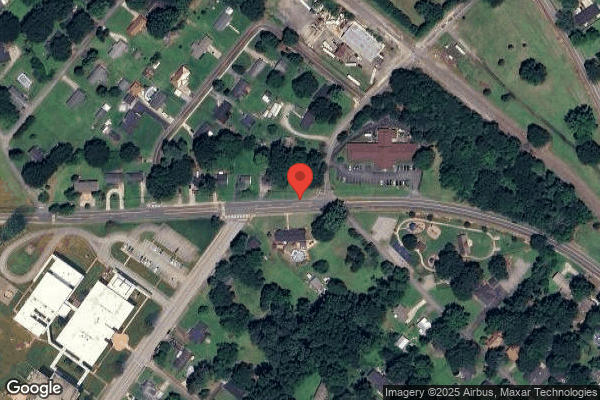
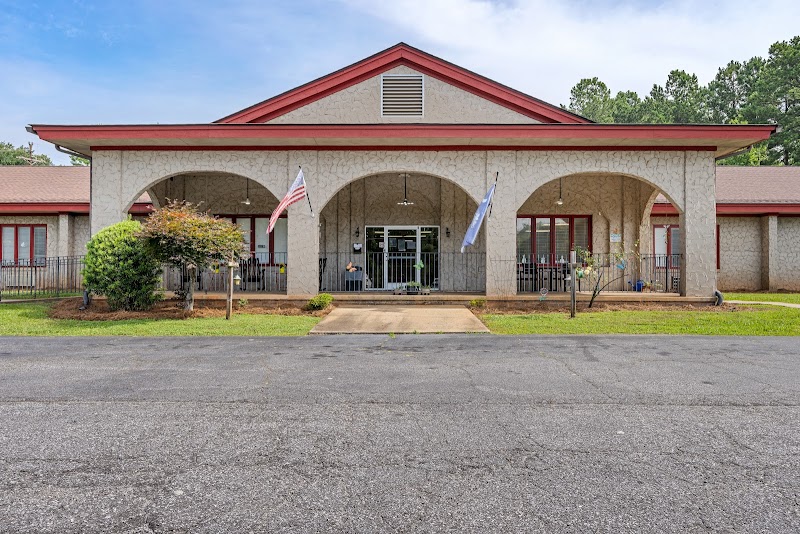
82 N Main Street, Inman, SC 29349 (864) 472-6636
For profit - Individual 44 Beds Independent Data: November 2025 2 Immediate Jeopardy citations
Trust Grade
9/100
#113 of 186 in SC
Last Inspection: March 2025

Within standard 12-15 month inspection cycle. Federal law requires annual inspections.

Overview

Golden Age Operations in Inman, South Carolina has received a Trust Grade of F, indicating significant concerns about the facility's quality of care. With a state rank of #113 out of 186, they are in the bottom half of nursing homes in South Carolina, and #7 out of 15 in Spartanburg County, meaning only six local facilities are better. The situation appears to be worsening, as the number of issues reported increased from 2 in 2024 to 6 in 2025. Staffing is a major concern, with a turnover rate of 65%, significantly higher than the state average of 46%, indicating instability in the staff. Some serious incidents include a resident successfully eloping from the facility due to inadequate supervision, which posed immediate jeopardy, and a failure to assess a resident's fall risks upon admission, potentially leading to preventable falls. Despite some strengths, like good RN coverage exceeding 75% of state facilities, families should carefully weigh these serious weaknesses when considering this home.
Trust Score
F
9/100
In South Carolina
#113/186
Bottom 40%
Safety Record
High Risk
Review needed
Inspections
Getting Worse
2 → 6 violations
Staff Stability
⚠ Watch
65% turnover. Above average. Higher turnover means staff may not know residents' routines.
Penalties
○ Average
$7,972 in fines. Higher than 69% of South Carolina facilities. Some compliance issues.
Skilled Nurses
○ Average
Each resident gets 34 minutes of Registered Nurse (RN) attention daily — about average for South Carolina. RNs are the most trained staff who monitor for health changes.
Violations
⚠ Watch
14 deficiencies on record. Higher than average. Multiple issues found across inspections.
★★☆☆☆
2.0
Overall Rating
★★☆☆☆
2.0
Staff Levels
★★☆☆☆
2.0
Care Quality
★★☆☆☆
2.0
Inspection Score
Stable
2024: 2 issues
2025: 6 issues

The Good

  • Full Sprinkler Coverage · Fire safety systems throughout facility
  • No fines on record

Facility shows strength in fire safety.

The Bad

2-Star Overall Rating

Below South Carolina average (2.8)

Below average - review inspection findings carefully

Staff Turnover: 65%

19pts above South Carolina avg (46%)

Frequent staff changes - ask about care continuity

Federal Fines: $7,972

Below median ($33,413)

Minor penalties assessed

Staff turnover is elevated (65%)

17 points above South Carolina average of 48%

The Ugly 14 deficiencies on record

2 life-threatening
Jun 2025 2 deficiencies 2 IJ
CRITICAL (J) 📢 Someone Reported This

A family member, employee, or ombudsman was alarmed enough to file a formal complaint

Immediate Jeopardy (IJ) - the most serious Medicare violation

Free from Abuse/Neglect (Tag F0600)

Someone could have died · This affected 1 resident

**NOTE- TERMS IN BRACKETS HAVE BEEN EDITED TO PROTECT CONFIDENTIALITY** Based on review of the facility's policy, record review, and interviews, the facility neglected to provide care and services for...

Read full inspector narrative →
**NOTE- TERMS IN BRACKETS HAVE BEEN EDITED TO PROTECT CONFIDENTIALITY** Based on review of the facility's policy, record review, and interviews, the facility neglected to provide care and services for Resident (R)1, resulting in R1 successfully eloping from the facility, for 1 of 3 residents reviewed for neglect. On 06/06/25 at 12:30 PM the Administrator was notified that the failure to prevent a successful elopement from the facility constituted Immediate Jeopardy at F600. On 06/06/25 at 12:30 PM, the survey team provided the Administrator with a copy of the CMS Immediate Jeopardy (IJ) Template and informed the facility IJ existed as of 05/12/25. The IJ was related to 42 CFR 483.12 - Freedom from Abuse, Neglect and Exploitation. On 06/06/25 at 3:42 PM, the facility provided an acceptable IJ Removal Plan. On 06/06/25, the survey team, validated the facility's corrective actions and determined that the facility put forth due diligence in addressing the noncompliance. This IJ is considered at Past Non-Compliance as of 05/13/25. An extended survey was conducted in conjunction with the Complaint Survey for non-compliance at F600, constituting substandard quality of care. Findings include: Review of the facility's policy titled Abuse, Neglect and Exploitation with a revised date if 02/15/24, documented, the facility shall provide protection for the health, welfare and rights of each resident . Definitions: Neglect means failure of the facility, its employees, or service providers to provide goods and services to a resident that are necessary to avoid physical harm, pain, mental anguish, or emotional distress . III Prevention of Abuse, Neglect and Exploitation The facility will implement policies and procedures to prevent and prohibit all types of abuse, neglect, . D. The identification, ongoing assessment, care planning for appropriate interventions, and monitoring or residents with needs and behavior which might lead to conflict or neglect; . Review of R1's Face Sheet located in the resident's electronic medical record (EMR) revealed R1 was admitted to the facility on [DATE], with diagnoses including but not limited to: Alzheimer's Disease, hyperlipidemia, hypertension, atherosclerotic heart disease and angina pectoris. Further review of the Face Sheet indicated R1's advance directives were Do Not Resuscitate (DNR). Review of R1's Medication Administration Record for the month of May 2025, revealed R1's Medical Conditions included but was not limited to: senile degeneration of brain, Alzheimers Disease, and insomnia. Review of R1's Discharge Minimum Data Set (MDS) with an Assessment Reference Date (ARD) of 05/12/25, revealed R1 had a Brief Interview for Mental Status (BIMS) score of 6 out of 15, indicating he was severely cognitively impaired. Review of R1's Elopement Risk Assessment, on admission, dated 05/05/25, revealed R1 is mobile with a device, R1 has one or more predisposing diseases, R1 is cognitively impaired (decreased safety awareness, disturbances in judgement, wandering). Further review of the assessment revealed no indications of elopement. Review of R1's Baseline Care Plan completed on 05/06/25, indicated no history of wandering/elopement. However, the Baseline Care Plan did indicate the following: Under the section Falls/Safety/Elopement indicated evaluate for unsteady gait, proper footware and maintain safe environment. Review of an undated video clip which was taken by a passerby and posted to social media revealed that R1 was outside by himself while it was raining. Further review of the video revealed R1 was in his wheelchair, which was in a grassy area, near the main road. During an interview with Housekeeper (HSK)1 on 06/05/25 at 10:48 AM, HSK1 stated, I was sitting on the porch on a 15 minute break, looking at my telephone, when I noticed [R1] in the ditch. I called for help, which was [Certified Nursing Assistant (CNA)1]. Attempted interview with CNA1 on 06/05/25 at 10:53 AM and 1:39 PM, was not successful. This surveyor received a call from CNA1 on 06/09/25 at 9:32 AM, CNA1 stated that she was coming down the hall when [HSK1] yelled, A resident is trying to get away. CNA1 stated that she went outside to help and R1 was heading over the hill towards the road. CNA1 further stated that she and HSK1 turned him around and he was brought back in. CNA1 concluded she didn't know how long he was out there, but he was alone when she got to him. During an interview with the Director of Nursing (DON) on 06/05/25 at 10:55 AM, she stated that she was notified that R1 was outside by the Business Office Manager (BOM) and when she looked outside, staff were bringing him back. The nurse did an assessment, and he was without injuries. During an interview with the Business Office Manager (BOM) on 06/05/25 at 11:05 AM, she stated, I received a call from a passerby stating that a resident was in front of the building, near the road, in a ditch. The BOM stated that she immediately alerted the staff. During an interview with the Administrator on 06/05/25 at 11:09 AM, the Administrator stated that the facility did not know that R1 was outside until the passerby called the facility. The Administrator stated that R1 was being discharged on the day of the elopement, and he was waiting on his family to pick him up. On 06/06/25 at 3:42 PM, the facility provided an acceptable IJ Removal Plan, which included the following: The facility took the following actions to address the citation and prevent any additional residents from suffering an adverse outcome. (Completion Date: 5/12/2025) - The resident directly involved in this alleged deficient practice was assessed with no injuries noted on 5/12/25. Additionally, the resident had a planned discharge in place to occur on 5/12/25. The resident was discharged on 5/12/25 as planned. - The DON and/or designee re-evaluated residents at risk for wandering/elopement utilizing a midnight census report checklist to indicate that residents had been re assessed and were accounted for. No new residents were identified as being at risk at for elopement. All residents were accounted for in the facility. - All doors with an outside exit were checked to ensure proper function. No issues were identified. - All nursing staff on all shifts received education on wandering, elopement, and resident safety from the DON or designee. Any staff not in attendance received re education on their next scheduled workday. 2. Actions to Prevent Occurrence/Recurrence: Elopement and wandering residents' policy was reviewed. No revisions were necessary. - An elopement drill was conducted on 5/14/25 with no issues noted during the drill. - Newly admitted residents will continue to be assessed for elopement by the DON or designee and ensure that appropriate interventions are in place. - The DON or designee will ensure care plans are updated to ref ect any identified elopement risk. - A Quality Assurance Performance Improvement (QAPI) Performance Improvement Project was implemented to review and interpret all audit findings. All findings will be discussed at the monthly QAA meeting for a minimum of three months or until a pattern of compliance is maintained. Date Facility Asserts Likelihood of Serious Harm No Longer Exists: 05/13/25
CRITICAL (J) 📢 Someone Reported This

A family member, employee, or ombudsman was alarmed enough to file a formal complaint

Immediate Jeopardy (IJ) - the most serious Medicare violation

Accident Prevention (Tag F0689)

Someone could have died · This affected 1 resident

**NOTE- TERMS IN BRACKETS HAVE BEEN EDITED TO PROTECT CONFIDENTIALITY** Based on review of the facility's policy, record review, and interviews, the facility failed to provide adequate supervision for...

Read full inspector narrative →
**NOTE- TERMS IN BRACKETS HAVE BEEN EDITED TO PROTECT CONFIDENTIALITY** Based on review of the facility's policy, record review, and interviews, the facility failed to provide adequate supervision for 1 out of 3 residents reviewed for accidents. On 06/06/25 at 12:30 PM, the Administrator was notified that the failure to prevent a successful elopement from the facility constituted Immediate Jeopardy at F689. On 06/06/25 at 12:30 PM, the survey team provided the Administrator with a copy of the CMS Immediate Jeopardy (IJ) Template and informed the facility IJ existed as of 05/12/25. The IJ was related to 42 CFR 483.25 - Quality of Care. On 06/25/25, the facility provided an acceptable IJ Removal Plan. On 06/25/25, the survey team, validated the facility's corrective actions and and determined that the facility put forth due diligence in addressing the noncompliance. This IJ is considered at Past Non-Compliance as of 05/13/25. An extended survey was conducted in conjunction with the Complaint Survey for non-compliance at F689, constituting substandard quality of care. Findings include: Review of the facility policy titled, Elopement and Wandering Residents revealed, The facility shall ensure that residents who exhibit wandering behavior and/or at risk for elopement receive adequate supervision to prevent accidents . Review of an undated video clip which was taken by a passerby and posted to social media revealed that R1 was outside by himself while it was raining. Further review of the video revealed R1 was in his wheelchair, which was in a grassy area, near the main road. Review of R1's Face Sheet located in the resident's electronic medical record (EMR) revealed R1 was admitted to the facility on [DATE], with diagnoses including but not limited to: Alzheimer's Disease, hyperlipidemia, hypertension, atherosclerotic heart disease and angina pectoris. Further review of the Face Sheet indicated R1's advance directives were Do Not Resuscitate (DNR). Review of R1's Discharge Minimum Data Set (MDS) with an Assessment Reference Date (ARD) of 05/12/25, revealed R1 had a Brief Interview for Mental Status (BIMS) score of 6 out of 15, indicating he was severely cognitively impaired. Review of R1's Elopement Risk Assessment, on admission, dated 05/05/25, revealed R1 is mobile with a device, R1 has one or more predisposing diseases, R1 is cognitively impaired (decreased safety awareness, disturbances in judgement, wandering). Further review of the assessment revealed no indications of elopement. Review of R1's Baseline Care Plan completed on 05/06/25, indicated no history of wandering/elopement. However, the Baseline Care Plan did indicate the following: Under the section Falls/Safety/Elopement indicated evaluate for unsteady gait, proper footwear and maintain safe environment. During an interview with Housekeeper (HSK)1 on 06/05/25 at 10:48 AM, HSK1 stated, I was sitting on the porch on a 15 minute break, looking at my telephone, when I noticed [R1] in the ditch. I called for help, which was [Certified Nursing Assistant (CNA)1]. Attempted interview with CNA1 on 06/05/25 at 10:53 AM and 1:39 PM, was not successful. This surveyor received a call from CNA1 on 06/09/25 at 9:32 AM, CNA1 stated that she was coming down the hall when [HSK1] yelled, A resident is trying to get away. CNA1 stated that she went outside to help and R1 was heading over the hill towards the road. CNA1 further stated that she and HSK1 turned him around and he was brought back in. CNA1 concluded she didn't know how long he was out there, but he was alone when she got to him. During an interview with the Director of Nursing (DON) on 06/05/25 at 10:55 AM, she stated that she was notified that R1 was outside by the Business Office Manager (BOM) and when she looked outside, staff were bringing him back. The nurse did an assessment, and he was without injuries. During an interview with the Business Office Manager (BOM) on 06/05/25 at 11:05 AM, she stated, I received a call from a passerby stating that a resident was in front of the building, near the road, in a ditch. The BOM stated that she immediately alerted the staff. During an interview with the Administrator on 06/05/25 at 11:09 AM, the Administrator stated that the facility did not know that R1 was outside until the passerby called the facility. The Administrator stated that R1 was being discharged on the day of the elopement, and he was waiting on his family to pick him up. On 06/25/25, the facility provided an acceptable IJ Removal Plan, which included the following: The facility took the following actions to address the citation and prevent any additional residents from suffering an adverse outcome. (Completion Date: 5/12/2025) - The resident directly involved in this alleged deficient practice was assessed with no injuries noted on 5/12/25. Additionally, the resident had a planned discharge in place to occur on 5/12/25. The resident was discharged on 5/12/25 as planned. - The DON and/or designee re-evaluated residents at risk for wandering/elopement utilizing a midnight census report checklist to indicate that residents had been re assessed and were accounted for. No new residents were identified as being at risk at for elopement. All residents were accounted for in the facility. - All doors with an outside exit were checked to ensure proper function. No issues were identified. - All nursing staff on all shifts received education on wandering, elopement, supervision, and rounding to observe residents, and resident safety from the DON or designee. Any staff not in attendance received re-education on their next scheduled workday. Actions to Prevent Occurrence/Recurrence: Elopement and wandering residents' policy was reviewed. No revisions were necessary. - An elopement drill was conducted on 5/14/25 with no issues noted during the drill. - Elopement drills will occur monthly, at a minimum to ensure, residents are supervised and staff respond appropriately. - Newly admitted residents will continue to be assessed for elopement by the DON or designee and ensure that appropriate interventions are in place. - The DON or designee will ensure care plans are updated to reflect any identified elopement risk. - A Quality Assurance Performance Improvement (QAPI) Performance Improvement Project was implemented to review and interpret all audit findings. All findings will be discussed at the monthly QAA meeting for a minimum of three months or until a pattern of compliance is maintained. Date Facility Asserts Likelihood for Serious Harm No Longer Exists: 5/13/2025
Mar 2025 4 deficiencies
CONCERN (D)

Potential for Harm - no one hurt, but risky conditions existed

Comprehensive Care Plan (Tag F0656)

Could have caused harm · This affected 1 resident

**NOTE- TERMS IN BRACKETS HAVE BEEN EDITED TO PROTECT CONFIDENTIALITY** Based on facility policy, observation, record review, and interview, the facility failed to develop a comprehensive care plan fo...

Read full inspector narrative →
**NOTE- TERMS IN BRACKETS HAVE BEEN EDITED TO PROTECT CONFIDENTIALITY** Based on facility policy, observation, record review, and interview, the facility failed to develop a comprehensive care plan for of 2 of 3 residents. (Resident (R)22 and R24). Findings include; Record review of the facility policy dated 2025, titled Comprehensive Care Plan revealed It is the policy of this facility to develop and implement a comprehensive person-centered care plan for each resident, consistent with resident rights, that includes measurable objectives and timeframe's to meet a resident's medical, nursing, and mental and psychosocial needs . The comprehensive care plan will describe, at a minimum the following: the services that are to be furnished to attain or maintain the residents highest practicable physical, mental, and psychosocial well-being. Review of R22's Face Sheet revealed R22 was admitted to the facility on [DATE], with diagnoses including but not limited to acute respiratory failure with hypoxia, hydrocephalus, and mild cognitive impairment. Review of R22's Minimum Data Set (MDS) with an Assessment Reference Date (ARD) of 01/04/25, recorded R22 with a Brief Interview for Mental Status (BIMS) score of 9 out 15, indicating R22 had mild cognitive impairment. Review of R22's Physician Order dated 03/03/25, revealed oxygen 2 liters per minute (lpm) via nasal cannula (N/C) to be administered to keep oxygen saturation (oxygen in the blood) above 90% every shift. Review of R22's Care Plan revealed there was no Care Plan related to respiratory concerns, the use of oxygen, or obtaining oxygen saturation to keep above 90%. Further review of the Care Plan revealed a cardiovascular Care Plan, which did not reference the use of oxygen. During an interview on 03/19/25 at 9:43 AM, an interview with Registered Nurse (RN)2 and the Director of Nursing (DON). RN2 stated we remotely update the Care Plans. RN2 confirmed R22 did not have a Care Plan for the use oxygen. The DON confirmed that the Care Plans are updated by the corporate MDS remotely. Review of R24's Face Sheet revealed R24 was admitted to the facility on [DATE], with diagnoses including but not limited to: Type 2 Diabetes Mellitus, Dementia, emphysema, and abnormal gait. Review of R24's MDS with an ARD of 12/19/24, revealed R24 had a BIMS score of 3 out of 15, indicating R24 had severe cognitive impairment. Review of R24's Progress Notes dated 03/14/25 at 8:52 PM, revealed, Resident arrived to facility via stretcher with emergency medical personnel from hospital at 1320 . Resident left great toe was amputated. Resident surgical amputation site has sutures and is covered with dressing. Dressing dry and intact. There is no redness, draining, or any signs or symptoms of infection to site. Resident has special shoe that is to be worn, and dressing should be left in place until follow up appointment. Review of R24's Care Plan revealed there was no care plan addressing R24's surgical site. During an interview on 03/19/25 at 12:55 PM, with Licensed Practical Nurse (LPN)2, Unit Manager and the Director of Nursing (DON). They stated, the MDS Nurse was not here when she went to the hospital and had the amputation. They verified there was not a Care Plan in place. They further confirmed there should be a Care Plan for amputation in place but we don't have anyone doing them.
CONCERN (D)

Potential for Harm - no one hurt, but risky conditions existed

Pressure Ulcer Prevention (Tag F0686)

Could have caused harm · This affected 1 resident

**NOTE- TERMS IN BRACKETS HAVE BEEN EDITED TO PROTECT CONFIDENTIALITY** Based on review of facility policy, observation, record review and interview, the facility failed to complete a dressing change ...

Read full inspector narrative →
**NOTE- TERMS IN BRACKETS HAVE BEEN EDITED TO PROTECT CONFIDENTIALITY** Based on review of facility policy, observation, record review and interview, the facility failed to complete a dressing change using standards of practice to prevent cross contamination of a pressure ulcer, for 1 of 1 resident, (Resident (R)22), reviewed for pressure ulcers. Findings include: Review of the facility policy dated 2024, titled, Clean Dressing Change stated, It is the policy of this facility to provide wound care in a manner to decrease potential for infection and or cross/contamination. Setup clean field on the overbed table with needed supplies .Place a disposable cloth or linen saver on the overbed table. Place only the supplies to be used per wound on the clean field . Use no touch techniques to remove ointments and creams from their containers (i.e. use of tongue blade or applicator). Review of R22's Face Sheet revealed R22 was admitted to the facility on [DATE], with diagnoses including but not limited to: acute respiratory failure with hypoxia, hydrocephalus, and mild cognitive impairment. Review of R22's Minimum Data sheet (MDS) with an Assessment Reference Date (ARD) of 01/04/25, revealed R22 had a Brief Interview for Mental Status (BIMS) score of 9 out of 15, indicating R22 had moderate cognitive impairment. Review of R22's Progress Note dated 03/07/25 at 11:10 PM, reveals a care conference note late entry, Resident reviewed with IDT for skin breakdown to her buttocks. Reported that resident had skin tears to the left and right buttocks. Order written for areas to be cleaned with normal saline and border gauze applied. Will continue to treat resident according to orders and wounds/skin will be assessed weekly until healed. Review of R22's Physician Order dated 03/07/25, revealed the following order: Balsam Peru Castor Oil External Ointment (Balsam Peru Castor Oil), Apply to bilateral buttocks topically every day and night. Discontinued on 03/21/2025. During an observation and interview of R22's wound treatment on 03/18/25 at 9:51 AM, with Registered Nurse (RN)2 revealed, upon entering the room, the privacy curtains were pulled and a Certified Nursing Assistant (CNA) was assisting with turning and repositioning, and had R22 turned and prepared for the treatment. RN2 entered the room, sanitized her hands and donned gloves. Sites were almost completely healed, pink. RN2 applied the [NAME] and [NAME] ointment from the tube to both areas, directly from the tube with gloved hands. RN2 held the tube of treatment in her gloved hand and placed the tube on the bed linens. After applying the ointment, she placed the tube in her pocket. She removed the gloves, then picked up a cup in one hand and held the dirty gloves in the other. She exited the room, went to the dining room, discarded the gloves in the trash and gave the cup to the kitchen. RN2 returned to the room, then washed her hands. She removed the cream from her pocket. She walked towards the treatment cart, but gave the Director of Nursing (DON) the tube of ointment and said it needed to be reordered. RN2 stated, the tube was on her night stand in the room. RN2 confirmed it was not sanitary to place it on the bed. When asked about why she didn't wash her hands after the treatment, RN2 stated she returned to the room and washed her hands, but didn't touch anything along the way because she had a cup in one hand and the gloves in the other. On 03/18/25 at 10:06 AM, an interview with Licensed Practical Nurse (LPN)1 revealed she had just placed R22's ointment back into the treatment cart. After discussing observations, she stated, the nurse should have had a barrier and placed the tube there or she could have poured it in a medication cup and left the tube on the cart. The tube was just given to me by my DON. I placed the tube back into the treatment cart. On 03/19/25 at 9:47 AM, an interview with the DON confirmed R22's ointment was given to her to reorder by RN2 and she handed it to LPN1. The DON stated, I expect the nurse to have a barrier for a dressing and items. Use a barrier for the cream or ointment. The nurse should sanitize or wash her hands before exiting the room.
CONCERN (D)

Potential for Harm - no one hurt, but risky conditions existed

Respiratory Care (Tag F0695)

Could have caused harm · This affected 1 resident

**NOTE- TERMS IN BRACKETS HAVE BEEN EDITED TO PROTECT CONFIDENTIALITY** Based on observation, interview, record review, and facility policy review, the facility failed to provide respiratory care in a...

Read full inspector narrative →
**NOTE- TERMS IN BRACKETS HAVE BEEN EDITED TO PROTECT CONFIDENTIALITY** Based on observation, interview, record review, and facility policy review, the facility failed to provide respiratory care in accordance with professional standards. Specifically, the facility failed to ensure 2 of 2 sampled residents (Resident (R)12 and (R)22), received the correct oxygen flow rate per physician's orders. Findings include: Review of the undated facility policy titled, Oxygen Administration revealed, Policy: Policy Explanation and Compliance Guidelines: 1. Oxygen is administered under orders of a physician, except in cases of emergency. In such case, oxygen is administered and orders for oxygen are obtained as soon as practicable when the situation is under control. Review of R12's Face Sheet revealed R12 was admitted to the facility on [DATE], with diagnoses including but not limited to: paroximal atrial fibrillation, heart failure, long term (current) use of anticoagulants, acute ischemic heart disease, asthma, bipolar disorder, current episode mixed, mild, presence of automatic (implantable) cardiac defibrillator, atherosclerotic heart disease of native coronary artery without angina pectoris, hypertension, gastro-esophageal reflux disease without esophagitis, ventricular tachycardia, pure hypercholesterolemia, and systemic inflammatory response syndrome (SIRS) of non-infectious origin without acute organ dysfunction. Review of R12's Annual Minimum Data Set (MDS) with an Assessment Reference Date (ARD) of 02/08/25, revealed a Brief Interview for Mental Status (BIMS) score of 12 out of 15, indicating R12 had mild cognitive impairment. Review of R12's Care Plan documented, Has oxygen r/t Dyspnea, Asthma. Documented goal indicated, Will have no s/sx of poor oxygen absorption through the review date. Documented intervention directed staff to, OXYGEN SETTINGS: O2 per provider orders. Review of R12's Medication Administration Record dated 03/01/25 - 03/18/25, revealed an order for oxygen at 2 liters with nasal cannula to keep 02 sats above 90%. Check 02 sats every shift. every shift related to ACUTE ISCHEMIC HEART DISEASE, DYSPNEA. Start Date 08/14/24. The document revealed documentation on the following days as noted with nurse initials: 03/17/25. Review of R12's Physician Order with a start date of 08/14/24, documented, O2 at 2 liters with nasal cannula to keep sats above 90%. Check O2 sats every shift. During an observation on 03/17/25 at 10:41 AM, R12 was lying in bed. R12's Oxygen via nasal cannula was set at 2.5 liters per oxygen concentrator. During an observation on 03/17/25 at 2:17 PM, R12 was receiving oxygen via nasal cannula at 2.5 liters per oxygen concentrator. During an interview on 03/17/25 at 2:22 PM, Registered Nurse (RN)1, verified the oxygen was set to 2.5 liters per minute and it should be on 2 liters per minute. RN1 adjusted to the oxygen to 2 liters per minute. During an interview on 03/19/25 at 9:50 AM, the Director of Nursing (DON) revealed, the nurses should have oxygen orders to get the resident's oxygen saturation. Some of the resident's oxygen rates are based on their saturation rates. The nurses should follow the doctor's orders based on the parameters. If the oxygen is on a different flow rate than the doctor's order specifies, this is a concern. Review of R22's Face Sheet revealed R22 was admitted to the facility on [DATE], with diagnoses that included but not limited to: acute respiratory failure with hypoxia, hydrocephalus, and mild cognitive impairment. Review of R22's Minimum Data Set (MDS) with an Assessment Reference Date (ARD) of 01/04/25, revealed R22 had a Brief Interview for Mental Status (BIMS) score of 9 out of 15, indicating R22 had mild cognitive impairment. Review of R22's Physicians Orders dated 03/03/25, revealed oxygen 2 liters per minute (lpm) via nasal cannula (N/C) to be administered to keep oxygen saturation (oxygen in the blood) above 90% every shift. During an observation on 03/17/25 at 12:38 PM, revealed R22's oxygen concentrator was set to 1.5 lpm, connected to a nasal cannula. During an observation and interview of R22 on 03/17/25 at 2:18 PM, revealed the oxygen concentrator remained at 1.5 lpm. RN1 verified the oxygen was set at 1.5 lpm, and stated it should be at 2 lpm. RN1 concluded, Someone may have messed with it. I turned it up this morning. During an interview on 03/19/25 at 9:47 AM, the Director of Nursing (DON) stated, If a resident is on oxygen, they should have oxygen orders. We have set parameters, then follow the orders. It is a concern if the oxygen is not at the correct liter.
CONCERN (D)

Potential for Harm - no one hurt, but risky conditions existed

Infection Control (Tag F0880)

Could have caused harm · This affected 1 resident

Based on review of facility policy, observation, record review and interview, the facility failed to ensure proper handwashing and proper precautions utilizing gloves while removing and reapplying a t...

Read full inspector narrative →
Based on review of facility policy, observation, record review and interview, the facility failed to ensure proper handwashing and proper precautions utilizing gloves while removing and reapplying a transdermal patch for Resident (R)5, for 1 of 1 residents observed. Findings include: Review of the facility policy titled, Medication Administration, states, Policy: Policy Explanation and Compliance Guidelines: . 4. Wash hands prior to administering medication per facility protocol and product. 14. Remove medication from source, taking care not to touch medication with bare hand. 19. Wash hands using facility protocol and product. During an observation on 03/18/25 at 8:40 AM, during medication administration revealed, R5 was ordered Rivastigmine 4.6mg/24. Apply transdermal patch everyday. Registered Nurse (RN)1 prepared the medications for R5. RN1 signed the Medication Administration Record (MAR) to indicate the medications had been given. RN1 sanitized her hands, collected the medications and knocked on the door of the resident's room. RN1 placed the medications on the resident's bedside table. All of the by mouth medications were administered to the resident. RN1, with bare hands, removed the old transdermal patch and applied a new transdermal patch to R5's right arm without washing her hands. RN1 did not sanitize her hands or wear gloves before removing the old transdermal patch or before applying the new transdermal patch. During an interview on 03/19/25 at 9:50 AM, the Director of Nursing (DON) revealed that the nurses should wash their hands and wear gloves if needed for that specific medication. The DON stated that the nurses should sanitize their hands before and after medication administration. After utilizing the hand sanitizer three times, the nurse should wash their hands with soap and water. During an interview on 03/19/25 at 6:45 PM, RN1 confirmed that she had not sanitized her hands or worn gloves before removing the old transdermal patch and applying a new patch. RN1 stated, I do not wear gloves because I cannot reach the corner of the old patch to remove it with gloves on. I do not wear gloves to apply the new patch because it gets stuck on the gloves.
Jun 2024 2 deficiencies
CONCERN (D) 📢 Someone Reported This

A family member, employee, or ombudsman was alarmed enough to file a formal complaint

Potential for Harm - no one hurt, but risky conditions existed

Deficiency F0658 (Tag F0658)

Could have caused harm · This affected 1 resident

Based on observation, interview, record review, and facility policy review, the facility failed to ensure medications were timely administered for 1 (Resident (R)6) of 3 sampled residents observed for...

Read full inspector narrative →
Based on observation, interview, record review, and facility policy review, the facility failed to ensure medications were timely administered for 1 (Resident (R)6) of 3 sampled residents observed for medication administration. Findings included: An undated facility policy titled, Medication Administration, revealed Medications are administered by licensed nurses, or other staff who are legally authorized to do so in this state, as ordered by the physician and in accordance with professional standards of practice, in a manner to prevent contamination or infection. The policy Administer within 60 minutes prior to or after scheduled time unless otherwise ordered by physician. On 06/10/2024 at 10:15 AM, the surveyor observed Registered Nurse (RN)1 administer R6 their 8:00 AM dose of oxybutynin chloride and sennosides-docusate sodium. R6's Order Summary Report, with active orders as of 06/10/2024, revealed an order dated 04/11/2024 for oxybutynin chloride oral tablet, give 5 milligrams (mg) by mouth four times a day for overactive bladder and sennosides-docusate sodium oral tablet 8.6-50 mg, give one tablet by mouth two times a day for constipation. R6's Medication Administration Record, for June 2024, revealed staff were to administer sennosides-docusate sodium oral tablet at 8:00 AM and 4:00 PM and the oxybutynin chloride oral tablet at 8:00 AM, 12:00 PM, 5:00 PM, and 9:00 PM. In an interview on 06/10/2024 at 11:07 AM, the Director of Nursing (DON) stated the MAR would list the exact time the medications are to be administered based on the frequency and the physician orders. The DON stated if medications were not administered within those time frames, they were late. In an interview on 06/10/2024 at 11:19 AM, RN1 stated she has worked at the facility for about three to four months and because she was still training, she was a bit slower with the administration of resident medication(s). RN1 stated she was not sure how many medications were administered outside of the parameters as most of the medications she administered on the B Hall were frequently late. In a follow-up interview on 06/10/2024 at 2:49 PM, the DON stated she was not aware of medications being late.
CONCERN (D) 📢 Someone Reported This

A family member, employee, or ombudsman was alarmed enough to file a formal complaint

Potential for Harm - no one hurt, but risky conditions existed

Accident Prevention (Tag F0689)

Could have caused harm · This affected 1 resident

**NOTE- TERMS IN BRACKETS HAVE BEEN EDITED TO PROTECT CONFIDENTIALITY** Based on observation, interview, record review, document review, and facility policy review, the facility failed to ensure two s...

Read full inspector narrative →
**NOTE- TERMS IN BRACKETS HAVE BEEN EDITED TO PROTECT CONFIDENTIALITY** Based on observation, interview, record review, document review, and facility policy review, the facility failed to ensure two staff assisted with a mechanical lift transfer for 1 (Resident (R)4) of 3 sampled residents reviewed for accidents. The failure resulted in R4 sustaining a laceration to the back of their head. Findings included: An undated facility policy titled, Safe Resident Handling/Transfers, with a copyright date of 2023 revealed It is the policy of this facility to ensure that residents are handled and transferred safely to prevent or minimize risks for injury and provide and promote a safe, secure and comfortable experience for the resident while keeping the employees safe in accordance with current standards and guidelines. The policy specified, 10. Two staff members must be utilized when transferring residents with a mechanical lift. An admission Record revealed the facility admitted R4 on 11/13/2023. According to the admission Record, the resident had a medical history that included diagnoses of neurocognitive disorder with Lewy bodies, chronic embolism and thrombosis, insomnia, dyspnea, depression, protein calorie malnutrition, hallucinations, hemarthrosis, anemia, and hypotension. A quarterly Minimum Data Set (MDS), with an Assessment Reference Date (ARD) of 02/05/2024, revealed R4 had a Brief Interview for Mental Status (BIMS) score of 9, which indicated the resident had moderate cognitive impairment. The MDS revealed the resident was dependent on staff for chair/bed-to-chair transfers. R4's undated care plan, revealed the resident was at risk for falls related to impaired gait and/or balance, impaired awareness, increased weakness and/or fatigue. R4's Nursing Progress Note, dated 04/29/2024 at 3:31 PM, revealed the resident fell to the flow while attempting to be transferred from the bed to their wheelchair. The Nursing Progress Note revealed the resident hit their head on the floor during the fall and a pool of blood was found under the resident and the resident was noted to have a laceration to the back of their head. According to the Nursing Progress Note, the Director of Nursing (DON) was called the resident's room, the resident remained alert and oriented to person, place, time, and situation, and an ambulance was called to transport the resident to the hospital. The facility Summary Statement, signed by the Administrator and dated 05/02/2024, revealed the resident had a witnessed fall on 04/29/2024. Per the Summary Statement, new interventions included to remind the staff to encourage the resident to properly place the resident's hands on the mechanical lift and for there to be a two-person assist with the use of the mechanical lift. In an interview on 06/10/2024 at 1:13 PM, R4 stated when they cut their head, there was only one staff that transferred them. In an interview on 06/10/2024 at 1:20 PM, Certified Nurse Aide (CNA)4 stated R4 required two-person assistance for transfers with a mechanical lift. CNA4 acknowledged it was only her that transferred the resident with a mechanical lift when the resident fell on [DATE]. According to CNA4, she should have had assistance of another staff when she transferred to the resident. CNA4 explained that R4 held the bar of the mechanical lift instead of crossing their arms, and then the resident slid out of the mechanical lift onto the floor. Per CNA4, it was a busy morning, the other aides were busy, and she did not wait for assistance. CNA4 stated after the incident, the DON informed her that there had to be two staff to transfer a resident with a mechanical lift. In an interview on 06/10/2024 at 1:51 PM, the MDS Care Plan Coordinator stated two people were to be present when the mechanical lift was used. In an interview on 06/10/2024 at 2:55 PM, the DON stated R4 had a fall when they slid out of the mechanical lift. The DON stated she informed the staff that whenever the mechanical lift was used, two people must be present. In an interview on 06/10/2024 at 4:20 PM, the Administrator stated R4's fall on 04/29/2024 was reported to the state agency because the resident sustained a laceration. The Administrator confirmed there was only one staff that transferred the resident with a mechanical lift and there should have been two.
Apr 2023 5 deficiencies
CONCERN (D)

Potential for Harm - no one hurt, but risky conditions existed

Deficiency F0657 (Tag F0657)

Could have caused harm · This affected 1 resident

Based on record review, facility policy review, and interviews, the facility failed to ensure the comprehensive care plan was developed with the participation of the resident and the resident represen...

Read full inspector narrative →
Based on record review, facility policy review, and interviews, the facility failed to ensure the comprehensive care plan was developed with the participation of the resident and the resident representative for two (Resident (R) 2 and R6) of 33 residents sampled. Findings include: Review of the facility's undated policy titled, Care Planning-Resident Participation revealed, Policy: This facility supports the resident's right to be informed of and participate in his or her care planning and treatment (implementation of care). Policy Explanation and Compliance Guidelines: 1. The facility will inform the resident, in a language he or she can understand, of his or her rights regarding planning and implementing care, including the right to be informed of his or her total health status. 2. The facility will notify the resident and/resident representative, in advance, of the care to be furnished and the type of caregiver or professional that will furnish care, as well as changes to the plan of care. 3. The facility will encourage and assist the resident and or assist the resident representative to participate in choosing care and treatment options including: a. Initial decisions about treatment b. Decisions about changes c. The right to refuse treatment. 4. The facility will discuss the plan of care with the resident and or representative at regularly scheduled care plan conferences, and allow them to see the care plan, initially, at routine intervals, and after significant changes. The facility will make an effort to schedule the conference at the best time of the day for the resident/resident's representative. The facility will obtain a signature from the resident and/or resident representative after discussion or viewing of the care plan. 1. Review of the admission Record in the electronic health record (EHR) revealed the facility admitted R2 on 10/21/22 with diagnoses that included major depressive disorder, anxiety disorder, and dependence on supplemental oxygen. Review of the significant change Minimum Data Set (MDS) with an Assessment Reference Date (ARD) of 04/13/23, revealed R2 had a Brief Interview for Mental Status (BIMS) score of 15 of 15, which indicated the resident was cognitively intact. During an initial interview with R2 in his room on 04/17/23 at 2:01 PM, the resident was asked if he attended his scheduled care plan meetings. R2 stated, I do not know what a care plan meeting is. The facility could not provide a sign-in sheet of attendance from the care plan meeting for R2. During an interview with the MDS Consultant in the administration office on 04/18/23 at 12:27 PM, the MDS Consultant stated the facility was just made aware of the issue and had made a list of residents who had missed their care plan meetings. When asked, the MDS Consultant stated R2 did not have a 48-hour care plan meeting, and the resident nor his family were informed about a care plan meeting. During an interview with the Social Services Director (SSD)/admission Coordinator in the administration office on 04/20/23 at 9:02 AM, the SSD stated the MDS Coordinator mailed out a letter to the family representative or if the resident was their own responsible person, she verbally told them when they were having a care plan meeting. The SSD stated the family would call the facility back and whoever answered the phone would take a message and then let the MDS Coordinator know if the family or the resident could attend or not. She stated if they could not come, then the facility would have the meeting and the resident representative could participate by phone. The SSD also stated the Certified Nursing Assistant (CNA) brought the resident to the care plan meeting, and the resident's CNA was also involved in the care plan meeting. When asked if R2 had a care plan meeting, she stated not to her knowledge. During an interview with the Director of Nursing (DON) in front of her office on 04/20/23 at 10:00 AM, the DON stated, Residents should be invited to the care plan meeting to discuss what they like and dislike. During an interview with the Administrator on 04/20/23 at 10:14 AM, she stated, The facility is in fact having care plan meetings, but I don't always attend the meetings myself. When asked if she knew of R2 having a care plan meeting, she stated, I do not remember. Review of the medical record revealed the facility admitted R6 on 11/17/22, with diagnoses including, but not limited to, multiple sclerosis, gastrointestinal hemorrhage, muscle wasting and atrophy, chronic obstructive pulmonary disease, anxiety disorder and depression. Review of R6's Quarterly MDS Assessment with an ARD of 02/24/23 revealed R6 had a BIMS score of 15 of 15, indicating that the resident is cognitively intact. The resident does not exhibit any verbal or physical behaviors to include rejection of care. R6 has functional limitation in range of motion, of which he requires limited assistance with personal hygiene, toilet use, transfers, and bed mobility, requiring the physical assistance of one person. Review of R6's care plan revealed interventions included for various focus areas include, Educate the resident/family/caregivers about risks, benefits and the side effects and/or toxic symptoms. It also reveals an intervention of Inform the resident/family/caregivers of any new area of skin breakdown. An interview with R6 on 04/17/23 at 12:52 PM revealed that the facility had not asked if he or his family members would like to attend a care plan meeting that provided him with the extent of current and future care that he is receiving. R6 also included that the facility does not share with him the information that is provided after a care plan meeting has taken place. An interview with the MDS consultant on 04/18/23 at 12:27 PM revealed that the facility has been without a full time MDS coordinator since October of 2022. The MDS consultant also explains that, Since we were made aware of the issue, we have made a list of residents that have missed their care plan meetings. They are also actively trying to hire for a fulltime MDS person. An interview with the facility Administrator on 04/20/23 at 8:54 AM revealed that the Inter-Disciplinary Team (IDT) comes together to discuss the care plan for the residents, and they will provide an invite to the residents and resident representatives either by going to tell the resident or sending a letter out to their families. The Administrator added that this is their current process, and they are currently following this practice, and this has been in effect since she has been here. The resident representatives call the facility and confirm their attendance intentions. The Administrator also states the MDS coordinator and Social Worker have the shared task of sending out the invites to the resident and their representatives. If the resident chooses not to attend their care plan meeting, then the Social Worker or MDS coordinator provides the details of the meeting with them and provides an opportunity for them to explain to them and/or their families. The Administrator informed the surveyor at 9:55 AM on 04/20/23, that she was not able to provide any information or documentation for R6's care plan meeting or where he or his family had been provided an invite to attend any care plan meetings.
CONCERN (D)

Potential for Harm - no one hurt, but risky conditions existed

Deficiency F0658 (Tag F0658)

Could have caused harm · This affected 1 resident

Based on observation, interview, and record review, the facility failed to ensure services provided met professional standard of quality for one (Resident (R) 14) of three residents observed during ob...

Read full inspector narrative →
Based on observation, interview, and record review, the facility failed to ensure services provided met professional standard of quality for one (Resident (R) 14) of three residents observed during observations of medication administration. Observations revealed R14's blood sugar was not checked as ordered. Findings include: On 04/18/23 at 8:00 AM, during a medication administration observation in R14's room, Licensed Practical Nurse (LPN)1 did not obtain the resident's fingerstick blood sugar (FSBS) level. A review of R14's care plan indicated the resident was at risk for unstable blood glucose related to stress, sedentary activity level, and lack of adherence to diabetes management due to the resident having diabetes and being insulin dependent. R14's goals indicated the resident would not have any complications related to diabetes through the review date. Interventions included for staff to administer the resident's diabetes medication as ordered by the doctor and to monitor/document for side effects and effectiveness. On 04/20/23 at 9:04 AM, a review of the electronic health record (EHR) for R14 revealed a verbal order written by a LPN to check blood sugars before meals, dated 10/19/22 at 7:00 AM. A review of a Blood Sugar Graph with documentation of blood sugars for R14 from 03/01/23 to 04/20/23 revealed no evidence the resident's blood sugar was checked from 03/10/23 to 04/17/23. A review of the Medication Administration Record (MAR) for April 2023 revealed no evidence R14's blood sugar was checked during the month of April until 04/18/23 at 3:00 PM. On 04/18/23 at 10:30 AM, during an interview, LPN1 stated blood sugar should be checked if there was an order for a FSBS or if the resident showed signs and symptoms of hypoglycemia, and the FSBS would be documented on the MAR and under vital signs. LPN1 was asked to go to the resident's chart to see the last FSBS, and she stated, The last FSBS was documented on 03/09/23 at 2:26 PM. On 04/18/23 at 10:45 AM, during an interview with the Director of Nursing (DON), she stated that she expected nurses who were administering insulin to check the FSBS level, even if there was no order for the FSBS. She also stated the nurse should notify the provider regarding the lack of an order for FSBS. On 04/18/23 at 11:00 AM, during an interview with the Medical Doctor (MD), he stated he expected nurses to check FSBS levels prior to administering insulin. The MD further stated staff would not call him regarding the resident refusing a FSBS, they would call the Nurse Practitioner (NP). On 04/18/23 at 1:41 PM, during an interview with the Administrator, she stated, I would defer to the DON regarding insulin administration and FSBS.
CONCERN (D)

Potential for Harm - no one hurt, but risky conditions existed

Deficiency F0865 (Tag F0865)

Could have caused harm · This affected 1 resident

Based on interview and record review, the facility failed to make good faith attempts to improve performance through its Quality Assurance Committee. The facility failed to provide consistent care pla...

Read full inspector narrative →
Based on interview and record review, the facility failed to make good faith attempts to improve performance through its Quality Assurance Committee. The facility failed to provide consistent care plan meetings for its residents and resident representatives dating back to November of 2022. Findings include: Review of an undated facility policy titled, Quality Assurance Performance Improvement, revealed its purpose is to enable the facility to take a proactive approach to continually improve the way care is provided to residents. QAPI is integrated into all care and services with a focus on clinical care, quality of life, resident choice, balance between safety and choice, and evidence based best practices. In an interview with the Minimum Data Set (MDS) consultant on 04/18/2023 at approximately 12:27 PM revealed the facility has been without a full-time MDS coordinator since October of 2022. There is a list of residents that have missed their care plan meetings, and the facility is actively trying to hire a full-time MDS coordinator. The consultant stated a performance improvement plan (PIP) was in place. In an interview with the Administrator on 04/20/2023 at approximately 11:30 AM revealed the facility only started a PIP to address the issues with resident / representative participation in care plan meetings that day. The facility lost its MDS Coordinator in December of 2022. At the time, the Administrator had discussed with Social Services and MDS that care plan meetings and care plan participation needed to be addressed. The Administrator believed the issue had been fixed at that time but became aware that the issue had not yet been resolved during the survey. Since the facility does not collect data on care plan meetings and care plan meeting participation, the only way the QA Committee could have known the care plan issue was ongoing was if Social Services or MDS had brought it to their attention. The last QA committee meeting was in March, which MDS did not attend. The issue of care plan meetings was not raised at that time. By the Administrator's estimate, the last time they had been able to provide consistent care plan meetings with participation from residents and resident representatives was in November of 2022 - prior to the departure of the last MDS coordinator.
CONCERN (D)

Potential for Harm - no one hurt, but risky conditions existed

Infection Control (Tag F0880)

Could have caused harm · This affected 1 resident

Based on observation, facility policy review, and interview, the facility failed to maintain an infection prevention and control program to help prevent the transmission of communicable disease for tw...

Read full inspector narrative →
Based on observation, facility policy review, and interview, the facility failed to maintain an infection prevention and control program to help prevent the transmission of communicable disease for two (Resident (R) 14 and R6) of three residents observed during medication administration. Observations during medication administration revealed the nurse did not perform hand hygiene between residents after contact with the residents during medication administration. Findings include: Review of the facility's undated policy titled, Medication Administration, revealed, 16. Wash hands using facility protocol and product. Review of the facility's undated policy titled, Hand Hygiene, revealed, Policy: All staff will perform proper hand hygiene procedures to prevent the spread of infection to other personnel, residents, and visitors. Policy Explanations and Compliance Guidelines: 2. Hand Hygiene is indicated and will be performed under the conditions listed in, but not limited to, the attached hand hygiene table. Review of the undated Hand Hygiene Table revealed, Use either soap and water or Alcohol Based Hand Rub (ABHR is preferred) before performing resident care procedures, between resident contacts, after handling items potentially contaminated with blood, body fluids, secretions, or excretions, and before preparing or handling medications. Observations of medication administration on 04/18/23 from 8:00 AM until 8:18 AM on the unit revealed at 8:00 AM, Licensed Practical Nurse (LPN)1 sanitized her hands after preparing medications for R14 and before entering the resident's room. The LPN then administered the medications to R14. LPN1 then left the room without washing or sanitizing her hands and began to prepare medications for the next resident. At 8:10 AM, LPN1 administered a nasal spray to R6. The LPN used a tissue to wipe the top of the nasal spray and did not wear gloves or sanitize her hands after administering the medication or after exiting the resident's room. On 04/20/23 at 9:40 AM, during an interview with LPN1, she stated, I thought I sanitized my hands after coming out of [R14's] room. LPN1 also stated, I had no reason why I did not sanitize my hands. On 04/20/23 at 10:02 AM, during an interview with the Director of Nursing (DON), she stated, I expect nurses to perform hand hygiene before and after medication administration and before and after using gloves. She also stated, I do not expect nurses to wear gloves to administer nasal spray but if it is the nurse's preference to wear gloves, they need to perform hand hygiene before and after use.
CONCERN (E) 📢 Someone Reported This

A family member, employee, or ombudsman was alarmed enough to file a formal complaint

Potential for Harm - no one hurt, but risky conditions existed

Accident Prevention (Tag F0689)

Could have caused harm · This affected multiple residents

**NOTE- TERMS IN BRACKETS HAVE BEEN EDITED TO PROTECT CONFIDENTIALITY** Based on interviews, record reviews and review of the facility's policy, the facility failed to assess the resident's risk and/o...

Read full inspector narrative →
**NOTE- TERMS IN BRACKETS HAVE BEEN EDITED TO PROTECT CONFIDENTIALITY** Based on interviews, record reviews and review of the facility's policy, the facility failed to assess the resident's risk and/or underlying causes, and the impact of the resident's condition upon admission into the facility for 1 of 1 resident (R )189. This failure had the potential to cause harm and neglect by failing to reveal possible preventable risks for repeated falls. Findings Include: Review of the undated policy titled, Fall Prevention Program, states, Policy: Each resident will be assessed for fall risk and will receive care and services in accordance with their individualized level of risk to minimize the likelihood of falls. Policy Explanation and Compliance Guidelines: 2. Upon admission, the nurse will complete a fall risk assessment along with the admission assessment to determine the resident's level of risk. 3. The nurse will indicate on the (specify location) the resident's fall risk and initiate interventions on the resident's baseline care plan, in accordance with the resident's level of risk. Review of the medical record revealed R189 was admitted to the facility on [DATE], with diagnoses including, but not limited to, Subdural hemorrhage, type 2 diabetes mellitus, cerebrovascular disease, myocardial infarction, and chronic kidney disease. Review of R189's admission Minimum Data Set (MDS) Assessment, with an Assessment Reference Date (ARD) of 03/07/23 revealed R189 had a Brief Interview for Mental Status (BIMS) score of 15 of 15, indicating that the resident was cognitively intact. R189 displayed no physical or verbal behavior and did not reject any care. The assessment also reveals that R189 has had 1 fall, without major injury, since admission. Review of R189's care plan dated 03/09/23 indicates that R189 is At risk for falls r/t history of fall (s). Impaired gait and/or balance, Impaired safety awareness. Interventions included are, Complete fall risk assessment per facility protocol, review information on past falls and attempt to determine cause of falls, record possible root causes, and alter remove any potential causes if possible. Review of R189's medical records revealed that a fall post assessment was completed on 03/05/23 and 03/29/23. Review of R189's medical records revealed that the resident sustained a witnessed fall on 03/05/2023, and unwitnessed falls on 03/10/2023, 03/29/2023, and 04/02/2023. A post fall risk evaluation was completed on 03/05/2023 indicating a score of 14, and an evaluation on 03/29/2023 indicating a score of 16, revealing that R189 is a high risk for falls. After the fall on 04/02/23, the resident was then sent to the emergency room (ER) for further evaluation. Review of the local hospital's discharge note revealed R189 was admitted to the hospital 04/02/2023 at 09:41 AM presented to the Emergency Department (ED) after a fall. Per patient and husband patient has been hypoglycemic and gets dizzy. This time she tripped and fall hitting her head without an loss of consciousness (LOC). The CT head impression reveals subarachnoid hemorrhage in cortices of the right occipital. DC5 Subarachnoid hemorrhage. During an interview with R189's roommate on 04/18/23 at 11:47 AM, she stated that R189 had fallen about 13 times and about three of those times she had slid to the floor. She included that there were never any floor mats or anything on the floor. She added that there was not much supervision, and the resident didn't know how to balance herself well, she also explained that the fall that R189 had on 03/05/2023 in the cafeteria was the first fall she witnessed and that R189 had a black eye from that fall. During an interview with the Corporate MDS Consultant on 04/18/23 at 12:50 PM, she revealed that R189 was sent out to the ER for another medical related issue, due to hypoglycemia, but by the third fall that a resident sustains, the Interdisciplinary Team (IDT) meets and would put interventions in place. During an interview with the Director of Nursing (DON) on 04/18/23 at 1:09 PM, she revealed that after a resident sustains a second fall in the facility, they would then discuss it with the IDT team during their morning meetings. She also stated that a fall assessment is completed on every fall and documented in the resident's medical record. The DON stated that she was aware that R189 was admitted with cerebral hemorrhage and did not complete an initial fall assessment record, although she was aware that the resident was admitted with a history of falls. During an interview with the Administrator on 04/18/23 at 3:04 PM, she revealed that she expects for her nursing staff to see what is going on with the patient and tell the story through documentation and make sure that they are documenting and how they are assessed or what is done, she expects staff to follow policy. She also explained that in the IDT meeting, they look for tends or things to do differently.
Jul 2021 1 deficiency
CONCERN (D)

Potential for Harm - no one hurt, but risky conditions existed

Deficiency F0551 (Tag F0551)

Could have caused harm · This affected 1 resident

Based on record review and interview, the facility failed to ensure the delegated resident representative had the authority as determined by the court to exercise the resident's rights for decision ma...

Read full inspector narrative →
Based on record review and interview, the facility failed to ensure the delegated resident representative had the authority as determined by the court to exercise the resident's rights for decision making by not obtaining documentation of a court appointed representative for a resident who is not able to make their own decisions for one (1) (Resident #12) of one (1) resident reviewed. The sample size was 16. The findings included: Review of records for Resident #12 revealed an admission date of 5/17/21 from an acute care hospital. Diagnoses included Profound Downs Syndrome, Mental Retardation, Paraplegia, Hypercholesterolemia, Debility, Schizophrenia, Alzheimer's Disease, Impulse Control Disorder, Ataxia, Depressive Disorder, Anxiety State, Stage IV decubitus of the Presacral Area with Necrotizing Fasciitis, Guttate Psoriasis, Urinary Retention, Seizure Disorder, Hypothyroidism, Respiratory Failure and Malnutrition. Resident #12 was admitted to Hospice on 5/19/21. Review of the History and Physical (H&P) dated 5/28/21, for Resident #12 revealed prior to hospitalization, Resident #12 lived in an Intermediate Care Facility for Individuals with Intellectual Disabilities (ICF/IID). The H&P noted Resident #12 has no family. Review of the face sheet for Resident #12, noted a responsible party/emergency contact for Resident #12. Review of documents in the record of Resident #12 included but not limited to, Consent to Treat, Authorization to Release Healthcare Information, and Medicaid Hospice Election Form revealed the individual listed as the responsible party on Resident #12's Face Sheet was the person who signed the paperwork to admit Resident #12 to the facility on 5/17/21 and to Hospice on 5/19/21. Review of the record for Resident #12 revealed there is no legal documentation given the designated responsible party the authority to exercise the resident's rights or to make medical and financial decisions for Resident #12. There is no Power of Attorney (POA) document or Guardianship in the record for Resident #12. Interview with the Administrator at 3:15 p.m. on 7/28/21 revealed the facility does not have paperwork for a POA or Guardian for Resident #12. He/she stated in South Carolina, sometimes in homes for the disabled such as group homes or assisted living, when the resident has no family, the facility will take the responsibility for making medical decisions for that person. The Administrator stated he/she would contact the person listed as the responsible party/emergency contact #1 and see if he/she has legal papers giving him/her the right to make medical decisions for Resident #12. The Administrator stated if he/she could not provide those documents, then the facility would have to pursue and apply to the court for a legal guardian for Resident #12. On 7/29/21 at 9:30 a.m. in a follow up interview with the Administrator, he/she provided for review an email from the person listed as the responsible party for Resident #12 which stated he/she did not have legal guardianship or POA for Resident #12 as it was not required when Resident #12 resided in the ICF/IID. The Administrator stated he/she was not aware Resident #12 did not have a legal guardian. He/she stated he/she would contact the corporate office for the facility to check on the process to apply for a legal guardian for Resident #12. On 7/30/21 at 10:15 a.m., the Administrator stated the corporate office had contacted legal counsel to see what needed to be done to apply for a court appointed guardian for Resident #12. He/she confirmed the facility had not started the legal process of obtaining legal guardianship for Resident #12 but felt it would be done soon as they were now aware Resident #12 did not have a legal representative.
Understanding Severity Codes (click to expand)
Life-Threatening (Immediate Jeopardy)
J - Isolated K - Pattern L - Widespread
Actual Harm
G - Isolated H - Pattern I - Widespread
Potential for Harm
D - Isolated E - Pattern F - Widespread
No Harm (Minor)
A - Isolated B - Pattern C - Widespread

Questions to Ask on Your Visit

  • "What changes have you made since the serious inspection findings?"
  • "What safeguards are in place to prevent abuse and neglect?"
  • "Why is there high staff turnover? How do you retain staff?"
  • "Can I speak with families of current residents?"
  • "What's your RN coverage like on weekends and overnight?"

Our Honest Assessment

Strengths
  • • Licensed and certified facility. Meets minimum state requirements.
Concerns
  • • Multiple safety concerns identified: Federal abuse finding, 2 life-threatening violation(s). Review inspection reports carefully.
  • • 14 deficiencies on record, including 2 critical (life-threatening) violations. These warrant careful review before choosing this facility.
  • • Grade F (9/100). Below average facility with significant concerns.
  • • 65% turnover. Above average. Higher turnover means staff may not know residents' routines.
Bottom line: This facility has a substantiated abuse finding. Extreme caution advised. Explore alternatives.

About This Facility

What is Golden Age Operations's CMS Rating?

CMS assigns Golden Age Operations an overall rating of 2 out of 5 stars, which is considered below average nationally. Within South Carolina, this rating places the facility higher than 0% of the state's 100 nursing homes. A rating at this level reflects concerns identified through health inspections, staffing assessments, or quality measures that families should carefully consider.
How is Golden Age Operations Staffed?

CMS rates Golden Age Operations's staffing level at 2 out of 5 stars, which is below average compared to other nursing homes. Staff turnover is 65%, which is 19 percentage points above the South Carolina average of 46%. High turnover can affect care consistency as new staff learn residents' individual needs. RN turnover specifically is 75%, which is notably high. RNs provide skilled clinical oversight, so turnover in this role can affect medical care quality.

What Have Inspectors Found at Golden Age Operations?

State health inspectors documented 14 deficiencies at Golden Age Operations during 2021 to 2025. These included: 2 Immediate Jeopardy (the most serious level, indicating potential for serious harm or death) and 12 with potential for harm. Immediate Jeopardy findings are rare and represent the most serious regulatory concerns. They require immediate corrective action.

Who Owns and Operates Golden Age Operations?

Golden Age Operations is owned by a for-profit company. For-profit facilities operate as businesses with obligations to shareholders or private owners. The facility operates independently rather than as part of a larger chain. With 44 certified beds and approximately 38 residents (about 86% occupancy), it is a smaller facility located in Inman, South Carolina.

How Does Golden Age Operations Compare to Other South Carolina Nursing Homes?

Compared to the 100 nursing homes in South Carolina, Golden Age Operations's overall rating (2 stars) is below the state average of 2.8, staff turnover (65%) is significantly higher than the state average of 46%, and health inspection rating (2 stars) is below the national benchmark.

What Should Families Ask When Visiting Golden Age Operations?

Based on this facility's data, families visiting should ask: "What changes have been made since the serious inspection findings, and how are you preventing similar issues?" "What safeguards and monitoring systems are in place to protect residents from abuse or neglect?" "How do you ensure continuity of care given staff turnover, and what is your staff retention strategy?" "Can you walk me through typical staffing levels on day, evening, and night shifts?" These questions are particularly relevant given the facility's Immediate Jeopardy citations, the substantiated abuse finding on record, the facility's high staff turnover rate, and the below-average staffing rating.

Is Golden Age Operations Safe?

Based on CMS inspection data, Golden Age Operations has documented safety concerns. The facility has 1 substantiated abuse finding (meaning confirmed case of resident harm by staff or other residents). Inspectors have issued 2 Immediate Jeopardy citations (the most serious violation level indicating risk of serious injury or death). The facility has a 2-star overall rating and ranks #100 of 100 nursing homes in South Carolina. Families considering this facility should ask detailed questions about what corrective actions have been taken since these incidents.

Do Nurses at Golden Age Operations Stick Around?

Staff turnover at Golden Age Operations is high. At 65%, the facility is 19 percentage points above the South Carolina average of 46%. Registered Nurse turnover is particularly concerning at 75%. RNs handle complex medical decisions and coordinate care — frequent RN changes can directly impact care quality. High turnover means new staff may not know residents' individual needs, medications, or preferences. It can also be disorienting for residents, especially those with dementia who rely on familiar faces. Families should ask: What is causing the turnover? What retention programs are in place? How do you ensure care continuity during staff transitions?

Was Golden Age Operations Ever Fined?

Golden Age Operations has been fined $7,972 across 1 penalty action. This is below the South Carolina average of $33,159. While any fine indicates a compliance issue, fines under $50,000 are relatively common and typically reflect isolated problems that were subsequently corrected. Families should ask what specific issues led to these fines and confirm they've been resolved.

Is Golden Age Operations on Any Federal Watch List?

Golden Age Operations is not on any federal watch list. The most significant is the Special Focus Facility (SFF) program, which identifies the bottom 1% of nursing homes nationally based on persistent, serious quality problems. Not being on this list means the facility has avoided the pattern of deficiencies that triggers enhanced federal oversight. This is a positive indicator, though families should still review the facility's inspection history directly.