Lake Emory Post Acute Care
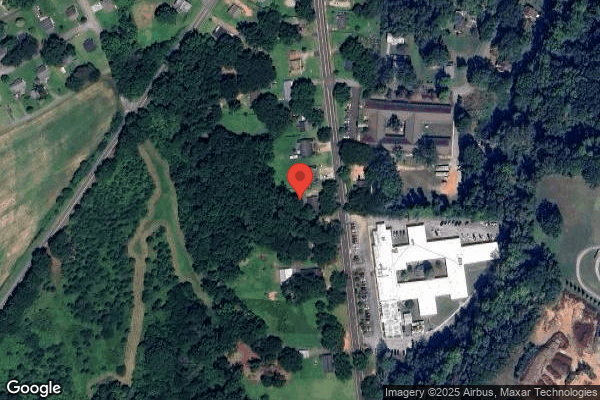

59 Blackstock Road, Inman, SC 29349 (864) 472-2028
For profit - Corporation 88 Beds FUNDAMENTAL HEALTHCARE Data: November 2025 2 Immediate Jeopardy citations
Trust Grade
0/100
#152 of 186 in SC
Last Inspection: July 2024

Within standard 12-15 month inspection cycle. Federal law requires annual inspections.

Overview

Lake Emory Post Acute Care has received a Trust Grade of F, indicating significant concerns regarding the quality of care provided. Ranked #152 out of 186 facilities in South Carolina and #11 out of 15 in Spartanburg County, this places them in the bottom half of all facilities in the state and among local options. Although the facility has shown some improvement in recent inspections, dropping from 4 issues in 2024 to 1 in 2025, the overall trend remains troubling with 18 total issues cited, including critical incidents of neglect that led to two residents successfully eloping from the facility. Staffing is a major concern, with a low rating of 1 out of 5 stars and a turnover rate of 69%, significantly above the state average, meaning many staff do not stay long enough to build strong relationships with residents. Additionally, there are fewer registered nurses on staff than 97% of other facilities in South Carolina, raising concerns about oversight and care quality.
Trust Score
F
0/100
In South Carolina
#152/186
Bottom 19%
Safety Record
High Risk
Review needed
Inspections
Getting Better
4 → 1 violations
Staff Stability
⚠ Watch
69% turnover. Above average. Higher turnover means staff may not know residents' routines.
Penalties
○ Average
$13,627 in fines. Higher than 63% of South Carolina facilities. Some compliance issues.
Skilled Nurses
⚠ Watch
Each resident gets only 12 minutes of Registered Nurse (RN) attention daily — below average for South Carolina. Fewer RN minutes means fewer trained eyes watching for problems.
Violations
⚠ Watch
18 deficiencies on record. Higher than average. Multiple issues found across inspections.
★☆☆☆☆
1.0
Overall Rating
★☆☆☆☆
1.0
Staff Levels
★★☆☆☆
2.0
Care Quality
★★☆☆☆
2.0
Inspection Score
Stable
2024: 4 issues
2025: 1 issues

The Good

  • Full Sprinkler Coverage · Fire safety systems throughout facility
  • No fines on record

Facility shows strength in fire safety.

The Bad

1-Star Overall Rating

Below South Carolina average (2.8)

Significant quality concerns identified by CMS

Staff Turnover: 69%

23pts above South Carolina avg (46%)

Frequent staff changes - ask about care continuity

Federal Fines: $13,627

Below median ($33,413)

Minor penalties assessed

Chain: FUNDAMENTAL HEALTHCARE

Part of a multi-facility chain

Ask about local staffing decisions and management

Staff turnover is elevated (69%)

21 points above South Carolina average of 48%

The Ugly 18 deficiencies on record

2 life-threatening
Apr 2025 1 deficiency
CONCERN (D) 📢 Someone Reported This

A family member, employee, or ombudsman was alarmed enough to file a formal complaint

Potential for Harm - no one hurt, but risky conditions existed

Report Alleged Abuse (Tag F0609)

Could have caused harm · This affected 1 resident

Based on interview, record review, facility document review, and facility policy review, the facility failed to timely report a resident-to-resident abuse allegation to the State Agency for 1 (Residen...

Read full inspector narrative →
Based on interview, record review, facility document review, and facility policy review, the facility failed to timely report a resident-to-resident abuse allegation to the State Agency for 1 (Resident (R)3) of 3 residents reviewed for abuse. Findings include: An undated facility policy titled, Abuse, Neglect, Exploitation, or Mistreatment, specified, 1. The facility's Leadership prohibits neglect, mental, physical and/or verbal abuse, use of a physical and/or chemical restraint not required to treat a medical condition, involuntary seclusion, corporal punishment, and misappropriation of a patient's/resident's property and/or funds and ensures that alleged violations involving abuse, neglect, exploitation, or mistreatment, including injuries of unknown source and misappropriation of resident property, and [sic] are reported immediately. 2. The Facility shall report immediately, but not later than 2 hours after the allegation is made, if the events that cause the allegation involve abuse or result in serious bodily injury, or not later than 24 hours if the events that cause the allegation do not result in serious bodily injury to the administrator of the facility and to other officials (including to the StateSurvey [sic] Agency and adult protective services where state law provides for jurisdiction in long-term care facilities) in accordance with State law through established procedures. A Resident Face Sheet indicated the facility admitted R2 on 06/28/2019. According to the Resident Face Sheet, the resident had a medical history that included diagnoses of encephalopathy, moderate vascular dementia with psychotic disturbance, personal history of mental and behavioral disorders, major depressive disorder, and bipolar type schizoaffective disorder. A quarterly Minimum Data Set (MDS), with an Assessment Reference Date (ARD) of 01/14/2025, revealed R2 had a Brief Interview for Mental Status (BIMS) score of 15, which indicated the resident had intact cognition. The MDS indicated R2 had verbal behavioral symptoms directed towards others and other behavioral symptoms not directed toward others for four to six days during the assessment's lookback period. R2's Care Plan, included a problem statement revised 03/07/2025, that indicated the resident was at risk for alteration of psychosocial wellbeing due to recent resident-to-resident abuse; R2 was the aggressor. Approaches directed staff to provide inpatient psychiatric referral (initiated 03/03/2025), medication review by providers (initiated 03/07/2025), and social service visits for three days (initiated 03/03/2025). A Resident Face Sheet indicated the facility admitted R3 on 09/13/2022. According to the Resident Face Sheet, the resident had a medical history that included diagnoses of vascular dementia with mood disturbances, severe vascular dementia with psychotic disturbances, and major depressive disorder. A quarterly MDS, with an ARD of 03/25/2025, revealed R3 had a BIMS score of 5, which indicated the resident had severe cognitive impairment. The MDS indicated R3 had no behavioral symptoms during the assessment's lookback period. R3's Care Plan, included a problem statement revised 03/07/2025, that indicated the resident was at risk for alteration of psychosocial wellbeing due to recent resident-to-resident abuse; R3 was the victim. Approaches (initiated 03/03/2025) directed staff to complete a room change for the resident, complete body audits for three days, and provide social service visits for three days. R2's Resident Progress Notes, revealed a note dated 03/02/2025 at 2:16 PM, by Licensed Practical Nurse (LPN)3 that indicated R2's roommate (R3) had family visiting and R2 began cursing at R3's family when the family took R3 to the room to lay down for a nap. Per the Resident Progress Notes, R2 stated, This is my [expletive] room. I do not want [R3] in here. [R3] can go to the couch to sleep and watch tv [television]. All [R3] does is piss up my bed and I'm sick of [R3]. Your [family member] is nasty, and I do not want [R3] here. You both can leave my room now. Per the Resident Progress Notes, R3's family member approached staff visibly upset and afraid for the safety of [R3]. The Resident Progress Notes indicated a grievance was filed, the DON was notified, and instructions were given to move R3 to another room. An Initial Report, dated 03/03/2025, revealed a two-hour initial report was completed for mental abuse of R3. Per the Initial Report, R2 was listed as the alleged perpetrator. The Initial Report indicated the date and time of the reportable incident was 03/03/2025 at 10:30 AM. The Initial Report indicated the Social Service Director (SSD) brought a grievance that was under her door that revealed the roommate of R3 was being mentally abusive to them. A Complaint/Grievance Report, dated 03/02/2025, revealed Responsible Party (RP)5, R3's RP, was very concerned how the resident's roommate (R2) was treating R3. The Complaint/Grievance Report indicated, I'm very concerned how [R2] is treating [R3] kicking [the resident] out of [their] room, mentally abusing [the resident]. The Complaint/Grievance Report revealed a section titled Documentation of Investigation that indicated the staff member assigned responsibility for the investigation was the DON and it was assigned on 03/02/2025; the report revealed the DON signed that the section was completed on 03/03/2025. The Complaint/Grievance Report indicated the plan to resolve the grievance was to move the resident to another room. During a telephone interview on 04/10/2025 at 4:31 PM, RP5 stated they were visiting with R3 and when they took R3 back to their room, R2 started yelling at R3. Per RP5, R2 stated R3 was not allowed to watch television, and that the resident urinated and defecated everywhere. RP5 stated they reported what occurred to the nurse. RP5 stated they filled out a complaint form and the facility immediately moved R3 to another room. RP5 stated they had observed no negative outcomes from the incident, and they did not think R3 remembered the incident. During a telephone interview on 04/10/2025 at 4:20 PM, LPN3 stated R3's family approached her and said they did not like the way R3's roommate (R2) was talking to them. According to LPN3, R2 was yelling, and she reported the incident to the DON. LPN3 said they moved R3 out of the room and once the family visit was completed, the family wished to file a grievance. LPN3 stated she assisted R3's family member in completing the grievance form and walked with the family member to the SSDs office where the family member placed the form under the door of the SSDs office. LPN3 said they moved R3 to a new room immediately. LPN3 stated she did not see the grievance form and said R3's family member did not say abuse, so she did not think anything about the incident. During an interview on 04/11/2025 at 1:06 PM, the Administrator stated the incident should have been reported on 03/02/2025 when the incident occurred, even if R3's family member did not say the word abuse.
Aug 2024 3 deficiencies 2 IJ
CRITICAL (J) 📢 Someone Reported This

A family member, employee, or ombudsman was alarmed enough to file a formal complaint

Immediate Jeopardy (IJ) - the most serious Medicare violation

Free from Abuse/Neglect (Tag F0600)

Someone could have died · This affected 1 resident

**NOTE- TERMS IN BRACKETS HAVE BEEN EDITED TO PROTECT CONFIDENTIALITY** Based on interview, record review, and review of facility policy, the facility failed to ensure Residents (R)2 and R3 were free ...

Read full inspector narrative →
**NOTE- TERMS IN BRACKETS HAVE BEEN EDITED TO PROTECT CONFIDENTIALITY** Based on interview, record review, and review of facility policy, the facility failed to ensure Residents (R)2 and R3 were free from neglect, which resulted in R2 and R3 successfully eloping from the facility, for 2 of 6 residents reviewed for neglect. On 08/13/24 at 6:31, PM, the Administrator was notified that the failure to properly supervise two residents, resulting in the two residents successfully eloping from the facility, constituted Immediate Jeopardy (IJ) at F600. On 08/14/24 at 12:52 PM, the survey team provided the Administrator with a copy of the CMS Immediate Jeopardy (IJ) Template, informing the facility IJ existed as of 08/11/24. The IJ was related to 42 CFR 483.25 - Freedom from Abuse, Neglect, and Exploitation. On 08/14/24, the facility provided an acceptable IJ Removal Plan. On 08/14/24, the survey team, validated the facility's corrective actions and determined the facility did their due diligence in addressing the noncompliance at F600. The IJ is considered at Past Noncompliance as of 08/12/24. An extended survey was conducted in conjunction with the Complaint Survey for noncompliance at F600, constituting substandard quality of care. Findings include: Review of the facility's undated policy titled Abuse, Neglect, Exploitation, or Mistreatment documented, The facility's Leadership prohibits neglect, mental, physical and or verbal abuse . Component IV: Identification . 2. Neglect is the failure to provide goods and services or treatment and care necessary to avoid physical harm, mental anguish, or mental illness. Review of R2's Face Sheet revealed R2 was admitted to the facility on [DATE], with diagnoses including but not limited to: Chronic Obstructive Pulmonary Disease, vascular dementia, Alzheimer's Disease, and major depressive disorder. Review of R2's unspecified Minimum Data Set (MDS) with an Assessment Reference Date (ARD) of 6/18/24, revealed R2 had a Brief Interview for Mental Status (BIMS) score of 6 out of 15, indicating R2 was severely cognitively impaired. Under the section behaviors, it recorded R2 as wandering daily. Review of R2's Elopement assessment dated [DATE], indicated R2 was not oriented to her surroundings, and she is confused. Additionally, R2 has a history of wandering and requires supervision, intervention, and wander guard. Review of R2's Physician Orders revealed an order dated 11/22/22, which revealed to have a wander guard on at all times, check function and placement every shift. Review of R2's Care Plan dated 06/18/24, revealed R2 was an elopement risk, requiring wander guard on wrist and will wander safely within the facility with no elopement attempts. Review of R3's Face Sheet revealed R3 was admitted to the facility on [DATE], with diagnoses including but not limited to, vascular dementia, osteoarthritis of the knee, major depressive disorder, and Atherosclerotic heart disease. Review of R3's admission MDS with an ARD of 09/20/22, revealed R3 had a BIMS score of 6 out of 15, indicating R3 was severely cognitively impaired. Review of R3's Elopement assessment dated [DATE], revealed a diagnosis of vascular dementia, not oriented to place or time, has a history of wandering and states R3 does not have a diagnosis that requires supervision. The intervention listed was a wander guard. Review of R3's Physician Orders dated 09/14/22, revealed an order to monitor for function and placement of wander guard every shift. Review of Spartanburg Weather for the date of 08/11/24, recorded a high temperature of 87 degrees Fahrenheit and a low temperature of 71 degrees Fahrenheit with no precipitation. Review of a statement provided by Registered Nurse (RN) on 08/11/24 at approximately 9:00 PM, revealed R2 and R3 were let out the back door by the RN, on duty along, with other smokers with no escort or supervision. The RN's written statement reported, . [R2 and R3] verbalized attention to smoke and were last visualized at 2100 . Residents returned at approximately 2145. During an interview on 08/13/24 at 10:45 AM, the Assistant Director of Nursing (ADON) stated, I got a call from a nurse at the facility around 9:03 PM on 08/11/24, to report two residents were missing from Unit 2 and she couldn't find the nurse. She couldn't give me much information, so I got in my car and headed to the building. The [RN] called me to tell me they were missing as I was on the phone with 3 CNA's [Certified Nursing Assistants] on speaker, who were out looking for them. I heard the CNA say, Lets follow EMS as they passed the facility. They did and said they had found the two residents down [NAME] Road. I passed the facility and went there. I spoke to EMS. They said the residents were ok and will monitor their vitals, so I returned to the facility to do a head count, using the census, everybody was there. EMS brought the residents back about 15 minutes later. They were gone for approximately an hour. The sidewalk terminates so they either walked on grass or the road. During an interview on 08/13/24 at 11:32 AM, the Administrator stated, I arrived here about 9:40 PM, after I got a call from the ADON. She reported to me that [R2 and R3] were missing, that they had not seen them. I asked if they searched that whole building. I was told no. I instructed her to tell them to search everywhere. They were located about a mile down the road. I drove down to where they were located to be sure of the distance. During an interview on 08/13/24 at 12:10 PM, Certified Nurse Assistant (CNA)1, who was assigned to both residents, stated, I answered the doorbell, I thought it was my pizza. But it was two residents who were returning from outside and told me they saw two ladies outside. I immediately went to the hall I was working on, they were not there. I went to the nurse. He was from agency. He said, I let two ladies out of this door a little while ago, that was about 8:30 PM - 8:45 PM. I figured I'd let them out to smoke and they'd be right back. He said they looked like they could be allowed outside, they looked competent. I said what two ladies, one with a walker and one with sunglasses on and he said yes. I knew that was them. After that, I asked are they still out there. I walked outside and I didn't see them and started walking around the building. I grabbed a CNA from another hall and the hospitality aid who was out in the courtyard with the smokers. I went back to the nurse and told him I couldn't find those residents outside. I said I think we need to call a code or call someone. He said, I am not calling anybody until you check everybody in the facility. We then did that. I went back and informed him they were not there. The nurse on the other unit called the ADON and reported it to her. That's when the ADON said she was coming in. We went back outside and looked for the two ladies. There's another facility to the left of the building and two CNA's went that way to see if they were there. Then I saw an EMS truck go by, we followed them. I went with another CNA and followed the fire truck, ambulance and cop car. We followed them about a mile and a half or so. We saw them pulled over and the two residents were there. EMS said they are fine, it's just hot. We are going to take their vitals. The officer said someone had called it in, they drove by and saw them. It was about 1.5 - 2 miles away. [R2] was wearing a tee shirt and capri's with tennis shoes, [R3] had on a long sleeve shirt and pants with her ballerina slipper like shoes, she was very hot, sweating so bad. Her heart rate was 180, that is what EMS said. During an interview on 08/13/24 at 1:18 PM, CNA2 stated, I worked on Sunday on the 3 - 11 shift. I was working on station 1. One of the residents came to me and told me two of the ladies got out. I went outside to scope and see. I saw some other CNAs out there. We told the nurses. I got in my car and drove onto [NAME] Road to the right and didn't see them, so I went the opposite way and didn't see them. I guess I didn't go far enough because I didn't see them. During an interview on 08/13/24 at 2:04 PM, R7 stated, We just got back from the store. We seen [R2 and R3] coming out the back door. They walked the property. They went toward the entrance and never came in. I went to the street, and I didn't see them. I rang the doorbell and the nursing assistant answered. We told her about the two ladies we saw. She went to their rooms and didn't see them. I went to the nurse to tell him. I didn't see who let them out. On 08/14/24, the facility provided an acceptable IJ Removal Plan, which included the following: Residents #2 and #3 returned to the facility on 8/11/24. Residents were assessed by the Assistant Director of Nursing on 8/11/24. No injuries identified . Social Services assessed residents for emotional distress on 8/13/24 and referrals made as indicated . Agency Nurse was sent home on [DATE] and agency notified for this nurse to not return to this facility. Elopement risk Assessments were completed on 8/12/24 . Those residents identified at risk had interventions initiated and care plan updated by 8/13/24. Facility staff were reeducated on Elopement Policy by the Director of Nursing/Designee on 8/12/24 . Facility staff were reeducated on Abuse, Neglect, & Misappropriation by the Administrator/Designee on 8/14/24 . Facility staff not receiving this education by the target date will receive prior to their next scheduled shift. Agency staff will be educated on the Elopement Policy and Abuse, Neglect & Misappropriation policy prior to their first assignment . An elopement drill will be completed by 8/14/24 on each shift . Director of nursing/Designee will interview a minimum of 5 staff members per week for 4 weeks to validate transfer of knowledge. The Administrator/Designee will interview a minimum of 5 residents per week for 4 weeks to validate residents feel safe and have no care concerns. The Director of Nursing/Designee will observe care and interactions of staff members with 3 residents per week for 4 weeks to validate residents feel safe and there is no care concerns. Any identified issues will be addressed at time of discovery. Ad Hoc QAPI was held on 8/14/24 to review the contents of this plan. The Medical Director was notified on 8/14/24 of the immediate Jeopardy and the contents of this plan. AOC date: 8/15/24
CRITICAL (J) 📢 Someone Reported This

A family member, employee, or ombudsman was alarmed enough to file a formal complaint

Immediate Jeopardy (IJ) - the most serious Medicare violation

Accident Prevention (Tag F0689)

Someone could have died · This affected 1 resident

**NOTE- TERMS IN BRACKETS HAVE BEEN EDITED TO PROTECT CONFIDENTIALITY** Based on interviews, record review and review of facility policy, the facility failed to provide appropriate supervision to prev...

Read full inspector narrative →
**NOTE- TERMS IN BRACKETS HAVE BEEN EDITED TO PROTECT CONFIDENTIALITY** Based on interviews, record review and review of facility policy, the facility failed to provide appropriate supervision to prevent Resident (R)2, and (R)3's elopement from the facility. On 08/13/24 at 6:31 PM, the Administrator was notified that the failure to properly supervise two residents, resulting in the two residents successfully eloping from the facility, constituted Immediate Jeopardy (IJ) at F689. On 08/13/24 at 6:31 PM, the survey team provided the Administrator with a copy of the CMS Immediate Jeopardy (IJ) Template, informing the facility IJ existed as of 08/11/24. The IJ was related to 42 CFR 483.25 - Free of Accident Hazards/Supervision. On 08/14/24, the facility provided an acceptable IJ Removal Plan. On 08/14/24, the survey team, validated the facility's corrective actions and determined the facility did their due diligence in addressing the noncompliance at F689. The IJ is considered at Past Noncompliance as of 08/12/24. An extended survey was conducted in conjunction with the Complaint Survey for noncompliance at F689, constituting substandard quality of care. Findings include: Review of the facility policy titled Elopement dated 11/01/17, stated, To safely and timely redirect patients/residents to a safe environment. A prompt investigation and search will be conducted if a patient/resident is considered missing. The facility will determine a signal code, e.g. Code [NAME] to designate a missing patient/resident. Once is it determined that a patient/resident is missing, all employees are notified immediately by paging overhead, and it was blank but states, insert code name. Review of the facility policy titled Accident/Incident Reporting - Patient/Resident stated, An accident is an unexpected, unintended event that can result in bodily injury. Review of R2's Face Sheet revealed R2 was admitted to the facility on [DATE], with diagnoses including but not limited to: Chronic Obstructive Pulmonary Disease, vascular dementia, Alzheimer's Disease, and major depressive disorder. Review of R2's unspecified Minimum Data Set (MDS) with an Assessment Reference Date (ARD) of 6/18/24, revealed R2 had a Brief Interview for Mental Status (BIMS) score of 6 out of 15, indicating R2 was severely cognitively impaired. Under the section behaviors, it recorded R2 as wandering daily. Review of R2's Elopement assessment dated [DATE], indicated R2 was not oriented to her surroundings, and she is confused. Additionally, R2 has a history of wandering and requires supervision, intervention, and wander guard. Review of R2's Physician Orders revealed an order dated 11/22/22, which revealed to have a wander guard on at all times, check function and placement every shift. Review of R2's Care Plan dated 06/18/24, revealed R2 was an elopement risk, requiring wander guard on wrist and will wander safely within the facility with no elopement attempts. Review of R3's Face Sheet revealed R3 was admitted to the facility on [DATE], with diagnoses including but not limited to, vascular dementia, osteoarthritis of the knee, major depressive disorder, and Atherosclerotic heart disease. Review of R3's admission MDS with an ARD of 09/20/22, revealed R3 had a BIMS score of 6 out of 15, indicating R3 was severely cognitively impaired. Review of R3's Elopement assessment dated [DATE], revealed a diagnosis of vascular dementia, not oriented to place or time, has a history of wandering and states R3 does not have a diagnosis that requires supervision. The intervention listed was a wander guard. Review of R3's Physician Orders dated 09/14/22, revealed an order to monitor for function and placement of wander guard every shift. Review of Spartanburg Weather for the date of 08/11/24, recorded a high temperature of 87 degrees Fahrenheit and a low temperature of 71 degrees Fahrenheit with no precipitation. Review of a statement provided by Registered Nurse (RN) on 08/11/24 at approximately 9:00 PM, revealed R2 and R3 were let out the back door by the RN, on duty along, with other smokers with no escort or supervision. The RN's written statement reported, . [R2 and R3] verbalized attention to smoke and were last visualized at 2100 . Residents returned at approximately 2145. During an interview on 08/13/24 at 10:45 AM, the Assistant Director of Nursing (ADON) stated, I got a call from a nurse at the facility around 9:03 PM on 08/11/24, to report two residents were missing from Unit 2 and she couldn't find the nurse. She couldn't give me much information, so I got in my car and headed to the building. The [RN] called me to tell me they were missing as I was on the phone with 3 CNA's [Certified Nursing Assistants] on speaker, who were out looking for them. I heard the CNA say, Lets follow EMS as they passed the facility. They did and said they had found the two residents down [NAME] Road. I passed the facility and went there. I spoke to EMS. They said the residents were ok and will monitor their vitals, so I returned to the facility to do a head count, using the census, everybody was there. EMS brought the residents back about 15 minutes later. They were gone for approximately an hour. The sidewalk terminates so they either walked on grass or the road. During an interview on 08/13/24 at 11:32 AM, the Administrator stated, I arrived here about 9:40 PM, after I got a call from the ADON. She reported to me that [R2 and R3] were missing, that they had not seen them. I asked if they searched that whole building. I was told no. I instructed her to tell them to search everywhere. They were located about a mile down the road. I drove down to where they were located to be sure of the distance. During an interview on 08/13/24 at 12:10 PM, Certified Nurse Assistant (CNA)1, who was assigned to both residents, stated, I answered the doorbell, I thought it was my pizza. But it was two residents who were returning from outside and told me they saw two ladies outside. I immediately went to the hall I was working on, they were not there. I went to the nurse. He was from agency. He said, I let two ladies out of this door a little while ago, that was about 8:30 PM - 8:45 PM. I figured I'd let them out to smoke and they'd be right back. I asked are they still out there. I walked outside and I didn't see them and started walking around the building. I grabbed a CNA from another hall and the hospitality aid who was out in the courtyard with the smokers. I went back to the nurse and told him I couldn't find those residents outside. I said I think we need to call a code or call someone. He said, I am not calling anybody until you check everybody in the facility. We then did that. I went back and informed him they were not there. The nurse on the other unit called the ADON and reported it to her. That's when the ADON said she was coming in. We went back outside and looked for the two ladies. There's another facility to the left of the building and two CNA's went that way to see if they were there. Then I saw an EMS truck go by, we followed them. I went with another CNA and followed the fire truck, ambulance and cop car. We followed them about a mile and a half or so. We saw them pulled over and the two residents were there. EMS said they are fine, it's just hot. We are going to take their vitals. The officer said someone had called it in, they drove by and saw them. It was about 1.5 - 2 miles away. [R2] was wearing a tee shirt and capri's with tennis shoes, [R3] had on a long sleeve shirt and pants with her ballerina slipper like shoes, she was very hot, sweating so bad. Her heart rate was 180, that is what EMS said. During an interview on 08/13/24 at 1:18 PM, CNA2 stated, I worked on Sunday on the 3 - 11 shift. I was working on station 1. One of the residents came to me and told me two of the ladies got out. I went outside to scope and see. I saw some other CNAs out there. We told the nurses. I got in my car and drove onto [NAME] Road to the right and didn't see them, so I went the opposite way and didn't see them. I guess I didn't go far enough because I didn't see them. During an interview on 08/13/24 at 2:04 PM, R7 stated, We just got back from the store. We seen [R2 and R3] coming out the back door. They walked the property. They went toward the entrance and never came in. I went to the street, and I didn't see them. I rang the doorbell and the nursing assistant answered. We told her about the two ladies we saw. She went to their rooms and didn't see them. I went to the nurse to tell him. I didn't see who let them out. On 08/14/24, the facility provided an acceptable IJ Removal Plan, which included the following: Residents #2 and #3 returned to the facility on 8/11/24. Residents were assessed by the Assistant Director of Nursing on 8/11/24. No injuries identified . Social Services assessed residents for emotional distress on 8/13/24 and referrals made as indicated . Agency Nurse was sent home on [DATE] and agency notified for this nurse to not return to this facility. Elopement risk Assessments were completed on 8/12/24 . Those residents identified at risk had interventions initiated and care plan updated by 8/13/24. Facility staff were reeducated on Elopement Policy by the Director of Nursing/Designee on 8/12/24 . Facility staff not receiving this education by the target date will receive prior to their next scheduled shift. Agency staff will be educated on the Elopement Policy and Abuse, Neglect & Misappropriation policy prior to their first assignment . An elopement drill will be completed by 8/14/24 on each shift . Director of nursing/Designee will interview a minimum of 5 staff members per week for 4 weeks to validate transfer of knowledge. Ad Hoc QAPI was held on 8/13/24 to review the contents of this plan. The Medical Director was notified on 8/13/24 of the immediate Jeopardy and the contents of this plan. AOC date: 8/14/24
CONCERN (D) 📢 Someone Reported This

A family member, employee, or ombudsman was alarmed enough to file a formal complaint

Potential for Harm - no one hurt, but risky conditions existed

Notification of Changes (Tag F0580)

Could have caused harm · This affected 1 resident

**NOTE- TERMS IN BRACKETS HAVE BEEN EDITED TO PROTECT CONFIDENTIALITY** Based on review of facility policy, record review, and interview, the facility failed to notify the responsible party for Reside...

Read full inspector narrative →
**NOTE- TERMS IN BRACKETS HAVE BEEN EDITED TO PROTECT CONFIDENTIALITY** Based on review of facility policy, record review, and interview, the facility failed to notify the responsible party for Resident (R) 2 and R3, of an elopement, for 2 of 3 residents reviewed for elopement. Findings include: Review of the facility policy titled Elopement dated 11/01/17, documented, When the resident is located . The Director of Nurses or the designee notifies the Administrator/designee and notifies the appropriate community agencies, attending physician and the residents legal representative. Review of R2's Face Sheet revealed the facility admitted R2 on 09/13/22, with diagnoses including but not limited to: chronic obstructive pulmonary disease, vascular dementia, Alzheimer's Disease, and major depressive disorder. Review of R2's admission Minimum Data Set (MDS) with an Assessment Reference Date (ARD) of 06/18/24, revealed R2 had a Brief Interview for Mental Status (BIMS) score of 6 out of 15, indicating R2 had severe cognitive impairment. Review of R3's Face Sheet revealed R3 was admitted to the facility on [DATE], with diagnoses including but not limited to: vascular dementia, osteoarthritis of the knee, major depressive disorder, and Atherosclerotic heart disease. Review of R3's admission MDS with an ARD of 06/19/24, revealed R3 had a BIMS score of 6 out of 15, indicating R3 was severely cognitively impaired. Review of Registered Nurse (RN) written statement dated 08/11/24 at approximately 9:00 PM, revealed R2 and R3 were let out the back door of the facility by the RN on duty, along with other smokers, with no escort or supervision. The RN's written statement stated, They [R2 and R3] verbalized attention to smoke and were last visualized at 2100. Residents returned at approximately 2145. Record review of R2's progress notes did not record anything related to the elopement. Additionally, there was no notification to the Responsible Party. Record review of R3's progress notes did not record anything related to the elopement. Additionally, there was no notification to the Responsible Party. During an interview on 08/13/24 at 11:32 AM, the Administrator stated, I arrived here about 9:40 PM after I got a call from the ADON [Assistant Director of Nursing]. She reported to me that [R2 and R3] were missing, that they had not seen them. I asked if they searched that whole building. I was told no. I instructed her to tell them to search everywhere. They were located about a mile down the road. I drove down to where they were located to be sure of the distance. During an interview on 08/13/24 at 2:25 PM, R2's daughter stated, The only time they ever tell me stuff that's going on, is in the care plan meeting. I'm not aware of this situation, of her leaving the facility and walking down the street. This really ticks me off so bad. They ain't told me nothing. Whenever I call, they tell me, well so and so is out of the office, you'll have to call back. Mama's got Alzheimer's, they need to tell me. During an interview on 08/13/24 at 2:38 PM, R3's Guardian (court appointed) stated, I am the first point of contact for [R3]. I work for an advocacy group. I am not aware she got out and was walking down the street at night. I've not been notified at all. During an interview on 08/13/24 at 4:00 PM, the Administrator stated, For investigations regarding elopement we start the investigation as soon as possible. I don't call the Responsible Party, the nurses usually make that call, not me. During the investigation period, I will ask if someone notified the Responsible Party. There are times when I may have forgotten to give the information. The Administrator confirmed there was no documentation in R2's or R3's record that the responsible party had been notified.
Jul 2024 1 deficiency
CONCERN (F)

Potential for Harm - no one hurt, but risky conditions existed

Food Safety (Tag F0812)

Could have caused harm · This affected most or all residents

Based on observations, interviews, and a review of facility policy, the facility failed to ensure foods stored in the refrigerator, and nourishment kitchen were free from expiration. This failure had ...

Read full inspector narrative →
Based on observations, interviews, and a review of facility policy, the facility failed to ensure foods stored in the refrigerator, and nourishment kitchen were free from expiration. This failure had the potential to affect residents in the facility who consumed food from the kitchen and received food from the nourishment kitchen. Findings include: A review of the facility's policy titled, Nutrition policy and procedures on cleaning walk-in refrigerator with a complete revision date of 06/20/2023 states 2. Verify that all products are properly labeled and dated. On 07/16/2024 at 10:35 AM and 07/18/2024 at 04:45 PM, the following observations in the kitchen and nourishment kitchen were made with and verified by the Dietary Manager (DM): Main refrigerator/Cooler-Two clear bags, both with 6 heads of lettuce each with no open date and a use-by date of 06/17/2024 listed on the bag. All 12 heads of lettuce in the bags were brown with pink build-up surrounding the entire head of lettuce. An observation of the nourishment kitchen, located in B Hall on 7/18/2024 at 4:34 PM revealed the refrigerator has three (3) cartons of Dairy Pure 1% low-fat milk, with an expiration date of July 16th, 2024. An interview with the DM on 07/17/2024 at 10:36 AM revealed that staff is expected to check the coolers, freezers, and all other food storage areas for expired foods. DM stated that it's everyone's responsibility. The DM stated, The heads of lettuce were at the very bottom, and it was overlooked. During a follow up interview on 07/18/2024 at 04:45 PM, the DM stated, Typically every day, her staff delivers sandwiches and snacks to the nourishment kitchen and removes expired items. DM confirmed the milk was past its expiration date and didn't belong in the refrigerator. On 07/18/2024 at approximately 12:06 PM, an interview with the Facility Administrator stated her expectation of the kitchen is for all items to be discarded by use-by dates. She said, Staff should be discarding items that have expired to not compromise other foods.
Aug 2023 1 deficiency
CONCERN (D) 📢 Someone Reported This

A family member, employee, or ombudsman was alarmed enough to file a formal complaint

Potential for Harm - no one hurt, but risky conditions existed

Resident Rights (Tag F0550)

Could have caused harm · This affected 1 resident

**NOTE- TERMS IN BRACKETS HAVE BEEN EDITED TO PROTECT CONFIDENTIALITY** Based on observation, interview, and record review, the facility failed to ensure Resident (R)6 was treated with dignity by fail...

Read full inspector narrative →
**NOTE- TERMS IN BRACKETS HAVE BEEN EDITED TO PROTECT CONFIDENTIALITY** Based on observation, interview, and record review, the facility failed to ensure Resident (R)6 was treated with dignity by failing to ensure his catheter bag was covered to promote privacy. Finding include: Review of the admission Record revealed R6 was admitted on [DATE] with diagnoses including but not limited to, major depressive disorder and Parkinson's disease. Review of R6's Minimum Data Set (MDS), located in the Electronic Medical Record (EMR) with an Assessment Reference Date (ARD) of 06/30/23, revealed R6 has a Brief Interview of Mental Status (BIMS) score of 12 out of 15, indicating the resident was moderately cognitively intact. During an observation, R6 was observed sitting up in bed on 08/24/23 at 12:25 PM. He appeared unkempt, with long facial hair, and his catheter bag was full without a privacy bag. The privacy bag was observed at 12:25 PM and 1:56 PM on 08/24/23. An interview on 08/24/23 at 1:56 PM with R6 revealed that he does prefer to have his face shaved and it has not been shaved today. He stated he feels the facility uses cheap catheter bags, and it bursts many times, causing the urine to go all over the floor. During an interview on 08/24/23 at 2:30 PM with Assistant Director of Nursing revealed catheter bags should always have a privacy bag and changed as needed.
Feb 2023 5 deficiencies
CONCERN (D)

Potential for Harm - no one hurt, but risky conditions existed

Deficiency F0638 (Tag F0638)

Could have caused harm · This affected 1 resident

**NOTE- TERMS IN BRACKETS HAVE BEEN EDITED TO PROTECT CONFIDENTIALITY** Based on review of the Resident Assessment Instrument Manual, record review, and interviews, the facility failed to complete a q...

Read full inspector narrative →
**NOTE- TERMS IN BRACKETS HAVE BEEN EDITED TO PROTECT CONFIDENTIALITY** Based on review of the Resident Assessment Instrument Manual, record review, and interviews, the facility failed to complete a quarterly Minimum Data Set (MDS) assessment within the regulatory timeframe for one resident (R) 45 reviewed for Resident Assessments. Findings include: Review of the ''Resident Assessment Instrument [RAI] Manual,'' October 2019 edition, indicated that a quarterly MDS assessment was to be completed at least every 92 days when a comprehensive assessment was not required. R45 was originally admitted to the facility on [DATE]. A review of the MDS assessments for R45 revealed the most recent quarterly MDS completed had an assessment reference date (ARD) of 09/23/22. An interview and electronic medical record review was conducted with the MDS Coordinator on 02/03/23 at 5:37 PM. The MDS Coordinator confirmed R45's quarterly last quarterly MDS was on 09/23/22. The MDS Coordinator stated he was responsible for timely completion of MDS and that he had missed R45's quarterly MDS and it was late. The MDS Coordinator acknowledged the quarterly MDS assessment for R45 was not completed within the regulatory timeframe. During an interview with the Administrator on 02/03/23 at 6:32 PM, she stated she was aware of some issues with timely MDSs and this was part of the Quality Assurance and Performance Improvement (QAPI) indicators under review.
CONCERN (D)

Potential for Harm - no one hurt, but risky conditions existed

Deficiency F0645 (Tag F0645)

Could have caused harm · This affected 1 resident

**NOTE- TERMS IN BRACKETS HAVE BEEN EDITED TO PROTECT CONFIDENTIALITY** Based on review of the facility policy, record review, and interviews, the facility failed to follow the Preadmission Screening ...

Read full inspector narrative →
**NOTE- TERMS IN BRACKETS HAVE BEEN EDITED TO PROTECT CONFIDENTIALITY** Based on review of the facility policy, record review, and interviews, the facility failed to follow the Preadmission Screening and Resident Review (PASARR) process for individuals prior to admission to the facility by failing to complete Level I screening for 2 of 2 residents (Resident (R)11 and R71) reviewed for PASARR. Findings include: Review of facility's policy title PASSR Documentation Policy dated 04/2022 revealed . GENERAL GUIDELINES FOR PASARR: PASARR requires that: All applicants to a Medicaid-certified nursing facility are evaluated for mental illness A. and or intellectual disability, prior to admission and, B. Offered the most appropriate setting for their needs which may be in the community, a nursing facility, or an acute care setting, and C. Receive necessary services in those settings to address any specific need related to the diagnosis of mental illness or intellectual disability. 1. Review of R11's admission record located in the Profile tab of the electronic medical record (EMR), revealed R11 was admitted to the facility on [DATE] with diagnoses that included cerebrovascular disease, vascular dementia, major depressive disorder, and Parkinson's disease. A Level I PASARR could not be located in R11's EMR. During an interview on 02/03/23 at 2:15 PM, the Administrator stated R11 was admitted from home as a private pay resident and did not need a PASARR. 2. According to R71's admission record located in the Profile tab of the EMR, R71 was admitted to the facility on [DATE] with diagnoses that included acute prostatitis, schizoaffective disorder, bipolar disorder, depression, and generalized muscle weakness. A Level I PASARR could not be located in R71's EMR. During an interview with the Administrator on 02/03/23 at 2:15 PM the Administrator admitted R71 did not have a PASARR on file and had no explanation for the absence of PASARR documentation for R71.
CONCERN (D)

Potential for Harm - no one hurt, but risky conditions existed

Medication Errors (Tag F0758)

Could have caused harm · This affected 1 resident

**NOTE- TERMS IN BRACKETS HAVE BEEN EDITED TO PROTECT CONFIDENTIALITY** Based on facility policy review, record review, and interviews, the facility failed to a ensure an end date was added to an as n...

Read full inspector narrative →
**NOTE- TERMS IN BRACKETS HAVE BEEN EDITED TO PROTECT CONFIDENTIALITY** Based on facility policy review, record review, and interviews, the facility failed to a ensure an end date was added to an as needed (PRN) psychotropic medication order, a medication that alters the mood or thought process for 1of 5 residents (Resident (R) 46) reviewed for unnecessary medications. The facility also failed to ensure a prescriber provided clinical rational for the continuation of a PRN medication beyond 14 days. This failure could have led to the resident remaining on a PRN psychotropic medication longer than necessary. Findings include: Review of the facility's policy dated 04/01/22, titled PSYCHOTROPIC DRUGS - USE OF revealed: A psychotropic drug is any drug that affects brain activities associated with mental processes and behavior. These drugs include, but are not limited to, drugs in the following categories: A. Anti-psychotic. B. Anti-depressant. C. Anti-anxiety, and D. Hypnotic. Further review of the policy revealed: D. PRN orders for psychotropic drugs are limited to 14 days. Except as provided in if the attending physician or prescribing practitioner believes that it is appropriate for the PRN order to be extended beyond 14 days, he or she should document their rationale in the resident's medical record and indicate the duration for the PRN order. E. PRN orders for anti-psychotic drugs are limited to 14 days and cannot be renewed unless the attending physician or prescribing practitioner evaluates the resident for the appropriateness of that medication. . 14. PRN Orders for Psychotropic Medications A. The facility will only order PRN psychotropic medications to treat a diagnosed specific condition and the prescribing physician must document the diagnosed specific condition and the indication for the PRN in the medical record and should be ordered for no more than 14 days. For psychotropic medications, excluding antipsychotics, if the attending physician believes a PRN order for longer than 14 days is appropriate, the attending physician can extend the prescription beyond 14 days for the resident by documenting their rationale along with a specific duration in the residents' medical record. At the time a PRN is administered, documentation must be present to justify the need for the medication, the non-pharmacological interventions attempted, and that monitoring for side-effects and effectiveness has occurred. Review of R46's admission Record located in the resident's electronic medical record (EMR) under the Profile tab, revealed R46 was admitted to the facility on [DATE] with diagnoses that included acute respiratory failure, vascular dementia, anxiety disorder, and major depressive disorder. Review of R46's current Physician Orders, located in the resident's EMR under the Orders tab, revealed R46 was prescribed lorazepam (an antianxiety medication) 0.5 milligram (mg) every four hours PRN (as needed) for anxiety disorder on 09/21/22. Continued review of the order revealed the order was open ended and did not include an end date. Review of the Note to Attending Physician/Prescriber pharmacist communication document dated 09/22/22 revealed Resident has a PRN order for an anxiolytic, Lorazepam 0.5 mg Q4H [every four hours] which has been in place for greater than 14 days without a projected stop date or duration of therapy. Recommendation: Please discontinue the PRN order or if the medication cannot be discontinued at this time, CMS requires that the prescriber document the indication for use, the intended duration of therapy and the rationale for the extended time period. Further review of the document revealed the physician's response as follows: - pt [patient] hospice; no due to patient being hospice. The physician's response failed to reveal an indication for use or projected duration of therapy. During an interview on 02/03/23 at 7:25 PM, the MDS Coordinator stated that per facility policy, a PRN psychotropic medication should be evaluated after 14 days.
CONCERN (D)

Potential for Harm - no one hurt, but risky conditions existed

Deficiency F0761 (Tag F0761)

Could have caused harm · This affected 1 resident

Based on review of facility policy, record review, observation, and interview, the facility failed to ensure that intravenous (IV, medication given through the vein) fluids administered were labeled w...

Read full inspector narrative →
Based on review of facility policy, record review, observation, and interview, the facility failed to ensure that intravenous (IV, medication given through the vein) fluids administered were labeled with the date, time, and initials of the person who hung them according to facility policy for 1 resident observed on IV fluids (Resident (R)16). Findings include: Review of the facility's police number 6.4 titled Medication Labeling revised on 04/01/22 revealed, 1. The Facility shall ensure that the pharmacy provider labels medications dispensed in accordance with State and Federal regulations. 2. The Facility shall ensure that all medications are labeled appropriately. Further review of the policy revealed, .8. Nursing should ensure that infusion therapy labels include the medication name, volume, infusion rate, name and quantity of each additive, date of preparation, initials of compounder, date and time of administration, initials of person administering the medication, ancillary labeling and expiration date. Review of R16's physician orders located in the electronic medical record (EMR) under the Orders tab revealed an order dated 02/02/23 for 1 liter NS [normal saline] via clysis at 40ml/hr [milliliters per hour] x 2. Observation on 02/02/23 at 11:16 AM in R16's room revealed two-1000 milliliter (ml) bags of normal saline IV fluid hanging and infusing. Neither bag was labeled with the date, time, rate of infusion and initial of the person who hung the bags. Further observation in R16's room on 02/03/23 at 3:45 PM revealed the two bags still hanging and infusing and still unlabeled. During an interview and observation on 02/03/23 at 4:51 PM, Licensed Practical Nurse (LPN)1 was asked how to tell who hung the IV fluids and on what date and time. LPN1 stated you don't. LPN1 acknowledged the IV fluids were unlabeled and stated the standard was to label hanging infusion with date, time, and initial of the person hanging them. LPN1 stated the IV fluids were hung by another nurse (LPN) the previous day. During an interview with the Assistant Director of Nursing on 02/03/23 at 5:11 PM, she stated IV fluids should be labeled with nurse's initials when hung.
CONCERN (F)

Potential for Harm - no one hurt, but risky conditions existed

Infection Control (Tag F0880)

Could have caused harm · This affected most or all residents

Based on review of the facility's policy, observations, and interview, the facility failed to ensure the processing of clean and dirty laundry was separated in the laundry room; and failed to ensure a...

Read full inspector narrative →
Based on review of the facility's policy, observations, and interview, the facility failed to ensure the processing of clean and dirty laundry was separated in the laundry room; and failed to ensure accessibility for handwashing for laundry staff. This failure effected all laundered items and any of the facility's 83 residents who received laundered items. Findings include: Review of the facility's Infection Prevention and Control Policies and Procedures, Subject: Linen and Laundry Services, completed revision 09/2011. Laundry Facilities: 1. A. Laundry areas are housed away from patient/resident care areas. B. The soiled laundry area is separated from the clean, through either use of negative pressure for the soiled area, or by physical separation. C. Areas where laundry is processed have hand washing facilities, appropriate hand washing supplies and personal protective equipment available for staff use. On 02/03/23 at 10:55 AM, a tour of the laundry room was conducted with the Acting Laundry Supervisor (ALS). The laundry room had one door entry for the clean and dirty processing of resident clothing. The bed linens and towels were processed by a company offsite. The laundry room was very small and contained one each of a commercial washer and dryer. A large bin of dirty laundry was stored near the washer with a plastic cover over the bin. A rack, approximately five feet long housing clean clothing and blankets was partially covered with a flat sheet. Longer clothing items were uncovered by the sheet. Two to four of the blankets were touching the floor. The ALS stated the laundry was cluttered with boxes of unclaimed clothing items. There was no visible hand washing facility in the laundry room. The ALS stated staff had to go out in the hall and enter a resident room, if available, to wash their hands. Two-plastic bottles were placed on a high shelf for eye wash. A dusty fan was mounted high on the wall and blowing in the direction of the clothing processing area. During an interview on 02/03/23 at 11:10 AM during the tour, the ALS confirmed the processing of clean and dirty with a separation of space was not provided by the layout of the laundry room and monitoring of the separation can not be assured. She also confirmed that hand washing was not assessable in the laundry room. During an interview with the Assistant Director of Nursing/Infection Control Preventionist on 02/03/23 at approximately 6:50 PM, she confirmed that the lack of accessibility for handwashing and assurance of separation of processing dirty and clean laundry was not acceptable practice.
Jun 2021 7 deficiencies
CONCERN (D)

Potential for Harm - no one hurt, but risky conditions existed

Deficiency F0576 (Tag F0576)

Could have caused harm · This affected 1 resident

Based on interview and record review, the facility failed to provide residents with regular post on Saturdays for 1 of 1 facility reviewed. The resident council voiced concerns that mail was not deliv...

Read full inspector narrative →
Based on interview and record review, the facility failed to provide residents with regular post on Saturdays for 1 of 1 facility reviewed. The resident council voiced concerns that mail was not delivered on Saturdays without the Activities Director. Follow up interviews with staff confirmed lack of regular mail delivery on Saturdays. The findings included: Interview with the five members of the Resident Council on 6/21/21 at approximately 4:06 PM revealed the residents don't get consistent mail on Saturdays. They continued that mail delivery is less reliable on Saturdays where the Activities Director is not present. Interview with Activities Director on 6/24/21 at approximately 9:24 AM revealed the Activities Director is present every other Saturday to deliver mail. On weekends when they are not present, it is the responsibility of the manager on duty to distribute mail. The Maintenance Director was the last manager on duty. Interview with the Maintenance Director on 6/25/21 at approximately 9:34 AM confirmed that mail was not passed out that previous weekend, as was the responsibility of the manager on duty. Review of the Mail Distribution Policy on 6/24/21 at approximately 9:59 AM revealed that personal mail is to be delivered within 24 hours of receipt by Activity Staff or Designated Volunteer.
CONCERN (D)

Potential for Harm - no one hurt, but risky conditions existed

Safe Environment (Tag F0584)

Could have caused harm · This affected 1 resident

**NOTE- TERMS IN BRACKETS HAVE BEEN EDITED TO PROTECT CONFIDENTIALITY** Based on observations and interviews, the facility failed to ensure an anti-rollback device installed on the wheelchair for 1 of...

Read full inspector narrative →
**NOTE- TERMS IN BRACKETS HAVE BEEN EDITED TO PROTECT CONFIDENTIALITY** Based on observations and interviews, the facility failed to ensure an anti-rollback device installed on the wheelchair for 1 of 1 resident (Resident (R) 464) reviewed for a safe environment was not in disrepair. This failure had the potential to allow the resident's wheelchair to roll backwards when the resident stood up from the wheelchair without assistance. Findings include: Review of the Resident Face Sheet revealed R464 was admitted to the facility on [DATE]. R464's pertinent admission diagnoses included dementia without behavioral disturbances, age-related debility, and unspecified fall. Since R464 was admitted to the facility on [DATE], the admission Minimum Data Set (MDS) assessment was not available for review. Review of R464's baseline care plan, dated 06/16/2021, and comprehensive care plan dated 06/18/2021 revealed R464 was at risk for falls. The interventions directed staff to encourage the use of the call light, orient the resident to the room and bathroom, and keep the room free of clutter, and safety devices as indicated. The care plan did not indicate the use of an anti-rollback device to R464's wheelchair. Observations of R464's wheelchair, conducted on 6/22/21 at 1:43 PM and 4:13 PM, and 06/23/2021 at 9:20 AM, revealed the anti-rollback device installed on R464's wheelchair were in disrepair. The right brake arm was missing, and the left brake arm did not wrap around the tire of the wheelchair. Observation conducted on 06/23/2021 at 9:25 AM, in the presence of the Certified Occupational Therapy Assistant (COTA), revealed R464's wheelchair had an anti-rollback device in place. The COTA acknowledge the anti-rollback device was in disrepair. The right brake arm was missing, and the left brake arm rested on the center of the wheelchair tire instead of wrapping around the tire of the wheelchair. Although the anti-rollback device was in disrepair, the COTA pulled R464's wheelchair backward, and the anti-rollback device prevented the wheelchair from rolling back. During an interview with the COTA on 06/23/2021, at 9:25 AM, the COTA confirmed the anti-rollback device installed on R464's wheelchair was in disrepair. S/he said the right brake arm was missing and the left brake arm should wrap around the tire of the wheelchair. Although the device was in disrepair and prevented the wheelchair from rolling back, s/he indicated the anti-rollback device would be more effective if it was not in disrepair.
CONCERN (D)

Potential for Harm - no one hurt, but risky conditions existed

Deficiency F0604 (Tag F0604)

Could have caused harm · This affected 1 resident

**NOTE- TERMS IN BRACKETS HAVE BEEN EDITED TO PROTECT CONFIDENTIALITY** Based on observations, record reviews, interviews, and facility policy, the facility failed to complete a restraint assessment a...

Read full inspector narrative →
**NOTE- TERMS IN BRACKETS HAVE BEEN EDITED TO PROTECT CONFIDENTIALITY** Based on observations, record reviews, interviews, and facility policy, the facility failed to complete a restraint assessment and attempt less restrictive measures for 1 of 1 resident (Resident (R) 464) before and during the use of half-side rails and an alarm after R464 sustained an unwitnessed fall in the facility. This failure placed the resident at potential risk for not functioning at their highest level in the least restrictive environment possible. Findings include: Review of the facility's Nursing Policies and Procedures, under the subject title Restraints, last revised 01/20/2017, indicated the resident has the right to be free from any physical or chemical restraints imposed for purposes of discipline or convenience, and not required to treat the resident's medical symptoms . The use of side rails as a restraint is prohibited. Side rails are only used when necessary to treat the patient/resident's medical symptoms. Side rails can be used for physical function but only after assessment and should be considered as a last resort . The physician's order for restraints should reflect the presence of a qualifying medical symptom . Falls do not constitute self-injurious behavior or a medical condition that warrants the use of a physical restraint . Complete Restraint Assessment, if appropriate. Review of the Resident Face Sheet revealed R464 was admitted to the facility on [DATE]. R464's pertinent admission diagnoses included dementia without behavioral disturbances, age-related debility, and unspecified fall. Since R464 was admitted to the facility on [DATE], the admission Minimum Data Set (MDS) assessment was not available for review. Review of R464's baseline care plan, dated 06/16/2021, revealed R464 was at risk for falls. The interventions directed staff to encourage the use of the call light, orient the resident to the room and bathroom, and keep the room free of clutter. Review of R464's comprehensive care plan, dated 06/18/2021, revealed R464 was at risk for falls related to a fall on 06/17/2021. The pertinent intervention included safety devices as indicated. Pad alarm to bed as tolerated while in bed. The care plan did not include prior interventions attempted and failed, the use of half-side rails, type of monitoring or supervision provided during the use of the side rails or pad alarm, or the time and frequency staff should release these devices. Observations on 06/21/2021 at 11:59 AM, 06/22/2021 at 1:50 PM, and 06/23/2021 at 9:13 AM, R464 was observed in bed with the bed alarm in place and half-side rails in the up position. The half-side rails were positioned in the center of each side of the bed. R464 did not attempt to move or get out of bed when observed. Observation conducted on 06/23/2021 at 11:39 AM, in the presence of the Unit Manager (UM), revealed R464's side rails were down, and R464 was seated in his/her wheelchair with the pad alarm in place. Review of the Physician Order Report dated 6/16/2021 through 06/23/2021 revealed an order dated 06/17/2021 (open-ended) for RESTRAINT: Resident requires the use of a DEVICE (1/2 [half] SIDE RAILS when IN of [sic] bed to aid in transfers and repositioning secondary to DIAGNOSIS of Falls/weakness. Monitor every 30 minutes and release and reposition every two hours and PRN [as needed] for Falls/weakness. Monitor every 30 minutes and release and reposition every two hours and PRN [as needed] for toileting and/repositioning . Review of the Patient/Resident Incident/Accident Investigation Worksheet, dated 06/17/2021, revealed R464 sustained an unwitnessed fall at 5:00 AM. Reportedly R464 stated s/he was going to the bathroom, felt weak and dizzy, and fell to the floor. R464 thought s/he could go to the bathroom on her own. R464 reminded to use his/her all light, staff educated on low bed position, half-side rails ordered and placed on the bed. AT 4:15 PM, R464 returned to the facility . request granted for low bed, half-side rails, and bed alarm was in place. 06/18/2021 at 5:00 PM, R464 has been compliant using the call light for assistance and not ambulating alone. Review of R464's Progress Note, dated 6/17/202, revealed R424's returned from the emergency room after an unwitnessed fall in the facility . Per family request, we have placed 1/2 side rails and bed alarm on bed . Review of the Siderail Review and Consent form, dated 06/17/2021, revealed R464 would have half-side rails. The diagnosis/medical condition for which the use of side rails was considered included falls/weakness. R464's cognition was noted as modified independence-some difficulty in new situations only. R464 required supervision with bed mobility, staff assistance needed for weight-bearing support or guiding of limbs, history of falls unknown, no risk factors for entrapment, alternatives attempted included the call bell in reach and low bed. Side rails are used to assist with transfer and bed mobility. Side rail type: half-side rails. Review of the physician's Progress Note, dated 06/18/2021, R464 had frequent falls and was recently in the hospital for a fall prior to his/her admission to the facility, s/he had a fall shortly after admission and because of being on Eliquis (a medication that helps prevent blood clots from forming), was sent to the emergency department for further workup, which was negative and s/he returned to facility . Assessment and Plan: Fall precautions, keep the bed at lowest position, frequent feeding and toileting, nonskid footwear, preferred items, and call light within reach. Continue to monitor and escalate prevention efforts as needed without restraints. Keep in common rooms while awake. Continue aggressive fall prevention and injury prevention efforts. Review of R464's electronic health record, under the section titled Resident Documents, revealed the facility did not complete a physical restraint assessment before or during the use of side rails or the pad alarm. During an interview with Certified Nursing Assistant (CNA) 6 on 06/23/2021 (time not noted), CNA6 stated R464 could potentially get out of bed on his/her own if the side rails were not in place. S/he puts the side rails down when s/he was in the room with R424. S/he checked on R464 at least every hour and a half. S/he said the facility does not use restraints and that s/he did not consider the side rails or bed alarm a restraint. During an interview with the UM on 06/23/2021 at 11:39 AM, the UM stated that s/he advised staff to keep the rails up when the resident was in bed and to put them down when the resident was out of bed. S/he stated that there was no plan at the time to assess the resident for removing the side rails. S/he indicated R464 would not likely be able to put the side rails down herself and encouraged her to use her call light for toileting. S/he said the resident fell during his/her first day at the facility and initiated the bed rails and alarm because R464's representative insisted on their use. During an interview with the Director of Nursing (DON) on 06/23/2021 (time not noted), the DON stated that the family insisted on installing full-side rails on R464's bed. The DON advised the family that the facility could not install full-side rails on R464's bed because they are considered a restraint and suggested installing half-side rails, which were less restrictive. The DON said the side rails and alarm were implemented to help prevent R464 from falling and assist with bed mobility due to R464's weakness, related to his/her diagnosis of cancer. The DON said that upon admission, staff oriented R464 to his/her room, the room was kept free of clutter, and the resident was encouraged to use his/her call light. After R464's initial fall, s/he considered placing a fall mat next to R464's but was concerned R464 would trip over the fall mat if R464 stood up. So, s/he agreed to install the half-side rails and bed alarm. S/he said R464 was not assessed for a toileting schedule, staff check on R464 and assist with toileting during rounds. S/he said they could have tried further reorienting the resident before installing the side rails and alarm. S/he acknowledged the staff completed a side rail review and consent but did not complete a restraint assessment before installing the side rails and bed alarm. S/he said at the time s/he thought the half-side rails and pad alarm were the least restrictive measures.
CONCERN (D)

Potential for Harm - no one hurt, but risky conditions existed

Transfer Requirements (Tag F0622)

Could have caused harm · This affected 1 resident

**NOTE- TERMS IN BRACKETS HAVE BEEN EDITED TO PROTECT CONFIDENTIALITY** Based on interviews and record review, the facility failed to complete and provide the required transfer documents to the receiv...

Read full inspector narrative →
**NOTE- TERMS IN BRACKETS HAVE BEEN EDITED TO PROTECT CONFIDENTIALITY** Based on interviews and record review, the facility failed to complete and provide the required transfer documents to the receiving provider for 1 of 1 resident (Resident (R) 66) discharged to a hospital. This failure placed the resident at risk for complications and adverse events during the resident's transition to the hospital. Findings include: Review of the facility's Nursing Policies and Procedures, under the subject title Transfer/Discharge, dated 11/01/2017, Indicated: Types of discharges . B. Emergency: Complete an emergent transfer form. Send the patient's/resident's face sheet, Advance Directives, bed-hold policy, physician orders, MAR and TAR, and any state specific [sic] records in accordance with state regulations with the patient/resident. If unable to complete the information, verbally communicate the necessary information and fax when complete .C. Planned Resident-Initiated Discharge to Another Healthcare Facility: Complete the Resident Transfer Form when the patient/resident is discharged to another health care agency such as a hospital or nursing facility. Send copies of the patient's/resident's face sheet, advance directives, copies of physician orders, MAR and TAR, and any state specific [sic] records in accordance with state regulations. Maintain copies of all completed discharge/transfer forms in patient's/resident's permanent medical record . Review of the Resident Face Sheet revealed R66 was admitted to the facility on [DATE]. R66's pertinent diagnoses included acute pancreatitis with infected necrosis, severe protein-calorie malnutrition, and pain. Further review revealed that on 04/02/2021, R66 had an unplanned discharge to the hospital. A review of R66 Discharge Assessment, dated 04/02/2021, revealed R66 was discharged to an Acute Hospital. R66 was not anticipated to return to the facility. A review of R66's progress note dated 04/02/2021 at 5:54 AM revealed R66 had a chance in condition. R66 had not been feeling well during this shift, and pain medications were provided as needed. R66 complained of abdominal pain and now leg cramps . R66 did not want to go out to the hospital earlier because s/he verbalized that s/he was leaving today for a different facility. R66 called the nurse screaming around 5:30 AM and requested to be sent to the hospital. The nurse contacted the on-call doctor, who ordered the resident to be sent out-Emergency Medical Services (EMS) on the way to the facility. The nurse printed the patient's face sheet and med list to send with EMS. A review of R66's electronic health record, under the sections titled Transfer and Discharge, revealed the facility did not complete an emergent transfer form or discharge summary. There was no evidence the facility provided the receiving provider with R66's, transfer form, advance directives, Medication Administration Records (MARs), Treatment Administration Records (TARs), discharge summary, and any state-specific records according to state regulations. On 06/24/2021 (times not noted), on several occasions, a request for copies of the R66's transfer form and discharge summary. The facility was unable to locate a transfer form, transfer documents, or discharge summary for R66. During an interview with the Assistant Director of Nursing (ADON) on 06/24/2021 (time not noted), The ADON confirmed the facility did not have any record of R66's transfer form, transfer documents, or discharge summary. S/he indicated these documents should be in the residents' clinical records, per the facility's policies and procedures.
CONCERN (D)

Potential for Harm - no one hurt, but risky conditions existed

Respiratory Care (Tag F0695)

Could have caused harm · This affected 1 resident

**NOTE- TERMS IN BRACKETS HAVE BEEN EDITED TO PROTECT CONFIDENTIALITY** Based on observations, record reviews, interviews, and a review of the facility's policy and procedure, the facility failed to f...

Read full inspector narrative →
**NOTE- TERMS IN BRACKETS HAVE BEEN EDITED TO PROTECT CONFIDENTIALITY** Based on observations, record reviews, interviews, and a review of the facility's policy and procedure, the facility failed to follow physician's orders and change the oxygen humidification for 1 of 1 resident (Resident (R) 17) observed for respiratory therapy. This failure placed the resident at risk for dry nasal passages and nose bleeds. Finding include: Review of the facility's policy and procedure titled Respiratory Policy and Procedure, dated 02/01/2020, indicated the facility shall have a schedule for changing disposable equipment at regular intervals as determined by manufacturer recommendations and local community policies. Procedures: Equipment will be changed as follows: Nasal Cannula - Change on an as needed [sic] basis or per State regulations . Bubbler [oxygen humidification] - Change with circuit . Review of the admission Minimum Data Set (MDS), with an Assessment Reference Date (ARD) of 03/17/2021, revealed R17 admitted to the facility on [DATE]. R17's pertinent diagnosis included Chronic Obstructive Pulmonary Disease. R17 had a Brief Interview for Mental Status Score of 12 out of 15, which indicated the resident was moderately cognitively impaired. R17 required extensive assistance from one staff member for all Activities of Daily Living except for eating and received oxygen therapy. Review of R17's care plan, dated 06/11/2021, revealed R17 was at risk for poor oxygenation related to a respiratory diagnosis with the potential for recurrent shortness of breath (SOB). The pertinent care plan intervention directed staff to administer O2 per physician orders. Observation conducted on 06/21/2021 at 11:21 AM and 12:54 PM, 06/22/2021 during the morning (time not noted), at 1:03 PM, 4:20 PM, and 06/23/2021 at 4:20 PM revealed R17 lying in bed receiving O2 at 5 Liters per minute via a nasal cannula. R17's oxygen humidification bottle was empty and dated 06/14/2021. R17's O2 tubing was dated 06/21/2021. Review of the physician's General Order, dated 04/29/2021 (open-ended), directed staff to change R17's O2 (oxygen) tubing, nasal cannula/mask/humidification system weekly. Once a day on Sunday, 7:00 PM - 7:00 AM. Review of the 06/2021 Treatment Administration History (TAH) revealed staff was to change R17's O2 tubing, nasal cannula/mask/humidification systems weekly, once a day on Sunday. Further review revealed LPN4 signed off that s/he changed R17's nasal cannula/mask/humidification system on Sunday, 06/20/2021. However, observations revealed the oxygen humidification bottle was empty and dated 06/14/2021. During an interview with R17 on 06/21/2021 at 11:21 AM, R17 noted that his/her oxygen humidification bottle was empty and stated that s/he gets nose bleeds because there is no water in the oxygen machine. During a follow-up interview at 1:03 PM. R17 said that s/he has not had a nosebleed in a long time and could not recall the last time he had a nosebleed. During an interview with R17 on 06/23/2021 at 11:27 AM, R17 stated the last time staff changed the oxygen humidification was about a week or two ago. R17 said that his/her nose gets dry and creates crustaceans that s/he must dig out of his/her nose. Although s/he did not have full all-out nose bleeds, sometimes there is a little blood when s/he blows his/her nose. During an interview with the Unit Manager (UM) on 06/23/2021 at 11:38 AM, the UM stated that s/he believed the nurse did not change the humidification because there was still water in it. Usually, when a resident's humidification still contains water, we will change it as needed. During an interview with Licensed Practical Nurse (LPN) 3 on 06/23/2021 at 11:40 AM, LPN3 verified that LPN4 was the nurse who initialed the TAH on 06/20/2021, indicating s/he changed R17's oxygen humidification. However, the oxygen humidification bottle was dated 06/14/2021. During a phone interview with LPN4 on 06/23/2021 at 12:42 PM, LPN4 stated that the oxygen humidification still had a little over half a bottle of water left, so s/he did not change it. LPN4 said that this was standard practice. If there is water left in the bottle, we do not change the humidification until it is empty. S/he stated she signed off on the TAH showing that the humidification was changed but did not document why the humidification was not changed on 06/20/2021 (i.e., still contained water). During an interview with the Assist Director of Nursing (ADON) on 06/23/21 at 1:02 PM, the ADON stated that nurses should change the oxygen humidification per the physician's orders. Sometime later (time not noted), the ADON returned with the facility's respiratory policy and pointed out that the policy indicated that staff should change the humidification as needed. During an interview with ADON and Clinical Nurse Consultant (CNS) on 06/24/21 at 11:30 AM, the ADON and CNS stated that the LPN probably signed the TAH based on the orders written on the TAH. The ADON stated, and the CNS agreed, that the order on the TAR needed to be separated into two orders -one order for changing humidification weekly and one order for changing the humidification as needed.
CONCERN (D)

Potential for Harm - no one hurt, but risky conditions existed

Deficiency F0761 (Tag F0761)

Could have caused harm · This affected 1 resident

Based on observation, interview and review of facility policy. The facility failed to keep medication storage areas free of expired medications in 1 of 4 medication carts observed during the survey. M...

Read full inspector narrative →
Based on observation, interview and review of facility policy. The facility failed to keep medication storage areas free of expired medications in 1 of 4 medication carts observed during the survey. Multiple blister packs of medication were expired and remained in 1 of 2 medication carts on Unit A. The findings included: Observation of a medication cart on Unit A, on 6/23/21 at 9:30 AM, revealed the following expired medications were stored in the cart: 1 blister pack of Welchol 625 milligram (mg) tablets containing 4 tablets expired on 1/29/21. 1 blister pack of Welchol 625 mg tablets containing 28 tablets expired on 1/19/21. 1 blister pack of Clonidine 0.1 mg tablets containing 30 tablets expired on 4/7/21. 1 blister pack of Clonidine 0.1 mg tablets containing 12 tablets expired on 2/24/21. 1 blister pack of colesevelam 625 mg tablets containing 18 tablets expired on 1/19/21. 1 blister pack of dicyclomine 20 mg tablets containing 20 tablets expired on 2/24/21. During an interview with Licensed Practical Nurse (LPN) #2, on 6/23/21 at 9:45 AM, LPN #2 stated medication carts are checked weekly, but there was no documentation of these audits. LPN #2 stated the Unit Manager was responsible for completing the weekly audits. During an interview with the Unit Manager, on 6/23/21 at 10:30 AM, the Unit Manager stated s/he was not sure who was responsible for checking medication carts for expired medications. The Unit Manager stated the carts should be checked for expired medications, but wasn't sure how often this should be done. The Unit Manager stated expired medications should not be stored in medication carts. In addition, s/he stated expired medication, if administered, could cause adverse reactions or result in a decreased effect of the medication. Review of the facility's Medication Storage policy revealed outdated medications are immediately removed from stock and disposed of according to procedures for medication destruction. In addition, it was facility policy to ensure that medications for expired and/or discharged residents are stored separately and away from use, until destroyed or returned to the provider.
CONCERN (F)

Potential for Harm - no one hurt, but risky conditions existed

Food Safety (Tag F0812)

Could have caused harm · This affected most or all residents

**NOTE- TERMS IN BRACKETS HAVE BEEN EDITED TO PROTECT CONFIDENTIALITY** Based on observations, record review, interviews, and facility policies, the facility failed to ensure proper food storage and k...

Read full inspector narrative →
**NOTE- TERMS IN BRACKETS HAVE BEEN EDITED TO PROTECT CONFIDENTIALITY** Based on observations, record review, interviews, and facility policies, the facility failed to ensure proper food storage and kitchen sanitation in 1 of 1 kitchen observed. Specifically, the facility failed to ensure the proper storage, labeling, and dating of dry and refrigerated foods; ensure the proper cleaning of equipment and storage of sanitized dishware; and maintain records of the dishwasher temperatures and sanitizer level. These failures placed all 70 residents at risk for food contamination and potential foodborne illness. Findings include: 1. Proper storage, labeling, and dating of dry and refrigerated foods: Review of the facility's policy and procedure titled Nutrition Policies and Procedures, last revised 10/02/2017, revealed safety precautions shall be followed when delivery containers, crates or boxes are opened, and when food and supply items are stored. The policy and procedure directed staff to: Clearly label all containers Refrigerated, ready-to-eat Time/Temp. Control for Safety Foods (TCS) are properly covered, labeled, dated with a use-by-date and refrigerated immediately. [NAME] them clearly to indicate the day by which the food shall be consumed or discarded. The day of preparation or day original container is opened shall be considered day one. Discard after three days unless otherwise indicated. Refuse contaminated food and return to the vendor for credit. If the food cannot be returned immediately, store it away from other food and supplies to prevent contamination. Dented cans are stored in a designated location (labeled dented cans) until they can be returned to the vendor. Observation of the kitchen conducted on 06/21/2021 at 10:30 AM, in the presence of the Certified Dietary Manager (CDM), revealed the dry storage area contained several undated cases of packaged food, three dented can food items, and four bottles of lemon juice which expired on 05/28/2021 available for use. The walk-in refrigerator several undated boxes of packaged food (i.e., shredded lettuce, shredded cheese, etc.) and one 10-pound package of hamburger meat that was brownish/greenish in color. Observation of the kitchenet located between the A and B unit conducted on 06/22/2021 at 3:47 PM, in the presence of the CDM, revealed one case of outdated (03/2021) thickened dairy [NAME] located in the cabinet above the sink. Also, a 20-ounce Coke bottle and Styrofoam cup belonging to staff was on located on the countertop. 2. Proper cleaning of equipment and storage of sanitized dishware Review of the facility's policy and procedure titled Nutrition Policies and Procedures, last revised 10/02/2017, revealed utensils and dishes washed by a mechanical dishwasher will be cleaned and sanitized. Store clean sanitized dishes and utensils in a clean, dry location not exposed to splash or other contamination. Observations of the Kitchen conducted on 06/21/2021 at 10:30 AM and 06/22/2021 at 11:47 PM revealed two baking sheet containing dried food and three dirty pans mixed in with the clean dishware. The can opener blade was dirty and contained a dried black substance. Observation of the refrigerator located between the A and B unit conducted on 06/22/2021 at 3:47 PM, in the presence of the CDM, revealed the refrigerator was dirty and contained dried food and debris on the shelves, sides, and bottom of the refrigerator. The pipe under the sink was not connected properly and there was a bucket located under the pipe to catch leaking water. 3. Maintain records of the dishwasher temperature and sanitizer level. The facility's policy and procedure titled Nutrition Policies and Procedures, last revised 10/02/2017, directed staff to check the cleanliness of the machine (dishwasher). Fill and rinse tanks with clear water. Check the temperature of the wash & rinse cycles, verifying that both meet the temperature posted on the dishwashing machine. If using a low temp machine, check the sanitizer level at contact times specified in accord with the product label. Record data on the Temperature and Sanitizer Log. On 06/22/2021 at 11:45 AM, an observation of the CDM checking the temperature and sanitizer of level of the low temp dishwasher. The CDM needed to run the low temperature dishwasher twice to reach the appropriate temperature (120 degrees Fahrenheit) and check the sanitizer level. Review of the dishwasher Temperature and Sanitizer Logs, dated 02/2021 through 06/2021, revealed staff did not record the dishwasher temperature and sanitizer level 04/06/2021 through 04/20/2021, 04/22/2021 through 04/30/2021, 05/01/2021 through 05/30/2021, and 06/01/2021 through 06/24/2021. During an interview with Dietary Assistant (DA) 1 on 06/23/2021 at 1:07 PM, DA1 stated dented cans are dated and placed in a separate area for non-use. Refrigerated, frozen, or dry storage foods, staff place a received date on the outside of the cases. Once items are removed from cases, staff are supposed to note the received date on each container. Cooked food covered with saran [NAME] or a proper fitting lid, dated the day it was prepared and discarded within three days. DA1 stated that staff are supposed to spray all excess food off dishware, place dishware on a dish rack, ensuring not to overcrowd the dish rack prior to placing the dishware in the dishwasher. The dish racks are then placed in dishwasher, and staff are supposed to check to ensure the dishwasher temperature is 120 degrees Fahrenheit. DA1 also indicated that s/he checks the sanitizer (parts per million, (PPM)) every hour. If the PPM drops below the required level, the sanitizer is changed. The temperature of the dishwasher is checked during every cycle. Dishwasher temperature/PPM of the sanitizer is supposed to be checked three times/day and documented in logbook but sometimes staff forgets. During an interview with the CDM on 06/21/2021 at 10:30 AM and 06/22/2021 at 11:47 PM The CMD acknowledged the two-baking sheet containing dried food and three dirty pans mixed in with the clean dishware. The CDM indicated staff did not have a chance to clean the dirty backing sheet. The CDM stated that the dirty backing sheet and pans should not be mixed with the clean dishware. During an interview with the CDM on 06/23/20211 at 1:15 PM, the CDM stated staff are supposed to date can foods upon receipt, dented cans are removed from use and placed in a separate area. The CDM contacts the vender to notify them of the dented cans and depending on the number of dented cans the facility will return them for a credit or throw them away. Refrigerated, frozen, or dry storage foods, a date in which the product was received is put on the cases. Once items are removed from cases, staff are supposed to note the received date on each container. Staff are supposed to check the temperature and sanitizer level of the dishwasher three times a day and document the results on the temperature and sanitizer log. If dishware comes out of the dishwasher dirty, staff are to re-wash/scrub the dishware before putting it away. In addition, staff are supposed to wipe down the reach-in refrigerator (referred to as the ice cream refrigerator) daily and deep cleaned it once a week.
Understanding Severity Codes (click to expand)
Life-Threatening (Immediate Jeopardy)
J - Isolated K - Pattern L - Widespread
Actual Harm
G - Isolated H - Pattern I - Widespread
Potential for Harm
D - Isolated E - Pattern F - Widespread
No Harm (Minor)
A - Isolated B - Pattern C - Widespread

Questions to Ask on Your Visit

  • "What changes have you made since the serious inspection findings?"
  • "What safeguards are in place to prevent abuse and neglect?"
  • "Why is there high staff turnover? How do you retain staff?"
  • "Can I speak with families of current residents?"
  • "What's your RN coverage like on weekends and overnight?"

Our Honest Assessment

Strengths
  • • Licensed and certified facility. Meets minimum state requirements.
Concerns
  • • Multiple safety concerns identified: Federal abuse finding, 2 life-threatening violation(s), Payment denial on record. Review inspection reports carefully.
  • • 18 deficiencies on record, including 2 critical (life-threatening) violations. These warrant careful review before choosing this facility.
  • • $13,627 in fines. Above average for South Carolina. Some compliance problems on record.
  • • Grade F (0/100). Below average facility with significant concerns.
Bottom line: This facility has a substantiated abuse finding. Extreme caution advised. Explore alternatives.

About This Facility

What is Lake Emory Post Acute Care's CMS Rating?

CMS assigns Lake Emory Post Acute Care an overall rating of 1 out of 5 stars, which is considered much below average nationally. Within South Carolina, this rating places the facility higher than 0% of the state's 100 nursing homes. A rating at this level reflects concerns identified through health inspections, staffing assessments, or quality measures that families should carefully consider.

How is Lake Emory Post Acute Care Staffed?
CMS rates Lake Emory Post Acute Care's staffing level at 1 out of 5 stars, which is much below average compared to other nursing homes. Staff turnover is 69%, which is 23 percentage points above the South Carolina average of 46%. High turnover can affect care consistency as new staff learn residents' individual needs. RN turnover specifically is 73%, which is notably high. RNs provide skilled clinical oversight, so turnover in this role can affect medical care quality.

What Have Inspectors Found at Lake Emory Post Acute Care?

State health inspectors documented 18 deficiencies at Lake Emory Post Acute Care during 2021 to 2025. These included: 2 Immediate Jeopardy (the most serious level, indicating potential for serious harm or death) and 16 with potential for harm. Immediate Jeopardy findings are rare and represent the most serious regulatory concerns. They require immediate corrective action.

Who Owns and Operates Lake Emory Post Acute Care?

Lake Emory Post Acute Care is owned by a for-profit company. For-profit facilities operate as businesses with obligations to shareholders or private owners. The facility is operated by FUNDAMENTAL HEALTHCARE, a chain that manages multiple nursing homes. With 88 certified beds and approximately 83 residents (about 94% occupancy), it is a smaller facility located in Inman, South Carolina.

How Does Lake Emory Post Acute Care Compare to Other South Carolina Nursing Homes?

Compared to the 100 nursing homes in South Carolina, Lake Emory Post Acute Care's overall rating (1 stars) is below the state average of 2.8, staff turnover (69%) is significantly higher than the state average of 46%, and health inspection rating (2 stars) is below the national benchmark.

What Should Families Ask When Visiting Lake Emory Post Acute Care?

Based on this facility's data, families visiting should ask: "What changes have been made since the serious inspection findings, and how are you preventing similar issues?" "What safeguards and monitoring systems are in place to protect residents from abuse or neglect?" "How do you ensure continuity of care given staff turnover, and what is your staff retention strategy?" "Can you walk me through typical staffing levels on day, evening, and night shifts?" These questions are particularly relevant given the facility's Immediate Jeopardy citations, the substantiated abuse finding on record, the facility's high staff turnover rate, and the below-average staffing rating.

Is Lake Emory Post Acute Care Safe?

Based on CMS inspection data, Lake Emory Post Acute Care has documented safety concerns. The facility has 1 substantiated abuse finding (meaning confirmed case of resident harm by staff or other residents). Inspectors have issued 2 Immediate Jeopardy citations (the most serious violation level indicating risk of serious injury or death). The facility has a 1-star overall rating and ranks #100 of 100 nursing homes in South Carolina. Families considering this facility should ask detailed questions about what corrective actions have been taken since these incidents.

Do Nurses at Lake Emory Post Acute Care Stick Around?

Staff turnover at Lake Emory Post Acute Care is high. At 69%, the facility is 23 percentage points above the South Carolina average of 46%. Registered Nurse turnover is particularly concerning at 73%. RNs handle complex medical decisions and coordinate care — frequent RN changes can directly impact care quality. High turnover means new staff may not know residents' individual needs, medications, or preferences. It can also be disorienting for residents, especially those with dementia who rely on familiar faces. Families should ask: What is causing the turnover? What retention programs are in place? How do you ensure care continuity during staff transitions?

Was Lake Emory Post Acute Care Ever Fined?

Lake Emory Post Acute Care has been fined $13,627 across 2 penalty actions. This is below the South Carolina average of $33,215. While any fine indicates a compliance issue, fines under $50,000 are relatively common and typically reflect isolated problems that were subsequently corrected. Families should ask what specific issues led to these fines and confirm they've been resolved.

Is Lake Emory Post Acute Care on Any Federal Watch List?

Lake Emory Post Acute Care is not on any federal watch list. The most significant is the Special Focus Facility (SFF) program, which identifies the bottom 1% of nursing homes nationally based on persistent, serious quality problems. Not being on this list means the facility has avoided the pattern of deficiencies that triggers enhanced federal oversight. This is a positive indicator, though families should still review the facility's inspection history directly.