Senior Care of Marion
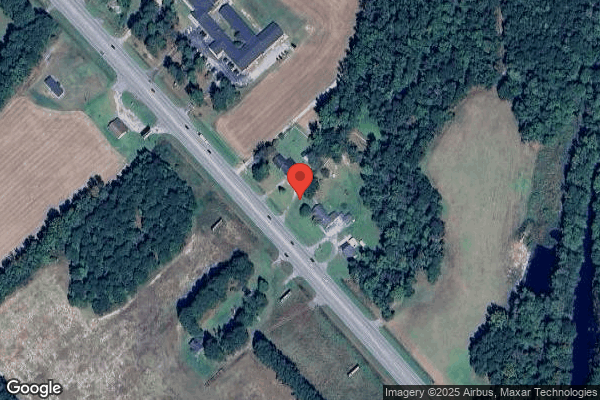

2770 S Highway 501, Marion, SC 29571 (855) 573-8466
For profit - Limited Liability company 95 Beds Independent Data: November 2025 1 Immediate Jeopardy citation
Trust Grade
36/100
#135 of 186 in SC
Last Inspection: June 2024

Within standard 12-15 month inspection cycle. Federal law requires annual inspections.

Overview

Senior Care of Marion has received a Trust Grade of F, indicating significant concerns about the facility's quality and care. With a state rank of #135 out of 186 in South Carolina, they are in the bottom half of nursing homes, and they rank #2 out of 2 in Marion County, meaning only one other facility is available locally. The facility's trend is stable, with the same number of issues reported in both 2023 and 2024. Staffing is rated at 4 out of 5 stars, which is a strength, as their turnover rate of 45% is slightly below the state average. However, the facility has faced some serious issues, including failing to provide proper discharge preparation for a resident, which could have endangered their safety, and concerns regarding food sanitation that could lead to foodborne illnesses among residents. While staffing is a positive aspect, the overall care quality raises significant red flags for families considering this option.

Trust Score
F
36/100
In South Carolina
#135/186
Bottom 28%
Safety Record
High Risk
Review needed
Inspections
Holding Steady
1 → 1 violations
Staff Stability
○ Average
45% turnover. Near South Carolina's 48% average. Typical for the industry.
Penalties
⚠ Watch
$10,039 in fines. Higher than 99% of South Carolina facilities. Major compliance failures.
Skilled Nurses
✓ Good
Each resident gets 46 minutes of Registered Nurse (RN) attention daily — more than average for South Carolina. RNs are trained to catch health problems early.
Violations
⚠ Watch
25 deficiencies on record. Higher than average. Multiple issues found across inspections.
★★☆☆☆
2.0
Overall Rating
★★★★☆
4.0
Staff Levels
★☆☆☆☆
1.0
Care Quality
★★★☆☆
3.0
Inspection Score
Stable
2023: 1 issues
2024: 1 issues

The Good

  • 4-Star Staffing Rating · Above-average nurse staffing levels
  • Full Sprinkler Coverage · Fire safety systems throughout facility
  • No fines on record
  • Staff turnover below average (45%)

    3 points below South Carolina average of 48%

Facility shows strength in staffing levels, fire safety.

The Bad

2-Star Overall Rating

Below South Carolina average (2.8)

Below average - review inspection findings carefully

Staff Turnover: 45%

Near South Carolina avg (46%)

Typical for the industry

Federal Fines: $10,039

Below median ($33,413)

Minor penalties assessed

The Ugly 25 deficiencies on record

1 life-threatening
Feb 2024 1 deficiency 1 IJ
CRITICAL (J) 📢 Someone Reported This

A family member, employee, or ombudsman was alarmed enough to file a formal complaint

Immediate Jeopardy (IJ) - the most serious Medicare violation

Deficiency F0624 (Tag F0624)

Someone could have died · This affected 1 resident

**NOTE- TERMS IN BRACKETS HAVE BEEN EDITED TO PROTECT CONFIDENTIALITY** Based on review of the facility policy, record reviews and interviews, the facility failed to provide sufficient preparation and...

Read full inspector narrative →
**NOTE- TERMS IN BRACKETS HAVE BEEN EDITED TO PROTECT CONFIDENTIALITY** Based on review of the facility policy, record reviews and interviews, the facility failed to provide sufficient preparation and orientation to a resident to ensure safe and orderly discharge from the facility, for 1 of 3 residents. Specifically, Resident (CR)1 was transported and discharged from the facility on 01/23/24 to the local social security office. On 02/02/24 at 10:02 AM, the Administrator was notified that the failure to provide Resident (CR)1 with a safe discharge constituted Immediate Jeopardy (IJ) at F624. On 02/02/24 art 10:02 AM, the survey team provided the Administrator with a copy of the CMS Immediate Jeopardy Template and informed the facility IJ existed as of 01/23/24. The IJ was related to 42 CFR 483.15 - Admission, Transfer, and Discharge. On 02/02/24 at 3:53 PM, the facility provided an acceptable IJ Removal Plan. On 02/02/24, survey team validated the facility's corrective actions and removed the IJ. The facility remained out of compliance at F624 at a lower scope and severity of D. Findings include: Review of the undated facility policy titled Discharge/Transfer, states, The patient/resident will be discharged /transferred (home/another entity) by order of his/her attending physician. Facility will include the patient/resident and family in developing a safe discharge plan to address the patient's/resident's individual need. Review of CR1's Face Sheet, revealed CR1 was admitted to the facility on [DATE], with diagnoses including but not limited to: Type 2 diabetes mellitus with diabetic amyotrophy, ventricular tachycardia, abnormalities of gait and mobility, essential (Primary) hypertension, epileptic seizures elated to external causes, anemia, hemiplegia, heart failure and peripheral vascular disease. Review of CR1's admission Minimum Data Set (MDS) with an Assessment Reference Date (ARD) of 12/21/23 revealed a Brief Interview for Mental Status (BIMS) score of 15 out of 15, indicating CR1 was cognitively intact. Review of CR1's Physician Orders revealed the following order, Discharge home with: Skilled nursing, Aide, Social Services, PT and OT. Review of CR1's Care Plan dated 01/25/24 revealed, CR1 was to be discharged to the community and the facility was to establish a pre discharge plan with CR1/family/caregivers and evaluate progress and revise plan as needed. During an interview on 02/01/24 at 11:45 AM, the Social Worker (SW) revealed, CR1 was supposed to be discharged home with a friend that he resided with prior to hospitalization. The SW stated she tried to contact the friend and each time she tried to phone him she did not make contact. The SW further stated CR1 was discharged to the parking lot at the local social security office. The SW concluded that, [CR1] had a BIMS of 15 and he was in his right mind, it wasn't a safe discharge but [CR1] was focused on getting his money right with the social security office, so he was taken there. During an interview on 02/01/24 at 1:05 PM, the Director of Nursing (DON) denied being on duty the day CR1 was discharged and further denies being told he was discharged . The DON stated, I was told they were going to stop by the social security office and his friend was going to meet him there. I would have called to confirm if he got picked up by his friend. I was just told he was stopping there first. Social Services should have followed up with the call to confirm he was being picked up by a friend. When transportation came back, I do not think I was here. The DON further stated, I would not discharge a patient to the social security office. I do not know the circumstances of his discharge, but I would have dropped him off at another place. I would discharge him home or to another facility. The DON concluded, There was no mention of him being homeless. He said his girlfriend would take care of him. The DON responded that she has never seen CR1's girlfriend visit him at the facility. During an interview on 02/01/24 at 1:19 PM, Certified Nursing Assistant (CNA)1 denied seeing any family or friends visit CR1 at the facility. CNA1 stated, [CR1] did not have a cell phone and used the facility's phone like it was his own. During an interview on 02/01/24 at 1:35 PM, CNA2, who assisted with the transport of CR1, stated, Me and the driver left the faciity on [DATE] to transport [CR1] to the social security office which was located in [NAME], SC. We had to turn around because [CR1] left his black bag and asked us to take him back to the facility, so we turned around. Once we got [CR1's] black bag, we drove to the social security office. I took [CR1] in and checked him in using the kiosk system. The driver got his bags and brought them in. CNA2 concluded, We asked [CR1] want time his ride would get here and [CR1] said my ride is on the way, so we left. The security guard followed us and asked us if [CR1] had a ride, and we told him Yes and the security guard told us he would look after [CR1] until his ride got there. During an interview on 02/01/24 at 1:40 PM, the Driver (D)1 confirmed driving CR1 to the social security office in [NAME], SC, which was about 30 miles away. D1 stated, We had to sign [CR1] in at the social security office, he told us he had a ride, and his girlfriend would come and pick him up. D1 further stated, We got to the social security office and we took [CR1] and his things in the building and when me and CNA2 tried to leave, we were asked by a security guard if [CR1] had transportation home and we responded yes. The security guard said he would look out for [CR1] until his ride came. During an interview on 02/01/24 at 2:16 PM, the Assistant Administrator stated the expectation for a safe discharge is, If the resident has a BIMS of 11 or higher and is discharged to a home or shelter and the person has all the discharge equipment. If the resident requests to be taken someplace other than what they told us during discharge, we can, since they are in their right mind. During an observation and interview on 02/02/24 at 3:35 PM, CR1 was back in the facility sitting in a wheelchair and appropriately dressed. CR1 revealed, The day I was discharged from here, I was in a hurry to get to the social security office. The staff dropped me off at the social security office because that is where I told them I needed to go. I told the staff that I had a ride home. But that person did not come, so I had to call someone else to pick me up. CR1 further stated, I have been staying at a local motel, it's expensive. I do not plan to stay here long, maybe for 1-2 days because the repairs to my house should be completed. Everything that they do here (the facility), I can do it at home, I do not want to stay here, I need to be able to leave and come and go as I want, I cannot do that here. I do not need physical therapy, I can learn to walk on my own. On 02/02/24 at 3:53 PM, the Facility provided an Allegation of Compliance, which included the following: 1. On 2/2/24 Social Services, Director of Rehab and CNA followed up with CR1 and he expressed the need to be readmitted to Senior Care of [NAME]. DON notified NP and readmission orders obtained. CR1 readmitted to Senior Care of [NAME] on 2/02/24 per NP orders. Facility halted Discharges on 2/2/2024 per the Administrator until upcoming discharge locations have been reviewed by Interdisciplinary team and deemed appropriate and safe discharges. 2. All current Residents' Discharge Plans reviewed on 02/02/24 per RN MDS Coordinator, Social Services and Director of Rehab to ensure resident Discharge Plans address resident's individual needs and includes discharge to an appropriate and safe location. 3. The Administrator revised Transfer and Discharge policy/procedure on 2/02/24 to include appropriate and safe discharge location in the planned discharge area. The Administrator also terminated any additional resident requested location transportation outside of the planned discharge location. On 2/02/24 the interdisciplinary team and transport team were educated by Administrator on revised Transfer and Discharge policy/procedure and safe discharges. Resident Discharge Plan will be developed and reviewed in the Initial Care Plan meeting within 72 hours of admission and reviewed weekly and prn by the Interdisciplinary Team to ensure safe discharge plans to include the resident's individual needs and discharge to an appropriate location. Social Services re-educated 2/2/24 per Administrator to document resident's discharge plan post Initial Care Plan meeting. the Interdisciplinary team will update discharge plans as indicated per resident/resident representative wishes and updates will be documented in resident progress notes. The Administrator or Assistant Administrator will review Discharges on a weekly basis x4 then monthly to ensure resident's individual needs are addressed an a safe discharge location is provided and address any issues identified with Interdisciplinary team. 4. The Administrator or Assistant Administrator will audit resident discharges monthly for appropriate discharge planning to ensure facility addressed residents' individual needs and discharge to a safe and appropriate location. Results of this audit will be presented and reviewed by the Administrator to QAPI team until substantial compliance is met. 5. Compliance Date; February 2, 2024.
Mar 2023 1 deficiency
CONCERN (D) 📢 Someone Reported This

A family member, employee, or ombudsman was alarmed enough to file a formal complaint

Potential for Harm - no one hurt, but risky conditions existed

Report Alleged Abuse (Tag F0609)

Could have caused harm · This affected 1 resident

Based on record reviews, interviews and review of the facility policy titled, Abuse, Neglect and Exploitation, the facility failed to report an allegation of abuse for Resident (R1) within the 2 hour ...

Read full inspector narrative →
Based on record reviews, interviews and review of the facility policy titled, Abuse, Neglect and Exploitation, the facility failed to report an allegation of abuse for Resident (R1) within the 2 hour time frame as required for 1 of 1 resident reviewed for abuse. Findings include: Review of the facility policy titled, Abuse, Neglect and Exploitation, states, It is the policy of this facility to provide protections for the health, welfare and rights of each resident by developing and implementing written policies and procedures that prohibit and prevent abuse, neglect, exploitation and misappropriation of resident property. Section VI. Identification of Abuse, Neglect and Exploitation: A.This includes staff to resident abuse and certain resident to resident altercations. B. Possible indicators of abuse include, but are not limited to: 1. Resident, staff or family report of abuse. Section VII. Reporting/Response A. The facility will have written procedures that include: 1. Reporting of all alleged violations to the Administrator, state agency, adult protective services and to all other required agencies within specific timeframe's: a. Immediately, but not later than 2 hours after the allegation is made, if the events that cause the allegation involve abuse or result in serious bodily injury, or b. Not later than 24 hours if the events that cause the allegation do not involve abuse and do not result in serious bodily injury. The facility admitted R1 with diagnoses including, but not limited to, hemiplegia and hemiparesis following a cerebrovascular accident, and right shoulder pain. Review of the medical record revealed a Minimum Data Set (MDS) quarterly assessment which R1 was scored a 14 out 15 for the Brief Interview for Mental Status (BIMS), indicating that R1 was cognitively able to make her own healthcare decisions. Review of the allegation of abuse for R1 revealed the allegation was reported to the Activity Director on 09/30/22 at 9:20 AM. The Activity Director then contacted the Director of Nursing (DON) and the allegation was dismissed as a concern. The allegation of abuse for R1 was reported to the state agency at 12:02 PM and not the required 2 hour time frame. During an interview on 03/23/23 at 1:02 PM with the Administrator, she stated that the Activity Director was informed by the resident on 09/30/22 at 9:20 AM that 3 Certified Nursing Assistants (CNAs) were rough with her during care. During a second interview on 03/23/23 at 1:30 PM with the Administrator, she stated that on 09/30/22 at 9:30 AM the DON (not available for interview) went into R1's room and R1 told the DON she was ok. So the DON thought there was no need to report the allegation of rough treatment to the state agency. The allegation was reported at 12:02 PM on 09/30/22 and not within the required 2 hours.
Jun 2022 10 deficiencies
CONCERN (D)

Potential for Harm - no one hurt, but risky conditions existed

Notification of Changes (Tag F0580)

Could have caused harm · This affected 1 resident

Based on record reviews, interviews, and review of the facility policy titled, Notification of Changes, the facility failed to notify the attending physician and the personal representative of a signi...

Read full inspector narrative →
Based on record reviews, interviews, and review of the facility policy titled, Notification of Changes, the facility failed to notify the attending physician and the personal representative of a significant weight loss for Resident (R)7 and R26, for 2 of 3 residents reviewed for nutrition. The findings include: Review of the undated facility policy titled, Notification of Changes, states, The purpose of this policy is to ensure the facility promptly informs the resident, consults the resident's physician; and notify, consistent with his her authority, resident's representative when there is a change requiring notification. Circumstances requiring notification include: 2. Significant change in the resident's physical , mental psychosocial condition such as deterioration in health, mental or psychosocial status. 3. Circumstances that require a need to alter treatment. Additional considerations: Competent individuals: The facility must still contact the resident's physician and notify resident's representative, if known. Residents incapable of making decisions: The representative would make any decisions that have to be made. The resident would still be told what is happening to him or her. The facility admitted R7 on 4/7/2022 with diagnoses including, but not limited to, Rhabdomyolysis, Hyponatremia, volume depletion and pressure ulcers. Review on 6/1/2022 at 10:48 AM of the medical record for R7 revealed the following weights: On 4/8/2022 (admission weight) R7 weighed 234.8 pounds. On 4/14/2022 R7 weighed 234.0 pounds. On 4/21/2022 R7 weighed 222.4 pounds. On 5/17/2022 R7 weighed 222.0 pounds. The weight loss is a difference of 12.8 pounds or 5.77 percent. The facility admitted R26 on 2/2/2022 with diagnoses including, but not limited to, Protein-Calorie Malnutrition, Seizures, Metabolic Encephalopathy, Disorder of the Thyroid, Autistic Disorder, and Tube Feeding. Review of the medical record on 6/1/2022 at 8:44 AM for R26 under Vital Signs, revealed the following weights for R26: On 2/2/2022 (admission) R26 weighed 222.0 pounds. On 2/3/2022 R26 weighed 222.4 pounds. On 2/23/2022 R26 weighed 184.4 pounds. On 3/17/2022 R26 weighed 186.0 pounds. On 3/22/2022 R26 weighed 184.2 pounds. On 4/26/2022 R26 weighed 184.4 pounds. The weight loss in less than 30 days was 37.6 lbs, which is a 16.94% weight loss since admission. Further review on 6/1/2022 at 8:44 AM of the physician orders for R26 revealed an order to give Jevity 1.5, 6 cans per day with 50 milliliters of water flush before and after each bolus administered. Include 350 milliliters of free water with/in between administration of bolus feeds to total 2080 milliliters of water in 24 hours. The orders also included to weigh the resident each week on Thursday per protocol for tube feeding. R26 was not weighed weekly and the facility was unable to provide the tube feeding protocol for weighing residents receiving tube feedings. Review on 6/1/2022 at 11:00 AM of the nurses notes for R7 dated 4/7/2022 through 6/1/2022 revealed no documentation to ensure the attending physician nor the personal representative was notified of the weight loss for R7. Review on 6/2/2022 at 9:00 AM of the nurses notes for R26 dated 5/24/2022 and 6/2/2022 state the the resident refuses tube feedings and medications at times, and it is mentioned throughout the nurses notes. No documentation could be found in the medical record for R26 to ensure the attending physician or the personal representative were notified of a significant weight loss or of the refusal of care and refusal of tube feeding. An interview on 6/2/2022 at 9:10 AM with Licensed Practical Nurse (LPN) 2, confirmed R26 would at times refuse the tube feedings and medications. LPN2 also stated that she had not called the physician nor the personal representative to inform them of the refusal of medications and tube feedings. She went on to say that she felt sure they knew it. An interview on 6/2/2022 at 9:20 AM with LPN1, confirmed that R26 does refuse tube feeding and medications at times and she too had not called the physician nor the personal representative to let them know that R26 was refusing his medications and tube feeding.
CONCERN (D)

Potential for Harm - no one hurt, but risky conditions existed

Deficiency F0657 (Tag F0657)

Could have caused harm · This affected 1 resident

Based on record reviews and interviews, the facility failed to ensure the Comprehensive Plan of Care was reviewed and revised with interventions to prevent weight loss and or decrease further weight l...

Read full inspector narrative →
Based on record reviews and interviews, the facility failed to ensure the Comprehensive Plan of Care was reviewed and revised with interventions to prevent weight loss and or decrease further weight loss for Resident #26 and Resident #7 for 2 of 3 residents reviewed for Nutrition. The findings included: The facility admitted R26 on 2/2/2022 with diagnoses including, but not limited to, Protein-Calorie Malnutrition, Seizures, Metabolic Encephalopathy, Disorder of the Thyroid, Autistic Disorder, and Tube Feeding. Review on 5/31/2022 at 5:24 PM of the Comprehensive Plan of Care for Resident #26 states under, Need, states, Resident is at risk for weight loss. NPO (nothing by mouth) receives enteral feeding per MD order. Jevity 1.5 can bolus, 6 times daily with 50ml flush before and after each bolus administered. Include 350 mls of water with/in between administration of bolus feed to total 2080 mls of water in 24 hours. Goals: Resident will not have a significant weight loss through review period. The Interventions include: Keep HOB (head of bed) elevated minimal 30 degrees. Labs/diagnostics as ordered. Monitor tube feeding tolerance, notify MD of abnormal findings. NPO (Nothing by Mouth) RD (Registered Dietician) consult as indicated. Therapy as ordered Tube feeding and supplements as ordered. (No supplements are ordered) Weight per MD order. The Comprehensive Plan of Care was not revised with interventions in place to prevent weight loss or to decrease further weight loss for R26. Review of the medical record on 6/1/2022 at 8:44 AM for R26 under Vital Signs, revealed the weights for R26: On 2/2/2022 (admission) R26 weighed 222.0 pounds. On 2/3/2022 R26 weighed 222.4 pounds. On 2/23/2022 R26 weighed 184.4 pounds. On 3/17/2022 R26 weighed 186.0 pounds. On 3/22/2022 R26 weighed 184.2 pounds. On 4/26/2022 R26 weighed 184.4 pounds. The weight loss in less than 30 days was 37.6 lbs, which is a 16.94% weight loss since admission. The facility admitted R7 on 4/7/2022 with diagnoses including, but not limited to, Rhabdomyolysis, Hyponatremia, Volume Depletion and Pressure Ulcers. Review on 6/1/2022 at 8:44 AM of the Comprehensive Plan of Care for R7 dated 5/25/2022 revealed the following: Need: Resident is at risk for weight fluctuations on NAS (No Added Salt) diet. Has a diagnosis of Hypomagnesemia and Hyponatremia. Goal: Resident will not have a significant weight change through review period. Interventions: Diet and supplements as ordered. Labs/diagnostics as ordered. Monitor intake, offer alternates if PO (By Mouth) intake decreased. RD (Registered Dietician) consult as needed/indicated Weigh as ordered. The Comprehensive Plan of Care has not been reviewed and revised with interventions to aid in preventing weight loss or to decrease weight loss for Resident #7. Review on 6/1/2022 at 10:48 AM of the medical record for R7 revealed the following weights: On 4/8/2022 (admission weight) R7 weighed 234.8 pounds. On 4/14/2022 R7 weighed 234.0 pounds. On 4/21/2022 R7 weighed 222.4 pounds. On 5/17/2022 R7 weighed 222.0 pounds. The weight loss is a difference of 12.8 pounds or 5.77 percent. During an interview on 6/1/2022 at 12:30 PM with the Registered Nurse (RN) Assistant Director of Nursing (ADON) verified the findings.
CONCERN (D)

Potential for Harm - no one hurt, but risky conditions existed

Pressure Ulcer Prevention (Tag F0686)

Could have caused harm · This affected 1 resident

Based on observations, review of medical records, interviews and review of the facility policy titled, Wound Treatment Guidelines, the facility failed to ensure a procedure was followed during wound c...

Read full inspector narrative →
Based on observations, review of medical records, interviews and review of the facility policy titled, Wound Treatment Guidelines, the facility failed to ensure a procedure was followed during wound care to prevent infection and to promote wound healing for Resident (R)7. Specifically, Licensed Practical Nurse (LPN) #1 failed to clean scissors before use, during a dressing change for R7 for 1 of 1 residents reviewed for wound care. The findings included: Review on 6/1/2022 at 10:47 AM of the wound care policy titled, Wound Treatment Guidelines, states, To promote wound healing of various types of wounds, it is the policy of this facility to provide evidence based treatments in accordance with current standards of practice and physician orders. The facility admitted R7 on 4/7/2022 with diagnoses including, but not limited to, Rhabdomyolysis, Hyponatremia, Volume Depletion and Pressure Ulcers. Review on 5/31/2022 at 5:24 PM of the medical record revealed a physician's order which read: Clean area to left buttock with wound cleanser, apply Calcium Alginate, and cover with border gauze daily. An observation on 6/1/2022 at 9:20 AM of wound care for R7 was performed as follows: The Licensed Practical Nurse (LPN)1 knocked on the door and R7 asked us in. The LPN1 explained the treatment and provided privacy. This surveyor asked permission to observe the LPN1 performing the wound care and R7 agreed. LPN1 washed her hands and applied gloves, took a bleach wipe and wiped off the over bed table. LPN1 then removed her gloves and washed her hands and applied gloves, finished pulling the privacy curtain all the way closed, then lowered the head of the bed and the foot of the bed. LPN1 applied a towel over the top of the over bed table and opened the drawer of the over bed table and removed the wound cleanser. LPN1 then removed her gloves and washed her hands. LPN1 then applied gloves and took the supplies from a plastic bag held by the Registered Nurse (RN) that was assisting with wound care. LPN1 then opened the border gauze, and the calcium alginate and placed them on the over bed table. She took a permanent marker and a pair of scissors from her pocket and placed them on the over bed table, (LPN1 did not clean the scissors before placing them on the table with the other supplies that she had opened.). LPN1 then aided the resident in turning to his right side and unfastened his brief and removed the soiled dressing from the wound bed. The RN then washed her hands and applied gloves, LPN1 then removed her gloves and washed her hands. (The wound bed is clean with a small amount of serous drainage, no odor. The wound bed is beefy red and the surrounding tissue clean and normal color.) LPN1 applied gloves and took a large hand full of 4 x 4's and sprayed them with wound cleanser, then took a drape in her right hand and laid it down by the resident's hip. Then taking several 4 x 4's that she sprayed with wound cleansed and wiped from inside out of the wound x2. LPN1 removed her gloves and washed her hands and applied gloves and then cut a small piece of calcium alginate (with the scissors that she had previously removed from her pocket and had not cleaned) and placed the calcium alginate in the wound bed and covered it with a border gauze and wrote the date, time and her initials on it with the marker removed from her pocket. LPN1 then refastened R7's brief and made him comfortable, then bagged the trash and the soiled linen from the over bed table. The RN removed her gloves, and LPN1 raised the head of the the bed. The RN washed her hands, and LPN1 removed her gloves and washed her hands. LPN1 then carried the trash and the soiled linen to the janitor's closet. She then cleaned her hands with hand sanitizer and charted the treatment. In an interview on 6/1/2022 at 9:50 AM with LPN1, she confirmed that she had not cleaned the scissors that she removed from her pocket before cutting the calcium alginate and placing it in the wound bed of R7. LPN1 stated she usually cleans the scissors after the treatment is complete.
CONCERN (D)

Potential for Harm - no one hurt, but risky conditions existed

Deficiency F0692 (Tag F0692)

Could have caused harm · This affected 1 resident

Based on record reviews, interviews, and review of the facility policy titled Weight Prevention, the facility failed to monitor weights and to ensure interventions were put into place to prevent furth...

Read full inspector narrative →
Based on record reviews, interviews, and review of the facility policy titled Weight Prevention, the facility failed to monitor weights and to ensure interventions were put into place to prevent further weight loss or to decrease weight loss for Resident (R)26 and R7 for 2 of 3 residents reviewed for nutrition. The Findings include: Review of the undated facility policy titled, Weight Prevention, states, The Registered Dietician/Designee will review the patient/resident's nutritional status to prevent and control undesirable weight loss. The Policy Explanation and Compliance Guidelines, are as follows: 1. Input monthly weights into the computer. Review the computer-generated weight reports to identify significant eight changes and insidious weight trends. 8. Address significant weight loss or gain in the dietary progress notes and by developing and/or updating the plan of care. 9. Determine why weight loss has occurred. With patient/resident input, develop an appropriate plan to increase intake. 11. Supplements as ordered. The facility admitted R26 on 2/2/22 with diagnoses including, but not limited to, Protein-Calorie Malnutrition, Seizures, Metabolic Encephalopathy, Disorder of the Thyroid, Autistic Disorder, and Tube Feeding. Review on 5/31/22 at 5:24 PM of the Comprehensive Plan of Care for R26 under, Need, states, Resident is at risk for milliliter (ml) flush before and after each bolus administered. Include 350 ml's of water with/in between administration of bolus feed to total 2080 ml's of water in 24 hours. Goals: Resident will not have a significant weight loss through review period. The Interventions include: Keep HOB (head of bed) elevated minimal 30 degrees. Labs/diagnostics as ordered. Monitor tube feeding tolerance, notify MD of abnormal findings. NPO (Nothing by Mouth) RD (Registered Dietician) consult as indicated. Therapy as ordered Tube feeding and supplements as ordered. (No supplements are ordered) Weight per MD order. The Comprehensive Plan of Care was not revised with interventions in place to prevent weight loss or to decrease further weight loss for R26 nor were supplements added to increase caloric intake. Review of the medical record on 6/1/22 at 8:44 AM for R26 under Vital Signs, revealed the weights for R26: On 2/2/2022 (admission) R26 weighed 222.0 pounds. On 2/3/2022 R26 weighed 222.4 pounds. On 2/23/2022 R26 weighed 184.4 pounds. On 3/17/2022 R26 weighed 186.0 pounds. On 3/22/2022 R26 weighed 184.2 pounds. On 4/26/2022 R26 weighed 184.4 pounds. The weight loss in less than 30 days was 37.6 lbs, which is a 16.94% weight loss since admission. Review on 6/1/22 at 8:50 AM of physician's orders for R26 states, Weigh each week on Thursday per protocol for tube feeding. In an interview on 6/1/22 at 9:00 AM with the Administrator, she denied having a protocol for residents with a feeding tube, for guidance to monitor for weight loss. The facility admitted R7 on 4/7/22 with diagnoses including, but not limited to, Rhabdomyolysis, Hyponatremia, Volume Depletion and Pressure Ulcers. Review on 6/1/22 at 8:44 AM of the Comprehensive Plan of Care for R7 dated 5/25/22 revealed the following: Need: Resident is at risk for weight fluctuations on NAS (No Added Salt) diet. Has a diagnosis of Hypomagnesemia and Hyponatremia. Goal: Resident will not have a significant weight change through review period. Interventions: Diet and supplements as ordered. Labs/diagnostics as ordered. Monitor intake, offer alternates if PO (By Mouth) intake decreased. RD (Registered Dietician) consult as needed/indicated Weigh as ordered. The Comprehensive Plan of Care has not been reviewed and revised with interventions to aid in preventing weight loss or to decrease further weight loss for Resident #7. Review on 6/1/22 at 10:48 AM of the medical record for R7 revealed the following weights: On 4/8/2022 (admission weight) R7 weighed 234.8 pounds. On 4/14/2022 R7 weighed 234.0 pounds. On 4/21/2022 R7 weighed 222.4 pounds. On 5/17/2022 R7 weighed 222.0 pounds. The weight loss is a difference of 12.8 pounds or 5.77 percent. Review on 6/1/22 at 11:00 AM of the physician orders for R7 include an order which reads, Monthly weight on every 5th day of the month. R7 was not weighed on the fifth day of May nor June. In an interview on 6/1/22 at 12:30 PM with the Registered Nurse (RN) and Assistant Director of Nursing (ADON) verified that the facility did not ensure R7 and R26 were correctly monitored for weight loss.
CONCERN (D)

Potential for Harm - no one hurt, but risky conditions existed

Medication Errors (Tag F0758)

Could have caused harm · This affected 1 resident

**NOTE- TERMS IN BRACKETS HAVE BEEN EDITED TO PROTECT CONFIDENTIALITY** Based on interviews, record reviews, review of facility policy titled, Unnecessary Drugs - Without Adequate Indication for Use, ...

Read full inspector narrative →
**NOTE- TERMS IN BRACKETS HAVE BEEN EDITED TO PROTECT CONFIDENTIALITY** Based on interviews, record reviews, review of facility policy titled, Unnecessary Drugs - Without Adequate Indication for Use, the facility failed to ensure Resident (R)179 was free from an unnecessary medication, Seroquel, an antipsychotic medication for 1 of 5 residents reviewed for Unnecessary Medications. Findings Include: Review of the undated facility policy titled, Unnecessary Drugs - Without Adequate Indication for Use revealed, It is the facility's policy that each resident's drug regimen is managed and monitored to promote or maintain the resident's highest practicable mental, physical, and psychosocial well-being . 2. The attending physician will assume leadership in medication management . taking into consideration the following elements: a. Dose b. Duration of use c. Indications and clinical need for medication. 3. Documentation will be provided in the resident's medical record to show adequate indications for medication's use and the diagnosed condition for which it was prescribed. The facility admitted R179, a [AGE] year old male, on 05/17/2022 with diagnoses including but not limited to: hemiplegia and hemiparesis following cerebral infarction affecting right dominant side (mild to severe loss of strength to one side of the body), type 2 diabetes mellitus without complications (a chronic condition that affects the way the body processes blood sugar), insomnia unspecified (sleep disorder characterized by difficulty in falling asleep and/or remaining asleep), and anxiety disorder unspecified. Review of R179's admission Minimum Data Set (MDS) with an Assessment Reference Date (ARD) of 05/22/22 revealed R179 had a Brief Interview for Mentals Status (BIMS) score of 3 out of 15, indicating R179 suffers from severe cognitive impairment. It was documented that R179 had been receiving antipsychotic medication for 6 days. Review of R179's Preadmission Screening and Resident Review (PASRR) dated 05/17/2022, indicated R179 did not have a mental illness and did not need further evaluation. Review of R179's orders located in the electronic medical record (EMR) revealed R179 had an order for the antipsychotic medication Seroquel tablet 200 milligrams (mg), give 1 tablet by mouth related to the diagnosis of insomnia, with an order date of 05/18/2022. Further review of the EMR revealed R179 does not have a diagnosis to ensure the use of Seroquel. Review of R179's Medication Administration Record (MAR) revealed, R179 was receiving SEROquel Tablet 200 MG (QUEtiapine Fumarate) Give 1 tablet by mouth at bedtime for insomnia related to INSOMNIA, UNSPECIFIED Start Date 05/18/2022, from 05/18/2022 to current. Review of R179's Hospital Discharge summary dated [DATE] revealed, continue with these medications: Quetiapine (Seroquel) 200 MG associated diagnosis Insomnia, unspecified. Review of R179's History and Physical dated 05/26/2022 revealed, Chief compliant of visit - Gradual Dose Reduction (GDR) per pharmacy recommendations. Pharmacy recommends a GDR of Seroquel at bedtime, currently on 200 MG, will start 150 mg for 4 days than 100 mg (qpm) once a day in the evening. There was no indication in R179's EMR of the Pharmacy Recommendation for GDR and the physician's actions based on the GDR. Furthermore, there was no indication that the facility had began the Pharmacy Recommendation for GDR. Review of the Seroquel (quetipine fumarate) (an antipsychotic) Black Box Warning (The United States Food and Drug Administration's most serious warning about drugs or medical devices. A drug or device with a black box warning has side effects that may cause serious injury or death.) which states: INCREASED MORTALITY IN ELDERLY PATIENTS WITH DEMENTIA-RELATED PSYCHOSIS. ELDERLY PATIENTS WITH DEMENTIA-RELATED PSYCHOSIS TREATED WITH ANTIPSYCHOTIC DRUGS ARE AT AN INCREASED RISK OF DEATH. QUETIAPINE IS NOT APPROVED FOR THE TREATMENT OF PATIENTS WITH DEMENTIA-RELATED PSYCHOSES. AstraZeneca Pharmaceuticals specified INDICATIONS AND USAGE states: 1.1 Seroquel is indicated for the treatment of schizophrenia and 1.2 Seroquel is indicated as monotherapy for the acute treatment of manic episodes associated with bipolar I disorder, both as monotherapy and as an adjunct to lithium or divalproex. Review of R179's Care Plan dated 05/23/2022 revealed, a care plan for the diagnosis of insomnia with interventions to include Evaluate other factors potentially causing insomnia, for example: environment (excessive heat, cold, or noise), lighting, inadequate physical activity, facility routines, caffeine/medications. Attempt to modify and control these external factors before initiating hypnotic therapy. Further review revealed a care plan for R179's psychosocial well-being problem for antianxiety and antipsychotics, with interventions to include but not limited to: GDR as ordered. In an interview with the Director of Nursing (DON) on 06/02/22 at 11:24 AM, verified R179 was taking Seroquel for the diagnosis of insomnia. The DON stated R179 came from the hospital and was already taking Seroquel. The DON further stated that she just received the pharmacy recommendation for May and has not been able to review them yet. In her professional experience, the DON stated she would speak to the physician and get the resident off Seroquel. This surveyor informed the DON of the History and Physical which included the pharmacist GDR of Seroquel, The DON states that the NP sends in the History and Physical, but she does not receive it. The DON confirms that there have been no new orders for the GDR of Seroquel. In an interview with the Nurse Practitioner (NP) on 06/02/22 at 11:30 AM, the NP stated if he did not come to us on the Seroquel then she is not sure why R179 is prescribed that. In her professional experience, the NP stated she would prescribe Seroquel for the diagnosis of insomnia.
CONCERN (D)

Potential for Harm - no one hurt, but risky conditions existed

Room Equipment (Tag F0908)

Could have caused harm · This affected 1 resident

Based on observations, interviews, and review of the facility policy titled, Dryer Vents/Lint Check, the facility failed to remove an excessive amount of lint built up on the wiring above the lint bas...

Read full inspector narrative →
Based on observations, interviews, and review of the facility policy titled, Dryer Vents/Lint Check, the facility failed to remove an excessive amount of lint built up on the wiring above the lint basket and the inside upper three sides of 1 of 1 clothes dryers Findings include: Review of the facility policy titled, Dryer Vents/Lint Check states, Confirm that the lint is removed from the stack and inside the dryer. It is a fire hazard and a code violation if this is not maintained. Laundry staff will check and clean daily. Lint Catch/Screens: 1. Lint catchers should be cleaned after each load. 3. A fine layer of lint can form across the screen and stop the flow of clean air out of the dryer, hampering the speed of drying the items. An observation on 6/2/22 at 8:35 AM revealed an excessive amount of lint over the lint basket on the wiring and on the inside upper 3 sides of 1 clothes dryer. An interview on 6/2/22 at 8:40 AM with the laundry worker and the Housekeeping Supervisor confirmed the findings.
CONCERN (E)

Potential for Harm - no one hurt, but risky conditions existed

Resident Rights (Tag F0550)

Could have caused harm · This affected multiple residents

Based on record reviews, interviews and review of the facility policy titled, Promoting/Maintaining Resident Dignity, the facility failed to ensure resident's call bells were answered timely for Resid...

Read full inspector narrative →
Based on record reviews, interviews and review of the facility policy titled, Promoting/Maintaining Resident Dignity, the facility failed to ensure resident's call bells were answered timely for Resident (R)127, for 1 of 2 residents reviewed for call bells not being answered timely. The findings include: Review of the undated facility policy titled, Promoting/Maintaining Resident Dignity, states, Policy, It is the practice of this facility to protect and promote resident rights and treat each resident with respect and dignity as well as care for each resident in a manner and in an environment, that maintains or enhances resident's quality of life by recognizing each resident's individuality. Compliance Guidelines: 1. All staff members are involved in providing care to residents to promote and maintain resident dignity and respect resident rights. 4. The resident's former lifestyle and personal choices will be considered when providing care and services to meet the resident's needs and preferences. 6. Respond to requests for assistance in a timely manner. 14. Each resident will be provided equal access to quality care regardless of diagnosis, severity of condition or payment source. The facility admitted R127 on 5/17/2022 with diagnoses including, but not limited to, Amyotropic Lateral Sclerosis, Demyelinating Disease of the Central Nervous System, right hip pain, gout and a cough. An interview on 6/1/2022 at 10:30 AM with a family member, revealed R127 was not receiving the care and assistance he needed from the staff in a timely manner. An interview on 6/1/2002 at 10:35 AM with R127, revealed the staff were not answering the call bells timely, and due to his diagnoses he needed their assistance timely. Review on 6/1/2022 at 2:43 PM of the grievance log dated 5/20/2022 revealed a grievance filed by the Responsible Party for R127. The nature of the concern states, too slow of call bell response. Further review revealed a form titled, Resident Incident Details Report. The report included each time R127 called for assistance. The following are the details of the report: On 5/17/2022 at 6:48 PM, R127 called for assistance by pushing the call bell. The bell rang for 14 minutes. On 5/18/2022 at 12:10 PM the call bell rang for 8 minutes. On 5/18/2022 at 6:25 PM the call bell rang for 15 minutes. On 5/18/2022 at 6:41 PM the call bell rang for 8 minutes. On 5/18/2022 at 9:51 PM the call bell rang for 6 minutes. On 5/18/2022 at 10:48 PM the call bell rang for 6 minutes. On 5/19/2022 R127 called for assistance 16 different times, the duration of the call bell sounding and not answered was from 20 minutes to 1 minute. On 5/20/2022 R127 called for assistance 38 different times, the duration of the call bell sounding and not answered was from 12 seconds to 1 hour and 12 minutes. There were numerous times each day from 5/21/2022 through 5/31/2022 that R127 called for assistance and the call bell rang for an extended duration of time without being answered. Education was provided for the staff on 5/20/2022. After the education with staff on 5/20/2022 the Administrator documented on the grievance form that the Concern & Grievance Resolved on 5/23/2022, however, on 5/23/2022 through 5/31/2022 the slow response to answer the call bell for Resident #127 continued.
CONCERN (E)

Potential for Harm - no one hurt, but risky conditions existed

Medical Records (Tag F0842)

Could have caused harm · This affected multiple residents

**NOTE- TERMS IN BRACKETS HAVE BEEN EDITED TO PROTECT CONFIDENTIALITY** Based on record review, interviews and review of the facility weight policy, the facility failed to follow the physician orders ...

Read full inspector narrative →
**NOTE- TERMS IN BRACKETS HAVE BEEN EDITED TO PROTECT CONFIDENTIALITY** Based on record review, interviews and review of the facility weight policy, the facility failed to follow the physician orders and facility policy regarding accurate and timely recordings of weights for Resident (R)24, R26 and R7 in order to collaborate care with the residents physician and the Registered Dietitian for 3 of 3 residents reviewed for Nutrition. Findings include: Review of the facility's weight policy (undated) states If the month-to-month weight has more than a 5% (percent) change, then the weight will be retaken within 24 hours and in the presence of a licensed personnel and Weights will be obtained on all other residents on the 5th of each month 1. On 06/02/22 at approximately 09:25 AM, a six month review of the medical record for R24, who had been admitted to the facility on [DATE] with diagnoses including, but not limited to diabetes mellitus and cirrhosis of liver, revealed a physician order for weights to be taken monthly on the 5th of the month. Further review showed that all weights taken were in a mechanical lift with no weights recorded for 02/22 and 05/22. The weight 127.4 lbs (pounds) was recorded on 04/26/22 by Licensed Practical Nurse (LPN) 4. This represents a 32% gain in weight over the 95.1 lbs recorded on 03/24/22. In an interview on 06/02/22 at approximately 10:02 AM, the Administrator reviewed the findings and stated, weights were not being recorded according to physician orders and facility policy. The Administrator verified that weights for R24 represented more than a 5% increase in weight and that it was hard to believe that R24 could have gained that much weight. In a telephone interview on 06/02/22 at approximately 4:07 PM, the Registered Dietician stated, getting weights on all residents has been a long standing problem, both at admission and monthly. She further stated, she must communicate weekly with staff in an attempt to get weights and that she completed training with staff last summer on how to take weights with mechanical lift, in wheelchair and standing and the importance of consistency with each. The RD confirmed there was a QAPI (Quality Assurance/Performance Improvement) meeting, but nothing has improved. 2. The facility admitted R26 on 2/2/22 with diagnoses including, but not limited to, Protein-Calorie Malnutrition, Seizures, Metabolic Encephalopathy, Disorder of the Thyroid, Autistic Disorder, and Tube Feeding. Review of the medical record on 6/1/2022 at 8:44 AM for R26 under Vital Signs, revealed the weights for R26: On 2/2/2022 (admission) R26 weighed 222.0 pounds. On 2/3/2022 R26 weighed 222.4 pounds. On 2/23/2022 R26 weighed 184.4 pounds. On 3/17/2022 R26 weighed 186.0 pounds. On 3/22/2022 R26 weighed 184.2 pounds. On 4/26/2022 R26 weighed 184.4 pounds. The weight loss in less than 30 days was 37.6 lbs, which is a 16.94% weight loss since admission. Review on 6/1/2022 at 8:50 AM of physician's orders for R26 states, Weigh each week on Thursday per protocol for tube feeding. During an interview on 6/1/2022 at 9:00 AM with the Administrator, she denied having a protocol for residents with a feeding tube, for guidance to monitor for weight loss. 3. The facility admitted R7 on 4/7/2022 with diagnoses including, but not limited to, Rhabdomyolysis, Hyponatremia, Volume Depletion and Pressure Ulcers. Review on 6/1/2022 at 10:48 AM of the medical record for R7 revealed the following weights: On 4/8/2022 (admission weight) R7 weighed 234.8 pounds. On 4/14/2022 R7 weighed 234.0 pounds. On 4/21/2022 R7 weighed 222.4 pounds. On 5/17/2022 R7 weighed 222.0 pounds. The weight loss is a difference of 12.8 pounds or 5.77 percent. Review on 6/1/2022 at 11:00 AM of the physician orders for R7 include an order which reads, Monthly weight on every 5th day of the month. R7 was not weighed on the fifth day of May nor June. Review on 6/1/2022 at 1:40 PM of the facility policy titled, Weight Prevention, states, The Registered Dietician/Designee will review the patient/resident's nutritional status to prevent and control undesirable weight loss.
CONCERN (F)

Potential for Harm - no one hurt, but risky conditions existed

Food Safety (Tag F0812)

Could have caused harm · This affected most or all residents

Based on observations, interviews and review of facility policies, the facility failed to store, prepare and serve foods under sanitary conditions in 1 of 1 main kitchen. This failure had the potentia...

Read full inspector narrative →
Based on observations, interviews and review of facility policies, the facility failed to store, prepare and serve foods under sanitary conditions in 1 of 1 main kitchen. This failure had the potential to increase the spread of foodborne illness to all residents. Findings Include: Review of the undated facility policy titled Food Storage, under the section Canned Foods, revealed, Dented or bulging cans shall be placed on damaged goods shelf and returned for credit. Review of the facility policy titled Serving Utensils dated 08/2018 revealed, Standard serving utensils will be used for serving appropriate products. Review of the undated facility policy titled Hand Washing and Glove Use, revealed, Guidelines for hand washing and glove use to promote safe and sanitary conditions throughout the department. Section 2 Handwashing Procedure: Hands must be washed prior . working with different food substances i.e. raw chicken to fresh fruit, following contact with any unsanitary surface i.e. touching hair sneezing, opening doors, etc. An observation during the initial tour of the main kitchen on 05/31/22 at 9:26 AM revealed the following: 1. A total of 6 dented cans in the dry storage area: 1 can of tomato soup, 1 can of lima beans, 2 cans of greens beans, 1 can of spaghetti sauce, and 1 can of peaches. 2. A buildup of some foreign substance on the inside of the ice machine. An interview with the Administrator on 05/31/22 at 9:36 AM, verifies the dented cans and foreign substance in the ice machine. The administrator stated all damaged cans should be thrown away. The Administrator then directed the kitchen staff to discard of the dented cans and to review all remaining cans for damage. The Administrator further stated the ice machine is deep cleaned by the maintenance department, but the kitchen staff will clean it as necessary. This surveyor requested a cleaning log of the ice machine, but one could not be provided. During a follow-up visit to the main kitchen on 06/01/22 at 12:52 PM observations were made during temperatures of the tray line and food plating. Cook1 was observed grabbing multiple pieces of fried chicken with a gloved hand and placing the chicken on several plates. Cook1 proceeded to grab multiple serving utensils of different food items with the same gloved hand. It was also observed that Cook1, with the same gloved hand, open the freezer door and remove items from the freezer. Cook1 grabbed a thermometer and measured the temperature of the freezer items, with the same gloved hand. Cook1 did not attempt to change gloves or wash his hands after grabbing the fried chicken. An interview with Cook1 on 06/01/22 at 12:58 PM, verifies the potential for cross contamination and lack of sanitary food handling. Cook1 stated he should not be grabbing the fried chicken with a gloved hand and touching other surfaces. Cook1 further states he should have used tongs to plate the food. There was no follow-up with the CDM as she was unavailable due to a car accident.
CONCERN (F)

Potential for Harm - no one hurt, but risky conditions existed

Infection Control (Tag F0880)

Could have caused harm · This affected most or all residents

Based on observations, interviews, and review of facility policy, the facility failed to ensure kitchen staff maintained appropriate infection control measures for the safe handling of foods in 1 of 1...

Read full inspector narrative →
Based on observations, interviews, and review of facility policy, the facility failed to ensure kitchen staff maintained appropriate infection control measures for the safe handling of foods in 1 of 1 main kitchen. This failure had the potential to increase the spread of foodborne illness to all residents, due to cross contamination. Findings Include: Review of the facility policy titled Serving Utensils dated 08/2018 revealed, Standard serving utensils will be used for serving appropriate products. Review of the undated facility policy titled, Hand Washing and Glove Use, revealed, Guidelines for hand washing and glove use to promote safe and sanitary conditions throughout the department. Section 2 Handwashing Procedure: Hands must be washed prior . working with different food substances i.e. raw chicken to fresh fruit, following contact with any unsanitary surface i.e. touching hair sneezing, opening doors, etc. During a follow-up observation of the main kitchen on 06/01/22 at 12:52 PM observations were made during temperatures of the tray line and food plating. Cook1 was observed grabbing multiple pieces of fried chicken with a gloved hand and placing the chicken on several plates. Cook1 proceeded to grab multiple serving utensils of different food items with the same gloved hand. It was also observed that Cook1, with the same gloved hand, open the freezer door and remove items from the freezer. Cook1 grabbed a thermometer and measured the temperature of the freezer items, with the same gloved hand. Cook1 did not attempt to change gloves or wash his hands after grabbing the fried chicken. An interview with Cook1 on 06/01/22 at 12:58 PM, verifies the potential for cross contamination and sanitary food handling. Cook1 stated he should not be grabbing the fried chicken with a gloved hand and touching other surfaces. Cook1 further states he should have used tongs to plate the food. There was no follow-up with the CDM as she was unavailable due to a car accident.
Jan 2021 13 deficiencies
CONCERN (D)

Potential for Harm - no one hurt, but risky conditions existed

Resident Rights (Tag F0550)

Could have caused harm · This affected 1 resident

Based on observations and staff interviews, the facility failed to protect and value residents' private space for 1 out of 3 units observed. Staff entered Residents #6, #271 and #272 room without knoc...

Read full inspector narrative →
Based on observations and staff interviews, the facility failed to protect and value residents' private space for 1 out of 3 units observed. Staff entered Residents #6, #271 and #272 room without knocking. The findings included: On 1/19/2021 at approximately 11:45 AM, Licensed Practical Nurse #1 was observed entering Resident #6's room and did not request permission before entering. At 12:08 PM, LPN #1 entered Resident's #271 room with his/her lunch tray and did not request permission before entering. At 12:15 PM, LPN #1 was asked why S/he did not request permission before entering rooms. LPN #1 stated S/he did not request permission and S/he forgot to knock. On 1/20/2021 at 8:15 AM, Registered Nurse #1 was observed entering Resident #272's room and did not request permission before entering. At 8:27 AM, RN #1 was asked why S/he did not request permission before entering Resident #272's room. RN #1 stated S/he normally request permission but did not request permission on the above date and time. A review of the facility policy titled Resident Rights stated, 8. Privacy and confidentiality: The resident has a right to personal privacy and confidentiality of his or her personal and medical records. Also stated, 9. Safe environment: The resident has a right to a safe, clean, comfortable and homelike environment, including but not limited to receiving treatment and supports for daily living safely.
CONCERN (D)

Potential for Harm - no one hurt, but risky conditions existed

Free from Abuse/Neglect (Tag F0600)

Could have caused harm · This affected 1 resident

Based on interviews, record review and review of the facility policy titled, :Abuse, Neglect and Exploitation, the facility failed to ensure Resident #120 was free from verbal abuse for 1 of 1 residen...

Read full inspector narrative →
Based on interviews, record review and review of the facility policy titled, :Abuse, Neglect and Exploitation, the facility failed to ensure Resident #120 was free from verbal abuse for 1 of 1 residents reviewed for abuse. The findings included: The facility admitted Resident #120 with diagnoses including, but not limited to Dehydration, Cystitis, Acute Respiratory Failure with Hypoxia and Anxiety Disorder. During an interview on 1/19/2021 at approximately 11:55 AM Resident #120 revealed an altercation with a Certified Nursing Assistant (CNA) over a breakfast meal. Resident #120 received a breakfast of pancakes that were cut into bite size pieces and was told that this was a finger food. Resident #120 stated that he/she had received grits and eggs on all previous days and this was not her breakfast. The CNA insisted it was the correct breakfast and Resident #120 stated that the CNA talked harsh and rude to him/her. As Resident #120 told of the incident he/she started to cry. I asked if he/she had told the nurse and he/she stated yes, and that the entire facility knew of the incident. An interview on 1/19/2021 at approximately 1:30 PM with the acting Director of Nurses (DON) confirmed that he/she knew of the incident and went on to say that he/she had spoken to the CNA on his/her tone and the harsh way he/she spoke to residents. Further interview with the DON on 1/19/2021 at approximately 1:30 PM revealed no documentation to ensure the incident was written up nor reported to the state. Review on 1/20/2021 at approximately 10:45 AM of the facility policy titled, Abuse, Neglect and Exploitation, states, It is the policy of this facility to provide protections for health, welfare and rights of each resident by developing, and implementing written policies and procedures that prohibit and prevent abuse, neglect, exploitation, and misappropriation of resident property. Under Definitions: Abuse means the willful infliction of injury, unreasonable confinement, intimidation, or punishment with resulting physical harm, pain or mental anguish. It includes verbal abuse, sexual abuse, physical abuse, and mental abuse including abuse facilitated or enabled through the use of technology.
CONCERN (D)

Potential for Harm - no one hurt, but risky conditions existed

Report Alleged Abuse (Tag F0609)

Could have caused harm · This affected 1 resident

Based on interviews, record review and review of the facility policy titled, :Abuse, Neglect and Exploitation, the facility failed to report allegations of verbal abuse against Resident #120 for 1 of ...

Read full inspector narrative →
Based on interviews, record review and review of the facility policy titled, :Abuse, Neglect and Exploitation, the facility failed to report allegations of verbal abuse against Resident #120 for 1 of 1 residents reviewed for abuse. The findings included: The facility admitted Resident #120 with diagnoses including, but not limited to Dehydration, Cystitis, Acute Respiratory Failure with Hypoxia and Anxiety Disorder. During an interview on 1/19/2021 at approximately 11:55 AM Resident #120 revealed an altercation with a Certified Nursing Assistant (CNA) over a breakfast meal. Resident #120 received a breakfast of pancakes that were cut into bite size pieces and was told that this was a finger food. Resident #120 states that he/she had received grits and eggs on all previous days and this was not her breakfast. The CNA insisted it was the correct breakfast and Resident #120 stated that the CNA talked harsh and rude to him/her. As Resident #120 told of the incident he/she started to cry. I asked if he/she had told the nurse and he/she stated, yes and that the entire facility knew of the incident. An interview on 1/19/2021 at approximately 1:30 PM with the acting Director of Nurses (DON) confirmed that he/she knew of the incident and went on to say that he/she had spoken to the CNA on his/her tone and the harsh way he/she spoke to residents. Further interview with the DON on 1/19/2021 at approximately 1:30 PM revealed no documentation to ensure the incident was written up nor reported to the state. Review on 1/20/2021 at approximately 10:45 AM of the facility policy titled, Abuse, Neglect and Exploitation, revealed under section VII. Reporting/Response of Abuse, Neglect and Exploitation, states, When abuse, neglect or exploitation is suspected: 1. Immediately report all alleged violations to the Administrator, state agency, adult protective services and to all other required agencies within the specified timeframe.
CONCERN (D)

Potential for Harm - no one hurt, but risky conditions existed

Transfer Notice (Tag F0623)

Could have caused harm · This affected 1 resident

Based on record reviews and interviews, the facility failed to ensure Resident #9 and his/her responsible party received in writing and in a language they could understand of a transfer/discharge to t...

Read full inspector narrative →
Based on record reviews and interviews, the facility failed to ensure Resident #9 and his/her responsible party received in writing and in a language they could understand of a transfer/discharge to the hospital. The facility further failed to ensure the Office of the State Long Term Care Ombudsman received a notice of the transfer/discharge to the hospital in a timely manner for 1 of 3 residents reviewed for hospitalization. The findings included: The facility admitted Resident #9 with diagnosis including, but not limited to Chronic Pain, Ulcerative Colitis, Diabetes Mellitus and Diabetic Ulcers. Review on 1/19/2021 at approximately 1:11 PM of the medical record for Resident #9 revealed documentation of a hospital stay but contained no documentation to ensure Resident # 9 nor his/her responsible party had received in writing and in a language they could understand the reason for a transfer/discharge to the hospital. During an interview on 1/20/2021 at approximately 8:30 AM with Licensed Practical Nurse (LPN) #2 he/she stated, we do not give the resident nor the resident's family any paperwork when they are transferred to the hospital. An interview on 1/20/2021 at approximately 9:15 AM a Social Service Director confirmed that he/she had not sent any notices to the State Ombudsman's office any hospitalizations in several months.
CONCERN (D)

Potential for Harm - no one hurt, but risky conditions existed

Deficiency F0655 (Tag F0655)

Could have caused harm · This affected 1 resident

**NOTE- TERMS IN BRACKETS HAVE BEEN EDITED TO PROTECT CONFIDENTIALITY** Resident #272 was admitted on [DATE] with diagnoses that included Type 2 Diabetes Mellitus, End Stage Renal Disease, Rheumatoid ...

Read full inspector narrative →
**NOTE- TERMS IN BRACKETS HAVE BEEN EDITED TO PROTECT CONFIDENTIALITY** Resident #272 was admitted on [DATE] with diagnoses that included Type 2 Diabetes Mellitus, End Stage Renal Disease, Rheumatoid Arthritis, Tachycardia, Hypokalemia, COVID-19, Hypertension, Hyperlipidemia, and Anxiety Disorder. On 1/20/2021 at 11:45 AM, The Director of Nursing was asked did S/he have a baseline care plan for Resident 272. S/he stated that the baseline care plan was in the care plan binder. At 12:33 PM, a baseline care plan was observed for Resident 272. At 12:55 PM, Director of Nursing was asked did the resident and/or resident representative receive a written summary of the baseline care plan. S/he stated that the resident and/or the resident representative did not receive a written summary of the baseline care plan. A review of the facility policy titled Care Plans- Baseline stated, 4. The resident and their representative will be provided a summary of the baseline care plan that includes but is not limited to: The initial goals of the resident, A summary of the resident's medications and dietary instructions, Any services and treatments to be administered by the facility and personnel acting on behalf of the facility, and any updated information based on the details of the comprehensive care plan, as necessary. Based on record reviews and interviews, the facility failed to develop and/or provide a comprehensive baseline care plan to newly admitted residents for 2 of 2 sampled residents reviewed. Resident #320 was admitted on [DATE] with no baseline care plan being developed and Resident #272 admitted on [DATE] was no baseline care plan being provided to resident and/or his/her responsible party. The findings included: The facility admitted Resident #320 on 1/07/21 with diagnoses that included Anxiety Disorder and Altered Mental Status. An interview on 1/19/21 at approximately 11:44 AM with Resident #320 revealed the resident had concerns about when he/she was supposed to be discharged from the facility. The resident further stated he/she did not recall having a care plan meeting to discuss the services provided or discharge plans. A review of the electronic and paper charting on 1/19/21 at approximately 1 PM revealed there was no documentation of a baseline care plan. An interview on 1/20/21 at approximately 8:56 AM with the DON (Director of Nursing) and LPN (Licensed Practical Nurse) #2 revealed care plans would be noted in the paper chart if they could not located in the electronic medical record. The DON then stated the resident's care plan was in his/her office. An interview on 1/20/21 at approximately 9:55 AM with the DON revealed there was no baseline care plan developed for Resident #320. The DON further stated staff was working on developing the baseline care plan today.
CONCERN (D)

Potential for Harm - no one hurt, but risky conditions existed

Deficiency F0660 (Tag F0660)

Could have caused harm · This affected 1 resident

**NOTE- TERMS IN BRACKETS HAVE BEEN EDITED TO PROTECT CONFIDENTIALITY** Based on record review and interviews, the facility failed to implement a discharge planning process for 1 or 2 sampled resident...

Read full inspector narrative →
**NOTE- TERMS IN BRACKETS HAVE BEEN EDITED TO PROTECT CONFIDENTIALITY** Based on record review and interviews, the facility failed to implement a discharge planning process for 1 or 2 sampled resident reviewed for discharge planning. Resident #320 admitted on [DATE] with no formal/advance discharge planning in place. The findings included: The facility admitted Resident #320 on 1/07/21 with diagnoses that included Anxiety Disorder and Altered Mental Status. An interview on 1/19/21 at approximately 11:44 AM with Resident #320 revealed the resident had concerns about when he/she was supposed to be discharged from the facility. The resident further stated he/she did not recall having a care plan meeting to discuss the services provided or discharge plans. An interview on 1/19/21 at approximately 3:10 PM with the Director of Nursing (DON) revealed Resident #320 will be discharging from the facility on 1/20/21. Later during the day Resident #320 walked over to the nursing station and stated he/she will be leaving the facility on 1/20/21. A review of the electronic medical record on 1/19/21 at approximately 3:25 PM revealed no documentation to indicate any advance discharge planning was done prior to 1/19/21. There was no documentation to indicate an interdisciplinary meeting was held and that the resident was involved in the discharge planning. On 1/19/21 at approximately 3:27 PM staff was observed in Resident #320 room to discuss his/her being discharged from the facility on 1/20/21. An interview on 1/19/21 at approximately 3:40 PM with the Social Services Director confirmed discharge plans were discussed with Resident #320 today and that resident will be discharged on 1/20/21.
CONCERN (D)

Potential for Harm - no one hurt, but risky conditions existed

Quality of Care (Tag F0684)

Could have caused harm · This affected 1 resident

**NOTE- TERMS IN BRACKETS HAVE BEEN EDITED TO PROTECT CONFIDENTIALITY** Based on record review, interview and review of the facility policy titled, Laxative Administration, the facility failed to ensu...

Read full inspector narrative →
**NOTE- TERMS IN BRACKETS HAVE BEEN EDITED TO PROTECT CONFIDENTIALITY** Based on record review, interview and review of the facility policy titled, Laxative Administration, the facility failed to ensure Resident #120 had a bowel movement after 8 days of being in the facility. 1 of 12 sampled residents reviewed for care and services. The findings included: The facility admitted Resident #120 to the facility on 1/12/2021 with diagnoses including, but not limited to, Dehydration, Cystitis, Acute Respiratory Failure and Hypoxia and Anxiety Disorder. During an interview on 1/19/2021 with Resident #120 he/she voiced a concern of not having a bowel movement since admission on [DATE]. He/she stated that he/she was miserable and afraid of impaction. An interview on 1/20/2021 at approximately 11:40 AM with the Director of Nursing (DON) confirmed no documentation to ensure Resident #120 had a bowel movement since admission on [DATE]. Review on 1/20/2021 of the facility policy titled, Laxative Administration, states, Laxatives shall be provided in accordance with standing orders. The Policy Explanation and Compliance Guidelines: are as follows: 1. If a resident fails to have a bowel movement after 3 days, the resident will be given a laxative the following day. 2. Results of a laxative will be documented on the treatment administration record (TAR) or medication administration record (MAR). 3. If there are no results from the laxative, give a second laxative or enema as indicated. 4. If there are no results from the second laxative, notify the attending physician. No documentation could be found to ensure the protocol/policy was followed nor was the attending physician notified.
CONCERN (D)

Potential for Harm - no one hurt, but risky conditions existed

Deficiency F0725 (Tag F0725)

Could have caused harm · This affected 1 resident

Based on record review and interviews and review of the facility policy titled, Staffing, the facility failed to ensure a Registered Nurse was in the building for 8 consecutive hours during a 24 hour ...

Read full inspector narrative →
Based on record review and interviews and review of the facility policy titled, Staffing, the facility failed to ensure a Registered Nurse was in the building for 8 consecutive hours during a 24 hour period on 1/10/2021 for 1 of 30 days of staffing reviewed. The facility further failed to ensure the non-licensed nursing staff was provided to meet the required ratio of nurse aides to residents for 6 out of 30 days of staffing reviewed. The findings included: Review on 1/20/2021 at approximately 9:46 AM of the licensed nursing staff for 30 days revealed no Registered Nurse in the building for 8 consecutive hours during a 24 hour period on 1/10/2021. Further review of the non-licensed nursing staff revealed on 1/7/2021 the facility had a census of 30 with 3 certified nursing assistants (CNAs) from 7 AM to 3 PM. On 1/11/2021 the facility had a census of 24 with 2 CNAs from 7 AM to 3 PM. On 1/13/2021 the facility had a census of 28 residents with 2 CNAs from 7 AM to 3 PM. On 1/14/2021 the facility had 2 CNAs and the census was 24 from 7 AM to 3 PM. On 1/15/2021 and 1/17/2021 the facility had a census of 30 with 2 CNAs from 7 AM to 3 PM. Review on 1/20/2021 at approximately 10:30 AM of the facility policy titled, Staffing, states, 1. Our facility maintains adequate staffing on each shift to ensure that our resident's needs and services are met. Licensed registered nursing and licensed nursing staff are available to provide and monitor the delivery of resident care and services. Number 3 states, At least one registered nurse shall be on duty in the facility, or on call, whenever residents are present in the facility. Number 4 states, Non-licensed Nursing Staff. The required number of nurse aides and other non-licensed nursing staff shall be determined by the number of resident assigned to beds at the facility. Additional staff members shall be provided if the minimum staff requirements are inadequate to provide appropriate care and services to the residents of a facility. 1. Non-licensed nursing staff shall be provided to meet at least the following resident to staff ratio schedule: a. Nine to one (9 to 1) for one shift (1). b. Thirteen to one (13 to 1) for shift (2) c. Twenty-two to one (22 to 1) for shift three (3). An interview on 1/20/2021 at approximately 11:45 AM with the Director of Nursing confirmed the findings.
CONCERN (D)

Potential for Harm - no one hurt, but risky conditions existed

Pharmacy Services (Tag F0755)

Could have caused harm · This affected 1 resident

Based on observations, record reviews and interviews a member of the facility nursing staff failed to access the pharmacy provided Emergency Drug Supply to assure that 1 of 26 medications observed dur...

Read full inspector narrative →
Based on observations, record reviews and interviews a member of the facility nursing staff failed to access the pharmacy provided Emergency Drug Supply to assure that 1 of 26 medications observed during medication pass were administered on time. The findings included: On 1/20/21 at approximately 8:35 AM during medication pass observation, LPN (Licensed Practical Nurse) #2 stated that the 8:00 AM dose of megesterone acetate 20 mg (milligram) for Resident #18 had not arrived from the pharmacy. On 1/20/21 at approximately 10:15 AM, the Interim Director of Nursing stated that the next pharmacy delivery was scheduled today around 7:30 PM. On 1/20/21 at approximately 10:28 AM, LPN # 2 stated that he/she had found the dose of megesterone acetate 20 mg in the stat box (emergency drug supply) located within the facility.
CONCERN (D)

Potential for Harm - no one hurt, but risky conditions existed

Deficiency F0761 (Tag F0761)

Could have caused harm · This affected 1 resident

**NOTE- TERMS IN BRACKETS HAVE BEEN EDITED TO PROTECT CONFIDENTIALITY** Based on observations and interview the facility failed to assure that 1 of 4 carts with medications were locked. The findings i...

Read full inspector narrative →
**NOTE- TERMS IN BRACKETS HAVE BEEN EDITED TO PROTECT CONFIDENTIALITY** Based on observations and interview the facility failed to assure that 1 of 4 carts with medications were locked. The findings included: On 1/19/21 at approximately 11:14 AM to 11:25 AM during initial tour, the Hall 200/300 treatment cart, sitting outside the nursing station and opposite rooms [ROOM NUMBERS], was observed to be unlocked with two wandering residents in the immediate area. On 1/19/21 at approximately 11:25 AM, the Surveyor informed LPN (Licensed Practical Nurse) #3 about the unlocked cart. LPN #3 verified that it was unlocked and stated he/she had failed to lock the cart after a treatment.
CONCERN (D)

Potential for Harm - no one hurt, but risky conditions existed

Medical Records (Tag F0842)

Could have caused harm · This affected 1 resident

Based on observations, record reviews and interviews the facility failed to ensure the clinical accuracy of medical records for 2 of 2 sampled residents. Resident #18 medical record indicated a 1/19/2...

Read full inspector narrative →
Based on observations, record reviews and interviews the facility failed to ensure the clinical accuracy of medical records for 2 of 2 sampled residents. Resident #18 medical record indicated a 1/19/21 entry date that the resident was on contact precautions with no supplies noted outside the door. Resident #320 electronic medical record indicated a Do Not Resuscitate (DNR) advance directive status with no documentation to confirm the DNR status. The findings included: -On 1/19/21 at approximately 11:15 AM the initial tour of Hall 200 did not show any residents on TBP (Transmission-Based Precautions), but on 1/19/21 at approximately 2:55 PM a review of the facility provided Resident Matrix showed Resident #18 checked for TBP. Further observations on 1/19/21 revealed staff members entering/leaving the resident's room without observing TBP. On 1/20/21 at approximately 8:00 AM a review of the medical record progress notes for Resident #18 revealed an entry dated 1/19/21 03:32 stating Daily skilled nursing required r/t (related) Covid-19 s/s (sign and symptoms) isolation,. On 1/20/21 at approximately 8:35 AM, LPN (Licensed Practical Nurse) # 2 was asked about the Covid status for Resident #18 and he/she stated that the resident was not positive for Covid-19 and was not on TBD. After reviewing the progress note of 1/19/21 03:32, LPN # 2 stated that the entry had been made by an agency nurse and that it was misleading regarding the resident's Covid-19 status. On 1/20/21 at approximately 1:03 PM, a review of facility's Covid-19 resident testing revealed that Resident #18 had tested positive on 12/1/20 and had not tested positive since then. On 1/20/21 at approximately 1:20 PM, the Interim Director of Nursing verified that the medical record and resident matrix for Resident #18 were inaccurate. The facility admitted Resident #320 on 1/07/21 with diagnoses that included Anxiety Disorder and Altered Mental Status. A review of the electronic medical record on 1/19/21 at approximately 1 PM revealed Resident #320 was noted as having a Do Not Resuscitate (DNR) for his/her advance directive. There was no documentation in the electronic medical record or the paper charting that indicated the resident requested his/her advance directive to be DNR. There was no documentation to indicate the resident did not have the decisional capacity to make a health care decision. An interview on 1/19/21 at approximately 2:58 PM with the DON revealed the DNR in the computer was done in error and the resident should be a full code.
CONCERN (E)

Potential for Harm - no one hurt, but risky conditions existed

Infection Control (Tag F0880)

Could have caused harm · This affected multiple residents

**NOTE- TERMS IN BRACKETS HAVE BEEN EDITED TO PROTECT CONFIDENTIALITY** Based on observations, staff interviews, and record review the facility failed to establish and maintain an infection prevention...

Read full inspector narrative →
**NOTE- TERMS IN BRACKETS HAVE BEEN EDITED TO PROTECT CONFIDENTIALITY** Based on observations, staff interviews, and record review the facility failed to establish and maintain an infection prevention and control program designed to provide a safe, sanitary and comfortable environment and to help prevent the development and transmission of communicable diseases and infections for 2 of 3 nurses observed passing medications. Also, the facility failed to follow infection control policy adhering to compliance guidelines for transmission-based precautions for 3 of 3 residents. (Resident #6, #271 and #272) The findings included: On 1/19/2021 at 10:50 AM, Administrator stated that the facility had a COVID-19 isolated unit and residents on the unit were on transmission based precautions. S/he stated that full Personal Protective Equipment (PPE) including; a KN95 mask, gown, face shield and gloves were required to enter the unit for staff. At 11:15 AM, Licensed Practical Nurse #1 stated a KN95 mask, gown, face shield, and gloves were required to enter the unit and resident rooms on COVID-19 unit. Resident #6 was admitted on [DATE] with a diagnosis of ischemic cardiomyopathy, muscle weakness, long term use of anticoagulants, difficulty in walking, dysphasia, cognitive communication deficit, again pectoris, other pancytopenia, paroxysmal atrial fibrillation, hypertension, atherosclerotic heart disease, hyperlipidemia, chronic embolism and thrombosis, COPD, and hypotension. S/he tested positive for COVID-19 on 1/13/2021. At 11:45 AM, Licensed Practical Nurse #1 was observed on the unit without proper PPE. LPN #1 entered resident #6 room without donning PPE and returned to the nursing station. Resident #271 was admitted on [DATE] with a diagnosis of pneumonia related to COVID-19, GERD, obstructive sleep apnea, hypertension, abnormality of albumin, calculus of kidney, cystic kidney disease, severe sepsis with septic shock, alcoholic cirrhosis of liver with ascites, edema, myocardial infarction, hypokalemia, gastrointestinal hemorrhage, and anemia. On 1/19/2021 at 12:08 PM, LPN #1 was observed entering resident #271 room without donning PPE. Resident #272 was admitted on [DATE] with a diagnosis of COVID-19, type 2 diabetes mellitus, end stage renal disease, rheumatoid arthritis, tachycardia, hypokalemia, hypertension, hyperlipidemia, and anxiety disorder. On 1/20/2021 at 8:15 AM, Registered Nurse #1 was observed near the medication cart on the COVID-19 unit with only a surgical mask. S/he entered Resident #272 room without donning PPE. A review of the facility policy titled Transmission-Based Precautions stated, Contact Precautions-D. Donning personal protective equipment (PPE) upon room entry and discarding before exiting the room is done to contain pathogens, especially those that have been implicated in transmission through environmental contamination (e.g. VRE, C. difficile, noroviruses and other intestinal tract pathogens, RSV). On 01/20/21 at approximately 8:20 AM LPN (Licensed Practical Nurse) # 2 was observed, during medication pass for Resident # 18, to have long painted fingernails and used one of the fingernails to retrieve a lisinopril 40 mg (milligram) tablet from a medication cup which contained seven other tablets/capsules. A random observation on 01/20/21 at approximately 10:31 AM revealed that LPN # 4 had long painted fingernails and was passing medications from a medication cart outside room [ROOM NUMBER]. On 1/20/21 at approximately 10:52 AM the Interim Director of Nursing stated that nursing staff should not have long fingernails.
MINOR (C)

Minor Issue - procedural, no safety impact

Deficiency F0582 (Tag F0582)

Minor procedural issue · This affected most or all residents

Based on interview and review of beneficiary notices documentation provided, the facility failed to issue the required Notice of Medicare Non-coverage (NOMNC) Center for Medicare/Medicaid Services (CM...

Read full inspector narrative →
Based on interview and review of beneficiary notices documentation provided, the facility failed to issue the required Notice of Medicare Non-coverage (NOMNC) Center for Medicare/Medicaid Services (CMS) Form 10123 and/or Skilled Nursing Facility Advance Beneficiary Notice of Non-coverage (ABN) CMS Form 10055 for 3 of 3 sampled residents reviewed. Residents #321, #322 and #323 did not receive the required beneficiary notices. The findings included: An interview on 1/20/21 at approximately 12:55 PM with the Social Services Director (SSD) after receiving the Beneficiary Notice-Residents discharged Within the Last Six Months revealed there were no residents in the facility that had additional medicare days left. The SSD further stated there were residents that discharged home with additional medicare days left on the list provided. Residents #321, #322 and #323 were selected from the list and CMS Form 20052 was given to the SSD to determine if the facility had provided the residents with the required CMS beneficiary notices. An interview on 1/20/21 at approximately 1:52 PM with the SSD revealed that he/she could not locate the CMS 10123 form for any of the residents. The SSD stated he/she could not locate documentation to explain why the residents were not given the CMS 10123. The SSD provided a CMS form 10055 for Resident #323 that was signed by the resident's representative with no date the services were to end and no date when the form was signed by the representative. The facility did not provide a form CMS 10123 to Resident #323. The SSD confirmed he/she did not provided the required beneficiary notices the residents sampled.
Understanding Severity Codes (click to expand)
Life-Threatening (Immediate Jeopardy)
J - Isolated K - Pattern L - Widespread
Actual Harm
G - Isolated H - Pattern I - Widespread
Potential for Harm
D - Isolated E - Pattern F - Widespread
No Harm (Minor)
A - Isolated B - Pattern C - Widespread

Questions to Ask on Your Visit

  • "What changes have you made since the serious inspection findings?"
  • "Can I speak with families of current residents?"
  • "What's your RN coverage like on weekends and overnight?"

Our Honest Assessment

Strengths
  • • 45% turnover. Below South Carolina's 48% average. Good staff retention means consistent care.
Concerns
  • • Multiple safety concerns identified: 1 life-threatening violation(s). Review inspection reports carefully.
  • • 25 deficiencies on record, including 1 critical (life-threatening) violation. These warrant careful review before choosing this facility.
  • • $10,039 in fines. Above average for South Carolina. Some compliance problems on record.
  • • Grade F (36/100). Below average facility with significant concerns.
Bottom line: Trust Score of 36/100 indicates significant concerns. Thoroughly evaluate alternatives.

About This Facility

What is Senior Care Of Marion's CMS Rating?

CMS assigns Senior Care of Marion an overall rating of 2 out of 5 stars, which is considered below average nationally. Within South Carolina, this rating places the facility higher than 0% of the state's 100 nursing homes. A rating at this level reflects concerns identified through health inspections, staffing assessments, or quality measures that families should carefully consider.

How is Senior Care Of Marion Staffed?

CMS rates Senior Care of Marion's staffing level at 4 out of 5 stars, which is above average compared to other nursing homes. Staff turnover is 45%, compared to the South Carolina average of 46%. This relatively stable workforce can support continuity of care.

What Have Inspectors Found at Senior Care Of Marion?

State health inspectors documented 25 deficiencies at Senior Care of Marion during 2021 to 2024. These included: 1 Immediate Jeopardy (the most serious level, indicating potential for serious harm or death), 23 with potential for harm, and 1 minor or isolated issues. Immediate Jeopardy findings are rare and represent the most serious regulatory concerns. They require immediate corrective action.

Who Owns and Operates Senior Care Of Marion?

Senior Care of Marion is owned by a for-profit company. For-profit facilities operate as businesses with obligations to shareholders or private owners. The facility operates independently rather than as part of a larger chain. With 95 certified beds and approximately 49 residents (about 52% occupancy), it is a smaller facility located in Marion, South Carolina.

How Does Senior Care Of Marion Compare to Other South Carolina Nursing Homes?

Compared to the 100 nursing homes in South Carolina, Senior Care of Marion's overall rating (2 stars) is below the state average of 2.8, staff turnover (45%) is near the state average of 46%, and health inspection rating (3 stars) is at the national benchmark.

What Should Families Ask When Visiting Senior Care Of Marion?

Based on this facility's data, families visiting should ask: "What changes have been made since the serious inspection findings, and how are you preventing similar issues?" "Can I visit during a mealtime to observe dining assistance and food quality?" "How do you handle medical emergencies, and what is your hospital transfer rate?" "Can I speak with family members of current residents about their experience?" These questions are particularly relevant given the facility's Immediate Jeopardy citations.

Is Senior Care Of Marion Safe?

Based on CMS inspection data, Senior Care of Marion has documented safety concerns. Inspectors have issued 1 Immediate Jeopardy citation (the most serious violation level indicating risk of serious injury or death). The facility has a 2-star overall rating and ranks #100 of 100 nursing homes in South Carolina. Families considering this facility should ask detailed questions about what corrective actions have been taken since these incidents.

Do Nurses at Senior Care Of Marion Stick Around?

Senior Care of Marion has a staff turnover rate of 45%, which is about average for South Carolina nursing homes (state average: 46%). Moderate turnover is common in nursing homes, but families should still ask about staff tenure and how the facility maintains care continuity when employees leave.

Was Senior Care Of Marion Ever Fined?

Senior Care of Marion has been fined $10,039 across 1 penalty action. This is below the South Carolina average of $33,179. While any fine indicates a compliance issue, fines under $50,000 are relatively common and typically reflect isolated problems that were subsequently corrected. Families should ask what specific issues led to these fines and confirm they've been resolved.

Is Senior Care Of Marion on Any Federal Watch List?

Senior Care of Marion is not on any federal watch list. The most significant is the Special Focus Facility (SFF) program, which identifies the bottom 1% of nursing homes nationally based on persistent, serious quality problems. Not being on this list means the facility has avoided the pattern of deficiencies that triggers enhanced federal oversight. This is a positive indicator, though families should still review the facility's inspection history directly.