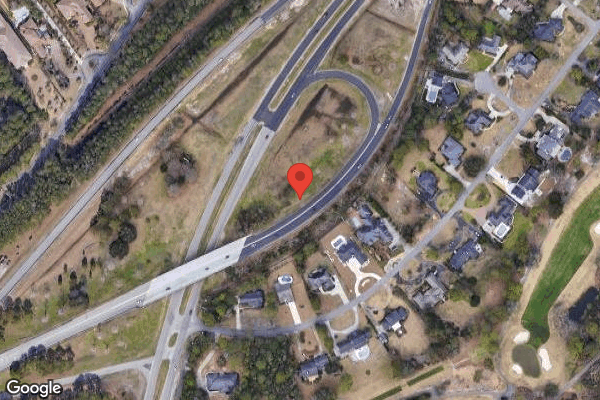

Myrtle Beach Manor

9547 Highway 17, North, Myrtle Beach, SC 29572 (843) 449-5283
For profit - Corporation 60 Beds PHOENIX SENIOR LIVING Data: November 2025 1 Immediate Jeopardy citation
Trust Grade
18/100
#159 of 186 in SC
Last Inspection: August 2024

Within standard 12-15 month inspection cycle. Federal law requires annual inspections.

Overview

Myrtle Beach Manor has received a Trust Grade of F, indicating significant concerns about the quality of care provided. It ranks #159 out of 186 nursing homes in South Carolina, placing it in the bottom half of facilities in the state, and #7 out of 8 in Horry County, meaning only one local option is better. The facility is showing an improving trend, decreasing from six issues in 2024 to just one in 2025, but it still has a concerning history, with $35,858 in fines that are higher than 88% of similar facilities. Staffing is a relative strength, with a 3/5 star rating and a turnover rate of 0%, which is well below the state average, indicating that staff remain long-term and are familiar with residents’ needs. However, serious incidents have occurred, including a resident receiving a discontinued medication due to a transcription error, which led to hospitalization, and failures to notify physicians about critical lab results, resulting in further health complications.

Trust Score
F
18/100
In South Carolina
#159/186
Bottom 15%
Safety Record
High Risk
Review needed
Inspections
Getting Better
6 → 1 violations
Staff Stability
○ Average
Turnover data not reported for this facility.
Penalties
✓ Good
$35,858 in fines. Lower than most South Carolina facilities. Relatively clean record.
Skilled Nurses
✓ Good
Each resident gets 59 minutes of Registered Nurse (RN) attention daily — more than average for South Carolina. RNs are trained to catch health problems early.
Violations
⚠ Watch
17 deficiencies on record. Higher than average. Multiple issues found across inspections.
★☆☆☆☆
1.0
Overall Rating
★★★☆☆
3.0
Staff Levels
★★★☆☆
3.0
Care Quality
★☆☆☆☆
1.0
Inspection Score
Stable
2024: 6 issues
2025: 1 issues

The Good

  • Full Sprinkler Coverage · Fire safety systems throughout facility
  • No fines on record

Facility shows strength in fire safety.

The Bad

1-Star Overall Rating

Below South Carolina average (2.8)

Significant quality concerns identified by CMS

Federal Fines: $35,858

Above median ($33,413)

Moderate penalties - review what triggered them

Chain: PHOENIX SENIOR LIVING

Part of a multi-facility chain

Ask about local staffing decisions and management

The Ugly 17 deficiencies on record

1 life-threatening 2 actual harm
Jul 2025 1 deficiency 1 IJ
CRITICAL (J) 📢 Someone Reported This

A family member, employee, or ombudsman was alarmed enough to file a formal complaint

Immediate Jeopardy (IJ) - the most serious Medicare violation

Deficiency F0760 (Tag F0760)

Someone could have died · This affected 1 resident

**NOTE- TERMS IN BRACKETS HAVE BEEN EDITED TO PROTECT CONFIDENTIALITY** Based on review of facility policy, record review, and interview, the facility failed to accurately transcribe orders for Reside...

Read full inspector narrative →
**NOTE- TERMS IN BRACKETS HAVE BEEN EDITED TO PROTECT CONFIDENTIALITY** Based on review of facility policy, record review, and interview, the facility failed to accurately transcribe orders for Resident (R)1 upon admission, resulting in R1 receiving a discontinued medication and being sent to the hospital due to potential hypoglycemia, for 1 of 3 residents reviewed. On [DATE] at 4:35 PM, the survey team provided the Administrator with a copy of the CMS Immediate Jeopardy (IJ) Template and informed the facility IJ existed as of [DATE]. The IJ was related to 42 CFR 483.45 - Pharmacy Services.On [DATE], the facility provided an acceptable IJ Removal Plan. The survey team validated the facility's corrective actions and determined that the facility put forth due diligence in addressing the non-compliance, resulting in this IJ at Past Non-compliance as of [DATE].An extended survey was conducted in conjunction with the Complaint Survey for non-compliance at F760, constituting substandard quality of care.Findings include:Review of the facility policy titled Medication and Treatment Orders, with a copyright date of 2024, documented, To ensure safe and accurate administration of medications and treatment, all orders must be clearly written, verified, and communicated to appropriate staff. This policy outlines the procedures for the initiation, verification, and documentation of medication and treatment orders within the facility. Procedure . 8. Medication and treatment orders must be accurately transcribed into the MAR by a licensed nurse or authorized staff member. 9. A second qualified staff member should review and verify the transcribed orders to minimize the risk of errors .Review of R1's Face Sheet revealed R1 was admitted to the facility on [DATE], with diagnoses including but not limited to end-stage renal disease and type 2 diabetes mellitus without complications.Review of R1's Care Plan with a date initiated of [DATE] indicated, I am at risk for alteration in my blood sugar levels, hypoglycemia and/or hyperglycemia. The goal indicated, I will have decrease risks for development of complications associated with hyper/hypoglycemia, as evidenced by my blood sugar shall remain between 80-100 or as desired by my Healthcare Practitioner. The interventions directed staff to, Monitor/document/report PRN compliance with diet and document any problems.Review of R1's Hospital Discharge Summary (prior to admission to the facility) dated [DATE] revealed discharge diagnoses, hypoglycemia, POA, secondary to medication side effect, resolved and type 2 diabetes. Further review of the Hospital Discharge indicated, . Stop taking the following medications: glipiZIDE ER (GLUCOTROL XL) 2.5 MG TAB.ER.24H.5 MILLIGRAM ORAL (by mouth) DAILY.Review of R1's Physician Orders revealed the following orders: Glucotrol XL Oral Tablet Extended Release 24 Hour 2.5 MG (Glipizide) Give 1 tablet by mouth in the morning related to TYPE 2 DIABETES MELLITUS WITHOUT COMPLICATIONS (E11.9) Hold for BS <70, with a start date of [DATE]. Further review revealed a general order for, FOLLOW HYPOGLYCEMIC PROTOCOL - BLOOD GLUCOSE LEVEL<70MG/DL, with a start date of [DATE].Review of R1's Medication Administration Record (MAR) for the month of [DATE] revealed an order that was discontinued on [DATE] for, Glucotrol XL Oral Tablet Extended Release 24 Hour 2.5 MG (Glipizide) Give 1 tablet by mouth in the morning related to TYPE 2 DIABETES MELLITUS WITHOUT COMPLICATIONS (E11.9) Hold for BS <70. This order had a start date of [DATE] and a discontinued date of [DATE]. Further review of the MAR revealed R1 received this order on [DATE], [DATE] and [DATE]. On [DATE], the MAR indicated a Blood Sugar reading of 62, the section below the Blood Sugar reading indicated a check mark and initials. According to the Chart Codes/Follow Up Codes listed in the MAR, a check mark indicates the medication was administered.Review of R1's Weights and Vitals Summary, with a focus on Vitals: Blood Sugar, revealed the following Blood Sugar results: [DATE] 16:00 - 72 mg/dL[DATE] 13:02 - 56 mg/dL[DATE] 07:07 - 62 mg/dL[DATE] 20:32 - 101 mg/dL[DATE] 18:16 - 69 mg/dL[DATE] 12:15 - 83 mg/dL[DATE] 07:37 - 50 mg/dL[DATE] 19:20 - 80 mg/dL[DATE] 17:04 - 100 mg/dL[DATE] 06:36 - 98 mg/dL[DATE] 20:53 - 193 mg/dL[DATE] 16:02 - 152 mg/dL[DATE] 10:08 - 183 mg/dL[DATE] 06:39 - 142 mg/dL[DATE] 20:56 - 183 mg/dL[DATE] 17:21 - 210 mg/dLReview of R1's Progress Note dated [DATE], Transfer to Hospital Summary Note Text: Resident had a copious amount of red blood coming out of his nasal passage. The resident is on a blood thinner. BP 109/59 HR 82 Temp 97.5 Resp 18 SPO2 95% O2 @ 3LPM BS unstable x 24 hrs. Today's BS readings are [DATE]. Pain denied. On call notified and stated to send the patient transfer the patient to the hospital. Patients' wife notified of transfer.Review of a document titled [R1] reportable [DATE] and [DATE] documented, On [DATE], [R1] was transported back to [local hospital] for evaluation of hypogycemia and admitted for further workup . A post hospitalization discharge chart review at the facility noted that a transcription error occurred during [R1's] admission process on [DATE] [sic]. [R1's] glipizide ER 2.5 mg was discontinued upon hospital discharge and was transcribed incorrectly upon admission to [NAME] Beach Manor as an active order. [R1] received three doses of glipizide; on 06/17, 06/18 and 06/19 . During this current hospital stay, [R1] has hypoxic respiratory failure and multisystem organ failure. Palliative care was once again consulted and [R1] transferred to [hospice] at [local hospital] on [DATE]. During a phone interview on [DATE] at an unspecified time, Licensed Practical Nurse (LPN)1 confirmed that the Glucotrol XL Oral Tablet Extended Release 24 Hour 2.5 MG (Glipizide) was not administered to R1 on [DATE] and was a coding error.During an interview on [DATE] at 2:45 PM, the Director of Nursing (DON) (in the presence of the Executive Director) stated during transcribing, the admission Nurse does the first check, the Night Nurse does the second check, and the DON does the final check. The DON confirmed that there was a breakdown with transcribing orders from the hospital to the facility. The DON and Administrator verified that the order was discontinued on the 19th and reordered to include the parameter do not give if blood sugar is less than 70, on the 20th. The Administrator verified that the order was not given on the 20th. During an attempted interview with R1 on [DATE] at approximately 2:00 PM, a family member answered the phone and revealed that R1 was deceased . No follow-up questions were asked.
Aug 2024 3 deficiencies
CONCERN (D)

Potential for Harm - no one hurt, but risky conditions existed

Resident Rights (Tag F0550)

Could have caused harm · This affected 1 resident

**NOTE- TERMS IN BRACKETS HAVE BEEN EDITED TO PROTECT CONFIDENTIALITY** Based on observation, interview, record review, and review of facility policy, the facility failed to ensure one (Resident (R)15...

Read full inspector narrative →
**NOTE- TERMS IN BRACKETS HAVE BEEN EDITED TO PROTECT CONFIDENTIALITY** Based on observation, interview, record review, and review of facility policy, the facility failed to ensure one (Resident (R)15) of 17 sampled residents was provided privacy when staff was administering medications, exposing the resident. This failure put R15 at risk for embarrassment. Findings include: Review of the facility's policy titled, Policy and Procedure Dignity, with a revised date of 08/01/24, provided by the facility, revealed the facility is dedicated to maintaining and promoting the dignity of all residents. Every resident will be treated with respect, consideration, and compassion in all interactions and care practices, ensuring their personal worth is upheld at all times. The policy further revealed residents privacy will be maintained during all personal care activities. Privacy will be ensured during personal care and medical treatment with efforts to minimize exposure and maintain a respectful environment. The policy further revealed Care practices will be conducted with sensitivity to residents' dignity, including maintaining modesty during personal care tasks and providing assistance with respect. Staff will be trained to provide care in a manner that upholds residents' self-esteem and personal dignity. Review of R15's Face Sheet located in the admission Record tab of the electronic medical record (EMR), revealed R15 was admitted to the facility on [DATE]. Review of R15's admission Minimum Data Set (MDS), located under the MDS tab of the EMR with an Assessment Reference Date (ARD) of 08/25/24, revealed R15 had a Brief Interview for Mental Status (BIMS) score of nine out of 15 which indicated moderately impaired cognition. Review of R15's Physician Orders located under the Orders tab of the EMR revealed R15 had an order for a Lidocaine 4% patch to be applied to R15's lower right back every day. During an observation on 08/28/24 at 7:29 AM with Registered Nurse (RN)1, in R15's room, revealed the resident was lying in bed, awake, and alert. RN1 knocked on the door, went in the room, did not close the door, or pull the privacy curtain before administering the lidocaine patches. RN1 asked the resident to turn sideways to the left and she pulled the linens down and pulled R15's shirt up which exposed her back and a portion of her brief. Two lidocaine 4% patches were removed from the upper back and the lower right back and two new lidocaine patches were replaced. During the observation three different staff members walked down the hall and could see into the room. During an interview on 08/28/24 at 9:17 AM, RN1 confirmed she did not pull the curtain or close the door because she saw this surveyor standing at the foot to the right of the bed and the curtain was partway around, and she did not think anyone from the hallway could see the resident. During an interview on 08/29/24 at 11:12 AM, R15 stated she did not pay any attention to the door or curtain being pulled or closed when they put on her patch. During an interview on 08/29/24 at 9:07 AM the Director of Nursing (DON) stated staff should knock on the door, close the door, or the curtain should be pulled around the resident when care was being done or giving medication where a resident might be exposed. The DON stated if the door was not closed, or the curtain was not pulled around the resident it was a dignity issue. The DON stated it was obvious the resident should be provided privacy. The DON stated if a resident's shirt was pulled up and a brief was exposed the very least that should have been done was to fully pull the curtain around. During an interview on 08/29/24 at 1:32 PM the Administrator stated her expectations would be if care were being done for the residents or patches were applied during medication administration it should be done behind a privacy curtain or a closed door. The Administrator further revealed this way it would ensure maximum comfort and avoid embarrassment or self-consciousness for the resident.
CONCERN (D)

Potential for Harm - no one hurt, but risky conditions existed

Transfer Notice (Tag F0623)

Could have caused harm · This affected 1 resident

**NOTE- TERMS IN BRACKETS HAVE BEEN EDITED TO PROTECT CONFIDENTIALITY** Based on record review, interview, and review of facility policy, the facility failed to provide written notification to the res...

Read full inspector narrative →
**NOTE- TERMS IN BRACKETS HAVE BEEN EDITED TO PROTECT CONFIDENTIALITY** Based on record review, interview, and review of facility policy, the facility failed to provide written notification to the resident, resident representative, and the Ombudsman, when the facility initiated a transfer/discharge for one (Resident (R) 27) of one resident reviewed for hospitalization out of a total sample of 17 residents. This failure had the potential to affect the resident and their Resident Representative (RR) by not having the knowledge of where and why a resident was transferred, and/or how to appeal the transfer, if desired as well as the Ombudsman being able to be an advocate for the resident. Findings include: Review of the facility's Transfer/Discharge Policy, effective 08/01/24, revealed Before a facility-initiated transfer or discharge, residents and resident representatives will be notified of the transfer or discharge and the reasons for the move in writing and in a language and manner they understand. Review of R27's Face Sheet found under the Profile tab in the electronic medical record (EMR) revealed the resident was originally admitted to the facility on [DATE]. Review of R27's admission Minimum Data Set (MDS) with an Assessment Reference Date (ARD) of 07/31/24, in the EMR under the MDS tab revealed the resident has a Brief Interview for Mental Status (BIMS) of three out of 15 which indicated the resident's cognition was severely impaired. Review of R27's EMR revealed a Nurses Note under the Progress Notes tab, dated 08/12/24 at 10:00 AM indicated R27 was transferred to the hospital via EMS [Emergency Medical Services], due to an elevated temperature. There was no evidence found in the EMR to show that a written transfer notification had been sent or given to the resident, the resident's representative, or the Ombudsman. During an interview with the Administrator on 08/29/24 at 1:30 PM, she stated that the only signed documentation that is provided to a resident during a facility-initiated transfer is the Bed Hold documentation. Adding that they notify the resident's representatives (RR) via telephone. The Administration was also asked to provide documentation of notification to the Ombudsman since January of 2024, and she confirmed that the facility had not been notifying the ombudsman's office.
CONCERN (F)

Potential for Harm - no one hurt, but risky conditions existed

Food Safety (Tag F0812)

Could have caused harm · This affected most or all residents

Based on observation, interview, and policy review, the facility failed to ensure food was properly labeled and sealed to prevent contamination and the potential for development of foodborne illness. ...

Read full inspector narrative →
Based on observation, interview, and policy review, the facility failed to ensure food was properly labeled and sealed to prevent contamination and the potential for development of foodborne illness. The facility further failed to ensure the kitchen was clean and free of debris. This deficient practice had the potential to affect 27 out of 27 residents who receive meals prepared in and served from the facility's kitchen. Findings include: Review of the facility policy titled Food Storage dated 08/15/16, revealed that All refrigerated foods should be dated and properly sealed. Review of the facility policy titled, Food Handling, dated 08/01/24, revealed A regular cleaning schedule is followed for all food preparation and storage areas. During the initial kitchen observation, on 08/27/24 at 8:48 AM, there was initially no staff present. At the entrance of the kitchen there was a small handwashing sink, which was soiled with dried debris. Next to the sink was the dishwashing area and an uncovered trash bin. The sink was filled with soiled dishes which was next to the clean dishes after they were ran in the dishwasher. Across from the dishwasher revealed the shelves of the steam table were littered with old food debris. A power supply was covered in a dried liquid that had also dripped on the floor. Observation of the three-compartment sink was soiled with dried, whitish colored debris. There were also food particles, and each drain was caked with a dark blackish brown substance. The fryer was observed to have very dark oil, and food particles. The oil and food particles also littered the outside of the fryer and on the floor. The range was covered in a thick coating of grease and food particles along with a soiled pan. Observation of the food preparation area revealed a cutting board with a knife and pieces of uncooked ground beef. Pieces of the ground beef were on the counter. Continued observation on 08/27/24 with Cook1 and Dietary Aid (DA)1 revealed the first of the two walk-in refrigerators revealed leftovers that were shelved, but were not dated, labeled, or properly sealed in their container. This included a container of sliced meats that were discolored and odorous, a bag of what appeared to be squash, and a container of a white creamy substance. There were bottles of condiments that were open and had no date on when they were opened. A container, labeled mechanical pork chops with an extremely loose-fitting piece of plastic wrap was found on top of a cabinet labeled Bread Box. The second refrigerator also revealed plates with uneaten portions of food. Both refrigerators' floors and under-shelf area were soiled with old food and trash. The [NAME] revealed the facility did not currently have a Dietary Manager (DM). Cook1 and DA1confirmed all the above observations of the kitchen. During an interview on 08/28/24 at 8:34 AM with the Administrator, Former Administrator (FA) and the Regional Director of Operations (RDOM) revealed the previous DM resigned, and they had hired a replacement that will begin working full-time on 09/11/24. They were also asked a question about the condition of the kitchen and stated that they were not sure of any concerns, adding that the kitchen is old and they are in the process of preparing to renovate it. During an interview with the Registered Dietitian (RD), on 08/28/24 at 11:06 AM, he confirmed he was aware of the status of the kitchen. He stated that he has discussed overall cleanliness of the kitchen with the staff, to include ensuring to label open items in the unit and walk-in refrigerators. Adding that he discussed ensuring all trash bins had a lid unless in use, keeping the floors in the kitchen and refrigerators free from dirt and debris, keeping mop heads off the floor, and labeling and dating food items. He also stated that he had the dietary staff sign inservice/education sheets, however, was unsure of the date. The sign in sheets were not provided by the time of the exit of the survey.
May 2024 1 deficiency
CONCERN (D) 📢 Someone Reported This

A family member, employee, or ombudsman was alarmed enough to file a formal complaint

Potential for Harm - no one hurt, but risky conditions existed

Respiratory Care (Tag F0695)

Could have caused harm · This affected 1 resident

Based on review of facility policy, record review, observation and interviews, the facility failed to ensure Resident (R)1's oxygen was turned on and flowing for 1 of 1 resident reviewed for quality o...

Read full inspector narrative →
Based on review of facility policy, record review, observation and interviews, the facility failed to ensure Resident (R)1's oxygen was turned on and flowing for 1 of 1 resident reviewed for quality of care. Findings include: Review of the facility policy titled, Oxygen Utilization and Storage dated 11/14/05 revealed under the policy, Residents who utilize oxygen will have written orders from the physician that specify liter flow, method of administration and time parameters. Review of R1's Face sheet revealed the facility admitted R1 on 02/16/2024 with diagnoses including but not limited to; chronic respiratory failure and chronic obstructive pulmonary disease. Record review of R1's Physician Orders revealed, Continuous oxygen flow at 2 Liters/minute, (oxygen concentrator with nasal cannula) every shift for shortness of breath dated 02/16/2024. An additional Physician Order revealed, Nurse to check every 2 hours that oxygen is on and in place and if on, the tank that it is not empty, every 2 hours for respiratory maintenance, dated 04/30/2024. An observation of R1 on 05/29/2024 at 11:40 AM revealed her sitting in her wheelchair, asleep in an activity and she was snoring. R1's daughter was also present. R1's oxygen cannula tubing was on and she had an oxygen tank, that was noted to be off. A request for a nurse to come was made. The Director of Nurses (DON) came in and observed the oxygen turned off. The DON stated, The oxygen should not be off, it should be at 2 Liters, continuous. I don't know why it was off. An interview with R1's representative on 05/29/2024 at 11:25 AM revealed, There are times I come in and her oxygen isn't even on. I've reported this to the head nurse. My brother recently visited and he also said one day he noticed mom's oxygen was off and reported it to the nurse. During an interview with Registered Nurse (RN)1 on 05/29/2024 at 11:45 AM, When asked what the oxygen saturation level was when she last checked, RN1 confirmed it was 93% (indicating good oxygen saturation in the blood) at 8:00 AM. RN1 checked it then and it vacillated between 93 and 94%. RN1 said she did not know why it was turned off. During an interview with the DON on 05/29/2024 at 12:45 PM, she confirmed R1's daughter has brought this to her attention in the past regarding R1's oxygen being turned off. She stated, I even got an order in April, that the nurses are to check on R1 every 2 hours to ensure R1's oxygen is on and working. If R1 is on a tank, check to ensure the oxygen hasn't run out.
Apr 2024 2 deficiencies 2 Harm
SERIOUS (G) 📢 Someone Reported This

A family member, employee, or ombudsman was alarmed enough to file a formal complaint

Actual Harm - a resident was hurt due to facility failures

Notification of Changes (Tag F0580)

A resident was harmed · This affected 1 resident

**NOTE- TERMS IN BRACKETS HAVE BEEN EDITED TO PROTECT CONFIDENTIALITY** Based on review of facility policy, record review, and interview, the facility failed to notify Resident (R)1's attending physic...

Read full inspector narrative →
**NOTE- TERMS IN BRACKETS HAVE BEEN EDITED TO PROTECT CONFIDENTIALITY** Based on review of facility policy, record review, and interview, the facility failed to notify Resident (R)1's attending physician of elevated lab values resulting in a hospital stay for 1 of 1 residents reviewed for quality of care. Findings include: Review of the undated facility policy titled, Notification of Changes revealed under policy, The purpose of this policy is to ensure the facility promptly informs the resident, consults with the resident's physician, and notifies, consistent with his or her authority, the resident's representative when there is a change requiring notification. Circumstances requiring notification include. 2. Significant change in the resident's physical, mental or psychosocial condition such as deterioration in health, mental or psychosocial status. This may include a. Life-threatening conditions, or b. Clinical complications. 3. Circumstances that require a need to alter treatment. This may include: a. New treatment. b. Discontinuation of current treatment due to: I. Adverse consequences. II. Acute Condition. III. Exacerbation of a chronic condition . 4. A transfer or discharge of the resident from the facility. Review of the undated facility policy titled Lab and Diagnostic Test - Clinical Protocol revealed, 3. A nurse will identify the urgency of communicating with the Attending Physician based on physician request, the seriousness of any abnormality, and the individual's current condition. Identifying Situations that Warrant Immediate Notification . 2. High or toxic serum medication levels. If a test was obtained to monitor the blood level of a medication and the level is reported as high (above therapeutic range) or toxic, the nurse will notify the physician promptly and will not give the next dose until the situation has been reviewed with the physician. Options for Physician Notification .b. Direct voice communication with the physician is the preferred means for presenting any results requiring immediate notification, especially when the resident's clinical status is unstable or current treatment needs review or clarification. Review of R1's Face Sheet revealed the facility admitted R1 on 12/18/23 with diagnoses including, but not limited to: history of aortic valve replacement, atrial fibrillation, and atherosclerotic heart disease. Further review of R1's Face Sheet revealed, R1 was admitted with an INR (international normalized ratio, a type of calculation based on the prothrombin time) of 2.7. Review of R1's Physician Orders revealed, coumadin (an anticoagulant (blood thinner)) was ordered to be held and daily PT/INRs drawn and when in normal range restart the coumadin at 5mgs daily. The first PT/INR was drawn on 12/21/23. No documentation could be found in the medical record to ensure the physician orders were followed and the daily labs were drawn. Review of R1's lab results of the first PT/INR drawn on 12/21/23 revealed, PT of 38.8 with the reference interval of 9-11 and an INR of 3.89 with a reference level of 0.89-1.09, indicating both results were High. Review of R1's Medication Administration Record (MAR) revealed, R1 received Coumadin 5mgs daily from 12/18/23 until discharge to the hospital on [DATE], with a gastrointestinal bleed due to the medication Coumadin, a blood thinner. During an interview on 04/09/24 at 12:01 PM, the attending Physician stated that once the PT/INR labs resulted, no one called him, so the medication continued and the resident had a gastrointestinal bleed and had to be sent out to the hospital. During an interview on 04/09/24 at 12:43 PM, the Director of Nursing (DON)1 stated, We had orders to draw the PT/INR weekly, and the PT/INR was drawn and no one had access to the results and when they did, the PT/INR was 3.9. During an interview on 04/09/24 at 3:27 PM, the DON2 stated, I would expect the nurses to notify the physician of any abnormal labs and in a timely manner. During an interview on 04/09/24 at 3:35 PM, Licensed Practical Nurse (LPN)1 stated if she had drawn labs she would call the MD (Medical Director) and then document in the nurses notes the values and the fact that she had called the MD with the lab values. During an interview on 04/09/24 at 3:40 PM, Registered Nurse (RN)1 stated, . when the labs are resulted then if they are abnormal I would call the physician and let him know. Then document in the nurses notes the labs and the actions take. During an interview on 04/09/24 at 3:58 PM, LPN2 stated, if the the labs were critical or abnormal she would call the physician and let him know, and then document what the labs were and that I had called the physician.
SERIOUS (G) 📢 Someone Reported This

A family member, employee, or ombudsman was alarmed enough to file a formal complaint

Actual Harm - a resident was hurt due to facility failures

Quality of Care (Tag F0684)

A resident was harmed · This affected 1 resident

**NOTE- TERMS IN BRACKETS HAVE BEEN EDITED TO PROTECT CONFIDENTIALITY** Based on review of facility policy, record review, and interview, the facility failed to follow best practice, guidelines and pr...

Read full inspector narrative →
**NOTE- TERMS IN BRACKETS HAVE BEEN EDITED TO PROTECT CONFIDENTIALITY** Based on review of facility policy, record review, and interview, the facility failed to follow best practice, guidelines and procedures to ensure Resident (R)1's attending physician was made aware of elevated lab values that are indicative of and likely to cause bleeding. Furthermore, the facility failed to clarify orders for the use of an anticoagulant after R1's lab values were out of range. The failure resulted in a hospital stay for R1, for 1 of 1 residents reviewed for quality of care. Findings include: Review of the undated facility policy titled Lab and Diagnostic Test - Clinical Protocol revealed, 1. When test results are reported to the facility, a nurse will first review the results. a. If staff who first receive or review lab and diagnostic test results cannot follow the remainder of this procedure for reporting and documenting the results and their implications, another nurse in the facility (supervisor, charge nurse,etc) should follow or coordinate the procedure. 3. A nurse will identify the urgency of communicating with the Attending Physician based on physician request, the seriousness of any abnormality, and the individual's current condition. Identifying Situations that Warrant Immediate Notification . 2. High or toxic serum medication levels. If a test was obtained to monitor the blood level of a medication and the level is reported as high (above therapeutic range) or toxic, the nurse will notify the physician promptly and will not give the next dose until the situation has been reviewed with the physician. Options for Physician Notification .b. Direct voice communication with the physician is the preferred means for presenting any results requiring immediate notification, especially when the resident's clinical status is unstable or current treatment needs review or clarification. Review of R1's Face Sheet revealed the facility admitted R1 on 12/18/23 with diagnoses including, but not limited to: history of aortic valve replacement, atrial fibrillation, and atherosclerotic heart disease. Further review of R1's Face Sheet revealed, R1 was admitted with an INR (international normalized ratio, a type of calculation based on the prothrombin time) of 2.7. Review of R1's Physician Orders revealed, coumadin (an anticoagulant (blood thinner)) was ordered to be held and daily PT/INRs drawn and when in normal range restart the coumadin at 5mgs daily. The first PT/INR was drawn on 12/21/23. No documentation could be found in the medical record to ensure the physician orders were followed and the daily labs were drawn. Review of R1's lab results of the first PT/INR drawn on 12/21/23 revealed, PT of 38.8 with the reference interval of 9-11 and an INR of 3.89 with a reference level of 0.89-1.09, indicating both results were High. Review of R1's [local hospital] Discharge summary dated [DATE], revealed, Hospital Course: . who presented as a trauma consult for mechanical ground level fall while on Coumadin . During hospital course . The patient needs to be evaluated for PT/INR prior restarting Coumadin. Restart Coumadin when appropriated. PT/INR daily prior to restarting Coumadin. Further review of the Discharge Summary revealed, Discharge Meds: Stop taking the following medications: Warfarin (Coumadin) 5 MG TAB. Review of R1's Medication Administration Record (MAR) revealed, R1 received Coumadin 5mgs daily from 12/18/23 until discharge to the hospital on [DATE], with a gastrointestinal bleed due to the medication Coumadin, a blood thinner. During an interview on 04/09/24 at 11:15 AM, the Regional Director of Operations (ROD) revealed, during the interview with R1 when R1 returned from the hospital, there were orders to discontinue Coumadin. The Charge Nurse told the ROD that a verbal order was received from the Physician to continue Coumadin and get a Pt/INR level drawn. The ROD stated after speaking with the Physician, the Physician never gave the order but did sign the order. The ROD further stated the resident did received the medication, however they should have looked at the labs and order and questioned the nurse. The ROD concluded this should have been discussed in the morning stand up meeting with clinical staff on returns from the hospital. During an interview on 04/09/24 at 12:01 PM, the attending Physician stated he had not ordered the restart of the Coumadin and he did not give that verbal order. The Physician further stated that once the PT/INR labs resulted, no one called him, so the medication continued and the resident had a gastrointestinal bleed and had to be sent out to the hospital. During an interview on 04/09/24 at 12:18 PM, the Charge Nurse revealed she has the entire conversation with the Physician about restarting the Coumadin. The Charge Nurse stated, He [Physician] told me to restart the 5mgs on 12/18/23. I went on vacation on 12/19/24 and did not come back to work until 12/27/23. The PT/INR was drawn on 12/01/23 and resulted on 12/23/23, but no one called with the result, that I later learned was 3.9. And because of this, the resident had to go back to the hospital. During an interview on 04/09/24 at 12:43 PM, the Director of Nursing (DON)1, who was the DON at the time of the incident, revealed, the resident came from the hospital on [DATE], the lab is not connected to the facility and the fax machine did not work. The day [R1] came back from the hospital, the PT/INR was high and held. We had orders to draw the PT/INR weekly, and the PT/INR was drawn and no one had access to the results and when they did, the PT/INR was 3.9. During an interview on 04/09/24 at 3:37 PM, the DON2, who is the current DON, revealed she would expect the nurses to notify the Physician of any abnormal labs in a timely manner.
Sept 2022 2 deficiencies
CONCERN (D)

Potential for Harm - no one hurt, but risky conditions existed

MDS Data Transmission (Tag F0640)

Could have caused harm · This affected 1 resident

Based on interview and record review, the facility failed to timely transmit the Minimum Data Set (MDS) assessment for 1 of 1 sampled resident (Resident (R) 1) and 2 supplemental residents (R124 and R...

Read full inspector narrative →
Based on interview and record review, the facility failed to timely transmit the Minimum Data Set (MDS) assessment for 1 of 1 sampled resident (Resident (R) 1) and 2 supplemental residents (R124 and R125) reviewed for missing MDS assessments. This deficient practice increased the potential for missed opportunities of care or services. Findings include: 1. Review of R1's admission Record, undated and located in the electronic medical record (EMR) under the Profile tab, indicated a discharge date of 03/17/22. Review of R1's MDS with an Assessment Reference Date (ARD) of 03/17/22, located in the EMR under the MDS tab, revealed the MDS was completed on 03/17/22, but was not reflected in the EMR as accepted. 2. Review of R124's admission Record, undated and located in the EMR under the Profile tab, indicated a discharge date of 02/07/22. Review of R124's MDS with an ARD of 02/07/22, located in the EMR under the MDS tab, revealed the MDS was completed on 02/07/22, but was not reflected in the EMR as accepted. 3. Review of R125's admission Record, undated and located in the EMR under the Profile tab, indicated a discharge date of 03/07/22. Review of R125's MDS with an ARD of 03/07/22, located in the EMR under the MDS tab, revealed the MDS was completed on 03/07/22, but was not reflected in the EMR as accepted. During an interview on 09/06/22 at 4:00 PM, the MDS Coordinator (MDSC) stated in the EMR when a discharge MDS was completed it automatically defaulted to .No, to send to the MDS database. and the MDSC must manually change the No to a Yes. The MDSC confirmed the MDSs marked as completed for R1, R124 and R125 were missed by her and not transmitted at the time of completion. The MDSC stated the facility does not have a specific policy regarding MDS's as they follow the Resident Assessment Instrument (RAI) manual for MDSs. The MDSC further stated the completed MDS's should have been transmitted with 14 days of the ARD.
CONCERN (E)

Potential for Harm - no one hurt, but risky conditions existed

Deficiency F0761 (Tag F0761)

Could have caused harm · This affected multiple residents

**NOTE- TERMS IN BRACKETS HAVE BEEN EDITED TO PROTECT CONFIDENTIALITY** Based on review of facility policy and manufacturer's recommendations, observations, and interviews, the facility failed to ensu...

Read full inspector narrative →
**NOTE- TERMS IN BRACKETS HAVE BEEN EDITED TO PROTECT CONFIDENTIALITY** Based on review of facility policy and manufacturer's recommendations, observations, and interviews, the facility failed to ensure the proper storage and labeling of blood glucometer calibration solutions on 3 out of 3 medication carts in the facility, which had the potential to affect 4 residents at the facility, who had physician's orders for routine blood glucometer blood sugar tests out of 21 current residents. Improper storage and labeling increases the risk of utilizing expired and ineffective calibration solutions. Findings include: Review of the facility policy Blood Glucose Calibration/Quality Testing (dated [DATE]) revealed: High and low glucose control solutions, blood glucose monitoring devices and calibration test strips should be used to perform the Blood glucose Calibration/Quality Control Testing to test the accuracy of blood glucose monitoring devices used in the facility. The manufacturer's recommendations for the blood glucose calibration monitoring solutions, Glucocard Expression Control Solution (Revised [DATE]) revealed, under Storage and the Handling, to discard any unused control solution 90 days after first opening or after expiration date. The undated manufacturer's recommendations for the blood glucose calibration monitoring solutions, One-Care Pro Control Solution revealed, under Storage and Stability, the solution should not be used after the expiration date or three months after opening. During an observation of the medication cart of the Boardwalk nursing unit on [DATE] at 10:46 AM, the surveyor observed three glucometer control solutions which had not been dated or initialed when they had been opened, two bottles of GlucoCard Expression Level 2 Control Solution Lot No. TAC211003H, Expiration Date 2023-10-17; and one bottle GlucoCard Shine Control Solution, Level 1, Lot CSTU01BN EXP 2022-12-31. During an interview on [DATE] at 10:56 AM, Licensed Practical Nurse (LPN)1 stated, all medications and diabetic supplies should always be dated and initialed when they are opened, it shows how long the medication or supply is good for, I really don't know why the diabetic supplies were not dated when opened. During an observation of the Medication Cart Two on the Palms Nursing Unit, on [DATE] at 11:14 AM, the surveyor observed two glucose control solution bottles which were opened and not dated or initialed: one GlucoCard Shine Control Solution, Level 1, Lot CSTF08CN, EXP 2022-09-07 and one GlucoCard Shine Control Solution Level 2 , TAC211003H, Exp 2023-10-17. During an interview on [DATE] at 11:20 AM, LPN2 stated I always date and initial any bottle or vial of medication when I open it, so we know when to throw it out with the expiration date. During an observation of the Medication Cart One on the Palms Nursing Unit on [DATE] at 11:25 AM , the surveyor observed One Care Pro 1 Control Bottle Low (Level 1) Lot MDD026C009, EXP 2023-08-22 and one Control Bottle High Level 3, Lot MDD026C008, Exp 2023-08-22 not labeled or dated; both bottles had been dated as being opened [DATE], dated on the box and the individual bottles. During an interview on [DATE], at 11:25 AM, LPN3 stated, we should always date and initial any medication bottle or medication solution when we open it, so you know what the expiration of the medication or biological solution is, I don't know why the bottles where not labeled or dated, we learned that in nursing school. During an interview on [DATE] at 11:58 AM, the Director of Nursing (DON) observed and verified the glucose calibration solution bottles had not been dated and initialed; and the two bottles that had been dated and initialed on [DATE] and expired on [DATE], yet still observed in the medication cart. The DON stated This is nursing 101, the medication vial and glucometer solutions should have been initialed and dated, and we always follow the manufacturer's recommendations regarding the expiration of the glucometer calibration solutions in 90 days after being opened. It is my expectation that all the licensed nurses date and initial all medications and glucometer calibration solutions when they are opened. I will follow-up and re-educate the nursing staff on this.
Jul 2021 8 deficiencies
CONCERN (D)

Potential for Harm - no one hurt, but risky conditions existed

Safe Environment (Tag F0584)

Could have caused harm · This affected 1 resident

Based on observation and interview the facility failed to ensure one resident (Resident (R) 13) of thirteen residents reviewed for home-like environment, maintained a comfortable and home-like interio...

Read full inspector narrative →
Based on observation and interview the facility failed to ensure one resident (Resident (R) 13) of thirteen residents reviewed for home-like environment, maintained a comfortable and home-like interior. Specifically, R13's room was observed with having three large holes with exposed plaster behind the bed. The findings include: On 07/12/2021 at 2:09 PM observation of R13's room revealed the wall behind the bed was noted with three large holes and the plaster was exposed. The resident stated that he/she was unaware about the wall. Interview with Licensed Practical Nurse (LPN) 2 on 07/13/21 at 2:00 PM revealed s/he stated that any Issues with the resident's room we just pick up the Walkie/Talkie and we get maintenance. We notify them in real time. I no longer use the TELS System (a computer system for sending maintenance request). I have not seen an issue with R13's room but it happens from time to time with these beds. Interview with the Environmental Services Director (ESD) on 07/13/2021 at 2:03 PM revealed that s/he stated We(the facility) uses the TELS work order system for maintenance to fix items and I do not have a work order for the holes in the walls of R13's room. The facility failed to provide a policy.
CONCERN (D)

Potential for Harm - no one hurt, but risky conditions existed

Deficiency F0657 (Tag F0657)

Could have caused harm · This affected 1 resident

**NOTE- TERMS IN BRACKETS HAVE BEEN EDITED TO PROTECT CONFIDENTIALITY** Based on interview, record review, review of the facility policy and procedure, and review of the Resident Assessment Instrument...

Read full inspector narrative →
**NOTE- TERMS IN BRACKETS HAVE BEEN EDITED TO PROTECT CONFIDENTIALITY** Based on interview, record review, review of the facility policy and procedure, and review of the Resident Assessment Instrument (RAI) manual 3.0 the facility failed to ensure two residents (Resident (R) 1, and 16) of three residents reviewed for care planning were involved in their care planning process along with the Interdisciplinary team (IDT), and the resident's care planning process was completed within the 21 days of their comprehensive resident assessment. The findings include: Review of the facility's policy titled, 72 hour Care Plan Meeting dated 10/30/19 revealed . This 72 hour meeting is held for skilled resident within 72 hours of their admission. Team members participating include the following: 1. Administrator; 2. Case Manager/MDS (Minimum Data Set) Coordinator; 3. Director of Nursing and designated representative; 4. Rehabilitation Director; 5. Business Office Manager; 6. Social Services Director; 7. Food Service Director/Dietician; and 8. Activities Director . Review of R11's Electronic Medical Record (EMR) Face sheet dated 06/11/21 revealed R11 was admitted to the facility with the following diagnoses of fracture shaft of the left femur, muscle weakness, difficulty in walking, other recurrent depressive disorder and generalized anxiety disorder. Review of R11's admission Minimum Data Set (MDS) dated 06/17/21 revealed R11 was cognitively intact and scored a 15 on the Brief Interview for Mental Status (BIMS) assessment. Review of R11's EMR comprehensive Care Plan conference dated 07/05/21 revealed the care plan process was not completed within 21 days of R11's admission on [DATE]. The plan of care meeting had not included all of the IDT members per facility policy. Review of R16's EMR Face Sheet dated 06/24/21 revealed the resident was admitted to the facility with diagnoses of orthostatic hypotension, type 2 diabetes, muscle weakness, metabolic encephalopathy, and Parkinson's Disease. Review of R16's admission MDS dated [DATE] revealed R16 was cognitively intact with a score of 14 on the BIMS assessment. Review of R16's EMR Baseline Care Plan dated 06/28/21 revealed there was no documentation that the resident, resident representative or the IDT were involved in the care planning for R16. On 07/13/21 at 1:13 PM in an interview with the Director of Nursing (DON) revealed s/he stated that The social worker left prior to his/her resignation date. Therefore, the arrangements for care plans was part of what s/he did. I can't explain why the post care plan meeting wasn't done.
CONCERN (D)

Potential for Harm - no one hurt, but risky conditions existed

Deficiency F0679 (Tag F0679)

Could have caused harm · This affected 1 resident

**NOTE- TERMS IN BRACKETS HAVE BEEN EDITED TO PROTECT CONFIDENTIALITY** Based on observation, interview, review of activity calendar, and review of facility policy and procedure the facility failed to...

Read full inspector narrative →
**NOTE- TERMS IN BRACKETS HAVE BEEN EDITED TO PROTECT CONFIDENTIALITY** Based on observation, interview, review of activity calendar, and review of facility policy and procedure the facility failed to ensure two residents (Resident (R) 11, and 16) of three residents received an ongoing program of activities to meet the individual needs and interest, which had the potential to negatively affect the well-being of the resident. The findings include: Review of the facility's policy titled, Recreation Program Categories dated 02/09/06 .3.0 Program Guidelines .The recreation department should offer a wide variety of programs to meet individual resident needs and interests . Review of R11's admission Minimum Data Set (MDS) dated 06/17/21 revealed R11 was cognitively intact and scored a 15 on the Brief Interview for Mental Status (BIMS) assessment. Review of R11's EMR Care Plan dated 06/14/21 revealed R11 was not care planned for any activities. Interview with R11 on 07/12/21 at 1:05 PM it was revealed that the facility had not been offering any activities. R11 stated s/he had been told that the facility had an activity going on and had seen the bus driver from the activity but was unaware of what the activity was and who it was for. An observation on 07/12/21 at 1:05 PM of R11's wall revealed an activity calendar. R11 stated That's the 1st time I've ever seen that. An observation on 07/12/21 at 3:01 PM revealed R11 was laying in the bed. R11 stated that No activities had been offered today'. An observation on 07/12/21 at 4:29 PM revealed R11 was sitting up in a high back wheelchair in his/her room with no activities observed. An observation on 07/13/21 at 10:00 AM revealed R11 was in a resident council meeting. An observation on 07/13/21 at 12:40 PM revealed R11 was observed laying down in his/her bed. Review of the facility's resident activity calendar for the month of July 2021 revealed the following activities: 07/12/21 .Lifestyle 360 Activity Packet, Beauty Shop, Exercise and Motor skill, and Music 07/13/21 .Lifestyle 360 Activity Packet, Exercise and Wellness, 3:00 pm Tuesday Church Group 07/14/21 .Lifestyle 360 Activity Packet, Day time Shows on big screen, Pre-schedule visits In room/Outside On 07/13/21 at 12:48 PM in an interview with the 360 Resident Activity Director (RAD) it was revealed s/he stated, The resident (R11) goes to the gym daily for exercises. We go room to room and provide activity packets to the residents. We invite the residents to activities. If they go to the dining room, we will announce it there and if they don't come to the dining room, we do go room to room and make them aware. Therapy will also inform them of any activities. Review of R16's admission MDS dated [DATE] revealed R16 was cognitively intact with a score of 14 on the BIMS assessment. Review of R16's EMR Care Plan dated 06/24/21 revealed the resident was not care planned for any activities. Interview with R16 on 07/12/21 at 2:03 PM it was revealed that the facility had not been offering any activities. An observation on 07/12/21 at 3:00 PM revealed R16 was in his/her room with their spouse with no activities observed. An observation on 07/12/21 at 4:27 PM revealed R16 was laying in the bed with no activities observed. An observation on 07/13/21 at 8:55 AM revealed R16 was in his/her room after completing rehab sitting in his/her wheelchair. Interview with R16 on 07/13/21 at 12:39 PM it was revealed that the resident did not know what the activity packet was that was on the activity calendar. On 07/13/21 at 12:48 PM in an interview with the 360 RAD it was revealed s/he stated The resident (R16) goes to the gym daily for exercises. We go room to room and provide activity packets to the residents. We invite the residents to activities. If they go to the dining room, we will announce it there and if they don't come to the dining room, we do go room to room and make them aware. Therapy will also inform them of any activities.
CONCERN (D)

Potential for Harm - no one hurt, but risky conditions existed

Deficiency F0727 (Tag F0727)

Could have caused harm · This affected 1 resident

Based on obsevations and interviews, the facility failed to ensure a registered nurse was in the facility for 8 consecutive hours, 7 days a week. On 07/13/2021 at 1:39 PM, the Director of medical rec...

Read full inspector narrative →
Based on obsevations and interviews, the facility failed to ensure a registered nurse was in the facility for 8 consecutive hours, 7 days a week. On 07/13/2021 at 1:39 PM, the Director of medical records and staffing stated there were only two registered nurses (RNs) employed at the facility. S/he highlighted the RNs on the scheduling sheet and confirmed the RNs worked 12 hour shifts. Further review of the RN #1 and RN #2 employee punch card revealed the facility did not have a RN for at least 8 consecutive hours a day, 7 days of week for the following dates: 06/05/2021- no record of RN #1 or RN #2 clocked in 06/06/2021- no record of RN #1 or RN #2 clocked in 06/11/2021- no record of RN #1 clocked in, RN #2 worked 4.25 hours 06/12/2021- no record of RN #1 clocked in, RN #2 worked 5.75 hours 06/13/2021- no record of RN #1 or RN #2 clocked in 06/19/2021- no record of RN #1 or RN #2 clocked in 06/20/2021- no record of RN #1 or RN #2 clocked in 06/25/2021- no record of RN #1 clocked in, RN #2 worked 4.0 hours 07/03/2021- no record of RN #1 or RN #2 clocked in 07/04/2021- no record of RN #1 clocked in, RN #2 worked 5.0 hours During a interview on 07/13/2021 at 1:59 PM with the Director of medical records and staffing, S/he stated the Director of Nursing (DON) was on call on the above dates but S/he did not have any documentation stating the DON was present in the facility. The director of medical records stated S/he was unaware that an RN needed to be present in the facility at least 8 hours a day, 7 days a week. During a interview on 07/13/21 at 03:08 PM with the Administrator and DON. The DON stated S/he is present in building 5 days of week and on call on weekends. The DON stated S/he did not know that a RN needed to be present at least 8 consecutive hours, 7 days a week. The Administrator and DON stated there were no further documentation to show the DON was present in the building on the above dates. A review of the Director of nursing job description states, 3. h- Identifies responsibilities for nursing function 24 hours a day, 7 days a week in the absence of the Director of Nursing or Assistant Director of Nursing. 3. i- Develops a work schedule that ensures the presence of the Director of nursing on periodic weekends or evenings, nights and holidays'.
CONCERN (D)

Potential for Harm - no one hurt, but risky conditions existed

Medication Errors (Tag F0758)

Could have caused harm · This affected 1 resident

Based on observation, interview, record review and review of facility policies and procedures, the facility failed to ensure that one resident (Resident (R) 11) of five residents reviewed for unnecess...

Read full inspector narrative →
Based on observation, interview, record review and review of facility policies and procedures, the facility failed to ensure that one resident (Resident (R) 11) of five residents reviewed for unnecessary medications was free from unnecessary medications. Specifically, R11's behavior management monitoring did not identify the need to increase the dosage for an as needed (PRN) antianxiety medication. The findings include: Review of the facility's policy titled, Behavioral Health Management dated 09/01/18, revealed . S. Reducing Unnecessary Medications: Clinical assessment is conducted by the resident's psychiatrist, and/or physician. All antipsychotic medications and psychoactive medications will be assessed for gradual dose reductions. This will ensure that medications are either discontinued for resident's that do not need them or are maintained at the lowest effective dosage for Behavioral Intervention . Review of R11's Electronic Medical Record (EMR) Face Sheet dated 06/11/21 revealed the resident was admitted to the facility with the following diagnoses: fracture shaft of left femur, muscle weakness, difficulty in walking, other recurrent depressive disorders and generalized anxiety disorder. Review of R11's admission Minimum Data Set (MDS), (a standardized assessment tool for long term care residents), dated 06/17/21 revealed R11 had an active diagnosis of psychiatric/mood disorder of anxiety and depression with no documented behaviors. In section C for cognition, it documented R11 scored a 15 on the Brief Interview for Mental Status (BIMS) which was meant R11 was cognitively intact. In section N for medications, it was documented R11 received six days of antianxiety medication for the assessment reference period (ARD). Review of the R11's handwritten Non-Emergency Physician Notification dated 06/11/21 revealed an order for Alprazalom (antianxiety medication) 0.5 milligrams (mg) Q(every) 12 (twelve) hours prn (as needed) anxiety. Review of R11's EMR Medication Administration Record(MAR) for the month of June 2021 revealed an order for Alprazolam tablet 0.5 mg, Give 1 (one) tablet by mouth every 12 hours as needed for anxiety. Order date 06/11/2021 1542, D/C (discontinue) date 06/13/2021 1836. New order written for Alprazolam tablet 0.5 mg, Give 1 tablet by mouth every 12 hours as needed for anxiety for 12 days. Order date 06/13/2021 1836. Review of R11's handwritten Non-Emergency Physician Notification dated 06/28/21 revealed an order for Alprazalom 0.5, Q 8 (eight) hours prn anxiety for the month of June 2021. Review of R11's EMR Medication Administration Record revealed an order for Alprazolam tablet 0.5 mg, Give 1 tablet by mouth every 8 hours as needed for anxiety for 14 days. Order date 06/29/2021 0755. Review of R11's EMR behavior documentation record titled, S/S (signs and symptoms) of anxiety dated from 06/13/21 to 07/13/21 revealed there were only three documented behaviors of anxiety on 06/16, 06/17, and 06/18. No additional behaviors were documented. On 07/14/21 at 9:30 AM, in an interview with Licensed Practical Nurse (LPN) 2, s/he revealed R11 had not had any anxiety for a while. S/he stated the first few days of admission of R11 was given three doses for being tearful and worked up, but since then R11's anxiety was related to pain. On 07/14/21 at 9:35 AM, in an interview with Certified Nursing Assistant (CNA) 2, it was revealed s/he stated R11 normally did his/her own thing. S/he stated, I haven't personally seen any anxiety with him/her. On 07/14/21 at 9:40 AM, in an interview with CNA 1, it was revealed CNA 1 stated, I noticed one episode with R11 when s/he first came, and this was during the time s/he had a roommate. Since then, s/he does his/her own thing. On 07/14/21 at 11:07 AM, in an interview with the Medical Director, it was revealed every time I see the residents, I review their MARs and their meds. It's the best time to do it. PRN meds with stop dates are the ones I stop. If the resident was on the medication from the hospital and admitted to the facility on it then I don't do a stop date because they are on it at home. Certainly, the nurse would call me and I will give them an order. Some orders are verbal, and some are written. I also review the MD (Medical Director) book. When the resident goes home then they will revert back to their previous dose.
CONCERN (D)

Potential for Harm - no one hurt, but risky conditions existed

Deficiency F0761 (Tag F0761)

Could have caused harm · This affected 1 resident

Based on observations, record review, interviews, and facility policy review, the facility failed to ensure that the Medication Room refrigerator temperature was checked daily per facilities policy an...

Read full inspector narrative →
Based on observations, record review, interviews, and facility policy review, the facility failed to ensure that the Medication Room refrigerator temperature was checked daily per facilities policy and Medication manufactures recommendations of one of one refrigerator inspected for the proper storage of medications. Findings include: Review of the facility's policy titled, Medication Management Guidelines dated 05/28/02 revealed, .6. Monitor storage temperature: Refrigerator temperatures are to be checked daily to ensure the temperature range is maintained. Store items requiring refrigeration at 38-46 degrees F (Fahrenheit) . During an observation of the medication room on 7/12/21 at 2:45 PM it was revealed that there was a medication refrigerator located inside the room. Review of the refrigerator temperature monthly logs titled; Vaccine Storage Temperature Logs dated for the month of July revealed there were days where there was not a temperature check documented on the log. Further Review of the monthly temperature logs for the months of February 2021 through July 2021 revealed the following days with no temperature check documentation: February 2021 - 2nd, 3rd, and 19th, March 2021 - 25th and 28th, April 2021 - 2nd, 29th, and 30th, May 2021 - 29th and 30th, June 2021 - 2nd and 3rd, July 2021 - 7th and 8th. During an interview with a Licensed Practical Nurse (LPN) on 7/12/21 at 2:45 PM, s/he stated that the staff on night shift were responsible for checking and logging the temperatures of the refrigerator and if the temperature checks were completed it should be documented in the logbook. During an interview with the Director of Nursing ( DON) on 7/13/21 at 9:04 AM, it was revealed in relation to the medication room refrigerator temperature logs not being documented as completed daily, s/he stated s/he had an In-service call with the night nurses as a whole group to discuss the situation on yesterday after the survey findings. The DON stated that s/he did review the policy with the nursing staff and what the expectation would be related to checking the medication room refrigerator temperature. S/he stated, Since the night shift had been the shift responsible to do it due to their workload being less than day shifts, they need to figure out a system to get it done. During the Quality Assurance interview on 07/14/21 at 10:22 AM, it was revealed the Administrator stated that s/he was not aware that the medication room refrigerator temperature was not being checked and documented.
CONCERN (F)

Potential for Harm - no one hurt, but risky conditions existed

Food Safety (Tag F0812)

Could have caused harm · This affected most or all residents

Based on observations and staff interviews, the facility failed to ensure food was stored in accordance with professional standards for food service safety. Food items that were expired were not disca...

Read full inspector narrative →
Based on observations and staff interviews, the facility failed to ensure food was stored in accordance with professional standards for food service safety. Food items that were expired were not discard on or before the expiration date. The facility also failed to store chemicals in a secure area for 1 of 1 kitchens observed. During the initial tour of the kitchen on 07/12/2021 at 11:19 AM with the Certfied Dietary Manager (CDM) the following were observed: Two bottles of comet with bleach disinfectant were near food on the prep table A container labeled chicken salad with a use by date of 07/07/2021 A container labeled hot dogs with a use by date of 07/07/2021 Three containers of strawberries with white like fuzzy substance During a follow up visit of the kitchen on 07/13/2021 at 9:53 AM the following were observed: One bottle of comet with bleach disinfectant underneath the prep table Three containers of strawberries with white like fuzzy substance During a interview on 07/13/2021 at 10:07 AM with the CDM, S/he stated cleaning products are to be kept in chemical area and not stored in the kitchen under prep tables near food. The CDM also stated food should be labeled/ dated and used by expiration date. Review of the facility policy titled, Date Making Ready-To-Eat, Time/Temperature Control for Safety Foods (TCS), stated Procedure: 6. Serve or discard refrigerated, ready-to-eat, TCS foods within 7 days. Review of facility policy titled, Safe Employee Work practices, stated 3.8- Safe Use of Chemicals 8. Chemicals are stored in a secure area. They are not stored in food storge or preparation areas.
CONCERN (F)

Potential for Harm - no one hurt, but risky conditions existed

Deficiency F0883 (Tag F0883)

Could have caused harm · This affected most or all residents

**NOTE- TERMS IN BRACKETS HAVE BEEN EDITED TO PROTECT CONFIDENTIALITY** Based on interview, record review, facility policy review, and review of the Centers for Disease Control and Prevention (CDC) gu...

Read full inspector narrative →
**NOTE- TERMS IN BRACKETS HAVE BEEN EDITED TO PROTECT CONFIDENTIALITY** Based on interview, record review, facility policy review, and review of the Centers for Disease Control and Prevention (CDC) guidelines, the facility failed to offer eight (Resident (R) 2, 4, 6, 7, 11, 16, 17, and 268) out of 15 residents reviewed for immunizations. Specifically, the facility failed to offer residents the pneumococcal vaccine (PCV 13). The systemic failure to offer a recommended pneumococcal vaccination had the potential to affect all 15 residents residing in the facility and represented substandard quality of care. The facility census was 16. The findings include: Review of the Centers for Disease Control and Prevention (CDC) website titled, Pneumococcal Vaccine Recommendations revealed For adults 65 (sixty-five) years or older who do not have an immunocompromising condition, cerebrospinal fluid leak, or cochlear implant and want to receive PCV (Prevnar 13), and PPSV 23 (Pneumovax 23) Administer 1 (one) dose of PCV 13 first then give 1 dose of PPSV 23 at least 1 year later. If the patient already received PPSV 23, give the dose of PCV 13 at least 1 year after they received the most recent dose of PPSV 23. Anyone who received any doses of PPSV 23 before age [AGE] should receive 1 final dose of the vaccine at age [AGE] or older Review of facility policy, Resident Health Program dated 10/1/17 revealed C. Residents at risk for pneumonia should receive pneumococcal polysaccharide vaccine (PPSV 23 or Pneumovax). These are persons older than 65, or persons with: a. Chronic cardiovascular or pulmonary disease; b. Impaired airway reflexes; c. Diabetes mellitus d. Alcoholism; e. Immunosuppression; f. Non-functional or spleen removal; g. Post-surgical status; h. Poor nutritional status i. Enteral feeding tube; j. Mechanical ventilation; or k. Under age [AGE] who smoke cigarettes . Review of R2's Electronic Medical Record (EMR) Face Sheet dated 10/16/20 revealed R2 was admitted to the facility with the following diagnoses Alzheimer's disease with dementia, hypertension and hyperlipidemia. The resident was 65 or older at the time of admission. Review of R2's Immunization Record revealed no evidence that the resident and/or the resident's representative were educated about or offered the PPSV (pneumococcal polysaccharide vaccine) 23 or PVC 13 a year later. Review of R4's EMR Face Sheet dated 01/29/21 revealed the R4 was admitted to the facility with the following diagnoses hypertensive heart disease without heart failure, delusional disorders, unspecified atrial fibrillation, dementia with behavioral disturbance, and disorder of the skin and subcutaneous tissue, unspecified. The resident was 65 or older at the time of admission. Review of R4's Immunization Record revealed the resident and/or the resident's representative refused the PPSV 23. There was no evidence that the resident and/or their representative were educated about and/or offered the PCV 13. Review of R6's EMR Face Sheet dated 05/10/20 revealed the resident was admitted to the facility with the following diagnoses atrial fibrillation, heart failure, hypertension, and diabetes mellitus. The resident was 65 or older at the time of admission. Review of R6's Immunization record revealed the resident and/or the resident's representative was administered the PPSV 23 on 01/02/2016. There was no evidence that the resident and/or their representative were educated about and/or offered the PCV 13 a year later. Review of R7's EMR Face Sheet dated 02/25/21 revealed the resident was admitted to the facility with the following diagnoses traumatic subdural hemorrhage without loss of consciousness, unspecified severe protein calorie malnutrition, chronic obstructive pulmonary disease and type II diabetes. The resident was 65 or older at the time of admission. Review of R7's Immunization record revealed the resident and/or the resident's representative refused the PPSV 23. There was no evidence that the resident and/or their representative were educated about and/or offered the PCV 13. Review of R11's EMR Face Sheet dated 06/11/21 revealed the resident was admitted to the facility with the following diagnoses fracture shaft of left femur, muscle weakness, other recurrent depressive disorders and generalized anxiety disorder. The resident was 65 or older at the time of admission. Review of R11's Immunization record revealed the resident and/or the resident's representative refused the PPSV 23. There was no evidence that the resident and/or their representative were educated about and/or offered the PCV 13. Review of R16's EMR Face Sheet dated 06/24/21 revealed the resident was admitted to the facility with the following diagnoses orthostatic hypotension, type 2 diabetes, metabolic encephalopathy, and Parkinson's Disease. The resident was 65 or older at the time of admission. Review of R16's Immunization record revealed the resident and/or the resident's representative refused the PPSV 23. There was no evidence that the resident and/or their representative were educated about and/or offered the PCV 13. Review of R17's EMR Face Sheet dated 06/30/21 revealed the resident was admitted to the facility with the following diagnoses COPD (chronic obstructive pulmonary disease), coronary artery disease, heart failure, and hypertension. The resident was 65 or older at the time of admission. Review of R17's Immunization record revealed the resident and/or the resident's representative refused the PPSV 23. There was no evidence that the resident and/or their representative were educated about and/or offered the PCV 13. Review of R268's EMR Face Sheet dated 07/08/21 revealed the resident was admitted to the facility with the following diagnosis vascular dementia without behavioral disturbances. The resident was 65 or older at the time of admission. Review of R268's Immunization record revealed the resident and/or the resident's representative refused the PPSV 23. There was no evidence that the resident and/or their representative were educated about and/or offered the PCV 13. On 07/14/21 at 12:13 PM in an interview with the Director of Nursing (DON)/Infection preventionist (IP), s/he stated that We do not offer Prevnar 13, only PPSV 23. The Medical Director only desires to use PPSV 23. The Administrator was not aware of the QA findings.
Understanding Severity Codes (click to expand)
Life-Threatening (Immediate Jeopardy)
J - Isolated K - Pattern L - Widespread
Actual Harm
G - Isolated H - Pattern I - Widespread
Potential for Harm
D - Isolated E - Pattern F - Widespread
No Harm (Minor)
A - Isolated B - Pattern C - Widespread

Questions to Ask on Your Visit

  • "What changes have you made since the serious inspection findings?"
  • "Can I speak with families of current residents?"
  • "What's your RN coverage like on weekends and overnight?"

Our Honest Assessment

Strengths
  • • Licensed and certified facility. Meets minimum state requirements.
Concerns
  • • Multiple safety concerns identified: 1 life-threatening violation(s), 2 harm violation(s), $35,858 in fines, Payment denial on record. Review inspection reports carefully.
  • • 17 deficiencies on record, including 1 critical (life-threatening) violation. These warrant careful review before choosing this facility.
  • • $35,858 in fines. Higher than 94% of South Carolina facilities, suggesting repeated compliance issues.
  • • Grade F (18/100). Below average facility with significant concerns.
Bottom line: Trust Score of 18/100 indicates significant concerns. Thoroughly evaluate alternatives.

About This Facility

What is Myrtle Beach Manor's CMS Rating?

CMS assigns Myrtle Beach Manor an overall rating of 1 out of 5 stars, which is considered much below average nationally. Within South Carolina, this rating places the facility higher than 0% of the state's 100 nursing homes. A rating at this level reflects concerns identified through health inspections, staffing assessments, or quality measures that families should carefully consider.

How is Myrtle Beach Manor Staffed?

CMS rates Myrtle Beach Manor's staffing level at 3 out of 5 stars, which is average compared to other nursing homes.

What Have Inspectors Found at Myrtle Beach Manor?

State health inspectors documented 17 deficiencies at Myrtle Beach Manor during 2021 to 2025. These included: 1 Immediate Jeopardy (the most serious level, indicating potential for serious harm or death), 2 that caused actual resident harm, and 14 with potential for harm. Immediate Jeopardy findings are rare and represent the most serious regulatory concerns. They require immediate corrective action.

Who Owns and Operates Myrtle Beach Manor?

Myrtle Beach Manor is owned by a for-profit company. For-profit facilities operate as businesses with obligations to shareholders or private owners. The facility is operated by PHOENIX SENIOR LIVING, a chain that manages multiple nursing homes. With 60 certified beds and approximately 36 residents (about 60% occupancy), it is a smaller facility located in Myrtle Beach, South Carolina.

How Does Myrtle Beach Manor Compare to Other South Carolina Nursing Homes?

Compared to the 100 nursing homes in South Carolina, Myrtle Beach Manor's overall rating (1 stars) is below the state average of 2.8 and health inspection rating (1 stars) is much below the national benchmark.

What Should Families Ask When Visiting Myrtle Beach Manor?

Based on this facility's data, families visiting should ask: "What changes have been made since the serious inspection findings, and how are you preventing similar issues?" "Can I visit during a mealtime to observe dining assistance and food quality?" "How do you handle medical emergencies, and what is your hospital transfer rate?" "Can I speak with family members of current residents about their experience?" These questions are particularly relevant given the facility's Immediate Jeopardy citations.

Is Myrtle Beach Manor Safe?

Based on CMS inspection data, Myrtle Beach Manor has documented safety concerns. Inspectors have issued 1 Immediate Jeopardy citation (the most serious violation level indicating risk of serious injury or death). The facility has a 1-star overall rating and ranks #100 of 100 nursing homes in South Carolina. Families considering this facility should ask detailed questions about what corrective actions have been taken since these incidents.

Do Nurses at Myrtle Beach Manor Stick Around?

Myrtle Beach Manor has not reported staff turnover data to CMS. Staff turnover matters because consistent caregivers learn residents' individual needs, medications, and preferences. When staff frequently change, this institutional knowledge is lost. Families should ask the facility directly about their staff retention rates and average employee tenure.

Was Myrtle Beach Manor Ever Fined?

Myrtle Beach Manor has been fined $35,858 across 3 penalty actions. The South Carolina average is $33,437. While any fine indicates a compliance issue, fines under $50,000 are relatively common and typically reflect isolated problems that were subsequently corrected. Families should ask what specific issues led to these fines and confirm they've been resolved.

Is Myrtle Beach Manor on Any Federal Watch List?

Myrtle Beach Manor is not on any federal watch list. The most significant is the Special Focus Facility (SFF) program, which identifies the bottom 1% of nursing homes nationally based on persistent, serious quality problems. Not being on this list means the facility has avoided the pattern of deficiencies that triggers enhanced federal oversight. This is a positive indicator, though families should still review the facility's inspection history directly.