NHC Heathcare - Bluffton
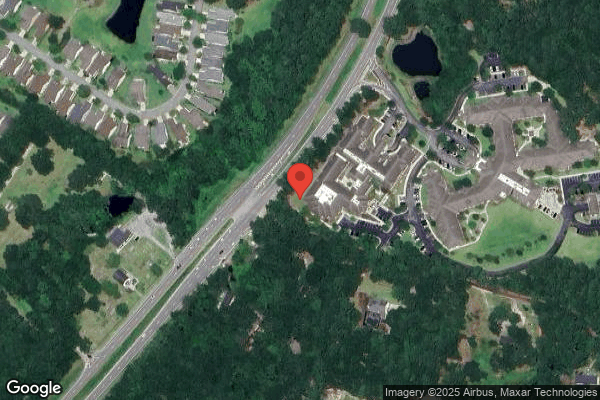
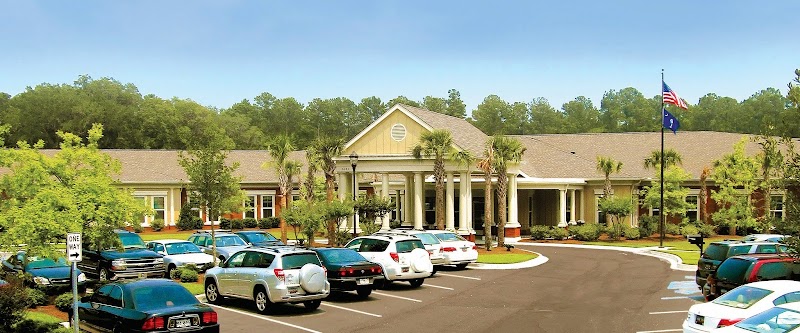
3039 Okatie Highway, Okatie, SC 29909 (843) 705-8220
For profit - Corporation 120 Beds NATIONAL HEALTHCARE CORPORATION Data: November 2025 1 Immediate Jeopardy citation
Trust Grade
36/100
#160 of 186 in SC
Last Inspection: November 2024

Within standard 12-15 month inspection cycle. Federal law requires annual inspections.

Overview

NHC Healthcare - Bluffton has received a Trust Grade of F, indicating significant concerns about its quality of care. It ranks #160 out of 186 facilities in South Carolina, placing it in the bottom half of the state, and #2 out of 2 in Jasper County, meaning only one local option is worse. The facility's trend is improving, with issues decreasing from 3 in 2024 to 1 in 2025, suggesting some recent progress. Staffing is rated 3 out of 5 stars, with a turnover rate of 39%, which is better than the state average, indicating some staff stability. However, there are serious concerns, including a critical incident where a resident successfully eloped from the facility due to inadequate supervision, and issues with food storage and expired medications, raising potential health risks.

Trust Score
F
36/100
In South Carolina
#160/186
Bottom 14%
Safety Record
High Risk
Review needed
Inspections
Getting Better
3 → 1 violations
Staff Stability
○ Average
39% turnover. Near South Carolina's 48% average. Typical for the industry.
Penalties
⚠ Watch
$24,850 in fines. Higher than 93% of South Carolina facilities. Major compliance failures.
Skilled Nurses
⚠ Watch
Each resident gets only 29 minutes of Registered Nurse (RN) attention daily — below average for South Carolina. Fewer RN minutes means fewer trained eyes watching for problems.
Violations
○ Average
10 deficiencies on record. Average for a facility this size. Mostly minor or procedural issues.
★☆☆☆☆
1.0
Overall Rating
★★★☆☆
3.0
Staff Levels
★★★★☆
4.0
Care Quality
★☆☆☆☆
1.0
Inspection Score
Stable
2024: 3 issues
2025: 1 issues

The Good

  • 4-Star Quality Measures · Strong clinical quality outcomes
  • Full Sprinkler Coverage · Fire safety systems throughout facility
  • No fines on record
  • Staff turnover below average (39%)

    9 points below South Carolina average of 48%

Facility shows strength in quality measures, fire safety.

The Bad

1-Star Overall Rating

Below South Carolina average (2.8)

Significant quality concerns identified by CMS

Staff Turnover: 39%

Near South Carolina avg (46%)

Typical for the industry

Federal Fines: $24,850

Below median ($33,413)

Minor penalties assessed

Chain: NATIONAL HEALTHCARE CORPORATION

Part of a multi-facility chain

Ask about local staffing decisions and management

The Ugly 10 deficiencies on record

1 life-threatening
Jul 2025 1 deficiency 1 IJ
CRITICAL (J) 📢 Someone Reported This

A family member, employee, or ombudsman was alarmed enough to file a formal complaint

Immediate Jeopardy (IJ) - the most serious Medicare violation

Accident Prevention (Tag F0689)

Someone could have died · This affected 1 resident

**NOTE- TERMS IN BRACKETS HAVE BEEN EDITED TO PROTECT CONFIDENTIALITY** Based on review of facility policy, record review, review of a police incident report, witness statements, and interviews, the f...

Read full inspector narrative →
**NOTE- TERMS IN BRACKETS HAVE BEEN EDITED TO PROTECT CONFIDENTIALITY** Based on review of facility policy, record review, review of a police incident report, witness statements, and interviews, the facility failed to ensure that Resident (R)1 received adequate supervision to prevent a successful elopement from the facility on 06/22/25 at approximately 3:15 PM. Specifically, R1 was found by 2 Samaritans, facility staff, and law enforcement outside of the facility. Per police incident documentation, R1 was found near a wooded swamp area near the facility's parking lot. R1 was observed covered in dirt and in need of toileting care (R1's pants was saturated with urine).On 07/18/25 at 12:57 PM, the State Agency (SA) determined that the facility's non-compliance with one or more federal health, safety, and/or quality regulations has caused or was likely to cause serious injury, serious harm, serious impairment, or death.On 07/18/25 at 12:57 PM, the Administrator was notified that the failure to provide appropriate supervision for a resident, which resulted in the resident successfully eloping from the facility constituted Immediate Jeopardy at F689.On 07/18/25 at 12:57 PM, the survey team provided the Administrator with a copy of the CMS Immediate Jeopardy (IJ) Template, informing the facility IJ existed as of 06/22/25. The IJ was related to 42 CFR S483.25(d) - Free of Accident Hazards/Supervision/Devices.On 07/18/25 at 4:52 PM, the facility provided an acceptable IJ Removal Plan. On 07/18/25 the survey team validated the facility's corrective actions and determined the facility put forth due diligence in addressing the noncompliance. The IJ is considered at Past Non-Compliance as of 06/27/25. An extended survey was conducted in conjunction with the Complaint Survey for non-compliance at F689, constituting substandard quality of care.Findings include:Review of the facility policy titled, Elopement Prevention Procedure revealed Elopement occurs when a patient wanders, walks, runs away, escapes or otherwise leave the facility grounds/perimeter unnoticed and unsupervised and and/or prior to a scheduled discharge .Review of R1's Face Sheet revealed he was admitted to the facility on [DATE], with diagnoses including but not limited to: Alzheimer's disease, urinary incontinence, history of falling, muscle weakness, and anxiety disorder.Review of R1's Quarterly Minimum Data Set (MDS) with an Assessment Reference Date (ARD) of 06/11/25, revealed R1 had a Brief Interview for Mental Status (BIMS) score of 3 out of 15, which indicates that R1 has severe cognitive impairment. Further review of the MDS under the behavior section revealed, [R1] exhibited wandering behaviors one to three days during the look back period. Review of the functional abilities section revealed [R1] has no impairment with his upper or lower body extremities. [R1] requires substantial/maximal assistance with toileting hygiene and can walk independently from 10 - 150 feet, [R1] does not require a wheelchair.Review of R1's Elopement assessment dated [DATE], revealed the resident is at risk for elopement, continue current plan of care [R1] is on the memory care unit.Review of an Officer Report for Incident reported on 06/22/25 at 3:58 PM and occurred on 06/22/25 between 3:58 PM and 4:36 PM, revealed, On 06/22/25 at approximately 3:58 PM I received a call for service regarding a missing person located at the facility, when I arrived on scene, I discovered the following information. Observations leading up to the scene: a good Samaritan white male and a nurse were assisting an older gentleman [R1] from the wooded swamp area into the parking lot. [R1] was covered in dirt and had urinated his pants. According to dispatch [R1] had escaped/eloped the facility and was missing for a period of time. When I arrived on scene, I spoke with [R1] who was being escorted away from the swamp behind the facility. I asked [R1] how he was doing, he barely was able to speak but while stuttering and mumbling he was able to say he was okay and tried to ask how I was doing, [R1] suffers from dementia. A second good Samaritan was able to provide [R1] with a wheelchair and assist in getting him back into the facility. On the scene I met with [R1's] Resident Representative (RR) who visits [R1] two to three times a week on a normal basis. [R1's] RR stated that [R1] was seriously injured at least five times in the last six months. [R1's] RR stated that she arrived at the facility at approximately 3:15 PM and was advised that [R1] was missing from the facility. [R1's] RR stated that [R1] has dementia and has suffered from approximately five head injuries within the last six months. [R1's] RR stated that these head injuries have cause [R1] to not be able to think on his own or recall memories and only repeats words back to the speaker. [R1] RR stated that each one of instances were not explained to her by nursing staff and documented it as an unwitnessed fall.A phone interview on 07/15/25 at 12:08 PM, with R1's RR revealed that the resident was successfully able to elope from the facility on 06/22/25 around 2:30 PM or 3:00 PM. RR stated that she came to visit the resident on 06/22/25 and was unable to locate him in his room or other resident areas. RR stated that she questioned staff and they were unaware of where the resident was as well, the RR and staff began to look in other resident rooms and on other units for the resident, RR stated that when they called law enforcement to notify them that the resident was missing, staff became irate towards her but called anyways because staff were unaware of how long the resident was missing. RR stated that on 06/22/25 around 3:15 PM, it was over 90 degrees Fahrenheit outside, law enforcement arrived at the facility and they along with the nursing staff assisted the resident back into the facility. R1 was found near a wooded swamp area, was observed with swelling to his face and forehead, R1 also urinated on himself and was covered in dirt. R1 was observed in the wooded area with two non-staff members/bystanders.An observation and interview with the Unit Manager (UM) on 07/15/25 at 1:27 PM revealed that she was not working on the date the resident eloped from the facility on 06/22/25 but was notified by Licensed Practical Nurse (LPN)1 that R1 was observed in a parking lot by the facility. UM also revealed that R1 has a history of wandering/exit seeking behaviors. Interventions that are currently in place include offering the resident food/drinks, provide 1:1 supervision with R1 when he is exhibiting unsafe exit seeking behaviors, and walk with the resident to the courtyard area when he is wandering. UM finally stated that the facility does not utilize electronic monitoring devices for residents. Observation with the UM consisted of observing all exit doors on the memory care/locked unit.An observation and interview with the UM and Director of Nursing (DON) on 07/15/25 at 1:41 PM, of the Okatie Hall and exit door revealed a parking lot where the resident was found by facility staff. An interview and observation on 07/16/25 at 9:37 AM with LPN1 revealed, on 06/22/25 they were not the resident's assigned nurse but assisted with searching for R1 after it was discovered by nursing staff and R1's RR, that he was missing from the facility. R1 has a history of exit seeking behaviors which is why he is located on the memory care/lock unit and was able to safely wander the unit and courtyard areas that are fenced in. LPN1 stated that she is unsure of how the resident was able to leave the unit and make his way outside but stated that exit doors can be held for certain period (about 10 - 15 seconds) and it will open. LPN1 believes that's how R1 was able to elope. LPN1 further stated on 06/22/25 they overheard the alarm going off, a Certified Nursing Assistant (CNA) was already in the process of looking for R1 when R1's RR came to the nurse's station and stated that she was unable to find the resident as well. Observation with LPN1 consisted of walking from R1's room on the memory care/locked unit to the area where R1 was found by staff and 2 Samaritans near a wooded area. According to an Apple fitness watch the distance between the two areas was about 442 feet. LPN1 stated that the resident did not have any harm or injury when found by the facility staff and was assessed by nursing staff once returned to the building. LPN1 finally stated that on 06/22/25 around 3:30 PM it was extremely hot with temperatures above 90F degrees.An interview on 07/16/25 at 9:54 AM with LPN2 revealed on 06/22/25 they were the resident assigned nurse for the day. LPN2 stated on 06/22/25 she overheard an alarm sounding, a CNA began to look for the resident when R1's RR came to the nurses' station and notified staff that she was unable to locate the resident as well. We began to search other resident rooms (at times R1 will wander into other resident rooms and fall asleep), and resident area, when that was unsuccessful, I went to other units of the facility to alert other staff members there. LPN2 stated that she last saw the resident about 15 - 20 minutes prior to the alarm sounding off. LPN2 stated when she returned to the unit she alerted by staff that R1 was found and was assisted to the unit in a wheelchair. LPN2 stated that she spoke briefly with law enforcement that was called by R1's RR and re-assessed the resident. On 07/18/25 at 4:52 PM, the facility provided an acceptable IJ Removal Plan, which included the following:The patient was brought back in the facility and walked back on the locked unit by a staff LPN. The Medical Director was notified by the patient's assigned nurse on 6/22/2025. The patient was assessed by his assigned Licensed Nurse. The patient was also placed with a one-on-one caregiver for observation on 6/22/2025. The patient is being monitored twice a day for safe behaviors. Patient remains a one-on-one observation while he is awake. This will continue until the QA Committee has determined the patient is not exhibiting exit seeking behavior.A systematic review of all patients was completed on 66/23/2025,specifically observing for those patients who wander. All patients have the potential for wandering. 2/116 patients were found to be affected.All departments were educated on our elopement process by the DON or designee and included non-clinical departments such as food and nutritional services, laundry, housekeeping, and bookkeeping/ administrative services as well as alt clinical departments such as nursing, social services, and therapy, were also provided education on the elopement process. Education was completed by the Director of Maintenance and Administrator to include our elopement procedure, elopement drill, environmental safety checks of doors and alarms on 6/27/2025.The identified at risk patient(s) will be monitored daily for 14 days to ensure interventions are effective. After the 14 days if no further occurrences happen, the monitoring will be decreased to three times a week for 14 days. After the 14 days of monitoring three times a week, If no further elopement occurrences happen, the monitoring will decrease to once a week for one month. If no elopement episodes occur during the weekly monitoring for one month the elopement monitoring will decrease to monthly. The monthly monitoring will continue until substantial compliance is met.All findings will be reported to the QA Committee. The monitoring will continue until the QA Committee has determined substantial compliance has been achieved.A QAPI meeting was held on 6/27/2025 with the Administrator, DON, Medical Director, ADON, HIM, Business Office Manager, Life Enrichment Director, Nursing Unit Managers, Food Service Manager, Social Workers, and Licensed Nurses and Nurse Aides. The alleged event was discussed in detail processes that were implemented related to the event.The processes were put into place and compliance was achieved by 6/27/2025.
Nov 2024 3 deficiencies
CONCERN (D)

Potential for Harm - no one hurt, but risky conditions existed

Respiratory Care (Tag F0695)

Could have caused harm · This affected 1 resident

Based on observations, interviews, record review, and facility policy review, the facility failed to properly store and label an nasal respiratory inhaler for 1(Resident (R)44) of 1 resident reviewed ...

Read full inspector narrative →
Based on observations, interviews, record review, and facility policy review, the facility failed to properly store and label an nasal respiratory inhaler for 1(Resident (R)44) of 1 resident reviewed for respiratory care and services. Findings include: Review of a facility policy titled, Oxygen Administration & Nursing Services, revised date of 03/2024, revealed Oxygen Administration: 1. Verify that there is a physician's order for this procedure. Review the physician's/provider's orders for oxygen administration. Nursing Services: D. Medications, treatment and diets are given as ordered and are documented in the electronic health record. (Only licensed nurses administer medications, except in states where certified medication technicians are allowed.) A review of the R44's electronic medical record revealed the facility admitted R44 on 10/04/24, with diagnoses that included not limited to periprosthetic fracture around internal prosthetic left hip joint, subsequent encounter, chronic obstructive pulmonary disease and dependence on supplemental oxygen. Review of R44's Medication Administration Record for the month of October 2024, revealed an order that stated, Oxygen tubing, bag, and humidifier bottle (if in use). Change weekly and prn (as needed) on Thursday. Review of R44's care plan, initiated 10/07/24, revealed the following: potential for the ineffective airway clearance related to (R/T) chronic respiratory failure; uses O2 (oxygen) 2LNC (liters via nasal cannula) continuous per Medical Director (MD) orders; staff reported shortness of breath (SOB) with lying flat and exertion. Physician orders, Electronic Medication Administration Record (EMAR), therapy plans of care are considered part of the comprehensive care plan. Interventions included to change tubing, bag and humidifier bottle weekly on Thursday and PRN. Review of R44's admission Minimum Data Set (MDS) with an Assessment Reference Date (ARD) of 10/10/24, revealed R44 had a Brief Interview for Mental Status (BIMS) score of 8, which indicated R44 was cognitively, moderately impaired. On 11/12/24 at 10:40 AM, R44's nasal nebulizer inhaler was observed on the bedside table, uncovered without date/time or label. During an interview on 11/12/2024 at 11:00 AM, Licensed Practical Nurse (LPN)3 stated, Looks like the label for the inhaler tubing was torn off. I will have to get back with you on that. On 11/14/24 at 11:29 AM, R44's nasal nebulizer inhaler was observed uncovered, while not in use. The same nebulizer was not labeled and it was lying on the bed, exposed. During an interview on 11/14/2024 at 11:32 AM, Certified Nursing Assistant (CNA)4 stated, I saw her using it this morning. She was short of breath at the beginning, when she was admitted . During an interview on 11/14/2024 at 11:35 AM, LPN5 stated, We change the tubing on Thursdays. During an interview on 11/14/2024 at 12:33 PM. the Director of Nursing (DON) stated, Oxygen nebulizers should be covered. DON stated, We only have those two documents as policy for oxygen administration. During an interview on 11/14/2024 at 1:39 PM, the Administrator stated, I would ask LPN5 or the DON to follow up and follow up with the MD and go on what the MD would recommend., in regards to storage.
CONCERN (E)

Potential for Harm - no one hurt, but risky conditions existed

Deficiency F0761 (Tag F0761)

Could have caused harm · This affected multiple residents

Based on review of the facility policy, observations, and interviews, the facility failed to ensure expired medication was removed from medication and treatment carts and properly label a medication b...

Read full inspector narrative →
Based on review of the facility policy, observations, and interviews, the facility failed to ensure expired medication was removed from medication and treatment carts and properly label a medication bottle for 2 of 3 units reviewed for medication storage. Additionally, the facility failed to secure a medication cart for 1 of 3 units reviewed for medication storage. Findings include: Review of the facility policy dated 01/01/2019, titled, Disposal of Medications and Medication Related Supplies, revealed, Unused, unwanted, discontinued, expired and non returnable medications should be removed from their storage area and secured until destroyed. Review of the facility policy dated 01/01/2029, titled, Storage of Medications revealed, All medications dispensed from the pharmacy are stored in the container with the pharmacy label. An observation of the 100 Hall Medication Room on 11/13/24 at 9:45 AM with Licensed Practical Nurse (LPN) Unit Manager (UM)5 revealed, an ice cream bar inside of the medication room freezer. LPNUM5 stated This was not in the freezer when I checked it earlier. Observed inside of the medication room refrigerator was the following: Influenza Vaccine, Lot # U8435AA, with an opened date of 10/07/24, and expiration date of 11/04/24. The refrigerator also contained Acetaminophen suppository 650 milligram (mg) with an expiration date of 10/24. During a subsequent interview, LPNUM5 confirmed the expiration dates. She also stated,Staff food or ice cream cannot be in the medication room freezer or in the medication room. An observation on 11/13/24 at 10:26 AM with LPN3, on Okatie Unit, Medication Cart 2 revealed 4-unknown tablets, in a bottle, with the only description of a resident name that was hand written on the bottle. There was no label or any other identifiers on the entire bottle. There was also a bottle of Aller-Zyr 200 tablets, with an expiration date of 09/24. LPN3 confirmed the medication should have a pharmacy label and the Aller-Zyr was expired and should not be on the cart. On 11/13/24 at 10:54 AM, an interview with the Director of Nurses (DON) revealed, I checked those medications and it doesn't change the expiration, as they are expired, but I ran a report to confirm no-one has received them since they expired. The meds should not be expired. An observation of the treatment cart on 300 Unit on 11/14/24 at 8:46 AM with Registered Nurse (RN)1 revealed, Nystatin cream-100000 units/gram, with an expiration date of 05/20, Lot #314818, 2 packs of Hydrofera Blue dressings with an expiration date of 08/01/24, Lot #191851252, and Polymen WIC Silver Rope, with an expiration date of 08/23, Lot #23218A1. During a subsequent interview, RN1 stated, The nurses or Unit Managers go through the treatment carts 2-3 times a week. There should not be expired items on the treatment cart. On 11/14/24 at 1:36 PM, an observation of a Medication Cart was observed unlocked. There was no nurse in the vicinity of the medication cart observed anywhere in the hallway or nurses station. Observation revealed several residents on the unit nearby in the day room of the unit. This surveyor called out for assistance. At 1:38 PM, LPN2 arrived to the medication cart and confirmed this was her medication cart. She said, I forgot to lock it. On 11/14/24 at 3:46 PM, an interview with the DON revealed, When you walk away from the medication cart, you lock it. That's like, the golden rule. The nurses go through the carts everyday, medication and treatment carts and the medication rooms. The pharmacist go through the carts monthly and the managers go through them once or twice a week. They may look at the big things, but not the smaller items.
CONCERN (F)

Potential for Harm - no one hurt, but risky conditions existed

Food Safety (Tag F0812)

Could have caused harm · This affected most or all residents

**NOTE- TERMS IN BRACKETS HAVE BEEN EDITED TO PROTECT CONFIDENTIALITY** Based on review of the facility policy, observations, and interviews, the facility failed to ensure foods that are stored in the...

Read full inspector narrative →
**NOTE- TERMS IN BRACKETS HAVE BEEN EDITED TO PROTECT CONFIDENTIALITY** Based on review of the facility policy, observations, and interviews, the facility failed to ensure foods that are stored in the refrigerator, freezer, and dry storage areas were labeled, appropriately stored and sealed, and discarded after the manufacturer's expiration date. This deficient practice has the potential to increase foodborne illnesses. Findings Include: Review of the facility's policy titled, Refrigerator and Freezer Storage, dated 11/2017 states Refrigerated and frozen foods will be stored properly for optimal product safety. 9. A) Foods will be stored in their original container or a NSF approved container or wrapped tightly in moisture proof film, foil, etc. Clearly labeled with the contents and the use by date. (Food Code 3-501.17). 10. Leftovers will be placed in NSF approved containers, covered, labeled, dated, and stored in refrigerator or freezer at correct temperature. During an initial tour on 11/12/24 at 10:17 AM, in the walk-in refrigerator, accompanied by the Kitchen Manager (KM), revealed the following: 1. Smoked Turkey Lunch Meat (2 bags)-opened and undated 2. Roast Beef Sliced Meat (½ bag)- opened and undated 3. Diced Ham- opened and undated 4. Bacon Bits (½ bag)-opened and undated 5. Mozzarella Cheese (¼ bag)- opened and undated 6. 16 ounces (oz) tub of strawberries- molded 7. Ground Beef- opened and undated The freezer revealed a 4 lb (pounds) (¼ full) bag of cauliflower florets-opened and undated. Observation of the Dry Storage revealed the following: 1. Coleman's mustard 16 oz can- expired 4/24 2. 32 oz bottle red food color- opened date 10/9/21- delivery 3/2/21 3. 1/4 bag of egg noodles- opened and undated 4. Bag of Cocoa Powder- unlabeled and undated 5. 1/2 bag, 32oz [NAME] light brown sugar- opened and undated 6. [NAME] Choice Blanched Sliced Almonds, 4oz half full- expired 4/11/24 7. (4) Clabber Girl 5 1b Tub baking powder -expired 6/2/24 8. 1.5 lb box of Fried Crisps Onions -expired 10/23/24 During an observation of the spice rack, revealed, 1. Lemon pepper seasoning 1 lb (29oz)- expired 10/10/24 2. Ground all spice 1 lb- expired 10/3/24 During an observation of the kitchen environment, revealed four large containers with a clear visible top labeled with contents of self-rising flour, all-purpose flour, cane sugar, and parboiled rice. All bins were undated. All items were discarded by the Certified Dietary Manager (CDM). During an interview on 11/12/24 at approximately 11:08 AM, the CDM revealed, they conduct monthly audits of the kitchen. They are completed by the Regional Dietician which identifies areas of deficiencies that they have in the kitchen. The CDM included that the audit is more intense than what the Department of Public Health (DPH) performs, and they discuss with the staff and correct the identified areas. During an interview on 11/14/24 at 11:02 AM, Dietary [NAME] (DC)1 revealed that they are to make sure all things are dated and labeled when they are preparing or storing food. She stated that food spoils, so the date indicates when they should discard the items and they check each area every day to make sure that items are labeled and dated. DC1 explained if she sees something that does not have a label, she will throw it out. During an interview on 11/14/24 at 1:57 PM with the Regional Dietician (RD), revealed that she completes an internal audit that is not privy to outside entities. The internal audit is used to help with quality assurance and reward employees. The RD included that she educates the CDM and staff on the outcomes and completes the audits annually. During an interview on 11/14/24 at 6:40 PM, the RD further revealed she expects the staff to label and date things appropriately, but it is up to the manager to follow through on that. She stated that she should not be questioned about things in the kitchen, these questions should be addressed with the CDM. The RD further stated that she completes the audits, quarterly. During an interview on 11/14/24 at 6:48 PM, the CDM revealed, he is provided with the audit results, and they make a Quality Assurance and Performance Improvement (QAPI) plan and they discuss in their daily Stand Up, meetings to ensure everyone is aware of what is going on. The CDM's expectation is for staff to complete a walk through, hold them accountable and make sure they are doing what they are supposed to. Deficiencies that are identified are reviewed with the staff to make sure they don't happen again. The CDM stated labeling and dating have been identified on audits once or twice, but no other concerns were identified. During an interview on 11/14/24 at 7:00 PM, the Facility Administrator revealed, her expectations on storage, labelling and dating of items in the kitchen will be for staff to follow policy and procedure and ensure that things are dated. The CDM completes sanitation audits, and he provides education to the staff. She expects things to be fixed immediately. She has a Regional Consultant that comes in quarterly to audit and inspect to see where they stand and make improvements, and the Regional Consultant provides the results to everyone, but sometimes the CDM will educate the staff along with the Regional Consultant. If a vendor supplies the kitchen with something out of date, they will discard the item. She reviews the CDM's audits monthly, then she spot checks every other week.
Nov 2023 1 deficiency
CONCERN (D) 📢 Someone Reported This

A family member, employee, or ombudsman was alarmed enough to file a formal complaint

Potential for Harm - no one hurt, but risky conditions existed

Deficiency F0554 (Tag F0554)

Could have caused harm · This affected 1 resident

**NOTE- TERMS IN BRACKETS HAVE BEEN EDITED TO PROTECT CONFIDENTIALITY** Based on observation, interview, record review, and review of facility policy, the facility failed to administer medications to ...

Read full inspector narrative →
**NOTE- TERMS IN BRACKETS HAVE BEEN EDITED TO PROTECT CONFIDENTIALITY** Based on observation, interview, record review, and review of facility policy, the facility failed to administer medications to Resident (R)1 in a clinically appropriate manner for 1 of 2 residents reviewed for self-administration of medications. Findings include: Review of the facility policy titled Medication Administration last revised 01/01/19 revealed Medications are administered in accordance with good nursing principles and practices and only by persons legally authorized to do so. Personnel authorized to administer medications do so only after they have been properly oriented to the facility's medication distribution system (procurement, storage, handling, and administration). The facility staff and a medication distribution system ensure the safe administration of medications without unnecessary interruptions. Residents are allowed to self-administer medications when specifically authorized by the attending physician and in accordance with procedures for self-administration of medications. The resident is always observed after administration to ensure that the dose was completely ingested. If only a partial dose is ingested, this is noted on the Medication Administration Record (MAR), and action is taken as appropriate. Review of R1's Face Sheet revealed R1 was admitted to the facility on [DATE] with diagnoses including but not limited to: hypertension, type 2 diabetes, rheumatoid arthritis, and pain. Review of R1's Quarterly Minimum Data Set (MDS) with an Assessment Reference Date (ARD) of 10/02/23 revealed R1 had a Brief Interview of Mental Status (BIMS) score of 15 out of 15 which indicates R1 was cognitively intact. During an observation and interview on 11/27/23 at 10:44 AM, revealed R1 was appropriately dressed and sitting in her wheelchair with two tablets of acetaminophen (Tylenol) 325 MG at the bedside. R1 stated that she prefers to have her Tylenol closer to lunchtime to help with her pain and that her nurse allows her to leave this medication at her bedside so she can take it later. Review of R1's Physician Orders for 11/01/23 - 11/30/23 revealed an order for Tylenol Extra Strength 500 milligrams (mg) as needed (prn). Review of R1's Physician Orders for 11/01/23 - 11/30/23 revealed an order for Dorzolamide-Timolol drops; 22.3-6.8 mg (eye drops). The Physician's Order allowed this medication to be kept at R1's bedside. Further review of R1 Physician Order for 11/01/23 - 11/30/23 revealed no Physician Order for R1 to have Tylenol Extra Strength 500 mg at her bedside. Review of R1's Care Plan last revised 10/18/23 revealed, [R1] has Activities of Daily Living (ADL) and continues her long term stay at the facility; requires limited one person assist for transfers, toileting needs, and personal hygiene. [R1] is alert and oriented and is able to make her needs known, [R1] may have eye drops at her bedside and has demonstrated safe self-administration. An interview and observation on 11/27/23 at 11:11 AM, Registered Nurse (RN)1 revealed that they are currently working most of the 300 Unit and is the nurse for R1 today and that they had administered the resident's medications for today. RN1 stated that it is facility policy for nursing staff to administer resident's medications fully and ensure residents had ingested the medication before leaving the resident. Observation with RN1 and R1 revealed two Tylenol Extra Strength still at the bedside of R1. RN1 admitted to administering and leaving the medications with the resident. RN1 later confirmed that R1 does not have an order to self-administer those medications. An interview on 11/27/23 at 4:19 PM, the Director of Nursing and Administrator revealed that residents are only allowed to self-administer their medications with a Physician's Order and high cognitive ability. The interview further revealed that staff are expected to discard non-controlled medications in a bio-hazard trash bin to ensure the appropriate destruction of non-controlled medications.
Mar 2023 1 deficiency
CONCERN (D) 📢 Someone Reported This

A family member, employee, or ombudsman was alarmed enough to file a formal complaint

Potential for Harm - no one hurt, but risky conditions existed

Deficiency F0919 (Tag F0919)

Could have caused harm · This affected 1 resident

Based on review of the facility's policy, record review, observations, and interviews, the facility failed to ensure that a call light was accessible to Resident (R)2, 1 of 25 residents reviewed for a...

Read full inspector narrative →
Based on review of the facility's policy, record review, observations, and interviews, the facility failed to ensure that a call light was accessible to Resident (R)2, 1 of 25 residents reviewed for accessible call lights. Call lights should be accessible as it is the primary means of communication between the resident and health care provider. Findings include: Review of the facility's undated policy titled, Call Light, states, Purpose: To provide a means of communication of needs from the residents to the staff. Objective: 2. To assure call system is in proper working order. Procedures: 1. All partners must be aware of call lights at all times. 8. When providing care to residents be sure to position the call light conveniently for the resident to use. Tell the resident where the call light is and show him/her how to use the call light. 10. Be sure all call lights are placed on the bed at all times and cords are off the floor. Review of R2's Face sheet revealed, R2 was admitted on the initial date of 12/29/21 with a readmit date of 04/10/22 with diagnoses including, but not limited to, encounter for palliative care, wedge compression fracture of T11-T12 vertebra, hyperlipidemia, hypertension, history of falling, and unsteadiness on feet. Review of R2's Care Plan, dated 01/12/23, reveals a goal that the resident will remain free of unrecognized physical, emotional and spiritual distress while receiving hospice care; will have risk of falls with injury addressed and minimized, with an approach of having call light in reach and bed in lowest position. An additional goal specifies that the resident's pain will be managed at patient's tolerable level, with an approach of having the call light within reach and responding promptly to requests for assistance. Another goal reveals that the patient will have needs related to incontinence status addressed, with an approach of having the call light within reach and responding promptly to requests for assistance. Review of a quarterly Minimum Data Set (MDS) with an Assessment Reference Date (ARD) of 01/12/23 revealed R2 had a Brief Interview of Mental Status (BIMS) score of 9 of 15, indicating R2 is moderately impaired. The MDS revealed R2 needs extensive assistance with a two person assist for bed mobility. Toilet use and bathing requires total dependence from staff. The MDS also reveals that the resident has occasional, moderate pain. Observation of R2 on 03/27/23 at approximately 11:23 AM, revealed that a call light was not visible or accessible to the resident. At approximately 11:29 AM, Registered Nurse (RN)1, the MDS Coordinator, was asked to come in the resident's room to locate the call light. RN1 retrieved R2's call light on her nightstand, located behind the resident's bed, behind a box of cookies. The call light cord was wrapped around the call bell, displaying no established connection between the resident and staff. RN1 reattached the call light and placed it within reach on R2's bed. An interview with R2 on 03/27/23 at approximately 11:25 AM, revealed that R2 was not aware of where her call light was. R2 stated that she had not seen it in two days. R2 states that she will scream and yell if she needs assistance, even though she does not like to do that. During an interview with RN1 on 03/27/23 at approximately 11:30 AM, she acknowledged that she was unaware of the resident's call light being inaccessible. She also included that there probably was someone doing care for the resident and didn't remember to put it back within reach for R2. During an interview with Licensed Practical Nurse (LPN)1 on 03/27/23 at 12:26 PM, she stated that she has been employed for four weeks and that R2 is a frequent resident that she provides care for. She included that the resident's call light had been working fine and she usually is within each room at least three to four times before noon. During rounds at that time, is when she checks to ensure that the residents' call lights are within reach and provide any other care that they may need. LPN1 was not able to provide an explanation as to why R2's call light was displaced in the room with no source of connection. During an interview with the Director of Nursing (DON) on 03/27/23 at 12:51 PM, she revealed that R2 has an unstable cognitive pattern, warranting a history of hallucinations, screams and yells. She added that R2 becomes agitated at times and with the delusions and hallucinations, she will sometimes pull her call light out of the wall and it has to be replaced by staff.
Oct 2022 4 deficiencies
CONCERN (D)

Potential for Harm - no one hurt, but risky conditions existed

Deficiency F0554 (Tag F0554)

Could have caused harm · This affected 1 resident

**NOTE- TERMS IN BRACKETS HAVE BEEN EDITED TO PROTECT CONFIDENTIALITY** 2. A review of Resident Face Sheet, dated 06/20/2022, revealed Resident #55 had diagnoses including end stage renal disease, ane...

Read full inspector narrative →
**NOTE- TERMS IN BRACKETS HAVE BEEN EDITED TO PROTECT CONFIDENTIALITY** 2. A review of Resident Face Sheet, dated 06/20/2022, revealed Resident #55 had diagnoses including end stage renal disease, anemia, type 2 diabetes mellitus, and malnutrition. A review of a quarterly Minimum Data Set (MDS) dated [DATE] revealed Resident #55 had a Brief Interview for Mental Status (BIMS, a structured evaluation for cognition) score of 15, which indicated the resident was cognitively intact. A review of a Care Plan, dated 08/31/2022, revealed Resident #55 preferred to complete meals prior to taking medications. The resident refused their medications at times. The resident requested staff to leave medications at bedside and the medical doctor (MD) was aware. A review of Physician Orders, dated 10/01/2022, revealed Resident #55 may have medications at bedside. On 10/25/2022 at 8:32 AM, during an observation in Resident #55's room, the resident had a medication cup of pills on the meal tray and a medication cup of pills were noted on the nightstand. On 10/25/2022 at 8:35 AM, during an interview with Registered Nurse (RN) #3, she stated if residents were oriented and had been assessed for self-administration of medications, they could have some medications at bedside. She was observed in the resident's room. She asked the resident what the pills were on the nightstand. Resident #55 stated the staff brought them in yesterday and the resident had not wanted to take them. RN #3 stated the resident had been non-compliant with medications. RN #3 stated Resident #55 asked the evening nurse to leave the resident's medications at the bedside and the resident would take the medications at their discretion. RN #3 stated the medications that were on the plate were the resident's morning medications. She stated the resident liked to take their medications after they ate and before they went to dialysis. RN #3 stated the medications on the nightstand were the pills the resident took for dialysis that had not taken from yesterday. RN #3 stated the resident was alert and oriented. RN #3 stated the resident had been assessed to leave their medications at bedside. RN #3 took the pills out of the room and discarded the medication. A review of Resident #55's Observation Detail List Report, dated 10/25/2022 at 10:30 AM, revealed the resident had not had an observation for safe self-administration completed prior to self-administering medications. On 10/26/2022 at 7:46 AM, during an interview with the Director of Nursing (DON), she stated if a resident was deemed mentally capable of keeping the medications at bedside, the staff could leave the medications at bedside. She stated the facility should have obtained an order and put the self-administration on the care plan. She stated staff ensured the medications were taken by going back in the resident's room for a follow-up. She stated if the medications were not taken, the staff would ask the resident why the medications were not taken. She stated the process for self-administration would be call the physician, talk to the patient, and fill out an observation form. On 10/28/2022 at 7:48 AM, during a follow-up interview, the DON stated she felt like the nurse failed to follow up on the medications. She stated there was not an observation assessment completed. On 10/28/2022 at 8:48 AM, during an interview with RN #5, she stated Resident #55 refused to take their medications before their meals. She stated she could not recall if the medications were left at bedside. She stated she gave the resident their medications and it was possible the medications were left at bedside. She stated she followed up as a habit, but she could not remember if she followed up to make sure the resident took their medications on Monday. Based on observations, interviews, record review, and facility policy review, the facility failed to assess for safe self-administration of medications for 2 (Residents #10 and #55) of 8 residents reviewed for self-administration of medications. Findings included: A review of the Self-Administration of Medications, dated 01/01/2019, revealed, In order to maintain the residents' high level of independence, residents who desire to self-administer medications are permitted to do so if the facility's interdisciplinary team has determined that the practice would be safe for the resident and other residents of the facility and there is a prescriber's order to self-administer. A. If the resident desires to self-administer medications, an assessment is conducted by a member of the interdisciplinary team of the resident's cognitive, physical, and visual ability to carry out this responsibility. C. The results of the interdisciplinary team member's assessment of resident skills and of the determination regarding bedside medication storage are recorded in the resident's medical record. 1. A review of Resident #10's Face Sheet revealed the facility admitted Resident #10 with diagnoses of anxiety disorder, major depressive disorder, and urinary tract infection. An admission Minimum Data Set (MDS) dated [DATE] revealed the resident had a Brief Interview for Mental Status (BIMS) score of 15, indicating the resident was cognitively intact. The MDS further revealed Resident #10 required limited assistance with bed mobility, transfers, toilet use, and personal hygiene. Resident #10 also required extensive assistance with bathing, and received insulin injections, antidepressants, and diuretics. A review of Resident #10's Care Plan, with problem start date on 10/07/2022, revealed no care plan in place to self-administer medications. The Care Plan further revealed Resident #10 was at risk for adverse side effects of psychotropic medications related to a history of depression and anxiety. A review on 10/23/2022 at 11:02 AM of Resident #10's Physician Orders, dated October 2022, revealed no order to self-administer medications. On 10/24/2022 at 10:37 AM, Resident #10 was observed in the resident's room with three white pills and one green pill in a medicine cup in the resident's hand. Resident #10 indicated they found the pills sitting on their chest and was not sure who left them. On 10/24/2022 at 10:42 AM, Licensed Practical Nurse (LPN) #4 was observed standing outside Resident #10's room and by a medication cart. She stated she passed Resident #10's medications during the morning at the 9:00 AM medication pass. LPN #4 was asked to come into Resident #10's room and then indicated she thought Resident #10 took all the medications during the 9:00 AM medication pass. LPN #4 indicated Resident #10 did not have a self-administration assessment or physician order to self-administer any medications at that time. A review of Resident #10's electronic health record on 10/24/2022 at 11:00 AM revealed no assessment to self-administer medications. During an interview on 10/25/2022 at 3:14 PM, LPN #4 indicated she observed medications in Resident #10's hand in the resident's room after the surveyor notified her. She indicated she went into Resident #10's room after the discussion with the surveyor and asked Resident #10 why the resident did not take the medications. LPN #4 revealed Resident #10 indicated they did not like taking the medication all together at the same time. LPN #4 revealed she only knew Resident #10 had not taken the pills after the surveyor found them in Resident #10's hand and asked her (the LPN) about them. LPN #4 revealed Resident #10 did not have an assessment to self-administer when the surveyor asked about the medications when the medications were found in the resident's hand in their room. LPN #4 revealed Resident #10 did not have an order, at that time, to self-administer medications. LPN #4 revealed the medication administration process consisted of completing the three checks (checking the name of the person, dosage, and frequency) on the Medication Administration Record (MAR), taking the medications in the room, giving the medication, ensuring the resident takes all the medications, and then documenting on the MAR as given. During an interview on 10/27/2022 at 3:43 PM, the Director of Nursing (DON) revealed Resident #10 did not have an assessment to self-administer medications or a physician order when the medications were found at bedside. The DON indicated Resident #10 should have been assessed before self-administering. The DON further revealed Resident #10 should have had a physician order to self-administer and should have been care planned before self-administering medications. She revealed she expected residents to safely administer medications. During an interview on 10/27/2022 at 4:17 PM, the Administrator revealed LPN #4 acknowledged that Resident #10's medications were found at bedside. She revealed LPN #4 called the nurse practitioner to obtain a physician order and had LPN #2 complete a self-administration assessment after the medications were found at bedside. The Administrator revealed she expected residents to have an assessment to self-administer medications and physician order before self-administering to ensure residents are safe. During an interview on 10/28/2022 at 9:34 AM, LPN #2 revealed that after LPN #4 told her about the medications at Resident #10's bedside, she completed the self-administration assessment. LPN #2 indicated Resident #10 should have had a self-administration assessment, care plan, and physician order before self-administering medications.
CONCERN (D)

Potential for Harm - no one hurt, but risky conditions existed

Free from Abuse/Neglect (Tag F0600)

Could have caused harm · This affected 1 resident

**NOTE- TERMS IN BRACKETS HAVE BEEN EDITED TO PROTECT CONFIDENTIALITY** Based on interviews, record review, document review, and facility policy review, the facility failed to ensure a resident was fr...

Read full inspector narrative →
**NOTE- TERMS IN BRACKETS HAVE BEEN EDITED TO PROTECT CONFIDENTIALITY** Based on interviews, record review, document review, and facility policy review, the facility failed to ensure a resident was free from resident-to-resident physical abuse for 1 (Resident #23) of 7 sampled residents reviewed for abuse and/or neglect. Specifically, Resident #23 was slapped in the face by Resident #24, who had a history of combative and physically aggressive behaviors with staff. Findings included: Review of a facility policy titled, Patient Protection and Response Policy for Allegations/Incidents of Abuse, Neglect, Misappropriation of Property and Exploitation, revised 12/11/2017, revealed, Definitions Abuse: the willful infliction of injury, unreasonable confinement, intimidation, or punishment with resulting physical harm, pain or mental anguish. The policy also indicated, Willful, as used in this definition of abuse, means the individual must have acted deliberately, not that the individual must have intended to inflict injury or harm. Additionally, the policy indicated, Physical Abuse: includes hitting, slapping, pinching and kicking. The Prevention section of the policy indicated, The center will provide supervision and support services designed to reduce the likelihood of abusive behaviors. And Patients will needs and behaviors that might lead to conflict with partners or other patients will be identified by the Care Planning team, with interventions and follow through designed to minimize the risk of conflict. Procedure: The Interventions designed to meet the needs of such patients will include but will not be limited to 1. Identification of patients whose personal histories render them at risk for abusing other patients or partners. 2. Assessment of appropriate intervention strategies to prevent occurrences. 3. Monitoring the patient for any changes that would trigger abusive behavior. 4. Reassessment of the protective strategies on a regular basis. 5. Dementia management program as needed. Review of a Face Sheet, revealed Resident #23 had a diagnosis of dementia. Review of a significant change in status MDS, dated [DATE], revealed Resident #23 was severely impaired in cognitive skills for daily decision-making per a staff assessment of mental status. The MDS indicated the resident had physical behavioral symptoms directed toward others on one to three days during the seven-day assessment period. According to the MDS, the resident required extensive assistance with bed mobility and transfers. Review of a Face Sheet revealed Resident #24 had diagnoses which included dementia and adjustment disorder. Review of a significant change in status Minimum Data Set (MDS), dated [DATE], revealed Resident #24 had a Brief Interview for Mental Status (BIMS) score of 15, indicating the resident was cognitively intact. The MDS indicated the resident rejected care on one to three days during the seven-day assessment period. Per the MDS, the resident required extensive assistance with bed mobility and transfers. Review of Progress Notes, dated 07/27/2022 at 1:31 PM, revealed Resident #24 was confused and combative with a certified nursing assistant (CNA). The resident scratched the CNA on the right arm, causing it to become swollen. The nurse practitioner (NP) was notified. Review of Progress Notes, dated 07/29/2022 at 6:36 PM, revealed Resident #24 was observed placing [self] on the floor several times today. When staff attempted to provide incontinent care, the resident became combative and scratched the CNA on both arms. Review of Progress Notes, dated 08/10/2022 at 6:47 PM, revealed Resident #24 was very aggressive with a CNA who attempted to change the resident (provide incontinent care). The resident grabbed and jerked the CNA's scrub top. The nurse assisted, and the resident hit the nurse. The resident screamed at the nurse and CNA. Review of Progress Notes, dated 08/16/2022 at 6:41 PM, revealed Resident #24 was very aggressive toward staff when they attempted to change the resident's clothes. The resident grabbed the nurse's and CNA's scrub tops. Review of Progress Notes, dated 08/29/2022 at 7:16 AM, revealed Resident #24 refused care that morning and was exhibiting aggressive behavior. The resident was yelling and swinging their arms toward staff. Review of Progress Notes, dated 08/30/2022 at 4:20 AM, revealed Resident #24 was hitting the CNAs during activities of daily living (ADL) care. Review of Progress Notes, dated 09/01/2022 at 1:50 PM, revealed Resident #24 was in the dining room with a family member. The resident was yelling and screaming. Resident #24 was observed by the activities assistant striking Resident #23 in the face in the dining room. Resident #24 was removed from the dining room and taken back to the resident's room, accompanied by the family member. Resident #24 was assessed by the nurse and was yelling and hitting at the family member. Nursing partners and the family member tried to calm the resident down, and the resident could not be redirected. The NP was called and ordered Resident #24 be sent to the hospital to be evaluated and treated. Resident #24 was sent out by emergency transport to the hospital. Resident #24's responsible party was called and made aware of the situation. Review of an Initial 2/24-Hour Report, dated 09/01/2022, revealed Resident #24 was sitting with their family member in the day area on the memory unit. Resident #24 began yelling, screaming and became physically aggressive with another resident. The other resident (Resident #23) came up to Resident #24 to try to calm Resident #24 down. Before staff could intervene to pull Resident #23 away, Resident #24 slapped Resident #23 with an open hand. Resident #23 was moved away quickly, and no injury was noted. The medical doctor (MD) and the family were notified. Resident #24 was sent to the hospital for combative, physically aggressive behavior. Review of an Accident/Incident Reporting Form Bureau of Health Facilities Licensing, five-day investigation report form indicated on 09/01/2022, when Resident #24 was sitting in the day area with a family member and yelling, Resident #23 approached Resident #24 and asked if they were okay. The activities assistant was present and pulled Resident #23 away and explained that Resident #24 was visiting with a family member and Resident #24 was okay. The activities assistant then turned away to assist another resident and Resident #23 reapproached Resident #24, who then struck Resident #23's face with an open hand. The activities assistant saw the incident but was unable to get back to Resident #23 before it happened. Resident #24 was sent to the hospital for combative, physically aggressive behavior. Resident #23 was also sent to the hospital for evaluation. The facility reported there were no injuries to Resident #23. Resident #24, while at the hospital, was diagnosed with acute metabolic encephalopathy with a history of dementia with behaviors. Both families were made aware at the time of the incident. Resident #23's responsible party came to the facility to meet with the social worker and unit manager to discuss the incident. The incident was reported to the Licensure and Certification Bureau by the Director of Nursing (DON) and was also reported to the police department and ombudsman by the Administrator. Review of handwritten statement dated 09/01/2022 and signed by the activities assistant, revealed that Resident #24 was yelling in the dining room. The statement indicated, [Resident #23] rolled over to [Resident #24] but I removed [Resident #23] several times, but [Resident #23] kept returning. Before I was able to remove [Resident #23] the last time, [Resident #24] had open handed slapped [Resident #23]. The statement indicated Resident #24's family member then removed Resident #24 from the area. Review of a hospital Discharge Summary Final Report, dated 09/05/2022, revealed Resident #24 was admitted to the hospital on [DATE]. The hospital noted the resident was slightly confused but had improved. During the stay at the hospital, the resident was diagnosed with agitation and pneumonia of the right lung. Discharge medication orders included antibiotics for the pneumonia and Geodon (antipsychotic medication) as needed for agitation. Review of a hospital Discharge Summary, dated 09/01/2022, revealed Resident #23 had right eye bruising. Review of Progress Notes, dated 09/01/2022 at 11:10 PM, revealed Resident #23 returned to the facility via non-emergent transport and was noted to be alert and responsive. The resident was lying in bed resting and had no complaints of pain or discomfort. The note indicated no distress was noted and that the nurse would continue to observe for any changes. Review of Resident #24's Care Plan, dated as revised 10/26/2022, revealed it was revised after the 09/01/2022 incident to include that the resident was admitted to the hospital on [DATE] due to a behavioral episode in which the resident became physically aggressive toward another resident. A planned intervention was to distract and redirect the resident with activities. During an attempted interview on 10/28/2022 at 10:00 AM, Resident #24 denied recall of the resident-to-resident incident on 09/01/2022. The surveyor was unable to successfully interview Resident #23 due to the resident's severe cognitive impairment. During an interview on 10/26/2022 at 1:32 PM, Certified Nursing Assistant (CNA) #5 stated she did not witness Resident #24 slap Resident #23. CNA #5 indicated Resident #24 refused care and would fight staff, but she had never witnessed Resident #24 hit other residents. During an interview on 10/26/2022 at 1:43 PM, Registered Nurse (RN) #2 stated she was on duty but did not witness the incident between Residents #24 and #23. RN #2 indicated she had never seen Resident #24 be aggressive toward other residents. RN #2 stated Resident #24 was combative with staff. During an interview on 10/26/2022 at 1:53 PM, Licensed Practical Nurse (LPN) #8 stated she was on duty when the incident happened but did not witness the incident between Residents #24 and #23. LPN #8 indicated Resident #23 fought staff but had never had a resident-to-resident altercation until 09/01/2022. During an interview on 10/26/2022 at 2:08 PM, the Activities Assistant stated on 09/01/2022, Resident #24 was screaming and sitting with a family member in the dining room. Resident #23 went over to see if Resident #24 was okay, and Resident #24 slapped Resident #23 with an open hand. During an interview on 10/26/2022 at 2:36 PM, CNA #1 indicated Resident #24 was a little more upset and agitated than usual on the day of the incident. CNA #1 indicated Resident #24 got upset with their family member and was yelling. Resident #23 went over to Resident #24 and asked if Resident #24 was okay, and Resident #24 slapped Resident #23. CNA #1 indicated Resident #24 refused care and was combative toward staff but had never been aggressive toward other residents before. During an interview on 10/28/2022 at 1:19 PM, the Director of Nursing (DON) and the Administrator both asserted that Resident #24 had never been aggressive with other residents prior to 09/01/2022 but was often aggressive with staff. The Administrator indicated Resident #23 went over to check on Resident #24 because Resident #24 was yelling. Resident #24 was in the dining room with a family member. The DON indicated Resident #24 slapped Resident #23 with an open hand. The DON indicated the activities assistant witnessed the incident. Both residents were sent out for evaluation. The DON and Administrator indicated that after the incident, staff were reeducated on what to do when residents became aggressive. The DON indicated Resident #24 went to the hospital and was diagnosed with metabolic encephalopathy. The DON indicated this could cause Resident #24 to be a little off in their behavior.
CONCERN (D)

Potential for Harm - no one hurt, but risky conditions existed

Comprehensive Assessments (Tag F0636)

Could have caused harm · This affected 1 resident

Based on interviews, record review and document reviews, the facility failed to timely complete the admission and annual Minimum Data Set (MDS) assessments for Resident #3 and Resident #212; 2 of 5 re...

Read full inspector narrative →
Based on interviews, record review and document reviews, the facility failed to timely complete the admission and annual Minimum Data Set (MDS) assessments for Resident #3 and Resident #212; 2 of 5 residents reviewed for resident assessment. Findings include: A review of the Centers for Medicare & Medicaid Services Long-Term Care Resident Assessment Instrument (RAI) 3.0 User's Manual, dated 10/2019, revealed, 5.2 Timeliness Criteria In accordance with the requirements at 42 CFR (code of federal regulations) §483.20(f)(1), (f)(2), and (f)(3), long-term care facilities participating in the Medicare and Medicaid programs must meet the following conditions: Completion Timing: For all non-admission OBRA and PPS assessments, the MDS Completion Date must be no later than 14 days after the Assessment Reference Date (ARD). For the admission assessment, the MDS Completion Date must be no later than 13 days after the Entry Date. A review of the CMS Submission Report for the facility with a submission date of 10/26/2022, revealed Resident #3's assessment with a target date (assessment reference date) of 09/12/2022, and Resident #212's assessment with a target date of 07/24/2022 were late. The report further revealed for both assessments, Assessment Completed Late: (assessment completion date) is more than 14 days after A2300 (assessment reference date). 1. A review of Resident #3's annual MDS with an assessment reference date of 09/12/2022, revealed the assessment was signed as being completed on 10/21/2022 by MDS Coordinator #2. A review of the CMS Submission Report for the facility with a submission date of 10/26/2022, revealed Resident #3's assessment with a target date (assessment reference date) of 09/12/2022, was late. The report further revealed, Assessment Completed Late: (assessment completion date) is more than 14 days after A2300 (assessment reference date). 2. A review of Resident #212's MDS with an assessment reference date of 07/24/2022, revealed an entry date of 07/19/2022 and the assessment was signed as being completed on 10/26/2022 by MDS Coordinator #2. A review of the CMS Submission Report for the facility with a submission date of 10/26/2022, revealed Resident #212's assessment with a target date of 07/24/2022, was late. The report further revealed, Assessment Completed Late: (assessment completion date) is more than 14 days after A2300 (assessment reference date). During an interview on 10/27/2022 at 3:12 PM, MDS Coordinator #1 revealed the RAI manual should be followed for the completion and submission of all MDS assessments. According to MDS Coordinator #1, Resident #3's and Resident #212's assessments were not completed timely because she and MDS Coordinator #2 had been out with sickness, and they got behind. MDS Coordinator #1 stated she expected all MDS assessments to be completed timely. During an interview on 10/27/2022 at 3:28 PM, MDS Coordinator #2 revealed she followed the RAI manual for the completion of all MDS assessments. MDS Coordinator #2 stated Resident #3 and Resident #212's MDS assessment was late because there was only one other MDS Coordinator, MDS Coordinator #1, and both, MDS Coordinator #1 and MDS Coordinator #2, had been off due to sickness or vacation. MDS Coordinator #2 stated she expected MDS assessments to be completed timely. During an interview on 10/27/2022 at 3:40 PM, the Director of Nursing (DON) revealed the MDS Coordinators should follow the RAI manual. The DON indicated the MDS assessments were late because both MDS Coordinators were off due to sickness. Per the DON, she expected all MDS assessments to be completed timely as required by the RAI manual. During an interview on 10/28/2022 at 4:14 PM, the Administrator indicated the RAI manual should be followed for the timely completion of all MDS assessments. According to the Administrator, she was not aware MDS assessments were late.
CONCERN (E)

Potential for Harm - no one hurt, but risky conditions existed

Deficiency F0638 (Tag F0638)

Could have caused harm · This affected multiple residents

Based on interviews, record review and document reviews, the facility failed to timely complete the quarterly Minimum Data Set (MDS) assessments for Resident #1, Resident #4, and Resident #15; 3 of 5 ...

Read full inspector narrative →
Based on interviews, record review and document reviews, the facility failed to timely complete the quarterly Minimum Data Set (MDS) assessments for Resident #1, Resident #4, and Resident #15; 3 of 5 residents reviewed for resident assessment. Findings include: A review of the Centers for Medicare & Medicaid Services Long-Term Care Resident Assessment Instrument (RAI) 3.0 User's Manual, dated 10/2019, revealed, 5.2 Timeliness Criteria In accordance with the requirements at 42 CFR (code of federal regulations) §483.20(f)(1), (f)(2), and (f)(3), long-term care facilities participating in the Medicare and Medicaid programs must meet the following conditions: Completion Timing: -For all non-admission OBRA and PPS assessments, the MDS Completion Date must be no later than 14 days after the Assessment Reference Date (ARD). 1. A review of Resident #1's quarterly MDS with an assessment reference date of 09/08/2022, revealed the assessment was signed as being completed on 10/21/2022 by MDS Coordinator #2. A review of the CMS Submission Report for the facility with a submission date of 10/26/2022, revealed Resident #1's assessment with a target date (assessment reference date) of 09/08/2022, was late. The report further revealed, Assessment Completed Late: (assessment completion date) is more than 14 days after A2300 (assessment reference date). 2. A review of Resident #4's quarterly MDS with an assessment reference date of 09/20/2022, revealed the assessment was signed as being completed on 10/25/2022 by MDS Coordinator #2. A review of the CMS Submission Report for the facility with a submission date of 10/26/2022, revealed Resident #4's assessment with a target date of 09/20/2022, was late. The report further revealed, Assessment Completed Late: (assessment completion date) is more than 14 days after A2300 (assessment reference date). 3. A review of Resident #15's quarterly MDS with an assessment reference date of 09/15/2022, revealed the assessment was signed as being completed on 10/25/2022 by MDS Coordinator #2. A review of the CMS Submission Report for the facility with a submission date of 10/26/2022, revealed Resident #15's assessment with a target date of 09/15/2022, was late. The report further revealed, Assessment Completed Late: (assessment completion date) is more than 14 days after A2300 (assessment reference date). During an interview on 10/27/2022 at 3:12 PM, MDS Coordinator #1 revealed the RAI manual should be followed for the completion and submission of all MDS assessments. MDS Coordinator #1 stated Residents #1, Resident #4, and Resident #15 were long-term care residents, so their assessments were due every 90 days. According to MDS Coordinator #1, Resident #1, Resident #4, and Resident #15's assessment was not completed timely because she and MDS Coordinator #2 had been out with sickness, and they got behind. MDS Coordinator #1 stated she expected all MDS assessments to be completed timely. During an interview on 10/27/2022 at 3:28 PM, MDS Coordinator #2 revealed she followed the RAI manual for the completion of all MDS assessments. MDS Coordinator #2 stated Resident #1, Resident #4, and Resident #15's MDS assessment was late because there was only one other MDS Coordinator, MDS Coordinator #1, and both, MDS Coordinator #1 and MDS Coordinator #2, had been off due to sickness or vacation. MDS Coordinator #2 stated she expected MDS assessments to be completed timely. During an interview on 10/27/2022 at 3:40 PM, the Director of Nursing (DON) revealed the MDS Coordinators should follow the RAI manual. The DON indicated the MDS assessments were late because both MDS Coordinators were off due to sickness. Per the DON, she expected all MDS assessments to be completed timely as required by the RAI manual. During an interview on 10/28/2022 at 4:14 PM, the Administrator indicated the RAI manual should be followed for the timely completion of all MDS assessments. According to the Administrator, she was not aware MDS assessments were late.
Understanding Severity Codes (click to expand)
Life-Threatening (Immediate Jeopardy)
J - Isolated K - Pattern L - Widespread
Actual Harm
G - Isolated H - Pattern I - Widespread
Potential for Harm
D - Isolated E - Pattern F - Widespread
No Harm (Minor)
A - Isolated B - Pattern C - Widespread

Questions to Ask on Your Visit

  • "What changes have you made since the serious inspection findings?"
  • "Can I speak with families of current residents?"
  • "What's your RN coverage like on weekends and overnight?"

Our Honest Assessment

Strengths
  • • 39% turnover. Below South Carolina's 48% average. Good staff retention means consistent care.
Concerns
  • • Multiple safety concerns identified: 1 life-threatening violation(s). Review inspection reports carefully.
  • • 10 deficiencies on record, including 1 critical (life-threatening) violation. These warrant careful review before choosing this facility.
  • • $24,850 in fines. Higher than 94% of South Carolina facilities, suggesting repeated compliance issues.
  • • Grade F (36/100). Below average facility with significant concerns.
Bottom line: Trust Score of 36/100 indicates significant concerns. Thoroughly evaluate alternatives.

About This Facility

What is Nhc Heathcare - Bluffton's CMS Rating?

CMS assigns NHC Heathcare - Bluffton an overall rating of 1 out of 5 stars, which is considered much below average nationally. Within South Carolina, this rating places the facility higher than 0% of the state's 100 nursing homes. A rating at this level reflects concerns identified through health inspections, staffing assessments, or quality measures that families should carefully consider.

How is Nhc Heathcare - Bluffton Staffed?

CMS rates NHC Heathcare - Bluffton's staffing level at 3 out of 5 stars, which is average compared to other nursing homes. Staff turnover is 39%, compared to the South Carolina average of 46%. This relatively stable workforce can support continuity of care.

What Have Inspectors Found at Nhc Heathcare - Bluffton?

State health inspectors documented 10 deficiencies at NHC Heathcare - Bluffton during 2022 to 2025. These included: 1 Immediate Jeopardy (the most serious level, indicating potential for serious harm or death) and 9 with potential for harm. Immediate Jeopardy findings are rare and represent the most serious regulatory concerns. They require immediate corrective action.
Who Owns and Operates Nhc Heathcare - Bluffton?

NHC Heathcare - Bluffton is owned by a for-profit company. For-profit facilities operate as businesses with obligations to shareholders or private owners. The facility is operated by NATIONAL HEALTHCARE CORPORATION, a chain that manages multiple nursing homes. With 120 certified beds and approximately 113 residents (about 94% occupancy), it is a mid-sized facility located in Okatie, South Carolina.

How Does Nhc Heathcare - Bluffton Compare to Other South Carolina Nursing Homes?

Compared to the 100 nursing homes in South Carolina, NHC Heathcare - Bluffton's overall rating (1 stars) is below the state average of 2.8, staff turnover (39%) is near the state average of 46%, and health inspection rating (1 stars) is much below the national benchmark.

What Should Families Ask When Visiting Nhc Heathcare - Bluffton?

Based on this facility's data, families visiting should ask: "What changes have been made since the serious inspection findings, and how are you preventing similar issues?" "Can I visit during a mealtime to observe dining assistance and food quality?" "How do you handle medical emergencies, and what is your hospital transfer rate?" "Can I speak with family members of current residents about their experience?" These questions are particularly relevant given the facility's Immediate Jeopardy citations.

Is Nhc Heathcare - Bluffton Safe?

Based on CMS inspection data, NHC Heathcare - Bluffton has documented safety concerns. Inspectors have issued 1 Immediate Jeopardy citation (the most serious violation level indicating risk of serious injury or death). The facility has a 1-star overall rating and ranks #100 of 100 nursing homes in South Carolina. Families considering this facility should ask detailed questions about what corrective actions have been taken since these incidents.

Do Nurses at Nhc Heathcare - Bluffton Stick Around?

NHC Heathcare - Bluffton has a staff turnover rate of 39%, which is about average for South Carolina nursing homes (state average: 46%). Moderate turnover is common in nursing homes, but families should still ask about staff tenure and how the facility maintains care continuity when employees leave.

Was Nhc Heathcare - Bluffton Ever Fined?

NHC Heathcare - Bluffton has been fined $24,850 across 1 penalty action. This is below the South Carolina average of $33,327. While any fine indicates a compliance issue, fines under $50,000 are relatively common and typically reflect isolated problems that were subsequently corrected. Families should ask what specific issues led to these fines and confirm they've been resolved.

Is Nhc Heathcare - Bluffton on Any Federal Watch List?

NHC Heathcare - Bluffton is not on any federal watch list. The most significant is the Special Focus Facility (SFF) program, which identifies the bottom 1% of nursing homes nationally based on persistent, serious quality problems. Not being on this list means the facility has avoided the pattern of deficiencies that triggers enhanced federal oversight. This is a positive indicator, though families should still review the facility's inspection history directly.