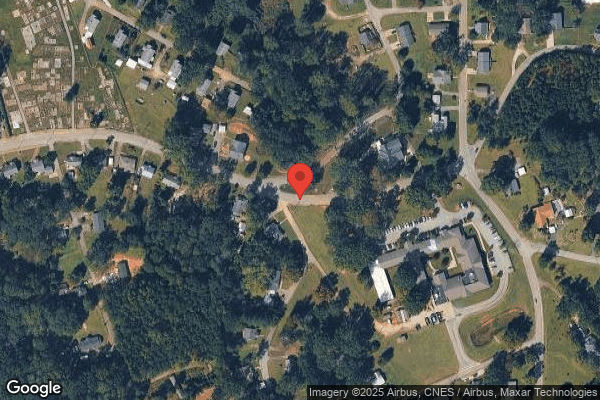
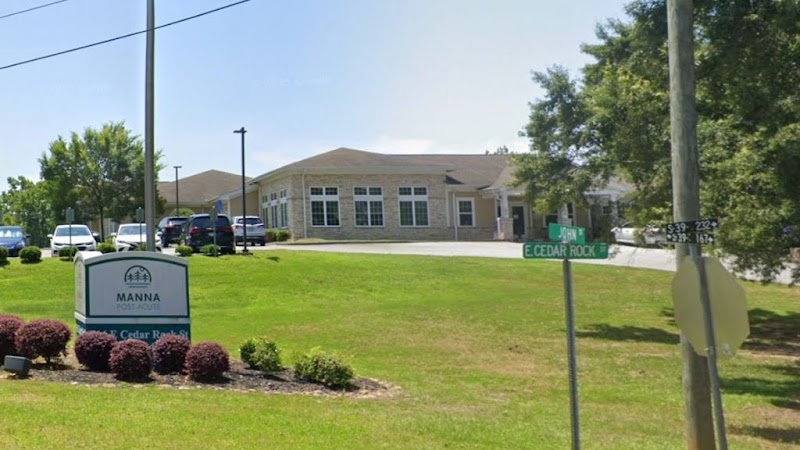
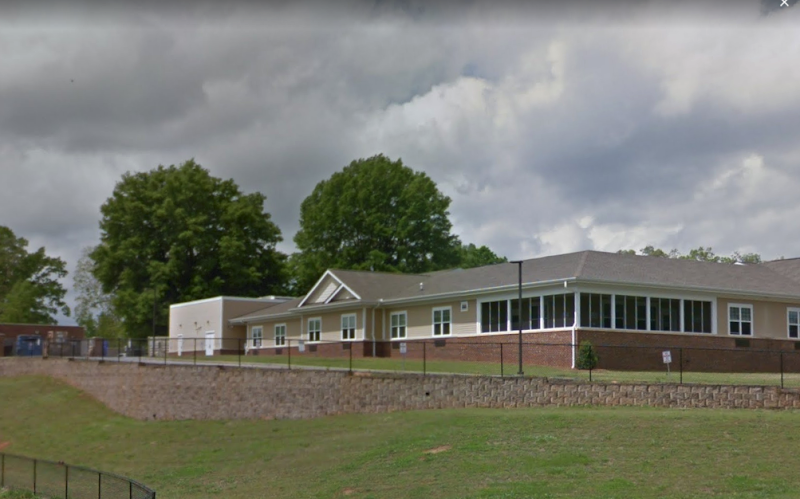
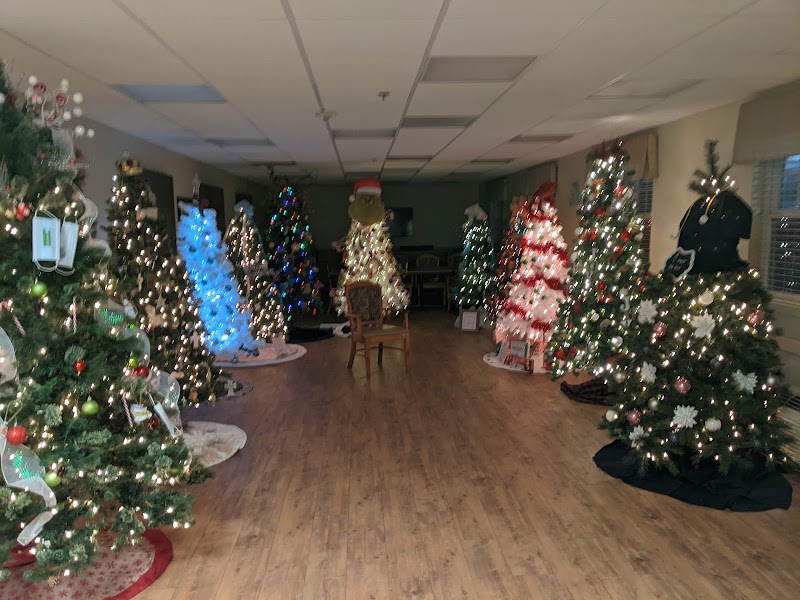
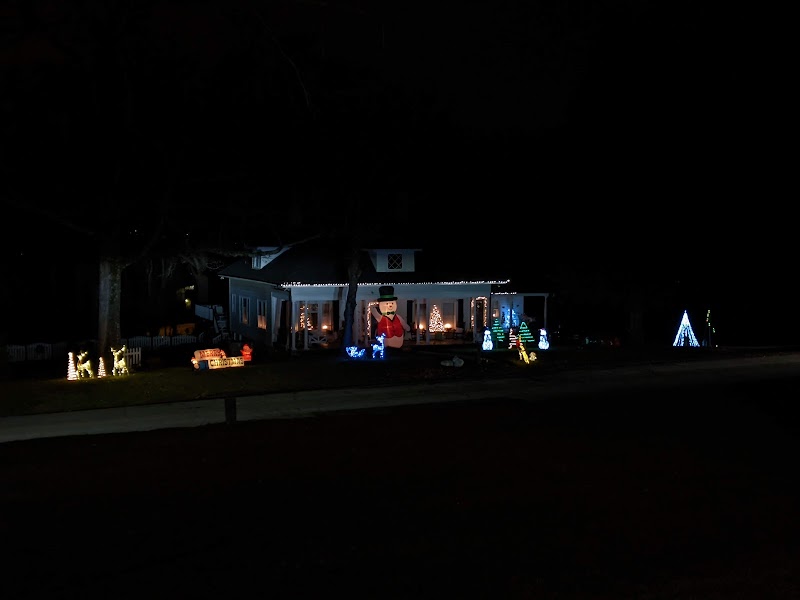
Manna Post Acute

716 E Cedar Rock St, Pickens, SC 29671 (864) 878-4739
For profit - Corporation 130 Beds PACS GROUP Data: November 2025
Trust Grade
78/100
#46 of 186 in SC
Last Inspection: May 2025

Inspected within the last 6 months. Data reflects current conditions.

Overview

Manna Post Acute in Pickens, South Carolina, has a Trust Grade of B, indicating it is a good facility that provides solid care. It ranks #46 out of 186 nursing homes in South Carolina, placing it in the top half of facilities in the state, and #2 out of 5 in Pickens County, meaning only one other local option is better. The facility is improving, with a decrease in issues from 6 in 2023 to 5 in 2025. Staffing is a strength, rated 4 out of 5 stars, with a turnover rate of 26%, significantly lower than the state average of 46%, and it enjoys strong RN coverage, exceeding 87% of facilities in the state. However, there are some concerns: a lack of privacy for residents, such as exposing a Foley catheter without a privacy bag, and failure to maintain respiratory equipment for some residents, which could pose potential risks for their care. Overall, while Manna Post Acute has strengths in staffing and improvement trends, families should be aware of the identified concerns regarding dignity and privacy.

Trust Score
B
78/100
In South Carolina
#46/186
Top 24%
Safety Record
Low Risk
No red flags
Inspections
Getting Better
6 → 5 violations
Staff Stability
✓ Good
26% annual turnover. Excellent stability, 22 points below South Carolina's 48% average. Staff who stay learn residents' needs.
Penalties
✓ Good
No fines on record. Clean compliance history, better than most South Carolina facilities.
Skilled Nurses
✓ Good
Each resident gets 45 minutes of Registered Nurse (RN) attention daily — more than average for South Carolina. RNs are trained to catch health problems early.
Violations
⚠ Watch
13 deficiencies on record. Higher than average. Multiple issues found across inspections.
★★★★☆
4.0
Overall Rating
★★★★☆
4.0
Staff Levels
★★☆☆☆
2.0
Care Quality
★★★★☆
4.0
Inspection Score
Stable
2023: 6 issues
2025: 5 issues

The Good

  • 4-Star Staffing Rating · Above-average nurse staffing levels
  • Low Staff Turnover (26%) · Staff stability means consistent care
  • Full Sprinkler Coverage · Fire safety systems throughout facility
  • No fines on record
  • Staff turnover is low (26%)

    22 points below South Carolina average of 48%

Facility shows strength in staffing levels, staff retention, fire safety.

The Bad

Chain: PACS GROUP

Part of a multi-facility chain

Ask about local staffing decisions and management

The Ugly 13 deficiencies on record

May 2025 5 deficiencies
CONCERN (D)

Potential for Harm - no one hurt, but risky conditions existed

Resident Rights (Tag F0550)

Could have caused harm · This affected 1 resident

**NOTE- TERMS IN BRACKETS HAVE BEEN EDITED TO PROTECT CONFIDENTIALITY** Based on observations and interviews, the facility failed to provide dignity for Resident (R)32 by having a Foley catheter, not ...

Read full inspector narrative →
**NOTE- TERMS IN BRACKETS HAVE BEEN EDITED TO PROTECT CONFIDENTIALITY** Based on observations and interviews, the facility failed to provide dignity for Resident (R)32 by having a Foley catheter, not in a privacy bag, exposed for the public to see who walk past his room on multiple occasions. The findings include: A review of the facility policy titled Resident's Rights with a revision date of August 2022 revealed that Employees shall treat all residents with Kindness, Respect, and Dignity. A review of the facility policy titled Urinary Drainage Bag Protocol with no revision date revealed- The drainage bag will be placed in a privacy bag. R32 was admitted to the facility on [DATE] with diagnoses including, but not limited to benign prostatic hyperplasia with lower urinary tract symptoms. R32's Brief Interview for Mental Status (BIMS) was a 06 out of 15, indicating R32 is severely cognitively impaired as of 3/15/2025 on the Quarterly MDS (Minimum Data Set). A review of R32's Care Plan, last revised in April 2025, revealed, Bladder: At risk for complications with urinary system related to indwelling catheter, diagnosis of urinary retention and neurogenic bladder, ESBL IN URINE. Interventions: Privacy cover to catheter bag as indicated to promote dignity. First observation and interview on 4/29/2025 at 2:50 PM of R32 revealed the room door open, privacy curtain pulled back, R32 was lying in his bed, awake and looking towards the hall. The catheter bag was exposed, with no privacy bag. Observation revealed staff, other residents, and visitors walked past R32's room in the hallway. R32 states he is bed-bound and dependent on staff for activities of daily living. Additional observations on 4/30/2025 at 10:08 AM, 4/30/2025 at 11:45 AM, and 4/30/2025 at 2:26 PM revealed the catheter remained visible without a privacy bag. Interview with Licensed Practical Nurse (LPN)2 on 04/30/2025 at 2:26 PM confirmed the findings regarding R32's catheter bag not being covered and exposed for the people who walk by his room to see. LPN2 stated that all residents with a catheter are required to have a privacy bag to protect their dignity. She stated R32 had a hospitalization a few days prior and had a new catheter placed, and upon return, one should have been placed at that time. An interview with the Assistant Director of Nursing (ADON) on 4/30/2025 at 2:47 PM confirmed the findings above and revealed that a privacy bag should be placed to protect the resident's dignity.
CONCERN (D)

Potential for Harm - no one hurt, but risky conditions existed

Deficiency F0565 (Tag F0565)

Could have caused harm · This affected 1 resident

**NOTE- TERMS IN BRACKETS HAVE BEEN EDITED TO PROTECT CONFIDENTIALITY** Based on review of the facility policy, observation and interview, the facility failed to provide privacy for nine (9) Resident ...

Read full inspector narrative →
**NOTE- TERMS IN BRACKETS HAVE BEEN EDITED TO PROTECT CONFIDENTIALITY** Based on review of the facility policy, observation and interview, the facility failed to provide privacy for nine (9) Resident (R) Council members (R8, R11, R100, R13, R80, R61, R35, R72, R38), who participated in a group interview with the surveyor. During the group interview in the facility's small dining room, two (2) staff persons passed through going to an outside smoking area and another two (2) staff persons passed on the opposite side going towards 200 hall. Findings include: Review of the facility policy, Resident Council effective date 12/31/2015 states, The activity staff arrange for a room for Council meeting. The Council meeting is held at regular scheduled intervals, at minimum monthly. The date, location and time is clearly posted on the activity schedule. On 04/30/25 at 11:30 AM, a Resident Council Meeting was held in the small dining room of the facility with the surveyor. The current Resident Council President was in attendance, with eight (8) other residents in attendance. There were no privacy doors attached to dining room. The Activity Director (AD) attempted to redirect staff and posted a sign Meeting in Progress. However, observations during the meeting revealed staff walking through the dining room to the 200 hallway and smoking area outside. During an interview on 04/30/25 at approximately 11:30 AM with R72, R13, R35, R80 and R38 all acknowledged and confirmed the facility's monthly Resident Council meetings were held in the dining room. At this time, R72 and R13 stated, Staff walks through all the time, going to the smoking area or walking to the other hall. During an interview on 04/30/25 at approximately 11:40 AM, R61 reported less staff were walking through today secondary to the presence of the surveyors. R61 stated, They are on their toes cause y'all are here, but usually they do not care. During an interview on 04/30/25 at approximately 3:00 PM the AD stated, Resident Council usually meets monthly in the large dining room or small dining room. AD stated there is not a space that allows for total privacy for meetings; however, the areas being used are common areas and he attempts to curtail staff and visitors from coming into areas, but is not always successful. AD stated he would speak with the Administrator about finding a private area that could be used. During an observation and interview on 05/01/25 at approximately 8:45 AM with Administrator, revealed he spoke with the AD and understands concerns of resident having privacy during Resident Council meetings. The Administrator stated the [NAME] Hall Day Room could possibly be an area that may be used as a space that provides privacy for Resident Council meetings. The Administrator stated he would have housekeeping clean out the dayroom. During an observation, the [NAME] Hall Day Room appeared to be accommodating with a door for privacy for Resident Council Meetings. An observation at approximately 9:15 AM of the dayroom after some furnishings and equipment were removed, the room appears spacious and offers privacy for Resident Council meetings to be held. The Administrator confirmed the area will be used for Resident Council meetings going forward.
CONCERN (D)

Potential for Harm - no one hurt, but risky conditions existed

Deficiency F0692 (Tag F0692)

Could have caused harm · This affected 1 resident

**NOTE- TERMS IN BRACKETS HAVE BEEN EDITED TO PROTECT CONFIDENTIALITY** Based on observation, record review and interview, the facility failed to follow physician orders for fluid restriction for Resi...

Read full inspector narrative →
**NOTE- TERMS IN BRACKETS HAVE BEEN EDITED TO PROTECT CONFIDENTIALITY** Based on observation, record review and interview, the facility failed to follow physician orders for fluid restriction for Resident (R) 42, for 1 of 1 resident reviewed for dehydration. Findings include; Record review of R42 revealed he was admitted to the facility on [DATE] with diagnoses that include but not limited to; congestive heart failure, cerebral infarction, stiffness of right hand and acute respiratory failure with hypoxia (tissue and organs are not receiving enough oxygen). Record review of R42's admission Minimum Data Set (MDS) with an assessment reference date of 02/05/2025, recorded his Brief Interview Mental Status (BIMS) score of 15, indicated he was cognitively intact. Record review of R42's physician order dated 04/07/2025 revealed an order, 1500 milliliters (ml) in 24 hours, fluid restriction. First shift, 870 ml, (Breakfast Tray 360 ml, Lunch Tray 240, Med Pass 270); 2nd Shift 510 ml (Supper Tray 240, Med Pass 270); 3rd Shift 120 ml, every shift for heart failure. Additional physician orders dated 02/24/2025 recorded, Congestive Heart Failure (CHF) Weight. If the resident has a 3-lb or more weight gain, re-weigh the resident, document both weights, and notify the provider. Record review of R42 physician orders dated 04/22/2025 of Furosemide Injection (medication that helps get rid of excess fluid) Solution 10 milligram(mg)/ml (Furosemide), Inject 20 mg intramuscularly (IM) one time only for edema for 1 day. Additionally, another order to administer Torsemide Oral Tablet (medication that helps get rid of excess fluid) 10 MG by mouth every morning for edema (swelling in the tissues) for 3 days. Record review of R42's Medication Administration Record recorded Torsemide 10 mg was given daily on 04/22/2025 through 04/24/2025 for edema. Record review of R42's Fluid Intake Record with lookback of 14 days (04/17/2025-04/30/2025) recorded on 2 days that R42 received 1780 ml on 04/20/2025 and 1800 ml on 04/25/2025, which coincides with R42 receiving additional medication for the excess fluid and swelling. An observation and interview with R42 on 04/29/2025 at 2:20 PM revealed he was wearing a tubigrip on his right arm, used for swelling/edema. He stated, I'm on a fluid restriction. They took my water pitcher away from me. They told me they were trying to get the fluid down. Observation revealed there was not a water pitcher at his bedside. On 05/01/2025 at 9:47 AM, an interview with the Certified Dietary Manager (CDM) revealed, R42 is on a 1500 ml fluid restriction. His sodium diet is restricted, meaning no added salt packet on his tray. Breakfast, he gets 360 ml on his breakfast tray then 240 ml on his lunch and supper tray. 840 ml from us, the kitchen in 24 hours. Nursing gives him 270 ml on 1st shift. 2nd shift gives him 270 ml and 3rd shift gives 120 ml of fluids. Totals 1500 ml. He is on the fluid restriction for heart failure, or CHF. On 05/01/2025 at 10:02 AM, an interview with Registered Nurse (RN)1/Unit Manager revealed, R42 is on a 1500 ml fluid restriction. We had to send him out one time, he was having shortness of breath. That was on 2/20/2025, for respiratory distress. He was in the hospital for a week. He was admitted with the fluid restrictions. Nursing gives him 270 ml on 1st shift. 2nd shift gives him 270 ml and, 3rd shift gives him 120 ml. The Certified Nurse Assistant (CNA) will not give the resident fluids who are on fluid restriction. The nurses are giving the fluids with medication administration. He is on the restriction for heart failure. On 4/20/2025, he received 1780 ml, more than what was ordered. On 4/25/2025, he received 2400 ml. This coincides with the medication he received. I don't monitor the fluid restriction to see the input. On 05/01/2025 at 10:19 AM, an interview with the Nurse Practitioner (NP) revealed, R42 is on fluid restriction. After reviewing the Fluid Intake Record, she confirmed these dates (04/20/2025 and 04/25/2025) coincide with needing additional diuretic medication. She stated, He has dependent edema in his legs and his one arm, I ordered tubi grip. I go off the symptoms of the patient when I write orders. On 05/01/2025 at 5:28 PM, an Interview with the Assistant Director of Nurses (ADON) revealed she reviewed the fluid intake record for R42. She stated, He did receive more fluids than he was supposed too. RN1/Unit Manager and the NP came and spoke to us about that. We reviewed the fluid intake on him and it does confirm it. On 5/01/2025 at 5:49 PM, an interview with the Director of Nurses (DON) revealed, We do not have a policy on fluid restriction, we follow the physician order.
CONCERN (D)

Potential for Harm - no one hurt, but risky conditions existed

Deficiency F0761 (Tag F0761)

Could have caused harm · This affected 1 resident

**NOTE- TERMS IN BRACKETS HAVE BEEN EDITED TO PROTECT CONFIDENTIALITY** Based on facility policy, observation, interview and record review, the facility failed to remove expired, discontinued medicati...

Read full inspector narrative →
**NOTE- TERMS IN BRACKETS HAVE BEEN EDITED TO PROTECT CONFIDENTIALITY** Based on facility policy, observation, interview and record review, the facility failed to remove expired, discontinued medications and biologicals from the medication room, treatment cart and medication cart. Additionally, the facility failed to ensure narcotic refrigerated medications were stored in permanently affixed compartments for 2 of 2 units reviewed for medication storage. Findings include; Review of the facility policy with a revision date of [DATE], titled, Medication Labeling and Storage revealed If the facility has discontinued, outdated, or deteriorated medications or biolgicals, the dispensing pharmacy is contacted for instructions regarding returning or destroying these items. Controlled substances and other drugs subject to abuse are separately locked in permanently affixed compartments. An observation on [DATE] at 8:40 AM of the TCU Unit Long Hall Treatment Cart with Registered Nurse (RN)1 revealed the following: 2 tubes of Santyl ointment, undated, open with partial contents removed and no box. An open tube of Clotrimazole Betamethasone Cream 1% was in the cart, however the resident was discharged from the facility. RN1 confirmed the residents had been discharged and the medication should have been removed from the treatment cart. An observation of the Medication Room on the TCU Unit on [DATE] at 8:50 AM with RN1 revealed in the refrigerator, there was insulin labeled and unopened, Insulin Lispro LOT #D745111A. Additionally, an intravenous (IV) Start Kit with an expiration date of [DATE], LOT# 229629. RN1 confirmed the resident had been discharged and confirmed the IV start kit was expired and should have been removed from the med room. On [DATE] at 1:33 PM, an observation with Licensed Practical Nurse (LPN)1 of Station 1, Medication Room revealed the following: 2 Lorazepam in the narcotic kit in the med room. A second locked box was also observed in the refrigerator. LPN1 stated, They are for each cart. Only 1 nurses' cart has meds in here, each cart has their own box for narcotics only. The narcotics boxes were removed and LPN1 brought one out and reviewed the contents. There were 2 Ativan tablets observed in the locked toolbox. LPN1 stated, These are not permanently attached to the refrigerator, we can take them out as needed. On [DATE] at 1:45 PM, an observation of a medication cart with LPN2 revealed the following: 14 pills in the bottom of 2 drawers of the med cart. Also, a bottle of Fish Oil Stock LOT # 23103 with an expiration date of 04/25 was observed, and a container of Fiber Powder with an expiration date of [DATE], lot number 4039604. LPN2 stated, The carts are checked often for dates, the pharmacy comes in also and checks them for expiration dates and lose pills. On [DATE] at 5:35 PM, during an interview with the Assistant Director of Nurses, (ADON), she confirmed the narcotic boxes are not permanently affixed to the refrigerators in the med rooms. She stated, The nurse that is on the carts is responsible for cart checks, the unit managers also go through the carts. On Tuesday morning, our pharmacy had just left. They went through all our med carts. I was told they found 14 loose pills on one. On [DATE] at 5:45 PM, the Director of Nurses (DON) confirmed the narcotic boxes were not permanently affixed to the refrigerators.
CONCERN (D)

Potential for Harm - no one hurt, but risky conditions existed

Infection Control (Tag F0880)

Could have caused harm · This affected 1 resident

**NOTE- TERMS IN BRACKETS HAVE BEEN EDITED TO PROTECT CONFIDENTIALITY** Based on review of the facility policy, Center for Disease Control (CDC) website, observation, interviews, and record review, th...

Read full inspector narrative →
**NOTE- TERMS IN BRACKETS HAVE BEEN EDITED TO PROTECT CONFIDENTIALITY** Based on review of the facility policy, Center for Disease Control (CDC) website, observation, interviews, and record review, the facility failed to ensure infection control was maintained for (Resident (R) 42 for 1 of 1 residents reviewed for infection control. Findings include; Review of the facility policy revised October 2018, titled Clostridium Difficile recorded in the policy statement, Measures are taken to prevent the occurrence of Clostridium Difficile infections among residents. Precautions are taking while caring for residents with C. Difficile to prevent transmission to other residents. Review of the facility policy revised September 2022, titled, Isolation-Transmission Based Precautions and Enhanced Barrier Precautions under policy statement states, Transmission based precautions are initiated when a resident develops signs and symptoms of a transmissible infections, has a laboratory confirmed infection, and is at risk of transmitting the infection to other residents. Under Contact Precautions, the policy records, Contact precautions are implemented for residents known or suspected to be infected with microorganisms that can be transmitted by direct contact with the resident or indirect contact with environmental surfaces or resident care items in the residents environment. Contact precautions are also used in situations when a resident is experiencing diarrhea . from the body that cannot be contained and suggest an increased potential for extensive environmental contamination and risk of transmission of a pathogen before a specific organism can be identified. The individual on contact precautions is placed in a private room if possible. Review of the CDC website for C. diff states, Clostridium Difficile (C. Diff) is a germ that causes diarrhea and colitis (an inflammation of the colon) and can be life threatening. When C. diff germs are outside the body, they become spores. These spores are an inactive form of the germ and have a protective coating allowing them them to live for months or years on surfaces .The germs become active again when you swallow these spores and they reach the intestines. Cleaning and disinfecting surfaces can reduce risk of C. diff infection. Isolate and initiate contact precautions for suspected or confirmed C. diff infection. Perform daily cleaning of patient rooms using a C. Difficile sporicidal agent. Record review of R42 revealed he was admitted to the facility on [DATE] with diagnoses that include but not limited to congestive heart failure and cerebral infarction Record review of R42's admission Minimum Data Set (MDS) with an assessment reference date (ARD) of 02/05/2025 revealed he had a Brief Interview Mental Status (BIMS) score of 15, indicating he was cognitively intact. Record review of progress notes of R42's record recorded a Situation, Background, Assessment, Response (SBAR) on 4/22/2025 at 16:34. Nursing observations, evaluation, and recommendations are: R42 has multiple loose mucousy yellow stools, Primary Care Provider responded with the following feedback: Recommendations: check stool for C-Diff, contact precautions. Record review of laboratory findings of R42 revealed C-diff collected on 04/23/2025, with results on 04/26/2025, positive for C-Difficile toxin. On 04/29/2025 at 5:16 PM, an interview with Licensed Practical Nurse (LPN)3 confirmed contact precautions for R42. She stated, his roommate uses the regular toilet and R42 uses the other, across the room from the toilet. LPN3 entered the room to the bathroom, a bedside commode without a bucket was observed. She said, When R42 is in bed, he doesn't need the commode, he uses his brief. An observation and interview with R42's roommate on 04/29/2025 at 5:17 PM revealed he was in his room sitting in a chair with visitors. When asked which commode he uses, he said, I use the glass one, the white one. My roommate and I use the same one. An observation and interview was conducted with R42 on 04/29/2025 at 5:19 PM. R42 was observed sitting in his wheelchair outside of his room by the door. When asked which commode he uses, R42 stated, I use the white one, the regular toilet. On 04/29/2025 at 5:21 PM, a second interview with LPN3 reiterated that the roommate of R42 uses the regular porcelain toilet and R42 uses the bedside commode. On 04/29/2025 at 5:31 PM, an interview was conducted with the Assistant Director of Nurses, (ADON). She confirmed she was the Infection Control nurse. She stated, The room mate should have a bedside commode. That way when they empty it into the regular commode, there is no chance of cross contamination. The ADON confirmed R42 was on contact precautions. On 04/30/25 at 10:49 AM, an interview was conducted with Housekeeper (HSK)1. HSK1 was across the hall from the contact isolation room, at the end room of the unit, cleaning in a bathroom. HSK1 stated, When cleaning resident rooms, I grab the gown from the door and get the trash. After breakfast, I do the floors. After lunch, we do bathrooms and wear a mask. For rooms with signage, we use the sink to wash our hands. As far as I know, it's the same as the other rooms, everything else is the same. I try to stay away from those residents in the room. I change the mop bucket water every 3 rooms for all rooms. I use the same cleaner they give me. On 04/30/2025 at 11:02 AM, an interview was conducted with the Head of Housekeeping. He said, The only thing our disinfectant doesn't kill is C-Diff. Every 3 rooms we change out the mop heads and water, unless there are a lot of urine or feces. They change out the mop heads every time they change out the water. Any isolation room, they change it after they clean that room. The only thing that differs from an isolation room is they have to change out the water and mop head. Isolation rooms are more wiped down. The signage is on the door and behind it tells you what to wear going in. There is a 1 minute time wait period. They use a mop bucket with bleach water. They will take a bottle of bleach into isolation rooms. It's only good for 24 hours. On 04/30/2025 at 11:23 AM, the Head of Housekeeping went to HSK1's cleaning cart. It was parked/locked outside. The Head of Housekeeping confirmed HSK1 was at lunch. He unlocked the cart and looked for a bottle of bleach. He confirmed there was no bleach bottle on his cart. On 04/30/2025 at 11:30 AM, a follow up interview was conducted with the Head of Housekeeping. He said, It does concern me that he doesn't have bleach on his cart. He returned to the laundry room closet to look for a bottle of bleach he may have left in the closet. He did not see it. He said, Most will use bleach because they do not know what the residents have. I make up the bleach bottles, I pour the bleach. I did not make a bottle of bleach water for HSK1's cart this morning. The bleach water is good for 24 hours. I am not aware of any C-diff. In the morning meeting, it is sometimes mentioned. Nursing will tell me privately, and I tell my housekeepers to clean that room with bleach. I'm not aware of anyone with C-Diff right now. On 04/30/2025 at 11:40 AM, an interview with the ADON and the Director of Nurses (DON) was conducted. They both stated, Everyone is informed of infections in a room with the signage that is placed outside the door or room, for all staff members. We don't specifically tell anyone in a meeting about who has what, not even to other department managers. The signage, on the back will tell them how to handle a room upon entering. On 05/01/2025 at 5:45 PM, an additional interview with the ADON and DON was conducted regarding cleaning and disinfecting isolation rooms with C-Diff. They both confirmed if the cleaner that was used was not approved to kill C-Diff, it is a problem and could potentially spread the spores. On 05/01/2025 at 6:37 PM, a follow up interview was conducted with the DON. She stated, We follow contact precautions, we do not have a policy for Enteric Precautions. C-Diff will fall under contact. We do not use hand rubs, we wash hands only.
Sept 2023 6 deficiencies
CONCERN (D)

Potential for Harm - no one hurt, but risky conditions existed

Investigate Abuse (Tag F0610)

Could have caused harm · This affected 1 resident

Based on interview, record review, and facility policy review, the facility failed to complete a thorough investigation of an accident resulting in a fracture for one (Resident (R) 83) of eight sample...

Read full inspector narrative →
Based on interview, record review, and facility policy review, the facility failed to complete a thorough investigation of an accident resulting in a fracture for one (Resident (R) 83) of eight sampled resident reviewed for accidents. There was no evidence the facility interviewed all staff on duty at the time of the accident to help determine the cause of the accident. This lack of investigation had the potential to place other dependent residents at risk for injury. Findings include: Review of the facility's policy titled, Incidents and Accidents- Investigating and Reporting, revised 07/2017, revealed, . 1. The Nurse Supervisor/Charge Nurse and/or the department director or supervisor shall promptly initiate and document investigation of the incident or accident. 2. The following data, as applicable, shall be included on the Report of Incident/Accident form: a. The date and time the incident/accident took place. b. The nature of the injury/illness . c. The circumstances surrounding the incident/accident. d. Where the incident/accident took place. e. The name(s) of witnesses and their accounts of the incident/accident. f. The injured person's account of the incident/accident. g. The date/time the provider was notified. h. When a fall results in a significant injury or condition change, notify the provider immediately . Review of R83's admission Record, located in the electronic medical record (EMR) under the Profile tab, revealed a re-admission date on 03/11/22 with a primary diagnosis of unspecified sequelae of cerebral infarction. Review of R83's quarterly Minimum Data Set (MDS), with an Assessment Reference Date (ARD) of 06/18/23 and located in the EMR under the MDS tab, revealed R83 had a Brief Interview for Mental Status (BIMS) score of three, indicating the resident was severely cognitively impaired. The MDS recorded the resident required extensive one person assistance for bed mobility, locomotion on the unit, dressing, toileting, and hygiene; two person assistance with transfers; and had no falls since admission. Review of R83's Care Plan, located in the EMR under the Care Plan tab and initiated on 01/09/20, indicated R83 was at risk for falls related to muscle weakness and a history of cerebral vascular accident (CVA/stroke). Interventions included for the resident's bed to be at its' lowest position. This intervention was initiated on 11/16/21. Review of R83's eINTERACT Change In Condition Evaluation - V 5.,1 provided by the facility and dated 07/17/23 at 7:24 AM, revealed R83 sustained a fall, was unresponsive, and . Resident was found lying on the floor, on his back, next to his bed. His bed was raided [sic] high. His blankets were covering him and he had a pillow under his head. Resident was unresponsive, and received orders from on call to transfer resident to the ER [emergency room] . The fall was noted to have occurred on 07/17/23 at 3:50 AM per Registered Nurse (RN1) documentation. Review of R83's hospital Radiology Report, dated 07/17/23 at 12:18 PM, confirmed R83 sustained a left clavicular fracture and a grade two laceration of the spleen. Review of R83's 24 hour Initial Report provided by the facility and dated 07/17/23, revealed . Type of Injury of Unknown Source: Injury of known source: Minimally displaced comminuted fracture of the left distal clavicle . Resident was observed next to his own bed. NP [Nurse Practitioner], RR [Resident Representative], and Police notified. Investigation started immediately. 5 day report to follow. The date of the reportable incident was listed as 07/17/23 at 3:50 AM. No additional witness statements were included in the investigation. Review of R83's 5 Day Report, provided by the facility and dated 07/19/23, revealed, . The resident was observed lying on floor next to is [sic] bed. His blankets covering and his pillow was under head. Resident was unresponsive only to pain. On call provider ordered resident to transfer to ER [emergency room] for evaluation and treatment . Minimally displaced comminuted fracture of the left distal clavicle . Summary Report of Facility Investigation: Injury of known source occurred when resident fell out of bed and landed on his back with a 2-3 foot drop. Per hospital notes resident was found to have a splenic laceration with no active bleeding and a left distal clavicle fracture. Resident returned with a sling to left upper extremity. Per ortro [sic] fracture is non operative. Care plan reviewed and revised. Staff following plan of care. No additional witness statements were included in the investigation. During an interview on 09/07/23 at 11:40 AM, Registered Nurse (RN1) confirmed that on 07/17/23 at 3:50 AM R83 was found on the floor, wrapped up in blankets, and that it looked like he had pulled his pillow down with him onto the floor, and the pillow was underneath his head. RN1 stated the resident was lying on his back, his eyes were open, but he was not responding to her. RN1 stated prior to her finding him on the floor, the certified nurse aides (CNA2, CNA7) had gone in to change the resident's brief. During an interview on 09/07/23 at 9:23 AM, R83 stated that he did not remember falling out of bed but remembered having broken a bone and needing to wear a sling for a while. R83 stated that he can't move his left arm/shoulder much anymore but that it did not bother him. During an interview on 09/07/23 at 10:20 AM, Licensed Practical Nurse (LPN5) confirmed that R83 sustained a fall on 07/17/23 resulting in a fracture, but stated she was unaware of the splenic laceration. LPN5 stated she thought that the resident had intentionally rolled himself out of the bed. Regarding investigations, LPN5 stated the nurse on duty was expected to start the investigation and obtain witness statements from any staff on duty that may have been involved in the resident's care or had knowledge of the incident. During an interview on 09/07/23 at 11:18 AM, the Director of Nurses (DON) stated that she was aware of R83's fall on 07/17/23 but did not handle the investigation due to her handling a different reportable investigation at that time. The DON stated she had deferred the investigation to the Administrator. During an interview on 09/07/23 at 1:25 PM, the Administrator confirmed that R83 sustained a fall on 07/17/23 which resulted in a left clavicular fracture and splenic laceration. Upon review of the investigation provided by the Administrator, it was brought to his attention that no staff witness statements were included in the packet provided. The Administrator stated that at the time of the fall he asked the CNAs to submit their witness statements and slide them under his office door; however, they did not do so. The Administrator stated he would contact them and ask them to submit their statements that day. During an interview on 09/07/23 at 4:09 PM, CNA2 stated that she was working on a different hall on the night of 07/17/23 and that her co-worker called her to come assist with R83. CNA2 stated R83 was noted to be on the floor, lying on his back with a pillow under his head, and would open his eyes and mumble, but was unable to answer any questions. CNA2 stated when the paramedics came to pick R83 up, he moaned in pain when the paramedics touched his hip/leg area. CNA2 stated she was not sure how R83 sustained the fall and confirmed that she had not been asked any questions regarding her assistance in his care, nor had she been asked to provide a witness statement until 09/07/23. During an interview on 09/07/23 at 4:54 PM, CNA7 stated that on the night of 07/17/23, she was doing rounds and noticed that R83's bedside table items were on the floor and that R83 was on the floor. CNA7 stated R83 was lying on his back, on the floor next to his bed, that he had a pillow under his head, and was wearing a shirt and a brief. CNA7 stated R83 was not covered with anything and was unresponsive. CNA7 stated R83's bed was at mid-level (not too high, but not low). CNA7 stated that R83 had a history of playing with his remote and would raise and lower his bed. CNA7 stated when she found R83on the floor, she called for CNA2 and RN1. CNA7 stated when RN1 realized that R83 was unresponsive, vital signs were obtained, the physician was notified, and then the resident was sent out to the hospital. CNA7 stated when the paramedics arrived, R83 began to moan when they moved his legs. During an interview on 09/07/23 at 6:07 PM, the Administrator stated that he felt that the fall sustained on 07/17/23 by R83 was intentional. When asked why he felt this way, the Administrator stated that R83 sustained two more falls on 07/20/23, at which time staff reported the resident intentionally rolled himself out of the bed. When the Administrator was asked for witness statements for those falls, he could not provide witness statements for them either. The Administrator stated that he would contact the staff that were on duty and provide them as soon as he obtained them. The Administrator did not confirm or deny if witness statements should have been obtained to ensure that a complete and thorough investigation had been completed.
CONCERN (D)

Potential for Harm - no one hurt, but risky conditions existed

Assessment Accuracy (Tag F0641)

Could have caused harm · This affected 1 resident

**NOTE- TERMS IN BRACKETS HAVE BEEN EDITED TO PROTECT CONFIDENTIALITY** Based on observation, record review, staff interview, and review of the Resident Assessment Instrument (RAI) Manual, the facilit...

Read full inspector narrative →
**NOTE- TERMS IN BRACKETS HAVE BEEN EDITED TO PROTECT CONFIDENTIALITY** Based on observation, record review, staff interview, and review of the Resident Assessment Instrument (RAI) Manual, the facility failed to ensure one (Resident (R) 18) of 30 sampled residents had an accurate Minimum Data Set (MDS) assessment. Failure to code the MDS correctly could potentially lead to inaccurate federal reimbursements and inaccurate assessment and care planning of the resident. Findings include: Review of R18's undated admission Record located in the electronic medical record (EMR) under the Profile tab, revealed R18 was admitted to the facility on [DATE] with a primary diagnosis of chronic obstructive pulmonary disease, and comorbidities including anxiety disorder (DO), bipolar disorder (DO), and major depressive disorder (MDD). Review of R18's Physician Orders, dated 06/29/23 and located in the EMR under the Orders tab, revealed R18 was to receive Zoloft (an antidepressant) 50 mg (milligram) tablet every morning for MDD. Review of R18's quarterly Minimum Data Set (MDS) with an Assessment Reference Date (ARD) of 07/19/23 and located in the EMR under the MDS tab, revealed R18 had a Brief Interview for Mental Status (BIMS) score of 15 out of 15, indicating R18 was cognitively intact. The MDS recorded R18 did not receive an antidepressant during the seven-day look-back period. During an interview on 09/07/23 at 10:07 AM, Licensed Practical Nurse (LPN)5 confirmed that R18 was taking Zoloft 50mg for depression. During an interview on 09/07/23 at 11:11 AM, the Director of Nursing (DON) confirmed that R18 was taking Zoloft 50mg for depression, had no significant behaviors, and was stable at the present time. During an interview on 09/08/23 at 3:54 PM, the MDS Coordinator confirmed that R18 was taking Zoloft 50mg for depression since 06/29/23 and that the quarterly MDS assessment was miscoded for antidepressant usage. Additionally, the MDS Coordinator confirmed that the facility used the RAI Manual as the policy for all MDS assessments.
CONCERN (D)

Potential for Harm - no one hurt, but risky conditions existed

PASARR Coordination (Tag F0644)

Could have caused harm · This affected 1 resident

**NOTE- TERMS IN BRACKETS HAVE BEEN EDITED TO PROTECT CONFIDENTIALITY** Based on interview and record review, the facility failed to refer two (Resident (R) 50 and R2) of three sampled residents revie...

Read full inspector narrative →
**NOTE- TERMS IN BRACKETS HAVE BEEN EDITED TO PROTECT CONFIDENTIALITY** Based on interview and record review, the facility failed to refer two (Resident (R) 50 and R2) of three sampled residents reviewed for Preadmission Screening and Resident Review (PASRR) for a Level II PASRR resident review after the resident received a new diagnosis of a mental illness and/or experienced a significant change in status assessment related to their mental illness. This had the potential to cause R50 and R2 to not receive necessary mental health services. Findings include: 1. Review of R50's Preadmission Screening and Resident Review (PASRR) Level I Screening Tool, dated 08/14/23 and located under the Misc (Miscellaneous) tab of the electronic medical record (EMR), revealed R50 had a diagnosis or evidence of a major mental illness and had a significant impairment in functioning related to a suspected or known diagnosis of mental illness of anxiety, depression, and bipolar. Review of R50's admission Record, located under the Profile tab of the EMR, revealed R50 was admitted to the facility on [DATE] with diagnoses that included bipolar disorder, unspecified; type 2 diabetes mellitus with ketoacidosis and diabetic polyneuropathy without coma; and generalized anxiety disorder. Review of R50's Diagnoses, listed under the Med Diag [Medical Diagnoses] tab of the EMR, revealed R50 was diagnosed as having bipolar disorder, unspecified and anxiety disorder on 08/17/23. Review of R50's entire clinical record revealed no documentation that a new PASRR Level I Screening Tool was completed for R50 after receiving a diagnosis of bipolar disorder. On 09/07/23 at 11:16 AM, the Social Service Director (SSD) confirmed a new Level I PASRR and referral for a Level II PASRR should have been completed for R50 after receiving the diagnosis of a mental illness. 2. Review of R2's admission Record, located under the Profile tab of the EMR, revealed R2 was admitted to the facility on [DATE] with diagnoses that included dysphagia. Review of R2's Preadmission Screening and Resident Review (PASRR) Level I Screening Tool, dated 05/11/17 and located under the Misc (Miscellaneous) tab of the EMR, revealed R2 had a diagnosis or evidence of a major mental illness which included depression, bipolar and anxiety. Review of R2's Diagnoses, listed under the Med Diag tab of the EMR, revealed R2 was diagnosed as having depression, bipolar disease, and anxiety. Review of R2's entire EMR revealed the resident experienced escalating behaviors requiring the use of a new medication for bi-polar disease on 07/23/23. The chart revealed no documentation that a new Level 1 PASRR screening had been completed after the onset of behavior issues that caused the change in requiring medications. On 09/07/23 at 11:16 AM, the Social Service Director (SSD), confirmed a new PASRR Level I and referral for a Level II had not been completed for R2 after the resident experienced a significant change in assessment. On 09/07/23 at 1:16 PM, the Administrator confirmed the facility had never done PASRR screening. The Administrator reported the PASRRs were completed at the hospital, and there was no follow-up in the facility. The Administrator confirmed no new PASRR has been completed on R2 after the resident had increased behaviors that required medication changes.
CONCERN (D)

Potential for Harm - no one hurt, but risky conditions existed

Comprehensive Care Plan (Tag F0656)

Could have caused harm · This affected 1 resident

**NOTE- TERMS IN BRACKETS HAVE BEEN EDITED TO PROTECT CONFIDENTIALITY** Based on observation, interview and record review, the facility failed to develop and implement a person-centered comprehensive ...

Read full inspector narrative →
**NOTE- TERMS IN BRACKETS HAVE BEEN EDITED TO PROTECT CONFIDENTIALITY** Based on observation, interview and record review, the facility failed to develop and implement a person-centered comprehensive plan of care with measurable goals and plans related to the use of a wander guard alarm for one resident (Resident (R) R105) of 30 sampled residents reviewed for care plans. Findings include: Review of the Minimum Data Set (MDS) 3.0 RAI Manual, dated 10/2019, indicated, . Care Area Assessment (CAA) Process. This process is designed to assist the assessor to systematically interpret the information recorded on the MDS . The CAA process helps the clinician to focus on key issues identified during the assessment process so that decisions as to whether and how to intervene can be explored with the resident . Specific components of the CAA process include: - Care Area Triggers (CATs) are specific resident responses for one or a combination of MDS elements. The triggers identify residents who have or are at risk for developing specific functional problems and require further assessment . The MDS does not constitute a comprehensive assessment. Rather, it is a preliminary assessment to identify potential resident problems, strengths, and preferences. Care Areas are triggered by MDS item responses that indicate the need for additional assessment based on problem identification, known as triggered care areas, which form a critical link between the MDS and decisions about care planning . Review of R105's electronic medical record (EMR) admission Record, located under the Profile tab of the EMR, indicated the resident was admitted to the facility on [DATE] for post-acute care due to fractures of the left ribs, and lumbar vertebra from a fall. Review of R105's admission MDS, with an Assessment Reference Date (ARD) of 07/24/23 and located under the MDS tab of the EMR, revealed R105 had a Brief Interview of Mental Status (BIMS) score of five out of 15 which indicated the resident had severe cognitive impairment. Review of R105's Care Plan located under the Care Plan tab of the EMR, revealed no documentation of a focus, goal, or interventions related to the use of a wander guard alarm. During an observation on 09/07/23 at 1:30 PM, R105 was observed in his room. A wander guard alarm was noted on the resident's right ankle. During an interview on 09/07/23 at 3:50 PM, Licensed Professional Nurse (LPN)4 revealed that she was working when R105 tried to exit the door by the kitchen. LPN4 stated she called the doctor and received a verbal order to place a wander guard alarm on the resident's right ankle. LPN4 stated, I forgot to put the order in the system. During an interview on 09/07/23 at 3:55 PM, the Director of Nursing (DON) confirmed LPN4 missed adding the wander guard alarm to R105's orders, so it did not trigger for inclusion into the resident's care plan. The DON stated she did not know R105 had a wander guard alarm.
CONCERN (D)

Potential for Harm - no one hurt, but risky conditions existed

Accident Prevention (Tag F0689)

Could have caused harm · This affected 1 resident

**NOTE- TERMS IN BRACKETS HAVE BEEN EDITED TO PROTECT CONFIDENTIALITY** Based on interview, record review, and facility policy review, the facility failed to ensure one (Resident (R) 18) of two sample...

Read full inspector narrative →
**NOTE- TERMS IN BRACKETS HAVE BEEN EDITED TO PROTECT CONFIDENTIALITY** Based on interview, record review, and facility policy review, the facility failed to ensure one (Resident (R) 18) of two sampled residents reviewed for smoking was free of potential accidents while residing in the facility. Specifically, R18 did not receive a quarterly smoking assessment. This had the potential for increased risk of injury related to smoking for the resident. Findings include: Review of the facility's policy titled, Smoking Policy-Residents, revised 08/2022, revealed, . The resident will be evaluated on admission to determine if he or she is a smoker or non-smoker . A resident's ability to smoke safely will be re-evaluated quarterly, upon significant change (physical or cognitive) and as determined by the staff . Review of R18's undated admission Record, located in the electronic medical record (EMR) under the Profile tab, revealed R18 was admitted to the facility on [DATE] with a primary diagnosis of chronic obstructive pulmonary disease. Review of R18's Care Plan, located in the EMR under the Care Plan tab, revealed R18 was a cigarette smoker and was to have quarterly, annual, and significant change smoking assessments. Review of R18's quarterly Minimum Data Set (MDS) with an Assessment Reference Date (ARD) of 07/19/23 and located in the EMR under the MDS tab, revealed R18 had a Brief Interview for Mental Status (BIMS) score of 15 out of 15, which indicated the resident was cognitively intact. Review of R18's Social History Assessment (Admission/Annual,) located in the EMR under the Evaluations tab, indicated that a R18 was a smoker upon admission. Review of R18's smoking assessments, located under the Assessments tab of the EMR, revealed an admission smoking assessment was completed for R18 on 04/17/23. There was no documentation of a quarterly smoking assessment for the resident during the month of 07/2023. During an interview on 09/07/23 at 10:57 AM, the Director of Nursing (DON) confirmed that R18 had a smoking admission assessment on 04/17/23. The DON confirmed a quarterly assessment was not done during 07/2023 but should have been. Additionally, the DON stated that it was not any specific department's responsibility to perform the smoking assessment, but the assessments needed to be performed upon admission, quarterly, and upon significant change. During an interview on 09/07/23 at 12:16 PM with the Social Services Director (SSD) confirmed that R18 had a smoking admission assessment on 04/17/23, and no quarterly assessment was performed in July 2023 but should have been.
CONCERN (D)

Potential for Harm - no one hurt, but risky conditions existed

Deficiency F0806 (Tag F0806)

Could have caused harm · This affected 1 resident

**NOTE- TERMS IN BRACKETS HAVE BEEN EDITED TO PROTECT CONFIDENTIALITY** Based on interview and record review, the facility failed to honor food preferences for one (Resident (R) 212) of 32 sampled res...

Read full inspector narrative →
**NOTE- TERMS IN BRACKETS HAVE BEEN EDITED TO PROTECT CONFIDENTIALITY** Based on interview and record review, the facility failed to honor food preferences for one (Resident (R) 212) of 32 sampled residents reviewed for food preferences. R212 was served a food item that was recorded as a food dislike on her meal ticket. Findings include: Review of R212's admission Record, located under the Profile tab of the electronic medical record (EMR) revealed R212 was admitted to the facility on [DATE] with diagnoses that included moderate protein-calorie malnutrition and dysphagia. Review of R212's meal tracker diet order slip, provided by the Kitchen Manager (KM), revealed documentation that R212 disliked carrots and peas. During an interview on 09/06/23 at 11:30 AM, R212; who was alert and oriented to person, place, and time; stated she did not like peas but had been served peas three times since her admission on [DATE]. R212 stated she had informed the staff she did not like peas. During an interview on 09/07/23 at 2:01 PM, the KM stated the Certified Dietary Manager (CDM) visited with new residents to find out their food likes and dislikes. KM further stated she input the residents' food likes and dislikes into the meal tracker diet order. KM stated the meal tickets were printed daily and revealed an alternative meal item for resident's dislikes. KM stated R212's meal tracker diet order revealed R212 did not like peas or carrots. When asked why R212 was served peas when it was listed as a dislike for the resident, KM stated that sometimes staff did not pay attention to the dislikes.
Dec 2021 2 deficiencies
CONCERN (D)

Potential for Harm - no one hurt, but risky conditions existed

Deficiency F0760 (Tag F0760)

Could have caused harm · This affected 1 resident

**NOTE- TERMS IN BRACKETS HAVE BEEN EDITED TO PROTECT CONFIDENTIALITY** Based on record review, interviews and review of facility policy, the facility failed to ensure an ordered lab draw was complete...

Read full inspector narrative →
**NOTE- TERMS IN BRACKETS HAVE BEEN EDITED TO PROTECT CONFIDENTIALITY** Based on record review, interviews and review of facility policy, the facility failed to ensure an ordered lab draw was completed to ensure a resident received an ordered antibiotic. This resulted in a significant medication error for one (Resident (R) 62) of five residents reviewed for unnecessary medications. Findings include: Review of the facility's policy titled, Medication Administration Schedule revised November 2020, instructed: .3. Scheduled medications are administered within one hour of the prescribed time .4. Scheduled medications designated as time-critical (medication may cause harm or sub-therapeutic effect if administered before or after the scheduled time .are administered at the scheduled time or 30 minutes before or after the scheduled time .8. A physician's order for a specified time supersedes any routine schedule . Review of R62's undated Face Sheet found in the Profile tab of the electronic medical record (EMR), revealed the resident was admitted to the facility on [DATE] with diagnoses including, infection post left knee prosthesis removal and septic infection of prosthetic. Review of R62's admission Minimum Data Set (MDS) assessment with an Assessment Reference Date (ARD) of 11/10/21, found in the MDS tab of the EMR, documented R62 had a Brief Interview for Mental Status (BIMS) score of 15 of 15 possible points, indicating the resident was cognitively intact. Review of R62's undated Order Summary Report found in the Orders tab of the EMR, revealed an order for Vancomycin (antibiotic) 750 mg [milligrams] intravenously (IV) every 48 hours. The physician's order was noted to be active since the resident's readmission on [DATE]. Observation and interview with R62 on 12/27/21 at 2:20 PM, revealed the resident had a peripherally inserted central catheter (PICC) line in her right arm for antibiotic therapy. R62 revealed she needed a few more weeks of antibiotics and therapy before she could go home. Review of a Health Status Note located in the Progress Note tab of the EMR dated 12/26/21 at 1:17 PM revealed, during nurse report upon the start of my shift, I was notified the ordered lab draw for resident [R62] was not obtained and the ordered Vancomycin IV was not administered due to the lab not being obtained. This nurse contacted [Omnicare] pharmacy at approx. [approximately] 0800 regarding resident's [R62] Vancomycin trough and administration order. This nurse advises the Pharmacist, the Vancomycin trough .that was ordered to be drawn on this day before the dose at 0500 was not completed due to the lab did not report to the facility. This nurse offered a STAT [immediate] lab draw to be obtained and continue to administer the Vancomycin IV later than the scheduled dose. The Pharmacist advised this nurse that the blood level would be inaccurate due to the timing of the last dose being administered . NP [Nurse Practitioner] notified . During an interview on 12/29/21 at 4:12 PM the Director of Nursing (DON) revealed the nurse who was on duty at the time of the missed lab for the dosing of R62's Vancomycin order was an agency nurse and not a facility employee, and the DON didn't think she would be back. The DON confirmed it was her expectation medications would be administered as ordered, including any necessary lab draws for dosing purposes. The DON further confirmed the lab draws were essential for proper dosing of Vancomycin and stated they [facility] were re-educating staff now.
CONCERN (E)

Potential for Harm - no one hurt, but risky conditions existed

Respiratory Care (Tag F0695)

Could have caused harm · This affected multiple residents

**NOTE- TERMS IN BRACKETS HAVE BEEN EDITED TO PROTECT CONFIDENTIALITY** Based on observation, interview, and record review, the facility failed provide or clean respiratory equipment for four of five ...

Read full inspector narrative →
**NOTE- TERMS IN BRACKETS HAVE BEEN EDITED TO PROTECT CONFIDENTIALITY** Based on observation, interview, and record review, the facility failed provide or clean respiratory equipment for four of five sampled residents (Residents (R)11, R30, R56 and R87) reviewed for oxygen therapy. The facility further failed to ensure an order was received for the use of oxygen for R56. Findings include: 1. Review of the electronic medical record (EMR) under the Census tab, revealed R11 was admitted to the facility on [DATE]. Review of R11's EMR under the Diagnosis tab, revealed R11 was admitted with diagnoses of chronic obstructive pulmonary disease (COPD), and heart failure. Review of R11's EMR under the Orders tab revealed a physician's order dated 09/26/21 for Oxygen at 4 LPM [Liters per minute] via nasal cannula. During an observation and interview on 12/28/21 at 12:25 PM, R11 was sitting up in bed and stated he used the oxygen only at night. R11's concentrator was observed with one filter on the back of the machine. The filter had a thick coating of dust. During an observation on 12/30/21 at 9:40 AM the concentrator filter had a thick coating of dust. 2. Review of the EMR under the Census tab, revealed R30 was admitted to the facility on [DATE]. Review of R30's EMR under the Diagnosis tab revealed R30 was admitted with the diagnoses of COPD and anxiety disorder. Review of R30's EMR revealed a physician's order, dated 07/12/21, located under the Orders tab, for Oxygen 2 LPM via nasal cannula .11/02/21 clean oxygen filter every shift . During an observation on 12/29/21 at 5:05 PM, R30 was laying in bed asleep and wearing the oxygen nasal cannula attached to the concentrator. During an observation on 12/30/21 at 9:16 AM, R30 was up in a reclining chair and was wearing the oxygen nasal cannula attached to the concentrator. During both observations there was no filter located in the filter holder on the back of the concentrator. 3. Review of the EMR under the Census tab, revealed R56 was admitted to the facility on [DATE]. Review of R56's EMR under the Diagnosis tab revealed he was admitted with the diagnosis of COPD. Review of R56's EMR under the Orders tab, revealed no evidence of an order for oxygen. During an observation on 12/29/21 at 5:15 PM and 12/30/21 at 9:10 AM, R56 was laying in bed and wearing the oxygen nasal cannula attached to the concentrator. The filter on the back of the concentrator revealed that a portion of the filter protruded one and a half inches above the filter holder and the filter had a layer of dust over it. 4. Review of the EMR under the Census tab, revealed R87 was admitted to the facility on [DATE]. Under the Diagnosis tab revealed R87 was admitted with the diagnoses of chronic respiratory failure with hypoxia and COPD. Review of R87's EMR revealed a physician's order located under the Orders tab, for Oxygen at 4 LPM via nasal cannula and every night shift clean oxygen filter nightly and replace every night shift . During observations on 12/28/21 at 12:10 PM and on 12/30/21 at 9:05 AM, R87 was lying in bed and wearing the oxygen nasal cannula which was attached to the concentrator. The filter on the back of the concentrator revealed a layer of dust. During an interview on 12/30/21 at 1:30 PM, the Director of Nursing (DON), was shown R11, R56 and R87's oxygen concentrator filters. The DON agreed the filters were dirty and the expectation was the filters would be cleaned nightly by the night shift nurses. The DON said she was not aware the filters were not being cleaned. The DON said R56's oxygen orders must have dropped off the orders list and needed to be re-written. The DON confirmed the oxygen concentrator filter was missing from R30's concentrator and did not have an explanation why the filter was missing.
Understanding Severity Codes (click to expand)
Life-Threatening (Immediate Jeopardy)
J - Isolated K - Pattern L - Widespread
Actual Harm
G - Isolated H - Pattern I - Widespread
Potential for Harm
D - Isolated E - Pattern F - Widespread
No Harm (Minor)
A - Isolated B - Pattern C - Widespread

Questions to Ask on Your Visit

  • "Can I speak with families of current residents?"
  • "What's your RN coverage like on weekends and overnight?"

Our Honest Assessment

Strengths
  • • No major safety red flags. No abuse findings, life-threatening violations, or SFF status.
  • • No fines on record. Clean compliance history, better than most South Carolina facilities.
  • • 26% annual turnover. Excellent stability, 22 points below South Carolina's 48% average. Staff who stay learn residents' needs.
Concerns
  • • 13 deficiencies on record. Higher than average. Multiple issues found across inspections.
Bottom line: Generally positive indicators. Standard due diligence and a personal visit recommended.

About This Facility

What is Manna Post Acute's CMS Rating?

CMS assigns Manna Post Acute an overall rating of 4 out of 5 stars, which is considered above average nationally. Within South Carolina, this rating places the facility higher than 99% of the state's 100 nursing homes. This rating reflects solid performance across the metrics CMS uses to evaluate nursing home quality.

How is Manna Post Acute Staffed?

CMS rates Manna Post Acute's staffing level at 4 out of 5 stars, which is above average compared to other nursing homes. Staff turnover is 26%, compared to the South Carolina average of 46%. This relatively stable workforce can support continuity of care.

What Have Inspectors Found at Manna Post Acute?

State health inspectors documented 13 deficiencies at Manna Post Acute during 2021 to 2025. These included: 13 with potential for harm.

Who Owns and Operates Manna Post Acute?

Manna Post Acute is owned by a for-profit company. For-profit facilities operate as businesses with obligations to shareholders or private owners. The facility is operated by PACS GROUP, a chain that manages multiple nursing homes. With 130 certified beds and approximately 121 residents (about 93% occupancy), it is a mid-sized facility located in Pickens, South Carolina.

How Does Manna Post Acute Compare to Other South Carolina Nursing Homes?

Compared to the 100 nursing homes in South Carolina, Manna Post Acute's overall rating (4 stars) is above the state average of 2.9, staff turnover (26%) is significantly lower than the state average of 46%, and health inspection rating (4 stars) is above the national benchmark.

What Should Families Ask When Visiting Manna Post Acute?

Based on this facility's data, families visiting should ask: "Can I visit during a mealtime to observe dining assistance and food quality?" "How do you handle medical emergencies, and what is your hospital transfer rate?" "Can I speak with family members of current residents about their experience?"

Is Manna Post Acute Safe?

Based on CMS inspection data, Manna Post Acute has a clean safety record: no substantiated abuse findings (meaning no confirmed cases of resident harm), no Immediate Jeopardy citations (the most serious violation level indicating risk of serious injury or death), and is not on the Special Focus Facility watch list (a federal program monitoring the lowest-performing 1% of nursing homes). The facility has a 4-star overall rating and ranks #1 of 100 nursing homes in South Carolina. While no facility is perfect, families should still ask about staff-to-resident ratios and recent inspection results during their visit.

Do Nurses at Manna Post Acute Stick Around?

Staff at Manna Post Acute tend to stick around. With a turnover rate of 26%, the facility is 20 percentage points below the South Carolina average of 46%. Low turnover is a positive sign. It means caregivers have time to learn each resident's needs, medications, and personal preferences. Consistent staff also notice subtle changes in a resident's condition more quickly. Registered Nurse turnover is also low at 27%, meaning experienced RNs are available to handle complex medical needs.

Was Manna Post Acute Ever Fined?

Manna Post Acute has no federal fines on record. CMS issues fines when nursing homes fail to meet care standards or don't correct problems found during inspections. The absence of fines suggests the facility has either maintained compliance or corrected any issues before penalties were assessed. This is a positive indicator, though families should still review recent inspection reports for the full picture.

Is Manna Post Acute on Any Federal Watch List?

Manna Post Acute is not on any federal watch list. The most significant is the Special Focus Facility (SFF) program, which identifies the bottom 1% of nursing homes nationally based on persistent, serious quality problems. Not being on this list means the facility has avoided the pattern of deficiencies that triggers enhanced federal oversight. This is a positive indicator, though families should still review the facility's inspection history directly.