PruittHealth- Ridgeway

213 Tanglewood Court, Ridgeway, SC 29130 (803) 337-3211
For profit - Corporation 150 Beds PRUITTHEALTH Data: November 2025
Trust Grade
45/100
#134 of 186 in SC
Last Inspection: January 2025

Within standard 12-15 month inspection cycle. Federal law requires annual inspections.

Overview

PruittHealth - Ridgeway has a Trust Grade of D, which indicates below-average performance with some significant concerns. Ranked #134 out of 186 facilities in South Carolina, they are in the bottom half, but they are the only option in Fairfield County. Unfortunately, their trend is worsening, with issues increasing from 1 in 2023 to 13 in 2025. Staffing is average with a 3/5 star rating and a turnover rate of 53%, which is about the state average, while they have not incurred any fines, which is a positive aspect. However, there are serious concerns from recent inspections, including a resident sustaining a head injury and elbow fracture after a fall due to inadequate supervision, as well as issues with food safety and staffing accuracy being inaccurately reported. Overall, while the facility has some strengths, such as no fines, the increasing number of issues and specific incidents raise significant red flags for potential residents and their families.

Trust Score
D
45/100
In South Carolina
#134/186
Bottom 28%
Safety Record
Moderate
Needs review
Inspections
Getting Worse
1 → 13 violations
Staff Stability
⚠ Watch
53% turnover. Above average. Higher turnover means staff may not know residents' routines.
Penalties
✓ Good
No fines on record. Clean compliance history, better than most South Carolina facilities.
Skilled Nurses
○ Average
Each resident gets 30 minutes of Registered Nurse (RN) attention daily — about average for South Carolina. RNs are the most trained staff who monitor for health changes.
Violations
⚠ Watch
22 deficiencies on record. Higher than average. Multiple issues found across inspections.
★★☆☆☆
2.0
Overall Rating
★★★☆☆
3.0
Staff Levels
★★★☆☆
3.0
Care Quality
★★☆☆☆
2.0
Inspection Score
Stable
2023: 1 issues
2025: 13 issues

The Good

  • Full Sprinkler Coverage · Fire safety systems throughout facility
  • No fines on record

Facility shows strength in fire safety.

The Bad

2-Star Overall Rating

Below South Carolina average (2.8)

Below average - review inspection findings carefully

Staff Turnover: 53%

Near South Carolina avg (46%)

Higher turnover may affect care consistency

Chain: PRUITTHEALTH

Part of a multi-facility chain

Ask about local staffing decisions and management

The Ugly 22 deficiencies on record

1 actual harm
Jan 2025 13 deficiencies
CONCERN (D)

Potential for Harm - no one hurt, but risky conditions existed

Resident Rights (Tag F0550)

Could have caused harm · This affected 1 resident

**NOTE- TERMS IN BRACKETS HAVE BEEN EDITED TO PROTECT CONFIDENTIALITY** Based on observation, record review, interview, and facility policy review, the facility failed to provide and maintain dignity,...

Read full inspector narrative →
**NOTE- TERMS IN BRACKETS HAVE BEEN EDITED TO PROTECT CONFIDENTIALITY** Based on observation, record review, interview, and facility policy review, the facility failed to provide and maintain dignity, for 1 of 1 resident, (Resident (R)13), reviewed for resident rights. Specifically, R13, was dressed in a hospital gown daily from 01/26/2025 through 01/28/2025. Findings Include: Review an undated facility policy titled, Resident's [NAME] of Rights stated, As a resident of this facility, you have or your legal guardian has, the right to: Be treated with respect and dignity .And Personal Treatment. Record review of R13's admission facesheet, revealed, R13 was admitted to the facility on [DATE] with diagnoses including, but not limited to: dementia, depression, cerebrovascular accident with hemiplegia and hemiparesis and weakness. Review of R13's Plan of Care revealed, R13 required extensive to total assistance with ADLs related to hemiplegia. During an observation on 01/26/25 at 10:50 AM, R13 was noted to be in bed wearing a hospital gown, later at 1:40 PM, R13 was still observed in the hospital gown. During an observation on 01/27/25 at 04:40 PM, R13 was observed seated in a geri-chair in the day room with other residents, watching television and still wearing a hospital gown. During an observation on 01/28/25 at 09:00 AM, R13 was again observed in a hospital gown. During an interview on 01/18/25 at 8:55 AM, the Director of Nursing (DON), was asked if R13 had personal clothes. She stated that she did not know but would check and see if this resident had any clothes. The DON returned and stated that R13 did have personal clothes, but they were too small for the resident. She stated that she would have to contact R13's responsible party to see about getting him clothes that fit.
CONCERN (D)

Potential for Harm - no one hurt, but risky conditions existed

Deficiency F0578 (Tag F0578)

Could have caused harm · This affected 1 resident

**NOTE- TERMS IN BRACKETS HAVE BEEN EDITED TO PROTECT CONFIDENTIALITY** Based on review of facility policy, record review, and interview, the facility failed to accurately document Resident (R)211's a...

Read full inspector narrative →
**NOTE- TERMS IN BRACKETS HAVE BEEN EDITED TO PROTECT CONFIDENTIALITY** Based on review of facility policy, record review, and interview, the facility failed to accurately document Resident (R)211's advance directives, for 1 of 2 residents. Specifically, R 211 had orders and signed documentation requesting Do Not Resuscitate (DNR), however R 211's Care Plan and Face Sheet documented Full Code. Findings include: Review of facility policy titled, Advance Directives: South Carolina with a review date of 11/28/17 revealed This healthcare center recognizes the right of patients/residents to control decisions related to their medical care. Advance Directives relate to the provision of care when the patient/resident lacks the capacity to make healthcare decisions. Advance Directives executed in accordance with state law will be honored by the healthcare center .The healthcare center shall enter in the patient/resident's medical record any change in or termination of the advance directive for health care that becomes known to the healthcare center .3. Should the patient/resident indicate on the Advance Directive Checklist that he/she has issued advanced directives about his/her treatment, the healthcare center will require that copies of such advance directives be given to the healthcare center for inclusion in the patient/resident medical record .A copy of the advance directives shall become a permanent part of the patient/resident's medical record .The Director of Health Services (or designee) will notify the attending physician of advance directives and document such notification in the medical record. Review of R 211's Face Sheet revealed, R 211 was admitted to the facility admitted on [DATE] with diagnoses including but not limited to: dementia, cerebral infarction, cerebellar stroke syndrome, and systolic (congestive) heart failure. Review of R 211's quarterly Minimum Data Set (MDS) with an Assessment Reference Date (ARD) of 01/14/25, revealed, R 211 had a Brief Interview of Mental Status (BIMS) score of 08 out of 15, indicating moderate cognitive impairment. Review of R 211s electronic medical record (EMR) revealed, a document dated 01/02/25 stating R211 wishes to be DNR and will provide the facility with a copy Review of R 211'sPhysician Orders dated 01/07/25, revealed R 211's code status was DNR. Review of R 211's Care Plan dated 01/08/25 under the advance directive category, revealed, R 211 was a Full Code, with interventions noted to advise R 211 and/or resident representative to provide copies to the facility of any updated Advance Directives and for all staff to be made aware of R211's wishes. Review of a progress notes dated 12/02/24 by Social Services revealed Quarterly assessment R 211 remain DNR. Review of R 211's EMR revealed her code status on the dashboard of the EMR was marked as a Full Code. During an interview on 01/28/25 at 10:31 AM, Certified Nursing Assistant (CNA) 3 stated, Today is my first day. I am unsure of what the Do Not Resuscitate (DNR). The nurse told me about all the patients. During an interview on 01/28/25 at 11:20 AM Licensed Practical Nurse (LPN) 1 stated, Resident is full code. During an interview on 01/28/25 at 11:29 AM admission stated, The son did the admission paperwork. R211 is a full code. I would have to look back at the admission paperwork to confirm status. During an interview on 01/28/25 at 11:32 AM, Social Worker (SW) stated, She is a full code. During an interview on 01/28/25 at 11:41 AM, R211's Resident Representative (RP) stated, Let me call my sister to verify. I believe it her code status is a full code. During an interview on 01/28/25 at 12:30 PM, the Director of Nursing (DON) stated, Not right off. The SW will follow up DNR status. We will follow up.
CONCERN (D)

Potential for Harm - no one hurt, but risky conditions existed

Safe Environment (Tag F0584)

Could have caused harm · This affected 1 resident

**NOTE- TERMS IN BRACKETS HAVE BEEN EDITED TO PROTECT CONFIDENTIALITY** Based on observations, interviews, record review, and review of facility policy, the facility failed to ensure a comfortable and...

Read full inspector narrative →
**NOTE- TERMS IN BRACKETS HAVE BEEN EDITED TO PROTECT CONFIDENTIALITY** Based on observations, interviews, record review, and review of facility policy, the facility failed to ensure a comfortable and homelike environment was provided for 1 Resident (R)36 of 2 residents reviewed. Specifically, they failed to properly clean R36's room and failed to provide R36 with a clean mattress and linen. Findings Include: Review of facility policy titled, Infection Control-Housekeeping Services last revised 10/16/23, revealed, It is the policy of this facility to ensure housekeeping services will be performed on a routine and consistent basis to ensure an orderly, sanitary, and comfortable environment. Further review revealed, A deep cleaning will be performed for each patient/resident room monthly and at discharge and in patient/resident care areas, cleaning of non-carpeted floors and other horizontal surfaces will be performed daily and more frequently if spillage or visible soiling occurs. Review of an undated facility policy titled, Housekeeping: Discharge and Monthly Deep Cleaning of the Resident Room, revealed, To detail the proper steps for the Discharge & Monthly Deep Cleaning of resident rooms in order to create a sanitary and comfortable environment for the resident This task should be completed for all residents' rooms at a minimum of once per month or as needed. Spray and wipe down horizontal and high touch surfaces (bed, bed frame, bed rails. Mattress). Review of R36's Face Sheet revealed R36 was admitted to the facility on [DATE] with diagnoses including but not limited to: persistent vegetative state, dysphagia, gastroparesis and gastro-esophageal reflux disease. Review of R36's quarterly Minimum Data Set (MDS) with an Assessment Reference Date (ARD) of 11/30/24 revealed that a Brief Interview for Mental Status (BIMS) was not performed. A review of the deep cleaning schedule for the month of January 2025 revealed that R36's room was scheduled for a deep clean on Wednesday, January 8, 2025. This cleaning was noted as part of the routine schedule, but it is unclear whether the cleaning was completed as planned. During an observation on 01/26/25 at 11:42 AM, R36 was observed lying on her bed in her room. It was noted that the bed did not have any sheets, and the mattress appeared unkempt. The surface of the mattress was visibly soiled, with crumbs scattered across it and a brown, crusty substance observed in multiple areas. Additionally, a noticeable stain, suspected to be blood, was observed on the floor near the bed. During an observation and interview on 01/26/25 at 12:53 PM, Registered Nurse (RN)2 visually confirmed the presence of blood stains on the floor and the unkempt state of the mattress. When shown R36's mattress, RN2 remarked, Yeah, that is filthy. RN2 then added that residents' rooms and mattresses are cleaned by housekeeping. During an interview on 01/26/25 at 12:56 PM, the Housekeeping Supervisor (HS) explained that typically, Certified Nursing Assistants (CNA) are responsible for notifying housekeeping if there are any concerns regarding the condition of residents' rooms. HS further stated that mattresses are scheduled for cleaning once a month, with additional cleanings conducted as needed. HS clarified that housekeeping notifies the nursing staff the day before any scheduled cleaning so that everyone is informed. HS stated R36 may need a new mattress. During an interview on 01/27/25 at 12:13 PM, the Director of Nursing (DON) confirmed that housekeeping follows a deep cleaning schedule and provides prior notice to nursing staff the morning before any scheduled cleanings. DON emphasized that staff could utilize the Equipment Lifecycle System (TELS) to communicate cleaning issues, or they can page housekeeping directly using the walkie talkie. DON reiterated that staff are expected to adhere to policies and procedures when addressing housekeeping concerns. However, DON was unaware of the condition of R36's mattress and room.
CONCERN (D)

Potential for Harm - no one hurt, but risky conditions existed

Deficiency F0625 (Tag F0625)

Could have caused harm · This affected 1 resident

**NOTE- TERMS IN BRACKETS HAVE BEEN EDITED TO PROTECT CONFIDENTIALITY** Based on record review, interviews, and facility policy review, the facility failed to provide the complete Bed Hold policy for ...

Read full inspector narrative →
**NOTE- TERMS IN BRACKETS HAVE BEEN EDITED TO PROTECT CONFIDENTIALITY** Based on record review, interviews, and facility policy review, the facility failed to provide the complete Bed Hold policy for 1 of 6 Residents (R) 23 reviewed for hospitalizations. Specifically, (R) 23 and or his responsible party did not receive the bed hold policy with the daily rate within a reasonable time frame upon transfer to the hospital. Findings Include: Review of the facility's policy titled Bed Hold Policy states, Any patient/resident who is transferred or discharged from the healthcare center may be readmitted , in accordance with applicable regulations. Another notice that specifies the duration of the bed hold policy will be issued at the time of any transfer. In cases of emergency transfer, the family and/or undersigned parties, will be provided with written notification within 24 hours. Please inquire with the business office, if you have a question about payer source at the time of transfer, which payer source is applicable, or if you need help determining whether a secondary payer source is effective. Review of R23's Face Sheet, revealed, R23 was admitted to the facility on [DATE] with diagnoses including, but not limited to: pressure ulcers, left leg below the knee amputation, chronic pain syndrome, and bacteremia. Review on 01/27/2025 of the documents sent to the hospital with R23 included a bed hold policy in a packet that was sent to the hospital at the time of discharge on [DATE]. There is no documentation in R23's medical record to ensure the responsible party nor the resident a copy of the bed hold policy in a timely manner. Further, review of the facility's Bed Hold Policy, revealed no bed hold amount in which the responsible party or resident would be required to pay if the hospital stay went beyond the ten day period. During an interview with the Social Service Director (SSD), she confirmed that the facility Bed Hold Policy went with the resident to the hospital in a packet and contained no bed hold amount. SSD could not ensure that R23 nor the responsible party received a copy of the bed hold policy with the bed hold amount after leaving for the hospital.
CONCERN (D)

Potential for Harm - no one hurt, but risky conditions existed

Deficiency F0645 (Tag F0645)

Could have caused harm · This affected 1 resident

**NOTE- TERMS IN BRACKETS HAVE BEEN EDITED TO PROTECT CONFIDENTIALITY** Based on record review and interviews, the facility failed to ensure a resident had received a Preadmission Screening and Reside...

Read full inspector narrative →
**NOTE- TERMS IN BRACKETS HAVE BEEN EDITED TO PROTECT CONFIDENTIALITY** Based on record review and interviews, the facility failed to ensure a resident had received a Preadmission Screening and Resident Review (PASRR) prior to admission to the facility for 1 of 1 resident reviewed, Resident (R)101. Findings include: Review of CMS regulation of PASRR guidelines, dated revised September 30, 2005, revealed, Federal statue and regulations require all applicants to a Medicaid-certified nursing facility (NF) to be screened for mental retardation or related conditions (MR), and serious mental illness (MI). Review of admission record revealed the facility admitted Resident (R)101 on 02/16/1959, with a diagnosis that included metabolic encephalopathy, vascular dementia, severe with agitation, dementia in other disease classified elsewhere, severe, with agitation, and other frontotemporal neurocognitive disorder. Review of R101's Medication Administration Record (MAR) dated January 28, 2024, revealed Zyprexa Zydis (olanzapine) 5 mg tablet, disintegrating three times a day for agitation; haloperidol lactate 5 mg/mL syringe stat - Immediately 1 ml, intramuscular, STAT - Immediately for severe agitation; Seroquel (quetiapine) 100 mg tablet twice a day. Review of R101's Care Plan initiated on July 29, 2024, revealed, R101 uses psychotropic medications. The interventions include provide structured activities as a diversional technique, approach in a calm manner, and psychological consultation. Review of Quarterly Minimum Data Set (MDS) dated [DATE], revealed R101 had a Brief Interview of Mental Status (BIMS) score of 00, which indicated that R101 has no or minimal ability to perform activities of daily living. Review of R101's PASARR Level I screening form dated July 29, 2024, revealed a completed form and signature from Social Worker from [NAME] Health [NAME]. During an interview on 01/28/25 at 01:25 PM, Social Worker stated, I usually run a ICD 10 report every month and if warranted they will get screened for a Level II. We go by the federal regulations. The hospital completes the Level I PASAAR prior to admission During an interview on 01/28/25 at 11:53 AM, DON stated, We have a lot of Dementia training throughout the year. Every couple of months or so. During an interview on 01/28/25 at 12:21 PM, DON stated, She is on hospice, so she has had an overall decline. During an interview on 01/28/25 at 01:27 PM, DON stated, 'We do not have a PASARR policy, we go by the federal regulation.
CONCERN (D)

Potential for Harm - no one hurt, but risky conditions existed

Deficiency F0657 (Tag F0657)

Could have caused harm · This affected 1 resident

Based on the facility policy, record reviews and interviews, the facility failed to ensure the Comprehensive Plan of Care was reviewed and revised for Resident (R)29 and R100 with goals and interventi...

Read full inspector narrative →
Based on the facility policy, record reviews and interviews, the facility failed to ensure the Comprehensive Plan of Care was reviewed and revised for Resident (R)29 and R100 with goals and interventions to ensure an ongoing program of activities for each individual resident based on likes/dislikes and preferences for 2 of 4 residents reviewed for activities. Findings include: Review of the facility policy titled, Activities Program, states as the policy statement, The Health Care Center provides an ongoing program of Activities designed to meet the physical, mental and psychosocial well-being of each resident while offering a rich array of activities to the residents of the center. The procedure number 7 states: After reviewing the Activities Assessment and Preferences for Customary Routine & Activities in the EHR (Electronic Medical Record), the IDT (Interdisciplinary Team) designates specific activities for individual residents in the resident's care plan based on their likes/dislikes, preferences, and impairments. The facility admitted R29 on 07/23/2024, with diagnoses including, but not limited to, muscle weakness, bilateral lower limb amputations, hypertension and chronic pain. Review on 01/27/2025 of the Comprehensive Plan of Care dated 10/24/2024 for R29, revealed a problem area which states, Resident prefers activities that identify with prior lifestyle, but has problems with his mobility. The goal states, Resident will express satisfaction with daily routine and leisure activities by participating with one leisure activity weekly for 90 days to improve social leisure skills. The plan of care did not include any interventions, activity preferences, or likes and dislikes. During an interview on 01/26/2025 with R29, when asked about going to activities and the facility providing activities he stated, What is that? R29 went on to say that he had not been invited to any activities and had not received any one to one activities. The facility admitted R100 on 04/06/2024 with diagnoses including, but not limited to, acute pulmonary edema, asthma, schizophrenia and mood disorder. Review on 01/27/2025 of the Comprehensive Plan of Care dated 08/03/2024 for R100, revealed a problem area which states, Resident prefers 1:1 activities and requires encouragement and motivation to participate with activities. The goal states, Resident will not exhibit boredom/isolation as evidenced by participating with at least 1 leisure activity weekly. The one and only intervention reads, Staff will verbally encourage and involve resident with those who have shared interests. During an interview with R100 on 01/26/2025 at approximately 1:30 PM, she stated that she has not gone to any activities and she had had no 1:1 activities at all. According to the Activity Director and the Director of nursing, no documentation could be found to ensure R29 and R100 had received any type of activities since admission.
CONCERN (D)

Potential for Harm - no one hurt, but risky conditions existed

Deficiency F0679 (Tag F0679)

Could have caused harm · This affected 1 resident

Based on the facility policy, record reviews and interviews, the facility failed to ensure an ongoing program of activities designed to meet the physical, mental, and psychosocial well-being based on ...

Read full inspector narrative →
Based on the facility policy, record reviews and interviews, the facility failed to ensure an ongoing program of activities designed to meet the physical, mental, and psychosocial well-being based on their preferences and likes and dislikes for Resident (R)29 and R100, for 2 of 4 residents reviewed for activities. Review of the facility policy titled, Activities Program, states as the policy statement, The Health Care Center provides an ongoing program of Activities designed to meet the physical, mental and psychosocial well-being of each resident while offering a rich array of activities to the residents of the center. The procedure states: 1. The center shall designate a staff member responsible for the development of the recreational program to include responsibility for obtaining and maintaining recreational supplies. At least one staff person shall be responsible for providing/coordinating recreational activities for the residents. 2. The center shall off a variety of recreational programs to suit the interests and physical/cognitive capabilities of the residents that choose to participate. The center shall provide recreational activities that provide stimulation, promote or enhance physical, mental, and or party as well as information obtained in the initial assessment.: 3. There shall be at least one different structured recreational activity provided daily each week that shall accommodate resident's needs/interests/capabilities as indicated in the care plan. 4. The facility posts a monthly schedule of planned activities for easy review in the center. This schedule shall include the activities, dates, times, and locations. If the resident has dementia and is unable to choose for him/herself, staff members/volunteers shall encourage participation and assist when necessary. 5. The programming should reflect. . Interests of the resident . Activities scheduled at appropriate and convenient times. . Cultural and ethnic interests of the resident. . Appeals to both men and women residents. . Seasonal and special events. . Includes appropriate activities for those impaired or with physical/cognitive capabilities. . Provides stimulation. . Promote or enhance physical and or mental well-being. 8. The activity participation will be recorded by the Activities Director/Assistant or designee in the EHR (Electronic Health Record). Participation will be completed for each resident per each activity. The findings include: The facility admitted R29 on 07/23/2024, with diagnoses including, but not limited to, muscle weakness, bilateral lower limb amputations, hypertension and chronic pain. During an interview on 01/26/2025 with R29, when asked about going to activities and the facility providing activities he stated, What is that? R29 went on to say that he had not been invited to any activities and had not received any one to one activities. The facility admitted R100 on 04/06/2024 with diagnoses including, but not limited to, acute pulmonary edema, asthma, schizophrenia and mood disorder. During an interview with R100, she stated that she has not gone to any activities and she had had no 1:1 activities at all. During an interview with the Activity Director on 01/27/2025 at 09:48 AM, she stated that she is a new employee and will look for the documentation on activity attendance for R29 and R100. According to the Activity Director and the Director of Nursing no documentation could be found to ensure R29 and R100 had received any type of activities since admission.
CONCERN (D)

Potential for Harm - no one hurt, but risky conditions existed

Deficiency F0688 (Tag F0688)

Could have caused harm · This affected 1 resident

**NOTE- TERMS IN BRACKETS HAVE BEEN EDITED TO PROTECT CONFIDENTIALITY** Based on observation, interview and record review the facility failed to carry out orders for a splint/palm guard for one (Resid...

Read full inspector narrative →
**NOTE- TERMS IN BRACKETS HAVE BEEN EDITED TO PROTECT CONFIDENTIALITY** Based on observation, interview and record review the facility failed to carry out orders for a splint/palm guard for one (Resident (R)36) of one resident reviewed for range of motion (ROM). This failure had the potential cause further decrease of ROM and/or pain for the resident. Findings Include: The facility Director of Nursing (DON) stated they do not have a policy for splints/devices. Review of R36's Face Sheet revealed R36 was admitted to the facility on [DATE] with diagnoses including but not limited to: persistent vegetative state, stiffness of right shoulder, and contractures of the right elbow, right hand and left hand. Review of R36's quarterly Minimum Data Set (MDS) with an Assessment Reference Date (ARD) of 11/30/24 revealed that a Brief Interview for Mental Status (BIMS) was not performed. Further review revealed R36 had impairments of both upper and lower extremities and was dependent of others for all aspects of care. Review of R36's Physicians Orders revealed, [Passive Range of Motion] PROM to R [right] and L [left] upper extremities and application of L [left] and R [right] palmar guards daily during the day shift for 8 hours, with a start date of 08/06/2024. Review of a progress note dated 01/09/25 at 3:04 PM, revealed, [Interdisciplinary Team] IDT met and discussed resident. Will continue on restorative program [related to] r/t [Passive Range of Motion] PROM to [Bilateral upper extremities] BUE and palm guard to bilateral palms. Review of R36's Care Plan last reviewed/revised on 12/05/24 revealed, R36 required total assistances with her [Activities of Daily Living] ADL's and restorative nursing as ordered. Interventions included: provide assistive device as ordered and [Passive Range of Motion] PROM to R [right] and L [left] upper extremities and application of L [left] and R [right] palmar guards daily during the day shift for 8 hours. Review of a Facility Assessment titled Quarterly Observation dated 11/30/24, under the Musculoskeletal System: Musculoskeletal History and Physical Observation: revealed, R36 presented with contractures in the following areas: upper right and left extremities, right and left hands and wrist, and extremity weakness in the bilateral upper and lower extremities. During an observation on 01/26/25 at 11:43 AM, R36 was observed with both hands tightly curled inward, and the left hand was positioned near the edge of the mattress. No splints or assistive devices, such as palm guards, were observed on either hand. During an interview on 01/26/25 at 12:53 PM, RN2 explained that R36 did not have any orders for palm guards; however, they usually place rolled towels in her hands for positioning. RN2 also stated that passive range of motion (PROM) exercises should be performed daily for R36. During an observation and interview on 01/27/25 at 10:46 AM, R36 was again observed without palm guards on either her left or right hand. RN1 confirmed that R36 had orders for palm guards and was enrolled in a restorative nursing program that included the use of palm guards for both hands. RN1 then searched for and placed palm guards on R36's hands. RN1 further clarified that, to her knowledge, it is the responsibility of the nursing staff to ensure the placement of palm guards. During an interview on 01/27/25 at 12:13 PM, the Director of Nursing (DON) stated that either Certified Nursing Assistants (CNA) or nurses can place the palm guards on residents. DON also noted that both CNAs and nurses have access to the residents' care plans and orders through the charting system, ensuring that all necessary interventions are documented and available for reference.
CONCERN (D)

Potential for Harm - no one hurt, but risky conditions existed

Tube Feeding (Tag F0693)

Could have caused harm · This affected 1 resident

**NOTE- TERMS IN BRACKETS HAVE BEEN EDITED TO PROTECT CONFIDENTIALITY** Based on observations, interviews, record review, and review of facility policy, the facility failed to ensure Resident (R)36, 1...

Read full inspector narrative →
**NOTE- TERMS IN BRACKETS HAVE BEEN EDITED TO PROTECT CONFIDENTIALITY** Based on observations, interviews, record review, and review of facility policy, the facility failed to ensure Resident (R)36, 1 of 3 residents reviewed for enteral tube feedings received the appropriate treatment and services to prevent complications. R36 had two contradicting orders for enteral tube feedings. Findings Include: Review of the facility policy titled, Enteral Nutrition (Tube Feeding) with a review date of 09/12/2024 revealed, The goal is to provide enteral nutrition to the patient/resident in order to achieve and maintain optimal nutritional status. Further review revealed, the physician will write orders prescribing the formula, rate route of administration and flush orders for the individual patient/resident. Review of the facility policy titled, Physician Orders last revised 03/01/24 revealed, Procedures: 3. Any dose or order that appears to be inappropriate due to patient/resident's age, condition, or diagnosis should be verified with the attending physician and Medical Director if necessary. Review of R36's Face Sheet revealed R36 was admitted to the facility on [DATE] with diagnoses including but not limited to: persistent vegetative state, dysphagia, gastroparesis and gastro-esophageal reflux disease. Review of R36's quarterly Minimum Data Set (MDS) with an Assessment Reference Date (ARD) of 11/30/24 revealed that a Brief Interview for Mental Status (BIMS) was not performed. Further review revealed R36 received 51% or more of total calories through tube feeding. Review of R36's Physicians Orders revealed the following orders: Check residual daily before restarting tube feeding at 10:00 am and record results with a start date of 09/25/23. Jevity 1.5 at 65 Milliliters (ml)/hour(hr.) for 18 hours per day with a 50ml/hr. water flush for 18 hours with special instruction to turn off from midnight to 6:00 am with a start date of 01/16/2025. During an observation on 01/26/25 at 11:40 AM, R36's tube feed was observed labeled and dated with a start time noted for 10:00 AM. During an observation and interview on 01/27/25 at 10:53 AM, R36's tube feed was again observed. This time, the feed was labeled and dated with a start time of 6:30 AM. RN1 confirmed that R36's tube feed is scheduled to start at 10:00 AM. When asked about the multiple tube feed orders for R36, RN1 stated she was unaware of these variations, but after confirming them, she stated she would discontinue the outdated order. RN1 further noted that, as a Unit Manager (UM), efforts are made to reconcile orders on a weekly basis, but she would need to consult her supervisor for clarification on facility policies regarding order management. During an interview on 01/27/25 at 12:13 PM, the Director of Nursing (DON) explained that both she and the UM attempt to review orders on a daily or weekly basis. DON emphasized that nursing staff are expected to contact the provider to clarify any discrepancies or necessary adjustments to orders. DON was unaware of R36's multiple orders. During an interview on 01/27/25 at 1:02 PM, the Dietary Manager (DM) stated that either the dietitian or the provider typically initiates changes to a resident ' s tube feed order. During an interview on 01/28/25 at 2:18 PM, the Dietitian confirmed that R36's current tube feed order is Jevity 1.5 at 65 ml/hr for 18 hours, with feeds off at midnight and restarted at 6:00 AM. The dietitian further clarified that on January 16, 2025, she increased R36's feed rate from 55 ml/hr to 65 ml/hr while maintaining the same duration. She noted that the order to begin feeds at 10:00 AM had been placed in 2023, and the dietitian was uncertain when the feeding schedule had shifted from 10:00 AM to 6:00 AM.
CONCERN (D)

Potential for Harm - no one hurt, but risky conditions existed

Unnecessary Medications (Tag F0759)

Could have caused harm · This affected 1 resident

Based on the facility policy, and the insulin pen instructions from The Institute of Family Health, observations and interviews, the facility failed to ensure a medication administration error rate le...

Read full inspector narrative →
Based on the facility policy, and the insulin pen instructions from The Institute of Family Health, observations and interviews, the facility failed to ensure a medication administration error rate less than 5 percent. Specifically, the insulin flex pens for Resident (R)108 and R99 were not primed correctly prior to administration for 3 of 30 opportunities for error. The medication administration error rate was 10 percent. Findings include; Review of the facility policy titled, Medication Administration: Insulin Injections, reviewed and revised on 07/18/2024, states as the Policy Statement: : It is the policy of this facility that the procedures outline in this policy must be followed to aid oxidation and utilization of blood sugar by the tissues and to control the blood sugar levels in residents/patients with diabetes mellitus through the correct administration of insulin. For Insulin Pens, page 4. 1. Remove the cover from the pen and swab with an alcohol swab. Screw on a new needle and remove cap. 2. Prime the pen by dialing 2 units on the pen and pressing the button on the end of the pen. Repeat priming procedure until insulin secretes from the needle. Review of the Insulin Pen Instructions, from The Institute of Family Health. Part C 1. Remove the paper tab from pen needle. 2. Screw pen needle firmly onto pen. 3. Take big cap off of pen needle. 4. Take little cap off of pen needle. Throw out little cap. Part D 1. Dial up 2 units on pen (each click is 1 unit). 2. Point pen needle up towards ceiling and tap on it gently. 3. Press button on bottom all the way. 4. I necessary, repeat steps 1-3 until you see a drop of insulin come out. Part E 1. Dial pen to your insulin dose. During an observation on 01/27/2025 at 04:55 PM, RN1 was preparing to give R108 an insulin injection using a Novolin 70/30 Kwik Pen. The RN rolled the insulin pen to ensure it was mixed then wiped the hub with an alcohol wipe and screwed on a needle. Holding the insulin pen horizontal with the cap on the needle she dialed the dose indicator to 2 units to prime the pen. Still holding the insulin pen horizontal, and the cap still applied she pressed the dose plunger to prime the pen. Then the RN proceeded to dial up the ordered dose of insulin and went into R108's room to administer the insulin. During a second observation on 01/27/2025 at 05:25 PM, RN1 was preparing to give R99 two insulin injections. One injection was Lantus 15 units and the second injection was Humalog 4 units subcutaneous via a sliding scale for a blood sugar of 260. The RN then took the Lantus pen and wiped the hub with alcohol and screwed on a needle. With the still capped again she dialed up the 2 units to prime the pen and held the pen horizontal with the needle capped and primed the pen. This surveyor then asked, is that the way you were taught to prime the pen. The nurse stated you are now making me nervous. This surveyor stated, I'm just asking, is that the way you were instructed to prime the pen. Do you hold the pen horizontal with cap on the needle and prime it? The RN then removed the cap and held the pen with the needle pointed toward the floor. RN 1 then primed the Humalog pen in the same manner with the cap on the needle and holding the pen horizontal and proceeded to give the 2 insulin injections to R99. RN1 confirmed that she had primed the 3 insulin pens with the cap on the needle and holding them horizontally.
CONCERN (D)

Potential for Harm - no one hurt, but risky conditions existed

Deficiency F0760 (Tag F0760)

Could have caused harm · This affected 1 resident

Based on the facility policy, and the insulin pen instructions from The Institute of Family Health, observations and interviews, the facility failed to ensure Resident (R)108 and R99 were free of sign...

Read full inspector narrative →
Based on the facility policy, and the insulin pen instructions from The Institute of Family Health, observations and interviews, the facility failed to ensure Resident (R)108 and R99 were free of significant mediction errors. Specifically, the insulin pens were not primed correctly, therefore the administered dose could not be verified as correct. Findings include: Review of the facility policy titled, Medication Administration: Insulin Injections, reviewed and revised on 07/18/2024, states as the Policy Statement: : It is the policy of this facility that the procedures outline in this policy must be followed to aid oxidation and utilization of blood sugar by the tissues and to control the blood sugar levels in residents/patients with diabetes mellitus through the correct administration of insulin. For Insulin Pens, page 4. 1. Remove the cover from the pen and swab with an alcohol swab. Screw on a new needle and remove cap. 2. Prime the pen by dialing 2 units on the pen and pressing the button on the end of the pen. Repeat priming procedure until insulin secretes from the needle. Review of the Insulin Pen Instructions, from The Institute of Family Health. Part C 1. Remove the paper tab from pen needle. 2. Screw pen needle firmly onto pen. 3. Take big cap off of pen needle. 4. Take little cap off of pen needle. Throw out little cap. Part D 1. Dial up 2 units on pen (each click is 1 unit). 2. Point pen needle up towards ceiling and tap on it gently. 3. Press button on bottom all the way. 4. I necessary, repeat steps 1-3 until you see a drop of insulin come out. Part E 1. Dial pen to your insulin dose. During an observation on 01/27/2025 at 04:55 PM, RN1 was preparing to give R108 an insulin injection using a Novolin 70/30 Kwik Pen. The RN rolled the insulin pen to ensure it was mixed then wiped the hub with an alcohol wipe and screwed on a needle. Holding the insulin pen horizontal with the cap on the needle she dialed the dose indicator to 2 units to prime the pen. Still holding the insulin pen horizontal, and the cap still applied she pressed the dose plunger to prime the pen. Then the RN proceeded to dial up the ordered dose of insulin and went into R108's room to administer the insulin. During a second observation on 01/27/2025 at 05:25 PM, RN1 was preparing to give R99 two insulin injections. One injection was Lantus 15 units and the second injection was Humalog 4 units subcutaneous via a sliding scale for a blood sugar of 260. The RN then took the Lantus pen and wiped the hub with alcohol and screwed on a needle. With the still capped again she dialed up the 2 units to prime the pen and held the pen horizontal with the needle capped and primed the pen. This surveyor then asked, is that the way you were taught to prime the pen. The nurse stated you are now making me nervous. This surveyor stated, I ' m just asking, is that the way you were instructed to prime the pen. Do you hold the pen horizontal with cap on the needle and prime it? The RN then removed the cap and held the pen with the needle pointed toward the floor. RN 1 then primed the Humalog pen in the same manner with the cap on the needle and holding the pen horizontal and proceeded to give the 2 insulin injections to R99. RN1 could not confirm the correct dose was administered as ordered.
CONCERN (E)

Potential for Harm - no one hurt, but risky conditions existed

Staffing Information (Tag F0732)

Could have caused harm · This affected multiple residents

Based on the facility policy, record reviews and interviews, the facility failed to ensure accuracy of staffing posted daily to include the total staff as worked with the census and hours to ensure th...

Read full inspector narrative →
Based on the facility policy, record reviews and interviews, the facility failed to ensure accuracy of staffing posted daily to include the total staff as worked with the census and hours to ensure the resident care and visitors were aware of staffing for each shift as well as each 24 hour period for 10 days from 11/26/2024 through 01/26/2025. Findings include: Review of the facility policy titled, State Minimum Staffing for Healthcare Centers, states as the Policy Statement: The facility will maintain a minimum staffing hours in accordance with federal law and the respective state's rules and regulations. Staffing shall be sufficient to meet the healthcare needs of each patient/resident as identified in the patient/resident's plan of care. Daily nursing hours will be posted at each facility in accordance with federal regulations. 1. Each facility will complete the Daily Nursing Hours for Healthcare Centers Form. Information on the form will include: a. The facility name. b. The current date. c. Resident census. d. The total number of each category directly responsible for resident care per shift. (Registered Nurses, Licensed Practical Nurses, and Certified Nursing Assistants). e. The actual working hours for each partner in each category per shift. f. The total number hours worked for each category per shift. 2. The facility will post the nurse staffing data on a daily basis by the beginning of each shift. 3. The form must be clean and readable and be posted in a prominent place accessible to residents and visitors. Review on 01/27/2025 at 08:32 AM of the staffing as posted from 11/26/2024 through 01/26/2025 revealed: On 12/5/2024 the actual number of staff worked on the 3-11 shift is 45 with no total hours worked and on the 11-7 shift 45 CNAs was documented as the actual number of staff worked with no total hours. On 12/28/2024, a Saturday, no Registered Nurses (RNs) are documented as in the facility for 8 consecutive hours. On 01/08/2025, the number of actual RNs and LPNs working on the 7 to 3 shift is blank and the total hours worked is also blank. On 01/18/2025, there is no actual number of staff worked and no total hours for each discipline on the posting. On 01/19/2025, there are no CNAs listed on the posting and no actual staff worked and no total hours for each discipline. On 01/20/2025, 01/21/2025, 01/22/2025, and 01/23/2025 there is no actual number of staff worked and no total hours worked on the posting for each discipline. On 01/26/2025 there are no actual number of staff worked on the 11 to 7 shift and no total hours worked at all for the day based on the posting. During an interview on 01/27/2025 at 10:50 AM with the Receptionist, who is responsible for the posting stated, that she asked for the information multiple times and had not received it. During the interview the Receptionist was diligently working to add the information to the form.
CONCERN (F)

Potential for Harm - no one hurt, but risky conditions existed

Food Safety (Tag F0812)

Could have caused harm · This affected most or all residents

**NOTE- TERMS IN BRACKETS HAVE BEEN EDITED TO PROTECT CONFIDENTIALITY** Based on the facility policy, observations, interviews, and The 2017 FDA Food Code, the facility failed to ensure food was serve...

Read full inspector narrative →
**NOTE- TERMS IN BRACKETS HAVE BEEN EDITED TO PROTECT CONFIDENTIALITY** Based on the facility policy, observations, interviews, and The 2017 FDA Food Code, the facility failed to ensure food was served under sanitary conditions during the 200 Hall meal service on 01/26/2025 for 1 of 3 halls observed during meal service. Findings include: Review of the facility policy titled, Meal Delivery, states as the policy statement: It is the policy of this facility that all food be transported under safe and sanitary conditions to prevent foodborne illness. Review of, The 2017 FDA Food Code, states: The 2017 FDA Food Code discourages bare hand contact with RTE food (i.e., food that is eaten without further washing or cooking) and requires the use of suitable utensils such as scoops, spoons, forks, spatulas, tongs, deli tissue, single-use gloves, or dispensing equipment when handling these food items. Bare hand contact with a RTE (ready to eat) food, such as sandwiches and salads, can result in contamination of food and contribute to foodborne illness outbreaks. Therefore, food employees should always use suitable utensils when handling RTE foods. During an observation on 01/26/2025 at 01:00 PM during the lunch meal service on the 200 Hall revealed, Certified Nursing Assistant (CNA)2 setting up a meal tray for the resident in room [ROOM NUMBER]A. CNA2 cleaned her hands with hand sanitizer and then picked up the resident's meal tray and brought it into the room and sat it on the over bed table. She elevated the over bed table with her bare hands, then took the bed control in her hand and elevated the head of the bed. CNA2 then took the cover from the plate and proceeded to remove the silver ware that was wrapped in a napkin, opened the straw and placed in the resident's glass of tea, and then opened a small plastic bag containing a roll and reached into the plastic bag with her bare hands and removed the roll and placed it on the meal tray for the resident to eat. A second observation on 01/26/2025, after pushing the meal cart down the hall to room [ROOM NUMBER]A, CNA2 cleaned her hands with hand sanitizer, took the meal tray into room [ROOM NUMBER] for the resident in the A bed. His lunch consisted of a sandwich. CNA 1 placed the tray on the over bed table and pushed the table up closer to the resident and raised the head of the bed, then removed the plate cover. She removed the silverware from the napkin, placed the straw into his beverage, asked the resident if he wanted mayonnaise on his sandwich. CNA2 took the top piece of bread from the sandwich with her bare hands, layed it onto the palm of her left hand and proceeded to spread the mayonnaise onto the bread, and then picked the piece of bread up with there right hand and placed it onto the sandwich for the resident to eat. During an observation on 01/26/2025 at 01:05 PM, during the lunch meal service on the 200 Hall, CNA1 was observed removing a dirty tray from a resident and placing it on the clean food cart. CNA1 then proceeded to grab a clean food tray and serve it to the resident without sanitizing or cleaning their hands. Additionally, the food tray cart was left open during the service. During an interview on 01/26/2025 at 01:10 PM with CNA1 and Registered Nurse (RN)2, RN2 stated that facility policy specifies that dirty trays should not be placed on the food cart. She explained that there is a designated kitchen area for dirty trays, but this procedure is not consistently followed. RN2 acknowledged that staff occasionally struggle with adhering to the policy and, at times, allow it to happen. CNA1 also confirmed that, while the policy prohibits placing dirty trays on the food cart, staff sometimes face situations where the policy is not followed. She mentioned that while staff attempt to redirect this behavior, they sometimes face challenges in enforcing the policy effectively. During an interview on 01/26/2025 at 01:10 PM, CNA2 confirmed that she had touched food on resident's meal trays with her bare hands. She also stated that she was not aware that she should not touch the food, that she had not been told that she could not touch the food with her bare hands.
May 2023 1 deficiency
CONCERN (D) 📢 Someone Reported This

A family member, employee, or ombudsman was alarmed enough to file a formal complaint

Potential for Harm - no one hurt, but risky conditions existed

Free from Abuse/Neglect (Tag F0600)

Could have caused harm · This affected 1 resident

**NOTE- TERMS IN BRACKETS HAVE BEEN EDITED TO PROTECT CONFIDENTIALITY** Based on record review, observation, interview, and policy review the facility failed to ensure that one resident (Resident (R) ...

Read full inspector narrative →
**NOTE- TERMS IN BRACKETS HAVE BEEN EDITED TO PROTECT CONFIDENTIALITY** Based on record review, observation, interview, and policy review the facility failed to ensure that one resident (Resident (R) 1) of two residents reviewed for resident abuse was free from abuse. This deficient practice had the potential to impact all residents residing in the facility. Findings include: Review of the facility's policy titled, Prevention of Patient Abuse, Neglect, Exploitation, Mistreatment, and Misappropriation of Property revised 10/27/20 stated, Policy Statement: It is the policy of PruittHealth .to actively preserve each patient's right to be free from .physical .abuse .Definitions: Abuse means willful infliction of injury .Procedures: 1. Providers are to identify, correct, and intervene in situations in which abuse .may occur .Features of the physical environment that could make abuse .more likely to occur .The deployment of staff on each shift in sufficient numbers to meet needs of patients and to see the staff assigned have knowledge of the individual patient's care needs .4. Providers should also assure the patients are free from physical or chemical restraints imposed for purposes of discipline or convenience . Review of the facility's policy titled, Reporting Patient Abuse, Neglect, Exploitation, Mistreatment and Misappropriations of Property revised 07/29/19 stated, .Procedures: 1. Any allegation, suspicion, or identified occurrence is identified involving patient abuse, neglect .should be immediately reported to the Administrator of the provider entity .2 .The state survey agency .should be notified .within 2 hours after the allegation is made if the events upon which the allegation is based involve abuse or result is serious bodily injury .5 .a written investigation report should be submitted to the state agency within 5 days of the incident . Review of R1's Face Sheet located under the Face Sheet tab of the electronic medical record (EMR) revealed R1 was admitted to the facility on [DATE] with the diagnoses of Alzheimer's disease, unspecified convulsions, epilepsy, moderate intellectual disabilities, vascular dementia with without behavioral disturbance, major depressive disorder, anxiety disorder, abnormalities of gait and mobility, and unsteadiness on feet. Review of R1's Minimum Data Set (MDS) with an Assessment Reference Date (ARD) date of 04/14/23, located under the Resident Assessment Instrument (RAI) tab, in the EMR, indicated R1 as extensive assist of one staff member for bed mobility, dressing and toileting and limited assist of one staff member for transfers and walking. The MDS showed a Brief Interview for Mental Status (BIMS) score of 00 out of 15 which indicated R1 was severely cognitively impaired. Review of R1's EMR under the Notes tab indicated a Progress Note dated 01/12/23 stated, On 01/11/23 at 2:56 PM it was reported that R1 had a fall/incident no injuries were noted. RP (responsible party) and MD were made aware. Review of R1's EMR under the Notes tab indicated a Progress Note dated 01/13/23 stated, Resident continues on fall f/u (follow up) resident continues to ambulatory[sic]. No signs of acute distress. No injuries noted and no complaints of pain VS (vital signs) are WNL (within normal limits). Review of the facility's investigation indicated a Witness Statement Form completed by Certified Nursing Assistant (CNA) 1 dated 01/12/23 stated, .What happened? I was sitting at the desk and heard the CNA to tell the resident to get up . Review of the facility's investigation indicated a Witness Statement Form completed by CNA4 dated 01/12/23 stated, .What happened? I heard the CNA5 tell the resident R1 to get up off the floor. I looked and seen R1 sitting on the floor and then seen CNA5 help get R1 off of the floor. The nurse was not on the floor . Review of the facility's investigation indicated a Witness Statement Form completed by Licensed Practical Nurse (LPN) 4 dated 01/12/23 stated, .What happened? Fall/Incident. Did you see this happen? No, I was on lunch break . Review of the facility's investigation indicated a handwritten statement, dated 01/12/23 at 8:30 AM, completed by the Administrator stated, While checking the camera from the day before I noticed at 2:56 PM hall 400 nurse station had 3 CNA's and 1 housekeeper looking down the hall. I changed cameras to see what they were looking at. I saw a CNA5 coming out of R1's room and R1 was going to her room. It appeared the CNA5 stopped her then pushed her to the floor. An investigation was started. Review of the facility's investigation indicated form titled Incident Report Fairfield County Sheriff's Office case number 23-000211, dated 01/12/23 stated, .The Administrator stated R1 was assaulted by an employee .The Administrator then displayed camera footage of what appeared to be CNA5 pushing R1 onto the floor . Review of CNA5's personnel record indicated: CNA5 was hired on 07/19/22; verification of Certified Nurse Aide #15758, expiration 12/31/24; received the following education: Abuse, Neglect and Misappropriation on 07/20/23, Dementia Care: Challenging Behaviors and Direct Care Staff on 11/30/22, Recognizing, Reporting and Preventing Abuse on 10/06/22. An observation on 05/17/23 at 12:37 PM of the facility's video of the incident provided by the Administrator, showed CNA5 placing her hands on R1's shoulders and slinging her to the floor on the other side of the hallway. Followed by CNA5 pulling R1 up off the floor by the arm. During an interview on 05/17/23 at 10:55 AM with LPN4 she said at the time of the incident she had gone to lunch. LPN4 confirmed she received education regarding resident abuse after this incident. During an interview on 05/17/23 at 11:10 AM with CNA1 she said at the time of the incident she was charting at the nurses' station when she heard a thump and looked down the hall and saw R1 on the floor and went to assist. CNA1 stated CNA5 did not say she pushed R1. CNA1 confirmed she received education regarding resident abuse after this incident. During an interview on 05/18/23 at 6:40 AM with LPN5 she stated she was not aware of R1 having any ill effects from the fall/altercation. LPN5 confirmed she received education regarding resident abuse after this incident. During an interview on 05/18/23 at 6:50 AM with CNA3 she stated she was not aware of any additional incidents of a staff member abusing a Resident in any way. CNA3 confirmed she received education regarding resident abuse after the incident. During an interview on 05/18/23 at 8:40 AM with CNA5, she said she remembered the incident and stated, I have felt bad about it. CNA5 said the memory unit was always very hectic. Regarding the incident, CNA5 stated R1 came up to the door to go into her room and she told her to go sit down. CNA5 said she was removing R1's hand from the doorknob when R1 lost her balance and fell. CNA5 said once R1 fell she went down to the floor and helped R1 up to her feet. CNA5 stated, following the fall, she assessed R1 for any bruising/injury and took her vitals. CNA5 said R1 did not show any distress or have complaints of pain after the fall. CNA5 stated she did not report the incident to nursing and that was something she should have done. CNA5 stated the facility did provide education regarding resident abuse and reporting of incidents during her orientation. During an interview on 05/18/23 at 9:00 AM with the Human Resources Director (HRD) to review the CNA hiring process, HRD stated a CNA candidate will be scheduled for an interview with the Administrator or DON, if approved the candidate will receive a drug screen, then return to the HRD to complete various paperwork, then background checks are completed, verification of license, and completion of reference checks. During an interview on 05/18/23 at 10:40 AM with R6 (BIMS 14) stated he had not witnessed a staff member abusing a Resident. R6 said he was not fearful of any staff and is not aware of a Resident who is fearful of staff. R6 stated he had been residing at this facility for the past seven years and would know if there were any issues regarding Resident abuse. During an interview on 05/18/23 at 10:55 AM with R8 (BIMS 12), she stated she had not witnessed a staff member abusing a Resident. R8 said she was not fearful of any of the staff. During an interview on 05/18/23 at 11:05 AM with R7 (BIMS 6) stated she had never witnessed a staff member be mean to a Resident. R7 said she was not fearful of staff. (When Surveyor questioned what resident from the memory unit would be the most appropriate to interview from a cognitive standpoint, the Administrator suggested R7.) During an interview on 05/18/23 at 11:50 AM with the Director of Health Services (DHS), the DHS stated she was quite shocked by CNA5's action against R1. The DHS said she did not observe any behaviors exhibited by CNA5 that would have raised concerns about CNA5 providing care for residents. The DHS stated she has not had any issues with other staff members regarding abuse of residents. The DHS confirmed CNA5 was placed on suspension as soon as they were aware of the incident and was terminated soon thereafter. The DHS added R1 was very sweet and was not combative. During an interview on 05/18/23 at 11:30 AM with the Administrator, she stated following her viewing the video, CNA5 was suspended immediately and was not allowed back in the building. The Administrator said CNA5 was terminated the next day due to video proof. The Administrator stated she would not have expected that behavior from CNA5, stating she was a good CNA.
Nov 2022 4 deficiencies 1 Harm
SERIOUS (G) 📢 Someone Reported This

A family member, employee, or ombudsman was alarmed enough to file a formal complaint

Actual Harm - a resident was hurt due to facility failures

Accident Prevention (Tag F0689)

A resident was harmed · This affected 1 resident

**NOTE- TERMS IN BRACKETS HAVE BEEN EDITED TO PROTECT CONFIDENTIALITY** Based on review of the facility policy, record review, interviews, and observation, the facility failed to ensure 1 resident, (R...

Read full inspector narrative →
**NOTE- TERMS IN BRACKETS HAVE BEEN EDITED TO PROTECT CONFIDENTIALITY** Based on review of the facility policy, record review, interviews, and observation, the facility failed to ensure 1 resident, (R)114 out of 1 reviewed for accidents related to falls did not sustain a major injury. Specifically, R114 had an unwitnessed fall in the shower room, was transferred, and admitted to a local hospital which resulted in laceration to the head and a fractured elbow. The lack of adequate supervision placed the resident at risk for physical and or psychosocial harm. Findings include: Review of the facility's undated policy titled, Identifying and Managing Dementia Resident Safety Risks, last revised on 10/19/21, revealed the Policy Statement: PruittHealth recognizes that we serve a significant number of residents with various stages of dementia, which may change or progress over time. Residents with dementia are at a greater risk for falls, bruising, skin tears, wandering, and elopement, accidental ingestion of harmful substances, burns, and infection. Each resident's risks must be assessed, and a care plan developed based on those risks .3. Preventing Falls: 1. Assess the resident's risk of falling using the approved Falls Risk Assessment Tool . Review of the facility's undated policy titled, Occurrences, last revised 05/04/2016, revealed, The healthcare center recognizes that due to frailty of the patients/residents served, there is an increased risk of occurrences that may result in injury to the patient/resident and/or others. In an effort to prevent occurrences, each patient/resident will be observed and assessed for risks. ARicppropriate [sic], realistic interventions will be implemented in accordance to their plan of care .Definitions: Occurrence hazards are physical features in the healthcare center environment which may pose a risk to patient/resident's safety, included but not limited, any event, accident or incident, on or off healthcare which results in an injury or has potential for injury. Medication discrepancy and adverse drug reaction, Unexplained injury to a patient/resident where no specific or actual incident was observed; yet the patient/resident exhibits evidence of an injury, such as bruise or skin tear. Review of R114's Face Sheet revealed she was admitted to the facility on [DATE] with diagnoses including but not limited to, dementia with behavioral disturbance, adult failure to thrive, muscle weakness, unsteadiness on feet, scoliosis, osteoarthritis and cognitive communication deficit. Review of R114's admission Minimum Data Set (MDS) with an Assessment Reference Date (ARD) of 08/24/22 revealed a Brief Interview of Mental Status (BIMS) score of 00 out of 15, indicating she is cognitively impaired. Further review of the MDS assessment revealed R114 required supervision to limited assistance with activities of daily living (ADLs). She also was coded for exhibiting behaviors of wandering daily. Review of the Comprehensive Care Plan with a start date of 08/24/22 revealed R114 was at risk for falls related weakness and impaired cognition. Under the section titled, Goal revealed resident will not sustain injury related to falling through next review. The goal target date was noted as 11/10/22. The following interventions were recorded: 1. Keep environment safe-start date 08/24/22 2. Cue for safety awareness-start date 08/24/22 3. Assist for toileting and transfers PRN-start date 08/24/22 4. Transfer to MUSC Fairfield ER for eval r/t [related to] fall head injury-start date 08/26/22 5. Ensure resident is wearing appropriately sized clothing-start date 08/26/22 6. Refer to ortho for fracture-start date 08/31/22 7. Move room closer to the nurses station-start date 09/02/22 Review of progress notes dated 08/26/22 revealed, Patient is a poor historian due to cognitive/psychiatric impairment. The chief complaint/reason for visit noted as fall. The history of present illness (HPI) relating to this visit revealed that R114 was seen to be examined after a fall. The staff reported to provider that R114 did complain of elbow pain, but no swelling was noted. Staff also reported no changes in R114's neurological status and vital signs stable. Will send R114 out to emergency room for further evaluation. The assessment and plan noted: 1. Falls: acute unwitnessed fall last night; no changes in neurological status; vital signs stable; maintain fall precautions 2. Laceration-injury: acute; top of head, deep laceration; will send out to emergency room for staples and further evaluation. Review of the two-hour initial incident report submitted to the state agency on 08/31/22 at 4:40 PM revealed the type of injury of unknown source as a humeral fracture (upper arm fracture). The date and time of the reportable incident was noted as 08/31/22 at 4:20 PM. The description given for reporting the incident was c/o [complaint of] pain to arm. X-ray complete. Fracture to the humeral bone. Previous fall on 08/25/22. Investigating cause of fracture. Possible second fall overnight. Review of the five day follow up report submitted to the state agency on 09/05/22 at 12:46 PM by Director of Nursing (DON) revealed the type of injury of unknown source as fracture of undetermined ae of greater trochanter proximal left femur, impacted fracture of the left humeral neck (upper arm fracture). The diagnosis/medications with potential for placing resident at risk for injury was noted as: unspecified dementia with behavioral disturbance, muscle weakness (generalized), unsteadiness on feet, scoliosis unspecified, clonazepam (medication to control seizures), methadone (medication to treat Opioid disorder), and fentanyl (Opioid medication for pain). The resident condition prior to reportable incident was noted as complaining of left arm pain, guarding (behavior aimed at preventing pain). Details of Reportable Incident: Guarding and pain noted to left arm noted on 08/31/22, X-ray revealed fracture of undetermined age. Sent to ER on [DATE] and X-ray of left hip revealed a fracture of undetermined age. Interventions in place prior to reportable incident: removed large clothing from room. Immediate corrective action/assessment following reportable incident: X-ray ordered obtained, ortho referral made, sling provided. Physician notified: yes. Date/time: 08/31/22 at 3:00 PM. Interventions by facility to prevent future injury/alleged abuse: relocated resident room closer to the nurse's station. The summary report of the facility investigation noted an error in previous report; fall on 08/26/22 not 08/25/22. On 08/26/22 MSU resident had an unwitnessed fall. Initially complained of right elbow pain and PRN Tylenol was given. No further complaints at this time. However, resd [sic] did not allow nurse to assess her. The following morning assessment complete and open area was noted to head. Sent to ER where they placed staples and sent resd back to facility. Resd likely tripped over her clothing which has since been addressed. On 08/30/22 resd made complaints of pain to left arm but would not allow nurse to assess, is witnessed walking through out the shift as well. On 08/31/22 orders received to DC Fetanyl Patches and decrease Clonazepam to .05 mg every HS and taper methadone. Received n/o from NP to X ray left arm. Results show a humeral fracture of undetermined age. Orders given to refer to ortho, Ibuprofen 800 mg TID every 8 hours for 3 days and apt was made for 9/1/22 at 2:30 pm. Transportation not available for this apt. Therefore, MD gave orders to send to ER. At the hospital she began to complain of left hip pain as well. X-ray was done and a fracture of undetermined age and Osteopenia was noted. ER gave resd a sling for left arm and wt bearing as tolerated. Not a surgical candidate and to follow up with ortho. Returned to facility. Resd is observed continuing to walk on hip and use left arm daily since the fall on 8/26/22 through currently. Has been non-compliant with sling. Follow up ortho apt made for [DATE]th. Resd moved to a room closer to the nurse's station as she doesn't remember to use the call light. This is a frail 74 lb dementia patient with a BIMS of 10. States she recalls falling over a chair, and that she has only had 1 fall since she has been here. Fall on 8/26/22 was unwitnessed but in the shower room. Resd is very mobile and waunders [sic] through the unit. It is possible the resident had another fall and got herself up, not reporting to the nurse. Resd is identified as a high fall risk and has a history of falls prior to admission. She has been on several pain medications routinely, including DC' ed her fentanyl and methadone trapper down on 8/31/22. It is also possible that the pain medications were masking the pain from the initial fall on 8/26/22. However, the resident does not indicate that injuries was caused by a staff member or resident. I do not suspect abuse or neglect. During an interview with the Administrator on 11/17/22 at 11:48 AM, she revealed that she did not remember much about R114 and she did not know if she was still here. When surveyor stated she passed away, the Administrator stated that the staff working during the incident were Certified Nursing Assistant (CNA)1 and CNA2. During an interview with CNA2, she stated she does not work night shift; however, she knew about the fall but did not know or see how it happened. During an interview on 11/17/22 at 12:11 PM, CNA1 was asked about R114. Initially, CNA1 did not remember who it was. When asked if she remembered a resident falling, she stated oh yes, I remember now. When asked what happened, CNA1 stated she was at the nurses station her and another nurse and heard a thump. They went down the hall and she found R114 on the floor of the shower. She stated the shower should be locked but she thinks whoever was giving showers forgot and that is how R114 got into the shower. On 11/17/22 at approximately 1:33 PM, observation made with CNA2 of the shower unit where the fall occurred. CNA2 entered a code to open the shower door. She revealed that the door is to be always locked. When asked about the door being unlocked during the incident with R114, she didn't see how that could occur, unless someone forgot to close the door. She stated if you close the door, it automatically locks. During an interview on 11/17/22 at approximately 1:36 PM with CNA3, she states the shower is to be locked and always closed. During an interview with LPN2 at approximately 1:40 PM, she revealed that she remembers R114 as a very small woman. When asked if resident was a wanderer, she stated no. R114 did not go in and out of resident rooms but did walk up and down the hall. When asked about R114's fall, LPN2 stated that she was not at work at the time. When asked about the protocol for the shower doors, LPN2 stated it is to be locked at all times. During an interview on 11/17/22 at approximately 1:48 PM, with the DON, a request was made for the facility's policy on dementia and locked units. She revealed that they do not have one. When asked if the showers should be locked on the dementia unit, she stated yes because there could be chemicals in there. During an interview on 11/17/22 with DON at approximately 2:11 PM, she confirmed that they do not have a policy regarding locked showers on the dementia unit. During an interview on 11/17/22 with Corporate Clinical (CC) at approximately 2:58 PM, she also confirmed that there is no policy regarding locked showers on the dementia unit. She also stated that there are no chemicals in the shower, and they do not have to be locked.
CONCERN (D)

Potential for Harm - no one hurt, but risky conditions existed

Resident Rights (Tag F0550)

Could have caused harm · This affected 1 resident

**NOTE- TERMS IN BRACKETS HAVE BEEN EDITED TO PROTECT CONFIDENTIALITY** Based on review of the facility policy, record review, and interviews, the facility failed to provide dignity to Resident (R) 11...

Read full inspector narrative →
**NOTE- TERMS IN BRACKETS HAVE BEEN EDITED TO PROTECT CONFIDENTIALITY** Based on review of the facility policy, record review, and interviews, the facility failed to provide dignity to Resident (R) 111 during care for 1 of 2 residents reviewed for dignity. Findings include: Review of the facility policy titled, Resident's [NAME] of Rights revealed resident and/or their legal guardian have a right to be treated with respect and dignity. An interview on 11/15/22 at 3:03 PM with R111 revealed A few weeks ago, I had a staff member be rude with me. They acted like they didn't want to help me and made me take off my wet clothes by myself. I did not know who it was because I am blind in right eye and have low vision in my left one. Although I can't see, I can remember voices and I have not heard that staff member since that incident. R111 was admitted to the facility on [DATE] with diagnoses including, but not limited to; rhabdomyolysis, hyperlipidemia, hypertension, and dementia without behavioral disturbance. Review of the admission Minimum Data Set (MDS) with an Assessment Reference Date (ARD) of 10/01/22 revealed R111 has a Brief Interview of Mental Status (BIMS) score of 9 out of 15, indicating the resident was mildly cognitively impaired. Record review of the Grievance Log dated 11/03/22 revealed Incident occurred a few days ago (2 maybe) Certified Nursing Assistant (CNA) entered room and said get up and take those wet clothes off. Resident asked for help CNA sat in chair and did not assist. This was on evening shift, female staff. Female staff member told resident that she was white when resident asked who they were. Resident put on an open back hospital gown by herself and had to put herself to bed. An interview on 11/16/22 at 2:30 PM with Licensed Practical Nurse (LPN)3 revealed I was not working on the night of the alleged incident, but the resident had reported the incident to them and they reported to the grievance and abuse/ neglect coordinator a few weeks ago. An interview on 11/17/22 at 5:12 PM with the Administrator revealed the facility was unable to identify a specific CNA related to this incident, but stated that the facility could have handled this grievance better and investigated more. Further stated staff do and should encourage residents to perform as many ADL tasks by themselves that they can perform but re-education was provided to staff after this incident.
CONCERN (D)

Potential for Harm - no one hurt, but risky conditions existed

Deficiency F0727 (Tag F0727)

Could have caused harm · This affected 1 resident

Based on review of the facility policy, record review, and interview, the facility failed to maintain Registered Nurse (RN) coverage on 10/1/22 and 10/15/22 as required by federal regulation. Findings...

Read full inspector narrative →
Based on review of the facility policy, record review, and interview, the facility failed to maintain Registered Nurse (RN) coverage on 10/1/22 and 10/15/22 as required by federal regulation. Findings include: Review of facility's undated policy titled, State Minimum Staffing for Healthcare Centers last revised 7/15/16 revealed The facility will maintain the minimum staffing house in accordance with federal law and respective state's rules and regulations. Staffing shall be sufficient to meet the healthcare needs of each patient/resident as identified in the patient/resident plan of care. Record review on 11/17/22 at 1:00 PM of the October 2022 staff for the facility revealed the facility failed to have RN coverage on 10/1/22 and 10/15/22. An interview on 11/17/22 at 5:42 PM with the Director of Nursing (DON) revealed the facility did not have a RN in the building on 10/1/22 and 10/15/22.
CONCERN (D)

Potential for Harm - no one hurt, but risky conditions existed

Deficiency F0760 (Tag F0760)

Could have caused harm · This affected 1 resident

**NOTE- TERMS IN BRACKETS HAVE BEEN EDITED TO PROTECT CONFIDENTIALITY** Based on review of the facility policy, observations, record reviews, and interviews, the facility failed to follow their polici...

Read full inspector narrative →
**NOTE- TERMS IN BRACKETS HAVE BEEN EDITED TO PROTECT CONFIDENTIALITY** Based on review of the facility policy, observations, record reviews, and interviews, the facility failed to follow their policies and procedures resulting in a significant medication error for one Resident (R) 77 of four residents observed during medication pass. R77 was admitted to the facility on [DATE] with diagnoses including, but not limited to diabetes mellitus with unspecified complications. Findings included: Record review of the facility's policy titled, Medication Administration: General Guidelines, dated 5/20/22, revealed that medications are administered in accordance with written orders of the attending physician and medications are administered within 60 minutes before or after scheduled time, except for medications ordered to be taken with food before or after meals, which are administered precisely as ordered. On 11/17/22 at approximately 08:41 AM during medication pass observation, LPN (Licensed Practical Nurse) 1 stated I'm late, the finger stick for R77 was due at 7:30 PM. R77 was not in her room and LPN1 asked a nursing assistant to bring R77 to her room. On 11/17/22 at approximately 8:50 AM, LPN1 performed a finger stick on R77 with a blood glucose reading of 336. LPN1 then checked the physician order and administered 4 U (units) of Humalog using a Humalog Kwikpen into the left arm and stated I need to let doctor know since it's above 250 and probably due to her having eaten breakfast earlier. On 11/17/22 at approximately 9:28 AM, a review of the November 2022 physician orders revealed an open ended order dated 10/19/22 for Humalog KwikPen Insulin (insulin lispro) Per Sliding Scale; With Meals; 7:30 AM, 11:30 AM, 04:30 PM. On 11/17/22 at approximately 10:02 AM, LPN1 verified that the physician had been contacted and that the finger stick had been performed late and could have contributed to the high blood glucose reading.
Jun 2021 4 deficiencies
CONCERN (D)

Potential for Harm - no one hurt, but risky conditions existed

Comprehensive Care Plan (Tag F0656)

Could have caused harm · This affected 1 resident

Based on record review and interview, the facility failed to develop a Comprehensive Plan of Care for Resident #77 to include interventions and goals to care for a resident with an inserted Foley Cath...

Read full inspector narrative →
Based on record review and interview, the facility failed to develop a Comprehensive Plan of Care for Resident #77 to include interventions and goals to care for a resident with an inserted Foley Catheter for 1 of 2 residents reviewed for Foley Catheter care. The findings included: The facility admitted Resident #77 with diagnoses including, but not limited to Urinary Retention, Osteomyelitis, Sepsis, Urinary Tract Infection, Dehydration, and Pressure Ulcers. Review on 6/3/2021 at approximately 11:35 AM of the Comprehensive Plan of Care for Resident #77 revealed no interventions and goals to care for a resident with a Foley Catheter. There was no mention of a Foley Catheter for Resident #77 anywhere in the Care Plan. Review on 6/3/2021 at approximately 11:35 AM of Physician Orders dated June 1, 2021 revealed an ongoing order for a Foley Catheter dated 10/6/2020. An interview on 6/3/2021 at approximately 11:41 AM with the Minimum Data Set (MDS) Coordinator confirmed the findings and he/she provided an updated plan of care for Resident #77 to include a Foley Catheter with interventions and goals.
CONCERN (D)

Potential for Harm - no one hurt, but risky conditions existed

Incontinence Care (Tag F0690)

Could have caused harm · This affected 1 resident

Based on observations, interviews, and review of the facility policy titled, Procedure: Catheter Care, the facility failed to ensure proper Foley catheter for Resident #259 for 1 of 2 residents review...

Read full inspector narrative →
Based on observations, interviews, and review of the facility policy titled, Procedure: Catheter Care, the facility failed to ensure proper Foley catheter for Resident #259 for 1 of 2 residents reviewed with a Foley Catheter, The findings included: The facility admitted Resident #259 with diagnoses including, but not limited to, Urinary Retention, Congestive Heart Failure (CHF), and Atrial Fibrillation. An observation on 6/2/2021 at approximately 1:30 PM of Foley Catheter Care with Certified Nursing Assistant (CNA) #1 went as follows for a male resident: CNA #1 and this surveyor knocked on the door and asked permission to enter the room. This surveyor asked permission to observe CNA #1 providing Foley Catheter care, and he/she stated yes. CNA #1 provided privacy and washed his/her hands, applied gloves, then collected water in a basin, set the basin of water on the over bed table and removed the resident's personal items from the over bed table. Then he/she allowed Resident #269 to test the water in the basin to ensure it was a comfortable temperature. CNA #1 then opened all drawers in the resident's room looking for soap. He/she did not find any so he/she left the room to get soap. He/she returned with the soap and washed his/her hands and applied gloves, went over to the bed and using the control raised the bed and lowered the head of the bed, then unfastened Resident #259's brief, using the same gloved hands applied soap to the wash cloth, then took the catheter tubing, close to the insertion site, and wiped down the tubing 4 times each time folding the cloth. Using the same gloved hands he/she used a clean towel to dry the tubing 4 times. CNA #1 noticed a small area on the uncircumcised penis and did not retract the foreskin and clean the insertion site. CNA #1 then changed the brief, pulled the bed covers over the resident, took the bed control in hand, lowered the bed and raised the head of the bed. He/she then took the basin of water back to the bathroom and emptied it into the sink. Using the same gloved hands the CNA took the resident's personal items from the bedside table and placed them within the resident's reach on the over bed table. CNA #1 then removed his/her gloves and cleaned his/her hands. During an interview on 6/2/2021 at approximately 1:45 PM with CNA #1, he she verified the catheter care as completed and stated that he/she did not properly do catheter care due to a small area noted on Resident #259's penis. Review on 6/2/2021 at approximately 3:00 PM of the facility policy titled Procedure: Catheter Care, states under, Male Resident. 1. Retract foreskin (if uncircumcised) 2. Wash, rinse and dry perineal area from urethral area toward the rectal area. 3. Wet washcloth and apply soap or perineal cleanser. 4. Wash the urethral area in a circular motion. 5. Continue washing down the penis, perineum, and scrotum, using downward strokes and working outward to the thighs. 6. Rinse and gently pat dry. 7. Hold catheter tubing to one side and support against leg to avoid traction or unnecessary movement of the catheter while washing perineum. Keep drainage bag below level of the bladder. 8. When washing, rinsing and drying the urethral area: a. Gently wash, rinse, and dry around the juncture of the catheter and meatus. 9. Wash the catheter from the meatus down the tube about 3 inches. 10. Reposition the foreskin (If uncircumcised). 11. Position the bed linen and the resident. 12. Perform hand hygiene according to facility policy/protocol. 13. Document procedure per facility policy/protocol. 14. Take appropriate actions for abnormal findings or observations.
CONCERN (D)

Potential for Harm - no one hurt, but risky conditions existed

Infection Control (Tag F0880)

Could have caused harm · This affected 1 resident

**NOTE- TERMS IN BRACKETS HAVE BEEN EDITED TO PROTECT CONFIDENTIALITY** Based on observations, interviews, review of the facility policy titled, Procedure: Catheter Care, and review of the CDC guideli...

Read full inspector narrative →
**NOTE- TERMS IN BRACKETS HAVE BEEN EDITED TO PROTECT CONFIDENTIALITY** Based on observations, interviews, review of the facility policy titled, Procedure: Catheter Care, and review of the CDC guidelines, the facility failed to ensure proper hand washing for Resident #259 during Foley Catheter care. The facility further failed to ensure Resident #101 was secured from wandering off the quarantined 100 unit and not wearing a mask with the potential for infecting all residents residing in the facility. The findings included: The facility admitted Resident #259 with diagnoses including, but not limited to, Urinary Retention, Congestive Heart Failure, and Atrial Fibrillation. Observation on 6/2/2021 at approximately 1:30 PM of Foley Catheter Care with Certified Nursing Assistant (CNA) #1 went as follows for a male resident: CNA #1 and this surveyor knocked on the door and asked permission to enter the room. This surveyor asked permission to observe CNA #1 providing Foley catheter care, and he/she stated yes. CNA #1 provided privacy and washed his/her hands , applied gloves, then collected water in a basin, set the basin of water on the over bed table and removed the resident's personal items from the over bed table. The he/she allowed Resident #269 to test the water in the basin to ensure it was a comfortable temperature. CNA #1 then opened all drawers in the resident's room looking for soap. He/she did not find any so he/she left the room to get soap. He/she returned with the soap and washed his/her hands and applied gloves, went over to the bed and using the control raised the bed and lowered the head of the bed, then unfastened Resident #259's brief then using the same gloved hands applied soap to the wash cloth and then took the catheter tubing, close to the insertion site, and wiped down the tubing 4 times each time folding the cloth. Then using the same gloved hands he/she used a clean towel to dry the tubing 4 times. The CNA noticed a small area on the uncircumcised penis and did not retract the foreskin and clean the insertion site. CNA #1 then changed the brief, and pulled the bed covers over the resident and took the bed control in hand and lowered the bed and raised the head of the bed. He/she then took the basin of water back to the bathroom and emptied it into the sink. Using the same gloved hands the CNA took the resident's personal items from the bedside table and placed them within the resident's reach on the over bed table. Then CNA #1 removed his/her gloves and cleaned his/her hands. During an interview on 6/2/2021 at approximately 1:45 PM with CNA #1, verified that he/she had not removed his/her gloves and washed his/her hands after using the remote control to raise the bed and lower the head of the bed, and removed the bed covers and the brief, and then proceeding with catheter care. Also confirmed that he/she had not removed his/her gloves before touching the resident's personal items and placing them on the over bed table after catheter care. The findings include: Resident #101 was admitted to the facility on [DATE], hospitalized on [DATE], and readmitted to the facility on [DATE] with diagnoses, including but not limited to Paranoid Schizophrenia, Psycho Affective Disorder, Intellectual Disorder, and Psychotic Dementia. On 6/1/21 at approximately 11:05 AM, during initial tour, Resident # 101 was observed wandering off Hall 100 (Level III Unit), not wearing a mask and into other resident care and common areas of the facility with no staff intervention. On 6/2/21 at approximately 3:30 PM, a review of the medical record revealed multiple resident refusals of medications such as Haldol 5 mg (milligram) two times daily and Haldol Decanoate 150 mg intramuscularly every 30 days and multiple refusals to be weighed. Further review revealed that Resident # 101 had been care planned for wandering on 6/1/21 at approximately 1:04 PM, after survey team entry and initial tour. On 06/03/21 at approximately 8:52 AM, RN (Registered Nurse) #1 described the challenges of providing care to Resident # 101 because of his/her mental status and frequent refusals of medications such as Haldol, both oral and intramuscularly, which had been prescribed to manage behaviors; and refusals to be transferred to another unit. Also, RN#1 stated that Resident #101 had been hospitalized several times for his/her mental conditions and had been readmitted to the facility. On 6/03/21 at approximately 9:45 AM, Resident # 101 was observed rapidly walking, without mask, from Hall 100 (Level III Unit) through 200 Hall hallway to the Reception Desk in the Main Lobby, turned around and walked back to the Day Room outside the Hall 100 entrance where he/she sat on sofa and appeared to be praying before opening the unlocked door to Hall 100 and returned to his/her room. A sign was posted outside the Hall 100 entrance which stated requirements, including a warning that masks and face shields were to be worn. Numerous staff members, both on Hall 100, the Day Room and Hall 200 were passed as he/she walked by, but no one intervened. On 6/03/21 at approximately 10:48 AM, RN # 2, Infection Preventionist, stated that Resident #101 refuses to be tested for COVID-19d or to take the COVID-19 vaccine, refuses medications, to be weighed, to wear a mask when in common areas and on Hall 100 and frequently leaves Hall 100 to walk without wearing his/her mask. RN # 2 stated that the staff had gotten accustomed to this behavior and do not intercede to stop him/her wandering and refusals. On 6/3/21 at approximately 11:20 AM, a review of the Facility policy and procedure entitled Resident Refusal of COVID-19 Testing revealed under Definition: Level III Unit - New admission/transfers from hospital or community with negative test that resulted the day of admission to the healthcare center. Residents in-house for short-term rehabilitation or long-term care. and under Procedure: 2. If an asymptomatic resident or their responsible party refuses testing, then the resident will require transmission based precautions on a Level III Unit. The resident should be placed in a private room if available. and 5. If a resident refuse to be tested and follow infection control practices (e.g. (for example) stay in their room, use source control masks, etc. (etcetera) then the facility may be able to discharge the person as a risk to others but should confer with the Ombudsman and state survey agency prior to taking such action.
CONCERN (E)

Potential for Harm - no one hurt, but risky conditions existed

Deficiency F0761 (Tag F0761)

Could have caused harm · This affected multiple residents

**NOTE- TERMS IN BRACKETS HAVE BEEN EDITED TO PROTECT CONFIDENTIALITY** Based on observation, interview, and review of facility policy and procedure, the facility failed to ensure that expired supplie...

Read full inspector narrative →
**NOTE- TERMS IN BRACKETS HAVE BEEN EDITED TO PROTECT CONFIDENTIALITY** Based on observation, interview, and review of facility policy and procedure, the facility failed to ensure that expired supplies were discarded and/or removed from the resident care areas for 4 of 6 medication/treatment carts observed. The findings are: On [DATE] at approximately 12:55 PM, observation of the treatment cart on the 300 Hall revealed 2% (two percent) antifungal cream weight 0.5 oz (ounces) expired on 4/21. The findings were verified by Licensed Practical Nurse (LPN) #1. On [DATE] at approximately 1:55 PM, observation of the treatment cart on the 200 Hall revealed (4) four (5) ml (milliter) NaCl (Sodium chloride) 0.90% (zero. ninety percent) solutions expired on 4/21, (1) one Vitamin A&D Ointment skin protectant expired on 07/20, (2) two Hydrogel wound dressing 30 oz tubes expired on 08/20, (1) 32 oz. bottle of Hydrogen peroxide topical solution expired on 04/21, (6) six Petrolatum dressings 3 (three) in (inch) x (by) 9 (nine) in (inch) expired on 11/20, and (6) Petrolatum dressings 3 in x 9 in expired on 11/18. The findings were verified by LPN 2. On [DATE] at 2:00 PM, observation of the treatment cart on the 100 Hall revealed (1) (4) oz Remedy skin repair cream expired on 01/20, (1) 1 oz. tube Hydrocortisone acetate 1% (percent) cream expired on 03/21, (2) Povidone iodine antiseptic swabsticks expired on 02/2020, (1) Bottle iodofoam packing strips expired on 09/2020, (1) cultureswab plus expired on [DATE] and (1) 4 oz tube of Hydrogel expired on 02/21. The findings were verified by Registered Nurse (RN) #1. On [DATE] at 2:35 PM, an observation of the medication cart on the 100 Hall revealed (49) forty-nine Mucinex 600 mg (milligram) tablets extended release expired on 11/2020 and (14) lemon glycerin swabs expired on 07/20. The findings were verified by LPN 3. Facility policy, Medication Storage in the Healthcare Centers, .3. Nurses are required to check all medications for deterioration and expiration before administration. Nurses are also required to inspect medication storage facilities, including medication carts, routinely .
Understanding Severity Codes (click to expand)
Life-Threatening (Immediate Jeopardy)
J - Isolated K - Pattern L - Widespread
Actual Harm
G - Isolated H - Pattern I - Widespread
Potential for Harm
D - Isolated E - Pattern F - Widespread
No Harm (Minor)
A - Isolated B - Pattern C - Widespread

Questions to Ask on Your Visit

  • "Can I speak with families of current residents?"
  • "What's your RN coverage like on weekends and overnight?"

Our Honest Assessment

Strengths
  • • No fines on record. Clean compliance history, better than most South Carolina facilities.
Concerns
  • • 22 deficiencies on record, including 1 serious (caused harm) violation. Ask about corrective actions taken.
  • • Grade D (45/100). Below average facility with significant concerns.
Bottom line: Trust Score of 45/100 indicates significant concerns. Thoroughly evaluate alternatives.

About This Facility

What is Pruitthealth- Ridgeway's CMS Rating?

CMS assigns PruittHealth- Ridgeway an overall rating of 2 out of 5 stars, which is considered below average nationally. Within South Carolina, this rating places the facility higher than 0% of the state's 100 nursing homes. A rating at this level reflects concerns identified through health inspections, staffing assessments, or quality measures that families should carefully consider.
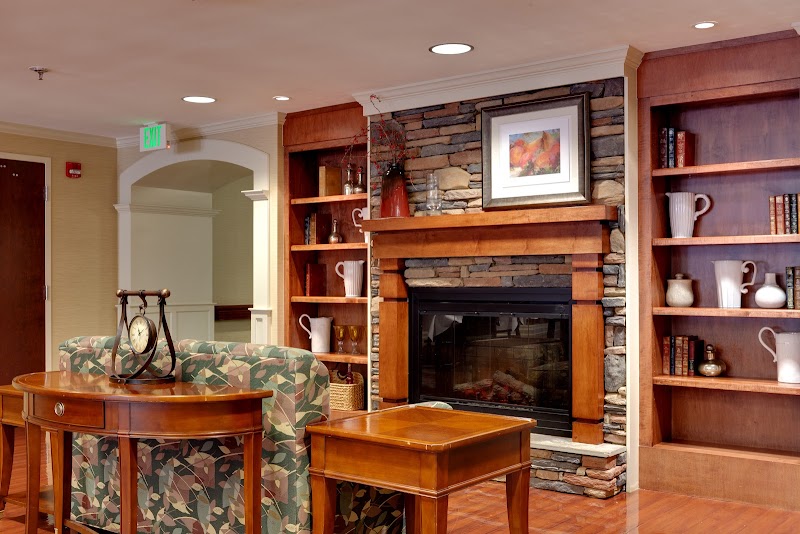
How is Pruitthealth- Ridgeway Staffed?

CMS rates PruittHealth- Ridgeway's staffing level at 3 out of 5 stars, which is average compared to other nursing homes. Staff turnover is 53%, compared to the South Carolina average of 46%.

What Have Inspectors Found at Pruitthealth- Ridgeway?

State health inspectors documented 22 deficiencies at PruittHealth- Ridgeway during 2021 to 2025. These included: 1 that caused actual resident harm and 21 with potential for harm. Deficiencies causing actual harm indicate documented cases where residents experienced negative health consequences.
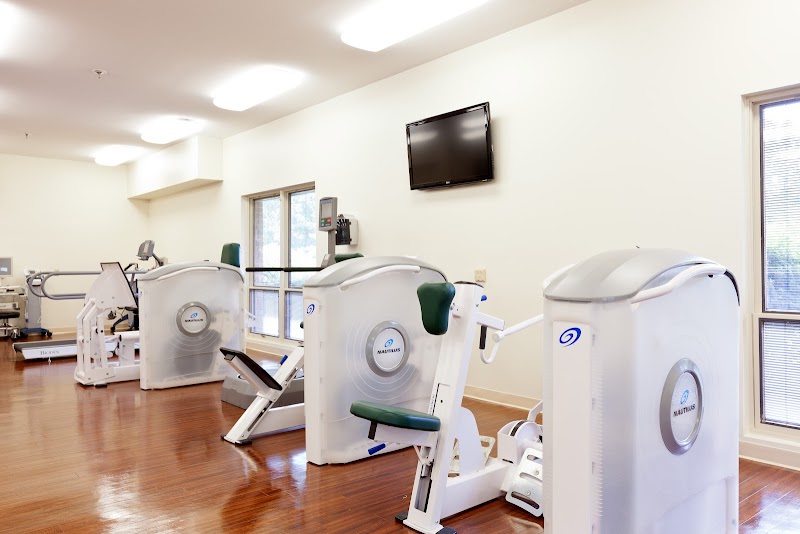
Who Owns and Operates Pruitthealth- Ridgeway?

PruittHealth- Ridgeway is owned by a for-profit company. For-profit facilities operate as businesses with obligations to shareholders or private owners. The facility is operated by PRUITTHEALTH, a chain that manages multiple nursing homes. With 150 certified beds and approximately 114 residents (about 76% occupancy), it is a mid-sized facility located in Ridgeway, South Carolina.
How Does Pruitthealth- Ridgeway Compare to Other South Carolina Nursing Homes?

Compared to the 100 nursing homes in South Carolina, PruittHealth- Ridgeway's overall rating (2 stars) is below the state average of 2.8, staff turnover (53%) is near the state average of 46%, and health inspection rating (2 stars) is below the national benchmark.

What Should Families Ask When Visiting Pruitthealth- Ridgeway?

Based on this facility's data, families visiting should ask: "Can I visit during a mealtime to observe dining assistance and food quality?" "How do you handle medical emergencies, and what is your hospital transfer rate?" "Can I speak with family members of current residents about their experience?"

Is Pruitthealth- Ridgeway Safe?

Based on CMS inspection data, PruittHealth- Ridgeway has a clean safety record: no substantiated abuse findings (meaning no confirmed cases of resident harm), no Immediate Jeopardy citations (the most serious violation level indicating risk of serious injury or death), and is not on the Special Focus Facility watch list (a federal program monitoring the lowest-performing 1% of nursing homes). The facility has a 2-star overall rating and ranks #100 of 100 nursing homes in South Carolina. While no facility is perfect, families should still ask about staff-to-resident ratios and recent inspection results during their visit.

Do Nurses at Pruitthealth- Ridgeway Stick Around?

PruittHealth- Ridgeway has a staff turnover rate of 53%, which is 7 percentage points above the South Carolina average of 46%. Moderate turnover is common in nursing homes, but families should still ask about staff tenure and how the facility maintains care continuity when employees leave.

Was Pruitthealth- Ridgeway Ever Fined?

PruittHealth- Ridgeway has no federal fines on record. CMS issues fines when nursing homes fail to meet care standards or don't correct problems found during inspections. The absence of fines suggests the facility has either maintained compliance or corrected any issues before penalties were assessed. This is a positive indicator, though families should still review recent inspection reports for the full picture.

Is Pruitthealth- Ridgeway on Any Federal Watch List?

PruittHealth- Ridgeway is not on any federal watch list. The most significant is the Special Focus Facility (SFF) program, which identifies the bottom 1% of nursing homes nationally based on persistent, serious quality problems. Not being on this list means the facility has avoided the pattern of deficiencies that triggers enhanced federal oversight. This is a positive indicator, though families should still review the facility's inspection history directly.