Ridgeway Manor Healthcare Center
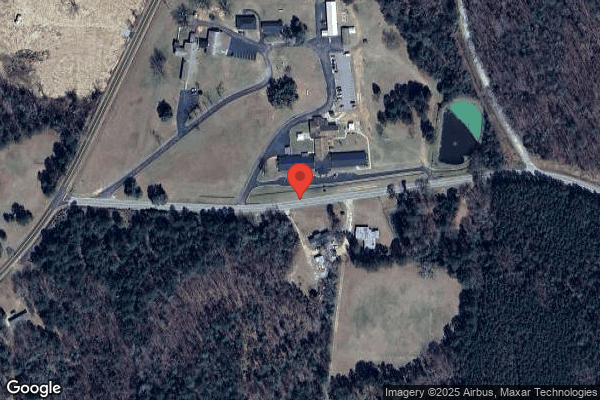
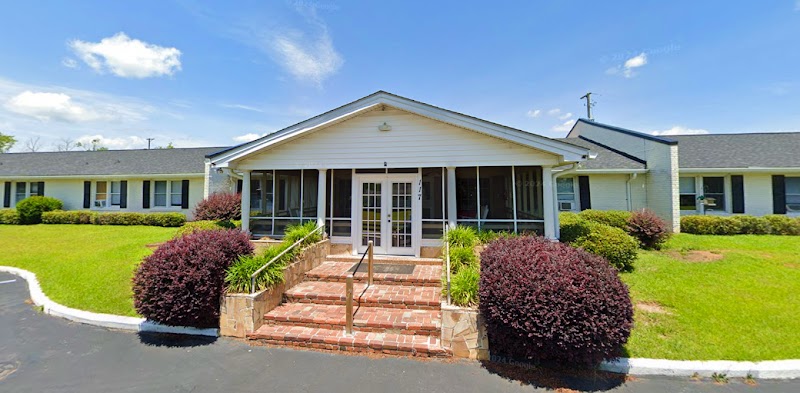
117 Bellfield Road, Ridgeway, SC 29130 (803) 337-2257
For profit - Limited Liability company 112 Beds Independent Data: November 2025 3 Immediate Jeopardy citations
Trust Grade
0/100
#171 of 186 in SC
Last Inspection: March 2025

Within standard 12-15 month inspection cycle. Federal law requires annual inspections.

Overview

Ridgeway Manor Healthcare Center has a Trust Grade of F, indicating significant concerns and a poor reputation for care. It ranks #171 out of 186 facilities in South Carolina, placing it in the bottom half, and #2 out of 2 in Fairfield County, meaning only one local option is worse. The facility's situation is worsening, with issues increasing from 1 in 2024 to 7 in 2025. Staffing is a significant concern, reflected in a 1-star rating and a high turnover rate of 67%, which is above the state average. Notably, there have been critical incidents, including failures to monitor narcotic medications, which could lead to serious harm for residents, and a lack of an effective quality assurance program, impacting all residents. While there have been no fines reported, the overall condition of the nursing home raises serious red flags for families considering care for their loved ones.

Trust Score
F
0/100
In South Carolina
#171/186
Bottom 9%
Safety Record
High Risk
Review needed
Inspections
Getting Worse
1 → 7 violations
Staff Stability
⚠ Watch
67% turnover. Above average. Higher turnover means staff may not know residents' routines.
Penalties
✓ Good
No fines on record. Clean compliance history, better than most South Carolina facilities.
Skilled Nurses
⚠ Watch
Each resident gets only 20 minutes of Registered Nurse (RN) attention daily — below average for South Carolina. Fewer RN minutes means fewer trained eyes watching for problems.
Violations
⚠ Watch
27 deficiencies on record. Higher than average. Multiple issues found across inspections.
★☆☆☆☆
1.0
Overall Rating
★☆☆☆☆
1.0
Staff Levels
★★☆☆☆
2.0
Care Quality
★☆☆☆☆
1.0
Inspection Score
Stable
2024: 1 issues
2025: 7 issues

The Good

  • Full Sprinkler Coverage · Fire safety systems throughout facility
  • No fines on record

Facility shows strength in fire safety.

The Bad

1-Star Overall Rating

Below South Carolina average (2.8)

Significant quality concerns identified by CMS

Staff Turnover: 67%

20pts above South Carolina avg (46%)

Frequent staff changes - ask about care continuity

Staff turnover is elevated (67%)

19 points above South Carolina average of 48%

The Ugly 27 deficiencies on record

3 life-threatening
Mar 2025 7 deficiencies 3 IJ
CRITICAL (J) 📢 Someone Reported This

A family member, employee, or ombudsman was alarmed enough to file a formal complaint

Immediate Jeopardy (IJ) - the most serious Medicare violation

Deficiency F0602 (Tag F0602)

Someone could have died · This affected 1 resident

**NOTE- TERMS IN BRACKETS HAVE BEEN EDITED TO PROTECT CONFIDENTIALITY** Based on interview, record review, and facility policy review, the facility failed to monitor, protect, and prevent misappropria...

Read full inspector narrative →
**NOTE- TERMS IN BRACKETS HAVE BEEN EDITED TO PROTECT CONFIDENTIALITY** Based on interview, record review, and facility policy review, the facility failed to monitor, protect, and prevent misappropriation of narcotic medication for 1 of 3 residents (Resident (R)8) reviewed for misappropriation out of a total sample of 21 residents. This failure had the potential to place all residents receiving narcotic pain medication at risk of serious harm of uncontrolled pain due to drug diversion. Cross-Reference: F755 Pharmacy Services. The facility's failure to ensure prevention of misappropriation of property related to narcotic drug diversion had the potential to cause serious harm. Immediate Jeopardy was identified on 03/03/25 and was determined to exist on 02/26/25 in the area of §483.12 Misappropriation F602 at a scope and severity (S/S) of J. The Administrator was notified of the Immediate Jeopardy on 03/03/25 at 8:35 PM. The facility was notified that an acceptable plan of removal had been accepted on 03/04/25 at 7:38 PM. The survey team validated implementation of the removal plan through observations, staff interviews, and review of resident records and facility training records and the Immediate Jeopardy was removed on 03/05/25 at 1:50 PM. After removal of the Immediate Jeopardy, the deficiency remained at a D scope and severity for an isolated incident of potential harm. An extended survey was conducted in conjunction with the Recertification Survey for non-compliance at F602, constituting substandard quality of care. Findings include: Review of the facility's policy titled, Abuse, Neglect and Exploitation, revised 2024, revealed, . It is the policy of this facility to provide protections for the health. welfare and rights of each resident by developing and implementing written policies and procedures that prohibit and prevent abuse, neglect, exploitation and misappropriation of resident property . 'Misappropriation of Resident property' means the deliberate misplacement, exploitation, or wrongful, temporary or permanent, use of a resident's belongings or money without the resident's consent . Review of R8's Face Sheet, located in the resident's electronic medical record (EMR) under the Profile tab, revealed the resident was admitted to the facility on [DATE], with diagnoses including but not limited to: breast cancer, chronic pain, major depressive disorder, affective mood disorder, and anxiety disorder. Review of R8's Quarterly Minimum Data Set (MDS)'' with an Assessment Reference Date (ARD) of 12/23/24, and located in the Aspen MDS viewer, revealed R8 scored 13 out of 15 on the Brief Interview for Mental Status (BIMS) which indicated the resident was cognitively intact. It was recorded R8 received scheduled and as needed (PRN) pain medications, stated her pain was moderate, and occasionally affected her sleep. It was recorded R8 stated she occasionally had pain. Review of R8's Order Summary, located under the Orders tab of the EMR, revealed on 01/30/25, R8 had physician orders for oxycodone, a narcotic pain medication, five (5) milligrams (mg) one tablet every four hours while awake. Review of R8's narcotic count sheets, provided by the facility and dated 01/30/25, revealed R8 received six blister packs of oxycodone 5mg, with each pack containing 30 tablets, for a total of 180 tablets. Review of a Prescriptions Delivered to [NAME] Manor sheet, provided by the facility, revealed 180 tablets of oxycodone 5mg were delivered for R8 at 1:47 PM on 01/30/25. Review of R8's Medication Administration Records (MARs), dated 01/30/25 and 01/31/25, and located under the Orders tab of the EMR, revealed documentation indicating R8 received a total of eight oxycodone 5mg tablets from 4:00 PM on 01/30/25 through 8:00 PM on 01/31/25. Review of R8's MARs, dated 02/01/25 through 02/21/25 at 12:00 PM, revealed R8 received one oxycodone 5mg tab every four hours while awake a total of 115 tabs (eight times documented as asleep, one time documented as other see progress notes). It was recorded that R8's order was changed to oxycodone 5mg one tab twice daily on 02/21/25, and R8 received 10 oxycodone 5mg tablets from 02/21/25 at 9:00 PM through 02/26/25 at 9:00 AM. This was a total of 133 oxycodone 5 mg tablets R8 received from 02/01/25 through 02/26/25 at 9:00 AM. Review of R8's Controlled Medication Utilization Record [narcotic count sheet], dated 02/25/25, revealed two oxycodone 5mg tablets were destroyed. Review of R8's clinical record revealed no documentation as to when administration of the oxycodone tablets delivered on 01/30/25 was started. If the administration was started on 01/30/25 at 4:00 PM (after the medications were delivered at 1:47 PM), a total of 133 tablets were administered per documentation, leaving 47 tablets. Two tablets were destroyed on 02/25/25, which would leave 45 tablets. There was no documentation of administration of these 45 tablets. Review of the narcotic count sheets showed that R8 received the medications from blister pack number 2 on 02/03/25 through 02/09/25. It was recorded R8 received the medications from blister pack number 3 on 02/09/25 through 02/14/25. There were no narcotic count sheets for blister packs number 1, 4, 5, or 6. Review of a facility investigative file revealed the following: Statement from Registered Nurse (RN)1, dated 02/26/25, documented . On Monday, February 24th, I commenced my employment at Ridegeway Manor. My understanding was that [R8]'s prescription for oxycodone 5mg was [every four hours] PRN pain. On Tuesday, February 25th, [LPN1] brought to my attention a discrepancy in [R8]'s medication orders. A review revealed that the prescription had been altered on February 21st, changing [R8]'s oxycodone regimen to twice daily . for a five-day period (February 21st -27th). This change, while documented in the electronic medical record, was not accurately reflected in the hard-copy narcotics book . [LPN1] identified the discrepancy on Tuesday morning. Following this, my manager [Unit Manager (UM)] and I reconciled [R8]'s medication record. A corrected medication administration record (MAR) was created and placed in the narcotics book to prevent further errors. A total of six oxycodone 5gm [sic] tablets accounted for. Three of the six oxycodone 5mg tablets were secured. One tablet was dispensed for [LPN1]'s 9 PM shift, leaving two tablets for the morning and evening of February 26th. However, following shift change and after reconciliation with [LPN1], an additional decided to waste the other two tablets. [LPN1] and I signed a documented account of this discrepancy which was then placed in the designated management review folder. The discrepancy was rectified following review of this report . Statement from LPN1, dated 02/26/25, documented . On 02/25/25 I relieved 7a-7p nurse when I opened the narcotic box I saw a pill pack with 3 small pills in it. The nurse informed me that the pills were for resident in [R8's room]. She showed me the narcotic sheet that it belong [sic] to. I informed the nurse that we had to waste those pills. I did use the 9p dose and she and I wasted the 9a and 1p dose. When my 7a-7p nurse came and we counted the narcotic box she asked where were [sic] [R8]'s oxycodone I informed her that we wasted the pills and that she could get the card from the unit manager . Statement from LPN2, dated 02/26/25, documented . When I came in this am, I was counting with [LPN1]. I asked where is [R8]'s oxys [oxycodone]. She said girl you don't want to know. She then tells me that when she came in last night the off going nurse showed her a pill crusher pouch with 2 or 3 pills in it [and] states [UM] said that was [R8]'s oxy for tonight [and] in the morning. [LPN1] said she did not feel comfortable with that [and] she wanted to waste them in which they did. Off going nurse then texted [UM] to let her know. I had to go to [UM] to get this mornings [sic] dose. She brought me the card [and] punched out one oxy for me to give this am and said I'll sign it out. She then said she was keeping them in her office because some of the nurses where [sic] giving the 4xday order instead of holding like the order stated for 4 days. She said she was going to run out of oxy if that kept going on, she . took meds back to her office . Review of a Facility Reported Incident report, dated 02/26/25, revealed, . The Narcotic count for [R8] was not correct. The Director of Nursing (DON) contacted the pharmacy to verify the last date of delivery and count filled. Based on the information provided and number of pills on hand, it was determined that medications were likely missing. The Unit Manager (UM), was asked to come to the DON's office to discuss this issue and instead of coming to the office she left the facility grounds and quit. The Administrator contacted the UM and informed her that they were investigating the missing medications and that is when the UM informed them that she quit. She returned to the facility and gave her statement and produced a blister pack of [R8]'s oxycodone with two pills left in it that she had in her possession. Local County Sheriff department notified . During an interview on 03/01/25 at 6:43 PM, Registered Nurse (RN) 1 stated that on 02/25/25, The [UM] gave me three pills in a plastic crush pouch. She told me one was for 9:00 PM that night for [R8], and the other two were for 9:00 AM and 1:00 PM tomorrow. I think there were around 14-16 pills left because if you add up the dosages according to her medication administration record (MAR), then that would account for the discrepancy and add up to her old oxycodone order. During an interview on 03/02/25 at 10:50 AM, R8 stated she took pain medication. R8 stated, I don't know if I get them all or not unless I start hurting, but I'm hurting all the time it seems. I can only take bed baths. Sometimes it's just too painful to take a shower. R8 stated, I have caner in the brain, have breast cancer, but now it's all over and in my brain, so I can't remember some things now. During an interview on 03/02/25 at 3:56 PM, the Director of Nursing (DON), stated, I was made aware [of the incident on 02/25/25] when the day shift [LPN] informed me the night shift nurse told her of the incident with the medication of three pills in a plastic crush bag. She told me she didn't have any oxycodone for the resident. I let the Administrator know and report it to the local sheriff department. [UM] returned to the facility, attempted to go into her office, but it was locked, and then pulled a blister pack containing two pills from her purse and turned them in. I did a narcotic reconciliation on all the carts and educated day shift on making sure that the narcotic book always matched the MAR and to only give meds according to what the MAR says and not the narcotic book because sometimes the pink change stickers don't get put on the narcotic sheets and they give the wrong dose. We also educated them on never removing narcotics from their med cart, always keeping the narcotic sheets in the narcotic book, and never give your keys up to anyone. The Administrator had to leave for an appointment, but I kept her updated via text. The Regional Clinical Director arrived and reported it to the state. During an interview on 03/02/25 at 4:43 PM, the DON stated, I have an issue with the statement that [RN1] wrote. She told me she saw on the blister pack [R8]'s name and the medication name but did not see how many pills were left. I don't know how many pills were missing and that UM returned the blister pack with two pills remaining. During a telephone interview on 03/03/25 at 2:35 PM, local County Sheriff Sergeant stated, I filed two warrants for her [UM] arrest, I do not know if she has turned herself in. I've done my part of the investigation. The County Sheriff Sergeant stated, Facility staff told me the 14 pills were missing. I took pictures [of the blister pack] and gave them back. According to the police report, there is a discrepancy of 14 oxycodone pills missing. During an interview on 03/03/25 at 2:50 PM, the Administer stated, We can't provide the other blister packs or narcotic sheets, because they are missing. The DON told me she discovered it during the investigation. We don't know what happened to them. The entire blister packs of pills are missing. During an interview on 03/03/25 at 3:40 PM, the DON stated, No that's incorrect, we are not missing any narcotic blister packs. They were all given. We are just missing the narcotic sheets. The UM took the one narcotic sheet, but we don't know where the others are or who took them. We don't have the blister packs so they were given and all I can say is that the narcotic sheets are missing. The DON was not able to answer how she knew the oxycodone was given if she did not have the narcotic sheets to show they were given. The DON responded, because it says they were in the electronic medical record (EMR). On 03/03/25 at 4:15 PM, the Administrator reported that she was incorrect in her statement that there were missing narcotics. She stated just the narcotic sheets were missing. On 03/04/25 at 7:38 PM, the facility submitted an acceptable removal plan, which included the following: The resident's medications were replaced and the MAR show's no doses of the medication were missed. An audit of all narcotic medications and controlled substance count forms was conducted on 3/2/25. No other issues were identified. Policies and procedures were reviewed on 3/3/25 to identify any necessary revisions to aid in control of narcotic diversion. The facility reported the nurse to LLR on 3/2/25. F602 does not state the time frame for reporting to LLR. On 2/6/25 education for all staff was initiated on resident abuse, neglect, and misappropriation of property. This education includes the need for immediate reporting of suspicious behavior in relation to narcotic medications and is being provided to staff from all shifts and PRN and agency staff as well and will be conducted prior their next shift. This education will be completed on or before 3/5/25. All new hires will receive this education during their orientation, prior to resident contact. Policies and procedures were reviewed by the Admin, DON, RDO, and RNC, on 3/3/25 to identify any necessary revisions to aid in control of narcotic diversion. As a result of the review updates on the narcotic count sheet process and accounting were revised on the policy tilted Controlled Substance Administration and Accountability. These changes included updating of the how the total number of meds is noted on the sheets and it now requires two nurses' signatures to add or removed medications. The diverted medications were identified as actually missing at approx. 3pm on 2/26/25 and the 2-hour report was sent to the state agency at 4:57 pm which was within the 2-hour window. All reportable events will be reviewed monthly by the QAPI Committee to ensure timely reporting is accomplished. The facility reported the nurse to LLR on 3/2/25. F602 does not state the time frame for reporting to LLR. All allegations requiring reporting to LLR will be reported with the initial report to the state agency hence forth. The controlled substance card count sheet was updated to include a full count off on hand medications. With two nurse's signatures required to add or remove medications from the cart. The DON and/or Admin will audit narcotic counts and medications will be conducted three times weekly until no further instances of non-compliance are found to exist. Once compliance is achieved the audits will be conducted weekly going forward. All audit results will be provided the facility QAPI committee for review. The facility QAPI committee will review the narcotic count audits monthly times three months of audits showing no issues. All reportable events will be reviewed monthly by the QAPI Committee to ensure timely reporting is accomplished.
CRITICAL (J) 📢 Someone Reported This

A family member, employee, or ombudsman was alarmed enough to file a formal complaint

Immediate Jeopardy (IJ) - the most serious Medicare violation

Pharmacy Services (Tag F0755)

Someone could have died · This affected 1 resident

**NOTE- TERMS IN BRACKETS HAVE BEEN EDITED TO PROTECT CONFIDENTIALITY** Based on interview, record review, and facility policy review, the facility failed to provide and maintain pharmaceutical servic...

Read full inspector narrative →
**NOTE- TERMS IN BRACKETS HAVE BEEN EDITED TO PROTECT CONFIDENTIALITY** Based on interview, record review, and facility policy review, the facility failed to provide and maintain pharmaceutical services for the receipt, disposition, reconciliation, and control of narcotic medication for 1 of 3 residents (Resident (R)8) reviewed for medications out of a total sample of 21 residents. This failure had the potential to place all residents receiving narcotic pain medication at risk of serious harm of uncontrolled pain due to drug diversion. Cross Reference: F602 Misappropriation. The facility's failure to ensure pharmaceutical services were provided to meet the needs of each resident had the potential to cause serious harm. Immediate Jeopardy was identified on 03/03/25 and was determined to exist on 02/26/25, in the area of §483.45 Pharmacy Services F755 at a scope and severity (S/S) of J. The Administrator was notified of the Immediate Jeopardy on 03/03/25 at 8:35 PM. The facility was notified that an acceptable plan of removal had been accepted on 03/04/25 at 7:38 PM. The survey team validated implementation of the removal plan through observations, staff interviews, and review of resident records and facility training records and the Immediate Jeopardy was removed on 03/05/25 at 1:50 PM. After removal of the Immediate Jeopardy, the deficiency remained at a D scope and severity for an isolated incident of potential harm. Findings include: Review of the facility's policy titled, Medication Administration, revised 2022, revealed, . Medications are administered by licensed nurses, or other staff who are legally authorized to do so in this state, as ordered by the physician and in accordance with professional standards of practice . Review of R8's Face Sheet located in resident's electronic medical record (EMR) under the Profile tab, revealed the resident was admitted to the facility on [DATE], with diagnoses which included breast cancer, chronic pain, major depressive disorder, affective mood disorder, and anxiety disorder. Review of R8's quarterly Minimum Data Set (MDS),'' with an Assessment Reference Date (ARD) of 12/23/24 and located in the Aspen MDS viewer, revealed R8 scored 13 out of 15 on the Brief Interview for Mental Status (BIMS), which indicated the resident was cognitively intact. It was recorded R8 received scheduled and as needed (PRN) pain medications, stated her pain was moderate, and occasionally affected her sleep. It was recorded R8 stated she occasionally had pain. Review of R8's Order Summary, located under the Orders tab of the EMR, revealed on 01/30/25, R8 had physician orders for oxycodone, a narcotic pain medication, five (5) milligrams (mg) one tablet every four hours while awake. Review of R8's narcotic count sheets, provided by the facility and dated 01/30/25, revealed R8 received six blister packs of oxycodone 5mg, with each pack containing 30 tablets, for a total of 180 tablets. Review of a Prescriptions Delivered to [NAME] Manor sheet, provided by the facility, revealed 180 tables of oxycodone 5mg were delivered for R8 at 1:47 PM on 01/30/25. Review of R8's Medication Administration Records (MARs), dated 01/30/25 and 01/31/25 and located under the Orders tab of the EMR, revealed documentation R8 received a total of eight oxycodone 5mg tablets from 4:00 PM on 01/30/25 through 8:00 PM on 01/31/25. Review of R8's MARs, dated 02/01/25 through 02/21/25 at 12:00 PM, revealed R8 received one oxycodone 5mg tab every four hours, for a total of 115 tabs (eight times documented as asleep, one time documented as other see progress notes). It was recorded that R8's order was changed to oxycodone 5mg one tab twice daily on 02/21/25, and R8 received 10 oxycodone 5mg tablets from 02/21/25 at 9:00 PM through 02/26/25 at 9:00 AM. This was a total of 133 oxycodone 5 mg tablets R8 received from 02/01/25 through 02/26/25 at 9:00 AM. Review of R8's Controlled Medication Utilization Record [narcotic count sheet], dated 02/25/25, revealed two oxycodone 5mg tablets were destroyed. Review of R8's clinical record revealed no documentation as to when administration of the oxycodone tablets delivered on 01/30/25 was started. If the administration was started on 01/30/25 at 4:00 PM (after the medications were delivered at 1:47 PM), a total of 133 tablets were administered per documentation, leaving 47 tablets. Two tablets were destroyed on 02/25/25, which would leave 45 tablets. There was no documentation of administration of these 45 tablets. Review of the narcotic count sheets showed that R8 received the medications from blister pack number 2 on 02/03/25 through 02/09/25. It was recorded R8 received the medications from blister pack number 3 on 02/09/25 through 02/14/25. There were no narcotic count sheets for blister packs number 1, 4, 5, or 6. Review of a Facility Reported Incident report, dated 02/26/25, revealed, . The Narcotic count for [R8] was not correct. The Director of Nursing (DON) contacted the pharmacy to verify the last date of delivery and count filled. Based on the information provided and number of pills on hand, it was determined that medications were likely missing. The Unit Manager (UM), was asked to come to the DON's office to discuss this issue and instead of coming to the office she left the facility grounds and quit. The Administrator contacted the UM and informed her that they were investigating the missing medications and that is when the UM informed them that she quit. She returned to the facility and gave her statement and produced a blister pack of [R8]'s oxycodone with two pills left in it that she had in her possession. Local County Sheriff department notified . During an interview on 3/01/25 at 6:43 PM, Registered Nurse (RN) 1 stated that on 02/25/25, The UM gave me three pills in a plastic crush pouch. She told me one was for 9:00 PM that night for R8], and the other two were for 9:00 AM and 1:00 PM tomorrow. I think there were around 14-16 pills left because if you add up the dosages according to her medication administration record (MAR), then that would account for the discrepancy and add up to her old oxycodone order. During an interview on 3/02/25 at 3:56 PM, Director of Nursing (DON), stated, I was made aware [of the potential drug diversion] [on 02/26/25] when the day shift [Licensed Practical Nurse] informed me the night shift nurse told her the incident of the medication of 3 pills in a plastic crush bag. She told me she didn't have any oxycodone for the resident. I let the Administrator know and report it to the local sheriff department. [UM] returned to the facility, attempted to go into her office, but it was locked, and then pulled a blister pack containing two pills from her purse and turned them in. I did a narcotic reconciliation on all the carts and educated day shift on making sure that the narcotic book always matched the MAR and to only give meds according to what the MAR says and not the narcotic book because sometimes the pink change stickers don't get put on the narcotic sheets and they give the wrong dose. We also educated them on never removing narcotics from their med cart, always keeping the narcotic sheets in the narcotic book, and never giving your keys up to anyone. Continuing with the interview on 03/02/25 at 3:56 PM, the DON stated, No we don't require two nurses to put narcotics away or remove them from the med cart. We don't need two nurses to sign off on them to put them in the DON office because they are locked up and no one touches them. We don't need to reconcile them because again, no one touches them. The DON stated that the UM should not have been removing them and taking them to her office, so no double signature would have been needed. During an interview on 3/02/25 at 4:43 PM, Director of Nursing (DON), stated, I have an issue with the statement that [Registered Nurse 1] wrote. She told me she saw on the blister pack [R8]'s name and the medication name, but did not see how many pills were left. I don't know how many pills were missing and that [UM] returned the blister pack with two pills remaining. During an interview on 03/03/25 at 12:30 PM, the Pharmacy Technician (PT) stated that when narcotic medications were delivered to the facility, the nurse would take the medications to her cart and put them away. The PT stated the signature of two nurses was not required for the receipt of narcotic medications. During a telephone interview on 3/03/25 at 2:35 PM, the local County Sheriff [NAME] stated, Facility staff told me the 14 pills were missing. I took pictures [of the blister pack]and gave them back. According to the police report there is a discrepancy of 14 oxycodone pills missing. During an interview on 3/03/25 at 2:50 PM, the Administer stated, We can't provide the other blister packs or narcotic sheets, because they are missing. The DON told me she discovered it during the investigation. We don't know what happened to them. The entire blister packs of pills are missing. During an interview on 3/03/25 at 3:40 PM, Director of Nursing (DON), stated, No that's incorrect, we are not missing any narcotic blister packs. They were all given. We are just missing the narcotic sheets. The UM took the one narcotic sheet, but we don't know where the other sheets are or who took them. We don't have the blister packs so they were given and all I can say is that the narcotic sheets are missing. The DON was not able to answer how she knew the oxycodone was given if she did not have the narcotic sheets to show they were given. She responded because it says they were in the electronic medical record (EMR). On 03/03/25 at 4:15 PM, the Administrator reported that she was incorrect in her statement that there were missing narcotics. She stated just the narcotic sheets were missing. During an interview on 03/04/25 at 4:52 PM, Licensed Practical Nurse (LPN) 2 stated that when she arrived on 02/26/25 and completed the narcotic count with LPN1, she had asked where R8's oxycodone were. LPN2 stated LPN1 had told her the UM had brought three oxycodone tablets from her office and placed them in the medication cart in a pill crusher pouch for R8 to have for the evening dose on 02/25/25 and the two doses for 02/26/25. LPN2 stated LPN1 told her she had destroyed two of the pills (with a witness) because she was uncomfortable with the situation. LPN2 stated she went to the UM to obtain R8's morning dose of oxycodone, and the UM had told her she would bring it to her. LPN2 stated the UM came about 10 minutes later with a medication card in her hand and punched the medication. LPN2 stated the UM told her she had the narcotic count sheet in her office and she would bring the sheet to her to sign off for the medication. On 03/04/25 at 7:38 PM, the facility submitted an acceptable removal plan, which included the following: The resident's medications were replaced and the MAR show's no doses of the medication were missed. An audit of all narcotic medications and controlled substance count forms was conducted on 3/2/25. No other issues were identified. Policies and procedures were reviewed on 3/3/25 to identify any necessary revisions to aid in control of narcotic diversion. The facility reported the nurse to LLR on 3/2/25. F602 does not state the time frame for reporting to LLR. On 2/6/25 education for all staff was initiated on resident abuse, neglect, and misappropriation of property. This education includes the need for immediate reporting of suspicious behavior in relation to narcotic medications and is being provided to staff from all shifts and PRN and agency staff as well and will be conducted prior their next shift. This education will be completed on or before 3/5/25. All new hires will receive this education during their orientation, prior to resident contact. Policies and procedures were reviewed by the Admin, DON, RDO, and RNC, on 3/3/25 to identify any necessary revisions to aid in control of narcotic diversion. As a result of the review updates on the narcotic count sheet process and accounting were revised on the policy tilted Controlled Substance Administration and Accountability. These changes included updating of the how the total number of meds is noted on the sheets and it now requires two nurses' signatures to add or removed medications. The diverted medications were identified as actually missing at approx. 3pm on 2/26/25 and the 2-hour report was sent to the state agency at 4:57 pm which was within the 2-hour window. All reportable events will be reviewed monthly by the QAPI Committee to ensure timely reporting is accomplished. The facility reported the nurse to LLR on 3/2/25. F602 does not state the time frame for reporting to LLR. All allegations requiring reporting to LLR will be reported with the initial report to the state agency hence forth. The controlled substance card count sheet was updated to include a full count off on hand medications. With two nurse's signatures required to add or remove medications from the cart. The DON and/or Admin will audit narcotic counts and medications will be conducted three times weekly until no further instances of non-compliance are found to exist. Once compliance is achieved the audits will be conducted weekly going forward. All audit results will be provided the facility QAPI committee for review. The facility QAPI committee will review the narcotic count audits monthly times three months of audits showing no issues. All reportable events will be reviewed monthly by the QAPI Committee to ensure timely reporting is accomplished.
CRITICAL (J) 📢 Someone Reported This

A family member, employee, or ombudsman was alarmed enough to file a formal complaint

Immediate Jeopardy (IJ) - the most serious Medicare violation

QAPI Program (Tag F0867)

Someone could have died · This affected 1 resident

Based on interview, record review, and facility policy review, the facility failed to implement a Quality Assurance and Performance Improvement (QAPI) program when they did not adequately identify, an...

Read full inspector narrative →
Based on interview, record review, and facility policy review, the facility failed to implement a Quality Assurance and Performance Improvement (QAPI) program when they did not adequately identify, analyze, and address issues impacting resident care through proper data collection, monitoring, and improvement initiatives related to pharmaceutical services. This had the potential to affect 85 of 85 residents who resided at the facility. The facility's failure to adequately identify, analyze, and address issues impacting resident care through proper data collection, monitoring, and improvement initiatives related to pharmaceutical services had the potential to cause serious harm to residents. Immediate Jeopardy was identified on 03/03/25 and was determined to exist on 02/26/25, in the area of §483.75 Quality Assurance and Performance Improvement at a scope and severity (S/S) of J. The Administrator was notified of the Immediate Jeopardy on 03/03/25 at 8:35 PM. The facility was notified that an acceptable plan of removal had been accepted on 03/04/25 at 7:38 PM. The survey team validated implementation of the removal plan through observations, staff interviews, and review of resident records and facility training records and the Immediate Jeopardy was removed on 03/05/25 at 1:50 PM. After removal of the Immediate Jeopardy, the deficiency remained at a D scope and severity for an isolated incident of potential harm. Findings include: Review of the facility's policy titled, Quality Assurance and Performance Improvement (QAPI) Plan, revised 2019, revealed, . This facility shall develop, implement, and maintain and ongoing, facility-wide QAPI Plan designed to monitor and evaluate the quality and safety of resident care, pursue methods to improve care quality, and resolve identified problems . The objectives of the QAPI Plan are to: 1. Provide a means to identify and resolve present and potential negative outcomes related to resident care and services . Provide structure and processes to correct identified quality and/or safety deficiencies. 4. Establish and implement plans to correct deficiencies, and to monitor the effects of these action plans on resident outcome . Establish systems and processes to maintain documentation relative to the QAPI Program, as a basis for demonstrating that there is an effective ongoing program . The committee shall approve any corrective actions, including changes in policies and / or procedures, employment practices, standards of care, etc., and shall also monitor all corrective activities for appropriateness and/or the need the alternative measures . 1. The facility failed to monitor, protect, and prevent misappropriation of narcotic medication for one of three residents (Resident (R)8) reviewed for misappropriation out of a total sample of 21 residents. This failure had the potential to place all residents receiving narcotic pain medication at risk of serious harm of uncontrolled pain due to drug diversion. The facility's failure to ensure prevention of misappropriation of property related to narcotic drug diversion had the potential to cause serious harm. Immediate Jeopardy was identified on 03/03/25 and was determined to exist on 02/26/25 in the area of §483.12 Misappropriation F602 at a scope and severity (S/S) of J. The Administrator was notified of the Immediate Jeopardy on 03/03/25 at 8:35 PM. The facility was notified that an acceptable plan of removal had been accepted on 03/04/25 at 7:38 PM. The survey team validated implementation of the removal plan through observations, staff interviews, and review of resident records and facility training records and the Immediate Jeopardy was removed on 03/05/25 at 1:50 PM. After removal of the Immediate Jeopardy, the deficiency remained at a D scope and severity for an isolated incident of potential harm. Cross Reference: F602 Misappropriation 2. The facility failed to provide and maintain pharmaceutical services for the receipt, disposition, reconciliation, and control of narcotic medication for one of three residents (Resident (R)8) reviewed for medications out of a total sample of 21 residents. This failure had the potential to place all residents receiving narcotic pain medication at risk of serious harm of uncontrolled pain due to drug diversion. The facility's failure to ensure pharmaceutical services were provided to meet the needs of each resident had the potential to cause serious harm. Immediate Jeopardy was identified on 03/03/25 and was determined to exist on 02/26/25, in the area of §483.45 Pharmacy Services F755 at a scope and severity (S/S) of J. The Administrator was notified of the Immediate Jeopardy on 03/03/25 at 8:35 PM. The facility was notified that an acceptable plan of removal had been accepted on 03/04/25 at 7:38 PM. The survey team validated implementation of the removal plan through observations, staff interviews, and review of resident records and facility training records and the Immediate Jeopardy was removed on 03/05/25 at 1:50 PM. After removal of the Immediate Jeopardy, the deficiency remained at a D scope and severity for an isolated incident of potential harm. Cross Reference: Pharmacy Services 3. Review of the facility's pharmacy Omnicare Quality Improvement: Consultant Pharmacist Summary, dated 10/01/24 to 10/31/24, revealed, . Quantities on back of MAR [Medication Administration Record] do not always match quantity on Narcotic sheet (one discrepancy noted on sample audit of four residents). Please ensure staff is documenting appropriately on MAR and on narcotic sheet when controlled substances are administered for 98 charts reviewed. Review of the facility's pharmacy Omnicare Quality Improvement: Consultant Pharmacist Summary, dated 11/01/24 to 11/30/24, revealed, Quantities on back of MAR do not always match quantity on Narcotic sheet (one discrepancy noted on sample audit of four residents, please ensure staff is documenting appropriately on MAR and narcotic sheet when controlled substances are administered for 97 charts reviewed. Review of the facility's pharmacy Omnicare Quality Improvement: Consultant Pharmacist Summary, dated 01/01/25 through 01/31/25, revealed, Quantities on back of MAR do not always match quantity on Narcotic sheet (three discrepancies noted on sample audit of four residents and one discrepancy was off by three pills) for 98 charts reviewed. During an interview on 03/02/25 at 4:15 PM, the DON stated, I used to keep all the excess narcotics in my office, but we won't be anymore. They're going straight to med cart. We don't have any accountability for them because no one touches them. We didn't need to have double verification for the Unit Manager (UM) to keep them in her office because she wasn't supposed to be doing it. During an interview on 03/02/25 at 5:25 PM, the Administer stated, Pharmacy will typically bring extra cards and [DON] keeps the narcotics with narcotic sheets in her office, but this process has changed now to storing them in the cart now since this incident. The DON and I have the keys. We don't do med reconciliation on them, but they're in there for storage and not accessible to anyone. During an interview on 03/03/25 at 2:50 PM, the Administer stated, We haven't addressed the pharmacy reports in QAPI yet. We do talk about them though. During an interview on 03/03/25 at 3:40 PM, the Director of Nursing (DON) stated, We go over all the pharmacy quality assurance reports. We discuss them only in QAPI, but we don't document anything on them. We haven't addressed January's pharmacy report yet. On 03/04/25 at 7:38 PM, the facility presented an acceptable plan of removal, which included: The resident's medications were replaced and the MAR show's no doses of the medication were missed. On 03/03/2025 the facility system for monitoring, identifying, reporting, tracking and investigating adverse events related to pharmacy services after noted discrepancies in narcotic medication reconciliation were reviewed and updated as necessary to ensure the safety and wellbeing of the facility residents receiving narcotic medications. On 2/26/25 education for all staff was initiated on resident abuse, neglect, and misappropriation of property. This education includes the need for immediate reporting of suspicious behavior in relation to narcotic medications and is being provided to staff from all shifts and PRN and agency staff as well and will be conducted prior their next shift. This education will be completed on or before 3/5/25. All new hires will receive this education during their orientation, prior to resident contact. Policies and procedures were reviewed by the Admin, DON, RDO, and RNC, on 3/3/25 to identify any necessary revisions to aid in control of narcotic diversion. As a result of the review updates on the narcotic count sheet process and accounting were revised on the policy tilted Controlled Substance Administration and Accountability. These changes included updating of the how the total number of meds is noted on the sheets and it now requires two nurses' signatures to add or remove medications and and for receiving medications from the pharmacy. The controlled substance card count sheet was updated to include a full count of on hand medications. With two nurse's signatures required to add or remove medications from the cart. The DON and/or Admin will audit narcotic counts and medications will be conducted three times weekly until no further instances of non-compliance are found to exist. Once compliance is achieved the audits will be conducted weekly going forward. All audit results will be provided the facility QAPI committee for review. The pharmacy report will also be reviewed monthly by the committee. The facility QAPI committee will review the narcotic count audits monthly times three months with no issues noted. Pharmacy reports will also be reviewed monthly by the QAPI Committee to ensure timely reporting is accomplished.
CONCERN (D) 📢 Someone Reported This

A family member, employee, or ombudsman was alarmed enough to file a formal complaint

Potential for Harm - no one hurt, but risky conditions existed

Report Alleged Abuse (Tag F0609)

Could have caused harm · This affected 1 resident

**NOTE- TERMS IN BRACKETS HAVE BEEN EDITED TO PROTECT CONFIDENTIALITY** Based on review of the facility policy, record review and interviews, the facility failed to report an allegation of misappropri...

Read full inspector narrative →
**NOTE- TERMS IN BRACKETS HAVE BEEN EDITED TO PROTECT CONFIDENTIALITY** Based on review of the facility policy, record review and interviews, the facility failed to report an allegation of misappropriation of narcotic medication to the state survey agency within two hours for 1 of 3 residents (Resident (R)8) reviewed for abuse out of a total sample of 21 residents. This had the potential to allow continued misappropriation. Findings include: Review of the facility's policy titled, Abuse, Neglect and Exploitation, revised 2024, revealed, . It is the policy of this facility to provide protections for the health, welfare and rights of each resident by developing and implementing written policies and procedures that prohibit and prevent abuse, neglect, exploitation and misappropriation of resident property . Misappropriation of Resident property means the deliberate misplacement, exploitation, or wrongful, temporary or permanent, use of a resident's belongings or money without the resident's consent . Reporting / Response. Reporting of all alleged violations to the Administrator, state agency, adult protective services and to all other required agencies (e.g., law enforcement when applicable) within specified timeframes: a. Immediately, but not later than 2 hours after the allegation is made if the events that cause the allegation involve abuse or result in serious bodily injury . Review of R8's Face Sheet located in resident's electronic medical record (EMR) under the Profile tab, revealed, R8 was admitted to the facility on [DATE], with diagnoses including but not limited to: left breast cancer, chronic pain, major depressive disorder, affective mood disorder and anxiety disorder. Review of a Facility Reported Incident report, dated 02/26/25, revealed, . The Narcotic count for [R8] was not correct. The Director of Nursing (DON) contacted the pharmacy to verify the last date of delivery and count filled. Based on the information provided and number of pills on hand, it was determined that medications were likely missing. The Unit Manager (UM) was asked to come to the DON's office to discuss this issue and instead of coming to the office she left the facility grounds and quit. The Administrator contacted the UM and informed her that they were investigating the missing medications and that is when the UM informed them that she quit. She returned to the facility and gave her statement and produced a blister pack of [R8]'s oxycodone with two pills left in it that she had in her possession. Local County Sheriff department notified . During an interview on 03/02/25 at 3:56 PM, the Director of Nursing (DON) stated, I found out at 8:50 AM [on 02/26/25] from [Licensed Practical Nurse (LPN)2] about the drug diversion and missing oxycodone and told the Administrator right before the 9:00 AM morning meeting. We finished the morning meeting and started investigating. We had pharmacy come in and destroy drugs with us while they were here. The [Unit Manager (UM)] was doing care plan meetings in the MDS office. The Administrator called her down to come meet. The MDS told the Administrator the UM was not there. The Administrator asked Human Resources [HR] to try to track her down. The Administrator looked at the parking lot and saw that the [UM]'s car was no longer in the parking lot. So, the Administrator and I went into the [UM]'s office and found her nurse keys lying on top of the desk. We searched through her desk and office and the med cart. HR tried calling the [UM] on her cell phone and she didn't answer. [UM] called her back and asked, What do you want? HR asked her if she was at the facility. The [UM] responded, No I am not, and you people are full of 'bleep' and hung up. I called [UM] back and asked her where the missing narcotics were, and the missing narcotic sheets were and let her know we had already searched her office and didn't find anything. We asked her to come back to the facility. The Regional Corporate Director [RCD] arrived. Then the [UM] arrived and went straight to her office to try to get into it, but she left her keys earlier and was not able to. The [UM] handed me a blister card pack with two oxycodone pills from her purse and then left. The RCD called the local law enforcement to report it around 11:30 AM and possibly press charges. Law enforcement arrived. We kept the Administrator aware of everything via texts and calls. During an interview on 03/02/25 at 5:14 PM, the Administrator stated, It started Wednesday morning when [LPN2], the day shift nurse went to the DON and reported the missing narcotics to her right after meeting. The UM was in care plan meeting in the MDS office, and I called her around 11:00 AM to ask her to come to the office and talk with me. She never came. I called her again. The MDS nurse said she left. I had Human Resources try to contact her on her cell phone. I had a Dr. appointment and had to leave the building and couldn't follow up, but the staff kept in contact with me via phone calls and text to update me. During an interview on 03/04/25 at 4:52 PM, LPN2 stated, Between 8:00 AM and 8:30 AM, I let the [UM] know that I was out of [R8]'s oxycodone and needed more. The [UM] returned from her office with a blister pack of meds. She popped out one pill and I saw the blister pack had [R8]'s name on it and what the med was, but I didn't see how many meds were on the card. I didn't think this was the right way to handle narcotics and I reported it to the DON when she came in that morning before the morning meeting. During an interview on 03/05/25 at 12:25 PM, the Administrator stated, We didn't report it to the state until we validated that drugs were missing and that took until 3:00 PM when the RCD reported it. We don't report anything until we know for sure there is something to report, otherwise we would be reporting every little thing. During an interview on 03/05/25 at 5:25 AM, the DON stated, We didn't call into the state, because there was nothing to report until 3:00 PM. We didn't know she took anything or that anything was wrong until 3:00 PM.
CONCERN (D) 📢 Someone Reported This

A family member, employee, or ombudsman was alarmed enough to file a formal complaint

Potential for Harm - no one hurt, but risky conditions existed

Deficiency F0658 (Tag F0658)

Could have caused harm · This affected 1 resident

**NOTE- TERMS IN BRACKETS HAVE BEEN EDITED TO PROTECT CONFIDENTIALITY** Based on interviews, and facility policy review, the facility failed to use nursing rights of medication administration while ad...

Read full inspector narrative →
**NOTE- TERMS IN BRACKETS HAVE BEEN EDITED TO PROTECT CONFIDENTIALITY** Based on interviews, and facility policy review, the facility failed to use nursing rights of medication administration while administrating a medication for 1 of 21 residents (Resident (R)8), reviewed for professional standards. This failure had the potential for residents being subject to adverse effects leading to worsening symptoms, long-term effects, and death. Findings include: Review of the facility's policy titled, Medication Administration revised 2022, revealed, . Medications are administered by licensed nurses, or other staff who are legally authorized to do so in this state, as ordered by the physician and in accordance with professional standards of practice . Compare medication source (bubble pack, vial, etc.) with MAR to verify resident name, medication name, form, dose, route, and time. a. Refer to drug reference if unfamiliar with the medication, including its mechanism of action or common side effects . Review of R8's Face Sheet, located in resident's electronic medical record (EMR) under the Profile tab, revealed the resident was admitted to the facility on [DATE], with diagnoses which included but was not limited to: left breast cancer, chronic pain, major depressive disorder, affective mood disorder, and anxiety disorder. Review of R8's Quarterly Minimum Data Set (MDS),'' with an Assessment Reference Date (ARD) of 12/23/24, and located in the Aspen MDS viewer, revealed R8 scored 13 out of 15 on the Brief Interview for Mental Status (BIMS), indicating no cognitive impairment. Review of R8's Order Summary located in resident's EMR under the Orders tab, revealed that on 02/25/25, R8 had physician's orders for oxycodone five milligrams (mg) one tablet twice daily for pain. Review of a facility investigative file for R8 revealed the following: Statement from Registered Nurse (RN)1, dated 02/26/25 - . On Tuesday, February 25th, [Licensed Practical Nurse (LPN)1] brought to my attention a discrepancy in [R8]'s medication orders. A review revealed that the prescription had been altered on February 21st, changing [R8]'s oxycodone regimen to twice daily . for a five-day period (February 21st -27th. This change, while documented in the electronic medical record, was not accurately reflected in the hard-copy narcotics book . [LPN1] identified the discrepancy on Tuesday morning. Following this, my manager [Unit Manager (UM)] and I reconciled [R8]'s medication record. A corrected medication administration record (MAR) was created and placed in the narcotics book to prevent further errors. A total of six oxycodone 5gm [sic] tablets accounted for. Three of the six oxycodone 5mg tablets were secured. One tablet was dispensed for [LPN1]'s 9 PM shift, leaving two tablets for the morning and evening of February 26th. However, following shift change and after reconciliation with [LPN1], an additional decided to waste the other two tablets. [LPN1] and I signed a documented account of this discrepancy which was then placed in the designated management review folder. The discrepancy was rectified following review of this report . Statement from LPN1, dated 02/26/25 - . On 02/25/25 I relieved 7a-7p nurse when I opened the narcotic box I saw a pill pack with 3 small pills in it. The nurse informed me that the pills were for resident in [R8's room]. She showed me the narcotic sheet that it belong [sic] to. I informed the nurse that we had to waste those pills. I did use the 9p dose and she and I wasted the 9a and 1p dose. When my 7a-7p nurse came and we counted the narcotic box she asked where were [sic] [R8]'s oxycodone I informed her that we wasted the pills and that she could get the card from the unit manager . During an interview on 03/02/25 at 6:43 PM, Registered Nurse (RN)1 stated, The Unit Manager gave me three pills in a plastic crush pouch that I watched her pop out of the blister pack. She told me one was for 9:00 PM that night for [R8], and the other two were for 9:00 AM and 1:00 PM tomorrow. During an interview on 03/05/25 at 10:19 AM, LPN1 stated, The pill in the plastic crush pouch looked like an Oxycodone. [RN1] told me it was during shift change. If I didn't give it to R8, then she wouldn't have had any pain meds that night. We have a drug reference library on our electronic medical record (EMR) that we can use to look up a med is, but I did not use it for that pill. During an interview on 03/05/25 at 10:45 AM, the DON stated, I would expect that a nurse never give medication that they did not pop out of the blister pack themselves. They must know what they are giving. During an interview on 03/05/25 at 10:46 AM, the Administrator stated, I agree with the DON. No nurse should give medication that they didn't pull themselves. There is no way that nurse should have given that med.
CONCERN (E)

Potential for Harm - no one hurt, but risky conditions existed

Deficiency F0727 (Tag F0727)

Could have caused harm · This affected multiple residents

Based on record review and interview, the facility failed to ensure Registered Nurse coverage was provided eight hours a day seven days a week for a total of seven days in July, August, and September ...

Read full inspector narrative →
Based on record review and interview, the facility failed to ensure Registered Nurse coverage was provided eight hours a day seven days a week for a total of seven days in July, August, and September 2024. The failure created the potential for the clinical needs of all residents not to be met. Findings include: Review of the facility's Job Description: Registered Nurse, provided by the Regional Director of Operations (RDO) noted, SUMMARY Assesses and evaluates the health status of resident/patient and provides care and treatment in accordance with physician orders and standards of practice. ESSENTIAL DUTIES AND RESPONSIBILITIES include the following. Other duties may be assigned Assesses patients by physical examination including pertinent diagnostic testing to determine health status. Administers medications and treatments. Participates in the care planning process and oversees implementation of the plan. Supervises LPNS [Licensed Practical Nurses] and Nursing Assistants. Oversees ADLS [activities of daily living] and documentation. Communicates with physicians regarding changes in conditions, diagnostic test results, etc. Documents assessments and care in compliance with standards of care and company policy. Educates patients and their families on health-related issues. The facility was licensed for a total of 112 beds. Review of the Payroll Based Journal (PBJ) from the fourth quarter of 2024 revealed the following dates had no Registered Nurse (RN) coverage: 07/06/24, 07/17/24, 07/20/24, 07/21/24, 08/18/24, 08/22/24, and 09/01/24. Review of the Daily Census Reports, provided by the Staffing/Medical Supplies (SMS) for the identified dates revealed the census was 99, 101, 100, 99, 97, 96, and 93, respectively. During an interview on 03/03/25 at 3:47 PM, both the SMS and the Human Resources Director (HRD), responsible for submitting the PBJ information, confirmed there was no RN coverage for the identified dates. In an interview on 03/04/25 at 12:47 PM, the Administrator and Director of Nurses confirmed there was no RN coverage for the seven identified dates in 2024. In an interview on 03/05/25 at 1:19 PM, the Regional Director of Operations (RDO) confirmed there was no RN coverage for the seven identified dates in 2024.
CONCERN (F)

Potential for Harm - no one hurt, but risky conditions existed

Food Safety (Tag F0812)

Could have caused harm · This affected most or all residents

Based on observations, interviews, and record review, the facility failed to ensure food stored in the main kitchen was labeled and dated. The failures had the potential to increase the prevalence and...

Read full inspector narrative →
Based on observations, interviews, and record review, the facility failed to ensure food stored in the main kitchen was labeled and dated. The failures had the potential to increase the prevalence and spread of foodborne illness and infection for 79 residents who receive food from the kitchen. 6 residents receive tube feedings with no food/fluids provided by the kitchen. Findings include: Review of the facility's undated policy titled, Food Storage stated Sufficient storage facilities are provided to keep foods safe . and by methods designed to prevent contamination . Rewrap packages of frozen food which have been opened. This prevents freezer burns and spoilage . Review of the facility's policy dated 02/2023 titled, Food Safety Requirements stated, . Food will also be stored . in accordance with professional standards for food service safety . Food safety practices shall be followed throughout the facility's entire food handling process . Storage of food in a manner that helps prevent deterioration or contamination of food, including from growth of organisms . Labeling, dating, and monitoring refrigerated foods . Keeping foods covered or in tight containers . During an observation on 03/02/25 at 9:15 AM, of food storage in the meat freezer revealed an undated, opened bag of chicken tenders stored in a clear bag that was tied in a knot for closure. The use by date on the bag read 01/08/25. An undated clear bag containing fish fillets stored in a clear bag that was tied in a knot for closure was also observed. There was no use by date on the bag, no received date, and no date opened. Ice crystals were noted on the fillets. An opened brown bag of frozen French fries was observed with no opened date, no received date, and no use by date. The bag was rolled up and not securely closed. During an interview on 03/02/25 at 9:15 AM, the Dietary [NAME] (DC) stated that the chicken tenders were opened yesterday (03/01/25) but was not sure when they were received by the facility. DC stated that she was not sure when the fish fillets were opened or when they were last used. DC stated that she was not sure when the French fries were opened but when the staff have a question about if an item is okay to use they ask the Dietary Manager (DM) and she would let them know. The DC confirmed that it was the facility expectation for staff to write the received date and the date opened on all food items. The DC stated that if a use by date was not on the package, kitchen staff ask the DM to make sure it is okay to use. During an interview on 03/04/25 at 11:23 AM, the Dietary Manager (DM) stated that it was her expectation that all foods be labeled with the date received and the date opened.
May 2024 1 deficiency
CONCERN (D) 📢 Someone Reported This

A family member, employee, or ombudsman was alarmed enough to file a formal complaint

Potential for Harm - no one hurt, but risky conditions existed

Deficiency F0657 (Tag F0657)

Could have caused harm · This affected 1 resident

**NOTE- TERMS IN BRACKETS HAVE BEEN EDITED TO PROTECT CONFIDENTIALITY** Based on review of the facility policy, record reviews, and interviews, the facility failed to update Resident (R)1 and R2's car...

Read full inspector narrative →
**NOTE- TERMS IN BRACKETS HAVE BEEN EDITED TO PROTECT CONFIDENTIALITY** Based on review of the facility policy, record reviews, and interviews, the facility failed to update Resident (R)1 and R2's care plan to reflect a person-centered change in status, related to potential desire/preference. 2 of 7 reviewed for Care Plans. Findings include: Review of the facility policy titled, Care Plan Revisions Upon Status Change, last revised 2021, revealed, The purpose of this procedure is to provide a consistent process for reviewing and revising the care plan for those residents experiencing a status change. The comprehensive care plan will be reviewed, and revised as necessary, when a resident experiences a status change. Procedure for reviewing and revising the care plan when a resident experiences a status change: upon identification of a change in status, the nurse will notify the Minimum Data Set (MDS) Coordinator, the Physician, and the resident representative if applicable. The MDS Coordinator and the Interdisciplinary Team (IDT) team will discuss the resident condition and collaborate on intervention options. Staff involved in the care of the resident will report resident response to new or modified interventions. R1 was admitted to the facility on [DATE] with diagnoses including but not limited to; Human Immunodeficiency Virous (HIV), mild neurocognitive disorder due to known physiological condition without behaviors, and major depressive disorder. Review of the Quarterly MDS dated [DATE] revealed, R1 has a Brief Interview of Mental Status (BIMS) score of 15 out of 15, which indicates she is cognitively intact. R2 was admitted to the facility on [DATE] with diagnoses including but not limited to; heart failure, hypertension, and psychoactive substance abuse. Review of the Quarterly MDS dated [DATE], revealed R2 has a BIMS score of 11 out of 15, which indicates he has a mild cognitive impairment. Record review of facility Five Day Reportable Incident dated 05/09/24 revealed R1 with a diagnosis of HIV approached R2 with a sexual advance in exchange for money. When questioned, R1 admits to receiving oral sex in exchange for money from R1. R1 denies any allegation when asked, R2 reports that he knows R1 has a disease because she told him. Since this incident he has not had any other contact with her. Record review of R1's and R2's Electronic Medical Record revealed no updates to the resident's Care Plan to reflect this incident. An interview on 05/23/24 at 12:51 PM with R1 revealed that she denies any sexual contact with R2 and did not receive any money from R2. R1 denied speaking with another resident about providing sexual advances on other male residents for money. An interview on 05/23/24 at 1:01 PM with R2 revealed that he denies any sexual contact with R1 because she has a serious disease. R2 also denied giving R1 money for a sexual favor, but was interested in R1 in a sexual way before R1 told him that she had a serious disease. R2 further stated that since being informed of R1's status (HIV diagnosis), he no longer wants contact with R1 and stays away from her and hasn't seen her much. A phone interview on 05/23/24 at 1:30 PM with R2's Resident Representative revealed that the facility notified them of the potential sexual interaction R2 had at the facility and they had no concerns with R2's change in status. The Resident Representative further stated that the facility contacted them to let them know that they completed appropriate Sexually Transmitted Disease (STD) testing on R2 for precautions. An interview on 05/23/24 at 1:41 PM with Certified Nursing Assistant (CNA)1 revealed that they overheard R1 discussing with another resident that she was running games on men here (at the facility) for money. R1 said that R2 wants me to perform a sexual act on him. CNA1 stated that she tried to speak to R1 and the other resident, but neither would discuss with her what she meant by that comment. CNA1 told the Social Worker about this incident. CNA1 further stated that she did not witness R1 and R2 having sexual contact, but had seen R1 in R2's room and sitting on his bed and chatting with him in the past. CNA1 further stated that they were unsure if R1's and R2's Care Plan was updated to reflect this incident, but they were instructed to re-direct R1 out of R2's room if observed, because he no longer wants contact with R1. An interview on 05/24/2024 at 9:15 AM with the Unit Manager (UM1) revealed that R2 had a lab draw for HIV testing that was completed on 05/10/24 with a non-reactive/ negative test result. UM1 further stated that both residents denied sexual activity when questioned and R2 stated that he is aware of R1's serious disease (HIV) because R1 told him and that he has not had any contact since being aware of her HIV status. UM1 stated that staff spoke with both residents and an re-educated them because they are cognitive enough to make their own sexual decisions. UM1 finally stated that R1 is Care Planned for an HIV diagnosis, but unsure if the resident's Care Plan was updated to reflect the potential for sexual contact with other resident. UM1 was also unsure if R2's Care Plan was updated to reflect R2 wishes of not wanting R1 near his environment. An interview on 05/24/24 at 9:41 AM with MDS Coordinator and Social Worker revealed that the facility did not update R1 and R2 Care Plan related to this incident. R1's Care Plan was not updated due to her denying the allegation of any sexual act occurring. The MDS Coordinator and Social Worker stated that R2's Care Plan was not updated due to the Resident Representative being okay with the potential of R2 having a sexual relationship with female residents. Both further stated that they were unaware that R2 no longer has the desire to be sexual with R1 due to him discovering her HIV status. A phone interview on 05/24/24 at 10:32 AM with the Administrator revealed that staff had spoken with R1 but she denied having sexual contact with R2 or any other male residents for money and failed to elaborate what she meant by running games on men for money when she was speaking with another resident at the facility. When staff spoke to R2, he admitted to receiving a sexual advance from R1 and also admitted to giving her money for the sexual act and told staff that it was consensual. Staff contacted R2's Resident Representative due to the resident having a mild cognitive impairment and notifying his representatives of the change of status. The Administrator further stated that R1's and R2's Care Plan should have been updated in a timely manner to reflect this change in condition.
Jun 2023 12 deficiencies
CONCERN (D) 📢 Someone Reported This

A family member, employee, or ombudsman was alarmed enough to file a formal complaint

Potential for Harm - no one hurt, but risky conditions existed

Deficiency F0561 (Tag F0561)

Could have caused harm · This affected 1 resident

**NOTE- TERMS IN BRACKETS HAVE BEEN EDITED TO PROTECT CONFIDENTIALITY** Based on interview and record review, the facility failed to ensure one (Resident (R) 4) of 41 sampled residents had the right t...

Read full inspector narrative →
**NOTE- TERMS IN BRACKETS HAVE BEEN EDITED TO PROTECT CONFIDENTIALITY** Based on interview and record review, the facility failed to ensure one (Resident (R) 4) of 41 sampled residents had the right to choose health care providers consistent with her wishes. Findings include: Review of R4's Physician Orders, located under the Orders tab of the electronic medical record (EMR), revealed R4 was admitted to the facility on [DATE] with diagnoses that included but was not limited to; seizures, schizophrenia, and chronic respiratory disorder. Review of R4's quarterly Minimum Data Set (MDS) with an assessment reference date (ARD) of 05/01/23 and located under the MDS tab of the EMR, revealed R4 had a Brief Interview for Mental Status (BIMS) score of 14 out of 15, which indicated the resident was cognitively intact. It was also recorded R4 was totally dependent on staff for transfers. During an interview with R4 on 06/27/23 at 10:48 AM, R4 stated that on 05/21/23 on the night shift, Certified Nursing Assistant (CNA)5 called her a derogatory name, sprayed Lysol on her bottom, handled her roughly in bed, and laughed at her. R4 stated she had informed the Administrator, and nothing had been done. R4 stated she did not want CNA5 working with her any longer and had informed the Administrator of this. R4 stated CNA5 still worked with her. R4 stated CNA5 had last worked with her on 06/25/23 and had been working with her since the alleged incident on 05/21/23. Review of the facility's form titled, CNA Assignment Sheet, dated 06/25/23 and provided by the Administrator, revealed that R4's room number was listed under the care and services assignment for CNA5 on 06/25/23. During an interview with the Administrator on 06/27/23 at 12:00 PM, the Administrator confirmed CNA5 worked with R4 on 06/25/23. The Administrator stated she did not know why this occurred because she had told the nurse managers to not allow CNA5 to work with R4. During an interview with CNA5 on 06/29/23 at 7:30 AM, CNA5 denied the allegations and confirmed she had worked with R4 on 06/25/23.
CONCERN (D)

Potential for Harm - no one hurt, but risky conditions existed

Deficiency F0604 (Tag F0604)

Could have caused harm · This affected 1 resident

**NOTE- TERMS IN BRACKETS HAVE BEEN EDITED TO PROTECT CONFIDENTIALITY** Based on observation, interview, record review, and review of the facility policy, the facility failed to release Resident (R)3'...

Read full inspector narrative →
**NOTE- TERMS IN BRACKETS HAVE BEEN EDITED TO PROTECT CONFIDENTIALITY** Based on observation, interview, record review, and review of the facility policy, the facility failed to release Resident (R)3's restraint during meals as ordered by the physician for 1 of 3 sampled residents reviewed for restraints. Findings include: Review of the facility's policy titled, Restraint Free Environment dated October 2022, revealed, . the length of time the restrain is anticipated to be used to treat the medical symptom, who may apply the restraint and the time and frequency that the restraint will be released . Review of R48's admission Record located in the electronic medical record (EMR) under the Profile tab, revealed R48 was readmitted to the facility on [DATE] with diagnoses that included but was not limited to; cerebral infarction with residual deficits, repeated falls, and history of transient ischemic attacks. Review of R48's Physician Orders, dated 04/15/22, revealed, . release Merri-walker front bar every two hours and with meals, every shift for ambulation, mobility and independence . Review of R48's plan of care dated 04/15/22, revealed a problem related to the use of a restraint. The goal was, . to remain free of complications related to restraint use including contractures, skin breakdown, altered mental state, isolation and withdrawn through 06/30/23. Interventions included, . release Merri-walker front bar every two hours and with meals to promote mobility and independence . Review of R48's Restraint-Physical Assessment, dated 06/05/23, revealed that the resident experienced frequent falls, slid out of a wheelchair, attempted to self-transfer, climbed out of bed, and had an unsteady gait. Alternatives included longer restraint free episodes; alternate seating; regular toileting; scheduled rest times; to anticipate hunger, heat, and cold; and a medication review. It was recorded R48 had cognitive impairment due to stroke and this hindered his safety awareness. The effectiveness of the restraint revealed it promoted independence and to continue the use of the Merri-walker. Review of R48's Treatment Record, dated 06/2023 and located in the EMR under the Orders tab, revealed no documentation the front bar of R48's Merri-walker was released every two hours, with meals, or every shift for ambulation, mobility, and independence. Review of R48's annual Minimum Data Set (MDS) with an Assessment Reference Date (ARD) of 06/25/23, revealed R48 scored a 99 on the Brief Interview for Mental Status (BIMS), which indicated R48 was severely cognitively impaired. It was recorded R48 required extensive assistance for transferring and set up assistance for eating. It was recorded R48 had a chair restraint that prevented rising. During an observation on 06/29/23 at 8:50 AM, R48 was observed eating breakfast in the dining room. The front bar of the Merri-walker was in place. R48 had to reach over the front bar to eat his breakfast. During an interview on 06/29/23 at 9:00 AM, Certified Nurse Aide (CNA)5 confirmed the front bar was in place and had not been released while R48 ate his breakfast. During an observation on 06/29/23 at 1:05 PM, R48 was observed in the dining room, eating the noon meal. The front bar of the Merri-walker had not been released. R48 had to reach over the restraint bar to eat his meal. During an interview on 06/29/23 at 1:30 PM, Licensed Practical Nurse (LPN) 2 confirmed the front bar of the Merri-walker was in place during the noon meal and had not been released while R48 ate his meal. LPN2 stated she was unaware the front bar was supposed to be released during meals. During an interview on 06/29/23 at 3:30 PM, the Administrator, Regional Director, and Director of Nursing confirmed that the front bar on the Merri-walker should have been released during meals as per physician's orders and R48's plan of care.
CONCERN (D) 📢 Someone Reported This

A family member, employee, or ombudsman was alarmed enough to file a formal complaint

Potential for Harm - no one hurt, but risky conditions existed

Investigate Abuse (Tag F0610)

Could have caused harm · This affected 1 resident

**NOTE- TERMS IN BRACKETS HAVE BEEN EDITED TO PROTECT CONFIDENTIALITY** Based on interview, record review, and facility policy review, the facility failed to conduct a thorough investigation of an all...

Read full inspector narrative →
**NOTE- TERMS IN BRACKETS HAVE BEEN EDITED TO PROTECT CONFIDENTIALITY** Based on interview, record review, and facility policy review, the facility failed to conduct a thorough investigation of an allegation of abuse for 1 (Resident (R)4) of 41 sampled residents. Findings include: Review of the facility's undated policy titled, Abuse, Neglect and Exploitation revealed the facility was required to make efforts to ensure all residents are protected from physical harm and provide complete and thorough documentation of the investigation. Review of R4's Physician Order Sheet, revealed R4 was admitted to the facility on [DATE] with diagnoses that included but was not limited to; seizures, schizophrenia, and chronic respiratory disorder. Review of R4's quarterly Minimum Data Set (MDS) with an assessment reference date (ARD) of 05/01/23 and located in the electronic medical record (EMR) under the MDS tab, revealed R4 had a Brief Interview for Mental Status (BIMS) score of 14 out of 15, which indicated the resident was cognitively intact. It was recorded R4 was totally dependent on staff for transfers. During an interview with R4 on 06/27/23 at 10:48 AM, R4 stated that on 05/21/23 on the night shift, Certified Nursing Assistant (CNA)5 called her a derogatory name, sprayed Lysol on her bottom, handled her roughly in bed, and laughed at her. R4 stated she had informed the Administrator, and nothing had been done. R4 stated she did not want CNA5 working with her any longer and had informed the Administrator of this. R4 stated the CNA5 still worked with her. R4 stated CNA5 had last worked with her on 06/25/23 and had been working with her since the incident on 05/21/23. Review of the facility's investigative report of R4's allegation of abuse and the Midnight Census Report, dated 05/21/23 and provided by the facility, revealed: 1. The facility conducted interviews with 44 residents who lived at the facility. There were ten residents who had been cared for by CNA5 who could not be interviewed due to cognitive abilities. Review of the facility's investigative report revealed no documentation those ten residents were assessed for signs of physical abuse, and 2. Four staff members were interviewed; however, there were no details of the questions asked or the information provided by the staff members. During an interview on 06/29/23 at 3:30 PM, the Administrator, Director of Nursing and Regional Director verified the facility had not assessed the ten residents cared for by CNA5 who could not be interviewed.
CONCERN (D)

Potential for Harm - no one hurt, but risky conditions existed

Transfer Notice (Tag F0623)

Could have caused harm · This affected 1 resident

Based on record review, interview, and facility policy review, the facility failed to ensure 3 of 3 residents and their representatives (Resident (R)68, R96, and R98) reviewed for facility initiated e...

Read full inspector narrative →
Based on record review, interview, and facility policy review, the facility failed to ensure 3 of 3 residents and their representatives (Resident (R)68, R96, and R98) reviewed for facility initiated emergent hospital transfer were provided with written transfer/discharge notice that contained all required information. This failure has the potential to affect the resident and their Resident Representative (RR) by not having the knowledge of where and why a resident was transferred, and/or how to appeal the transfer, if desired. Findings include: Review of the facility policy titled Transfer and Discharge (Including AMA [Against Medical Advice]), with a copyright date of 2022, revealed, . The facility's transfer/discharge notice will be provided to the resident and the resident's representative in a language and manner in which they can understand. The notice will include all of the following at the time it is provided: a. The specific reason and basis for transfer or discharge. b. The effective date of transfer or discharge. c. The specific location (such as the name of the new provider or description and/or address if the location is a residence) to which the resident is to be transferred or discharged . d. An explanation of the right to appeal the transfer or discharge to the State. e. The name address (mailing and email) and telephone number of the State entity which receives such appeal hearing requests. f. Information on how to obtain an appeal form. g. Information on obtaining assistance in completing and submitting the appeal hearing request. h. The name, address (mailing and email), and phone number of the representative of the Office of the State Long-Term Care Ombudsman. i. For nursing facility residents with intellectual and developmental disabilities (or related disabilities) or with mental illness (or related disabilities), the notice will include the name, mailing and e-mail addresses and phone number of the state agency responsible for the protection and advocacy of these populations . 1. Review of R68's admission Record from the electronic medical record (EMR) Profile tab, revealed an admission date of 02/11/21, a readmission date of 02/07/23, with medical diagnoses that included but was not limited to; type II diabetes, congestive heart failure (CHF), and acute and chronic respiratory failure. Review of R68's Progress Notes dated 05/16/23 and located under the Progress Notes tab of the EMR, revealed R68 had a change in status that required transfer and admission to the hospital. It was documented that the facility notified R68's representative of the transfer and hospital admission by telephone. In response to a request for evidence of the provision of a written notice of transfer for R68 for the 05/16/23 emergent transfer, on 06/29/23 at 11:00 AM the Unit Manager provided a Reaffirmation Letter Regarding Bed Hold Policy and Notification of Transfer/Discharge. The second page was a Bed Hold Policy, the third page was a Transfer or Discharge Information notice, and the pages had an attached copy of an envelope that had a machine metered postage stamp. Review of the bed hold/transfer notice showed the date of transfer was 05/16/23, the section for the reason for the resident being transferred was blank, and the metered stamp date on the envelope copy was 04/18/2023. During a telephone interview on 06/29/23 at 12:43 PM regarding receipt of a written notice of transfer, R68's Representative (RR68) stated, They don't usually send me anything; they call me. After a description of the notice contents including the bed hold rate of $220 per day, RR68 stated, No, I never got anything like that. They just called me to say they sent him to the hospital. 2. Review of R96's admission Record from the EMR Profile tab revealed a facility admission date of 08/12/22 with medical diagnoses that included but was not limited to; dementia, chronic obstructive pulmonary disease (COPD), atrial fibrillation, seizures, psychosis, and anxiety disorder. Review of R96's Progress Notes dated 05/07/23 and located under the Progress Notes tab of the EMR, revealed R96 was transferred to the hospital following a change in condition. It was documented that the facility notified R96's representative of the transfer by telephone. In response to a request for evidence of the provision of a written notice of transfer for R96 for the 05/07/23 emergent transfer, on 06/29/23 at 11:00 AM the Unit Manager provided a Reaffirmation Letter Regarding Bed Hold Policy and Notification of Transfer/Discharge. The second page was a Bed Hold Policy, the third page was a Transfer or Discharge Information notice, and the pages had an attached copy of an envelope that had a machine metered postage stamp. Review of the bed hold/transfer notice showed the date of transfer was 05/07/23, the place R96 was being transferred to was listed as the resident's name, the section for the reason for the resident being transferred was blank, and the machine metered stamp was dated 04/13/23. During a telephone interview on 06/29/23 at 4:51 PM, R96's Representative (RR96) stated, I did receive a notice, I think the next week [after transfer] letting me know about the Medicaid bed hold. When queried if the letter contained any information about the transfer to the hospital, RR98 responded, No, the only thing I got was about the bed hold. 3. Review of R98's admission Record from the EMR Profile tab showed a facility admission date of 05/19/23 with medical diagnoses that included but was not limited to; dermatitis, sepsis, secondary malignant neoplasm of the liver, murasmic Kwashiorkor, pulmonary embolisms, peripheral vascular disease, embolism and thrombosis of the femoral artery, gastrointestinal hemorrhage, and cachexia. Review of R98's Progress Notes dated 06/10/23 and located under the Progress Notes tab of the EMR, revealed R98 was transferred to the hospital following a change in condition. It was documented R98's representative was notified of the transfer by telephone. In response to a request for evidence of the provision of a written notice of transfer for R96 for the 06/10/23 emergent transfer, on 06/29/23 at 11:00 AM the Unit Manager provided a Reaffirmation Letter Regarding Bed Hold Policy and Notification of Transfer/Discharge. The second page was a Bed Hold Policy, the third page was a Transfer or Discharge Information notice, and the pages had an attached copy of an envelope that had a machine metered postage stamp. Review of the bed hold/transfer notice showed the To: the notice was sent to was blank, the date of transfer was 06/10/23, the place R98 was being transferred to (also the lines for the address and phone number of the receiving facility) had a handwritten Emergent written across the lines for the information, and the reason for transfer was not identified. In an interview on 06/29/23 at 11:15 AM after reviewing the provided forms, the Unit Manager stated, There is an opportunity for some education with the nurses. In an interview on 06/29/23 at 4:33 PM, the Director of Nursing (DON) stated the expectation regarding written notice of transfer/discharge was that they be completed in their entirety and delivered in writing to the resident and resident representative. During an interview on 06/29/23 at 6:45 PM regarding the emergent transfer process, Licensed Practical Nurse (LPN) 5 stated, Well for like a full code resident, I would call 911, then call the doctor and then call and let the family know. When asked what paperwork would be completed, LPN 5 stated, I print out the orders, a face sheet, a copy of the doctor signed DNR [do not resuscitate, also known as a code status], if they are a full code, you don't need that. LPN5 stated, I fill out a Bed Hold policy that has two copies. One goes to the social worker, and she mails it out to the resident's responsible party. LPN5 stated, And the second one goes into the resident's file. When asked if there was any information regarding the transfer in that bed hold, LPN5 stated, No, I just explain verbally to the family. If the resident is responsive, I explain they are going out for their safety. If not, I still tell them they are transferring to the hospital. LPN5 clarified there is no written information provided to the resident.
CONCERN (D)

Potential for Harm - no one hurt, but risky conditions existed

Assessment Accuracy (Tag F0641)

Could have caused harm · This affected 1 resident

**NOTE- TERMS IN BRACKETS HAVE BEEN EDITED TO PROTECT CONFIDENTIALITY** Based on record review, observation, interviews, and review of the Resident Assessment Instrument (RAI) Manual, the facility fai...

Read full inspector narrative →
**NOTE- TERMS IN BRACKETS HAVE BEEN EDITED TO PROTECT CONFIDENTIALITY** Based on record review, observation, interviews, and review of the Resident Assessment Instrument (RAI) Manual, the facility failed to ensure 1 (Resident (R)85) of 41 sampled residents had an accurate Minimum Data Set (MDS) assessment. Findings include: Review of the RAI Manual dated 10/01/19, indicated, . It is important to note here that information obtained should cover the same observation period as specified by the Minimum Data Set (MDS) items on the assessment and should be validated for accuracy (what the resident's actual status was during that observation period) by the IDT completing the assessment . Review of R85's admission Record located under the Profile tab of the electronic medical record (EMR), indicated the resident was admitted to the facility on [DATE] with diagnoses that included but was not limited to; acute respiratory failure with hypoxia, schizophrenia, pneumonia due to streptococcus pneumoniae, and cerebral ischemia. Review of R85's Annual Minimum Data Set (MDS), with an Assessment Reference Date (ARD) of 12/06/22 and located under the MDS tab, indicated the resident had a Brief Interview for Mental Status (BIMS) score of 99 out of 15 which indicated the resident had severely impaired cognition. Further review of the MDS under section J documented R85 was not a smoker. Review of the facility's list of smokers, submitted to the survey team on 06/26/23, revealed R85 was listed as a smoker. During an observation on 06/29/23 at 2:15 PM revealed, R85 along with 11 other residents on the smoking patio. The assigned Certified Nursing Assistant (CNA) put a clothing protector on the resident. R85 fell asleep while smoking his cigarette. During an interview on 06/29/23 at 2:24 PM with the MDS Coordinator (MDSC) revealed that she completed the annual MDS on R85. The MDSC stated she was the one who developed the facility's list of smokers for the survey. The MDSC confirmed the MDS assessment was inaccurate.
CONCERN (D)

Potential for Harm - no one hurt, but risky conditions existed

Comprehensive Care Plan (Tag F0656)

Could have caused harm · This affected 1 resident

**NOTE- TERMS IN BRACKETS HAVE BEEN EDITED TO PROTECT CONFIDENTIALITY** Based on observation, record review, interview, and review of facility policy, the facility failed to ensure that a care plan re...

Read full inspector narrative →
**NOTE- TERMS IN BRACKETS HAVE BEEN EDITED TO PROTECT CONFIDENTIALITY** Based on observation, record review, interview, and review of facility policy, the facility failed to ensure that a care plan related to smoking was developed for 1 (Resident (R)85) of 41 sampled residents. This failure had the potential to cause the resident to not have adequate supervision while smoking. Findings include: Review of the facility's policy titled, Comprehensive Care Plans dated November 2017, read in part, . It is the policy of this facility to develop and implement a comprehensive person-centered care plan for each resident, consistent with resident rights, which includes measurable objectives and timeframes to meet a resident's medical, nursing, and mental and psychosocial needs that are identified in the resident's comprehensive assessment . Review of R85's electronic medical records (EMR) titled, admission Record, located under the Profile tab, revealed R85 was admitted to the facility on [DATE] with diagnoses that included but was not limited to; acute respiratory failure with hypoxia, pneumonia due to strep pneumoniae, and cerebral ischemia. Review of the R85's Smoking Evaluation located under the Evaluations tab, revealed R85 had smoking evaluations completed August 2022 and December 2022, and it was recorded R85 was a smoker. Review of R85's annual Minimum Data Set (MDS) with an Assessment Reference Date (ARD) of 12/06/22 and located under the MDS tab of the EMR, indicated the resident had a Brief Interview for Mental Status (BIMS) score of 99 out of 15 which indicated the resident had severely impaired cognition. Further review of the MDS under Section J documented the resident was not a smoker. Review of R85's Care Plans located under the Care Plans tab, revealed the resident did not have a care plan developed for smoking. During an observation on 06/29/23 at 2:15 PM revealed R85 on the smoking patio. The assigned Certified Nursing Assistant (CNA) put a clothing protector on the resident and assisted R85 with lighting a cigarette. R85 fell asleep while smoking his cigarette. During an interview on 06/29/23 at 2:24 PM, the MDS Coordinator (MDSC) revealed that she and the Interdisciplinary team were responsible for developing the resident's care plans. The MDSC stated she knew the resident was a smoker and smoking assessments were completed for him. The MDSC confirmed a smoking care plan had not been developed for R85 and stated she could not understand how she missed developing the smoking care plan for R85.
CONCERN (D)

Potential for Harm - no one hurt, but risky conditions existed

Accident Prevention (Tag F0689)

Could have caused harm · This affected 1 resident

**NOTE- TERMS IN BRACKETS HAVE BEEN EDITED TO PROTECT CONFIDENTIALITY** Based on observations, interview, and record review, the facility failed to ensure staff implemented interventions identified to...

Read full inspector narrative →
**NOTE- TERMS IN BRACKETS HAVE BEEN EDITED TO PROTECT CONFIDENTIALITY** Based on observations, interview, and record review, the facility failed to ensure staff implemented interventions identified to aid in the prevention of harm with a fall for 1 (Resident (R)38) of 3 sampled residents reviewed for falls. This had the potential for R38 to sustain injuries from a fall. Findings include: Review of R38's electronic medical records (EMR) admission Record, located under the Profile tab, revealed R38 was admitted to the facility on [DATE] with diagnoses that included but was not limited to; malignant neoplasm of pelvic bones, sacrum, coccyx, ribs, sternum, and clavicle; major depressive disorder; and anxiety disorder. Review of R38's admission Minimum Data Set (MDS) with an Assessment Reference Date (ARD) of 03/31/23 and located under the MDS tab of the EMR, revealed the resident had a Brief Interview for Mental Status (BIMS) score of 13 out of 15, which indicated the R38 was cognitively intact. It was recorded R38 was dependent on the staff for all areas of daily living. The MDS indicated the resident did not sustain any falls during the assessment period. Review of R38's EMR Fall Risk Assessments located under the Evaluations tab, revealed R38 sustained falls on 04/04/23, 05/03/23, 05/19/23, 05/26/23, and 06/18/23. Review of R38's EMR Care Plan with a revision date of 06/20/23 and located under the Care Plan tab, revealed an intervention to help prevent injury with falls was for R38 to have a floor fall mat at the bedside. During an observation on 06/27/23 at 8:30 AM revealed R38 lying in bed and appeared to be sleeping. The bed was in an elevated position. Bilateral side rails and bilateral bed boosters were in place. The resident's bed was pushed against the wall. The fall mat was positioned underneath the bed, not at the bedside. During an observation on 06/27/23 at 1:08 PM revealed R38 positioned on her back in bed. The bed was in an elevated position with bilateral side rails up and booster pads on each side of the bed. The fall mat remained underneath the resident's bed, where it would be ineffective in helping to prevent injury if R38 were to fall. During an observation on 06/29/23 at 8:03 AM revealed R38 lying in bed and appeared to be asleep. The bed was in elevated position. Bilateral booster pads and side rails were in use. The resident's bed was pushed against the wall, and no fall mat was in place. During an observation on 06/29/23 at 11:10 AM revealed the resident remained in an elevated bed with bilateral side rails in use and no fall mat in place. During an interview on 06/29/23 at 11:10 AM, Certified Nurse Aide (CNA)4 confirmed R38 should have a fall mat at the bedside since the resident had a history of falls. CNA4 looked around the room and found the fall mat in a resident's chair. During an interview on 06/29/23 at 1:30 PM, Unit Manager RN (RN) confirmed R38 had a history of falls and one of the fall interventions included having a fall mat at the resident's bedside. The RN stated the assigned CNA had informed her the resident did not have the fall mat in place.
CONCERN (D)

Potential for Harm - no one hurt, but risky conditions existed

Deficiency F0849 (Tag F0849)

Could have caused harm · This affected 1 resident

**NOTE- TERMS IN BRACKETS HAVE BEEN EDITED TO PROTECT CONFIDENTIALITY** Based on interview and record review, the facility failed to ensure the appropriate coordination of hospice care by specifically...

Read full inspector narrative →
**NOTE- TERMS IN BRACKETS HAVE BEEN EDITED TO PROTECT CONFIDENTIALITY** Based on interview and record review, the facility failed to ensure the appropriate coordination of hospice care by specifically failing to maintain hospice care plans, nurses' notes, certified nurse aide (CNA) notes, and/or hospice election forms and physician certification and recertification of the terminal illness specific to each resident for 2 (Residents (R)76 and R199) of 41 sampled residents. This failure had the potential to result in the interruption of the residents' coordination of care. Finding include: 1. Review of R76's electronic medical records (EMR) admission Record located under the Profile tab, revealed R76 was admitted to the facility on [DATE] with diagnoses that included but was not limited to; Alzheimer's disease, bilateral stenosis of carotid arteries, nutritional deficiency, and encounter for palliative care. Review of R76's significant change Minimum Data Set (MDS) with an Assessment Reference Date (ARD) of 05/07/23 and located under the MDS tab of the EMR, revealed under Section O Special Treatments and Programs that the resident was assessed as receiving hospice services. Review of R76's EMR Physicians' Orders, dated 06/2023 and located under the Orders tab, revealed R76 was to receive hospice services, effective 04/28/23. Review of R76's hospice notebook, revealed R76 received hospice services starting on 4/28/23. Hospice nurses' notes and care plan were present in the notebook; however, there was no documentation of the visits from the certified nursing assistant. 2. Review of R199's admission Record located under the EMR Profile tab, revealed R199 was admitted to the facility on [DATE] with diagnoses that include but was not limited to; encounter for palliative care, severe sepsis, and malignant neoplasm lower right lung. Review of R199's Physicians' Orders dated 06/2023 and located under the Orders tab of the EMR, revealed R199 was admitted to hospice services on 06/08/23. Review of R199's admission MDS, with an ARD of 06/13/23 and located under the MDS tab of the EMR, revealed under Section O Special Treatments and Programs that the resident was assessed as receiving hospice services. Review of R199's hospice notebook revealed a face sheet for the resident which indicated the resident was admitted to hospice services. There were no nurses' notes, CNA notes, care plan, hospice benefit election form, or physician's certification of terminal illness. During an interview on 06/28/23 at 1:10 PM with the RN Unit Manager revealed, the hospice companies visited the residents every Monday, Wednesday, Friday. The RN Unit Manager stated the expectation was for the nurses and CNAs to leave documentation of their visits in the resident's hospice chart. The RN Unit Manager stated the CNAs have a sign in sheet that documented their visits. The RN Unit Manager reviewed the hospice chart for R76 and confirmed there was no documentation of any CNA visits since the resident started receiving hospice services on 04/28/23. The RN Unit Manager reviewed the hospice chart for R199 and confirmed that the chart did not contain any nursing documentation, care plan, hospice benefit election form, or physician's certification of terminal illness for R199.
CONCERN (D)

Potential for Harm - no one hurt, but risky conditions existed

Deficiency F0909 (Tag F0909)

Could have caused harm · This affected 1 resident

Based on interview, record review, and review of manufacturer's instructions, the facility failed to ensure bed frames and rails, if present, were inspected and serviced per the Manufacturer's Instruc...

Read full inspector narrative →
Based on interview, record review, and review of manufacturer's instructions, the facility failed to ensure bed frames and rails, if present, were inspected and serviced per the Manufacturer's Instructions for Use (MIFU) to minimize the risks of bed malfunction or resident injury. This failure had the potential to affect 98 of 98 residents who resided at the facility. Findings include: On 06/29/23 at 7:37 PM, the Director of Nursing (DON) provided a policy on the proper use of bed rails. The DON stated it was the only policy on beds that the facility had. Review of the provided policy titled, Proper Use of Bed Rails with a copyright date of 2022, revealed, . If bed rails are used, the facility ensures correct installation, use, and maintenance of the rails . Installation and Maintenance of Bed Rails . The facility will assure the correct installation and maintenance of bed rails, prior to use. This includes: a. Check with the manufacturer(s) to make sure the bed rails, mattress, and bed frame are compatible. b. Ensuring that the bed's dimensions are appropriate for the resident by . i. Confirming that the bedrails are appropriate for the size and weight of the resident using the bed; ii. Installing bed rails using the manufacturer's instructions and specifications to ensure a proper fit; iii. Inspecting and regularly checking the mattress and bed rails for areas of possible entrapment; iv. Ensuring the bed frame, bed rail and mattress do not leave a gap wide enough to entrap a resident's head or body, regardless of mattress width, length, and/or depth; v. Checking bed rails regularly to make sure they are still installed correctly and have not shifted or loosened over time . d. Conducting routine preventative maintenance of beds and bed rails to ensure they meet current safety standards and are not in need of repair. During observation of resident rooms on 06/27/23 from 8:30 AM through 11:30 AM revealed, numerous residents in one unit with bed rails, a request was made on 06/28/23 at 5:00 PM for the MIFUs for the facility beds and records of safety inspections completed for the beds for the past 12 months. In response to the request on 06/29/23 at 4:25 PM, the Regional Director of Operations (RDO) provided the MIFU for the Panacea 3500 Bed and stated there were no maintenance records regarding periodic inspections (of the beds). A policy regarding resident equipment maintenance/inspection was requested from the RDO. Review of the MIFU for the Panacea 3500 Bed revealed, . Periodic Inspection 1. Perform the procedure STEPS TO PREVENT BED FIRES listed in this manual. 2. Review REDUCING THE RISK OF ENTRAPMENT listed in this manual. 3. Review and inspect for compliance to the WARNINGS listed in this manual. 4. Check casters to ensure they lock, if applicable, and roll properly. 5. Inspect all bed components for damage or excessive wear. 6. Visually examine all welds for cracks. 7. Inspect the deck components for bending or damage. 8. Check the motor actuator shaft and its connections for bending, damage or excessive wear. 9. Check actuator ends and its mounting hardware for bending or excessive wear. 10. Inspect all bolts and fasteners (Do not over tighten bolts at pivot points). 11. Check all cords for cuts or other damage. 12. Make sure all plugs are fully seated. 13. Make sure all cords are free of moving parts. 14. Visually examine all components for damage or excessive wear, cracked or missing brake pads. Make sure e-rings and pins are secure. 15. Check that brake pads are intact and offer sufficient resistance to hold the bed securely with a horizontal force of 65 pounds. If this test fails, it is recommended that the brake pads be replaced .
CONCERN (D)

Potential for Harm - no one hurt, but risky conditions existed

Deficiency F0919 (Tag F0919)

Could have caused harm · This affected 1 resident

**NOTE- TERMS IN BRACKETS HAVE BEEN EDITED TO PROTECT CONFIDENTIALITY** Based on observation, record review, and interview, the facility failed to ensure 1 (Resident (R)199) of 41 sampled residents ha...

Read full inspector narrative →
**NOTE- TERMS IN BRACKETS HAVE BEEN EDITED TO PROTECT CONFIDENTIALITY** Based on observation, record review, and interview, the facility failed to ensure 1 (Resident (R)199) of 41 sampled residents had a functioning call light system. This had the potential to affect the resident's ability to call for assistance. Findings include: Review of R199's electronic medical records (EMR) titled, admission Record, located under the Profile tab, revealed R199 was admitted to the facility on [DATE]. Review of R199's EMR titled, Medical Diagnosis located under the Diagnosis tab, revealed the resident was admitted to the facility with diagnoses that include but was not limited to; unspecified dementia, anxiety disorder, encounter for palliative care, severe sepsis, insomnia, acute resp with acute hypoxia, malignant neoplasm lower right lung stage IV, and pressure ulcer of the sacrum. Review of 199's EMR titled, admission Minimum Data Set (MDS) with an Assessment Reference Date (ARD) of 06/13/23 and located in MDS tab, revealed R199 had a Brief Interview for Mental Status (BIMS) score of 99 out of 15, indicating the resident had severely impaired cognition. It was recorded that the resident was totally dependent on staff for all activities of daily living (ADLs), was incontinent of bowel, had an indwelling catheter, and had an unstageable pressure ulcer. During an observation on 06/26/23 at 11:30 AM, revealed R199 lying in bed with bilateral side rails in the up position. R199's call light was attached to the side rail and within resident's reach. During an observation on 06/28/23 at 1:44 PM, revealed R199 in bed appeared to be sleeping, with bilateral side rails in the up position. R199's call light was attached to the side rail and within the resident's reach. Closer observation revealed the call light was attached to the side rail; however, it was not connected to the call light system. There was another call light on the floor underneath the resident's bed, and it was not connected to the call light system. Observation of the wall above the resident's bed failed to reveal a junction box to connect the call lights. During an interview with the Unit Manager Registered Nurse (UM) on 06/28/23 at 2:35 PM, the UM was asked to push the call light. The UM realized the call light was not connected to the call light system. The UM stated the junction box was removed since the room was scheduled for renovation. The UM stated that the residents that had resided in the room used bells to call for assistance. The UM agreed that R199 would be unable to ring a bell to call for assistance.
CONCERN (E)

Potential for Harm - no one hurt, but risky conditions existed

Safe Environment (Tag F0584)

Could have caused harm · This affected multiple residents

**NOTE- TERMS IN BRACKETS HAVE BEEN EDITED TO PROTECT CONFIDENTIALITY** Based on observations, interviews, and record review, the facility failed to maintain a clean and safe environment on 2 (Unit 10...

Read full inspector narrative →
**NOTE- TERMS IN BRACKETS HAVE BEEN EDITED TO PROTECT CONFIDENTIALITY** Based on observations, interviews, and record review, the facility failed to maintain a clean and safe environment on 2 (Unit 100 and Unit 200) of 3 resident care units in 1 of 2 buildings. Findings include: 1. Observations during the initial tour on 06/27/23 at 8:30 AM revealed the following: room [ROOM NUMBER] - the baseboard underneath the window was away from the wall and laying on the floor. The window air conditioner unit did not fit securely in the window. There was a gap, approximately six inches long and two inches wide, between the air conditioner unit and the window frame; Rm 104A - the head of bed was crooked and loose; Rm 104B - the headboard was missing from the resident's bed, there was no privacy curtain to provide privacy for both residents, and the wall had heavy gouge marks; and Rm 112A - there were dried beige color splatter marks on feeding pump, pole, nightstand, and floor. During an interview on 06/28/23 at 2:20 PM, the Registered Nurse Unit Manager confirmed nursing staff were responsible for cleaning the feeding pumps and poles. 2. Observation on 06/28/23 at 3:45 PM revealed the walls behind both headboards in room [ROOM NUMBER] were severely damaged, with large and deep scrape marks in the wall in a two-foot-wide section behind each headboard. The bathroom door was completely covered in dried splashes of an unknown substance and dried drips of a clear substance. During an interview on 06/28/23 at 3:45 PM, Resident (R)4, who resided in room [ROOM NUMBER], stated she did not know what had caused the splashes and dried drips. R4 stated her bed made the marks on the wall. During an interview on 06/28/23 at 3:45 PM the Maintenance Director (MD) stated the marks on all the walls were scheduled for painting and the facility had hired a painter for all projects in the buildings. The MD stated he was not aware of any policy for maintenance reporting but that he accepted text messages or phone calls regarding reports about repairs in the facility. The MD stated he used Tells (a maintenance program software) for routine maintenance. The MD stated he did not make environmental rounds in the bedrooms. Observation of room [ROOM NUMBER] on 06/28/23 at 3:46 PM revealed bed two, which was by the window, and bed four, which was in the corner, had severe scuff marks two feet in diameter on the wall behind each headboard. Observation of room [ROOM NUMBER] on 06/28/23 at 3:48 PM revealed large scuffs, two feet in diameter, on the wall behind the headboard of bed two. One of the recessed cabinet doors was broken, with a large section of the door missing, and the handle was missing. Observation of room [ROOM NUMBER] on 06/28/23 at 3:50 PM revealed scuffs, measuring two feet in diameter, behind the headboards of both beds. 3. On 06/29/23 at 4:15 PM, an environmental tour of the 100 Unit was conducted with the Licensed Practical Nurse Unit Manager (LPNUM), Regional Nurse Consultant, Maintenance Director, and Regional Director of Operations. The following was noted: room [ROOM NUMBER] - the clothing closet door for Bed A was missing the doorknob. The clothing closet door for Bed B did not close completely. The baseboard underneath the window was partially attached to the wall. The window air conditioner unit did not fit securely in the window. There was a gap, approximately six inches long and two inches wide, between the air conditioner unit and the window frame. At the bottom of the air conditioner unit were sharp, loose screws that were not attached to the window frame; room [ROOM NUMBER]- the baseboard underneath the window was separating from the wall. The resident's sink had brown/black grime in it. Underneath the head of the resident's bed was dirt/dust debris; room [ROOM NUMBER]A - there were gnats in the resident's area. There were gouge marks in the wall from the resident's bed, and the wall paint was peeling. The clothing closet for Bed A was missing the bottom shelf; room [ROOM NUMBER]B - there was dust and debris under the resident's bed, and the bedframe was covered with dirt and grime. The bathroom doorframe had gouge marks; room [ROOM NUMBER]A - the clothing closet door had a hole, exposing splintered wood edges. The baseboard was missing next to the clothing closet for Bed B. Both nightstands had peeling veneer. The toilet had a yellow ring of grime inside. The call light outside the room was missing the covering; room [ROOM NUMBER]A - the resident's headboard was loose and crooked. The bottom frame of the clothing closet had splintered edges. There was no privacy curtain; Rm 104B - the clothing closet for Bed B had a missing wood panel at the bottom of the closet. A corner section of the overbed table was missing veneer. The window ledge by this bed had a missing section, leaving splintered edges; Rm 105 - the cabinet over the sink had rust residue on the bottom shelf and dust debris on the first and second shelves. The plastic covering over the cabinet light fixture was cracked with sharp edges; Rm 106 - the clothing closet door was missing a knob. The call light over the resident's door was missing the covering; Rm 107A - Bed A's footboard was missing a corner section and the black edging of the footboard was peeling, leaving splintered edges. Yellow colored stains were present in the bathroom toilet, and the side of the toilet had dried brown residue; Rm 108 - the clothing closet door for Bed A had a loose doorknob. The clothing closet door for Bed B had a hole in the middle of the door, exposing splintered wood edges. The door also had splintered edges at the bottom of the doorframe. The bathtub in the room has discolored standing water. The toilet had yellow/green color stains inside the toilet: Rm 110 - the bathtub had reddish brown stains on the bottom of the tub. There was a hard tan colored substance stuck in the drain. The toilet had a yellow/green color residue; and Rm 112A - there was a dried beige color splatter on the feeding pump, pole, nightstand, and pole. During an interview on 06/29/23 at 4:15 PM, the MD and the Regional Director of Operations revealed they were in the process of renovating as the rooms became available. The MD stated he had hired additional staff to assist with the repairs.
CONCERN (E)

Potential for Harm - no one hurt, but risky conditions existed

Menu Adequacy (Tag F0803)

Could have caused harm · This affected multiple residents

Based on observation, interview, and review of facility policy, the facility failed to follow the menu for 52 of 52 residents served mechanical soft or regular diets in the in 1 unit. Findings includ...

Read full inspector narrative →
Based on observation, interview, and review of facility policy, the facility failed to follow the menu for 52 of 52 residents served mechanical soft or regular diets in the in 1 unit. Findings include: Review of the facility's undated policy titled Standardized Menus, revealed, . the facility will provide nourishing, palatable meals to meet the nutritional needs of the residents . Menus should have portions listed in ounces . Review of the facility's undated menu titled, Week 1 Revised Spring Summer revealed for 06/28/23, one cup of lasagna was to be served for the noon meal entrée. During an observation on 06/28/23 from 11:55 AM to 1:05 PM, the [NAME] was observed using a #8 scoop (half-cup scoop) to plate lasagna for the residents. The [NAME] placed one scoop of lasagna on each plate for residents receiving either a mechanical soft or regular diet. During an interview on 06/28/23 at 12:10 PM, the [NAME] confirmed she was using a #8 scoop to plate the lasagna. During an interview with the Dietary Manager (DM) on 06/28/23 at 1:05 PM, the DM stated she did not notice the residents had only received one-half cup of lasagna. The DM observed the final cart leaving the kitchen and confirmed the lasagna serving was only one-half cup.
Mar 2023 3 deficiencies
CONCERN (D) 📢 Someone Reported This

A family member, employee, or ombudsman was alarmed enough to file a formal complaint

Potential for Harm - no one hurt, but risky conditions existed

Pressure Ulcer Prevention (Tag F0686)

Could have caused harm · This affected 1 resident

**NOTE- TERMS IN BRACKETS HAVE BEEN EDITED TO PROTECT CONFIDENTIALITY** Based on review of the facility policy, record review, observation and interviews, the faciltiy failed to conduct a complete pre...

Read full inspector narrative →
**NOTE- TERMS IN BRACKETS HAVE BEEN EDITED TO PROTECT CONFIDENTIALITY** Based on review of the facility policy, record review, observation and interviews, the faciltiy failed to conduct a complete pressure ulcer treatment for 1 Resident (R)3 of 3 reviewed for pressure ulcers. Findings include: Review of the facility's policy titled, Clean Dressing Change dated 2022, revealed Secure dressing. [NAME] with initials and date. Review of the electronic medical record revealed R3 admitted to the facility on [DATE]. Review of the Minimum Data Set (MDS) with an Assessment Reference Date of 12/21/22 revealed R3 is not cognitively intact as evidencd by a Brief Interview for Mental Status (BIMS) score of 99. R3's diagnoses include but are not limited to; acute on chronic diastolic congestive heart failure, type 2 diabetes mellitus without complications, dysphagia following cerebral infarction, aphasia, peritoneal abscess, pleural effusion, acute and chronic respiratory failure with hypoxia, gastrostomy, muscle weakness, hypertension, epilepsy, and major depressive disorder. R3 requires extensive assistance with Activities of Daily Living (AD)'s). Review of R3's physician orders revealed an order dated 2/1/23 which read, Cleanse skin to abdominal abscess opening with normal saline, pat dry and cover with border form dressing, Change QD( Daily). During the observation of wound care for R3 on 03/02/23 at 2:14 PM, Registered Nurse (RN)1 was observed performing wound care for R3's abdominal wound. RN1 was observed to remove the dirty, undated dressing that did not have initials of who performed the prior dressing change. When RN1 was asked about the dressing being undated and uninitialed, she replied she last placed the dressing on 03/01/23 and forgot to initial and date the dressing.
CONCERN (F) 📢 Someone Reported This

A family member, employee, or ombudsman was alarmed enough to file a formal complaint

Potential for Harm - no one hurt, but risky conditions existed

Notification of Changes (Tag F0580)

Could have caused harm · This affected most or all residents

Based on observation, record review, and interviews, the facility failed to notify residents and/or their representatives of a change in services related to access to running water throughout the faci...

Read full inspector narrative →
Based on observation, record review, and interviews, the facility failed to notify residents and/or their representatives of a change in services related to access to running water throughout the facility. Findings include: Review of the facility's policy on notifications was requested from the Administrator and the Regional Director of Operations with no success. During a tour of the facility on 02/28/23 at approximately 10:35 AM, neither rooms, hallways, or bathrooms in the Lower or Upper Manor revealed signage indicating the water was not to be used. Tour of the kitchen on 02/28/23 at 11:00 AM revealed an ice machine with a Out of Order sign posted on it. Two bathrooms next to the kitchen revealed signage stating, Out of Order. During an interview with the Certified Dietary Manager (CDM) on 02/28/23 at 11:15 AM, she confirmed the facility was currently not using the water due to possible Legionella in the well, affecting the water system. When asked what the kitchen was doing in regard to the alleged outbreak, the CDM stated she picks up 20 pound (lb.) bags of ice every other day and the facility has switched to a bottled water system. She stated the kitchen does not use the facility ' s water to cook or drink, but they are able to wash their hands and wash dishes with it, due to not being immuno-compromised. Tour of the supplies with CDM revealed multiple boxes containing 6 gallons of Pure Life bottled water and small, individual water bottles. During an interview with the Administrator on 02/28/23 at 11:40 AM, she confirmed the facility was currently experiencing an alleged outbreak and had switched to bottled water, out of an abundance of caution. The Administrator confirmed the facility had had one positive case of Legionella due to a resident testing positive in the hospital. She confirmed there was no formal notification to staff, residents, or families related to the outbreak or notifying them to not use the facility ' s water. When asked what was in place related to the hygiene of the patients, the Administrator stated the facility was using a disposable washcloth system, that when warmed up, would activate a washcloth, which allowed staff to perform bed baths without the use of the facility ' s water. However, when the Administrator was asked how visitors would know not to use the water, she stated, She was unsure. During a followup interview on 03/16/23 at 11:15 AM with the Infection Preventionist (IP), she stated the facility had called all of the families, but some had not answered their phones. She stated with the news airing the story, they did the job for us.
CONCERN (F) 📢 Someone Reported This

A family member, employee, or ombudsman was alarmed enough to file a formal complaint

Potential for Harm - no one hurt, but risky conditions existed

Infection Control (Tag F0880)

Could have caused harm · This affected most or all residents

**NOTE- TERMS IN BRACKETS HAVE BEEN EDITED TO PROTECT CONFIDENTIALITY** Based on review of facility policy, interviews, and record review, the facility failed to ensure it's Infection Prevention and C...

Read full inspector narrative →
**NOTE- TERMS IN BRACKETS HAVE BEEN EDITED TO PROTECT CONFIDENTIALITY** Based on review of facility policy, interviews, and record review, the facility failed to ensure it's Infection Prevention and Control Program (IPCP), included an effective Water Management Program (WMP). Specifically, the facility's WMP did not effectively identify measures put in place to minimize the risk of Legionella in the facility. This failure had the potential to expose all residents in the facility to Legionellosis (refers to two clinically and epidemiologically distinct illnesses: Legionnaires' disease, which is typically characterized by fever, myalgia, cough, and clinical or radiographic pneumonia; and Pontiac fever, a milder illness without pneumonia.) Additionally, the facility failed to follow proper infection control procedures related to wound care. Specifically, proper hand hygiene was not conducted during the wound care observation of Resident (R)1, for 1 of 3 residents reviewed for wound care. Findings Include: Review of the undated facility policy titled Water Management Program revealed, Policy: It is the policy of this facility to establish water management plans for reducing the risk of Legionellosis and other opportunistic pathogens (e.g. Pseudomonas, Acinetobacter, Burkhalderia, Stenotrophomonas, nontuberculous mycobacteria, and fungi) in the facility's water systems . Policy Explanation and Compliance Guidelines: 1. A water management team has been established to develop and implement the facility's water management program . 3. A risk assessment will be conducted by the water management team annually to identify where Legionella and other opportunistic waterborne pathogens could grow and spread in the facility's water systems 5. Based on the risk assessment, control points will be identified. 6. Control measures may be used, including physical controls, temperature management, disinfectant level control, visual inspections, or environmental testing for pathogens. Review of the undated facility policy title Legionella Surveillance revealed, Policy: It is the policy of this facility to establish primary and secondary strategies for the prevention and control of Legionella infections. Definitions: Legionella is a bacteria found in water that can cause a serious type of pneumonia, Legionnaires' Disease. Primary prevention strategy refers to the approaches to prevention and control of Legionella infections in health care facilities with no identified cases. Secondary prevention strategy refers to the approaches to prevention and control of Legionella infections in health care facilities with identified cases. Policy Explanation and Compliance Guidelines: 1. Legionella surveillance is one component of the facility's water management plans for reducing the risk of Legionella and other opportunistic pathogens in the facility's water systems. 2. In the absence of Legionella infections for a period of at least one year, the facility shall implement primary prevention strategies. 3. In the case of a definite or possible health-care associated Legionnaires' disease within a 12 month period, the facility shall implement secondary prevention strategies in addition to primary prevention strategies until such time the water management team determines those strategies are no longer necessary, or as advised by local and/or state health department staff. On 02/28/23 the State Survey Agency (SSA) was notified the facility did not have access to running water. On 02/28/23 a survey team entered the facility to investigate. A summary of the survey teams findings included: The facility's well water tested positive for Legionella. On 01/07/23, a resident was sent to a local hospital for an evaluation. The resident tested positive for Legionnaire Pneumonia. At that time, the facility was notified by the hospital and began their testing protocol. Around 01/09/23, the facility found their well water tested positive for Legionella. At that time, the facility implemented their policy in ceasing use of the water. The facility began using bottled water for cooking and drinking. The facility is using Styrofoam containers to serve food. The pots and pans are still being used since they go through a dishwashing process which includes sanitization. The facility is using HotBot packs, which are warmed and activated, to give residents bed baths. The resident was discharged from the hospital back to the facility on [DATE]. Review of an 02/28/23 email correspondence between SCDHEC Epidemiology with the subject [NAME] Manor Healthcare Legionella Outbreak revealed, I would like to draw your attention to a Legionellosis outbreak we are currently investigating at [NAME] Manor Healthcare Center in Midlands region. We identified one confirmed cases of Legionnaire's Disease among the residents with illness onset on 12/15/2022. Two more probable cases have been identified, with illness onset 1/2/2022 and 5/25/2022, after requesting a line list for all residents who reported respiratory illness. An interview on 02/28/23 at 2:30 PM with the Regional Director of Operations (RDO) revealed, the RDO (at an unspecified date) notified a representative from the South Carolina Department of Health and Environmental Control (SCDHEC) Water, Fire Life Safety, and Nursing Home Certification, that we had a resident who tested positive for Legionella. We contracted with a water company to do testing. An interview on 03/02/23 at an unspecified time with Kitchen Aide (KA1) revealed, bottle water is used in the kitchen to wash the dishes, water from the big jugs is then boiled on the stove and used to rinse and soak the dishes. An interview on 03/02/23 at an unspecified time with the Dietary Manager (DM) revealed, the kitchen staff was instructed not to use the dishwasher or the water from the tap. Coffee and tea are being brewed from bottled water. menus were modified to use frozen or easy to cook meals. Procedures for the water and dishwasher was relayed to the staff and posted in the kitchen. An interview on 03/02/23 at an unspecified time with Licensed Practical Nurse (LPN1) revealed, staff were told told not to use the water and they should use bottles of water or hand sanitizer to clean their hands. Staff was not told the specific reasons not to use the water, only that they were doing some testing on the well. LPN1 was unsure if the residents and/or families had been notified. LPN1 further stated they were using bathkits to wash and clean the residents. An interview on 03/02/23 at an unspecified time with LPN2 revealed, staff were instructed not to use the water and the facility has been having ongoing water issues, with the water sometimes being brown. LPN2 stated an in-service was conducted on 02/28/23. LPN2 further stated residents have been seen at the sinks in their room using and attempting to use the water from the faucets, redirection is used along with verbal commands, not to use the water. An interview on 03/02/23 at an unspecified time with Laundry Aide (LA1) revealed, All laundry from both buildings is washed at one location. Chemicals are used in the washing machine while it is in use. The water in the washer is hot but it does not produce steam and any vapors when in use. An interview on 03/02/23 at an unspecified time with Housekeeping (H1) revealed, We were instructed to use bottle water to mop the floors. An interview on 03/02/23 at an unspecified time with the Certified Dietary Manager (CDM) revealed, the facility has only been ordering ice and water for the past 2 or 3 weeks. On 03/02/23 an email was sent to the survey team from SCDHEC Public Health outlining the following information: Background: On January 11, 2023, DHEC sent a notification regarding a Legionellosis outbreak investigation at a skilled nursing home in Fairfield County, after identifying one confirmed Legionellosis case presumptively associated with the facility. After requesting a line list for all residents who reported respiratory illness during the last 12 months an additional 4 probable cases were identified. The illness onset ranged between 1/3/2022 -1/2/2023. This brings the total number of cases linked to this outbreak to five cases, including 3 females and 2 males. The age ranged between 52 and 90 years. No lower respiratory samples were collected. Two individuals were hospitalized . Environmental samples: The facility, with guidance from Metro Group, conducted sampling from the well and the water premises. The well water sample collected on 1/24/2023 isolated Legionella species with 900 CFU/L. The facility reported that on the day of the well testing, their facility was under a boil water advisory due to an issue with their well water tank. A bladder connected to the tank busted and the well pump was subsequently shut off. The chlorine was also offline so there was no disinfection of the water. Additional set of samples collected on 1/27/2023 came back negative, however the lab report indicated that the samples exceeded the hold time recommended by CDC. The Metro Group representative collected another sample from the well on 2/7/2023 that came back positive for the well water (Legionella species), a shower (Legionella serogroups 2-15), and two sinks (Legionella serogroups 2-15). Communications with the facility: 1. We notified the facility by phone on 1/11/2023. Facility management, including the Director of Nursing as well as the Facility Administrator, were contacted by Regional Epi to discuss the specifics of the case. Recommendations for environmental sampling, active case finding, and remediation were provided verbally. 2. A formal notification letter with written recommendations were provided on 1/12/2023 to the facility management along with the Legionella Environmental Assessment Form, a fact sheet, a list of Legionella consultants, and a line list template to complete for residents with respiratory illness during the last 12 months. 3. On 1/12/2023, the regional Epi requested that the facility engage a professional company with expertise in? Legionnaires' disease? investigations? to provide an environmental assessment, a water management plan,?sampling plan, testing services (using a CDC Elite certified Lab)?and, if needed, remediation. 4. We suggested storing the positive environmental samples for possible future reference, in the event additional cases occur and clinical specimens are obtained. 5. Frequent follow up calls were held to determine the status of the following tasks: 1. Environmental Assessment Form 2. Water Management Plan status and updates 3. Well maintenance log and hot water logs 4. Retrospective chart review of patients for the past 12 months 5. List of all new pneumonia cases, while outbreak investigation is ongoing. 6. Environmental sampling results 7. Clinical lab results 8. If any action was taken. Communications with CDC: On 2/23/2023 we reached out to the CDC Legionella Team for guidance. Recommendations provided: 1. All new pneumonia cases, while the outbreak investigation is ongoing, should be tested for Legionella. Legionella urine antigen test will not detect infection due to non-Lp1 pneumophila or other Legionella species, so clinical testing should ideally include PCR of lower respiratory specimens in addition to urine antigen test. 2. Perform well disinfection. 3. Perform a sanitary survey of the well and treatment system to ensure effective operation and maintenance. 4. Recommend point-of-use filters on higher risk fixtures such as the communal showers as an immediate control measure. Review of an attachment tilted [NAME] Manor Healthcare_Line List from an email sent from SCDHEC Public Health on 03/02/23 revealed a spreadsheet which identified the following: 4 probable cases of Legionnaire's Disease with illness onset on 01/03/22 and one confirmed case of Legionnaire's Disease with illness onset on 12/15/22. Review of Resident (R)4 Electronic Medical Record (EMR) revealed R4 was admitted to the facility on [DATE], with diagnosis including but not limited to; Legionnaires Disease, chronic respiratory failure with hypercapnia, pneumonia, and acute bronchitis. Review of R4's Quarterly Minimum Data Set (MDS) with an Assessment Reference Date (ARD) of 01/18/23, revealed a Brief Interview of Mental Status (BIMS) score of 14 out of 15 indicating R4 was cognitively intact. R4's Physician Orders dated 01/12/23 revealed an order for Levofloxacin (Levaquin) 750 milligrams (mg) tablet by mouth due to pneumonia of both lower lobes due to infectious organism. Review of R4's lab results dated 01/12/023 revealed, Legionella Pneumophila Antigen: Patient Communication, Specimen Information: Urine, Random, Legionella antigen, Urine: Positive; L. pneumophila serogroups. antigens detected. Review of R4's progress notes revealed R4 was admitted to a local hospital on [DATE] for mucus plug of the bronchi. Further review revealed R4 arrived back to the facility on [DATE]. Review of R1's EMR revealed R1 was admitted to the facility on [DATE] and diagnosed with bacterial pneumonia on 01/08/22. Further review of R1's EMR revealed no indication that R1 tested positive for Legionnaires Disease. Review of R2's EMR revealed R2 was admitted to the facility on [DATE] and diagnosed with Pneumonia on 05/12/22. Further review R2's EMR revealed no indication that R2 tested positive for Legionnaires Disease. Review of R3's EMR revealed R3 was admitted to the facility on [DATE] and diagnosed with Pneumonia on 08/23/22. Further review of R3's EMR revealed no indication that R3 tested positive for Legionnaires Disease. Review of R5's EMR revealed R5 was admitted to the facility on [DATE] and diagnosed with acute bronchitis on 05/25/22. Further review of R5's EMR revealed no indication that R5 tested positive for Legionnaires Disease. Review of R6's EMR revealed R6 was admitted to the facility on [DATE] and diagnosed with acute bronchitis on 01/05/23. Further review of R6's EMR revealed no indication that R6 tested positive for Legionnaires Disease. Review of an undated Legionella Environmental Assessment Form completed by the Administrator along with the Maintenance Director (MD) revealed, the facility does not test for Legionella in water samples. Copies of Monthly Well Operation Log Sheets were provided for January 2022 - November 2022. The assessment further revealed the facility operates on a private well, the well water is disinfected with chlorine, and the water is filtered on site. Additionally, the assessment revealed the facility does not have a supplemental disinfection system for long-term control of Legionella or other microorganisms. Review of the facility's routine water testing logs from January 2022 - December 2023 revealed routine testing for Total Coliform and E Coli, no testing or evidence of monitoring for Legionella. Review of the facility's WMP prior to January 2023, only included routine water testing logs. Review of water testing performed by Metro Group dated 02/20/23 indicated Legionella species identified at Main Bldg 207 with a result of 100 CFU/L (colony-forming unit per liter). Further review of the testing revealed, 1. Recommendations for action, based on OSHA guidelines across system type are provided below Action 1, Prompt cleaning and/or biocide treatment of the system. Action 2, Immediate cleaning and/or biocide treatment. Take prompt steps to prevent employee exposure. Review of water testing performed by Access Analytical dated 03/02/23 indicated 2 locations in the facility where Legionella pneumophila was identified: Manor Rm #15 sink with a result of 397.1 and Sink @ Lower Shower Rm with a result of 164.4. There was no indication or summary that the presence of Legionella pneumophila was a concern at the two locations identified in the report. Review of an email dated 03/03/23 from Program Manger (PM1) of SCDHEC Water revealed, I am not sure what the requirements are according to exposure from none drinking water sources such as water heaters. Once the water comes in contact or passes through water heaters/water fountains/faucet aerators, those items can potentially introduce contaminants in the samples that could skew sample results. The actual source water in this case is absent for Legionella. On 03/16/23 at 9:30 AM the survey team entered the facility to reopen the investigation. An interview on 03/16/23 at 9:48 AM with the Administrator revealed, On Monday the 6th, after the survey team was here we started using the water. We drained the ice machines in both buildings. We got the all clear the day ya'll were here but we waited till the next day. [Program Manager SCDHEC Water] gave us the all clear. We replaced the shower heads in the main building and two in the manor and all the community shower locations. Housekeeping cleaned the sinks with Clorox and we ran the water for five mins. We started this the day you guys left and had everything complete the next day. We have been testing the water system weekly, they test the chlorine daily and test the Legionella weekly. All families were notified via phone call and documented in the residents charts. One on one inservices were provided to the staff. In our professional opinion, we did not feel like there was any risk of Legionella in our water system. All residents are receiving baths and showers. An interview on 03/16/23 at 9:55 AM with the IP revealed, No suspected cases of Legionella. Since March 1st one respiratory infection, due to dialysis and fluid overload. Two residents with respiratory infection in February but they showed no signs and symptoms of Legionella. We did not test for Legionella because they did not show any signs or symptoms, as their infections were upper respiratory infections (URI). The initial resident that tested positive has not had any other negative side effects, she has severe COPD. She was in the hospital for about 3 to 4 days and tested positive while she was in the hospital. It wasn't until she was ready to discharge that the hospital called and informed us the resident [R4] tested positive for Legionella. The probable cases from last year (2022) was given to Epidemiology only because those residents had lower respiratory infections, not because we thought they were exposed to Legionella, that's what Epidemiology asked for. An interview on 03/16/23 at 10:32 AM with the President of Water Systems, Inc (contract company that maintains the facility's water system) revealed, We preformed two follow up tests on the two sites where Legionella was identified, but below the threshold. MetroGroup also tested those two sites and there tests were negative. All metrogroup results were none detect. We tested Thursday a week ago and are waiting on the results. The facility just signed a contract with us to test the water system monthly. This was developed using the current CDC guidelines. When yall left I got a message from the [RDO] stating that the water was ok to use. We are still maintaining the facility water system. My company did not put any precautions in place, because we got the clear from DHEC. Testing is going to be done monthly from the twelve sites already identified. If we detect Legionella, we will follow our water management plan submitted to the facility. Nothing has changed with the routine water maintenance of the system. We do routine maintenance water quality testing once a day, monthly we test the distribution source. The facility has not been testing for Legionella weekly. We should have the results from our most recent testing today. Review of water testing performed by Access Analytical dated 03/24/23 indicated no presence of Legionella. Review of the facility's Water Management Plan Prepared by:The Metro Group Inc, with an effective date of February 1, 2023 revealed, The purpose of a Water management Plan is to reduce the risk of infection by Legionella and other water borne pathogens to building occupants from building water systems . The Water Management Plan Document defines the Control Measures that minimize the potential for Legionella Bacteria and other water and other water borne pathogens to find conditions suitable for their proliferation in building water systems . The Control Measures, Corrective Actions and Confirmation Sampling Plan are based on a building Risk Assessment that captures data on the physical characteristics of building water systems and the risk factors associated with the proliferation and transmission of Legionella to building occupants . Section 6 - Confirmation and Response Plans, The Legionella Sampling plan is based on the following guidelines, with sampling sites to include, but not limited to: A sample of the inlet cold water supply at the first available tap, One sample from the return piping of the circulated potable water heating system(s), One sample form the outlet of the heating system(s), Samples representative of the flow of water thru the building, as follows; tap closest to first delivery of hot water from the riser, Sample from the middle of the system, Sample from the last outlet before the water returns to the piping that conveys water back to the heater, Risers sometimes feed multiple circulation loops with each loop providing water to a group of rooms. Several sample locations should be designated for each loop, One additional random sample should be collected from each floor when wings have extensive lengths of piping and complex paths. Legionella Sampling Plan: Location: Well (Pump house), Manor HW Tank, Manor HW Heater, 3 samples from Hot and Cold fixtures from first and second floors of Manor Building, representative of far, near and mid flow thru risers, Main Building HW heater 100, Main Building hW heater 200, 4 samples from hot and cold sinks and shower heads from representative rooms, Frequency: bi weekly. An interview on 03/16/23 at 11:40 AM with the President of Water Systems, Inc revealed, Testing was done on 3/09/23 and the results are there is no identification of Legionella in the water system. The test consisted of the two sites that previously test positive. They changed the fixtures out and we retested those sites. The WMP submitted by Metrogroup water management plan is acceptable, the facility did not chose that company because of the cost. My company will be following that WMP. Legionella testing was done biweekly because of the identification of Legionella, but with the new contract, once we get a negative result we will start testing monthly. An interview on 03/16/23 at 12:01 PM with the RDO revealed, To clear up the WMP, the President of Water Systems will be testing the water systems for Legionella bi-weekly. I wasn't happy with the way Metrogroup was conducting business, that's why we terminated the contract with them. Future plans for the well water system include: Modernizing the well and utilizing another well across the street. An interview on 03/16/23 at 12:06 PM with the IP revealed, We are continuing to monitor for signs and symptoms of Legionella. We will continue to monitor, using sputum cultures. We will continue to report to SCDHEC. b. Review of the facility's policy titled, Clean Dressing Change dated 2022 revealed wash hands before and after removing dressing and apply clean gloves. Review of the electronic medical record revealed R1 was admitted to the facility on [DATE] from an acute care hospital. Review of R1's Annual Minimum Data Set (MDS) with an Assessment Reference Date (ARD) of 02/14/23 revealed a Brief Interview of Mental Status (BIMS) score of 15, indicating R1 is cognitively intact. R1 has diagnoses including but not limited to; paraplegia, hypertension, muscle weakness, resistance to multiple antimicrobial drugs, pressure ulcer of sacral region stage 4, ossification of muscle, encephalopathy, tachycardia, hyperlipidemia, and anemia. R1 requires extensive assistance with Activities of Daily Living (ADLs). Review of R1's physician orders revealed an order dated 02/08/23 which read, cleanse sacral wound with Dakins 0.5%, pat dry, apply honey with calcium alginate to wound bed, over with bordered form dressing daily and PRN (as needed). During the observation of wound care for R1 on 03/02/23 at 11:38 AM, Licensed Practical Nurse (LPN)1 was observed performing wound care for R1's sacral wound. LPN1 was observed to not wash her hands after removing R1's dirty dressing and cleaning the wound and applying clean gloves. During an interview with LPN1 on 03/02/23 at 11:45 AM, she confirmed she did not perform proper hand hygiene.
Jan 2022 4 deficiencies
CONCERN (D)

Potential for Harm - no one hurt, but risky conditions existed

ADL Care (Tag F0677)

Could have caused harm · This affected 1 resident

Based on observations, record review, and staff interviews, the facility failed to provide the necessary services to maintain grooming and personal hygiene to a resident who is unable to carry out act...

Read full inspector narrative →
Based on observations, record review, and staff interviews, the facility failed to provide the necessary services to maintain grooming and personal hygiene to a resident who is unable to carry out activities of daily living (ADLs) on her own. Resident (R) 81 did not consistently receive ADL care, as a result she appeared unkempt. Findings include: The facility admitted R81 on 07/17/18 with diagnoses including but not limited to vascular dementia and adult failure to thrive. An initial observation on 01/10/22 at 03:42 PM revealed R81's clothing appeared stained, her hair was uncombed and appeared greasy. R81's appeared the same on 01/11/22 and 01/12/22. Review of R81's care plan revealed she required assistance with her ADLs due to decreased mobility/weakness, poor endurance at times and impaired safety awareness, secondary to dementia. A review of R81's annual Minimum Data Set (MDS) (a standardized assessment tool for long-term care residents), dated 06/28/21 revealed R 81 scored a 09 on the Brief Interview for Mental Status (BIMS) indicating she was moderately cognitively impaired. Under functional status, R81 was coded to need extensive assistance with dressing and personal hygiene. ADL records for January 1-12, 2022 revealed dressing and bathing did not occur at night. Personal hygiene was only documented to have occured on 1/8 and 1/9. During an interview with the Certified Nursing Assistant (CNA) 1, she stated the beauty parlor has been closed since last year (around September/October). CNA 1 stated it is up to the CNAs to ensure residents get their hair washed. CNA 1 further stated she has not been assigned to R81 but knows R81 sleeps a lot and keeps to herself. During an interview with the Unit Manager (UM) on 01/13/22 at 10:41 AM revealed R81 needs extensive assistance with ADL care, but refuses care sometimes.
CONCERN (D)

Potential for Harm - no one hurt, but risky conditions existed

Laboratory Services (Tag F0770)

Could have caused harm · This affected 1 resident

Based on record review and interview, the facility failed to provide laboratory services for Resident (R) 5, one of five residents reviewed for Unnecessary Medications. The facility failed to draw a h...

Read full inspector narrative →
Based on record review and interview, the facility failed to provide laboratory services for Resident (R) 5, one of five residents reviewed for Unnecessary Medications. The facility failed to draw a hemoglobin A1c level as ordered. Findings include: The facility admitted R5 with diagnoses including, but not limited to, End Stage Renal Disease, Heart Failure and Diabetes. Record review of physician's orders, on 1/12/22 at 12:29 PM, revealed an order for a hemoglobin A1c level to be checked every four months. The order was dated 7/12/21. Record review of nurse's notes, on 1/12/22 at 12:36 PM, revealed no notes indicating a hemoglobin A1c level had been checked per the physician's orders. Record review of laboratory reports, on 1/12/22 at 1:05 PM, revealed no reports indicating a hemoglobin A1c had been checked since the order was written. During an interview with Licensed Practical Nurse (LPN) #1, on 1/13/22 at 10:42 AM, LPN #1 stated the hemoglobin A1c level had not been checked as ordered. LPN #1 stated the facility had just switched to a new electronic medical record around the time the order was written and this may have contributed to the order being missed. LPN #1 stated it was the responsibility of the unit managers to track laboratory orders and results to ensure they are drawn as ordered. LPN #1 also stated the physician had been notified of the missed test and a new order was received to check the resident's hemoglobin A1c. LPN #1 provided documentation indicating the hemoglobin A1c level had been drawn that morning. LPN #1 was asked for the facility's policy on laboratory tests and stated the facility does not have a policy for laboratory tests.
CONCERN (E)

Potential for Harm - no one hurt, but risky conditions existed

Deficiency F0602 (Tag F0602)

Could have caused harm · This affected multiple residents

Based on record review, interviews, and review of the facility policy titled, Abuse Prevention Program, the facility failed to ensure 27 of 84 residents were free from misappropriation of personal pro...

Read full inspector narrative →
Based on record review, interviews, and review of the facility policy titled, Abuse Prevention Program, the facility failed to ensure 27 of 84 residents were free from misappropriation of personal property. The facility failed to safeguard the residents' funds from staff misappropriation of the residents' property. A total of $58,544.61 are unaccounted for. Findings include: Policy Statement: Our residents have the right to be free from abuse, neglect, misappropriation of resident property, and exploitation. This includes but is not limited to freedom from corporal punishment, involuntary seclusion, verbal, mental sexual, or physical abuse, and or chemical restrain not required to treat the resident's symptoms. Policy Interpretation and implementation As part of the resident abuse prevention, the administration will: 2. Conduct employee background checks and will not knowingly employ or otherwise engage any individual who has: a. Been found guilty of abuse, neglect, exploitation, misappropriation of property, or mistreatment by a court of law; b. Had a finding entered into the State nurse aid registry concerning abuse, neglect, exploitation, mistreatment of residents, or misappropriation of their property; or c. A disciplinary action in effect against his or her professional license by a state licensure body as a result of a finding of abuse, neglect, exploitation, mistreatment of residents, or misappropriation of resident property. In an interview with the Administrator, he stated that the Business Office Manager (BOM) 3 was acting strange. She was missing work, delegating some of her responsibility to others, and seems to be in Lala land. BOM 3 resigned on 11/27/21. She was employed from 7/21- 11/21. At the end of December 2021, the facility started getting calls from some of the residents' family members regarding their loved one's account balances and statements. The Administrator stated the regional Business Office Manager comes to assist the current BOM 2 to solve the problem of the missing money. In an interview with BOM 2, she stated a family member called and stated they were not getting their loved ones' quarterly account statements. When the family received the statements, they noticed the balance was very low. The family member further stated that they wanted to know what was going on. In an interview with BOM 1, she stated she found several checks that were written for large amounts by BOM 3. She called BOM 3 and asked her for the receipts of items purchased for the residents. BOM 3 stated the receipts were in a folder in the business managers office. BOM 1 said that the alleged folder was never found. BOM 1 and BOM 2 initiated an investigation on 01/04/22. The following residents were affected: Review of Resident (R) 15's quarterly Minimum Data Set (MDS) assessment with an Assessment Reference Date (ARD) of 10/22/21 revealed R15 had a Brief Interview for Mental Status (BIMS) score of 13 out of 15, which indicated R15 was cognitively intact. $6,500 were unaccounted from R15's account. Review of R19's quarterly MDS assessment with an ARD of 10/13/21 revealed R19 had a BIMS score of 15 out of 15, which indicated R19 was cognitively intact. $800 were unaccounted from R19's account Review of R23's annual MDS assessment with an ARD of 11/02/21 revealed R23 had a BIMS score of 11 out of 15, which indicated R23 was cognitively intact. $500 were unaccounted from R23's account. Review of R18's quarterly MDS assessment with an ARD of 10/12/21 revealed R18 had a BIMS score of 10 out of 15, which indicated R18 was cognitively intact. $7,200 were unaccounted from R18's account. Review of R88's quarterly MDS assessment with an ARD of 12/29/21 revealed R88 had a BIMS score of 0 out of 15, which indicated R88 was severely cognitively impaired. $5,700 were unaccounted from R88's account. Review of R29's quarterly MDS assessment with an ARD of 11/08/21 revealed R29 had a BIMS score of 15 out of 15, which indicated R29 was cognitively intact. $400 were unaccounted from R29's account. Review of R28's quarterly MDS assessment with an ARD of 11/08/21 revealed R28 had a BIMS score of 15 out of 15, which indicated R28 was cognitively intact. $3,000 were unaccounted from R28's account. Review of R76's quarterly MDS assessment with an ARD of 12/20/21 revealed R76 had a BIMS score of 0 out of 15, which indicated R76 was severely cognitively impaired. $1,300 were unaccounted from R76's account. Review of R21's quarterly MDS assessment with an ARD of 10/21/21 revealed R21 had a BIMS score of 15 out of 15, which indicated R21 was cognitively intact. $2,000 were unaccounted from R21's account. Review of R82's quarterly MDS assessment with an ARD of 12/30/21 revealed R82 had a BIMS score of 14 out of 15, which indicated R82 was cognitively intact. $3,500 were unaccounted from R82's account. Review of R2's quarterly MDS assessment with an ARD of 10/04/21 revealed R2 had a BIMS score of 99, which indicated R2 was rarely understood. $2,500 dollars were unaccounted from R2's account. Review of R10's quarterly MDS assessment with an ARD of 10/21/21 revealed R10 had a BIMS score of 14 out of 15, which indicated R10 was cognitively intact. $2,500 were unaccounted from R10's account. Review of R42's quarterly MDS assessment with an ARD of 11/23/21 revealed R42 had a BIMS score of 99, which indicated R42 was rarely understood. $1,500 were unaccounted from R42's account. Review of R31's quarterly MDS assessment with an ARD of 11/09/21 revealed R31 had a BIMS score of 13 out of 15, which indicated R31 was cognitively intact. $3,570 were unaccounted from R31's account. Review of R3's quarterly MDS assessment with an ARD of 10/04/21 revealed R3 had a BIMS score of 0 out of 15, which indicated R3 was severely cognitively impaired. $2,500 were unaccounted from R3's account. Review of R1's quarterly MDS assessment with an ARD of 10/15/21 revealed R1 had a BIMS score of 8 out of 15, which indicated R1 was moderately cognitively impaired. $2,000 were unaccounted from R1's fund's account. Review of R58's quarterly MDS assessment with an ARD of 12/03/21 revealed R58 had a BIMS score of 12 out of 15, which indicated R58 was moderately cognitively impaired. $1,500 were unaccounted from R58's account. Review of R57's annual MDS assessment with an ARD of 11/30/21 revealed R57 had a BIMS score of 12 out of 15, which indicated R57 was moderately cognitively impaired. $764 were unaccounted from R57's account. Review of R89's quarterly MDS assessment with an ARD of 12/29/21 revealed R89 had a BIMS score of 99, which indicated R89 was rarely understood. $500 were unaccounted from R19's account. Review of R60's annual MDS assessment with an ARD of 12/05/21 revealed R60 had a BIMS score of 99, which indicated R60 was rarley understood. $1,500 were unaccounted from R60's account. Review of R69's quarterly MDS assessment with an ARD of 12/10/21 revealed R69 had a BIMS score of 99, which indicated R69 was rarely understood. $700 were unaccounted from R69's account. Review of R54's quarterly MDS assessment with an ARD of 12/09/21 revealed R54 had a BIMS score of 99, which indicated R54 was rarely understood. $660 were unaccounted from R54's account. Review of R100's medical record revealed $3,500 were unaccounted from R100's account. Review of R101's quarterly MDS assessment with an of 09/09/21 revealed R101 had a BIMS score of 09 out of 15, which indicated R101 was moderately cognitively impaired. $480 were unaccounted from R101's account. Review of R102's discharge MDS assessment with an ARD of 11/03/21 revealed R102 BIMS score was blank. $300 were unaccounted from R102's account. Review of R103's significant change in condition MDS assessment with an ARD of 12/27/21 revealed R103 had a BIMS score of 99, which indicated R103 was rarely understood. $1,970.61 were unaccounted from R103's account. Review of R104's annual MDS assessment with an ARD of 12/21/21 revealed R104 had a BIMS score of 13 out of 15, which indicated R104 was cognitively intact. $2,500 were unaccounted from R104's account. During an phone interview with BOM 3 on 01/13/22 at 12:01 PM, the surveyor informed BOM 3 that there has been an allegation of resident's misappropriation of personal property (personal funds). When asked, Did she know anything about residents missing personal funds? She stated No, I have not heard anyone complaining about missing money. When asked who would withdraw the money from the residents' accounts she said I would. When asked, What would happen with the residents' money once she withdrew it? She stated she would give it to the Activity Director (AD) to purchase items for the residents. BOM 3 stated that sometimes the AD would either get a gift card, make multiple trips to the store, and/or sometimes give the money directly to the residents. BOM 3 stated she the residents did not tell her what they wanted their money for, indicating It's their money. When asked, What would happen if the AD did not spend all the money given to purchase items for the residents? BOM 3 stated that AD would give it to the residents. She added that she has not heard anything from anyone regarding the misappropriation of funds. BOM 3 further stated she got a call from the facility asking her about the receipts for the purchased items and notified the facility, the receipts were in a folder in the business office. An interview with the AD on 01/13/22 PM at 1:00 PM revealed she does make purchases for the residents; however, she never received more than $500. The AD stated that she has purchased a phone, TV, small air-conditioning unit, and other small items, but the items were not more than $200 (TV and individual air-conditioning unit). The BOM further stated she keeps the receipts for large purchases and gift cards in a locked box and provided copies of those receipts to BOM 1. In a follow-up interview with the Administrator on 01/13/22 at 1:30 PM revealed he spoke with the Ombudsman and a Sheriff Deputy from Fairfield County Department and formally reported the misappropriation of the residents' personal funds (Case Number 22-000254). The Administrator stated the residents affected had not been informed, but he has spoken to the residents' families that inquired about the missing money. The Administrator further stated the Abuse, Neglect, and Misappropriation of Personal Property policy was currently being reviewed/revised; however, two signatures were required to deposit or withdraw funds from resident's account.
CONCERN (F)

Potential for Harm - no one hurt, but risky conditions existed

Food Safety (Tag F0812)

Could have caused harm · This affected most or all residents

Based on observations, record review, and staff interviews, the facility failed to ensure foods stored in the kitchen were labeled, dated, not expired, and sealed. Additionally, the facility failed to...

Read full inspector narrative →
Based on observations, record review, and staff interviews, the facility failed to ensure foods stored in the kitchen were labeled, dated, not expired, and sealed. Additionally, the facility failed to ensure the ice machines were free from mold and foods were served in a sanitary manner. These failures had the potential to increase the prevalence and spread of foodborne illness and infection to all 88 facility residents. Findings include: On 01/10/22 at 10:55 AM, during the initial kitchen tour, the following were observed: In a standalone freezer located in the main kitchen near the food prep station, there was one unlabeled and undated plastic bag of frozen fish and one plastic bag of broccoli not dated or labeled. In the second freezer located in the main kitchen, several food items stored in plastic bags were observed with their dates, originally written in marker, that were smudged and illegible. In the cooler in the main kitchen, a package of fancy shredded cheese was observed not dated when opened. In the pantry of the main kitchen, one bag of opened macaroni noodles was not dated when opened and two dented cans of sliced apples and diced California tomatoes were observed in the rack of cans to be used. The ice machine located outside of the main kitchen and the nutrition station were observed with mold inside the dispensing spout. In the satellite kitchen located in the Manor, a bowl of corn flakes was observed covered with plastic wrap but not dated, a plastic bag of sugar frosted flakes was observed not dated when opened, and a bag of cookies was observed in an unsealed plastic bag in the freezer. During follow-up kitchen observations beginning on 01/11/22 at 9:00 am , the following was observed: On 01/11/22 at 9:15 AM, when asked about the mold found in the ice machine, the Dietary Manager (DM) stated, I cannot pull apart the chute to the ice machine to clean it, or at least I don't know how to, and if you can it's beyond my scope . We had a problem with the ice machine and the contractor came out, took it apart, and cleaned it. That was about three months ago. Maintenance was supposed to follow-up, but they are all out sick with COVID-19. On 01/11/22 at 9:20 AM, dust was observed caked on the vent of the hood on the stove in the main kitchen, above areas where food was being prepared. On 01/11/22 at 9:25 AM, the Kitchen Manager (KM) 2 was observed picking up the hamburger buns, lettuce, onions, tomatoes, and French fries with her hands while wearing gloves. She touched the refrigerator and multiple surfaces without changing gloves during the service in the satellite kitchen of the Manor. During an interview with the DM and KM 2 on 01/13/22 at 10:20 AM about the facility's expectation on sanitation practices and date marking and labeling, the DM stated Date marking is written with a sharpie, items are dated as unloaded from the truck, the last few weeks they have had staff assist that's not their usual job, the unlabeled fish was probably in the box and taken out. Fish is dated when unloaded not when opened. Most of what comes in rotates out within a two weeks' time, but items aren't currently dated when opened. The KM stated Plant operations contacts and calls the companies for any kind of maintenance that needs to be serviced. If mold is observed in the ice machines, I would contact plant operations to call the refrigeration company to come service the ice machine. Staff are expected to wash hands in between touching surfaces, and staff should use utensils when serving meat and vegetables.
Understanding Severity Codes (click to expand)
Life-Threatening (Immediate Jeopardy)
J - Isolated K - Pattern L - Widespread
Actual Harm
G - Isolated H - Pattern I - Widespread
Potential for Harm
D - Isolated E - Pattern F - Widespread
No Harm (Minor)
A - Isolated B - Pattern C - Widespread

Questions to Ask on Your Visit

  • "What changes have you made since the serious inspection findings?"
  • "What safeguards are in place to prevent abuse and neglect?"
  • "Why is there high staff turnover? How do you retain staff?"
  • "Can I speak with families of current residents?"
  • "What's your RN coverage like on weekends and overnight?"

Our Honest Assessment

Strengths
  • • No fines on record. Clean compliance history, better than most South Carolina facilities.
Concerns
  • • Multiple safety concerns identified: Federal abuse finding, 3 life-threatening violation(s). Review inspection reports carefully.
  • • 27 deficiencies on record, including 3 critical (life-threatening) violations. These warrant careful review before choosing this facility.
  • • Grade F (0/100). Below average facility with significant concerns.
  • • 67% turnover. Above average. Higher turnover means staff may not know residents' routines.
Bottom line: This facility has a substantiated abuse finding. Extreme caution advised. Explore alternatives.

About This Facility

What is Ridgeway Manor Healthcare Center's CMS Rating?

CMS assigns Ridgeway Manor Healthcare Center an overall rating of 1 out of 5 stars, which is considered much below average nationally. Within South Carolina, this rating places the facility higher than 0% of the state's 100 nursing homes. A rating at this level reflects concerns identified through health inspections, staffing assessments, or quality measures that families should carefully consider.

How is Ridgeway Manor Healthcare Center Staffed?

CMS rates Ridgeway Manor Healthcare Center's staffing level at 1 out of 5 stars, which is much below average compared to other nursing homes. Staff turnover is 67%, which is 20 percentage points above the South Carolina average of 46%. High turnover can affect care consistency as new staff learn residents' individual needs.

What Have Inspectors Found at Ridgeway Manor Healthcare Center?

State health inspectors documented 27 deficiencies at Ridgeway Manor Healthcare Center during 2022 to 2025. These included: 3 Immediate Jeopardy (the most serious level, indicating potential for serious harm or death) and 24 with potential for harm. Immediate Jeopardy findings are rare and represent the most serious regulatory concerns. They require immediate corrective action.

Who Owns and Operates Ridgeway Manor Healthcare Center?

Ridgeway Manor Healthcare Center is owned by a for-profit company. For-profit facilities operate as businesses with obligations to shareholders or private owners. The facility operates independently rather than as part of a larger chain. With 112 certified beds and approximately 86 residents (about 77% occupancy), it is a mid-sized facility located in Ridgeway, South Carolina.

How Does Ridgeway Manor Healthcare Center Compare to Other South Carolina Nursing Homes?

Compared to the 100 nursing homes in South Carolina, Ridgeway Manor Healthcare Center's overall rating (1 stars) is below the state average of 2.8, staff turnover (67%) is significantly higher than the state average of 46%, and health inspection rating (1 stars) is much below the national benchmark.

What Should Families Ask When Visiting Ridgeway Manor Healthcare Center?

Based on this facility's data, families visiting should ask: "What changes have been made since the serious inspection findings, and how are you preventing similar issues?" "What safeguards and monitoring systems are in place to protect residents from abuse or neglect?" "How do you ensure continuity of care given staff turnover, and what is your staff retention strategy?" "Can you walk me through typical staffing levels on day, evening, and night shifts?" These questions are particularly relevant given the facility's Immediate Jeopardy citations, the substantiated abuse finding on record, the facility's high staff turnover rate, and the below-average staffing rating.

Is Ridgeway Manor Healthcare Center Safe?

Based on CMS inspection data, Ridgeway Manor Healthcare Center has documented safety concerns. The facility has 1 substantiated abuse finding (meaning confirmed case of resident harm by staff or other residents). Inspectors have issued 3 Immediate Jeopardy citations (the most serious violation level indicating risk of serious injury or death). The facility has a 1-star overall rating and ranks #100 of 100 nursing homes in South Carolina. Families considering this facility should ask detailed questions about what corrective actions have been taken since these incidents.

Do Nurses at Ridgeway Manor Healthcare Center Stick Around?

Staff turnover at Ridgeway Manor Healthcare Center is high. At 67%, the facility is 20 percentage points above the South Carolina average of 46%. High turnover means new staff may not know residents' individual needs, medications, or preferences. It can also be disorienting for residents, especially those with dementia who rely on familiar faces. Families should ask: What is causing the turnover? What retention programs are in place? How do you ensure care continuity during staff transitions?

Was Ridgeway Manor Healthcare Center Ever Fined?

Ridgeway Manor Healthcare Center has no federal fines on record. CMS issues fines when nursing homes fail to meet care standards or don't correct problems found during inspections. The absence of fines suggests the facility has either maintained compliance or corrected any issues before penalties were assessed. This is a positive indicator, though families should still review recent inspection reports for the full picture.

Is Ridgeway Manor Healthcare Center on Any Federal Watch List?

Ridgeway Manor Healthcare Center is not on any federal watch list. The most significant is the Special Focus Facility (SFF) program, which identifies the bottom 1% of nursing homes nationally based on persistent, serious quality problems. Not being on this list means the facility has avoided the pattern of deficiencies that triggers enhanced federal oversight. This is a positive indicator, though families should still review the facility's inspection history directly.