Magnolia Manor - Rock Hill
127 Murrah Dr, Rock Hill, SC 29732 (803) 328-6518
For profit - Limited Liability company 106 Beds FUNDAMENTAL HEALTHCARE Data: November 2025 5 Immediate Jeopardy citations
Trust Grade
0/100
#155 of 186 in SC
Last Inspection: August 2024

Within standard 12-15 month inspection cycle. Federal law requires annual inspections.

Overview

Magnolia Manor in Rock Hill, South Carolina has received a Trust Grade of F, which indicates significant concerns about the quality of care provided. Ranked #155 out of 186 facilities in the state, they are in the bottom half, and #8 out of 8 in York County, meaning there are no local options rated lower. Although the facility's trend is improving, having reduced critical issues from 10 to 1 over the past year, it still faces serious challenges, including $127,433 in fines, which is higher than 98% of other South Carolina facilities, suggesting ongoing compliance problems. Staffing is a weakness, with only 1/5 stars and less RN coverage than 79% of state facilities, though they have a relatively low staff turnover at 40%. Specific incidents include a failure to prevent a serious pressure ulcer for a resident and a case of physical abuse by a staff member, highlighting both critical care deficiencies and the need for better oversight.

Trust Score
F
0/100
In South Carolina
#155/186
Bottom 17%
Safety Record
High Risk
Review needed
Inspections
Getting Better
10 → 1 violations
Staff Stability
○ Average
40% turnover. Near South Carolina's 48% average. Typical for the industry.
Penalties
✓ Good
$127,433 in fines. Lower than most South Carolina facilities. Relatively clean record.
Skilled Nurses
⚠ Watch
Each resident gets only 21 minutes of Registered Nurse (RN) attention daily — below average for South Carolina. Fewer RN minutes means fewer trained eyes watching for problems.
Violations
⚠ Watch
26 deficiencies on record. Higher than average. Multiple issues found across inspections.
★☆☆☆☆
1.0
Overall Rating
★☆☆☆☆
1.0
Staff Levels
★★☆☆☆
2.0
Care Quality
★☆☆☆☆
1.0
Inspection Score
Stable
2024: 10 issues
2025: 1 issues

The Good

  • Full Sprinkler Coverage · Fire safety systems throughout facility
  • No fines on record
  • Staff turnover below average (40%)

    8 points below South Carolina average of 48%

Facility shows strength in fire safety.

The Bad

1-Star Overall Rating

Below South Carolina average (2.8)

Significant quality concerns identified by CMS

Staff Turnover: 40%

Near South Carolina avg (46%)

Typical for the industry

Federal Fines: $127,433

Well above median ($33,413)

Significant penalties indicating serious issues

Chain: FUNDAMENTAL HEALTHCARE

Part of a multi-facility chain

Ask about local staffing decisions and management

The Ugly 26 deficiencies on record

5 life-threatening
Jan 2025 1 deficiency 1 IJ
CRITICAL (J) 📢 Someone Reported This

A family member, employee, or ombudsman was alarmed enough to file a formal complaint

Immediate Jeopardy (IJ) - the most serious Medicare violation

Free from Abuse/Neglect (Tag F0600)

Someone could have died · This affected 1 resident

**NOTE- TERMS IN BRACKETS HAVE BEEN EDITED TO PROTECT CONFIDENTIALITY** Based on review of facility policy, record review and interviews, the facility failed to protect Resident (R)1 from physical, ve...

Read full inspector narrative →
**NOTE- TERMS IN BRACKETS HAVE BEEN EDITED TO PROTECT CONFIDENTIALITY** Based on review of facility policy, record review and interviews, the facility failed to protect Resident (R)1 from physical, verbal, and mental abuse by Licensed Practical Nurse (LPN)1. Specifically, LPN1 used inappropriate language to address R1. Furthermore, witnesses observed LPN1 physically hit R1, as a reaction to R1 hitting LPN1. The State Agency (SA) utilizing the Reasonable Person Approach, has determined that any reasonable person in the same situation would experience adverse psychosocial harm. On 01/13/25 at 3:18 PM, the Director of Nursing was notified that the failure to protect a resident from physical and verbal abuse constituted Immediate Jeopardy (IJ) at F600. On 01/13/25 at 3:18 PM, the survey team provided the Director of Nursing with a copy of the CMS Immediate Jeopardy (IJ) Template, informing the facility IJ existed as of 11/22/24. The IJ was related to 42 CFR 483.12 - Freedom from Abuse, Neglect, and Exploitation. On 01/13/25, the facility provided an acceptable IJ Removal Plan. On 01/13/25 the survey team validated the facility's corrective actions and determined the facility put forth due diligence in addressing the noncompliance. The IJ is considered at Past Noncompliance as of 11/25/24. An extended survey was conducted in conjunction with the Complaint Survey for noncompliance at F600, constituting substandard quality of care. Findings include: Review of the facility's policy titled, Abuse, Neglect, Exploitation, or Mistreatment revised on 11/01/17, documented, The facility's Leadership prohibits neglect, mental, physical and/or verbal abuse, use of a physical and/or chemical restraint not required to treat a medical condition . III. Prevention Adequate supervision of staff is maintained in order to identify and prevent inappropriate behaviors, such as: A. The use of derogatory/harassing language; B. Rough handling; and C. Ignoring the patient's/residents needs requests, etc. Component IV: Identification 2. Neglect is the failure to provide goods and services or treatment and care necessary to avoid physical harm, mental anguish, or mental illness. Types of abuse include BUT ARE NOT LIMITED TO: A. Physical assault/abuse: 1) Hitting 2) Slapping 3) Pinching 4) Kicking 5) Controlling behavior through corporal punishment 6) Physical or chemical restraints (not required to treat a medical condition) B. Mental abuse: 1) Humiliation 2) Harassment 3) Threats 4) Punishment or deprivation 5) Gestured language including, but not limited to, disparaging or derogatory terms directed to or within the patient's/resident's hearing distance. Review of R1's Face Sheet revealed R1 was admitted to the facility on [DATE], with diagnoses including but not limited to: Diffuse traumatic brain injury with loss of consciousness, subluxation of C3/C4 cervical vertebrae, fusion of spine, cervical region, violent behavior, wandering in diseases classified elsewhere, unsteadiness on feet, cognitive communication deficit, and schizophrenia. Review of R1's admission Minimum Data Set (MDS) with an Assessment Reference Date (ARD) of 12/03/24, revealed R1 had a Brief Interview for Mental Status (BIMS) score of 7 out of 15, indicating R1 had severe cognitive impairment. Review of R1's Care Plan with a problem start date of 11/15/24, revealed a problem, [R1] takes antianxiety medication. The goal documented, [R1] will not exhibit drowsiness/over-sedation . imp. cognition/behavior, disturbed balance/gait/positioning ability . injury related related to falls . Further review of the Care Plan with a problem start date of 11/15/24, revealed a problem, [R1] has risk for falling . The goal documented, [R1] will remain free from injury. The approach directed staff to, Appliance: [NAME] as needed. Encourage resident to assume a standing position slowly. Review of another Care Plan with a problem start date of 11/15/24, revealed a problem, [R1] requires supervision and occasional assistance with ADL's and transfers. He has unsteady balance and gait. The goal documented, [R1] will receive assistance as needed and will utilize walker for locomotion. The approach directed staff to, Praise resident for efforts . [NAME] for locomotion. Review of another Care Plan with a problem start date of 11/11/24, revealed a problem, [R1] wanders through out the facility, is a risk for 1. Elopement 2. Entering into others private space 3. Increased fall risk. Related to diagnosis of Schizophrenia and making comments of needing to get out of here. The goal documented, [R1] will not have negative events related to wandering, will remine [sic] safely in the facility as evidence by documentation in the medical record. The approach directed staff to, . Provide reassurance and positive reinforcement for acceptable behavior. Remind politely clearly and privately of behavioral expectations. Review of R1's Progress Note dated 11/22/24, documented, Resident returned from the ER at [local hospital] via stretcher . Upon entering the facility resident immediately become belligerent toward the transport workers. Once resident got to the unit resident refused to get off the stretcher, once resident was off the stretcher he started cursing at the staff knocked over his roommates dinner tray. Resident started swinging at the CNA and hit her in the left arm. Kicked at the nurse and the transport worker. Resident then proceeded to follow the transport workers out of the building cursing at staff and threatening to kill us all . Resident was unable to be redirected or calmed down he walked toward the train tracks and slipped on the rocks, still belligerent and combative did not allow nurses to help him up eventually he calmed down enough and allowed CNA to assist him up off the ground . 911 called and police came stated they could not legally remove him from the facility without a doctors order . Review of a Police Report dated 11/25/24, documented, Offense ASSAULT AND BATTERY 3RD DEGREE. Further review of the Police Report revealed a narrative by the reporting officer which documented, On November 25, 2024, [officer's names] spoke with [unidentified facility staff] about an incident that occurred at [facility address], which is within the city limits of Rock Hill, South Carolina, about an incident that occurred on November 22nd, 2024. [unidentified facility staff] stated that a patient of theirs by the name of [R1] was assaulted by a nurse of theirs, and based on statements made from witnesses witnessed [R1] come back from the hospital and was very disorderly with staff. instead of deescalating the situation she was said to have made comments belittling [R1] and then proceeded to strike his arm. The strikes to the arm according to [facility staff] did not leave any marks or bruising . Review of a document titled Termination Form, for LPN1, signed on 11/27/24, documented, Effective Date: 11/27/24 Last Day Worked: 11/22/24. Action: Termination Involuntary Gross Misconduct, Violation of Rules/Policy Review of a Corrective Action Form, for LPN1, dated 11/27/24, documented, Reason for Action (include policy if applicable): Allegation of abuse substantiated. Action Required: Employee terminated related to gross misconduct and violation of rules/policy. During an interview on 12/12/24 at 3:47 PM, Certified Nursing Assistant (CNA)1 stated, I was working on Unit 2 when an AmbuStar EMS (Emergency Medical Services) staff (AS) brought [R1] back from the hospital. When I was coming out of the resident room, the AS stopped me and asked for the nurse. I told [Licensed Practical Nurse (LPN)1] the resident was back and AS wanted to speak with her. [LPN1] stated, Are you serious? When [LPN1] walked up to [R1], [LPN1] automatically started antagonizing [R1]. He was refusing to get off the stretcher. The AS stated, We have to get him off the stretcher because we cannot take him back to [local hospital]. [LPN1] then pushed [R1] off the stretcher so hard, he almost flew off the stretcher almost onto the floor. CNA1 further stated, [LPN1] antagonized [R1] the whole entire time. [LPN1] was belittling him a lot. When [R1] stood up, he called [LPN1] a F****** B****, the AS then left. The whole time [R1] and [LPN1] were going at it. It was freezing cold that day. I told [LPN1] he cannot go outside; it is freezing cold. [R1] went outside. Me and another nurse were able to get him calmed down. Then [LPN1] reinserted herself again. Then [LPN1] stated, We need to call 911. [R1] started saying I hate this B****. I am going to kill her. [LPN1] followed us outside after we got [R1] calmed down. The whole time she was on the phone with AmbuStar EMS. Also during this time another resident's family member saw [R1] on the ground and [LPN1] stated, He doesn't need any help. When [R1] got out of the facility, he went towards the railroad tracks. When [LPN1] came out, [R1] went ballistic again. [LPN1] started belittling him again and she pushed him down on the railroad tracks. I was going to help him and [LPN1] told me to get away from him. I observed [LPN1] had [R1] by the right arm and then he lost his balance. I saw [LPN1] arm motion, like she pushed him. [R1] could not get up by himself and she was telling us not to help him get up. We asked him if we could help him up, he said yes, but she (LPN1) can't help me, she is mean. [R1] had on a white t-shirt and a black pair of pants, and it was freezing cold. [R1] likes coffee so I was trying to de-escalate the situation and try to talk to him about coffee. When the Administrator arrived at the facility, she instructed me to put another wanderguard on him. I guess the hospital took his wanderguard off. [R1] is upset because his family got rid of him. They do not want anything to do with him. He tells me I am his only friend in the building. During an interview on 12/12/24 at 4:14 PM, LPN1 stated, When he first came back to the hospital, immediately he became irate and belligerent by the time he got to the building he was upset that he was back. He refused to get off the stretcher. With a lot of prompting from the staff, he got off the stretcher. He went into his room and left back out of the facility following the transport people. He proceeded to follow them and ended up on the train tracks. He has an imbalance due to his stroke. He was walking on the train tracks. I tried to redirect [R1], but he fell on the train tracks. The train tracks are on a slope. I was trying to assist, as well as redirect him. In the process of him falling, I tried to catch him by the back of his shirt, but he still ended up falling. He was so belligerent and upset. He was very upset with me. Usually, he doesn't give me a hard time. I usually set up the TV for him. That day, I don't know; I really can't determine why he was acting that way towards me. We had to call the police to try to get him back in the building. He walked back into the building. I spoke with the Officer to see what steps we can take to prevent this from occurring. The Officer stated we would need to get an order from the Physician for further direction. The only thing the police can do is take him to the hospital. The police officer talked to [R1] that night. [R1] calmed down. A little thereafter, R1 was stating his family was coming. I explained to him he shouldn't threaten us with his family. I told him his family doesn't check on you or answer your calls. LPN1 further stated, I received a call from the Director of Nursing (DON) stating I had been accused of abuse. She couldn't go into details of the events. She called me again and she still didn't tell me what I been accused of. The facility separated me working with him. From that incident, they separated me from working at that facility. I couldn't come back to work. The Administrator came in that same night. She didn't say anything to me. She came to the nurses' station and asked about a CNA. She didn't say anything in reference to the incident. During an interview on 12/12/24 at 5:13 PM, the DON stated, We talk to [R1] daily and re-assured him. He really wants to go home. [R1] is upset because he lost his independence. He is trying to keep his independence. During an interview on 12/12/24 at 5:51 PM, LPN2 stated, [R1] came down on Unit 1 cussing. So, the [AS] and I went outside to see if he was ok. I told the nurse to call 911 to see if we can get additional help to see if it was something we can do for [R1]. [LPN1] was belittling him. [R1] was saying he was going to hit [LPN1]. He went in between the railroad tracks with his walker. I missed what happened. When I turned back around to look, [LPN1] told him to walk this way. When I turned around, he was down on the railroad track. [LPN1] was making a statement to [R1] like, You can't even walk. So, [LPN2] and [CNA1] asked him can we help him up. When the CNA told me she saw [LPN1] put her hands on him, I told her we had to report it. By the time we got him up, the cops arrived. During an interview on 12/12/24 at 6:34 PM, the AS stated, The patient was aggravated. The facility told him that they were going to get his clothes and take him to his brother's house. I asked one of the staff members, Can you help me? She said, Let me go get my nurse. One lady came up and talked to him for a second. Then [LPN1] came and she said, We will piss him off to get him off the stretcher. She started saying, you need to get up. [R1] had been hitting on me then started hitting on her. I put [R1] in a lock hold position to prevent him from hitting her. We put him on the bed. [R1] hit [LPN1] hard. Then they started hitting each other multiple times. [R1] hit and kicked. He knocked his roommate's tray over. I saw [LPN1] hit him. It wasn't even a 5-minute scenario. He was hitting hard, so [LPN1] hit him back. Then that is when I left at that point. During an interview on 01/13/25 at 11:11 AM, the DON stated, Initially, I spoke with [CNA1]. I called [LPN1], after I spoke with the CNA. Then, I spoke to the two EMT transport ladies. The Administrator was on her way up here when I was speaking with [LPN1]. At this time, the Administrator spoke with [R1]. I suspended [LPN1] after questioning her prior to my investigation. The Administrator escorted her out of the building and preformed a body audit. I have not noticed any negative behaviors from [R1] since that incident. [R1] is demonstrating the same behaviors. [R1] has verbal aggression behaviors (i.e. Slamming the walker down, trying to elope, believing we are trying to keep [R1] here against [R1's] will, attempting to swing at other staff members, and cursing at the staff). [LPN1] did not have any abuse allegations prior to this event. During an interview on 01/13/25 at 11:32 AM, the Administrator stated, That day I left the facility at 5 PM. I didn't get home good when I received a call from the DON about the incident. I returned to the facility because the police were on their way. By the time I arrived back, we were able to get him something to eat and settled down. The only time [LPN1] had anything to do with him after the incident was pulling his medication. She did not go in the room with him or have any other interactions with [R1] after he returned inside the building. The incident occurred in the room where she (LPN1) pushed and hit him in the bed. Prior to this incident, [LPN1] did not have any additional reprimands in her record. The only other thing I was aware of was the nursing board was looking into [LPN1] improperly failed to assess a resident. That occurrence was also for this facility. On 01/13/25, the facility provided an acceptable IJ Removal Plan, which included the following: Resident #1 resides in the facility without negative effect. Medical Director notified on 11/22/2024 of incident. No reported concerns. Resident #1 was reviewed and observed for physical and or psychosocial issues, none identified. Incident Reported to all three state agencies at time of notification. Alleged perpetrator was suspended immediately pending investigation All residents who reside in the facility have the potential to be affected. Administrator/Designee interviewed 10 alert and oriented residents and observed 10 non-oriented residents for signs and symptoms of abuse on 11/22/2024. Director of Nursing/Designee completed body adults on interviewed and observed residents on 11/22/2024. A review of the 24-hour report and facility activity report was completed on 11-22-2024 by the Facility Administrator beginning 11-21-2024 through 11-22-2024 to identify possible allegations of abuse or neglect and to review residents with change of conditions. No concerns identified at this time. Facility Staff were re-educated by the Administrator on Abuse, Neglect and Misappropriation policy including: Identification of abuse or neglect, by observable and objective evidence, witness reports of unusual occurrence or patterns or trends of potential abuse or neglect Abuse is the willful infliction of injury unreasonable confinement, intimidation, or punishment with resulting physical harm, pain, or mental anguish. Abuse also includes the deprivation by an individual of goods or services that are necessary to maintain physical, mental and psychosocial wellbeing. It includes verbal abuse, sexual abuse, physical abuse, and mental abuse. Immediate identification and removal of the alleged perpetrator Identification and assessment of the alleged victim Reporting immediately to Facility Abuse Coordinator, Director of Nursing, and Social worker regardless of time of day This reeducation began immediately and was completed 11/25/2024. Any staff not receiving this information prior to this date will receive prior to next schedule shift. This education will be presented in New Hire and agency staff orientation. Administrator contacted Regional Ombudsman on 11/22/2024. Director of Nursing or ADON will observe care of 3 residents 3 times per week to monitor for forceful and/or aggressive care of residents for 4 weeks beginning week of 11/22/2024 and then monthly for 3 months. Will address any identified issue at time of discovery. Social Services Director will interview 5 alert and oriented residents randomly weekly for 4 weeks then monthly for 2 additional months to validate that residents feel safe and have no concerns of aggressive treatment. The results of this monitoring will be presented to the Quality Assurance/Performance improvement Committee for a period of three months for review and recommendation. Any identified concerns will be addressed at the time of discovery. Ad Hoc QAPI was held on 11/22/2024. The Medical Director was notified of the Immediate Jeopardy on 01/13/2025. Allegation of Compliance 11/25/2024.
Aug 2024 7 deficiencies
CONCERN (D)

Potential for Harm - no one hurt, but risky conditions existed

Pressure Ulcer Prevention (Tag F0686)

Could have caused harm · This affected 1 resident

**NOTE- TERMS IN BRACKETS HAVE BEEN EDITED TO PROTECT CONFIDENTIALITY** Based on review of facility policy, observation, and interview, the facility failed to ensure proper procedure was followed duri...

Read full inspector narrative →
**NOTE- TERMS IN BRACKETS HAVE BEEN EDITED TO PROTECT CONFIDENTIALITY** Based on review of facility policy, observation, and interview, the facility failed to ensure proper procedure was followed during wound care to promote healing and/or to prevent infection for Resident (R)26, for 1 of 2 residents reviewed for wound care. Findings include: Review of the facility policy titled, Performing a Dressing Change last revised on 06/01/15, states, A dressing change will follow specific manufacture's guidelines and general infection control principles. Review of R26's Face Sheet revealed R26 was admitted to the facility on [DATE], with diagnoses including but not limited to: diabetes mellitus type 2, depression, and non-pressure chronic ulcer of buttock. Review of R26's Progress Note dated 07/25/24 stated, Right buttock stage 2 pressure wound 1.2 x 0.6 x 0.2 with moderate serous exudate. Open area with exposed dermis. Wound progress not at goal. Surface area greater than previous measurement. MD suspect sliding board use for transfer may be exacerbating wound. Review of R26's Physician Orders revealed, RIGHT BUTTOCK STAGE 2 PRESSURE WOUND: Clean with NSS or wound cleanser. Apply honey hydrogel and cover with ZETUVIT silicone border dressing. During an observation of wound care on 07/31/24 at 10:04 AM, the Wound Care Nurse (WCN) was observed entering R26's room to perform wound care. R26 was on Enhanced Barrier Precautions (EBP) as indicated by the signage on the door. The WCN did not follow the guidelines listed on the signage. The WCN did not put on a gown. The WCN washed her hands, then pulled back R26's blanket and donned gloves, no hand hygiene was observed after removing R26's blanket. During an interview on 07/31/24 at approximately 10:15 AM, the WCN stated she was nervous during the wound care of R26 and unaware that she had not followed proper procedure.
CONCERN (D)

Potential for Harm - no one hurt, but risky conditions existed

Deficiency F0688 (Tag F0688)

Could have caused harm · This affected 1 resident

**NOTE- TERMS IN BRACKETS HAVE BEEN EDITED TO PROTECT CONFIDENTIALITY** Based on observations, interviews, record review, and review of facility policy, the facility failed to provide physician ordere...

Read full inspector narrative →
**NOTE- TERMS IN BRACKETS HAVE BEEN EDITED TO PROTECT CONFIDENTIALITY** Based on observations, interviews, record review, and review of facility policy, the facility failed to provide physician ordered restorative services for Resident (R)3, for 1 of 3 residents reviewed. Findings include: Review of the facility's policy titled, Restorative Nursing with a revision date of 02/29/24, revealed, Treatment protocols for individual positioning with splinting static or dynamic splinting and positioning are utilized to inhibit tone and maintain or prevent abnormal posturing or positioning. Appropriate use of splints to assist with positioning may enhance functional mobility. Review of R3's Face Sheet revealed R3 was admitted to the facility on [DATE], with the diagnoses including but not limited to: hemiplegia, and hemiparesis following cerebral infarction affecting left non-dominant side, occlusion and stenosis of other cerebral arteries, dysphagia, chronic obstructive pulmonary disease with exacerbation, edema, left hand contracture, and pain in joints of left hand. Review of R3's Quarterly Minimum Data Set with an Assessment Reference Date (ARD) of 05/15/24, revealed R3's Brief Interview for Mental Status (BIMS) score of 15 out of 15, indicated R3 was cognitively intact. Further review of the MDS revealed R3 did not exhibit behaviors of rejection of care. Review of R3's Physician Orders indicated, Restorative nursing program range of motion exercises and range left hand then apply left splint for 6.5 hours three times a week effective on 05/20/24. Review of R3's Care Plan dated 05/28/24, revealed R3 is receiving restorative care range of motion exercises and range left hand, apply left hand splint 6.5 hours a day three times a week. The goal revealed R3 will achieve the highest level of functioning over the next 90 days. The approach instructed staff to: Allow periods of rest between exercises if needed. Encourage the resident to do as much as they can. Evaluate progress every month and as needed. Document addressing area 1. Is the care plan appropriate, 2. Are changes recommended to goals or approaches? 3. Document changes. 4. Continue or discontinue the program. Give encouragement even with small effort made by resident. Observe verbal and non-verbal signs of pain and notify licensed nurses. Review of R3's Care Plan Evaluation Notes dated 07/12/24, Licensed Practical Nurse (LPN)2 revealed the care plan is appropriate with no changes to goals needed, continue with program. Review of R3's Point Of Care Restorative Nursing Report dated 06/01/24 to 07/31/24, revealed documentation for passive range of motion 15 minutes three or more times a week. Further review did not reveal documentation noted for splint or brace assistance and no documented refusals. During an observation and interview on 07/30/24 at 1:28 PM, R3 revealed her left-hand contracture, and stated she has a splint that is ordered to be used three times a week for 6.5 hours. R3 stated the splint has not been placed on her left hand in months. R3 further stated that she is unable to fit the splint due to not using the device regularly. During observations on 07/30/24 at 1:28 PM, and 07/31/24 at 11:48 AM and 1:39 PM, revealed a dark blue splint with Velcro straps, in a box, on top of a dresser. During an observation and interview on 07/31/24 at 1:57 PM, R3 revealed she did not receive restorative therapy passive range of motion and splinting on 07/30/24 or 07/31/24. The dark blue splint was again observed in a box on R3's dresser. During an interview on 07/31/24 at 2:05 PM, LPN2 revealed that she is over the restorative therapy program. LPN2 stated, [R3's] splint stays on for 6.5 hours. [R3] does her own thing when it comes to her care. Any refusals are expected to be documented within the plan of care response. When the patient refuses multiple times and they report to me, I do not report it to anyone. I have not seen a decline in [R3's] range of motion. To my knowledge [R3] can use the splint that is in her room. There is no time on the log to track time of splint usage. I have not been a witness to [R3] refusing a splint. If [R3's] splint did not fit, I would have reported it to therapy. During an interview on 07/31/24 at 2:54 PM, CNA1 stated, If [R3] refuses you can chart a refusal to care, for a period I was unaware that [R3] was ordered to have a splint applied with care. CNA1 revealed that she applied a splint for R3 a total of three times in the past two month. CNA1 verified she occasionally forgets to put on R3's splint. CNA1 stated she did not see or provide restorative therapy to R3 and does not remember charting the encounter on 07/30/24. During an interview on 07/31/24 at 3:10 PM, CNA2 revealed being very familiar with R3's restorative therapy. R3 receives passive range of motion to the left hand and there is no splint ordered. During an interview and observation on 07/31/24 at 3:18 PM, Occupational Therapist (OT) revealed R3 was discharged from therapy on 05/20/24, three times a week range of motion and splinting. The OT stated the goal of the program care was that staff will put on left splint 6.5 hours a day and have client complete range of motion exercises on left hand. The OT further stated, R3 was using the splint provided prior to discharge without any issues. R3 can communicate any issues with the splint and did not display any rejection to care. The left-hand splint was not to correct the left-hand contracture, it was to prevent the contracture from getting worse, circulation, and comfort. It was intended to be a prevention measure from further issues.
CONCERN (D)

Potential for Harm - no one hurt, but risky conditions existed

Deficiency F0761 (Tag F0761)

Could have caused harm · This affected 1 resident

Based on observation, interview, and record review, the facility failed to properly dispose of expired medication and biologicals for 1 of 5 medication carts. Findings include: Review of the facility...

Read full inspector narrative →
Based on observation, interview, and record review, the facility failed to properly dispose of expired medication and biologicals for 1 of 5 medication carts. Findings include: Review of the facility policy titled Pharmacy Services Policies and Procedures with a complete manual revision date of 04/01/22, states, Medication with manufacturer's expiration date expressed in month and year (e.g., May 2019) will expire on the last day of the mouth. (unless a sooner date has been placed on the package by the pharmacy). Once any medication or biological package is opened, the facility should follow manufacturer/supplier guidelines with respect to expiration dates of opened medications. Outdated, contaminated, or deteriorated medications and those in containers that are cracked, soiled, or without secure closures are immediately removed from stock, disposed of according to procedures of medication destruction, and recorded from the pharmacy, if replacements are needed. Facility should ensure that medication and biologicals for expired and/or discharged residents are stored separately, away from use, until destroyed or returned to the provider. During an observation on 07/31/24 at 1:05 PM, of Medication Cart B located on Hall 200 revealed the following: 2 Systane Complete Eye drops, lot# 11B45 with an expiration date of March 20, 2024. 2 Lab-vacutainers with a red speckle top, with an expiration date of February 28, 2023. 2 Urine C&S, with a gray top, with an expiration date of April 30, 2023. During an interview on 07/31/24 at 1:10 PM, the Licensed Practical Nurse (LPN) verified all expired medications/biologicals and stated it is supposed to be discharged and documented. The LPN further stated that all nursing staff with medication carts are responsible for auditing their cart, checking for expired meds and equipment. During an interview on 07/31/24 at 1:30 PM, the Administrator stated all medications with an expired date are supposed to be disposed of and documented as required. The Administrator further stated all nursing staff are responsible for checking their cart daily, making sure all the residents' medications have not expired and if so, it needs to be disposed of and well documented.
CONCERN (D)

Potential for Harm - no one hurt, but risky conditions existed

Infection Control (Tag F0880)

Could have caused harm · This affected 1 resident

**NOTE- TERMS IN BRACKETS HAVE BEEN EDITED TO PROTECT CONFIDENTIALITY** Based on review of facility policy, observation, and interview, the facility failed to ensure proper infection control procedure...

Read full inspector narrative →
**NOTE- TERMS IN BRACKETS HAVE BEEN EDITED TO PROTECT CONFIDENTIALITY** Based on review of facility policy, observation, and interview, the facility failed to ensure proper infection control procedures were followed during wound care to prevent infection for Resident (R)26, for 1 of 2 residents reviewed for wound care. Findings include: Review of the facility policy titled, Transmission Based/Standard Precautions, and Enhanced Barrier Precautions last revised on 05/15/23, states Healthcare worker will implement enhanced barrier precautions according to policy . 1. Enhanced Barrier Precautions (EBP), A. EBP will be implements for All residents with the following: 2) wounds and/or indwelling medical devices regardless of MDRO colonization status, C. EBP requires the following PPE: 1) Gloves, 2) Gown, . 4) All PPE is donned and doffed with appropriate hand hygiene and disposable after individual use or when visibly soiled. Review of R26's Face Sheet revealed R26 was admitted to the facility on [DATE], with diagnoses including but not limited to: diabetes mellitus type 2, depression, and non-pressure chronic ulcer of buttock. Review of R26's Progress Note dated 07/25/24, stated, Right buttock stage 2 pressure wound 1.2 x 0.6 x 0.2 with moderate serous exudate. Open area with exposed dermis. Wound progress not at goal. Surface area greater than previous measurement. MD suspect sliding board use for transfer may be exacerbating wound. Review of R26's Physician Orders revealed an order for Enhanced Barrier Precautions r/t sacral wound every shift. During an observation of wound care on 07/31/24 at 10:04 AM, the Wound Care Nurse (WCN) was observed entering R26's room to perform wound care. R26 was on Enhanced Barrier Precautions (EBP) as indicated by the signage on the door. The WCN did not follow the guidelines listed on the signage. The WCN did not put on a gown prior to providing wound care. During an interview on 07/31/24 at approximately 10:15 AM, the WCN stated she was aware that R26 is on EBP, however she did not apply the PPE because she was nervous and forgot the precautions.
CONCERN (F)

Potential for Harm - no one hurt, but risky conditions existed

Deficiency F0804 (Tag F0804)

Could have caused harm · This affected most or all residents

Based on observation and interview, the facility failed to ensure the meals served were palatable and prepared according to menu specifications. Taste tests of the foods prepared for the puree, mechan...

Read full inspector narrative →
Based on observation and interview, the facility failed to ensure the meals served were palatable and prepared according to menu specifications. Taste tests of the foods prepared for the puree, mechanical and regular diets revealed the foods tasted freezer burnt, bland and was grossly under seasoned. Residents interviewed during the residential council meeting verbally expressed dissatisfaction with the meals. Findings include: Observations of test trays by multiple surveyors on 07/30/24 at approximately 1:00 PM revealed, sweet, mashed potatoes that tasted bland, watery squash without season, a burnt dinner roll that tasted freezer burnt, bland chopped polish sausage, Salisbury steak that had no seasoning and tasted freezer burnt. Interview on 07/31/24 at 10:30AM, the Certified Dietary Manager (CDM) stated that he had not received any grievances related to food services. CDM also stated that the facility mostly uses frozen items for meals and sometimes cook fresh items for the residents. Interview on 07/31/24 at 10:54 AM during the resident council meeting, the resident council president stated, the food is a problem, and it is not appetizing, lacks flavor, does not look good, and feels as though the food is not fresh.
CONCERN (F)

Potential for Harm - no one hurt, but risky conditions existed

Food Safety (Tag F0812)

Could have caused harm · This affected most or all residents

Based on observation, interview, and review of facility policy, the facility failed to ensure foods were stored properly and failed to ensure that kitchen staff wore hair/beard restraints during meal ...

Read full inspector narrative →
Based on observation, interview, and review of facility policy, the facility failed to ensure foods were stored properly and failed to ensure that kitchen staff wore hair/beard restraints during meal preparation. Additionally, the facility failed to ensure the ice machine was properly cleaned and sanitized, for 1 of 1 main kitchen. Findings include: Review of the facility policy titled Food Safety in Receiving and Storage last revised on 06/20/23, states, Food will be received and stored by methods to minimize contamination and bacterial growth. Receiving guidelines, 5. Inspect food when it is delivered to the facility and prior to storage for signs of contamination. 6. Check expiration dates and use by dates to assure the dates are within acceptable parameters. General Food Storage Guidelines 3. Label both the container and its lid with the common name of the contents, the date it was transferred to the new container and the discard date. Review of the facility policy titled Ice-Storage and Ice-making Machines, Sanitary Care and Maintenance last revised on 05/15/23, states, Sanitary care and maintenance of ice-storage and ice-making machines will be accomplished in accordance with the facility practice guidelines . Clean ice-storage chests on preset schedule, monthly to quarterly with ice-making machines. Clean these also on an as needed basis. Review of the facility policy titled Safe Food Handling last revised on 06/20/23, states, Anyone working in the kitchen during normal food production hours is expected to wear appropriate hair restraints (such as hats, hair covers or nets, beard restraints). During a tour of the kitchen on 07/30/24 at 9:49 AM, the following was observed: 11 cartons of moderately thick sweet tea, stored in dry storage, expired. 11 cartons of grove tomato juice, stored in the dry storage, expired. 2 jugs of Vitality apple juice with what appeared to be mold. 1 open carton of orange juice, not properly sealed. 1 open box of dinner rolls, stored in the freezer, not properly sealed. 1 open box of hashbrowns, stored in the freezer, not properly sealed. The CDM removed all items of concern from the dry storage and cooler. During a follow up visit to the kitchen on 07/31/24 at 3:00 PM, revealed 1 open, undated, and unlabeled bag of an unidentified cubed meat in the stand-alone refrigerator. During an interview on 07/30/24 at 10:01 AM, the Certified Dietary Manager (CDM) stated, upon arrival and after being stored, the staff do not check food deliveries for expiration dates, as they expect the items to be new. The CDM further stated the Vitality juices had just come from the freezer. During an observation and interview on 07/31/24 at 3:00 PM, the CDM was observed in the kitchen preparing food for lunch service. The CDM was not wearing a beard restraint. The CDM stated he was busy and had just forgotten his beard restraint. During an observation and interview on 07/31/24 at 3:09 PM, revealed the inside white panel of the ice machine was dirty with a black mold-like substance. The CDM stated the maintenance man was in charge of ensuring the ice chest is cleaned monthly, the CDM also stated the ice chest was cleaned yesterday.
CONCERN (F)

Potential for Harm - no one hurt, but risky conditions existed

Deficiency F0925 (Tag F0925)

Could have caused harm · This affected most or all residents

Based on observations, interviews, record review and review of the facility policy, the facility failed to maintain an effective pest control program. Findings Include: Review of the undated facilit...

Read full inspector narrative →
Based on observations, interviews, record review and review of the facility policy, the facility failed to maintain an effective pest control program. Findings Include: Review of the undated facility policy titled, Pest Control revealed, Facility will maintain an effective pest control program to prevent or eliminate infestation of pests and rodents. During an observation on 07/31/24 at 10:45 AM, in the kitchen, revealed multiple cockroaches crawling on the floor near the stove. During an observation on 08/01/24 at 10:57 AM, in the kitchen, revealed a cockroach crawling on a bag of bread. During an observation on 08/01/24 at 12:15 PM, in the kitchen, revealed a cockroach crawling on the dishwasher. During an interview on 07/31/24 at 11:30 AM, the Kitchen Manager (KM) stated he had never seen any roaches before and it was his first time seeing them. During a follow up interview with the KM, he stated that he had seen some roaches a while back and they had contacted Ecolab to come out.
Jun 2024 1 deficiency 1 IJ
CRITICAL (J) 📢 Someone Reported This

A family member, employee, or ombudsman was alarmed enough to file a formal complaint

Immediate Jeopardy (IJ) - the most serious Medicare violation

Free from Abuse/Neglect (Tag F0600)

Someone could have died · This affected 1 resident

**NOTE- TERMS IN BRACKETS HAVE BEEN EDITED TO PROTECT CONFIDENTIALITY** Based on interview, record review, and review of facility policy, the facility failed to provide appropriate care and services t...

Read full inspector narrative →
**NOTE- TERMS IN BRACKETS HAVE BEEN EDITED TO PROTECT CONFIDENTIALITY** Based on interview, record review, and review of facility policy, the facility failed to provide appropriate care and services to ensure Resident (R)1's quality of life, specifically Licensed Practical Nurse (LPN)1 failed to accurately assess R1, who expired approximately 30 minutes later. On [DATE] at 3:02 PM, the survey team provided the Administrator with a copy of the CMS Immediate Jeopardy (IJ) Template, informing the facility IJ existed as of [DATE]. The IJ was related to 42 CFR 483.25 - Freedom from Abuse, Neglect, and Exploitation. On [DATE] the facility provided an acceptable IJ Removal Plan. On [DATE] the survey team validated the facility's corrective actions and the immediacy of the IJ was removed as of [DATE]. The facility remained out of compliance at F600 at a lower scope and severity of D. An Extended Survey was conducted in conjunction with the Complaint Survey for non-compliance at F600, constituting substandard quality of care. Findings include: Review of a facility policy titled Abuse, Neglect, Exploitation or Mistreatment last revised on [DATE], states, The facility's Leadership prohibits neglect, mental, physical and/or verbal abuse . Under the section definitions revealed, 2. Adverse event. An adverse event is an untoward, undesirable, and usually unanticipated event that causes death or serious injury, or the risk thereof. 6. Neglect is the failure of the facility, its employees or service providers to provide goods and services to a resident that are necessary to avoid physical harm, pain, mental anguish or emotional distress. Under the section titled III: Prevention revealed, 4. Adequate supervision of staff is maintained in order to identify and prevent inappropriate behaviors, such as. C. Ignoring the patient's/residents needs requests, etc. 5. Ongoing assessment, care planning, and monitoring of those patients/residents with special needs that may lead to neglect, for example: E. Patients/residents requiring excessive nursing care or staff attention. Review of a facility policy titled, Physician and Other Communication/Change in Condition last revised [DATE], states, To improve communication between physicians and nursing staff to promote optimal patient/resident care, provide nursing staff with guidelines for making decisions regarding appropriate and timely notification of medical staff regarding changes in a patient's/resident's condition, and provide guidance for the notification of patients/residents and their responsible party regarding changes in condition. Review of R1's Face Sheet revealed R1 was admitted to the facility on [DATE], with diagnoses including but not limited to: dementia, altered mental status, hypertensive heart disease, cerebral ischemia, metabolic encephalopathy, Type 2 Diabetes, and atrial fibrillation. Review of R1's Physician Order revealed an order dated [DATE], stating R1 had an advance directive for Full Code status. Review of R1's Nursing Progress Note dated [DATE] at 7:29 AM, revealed CNA went into residents' room approximately 6:30 am to bathe resident it is his bath day. CNA left room. At 0700 returned to room to do care for another resident noticed that the resident was not breathing. 911 called and CPR initiated. Review of R1's Nursing Progress Note dated [DATE] at 7:48 AM, revealed Emergency services arrived at facility approximately 7:10 am. Emergency services performed. Time of death called at 7:33am. On call provider NP called. Ems called Coroner. Review of the Rock Hill Fire Department (RHFD) South Carolina Pre-Hospital Care Report dated [DATE], revealed that RHFD was listed as En route at 7:19 AM and was the first Emergency Medical Service (EMS) unit to arrive at the facility at 7:23 AM. Further review revealed an Assessment Summary that stated, [R1] was unresponsive, not breathing and his skin was cold. Review of the [NAME] Medical Center (PMC) EMS South Carolina Pre-Hospital Care Report dated [DATE], revealed, PMC EMS arrived at the facility at 7:28 AM. Further review revealed a Patient Care Report that stated, Ems was dispatched priority 1 to incident location for unconscious not breathing. Upon arrival Ems located pt in room at nursing facility. pt being attended by rock hill fire dept first responders. First responders stated upon there arrival pt had been found by nursing home staff unresponsive not breathing. They provided some cpr till there arrival. nursing home staff had last contact with pt earlier this date around 45 -60 minutes prior to him being found. pt was at his normal baseline at that time. Obvious death. code black at 0733. During an interview on [DATE] at 10:36 AM, the Deputy Coroner (DC) stated R1's listed time of death was at approximately 7:00 AM. During an interview on [DATE] at 11:17 AM, Certified Nursing Assistant (CNA)3 stated he last checked on R1 at about 4:30 AM when he started his rounds, CNA3 reports the day shift staff were the ones to find R1, however he does not know if CPR was initiated, or EMS called. During an interview on [DATE] at 11:40 AM, CNA2 stated R1 died while CNA1 was cleaning him up, and that LPN1 was notified. During an interview on [DATE] at 11:44 AM, CNA1 revealed she arrived at approximately 5:55 AM to begin her shift. CNA1 stated to the other aid that R1 is about to die and notified LPN1. CNA1 then stated she gave R1 a bath at approximately 6:20 AM and when she returned to finish his care at 6:22 AM, R1 was deceased . CNA1 does not know if EMS was called, or if CPR was performed at that time. During a follow up interview on [DATE] at 12:44 PM, CNA1 revealed during shift change she and CNA2, noticed that R1's breathing had become slowed and that R1 was not talking and responding as usual. CNA1 then notified LPN1 and CNA3 of the changes, in which they both replied that R1 was not in that condition earlier on the night shift rounds. CNA1 further stated after notifying LPN1, LPN1 walked in R1's room, looked at him and then proceeded to sit at the nurse's station. During an interview on [DATE] at 12:34 PM, the Interim Director of Nursing (DON) stated that when residents have a significant change, the CNA is to notify the nurse, who then performs an assessment on the resident, and notifies the provider as necessary. The DON further states that residents who are on palliative care and are full code, require CPR just as any other full code resident. During an interview on [DATE] at 3:46 PM, LPN1 revealed that it was reported to her that R1 did not look right. LPN1 stated that she went into R1's room, looked at him, then went to check his code status. LPN1 further stated approximately 20 minutes later, CNA1 notified her that R1 was now unresponsive, and that's when LPN1 called a Code and grabbed a crash cart. LPN1 concluded the physician was not notified at any time during the incident, and she did not provide R1 with any care until after he was unresponsive. LPN1 could not provide/nor recall any documentation for the morning of the incident. On [DATE], the facility provided an acceptable IJ Removal Plan, which included the following: 1. R1 no longer resides in the facility. 2. A review of the 24hour report and facility activity report was completed on 6-10-24 by the Facility Administrator beginning 6-9-2024 through 6-10-24 to identify possible allegations of abuse or neglect and to review residents with change of conditions. 3. Facility Staff were re-educated by the Administrator on 6-10-24 Abuse, Neglect and Misappropriation policy. 4. Facility Administrator/Interim DON will re-educate licensed staff on Change of Condition. 5. Administrator contacted Regional Ombudsman on 6-10-24. 6. The Director of Nursing/Designee will review the 24-hour report and the Facility Activity report to identify any documentation regarding a change of condition, abuse and validate that the resident has been assessed appropriately, physician notified, responsible party notified, and orders implemented properly. This includes diagnostic testing and results. This will be completed in the Clinical Meeting. 7. The results of this monitoring will be presented to the Quality Assurance/Performance Improvement Committee for a period of three months for review and recommendation. Any identified concerns will be addressed at the time of discovery. 8. Ad Hoc QAPl was held on 6-10-24. 9. The Medical Director was notified of the Immediate Jeopardy on 6-10-24.
May 2024 1 deficiency
CONCERN (D) 📢 Someone Reported This

A family member, employee, or ombudsman was alarmed enough to file a formal complaint

Potential for Harm - no one hurt, but risky conditions existed

Free from Abuse/Neglect (Tag F0600)

Could have caused harm · This affected 1 resident

**NOTE- TERMS IN BRACKETS HAVE BEEN EDITED TO PROTECT CONFIDENTIALITY** Based on interviews, record reviews, and review of facility policy, the facility failed to ensure Resident (R)1 was free from ve...

Read full inspector narrative →
**NOTE- TERMS IN BRACKETS HAVE BEEN EDITED TO PROTECT CONFIDENTIALITY** Based on interviews, record reviews, and review of facility policy, the facility failed to ensure Resident (R)1 was free from verbal abuse by Licensed Practical Nurse (LPN)1. Findings include: Review of the facility policy titled Abuse, Neglect, Exploitation or Mistreatment last revised in October 2020, states, The facility's leadership prohibits neglect, mental, physical and/or verbal abuse, use of a physical and/or chemical restraint not required to treat a medical condition, involuntary seclusion, corporal punishment and misappropriation of a patient's/resident's property and/or funds. Review of R1's Face Sheet revealed R1 was admitted to the facility on [DATE], with diagnoses including but not limited to: generalized anxiety disorder, pressure ulcer of sacral region stage 3, and needs assistance with personal care. Review of R1's admission Minimum Data Set (MDS) with an Assessment Reference Date (ARD) of 04/05/24, revealed R1 had a Brief Interview of Mental Status (BIMS) score of 14 out of 15, indicating R1 was cognitively intact. During an interview on 05/22/24 at 10:55 AM, Certified Nursing Assistant (CNA)1 revealed she was in the room during the incident between Licensed Practical Nurse (LPN)1 and R1. CNA1 stated that R1 did not want to be changed due to her family arriving but would do so later. CNA1 stated LPN1 got upset at the smell and stated that R1 had s*** up her back and that she shouldn't give the nurses and CNAs a hard time. CNA1 further stated that LPN1 stated to her during lunch time, Did Stinky Eat referring to R1. CNA1 concluded LPN1 later returned to R1 and stated, I know I gave you a hard time earlier and stated she was sorry. During an interview on 05/22/24 at 11:20 AM, LPN1 revealed when she came in to work that morning around 7 AM, she got a report from the night staff that R1 did not want to be changed and that she had s*** up her back to her stomach. LPN1 stated that she told R1 that her roommate had rights and she needed to respect her as well. LPN1 further stated she and another CNA was talking right outside R1's room and that R1 might have heard someone saying something as the room smelled really bad. During an interview on 05/22/24 at approximately 12:08 PM, R1 revealed she was so humiliated during the incident. R1 stated she was on Percocet, and she had become constipated. Therefore, she was on several stool softeners and had an x-large bowel movement that morning. R1 stated LPN1 repeatedly kept saying it smelt just terrible and asked my roommate if she needed a mask. R1 further stated after my family left, LPN1 came back and asked, Was I mean to you earlier? I stated to her Yes. During an interview on 05/22/24 at 12:30 PM, R1's roommate revealed on the day of the incident LPN1 was rude and loud with R1. R1's roommate stated LPN1 said you are uncooperative with nurses and CNAs. R1's roommate further stated LPN1 continued to loudly state how bad the smell was and began to spray the room and hallway, and asked me if I needed a mask. I stated no we all have bowl movements, and they smell. R1's roommate concluded it was rude to be that loud in front of other people regarding the smell. During an interview on 05/22/24 at 12:53 PM, the Social Services Director (SSD) stated that R1 reported to her that LPN1 was stating that she smelled bad and asked R1's roommate if she needed a mask, and then preceded to go in the hallway and continue loudly talk about her and the smells. During an interview on 05/22/24 at approximately 1:30 PM, the Director or Nursing (DON) and the Administrator revealed they were new and could not provide information regarding the allegation of abuse.
Mar 2024 1 deficiency
CONCERN (E) 📢 Someone Reported This

A family member, employee, or ombudsman was alarmed enough to file a formal complaint

Potential for Harm - no one hurt, but risky conditions existed

Deficiency F0602 (Tag F0602)

Could have caused harm · This affected multiple residents

**NOTE- TERMS IN BRACKETS HAVE BEEN EDITED TO PROTECT CONFIDENTIALITY** Based on review of facility policy, interviews, and record reviews, the facility failed to protect 2 of 3 residents from misappr...

Read full inspector narrative →
**NOTE- TERMS IN BRACKETS HAVE BEEN EDITED TO PROTECT CONFIDENTIALITY** Based on review of facility policy, interviews, and record reviews, the facility failed to protect 2 of 3 residents from misappropriation of controlled substances and 1 of 3 residents from misappropriation of routine medications, Residents (R)1, R2, and R3. Findings include: Review of the Facility Policy titled Abuse, Neglect, Exploitation, or Mistreatment dated 10/23/19, states, The facility's Leadership prohibits neglect, mental, physical . and misappropriation of a patient's/resident's property and/or funds . Review of the Facility Policy titled Receipt of Controlled Substances dated 04/01/22, states, The licensed nurse receiving the medication must verify the contents, quantity, and sign the Packing Slip in the presence of the driver. Furthermore, it states, The licensed nurse accepting the Controlled Medication(s) immediately places the controlled medications into an appropriate separately locked, permanently affixed compartment. Review of R1's Face Sheet revealed R1 was admitted to the facility on [DATE], with diagnoses including but not limited to: spinal stenosis, pressure ulcer of sacral region, unstageable, fusion of spine and gout. Further review of R1's Face Sheet revealed R1 was discharged from the facility on 03/15/24. Review of R1's Physician Orders dated 02/16/24, revealed the following orders: oxycodone 30 mg Twice a Day (BID) and oxycodone-acetaminophen 10-325 mg BID as needed (PRN). Review of R1's Medication Administration Record (MAR) dated February 2024, revealed on 02/16/24, 02/17/24, and 02/18/24, R1 did not receive his scheduled dose due to the medication being on hold. Review of R2's Face Sheet revealed R2 was admitted to the facility on [DATE], with diagnoses including but not limited to: chronic pain, hemiplegia and hemiparesis, ileus and acute kidney failure. Review of R2's Physician Orders dated 01/03/24, revealed an order for tramadol 50 mg every six hours (Q6H) PRN for chronic pain. Review of R2's Electronic Medical Record (EMR) on 02/25/24 revealed a Nurses Note dated 02/20/24 at 10:44 AM that stated, Pharmacy notified regarding refill needed for tramadol. Per pharmacist, patient with refills on script, requires signature for delivery. Signature request to be sent to DON. Insurance to cover medication starting 2/22. per pharmacist no escript [SIC] needed for pull from ekit. [RN]. Review R2's EMR) on 02/25/24 revealed a Nurses Note dated 02/20/24 at 12:53 PM that stated, Tramadol pulled from narcotic ekit. Code verified by pharmacist. Form faxed to pharmacy. Medication effective after 30 minutes. [RN] Review of a facility delivery manifest titled Magnolia Rock Hill Wing 1 dated 02/16/24, revealed that at 9:07 PM Registered Nurse (RN)1 signed for 30 tablets of 50 mg tramadol for R2, 6 tablets of 10-325 mg oxycodone-acetaminophen and 9 tablets of oxycontin 30 mg for R2. Review of R3's Face Sheet revealed R3 was admitted to the facility on [DATE], with diagnoses including but not limited to: Type 2 diabetes mellitus, long-term (current) use of injectable non-insulin antidiabetic drugs, long term (current) use of insulin and morbid severe obesity. Review of R3's Physician Orders dated 01/29/24, revealed an order for Ozempic pen injector (non-insulin antidiabetic drugs). Review of R3's MAR dated February 2024, revealed that on 02/19/24, R3 did not receive her scheduled dose of Ozempic due to med not available in cart. Review of a facility delivery manifest titled Magnolia Rock Hill Wing 1 dated 01/25/24. Revealed the delivery of one three milliliter (ML) Ozempic pen injector for R3. Review of a Telephone Correspondence Form dated 02/19/24, revealed that the Facility Administrator (FA) called the pharmacy to state that R3s medication was lost and wanted to request an early refill. The FA was informed that insurance denied the early refill and it would cost the facility $1,021.45, the FA then stated that she would try to find something else. Review of a Packing Slip from Remedi SeniorCare of [NAME] dated 02/26/24, revealed the delivery of one three milliliter (ML) Ozempic pen injector for R3. Review of [NAME] Diagnostics Urine Screening dated 02/20/24, revealed the ADON tested negative for marijuana, cocaine, amphetamines, opiates, and PCP. Review of a Termination Form dated 02/26/24, revealed the Assistant Director of Nursing (ADON) was terminated from employment due to Violation of Rules/Policy. During an interview on 03/25/24 at 12:01 PM, R3 stated that she was told on four different occasions that her Ozempic was missing and that she could not get her ordered dose. R3 further stated that she is supposed to take it every Monday but does not always receive it. R3 also reports that she was supposed to receive her Ozempic today, but the nurse stated to her that they are trying to get it replaced. During an interview on 03/25/24 at 12:12 PM, R2 states that she has been in the facility for a few months. R2 further states she has not missed any doses of medication, nor has she been in any pain. During an interview on 03/25/24 at 1:38 PM, the Director of Nursing (DON) stated that the Assistant Director of Nursing (ADON) had signed the delivery manifest acknowledging receipt of narcotic medications from the driver. The DON further revealed that the ADON stated she placed the medications down on the counter and returned about 30 minutes later to put them away and doesn't remember any narcotics in the delivery nor does she know where they are. The DON further states that it is her expectations that there should be two nurses signing for the delivery of any narcotic medications and that they needed to verify the bag number and the contents of the bag before receiving the delivery of medications and if there is a discrepancy staff is to call the pharmacy and not accept the delivery. The DON confirms the misappropriation of R1's Oxycodone, R2's Tramadol and R3's Ozempic. During an interview on 03/25/24 at 2:01 PM, RN1 stated that on 02/18/24 during med pass it was noted that R1's scheduled Oxycodone was not in the building. RN1 reports that she then called the pharmacy who reported to her that R1's medication had already been delivered on 02/16/24. RN1 reports she then notified the DON, FA, and R1's physician of the missing narcotics. Multiples attempts were made to contact the ADON, but were unsuccessful.
Oct 2023 2 deficiencies
CONCERN (D) 📢 Someone Reported This

A family member, employee, or ombudsman was alarmed enough to file a formal complaint

Potential for Harm - no one hurt, but risky conditions existed

Deficiency F0761 (Tag F0761)

Could have caused harm · This affected 1 resident

Based on observations, interviews and review of facility policy, the facility failed to ensure 1 of 1 medication carts located on Unit 1 was secured and inaccessible to unauthorized personnel and resi...

Read full inspector narrative →
Based on observations, interviews and review of facility policy, the facility failed to ensure 1 of 1 medication carts located on Unit 1 was secured and inaccessible to unauthorized personnel and residents. Findings include: Review of the facility's policy titled Medication Management Program, revised on 07/13/21 states, The medication cart is locked when not in use and in direct line in sight. During an observation of Unit 1 on 10/17/23 at 11:30 AM, revealed one medication cart was unlocked and unattended, as indicated by the metal lock on the cart which was popped out instead of pressed in and closed. At 11:35 AM the Registered Nurse (RN) was notified that the medication cart was not locked and the RN proceeded to lock the medication cart. During an interview on 10/17/23 at 11:35 AM, the RN stated that she had the keys to the med cart and that she just left from a med pass. The RN further stated that she was aware of the facility's policy regarding safeguarding medication carts. During an interview on 10/17/23 at 5:55 PM the Director of Nursing (DON) stated that it is her expectation that nurses are to keep their medication carts locked, when unattended.
CONCERN (E) 📢 Someone Reported This

A family member, employee, or ombudsman was alarmed enough to file a formal complaint

Potential for Harm - no one hurt, but risky conditions existed

Deficiency F0760 (Tag F0760)

Could have caused harm · This affected multiple residents

**NOTE- TERMS IN BRACKETS HAVE BEEN EDITED TO PROTECT CONFIDENTIALITY** Based on record review, interview and review of facility policy, the facility failed to prevent significant medication errors fo...

Read full inspector narrative →
**NOTE- TERMS IN BRACKETS HAVE BEEN EDITED TO PROTECT CONFIDENTIALITY** Based on record review, interview and review of facility policy, the facility failed to prevent significant medication errors for 33 of 37 residents, on 1 of 3 units. Specifically, Residents (R)1, R19, R20, R23, R26, R27, R29, R30 and R31 did not receive medications on time as ordered by a physician. Additionally, R2, R4 - R18, R21, R22, R24, R25, R32, R35, R36 and R37 did not receive their scheduled 9:00 AM and 2:00 PM medications on 08/20/23. Findings include: Review of the facility policy titled, Medication Management Program with a revised date of 07/13/21, states, 7. Medications are administered no more than one (1) hour before to one (1) hour after the designated medication pass time. Review of R1's Face Sheet revealed R1 was admitted to the facility on [DATE] with diagnoses including but not limited to; hypertensive heart disease without heart failure, benign prostatic hyperplasia, anxiety disorder, and cognitive communication deficit. Review of R1's quarterly Minimum Data Set (MDS) with an Assessment Reference Date (ARD) of 06/02/23 revealed a Brief Interview for Mental Status (BIMS) score of 13 out of 15 indicating the R1 was cognitively intact. Review of R1's Physician's Order Sheet revealed orders for amlodipine 10 milligrams (mg) once a day at 9:00 AM, cyanocobalamin(Vitamin B-12) 1000 micrograms (mcg) once a day at 9:00 AM, omeprazole 20 mg daily, levetiracetam 1000mg daily, omega-3 daily, sertraline 50 mg daily, senna-plus daily. Review of R2's Face Sheet revealed R2 was admitted to the facility on [DATE] with diagnoses including but not limited to; heart failure, hypertensive heart disease, multiple sclerosis. Review of R2's quarterly MDS with an ARD of 08/16/23 revealed a BIMS score of 15 out of 15 indicating the resident was cognitively intact. Review of R2's Physician's Order Sheet revealed orders for Eliquis 5 mgs twice a day (BID), fluticasone propionate 1 spray each nostril daily, gabapentin 100 mg BID, Oxycodone-acetaminophen 5-325mg daily, Reglan 5 mg before meals and morphine 7.5 mls BID. Review of R4's Face Sheet revealed R4 was admitted to the facility on [DATE] with diagnoses including but not limited to; anxiety disorder, hemiplegia and hemiparesis, dysphagia and left-hand contracture. Review of a quarterly MDS dated [DATE] revealed a BIMS score of 15 indicating R4 was cognitively intact. Review of R4's Medication Administration Record (MAR) dated 08/20/23 revealed orders for divalproex 250 mg TID, ibuprofen 400 mg daily, Lasix 20 mg BID, Levemir flex touch 30units daily, metoprolol 25 mg daily, olanzapine 5 mg daily, Novolog flex pen before meals and tizanidine 2 mg TID all charted as late administrations. Review of R5's Face Sheet revealed R5 was admitted to the facility on [DATE] with diagnoses including but not limited to; traumatic brain injury, cognitive communication deficit, dysphagia and unspecified convulsions. Review of R5's quarterly MDS with an ARD of 08/10/23 revealed a BIMS score of 5 out of 15 indicating R5 was severely cognitively impaired. Review of R5's MAR dated 08/20/23 revealed orders for aspirin 81 mg daily charted as late and ammonium lactate lotion daily charted as a missed administration. Review of R6's Face Sheet revealed R6 was admitted to the facility on [DATE] with diagnoses including but not limited to; Parkinson's disease, hypertensive heart disease, heart failure, chronic atrial fibrillation and neurocognitive disorder with lewy bodies. Review of R6's quarterly MDS with an ARD of 07/05/23 revealed a BIMS score of 5 out of 15 indicating R6 was severely cognitively impaired. Review of R6's MAR dated 08/20/23 revealed orders for aspirin 81 mg daily charted as late, amiodarone 200 mg daily, aspirin 81 mg daily, docusate 100 mg daily, famotidine 20 mg daily, ropinirole 0.5 mg daily and Sinemet BID. Review of R7's Face Sheet revealed R7 was admitted to the facility on [DATE] with diagnoses including but not limited to; type 2 diabetes mellitus with hyperglycemia, long QT syndrome, paroxysmal atrial fibrillation and IVC filter. Review of R7's quarterly MDS with an ARD of 07/27/23 revealed a BIMS score of 7 out of 15, indicating R7 was severely cognitively impaired. Review of R7's MAR dated 08/20/23 revealed orders for docusate sodium 100 mg BID, lactobacillus acidophilus daily, metoprolol 25 mg BID, venlafaxine 75 mg daily, Vitamin D12 daily on Sundays charted as missed administrations. Review of R8's Face Sheet revealed R8 was admitted to the facility on [DATE] with diagnoses including but not limited to; encephalopathy, cord-compression, chronic pain and peripheral autonomic neuropathy. Review of R8's quarterly MDS with an ARD of 08/16/23 revealed a BIMS score of 13 out of 15 indicating R8 was cognitively intact. Review of R8's MAR dated 08/20/23 revealed orders for duloxetine 60 mg daily, folic acid 1 mg daily and gabapentin 300 mg BID all charted as missed administrations. Review of R9's Face Sheet revealed R9 was admitted to the facility on [DATE] with diagnoses including but not limited to; chronic pain, acute flaccid myelitis, bipolar disorder, anxiety disorder and post-traumatic stress disorder. Review of R9's admission MDS with an ARD of 06/02/23 revealed a BIMs score of 15 out of 15 indicating R9 was cognitively intact. Review of R9's MAR dated 08/20/23 revealed orders for aripiprazole 5 mg daily and cyanocobalamin daily both charted as missed administrations. Review of R10's Face Sheet revealed R10 was admitted to the facility on [DATE] with diagnoses including but not limited to; unspecified dementia, schizophrenia, depression, seizures and hypertension. Review of R10's annual MDS with an ARD of 07/04/23 revealed a BIMs score of 6 out of 15 indicating R10 was severely cognitively impaired. Review of R10's MAR dated 08/20/23 revealed orders for Gree's [NAME] Every shift and antifungal powder around neck daily both charted as missed administrations. Review of R11's Face Sheet revealed R11 was admitted to the facility on [DATE] with diagnoses including hemiplegia and hemiparesis, chronic congestive heart failure, chronic atrial fibrillation and cerebral infarction. Review of R11's annual MDS with an ARD of 07/11/23 revealed a BIMs score of 15 out of 15, indicating R11 was cognitively intact. Review of R11's MAR dated 08/20/23 revealed orders for aspirin 81 mg daily, baclofen 10 mg TID, digoxin 125 mcg daily, Eliquis 5 mg BID, fluoxetine 10 mg BID, furosemide 40 mg daily, metoprolol 25 mg ½ ab daily, potassium chloride 10mEq BID, senna plus daily, spironolactone 25 mg daily and Tylenol 650mg 2 tablets every 8 hours all charted as a missed administration. Review of R12's Face Sheet revealed R12 was admitted to the facility on [DATE] with diagnoses including but not limited to; metabolic encephalopathy, cognitive communication deficit, pulmonary hypertension, Parkinson's disease, chronic systolic heart failure, cardiac pacemaker, cardiomegaly and diverticulosis. Review of R12's quarterly MDS with an ARD of 07/17/23 revealed a BIMS score of 6 out of 15 indicating R12 was severely cognitively impaired. Review of R12's MAR dated 08/20/23 revealed orders for acidophilus daily, aspirin 81 mg daily, carbidopa-levodopa TID, Vitamin D3 daily, coreg 3.125mg BID, farxiga 10mg daily, fiber daily, lasix 40 mg BID, gabapentin 300 mg daily, lisinopril 2.5 mg daily and spironolactone 25 mg daily all charted as a missed administration. Review of R13's Face Sheet revealed R13 was admitted to the facility on [DATE] with diagnoses including dysphagia, cognitive communication deficit, schizophrenia, anxiety, Parkinson's disease and benign prostatic hyperplasia. Review of R13's admission MDS with an ARD of 06/23/23 revealed a BIMS score of 99 indicating R13 was unable to complete the assessment. Review of R13's MAR dated 08/20/23 revealed orders for artificial tears TID, benztropine 2mg BID, finasteride 5 mg daily, Flonase daily, lamotrigine 150 mg BID, risperidone 2mg daily, senna plus BID, solifenacin 5 mg daily, and tamsulosin 0.4 mg daily all charted as a missed administration. Review of R14's Face Sheet revealed R14 was admitted to the facility on [DATE] with diagnoses including but not limited to; cognitive communication deficit, muscle weakness and long-term use of antibiotics. Review of R14's quarterly MDS with an ARD of 08/03/23 revealed a BIMS score of 14 out of 15 indicating R14 was cognitively intact. Review of R14's MAR dated 08/20/23 revealed orders for nystatin powder every shift, Greers [NAME] every shift, amiodarone 200 mg daily, eliquis 5 mg BID, ferrous sulfate BID, gabapentin 600 mg BID, magnesium oxide BID all charted as late administrations. Review of R15's Face Sheet revealed R15 was admitted to the facility on [DATE] with diagnoses including but not limited to; unspecified dementia, hypertensive heart disease, type 2 diabetes mellitus, chronic kidney disease, chronic obstructive pulmonary disease. Review of R15's admission MDS with an ARD of 06/24/23 revealed a BIMS score of 3 out of 15 indicating R15 was severely cognitively impaired. Review of R15's MAR dated 08/20/23 revealed orders for Ascorbic acid BID, folic acid daily, glipizide 5 mg BID, Lantus 15 units BID, losartan 25 mg daily, metoprolol 25 mg BID and potassium chloride daily all charted as missed administrations. Review of R16's Face Sheet revealed R16 was admitted to the facility on [DATE] with diagnoses including but not limited to; hemiplegia and hemiparesis, cerebrovascular disease and peripheral vascular disease. Review of R16's annual MDS with an ARD of 06/13/23 revealed a BIMS score of 4 out of 15 indicating R16 was severely cognitively impaired. Review of R16's MAR dated 08/20/23 revealed orders for barrier crème to buttock, Eucerin crème to feet both charted as missed administrations. Review of R17's Face Sheet revealed R17 was admitted to the facility on [DATE] with diagnoses including but not limited to; unspecified dementia, schizophrenia, hypertensive heart disease and malignant neoplasm of bladder. Review of R17's admission MDS with an ARD of 06/13/23 revealed a BIMS score of 14 out of 15 indicating R17 was cognitively intact. Review of R17's MAR dated 08/20/23 revealed orders for acetaminophen 650 mg TID, artificial tears QID, Vitamin C Daily, aspirin 81 mg daily, lisinopril 20 mg daily, MiraLAX 17 grams daily, norvasc 5 mg daily, senna and vitamin D3 daily all charted as missed administrations. Review of R18's Face Sheet revealed R18 was admitted to the facility on [DATE] with diagnoses including but not limited to; unspecified dementia, cerebral ischemia, hypertensive heart disease and metabolic encephalopathy. Review of R18's annual MDS with an ARD of 08/03/23 revealed a BIMS score of 8 out of 15 indicating R18 was moderately cognitively impaired. Review of R18's MAR dated 08/20/23 revealed orders for acetaminophen 650 mg every 8 hours, escitalopram 10 mg daily, ferrous sulfate 325 mg daily, metformin daily 850 mg and metoprolol 25 mg BID all charted as missed administrations. Review of R19s Face Sheet revealed R19 was admitted to the facility on [DATE] with diagnoses including vascular dementia, hypertensive heart disease, hypertension, chronic obstructive pulmonary disease and malignant neoplasm of colon. Review of R19's quarterly MDS with an ARD of 07/11/23 revealed a BIMS score of 3 out of 15 indicating R19 was severely cognitively impaired. Review of R19's MAR dated 08/20/23 revealed orders for aspirin 81 mg daily, diltiazem 120 mg daily, senna daily, Symbicort BID and 120 Mls house supplement TID all charted as late administrations. Review of R20's Face Sheet revealed R20 was admitted to the facility on [DATE] with diagnoses including but not limited to; hypertensive heart disease, chronic pain, chronic kidney disease, and hyperlipidemia. Review of R20's admission MDS with an ARD of 06/09/23 revealed a BIMS score of 13 out of 15 indicating R20 was cognitively intact. Review of R20's MAR dated 08/20/23 revealed orders for aripiprazole 5 mg daily, gabapentin 300 mg TID, hydrocodone-acetaminophen 5-325 mg four times a day (QID), hydroxyzine 50 mg daily, ketotifen eye drops daily and prostat 30 ml daily all charted as late administrations. Review of R21's Face Sheet revealed R21 was admitted to the facility on [DATE] with diagnoses including but not limited to; paraplegia, prosthetic heart valve, hypotension, zinc deficiency, vitamin deficiency and colostomy status. Review of R21's admission MDS with an ARD of 08/11/23 revealed a BIMS score of 13 out of 15 indicating R21 was cognitively intact. Review of R21's MAR dated 08/20/23 revealed orders for arginaid 1 packet BID, ascorbic acid 500 mg BID, midodrine 5 mg before meals, multivitamin 1 tablet daily, zinc sulfate 50 mg daily and prostat 30 ml daily all charted as missed administrations. Review of R22's Face Sheet revealed R22 was admitted to the facility on [DATE] with diagnoses including but not limited to; hemiplegia and hemiparesis, hypertensive heart disease, depression, type 2 diabetes mellitus, hypokalemia, cerebral infarction and hypertension. Review of R22's annual MDS with an ARD of 08/10/23 revealed a BIMS score of 13 out of 15 indicating R22 was cognitively intact. Review of R22's MAR dated 08/20/23 revealed orders for aspirin 81 mg daily, Dexilant 30mg daily, furosemide 40 mg daily, lisinopril 20 mg daily, Plavix 75 mg daily, potassium chloride 10mEq BID, senna plus BID, sertraline 50mg daily and tramadol 50 mg daily all charted as missed administrations. Review of R23's Face Sheet revealed R23 was admitted to the facility on [DATE] with diagnoses including but not limited to; hemiplegia and hemiparesis, cerebral infarction, dysphagia and severe protein calorie malnutrition. Review of R23's quarterly MDS with an ARD of 08/15/23 revealed a BIMS score of 11 out of 15, indicating R23 was moderately cognitively impaired. Review of R23's MAR dated 08/20/23 revealed orders for acetaminophen 325 mg TID, amlodipine 10 mg daily, aspirin 81 mg daily, baclofen 10 mg TID and levetiracetam 10 ml BID all charted as late administrations. Review of R24's Face Sheet revealed R24 was admitted to the facility on [DATE] with diagnoses including but not limited to; cerebrovascular disease, vascular dementia, atrial fibrillation, cerebral infarction and venous insufficiency. Review of R24's quarterly MDS with an ARD of 07/22/23 revealed a BIMS score of 8 out of 15, indicating R24 was moderately cognitively impaired. Review of R24's MAR dated 08/20/23 revealed orders for gabapentin 100 TID, magnesium 400 mg daily, metformin 500 mg daily, senna BID, timolol eye drops daily, vimpat 200 mg BID, 120 ml supplement BID all charted as missed administrations. Review of R25's Face Sheet revealed R25 was admitted to the facility on [DATE] with diagnoses including but not limited to; unspecified dementia, peripheral vascular disease, dysphagia, nonrheumatic aortic valve disorder and Alzheimer's disease. Review of R25's annual MDS dated [DATE] revealed a BIMS score of 99 indicating R25 was unable to complete the assessment. Review of R25's MAR with an ARD of 08/20/23 revealed orders for ascorbic acid 500 mg daily, multivitamin daily, zinc gluconate 50 mg daily and 120 ml house supplement QID all charted as missing administrations. Review of R26's Face Sheet revealed R26 was admitted to the facility on [DATE] with diagnoses including but not limited to; Parkinson's disease, cognitive communication deficit, dysphagia and metabolic encephalopathy. Review of R26's admission MDS with an ARD of 06/19/23 revealed a BIMS score of 14 out 15, indicating R26 was cognitively intact. Review of R26's MAR dated 08/20/23 revealed orders for dicyclomine 10 mg before meals, and carbidopa-levodopa 10-100 mg QID both charted as late administrations. Review of R27's Face Sheet revealed R27 was admitted to the facility on [DATE] with diagnoses including but not limited to; unspecified dementia, cognitive communication deficit and Alzheimer's disease. Review of R27's annual MDS with an ARD of 06/15/23 revealed a BIMS score of 7 out of 15, indicating R27 was severely cognitively impaired. Review of R27's MAR dated 08/20/23 revealed orders for escitalopram 10 mg daily that was charted as late administrations. Review of R29's Face Sheet revealed R29 was admitted to the facility on [DATE] with diagnoses including but not limited to; vascular dementia, memory deficit, cerebral infarction and muscle weakness. Review of R29's quarterly MDS with an ARD of 06/22/23 revealed a BIMS score of 11 out of 15, indicating R29 was moderately cognitively impaired. Review of R29's MAR dated 08/20/23 revealed orders for amlodipine 10mg daily, aspirin 81 mg daily, memantine 5 mg BID, cyproheptadine 4 mg BID all charted as late administrations. Review of R30's Face Sheet revealed R30 was admitted to the facility on [DATE] with diagnoses including but not limited to; atrial fibrillation, supraventricular tachycardia, hypotension, chronic obstructive pulmonary disease, end stage renal disease, dementia, type 2 diabetes, hypertension and renal dialysis dependence. Review of R30's quarterly MDS with an ARD of 07/27/23 revealed a BIMS score of 4 out of 15, indicating R30 was severely cognitively impaired. Review of R30's MAR dated 08/20/23 revealed orders for acetaminophen 325 mg daily, amiodarone 200 mg daily, asper crème daily, brimonidine BID, diltiazem HCl 120 mg BID, Eliquis 2.5 mg BID, lactulose 15 ml daily on Sunday, Saturday, Thursday and Tuesday, all charted as late administrations. Review of R31's Face Sheet revealed R31 was admitted to the facility on [DATE] with diagnoses including but not limited to dementia, cerebral infarction, dysphagia, heart failure, metabolic encephalopathy and anxiety and depression. Review of R31's annual MDS with an ARD of 06/01/23 revealed a BIMS score of 15 out of 15, indicating R31 was cognitively intact. Review of R31's MAR dated 08/20/23 revealed orders for amlodipine 5 mg daily, Keppra 750mg BID, metoprolol 50 mg BID, senna plus daily and Vimpat 50 mg BID. All charted as missed administrations. Review of R32's Face Sheet revealed R32 was admitted to the facility on [DATE] with diagnoses including but not limited to; hypertensive heart disease, dysphagia, cerebral infarction, type 2 diabetes mellitus, seizures and chronic pain. Review of R32's quarterly MDS with an ARD of 08/22/23 revealed a BIMS score of 99 indicating R32 was unable to complete the assessment. Review of R32's MAR dated 08/20/23 revealed orders for Aldactone 25 mg daily, amlodipine 10 mg daily, citalopram 20 mg daily, metoprolol 100 mg BID and valsartan 40 mg daily all charted as missed administrations. Review of R33's Face Sheet revealed R33 was admitted to the facility on [DATE] with diagnoses including but not limited to; hypertensive heart disease, chronic kidney disease, chronic atrial fibrillations, type 2 diabetes mellitus, and Alzheimer's. Review of R33's quarterly MDS with an ARD of 07/06/23 revealed a BIMS score of 14 out of 15 indicating R33 was cognitively intact. Review of R33's MAR dated 08/20/23 revealed orders for artificial tear eye drops TID, vitamin C 500 mg TID, calcitriol 0.5mcg daily, divalproex 250 mg BID, Eliquis 5 mg BID, ferrous sulfate 325 mg daily, flonase daily, greers goo every shift, hydroxyzine 50 mg BID, Lantus 6 units daily, memantine 10 mg BID, metoprolol 50 mg daily, potassium chloride 10 mEq daily, sertraline 50 mg daily and sodium bicarbonate 650mg daily all charted as missed administrations. Review of R35's Face Sheet revealed R35 was admitted to the facility on [DATE] with diagnoses including but not limited to; cerebral infarction, seizures, long term use of antibiotics and chronic osteomyelitis. Review of R35's MAR dated 08/20/23 revealed orders for ascorbic acid 500 mg BID, cyanocobalamin 500 mcg daily, levetiracetam BID, midodrine 5 mg BID, Plavix 75 mg daily, potassium chloride daily and sulfamethoxazole 5 ml Q12H all charted as late administrations. Review of R36's Face Sheet revealed R36 was admitted to the facility on [DATE] with diagnoses including but not limited to; encephalopathy, type 2 diabetes mellitus, seizures, essential hypertension and chronic respiratory failure. Review of R36's MAR dated 08/20/23 revealed orders for budesonide BID, Eliquis 5 mg BID, Flonase allergy relief daily, formoterol BID, gabapentin 100 mg BID, levetiracetam 10 ml BID and linzess daily all charted as late administrations. Review of R37's Face Sheet revealed R37 was admitted to the facility on [DATE] with diagnoses including but not limited to; hypertensive heart disease, tachycardia, vitamin deficiency and hypomagnesemia. Review of R37's MAR dated 08/20/23 revealed orders for Calcium carbonate BID, metoprolol 50 mg BID, multivitamin daily, quetiapine 50 TID and tolterodine 4 mg daily all charted as missed administrations. During an interview on 10/17/23 at 11:45 AM, the Director of Nursing (DON) stated that the nurse did not show up to work was an agency nurse and that it was a Sunday that it happened on. The DON received a phone call about 7:30 to 8:30 in morning notifying her that a nurse had not come in and that unit 2 (A) did not have a nurse. The DON further states that they called staff members on a staffing list and offered bonuses but she did not hear back from anyone. The DON confirmed that the facility did not have a weekend on call nurse nor was there a nurse manager for unit 2. And the facility does not have a staffing manager. Furthermore, the DON herself was not able to come in due to prior obligations. The DON reports that the nurse working on unit 1 that morning tried to assist in passing medications to the non-staffed unit but was unable to due to her own workload. The DON revealed that around 2:00 PM or 2:30 PM the ADON came in to help but she is unaware if the ADON helped with med pass. During an interview with the Nurse Practitioner on 10/17/23 at 3:23 PM, revealed that she and the medical director were notified that the residents did not receive their morning medications on Sunday morning, no new orders were received and the medical director made rounds on the resident the next morning. During an interview with R11 on 10/17/23 at 4:10 PM, revealed that he remembers in august when he did not receive his daytime medication but did receive his night medication because the nurse didn't show up for work. R11 states that he did get his night medications that evening. During an interview with R17 on 10/17/23 at 4:15 PM, revealed that she doesn't remember not receiving medications. During an interview with R2 on 10/17/23 at 4:50 PM, revealed that she remembers that on the morning Sunday August 20th she did not receive her medications and that there was not a nurse there to give them to her. R2 states that there are other days where she has not received her medication and that she suffers from chronic pain and has scheduled pain medications.
Aug 2023 2 deficiencies 2 IJ
CRITICAL (J) 📢 Someone Reported This

A family member, employee, or ombudsman was alarmed enough to file a formal complaint

Immediate Jeopardy (IJ) - the most serious Medicare violation

Deficiency F0678 (Tag F0678)

Someone could have died · This affected 1 resident

**NOTE- TERMS IN BRACKETS HAVE BEEN EDITED TO PROTECT CONFIDENTIALITY** Based on review of the facility policy, interviews, and record review, the facility failed to provide timely cardiopulmonary res...

Read full inspector narrative →
**NOTE- TERMS IN BRACKETS HAVE BEEN EDITED TO PROTECT CONFIDENTIALITY** Based on review of the facility policy, interviews, and record review, the facility failed to provide timely cardiopulmonary resuscitation (CPR). On [DATE] at 4:44 AM, Licensed Practical Nurse (LPN)1 found Resident (R)1 unresponsive. She alerted Certified Nursing Aide (CNA)1 to find other nurses to assist with the code, but did not immediately provide compressions. Facility staff did not start compressions on R1 until a few minutes later when LPN2 and Registered Nurse (RN)1 arrived. On [DATE] at approximately 2:57 PM, the State Agency (SA) determined that the facility's non-compliance with one or more federal health, safety, and/or quality regulations has caused or was likely to cause serious injury, serious harm, serious impairment, or death. On [DATE] at approximately 4:44 AM, Resident (R)1 was discovered unresponsive by Licensed Practical Nurse (LPN)1. LPN1 did not provide Cardiopulmonary Resuscitation (CPR) to R1, and no CPR was provided until 2 other nurses arrived a few minutes later. The facility's failure to provide timely CPR to R1 constituted immediate jeopardy (IJ) at F678. The facility presented an acceptable plan of removal of the IJ on [DATE] at 12:25 PM. The surveyor validated that the IJ was removed on [DATE] at 2:25 PM following the facility's implementation of the plan of removal of the immediate jeopardy. The facility remained out of compliance at F678 at a lower scope and severity of D (isolated with potential for more than minimal harm) following removal of the IJ. The findings include: Review of policy titled, Cardiopulmonary Resuscitation, Emergency Code Blue, revised on [DATE] revealed Procedures for responding to a resident coding include determining safety considerations for performing CPR, donning personal protective equipment (PPE) if appropriate, place an Ambu bag if available and begin compressions if not, then follow practice guidelines for administering CPR. The staff who discovers the code must also page overhead Code Blue (room and unit. They then repeat this twice, and available staff who hear this on the page system must respond timely to the code. Review of R1's face sheet revealed he was admitted to the facility on [DATE] with diagnoses including, but not limited to, chronic obstructive pulmonary disease (COPD), vascular dementia, tracheostomy status, gastrostomy status, and adult failure to thrive. Review of R1's orders revealed he was full code, indicating he desired life saving measures. Interview with Interim Director of Nursing on [DATE] at 11:06 AM revealed facility expectation is that staff immediately begin CPR on unresponsive full-code residents, that even subpar CPR is better than none, and that every minute matters with regards to CPR. A follow-up interview on 1:40 PM confirmed that LPN1 failed to follow the facility procedure when she did not initiate compressions. Review of Position Description for Licensed Practical Nurse and signed by LPN1 revealed that LPN duties included initiating emergency support measures, such as CPR. Review of LPN1's statement to the facility conducted via phone on [DATE] at 9:10 AM revealed, She found the resident at 4:44 AM dead. She stated she called the code and sent CNA1 to find help. She said the nurses were in the room within 3-4 seconds. At that time, nurses began CPR and LPN1 called 911. LPN1 did not start CPR at any time after finding the resident. An interview with LPN1 on [DATE] at 11:43 AM confirmed she did not start compressions on R1 immediately after finding him. She told the CNA to find help then went to call 911. She was instructed after the incident that she should have begun compressions immediately. Review of RN1's statement to the facility conducted via phone on [DATE] at 9:16 AM revealed that CNA1 told her about the code on Unit 1. When she got to the resident's room the crash cart was outside and LPN1 was in the doorway with the Ambu bag. She had not started compressions. An interview with RN1 on [DATE] at 3:16 PM confirmed her statement to the facility. RN1 stated, At about 5 AM, CNA1 alerted her of R1's code just as she was about to start morning meds. She went down the ramp. The crash cart was already outside the door, and R1's assigned nurse was standing outside the door holding an Ambu bag. RN1 initiated CPR at which point LPN2 came in to assist her. LPN1 said she would call 911. She never re-entered the room to assist with the code. Furthermore, she failed to alert the facility of the code according to facility protocol. Protocol states that staff use the page system to call a Code Blue and specifying the unit and room number. This is repeated twice. Instead, LPN1 alerted CNA1 who had to physically find staff members, delaying assistance to the resident. Review of LPN2's statement to the facility conducted via phone on [DATE] at 9:18 AM revealed that CNA1 told her about the code. LPN2 entered the room and placed the backboard under R1. RN1 began CPR. Interview with LPN2 on [DATE] at approximately 11:50 AM confirmed her statement to the facility. LPN2 stated, RN1 started compressions while LPN2 had the Ambu bag and did breaths until 911 arrived. LPN1 did not start compressions prior to the arrival of LPN2 and RN1. LPN2 stated it took her longer than 3-4 seconds to reach the room after being informed of the code by CNA1. Review of CNA1's statement to the facility conducted via phone on [DATE] revealed LPN1 told CNA1 to find help due to R1 coding. CNA1 found LPN2 and RN1. At no time did she see LPN1 performing CPR. Multiple attempts were made to reach CNA1 for interview via telephone with no success. The facility's removal plan included: The Medical Director was notified of the resident condition on [DATE]. A mock code was held on [DATE] for staff CPR performance. LPN1 was reeducated regarding CPR / Emergency code policy and nursing expectations on [DATE]. LPN1 was then suspended pending investigation and later terminated on [DATE]. The Director of Nursing reeducated licensed and unlicensed nursing staff on the CPR policy and process on [DATE]. Any staff not receiving this education will receive it prior to working their next scheduled shift. This will also be presented in New Hire Orientation and for agency staff. The Director of Nursing will interview licensed nurses daily for five days on each shift and then weekly for two additional months to validate the transfer of learning regarding the expectation that a resident found unresponsive and is full code must have CPR initiated and not stopped by facility nurses. Mock codes will be performed twice a week for four weeks then weekly for two additional months. Code statuses of residents will be reviewed quarterly and with significant changes to validate that the code status remains accurate as part of the care planning process. Respiratory therapy will provide on-site reeducation for licensed staff regarding tracheostomies and performing emergency care with codes. CNAs will be interviewed weekly by nursing administration for four weeks then monthly for 3 months to validate education was understood. The Ad-Hoc Quality Assurance Performance Improvement meeting was held on [DATE] regarding the plan.
CRITICAL (J) 📢 Someone Reported This

A family member, employee, or ombudsman was alarmed enough to file a formal complaint

Immediate Jeopardy (IJ) - the most serious Medicare violation

Deficiency F0726 (Tag F0726)

Someone could have died · This affected 1 resident

**NOTE- TERMS IN BRACKETS HAVE BEEN EDITED TO PROTECT CONFIDENTIALITY** Based on interview and record review, the facility failed to ensure staff competencies necessary for cardiopulmonary resuscitati...

Read full inspector narrative →
**NOTE- TERMS IN BRACKETS HAVE BEEN EDITED TO PROTECT CONFIDENTIALITY** Based on interview and record review, the facility failed to ensure staff competencies necessary for cardiopulmonary resuscitation (CPR). On [DATE] at 4:44 AM, Licensed Practical Nurse (LPN)1 found R1 unresponsive. She alerted Certified Nursing Aide (CNA)1 to find other nurses to assist with the code but did not immediately provide CPR. Facility did not start compressions on R1 until a few minutes later when LPN2 and Registered Nurse (RN)1 arrived. LPN1 did not have up-to-date certification in CPR, which required renewal on 05/2017. On [DATE] at approximately 2:57 PM, the State Agency (SA) determined that the facility's non-compliance with one or more federal health, safety, and/or quality regulations has caused or was likely to cause serious injury, serious harm, serious impairment, or death. On [DATE] at approximately 4:44 AM, R1 was discovered unresponsive by LPN1. LPN1 did not provide CPR to the resident, and no CPR was provided until 2 other nurses arrived a few minutes later. It was later discovered that LPN1 had no up-to-date Basic Life Support (BLS)/CPR certification. The facility's failure to ensure staffing competency with to BLS / CPR constituted IJ at F726. The facility presented an acceptable plan of removal of the immediate jeopardy on [DATE] at 12:25 PM. The surveyor validated that the IJ was removed on [DATE] at 2:25 PM following the facility's implementation of the plan of removal of the IJ. The facility remained out of compliance at F726 at a lower scope and severity of D (isolated with potential for more than minimal harm) following removal of the IJ. The findings include: Review of policy titled, Cardiopulmonary Resuscitation, Emergency Codeblue, revised on [DATE], revealed Staff must maintain current CPR certification for Healthcare Providers through a provider whose training includes hands-on practice and in-person skills assessment. Review of R1's face sheet revealed he was admitted to the facility on [DATE] with diagnoses including, but not limited to, chronic obstructive pulmonary disease (COPD), vascular dementia, tracheostomy status, gastrostomy status, and adult failure to thrive. Review of R1's orders revealed he was full code, indicating he desired life saving measures. Interview with Interim Director of Nursing on [DATE] at 11:06 AM revealed facility expectation is that staff immediately begin CPR on unresponsive full-code residents, that even subpar CPR is better than none, and that every minute matters with regards to CPR. Follow-up interview on 1:40 PM confirmed that LPN1 failed to follow facility procedure when she did not initiate compressions. Review of Position Description for Licensed Practical Nurse and signed by LPN1 revealed that LPN duties included initiating emergency support measures, such as CPR. Review of LPN1's statement to the facility conducted via phone on [DATE] at 9:10 AM revealed she found the resident at 4:44 AM dead. She stated she called the code and sent CNA1 to find help. She said the nurses were in the room within 3-4 seconds. At that time, nurses began CPR and LPN1 called 911. LPN1 did not start CPR at any time after finding the resident. Interview with LPN1 on [DATE] at 11:43 AM confirmed she did not start compressions on R1 immediately after finding him. She told the CNA to find help then went to call 911. She was instructed after the incident that she should have begun compressions immediately. Review of RN1's statement to the facility conducted via phone on [DATE] at 9:16 AM revealed that CNA1 told her about the code on unit 1. When she got to the resident's room the crash cart was outside and LPN1 was in the doorway with the Ambu bag. She had not started compressions. Interview with RN1 on [DATE] at 3:16 PM confirmed her statement to the facility. At about 5 AM, CNA1 alerted her of R1's code just as she was about to start morning meds. She went down the ramp. The crash cart was already outside the door, and R1's assigned nurse (LPN1) was standing outside the door holding an Ambu bag. RN1 initiated CPR at which point LPN2 came in to assist her. LPN1 said she would call 911. She never reentered the room to assist with CPR. Review of LPN2's statement to the facility conducted via phone on [DATE] at 9:18 AM revealed that CNA1 told her about the code. LPN2 entered the room and placed the backboard. RN1 began CPR. Interview with LPN2 on [DATE] at approximately 11:50 AM confirmed her statement to the facility. RN1 started compressions while LPN2 had the Ambu bag and did breaths until 911 arrived. LPN1 did not start compressions prior to the arrival of LPN2 and RN1. LPN2 stated it took her longer than 3-4 seconds to reach the room after being informed of the code by CNA1. Review of CNA1's statement to the facility conducted via phone on [DATE] revealed LPN1 told CNA1 to find help due to R1 coding. CNA1 found LPN2 and RN1. At no time did she see LPN1 performing CPR. Multiple attempts were made to reach CNA1 and RN1 to no avail. Review of CNA1's personnel file revealed her CPR training was not up-to-date and she was expected to renew it in 05/2017. Interview with Human Resources Coordinator on [DATE] at 1:17 PM revealed it was her responsibility to make sure staff were up to date with CPR training. She confirmed there is no evidence that LPN1 had-up to-date CPR certification. Review of staff CPR certifications and interview with Human Resources Coordinator on [DATE] at approximately 11 AM revealed that LPNs 3 and 4 renewed their CPR certification on [DATE]. Both LPNs had been operating with expired CPR certifications for several weeks. The facility's removal plan included: The Medical Director was notified of the resident condition on [DATE]. A mock code was held on [DATE] for staff CPR performance. LPN1 was reeducated regarding CPR / Emergency code policy and nursing expectations on [DATE]. LPN1 was then suspended pending investigation and later terminated on [DATE]. The administrator reeducated Human Resources Coordinator on [DATE] regarding CPR / BLS certification requirements for licensed staff and expectations of personal hires for new hires in the facility. The Director of Nursing reeducated licensed and unlicensed nursing staff on the CPR policy and process on [DATE]. Any staff not receiving this education will receive it prior to working their next scheduled shift. This will also be presented in New Hire Orientation and for agency staff. Human Resources will audit three personnel files weekly on licensed staff to validate up-to-date BLS / CPR certification for four weeks, then monthly for two additional months. In the event that there is a need for a course, a BLS course will be scheduled according to the findings of the audit. Mock codes will be performed twice a week for four weeks then weekly for two additional months. The Ad-Hoc Quality Assurance Performance Improvement meeting was held on [DATE] regarding the plan.
Jan 2023 1 deficiency
CONCERN (D) 📢 Someone Reported This

A family member, employee, or ombudsman was alarmed enough to file a formal complaint

Potential for Harm - no one hurt, but risky conditions existed

Infection Control (Tag F0880)

Could have caused harm · This affected 1 resident

**NOTE- TERMS IN BRACKETS HAVE BEEN EDITED TO PROTECT CONFIDENTIALITY** Based on review of the facility policy, observations, record reviews, and interviews, the facility failed to follow proper infec...

Read full inspector narrative →
**NOTE- TERMS IN BRACKETS HAVE BEEN EDITED TO PROTECT CONFIDENTIALITY** Based on review of the facility policy, observations, record reviews, and interviews, the facility failed to follow proper infection control procedures related to wound care. Specifically, staff did not use proper hand hygiene during wound care for Resident (R)3, 1 of 3 Residents reviewed for pressure ulcers. Findings Include: Review of the facility ' s policy titled, Wound Care Policies and Procedures: Performing a Dressing Change, last revised 6/1/2015 revealed Note: Wash hands before and after donning gloves. Review of the electronic medical record revealed R3 was admitted to the facility on [DATE] with diagnoses including but not limited to; pressure ulcer of the sacral region, chronic obstructive pulmonary disease, rheumatoid arthritis, dependency on renal dialysis and hypertension. Review of R3 ' s Quarterly Minimum Data Set (MDS) with an Assessment Reference Date (ARD) of 08/23/22 revealed a Brief Interview of Mental Status (BIMS) score of 09 out of 15, indicating mild cognitive impairment. The MDS also indicated R3 required assistance with activities of daily living. Review of R3 ' s Physician Orders revealed an order dated 01/12/23 which read, Cleanse post-surgical sacral wound with ½ strength Dakin's solution, pack wound bed with kerlix soaked with ½ strength Dakin's solution and covered with superabsorbent silicone border dressing daily & PRN (as needed). During the observation of wound care for R3 on 01/17/23 at 5:20 PM, Registered Nurse (RN)1 was observed performing wound care on R3 ' s sacral wound. RN1 was not observed to wash her hands prior to applying gloves. RN1 removed R3 ' s dressing from the sacral wound, which revealed the dressing was did not contain a date and time indicating the last dressing change. RN1 then removed her gloves and put on a clean pair without performing hand hygiene. RN1 then continued with the wound care as ordered. She then removed scissors from her pocket to cut the excess kerlix and applied the silicone border dressing, applied tape and placed her initials and time to the dressing. Following the wound care observation, an interview with RN1 revealed she did not use hand hygiene after removing gloves and prior to applying new gloves. During an interview on 01/17/23 at 6:07 PM, the Director of Nursing (DON) revealed the staff nurses perform wound care on residents in the facility. She confirmed it is her expectation that the policy is followed related to hand hygiene to prevent infections and to aide in wound healing.
Jun 2022 4 deficiencies 1 IJ (1 affecting multiple)
CRITICAL (K)

Immediate Jeopardy (IJ) - the most serious Medicare violation

Pressure Ulcer Prevention (Tag F0686)

Someone could have died · This affected multiple residents

**NOTE- TERMS IN BRACKETS HAVE BEEN EDITED TO PROTECT CONFIDENTIALITY** Based on observation, record review, interview, and policy review, the facility failed to prevent an avoidable pressure ulcer to...

Read full inspector narrative →
**NOTE- TERMS IN BRACKETS HAVE BEEN EDITED TO PROTECT CONFIDENTIALITY** Based on observation, record review, interview, and policy review, the facility failed to prevent an avoidable pressure ulcer to the right lateral calf for one Resident (R) 90 of five residents reviewed for pressure ulcer out of a total sample of 50 residents. The facility missed 24 opportunities to complete ordered skin assessments under the resident's brace and the resident sustained an avoidable stage IV pressure ulcer. Substandard Quality of Care (SQC) was identified at 43 CFR 483.25 treatment/services to prevent/heal pressure ulcers. The facility's Administrator and Director of Nursing (DON) were informed on 06/14/22 at 7:54 PM that Immediate Jeopardy existed at F686 related to the failure to ensure R90's skin was assessed underneath the brace to her right calf. The Immediate Jeopardy began on 02/17/22, the date R90 was admitted to the facility with a brace. The facility provided an Immediate Jeopardy Removal Plan that was accepted on 06/15/22 at 6:54 PM. The survey team validated implementation of the removal plan through observations, staff and resident interviews, and review of resident records and facility training records and the Immediate Jeopardy was removed on 06/15/22. After removal of the Immediate Jeopardy, the deficiency remained at an E scope and severity for a pattern of potential harm. Findings include: Review of the facility's policy for the wound care, dated 2017, reflected Weekly skin checks should be performed and documented by licensed staff on all patients/residents paying attention to: The surfaces of the skin that come in contact with each other and any orthotic device, medical device, tube, brace, or positioning device. PU/PIs [pressure ulcer/pressure injury] on the sacrum and heels are most common. PU, PIs may also develop from pressure on an ear lobe related to positioning of the head; on areas (for example, nares, urinary meatus, extremities) caused by tubes, casts, orthotics, braces, cervical collars, or other medical devices . Review of R90's admission Minimum Data Set (MDS) with an Assessment Reference Date (ARD) date of 02/22/22 and located in the RAI tab of the electronic medical record (EMR), revealed R90 was admitted on [DATE], had a Brief Interview for Mental Status (BIMS) score of 12 out of 15, indicating R90 was cognitively intact and required extensive assistance with two persons for bed mobility. Review of the 02/17/22 Face Sheet located in the EMR under the Resident tab, revealed R90 had diagnoses of multiple sclerosis, Stage IV pressure ulcer of left buttock, Stage III pressure ulcer of right buttock, Stage IV pressure ulcer of left ankle, and a fracture of upper end of right tibia (shin bone). Review of R90's 02/17/22 Care Plan located in the EMR under the RAI tab, revealed a problem area of R90 is at risk for further skin breakdown due to limited mobility. An approach included Assess condition of surrounding skin. Report emergence of skin excoriation. Review of R90's Braden Scale assesments dated 02/17/22 and 02/24/22 located in the EMR under the Observation tab, revealed R90 scored a 15 and 16 respectively, indicating R90 is at risk for pressure sores. Review of R90's Hospital Discharge summary dated [DATE] located in the EMR under the eMAR tab, revealed R90 had a recent right leg fracture and a Knee immobilizer for 2 weeks with frequent skin checks. The Hospital Discharge Summary did not include instructions on whether the immobilizer could be removed during care. Review of R90's Hospital discharge instructions, dated [DATE], revealed the resident had a recent right leg fracture of the tibia and fibula (Lower leg) that occurred at home. The orthopedics consult revealed the fracture was inoperable, and a knee immobilizer for two weeks with frequent skin checks. No need for orthopedic follow up. Review of R90's Physician Orders dated 02/17/22, located under the EMR under the Resident tab, revealed an order for a right knee immobilizer x 2 weeks. check for skin breakdown every shift. Review of R90's February 2022 Treatment Administration Report (TAR), located under the eMAR tab, revealed skin checks were to be conducted from 02/17/22 to 03/01/22 due to the right knee immobilizer x 2 weeks. check for skin breakdown every shift and R90 was documented to have no skin breakdown. There was a total of 24 opportunities to complete skin assessments. Review of R90's Progress Note dated 03/02/22, located in the EMR under the Resident tab, revealed Resident has new orders to left lateral calf. On 03/25/22 at 6:30 PM, Licensed Practical Nurse (LPN) 1 stated she inadvertently documented the location of the wound on 03/02/22 as the left side of the calf but should have been the right side. However, LPN1 corrected the documentation error on 03/09/22. Review of R90's Wound Management, located in the EMR under the Resident tab, revealed three reports for a wound on the right lateral calf that was not present on admission: Report dated 03/10/22 revealed the wound was 100% covered in necrotic tissue, unstageable with slough (dead tissue) and/or eschar (dead tissue) and measured 7 cm (centimeters) in length x 3 cm in width x 0.4 cm in depth with moderate serous exudate. Report dated 03/17/22 revealed the wound was 100% covered in necrotic (dead) tissue, stage IV, and measured 6 cm length x 3 cm width x 0.7 cm depth with a moderate serous exudate. Report dated 03/23/22 revealed the wound had 20% tendon exposed, 80% covered in eschar tissue, stage IV, and measured 7 cm in length, 3 cm in width, 1.2 cm in depth with a moderate serous exudate. Review of R90's Physician Orders dated 03/02/22, located under the EMR under the Resident tab, revealed an order to Cleanse left lateral calf with normal saline, apply santyl [a debriding agent] and calcium alginate [wound dressing]. Then dry dressing daily. Review of the TAR dated March 2022 revealed the dressing was being applied to the right calf. Review of R90's Physician Orders dated 03/23/22, located under the EMR under the Resident tab, revealed an order to Cleanse right lateral calf with normal saline, apply santyl and calcium alginate. Then wrap with kerlix daily. An interview on 03/24/22 at 9:20 AM with R90 revealed she'd been in the facility for about a month and her right leg had new sores that developed about two weeks ago. An interview on 03/24/22 at 5:10 PM with LPN1, LPN1 stated R90 had a brace to her right knee that rubbed, causing a sore on her right calf. LPN1 was asked if she had removed the brace for relief. LPN1 stated No as it wasn't recommended because the resident might move her leg too much and affect the surgery. LPN1 stated the skin around R90s wound were being assessed but not under the brace. On 03/25/22 at 9:30 AM, an observation of R90's wound to her right calf appeared clean and had no signs of infection. The tendon was exposed with eschar tissue and had a moderate amount of serous exudate. On 03/25/22 at 10:48 AM, the Nurse Practitioner (NP) was asked about R90's wound on her right leg. NP stated she understood how it would happen with the brace rubbing a wound. The NP stated the staff were supposed to be conducting skin checks and it would be her expectation for staff to take the brace off for the skin checks and for bathing. The NP stated she was informed about R90's wound to her right calf on Monday, 03/21/22. On 03/25/22 at 2:45 PM, RN1 stated only the nurse could touch R90's immobilizer. The immobilizer was to stay on for two weeks and during this time the CNAs only gave her bed baths. CNAs could not take it off. The nurses were to check the skin under and around the immobilizer without taking it off, just looking under it for skin checks. An telephone interview on 03/25/22 at 6:00 PM with RN2 revealed, R90 had an immobilizer to her right knee that was not to come off. The skin under and around the edges of the immobilizer was inspected. The only way to thoroughly check the skin would be to take it off but she wasn't able to do that because the immobilizer was to always stay on. On 03/25/22 at 7:10 PM, LPN1 stated the right calf wound was an in-house wound and was discovered on 03/02/22 during rounds with the wound doctor. LPN1 and the wound doctor entered the resident's room, and the immobilizer was noted to be off. LPN1 went on to say the right calf area was noted to be discolored and progressed downward thereafter.
CONCERN (D)

Potential for Harm - no one hurt, but risky conditions existed

Notification of Changes (Tag F0580)

Could have caused harm · This affected 1 resident

**NOTE- TERMS IN BRACKETS HAVE BEEN EDITED TO PROTECT CONFIDENTIALITY** Based on record review, interviews, and policy review, the facility failed to notify the Registered Dietitian (RD) and the Nurse...

Read full inspector narrative →
**NOTE- TERMS IN BRACKETS HAVE BEEN EDITED TO PROTECT CONFIDENTIALITY** Based on record review, interviews, and policy review, the facility failed to notify the Registered Dietitian (RD) and the Nurse Practitioner (NP) of continued weight loss in one of four residents (Residents (R) 8) reviewed for significant weight loss in a total sample of 37 residents. The deficient practice had the potential to affect all residents who reside in the facility. Cross Reference: F692 Findings include: Review of the facility's policy titled, Nursing Policies and Procedures: Physician and Other Communication/Change in Condition dated 10/16/17 revealed the policy was .to improve communication between physicians and nursing staff to promote optimal patient/resident care . According to the Physician Communication Grid located within the policy, the physician should be notified when a resident experiences weight loss. Review of R8's electronic medical record (EMR) Face Sheet, located in the resident information section, revealed R8 was admitted on [DATE] with diagnoses of memory deficit following a cerebral infarction, dementia without behavioral disturbances, urinary tract infection (UTI), feeding difficulties, muscle wasting and atrophy, and abnormal weight loss. Review of R8's EMR Vital Signs located in the resident information section revealed R8's base weight on admission was 164.2 lbs. Review of R8's EMR Vital Signs: Weights from 05/13/21 through 03/25/22 located in the resident information section revealed the following weights documented: 05/13/21 R8 weighed 140 lbs. 06/18/21 R8 weighed 129 lbs. a 7.85%/11lb. weight loss in one month. Review of the EMR Orders and Progress Notes revealed no new intervention ordered or implemented for this weight loss. 06/24/21 R8 weighed 126.4 lbs.- a 2.6 lb. weight loss in one week. 06/30/21 R8 weighed 121.4 lbs.- a 5 lb. weight loss in one week. 07/02/21 R8 weighed 118 lbs. -a 3.4 lb. weight loss in one week. 07/13/21 R8 weighed 118.4 lbs. 08/11/21 R8 weighed 118.0 lbs. 09/10/21 R8 weighed 118.5 lbs. significant change of status and hospital stay for urinary tract infection, abdominal pain and refusing food and medications. Further review of R8's EMR Vital Signs: Weights located in the resident information section revealed the following weights documented: 12/06/21 R8 weighed 120.4 lbs. 02/09/22 R8 weighed 102.7 lbs. -a 14.70%/17.7 lb. weight loss in two months 02/16/22 R8 weighed 100.4 lbs. -a 2.3 lb. weight loss in one week 03/25/22 R8 weighed 98.8 lbs. -a 1.6 lb. weight loss In an interview on 03/25/22 at 9:45 AM, the NP stated that R8 was her patient and that she had not reviewed the RD notes but was currently aware R8 was losing weight. NP stated she would expect to be notified with a resident's significant weight loss and she was not notified on 02/09/22 and 02/16/22 of R8's continued weight loss. The NP confirmed R8's significant weight loss had fallen through the cracks. In an interview on 03/26/22 at 12:12 PM via telephone with Certified Nursing Assistant (CNA) 4, it was revealed she confirmed she had weighed R8 in December 2021 and February 2022 and noted the near 18 lb. weight loss and reported to the Director of Nursing (DON), who was to then report to the RD. CNA4 stated the R8 had started to decline about a month ago, when the resident was only eating one meal and not taking snacks like pudding and applesauce. In an interview on 03/26/22 at 12:21 PM via telephone with the RD, it was revealed she kept written notes on residents, and she stated R8 had a poor intake history. The RD stated when she reviewed the weights, the weight variance reports monthly and sometimes if needed weekly. The RD stated she would expect to be notified if there was a significant weight loss on a resident. The RD stated that the failure on her part was not always pulling the weight variance report monthly.
CONCERN (D)

Potential for Harm - no one hurt, but risky conditions existed

Deficiency F0657 (Tag F0657)

Could have caused harm · This affected 1 resident

**NOTE- TERMS IN BRACKETS HAVE BEEN EDITED TO PROTECT CONFIDENTIALITY** Based on interviews and record reviews, the facility failed to implement and revise the care plan interventions to ensure that o...

Read full inspector narrative →
**NOTE- TERMS IN BRACKETS HAVE BEEN EDITED TO PROTECT CONFIDENTIALITY** Based on interviews and record reviews, the facility failed to implement and revise the care plan interventions to ensure that one of four residents (Resident (R) 8) reviewed for nutrition did not have significant weight loss out of a total sample of 37 residents. Findings include: Review of the facility's policy titled, Wound Care Policies and Procedures Reference: Nutrition/Hydration Management, dated 09/07/17, revealed . Adequate nutrition and hydration are essential for overall functioning. Nutrition provides vital energy and building blocks for all the body's structures and process. Any organ or body system may require additional energy and structural materials for repair and function . Review of R8's electronic medical record (EMR) Face Sheet, located in the resident information section, revealed R8 was admitted on [DATE] with diagnoses of memory deficit following a cerebral infarct, dementia without behavioral disturbances, urinary tract infection (UTI), feeding difficulties, muscle wasting and atrophy, and abnormal weight loss. Review of R8's annual Minimum Data Set (MDS) assessment with an Assessment Reference Date (ARD) of 07/12/21 revealed R8's Brief Instrument for Mental Status (BIMS) assessment score was a seven out of 15, which meant R8 was severely cognitively impaired. This MDS documented R8 required extensive to total staff assistance with activities of daily living (ADL) except for eating. R8 required supervision and cueing for eating activity. R8's weight was documented 121 lbs. with a significant weight loss in the past month to six months from the last assessment. Review of R8's significant change in status MDS assessment with an ARD of 09/13/21 revealed R8's BIMS score was a 99, which meant R8 was unable to complete the assessment. This MDS documented R8 required extensive to total staff assistance with ADLs, including the eating activity. R8 continued to be documented at risk for malnutrition and weighed 118 lbs. Review of R8's most recent quarterly MDS assessment with an ARD of 12/14/21 revealed R8's BIMS score was a 99, which meant R8 was unable to score on the assessment. R8 continued to be documented at risk for malnutrition and weighed 120 lbs. There was no change in R8's functional status with ADLs from the last MDS assessment. Review of R8's EMR Care Plan, located in the MDS section with a start date of 07/25/19, revealed a problem category Nutritional Status which stated R8 was at risk for nutrition related to .dx. [sic] (diagnoses) of malnutrition, hx. [sic] (history) of supplement refusals, altered skin integrity, hx. [sic] unplanned weight loss, altered textured diet with thickened liquids related to dysphagia [difficulty swallowing] . The short-term goal was that R8 would remain stable through the next review. The interventions listed were: .01/11/20 House supplement increased related to nutritional status offer alternative snack or supplement for refusals of reduced intakes . 07/25/19 Encourage resident to dine in dining room as is appropriate . 07/25/19 Monitor and encourage intake of meals - offer alternative if under 75% . 07/25/19 Monitor weights, skin report and labs per protocol or as ordered . 07/25/19 Offer snacks per protocol . 07/25/19 Provide assistance with meals/snacks as necessary . 07/25/19 Provide diet as ordered with resident food preferences as feasible . 07/25/19 Report weight change (+/- 5% within 30 days) to physician, registered dietician, and family . Review of R8's EMR Vital Signs: Weights, from 05/13/21 through 03/25/22 located in the resident information section, revealed the following weights documented: 05/13/21 R8 weighed 140 lbs. 06/18/21 R8 weighed 129 lbs. a 7.85%/11lb. weight loss in one month. Further review of the care plan revealed no new intervention despite a significant weight loss. 09/10/21 R8 weighed 118.5 lbs. -significant change of status and hospital stay for abdominal pain and refusing food and medications. Further review of the care plan revealed no new interventions despite an additional 10.5 lb. weight loss. 12/06/21 R8 weighed 120.4 lbs. 02/09/22 R8 weighed 102.7 lbs.- a 14.70%/17.7 lb. weight loss in two months. 02/16/22 R8 weighed 100.4 lbs.- a 2.3 lb. weight loss in one week. Review of the Progress Notes, dated 03/13/22, revealed an order for ACC Protein 30 ml (milliliters) daily and to increase the house supplement four times a day. The current order for the house supplement was already ordered for four times a day. 03/25/22 R8 weighed 98.8 lbs.- a 1.6 lb. weight loss There were no new or revised care plan interventions during R8's significant weight loss or continued weight loss noted in the above dates. In an interview on 03/25/22 at 9:45 AM, the NP stated that R8 was her patient and that she had not reviewed the RD notes but was aware R8 was losing weight. The NP stated as standard of practice with a patient like R8 that had lost a significant amount of weight, she would refer a GI consult. The NP stated just because a resident does not eat well does not mean that is the reason for the significant weight loss, it could be due to an acute illness. She stated she would expect the RD or the Dietary Manager (DM) to recommend a supplement for R8 to prevent further weight loss. In an interview on 03/25/22 at 1:37 PM, the Dietary Manager (DM), stated she performs quarterly and significant change nutrition assessments. She stated she reviews the weights, labs, wound care, and status, food preferences, and if the resident has been referred to speech therapy. The DM stated she would assume the Registered Dietitian (RD) would assess the resident and provided supplemental interventions to prevent further weight loss. The DM stated R8 had always been on supplements due to abnormal eating patterns. The DM stated R8 had a history of medication and supplement refusals. She confirmed R8 refused the supplements and would sometimes prefer ice cream. She stated the facility Interdisciplinary Team (IDT) were having Long Term Care (LTC) meetings weekly and would discuss the residents with significant weight loss and somehow R8 just slipped through the cracks and was missed. In an interview on 03/26/22 at 12:21 PM via telephone with the RD, it was revealed she kept written notes on residents, and she stated R8 had a poor intake history. The RD stated that the failure on her part was not always pulling the weight variance report monthly. The RD stated she was responsible for updating the nutritional care plans when she completed the nutritional review of the resident.
CONCERN (D)

Potential for Harm - no one hurt, but risky conditions existed

Laboratory Services (Tag F0770)

Could have caused harm · This affected 1 resident

**NOTE- TERMS IN BRACKETS HAVE BEEN EDITED TO PROTECT CONFIDENTIALITY** Based on record review, interviews, and review of facility policy, the facility failed to ensure an urinalysis (UA) and urine cu...

Read full inspector narrative →
**NOTE- TERMS IN BRACKETS HAVE BEEN EDITED TO PROTECT CONFIDENTIALITY** Based on record review, interviews, and review of facility policy, the facility failed to ensure an urinalysis (UA) and urine culture and sensitivity (C&S) tests were processed and reported to the facility for one of three residents (Resident (R) 67) reviewed for urinary tract infections in a total sample size of 37. Another urine specimen for UA and C&S was sent to the laboratory 12 days later after R67 continued with symptoms, which revealed R67 had a urinary tract infection (UTI). Findings include: Review of the facility's policy, Laboratory Testing, dated 07/01/16, documented the facility is to provide lab services that are accurate and timely . Cultures shall be obtained and completed as soon as practical. Results of lab shall be reported in writing to the resident's Medical Doctor (MD) or facility via fax or electronic reporting. The charge nurse receiving the test results shall be responsible for notifying the MD of such test results in a timely manner. Review of the Face sheet found in R67's electronic medical record (EMR) under the Face Sheet tab, revealed R67 was admitted on [DATE] and had diagnoses that included multiple sclerosis and dementia. Review of the Minimum Data Set (MDS) assessment found in R67's EMR under the Resident Assessment Instrument (RAI) tab with an Assessment Reference Date (ARD) of 01/20/22, revealed R67 had a Brief Interview for Mental Status (BIMS) score of 11 out of 15, indicating moderately impaired cognition. This MDS indicated that R67 required extensive assistance with personal care and was occasionally incontinent of bladder function. Review of the Care Plan, found in R67's EMR under the RAI tab and dated 01/13/22, documented the staff were to observe for and report signs/symptoms of a UTI such as dysuria (pain with urination), hematuria (blood in the urine), flank pain, urgency, lethargy, elevated temperature, and poor appetite, obtain laboratory studies as ordered, and report results to physician when available. Review of the Nurse Practitioner's (NP) progress note, found in R67's EMR under the Progress Notes tab and dated 01/14/22, documented R67 was alert and oriented times three (oriented to person, place, and time), was forgetful, had dementia, and was treated at the hospital with antibiotics for pyelonephritis (kidney infection). Review of the Nurses' Notes, found in R67's EMR under the Progress Notes tab and dated 01/15/22 to 01/18/22, documented R67 was continent of bowel and bladder function and able to voice her needs. During an interview on 03/25/22 at 5:57 PM, Licensed Practical Nurse (LPN) 4 stated R67's family member reported R67 had pain during urination, increased confusion, and suggested that R67's urine be checked for an infection. LPN4 stated a communication was left for the NP. LPN 4 was unsure of the date that the family member notified her of R67's symptoms. Review of the NP progress note, dated 01/19/22, documented R67 was only oriented to herself, was confused, which was a significant change from the prior visit, had a non-tender bladder, had dysuria and the Certified Nursing Assistant (CNA) denied seeing hematuria. The plan was to obtain a urine sample for urinalysis (UA) and culture/sensitivity (C&S), start phenazopyridine (medication used to relieve dysuria) for five days, and start antibiotic medication as indicated by laboratory results. During an interview on 3/24/22 at 11:07 AM, the Director of Nurses (DON) stated the NP did not write the order for the phenazopyridine and therefore, R67 did not receive that medication. Review of the nurses' notes dated 01/20/22 documented R67 was incontinent of urine, a urine specimen was not able to be obtained, and fluids were encouraged. Review of the nurse's note dated 01/21/22 documented the urine specimen for a UA and C&S was obtained. Review of the NP progress note dated 01/24/22 documented R67 tested positive for COVID on 01/24/22, had some disorientation since 01/19/22, had a negative chest x-ray, and the results of the UA were still pending. The NP note documented R67's acute disorientation could be secondary to an acute infection or a progression of her vascular dementia. Review of the NP's progress notes, dated 01/26/22 and 01/31/22, did not document any information related to R67's urinary status. Review of the NP's progress note dated 02/02/22 documented R67 was not able to participate in rehabilitation therapy, had weakness, and a poor oral intake. The progress note documented the resident had generalized weakness that could be related to the COVID infection. The plan was to obtain laboratory studies and a UA. During further interview on 03/25/22 at 9:45 AM, the NP stated R67 had COVID and had a decline in her cognition. The NP stated R67 was incontinent of urine and had dysuria. The NP stated she was told there was an issue with the lab (did not know the date of this) and was told the laboratory sent the urine specimen to another lab to be processed but did not follow up on the urinalysis results. The NP stated there were no further reports that R67 had signs of a UTI until 02/02/22. The NP stated she believed R67's increased confusion was due to COVID-19 and not to a UTI. During further interview on 03/25/22 at 9:45 AM, the NP stated on 02/02/22, R67 had a further decline in condition, and she ordered a UA, C&S, and laboratory studies. The NP she was not as aggressive as she could have been in ensuring the facility had the 01/22/22 UA and C&S results or determined earlier that the urine specimen had not been evaluated and processed and if she had been another urinalysis and culture and sensitivity would have been ordered sooner than on 02/02/22.
Sept 2020 6 deficiencies
CONCERN (D)

Potential for Harm - no one hurt, but risky conditions existed

Resident Rights (Tag F0550)

Could have caused harm · This affected 1 resident

Based on observation and interview the facility failed to treat Resident #79 with respect and dignity, 1 of 3 sampled residents reviewed for dignity. Resident #79's urinary catheter bag was left uncov...

Read full inspector narrative →
Based on observation and interview the facility failed to treat Resident #79 with respect and dignity, 1 of 3 sampled residents reviewed for dignity. Resident #79's urinary catheter bag was left uncovered. The findings included: The facility admitted resident #79 on 8/29/20 with diagnoses including, but not limited to, Obstructive Uropathy. Resident #79 was observed and interviewed on 09/13/20 at 2:21 PM while lying in bed. The resident stated s/he had a urinary catheter started while in the hospital prior to admission to the facility. The urinary catheter bag was observed attached to the bed frame with no privacy bag covering the catheter bag. Resident #79 was observed and interviewed again on 09/14/20 at 1:33 PM. The catheter bag was uncovered and was over half full of urine. Resident #79 was asked if staff were emptying the catheter bag on a regular basis and s/he stated they were. Resident #79 then turned on the call light and when Certified Nursing Assistant (CNA) #2 responded, Resident #79 asked the CNA to empty the catheter bag. During an interview with CNA #2, on 09/14/20 at 1:38 PM, CNA #2 was asked if urinary catheter bags were supposed to be covered for privacy. CNA #2 stated catheter bags should always be covered. When asked if Resident #79's catheter bag was covered, CNA # 2 stated it was not and s/he would get a privacy bag for Resident #79. During an interview with the Director of Nursing (DON), on 09/15/20 at 11:00 AM, the DON stated all the catheter bags the facility uses have a privacy bag attached. The DON stated Resident #79's catheter bag was uncovered because it was the catheter bag he came with from the hospital and had not been replaced with a bag with a privacy cover. When asked if the facility's urinary catheter policy indicated catheter bags should be covered for privacy, the DON stated it did not.
CONCERN (D)

Potential for Harm - no one hurt, but risky conditions existed

Deficiency F0726 (Tag F0726)

Could have caused harm · This affected 1 resident

**NOTE- TERMS IN BRACKETS HAVE BEEN EDITED TO PROTECT CONFIDENTIALITY** Based on interview and record review, nursing staff failed to administer medications as they were ordered by the physician for 1...

Read full inspector narrative →
**NOTE- TERMS IN BRACKETS HAVE BEEN EDITED TO PROTECT CONFIDENTIALITY** Based on interview and record review, nursing staff failed to administer medications as they were ordered by the physician for 1 of 5 residents reviewed for unnecessary medications. Resident 37 was ordered by the physician not to receive Flexeril with Norco or to receive Norco within four hours of Alprazolam. However, for 1 of 3 months of Medication Administration Records (MARs) reviewed, Flexeril and Norco were given concurrently. For 3 of 3 months of MARs reviewed, Norco was given within four hours of Alprazolam. The findings included: Resident 37 was admitted to the facility on [DATE] with diagnoses including but not limited to hemiplegia affecting left side, muscle wasting and atrophy in the left shoulder and arm, contracture of the left hand, anxiety disorder, and pain in left arm. Review of Resident 37 orders on 9/14/2020 at approximately 11:18 AM revealed the following orders: 1. Alprazolam 0.25 mg daily 2. Flexeril 10 mg three times daily as needed, not to be given with Norco 3. Norco 7.5 mg - 325 mg every six hours as needed, not to be given within four hours of Alprazolam Review of Resident 37 MARs on 9/14/2020 at approximately 12:33 PM revealed the following. 1. In July 2020, Flexeril and Norco were never given concurrently. 2. In July 2020, Alprazolam was given daily at 9:30 AM. Norco was given within four hours of Alprazolam on the following days: 7/2/20 (8:35 AM), 7/5/20 (8:27 AM), 7/6/20 (8:52 AM), 7/10/20 (12:47 PM), 7/12/20 (8:51 AM), 7/15/20 (6:50 AM), 7/17/20 (9:47 AM) and 7/20/20 (9:49 AM). 3. In August 2020, Flexeril and Norco were given concurrently on the following dates: 8/3/20 (10:01 PM), 8/17/20 (9:08 PM), 8/18/20 (10:11 PM), 8/25/20 (9:01 PM) and 8/31/20 (8:27 PM). 4. In August 2020, Alprazolam was given at 9:30 AM from 8/1/20 - 8/13/20 and 9 AM from 8/14/30 - 8/31/10). Norco was given within four hours of Alprazolam on the following dates: 8/1/20 (11:21 AM), 8/2/20 (9:45 AM) and 8/9/20 (8:16 AM). 5. In September 2020, Flexeril and Norco were never given concurrently. 6. In September 2020, Alprazolam was given every morning at 9 AM. Norco was given within 4 hours of Alprazolam on the following dates: 9/4/20 (10:46 AM), 9/5/20 (12:04 PM), and 9/8/20 (8:51 AM). Two separate interviews with the Medical Director on 9/14/2020 at approximately 1:26 PM and 1:49 PM revealed the following: 1. Alprazolam is a sedative used for anxiety. Flexeril is a muscle relaxant used to treat stiffness and muscle spasms. Norco is a narcotic used for pain. 2. The medications were ordered to be administered separate because independently they can cause central nervous system (CNS) depression. Administering them together can amplify that CNS depression. 3. During the past few months, the physician had no concerns for increased sedation from the resident. While they ordered these medications not be given to the resident close together, based on the physician's clinical understanding of the resident, the likelihood for severe harm was quite low. The resident has been on each of these medications for some time and showed no adverse effects. 4. If the resident has pain and urgently needs as needed medications, but administering those medications would contradict physician orders, nursing is to notify the physician for further instruction / guidance. As it was, the physician had no idea the medications were being given contrary to their orders. Interview with the Director of Nursing (DON) on 9/14/20 at approximately 1:41 PM clarified how nurses are trained in eMAR compliance. If the physician orders that certain medications are not to be given together, it is on the nurse to follow that order during medication administration. If the resident needs his as needed medication, but it conflicts with the physician order, nurses are to contact the physician for further instruction or guidance.
CONCERN (D)

Potential for Harm - no one hurt, but risky conditions existed

Drug Regimen Review (Tag F0756)

Could have caused harm · This affected 1 resident

**NOTE- TERMS IN BRACKETS HAVE BEEN EDITED TO PROTECT CONFIDENTIALITY** Based on interview and record review, the licensed pharmacist failed to report irregularities to the attending physician, medica...

Read full inspector narrative →
**NOTE- TERMS IN BRACKETS HAVE BEEN EDITED TO PROTECT CONFIDENTIALITY** Based on interview and record review, the licensed pharmacist failed to report irregularities to the attending physician, medical director, and Director of Nursing (DON) for 1 of 5 residents reviewed for unnecessary medications. Resident 37 was ordered by the physician not to receive Flexeril with Norco or to receive Norco within four hours of Alprazolam. However, for 1 of 3 months of Medication Administration Records (MARs) reviewed, Flexeril and Norco were given concurrently. For 3 of 3 months of MARs reviewed, Norco was given within four hours of Alprazolam. The pharmacist failed to identify this irregularity. The findings included: Resident 37 was admitted to the facility on [DATE] with diagnoses including but not limited to hemiplegia affecting left side, muscle wasting and atrophy in the left shoulder and arm, contracture of the left hand, anxiety disorder, and pain in left arm. Review of Resident 37 orders on 9/14/2020 at approximately 11:18 AM revealed the following orders: 1. Alprazolam 0.25 mg daily 2. Flexeril 10 mg three times daily as needed, not to be given with Norco 3. Norco 7.5 mg - 325 mg every six hours as needed, not to be given within four hours of Alprazolam Review of pharmacy recommendations for Resident 37 on 9/14/20 at approximately 12:13 PM revealed no identified irregularities pertaining to administration of Alprazolam, Flexeril, or Norco. Review of Resident 37 MARs on 9/14/2020 at approximately 12:33 PM revealed the following: 1. In July 2020, Flexeril and Norco were never given concurrently. 2. In July 2020, Alprazolam was given daily at 9:30 AM. Norco was given within four hours of Alprazolam on the following days: 7/2/20 (8:35 AM), 7/5/20 (8:27 AM), 7/6/20 (8:52 AM), 7/10/20 (12:47 PM), 7/12/20 (8:51 AM), 7/15/20 (6:50 AM), 7/17/20 (9:47 AM) and 7/20/20 (9:49 AM). 3. In August 2020, Flexeril and Norco were given concurrently on the following dates: 8/3/20 (10:01 PM), 8/17/20 (9:08 PM), 8/18/20 (10:11 PM), 8/25/20 (9:01 PM) and 8/31/20 (8:27 PM). 4. In August 2020, Alprazolam was given at 9:30 AM from 8/1/20 - 8/13/20 and 9 AM from 8/14/30 - 8/31/10). Norco was given within four hours of Alprazolam on the following dates: 8/1/20 (11:21 AM), 8/2/20 (9:45 AM) and 8/9/20 (8:16 AM). 5. In September 2020, Flexeril and Norco were never given concurrently. 6. In September 2020, Alprazolam was given every morning at 9 AM. Norco was given within 4 hours of Alprazolam on the following dates: 9/4/20 (10:46 AM), 9/5/20 (12:04 PM), and 9/8/20 (8:51 AM). Interview with the DON on 9/14/20 at approximately 1:41 PM confirmed the pharmacist never identified or reported a concern with the administration of Alprazolam, Flexeril, or Norco. Two separate interviews with the Medical Director on 9/14/2020 at approximately 1:26 PM and 1:49 PM revealed the following: 1. Alprazolam is a sedative used for anxiety. Flexeril is a muscle relaxant used to treat stiffness and muscle spasms. Norco is a narcotic used for pain. 2. The medications were ordered to be administered separate because independently they can cause central nervous system (CNS) depression. Administering them together can amplify that CNS depression. 3. During the past few months, the physician had no concerns for increased sedation from the resident. While they ordered these medications not be given to the resident close together, based on the physician's clinical understanding of the resident, the likelihood for severe harm was quite low. The resident has been on each of these medications for some time and showed no adverse effects.
CONCERN (D)

Potential for Harm - no one hurt, but risky conditions existed

Medical Records (Tag F0842)

Could have caused harm · This affected 1 resident

Based on record review and interview the facility failed to maintain complete and accurate records for Residents #24 and #82, 2 of 24 residents reviewed for Advance Directives. The medical record for ...

Read full inspector narrative →
Based on record review and interview the facility failed to maintain complete and accurate records for Residents #24 and #82, 2 of 24 residents reviewed for Advance Directives. The medical record for both residents indicated a code status of DNR (Do Not Resuscitate) on the face sheet, yet the physician's orders indicated full code status for both residents. The findings included: The facility admitted Resident #24 with diagnoses including, but not limited to, Diabetes, Chronic Pain and Depression. Record review of the physician's orders on, 9/14/20 at 9:32 AM, revealed an order for Full Code status. Review of the resident's Face Sheet revealed the resident's code status was DNR. The facility admitted Resident #82 with diagnoses including, but not limited to, Dementia. Record review of the physician's orders on, 09/13/20 at 12:29 PM, revealed an order for Full Code status. Review of the resident's Face Sheet revealed the resident's code status was DNR. During an interview with the Director of Nursing (DON), on 09/14/20 at 11:53 AM , the DON confirmed the inaccuracies of the code status for Residents #24 and #82. The DON stated s/he would provide documentation to indicate the correct code status for the residents. During an interview with the DON (with the social worker present), on 09/13/20 at 12:29 PM , the DON provided documentation to indicate Resident #82 elected DNR status on 9/1/20. The DON provided documentation to indicate Resident #24 elected DNR status on 6/27/19. The DON stated when DNR orders are received, those orders should be entered into the record by the nurse receiving the orders. The DON stated this was not done for Residents #24 and #82.
CONCERN (D)

Potential for Harm - no one hurt, but risky conditions existed

Deficiency F0883 (Tag F0883)

Could have caused harm · This affected 1 resident

**NOTE- TERMS IN BRACKETS HAVE BEEN EDITED TO PROTECT CONFIDENTIALITY** Based on interview and record review, the facility failed to provide influenza immunizations for 1 of 5 residents reviewed for i...

Read full inspector narrative →
**NOTE- TERMS IN BRACKETS HAVE BEEN EDITED TO PROTECT CONFIDENTIALITY** Based on interview and record review, the facility failed to provide influenza immunizations for 1 of 5 residents reviewed for influenza / pneumococcal immunizations. Resident 37 was not offered an influenza immunization for the 2019 - 2020 flu season, and this was confirmed by the Director of Nursing (DON) on interview. The findings included: Review of Resident 37 immunizations on 9/15/20 at approximately 10:59 AM revealed that Resident 37 was admitted [DATE] having already received a flu immunization. However, there was no documentation indicating the resident was offered an influenza immunization for the 2019 - 2020 flu season. Interview with the DON on 9/15/20 at approximately 2:07 PM confirmed that the flu immunization acquired prior to admission would have only protected the resident during the 2018 -2019 flu season. The DON also confirmed there was no documentation that indicated the resident was offered an influenza immunization for the 2019 - 2020 flu season. Review of Influenza Vaccination Administration and Disease Control policy on 9/15/2020 at approximately 2:18 PM revealed it was facility policy that: 1. Influenza vaccine will be administered to all residents / patients unless medically contraindicated or refused. 2. All Patients / Residents will be offered influenza vaccination when it becomes available upon admission during the vaccine season, October 1 through March 31 and each year thereafter.
CONCERN (E)

Potential for Harm - no one hurt, but risky conditions existed

Safe Environment (Tag F0584)

Could have caused harm · This affected multiple residents

Based on observations and interviews, the facility failed to provide sufficient bed linen to residents on a consistent basis. 3 out of 3 linen closets observed, there was no bed linen available. Find...

Read full inspector narrative →
Based on observations and interviews, the facility failed to provide sufficient bed linen to residents on a consistent basis. 3 out of 3 linen closets observed, there was no bed linen available. Findings include: On 09/16/20 at 11:54 AM, during the Resident Council meeting with the facility's Resident Council (RC) President, it was revealed that there is a consistent problem with getting bed linens changed due to none being available. The RC President stated, It is not the fact that linen is not being washed, the facility just do not have any. An Interview with CNA # 1 on 9/15/20 at 11:01 a.m. revealed that there usually is a problem with not having enough bed linen to change beds, especially on weekends, and it has been a problem for a while. On 09/16/20 at 10:58 AM, during an interview with the Laundry Supervisor, s/he confirmed that s/he orders linen every month. Following the inteview, a request for 6 months of invoices showing ordering history for bed linen was made by the Surveyor. On 9/16/20 at approximately 11:15 am, the Laundry Supervisor provided an invoice dated 8/6/2020 with an order of 2 dozen flat sheets and an invoice dated 9/7/2020, that showed no orders for bed linen. No other documentation was provided to show history of ordering bed linen for the facility.
Understanding Severity Codes (click to expand)
Life-Threatening (Immediate Jeopardy)
J - Isolated K - Pattern L - Widespread
Actual Harm
G - Isolated H - Pattern I - Widespread
Potential for Harm
D - Isolated E - Pattern F - Widespread
No Harm (Minor)
A - Isolated B - Pattern C - Widespread

Questions to Ask on Your Visit

  • "What changes have you made since the serious inspection findings?"
  • "What safeguards are in place to prevent abuse and neglect?"
  • "Can I speak with families of current residents?"
  • "What's your RN coverage like on weekends and overnight?"

Our Honest Assessment

Strengths
  • • 40% turnover. Below South Carolina's 48% average. Good staff retention means consistent care.
Concerns
  • • Multiple safety concerns identified: Federal abuse finding, 5 life-threatening violation(s), $127,433 in fines. Review inspection reports carefully.
  • • 26 deficiencies on record, including 5 critical (life-threatening) violations. These warrant careful review before choosing this facility.
  • • $127,433 in fines. Extremely high, among the most fined facilities in South Carolina. Major compliance failures.
  • • Grade F (0/100). Below average facility with significant concerns.
Bottom line: This facility has a substantiated abuse finding. Extreme caution advised. Explore alternatives.

About This Facility

What is Magnolia Manor - Rock Hill's CMS Rating?

CMS assigns Magnolia Manor - Rock Hill an overall rating of 1 out of 5 stars, which is considered much below average nationally. Within South Carolina, this rating places the facility higher than 0% of the state's 100 nursing homes. A rating at this level reflects concerns identified through health inspections, staffing assessments, or quality measures that families should carefully consider.
How is Magnolia Manor - Rock Hill Staffed?
CMS rates Magnolia Manor - Rock Hill's staffing level at 1 out of 5 stars, which is much below average compared to other nursing homes. Staff turnover is 40%, compared to the South Carolina average of 46%. This relatively stable workforce can support continuity of care. RN turnover specifically is 58%, which is notably high. RNs provide skilled clinical oversight, so turnover in this role can affect medical care quality.

What Have Inspectors Found at Magnolia Manor - Rock Hill?

State health inspectors documented 26 deficiencies at Magnolia Manor - Rock Hill during 2020 to 2025. These included: 5 Immediate Jeopardy (the most serious level, indicating potential for serious harm or death) and 21 with potential for harm. Immediate Jeopardy findings are rare and represent the most serious regulatory concerns. They require immediate corrective action.
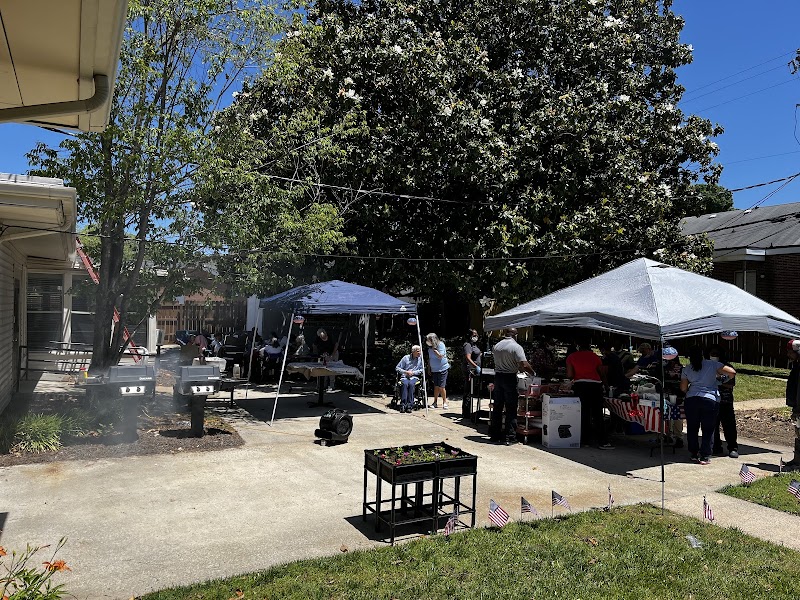
Who Owns and Operates Magnolia Manor - Rock Hill?

Magnolia Manor - Rock Hill is owned by a for-profit company. For-profit facilities operate as businesses with obligations to shareholders or private owners. The facility is operated by FUNDAMENTAL HEALTHCARE, a chain that manages multiple nursing homes. With 106 certified beds and approximately 91 residents (about 86% occupancy), it is a mid-sized facility located in Rock Hill, South Carolina.

How Does Magnolia Manor - Rock Hill Compare to Other South Carolina Nursing Homes?

Compared to the 100 nursing homes in South Carolina, Magnolia Manor - Rock Hill's overall rating (1 stars) is below the state average of 2.8, staff turnover (40%) is near the state average of 46%, and health inspection rating (1 stars) is much below the national benchmark.

What Should Families Ask When Visiting Magnolia Manor - Rock Hill?

Based on this facility's data, families visiting should ask: "What changes have been made since the serious inspection findings, and how are you preventing similar issues?" "What safeguards and monitoring systems are in place to protect residents from abuse or neglect?" "Can you walk me through typical staffing levels on day, evening, and night shifts?" "Can I visit during a mealtime to observe dining assistance and food quality?" These questions are particularly relevant given the facility's Immediate Jeopardy citations, the substantiated abuse finding on record, and the below-average staffing rating.

Is Magnolia Manor - Rock Hill Safe?

Based on CMS inspection data, Magnolia Manor - Rock Hill has documented safety concerns. The facility has 1 substantiated abuse finding (meaning confirmed case of resident harm by staff or other residents). Inspectors have issued 5 Immediate Jeopardy citations (the most serious violation level indicating risk of serious injury or death). The facility has a 1-star overall rating and ranks #100 of 100 nursing homes in South Carolina. Families considering this facility should ask detailed questions about what corrective actions have been taken since these incidents.

Do Nurses at Magnolia Manor - Rock Hill Stick Around?

Magnolia Manor - Rock Hill has a staff turnover rate of 40%, which is about average for South Carolina nursing homes (state average: 46%). Moderate turnover is common in nursing homes, but families should still ask about staff tenure and how the facility maintains care continuity when employees leave.

Was Magnolia Manor - Rock Hill Ever Fined?

Magnolia Manor - Rock Hill has been fined $127,433 across 5 penalty actions. This is 3.7x the South Carolina average of $34,353. Fines at this level are uncommon and typically indicate a pattern of serious deficiencies, repeated violations, or failure to correct problems promptly. CMS reserves penalties of this magnitude for facilities that pose significant, documented risk to resident health or safety. Families should request specific documentation of what issues led to these fines and what systemic changes have been implemented.

Is Magnolia Manor - Rock Hill on Any Federal Watch List?

Magnolia Manor - Rock Hill is not on any federal watch list. The most significant is the Special Focus Facility (SFF) program, which identifies the bottom 1% of nursing homes nationally based on persistent, serious quality problems. Not being on this list means the facility has avoided the pattern of deficiencies that triggers enhanced federal oversight. This is a positive indicator, though families should still review the facility's inspection history directly.