White Oak Manor - Rock Hill
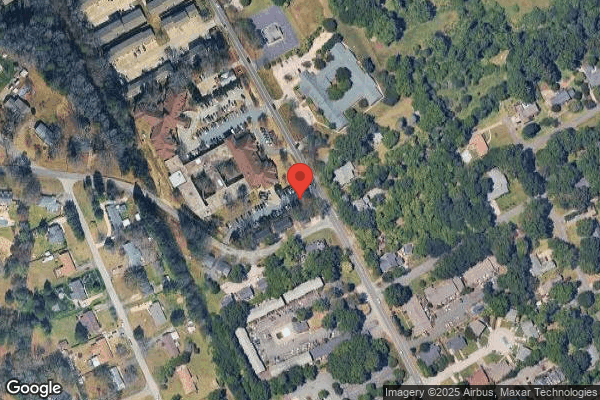
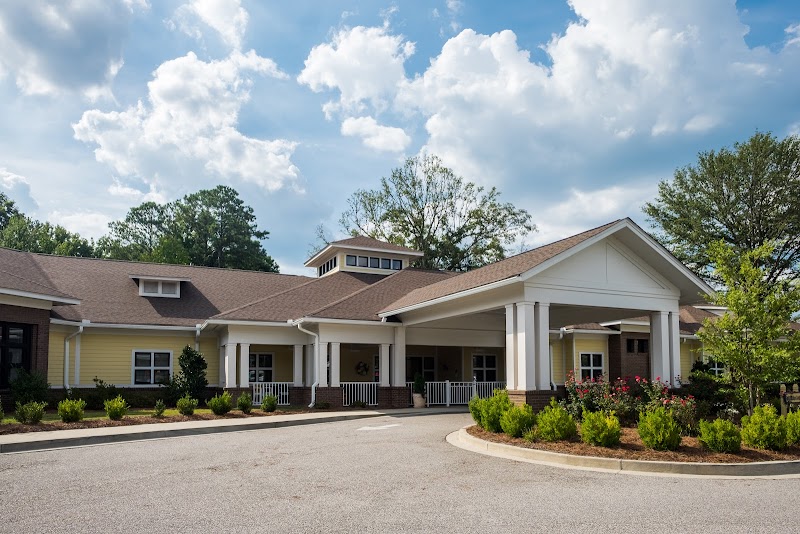
1915 Ebenezer Road, Rock Hill, SC 29732 (803) 366-8155
For profit - Limited Liability company 136 Beds WHITE OAK MANAGEMENT Data: November 2025 1 Immediate Jeopardy citation
Trust Grade
51/100
#103 of 186 in SC
Last Inspection: March 2025

Within standard 12-15 month inspection cycle. Federal law requires annual inspections.

Overview

White Oak Manor in Rock Hill, South Carolina, has a Trust Grade of C, which indicates it is average compared to other facilities. It ranks #103 out of 186 in the state and #7 out of 8 in York County, placing it in the bottom half of options available locally. The facility is improving, with issues decreasing from 8 in 2023 to 3 in 2025, but still has some concerning safety incidents. Staffing is a strength, rated 4 out of 5 stars, with a turnover rate of 34%, which is well below the state average. However, there were critical concerns, including a resident successfully leaving the facility unsupervised and potential food safety violations, indicating some areas need significant improvement. While RN coverage is average, the presence of multiple deficiencies suggests that families should carefully consider these factors when researching this nursing home.

Trust Score
C
51/100
In South Carolina
#103/186
Bottom 45%
Safety Record
High Risk
Review needed
Inspections
Getting Better
8 → 3 violations
Staff Stability
○ Average
34% turnover. Near South Carolina's 48% average. Typical for the industry.
Penalties
✓ Good
$7,446 in fines. Lower than most South Carolina facilities. Relatively clean record.
Skilled Nurses
○ Average
Each resident gets 30 minutes of Registered Nurse (RN) attention daily — about average for South Carolina. RNs are the most trained staff who monitor for health changes.
Violations
⚠ Watch
20 deficiencies on record. Higher than average. Multiple issues found across inspections.
★★★☆☆
3.0
Overall Rating
★★★★☆
4.0
Staff Levels
★★★★☆
4.0
Care Quality
★★★☆☆
3.0
Inspection Score
Stable
2023: 8 issues
2025: 3 issues

The Good

  • 4-Star Staffing Rating · Above-average nurse staffing levels
  • 4-Star Quality Measures · Strong clinical quality outcomes
  • Full Sprinkler Coverage · Fire safety systems throughout facility
  • No fines on record
  • Staff turnover below average (34%)

    14 points below South Carolina average of 48%

Facility shows strength in staffing levels, quality measures, fire safety.

The Bad

3-Star Overall Rating

Near South Carolina average (2.8)

Meets federal standards, typical of most facilities

Staff Turnover: 34%

12pts below South Carolina avg (46%)

Typical for the industry

Federal Fines: $7,446

Below median ($33,413)

Minor penalties assessed

Chain: WHITE OAK MANAGEMENT

Part of a multi-facility chain

Ask about local staffing decisions and management

The Ugly 20 deficiencies on record

1 life-threatening
Mar 2025 3 deficiencies
CONCERN (D)

Potential for Harm - no one hurt, but risky conditions existed

Assessment Accuracy (Tag F0641)

Could have caused harm · This affected 1 resident

**NOTE- TERMS IN BRACKETS HAVE BEEN EDITED TO PROTECT CONFIDENTIALITY** Based on interview, observation, record review, and review of the Resident Assessment Instrument (RAI) manual, the facility fail...

Read full inspector narrative →
**NOTE- TERMS IN BRACKETS HAVE BEEN EDITED TO PROTECT CONFIDENTIALITY** Based on interview, observation, record review, and review of the Resident Assessment Instrument (RAI) manual, the facility failed to ensure the accuracy of the Minimum Data Set (MDS) assessment for 3 residents in a total sample of 35 residents (Resident (R)52, R73, and R131) whose assessments were reviewed. The facility failed to accurately assess R52's cognitive patterns and mood, R73's use of an indwelling urinary catheter, and R131's fall history. These failures placed the residents at risk of having unmet care needs and services. Findings include: Review of the RAI Manual 3.0, dated 10/19 revealed, . If an MDS assessment is found to have errors that incorrectly reflect the resident's status, then that assessment must be corrected . 1. Review of R52's undated Face Sheet, located in the Resident tab in the electronic medical record (EMR), revealed the resident was admitted to the facility on [DATE], with diagnoses including but not limited to: muscle weakness, difficulty in walking, lack of coordination, muscle wasting and atrophy, osteoporosis, and pressure ulcer of left buttock. Review of R52's quarterly MDS, with an Assessment Reference Date (ARD) of 02/12/25, located in the RAI tab of the EMR, did not include information on the residents' Cognitive Patterns, which included a Brief Interview for Mental Status (BIMS) score or the resident's Mood which included a Mood interview and staff assessment of the resident's mood. During an interview on 03/11/25 at 4:20 PM, R52 answered questions appropriately and displayed no problems with her memory recall or her mood. During an interview on 03/13/25 at 2:10 PM, the Assistant Director of Nursing (ADON) confirmed staff failed to assess R52's cognitive patterns and mood on the resident's 02/12/25 Quarterly MDS. 2. Review of R73's undated Face Sheet, located in the Resident tab in the EMR, revealed the was admitted to the facility on [DATE], with diagnoses including but not limited to: cerebral infarction (stroke), neuromuscular dysfunction of the bladder, and personal history of urinary tract infections. Review of R73's current Care Plan, located in the RAI tab in the EMR, indicated, Problem: At risk for further UTI r/t indwelling foley cath [catheter] due to Neuromuscular dysfunction of bladder and hx [history] of UTI. The care plan Problem had a start date of 02/22/22. Review of R73's current March 2025 physician's orders, located in the Resident tab in the EMR, indicated, Foley catheter 14FR 3CC related to neuromuscular dysfunction of the bladder. The order's start date was 08/05/24. Review of a 12/27/24 nursing note for R73, located in the Resident tab in the EMR, indicated, Indwelling urinary cath [catheter] patent and intact. Cath bag replaced, dated, and initialed. Review of R73's annual MDS with an ARD of 01/08/25, located in the RAI tab of the EMR, indicated R73 did not utilize an indwelling urinary catheter. Observation on 03/11/25 at 11:37 AM, revealed R73 was in bed with a urine collection bag, which contained urine, hanging from the side of her bed. During an interview on 03/13/25 at 2:10 PM, the Assistant Director of Nursing (ADON) stated R73 currently utilized an indwelling urinary catheter and had an indwelling urinary catheter when her 01/08/25 annual MDS was completed. The ADON confirmed R73's 01/08/25 annual MDS was not accurate because it specified the resident did not have an indwelling urinary catheter present at this time. 3. Review of R131's undated Face Sheet, located in the Resident tab in the EMR, revealed R131 was admitted to the facility on [DATE], with diagnoses including but not limited to: restlessness and agitation, and hemiplegia and hemiparesis following cerebral infarction affecting right dominant side. Review of a 08/28/24 nursing note for R131, located in the Resident tab in the EMR, indicated, Alerted by staff that resident was laying [sic] on the floor in his room. Noted resident laying [sic] beside bed near closet. Review of a 08/29/24 nursing note for R131, located in the Resident tab in the EMR, indicated, Res [Resident] fell yesterday and x-rays revealed res has a R [right] hip fx [fracture] r/t [related to] same. Review of R131's quarterly MDS with an ARD of 09/26/24, following his fall on 08/29/24, located in the RAI tab of the EMR, indicated that R131 had not experienced any falls. During an interview on 03/13/25 at 10:52 AM, the Administrator stated R131 experienced a fall on 08/29/24 which resulted in a fracture. The Administrator confirmed R131's quarterly MDS dated 09/26/24 was inaccurate because it indicated the resident had not experienced any falls.
CONCERN (D)

Potential for Harm - no one hurt, but risky conditions existed

Quality of Care (Tag F0684)

Could have caused harm · This affected 1 resident

Based on observation, record review, interview, and facility policy review, the facility failed to provide resident care as ordered by the physician for 1 (Resident (R)20) of the 4 residents observed ...

Read full inspector narrative →
Based on observation, record review, interview, and facility policy review, the facility failed to provide resident care as ordered by the physician for 1 (Resident (R)20) of the 4 residents observed during medication pass. The failure to have a physician's order increased the risk of residents receiving unnecessary or inappropriate care. Findings include: Review of the facility policy titled Oral Medication Administration Procedure, reviewed 08/16/21, lacked direction to verify a physician has ordered all medications the nurse has prepared to administer to the resident. Review of R20's electronic medical record (EMR) under the Census tab revealed an admission date of 11/23/22, with diagnoses including but not limited to: epilepsy, cerebral vascular accident (stroke), and chronic obstructive pulmonary disease. Review of the physician orders under the EMR Orders tab revealed no order for a multivitamin with minerals to be administered to R20. Observation of Licensed Practical Nurse (LPN)2 on 03/13/25 at 9:12 AM, revealed LPN2 prepared and administered the multivitamin with minerals to R20 without a physician's order. During an interview on 03/13/25 at 10:19 AM, the Director of Nursing (DON) confirmed LPN2 administered a medication to R20 without a physician's order.
CONCERN (D)

Potential for Harm - no one hurt, but risky conditions existed

Deficiency F0806 (Tag F0806)

Could have caused harm · This affected 1 resident

**NOTE- TERMS IN BRACKETS HAVE BEEN EDITED TO PROTECT CONFIDENTIALITY** Based on observation, interview, record review, and facility policy review, the facility failed to serve an alternate food for a...

Read full inspector narrative →
**NOTE- TERMS IN BRACKETS HAVE BEEN EDITED TO PROTECT CONFIDENTIALITY** Based on observation, interview, record review, and facility policy review, the facility failed to serve an alternate food for a dessert that contained eggs and served cheese at a meal to a resident with known allergies to eggs and milk for 1 of 2 residents (Resident (R)180) reviewed for food allergies out of 35 sampled residents. This failure had the potential to cause health and/or nutritional complications for this resident. Findings include: Review of the facility's policy titled, Allergies, with a revision date of 12/07/10, indicated, Objective: 1. To prevent anaphylaxis [a severe, life-threatening allergic reaction]. 2. To prevent allergic reactions. Equipment 1. Resident admission record indicating food and drug sensitivities. Procedure 1. Obtain information on admission of resident - if allergic to drugs or specific food items or has any contact allergies . 6. Notify Dietary Department if allergic to certain foods. Key Points Indicate of diet slip . Review of R180's undated Face Sheet located under the Resident tab of the electronic medical record (EMR), revealed R180 was admitted to the facility on [DATE], with diagnoses including but not limited to: type 2 diabetes, chronic kidney disease, and chronic obstructive pulmonary disease. Food allergies listed on the resident's Face Sheet included eggs, milk, pineapple, and shrimp. Review of R180's current care plan, with an initiation date of 02/20/25, located under the RAI (Resident Assessment Instrument) tab of the EMR, contained the following Problem which specified, [R180] . multiple food allergies. The care plan's Goal indicated, [R180] will not experience undesired, significant wt [weight] change through review date or have adverse reactions to consuming food allergies. A care plan approach indicated, Avoid food allergies. Review of R180's current physician orders, located under the Resident tab of the EMR, revealed the following diet order, Regular Special Instructions: Multiple food allergies: apples, pineapple, grapes, eggs, milk, and shellfish. The diet order's start date was noted as 02/22/25. Review of R180's admission Minimum Data Set (MDS) with an Assessment Reference Date (ARD) of 02/25/25, located in the EMR under the RAI tab, revealed a Brief Interview for Mental Status (BIMS) score of 14 out of 15, which indicated R180 was cognitively intact. Review of R180's Nutritional Screening/Review, dated 02/25/25 and located in the Resident tab of the EMR, indicated, . Food allergies to apples, pineapple, grapes, shrimp, eggs, milk, and shellfish honored. [R180] was admitted to facility on 2/19 on regular diet. She can communicate needs-dietary honors preferences/dislikes . During an interview on 03/11/25 at 12:16 PM, R180 was in her room waiting for her lunch meal to be served. R180 stated she had a list of food intolerances and allergies that she had informed the facility about but was frequently served foods at meals that she was allergic to and at times she was not served an alternate food on her meal tray in place of a food to which she was allergic. R180 specified she had an allergy to eggs and was lactose intolerant and was recently served egg noodles. During an observation and interview on 03/11/25 at 12:36 PM, revealed R180 was in her room with her lunch meal tray. Observation of R180's meal revealed she was not served a dessert. Review of the tray slip served with the resident's meal indicated, Please be aware of allergies eggs, milk, pineapple, shellfish, apple, pears. The tray slip listed the foods the resident was to receive at this meal but did not indicate the resident was to receive a dessert. R180 stated she did not know why she was not served a dessert with her meal. During an interview on 03/11/25 at 12:41 PM, the Dietary Director (DD) stated R180 did not receive the banana cake that was planned on the lunch menu because it contained eggs, and the resident was allergic to eggs. The DD stated R180 should have been served an alternate dessert on her meal tray in place of the banana cake. During an observation on 03/11/25 at 12:44 PM, the DD provided R180 with a serving of mandarin oranges as a dessert to eat with her lunch and confirmed the resident was not served a dessert with this meal. During an observation on 03/12/25 at 12:49 PM, revealed R180 was in her room with her lunch meal tray. The resident was observed picking off the shredded cheese that was served on top of her salad. During an interview on 03/12/25 at 12:49 PM, R180 stated she was picking off the cheese from her salad because she was lactose intolerant and could not eat cheese. R180 specified she had previously informed the kitchen staff that she was unable to eat cheese, but she was still served cheese and foods that contained cheese at meals. During an interview on 03/12/25 at 1:10 PM, the DD observed R180's meal tray and confirmed she was served shredded cheese on her salad. The DD confirmed R180 should not have been served cheese due to her allergies.
Dec 2023 5 deficiencies
CONCERN (D)

Potential for Harm - no one hurt, but risky conditions existed

Incontinence Care (Tag F0690)

Could have caused harm · This affected 1 resident

**NOTE- TERMS IN BRACKETS HAVE BEEN EDITED TO PROTECT CONFIDENTIALITY** Based on observations, interviews, record review, and review of facility documentation, the facility failed to provide catheter ...

Read full inspector narrative →
**NOTE- TERMS IN BRACKETS HAVE BEEN EDITED TO PROTECT CONFIDENTIALITY** Based on observations, interviews, record review, and review of facility documentation, the facility failed to provide catheter care by means to prevent and/or decrease the spread of infections, for 1 of 4 residents reviewed for catheter care. Findings include: Review of a document provided by the facility titled, Female Catheter Care (One Step) with a revised date of 08/04/14, documented, Catheter care will be one time daily utilizing a one-step/no-rinse method . Purpose To keep indwelling catheter free of discharge and/or crusting which can cause infection. Procedure 6. Separate labia and cleanse one side using front-to-back stroke, using first towelette, and discard. Do not release labia. 7. Repeat Step 6 with second towelette and discard. 8. Using third wipe, cleanse 4-6 inches of catheter. Start at meatus with the stroke. Hold the tubing to avoid tension on the bladder. Review of an inservice document dated 08/31/23 provided by the facility titled, Urinary Tract Infection revealed, Catheters Older adults who use catheters are more likely to develop infections, especially if nursing staff are not using sterile techniques and catheters are not changed often. Further review of this inservice revealed a document titled Foley Catheter Maintenance which documented, Note: Catheter tubing to be secured to resident's thigh utilizing a leg strap unless contraindicated. Review of Resident (R)94's Face Sheet revealed R94 was admitted to the facility on [DATE], with diagnoses including but not limited to: history of urinary tract infections, type 2 diabetes, vascular dementia, and neuromuscular dysfunction of bladder. Review of R94's Physician Orders revealed, Foley catheter 14FR 30CC related to neuromuscular dysfunction of the bladder, Catheter care daily with premoistened towelettes Neuromuscular dysfunction of bladder. Review of R94's Care Plan with a start date of 02/22/22 revealed, At risk for further UTI r/t indwelling foley cath and hx of UTI with a goal stating, Will be free of further infection. Review of R94's Care Plan with a start date of 10/12/23 revealed, At increased risk of infection r/t Foley and GT with a goal stating, Resident will not exhibit any signs and symptoms of infection thru next review. Review of R94's Lab Results dated 08/30/23, 10/06/23, and 12/05/23, revealed tests for BacterioScan UTI Scan, Urinalysis, Culture, Urine all with a Presumptive Positive result. During an observation on 12/10/23 at 3:17 PM, R94 was in bed, bed was in the lowest position. R94's catheter bag was attached to the side of the bed, but the catheter bag was on the floor. During an observation of catheter care (observed by the Registered Nurse (RN) Surveyor) on 12/12/23 at 9:52 AM revealed, Certified Nursing Assistant (CNA)2 did not spread the labia in order to cleanse the sides. CNA1 turned R94 on her left side, leaving the catheter bag on the right side of the bed. The catheter tubing was stretched out and pulling while CNA2 cleansed R94's buttocks. R94's catheter tubing was not secured for the entirety of catheter care. After catheter care was complete, the CNAs covered R94 with a sheet and blanket, but no leg strap or other device was applied to secure the catheter tubing. During an interview 12/12/23 at approximately 10:15 AM, CNA1 and CNA2 stated, they did not usually take care of the resident, but they had the policy and was attempting to follow the steps to provide catheter care. During an interview on 12/12/23 at 1:58 PM, the Director of Nursing stated, Nerves play a part, they let nerves get the best of them. The expectation is that they follow protocol. I will go and check and make sure a leg strap is in place. During an interview on 12/12/23 at 2:10 PM, the Administrator stated, her expectation regarding catheter care is to follow the policy and procedure regarding appropriate cleaning.
CONCERN (D)

Potential for Harm - no one hurt, but risky conditions existed

Deficiency F0698 (Tag F0698)

Could have caused harm · This affected 1 resident

**NOTE- TERMS IN BRACKETS HAVE BEEN EDITED TO PROTECT CONFIDENTIALITY** Based on review of facility policy, record review, and interviews, the facility failed to maintain ongoing communication and col...

Read full inspector narrative →
**NOTE- TERMS IN BRACKETS HAVE BEEN EDITED TO PROTECT CONFIDENTIALITY** Based on review of facility policy, record review, and interviews, the facility failed to maintain ongoing communication and collaboration with the dialysis center for 1 of 1 resident reviewed for dialysis. This failure had the potential to affect the care Resident (R)96 received before, during and after dialysis treatment. Findings include: Review of the facility policy titled Care of the Dialysis Resident with a revised date of 12/17/21 documented, Purpose/Objective: To maintain a patent access site for utilization during the dialysis process. Communication: An open line of communication is imperative between the facility, the dialysis clinic, and the attending physician for the overall well-being of the resident. Review of R96's Face Sheet revealed R96 was admitted to the facility on [DATE] and readmitted on [DATE]. R96 was admitted with diagnoses including but not limited to: dependence on renal dialysis, end stage renal disease, and dementia. Review of R96's Physician Orders, revealed the following pertinent orders: Check dialysis shunt to right upper chest for thrill and bruit every shift, Dialysis on Monday, Wed, Fri at [local dialysis center], No B/P's or sticks to right upper extremity r/t dialysis shunt, Obtain vital signs upon returning from dialysis every evening shift M-W-F Order. Review of R96's Dialysis Communication Forms from 11/23 - 12/23, revealed no communication forms for the following dates: 11/01/23, 11/03/23, 11/10/23, 11/13/23, 11/15/23, 12/01/23, 12/04/23, and 12/08/23. Furthermore, the Dialysis Communication Forms provided for the following dates, did not have a Physicians signature: 11/22/23, 11/24/23, and 11/27/23. During an interview on 12/12/23 at 1:55 PM, the Director of Nursing (DON) stated, I will find out about the days missing and get those to you ASAP. We send a notebook with the resident to dialysis and when he is done with the treatment he brings the notebook back with him. But he left it at the center when he went for treatment yesterday. During an interview on 12/12/23 at 2:09 PM, the Administrator stated, the communication form is supposed to be sent with each resident and returned with the resident and than reviewed at the facility.
CONCERN (D)

Potential for Harm - no one hurt, but risky conditions existed

Deficiency F0790 (Tag F0790)

Could have caused harm · This affected 1 resident

**NOTE- TERMS IN BRACKETS HAVE BEEN EDITED TO PROTECT CONFIDENTIALITY** Based on interview and record review, the facility failed to provide dental services for routine maintenance of dentures to prev...

Read full inspector narrative →
**NOTE- TERMS IN BRACKETS HAVE BEEN EDITED TO PROTECT CONFIDENTIALITY** Based on interview and record review, the facility failed to provide dental services for routine maintenance of dentures to prevent loss, for 1 of 1 resident reviewed for dental services, Resident (R)119. Findings include: Review of R119's Face sheet revealed R119 was admitted to the facility on [DATE] with diagnoses including but not limited to: displaced timolol fracture of lower leg, routine heal, muscle weakness, abnormalities of gait/mobility and dysphagia. Review of R119's Quarterly Minimum Data Set (MDS) with an Assessment Reference Date (ARD) date of 11/22/23 revealed a Brief Interview for Mental Status (BIMS) score of 14 out of 15, indicating R119 was cognitively intact. Review of R119's Nutrition Progress Note dated 09/06/23 documented, the absence lower dentation with extended for bolus formation and delayed oral transit. During an interview on 12/10/23 at 10:59 AM, R119 stated she has dentures, but she has not seen them in a while. R119 further stated she has not seen a dentist and she would like her dentures to eat. During an interview on 12/12/23 at 2:30 PM, the Director of Nursing (DON) stated the facility doesn't have a policy for dental services, but they do have a dental contract with a dentist who provides services every 2 to 3 months. The DON further stated she wasn't sure if R119 uses dentures. During an interview on 12/12/23 at 3:12 PM, the Social Services Director (SSD) stated she was not aware R119 had dentures. The SSD further stated she spoke with a Certified Nursing Assistant on the unit and was informed R119 did have dentures, but they aren't sure what happened to them. During an interview on 12/12/23 at 3:38 PM, the Administrator stated her expectations are to follow policies and procedures.
CONCERN (F)

Potential for Harm - no one hurt, but risky conditions existed

Food Safety (Tag F0812)

Could have caused harm · This affected most or all residents

Based on observations, interviews and review of facility policy, the facility failed to ensure proper storage and labeling of foods in 1 of 1 main kitchen. Findings include: Review of the facility pol...

Read full inspector narrative →
Based on observations, interviews and review of facility policy, the facility failed to ensure proper storage and labeling of foods in 1 of 1 main kitchen. Findings include: Review of the facility policy titled Storage of Food and Supplies with a revised date of 12/05/17, documented, Purpose: To ensure foods and supplies are stored appropriately to maintain wholesomeness and meet regulatory guidelines. Procedures: 1 . TCS foods, (Time/Temperature Control for Safety), must be marked with a discard date not to exceed seven days. Any prepared/combined in-house or on-site recipes using TCS foods must be labeled with the name, date, with the prepared and discarded date of 72 hours/3 days from the date prepared . Non-TCS foods should be dated when opened and may be used until the expiration or use-by manufacturer's date. 2. Dented cans are removed and stored in a designated location. 3. Dry and staple food items are stored on dollies, at least six inches from the floor for stationary shelving. 5. Staple, frozen, and refrigerated foods . Foods removed from the original packaging will be labeled with the received date, either individually or as a unit. 6. TCS (time controlled for safety) foods are stored in the refrigerator in a manner to prevent cross-contamination. When meat/poultry/fish products require simultaneous refrigerated storage, the items are stored from bottom shelf to top in this order: Poultry, meat, fish, then ready-to-eat. 7. Any food removed from its original package must be labeled with proper identifying information such as the name of the product, date it was opened on its original package, and discard date. During the initial tour of the kitchen on 12/10/23 at 10:22 AM, the following was observed in the walk-in refrigerator not properly labeled: a tray containing 4 cups of a thick liquid, 2 pans of unidentified fruit cobbler, 1 container of boiled eggs, 2 packs of sliced yellow and white cheese, 1 tray containing 4 bowls of salad, 2 tubs of raw chicken (thawing) and 1 tub of raw beef (thawing). Furthermore, the 2 tubs of chicken was observed thawing on a shelf above the 1 tub of beef. During the initial tour of the kitchen on 12/10/23 at 10:22 AM, the following was observed in the dry storage area: 1 dented can of Campbells Cream of celery 50 oz (stored with cans in use), 1 unidentifiable can with no label or manufacture label (stored with cans in use), and 1 case of Frosted Flakes cereal stored on the floor. During an interview on 12/12/23 at 1:43 PM, the Kitchen Manager stated, When we get our delivery's on Monday and Thursday, we use a date gun and hit everything. The date gun ran out of paper and jammed and that's why some things weren't labeled. I usually check everyday when I come in to make sure everything is rotated and not expired.
CONCERN (F)

Potential for Harm - no one hurt, but risky conditions existed

Infection Control (Tag F0880)

Could have caused harm · This affected most or all residents

**NOTE- TERMS IN BRACKETS HAVE BEEN EDITED TO PROTECT CONFIDENTIALITY** (2.) Review of the undated facility policy titled, Housekeeping/Laundry revealed, The facility provides and maintains a safe, sa...

Read full inspector narrative →
**NOTE- TERMS IN BRACKETS HAVE BEEN EDITED TO PROTECT CONFIDENTIALITY** (2.) Review of the undated facility policy titled, Housekeeping/Laundry revealed, The facility provides and maintains a safe, sanitary, and attractive environment. The interior and exterior of the facility shall be maintained in a safe, sanitary, orderly, and attractive manner. The laundry department is cleaned by laundry and/or housekeeping personnel. This includes equipment. During an observation of laundry services on 12/11/23 at 1:31 PM revealed, Laundry Worker 1 (LN)1 collected yellow soiled linen cart/bin from the hall. After sorting the soiled linens in the cart, LN1 placed the soiled cart back in line with the other carts without sanitizing/cleaning cart before replacing the liner. Furthermore, LN1 placed linen in the washer, adjusted the gauge for soiled linen and then removed her apron. LN1 than washed her hands, but did not sanitize the washer after use. During an interview on 12/11/23 at approximately 1:45 PM, LN1 stated she would normally sanitize the machine with Clorox sanitizing spray, and sanitizing wipes after use. During an interview on 12/11/23 at 2:06 PM, the Director of Laundry Services confirmed that prior to placing items in the laundry machine, the machine should be sanitized and further confirmed that the yellow soiled carts/bin should be sanitized before replacing liner. During an interview on 12/12/23 at approximately 3:38 PM, the Administrator revealed her expectation of laundry services is to follow the facilities policy and procedures pertaining to laundry in order to prevent the spread of infectious diseases. Based on observations, interviews, and review of the facility policy, the facility failed to follow proper infection control standards to (1.) prevent or decrease the spread of infections when passing out meal trays. Additionally, the facility failed to (2.) properly sanitize laundry carts and laundry machines. This failure had the potential to effect all residents in the facility. Findings include: (1.) During dining observation of lunch on 12/11/23 at 12:14 PM, Certified Nursing Assistant (CNA)1 was observed delivering a lunch tray to room [ROOM NUMBER], signage was present indicating the resident was on transmission based precautions. CNA1 delivered the tray to the resident and exited the room without performing hand hygiene. CNA1 proceeded to the meal cart and grabbed another tray, CNA1 still did not perform hand hygiene before grabbing another tray. CNA1 entered room [ROOM NUMBER], placed the lunch tray on the resident's roommate's bed and proceeded to wipe down the bedside table for the resident. CNA1 uncovered the plate, exposing the food while the tray was still on the roommate's bed. CNA1 than placed the tray on the resident's bedside table and handed the resident a fork by grabbing the part of the fork that is placed in the mouth. During an interview on 12/11/23 at 12:21 PM, CNA1 stated she forgot to sanitize her hands. CNA1 further stated, I would usually place the tray on another table, but there was not one in there so I sat the tray on the roommates bed. During an interview on 12/12/23 at 1:43 PM , the Kitchen Manager (KM) stated, We work together for tray service. I usually don't train or oversee tray service. I make sure everything is plated properly. I don't have the responsibility of making sure the CNAs are serving properly. During an interview on 12/12/23 at 1:50 PM, the Director of Nursing (DON) stated the CNA was supposed to sanitize her hands coming out of the room. The DON further stated she should have set the tray on the sink instead of the bed. I would not want them sitting the trays on the bed and also to sanitize their hands in between tray service. During an interview on 12/12/23 at 2:05 PM, the Administrator stated, They are supposed to sanitize inbetween residents and they definitely cannot put trays on the bed.
Sept 2023 1 deficiency 1 IJ
CRITICAL (J) 📢 Someone Reported This

A family member, employee, or ombudsman was alarmed enough to file a formal complaint

Immediate Jeopardy (IJ) - the most serious Medicare violation

Accident Prevention (Tag F0689)

Someone could have died · This affected 1 resident

**NOTE- TERMS IN BRACKETS HAVE BEEN EDITED TO PROTECT CONFIDENTIALITY** Based on interview, record review, and review of facility policy, the facility failed to ensure adequate supervision to Resident...

Read full inspector narrative →
**NOTE- TERMS IN BRACKETS HAVE BEEN EDITED TO PROTECT CONFIDENTIALITY** Based on interview, record review, and review of facility policy, the facility failed to ensure adequate supervision to Resident (R)5 in order to prevent a successful elopement from the facility. Specifically, R5 successfully eloped from the facility and was found in the parking lot of the facility on 09/11/23 at approximately 9:00 PM. On 09/13/23 at 3:30 PM, the State Agency (SA) determined that the facility's non-compliance with one or more federal health, safety, and/or quality regulations has caused or was likely to cause serious injury, serious harm, serious impairment, or death. On 09/13/23 at 4:33 PM the Administrator was notified that the failure to adequately supervise Resident (R)5 to prevent a successful elopement from the facility on 09/11/23 at approximately 9:00 PM constituted Immediate Jeopardy (IJ) at F689. On 09/13/23 at 4:33 PM, the survey team provided the Administrator with a copy of the CMS IJ Template and informed the facility that IJ existed as of 09/11/23, when R5 had successfully eloped from the facility. The IJ was related to 42 CRF 483.25 - Accidents - The resident has a right to receive adequate supervision and assistance devices to prevent accidents. On 09/14/23 at 12:57 PM, the facility presented an acceptable plan of removal of the IJ. The survey team validated that the IJ was removed on 09/13/23, following the facility's implementation of the plan of removal of the IJ. The facility remained out of compliance at F689 at a lower scope and severity of D. An extended survey was conducted in conjunction with the Complaint survey for non-compliance at F689 constituting substandard quality of care. Findings include: Review of the undated facility policy titled Exit-Seeking Policy and Protocol revealed, the purpose of this policy is to maintain the resident(s) safety in the least restrictive as possible. The procedure includes: identify those residents who exhibit exit seeking behaviors. On admission assess for exit seeking and/or elopement potential (expressions of desire to leave the facility, cognitive deficits, mal-adjustments, past history as learned from family and/or written reports. During a change of status assess for exit seeking behaviors of the resident who has experienced a decline in cognition and is exhibiting verbal desire to exit the facility or the resident who attempted to leave the facility. The resident current status assess any resident who has had a history of attempting to exit the facility and/or who has expressed verbally or through body language a desire to leave the facility. Review of R5's Face Sheet revealed R5 was admitted to the facility on [DATE] with the diagnoses including but not limited to, dementia without behaviors, type 2 diabetes, heart failure, and major depressive disorder. Review of R5's admission Minimum Data Set (MDS) with an Assessment Reference Date (ARD) of 09/03/23 revealed R5 had a Brief Interview of Mental Status (BIMS) score of 5 out of 15 which indicates R5 is not cognitively intact. Further review of the MDS revealed that R5 had no wandering behaviors during the assessment period. Review of R5's Nurse's Note dated 09/11/23 at 9:42 PM revealed resident found in the parking lot; staff brought him back in. The resident was compliant and was put to bed, 1:1 observation was initiated until further notice. Administration, the Medical Director, and R5 Resident Representative notified of occurrence. Review of R5's Elopement Risk Tool dated 09/04/23 revealed R5 was not found to be at risk for elopement during the assessment period. During an interview on 09/13/23 at 11:19 AM, Licensed Practical Nurse (LPN)1 stated, I was called by [LPN2] and was told that [Certified Nursing Assistant (CNA)1] was going to her lunch break when they saw the resident outside in the parking lot close by the front entrance. We are unsure of what door the resident was able to leave out of because the facility does not have cameras and I was told that no alarms went off. The resident often has visits with his son and at times leaves the building with his son and may have remembered how to leave the building that way. This was the resident's first time having an exit-seeking behavior, I am unsure if the resident had any elopement assessment prior to this incident but one was completed after the incident along with an electronic monitoring bracelet. The resident was placed on a one on one observation at first then later was put on 1-hour rounds to ensure that he remained in his room for the rest of the night. During an interview on 09/13/23 at 11:28 AM, LPN2 stated, [CNA1] was going to lunch around 9:00 PM and when she went outside, she saw the resident outside in the parking lot, she was able to encourage the resident to come back inside. We were not able to determine how long the resident was outside or how far away he wandered before he was found but my last observation of him was around 6:45 PM or 7:00 PM when I was going to lunch, and I saw his CNA bringing him back to his unit from another area in the facility. I am unsure if the resident had any elopement assessments, this was the first time that he had any exit-seeking behaviors, but he had been acting 'kind of weird' that night. After the resident was brought into the facility, I completed an assessment on him, and he had no injuries or signs of harm and we put an electronic monitoring device on his ankle. We also had a CNA sitting with him for one on one observation before we put the electronic monitoring device then after we had rounds on him for every hour until the end of my shift. During an interview on 09/13/23 at 12:08 PM, CNA1 stated, I was going outside for my lunch break a little after 9:00 PM and I saw the resident in the parking lot in his wheelchair. I wasn't his CNA that night so I went to get CNA2 and we were able to encourage him to come back inside. I don't remember hearing any door alarms going off and I don't know how he was able to leave or get out of the gate. The last time I saw the resident before I found him outside, he was asking out how he could get outside but I did not think he would try to leave, this was the first time he ever had exit-seeking behaviors. During an interview on 09/13/23 at 3:05 PM, CNA2 stated, I was assigned to the resident on 09/11/23 on the night he eloped from the facility. The resident was wearing a shirt and some pants with shoes and the weather was nice outside. The last time I saw the resident was at dinner time, but I am not sure what exact time that was. When [CNA1] went on her lunch break she saw the resident outside by the front door and she came to get me because he was my resident and we both brought him back inside. I am not sure how he was able to get out of the building. A follow-up interview on 09/13/23 at 3:20 PM, CNA1 revealed that R5 was wearing a shirt, pants, and non-slip socks but did not have on shoes. The facility's removal plan for F689 included: Facility staff redirected R5 back into the facility with no concerns, and a body audit was performed and was noted with no injury. Staff interviews revealed R5 had no signs of emotional distress. The on-call healthcare provider and Resident Representative were notified, and a electronic monitoring device was applied on R5 lower extremity. A second body audit was performed by a licensed nurse and revealed no latent signs of injury. An audit of current residents was completed by reassessing them on whether or not they are at risk for elopement. The residents with exit-seeking behaviors were updated included R5. This audit was completed on 09/13/23 by the Social Services Director. The facility implemented an evening shift receptionist at the front door until 8:00 PM, the front doors are locked from inside, requiring a code to exit the facility. Facility staff will be reeducated on the exit seeking protocol and missing resident policy to ensure the residents are supervised adequately and maintain safety measures for residents with exit seeking behaviors. This reeducation will be conducted by the Nursing Administration and Administrator. The reeducation will be completed by 09/13/23, newly hired staff will receive this education during job specific orientation by the Staff Development Coordinator. The facility Nursing Administrator and Social Services Department will monitor currently and newly admitted residents that have a change in behavior regarding exit-seeking. This is to ensure residents are continuing to be adequately supervised and safe, all residents will be monitored weekly for 12 weeks. Identified trends or issues from the monitoring will be discussed during the morning Quality Assurance (QA) meetings, weekly for 12 weeks, and then discussions with the QA Committee meetings for further recommendations as needed. The Administrator and Director of Nursing (DON) are responsible for the ongoing compliance of F689. The facility alleged compliance on 09/13/23.
Jun 2023 2 deficiencies
CONCERN (D) 📢 Someone Reported This

A family member, employee, or ombudsman was alarmed enough to file a formal complaint

Potential for Harm - no one hurt, but risky conditions existed

Free from Abuse/Neglect (Tag F0600)

Could have caused harm · This affected 1 resident

Based on the facility policy titled, Plan for The Prevention of Elder Abuse, review of medical records and interviews, the facility failed to ensure Resident (R8) was free from verbal abuse by R11 for...

Read full inspector narrative →
Based on the facility policy titled, Plan for The Prevention of Elder Abuse, review of medical records and interviews, the facility failed to ensure Resident (R8) was free from verbal abuse by R11 for 1 of 4 residents reviewed for Abuse. The findings include: Review on 06/27/2023 at 10:40 AM of the facility policy titled, Plan for the Prevention of Elder Abuse, states,This facility will not condone any form of abuse or neglect and has put preventive measures in place to help guard against the possibility of abuse and neglect. These include, but are not limited to the following seven components: Screening, training, Prevention, Identification, Protection, Investigation and Reporting/Response. Under section V. Protection it states: A. Protection of the Resident - In the case of a resident who has been the alleged victim of abuse and/or neglect, the facility will take immediate measures to protect the resident from further harm and from service interruptions, restrictions and all other forms of retaliation. Such measures might include the following: Moving the resident to another room. Changing roommates. More frequent behavior monitoring. The facility admitted R8 with diagnoses including, but not limited to, depression and dementia. The facility admitted R11 with diagnoses including, but not limited to, mild cognitive impairment, dementia, and insomnia. Review on 06/27/2023 at 10:10 AM of the medical record for R11 revealed a progress note by Licensed Practical Nurse (LPN)1, which was dated 06/26/2023 at 06:49 PM which stated, Resident verbally abusing roommate about his TV remote. Certified Nursing Assistant (CNA) intercepted, resident is angry that roommate is changing channels, resident is cursing and threatening the roommate about channel changing. Further review of the medical record for R11 revealed a second progress note dated 06/26/2023 at 06:52 PM and states, When CNA intervened with resident threatening his roommate, resident had taken the remote from his roommate and resident swung his fist at CNA X2. During an interview on 06/27/2023 at 11:15 AM with the Administrator and the Director of Nursing both stated that the allegation of verbal abuse by R11 towards R8 was not reported to either of them. After the Administrator reviewed the progress notes, she stated she would take care of the situation now. During an interview on 06/27/2023 at 1:25 PM with CNA1, she stated she overheard R11 arguing about the remote control. R8 was laughing at R11 while he was upset and kept turning the TV. She stated she told R11 that he could not take the control from his roommate or make him turn his TV. CNA1 stated she went to the nurses desk and got R11 a remote and went to his room and turned on his TV and programmed the remote for him. She went on to say that R11 did curse and threaten R8 and then shake his fist at me. CNA1 stated the LPN was standing right there while this was taking place. An interview was held on 06/27/2023 at 09:17 AM with LPN1, the witness to the incident and the nurse taking care of both R11 and R8. He stated that R11 can be violent at times and does what he wants to. R8 was using his own TV remote. R11 has a TV of his own and got upset because R8 was using his own TV remote and watching his own TV. LPN1 stated that R11 was cursing and threatening R8 and had swung his fist at the CNA.
CONCERN (D) 📢 Someone Reported This

A family member, employee, or ombudsman was alarmed enough to file a formal complaint

Potential for Harm - no one hurt, but risky conditions existed

Report Alleged Abuse (Tag F0609)

Could have caused harm · This affected 1 resident

Based on the facility policy titled, Plan for The Prevention of Elder Abuse, review of medical records and interviews, the facility failed to ensure a resident to resident verbal abuse altercation tow...

Read full inspector narrative →
Based on the facility policy titled, Plan for The Prevention of Elder Abuse, review of medical records and interviews, the facility failed to ensure a resident to resident verbal abuse altercation towards Resident (R)8 by R11 was reported to the state agency within the 2 hours required for 1 of 4 residents reviewed for Abuse. The findings include: Review on 06/27/2023 at 10:40 AM of the facility policy titled, Plan for the Prevention of Elder Abuse, states,This facility will not condone any form of abuse or neglect and has put preventive measures in place to help guard against the possibility of abuse and neglect. These include, but are not limited to the following seven components: Screening, training, Prevention, Identification, Protection, Investigation and Reporting/Response. Section VII. Reporting/Response, states, it is the responsibility of our employees, workforce, consultants, physicians, family member to promptly report any incident or suspected incident of neglect or resident abuse, including injuries of unknown source, theft or misappropriation of resident property to facility management. A. It is the responsibility of the staff member receiving a complaint of abuse or neglect, or misappropriation of resident property to inform Administration immediately. Resident to Resident Abuse: All from of abuse including resident to resident abuse must be reported immediately to the Director of Nursing or Designee and the Facility Administrator. 2. Should a resident be observed/accused of abusing another resident, staff may implement the following interventions: a. Remove the aggressor from the situation if the aggressor is still in the area in which the incident occurred. b. Temporarily separate the resident from the other residents as a therapeutic intervention to help lower the agitation/emotional level of the resident until a comprehensive evaluation and assessment are completed for both residents. h. Report to appropriate State Agency(s), as appropriate, within two (2) hours. The facility admitted R8 with diagnoses including, but not limited to, depression and dementia. The facility admitted R11 with diagnoses including, but not limited to, mild cognitive impairment, dementia, and insomnia. Review on 06/27/2023 at 10:10 AM of the medical record for R11 revealed a progress note by Licensed Practical Nurse (LPN)1, dated 06/26/2023 at 06:49 PM which stated, Resident verbally abusing roommate about his TV remote. Certified Nursing Assistant (CNA) intercepted, resident is angry that roommate is changing channels, resident is cursing and threatening the roommate about channel changing. Further review of the medical record for R11 revealed a second progress note dated 06/26/2023 at 06:52 PM and stated, When CNA intervened with resident threatening his roommate, resident had taken the remote from his roommate and resident swung his fist at CNA X 2. During an interview on 06/27/2023 at 11:15 AM with the Administrator and the Director of Nursing both stated that the allegation of verbal abuse by R11 towards R8 was not reported to either of them. After the Administrator reviewed the progress notes, she stated she would take care of the situation now. The Administrator confirmed that the 2 hour time on reporting the resident to resident verbal abuse had already passed. An interview on 06/27/2023 at 1:25 PM with CNA1, she stated she overheard R11 arguing about the remote control. R8 was laughing at the R11 while he was upset and kept turning the TV. She stated she told R11 that he could not take the control from his roommate or make him turn his TV. CNA1 stated she went to the nurses desk and got R11 a remote and wen to his room and turned on his TV and programmed the remote for him. She went on to say that R11 did curse and threaten R8 and then shake his fist at me. CNA1 stated the LPN was standing right there while this was taking place. An interview on 06/27/2023 at 09:17 AM with Licensed Practical Nurse (LPN1) the witness to the incident and the nurse taking care of both R11 and R8. This surveyor asked LPN1 if he had reported the incident to the Registered Nurse on call, or the abuse coordinator and he stated, No,. He went on to say that he did not know that he needed to since there was no physical contact between the 2 residents. He stated that he was not aware of the 2 hour reporting time for abuse.
Sept 2021 9 deficiencies
CONCERN (D)

Potential for Harm - no one hurt, but risky conditions existed

Transfer Notice (Tag F0623)

Could have caused harm · This affected 1 resident

**NOTE- TERMS IN BRACKETS HAVE BEEN EDITED TO PROTECT CONFIDENTIALITY** Based on record review, interview and facility policy review, the facility failed to provide written notice of a hospital transf...

Read full inspector narrative →
**NOTE- TERMS IN BRACKETS HAVE BEEN EDITED TO PROTECT CONFIDENTIALITY** Based on record review, interview and facility policy review, the facility failed to provide written notice of a hospital transfer to one Resident (R) 115 and their representative out of four residents reviewed for hospital transfers in a sample of 25. This deficient practice had the potential for the resident's representative not being made aware in writing of R115 have being sent to the hospital. Findings include: Review of the facility policy titled, Transfer/Discharge Policy dated 09/17 indicated, . When a transfer or discharge requires movement of a resident from a Medicare or Medicaid facility to a location that is certified for a different level of care (whether in the same facility or not), written notification shall be given to the resident and the resident's representative stating the effective date of transfer, and reasons for transfer. Review of an undated document titled Face Sheet, in the resident's paper chart indicated R115 was admitted to the facility with a diagnosis of orthopedic encounter following surgical amputation. Review of R115's Physician Orders, dated 05/30/21 in the paper chart indicated R115 was transferred to the hospital after the resident's surgical incision dehisced (opened). Review of R115's Discharge Note dated 08/25/21 in the paper chart indicated the resident was readmitted to the facility following hospital discharge on [DATE]. Review of R115's closed medical record failed to identify indication the resident or the resident's representative was provided written notification of R115's hospital transfer on 05/30/21. During an interview on 09/29/21 at 3:57 PM, the Business Manager stated she contacted R115's representative by telephone and informed the representative the resident had been transferred to the hospital. The Business Manager stated she only provided verbal notification, and it was the responsibility of the facility's Social Services department to provide written notice to a resident's representative when a resident was transferred to the hospital. During an interview on 09/29/21 at 4:45 PM, the Director of Social Services confirmed R115 and the resident's representative was not provided written notice of the resident's 05/30/21 hospital transfer. The Director stated the social worker who was responsible for sending the letter failed to do so.
CONCERN (D)

Potential for Harm - no one hurt, but risky conditions existed

Accident Prevention (Tag F0689)

Could have caused harm · This affected 1 resident

Based on observation, interview, record review, and facility policy review, the facility failed to ensure interventions were in place to reduce hazards and fall risks for two of eight residents sample...

Read full inspector narrative →
Based on observation, interview, record review, and facility policy review, the facility failed to ensure interventions were in place to reduce hazards and fall risks for two of eight residents sampled for falls (Resident (R) 36 and R76). Findings include: 1. During observations on 09/28/21 at 8:32 AM, 12:55 PM, 3:55 PM, on 09/29/21 at 8:13 AM, 10:41 AM and 11:12 AM revealed R36 was on her bed, with the bed in the lowest position. There was no floor mat on the floor, and her walker was located in front of a dresser in her room, out of her reach. Review of R36's Face Sheet, located in the Electronic Medical Record (EMR) under the Face Sheet tab, revealed an admission date of 04/19/21 and diagnoses of heart disease, chronic obstructive pulmonary disease, and anxiety disorder. Review of R36's Occurrence Report revealed the resident had a fall on 08/24/21 with no apparent injury. New interventions listed on the Occurrence Report indicated non-skid socks, floor mats, and low bed. Review of R36's Fall Care Plan with a start date of 05/04/21, located in the EMR under the Care Plan tab, indicated to keep walker in reach at all times, with a start date of 05/04/21, and floor mats, with a start date of 09/17/21. Review of R36's Physician Orders for the month of September 2021, located in the EMR under the Orders tab, revealed an order with a start date of 09/12/21, indicating, low bed with floor mat related to (r/t) poor safety awareness secondary to dementia. During an interview and observation on 09/29/21 at 11:12 AM, Licensed Nurse (LN)12 revealed whenever a resident needed floor mats, she lets the housekeeping staff know and they place the mats in the room. LN12 and the survey team observed R36's room and found the resident in her room in her bed. LN12 verified there was no floor mat in the room and R36's walker was not in reach. LN12 further confirmed the interventions of a floor mat and her walker within reach were on her care plan and should be implemented. 2. Review of R76's face sheet, located in the EMR under the Face Sheet tab, revealed an admission date of 09/19/18 and the following diagnoses: major depressive disorder, hypertension, spinal stenosis, chronic kidney disease, and anxiety disorder. Review of R76's Occurrence Report, revealed the resident had a fall on 03/7/21 with no apparent injury. New interventions listed on the Occurrence Report indicated hipsters (extra padding). Review of R76's Fall Care Plan with a start date of 10/10/18, located in the EMR under the Care Plan tab, indicated hipsters per order, with a start date of 09/23/21. During an interview and observation of R76 on 09/29/21 at 12:25 PM with Restorative Aide (RA) 4, revealed the RA checked the resident, checked dressers, and cabinets for the hipsters. RA4 confirmed there were no hipsters in the R76's room or on her person. The RA confirmed the resident was to have hipsters on. Review of the facility's fall management program with a section titled, Assessments, revised on 11/2005, indicated, A thorough evaluation investigation will be completed after all falls, regardless of sustained injury, using the Fall Investigation Form. Following investigation, appropriate interventions will be implemented to attempt to avoid further falls.
CONCERN (D)

Potential for Harm - no one hurt, but risky conditions existed

Incontinence Care (Tag F0690)

Could have caused harm · This affected 1 resident

**NOTE- TERMS IN BRACKETS HAVE BEEN EDITED TO PROTECT CONFIDENTIALITY** Based on observation, interview, and record review, the facility failed to ensure a physician's order was in place for an indwel...

Read full inspector narrative →
**NOTE- TERMS IN BRACKETS HAVE BEEN EDITED TO PROTECT CONFIDENTIALITY** Based on observation, interview, and record review, the facility failed to ensure a physician's order was in place for an indwelling catheter for one of one Resident (R) 264 reviewed for catheters. Findings include: Review of R264's Face Sheet, under the Profile tab in the Electronic Medical Record (EMR) revealed R264 was admitted to the facility on [DATE] and readmitted on [DATE] with diagnoses including retention of urine, urinary tract infection (UTI), and benign prostatic hyperplasia (BPH). An observation on 09/27/21 at 3:18 PM, revealed R264 was in his room, sitting in a chair with an indwelling catheter to gravity drain, with clear yellow urine. Review of R264's Physician Orders, under the Orders tab in the EMR lacked documentation of a physician's order for an indwelling catheter. Review of R264's Care Plan, under the Care Plan tab in the EMR, revealed a care plan description At risk for UTI related to history of BPH and indwelling catheter with an intervention Foley Cath care as ordered/indicated, started 08/25/21. During an interview on 09/29/21 at 9:18 AM, the Director of Nursing (DON) and the Corporate Nursing Consultant both, verbalized any resident with an indwelling catheter should have a physician's order for that indwelling catheter as well as orders for care, changing, and irrigation as clinically indicated. The DON confirmed R264 did not have a physician's order for the indwelling catheter in the EMR. The DON verbalized there was an order for an indwelling catheter on the first admission and the order was not carried over to the current admission. On 09/29/21 at 3:05 PM the Corporate Nursing Consultant confirmed there was no policy for physician orders for an indwelling catheter.
CONCERN (D)

Potential for Harm - no one hurt, but risky conditions existed

Medication Errors (Tag F0758)

Could have caused harm · This affected 1 resident

**NOTE- TERMS IN BRACKETS HAVE BEEN EDITED TO PROTECT CONFIDENTIALITY** Based on interview, record review, and facility policy review, the facility failed to ensure an anti-anxiety medication ordered ...

Read full inspector narrative →
**NOTE- TERMS IN BRACKETS HAVE BEEN EDITED TO PROTECT CONFIDENTIALITY** Based on interview, record review, and facility policy review, the facility failed to ensure an anti-anxiety medication ordered as needed (PRN) frequency had a 14-day discontinue date for one of six residents sampled for unnecessary medications of 25 sampled residents (Resident (R) #112). This had the potential for R112 being administered medication without the justification from the physician. Findings include: Review of R112's Face Sheet under the Profile tab in the Electronic Medical Record (EMR), revealed R112 was admitted to the facility on [DATE] and readmitted on [DATE] with diagnoses including acute respiratory failure and dementia. Review of R112's Orders tab in the EMR, revealed a physician order dated 06/28/21 for Ativan 0.5 milligrams (mg) by mouth every six hours, PRN, for anxiety that may cause stress to self or others for six months. Stop date 12/28/21. Review of R112's Medication Administration Recrod (MAR) tab in the EMR for July 2021 revealed one administration of Ativan for the resident. Review of R112's MAR under the MAR tab in the EMR for August 2021 revealed one administration of Ativan for the resident. Review of R112's MAR under the MAR tab in the EMR for September 2021 revealed no administrations of Ativan for the resident. During an interview on 09/28/21 at 9:40 AM, Licensed Nurse (LN)11 confirmed anti-anxiety medications initial PRN orders was for 14 days, then if the physician identifies a need to continue, he then writes an order to discontinue after the 14-day trial period. LN11 was unable to locate the initial 14-day order for R112. During an interview on 09/28/21 at 12:44 PM with the Director of Nursing (DON) confirmed the original order for R112 was for Ativan for anxiety with a six month discontinue date and the order was never for a 14-day period of time. The DON stated, this issue of the Ativan order for six months needed to be reevaluated by the physician and documentation for reason needed to extend for six months should be placed in the residents medical record, and it was not. Review of the facility policy titled PRN Psychotropic Orders, dated 08/16/21, revealed All PRN antipsychotic medication orders are limited to 14 days with no exception. All PRN orders for psychotropic medications (including anti-anxiety medications) without documented, specific duration and rational for use will be limited to an automatic stop date of 14 days.
CONCERN (E)

Potential for Harm - no one hurt, but risky conditions existed

Safe Environment (Tag F0584)

Could have caused harm · This affected multiple residents

**NOTE- TERMS IN BRACKETS HAVE BEEN EDITED TO PROTECT CONFIDENTIALITY** Based on observation, interview, and policy review, the facility failed to ensure one of four hallways (100 hallway) and rooms i...

Read full inspector narrative →
**NOTE- TERMS IN BRACKETS HAVE BEEN EDITED TO PROTECT CONFIDENTIALITY** Based on observation, interview, and policy review, the facility failed to ensure one of four hallways (100 hallway) and rooms in the 100-hallway was free of urine odor. This had the potential to affect all 37 residents who reside on the 100 hallway as well as any visitors on the hall. Findings include: Observation on 09/27/21 at 9:30 AM revealed a strong smell of urine in room [ROOM NUMBER] located in the 100 hallway. Observation on 09/27/21 at 9:25 AM revealed a strong smell of urine in room [ROOM NUMBER] located in the 100 hallway. Observation on 09/27/21 at 10:25 AM, revealed Licensed Nurse (LN) 9 was walking in the 100 hallway spraying disinfectant in the hallway. Observation on 09/27/21 at 4:43 PM revealed a strong smell of urine in room [ROOM NUMBER] located in the 100 hallway. On 09/28/21 at 12:18 PM, during an interview and tour of resident rooms with LN9 revealed rooms [ROOM NUMBERS] located in the 100 hallway had a strong odor of urine. LN9 confirmed the strong urine odor and notified the housekeeping department to use disinfectant spray to address the issue. On 09/29/21 at 8:00 AM, upon entry into the facility, the survey team walked through the 100 hallway and there was a strong odor of urine. During an interview on 09/29/21 at 8:12 AM, the Maintenance Supervisor and the Environmental Services Director (ESD) both agreed the odor of urine was present throughout the 100 hallway. The ESD revealed extra deep cleaning was done by the department, attempts to remove dirty laundry promptly, and use of stronger disinfectants was being done to try and clean up the odor. The Maintenance Supervisor revealed the toilets in the rooms in the 100 hallway were checked for leaks and none were found. The Maintenance Supervisor and the ESD agreed their actions had not decreased the urine odor in the hallway, coming from different resident rooms. They both further confirmed the offensive odor of urine still persisted. Review of the facility policy titled Housekeeping/Laundry undated, section titled Housekeeping Services revealed the facility provides and maintains a .sanitary .environment. Accepted practices and procedures are established and implemented to keep the facility free from offensive odors. Deodorants shall not be used to mask odors caused by unsanitary conditions.
CONCERN (E)

Potential for Harm - no one hurt, but risky conditions existed

Deficiency F0625 (Tag F0625)

Could have caused harm · This affected multiple residents

**NOTE- TERMS IN BRACKETS HAVE BEEN EDITED TO PROTECT CONFIDENTIALITY** Based on record review, interviews, and review of facility policy, the facility failed to provide residents and or the resident'...

Read full inspector narrative →
**NOTE- TERMS IN BRACKETS HAVE BEEN EDITED TO PROTECT CONFIDENTIALITY** Based on record review, interviews, and review of facility policy, the facility failed to provide residents and or the resident's representative (RR) a written notice with a bed hold that included a reserved payment information for four of four residents reviewed for hospitalizations out of 25 sampled Residents (R)66, R108, R113 and R115. Findings include: Review of Facility Bed Hold Policy dated 9/18 revealed, if a Medicare, Medicare Advantage, VA and Private Insurance resident is discharged for any reason, arrangements must be made with the Business Office or Social Worker prior to or at discharge to hold the resident's bed. Resident failing to make such notification and payment will result in the bed being released or reassigned. 1. Review of R66's Face Sheet found in the Electronic Medical Record (EMR) under the basic info tab revealed R66 was admitted to the facility on [DATE]. Review of R66's EMR under the tab, titled Progress Notes revealed a nursing note dated 06/15/21 which indicated R66 was sent to an acute care hospital and subsequently admitted for an overnight stay and returned on 06/16/21. Review of R66's clinical record lacked evidence a written notice of bed hold was given to R66 or the RR. 2. Review of R108's Face Sheet located in the EMR under the basic information tab revealed R108 was originally admitted on [DATE]. Review of R108's EMR under the tab, document titled Progress Notes revealed a Nursing Note dated 06/15/21 which indicated that R108 was transferred to an acute care hospital and subsequently admitted on [DATE] and returned to the facility on [DATE]. Review of R108's clinical record lacked evidence a written notice of bed hold was given to R108 or the RR. 3. Review of R113's Face Sheet located in the EMR under the basic information tab revealed R113 was originally admitted to the facility on [DATE]. Review of R113's Progress Note located in the EMR under the progress note section revealed a note indicating R113 was transferred to an acute care hospital and subsequently admitted from 09/02/21 and returned on 09/08/21. Review of General Notes located in EMR under Progress Notes tab revealed a note dated 09/02/21 indicated R113 was transferred to Emergency Department (ED) due to change in condition on 9/2/21. Bed Hold .accompanied her, copy faxed to Ombudsman and mailed to RR. Review of R113's provided Bed Hold Notice, undated and unsigned did not include reserved payment information. During an interview on 09/28/21 at 2:02 PM, the Director of Social Work indicated that Bed Hold Notices were sent to hospital with resident and copies were mailed to the RR. The Director of Social Work revealed copies were kept in the office, however, was unable to provide evidence that Bed Hold Notices were provided to R66, R108, or their representatives. Additionally, the Director of Social Work confirmed R113's Bed Hold Notice provided to the resident and the RR did not include cost of care. 4. Review of an undated document titled Face Sheet, in the resident's paper chart indicated R115 was admitted to the facility with a diagnosis of orthopedic encounter following surgical amputation. Review of R115's Physician Orders, dated 05/30/21 in the paper chart indicated R115 was transferred to the hospital after the resident's surgical incision dehisced (opened). Review of R115's Discharge Note dated 08/25/21 in the paper chart indicated the resident was readmitted to the facility following hospital discharge on [DATE]. Review of R115's closed medical record failed to identify indication the resident or the resident's representative was provided written notification of R115's bed hold rights following the resident's 05/30/21 hospital admission. During an interview on 09/29/21 at 4:45 PM, the Director of Social Services confirmed R115, or the resident's representative was not provided written notice of the resident's bed hold rights regarding the 05/30/21 hospital transfer. The Director stated the social worker who was responsible for sending the letter failed to do so.
CONCERN (E)

Potential for Harm - no one hurt, but risky conditions existed

Comprehensive Care Plan (Tag F0656)

Could have caused harm · This affected multiple residents

**NOTE- TERMS IN BRACKETS HAVE BEEN EDITED TO PROTECT CONFIDENTIALITY** Based on record reviews, staff interviews, and facility policy review, the facility failed to develop and implement a resident ...

Read full inspector narrative →
**NOTE- TERMS IN BRACKETS HAVE BEEN EDITED TO PROTECT CONFIDENTIALITY** Based on record reviews, staff interviews, and facility policy review, the facility failed to develop and implement a resident centered comprehensive care plan to include goals and interventions in the areas of communication for Resident (R) 82, psychotropic medication use for R11, and in the area of falls for R36 and R76. This deficient practice had the potential to affect the care provided to four of 25 sampled residents. Findings include: Review of facility policy on 09/28/21 titled, Comprehensive Team Care Planning dated 05/18/17 states, It is the policy of [NAME] Oak Management, Inc to provide care planning for all residents; to formulate individualized plans of care for each resident that will be an effective and useful approach for provident quality care; and to help the resident meet his/her mental, emotional, social, and physical needs during his stay. This shall be a team approach for resolving the residents' problems or needs, with emphasis on normalization of daily life to the highest level of dignity and ability. Review of the facility's policy titled, Comprehensive Team Care Planning, revised on 01/09/12, indicated, The resident plan of care guides the necessary care and services based on the findings of the RAI. the services are implemented and updated on the care plan. outcome evaluation and revisions for interventions/approaches are an ongoing process. 1. Review of Face Sheet located in the Electronic Medical Record (EMR) under the basic information tab revealed R82 was originally admitted to the facility on [DATE] with diagnoses of cerebrovascular accident (stroke), and dysphagia (swallowing difficulty). Review of R82's annual Minimum Data Set (MDS) assessment found in the EMR under the MDS tab with an Assessment Reference Date (ARD) of 09/01/21 revealed R82's Brief Interview Mental Status (BIMS) score was zero indicating she was severely impaired cognitively. Further review of MDS indicated that R82 could not speak and was not understood and sometimes understands. Review of R82's Care Plan found in the EMR under the Care Plan tab, dated 06/28/21 initiated 01/15/20 did not include goals and interventions for R82's communication needs. During an interview on 09/28/21 at 9:14 AM Licensed Practical Nurse (LPN)11 indicated R82 points a lot, and she could read. She further indicated staff would write a yes or no question for her and she could nod her head yes or no. LPN11 confirmed there was not a care plan developed to address R11's communication needs. 2. Review of R11's Face Sheet under the Profile tab in the EMR revealed R11 was admitted to the facility on [DATE] with diagnoses including unspecified dementia with behavioral disturbances, major depressive disorder, generalized anxiety disorder, and panic disorder. Review of R11's Orders tab in the EMR, revealed physician orders for escitalopram (Lexapro) 20 milligrams (mg) tablet, take one tablet by mouth daily for panic anxiety. An order for quetiapine (Seroquel) 100 mg tablet, take one tablet by mouth three times a day for unspecified dementia with behavioral disturbances, and an order for lorazepam (Ativan) one mg tablet, take one tablet by mouth five times a day for generalized anxiety disorder. Review of R11's admission MDS assessment under the MDS tab in the EMR, with an ARD of 04/12/20 revealed antidepressant and antianxiety medications were administered six times in the seven-day look back period. Review of R11's Medication Administration Record (MAR) tab in the EMR revealed for September 2021 monitor for signs and symptoms of anxiety and complaints of shortness of breath causing resident distress every shift with a start date of 04/16/20. The resident was monitored three times a day from 09/01/21 to 09/29/21. Review of R11's Care Plan tab in the EMR lacked documented evidence of a care plan for the resident who was given anti-depressant and anti-anxiety medications. During an interview on 09/28/21 at 4:02 PM, the Resident Assessment Coordinator (RAC) 1, verbalized there should have been a Care Plan at admission for a resident on anti-depressant and anti-anxiety medications to include interventions for nurses to guide the care needed for the resident. RAC1 confirmed there was not a Care Plan for the anti-depressant or anti-anxiety medications the resident was receiving. 3. Review of R36's Face Sheet, located in the EMR under the Face Sheet tab, revealed an admission date of 04/19/21 with diagnoses including chronic obstructive pulmonary disease, and dementia without behavioral disturbance. Review of R36's Fall Care Plan with a start date of 05/04/21, located in the EMR under the Care Plan tab, indicated to keep walker in reach at all times, with a start date of 05/04/21, and floor mats, with a start date of 09/17/21. During observations on 09/28/21 at 8:32 AM, 12:55 PM, 3:55 PM, on 09/29/21 at 8:13 AM, 10:41 AM and 11:12 AM revealed R36 was on her bed, with the bed in the lowest position. There was no floor mat on the floor, and her walker was located in front of a dresser in her room, out of her reach. During an interview and observation on 09/29/21 at 11:12 AM, Licensed Nurse (LN)12 revealed whenever a resident needed floor mats, she lets the housekeeping staff know and they place the mats in the room. LN12 and the survey team observed R36's room and found the resident in her room in her bed. LN12 verified there was no floor mat in the room and R36's walker was not in reach. LN12 further confirmed the interventions of a floor mat and her walker within reach were on her care plan and should have been implemented. 4. Review of R76's Face Sheet, located in the EMR under the Face Sheet tab, revealed an admission date of 09/19/18 and the following diagnoses: major depressive disorder, hypertension, spinal stenosis, chronic kidney disease, and anxiety disorder. Review of R76's Progress Notes located in the EMR under the Notes tab, revealed the resident had a fall on 03/07/21 which resulted in a femur fracture. Review of R76's Fall Care Plan with a start date of 10/10/18, located in the EMR under the Care Plan tab, indicated hipsters (extra padding for the resident's hips) per order, with a start date of 09/23/21. During an interview on 09/29/21 at 12:25 PM Restorative Aide (RA) 4 and the survey team observed R76's room and RA4 checked the resident, checked dressers, and cabinets for the hipsters. At the time of observation, RA4 confirmed there were no hipsters in the R76's room or on her person. During an interview on 09/29/21 at 12:50 PM with the RAC2 revealed R76 should wear hipsters at all times because it was a new intervention that was put into place, and it was on her care plan.
CONCERN (E)

Potential for Harm - no one hurt, but risky conditions existed

Deficiency F0657 (Tag F0657)

Could have caused harm · This affected multiple residents

**NOTE- TERMS IN BRACKETS HAVE BEEN EDITED TO PROTECT CONFIDENTIALITY** Based on record review, interviews, and policy review, the facility failed to revise care plans after based on changing goals, p...

Read full inspector narrative →
**NOTE- TERMS IN BRACKETS HAVE BEEN EDITED TO PROTECT CONFIDENTIALITY** Based on record review, interviews, and policy review, the facility failed to revise care plans after based on changing goals, preferences and needs in the areas of psychotropic medication use and dementia for Resident (R)11, hospitalization for R66, R113, R264 and R8 for falls. The facility further failed to ensure R24 was invited to care plan meetings. This had the potential to affect the care provided for six of the 25 residents reviewed for care plans. Findings include: Review of Care Plan Evaluation and Revision policy dated 08/26/13 revealed, Resident Plans of Care shall be reviewed and revised by the team after each assessment and as care needs change. A Resident Plan of Care is an individualized written plan which is developed by all disciplines through systematic assessment and identification of problems, needs and/or strengths, the setting of goals, the establishing of approaches for reaching the goals .New or additional care plan problems will have the problem start date as the problem is identified. New goals/interventions added to existing Care Plans will evidence when added to the Plan of Care by entering the date change was make, followed by the change. 1.Review of R66's Face Sheet found in the Electronic Medical Record (EMR) under the basic information tab, indicated R66 was admitted to the facility on [DATE] with diagnoses including diabetes myelitis (DM) type II and spinal stenosis. Review of facility provided Occurrence Report revealed R66 had unwitnessed falls on 02/16/21, 02/28/21 with no apparent injuries. Review of facility provided Fall Investigation report dated 06/15/21 revealed R66 obtained a laceration to the back of the head after an unwitnessed fall, and she was sent to an acute care hospital. Review of R66's 'Hospital Discharge Summary dated 06/16/21 revealed R66 was admitted to the hospital on [DATE] with a superficial scalp laceration thus receiving staples (no amount noted). Additional admission diagnoses include diabetic ketoacidosis, pneumonia, and sepsis. Review of R66's Comprehensive Care Plan found in the EMR under the Care Plan tab, with a start date of 10/09/19 and revision date 06/28/21 lacked evidence R66's care plan was updated in the area of falls on 02/16/21, 02/28/21 and 06/15/21. Further review of R66's care plan lacked evidence indicating the care plan was updated for wound care post head laceration, diabetic ketoacidosis, or sepsis. During an interview on 09/29/21 at 11:23 AM Restorative Registered Nurse (LN)12 indicated that every morning she reviews the incident reports, and she comes up with new interventions and notifies the nurse and Certified Nursing Assistants (CNAs). She further indicated care plans should be updated within a couple of days. She confirmed R66's care plan was not updated after her falls and hospitalization. 2. Review of Face Sheet located in the EMR under the basic information tab revealed R113 was originally admitted on [DATE] after an acute hospital stay with hypoglycemia (low blood sugar), pneumonia and additional pertinent diagnoses of DM type II, chronic kidney disease, stage III. Review of R113's admission MDS with an ADR of 09/15/21 indicated R113 had no dental concerns. Review of R113 Nutrition Progress Notes found in the EMR under Progress Notes revealed a note entered on 09/13/21 stating, 9/13/21 diet changed to mechanical soft w/ground meat/ gravy and low concentrated sweets (LCS) diet for DM continues. The diet was changed due to poor dentition . Review of R113's Progress Note located in the EMR under the Progress Note tab revealed R113 was transferred to the hospital on [DATE] and admitted for a change in condition. The hospital diagnoses included diabetic ketoacidosis (not enough insulin in the body), pneumonia, and sepsis (infection in blood) Review of Care Plan found in the EMR under the care plan tab revealed a care plan with start date of 07/05/21 most recently reviewed 09/22/21 did not include a problem, goal, or interventions in the areas of dental, respiratory, infection or kidney disease for R113. During an interview and observation on 09/27/21at 08:52 AM, R113 said her teeth hurt and she couldn't chew or bite. She said she needed to go to the dentist and have her teeth pulled. Observation of R113's teeth revealed black teeth in the back of her mouth. During an interview on 09/28/21at 9:08 AM with LPN11 confirmed care plan interventions were not put in place for R113 in the areas of dental, respiratory, infection or kidney disease. 3.Review of R11's Face Sheet under the Profile tab in the EMR revealed R11 was admitted to the facility on [DATE] with a diagnosis including unspecified dementia with behavioral disturbances. Review of R11's Care Plan under the Care Plan tab in the EMR revealed a care plan description She requires assistance with her Activities of Daily Living (ADL)'s related to her impaired mobility and impaired cognitive status due to dementia with and initiation date 04/17/20. The Care Plan lacked documented evidence of revision or update since 05/04/20. The Care Plan lacked documentation of triggers identified by the Family Nurse Practitioner (FNP) and family member. Review of R11's Physician Progress Notes, located in the paper chart, revealed on 09/13/21 a note by the FNP documented the nursing staff reported R11 was following staff around, crying and expressing fear of the housekeeping cart. During the interview on 09/27/21 at 2:36 PM with R11's resident representative (RR) explained she had noticed a decline of R11's mental status since the resident had been at the facility due to her dementia. She knew her anxiety had gotten worse and R11 was afraid to come out of her room because the big yellow carts (housekeeping) scare her. During an interview on 09/29/21 at 11:15 AM, the Resident Assessment Coordinator (RAC)1 confirmed the Care Plans were updated and reviewed quarterly with each MDS review. RAC1 confirmed the dementia care plan for R11 did not indicate or document any reviews or updates for the last several quarters. Review of the facility policy titled Care Plan Evaluation and Review, with a revision date of 08/26/13, revealed resident plans of care shall be reviewed and revised by the Resident Plan of Care (RPOC) team after each assessment and as care needs change. 4. Review of R264's Face Sheet, under the Profile tab in the EMR revealed R264 was admitted to the facility on [DATE] and readmitted on [DATE] with diagnoses including unsteady on feet and frequent falls. Review of R264's Fall Risk Assessment, dated 09/21/21, revealed a Morse Fall Risk Assessment total score was 105. High risk is identified as a score over 52. Review of R264's Progress Notes under the Notes tab in the EMR revealed the resident fell on [DATE], 09/01/21 (twice), 09/12/21, and 09/27/21. Review of R264's Fall Investigation for 08/15/21, revealed an intervention to use a leg bag during the day for the indwelling catheter, as a result of the fall investigation. Review of R264's Fall Investigation for both falls on 09/01/21, revealed an intervention to place the resident in a Geri chair and place the chair near the nursing station for closer observation, as a result of the first fall investigation and an intervention to put the bed in low position and place a fall mat next to the bed on the floor, as a result of the second fall investigation, Review of R264's Fall Investigation for 09/12/21, revealed as part of the fall the resident pulled out the indwelling catheter, with bleeding, and the intervention was to send the resident to the emergency room. Review of R264's Care Plan, under the Care Plan, tab in the EMR, revealed a Care Plan titled at risk for falls related to impaired mobility, with an initiation date of 08/25/21, lacked documentation of interventions identified in the fall investigations to decrease falls. During an interview on 09/28/21 at 11:45 AM, LN9 explained after a fall there was a fall investigation done, and the new interventions identified are to be updated on the care plan. LN9 confirmed R264's care plan was not updated and should have been. Review of the facility Fall Management Program Binder revised on 11/2005, under the section Assessments, revealed a thorough evaluation investigation will be completed after all falls, regardless of sustained injury, using the Fall Investigation Form. Following the investigation appropriate interventions will be implemented to attempt to avoid further falls. 5.Review of R8's Face Sheet, located in the EMR under the Face Sheet tab, revealed an admission date of 07/07/11 with the following diagnoses: heart disease, osteoporosis, and spondylosis (age related wear and tear of the spinal disks). Review of R8's Fall Care Plan with a start date of 07/19/11, located in the EMR under the Care Plan tab, revealed no new fall interventions since 01/10/19. Review of R8's Occurrence Report, provided by LN5, revealed the resident had a fall on 09/22/21 with no apparent injury. New interventions listed on the Occurrence Report, indicated the resident was educated to ask for assistance. Review of R8's Fall Risk Assessment, dated 09/23/21, located in the EMR under the Documentation tab, revealed a fall risk score of 35, which indicated a low risk for falls. The Fall Risk Assessment further revealed the resident had No falls in the last 90 days. During an interview on 09/29/21 at 12:50 PM, RAC2 stated she updates the care plan with any interventions that are listed on the Occurrence Report. She confirmed R8's care plan should have been updated with new interventions after her fall on 09/22/21 and it was not. She further confirmed the resident's Fall Risk Assessment was not accurate as R8 did have a fall on 09/22/21. 6. Review of R24's Face Sheet, located in the EMR under the Face Sheet tab, revealed an admission date of 10/06/20 and the following diagnoses: chronic obstructive pulmonary disease, DM type II, and anxiety disorder. The face sheet also did not list a responsible party for R24. Review of R24's MDS located in the EMR under the MDS tab with an ARD of 10/20/20 revealed it was very important for the resident to be involved in her daily preferences and not very important for her family or friends to be involved in discussions about her care. Review of R24's MDS located in the EMR under the MDS tab with an ARD of 07/08/21 revealed a BIMS score of 15, which indicates the resident was cognitively intact. Review of R24's Care Plan Review, document revealed eight care plan meetings were held ranging from the dates of October 2020 through July 2021, all of which showed the resident and family declined. During interview with R24 on 09/27/21 at 9:08 AM, on 09/28/21 at 8:21 AM, and on 09/29/21 at 9:05 AM revealed she had never been invited to a care plan meeting and she did not know that a group of people met to talk about her care. The resident also stated, the facility may talk with my brother, but they should be talking to me. During an interview on 09/28/21 at 2:02 PM, the Social Services Director (SSD) indicated she informs the residents of the care plan meeting about two weeks prior to the care plan meeting and goes to the rooms and invite the residents to the care plan meeting. However, the SSD confirmed, since COVID started, we haven't had any of the residents at the meetings. Review of the facility's policy titled, Comprehensive Team Care Planning, revised on 01/09/12, indicated, Note: The Resident Plan of Care is a flexible document---changeable as indicated. As care is implemented and resident response noted, the problems, goals, and treatment approaches are evaluated and updated as needs of the resident change. The policy further indicated, Each resident will be invited by the Social Services Department to participate to the extent practicable or designate a representative to participate on his behalf.
CONCERN (E)

Potential for Harm - no one hurt, but risky conditions existed

Food Safety (Tag F0812)

Could have caused harm · This affected multiple residents

Based on observation and interview, the facility failed to ensure temperature logs were maintained to ensure proper food storage and to prevent the potential for food spoilage for three of four refrig...

Read full inspector narrative →
Based on observation and interview, the facility failed to ensure temperature logs were maintained to ensure proper food storage and to prevent the potential for food spoilage for three of four refrigerators observed on three of four units of the facility. Findings include: During an observation and interview with the Dietary Manager, on 09/28/21 at 11:35 AM of the 100, 200, and 300 units, revealed refrigerators on each unit which contained resident food supplied by the facility. At the time of the observation, the Dietary Manager confirmed the facility did not maintain temperature logs for the refrigerators to ensure they were in proper working order. The Dietary Manager revealed the temperature logs should be maintained by nursing staff. During an interview on 09/28/21 at 11:38 AM, Licensed Nurse (LN) 11 stated the nursing staff did not maintain temperature logs for the refrigerators. The Dietary Manager did not provide a policy regarding temperature logs for refrigerators being used to store resident food.
Understanding Severity Codes (click to expand)
Life-Threatening (Immediate Jeopardy)
J - Isolated K - Pattern L - Widespread
Actual Harm
G - Isolated H - Pattern I - Widespread
Potential for Harm
D - Isolated E - Pattern F - Widespread
No Harm (Minor)
A - Isolated B - Pattern C - Widespread

Questions to Ask on Your Visit

  • "What changes have you made since the serious inspection findings?"
  • "Can I speak with families of current residents?"
  • "What's your RN coverage like on weekends and overnight?"

Our Honest Assessment

Strengths
  • • 34% turnover. Below South Carolina's 48% average. Good staff retention means consistent care.
Concerns
  • • Multiple safety concerns identified: 1 life-threatening violation(s). Review inspection reports carefully.
  • • 20 deficiencies on record, including 1 critical (life-threatening) violation. These warrant careful review before choosing this facility.
  • • Grade C (51/100). Below average facility with significant concerns.
Bottom line: Mixed indicators with Trust Score of 51/100. Visit in person and ask pointed questions.

About This Facility

What is White Oak Manor - Rock Hill's CMS Rating?

CMS assigns White Oak Manor - Rock Hill an overall rating of 3 out of 5 stars, which is considered average nationally. Within South Carolina, this rating places the facility higher than 99% of the state's 100 nursing homes. This mid-range rating indicates the facility meets federal standards but may have areas for improvement.

How is White Oak Manor - Rock Hill Staffed?

CMS rates White Oak Manor - Rock Hill's staffing level at 4 out of 5 stars, which is above average compared to other nursing homes. Staff turnover is 34%, compared to the South Carolina average of 46%. This relatively stable workforce can support continuity of care.

What Have Inspectors Found at White Oak Manor - Rock Hill?

State health inspectors documented 20 deficiencies at White Oak Manor - Rock Hill during 2021 to 2025. These included: 1 Immediate Jeopardy (the most serious level, indicating potential for serious harm or death) and 19 with potential for harm. Immediate Jeopardy findings are rare and represent the most serious regulatory concerns. They require immediate corrective action.

Who Owns and Operates White Oak Manor - Rock Hill?

White Oak Manor - Rock Hill is owned by a for-profit company. For-profit facilities operate as businesses with obligations to shareholders or private owners. The facility is operated by WHITE OAK MANAGEMENT, a chain that manages multiple nursing homes. With 136 certified beds and approximately 128 residents (about 94% occupancy), it is a mid-sized facility located in Rock Hill, South Carolina.

How Does White Oak Manor - Rock Hill Compare to Other South Carolina Nursing Homes?

Compared to the 100 nursing homes in South Carolina, White Oak Manor - Rock Hill's overall rating (3 stars) is above the state average of 2.8, staff turnover (34%) is significantly lower than the state average of 46%, and health inspection rating (3 stars) is at the national benchmark.

What Should Families Ask When Visiting White Oak Manor - Rock Hill?

Based on this facility's data, families visiting should ask: "What changes have been made since the serious inspection findings, and how are you preventing similar issues?" "Can I visit during a mealtime to observe dining assistance and food quality?" "How do you handle medical emergencies, and what is your hospital transfer rate?" "Can I speak with family members of current residents about their experience?" These questions are particularly relevant given the facility's Immediate Jeopardy citations.

Is White Oak Manor - Rock Hill Safe?

Based on CMS inspection data, White Oak Manor - Rock Hill has documented safety concerns. Inspectors have issued 1 Immediate Jeopardy citation (the most serious violation level indicating risk of serious injury or death). The facility has a 3-star overall rating and ranks #1 of 100 nursing homes in South Carolina. Families considering this facility should ask detailed questions about what corrective actions have been taken since these incidents.

Do Nurses at White Oak Manor - Rock Hill Stick Around?

White Oak Manor - Rock Hill has a staff turnover rate of 34%, which is about average for South Carolina nursing homes (state average: 46%). Moderate turnover is common in nursing homes, but families should still ask about staff tenure and how the facility maintains care continuity when employees leave.

Was White Oak Manor - Rock Hill Ever Fined?

White Oak Manor - Rock Hill has been fined $7,446 across 1 penalty action. This is below the South Carolina average of $33,153. While any fine indicates a compliance issue, fines under $50,000 are relatively common and typically reflect isolated problems that were subsequently corrected. Families should ask what specific issues led to these fines and confirm they've been resolved.

Is White Oak Manor - Rock Hill on Any Federal Watch List?

White Oak Manor - Rock Hill is not on any federal watch list. The most significant is the Special Focus Facility (SFF) program, which identifies the bottom 1% of nursing homes nationally based on persistent, serious quality problems. Not being on this list means the facility has avoided the pattern of deficiencies that triggers enhanced federal oversight. This is a positive indicator, though families should still review the facility's inspection history directly.