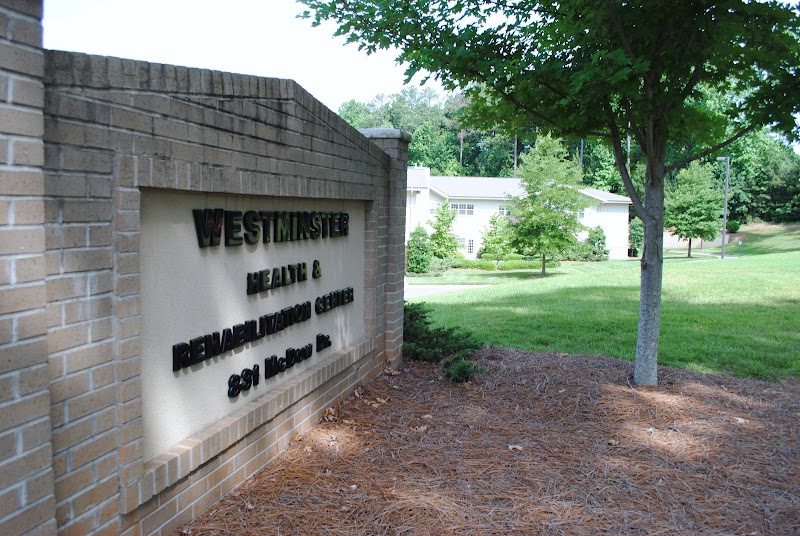
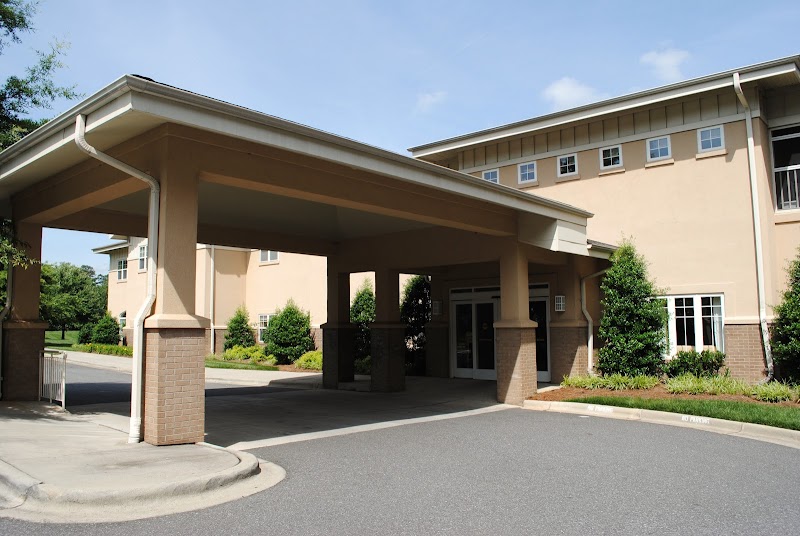
Westminster Health & Rehab Center
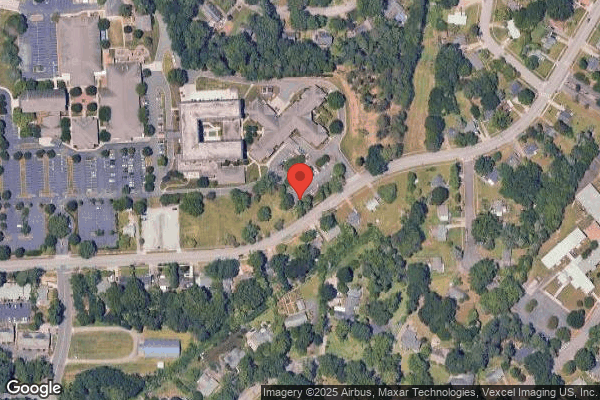
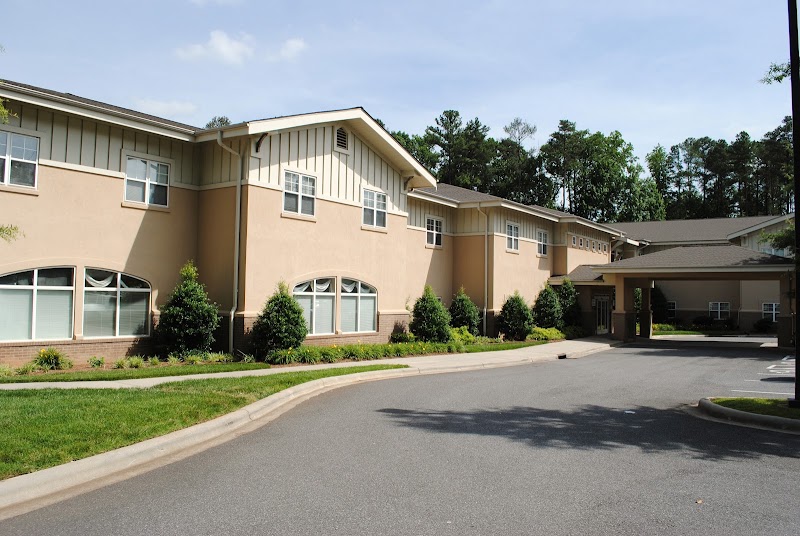
831 McDow Drive, RockHill, SC 29732 (803) 328-5000
Non profit - Corporation 11 Beds Independent Data: November 2025 2 Immediate Jeopardy citations
Trust Grade
44/100
#102 of 186 in SC
Last Inspection: March 2025

Within standard 12-15 month inspection cycle. Federal law requires annual inspections.

Overview

Westminster Health & Rehab Center has a Trust Grade of D, indicating below-average quality with some concerns regarding care. Ranking #102 of 186 in South Carolina places it in the bottom half of facilities, and #6 of 8 in York County means only two local options are worse. The facility is experiencing a worsening trend with the number of issues increasing from 2 in 2024 to 3 in 2025. Staffing is a relative strength, with a 4-star rating and a turnover rate of 40%, which is below the state average, suggesting that staff members are likely to stay long-term. However, they have incurred $16,997 in fines, which is higher than 99% of South Carolina facilities, suggesting ongoing compliance issues. Notably, there were critical incidents reported, including a serious medication error where a resident was given ten times the prescribed dose of insulin, which could have led to severe health risks. Additionally, the facility failed to prevent potential accidents by allowing over-the-counter medications to be accessible at a resident's bedside, which raises safety concerns. Overall, while there are some strengths in staffing, the facility has significant weaknesses that families should consider carefully.
Trust Score
D
44/100
In South Carolina
#102/186
Bottom 46%
Safety Record
High Risk
Review needed
Inspections
Getting Worse
2 → 3 violations
Staff Stability
○ Average
40% turnover. Near South Carolina's 48% average. Typical for the industry.
Penalties
○ Average
$16,997 in fines. Higher than 58% of South Carolina facilities. Some compliance issues.
Skilled Nurses
✓ Good
Each resident gets 119 minutes of Registered Nurse (RN) attention daily — more than 97% of South Carolina nursing homes. RNs are the most trained staff who catch health problems before they become serious.
Violations
○ Average
8 deficiencies on record. Average for a facility this size. Mostly minor or procedural issues.
★★★☆☆
3.0
Overall Rating
★★★★☆
4.0
Staff Levels
★★★☆☆
3.0
Care Quality
★★★☆☆
3.0
Inspection Score
Stable
2024: 2 issues
2025: 3 issues

The Good

  • 4-Star Staffing Rating · Above-average nurse staffing levels
  • Full Sprinkler Coverage · Fire safety systems throughout facility
  • No fines on record
  • Staff turnover below average (40%)

    8 points below South Carolina average of 48%

Facility shows strength in staffing levels, fire safety.

The Bad

3-Star Overall Rating

Near South Carolina average (2.8)

Meets federal standards, typical of most facilities

Staff Turnover: 40%

Near South Carolina avg (46%)

Typical for the industry

Federal Fines: $16,997

Below median ($33,413)

Minor penalties assessed

The Ugly 8 deficiencies on record

2 life-threatening
Mar 2025 3 deficiencies
CONCERN (D)

Potential for Harm - no one hurt, but risky conditions existed

Accident Prevention (Tag F0689)

Could have caused harm · This affected 1 resident

Based on observation, record review, and interview, the facility failed to prevent potential accidents related to over the counter (OTC) medication's being at bedside for Resident (R)1, for one of one...

Read full inspector narrative →
Based on observation, record review, and interview, the facility failed to prevent potential accidents related to over the counter (OTC) medication's being at bedside for Resident (R)1, for one of one resident reviewed for accidents hazards. Findings include: Review of the facility's policy titled, Medication Administration Record copyrighted 2001, revealed, Medications are administered in a safe and timely manner, and as prescribed . Policy Interpretation and Implementation . 24. Topical medications used in treatments are recorded on the resident's treatment record (TAR) . 27. Residents may self-administer their own medications only if the attending physician, in conjunction with the interdisciplinary care planning team, has determined that they have the decision-making capacity to do so safety. Review of the facility's policy titled, Self-Administration of Medications version 09/2020, revealed, The facility shall permit residents who are competent and physically able to self-administer their medications if the following conditions are met: 1. Self-administration of medications by residents is permitted only on the specific written orders of the resident's physician or other legally authorized prescriber and documented in the resident's medical record. 2. Specific instructions for administration of prescription medications are printed on the medication label. Procedure: 1. Residents who requested approval to self-administer shall be assessed by the interdisciplinary team to determine if the resident is competent. 2. The interdisciplinary team will assess the resident's cognitive, physical, and visual ability to carry out this responsibility. Facility staff may use the medication self-administration for (Form #161) or a facility-developed mechanism to document this assessment. If the team determines that the resident is competent, the attending physician shall be contacted to request a specific order for self-administration of the medication. 5. Medications stored at bedside shall be secure from other residents. The medications provided to the residents for bedside storage are kept in the containers dispensed by the provider pharmacy. Sleft [sic] administration of medications by residents is verified by direct contact with the resident by a licensed nurse and recorded on the MAR by the same person. Verification and documentation shall occur at the same frequency as the medication is taken. The MAR will reflect self-administration orders and will be addressed in the care plan. Facilities may elect to prohibit self-administration. The facility shall not allow residents to self-administer controlled substances. Review of R1's Face Sheet revealed the facility admitted (R)1 on 02/18/25, with diagnoses including but not limited to: fracture unspecified part of neck of right femur, subsequent for closed fracture with routine healing, unspecified, and need for assistance with personal care. Review of R1's admission Minimum Data Set (MDS) with an Assessment Reference Date of 02/25/25, revealed R1's Brief Interview for Mental Status (BIMS) score of 13 out 15, indicated R1 had moderate cognitive impairment. Review of (R)1's Care Plan did not reveal a Care Plan related to R1 self-administering medications. Review of (R)1's Orders and Treatment Record for the month of March 2025, did not reveal an order for self-administration of ultra strength pain reliever cream. During an observation on 03/18/25 at 1:45 PM, on top of R1's bed side table there was an ultra strength pain reliever cream. During an interview on 03/20/25 at 2:19 PM, the Director of Nursing (DON) stated, They should not have over the counter creams in their rooms. I have asked the staff if they see medications at the bedside to remove it and report it to their nurse. The certified nursing assistants (CNAs) should let the nurse know if they discover creams or any outside medications at the bedside. If it is something we can order, we will call the physician and get an order. During an interview on 03/20/25 at 2:40 PM, the DON stated, We tell the families not to bring in over the counter medications or creams, but they continue to bring those items in without notifying us. During an observation on 03/20/25 at 2:42 PM, R1's daughter was getting off the elevator on the 200 Unit. R1's daughter had a bag containing cough drops, one Ensure, and other items that were not identified. R1's daughter spoke to the nurses sitting at the nurse's desk while passing by and proceeded to the resident room. The daughter did not let the nurses know what she was bringing for R1. During an interview on 03/20/25 at 2:46 PM, R1's daughter stated, I usually bring in items the she (R1) used while she was in assisted living. The cream that was at her bedside is like Voltaren cream for her knee. The physician stated she could have that cream.
CONCERN (D)

Potential for Harm - no one hurt, but risky conditions existed

Deficiency F0761 (Tag F0761)

Could have caused harm · This affected 1 resident

Based on review of facility policy, observation and interview, the facility failed to ensure that all drugs and biologicals used in the facility were labeled in accordance to professional standards in...

Read full inspector narrative →
Based on review of facility policy, observation and interview, the facility failed to ensure that all drugs and biologicals used in the facility were labeled in accordance to professional standards including expiration dates, for 1 of 1 treatment cart. Findings include: Review of the facility's policy titled Medication Storage (SC SNF Pharmacy Policy and Procedure Manual), version 09/2020, did not reveal information on professional standards of on labeling, expiration dates, or discarding expired medications. During an observation on 03/18/25 at 12:46 PM, the treatment cart revealed the following: One Hydrofera Blue 10.2cm x 10.2 cm 4x4 Sterile, Ref# HB4414, Lot # 190328150, exp 02/01/2024. Aloe cream, LOT #313, Manufacturer Rugby Laboratories, expired 11/24. Two sterile suture removal kits, Manufacturer Dynamex Corporation, Lot #51842, expired 01/04/2025. Thirty sterile wood shaft cotton tipped applicators, Ref #76800, Manufacturer ProAdvantage by NDC, Lot #91504, expired 02/2024. The expired medications was verified and removed by Registered Nurse (RN)1. During an interview on 03/18/25 at 12:53 PM, RN1 stated, The nurses review the wound cart once a week. The night nurse check for expirations on the treatment cart daily. The pharmacy comes every month to check for expiration dates. During an interview on 03/20/25 at 8:35 AM, the Director of Nursing (DON) stated, I will get with our staff members who handle supplies and redo an education session.
CONCERN (D)

Potential for Harm - no one hurt, but risky conditions existed

Room Equipment (Tag F0908)

Could have caused harm · This affected 1 resident

Based on review of facility policy, observation and interview, the facility failed to ensure an excessive amount of lint was removed from 2 of 2 clothes dryers. The lint was noted above and behind the...

Read full inspector narrative →
Based on review of facility policy, observation and interview, the facility failed to ensure an excessive amount of lint was removed from 2 of 2 clothes dryers. The lint was noted above and behind the lint basket and on the 3 inside walls of the clothes dryers. Findings include: Review of a facility document titled, Laundry Assistant/ Equipment and Supply Functions states, . clean the lint screen for each commercial dryer at a minimum of each shift and when necessary. During an observation on 03/19/25 at 12:13 PM, of two dryers revealed the lint baskets and three walls below the dryers contained an excessive amount of lint. During an observation on 03/19/25 at 12:20 PM, the signage posted on 1 of 2 dryers stated, Clean Lint Filters, Remove Lint from the Dryer Lint Screens Every Time You Use the Dryer. This Helps Prevent A Fire, But It Also Helps Laundry To Dry Faster. During an interview and observation on 03/19/25 at 12:33 PM, the Environmental Services Supervisor (ESS) confirmed the excessive amount of lint. The ESS stated that the laundry staff removes the lint from the lint baskets daily. He also stated there is a re-occurring work order for cleaning logs using an APP called IAM CARE and is signed off on when cleaned. During an interview on 03/19/25 at 1:30 PM, the Laundry Assistant confirmed laundry does not use a lint log. The Laundry Assistant went on to say she cleans the lint basket after each dryer load but does not clean the 3 walls under the dryer. During an interview on 03/19/25 at 1:47 PM, the Building Operations Manager reported he was told about the condition of the dryer baskets and under the dryers. The Building Operations Manager further stated, that's uncalled for and the Environmental Services Supervisor will ensure excessive lint does not occur again. During an interview on 03/20/25 at an unspecified time, the Infection Preventionist revealed the facility does not have a laundry policy for maintenance of laundry equipment. During an interview on 03/20/25 at 12:30 PM, the Janitor revealed he cleans the dryer lint baskets, under dryer controls, and the area behind the dryers using a wet/dry vacuum. The Janitor stated he did not know he needed to clean behind the lint basket, the 3 walls and under the dryer until it was pointed out to him on yesterday. The Janitor concluded he had not been trained or educated about cleaning under the dryer and the 3 walls of dryer and was surprised about the excessive amount of lint.
Jan 2024 2 deficiencies 2 IJ
CRITICAL (J) 📢 Someone Reported This

A family member, employee, or ombudsman was alarmed enough to file a formal complaint

Immediate Jeopardy (IJ) - the most serious Medicare violation

Notification of Changes (Tag F0580)

Someone could have died · This affected 1 resident

**NOTE- TERMS IN BRACKETS HAVE BEEN EDITED TO PROTECT CONFIDENTIALITY** Based on review of facility policy, interview and record review, the facility failed to accurately notify the physician of all p...

Read full inspector narrative →
**NOTE- TERMS IN BRACKETS HAVE BEEN EDITED TO PROTECT CONFIDENTIALITY** Based on review of facility policy, interview and record review, the facility failed to accurately notify the physician of all pertinent information with regards to a significant medication error. Specifically, on [DATE], the facility reported to the Medical Director that Resident (R)1 received twice the dosage of insulin when R1 actually received ten times the dosage of insulin. Furthermore, the facility failed to notify the Medical Director of changes in blood sugar for a two-hour period. On [DATE] at approximately 3:00 PM, the State Agency (SA) determined that the facility's non-compliance with one or more federal health, safety, and/or quality regulations has caused or was likely to cause serious injury, serious harm, serious impairment, or death. On [DATE] at 6:15 PM, the facility was notified that the failure to accurately notify the physician that Resident (R)1 received 80 units of insulin and the failure to continuously notify the physician of R1's blood sugars after the medication error constituted Immediate Jeopardy (IJ) at F580. The survey team provided the facility with a copy of the CMS Immediate Jeopardy (IJ) Template and informed the facility IJ existed as of [DATE]. The IJ was related to 42 CFR 483.10 - Resident Rights. On [DATE] at 10:55 AM, the facility presented an acceptable plan of removal of the IJ. On [DATE] at 12:00 PM, the survey team, validated the facility's corrective actions and removed the IJ. The facility remained out of compliance at F580 at a lower scope and severity of D. Findings include: Review of the facility's undated policy titled Acute Condition Changes - Clinical Protocol documented, Phone calls to attending or on-call physicians should be made by an adequately prepared nurse who has collected and organized pertinent information, including the resident/patient's current symptoms and status. Review of R1's Face Sheet revealed R1 was admitted to the facility on [DATE] with diagnoses including, but not limited to: Type 2 diabetes mellitus, malignant neoplasm of head of pancreas, hepatic encephalopathy, and moderate protein-calorie malnutrition. Review of R1's Physician Orders revealed an [DATE] order for Insulin Aspart 100 units/mL qid (four times a day) - before meals and at bedtime. Cover with sliding scale. Give 2 units for 151-200 mg/dL (milligrams per deciliter). Give 4 units for 201 - 250 mg/dL. Give 6 units for 251-300 mg/dL. Give 8 units for 301-350 mg/dL. Give 10 units for 351 mg-400 mg/dL. During an interview on [DATE] at 11:46 AM, Registered Nurse (RN)1 revealed R1 was ordered for 8 units of short acting insulin but received 80. RN1 further stated, Licensed Practical Nurse (LPN)1 used the tuberculin syringe instead of the insulin syringe to calculate the dosage, believing the calibrations to be the same. The resident ate breakfast but not lunch and supper, so the doctor ordered to send the patient out to the hospital. Review of LPN1's statement to the facility, written on [DATE], revealed she took R1's blood sugar at 1:15 PM, which was 343 mg/dL. According to his order, he required 8 units of insulin. She administered the insulin at 1:19 PM. At 1:59 PM she realized she had made a medication error and contacted the Director of Nursing (DON). The DON notified the doctor who ordered blood sugar checks every 30 minutes. If blood sugar is < 80, contact the doctor and administer Glucagon HCl 1 mg/mL. At 2:15 PM the resident's blood sugar was 315 mg/dL. At 2:30 PM, R1 consumed 4 oz of ginger ale. At 3:00 PM, R1's blood sugar was 275 mg/dL. At 4:43 PM, the resident's blood sugar was 163 mg/dL. At 4:45 PM, LPN1 reported the verbal order from the physician to LPN2 during shift change. That evening, around 6:45 PM, LPN1 returned to the facility to finish clerical work. LPN2 informed her she had not taken R1's blood sugars during her shift since it was not in the system. LPN1 took R1's blood sugar which was 49 mg/dL. She notified the physician and injected Glucagon 1 mg/mL. During an interview on [DATE] at 1:34 PM, LPN1 confirmed she administered insulin at 1:19 PM on [DATE] and realized the mistake at 1:59 PM. LPN1 stated she used a tuberculin syringe, not realizing it scaled differently than the insulin syringes. LPN1 stated she realized the mistake at 1:59 PM and notified the Director of Nursing (DON), who notified the physician. The physician gave the verbal order to check blood sugars every 30 minutes and contact her if the blood sugar reached 80 mg/dL and inject Glucagon. LPN1 documented blood sugars on paper and on the Electronic Medical Record (EMR). LPN1 further stated she left her shift at 4:45 PM and relayed the verbal order to the oncoming nurse (LPN2). LPN1 stated she returned to the facility at 6:45 PM and learned that LPN2 had not taken any fingerstick blood sugars in that 2-hour lapse. LPN1 stated she took the blood sugar of R1 and it was 49 mg/dL. LPN1 administered the glucagon. This was the first time that glucagon was administered to R1. During an interview on [DATE] at an unspecified time, the Medical Director (MD) revealed she was contacted by the facility at 2:00 PM on [DATE]. At that time, she was told R1 was given twice the amount of insulin ordered and his blood sugars had been in the 400s prior to administration. The MD stated she was told R1 ate a full lunch and was eating dinner. She did not get phone calls from approximately 5:00 PM to 7:00 PM. The MD further stated at around 7:00 PM she was informed his blood sugar was 90 mg/dL and she instructed the facility to administer glucagon. The MD stated she did not get another call for another few hours when R1's blood sugar dropped to the 70s. The MD had R1 sent out to the hospital. The next day the report was inconsistent with what the MD had been told. R1 had received 80 units of insulin instead of 8 units, and the resident did not eat a full lunch. The MD concluded, had she known this at the time it would have affected her medical decision making. The MD stated she would have ordered R1 to be sent out to the ER immediately rather than conduct 30-minute blood sugar checks. Review of the DON's statement to the facility written on [DATE] at 6:55 PM, revealed that at 2:00 PM she received a text message from LPN1. LPN1 was at the medication cart and informed the DON that R1 had received an overdose of insulin. The DON called the Medical Director who gave telephone orders to check blood sugars every 30 minutes, notify the Medical Director with results, and administer Glucagon HCL 1 mg/mL if blood sugars are below 80 mg/dL. At 3:00 PM, R1's blood sugar was 275 mg/dL. At 4:43 PM his blood sugar was 163 mg/dL. At 6:45 PM, his blood sugar was 49 mg/dL and LPN1 administered the glucagon and notified the physician. The DON instructed LPN1 how to obtain another glucagon emergency kit in case it became necessary to administer a second dose. The Medical Director gave new orders to hold all insulin and check R1's blood sugar in another hour and inform her with results. LPN1 informed LPN2 of the new orders. LPN1 later called the DON to say another glucagon was administered and the Medical Director had been notified. The Medical Director gave new orders to check R1's blood sugars at 11:00 PM and twice during the night. At 11:42 PM, the DON contacted LPN2 for the 11:00 PM blood sugar results - which was 89 mg/dL. The Medical Director was contacted and advised to give R1 orange juice. At 1:50 AM, the DON called LPN2 and she informed the DON that R1 had been sent out to the emergency room. During an interview on [DATE] at 2:30 PM, the DON revealed she was informed of the medication error at 2:00 PM on [DATE]. The DON stated LPN1 told her she had used the tuberculin syringe to administer insulin. The DON used a tuberculin syringe and an insulin syringe to calculate the actual dosage of insulin R1 had received (80 units). The DON then called the physician to tell her what happened. The DON stated she could not remember if she correctly relayed the amount of insulin administered. The doctor gave orders to check blood sugars every 30 minutes and administer glucagon if < 80 mg/dL. The DON further stated she does not remember if this was entered into the electronic medical record (EMR). The DON concluded, it was her expectation that nursing staff alert the physician if there was not necessary equipment for medication administration and for nursing staff to call the physician to clarify any orders they were uncertain of. During an interview on [DATE] at 3:52 PM, LPN2 revealed she did not take R1's blood sugars during her shift. She was only informed by LPN1 during shift change at 4:30 PM and it was not in the EMR. LPN2 stated she did not contact the physician at any point to clarify the verbal order. During an interview on [DATE] at 10:25 AM, the Chief Executive Officer (CEO) revealed he attended a care meeting regarding the incident on [DATE]. At the meeting, it was revealed that the amount of insulin the DON initially reported to the physician was not what had actually been administered. During a follow up interview on [DATE] at 12:33 PM, the MD revealed she received a call from the facility on [DATE]. She was told that R1 was given 40 or 50 units of insulin when he was ordered to receive 8 units and he was eating at that time. The MD stated she considered sending him out, but she decided to have blood sugars taken every 30 minutes and reported to her. The MD stated the facility reported blood sugars timely at first, but from 5:00 PM - 7:00 PM, she didn't receive any notifications. At about 7:00 PM or 7:30 PM, the facility notified her that his blood sugar was 49 mg/dL. The MD told them to administer glucagon. R1's blood sugar rose to 118 mg/dL. This was around 9:15 PM according to her notes, but it might have been earlier. The MD further stated she didn't hear any further notifications until about 11:00 PM when his blood sugar was 89 mg/dL. She asked if they had any more glucagon, and they did not. She asked if the resident was alert enough to drink orange juice, and he was not. The MD then ordered the resident to be sent out to the hospital. The next day, the facility informed her R1 had received 80 units of insulin instead of 40 - 50 units. The MD realized this was why his blood sugar had been so hard to control, and if she had known it was 80 units, she would have sent him to the ER straightaway. During the interview, the MD also revealed that the reason she hadn't received R1 blood sugar notifications from 5:00 PM - 7:00 PM was because LPN2, who came on shift around 5:00 PM, did not follow the verbal order for 30-minute blood sugar checks. It was only when LPN1 returned, that the facility notified her R1's blood sugar was down to 49 mg/dL. The MD stated if LPN1 had not returned, the facility would not have known to administer glucagon. The MD also confirmed that LPN2 did not contact her at any point - either to notify her of R1's blood sugars or to clarify the verbal order for fingerstick blood sugar checks every 30 minutes. On [DATE] at 10:55 AM, the facility presented a removal plan which included: R1 expired at the hospital after re-admission. There were no other residents receiving insulin at time of survey. 1:1 Education provided to LPN1 and the DON who notified the physician of R1's significant medication error using facility policies titled 1. Change in a Resident's Condition or Status and 2. Verbal Orders. Education started on [DATE] to all Licensed Staff related to Facility's policies titled 1. Change in a Resident's Condition or Status and 2. Verbal Orders. Nurses will notify resident's attending physician or the physician on call when there has been a significant change in the resident's physical/emotional/mental condition, need to alter the resident's medical treatment significantly, and need to transfer the resident to hospital/treatment center. Changes in a resident's condition or status will be communicated to on-coming and out-going nurse verbally, in writing, and recorded in the resident's medical record information relative to changes in the resident's medical/mental condition or status. A 24-hour report in paper and 24-hour electronic documentation will be reviewed by [Interdisciplinary Team] IDT every morning during stand-up meeting for compliance and review of implemented interventions. Documentation and Compliance will be presented and reviewed monthly by the QAPI committee to inform process changes and the need for additional staff training, education, and care planning. Performance Improvement Project (PIP) will be updated monthly by IDT when needed related to additional education, training, and care plan updates for specific residents if appropriate.
CRITICAL (J) 📢 Someone Reported This

A family member, employee, or ombudsman was alarmed enough to file a formal complaint

Immediate Jeopardy (IJ) - the most serious Medicare violation

Deficiency F0760 (Tag F0760)

Someone could have died · This affected 1 resident

**NOTE- TERMS IN BRACKETS HAVE BEEN EDITED TO PROTECT CONFIDENTIALITY** Based on review of facility policy, interview and record review, the facility failed to protect 1 of 4 residents from significan...

Read full inspector narrative →
**NOTE- TERMS IN BRACKETS HAVE BEEN EDITED TO PROTECT CONFIDENTIALITY** Based on review of facility policy, interview and record review, the facility failed to protect 1 of 4 residents from significant medication errors. Specifically, on [DATE] at 1:19 PM, Licensed Practical Nurse (LPN)1 administered 80 units of insulin to Resident (R)1 when he was supposed to receive 8 units. This failure placed R1 at risk for serious harm and/or death due low blood sugars that could potentially cause seizures, hypoglycemic coma, or death. On [DATE] at approximately 3:00 PM, the State Agency (SA) determined that the facility's non-compliance with one or more federal health, safety, and/or quality regulations has caused or was likely to cause serious injury, serious harm, serious impairment, or death. On [DATE] at 6:15 PM, the facility was notified that the failure to administer the prescribed dosage of insulin to R1 constituted Immediate Jeopardy (IJ) at F760. The survey team provided the facility with a copy of the CMS Immediate Jeopardy (IJ) Template and informed the facility IJ existed as of [DATE]. The IJ was related to 42 CFR 483.45 - Pharmacy Services. On [DATE] at 10:55 AM, the facility presented an acceptable plan of removal of the IJ. The survey team, validated the facility's due diligence to correct the noncompliance and is considering this IJ at Past Noncompliance as of [DATE]. An Extended Survey was conducted in conjunction with the Complaint Survey for non-compliance at F760, constituting substandard quality of care. Findings include: Review of the facility policy titled Adverse Consequences and Medication Errors last revised on February 2023 revealed that, a medication error is defined as the preparation or administration of drugs or biological which is not in accordance with physician orders, manufacturer specifications, or accepted professional standards and principles of the professional(s) providing services. Examples of medication errors include giving the wrong dose. A significant medication-related error is defined as requiring hospitalization, requiring treatment with prescription medication, and life-threatening. Review of the facility policy titled Subcutaneous Injections last revised on [DATE] revealed that in preparation for subcutaneous injections, staff must verify the physician's order for the medication (resident's name, drug name, dose, time, and route of administration), review the resident's care plan to assess for any special needs, and assemble the equipment and supplies as needed. Review of R1's Face Sheet revealed R1 was admitted to the facility on [DATE] with diagnoses including, but not limited to: Type 2 diabetes mellitus, malignant neoplasm of head of pancreas, hepatic encephalopathy, and moderate protein-calorie malnutrition. Review of R1's Physician Orders revealed an [DATE] order for Insulin Aspart 100 units/mL qid (four times a day) - before meals and at bedtime. Cover with sliding scale. Give 2 units for 151-200 mg/dL (milligrams per deciliter). Give 4 units for 201 - 250 mg/dL. Give 6 units for 251-300 mg/dL. Give 8 units for 301-350 mg/dL. Give 10 units for 351 mg-400 mg/dL. During an interview on [DATE] at 11:46 AM, Registered Nurse (RN)1 revealed R1 was ordered for 8 units of short acting insulin but received 80. RN1 further stated, Licensed Practical Nurse (LPN)1 used the tuberculin syringe instead of the insulin syringe to calculate the dosage, believing the calibrations to be the same. The resident ate breakfast but not lunch and supper, so the doctor ordered to send the patient out to the hospital. Review of R1's late entry progress note dated [DATE] at 5:20 PM, revealed R1 received an overdose of insulin on [DATE] at 1:19 PM. At 2:00 PM, the facility contacted the Director of Nursing (DON) who contacted the Medical Director. A verbal order was given to check R1's blood sugar every 30 minutes and inject Glucagon HCL 1 mg/mL if blood sugars went below 80 mg/dL. At 3:00 PM, R1's blood sugar was 275 mg/dL. At 4:43 PM, R1's blood sugar was 163 mg/dL. At 6:45 PM, R1's blood sugar was 49 mg/dL. The Medical Director was notified and Glucagon was administered. The Medical Director advised to call back with blood sugar results in 1 hour. At 7:45 PM, R1 opened his eyes when name was called. A sternal rub was performed, and blood sugar was 118 mg/dL. The Medical Director was notified and gave another order for Glucagon administration. The Medical Director gave another verbal order to hold all insulin and check blood sugar levels at 11:00 PM and twice throughout the night. Review of LPN1's statement to the facility, written on [DATE], revealed she took R1's blood sugar at 1:15 PM, which was 343 mg/dL. According to his order, he required 8 units of insulin. She administered the insulin at 1:19 PM. At 1:59 PM she realized she had made a medication error and contacted the Director of Nursing (DON). The DON notified the doctor who ordered blood sugar checks every 30 minutes. If blood sugar is < 80, contact the doctor and administer Glucagon HCl 1 mg/mL. At 2:15 PM the resident's blood sugar was 315 mg/dL. At 2:30 PM, R1 consumed 4 oz of ginger ale. At 3:00 PM, R1's blood sugar was 275 mg/dL. At 4:43 PM, the resident's blood sugar was 163 mg/dL. At 4:45 PM, LPN1 reported the verbal order from the physician to LPN2 during shift change. That evening, around 6:45 PM, LPN1 returned to the facility to finish clerical work. LPN2 informed her she had not taken R1's blood sugars during her shift since it was not in the system. LPN1 took R1's blood sugar which was 49 mg/dL. She notified the physician and injected Glucagon 1 mg/mL. During an interview on [DATE] at 1:34 PM, LPN1 confirmed she administered insulin at 1:19 PM on [DATE] and realized the mistake at 1:59 PM. LPN1 stated she used a tuberculin syringe, not realizing it scaled differently than the insulin syringes. LPN1 stated she realized the mistake at 1:59 PM and notified the Director of Nursing (DON), who notified the physician. The physician gave the verbal order to check blood sugars every 30 minutes and contact her if the blood sugar reached 80 mg/dL and inject Glucagon. LPN1 documented blood sugars on paper and on the Electronic Medical Record (EMR). LPN1 further stated she left her shift at 4:45 PM and relayed the verbal order to the oncoming nurse (LPN2). LPN1 stated she returned to the facility at 6:45 PM and learned that LPN2 had not taken any fingerstick blood sugars in that 2-hour lapse. LPN1 stated she took the blood sugar of R1 and it was 49 mg/dL. LPN1 administered the glucagon. This was the first time that glucagon was administered to R1. During an interview on [DATE] at an unspecified time, the Medical Director (MD) revealed she was contacted by the facility at 2:00 PM on [DATE]. At that time, she was told R1 was given twice the amount of insulin ordered and his blood sugars had been in the 400s prior to administration. She was told he ate a full lunch and was eating dinner. The MD stated she did not get phone calls from approximately 5:00 PM to 7:00 PM. At around 7:00 PM she was informed R1's blood sugar was 90 mg/dL and she instructed the facility to administer glucagon. The MD stated she did not get another call for another few hours when R1's blood sugar dropped to the 70s. The MD stated she had R1 sent out to the hospital. The MD further stated, the next day the report was inconsistent with what she'd been told. R1 had received 80 units of insulin instead of 8 units, and the resident did not eat a full lunch. The MD stated if she had known this at the time it would have affected her medical decision making. She would have ordered R1 to be sent out to the ER immediately rather than conduct 30-minute blood sugar checks. The MD concluded that potential risks for a resident receiving ten times the ordered dosage of insulin included blood sugars dropping and causing seizures, unresponsiveness, hypoglycemic coma, or even death. Review of the DON's statement to the facility written on [DATE] at 6:55 PM, revealed that at 2:00 PM she received a text message from LPN1. LPN1 was at the medication cart and informed the DON that R1 had received an overdose of insulin. The DON called the Medical Director who gave telephone orders to check blood sugars every 30 minutes, notify the Medical Director with results, and administer Glucagon HCL 1 mg/mL if blood sugars are below 80 mg/dL. At 3:00 PM, R1's blood sugar was 275 mg/dL. At 4:43 PM his blood sugar was 163 mg/dL. At 6:45 PM, his blood sugar was 49 mg/dL and LPN1 administered the glucagon and notified the physician. The DON instructed LPN1 how to obtain another glucagon emergency kit in case it became necessary to administer a second dose. The Medical Director gave new orders to hold all insulin and check R1's blood sugar in another hour and inform her with results. LPN1 informed LPN2 of the new orders. LPN1 later called the DON to say another glucagon was administered and the Medical Director had been notified. The Medical Director gave new orders to check R1's blood sugars at 11:00 PM and twice during the night. At 11:42 PM, the DON contacted LPN2 for the 11:00 PM blood sugar results - which was 89 mg/dL. The Medical Director was contacted and advised to give R1 orange juice. At 1:50 AM, the DON called LPN2 and she informed the DON that R1 had been sent out to the emergency room. During an interview on [DATE] at 2:30 PM, the DON revealed she was informed of the medication error at 2:00 PM on [DATE]. The DON stated LPN1 told her she had used the tuberculin syringe to administer insulin. The DON used a tuberculin syringe and an insulin syringe to calculate the actual dosage of insulin R1 had received (80 units). The DON then called the physician to tell her what happened. The DON stated she could not remember if she correctly relayed the amount of insulin administered. The doctor gave orders to check blood sugars every 30 minutes and administer glucagon if < 80 mg/dL. The DON further stated she does not remember if this was entered into the electronic medical record (EMR). The DON concluded, it was her expectation that nursing staff alert the physician if there was not necessary equipment for medication administration and for nursing staff to call the physician to clarify any orders they were uncertain of. During an interview on [DATE] at 10:25 AM, the Chief Executive Officer (CEO) revealed that fundamentally, LPN1 failed to follow the physician order. She used the incorrect syringe to administer the insulin, resulting in administration of the incorrect dosage. During an interview on [DATE] at 12:22 PM, the Pharmacist revealed that an overdose of insulin carries the risk of serious harm or death. On [DATE] at 10:55 AM, the facility presented a removal plan which included: R1 expired at the hospital after re-admission. There were no other residents receiving insulin at time of survey. 1:1 Education provided to LPN1, monitoring of R1's blood sugars, and notification to family. Education started on [DATE] to all Licensed Staff related to Facility's policies of Administering Insulin Medication. The facility obtained skill validations and return demonstrations for all Licensed Staff how to administer Insulin per policy and Safety. All tuberculin syringes were removed from the medication cart and moved to the medication room. Insulin syringes remain available on the medication cart. Random skill validation and demonstrations of Insulin Administration among Licensed Staff will occur 2 times weekly x 6 weeks. Documentation Errors / Compliance are documented, reported, and reviewed monthly by the QAPI committee to inform process changes and the need for additional staff training. Performance Improvement Project (PIP) will be updated monthly in terms of additional education of nurses, skill validation and care plan updates for specific residents receiving insulin treatment.
May 2023 3 deficiencies
CONCERN (D)

Potential for Harm - no one hurt, but risky conditions existed

Deficiency F0554 (Tag F0554)

Could have caused harm · This affected 1 resident

Based on observation, interview, record review, and facility's policy review, the facility failed to ensure one resident (Resident (R)5) of nine sampled residents, did not self-administer her inhalant...

Read full inspector narrative →
Based on observation, interview, record review, and facility's policy review, the facility failed to ensure one resident (Resident (R)5) of nine sampled residents, did not self-administer her inhalant nebulizer medication without an assessment and physician's order to self-administration the medication. The facility's deficient practice increased R5's risk for adverse medication reactions. Findings include: Review of facility policy titled Self-Administration of Medication, 12/12, revealed .Residents in our facility who wish to self-administer their medications may do so, if it is determined that they are capable of doing so .As a part of their overall evaluation, the staff and practitioner will assess each resident's mental and physical abilities, to determine whether a resident is capable of self-administering medications .The staff and practitioner will document their findings and the choices of residents who are potentially capable of self-administering medications . Review of the facility's policy titled Administering Medications, 12/12, revealed .Medications shall be administered in a safe and timely manner, and as prescribed . Review of R5's undated FACESHEET, located under the front cover of her chart, did not have an admit date and revealed R5's multiple diagnoses which included chronic obstructive pulmonary disease (COPD), pneumonia, and interstitial lung disease with progressive fibrotic (scarring of lung tissue) phenotype. Review of R5's admission Minimum Data Set (MDS) with an Assessment Reference Date (ARD) of 04/28/23 and located on Aspen MDS Viewer revealed a Brief Interview for Mental Status (BIMS) with a score of 14 out of 15 indicating she was cognitively intact, had multiple diagnoses to include diabetes, pulmonary disease, and respiratory failure, and received oxygen therapy. Review of R5's Physician's Orders, dated 05/2023 and located in the resident's electronic medical record (EMR) under the Orders tab, revealed no order to self-administer medication. Review of R5's Medication Administration Record (MAR), dated 05/2023, located in the resident's EMR under the Orders tab, revealed no order to self-administer his medication. Review of R5's comprehensive Care Plan, located in the resident's EMR under the Care Plan tab, revealed no intervention for self-administration of medication. During an observation on 05/18/23 at 4:12 PM, Registered Nurse (RN)2 put R5's medication (Ipratropium Albuterol) solution in her reservoir cup on her nebulizer oxygen tubing, turned her nebulizer machine on and handed the mouthpiece (nebulizer oxygen tubing) to R5. RN2 exited R5's room and did not remain with R5 during her medication administration. During an observation and interview on 05/18/23 at 4:53 PM of R5 in her room sitting in her wheelchair, R5 stated she turned the nebulizer machine off. During an interview on 05/18/23 at 5:11 PM, the Director of Nursing (DON) verified R5 did not have a physician's order to self-administer her medication in her EMR. The DON stated R5's care plan did not have interventions to self-administer her medications. The DON stated a resident with the desire to self-administer their medication should be assessed to do so. The DON verified R5 did not have an assessment on her EMR to perform self-administration of her medication. The DON stated she expected the nursing staff to administer R5's medication including her nebulizer treatment, remain with R5 until the completion of her medication administration to ensure the medication administration was complete, and to monitor her for adverse reactions. During an interview on 05/18/23 at 6:02 PM, RN2 stated he did not stay with R5 for her administration of her nebulizer medication. RN2 stated he did not remain with R5 because she said she would do it. RN2 stated R5 did not have an order to self-administer her medication or a care plan intervention to self-administer her medication. RN2 stated he did not remain with R5 to monitor for side effects or ensure she took her medication, and he should have.
CONCERN (D)

Potential for Harm - no one hurt, but risky conditions existed

Quality of Care (Tag F0684)

Could have caused harm · This affected 1 resident

Based on observations, interviews, review of records, and review of facility policies, the facility failed to ensure: 1. a physician's order was obtained for blood sugar fingersticks for two residents...

Read full inspector narrative →
Based on observations, interviews, review of records, and review of facility policies, the facility failed to ensure: 1. a physician's order was obtained for blood sugar fingersticks for two residents ((R)4 and R2); and 2. R4's insulin physician's orders were correct on the Medication Administration Record (MAR) out of five residents sampled for unnecessary medications. Findings include: Review of facility's policy titled Insulin Administration, dated 09/14 and provided by the Administrator, revealed .To provide guidelines for the safe administration of insulin to residents with diabetes .The type of insulin, dosage requirements . Must be verified before administration, to assure that it corresponds with the order on the medication sheet and the physician's order .The nurse shall notify the Director of Nursing Services and Attending Physician of any discrepancies, before giving the insulin .Documentation .The resident's blood glucose result, as ordered . Review of facility's policy titled Obtaining a Fingerstick Glucose Level, dated 10/11 and provided by the Administrator, revealed .The purpose of this procedure is to obtain a blood sample to determine the resident's blood glucose level .Verify that there is a physician's order for this procedure . 1. Review of R4's FACESHEET, undated and provided by Registered Nurse (RN)1, revealed there was no admission date for R4 and R4's had multiple diagnoses to include type 2 diabetes. Review of R4's admission Minimum Data Set (MDS) with an Assessment Reference Date (ARD) of 05/04/23 located on Aspen MDS Viewer, revealed a Brief Interview for Mental Status (BIMS) with a score of 14 out of 15 indicating he was cognitively intact, had diabetes, and received insulin seven out of seven days of the lookback period of assessment. Review of R4's Physician's Orders, dated 05/2023 and under the Orders dated tab located on his electronic medical record (EMR) revealed the following: a.Lantus Solostar [class of drug-antidiabetic insulin] U [units]-100 insulin 100 units/ml [millimeter] . subcutaneous [administered under the skin] pen .-16 units Subcutaneous Twice daily inject 15 units SQ [subcutaneous] twice a day 04/29/23 . b. no order for blood sugar per fingerstick. Review of R4's PHYSICIAN PLEASE SIGN & RETURN, dated 05/09/23 under the Physician's Orders tab located on his hard chart, revealed .Increase dose of Levemir pen 100 u/ml 16 units Q AM for DM [diabetes] . indicating the insulin order was to increase the dose every morning and no order for blood sugars per finger stick. Review of R4's Medication Administration Record (MAR), dated 05/2023 and located under his Orders tab located on his EMR, revealed the following: a.Lantus Solostar U-100 Insulin 100 units/ml . 16 units subcutaneous twice daily inject 15 units twice a day 04/29/23 with staff initials indicating insulin was administered for 05/01/23-05/17/23 but failed to identify which dosage was administered in the morning (16 units) or in the evening (15 units). b.Blood Sugar 04/29/23 . with staff initials and values entered for 05/01/23-05/17/23. During an observation/record review/interview on 05/17/23 at 9:19 AM, RN1 performed blood sugar testing by fingerstick to R4 with results of 119. RN 1 administered insulin in R4's arm. RN1 verified R4 did not have an order to perform blood sugar per fingerstick on his MAR located on his EMR. RN1 verified R4's MAR revealed conflicting orders for his insulin doses with 15 and 16 units directed for his insulin injection. RN1 stated she believed R4 should be administered 16 units, but she was unsure. RN1 stated she administered 16 units of insulin to R4. RN1 stated she should have checked R4's physician's orders prior to administering his insulin. During a record review/interview on 05/17/23 at 9:42 AM, RN1 verified R4's orders on his hard chart revealed an increase in his insulin dose to 16 units. RN1 verified R4's physician's orders on his EMR revealed inconsistent dosage of his insulin with both 16 and 15 units as direction for his insulin injection twice a day. RN1 stated she would correct his physician orders on his EMR and his MAR. During a record review/interview on 05/17/23, the DON verified R4's insulin physician's orders on his EMR orders were conflicting with both doses of 16 and 15 units for injection. The DON verified R4's MAR located on his EMR had conflicting insulin doses with both 16- and 15-units injection. During an interview on 05/18/23 at 2:04 PM, the Medical Director stated she provided care for R4. The Medical Director verified R4's insulin physician's orders were inconsistent with insulin doses for both 16 and 15 units twice a day. The Medical Director verified R4 did not have a physician's order for his fingerstick blood sugar and should have one. The Medical Director stated the nursing staff should not check R4's blood sugar per fingerstick without a physician's order. 2. Review of R2's undated FACESHEET, without an admission date and provided by RN1, revealed R2's multiple diagnoses included diabetes. Review of R2's admission MDS with an ARD of 03/24/23 located on Aspen MDS Viewer, revealed a BIMS with a score of 14 out of 15 indicating he was cognitively intact and received insulin seven out of seven days in the lookback assessment period. Review of R2's Physician's Orders, dated 05/2023 and under the Orders tab located on his EMR, revealed no order for blood sugar per fingerstick. Review of R2's MAR, dated 05/2023 and under the Orders tab located on his EMR, revealed no order for blood sugar fingersticks, however blood sugar levels were entered three times a day beside his insulin dose with staff initials from 05/01/23-05/17/23 with the exception of 7:30 AM on 05/06/23 was blank. During an observation/interview on 05/18/23 at 4:27 PM, RN2 performed a blood sugar fingerstick on R2 with results of 242. RN2 verified R2 did not have a physician's order on his EMR for blood sugar per fingerstick. During an interview on 05/18/23 at 2:04, the Medical Director stated if a resident required blood sugar per fingerstick they should have a physician's order for blood sugar per fingerstick. The Medical Director stated the nurses were checking/documenting R2's blood sugars on his EMR since his admission to the facility without a physician's order.
MINOR (C)

Minor Issue - procedural, no safety impact

Staffing Information (Tag F0732)

Minor procedural issue · This affected most or all residents

Based on observations, interviews, records and facility policy review, the facility failed to post daily nurse staffing with facility name, date, census, and the total numbers/actual hours worked per ...

Read full inspector narrative →
Based on observations, interviews, records and facility policy review, the facility failed to post daily nurse staffing with facility name, date, census, and the total numbers/actual hours worked per shift for licensed and unlicensed staff responsible for resident's care in a prominent location (accessible to residents and visitors). The facility's failure increased the risk that residents and visitors would not know if there were sufficient staff for each shift to care for the residents. Findings include: Review of the facility's policy titled, Posting Direct Care Daily Staffing Numbers, dated 08/2022 and provided by the Director of Nursing (DON), revealed .Our facility will post on a daily basis for each shift nurse staffing data, including the number of nursing personnel responsible for providing direct care to residents .Within two (2) hours of the beginning of each shift, the number or licensed nurses (RN [Registered Nurse]s, LPN [Licensed Practical Nurse]s, and LVN[Licensed Vocational Nurse]s) and the number of unlicensed nursing personnel (CNA [Certified Nursing Assistant]s and NA[Nursing Assistant]s) directly responsible for resident care is posted in a prominent location (accessible to residents and visitors) and in a clear and readable format .The information included on the form shall include the following: The name of the facility .The current date .The resident census .Twenty-four hour shift schedule operated by the facility .The shift for which the information is posted .Type (RN, LPN, LVN, or CNA) and category (licensed or non-licensed) of nursing staff working during that shift who are paid by the facility (including contract staff) and the Total number of licensed and non-licensed nursing staff working for the posted shift . During the initial tour on 05/16/23 at 10:08 AM there was no daily staffing posted in the facility (foyer or on the resident's unit). During a second observation on 05/17/23 at 11:08 AM there was no daily staffing posted in the facility (foyer or on the resident's unit). During the third observation on 05/18/23 at 9:10 AM there was no daily staffing posted in the facility (foyer or on the resident's unit). During an interview on 05/18/23 at 10:01 AM, the DON stated the facility did not post the daily staffing on the wall or display at the facility but kept it in a binder at the nurses' desk. The DON stated she could not find the daily staffing in the binder at the nurses' desk. The DON stated the Scheduling Coordinator (SC) had the daily staffing documents. During an interview on 05/18/23 at 10:05 AM, the SC stated he was responsible for updating the daily staffing sheet and he ensured there was enough staff according to the facility census. The SC stated the facility did not post/display the daily staffing document. The SC stated he did not post/display the daily staffing document at the facility and if the facility required the document to be posted/displayed it would be his responsibility to ensure it was posted.
Understanding Severity Codes (click to expand)
Life-Threatening (Immediate Jeopardy)
J - Isolated K - Pattern L - Widespread
Actual Harm
G - Isolated H - Pattern I - Widespread
Potential for Harm
D - Isolated E - Pattern F - Widespread
No Harm (Minor)
A - Isolated B - Pattern C - Widespread

Questions to Ask on Your Visit

  • "What changes have you made since the serious inspection findings?"
  • "Can I speak with families of current residents?"
  • "What's your RN coverage like on weekends and overnight?"

Our Honest Assessment

Strengths
  • • 40% turnover. Below South Carolina's 48% average. Good staff retention means consistent care.
Concerns
  • • Multiple safety concerns identified: 2 life-threatening violation(s). Review inspection reports carefully.
  • • 8 deficiencies on record, including 2 critical (life-threatening) violations. These warrant careful review before choosing this facility.
  • • $16,997 in fines. Above average for South Carolina. Some compliance problems on record.
  • • Grade D (44/100). Below average facility with significant concerns.
Bottom line: Trust Score of 44/100 indicates significant concerns. Thoroughly evaluate alternatives.

About This Facility

What is Westminster Health & Rehab Center's CMS Rating?

CMS assigns Westminster Health & Rehab Center an overall rating of 3 out of 5 stars, which is considered average nationally. Within South Carolina, this rating places the facility higher than 99% of the state's 100 nursing homes. This mid-range rating indicates the facility meets federal standards but may have areas for improvement.
How is Westminster Health & Rehab Center Staffed?
CMS rates Westminster Health & Rehab Center's staffing level at 4 out of 5 stars, which is above average compared to other nursing homes. Staff turnover is 40%, compared to the South Carolina average of 46%. This relatively stable workforce can support continuity of care.

What Have Inspectors Found at Westminster Health & Rehab Center?

State health inspectors documented 8 deficiencies at Westminster Health & Rehab Center during 2023 to 2025. These included: 2 Immediate Jeopardy (the most serious level, indicating potential for serious harm or death), 5 with potential for harm, and 1 minor or isolated issues. Immediate Jeopardy findings are rare and represent the most serious regulatory concerns. They require immediate corrective action.

Who Owns and Operates Westminster Health & Rehab Center?

Westminster Health & Rehab Center is owned by a non-profit organization. Non-profit facilities reinvest revenue into operations rather than distributing to shareholders. The facility operates independently rather than as part of a larger chain. With 11 certified beds and approximately 6 residents (about 55% occupancy), it is a smaller facility located in RockHill, South Carolina.

How Does Westminster Health & Rehab Center Compare to Other South Carolina Nursing Homes?

Compared to the 100 nursing homes in South Carolina, Westminster Health & Rehab Center's overall rating (3 stars) is above the state average of 2.8, staff turnover (40%) is near the state average of 46%, and health inspection rating (3 stars) is at the national benchmark.

What Should Families Ask When Visiting Westminster Health & Rehab Center?

Based on this facility's data, families visiting should ask: "What changes have been made since the serious inspection findings, and how are you preventing similar issues?" "Can I visit during a mealtime to observe dining assistance and food quality?" "How do you handle medical emergencies, and what is your hospital transfer rate?" "Can I speak with family members of current residents about their experience?" These questions are particularly relevant given the facility's Immediate Jeopardy citations.

Is Westminster Health & Rehab Center Safe?

Based on CMS inspection data, Westminster Health & Rehab Center has documented safety concerns. Inspectors have issued 2 Immediate Jeopardy citations (the most serious violation level indicating risk of serious injury or death). The facility has a 3-star overall rating and ranks #1 of 100 nursing homes in South Carolina. Families considering this facility should ask detailed questions about what corrective actions have been taken since these incidents.

Do Nurses at Westminster Health & Rehab Center Stick Around?

Westminster Health & Rehab Center has a staff turnover rate of 40%, which is about average for South Carolina nursing homes (state average: 46%). Moderate turnover is common in nursing homes, but families should still ask about staff tenure and how the facility maintains care continuity when employees leave.

Was Westminster Health & Rehab Center Ever Fined?

Westminster Health & Rehab Center has been fined $16,997 across 2 penalty actions. This is below the South Carolina average of $33,249. While any fine indicates a compliance issue, fines under $50,000 are relatively common and typically reflect isolated problems that were subsequently corrected. Families should ask what specific issues led to these fines and confirm they've been resolved.

Is Westminster Health & Rehab Center on Any Federal Watch List?

Westminster Health & Rehab Center is not on any federal watch list. The most significant is the Special Focus Facility (SFF) program, which identifies the bottom 1% of nursing homes nationally based on persistent, serious quality problems. Not being on this list means the facility has avoided the pattern of deficiencies that triggers enhanced federal oversight. This is a positive indicator, though families should still review the facility's inspection history directly.