Magnolia Manor - Spartanburg
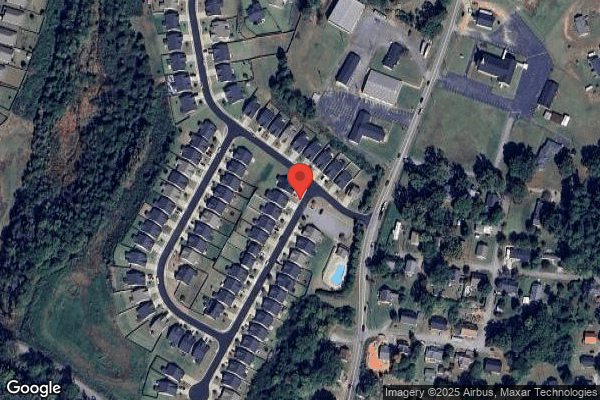
375 Serprentine Drive, Spartanburg, SC 29303 (864) 585-0218
For profit - Corporation 95 Beds FUNDAMENTAL HEALTHCARE Data: November 2025 4 Immediate Jeopardy citations
Trust Grade
0/100
#156 of 186 in SC
Last Inspection: May 2025

Inspected within the last 6 months. Data reflects current conditions.

Overview

Magnolia Manor in Spartanburg, South Carolina, has received a Trust Grade of F, indicating significant concerns and a poor reputation. Ranked #156 out of 186 facilities in South Carolina, they are in the bottom half, and #13 out of 15 in Spartanburg County, meaning there are very few local options that are worse. Although the facility is improving, having reduced issues from 8 in 2024 to 2 in 2025, it still faces serious challenges. Staffing is below average with a rating of 2 out of 5 stars and a 46% turnover rate, which is concerning given the state average is also 46%. The facility has incurred $27,859 in fines, which is higher than 80% of similar facilities, highlighting ongoing compliance problems. Additionally, RN coverage is average, but there have been critical incidents that raise alarms, such as residents lacking access to functioning call systems and inadequate supervision that led to a resident eloping from the facility. While some improvements are noted, families should be aware of these significant weaknesses when considering Magnolia Manor for their loved ones.

Trust Score
F
0/100
In South Carolina
#156/186
Bottom 17%
Safety Record
High Risk
Review needed
Inspections
Getting Better
8 → 2 violations
Staff Stability
⚠ Watch
46% turnover. Above average. Higher turnover means staff may not know residents' routines.
Penalties
✓ Good
$27,859 in fines. Lower than most South Carolina facilities. Relatively clean record.
Skilled Nurses
⚠ Watch
Each resident gets only 21 minutes of Registered Nurse (RN) attention daily — below average for South Carolina. Fewer RN minutes means fewer trained eyes watching for problems.
Violations
⚠ Watch
18 deficiencies on record. Higher than average. Multiple issues found across inspections.
★☆☆☆☆
1.0
Overall Rating
★★☆☆☆
2.0
Staff Levels
★★☆☆☆
2.0
Care Quality
★☆☆☆☆
1.0
Inspection Score
Stable
2024: 8 issues
2025: 2 issues

The Good

  • Full Sprinkler Coverage · Fire safety systems throughout facility
  • No fines on record

Facility shows strength in fire safety.

The Bad

1-Star Overall Rating

Below South Carolina average (2.8)

Significant quality concerns identified by CMS

Staff Turnover: 46%

Near South Carolina avg (46%)

Higher turnover may affect care consistency

Federal Fines: $27,859

Below median ($33,413)

Moderate penalties - review what triggered them

Chain: FUNDAMENTAL HEALTHCARE

Part of a multi-facility chain

Ask about local staffing decisions and management

The Ugly 18 deficiencies on record

4 life-threatening
Mar 2025 2 deficiencies
CONCERN (D) 📢 Someone Reported This

A family member, employee, or ombudsman was alarmed enough to file a formal complaint

Potential for Harm - no one hurt, but risky conditions existed

Quality of Care (Tag F0684)

Could have caused harm · This affected 1 resident

**NOTE- TERMS IN BRACKETS HAVE BEEN EDITED TO PROTECT CONFIDENTIALITY** Based on review of facility policy, record review and interview, the facility failed to notify the provider of a dehisced wound ...

Read full inspector narrative →
**NOTE- TERMS IN BRACKETS HAVE BEEN EDITED TO PROTECT CONFIDENTIALITY** Based on review of facility policy, record review and interview, the facility failed to notify the provider of a dehisced wound for 2 days, which caused Resident (R)8 to return to the hospital, for 1 of 1 residents reviewed. Findings include: Review of the facility policy dated 06/01/15, titled, Surgical Incisions documents, The clinician will follow specific physicians orders for treatment of these wounds. Obtain clarification orders if the initial orders are not specific. These wounds are usually covered with dry dressings. Based on review of facility policy, record review and interview, the facility failed to notify the provider of a dehisced wound for 2 days, which caused Resident (R)8 to return to the hospital, for 1 of 1 resident reviewed. Findings include: Review of the facility policy dated 06/01/15, titled, Surgical Incisions documents, The clinician will follow specific physician's orders for treatment of these wounds. Obtain clarification orders if the initial orders are not specific. These wounds are usually covered with dry dressings. Review of R8's Face Sheet revealed he was admitted to the facility on [DATE], with diagnoses including but not limited to acquired absence of right leg above knee (AKA), peripheral vascular angioplasty status with implants and grafts, Type 2 diabetes mellitus with diabetic neuropathy and phantom limb syndrome with pain. Additionally, it recorded a last qualifying hospital stay dated 12/30/24 - 01/06/25. Review of R8's Minimum Data Set (MDS) with an Assessment Reference Date (ARD) of 12/17/24, revealed a Brief Interview for Mental Status (BIMS) score of 14 out of 15, indicating he was cognitively intact. Review of progress noted dated 12/28/24 at 06:19 PM revealed, R8 in bed, incision to right AKA open draining blood, pain to touch. Reported findings to Director of Nursing, (DON) and placed in Medical Doctor (MD) for assessment. Area cleanse with wound cleanser with calcium alginate and a foam dressing until being assessed by Nurse Practitioner (NP). Review of an additional progress note dated 12/30/24 at 09:55 AM of R8 revealed, Received order from facility NP to send patient to emergency room (ER) for eval of the right AKA as it is draining large amount of copious greenish bloody drainage. Record Review of hospital records dated 12/30/2024-12/31/2024 Hospital Day 1, recorded, Assessment/Plan: Principal Problem: Wound Dehiscence, Active Problems: Wound Infection, Physical Exam: Extremities: Right AKA dehiscence of the wound and drainage. X- Ray Femur Impression: status post recent AKA. Little soft tissue material appears to cap the tip of the femoral osteotomy, correlate for wound breakdown clinically. During an interview on 03/03/25 at 2:41 PM with Licensed Practical Nurse (LPN)12 revealed, The Certified Nurse Assistant (CNA) had been telling the nurses that R8 had an open wound, his amputation site. I knew about because I went to lunch. Another nurse came to my cart and told me a CNA reported that the resident he had an open wound on his surgical site, there was no dressing. I was on lunch. I told her I'm taking my break. I gave pain medication; he was in a lot of pain. He was probably at an 8. I called the DON; she was not aware of it. I facetimed the DON. She told me what dressing to put on it. She told me she was going to take care of the order. I don't think I called the NP or the MD. It was very pink, a mod amt of blood. It was not purulent at that time. I did not notify his family. I asked if I needed to do an incident report, she said no. During a telephone interview on 03/03/25 at 3:27 PM with the treatment nurse revealed, I did remove his staples, he handled it well. I believe his wound dehisced over the weekend. He was sent out. I wasn't there. A nurse came to me on the Friday before, it was draining a little on the right lateral side. After the staples, I left it open to air. She asked me to look at it. It was still closed then. I wrapped it. It wasn't draining after I looked at it. During an interview on 03/03/25 at 2:06 PM with LPN13 revealed, R8 came back with the AKA. The wound nurse removed the staples. Towards the end of the week, it was bleeding a little. I told the wound nurse about it. She did not apply steri-strips initially after the sutures were removed. She did apply steri-strip, at the end of the incision where it started bleeding, it was not open, that was Friday. It held through the weekend into the following week. Towards the middle of the following week, there was still 1 steri-strip on there. That Friday the 27th, I left the one steri-strip, and it looked fine. A CNA text me, over the weekend, on Saturday the 28th. She told me his leg was draining, she said it looks infected and open, and I told her to tell his nurse. She said the nurse had an attitude. I told her I am off today, and I'll look at it on Monday. The CNA wrote that she asked the nurse for a patch to put over it and she said she can't do it right now. I told her fine, I was just making sure I let you know. I did not call anyone to report this. I mentioned the text to my DON and UM when they questioned me. It does concern me that he was bleeding from the wound, and he was on Eliquis. I saw the wound when I returned. It was the first thing I did. There was an improper dressing with an ABD pad wrapped with tape around his stump. I don't remember a date. I removed the dressing, the wound was dehisced, about 2 inches, from the end where I noted it the previous Friday. The drainage was brown and yellow. I called NP immediately. He came to come and look at it and made the decision to send him out to the hospital. He was concerned as why it wasn't addressed over the weekend. During an interview on 03/03/25 at 2:33 PM with CNA14 revealed, I went into the room to do R8's hygiene. We had an agency nurse. I told her his right wound was open and bleeding. It was like fresh, new blood. The steri-strips were hanging off a bit. I went back to go and check on him, and she hadn't done anything yet. I went and got another nurse who works every weekend. She spoke to the agency nurse. During a telephone interview on 03/03/25 at 4:30 PM with LPN15 revealed, I only worked on Saturday and Sunday. I addressed R8 with the nurse on duty. I never actually did the dressing change. The wound had dehisced, it was a surgical incision. The CNA came and got me, I looked at it. I went to the nurse on the floor. I said to her you can send him out or put a wet to dry dressing on it and wait for the doctor until Monday. During an interview on 03/03/25 at 3:39 PM with the Nurse Practitioner (NP) revealed, R8 had a wound that dehisced. I was asked to see him. It looked infected to me; it was more than we were capable of. He was probably going septic, and he need Intravenous (IV) antibiotics (ABT). The weekend staff should have called the on-call provider. The NP confirmed it was the Monday after the wound dehisced that he observed the wound. During an interview on 03/03/25 at 5:20 PM with the Clinical Services Director (CSD) revealed, They did not have any orders for monitoring of R8's surgical wound when he returned from the hospital, only his abdominal wound, not the right AKA. He should have had orders to monitor his surgical amputation site. The CSD confirmed there were no orders in R8's medical record relating to the right AKA. During an interview on 03/04/25 at 10:20 AM with the DON confirmed R8's dehiscent wound. She stated, I can't recall completing education on dehiscent wounds. For a new amputation, the site should be monitored. If orders were not received by the hospital, contact the NP or surgeon for orders.
CONCERN (D) 📢 Someone Reported This

A family member, employee, or ombudsman was alarmed enough to file a formal complaint

Potential for Harm - no one hurt, but risky conditions existed

Accident Prevention (Tag F0689)

Could have caused harm · This affected 1 resident

**NOTE- TERMS IN BRACKETS HAVE BEEN EDITED TO PROTECT CONFIDENTIALITY** Based on review of the facility policy, observation, record review and interview, the facility failed to ensure ordered fall dev...

Read full inspector narrative →
**NOTE- TERMS IN BRACKETS HAVE BEEN EDITED TO PROTECT CONFIDENTIALITY** Based on review of the facility policy, observation, record review and interview, the facility failed to ensure ordered fall devices were in place for 1 Resident (R)11, reviewed for accidents. Findings include Review of the facility policy titled, Fall Management with a revision date of May 5, 2023 revealed under the policy, The facility will identify each resident who is at risk for falls and will plan care and implement interventions to manage falls. The facility provides assistive devices based onindividual resident needsto facilitate mobility and prevent falls. Record review of R11's facesheet revealed he was admitted to the facility on [DATE] with diagnoses that include but are not limited to; displaced intertrochanteric fracture of right femur, subsequent encounter for closed fracture with routine healing and hemiplegia and hemiparesis following cerebral infarction affecting left non-dominant side. Record review of R11's Quarterly Minimum Data Set (MDS) with an Assesment Reference Date (ARD) of 12/02/24 revealed he had a Brief Interview Mental Status (BIMS) score of 13 out of 15, indicating he was cognitively intact. During an observation and interview on 03/03/25 at 10:00 AM, R11 was observed lying in bed. R11 stated, The lights went off. I got up to turn the lights back on. I started walking and I fell backwards. He pointed to his right leg, and said, This is the leg I fractured. Additional observation revealed there were no non-skid strips at his bedside. There were no anti-roll back on his wheelchair (W/C). His wheelchair was locked at his bedside, directly by his bed toward the foot of the bed. Record review of R11's progress notes dated 11/25/24 at 01:48 AM revealed On arrival R11 was observed on the floor at the foot of B bed. Resident stated that he was going to the bathroom and his wheelchair slipped backward. Wheelchair was found in the locked position on both sides. On assessment of resident, he was able to move both arms but unable to move right leg due to pain in right hip. On-call provider, notified. Order received to send resident to Emergency Department (ED) for evaluation. Message left for Director of Nurses. (DON). 911 called and resident was transported to ED. Record review of R11's progress noted dated 12/16/24 at 10:58 AM revealed, Received order for [NAME] to be applied to w/c for use at all times. [NAME] has be applied. Patient is aware. Record review of R11's physician orders revealed on 11/26/24, an order for Anti-roll back device to wheelchair. Additionally, on 12/07/24 an order for Nonskid strips to floor by bed. There was not an order for a Dycem. Record review of R11's care plan with a revision date of 01/21/25 for falls revealed an approach to, apply dycem to W/C as ordered. On 03/03/25 at 2:55 PM, an interview with Certified Nursing Assistant (CNA)15 revealed, I'm not sure he is a fall risk. Most times the wheelchair is by the bed. He gets up on his own, but we ask him to please call staff to observed just in case. I helped him this morning. He got in his W/C. She pointed to his W/C, it did not have the anti-rollbacks. CNA15 said she was not aware of his safety measures. She said, We could check the computer. She said she's not aware if it would be there. She clicked on resident profile, and it did show the anti-rollbacks to his W/C and the non skid strips at bedside. She said, I didn't know I could see this. On 03/03/25 at 3:05 PM, an interview with Licensed Practical Nurse (LPN)13 revealed, R11 has anti rollbacks to his W/C because he is a fall risk. She said she did not realize his W/C did not have antiroll backs. She walked down to R11's room to observe the W/C at R11's bedside and said, The W/C may have got mixed up with his roommates W/C. On 03/04/25 at 10:00 AM, an observation revealed LPN13 was in the room with R11. He had the correct W/C at bedside with the anti-rollbacks. LPN13 stated, They had the W/C's mixed up yesterday and I also went back to review his orders. He was supposed to have the anti-skid strips on the floor. They got them put down; it was my fault for not checking. The anti-skid strips were observed at R11's bedside on the floor. On 03/04/25 at 10:20 AM, an interview with the DON revealed, For falls, all ordered safety measures should be in place for any resident.
Nov 2024 1 deficiency
CONCERN (D) 📢 Someone Reported This

A family member, employee, or ombudsman was alarmed enough to file a formal complaint

Potential for Harm - no one hurt, but risky conditions existed

Report Alleged Abuse (Tag F0609)

Could have caused harm · This affected 1 resident

**NOTE- TERMS IN BRACKETS HAVE BEEN EDITED TO PROTECT CONFIDENTIALITY** Based on review of facility policy, observation, interview and record review, the facility failed to report an allegation of phy...

Read full inspector narrative →
**NOTE- TERMS IN BRACKETS HAVE BEEN EDITED TO PROTECT CONFIDENTIALITY** Based on review of facility policy, observation, interview and record review, the facility failed to report an allegation of physical abuse, involving Resident (R)2, within the required timeframe, for 1 of 4 residents reviewed for abuse. Findings include: Review of the facility policy titled, Abuse, Neglect, Exploitation, or Mistreatment revised on 10/23/19, documents, The facility's Leadership prohibits neglect, mental, physical, and or verbal abuse . and ensures that alleged violations involving abuse, neglect, exploitation or mistreatment . are reported immediately. Review of R2's Face Sheet revealed R2 was admitted to the facility on [DATE], with diagnoses including but not limited to: chronic respiratory failure with hypoxia, chronic obstructive pulmonary disease, unspecified depression and cerebrovascular accident. Review of R2's Minimum Data Set (MDS) with Assessment Reference Date (ARD) of 09/02/24, revealed R2 had a Brief Interview for Mental Status (BIMS) score of 12 out of 15, indicating R2 had moderate impaired cognition. Review of R2's Progress Note dated 09/10/24 at 2:17 PM, written by the Social Worker revealed, Spoke with resident related to allegations of physical abuse from a certified nurses assistant. Resident laying in bed, alert and pleasant at time of conversation. Resident informed SW of his abuse allegation and stated he would not remember the exact day but was able to state the alleged abuse occurred this past weekend and named the staff member. Review of Licensed Practical Nurse (LPN)1's Suspension Pending Investigation dated 09/11/24, revealed LPN1 was suspended pending investigation for, Failure to report an allegation of abuse per policy. Review of Certified Nursing Assistant (CNA)1's Corrective Action Form dated 09/17/24, documented a performance/behavioral as, Discharge, for, Violation of policy for failure to report combative resident incident to supervising nurse and failure to cooperate in an investigation. Review of LPN1's Corrective Action Form dated 09/17/24, indicated a performance/behavioral as, Final Warning . Employee did not follow facility policy for reporting an allegation . Employee is expected to notify the administrator-who is the facility abuse coordinator, and or Director of Nurses (DON) at the time of any suspected or reported suspicion of abuse or neglect so that proper actions can be taken and a thorough investigation initiated to ensure the safety of residents. During an interview on 11/26/24 at 10:47 AM, LPN2 stated, [R2] just kept calling my name one day. I went into his room and asked him what he needed. He said something like, someone had hit him, she hit me. I asked who, he said, [CNA1]. I don't know her, she worked weekends. He said she was mean to him. I went to tell my DON and Administrator. He told her the same thing. She had hit him on his left side. During an interview on 11/26/2024 at 12:11 PM with LPN1. She stated, I am aware of reporting any allegations of abuse. I would immediately report to my DON/Administrator. I think it was Sunday. It never came up again until Tuesday. I was asked to come in or speak to an officer. She placed me on suspension over the phone until it was figured out. I didn't see any marks on him. I never asked him directly if anyone had hit him. During an interview on 11/26/24 at 12:58 PM, the DON stated, It was over the weekend that it occurred, not sure if it was the 7th or the 8th of September. It was reported to us on 09/10/24 and we started an investigation. [R2] alleged [CNA1] slapped him on the side of his face and verbal remarks of hanging him from a tree. [LPN1] was the nurse on that weekend. She should have reported that to us, administration, immediately. We suspended her for that. We reported it after we found out. During an interview on 11/26/24 at 1:50 PM, the Administrator stated, I am the abuse coordinator. I reported it when I was notified. He said someone had hit him. I called the cops and completed a body audit. The staff are supposed to call me immediately. [LPN2] let me know that day when she was notified. After we started our investigation, we found out that this was reported to staff over the weekend.
Jun 2024 6 deficiencies 1 IJ
CRITICAL (J)

Immediate Jeopardy (IJ) - the most serious Medicare violation

Deficiency F0624 (Tag F0624)

Someone could have died · This affected 1 resident

**NOTE- TERMS IN BRACKETS HAVE BEEN EDITED TO PROTECT CONFIDENTIALITY** Based on a review of the facility policy, record reviews, and interviews, the facility failed to ensure a resident had a safe an...

Read full inspector narrative →
**NOTE- TERMS IN BRACKETS HAVE BEEN EDITED TO PROTECT CONFIDENTIALITY** Based on a review of the facility policy, record reviews, and interviews, the facility failed to ensure a resident had a safe and orderly discharge from the facility, for 1 of 1 resident. Specifically, Resident (R)60 was transported and discharged from the facility on 06/12/24 to the [NAME] Housing Authority, 62 miles from the facility. The [NAME] Housing Authority was not able to receive R60 due to financial issues. Furthermore, the facility failed to obtain a physician order for the discharge. On 06/13/24 at 7:19 PM, the Administrator and the Director of Nursing (DON) were notified that the failure to ensure a resident had a safe and orderly discharge from the facility constituted Immediate Jeopardy (IJ) at F624. On 06/13/24 at 7:30 PM, the survey team provided the Administrator with a copy of the CMS Immediate Jeopardy (IJ) Template and informed the facility IJ existed as of 06/12/24. The IJ was related to 42 CFR 483.15 - Admission, Transfer, and Discharge. On 06/14/24 at 8:57 AM, the facility provided an acceptable IJ Removal Plan. On 06/14/24 at approximately 10:00 AM, the survey team validated the facility's corrective actions and removed the IJ. The facility remained out of compliance at F624 at a lower scope and severity of D. Findings include: Review of the facility policy titled Discharge/Transfer with a complete revision date of 11/01/2017 states, The patient/ resident will be discharged /transferred (home/another entity) by order of his/her attending physician. The facility will include the patient/resident and family in developing a safe discharge plan to address the patient's/ resident's individual needs. Procedures: 1. Obtain a discharge order from the physician. 2. Notify the patient/resident, his/her legal representative, if any, or an interested family member and document the discharge. Types of discharges: Planned discharge to the patient's/resident's home/private residence. Obtain an order for discharge/transfer from the patient's/resident's physician. Arrange community resources identified by the interdisciplinary team/patient/resident and/or family. Provide written Discharge Instructions for care to the patient/resident and/or family when discharging the patient home or to a community setting such as assisted living. Complete the Discharge Summary, documenting the patient's/resident's assessment at time of discharge and a summation of the patient's/resident's stay. Place a copy of the completed forms in the patient's/resident's medical record. Refer to Social Services Policy on Discharge Planning. Review of R60's Face Sheet revealed that R60 was admitted to the facility on [DATE], with diagnoses including but not limited to: Schizophrenia, chronic obstructive pulmonary disease, moderate persistent asthma, hyperlipidemia, Type 2 diabetes mellitus without complications, shortness of breath, and acute on chronic systolic (congestive) heart failure. Review of R60's admission Minimum Data Set (MDS) with an Assessment Reference Date (ARD) of 04/18/24, revealed a Brief Interview for Mental Status (BIMS) score of 15 out of 15, indicating R60 was cognitively intact. Review of R60's Decisional Capacity Form dated 05/31/24, revealed R60 does not meet all the criteria for decisional capacity and therefore cannot make healthcare decisions for himself. Review of R60's Discharge summary dated [DATE] revealed, This resident is being seen today for discharge assessment and is set to discharge from this facility later today, this patient will be going home with family care later today. The Discharge Summary further revealed, R60 was discharged to Section Housing through [NAME] Housing Authority on 06/12/24 and R60 signed his own discharge. Review of R60's Physician Orders revealed an order dated 04/12/24 which stated, I certify that this resident requires continuing placement in a long term care facility. Further review of R60's Physician Orders revealed there was no order for R60's discharge. Review of R60's Care Plan dated 04/16/24 revealed the following: Problem: R60 has discharge potential to a less restrictive environment. A safe discharge plan will be developed to allow him/her to return to the community or less restrictive or alternate environment. R60's stated discharge goal is to return home to [NAME]. R60 is working with [NAME] Housing Authority on alternate residences. Problem: R60 has schizophrenia. Problem: R60 has the risk of respiratory issues related to congestive heart failure, asthma, COPD. He has trouble with SOB when lying flat at times. Problem: R60 appears to have a recall deficit as evidenced by: : [ ] Short-term recall, [ ] Long-term memory recall, [ ]inability to understand commands/communication [ ]Poor decision-making Related to the diagnosis of: [ ]Intellectual Disability, [ ]Dementia, [ ]Traumatic Brain Injury, [ ]Parkinson's Disease, [ ]Late effect of CVA, Others: schizophrenia with periods of inattentiveness and disorganized thinking. Review of R60's Progress Notes revealed the following: 06/12/2024 11:26 AM [Recorded as Late Entry on 06/13/2024 11:26 AM] Resident discharged from facility via Ambustar transport. All discharge paperwork, medications, Rx and belongings sent with resident. 06/07/2024 11:11 AM SW called and left message with resident's sister, informing her of resident's dc plans and requesting a return call with any questions. SW will continue to observe and assist PRN. 06/07/2024 10:55 AM SW spoke with resident's CLTC caseworker via phone and informed her that resident will be discharging next week. She stated she did not need a new referral since resident's case was still open. [CLTC caseworker] stated she only needs resident's discharge date and new address. SW emailed this information to caseworker per her request. SW will continue to observe and assist PRN. During an interview on 06/13/24 at 1:42 PM, R60 stated, When I got to the house yesterday, they were requesting a deposit, which I didn't have. No one told me I needed a $900.00 deposit. Transport dropped me off and left. I slept in a motel last night. I'm talking to you on the phone and I'm walking, trying to find a place to stay. I'm hot. My sister lives in New Jersey, I don't think she knows I left. During an interview on 06/13/24 at 2:16 PM, Social Services (SS) confirmed she knew the resident and assisted him with his discharge. SS stated that R60 requested to be discharged because he was ready to go. SS stated that the resident's family members were contacted on April 2024 shortly after admission and they agreed and requested [NAME] SC. SS stated she spoke with a cousin, who contacted the housing authority on 05/06/24. No NOMNC was issued because the resident was only on Medicaid. SS stated Housing Authority set up water and electricity provided by [NAME] (Housing Authority Representative). SS stated she called the resident's sister related to the discharge and left a voicemail, no actual conversation. SS stated she was not aware that the resident did not have a decisional capacity to make his own decisions. SS stated that R60 is not his own responsible party. SS stated I was going off his BIMS and it's a 15. An attempt to interview the Ombudsman on 06/13/24 at 2:52 PM, was unsuccessful, a voicemail was left for a return call. An attempt to interview the Medical Doctor on 06/13/24 at 3:02 PM, was unsuccessful, a voicemail was left for a return phone call. During an interview on 06/13/24 at 3:27 PM, the Housing Authority Representative ([NAME]) confirmed housing plans were made with the facility social worker and the resident. The resident's appointment was not on 06/12/24, so he was not to report there. His appointment was today 06/13/24 at 2:00 PM. They are currently working on the resident's housing, but he will be staying in a motel until housing is available. The [NAME] stated she did not call the facility today to report that housing fell through. The [NAME] states she cannot provide any more information due to the Privacy Act. During an interview on 06/13/24 at 3:48 PM, the Ambustar Transport Driver (TD) stated, I took him [R60] to downtown [NAME] SC, it was an old building. I do not know the exact building. Once I came to the city limits, the resident took over with directions and said there it is. The facility did not give me a form with the address, they didn't give me anything, just his belongings. We have an app we use, with an address for him. He didn't have any equipment. He walked fine and carried a few bags. When we arrived, [R60] stated, This is it and he never opened the front door. He said, I got it, and everything is fine. I took everything out of the van and the resident requested me to put his belongings on the porch. He didn't knock on the door or ring the doorbell. He was just standing there, it looked like he was walking towards the diner across the street. He looked like he knew what he was doing, so I left. During an interview on 06/13/24 at 5:06 PM, the Administrator (FA) and Director of Nursing (DON) stated for a resident-initiated discharge, the resident's representative is to be notified. Social Services gets involved and get a doctor's order. We talk to family to discuss discharge and where the placement would be. The sister was difficult to get in touch with. The FA and DON confirmed they were not aware of R60's decision-making capacity form. The FA and DON stated common practice is to call the RP and verify his documents before discharge. The FA stated that she felt bad and that was not right. The FA confirmed no discharge order in the records at 5:11 PM. On 06/14/24 at 8:57 AM, the facility provided an acceptable IJ Removal Plan, which included: Residents who have been discharged in the past 30 days have been reviewed to validate safe, orderly discharge including living arrangements by the Director of Social Services or designee. The Administrator, Director of Nursing, and Interdisciplinary Team including the Social Worker will be reeducated by the Clinical Consultant on 6/13/24 on discharge planning including: Obtaining an order for discharge from the resident's physician. Validating community resources that are identified by the interdisciplinary team, resident, and/or family have been arranged. Providing written discharge instructions for care. Notifying the resident's legal representative, if any, or an interested family member regarding the upcoming discharge. Licensed Nurses will be reeducated on 6/13/24 by the Director of Nursing/Designee on the discharge process which includes Obtaining an order for discharge from the resident's physician. Providing written discharge instructions for care. Notifying the resident's legal representative, if any or an interested family member regarding the discharge. Licensed Nurses not receiving this reeducation by 6/13/24 will receive prior to their next scheduled shift. Anticipated discharges will be reviewed in the Clinical Morning Meeting Monday - Friday by the Interdisciplinary Team to validate preparation for a safe discharge is in place including living arrangements, family and/or responsible party notification, and physician order for discharge.
CONCERN (D)

Potential for Harm - no one hurt, but risky conditions existed

Deficiency F0658 (Tag F0658)

Could have caused harm · This affected 1 resident

Based on observations, interview, record review, and facility policy review, the facility failed to ensure a nurse followed physician orders and manufacturer's guidelines for administering an inhaled ...

Read full inspector narrative →
Based on observations, interview, record review, and facility policy review, the facility failed to ensure a nurse followed physician orders and manufacturer's guidelines for administering an inhaled corticosteroid for 1 out of 29 opportunities of medication administration. Findings include: Review of a facility policy titled, Nursing Policies and Procedures, dated 05/05/2023, revealed, 6. The authorized staff member reads the label on the medication three times. A. Before removing the medication from the drawer, before dispensing the medication, and after dispensing the medication. 13. The authorized staff member administers medications according to accepted standards of practice and in compliance with regulatory requirements. Review of the GlaxoSmithKline instructions for use of Trelegy Ellipta, with a revised date of December 2022, revealed under Step 6, Rinse your mouth with water after you have used the inhaler and spit the water out. Do not swallow the water. Review of an admission Record indicated the facility admitted Resident (R)87 on 06/04/24 with diagnoses including but not limited to: multiple sclerosis, insomnia, hypertension, chronic respiratory failure with hypoxia, anemia, dependence on supplemental oxygen, and chronic kidney disease. Review of R87's Quarterly Minimum Data Set (MDS) with an Assessment Reference Date (ARD) of 06/10/24, revealed R87 had a Brief Interview for Mental Status (BIMS) score of 15 out of 15, which indicated the resident had no cognitive impairment. Review of R87's prescription order with a start date of 06/04/24, revealed Trelegy Ellipta (fluticasone-umeclidin-vilanter) blister with device; 100-62.5-25 mcg; amt: 1 puff (1 Blister); inhalation with special instructions: Rinse mouth after use. Once A Day. During an observation on 06/13/24 at 8:50 AM, Registered Nurse (RN)1 administered inhaler without instruction to exhale prior to inhaling medication. Immediately following, R87 did not rinse and spit per physician's order and manufacturer's guidelines. R87 was given by mouth medications with a cup of water to ingest. During an interview on 06/13/24 at 8:56 AM, RN1 admits to not seeing the instructions on the label and on the electronic medication administer record.
CONCERN (D)

Potential for Harm - no one hurt, but risky conditions existed

Respiratory Care (Tag F0695)

Could have caused harm · This affected 1 resident

**NOTE- TERMS IN BRACKETS HAVE BEEN EDITED TO PROTECT CONFIDENTIALITY** Based on observations, record review, interviews, and review of the facility policy, the facility failed to follow physician ord...

Read full inspector narrative →
**NOTE- TERMS IN BRACKETS HAVE BEEN EDITED TO PROTECT CONFIDENTIALITY** Based on observations, record review, interviews, and review of the facility policy, the facility failed to follow physician orders for oxygen administration for 1 of 1 residents reviewed for respiratory care, Resident (R)41. Findings include: Review of the facility's policy titled, Respiratory Policy & Procedures dated 02/12/2024 revealed, Subject: Oxygen Therapy-Oxygen administration helps relieve hypoxemia and maintain adequate oxygenation of tissues and vital organs. Oxygen administration increases blood oxygen content so that the heart doesn't have to pump as much blood per minute to meet tissue demands. Indications: Hypoxemia, Heart failure . Procedures: A. Verify the provider's order for the oxygen therapy . Review of R41's Face Sheet revealed R41 was admitted to the facility on [DATE], with diagnoses including but not limited to: acute respiratory failure with hypoxia, chronic cough, nasal congestion, chronic systolic (congestive) heart failure, obesity, cardiomyopathy, essential (primary) hypertension, unspecified atrial fibrillation, and weakness. Review of R41's Quarterly Minimum Data Set (MDS) with an Assessment Reference Date (ARD) date of 04/15/24, revealed a Brief Interview for Mental Status (BIMS) score of 15 out of 15, indicating R41 was cognitively intact. Review of R41's Care Plan with a start date of 02/28/24 and a target date of 07/15/24 documented, problem [R41] .is at risk for respiratory distress/SOB due to Dx of: CHF. Documented goal [R41] .will not exhibit or develop respiratory distress as evidenced by no SOB, O2 sat at or above 95%. Documented approach revealed, standard chest x ray with start date 06/04/24, ask resident if having trouble breathing while lying flat. Document with start date 02/28/24, monitor vital signs q shift and PRN. Document with start date 02/28/24, Apply O2 as ordered. Change O2 tubing/nasal cannula/mask/humidification system weekly. Change tubing/mask weekly. Keep O2 cannula/mask/tubing and bagged when not in use with start date 02/28/24, Encourage/teach how to cough and deep breath with start date 02/28/24, Elevate head of bed as needed with start date 02/28/24, Administer medications as ordered. Monitor adverse reaction. Contact MD if noted with start date 02/28/24, Monitor respiratory status daily during treatment period. Respiratory distress s/sx: -Shortness of breath. -Fast breathing, or taking lots of rapid, shallow breaths. -Fast heart rate. -Coughing that produces phlegm. -Blue fingernails or blue tone to the skin or lips. -Extreme tiredness. -Fever. -Crackling sound in the lungs with start date 02/28/24. Review of R41's Medication Administration Record (MAR) for 06/01/24 - 06/24/24, revealed an order for O2 at 2 liters per minute via nasal cannula, check O2 sats Q shift, Every Shift, Third, First, Second. Review of R41's Physician Order with a start date of 06/12/23 documented, O2 at 2 liters per minute via nasal cannula, check O2 sats Q shift, Every Shift. During an observation and interview on 06/13/24 at 9:52 AM, R41 was wearing oxygen at 1L/min via nasal cannula. Resident stated the oxygen was supposed to be on 1L/min but was working on being weaned off. Oxygen tubing and water bottled was dated 06/12/24. During a record review on 06/13/24 at 10:17 AM, physician orders were verified for oxygen at 2L/min. During an observation on 06/13/24 at 7:27 PM, the oxygen flowrate was set at 1L/min. via nasal canula. During an interview on 06/13/24 at 7:29 PM, Licensed Practical Nurse (LPN)5 verified oxygen orders for R41 and reported that the order was for 2L/min. LPN5 observed the flow rate at eye level. LPN5 began adjusting the flow rate and surveyor asked what was the previous rate. LPN5 confirmed the flow rate was at 1L/min. and was adjusting to match the order to 2L/min. LPN5 explained that the order was for 2L/min. LPN5 concluded, I don't know why it was on 1L/min. During an interview on 06/14/24 at 9:12 AM, the Director of Nursing (DON) revealed nursing expectations to ensure accuracy of oxygen flow rates at the bedside as compared to the orders. The DON stated the nurse should review the orders which provides the flow rate and when validating the order during the shift, the nurse should visualize the flow rate at bedside to ensure accuracy.
CONCERN (D)

Potential for Harm - no one hurt, but risky conditions existed

Deficiency F0698 (Tag F0698)

Could have caused harm · This affected 1 resident

**NOTE- TERMS IN BRACKETS HAVE BEEN EDITED TO PROTECT CONFIDENTIALITY** Based on observation, interviews, record review, and review of the facility's Dialysis Contract, the facility failed to ensure c...

Read full inspector narrative →
**NOTE- TERMS IN BRACKETS HAVE BEEN EDITED TO PROTECT CONFIDENTIALITY** Based on observation, interviews, record review, and review of the facility's Dialysis Contract, the facility failed to ensure communication with the dialysis center for 1 of 1 resident (Resident (R)75) reviewed for dialysis. Findings include: Review of the facility's Dialysis Contract titled, Long Term Care Facility Dialysis Services Agreement, dated October 25, 2012, states under section 2B, Care facility agrees to furnish at the time of referral and request for acceptance of any Resident as a patient of Dialysis Center all appropriate medical and administrative information relating to resident condition, including without limitation the following. Resident's name, address, date of birth , and Social Security Number. Name, address, and telephone number of Resident's next of kin. Appropriate Payor information for Resident. Appropriate medical records of Resident, including the history of Resident's renal illness and record of laboratory and x-ray findings. Statement of current treatment including medications. Name, address, and telephone number, of the physician referring Resident, who is a physician with admitting privileges at Dialysis Center; and Advance Directives, if any, executed by the resident. Under Section 4. Care Facility Obligations stated, (a) Care Facility will provide to Dialysis Center . all information described in Section 2(b) above relating to any Resident accepted for dialysis services which is necessary or useful in connection with the provision of dialysis services to such Resident. (c) Care Facility will have the responsibility for arranging . transportation . Care Facility will be responsible for determining that Resident is in a medical condition to undergo any such transportation to Dialysis Center . Review of R75's Face Sheet revealed R75 was admitted to the facility on [DATE], with diagnoses including but not limited to: end-stage renal disease (ESRD) and was dependent on hemodialysis. Review of the admission Minimum Data Set (MDS) with an Assessment Reference Date (ARD) of 05/01/24, revealed R75 had a Brief Interview for Mental Status (BIMS) score of 15 out of 15 which indicated R75 was cognitively intact. In addition, the assessment revealed R75 was receiving dialysis and had no skin issues. Review of R75's Dialysis Care Plan revealed problem start date 05/07/24. [R75] is receiving: [x ] Hemodialysis, [ ] Peritoneal dialysis Due to End Stage Renal Disease. He goes to Carolina Dialysis M-W-F at 5:30 am chair time. Review of the R75's dialysis communication book revealed there were only three (3) communication forms in the book, with the following dates: 05/31/24, 06/10/24, and 06/12/24. During an interview on 06/12/24 at 2:33 PM, R75 revealed that he goes to dialysis three (3) days a week, Monday, Wednesday, and Friday, for four (4) hours a day. R75 states there is no good communication between dialysis and the facility because the dialysis center tries to get the facility to do so many things such, as communication forms, for weeks and weeks they didn't do it. The dialysis center called and complained that the third shift would give attitudes to them. The communication sheets address blood pressure, but they are not doing it. They write something down. There have only been a few times I took a form with me, but normally I go with nothing, just snacks. During an interview on 06/14/24 at 10:42 AM, Licensed Practical Nurse (LPN)1 states she is an agency nurse who has been employed with the facility for six (6) months. LPN1 stated for residents who attend dialysis, there is a communication book for each resident. Residents are supposed to take the book to dialysis, with a new communication form with vitals, and medication list, and are to check the resident's port before leaving the facility. For residents who have early dialysis chair time prior to 6 am, it is the third shift's responsibility to make sure they are ready to go. When a resident comes back from dialysis, nurses are responsible for obtaining another set of vitals upon return from the dialysis facility, and ensuring the resident has their communication book. During an interview on 06/14/24 at 11:04 AM, R75 stated, I don't have my book, I didn't take it today. I don't know where my paper is at. During an interview on 06/14/24 at 11:10 AM, LPN2 confirmed she was R75's nurse for the 1st shift and she is an agency nurse. LPN2 stated, I came in at 7 this morning, the previous nurse told me he was LOA to dialysis and didn't communicate any vitals from him being sent out. When the resident came back at 10:57 he didn't have a paper, I followed him to his room and took his vitals. He should have been sent out with a form, and I would have filled out the bottom portion of the form that would have been kept in the binder. During an interview on 06/14/24 at 11:13 AM, the Director of Nursing (DON) confirmed she was familiar with R75's care, including dialysis. The DON states her expectations of facility staff, specifically nurses, is to ensure any resident who goes out to dialysis has a communication form each time a resident goes out via transport. The communication form should address all vitals such as blood pressure, temperature, pulse, and if the resident has taken their medication prior to leaving the facility. The forms are to be kept in the resident's communication book and the resident is to take the book with them, and upon return from dialysis, nurses should repeat vitals and document at the bottom of the form. Staff are to ensure all communication forms of all visits are kept in the book. During an interview on 06/14/24 at 10:01 AM, the Facility Administrator (FA) stated she and the DON could not locate R75's dialysis book. The FA stated normally the book would be at the nurse's station, or the resident took it with him. At 11:27 AM, the FA stated she would ask a medical records staff member to look for the resident's dialysis communication forms. At 12:38 PM, the FA provided R75's communication book along with a dialysis contract. The FA stated that the expectation of her staff, specifically nurses, is to ensure all communication forms are in the resident's book. The FA concluded she does not have an explanation as to why they aren't doing what is expected of them.
CONCERN (D)

Potential for Harm - no one hurt, but risky conditions existed

Deficiency F0726 (Tag F0726)

Could have caused harm · This affected 1 resident

**NOTE- TERMS IN BRACKETS HAVE BEEN EDITED TO PROTECT CONFIDENTIALITY** Based on observations, interviews, and record review, the facility failed to ensure Certified Nursing Assistants (CNA)s and Lice...

Read full inspector narrative →
**NOTE- TERMS IN BRACKETS HAVE BEEN EDITED TO PROTECT CONFIDENTIALITY** Based on observations, interviews, and record review, the facility failed to ensure Certified Nursing Assistants (CNA)s and Licensed Practical Nurses (LPN)s were provided needed competency training for colostomy care and maintenance. Specifically, a CNA provided skilled nursing care to Resident (R)23's colostomy wafer that was beyond their scope of practice, for 1 of 2 residents observed for colostomy care. This failure had the potential to cause harm to R23's stoma. Findings include: Review of the Nurse Aide Candidate Skill Checklist also known as Skills Listing South Carolina Nurse Aide Candidate Handbook dated 07/01/23 reveals no competency skills or training for stoma assessment, care, and/or colostomy wafer changes. Review of R23's Face Sheet revealed R23 was admitted to the facility on [DATE], with diagnoses including but not limited to: Schizophrenia, urinary incontinence, psychotic disorder with delusions, hallucinations, Bell's Palsy, colostomy, and intellectual disabilities. Review of R23's Annual Minimum Data Set (MDS) with an Assessment Reference Date (ARD) of 04/29/24 revealed a Brief Interview for Mental Status (BIMS) score of 8 out of 15, indicating R23 had moderate impaired cognition. This MDS revealed that R23 required partial to extensive assistance of one person support with Activities of Daily Living (ADLs). Review of R23's Care Plan revealed, [R23] requires the use of a colostomy history of bowel obstruction. [R23] picks and takes off colostomy resulting in multiple colostomy during the day by nurse. [R23] cannot change colostomy related to cognitive impairment. [R23] does not clean hands appropriately causing feces to be smeared at times. Goals are: [R23] will not have any skin breakdown, will remain clean and remain patent/functional thru next review date. Approaches to meet goals include, Provide ostomy care per order to keep ostomy patent without leakage. The nurse checks colostomy every shift and change as needed. Change colostomy as needed, if more than once a shift. Notify physician of any abnormal findings. Monitor site for swelling, pain, and/or redness. Document ostomy care in clinical record. Review of R23's Physician Orders revealed, Change colostomy appliance as needed and if needed more than twice in shift. Check resident colostomy for appropriate adherence every shift and change if needed. Change colostomy wafer and bag twice a day. During an observation and interview on 06/14/24 at 10:25 AM, surveyor observed CNA3 tell CNA2 that she is to do R23's colostomy. CNA3 agreed to help her with this task since she was being interviewed. CNA2 continued interview with surveyor and revealed changing the colostomy wafer and bag is a regular task for the CNAs. During an observation and interview on 06/14/24 at 10:38 AM, surveyor observed CNA3 taking Medi pore tape off R23. R23 was lying supine on the bed with his shirt up and a green yellowish substance leaking around the tape that had not been taken off. CNA3 cut Medi pore tape on the bedside table with wafer. CNA3 stated this is not a task she should be doing but was directed by the nurse to complete. During an interview on 06/14/24 at 10:56 AM, LPN1 revealed she works at the facility 2-3 times a week. LPN1 reveals that since employed six months ago certified nursing assistants have been providing total colostomy care to residents. No one told her any different, so she thought it was fine. LPN1 reports that a CNA changed his bag this morning already but did not want to give the name. LPN1 verified telling CNA2 and CNA3 to do R23's colostomy wafer and care. LPN1 further stated she does not sign off on treatment administration if the CNAs complete the treatment. LPN1 revealed she does the colostomy treatments from time to time and only then will she sign the treatment administration record. During the interview LPN1 showed this surveyor a note saying she does not want to get in trouble, but the CNAs do dressing changes too. During interview on 06/14/24 at 11:08 AM, CNA3 revealed she has changed and witnessed several CNAs do dressing changes and change colostomy wafers and bags. CNA3 states she was told by nurse weekend supervisor, she had to do it. CNA3 states if a surveyor would not have stopped this process, she would have done it today. CNA3 verified LPN1 told her or CNA2 to do the colostomy care with the wafer and bag. During an observation and interview on 06/14/24 at 11:15 AM, surveyor observed R23 with his curtain open and his shirt still up exposing his stomach. R23 was laying across the bed supine. R23 states a CNA was changing him but stopped. Can one do it now? R23 was rubbing his head visibly upset. R23's bag and dressing was exposed with several cut pieces of Medi pore tape on the bedside table. A yellow greenish hue colored substance was leaking from the wafer, soiling the tape. During an interview on 06/14/24 at 11:20 AM, CNA2 revealed she has done colostomy wafers and bag changes. CNA2 stated she did not know the wafer or stoma required measurements. CNA2 explained that she normally put it against him and cut a hole in the thing. CNA2 further stated, I have changed dressings all the time if it is a dry dressing or do not have ointment or anything. The nurses give us the dressings because the treatment carts are locked so how are we getting it? They are the only ones with the key. During an interview on 06/14/24 at 11:34 AM, the Director of Nursing (DON) revealed not being aware that CNAs were doing the dressings or colostomy treatments. The DON stated there is a policy in place and staff know how to work within their scope of practice. The DON revealed that she will follow up with the CNAs. The expectation is that CNAs do not work outside their scope of practice.
CONCERN (D)

Potential for Harm - no one hurt, but risky conditions existed

Infection Control (Tag F0880)

Could have caused harm · This affected 1 resident

**NOTE- TERMS IN BRACKETS HAVE BEEN EDITED TO PROTECT CONFIDENTIALITY** Based on observation, record review, interviews, and review of facility policy, the facility failed to ensure that staff used pr...

Read full inspector narrative →
**NOTE- TERMS IN BRACKETS HAVE BEEN EDITED TO PROTECT CONFIDENTIALITY** Based on observation, record review, interviews, and review of facility policy, the facility failed to ensure that staff used proper Personal Protective Equipment (PPE) while providing colostomy care to 1 of 8 residents, Resident (R)17. Findings include: Review of the facility policy titled, Transmission Based/Standard Precautions, and Enhanced Barrier Precautions, revised on May 15, 2023 stated, Policy: 2. Healthcare worker (HCW) will implement Universal/Standard Precautions whenever there is the occupational exposure to blood and body fluids, 4. The type of PPE (personal protective equipment) and precautions implemented depends on the potential for exposure, route of transmission, and the infectious organism/pathogen, 5. Health care workers will implement enhanced barrier precautions according to policy with additional measures to protect residents and staff from Multidrug-resistant Organisms (MDROs) MDROs refers to microorganisms predominantly bacteria that are resistant to one or more classes of antimicrobial agents. Procedures: Enhanced Barrier Precautions (EBP) 1. Enhanced Barrier Precautions expand the use of the PPE (gowns and gloves) during high contact resident care activities that provide opportunities for transfer of MDROs to staff hands and clothing. A. EBP will be implemented for All residents with the following: 2. Wounds and/or indwelling medical devices(central lines, urinary caterer, feeding tube, tracheostomy/ventilator) regardless of MDRO colonization status B. EBP will be implemented during the following high-contact resident care activities: 6. Changing briefs or assisting with toilet 7. Device care or uses: central lines, urinary catheter, feeding tube, tracheostomy/ventilator C. EBP requires the following PPE: 1. Gloves 2. Gown 3. Face Protection is performing activity with risk of splash or spray 4. All PPE is donned (put on) and doffed (removed) with appropriate hand hygiene and disposable after individual use or when visibly soiled. Review of R17's admission Record revealed R17 was admitted to the facility on [DATE], with diagnoses including but not limited to: Schizophrenia, unspecified viral Hepatitis C without hepatic coma, anxiety disorder, major depressive disorder, Streptococcus group A as the cause of diseases classified elsewhere, carrier or suspected carrier of Methicillin resistant Staphylococcus aureus, and pressure ulcer of sacral region Stage 4. Review of R17's Physician Order Report for the month of June 2024, revealed an order with a start date of 09/25/23 for, Enhanced Barrier Precaution r/t (related to) MRSA start date of 09/25/23 to empty colostomy bag q (every) shift. May be emptied by CNA. Review of R17's Care Plan with a revised date of 05/22/23, revealed the resident is continent of bladder, foley catheter, bowl and is at risk for skin breakdown r/t (related to) catheter and colostomy. Interventions initiated on 05/22/23, revealed to change colostomy wafer and bag every 3 days and prn (as needed), empty colostomy bag every shift and prn, may be emptied by nsg (nursing) assistant, observe colostomy site every shift and prn for evidence of redness and breakdown. Review of R17's admission Minimum Data Set (MDS) with an Assessment Reference Date (ARD) of 05/29/23, revealed R17 had Brief Interview for Mental Status (BIMS) of 15 out of 15, indicated the resident was cognitively intact. Further review of the MDS revealed R17 had an indwelling catheter and Ostomy (colostomy). During an observation on 06/12/24 at 11:25 AM, Certified Nursing Assistant (CNA)1 was observed entering R17's room, which signage indicated Enhanced Barrier Precautions. CNA1 entered R17's room without sanitizing their hands, or putting on proper PPE. CNA1 proceeded to check R17's colostomy bag. During an interview on 06/12/24 at approximately 11:35 AM, CNA1 revealed, I should have put on a gown. CNA1 explained the proper procedure for providing direct care in regard to emptying R17's colostomy, they should have worn a gown, gloves and a mask while providing care. CNA1 concluded, I just wasn't thinking. During an interview on 06/14/23 at 4:15 PM, the Director of Nursing (DON) and the Administrator revealed that staff should use proper PPE when providing direct care to residents on EBP. The DON and the Administrator explain that direct care includes transfers, incontinent care, and bed baths. Both the DON and the Administrator state that it is their expectation that staff perform hand hygiene by washing their hands or using alcohol based sanitizer and dress out in the proper PPE provided.
Apr 2024 1 deficiency
CONCERN (D) 📢 Someone Reported This

A family member, employee, or ombudsman was alarmed enough to file a formal complaint

Potential for Harm - no one hurt, but risky conditions existed

Notification of Changes (Tag F0580)

Could have caused harm · This affected 1 resident

**NOTE- TERMS IN BRACKETS HAVE BEEN EDITED TO PROTECT CONFIDENTIALITY** Based on review of the facility policy, record review, and interviews, the facility failed to notify the on-call provider regard...

Read full inspector narrative →
**NOTE- TERMS IN BRACKETS HAVE BEEN EDITED TO PROTECT CONFIDENTIALITY** Based on review of the facility policy, record review, and interviews, the facility failed to notify the on-call provider regarding a significant change in a resident's (R)1 condition. Specifically, critical lab blood sugar readings were not communicated timely. Findings include: Review of the facility policy titled, Physician and Other Communication/Change in Condition dated [DATE], revealed, To improve communication between physicians and nursing staff to promote optimal patient/resident care, provide nursing staff with guidelines for making decisions regarding appropriate and timely notification of medical staff regarding changes in patient/resident's condition, and provide guidance for the notification of patient's/residents and their responsible party regarding changes in condition. Section 3 of the policy states, Notify the physician of the change in medical condition. The nurse will document all assessments and changes in the patient's/resident's condition in the medical record. Changes and new approaches will be reflected in the individualized care plan. R1 was admitted to the facility on [DATE], with diagnoses including but not limited to; diffuse traumatic brain injury, type 2 diabetes mellitus without complications, seizures, and muscle weakness. A review of the Annual Minimum Data Set (MDS) with Assessment Reference Date (ARD) date of [DATE] revealed R1 had no Brief Interview of Mental Status (BIMS) documented, due to the resident being rarely/never understood. Review of the physician progress notes revealed a noted dated, [DATE] created by Family Nurse Practitioner, FNP, the resident was seen by him due to a new concern. Staff notified the provider of regard to the patient's condition. The nursing staff reported resident with seizure activity and lethargy. FNP noted, per nursing staff, the patient had been lethargic over the weekend and was noted with a brief seizure episode the morning of [DATE]. FNP visited the patient and made an assessment, FNP stated that the resident does not appear to be in any distress. FNP ordered labs to check therapeutic levels of Keppra and check CBC with diff, BMP, and UA with culture and sensitivity. Additional record review revealed a progress noted dated [DATE] at 03:34 PM, Labs ordered for morning, POA aware. An additional progress note dated [DATE] at 06:47 PM CLS Lab called this nurse to inform of critical lab value on glucose, with it being over 500 at the time of blood draw, early this morning. This nurse immediately checked the resident's blood sugar with a reading of 201. Will continue to monitor throughout the shift; the patient is currently only on oral diabetic meds. Will place on MD list for morning for possible need of frequent blood sugar checks and possible sliding scale needs. POA aware. A progress note dated [DATE] at 09:03 AM: SW was notified by DON that the resident passed away at the hospital. A review of R1's vital signs in the medical record regarding blood sugar checks revealed there was no blood sugar results documented. Furthermore, there was no documentation on R 1's EMR that the provider was notified of R1's critical blood sugar level. A review of R1's care plan revealed that Resident is diabetic, and is at risk for elevated blood sugars, low blood sugars, and changes in mental status. Interventions associated with the care plan are as follows: FSBS as needed, report abnormal to MD. if indicated, Document changes in mental status., notify MD. diet as ordered. monitor for thirst, excessive appetite or voiding, change in LOC, mood, perspiring--report to MD. give meds per order for DM. Report abnormal labs to MD. An interview with Licensed Practical Nurse, (LPN)1 on [DATE] at 12:00 PM revealed that she does not particularly remember the incident in regard to R1's decline. LPN1 stated that if she was taking care of a resident with blood sugars outside of normal limits (500), she would re-draw the sugar and report it to the Provider, especially if the resident is experiencing any changes in condition. LPN1 stated that for residents who have a blood sugar of 200, the abnormal reading does not warrant an immediate report to the provider on call. LPN1 stated they typically just write down the findings in the M.D (Medical Doctor) rounding book so the patient can be seen the following day by the provider during rounds. An interview with the facility's FNP on [DATE] at 12:33 PM revealed that FNP was notified of the changes in the resident's condition as far as the resident's frequency of seizures. FNP revealed that he placed orders for the labs to be drawn on [DATE]. FNP revealed that he was not notified of the resident's abnormal labs when CLS called the facility to report the critical lab value on [DATE] at 1711 (5:11 PM) hours. FNP revealed that it is his expectation of staff members to report abnormal findings to him immediately, especially if the resident is having a significant change in status. FNP stated, I have been employed at at this facility for years now and a vast majority of the staff have his phone number and that he has built a good enough rapport with staff that they can call him at any time of the day. FNP stated that if he had been notified of the abnormal lab values, he would have closely looked at the results and made some interventions. FNP stated that he was not made aware of the R1's labs until after the resident had already expired. An interview with the Director of Nursing, (DON) on [DATE] at 1:10 PM revealed that it is her expectation of staff to report any abnormal labs to the provider especially if the resident is exhibiting any changes in condition. DON revealed that typically Providers are reliant on facility staff members in regards to receiving any results of lab draw results after hours. DON stated that if any abnormal findings in regard to resident lab draws are not reported to the Provider, it would be hard for providers to provide further guidance or orders in regard to interventions to resident care. Interview with LPN2, on [DATE] at 2:57 PM revealed that the providers are easily accessible during and after hours. LPN2 states that providers for the facility typically have very quick response times. LPN2 states that providers expect her and other nursing staff in the facility to report any major changes in regards to the resident condition and or any irregularities in labs, imaging studies, vital signs, etc as soon as possible. LPN2 stated she remembers receiving the resident's abnormal lab value from CLS and states she reported the blood sugar reading to the on-call provider. LPN2 states on call provider told her to monitor the resident blood sugars often to report any blood sugars above 250 and to just closely monitor the resident. LPN2 states she remembers taking the resident blood at least every hour for the rest of her shift. LPN2 states that the blood sugar checks during that time ranged between 190 and 210. LPN2 could not produce any documentation that reflects the statement she has made in regard to the resident's blood sugar checks, nor was she able to present any documentation in regard to the interaction she had with the provider indicating that she informed the on-call provider and received an order to check blood sugars often and to report any abnormal findings. LPN2 does not remember why these interactions, blood sugars, and orders were not documented as she states she is typically one to write, novels in regard to her documentation. LPN2 states that she passed off the instruction regarding frequent BS checks and monitoring to the 3rd Shift, LPN3. An interview with the On-call provider service center was attempted on [DATE] at approximately 3:30 PM to verify any communication made between the facility and on-call provider on [DATE] after 5:00 PM to corroborate LPN's recollection of notifying the provider of the resident's abnormal blood sugar reading. The call was unsuccessful, after 25 minute hold. An interview with the Facility Administrator, (FA) on [DATE] at 3:58 PM revealed that it is the Administrator's expectation of staff to report any major changes in regards to resident condition, abnormal labs, imaging studies, etc, to the provider. FA stated that after hours, she expects staff to report any significant changes to the on-call provider and to document any interaction, conversation, or orders staff may have received during the conversation. In this particular case, the FA stated that the LPN should have recorded the orders she received from the physician, as well as the blood sugars LPN2 drew during the shift. FA stated she understands the practice that if something is not charted, it is hard to prove that any aforementioned actions were completed by staff. Attempts were made to interview R1's Representative via telephone on [DATE] at 11:33 AM, 03:52 PM, and 3:55 PM. All three attempts were unsuccessful. An attempt was made to interview LPN3 via telephone on [DATE] at 03:25 PM. A voicemail was left for a return phone call.
Aug 2023 1 deficiency
CONCERN (D) 📢 Someone Reported This

A family member, employee, or ombudsman was alarmed enough to file a formal complaint

Potential for Harm - no one hurt, but risky conditions existed

Accident Prevention (Tag F0689)

Could have caused harm · This affected 1 resident

**NOTE- TERMS IN BRACKETS HAVE BEEN EDITED TO PROTECT CONFIDENTIALITY** Based on review of the facility policy, interview, and record review, the facility failed to ensure staff implemented interventi...

Read full inspector narrative →
**NOTE- TERMS IN BRACKETS HAVE BEEN EDITED TO PROTECT CONFIDENTIALITY** Based on review of the facility policy, interview, and record review, the facility failed to ensure staff implemented interventions identified to aid in the prevention of harm with a fall for 1 (Resident (R)1) of 2 sampled residents reviewed for falls. Findings Include: Review of facility policy titled, Fall Management with a revised date of 05/05/23, revealed the facility will identify each patient/resident who is at risk for falls and will plan care and implement interventions to manage falls. Review of R1's face sheet revealed R1 was admitted to the facility on [DATE] with diagnoses including but not limited to unsteadiness on feet, muscle weakness, difficulty in walking, unspecified dementia, cognitive communication deficit and attention and concentration deficit. Review of R1's quarterly Minimum Data Set (MDS) with an Assessment Reference Date (ARD) of 05/01/23, revealed R1's Brief Interview for Mental Status (BIMS) score was incomplete. It was recorded that R1 was dependent on the staff for all areas of daily living. The MDS indicated the resident did not sustain any falls during the assessment period. Review of R1's observations titled Falls - Morse Fall Scale revealed R1 had a history of falling, with a Morse Fall Score of 65 indicating R1 was at a high risk for falls. Review of R1's Care Plan with a start date of 11/17/22 revealed that R1 had a problem of is at risk for falling r/t (related to): weakness decreased mobility psych. med use dx: mood disorder dementia insomnia. Review of R1's Physician Orders revealed an order for Ambulation with assist of 2 with a start date of 10/27/22 and Wheelchair with offloading cushion. Review of R1's progress notes dated 05/05/23 revealed Resident ambulating unassisted into the hall, resident had fall and noted to be laying in hall on right side, no visible injury noted. Resident assisted to chair with assist standing and walking some steps but complained of leg pain. When asked where does it hurt resident began to point to her hands, neck and other body parts. Legs palpated and no indication of pain voiced. When moving right leg resident does indicated pain. NP notified, x-ray of right hip ordered r/t fall with pain, RP called to update of fall and 2nd x-ray and agreed to plan. Review of R1's admission Note from a local hospital dated 05/05/23 revealed Patient is a 82 y.o. female that presents to the ED after a fall at her nursing facility. It is reported she has had multiple falls today and at least one other within the last week., further review revealed R1 sustained a right hip transcervical femoral neck fracture and a right distal radius fracture. During an interview on 08/23/23 at 2:15 PM, Licensed Practical Nurse (LPN)1 stated that R1 should not have been ambulating and uses a wheelchair. LPN1 further stated R1 would be redirected back to her bed or chair by staff if attempting to ambulate unassisted.
Apr 2023 1 deficiency
CONCERN (D) 📢 Someone Reported This

A family member, employee, or ombudsman was alarmed enough to file a formal complaint

Potential for Harm - no one hurt, but risky conditions existed

Deficiency F0761 (Tag F0761)

Could have caused harm · This affected 1 resident

**NOTE- TERMS IN BRACKETS HAVE BEEN EDITED TO PROTECT CONFIDENTIALITY** Based on review of the facility policy, interview, and record review, the facility failed to assure medications were properly ac...

Read full inspector narrative →
**NOTE- TERMS IN BRACKETS HAVE BEEN EDITED TO PROTECT CONFIDENTIALITY** Based on review of the facility policy, interview, and record review, the facility failed to assure medications were properly accounted and disposed of for 1 of 3 residents, (R)1. On 04/04/23, the Director of Nursing (DON) reported she was reviewing R1's records and noted R1 was administered Hydrocodone (Norco) at a time when R1 was not in the building by Licensed Practical Nurse (LPN)1. Findings include: Review of the facility's policy titled, Medication Management Program, with a revision date of 07/13/21 revealed The Facility implements a Medication Management program to meet the pharmaceutical needs of patients and residents, according to established standards of practice and regulatory requirements .Once removed from the package or container, unused doses should be destroyed following facility policy and documenting the destruction according to the facility policy. R1 was admitted to the facility on [DATE] with a diagnosis of fracture of unspecified part of neck of right femur, subsequent encounter for closed fracture with routine healing, iron deficiency, other chronic pain, muscle weakness (generalized), difficulty in walking, and unspecified dementia. Review of the medical record for R1 revealed an order for Norco 5/325mg (milligrams)- administer by mouth three times a day dated 3/22/23. Review of the facility's internal investigation revealed LPN1 pulled R1's Hydrocodone-acetaminophen (Norco) for a 4:00 PM administration at 5:04 PM. R1's controlled drug receipt/record was signed out by LPN1 at 5:00 PM on 3/23/23. The DON reported that LPN1 was not drug tested. The DON reported that law enforcement was in the facility to do a report on 04/06/23. Review of LPN1's witness statement dated 04/04/23 revealed that LPN1 did not dispose of the Norco with another nurse, she put the Norco in a sharp's container. During an interview on 04/06/23 at 10:40 AM, the DON revealed she discovered the medication misappropriation on 04/04/23 while reviewing R1's chart. R1 was seen at a medical appointment and was sent to the hospital and did not return to the facility. However, LPN1 recorded on R1's medication administration records (MAR) and narcotic count sheet, the administration of medications when R1 was not in the facility. During an interview with the Administrator on 04/06/23 at 11:02 AM, he revealed the DON was reviewing R1's MAR and noticed that LPN1 documented signing out the medication, Norco, on 03/23/23 at 5:00 PM. However, R1 was not in the facility and when LPN1 was called, she reported she was not aware and reported the medication Norco, was not administered to R1 and was disposed of in the sharps container because she did not have another nurse to witness the disposal of the medication with. During an interview on 04/06/23 at 11:24 AM, LPN1 revealed she was in the facility on 03/23/23 and reported to work for the 3:00 PM - 11:00 PM shift. The staff that gave her report did not give her report that R1 was not in the facility, however, LPN1 could not provide the name of the staff she had gotten report from. She denied pre pulling medication and reported that when she went to administer the medication, Norco, to R1, she was not in her room. At that time, another staff member told her that R1 was in therapy. LPN1 reported she held the medication cup for R1 to return. At 11:00 PM, at the end of her shift, she reported she walked the hall looking for another nurse to waste the medication with and did not find anyone, so she put the Norco in the sharps container on Unit 2. LPN1 could not recall the time this was done. During an interview on 04/06/23 at 1:46 PM, RN1 reported that R1 had a scheduled appointment with her doctor and family was waiting for R1 to arrive. The family then called the facility to see where R1 was, and this is when the facility learned the family had a different appointment time than the facility. RN1 reported the quality department sent up the appointments when the resident admits based on what is documented on the residents' discharge documents. If the discharge summary does not reference a follow up appointment, the facility does not record as they are not aware and rely on the resident or family to disclose this information. RN1 reported that EMS came to the facility to take R1 to her appointment and when she gave report to LPN1 she told LPN1 that R1 was not in the facility and had left via EMS for an appointment. RN1 was asked what the facility's policy is on wasting narcotic medications and she reported someone is to sign and watch the waste of the narcotic. RN1 reported she was not aware of the time she gave report to LPN1, but was sure it was after 3:00 PM.
Mar 2023 2 deficiencies 1 IJ (1 affecting multiple)
CRITICAL (K) 📢 Someone Reported This

A family member, employee, or ombudsman was alarmed enough to file a formal complaint

Immediate Jeopardy (IJ) - the most serious Medicare violation

Deficiency F0919 (Tag F0919)

Someone could have died · This affected multiple residents

**NOTE- TERMS IN BRACKETS HAVE BEEN EDITED TO PROTECT CONFIDENTIALITY** Based on review of the facility policy, observations, and interviews, the facility failed to provide an accessible call system w...

Read full inspector narrative →
**NOTE- TERMS IN BRACKETS HAVE BEEN EDITED TO PROTECT CONFIDENTIALITY** Based on review of the facility policy, observations, and interviews, the facility failed to provide an accessible call system with functioning devices while residents are in bed, toilet, bath and/or shower for 17 out of 43 residents; 2 out of 3 shower rooms reviewed for resident call systems. On 03/21/2023 at 6:43 PM, the Administrator and the Director of Nursing were notified that the nonoperational call lights constituted Immediate Jeopardy (IJ) at F919, with a start date of 11/01/2022. The facility presented an acceptable plan of removal of the IJ on 03/22/2023 at 10:40 AM. The survey team validated that the IJ was removed on 03/22/2023 at 12:20 PM following the facility's implementation of the plan of removal of the immediate jeopardy. The facility remained out of compliance at F919 at a lower scope and severity of E (pattern with potential for minimal harm) following removal of the IJ. Findings include: Review of the facility's undated policy titled Call Lights - Answering Of revised on 07/01/2023 revealed that staff were meant to leave the call light in the resident's reach prior to exiting the room. The policy did not outline a system of ensuring the call lights were operational. Interview with Resident (R)1 on 03/21/2023 at approximately 1:47 PM revealed the resident remembered the incident, R1 stated she was in pain that day and she wanted some pain medicine, she didn't feel safe because her call lights do not work. R1 further stated the call light has not been working for some time and she must holler for assistance until she is hoarse. R1 concluded her roommate cannot talk because she has a trach, and she must holler for her also. A test of R1's call light revealed, the call light was activated at 1:50 PM on 03/21/2023 and revealed no response or light up feature was present on the appliance outside of the door. The call light button for R1's roommate was located on the floor behind the bed. At approximately 3:22 PM on 03/21/2023, a tour was conducted with the Maintenance Director (MD) to complete a room-to-room assessment for verification and confirmation of inoperable call lights. The tour revealed the following rooms did not to have operable call lights/signal systems: RM102 RM103 RM104 RM106 RM108 RM109 RM110 RM111 RM112 RM113 RM119 RM124 Shower room [ROOM NUMBER]st Floor Observation of the second-floor call system revealed that rooms 201, 203, 209, 212, and 213 and the shower room had no functional call light and no alternative system for requesting assistance from nursing staff. This also affected the residents' bathrooms. The call lights failed to illuminate either above the doorway or at the nursing station. The tour with the MD from 3:34 PM - 3:45 PM on 03/21/2023 confirmed the call lights were not operational. Interview with the MD on 03/21/2023 at approximately 3:44 PM revealed this was his first day at work. The MD stated that the normal procedures if the call light system isn't working would be the use of bells for each resident. Interview on 03/22/2023 at approximately 9:58 AM with the previous Administrator revealed, I was aware of the call light system malfunction on November 1, 2022. The problem with the call light system was it would not make noise or sounds. I needed three quotes before the system could be repaired. But an invoice was requested from Wanderguard, and they informed me at that time, the system was an antiquated (outdated) system. The alternatives that she offered at that time were hand bells. I did not relay this information to the oncoming Administrator because they were not hired before she left the facility. There should be documentation of an invoice from Wanderguard for the purpose of verifying the date. Complaints were received by residents that their call buttons were not working. Problems were noted mostly on the Rehab Hall which is located directly in front of the main entrance. Staff were in-serviced and trained in reference to responding to call lights in a timely manner. R6 resided in room [ROOM NUMBER], admitted on [DATE] with diagnoses including, but not limited to, generalized anxiety disorder (GAD), major depressive disorder (MDD), heart failure, and unspecified intellectual disabilities. R6's 02/02/2023 Brief Interview for Mental Status (BIMS) score was 99, indicating they were unable to complete the interview. She requires extensive assistance with two person assist for Activities of Daily Living (ADLs). R7 and R8 resided in room [ROOM NUMBER]. R7 was admitted on [DATE] with diagnoses including, but not limited to, congestive heart failure, muscle wasting and atrophy, type 2 diabetes mellitus, and chronic obstructive pulmonary disease (COPD). R7's 01/09/2023 BIMS score was 15/15, indicating R7 was cognitively intact. The resident was independent with ADLs. R8 was admitted to the facility on [DATE] with diagnoses including, but not limited to, anxiety, depression, and type 2 diabetes mellitus (DM2). R8's 02/28/2023 scored 13/15 indicating R8 was cognitively intact. She required 1-person limited assistance with ADLs. R9 and R10 resided in room [ROOM NUMBER]. R9 was admitted on [DATE] with diagnoses including, but not limited to, paroxysmal atrial fibrillation, muscle weakness, epilepsy, scoliosis, and spinal stenosis. R9's 01/23/2023 BIMS score was 10/15, indicating R9 had moderately impaired cognition. He required extensive 1-person assistance for ADLs. R10 was admitted on [DATE] with diagnoses including, but not limited to, chronic kidney disease (CKD), dementia, and muscle weakness. R10's 02/06/2023 BIMS score was 10/15, indicating R10 had moderately impaired cognition and he required 1-person extensive assistance with his ADLs. R4 resided in room [ROOM NUMBER]. R4 was admitted on [DATE] with diagnoses including, but not limited to, cerebral infarction, DM2, muscle wasting, and lack of coordination. R4's quarterly 02/04/2023 BIMS score was 11/15, indicating R4 had moderately impaired cognition. He required 1-person limited assistance with his ADLs. R11 and R5 resided in room [ROOM NUMBER]. R11 was admitted on [DATE] with diagnoses including, but not limited to COPD, end stage renal disease (ESRD), and muscle weakness. R11's 02/28/2023 admission BIMS score was 14/15, indicating R11 was cognitively intact. She required limited 1-person assistance with ADLs. R5 was admitted on [DATE] with diagnoses including, but not limited to, anxiety and DM2. R5's admission 2/15/2023 BIMS score was 15/15, indicating R5 was cognitively intact. She was totally dependent for her ADLs. R12 and R1 resided in room [ROOM NUMBER]. R12 was admitted on [DATE] with diagnoses including, but not limited to, depression, open wound of neck, and gastrostomy. R12's 03/21/2023 BIMS score was 12/15, indicating she was moderately cognitively intact. R1 was admitted on [DATE] with diagnoses including, but not limited to, anxiety, acute osteomyelitis of right ankle and foot, and need for assistance with personal care. R1's 02/15/2023 BIMS score was 15/15, indicating she was cognitively intact. She is a 1-person physical assist for ADLs. R13 and R14 resided in room [ROOM NUMBER]. R13 was admitted on [DATE] with diagnoses including, but not limited to, CKD, depression, dementia, and unspecified displaced fracture of surgical neck of right humerus. R13's 03/20/2023 admission BIMS score was 3/15, indicating R13 had severely impaired cognition. R14 was admitted on [DATE] with diagnoses including, but not limited to DM2, pressure ulcer of sacral region, and CHF. R14's 02/09/2023 BIMS score was 7/15, indicating R14 was mildly cognitively intact. She required extensive 2-person assistance for ADLs. R15 resided in room [ROOM NUMBER]. R15 was admitted to the facility on [DATE] with diagnoses including, but not limited to CHF, CKD, and muscle weakness, and cognitive communication deficit. R15's quarterly 03/09/2023 BIMS score was 9/15, indicating R5 was mildly cognitively intact. She required 1-person limited assistance for ADLs. R16 and R17 resided in room [ROOM NUMBER]. R16 was admitted on [DATE] with diagnoses including, but not limited to, muscle weakness, need for assistance with personal care, and cognitive communication deficit. R16's quarterly 01/02/2023 BIMS scored 13/15, indicating R16 was cognitively intact. He required 1-person extensive assistance with ADLs. R17 was admitted on [DATE] with diagnoses including, but not limited to, heart failure, CKD, cognitive communication deficit, legal blindness, and muscle wasting and atrophy. R17's quarterly 02/14/2023 BIMS scored 15/15, indicating R17 was cognitively intact and he was independent with ADLs. R18 resided in room [ROOM NUMBER]. R18 was admitted on [DATE] with diagnoses including, but not limited to, bipolar disorder, unspecified convulsions, history of falling, and blindness in right and left eye. R18's 02/16/2023 admission BIMS scored 11/15, indicating R18 was moderately cognitively intact and he required limited 1-person assistance for ADLs. R19 and R20 resided in room [ROOM NUMBER]. R19 was admitted on [DATE] with diagnoses including, but not limited to, cerebral infarction, difficulty walking, muscle wasting and atrophy, CHF, DM2 and chronic pain. R19's quarterly 01/02/2023 BIMS score was 14/15, indicating she was cognitively intact. She required 2-person assistance for ADLs. R20 was admitted on [DATE] with diagnoses including, but not limited to, hemiplegia and hemiparesis affecting unspecified side, delirium due to known physiological condition, and pain. R20's quarterly 01/02/2023 BIMS score was 15/15, indicating she was cognitively intact and she required 2-person assistance for ADLs. R21, R22, and R23 resided in room [ROOM NUMBER]. R21 was admitted on [DATE] with diagnoses including, but not limited to, Alzheimer's disease, delusional disorders, pain, and need for assistance with personal care. R21's quarterly 01/30/2023 BIMS score was 13/15 indicating she was cognitively intact, and she was totally dependent for ADLs. R22 was admitted on [DATE] with diagnoses including, but not limited to, unsteadiness on feet, cognitive communication deficit, COPD, spinal stenosis, schizophrenia, and bipolar disorder with psychotic features. R22's 01/02/2023 BIMS score was 99, indicating the assessment could not be completed. She required supervision only for ADLs. R23 was admitted on [DATE] with diagnoses including, but not limited to, COPD, need for assistance with personal care, reduced mobility, and unsteadiness on feet. R23's 02/20/2023 quarterly BIMS score was 14/15, indicating she is cognitively intact and she was totally dependent for ADLs. R24 and R25 resided in room [ROOM NUMBER]. R24 was admitted on [DATE] with diagnoses including, but not limited to, anxiety, Guillain-Barre syndrome, and heart failure. R24's 01/16/2023 BIMS score was 15/15, indicating he was cognitively intact. He requires extensive 1-person assistance for ADLs. R25 was admitted on [DATE] with diagnoses including, but not limited to, hemiplegia and hemiparesis affecting right dominant side, cognitive communication deficit, and need for assistance with personal care. R25 quarterly 03/07/2023 BIMS score was 6/15, indicating cognitive impairment. Resident required extensive 1-person assistance for ADLs. R26 resided in room [ROOM NUMBER]. R26 was admitted on [DATE] with diagnoses including, but not limited to, need for assistance with personal care, muscle weakness, and chronic pain. R26's quarterly 03/09/2023 BIMS score was 15/15, indicating he was cognitively intact. He required extensive 1-person assistance for ADLs. R27 and R28 resided in room [ROOM NUMBER]. R27 was admitted on [DATE] with diagnoses including, but not limited to, muscle weakness, multiple sclerosis, intellectual disabilities, and COPD. R27's quarterly 02/24/2023 BIMS score was 99 indicating the assessment could not be completed and he was totally dependent for ADLs. R28 was admitted on [DATE] with diagnoses including, but not limited to, DM2, muscle weakness, multiple sclerosis, and MDD. R28's quarterly 02/20/2023 BIMS score was 11/15, indicating mild cognitive impairment, and he was totally dependent for ADLs. R2 and R29 resided in room [ROOM NUMBER]. R2 was admitted on [DATE] with diagnoses including, but not limited to, COPD, CHF, unsteadiness on feet, need for assistance with personal care, pain, and muscle weakness. R2's quarterly 01/09/2023 BIMS score was 7/15, indicating cognitive impairment. She required extensive 1-person assistance for ADLs. R29 was admitted on [DATE] with diagnoses including, but not limited to, history of falling, schizophrenia, and DM2. R29's annual 02/07/2023 BIMS score was 7/15, indicating cognitive impairment. She required supervision only for ADLs. R30 and R3 resided in room [ROOM NUMBER]. R30 was admitted on unspecified psychosis, CHF, COPD, cognitive communication deficit, and unsteadiness on feet. R30's quarterly 01/30/2023 BIMS score was 99 indicating the assessment could not be completed. She required 1-person limited assistance for ADLs. R3 was admitted on [DATE] with diagnoses including, but not limited to, schizophrenia, muscle wasting and atrophy, need for assistance with personal care, reduced mobility, and pain. R3's 02/06/2023 BIMS score was 14/15, indicating she was cognitively intact. She required 1-person assistance for ADLs. Interview with Certified Nursing Assistant (CNA)2 at 1:58 PM on 03/21/2023 revealed she was not aware of when the call light system stopped working. Interview with CNA1 at 2:05 PM on 03/21/2023 revealed she gave her residents hand bells to ring for assistance. Interview on 03/21/2023 at 2:10 PM with Licensed Practical Nurse (LPN)1, revealed when she started working in the facility in early January 2023, all residents in the facility were already using call bells. LPN1 stated that she and other staff assigned to the unit will do rounds every 2 hours if not more depending on resident needs. LPN stated that residents who do not have a functioning call light have access to bells to make needs known. LPN stated that mostly all residents located on the 2nd floor are verbal and can make their needs known. Interview at approximately 2:20 PM on 03/21/2023 with R2 revealed she stated the call bell system has not worked in 3 months. R2 stated she contacts the staff on her personal cell phone. Interview at approximately 2:22 PM on 03/21/2023 with R3 revealed she doesn't know how long the call lights have been inoperable, but stated probably a month ago. R3 stated her light is not working. Interview at approximately 3:13 PM on 03/21/2023 with R5 revealed she does not even have a call bell system on her wall. R5 stated it has been probably about a month ago when she no longer had a light. Review of facility grievance logs revealed that R5 complained about call light response times on 02/13/2023. The facility found that her call light was not working properly. Review of facility grievance logs revealed that R35 complained of call lights not being answered on 02/13/2023. Review of facility grievance logs revealed that R36 complained of using the call light for over an hour on second shift on 01/09/2023. Review of facility grievance logs revealed that R37 complained of using the call light for over an hour before it was answered on 12/14/2022. This incident occurred on 3rd shift. Interview with MD on 03/21/2023 at an unspecified time revealed he planned to test call lights weekly, but it was his first day that day and he had not been able to check call lights. It was unknown what the previous MD did to assess call light function The facility's removal plan included: Residents identified in rooms 102, 103, 104, 106, 108, 109, 110, 111, 112, 113, 119, 124, 201, 202, 209, 212, and 213 were provided hand bells on 03/21/2023 to alert nursing staff. Residents receiving showers on Units 1 and 2 will receive 2-person assists. 15-min checks were initiated on 03/21/2023 to monitor residents for needs and will continue until the call light system is repaired. A monitoring tool will be used to document 15-minute checks and will be used until the call light system is repaired. The remaining residents will be provided hand bells on 03/22/23. Resident council meeting will be held on 03/22/2023 to inform residents of plan for alerting staff for assistance and the plan for the repair of the call light system. The administrator will contact companies to obtain quotes for repairs of the call light system on 03/22/2023. Facility employees will be educated on the plan that was initiated. Any employee not receiving this education by 03/22/2023 will receive it before their next scheduled shift. This will include any agency personnel and new hire orientation. The Director of Nursing and Administrator will make rounds throughout the day to validate that resident needs are being met by responsiveness to the hand-held call bell or the 15-minute checks. Any concerns will be addressed at the time of discovery. The medical director was informed of the immediate jeopardy and the contents of this plan on 03/21/2023. An ad hoc Quality Assurance Performance Improvement meeting will be held on 03/22/2023.
CONCERN (D) 📢 Someone Reported This

A family member, employee, or ombudsman was alarmed enough to file a formal complaint

Potential for Harm - no one hurt, but risky conditions existed

Free from Abuse/Neglect (Tag F0600)

Could have caused harm · This affected 1 resident

**NOTE- TERMS IN BRACKETS HAVE BEEN EDITED TO PROTECT CONFIDENTIALITY** Based on review of the facility policy, interviews, and record review, the facility failed to protect 1 of 9 residents from verb...

Read full inspector narrative →
**NOTE- TERMS IN BRACKETS HAVE BEEN EDITED TO PROTECT CONFIDENTIALITY** Based on review of the facility policy, interviews, and record review, the facility failed to protect 1 of 9 residents from verbal abuse. R31 was verbally abused by Certified Nursing Aide (CNA)3 on 01/22/2023. CNA4 witnessed the incident and confirmed the verbal abuse in an interview. Findings include: Review of undated facility policy titled, Abuse, Neglect, Exploitation, or Mistreatment revealed The facility's Leadership prohibits neglect, mental, physical and / or verbal abuse . The policy defined mental abuse as humiliation, harassment, threats, punishment or deprivation, or intentional disrespect for an individual's right to privacy and dignity as it relates to their person and property. R31 was admitted to the facility on [DATE] with diagnoses including heart failure, chronic pain, personality disorder, and muscle weakness. Quarterly Minimum Data Set (MDS) with Assessment Reference Date (ARD) of 02/20/2023 revealed her Brief Interview for Mental Status score of 15 out of 15 indicating the resident is cognitively intact. Review of CNA4's statement to the facility dated 01/22/2023 revealed that on the date of the incident, CNA4 asked CNA3 for assistance with R31. During care, R31 called CNA3 a b**** and CNA3 replied And your [sic] another one. CNA3 continued That's why don't nobody want to come in here and help you cause [sic] of your nasty attitude. R31 said Goddam [sic] you. Interview with CNA4 on 03/21/2023 at 1:31 PM confirmed her statement to the facility. She asked CNA3 for assistance. The two entered R31's room, and R31 began cussing out CNA3. R31 said F*** you to CNA3, who replied Back at you. She continued That's the reason why nobody can't deal with you right now because of the way you're acting and carrying on. Review of R31's statement to the Social Services Director dated 01/23/2023 revealed CNA3 came into the room and stated I know you. I've heard about you. You're a problem. CNA3 was yelling at R31, telling her she was a problem, and she did not want to deal with her. Interview with R31 on 03/22/2023 at approximately 9:14 AM revealed no new information. The resident would not answer questions about the incident or CNA3.
Nov 2022 2 deficiencies 2 IJ
CRITICAL (J) 📢 Someone Reported This

A family member, employee, or ombudsman was alarmed enough to file a formal complaint

Immediate Jeopardy (IJ) - the most serious Medicare violation

Free from Abuse/Neglect (Tag F0600)

Someone could have died · This affected 1 resident

**NOTE- TERMS IN BRACKETS HAVE BEEN EDITED TO PROTECT CONFIDENTIALITY** Based on review of the facility's policy titled Abuse, Neglect, Exploitation and Mistreatment, record review, and interviews, th...

Read full inspector narrative →
**NOTE- TERMS IN BRACKETS HAVE BEEN EDITED TO PROTECT CONFIDENTIALITY** Based on review of the facility's policy titled Abuse, Neglect, Exploitation and Mistreatment, record review, and interviews, the facility failed to provide adequate supervision for 1 of 3 residents reviewed for Neglect related to elopement. Resident (R)1 had a successful elopement from the facility on 11/04/22 and was without supervision for an extended period. Certified Nursing Assistant (CNA)1 was making rounds at 3:45 AM on 11/04/22 and noticed that R1 was not in his room. He was last noted to be asleep in his room during the 2 AM rounds. R1 was found by the police at a local Krispy Kreme, drinking coffee, at 9:30 AM, approximately 0.7 miles away from facility. On 11/15/22 at 2:55 PM, an Immediate Jeopardy (IJ) template was provided to the facility's Administrator, notifying her that an IJ existed at F600 with an effective date of 11/04/22. On 11/15/22 at 6:10 PM, the facility provided an acceptable IJ Removal Plan. The immediacy of the IJ was removed as of 11/15/22. The IJ was lowered to a scope and severity of D for no actual harm with potential for more than minimal harm that is not immediate jeopardy. An extended survey was conducted on 11/15/22 due to the failure constituting substandard quality of care. The facility's removal plan implemented required facility wide training, in services to be conducted beginning 11/15/22 related to elopement/abuse. All staff will be re-educated by the Assistant Director of Nursing or staff development coordinator by 11/15/22. Implementation of the removal plan for F600 includes elopement risks assessments to be completed on current residents, the residents identified as being at risk care plans will be updated to reflect with interventions in place. Licensed nurses will be re-educated on the elopement risk assessment/process for accuracy and putting interventions in place based on risks identified. All staff will be re-educated on Abuse Policy. The Director of Nursing will randomly audit a minimum of 5 elopement assessments weekly for 4 weeks and all new admissions, re-admissions and quarterly assessments will be reviewed in the morning meetings for 4 weeks beginning November 15, 2022. Implementation of the Removal Plan was verified through observations, staff interviews and record review. Findings include: Review of the facility's undated policy, titled, Abuse, Neglect, Exploitation and Mistreatment, revealed, Neglect is the failure of the facility, its employees or service providers to provide goods and services to a resident that are necessary to avoid physical harm, pain, mental anguish, or emotional distress. A review of the facility's face sheet revealed R1 has diagnoses including, but not limited to; anxiety, hypertension, and chronic obstructive pulmonary disorder. R1 was admitted to the facility for rehabilitation services following a hospital stay for a hip fracture. Review of R1's Minimum Data Set (MDS) with an Assessment Reference Date (ARD) of 8/11/22 revealed R1 had a Brief Interview of Mental Status (BIMS) score of 13 out of 15, which indicates that R1 was cognitively intact. Review of R1's Morse Fall assessment dated [DATE] revealed a score of 0 indicating R1 is at low risk for falls. Review of R1's Elopement Risk assessment dated [DATE] revealed resident is at risk for elopement. Review of R1's care plan revealed a problem area of, R1 has the potential for alteration in mood, behavior r/t placement. Goal is for R1 to accept placement as evidenced by; voicing satisfaction with room, staff, and facility related to placement. Approaches added as of 11/04/22 are for R1 to notify the nurse when leaving the floor and R1 to sign self out when leaving the facility. Record review of the nurse's progress notes dated 11/04/22 at 3:45 AM revealed CNA1 notified the nurse that resident in room [ROOM NUMBER] (R1), was not in his room. The nurse and CNA started a search of the Skyview Hall, going from room to room. R1 was not located, so the nurse then notified Unit 2 and Unit 3 of a Code [NAME] (Missing Person). An extended search was done in the basement, back stairwell and outer perimeter of the building. Record review of the nurse's progress notes dated 11/4/22 at 4:30 AM revealed the facility's Director of Nursing (DON) and Administrator were notified by phone that R1 was missing. 911 was also called. A record review of the progress note dated 11/04/22 at 4:55 AM revealed, the nurse spoke with a local police officer. Staff searched the entire building with the Police Officer. R1 was not located. The Officer advised the nurse that he could not file a missing person's report because R1 has decisional capacity, but he will continue to ride around and look for him. Record review of the progress notes dated 11/4/22 at 5:09 AM revealed, staff continues to search for R1 without locating him. R1 was located by police on 11/4/22 at 9:30 AM at Krispy Kreme about 0.7 miles from the facility. R1 was transported to Spartanburg Regional Medical Center by ambulance for evaluation, no injuries were noted. During an interview with the Administrator on 11/15/22 at 11:45 a.m. who states she received a telephone call around 4:30 a.m. Along with police, they conducted a search of the entire facility. During an interview with R1 on 11/15/22 at 11:30 AM, R1 stated that he left because he needed to get things done. R1 stated he told 2 employees that he was leaving, but they did not believe him. R1 stated he got on the elevator and walked out the front door. R1 stated he walked to Krispy Kreme to get him a cup of coffee until he decided how he was going to get to Pacolet (a town neighboring Spartanburg). R1 stated that he does not need to be in a nursing home. During an interview on 11/15/22 at 2:05 PM with CNA1 revealed she made rounds around 2:00 AM on 11/4/22 emptying R1's urinal and he was in his room, in the bed asleep, at this time. CNA1 stated that when she went back down the hall, she noticed R1 was not in his bed. She looked in the bathroom and he was not there. CNA1 stated she then went to the Nurse Supervisor and told her that R1 was not in his room, so they both looked in every room on the floor and when he could not be found, LPN called Unit 1 and Unit 2 to alert them of a Code White and we all started to look for R1 inside and outside the building. CNA1 stated that she knows that R1 has told others that he was leaving, but he never told her that. If he did, she would have reported that to the charge nurse. CNA1 also revealed R1 has tried to leave the facility before. During an interview with Social Services Director (SSD) on 11/15/22 at 2:15 PM, she stated that she spoke with R1 about the elopement and states that he informed the CNA that he was leaving, but he did not know the name of the person he told. SSD stated that R1 told her that he was going to Pacolet to see a friend. He went downstairs using the elevator and exited the building using the door, which leads to the loading docks. R1 stated that he held down the handle for 15 seconds until it unlocked and allowed him to exit. SSD stated that R1 told her he knew where he was going and never felt unsafe because he used to be homeless. R1 told SSD that he was unhappy at this facility and needed to get out for a little bit. During an interview with CNA2 on 11/15/22 at 3:35 PM, she revealed this is not the first-time resident has tried to leave therefore they put him on the 3rd floor. CNA2 stated that she checked on R1 throughout the night,however, he left in between rounds because he knew when we were busy. Several attempts were made on 11/15/22 via telephone to contact LPN1 with no success.
CRITICAL (J) 📢 Someone Reported This

A family member, employee, or ombudsman was alarmed enough to file a formal complaint

Immediate Jeopardy (IJ) - the most serious Medicare violation

Accident Prevention (Tag F0689)

Someone could have died · This affected 1 resident

**NOTE- TERMS IN BRACKETS HAVE BEEN EDITED TO PROTECT CONFIDENTIALITY** Based on review of the facility's policy titled Elopement, record review, and interviews, the facility failed to provide adequat...

Read full inspector narrative →
**NOTE- TERMS IN BRACKETS HAVE BEEN EDITED TO PROTECT CONFIDENTIALITY** Based on review of the facility's policy titled Elopement, record review, and interviews, the facility failed to provide adequate supervision for 1 of 3 residents reviewed for accidents related to elopement. Resident (R)1 had a successful elopement from the facility on 11/4/22 and was without supervision for an extended period. Certified Nursing Assistant (CNA)1 was making rounds at 3:45 AM on 11/4/22 and noticed that R1 was not in his room. He was last noted to be asleep in his room during the 2 AM rounds. R1 was found by the police at a local Krispy Kreme, drinking coffee, at 9:30 AM, approximately 0.7 miles away from facility. On 11/15/22 at 2:55 PM, an Immediate Jeopardy (IJ) template was provided to the facility's Administrator, notifying her that an IJ existed at F689 with an effective date of 11/04/22. On 11/15/22 at 6:10 PM, the facility provided an acceptable IJ Removal Plan. The immediacy of the IJ was removed as of 11/15/22. The IJ was lowered to a scope and severity of D for no actual harm with potential for more than minimal harm that is not immediate jeopardy. An extended survey was conducted on 11/15/22 due to the failure constituting substandard quality of care. The facility's removal plan implemented required facility wide training, in services to be conducted beginning 11/15/22 related to elopement/abuse. All staff will be re-educated by the Assistant Director of Nursing or staff development coordinator by 11/15/22. Implementation of the removal plan for F689 includes elopement risks assessments to be completed on current residents, the residents identified as being at risk care plans will be updated to reflect with interventions in place. Licensed nurses will be re-educated on the elopement risk assessment/process for accuracy and putting interventions in place based on risks identified. All staff will be re-educated on Abuse Policy. The Director of Nursing will randomly audit a minimum of 5 elopement assessments weekly for 4 weeks and all new admissions, re-admissions and quarterly assessments will be reviewed in the morning meetings for 4 weeks beginning November 15, 2022. Implementation of the Removal Plan was verified through observations, staff interviews and record review. Findings include: Review of the facility's undated policy, titled, Elopement, revealed the purpose is to safely and timely redirect patients/residents to a safe environment. A prompt investigation and search will be conducted if patient/resident is considering missing. The facility will determine a signal code, e.g. Code [NAME] to designate a missing patient/resident. A review of the facility's face sheet revealed R1 has diagnoses including, but not limited to; anxiety, hypertension, and chronic obstructive pulmonary disorder. R1 was admitted to the facility for rehabilitation services following a hospital stay for a hip fracture. Review of R1's Minimum Data Set (MDS) with an Assessment Reference Date (ARD) of 8/11/22 revealed R1 had a Brief Interview of Mental Status (BIMS) score of 13 out of 15, which indicates that R1 was cognitively intact. Review of R1's Morse Fall assessment dated [DATE] revealed a score of 0 indicating R1 is at low risk for falls. Review of R1's Elopement Risk assessment dated [DATE] revealed resident is at risk for elopement. Review of R1's care plan revealed a problem area of, R1 has the potential for alteration in mood, behavior r/t placement. Goal is for R1 to accept placement as evidenced by; voicing satisfaction with room, staff, and facility related to placement. Approaches added as of 11/04/22 are for R1 to notify the nurse when leaving the floor and R1 to sign self out when leaving the facility. Record review of the nurse's progress notes dated 11/04/22 at 3:45 AM revealed CNA1 notified the nurse that resident in room [ROOM NUMBER] (R1), was not in his room. The nurse and CNA started a search of the Skyview Hall, going from room to room. R1 was not located, so the nurse then notified Unit 2 and Unit 3 of a Code [NAME] (Missing Person). An extended search was done in the basement, back stairwell and outer perimeter of the building. Record review of the nurse's progress notes dated 11/04/22 at 4:30 AM revealed the facility's Director of Nursing (DON) and Administrator were notified by phone that R1 was missing. 911 was also called. A record review of the progress note dated 11/04/22 at 4:55 AM revealed, the nurse spoke with a local police officer. Staff searched the entire building with the Police Officer. R1 was not located. The Officer advised the nurse that he could not file a missing person's report because R1 has decisional capacity, but he will continue to ride around and look for him. Record review of the progress notes dated 11/04/22 at 5:09 AM revealed, staff continues to search for R1 without locating him. R1 was located by police on 11/04/22 at 9:30 AM at Krispy Kreme about 0.7 miles from the facility. R1 was transported to Spartanburg Regional Medical Center by ambulance for evaluation, no injuries were noted. During an interview with the Administrator on 11/15/22 at 11:45 a.m. who states she received a telephone call around 4:30 a.m. Along with police, they conducted a search of the entire facility. During an interview with R1 on 11/15/22 at 11:30 AM, R1 stated that he left because he needed to get things done. R1 stated he told 2 employees that he was leaving, but they did not believe him. R1 stated he got on the elevator and walked out the front door. R1 stated he walked to Krispy Kreme to get him a cup of coffee until he decided how he was going to get to Pacolet (a town neighboring Spartanburg). R1 stated that he does not need to be in a nursing home. During an interview on 11/15/22 at 2:05 PM with CNA1 revealed she made rounds around 2:00 AM on 11/4/22 emptying R1's urinal and he was in his room, in the bed asleep, at this time. CNA1 stated that when she went back down the hall, she noticed R1 was not in his bed. She looked in the bathroom and he was not there. CNA1 stated she then went to the Nurse Supervisor and told her that R1 was not in his room, so they both looked in every room on the floor and when he could not be found, LPN called Unit 1 and Unit 2 to alert them of a Code White and we all started to look for R1 inside and outside the building. CNA1 stated that she knows that R1 has told others that he was leaving, but he never told her that. If he did, she would have reported that to the charge nurse. CNA1 also revealed R1 has tried to leave the facility before. During an interview with Social Services Director (SSD) on 11/15/22 at 2:15 PM, she stated that she spoke with R1 about the elopement and states that he informed the CNA that he was leaving, but he did not know the name of the person he told. SSD stated that R1 told her that he was going to Pacolet to see a friend. He went downstairs using the elevator and exited the building using the door, which leads to the loading docks. R1 stated that he held down the handle for 15 seconds until it unlocked and allowed him to exit. SSD stated that R1 told her he knew where he was going and never felt unsafe because he used to be homeless. R1 told SSD that he was unhappy at this facility and needed to get out for a little bit. During an interview with CNA2 on 11/15/22 at 3:35 PM, she revealed this is not the first-time resident has tried to leave therefore they put him on the 3rd floor. CNA2 stated that she checked on R1 throughout the night,however, he left in between rounds because he knew when we were busy. Several attempts were made on 11/15/22 via telephone to contact LPN1 with no success.
Mar 2022 2 deficiencies
CONCERN (D)

Potential for Harm - no one hurt, but risky conditions existed

Accident Prevention (Tag F0689)

Could have caused harm · This affected 1 resident

**NOTE- TERMS IN BRACKETS HAVE BEEN EDITED TO PROTECT CONFIDENTIALITY** Based on observations, interviews, record reviews, and policy review, the facility failed to assess for safe smoking for two of ...

Read full inspector narrative →
**NOTE- TERMS IN BRACKETS HAVE BEEN EDITED TO PROTECT CONFIDENTIALITY** Based on observations, interviews, record reviews, and policy review, the facility failed to assess for safe smoking for two of two residents (Residents (R) 133 and R49) reviewed for smoking in a total sample of 19 residents. This failure increases the risk of injury to residents who may have unassessed safety risk factors. Findings include: Review of the admission Packet Smoking Policy, revised 02/2022, revealed Unless otherwise noted in a separate policy, this facility is a smoke-free environment and there are NO designated smoking areas inside the building or on its premises for its residents. Smoking in any areas of the facility or on its premises, including but not limited to resident bedrooms, showers, bathrooms, activity areas, hallways or other common areas, parking lots, entrances/exits, is strictly prohibited, and will not be tolerated. All residents are prohibited from keeping any type of smoking materials (lighter, matches, cigarettes, etc) in their rooms or on their person. Violations of this policy endanger the health and safety of others at the facility and may be cause for progressive disciplines up to and including involuntary discharge . Review of the policy titled Day Outings/Therapeutic Leaves of Absence, revised 10/01/20, revealed Patients/ Residents may leave the facility for a day outing or therapeutic leave of absence (LOA) with family or friends at any time during their stay with written permission from their physician . physically sign-out with the established facility process . physically sign in . upon . return . Review of the facility Smoking Evaluation, revised 11/01/17, revealed The Facility will complete the Safety Evaluation for Smoking/Care Plan for each patient/resident wishing to smoke during their stay to determine any additional supervision the patient/resident may require while smoking . A care plan will be developed to address the resident's individualized needs and levels of assistance as determined by the Evaluation . Evaluations and care plans for smoking will be completed on admission, quarterly, annually, at any significant change in condition and/or if there has been an incident of unsafe smoking observed or reported . the Evaluation and associated finding/comments will be maintained in the Social Service section of the clinical record . Review of the Leadership Policies and Procedure: The Facility will identify and maintain the safety of all residents wishing to smoke during their stay revised 11/01/17 revealed 2. The facility will complete the safety evaluation for smoking/care plan for each patient/resident wishing to smoke during their stay to determine any additional supervision the patient/resident may require while smoking. If a patient/resident is identified as a non-smoker, the Evaluation does not need to be completed. 3. A care plan will be developed to address the resident's individualized needs and levels of assistance as determined by evaluation. 4. Evaluations and care plans for smoking will be completed on admission, quarterly, annually, at any significant change in condition and/or if there has been an incident of unsafe smoking observed or reported. During the entrance conference on 03/15/22 at 9:15 AM, the Administrator and the Director of Nursing (DON) stated that the facility was a nonsmoking facility and had no residents that smoke. 1. Observation through the glass doors leading to the facility patio on 03/16/22 at 10:50 AM, revealed R133 sitting in her wheelchair outside on the sidewalk in front of the facility smoking a cigarette. Further observation revealed R133 wheeled herself back into the facility at 11:03 AM and proceeded down the hallway. During an interview on 03/16/22 at 11:03 AM, R133 verified that she was outside on the sidewalk smoking a cigarette. During an interview on 03/16/22 at 11:42 AM, R133 verified that she smokes and upon admission to the facility she was informed that the facility was a nonsmoking facility. R133 stated that staff (does not remember by whom) told her that for her to be able to smoke she would have to be able to sign herself out of the building and wheel herself onto the sidewalk, which was off the facility premises. During this interview, R133 was observed to have her cigarettes and lighter in a case on her overbed table. R133 verified that she keeps her cigarettes and lighter in her room. When asked about her keeping her cigarettes and lighter in her room, R133 stated some staff ask for them and others don't, so I stopped asking if they wanted it [cigarettes and lighter]. Observation on 03/16/22 at 7:45 PM, revealed R133 was smoking a cigarette on the facility patio. It was raining and R133 was sitting in her wheelchair under a small section of the facility roof that was over the patio. During an interview on 03/17/22 at 12:30 PM, R133 verified that she was smoking on the patio on 03/16/22 at 7:45 PM. During an interview on 03/17/22 at 10:45 AM, the DON, Administrator, and the Regional Nurse Consultant (RNC) reiterated that the facility was a nonsmoking facility, and all verified that staff was aware that residents go out to smoke. The DON stated there was no written policy but acknowledged that the facility practice was for residents who smoked, they had to have decisional capacity, be able to sign in and out in the leave of absence (LOA) book at the nurses' stations, be able to leave the building independently to go off facility premises, and that smoking items were to be given to the nursing staff and stored in a medication cart. Observation on 03/17/22 at 12:20 PM, revealed R133 wheeled down the hallway to the nurses' station and asked for the LOA sign out book. Licensed Practical Nurse (LPN) 6 handed the LOA book and a pen to R133 who signed herself out but did not give R133 her cigarettes and lighter. R133 was observed to wheel herself to the outside patio and onto the sidewalk to smoke a cigarette. R133 was visible through glass doors from the nurses' station on the Lakeview unit. Further observation at 12:25 PM revealed R133 came back into the facility, down the hallway to the Wildflower unit, asked LPN6 for medication, received the medication, and then wheeled herself back to her room. This observation revealed that LPN6 did not retrieve the cigarettes and lighter from R133. During an interview on 03/17/22 at 12:30 PM, R133 verified that LPN6 did not give or take the cigarettes and lighter from the resident. R133's cigarettes and lighter were observed on her overbed table. Review of R133's undated Face Sheet, located under the Face Sheet tab in the electronic medical record (EMR), revealed R133 was admitted from the hospital to the facility on [DATE]. Review of the admission Minimum Data Set (MDS), located under the Resident Assessment Instrument (RAI) tab in the EMR with an Assessment Reference Date (ARD) of 03/12/22 revealed a Brief Interview for Mental Status (BIMS) score of 15 out of 15 indicating R133 had no cognitive impairment. This MDS revealed R133 had no impairment of her arms and hands, had an amputation of the right lower leg, and self-propelled in a wheelchair. Review of the EMR Progress Notes, Social Service Notes, Documents, Assessments, and Admission paperwork revealed no assessment completed for R133's smoking safety. 2. Review of R49's undated Face Sheet located in the resident's EMR under the Face Sheet tab revealed the resident was admitted to the facility on [DATE]. Review of R49's admission MDS with an ARD of 02/04/22, located in the resident's EMR under the MDS tab revealed a BIMS score of 13 out of 15 which indicated the resident was cognitively intact. Review of the R49's Care Plan dated 02/01/22, located in the resident's EMR under the Care Plan tab revealed .the resident made aware of nonsmoking policy upon admission; resident chooses to sign self out and smoke off premises . Observation on 03/16/22 at 7:50 PM of R49 outside located in the driveway off the sidewalk smoking. Observation on 03/18/22 at 1:35 PM revealed R49 pulled cigarettes with the lighter located inside the pack (per R49 verification) out of her gown pocket and giving the cigarettes and lighter to the Director of Nursing (DON) to put up. Interview on 03/18/22 at 1:34 PM with R49 stated that she did not typically keep her cigarettes and lighter on her person. She stated she would give them to the nurse, but she did have an unopen pack of cigarettes in her purse. During an interview on 03/17/22 at 4:30 PM, the DON verified no smoking safety assessment had been completed for the residents. The DON verified again there was no written policy or procedure for residents to smoke off facility premises.
CONCERN (E)

Potential for Harm - no one hurt, but risky conditions existed

Infection Control (Tag F0880)

Could have caused harm · This affected multiple residents

**NOTE- TERMS IN BRACKETS HAVE BEEN EDITED TO PROTECT CONFIDENTIALITY** Based on observations, interviews, record review, policy review, and review of Centers for Disease Control and Prevention (CDC) ...

Read full inspector narrative →
**NOTE- TERMS IN BRACKETS HAVE BEEN EDITED TO PROTECT CONFIDENTIALITY** Based on observations, interviews, record review, policy review, and review of Centers for Disease Control and Prevention (CDC) guidance, the facility failed to ensure 1. all staff wore the required Personal Protective Equipment (PPE) of an N95 mask, eye protection, gown, and gloves prior to entering the rooms of three of three residents (Resident (R) 133, R135, and R136) under quarantine as new admissions who were not up to date with all recommended COVID-19 vaccine doses (including booster doses, if eligible). Additionally, the facility failed to ensure a staff member with a vaccination exemption wore appropriate PPE, while in the facility. This placed all residents of the facility at an increased risk for the transmission of COVID-19. Findings include: Review of CDC guidance, Interim Infection Prevention and Control Recommendations for Healthcare Personnel During the Coronavirus Disease 2019 (COVID-19) Pandemic, update 02/02/22, revealed Place a patient with suspected or confirmed SARS-CoV-2 infection in a single-person room. The door should be kept closed (if safe to do so). The patient should have a dedicated bathroom. Facilities could consider designating entire units within the facility, with dedicated HCP, to care for patients with SARS-CoV-2 infection. Dedicated means that HCP are assigned to care only for these patients during their shifts. Only patients with the same respiratory pathogen should be housed in the same room . HCP who enter the room of a patient with suspected or confirmed SARS-CoV-2 infection should adhere to Standard Precautions and use a NIOSH-approved N95 or equivalent or higher-level respirator, gown, gloves, and eye protection (i.e., goggles or a face shield that covers the front and sides of the face) . Review of facility provided guidance that was being followed by the facility revealed CDC guidance titled, Interim Infection Prevention and Control Recommendations to Prevent SARS-CoV-2 Spread in Nursing Homes, updated February 2, 2022, stating HCP [Healthcare Personnel] caring for residents with suspected or confirmed SARS-CoV-2 infection should use full PPE (gowns, gloves, eye protection, and a NIOSH approved N95 or equivalent or higher-level respirator) . In general, all residents who are not up to date with all recommended COVID-19 vaccine doses and are new admissions and readmissions should be placed in quarantine even if they have a negative test upon admission, and should be tested as described . Review of the facility policy, Infection Prevention and Control Policies and Procedures, updated 07/07/21, revealed . the facility will establish designated units/halls/or sections of the facility for a quarantine unit to safeguard those residents who are new admissions (except for residents . that are fully vaccinated .) . and/or have an unknown status of COVID-19. The facility will provide full PPE to include gown, gloves, facemask, goggles, or face shields to the staff who is assigned to the quarantine unit to ensure safe interactions with residents of unknown status . 1.The facility failed to ensure all staff wore the required PPE when providing care for the residents in quarantine. During the entrance interview on 03/16/22 at 8:45 AM, the Director of Nursing (DON) stated the facility had no residents or staff positive for COVID-19. The DON also stated the facility was taking new admissions. The DON stated that the resident COVID-19 vaccination rate was 78% with 19 residents who were not up to date with all recommended COVID-19 vaccine doses out of a census of 89 residents. Observation on 03/16/22 at 9:30 AM of the Wildflower unit revealed four rooms at the end of the hall dedicated as the COVID unit. Red signs reading Quarantine Unit Transmission Based Precautions were observed on the walls in the hallway in front of room [ROOM NUMBER] and room [ROOM NUMBER]. No signage was observed on the walls or the doors of the rooms to indicate what PPE was required when entering the four rooms on the quarantine unit. PPE carts containing shoe coverings, disposable gowns, gloves, N95 face masks, and face shields were observed in the hallway outside each of the four rooms. Observation on 03/16/22 at 10:00 AM, revealed Certified Nursing Assistant (CNA) 1 entered R133's room. R133 was observed in bed. R133 was not wearing a face mask. CNA1 was observed answering the call light and speaking with R133. CNA1 wore only a surgical face mask, not an N95 mask. CNA1 was not wearing a gown, gloves, or eye protection. During an interview on 03/16/22 at 10:15 AM, CNA1 stated that R133 was not on isolation and that a surgical face mask was the only PPE required. Observation on 03/16/22 at 10:30 AM, revealed Housekeeper (HKPG) 2 sweeping, mopping, and picking up trash in R135 and R136's room. HKPG2 was wearing a surgical face mask, no N95 mask, gown, gloves, or eye protection. During an interview on 03/16/22 at 10:45 AM, HKPG2 stated that no additional PPE was required when cleaning the four rooms on the quarantine unit. HKPG2 also verified that she is not dedicated to cleaning only the rooms on the quarantine unit, but cleans the other rooms on the Wildflower unit. Observation on 03/16/22 at 12:00 PM, revealed CNA5 entered the shared room of R135 and R136 wearing a surgical face mask and no gown, gloves, or eye protection. CNA5 delivered and set up a lunch tray for R136. CNA5 was then observed to assist in positioning R135 in bed including using the controller to raise the bed, repositioning pillows, and positioning the overbed table for R135 to eat lunch. R135 was observed coughing. Neither R135 nor R136 were wearing face masks. During an interview on 03/16/22 at 12:10 PM, CNA5 stated that R135 and R136 were on no special infection control precautions and that a surgical face mask was all the PPE that was required. Review of the undated Face Sheet, located under the Face Sheet tab in the electronic medical record (EMR), revealed R133 was admitted from the hospital to the facility on [DATE]. Review of the Immunization Summary, dated 03/04/22 and located under the Immunization tab in the EMR, revealed R133 had received no COVID-19 vaccines. Review of the undated Face Sheet, located under the Face Sheet tab in the EMR, revealed R135 was admitted from the hospital to the facility on [DATE]. Review of the Immunization Summary, dated 03/08/22 and located under the Immunization tab in the EMR, revealed R135 had received no COVID-19 vaccines. Review of the undated Face Sheet, located under the Face Sheet tab in the EMR, revealed R136 was admitted from the hospital to the facility on [DATE]. Review of the Immunization Summary, dated 03/09/22 and located under the Immunization tab in the EMR, revealed R136 had received no COVID-19 vaccines. During an interview on 03/16/22 at 1:30 PM, the DON verified that R133, R135, and R136 were new admissions that had not received any COVID vaccines and therefore were under quarantine with all required PPE to be worn by all staff entering those rooms. During an interview on 03/16/22 at 2:30 PM, the Infection Control Preventionist (ICP) verified that R133, R135, and R136 were under quarantine for 14 days and staff were to wear all required PPE which included an N95 mask, gown, eye protection, and gloves. Observation on 03/18/22 at 2:20 PM, revealed HKPG2 was cleaning R135 and R136's room wearing a gown, gloves, N95 mask but no face shield. During an interview on 03/16/22 at 5:20 PM, the Medical Director verified that staff were to wear all required PPE when entering the rooms of residents on quarantine. The Medical Director verified that the risk of transmission of COVID increases when staff do not wear all required PPE. 2. Review of CDC guidance, Interim Infection Prevention and Control Recommendations for Healthcare Personnel During the Coronavirus Disease 2019 (COVID-19) Pandemic, updated 02/02/22, revealed Source control and physical distancing (when physical distancing is feasible and will not interfere with provision of care) are recommended for everyone in a healthcare setting. This is particularly important for individuals . who . Are not up to date with all recommended COVID-19 vaccine doses. and . Eye protection (i.e., goggles or a face shield that covers the front and sides of the face) should be worn during all patient care encounters . Review of CMS QSO-22-09-ALL, dated 01/14/22, Attachment A: LTC facilities (nursing homes), revealed Within 60 days after the issuance of this memorandum . Policies and procedures are developed and implemented for ensuring all facility staff, regardless of clinical responsibility or patient or resident contact are vaccinated for COVID-19 . [staff with medical or religious exemptions] must adhere to additional precautions that are intended to mitigate the spread of COVID-19. There are a variety of actions or job modifications a facility can implement to potentially reduce the risk of COVID-19 transmission including, but not limited to: . Requiring staff who have not completed their primary vaccination series to follow additional CDC-recommended precautions, such as adhering to universal source control and physical distancing measures in areas that are restricted from patient access (e.g., staff meeting rooms, kitchen), even if the facility or service site is located in a county with low to moderate community transmission . Requiring staff who have not completed their primary vaccination series to use a NIOSH approved N95 or equivalent or higher-level respirator for source control, regardless of whether they are providing direct care to or otherwise interacting with patients . Review of facility policy titled, COVID-19 Vaccination, Employee/Staff, revised 01/31/22, revealed If a vaccine exemption is granted, the individual must wear a [sic] N95 and face shield at all times while in the facility . Review of the facility provided list of staff COVID-19 vaccinations, untitled and updated on 03/14/22, revealed Housekeeper (HKPG) 3 was granted an exemption on 11/24/21 from the requirement to receive all recommended COVID-19 vaccine doses. Observation on 03/18/22 at 9:00 AM, revealed Housekeeper (HKPG) 3 in the service hall on the basement floor with other staff. HKPG3 was wearing a surgical face mask, no N95 mask or face shield. Observation on 03/18/22 at 10:24 AM, revealed HKPG3 on the second floor of the facility mopping the hallway. HKPG3 was wearing a surgical mask, no N95 mask or face shield. Observation on 03/18/22 at 11:00 AM, revealed HKPG3 on the second floor of the facility in the hallway. HKPG3 had the surgical face mask resting on his chin with his mouth and nose uncovered. During an interview on 03/18/22 at 11:00 AM, HKPG3 verified that he had been granted an exemption and had not received any COVID-19 vaccines. HKPG3 verified that he cleans resident rooms and common areas throughout the facility. When asked what PPE he was required to wear, HKPG3 stated, a mask and pointed to the surgical mask he was wearing. During an interview on 03/18/22 at 11:05 AM, the Director of Housekeeping stated that HKPG3 had an exemption and was to wear an N95 mask but not a face shield since the facility had no active COVID-19 cases. During an interview on 03/18/22 at 12:55 PM, the Infection Control Preventionist (ICP) verified that staff with exemptions from COVID-19 vaccination are to wear an N95 and a face shield throughout the facility whether or not residents are present. During an interview on 03/18/22 at 12:59 PM, the Director of Housekeeping verified HKPG3 was not wearing a face shield or an N95 mask. During an interview on 03/16/22 at 5:20 PM, the Medical Director verified that the risk of transmission of COVID increases when staff do not wear all required PPE.
Understanding Severity Codes (click to expand)
Life-Threatening (Immediate Jeopardy)
J - Isolated K - Pattern L - Widespread
Actual Harm
G - Isolated H - Pattern I - Widespread
Potential for Harm
D - Isolated E - Pattern F - Widespread
No Harm (Minor)
A - Isolated B - Pattern C - Widespread

Questions to Ask on Your Visit

  • "What changes have you made since the serious inspection findings?"
  • "Can I speak with families of current residents?"
  • "What's your RN coverage like on weekends and overnight?"

Our Honest Assessment

Strengths
  • • Licensed and certified facility. Meets minimum state requirements.
Concerns
  • • Multiple safety concerns identified: 4 life-threatening violation(s), $27,859 in fines. Review inspection reports carefully.
  • • 18 deficiencies on record, including 4 critical (life-threatening) violations. These warrant careful review before choosing this facility.
  • • $27,859 in fines. Higher than 94% of South Carolina facilities, suggesting repeated compliance issues.
  • • Grade F (0/100). Below average facility with significant concerns.
Bottom line: This facility has 4 Immediate Jeopardy findings. Serious concerns require careful evaluation.

About This Facility

What is Magnolia Manor - Spartanburg's CMS Rating?

CMS assigns Magnolia Manor - Spartanburg an overall rating of 1 out of 5 stars, which is considered much below average nationally. Within South Carolina, this rating places the facility higher than 0% of the state's 100 nursing homes. A rating at this level reflects concerns identified through health inspections, staffing assessments, or quality measures that families should carefully consider.

How is Magnolia Manor - Spartanburg Staffed?
CMS rates Magnolia Manor - Spartanburg's staffing level at 2 out of 5 stars, which is below average compared to other nursing homes. Staff turnover is 46%, compared to the South Carolina average of 46%. This relatively stable workforce can support continuity of care.

What Have Inspectors Found at Magnolia Manor - Spartanburg?

State health inspectors documented 18 deficiencies at Magnolia Manor - Spartanburg during 2022 to 2025. These included: 4 Immediate Jeopardy (the most serious level, indicating potential for serious harm or death) and 14 with potential for harm. Immediate Jeopardy findings are rare and represent the most serious regulatory concerns. They require immediate corrective action.
Who Owns and Operates Magnolia Manor - Spartanburg?

Magnolia Manor - Spartanburg is owned by a for-profit company. For-profit facilities operate as businesses with obligations to shareholders or private owners. The facility is operated by FUNDAMENTAL HEALTHCARE, a chain that manages multiple nursing homes. With 95 certified beds and approximately 90 residents (about 95% occupancy), it is a smaller facility located in Spartanburg, South Carolina.

How Does Magnolia Manor - Spartanburg Compare to Other South Carolina Nursing Homes?

Compared to the 100 nursing homes in South Carolina, Magnolia Manor - Spartanburg's overall rating (1 stars) is below the state average of 2.8, staff turnover (46%) is near the state average of 46%, and health inspection rating (1 stars) is much below the national benchmark.

What Should Families Ask When Visiting Magnolia Manor - Spartanburg?

Based on this facility's data, families visiting should ask: "What changes have been made since the serious inspection findings, and how are you preventing similar issues?" "Can you walk me through typical staffing levels on day, evening, and night shifts?" "Can I visit during a mealtime to observe dining assistance and food quality?" "How do you handle medical emergencies, and what is your hospital transfer rate?" These questions are particularly relevant given the facility's Immediate Jeopardy citations and the below-average staffing rating.

Is Magnolia Manor - Spartanburg Safe?

Based on CMS inspection data, Magnolia Manor - Spartanburg has documented safety concerns. Inspectors have issued 4 Immediate Jeopardy citations (the most serious violation level indicating risk of serious injury or death). The facility has a 1-star overall rating and ranks #100 of 100 nursing homes in South Carolina. Families considering this facility should ask detailed questions about what corrective actions have been taken since these incidents.

Do Nurses at Magnolia Manor - Spartanburg Stick Around?

Magnolia Manor - Spartanburg has a staff turnover rate of 46%, which is about average for South Carolina nursing homes (state average: 46%). Moderate turnover is common in nursing homes, but families should still ask about staff tenure and how the facility maintains care continuity when employees leave.

Was Magnolia Manor - Spartanburg Ever Fined?

Magnolia Manor - Spartanburg has been fined $27,859 across 2 penalty actions. This is below the South Carolina average of $33,357. While any fine indicates a compliance issue, fines under $50,000 are relatively common and typically reflect isolated problems that were subsequently corrected. Families should ask what specific issues led to these fines and confirm they've been resolved.

Is Magnolia Manor - Spartanburg on Any Federal Watch List?

Magnolia Manor - Spartanburg is not on any federal watch list. The most significant is the Special Focus Facility (SFF) program, which identifies the bottom 1% of nursing homes nationally based on persistent, serious quality problems. Not being on this list means the facility has avoided the pattern of deficiencies that triggers enhanced federal oversight. This is a positive indicator, though families should still review the facility's inspection history directly.