Mountainview Nursing Home
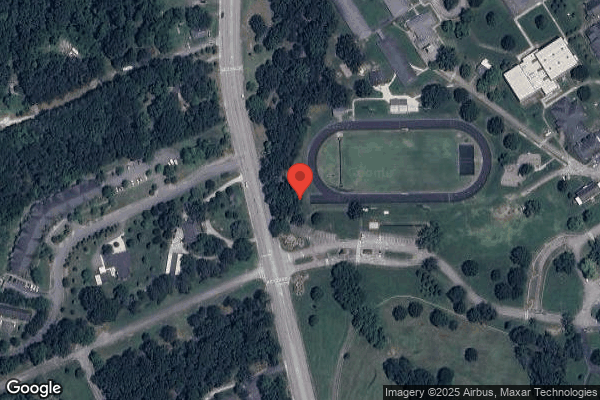

340 Cedar Springs Road, Spartanburg, SC 29302 (864) 582-4175
Non profit - Corporation 132 Beds Independent Data: November 2025
Trust Grade
38/100
#124 of 186 in SC
Last Inspection: November 2024

Within standard 12-15 month inspection cycle. Federal law requires annual inspections.

Overview

Mountainview Nursing Home has received a Trust Grade of F, indicating significant concerns about its quality of care. It ranks #124 out of 186 facilities in South Carolina, placing it in the bottom half of the state's nursing homes, and #8 out of 15 in Spartanburg County, meaning there are only a few local options that rank lower. The facility is improving, with issues decreasing from 17 in 2023 to 9 in 2024, but it still has a high staff turnover rate of 82%, which is concerning compared to the state average of 46%. While the nursing home has average RN coverage, they have been fined $15,324, which is typical for the area, yet indicates some compliance problems. Specific incidents include a lack of proper food labeling that could lead to foodborne illnesses, insufficient pest control with dead bugs found in resident rooms, and failures in following infection control guidelines during medication administration, which could risk spreading infections like COVID-19. This nursing home has both strengths and weaknesses, and families should weigh these carefully when considering care options.
Trust Score
F
38/100
In South Carolina
#124/186
Bottom 34%
Safety Record
Low Risk
No red flags
Inspections
Getting Better
17 → 9 violations
Staff Stability
⚠ Watch
82% turnover. Very high, 34 points above average. Constant new faces learning your loved one's needs.
Penalties
✓ Good
$15,324 in fines. Lower than most South Carolina facilities. Relatively clean record.
Skilled Nurses
○ Average
Each resident gets 38 minutes of Registered Nurse (RN) attention daily — about average for South Carolina. RNs are the most trained staff who monitor for health changes.
Violations
⚠ Watch
26 deficiencies on record. Higher than average. Multiple issues found across inspections.
★★☆☆☆
2.0
Overall Rating
★★★☆☆
3.0
Staff Levels
★★★☆☆
3.0
Care Quality
★★☆☆☆
2.0
Inspection Score
Stable
2023: 17 issues
2024: 9 issues

The Good

  • Full Sprinkler Coverage · Fire safety systems throughout facility
  • No fines on record

Facility shows strength in fire safety.

The Bad

2-Star Overall Rating

Below South Carolina average (2.8)

Below average - review inspection findings carefully

Staff Turnover: 82%

35pts above South Carolina avg (46%)

Frequent staff changes - ask about care continuity

Federal Fines: $15,324

Below median ($33,413)

Minor penalties assessed

Staff turnover is very high (82%)

34 points above South Carolina average of 48%

The Ugly 26 deficiencies on record

Nov 2024 9 deficiencies
CONCERN (D) 📢 Someone Reported This

A family member, employee, or ombudsman was alarmed enough to file a formal complaint

Potential for Harm - no one hurt, but risky conditions existed

Free from Abuse/Neglect (Tag F0600)

Could have caused harm · This affected 1 resident

Based on record review, interviews, and review of facility policy, the facility failed to ensure two of two residents (R) 18 and R85 of three reviewed for abuse was free from resident to resident phys...

Read full inspector narrative →
Based on record review, interviews, and review of facility policy, the facility failed to ensure two of two residents (R) 18 and R85 of three reviewed for abuse was free from resident to resident physical and verbal abuse out of a total sample of 24 residents. This had the potential for the residents to sustain injuries from the altercation. Findings include: Review of the facility's undated policy titled, .Abuse and Neglect Management Policy Statement revealed Our residents have the right to be free from abuse, neglect, misappropriation of resident property, corporal punishment and involuntary seclusion. [Facility Name] does not condone any form of abuse and will continually monitor [Facility Name] policies, procedures, training programs, systems, etc. to assist in preventing resident abuse is committed to protecting our residents from abuse by anyone including, but not necessarily limited to facility staff, other residents, consultants, volunteers, and staff from other agencies providing services to our residents, family members, legal guardians, surrogates, sponsors, friends, visitors, or any other individual. [Facility Name] employs systems for screening, training, prevention, identification, investigation, protection and reporting abuse in order to provide a safe environment for our residents. Review of the Facility Reported Incident FRI report dated 08/06/24, submitted by the Director of Nursing (DON) revealed R85 took the TV remote from another resident. R18 verbally confronted R85 for his actions. R85 responded verbally to R18. R18 verbally chastised R85 for his actions. R85 then got up and hit R18 several times. R18 then ran R18's powerchair into R85. Staff intervened and R18 called 911 (emergency services). No injuries were noted at the time. R85 was placed on a 1:1 observation until further notice after completion of investigation. A review of the 5-day report submitted to the state survey agency revealed that on 08/06/24, at approximately 4:45 PM revealed the following; R85 and R18 were in the common area. Another resident had a remote control in their hand when R85 reached out and took the remote from the resident. The resident made no attempt to retrieve the remote and continued to watch TV. R18, who was seated in their powerchair proceeded to question R85 as to why he took the remote from the resident. R85 verbally responded to R18 by saying that it was none of R18's business and that they were all retards. R18 then attempted to chastise R85 for R85's actions and R85 then responded to R18 by jumping up from the couch and punching R18 on the side of R18's neck. R18 turned on his powerchair and proceeded to try and ram into R85, but R85 fell backwards on the couch and pulled his legs up out of the way of the chair. R18 pushed the couch to the opposite side of the common area. Then R85 jumped off of the couch and attempted to hit R85 again. Certified Nursing Assistant (CNA)4 had heard the commotion and went to the common area when she saw R85 and R18. While yelling for assistance, CNA4 turned off R18's powerchair and got between R85 and R18. R18 then called 911 and demanded that R85 be charged, but the deputy was informed of the incident and no charges were warranted; therefore, no case was opened. R85 was placed on 1:1 observation. R18 was told to stay away from R85. Body audits were conducted on the residents and no injuries were noted. Staff was in-serviced on resident-to-resident abuse via Zoom. The TV remote would be managed by the staff at all times. During an interview on 11/21/24 at 12:39 PM, R85 stated he could not recall the incident on 08/06/24 during which he had an altercation with R18. R85 stated he may have had a disagreement, but could not recall. During an interview on 11/20/24 at 3:20 PM, R18 stated he recalled his altercation with R85 and said R85 punched him in the face, and he said he tried to grab him by the arm, and he punched him a couple more times in the face. That is when CNA4 saw what was going on and tried to separate us. R85 sat for a minute and then got up and tried to start another fight. He stated, I took my wheelchair, and I pushed him down onto the couch and then I called the police. The facility smoothed things down with the police and told them the facility was going to handle the matter in-house. Neither of us was hurt and we did not need to go to the hospital. During an interview on 11/22/24 at 11:23 AM, agency Licensed Practical Nurse (LPN)4 stated she recalled there was an incident involving R18 and R85 a few weeks ago. LPN4 stated she was in the hall when one of the aides came and got her, that some residents were fighting. LPN4 said when she got to the common area, the fight was already over. LPN4 assessed R18 and checked his vitals. There was no bruising. R18 wanted to call 911. LPN4 stated she told R18 he could call 911 if he wanted to, which he did. When the police arrived, they talked to both R18 and R85. The police said there will be no charges. LPN4 recalled there was an in-service online about resident-to-resident abuse. LPN4 also stated she had undergone abuse training at least annually, and that abuse could be physical or verbal, including seclusion and misappropriation. During an interview on 11/22/24 at 6:16 PM, the Director of Nursing (DON) stated she recalled that R18 and R85 were in the common area. She confirmed the incident occurred and there was a resident-to-resident altercation between R85 and R18. The DON further that she submitted a report to the state survey agency and conducted staff training via Zoom (online).
CONCERN (D)

Potential for Harm - no one hurt, but risky conditions existed

Deficiency F0655 (Tag F0655)

Could have caused harm · This affected 1 resident

**NOTE- TERMS IN BRACKETS HAVE BEEN EDITED TO PROTECT CONFIDENTIALITY** Based on record review and interview, the facility failed to ensure a written copy of the baseline care plan was provided to the...

Read full inspector narrative →
**NOTE- TERMS IN BRACKETS HAVE BEEN EDITED TO PROTECT CONFIDENTIALITY** Based on record review and interview, the facility failed to ensure a written copy of the baseline care plan was provided to the resident and/or responsible party (RP) within 48 hours for one of one resident (Resident (R) 261) reviewed for baseline care plans. This failure had the potential for residents and/or RP not to be informed of the plan of care. Findings include: Review of R261's undated Face Sheet located under the Face Sheet tab of the electronic medical record (EMR) revealed the resident was admitted on [DATE] with diagnoses which included epilepsy, anoxic brain damage, diabetes mellitus, and chronic pain. Review of R261's Progress Notes located under the Progress Notes tab in the hard copy of the medical record revealed a physician progress note, dated 10/30/24, which stated R261 had a Brief Interview for Mental Status (BIMS) score of 11 out of 15, which indicated R261 was moderately cognitively impaired. Review of R261's Acknowledgement of Receipt admission Baseline Care Plan, dated 10/24/24 and located under the MDS tab in the hard copy of the medical record revealed there was no resident and/or RP's signature located on the signature line of this form. During a phone interview on 11/21/24 at 10:37 AM, Family Member (FM)1 stated, No one has reached out to me concerning his care plan at the facility. During an interview on 11/23/24 at 4:10 PM, the Director of Nursing (DON) stated, That would be social services that gets these signed. During a phone interview on 11/23/24 at 4:30 PM, the Social Services Director (SSD) stated, That was an oversight on my part. During an interview on 11/23/24 at 6:00 PM, the Assistant Administrator stated, She [SSD] told me she had made a mistake concerning the baseline care plan for this resident.
CONCERN (D)

Potential for Harm - no one hurt, but risky conditions existed

Comprehensive Care Plan (Tag F0656)

Could have caused harm · This affected 1 resident

**NOTE- TERMS IN BRACKETS HAVE BEEN EDITED TO PROTECT CONFIDENTIALITY** Based on record review, interview, and facility policy review, the facility failed to develop a care plan for refusal of medicat...

Read full inspector narrative →
**NOTE- TERMS IN BRACKETS HAVE BEEN EDITED TO PROTECT CONFIDENTIALITY** Based on record review, interview, and facility policy review, the facility failed to develop a care plan for refusal of medications and meals for one (Resident (R)92) and failed to develop and implement a care plan for pressure ulcers for one of 24 sample residents R78. This failure had the potential for residents to have unmet care plan needs. Findings include: Review of the facility's policy titled, Care Plans, Comprehensive Person Centered, dated 2017, revealed . The comprehensive, person-centered care plan will: a. Include measurable objectives and timeframes; b. Describe the services that are to be furnished to attain or maintain the resident's highest practicable physical, mental, and psychosocial well-being; c. Describe services that would otherwise be provided for the above, but are not provided due to the resident exercising his or her rights, including the right to refuse treatment . 1. Review of R92's undated Face Sheet located under the Face Sheet in the electronic medical record (EMR) revealed R92 was admitted to the facility on [DATE] with the diagnosis of atrial fibrillation, hypertension, and congestive heart failure. Review of R92's quarterly Minimum Data Set (MDS) located under the MDS Assessments tab in the EMR with an Assessment Reference Date (ARD) of 09/08/24 revealed R92 had short- and long-term memory loss and rarely or never made decisions. Review of R92's Medication Administration Record (MAR) dated November 2024 revealed the resident commonly refused or spit out her medication when administered by the nurse. Review of R92's Progress Note located under the Dietary tab in the hard chart of the medical record revealed a note, dated 10/21/24, which revealed .refusing medications .refuses meal at times . Review of R92's current Care Plan located under the MDS tab in the hard chart of the medical record revealed the resident had not been care planned for the refusals of medications and meals as documented by the dietician in the progress note, dated 10/21/24. During an interview on 11/23/24 at 2:47 PM, Licensed Practical Nurse (LPN)1 stated, I have her care planned for refusal of showers but nothing else, and we use our nursing judgement in feeding her now and going back to offer her the medications and snacks throughout the day. Some days are better than other days for this resident. When asked if these were areas that should have been care planned for this resident, LPN1 stated, Well, I mean I don't know, I guess it should. During an interview on 11/23/24 at 6:00 PM, the Director of Nursing (DON) stated, The care plan needs to reflect the current plan of care for this resident and if she has been refusing her medications and meals this should have been in her care plan. 2. Review of R78's Face Sheet located under the Face Sheet tab of the paper medical record revealed the resident was admitted to the facility on [DATE]. Review of the quarterly MDS with an ARD of 08/25/24 revealed a BIMS score of 15 out of 15 indicating which indicated the resident was cognitively intact. Review of the paper chart revealed a telephone order, dated 11/12/24, which revealed R78 had a wound on his sacral area and included orders for treatment to the sacral area. The telephone order revealed Clean area to sacrum with antiseptic. Pat dry apply hydrogel to area and cover with optifoam change qd [daily] and PRN [as needed] until healed. Review of R78's Care Plan located in the paper chart under the MDS did not contain a care plan related to a pressure sore. During an interview on 11/21/24 at 5:45 PM, the DON revealed she was not aware R78 had a pressure injury. She confirmed with the wound nurse that R78 did have a pressure injury. During an interview on 11/22/24 at 4:10 PM, the MDS Coordinator (MDSC) confirmed there was not a care plan written when the sacral wound was identified. She stated most care plans were updated by the nurses on the unit and someone missed updating R78's care plan.
CONCERN (D)

Potential for Harm - no one hurt, but risky conditions existed

Deficiency F0657 (Tag F0657)

Could have caused harm · This affected 1 resident

**NOTE- TERMS IN BRACKETS HAVE BEEN EDITED TO PROTECT CONFIDENTIALITY** Based on record review and interviews, the facility failed to ensure the care plan was revised to reflect an updated advanced di...

Read full inspector narrative →
**NOTE- TERMS IN BRACKETS HAVE BEEN EDITED TO PROTECT CONFIDENTIALITY** Based on record review and interviews, the facility failed to ensure the care plan was revised to reflect an updated advanced directive status for one of one resident (Resident (R)92) reviewed for advanced directives. This failure had the potential for residents to have unmet care plan needs. Findings include: Review of R92's undated Face Sheet located under the Face Sheet tab of the electronic medical record (EMR) revealed the resident was admitted to the facility on [DATE] with the diagnosis of stroke, congestive heart failure, and major depressive disorder. Review of R92's quarterly Minimum Data Set (MDS) located under the MDS Assessments tab of the EMR with an Assessment Reference Date (ARD) of [DATE] revealed R92 had short- and long-term memory loss and rarely or never made decisions. Review of R92's Advance Directive located under the Advance Directive tab in the hard chart of the medical record revealed the daughter signed for a DNR (Do Not Resuscitate) on [DATE] with the admission paperwork that was completed. Review of R92's Physician Orders located under the Physician Order tab in the hard chart of the medical record revealed an order, dated [DATE], which revealed DNR [Do Not Resuscitate]. Review of R92's Care Plan, dated [DATE] and located under the MDS tab in the hard chart of the medical record, revealed a Problem as I want everything done for me in an emergency. Under Approach it stated, Make sure my wishes are on my chart. Let Pharmacy know and outside doctors know what I want. If I am unresponsive, call 911 and start CPR [Cardiopulmonary Resuscitation]. Notify my doctor and family. Review of R92's Care Plan Conference Summary, dated [DATE] and located under the MDS tab of the hard chart of the medical record, and under Adv Dir/Code Status was documented as a Full Code. There were no further care plan conferences documented in the medical record. During an interview on [DATE] at 2:20 PM, the Director of Nursing (DON) stated, The MDS nurse is to update the care plans with each MDS that she does. She will type out a new care plan and include any current interventions in it. The nurses on the floor will write in on these care plans with new interventions or new orders then MDS nurse prints this off and puts the care plan in the chart. During an interview on [DATE] at 2:35 PM, the MDS Coordinator (MDSC) stated, I was following what the care plan had said on wanting to be a full code. When asked if the orders had been reviewed to see if there were any updates to the resident's care plan that needed to be included, the MDSC stated, I don't remember if I reviewed the orders or not when I updated the care plan. The MDSC returned to the conference room and brought in care plan conference summaries for [DATE], [DATE], and [DATE]. The MDSC stated, These were in my office. During an interview on [DATE] at 2:30 PM, Licensed Practical Nurse (LPN)1 stated, The nurses on the floor are to write in the updates as the orders come in for the resident. Then the MDS nurse will review the care plan when she does the next MDS and type up a current care plan with the new orders and interventions that are still current. I don't see where this was done for this resident. During an interview on [DATE] at 6:00 PM, the DON stated, Those should be filed in the medical record and not kept in the MDS office.
CONCERN (D)

Potential for Harm - no one hurt, but risky conditions existed

Deficiency F0698 (Tag F0698)

Could have caused harm · This affected 1 resident

**NOTE- TERMS IN BRACKETS HAVE BEEN EDITED TO PROTECT CONFIDENTIALITY** Based on record review and interview, the facility failed to have collaboration of care with the dialysis center for one of one ...

Read full inspector narrative →
**NOTE- TERMS IN BRACKETS HAVE BEEN EDITED TO PROTECT CONFIDENTIALITY** Based on record review and interview, the facility failed to have collaboration of care with the dialysis center for one of one resident (Resident (R)38) reviewed for dialysis. This failure had the potential to put R38 at risk for lack of communication between the facility and the dialysis center. Findings include: Review of R38's undated Face Sheet located under the Face Sheet tab of the electronic medical record (EMR) indicated R38 was admitted to the facility on [DATE] with diagnosis of cerebrovascular accident, end stage renal disease, and chronic kidney disease, stage five. Review of R38's quarterly Minimum Data Set (MDS) located in the EMR under the MDS Assessment tab with an Assessment Reference Date (ARD) of 08/18/24 revealed the resident was coded as receiving dialysis services while a resident in the facility. Review of R38's Physician Order located in R38's hard chart of the medical record, under the Orders tab, revealed orders, dated 06/20/23, which revealed R38 had dialysis on Mondays, Wednesdays, and Fridays. Review of R38's Dialysis Communication Record located in the hard chart of the medical record under the Assessments tab, revealed the records, dated 10/25/24, 11/01/24, 11/11/24, 11/13/24, and 11/18/24, had documentation missing from the dialysis center for shunt site (which described the location, dressings, pain and change in condition), lab values which described the events during the course of treatment, medications given at dialysis, recommendations, and food/fluid intake along with missing signatures and dates. During an interview on 11/23/24 at 6:00 PM, the Director of Nursing (DON) and the Assistant Administrator were notified of the missing components on the Dialysis Communication Record for the above documented dates in R38's medical record. The DON stated, The nurse that receives this back from the dialysis center should call the center and get a report or fax them this sheet and get it completed. The nurse should document this in the progress notes.
CONCERN (D)

Potential for Harm - no one hurt, but risky conditions existed

Medication Errors (Tag F0758)

Could have caused harm · This affected 1 resident

**NOTE- TERMS IN BRACKETS HAVE BEEN EDITED TO PROTECT CONFIDENTIALITY** Based on record review, interview, and facility policy review, the facility failed to ensure risk and benefits were explained to...

Read full inspector narrative →
**NOTE- TERMS IN BRACKETS HAVE BEEN EDITED TO PROTECT CONFIDENTIALITY** Based on record review, interview, and facility policy review, the facility failed to ensure risk and benefits were explained to the resident and/or representative (RP) prior to the use of psychotropic medications and failed to ensure targeted behaviors and side effects were monitored for administered psychotropics for one of five residents (Resident (R)46) reviewed for unnecessary medications. This failure had the potential for excessive psychotropic administration and for the residents and/or representative not to be able to make an informed decision regarding the use of the psychotropic medications. Findings include: Review of the undated facility's policy titled, Antipsychotic/Psychotropic Medication Use, revealed . The attending physician and other staff will gather and document information to clarify a resident's behavior, mood, function, medical condition, specific symptoms, and risks to the resident and others .The attending physician will identify, evaluate and document, with input from other disciplines and consultants as needed, symptoms that may warrant the use of antipsychotic medications . The staff will observe, document, and report to the attending physician information regarding the effectiveness of any interventions, including antipsychotic medications . Review of R46's undated Face Sheet located under the Face Sheet tab in the electronic medical record (EMR) revealed R46 was admitted to the facility on [DATE] with diagnoses of anxiety and major depressive disorder. Review of R46's quarterly Minimum Data Set (MDS) with an Assessment Reference Date (ARD) of 10/06/24 and located under the MDS Assessment tab in the EMR revealed the resident was coded as having short- and long-term memory loss with rarely or never making decisions. Mood symptoms present for little interest or pleasure in doing things and feeling down, depressed, or hopeless were all coded as a 9 which represented no response. The resident was marked as receiving antipsychotics on a routine basis and was taking an antidepressant. Review of R46's Physician Orders located in the hard chart of the medical record under the Physician Orders tab, revealed: -Order date: 02/09/24 Effexor ER [extended release] (anti-depressant) 150 mg (milligram) by mouth daily for anxiety and major depressive disorder. -Order date: 07/12/24 Risperidone (antipsychotic) 1mg by mouth at bedtime for severe major depressive disorder. This was an increased order. The original order for Risperidone 0.5 mg daily was dated 02/27/24. -Order date: 03/05/24 Trazodone (anti-depressant) 100 mg by mouth at bedtime for insomnia. -Order date: 07/08/24 Klonopin (anti-anxiety) 0.5 mg by mouth daily for anxiety. Review of R46's Care Plan, dated 05/29/23, and located in the hard chart of the medical record under the MDS tab, revealed a problem: I have .dementia with agitation and restlessness, I get confused at times. The approach was documented as Don't rush me give me time to speak. Let me do things [sic] I want to do. I like to watch TV, and [sic] do activities of choice. I prefer to stay in my room most of the time. Review of R46's Behavior Documentation and Daily Monitoring, dated October 2024 and November 2024 and located under the Assessments tab in the hard chart of the medical record, revealed either missing documentation of No Behavior This Shift/No Interventions Required and/or incomplete documentation of the behavior observed, what caused the behavior, factors that may have caused or exacerbated the behavior, factors that caused or intensified the behavior, illnesses or conditions that may have caused behavior problems, potential reaction to medications, refer to (name of facility) behavioral manual for behavior management interventions related to the specific behavior exhibited by the resident, and psychoactive medications the resident was currently receiving. Review of the Consent for Use of Psychoactive Medication Therapy located in the hard chart of the medical record revealed a consent for Risperidone, dated 02/27/24. This consent was signed by the RP of R46 on 02/27/24. There was no consent for Effexor ER, Klonopin, and Trazodone located in the hard chart of the medical record. During an interview on 11/23/24 at 2:30 PM, Licensed Practical Nurse (LPN)1 stated, There are no specific behaviors stated but we chart on the care plan when the resident exhibits behavior and what they were. When asked if LPN1 knew what each medication was given for and the specific behavior the LPN1 stated, No, we will chart what we see. When asked what side effects were being monitored for each of the medications the resident received the LPN1 stated, We will monitor lethargy or something like that but nothing specifically for each medication. During an interview on 11/23/24 at 6:00 PM, the Director of Nursing (DON) stated, We document the behaviors that we see but not specific behaviors that each of the medications are specifically administered for. The behavior monitoring sheet that we use should be marked each day if no behaviors were seen, the nurse will mark no behaviors or if there are behaviors the nurse will document what they are seeing. The care plans should reflect the behaviors that we are seeing and any interventions.
CONCERN (D)

Potential for Harm - no one hurt, but risky conditions existed

Deficiency F0760 (Tag F0760)

Could have caused harm · This affected 1 resident

Based on observation, interview, and facility policy review, the facility failed to accurately check the insulin pen that was being used to administer insulin to one of one resident (Resident (R)14) a...

Read full inspector narrative →
Based on observation, interview, and facility policy review, the facility failed to accurately check the insulin pen that was being used to administer insulin to one of one resident (Resident (R)14) administered insulin out of seven residents being observed during the medication administration task. This failure had the potential for bloodborne pathogens to infect residents by using a reusable insulin pen to a resident other than the resident that it had been ordered for. Findings include: Review of the undated facility's policy titled, Administering Medications, revealed .The individual administering the medication must check the label THREE (3) times to verify the right medication, right dosage, right time, and right method (route) of administration before giving the medication . During an observation of medication administration on 11/22/24 at 8:09 AM, the label on R14's Humalog insulin Kwik Pen read, Give 12 units every morning. The paper Medication Administration Record (MAR)located in a notebook on the medication cart for R14 matched the label for Humalog which was compared by the surveyor at the time of the preparation of the Humalog Kwik Pen. It was noted at that time, the name on the Humalog Kwik Pen was R101's name and not the name of R14 which the insulin was to be administered. Licensed Practical Nurse (LPN) 8 applied the alcohol prep to R14's left upper arm and uncapped the Humalog Kwik Pen. Before LPN8 was able to stick R14's arm with the insulin pen, the surveyor requested the nurse to stop and check the resident's name on the pen. LPN8 stated, It's [R14's] insulin. Again, the surveyor asked LPN8 to read the name on the label that was on the Humalog insulin Kwik Pen. LPN8 stated, It is [R101]. I need to take this out to the medication cart. The Humalog insulin was not administered to R14 at this time. LPN8 returned to the medication cart and stated, You have to check the medication to make sure it is for the right patient, it is the right dose, the right route, and the right time. During an interview on 11/22/24 at 8:17 AM, LPN5 stated, The nurse is to check to make sure it is for the right patient, right dosage, right route, and right frequency before giving the medication to the patient. During an interview on 11/23/24 at 6:00 PM, the Director of Nursing (DON) stated, The nurse checks each medication to make sure it is the correct patient that the medication is being given to.
CONCERN (D)

Potential for Harm - no one hurt, but risky conditions existed

Deficiency F0761 (Tag F0761)

Could have caused harm · This affected 1 resident

**NOTE- TERMS IN BRACKETS HAVE BEEN EDITED TO PROTECT CONFIDENTIALITY** Based on observation, interview, record review, and facility policy review, the facility failed to have a permanently affixed co...

Read full inspector narrative →
**NOTE- TERMS IN BRACKETS HAVE BEEN EDITED TO PROTECT CONFIDENTIALITY** Based on observation, interview, record review, and facility policy review, the facility failed to have a permanently affixed compartment to store narcotics in the medication refrigerator on two of three units (North and [NAME] Units) which involved three of five residents (Resident (R) 259, R2, and R11) reviewed for medication storage of 24 sample residents This failure had the potential for these medications to be diverted. Findings include: Review of the facility's undated policy titled, Storage of Medications read in part, .Schedule II-V controlled medications are stored in separately lock, permanently affixed compartments . 1. Review of R259's undated Face Sheet located in the electronic medical record (EMR) under the Face Sheet tab revealed this resident was admitted to the facility on [DATE]. During an observation of the medication storage room on the North unit on 11/22/24 at 6:57 AM with Licensed Practical Nurse (LPN) 9, in the unlocked medication refrigerator, there was a transparent plastic container with two locks on it which contained Lorazepam (anti-anxiety medication) 2mg/ml (milligram per milliliter) 20 ml bottle which contained a medication label on it for R259. LPN9 was asked if the plastic container that contained Lorazepam was permanently affixed to the refrigerator. LPN9 confirmed that this plastic container was not permanently affixed to the medication refrigerator. During an interview on 11/22/24 at 11:45 AM, LPN1 stated, Yes, you can take the plastic container with the Lorazepam out of the refrigerator. 2. Review of R2's undated Face Sheet located in the EMR under the Face Sheet tab revealed the resident was admitted to the facility on [DATE]. Review of R2's Physician's Order's located under the Physician Order tab in the hard chart of the medical record revealed an order, dated 08/21/24, for Lorazepam Injection 2mg/ml 0.25 ml (0.5 mg) intramuscular every two hours as needed for seizure. 3. Review of R11's undated Face Sheet located in the EMR under the Face Sheet tab revealed the resident was admitted to the facility on [DATE]. Review of R11's Physician Orders located under the Physician Order tab in the hard chart of the medical record revealed an order, dated 08/22/24, Lorazepam 2mg/ml One ml (Two mg) intramuscular every eight hours as needed for seizure. During an observation of the medication storage room on the [NAME] unit on 11/23/24 at 10:00 AM with LPN3, in the unlocked medication refrigerator, there was a transparent plastic container with two locks on it which contained single dose vials of Lorazepam as ordered for R2 and R11, which was not permanently affixed to the medication refrigerator. LPN3 confirmed that the transparent plastic container that contained the single doses of Lorazepam was not permanently affixed to the medication refrigerator. During an interview on 11/23/24 at 6:00 PM, the Director of Nursing (DON) stated she was not aware that the transparent plastic container in the medication refrigerator had to be permanently affixed to the refrigerator because it had Lorazepam in it.
CONCERN (E)

Potential for Harm - no one hurt, but risky conditions existed

Infection Control (Tag F0880)

Could have caused harm · This affected multiple residents

**NOTE- TERMS IN BRACKETS HAVE BEEN EDITED TO PROTECT CONFIDENTIALITY** Based on observations, record review, interviews, and facility policy review, the facility failed to follow infection control gu...

Read full inspector narrative →
**NOTE- TERMS IN BRACKETS HAVE BEEN EDITED TO PROTECT CONFIDENTIALITY** Based on observations, record review, interviews, and facility policy review, the facility failed to follow infection control guidelines during an medication administration observation for two of seven resident observations (Resident (R) 13 and R19), during an observation of PPE (Personal Protective Equipment) for one of three COVID-19 positive residents (R24), and during a dressing change for one of one resident observation (R74) of 24 sample resident. These failures had the potential for spreading infections including COVID 19 to the vulnerable population in the facility. Findings include: Review of the facility's undated policy titled, Policies and Procedures - Infection Prevention and Control revealed: Policy Statement. The facility adopted infection prevention and control policies and procedures are intended to help maintain a safe, sanitary, and comfortable environment and to help prevent and manage transmission of diseases and infections .Policy Interpretation and Implementation. 1. Infection prevention and control policies and procedures apply to all personnel, consultants, contractors, residents, visitors, and volunteers. 2. The objectives of the infection prevention and control policies and procedures are to: a. monitor, prevent, detect, investigate, and control infections in the facility; b. maintain a safe, sanitary, and comfortable environment for personnel, residents, visitors, and the general public; and c. provide evidence-based guidelines for infection prevention and control based on current best practices . 1. Review of R13's undated Face Sheet located under the Face Sheet tab in the electronic medical record (EMR) revealed the resident was admitted to the facility on [DATE] with the diagnoses of multiple sclerosis and with a recent diagnosis of gastrostomy tube placement. Review of R13's quarterly Minimum Data Set (MDS) located under the MDS Assessment tab in the EMR and with an Assessment Reference Date (ARD) of 09/01/24 revealed the resident was coded as having a feeding tube. Review of R13's Physician Orders located under the Physician Order tab in the hard chart of the medical record revealed an order, dated 01/19/23, which revealed Resident gets medications crushed and administered per tube. There were also physician orders for Ferrous Sulfate 220 mg (milligram) per five ml (milliliter) Give five ml by tube which was dated 08/28/24 and Vitamin D tablet 1,000 unit Give two tabs (2,000 unit) per tube daily. There was no order for Enhanced Barrier Precautions due to R13 having a gastrostomy tube. During an observation on 11/22/24 at 6:35 AM, Licensed Practical Nurse (LPN)9 prepared a Ferrous Sulfate liquid 220 mg and when pouring the liquid into the medicine cup, the right index finger of LPN9 touched the inside of the medicine cup. LPN9 proceeded to pour three tablets of Vitamin D into the lid of the bottle and while doing this, LPN9 touched two of the pills with her bare hands as she was pouring these into the medicine cup. LPN9 then applied gloves and stated, I have to stop touching these tablets with my hands. LPN9 was observed wearing gloves only during this medication administration using the gastrostomy tube. During an interview on 11/22/24 at 10:38 AM, Certified Nurse Aide (CNA)2 was asked if R13 was in Enhanced Barrier Precautions due to having a feeding tube and CNA2 stated, That's a good question. You wear PPE anytime they have stuff on the door, then you wear the PPE that is on the sign to take care of the resident. During an interview on 11/22/24 at 10:47 AM, CNA3 was asked if R13 was in Enhanced Barrier Precautions and CNA3 stated, No, but could you please explain this? 2. Review of R24's undated Face Sheet located under the Face Sheet tab in the EMR revealed the resident was admitted to the facility on [DATE] with diagnoses of cerebrovascular disease, chronic pain, and moderate protein-calorie malnutrition. Review R24's Physician Orders located under the Physician Order tab of the hard chart of the medical record revealed an order, dated 11/15/24, COVID positive. During an observation on 11/22/24 at 7:55 AM, the CNA4 donned (put on) an N95 mask, gloves, and a gown and entered into R24's room. On the outside of R24's door was an isolation sign for Contact Isolation and Droplet Precautions. CNA4 opened R24's door and exited into the hallway wearing her mask, gloves, and gown. CNA4 walked across the hallway and doffed (took off) the mask, gloves, and gown and placed these into a cardboard box lined with a red trash bag that was in the hallway. CNA4 stated, I forgot to take my PPE [Personal Protective Equipment] off before I came out of the resident's room. 3. Review of R19's undated Face Sheet located under the Face Sheet tab in the EMR revealed the resident was admitted to the facility on [DATE] with diagnoses of cerebral palsy and epilepsy. Review of R19's quarterly MDS located under the MDS Assessment tab in the EMR and with an ARD of 09/08/24 revealed the resident was coded as having a feeding tube. Review of R19's Physician Orders located under the Physician Order tab in the hard chart of the medical record revealed an order, dated 02/27/23, which stated, Resident gets medications crushed and administered per tube separately. There was no order for Enhance Barrier Precautions due to R19 having a feeding tube. During an observation and interview on 11/22/24 at 11:10 AM, Registered Nurse (RN)3 wore only gloves while administering medications to R19 by tube. When asked if she knew what Enhanced Barrier Precautions were, RN3 stated, It's for some residents in the nursing home setting, the nurse is to wear gown, gloves, and a mask. When asked when do you wear PPE, RN3 replied, During patient care. When asked if she should have worn a gown when administering medications by tube, RN3 stated, Yes. During an interview on 11/22/24 at 11:14 AM, when asked to explain what Enhanced Barrier Precautions was, CNA1 stated, It is when we do our PPE. When asked if R19 was in Enhanced Barrier Precautions and CNA1 replied, If the sign is on the door, then yes, he is but honestly I can go get the nurse to ask. During an interview on 11/22/24 at 11:18 AM, LPN4 was asked to explain what Enhanced Barrier Precautions was, the LPN4 replied, Some people are on this related to different stuff like contact isolation or dealing with bodily fluids, emptying a catheter, you would wear PPE. During an interview on 11/23/24 at 6:00 PM, the Director of Nursing (DON) stated, Anyone with a tube feeding, a Foley catheter, or dialysis shunt was in Enhanced Barrier Precautions (EBP). She stated when in EBP, the staff was to wear gown and gloves during direct care such as administering medications per tube, emptying a Foley catheter, or giving a bath. The DON stated the resident who was in Droplet and Contact Isolation, the staff were to don the mask, gown, and gloves prior to entering the resident's room and doff (take off) these items prior to exiting the resident's room. 4. Review of R74's undated Face Sheet located under the Face Sheet tab in the EMR revealed the resident was admitted to the facility on [DATE] with most recent diagnosis of sacral ulcer identified on 11/12/24. Review of R74's quarterly MDS located under the MDS Assessment tab in the EMR revealed the resident was at risk for developing a pressure ulcer. Review of R74's Physician Orders located under the Physician Order tab in the hard chart of the medical record revealed an order, dated 11/13/24, which revealed, Clean area to sacrum with Anasept. Pat dry. Apply hydrogel to area [sic] and cover with Opti foam. Change QD [every day] & [and] prn [as needed] until healed. During an observation on 11/22/24 at 9:56 AM, LPN2 was observed performing the dressing change to R74's sacral ulcer, the following failures were identified: -LPN2 cleaned the overbed table with Micro kill at 10:02 AM. At 10:03 AM, LPN2 cleaned the overbed table with an alcohol prep. At 10:05 AM, LPN2 placed the barrier on the overbed table before the table was dried from the alcohol prep. -LPN2 unfasten R74's brief and removed the dressing, then took out a wipe and wiped bowel movement from the anus in an upward motion up and around the wound. During an interview at 10:17 AM, LPN2 was asked what the dry time was for the Micro kill wipe that was used to clean the overbed table. LPN2 was observed reading the container and stated. The dry time is three minutes. LPN2 would not answer when asked if she waited for the dry time before the alcohol prep was applied to the overbed table. During an interview on 11/22/24 at 11:39 AM, the DON stated, The nurse is to wait the dry time for the Micro kill before a barrier is applied to the overbed table and you never wipe germs toward the wound, you wipe away from the wound.
Feb 2023 17 deficiencies
CONCERN (D)

Potential for Harm - no one hurt, but risky conditions existed

Safe Environment (Tag F0584)

Could have caused harm · This affected 1 resident

**NOTE- TERMS IN BRACKETS HAVE BEEN EDITED TO PROTECT CONFIDENTIALITY** Based on observation, record review, and interview, the facility failed to maintain a clean and clutter free environment in room...

Read full inspector narrative →
**NOTE- TERMS IN BRACKETS HAVE BEEN EDITED TO PROTECT CONFIDENTIALITY** Based on observation, record review, and interview, the facility failed to maintain a clean and clutter free environment in rooms [ROOM NUMBERS]. Review of 1 of 3 units observed for environment. Findings include: Review of a facility job description and specification for Housekeeping Assistant, last revised December 2015 revealed The Housekeeping Assistant assigned to the neighborhoods work under the direct supervision of the Executive Housekeeper, carrying out tasks designed to maintain the facility in a safe, clean orderly and attractive manner. Specific duties: 1.Clean all patient room daily including; cleaning lavatory, commode inside and out with Comet, with mop and clan rags daily. An observation and interview on 2/22/23 at 10:32 AM with Resident (R)9, who lives in room [ROOM NUMBER], revealed their bathroom, located in their room, with multiple bagged items filled with clothes and blankets. There were signs of dust and what appeared to be black mildew on the toilet and walls. R9 stated those bags have been in there for a few months now because those are clothes I don't wear anymore. I no longer use that bathroom so we just put my stuff in there but if they could go somewhere else or home with my family I wouldn't mind. The cleaning staff come into my room to clean every day but I'm not sure the last time they cleaned my bathroom. An observation on 2/22/23 at 10:36 AM with R12, who lives in room [ROOM NUMBER], revealed their bathroom, located in their room, with multiple bagged items filled with clothes. There were signs of dust and what appeared to be black mildew on the toilet and walls. R12 was not able to be interviewed. During interview with R12 on 2/22/23 at 10:37 AM revealed, it's roaches in my room and bathroom. A phone interview on 2/23/23 at 1:12 PM with R12's Resident Representative (RR) revealed I noticed some bagged items in her bathroom as well but have not looked in there in a while because the resident does not use the bathroom anymore (incontinent), but I think those are some old clothes that the resident can no longer wear due to weight loss over the years. I visit R12 about 2 or 3 times a month and during my last few visit there were several cock-roaches crawling around in the resident's room. R12 told me that the bugs come out at night mostly and are in her bedroom and bathroom. An observation and interview on 2/24/23 at 10:10 AM with Licensed Practical Nurse (LPN) 4 revealed, bagged clothing items and blankets blocking the toilet area and black substances on the floor, and toilet. LPN4 stated that she was unsure of what the black substance was. LPN4 thought it could be sewage and would ask housekeeping staff to clean the bathroom. An interview on 2/24/23 at 10:18 AM with Certified Nursing Assistant (CNA)1 revealed, housekeeping staff are responsible for cleaning the resident bathroom and rooms and they are only responsible for the resident's bed and clothes. An observation and interview on 2/27/23 at 10:43 AM with Housekeeping Staff (HS)1 revealed, the process for cleaning a bathroom with bagged clothing items is to pull the bagged items out of the restroom and begin to clean. HS1 stated I'm not sure the last time this restroom has been cleaned but we are expected to clean all resident bathrooms daily. HS1 further stated the residents' extra bagged clothing items will be kept in the maintenance storage room until the resident representative is able to come pick and Social Services is supposed to contact the residents' families about picking up the items. An interview with R9 on 2/27/23 at 10:45 AM revealed they were happy that someone was finally cleaning their bathroom. An interview on 2/28/23 at 9:40 AM with the Housekeeping Director revealed, staff are expected to clean resident bathrooms and rooms daily or as needed. There are a few residents that like to keep overflowing amounts of clothes and blankets in their room. The Social Worker is in the process of speaking with those residents' families to pick up the extra items to prevent unnecessary clutter in rooms so that housekeeping staff will be able to clean all areas without having to move excessive items around. R12's and R9's items are now being stored in the maintenance storage rooms until their families are able to pick up their items. An interview on 2/28/23 at 10:00 AM with Registered Nurse (RN)2 revealed Social services is now working with residents to encourage them to allow their families to pick up extra clothing items that are unable to be stored in their rooms.
CONCERN (D)

Potential for Harm - no one hurt, but risky conditions existed

Deficiency F0625 (Tag F0625)

Could have caused harm · This affected 1 resident

**NOTE- TERMS IN BRACKETS HAVE BEEN EDITED TO PROTECT CONFIDENTIALITY** Review of R43's medical record under a nurse's note dated [DATE] at 11:55 AM revealed This nurse called by primary nurse to asse...

Read full inspector narrative →
**NOTE- TERMS IN BRACKETS HAVE BEEN EDITED TO PROTECT CONFIDENTIALITY** Review of R43's medical record under a nurse's note dated [DATE] at 11:55 AM revealed This nurse called by primary nurse to assess resident. Resident fell upon my arrival, the resident is lying flat on her back. Resident alert is able to move right but yells out is pain when and not able to straighten her leg. 911 called, resident alert and oriented x 3 with complaints of pain. Resident stated that she fell attempting to use restroom and did not call for help. Resident stable and waiting for Emergency Medical Staff (EMS) staff to arrive. Review of a follow up nurses note dated [DATE] at 12:45 PM revealed Spoke with R47 Resident Representative (RR) and informed of resident fall, resident admitted to hospital with diagnosis of right hip fracture. Review of R43's Transfer and 10-Day Bed Hold Form dated [DATE] revealed this letter is to inform you that are being sent to the hospital because (evaluation for fall/hip pain) . If you have to be admitted to any other other facility your bed hold will start (no date listed) and will be in effect for 10 days, it is the practice of the facility to continue to extend to you your current ability to remain a resident of the facility pending review of your current medical situation, length of hospitalization and facilities ability to provide the level of care required. Please be informed that the facility does not require any additional funds to hold a residents bed. If there is a need for a room change during the 10-day bed hold, the facility will inform you or your Personal Representative in writing of the desired change. Review of 43's Discharge Evaluation Plan of Care dated [DATE] revealed R43 was sent out to the hospital for evaluation and treatment. A 10 day bed hold was put in place under Medicaid guidelines. Further review revealed on [DATE] R43 went past her 10 day hold, she will be discharge on this date, her return is expected. An interview on [DATE] at 9:45 AM with Social Services revealed I thought because we are a Medicaid only facility we do not have to put an amount on the bed hold letter. Based on record reviews, interviews and review of the facility policy titled, Bed Hold and Return, the facility failed to ensure the resident or the resident's representative for Resident (R)91 and R43 received the bed hold and return policy upon transfer to the hospital or within a practicable amount of time after discharge to the hospital for 2 of 4 residents reviewed for hospitalization. Findings include: Review of the undated facility policy titled, Bed Hold and Return, states under Policy Statement, Our facility shall inform residents upon admission and prior to a transfer for hospitalizations or therapeutic leave of out bed-hold and return policy. The Policy Interpretation and Implementation, states, Number 1. Upon admission and when a resident is transferred for hospitalization or for therapeutic leave, the assigned social worker or designee will provide information concerning our bed-hold and return policy. Residents or RP (responsible party) will be notified of the transfer and reason for the transfer in writing and in a language that they understand. A copy of the notice will be sent to SC State Ombudsman's Office. Bed hold will be sent to the hospital with the transferring documentation. Number 2 states, When emergency transfers are necessary, the facility will provide the residents or the responsible party with information concerning our bed-hold and return policy within 72 hours of such transfer. Number 5 states, Medicaid residents whose bed-hold and return days have expired will be discharged from the facility but may return to the facility if they desire so and a bed is available. Review of R91's medical record revealed, on [DATE], R91 was discharged to the hospital for evaluation and treatment. A nurse's note states, A 10 day bed hold was put into place per Medicaid guidelines. Further review of the medical record revealed, a facility transfer and 10 day bed hold form, which included the date of the transfer to the hospital and a signature from the Director of Nursing (DON). No documentation was found on the form or in the medical record to ensure R91 or her personal representative received a copy of the 10 day bed hold and return form. An interview on [DATE] at 4:05 PM with Registered Nurse (RN)1 and Social Services Director (SSD), confirmed neither R91 or her responsible party had received a copy of the bed hold notification upon transfer to the hospital. RN1 stated, a copy goes in a packet of information with the resident to the hospital and is given to the hospital staff. The resident and the personal representative do not get a copy from the hospital staff. SSD stated that this is a Medicaid only facility and they do not have to do the Bed Hold.
CONCERN (D)

Potential for Harm - no one hurt, but risky conditions existed

MDS Data Transmission (Tag F0640)

Could have caused harm · This affected 1 resident

Based on record reviews and interview, the facility failed to ensure an OBRA assessment for Resident (R)5 was completed, accurate and transmitted timely for 1 of 1 residents reviewed for a Missing OBR...

Read full inspector narrative →
Based on record reviews and interview, the facility failed to ensure an OBRA assessment for Resident (R)5 was completed, accurate and transmitted timely for 1 of 1 residents reviewed for a Missing OBRA assessment. Findings include: Review on 02/23/23 at 3:04 PM of the CMS (Centers for Medicare and Medicaid Services) MDS 3.0 NH Final Validation, report for R5 revealed a target date of 11/12/22. A warning received after transmission states, Care Plan Completed Late: V0200B2 (CAA process signature date) is more that 14 days after the assessment reference date. The current record type, is Inconsistent record sequence. Under CMS sequencing guidelines, the type of assessment in this record does not logically follow the type of assessment in the record received prior to this one. Assessment Completed: The assessment completion date is more than 14 days after the assessment reference date. The target date on the last record identified for R5 was 08/29/22. During an interview on 02/23/23 at 03:30 PM with Minimum Data Set (MDS) assessment coordinator, she stated that she was not in the position of MDS Coordinator at the time of the assessment and the transmission. She stated she would look at it and resubmit the assessment.
CONCERN (D)

Potential for Harm - no one hurt, but risky conditions existed

Assessment Accuracy (Tag F0641)

Could have caused harm · This affected 1 resident

**NOTE- TERMS IN BRACKETS HAVE BEEN EDITED TO PROTECT CONFIDENTIALITY** Based on record reviews, interviews, and review of the Quarterly Minimum Data Set (MDS) assessment dated [DATE], the facility fa...

Read full inspector narrative →
**NOTE- TERMS IN BRACKETS HAVE BEEN EDITED TO PROTECT CONFIDENTIALITY** Based on record reviews, interviews, and review of the Quarterly Minimum Data Set (MDS) assessment dated [DATE], the facility failed to ensure the MDS was complete and accurate for Resident (R)78. Specifically, Section G was not coded for 2 person assist with bed mobility, dressing, eating, toilet use, personal hygiene and bathing resulting in a fall with a major injury for 1 of 3 residents reviewed for falls with major injury. Findings include: The facility admitted R78 with diagnoses including, but not limited to, psychosis, neuropathy of the right hand, dementia, cerebrovascular accident, osteoarthritis, anxiety and behaviors. Review of the medical record for R78 revealed a Certified Nursing Assistant (CNA) plan of care which indicated R78 was to be assisted with all activities of daily living by 2 persons. Must have 2 CNAs providing care at all times. Further review on 02/22/23 at 12:30 PM of the medical record for R78 revealed a incident/accident report dated 01/25/23 in which R78 fell from the bed, while one CNA was providing care. The report states, CNA was performing care when she rolled the resident to right side and he fell from the bed. His head made contact with the bedside dresser. R78 obtained a laceration to the right side of his forehead and was sent out to the emergency department. The conclusion on the incident accident report for root cause states, Proper protocols were not in place. Resident requires 2 person assist and only one CNA was completing care at the time of the incident. During an interview on 02/24/23 at 10:45 AM with CNA6, the CNA that was providing care when R78 fell from the bed, this surveyor asked if she was providing care by herself or if she had another CNA helping her and she stated it was just her by herself. When asked if she was aware that R78 was a 2 person assist with all activities of daily living, she stated that at that time, he was just a person assist. An interview on 02/24/23 at 1:03 PM with Licensed Practical Nurse (LPN)2 confirmed that R78 was a 2 person assist and had been since 08/17/22, when he was moved from the East Wing to the North Wing. The MDS Coordinator was not available for interview.
CONCERN (D)

Potential for Harm - no one hurt, but risky conditions existed

PASARR Coordination (Tag F0644)

Could have caused harm · This affected 1 resident

**NOTE- TERMS IN BRACKETS HAVE BEEN EDITED TO PROTECT CONFIDENTIALITY** Based on review of facility policy, record review, and interviews, the facility failed to ensure a Preadmission Screen and Resid...

Read full inspector narrative →
**NOTE- TERMS IN BRACKETS HAVE BEEN EDITED TO PROTECT CONFIDENTIALITY** Based on review of facility policy, record review, and interviews, the facility failed to ensure a Preadmission Screen and Resident Review (PASARR) Level II was completed for 1 of 3 residents reviewed for PASARR. Specifically, Resident (R)4 did not have a PASARR Level II completed after a diagnosis of Mental Illness (MI). Findings Include: Review of an undated facility policy titled, Pre-admission Screening Policy (PASAR), revealed, Residents admitted to Mountainview Nursing Home will have a pre-admission screening completed prior to admission to assess for the need for special services and to assure placement is appropriate. If there are no indicators when the level I assessment is completed, resident will be accepted for admission. If resident does have indicators of a need for further services, then a Level II assessment must be completed by the appropriate agency. Should we admit a resident who requires Level II services, this will be coordinated with the appropriate agency. Review of R4's Face Sheet revealed R4 was initially admitted to the facility on [DATE] with no diagnosis of a severe mental illness. R4 was readmitted to the facility on [DATE] with diagnosis including but not limited to bipolar disorder, psychosis, dementia, and Alzheimer's disease. Review of R4's Quarterly Minimum Data Set (MDS) with an Assessment Reference Date (ARD) of 05/01/22 revealed R4 was not assessed for a Brief Interview for Mental Status (BIMS) due to R4 being rarely or never understood. Further review of R4's MDS revealed under Section E - Behaviors, R4 presented potential indicators of psychosis due to hallucinations and delusions. Review of R4's Psychiatry Follow Up Notes dated 10/28/22, 11/29/22, and 01/13/23 revealed, ongoing management of [R4] severe bipolar disorder. Review of R4's PASSRR Level I Screening dated 07/12/18 under the MI section revealed No diagnosis of mental illness and no indicators of current behaviors. Further review under the section Recommendations and Information revealed, No further evaluation recommended. In an interview on 02/24/23 at 10:12 AM with the Social Worker (SW) revealed, If the resident was diagnosed with a severe mental illness after admission, a Level II PASARR would be requested. [R4] has not had a PASSAR [NAME] II completed, but should have one.
CONCERN (D)

Potential for Harm - no one hurt, but risky conditions existed

Comprehensive Care Plan (Tag F0656)

Could have caused harm · This affected 1 resident

Based on record reviews, interviews, and review of the facility policy titled, Care Plans, Comprehensive Person-Centered, the facility failed to formulate and implement a comprehensive plan of care fo...

Read full inspector narrative →
Based on record reviews, interviews, and review of the facility policy titled, Care Plans, Comprehensive Person-Centered, the facility failed to formulate and implement a comprehensive plan of care for Resident (R)78, which included 2 person assist with all activities of daily living. The facility additionally failed to formulate and implement a comprehensive plan of care for R32 for seizures, convulsions and epilepsy for 2 of 5 residents reviewed for unnecessary medications. Findings include: Review of the facility policy titled, Care Plans, Comprehensive Person Centered, revealed a policy statement which reads, A comprehensive, person-centered care plan that includes measurable objectives and timetables to meet the resident's physical, psychosocial and functional needs is developed and implemented for each resident. The Policy Interpretation and Implementation, states, 1. The interdisciplinary team (IDT), in conjunction with the resident and his/her family or legal representative, develops and implements a comprehensive, person-centered care plan for each resident. Number 7 states, The comprehensive, person-centered care plan: a. Includes measurable objectives and timeframe's; b. describes the services that are to be furnished to attain or maintain the resident's highest practicable physical, mental, and psychosocial well-being. c. Includes the resident's stated goals upon admission and desired outcomes; d. Builds on the resident's strengths; and e. Reflects currently recognized standards of practice for problem areas and conditions. Number 9 states, Care plan interventions are chosen only after data gathering, proper sequencing of events, careful consideration of the relationship between the resident's problem areas and their causes, and relevant clinical decision making. Number 11 states, Assessments of residents are ongoing and care plans are revised as information about the residents and the residents' conditions change. The facility admitted R78 with diagnoses including, but not limited to, psychosis, neuropathy of the right hand, dementia, cerebrovascular accident, osteoarthritis, anxiety and behaviors. Review on 02/22/23 at 12:25 PM of the medical record for R78 revealed a Certified Nursing Assistant (CNA) plan of care which indicated R78 was to be assisted with all activities of daily living by 2 persons. Must have 2 CNAs providing care at all times. Review on 02/22/23 at 1:12 PM of the medical record for R78, a plan of care dated 11/29/22 revealed no documentation to include the 2 person assist at all times when providing care. R78 has dementia with behaviors and a history of falls one in which he received a laceration to his forehead. Only one staff member was providing care when R78 fell out of bed and his head hit the bedside dresser. An interview on 02/24/23 at 1:03 PM with Licensed Practical Nurse (LPN)2, the North Hall Manager confirmed that R78 was a 2 person assist and had been since 08/17/22, when he was moved from the East Wing to the North Wing. An interview on 02/23/23 at 1:32 PM with Registered Nurse (RN)1 confirmed that the comprehensive plan of care for R78 did not include 2 person assist with activities of daily living. The facility admitted R32 with diagnoses including, but not limited to, nontraumatic subarachnoid hemorrhage, altered mental status, aggressive behaviors, dementia, convulsions and epilepsy. Review on 02/27/23 at 11:29 AM of the medical record for R32 revealed a comprehensive plan of care dated 12/21/22. The comprehensive plan of care did not include goals and interventions to include convulsions/seizures or epilepsy. An interview on 2/27/23 at 1:32 PM with RN1 confirmed that the comprehensive plan of care for R32 did not include convulsions, seizure nor epilepsy. The Care Plan Coordinator was not available for interview.
CONCERN (D)

Potential for Harm - no one hurt, but risky conditions existed

Quality of Care (Tag F0684)

Could have caused harm · This affected 1 resident

**NOTE- TERMS IN BRACKETS HAVE BEEN EDITED TO PROTECT CONFIDENTIALITY** Based on review of the facility policy, observation, interview, and record review, the facility failed to continue orders for fl...

Read full inspector narrative →
**NOTE- TERMS IN BRACKETS HAVE BEEN EDITED TO PROTECT CONFIDENTIALITY** Based on review of the facility policy, observation, interview, and record review, the facility failed to continue orders for floating heels while in bed for Resident (R)43 for 5 of 6 days during the Recertification survey for1 of 1 reviewed for quality of care. Findings include: Review of facility policy titled, Quality of Care, revealed the facility will ensure that residents receive proper treatment and care to maintain mobility and good foot health, the facility will provide foot care and treatment, in accordance with professional standards of practice, including to prevent complications from the residents medical condition(s); and if necessary, assist the resident in making appointments with a qualified person, and arranging for transportation to and from such appointments. R43 was admitted to the facility on [DATE] with diagnoses including, but not limited to fracture of head of right femur, subsequent encounter for closed fracture with routine healing (12/13/22), chronic respiratory failure, cognitive communication deficit, and dementia without behavioral disturbances. According to the Annual Minimum Data Set (MDS) with an Assessment Reference Date (ARD) of 10/30/22 revealed R43 has a Brief Interview of Mental Status (BIMS) score of 15 out of 15, which indicates she is cognitively intact. An observation and interview on 2/21/23 at 10:40 AM with R43 revealed the resident lying in bed in a nightgown in good spirits, resident stated that her foot is swollen. Observation further revealed R43's foot swollen and not elevated. Observations on 2/22/23 at 11:30 AM; 2/23/23 at 8:15 AM; 2/24/23 at 8:39 AM revealed the resident lying in bed in a nightgown with no heel protection and with unelevated heels and her foot appeared swollen. Observation and interview on 2/24/23 at 12:23 PM with R43 revealed a heel protector near bedside on top of laundry hamper. R43 stated staff used to put that (heel protector) on me but they haven't offered in a few weeks, some days my foot is swollen, but right now it isn't, but that could change later on today. An observation on 2/27/23 at 10:15 AM of R43 revealed no heel protector on and device on top of the resident's laundry hamper. A phone interview on 2/27/23 at 11:00 AM with R43's Resident Representative (RR) revealed the resident had a blood transfusion in November and the day they arrived back to the facility the resident got up unassisted and went to the bathroom without calling for staff help. She (R43) often does not have patience to wait for staff and will at times not use the call light at all but she is very truthful about her refusals. R43 had another fall on 2/17/23 and they (RR) was not notified by the facility but the resident had called them and told them they had an x-ray done of their foot because of the fall and that it was healing and possibility was fractured during fall on hip in November I have never seen the resident with a heel protector on on during their visits and just saw the resident on Saturday (2/25/23). An interview on 2/27/23 at 1:15 PM with Licensed Practical Nurse (LPN)1 revealed the resident is often in and out of bed throughout the day which is why staff do not put the heel protector on while the resident is in bed, further stated that the resident will often refuse to put on the protector and other treatments but they do not document those refusals as much as they probably should. An interview on 2/27/23 at 1:45 PM with LPN1 revealed when the resident was discharged from the hospital after her fall she had an order from hospital had elevate heels with heel protector however, order must have not transferred when resident was re-admitted . Further stated sent in order for heel protector to MD today.
CONCERN (D)

Potential for Harm - no one hurt, but risky conditions existed

Incontinence Care (Tag F0690)

Could have caused harm · This affected 1 resident

Based on review of the facility policy titled, Suprapubic Catheter Care, record reviews, observations, and interviews, the facility failed to follow a procedure during suprapubic catheter care for Res...

Read full inspector narrative →
Based on review of the facility policy titled, Suprapubic Catheter Care, record reviews, observations, and interviews, the facility failed to follow a procedure during suprapubic catheter care for Resident (R)22 to prevent infection of the urinary tract for 1 of 1 residents reviewed for catheter care. Findings include: Review on 02/23/23 at 02:15 PM of the facility policy titled, Suprapubic Catheter Care, states, The purpose of this procedure is to prevent skin irritation around the stoma site and to prevent infection of the resident's urinary tract. Steps in the procedure are, 1.Place the clean equipment on the beside stand or overbed table. Arrange the supplies so they can be easily reached. 2. Provide privacy. 3. If the resident's medical condition permits, assist the resident into the supine position. 4. Wash and dry your hands thoroughly. 5. Put on disposable gloves. 6. Place bed protector under resident and cover resident with a sheet, exposing only the catheter area. 7. Inspect the stoma site and skin around the stoma for any redness or skin breakdown. 8. Check urine for color and clarity. 9. Using a 4x4 from the cup with soap and water, cleanse the catheter area using one 4x4 in a circular motion, cleaning from the entry site (clean area) moving out to the distal areas of the catheter. Do not remove the 4x4 from the skin until the area has been cleansed. Using the same 4x4, cleanse the catheter tubing moving from the insertion site to approximately 4 inches outward while anchoring the tubing at the insertion site. 10. Using another 4x4 from the cup with the clean water, rinse the area using the same technique. 11. Using the dry 4x4's from the third cup to dry the area using the same technique. 13. Remove gloves and discard into designated container. 14. Wash hands and dry thoroughly. 15. Make sure resident is comfortable. 16. Place call light within easy reach of the resident. 17. Wash and dry hands thoroughly. 18. [NAME] gloves. 19. Discard all disposable items into designated containers. 20. Discard soiled linen in designated container. 21. Clean the bedside stand and/or overbed table. Return the overbed table to its proper position. 22. Remove and dispose of gloves properly. 24. Wash hands and dry thoroughly. The facility admitted R22 with diagnoses including, but not limited to, paraplegia, dysphagia, dementia and seizure disorder. An observation on 02/23/23 at 1:05 PM of suprapubic catheter care went as follows: Licensed Practical Nurse (LPN1) knocked on the door and asked permission to enter. The resident asked us in and the LPN cleaned his hands put on a pair of gloves and explained the procedure to the resident. This surveyor asked for permission to observe the nurse performing the catheter care. R22 stated that would be ok. LPN1 then retrieved a basin and turned on the warm water and applied soap from the soap dispenser. Then LPN1 placed 2 wash cloths in the soapy water and layed a clean dry towel on the resident's bed. He raised the head of the bed and unfastened the resident's brief. LPN1 proceeded to perform catheter care. LPN1 did not remove his gloves and clean his hands before taking the catheter tubing in his hand and wiping with a soaped cloth around the insertion site and using the same washcloth he wiped down the tubing holding it close to the insertion site to ensure it did not pull. He then place the dirty cloth back into the pan of water and took the towel and wiped around the insertion site to dry it. LPN1 then took the clean cloth that was in the pan of water with the soiled cloth and wiped down the tubing and then placed the soiled cloth in the pan and took the towel and wiped down the tubing to dry it. He then refastened R22's brief, and collected the supplies and emptied the pan of water and then removed his gloves. LPN1 then cleaned his hands and this surveyor thanked the resident for allowing me to observe suprapubic catheter care. The LPN and I left the room. LPN1 had not removed his gloves and washed/sanitized his hands after retrieving the basin, placing the soap from the soap dispenser, placing the wash cloths in the water, raising the resident's bed, unfastening his brief. He had placed the soiled cloth used to clean around the insertion site and down the tubing x1 back into the water with the second clean cloth. LPN1 had not changed his gloves or cleaned his hands at all during the procedure. An interview with LPN1 following catheter care on 02/23/23 at 1:25 PM revealed, LPN1 was notified of the concerns with catheter care and he stated, ok and then he carried the soiled linen to the soiled utility room and then cleaned his hands with sanitizer.
CONCERN (D)

Potential for Harm - no one hurt, but risky conditions existed

Respiratory Care (Tag F0695)

Could have caused harm · This affected 1 resident

**NOTE- TERMS IN BRACKETS HAVE BEEN EDITED TO PROTECT CONFIDENTIALITY** Based on review of facility policy, observation, record review, and interview, the facility failed to ensure proper storage and ...

Read full inspector narrative →
**NOTE- TERMS IN BRACKETS HAVE BEEN EDITED TO PROTECT CONFIDENTIALITY** Based on review of facility policy, observation, record review, and interview, the facility failed to ensure proper storage and maintenance of Resident (R)84's nebulizer equipment, for 1 of 3 residents reviewed for respiratory therapy. Findings include: Review of the undated facility policy titled Administering Medications through a Small Volume (Handheld) Nebulizer revealed, The purpose of this procedure is to safely and aseptically administer aerosolized particles of medication into the resident's airway. Further review revealed under Steps in the Procedure, 29. When equipment is completely dry, store in a plastic bag with the resident's name and the date on it. 30. Change equipment and tubing every seven days on Wednesday. Review of R84s Face Sheet revealed R84 was admitted to the facility on [DATE] with diagnosis included but not limited to chronic obstructive pulmonary disease (COPD)(A group of lung disease that block airflow and make it difficult to breathe). Review of R84's Quarterly Minimum Data Set (MDS) with an Assessment Reference Date (ARD) of 02/12/23 revealed R84 has a Brief Interview for Mental Status (BIMS) score of 9 out of 15 indicating R84 had moderate cognitive impairment. Review of R84's physician orders revealed, Ipratropium (used to help control the symptoms of lung diseases)/sol- 1 vial (via nebulizer PRN (as needed) Q6H (every six hours). Review of R84's Treatment Administration Record (TAR) revealed an order to Change nebulizer mask and tubing weekly (7A-7P Wed). Further review of the TAR for the month of February revealed on 02/01/23, 02/08/23, 02/15/23, and 02/22/23 the TAR was signed off as being completed. Observation on 02/21/23 revealed R4's nebulizer, tubing, and mask were on his recliner, not covered and the mask/tubing was labeled 02/08/23, indicating the last time the mask/tubing was replaced. Interview on 02/24/23 at 9:16 AM with Licensed Practical Nurse (LPN)5 revealed, It's a nebulizer. I just changed it out on Wednesday. The tubing is changed out every Wednesday. I'm usually the one that changes it out. LPN5 further stated, The resident must have switched it out, when asked about the mask and tubing being dated 02/08/23. Interview on 02/24/23 at 9:34 AM with Registered Nurse Unit Supervisor (RNUS) revealed, They are supposed to change it [nebulizer mask and tubing] every Wednesday on 3rd shit, sounds like a week was missing. Someone is going to be in trouble. Interview on 02/24/23 at 10:24 AM with the Director of Nursing (DON) revealed, staff are to follow the orders and change it [nebulizer mask and tubing] Wednesday.
CONCERN (D)

Potential for Harm - no one hurt, but risky conditions existed

Deficiency F0757 (Tag F0757)

Could have caused harm · This affected 1 resident

**NOTE- TERMS IN BRACKETS HAVE BEEN EDITED TO PROTECT CONFIDENTIALITY** Review of R65's Face Sheet revealed R65 was admitted to the facility on [DATE] with diagnosis including, but not limited to, vas...

Read full inspector narrative →
**NOTE- TERMS IN BRACKETS HAVE BEEN EDITED TO PROTECT CONFIDENTIALITY** Review of R65's Face Sheet revealed R65 was admitted to the facility on [DATE] with diagnosis including, but not limited to, vascular dementia, chronic kidney disease, alzheimer's, congestive heart failure, and hypertension. Review of R65's Quarterly Minimum Data Set (MDS) with an Assessment Reference Date (ARD) of 11/27/22 revealed R65 had a Brief Interview for Mental Status (BIMS) score of 99 indicating R65 suffered from severe cognitive impairment. Review of R65's Progress Note dated 2/10/23 revealed R65 was seen today per pharmacy recommendation of gradual dose reduction. Still has episodes of screams out, would not recommend GDR of Depakote. Review of Physician's telephone orders for R65 dated 1/31/23 revealed an order clarification: Depakote 125mg capsule (sprinkles) take two capsules three times daily for dementia with behaviors. Review of R65's MAR for January 2023 revealed the medication, Depakote 125mg capsule sprinkles; take two capsules three times daily prescribed for Dementia. An interview with the Director of Nursing (DON) at approximately 11:39 AM on 02/27/23, revealed the DON stated Depakote is used for dementia. When asked what is the rationale for using Depakote, the DON responded she did not understand what was being asked. When requested documentation in regards to the diagnosis associated with this Depakote, the GDR along with labs completed, she stated she will look for this information. An interview with the MD at approximately 2:36 PM on 02/27/23 revealed, Depakote is used all the time for behavior in patients with mood disturbance. I see this all the time at the hospital and among my colleagues. The MD further stated, he will confirm with some of his colleagues and review the medication for reduction and if it is helping with mood, then it will reoccur, and the medication can be adjusted. He stated he will attempt at reducing and see how resident responds. An interview with RN2 at 3:48 PM on 02/27/23 revealed, the facility changed companies who were responsible for handling the facility's labs. RN2 further stated, attempts were made to obtain a copy of the completed labs, however they cannot be located. Based on record reviews, interviews, and review of the facility policy titled, Unnecessary Medications Use and Monitoring, the facility failed to ensure Resident (R)32 and R65 were free from unnecessary medications for 2 of 5 residents reviewed for Unnecessary Medications. The findings included: Review the facility's undated policy titled Unnecessary Medications Use and Monitoring, states, .the use of unnecessary medications will be monitored based on the resident's need, duration, effectiveness of therapy, and adverse consequences. The consultant Pharmacist will recommend discontinuation, and/or GDR of the medications that do not meet all regulations and requirements to the attending physician or prescribing practitioner. The procedure states, 1. The regulations associated with medication management include consideration of: . Indication and clinical need for the medication. . Dose . Duration . Adequate monitoring for efficacy and adverse consequences. . Preventing, identifying, and responding to adverse consequences. The facility admitted R32 with diagnoses including, but not limited to, non-traumatic subarachnoid hemorrhage, medical non compliance, vascular dementia, anxiety and cerebrovascular accident. Review of R32s Medication Administration Record (MAR) dated for November 2022, December 2022, January 2023 and February 2023 revealed, the medication Tramadol 50 milligrams 1 tablet ordered every 6 hours as needed for pain. The medication was ordered on 10/05/22. R32 received the medication only one day in November and the medication was not reviewed by the physician and was not reordered in 14 day intervals by the physician if needed and was being given based on R32's pain. An interview on 02/27/23 at 12:30 PM with the attending physician who is also the medical director (MD) revealed he was aware that the, as needed, Tramadol should have been reviewed after 14 days and R32 evaluated for extended use of the medication. The MD stated he was not aware that the medication was still on the resident's current MAR.
CONCERN (D)

Potential for Harm - no one hurt, but risky conditions existed

Medication Errors (Tag F0758)

Could have caused harm · This affected 1 resident

Based on review of the facility policy titled, Unnecessary Medications Use and Monitoring, record review, and interviews, the facility failed to ensure Resident (R)32 was free from an, as needed, basi...

Read full inspector narrative →
Based on review of the facility policy titled, Unnecessary Medications Use and Monitoring, record review, and interviews, the facility failed to ensure Resident (R)32 was free from an, as needed, basis psychotropic medication and further failed to ensure a required, gradual dose reduction (GDR), was attempted for R78, who is currently prescribed an antipsychotic with the diagnosis of dementia with behaviors. Findings include: Review of the facility policy titled, Unnecessary Medications Use and Monitoring, states, .The use of unnecessary medications will be monitored based on the resident's need, duration, effectiveness of therapy, and adverse consequences. The consultant Pharmacist will recommend discontinuation, and/or GDR of the medications that do not meet all regulations and requirements to the attending physician or prescribing practitioner. The procedure states: 1. The regulations associated with medication management include consideration of: . Indication and clinical need for the medication. . Dose . Duration . Adequate monitoring for efficacy and adverse consequences. . Preventing, identifying, and responding to adverse consequences. 2. Psychotropic medication requires additional regulations: . Psychotropic medications are only given when necessary to treat a specific diagnosed or documented condition. . Implementing GDR (gradual dose reduction) and other non-pharmacological interventions for residents who receive psychotropic medications, unless contradicted. . Limiting the timeframe for PRN (as needed) psychotropic medications, which are not antipsychotic medications to 14 days, unless longer timeframe is deemed appropriate by the attending physician or the prescribing practitioner. . Limiting PRN psychotropic medications, which are antipsychotic medications to 14 days and not entering new order without first evaluating the resident. 4. Identify residents currently receiving other medications (anti-histamines, anti-convulsant, anti-cholinergic, and central nervous system agents) to ensure they are not prescribed based off a documented use that appears to be a substitute or an antipsychotic, antidepressant, anti-anxiety, or hypnotic. If identified for off label use, follow guidelines for psychotropic medication requirements. The facility admitted R32 with diagnoses including, but not limited to, non-traumatic subarachnoid hemorrhage, medical non compliance, vascular dementia, anxiety and cerebrovascular accident. Review on 02/27/23 at 11:29 AM of the medical record for R32 revealed a Medication Administration Record (MAR) dated for November 2022, December 2022, January 2023 and February 2023. The medication Tramadol 50 milligrams, 1 tablet, was ordered every 6 hours as needed for pain. The medication was ordered on 10/05/22. R32 received the medication only one day in November and the medication was not reviewed by the physician and was not reordered in 14 day intervals by the physician, if needed and was being given based on R32's pain. An interview on 02/27/23 at 12:30 PM with the attending physician, who is also the medical director revealed he was aware that the, as needed, Tramadol should have been reviewed after 14 days and R32 evaluated for extended use of the medication. He stated that he was not aware that the medication was still on the resident's current MAR. The facility admitted R78 with diagnoses including, but not limited to, psychosis, neuropathy of the right hand, dementia, cerebrovascular accident, osteoarthritis, anxiety and behaviors. Review on 02/24/23 at 09:30 AM of the medical record for R78 revealed a form titled, Consult Pharmacist Communication to Physician dated 12/14/22 and the communication sheet recommended a gradual dose reduction review of the medication Quetiapine 100 milligrams two times daily for dementia with behaviors. The recommendation from the pharmacist went on to say that R78, is due for a dose reduction evaluation. Nursing notes state that he has periodic irritability and aggressive behaviors. However on 10/23/22, he had a period of unresponsiveness. The physician documented No change. During an interview on 02/24/23 at 09:40 AM, the Physician's Assistant (PA), who works closely with the Psychiatrist was asked about a gradual dose reduction of the medication Quetiapine of 100 milligrams two times daily. When asked if there had been a GDR attempted, the PA stated that she would look at R78's medications when she came to see him in the facility and see if was feasible to do a gradual dose reduction for this resident. Review on 02/24/23 at 10:11 AM of the Accidents and Incident reports for R78 are as follows: R78 slid out of the bed on 11/23/22, he remained alert and confused with no injuries. On 12/04/22 resident slid out of bed, noted lying on mat in room. On 12/05/22 R78 noted on floor mat on buttock with his back against the bed sitting in the upright position. Bed was in lowest position and R78 was alert, confused and combative, no injuries. On 12/24/22 the Certified Nursing Assistant (CNA) alerted the nurse that R78 was on the floor. Upon entering the room the nurse witnessed resident lying next to his bed on his floormat without any visible signs or symptoms of pain or injuries.
CONCERN (D)

Potential for Harm - no one hurt, but risky conditions existed

Laboratory Services (Tag F0770)

Could have caused harm · This affected 1 resident

Based on record reviews, interviews, and review of facility policy, the facility failed to provide or obtain laboratory services to meet the needs of Resident (R)65 for 1 of 1 residents reviewed. Fin...

Read full inspector narrative →
Based on record reviews, interviews, and review of facility policy, the facility failed to provide or obtain laboratory services to meet the needs of Resident (R)65 for 1 of 1 residents reviewed. Findings include: Review of the facility's policy titled, Lab and Diagnostic Test Results-Clinical Protocol, undated, revealed the physician will identify and order diagnostic and lab tested based on the resident's diagnostic and monitoring needs; the staff will process test requisitions and arrange for tests; the laboratory, diagnostic radiology provider or other testing source will report test results to the facility. Review of R65's Face Sheet revealed the admission date of 11/29/18 and diagnoses including but not limited to, vascular dementia, chronic kidney disease, alzheimer's, congestive heart failure, and hypertension. Review of R65's Quarterly Minimum Data Set (MDS) with an Assessment Reference Date (ARD) of 11/27/22 revealed R65 had a Brief Interview for Mental Status (BIMS) score of 99, indicating severe impairment. Review of the Physician's telephone orders dated 01/31/23 revealed order clarification: Depakote 125 milligrams (mg) capsule (sprinkles): take two capsules, three times daily for dementia with behaviors. Review of the Medication Administration Record for January 2023 revealed the medication-Depakote 125mg capsule sprinkles; take two capsules three times daily prescribed for Dementia. In an interview with Registered Nurse (RN)2 at 3:48 PM on 02/27/23, she revealed that the facility changed companies who were designated to come out and complete the lab work. She stated attempts were made to obtain a copy of the completed labs; however they cannot be located for the Depakote levels.
CONCERN (D)

Potential for Harm - no one hurt, but risky conditions existed

Deficiency F0919 (Tag F0919)

Could have caused harm · This affected 1 resident

**NOTE- TERMS IN BRACKETS HAVE BEEN EDITED TO PROTECT CONFIDENTIALITY** Based on observation, interview, and review of the facility policy, the facility failed to ensure the resident call system was i...

Read full inspector narrative →
**NOTE- TERMS IN BRACKETS HAVE BEEN EDITED TO PROTECT CONFIDENTIALITY** Based on observation, interview, and review of the facility policy, the facility failed to ensure the resident call system was in working condition for 1 of 3 units observed for call light function. and failed to implement a procedure while call light system was inoperable. Findings include: Review of the facility policy titled Call System revealed, residents are provided with means to call staff for assistance through a communication system that directly calls a staff member or centralized work station. Each resident is provided with a means to call staff directly for assistance from his/her bed toileting/bathing facilities and from the floor. Call system communication may be audible or visual, and the system may wired or wireless. The resident call system remains functional at all times. If audible communication is used, the volume is maintained at an audible level that can be easily heard. If visual communication is use, the light remains functional. If the resident has a disability that prevents him/her making use of the call system, an alternate means of communication that is usable for the resident is provided and documented in the care plan. Review of R48's face sheet revealed R48 was admitted to the facility on [DATE] with diagnosis including but not limited to; type 2 diabetes, osteoporosis, anxiety disorder, and asthma. According to R48's Quarterly Minimum Data Set (MDS) with an Assessment Reference Date (ARD) of 1/15/23 revealed, R48 has a Brief Interview of Mental Status (BIMS) score of 15 out of 15 which indicates R48 was cognitively intact. Addtionally, the MDS revealed R48 requires extensive assistance with most Activities of Daily Living (ADL). Review of R23's face sheet revealed R23 was admitted to the facility on [DATE] with diagnosis including but not limited to; schizophrenia, anxiety disorder, heart disease, and type 2 diabetes. According to the Quarterly MDS with an ARD date of 11/10/22, R23 has a BIMS score of 14 out of 15 which indicates R23 was cognately intact. Additionally, the MDS revealed R23 requires extensive assistance with most ADLs. An observation and interview on 2/21/23 at 11:03 AM with Resident (R)48 revealed the call light has not been working for the last 2 or 3 days now. Observation of the residents call light at bedside revealed it was not in working order, also the call light in the resident's bathroom was not working. Furthermore, the light outside of the resident's door was not illuminating. An observation and interview on 2/21/23 at 11:05 AM with R23 (R48's roommate) revealed their call light was also not in working order. R23 stated it's been out for the last 2 days. Review of R58's face sheet revealed R58 was admitted to the facility on [DATE] with diagnosis including but not limited to; heart disease, hypertension, bladder spasms, and dementia without behaviors. According to the Quarterly MDS with an ARD date of 12/11/22, R58 has a BIMS score of 14 out of 15 which indicates R58 was cognitively intact. Additionally, R58 requires total dependence for most ADLs. Review of R43's face sheet revealed R43 was admitted to the facility on [DATE] with diagnosis including but not limited to; fracture of head of right femur, chronic respiratory failure, cognitive communication deficit, and dementia without behavioral disturbances. According to the Annual MDS with an ARD of 10/30/22 revealed R43 has a BIMS score of 15 out of 15 which indicates R43 is cognitively intact. Additionally, R43 requires extensive assistance with most ADLs. An observation on 2/21/23 at 11:07 AM of R58's and R43's room revealed, call light by their bed, bathroom, and light outside of the door was not in working order. R58 and R43 were unaware that the call light in their room was not working at this time. Review of R18's face sheet revealed R18 was admitted to the facility on [DATE] with diagnosis including but not limited to; aphasia, cerebral palsy, epilepsy, and anxiety disorder. According to the Quarterly MDS dated [DATE], R18 has a BIMS score of 99 which indicates R18 is not cognitively intact. Additionally, R18 requires total dependence with all ADL's due to limited ROM. An observation on 2/21/23 at 11:15 AM of R18's room revealed, the call light by the bed, bathroom, and light outside of door was not in working order. R18 was non-interviewable and unable to use the call light due to limited Range of Motion (ROM). An observation on 2/21/23 at 11:20 AM revealed, the call light station, located at the nursing station of the [NAME] Unit was not in working order. An observation on 2/21/23 at 11:57 AM of the [NAME] Unit revealed Certified Nursing Assistant (CNA)1 passing out small hand bells for the residents that are physically able to call staff if they need assistance. CNA1 stated I didn't know that the call lights weren't working until this morning around 11, and they (Administration) told us to give these bells to residents to call for help. An interview on 2/21/23 at 2:00 PM with the Maintenance Director (MD) revealed the call light on the [NAME] Unit has not been working since yesterday afternoon around 3 or 4, I've been trying to fix it myself but a fuse blew so I had to call the company to fix it. I'm not sure how long it will take for them to come out. An interview on 2/21/23 at 4:38 PM with the Administrator and Assistant Administrator revealed, I was unaware that the call lights on the [NAME] Unit was not working until this morning. We have pulled a restorative CNA from a different unit to cover extra rounds for residents that are unable to use the hand bell. We provided the bells until the company is able to get to the facility to fix the call light system. An interview on 2/22/23 at 8:20 AM with R43 revealed they gave us these small bells to call for help but staff can't hear it from the hallway because my roommate keeps the TV up too loud. I've just been yelling out when I need help and someone normally comes eventually. An interview on 2/22/23 at 11:00 AM with R58 revealed the call light is still broken and staff gave us this hand bell to call for help, I don't think that they can hear it very well from the hallway, especially if the door is closed. An interview on 2/23/23 at 3:30 PM with CNA1 revealed they pulled an extra CNA from a different unit to help with rounds, but we have not been documenting anything about the rounds that we cover. An interview on 2/24/23 at 9:00 AM with the Assistant Administrator revealed, the facility did not document the extra rounds the staff covered while the call light was out of order.
CONCERN (F)

Potential for Harm - no one hurt, but risky conditions existed

Food Safety (Tag F0812)

Could have caused harm · This affected most or all residents

Based on observations, interviews, and review of facility policy, the facility failed to ensure food items stored in 1 of 1 walk in refrigerator were properly labeled and dated to prevent the risk of ...

Read full inspector narrative →
Based on observations, interviews, and review of facility policy, the facility failed to ensure food items stored in 1 of 1 walk in refrigerator were properly labeled and dated to prevent the risk of food borne illness. Findings Include: Review of the facility policy titled, Food Purchasing and Inspection of Food Deliveries dated 2020 revealed Guidelines: All food items will be purchased from approved vendors and received according to the following guidelines. Procedure: 4 Inspect all deliveries carefully. Check for appropriate labeling, temperature, appearance, texture, odor, and other factors important for food safety. 6. Any unsafe food items will be refused or discarded immediately, and proper credit received per vendor policy. Review of the facility policy titled, Food Safety with an effective date of February 1, 2015, revealed Purpose: To ensure food is stored in a manner to prevent contamination and preserve the nutritional content of all items in the establishment. Procedure: 14. Refrigerated Food Storage: f. All foods should be covered, labeled, and dated. All foods will be checked daily . Review of the undated facility policy titled, Foods Brought By Family/Visitors revealed 11. Food brought by family/visitors that is left with the resident to consume later will labeled and stored in a manner that it is clearly distinguishable from facility-prepared food. 13. Perishable foods must be stored . Containers will be labeled with the resident's name, the item and the use by date. During the initial tour of the kitchen on 02/21/23 at 10:25 AM, the following concerns were identified in the walk-in refrigerator: A bulk container of cabbage with multiple heads of cabbage covered in a black moldy substance and a cake holder containing left over cake, undated and unlabeled. A follow up visit to the kitchen on 02/24/23 at 10:29 AM revealed 4 trays containing 20-25 slices of assorted cakes and pies, uncovered, unlabeled and undated. During an interview on 02/21/23 at 10:47 AM the Kitchen Manager (KM) confirmed the bulk container of cabbage with a black moldy substance and the cake holder with left over cake. The KM stated the cabbage was just delivered and was unsure about the cake holder. During an interview on 02/24/23 at 10:32 AM the Kitchen Manager (KM) revealed, the trays of cakes and pies not covered nor labeled. The KM stated, covering it will mess up the whip cream. The KM further stated there is no policy related to food storage, it's all in my head. I purchase, receive, look after the food.
CONCERN (F) 📢 Someone Reported This

A family member, employee, or ombudsman was alarmed enough to file a formal complaint

Potential for Harm - no one hurt, but risky conditions existed

Deficiency F0925 (Tag F0925)

Could have caused harm · This affected most or all residents

Based on observation, interview, and facility policy, the facility failed to ensure an effective pest control program for the environment to remain free from pests in 2 of 3 units observed for pests. ...

Read full inspector narrative →
Based on observation, interview, and facility policy, the facility failed to ensure an effective pest control program for the environment to remain free from pests in 2 of 3 units observed for pests. Findings include: Review of the facility's policy titled, Infection Prevention and Control Manual Pest Control revealed The facility maintains an effective pest control program to remain free of pests and rodents. Facility wide-pest control strategies are developed emphasizing kitchens, cafeterias, laundries, central sterile supply areas, loading docks, garbage storage areas, construction activities, and other regions prone to pest infestations. An observation and interview during Medication Administration on 2/22/23 at 8:15 AM in Resident (R)60's room with Licensed Practical Nurse (LPN)1 revealed 2 dead water bugs in the resident's room. LPN1 further stated that the bugs used to be worse and when the facility had to replace the roof, that's when they got real bad and they were flying everywhere. An observation on 2/22/23 at 2:50 PM of R12's bathroom revealed a spider and spider-web. Further observation of the bathroom revealed items in bags on the floor blocking the toilet with a black substance on the floor, wall, and toilet. A phone interview on 2/23/23 at 1:12 PM with R12's Resident Representative revealed I noticed some bagged items in her bathroom as well, but have not looked in there in a while because the resident does not use the bathroom anymore (incontinent), but I think those are some old clothes that the resident can no longer wear due to weight loss over the years. I visit R12 about 2 or 3 times a month and during my last few visits, there were several cockroaches crawling around in the resident's room. R12 told me that the bugs come out at night mostly and are in her bedroom and bathroom. An interview during the Resident Council Meeting by the state agency on 2/22/23 at 11:02 AM with 4 Residents in attendance revealed concerns with water bugs/roaches around the facility at night. An interview and record review on 2/28/23 at 1:00 PM with the Maintenance Director revealed that pest control comes to the facility once a month, every month, but was unaware of the resident's concerns of seeing pests at night.
MINOR (B)

Minor Issue - procedural, no safety impact

Staffing Information (Tag F0732)

Minor procedural issue · This affected multiple residents

Based on review of the facility policy, documentation review, and interview, the faciltiy failed to post daily staffing for mutiple shifts as required by federal regulation. Findings include: Review ...

Read full inspector narrative →
Based on review of the facility policy, documentation review, and interview, the faciltiy failed to post daily staffing for mutiple shifts as required by federal regulation. Findings include: Review of the facility policy titled, Staffing, Sufficient and Competent Nursing revealed Our facility provides sufficient numbers of nursing staff with the appropriate skills and competency necessary to provide nursing and related care and services for all residents in accordance with resident care plans and the facility assessment. Direct care daily staffing numbers (the number of nursing personnel responsible for providing direct care to residents) are posted in the facility for every shift. Record review on 2/21/23 at 1:00 PM revealed the following discrepancies of the daily posted schedule for the facility: 9/01/22 missing documentation for all shifts, 9/05/22 missing documentation for all shifts, 9/08/22 missing documentation for all shifts, 9/10/22 missing documentation for all shifts and 11/26/22 missing documentation for all shifts. An interview with the Staffing Scheduler on 2/21/23 at 2:55 PM revealed that they were unable to locate documentation for staffing with the above dates for the facility.
MINOR (C)

Minor Issue - procedural, no safety impact

Deficiency F0582 (Tag F0582)

Minor procedural issue · This affected most or all residents

Based on record review, interview and facility policy, the facility failed to use the required CMS 10055 form to notify 3 of 3 residents of their Skilled Nursing Facility Advanced Beneficiary Notice (...

Read full inspector narrative →
Based on record review, interview and facility policy, the facility failed to use the required CMS 10055 form to notify 3 of 3 residents of their Skilled Nursing Facility Advanced Beneficiary Notice (ABN) of Non-coverage. Findings include: Review of the facility's undated policy titled Policy and Procedure for Advanced Beneficiary Notice, revealed, At that time the bookkeeper will write a Medicare Non-Coverage letter to the resident or responsible party and attach the ABN (most recent version). Review of the Beneficiary Notice of residents discharged within the last six months revealed three residents that remained in the facility. Three of three of these residents were provided with a written notice of Medicare non-coverage, a CMS R-131 and a CMS 10123 form. During an interview on 02/21/23 at 3:45 PM with the Bookkeeper, revealed the form CMS R-131 the facility used, was the incorrect form and that form was an ABN for Medicare Part B, not for Medicare Part A. The bookkeeper stated when she googled the form to use for an ABN, that is what was provided. She concluded that the CMS-10055 had an expiration date on the bottom of it, so that is why she discontinued using it.
Understanding Severity Codes (click to expand)
Life-Threatening (Immediate Jeopardy)
J - Isolated K - Pattern L - Widespread
Actual Harm
G - Isolated H - Pattern I - Widespread
Potential for Harm
D - Isolated E - Pattern F - Widespread
No Harm (Minor)
A - Isolated B - Pattern C - Widespread

Questions to Ask on Your Visit

  • "Why is there high staff turnover? How do you retain staff?"
  • "Can I speak with families of current residents?"
  • "What's your RN coverage like on weekends and overnight?"

Our Honest Assessment

Strengths
  • • No major safety red flags. No abuse findings, life-threatening violations, or SFF status.
Concerns
  • • 26 deficiencies on record. Higher than average. Multiple issues found across inspections.
  • • $15,324 in fines. Above average for South Carolina. Some compliance problems on record.
  • • Grade F (38/100). Below average facility with significant concerns.
  • • 82% turnover. Very high, 34 points above average. Constant new faces learning your loved one's needs.
Bottom line: Trust Score of 38/100 indicates significant concerns. Thoroughly evaluate alternatives.

About This Facility

What is Mountainview Nursing Home's CMS Rating?

CMS assigns Mountainview Nursing Home an overall rating of 2 out of 5 stars, which is considered below average nationally. Within South Carolina, this rating places the facility higher than 0% of the state's 100 nursing homes. A rating at this level reflects concerns identified through health inspections, staffing assessments, or quality measures that families should carefully consider.
How is Mountainview Nursing Home Staffed?

CMS rates Mountainview Nursing Home's staffing level at 3 out of 5 stars, which is average compared to other nursing homes. Staff turnover is 82%, which is 35 percentage points above the South Carolina average of 46%. High turnover can affect care consistency as new staff learn residents' individual needs. RN turnover specifically is 69%, which is notably high. RNs provide skilled clinical oversight, so turnover in this role can affect medical care quality.

What Have Inspectors Found at Mountainview Nursing Home?

State health inspectors documented 26 deficiencies at Mountainview Nursing Home during 2023 to 2024. These included: 24 with potential for harm and 2 minor or isolated issues.

Who Owns and Operates Mountainview Nursing Home?

Mountainview Nursing Home is owned by a non-profit organization. Non-profit facilities reinvest revenue into operations rather than distributing to shareholders. The facility operates independently rather than as part of a larger chain. With 132 certified beds and approximately 112 residents (about 85% occupancy), it is a mid-sized facility located in Spartanburg, South Carolina.

How Does Mountainview Nursing Home Compare to Other South Carolina Nursing Homes?

Compared to the 100 nursing homes in South Carolina, Mountainview Nursing Home's overall rating (2 stars) is below the state average of 2.8, staff turnover (82%) is significantly higher than the state average of 46%, and health inspection rating (2 stars) is below the national benchmark.

What Should Families Ask When Visiting Mountainview Nursing Home?

Based on this facility's data, families visiting should ask: "How do you ensure continuity of care given staff turnover, and what is your staff retention strategy?" "Can I visit during a mealtime to observe dining assistance and food quality?" "How do you handle medical emergencies, and what is your hospital transfer rate?" "Can I speak with family members of current residents about their experience?" These questions are particularly relevant given the facility's high staff turnover rate.

Is Mountainview Nursing Home Safe?

Based on CMS inspection data, Mountainview Nursing Home has a clean safety record: no substantiated abuse findings (meaning no confirmed cases of resident harm), no Immediate Jeopardy citations (the most serious violation level indicating risk of serious injury or death), and is not on the Special Focus Facility watch list (a federal program monitoring the lowest-performing 1% of nursing homes). The facility has a 2-star overall rating and ranks #100 of 100 nursing homes in South Carolina. While no facility is perfect, families should still ask about staff-to-resident ratios and recent inspection results during their visit.

Do Nurses at Mountainview Nursing Home Stick Around?

Staff turnover at Mountainview Nursing Home is high. At 82%, the facility is 35 percentage points above the South Carolina average of 46%. Registered Nurse turnover is particularly concerning at 69%. RNs handle complex medical decisions and coordinate care — frequent RN changes can directly impact care quality. High turnover means new staff may not know residents' individual needs, medications, or preferences. It can also be disorienting for residents, especially those with dementia who rely on familiar faces. Families should ask: What is causing the turnover? What retention programs are in place? How do you ensure care continuity during staff transitions?

Was Mountainview Nursing Home Ever Fined?

Mountainview Nursing Home has been fined $15,324 across 3 penalty actions. This is below the South Carolina average of $33,232. While any fine indicates a compliance issue, fines under $50,000 are relatively common and typically reflect isolated problems that were subsequently corrected. Families should ask what specific issues led to these fines and confirm they've been resolved.

Is Mountainview Nursing Home on Any Federal Watch List?

Mountainview Nursing Home is not on any federal watch list. The most significant is the Special Focus Facility (SFF) program, which identifies the bottom 1% of nursing homes nationally based on persistent, serious quality problems. Not being on this list means the facility has avoided the pattern of deficiencies that triggers enhanced federal oversight. This is a positive indicator, though families should still review the facility's inspection history directly.