Physical Rehabilitation And Wellness Center Of Spa
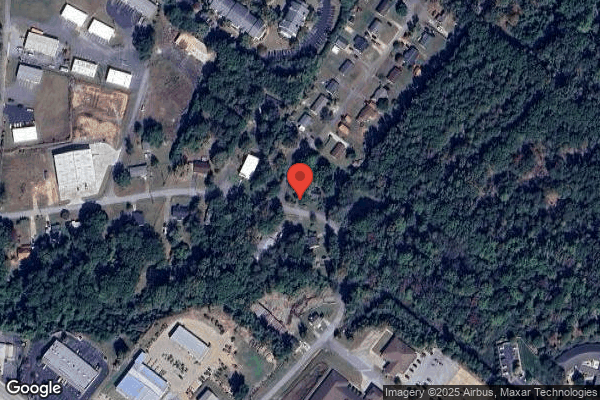
8020 White Avenue, Spartanburg, SC 29303 (864) 542-8515
For profit - Limited Liability company 120 Beds FUNDAMENTAL HEALTHCARE Data: November 2025 2 Immediate Jeopardy citations
Trust Grade
4/100
#164 of 186 in SC
Last Inspection: November 2024

Within standard 12-15 month inspection cycle. Federal law requires annual inspections.

Overview

Physical Rehabilitation and Wellness Center of Spa in Spartanburg, South Carolina, has a Trust Grade of F, indicating significant concerns about the quality of care provided. Ranking #164 out of 186 facilities in the state places it in the bottom half, and #14 out of 15 in Spartanburg County suggests that there is only one local option that is better. Although the facility is improving, having reduced its issues from 14 in 2024 to just 2 in 2025, it still has a concerning staffing turnover rate of 58%, significantly higher than the South Carolina average of 46%. Notably, there have been critical incidents, including a failure to administer medications correctly to 18 residents, which posed a serious risk to their health, as well as a failure to protect residents from sexual abuse. While the facility does have average RN coverage, these serious deficiencies highlight the need for careful consideration when choosing this nursing home.

Trust Score
F
4/100
In South Carolina
#164/186
Bottom 12%
Safety Record
High Risk
Review needed
Inspections
Getting Better
14 → 2 violations
Staff Stability
⚠ Watch
58% turnover. Above average. Higher turnover means staff may not know residents' routines.
Penalties
○ Average
$22,765 in fines. Higher than 54% of South Carolina facilities. Some compliance issues.
Skilled Nurses
⚠ Watch
Each resident gets only 24 minutes of Registered Nurse (RN) attention daily — below average for South Carolina. Fewer RN minutes means fewer trained eyes watching for problems.
Violations
⚠ Watch
34 deficiencies on record. Higher than average. Multiple issues found across inspections.
★☆☆☆☆
1.0
Overall Rating
★☆☆☆☆
1.0
Staff Levels
★★☆☆☆
2.0
Care Quality
★☆☆☆☆
1.0
Inspection Score
Stable
2024: 14 issues
2025: 2 issues

The Good

  • Full Sprinkler Coverage · Fire safety systems throughout facility
  • No fines on record

Facility shows strength in fire safety.

The Bad

1-Star Overall Rating

Below South Carolina average (2.8)

Significant quality concerns identified by CMS

Staff Turnover: 58%

12pts above South Carolina avg (46%)

Frequent staff changes - ask about care continuity

Federal Fines: $22,765

Below median ($33,413)

Minor penalties assessed

Chain: FUNDAMENTAL HEALTHCARE

Part of a multi-facility chain

Ask about local staffing decisions and management

Staff turnover is elevated (58%)

10 points above South Carolina average of 48%

The Ugly 34 deficiencies on record

2 life-threatening 1 actual harm
Jan 2025 2 deficiencies
CONCERN (D) 📢 Someone Reported This

A family member, employee, or ombudsman was alarmed enough to file a formal complaint

Potential for Harm - no one hurt, but risky conditions existed

Deficiency F0625 (Tag F0625)

Could have caused harm · This affected 1 resident

**NOTE- TERMS IN BRACKETS HAVE BEEN EDITED TO PROTECT CONFIDENTIALITY** Based on facility policy, record review, and interviews, the facility failed to provide the bed hold policy to Resident (R)1 and...

Read full inspector narrative →
**NOTE- TERMS IN BRACKETS HAVE BEEN EDITED TO PROTECT CONFIDENTIALITY** Based on facility policy, record review, and interviews, the facility failed to provide the bed hold policy to Resident (R)1 and/or Resident Representative (RR) in a timely manner for 1 of 1 reviewed for hospitalization. Findings include: Review of the facility policy Leadership Policies and Procedures Section III: Organization Ethics, Subject: Bed Hold Policy, revision dated 10/23/19, revealed Policy: 1. Facility's staff will provide each patient/resident or their qualified legal representative with facility's written bed-hold policy at the time of admission and each time the patient/resident leaves the facility for hospitalization or therapeutic leave. Procedures: 2. Written notice of facility's bed hold is included in the admission Handbook and is provided to each patient/resident or his/her legal representative at the time of admission. Written notice is also provided at the actual time of transfer for hospitalization or therapeutic leave, and specifies the duration of the bed-hold period. Review of R1's Electronic Medical Record (EMR) revealed R1 was admitted to the facility on [DATE] with diagnoses including but not limited to: Asymptomatic human immunodeficiency virus infection status, human immunodeficiency virus disease, cognitive communication deficit, difficulty in walking, other lack of coordination, muscle weakness (generalized), and mild cognitive impairment. Review of R1's admission Minimum Data Set (MDS) with an Assessment Reference Date (ARD) date of 12/13/24 revealed a Brief Interview for Mental Status (BIMS) score of 15 out of 15, indicating R1 has no cognitive impairment. Review of R1's electronic medical record (EMR) revealed R1 was discharged to the hospital on [DATE]. There was no documentation of a bed hold notification given to the resident and/or responsible party prior to R1's transfer to the hospital. During an interview on 01/29/25 at 1:10 PM, the Social Services Director who stated the bed holds are usually completed by the Business Office Manager (BOM) and Admissions. During an interview on 01/29/25 at 1:19 PM, the BOM who reported that she obtains the midnight census when arriving at work and before morning meeting. If any residents are noted to have been sent out of the building their name will be added to the spreadsheet for follow up. BOM stated that she does not make contact and thought the admissions department made contact. It was reported that she was new and started about 3 weeks ago but works closely with admissions. During an interview on 01/29/25 at 1:37 PM, the Admissions Director stated that she had never been told to do bed holds and had worked at the facility for three months. She stated that what she does is put the resident out in Matrix Care. She verbalized seeing the bed hold forms and that there was a bed hold policy book at every nurse's station. She reported that R1 was discharged with an expected return and was not on a bed hold and had Humana. Bed holds are only provided when a resident has Medicaid, managed Medicaid, and complex Medicaid. During an interview on 01/29/25 at 6:11 PM, the Admissions Director reviewed the bed hold policy provided to the surveyor. It was confirmed that the policy was not provided on the day of the transfer to the resident or the responsible party. It was confirmed by reading the first paragraph out loud that it should have been given. It was confirmed that the ombudsman was not notified. During an interview on 01/29/25 at 6:20 PM, the Administrator reported that the bed hold policy is reviewed on admission and when residents are leaving for any reason regardless of payor source. The administrator agreed that if there is not a signed document available the task was not completed.
CONCERN (D) 📢 Someone Reported This

A family member, employee, or ombudsman was alarmed enough to file a formal complaint

Potential for Harm - no one hurt, but risky conditions existed

Comprehensive Care Plan (Tag F0656)

Could have caused harm · This affected 1 resident

**NOTE- TERMS IN BRACKETS HAVE BEEN EDITED TO PROTECT CONFIDENTIALITY** Based on review of facility policy, observations, interviews, and record review, the facility failed to develop and implement a ...

Read full inspector narrative →
**NOTE- TERMS IN BRACKETS HAVE BEEN EDITED TO PROTECT CONFIDENTIALITY** Based on review of facility policy, observations, interviews, and record review, the facility failed to develop and implement a comprehensive person-centered care plan for a resident with aggressive behaviors for 1 of 2 residents reviewed, Resident (R)02. Findings include: Review of the facility's policy titled, Care Plan Process, Person Centered Care dated 05/2023 revealed, Policy: The facility will develop and implement a baseline and comprehensive care plan for each resident that includes the instructions needed to provide effective and person - centered care of the resident that meet professional standards of quality care. Procedures: Following RAI Guidelines develop and implement a comprehensive person - centered care plan that includes measurable objectives and timeframes to meet a resident's medical, nursing, and mental and psychosocial needs that are identified in the comprehensive assessment. Review of R02's Face Sheet revealed R02 was admitted to the facility on [DATE] with diagnoses including but not limited to; aphasia, hemiplegia and diabetes mellitus. Review of R02's Quarterly Minimum Data Set (MDS) with Assessment Review Date (ARD) date of 12/19/24 revealed a Brief Interview for Mental Status (BIMS) score of 11 out of 15, indicating R11 was moderately cognitively impaired. Review of R02's Care Plan with a start date of 03/27/24 and target date 04/30/25 documented, focus Receives antidepressant medication to help with appetite dx of adult failure to thrive. Documented goal Will not exhibit signs of drug related sedation, hypotension or anticholinergic symptoms. Documented intervention revealed, Monitor resident's mood and response to medication including weight. Further review of the Care Plan revealed that there was no new psychosocial care plan or new interventions related to the incident that occurred on 11/29/24. Review of the 5-day investigation revealed that the social worker would monitor both residents for psychosocial needs as indicated to prevent any further incidences. Review of R02's Physician Order with a start date of 10/12/23 documented, Behavior Monitoring every shift: Antidepressant drug Remeron (mirtazapine) r/t depression monitor for withdrawn/social isolation/ refusal of food/beverage/poor PO intake Special Instructions: Interventions: A: Physical Needs Met B: Distraction C: Redirection D: Validation E: Activity Program F: Quite Time/Rest G: Increased Observation H: Other I: No Interventions Needed Outcomes: 1. Improved, 2. Unchanged, W, Worsened every shift, Day, Second, Third. During an interview on 01/29/25 at 04:04 PM, the Director of Social Services revealed that her assistant would have put the updated care plan in for this resident after the incident on 11/29/24. The Director of Social Services revealed that the full time MDS nurse quit two weeks ago. She stated that there is a part time MDS nurse, but she was not here today. During an interview on 01/29/25 at 04:10 PM, the Director of Nursing (DON) revealed the care plan should have been updated with behaviors and interventions to reflect the altercation. If social services did not do it, MDS should have done it. During an interview on 01/29/25 at 04:15 PM, the Director of Social Services revealed that she had spoken with her assistant, and her assistant thought that she had updated the care plans for both residents, but she guessed she had not.
Nov 2024 14 deficiencies
CONCERN (D)

Potential for Harm - no one hurt, but risky conditions existed

Resident Rights (Tag F0550)

Could have caused harm · This affected 1 resident

**NOTE- TERMS IN BRACKETS HAVE BEEN EDITED TO PROTECT CONFIDENTIALITY** Based on observation, record review, interviews, and facility policy review, the facility failed to promote dignity during a dre...

Read full inspector narrative →
**NOTE- TERMS IN BRACKETS HAVE BEEN EDITED TO PROTECT CONFIDENTIALITY** Based on observation, record review, interviews, and facility policy review, the facility failed to promote dignity during a dressing change for one of one resident (Resident (R) 25) of 25 sample residents. This failure caused R25 to have increased anxiety during a dressing change. Findings include: Review of the facility's policy titled, Social Services Policies and Procedures, dated 06/09/23, revealed . Well-being/Quality of Life: The Department addresses the physical, mental, social, and emotional well-being of each patient and resident served in the facility. in doing so, the Department assists every patient and resident to achieve maximum quality of life . Quality of life begins with the preservation of a sense of dignity and individuality . Review of R25's undated Face Sheet located under the Face Sheet tab of the electronic medical record (EMR) revealed the resident was admitted on [DATE] with diagnoses which included diabetes mellitus, asthma, and atrial fibrillation. Review of R25's admission Minimum Data Set (MDS) located under the MDS tab of the EMR with an Assessment Reference Date (ARD) of 11/11/24 coded the resident as having a Brief Interview for Mental Status (BIMS) score of 15 out of 15 which indicated R25 was cognitively intact. R25 was also coded as having a skin tear with MASD [Moisture Associated Skin Damage] and was at risk for developing a pressure ulcer. During a dressing change observation on 11/25/24 at 2:45 PM to R25's sacrum area, Licensed Practical Nurse (LPN)5 entered R25's room and was explaining that her roommate was having to be transported to the hospital for a blood transfusion. Approximately ten minutes later, LPN5 came back into the room and held the privacy curtain together while two male attendants from the transport ambulance came into the room. LPN5 was asked if this could wait for a few minutes and she stated, No, this is an emergency. R25 became very anxious by trying to pull her gown down and trying to move her hips so that her sacral area could not be seen by the male ambulance attendants that had entered the room. R25 was in the first bed in the room and the roommate that was being transported to the hospital was in the second bed by the window. LPN5 proceeded to give report to the ambulance attendants, then they transferred the roommate to the stretcher and left the room. After the Wound Care Nurse (WCN) finished the dressing to R25, she apologized to the resident because there were male attendants that came into the room. During an interview with R25 after the dressing change the resident stated, I really didn't like them coming into my room at that time. If they could just have waited, it would have taken the nurse about five more minutes, and she would have been done. During an interview on 11/25/24 at 3:26 PM, LPN5 was asked if the practice was to allow male attendants with a transport team to come in a resident's room while R25 was having a dressing change to the sacral area. LPN5 stated, That was why I held the curtain together, so they would not see her. I deal with emergencies first. During an interview on 11/25/24 at 3:35 PM, the Director of Nursing (DON) stated, They could have waited five minutes for the nurse to finish the dressing change. The transport was urgent not emergent.
CONCERN (D)

Potential for Harm - no one hurt, but risky conditions existed

Deficiency F0561 (Tag F0561)

Could have caused harm · This affected 1 resident

**NOTE- TERMS IN BRACKETS HAVE BEEN EDITED TO PROTECT CONFIDENTIALITY** Based on interviews, record review, and review of facility documents, the facility failed to ensure showers were conducted accor...

Read full inspector narrative →
**NOTE- TERMS IN BRACKETS HAVE BEEN EDITED TO PROTECT CONFIDENTIALITY** Based on interviews, record review, and review of facility documents, the facility failed to ensure showers were conducted according to resident preferences for one (Resident (R) 24) of 25 sampled residents. This failure denied the resident the right to self-determination for showers. Findings Include: Review of the facility's policy titled, Social Service Policies and Procedures, revision date of 10/01/20, revealed The Facility employs measures to ensure patient and resident personal dignity, well-being, and self-determination are maintained and will educate patients and residents regarding their rights and responsibilities. The Facility has established the Patient/Resident [NAME] of Rights and Responsibilities in accordance with state and federal regulations. The Facility will communicate the Patient/Resident [NAME] of Rights and Responsibilities to the patient and residents in a language or means of communication that ensures patient and resident understanding. The [NAME] of Rights is recognized and supported by all facility staff. Staff document the communication and provision of this information when provided to the patient, resident, and legal representative. The Facility will ensure residents can exercise his or her rights without interference, coercion, discrimination, or reprisal from the facility. Review of R24's Face Sheet, located under the Face Sheet tab of the electronic medical record (EMR), revealed the resident was admitted on [DATE] with a diagnosis of spinal stenosis, site unspecified, hypertensive heart disease with heart failure, diabetes mellitus due to an underlying condition without and morbid (severe) obesity with alveolar hypoventilation. Review of R24's Physician Orders, located under the Orders tab of the EMR and dated 02/19/24, revealed that R24's shower days were Sunday and Thursday. Review of R24's quarterly Minimum Data Set (MDS) with an Assessment Reference Date (ARD) of 09/04/24 and located under the MDS tab of the EMR revealed R24 had a Brief Interview for Mental Status (BIMS) score of 15 out of 15, which indicated the resident was cognitively intact. It was recorded that R24 required partially to moderate assist with bathing. Review of R24's Care Plan, located under the Care Plan tab of the EMR, and revised 09/03/24, revealed ADL CARE ---- [R24] is at risk for complications related to the need for support with ADL CARE. She has chronic pain and impaired mobility, debility. Assist with bed mobility and transfers as needed. During an interview on 11/24/24 at 1:43 PM, R24 revealed she was not getting showers. R24 stated she should be getting way more showers than she was receiving. R24 stated she was supposed to get two showers a week. R24 stated they would provide her with a bed bath, but not a shower. She stated she would like a shower. During an interview on 11/26/24 at 2:42 PM, the Social Service Director (SSD) revealed that R24 had come to her office yesterday and had discussed going home. She stated R24 came by often, and she never mentioned not getting her showers. The SSD looked in the shower book for October and November, and R24 had only two shower days for those months, one on 10/23/24 and one on 11/21/24. The SSD stated she was getting with nursing about the issue. During an interview on 11/26/24 at 4:52 PM, the Administrator and Director of Nursing (DON) revealed resident showers were set up during their care plan meeting and noted in the physician orders. They stated they would look into why the resident only received two showers in the last two months.
CONCERN (D)

Potential for Harm - no one hurt, but risky conditions existed

Deficiency F0582 (Tag F0582)

Could have caused harm · This affected 1 resident

**NOTE- TERMS IN BRACKETS HAVE BEEN EDITED TO PROTECT CONFIDENTIALITY** Based on interview and record review, the facility failed to issue accurate Skilled Nursing Facility Advanced Beneficiary Notice...

Read full inspector narrative →
**NOTE- TERMS IN BRACKETS HAVE BEEN EDITED TO PROTECT CONFIDENTIALITY** Based on interview and record review, the facility failed to issue accurate Skilled Nursing Facility Advanced Beneficiary Notices (SNFABN) to one of two residents (Resident (R) 74) and a Notice of Medicare Non-Coverage (NOMNC) forms and a SNFABN to one of two residents (R75) reviewed for liability and beneficiary notices out of total sample of 25. This failure had the potential for residents or their responsible parties not to have all the information to make an educated decision about the ending of skilled services. Findings include: 1. Review of R74's electronic medical record (EMR) Census tab, revealed the resident was admitted on [DATE] for Medicare A services. Review of a document, completed by the facility and listing the residents who had been discharged from skilled services revealed R74 was issued a NOMNC on 09/19/24. It was documented that the facility did not issue the SNFABN to R74 because R74 did not appeal. 2. Review of R75's EMR Census tab revealed the resident was admitted on [DATE] for Medicare A skilled services. Review of a document, completed by the facility and listing the residents who had been discharged from skilled services, revealed R75's spouse was notified by phone that R75's Last Covered Day for skilled services was 07/19/24. It was recorded R75 received her skilled services through a managed care plan instead of Medicare, and that the resident could call United Healthcare for any assistance with her services. It was documented that R75 was not issued a SNFABN because no appeal was filed. During an interview on 11/26/24 at 1:07 PM the SSD stated she only issued the SNFABN for Medicare Part B residents in the building. When asked how she received the NOMNC to issue to residents, she stated she received them from a case manager. The SSD was not aware that she was supposed to create the NOMNCs for Medicare A residents in the facility and was under the impression that SNFABNs were only issued if a resident appealed the NOMNC they were issued. She was not aware the SNFABN was to be issued to any resident with remaining Medicare A days and remaining in the facility.
CONCERN (D)

Potential for Harm - no one hurt, but risky conditions existed

Deficiency F0655 (Tag F0655)

Could have caused harm · This affected 1 resident

**NOTE- TERMS IN BRACKETS HAVE BEEN EDITED TO PROTECT CONFIDENTIALITY** Based on record review, interview, and facility policy review, the facility failed to ensure a written copy of the baseline care...

Read full inspector narrative →
**NOTE- TERMS IN BRACKETS HAVE BEEN EDITED TO PROTECT CONFIDENTIALITY** Based on record review, interview, and facility policy review, the facility failed to ensure a written copy of the baseline care plan was provided to the resident and/or responsible party (RP) within 48 hours for one of one resident (Resident (R) 25) reviewed for baseline care plans of 25 sample residents. This failure had the potential for residents and/or RP not to be informed of the plan of care. Findings include: Review of the facility's policy titled, Care Plan Process, Person-Centered Care, dated 05/03/23, revealed . Provide the resident and their legal representative (if applicable) a copy of the baseline person-centered care plan summary . Review of R25's undated Face Sheet located under the Face Sheet tab of the electronic medical record (EMR) revealed the resident was admitted on [DATE] with diagnoses which included diabetes mellitus, asthma, and atrial fibrillation. Review of R25's admission Minimum Data Set (MDS) located under the MDS tab in the EMR with an Assessment Reference Date (ARD) of 11/11/24 coded the resident as having a Brief Interview for Mental Status (BIMS) score of 15 out of 15 which indicated R25 was cognitively intact. Review of R25's Baseline Care Plan located under Care Plan tab in the EMR, revealed this care plan was dated on 11/05/24 and had signatures of staff members but no documentation that the written baseline care plan was given to R25. During an interview on 11/26/24 at 8:35 AM, the Social Services Director (SSD) stated, I will attempt to go and give it to the residents but if they are hard to find in their rooms, I will sometimes forget to go back to give this information. During an interview on 11/26/24 at 10:00 AM, R25 stated, I don't remember getting anything from the staff about this. During an interview on 11/26/24 at 2:30 PM, the Director of Nursing (DON) stated, The Social Worker should make sure she gets a written form of the baseline care plan to the residents. If she is having trouble in getting this done, then she needs to ask someone to help her.
CONCERN (D)

Potential for Harm - no one hurt, but risky conditions existed

Comprehensive Care Plan (Tag F0656)

Could have caused harm · This affected 1 resident

**NOTE- TERMS IN BRACKETS HAVE BEEN EDITED TO PROTECT CONFIDENTIALITY** Based on record review, interviews, and facility policy review, the facility failed to 1.) ensure the comprehensive care plan in...

Read full inspector narrative →
**NOTE- TERMS IN BRACKETS HAVE BEEN EDITED TO PROTECT CONFIDENTIALITY** Based on record review, interviews, and facility policy review, the facility failed to 1.) ensure the comprehensive care plan included the resident's religious preference for one of one resident (Resident (R) 42) reviewed for activities based on a resident's mental and psychosocial needs out of 25 sample residents. This failure had the potential to cause R42's psychosocial needs not to be met, and 2.) failed to develop a comprehensive care plan (CP) for a pressure ulcer for one of four residents (Resident (R) 25) out of 25 sampled residents. This failure had the potential for R25 to have an inaccurate plan of care for a stage four pressure ulcer. Findings include: Review of the facility's policy titled, Care Plan Process, Person-Centered Care, last revised 05/05/23, revealed: . The facility will develop and implement a baseline and comprehensive care plan for each resident that includes the instructions needed to provide effective and person-centered care of the resident that meet professional standards of quality care. Person-centered care means the facility focuses on the resident as the center of control and supports each resident in making his or her own choices. Person-centered care includes trying to understand what each resident is communicating, verbally and nonverbally, identifying what is important to each resident with regard to daily routines and preferred activities, and understanding the resident's life before coming to reside in the nursing home. 1. Review of R42's Face Sheet, located under the Profile tab of the electronic medical record (EMR), revealed the resident was admitted on [DATE] with diagnoses that included chronic respiratory failure with hypoxia (Primary), urinary tract infection, site not specified, pain in throat, sacrococcygeal disorders, not elsewhere classified, muscle wasting and atrophy, acute atopic conjunctivitis, and chronic pain syndrome. Review of R42's quarterly Minimum Data Set (MDS), with an Assessment Reference Date (ARD) of 08/01/24 and located under the MDS tab of the EMR, revealed R42 had a Brief Interview for Mental Status (BIMS) score of 15 out of 15, which indicated the resident was cognitively intact. Review of R42's Care Plan, located under the Care Plan tab of the EMR revealed under the Activities category, dated 10/03/19, Problem: [R42] prefers to do his activities in his room, such as listening to R&B [Rhythm and Blues] music/TV and visiting with friends and family .Goal . [R42] will engage in independent activities such as listening to music/TV talking on the phone to friends and family .Approach .Approach Start Date: 07/29/2022 Staff will play R&B, gospel, rap, jazz music of his interest during weekly visits. 07/29/2022 staff Will play religious services of his interest on his TV or our radio during weekly visits. During an interview on 11/24/24 at 1:45 PM, R42 stated the facility did not provide accommodation for his religious preferences and that all activities were Christian. R42 also stated that sometimes the facility gave him a ham sandwich and he did not eat ham because he is a Muslim. During an interview on 11/25/24 at 2:39 PM, the Activity Director (AD) stated R42 was invited to activities and participated occasionally in group activities when he was not in dialysis. The AD stated if he could not be there, activities would still provide him the snacks shared during activities. When asked what R42's religion was, she stated R42 was a Christian. When asked if R42's profile revealed his religion, the AD stated she was unaware. The AD stated she was aware R42 did not like pork products but did not know it was a religious preference. When informed activities listed in R42's care plan included gospel music, which the resident did not subscribe to it, the AD reiterated that she was unaware of R42's religious preferences and that the care plan entry was entered by her predecessor. During an interview on 11/25/24 at 2:57, the MDS Coordinator (MDSC) stated she was aware R42 was a Muslim but did not believe he actively practiced his religion. When asked if she had asked R42 whether he practiced his religion or if she assessed R42 for his religious preferences, she stated she had not. During an interview on 11/26/24 at 9:26 AM, the Registered Dietician (RD) stated she was not aware R42 was a Muslim with religion-related dietary preferences. The RD stated R42 had requested bacon and other pork products before. The RD stated she was not aware it was in R42's profile that he was a Muslim. During an interview on 11/26/24 at 10:14 AM, the Social Services Director (SSD) stated she had been the SSD for about one year. The SSD stated she was unaware R42 was a Muslim. The SSD stated she did not know if R42 was attending mosque or if he was an active Muslim. When informed that R42's religion was on his profile in his face sheet, the SSD stated she was new to the facility and did not know and that she would work with activities to honor R42's religious preferences. During an interview on 11/26/24 at 12:51 PM, the Dietary Manager (DM) stated she was aware he did not like pork, and this was reflected in his tray card. The DM stated she did not know why he did not like pork products and believed it was just his preference. During an interview on 11/26/24 at 6:07 PM, the Administrator stated he did not know R42 was a Muslim or what his religious preferences were. The Administrator stated that to his knowledge, R42 was very vocal, and his food preferences varied over a period of time, and that he had delivered pizza with pork products to R42's room on occasion. The Administrator acknowledged that it was on R42's profile that he was a Muslim, and the facility had failed to ensure that this information was reflected in R42's care plan.2. Review of R25's undated Face Sheet located under the Face Sheet tab of the EMR revealed the resident was admitted on [DATE] with diagnoses which included diabetes mellitus, asthma, and atrial fibrillation. Review of R25's admission MDS located under the MDS tab in the EMR with an ARD of 11/11/24 coded the resident as having a BIMS score of 15 out of 15 which indicated R25 was cognitively intact. R25 was also coded as having a skin tear with MASD [Moisture Associated Skin Damage] and was at risk for developing a pressure ulcer. Review of R25's Physician Orders located under the Orders tab in the EMR revealed an order dated 11/15/24, which revealed Daily wound Treatment: Location stage 4 [sic] wound on sacrum, cleanse with wound cleanser/NS [Normal Saline], apply Medi Honey with alginate calcium w [with] silver, cover w [sic] boarder gauze dressing. Review of R25's Wound Evaluation & [and] Management Summary, dated 11/20/24 and located under the Wound Management tab of the EMR, revealed the resident had a stage four pressure wound to the sacrum and the treatment plan was Alginate calcium w [with]/silver apply once daily for 23 days; Leptospermum of [medical grade of honey] honey apply once daily for 23 days. Review of R25's Care Plan located under the Care Planning tab in the EMR and dated 11/12/24, revealed a Problem as .has a current wound/disruption of skin surface: MASD with skin tear. The Approach was CNA [Certified Nurse Assistant] to inspect skin, especially over bony prominences, during bathing and personal care. Encourage fluids to maintain hydration. Licensed nurse to complete wound observation .Minimize skin exposure to moisture from incontinence, perspiration, or wound drainage by mild cleansing agents and using skin barrier cream for skin protection .Use aseptic techniques when performing dressing changes. Dress and cover wo Thru ongoing assessment, the facility will initiate person-centered care plans when the resident's clinical status or change of condition dictates the need such as but not limited to falls and pressure ulcer development would [sic] before dressing other wounds, washing hands and observing aseptic technique. Use draw sheets or similar for positioning and turning to maintain skin integrity . A care plan for the stage four pressure area was not documented. During an interview on 11/26/24 at 11:00 AM, the Director of Nursing (DON) stated, I see the one [CP] for the MASD but do not see where they started one for the pressure ulcer. The nurses should have started one for that.
CONCERN (D)

Potential for Harm - no one hurt, but risky conditions existed

Respiratory Care (Tag F0695)

Could have caused harm · This affected 1 resident

**NOTE- TERMS IN BRACKETS HAVE BEEN EDITED TO PROTECT CONFIDENTIALITY** Based on observation, interview, record review, and facility policy review, the facility failed to obtain a physician's order pr...

Read full inspector narrative →
**NOTE- TERMS IN BRACKETS HAVE BEEN EDITED TO PROTECT CONFIDENTIALITY** Based on observation, interview, record review, and facility policy review, the facility failed to obtain a physician's order prior to the administration of oxygen for one of two residents (Resident (R) 25) out of 25 sampled residents. This failure had the potential for R25 to have adverse reactions from the administration of oxygen. Findings include: Review of the facility's policy titled, Oxygen Therapy, dated 02/12/24, revealed Verify the provider's order for the oxygen therapy . Review of R25's undated Face Sheet located under the Face Sheet tab of the electronic medical record (EMR) revealed the resident was admitted on [DATE] with diagnoses which included diabetes mellitus, asthma, and atrial fibrillation. Review of R25's admission Minimum Data Set (MDS) located under the MDS tab in the EMR with an Assessment Reference Date (ARD) of 11/11/24 coded the resident as having a Brief Interview for Mental Status (BIMS) score of 15 out of 15 which indicated R25 was cognitively intact. During an observation on 11/24/24 at 2:10 PM and on 11/25/24 at 2:45 PM, R25 had oxygen on at two L/min (liters/minute) by nasal cannula. During an observation and interview on 11/25/23 at 9:10 AM, the Assistant Director of Nursing (ADON) accompanied the surveyor to R25's room. When the ADON was asked how much oxygen R25 was receiving by nasal canal, the ADON stated, It is on two and one-half liters/minutes. The ADON went to review the EMR and confirmed that R25 did not have an order for the administration of oxygen. ADON stated, You have to have an order for oxygen. During an interview on 11/26/24 at 10:19 AM, the Director of Nursing (DON) stated, There should be an order to administer oxygen.
CONCERN (D)

Potential for Harm - no one hurt, but risky conditions existed

Deficiency F0698 (Tag F0698)

Could have caused harm · This affected 1 resident

**NOTE- TERMS IN BRACKETS HAVE BEEN EDITED TO PROTECT CONFIDENTIALITY** Based on record review and interview, the facility failed to have collaboration of care with the dialysis center for one of two ...

Read full inspector narrative →
**NOTE- TERMS IN BRACKETS HAVE BEEN EDITED TO PROTECT CONFIDENTIALITY** Based on record review and interview, the facility failed to have collaboration of care with the dialysis center for one of two resident (Resident (R) 21) reviewed for dialysis out of 25 sampled residents. This failure had the potential to put R21 at risk for lack of communication between the facility and the dialysis center, Findings include: Review of R21's undated Face Sheet located under the Face Sheet tab of the electronic medical record (EMR) indicated R21 was admitted to the facility on [DATE] with diagnoses of diabetes mellitus and end stage renal disease. Review of R21's admission Minimum Data Set (MDS) located in the EMR under the MDS Assessment tab with an Assessment Reference Date (ARD) of 10/31/24 revealed the resident was coded as receiving dialysis services while a resident in the facility. Review of R21's Physician Order located in the hard chart of the medical record, under the Orders tab, revealed orders, dated 10/24/24, which revealed R21 had dialysis on Mondays, Wednesdays, and Fridays. Review of R21's Hemodialysis Communication Record provided by the facility, revealed the records, dated 11/06/24, 11/15/24, and 11/18/24, had documentation missing from the dialysis center for shunt site (which described the location, dressings, pain and change in condition), lab values which described the events during the course of treatment, medications given at dialysis, recommendations, and food/fluid intake along with missing signatures and dates. The communication sheets for 11/06/24, 11/09/24, and 11/15/24 had documentation missing from the shunt observation of the dressing, assessment of the auscultation of the bruit, palpation of thrill, and if the resident reported pain. During an interview on 11/26/24 at 10:02 AM, the Director of Nursing (DON) stated, The nurses are to call dialysis center and get a verbal report if the communication sheet is not completely filled out. The nurses are also to do an assessment of the resident when they return to the facility.
CONCERN (D)

Potential for Harm - no one hurt, but risky conditions existed

Unnecessary Medications (Tag F0759)

Could have caused harm · This affected 1 resident

Based on observation, record review, interview, and review of facility policy, the facility failed to maintain a medication error rate below five percent. Three errors/omissions out of 26 opportunitie...

Read full inspector narrative →
Based on observation, record review, interview, and review of facility policy, the facility failed to maintain a medication error rate below five percent. Three errors/omissions out of 26 opportunities resulted in a medication error rate of 11.54% for three of three residents (Resident (R)13, R31, and R30) of 25 sample residents. This failure had the potential to cause residents to not receive the proper dosages of their medications. Findings include: Review of facility's policy titled, Physician Orders, last revised 05/05/23, revealed Medication/Treatment 1. The facility should not administer medications or biologicals except upon the order of a physician/prescriber lawfully authorized to prescribe them. 2. Elements of the medication order include: A. Full name, date of birth , and room number of the resident B. Name of medication C. Strength of medication, where appropriate D. Dosage E. Form of drug (tab, liquid, solution, etc.) F. Time or frequency of administration G. Route of administration H. Quantity or duration of therapy, if limited I. Diagnosis or indication of use J. Parameters for holding medication if indicated. K. Prescribers full name Review of the facility's policy titled, Medication Management Program, last revised on 05/05/24, revealed .4.Authorized staff must understand: A. Indications or reason for therapy. B. Effectiveness for achieving the therapeutic goal. C. Drug actions. D. The 8 Rights for administering medication: 1) The Right Patient/Resident 2) The Right Drug 3) The Right Dose 4) The Right Time 5) The Right Route 6) The Right Charting 7) The Right Results 8) The Right Reason .5. The same person authorized medical or licensed person prepares, administers, and records the medications . 15. Outdated medication is destroyed or returned to the pharmacy according to applicable state rules and regulations. A new supply of medication is obtained, when necessary. 16.Medications are dispensed at the time of administration. Pre-pouring or dispensing for a later administration time is not permitted .5.The authorized staff member validates the following information is documented on the MAR (Medication Administration Record): A. Correct physician's order and diagnosis for each medication. 8. Medication and label are correct .6.The authorized staff member reads the label on the medication three (3) times. A. Before removing the medication from the drawer. B. Before dispensing the medication. C. After dispensing the medication .11. Immediately after administering the medication to the resident, the authorized staff or licensed nurse will return to the medication cart and document medication administration with initials on the MAR. If a medication is not administered, the authorized staff or licensed nurse must explain why it was not given .16. Once removed from the package or container, unused doses should be destroyed following facility policy and documenting the destruction according to facility policy. 1. Review of R13's physician orders located under the Orders tab of the electronic medical record (EMR), revealed the order for insulin lispro (an anti-diabetic injection) 100 unit/mL with a sliding scale as follows: Per Sliding Scale If Blood Sugar is less than 60, call MD. If Blood Sugar is 200 to 249, give 2 Units. If Blood Sugar is 250 to 300, give 4 Units. If Blood Sugar is 301 to 349, give 6 Units. If Blood Sugar is 350 to 399, give 8 Units. If Blood Sugar is 400 to 449, give 10 Units. If Blood Sugar is 450 to 499, give 12 Units. If Blood Sugar is greater than 499, call MD. During a medication observation on 11/25/24 at 4:22 PM, Licensed Practical Nurse (LPN)2 checked R13's fingerstick blood sugar. The result was 293, indicating four units of insulin lispro per physician's order were required. LPN2 tuned the dial on the insulin pen containing the medication and approached R13 to give the medication. The surveyor requested to see the number of insulin units about to be given. LPN2 showed it to the surveyor and the dial was turned on five units. At the time of the observation, LPN2 stated the dial must have slipped, turned down the dial to the correct dosage of four units, and administered the medication to the resident. 2. During a medication observation on 11/26/24 at 8:45 AM in the 300 unit, LPN4 put multiple tablets, including one chewable aspirin 81 mg (milligram) for R31 into a cup. R31 was given all the pills in the cup to swallow including the chewable aspirin. During an interview on 11/26/24 at 8:52 AM, LPN4 admitted the aspirin was a chewable tablet and should have been given to the resident to chew. 3. During medication observation in the 300 unit on 11/26/24 at 3:47 PM, LPN7 opened the medication cart and in the cart was an unlabeled and unsecured medication cup containing two tablets. When asked what they were, LPN7 stated they were Lyrica and Carafate meant for R30 that should have been given by LPN4 at 2:00 PM. LPN4 stated the medications were not given because R30 was away from the unit at therapy. When asked what she was going to do with the open medications, LPN7 stated she was going to R30's room to see if he was back on the unit so she could give him the medications. LPN7 picked up the cup from the medication cart and proceeded to R30's room followed by surveyor. In R30's room, LPN7 approached R30 and explained to him that she had brought him the 2:00 PM medications Carafate and Lyrica that he had missed and tried to hand the cup containing the two mediations to R30. LPN7 stated she knew what the medications were because LPN4 had informed LPN7 that she left them in the cart before LPN7 left for the day. During an interview with the Director of Nursing (DON) and the Administrator on 11/26/24 at 5:37 PM the foregoing medication errors were discussed with them and the DON stated it was her expectation that LPN4 should have followed the correct route of chewing a chewable aspirin and that LPN7 should not have tried to give medications that she did not withdraw herself.
CONCERN (D)

Potential for Harm - no one hurt, but risky conditions existed

Deficiency F0761 (Tag F0761)

Could have caused harm · This affected 1 resident

Based on observation, interview, and review of facility policy, the facility failed to ensure that drugs and biologicals used in the facility were labeled in accordance with currently accepted profess...

Read full inspector narrative →
Based on observation, interview, and review of facility policy, the facility failed to ensure that drugs and biologicals used in the facility were labeled in accordance with currently accepted professional principles for one of one resident (Resident (R) 13) and failed to ensure that all drugs and biologicals were stored in locked compartments for one of one resident (R30) out of 25 sample residents. This failure had the potential to cause residents to receive the wrong or contaminated medications. Findings include: Review of the facility's policy titled, Medication Management Program, last revised on 05/05/24, revealed . 5. The same person authorized medical or licensed person prepares, administers, and records the medications . 15. Outdated medication is destroyed or returned to the pharmacy according to applicable state rules and regulations. A new supply of medication is obtained, when necessary. 16. Medications are dispensed at the time of administration. Pre-pouring or dispensing for a later administration time is not permitted .5.The authorized staff member validates the following information is documented on the MAR (Medication Administration Record): A. Correct physician's order and diagnosis for each medication.8. Medication and label are correct .6. The authorized staff member reads the label on the medication three (3) times. A. Before removing the medication from the drawer. B. Before dispensing the medication. C. After dispensing the medication . 11. Immediately after administering the medication to the resident, the authorized staff or licensed nurse will return to the medication cart and document medication administration with initials on the MAR. If a medication is not administered, the authorized staff or licensed nurse must explain why it was not given . 16. Once removed from the package or container, unused doses should be destroyed following facility policy and documenting the destruction according to facility policy. 1. During medication observation in the 100 unit on 11/25/24 at 4:22 PM, Licensed Practical Nurse (LPN)2 took a pen containing the medication insulin lispro out of a transparent plastic bag that contained another identical looking pen with a different medication, with no open and discard date marked on the pen. The plastic bag containing the pen was marked with the name of the other medication, Lantus Solostar 100 U/ML (Units/ Milliliter) (a long-acting insulin). It was observed that the Lispro insulin pen was labeled with R13's name, room number and medication name. However, the date the medication was first opened and the discard date were not written on the pen. When asked when the pen was first opened, LPN2 stated she did not know as she was not the one who opened it. LPN2 stated the pen was good for 28 days after it was first opened. When asked if the medication was appropriate to give since it did not have an opened date and discard date written on it, LPN2 stated she was going to administer it to the patient because the way his sugars run, there is no way the pen could last 28 days. During an interview on 11/25/24 at 5:54 PM, the Infection Preventionist (IP) stated the insulin pen should have been marked with an open date and discard date and that LPN2 should not have given the undated insulin, and it should have been discarded immediately. 2. During medication observation in the 300 unit on 11/26/24 at 3:47 PM, LPN7 opened the medication cart and in the cart was an unlabeled and unsecured medication cup containing two tablets. When asked what they were, LPN7 stated they were Lyrica and Carafate meant for R30 that should have been given by LPN3 at 2:00 PM. During an interview with the Director of Nursing (DON) and the Administrator on 11/26/24 at 5:37 PM the forgoing medication storage and labelling concerns were discussed with them. The DON stated it was her expectation that LPN2 should have discarded the insulin pen that was unlabeled with open and discard dates and followed physician's order for the correct dosage, and LPN7 should not have tried to give medications that she did not withdraw herself and the medications were inappropriately stored.
CONCERN (D)

Potential for Harm - no one hurt, but risky conditions existed

Deficiency F0804 (Tag F0804)

Could have caused harm · This affected 1 resident

**NOTE- TERMS IN BRACKETS HAVE BEEN EDITED TO PROTECT CONFIDENTIALITY** Based on observation, interview, and record review, the facility failed to ensure food palatability for one of one resident (Res...

Read full inspector narrative →
**NOTE- TERMS IN BRACKETS HAVE BEEN EDITED TO PROTECT CONFIDENTIALITY** Based on observation, interview, and record review, the facility failed to ensure food palatability for one of one resident (Resident (R) 73) reviewed for dialysis out of a total sample of 25. This failure had the potential to affect the resident's nutritional intake and cause food-borne illnesses. Findings include: Review of R73's Face Sheet located in the electronic medical record (EMR) under the Admission tab, revealed the resident was admitted to the facility on [DATE] with a diagnosis that included end-stage renal disease; the resident was on dialysis. Review of the quarterly Minimum Data Set (MDS), located in the MDS tab of the EMR with an Assessment Reference Date (ARD) of 11/13/24, revealed the resident had a Brief Interview for Mental Status (BIMS) score of 15 out of 15, which indicated that R73 was cognitively intact for daily decision-making. During an interview on 11/24/24 at 1:49 PM, R73 revealed she attended dialysis on Tuesday, Thursday, and Saturday. R73 stated she left the facility around 5:00 AM and did not return until between 10:00 AM to 10:30 AM. R73 stated that upon return, her breakfast tray was in her room and that the food was cold. She stated that sometimes, staff would come and warm the food, but it was still not good. R73 stated she wanted to have a hot breakfast because all she had before going to dialysis was crackers. During an interview on 11/25/24 at 2:39 PM, Certified Nurse Assistant (CNA)1 revealed that when passing breakfast, R73's tray was placed in her room so that she could have breakfast upon her return from dialysis. CNA1 stated the tray was usually warmed up for R73. During an observation on 11/26/24 at 8:53 AM, R73's breakfast tray was taken to her room and left. The resident was out of the facility at dialysis. During an interview on 11/26/24 at 8:59 AM, the Registered Dietician (RD) stated she was not aware R73's breakfast tray was left in her room for two or more hours. She stated that it was not only a palatable issue but possibly foodborne illness issues as well. She stated eggs were not safe to be left out like that, and I can't imagine they would taste good warmed up. The RD stated that a tray should not be left in the room. During an interview on 11/26/24 at 11:50 AM, the Dietary Manager (DM) stated she was aware that R73's breakfast tray was left in the room so that she could have breakfast upon dialysis. The DM stated she did not see a problem with the tray being left, indicating that the CNAs reheated the food. The DM asked, What else are we supposed to do? DM stated R73 needed her breakfast upon return and that R73 did not take a snack bag with her. When asked about the food sitting out for at least two hours, the DM stated that they were not thinking about it that way. During an interview on 11/26/24 at 2:42 PM, the Social Service Director (SSD) stated she did not know R73's breakfast was being left in her room. The SSD stated that she had spoken with R73 several times, and R73 had never voiced a concern. During an interview on 11/26/24 at 4:52 PM with the Administrator and Director of Nursing (DON), they both stated that R73's tray should not be left in the room and the resident should be offered a fresh hot tray upon return from dialysis.
CONCERN (D)

Potential for Harm - no one hurt, but risky conditions existed

Food Safety (Tag F0812)

Could have caused harm · This affected 1 resident

Based on observations, interviews, and documentation review, the facility failed to ensure the proper handling of ready-to-eat foods in one of one kitchen. This had the potential to result in the tran...

Read full inspector narrative →
Based on observations, interviews, and documentation review, the facility failed to ensure the proper handling of ready-to-eat foods in one of one kitchen. This had the potential to result in the transmission of foodborne illnesses for 107 of 112 residents residing in the facility. Findings include: Review of the Food and Drug Administration (FDA) regulations 61-25 Citation 3-301.11, located at https://www.fda.gov/food/retail-food-protection/fda-food-code, revealed, Ready-to-eat food is food that does not require additional preparation before consumption. This includes raw, washed, and cut fruits and vegetables as well as foods that require no additional cooking, such as sandwiches, salads, and breads. Suitable utensils must be used when handling ready-to-eat foods. During an observation on 11/26/24 at 11:50 PM lunch, the menu included hamburgers, French fries, lettuce, tomatoes, and pudding, staff were assisting with preparing plates on the line, but they did not have gloves on. One staff was noted to be doing a second review of the plates to ensure the plate was correct before closing the dome. On at least three plates, the staff member adjusted the hamburger on the plate and touched French fries hanging over the plate before putting the dome on top. The staff member did not wear gloves. During an interview on 11/26/24 at 12:30 PM, the Dietary Manager (DM) stated staff were not required to wear gloves when checking the plate and placing the dome on top. When asked about touching ready-to-eat food, the DM stated that gloves were to be worn. The DM was informed of staff touching the hamburger and French fries. The DM stated the staff member should have had gloves on. During an interview on 11/26/24 at 4:52 PM, the Administrator and Director of Nursing (DON) stated staff should not be touching ready-to-eat food with their bare hands.
CONCERN (D)

Potential for Harm - no one hurt, but risky conditions existed

Deficiency F0883 (Tag F0883)

Could have caused harm · This affected 1 resident

**NOTE- TERMS IN BRACKETS HAVE BEEN EDITED TO PROTECT CONFIDENTIALITY** Based on record review, interviews, and review of the Centers for Disease Control and Prevention (CDC) guidelines, the facility ...

Read full inspector narrative →
**NOTE- TERMS IN BRACKETS HAVE BEEN EDITED TO PROTECT CONFIDENTIALITY** Based on record review, interviews, and review of the Centers for Disease Control and Prevention (CDC) guidelines, the facility failed to offer or provide documentation of consent or refusal for two of five residents (Residents (R) 25 and R37) and/or their representatives the opportunity for the residents to receive flu and/or pneumonia vaccines out of 25 sample residents. This failure had the potential to put these residents at more risk of developing flu and pneumonia. Findings include: Review of CDC website titled, Pneumococcal Vaccination: Summary of Who and When to Vaccinate, located at https://www.cdc.gov/vaccines/vpd/pneumo/hcp/who-when-to-vaccinate.html, last reviewed 09/12/24, indicated .CDC recommends pneumococcal vaccination for all adults 65 years or older. The tables below provide detailed information . For adults 65 years or older who have not previously received any pneumococcal vaccine, CDC recommends you .Give one dose of PCV20 [pneumococcal conjugate vaccines] or PCV21 . If PCV15 is used, this should be followed by a dose of PPSV23 [pneumococcal polysaccharide vaccine] at least one year later. The minimum interval is 8 weeks and can be considered in adults with an immunocompromising condition, cochlear implant, or cerebrospinal fluid leak .If PCV20 or PCV21 is used, Give a dose of PCV15 at least one year later .For adults 65 years or older who have only received a PPSV23, CDC recommends you .May give one dose of PCV20 or PCV21 .The PCV20 or PCV15 dose should be administered at least one year after the most recent PPSV23 vaccination. Regardless of if PCV15 or PCV20 is given, an additional dose of PPSV23 is not recommended since they already received it. For adults 65 years or older who have only received PCV13, CDC recommends you .Give PPSV23 as previously recommended For adults who have received PCV13, Give one dose of PCV20 or PCV21 or PPSV23 to be administered at least a year later . If PCV20 and PCV21 are used, their pneumococcal vaccinations are complete . 1.Review of R25's undated Face Sheet located under the Face Sheet tab of the electronic medical record (EMR) revealed the resident was admitted to the facility on [DATE] and was currently over [AGE] years old. Review of R25's Immunizations located under the Preventative Health tab of the EMR revealed there was no documentation of administration or refusal of the flu or pneumococcal vaccine for R25. 2. Review of R37's undated Face Sheet located under the Face Sheet tab in the EMR revealed the resident was admitted to the facility on [DATE] and was currently over [AGE] years old. Review of R37's Immunizations located under the Preventative Health tab in the EMR revealed the resident received one dose of PPSV 23 on 01/12/13. There was no documentation of further administration or refusal of any pneumococcal vaccine for R37. During an interview on 11/26/24 at 5:12 PM, the Infection Preventionist (IP) nurse stated, It would be up to me to keep up with. I wasn't aware we were not meeting this for the vaccinations. During an interview on 11/26/24 at 6:00 PM, the Director of Nursing (DON) stated, The IP nurse is responsible for the vaccinations.
CONCERN (D)

Potential for Harm - no one hurt, but risky conditions existed

Safe Environment (Tag F0921)

Could have caused harm · This affected 1 resident

**NOTE- TERMS IN BRACKETS HAVE BEEN EDITED TO PROTECT CONFIDENTIALITY** Based on observation and interviews, the facility failed to ensure a safe, functional, sanitary, and comfortable environment whi...

Read full inspector narrative →
**NOTE- TERMS IN BRACKETS HAVE BEEN EDITED TO PROTECT CONFIDENTIALITY** Based on observation and interviews, the facility failed to ensure a safe, functional, sanitary, and comfortable environment which included clean baseboards in the hallways, clean mats in the kitchen, and clean and well repaired resident rooms for two of two residents (Resident (R) 124 and R209) reviewed for environment out of a total sample of 25. This failure could place residents and visitors in uncomfortable and unsanitary conditions. Findings include: During an observation on 11/24/24 at 12:27 PM, walking through the hallways, the baseboard had a build-up of dirt and debris in the hallways. The door to room [ROOM NUMBER] was chipped, with missing pieces of wood. During observations on 11/24/24 at 1:03 PM of R124's room, an area on the wall appeared to bepatched with a piece of sheet rock and some white paint. During observations on 11/24/24 at 2:34 PM of R209's room, the floor was sticky, and there was a thick buildup of dirt and debris on the baseboard. Some of the buildup was easily wiped away. During an observation of the kitchen on 11/26/24 at 12:00 PM, the mats on the floor were dirty with grime build-up. Between the holes of the mats were thick layers of grime build-up. During an observation and interview on 11/26/24 at 1:26 PM with the Administrator, Housekeeping Director (HSKP1), and Maintenance Director (MD), the Administrator revealed he was not sure the last time the floors were stripped and cleaned. He stated painting would be a part of a special project that the facility was getting ready to implement. HSKP1 indicated that a routine cleaning schedule was followed and that deep cleaning was completed in one to two rooms a day. She stated staff started at the ceiling and worked their way down. HSKP1 stated all the furniture was wiped down. The MD stated someone had been hired to help with special projects like painting, stripping, and waxing the floors.
CONCERN (E)

Potential for Harm - no one hurt, but risky conditions existed

Infection Control (Tag F0880)

Could have caused harm · This affected multiple residents

**NOTE- TERMS IN BRACKETS HAVE BEEN EDITED TO PROTECT CONFIDENTIALITY** 2. During medication administration observation on 11/24/24 at 5:00 PM, Licensed Practical Nurse (LPN)6 prepared to administer a...

Read full inspector narrative →
**NOTE- TERMS IN BRACKETS HAVE BEEN EDITED TO PROTECT CONFIDENTIALITY** 2. During medication administration observation on 11/24/24 at 5:00 PM, Licensed Practical Nurse (LPN)6 prepared to administer a tube feeding for R50. R50 had an enhanced barrier precautions sign on her door, an infection control tool indicating a requirement for gowns and gloves during high-contact resident care activities to reduce the spread of multidrug-resistant organisms. LPN6 entered R50's room to set up tubing, syringe, and tube feeding using a pump. LPN6 performed hand hygiene, donned a pair of gloves, and checked R50's PEG (percutaneous endoscopic gastrostomy) tube was inserted through the abdomen wall and into the stomach to provide nutrition for residual and placement. LPN6 then administered the tube feeding to R50. LPN6 did not wear a gown during the high contact procedure with R50. At 5:37 PM, LPN6 finished administering R50's tube feeding and with the same pair of gloves used during the administration, she gathered the used supplies and trash and touched the room door with the gloved hand to take out the trash. LPN6 discarded the trash in the bin attached to her medication cart and returned to R50's room with the same gloves. LPN6 returned to R50's room at 5:38 PM and ungloved without performing hand hygiene. LPN6 collected the rest of her supplies from R50's room and returned to her medication cart. During an interview on 11/24/24 at 5:44 PM, LPN6 stated she was not sure what the enhanced barrier sign on R50's door was for. LPN6 stated the sign must be for the staff to use gowns when performing personal care for the resident but did not believe it applied to her because she used a clean technique, wore gloves, and controlled any splash with a towel. LPN6 stated during report she was not told R50 had any active infection. LPN6 stated she had received infection control training in the facility. When told she was observed donning gloves without hand hygiene and failing to perform hand hygiene after taking off her gloves, she acknowledged the hand hygiene breaches. 3. During observation of medication administration with LPN2 on 11/25/24 at 8:18 AM, while standing at the medication cart, LPN2 placed a pair of gloves in her pocket and performed hand hygiene. LPN2 entered R53's room. LPN2 left the room to retrieve a vital sign machine. LPN2 returned to the room with the vital sign machine in a pouch and placed the pouch on R53's bed. Without performing any further hand hygiene, LPN2 donned the gloves in her pocket. LPN2 performed vital signs. LPN2 administered eye drops for R53 with the same gloved hands. LPN2 touched drawers in R53's room looking for the lidocaine cream. Without taking off the gloves LPN2 opened the lidocaine cream and applied the cream on R53's right upper arm. LPN2 replaced the cap on the lidocaine cream and retrieved cling film from the drawers to wrap the lidocaine cream on R53's right upper arm. Finding it difficult to lift the film with a gloved hand, LPN2 took off just one glove from her right hand, placed the glove on the bedside table, removed the cling film, wrapped it on R53 right upper arm, and then put the same glove on. LPN2 returned to her medication cart, retrieved cleansing wipes and used it to clean the blood pressure machine before finally taking off the gloves and performing hand hygiene. During an interview on 11/25/24 at 8:35 AM when informed of the foregoing breaches in hand hygiene and infection prevention and the fact that she used only one pair of gloves the entire time she was in R53's room LPN2 acknowledged the hand hygiene breaches. 4. During medication observation and interview on 11/25/24 at 4:22 PM, LPN1 donned a pair of gloves without first performing hand hygiene to enter R50's room to perform a fingerstick glucose test. After the fingerstick, LPN1 left R50's room with gloves still on, carrying glucometer, retractable lancet, and used alcohol wipes. LPN1 discarded trash in her cart appropriately, ungloved, and returned to the bathroom of R50 to wash her hands. LPN1 withdrew an insulin pen (insulin lispro) from the medication cart that had no open and discard date on it and applied a needle to the pen without first cleaning the rubber septum of the pen. LPN1 applied a pair of gloves. LPN1 gave the medication to R50. LPN1 ungloved without performing hand hygiene. LPN1 returned to the medication cart in the hallway, touched the computer, mouse, cart, and keys in pocket, before moving on to the next resident. At 4:35 PM, LPN1 donned a pair of gloves without performing hand hygiene and went to perform a fingerstick blood test on R13. On 11/25/24 at 4:40 PM, LPN1 returned with a glucometer, and used supplies from R13's room, ungloved at the medication cart, failed to perform hand hygiene after ungloving, touching the cart, computer, and mouse. LPN1 stated at that point she needed to go back into R13's bathroom to wash her hands. When asked why she did not use the hand sanitizer on her medication cart instead of making the journey back into R13's bathroom, LPN1 stated I thought we had to wash our hands before using sanitizer. During an interview on 11/25/2 at 4:42 PM, LPN1 acknowledged the hand hygiene breaches. During an interview on 11/25/24 at 5:54 PM the IP stated enhanced barrier precautions meant that when a resident had a urinary catheter, central line, PEG tube or wounds, staff were to wear enhanced personal protective equipment (PPE), no exceptions. 5. During medication administration observation and interview on 11/26/24 at 8:13 AM, LPN4 entered R31's room without first performing hand hygiene and without donning gloves. LPN4 placed the medication on the bedside table of R31 with no barrier. LPN4 delivered the medication to R31 without gloves. On 11/26/24 at 8:47 AM, LPN4 exited R31's room without performing hand hygiene and returned the albuterol to the medication cart. During an interview, LPN4 acknowledged the foregoing infection control breaches. During an interview with the DON and the Administrator on 11/26/24 at 5:37 PM the DON stated it was her expectation that staff must perform hand hygiene before donning gloves, and after taking them off, should not touch anything in between to prevent cross contamination. The DON also stated that it was her expectation that staff performed hand hygiene before entering a patient's room, and after ungloving. The DON stated LPN6 should have adhered to the EBP sign and worn a gown when administering tube feeding to a resident with a PEG tube. She stated LPN2 should have performed appropriate hand hygiene and should not have reused gloves. The DON stated LPN1 should have performed appropriate hand hygiene and cleaned the rubber septum of the insulin pen before use andLPN4 should have performed hand hygiene and used gloves when administering the albuterol. 6. Review of the facility's infection control policies and procedures, provided by the facility, revealed the revision or review of the policies that occurred on 07/20/23. During an interview on 11/25/24 at 10:30 AM, the DON stated, We had several revisions of the infection control policies last year. After reviewing the dates provided to me, the DON stated, These should have been reviewed in July of this year and it wasn't. During an interview on 11/26/24 at 3:15 PM, the Administrator stated, Then these (policies) weren't reviewed annually. Based on observation, record review, and interviews, the facility failed to 1.) complete wound care in a manner to prevent cross-contamination for one of four residents (Resident (R) 25) reviewed for pressure ulcers, 2.) and failed to administer medications in a manner to prevent cross-contamination for three of three residents (R50, R53, and R31) observed for medication administration out of a total sample of 25, and 3.) failed to complete yearly reviews of the facility's infection control policies and procedures. These failures had the potential for spreading infections to the vulnerable population in the facility. Findings include: 1. Review of R25's undated Face Sheet located under the Face Sheet tab of the electronic medical record (EMR) revealed the resident was admitted on [DATE] with diagnoses which included diabetes mellitus, asthma, and atrial fibrillation. Review of R25's admission Minimum Data Set (MDS) located under the MDS tab in the electronic medical record (EMR) with an Assessment Reference Date (ARD) of 11/11/24 coded the resident as having a Brief Interview for Mental Status (BIMS) score of 15 out of 15 which indicated the resident was cognitively intact. Review of R25's Physician Orders located under the Orders tab in the EMR revealed an order, dated 11/15/24, which revealed Daily wound Treatment: Location stage 4 [sic] wound on sacrum, cleanse with wound cleanser/NS [Normal Saline], apply Medi Honey with alginate calcium w [with] silver, cover w [sic] boarder gauze dressing. During a dressing change observation to R25's sacrum and interview on 11/25/24 at 2:45 PM, the Wound Care Nurse (WCN) was asked if R25 should have been in Enhanced Barrier Precautions (EBP). WCN stated, Yes, she should, but I don't see a sign on the door. When asked if WCN had been wearing her gown and gloves during the previous dressing changes and WCN stated, I have to be honest and tell you I have not been wearing a gown. I look to see if a sign is on the door for the Enhanced precautions and if I don't see one, then I don't wear a gown. During the observation, the overbed table was wiped down with a Sani Cloth and a barrier was applied directly after cleaning. The WCN did not wait for the dry time of the Sani Cloth to have occurred. R25 had bowel movement on the buttocks prior to the dressing change. The WCN, using a wipe, wiped the resident's bottom cleaning the bowel movement in an upward fashion toward the wound. When cleaning the wound with the wound cleanser, the WCN patted the wound dry several times using the same 4x4. The WCN opened the container of Medi Honey and applied this to alginate calcium with silver. The WCN proceeded to apply this to the wound with the same gloves as she had used to open the Medi Honey container that had been stored in the wound care cart with the other supplies used for other residents. During an interview on 11/25/24 at 3:10 PM, the WCN stated, I should have waited for the dry time before I placed the barrier down on the overbed table. WCN was asked the dry time of the Sani Cloth that was used and WCN replied, It is two minutes. WCN continued to state, I forgot, and I should have used a new 4x4 to dry the wound instead of patting it dry with the same one. I should have changed my gloves after I had opened the Medi Honey container before I dressed the wound. During an interview on 11/26/24 at 10:21 AM, the Director of Nursing (DON) stated, I expect the wound care nurse to follow physician orders and standard of nursing which includes infection control for a dressing change. During an interview on 11/25/24 at 5:55 PM, the Infection Preventionist (IP) nurse stated, The nurse should wait for the total dry time after wiping down the overbed table prior to placing a barrier on the table. You should never clean a resident toward the wound, you should always go away from the wound. The nurse should have changed her gloves after she opened the container of Medi Honey up and did not use the same gloves that she opened to apply the clean bandage to the wound.
Mar 2023 2 deficiencies 1 Harm
SERIOUS (G) 📢 Someone Reported This

A family member, employee, or ombudsman was alarmed enough to file a formal complaint

Actual Harm - a resident was hurt due to facility failures

Free from Abuse/Neglect (Tag F0600)

A resident was harmed · This affected 1 resident

**NOTE- TERMS IN BRACKETS HAVE BEEN EDITED TO PROTECT CONFIDENTIALITY** Based on observations, interviews, record review, facility document review, and facility policy review, the facility failed to p...

Read full inspector narrative →
**NOTE- TERMS IN BRACKETS HAVE BEEN EDITED TO PROTECT CONFIDENTIALITY** Based on observations, interviews, record review, facility document review, and facility policy review, the facility failed to protect a resident's right to be free from sexual abuse by a resident for 1 Resident (R1) of 10 residents reviewed for abuse. The failure resulted in R2, a cognitively intact resident, engaging in an inappropriate sexual act with R1, a severely cognitively impaired resident. It was determined that a reasonable person in R1's position would have experienced psychosocial harm as a result of sexual abuse. Findings include: Review of a facility Social Services policy, with the subject titled, Abuse, Neglect, Exploitation, or Mistreatment, with a revision date of 10/01/20, indicated, The facility's leadership prohibits neglect, mental, physical and/or verbal abuse, use of a physical and/or chemical restraint not required to treat a medical condition, involuntary seclusion, corporal punishment and misappropriation of a patient's/resident's property and/or funds. The facility ensures that alleged violations involving abuse are reported immediately. The policy defined sexual abuse as non-consensual sexual contact of any type with a resident. The policy indicated, Conduct a prompt investigation of any allegation of suspected abuse, neglect or exploitation or mistreatment and implement immediate action to safeguard resident. In the Component IV: Identification, section of the policy, the following types of abuse were referenced, Rape, molestation, or other inappropriate sexual behavior against a resident, such as: sexual coercion, and inappropriate sexual behaviors displayed by and/or toward an incapable resident. Guidelines for Investigation also indicated, Social Service will provide support services to the resident/patient and implement an interdisciplinary care plan. The Component VII: Protection, section of the policy indicated, During the investigation, the facility protects the patient/resident, as appropriate, including but not limited to the following: Removal of the alleged abuser from the patient/resident care setting. Review of a Resident Face Sheet, indicated the facility admitted R2 with diagnoses that included vascular dementia with mood disturbance, male erectile dysfunction, and mood disorder due to known physiological condition. Review of the discharge Minimum Data Set (MDS), dated [DATE], revealed R2 had a Brief Interview for Mental Status (BIMS) score of 13, which indicated the resident was cognitively intact. The MDS indicated the resident was independent or required supervision with activities of daily living (ADLs); however, walking and locomotion only occurred once or twice. According to the MDS, R2 had verbal and other behavioral symptoms not directed toward others one to three days during the review period. The MDS indicated the resident was not receiving psychotropic medication. A review of R2's Care Plan, with a problem start date of 03/05/23, revealed the resident was at risk for negative outcomes of their psychosocial wellbeing related to allegations of sexual abuse. Interventions in the Care Plan directed staff to provide psychosocial visits for three days and interdisciplinary team (IDT) monitoring of the resident for any changes in identified areas or potential triggers. The Care Plan also included the problem area of behavioral symptoms. A statement in this section, dated 06/14/22, indicated the resident was known to engage in consensual sexual activities and was decisional and able to make sexual decisions. An intervention in the Care Plan dated 12/20/22, indicated staff were to Provide the resident with privacy during sexual activities. Review of R1's Resident Face Sheet indicated the resident was admitted to the facility with Alzheimer's disease, dementia without behavioral disturbance, cerebral infarction, and major depressive disorder. The quarterly MDS, dated [DATE], revealed R1 had a BIMS score of 0, which indicated the resident was severely cognitively impaired. The MDS indicated the resident required extensive assistance with bed mobility, transfers, dressing, toilet use, and personal hygiene. According to the MDS, walking did not occur, the resident used a wheelchair for mobility, and supervision was required for locomotion on the unit. The MDS indicated R1 received antianxiety and antidepressant medications seven of seven-days during the review period. A review of R1's Care Plan, with a problem start date of 03/05/23, revealed the resident was at risk for negative outcomes of their psychosocial well-being related to allegations of sexual abuse by another resident. Interventions directed staff to: periodically monitor for psychosocial distress; provide psychosocial visits for three days; monitor the resident for any changes in the identified areas or potential triggers; provide reassuring touch, verbally assure the resident of their safety, as needed; and refer the resident to psychiatric services for evaluation and treatment, as needed. R1's Care Plan, with a start date of 05/31/19, indicated the resident had mood and behavior needs related to the diagnosis of unspecified dementia, anxiety disorder, and major depressive disorder as evidenced by a history of refusing care, agitation, episodes of crying, sexually inappropriate, and yelling out. Interventions included a psychiatric referral related to inappropriate sexual behaviors, dated 12/16/21. A review of the facility's Initial 2/24-Hour Report, dated 03/05/23, revealed an allegation of sexual abuse involving two residents (R1 and R2) was witnessed on 03/05/23 at 2:50 PM. The report indicated an investigation was initiated by the Administrator, and the resident's representatives, the Medical Doctor (MD), and the police were notified. According to a fax transmission report, the notification of alleged sexual abuse was faxed to the state survey agency on 03/05/23 at 7:26 PM. A review of the facility Five-Day Follow-Up Report, dated 03/10/23, indicated R2 was observed by staff at the bedside of R1. R2 was observed to have their hand beneath R1's clothing rubbing the resident's breast while simultaneously holding R1's hand and moving it in an up and down motion over R2's covered genitalia. The report indicated the residents were immediately separated and interviewed with no new information provided. According to the report, the staff reported no injuries to R1. The County Sheriff's Office was contacted and responded to the facility on [DATE]. The report indicated R2 was placed on one-to-one observation beginning on 03/05/23. Review of a Deputy Report for Incident document revealed an alleged sexual assault/rape was reported to the local sheriff's department on 03/05/23 at 6:24 PM and was assigned to an officer on 03/06/23. The report did not include documented disposition of the case. The Administrator indicated the facility had not received a final report. On 03/21/23 at 11:05 AM, a voicemail message was left for the assigned detective to discuss the case and provide a final report. This writer did not receive a response prior to the end of the survey. Review of a One on One log for R2 revealed the resident had a one-on-one sitter beginning on 03/05/23 at 11:00 PM through 03/10/23 at 3:00 PM. Review of the facility's investigative file revealed resident interviews were conducted with 90 residents who lived in the facility. There were no concerns related to sexual misconduct reported during the interviews. Body audits were completed for 16 residents who were unable to answer the questions related to sexual misconduct. There were no findings identified during the body audits that might be indicative of sexual misconduct. A review of R2's Resident Progress Notes, dated 03/06/23, revealed the resident was in the courtyard accompanied by a staff member and R2 had no behavioral symptoms noted during the day shift. Further review of Resident Progress Notes revealed a psychosocial visit was conducted by the Social Services Director (SSD) on 03/06/23 at 4:39 PM related to the allegations of sexual abuse towards R1. R2 denied the allegation and stated they had no desire to engage in sexual activities with anyone at the facility. Review of a letter that was reportedly hand delivered to R2, and dated 03/10/23, advised the resident of Notice of Transfer or Discharge. The letter indicated the resident was being discharged from the facility because the patient's clinical or behavioral status endangers the safety of individuals in the facility. The date of transfer from the facility was documented as 03/10/23 to the county detention center. The letter indicated that a copy of the letter was provided to the resident's representative and the state long-term care ombudsman. Review of R1's Resident Progress Notes, dated 03/05/23, revealed a full body audit was completed and no concerns were identified. Further review of Resident Progress Notes revealed the MD was notified of the incident on 03/05/23 at 4:53 PM and no new orders were provided. A review of R1's Observation Report, dated 03/05/23 at 3:05 PM, indicated the body/skin audit was normal and without issues or concerns. Review of R1's Resident Progress Notes, dated 03/06/23, revealed the resident was participating in their normal routine with no evidence of distress. The Resident Progress Notes indicated the resident was pleasantly interacting with other residents, smiling, and had no behavioral symptoms. According to the Resident Progress Notes, the SSD interviewed the resident on 03/06/23 at 11:46 AM and documented the resident stated they were feeling good. Review of R1's Nurse Practitioner (NP) Progress Note, dated 03/06/23, indicated an assessment of the resident was conducted following the sexual assault. The NP documented the resident had no recollection of the event and was calm, without any acute concerns by this provider. Observations were made of R1 on 03/21/23 at 11:30 AM, on 03/21/23 at 12:15 PM, and on 03/22/23 at 9:15 AM. During each observation, the resident was observed lying in bed, smiling, and no behavioral symptoms, or mood indicators such as crying or anxiety were observed; the resident was unable to respond to questions due to cognitive impairment. During an interview on 03/21/23 at 12:15 PM, R11, a cognitively intact resident and R1's roommate at the time of the incident, stated there had not been any incidences when someone came into their room and bothered them or their roommate or touched them in an inappropriate manner. During an interview on 03/21/2023 at 3:40 PM, Certified Nursing Assistant (CNA)1 stated she reported any allegations of abuse immediately to her supervisor or to the Administrator. CNA1 described sexual abuse as inappropriate touching all the way to a full sexual act. CNA1 stated R2 had girlfriends in the past who were cognitively intact, and they were observed kissing, but it was consensual. CNA1 stated she entered R1's room on 03/05/23 and saw R2 beside the resident's bed inappropriately touching the resident on the breast. CNA1 said R2 was holding R1's hand and moving the resident's hand up and down over R2's private area. CNA1 stated neither resident was exposed. CNA1 further stated R1's roommate was present and watching. During an interview on 03/22/23 at 10:05 AM, CNA2 stated she had never witnessed R2 being inappropriate with any of the other residents. CNA2 said R2 lived on a different hallway than R1 and was often seen walking around and visiting other residents. CNA2 stated she was surprised by the allegation and never thought the resident would do something like that. During an interview on 03/22/23 at 10:14 AM, Registered Nurse (RN)4 stated she had not witnessed the incident on 03/05/23 but was made aware by a CNA who had reported to her that she had witnessed R2 inappropriately touching R1. RN4 said she immediately made R2 leave R1's room, checked on R1, then contacted the Assistant Director of Nursing (ADON) and the Administrator to let them know what had occurred. RN4 indicated the ADON and Administrator came to the facility quickly and started the investigation. RN4 stated she and a nursing supervisor located R2 seated in the courtyard and interviewed R2 who denied any wrongdoing. R2 was escorted back to their room, which was private, and the resident was asked to stay in their room at that time. RN4 stated R2 had not been observed entering R1's room, but it was not unusual for R2 to go in and out of resident rooms to visit with residents who were the resident's friends. During an interview on 03/22/23 at 10:27 AM, Licensed Practical Nurse (LPN)3 stated she routinely took care of R2 but was not working the day of the incident. LPN3 stated R2 never exhibited behavioral symptoms when she worked with the resident in the past. LPN3 said the resident walked around the building a lot but had not demonstrated sexually inappropriate behaviors towards others. LPN3 stated she was shocked when she heard about the incident. During an interview on 03/22/23 at 10:35 AM, Nurse Supervisor (NS)5 stated he was working at the facility when the incident occurred on 03/05/23 and immediately following the incident, R2 was escorted to their room. NS5 stated he was very surprised by the incident as he had not observed this type of behavior from the resident. NS5 stated the staff were made aware R2 was to remain in the resident's room at that time and the staff were instructed to keep watch. During an interview on 03/22/23 at 11:10 AM, the SSD stated R2 had previously expressed interest in being sexually active with their ex-partner and was not interested in having any type of sexual relations with any residents in the facility. The SSD stated she was very surprised when the incident occurred with R1 and said it was out of character for R2. The SSD stated the facility immediately initiated one-on-one sitters for R2 to ensure all other residents, including R1, were safe. The SSD stated she had multiple psychosocial visits with R1 following the incident and indicated there had been no changes in the resident's behavior or mood. During an interview on 03/22/23 at 2:35 PM, the Director of Nursing (DON) stated she had been employed at the facility for about a month and had just arrived at the building when the incident between R1 and R2 occurred. The DON further stated she had attended at least three training programs on abuse since being employed at the facility and her role was to immediately notify the Administrator of any allegations of abuse. The DON indicated there was a two-hour window to report to the state survey agency. The DON also stated it was most important to keep the residents safe. The DON stated it was her expectation that staff would immediately report an allegation of abuse to a supervisor, the DON or the Administrator. During an interview on 03/22/23 at 3:15 PM, the Administrator stated if abuse was witnessed or there was an allegation of abuse, then the residents involved in the incident must be separated, or the staff member indicated in the allegation must be removed from duty, and the resident victim be placed in a safe area. The Administrator stated the staff know to immediately call me, and I report to the state agency within the time frames provided. The Administrator further stated she would begin an investigation of abuse immediately and the SSD would interview facility residents, including the residents involved in the allegation. The Administrator stated she reviewed the interviews and might go back to ask more questions. The Administrator stated she interviews all staff working on the unit at the time of an incident/alleged occurrence and once an investigation is completed, the Administrator submits the five-day report to the state survey agency. The Administrator stated it was her expectation that staff immediately report any suspicions of abuse, whether alleged or witnessed. During the interview on 03/22/23 at 3:15 PM, the Administrator stated that in addition to conducting the investigative process for the incident involving R1 and R2, she had an ad hoc quality assurance (QA) meeting with the MD and members of the interdisciplinary team and discussed what happened and corrective actions, and identified residents who might be similar to R2. The Administrator stated that during the meeting, they identified four residents who had expressed interest in having sexual relations, two were a married couple and two were male residents who denied wanting to have sex with anyone in the facility. The Administrator said the identified residents were interviewed and the MD assessed each resident and completed a decision-making capacity form. According to the Administrator, the residents were determined to be able to make decisions. Regarding monitoring of resident behavior, the Administrator stated each morning the administrative team reviews the behavior monitoring forms, the facility activity reports, and the incident reports from the previous day; on Monday mornings the documents from Friday through Sunday were reviewed. The Administrator stated that since the incident on 03/05/23, she had initiated walking rounds and planned to focus on the cognitively impaired residents to ensure they did not have unwanted visitors in their rooms. PAST NON-COMPLIANCE VERIFICATION On 03/23/23, the Administrator provided a Mitigation Plan, dated 03/05/23, that identified corrective action related to the sexual abuse incident. On 03/05/23 one-on-one supervision of R2, the perpetrator, was initiated and a body audit of R1 was completed. Notification of the MD, responsible parties, the local sheriff's department, and the state survey agency was completed on 03/05/23 and a psychosocial care plan was initiated for R1. Per the Mitigation Plan, all other residents had the potential to be affected by the alleged deficient practice. Ninety residents were interviewed to determine if there had been other incidents of sexual misconduct that may have occurred. A review of the interviews revealed no concerns of sexual misconduct. Body checks and skin assessments were completed for residents who could not be interviewed. The facility identified four residents who expressed a desire to participate in sexual activities. The four residents were assessed by the medical provider and social services to determine their ability to consent, and the medical records were updated. On 03/06/23 staff education was provided for 73 staff members that included the abuse policy, abuse reporting, maintaining a safe environment, and resident sexual relations. The Mitigation Plan addressed ongoing staff education related to abuse prevention and reporting, care plan updates and interventions to prevent sexually inappropriate behaviors and maintaining a safe environment. The DON planned to review progress notes, behavior monitoring forms, and incident reports daily for four weeks, then weekly for eight weeks, for any resident attempting to engage in sexual relations. Results of the monitoring would be presented to the QA committee meeting monthly for three months. Evidence of behavior monitoring audits from 03/06/23 through 03/22/23 was provided and no concerns were identified. The Mitigation Plan also included that the social worker would conduct random resident interviews with five residents weekly for four weeks, and monthly for two months, to identify any residents with like behaviors. Evidence was provided indicating the interviews were conducted as planned and no concerns were identified. The Administrator would also conduct random walking facility rounds five days a week to validate that cognitively impaired residents did not have uninvited visitors. Evidence indicating the walking rounds were conducted for 03/06/23 through 03/23/23 were reviewed and no issues were noted.
CONCERN (D) 📢 Someone Reported This

A family member, employee, or ombudsman was alarmed enough to file a formal complaint

Potential for Harm - no one hurt, but risky conditions existed

Report Alleged Abuse (Tag F0609)

Could have caused harm · This affected 1 resident

**NOTE- TERMS IN BRACKETS HAVE BEEN EDITED TO PROTECT CONFIDENTIALITY** Based on observations, interviews, record review, facility document review, and facility policy review, the facility failed to r...

Read full inspector narrative →
**NOTE- TERMS IN BRACKETS HAVE BEEN EDITED TO PROTECT CONFIDENTIALITY** Based on observations, interviews, record review, facility document review, and facility policy review, the facility failed to report two allegations of abuse to the State Agency within the two-hour time frame for 3 Residents (R)1, R2, and R5) of 10 residents reviewed for abuse. Findings include: Review of a facility Social Services policy, with the subject titled, Abuse, Neglect, Exploitation, or Mistreatment, with a revision date of 10/01/20, indicated, The facility ensures that alleged violations involving abuse, neglect, exploitation or mistreatment, including injuries of unknown source and misappropriation of resident property, are reported immediately. In the section titled, Facility Leadership General Procedures, the policy indicated, Report immediately, but not later than 2 hours after the allegation is made, if the events that cause the allegation involve abuse or result in serious bodily injury, or not later than 24 hours if the events that cause the allegation do not result in serious bodily injury. Report to the administrator of the facility and to other officials (including to the State Survey Agency and adult protective services where state law provides for jurisdiction in long-term care facilities) in accordance with State law through established procedures. The Component V: Reporting/Response, section of the policy, indicated, 1. Immediately and verbally report all alleged violations concerning abuse, neglect, or misappropriation of property to the Facility Abuse Coordinator, the Administrator and to other officials in accordance with state law including the State Survey and Certification Agency (nurse aide registry or licensing authorities). 1. A review of a Resident Face Sheet, indicated the facility admitted R2 with diagnoses that included vascular dementia with mood disturbance, male erectile dysfunction, and mood disorder due to known physiological condition. Review of the discharge Minimum Data Set (MDS), dated [DATE], revealed R2 had a Brief Interview for Mental Status (BIMS) score of 13, which indicated the resident was cognitively intact. The MDS indicated the resident was independent or required supervision with activities of daily living (ADLs); however, walking and locomotion only occurred once or twice. According to the MDS, R2 had verbal and other behavioral symptoms not directed toward others one to three days during the review period. The MDS indicated the resident was not receiving psychotropic medication. A review of R2's Care Plan, with a problem start date of 03/05/23, revealed the resident was at risk for negative outcomes of their psychosocial wellbeing related to allegations of sexual abuse. Interventions in the Care Plan directed staff to provide psychosocial visits for three days and interdisciplinary team (IDT) monitoring of the resident for any changes in identified areas or potential triggers. The Care Plan also included the problem area of behavioral symptoms. A statement in this section, dated 06/14/22, indicated the resident was known to engage in consensual sexual activities and was decisional and able to make sexual decisions. An intervention in the Care Plan dated 12/20/22, indicated staff were to Provide the resident with privacy during sexual activities. Review of R1's Resident Face Sheet indicated the resident was admitted to the facility with Alzheimer's disease, dementia without behavioral disturbance, cerebral infarction, and major depressive disorder. The quarterly MDS, dated [DATE], revealed R1 had a BIMS score of 0, which indicated the resident was severely cognitively impaired. The MDS indicated the resident required extensive assistance with bed mobility, transfers, dressing, toilet use, and personal hygiene. According to the MDS, walking did not occur, the resident used a wheelchair for mobility, and supervision was required for locomotion on the unit. The MDS indicated R1 received antianxiety and antidepressant medications seven of seven-days during the review period. A review of R1's Care Plan, with a problem start date of 03/05/23, revealed the resident was at risk for negative outcomes of their psychosocial well-being related to allegations of sexual abuse by another resident. Interventions directed staff to: periodically monitor for psychosocial distress; provide psychosocial visits for three days; monitor the resident for any changes in the identified areas or potential triggers; provide reassuring touch, verbally assure the resident of their safety, as needed; and refer the resident to psychiatric services for evaluation and treatment, as needed. R1's Care Plan, with a start date of 05/31/19, indicated the resident had mood and behavior needs related to the diagnosis of unspecified dementia, anxiety disorder, and major depressive disorder as evidenced by a history of refusing care, agitation, episodes of crying, sexually inappropriate, and yelling out. Interventions included a psychiatric referral related to inappropriate sexual behaviors, dated 12/16/21. A review of the facility's Initial 2/24-Hour Report, dated 03/05/23, revealed an allegation of sexual abuse, a reportable incident, involving two residents (R1 and R2) was witnessed on 03/05/23 at 2:50 PM. The report indicated an investigation was initiated by the Administrator, and the resident's representatives, the medical doctor (MD), and the police were notified. According to a fax transmission report, the notification of alleged sexual abuse was faxed to the state survey agency on 03/05/23 at 7:26 PM, four hours and 45 minutes following the reported allegation. During an interview on 03/21/2023 at 3:40 PM, Certified Nursing Assistant (CNA)1 stated she reported any allegations of abuse immediately to her supervisor or to the Administrator. CNA1 stated she entered R1's room on 03/05/23 and saw R2 beside the resident's bed inappropriately touching the resident on the breast. CNA1 said R2 was holding R1's hand and moving the resident's hand up and down over R2's private area. CNA1 stated neither resident was exposed. CNA1 said she immediately reported the observation to the nurse on the hallway. During an interview on 03/22/23 at 10:14 AM, Registered Nurse (RN)4 stated she had not witnessed the incident on 03/05/23 but was made aware by CNA1 who had reported to her that she had witnessed R2 inappropriately touching R1. RN4 said she immediately made R2 leave R1's room, checked on R1, then contacted the Assistant Director of Nursing (ADON) and the Administrator to let them know what had occurred. RN4 indicated the ADON and Administrator came to the facility quickly and started the investigation. During an interview on 03/22/23 at 2:35 PM, the Director of Nursing (DON) stated she had been employed at the facility for about a month and had just arrived at the building when the incident between R1 and R2 occurred. The DON further stated she had attended at least three training programs on abuse since being employed at the facility and her role was to immediately notify the Administrator of any allegations of abuse. The DON indicated there was a two-hour window to report to the state survey agency. The DON also stated it was most important to keep the residents safe. The DON stated it was her expectation that staff would immediately report an allegation of abuse to a supervisor, the DON, or the Administrator. During an interview on 03/22/23 at 3:15 PM, the Administrator stated if abuse was witnessed or there was an allegation of abuse, then the residents involved in the incident must be separated, or the staff member indicated in the allegation must be removed from duty, and the resident victim be placed in a safe area. The Administrator stated the staff know to immediately call me, and I report to the state agency within the time frames provided. The Administrator acknowledged the report was submitted late to the state agency because she had to get from home to the facility, and by the time she had checked on everyone, the report was late. 2. A review of a Resident Face Sheet indicated the facility admitted R5 with diagnoses that included shortness of breath, pneumonia, acute cystitis without hematuria, fusion of the spine in the cervical region, chronic obstructive pulmonary disease (COPD), and anxiety disorder. The quarterly MDS, dated [DATE], revealed R5 had a BIMS score of 13, indicating the resident was cognitively intact. The MDS indicated the resident required extensive assistance from staff with bed mobility and eating and maximum assistance from staff with dressing, toilet use, personal hygiene, and bathing. According to the MDS, transfers, walking, and locomotion did not occur during the review period. The MDS indicated the resident was always incontinent of bladder and bowel. A review of R5's Care Plan, with a revision date of 03/08/23, indicated the resident was having mood and behavior needs as evidenced by periods of yelling out, saying racial slurs, displaying manipulative behaviors, making false allegations related to staff, excessive call light use, and verbally aggressive with staff. Interventions directed staff to do the following if the resident became physically agitated or aggressive: remove R5 from other residents to a safe, less stimulating environment; set firm limits by telling R5 to stop current behavior. If needed, tell R5 that staff will return to complete care/task when they have had a time to calm sufficiently to allow care safely for all; notify nursing. A review of a nursing Resident Progress Note, dated 01/28/23 at 1:30 PM, revealed Nursing Supervisor (NS)5 was called to R5's room by CNA13, who stated that she was unable to work with R5 anymore related to the resident's demanding ways and telling lies on the employee. NS5 went in and spoke with R5 at that time, and R5 stated CNA13 was hateful and rough with them when care was rendered. A review of an Initial 2/24-Hour Report, dated 01/30/23, revealed the facility reported an allegation of mental abuse to the state survey agency; the named resident was R5 and the named alleged perpetrator was CNA13. The report indicated the date and time of the reportable incident was 01/30/23 at 1:45 PM. According to the report, CNA13 was suspended pending investigation and the resident representative, medical doctor (MD), and police were notified. The report indicated an investigation was initiated immediately and the 5-day investigation report was to follow. The fax transmission report was dated 01/30/23 at 3:53 PM. A review of a Five-Day Follow-Up Report, dated 02/06/23, revealed that the facility determined the allegation of verbal/mental abuse reported to the state survey agency on 01/30/23 was unsubstantiated. According to the report, the results of the full investigation indicated the allegation was unsubstantiated by staff statements, staff observations, and resident interview. New interventions included the reassignment of CNA13 based on R5's request and providing psychosocial support. During an interview on 03/22/23 at 9:54 AM, CNA13 reported that she had worked at the facility for five years and indicated she no longer worked with R5. CNA13 said that when she did work with R5, she would have another CNA go into the resident's room with her. CNA13 indicated R5 said they were mentally abused by her and never mentioned being handled roughly. CNA13 indicated the resident loved to get their way, and if R5 did not get their way, R5 made up stories about staff. CNA13 indicated she was suspended for four days following the allegation by R5. The CNA indicated that on 01/28/23 she called the Administrator and notified her that when she and CNA15 went into R5's room to give the resident a shower, the resident refused and indicated they thought that the CNAs would try to do something to the resident. CNA13 indicated she had never seen or heard a staff member abusing a resident and CNA13 appeared knowledgeable about abuse and knew when and to whom to report. During an interview on 03/22/23 at 10:35 AM, NS5 indicated he was called into R5's room by CNA13. NS5 indicated R5 reported to him that CNA13 was hateful and rough with the resident when care was provided. NS5 indicated R5 did not seem upset. NS5 indicated he spoke with CNA13 and told her not to go back into R5's room. NS5 indicated he did not call the Administrator because he thought CNA13 was reporting the incident to the Administrator. NS5 indicated he should have reported the allegation to the Administrator immediately on 01/28/23. NS5 indicated he had never seen or heard a staff member abusing a resident. NS5 was knowledgeable about abuse and knew when and to whom to report. During a follow-up interview on 03/22/23 at 12:45 PM, CNA13 reiterated that she called the Administrator on 01/28/23 and reported to the Administrator that R5 refused their shower when CNA13 went into the resident's room with CNA15. CNA13 indicated that she did not report R5's allegation of abuse at that time. During a follow-up interview on 03/22/23 at 12:51 PM, NS5 indicated he assumed CNA13 reported the allegation of abuse made by R5 during CNA13's phone call with the Administrator on 01/28/23; however, NS5 indicated CNA13 was not in R5's room when R5 reported the alleged abuse allegation. During an interview on 03/22/23 at 10:18 AM, R5 indicated they had never been handled roughly by facility staff. During an interview on 03/22/23 at 11:05 AM, the Administrator indicated it was her expectation that NS5 would have reported R5's abuse allegation to her immediately on 01/28/23. During an interview on 03/22/23 at 11:30 AM, the Director of Nursing (DON) indicated she has been employed at the facility for one month. The DON indicated it was her expectation that all allegations of abuse would be reported to the Administrator immediately. The DON further indicated that all allegations of abuse should be reported within the required 2-hour time frame to the state survey agency.
Jan 2023 2 deficiencies
CONCERN (D) 📢 Someone Reported This

A family member, employee, or ombudsman was alarmed enough to file a formal complaint

Potential for Harm - no one hurt, but risky conditions existed

Pressure Ulcer Prevention (Tag F0686)

Could have caused harm · This affected 1 resident

**NOTE- TERMS IN BRACKETS HAVE BEEN EDITED TO PROTECT CONFIDENTIALITY** Based on review of the facility's wound care policy, record review, observation and interviews, the facility failed to ensure wo...

Read full inspector narrative →
**NOTE- TERMS IN BRACKETS HAVE BEEN EDITED TO PROTECT CONFIDENTIALITY** Based on review of the facility's wound care policy, record review, observation and interviews, the facility failed to ensure wound care was adequately performed and documented for 1 of 3 Residents (R)1 reviewed for pressure ulcers. Findings include: Review of the facility's policy titled, Licensed Nurse Documentation, last reviewed and revised 10/16/2019 revealed; Medication and treatments: The licensed nurse notes the time, date and dosage of all mediations and treatments at the time they are administered and initials the note on the medication and/or treatment record. Review of the facility's policy titled, Performing A Dressing Change, last revised 6/1/2015 revealed, 6. Apply a cover dressing-date and initial cover dressing, place time reference on it Review of the electronic medical record revealed R1 was admitted to the facility on [DATE]. R1 was admitted with diagnoses including but not limited to; muscle wasting and atrophy, hypertension, vascular dementia, and adult failure to thrive. Review of R1's Minimum Data Set (MDS) with an Assessment Reference Date (ARD) of 11/19/22 revealed she had a Brief Interview of Mental Status (BIMS) score of 99, indicating the assessment was unable to be completed. Review of R1's Physician's Orders revealed an order which stated, Daily Wound Treatment: Apply Xeroform ABD pad and kerlix to right heel, 4th toe, and lateral foot. Review of R1's Care Plan revealed a problem area of Skin Integrity. It stated, R1 has current skin problems: pressure area to right heel; pressure area to right lateral foot; 12/6/2022 Candidacies of toe. Wound of the right 4th toe. The goals are, Open area (s) will progress towards healing as evidenced by decreased wound size, signs of improvement to wound bed, remain free from infection and/or resolve without complications through next review date. The listed approaches are, Sponge boots while in bed as tolerated. Cauterization for hyper granulation tissue by in house wound Dr as needed. Surgical excision debridement procedure at bedside by in house wound MD as needed. Assess skin weekly and record findings in clinical record. Encourage PO intake and assist with eating tasks as needed. Evaluation and tx (Treatment) by Wound MD per consult, Monitor for s/s (signs and symptoms) of infection and report to MD, Perform treatments per order . Review of R1's wound documentation revealed a stage 3 pressure wound of the right heel with full thickness measuring 0.5 cm x 0.9 cm x 0.1 cm. Documented orders were to provide Xeroform gauze once daily for 30 days. An additional document revealed a stage 3 pressure wound of the right lateral foot with full thickness measuring 0.6 cm x 0.5 cm x 0.2 cm. Review of R1's Treatment Administration Record (TAR) revealed the orders for treatments had been signed off as completed daily. During an interview with the Administrator on 01/30/23 at 12:20 PM she revealed during wound rounds with the Physician, the dressing attached to R1's wound was dated differently than what was documented on the TAR. R1's dressing was dated 01/17/23, but documented as being last changed on 01/19/23. There was also an additional dressing present on R1, which per the Administrator, the Physician stated the dressing deteriorated due to not being changed per orders. During an interview with the Interim Director of Nursing (DON) on 01/30/23 at 12:42 PM, she reported the Wound Doctor was rounding with one of the nurses and R1's wound had a date other than want was reported on her treatment record, so the nurse went to find the DON to report these findings. She reported that R1 had another wound that had the incorrect bandage. The facility pulled all treatment records and did not find any other discrepancies. The nurse in question was suspended and quit a few days later. The DON revealed it is her expectation that all staff are to follow MD orders in reference to wound care and treatments. Registered Nurse (RN)1 was unavailable for interview via telephone during the survey. Attempts were made to contact the Wound Doctor during the survey via telephone with no success.
CONCERN (D) 📢 Someone Reported This

A family member, employee, or ombudsman was alarmed enough to file a formal complaint

Potential for Harm - no one hurt, but risky conditions existed

Safe Environment (Tag F0921)

Could have caused harm · This affected 1 resident

Based on review of the facility's Housekeeping Checklist, record review, observation, and interviews, the facility failed to provide Resident (R)6 a safe and home like environment for 1 of 3 Residents...

Read full inspector narrative →
Based on review of the facility's Housekeeping Checklist, record review, observation, and interviews, the facility failed to provide Resident (R)6 a safe and home like environment for 1 of 3 Residents reviewed for Safe/Functional/Sanitary/comfortable Environment. Findings include: Review of the facility's undated document titled, Housekeeping Checklist, revealed 7. Damp Mop Floor- Use proper mop and germicide solution to disinfect the floor. R6 was admitted to facility on 11/15/22 with diagnoses including, but not limited to: dementia, hyperlipidemia, chronic obstructive pulmonary disease (COPD) and gastroesophageal reflux disease (GERD). Review of R6's Minimum Data Set with an Assessment Reference Date of 11/22/22 indicated he has a Brief Interview of Mental Status (BIMS) of 4, indicative of cognitive impairment. During an observation on 01/30/23 at approximately 12:45 PM, R6's room was noted to have a strong, urine like smell and an unidentifiable liquid substance present on the floor. During an interview with R6 on 01/30/23 at 1:00 PM, R6 was asked about the odors in his room. He stated he was unaware of what the smell was, however, it could have been something he had wasted on the floor. During an interview with the Housekeeping Supervisor (HS) on 01/30/23 at 1:03 PM, the HS revealed the substance on the floor was probably urine. The HS stated R6 was known to frequently urinate on the floor and staff would have to check his room frequently and clean as needed. When asked what the room cleaning process was, the HS replied, Rooms are cleaned everyday by wiping down everything in the room and spraying items with a cleaning solution. The HS also added the floors were mopped daily. The HS did not provide documentation to show when R6's room was last cleaned during the time of survey. During an interview with Licensed Practical Nurse (LPN)2 on 01/30/23 at 1:45 PM, she revealed R6 does have frequent episodes of urinating on himself and will sometimes place his laundry on a heater in his room to dry, which causes the odors in the room.
Jan 2023 1 deficiency 1 IJ (1 affecting multiple)
CRITICAL (K) 📢 Someone Reported This

A family member, employee, or ombudsman was alarmed enough to file a formal complaint

Immediate Jeopardy (IJ) - the most serious Medicare violation

Deficiency F0760 (Tag F0760)

Someone could have died · This affected multiple residents

**NOTE- TERMS IN BRACKETS HAVE BEEN EDITED TO PROTECT CONFIDENTIALITY** Based on review of the facility's policy, record reviews, and interviews, the facility failed to protect 18 of 25 residents from...

Read full inspector narrative →
**NOTE- TERMS IN BRACKETS HAVE BEEN EDITED TO PROTECT CONFIDENTIALITY** Based on review of the facility's policy, record reviews, and interviews, the facility failed to protect 18 of 25 residents from significant medication error. Facility failed to administer evening medication passes to Residents (R)1-R18 on 11/26/2022. Review of facility investigation and interview with Licensed Practical Nurse (LPN)1 confirmed that LPN1 failed to administer medication to an entire medication cart assignment. On 01/19/2023 at approximately 10 AM, the State Agency (SA) determined that the facility's non-compliance with one or more federal health, safety, and/or quality regulations has caused or was likely to cause serious injury, serious harm, serious impairment, or death. The administrator was notified the facility's failure to provide medication to R1-R18 constituted immediate jeopardy (IJ) at past noncompliance at F760 beginning on 11/26/2022. On 01/19/2023, the facility provided an acceptable IJ removal plan indicating the facility placed corrective actions in place, identifying their own deficiency, as of 11/29/2022. On 01/19/2023 at approximately 12 PM, the survey team validated the facility's corrective actions and removed the IJ retroactively on 11/29/2022. Findings include: Review of the facility's undated Nursing Policies and Procedures revealed Medications are administered no more than one hour before to one hour after the designated medication pass time. Furthermore, the authorized staff member must seek assistance from the nursing supervisor/designee and consulting pharmacist when any aspect of medication administration is in question. R1 was admitted to the facility on [DATE] with diagnoses including, but not limited to, chronic rhinitis and unspecified convulsions. R2 was admitted to the facility on [DATE] with diagnoses including, but not limited to, atrial fibrillation, adult failure to thrive, insomnia, and hypertensive chronic kidney disease (CKD). R3 was admitted to the facility on [DATE] with diagnoses including, but not limited to, hyperlipidemia (HLD), hypertension (HTN), and schizophrenia. R4 was admitted to the facility on [DATE] with diagnoses including, but not limited to, HLD. R5 was admitted to the on 07/31/2020 with diagnoses including, but not limited to, pain in right ankle and joints of right foot and weight loss. R6 was admitted to the facility on [DATE] with diagnoses including, but not limited to, hyperglyceridemia, type 2 diabetes mellitus (DM2), and diabetic neuropathy. R7 was admitted to the facility on [DATE] with diagnoses including, but not limited to, sleep apnea, acute embolism (blocked artery) and thrombosis (blood clot causing obstruction of blood flow) of unspecified vein, unspecified convulsions, hypomagnesemia, DM2, and benign prostatic hyperplasia. R8 was admitted to the facility on [DATE] with diagnoses including, but not limited to, surgical amputation, hypomagnesemia, insomnia, delusional disorders, and DM2 with diabetic CKD. R9 was admitted to the facility on [DATE] with diagnoses including, but not limited to, pain in joints of right hand, HTN, mood disorder due to known physiological condition, chronic pain, and insomnia. R10 was admitted to the facility on [DATE] with diagnoses including, but not limited to, age-related cognitive decline, DM2, generalized anxiety disorder, acute embolism with thrombosis of unspecified deep veins of lower right extremity, major depressive disorder (MDD), and constipation. R11 was admitted to the facility on [DATE] with diagnoses including, but not limited to, unspecified edema. R12 was admitted to the facility on [DATE] with diagnoses including, but not limited to, constipation, insomnia, and dry eye. R13 was admitted to the facility on [DATE] with diagnoses including, but not limited to, DM2 with diabetic neuropathy and Gastroesophageal Reflux Disease. R14 was admitted to the facility on [DATE] with diagnoses including, but not limited to, moderate persistent asthma with acute exacerbation, HLD, unspecified urinary retention, polyneuropathy, DM2, tachycardia, schizoaffective disorder, constipation, and insomnia. R15 was admitted to the facility on [DATE] with diagnoses including, but not limited to, HLD, unspecified bipolar disorder, HTN, DM2, and insomnia. R16 was admitted to the facility on [DATE] with diagnoses including, but not limited to, pruritis, HLD, seizures, and anorexia. R17 was admitted to the facility on [DATE] with diagnoses including, but not limited to, HLD and MDD. R18 was admitted to the facility on [DATE] with diagnoses including, but not limited to, anorexia, epilepsy, and constipation. Review of LPN1's 12/05/2022 witness statement provided to the facility revealed that though her shift ended at 7 PM on 11/26/2022, she was asked to stay until 11 PM, to which she agreed. She was not aware when she agreed that she would be the only nurse on the unit and expected to pass evening medications to two carts worth of assignments (approximately 40 residents). She was unable to start the second cart before her shift ended, and she informed the nurse on-call as well as the oncoming nurse. Interview with LPN1 on 01/17/2023 at approximately 09:30 AM confirmed her statement provided to the facility. She was unable to start the second cart's medication pass (an assignment of 18 residents) and messaged the nursing supervisor. Review of facility investigation and medication error sheets revealed the following residents missed their medications on the evening of 11/26/2022: R1 did not receive Fluticasone proprionate (a steroid used for rhinitis) 50 micrograms (mcg) or Levetiracetam (an anticonvulsant) 750 milligrams (mg). R2 did not receive Apixaban (a blood thinner) 5 mg, water 240 milliliters (mL), Melatonin (sleep hormone) two tablets of 3 mg, O2 saturation check and ensuring oxygen was in place, and Sodium Bicarbonate (baking soda -- used to correct acid-base disturbances in patients with kidney disease) 650 mg. R3 did not receive Atorvastatin (used to lower low-density lipoprotein or LDL i.e., bad cholesterol and raise high-density lipoproteins or HDL i.e., good cholesterol) 100 mg and Olanzapine (an antipsychotic) 5 mg. R4 did not receive Atorvastatin 40 mg. R5 did not receive Acetaminophen (an analgesic i.e., pain reliever) two tablets of 325 mg and Mirtazapine (an antidepressant commonly used to treat anorexia and weight loss) 7.5 mg. R6 did not receive Atorvastatin 80 mg, finger-stick blood sugar (FSBS), Gabapentin (an anticonvulsant commonly used to treat neuropathic pain i.e., pain caused by damaged nerves), and Insulin detemir 10 units. R7 did not receive their continuous positive airway pressure (CPAP - a device used to push air down the airway of a patient), Apixaban (blood thinner) 2.5 mg, Lamotrigine (anticonvulsant) 100 mg, Levetiracetam 750 mg, Magnesium hydroxide (magnesium supplement) 400 mg, Insulin aspart sliding scale, Phenytoin (anticonvulsant) 200 mg, and Tamsulosin (alpha-blocker commonly used to relax muscles in prostate and bladder neck) 0.4 mg. R8 did not receive Acetaminophen 500 mg, Atorvastatin 80 mg, Magnesium oxide 400 mg, Melatonin 10 mg, Risperidone (antipsychotic) 0.75 mg, and Insulin deglu[DATE] units. R9 did not receive Acetaminophen 650 mg, Carvedilol (used to treat high blood pressure) 25 mg, Divalproex (an anticonvulsant commonly used as a mood stabilizer), Labetalol (used to treat blood pressure) 200 mg, Pregabalin (used to treat neuropathic pain) 25 mg, Tramadol (narcotic analgesic), and trazodone (antidepressant commonly used for insomnia) 75 mg. R10 did not receive Donepezil (cognition-enhancing medication used to treat dementia) 10 mg, Insulin glargine 8 units, Buspirone (anxiolytic used to treat anxiety) 7.5 mg, Apixaban 5 mg, Ranolazine (used to treat chest pain), Mirtazapine 30 mg, and Senna (laxative). R11 did not receive a basic metabolic panel (BMP, a blood test used to assess fluid and electrolyte balance as well as kidney function). R12 did not receive Docusate sodium (stool softener) 100 mg, Melatonin two tablets of 3 mg, and Olopatadine (antihistamine) 0.1% drop. R13 did not receive Gabapentin 100 mg and Lansoprazole (stomach-acid reducing medication) 30 mg. R14 did not receive Fluticasone propionate / salmeterol 250 - 50 mcg (bronchodilator), Albuterol (bronchodilator) sulfate 2.5 mg / 3 mL vial, Aspercreme (analgesic cream) 4%, Atorvastatin 80 mg, Tamsulosin 0.4 mg, Gabapentin 600 mg, Insulin lispro sliding scale, Metoprolol (used to treat high blood pressure and high heart rate), Montelukast (anti-anflammatory) 10 mg, Nortriptyline (antidepressant) 10 mg, Olanzapine 7.5 mg, Quetiapine (antipsychotic) 100 mg, Cyclosporine (immunosuppressive) 0.5% , Sennosides - docusate sodium 8.6 - 50 mg, and Trazodone 100 mg. R15 did not receive Atorvastatin 40 mg, Bupropion (antidepressant) 100 mg, Carvedilol 3.125 mg, Insulin lispro sliding scale, and Trazodone 50 mg. R16 did not receive Cetirizine (antihistamine) 10 mg, Atorvastatin 40 mg, Divalproex 125 mg, Levetiracetam 250 mg, and Mirtazapine 15 mg. R17 did not receive Atorvastatin 20 mg and Mirtazapine 30 mg. R18 did not receive Mirtazapine 7.5 mg, Phenytoin 200 mg, and Senna 8.6 mg. An interview with the facility's Nurse Practitioner (NP)1 on 01/18/2023 at approximately 3:50 PM revealed multiple residents had a likelihood for serious adverse outcomes as a result of missing their medication. R1 was placed at an increased risk for convulsions. R2 was put at an increased risk for embolism. R5 was put at an increased risk for exacerbation of pain and increased risk for hyperglycemic (high blood sugar) episode. R6 was put at an increased risk for a hyperglycemic episode. R7 was placed at an increased risk for a hyperglycemic episode and a convulsive episode. The last convulsive episode of R7 lasted approximately a week. Furthermore, there was a known correlation between a drop in the resident's magnesium and increased risk for seizures. R9 was placed at an increased risk of hyperglycemic episodes and exacerbation of CKD. R9 was put at an increased risk for exacerbation of pain. R10 was put at an increased risk of embolism and increased risk of hyperglycemic episode. R11's missing BMP was drawn the following Monday, leading to a possible delay in treatment. However, R11's BMP returned with no irregularities and no changes in treatment. R14 was put at increased risk for acute exacerbation of persistent asthma. Furthermore, the resident has sarcoidosis and respiratory crises often require hospitalization. R15 was put at an increased risk for a hyperglycemic episode. R16 was put at an increased risk for a convulsive episode. R18 was put at an increased risk for a convulsive episode. The remaining residents (R3, R4, R11, R12, R13, and R17) were not likely to have severe adverse outcomes as a result of missing their medications, however NP1 confirmed they failed to receive the doses scheduled for evening of 11/26/2022. The facility IJ removal plan included the following: The responsible parties and medical providers were notified of the allegation. All appropriate state agencies were notified on 11/28/2022. The Spartanburg County Police were notified of the allegation on 11/28/2022. The Medical Director was notified by Administrator on 11/28/2022. All affected residents were evaluated by the NP on 11/28/2022. Body audits were completed 11/28/2022. Medical error sheets were completed 11/28/2022. Psychosocial care plans were initiated, and social services visited residents three times for psychosocial concerns. Residents followed up with in-house psychiatric services as needed. The nurse assigned to the residents at the time of the allegation was suspended pending investigation. An audit was completed on all residents on the involved unit (Unit 2) including NP assessments, body audits, medication error sheets, psychosocial care plans, and social services assessments. CSD re-educated Director of Nursing and Administrator on Medication Administration Policy on 11/28/2022 Re-education included evaluation of medication administration times and the complexity of the medication pass. The Director of Nursing or Designee will re-educate licensed nurses on Medication Administration Policy and what to do and who to call if there are any questions or concerns during medication pass. This re-education was initiated on 11/28/2022. Any licensed nurses not receiving this re-education on 11/28/2022 will receive it before their next scheduled shift. The education will be provided at new hire orientation. An Ad-Hoc Quality Assurance Performance Improvement Meeting was held on 11/28/2022. Unit Mangers will review medication compliance reports to validate compliance five days weekly for 4 weeks, then three days weekly for 8 weeks. The Administrator will report all findings from audits to the Quality Assurance committee for 3 months for further recommendation. Any concerns will be addressed at the time of discovery.
Nov 2022 1 deficiency 1 IJ
CRITICAL (J) 📢 Someone Reported This

A family member, employee, or ombudsman was alarmed enough to file a formal complaint

Immediate Jeopardy (IJ) - the most serious Medicare violation

Free from Abuse/Neglect (Tag F0600)

Someone could have died · This affected 1 resident

**NOTE- TERMS IN BRACKETS HAVE BEEN EDITED TO PROTECT CONFIDENTIALITY** Based on review of the facility policy, record review and interviews, the facility failed to ensure 3 of 3 Residents (R) were fr...

Read full inspector narrative →
**NOTE- TERMS IN BRACKETS HAVE BEEN EDITED TO PROTECT CONFIDENTIALITY** Based on review of the facility policy, record review and interviews, the facility failed to ensure 3 of 3 Residents (R) were free from sexual abuse. R1 and R2 were involved in a sexual relationship without being properly assessed by the facility, proper documentation and notification. R2 and R8 was also involved in a sexual relationship without proper assessments, documentation, and notifications in place to prevent sexual abuse. On 11/22/22 at 3:45 PM, the State Agency (SA) determined that the facility's non-compliance with one or more federal health, safety, and/or quality regulations has caused or was likely to cause serious injury, serious harm, serious impairment, or death. The Administrator was notified that the failure to ensure residents were free from sexual abuse constituted Immediate Jeopardy (IJ) at F600 beginning on 09/29/22. On 11/23/2022 at 2:17 PM, the facility provided an acceptable IJ Removal Plan. On 11/23/22 at 4:00 PM, the survey team, validated the facility's corrective actions and removed the IJ. The facility remained out of compliance at F600 at a lower scope and severity of D. The immediate jeopardy was due to the facility's failure to properly evaluate and assess if the relationship was consensual; investigate and report the decisional capacity and report any adverse effects from the relationship or indicators of harm/hurt. The facility failed to follow their policy for Guidelines for Patient/Resident Rights to Sexual Relations. Findings Include: Review of the facility's policy titled, Abuse, Neglect, Exploitation or Mistreatment dated 10/01/20 revealed: Definitions by CMS Section 483.5 #7 Sexual abuse is non-consensual sexual contact of any type with a resident. Facility Leadership General Procedures stated that report no later than 2 hours after the allegation is made. If the events that cause the allegation involve abuse or result in serious bodily injury, or no later than 24 hours if the events that cause the allegation do not result in serious bodily injury. Conduct a prompt investigation of any allegation of suspected abuse, neglect or exploitation or mistreatment and implement immediate action to safeguard resident. Review of the facility's policy titled, Social Services Guidelines for Patient/Resident Rights to Sexual Relations dated 10/01/20 revealed, Procedure 2. Patients engaging in sexual activities and relations will be evaluated by a licensed social worker or other licensed and qualified professional for a psychiatric evaluation to determine whether the patient/resident is able to adequately assess the risks, dangers and benefits of the activity or relations. Staff are not required to obtain intimate details of the activity or relationship but should conduct an interview regarding consent, mutuality and the safety and well-being of the patients/resident. Procedure 3. Each partner will be educated by the (Social Worker or Director of Nursing) about the following: sexually transmitted diseases; pregnancy; risks and dangers for physical injury resulting from the activity and the need for patients/residents to respect roommates(s), if any, as well as other patients/residents, staff and visitors while engaging in sexual activity and relations. Procedure 9. For patients/residents with impaired cognition, staff should examine the behaviors carefully and determine if there is a valid need to be met. If there is the need should be met in a dignified way. R1 was admitted to the facility on [DATE] with diagnoses including but not limited to, vascular dementia, agitation, dysuria, and mood disorder. Review of the Minimum Data Set (MDS) with an Assessment Reference Date (ARD) of 11/05/22 revealed a Brief Interview of Mental Status (BIMS) score 5 out of 15, indicating severe cognitive impairment. Review of R1's Care Plan dated 8/05/22 revealed Problem: R1 is having mood and behavior needs as evidence by periods of engaging in sexual activities with other residents per her choice related to diagnosis of vascular dementia, unspecified severity, with other behavioral disturbance, mood disorder, hallucinations, and anxiety disorder. The goal is R1 will safely engage in sexual activities per her choice. Staff to provide privacy when needed for an increased quality of life. Approaches are labs as ordered, provide privacy as needed, communicate resident status via 24-hour report as needed and notify family of changes in resident status or of new or escalated behaviors to get their input as to suggestions or recommendations of interventions/approaches. Review of R1's Decisional Capacity dated 06/22/21 and 06/25/21 indicated R1 DOES NOT meet all criteria for decisional capacity. Review of R1's Hospital discharge date d 10/20/22 revealed bacterial vaginitis was clinical impressions, prescribed Metronidazole (an antibiotic to treat bacterial vaginitis) 500 mg oral 2 times daily. Review of R1's Labs dated 10/20/22 revealed Hepatitis A-AB pending, Hep A-AB, IGM nonreactive; Hepatitis C-AB nonreactive. Review of R1's Labs dated 10/26/22 revealed Hepatitis A-AB reactive. Review of R1's Physician note dated 08/10/22 revealed, Patient family made aware of this and state that they are ok with these sexual relations, and they state that it is their choice to engaged in sexual relations. Patient does not take any medications for dementia and patient sees in house psych provider. Review of R1's Progress Notes dated: 10/13/2022 08:50 PM Resident in bed this shift states she just don't feel good. VS 98.2 84 18 143/72 95%. Resident c/o itching real bad. CNA reports foul odor during skin care. Noted white discharge vaginal slightly red on assessment. No abdominal pain on palpation. No tender or distended bladder. Voiding adequate amount urine. Color dark in brief. Will place in Dr book for A.M. treatment. 10/13/2022 09:02 PM Notified resident daughter and informed placed in Dr book for assessment. She asks if possible resident has STD. Told her resident has to be examined. She requested STD test. Will continue to monitor and report to oncoming. 10/17/2022 12:24 PM Urine culture obtained resident tolerated procedure well. 09/30/2022 02:17 PM Social Services spoke with resident. She states that she is understands what she is doing when participating in sexual activities. She understands that she can say yes or no to sexual activities. Social services will continue to monitor. 09/29/2022 05:05 PM [Recorded as Late Entry on 09/30/2022 10:12 AM] Social Services spoke with resident regarding keeping sexual activities with another male resident private. Resident's roommate is uncomfortable with sexual activities taking place in their room. Resident states that she will go to his room since he is alone from now on. She doesn't want to make anyone uncomfortable. Social services will continue to monitor and follow up as needed. R2 was admitted to the facility on [DATE] with diagnoses including but not limited to; dementia with other behavioral disturbance, dysphagia, other sexual dysfunction not due to a substance or known physiological condition, benign prostatic hyperplasia without lower urinary tract symptoms; difficulty in walking and lack of coordination. Review of R2's MDS with an ARD of 9/22/22 revealed a BIMS score of 3 out of 15, indicating R2 was severely cognitively impaired. Review of R2's care plan with a start date of 06/28/21 and revision date of 10/25/22 revealed problem: R2 has mood and behavior needs related to the diagnosis of unspecified dementia without behavioral disturbance, vascular dementia without behavioral disturbance, and chronic pain syndrome as evidence by refusing care, refusing to wear his mask, refusing medications, uses cursing as everyday language, being verbally aggressive with staff. R1 was witnessed masturbating in his doorway on 2/08/22, making false accusations of theft on 3/08/22, makes frequent comments about leaving this place; and R2 has been known to engage in sexual activities. The care plan was last updated to include Resident is known to give his money to other residents and buy other residents snacks, added 10/12/22. Review of R2's Decisional Capacity dated 08/05/21 indicated R2 DOES NOT meet all the criteria for decisional capacity. Review of R2's Physician Progress Note dated 08/10/22 revealed, Patient's family made aware of these behavior and state that they are ok with these sexual relations. Family also states that the patient has a right to engage in these relations and it is his choice to engage in sexual relations. Nursing denies any concerns. Review of R2's Progress Notes dated: 10/27/2022 12:07 PM Resident ask if he could go see R1. This nurse asked and went through proper protocol with instruction to get verbal consent from resident. This nurse along with witness asked resident (R1) if R2 could come to her door and just say Hey; resident agreed. This nurse accompanied resident to the door and stayed with him for the 5 min; we did not enter the room we were at the door opening. Both resident's spoke to each other and were both smiling. This nurse accompanied resident back to Rehab where he is currently sitting at this nurse's station with this nurse. 09/30/2022 09:52 PM Amendment to 29 SEP note: Resident redirected to room and encourage to perform activities in private. Female resident woke during the night to find said resident in room touching her roommate. 09/29/2022 05:44 PM Resident sitting inside doorway of room with pants pulled down below scrotum and stroking penis masturbating indecent exposure. Visitors present. Told resident that he must be in privacy of room. Reported indecent exposure to social worker. Unable to redirect behavior. Neighboring resident reports him sneaking into room middle of night fondling roommate while she sleeps. Will continue to monitor and report to oncoming. 09/29/2022 05:00 PM [Recorded as Late Entry on 09/30/2022 10:09 AM] SSD was notified by nurse that resident is masturbating in doorway and that roommate of another resident has concerns regarding him coming into their room in the morning for sexual activities with another female resident. Resident was observed to be in his room at this time. SSD spoke with resident in regard to keeping sexual activities private. SSD advised to have activities take place in his room since his room is private. He voiced understanding and said, I'll keep it private. Social services will continue to monitor and follow up as needed. R8 was admitted to the facility on [DATE] with diagnoses including but not limited to; Alzheimer's, Parkinson's disease, urinary tract infection, Altered mental status, cognitive communication deficit, major depressive disorder and anxiety. Review of R8's MDS with an ARD of 9/21/22 revealed a BIMS score of 15 out of 15, indicating she is cognitively intact. Review of R8's Care Plan dated 8/19/22 revealed a problem: R8 is at risk for adverse effects related to diagnosis of anxiety and receives an anticonvulsant, has a diagnosis of major depressive disorder and use of an antidepressants. Approaches are to; have psych screen, provide soothing type activities PRN (as needed), encourage appropriate behavior and praise efforts, monitor and record mood or behavior problems, monitor for opportunity to decrease Psychotropic medications quarterly, remove from stressful situations as needed. No documentation regarding Decisional Capacity was provided for R8. Review of a document presented by the facility titled Timeline of Events revealed on 9/29/22, R2 was observed masturbating in the doorway of his room and noted to go to R1's room for sexual activity. Further review of this document revealed, Licensed Practical Nurse (LPN)1 documented that resident was sneaking into neighboring resident's room in the middle of the night to fondle roommate while she sleeps. Roommate does not feel comfortable. Review of a nursing note dated 10/03/22 revealed on 9/30/22 at 7:45 PM a note by LPN1 stating R2 is a predator and has access to vulnerable females, R2 was only removed and R1 protected due to this detailed nursing note. Note further stated, I did in fact, changed and revised the details at the Administrator's request. Review of Police Report dated 10/20/2022 case number [PHONE NUMBER], revealed, investigation of alleged Special Victim's crime occurring within the jurisdiction of Spartanburg County, SC. Further investigation needed. During an interview with R1's Daughter on 11/21/22 at approximately 11:46 AM, she revealed, when asked was she aware of her mother having sexual relations. She stated she was informed by someone and was asked what she wanted to do about it, and she stated what can I do about it. But then she went on further to say, that she was going to tell the real deal, she was told from a Nurse. She stated it was a Nurse who she spoke with. She stated the Nurse worked there but she was fired. She stated Nurse stated she found them in the room naked and that another person had pushed her mother in the room and closed the door. She stated she told her brother, and she made a phone call to DHEC and the Ombudsman. She stated her brother called the police and they took her to the ER and now she has Hepatitis A, which she never knew that she had it and she had some vaginal irritation. She stated which she didn't have before. She stated she looked it up (Hepatitis A) and you could get it through contaminated food, water and through sexual contact with another person. No changes were noted in her behavior by the daughter. She stated her mother has dementia and delusions therefore she was the same. During an interview with R1 on 11/21/22 at approximately 12:22 PM, she stated she does not have any sex with anyone. She stated when she was younger, what happened when someone asks you for sex, you did it anyway's. She stated she has not had sex while here at the facility. She stated she has no one to visit her. She does like living here. She asked if this place was for crazy people? During an interview with the Director of Social Services (SS) on 11/21/22 at approximately 12:44 PM, she revealed the family was notified that R1 was sexually involved with another resident. The Director stated Social Services assessed the residents psychosocially and they appeared fine. When Social Services spoke with R1, she had no recollection as to what the SS Director was talking about regarding having sexual relations with another resident. During an interview with the Administrator on 11/21/22 at approximately 1:04 PM, she stated, The two residents, R1 and R2, were in a relationship. The Administrator stated the family was made aware that they were not able to make their own decisions to engage in sexual activity, therefore they gave their consent. She then stated SS spoke with families on 08/05/22 and physician progress notes dated 08/10/22 noted the family's consent, if they kept it private, but R1's roommate began to complain. She stated on 10/20/22 the police, fire truck and EMS showed up at the facility because R1's son called and reported his mother was raped. She stated this was all kickstarted when a Nurse saw R2 in the hallway masturbating and she wanted something to be done about it. She stated she informed the nurse, it is their right, but it must be done in private. So, she (the nurse) called the family to inform them about the sexual activity between R1 and R2. Administrator stated R1 had a Urinary Tract Infection (UTI) and in turn was on antibiotics, which resulted in a yeast infection. The Administrator was also aware of the BV-Bacterial Vaginosis and Hep A. The Administrator further stated R1 did not have any sexual diseases, no semen and no trauma present. R1 and R2 have visited once since this incident but it was supervised. She informed the person that arranged the visit that R1 could not remain with R2 without supervision. During an interview with R2 on 11/21/22 at approximately 2:06 PM revealed he does have a girlfriend that he can only see for a second, they talk to each other, and he trusts her. R2 further stated he lets his girlfriend have her way. R2 denies any inappropriate touching. R2 requested the surveyor to go get his girlfriend and bring her back to his room for a hug. During a telephone interview with LPN1 on 11/21/22 at approximately 3:54 PM, she revealed she called the Department of Health and Environmental Control (DHEC) about a month ago on October 26th, when she was terminated. LPN1 revealed she was suspended a week before on October 19, 2022, because the Administrator said she refused to participate in the investigation. LPN1 revealed she notified the Administrator back in June 2022 that R2 was targeting R1. LPN1 was told their relationship was consensual, and they [the facility] couldn't do anything about it but close the door and give them their privacy. She stated she and another Certified Nursing Assistant (CNA) witnessed the interaction between the two of them [R1 and R2] in June 2022. LPN1 further revealed in August or September of 2022, R2 was masturbating in the hallway, and she informed the Administrator. She stated she was informed by the Director of Nursing (DON) and Assistant Director of Nursing (ADON) that she couldn't put this observation in his medical record charting. LPN1 stated she was suspended because of what she noted in the chart. She stated the Administrator wanted her to correct her charting, the Administrator told LPN1 an amendment needed to be made. LPN1 revealed R2 was always waking in the middle of the night and R1's roommate complained about all the sexual activity in the room. She stated her and CNA1 witnessed R1 lying down in bed, R2 was standing over her; another incident where he pulled R1 in his room, her clothes were off, and her diaper was off. LPN1 reported this to the Administrator and was informed it was against R1 rights to stop her and she does not have to be in her right mind. LPN1 thought this was disrespectful. LPN1 viewed R2 as a predator. She stated she has a mother and could not allow this to happen. She stated they were on the floor daily with these residents and she has an obligation to report what she believes isn't right. She stated she was fired unfairly because of what she reported and recorded. She was suspended and placed on leave for allegedly threatening three (3) CNA's but was paid for that suspension. She was fired later for failure to cooperate in the investigation. She stated that CNA1 resigned because they were targeting her. It became too much for her. LPN1 revealed she has reported many incidents to the Social Worker and Administrator. During an interview on 11/22/22 with the Director of Social Services (DSS) at approximately 11:15 am revealed residents were consenting to sexual relationships and family consented. DSS identified R8 as being involved in a sexual relationship with R2 in the past. DSS stated that R2 and R8 gave verbal consent, and their relationship was before August. The DSS further revealed her expectation with both residents having a low BIMS score, if the facility was notified and if they have no concerns, the patients still have desires, it's a fine line. The DSS concluded that R1's responses to consent, changed from day to day. During an interview on 11/22/22 at approximately 11:33 AM revealed R1 might remember the man [R2], but she can't remember. R1 asked What is his name again? R1 revealed I must not have wanted him if I don't remember. R1 asked for a picture and said maybe she would remember then. R1 further revealed not too long ago, someone tried to get in her pants, but she stopped them. R2 stated she would be ok with having sex if if they take me somewhere, but not here. They would have to pay me because sex is not free. R1 concluded she does feel safe here and proceeded to ask What room she is in, was this her room? During an interview on 11/22/22 at approximately 11:43 AM revealed R9 (previous roommate to R1) remembered R1. R9 stated, Nothing is wrong with my mind, I'm in here because I can't walk. She revealed R2 lived across the hallway and they were having sex in here. R9 revealed they (R1 and R2) were laying on each other, R2 would come in, R1 would pull out her breast and R2 would play with it. During an interview on 11/22/22 at approximately 11:48 AM with LPN2 at approximately 11:48 AM revealed LPN2 believed R1 was able to consent. LPN2 further revealed she has seen R2 go from her room to his room and would see R1 go looking for R2. LPN2 felt like this was okay. During an interview on 11/22/22 at approximately 11:53 AM R2 was observed to have confusion and a scared expression when asked about his relationship with R1. R2's eyebrows raised, and he placed both hands mid-way off his arm rest and stated she was just my friend. R2 was informed he wasn't in any trouble, and he could speak freely. R2 hesitated, raised his hands and stated, she was just my friend. An attempted telephone interview with R1's Son on 11/22/22 at 12:31 PM was unsuccessful. During an interview on 11/22/22 at approximately 1:10 PM the DSS revealed R2 and R8 were having sex four to six months ago, she stated It was sex, not a relationship. The place designated for the two residents to have sex was in R2's room. The DSS revealed she was not educated on the procedures and policies of resident-to-resident sexually relationships. The new administration informed her that both parties have to be cognitive, there needs to be consent between both parties, and their families before sexual relationships can occur and it is up to the medical staff to refer residents to have Sexually Transmitted Infection (STI) check-ups. The DSS stated none of this information regarding residents receiving STI check-ups is in writing. The DSS further revealed R8 wanted the sexual relationship to end because of her religious beliefs and R2 was okay with the decision. There was no decline in health or mental health to R2 and R8 appears happier since she has stopped having sex with R2. During an interview on 11/22/22 at approximately 1:24 PM CNA2 revealed she heard R8 say that she likes R2 although she had never seen the two residents engaged in sexual activities. When R2 would come to R8's room, CNA2 would ask R3 to please don't come into the room because R8's family was prejudice, she would tell R2 you know you can't be in ladies' rooms. Sometimes her request would be met with resistance from R2, and he would curse, but eventually he would continue down the hall. CNA2 further revealed R1 would beg for R2's snacks and to keep down on confusion, CNA2 would redirect R1. CNA2 stated the procedure and policy regarding intimate/sexually relationship is that the residents must be cognitive, and the families must be notified, and their consent must be in writing. During an interview on 11/22/22 at approximately 1:30 PM with R2's Resident Representative (RR) revealed no one informed them that their brother was engaging in any sexual activity or relationship with anyone at the facility. R2's RR further revealed they visited last week and the brother tells them all the time that he wants to leave, but has never been notified or given consent for R2 to be in a sexual relationship. R2's RR concluded when R2 was in [NAME], SC, a long time ago, somebody accused him of messing around with a girl. During an interview on 11/22/22 at approximately 1:32 PM with Registered Nurse (RN)1 revealed if residents want to have an intimate/sexual relationship, the resident must be cognitive and must have written consent and families must be notified. During an interview on 11/22/22 at approximately 2:14 PM the Medical Director (MD) revealed he was onsite the day the police arrived at the facility. He remembers R1 being asked is she was touched, and she replied no. R2 was very adamant that nothing happened. The MD further revealed he was aware of the STI which resulted from this incident and explained you have patients who try to visit each other, but they keep them separate. They have separated R1 and R2 and they are both on different sides of the building. The MD called this surveyor at approximately 2:33 PM to provide more information. The MD revealed he reviewed his and R1's diagnosis of Bacterial Vaginosis (BV) is not contagious. You can get this from female to female, douching, poor hygiene and anything that interrupts the flora. There is no way that she got this from inappropriate touching. The MD went on to state, R1's diagnosis of Hep A could have been caused by drug use, swapping needles, in the gay community. The MD has no idea how R1 contacted it but it could have come from sharing food and drinks. It would be a real stretch to say it's connected to sexual activity. The facility's removal plan included: Facility re-addressed resident's decisional capacity on 11/23/2022. Responsible parties of R1, R2, R8 were notified and care plans were updated. Facility Staff including agency/contract will be re-educated by the Director of Nursing/designee starting 11/22/2022 regarding decisional capacity and residents rights to consent toe Sexual Activity. Director of Nursing will monitor progress notes, behavior monitoring, incident reports Monday through Friday x4, then weekly x8 weeks for any residents attempting to engage in sexual relations; random interveiws with 5 residents weekly x4 weeks, then monthly x2 to identify any other residents with like behaviors.
Sept 2022 4 deficiencies
CONCERN (D)

Potential for Harm - no one hurt, but risky conditions existed

Deficiency F0558 (Tag F0558)

Could have caused harm · This affected 1 resident

**NOTE- TERMS IN BRACKETS HAVE BEEN EDITED TO PROTECT CONFIDENTIALITY** Based on interview, and record review, the facility failed to ensure a wheelchair was provided to meet the resident's needs and ...

Read full inspector narrative →
**NOTE- TERMS IN BRACKETS HAVE BEEN EDITED TO PROTECT CONFIDENTIALITY** Based on interview, and record review, the facility failed to ensure a wheelchair was provided to meet the resident's needs and enable the resident to get out of bed when desired for 1 (Resident (R)102) of 3 sampled residents reviewed for accommodation of needs. Findings include: During an interview on 09/22/22 at 5:02 PM, the Clinical Corporate Registered Nurse stated the facility did not have a policy related to providing durable medical equipment, wheelchairs, and walkers to residents in long-term care. Review of a Face Sheet revealed R102 had diagnoses including pain in the right hip, pain in the right ankle and the joints of the right foot, fracture of the upper end of the right humerus, pain in both knees, abnormal posture, bilateral primary osteoarthritis of the knees, and morbid obesity. Review of a quarterly Minimum Data Set (MDS), dated [DATE], revealed R102 scored 15 on a Brief Interview for Mental Status (BIMS), which indicated the resident was cognitively intact. Per the MDS, the resident required physical assistance of two or more people for transfers and locomotion on and off the unit and that these activities occurred only once or twice during the assessment period. The MDS indicated the resident did not use a mobility device. Review of a Care Plan, dated 08/01/22, revealed R102 was at risk for complications related to the need for support with activities of daily living (ADLs) due to morbid obesity, which limited the resident's mobility. The care plan indicated the resident required extensive assistance for transfers, toilet use, and other personal hygiene needs. Review of the current physician's orders in the electronic medical record revealed R102 had an order dated 04/20/21 for a wheelchair and mechanical lift. Review of a Progress Note, dated 02/03/2021, revealed R102 voiced to social services that he/she had been unable to get out of bed since November 2020 and wished he/she could do more. Nursing explained that due to swelling, the resident was not able to fit in his/her wheelchair. Review of a quarterly Therapy Screening Form, dated 04/23/21, revealed a screening was completed for wheelchair mobility. The form indicated the resident had not been out of bed in a long time, desired to have therapy again, and wanted to be able to get up into a wheelchair. Review of an Occupational Therapy (OT) Evaluation & [and] Plan of Treatment, dated 04/28/21, revealed one of the long-term goals was for the resident to achieve and maintain upright posture while seated in a wheelchair using adaptive equipment for three hours. The treatment approaches included wheelchair management training. During an interview on 09/19/22 at 11:36 AM, R102 stated he/she would like to get out of bed but did not have a wheelchair. The resident stated he/she had one at the time he/she was receiving therapy services. During an interview on 09/22/22 at 12:39 PM, Certified Nursing Assistant (CNA)4 stated the therapy department assigned wheelchairs to residents after they were assessed, and the assigned wheelchair was what the residents used. She stated everyone who needed a wheelchair should have one. CNA4 stated Resident102 had a wheelchair and a walker but stopped using them because the resident could not stand up due to pain. During an interview on 09/22/22 at 12:46 PM, Licensed Practical Nurse (LPN)6 stated she would ask the CNAs and review physician's orders for the resident, to determine if there was an order for the use of a wheelchair. She stated she would also check the resident's room to see if there was a wheelchair in there. She stated staff discussed different residents during morning report, including residents' abilities. LPN6 reviewed R102's physician orders and stated they included an order for the use of a wheelchair. She stated she had provided care to the resident earlier and did not notice a wheelchair in the room but that the wheelchair might be stored somewhere else. LPN6 stated a negative outcome of not having a wheelchair available would be that the resident might not be able to get out of bed. During an interview on 09/22/22 at 12:56 PM, the Director of Rehabilitation (DOR) explained the process for residents to obtain a wheelchair. She stated residents were evaluated by physical therapy (PT) and occupational therapy (OT) upon admission. She stated the evaluation included a determination of the correct size wheelchair and whether a special cushion or foot pedals were needed. She stated the therapists looked in the storage closet in the facility or in the therapy department to see if a wheelchair was available. The DOR stated if the facility did not have an appropriate wheelchair in the facility for a resident, then an order was placed to obtain one. The DOR stated residents used the wheelchair while in the facility. She stated if a resident moved from short-term care at the end of therapy services to long-term care, the wheelchair went with them. The DOR stated the facility paid for wheelchairs, and that the wheelchairs were not residents' personal property because the residents' insurance was not billed. The DOR stated R102 had a wheelchair and was able to use the wheelchair to get back and forth to the bathroom until the resident gained an excessive amount of weight and was unable to fit into the wheelchair. She stated the resident was assessed for a wheelchair about six months ago, and it was determined the wheelchair would have to be a special-ordered one. She stated the Administrator had to approve the purchase. The DOR stated the person who completed the assessment and requested the wheelchair six months ago was no longer employed at the facility. The DOR stated the Central Supply Coordinator (CSC) processed equipment orders and might have a copy of the order. During an interview on 09/22/22 at 1:17 PM, the CSC explained the facility's process for obtaining durable medical equipment (DME), including wheelchairs. She stated the admissions person or therapy department told her when a new resident or a resident receiving therapy services needed a wheelchair. She stated she reached out to the contracted DME companies for rental, and the facility paid for the rental of the equipment. She stated delivery was the same day if she ordered by 4:00 PM, and the next morning if she ordered after 4:00 PM. The CSC stated the therapists requested the wheelchairs verbally. They would provide the necessary information, including the size of the wheelchair. The CSC stated R102 had lived at the facility for four to five years and that the resident had a wheelchair that was provided by the facility. She stated the wheelchair was probably in the building and thought the resident did not fit in that wheelchair anymore. She stated she had tried to find the resident a bigger wheelchair. The CSC stated the companies they ordered from did not have larger than 26-inch (measurement between the armrests) wheelchairs. She stated a request for a larger wheelchair had been submitted earlier in the year. She stated she informed the Nursing Home Administrator (NHA); she was unsure if she emailed or spoke with the NHA. She stated she would look for the information. During an interview on 9/22/22 at 1:30 PM, the Director of Nursing (DON) explained the process to order wheelchairs for residents. She stated they discussed residents' needs during morning meetings. She stated nursing relayed the needs to the therapy department for an assessment, and the therapy department ordered the wheelchair if appropriate. The DON was not aware of R102 wanting or needing a wheelchair, as she had been employed for four weeks and was still meeting and learning who the residents were and what they needed. During an interview on 9/22/22 at 1:34 PM, the Nursing Home Administrator (NHA) explained the process for obtaining a wheelchair for the residents. She stated nursing relayed the resident's need to therapy. She stated therapy completed an assessment and then the wheelchair would be ordered if appropriate. The NHA stated therapy included the measurements and communicated what was needed to central supply, and central supply ordered the wheelchair unless the cost was over a certain amount. The NHA stated if the cost was over that amount (she did not know the amount), she had to approve the order. She stated if the cost was above her approvable amount, the request was sent to purchasing via corporate. The NHA stated she was not aware R102 did not have a wheelchair and thought the resident did not desire to get out of bed. She stated staff had reported the resident refused to get up. During an interview on 09/22/22 at 2:34 PM, the DOR provided a copy of the screening completed on 04/23/21, as well as the quotes for a Geri chair for $5,000.00, a power Bari (bariatric) reclining BI ridge wheelchair for $5,347.86, a regency reclining wheelchair for $14,588.99, and a reclining wheelchair for $3,219.99. The DOR stated the wheelchair was not ordered, and she had not seen an approval for the wheelchair.
CONCERN (D)

Potential for Harm - no one hurt, but risky conditions existed

Deficiency F0760 (Tag F0760)

Could have caused harm · This affected 1 resident

**NOTE- TERMS IN BRACKETS HAVE BEEN EDITED TO PROTECT CONFIDENTIALITY** Based on record review, interviews, and document and policy review, the facility failed to ensure residents were free from any s...

Read full inspector narrative →
**NOTE- TERMS IN BRACKETS HAVE BEEN EDITED TO PROTECT CONFIDENTIALITY** Based on record review, interviews, and document and policy review, the facility failed to ensure residents were free from any significant medication errors when it failed to administer a prescribed medication for one (Resident #351) of six residents reviewed for medication administration. Findings included: A review of the facility policy, Pharmacy Services Policies and Procedures, dated 04/01/2022, read in part, For Newly admitted residents, the dispensing pharmacist's notification to the facility of a significant medication-related issue must be addressed by the facility with the prescriber or designee and resolved by 11:59 PM of the following day. A review of Resident #351's Face Sheet revealed the facility admitted the resident on 08/19/2022 with diagnoses including kidney transplant, malignant neoplasm of the ascending colon, hypertension, diabetes mellitus, atherosclerotic heat disease, and adult failure to thrive. A review of Resident #351's admission Minimum Data Set (MDS), dated [DATE], revealed the resident had a Brief Interview for Mental Status (BIMS) score of 14, indicating the resident was cognitively intact. A review of Resident #351's care plan, dated 08/21/2022, revealed the facility planned to provide the resident with a list of current medications by the completion of a comprehensive assessment. A listed care plan approach directed staff to review and confirm admitting physician orders. A review of Resident #351's Discharge Summary Note from a hospital, dated 08/19/2022, revealed the resident's discharge medications included Envarsus (tacrolimus; an antirejection medication after a transplant) one milligram (mg), three tablets every morning. A review of Resident #351's physician Order History revealed the resident's admission orders dated 08/19/2022 included Envarsus XR (extended release) one mg, three tablets before breakfast. A review of Resident #351's Medication Administration Record [MAR] dated 08/19/2022, revealed Envarsus was not administered to the resident on 08/20/2022 or 08/21/2022. The MAR indicated the drug/item was unavailable. A review of a pharmacy manifest revealed the facility received 30 one mg tablets of Envarsus on 08/22/2022 at 10:04 PM, three days after Resident #351's admission. A review of Resident #351's Resident Progress Notes from 08/19/2022 through 08/21/2022 revealed no documented evidence the facility contacted the resident's physician regarding the Envarsus medication not being available. A review of Resident #351's Progress Notes, dated 08/22/2022, revealed the resident was new to the facility and to the provider. Per the note, the resident was admitted to the facility after a hospital stay for a colon resection due to colon cancer. The note indicated the resident had a history of kidney transplant. According to the note, the resident's family had multiple concerns, including that the resident had missed a dose of antirejection medication over the weekend. A review of Resident #351's ED [Emergency Department] Course and Medical Decision Making, dated 08/22/2022, revealed the resident presented to the ED from the facility for an evaluation of leg swelling. The resident was assessed with 2+ edema (mild; moderate pitting) to the bilateral lower extremities and an adequate oxygen saturation level. The document noted the resident was given Lasix (diuretic), had an unremarkable laboratory evaluation, and adequate urine output. Resident #351 was planned for discharge according to the document. During an interview on 09/22/2022 at 9:28 AM, Resident #351's family member revealed that when the resident was admitted on Friday (08/19/2022), he/she informed staff that the resident had a bottle of the anti-rejection medication (Envarsus). However, staff told the family member that they could not use the resident's personal prescription and that they had contacted the pharmacist and could obtain Envarsus for the resident. The family member stated that, on Saturday (08/20/2022), Resident #351 told the family member that the resident had not received the medication. The family member stated he/she talked to a nurse, and the nurse assured the family member that the resident had received the medication. However, Resident #351's family member stated the resident called him/her her on Sunday (08/21/2022) and told the family member that the medication still had not been given. The family member stated he/she took the resident's prescription bottle to the facility and gave the resident a dose of the medication then told the nurse that he/she had given the medication. The nurse told Resident #351's family member that he/she should not give the medication but would take the prescription bottle and give the medication on Monday (08/22/2022). The family member further stated that the facility knew the resident had undergone a kidney transplant and should not have accepted the resident if they could not get the medication. During an interview on 09/22/2022 at 8:48 AM, the Assistant Director of Nursing (ADON) revealed she spoke to Resident #351's family member on 08/21/2022 and informed the family member that the nurse needed to administer Envarsus and to leave the prescription at the facility with the nurse. Per the ADON, Resident #351's family member left the bottle of Envarsus medication with the resident. The ADON stated the facility administered the resident's medication early on 08/22/2022 from the prescription bottle left by the family member. Per the ADON, the resident was sent to the ED on 08/22/2022 in stable condition and was discharged home on the same day. During an interview on 09/20/2022 at 8:59 AM, the Nurse Practitioner (NP) revealed Resident #351's family met with her on 08/22/2022 and were concerned that the resident had not received the organ anti-rejection medication. The NP stated the medication was not available at the pharmacy; subsequently, the pharmacy had not delivered the medication. The NP stated the family brought the resident's Envarsus prescription from home and, on 08/22/2022, staff administered the medication. The NP further revealed she was not familiar with Envarsus and did not know if the medication would affect the resident if it was not administered. The NP further revealed the resident's family requested the resident be sent to the ED. The NP noted the resident was seen at the ED and was ultimately discharged home in stable condition. During an interview on 09/22/2022 at 8:33 AM, the DON revealed the physician was notified of the situation and he was concerned that the facility could not accept a resident if they could not treat them. The DON stated Resident #351's medication was not available from the pharmacy, but a family member brought the medication to the facility. During an interview on 09/22/2022 at 8:45 AM, the Medical Director revealed if a resident was admitted to the facility and a medication could not be obtained from the pharmacy, he expected the on-call provider to be notified. Per the Medical Director, if staff could not contact the on-call physician, the DON or Administrator should be notified and the on-call service should be contacted for further instructions. The Medical Director stated Resident #351 went to the ED and was released home the same day. During an interview on 09/22/2022 at 2:20 PM, the Administrator stated that if the pharmacy did not have a medication or if a resident did not receive a physician-ordered medication for any other reason, the provider should have been notified and staff should have followed the provider's instructions. The Administrator was not aware Resident #351 had not received facility-administered Envarsus until 08/22/2022, at which time she notified the NP, who immediately assessed the resident.
CONCERN (D)

Potential for Harm - no one hurt, but risky conditions existed

QAPI Program (Tag F0867)

Could have caused harm · This affected 1 resident

Based on observations, interviews, and facility policy review, the facility's Quality Assessment and Assurance (QAA) Committee developed, implemented, and monitored a corrective action plan to address...

Read full inspector narrative →
Based on observations, interviews, and facility policy review, the facility's Quality Assessment and Assurance (QAA) Committee developed, implemented, and monitored a corrective action plan to address kitchen concerns identified in July 2022. The facility's census was 102 residents; the failed practice had the potential to affect 100 residents who received nutrition from the kitchen. Findings include: Review of a facility policy titled, Quality Assurance and Performance Improvement (QAPI) Program, revised on 12/03/19 revealed The QAPI program will gather data, analyze in various methods, track and trend patterns, implement process improvement and plans to improve care and resident/patient services. The policy also indicated, The QAPI team is involved at all levels of the organization and functions to identify opportunities for improvement, correct quality deficiencies address systems of care and management practices gaps or causes of systemic concerns, develop and implement improvement plans and continually monitor effectiveness and will include clinical care, quality of life and resident choice. Observations in the kitchen during the survey conducted 09/19/22 to 09/22/22 revealed numerous concerns with the storage and disposal of food items according to professional standards in the walk-in refrigerator; cleanliness of the floor in the dry storage area; storage of boxes of food on the floor; maintenance of temperature logs at mealtimes; dietary staff performance of hand hygiene during meal service; documentation of the temperature in the walk-in refrigerator; and cleanliness of the nourishment room refrigerators. Further concerns were identified related to the qualifications of the food service director. (Cross Refer F812.) Review of a Food & [and] Nutrition Services Scorecard, from a mock survey completed on 07/01/22 and overseen by the facility's Registered Dietitian (RD), Administrator, and Dietary Manager (DM), revealed concerns were identified with food storage related to labeling and dating containers, the wrong temperature logs being used in the nourishment rooms, and the DM's certified dietary manager course being in progress but not yet completed. The action plans for these issues included immediate corrective actions (such as cleaning, labeling, and dating food items and reviewing with staff) but did not address ongoing monitoring or other continuing measures to achieve/maintain compliance. Review of three Records of Inservice, dated 07/18/22, revealed the DM provided training to dietary staff regarding sweeping and mopping the kitchen floors, labeling and dating of food items in the walk-in cooler and freezer, and food temperatures being logged after meals, along with refrigerator temperatures being logged twice a day for refrigerators. During an interview with the DM, RD, Director of Nursing (DON), and Administrator on 09/21/22 at 4:30 PM, the DM stated she had to put together an action plan for some identified kitchen issues. The RD stated issues were identified during quarterly kitchen reviews and that the facility completed a mock survey of the kitchen in June or July 2022, which identified deficiencies in glove use, dating and labeling opened and leftover foods, and how to properly take and document food temperatures. She stated she completed mandatory in-service trainings, demonstrations related to hand hygiene and glove use, and pertaining to thermometer use. She stated if kitchen sanitation measures were not followed, foodborne illness could be introduced into the facility. During an interview with the Administrator, DON, and Clinical Services Director on 09/22/22 at 4:32 PM, the Administrator stated the Quality Assurance (QA) Committee looked at certain things monthly; some were predetermined, such as falls, infections, and medication errors. She stated if something was identified between QA meetings, management would evaluate the concern and add it to the agenda for the next QA meeting. The Administrator stated the kitchen was being monitored weekly for compliance throughout July 2022. She stated the DM had ceased monitoring the kitchen objectives, and it was the DM's responsibility to monitor them. She stated the DM knew this. She stated progress was monitored on the QA report, and if the QA report was found to be out of compliance, she expected to be notified.
CONCERN (F)

Potential for Harm - no one hurt, but risky conditions existed

Food Safety (Tag F0812)

Could have caused harm · This affected most or all residents

Based on observations, interviews, document review, and facility policy review, the facility failed to store, prepare, distribute, and serve food in accordance with professional standards for food ser...

Read full inspector narrative →
Based on observations, interviews, document review, and facility policy review, the facility failed to store, prepare, distribute, and serve food in accordance with professional standards for food service safety. Specifically, the facility: - Failed to label, date, and timely dispose of food items stored in one of one walk-in refrigerator. - Failed to keep the floor clean and boxes of food stored off the floor in one of two dry storage areas. - Failed to maintain food temperature logs for meals. - Failed to ensure dietary staff practiced hand hygiene during meal service. - Failed to record the temperature of one of one walk-in refrigerator. - Failed to monitor and clean three of three nourishment room refrigerators. The facility's resident census was 102 residents; the failed practices had the potential to affect 100 residents who received meals from the facility. Findings included: 1. Review of a facility policy titled, Food Safety in Receiving and Storage, dated 08/01/2020, revealed, Foods will be received and stored by methods to minimize contamination and bacterial growth. Check expiration dates and use-by dates to assure dates are within acceptable parameters. Place food that is repackaged in a leak-proof, pest-proof, non-absorbent, sanitary container with a tight-fitting lid. Label both the container and its lid with the common name of the contents, the date it was transferred into the new container, and its discard date. The policy also indicated Refrigerated, ready to eat Time/Temperature Control for Safety Foods (TCS) are properly covered, labeled, dated, with a use-by date, and refrigerated immediately. [NAME] them clearly to indicate the date by which the food shall be consumed or discarded. The day of preparation or day original container is opened shall be considered day one. Discard after three days unless otherwise indicated. Additionally, the policy indicated, In the case of commercially processed food, the date marked by the facility may not exceed a manufacturer's use-by date. Observations of the walk-in refrigerator on 09/19/2022 at 9:10 AM revealed the following: - A one-gallon unlabeled and undated bag of cooked hotdogs, - An unlabeled and undated container of leftover green beans, - A container of an unlabeled and undated orange pudding-like substance, - An unlabeled and undated container of leftover meatballs in marinara sauce, - Two five-pound tubs of cottage cheese with a printed expiration date of 09/05/2022, - Five, 13.6-ounce (oz) containers of alfredo sauce with a printed expiration date of 08/20/2022, and, - A box of pepperoni, dated as opened on 07/01/2022, in an opened/unsealed bag. During an interview with the Kitchen Manager (KM) on 09/19/2022 at 9:25 AM, she stated all leftovers should have been labeled and dated and should be thrown out as required. She stated the unlabeled orange pudding-like substance was cheese sauce, and that it should have been labeled. She stated expiration dates on leftovers and unopened packaged foods should be checked daily, especially on delivery days. She stated food items should be sealed after being opened, including the pepperoni. She stated old food, expired food, and unsealed food should be disposed of to ensure food safety. During an interview with the Dietary Manager (DM) on 09/19/2022 at 10:35 AM, she stated leftovers were to be thrown out after three days in the refrigerator and opened food items should be properly sealed. Follow-up observations of the walk-in refrigerator on 09/21/1022 at 11:11 AM revealed the following: - The cheese sauce was still unlabeled and undated, - A container labeled, Roast Beef Noodles dated 09/17/2022, remained in the refrigerator, - Two packages of opened lunch meat in plastic Ziplock bags were unlabeled and undated, - An opened container labeled Spaghetti Sauce dated 09/17/2022 remained in the refrigerator, and - The unlabeled container of green beans observed on 09/19/2022 was now dated 09/19/2022-09/22/2022. During a follow-up interview with the DM on 09/21/2022 at 11:14 AM, she stated leftovers should be tossed within three days of being made. The DM stated the cook was supposed to check the refrigerator and dispose of expired leftovers each morning. During an interview with the DM, Registered Dietitian (RD), Director of Nursing (DON), and Administrator on 09/21/2022 at 4:30 PM, the RD stated in-house leftover foods should be kept for three days and then thrown out. She stated all food should be labeled with the preparation date and disposal date. The RD stated all food in the refrigerator should be sealed when not in use. According to the RD, evening shift staff should check the dates of prepared food before leaving their shift. 2. Review of a facility policy titled, Food Safety in Receiving and Storage, dated 08/01/2020, revealed Store foods at least six inches off the floor. Observations in the dry storage area and interview with the Kitchen Manager (KM) on 09/19/2022 at 9:25 AM revealed the floor of the dry storage area was sticky and dirty. Two boxes of unknown food items had fallen from a shelf onto the floor and were resting in between the rack and the wall. Several small, canned goods were seen on the floor under the rack. The KM stated she was not sure how long the boxes had been in the corner of the storage room on the floor and stated there should be no canned goods on the floor. She stated the kitchen had a dedicated housekeeper who cleaned the dry storage area. During an interview with the Dietary Manager (DM), Registered Dietitian (RD), Director of Nursing (DON), and Administrator on 09/21/2022 at 4:30 PM, the RD stated nothing should be stored on the floor. 3. Review of a facility policy titled, Safe Food Temperatures, dated 08/01/2020, revealed, Check and record tray line food temperatures on the food temperature record before each meal. Review of the Food Temperature Record for the week of 08/01/2022-08/07/2022 revealed lunch meal temperatures were not recorded on 08/01/2022, 08/02/2022, 08/05/2022, and 08/07/2022. Dinner meal temperatures were not recorded on 08/01/2022, 08/02/2022, 08/03/2022, 08/05/2022, and 08/06/2022. Review of the Food Temperature Record for the week of 08/16/2022-08/21/2022 revealed lunch meal temperatures were not recorded on 08/18/2022 through 08/21/2022. Dinner meal temperatures were not recorded on 08/16/2022, 08/17/2022, 08/20/2022, and 08/21/2022. Review of the Food Temperature Record for the week of 08/22/2022-08/28/2022 revealed dinner meal temperatures were not recorded on 08/22/2022 and 08/24/2022. Review of the Food Temperature Record for the week of 09/01/2022-09/07/2022 revealed lunch meal temperatures were not recorded on 09/07/2022 and dinner meal temperatures were not recorded from 09/01/2022 through 09/07/2022. Review of the Food Temperature Record for the week of 09/08/2022-09/14/2022 revealed breakfast meal temperatures were not recorded on 09/10/2022 and 09/11/2022 and dinner meal temperatures were not recorded on 09/08/2022, 09/09/2022, 09/10/2022, 09/11/2022, and 09/12/2022. Review of the Food Temperature Record for the week of 09/15/2022-09/21/2022 revealed dinner meal temperatures were not recorded on 09/20/2022. During an interview with the Dietary Manager (DM) on 09/21/2022 at 12:05 PM, she stated meal temperatures should be logged. She stated the facility had a new cook on the previous night shift and would provide an in-service for the cook about logging food temperatures. During an interview with the Dietary Manager (DM), Registered Dietitian (RD), Director of Nursing (DON), and Administrator on 09/21/2022 at 4:30 PM, the DM stated all food temperatures should be recorded at every meal. The RD confirmed food temperatures were not recorded at each meal and should have been. She stated she did not catch the missing temperature records during her last monthly visit in August 2022. 4. Review of a facility policy titled, Hand Hygiene/Handwashing, dated 09/2011, revealed, Proper hand hygiene/handwashing techniques will be accomplished at all times that hand washing is indicated. Hand hygiene/handwashing is the most important component for preventing the spread of infection. Maintaining clean hands is important for patients / residents / visitors as well as staff. The policy also indicated, Hand hygiene/handwashing is done: After removal of medical/surgical or utility gloves. Observations of the lunch meal on 09/21/2022 between 11:00 AM and 1:00 PM revealed the lunch meal being served was sloppy joe sandwiches, steak fries, a bowl of fruit, and assorted beverages. Observation on 09/21/2022 revealed after performing hand hygiene and donning gloves, [NAME] #1 began plating food for the lunch meal at 12:00 PM. During the meal service, [NAME] #1 was observed touching serving utensil handles and quick access refrigerator handles and operating the fryer and the fryer baskets in the process of making the steak fries. Without washing her hands or changing gloves, between 12:00 PM and 12:14 PM, [NAME] #1 was making steak fries and serving sloppy joe sandwiches. [NAME] #1 would reach into the bag of buns with gloves that had touched multiple kitchen surfaces, retrieve a bun, separate the top and bottom, fill the bun with sloppy joe mix, then put the sandwich in a Styrofoam container. [NAME] #1 used a set of tongs to add some steak fries before closing the lid and handing the container to a dietary aide on the other side of the steam table. During an interview with [NAME] #1 on 09/21/2022 at 12:14 PM, she stated it had been a minute since she had received any training regarding hand hygiene and when it should be performed. She stated hand hygiene should be performed between glove changes, and gloves that touched kitchen surfaces and utensils should not be used to touch food items for residents. Further observation on 09/21/2022 at 12:15 PM, revealed [NAME] #1 doffed her gloves, performed hand hygiene, and donned clean gloves. Upon returning to the tray line, she continued meal service. Continued observations between 12:20 PM and 12:40 PM revealed [NAME] #1 continued to touch bags of bread and steak fries, serving utensils, fryer basket handles, and quick-access refrigerator handles, then touched the buns for sloppy joe sandwiches with soiled gloves. [NAME] #1 doffed her gloves and donned new gloves in between touching surfaces and food items but failed to perform hand hygiene through-out the remainder of meal service. During an interview with the Dietary Manager (DM), Registered Dietitian (RD), Director of Nursing (DON), and Administrator on 09/21/2022 at 4:30 PM, the RD stated dietary staff should perform hand hygiene every time they leave and re-enter the kitchen, after eating or using the restroom, after handling and cooking raw foods, and in between glove changes. She stated gloves that touched surfaces should not touch food items. The Administrator agreed. 5. Review of a facility policy titled, Food Safety in Receiving and Storage, dated 08/01/2020, revealed, Check and record refrigerator temperatures at least two (2) times per day (Refer to Refrigerator/freezer temperature log). Temperatures not in the appropriate range are reported to the Food and Nutrition Services Director or maintenance. Review of the Walk-In Cooler & [and] Freezer Temperature Log, dated September 2022, revealed temperatures were not documented for 09/09/2022 and 09/15/2022 through 09/18/2022 for the evening shift. No temperatures were logged for either shift on 09/10/2022 and 09/11/2022. During an interview on 09/19/2022 at 9:44 AM, the Kitchen Manager (KM) stated weekend staff missed logging the temperatures on 09/10/2022 and 09/11/2022. The KM stated the temperature log should be completed daily. She stated logging the temperature of the walk-in refrigerator and freezer was important so the food did not spoil, and repairs could be made if there was a problem. Observations of the rehabilitation, Daily Refrigerator Temps [Temperatures] log for the Dietary Fridge for September 2022 revealed there were no documented temperatures for 09/05/2022 and 09/12/2022. The KM was at the refrigerator removing food items at the time of the observation. The thermometer inside the refrigerator displayed 40 degrees Fahrenheit (F), which was within normal range. During an interview with the KM on 09/19/2022 at 10:15 AM, she stated the temperature logs on the refrigerator in the rehabilitation dining area should be checked daily. During an interview with the Dietary Manager (DM) on 09/19/2022 at 10:35 AM, she revealed the temperature of the walk-in refrigerator and freezer should be logged daily in the kitchen. She stated knowing the temperature of the refrigerators and freezers was important for food safety. During an interview with the Dietary Manager (DM), Registered Dietitian (RD), Director of Nursing (DON), and Administrator on 09/21/2022 at 4:30 PM, the RD stated temperatures of refrigerators should be logged twice a day. 6. Review of a facility policy titled, Food Safety in Receiving and Storage, dated 08/01/2020, revealed, Check and record refrigerator temperatures at least two (2) times per day (Refer to Refrigerator/freezer temperature log). Temperatures not in the appropriate range are reported to the Food and Nutrition Services Director or maintenance. A review of the facility's Food Safety in Receiving and Storage policy, dated 08/01/2020, revealed Foods will be received and stored by methods to minimize contamination and bacterial growth. Place food that is repackaged in a leak-proof, pest-proof, non-absorbent, sanitary container with a tight-fitting lid. Label both the container and its lid with the common name of the contents, the date it was transferred into the new container, and its discard date. An interview with the Kitchen Manager (KM) on 09/19/2022 at 9:44 AM, revealed each of the three nursing units had a nourishment room, and the dietary department was responsible for monitoring them. Observations of the 200 Hall nourishment room on 09/19/2022 at 9:51 AM revealed the September 2022 Kitchen temperature log was incomplete and was labeled as the Medication Storage Monthly Temperature Log. The log had no temperatures logged for 09/02/2022, 09/03/2022, 09/05/2022, 09/09/2022 through 09/12/2022, nor 09/15/2022. The log did not extend past 09/15/2022. Documented temperatures ranged from 32 to 40 degrees Fahrenheit (F). The thermometer inside the refrigerator displayed 40 degrees F. All documented temperatures were within safe range. Further observation revealed crumbs of food could be seen in the back of the refrigerator behind and underneath the food items. The contents of the refrigerator included: - An unlabeled, undated bag of fruit, - An unlabeled, undated fast food chicken container, and - An unlabeled, undated bag of meat and cheese, sitting in a puddle of water on a refrigerator shelf. Observations of the 100 Hallway nourishment room on 09/19/2022 at 9:51 AM revealed the September 2022 Food Prep temperature log was incomplete and was labeled as the Medication Storage Monthly Temperature Log. There were no temperatures logged for 09/01/2022, 09/02/2022, nor 09/13/2022 through 09/16/2022. Documented temperatures ranged from 36 to 40 degrees F. The thermometer inside the refrigerator displayed 39 degrees F. Observations of the 300 Hallway nourishment room on 09/19/2022 at 10:10 AM revealed a temperature log dated August 2022, with one temperature logged on 08/19/2022. All the other dates were blank, and no temperature log for September 2022 was observed. The thermometer inside the refrigerator displayed 39 degrees F and the freezer thermometer displayed 0 degrees F. During an interview and follow-up observation of the nourishment rooms with the Kitchen Manager (KM) on 09/19/2022 at 10:15 AM, the KM revealed the temperature logs in the nourishment rooms should be logged daily for food safety. She stated it was the dietary department's responsibility to clean the refrigerators, check temperatures, and complete the temperature logs. During an interview with Licensed Practical Nurse (LPN) #11 on 09/19/2022 at 10:32 AM, she stated all food inside the nourishment room refrigerators should be labeled with a resident name and date. She stated she was not sure how long food should be kept before being thrown out or who was responsible for recording the temperatures and cleaning the refrigerator. During an interview with LPN #4 on 09/22/2022 at 9:54 AM, she stated the night nurse was supposed to log the temperatures of the nourishment refrigerators. She stated everyone usually pitched in to clean out the nourishment refrigerators but was not sure who was supposed to do it. She stated all resident food items should be labeled and dated for food safety, to ensure it goes to the right resident and is not just thrown out. During an interview with the Dietary Manager (DM) on 09/19/2022 at 10:35 AM, she stated temperatures of the refrigerators and freezer should be logged daily. She stated knowing the temperature of the refrigerators and freezers was important for food safety. During an interview with the DM, Registered Dietitian (RD), Director of Nursing (DON), and Administrator on 09/21/2022 at 4:30 PM, the Administrator stated dietary staff were responsible for monitoring the contents of nourishment refrigerators and nursing staff was responsible for logging the temperatures of nourishment refrigerators. The RD stated dietary staff were responsible for tracking temperatures, removing expired foods, and cleaning the nourishment room refrigerators. She stated nursing staff were responsible for labeling and monitoring food not provided by the facility. She stated all food in the refrigerators should be labeled with a resident name, date, and throw-out date. She stated the temperature of the nourishment room refrigerators should be logged twice a day.
Nov 2021 8 deficiencies
CONCERN (D)

Potential for Harm - no one hurt, but risky conditions existed

Resident Rights (Tag F0550)

Could have caused harm · This affected 1 resident

Based on observations and interviews, the facility failed to ensure privacy for a resident who was observed wearing briefs while in bed for 1 of 3 sampled residents reviewed for dignity. Resident #100...

Read full inspector narrative →
Based on observations and interviews, the facility failed to ensure privacy for a resident who was observed wearing briefs while in bed for 1 of 3 sampled residents reviewed for dignity. Resident #100 was observed only dressed in briefs during multiple observations on 11/01/21. The findings include: The facility admitted Resident #100 on 10/08/20 with diagnoses that included Unspecified Dementia without Behavioral Disturbance, Muscle Weakness and Heart Failure. A random observation on 11/01/21 at approximately 11:46 AM revealed Resident #100 could be seen from the hallway wearing briefs in their bed. Upon entering the room further, the resident was noted lying in bed with briefs and a tee shirt. The briefs appeared to be hanging loosely. The privacy curtains were not pulled to allow privacy. Random observation on 11/01/21 during meal delivery at approximately 1:19 PM revealed Resident #100 in room only dressed in a brief. An interview on 11/01/21 at approximately 1:45 PM with Registered Nurse (RN) #2 revealed the resident was non complaint and that he/she does what he/she wants to do. Further review of the medical record on 11/03/21 at 9:02 AM revealed no documentation of resident behaviors related refusal to wear clothes. An interview on 11/03/21 at approximately 10:42 AM with RN #1 revealed the resident was not care planned for exposing himself as a behavior or refusing to wear clothes.
CONCERN (D)

Potential for Harm - no one hurt, but risky conditions existed

Deficiency F0565 (Tag F0565)

Could have caused harm · This affected 1 resident

**NOTE- TERMS IN BRACKETS HAVE BEEN EDITED TO PROTECT CONFIDENTIALITY** Based on record review, interviews, and facility policy and procedure, the facility failed to make prompt efforts to resolve gri...

Read full inspector narrative →
**NOTE- TERMS IN BRACKETS HAVE BEEN EDITED TO PROTECT CONFIDENTIALITY** Based on record review, interviews, and facility policy and procedure, the facility failed to make prompt efforts to resolve grievances for 1 of 3 residents (Resident (R) 55). Specifically, the facility failed to follow up on R55's concerns that R42 continuously entered her room and rearranged her clothing. This failure placed the resident at risk for potential resident to resident altercations. Findings include: Review of the facility policy and procedure titled Complaints and Grievance Process, last revised on 10/01/2020, revealed the facility's leadership would support the patient and resident right to communicate complaints and grievances to the facility or other agencies or entities that hear grievances regarding services and treatments received including but not limited to . G. Behavior of other patients, residents, or staff. The receiver of a grievance or complaint will instruct the complainant to complete the appropriate sections of a Complaint and Grievance Report. If the complainants are unable, the appropriate facility staff will provide assistance with the documentation. Review of the quarterly Minimum Data Set (MDS) with an Assessment Reference Date of 09/15/21 revealed R55 admitted to the facility on [DATE]. R55 had a Brief Interview for Mental Status (BIMS) score of 14 out of 15, which indicated the resident was cognitively intact. R55 required extensive assistance from two staff members for bed mobility, transfers, bathing, and extensive assistance from one staff member for toileting. Review of the Resident Progress Notes dated 05/30/21 revealed R55 was yelling, get out of here. The nurse and certified nurse aide (CNA) rushed to see what was happening and noticed another resident in R55's room. Staff redirected the other resident back toward the nursing station. There were no signs of an altercation between the two residents. Review of the facility's grievances dated 06/01/21 through 11/4/21 revealed the facility did not have any documented grievances for R55. During an interview with R55 on 11/02/21 at 9:58 AM, R55 stated that one resident bothered her all the time. The resident comes in and out of her room at odd hours and wants to arrange her clothes. R55 was unable to state who the resident was, when the incidents occurred, or when she reported the concern to the staff. During an interview with the Social Worker (SW) on 11/04/21 at 2:53 PM, the SW stated she was not aware R55 voiced concerns regarding residents wandering in and out of her room. The SW stated she would need to follow up with R55. During an interview with CNA3 on 11/04/21 at 10:40 AM, CNA3 stated resident (R42) used to go in and out of R55's room; however, due to a change in her physical health, that resident no longer wanders in and out of resident rooms. CNA3 stated that she reassured R55 that R42 was harmless. CNA3 stated that she told the nurses at that time, and the resident told all staff. It's been months since the event. During an interview with Licensed Practical Nurse (LPN) 1 and the Director of Nursing (DON) on 11/04/21 at 1:00 PM, they indicated they were not aware of R55's concern until today. They both stated that staff usually write the concern on a grievance form and provide it to staff for follow-up. The DON stated that the staff seldom provided him with a verbal report of resident concerns. LPN1 stated the SW was responsible for completing a written grievance related to resident concerns. During an interview with LPN3 on 11/04/21 at 02:11 PM, LPN3 stated that staff should complete a grievance form regarding resident concerns and forward it to the SW to follow up with the resident.
CONCERN (D)

Potential for Harm - no one hurt, but risky conditions existed

Deficiency F0625 (Tag F0625)

Could have caused harm · This affected 1 resident

Based on interview, record review, and facility policy and procedure, the facility failed to provide 1 of 3 residents (Resident (R89) and or resident representative a copy of the facility's bed-hold p...

Read full inspector narrative →
Based on interview, record review, and facility policy and procedure, the facility failed to provide 1 of 3 residents (Resident (R89) and or resident representative a copy of the facility's bed-hold policy prior to being transferred to the hospital. Failure to provide the bed-hold policy to the resident and/or the resident representative upon discharge has the potential to prevent the resident and/or resident representative from understanding the facility's bed-hold and reserve bed payment policy. Findings include: Review of the quarterly Minimum Data Set (MDS) assessment with an Assessment Reference Date of 09/15/21 revealed R89 was cognitively impaired, as evidenced by a Brief Interview for Mental Status score of three out of 15. R89's pertinent diagnoses included Clostridium difficile (a bacterium that causes an infection of the large intestine (colon)) and antibiotic use. Review of facility policy titled Facility's Policy and State Requirements for Temporary Leave Bed-Hold, last revised 06/2009 revealed, The resident and/or his/her representative will be given a copy of the Facility's bed-hold policy before the resident actually leaves for his/her temporary leave or hospitalization Review of the Resident Progress Note dated 10/01/21 revealed the facility discharged R89 to the hospital related to foul-smelling, loose yellow stools. R89 left the facility at 12:46 PM via emergency services. Further review of the progress notes did not show that staff provided a copy of the bed-hold policy prior to or after discharge to the hospital. Review of the Electronic Health Record under the Discharge Records tab revealed the facility provided the resident and/or resident representative with a copy of the bed-hold policy upon admission. Still, there was no evidence bed-hold policy was provided upon discharge to the hospital. During an interview with Business Office Manager (BOM) on 11/04/21 at 2:15 PM, the BOM stated that she could not find where staff provided a copy of the facility's bed-hold policy on 10/01/21. The BOM stated that she was unaware that the facility was required to give the resident and/or resident representative a copy of the bed-hold policy upon each transfer and/or discharge.
CONCERN (D)

Potential for Harm - no one hurt, but risky conditions existed

Deficiency F0745 (Tag F0745)

Could have caused harm · This affected 1 resident

**NOTE- TERMS IN BRACKETS HAVE BEEN EDITED TO PROTECT CONFIDENTIALITY** Based on observation, record review, and interviews, the facility failed to ensure 1 of 2 residents (Resident (R) 55) received m...

Read full inspector narrative →
**NOTE- TERMS IN BRACKETS HAVE BEEN EDITED TO PROTECT CONFIDENTIALITY** Based on observation, record review, and interviews, the facility failed to ensure 1 of 2 residents (Resident (R) 55) received medically related social services. Specifically, the facility failed to follow up on the ophthalmologist prescription for eyeglasses. This failure had the potential to affect R55's quality of life, preventing her from reading her bible. Findings include: Review of R55's Resident Face Sheet revealed R55 admitted to the facility on [DATE] with diagnosis including, but not limited to, diabetes, acute conjunctivitis, dry eye syndrome, hypertension, and history of a stroke. Review of the quarterly Minimum Data Set (MDS) assessment with an Assessment Review Date of 09/15/21 revealed R55 had a Brief Interview Mental for Status of 14 out of 15, which indicated R55 was cognitively intact. R55 had moderately impaired vision, was able to see large print, but not regular print in newspapers/books. Further review revealed R55 did not have corrective lenses. Review of the Electronic Health Record under the Physician Notes - Ophthalmology tab revealed an Eye Care Chart note dated 01/07/20, which indicated the resident did not have glasses. Medical eye problem: Diabetic eye exam, decreased vision- resident is aware of very decreased vision in her left eye. R55 stated that a meningioma (a primary central nervous system tumor) caused her vision loss and that she has had three surgeries to address the issue. However, the tumor still affects part of the peripheral visual field in her left eye but removing the tumor would cause further vision loss. Further review revealed a prescription for new glasses and an order to follow up with the ophthalmologist for an eye exam in six to nine months. Diagnoses include age-related cataracts and meningioma affecting vision in the left eye. Review of R55's Care Plan, last revised on 09/21/21, revealed R55 was at risk for falls. The care plan interventions directed staff to keep areas free of clutter, evaluate the need for glasses, and keep personal items within reach. During an interview with R55 on 11/02/21 at 10:06 AM, R55 stated she wears glasses but lost them. She said she spoke to someone but did not remember who she spoke with or how long ago she spoke to someone. During a follow-up interview with R55 on 11/02/21 at 2:32 PM, an observation of R55's room revealed a pair of reading glasses sitting on R55's Bible next to her bed. Upon inquiry, R55 stated that those were reading glasses that she bought at the dollar store. She went on to say that she did not receive new glasses and was not sure if the facility was aware that she still needed them. During an interview on 11/04/21 at 10:58 AM, the Social Worker (SW) stated that the doctor submits prescriptions to the contracted company. She went on to say that she followed up with the contracted company on 11/04/21, but they did not have a record of glasses for R55. Additionally, the resident had an appointment on 10/07/21 but refused. During a telephone interview with family member (F) 1 on 11/04/21 at 12:55 PM, F1 stated that she was not aware of the prescription for glasses for R55 but that R55 needed glasses because she could not read her Bible. During an interview with Licensed Practical Nurse (LPN) 1 on 11/04/21 at 1:15 PM, LPN1 stated that she was investigating the matter and that the SW was responsible for following up on orders received from the ophthalmologist. During a follow-up interview with the SW on 11/04/21 at 2:00 PM, the SW stated that she did not have a record showing anyone ordered R55's glasses or that anyone followed up on the ophthalmologist's order.
CONCERN (E)

Potential for Harm - no one hurt, but risky conditions existed

Deficiency F0558 (Tag F0558)

Could have caused harm · This affected multiple residents

Based on observations, interviews and review of the facility's policy titled Call Lights - Answering, the facility failed to ensure that call lights were in reach for 3 of 32 residents (Resident (R) 3...

Read full inspector narrative →
Based on observations, interviews and review of the facility's policy titled Call Lights - Answering, the facility failed to ensure that call lights were in reach for 3 of 32 residents (Resident (R) 33, R59 and R98) sampled in the initial pool and 2 of 2 residents (R6 and R70) from random observations. Findings include: On 11/01/2021 between 11:20 AM and 12:26 PM during the initial pool process and random observation, it was observed that R33, R59 and R98 did not have their call lights in reach. R33's call light was tangled in the side rail and on the floor, out of the reach of the resident. R59's call light was tangled in the the side rail, hanging from the side of the bed, out of the reach of the resident. R98's call light was hanging from the side of the bed, out of the reach of the resident. On 11/02/2021 between 9:51 AM and 9:55 AM, during random observation, it was observed that R212 and R215 did not have their call lights in reach. R212's call light was still hanging underneath the bed, out of the resident's reach. R215's call light was still tangled up in the side rail hanging off the side of the bed, out of the reach of the resident. On 11/02/2021 at 10:30 AM Licensed Practical Nurse (LPN)3 was notified of the call lights not being in reach of the residents. LPN3 proceeded to ensure that call lights were in reach for all residents. Follow up to the call lights not being in reach of the residents revealed that the call lights were placed in reach and accessible to the residents. Review of the facilities policy and procedure titled Call Lights - Answering with a revision date of 07/01/2016, did not address the the accessibility of call lights to residents. Interview with LPN1 on 11/04/2021 at an unspecified time revealed that the facility did not have a policy and procedure in place to address the accessibility of call lights to the residents.
CONCERN (E)

Potential for Harm - no one hurt, but risky conditions existed

ADL Care (Tag F0677)

Could have caused harm · This affected multiple residents

Based on observations and interviews, the facility failed to ensure that residents receive facial hair and/or fingernail care for 2 or 3 residents reviewed for activities of daily living care and 1 ra...

Read full inspector narrative →
Based on observations and interviews, the facility failed to ensure that residents receive facial hair and/or fingernail care for 2 or 3 residents reviewed for activities of daily living care and 1 random observation. Resident #14 and #79 were observed with facial hairs and long or unclean fingers. The findings included: During random observation on 11/01/21 at approximately 10:18 AM, Resident #14 was observed in bed with uneven fingernails. During interview on 11/02/21 at approximately 2:35 PM, Resident #14 stated he wanted his fingernails cut and that he was going to get a Certified Nursing Aide to cut his fingernails. During random observation on 11/01/21 at approximately 10:33 AM, Resident #79 was observed in room with facial hairs and uneven fingernails. During interview on 11/01/21 at approximately 12:11 PM, Resident #79 when asked if he/she wanted facial hairs and fingernails trimmed he/she said yah yah An interview on 11/03/21 at approximately 9:40 AM with Licensed Practical Nurse (LPN) #1 and Certified Nursing Aide (CNA) #1 revealed residents are normally offered fingernail and facial grooming during shower days. LPN #1 and CNA #1 further stated there was no way to document fingernail and facial grooming in their electronic system. A random observation on 11/03/21 at approximately 2:45 PM revealed a resident in hallway with long uneven fingernails. The resident was noted to have a contracted right hand. The resident stated he/she would get someone to trim his/her fingernails. LPN #1 confirmed the observation and informed the resident he/she would get someone to trim the resident's fingernails.
CONCERN (E)

Potential for Harm - no one hurt, but risky conditions existed

Deficiency F0761 (Tag F0761)

Could have caused harm · This affected multiple residents

**NOTE- TERMS IN BRACKETS HAVE BEEN EDITED TO PROTECT CONFIDENTIALITY** Based on observations, interviews, and manufacturers guidelines the facility failed to ensure staff removed expired medications ...

Read full inspector narrative →
**NOTE- TERMS IN BRACKETS HAVE BEEN EDITED TO PROTECT CONFIDENTIALITY** Based on observations, interviews, and manufacturers guidelines the facility failed to ensure staff removed expired medications and biologicals from use in 3 of 3 medication (med) carts reviewed and from 1 of 2 treatment carts reviewed. The facility also failed to ensure staff dated a container of blood glucometer test strips when opened in 1 of 3 medications carts reviewed. This failure placed the residents at risk for receiving medications that may be less effective or decreased in strength, and inaccurate test results from using testing supplies past their use by date. Finding included: 1. Unit 2 Medication and Treatment Carts Observation of Medication (Med) Cart B located on Unit 2 on 11/03/21 at 11:07 AM revealed the following medications were expired and available for use: One bubble card of Losartan/Hydrochlorothiazide (an antihypertensive) containing 100/12.5 milligram (mg) tablets that expired on 10/02/21, one bottle of Vitamin-D tablets that expired on 01/2021, one bottle of Senna (a laxative) 8.6 mg tablets in which the expired date was unreadable, one bottle of liquid Eldertonic (a multivitamin) that expired on 02/2021, and a bottle of bisacodyl (a laxative) that expired on 08/2021. Observation of the Treatment Cart located on Unit 2 on 11/03/21 at 11:15 AM revealed the following medications were expired and available for use: One tube of Skintergity Hydrogel (wound gel treatment) that expired 06/20/21, two Anticoat Flex antimicrobial barrier dressings that expired on 04/2021, one Cutimed antimicrobial barrier dressings that expired on 02/2021, one Seracult Fecal Occult Blood Test Kit (used to test feces for the presence of blood) that expired on 09/28/21, one Sofsorab Pad (an absorbent dressing) that expired on 01/07/21, one indwelling urinary catheter insertion tray that expired on 04/01/21, and one box of Hemoccult Immunochemical Test (used to test feces for the presence of blood) that expired 07/31/21. Observation of Med Cart A located on Unit 2 on 11/03/21 at 12:19 PM of Unit 2 Medication Cart A revealed the following medications were expired and available for use: One bottle of Vitamin B-6 that expired 10/2021, one bottle of [NAME]-Vite (a multivitamin) that expired on 01/2021, one bottle of Meclizine hydrochloride (an antiemetic (anti-nausea) that expired on 07/2020, two boxes of Acetaminophen (a pain/fever reducer) suppositories - one that expired on 07/2021 and one that expired on 04/2021, and one bubble card of Ondansetron (an antiemetic) 4mg tabs that expired on 09/22/21. Also, an open and undated container of Evencare G2 Test Strips (blood sugar test strips). The manufacturer's instructions on the side of the container stated the test strips expire six months after opening. 2. Rehab/Top Hall Medication Cart Observation of the Rehab/Top Hall Medication Cart located on the Rehab unit (300 Hall) on 11/03/21 at 1:25 PM revealed the following expired medications were available for use: One bottle of Vitamin B-6 that expired 10/2021, one bottle of Biotin (water soluble vitamin) 500 mg tablets that expired on 05/2021, one bottle of aspirin that expired on 11/2020, one bottle of Vitamin-E that expired on 08/2021, one bottle of Magnesium Chloride (a supplement) that expired on 12/2020, one bottle of [NAME]-Vite (a multivitamin) that expired on 02/2020, one bottle of Calcium Citrate (a supplement) 12/2019, 1 bottle of Sodium Bicarbonate (an antacid) that expired on 02/2021, one bottle of Sorbitol (a type of carbohydrate called a sugar alcohol) that expired on 05/2020, one bottle of Acetaminophen that expired on 01/2021, one bottle of Oyster Shell Calcium (a supplement) that expired on 09/2020, one bottle of Calcium Citrate that expired on 09/2020, and one bottle of Vitamin-D3 that expired on 9/2020. During an interview with Licensed Practical Nurse (LPN) 3 on Unit 2 on 11/03/21 at 12:19 PM regarding the expired medications available for use in Med Cart A, LPN 3 stated that staff was supposed to give expired medication to the unit manager. During an interview with LPN4 on Unit 2 on 11/03/21 at 12:22 PM, LPN4 stated that she handles the expired medications. LPN4 stated that staff was supposed to destroy expired medications; however, they (staff) may return them to the pharmacy depending on the expiration date. Registered Nurses (RN) date open medication, and unit managers check medication carts once a week. During an interview with LPN5 on the Rehab unit on 11/03/21 at 1:30 PM, LPN5 stated that all staff was responsible for auditing the med cart. LPN5 stated that she tries to audit the med carts at least once a week. Expired medications are put in the pill buster or given to the unit manager. LPN5 stated that the expired medications identified should not be available for use in the medication cart. During a follow-up interview with LPN4 on 11/04/21 at 8:56 AM, LPN4 stated that they (staff) should check the medications carts for expired medications once a week. LPN4 stated that she audits the medication carts every one to two weeks. She stated that she was new to her role and that another unit manager was supposed to audit the medication carts. LPN4 stated the facility hired a lot of new nurses and that they are in the process of training staff.
CONCERN (F)

Potential for Harm - no one hurt, but risky conditions existed

Food Safety (Tag F0812)

Could have caused harm · This affected most or all residents

Based on observation, interviews and review of the facility's policies, the facility failed to ensure proper food storage and equipment sanitation in 1 of 1 kitchen observed. Specifically, the facilit...

Read full inspector narrative →
Based on observation, interviews and review of the facility's policies, the facility failed to ensure proper food storage and equipment sanitation in 1 of 1 kitchen observed. Specifically, the facility failed to ensure the proper storage, labeling and dating of refrigerated foods, and the proper cleaning of the ice machine. These failures placed all residents at risk for food contamination and potential foodborne illness. Findings include: 1. Proper storage, labeling, and dating of refrigerated foods: Observation of the kitchen conducted on 11/01/21 at 10:13 AM, revealed that the walk-in refrigerator contained 11 TruMoo half pints of chocolate fat free milk which expired on 10/30/21 and was available for use and 18 Dairy Pure half pints of whole milk which expired on 10/25/21 and were available for use. In addition, there were 129 white eggs, 2 heads of cabbage and a box of tomatoes (labeled use first with no date) that were not properly dated or labeled. On 11/01/21 at 10:45 AM, the Dietary Manager (DM) was notified of the expired milk and food items not being properly labeled and dated. The DM stated that the milk man comes once a week to bring new milk and take the old milk. The DM proceeded to dispose of the expired milk. DM was also notified of the missing labels and dates of the refrigerated food. The DM proceeded to direct dietary staff to label and date the food items for last Friday. The DM stated she knew the food items should be dated for last Friday, because that's when the truck comes. Review of the facility's policy and procedure titled Nutrition Orientation and Competency with a revision date of 02/01/2019 revealed that If food is not stored properly, chances are it will spoil quickly. Remember these pointers for storage: Follow the first in, first out (FIFO) rule. Label and date new food items removed from their original containers. 2. Proper cleaning of equipment: Observation of the Kitchen conducted on 11/01/21 at 10:13 AM revealed what appeared to be a build up of black mold (dark spots) on the inside door and inside walls of the ice machine. In addition, the ice scoop was sitting on top of the ice machine not covered. On 11/01/21 at 11:00 AM, the DM was notified regarding the condition of the ice machine. The DM stated that maintenance cleans the ice machine once a week and then proceeded to take a wet towel and wipe down the dark spots on the inside of the ice machine. The DM then notified all dietary staff present about the proper storage of the ice scoop. Review of the facility's policy and procedure titled Maintenance/Housekeeping - Equipment and Utilities Management Program with a revision date of 07/26/2017 revealed that the ice machine is maintained Quarterly - Per Calendar (10). Procedures: 1. Observe operation of unit, if ice is being uniformly formed and dropping. 2. Remove cover and clean lint and/or dust from control panel. 3. Check settings per manufacturer's specifications. 4. Turn off unit, remove ice, and place in plastic bag. 5. Clean storage bin with towel and milk disinfectant solution. 6. Pour ice back into storage bin and turn unit on.
Understanding Severity Codes (click to expand)
Life-Threatening (Immediate Jeopardy)
J - Isolated K - Pattern L - Widespread
Actual Harm
G - Isolated H - Pattern I - Widespread
Potential for Harm
D - Isolated E - Pattern F - Widespread
No Harm (Minor)
A - Isolated B - Pattern C - Widespread

Questions to Ask on Your Visit

  • "What changes have you made since the serious inspection findings?"
  • "Why is there high staff turnover? How do you retain staff?"
  • "Can I speak with families of current residents?"
  • "What's your RN coverage like on weekends and overnight?"

Our Honest Assessment

Strengths
  • • Licensed and certified facility. Meets minimum state requirements.
Concerns
  • • Multiple safety concerns identified: 2 life-threatening violation(s), 1 harm violation(s). Review inspection reports carefully.
  • • 34 deficiencies on record, including 2 critical (life-threatening) violations. These warrant careful review before choosing this facility.
  • • $22,765 in fines. Higher than 94% of South Carolina facilities, suggesting repeated compliance issues.
  • • Grade F (4/100). Below average facility with significant concerns.
Bottom line: Trust Score of 4/100 indicates significant concerns. Thoroughly evaluate alternatives.

About This Facility

What is Physical Rehabilitation And Wellness Center Of Spa's CMS Rating?

CMS assigns Physical Rehabilitation And Wellness Center Of Spa an overall rating of 1 out of 5 stars, which is considered much below average nationally. Within South Carolina, this rating places the facility higher than 0% of the state's 100 nursing homes. A rating at this level reflects concerns identified through health inspections, staffing assessments, or quality measures that families should carefully consider.
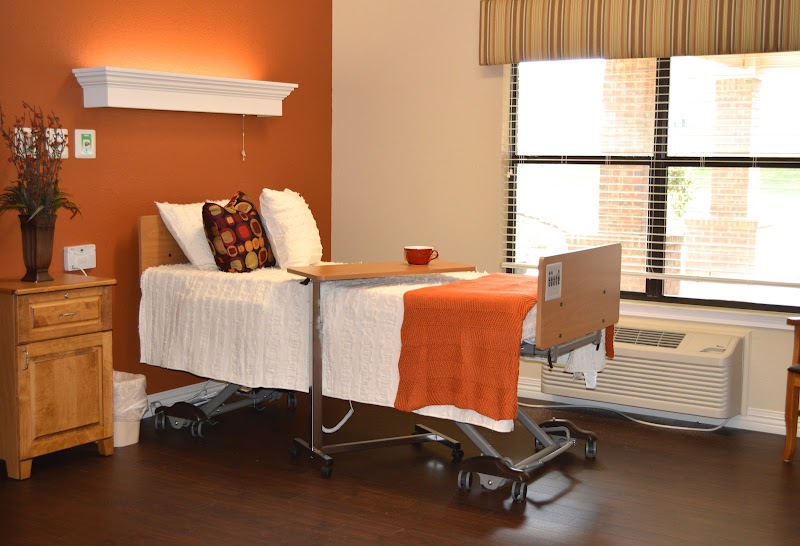
How is Physical Rehabilitation And Wellness Center Of Spa Staffed?
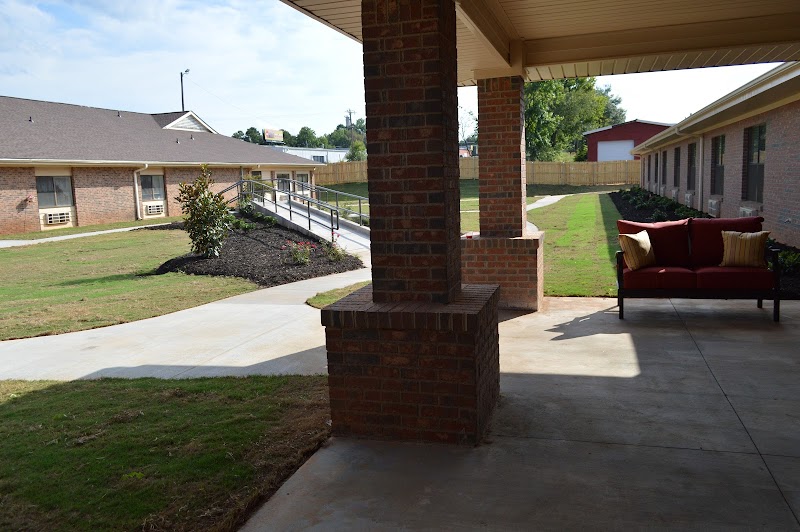
CMS rates Physical Rehabilitation And Wellness Center Of Spa's staffing level at 1 out of 5 stars, which is much below average compared to other nursing homes. Staff turnover is 58%, which is 12 percentage points above the South Carolina average of 46%. High turnover can affect care consistency as new staff learn residents' individual needs.

What Have Inspectors Found at Physical Rehabilitation And Wellness Center Of Spa?

State health inspectors documented 34 deficiencies at Physical Rehabilitation And Wellness Center Of Spa during 2021 to 2025. These included: 2 Immediate Jeopardy (the most serious level, indicating potential for serious harm or death), 1 that caused actual resident harm, and 31 with potential for harm. Immediate Jeopardy findings are rare and represent the most serious regulatory concerns. They require immediate corrective action.
Who Owns and Operates Physical Rehabilitation And Wellness Center Of Spa?

Physical Rehabilitation And Wellness Center Of Spa is owned by a for-profit company. For-profit facilities operate as businesses with obligations to shareholders or private owners. The facility is operated by FUNDAMENTAL HEALTHCARE, a chain that manages multiple nursing homes. With 120 certified beds and approximately 109 residents (about 91% occupancy), it is a mid-sized facility located in Spartanburg, South Carolina.

How Does Physical Rehabilitation And Wellness Center Of Spa Compare to Other South Carolina Nursing Homes?

Compared to the 100 nursing homes in South Carolina, Physical Rehabilitation And Wellness Center Of Spa's overall rating (1 stars) is below the state average of 2.8, staff turnover (58%) is significantly higher than the state average of 46%, and health inspection rating (1 stars) is much below the national benchmark.

What Should Families Ask When Visiting Physical Rehabilitation And Wellness Center Of Spa?

Based on this facility's data, families visiting should ask: "What changes have been made since the serious inspection findings, and how are you preventing similar issues?" "How do you ensure continuity of care given staff turnover, and what is your staff retention strategy?" "Can you walk me through typical staffing levels on day, evening, and night shifts?" "Can I visit during a mealtime to observe dining assistance and food quality?" These questions are particularly relevant given the facility's Immediate Jeopardy citations, the facility's high staff turnover rate, and the below-average staffing rating.

Is Physical Rehabilitation And Wellness Center Of Spa Safe?

Based on CMS inspection data, Physical Rehabilitation And Wellness Center Of Spa has documented safety concerns. Inspectors have issued 2 Immediate Jeopardy citations (the most serious violation level indicating risk of serious injury or death). The facility has a 1-star overall rating and ranks #100 of 100 nursing homes in South Carolina. Families considering this facility should ask detailed questions about what corrective actions have been taken since these incidents.

Do Nurses at Physical Rehabilitation And Wellness Center Of Spa Stick Around?

Staff turnover at Physical Rehabilitation And Wellness Center Of Spa is high. At 58%, the facility is 12 percentage points above the South Carolina average of 46%. High turnover means new staff may not know residents' individual needs, medications, or preferences. It can also be disorienting for residents, especially those with dementia who rely on familiar faces. Families should ask: What is causing the turnover? What retention programs are in place? How do you ensure care continuity during staff transitions?

Was Physical Rehabilitation And Wellness Center Of Spa Ever Fined?

Physical Rehabilitation And Wellness Center Of Spa has been fined $22,765 across 3 penalty actions. This is below the South Carolina average of $33,307. While any fine indicates a compliance issue, fines under $50,000 are relatively common and typically reflect isolated problems that were subsequently corrected. Families should ask what specific issues led to these fines and confirm they've been resolved.

Is Physical Rehabilitation And Wellness Center Of Spa on Any Federal Watch List?

Physical Rehabilitation And Wellness Center Of Spa is not on any federal watch list. The most significant is the Special Focus Facility (SFF) program, which identifies the bottom 1% of nursing homes nationally based on persistent, serious quality problems. Not being on this list means the facility has avoided the pattern of deficiencies that triggers enhanced federal oversight. This is a positive indicator, though families should still review the facility's inspection history directly.