Summit Hills Skilled Nursing Facility
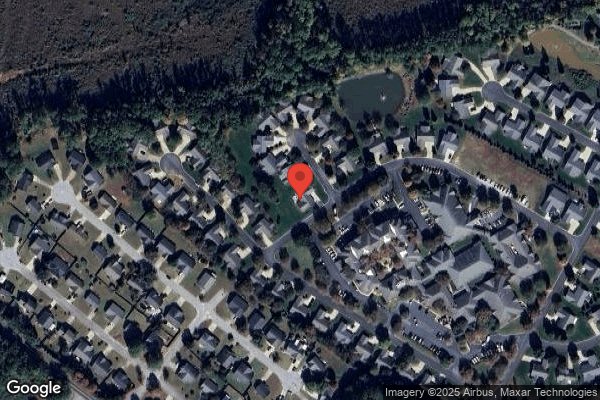
110 Summit Hills Drive, Spartanburg, SC 29307 (864) 591-2222
For profit - Limited Liability company 27 Beds SENIOR LIVING COMMUNITIES Data: November 2025
Trust Grade
75/100
#61 of 186 in SC
Last Inspection: January 2025

Within standard 12-15 month inspection cycle. Federal law requires annual inspections.

Overview

Summit Hills Skilled Nursing Facility in Spartanburg, South Carolina, has a Trust Grade of B, which means it is considered a good option for care, providing solid services to residents. It ranks #61 out of 186 facilities in the state, placing it in the top half, and #4 out of 15 in Spartanburg County, indicating only three local facilities perform better. The trend is improving, with the number of issues identified decreasing from four in 2021 to two in 2025. Staffing is rated 4 out of 5 stars, but the turnover rate is concerning at 58%, which is higher than the state average. On the positive side, the facility has no fines on record, indicating compliance with regulations, and it provides more registered nurse coverage than average, which is beneficial for resident care. However, there have been specific incidents of concern, such as improperly stored food items in the kitchen that could affect resident safety and medication monitoring failures that may impact residents' medication effectiveness. Overall, while there are strengths in nursing coverage and compliance, families should be aware of the staffing turnover and the areas needing improvement.
Trust Score
B
75/100
In South Carolina
#61/186
Top 32%
Safety Record
Low Risk
No red flags
Inspections
Getting Better
4 → 2 violations
Staff Stability
⚠ Watch
58% turnover. Above average. Higher turnover means staff may not know residents' routines.
Penalties
✓ Good
No fines on record. Clean compliance history, better than most South Carolina facilities.
Skilled Nurses
✓ Good
Each resident gets 48 minutes of Registered Nurse (RN) attention daily — more than average for South Carolina. RNs are trained to catch health problems early.
Violations
○ Average
6 deficiencies on record. Average for a facility this size. Mostly minor or procedural issues.
★★★★☆
4.0
Overall Rating
★★★★☆
4.0
Staff Levels
★★☆☆☆
2.0
Care Quality
★★★★☆
4.0
Inspection Score
Stable
2021: 4 issues
2025: 2 issues

The Good

  • 4-Star Staffing Rating · Above-average nurse staffing levels
  • Full Sprinkler Coverage · Fire safety systems throughout facility
  • No fines on record

Facility shows strength in staffing levels, fire safety.

The Bad

Staff Turnover: 58%

12pts above South Carolina avg (46%)

Frequent staff changes - ask about care continuity

Chain: SENIOR LIVING COMMUNITIES

Part of a multi-facility chain

Ask about local staffing decisions and management

Staff turnover is elevated (58%)

10 points above South Carolina average of 48%

The Ugly 6 deficiencies on record

Jan 2025 2 deficiencies
CONCERN (D)

Potential for Harm - no one hurt, but risky conditions existed

Deficiency F0698 (Tag F0698)

Could have caused harm · This affected 1 resident

**NOTE- TERMS IN BRACKETS HAVE BEEN EDITED TO PROTECT CONFIDENTIALITY** Based on record review and interview, the facility failed to maintain communication with the dialysis center for one of one resi...

Read full inspector narrative →
**NOTE- TERMS IN BRACKETS HAVE BEEN EDITED TO PROTECT CONFIDENTIALITY** Based on record review and interview, the facility failed to maintain communication with the dialysis center for one of one resident (Resident (R) 127) who attended dialysis three times per week out of a total sample of 16 residents. The failure of the facility to communicate with the dialysis center prior to and after dialysis could affect the care of the resident as well as prevent continuity of care. Findings include: Review of R127's Face Sheet, undated and located under the Face Sheet tab of the electronic medical record (EMR), revealed R127 was admitted on [DATE] with a diagnosis of End Stage Renal Disease (ESRD). Review of R127's EMR Progress Notes tab, and Misc. (Miscellaneous) tab revealed no documentation of communication sent to the dialysis center with R127, regarding R127's physical condition, including vital signs and weights. Review of R127's Care Plan located under the Care Plan tab of the EMR, related to Dialysis revealed the Care Plan did not address what documentation/communication would be sent with R127 or faxed to the dialysis center prior to the resident starting his dialysis treatment and after the dialysis treatment. On 01/21/25 at 10:01 AM, the survey team requested the Dialysis book. At 1:12 PM, the survey team was told by the Director of Nursing (DON) that they did not have dialysis sheets. A request was also made for a policy related to Dialysis and was not received by the time of the exit of the survey. During an interview with the DON on 01/21/25 at 1:12 PM revealed We send the dialysis book with the resident on Monday, Wednesday, and Friday for his dialysis treatment. We never get our information sheets returned and sometimes the book does not return with the resident. When the DON was asked how they know R127's weight before and after treatment or how much fluid was removed, the DON stated, We do not know that, but if there was an issue with the resident, the dialysis center would call us. During an interview on 01/22/25 at 1:24 PM with the Administrator revealed This has been a huge learning experience for us, and we need to hold people accountable for communication and make sure that our resident is properly cared for. During an interview with the DON on 01/22/25 at 1:28 PM revealed When residents come into the facility on dialysis, all orders need to be placed and information for care needs to be documented before and after dialysis.
CONCERN (F)

Potential for Harm - no one hurt, but risky conditions existed

Food Safety (Tag F0812)

Could have caused harm · This affected most or all residents

Based on observation, interview, and facility policy review, the facility failed to ensure all items in the refrigerator, freezer, and dry storage were sealed, labeled, and dated. The facility also fa...

Read full inspector narrative →
Based on observation, interview, and facility policy review, the facility failed to ensure all items in the refrigerator, freezer, and dry storage were sealed, labeled, and dated. The facility also failed to ensure that hair coverings were used properly. These failures had the potential to affect all 24 residents in the facility who consumed food from the kitchen. Findings include: Review of the facility's policy titled, Food Receiving and Storage, revealed, .Dry foods that are stored after opening have to be labeled and dated .All foods stored in the refrigerator or freezer are covered, labeled and dated (use-by date). The following observations on 01/20/25 at 9:21 AM in the kitchen were made with and verified by the Dietary Manager (DM) and the Director of Dining (DD). 1. The walk-in refrigerator contained a tray that had a large amount of dried blood from thawing meat. 2. The walk-in freezer contained one bag of processed potatoes and one bag of egg rolls that were not sealed shut. 3. The dry storage room contained one box of open grits, and one large bag of rice, not sealed shut. There was also a wrapped package of tortilla shells that were not labeled and dated. One bag of rigatoni was outdated and should have been removed on 01/01/25. 4. In the stand-up refrigerator was an individual sized container of yogurt that was open and had partially been eaten from. During an observation on 01/20/25 at 12:45 PM of the dining room revealed the utility aide (UA) serving food with her ponytail hanging out of her hair covering. When asked why all of her hair was not in the hair covering, she stated I did not know that it had to be up since it was pulled back. During an interview with the Administrator on 01/22/25 at 1:16 PM revealed, My expectation of the kitchen is to adhere to regulations and serve nutritious food to the residents. During an interview with the DD on 01/22/25 at 1:38 PM revealed, I was embarrassed by the findings in the kitchen. My expectation of the kitchen is that all menus and diets are reviewed and that we adhere to facility policies, procedures, and infection control.
Oct 2021 4 deficiencies
CONCERN (D)

Potential for Harm - no one hurt, but risky conditions existed

Free from Abuse/Neglect (Tag F0600)

Could have caused harm · This affected 1 resident

**NOTE- TERMS IN BRACKETS HAVE BEEN EDITED TO PROTECT CONFIDENTIALITY** Based on interview, review of facility's policy, record review, and review of facility's investigative report, the facility fail...

Read full inspector narrative →
**NOTE- TERMS IN BRACKETS HAVE BEEN EDITED TO PROTECT CONFIDENTIALITY** Based on interview, review of facility's policy, record review, and review of facility's investigative report, the facility failed to ensure two of three residents (Resident (R)5, and R123) reviewed for abuse, were free from physical and verbal abuse. Findings include: 1. In an interview on 10/12/21 at 12:16 PM, R5 was asked if she had ever been abused while at the facility. She said yes. R5 stated there was an aide who had a bad temper and was really bad. R5 continued to say that she appreciated all the work they (the staff) do here, but this aide was really bad. R5 was asked if she remembered which shift the incident happened. R5 stated it occurred on the night shift. During the conversation, R5 became tearful stating, the girl told me to shut up. She further stated that the aide had taken her to the bathroom, as she couldn't walk, and was treating me in a very mean way. Review of R5's Minimum Data Set (MDS) with an Assessment Reference Date (ARD) of 08/18/21, located in R5's Electronic Medical Record (EMR) under the Assessments tab revealed R5's Brief Interview for Mental Status (BIMS) score of 01 which indicated that R5 was severely impaired in cognition for daily decision-making. Review of the Provider Investigation Report dated 08/10/21 showed that on 08/05/21 at approximately 7:45 AM, R5 told Certified Nurse Aide (CNA) 1 that the nurse aide from last night was very rude to her and got in her face saying she could hurt her without anyone finding out. CNA1 assignment reported discoloration on the back of R5's right arm. In a written statement, dated 08/05/21, CNA1 revealed that on 08/04/21 on the evening shift, she had assisted R5 into her nightgown around 5:30 PM and did not notice any skin discolorations on her body at that time. CNA1 further stated that when she returned to the facility on [DATE] for the 7:00 AM to 7:00 PM shift, she heard R5 hollering and went to see what was wrong. Upon entry into R5's room, R5 stated that CNA2 from last night told her she could hurt her, and no one would know. When CNA1 assisted R5 to get dressed for the day, she observed discoloration on the back of R5's right shoulder. In a written statement, dated 08/05/21, CNA2 stated to the Administrator and Director of Nursing (DON) that she had been in R5's room four to five times during the 08/04/2021 7:00 PM to 08/05/2021 7:00 AM shift and had changed R5's brief three times. CNA2 further stated that R5 was already in her bedclothes when she arrived at 7:00 PM. CNA2 further stated that R5 did not assist the other CNAs when R5 needed to be changed. Review of the facility's investigation summary section documented the allegation of abuse was substantiated. Discoloration matched the outline of a handprint on R5's arm. CNA2, a staffing agency nurse aide, was reported to the state reporting agency, as well as to the contracted staffing agency. 2. Review of R123's MDS with an ARD of 07/07/21, located in R123's EMR under the Assessments tab, revealed, R123's BIMS score was 14 which indicated R123 was cognitively intact for daily decision-making. Review of R123's Provider Investigative Report, dated 08/05/21 at approximately 6:30 AM, the Administrator was notified by a Licensed Practical Nurse (LPN) 5 of alleged physical abuse by CNA3. R123 alleged that she pushed her call light button in order to have help to the restroom. The report documented R123 stated that CNA3 came into her room and proceeded to jerk the brief off of her and retape it to her belly and held her arms down as she tried to reach for her call light to get away from CNA3. A body audit was done and R123 sustained discoloration to both left and right forearms. CNA3 was escorted from the property immediately. In a written statement dated 08/05/21 at approximately 6:30 AM, CNA3 stated that she tried to check R123's brief to make sure she was dry. She stated she undid the brief after R123 told she was dry and when she put the brief back on, R123 hit CNA3 on her head and she got out of bed. CNA3 admitted to holding R123's arms to her chest as R123 tried to scratch her. CNA3 further stated that once R123 started yelling, she left the room. Review of a written statement dated 08/05/21, CNA4 stated that on 08/04/21, when she arrived for her 3:00 PM to 7:00 PM shift, R123 needed assistance a couple of times to use the restroom. CNA4 stated that R123 could transfer herself but needed someone to stand by and help if needed. CNA4 confirmed that R123 wore a brief at night but was continent during the day. CNA4 stated the resident was in a good mood that night and she did not see any visible discolorations on her arms when she left the facility at 7:00 PM. Review of the Investigation's Summary completed by the Administrator dated 08/10/21, revealed the facility substantiated the allegation of physical abuse. In an interview on 10/13/21 at 5:00 PM, the Administrator confirmed that the abuse allegations against R5 and R123 were substantiated. Review of the undated facility's policy titled, Abuse, Neglect, or Misappropriation of Resident Property Policy showed, . Abuse is defined as the willful infliction of injury, unreasonable confinement, intimidation, or punishment resulting in physical harm or pain or mental anguish .The facility believes that our residents have the right to be free from abuse, neglect, involuntary seclusion, or misappropriation of property. The facility will do whatever is in its control to prevent mistreatment, neglect, and abuse of our residents or misappropriation of their property .
CONCERN (D)

Potential for Harm - no one hurt, but risky conditions existed

Assessment Accuracy (Tag F0641)

Could have caused harm · This affected 1 resident

Based on interview, record review, and the Resident Assessment Instrument (RAI) Manual, the facility failed to ensure the Minimum Data Set (MDS) Assessment for one (Residents (R) 15) of 16 residents w...

Read full inspector narrative →
Based on interview, record review, and the Resident Assessment Instrument (RAI) Manual, the facility failed to ensure the Minimum Data Set (MDS) Assessment for one (Residents (R) 15) of 16 residents was accurately coded for active diagnoses. Findings include: Review of R15's Face Sheet, provided by the facility on 10/14/21, showed an admission date of 04/16/18 with Other Diagnoses including, Personal history of pneumonia (recurrent). Review of R15's MDS assessments showed an active diagnosis of pneumonia on the 03/31/21, 14-day assessment (Admission); the 06/22/21 quarterly assessment; and the 09/21/21 quarterly assessment. In an interview on 10/13/21 at 4:01 PM, regarding documentation of the active pneumonia diagnosis coded on the three MDS assessments, the Director of Clinical Services (DCS) stated, The diagnosis probably was correct for the admission MDS but should not have been coded for the next two, probably just not reviewed that area. [sic] Review of the October 2019 RAI manual, page I-1, showed, SECTION I: ACTIVE DIAGNOSES Intent: The items in this section are intended to code disease that have a direct relationship to the resident's current functional status, cognitive status, mood or behavior status, medical treatments, nursing monitoring, or risk of death. One of the important functions of the MDS assessment is to generate an updated, accurate picture of the resident's current health status.
CONCERN (E)

Potential for Harm - no one hurt, but risky conditions existed

Medication Errors (Tag F0758)

Could have caused harm · This affected multiple residents

Based on interview, record review, and facility policy review, the facility failed to ensure target symptoms were identified and monitored for medication efficacy for five of five residents (Resident ...

Read full inspector narrative →
Based on interview, record review, and facility policy review, the facility failed to ensure target symptoms were identified and monitored for medication efficacy for five of five residents (Resident (R) 1, R3, R11, R12, and R21) reviewed for unnecessary medications. This failure had the potential to affect the lowest possible effective dose and/or gradual dose reductions for any of these five residents receiving psychoactive medications. Findings include: 1. Review of R3's Face Sheet, provided on 10/14/21, showed an admission date of 09/22/20 with medical diagnoses that included cognitive communication deficit; major depressive disorder, severe, with psychotic features; and dementia. Review of R3's October 2021 Physician Orders included, but was not limited to, the following medications and start dates: Remeron (an antidepressant) 7.5 milligrams (mg) at bedtime starting 02/03/21; and citalopram (an antidepressant) 10 mg daily starting on 05/26/21. The Physician Orders did not include orders for monitoring of a target sign or symptom for effectiveness or side effect monitoring. Review of R3's August, September, and October 2021 Medication Administration Record (MAR) and Treatment Administration Record (TAR) lacked documentation of monitoring for targeted behaviors or side effects for the psychoactive medications. 2. Review of R11's Face Sheet, provided on 10/14/21, showed an admission date of 12/09/20 with medical diagnoses that included Parkinson's disease, anxiety disorder, post-traumatic stress disorder, cognitive communication deficit, and major depressive disorder. Review of R11's October 2021 Physician Orders included, but was not limited to, the following medications and start dates: citalopram 20 mg daily starting 07/07/21; and trazadone (an antidepressant) 50 mg at bedtime for insomnia The form included orders directing staff to monitor for behavior symptoms and side effects for citalopram every shift, but did not address these for the Trazadone R11's August, September, and October 2021 TARs directed staff to identify and document behaviors d/t [due to] the use of citalopram. The form did not include orders for staff to monitor behaviors due to the use of trazadone. The form failed to identify a specific target behavior for efficacy monitoring for citalopram and trazadone. 3. Review of R12's Face Sheet, provided on 10/14/21, showed an admission date of 06/10/21 with medical diagnoses that included dementia, anxiety disorder, Parkinson's disease, psychotic disorder with hallucinations, restlessness and agitation, cognitive communication disorder, and altered mental status. Review of R12's October 2021 Physician Orders included, but was not limited to, the following medications and start dates: trazadone 50 mg daily starting 07/06/21; Seroquel (an atypical antipsychotic medication) 50 mg daily starting 07/06/21; and Depakote sprinkles (a mood stabilizer) 250 mg three times a day. R12's August, September, and October 2021 TARs directed staff to monitor each shift for Antipsychotic Side Effects, Behavior Symptoms, Behaviors, Effective. The Depakote order directed staff to monitor for Behavior Symptoms and Effective. The form failed to identify a specific target behavior for efficacy monitoring for trazadone, Seroquel, or Depakote sprinkles. 4. Review of R1's admission MDS with an ARD of 10/08/21, located in the MDS tab of the Electronic Medical Record (EMR), revealed R1 was administered an antidepressant medication daily during the assessment period. Review of R1's October 2021 Physician Orders located in the Assessments tab of the EMR, revealed the order for Duloxetine (an antidepressant medication) 60 mg one time daily. Review of R1's October 2021 MAR revealed staff identified Duloxetine as effective but did not document resident-specific (target) behaviors for efficacy monitoring or medication specific potential side effects of the antidepressant. 5. Review of R21's admission MDS with an ARD of 10/06/21, revealed R21 was administered an antianxiety and an antidepressant medication daily during the assessment period. Review of R21's October 2021 Physician Orders, revealed an order for Zoloft (an antidepressant medication) 100 mg one time daily and Alprazolam (an antianxiety medication) 0.5 mg three times daily as needed. Review of R21's October 2021 MAR revealed staff identified Zoloft and Alprazolam as effective but did not document resident-specific (target) behaviors for efficacy monitoring or medication specific potential side effects of these psychotropics. In an interview on 10/14/21 at 11:25 AM, the Director of Nursing (DON) and the Director of Clinical Services (DCS) confirmed that the residents' MARs did not contain the required resident-specific target behaviors or medication specific side effect monitoring for the use of psychotropic medications. In a telephone interview on 10/14/21 at 3:09 PM, Licensed Practical Nurse (LPN) 2 stated the side effects she would monitor for an antidepressant medication were lethargy, loss of appetite, insomnia; and for an antipsychotic medication they would be pretty much the same, lethargy, drowsiness, nausea/vomiting. When questioned regarding target symptoms, LPN2 responded Every shift has a behavior monitor that monitors side effects and symptoms. The target symptoms are supposed to be under a diagnosis in the box. When added to the MAR, the nurse is to find the reason for the diagnosis. Also, in the MAR in that area [diagnosis] you can be able to find the reason they are on it. In an interview on 10/14/21 at 3:37 PM, the Consultant Pharmacist (RPh) was asked if she reviewed resident clinical records for target symptoms for psychotropic medication efficacy monitoring, and responded, When a resident is started on it or been on it, I make sure that there are orders with symptoms to be charted on. If I see one without symptoms, I write recommendation to DON [Director of Nursing]. When asked if the RPh reviewed records for psychotropic efficacy monitoring, the RPh stated, I do check their MARs and that is one way I base recommendation for GDR [gradual dose reduction]. Review of the facility policy titled Behavioral Assessment, Intervention and Monitoring, dated December 2016, showed: .10. When medications are prescribed for behavioral symptoms documentation will include: .b. Potential underlying causes of the behavior; .e. Specific target behaviors and expected outcomes; .h. Monitoring for efficacy and adverse consequences .
CONCERN (E)

Potential for Harm - no one hurt, but risky conditions existed

Unnecessary Medications (Tag F0759)

Could have caused harm · This affected multiple residents

**NOTE- TERMS IN BRACKETS HAVE BEEN EDITED TO PROTECT CONFIDENTIALITY** Based on observation, interview, and review of medication label, the facility failed to ensure a medication error rate of less t...

Read full inspector narrative →
**NOTE- TERMS IN BRACKETS HAVE BEEN EDITED TO PROTECT CONFIDENTIALITY** Based on observation, interview, and review of medication label, the facility failed to ensure a medication error rate of less than five percent, in that three of four Licensed Practical Nurses (LPN)1, LPN2, and LPN4 made three medication errors out of 27 medication opportunities, resulting in an 11.11% error rate. These failures placed residents (R) 1, R2 and R14, at risk to not receive the full benefit of their medication therapy. Findings include: 1. Observation on 10/12/21 at 3:32 PM, LPN1 prepared R1's medications which included Carvedilol 3.125 milligram (mg) (a medication to treat high blood pressure and heart failure). Review of the R1's Physician's Orders revealed the Carvedilol was ordered twice daily, at 8:00 AM and 4:00 PM. After LPN1 had obtained all R1's medications, LPN1 entered R1's room and administered the medications. After LPN1 had administered the medication, he returned to the medication cart. LPN1 was asked why the Carvedilol was not given with a meal as written on the medication label. LPN1 stated that this medication was scheduled for 8:00 AM, when it would be given with breakfast, but for some reason the order for the afternoon dose was entered into the computer for 4:00 PM, which did not coincide with a meal. R1 most recently ate at 12:30 PM and received her next meal at 5:30 PM. The resident was not observed to receive food or a snack when the medication was administered. 2. Observation on 10/14/21 at 8:01 AM, LPN4 prepared R2's medications which included Metoprolol (a medication used to treat high blood pressure) 50 mg to be given once daily DO NOT CRUSH. LPN4 crushed the Metoprolol medication and placed the medication in applesauce with the other crushed medications. After LPN4 returned to the medication cart, she was asked why the Metoprolol was crushed when the label on the medication stated that it should not be crushed. LPN4 stated that R2 could not take her medication whole and therefore, it had to be crushed. LPN4 was asked if the provider had been notified about the medication order and the resident's inability to swallow it whole. She stated that she could not find documentation the provider had been notified. 3. Observation on 10/14/21 at 8:24 AM, LPN2 prepared R14's medications. The medication order read, Azopt [NAME] (a medication used to treat Glaucoma) 1% OP (Ophthalmic-relating to the eye) to instill one drop into right eye three times daily. Hold tear duct for one minute. Wait three-five minutes between drops. LPN2 entered R14's room and administered the eye drop but was not observed to hold the tear duct for one minute per the medication label. LPN2 was asked, after re-reading the medication label, if she had held the resident's tear duct for one minute, as ordered. She stated, No. In an interview on 10/14/21 at 9:00 AM, the Director of Nursing (DON) was told about the medication error rate as well as the specific medication errors that were observed. She confirmed that staff did not follow the physicians' orders as written on the medications. Review of https://www.rxlist.com/coreg-drug.htm#dosage revealed, . [carvedilol] should be taken with food to slow the rate of absorption and reduce the incidence of orthostatic effects . Review of https://www.healthlinkbc.ca/medications/fdb7168 regarding Metoprolol revealed, . Do not crush or chew extended-release tablets or capsules. Doing so can release all of the drug at once, increasing the risk of side effects . Review of https://www.webmd.com/drugs/2/drug-7633/azopt-ophthalmic-eye/details revealed, . Tilt your head back, look upward, and pull down the lower eyelid to make a pouch. Hold the dropper directly over your eye and place one drop into the pouch. Look downward and gently close your eyes for 1 to 2 minutes. Place one finger at the corner of your eye (near the nose) and apply gentle pressure. This will prevent the medication from draining out .
Understanding Severity Codes (click to expand)
Life-Threatening (Immediate Jeopardy)
J - Isolated K - Pattern L - Widespread
Actual Harm
G - Isolated H - Pattern I - Widespread
Potential for Harm
D - Isolated E - Pattern F - Widespread
No Harm (Minor)
A - Isolated B - Pattern C - Widespread

Questions to Ask on Your Visit

  • "Why is there high staff turnover? How do you retain staff?"
  • "Can I speak with families of current residents?"
  • "What's your RN coverage like on weekends and overnight?"

Our Honest Assessment

Strengths
  • • No major safety red flags. No abuse findings, life-threatening violations, or SFF status.
  • • No fines on record. Clean compliance history, better than most South Carolina facilities.
Concerns
  • • 58% turnover. Above average. Higher turnover means staff may not know residents' routines.
Bottom line: Generally positive indicators. Standard due diligence and a personal visit recommended.

About This Facility

What is Summit Hills Skilled Nursing Facility's CMS Rating?

CMS assigns Summit Hills Skilled Nursing Facility an overall rating of 4 out of 5 stars, which is considered above average nationally. Within South Carolina, this rating places the facility higher than 99% of the state's 100 nursing homes. This rating reflects solid performance across the metrics CMS uses to evaluate nursing home quality.
How is Summit Hills Skilled Nursing Facility Staffed?
CMS rates Summit Hills Skilled Nursing Facility's staffing level at 4 out of 5 stars, which is above average compared to other nursing homes. Staff turnover is 58%, which is 12 percentage points above the South Carolina average of 46%. High turnover can affect care consistency as new staff learn residents' individual needs.

What Have Inspectors Found at Summit Hills Skilled Nursing Facility?

State health inspectors documented 6 deficiencies at Summit Hills Skilled Nursing Facility during 2021 to 2025. These included: 6 with potential for harm.

Who Owns and Operates Summit Hills Skilled Nursing Facility?

Summit Hills Skilled Nursing Facility is owned by a for-profit company. For-profit facilities operate as businesses with obligations to shareholders or private owners. The facility is operated by SENIOR LIVING COMMUNITIES, a chain that manages multiple nursing homes. With 27 certified beds and approximately 21 residents (about 78% occupancy), it is a smaller facility located in Spartanburg, South Carolina.

How Does Summit Hills Skilled Nursing Facility Compare to Other South Carolina Nursing Homes?

Compared to the 100 nursing homes in South Carolina, Summit Hills Skilled Nursing Facility's overall rating (4 stars) is above the state average of 2.9, staff turnover (58%) is significantly higher than the state average of 46%, and health inspection rating (4 stars) is above the national benchmark.

What Should Families Ask When Visiting Summit Hills Skilled Nursing Facility?

Based on this facility's data, families visiting should ask: "How do you ensure continuity of care given staff turnover, and what is your staff retention strategy?" "Can I visit during a mealtime to observe dining assistance and food quality?" "How do you handle medical emergencies, and what is your hospital transfer rate?" "Can I speak with family members of current residents about their experience?" These questions are particularly relevant given the facility's high staff turnover rate.

Is Summit Hills Skilled Nursing Facility Safe?

Based on CMS inspection data, Summit Hills Skilled Nursing Facility has a clean safety record: no substantiated abuse findings (meaning no confirmed cases of resident harm), no Immediate Jeopardy citations (the most serious violation level indicating risk of serious injury or death), and is not on the Special Focus Facility watch list (a federal program monitoring the lowest-performing 1% of nursing homes). The facility has a 4-star overall rating and ranks #1 of 100 nursing homes in South Carolina. While no facility is perfect, families should still ask about staff-to-resident ratios and recent inspection results during their visit.

Do Nurses at Summit Hills Skilled Nursing Facility Stick Around?

Staff turnover at Summit Hills Skilled Nursing Facility is high. At 58%, the facility is 12 percentage points above the South Carolina average of 46%. High turnover means new staff may not know residents' individual needs, medications, or preferences. It can also be disorienting for residents, especially those with dementia who rely on familiar faces. Families should ask: What is causing the turnover? What retention programs are in place? How do you ensure care continuity during staff transitions?

Was Summit Hills Skilled Nursing Facility Ever Fined?

Summit Hills Skilled Nursing Facility has no federal fines on record. CMS issues fines when nursing homes fail to meet care standards or don't correct problems found during inspections. The absence of fines suggests the facility has either maintained compliance or corrected any issues before penalties were assessed. This is a positive indicator, though families should still review recent inspection reports for the full picture.

Is Summit Hills Skilled Nursing Facility on Any Federal Watch List?

Summit Hills Skilled Nursing Facility is not on any federal watch list. The most significant is the Special Focus Facility (SFF) program, which identifies the bottom 1% of nursing homes nationally based on persistent, serious quality problems. Not being on this list means the facility has avoided the pattern of deficiencies that triggers enhanced federal oversight. This is a positive indicator, though families should still review the facility's inspection history directly.