Hallmark Healthcare Center
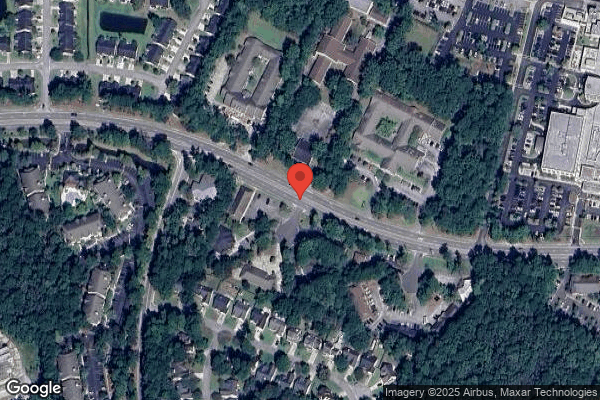
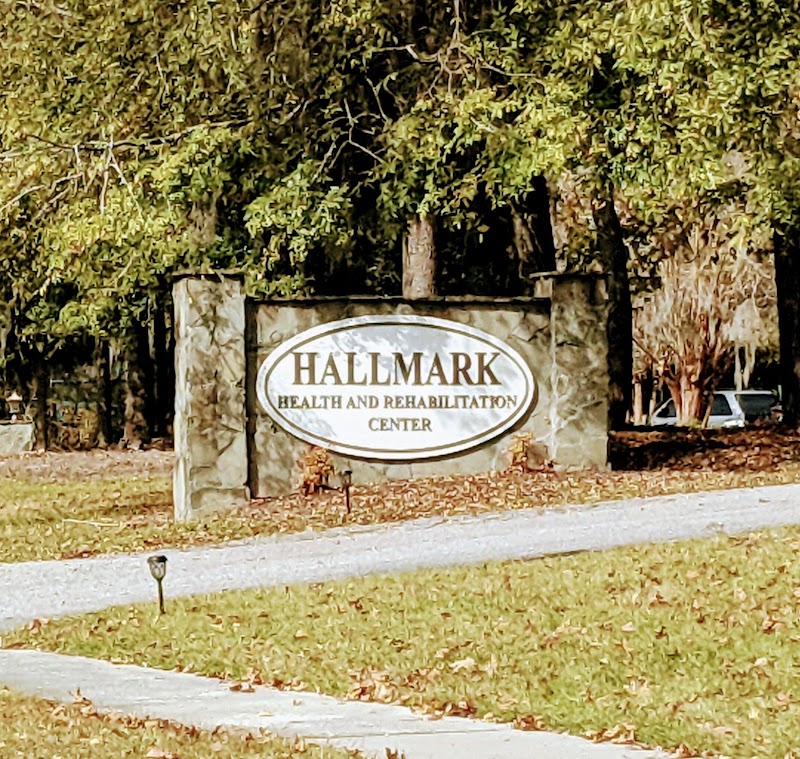
255 Midland Parkway, Summerville, SC 29485 (843) 821-5005
For profit - Corporation 88 Beds FUNDAMENTAL HEALTHCARE Data: November 2025
Trust Grade
55/100
#114 of 186 in SC
Last Inspection: March 2025

Within standard 12-15 month inspection cycle. Federal law requires annual inspections.

Overview

Hallmark Healthcare Center in Summerville, South Carolina has a Trust Grade of C, which means it is average and in the middle of the pack compared to other facilities. It ranks #114 out of 186 in the state, placing it in the bottom half, but it is #2 out of 4 in Dorchester County, indicating only one local option is better. Unfortunately, the facility is worsening as it increased from 1 issue in 2024 to 7 in 2025. Staffing is a strength with a turnover rate of 37%, which is below the state average, showing that staff members tend to stay longer and get to know the residents. Although there have been no fines, recent inspections revealed concerns such as improper storage of clean linens in the soiled linen room, a leaking washing machine, and food items not being properly labeled or discarded after expiration, highlighting areas that need improvement. Overall, while there are some positive aspects, families should consider both the strengths and weaknesses before making a decision.
Trust Score
C
55/100
In South Carolina
#114/186
Bottom 39%
Safety Record
Low Risk
No red flags
Inspections
Getting Worse
1 → 7 violations
Staff Stability
○ Average
37% turnover. Near South Carolina's 48% average. Typical for the industry.
Penalties
✓ Good
No fines on record. Clean compliance history, better than most South Carolina facilities.
Skilled Nurses
⚠ Watch
Each resident gets only 26 minutes of Registered Nurse (RN) attention daily — below average for South Carolina. Fewer RN minutes means fewer trained eyes watching for problems.
Violations
⚠ Watch
16 deficiencies on record. Higher than average. Multiple issues found across inspections.
★★☆☆☆
2.0
Overall Rating
★★☆☆☆
2.0
Staff Levels
★★★☆☆
3.0
Care Quality
★★☆☆☆
2.0
Inspection Score
Stable
2024: 1 issues
2025: 7 issues

The Good

  • Full Sprinkler Coverage · Fire safety systems throughout facility
  • No fines on record
  • Staff turnover below average (37%)

    11 points below South Carolina average of 48%

Facility shows strength in fire safety.

The Bad

2-Star Overall Rating

Below South Carolina average (2.8)

Below average - review inspection findings carefully

Staff Turnover: 37%

Near South Carolina avg (46%)

Typical for the industry

Chain: FUNDAMENTAL HEALTHCARE

Part of a multi-facility chain

Ask about local staffing decisions and management

The Ugly 16 deficiencies on record

Mar 2025 7 deficiencies
CONCERN (D)

Potential for Harm - no one hurt, but risky conditions existed

Deficiency F0557 (Tag F0557)

Could have caused harm · This affected 1 resident

Based on review of facility policy, observation and interview, the facility failed to ensure Resident (R)57 was clean, dressed, and free from facial hair, for 1 of 1 resident reviewed for respect and ...

Read full inspector narrative →
Based on review of facility policy, observation and interview, the facility failed to ensure Resident (R)57 was clean, dressed, and free from facial hair, for 1 of 1 resident reviewed for respect and dignity. Findings include: Review of the facility policy titled, Activities of Daily Living, Optimal Function, revised on May 5, 2023, documents, The facility provides care and services to ensure that a resident's abilities in activities of daily living do not diminish unless circumstances of the individual's clinical condition demonstrate that such diminution was unavoidable. The Facility provides necessary care to all residents that are unable to carry out activities of daily living on their own to ensure they maintain proper nutrition, grooming and hygiene . Procedures: 1. Facility staff recognize and assess an inability to perform ADLs, or a risk for decline in any ability to perform ADLs by reviewing the most current or most recent quarterly assessment. 3. Facility staff develop and implement interventions in accordance with the resident's assessed needs, goals for care, preferences and recognized standards of practice that address the identified limitations in ability to perform ADLs. The facility admitted R57 on 09/03/21, with diagnoses including, but not limited to: congestive heart failure, hypertension, generalized anxiety disorder, rash and urinary tract infection. Review of R57's Quarterly Minimum Data Set (MDS) with an Assessment Reference Date (ARD) of 01/17/25, revealed a Brief Interview for Mental Status (BIMS) score of 12 out of 15, which indicated R57 had mild cognitive impairment. Section D was not scored for moods, section E was not coded for behaviors, and Section GG was not coded for functional abilities. Review of a document titled, Point of Care History revealed R57 bath schedule from 02/25/25 through 03/24/25. Further review revealed there were 11 days that a bath was not documented as given. The document indicated R57 did not receive a bath (any type of bath) on the following days: 02/27/25, 02/28/25, 03/02/25, 03/05/25, 03/08/25, 03/09/25, 03/11/25, 03/15/25, 03/17/25, 03/19/25 and 03/22/25. Further review of this document revealed 3 days, 03/10/25, 03/16/25 and 03/21/25, documented that R57 only received partial bed baths and not a full bath. Review of R57's Comprehensive Care Plan revealed a problem area titled ADLs Functional Status/Rehabilitation Potential which documented, Resident requires various levels of assistance with ADLs (bathing, dressing, grooming, oral care and etc.) due to weakness and deconditioning. She is offered choice of a bed bath or shower. The goal indicated the resident will participate with her ADLs as much as she is able as evidenced by Certified Nursing Assistant (CNA) documentation. The interventions directed staff to, Encourage resident to do as much as she is able. Assist with what she cannot do for herself. Allow ample time to complete tasks. Inform nurse and therapy of any decline or unwillingness to participate. Monitor for fatigue and pace care as needed. Licensed nurses, CNAs along with therapy stall will assist with ADLs care (bathing, dressing, grooming, oral care, hygiene, toileting) as needed. ADL care will be provided upon awaking, before and after meals, and before going to bed as needed along with throughout the day. Further review of the Comprehensive Care Plan revealed a problem, Continence Status: Resident is incontinent of both bowel and bladder related to weakness and deconditioning. The interventions directed staff to, provide incontinent care after each incontinent episode. During an observation on 03/23/25 at 11:05 AM, R57 was lying in bed, in a hospital gown, an odor was noted and R57 had facial hair on her chin. During an observation on 03/24/25 at 10:50 AM, R57 was lying in bed, in a hospital gown, with a similar odor and had facial hair on her chin. During an observation and interview on 03/25/25 at 1:25 PM, R57 was still wearing a hospital gown, with a similar odor and the facial hair was still on her chin. R57 stated, I usually have them shave it when I get a bath, I guess they are too busy and have a lot to do. During an interview with Licensed Practical Nurse (LPN)2, who was also the Unit Manager, stated, [R57] does not like to get out of bed so she has to have bed baths. LPN2 offered no explanation as to why R57 was in a hospital gown, with an odor and facial hair for 3 days.
CONCERN (D)

Potential for Harm - no one hurt, but risky conditions existed

PASARR Coordination (Tag F0644)

Could have caused harm · This affected 1 resident

**NOTE- TERMS IN BRACKETS HAVE BEEN EDITED TO PROTECT CONFIDENTIALITY** Based on review of facility policy, record review, and interview, the facility failed to refer Resident (R)20 for a Preadmission...

Read full inspector narrative →
**NOTE- TERMS IN BRACKETS HAVE BEEN EDITED TO PROTECT CONFIDENTIALITY** Based on review of facility policy, record review, and interview, the facility failed to refer Resident (R)20 for a Preadmission Screening and Resident Review (PASARR) Level II, after the resident received a new diagnosis of a severe mental illness and/or experienced a significant change in status assessment related to their mental illness, for 1 of 2 residents, (Resident (R)20), reviewed for PASARR. Findings Include: Review of the facility policy titled, PASARR Documentation Policy last revised June 9, 2023, documented under PASARR Care Plan, 6 Any resident with newly evident or possible serious mental disorder, ID or a related condition must be referred, by the facility to the appropriate state-designated mental health or intellectual disability authority for review. Review of R20's PASARR Level I Screening Form, dated 11/21/14, revealed the following diagnoses: sepsis, hypertension, seizures and [UE] extremities. R20 had no diagnoses of mental illness nor a history of psychiatric hospitalization in the past two years and no behavioral indicators. R20 received a recommendation of No further evaluation recommended. Review of R20's Face Sheet revealed R20 was admitted to the facility on [DATE]. R20's current diagnoses included but are not limited to: psychotic disorder (09/19/25), delusional disorders (12/06/24), major depressive disorder (12/06/24), dementia without psychotic disturbance (10/09/24), generalized anxiety disorder (12/06/24) and restlessness and agitation (10/18/24). Review of R20's Quarterly Minimum Data Set (MDS) with an Assessment Reference Date (ARD) of 01/08/25, revealed R20 had a Brief Interview for Mental Status (BIMS) score of 9 out of 15, indicating moderate cognitive impairment. Further review revealed, R20 had, verbal behavioral symptoms directed toward others (e.g., threatening others, screaming at others, cursing at others) that occurred daily. Review of a Nursing Progress Note dated 02/07/25, noted, Resident was yelling, cursing at roommate and this writer when I attempted to intervene. Resident stated get him out of my blank room I mean it he better get out of my room explained to resident he is sharing a room with another resident stated I don't care told resident we are reporting him to management due to negative behaviors towards roommates will continue to monitor behaviors. Review of a Progress Noted dated 02/25/25, completed by R20's physician noted, Recent increase in behaviors [DATE]-already on scheduled lorazepam . Previously declined for inpatient management by gen psych institution. Review of R20's Electronic Medical Records (EMR) did not reveal a referral for a Level 2 PASARR. During an interview on 03/23/25 at 3:53 PM, the Social Services Director (SSD) stated, R20 has not been screened and there was no referral for screening. The SSD states the reason for R20 not being screened was, he has not had significant behaviors or treatment in the last two years.
CONCERN (D)

Potential for Harm - no one hurt, but risky conditions existed

Tube Feeding (Tag F0693)

Could have caused harm · This affected 1 resident

Based on review of facility policy, observation, and interview, the facility failed to ensure placement of a feeding tube (abdominal) for Resident (R)45, before flushing with water and inserting oral ...

Read full inspector narrative →
Based on review of facility policy, observation, and interview, the facility failed to ensure placement of a feeding tube (abdominal) for Resident (R)45, before flushing with water and inserting oral medications into the tube, for 1 of 1 residents observed receiving medications via a feeding tube. Findings include: Review of the undated facility policy titled Enteral Feeding - Administering Medications documented, The licensed nurse will administer medications prescribed by the physician to be given by enteral tube, using the appropriate method according to recognized standards of practice. The licensed nurse will verify correct tube placement on those devices that are not inserted directly into the gut, per clinical standards of practice. The facility admitted R45 on 01/03/25, with diagnoses including, but not limited to: stroke with hemiplegia and hemiparesis, protein calorie malnutrition and vascular dementia along with dysphagia and aphasia. Review of R45's Quarterly Minimum Data Set (MDS) with an Assessment Reference Date (ARD) of 01/09/25, revealed a Brief Interview for Mental Status (BIMS) score of 0 out of 15, indicating severe cognitive deficits. Resident is total care with all activities of daily living. Review of R45's Physician Orders dated 07/09/24, revealed, Enteral Feeding: Placement Verification - Check Residual. If residual is 150 milliliters or less reinsert volume into stomach and continue feeding. If greater than 150 milliliters hold feeding and notify physician. Review of R45's Comprehensive Plan of Care dated 07/20/24, revealed a problem, Resident requires a feeding tube related to poor PO (by mouth) intake and weight loss. The goal revealed, Resident will not exhibit signs of complications from feeding tube or enteral feeding solution. The intervention directed staff to, Check placement and patency of feeding tube before each feeding or medication administration. During an observation on 03/24/25 at 7:48 AM, of medication administration via feeding tube for R45 went as follows: Registered Nurse (RN)1 had previously crushed the medications for R45 and was going into his room to give the medications. RN1 knocked on the resident's room door and entered, then explained the procedure to the resident. RN1 used a piston syringe to check residual, none came out into the syringe. RN1 stated there is no residual. The nurse did not check placement and proceeded to administer the medications via the tube, and they did not go down freely via gravity. RN1 milked the tubing and had difficulty getting the medications to go down the tube. Eventually RN1 used the plunger and placed a small amount of pressure to get the medications to go down the tube. RN1 then flushed the tube and restarted the tube feeding. During an interview on 03/24/25 at 8:15 AM, RN1 confirmed that she did not first confirm placement of the tube before administering the medications.
CONCERN (D)

Potential for Harm - no one hurt, but risky conditions existed

Drug Regimen Review (Tag F0756)

Could have caused harm · This affected 1 resident

**NOTE- TERMS IN BRACKETS HAVE BEEN EDITED TO PROTECT CONFIDENTIALITY** Based on review of facility policy, record review, and interview, the facility failed to ensure medication irregularities were i...

Read full inspector narrative →
**NOTE- TERMS IN BRACKETS HAVE BEEN EDITED TO PROTECT CONFIDENTIALITY** Based on review of facility policy, record review, and interview, the facility failed to ensure medication irregularities were identified and reported to the physician for 2 of 5 residents reviewed, Resident (R)28 and R43. Specifically, R28's hydrocodone-acetaminophen (used to treat pain), venlafaxine (an antidepressant) and R43's olanzapine (an antipsychotic) were documented with the incorrect indication of use. Findings Include: Review of the facility policy titled, Medication Management Program last revised 05/05/23, states, The Facility implements a Medication Management program to meet the pharmaceutical needs of patients and residents, according to established standards of practice and regulatory requirements . 2. Licensed Independent Practitioners, licensed nurses, consulting pharmacists, and pharmacy service providers collaborate and review medication orders to ensure medical and clinical necessity and appropriateness. The primary mechanism for this validation is an initial and ongoing medication reconciliation process. Review of R28's Face Sheet revealed she was admitted to the facility on [DATE], with diagnoses including but not limited to: post traumatic stress disorder, major depressive disorder, anxiety disorder, borderline personality disorder, chronic pain, fibromyalgia, and alcohol dependence. Review of R28's Care Plan dated 02/13/25, revealed R28 had a potential for complications related to psychotropic medication use with listed approaches that stated, Pharmacy consultant will review monthly. Review of R28's Physician's Order's revealed the following: 1. Dated 02/10/25 hydrocodone-acetaminophen; 5-325 Milligrams (mg); [DX: Hypothyroidism] Twice A Day (BID); 09:00 AM, 09:00 PM. 2. Dated 02/10/25 venlafaxine 150 mg [Diagnosis] DX: Alcohol dependence Once a Day; 09:00 AM. 3. Dated 03/05/25 venlafaxine 37.5 mg DX: Major depressive disorder Once a Day; 09:00 AM with Special Instructions to give with venlafaxine 150 mg. Review of a document titled [FCOS] Resident Medication Reconciliation Audit revealed the following: 1. Completed by admitting nurse at time of admission, highlighting clinically significant issues identified in the Nurse Comment section below 2. Nurse will attach a copy of the MAR/TAR 3 printed from Matrix, a copy of hospital discharge orders, and a list of medications taken at home. 3. Nurse will sign Resident Medication Reconciliation Audit, noting clinically significant issues communicated to physician in Nurse Comments. 4. Nurse will document the clarification or new orders received from physician under Follow Up and communicate changes to pharmacy by midnight of next calendar day. Further review revealed a boxed checked stating that R28's Patient Drug Regimen Review was completed upon admission and [NO] clinically significant medication issues were identified. Review of R28's Medication Regime Review dated 03/03/25, did not identify any concerns with venlafaxine or hydrocodone-acetaminophen. Review of R43's Face Sheet revealed she was admitted to the facility on [DATE], with diagnoses including but not limited to: Neurocognitive disorder with Lewy bodies, vascular dementia, psychotic disorder with hallucinations, anxiety, insomnia, restlessness and agitation. Review of R43's Physician Order revealed an order for Zyprexa (olanzapine) tablet; 5 mg; 1/2 tab (2.5mg); [DX: Restlessness and agitation] Once A Day; 10:00 PM with a start dated of 12/19/24. Review of a document titled Physicians Orders Therapeutic Interchange Program dated 12/19/24, noted the following: Attention Nurse: The following order should be checked and transcribed to the [Medication Administration Record] MAR, Olanzapine 2.5mg 1 Tablet (2. 5mg) one time a day. During an interview on 03/25/25 at 9:08 AM, the Director of Nursing (DON) stated, when residents are admitted to the facility, nursing staff will call the Nurse Practitioner (NP) with any orders that need to be verified, unless the NP is in the building. Unit Managers (UMs) usually transcribe and place the order in the medical records, though floor nurses can also do this. The DON confirmed that R28's and R43's medications did not have accurate indications for use and stated that it may have been an error when transcribing the orders to the Medication Administration Record (MAR), but she would have them updated. During an interview on 03/25/25 at 12:10 PM, the NP stated, upon admission to the facility, medications are reviewed for accuracy. The DON will reach out to her regarding any issues with medication orders, and typically, the UMs are the ones who identify discrepancies in the MAR. The NP also mentioned that the psych provider reviews and adjusts medications and will place the order and then verify it for finalization. The NP acknowledged that the medication orders for R28 and R43 were an oversight.
CONCERN (E)

Potential for Harm - no one hurt, but risky conditions existed

Deficiency F0761 (Tag F0761)

Could have caused harm · This affected multiple residents

**NOTE- TERMS IN BRACKETS HAVE BEEN EDITED TO PROTECT CONFIDENTIALITY** Based on review of facility policy, observation and interview, the facility failed to ensure expired and out dated medications a...

Read full inspector narrative →
**NOTE- TERMS IN BRACKETS HAVE BEEN EDITED TO PROTECT CONFIDENTIALITY** Based on review of facility policy, observation and interview, the facility failed to ensure expired and out dated medications and biological's were removed and not in use with residents' current medications and biological's, from 3 of 3 medication carts and 1 of 2 treatment carts. Findings include: Review of the undated facility policy titled, General Guidelines for Storage of Medication and Biological's revealed, 1) Medications and biological's are stored safely, securely and properly following manufacturer's recommendations or those of the supplier . Procedures: . 5. Medications with manufacturer's expiration date expressed in month and year will expire on the last day of the the month. 6. Once any medication or biological package is opened, the facility should follow manufacturer/supplier guidelines in respect to expiration dates of opened medications . 12. Outdated, contaminated, or deteriorated medications and those in containers that are cracked, soiled, or without closures are immediately removed from stock, disposed of according to procedures for medication destruction, and reordered from the Pharmacy, if replacements are needed. Review of the Sweetgrass Unit Treatment Cart on [DATE] at 8:49 AM, revealed the following: One bottle of Curad Plain Packing Strips with Lot #6051907022, 1/2 inch x 5 yards, was open and stored on the cart and no longer sterile. One Suture Removal Tray, manufactured by Medline with Lot #(10) 21KBK230 was expired on [DATE]. One package of Maxorb II, Alginate wound dressing with antibacterial silver, manufacture by Medline, 4 x 5 sterile dressing with Lot #(10) 83624057803 was open and stored on the cart and no longer sterile. One package of Tegaderm 3M transparent film dressing, 4 inches x 4 3/4 inches, was expired on [DATE]. One package of Maxorb, Alginate wound dressing, manufactured by Medline with Lot #83624068030 was open and stored on the treatment cart and no longer sterile. Two Sofsorb pads, manufactured by De Royal with Ref #46-132 was expired on [DATE]. During an interview on [DATE] at 9:00 AM, Licensed Practical Nurse (LPN)1 confirmed the expired, outdated biological's, and the opened sterile dressings that were no longer sterile and removed them from the treatment cart. Review on [DATE] at 11:10 AM, of the Palmetto Medication Cart (front) revealed the following: Furosemide 40 milligram (mgs), 7 tablets with Lot #FUB223055G, with RX #1846487 were expired on [DATE]. Albuterol Sulfate 2.5 mgs/3 milliliters (mls), NDC76204-200-30 with Lot #23B68, 13 vials were expired on 02/25. Furosemide 40 mgs, manufactured by Rising with Lot #FUB223008G, 14 tabs were expired on [DATE]. During an interview on [DATE] at 11:20 AM, Registered Nurse (RN)1 confirmed the expired and outdated medications and removed them from storage. Review on [DATE] at 11:55 AM, of the Palmetto Medication Cart (back) revealed the following: Two packages of Nestle, orange Arginaid Powder with Lot #3215T176A0-21-05 were expired on [DATE]. Sureprep protective wipes manufactured by Medline with Lot #61220220077, 50 wipes were expired on 11/2023. During an interview on [DATE] at 12:05 PM, LPN3 confirmed the above expired medication and biological's and removed them from storage.
CONCERN (F)

Potential for Harm - no one hurt, but risky conditions existed

Infection Control (Tag F0880)

Could have caused harm · This affected most or all residents

Based on a review of facility policy, observation, and interview, the facility failed to adhere to infection control guidelines. Specifically, clean linens were improperly stored in the soiled linen r...

Read full inspector narrative →
Based on a review of facility policy, observation, and interview, the facility failed to adhere to infection control guidelines. Specifically, clean linens were improperly stored in the soiled linen room and the laundry room was unclean, increasing the risk of cross-contamination. Findings Include: Review of the facility policy titled, Laundry dated 03/2006, states, All Linens . 1. Linens are to be handled in a safe manner to prevent contamination of the linen, the personnel and the environment . 6. Clean and soiled linen never comes in contact with each other . Housekeeping of Laundry facility: 1. The laundry facilities is to be kept clean and debris free. During an observation and interview on 03/24/25 at 11:15 AM, clean laundry (pillows, containers of clothes and other clean items) were being stored in the soiled room. The Laundry Director (LD) stated there should not be clean items in here and that they have a shed outside that we can keep the extra clean items. During an interview on 03/24/25 at 11:45 AM, the Facility Administrator (FA) stated, There should not be clean laundry in the soiled room . they have to move those items.
CONCERN (F)

Potential for Harm - no one hurt, but risky conditions existed

Room Equipment (Tag F0908)

Could have caused harm · This affected most or all residents

Based on review of facility policy, observation, and interview, the facility failed to maintain equipment in safe operating condition. Specifically, 1 of the 2 washing machines in the laundry room was...

Read full inspector narrative →
Based on review of facility policy, observation, and interview, the facility failed to maintain equipment in safe operating condition. Specifically, 1 of the 2 washing machines in the laundry room was leaking water and chemicals from the rear of the machine. Findings Include: Review of the facility policy titled, Clinical Equipment Management last revised December 12, 2016, states, Inspections and maintenance will comply with all governing agencies and equipment manufacturer's recommendations in order to maintain safe operating conditions . prior to the use of all machines in the department, it will be the responsibility of the operator or provider of service to be certain that the machine is in good operational condition. During an observation and interview, in the laundry room, on 03/24/25 at 11:10 AM, Washing Machine 1 was observed squirting water from the back of the machine onto the wall and floor surrounding the machine. The Laundry Director (LD) stated, We have a drain back there, and I did not notice the water shooting out of the back of the machine before. I will have to call RYA [Contracted Servicer]. During an interview on 03/24/25 at 11:45 AM, the Facility Administrator (FA) stated she was unaware of the malfunctioning washer and said they would contact RYA to fix it. During a follow-up observation on 03/24/25 at 1:22 PM, approximately three minutes into a wash cycle, Washing Machine 1, was profusely leaking chemicals and water from the back of the machine. A notable amount of soap suds was leaking from the back of Washing Machine 1 and onto the floor.
Jun 2024 1 deficiency
CONCERN (E) 📢 Someone Reported This

A family member, employee, or ombudsman was alarmed enough to file a formal complaint

Potential for Harm - no one hurt, but risky conditions existed

Accident Prevention (Tag F0689)

Could have caused harm · This affected multiple residents

**NOTE- TERMS IN BRACKETS HAVE BEEN EDITED TO PROTECT CONFIDENTIALITY** Based on review of facility policy, record review, and interview, the facility failed to ensure Resident (R)1, while having an a...

Read full inspector narrative →
**NOTE- TERMS IN BRACKETS HAVE BEEN EDITED TO PROTECT CONFIDENTIALITY** Based on review of facility policy, record review, and interview, the facility failed to ensure Resident (R)1, while having an acute neurological change, was free from continued falls and injuries, for 1 of 3 residents reviewed. Findings include: Review of the facility policy, dated May 5, 2023, titled, Fall Management revealed under policy, qualified staff evaluates resident and determines contributing causes, addresses risk factors for the fall such as the residents medical condition and determines interventions to prevent future falls. Review of R1's Face Sheet revealed the facility admitted R1 on 07/25/23 with diagnoses including but not limited to: Schizoaffective Disorder, heart disease, metabolic encephalopathy, unsteadiness of feet, dementia, history of falling, type 2 diabetes, hypertension, and essential hypertension. Review of R1's Quarterly Minimum Data Set (MDS) with an Assessment Reference Date (ARD) of 01/31/24, revealed R1 had a Brief Interview for Mental Status (BIMS) score of 9 out of 15, indicating R1 had moderately impaired cognition. Review of R1's Quarterly MDS with an ARD of 04/30/24, revealed R1's BIMS score was documented, acute onset mental change, behavior continuously. There was no score as it could not be ascertained. Review of R1's Care Plan with a start date of 11/14/23, revealed, [R1] is at risk for falls r/t incontinence episodes and other medical diagnoses listed in the H&P No absolute prevention from falls Actual falls: 4/8/24, 4/13/24, 4/16/24, 4/17/24 (5), 4/19/24. The goal for this Care Plan documented, [R1] will have no serious injuries from falls . Review of R1's Electronic Medical Record (EMR) and Situation Background Assessment Recommendation (SBAR) Communication Form revealed R1 suffered a fall on the following days: On 04/13/2024 at 1:30 PM, R1 was found on the floor by the therapist beside her bed. Her blood pressure (B/P) was 90/48, indicating it was low. It further recorded a change in mental status and increased confusion. She was sent to the hospital and was diagnosed with a new hematoma to front and back of right scalp area. Imaging at the hospital revealed new left rib fractures. On 04/16/24 at 1:30 PM, R1 was observed on the floor near the door of her room. Change in mental status was recorded. On 04/17/24 at 11:30 AM, R1's blood pressure recorded as 91/42, indicating it was low. She was described as confused, disoriented with change in mental status. On 04/17/24 at 1:35 PM, R1 was found on the floor in her room, without vital signs recorded. She was described as having increased confusion. No injury recorded. On 04/17/24 at 1:50 PM, R1 was found on the floor in her room, no vital signs were recorded. A change in mental status was recorded. No injury recorded. On 04/17/24 at 2:15 PM, R1 was found on the floor in her room, her pulse was 113, normal is 60-100 beats per minute. Her B/P was recorded 98/54, indicating a low B/P. No injury recorded. On 04/17/24 at 2:30 PM, R1 was found on the floor in her room, her pulse was 113 and her B/P was 98/54, same as previous vital signs. On 04/17/24 at 10:15 PM, R1 was found on the floor with no apparent injury. On 04/19/24 at 2:20 PM, R1 was found on the floor. She complained of pain on her bottom. No injury was recorded. On 04/21/24 at an unspecified time, R1 became hypotensive with B/P 73/45, not verbally responsive and she was sent to the hospital. On same date, facility called for an update and was informed R1 was diagnosed with subdural hemtoma. She returned from the hospital on [DATE]. During an interview on 06/10/24 at 3:35 PM, Licensed Practical Nurse (LPN)1 revealed, for a low blood pressure (B/P), we would notify the Nurse Practitioner (NP), she was in the building the day she [R1] fell all those times. During an interview on 06/10/24 at 5:14 PM, the Director of Nurses (DON) stated, for each of [R1's] falls, the NP was notified, I cannot say if she was notified specifically on the low B/P's. During an interview on 06/12/24 at 12:12 PM, the LPN Unit Manager stated, I help my nurses when they need it, that day [R1] had a lot of falls. In April, her B/P was running a lot lower. I helped with the incident reports, but I may not have had the vitals and the nurse will put them in. The low B/P could have contributed to [R1's] falls. Some nurses will tell me if the B/P's are low, but others will tell the NP. I like to recheck them. In April, [R1] was a different person, more confused, easily agitated and more impulsive. During an interview on 06/12/24 at 1:40 PM, the Nurse Practitioner (NP) stated, They were monitoring her neuro checks. I was not aware of the low B/P's or I would have sent [R1] to the emergency room, or I would have tried some things, and held her B/P medication. She may have had the subdural hematoma, but it didn't show on imaging until 04/21/24, when she was hospitalized .
Jun 2023 8 deficiencies
CONCERN (D)

Potential for Harm - no one hurt, but risky conditions existed

Resident Rights (Tag F0550)

Could have caused harm · This affected 1 resident

**NOTE- TERMS IN BRACKETS HAVE BEEN EDITED TO PROTECT CONFIDENTIALITY** Based on review of the facility policy, observation, record review, and interview, the facility failed to ensure that 1 (Residen...

Read full inspector narrative →
**NOTE- TERMS IN BRACKETS HAVE BEEN EDITED TO PROTECT CONFIDENTIALITY** Based on review of the facility policy, observation, record review, and interview, the facility failed to ensure that 1 (Resident (R)17) of 5 residents observed for resident rights was provided bathing preferences. Findings include: Review of the facility's policy titled, Social Services Policies and Procedures with a complete revision date of 10/01/20, revealed, The Facility provides care for each resident in a manner that promotes, maintains, or enhances quality of life, recognizing each resident's individuality. Review of R17's admission Record revealed R17 was admitted to the facility on [DATE], with diagnoses including but not limited to; Parkinson's disease, multiple sclerosis, type 2 diabetes mellitus without complications, and major depressive disorder. Review of R17's annual Minimum Data Set (MDS) with an Assessment Reference Date (ARD) of 02/18/23, revealed R17 had a Brief Interview for Mental Status (BIMS) score of 11 out of 15, indicating R17 was moderately cognitively impaired. Further review of the MDS revealed, it is somewhat important for R17 to have a shower over a bed bath. Review of the Shower Records revealed that R17 was scheduled for showers on Mondays and Thursdays, on second shift. A complete review of the shower sheets revealed no evidence that R17 had received a shower over the period of 02/26/23 to 06/21/23. During an observation on 06/20/23 at approximately 12:37 PM, R17 was observed in her room, in the bed which was in an elevated position. R17's hair was greasy and unwashed and she was wearing a night grown. During an interview with R17 on 06/20/23 at approximately 12:39 PM, she stated that she prefers showers, her shower days are Monday and Thursday. R17 further stated, she has not had a shower since February 2023. R17 stated staff will say she refuses showers, but she does not refuse. During an interview on 06/23/23 at approximately 1:11 PM with Certified Nursing Assistant (CNA)1, revealed that CNA1 provides Activities of Daily (ADL) services to R17. CNA1 revealed she usually provides R17 with complete bed baths or partial bed baths. CNA1 stated that R17's shower days are Mondays and Thursdays. CNA1 concluded that R17 has not requested showers. During an interview with the Activity Director (AD), on 06/23/2023 at 11:12 AM, the AD revealed that residents are provided with an activity calendar and activity staff go to the resident rooms and ask if residents would like to attend activities. The AD stated participation is very low at this facility, some of it's due to residents not wanting to participate and some is due to staff not getting residents out of bed. R17 has expressed to the AD that she would like to come to activities and has stated that staff will not get her up for showers or activities.
CONCERN (D)

Potential for Harm - no one hurt, but risky conditions existed

Transfer Notice (Tag F0623)

Could have caused harm · This affected 1 resident

**NOTE- TERMS IN BRACKETS HAVE BEEN EDITED TO PROTECT CONFIDENTIALITY** Based on review of facility policy, record reviews, and interviews the facility failed to provide a notice of transfer for hospi...

Read full inspector narrative →
**NOTE- TERMS IN BRACKETS HAVE BEEN EDITED TO PROTECT CONFIDENTIALITY** Based on review of facility policy, record reviews, and interviews the facility failed to provide a notice of transfer for hospitalization and the reasons for the transfer in writing or as soon as practicable to Resident (R)59 and R26, the Resident Representative and Ombudsman for 2 out of 2 residents. Findings include: Review of the facility's policy titled, Social Services Policies and Procedures Discharge Notification with a complete revision date of 10/01/20 documented under section Discharge Notification. The Social Services Staff/or designee is charged with ensuring that systems are in place to provide written notification to the patient/resident and if known, a family member or legal representative prior to the patient's/resident's transfer and the LTC ombudsman. The notifications must be documented in the resident's medical record. The transfer/discharge notice must comply with federal and state regulations and must contain the following information. The facility policy further reveals #6. Notice before transfer (a) Before a facility transfer or discharges a resident, the facility must (1) notify the resident and the resident's representative(s) of the transfer or discharge and the reasons for the move in writing and in a language and manner they understand. (2) The facility must send a copy of the notice to a representative of the Office of the State Long-Term Care Ombudsman and documentation to reflect in the resident's medical record. (3) Document the reasons for the transfer or discharge in the resident's medical record as noted above in Page 7 (3) A 2. 1. Review of R59's Face Sheet revealed R59 was admitted to the facility on [DATE]. Review of R59's Minimum Data Set (MDS) with an Assessment Reference Date (ARD) date of 04/30/23 revealed a Brief Interview of Mental Status (BIMS) score of 0 out of 15, indicating R59 was severely cognitively impaired. Review of R59's Progress Note dated 03/21/23 at 2:29 PM (recorded as late entry on 03/21/2023 at 5:56 PM) revealed, .PER wound care NP resident to be transferred to [local hospital] for eval and TX. Review of R59's Progress Note dated 04/17/23 at an unspecified time revealed, Resident returned at 4pm via stretcher . An interview with the Administrator on 06/22/23 at 3:37 PM, revealed the facility doesn't have documentation in writing of notification of the reason for the transfer/discharge, to the hospital, in a language they understand, nor a copy of the notice sent to the Ombudsman office. A follow up interview with the Administrator on 06/22/23 at 3:53 PM, revealed the Administrator presented the surveyor with the admission Handbook, which included the Behold Policy basic per diem rate of $194.50. The Administrator stated, this is presented to residents at admission and reviewed during admission meeting with the bed hold rate. The Administrator stated this is not provided at the time of transfer/discharge. The Administrator further stated, they mail the names of residents who were transferred or discharged to the Ombudsman Office. An interview with the Ombudsman's Office on 06/23/23 at 9:16 AM revealed, the Ombudsman didn't receive any discharge information regarding R59. The Ombudsman stated normally the facility will notify the office through email or fax. An interview with Social Services (SS) on 06/23/23 at 2:02 PM revealed, SS stated for residents discharged and/or transferred she completes the forms and place the forms in Matrix. The SS stated she is unsure of what the policy is. She stated she will notify the Ombudsman by email. The SS stated she does not document this process anywhere, except to place the documents on Matrix. 2. Review of R26's Face Sheet revealed R26 was admitted to the facility on [DATE], with the latest return on 11/21/22. R26 was admitted with diagnoses including, but not limited to; osteomyelitis of vertebra, sacral and sacrococcygeal region, acute tracheitis, peripheral vascular disease, type 2 diabetes mellitus, and pressure ulcer of sacral region, stage 4. Review of R26's Progress Note dated 03/27/23 at 6:51 PM, revealed, 635p alerted by daughter feeding was coming out at connection of peg tube, requested by daughter to have her sent out via 911 to [local hospital]. RN at [hospice] made aware. DON also informed. Review of R26's Quarterly Minimum Data Set (MDS) with an Assessment Reference Date (ARD) of 05/19/23 revealed R26 did not have a Brief Interview for Mental Status (BIMS) conducted, as the resident is severely cognitively impaired. Review of R26's electronic medical record, revealed that R26 was discharged to the hospital on [DATE] and no documentation detailed that there had been any correspondence to notify the resident and the resident's representative(s) of the transfer or discharge and the reasons for the move, verbally or in writing, in a language and manner they understand. An interview on 06/23/23 at 10:29 AM with the Director of Nursing (DON), revealed that R26 had issues with her feeding tube, and it kept coming out, the facility put it back in, but the daughter of R26 wanted it reevaluated to make sure they had completed the procedure correctly, so they sent her to the emergency room (ER). The DON revealed that each time she goes out she is provided with discharge and bed hold information, that is usually provided by the business office and social worker, but she was not able to present documentation that was provided to R26 at this time.
CONCERN (D)

Potential for Harm - no one hurt, but risky conditions existed

Deficiency F0625 (Tag F0625)

Could have caused harm · This affected 1 resident

**NOTE- TERMS IN BRACKETS HAVE BEEN EDITED TO PROTECT CONFIDENTIALITY** Based on review of facility policy, record review, and interviews, the facility failed to provide 2 out of 2 residents a copy of...

Read full inspector narrative →
**NOTE- TERMS IN BRACKETS HAVE BEEN EDITED TO PROTECT CONFIDENTIALITY** Based on review of facility policy, record review, and interviews, the facility failed to provide 2 out of 2 residents a copy of the bed hold policy in order to ensure that Resident (R)59 and R26 were aware of the bed hold policy and basic per diem rate. Findings include: Review of the facility's policy titled, Facility's Policy and State Requirements for a Temporary Leave Bed-Hold dated (Admissions Handbook) revised 03/2023 documented, the resident and/or his/her representative will be given a copy of the Facility's bed-hold policy before the resident actually leaves for his/her temporary leave or hospitalization, the bed hold policy may accompany the resident to the hospital or will be given to the resident or his/her legal representative within twenty-four hours of the resident's hospitalization. Review of R59's Face Sheet revealed R59 was admitted to the facility on [DATE]. Review of R59's Minimum Data Set (MDS) with an Assessment Reference Date (ARD) of 04/30/23 revealed, R59 had a Brief Interview for Mental Status (BIMS) score of 00 out of 15, indicating R59 had severe cognitive impairment. Review of R59's Progress Note dated 03/21/23 at 2:29 PM (recorded as late entry on 03/21/2023 at 5:56PM) revealed, . PER wound care NP resident to be transferred to [Local hospital] for eval and TX. Review of R59's Progress Note dated 04/17/23 revealed, Resident returned at 4pm via stretcher. In an interview with the Administrator on 06/22/23 at 3:37 PM, revealed the facility doesn't have documentation in writing of notification of the reason for the transfer/discharge to the hospital in a language they understand nor a copy of the notice sent to the Ombudsman office. In a follow up interview with the Administrator on 06/22/23 at 3:53 PM revealed, she presented the surveyor with the admission Handbook with the Behold Policy basic per diem rate of $194.50. The Administrator stated this is presented to the resident at admission and reviewed during admission meeting with the bed hold rate. She stated this is not provided at the time of transfer/discharge. She further stated they mail the names of residents transferred or discharged to the Ombudsman Office. In an interview with the Ombudsman Office on 06/23/23 at 9:16 AM, revealed the Ombudsman did not receive any discharge information for R59 for the month of March 2023. She stated normally the facility will notify the office through email or fax. In an interview with Social Services (SS) on 06/23/23 at 2:02 PM, revealed for residents discharged and/or transferred SS would complete the forms and place the forms in Matrix. She stated she is unsure of what the policy is. She stated she will notify the Ombudsman by email. She stated she does not document this process anywhere, except to place the documents on Matrix. 2. Review of R26's Face Sheet revealed she was admitted to the facility on [DATE], with the latest return on 11/21/22. Review of R26's Progress Note dated 03/27/23 at 6:51 PM, revealed 635p alerted by daughter feeding was coming out at connection of peg tube, requested by daughter to have her sent out via 911 to [local hospital]. RN at [Hospice] made aware. DON also informed. Review of R26's Quarterly MDS with an ARD of 05/19/23, revealed R26 did not have a BIMS assessment conducted, as the resident is severely cognitively impaired. Review of R26's Electronic Medical Record (EMR), revealed that she was discharged to the hospital on [DATE]. Further review of the EMR, revealed no documentation that any correspondence to notify the resident and the resident's representative(s) of the bed hold policy, as it is required that facilities provide written information about the policies prior to and upon transfer for such absences. The notice must be provided to the resident, and if applicable the resident's representative, at the time of transfer and include the reserve bed payment policy. An interview on 06/23/23 at 10:29 AM with the Director of Nursing (DON), revealed that R26 had issues with her feeding tube, and it kept coming out, the facility put it back in, but the daughter of R26 wanted it reevaluated to make sure they had completed the procedure correctly, so they sent her to the emergency room (ER). The DON revealed that each time she [R26] goes out she is provided with discharge and bed hold information, that is usually provided by the business office and social worker, but she was not able to present documentation showing that was provided to R26 or R26's representative at this time.
CONCERN (D)

Potential for Harm - no one hurt, but risky conditions existed

Comprehensive Care Plan (Tag F0656)

Could have caused harm · This affected 1 resident

Based on observations, interviews, record review, and facility policy review, the facility failed to develop a comprehensive person-centered care plan for 1 (Resident (R)60) of 5 residents whose compr...

Read full inspector narrative →
Based on observations, interviews, record review, and facility policy review, the facility failed to develop a comprehensive person-centered care plan for 1 (Resident (R)60) of 5 residents whose comprehensive care plans were reviewed. Specifically, the facility failed to develop a comprehensive care plan for R60 to be on isolation precautions for the diagnosis of sabies. Findings include: Review of the facility policy titled, Care Plan Process, Person-Centered Care with an effective date of 05/05/23, revealed .the baseline person-centered care plan will include the minimum healthcare information necessary to properly care for the resident including, but not limited to initial goals based on admission orders, resident goals, physician orders, dietary orders, therapy services, social services, and PASARR recommendation, if applicable. Review of R60's Resident Face Sheet indicated the facility admitted (R)60 on 03/10/23 with diagnoses that included but was not limited to; Parkinson's disease, psoriasis, dementia, anxiety disorder, and psychotic disorder with delusions due to known physiological condition. Review of R60's quarterly Minimum Data Set (MDS) with an Assessment Reference Date (ARD) of 03/16/23, revealed (R)60 had a Staff Assessment for Mental Status (SAMS) that indicated the resident had moderately impaired cognitive skills for daily decision making and had short and long-term memory problems. The MDS indicated the resident did not have any skin condition but was receiving applications of ointments. The MDS indicated the resident was independent with transfers, eating, toileting, personal hygiene and bed mobility. Review of a Care Plan(s), Review of a Care Plan, with a problem start date of 06/20/2023, revealed Resident #60 had a rash on the residents back.The facility developed interventions that included to administer medications as ordered, discourage resident from scratching area to reduce tissue damage, monitor and record complaints of pain/itching/discomfort, and to conduct a systematic skin inspection per doctor's orders. Care plan did not identify scabies prior to 6/20/23. Review of History and Physical indicated the date of service was 03/14/2023 and the resident had a past medical history of psoriasis. Review of Focused Observation, completed on 03/17/2023 at 7:16 PM indicated the resident had warm, dry skin with normal color and turgor with no alterations in skin. Review of Focused Observation, completed on 06/09/2023 at 11:46 AM indicated the resident had cool, extremely dry skin with normal skin turgor. The observation also included an additional comment of psoriasis. Review of Focused Observation, completed on 06/16/2023 at 12:42 AM indicated the resident had warm, dry skin of normal color and normal skin turgor. The observation included the resident had alterations in skin that included redness to arms, legs, trunk and face and the resident had creams ordered for treatment. Review of Resident Progress Notes revealed on 06/14/2023 at 12:58 PM, Licensed Practical Nurse (LPN)6 documented R60 received a new physician's order for Permethrin cream and Ivermectin treatment due to a new diagnosis of scabies. The resident was reminded to stay in their room and use the call bell for assistance and contact precautions were in place. Review of Order History was reviewed from 05/21/2023 through 06/21/2023 and revealed on 06/14/2023, there was a one-time physician's order for permethrin 5% topical cream to be applied to the resident's entire body and to leave on for eight to 12 hours and wash off. The same order was repeated on 06/20/2023. There was no physician's order listed for the resident to be on contact isolation. During a concurrent observation and interview on 06/20/2023 at 1:33 PM, Resident #60 walked down the hallway of Zone 3, past the nurse's station and entered the Day Room to speak to the surveyor using an interpreter on an iPad. The interpreter had a difficult time understanding the resident, but the resident indicated the she had itching but did not specify where. She indicated to the interpreter that the facility had applied a cream but that did not help with the itching. During the interview, the resident was observed scratching both arms. During an observation on 06/20/2023 at 3:51 PM, R60 was observed walking down the hall designated as Zone 3 using their walker for assistance. At 3:54 PM, the resident was observed walking back down the hallway. During an observation on 06/20/2023 at 4:09 PM, R60 was sitting on their rolling walker in the hallway of Zone 3. During an interview on 06/23/2023 at 11:40 am, the MDS Coordinator stated she was responsible for updating care plans. She stated if a resident is on contact isolation, there should be a care plan addressing it. While reviewing R60's care plan, the MDS Coordinator indicated the care plan should have been updated on 06/14, but she is running behind due to staffing shortages. During an interview on 06/23/2023 at 11:59 AM, the Director of Nursing (DON) reported the MDS Coordinator is responsible for care plan updates. She stated if a resident is on any type of tranmission based precautions, their care plan should be updated. During an interview on 06/23/2023 at 12:05 PM, the Corporate Clinical Director stated she was made aware that R60 did not have an accurate care plan and her expectations was that staff would update the care plan accurately.
CONCERN (D)

Potential for Harm - no one hurt, but risky conditions existed

Deficiency F0679 (Tag F0679)

Could have caused harm · This affected 1 resident

**NOTE- TERMS IN BRACKETS HAVE BEEN EDITED TO PROTECT CONFIDENTIALITY** Based on review of facility policy, observation, record review, and interview, the facility failed to ensure that 1 (Resident (R...

Read full inspector narrative →
**NOTE- TERMS IN BRACKETS HAVE BEEN EDITED TO PROTECT CONFIDENTIALITY** Based on review of facility policy, observation, record review, and interview, the facility failed to ensure that 1 (Resident (R)17) of 5 residents reviewed for activities received activities that meet the intent and needs of each resident. Findings include: Review of the facility's policy titled, Activity Policies and Procedures with a complete revision date of 09/01/20, revealed, The Activity/Recreational Director and staff will schedule programs and events at times available to patients and resident interests, hobbies, and cultural preferences. Review of R17's admission Record revealed R17 was admitted to the facility on [DATE], with diagnoses including but not limited to, Parkinson's disease, multiple sclerosis, type 2 diabetes mellitus without complications, and major depressive disorder. Review of R17's annual Minimum Data Set (MDS), located in the Electronic Medical Record (EMR) under the MDS tab, with an Assessment Reference Date (ARD) of 02/18/23, revealed R17 had a Brief Interview for Mental Status (BIMS) score of 11 out of 15, indicating R17 was moderately cognitively impaired. Further review of the MDS revealed it is somewhat important for R17 to have their favorite activities. During an observation on 06/20/23 at approximately 12:37 PM, R17 was observed in her room, in the bed with the head of bed in an elevated position. An interview with R17 on 06/20/23 at approximately 12:39 PM, revealed R17 is interested in attending activities and she never gets to attend any activities. R17 stated that staff come around informing her of activities, but staff never take her to any of the activities and she does not refuse to attend activities. An interview with the Activity Director (AD) on 06/23/2023 at 11:12 AM, revealed residents are provided with an activity calendar and activity staff go to the resident rooms and ask if residents would like to attend activities. The AD stated resident participation is very low at this facility, some of it's due to residents not wanting to participate and some is due to staff not getting residents out of bed. R17 has expressed to the AD that she would like to come to activities and has stated that staff will not get her up for activities. During an interview on 06/23/23 at approximately 12:37 PM with the Director of Nursing (DON), she revealed we ensure staff are available to assist with activities in and out of the facility. The DON stated she was not aware that R17 wanted to attend activities.
CONCERN (D)

Potential for Harm - no one hurt, but risky conditions existed

Deficiency F0760 (Tag F0760)

Could have caused harm · This affected 1 resident

Based on review of facility policy, observation, record review, and interview, the facility failed to ensure Resident (R)55 was free from significant medication errors related to blood pressure (BP) m...

Read full inspector narrative →
Based on review of facility policy, observation, record review, and interview, the facility failed to ensure Resident (R)55 was free from significant medication errors related to blood pressure (BP) medication administration for 1 of 5 residents reviewed for medication administration. Findings include: Review of the facility's policy titled, Medication Management Program with a complete revision date of 05/05/23 revealed, Prior to administering medications, the nurse is responsible for A. Obtaining and recording any necessary vital signs. A review of R55's electronic medical record (EMR) revealed R55 was admitted to the facility with diagnoses that included but was not limited to; Wernicke's encephalopathy, major depressive disorder, bradycardia, and hypertension. Review of R55's quarterly Minimum Data Set (MDS) with an Assessment Reference Date (ARD) of 05/03/23, revealed a Brief Interview for Mental Status (BIMS) score of 7 out of 15, which indicated the resident was severely cognitively impaired. A review of R55's care plan, revised on 02/23/2022, revealed the following: has cardiac disease with diagnoses of Hypertension, Bradycardia, Iron-deficiency anemia, and is being treated as ordered. Interventions include to administer meds as ordered per physician's orders, check Medication Administration Records (MARs) for current dose/time, Monitor for cardiac distress and update physician as needed. Also, monitor ordered labs, vital signs. Administer diet as per physician orders and monitor for weight gain, shortness of breath, edema and update physician with any changes. Monitor for cardiac BP variances, sudden weakness or pallor, shortness of breath, distress, (i.e.) chest pain, dizziness, changes in vital signs and update MD as needed. Monitor/document/report as needed abnormal laboratory values (e.g., white blood cell count and differential, serum protein, serum albumin, and cultures). A review of R55's June 2023 physician's orders revealed an order for Chlorthalidone tablet 25 milligrams (mg)- one half tablet with special instructions to hold if the systolic blood pressure was less than 100. During an observation and interview on 06/23/23 at 9:23 AM, Licensed Practical Nurse (LPN)1 was observed completing the morning administration of medication to residents. LPN1 stated that R55 had an order for Chlorthalidone tablet 25 mg, one half tablet, Loratadine 10 mg 1 tablet, and Thiamine mononitrate (vitamin B1)- 1 tablet. R55 was observed lying in bed with the head of bed elevated. LPN1 administered the Chlorthalidone 25 mg, one half tablet to the resident without checking R55's blood pressure. During an observation on 06/23/23 at 10:10 AM, LPN1 checked R55's blood pressure. The first BP was 98/61 with R55 lying down. The second check was 81/64 in the left arm. The third check, manually was 114/65. LPN1 then asked R55 how he felt and he stated he felt tired. During an interview with LPN1 on 06/23/23 at 10:20 AM, she stated she administered the medication based on R55's BP from the previous day. She revealed that she should have taken a fresh BP. She added that by administering the medication without checking the BP, there could have been adverse reactions to R55. During an interview with the Director of Nursing (DON) on 06/23/23 at 11:59 AM, she stated her expectation was for staff to follow the parameters of the orders. If the medication was to be held, it should have been. She stated that vital signs should not be used from the previous day to administer medications.
CONCERN (F)

Potential for Harm - no one hurt, but risky conditions existed

Food Safety (Tag F0812)

Could have caused harm · This affected most or all residents

Based on observations, interviews, and review of the facility policy, the facility failed to ensure foods that are stored in the freezer, dry storage, emergency storage and resident dietary rooms were...

Read full inspector narrative →
Based on observations, interviews, and review of the facility policy, the facility failed to ensure foods that are stored in the freezer, dry storage, emergency storage and resident dietary rooms were properly labeled and discarded after the manufacturer's expiration date. Findings Include: Review of the facility's policy titled, Food Safety in Receiving and Storage, dated 08/01/2020, revealed, Food will be received and stored by methods to minimize contamination and bacterial growth. Receiving Guidelines .6. Check expiration dates and use-by dates to assure the dates are within acceptable parameters. Dry Storage Guidelines .3. Containers holding food or food ingredients that are removed from their original packages such as cooking oils, flour, sugar, herbs and spices are identified with he common name of the food. Refrigerated Storage Guidelines .12. Refrigerated, ready to eat Time/Temperature Control for Safety Foods (TCS) are properly covered, labeled, dated with use-by date, and refrigerated immediately. [NAME] them clearly to indicate the date by which the food shall be consumed or discarded. During an observation on 06/20/23 at 11:14 AM of the kitchen, walk-in refrigerator, dry food storage area, walk-in freezer, and emergency storage room revealed the following: Kitchen: A large bin of powder like substance that was not labeled or dated. The substance was confirmed to be flour by the Kitchen Manager (KM). Walk-in Refrigerator: A box of Idaho potatoes, contained one potato that had a mold-like substance on the skin. Dry Food Storage Area: Three packs of 6' Flour Tortillas with an expiration date of 11/18/22 and a received date of 06/23. Walk-in freezer: A clear container labeled as corn and tomatoes, had a use by date of 06/17/23. A large square clear container containing a red substance was not labeled or dated; the KM stated that was spaghetti sauce. The emergency storage room contained a large box of Zesta box crackers with an expiration date of 02/22. All items identified above were removed by the KM. During an observation on 06/22/23 at 2:03 PM of the 200-hall resident dietary room, revealed a large clear plastic Ziplock bag that contained 22 individually wrapped Kellogg Honey [NAME] crackers and two Zesta Saltines, which were not dated. During an interview on 06/20/23 at 11:20 AM, with the KM, revealed that all items should be labeled with the date the product was opened and a use by or expiration date. The items are checked about every other day, to keep an accurate record of what can be used or what needs to be thrown out. She includes they must do a better job looking at the dates when they receive the items because some of them are already expired when they get them from the food provider. The KM includes she is fairly new and her expectation is for all staff to follow policies to ensure that there aren't any deficiencies in the kitchen. During an interview on 06/20/23 at approximately 12:00 PM with the Administrator, revealed they had just cleaned out their emergency supply room and that box must have been overlooked. The maintenance director removed the box from the room. During a follow up interview on 06/22/23 at 2:10 PM the KM, revealed that they usually write down the day they bring the snacks down to the dietary rooms and the date is placed on the Ziploc bag. They typically replace the snacks every three days, and they provide them to the halls as requested by the nurses.
CONCERN (F)

Potential for Harm - no one hurt, but risky conditions existed

Infection Control (Tag F0880)

Could have caused harm · This affected most or all residents

Based on record review, interviews, and facility policy review, the facility failed to implement procedures and safeguards to reduce the potential growth and spread of Legionella. This failure had the...

Read full inspector narrative →
Based on record review, interviews, and facility policy review, the facility failed to implement procedures and safeguards to reduce the potential growth and spread of Legionella. This failure had the potential to affect all resident in the facility. Findings include: A review of the facility's policy titled, Water Systems, Safety and Management, with a complete revision date of May 15,2023, revealed, Facility will implement procedures and safeguards to reduce the potential of growth and spread of Legionella and other opportunistic pathogens in building water systems. 1. A. Using this policy and the Centers for Disease Prevention and Control's Facility Leadership will assess water systems. B. Facility Leadership in conjunction with the Safety Committee and Infection Preventionist will comprise the Water Management Team. This team is overseen and facilitated by the Administrator to ensure adequate resources and Program Implementation. During an interview with the Maintenance Director (MD) on 06/23/23 at 1:52 PM, revealed that no water management program to prevent the growth of Legionella was established and that the Commissioners of Public Works (CPW) came and tested the water, but they informed him that he needed to contact a private company to come out and test the water for Legionella. The MD stated that they have not had any cases in the building, and he recognizes the symptoms of the disease include nausea and vomiting. The MD further stated that the facility does not have any water fountains, they use five-gallon water bottles to provide water to the residents. During an interview with the Infection Preventionist (IP) on 06/23/23 at 2:06 PM, the IP stated that maintenance was over the water management program and that was, beyond her duties.
Understanding Severity Codes (click to expand)
Life-Threatening (Immediate Jeopardy)
J - Isolated K - Pattern L - Widespread
Actual Harm
G - Isolated H - Pattern I - Widespread
Potential for Harm
D - Isolated E - Pattern F - Widespread
No Harm (Minor)
A - Isolated B - Pattern C - Widespread

Questions to Ask on Your Visit

  • "Can I speak with families of current residents?"
  • "What's your RN coverage like on weekends and overnight?"

Our Honest Assessment

Strengths
  • • No major safety red flags. No abuse findings, life-threatening violations, or SFF status.
  • • No fines on record. Clean compliance history, better than most South Carolina facilities.
  • • 37% turnover. Below South Carolina's 48% average. Good staff retention means consistent care.
Concerns
  • • 16 deficiencies on record. Higher than average. Multiple issues found across inspections.
  • • Grade C (55/100). Below average facility with significant concerns.
Bottom line: Mixed indicators with Trust Score of 55/100. Visit in person and ask pointed questions.

About This Facility

What is Hallmark Healthcare Center's CMS Rating?

CMS assigns Hallmark Healthcare Center an overall rating of 2 out of 5 stars, which is considered below average nationally. Within South Carolina, this rating places the facility higher than 0% of the state's 100 nursing homes. A rating at this level reflects concerns identified through health inspections, staffing assessments, or quality measures that families should carefully consider.
How is Hallmark Healthcare Center Staffed?
CMS rates Hallmark Healthcare Center's staffing level at 2 out of 5 stars, which is below average compared to other nursing homes. Staff turnover is 37%, compared to the South Carolina average of 46%. This relatively stable workforce can support continuity of care.

What Have Inspectors Found at Hallmark Healthcare Center?

State health inspectors documented 16 deficiencies at Hallmark Healthcare Center during 2023 to 2025. These included: 16 with potential for harm.

Who Owns and Operates Hallmark Healthcare Center?

Hallmark Healthcare Center is owned by a for-profit company. For-profit facilities operate as businesses with obligations to shareholders or private owners. The facility is operated by FUNDAMENTAL HEALTHCARE, a chain that manages multiple nursing homes. With 88 certified beds and approximately 84 residents (about 95% occupancy), it is a smaller facility located in Summerville, South Carolina.

How Does Hallmark Healthcare Center Compare to Other South Carolina Nursing Homes?

Compared to the 100 nursing homes in South Carolina, Hallmark Healthcare Center's overall rating (2 stars) is below the state average of 2.8, staff turnover (37%) is near the state average of 46%, and health inspection rating (2 stars) is below the national benchmark.

What Should Families Ask When Visiting Hallmark Healthcare Center?

Based on this facility's data, families visiting should ask: "Can you walk me through typical staffing levels on day, evening, and night shifts?" "Can I visit during a mealtime to observe dining assistance and food quality?" "How do you handle medical emergencies, and what is your hospital transfer rate?" "Can I speak with family members of current residents about their experience?" These questions are particularly relevant given the below-average staffing rating.

Is Hallmark Healthcare Center Safe?

Based on CMS inspection data, Hallmark Healthcare Center has a clean safety record: no substantiated abuse findings (meaning no confirmed cases of resident harm), no Immediate Jeopardy citations (the most serious violation level indicating risk of serious injury or death), and is not on the Special Focus Facility watch list (a federal program monitoring the lowest-performing 1% of nursing homes). The facility has a 2-star overall rating and ranks #100 of 100 nursing homes in South Carolina. While no facility is perfect, families should still ask about staff-to-resident ratios and recent inspection results during their visit.

Do Nurses at Hallmark Healthcare Center Stick Around?

Hallmark Healthcare Center has a staff turnover rate of 37%, which is about average for South Carolina nursing homes (state average: 46%). Moderate turnover is common in nursing homes, but families should still ask about staff tenure and how the facility maintains care continuity when employees leave.

Was Hallmark Healthcare Center Ever Fined?

Hallmark Healthcare Center has no federal fines on record. CMS issues fines when nursing homes fail to meet care standards or don't correct problems found during inspections. The absence of fines suggests the facility has either maintained compliance or corrected any issues before penalties were assessed. This is a positive indicator, though families should still review recent inspection reports for the full picture.

Is Hallmark Healthcare Center on Any Federal Watch List?

Hallmark Healthcare Center is not on any federal watch list. The most significant is the Special Focus Facility (SFF) program, which identifies the bottom 1% of nursing homes nationally based on persistent, serious quality problems. Not being on this list means the facility has avoided the pattern of deficiencies that triggers enhanced federal oversight. This is a positive indicator, though families should still review the facility's inspection history directly.