NHC Healthcare - Sumter
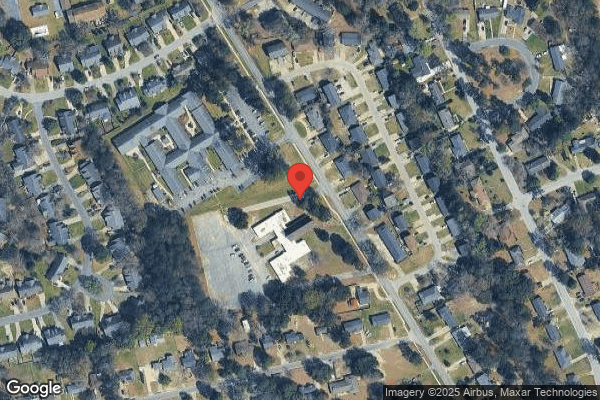
1018 N Guignard, Sumter, SC 29150 (803) 773-5567
For profit - Corporation 138 Beds NATIONAL HEALTHCARE CORPORATION Data: November 2025
Trust Grade
90/100
#16 of 186 in SC
Last Inspection: February 2025

Within standard 12-15 month inspection cycle. Federal law requires annual inspections.

Overview

NHC Healthcare - Sumter has received a Trust Grade of A, indicating it is excellent and highly recommended for care. It ranks #16 out of 186 facilities in South Carolina, placing it in the top half, and is the best option among three local facilities in Sumter County. The facility is showing improvement, having reduced its issues from three in 2023 to zero in 2025. Staffing is rated average with a turnover rate of 35%, which is below the state average, suggesting a stable workforce that knows the residents well. There have been no fines reported, which is a positive sign, but the RN coverage is only average and may benefit from improvement. Recent inspections revealed concerns, including improper food storage practices in the kitchen, which could affect all residents, and failure to follow proper catheter care procedures, potentially increasing infection risk. While there are strengths in staffing stability and zero fines, attention to cleanliness and adherence to care protocols is needed.

Trust Score
A
90/100
In South Carolina
#16/186
Top 8%
Safety Record
Low Risk
No red flags
Inspections
Getting Better
3 → 0 violations
Staff Stability
○ Average
35% turnover. Near South Carolina's 48% average. Typical for the industry.
Penalties
✓ Good
No fines on record. Clean compliance history, better than most South Carolina facilities.
Skilled Nurses
⚠ Watch
Each resident gets only 26 minutes of Registered Nurse (RN) attention daily — below average for South Carolina. Fewer RN minutes means fewer trained eyes watching for problems.
Violations
○ Average
8 deficiencies on record. Average for a facility this size. Mostly minor or procedural issues.
★★★★★
5.0
Overall Rating
★★★☆☆
3.0
Staff Levels
★★★★★
5.0
Care Quality
★★★★★
5.0
Inspection Score
Stable
2023: 3 issues
2025: 0 issues

The Good

  • 5-Star Quality Measures · Strong clinical quality outcomes
  • Full Sprinkler Coverage · Fire safety systems throughout facility
  • No fines on record
  • Staff turnover below average (35%)

    13 points below South Carolina average of 48%

Facility shows strength in quality measures, fire safety.

The Bad

Staff Turnover: 35%

11pts below South Carolina avg (46%)

Typical for the industry

Chain: NATIONAL HEALTHCARE CORPORATION

Part of a multi-facility chain

Ask about local staffing decisions and management

The Ugly 8 deficiencies on record

Jun 2023 3 deficiencies
CONCERN (D)

Potential for Harm - no one hurt, but risky conditions existed

Incontinence Care (Tag F0690)

Could have caused harm · This affected 1 resident

Review of the facility policy titled, Indwelling Catheter Care Policy, observations, interviews and review of the medical record for Resident #45 (R45) the facility failed to follow a procedure for ca...

Read full inspector narrative →
Review of the facility policy titled, Indwelling Catheter Care Policy, observations, interviews and review of the medical record for Resident #45 (R45) the facility failed to follow a procedure for catheter care to prevent or decrease the spread of infection for 1 of 1 residents reviewed with a catheter. Findings include: Review of the facility policy titled Indwelling Catheter Care Policy, states under Purpose: It is standard of care to provide indwelling catheter care cleansing with shower or bath and as needed when visibly soiled using approved technique in order to decrease the risk of catheter-associated infection. The procedure is as follows: 1. Knock on door. 2. Identify yourself and explain procedure to the resident. 3. Cover bedside table with barrier. 4. Place supplies on the barrier. 5. Provide privacy-door closed, blinds closed, curtain pulled all the way around bed. 6. Position resident minimal exposure. 7. Wash hands with soap and water using approved technique. 8. Set up equipment on barrier. 9. [NAME] clean gloves. 10. Cleanse the catheter tubing by by anchoring the tubing with one gloved hand at the base of the catheter (close to the point of insertion, cleanse outward from meatus or stoma approximately 6-8 inches and discard wipe. (ONE SWIPE, ONE WIPE) 11. Wash hands. 12. Dispose of plastic bag with trash. 13. Wash hands with approved technique at nearest sink. 14. Assisting personnel will secure catheter tubing with anchor and reposition patient; Wash hands before leaving room. The facility admitted R45 with diagnoses including, but not limited to, malignant neoplasm of the prostate, presence of urogenital implants and obstructive and reflux uropathy. An observation of supra pubic catheter care on 06/13/23 at 3:00 PM by Registered Nurse (RN)1 with Licensed Practical Nurse (LPN)1 went as follows: RN1 knocked on the door and entered the room of R45. LPN1 then explained the procedure. RN1 cleaned her hands with hand sanitizer, but did not wash them. RN1 then pulled back the covers, unfastened the resident's brief and with her bare/ungloved hands, touched the tubing in multiple areas, ensuring it was draining properly. LPN1 cleaned his hands with hand sanitizer and applied gloves. He then proceeded to remove the soiled dressing from the insertion site of the supra pubic catheter tubing. RN1 used her scissors to cut the soiled dressing to aide in the removal of the dressing, RN1 did not clean the scissors before or after cutting the soiled dressing. LPN1 finished removing the soiled dressing and then changed his gloves. RN1 did not clean her hands, but applied gloves and took out 2 of the wipes from the package. RN1 then took one wipe and wiped around the insertion site and using the same wipe, she wiped down the tubing from the insertion site. RN1 took another wipe and wiped around the insertion site and then down the tubing a second time. RN1 then removed her gloves and touched the cath secure with her bare hands and stated that this particular cath secure was different from the ones she had seen in the past. LPN1 then prompted RN1 to apply gloves and then aided LPN1 in removal of the cath secure and applying a new one. RN1 then removed her gloves and wrapped the soiled dressing, the soiled wipes along with the soiled gloves and the dressing wrapper and folded it all together and then placed it in the trash can. LPN1 reapplied the resident's brief and pulled up the covers to make the resident comfortable. LPN1 removed his gloves and cleaned his hands with hand sanitizer and RN1 walked to the door of the room and cleaned her hands with sanitizer that was in the room. Neither RN1 nor LPN1 were observed washing their hands. An interview on 06/13/2023 at 3:15 PM with RN1 and LPN1 confirmed that neither had washed their hands prior to catheter care or after catheter care. RN1 also confirmed that she had touched the catheter tubing and the catheter secure using her bare hands along with the covers and the resident's brief.
CONCERN (D)

Potential for Harm - no one hurt, but risky conditions existed

Deficiency F0761 (Tag F0761)

Could have caused harm · This affected 1 resident

**NOTE- TERMS IN BRACKETS HAVE BEEN EDITED TO PROTECT CONFIDENTIALITY** Based on observations, interview, review of the manufacturer package insert, and review of the facility policy and procedure, th...

Read full inspector narrative →
**NOTE- TERMS IN BRACKETS HAVE BEEN EDITED TO PROTECT CONFIDENTIALITY** Based on observations, interview, review of the manufacturer package insert, and review of the facility policy and procedure, the facility failed to ensure that an expired test reagent was removed from active storage in 1 of 6 medications carts. Findings include: Review of the facility's policy titled, Storage of Medications, dated [DATE] showed that outdated medications follow manufacturer's recommendations, are removed from inventory and that medication storage conditions are monitored quarterly by the consultant pharmacist or pharmacy designee and corrective action taken if problems are identified. On [DATE] at approximately 9:35 AM inspection of the 200 Hall medication cart #1 revealed one bottle of Hemoccult Developer by [NAME] with an expiration date of September, 2022. This finding was confirmed by Licensed Practical Nurse (LPN)2 on [DATE] at approximately 9:40 AM who stated okay, that's nothing and discarded the bottle. The [NAME] manufacturer package insert, dated [DATE], states under Storage and Stability that Hemoccult Developer will remain stable until the expiration date.
CONCERN (F)

Potential for Harm - no one hurt, but risky conditions existed

Food Safety (Tag F0812)

Could have caused harm · This affected most or all residents

Based on review of the facility policy titled, Refrigerator and Freezer Storage, observations, and interviews, the facility failed to ensure foods in the walk in freezer and the reach in cooler were l...

Read full inspector narrative →
Based on review of the facility policy titled, Refrigerator and Freezer Storage, observations, and interviews, the facility failed to ensure foods in the walk in freezer and the reach in cooler were labeled and stored properly in 1 of 1 main kitchen. This deficient practice has the potential to effect all residents eating meals that are prepared in the main kitchen. Findings include: Based on the facility policy titled, Refrigerator and Freezer Storage, under Outcome: states, Refrigerated and frozen foods will be stored properly for optimal product safety. Number 4 states, Refrigerated/Frozen foods will be rotated using the FIFO (first in, first out) method. New products are placed behind old products so that the older products are used first. Number 9 a. states, Foods will be stored in their original container or a NSF approved container or wrapped tightly in a moisture-proof film, foil, etc. Clearly labeled with the contents and the use by date. Number 10 states, Leftovers will be placed in approved containers, covered, labeled, dated, and stored in refrigerator or freezer at correct temperature. Observations during the initial tour of the kitchen with the Certified Dietary Manager (CDM) on 06/12/2023 at 10:20 AM revealed the following: The walk in freezer contained three bags of chicken breasts open, unsealed, and with no open date. A bag of seasoned beef patties open, without an open date. A bag of pork cutlets open, with no open date. A bag of biscuits open, with no open date. An observation during the initial tour of the reach in cooler revealed: Nine cups of yogurt with an expiration date of 06/09/2023. One pitcher of pineapple juice, undated. One cup of thickened water and one cup of thickened tea, undated. An observation of the walk in cooler during the initial tour revealed: One bag of lettuce, partially used with no open date. One onion partially used and rewrapped with no date. During an interview on 06/12/2023 at 10:25 AM, the CDM confirmed the findings.
Nov 2021 5 deficiencies
CONCERN (D)

Potential for Harm - no one hurt, but risky conditions existed

Free from Abuse/Neglect (Tag F0600)

Could have caused harm · This affected 1 resident

**NOTE- TERMS IN BRACKETS HAVE BEEN EDITED TO PROTECT CONFIDENTIALITY** Based on interview, record review, review of the Facility's Reported Investigation (FRI), and review of facility policy, the fac...

Read full inspector narrative →
**NOTE- TERMS IN BRACKETS HAVE BEEN EDITED TO PROTECT CONFIDENTIALITY** Based on interview, record review, review of the Facility's Reported Investigation (FRI), and review of facility policy, the facility failed to ensure a resident was free from verbal and physical abuse from another resident. This affected one of three residents (Resident (R) 13) reviewed for abuse in a total sample of 27 residents. Findings include: 1.Review of the Resident Face Sheet, located in the Electronic Medical Record (EMR) under the Face Sheet tab, revealed R153 was admitted to the facility on [DATE] with diagnoses that included Alzheimer's disease and dementia with behavioral disturbance. Review of the quarterly Minimum Data Set (MDS) assessment with an Assessment Reference Date (ARD) of 09/13/21, located in the EMR under the MDS tab, revealed R153 had a Brief Interview of Mental Status (BIMS) of three out of fifteen , which indicated severe cognitive impairment, had physical and verbal behaviors toward others, and was independent with ambulation. Review of R153's Care Plans, dated 09/18/21 located in the EMR under the Care Plan tab, revealed R153 had dementia, combative behaviors, and verbal and physical aggressive behaviors towards residents and staff and interventions included: call family, allow to calm, on to one conversation, show her pictures/videos of her great children, and chart behaviors. Review of R153's Nursing Progress Notes, dated 08/04/21 to 10/28/21, located in the EMR under the Progress Notes tab, revealed R153 had several episodes of yelling at R13 and two episodes of trying to hit R13 (10/02/21 and 10/13/21) with no evidence of injury. Review of R153's Nursing Progress Note, dated 10/02/21 revealed R153 was agitated and argumentative all evening. R153 attempted to hit R13. Review of R153's Nursing Progress Note, dated 10/13/21 at 6:19 PM, revealed R13 insulted R153 with expletives three times this shift. The note revealed R153 followed R13 to her room and attempted to strike her with her fist. The note revealed the incident was witnessed by staff, the residents were separated, and there were no injuries. During an interview with LPN 4 on 11/13/21 at 12:50 PM he stated on 10/29/21 R13 was cursing at R153 and R153 became upset. R153 yelled at R13 and was raising her fist as she followed R13 down the corridor. Staff heard the yelling, immediately responded, and directed R13 away from R153. LPN4 stated R153 was never near enough to have struck R13. LPN 4 stated the plan was for staff to increase their supervision of both residents after dinner and directed R13 away from R153 at the first sign of behaviors between the residents, which allowed R153 to calm. On 11/13/21 at 12:50 PM, he stated R153 easily became upset in the evening and sometimes yelled at R13 and staff. LPN4 stated when R153 yelled at R13, the staff directed R13 away from R153 to allow R153 to calm. LPN4 stated prior to 10/29/21, he never observed R153 touch or hit R13. Review of R153's Care Plans revealed revisions were made on 09/21/21, 09/28/21, and 10/21/21 included redirection of other resident away from area, monitor for signs of a urinary tract infection (UTI), initiation of Risperdal, and other medication changes. Between the resident altercation on 10/21/21 and 10/29/21 the facility increased the resident Risperdal. A review of R153's Nursing Progress Note, dated 10/29/21 at 6:15 PM, revealed the nurse was standing at the nurse's station, stepped away for a minute, returned and witnessed R153 and R13 holding each other's shirts and arguing with each other. As the nurse was attempting to separate the residents, R153 hit R13 on the top of her hand. R13 had no complaints of pain and no apparent injury. The residents were separated, and the Physician and Responsible Person were notified. 2. Review of the Face Sheet revealed R13 was admitted to the facility on [DATE] with a diagnoses that included unspecified dementia with behavioral disturbance and anxiety. Review of R13's Care Plans, dated 05/17/21, revealed R13 easily became agitated, and interventions included: distract resident, reorient, offer music, provide 1:1[one to one] conversation, and chart behaviors. Review of the quarterly MDS assessment with an ARD of 08/02/21, revealed R13 had a BIMS of four out of 15, which indicated severe cognitive impairment, had no physical and verbal behaviors toward others, and was independent with ambulation. Review of R13's Nursing Progress Notes, dated from 07/21 to 10/13/21, revealed R13 and R153 had two episodes of yelling at each other, one episode (10/12/21) of R13 cursing at R153 and R153 attempting to strike R13. During an interview with the Administrator on 11/12/21 at 9:18 AM, she stated R153 and R13 both had dementia, were confused, and had increased behaviors in the evening. The Administrator stated both residents enjoyed each other's company and spent a lot of time together attending activities on the unit, sitting next to each other at the nurse's station, passing each other in the hallway while ambulating, and eating lunch together. The Administrator stated during the early evening, sometimes both residents argued with each other, and upset each other. The Administrator stated in August 2021, after a few verbal outbursts by R153 directed toward R13, R153 was moved to another unit. The Administrator stated at that time R153 was treated for a urinary tract infection (UTI). The DON stated R153 had increased behaviors on the other unit as she continually stated she did not like her room and wanted to come back to the other unit. The Administrator stated on a few occasions, R153 walked to the other unit to visit with R13. The Administrator stated R13 and R153 were happy to see each other and there were no issues. The Administrator stated she spoke to both residents' family members, who stated they wanted the residents on the same unit if it was safe. The Administrator stated R153's behaviors improved and after a week, R153 was transferred back to the unit where R13 resided. Further interview with the Administrator on 11/12/21 at 9:18 AM, she stated although the staff tried to separate R153 and R13 during the early evening, they often continued to seek each other out. The Administrator stated although both residents enjoyed each other's company, they continued to argue and R153 sometimes yelled at R13. The Administrator stated both residents liked sitting in the one rocking chair that was on the unit. The Administrator stated a second rocking chair was brought to the unit, the rocking chairs were placed near the nurse's station, but not close together. The Administrator stated although on two occasions, R153 raised her fist toward R13, the staff immediately responded whenever R153 began yelling, and R153 was never close enough to come in direct contact with R13. The Administrator stated prior to 10/29/21, R153 never hit R13. During an interview with Registered Nurse (RN)1 on 11/12/21 at 2:16 PM she stated on 10/02/21 she was in front of the nurse's station, when she observed R153 yelling and walking toward R13 with a raised hand, and R153 stated she was going to hit R13. RN1 stated R153 was not close enough to hit R13 and the staff directed R153 away from R13. RN1 stated R153 was placed on increased supervision and calmed within a short time. A review of the Facility Reported Incident FRI report, dated 10/29/21, completed by the Administrator revealed that on 10/29/21 at 6:15 PM, R13 and R153 were standing up, holding each other's shirts, and arguing. As the nurse was attempting to separate them, R153 hit R13 on the hand. R13 had no injury. A review of the written statement by LPN4, dated 10/29/21, revealed that he heard R153 and R13 yelling at each other. LPN4 observed both residents holding each other by their shirts. As LPN4 tried to separate them, R153 hit R13 on the top of her hand. R13 did not complaint of pain and no injuries were observed. During further interview with LPN4 on 11/13/21 at 12:50 pm stated on 10/29/21, he was near nurse's station and heard R153 and R13 yelling. LPN4 stated he immediately stood between R153 and R13. LPN4 stated R153 was yelling and upset because she wanted to sit in the rocking chair occupied by R13. LPN4 stated R153 hit R13's hand and began stomping her walker. LPN4 stated a staff member assisted R13 away from the area. LPN4 stated within a few minutes, the situation deescalated. LPN4 stated he placed R153 and R13 on increased supervision and there were no further issues. LPN4 stated he assessed R13, and she had no injuries. LPN4 stated the Administrator, and the Director of Nurses (DON) came to the facility. Review of the facility's policy titled, Patient Protection and Response Policy for Allegations/Incidents of Abuse, Neglect, Misappropriation of Property, and Exploitation, dated 09/14/12, revealed that the patients of the facility have the right to be free from abuse, neglect, misappropriation of patient property, and exploitation. It is the policy of the facility to assure that patient safety, including freedom from risk of abuse or neglect holds the highest priority. The policy provides the following definitions: Abuse - The willful infliction of injury, unreasonable confinement, intimidation, or punishment with resulting physical harm, pain, or mental anguish .Willful as used in this definition of abuse, means the individual must have acted deliberately, not that the individual must have intended to inflict injury or harm. Physical Abuse: includes hitting, slapping, pinching, and kicking. Verbal Abuse: the use of oral, written, or gestured language that willfully includes disparaging and derogatory terms to resident or their families, or within their hearing distances, regardless of their age, ability to comprehend, or disability.
CONCERN (D)

Potential for Harm - no one hurt, but risky conditions existed

Deficiency F0658 (Tag F0658)

Could have caused harm · This affected 1 resident

Based on observation, interviews, record review, and review of the facility's policy, the facility failed to ensure the proper administration of an inhalant medication for one of four residents (Resid...

Read full inspector narrative →
Based on observation, interviews, record review, and review of the facility's policy, the facility failed to ensure the proper administration of an inhalant medication for one of four residents (Resident (R) 54) observed for medication administration. Failure to administer the medication correctly could result in the resident developing uncontrolled symptoms, such as difficulty breathing. Findings include: During medication pass observation on 11/12/21 at 8:12 AM, Registered Nurse (RN)2 was observed preparing medications for R54. The medications included Ventolin HFA (albuterol sulfate- inhalant medication used to treat bronchospasms). RN2 handed the medications to the resident and explained her what medications she was receiving. R54 decided to take the Ventolin inhaler medication first. The resident shook the inhaler container first and then inhaled two puffs. The time between each puff was less than 10 seconds. The resident was not observed to inhale the medication deeply and hold her breath. The nurse did not intervene after the first puff to redirect the resident on the correct way to administer the medication. Review of the resident's quarterly Minimum Data Set (MDS) with an Assessment Reference Date of 09/13/21, located in the electronic medical record section labeled MDS assessment, indicated the resident's cognition status is intact. Review of the resident's October physician's orders located in the electronic medical records (EMR) section called orders included Ventolin HFA (albuterol sulfate) HFA aerosol inhaler; 90 micrograms (mcg)/actuation (the action of causing a machine or device to operate) take two puffs daily at 9:00 AM. Interview with RN2 was conducted on 11/12/21 at 8:25 AM revealed the resident should have waited one minute between each puff of the inhalant. RN2 stated she could not think of any other directions that she should have given the resident regarding the administration of the inhalant. During an interview with the Director of Nursing (DON) on 11/12/21 at 4:00 PM the medication observation was discussed. The DON agreed the Ventolin inhalant was administered incorrectly. Review of the facility's policy titled, Oral Inhalation Administration with a revision date 01/01/19 indicated, .to ask the resident to breathe out as deeply as possible and place the inhaler mouthpiece under the top teeth and above the tongue with mouth lips closed around the mouthpiece. Press down on the inhaler once to release medication as the resident starts to breathe in slowly through the mouth over three to five seconds. Do not spray more one puff at a time. The resident should hold breath for 10 seconds or as long as possible to allow the medication to reach deeply into the lungs. Slowly exhale through the nose. If another puff of the same medication is required, wait at least one minute between then repeat the procedure .
CONCERN (D)

Potential for Harm - no one hurt, but risky conditions existed

Deficiency F0688 (Tag F0688)

Could have caused harm · This affected 1 resident

Based on observations, interviews and record review, the facility failed to ensure that one of 27 sampled residents (Resident (R) 55) identified with hand contractures received a positioning device. F...

Read full inspector narrative →
Based on observations, interviews and record review, the facility failed to ensure that one of 27 sampled residents (Resident (R) 55) identified with hand contractures received a positioning device. Failure to use the hand roll has the potential for the resident to develop skin breakdown in the palms of his hands. Findings include: Observation on 11/10/21 at 11:00 AM revealed R55 in low bed with head of bed (HOB) 35 degrees; two blue hand carrot rolls on the night stand next to the resident's bed. The resident's hands are covered at this time. Observation on 11/10/21 at 1:30 PM revealed two blue hand carrot rolls on the night stand next to the resident's bed. Observation of the resident's exposed right hand revealed the hand was contracted. The resident's tube feeding was infusing at this time. Observation on 11/10/21 at 4:45 PM revealed two blue hand carrot rolls on the resident's nightstand. Observation on 11/11/21 at 11:15 AM revealed the Certified Nursing Assistant (CNA) providing care showed the resident's hands, which were contracted with long fingernails. There was no skin breakdown nor any odor in the palms of the resident's hands. The two blue hand carrot rolls remain on the nightstand next to the resident's bed. Observation on 11/12/21 at 10:25 AM revealed the resident in bed while the hand rolls remained on the nightstand. Tube feeding was not infusing at this time. Record review of R55's annual Minimum Data Set (MDS) with Assessment Reference Date (ARD) 09/13/21 located in the resident's electronic medical records (EMR) section called MDS assessment indicated the resident had a Brief Interview for Mental Status (BIMS) score of 99 indicating R55 is severely impaired cognition and the resident has functional limitation in range of motion bilaterally in upper and lower extremities. Review of an Occupational Therapy (OT) Screen, dated with start date of 10/19/21 and completed on 11/02/21, found in the resident's EMR section called assessment documented, the resident is total assist with self-care and mobility. His hands are contracted, and orthopedic carrots were placed in his hands this date. The carrot fits well in the right hand but due to the extend of his left thumb palmar adduction, the carrot would not stay in his left hand. The OT recommendation was to continued current interventions as recommended above. Review of the resident's care plan with a revision date of 10/19/21 located in the resident's EMR in section care plans indicates the resident is to wear waffle boots and hand rolls as tolerated for protection and preventative measures; can be removed for activities of daily living care. A review of the nursing notes from 10/6/21 through 11/110/21 located in R55's EMR located in the section called documentation failed to reveal any documentation of the nursing attempting to place the resident's hand carrot rolls. During an interview on 11/11/21 at 11:15 AM, CNA4 stated that when the hand rolls are placed on the resident he will attempt remove the rolls. When the resident attempts to remove the hand rolls, he becomes entangled in the tube feeding tubing. Therefore, hand rolls are applied when the tube feeding is turned off. Interview on 11/12/21 at 10:24 AM Licensed Practical Nurse (LPN)2 states the resident will take hand rolls off during tube feedings and staff will put them aside. LPN2 stated they did not know if the resident has a care plan but will notify the MDS nurse. LPN2 also states occupational therapy evaluated the resident a couple of weeks ago and she is not sure if they placed the hand rolls in the resident's room. Interview with the Director of Nursing (DON) on 11/12/21 at 4:52 PM revealed the recommendation made by OT is considered a nursing order judgement and does not require an order from the physician. The DON also states even the care plan has the intervention for the hand rolls, the care plan does not reflect the exact recommendations made by the OT. The DON further stated she was unable to find any documentation of the resident refusing or resisting the hand rolls.
CONCERN (D)

Potential for Harm - no one hurt, but risky conditions existed

Safe Environment (Tag F0921)

Could have caused harm · This affected 1 resident

Based on observation and interview, the facility failed to ensure one of two residents (Resident (R) 55) who receive enteral feedings had clean equipment (i.e. feeding pump and intravenous pole). Fail...

Read full inspector narrative →
Based on observation and interview, the facility failed to ensure one of two residents (Resident (R) 55) who receive enteral feedings had clean equipment (i.e. feeding pump and intravenous pole). Failure to provide clean equipment could provide an environment conducive to bacterial growth leading to infections. Findings include: Observation on 11/10/21 at 11:00AM revealed R55 was observed in bed with a feeding pump and intravenous (IV) pole near the bed. The feeding and IV pole had a dried beige color crusty splatter. No tube feeding infusing at the time of observation. Observation on 11/10/21 at 1:30PM revealed the resident in bed with head of bed (HOB) elevated 45 degrees. Jevity 1.5 feeding was infusing at 45 cubic centimeters (cc) an hour; the label read the bottle was hung at 10am with a 1000cc water bolus bag hanging. The feeding pump and pole had dried beige color crusty material. Observation on 11/11/21 at 11:15AM revealed R55 was awake in bed with HOB elevated 45 degrees. Jevity 1.5 feeding infusing thru gastrostomy tube at 45cc an hour. IV pole and feeding pump continues have a dried beige color crusty material. Observation on 11/12/21 at 10:25 AM revealed the resident in bed with the HOB elevated 45 degrees. Tube feeding not infusing at this time; however, the feeding pump and IV pole continues to have a dried beige colored crusty splatter. During an interview with Unit Manager (UM)3 on 11/12/21 at 11:35AM, UM3 observed the resident's feeding pump and IV pole and confirmed the dried beige color crusty material appeared to be dried feeding formula. UM3 also stated the nursing is responsible for cleaning the equipment when formula spills on the pump and IV pole.
CONCERN (F)

Potential for Harm - no one hurt, but risky conditions existed

Food Safety (Tag F0812)

Could have caused harm · This affected most or all residents

Based on observation, interview, record review, and policy review, the facility failed to ensure equipment, food storage containers, walls, baseboards and floors throughout the kitchen were kept clean...

Read full inspector narrative →
Based on observation, interview, record review, and policy review, the facility failed to ensure equipment, food storage containers, walls, baseboards and floors throughout the kitchen were kept clean. This deficient practice had the potential to affect 117 of 117 residents who receive meals prepared in the facility's only kitchen. Findings include: During the kitchen tours with the Certified Dietary Manager (CDM) on 11/10/21 at 9:00 AM and 11/11/21 at 1:35 PM the following observations were made: Kitchen proper: The seven white food bins, containing sugar, thickener, breadcrumbs, pureed bread, oatmeal, and flour, were observed with dried spills, splatters and loose food debris on and around the lids and on the rims. The stove gas burners contained a build-up of grease and chard food debris. The side exteriors of the deep fryers had an accumulation of grease residue and sticky dried splatters. The floor under and around the deep fryers were soiled with an excess of grease residue. On 11/10/21 at 9:00 AM and 11/11/21 at 1:40 PM, the hand sink at the entrance to the kitchen was heavily stained with brownish tea-like discoloration. The tea/coffee station was adjacent to the sink. On 11/11/21 at 1:40 PM, the CDM denied staff used the hand sink to discard tea or coffee. She stated at this time she had requested a new sink due to these stains. The baseboards and floor throughout the parameters of the kitchen were in need of deep cleaning. An accumulation of a dark gummy substance was noted along the baseboards and dark stains were noted on the floor, especially behind equipment and other kitchen furniture. A narrow section of the floor between the reach-in refrigerator and wall, approximately three to four inches, were begrimed with a dark build-up of residue and dried spillage. On 11/10/21 at 9:00 AM and 11/11/21 at 1:50 PM, the three-compartment sink was noted to have a build-up of rust and food particles on the lower shelf. The small corridor where the three-compartment sink was stationed had a build-up of dirt-like substance and debris along baseboards and the floor. Two holes, approximately one to two inches in diameter, were observed in the lower wall under the three-compartment sink. On 11/11/21 at 1:50 PM, the CDM stated she had never noticed the holes. The wall and the two window seals in the three-compartment sink corridor were soiled with dirt-like substance and dried splatters. The wall and large office window seal at the back production table contained a collection of dried food splatters and a build-up of a dust-like substance. The wall behind the tea/coffee station was very sticky and contained a heavy collection of dried splatters. Food storage room: A large, dried spill was noted under the metal wire food storage shelving. The spill extended to the back of the wall. A build-up of dark thick debris was noted on the baseboards, lower walls and floor behind the food storage shelving and along the parameters of the room. During an interview on11/11/21 at 1:45PM, the CDM was asked about a cleaning schedule. She stated the soiled surfaces noted during the inspection were listed on the cleaning schedule. Staff initialed the cleaning items on the schedule indicating the cleaning was completed. Further interview on 11/12/21 at 6:45 PM, the CDM stated the holes under the three-compartment sink were immediately patched and a company was contacted to professionally clean the kitchen floors, baseboards and walls. Review of the kitchen's cleaning schedule, dated 10/25/21 through 11/20/21, reflected what items were to be cleaned by designated staff (partner's name). These items include equipment, food storage, walls and floors throughout the kitchen and storage room. Items noted during the inspection that were initialed included white bins, all storage rooms, aides area wall, prep [preparation] table, office window wall, three compartment sink area and windows, walls/floors in storage room, coffee station. The stove and storage rooms floors were not initialed. Review to the facility kitchen's policy for cleaning equipment, dated 11/2017, reflected OUTCOME: Equipment must be cleaned and/or sanitized after every use .9. The physical facilities shall be cleaned as often as necessary to keep them clean .
Understanding Severity Codes (click to expand)
Life-Threatening (Immediate Jeopardy)
J - Isolated K - Pattern L - Widespread
Actual Harm
G - Isolated H - Pattern I - Widespread
Potential for Harm
D - Isolated E - Pattern F - Widespread
No Harm (Minor)
A - Isolated B - Pattern C - Widespread

Questions to Ask on Your Visit

  • "Can I speak with families of current residents?"
  • "What's your RN coverage like on weekends and overnight?"

Our Honest Assessment

Strengths
  • • Grade A (90/100). Above average facility, better than most options in South Carolina.
  • • No major safety red flags. No abuse findings, life-threatening violations, or SFF status.
  • • No fines on record. Clean compliance history, better than most South Carolina facilities.
  • • 35% turnover. Below South Carolina's 48% average. Good staff retention means consistent care.
Concerns
  • • No significant concerns identified. This facility shows no red flags across CMS ratings, staff turnover, or federal penalties.
Bottom line: Generally positive indicators. Standard due diligence and a personal visit recommended.

About This Facility

What is Nhc Healthcare - Sumter's CMS Rating?

CMS assigns NHC Healthcare - Sumter an overall rating of 5 out of 5 stars, which is considered much above average nationally. Within South Carolina, this rating places the facility higher than 99% of the state's 100 nursing homes. This rating reflects solid performance across the metrics CMS uses to evaluate nursing home quality.

How is Nhc Healthcare - Sumter Staffed?

CMS rates NHC Healthcare - Sumter's staffing level at 3 out of 5 stars, which is average compared to other nursing homes. Staff turnover is 35%, compared to the South Carolina average of 46%. This relatively stable workforce can support continuity of care.

What Have Inspectors Found at Nhc Healthcare - Sumter?

State health inspectors documented 8 deficiencies at NHC Healthcare - Sumter during 2021 to 2023. These included: 8 with potential for harm.

Who Owns and Operates Nhc Healthcare - Sumter?

NHC Healthcare - Sumter is owned by a for-profit company. For-profit facilities operate as businesses with obligations to shareholders or private owners. The facility is operated by NATIONAL HEALTHCARE CORPORATION, a chain that manages multiple nursing homes. With 138 certified beds and approximately 128 residents (about 93% occupancy), it is a mid-sized facility located in Sumter, South Carolina.

How Does Nhc Healthcare - Sumter Compare to Other South Carolina Nursing Homes?

Compared to the 100 nursing homes in South Carolina, NHC Healthcare - Sumter's overall rating (5 stars) is above the state average of 2.9, staff turnover (35%) is significantly lower than the state average of 46%, and health inspection rating (5 stars) is much above the national benchmark.

What Should Families Ask When Visiting Nhc Healthcare - Sumter?

Based on this facility's data, families visiting should ask: "Can I visit during a mealtime to observe dining assistance and food quality?" "How do you handle medical emergencies, and what is your hospital transfer rate?" "Can I speak with family members of current residents about their experience?"

Is Nhc Healthcare - Sumter Safe?

Based on CMS inspection data, NHC Healthcare - Sumter has a clean safety record: no substantiated abuse findings (meaning no confirmed cases of resident harm), no Immediate Jeopardy citations (the most serious violation level indicating risk of serious injury or death), and is not on the Special Focus Facility watch list (a federal program monitoring the lowest-performing 1% of nursing homes). The facility has a 5-star overall rating and ranks #1 of 100 nursing homes in South Carolina. While no facility is perfect, families should still ask about staff-to-resident ratios and recent inspection results during their visit.

Do Nurses at Nhc Healthcare - Sumter Stick Around?

NHC Healthcare - Sumter has a staff turnover rate of 35%, which is about average for South Carolina nursing homes (state average: 46%). Moderate turnover is common in nursing homes, but families should still ask about staff tenure and how the facility maintains care continuity when employees leave.

Was Nhc Healthcare - Sumter Ever Fined?

NHC Healthcare - Sumter has no federal fines on record. CMS issues fines when nursing homes fail to meet care standards or don't correct problems found during inspections. The absence of fines suggests the facility has either maintained compliance or corrected any issues before penalties were assessed. This is a positive indicator, though families should still review recent inspection reports for the full picture.

Is Nhc Healthcare - Sumter on Any Federal Watch List?

NHC Healthcare - Sumter is not on any federal watch list. The most significant is the Special Focus Facility (SFF) program, which identifies the bottom 1% of nursing homes nationally based on persistent, serious quality problems. Not being on this list means the facility has avoided the pattern of deficiencies that triggers enhanced federal oversight. This is a positive indicator, though families should still review the facility's inspection history directly.