Oak Hollow Of Sumter Rehabilitation Center
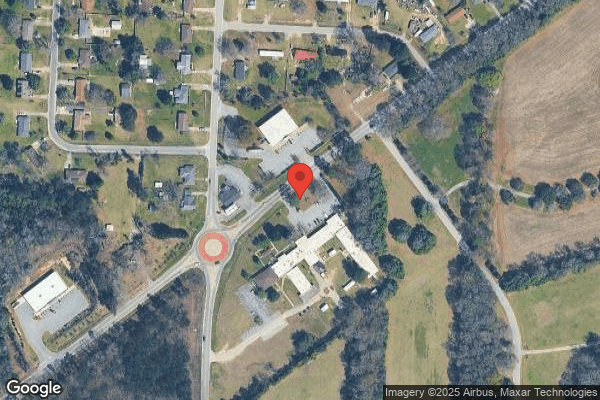

1761 Pinewood Road, Sumter, SC 29154 (803) 340-0307
For profit - Corporation 96 Beds Independent Data: November 2025 2 Immediate Jeopardy citations
Trust Grade
0/100
#162 of 186 in SC
Last Inspection: April 2025

Within standard 12-15 month inspection cycle. Federal law requires annual inspections.

Overview

Oak Hollow Of Sumter Rehabilitation Center has received a Trust Grade of F, which indicates poor performance and significant concerns about care quality. Ranking #162 out of 186 facilities in South Carolina places it in the bottom half, and #2 out of 3 in Sumter County shows that only one local option is rated higher. The facility's trend is worsening, with issues increasing from 6 in 2024 to 7 in 2025, and it has an alarming staff turnover rate of 87%, much higher than the state average of 46%. Staffing is rated poorly at 1 out of 5 stars, and the facility has incurred fines totaling $63,303, which is higher than 91% of other facilities in the state, indicating ongoing compliance problems. Specific incidents of concern include a failure to prevent pressure ulcers for a resident, resulting in multiple injuries, and another resident successfully eloping from the facility due to inadequate supervision. Additionally, there was a serious incident where one resident physically abused two others, violating their rights to safety and care. While there is a need for improvement, the facility does have a plan in place to address these issues, but families should weigh the serious deficiencies against any potential strengths before making a decision.

Trust Score
F
0/100
In South Carolina
#162/186
Bottom 13%
Safety Record
High Risk
Review needed
Inspections
Getting Worse
6 → 7 violations
Staff Stability
⚠ Watch
87% turnover. Very high, 39 points above average. Constant new faces learning your loved one's needs.
Penalties
○ Average
$63,303 in fines. Higher than 66% of South Carolina facilities. Some compliance issues.
Skilled Nurses
⚠ Watch
Each resident gets only 16 minutes of Registered Nurse (RN) attention daily — below average for South Carolina. Fewer RN minutes means fewer trained eyes watching for problems.
Violations
⚠ Watch
41 deficiencies on record. Higher than average. Multiple issues found across inspections.
★☆☆☆☆
1.0
Overall Rating
★☆☆☆☆
1.0
Staff Levels
★★☆☆☆
2.0
Care Quality
★☆☆☆☆
1.0
Inspection Score
Stable
2024: 6 issues
2025: 7 issues

The Good

  • Full Sprinkler Coverage · Fire safety systems throughout facility
  • No fines on record

Facility shows strength in fire safety.

The Bad

1-Star Overall Rating

Below South Carolina average (2.8)

Significant quality concerns identified by CMS

Staff Turnover: 87%

41pts above South Carolina avg (46%)

Frequent staff changes - ask about care continuity

Federal Fines: $63,303

Above median ($33,413)

Moderate penalties - review what triggered them

Staff turnover is very high (87%)

39 points above South Carolina average of 48%

The Ugly 41 deficiencies on record

2 life-threatening 1 actual harm
Apr 2025 7 deficiencies
CONCERN (D)

Potential for Harm - no one hurt, but risky conditions existed

Quality of Care (Tag F0684)

Could have caused harm · This affected 1 resident

**NOTE- TERMS IN BRACKETS HAVE BEEN EDITED TO PROTECT CONFIDENTIALITY** Based on observation, interviews, and record review, the facility failed to ensure Physician's Orders were followed as evidenced...

Read full inspector narrative →
**NOTE- TERMS IN BRACKETS HAVE BEEN EDITED TO PROTECT CONFIDENTIALITY** Based on observation, interviews, and record review, the facility failed to ensure Physician's Orders were followed as evidenced by observation on 4/15/25 at 11:42 a.m. in dining room, a resident (Resident (R)38) was observed to have red, swollen legs and did not have TED hose when the Physician's order required them. Failure to wear TED hose could increase the risk of blood clots, pain and ineffective treatment. The facility also failed to provide timely incontinent care to R2. The resident required staff assistance but did not receive it promptly, resulting in extended periods in a soiled brief. Findings include: During an observation 4/15/25 at 11:42 a.m., R38 was in the dining room and both of his/her legs appeared red and swollen. In an interview on 4/16/25 at 12:30 p.m. with R38, he/she stated he/she had not worn TED hose in two (2) weeks. R38 stated their legs hurt because of this. R38 stated that his/her TED hose was destroyed after being washed in the washing machine. In an interview on 4/16/25 at 12:31 p.m., Certified Nurse Aide (CNA)1 stated they were agency staff. CNA1 stated they were not aware of R38's order to wear TED hose. CNA1 stated they were informed of care by another staff member from a previous shift. CNA1 stated they should not rely on word or mouth and should've reviewed the residents' [NAME] (quick reference of patient care plan) to identify care needs. In an interview on 4/16/25 at 12:33 p.m., Licensed Practical Nurse (LPN)4 stated they have worked at facility for over a year and provide care for R38. LPN4 stated that not wearing TED hose can cause swelling of the legs and TED hose are to be worn when out of bed. Review of Physician Orders for R38 documented apply compression stockings to legs covering hematoma every day and night shift for hematoma while out of bed. Stockings may be removed when showering and bathing. In an interview on 4/18/25 at 12:16 p.m., the Director of Nursing (DON) stated they were not aware R38 did not have on TED hose on 4/15/25. The DON stated it was important to wear them due to vascular insufficiency and to increase blood flow. The DON stated that nurses were responsible for applying TED hose to residents. The DON stated there was no policy regarding following Physician's Orders. On 4/15/25 at 11:30 a.m. observation during the initial tour revealed the resident was self-propelling in a wheelchair (w/c) and wearing weather-appropriate clothing with non-skid shoes. During the observation, an interview was conducted and the resident verbalized that staff treated him/her like crap and stated that he/she was unable to get needed assistance. Review of the clinical record for R2 revealed: admission date: 7/20/20 readmission date: 5/28/24 Diagnoses: Anxiety Disorder, Depression, Schizophrenia, and Hemiparesis The resident's most recent quarterly Minimum Data Set (MDS) with Assessment Reference Date (ARD) of 3/6/25 noted a Brief Interview Mental Status (BIMS) score of 8 which indicated moderately impaired cognition. The assessment showed no mood or behavior symptoms, and the resident was assessed as consistently incontinent of bowel and bladder. The Resident Concern/Grievance Response Form dated 3/28/24 documented that R2's Power of Attorney (POA) reported the resident needed changing, however, staff informed once he was placed in the bed and incontinent care was provide, staff would not allow the resident to get back out of bed. A subsequent grievance on 8/28/24 noted the resident requested incontinent care and, after waiting for one hour, requested assistance again, but was told to wait. R2 report that he/she waited an additional two (2) hours before staff came to provided incontinent care. Review of a Nursing Progress Note dated 4/13/25 documented that after R2 returned from church service, the resident and his/her family requested twice for Licensed Practical Nurse (LPN)3 to provide incontinent care for R2. The family member reported skin irritability, but the LPN indicated the resident's assigned Certified Nursing Assistant (CNA) was unavailable. R2's Behavior Care Plan, revised on 3/6/25, identified that R2 had attention-seeking behaviors. The care plan goal was to reduce attention-seeking episodes through anticipating and meeting the resident's needs. The interventions included: to anticipate and meet the resident ' s needs; to monitor behavior episodes and attempt to determine the underlying cause; when determining the underlining cause consider location, time of day, persons involved, and situations. The resident's Incontinent Care Plan, revised 3/6/25, identified bowel and bladder incontinence. Interventions included: · Maintaining resident cleanliness, dryness, and comfort through the next review · Frequent checks and provision of incontinent care An interview with the Director of Nursing (DON) on 4/16/25 at 12:15 p.m. revealed the facility maintained a No Pass Zone policy (policy requested but not provided), that indicated every employee should answer the call light, and then find the appropriate staff member to assist the resident. On 4/17/25 at 1:45 p.m., an interview was conducted with an agency CNA8 who explained that the previous shift gave verbal report about resident care needs. The CNA voiced that since most residents require a mechanical lift (to include R2), two staff members must work together, which often created delays in care. Staff members were expected to ask other CNAs for assistance rather than requesting assistance from nurses. In an interview with LPN3, on 4/17/25 at 1:55 p.m. she/he acknowledged that staff should assist residents when care was requested. The LPN recalled R2's 4/13/25 progress note. She/he stated R2, and a family member demanded for the resident to be changed. However, the resident's assigned CNA was busy providing care for another resident. The LPN acknowledge that she/he instructed the resident to wait for needed care before having another CNA assist the resident. The LPN stated she was busy which was why she/he was unable to assist.
CONCERN (D)

Potential for Harm - no one hurt, but risky conditions existed

Deficiency F0801 (Tag F0801)

Could have caused harm · This affected 1 resident

Based on observation, record review, and interviews, the facility failed to have a full time certified dietary manager (CDM) or a certified food service manager (CFSM) to carry out the functions of th...

Read full inspector narrative →
Based on observation, record review, and interviews, the facility failed to have a full time certified dietary manager (CDM) or a certified food service manager (CFSM) to carry out the functions of the food and nutrition service, taking into consideration resident assessments, individual plans of care and the number, acuity and diagnoses of the facility's resident population. This deficient practice had the potential to affect all the residents. The findings include: During the initial tour of the kitchen on 4/15/25 at 11:05 a.m., observation revealed two staff members (Cook 1 and [NAME] 2) were in the kitchen. On 4/15/25 at 11:05 a.m., [NAME] 1 stated, We do not have a Dietary Manager in this place, not even a supervisor; everyone is on their own. We just need to get the job done. On 4/15/25 at 11:05 a.m., [NAME] 2 stated that her shift started at 5:00 a.m. and ended at 2:00 p.m. [NAME] 2 also stated that the kitchen did not have a Dietary Manager. On 4/15/25 at 3:38 p.m., the CDM stated, I was not here last week; no, the entire week. I was over two other buildings helping out. I started working here like two weeks ago. I am the regional manager managing a total of three buildings. I haven't had time to come here to sit down with the administration and train the staff. On 4/18/2025 at 9:06 AM, Registered Nurse (RN) Consultant stated, Don't quote me on this, but right now he (CDM) is a vendor. He is in between two buildings. We have a full-time CDM coming next week. But I will find out. During an interview with the Administrator on 4/18/2025 at 9:47 a.m. regarding the CDM job description and responsibility, the Administrator stated that the CDM started coming either last week or two weeks ago. The Administrator stated that the CDM was a full-time Dietary Manager. The Administrator then stated that the Dietary Manager was at the facility all day last week, He was here last week and worked 40 hours. He/she is a full-time Manager here. When he/she started, I was on medical leave. He/she came last week. The Administrator was informed that the Dietary Manager reported he was not in the building for 40 hours last week, the Administrator stated, I left the building at 1:00 p.m. last week. I don't know if he left after I left. But he was here last week. I saw him in the morning, for at least 3 days last week. The Administrator was informed that the Dietary Manager said he was not in the building last week because he was in two other buildings. The Administrator then stated, I'm not sure. I would go with what he said. If he said he wasn't here last week, maybe he wasn't, because I was only here half of the day and only for 3 days. The Administrator further stated, They (the dietary staff) know because I was not here when HSG (Healthcare Services Group) came. They made their transition and did a whole inservice with the staff. I assumed that they told them that they had a new manager because I was not here when they came. The [CDM] would have to tell you how the company made the switchover. One of my staff members told me they were in the conference room with HSG. I would have to get the date when the transition happened and when the Dietary Manager started. On 4/18/2025 at 10:04 a.m., the CDM stated that he started April 1, 2025, two weeks ago. He then stated, I was not here last week. My first week, I was getting everybody on board. The next week, I was supposed to be here, but they pulled me to go to another building. I was planning to start working by training them, but I had got pulled to go to another building for a week. This week I'm here. I actually was in another building this week, then I got pulled from it, so I can be here this week because I got three (3) buildings to manage. All three buildings started at around the same time. So, I'm trying to get training for all of the employees. He went on to state, Honestly, I haven't had time to really sit down and work with the ones that are here. I hired a couple managers for the other buildings. I was providing them with training. They're training the other buildings right now because I've been getting pulled with these three new startups. I have hired a new Manager for this building but will not start until the second week of May. I'm just trying to think. I can't remember what day, but I know it's after May 6, the week after May 6. I guess that's what he/she said, the week after May 6 she can start. So, I have a manager for this building, and I have managers for the other two buildings. I've been pulling out to go help out. I just had them to start on their own because they couldn't do their part, so I've done the 2 other buildings. Those two managers are training those employees right now, so I'm here training trying to help train these people when I get time. Honestly, I'm supposed to be a full-time manager, but because of the schedule I become an interim manager. Review of the Dietary Manager's Job description, titled Dining Services Director/Account Manager, noted that it was a full-time position. The position summary also noted, Manages the dining services program in a single site according to Healthcare Services Group (HCSG) policies and procedures, and federal/state requirements. Must hold state and/or federal required credential within no more than three months of placement in Dining Services Director/Account Manager position. Provides leadership, support and guidance to ensure that food quality standards, inventory levels, food safety guidelines and customer service expectations are met. Consistently embodies the characteristics necessary to drive the Company's Purpose, Vision, Values, and DNA. Maintains records of income and expenditures, food, supplies, personnel and equipment and provides reports to HCSG District Manager on such. Make sure the facility has sufficient supplies. Takes periodic inventories of supplies and materials, trains new employees, and recommends dismissals. Acts as liaison between building occupants, client managers or administrators and HCSG and staff. The Manager must be able to communicate effectively all directives from client managers, building occupants and administrators and HSCG staff. Must be able to perform the essential job functions of dietary aide, cook, and dishwasher positions for purposes of training and assisting when there are call-outs. Training, quality control and in-servicing staff to HSCG standards is an essential part of the Manager's responsibility and includes touring the kitchen several times per day to assess work quality using QCIs for documentation purposes. The Manager is a department head in the facility and must conduct themselves and their department in a professional manner. The Dietary Manager's job description also listed: Job Function: People Management & Management. Interviews, hires and orients of dietary staff for the dietary department. Maintains proper staffing levels, scheduling all dietary staff. Maintains personnel files in a locked cabinet. Supervises, coordinates and evaluates the work of all dining services employees in preparing and serving food, and cleaning facilities and utensils in a production kitchen. Drives employee engagement through championing PVV and Company recognition program/s. All other duties as assigned.[sic]
CONCERN (D)

Potential for Harm - no one hurt, but risky conditions existed

QAPI Program (Tag F0867)

Could have caused harm · This affected 1 resident

**NOTE- TERMS IN BRACKETS HAVE BEEN EDITED TO PROTECT CONFIDENTIALITY** Based on observations, interviews and record review, the facility failed to develop and implement an action plan for repairing a...

Read full inspector narrative →
**NOTE- TERMS IN BRACKETS HAVE BEEN EDITED TO PROTECT CONFIDENTIALITY** Based on observations, interviews and record review, the facility failed to develop and implement an action plan for repairing and improving the facility environment. This affected all residents' safety and quality of life. Findings include: Review of the facility policy titled, Quality Assurance and Performance Improvement (QAPI) Plan, dated 4/1/25 documented., 1. Purpose and Mission - The purpose of this QAPI Plan is to support and sustain a culture of continuous quality improvement at Oak Hollow of [NAME], ensuring residents receive the highest quality of care in a safe, effective, and person-centered environment. Our mission is to provide compassionate, individualized care that respects the dignity and needs of every resident, guided by data-driven strategies and interdisciplinary collaboration . 4. Design and Scope of Activities - QAPI activities will be comprehensive and focused on both clinical care and facility operations. Priority areas include: -Resident safety (falls, infections, medication errors) - Quality of life (pain management, social engagement, satisfaction) Care planning and delivery - Staff training and competency - Compliance with CMS [Centers for Medicare and Medicaid Services] Quality Measures and Five-Star domains An observation on 4/15/25 at 1:48 p.m. in room [ROOM NUMBER], revealed fall mat edges were sticking up. An observation on 4/15/25 at 1:50 p.m. in room [ROOM NUMBER], revealed nail holes in the wall next to window. An observation on 4/15/25 at 1:55 p.m. in room [ROOM NUMBER], revealed a floor mat that had a rip at least seven (7) inches long and two (2) inches wide. The floor mat also curled up on the ends. In an interview on 4/16/25 at 12:30 p.m. with Resident (R)38, he/she stated they had to use the bathroom down the hall. R38 stated this had been this way for a few months. An interview on 4/17/25 at 3:55 p.m. with the Administrator revealed the Quality Assurance and Assessment Committee were aware the toilets were not working and they had not developed a Performance Improvement Plan (PIP). In an interview on 4/18/25 at 10:45 a.m., the Corporate Executive stated that they had worked on fixing the many issues. The Corporate Executive stated they have not discussed any of the repairs with the Quality Assurance and Performance Improvement (QAPI) Committee.
CONCERN (D)

Potential for Harm - no one hurt, but risky conditions existed

Deficiency F0910 (Tag F0910)

Could have caused harm · This affected 1 resident

Based on observation, interview and review of the facility policy, the facility failed to maintain patient care electrical equipment in safe operating condition for Resident (R)1. Findings include: Th...

Read full inspector narrative →
Based on observation, interview and review of the facility policy, the facility failed to maintain patient care electrical equipment in safe operating condition for Resident (R)1. Findings include: The facility did not have a policy regarding maintaining patient care electrical equipment. On 4/15/25 at 10:46 a.m., observation revealed R1 was lying in bed with an alternating pressure mattress. The resident reported having to sit in the front lobby area on 4/14/25 due to his mattress malfunctioning. He stated on that prior day his mattress felt like he/she was lying on rocks. A request was made to review the maintenance personal care electrical inspection record for the mattress; however, there was no documentation available. In an interview on 4/18/25 at 11:45 a.m., the Corporate Executive revealed the Maintenance Director was not aware of the electrical testing requirement of the mattress; therefore, a record had not been maintained.
CONCERN (D)

Potential for Harm - no one hurt, but risky conditions existed

Safe Environment (Tag F0921)

Could have caused harm · This affected 1 resident

**NOTE- TERMS IN BRACKETS HAVE BEEN EDITED TO PROTECT CONFIDENTIALITY** Based on observation, interview, and record review, the facility failed to maintain a safe, functional, sanitary and comfortable...

Read full inspector narrative →
**NOTE- TERMS IN BRACKETS HAVE BEEN EDITED TO PROTECT CONFIDENTIALITY** Based on observation, interview, and record review, the facility failed to maintain a safe, functional, sanitary and comfortable homelike environment for residents and staff. Findings include: The environment observed during the survey period from 4/15/25-4/18/25 revealed the following environmental concerns but not limited to: room [ROOM NUMBER] exhibited cracked drywall. In room [ROOM NUMBER], a chest of drawers displayed extensive paint chipping, and the bathroom contained thick black substances in all corners. room [ROOM NUMBER] showed multiple layers of chipped paint. room [ROOM NUMBER] had exposed drywall, while room [ROOM NUMBER]-1 demonstrated paint chipping behind the resident's bed. Resident (R)4's manual wheelchair was observed with torn and damaged black foam on the left armrest. room [ROOM NUMBER] revealed multiple layers of exposed paint through chipping. room [ROOM NUMBER] contained unpainted patched holes throughout, and Bed-A showed a longitudinal crack extending the entire length of the footboard. room [ROOM NUMBER] exhibited paint peeling above the baseboard trim. room [ROOM NUMBER] displayed peeling paint in multiple colors (pink, tan, and dark tan), with black residue visible on the ceiling near two (2) fan vents. room [ROOM NUMBER] showed extensive peeling paint without touch-up work, including multiple scratches measuring approximately1.5 x 1.5 feet at the head of the bed. The room also contained a deteriorated blue chair with worn fabric, and both the main room and bathroom ceilings showed black residue from air vents. room [ROOM NUMBER]'s bathroom walls were peeling, and door jams were cracked. During an interview on 4/15/25 at 10:45 a.m., Certified Nursing Assistant (CNA)1, an agency staff member, reported that due to plumbing issues, staff and residents were required to share bathroom facilities. In a telephone interview conducted on 4/17/25 at 11:00 a.m., Licensed Practical Nurse (LPN)1 confirmed ongoing plumbing concerns since the beginning of their employment and verified the shared bathroom situation between staff and residents. On 4/18/25 at 12:30 p.m., an unsampled resident was interviewed regarding the facility's wall conditions. The resident stated, It's been like this a long time, I can't remember how long. The resident's room contained three (3) walls of different colors, with one wall displaying two distinct colors where painting had been initiated, but not completed. During an interview with the Corporate Executive on 4/18/25 at 11:45 a.m., it was revealed that the facility's owner had left the property, leaving numerous concerns including poor plumbing (reference F 867).
CONCERN (F)

Potential for Harm - no one hurt, but risky conditions existed

Food Safety (Tag F0812)

Could have caused harm · This affected most or all residents

Based on observations and interviews, the facility failed to ensure that facility staff followed the proper protocols of sanitation to decrease the risk of spread of infection and maintain kitchen equ...

Read full inspector narrative →
Based on observations and interviews, the facility failed to ensure that facility staff followed the proper protocols of sanitation to decrease the risk of spread of infection and maintain kitchen equipment in a clean and sanitary manner to prevent the outbreak of foodborne illness. This was evidenced by the facility staff not using the correct test strip to check the sanitation concentrations for the dish machine and the three compartment sink to monitor the sanitation level. This deficient practice had the potential to affect all the residents. Findings include: During the initial tour of the kitchen on 4/15/25 at 11:05 a.m., observation revealed a trash bin in front of the three doors of the refrigerator without a lid/cover. Further observation revealed dust, and debris were on top of the dishwashing machine. On 4/15/25 at 2:44 p.m. Observation of Dietary Staff 1 completed the test strip sanitation for the three-compartment sink for the wash and the rinse; the concentration read zero (0). The test strip stayed with the original color, orange. Dietary Staff 1 was observed performing the test strip for the dishwashing machine. The test trip also read zero (0). On 4/15/25 at 2:46 p.m. observed a dish machine log on the wall. The log was up to date for the month of April 2025. Observed the log to reveal daily testing was conducted three (3) times a day with chlorine concentration equal to 100 parts per million (ppm) for breakfast, lunch, and dinner from April 1, 2025, through April 15, 2025. On 4/15/25 at 3:35 p.m., the Certified Dietary Manager (CDM) stated that the staff used the wrong test trip, and that was the reason the chlorine concentration read zero (0). The CDM then stated that he/she had just given education to the staff about using the test trips, specifically the difference between the test trip for the washing machine and the three-compartment sink. On 4/15/25 at 3:35 p.m., the CDM stated that he/she agreed that the kitchen needed some cleaning. When pointed on top of the dishwashing machine, the CDM stated, Yes. That needs to be cleaned. We'll clean it. The CDM also observed a trash bin in the kitchen with no lid. On 4/15/25 at 3:35 p.m., the CDM was observed while he/she performed the chlorine concentration test trip for both the three-compartment sinks and the dishwasher machine, and they read 100 ppm.
CONCERN (F)

Potential for Harm - no one hurt, but risky conditions existed

Infection Control (Tag F0880)

Could have caused harm · This affected most or all residents

**NOTE- TERMS IN BRACKETS HAVE BEEN EDITED TO PROTECT CONFIDENTIALITY** Based on observation, interview, record review and facility policy and procedure review, the facility failed to maintain an effe...

Read full inspector narrative →
**NOTE- TERMS IN BRACKETS HAVE BEEN EDITED TO PROTECT CONFIDENTIALITY** Based on observation, interview, record review and facility policy and procedure review, the facility failed to maintain an effective infection control program across three (3) of three (3) units (Units 100, 300, and 400) and in the facility's kitchen and main dining room, which potentially increased the risk of disease and infection transmission for all residents who resided in the faciity. Findings include: The facility's Handwashing/Hand Hygiene policy (Version 2.0, H5MAPL0300) undated, identified hand hygiene as the primary method of infection prevention. This policy required all personnel to receive regular training on proper hand hygiene techniques to prevent healthcare-associated infections. Staff must use either alcohol-based hand rub or soap and water before and after direct resident contact, including when touching residents' intact skin and assisting with meals. A review of the policy and procedures document titled, Infection Control Manual Standard Precautions And Enhance Barrier Precautions last revised 4/24, noted: Purpose: Standard Precautions, first-tier, will be utilized on all residents. Enhanced Barrier Precautions will be utilized to reduce transmission of multidrug-resistant organisms (MDRO) that is not currently targeted by the CDC [Center for Disease Control]. The Transmission-Based Precautions (Contact, Droplet, Airborne), second-tier, will be utilized as applicable. The nurse will have the authority to initiate precautions without a physician's order in an emergency. The facility will utilize the Two-Tier Transmission Based Precautions as recommended by The Centers for Disease Control and Prevention (CDC). Observation during the initial tour from 9:05 a.m. through 10:30 a.m. of the 100 Unit on 4/15/25 revealed multiple bathrooms with signage displayed out of order. Further observation of the 300 Unit during the initial tour revealed the isolation cart was outside of a resident's room but the room lacked signage to indicate the resident was required infection control precautions (Resident (R)1. Observation on 4/15/25 at 11:30 a.m. revealed Certified Nursing Assistant (CNA)8 entered room [ROOM NUMBER] (same room without signage) to utilize 304-B's phone charger for another resident. The aide left the phone on top of the resident's chest of drawers. No hand sanitization was performed by CNA8 before or after entering the room. Observation of the lunch meal service in the main dining room on 4/15/25 from 11:45 a.m. through 12:00 p.m. revealed residents in the dining area were not provided with hand sanitization before meal service. Interview with CNA5 during meal service on 4/15/25 at 12:10 p.m. revealed sanitizer wipes were available for resident use but at times residents may get missed due to moving in and out of dining room. Observation during room meal service on 4/15/25 at 12:15 p.m. to room [ROOM NUMBER]-A revealed meal set-up was provided, but the resident was not offered hand hygiene prior to service. Observation in the dining room on 4/15/25 at 1:30 p.m. revealed the wall mounted hand sanitizer located between the dining room and room [ROOM NUMBER] was empty. Continued observation throughout the survey revealed the hand sanitizer at this location remained empty until 4/18/25 at 10:45 a.m. In an interview on 4/16/25 at 9:45 a.m., the Director of Nursing (DON) informed the surveyor that anyone on enhanced barrier precautions needed to wear a gown and gloves before entering a resident's room for any reason. In a follow-up interview on 4/18/25 at 11:55 a.m., the DON indicated the Infection Control Nurse provided him/her education on when to utilize enhance barrier precautions. The DON stated PPE was required when direct care was provided. Observation on 4/16/25 at 2:40 p.m. revealed that the wall mounted hand sanitizer located between the beauty shop and room [ROOM NUMBER] was empty. Additional observations on 4/18/25 at 11:00 a.m. revealed the same hand sanitizer remained empty. Observation of R1 on 4/17/25 at 9:15 a.m. revealed agency CNA2 was providing personal hygiene care to the resident without wearing proper Personal Protective Equipment (PPE). Observation outside of the resident's room revealed no Enhance Barrier Precautions signage was posted. R1's clinical record review revealed a diagnosis of Urinary Retention that required the use of a suprapubic catheter. Interview on 4/17/25 at 1:35 p.m. with agency CNA2 revealed that on the first day working in the facility, the Unit Manager (UM) instructed him/her on the R1's care needs, but the aide was not instructed on Enhance Barrier Precautions. In a phone interview conducted on 4/17/25 at 11:00 p.m. Licensed Practical Nurse (LPN)1 revealed that he/she was employed with the facility for over a year. She/he stated that plumbing had been an issue since her employment. Therefore, residents and staff had to share bathrooms. Observation on 4/18/25 at 9:15 a.m. revealed CNA4 entered the kitchen to retrieve a carton of milk. CNA4 entered the kitchen without a hair covering and without performing hand sanitation. Following the observation, an interview was conducted with CNA4 who indicated no one should enter a dietary area without hair covering and hand hygiene. The CNA stated due to being busy at times, he/she forgot to utilize hand hygiene. Interview with LPN2, who was also the Infection Control Nurse, on 4/18/25 at 10:00 a.m. revealed there were no infection control systems in place when she/he assumed the role three (3) months ago. The LPN verbalized that it was important for staff to adhere to Enhanced Barrier Precautions to protect the residents and staff from possible infections. LPN2 verbalized when a resident was on enhance barrier precaution, PPE should only be worn when direct care was provided. She/he acknowledged that surveillance was performed often, and was unsure how some rooms were missing Enhance Barrier signage. LPN2 acknowledged hand sanitation should also be provided to residents who choose to eat meals in their rooms. Also, it was everyone's responsibility to notify housekeeping when hall hand sanitizers were empty. The purpose of hall hand sanitizers was to provide easy access for hand hygiene.
Dec 2024 2 deficiencies 1 Harm
SERIOUS (G) 📢 Someone Reported This

A family member, employee, or ombudsman was alarmed enough to file a formal complaint

Actual Harm - a resident was hurt due to facility failures

Free from Abuse/Neglect (Tag F0600)

A resident was harmed · This affected 1 resident

**NOTE- TERMS IN BRACKETS HAVE BEEN EDITED TO PROTECT CONFIDENTIALITY** Based on interview, record review, facility document review, and facility policy review, the facility failed to protect the resi...

Read full inspector narrative →
**NOTE- TERMS IN BRACKETS HAVE BEEN EDITED TO PROTECT CONFIDENTIALITY** Based on interview, record review, facility document review, and facility policy review, the facility failed to protect the resident's right to be free from physical abuse by another resident for 2 (Resident (R)5 and R6) of 5 residents reviewed for abuse. Specifically, R4, who had a history of physical aggression, physically abused and injured R5. Additionally, R4 physically abused R6. Findings included: An undated facility policy titled, Abuse Prevention Program indicated, Our residents have the right to be free from abuse, neglect, misappropriation of resident property and exploitation. This includes but is not limited to freedom from corporal punishment, involuntary seclusion, verbal, mental, sexual or physical abuse, and physical or chemical restraint not required treat the resident's symptoms. R4's admission Record indicated the facility admitted the resident on 10/29/2024. According to the admission Record, the resident had a medical history that included diagnoses of paranoid schizophrenia, vascular dementia with other behavioral disturbance, psychophysiologic insomnia, violent behavior, and generalized anxiety disorder. An admission Minimum Data Set (MDS), with an Assessment Reference Date (ARD) of 11/04/2024, revealed R4 had a Brief Interview for Mental Status (BIMS) score of 6, which indicated the resident had severe cognitive impairment. The MDS indicated the resident exhibited delusions during the assessment timeframe. Per the MDS, the resident exhibited physical behavioral symptoms and verbal behavioral symptoms directed towards others one to three days during the assessment timeframe. The MDS indicated the resident's behavioral symptoms put the resident and others at risk for physical illness or injury. R4's care plan included a focus area initiated 11/01/2024, that indicated the resident had a potential to be physically aggressive related to a history of harm to others and poor impulse control. Interventions directed staff to administer medications as ordered (initiated 11/01/2024); and to analyze times of day, places, circumstances, triggers, and what de-escalates behavior and document (initiated 11/01/2024). Interventions also indicated the resident's physical aggression was triggered by verbal abuse and indicated that the resident's behaviors were de-escalated by therapeutic communication (initiated 11/10/2024). Further review revealed that the interventions of Depakote and medication review were initiated on 11/19/2024. R4's [Previous Nursing Facility] Continuity of Care record, dated 10/16/2024, revealed the resident had diagnoses of paranoid schizophrenia (effective 08/14/2023) and violent behavior (effective 05/28/2024). R4's Level II South Carolina Mental Health Authority Determination, dated 08/15/2024, revealed R4 had a serious mental illness. The Level II evaluation revealed R4 would require close monitoring, some structured socialization, assistance with activities of daily living (ADLs), memory care, medication therapy, and monitoring of medication therapy. The [NAME] II evaluation also revealed R4 had a history of intermittent agitation, including hitting others, and would likely require hospitalization for medication adjustments and behavioral control. R4's Progress Notes revealed a Health Status Note, dated 10/29/2024 at 2:26 PM, that indicated the resident admitted to the facility from another nursing facility. 1. R5's admission Record indicated the facility admitted the resident on 03/22/2024. According to the admission Record, the resident had a medical history that included diagnoses of Alzheimer's disease, vascular dementia with behavioral disturbance, bipolar disorder, and depression. A quarterly MDS, with an ARD of 10/03/2024, revealed R5 had a BIMS score of 11, which indicated the resident had moderate cognitive impairment. Per the MDS, the resident did not exhibit any physical or verbal behavioral symptoms directed toward others during the assessment period. R5's care plan included a focus area initiated 04/01/2024, that indicated the resident had impaired cognitive skills as evidence by deficits in short-term and long-term memory with a BIMS score of 12. The care plan indicated that the resident was understood and could understand. Interventions directed staff to provide cues and prompting if the resident was unable to complete a task independently (initiated 04/01/2024) and anticipate and meet the resident's needs (initiated 04/01/2024). R4's Progress Notes revealed a Health Status Note, dated 10/30/2024 at 11:40 PM and created by Licensed Practical Nurse (LPN) #18, that revealed R4 struck their roommate in the face over their roommate's wheelchair and personal bag. The note indicated that the residents were separated an hour before the incident. Per the note, the residents were separated, and R4 was sitting on the bed eating a sandwich and snack and R5 was brought to the dining room area. R4's Progress Notes revealed a Health Status Note, dated 10/31/2024 at 12:46 AM, that revealed R4 was sent to the emergency room (ER) for an evaluation and treatment related to aggressive behavior. The note indicated that R4 struck their roommate in the face with their fist, over the roommate's wheelchair and personal bag. A handwritten witness statement dated 10/30/2024 signed by Certified Nursing Assistant (CNA)4 revealed that on the night of 10/30/2024, she was helping another resident when she heard CNA26 yell out no [ma'am/sir] you can not do that. The statement revealed CNA4 did not witness what happened but was told by CNA26 and by R5 that R4 had punched R5 in the face knocking the resident's glasses off their face and knocking them back in the bed. The statement revealed CNA4 stated that she noticed R5 looked fearful of R4. The statement revealed R4 was trying to take R5's wheelchair because they were under the impression it was theirs. The statement revealed CNA4 and CNA26 redirected R4 and informed them that the wheelchair was not theirs but was R5's. The statement revealed R4 stated rude remarks to R5 and R5 stated that they did not feel safe being in the room with R4 anymore. R5's Skin Only Evaluation, dated 10/30/2024, revealed R5 had pain to their right eye from being struck in the face by a fellow resident. R5's Pain Interview, dated 10/30/2024, revealed the resident had a pain level of 5, on a scale from 0-10, to the right eye and was given acetaminophen with effective results. R5's Progress Notes revealed a Health Status Note, dated 10/31/2024 at 11:15 AM, that indicated the resident had purple discoloration under their right eye in the periorbital area below eye. The note indicated that the resident complained of tenderness upon palpation of the area, but did not report pain. During an interview on 12/19/2024 at 1:27 PM, R5 stated they were sitting on the side of their bed, doing a puzzle on the bedside table. R5 stated that their wheelchair was in front of the table, and R4 came up and said that it was their wheelchair. R5 stated they did not say anything, but the staff in the hall kept telling R4 that it was not their wheelchair. R5 stated that R4 unexpectedly hit them. R5 stated they had a black eye from the incident and had to go to the doctor. R5 stated staff made R4 come out of the room. R5 stated they were moved to a different room that day. R5 stated that was the first time they had encountered the resident and did not know the resident was new there. During an interview on 11/21/2024 at 1:28 PM, Former Administrator #20 stated she got a call from LPN18 on 10/30/2024 that R4 and R5 had an altercation because R4 thought a wheelchair was theirs. Former Administrator #20 stated a CNA was checking on residents, heard something, and then separated the residents. She stated that R4 was sent to the hospital because the resident would not calm down. She stated the Director of Nursing (DON) talked to R5's family, and R5 was moved to a different room that night based on the family's request. During an interview on 11/21/2024 at 3:18 PM, LPN18 stated she was the nurse at the time of the incident between R4 and R5. LPN18 stated that R4 and R5 were roommates at the time of R4's admission. She stated that when R4 was first admitted , R4 and R5 got along fine. LPN18 stated R4 was in bed and R5 came into the room, got out of their wheelchair, and into bed. LPN18 stated R4 got up and went to get the wheelchair and a bag that was on the back of the wheelchair. She stated that she tried to calm R4 and explain that it was not their wheelchair and put the resident back to bed, but the next thing she knew, R5 reported that R4 had hit them. LPN18 stated the residents were immediately separated, and a room change was completed for R5 following the incident. During an interview on 12/20/2024 at 8:22 AM, Physician #29 stated he recalled seeing R4 on 10/31/2024, and stated the resident had a history of schizophrenia, most likely chronic paranoid schizophrenia. Physician #29 stated R4 was on a high dose of antipsychotic medications, and he would sometimes prescribe benzodiazepine to help calm the resident down. Physician #29 stated he had gotten a lot of calls on the resident, and he felt the resident was not familiar with the facility because they came from another facility. Physician #29 stated the resident had their days and nights mixed up, so he had put the resident on some medication to help the resident sleep at night and to help with their behaviors. During an interview on 12/20/2024 at 1:16 PM, the DON stated for residents that came in with a known psychiatric history, he would monitor the resident upon entry. The DON stated they monitored all residents upon initial entry, completed assessments, and CNAs documented their behaviors every shift. The DON stated part of the plan of care documentation included whether any types of behaviors were noticed during the shift. The DON stated behaviors were reported to nurses, and they would follow up. The DON stated R4 was admitted two days after he started working at the facility, so he did not approve the resident's admission to the facility and did not know the resident's history. The DON stated he was made aware after the incident on 10/30/2024, and he reviewed their chart and realized the resident had a Level II evaluation. The DON stated, going forward, since he had started, they clinically reviewed residents more thoroughly and refused residents with known behavioral issues. The DON stated he had not clinically approved of anyone with a violent history or any known history that had caused them to become violently aggressive. 2. R6's admission Record indicated the facility admitted the resident on 08/28/2018. According to the admission Record, the resident had a medical history that included diagnoses of hemiplegia (paralysis) and hemiparesis (one-side muscle weakness) on the left side and vascular dementia. A Minimum Data Set (MDS), with an Assessment Reference Date (ARD) of 10/15/2024, revealed R6 had a Brief Interview for Mental Status (BIMS) score of 3, which indicated the resident had severe cognitive impairment. Per the MDS, the resident did not exhibit any physical or verbal behavioral symptoms directed toward others during the assessment period. R6's care plan included a focus area initiated 03/30/2021, that indicated the resident was at risk for developing traumatic stress reactions related to exposure to a motor vehicle accident. Interventions directed staff to allow the resident to express concerns and feelings (initiated 03/30/2021). R4's Progress Notes revealed a Behavior Note, dated 11/10/2024 at 8:20 PM and created by Licensed Practical Nurse (LPN)18, that revealed R4 punched another resident in the face after being repeatedly called a derogatory name by the fellow resident as they were attempting to pass them going to their room. The note indicated that the residents were separated. R4's Progress Notes revealed a Health Status Note, dated 11/10/2024 at 10:07 PM and created by LPN18, that revealed R4 was sent to the emergency room for an evaluation and treatment related to striking another resident in the face with their fist. R4's Psychiatry Follow Up Note, dated 11/15/2024, indicated that R4 was seen for a follow-up visit for ongoing management. The record indicated that the resident punched two residents in the previous month. R6's Skin Only Evaluation, dated 11/10/2024 at 9:36 PM, revealed the resident did not have any new skin issues. During an interview on 11/21/2024 at 3:18 PM, LPN18 stated she was on the 400 Hall administering medications when R4 came up the hall from the dining room. LPN18 stated R4 was trying to hurry and get to their room to go to the bathroom. LPN18 stated R6 was coming in front of the cart at the same time. LPN18 stated when R4 asked R6 to move out of their way, R6 called the resident a derogatory name. LPN18 stated before she had a chance to react, R4 made a fist and hit R6. LPN18 stated once the incident occurred, she separated them. LPN18 stated R6 was normally on the 300 Hall but had walked down to the 400 Hall.
CONCERN (D) 📢 Someone Reported This

A family member, employee, or ombudsman was alarmed enough to file a formal complaint

Potential for Harm - no one hurt, but risky conditions existed

Accident Prevention (Tag F0689)

Could have caused harm · This affected 1 resident

Based on interview, record review, facility document review, and facility policy review, the facility failed to ensure a complete and thorough investigation was completed for 1 (Resident (R)1) of 4 re...

Read full inspector narrative →
Based on interview, record review, facility document review, and facility policy review, the facility failed to ensure a complete and thorough investigation was completed for 1 (Resident (R)1) of 4 residents reviewed for accidents. Specifically, R1 sustained a fall on 09/21/2024 from a mechanical lift when the sling strap broke while being transferred from the bed to a wheelchair by Certified Nursing Assistant (CNA)7 and Licensed Practical Nurse (LPN)8. R1 sustained another fall on 09/28/2024 from a mechanical lift when the shower harness strap broke while being transferred from a shower chair to the bed by CNA13 and CNA14. There was no evidence CNA13 had received re-education on mechanical lift safety after the 09/21/2024 incident. There was also no evidence of an investigation for the 09/28/2024 incident. Findings included: An undated facility policy titled, Investigating Injuries, indicated, The Administrator will ensure that all injuries are investigated. An undated facility policy titled, Hoyer Lift: Operation Instructions and Proper Use, indicated, Only trained personnel should operate the Hoyer [mechanical] lift. An undated facility policy titled, Safe Lifting and Movement of Residents, indicated, 4. Staff responsible for direct resident care will be trained in the use of manual (gait/transfer belts, lateral boards) and mechanical lifting devices. The policy also indicated, 6. Only staff with documented training on the safe use and care of the machines and equipment used in this facility will be allowed to lift or move residents. 7. Staff will be observed for competency in using mechanical lifts and observed periodically for adherence to policies and procedures regarding use of equipment and safe lifting techniques. R1's admission Record indicated the facility admitted the resident on 07/20/2020. Review of the admission Record, the resident had a medical history that included diagnoses of diffuse traumatic brain injury (TBI) with loss of consciousness of unspecified duration, hemiplegia (paralysis) affecting the right dominant side, and muscle weakness. A quarterly Minimum Data Set (MDS), with an Assessment Reference Date (ARD) of 09/03/2024, revealed R1 had a Brief Interview for Mental Status (BIMS) score of 11, which indicated the resident had moderate cognitive impairment. The MDS indicated the resident had impairment on one side to both the lower and upper extremity, utilized a wheelchair, and was dependent on staff to transfer to and from a bed to a chair, and was dependent on staff to transfer in and out of a tub and shower. R1's care plan included a focus area initiated 04/20/2021, that indicated the resident was at risk for falling related to epilepsy, hemiplegia, history of repeated falls, incontinence, TBI, and impaired safety awareness. Interventions directed staff to transfer the resident with a mechanical lift with two-person assistance (initiated 09/15/2023). The care plan included a focus area initiated 04/20/2021, that indicated the resident was at risk for falling related to epilepsy, hemiplegia, a history of repeated falls prior to admission, incontinence, TBI, and impaired safety awareness. The focus area further revealed that on 09/21/2024 the resident had a fall with an intervention dated 09/21/2024 for a therapy screen as indicated. Further review revealed the resident sustained a fall on 09/28/2024 where the resident was lowered to the floor with a bruise and skintear [sic], with an intervention dated 09/28/2024 of the mechanical lift pad changed. A Health Status Note, dated 09/21/2024 at 12:02 PM, revealed R1 was being transferred from their bed to the wheelchair with a mechanical lift. The Health Status Note revealed when the resident was above the wheelchair, the blue strap broke, and the resident hit their head on the arm of the wheelchair. The Health Status Note further revealed, the resident was sent to the emergency room (ER). An ED [Emergency Department] Provider Note, for R1 dated 09/21/2024, revealed the residents visit diagnoses included a concussion and cervical strain. The note revealed the resident had a contusion in the lower back posterior head. Per the note, the resident's computed tomography (CT) scan revealed no acute injury, but the provider documented that they believed the resident had a mild concussion. An Accident/Incident Reporting Form, revealed that on 09/21/2024, CNA7 and LPN8 were assisting R1 with the mechanical lift, transferring the resident from their bed to their wheelchair. According to the Accident/Incident Reporting Form, while lowering the resident to the chair, the sling strap broke, causing the resident to fall into the wheelchair and hit the back left side of their head on the arm of the wheelchair. The Accident/Incident Reporting Form indicated staff had been re-educated on resident abuse, neglect and exploitation and on proper techniques on using a mechanical lift. A Staff Education Sign In Sheet, included with the facility's investigation documents revealed staff signatures dated 09/21/2024, 09/24/2024, and 09/30/2024 that indicated they had received education on Hoyer Lift & [and] Sling training. CNA7 and LPN8 had signed the document on 09/21/2024 to indicate they had received the education. The Staff Education Sign In Sheets revealed there was no documented evidence CNA13 had received the re-education prior to the 09/28/2024 incident. A document titled 354 Other, dated 09/28/2024 at 11:43 PM, revealed the shower harness strap broke while R1 was being transferred from the shower chair to the bed. The document revealed the CNA used their right leg to guide the resident to the floor. The document revealed the immediate actions taken included assessing that the resident was safe, obtaining the resident's vital signs, and the nurse and two CNAs assisted getting the resident off the floor and onto their bed safely. The document indicated the resident sustained an open area to the left ankle and a bruise to the upper back. During an interview on 11/21/2024 at 10:03 AM, LPN12 stated that on 09/28/2024, it was brought to his attention that the shower sling broke for R1. LPN12 stated he completed the incident report. LPN12 stated that was the first time he had heard of any slings breaking and he was not sure if an investigation was done. LPN12 stated the CNA involved in the incident was CNA13. During an interview on 11/21/2024 at 10:08 AM, CNA13 stated that on 09/28/2024, he made an incident report to LPN12. CNA13 stated it was on a Saturday, and they had gotten the resident (R1) up from the bed, transferred them to the shower chair, and gave the resident a shower. CNA13 stated that while transferring the resident back to bed from the shower chair, the straps around the leg started to pop. CNA13 stated he put his leg under the resident to brace the resident. CNA13 said they got the nurse, and the nurse did a body audit. CNA13 stated they got another sling, got it up under the resident, and lifted the resident up into the bed. CNA13 stated that when using slings, they would inspect them and make sure everything was working. CNA13 stated that during the incident, the loops broke, not the sling. CNA13 stated he was not aware of any other times that slings had broken. CNA13 stated he had been a CNA for 20 years and had received training on using mechanical lifts. CNA13 stated he had two trainings the current year. During an interview on 11/21/2024 at 3:05 PM, Former Admissions Director #23 stated for the incident that occurred on 09/28/2024, she was not present but did remember getting a phone call from CNA13 because he had gotten injured while at work. Former Admissions Director #23 stated she remembered calling Former Administrator #20 to inform her of what happened, but stated she was not involved in the investigation and was unaware if one was completed. During an interview on 11/21/2024 at 9:44 AM, the Director of Nursing (DON) stated every incident needed to be investigated. During a follow-up interview on 12/20/2024 at 1:16 PM, the DON stated they were not sure why all staff were not in-serviced after the 09/21/2024 incident. The DON said all nursing staff received mechanical lift training upon hire and annually. The DON stated there was no additional documentation available for the 09/28/2024 incident. During an interview on 11/21/2024 at 8:35 AM, the Interim Administrator stated they did not have an investigation report for the 09/28/2024 incident for R1. The Interim Administrator stated all she could find was the training provided from 09/21/2024 through 09/30/2024.
Apr 2024 4 deficiencies 2 IJ
CRITICAL (J) 📢 Someone Reported This

A family member, employee, or ombudsman was alarmed enough to file a formal complaint

Immediate Jeopardy (IJ) - the most serious Medicare violation

Pressure Ulcer Prevention (Tag F0686)

Someone could have died · This affected 1 resident

**NOTE- TERMS IN BRACKETS HAVE BEEN EDITED TO PROTECT CONFIDENTIALITY** Based on record review, interviews, and review of facility policy, the facility failed to provide treatment and services to prev...

Read full inspector narrative →
**NOTE- TERMS IN BRACKETS HAVE BEEN EDITED TO PROTECT CONFIDENTIALITY** Based on record review, interviews, and review of facility policy, the facility failed to provide treatment and services to prevent and/or heal Resident (R)6's pressure ulcers for 1 of 1 resident. This failure resulted in R6 acquiring multiple pressure ulcers. On [DATE] at 4:30 PM, the Administrator was provided a copy of the CMS Immediate Jeopardy Template and informed that the failure to provide treatment and services to prevent or heal multiple pressure ulcers for R6 constitued IJ at F686 with an effective date of [DATE]. On [DATE] at 6:18 PM, the facility provided an acceptable IJ Removal Plan. On [DATE], the survey team validated the facility's corrective actions and removed the IJ as of [DATE]. The facility remained out of compliance at F686 at a lower scope and severity of D. An Extended Survey was conducted in conjunction with the Complaint Survey for non-compliance at F686, constituting substandard quality of care. Findings include: Review of the undated facility policy titled Skin and Wound Management revealed, Assessment and Recognition 1. The nursing staff and practitioner will assess and document an individual's significant risk factors for developing pressure ulcers; for example, immobility, recent weight loss, and a history of pressure ulcer(s). Treatment/Management 1. The physician will order pertinent wound treatments, including pressure reduction surfaces, wound cleansing abd debridement approaches, dressings (occlusive, absorptive, etc.), and application of topical agents. Monitoring 1. During resident visits, the physician will evaluate and document the progress of wound healthing . 2. The physician will guide the care plan as appropriate, especially when wounds are not healing as anticipated or new wounds develop despite existing interventions. Review of the undated facility policy titled Repositioning revealed, The purpose of this procedure is to provide guidelines for the evaluation of resident repositioning needs . to prevent skin breakdown, promote circulation and provide pressure relief for residents. General Guidelines 1. Repositioning is a common, effective intervention for preventing skin breakdown, promoting circulation, and providing pressure relief. 3. Repositioning is critical for a resident who is immobile or dependent upon staff for repositioning. 5. Positioning the resident on an existing pressure ulcer should be avoided since it puts additional pressure on tissue that is already compromised and may impede healing. Interventions 3. Residents who are in bed should be on at least an every two hour (q2 hour) repositioning schedule. 6. If ineffective, the turning and repositioning frequency will be increased. Review of R6's Face Sheet revealed R6 was admitted to facility on [DATE], with diagnoses of but not limited to: vascular Dementia, diverticulosis, Chronic Obstructive Pulmonary Disease and hyperlipidemia. Further review of R6's Face Sheet revealed R6 was receiving hospice care and expired on [DATE]. Review of R6's Minimum Data Set (MDS) with an Assessment Reference Date (ARD) of [DATE], revealed a Brief Interview of Mental Status (BIMS) score of 3 out of 15 indicating R6 had severe cognitive impairment. Review of R6's Care Plan revealed, Skin: Resident is at risk for skin breakdown & PU r/t frequent incontinence, hemiplegia post CVA, & cognitive impairment . Interventions for this Care Plan revealed, Assess and record changes in skin status. Report pertinent changes to physician, Administer/monitor effectiveness of/response to preventive treatments as ordered, encourage patient to turn and reposition in bed and limit time up in Geri-chair, Heel protectors BID when in bed, minimize pressure over bony prominence, monitor lab results as ordered and report abnormal results to physician, provide diet as ordered and monitor nutrition status and dietary needs. Further review of R6's Care Plan revealed the following Focus, [R6] requires extensive to total assistance with ADLs [activities of daily living] . [R6] is incontinent of B&B [bowel and bladder] . Review of R6's Physician Orders revealed, Monitor function and setting of air mattress. Used as prevention and protection d/t [due to] being bed bound and non ambulatory start date [DATE]. Apply heal boots to bilateral feet for protection of skin breakdown start date 11/2023. unstageable wound left elbow: cleanse with Dakin's 0.125% apply TAO [triple antibiotic ointment] and border gauze dressing daily start date [DATE]. Unstageable wound to back: cleanse with Dakin's 0.125% apply TAO, abd pad daily start date [DATE]. Unstageable sacral wound Cleanse with Dakin's 0.125%, apply Dakin's 0.125% damp gauze to wound bed, cover with abd pad daily start date [DATE]. Skin prep to right heel q [every shift] shift start date [DATE]. Review of R6's Skin assessment dated [DATE], revealed, Skin warm & dry, skin color within normal limits, mucous membranes moist, turgor normal. No current skin issues noted at this time. Review of R6's Skin assessment dated [DATE], revealed, Skin warm & dry, skin color within normal limits, mucous membranes moist, turgor normal. No current skin issues noted at this time. Review of R6's Skin assessment dated [DATE] revealed, Skin warm and dry, skin color within normal limits, mucous membranes moist, turgor normal. Resident has current skin issues. The skin issues were listed as follows: 1. Skin Issue: Deep tissue injury. Skin issue location: right lateral ankle including 1st toe Length: 11.8 Width: 1.7 Wound bed: Epithelial. Wound odor: No. Tunneling: No. Undermining: No. Tissue: Painful. Tissue: Firm. 2. Skin Issue: Deep tissue injury. Skin issue location: sacrum Length: 6 Width: 9 Depth: 0.1 Wound bed: Necrotic. Peri wound condition: Fragile. Wound odor: No. Tunneling: No. Undermining: No. Tissue: Firm. Tissue: Warm. 3. Skin Issue: Deep tissue injury. Skin issue location: right hip Length: 0.8 Width: 0.4 Depth: 0.1 Wound bed: Epithelial. Wound odor: No. Tunneling: No. Undermining: No. Skin Issue: Deep tissue injury. Skin issue location: right ischium Length: 5 Width: 6 4. Skin Issue: Deep tissue injury. Skin issue location: right upper back Length: 17 Width: 17 Dressing saturation: None. Wound odor: No. Tunneling: No. Undermining: No. Tissue: Painful. Tissue: Firm. Tissue: Warm. 5. Skin Issue: Deep tissue injury. Skin issue location: right ankle Length: 2 Width: 2 Wound bed: Granulation. Wound exudates: None. Wound odor: No. Tunneling: No. Undermining: No. Tissue: Mushy. Tissue: Warm. 6. Skin Issue: Deep tissue injury. Skin issue location: left first toe Length: 0.6 Width: 2.8 Wound odor: No. Tunneling: No. Undermining: No. Tissue: Painful. Tissue: Firm. Tissue: Warm. 7. Skin Issue: Deep tissue injury. Skin issue location: left buttock Length: 1.8 Width: 3.9 Depth: 0.1 Wound bed: Necrotic. Wound odor: No. Tunneling: No. Undermining: No No other documentation on skin assessments to review after [DATE]. Review of R6's Progress Note dated [DATE], revealed, Resident has new skin break down on back, sacrum, buttocks, ankles and feet . Review of R6's Medication Administration Record (MAR) dated [DATE] revealed, Triple Antibiotic External Ointment . Apply to left foot ulcer topically one time a day . was not completed on [DATE], [DATE], [DATE], [DATE], [DATE], [DATE], and [DATE]. Review of R6's Treatment Administration Record (TAR), indicated that no treatment to wounds were being done as ordered by the physician. During an interview on [DATE] at 3:35 PM, the Director of Nursing (DON) revealed that when a resident is receiving hospice services, the hospice nurse does the wound care. The DON stated that wound care was ordered by the physician, but the family no longer wanted wound care performed as of [DATE]. The DON stated that bed bound residents are turned every 2 hours and as needed. The DON further stated that staff do not document turning residents or ADLs, they just know to do it. During an interview on [DATE] at 2:30 PM, the Administrator stated that she has only been at the facility for 2 weeks and she could not attest to why care was not provided to R6. During an interview on [DATE] at 1:17 PM, the Ombudsman stated that the allegation was a referral from Department of Social Services and Agape Hospice. The Ombudsman further stated that R6 was being neglected. R6 had pressure wounds that were not being taken care of and R6 was bed bound and not being repositioned. During an interview on [DATE] at 11:48 AM, R6's Representative (RR) stated they never told the facility not to provide wound care. RR further stated, they wanted their mother to receive all comfort measures including wound care. During an interview on [DATE] at 12:00 PM, the Hospice Social Worker (HSW) stated that R6 has been receiving hospice services since 2023. HSW further stated R6 was not getting up as she use to and was always lying on her right side. A hospice Certified Nursing Assistant informed her that R6 was not being turned. The HSW stated she reported the incident to the police, Ombudsman, and Department of Social Services. And that is when the wounds were discovered. During an interview on [DATE] at 12:05 PM, the Hospice RN (HRN) stated hospice nurses did not change R6's dressing daily as ordered because they were not in the facility daily. On [DATE] at 6:18 PM, the facility provided an acceptable IJ Removal Plan, which included the following: Criteria One: Unable to correct for resident six (R6) due to her being on hospice and her expected death on [DATE]. Criteria Two: [DATE] The CEO/Nurse met with the Agape Nurse to ensure treatments for residents under their care were being documented in the hospice notes and the staff of the facility will complete on days they are not in the facility. All residents had a head-to-toe assessment completed by licensed nurses on [DATE]. All identified areas were provided treatment if warranted. The attending physician and resident's representative were notified by [DATE]. All residents will have a head-to-toe skin assessment upon admission and weekly skin assessment thereafter. All current residents will have a weekly skin assessment completed completed to ensure the skin remains intact by [DATE]. Criteria Three: All licenses and certified staff will be educated on ensuring residents preventative measures are in place for wound care to include. 1. Weekly Skin Assessment and prevention. 2. Shower Skin Audit (completed by C.N.A.). 3. New admission Skin Assessment and prevention. 4. Turning and repositioning. 5. Abuse and Neglect. Licenses nurses were educated on the protocol for identifying risk and wounded residents on [DATE] and ongoing to include notifying the MD and RR. The Director of Nursing or designee will audit the treatments weekly to ensure the residents have been provided proper wound care treatment per the MD order. The Director of Nursing will review the audit with the administrator weekly for 4 weeks, monthly for 5 months to ensure the protocol is being followed. Criteria Four: The Administrator and DON will review the completed weekly skin audits with the monthly QAPI Committee for further follow-up and recommendations. Date of Correction of [DATE] Education Started [DATE]
CRITICAL (J) 📢 Someone Reported This

A family member, employee, or ombudsman was alarmed enough to file a formal complaint

Immediate Jeopardy (IJ) - the most serious Medicare violation

Accident Prevention (Tag F0689)

Someone could have died · This affected 1 resident

**NOTE- TERMS IN BRACKETS HAVE BEEN EDITED TO PROTECT CONFIDENTIALITY** Based on observations, record review, interviews, and facility policy review, the facility failed to provide adequate supervisio...

Read full inspector narrative →
**NOTE- TERMS IN BRACKETS HAVE BEEN EDITED TO PROTECT CONFIDENTIALITY** Based on observations, record review, interviews, and facility policy review, the facility failed to provide adequate supervision to prevent the elopement of 1 of 3 residents reviewed for accidents related to elopement. Specifically, Resident (R)1 had a successful elopement from the facility on 03/30/24. On 4/09/24 at 4:30 PM, the Administrator was provided a copy of the CMS Immediate Jeopardy Template and informed that the failure to provide R(1) with adequate supervision to prevent elopement from the facility constituted Immediate Jeopardy (IJ) at F689 with a start date of 03/30/24. The IJ was related to 42 CFR 483.25 - Quality of Care. On 4/10/24 the facility presented an acceptable IJ Removal Plan. On 04/10/24, the survey team validated the facility's corrective actions and removed the IJ as of 04/09/24. The facility remained out of compliance at F689 at a lower scope and severity level of D. An Extended Survey was conducted in conjunction with the Complaint Survey for non-compliance at F689, constituting substandard quality of care. Findings include: Review of the undated facility policy titled, Wandering, Unsafe Resident documented, Policy Statement The facility will strive to prevent unsafe wandering while maintaining the least restrictive environment for resident who are at risk for elopement. Policy Interpretation and Implementation 1. The staff will identify residents who are at risk for harm because of unsafe wandering (including elopement). 2. The staff will assess at-risk individuals for potentially correctable risk factors related to unsafe wandering. 3. the resident's care plan will indicate the resident is at risk for elopement or other safety issues. Interventions to try to maintain safety, such as a detailed monitoring plan will be included. Review of R1's Face Sheet, revealed R1 was admitted to the facility on [DATE] with diagnoses including but not limited to: major depressive disorder, fibromyalgia, bipolar disorder, vascular dementia, chromic pain, essential (primary) hypertension, muscle weakness, panic disorder, and altered mental status. Review of R1's Quarterly Minimum Data Set (MDS) with an Assessment Reference Date (ARD) of 02/21/24, revealed a Brief Interview for Mental Status (BIMS) score of 6 out of 15, indicating R1 had severe cognitive impairment. Review of R1's Care Plan with an initiated date of 04/26/21 and a revision date of 04/10/24, revealed, Behavior: [R1] is at risk for elopement r/t cognitive impairment, ambulatory with walker. Resolved 2021 no further issues. 03/30/24 at approximately 2030, door exit alarms heard and resident was outside xx feet ambulating with rollator, returned to facility with no injuries. Continue care plan 03/30/24 Noted exit seeking behavior, redirected, Medication changes, continue care plan. The goal indicated, [R1] will ambulate safely within specified boundaries. Will not have any successful elopements through review Date initiated: 03/30/24 Target date: 05/22/24. Further review of the care plan revealed, R1 was at risk for falls and impaired vision. Review of R1's Elopement Evaluation dated 02/21/24, revealed, Late Entry: Evaluation: Elopement Score: 2.0 At Risk History of elopement while at home: No. History of attempting to leave the facility without informing staff: Yes. Verbally expressed the desire to go home, packed belongings to go home or stayed near an exit door: Yes. Wanders: Yes. Wandering behavior, a pattern or goal-directed: No. Wanders aimlessly or non-goal-directed: No. Wandering behavior likely to affect the safety or well-being of self/others: No. Wandering behavior likely to affect the privacy of others: No. Recently admitted or re-admitted (within the past 30 days) and has not accepted the situation: No. Review of R1's Progress Notes dated 03/31/24 at 7:53 AM, revealed, Note Text: At approximately 2030, door exit alarms heard. Panel displays Hallway 4 backdoor. 400 hall rooms checked to account for all residents. [R1] not in room. [R1] observed outside of facility; means of egress, hallway 4 emergency exit backdoor. [R1] was approximately 200 feet from the building, ambulating with assistive device, rollator walker. On contact, [R1] alert and oriented to situation. [R1] stated, I went out the wrong door. [R1] fully and appropriately dressed for weather and wearing tennis shoes. [R1] alert and no distress and injuries observed. [R1] was returned inside with only a brief moment of no exit seeking behavior. [R1] did not want to return to her room. [R1] ambulated to front and attempted to exit thru front door. The director of nursing [DON] was made aware. An unsuccessful attempt was made to contact person representative. [R1] continues exit seeking behavior. Unable to redirect. MD made aware. New order received for every 15 minute checks initiated to maintain safety and accountability. Exits checked at regular intervals. At change of shift, multiple exit seeking attempts made. (2) two of those attempts resulting in door alarms going off. During an interview on 04/09/24 at 11:36 AM, Registered Nurse (RN)1 stated, [R1] is alert with confusion. She self ambulates and frequently exit seeks. We have to constantly redirect her. During an interview on 04/09/24 at 11:39 AM, Certified Nursing Assistant (CNA)1 stated, I was not here the day she had the elopement but staff told me they heard the alarm sounding and went looking to see who was missing and found [R1] walking alone on the path outside the door. [R1] exit seeks and she needs constant reminders. It appears that her memory has declined a bit in the past 2 months. During an interview on 04/09/24 at 12:20 PM, the Director of Nursing (DON) stated, I was not here the day of the elopement. I was called by the nurse on duty and she told me that they heard an alarm and they all thought it was the front door alarm. A certified nursing assistant on the 400-hall called out to us that the 400 hall door alarm was alarming. Staff observed [R1] wearing white shoes, as it was very dark outside because the light at the back of the building was not working. We could just see her shoes and her walker in the dark. [R1] was escorted back into the facility and staff was placed with [R1] to conduct 15-minute checks for 3 days. On 04/10/24 at 10:52 AM, the facility provided a removal plan, which included: Criteria One: Resident 1 was leaving the facility and was escorted back in the facility and at no time was off the property on March 30, 2024. The IJ template identified the temperature outside was 50-degree Ferhenite [sic] and upon assessment the resident was without injury or hypothermic. The IJ template did not identify nor was it reported but by heresy witnesses of the resident dress. No interviews were conducted that witnessed the occurrence. The resident was returned to the facility, assessed without injury, placed on q15 minute checks, MD and RP notified. The elopement assessment was revised with a score of 4 indicating at risk for elopement and the care plan was updated with the new assessment information on 03/30/2024. The facility staff thought it was the smoke door on 400 but immediately identified it was the 400 door and retrieved the resident expeditiously per the elopement policy and procedure. All egress doors were checked by the Maintenance Director on 03/30/2024 AFTER the elopement and all doors were working properly. Criteria Two: The DON and Unit Coordinator are completing the wandering and elopement assessment on all residents (45) and will be complete by 04/09/2024. Any change in elopement status will be care planned, and the MD and RR notified. Criteria Three: The Director of Nursing and Administrator was educated on 04/09/2024 on the Elopement Resource manual and Elopement Policy and Procedure by the CEO who is a licensed nurse, Social Worker and LNHA. ALL departments will be educated on the Elopement Resource manual and Elopement Policy and Procedure by the Administrator and Director of Nursing to be completed by 04/09/2024. The Elopement Resource Manual and Elopement Policy and Procedure Education will be included in the new hire orientation on 04/09/2024. The maintenance or designee will audit the door daily and Manager on Duty on the weekend to ensure the egress doors are in good repair and enunciate correctly. The Administrator will review the completed audits for further follow-up if warranted. Criteria Four: The Plan of Correction for F689 was reviewed with the QAPI Committee to include the Medical Director [name] on 04/09/2024 without changes. The completed audits and identified listing of residents that are at risk of elopement will be reviewed monthly in the QAPI committee for further follow up and recommendations.
CONCERN (D) 📢 Someone Reported This

A family member, employee, or ombudsman was alarmed enough to file a formal complaint

Potential for Harm - no one hurt, but risky conditions existed

QAPI Program (Tag F0867)

Could have caused harm · This affected 1 resident

Based on record reviews and interviews, the facility failed to ensure weekly body audits were completed on all residents and further failed to ensure the weekly treatment audits were completed as stat...

Read full inspector narrative →
Based on record reviews and interviews, the facility failed to ensure weekly body audits were completed on all residents and further failed to ensure the weekly treatment audits were completed as stated in the plan of correction. The facility further failed to review the completed weekly skin audits and the treatment audits with the monthly Quality Assurance and Performance Improvement (QAPI) committee for further follow-up and recommendations. The findings include: No documentation could be found to ensure the weekly skin and treatment audits were reviewed by the QAPI Committee. During an interview on 06/13/2024 at 02:05 PM with the Administrator and the Administrator in Training, it was confirmed that the weekly body audits for all residents was not being completed as stated in the plan of correction. During an interview on 06/13/2024 at 02:25 PM with the Director of Nursing, she stated she was completing the audits of wound care, but did not have documentation to ensure the treatments were audited and completed as stated in the plan of correction.
CONCERN (F) 📢 Someone Reported This

A family member, employee, or ombudsman was alarmed enough to file a formal complaint

Potential for Harm - no one hurt, but risky conditions existed

Deficiency F0730 (Tag F0730)

Could have caused harm · This affected most or all residents

Based on interview and review of facility policy, the facility failed to ensure four (4) Certified Nursing Assistants (CNAs) had a minimum of 12 hours of annual training. Findings include: Review of ...

Read full inspector narrative →
Based on interview and review of facility policy, the facility failed to ensure four (4) Certified Nursing Assistants (CNAs) had a minimum of 12 hours of annual training. Findings include: Review of the facility's undated policy titled, Nurse Aide Qualifications and Training Requirements revealed, Nurse aides must undergo a state-approved training program. In keeping with the Omnibus Budget Reconciliation Act of 1987 (OBRA) our facility will only employ those nurse aides who meet the requirements set forth in the federal and state statutes concerning the staffing of long-term care facilities. The employee must participate in a state-approved training and competency evaluation program. During an interview on 04/10/24 at 1:30 PM, a request was made to the Administrator for documentation related to CNAs annual training and she responded: I will look to see what I can find. During an interview on 04/10/24 at approximately 2:45 PM, the Administrator stated, I am new to the facility and I cannot find any supporting documents that the 4 CNAs have the required in-service and training for the minimum 12 hours of training required. I have called the agency to have them send in the supporting training for the CNAs.
Nov 2023 9 deficiencies
CONCERN (D)

Potential for Harm - no one hurt, but risky conditions existed

Transfer Notice (Tag F0623)

Could have caused harm · This affected 1 resident

**NOTE- TERMS IN BRACKETS HAVE BEEN EDITED TO PROTECT CONFIDENTIALITY** Based on interview, record review, and review of facility policy, the facility failed to provide a written notice of a transfer ...

Read full inspector narrative →
**NOTE- TERMS IN BRACKETS HAVE BEEN EDITED TO PROTECT CONFIDENTIALITY** Based on interview, record review, and review of facility policy, the facility failed to provide a written notice of a transfer to the resident, the resident's Responsible Party (RP), and Ombudsman for one of one resident (Resident (R) 40) reviewed for hospitalization. Findings include: Review of the facility policy titled, Bed-Holds and Returns (undated) read in pertinent part, 3. Prior to a transfer, written information will be given to the residents and the resident representatives that explains in detail: d. The details of the transfer (per the Notice of Transfer). Review of the electronic progress notes located in the Progress Notes tab revealed R40 was discharged to the hospital following a change of condition on 01/01/23. The resident returned to the facility on [DATE]. There was no evidence in the medical record that the resident/responsible party, or the Ombudsman was notified of the transfer in writing. Interview on 11/08/23 at 3:48 PM with the Director of Nursing (DON) confirmed R40, the RP, and Ombudsman were not notified in writing that R40 was transferred to the hospital on [DATE].
CONCERN (D)

Potential for Harm - no one hurt, but risky conditions existed

Deficiency F0625 (Tag F0625)

Could have caused harm · This affected 1 resident

**NOTE- TERMS IN BRACKETS HAVE BEEN EDITED TO PROTECT CONFIDENTIALITY** Based on record review, interview, and review of facility policy, the facility failed to provide a resident and the resident's R...

Read full inspector narrative →
**NOTE- TERMS IN BRACKETS HAVE BEEN EDITED TO PROTECT CONFIDENTIALITY** Based on record review, interview, and review of facility policy, the facility failed to provide a resident and the resident's Resident/Responsible Party (RP) the bed hold policy when one of one resident reviewed (Resident (R)40) for hospitalization was transferred to the hospital. Findings include: Review of the policy titled, Bed-Holds and Returns undated read in pertinent part, 3. Prior to a transfer, written information will be given to the residents and the resident representatives that explains in detail: a. The rights and limitations of the resident regarding bed-holds; b. The reserve bed payment policy as indicated by the state plan (Medicaid residents), c. The facility per diem rate required to hold a bed (non-Medicaid residents), or to hold a bed beyond the state bed-hold period (Medicaid residents), and d. The details of the transfer (per the Notice of Transfer). Review of the electronic Progress Notes located in the Progress Notes tab of the electronic medical record (EMR) revealed R40 was discharged to the hospital following a change of condition on 01/01/23 and returned to the facility on [DATE]. During an interview on 11/08/23 at 11:47 AM with Director of Nursing (DON) confirmed no bed hold transfer notice was provided to R40 or the resident's RP.
CONCERN (D)

Potential for Harm - no one hurt, but risky conditions existed

Respiratory Care (Tag F0695)

Could have caused harm · This affected 1 resident

**NOTE- TERMS IN BRACKETS HAVE BEEN EDITED TO PROTECT CONFIDENTIALITY** Based on observation, interview, record review, and policy review, the facility failed to provide respiratory care in accordance...

Read full inspector narrative →
**NOTE- TERMS IN BRACKETS HAVE BEEN EDITED TO PROTECT CONFIDENTIALITY** Based on observation, interview, record review, and policy review, the facility failed to provide respiratory care in accordance with professional standards. The facility failed to ensure one of one sampled residents (Resident (R) 38) in a total sample size of 31 received the correct oxygen flow rate per physician's orders and failed to ensure the oxygen unit, two nebulizer machines, two oxygen masks, and the oxygen tubing were clean and/or bagged when not in use. This failed practice has the potential to cause respiratory and other infections for residents. Findings include: Review of the undated policy titled Departmental (Respiratory Therapy) Prevention of Infection documented the purpose of this procedure is to guide prevention of infections associated with respiratory therapy tasks and equipment, including ventilators among residents and staff .Keep the oxygen cannula and tubing in a plastic bag when not in use . Review of the admission Record, located in the Electronic Medical Record (EMR) under the Admissions tab, documented R38 was admitted to the facility on [DATE] and had diagnoses of dementia and emphysema. Review of the Physician Orders located in the EMR under the Orders tab and dated 04/20/23 revealed an order for Ipratropium-Albuterol Solution 0.5-2.5 milligrams (mg)/3milliliter (ML), give one unspecified inhale orally four times a day for wheezing. Review of the Physician Orders, located in the EMR and dated 06/19/23 revealed an order for oxygen at 2 liters per minute (lpm) for emphysema. Observations conducted on 11/06/23 at 10:00 AM and on 11/07/23 at 9:30 AM revealed R38 was sitting in his geriatric chair in his room and his oxygen rate was at 2.5 lpm. The oxygen unit was dusty and had gray debris on the top and sides of the machine and the top of the nebulizer machine, which was on the bureau next to R38's bed was dusty. The nebulizer face mask had dried white material on the inside of the mask, was attached to tubing that hung over the edge of the bureau and the attached mask was not covered in a bag. There was a second nebulizer machine and a suction machine on another bureau behind the television that was dusty and another mask that had beige material on the inside of the mask, which was lying directly on the bureau and not contained in a bag. There was tubing for the suction machine that was lying directly on that bureau that was not covered. A subsequent observation on 11/07/23 at 1:10 PM revealed the above findings and in addition, the tubing to R38's oxygen machine was lying directly on the floor and was not hooked to his oxygen machine. During an observation on 11/07/23 at 1:29 PM, with the Director of Nurses (DON) and the Surveyor observed R38 sitting in his geriatric chair with the nasal canula in his nares and the oxygen tubing lying directly on the floor and not attached to the oxygen machine. The DON confirmed R38 was not receiving oxygen and the oxygen rate on the machine was set at 2.5 lpm and not the physician ordered rate of 2 lpm. The DON stated the oxygen machine, nebulizer machines, suction machine, and masks were unsanitary, the masks and suction tubing were not covered, and the oxygen tubing was lying on the floor, which were all infection control issues. The DON said the nurses were to ensure oxygen equipment was clean and covered when indicated.
CONCERN (D)

Potential for Harm - no one hurt, but risky conditions existed

Laboratory Services (Tag F0770)

Could have caused harm · This affected 1 resident

**NOTE- TERMS IN BRACKETS HAVE BEEN EDITED TO PROTECT CONFIDENTIALITY** Based on interviews, record review, and facility policy review, the facility failed to ensure one of five residents (Resident (R...

Read full inspector narrative →
**NOTE- TERMS IN BRACKETS HAVE BEEN EDITED TO PROTECT CONFIDENTIALITY** Based on interviews, record review, and facility policy review, the facility failed to ensure one of five residents (Resident (R)5) reviewed for laboratory services had physician ordered laboratory services completed out of a sample of 31 residents. This had the potential for R5 to have unmet care needs. Findings include: Review of the facility's undated policy titled, Lab and Diagnostic Test Results-Clinical Protocol, revealed Assessment and Recognition .1.The physician will identify and order diagnostic and lab testing based on the resident's diagnostic and monitoring needs. 2. The staff will process test requisitions and arrange for tests. 3. The laboratory, diagnostic radiology provider, or other testing source will report test results to the facility. Review of R5's admission Record, found in the Profile tab of the electronic medical record (EMR), revealed she was admitted to the facility on [DATE] with diagnoses including hemiplegia and hemiparesis, diabetes mellitus, peripheral vascular disease, major depressive disorder, and bipolar. 1. Review of R5's EMR under the Orders tab revealed an order dated 08/05/21 for laboratory services for HgbA1c (a lab test that shows an average blood sugar level) every night shift every month(s) starting on the for 1day(s) related to type 2 diabetes mellitus without complications. Review of R5's EMR under the Results tab revealed the last HgbA1c laboratory results were received on 02/23/23. 2. Review of R5's EMR under the Orders tab revealed an order dated 06/03/22 for laboratory services for CBC [complete blood count], CMP [complete metabolic panel], valproic level Q4 [every 4 months] every day and night shift every 4 month(s) starting on the 1st for 1 day(s) related to type 2 diabetes mellitus without complications, anxiety disorder, and essential hypertension. Review of R5's EMR under the Results tab revealed the last CBC, CMP, and valproic level laboratory results were received on 04/13/23. During an interview on 11/08/23 at 4:15 PM, the Director of Nursing (DON) revealed that after a full review of R5's EMR, there were no additional laboratory results for the 08/05/21 and 06/02/22 laboratory physician orders. She confirmed that R5 received Depakote and should have had a valproic level drawn.
CONCERN (D)

Potential for Harm - no one hurt, but risky conditions existed

Medical Records (Tag F0842)

Could have caused harm · This affected 1 resident

**NOTE- TERMS IN BRACKETS HAVE BEEN EDITED TO PROTECT CONFIDENTIALITY** Based on record review, interview, and facility policy review, the facility failed to ensure a resident's medical record was acc...

Read full inspector narrative →
**NOTE- TERMS IN BRACKETS HAVE BEEN EDITED TO PROTECT CONFIDENTIALITY** Based on record review, interview, and facility policy review, the facility failed to ensure a resident's medical record was accurate and reflected the resident's health status for one of six residents (Resident (R) 38) reviewed for accurate medical records out of a total of 31 sampled residents. Specifically, the facility failed to ensure documentation regarding R38's falls were included the medical record. Findings include: Review of the facility's undated policy titled, Falls-Clinical Protocol revealed .Complete an incident report for resident falls . and submit to the Director of Nurses (DON) .When a resident falls, the following information should be record in the resident's medical record: the condition in which the resident was found, assessment data, including vital signs and any obvious injuries, intervention, first aide, or treatment administered, notification of the physician and family, as indicated, completion of a falls risk assessment . Review of the facility's undated policy titled, Charting and Documentation revealed Policy Statement: All services provided to the resident, progress toward the care plan goals, or any changes in the resident's medical, physical, functional or psychosocial condition, shall be documented in the resident's medical record. The medical record should facilitate communication between the interdisciplinary team regarding the resident's condition and response to care. Review of the admission Record located in the Electronic Medical Record (EMR) under the Profile tab revealed R38 was admitted to the facility on [DATE] and his diagnoses included muscle weakness and dementia. Review of the Care Plan revised on 10/16/23, located in the resident's EMR under the Care Plan tab revealed the following: 04/11/23: assisted fall with no injury 10/04/23: fall out of wheelchair During a review of the Progress Notes located in R38's EMR under the Progress Notes tab dated 04/11/23 to 04/12/23 revealed no nursing documentation related to R38's fall. During a review of the Fall Risk Evaluation located in the EMR under the Assessment tab revealed no Fall Risk Evaluations were documented for R38 on 04/11/23 and 10/04/23. A request was made to the Director of Nursing (DON) for the 04/11/23 and 10/04/23 incident reports related to the falls and fall risk evaluations for R38 and the nursing documentation for the 04/11/23 fall. During an interview on 11/08/23 at 2:15 PM, the DON stated she was unable to provide the Surveyor with an incident report for R38's 04/11/23 fall and 10/04/23 falls. She confirmed there was no nurse's documentation related to R38's 04/11/23 fall and no post Fall Risk Evaluations dated 04/11/23 and 10/04/23. A request was made to the Director of Rehabilitation for the Interdisciplinary Resident Screens for the 04/11/23 and 10/04/23 falls. During an interview on 11/08/23 at 2:45 PM, the Rehabilitation Director said that the DON or another nurse notifies the rehabilitation team of all resident falls, and a rehabilitation staff member completes a Interdisciplinary Resident Screen after each resident fall. The Rehabilitation Director said that on 04/11/23 and 10/04/23, no one notified the rehabilitation department of R38's fall and no Interdisciplinary Resident Screens were completed by her department.
CONCERN (D)

Potential for Harm - no one hurt, but risky conditions existed

Safe Environment (Tag F0921)

Could have caused harm · This affected 1 resident

Based on observation and interview, the facility failed to ensure the laundry room equipment was clean that included three washing machines, a container between the large washing machines, one sink, t...

Read full inspector narrative →
Based on observation and interview, the facility failed to ensure the laundry room equipment was clean that included three washing machines, a container between the large washing machines, one sink, the soap dispenser, two fans and the heating unit. The facility further failed to ensure dirty equipment and items were not left directly on the floor. Failure to provide clean equipment could provide an environment conducive to bacterial growth leading to infections. Findings include: Observation on 11/08/23 at 7:10 AM in the laundry room revealed the following: The sink in the room where the washing machines were located was dirty, had debris in the sink, and a strong urine odor. The two large washing machines had white dried material, gray grime, and dust on the outside of the machines and strands of dust approximately 1½ inches hung from the bottom of the washing machines. There was a large container in between the two large washing machines that had dirt and black grime on the top and sides of the container. The regular sized washing machine had brown grime on the inside of the machine, which was open and contained washed clothing, and the outside of the washing machine was dusty and had gray grime. In the same room, next to the sink, there was a step stool that was dirty, caked with brown/black material, and was lying on the floor. There was a bucket on the floor that contained a dirty plunger that had dried black material and dust on it and a dirty mesh door safety banner that had blackened material on it. There were two white rags soiled with dried black material and several plastic bags with dust and brown material on them that were lying directly on the floor. The soap dispenser next to the eye wash station was thick with dust. Both fans in the room and the heating unit on the wall were caked with dust and gray grime. During an interview on 11/08/23 at 7:20 AM Laundry Aide 1 said she is the only person in the laundry until 2:00 PM. She said her priority is cleaning the soiled linens and resident clothing and providing clean linens for the units and clean clothes for the residents. She stated she tries to clean and dust the equipment in the laundry as much as she is able. She said the bucket between the two large washing machines contained laundry detergent that was no longer being used. Laundry Worker 1 acknowledged the urine odor in the sink, confirmed the above findings, and confirmed the laundry room was not clean. During an interview on 11/08/23 at 7:35 AM, the Maintenance Supervisor said nothing is to be stored directly on the floor. He said he was not aware of specific cleaning schedules for the laundry room and said the evening laundry person cleaned the laundry room. He acknowledged the urine smell in the sink and said the smell was probably related to a draining issue. The Maintenance Supervisor confirmed the above findings and said the laundry room was not sanitary and needed to be cleaned. .
CONCERN (E)

Potential for Harm - no one hurt, but risky conditions existed

Safe Environment (Tag F0584)

Could have caused harm · This affected multiple residents

**NOTE- TERMS IN BRACKETS HAVE BEEN EDITED TO PROTECT CONFIDENTIALITY** Based on observations and interviews, the facility failed to provide a safe, clean, comfortable, and homelike environment. Speci...

Read full inspector narrative →
**NOTE- TERMS IN BRACKETS HAVE BEEN EDITED TO PROTECT CONFIDENTIALITY** Based on observations and interviews, the facility failed to provide a safe, clean, comfortable, and homelike environment. Specifically, the facility failed to ensure housekeeping and maintenance services were provided to maintain a sanitary, orderly, and comfortable interior. Findings include: Observations of the facility environment on 11/06/23 from 11:24 AM through 12:56 PM revealed: -Resident room [ROOM NUMBER] with built-up darkened debris on the floors. -Resident room [ROOM NUMBER] with built-up darkened debris and red papers on the floors. -Resident room [ROOM NUMBER] had chipped and scrapped walls. Observations of the facility environment on 11/08/23 from 4:30 PM through 5:15 PM revealed: -Resident room [ROOM NUMBER] with built-up darkened debris on the floors. -Resident room [ROOM NUMBER] with built-up darkened debris on the floors, air vents and drywall along baseboard broken, and torn drywall. -Resident room [ROOM NUMBER] with built-up darkened debris on the floors and torn drywall behind A bed. -Resident room [ROOM NUMBER] with built-up darkened debris on the floors. -Resident room [ROOM NUMBER] with peeling drywall. -Resident room [ROOM NUMBER] with drywall peeling off the ceiling. -Resident room [ROOM NUMBER] with built-up darkened debris on the floors. -Resident room [ROOM NUMBER] with built-up darkened debris on the floors. -Resident room [ROOM NUMBER] with broken plastic door guard and with built-up darkened debris on the floors. -Resident room [ROOM NUMBER] with torn drywall by B bed and with built-up darkened debris on the floors. -Resident room [ROOM NUMBER] with torn drywall by A bed. -Resident room [ROOM NUMBER] with torn drywall and with built-up darkened debris on the floors. -Resident room [ROOM NUMBER] with built-up darkened debris on the floors. -Resident room [ROOM NUMBER] with built-up darkened debris on the floors. -Resident room [ROOM NUMBER] with torn drywall near A bed and with built-up darkened debris on the floors. -Resident room [ROOM NUMBER] with built-up darkened debris on the floors. -Main dining room with drywall at bottom of baseboards pulling away from the flooring. -Hallways on 100, 300, and 400 hallways with extensive built-up darkened debris on the floors. -Drywall on 300 hallway with extensive spackling and patching noted. In an interview on 11/07/23 at 10:54 AM, Floor Tech (FT) stated that his job responsibility was to mop the facility hallway floors. He stated that he will mop in the resident rooms if there is a mess. During an interview on 11/08/23 at 9:52 AM the Housekeeper (HSK) 1 stated that she and the other housekeeper worked from 7:00 AM until 3:00 PM each day. She said that she and the other housekeeper split the facility to clean resident rooms. She said they will spot clean the main halls, as well. HSK1 said that she worked Saturdays and the other housekeeper worked Sundays. She said the housekeeping department was short-staffed. During an interview with the Maintenance Supervisor (MS) on 11/08/23 at 5:20 PM confirmed the above observations. He confirmed that the 400 hallway had a lot of ambulatory residents, which required extra cleaning. He also confirmed that the drywall had been spackled and patched when he started working at the facility and was not informed of the original plans for repair.
CONCERN (E)

Potential for Harm - no one hurt, but risky conditions existed

Drug Regimen Review (Tag F0756)

Could have caused harm · This affected multiple residents

**NOTE- TERMS IN BRACKETS HAVE BEEN EDITED TO PROTECT CONFIDENTIALITY** Based on interview, record review, and facility policy review, the facility failed to ensure Medication Regimen Reviews (MRRs) c...

Read full inspector narrative →
**NOTE- TERMS IN BRACKETS HAVE BEEN EDITED TO PROTECT CONFIDENTIALITY** Based on interview, record review, and facility policy review, the facility failed to ensure Medication Regimen Reviews (MRRs) conducted by the pharmacist were acted upon by the physician for five of five sampled residents reviewed for MRR (Residents (R) 5, R21, R48, R40, and R49) out of a total of 31 sampled residents. This had the potential for the residents to receive unnecessary medications or the incorrect dose of the medications resulting in possible adverse consequences. Findings include: Review of the facility policy titled, Medication Regimen Reviews (undated) read in pertinent part, The Consultant Pharmacist will perform a medication regimen review (MRR) for every resident in the facility. 5. The primary purpose of this review is to help the facility maintain each resident's highest practicable level of functioning by helping them utilize medications appropriately and prevent or minimize adverse consequences related to medication therapy to the extent possible. 9. The Consultant Pharmacist will provide the Director of Nursing and Medical Director with a written, signed, and dated copy of the report, listing the irregularities found and the recommendations for their solutions, 10. Copies of the drug/medication regimen review reports, including physician responses, will be maintained as part of the permanent record. 1. Review of R5's admission Record, found in the Profile tab of the electronic medical record (EMR), revealed she was admitted to the facility on [DATE] with diagnoses including hemiplegia and hemiparesis, diabetes mellitus, peripheral vascular disease, major depressive disorder, and bipolar. Review of R5's EMR under the Progress Notes tab revealed: -On 07/12/23, a MRR was completed with a recommendation to nursing. -On 08/11/23, a MRR was completed with a recommendation to the physician. -For October 2023 there was no MRR completed. There was no additional documentation or follow-up with a physician noted in the EMR for R5 to identify the pharmacy recommendations or a physician review was completed and/or acted upon. 2. Review of R21's admission Record, found in the Profile tab of the EMR revealed she was admitted to the facility on [DATE] with diagnoses including major depressive disorder, anxiety, chronic obstructive pulmonary disease, and diabetes mellitus. Review of R21's quarterly Minimum Data Set (MDS) located in the MDS tab in the EMR, with an Assessment Reference Date (ARD) of 08/23/23, revealed the resident was documented to have received antipsychotic and antidepressant medication for seven of seven observation days. Review of R21's EMR under the Progress Notes tab revealed: -On 01/16/23, a MRR was completed with a recommendation to the physician and to nursing. -On 02/06/23, a MRR was completed with a recommendation to the physician and to nursing. -On 07/12/23, a MRR was completed with a recommendation to nursing. -On 08/11/23, a MRR was completed with a recommendation to nursing. -On 09/12/23, a MRR was completed with a recommendation to nursing. -For October 2023 there was no MRR completed. There was no additional documentation or follow-up with a physician noted in the EMR for R21 to identify the pharmacy recommendations or a physician review was completed and/or acted upon. 3. Review of R48's admission Record, found in the Profile tab of the electronic medical record (EMR), revealed he was admitted to the facility on [DATE] with diagnoses including dementia without behavioral disturbance, paranoid schizophrenia, and adult failure to thrive. Review of R48's annual MDS assessment located in the MDS tab in the EMR, with an ARD of 08/11/23, revealed the resident was documented to have received antipsychotic and antidepressant medication for seven of seven observation days. Review of R48's EMR under the Progress Notes tab revealed: -On 01/16/23, a MRR was completed with a recommendation to nursing. -On 02/06/23, a MRR was completed with a recommendation to physician and nursing. -On 03/13/23, a MRR was completed with a recommendation to nursing. -On 04/11/23, a MRR was completed with a recommendation to nursing. -On 05/11/23, a MRR was completed with a recommendation to nursing. -On 06/14/23, a MRR was completed with a recommendation to nursing. -On 07/11/23, a MRR was completed with a recommendation to nursing. -On 08/09/23, a MRR was completed with a recommendation to nursing. -On 09/12/23, a MRR was completed with a recommendation to attending physician and to nursing. -For October 2023 there was no MRR completed. There was no additional documentation or follow-up with a physician was noted in the EMR for R48 to identify the pharmacy recommendations or a physician review was completed and/or acted upon. 4. Review of R40's Progress Notes tab in the EMR revealed the following: -On 05/11/23 a MRR was completed, and a recommendation was made to the physician and to nursing. -On 06/16/23 a MRR was completed, and a recommendation was made to the physician and to nursing. -On 07/12/23 a MRR was completed, and a recommendation was made to the physician and to nursing. -On 08/11/23 a MRR was completed, and a recommendation was made to nursing. -On 09/12/23 a MRR was completed, and a recommendation was made to the physician and to nursing. -On 10/17/23 a MRR was completed, and a recommendation was made to nursing and the physician. There was no additional documentation or follow-up with a physician was noted in the EMR for R48 to identify the pharmacy recommendations or a physician review was completed and/or acted upon. 5. Review of R49's Progress Notes tab located in the EMR revealed the following: -On 03/06/23 a MRR was completed, and a recommendation was made to the physician and to nursing. -On 04/10/23 a MRR was completed, and a recommendation was made to the physician. -On 05/11/23 a MRR was completed, and a recommendation was made to the physician. -On 06/14/23 a MRR was completed, and a recommendation was made to the physician. -On 07/12/23 a MRR was completed, and a recommendation was made to the physician. -On 09/12/23 a MRR was completed, and a recommendation was made to the physician. -On 10/16/23 a MRR was completed, and a recommendation was made to the physician. There was no additional documentation or follow-up with a physician was noted in the EMR for R48 to identify the pharmacy recommendations or a physician review was completed and/or acted upon. An attempt to contact the Pharmacist was made twice and no return call was received. During an interview on 11/08/23 at 4:15 PM, the Director of Nursing (DON) revealed that after a full review of the resident's EMRs (R5, R21, and R48) there were no additional pharmacy reviews for October 2023. She said the facility also could not find additional documentation of what pharmacy recommendations had been made to nursing or the physician, and there was no physician confirmation of reviewing the pharmacy recommendations and/or acting upon the recommendations for all five resident's listed above.
CONCERN (F)

Potential for Harm - no one hurt, but risky conditions existed

Deficiency F0727 (Tag F0727)

Could have caused harm · This affected most or all residents

Based on record review and staff interview, the facility failed to ensure Registered Nurse (RN) coverage was provided for eight consecutive hours for seven days (05/27/23, 06/03/23, 06/04/23, 06/10/23...

Read full inspector narrative →
Based on record review and staff interview, the facility failed to ensure Registered Nurse (RN) coverage was provided for eight consecutive hours for seven days (05/27/23, 06/03/23, 06/04/23, 06/10/23, 06/11/23, 06/17/23, and 06/25/23). This had the potential to affect all residents residing in the facility. Findings include: Review of the Daily Staffing Form, untitled, provided by the facility revealed on 05/27/23, 06/03/23, 06/04/23 06/10/23, 06/11/23, 06/17/23, and 06/25/23 there was not a RN scheduled to work. Review of the payroll Timesheets Punches, provided by the facility dated 05/27/23, 06/03/23, 06/04/23, 06/10/23, 06/11/23, 06/17/23, and 06/25/23 revealed no RN was working on those dates. During an interview on 11/08/23 at 9:55 AM the Corporate Human Resources confirmed no there was no RN coverage on the seven days listed above.
Oct 2023 2 deficiencies
CONCERN (D) 📢 Someone Reported This

A family member, employee, or ombudsman was alarmed enough to file a formal complaint

Potential for Harm - no one hurt, but risky conditions existed

Deficiency F0657 (Tag F0657)

Could have caused harm · This affected 1 resident

**NOTE- TERMS IN BRACKETS HAVE BEEN EDITED TO PROTECT CONFIDENTIALITY** Based on record review and interview, the facility failed to ensure Resident (R)1 care plan was revised in a timely manner to re...

Read full inspector narrative →
**NOTE- TERMS IN BRACKETS HAVE BEEN EDITED TO PROTECT CONFIDENTIALITY** Based on record review and interview, the facility failed to ensure Resident (R)1 care plan was revised in a timely manner to reflect resident's condition for 1 out 2 residents reviewed. Findings include: Review of the facility's policy titled, Care Plans, Comprehensive Person-Centered undated revealed, (13) Assessments of residents are ongoing and care plans are revised as information about the residents and the resident's conditions change. Review of R1's Face Sheet revealed R1 was admitted to the facility on [DATE] with diagnoses including but not limited to; dementia, diabetes, congestive heart failure and obesity. Review of R1's Quarterly Minimum Data Set (MDS) with an Assessment Reference Date of 07/25/23 revealed a Brief Interview for Mental Status (BIMS) score 9 out of 15, indicating R1 has a moderate cognitive impairment. Review of R1's Care Plan with a revision date of 02/09/23; 08/30/23 and 09/06/23 revealed, Behavior: R1 demonstrating physically aggressive behavior towards others with diagnosis Dementia, impaired memory to ER evaluation. The care plan was not updated to reflect the 06/28/23 resident to resident altercation. During an interview on 10/26/23 at 3:47 PM, with the Director of Nursing (DON), she revealed resident to resident altercations are care planned for both residents. She stated it goes in the care plan for behaviors. She stated If she gets all the information without violating HIPPA, she will indicate a resident-to-resident altercation. She reviewed R1's care plan and acknowledged that the resident-to-resident altercation was not listed. She stated she missed it, counting it as human error, but she would update the care plan at this time.
CONCERN (D) 📢 Someone Reported This

A family member, employee, or ombudsman was alarmed enough to file a formal complaint

Potential for Harm - no one hurt, but risky conditions existed

Pharmacy Services (Tag F0755)

Could have caused harm · This affected 1 resident

Based on observations, interviews and review of facility policy, the facility failed to perform medication accountability, discrepancy reconciliation, and disposal of four controlled medications order...

Read full inspector narrative →
Based on observations, interviews and review of facility policy, the facility failed to perform medication accountability, discrepancy reconciliation, and disposal of four controlled medications ordered for Resident (R)2, R4 and R5. Findings include: Review of the facility's policy titled, Discarding and Destroying Medications, revealed (1)c The receiving Pharmacist and a Registered Nurse employed by the facility sign a separate log that lists the resident's name; the name, strength, prescription number (if applicable) and amount of the medication returned and the date the mediation was returned. (10) The medication disposition record will contain the following information: a. the resident's name; b. date medication disposed; c. the name and strength of the medication; d. the name of the dispensing pharmacy; e. the quantity disposed; f. method of disposition; g. reason for disposition; h. signature of witnesses. In an interview on 10/26/23 at 1:15 PM, the Interim Administrator reviewed the controlled substance count record and did not see where some of the medications were reconciled. She stated the procedure for disposition of medications is the pharmacy will complete the destruction of meds and two signatures are required; then medications are disposed by pharmacy. In an interview on 10/26/23 at 1:50 PM, Licensed Practical Nurse (LPN)1 stated the process for reconciliation after every shift is to count the cards and each medicine. She stated each line on the record must be completed. She stated one nurse counts the meds and one nurse reconciles/records and verifies. She stated this is done at the beginning of the shift and the end of the shift. She stated the forms must be signed in and signed out. She stated she has refused to sign the form when a medication count is off, but she did report her not signing off to DON (Director of Nursing). She stated she has witnessed destruction of medication which has to be completed with an RN (Registered Nurse). She stated the process is to count medications, and two persons sign acknowledging the count was accurate, then RN would write in pharmacy book and put the medications to throw away in a lock box in the DON office. In an interview on 10/26/23 at 2:03 PM, LPN2 revealed the process to reconcile is to count the medications, while another nurse reviews the card. He stated this is completed at the beginning of the shift and at the end of the shift. Review of Controlled Substance Destruction Record listed R2's Lorazepam 2 milligrams (mg)/ milliliters (ml) quantity destroyed 10.75ml on 10/17/23; medication is not recorded on controlled drug receipt/record/disposition form dated 10/17/23. Review of Controlled Substance Destruction Record listed R2's Lorazepam 0.5mg quantity destroyed (5) five on 10/17/23; medication is not recorded on controlled drug receipt/record/disposition form dated 10/17/23. Review of Controlled Substance Count Record dated July 2023 revealed R4's reconciliation amount left of (11) eleven pills of Hydrocodone; medication is not recorded on the controlled drug receipt/record/disposition form dated 10/17/23. Review of Controlled Substance Count Record dated July 2023 revealed R5's reconciliation amount of (28) twenty-eight pills of Tramadol 50MG tablets; medication is not recorded on the controlled drug receipt/record/disposition form dated 10/17/23. Review of Beginning of Shift/End of shift-controlled substances sign off sheets for 08/19/23 through 09/22/23 revealed multiple blank entries for signature sign off and signature sign in.
Jun 2023 2 deficiencies
CONCERN (D) 📢 Someone Reported This

A family member, employee, or ombudsman was alarmed enough to file a formal complaint

Potential for Harm - no one hurt, but risky conditions existed

Deficiency F0698 (Tag F0698)

Could have caused harm · This affected 1 resident

**NOTE- TERMS IN BRACKETS HAVE BEEN EDITED TO PROTECT CONFIDENTIALITY** Based on review of the facility's policy, record review, and interview, the facility failed to ensure ongoing communication with...

Read full inspector narrative →
**NOTE- TERMS IN BRACKETS HAVE BEEN EDITED TO PROTECT CONFIDENTIALITY** Based on review of the facility's policy, record review, and interview, the facility failed to ensure ongoing communication with the dialysis center regarding care and services for one of one resident Resident (R)4 reviewed for dialysis. This failure placed the resident at risk for a lack of continuity of care and services. Findings include: Review of the facility's policy titled Hemodialysis Access Care undated, revealed It is the facility's policy to assess or evaluate the resident's condition and monitor for complications before and after dialysis treatments, and collaborate and communicate with the dialysis facility regarding dialysis care and services. The policy notes: Documentation the general medical nurse should document in the resident's medical record every shift as follows: .1. Location of cather. 2. Condition of dressing (interventions if needed). 3. If dialyses done during shift. 4. Any par of report from dialysis nurse post-dialysis being given. 5. Observations post-dialysis R4 was admitted to the facility on [DATE]. Review of R4's admission Minimum Data Set, date unspecified, revealed R4 has a Brief Interview of Mental Status (BIMS) score of 5 out of 15, indicating cognitive impairment. R4 had diagnoses to include, but not limited to; end-stage renal disease, vascular dementia, long term insulin use, and dependency on renal dialysis. Review R4's comprehensive Care Plans, revealed the facility developed a comprehensive patient-centered care plan to address R47's dialysis needs however, they did not have a dialysis communication book for R4 available for reivew. Review of R4's medical record revealed no documentation to show communication between the dialysis center and the facility. During an interview on 6/21/23 at 5:00 PM, the Administrator reported the facility does not have a dialysis communication book for R4.
CONCERN (F) 📢 Someone Reported This

A family member, employee, or ombudsman was alarmed enough to file a formal complaint

Potential for Harm - no one hurt, but risky conditions existed

Deficiency F0727 (Tag F0727)

Could have caused harm · This affected most or all residents

Based on record review, interviews and observations, the facility failed to ensure adequate staffing was available to meet the needs of the residents and assure that staff assigned have knowledge of t...

Read full inspector narrative →
Based on record review, interviews and observations, the facility failed to ensure adequate staffing was available to meet the needs of the residents and assure that staff assigned have knowledge of the individual care needs for 6 of 6 residents reviewed for neglect. Findings include: On the day of the investigation, 6/21/23 at 11 AM, it was observed that the facility did not have any Registered Nurses (RN) working in the facility, nor did they have a Director of Nursing. An interview with the Administrator on 6/21/23 at 12:20 PM revealed the had hired a Director of Nursing,who started to work on 6/19/23, but was not in the facility, nor was information provided. The Administator also revealed the facility currently did not have any RNs employed, but had requested some from staffing agencies. Review of the Administration documentation sheet revealed the Previous DON end date of employment was 6/19/23. The current DON's start date of employment was listed as 6/19/23. However, the Administrator confirmed she had not been in the facility as of yet. During an interview with RN1, the documented previous DON on 6/22/23 at 9:12 AM, she revealed she was suppose to be hired as the DON, but she quit before she was actually hired. RN1 stated that she was working as an Agency RN and was going to be hired full time, by the facility on 6/19/23. However, RN1 stated that she worked as the agency RN for the facility on 6/16/23, 6/17/23, and 6/18/23 with no relief. RN1 stated that she worked as the only licensed staff for the entire weekend and she did not want to come aboard. RN1 revealed she felt residents are not receiving the care because there is not anyone to monitor the care.
Jan 2023 3 deficiencies
CONCERN (D) 📢 Someone Reported This

A family member, employee, or ombudsman was alarmed enough to file a formal complaint

Potential for Harm - no one hurt, but risky conditions existed

Report Alleged Abuse (Tag F0609)

Could have caused harm · This affected 1 resident

**NOTE- TERMS IN BRACKETS HAVE BEEN EDITED TO PROTECT CONFIDENTIALITY** Based on review of the facility policy, record review, and interview, the facility failed to report a resident - resident alterc...

Read full inspector narrative →
**NOTE- TERMS IN BRACKETS HAVE BEEN EDITED TO PROTECT CONFIDENTIALITY** Based on review of the facility policy, record review, and interview, the facility failed to report a resident - resident altercation between Residents (R)10 and R11 to the State agency within the required timeframe. Interview with Social Services Designee revealed a December resident - resident altercation that was not reported to the Department of Health and Environmental Control. Findings include: Review of the facility's policy titled, Abuse, revealed All reports of resident abuse, neglect, exploitation, misappropriation of resident property, mistreatment, and/or injuries of unknown source (abuse) shall be promptly reported to local, state and federal agencies (as defined by current regulations). R10 was admitted to the facility on [DATE] with diagnoses including, but not limited to, bipolar disorder, dementia, and anxiety. R11 was admitted to the facility on [DATE] with diagnoses including, but not limited to, dementia, psychotic disturbance, and chronic kidney disease. Interview with Social Services Designee on 01/05/2023 at approximately 2:45 PM revealed an altercation transpired in December between R10 and R11. Interview with Administrator on 01/05/2023 at approximately 2:50 PM revealed the altercation was not reported to the Department of Health and Environmental Control. Review of an email from the previous Administrator on 01/05/2023 at approximately 2:50 PM revealed the previous administrator to the Oak Hollow Compliance because the administrator did not consider resident - resident altercations as reportable incidents. Review of R11's progress notes on 01/05/2023 revealed R11 struck R10 during a physical altercation on 12/17/2022 at approximately 5 PM. Interview with Licensed Practical Nurse (LPN)1 on 01/05/2023 at approximately 5:33 PM confirmed the altercation between the two residents.
CONCERN (D) 📢 Someone Reported This

A family member, employee, or ombudsman was alarmed enough to file a formal complaint

Potential for Harm - no one hurt, but risky conditions existed

Investigate Abuse (Tag F0610)

Could have caused harm · This affected 1 resident

**NOTE- TERMS IN BRACKETS HAVE BEEN EDITED TO PROTECT CONFIDENTIALITY** Based on review of the facility policy, record review, and interviews, the facility failed to thoroughly investigate a resident ...

Read full inspector narrative →
**NOTE- TERMS IN BRACKETS HAVE BEEN EDITED TO PROTECT CONFIDENTIALITY** Based on review of the facility policy, record review, and interviews, the facility failed to thoroughly investigate a resident - resident altercation between Residents (R)10 and R11. As a result, the care plans and care interventions of involved residents could not be addressed to prevent future altercations between the residents. Findings Include: Review of the facility's policy titled, Abuse revealed All reports of resident abuse, neglect, exploitation, misappropriation of resident property, mistreatment, and/or injuries of unknown source (abuse) shall be . thoroughly investigated by facility management. R10 was admitted to the facility on [DATE] with diagnoses including, but not limited to, bipolar disorder, dementia, and anxiety. R11 was admitted to the facility on [DATE] with diagnoses including, but not limited to, dementia, psychotic disturbance, and chronic kidney disease. An interview with the Social Services Designee on 01/05/2023 at approximately 2:45 PM revealed an altercation transpired in December between R10 and R11. An interview with the Administrator on 01/05/2023 at approximately 5:04 PM confirmed there was no investigation of the incident. Review of R11's progress notes on 01/05/2023 revealed R11 struck R10 during a physical altercation on 12/17/2022 at approximately 5 PM. An interview with Licensed Practical Nurse (LPN)1 on 01/05/2023 at approximately 5:33 PM confirmed the altercation between the two residents.
CONCERN (D) 📢 Someone Reported This

A family member, employee, or ombudsman was alarmed enough to file a formal complaint

Potential for Harm - no one hurt, but risky conditions existed

Deficiency F0773 (Tag F0773)

Could have caused harm · This affected 1 resident

**NOTE- TERMS IN BRACKETS HAVE BEEN EDITED TO PROTECT CONFIDENTIALITY** Based on review of the facility policy, record review, and interview, the facility failed to promptly notify the physician of ir...

Read full inspector narrative →
**NOTE- TERMS IN BRACKETS HAVE BEEN EDITED TO PROTECT CONFIDENTIALITY** Based on review of the facility policy, record review, and interview, the facility failed to promptly notify the physician of irregular laboratory results, leading to a delay in treatment for 1 of 2 residents reviewed for laboratory services. Resident (R)2 was ordered a urinalysis that was reported on 08/06/2022, and the treatment for the infection was not ordered until 08/08/2022. Findings include: Review of the facility's policy titled, Culture Tests revealed All test results shall be reported to the physician as soon as the results are obtained. R2 was admitted to the facility on [DATE] with diagnoses including, but not limited to, Alzheimer's with late onset depression and mixed incontinence. Review of R2's orders on 01/05/2023 revealed a urine culture and sensitivity test was ordered on 08/03/2022 and Cephalexin, an antibiotic, was ordered for a urinary tract infection (UTI) on 08/08/2022. Review of R2's laboratory results on 01/05/2023 revealed the urine culture returned with irregular results indicating Citrobacter freundii infection on 08/06/2022. An interview with the Administrator on 01/05/2023 at approximately 1:35 PM revealed the laboratory results were received on a Saturday, but nursing failed to communicate this to a physician as they are expected to do, leading to the resident receiving delayed treatment.
Dec 2021 12 deficiencies
CONCERN (D)

Potential for Harm - no one hurt, but risky conditions existed

Resident Rights (Tag F0550)

Could have caused harm · This affected 1 resident

**NOTE- TERMS IN BRACKETS HAVE BEEN EDITED TO PROTECT CONFIDENTIALITY** Based on observation, interviews, and review of facility policy titled Quality of Life - Dignity last revised August of 2009, th...

Read full inspector narrative →
**NOTE- TERMS IN BRACKETS HAVE BEEN EDITED TO PROTECT CONFIDENTIALITY** Based on observation, interviews, and review of facility policy titled Quality of Life - Dignity last revised August of 2009, the facility failed to provide privacy during care for Resident (R)42. Findings include: Review of facility policy titled Quality of Life - Dignity last reviewed August, 2009 states Each resident shall be cared for in a manner that promotes and enhances quality of life, dignity, respect and individuality. Staff will knock and request permission before entering residents' rooms. Staff shall promote, maintain and protect resident privacy, including bodily privacy during assistance with personal care and during treatment procedures. R42 was admitted to the facility on [DATE] with a diagnosis including but not limited to acute respiratory failure with hypoxia, chronic obstructive pulmonary disease, dysphasia, major depressive disorder, dementia without behavioral disturbances. R42 had a Brief Interview for Mental Status (BIMS) of 99 which indicated that R42 is not cognitively intact. R47 was admitted to the facility on [DATE] with a diagnosis including but not limited to calculus of gallbladder with acute cholecystitis, epilepsy, other psychotic disorder not due to substance or known physiological condition, and vascular dementia without behavioral disturbances. An interview and observation on 12/02/21 at 8:41 AM revealed Certified Nursing Assistant (C.N.A) #1 entered the room without knocking and provided care for R42 without pulling the privacy curtain or closing the door to the room while speaking to another resident (R47). While C.N.A #1 was providing care to R41 brief and lower body was left exposed for anyone that walked past the room at that time and the other resident (R47). An interview on 12/02/21 at 9:43 AM with C.N.A #1 revealed that they normally knock prior to entering rooms and pull the privacy curtain prior to providing care for the resident but forgot because they were trying to understand what R47 was saying (R47 has dysphasia and can be hard to understand at times/ takes a while to respond). C.N.A #1 agreed that they should have waited for R47 to finish their statement before providing care to R42. A record review of R47's Care Plan initiated 4/20/221 revealed Resident needs time to gather thoughts for response at times and has difficulty understanding others related to anarthria, cognitive loss, dysarthria, expressive aphasia, sight hearing impairment, and Traumatic Brain Injury (TBI). Allow time for information to process when speaking to resident.
CONCERN (D)

Potential for Harm - no one hurt, but risky conditions existed

Deficiency F0637 (Tag F0637)

Could have caused harm · This affected 1 resident

**NOTE- TERMS IN BRACKETS HAVE BEEN EDITED TO PROTECT CONFIDENTIALITY** Based on record review and interview, the facility failed to ensure a significant change in status Minimums Data Set (MDS) asses...

Read full inspector narrative →
**NOTE- TERMS IN BRACKETS HAVE BEEN EDITED TO PROTECT CONFIDENTIALITY** Based on record review and interview, the facility failed to ensure a significant change in status Minimums Data Set (MDS) assessment was completed for 2 of 16 residents reviewed. Resident (R)37 had an improvement in 7 areas for one assessment and a decline in 4 areas for another assessment. For R47, a significant change assessment was not completed after the resident wanted to harm himself. This failure had the potential to contribute to the resident's care plan not being updated for them to receive appropriate care. R37 findings include: During an interview with R37 on 11/29/21 when asked if she felt her ability to perform activities of daily living (ADL) had declined, she stated yes. Resident had the coronavirus, and she feels that ever since then, her ability to walk and do things for herself has declined. Review on 12/01/21 of the admission MDS shows that R37 requires limited assistance for most of her mobility functions. Review of the quarterly MDS assessment completed on 6/12/21 shows that the resident improved from requiring supervision to being independent in 7 areas (bed mobility, transfer, walk in room, locomotion on unit, dressing, eating, and toilet use). Review of the annual MDS assessment completed on 9/12/21 shows that the resident declined in 4 areas (bed mobility, transfer, eating, and toilet use). No significant change status assessment was noted for either. During an interview with the Director of Nursing (DON), it was confirmed that for any significant changes in resident, a significant change in status assessment should be completed. She stated they would notify the MDS coordinator of any significant changes. R47 findings include: R47 was admitted to the facility on [DATE] with the diagnosis including but not limited to calculus of gallbladder with acute cholecystitis, epilepsy, other psychotic disorder not due to substance or known physiological condition, and vascular dementia without behavioral disturbances. A record review of a Behavior Progress Note dated 10/29/21 revealed Resident had just got off the phone with family member who told him they were going to be bringing him a chef salad for dinner. Family member came this am and spent 2 hours with resident and had brought his dog. Resident then told Certified Nursing Assistant (C.N.A.) that he wanted to harm self, noted he did not have a plan. Spoke with resident and he is crying, he stated, I just want to go home with my family, I don't want to be here, nothing for me to do, staff comes and go, I need someone to be with me. TLC given talking to resident at present time, sitting here with this nurse at desk. Called and notified Director of Nursing (DON), she stated to make him safe as possible and place on 15 minute suicide checks. A record review of Behavior Progress Note dated 10/29/21 revealed Resident has refused for this nurse to notify family verbalized, I beg you to please not tell my family. A record review of Behavior Progress Note dated 10/29/2021 revealed Spoke with the Psychiatrist regarding the patient statement of harming himself. Advised to monitor and if behaviors continue to send to the hospital. Informed her that Sinemet was started for his tremors on Wednesday. She recommends that we speak with the PCP about discharging the medication as it can reduce the effects of his Psy meds Medical Doctor (MD) called and advised of the situation. He (MD) too was agreeable to closely monitor the patient and to D/C the Sinemet. The patient has relaxed, ate his dinner and calm at present. A record review of Social Services Progress Notes dated 11/1/21 and 11/2/21 revealed Social Worker checked on resident to see how he was feeling since he made the comment that he wanted to harm himself. Resident mood is good today no behaviors of suicide thoughts. Social Worker will continue to observe and assist as needed. An interview with Social Services on 12/1/21 at 2:09 PM revealed stated that some interventions that were put into place after the resident talked about harming himself were, activities starting doing more 1:1, Social services checked on him for a few days after the incident and he told her he was feeling fine. They also have psych services coming to visit with the resident. When asked if a Significant Change Assessment was completed for the resident after suicide ideation was completed for the resident Social Services stated no and that R47 family had not been contacted about this event. A record review of facility policy titled Change in a Resident's Condition or Status last revised May, 2017 revealed Our facility shall promptly notify the resident, his or her Attending Physician, and representative (sponsor) of changes in resident's medical/mental condition and/or status. The nurse will notify the resident's Attending Physician or physician
CONCERN (D)

Potential for Harm - no one hurt, but risky conditions existed

Deficiency F0657 (Tag F0657)

Could have caused harm · This affected 1 resident

**NOTE- TERMS IN BRACKETS HAVE BEEN EDITED TO PROTECT CONFIDENTIALITY** Based on interview, record review and facility policy titled Goal and Objectives, Care Plans the facility failed to update Resid...

Read full inspector narrative →
**NOTE- TERMS IN BRACKETS HAVE BEEN EDITED TO PROTECT CONFIDENTIALITY** Based on interview, record review and facility policy titled Goal and Objectives, Care Plans the facility failed to update Resident #47 care plan after suicide idealization in a timely manner. 4 of 16 reviewed for care plans. A record review of facility policy titled Goals and objectives, Care Plans last reviewed April, 2009 revealed Care plans shall incorporate goals and objectives that lead to the resident's highest obtainable level of independence. Goals and objectives are reviewed and or revised when there has been a significant change in the resident's condition. If a significant change in a resident's physical or mental condition occurs, a comprehensive assessment of the resident's condition will conducted as required by current OBRA (Omnibus Budget Reconciliation Act) regulation governing resident assessments and as outlines in the MDS (Minimum Data Set) instruction manual. Resident #47 was admitted to the facility on [DATE] with the diagnosis including but not limited to calculus of gallbladder with acute cholecystitis, epilepsy, other psychotic disorder not due to substance or known physiological condition, and vascular dementia without behavioral disturbances. A record review of a Behavior Progress Note dated 10/29/2021 revealed Resident had just got off the phone with family member who told him they were going to be bringing him a chef salad for dinner. Family member came this am and spent 2 hours with resident and had brought his dog. Resident then told Certified Nursing Assistant (C.N.A.) that he wanted to harm self, noted he did not have a plan. Spoke with resident and he is crying, he stated, I just want to go home with my family, I don't want to be here, nothing for me to do, staff comes and go, I need someone to be with me. TLC given talking to resident at present time, sitting here with this nurse at desk. Called and notified Director of Nursing (DON), she stated to make him safe as possible and place on 15 minute suicide checks. A record review of Behavior Progress Note dated 10/29/21 revealed Resident has refused for this nurse to notify family verbalized, I beg you to please not tell my family. A record review of Social Services Progress Notes dated 11/1/21 and 11/2/21 revealed Social Worker checked on resident to see how he was feeling since he made the comment that he wanted to harm himself. Resident mood is good today no behaviors of suicide thoughts. Social Worker will continue to observe and assist as needed. An interview with Social Services on 12/1/21 at 2:09 PM revealed stated that some interventions that were put into place after the resident talked about harming himself were, activities starting doing more 1:1, Social services checked on him for a few days after the incident and he told her he was feeling fine. They also have psych services coming to visit with the resident. When asked if Resident #47 Care Plan had been updated to reflect suicide idealization, Social Services stated yes. A record review of the Care Plan updated on 11/29/21 revealed Resident frequently verbalizes that he wants to kill himself. Administer medications as ordered, continue with psych services, encourage the resident to develop relationships with fellow peers, and staff to devote 1 on 1 time with resident during display of this behavior. This care plan was not updated to reflect suicide idealization for this resident until after the State agency entered the facility for the Recertification survey. An interview with the Director of Nursing on 12/01/21 at 2:20 PM revealed that the facility should have updated Resident #47 Care Plan in a timely manner.
CONCERN (D)

Potential for Harm - no one hurt, but risky conditions existed

Quality of Care (Tag F0684)

Could have caused harm · This affected 1 resident

**NOTE- TERMS IN BRACKETS HAVE BEEN EDITED TO PROTECT CONFIDENTIALITY** Based on observations, interviews, record reviews, and review of the facility's policy and procedure the facility failed to ensu...

Read full inspector narrative →
**NOTE- TERMS IN BRACKETS HAVE BEEN EDITED TO PROTECT CONFIDENTIALITY** Based on observations, interviews, record reviews, and review of the facility's policy and procedure the facility failed to ensure that Hospice provided activities of daily living (ADL) care per assigned treatment time for 2 of 3 residents (R27 and R38) reviewed for Hospice care, ensure collaboration of Hospice care for 1 of 3 residents (R38), and prevent frequent hospitalization for 1 of 16 residents (R11). Review of the facility's policy titled Hospice Program last revised January 2014 revealed: Policy Interpretation and Implementation .2. Hospice providers who contract with this facility are held responsible for meeting the same professional standards and timeliness of services as any contracted individual or agency associated with the facility . .4. When a resident participates in the hospice program, a coordinated plan of care between the facility, hospice agency and resident/family will be developed and shall include directives for managing pain and other uncomfortable symptoms. The care plan shall be revised and updated as necessary to reflect the resident's current status . R27 Findings include: Resident #27 (R27) was admitted to the facility on [DATE] with the diagnosis of, but not limited to, Hemiplegia and Hemiparesis following unspecified Cerebrovascular Disease affecting unspecified side, Adult Failure to Thrive with recent physical decline, poor appetite and significant weight loss, Vascular Dementia without behavioral disturbance, other Symbolic Dysfunctions, and Chronic Obstructive Pulmonary Disease, unspecified. Review of the Hospice Certification and Plan of Care revealed that R27's Start of Care Date was to begin on 10/15/2021. Review of the Frequency/Duration of Visits on the Hospice Certification and Plan of Care revealed that R27 is contracted to have an Aide provide ADL care in the facility 5 days a week for 11 weeks. Review of the Hospice Care Visit Notes revealed that Hospice failed to provide an Aide to administer ADL care to the resident on the date of 11/25/2021. Progress Notes: 10/17/2021 19:44 Interdisciplinary Team (IDT) Note- Note Text: The patient was reviewed by the IDT during the weekly Risk Assessment Review (RAR) meeting. The patient's weight is currently 112.8 and tends to fluctuate. Her appetite remains poor on a pureed diet. She remains in Remeron 7.5 to promote her appetite. She refuses to drink the Med Pass stating she hates it. The med-pass order was discharged . Her skin is currently intact. The Patient is seen by Psych Services and her Depakote was reinitiated in October related to a failed attempt at a gradual dose reduction (GDR). The patient was refusing care and verbally aggressive. The family has decided to place the patient on Hospice Services and to change her code status to a DNR. The staff to continue to encourage meals and assist when needed. To continue with the current plan of care. Interview was conducted with the Director of Nursing (DON), [NAME] Sparks on 11/30/2021 at 10:09 AM in regard to care not being provided to R27 on 11/25/2021. She stated that the Hospice provider nor the facility had any documentation that care was not going to be provided for R27 on that date due to it being a holiday (Thanksgiving Day). R38 Findings include: Review of R38's Face Sheet dated 09/15/14 revealed R38 was admitted to the facility for the following pertinent diagnoses: chronic obstructive pulmonary disease, unspecified, other abnormalities of gait and mobility, pressure ulcer of sacal region, stage 2 and unspecified dementia with behavioral disturbance. Review of R38's annual Minimum Data Set (MDS) (a standardized assessment tool for long term care residents), dated 09/24/21 revealed a Brief Interview for Mental Status (BIMS) score of 3 which was consistent for severely impaired. Review of R38's Hospice Care Facility Booklet on 11/30/21 at 1:26 PM revealed incomplete care notes by the hospice staff for each visit. Review of R38's Hospice IDG (interdisciplinary group) Comprehensive Assessment and Plan of Care Update Report dated 11/08/21 revealed a medication list for R38 which does not match the facility medication list. During an interview on 11/30/21 at 1:35 PM with Licensed Practical Nurse (LPN) 1 stated, The CNA (certified nursing assistant) comes in during the night shift staff (time) from 6am to 8:30 am and the night nurse communicates with her. He has a CNA that provides ADL care also and comes back to feed him at lunch time. The nurse comes weekly and we let her know whats going on with him. They document their visit on the communication sheet and we sign it. The nurse for hospice does his meds (medication) and we put them in our system . During an interview on 11/30/21 at 2:45 PM with the Director of Nursing (DON) stated the Social Services director is the go between for the facility and hospice. The care books on the units just show a communication note. The house physician and the floor nurse coordinate any meds for the residents with hospice. Hospice makes recommendations related to the meds for the residents. During an interview on 11/30/21 at 2:50 PM with the Social Services director stated, I haven't seen any documentation about the residents treatment other than what's in the hospice books on the floors. I have been here for 12 years. Hospice is invited to the care plan meetings but they don't show up.
CONCERN (D)

Potential for Harm - no one hurt, but risky conditions existed

Deficiency F0761 (Tag F0761)

Could have caused harm · This affected 1 resident

**NOTE- TERMS IN BRACKETS HAVE BEEN EDITED TO PROTECT CONFIDENTIALITY** Based on observation, interview, and review of manufacturer guidelines the facility failed to ensure expired supplies and biolog...

Read full inspector narrative →
**NOTE- TERMS IN BRACKETS HAVE BEEN EDITED TO PROTECT CONFIDENTIALITY** Based on observation, interview, and review of manufacturer guidelines the facility failed to ensure expired supplies and biologicals were removed from the resident care areas. Specifically, the facillity failed to remove expired medication from resident medication refrigerator, properly label supplies and remove expired supplies from nursing medication cart. Findings include: Review of manufacturer guidelines titled EvenCare G3 Blood Glucose Test Strips revised date 11/18 revealed, .Storage and Handling .5. Use within 6 months of first opening or the expiration date on the label, whichever comes first . 1. During an observation of a finger stick blood sugar check on [DATE] at 3:14 PM revealed EvenCare G3 blood glucose strips with no date when opened. During an interview on [DATE] at 3:14 PM with Registered Nurse (RN) 1 stated there was no date on the test strips. During an interview on [DATE] at 1:00 PM with the Director of Nursing (DON) stated, We do not have a policy for expired supplies. 2. Review of manufacturer guidelines titled Tuberculin Purified Protein Derivative (Mantoux) dated 04/16 revealed, .Storage .A vial of Tubersol which has been entered and in use for 30 (thirty) days should be discarded . During an observation of the medication refrigerator for Halls 100 and 200 on [DATE] at 3:35 PM revealed, twenty six Acetaminophen suppository 650 milligrams (mg) expired on 10/21 and one Tuberculin purified protein derivative tubersol one milliter (ml) vial with no date when opened. During an interview on [DATE] at 3:45 PM with RN1 stated unsure when the vial was opened. 3. During an observation of the medication refrigerator for Halls 300 and 400 on [DATE] at 3:45 PM revealed, one omeprazole powder 10 fluid (fl) ounce (oz) 300 (mg) bottle opened [DATE] and expired [DATE] and one omeprazole powder 10 fl oz 300 mg bottle opened [DATE] and expired on [DATE]. During an interview on [DATE] at 3:45 PM with Licensed Practical Nurse (LPN) 1 stated the medications were expired.
CONCERN (D)

Potential for Harm - no one hurt, but risky conditions existed

Safe Environment (Tag F0921)

Could have caused harm · This affected 1 resident

Findings include: At 8:27 AM on 11/29/21, there was a strong smell of urine upon entry into the Resident 45's room. R45 was observed sitting up in bed. On the floor beside the bed, there was a piece o...

Read full inspector narrative →
Findings include: At 8:27 AM on 11/29/21, there was a strong smell of urine upon entry into the Resident 45's room. R45 was observed sitting up in bed. On the floor beside the bed, there was a piece of soiled linen. Observations of the resident's bathroom revealed urine and feces unflushed in the toilet. At 9:59 AM, R45 was observed lying in the bed resting and the soiled linen and smell was still in the room. At 10:20 AM, observed cleaning of R45 ' s room. Record review of the Quarterly Minimum Data Set (MDS), with an assessment reference date (ARD) of 10/21/21 shows that R45 has frequent bowel and urinary incontinence and requires extensive assistance and one-person physical assist for toileting. Based on observation, interview and review of facility policy and procedure, the facility failed to ensure a safe, sanitary, and comfortable environment for 4 of 48 (Residents (R) 3, 10, 11, and 45). Specifically, the facility failed to properly assess a black substance around the ventilation system, wall, and bathroom vent in R3 and R11's room and ensure no soiled linen was on the floor and the bathroom toilet with standing water and feces in R10 and R45's room. Findings include: Review of facility policy titled, Maintenance Service with revised date of December 2009 revealed, 1. The Maintenance Department is responsible for maintaining the buildings, grounds, and equipment in a safe and operable manner at all times .7. Maintenance personnel shall follow established infection control precautions in the performance of their daily work assignments .10. Maintenance personnel shall follow established safety regulations to ensure the safety and well-being of all concerned. During an observation on 11/29/21 at 9:16 AM of R3 and R11's room revealed a dark black substance noted around the ventilation vent, above the entrance into the doorway, on both sides of the vent, on the upper wall on the right side of the vent facing the doorway and on the vent in the bathroom over the sink and toilet area. During an observation on 11/30/21 at 1:59 PM of R3 and R11's room revealed the areas noted with the black substances had a wet paint signage near the sites. The dark black substance was still noticeable on the area by the ventilation vent above the entrance into the doorway. During a review of the Work Log book for the facility from September to November 2021 revealed no staff entries related to the dark black substances located on the ventilation vent, the upper right side of the wall from the vent and/or the vent in the bathroom. During an interview on 11/30/21 at 2:55 PM with Plant Operations Director stated, I have no way of testing the substance to see what it is. I just wash the area and re-paint it. During an interview on 12/01/21 at 2:53 PM with Plant operations Director stated, The TELS (The Equipment Lifecycle System) System (electronic work order system for maintenance) has been down for 2 months and it contains info (information) for the daily things that I do. We maintain a book that staff can write down any issues (in).
CONCERN (F)

Potential for Harm - no one hurt, but risky conditions existed

Pharmacy Services (Tag F0755)

Could have caused harm · This affected most or all residents

Based on interviews, record reviews, and a review of the facility's policy, the facility failed to properly destroy unused, discontinued, and/or expired medications for 48 of 48 residents. This failur...

Read full inspector narrative →
Based on interviews, record reviews, and a review of the facility's policy, the facility failed to properly destroy unused, discontinued, and/or expired medications for 48 of 48 residents. This failure placed all residents receiving medications at risk for potential misappropriation of their medications. Findings include: On 12/02/21 at 1:58PM During the review of the medication cart and room, Licensed Practical Nurse (LPN) 1 reported that they throw discontinued and expired medications into the trash can. According to the facility's policy titled, Discarding and Destroying Medication, last revised on October 2014, staff were directed to, Medications will be disposed of in accordance with federal, state and local regulations governing management of non-hazardous pharmaceutical, hazardous waste and controlled substances. All unused controlled substances shall be retained in a securely locked area with restricted access until disposed of. Non-controlled and scheduled V (non-hazardous) controlled substances will be disposed of in accordance with state regulations and federal guidelines regarding disposition of non-hazardous medications. ON 12/02/21 at 3:00 PM during a telephone interview with the facility's Consulting Pharmacist, it was revealed that all discontinued and expired medications are to be put documented on an inventory and destruction form. The Consulting Pharmacist further revealed that he/she would then take the narcotics to be destroyed. He/She said the facility was responsible for the destruction of all non-narcotic medications. According to the pharmacist, the facility staff were to place the medications in the Director of Nursing (DON) office, inside a designated metal box. On 120/2/21 at 4:00 PM the DON reported that staff were to complete the certificate of inventory and destruction for all medications to include narcotics and place in the metal box container in her office. The DON said that staff were to wait for him/her to put the discontinued or expired medications into the metal mailbox in his/her office. On weekends and when he/she is not in the facility, they are to secure the narcotics on the medication cart and give the her upon return to the facility.
CONCERN (F)

Potential for Harm - no one hurt, but risky conditions existed

Menu Adequacy (Tag F0803)

Could have caused harm · This affected most or all residents

Based on staff interviews, consulting dietitian, record review, and a review of the facility's policy, the facility failed to follow the alternative menu for 45/45 residents. Findings include: On 12/0...

Read full inspector narrative →
Based on staff interviews, consulting dietitian, record review, and a review of the facility's policy, the facility failed to follow the alternative menu for 45/45 residents. Findings include: On 12/02/21 at 11:20 AM, the facility's Head [NAME] was observed in the kitchen preparing the steam table with the following food: mixed vegetables, peas, white rice, ground Italian sausage, creamed potatoes, gravy, puree rice, puree meat, puree veggies, and Italian sausage links. This was consistent with the posted menu for the day. No other food was observed on the steam table. No alternative meal was observed. On 12/02/21 4:23 PM, an interview was conducted with the Dietary Director (DD) to confirm which alternate menu was being used for the noon meal. The DD confirmed that the menu should have included beef cube steak, seasoned butter beans, soup of the day, and a select sandwich. When asked why it wasn't on the steam tables in the morning during preparation for lunch, he stated that they try not to prepare too much food, so they don't waste food. When asked to see the prepared food, he stated that it was all gone because they ate it. When asked what was on the alternate menu for dinner, he confirmed that it should have been chicken (baked crusted with herbs), green peas, soup of the day, and a select sandwich. When asked to see the prepared alternate meal, he confirmed there were no alternate meals being prepared because everyone likes the chicken salad that's on regular menu for the day.
CONCERN (F)

Potential for Harm - no one hurt, but risky conditions existed

Deficiency F0804 (Tag F0804)

Could have caused harm · This affected most or all residents

Based on observations, policy review, and interviews, it was determined the facility failed to provide food at a palatable temperature and taste for 45 of 45 residents who received meals from the kitc...

Read full inspector narrative →
Based on observations, policy review, and interviews, it was determined the facility failed to provide food at a palatable temperature and taste for 45 of 45 residents who received meals from the kitchen. A test tray obtained, after residents voiced concerns about the taste and temperature of the food, revealed the food was not hot nor palatable. The findings include: On 12/02/21 at 11:20 AM, observations made in the kitchen revealed the Head [NAME] placed the noon meal on the steam table and began testing for the holding temperatures. The following temperatures were recorded: · Mixed vegetables: 190 degrees Fahrenheit (F) · Peas: 190 F · [NAME] rice: 190 F · Ground Italian sausage: 158 F · Creamed potatoes: 150 F · Gravy: 188 F · Puree rice: 152 F · Puree meat: 185 F · Puree veggies: 187 F · Italian sausage links: 212 F On 12/02/21 at 11:48 AM, a test tray was requested and placed as the last tray on the food cart for Units 1 and 2. At 12:20 PM, prior to taste testing the food, the Dietary Director was asked to take the temperatures of food items on the test tray. The temperatures taken were the following in degrees Fahrenheit: · Italian sausage link: 90 F · [NAME] rice with gravy: 110 F · Mixed vegetables: 95 F · Puree meat: 100 F · Puree vegetables: 90 F · Watermelon: 70 F After taking the temperature of the watermelon, the Dietary Director stated that the temperature was not right, and he was observed taking his hand to feel that the temperature was cool. When asked if he was saying that his thermometer was incorrect, he said no, but there was no way that the watermelon was 70 degrees F. At approximately 12:25 PM, the Italian sausage link, puree meat, puree vegetables, and white rice with gravy were sampled from the test tray. The food was cold in temperature and bland to taste.
CONCERN (F)

Potential for Harm - no one hurt, but risky conditions existed

Food Safety (Tag F0812)

Could have caused harm · This affected most or all residents

Based on observation, interview, and record review the facility failed to prepare, store, handle, and serve food in a sanitary manner for 45 of 45 residents. This failure had the potential to cause re...

Read full inspector narrative →
Based on observation, interview, and record review the facility failed to prepare, store, handle, and serve food in a sanitary manner for 45 of 45 residents. This failure had the potential to cause residents to become sick from potential foodborne illness. Findings include: The Dietary Director (DD) was observed not washing his hands when entering the kitchen on the following dates and times: 11/29/21 at 7:15 AM, 12/01/21 at 10:20 AM, 12/01/21 at 2:01 PM, on 12/02/21 at 9:19 AM, 12/02/21 at 11:15 AM, and 12/02/21 at 11:42 AM. On 12/02/21 at 9:22 AM, observed Head [NAME] (HC) prepare puree meals. She had a small serving pan of rice, mixed vegetables, and uncased italian sausage She placed the rice in the blender for approximately one minute and then poured it back into the serving tray. She went through the same process for the mixed vegetables and the meat. In between each food item, she went to the sink and rinsed out the blender and utensils with just hot water. The HC did not change her gloves between washing blender and food preparation. For spills from the blender, staff used a napkin to wipe down the counter once and then a rag from a green bucket by the sink a second time. When asked what is in the green bucket, she stated it's just soap and water. Review of the policy and procedure regarding Proper Hand Washing and Glove Use dated 4/3/2019 gives guideline that all employees will use proper hand washing procedures and glove usage in accordance with State and Federal Sanitation Guidelines. Step 3 of the procedure states that all employees will wash hands upon entering the kitchen from any other location, after all breaks (including bathroom and smoke breaks), and between all tasks. Handwashing should occur at a minimum of every hour. Step 7 states that gloves are changed any time hand washing would be required. This includes when leaving the kitchen for a break, or to go to another location in the building, after handling potentially hazardous raw food; or if the gloves become contaminated by touching the face, hair, uniform, or other non-food contact surface, such as door handles and equipment. On 11/29/21 at approximately 7:20 AM, the following containers of food were observed in the refrigerator: (1). [NAME] with date of 11/28 (2). Gravy with date of 11/28 (3). Puree fruit with date of 11/29 (4).Boiled eggs with date of 11/26 (5). Lettuce bag with date of 11/28 (6). Milk with date of 11/25 During an interview with the Dietary Director on 11/29/21 at approximately 7:20 AM, he stated that the dates on the containers are when they were placed in the refrigerator. When asked specifically how long the boiled eggs would stay in the refrigerator, DD stated they usually last for about a week. An interview with the HC on 12/02/21 at 9:45 confirmed that the date on the items was the date they were put into the refrigerator. The HC also stated that they would have 2 days from the date marked to use the item. During the interview, a container of eggs with a date of 11/30 was observed. When asked when she would throw away the eggs, she stated at my other job, it was probably three days, but I don't know for sure. She stated at the other facility she worked at, they did not boil eggs. Record review of the policy and procedure regarding Handling Leftover Food dated 4/3/2019 gives guideline that left over food will be properly handled, cooled, and stored to ensure food minimal waste. Step 4 of the procedure confirms leftover foods stored in the refrigerator shall be wrapped, dated, labeled with use by date that is no more than 72 hours from the time of first use. Step 5 confirms that refrigerated leftovers stored beyond 72 hours shall be discarded. Step 9 states that all staff are trained in the preparation and handling of leftovers. During observation of the deep freezer on 11/29/21 at approximately 7:30 AM, a plastic bin contained the following frozen items: a personal water bottle (according to interview with DD), two bags of raw chicken, onion rings, cooked tortillas with a date of 11/26, cooked roast beef, frozen potatoes, and frozen turkey with a date of 10/31. Frozen pork patties were observed on a top shelf with tomato soup on the second shelf below. During an interview with the DD on 11/29/21 at approximately 7:30 AM regarding the items stored in the container, he confirmed that they stored all the items together because they were frozen. Record review of policy and procedure for Food Storage (Dry, Refrigerated, and Frozen) dated 4/3/2019 gives guidance that food shall be stored on shelves in a clean, dry area, free from contaminants. Food shall be stored at appropriate temperatures and using appropriate methods to ensure the highest level of food safety.
CONCERN (F)

Potential for Harm - no one hurt, but risky conditions existed

Deficiency F0883 (Tag F0883)

Could have caused harm · This affected most or all residents

**NOTE- TERMS IN BRACKETS HAVE BEEN EDITED TO PROTECT CONFIDENTIALITY** Amended 4/14/2022 Based on interview, record review, facility policy review, and review of the Centers for Disease Control and P...

Read full inspector narrative →
**NOTE- TERMS IN BRACKETS HAVE BEEN EDITED TO PROTECT CONFIDENTIALITY** Amended 4/14/2022 Based on interview, record review, facility policy review, and review of the Centers for Disease Control and Prevention (CDC) guidelines, the facility failed to offer 9 (Residents (R) 2, 6, 9, 11, 29, 36, 37, 38, and 39) out of 48 residents reviewed for immunizations. Specifically, the facility failed to offer residents the pneumococcal vaccine (PCV 13), and/or the pneumococcal polysaccharide vaccine (PPSV 23) and the influenza vaccine. Findings include: Review of the Centers for Disease Control and Prevention (CDC) website titled, Pneumococcal Vaccine Recommendations revealed For adults 65 (sixty-five) years or older who do not have an immunocompromising condition, cerebrospinal fluid leak, or cochlear implant and want to receive PCV (Prevnar 13), and PPSV 23 (Pneumovax 23) Administer 1 (one) dose of PCV 13 first then give 1 dose of PPSV 23 at least 1 year later. If the patient already received PPSV 23, give the dose of PCV 13 at least 1 year after they received the most recent dose of PPSV 23. Anyone who received any doses of PPSV 23 before age [AGE] should receive 1 final dose of the vaccine at age [AGE] or older . Review of facility policy titled, Vaccination of Residents revised date August 2016 revealed, 1. Prior to receiving vaccinations, the resident or legal representative will be provided information and education regarding the benefits and potential side effects of the vaccinations . 2. Provision of such education shall be documented in the resident's medical record. 3. All new residents shall be assessed for current vaccination status upon admission. 4. The resident or the resident's legal representative may refuse vaccines for any reasons. 5. If vaccines are refused, the refusal shall be documented in the resident's medical record. 6. If the resident receives a vaccine, at least the following information shall be documented in the resident's medical record: a. Site of administration; b. Date of administration; c. Lot number of the vaccine (located on the vial); d. Expiration date (located on the vial); and e. Name of person administering the vaccine. 7. Certain vaccines (e.g., influenza and pneumococcal vaccines) may be administered per the physician-approved facility protocol (standing orders) after the resident has been assessed by the physician for medical contraindications for each vaccine. The resident's Attending Physician must provide a separate written order for any other vaccination, and such orders shall be recorded in the resident's medical record . Review of R2's Face Sheet dated 10/06/21 revealed R2 was admitted to the facility with the following pertinent diagnoses: Aneurysm of unspecified site, chronic kidney disease, stage 4, type 2 diabetes mellitus without complications, and other pancytopenia. The resident was 65 or older at the time of admission. Review of R2's Immunization Audit Report revealed no evidence that the resident and/or the resident's representative were educated about or offered the PPSV 23 or PVC 13 a year later. Review of R6's Face Sheet dated 05/12/16 revealed R6 was admitted to the facility with the following pertinent diagnoses: chronic obstructive pulmonary disease, unspecified, dependence on supplemental oxygen, and noninfective gastroenteritis and colitis, unspecified. The resident was 65 or older at the time of admission. Review of R6's Immunization Audit Report revealed R6 received a pneumococcal vaccination on 04/26/16 with no evidence of the type of vaccination. Further review revealed no evidence that the resident and/or the resident's representative were educated about or offered the PPSV 23 or PVC 13 a year later. Review of R9's Face Sheet dated 05/26/20 revealed R9 was admitted to the facility with the following pertinent diagnoses: anemia in chronic kidney disease, chronic kidney disease, stage 5, chronic obstructive pulmonary disease with acute exacerbation and acute bronchitis, unspecified. The resident was 65 or older at the time of admission. Review of R9's Immunization Audit Report revealed no evidence that the resident and/or the resident's representative were educated about or offered the PPSV 23 or PVC 13 a year later. Review of R11's Face Sheet dated 10/11/10 revealed R11 was admitted to the facility with the following pertinent diagnoses: chronic obstructive pulmonary disease, unspecified, iron deficiency anemia, sarcpoenia, and type 2 diabetes mellitus without complications. The resident was 65 at the time of admission. Review of R11's Immunization Audit Report revealed no evidence that the resident and/or the resident's representative were educated about or offered the PPSV 23. Review of R29's Face Sheet dated 07/23/19 revealed R29 was admitted to the facility with the following pertinent diagnoses: abdominal aortic aneurysm, ruptured, chronic kidney disease, stage 3 unspecified, and obstructive and reflux uropathy, unspecified. The resident was 65 or older at the time of admission. Review of R29's Immunization Audit Report revealed no evidence that the resident and/or the resident's representative were educated about or offered the PVC 13 a year from PPSV 23 vaccination on 01/20/20. Review of R36's Face Sheet dated 07/19/17 revealed R36 was admitted to the facility with the following pertinent diagnoses: chronic obstructive pulmonary disease, unspecified, and obstructive and reflux uropathy. The resident was 65 or older at the time of admission. Review of R36's Immunization Audit Report revealed no evidence that the resident and/or the resident's representative were educated about or offered the PPSV (pneumococcal polysaccharide vaccine) 23. Review of R37's Face Sheet dated 09/11/20 revealed R37 was admitted to the facility with the following pertinent diagnoses: chronic obstructive pulmonary disease, unspecified, type 2 diabetes mellitus without complications, and adult failure to thrive. The resident was 65 or older at the time of admission. Review of R37's Immunization Audit Report revealed no evidence that the resident and/or the resident's representative were educated about or offered the PPSV (pneumococcal polysaccharide vaccine) 23 or PVC 13 a year later, or influenza vaccinations. Review of R38's Face Sheet dated 09/15/14 revealed R38 was admitted to the facility with the following pertinent diagnoses: chronic obstructive pulmonary disease with acute exacerbation and pressure ulcer of sacral region, stage 2. The resident was 65 or older at the time of admission. Review of R38's Immunization Audit Report revealed no evidence that the resident and/or the resident's representative were educated about or offered the PPSV (pneumococcal polysaccharide vaccine) 23 or PVC 13 a year later. Review of R39's Face Sheet dated 09/17/21 revealed R39 was admitted to the facility with the following pertinent diagnoses: anemia, unspecified, chronic obstructive pulmonary disease, unspecified, and type 2 diabetes mellitus with complications. The resident was 65 or older at the time of admission. Review of R39's Immunization Audit Report revealed no evidence that the resident and/or the resident's representative were educated about or offered the PPSV (pneumococcal polysaccharide vaccine) 23 or PVC 13 a year later. During an interview on 12/02/21 at 3:49 PM with the Director of Nursing (DON), she stated she had located all of the immunizations records for the residents, which revealed the vaccinations had not been administered. The DON was then asked if there was any additional information available related to the immunizations, and she stated that was all that she could find.
CONCERN (F)

Potential for Harm - no one hurt, but risky conditions existed

Room Equipment (Tag F0908)

Could have caused harm · This affected most or all residents

Based on interviews, observations, and record review the facility failed to ensure that the dishwasher was functioning at the proper sanitizing temperature for 45 of 45 residents who received meals on...

Read full inspector narrative →
Based on interviews, observations, and record review the facility failed to ensure that the dishwasher was functioning at the proper sanitizing temperature for 45 of 45 residents who received meals on dishware from the kitchen. This failure had the potential to cause residents to become sick from potential foodborne illness. The findings include: During an interview on 12/01/21 at 2:01 PM, with the Dietary Director (DD), regarding the operation of the dishwasher, he confirmed that it was not working properly. The DD stated that the dishwasher had to run 2-3 times before it would heat to the required 120 degrees Fahrenheit (F). An interview on 12/02/21, at around 9:50 AM, with Dietary Aide (DA), on the process for checking temperatures in the dishwasher, the aide also confirmed that the dishwasher would have to run two to four times to get the temperature up to 120 degrees F. Observations of the dishwasher, on 12/02/21 at 9:50 AM, revealed it ran three times. The first time run had a start temperature of 100 F and the end temperature was 105 F. The second run start temperature was 105 F, with an end temperature of 110 F. The third run start temperature was 120 F, with an end temperature of 110 F. The chemical rinse, used along with the proper temperature of 120 F, was used to sanitize the dishware, according to the DD. When the DA measured the sanitizing strength of the rinse water, it measured between 50 - 100 parts per million (ppm). When the DA was asked about documenting the temperature, she went to obtain the temperature log from the office of the DD. Observation of the temperature log showed no temperature documented for the current day. DA stated that once the dishwasher got up to temperature, she wanted to go ahead and get some dishes going; therefore, she had not yet logged the temperature. A copy of the blank log was requested from the DD. When the DD provided the copy, the temperature of 120 F was documented for the current date. When the DD was asked why a temperature was documented without verifying it from the DA, he stated I didn ' t want you all to think it had not been done. Record review of the facility's procedure manual for the Ecolab ES-2000 Dish machine confirmed that the minimum operating temperatures for both washing and sanitizing rinse was 120 F. Review of the documentation from a service call conducted on 12/01/21 at 7:16 AM confirmed that the wash temperature was only reading at 112 F and the chemical sanitation was reading at 75 ppm
Understanding Severity Codes (click to expand)
Life-Threatening (Immediate Jeopardy)
J - Isolated K - Pattern L - Widespread
Actual Harm
G - Isolated H - Pattern I - Widespread
Potential for Harm
D - Isolated E - Pattern F - Widespread
No Harm (Minor)
A - Isolated B - Pattern C - Widespread

Questions to Ask on Your Visit

  • "What changes have you made since the serious inspection findings?"
  • "What safeguards are in place to prevent abuse and neglect?"
  • "Why is there high staff turnover? How do you retain staff?"
  • "Can I speak with families of current residents?"
  • "What's your RN coverage like on weekends and overnight?"

Our Honest Assessment

Strengths
  • • Licensed and certified facility. Meets minimum state requirements.
Concerns
  • • Multiple safety concerns identified: Federal abuse finding, 2 life-threatening violation(s), 1 harm violation(s), $63,303 in fines, Payment denial on record. Review inspection reports carefully.
  • • 41 deficiencies on record, including 2 critical (life-threatening) violations. These warrant careful review before choosing this facility.
  • • $63,303 in fines. Extremely high, among the most fined facilities in South Carolina. Major compliance failures.
  • • Grade F (0/100). Below average facility with significant concerns.
Bottom line: This facility has a substantiated abuse finding. Extreme caution advised. Explore alternatives.

About This Facility

What is Oak Hollow Of Sumter Rehabilitation Center's CMS Rating?

CMS assigns Oak Hollow Of Sumter Rehabilitation Center an overall rating of 1 out of 5 stars, which is considered much below average nationally. Within South Carolina, this rating places the facility higher than 0% of the state's 100 nursing homes. A rating at this level reflects concerns identified through health inspections, staffing assessments, or quality measures that families should carefully consider.

How is Oak Hollow Of Sumter Rehabilitation Center Staffed?

CMS rates Oak Hollow Of Sumter Rehabilitation Center's staffing level at 1 out of 5 stars, which is much below average compared to other nursing homes. Staff turnover is 87%, which is 41 percentage points above the South Carolina average of 46%. High turnover can affect care consistency as new staff learn residents' individual needs. RN turnover specifically is 91%, which is notably high. RNs provide skilled clinical oversight, so turnover in this role can affect medical care quality.

What Have Inspectors Found at Oak Hollow Of Sumter Rehabilitation Center?

State health inspectors documented 41 deficiencies at Oak Hollow Of Sumter Rehabilitation Center during 2021 to 2025. These included: 2 Immediate Jeopardy (the most serious level, indicating potential for serious harm or death), 1 that caused actual resident harm, and 38 with potential for harm. Immediate Jeopardy findings are rare and represent the most serious regulatory concerns. They require immediate corrective action.

Who Owns and Operates Oak Hollow Of Sumter Rehabilitation Center?

Oak Hollow Of Sumter Rehabilitation Center is owned by a for-profit company. For-profit facilities operate as businesses with obligations to shareholders or private owners. The facility operates independently rather than as part of a larger chain. With 96 certified beds and approximately 57 residents (about 59% occupancy), it is a smaller facility located in Sumter, South Carolina.

How Does Oak Hollow Of Sumter Rehabilitation Center Compare to Other South Carolina Nursing Homes?

Compared to the 100 nursing homes in South Carolina, Oak Hollow Of Sumter Rehabilitation Center's overall rating (1 stars) is below the state average of 2.8, staff turnover (87%) is significantly higher than the state average of 46%, and health inspection rating (1 stars) is much below the national benchmark.

What Should Families Ask When Visiting Oak Hollow Of Sumter Rehabilitation Center?

Based on this facility's data, families visiting should ask: "What changes have been made since the serious inspection findings, and how are you preventing similar issues?" "What safeguards and monitoring systems are in place to protect residents from abuse or neglect?" "How do you ensure continuity of care given staff turnover, and what is your staff retention strategy?" "Can you walk me through typical staffing levels on day, evening, and night shifts?" These questions are particularly relevant given the facility's Immediate Jeopardy citations, the substantiated abuse finding on record, the facility's high staff turnover rate, and the below-average staffing rating.

Is Oak Hollow Of Sumter Rehabilitation Center Safe?

Based on CMS inspection data, Oak Hollow Of Sumter Rehabilitation Center has documented safety concerns. The facility has 1 substantiated abuse finding (meaning confirmed case of resident harm by staff or other residents). Inspectors have issued 2 Immediate Jeopardy citations (the most serious violation level indicating risk of serious injury or death). The facility has a 1-star overall rating and ranks #100 of 100 nursing homes in South Carolina. Families considering this facility should ask detailed questions about what corrective actions have been taken since these incidents.

Do Nurses at Oak Hollow Of Sumter Rehabilitation Center Stick Around?

Staff turnover at Oak Hollow Of Sumter Rehabilitation Center is high. At 87%, the facility is 41 percentage points above the South Carolina average of 46%. Registered Nurse turnover is particularly concerning at 91%. RNs handle complex medical decisions and coordinate care — frequent RN changes can directly impact care quality. High turnover means new staff may not know residents' individual needs, medications, or preferences. It can also be disorienting for residents, especially those with dementia who rely on familiar faces. Families should ask: What is causing the turnover? What retention programs are in place? How do you ensure care continuity during staff transitions?

Was Oak Hollow Of Sumter Rehabilitation Center Ever Fined?

Oak Hollow Of Sumter Rehabilitation Center has been fined $63,303 across 5 penalty actions. This is above the South Carolina average of $33,712. Fines in this range indicate compliance issues significant enough for CMS to impose meaningful financial consequences. Common causes include delayed correction of deficiencies, repeat violations, or care failures affecting resident safety. Families should ask facility leadership what changes have been made since these penalties.

Is Oak Hollow Of Sumter Rehabilitation Center on Any Federal Watch List?

Oak Hollow Of Sumter Rehabilitation Center is not on any federal watch list. The most significant is the Special Focus Facility (SFF) program, which identifies the bottom 1% of nursing homes nationally based on persistent, serious quality problems. Not being on this list means the facility has avoided the pattern of deficiencies that triggers enhanced federal oversight. This is a positive indicator, though families should still review the facility's inspection history directly.