PruittHealth- Walterboro
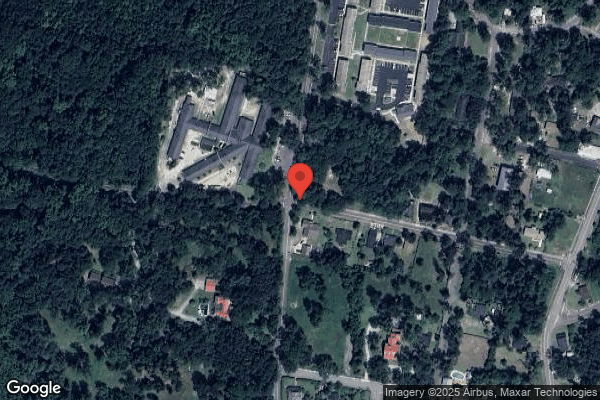

401 Witsell Street, Walterboro, SC 29488 (843) 549-5546
For profit - Corporation 132 Beds PRUITTHEALTH Data: November 2025 1 Immediate Jeopardy citation
Trust Grade
46/100
#97 of 186 in SC
Last Inspection: December 2024

Within standard 12-15 month inspection cycle. Federal law requires annual inspections.

Overview

PruittHealth-Walterboro has a Trust Grade of D, indicating below average performance with some significant concerns. Ranked #97 out of 186 facilities in South Carolina, they are in the bottom half of nursing homes in the state and are the second of two options in Colleton County, suggesting limited local alternatives. The facility is showing improvement, with the number of issues decreasing from 12 in 2023 to 8 in 2024, but still has a total of 26 deficiencies, including a critical incident where a blind, wheelchair-bound resident was discharged unsafely to an unoccupied home without proper support. Staffing is a relative strength, with a 31% turnover rate that is below the state average, but there are still average ratings for RN coverage and fines of $12,263, which are typical for facilities in the area. Other concerns include improper food storage practices that could affect residents' health and a lack of a qualified dietitian, which risks the nutritional status of many residents.

Trust Score
D
46/100
In South Carolina
#97/186
Bottom 48%
Safety Record
High Risk
Review needed
Inspections
Getting Better
12 → 8 violations
Staff Stability
○ Average
31% turnover. Near South Carolina's 48% average. Typical for the industry.
Penalties
✓ Good
$12,263 in fines. Lower than most South Carolina facilities. Relatively clean record.
Skilled Nurses
⚠ Watch
Each resident gets only 27 minutes of Registered Nurse (RN) attention daily — below average for South Carolina. Fewer RN minutes means fewer trained eyes watching for problems.
Violations
⚠ Watch
26 deficiencies on record. Higher than average. Multiple issues found across inspections.
★★★☆☆
3.0
Overall Rating
★★★☆☆
3.0
Staff Levels
★★★★★
5.0
Care Quality
★★☆☆☆
2.0
Inspection Score
Stable
2023: 12 issues
2024: 8 issues

The Good

  • 5-Star Quality Measures · Strong clinical quality outcomes
  • Full Sprinkler Coverage · Fire safety systems throughout facility
  • No fines on record
  • Staff turnover below average (31%)

    17 points below South Carolina average of 48%

Facility shows strength in quality measures, fire safety.

The Bad

3-Star Overall Rating

Near South Carolina average (2.8)

Meets federal standards, typical of most facilities

Staff Turnover: 31%

15pts below South Carolina avg (46%)

Typical for the industry

Federal Fines: $12,263

Below median ($33,413)

Minor penalties assessed

Chain: PRUITTHEALTH

Part of a multi-facility chain

Ask about local staffing decisions and management

The Ugly 26 deficiencies on record

1 life-threatening
Dec 2024 6 deficiencies
CONCERN (D)

Potential for Harm - no one hurt, but risky conditions existed

Deficiency F0553 (Tag F0553)

Could have caused harm · This affected 1 resident

**NOTE- TERMS IN BRACKETS HAVE BEEN EDITED TO PROTECT CONFIDENTIALITY** Based on review of the facility policy, record review, and interview, the facility failed to invite Resident (R) 65 to the initi...

Read full inspector narrative →
**NOTE- TERMS IN BRACKETS HAVE BEEN EDITED TO PROTECT CONFIDENTIALITY** Based on review of the facility policy, record review, and interview, the facility failed to invite Resident (R) 65 to the initial comprehensive care plan meeting for 1 of 4 residents reviewed for resident rights, to participate in planning care. Findings include: Review of the facility policy with a revised dated of 07/27/2023 titled, Care Plans revealed under the policy, Care plan meetings including interdisciplinary team, resident and or resident representative attendance should be documented in care conference notes. Record review of R65's face sheet revealed R65 was admitted to the facility on [DATE] from a sister facility with diagnoses that include but not limited to heart failure, hereditary spastic paraplegia and a pressure ulcer. Review of R65's admission Minimum Data Set (MDS) with an Assessment Reference Date (ARD) of 10/22/2024 revealed R65 has a Brief Interview Mental Status (BIMS) score of 15, indicating R65 is cognitively intact. During an interview on 12/16/2024 at 08:58 AM, R65 stated, They've not participated in a care plan with me since I came here. I do not have any family that would attend. I make all of my decisions. On 12/16/2024 at 10:26 AM, an interview with the MDS Nurse revealed, We mail out a letter to the family to invite them to attend. If the resident is alert and oriented, we can hold the meeting in the resident's room. Everyone who participates, we will have them all sign. We upload the signature sheet into the electronic medical record. The initial care plan meetings are completed by the Nurse Navigator, shortly after admission. I do not see it uploaded (referring to R65's care plan meeting). During an interview on 12/16/2024 at 10:31 AM, the Nurse Navigator stated, She got transferred to us, from a sister facility. I thought if she transferred to us, she continues the same Omnibus Budget Reconciliation Act (OBRA) assessment and it does not start new. On 12/16/2024 at 4:10 PM, an interview was conducted with both the MDS Nurse and the Nurse Navigator. They confirmed R65 was admitted in October. The Nurse Navigator said she reviewed the last care conference at the sister facility dated 08/06/2024. The MDS Nurse confirmed R65's OBRA assessment would start over and her quarterly assessment would not be due until mid January. The Nurse Navigator confirmed, We did not have a care plan meeting. She confirmed there was no documentation that a care plan meeting was held.
CONCERN (D)

Potential for Harm - no one hurt, but risky conditions existed

Incontinence Care (Tag F0690)

Could have caused harm · This affected 1 resident

**NOTE- TERMS IN BRACKETS HAVE BEEN EDITED TO PROTECT CONFIDENTIALITY** Based on review of the facility policy, interview, and record review, the facility failed to ensure incontinence care was provid...

Read full inspector narrative →
**NOTE- TERMS IN BRACKETS HAVE BEEN EDITED TO PROTECT CONFIDENTIALITY** Based on review of the facility policy, interview, and record review, the facility failed to ensure incontinence care was provided for 1 of 2 residents (R)61, requiring incontinence care. Findings include: Review of the facility policy titled, Assisting a Client with Bladder Incontinence referenced and adapted from National Institute on Aging 2022 revealed, A checklist identifies the steps needed to assist a person with bladder incontinence. There was no guidance of how often or when to perform bladder incontinence. Review of the facility policy titled, Documentation: Charting Activities of Daily Living (ADLs) revised 02/18/2021 revealed under the policy, For facilities utilizing Care Assist, ADL's should be documented at the point of care each time care is given. Record review of R61's facesheet revealed R61 was admitted to the facility on [DATE] with diagnoses that include but are not limited to heart failure, atrial fibrillation, hypertension and anxiety. Record review of R61's Quarterly Minimum Data Set (MDS) assessment with an Assessment Reference Date of 11/19/2024 revealed her cognitive status from a Brief Interview Mental Status (BIMS) as 11, indicating moderate cognitive impairment. Record review of Point of Care History dated 12/15/2024 revealed a section titled, Bowel and Bladder Coded in this area had 1 recording of incontinent care between 7am-7pm, which was recorded at 11:40 AM, as incontinent. Record review of Point of Care History dated 12/16/2024 revealed on Bowel and Bladder had 1 recording of incontinent care between 7am-7pm, which was recorded at 12:41 PM, as incontinent. Additionally, the question, How did the resident toilet, recorded Activity did not occur. On 12/15/2024 at 2:18 PM, during an interview with R61, she stated, Certified Nurse Assistant (CNA)2 said, You could tell they were not changed, they were wet through the sheets and pads. Mine were soaked all the way through this morning. That is the 1st time that has happened. On 12/16/24 at 10:57 AM during a second interview with R61, she stated, I've not been changed all morning. I'm wet. On 12/16/2024 at 12:08 PM, an interview with CNA1 revealed, When I come in, I do my vital signs first. I had 5 of them to do. Then I checked on 3 residents. R61 was not one of them. The breakfast trays came out at 7:50 AM. I did not go to her room until 11:20 AM this morning. R61 is incontinent. She was wet when I changed her. I should have checked on her earlier. On 12/17/2024 at 12:05 PM, an interview with CNA2 revealed, I worked Saturday and Sunday. Sunday, I had R61. R61 was saturated, it did go through the padding, she was over wet. I made a comment to my orientee with me that, They must have been short last night because this isn't the first resident that is saturated. Beside her, there were 4 residents with beds that were completely gone, soaked all the way through. I was in R61's room when I made that comment. I had to change everything. During an interview and observation with the Director of Nurses (DON) on 12/17/24 at 11:36 AM, when asked for a policy for incontinent care, this surveyor was given a description (used only a guide in performing the skill). The DON stated, That is all we have. The CNAs should check at minimum every 2 hours for incontinent care. During a follow up interview on 12/17/2024 at 2:04 PM with the DON revealed, The expectation is that the CNA receive assignments, do rounding, ensure they have their needs met; call bell, ice water, no brief change needed with the resident, and Activity of Daily Care (ADL) care before breakfast. Residents with early morning appointments are needed to get up first. Breakfast starts around 8:00 AM. They are to ensure each resident is dry when doing the AM rounds, on any shift.
CONCERN (D)

Potential for Harm - no one hurt, but risky conditions existed

Respiratory Care (Tag F0695)

Could have caused harm · This affected 1 resident

**NOTE- TERMS IN BRACKETS HAVE BEEN EDITED TO PROTECT CONFIDENTIALITY** Based on observations, interviews, record review and facility policy, the facility failed to ensure there was an order for chang...

Read full inspector narrative →
**NOTE- TERMS IN BRACKETS HAVE BEEN EDITED TO PROTECT CONFIDENTIALITY** Based on observations, interviews, record review and facility policy, the facility failed to ensure there was an order for changing respiratory supplies for Resident (R)109 for 1 of 1 residents reviewed for respiratory care. Findings include: Review of the facility's policy titled, Medication Administration: Nebulized Medications with revised date 12/13/2021 revealed, Policy Statement: It is the policy of PruittHealth Pharmacy that a method for the aerosolization of pharmacologic agents for administration via oral inhalation be provided. Procedure: 2.confirm directions, comparing with MAR or E-MAR. 15. Document the procedure. Review of R109's Electronic Medical Record (EMR) revealed R109 was admitted to the facility on [DATE] with diagnoses including but not limited to: Nasal congestion, acute cough, and anxiety disorder. Review of R109's Quarterly Minimum Data Set (MDS) with an Assessment Reference Date (ARD) date of 11/26/24 revealed a Brief Interview for Mental Status (BIMS) score of 15 out of 15, indicating R109's cognition is intact. Review of R109's Medication Administration Record (MAR) with a start date of 12/01/24 documented, Albuterol Sulfate solution for nebulization; 2.5 milligrams (mg) /3 milliliters (mL) (0.083 %); amt: one vial; inhalation. Special Instructions: Administer 1 vial as needed Q4H for cough. Review of R109's Physician Orders with a start date of 12/16/24 documented two new orders, Oxygen: Change respiratory circuit/supplies as needed. Oxygen: Change respiratory circuit/supplies weekly once a day on Sunday 9 am. During an observation on 12/15/24 at 11:16 AM, the nebulizer mask was observed on the bedside table. There was no order to change respiratory supplies. During an observation on 12/15/24 at 1:11 PM, nebulizer mask observed on bedside table. There was no order to change respiratory supplies. During an observation on 12/16/24 at 8:12 AM, nebulizer mask observed in a bag. There was no order to change respiratory supplies. During an observation on 12/16/24 at 3:44 PM, nebulizer mask is covered and there was no order to change respiratory supplies. During an interview on 12/16/24 at 3:45 PM Licensed Practical Nurse (LPN)1 stated that the nebulizer supplies are stored in bags and placed in drawer. LPN1 stated that they are usually changed weekly on Sunday. When asked if LPN1 saw an order in the chart to change supplies weekly in the computer, LPN1 stated I do not. During an interview on 12/16/24 at 3:57 PM, the Director of Nursing (DON) was asked when are nebulizer supplies changed. The DON stated that the respiratory supplies are changed weekly and as needed. When asked how a nurse knows to change the supplies, the DON stated there would be an order to alert the nurse. The DON was asked to look for the order and verbalized there was an order, however, the date of the ordered reflected it had been entered by LPN1 on 12/16/24 at 3:52 PM, after the interview with LPN1 on 12/16/24 at 3:45 PM.
CONCERN (D)

Potential for Harm - no one hurt, but risky conditions existed

Deficiency F0698 (Tag F0698)

Could have caused harm · This affected 1 resident

**NOTE- TERMS IN BRACKETS HAVE BEEN EDITED TO PROTECT CONFIDENTIALITY** Based on review of the facility policy, record reviews, and interviews, the facility failed to ensure that a snack was sent to d...

Read full inspector narrative →
**NOTE- TERMS IN BRACKETS HAVE BEEN EDITED TO PROTECT CONFIDENTIALITY** Based on review of the facility policy, record reviews, and interviews, the facility failed to ensure that a snack was sent to dialysis for 1 of 1 residents (R)107, reviewed for dialysis. Findings include: Review of the facility policy titled, Dialysis Care Pre and Post Dialysis revised 8/22/22 states Provide snack or meal as indicated to take with resident to dialysis. R107 was admitted to the facility on [DATE] with diagnoses including, but not limited to; end stage renal disease, dependence on renal dialysis and type 2 diabetes mellitus with hyperglycemia. On 12/16/24 at approximately 2:21 PM, a review of the EMR (electronic medical record) revealed that all Dialysis Center Communication forms state under the Long Term Care portion that no snack sent and under the Dialysis portion states no snack sent. On 12/16/24 at approximately 2:51 PM, during an interview, R107 stated, She gets dialysis at 5:30 AM on Monday, Wednesday, and Friday and has to leave before getting breakfast here in the facility. The facility staff does not send a snack with her, even though she has asked is told that ever since Covid, they do not sent snacks with dialysis residents. R107 stated, She frequently takes her own snack such as crackers or orders from Door Dash because she gets hungry. R107 stated her weight varies a lot because of her lymphedema and other than not getting the snack, she gets enough to eat from her personal supplies and feels that between her getting a supplement and once her wound heals that she will start gaining weight again. On 12/16/24 at approximately 3:37 PM the Director of Nursing (DON) when asked, stated if food of any kind is available for R107 to take to dialysis and she stated the Dialysis Center does not allow residents to eat at the Center. The DON acknowledged that R109 a physician order stating Snack sent with resident to dialysis to and the completed Dialysis Communication forms which documents no snack sent for both Long Term Care Center and for the Dialysis Center. When asked, stated the facility could prepare something for her to eat prior to leaving. On 12/17/24 at approximately 3:42 PM, the Dietary Manager stated snack bags for dialysis are made up and kept in the dietary refrigerator, but are not specific for any particular resident.
CONCERN (D)

Potential for Harm - no one hurt, but risky conditions existed

Deficiency F0761 (Tag F0761)

Could have caused harm · This affected 1 resident

**NOTE- TERMS IN BRACKETS HAVE BEEN EDITED TO PROTECT CONFIDENTIALITY** Based on observations, record review, interviews and facility policy, the facility failed to ensure medications were properly st...

Read full inspector narrative →
**NOTE- TERMS IN BRACKETS HAVE BEEN EDITED TO PROTECT CONFIDENTIALITY** Based on observations, record review, interviews and facility policy, the facility failed to ensure medications were properly stored for Resident (R)82 for 1 of 9 residents reviewed for accident hazards. Findings include: Review of the facility's policy titled, Self-Administration of Medications by Patients/Residents with revised date 01/28/20 revealed, Policy Statement: Each patient/resident who desires to self-administer medication is permitted to do so if they healthcare center's Licensed Nurse and physician have determined that the practice would be safe for the patient/resident and other patients/residents of the healthcare center .Procedure: 1. The opportunity to self-administer medications is reviewed during the routine assessment by the healthcare center's interdisciplinary team utilizing the Electronic Health Record Observation tool, Medication Self-Administration Observation. 2. If the patient/resident or family member desires to self-administer medications, an assessment is conducted by the Licensed Nurse to assess the individual's cognitive, physical, and visual ability to carry out this responsibility. Also, the resident or family member should, in conjunction with the facility nurse, utilize the Electronic Medical Record Observation tool, Medication Self-Administration Observation to complete the administration of the medication. 3. If the Licensed nurse determines the patient/resident or family member to be capable of self-administration of medications, the attending physician must write an order to that effect that includes the specific medications based off the Self-Administration Medication Observation. Review of R82's Electronic Medical Record (EMR) revealed R82 was admitted to the facility on [DATE] with diagnoses including but not limited to: Glaucoma with increased episcleral venous pressure, gastro-esophageal reflux disease without esophagitis and personal history of other malignant neoplasm of stomach. Review of R82's Orders revealed no self-administration order to have medications at bedside. Review of R82's admission Minimum Data Set (MDS) with an Assessment Reference Date (ARD) date of 12/20/24 revealed a Brief Interview for Mental Status (BIMS) score of 15 out of 15, indicating R82's cognition is intact. During an observation on 12/15/24 at 10:45 AM observed a clear plastic medication cup on the overbed table with a total of 11 pills. Resident stated he was not aware they were there. R82 was asked to press the call light. During an interview on 12/15/24 at 10:48 am Licensed Practical Nurse (LPN)1 entered the room to answer call light and was asked what they saw on the overbed table that should not be in the room. LPN1 stated pills. When asked how this happened it was reported that it slipped their mind to administer the medication and was a little disorganized with the agency's presence for the annual survey. LPN1 reported that this was not normal to leave medications at the bedside, but the medication had been brought in then LPN1 went to check the medication cart to ensure it was locked. This is when LPN1 was pulled to another resident and forgot to come back. LPN1 reported that they normally worked on the long-term hall and this was the rehabilitation hall. During an interview on 12/15/24 at 11:25 AM, the Director of Nursing (DON) reported that their expectations for medication administration was that medication should not be left at the bedside and the resident should be watched until they have been consumed. The DON stated that this is for both pills and prescribed creams.
CONCERN (F)

Potential for Harm - no one hurt, but risky conditions existed

Food Safety (Tag F0812)

Could have caused harm · This affected most or all residents

Based on review of facility policy, observations, and interviews, the facility failed to ensure foods stored in the main walk in refrigerator and freezer were labeled, dated and not expired. Additiona...

Read full inspector narrative →
Based on review of facility policy, observations, and interviews, the facility failed to ensure foods stored in the main walk in refrigerator and freezer were labeled, dated and not expired. Additionally, the bin in the kitchen contained flour with the scoop in the flour. This failure could potentially affect 114 residents who consume foods from the kitchen. Findings include: Review of the facility policy titled, Food Ordering, Receiving, and Storage, with a revised date of 06/14/2016, states, Date all stock items with a delivery date. There was no policy forthcoming regarding when to discard open items or freezer burnt foods. During an observation on 12/15/2024 at 10:26 AM, the following items were observed in the walk in refrigerator and freezer and verified by the Certified Dietary Manager (CDM): A package of American cheese, there was no label and no open date. A bag of freezer mixed vegetables, there was no label and no open date. A bag of meat patties, in an open bag contained in an opened box that appeared freezer burnt. The CDM stated, It looks freezer burnt. An observation in the kitchen on 12/15/2024 at approximately 10:45 AM revealed flour in a storage bin, with the scoop in the flour. The CDM stated, The scoop hangs above, it must have fallen in. An interview with the CDM on 12/18/2024 at 8:18 AM revealed, Every Friday, I do a full walk through from the kitchen, observing labels, everything. On the weekends, it is the AM and PM cook that are supposed to check the dates. Once a week, I have someone assigned to the coolers, to ensure everything is up to par. During an interview with the Administrator on 12/18/2024 at 8:45 AM, he stated, Typically, one of the first things I do is walk around, speak to everyone. They are making breakfast. I look at food storage for labels, etc. I heard about the expired items and no labels, they were all discarded. All foods should be labeled and dated so you know when to discard open food items.
Oct 2024 1 deficiency
CONCERN (D) 📢 Someone Reported This

A family member, employee, or ombudsman was alarmed enough to file a formal complaint

Potential for Harm - no one hurt, but risky conditions existed

Notification of Changes (Tag F0580)

Could have caused harm · This affected 1 resident

**NOTE- TERMS IN BRACKETS HAVE BEEN EDITED TO PROTECT CONFIDENTIALITY** Based on interview and record review, the facility failed to appropriately notify Resident (R)1's Resident Representative or Phy...

Read full inspector narrative →
**NOTE- TERMS IN BRACKETS HAVE BEEN EDITED TO PROTECT CONFIDENTIALITY** Based on interview and record review, the facility failed to appropriately notify Resident (R)1's Resident Representative or Physician after a change in condition for 1 of 3 reviewed for notification of changes. Findings include: An interview with the Administrator on 10/03/24 at approximately 12:15 PM revealed that the facility does not currently have a policy related to notification of changes, but relies on the Situation-Background-Assessment-Recommendation (SBAR) system for staff to notify changes to the Physician and their Resident Representative, if appropriate. Record review revealed R1 was admitted to the facility on [DATE] with diagnoses including but not limited to; moderate intellectual disabilities, vaginitis and vulvovaginitis in diseases, Urinary Tract Infection (UTI), and hematuria. Review of the Quarterly Minimum Data Set (MDS) with an Assessment Reference Date (ARD) of 07/11/24, revealed R1 has the Brief Interview of Mental Status (BIMS) score of 6 out of 15, which indicates a severe cognitive impairment. Record review of R1's Nurses Notes dated 07/25/24 at 5:37 PM revealed called to hospital for an update, resident transferred to hospital hemoglobin 3.2 referred to urology and oncology. An interview on 10/03/24 at 11:11 AM with Registered Nurse (RN)1 revealed that R1 had been having ongoing issues with blood in her urine. Interventions that were put into place included holding the resident's Eliquis (an anticoagulant medication), drawing labs, and R1 was referred to urology related to the bleeding. During the month of July 2024, R1 had on again and off again blood in her urine and then on 07/25/24, R1 appeared to have a change in condition and was sent to the hospital. RN1 stated that there was not a Nurses Note or SBAR communication related to the residents change in condition on 07/25/24 and the only note from that date was after the resident was transferred to the hospital. A phone interview on 10/03/24 at 11:34 PM with R1's Resident Representative (RR) revealed that they had ongoing concerns and spoke with facility staff about R1's bleeding initially at the end of June 2024. RR stated that the facility did not fully communicate that the resident was declining related to the bleeding. RR further stated that on 07/25/24, the facility had planned a care plan meeting related to R1 but called prior to the meeting and stated that the resident had a change of condition and was being sent to the hospital, but did not provide full details of the full situation. A phone interview on 10/03/24 at 12:57 PM with the Nurse Practitioner (NP) revealed that R1 recently had a yeast infection and was prescribed antibiotics and a topical treatment and it was later resolved. The NP stated, around the beginning of July or late June, R1 began to have some spotting, so I ordered labs to be completed which led to a finding of a positive UTI and then I ordered for staff to stop administering the resident Eliquis. I went in to see R1 several times during the month of July, however, during each observation the resident did not have any bleeding during the assessments. The NP then stated that they were unsure if they were notified appropriately when the resident had changes and increased bleeding and were unsure if all the labs were completed on R1 as requested, because some orders were provided to staff verbally. Record review of R1's labs revealed that labs were completed on R1 on 06/11/24, 06/27/24, 06/28/24, 07/09/24, and 07/11/24. An interview on 10/03/24 at 1:25 PM with the Director of Nursing (DON) revealed that they never observed the resident bleeding and there is not a way in the Electronic Medical Record to fully document how much blood the resident had during this time period, but expected staff to document in the SBAR about a change in condition to notify the Physician and Resident Representative. Interview with the DON further revealed that they were unable to locate appropriate documentation related to the change of condition for R1 on 07/25/24.
Feb 2024 1 deficiency
CONCERN (D) 📢 Someone Reported This

A family member, employee, or ombudsman was alarmed enough to file a formal complaint

Potential for Harm - no one hurt, but risky conditions existed

Medication Errors (Tag F0758)

Could have caused harm · This affected 1 resident

**NOTE- TERMS IN BRACKETS HAVE BEEN EDITED TO PROTECT CONFIDENTIALITY** Based on observations, record reviews, interviews and review of the manufacturer's package insert, the facility failed to ensure...

Read full inspector narrative →
**NOTE- TERMS IN BRACKETS HAVE BEEN EDITED TO PROTECT CONFIDENTIALITY** Based on observations, record reviews, interviews and review of the manufacturer's package insert, the facility failed to ensure that Resident (R)1 was free of unnecessary psychotropic medications for 1 of 6 residents reviewed for unnecessary medications. Findings include: R1 was admitted to the facility on [DATE] with diagnoses including but not limited to mild neurocognitive disorder due to known physiological condition without behavioral disturbance, anxiety, restlessness and agitation and had experienced multiple falls, while in the facility. On 2/6/24 at approximately 12:15 PM, a review of the medical record for R1 revealed that the facility's Physician's Assistant (PA) on 11/29/23 placed R1 on Seroquel 12.5 milligram (mg) hs (bedtime) for mild neurocognitive disorder due to known physiological disturbance without behavioral disturbance. Further review revealed that the resident had not been prescribed Seroquel in October, 2023, but on 11/17/23 the LifeSource Nurse Practitioner had recommended Quetiapine 12.5 mg for mild neurocognitive disorder due to known physiological condition without behavioral disturbance at bedtime. Further medical record review showed a Consultant Pharmacist Communication to Physician (Medical Director), dated 12/6/23 stating : RE: CMS (Centers for Medicare and Medicaid Services) -F758: ANTIPSYCHOTIC DIAGNOSIS-JUSTIFICATION FOR USE On 11/29/23, R1 was started on the lowest possible dose of Seroquel 12.5 mg po (by mouth) q (every) HS for diagnosis of F06.70 Mild neurocognitive disorder due to known psychological condition without behavioral disturbance. Given increased risk of adverse effects and CMS limitations on antipsychotic use in elderly, consider discontinuation and using alternate therapy if appropriate. For example, if used primarily for insomnia/ anxiety, consider using Melatonin or Trazodone. The facility PA's written response was based on marked improvement with this, would await 4 (for) consultation. Further review of the medical record showed that Seroquel 12.5 mg was discontinued on 12/9/23. Between 11/29/23 and 12/9/23, a total of 7 doses of Seroquel 12.5 mg were administered at bedtime on 11/29/23, 11/30/23, 12/1/23, 12/2/23, 12/5/23, 12/6/23 and 12/7/23. R1 was readmitted from the hospital on [DATE] subsequent to a fall, with Seroquel 12.5 mg on hold 12/3/23 and 12/4/23, while R1 was in the hospital. On 2/6/24 at approximately 12:30 pm, a review of the F.D.A. (Food & Drug Administration) approved package insert for Seroquel, revised 1/4/22 revealed that the indications for Seroquel are Schizophrenia, Bipolar Disorder and Major Depressive Disorder. On 2/6/24 at approximately 12:40 pm, further review of R1's medical record revealed a LifeSource, Inc. Psychiatry Follow Up note dated 1/16/24 recommending starting R1 on Seroquel 25mg q hs for agitation/increased anxiety. On 2/6/24 at approximately 1:10 pm, further review of R1's medical record progress notes dated 1/29/24 revealed R1 had been seen by psychiatric service (LifeSource) and the DHS/DON (Director of Health Services/Director of Nursing) contacted the daughter of R1, who stated she does not want her mother to start on Seroquel due to anticholinergic reaction in the past and the PA was made aware of changes. On 2/6/24 at approximately 1:20 PM, the DHS/DON stated that R1's daughter had been called because LifeSource was considering putting R1 back on Seroquel and it is her standard procedure to contact the family about a new order. On 2/6/24 at approximately 3:15 pm, further review of R1's medical record revealed that on 1/25/24 the Medical Director prescribed Seroquel (quetiapine) tablet; 25 mg; Amount to Administer: ONE TAB; oral At Bedtime for unspecified mood (affective) disorder. Further review of the January 2024 MAR (medication administration record) revealed that R1 received a total of 4 doses on 1/25/24, 1/26/24, 1/25/24 and 1/28/24 and that Seroquel 25mg hs was discontinued on 1/29/24. On 2/6/24 at approximately 1:57 pm, during a telephone interview, the daughter of R1 stated, her mother was on Seroquel while in the hospital prior to admission and had difficulty urinating, which may or may not have been related to Seroquel, but it was suspect. On 2/6/24 at approximately 2:11 pm, during a telephone interview, the PA stated, 'He was uncertain as to why R1 was originally placed on Seroquel in November 2023 and stated he would review her record once he was home and advise. He stated sometimes LifeSource recommendations are days late getting to him or the doctor and that he had not seen any recent recommendations from LifeSource. He also stated he was aware of the CMS guidelines related to appropriate use of Seroquel for schizophrenia and bipolar disorder and thought it was okay to prescribe for R1. On 2/6/24 at approximately 2:52 PM, the PA returned call to the Surveyor and stated that the November order for Seroquel had been prescribed (recommended) by the LifeSource NP (Nurse Practitioner) because the facility had called the Medical Director about R1's behaviors that were causing disturbances and R1 had been placed on Seroquel at that time. PA stated that he had seen and initialed the LifeSource recommendation dated 1/16/24 to start the resident on Seroquel 25mg hs for agitation/increased anxiety, but he had not prescribed it because of the daughter's concern about side-effects. On 2/7/24 at approximately 10:08 AM, the facility's Nurse Consultant stated that the Medical Director and PA had agreed to the 11/29/23 order for Seroquel 25 mg hs and the order was entered in error in the dropdown box under LifeSource NP name as the prescriber and that steps had been taken to prevent a future occurrence. Also, stated that LifeSource NP recommends to the physician and does not prescribe. On 2/7/24 at approximately 1:18 PM, during a telephone call, the Medical Director confirmed that she knew about the Seroquel black box warning and the need for an approved diagnosis (e.g. schizophrenia, bipolar) as well as mentioning the difficulty in selecting a drug that will control behaviors in elderly residents especially when off label use is common. She asked about psychiatric findings and was told that Seroquel had been recommended by LifeSource NP. The surveyor made her aware of an earlier interview with the PA on 2/7/24 where he thought the stated diagnosis was okay.
Mar 2023 12 deficiencies 1 IJ
CRITICAL (J) 📢 Someone Reported This

A family member, employee, or ombudsman was alarmed enough to file a formal complaint

Immediate Jeopardy (IJ) - the most serious Medicare violation

Deficiency F0624 (Tag F0624)

Someone could have died · This affected 1 resident

Based on interviews, record review, and review of facility policy, the facility failed to provide and document sufficient preparation and orientation to a resident to ensure safe and orderly discharge...

Read full inspector narrative →
Based on interviews, record review, and review of facility policy, the facility failed to provide and document sufficient preparation and orientation to a resident to ensure safe and orderly discharge from the facility for one of three residents reviewed for discharge. Specifically, Resident (R)267, nor his representative was adequately prepared or counseled per facility policy and discharged unsafely. During interviews and document review conducted during a Recertification/Complaint survey on 03/27/23 through 03/30/23, it was identified that R267, was involuntary discharged to a locked private residence unaccompanied, after being sent to a scheduled physician's appointment. R267 is blind, a bilateral below the knee amputee, and is wheelchair bound. The facility had been informed by R267's family that the residence would be unoccupied and there would not be anyone there to take care of R267. This placed the resident at significant risk of harm and/or death. On 03/29/23 at 10:38 PM, the Administrator was notified of the Immediate Jeopardy (IJ) at F624: Orientation for Transfer and Discharge, related to the failure to ensure a safe and orderly discharge was conducted for R267. The IJ at F624 was determined to exist on 03/10/23, the date when R267 was dropped off at his representative's residence and left unattended. There was no one at the residence nor did R267 have any of his belongings, including medications. The facility provided an acceptable removal plan on 03/30/23 at 3:38 PM, indicating a plan was put into place to remove the immediacy. Staff interviews, record reviews, policy and procedure reviews, and review of the training and education was completed during the survey to verify the immediate corrective actions taken by the facility. The IJ was removed on 03/30/23. The deficient practice remained at F624 at a lower scope of a D. Findings include: Review of the facility policy titled, Involuntary Transfers and Discharges with a review date of 12/07/22, revealed The healthcare center must develop a plan to provide assistance in finding a reasonably appropriate alternative placement for the patient prior to their proposed discharge date . The healthcare center must: counsel the patient, guardian and/or representative regarding available community resources; inform the Ombudsman of the patient's discharge; and Assist in arranging for the patient's transfer. Review of R267's Face Sheet revealed an admission date of 11/11/22, with medical diagnoses that included, orthopedic aftercare following surgical amputation, acquired absence of right leg below the knee, legal blindness, acquired absence of left leg below the knee, and type 2 diabetes mellitus. Review of R267's admission Minimum Data Set (MDS) with an Assessment Reference Date (ARD) of 11/11/22, revealed R267's Brief Interview for Mental Status (BIMS) score of a 15 out of 15 indicating R267 was cognitively intact. Further review of R267's MDS indicated the resident required assistance with transferring and incontinence care. Review of R267's Census Report dated 03/10/23 confirmed R267 left for a therapeutic leave-physician appointment at 10:55 AM, further review of the Census Report revealed R267's census report was changed to discharge at 11:00 AM. Review of a Social Service Director (SSD) note dated 03/06/23 revealed SSD called resident's sister about resident [R267] having a 30-day discharge notice sent out by the business office. Review of a SSD note dated 03/07/23 revealed R267 has a discharge to go home this week. Has a 30-day discharge notice. Refuses to pay to be here. SSD, the business office, [sic] and went to visit with resident [R267] about the discharge and where the resident [R267] would be going and the resident [R267] said, He will discharge to home with his sister and his mother . Review of a SSD note, dated 03/07/23, documented .called a medical transport to take resident [R267] home after dialysis and was told they can't take him home from dialysis by wheelchair unless resident [R267] pays. SSD was given the phone number of a medical transport and they won't take resident [R267] home, because they can't take someone home from a nursing home. SSD informed the Administrator about it, and the facility van would have to take him home after dialysis. Review of a SSD note, dated 03/08/23, revealed SSD called back the dialysis center to let them know of change of discharge date of Friday, 03/10/23 going home instead of Thursday. Resident's sister called back and wanted the date switched over to Friday and she will pick him up on Friday, 03/10/23 to take home. Review of a SSD note, dated 03/08/23, revealed received a call from residents' sister to inform her of her brother coming home tomorrow, then call was transferred over to the Business office. Review of a SSD note, dated 03/08/23, revealed called the dialysis center to let them know resident [R267] would be going back home on tomorrow and they said, they will switch him over to the dialysis center located on [address of dialysis facility] and they will set up transportation for R267 to get there beginning on Saturday. Review of Nurses Notes dated 03/10/23, revealed a facility staff nurse called the transportation office, and verified the resident was dropped off at a private residence. Resident's [R267] personal belongings, medications, and discharge paperwork are still at the facility. The facility nurse called resident [R267] at listed number with no answer, voice mail was left for resident [R267] to call back. Review of all SSD and facility nurses' notes revealed R267, neither his representative was adequately prepared nor counseled per facility policy and R267 was discharged unsafely. R267 sister (representative) was not made aware of discharge planning until 03/10/23. During an interview on 03/28/23 at 10:54 AM, Licensed Practical Nurse (LPN)1, when asked about R267's discharge, LPN1 responded the way he left was not the proper way. During an interview on 03/28/23 at 12:24 PM, the Office Manager of the medical transportation company, confirmed R267 had a scheduled pick up from the facility on 03/10/23 at 10:45AM, for a noon doctor's appointment, that the resident was discharged , and is to be dropped off at his home address. The resident was dropped-off at the home residence at 12:50 PM. The Office Manager confirmed R267 was dropped off with none of his belongings. During an interview with R267's sister on 03/28/23 at 11:52 AM, she stated a young lady from the facility said that a notification was sent in the mail which I never received. The sister further confirmed, on the morning of 03/10/23, she was notified that R267 would be coming home. The sister expressed that she was trying to explain that no one would be home to take care of R267 and that she was looking for an alternative placement. The Administrator proceeded to tell her she had until 3:00 PM and unless she had $3000, R267 was out. In the same interview, the sister confirmed that she had called the medical transportation company and was told that the Administrator had arranged for R267 to be dropped off at her home. During an interview with the SSD on 03/28/23 at 2:50 PM, the SSD stated R267 was given a 30-day discharge notice for failure to pay. The plan was the sister was going to pick up R267 on Friday, 03/10/23. When asked about why discharge planning did not start until 03/06/23 the SSD stated, the facility was trying to work with the resident to resolve his financial problems. During an interview with the Director of Health Services (DHS) on 03/28/23 at 3:02 PM, she stated, I know that the resident was to be discharged on a specific day and his sister informed the facility she could not pick him up. The DHS added, R267's sister was informed by the Administrator that R267 had an appointment close to his home and that the facility would arrange for the resident to be dropped off at home. The sister had informed the Administrator that no one would be home and that she was still looking for a suitable place for R267 to be discharged to and would call back. Before the sister called back, R267 was dropped off. DHS further confirmed, R267 was discharged without any discharge information or medications. DHS stated, the expectation of facility staff is to properly discharge all residents safely and according to facility policy. During an interview with the transportation company driver on 03/28/23 at 4:33 PM revealed, the driver waited with R267 for thirty minutes and then left. The transportation driver then returned, but R267 was not at the residence. The resident was dropped off without any of his belongings, medications, or supervision. During an interview on 03/28/23 at 7:23 PM, the Administrator stated, It was not an ideal way of a discharge. Normally we do a superb job with our discharge planning. During an interview on 03/29/23 at 3:58 PM, the Physician Assistant (PA) stated R267 was not discharged safely.
CONCERN (D)

Potential for Harm - no one hurt, but risky conditions existed

Deficiency F0554 (Tag F0554)

Could have caused harm · This affected 1 resident

**NOTE- TERMS IN BRACKETS HAVE BEEN EDITED TO PROTECT CONFIDENTIALITY** Based on observation, interview, and record review, the facility failed to determine if self-administration of nebulizer treatme...

Read full inspector narrative →
**NOTE- TERMS IN BRACKETS HAVE BEEN EDITED TO PROTECT CONFIDENTIALITY** Based on observation, interview, and record review, the facility failed to determine if self-administration of nebulizer treatments was safe and clinically appropriate for two (Residents (R)97 and R41) of 35 sampled residents. This failure placed the residents at risk for inappropriate and unsafe medication use. Findings include: Review of a facility policy titled, Self-Administration of Medication by Patients/Residents, revised 01/28/20, indicated, Each patient/resident who desires to self-administer medication is permitted to do so if the healthcare center's Licensed Nurse and physician have determined that the practice would be safe for the patient/resident . Medication self-administration also applies to family members who wish to administer medication. Review of an undated facility policy titled, Procedure: Small-Volume Nebulizer, detailed, Position the resident in the semi-Fowler's position or higher. The nebulizer must be in a vertical position when the mouthpiece is being used. The unit will not nebulize properly if the unit is tilted too much. 1. Review of R97's undated Resident Face Sheet, located in the resident's electronic medical record (EMR) under the Resident tab revealed the resident was admitted to the facility on [DATE] with diagnoses including personal history of other diseases of the respiratory system, Review of R97's annual Minimum Data Set (MDS) with an Assessment Reference Date (ARD) of 01/16/23, revealed a Brief Interview for Mental Status (BIMS) score of zero out of 15, indicating R97 was severely cognitively impaired. During an observation and concurrent interview on 03/27/23 at 5:16 PM, Resident Representative (RR)1 was standing at the bedside holding a nebulizer mask to R97's face. R97 was lying horizontally in the bed with his face and torso facing up. There were no staff present during this observation. RR1 stated When I'm here, I hold his breathing treatment because he will remove his mask. They [staff] come in and put the medicine in it and I hold it to his face. During an interview on 03/27/23 at 5:27 PM, Licensed Practical Nurse (LPN)1 stated, RR1 comes in the afternoons and helps with the breathing treatment because he won't leave the mask on his face. LPN1 stated, that she loaded the albuterol sulfate solution in the nebulizer reservoir and left RR1 in the room to administer the medication. During a follow-up observation and concurrent interview on 03/27/23 at 5:39 PM, RR1 stated R97 had completed the breathing treatment, and she had removed the nebulizer mask off his face, and from around his head. R97's nebulizer mask was visualized lying on the bedside table. When asked if RR1 had been instructed on the procedure of administering nebulizer treatments, RR1 stated, No, I just do it while I'm here because he will remove the mask if I don't. Review of R97's Orders revealed, an order dated 3/26/23, for albuterol sulfate solution for nebulization; 2.5 mg [milligrams]/3 mL [milliliters]; amt[amount]: 3 mL (one vial); inhalation . Every 6 hours . Continued review of R97's EMR revealed the absence of a physician's order for self-administration of medication. Review of R97's March 2023 Medication Administration Record (MAR) revealed R97 received the albuterol sulfate solution as ordered. 2. Review of R41's undated Resident Face Sheet, tab revealed the resident was admitted to the facility on [DATE] with diagnoses including chronic obstructive pulmonary disease, acute and chronic respiratory failure. Review of R41's quarterly MDS with an ARD of 03/02/23, revealed a BIMS score of 15 out of 15, indicating R41 was cognitively intact. During an observation and concurrent interview on 03/27/23 at 5:21 PM, R41 was lying horizontally in the bed with her face and torso facing up, performing her nebulizer treatment. There were no staff present during this observation. When asked about the nebulizer treatment, R41 stated, they get it [nebulizer medication] ready for me and I do it from there. Review of R41's Orders revealed, an order dated 01/26/23, for ipratropium-albuterol solution for nebulization; 0.5 mg-3mg (2.5 mg base)/3 mL; amt: One vial; inhalation .One vial every six hours . continued review of R41's EMR revealed the absence of an order for self-administration of medication. Review of R41's March 2023 MAR revealed R41 received the ipratropium-albuterol solution as ordered. An interview was conducted on 03/28/23 at 2:21 PM with LPN1. When asked about the facility's policy on patients self-administering of medication, she stated, I don't know. When asked how staff are aware if a patient can self-administer their medication, she stated, I'm not sure. LPN1 confirmed that she left the room while RR1 was administering R97's nebulizer treatment and while R41 was self-administering her nebulizer treatment, stating, there's no way I have time to spend 15 minutes in each room while their [residents] breathing treatment is going. LPN1 also confirmed that R97 and R41 did not have a physician's order to be able to self-administer medications. During an interview conducted on 03/28/23 at 2:39 PM with Director of Health Services (DHS), she stated, the facility's policy on self-administration of medications the resident must have the capability to administer their own medications confirmed by return demonstration. The DHS stated the staff is aware that a patient can self-administer medications if the physician's order states they can self-administer. The DHS confirmed that R97 and R41 did not have physician's orders to self-administer medications. The DHS also confirmed that both R97 and R41 both had been evaluated for self-administration of medications and both residents were deemed unable to self-administer. When asked if family members of residents may administer medications, DHS stated, no. The DHS stated, nurses should remain in the room when nebulizer treatments are being administered. Review of documents provided by the DHS, obtained from printouts from her office computer titled, Self-Administration of Medication revealed R97 was evaluated on 04/20/22 by an LPN and was deemed not appropriate to self-administer any medications. Further review of this document revealed, R41 was evaluated on 01/20/23 by a registered nurse (RN) and was deemed not appropriate to self-administer any medications.
CONCERN (D) 📢 Someone Reported This

A family member, employee, or ombudsman was alarmed enough to file a formal complaint

Potential for Harm - no one hurt, but risky conditions existed

Free from Abuse/Neglect (Tag F0600)

Could have caused harm · This affected 1 resident

**NOTE- TERMS IN BRACKETS HAVE BEEN EDITED TO PROTECT CONFIDENTIALITY** Based on interviews, record reviews, and review of the facility's policy, the facility failed to ensure two (Residents (R)37 and...

Read full inspector narrative →
**NOTE- TERMS IN BRACKETS HAVE BEEN EDITED TO PROTECT CONFIDENTIALITY** Based on interviews, record reviews, and review of the facility's policy, the facility failed to ensure two (Residents (R)37 and R48) of four residents reviewed for abuse were free from physical abuse, when R37 and R48 had a physical altercation that resulted in a minor injury for both residents. This deficient practice placed R37 and R48 at potential risk for further physical abuse. Findings include: Review of the policy titled, Abuse, Neglect and Exploitation, last revised 09/20/19 and provided by the facility revealed, It is the policy of this facility to actively preserve each patient's 'right to be free from verbal, sexual' physical, and mental abuse, neglect, exploitation, and misappropriation of patient property in this policy as abuse' neglect mistreatment, and exploitation).The facility should assure that best efforts are made to prevent any occurrences of any form of abuse, neglect and exploitation. Review of the facility investigation dated 10/16/22 revealed R37 wandered into R48's room and he yelled at her to get out. R37 then struck R48 (no details of where he was struck). R48 then pulled R37's hair. An unknown Certified Nurse Aide (CNA) witnessed the incident and separated the residents. The report did not include any further information. The facility did not take any action when the incident between R48 and R37 occurred. 1.Review of the undated admission Record revealed R48 was admitted to the facility on [DATE]. Diagnoses included the following: Difficulty in walking, not elsewhere classified, other lack of coordination, other abnormalities of gait and mobility, anxiety disorder, and Rheumatoid arthritis. Review of R48's Care Plan dated 06/08/22 indicated R48 had a history of episodes of outburst/yelling. Interventions included to encourage resident to use call bell, call for assist when peers enter room uninvited. Remind not to touch others. During an interview on 03/28/23 at 9:02 AM, R48 was alert and answered questions appropriately. R48 stated, he did not remember pulling another resident's hair or having any altercations with R37. 2.Review of the undated admission Record revealed R37 was admitted to the facility on [DATE]with diagnoses including dementia without behavioral disturbance, psychotic disturbance, mood disturbance, and anxiety disorder. Review of the quarterly Minimum Data Set (MDS) with an assessment reference date (ARD) of 01/21/22 revealed R37's Brief Interview of Mental Status (BIMS) score was seven out of 15 indicating the resident was severely cognitively impaired. R37 was documented as exhibiting behaviors, and required extensive assistance from one person for transfers, dressing and toilet use and limited assistance for personal hygiene. The resident did not walk during the assessment period and was unsteady and only able to stabilize with assistance for moving from seated to standing position and moving on and off the toilet. Review of R37's Care Plan dated 08/03/22 indicated Resident experiences wandering in and out of peer's rooms, yelling at times. Interventions included to divert with snacks and activities. During an interview with Licensed Practical Nurse (LPN)1 on 3/28/23 at 1:15 PM, LPN1 stated she did not recall R48 and R37 having any issues including physical altercations. During an interview with the Director of Health Services (DHS) on 3/28/23 at 1:20 PM, the DHS stated she was unaware of any altercations or abuse between R37 and R48. She said she would have followed up on the incident and ensured no other altercations were likely to occur. During an interview on 03/28/23 at 1:31 PM, the Administrator said there was no issues because it happened and witnessed so there was nothing else that should have been done. He could not provide the name of the witness, or any actions put in place to prevent abuse from happening again. The Administrator said no abuse occurred it was just a one-time incident where neither resident was injured.
CONCERN (D) 📢 Someone Reported This

A family member, employee, or ombudsman was alarmed enough to file a formal complaint

Potential for Harm - no one hurt, but risky conditions existed

Investigate Abuse (Tag F0610)

Could have caused harm · This affected 1 resident

**NOTE- TERMS IN BRACKETS HAVE BEEN EDITED TO PROTECT CONFIDENTIALITY** Based on interview, record review and policy review, staff failed to investigate an allegation of abuse for two of four resident...

Read full inspector narrative →
**NOTE- TERMS IN BRACKETS HAVE BEEN EDITED TO PROTECT CONFIDENTIALITY** Based on interview, record review and policy review, staff failed to investigate an allegation of abuse for two of four residents (R)37 and R48 reviewed for abuse out of a total sample of 35 residents. R37 wandered into R48's room he yelled at her to get out and she struck him, he then pulled her hair, and the residents were separated. Findings include: Review of the Abuse, Neglect and Exploitation policy last revised 09/20/19 and provided by the facility revealed, It is the policy of this facility to investigate allegations of abuse, neglect, exploitation, mistreatment, and misappropriation pf patient property. The Administrator is responsible for assuring that an accurate and timely investigation is completed. Documentation includes date and time of the alleged occurrence, names of accused, and any witnesses. Details of the alleged incident and injury. Signed statements from pertinent parties, cognitive status of victims e.g., whether they are alert and able to answer questions. Review of the R48's undated admission Record revealed R48 was admitted to the facility on [DATE]. Diagnoses included the following: Difficulty in walking, lack of coordination, abnormalities of gait and mobility, anxiety disorder, and rheumatoid arthritis. Review of R37's undated admission Record revealed R37 was admitted to the facility on [DATE]with diagnoses including dementia without behavioral disturbance, psychotic disturbance, mood disturbance, and anxiety disorder. During an interview with Licensed Practical Nurse (LPN)1 on 3/28/23 at 1:15 PM, LPN1 stated, she did not recall R48 and R37 having any issues including physical altercations. During an interview with the Director of Health Services (DHS) on 3/28/23 at 1:20PM, the DHS stated she was unaware of any altercations or abuse between R37 and R48. The DHS added, she would have followed up on the incident and ensured statements were taken from staff working and completed an investigation. Review of the facility's investigation dated 10/16/22, revealed it did not include any investigation into the incident. The two pages included: R37 wandered into [R48's] room, he yelled at her to get out and she struck him (unknown where she struck him). He then pulled her hair, and an unknown staff separated the residents. There were no witness statements and no investigation in the report. During an interview on 03/28/23 at 1:31 PM, the Administrator said there was no issues because it happened and was witnessed so there was nothing else that should have been done. He could not provide the name of the witness, or any actions put in place to prevent abuse from happening again. The Administrator stated there was nothing to investigate because R48 and R37 had a witnessed altercation, and they were separated. He did not take statements or complete a thorough investigation.
CONCERN (D)

Potential for Harm - no one hurt, but risky conditions existed

Transfer Notice (Tag F0623)

Could have caused harm · This affected 1 resident

Based on interviews, record review, and review of facility policy, the facility failed to notify the ombudsman for one (Resident (R) 267) of two residents reviewed for discharge. Specifically, the Omb...

Read full inspector narrative →
Based on interviews, record review, and review of facility policy, the facility failed to notify the ombudsman for one (Resident (R) 267) of two residents reviewed for discharge. Specifically, the Ombudsman was never contacted, and informed of R267's discharge plan. Findings include: Review of the facility policy titled, Involuntary Transfers and Discharges reviewed on 12/07/22, revealed . Inform the Ombudsman of the patient's discharge; and 3. Assist in arranging for the patient's transfer. Review of R267's Face Sheet revealed an admission date of 11/11/22, with medical diagnoses that included, orthopedic aftercare following surgical amputation, acquired absence of right leg below the knee, legal blindness, acquired absence of left leg below the knee, type 2 diabetes mellitus. Review of R267's admission Minimum Data Set (MDS) with an Assessment Reference Date (ARD) of 11/11/22, revealed R267's Brief Interview for Mental Status (BIMS) score is a 15 out of 15 indicating R267 was cognitively intact. Review of R267's Census Report dated 03/10/23 confirmed R267 left for a therapeutic leave-physician appointment at 10:55 AM. Further review of the Census Report revealed the report was changed to discharge at 11:00 AM. During an interview with the Social Service Director (SSD) on 03/28/23 at 2:50 PM, R267 was given a 30-day discharge notice for failure to pay. When asked about why discharge planning did not start until 03/06/23, the SSD stated, the facility was trying to work with the resident to resolve his financial problems and the Ombudsman was never contacted. A review of all Social Services notes and interviews confirmed the facility Ombudsman was never contacted.
CONCERN (D)

Potential for Harm - no one hurt, but risky conditions existed

ADL Care (Tag F0677)

Could have caused harm · This affected 1 resident

**NOTE- TERMS IN BRACKETS HAVE BEEN EDITED TO PROTECT CONFIDENTIALITY** Based on observation, record review, and interview, the facility failed to ensure that one Resident(R)48, of 35 residents observ...

Read full inspector narrative →
**NOTE- TERMS IN BRACKETS HAVE BEEN EDITED TO PROTECT CONFIDENTIALITY** Based on observation, record review, and interview, the facility failed to ensure that one Resident(R)48, of 35 residents observed for activities of daily living, was offered/provided assistance with removal of facial hair as scheduled. Findings include: Review of the facility's policy titled, Activities of Daily Living (ADLs) with a revision date of 02/18/21, revealed, It is required for ADL care given by CNAS (certified nurse aides) and nurses to be documented under Care Assist in patient's/resident's EHR (Electronic Healthcare Record) Procedure: Daily observation of the patient/resident ADLS' on each shift. The nurse shall review the ADL documentation. Review of the undated admission Record revealed R48 was admitted to the facility on [DATE], with diagnoses including peripheral vascular disease, atherosclerotic heart disease of native coronary artery without angina pectoris, muscle weakness, difficulty in walking, lack of coordination, abnormalities of gait and mobility, and rheumatoid arthritis. Review of the quarterly Minimum Data Set (MDS) with an assessment reference date (ARD) of 01/23/23, revealed R48 had a Brief Interview for Mental Status (BIMS) score of six out of 15, which indicated the resident was severely cognitively impaired. The resident did not exhibit any behaviors during the assessment period. R48 required assistance for ADLs, including dressing, personal hygiene and was dependent for toilet use and bath. During an observation and interview on 03/27/23 at 5:22 PM, R48 stated he needs to be shaved, the hair on his face was bothering him, but no one would shave him. R48 was observed unshaven during the interview. On 03/28/23 at 9:02 AM, R48 was observed lying in bed, his eyes closed, and unshaven. On 3/28/23 at 1:27 PM, Licensed Practical Nurse (LPN)1 stated, residents get shaved on Sunday, Wednesday, and Friday. However, she did not know when R48 was last shaved. On 03/29/23 at 11:39 AM, the Director of Health Services (DHS) stated her expectation were shaving/ ADL care should be completed two times per week and more often if needed and a resident request a shower or shave. She said her expectation was residents who ask for assistance should receive assistance.
CONCERN (D)

Potential for Harm - no one hurt, but risky conditions existed

Deficiency F0688 (Tag F0688)

Could have caused harm · This affected 1 resident

**NOTE- TERMS IN BRACKETS HAVE BEEN EDITED TO PROTECT CONFIDENTIALITY** Based on observations, interviews, record review, and policy review, the facility failed to ensure that one Resident (R)27, of t...

Read full inspector narrative →
**NOTE- TERMS IN BRACKETS HAVE BEEN EDITED TO PROTECT CONFIDENTIALITY** Based on observations, interviews, record review, and policy review, the facility failed to ensure that one Resident (R)27, of three residents reviewed for range of motion, received consistent range of motion services to prevent reduction in range of motion. Specifically, R27 was not consistently provided with a splint and passive range of motion (PROM) ordered as part of a restorative nursing program. Findings include: Review of the facility policy titled, Restorative Nursing Program revised 11/04/21 revealed It is the policy of this healthcare center to provide restorative nursing which actively focuses on achieving and maintain optimal physical, mental, and psychological functioning and wellbeing of the patient/resident . Restorative nursing program is under the supervision of a Registered Nurse (RN) or a Licensed Practical Nurse (LPN) and restorative nursing services are provided by Restorative Nursing Assistants (RNAs), Certified Nursing Assistants (CNAs), and other qualified staff. Nursing assistants/aides must be trained in the techniques that promote resident involvement in the activity.The Policy applies to all Pruitthealth-affiliated healthcare centers that provide a Restorative program. Definitions include: Restorative nursing program refers to nursing interventions that promote the residents' ability to adapt and adjust to living as independently and safely as possible. Passive Range of Motion (PROM)- movements in order to maintain flexibility and useful motion in the joints of the body Splint or brace assistance- verbal and physical guidance and direction that teaches the resident how to apply, manipulate, and care for a brace or splint; or a scheduled program of applying and removing a splint or brace. Screening and Care Planning: A nurse will complete Restorative Nursing Screening tool observation in the electronic medical record (EMR) or paper form within the first few days of admission, readmission, and when decline is noted in patient/resident's ADL abilities. 2. Determine appropriate restorative services based on the screening. Complete Interdisciplinary Referral to Rehab Services observation in the EMR or paper form, as indicated. 3. Develop a care plan for each restorative service with: Measurable goal(s), Individualized interventions .5. Restorative Nurse, in collaboration with the interdisciplinary team (lDT), will review patient/resident's progress to identify discharge potential from Restorative Nursing .Documentation:1. Restorative nursing care will be documented in the EMR or paper form. 2. The nurse will evaluate the patient's progress. Document in resident's care plan. Review of R27's Face Sheet revealed R27 was admitted on [DATE] with the diagnoses including: cerebrovascular accident (stroke), non-Alzheimer's dementia and hemiplegia. Review of R27's quarterly Minimum Data Set (MDS) with an Assessment Reference Date (ARD) of 02/08/23, revealed R27's Brief Interview for Mental Status (BIMS) score of 00 out of 15, indicating R27 was severely cognitively impaired. Review of R27's Orders revealed a physician's order for Occupational Therapy Splint Order: Patient will wear U/E [upper extremity] elbow extension splint for 6 hours daily, and RNP[Restorative Nurse Program]: PROM[passive range of motion] to RUE[right upper extremity] in all available planes. Review of R27's Care Plan with a start date of 02/09/23 revealed the following problems R27 will wear right upper elbow extension splint for 6 hours daily, and Resident requires passive range of motion to right upper extremity 6 days per week. Goals included: R27 will tolerate wearing splint as ordered and Resident will maintain current level of movement in RUE. Approaches included: Apply splint as ordered. Monitor for tolerance of splint and for skin breakdown. Notify provider/OT [occupational therapist] of alterations. Flowsheet: ADL [activities of daily living],once a day; 07:00 AM - 7:00 PM and Place resident in restorative nursing program: PROM to RUE in all available planes. On 03/27/23 at 11:15 AM, 03/28/23 at 08:15 AM, 03/28/23 at 09:57 AM, and 03/28/23 at 02:42 PM, R27 was seen in bed with right hand contracted and no splint was observed on right upper extremity. During an interview on 03/28/23 at 10:13 AM, Certified Nursing Assistant (CNA)2 stated, she used to have R27 regularly. He is complete and total care. When you try to turn him, he screams and hollers. At one time, a therapist may have been working with him on the contractures. During an interview on 03/28/23 at 10:02 AM, CNA4 stated, R27 is total care, they try to get some pillows and position them up under his right arm, he won't let them do too much for the contracted arm. He is likely on restorative nursing. During an interview on 03/28/23 at 10:49 AM, CNA3 stated, R27 was total care. She added that when you touch his right leg he screams out in pain, he is in constant pain. During an interview on 03/29/23 at 12:35 PM, Licensed Practical Nurse (LPN)3 stated, she is a regular nurse on the unit. She stated, R27 has a splint for his right arm, and usually has a face cloth in his hand. LPN3 stated, he tolerates the splint well, and usually tolerates face cloth well. The resident would need a physician's order for both. During an interview on 03/29/23 at 12:42 PM, the Director of Health Services (DHS) stated, residents must have an order for splints, range of motion (ROM) and other restorative services. The orders include the treatment needed, how many days, the discontinuation date, if indicated etc. and any other specific information. During a follow up interview on 03/29/23 at 03:39 with the DHS she stated, R27 was on the Occupational Therapy (OT) caseload at one point, but for his arm and his shoulder. Therapy didn't do an evaluation for his right hand because it wasn't an apparent problem when they were working with his arm and his shoulder. The therapist didn't say that he didn't have the contracture, but he never presented a problem with the hand. The splint is for the arm, not the hand. He is supposed to have it on for 6 hours during the day. RNP is supposed to put it on or the CNA that has him for that day. She stated she would have to check if they document that they are putting on the splint but now he is going to be evaluated for the hand. They did another referral to look at his hand on account that he hasn't been tolerating a hand roll. During an interview on 03/29/23 at 4:21 PM, with CNA7, she reviewed R27's tasks (observed on the iPad), under the restorative nursing tab. On the screen it showed R27's tasks as: passive ROM bilateral lower and upper right extremity, 6 x week starting 09/01/22. The task for the splint, will wear right UE elbow extension splint for 6 hours daily starting 02/09/23 was not located under the restorative nursing tab. During an interview on 03/29/23 at 3:12 PM, with the Nurse Navigator, LPN, she stated, that she oversees the Restorative Nursing Program (RNP). The RNP order has to specify that they are in restorative nursing for something specific. When the care plan (CP) is put in the point of care (POC) it pops up where the restorative aides or CNAs chart. When a resident has a decline, therapy can pick him back up. When someone comes off of therapy, and they feel they can continue with restorative they put in an interdisciplinary team (IDT) order, and it goes in the CP. Once it goes in CP, the Director of Therapy will say in their meetings when this person is done with therapy. We will put them on restorative, it triggers to be on the plan of care, the Director of Therapy, still has to put in an order for it. A report on restorative is where Nurse Navigator looks to find out. R27 was getting passive range of motion, he had a splint, but when they put the order in, they put it in for CNAs. He was on RNP for PROM, the CNAs were putting the splint on, it still showed up on their tasks. When the therapist put it in the care plan, they only checked the CNA box, not the restorative nursing box. The LPN stated, R27 was getting the splint at least three times per week, but according to past few weeks he has been getting it five days, starting first of month. She stated if the date is not listed on the point of care (POC) report, the resident is not scheduled to have the intervention on that day, so every date listed on the report are dates that R27 was due to get the interventions. For R27, Monday to Saturday is when he is supposed to have the splint, but not on Sundays. If the POC report indicates unanswered that means they didn't chart on that day. She said that sometimes the CNAs do it, but maybe they don't chart on it. The LPN stated, if they aren't charted, then I don't have any evidence that these are done. We discuss this weekly in our IDT meeting, overall charting has gotten a lot better. She added, I can tell when our restorative aide hasn't been working, she comes and talks with me and unfortunately, she is needed on the floor a lot. During a follow up interview with the LPN on 03/29/23 at 4:21 PM she confirmed that R27 did not receive ROM on 3/7/23, 3/11/23, 3/18/23, 3/21/23, and 3/25/23 and that he should get it six times per week to bilateral lower legs and right upper extremity six times a week, Monday to Saturday.
CONCERN (D)

Potential for Harm - no one hurt, but risky conditions existed

Incontinence Care (Tag F0690)

Could have caused harm · This affected 1 resident

**NOTE- TERMS IN BRACKETS HAVE BEEN EDITED TO PROTECT CONFIDENTIALITY** Based on observations, interviews, record review, and policy review, the facility failed to ensure one Resident(R)60 of two resi...

Read full inspector narrative →
**NOTE- TERMS IN BRACKETS HAVE BEEN EDITED TO PROTECT CONFIDENTIALITY** Based on observations, interviews, record review, and policy review, the facility failed to ensure one Resident(R)60 of two residents sampled for catheter care, received catheter care to prevent urinary tract infections. Specifically, R60's indwelling urinary catheter tubing was not secured appropriately and maintained to prevent it from lying on the floor. This failure increased R60's risk of contracting a urinary tract infection. Findings include: Review of facility's undated policy titled, Catheter Care did not address the use of a leg strap or guard to keep R60 from trauma to her urethra or potentially preventing urinary tract infections. Review of R60's Face Sheet revealed the resident was admitted to the facility on [DATE] with diagnoses that included gastrostomy, personal history of urinary (tract) infections, and acute kidney failure. Review of R60's admission Minimum Data Set (MDS) with an Assessment Reference Date (ARD) of 02/14/23 revealed a Brief Interview for Mental Status (BIMS) score of 0 out of 15, indicating R60 was cognitively impaired. Further review of R60's MDS indicated the resident has an indwelling catheter. Review of R60's comprehensive Care Plan, initiated 02/10/23 indicated R60 had an indwelling catheter. Goal was the catheter would be managed appropriately by not exhibiting signs of urinary tract infections or trauma to her urethra. There was no evidence of approaches/interventions added under indwelling catheter. During observations on 03/27/23 at 3:43 PM, and on 03/28/23 at 8:59 AM showed R60's urinary catheter tubing and urinary bag was on the floor and not secured with a leg strap. During an observation and interview on 03/28/23 at 4:46 PM, accompanied by Certified Nurse Aide (CNA)9, observed R60's urinary catheter bag on floor uncovered and not secured. CNA9 stated, I see it and I will pick it up and put it where it goes. Observed CNA9 place the catheter bag on the bed frame, and placed it in a privacy bag, but did not secure the tubing. During an interview on 03/29/23 at 10:42 AM, the Director of Nursing (DON) stated, she expected the catheter to be off the floor and covered as well as secured with a leg strap.
CONCERN (D)

Potential for Harm - no one hurt, but risky conditions existed

Respiratory Care (Tag F0695)

Could have caused harm · This affected 1 resident

**NOTE- TERMS IN BRACKETS HAVE BEEN EDITED TO PROTECT CONFIDENTIALITY** Based on observation, interview, and record review, the facility failed to provide respiratory care in accordance with professio...

Read full inspector narrative →
**NOTE- TERMS IN BRACKETS HAVE BEEN EDITED TO PROTECT CONFIDENTIALITY** Based on observation, interview, and record review, the facility failed to provide respiratory care in accordance with professional standards. The facility failed to ensure one of four sampled residents (Resident (R) 27) received the correct oxygen (O2) flow rate per physician's orders. Additionally, the facility further failed to ensure the O2 was not administered to a resident without a physician's order for one of four residents (R41) reviewed for respiratory care. Findings Include: 1. Review of R41's undated Resident Face Sheet revealed the resident was admitted to the facility on [DATE] with diagnosis including acute and chronic respiratory failure, and chronic obstructive pulmonary disease. Review of R41's quarterly Minimum Data Set (MDS) with an Assessment Reference Date (ARD) of 03/02/23, revealed a Brief Interview of Mental Status (BIMS) score of 15 out of 15, indicating R41 was cognitively intact. During an observation on 03/27/23 at 5:21 PM, R41 was observed receiving O2 at 3 liters per minute, via nasal cannula. An additional observation was made on 03/28/23 at 8:45 AM. R41 was observed in her room receiving continuous O2 at 3 liters per minute, via nasal cannula. During a concurrent observation and interview on 03/28/23 at 2:03 PM, R41 was observed sitting in a wheelchair in her room with supplemental O2 infusing via nasal cannula at 3 liters. R41 stated that she has needed supplemental O2 for four or five years and that she would get short of breath if she did not have it. R41 further stated, I put it on and take it off when I need to. Review of R41's Orders revealed the absence of an order for supplemental O2 therapy. During an interview on 03/27/23 at 5:27 PM, Licensed Practical Nurse (LPN)1 was asked how nursing staff was made aware if a patient was to have O2 therapy. LPN1 stated, We have an order for it. LPN1 was asked to refer to R41's current physician's orders and confirmed that R41 did not have an active physician's order for O2 therapy. During an interview on 03/28/23 at 2:39 PM, the Director of Health Services (DHS) was asked how the nurses were aware if a patient is to be receiving O2 therapy. The DHS stated, That's based on physician's orders. The DHS was asked if R41 had an order for O2 therapy. The DHS referred to R41's EMR and reported that R41 did not have an active physician's order for O2. During an interview on 03/28/23 at 3:22 PM, the DHS was asked about the expectation of the nursing staff regarding following physician's orders. The DHS stated, The expectation is that all staff should follow the doctor's order as written. During an interview on 03/30/23 at 3:40 PM, the Administrator was asked for a facility policy regarding the administration of supplemental O2. The Administrator stated the facility did not have a policy on O2 administration. 2. Review of R27's Face Sheet revealed R27 was admitted to the facility on [DATE], included the following diagnoses: chronic diastolic heart failure, chronic obstructive respiratory disease, and chronic respiratory failure with hypoxia. Review of R27's Orders revealed the following physician's order dated 10/15/20: Oxygen: Oxygen at 2 LPM (liters per minute) via nasal cannula continuous. Review of R27's Care Plan revealed the following respiratory care interventions: Oxygen as ordered. During an observation on 03/28/22 at 7:16 PM, R27 was lying in bed and his oxygen level rate was at 3.5 LPM. During an interview on 03/28/23 at 7:23 PM, two surveyors and the Director of Health Services (DHS) observed R27's oxygen level rate set at 3.5 LPM. The DHS confirmed R27 has a physician order for his oxygen level rate to be at 2 LPM and she adjusted the rate from 3.5 LPM to 2 LPM. The DHS stated the nurses were not to alter a resident's oxygen level rate unless they obtained an order from the physician.
CONCERN (E)

Potential for Harm - no one hurt, but risky conditions existed

Infection Control (Tag F0880)

Could have caused harm · This affected multiple residents

**NOTE- TERMS IN BRACKETS HAVE BEEN EDITED TO PROTECT CONFIDENTIALITY** Based on observation, interview, record review, and facility policy review, the facility failed to follow infection control proc...

Read full inspector narrative →
**NOTE- TERMS IN BRACKETS HAVE BEEN EDITED TO PROTECT CONFIDENTIALITY** Based on observation, interview, record review, and facility policy review, the facility failed to follow infection control procedures to ensure the proper storage of nebulizer masks for two Residents (R)41 and R97 of two residents reviewed for nebulizer treatment. Additionally, the facility failed to handle linens to prevent the spread of infection for R90 and R468. Findings Include: Review of an undated facility policy titled, Procedure: Small-Volume Nebulizer [SVN], indicated, Disassemble and rinse the SVN and mouthpiece, shaking out excess moisture. Store the setup in the bag at the bedside. Review of a facility policy titled, Infection Control - Linen and Laundry, reviewed 04/02/20, revealed, Soiled laundry will be bagged at the location of use . Soiled laundry will not be placed on the floor or on furniture . 1. Review of R41's undated Resident Face Sheet revealed the resident was admitted to the facility on [DATE] with diagnoses including chronic obstructive pulmonary disease. Review of R41's quarterly Minimum Data Set (MDS) with an Assessment Reference Date (ARD) of 03/02/23, revealed a Brief Interview for Mental Status (BIMS) score of 15 out of 15, indicating R41 was cognitively intact. During an observation on 03/28/23 at 8:45 AM, R41's nebulizer mask was observed lying directly on the bedside table, unbagged. An additional observation on 03/28/23 at 2:03 PM revealed R41's nebulizer mask was observed lying on the bedside table unbagged. Review of R41's Orders revealed, the following order dated 01/26/23: ipratropium-albuterol solution for nebulization; 0.5 mg-3mg (2.5 mg base)/3 mL; amt: One vial; inhalation . One vial every six hours . Review of R41's March 2023 Medication Administration Record (MAR) revealed R41 received the ipratropium-albuterol solution as ordered. During an interview on 03/28/23 at 2:21 PM, Licensed Practical Nurse (LPN)1, confirmed that nebulizer masks are to be placed in a bag with the date written on it for storage. An interview was conducted on 03/29/23 at 9:10 AM with the Infection Preventionist (IP). When asked what the proper way is to store nebulizer masks when not in use, IP stated, put the mask in a bag and secure in a drawer. During an interview on 03/30/23 at 1:31 PM, the Director of Health Services (DHS) stated that nebulizer masks should be stored in a bag when not in use. 2. Review of R97's undated Resident Face Sheet revealed the resident was admitted to the facility on [DATE] with diagnoses including personal history of other diseases of the respiratory system. Review of R97's annual MDS with an ARD of 01/16/23, revealed a BIMS score of zero out of 15, indicating R97 was severely cognitively impaired. During an observation on 03/27/23 at 5:39 PM, R97's nebulizer mask was lying directly on the bedside table, unbagged, with a small amount of moisture in the reservoir. During an additional observation made on 03/28/23 at 8:42 AM, R97's nebulizer mask was lying on the bedside table, unbagged. Review of R97's Orders revealed, an order dated 3/26/23, albuterol sulfate solution for nebulization; 2.5 mg [milligrams]/3 mL [milliliters]; amt[amount]: 3 mL (one vial); inhalation . Every 6 hours . Review of R97's March 2023 MAR revealed R97 received the albuterol sulfate solution as ordered. 3. Review of R468's undated Resident Face Sheet revealed the resident was admitted to the facility on [DATE] with a primary diagnosis of encephalopathy. Review of R468's admission MDS with an ARD of 03/24/23, revealed a BIMS score of 5 out of 15, indicating R41 was severely cognitively impaired. Further review of the MDS revealed that R468 required extensive assistance with personal hygiene, toileting and was totally dependent with bathing. During an observation on 03/27/23 at 10:21 AM, Certified Nursing Assistant (CNA)1 was observed placing soiled linens on the floor of R468's room while providing patient care. During an interview on 03/29/23 at 9:43 AM, CNA1 confirmed that she had placed soiled linen on R468's floor instead of placing them into a bag. During an interview on 03/28/23 at 5:30 PM, LPN2 stated the expectation of linen storage and handling during resident care was, soiled linen goes into bags . never placed on the floor. During an interview on 03/28/23 at 5:15 PM, the DHS stated, Dirty linen should never be on the floor. During an interview on 03/29/23 at 9:10 AM, the IP stated, the expectation of staff handling of soiled linen, Dirty linen goes inside a bag. Dirty linen should never be on the floor. 4. Review of R90's Face Sheet revealed R90 was admitted to the facility on [DATE] and had a diagnosis of dementia. Review of R167's Face Sheet revealed R167 was admitted to the facility on [DATE] and had a history of a stroke. On 03/28/23 at 11:30 AM, the Surveyor entered room [ROOM NUMBER] on hall two and observed a plastic bag filled with soiled linens sitting on the floor and unbagged soiled bed linens directly on the floor at the end of R90's bed and soiled linens directly on the floor next to the bed of R167. During an interview with CNA8 on 03/28/23 at 11:34 AM, CNA8 stated, she usually brings a linen roller bag into a resident's room for her soiled linen, which she had done that morning. CNA8 stated, she left the room, and when she returned the linen roller bag was not in the room. CNA8 stated, she was behind with her assignment and to save time, she placed the linen with feces in a plastic bag and put the rest of the linen on the floor as she did not have another plastic bag. CNA8 stated, she had just completed cares for the residents in this room, and the linen is never to be placed directly on the floor. On 03/28/23 at 11:38 AM, the Surveyor and the MDS Coordinator entered room [ROOM NUMBER]. When they entered the room, CNA8 was placing the last of the linen in a plastic bag. When the Surveyor asked CNA8 if the linens in the plastic bag were previously on the floor, she answered Yes. The MDS Coordinator told CNA8 that linens were never to be placed on the floor, and always placed into a plastic bag in a bucket. On 03/28/23 at 7:23 PM, the DHS stated, staff had been educated on proper linen handling and linen was never to be placed directly on the floor related to infection control concerns.
CONCERN (F)

Potential for Harm - no one hurt, but risky conditions existed

Deficiency F0801 (Tag F0801)

Could have caused harm · This affected most or all residents

Based on interviews, record review and facility job description, the facility failed to employ a qualified dietitian or clinically qualified nutritional professional on a full time, part time or consu...

Read full inspector narrative →
Based on interviews, record review and facility job description, the facility failed to employ a qualified dietitian or clinically qualified nutritional professional on a full time, part time or consultant basis. This affected the need for nutritional assessment for 112 of 119 census residents (7 residents received nutrition via tube feeding). Specifically, a Dietary Manager (DM) was not employed by the facility thereby putting the residents' nutritional status at risk. Findings include: Review of the facility's job description titled Dietary Manager/Food Service Director provided by the Administrator revealed that the DM minimum certification/licensure required by law: Must be certified in an accredited course in Dietetic training approved by the Association of Nutrition and Foodservice Professionals and/or the Academy of Nutrition and Dietetics. Key responsibilities: 1. interview patient/family to obtain food preferences, habits, diet history and other pertinent nutrition information. 2. Completes appropriate clinical documentation in the medical record pertaining to the nutritional needs of the patient in accordance with the patient comprehensive assessment and care plan to comply with regulatory guidelines.3. Prepares for visit from Registered Dietitian and comply with recommendations as outlined in company policies and procedures. 4. Reviews regular and therapeutic diet orders to ensure they are served as prescribed and in accordance with the menu. During the initial kitchen tour on 03/27/23 at 09:39 AM, the Housekeeping Supervisor (HS) stated, the facility did not currently have a DM and that she was helping in the interim. During an interview on 03/28/23 at 3:42 PM with the Registered Dietitian (RD), the RD stated, she visits the facility once a month. In her absence, the DM obtains new resident food preferences and inputs them in meal tracker, initial nutrition observations, subsequent quarterly observations, writes the care plan, and completes the nutrition section of the Minimum Data Set (MDS). The RD stated, she could not consistently volunteer to cover for the DM once she is gone. She stated her last day as the consultant RD was 03/29/23. During an interview with the Administrator on 03/28/23 at 1:15 PM he stated, We have a DM that is out on the Family and Medical Leave Act (FMLA) right now, and a Certified Nursing Assistant (CNA) who wants to take over the role, they have had a couple of folks who have wanted to take the position, but the CNA took the Certified Dietary Manager (CDM) exam this past Friday or Saturday. He added that it has been at least six or seven weeks since the current DM has been out and they are looking to fill the position, even though she is on FMLA. The RD is here at least once a month. The HS is kind of an interim manager until we can get a replacement. During an interview with the Director of Health Services (DHS) on 03/28/23 at 7:09 PM, the DHS stated, the nursing staff communicated with the RD via email, it's not ideal. She stated, it is difficult without a DM, they are doing the best we can with what we have. It has been hard.
CONCERN (F)

Potential for Harm - no one hurt, but risky conditions existed

Food Safety (Tag F0812)

Could have caused harm · This affected most or all residents

**NOTE- TERMS IN BRACKETS HAVE BEEN EDITED TO PROTECT CONFIDENTIALITY** Based on observations, interview, record review, and policy review, the facility failed to ensure that the kitchen was maintaine...

Read full inspector narrative →
**NOTE- TERMS IN BRACKETS HAVE BEEN EDITED TO PROTECT CONFIDENTIALITY** Based on observations, interview, record review, and policy review, the facility failed to ensure that the kitchen was maintained in a sanitary manner for 112 of 119 census residents (7 residents received nutrition via tube feeding). Specifically, food items in the refrigerator, freezer and dry storage were not labeled or dated correctly and food items were found to have passed their use by dates and/or were found uncovered which put the residents in the facility at risk for foodborne illness. Findings include: Review of the facility's policy titled, Labeling, Dating, and Storage revised 11/11/22, revealed It is the policy of [facility name] for all partners who assist in handling, preparing, serving, and storing food and beverage items to follow the proper procedures for labeling, dating, and storage to ensure proper food safety . 1. Food and beverage items will have an identifying label as well as a received date and opened date .for items prepared onsite, a 'use by' date will also be indicated. 2. Foods will be stored in their original or approved container and, if opened, shall be wrapped tightly with film, foil, etc. 3. Bulk food dispensing utensils (scoops) shall be stored: In a clean, protected location if the scoops are used only with a food that is not a time/temperature controlled for safety food. During the initial kitchen tour on 03/27/23 at 9:39 AM with the Housekeeping Supervisor (HS) the following observations were recorded: An open, square, clear plastic container of an unidentified food with a scoop inside was observed in the prep area. The HS asked the cook what the item was, and the cook stated, that it was thickener. The HS stated, the cook was just using the item that is why the scoop was inside, but that the food item should be labeled. In the Dry Storage area an opened, eight pack of hamburger buns was found with an open date of 01/07/23. An opened package of [NAME] white bread was found with no open date or visible expiration date. An opened bag of unidentified food was found with an open date of 01/03/23. An opened package of classic cornbread stuffing mix was noted with an open date of 12/06/22. The HS stated, the buns should probably have been discarded. She further stated that the cook in the evening is responsible for the correct labeling of foods. She was unsure about the dry storage policy but was going to investigate. She stated that the unidentified food appeared to be rotini, and that any opened foods should be stored with an additional covering on it per facility policy. In Refrigerator One a case of onions was found on the bottom shelf of a rack uncovered. Upon further inspection, some onions were noted to have discoloration, soft spots, and a white powdery substance on them. In the freezer the following observations were made: a bag of unidentified, undated, unlabeled food items was noted, and three bags of frozen items; undated and unlabeled with freezer burn. An opened, undated, box of southern style biscuit dough is noted with no protective covering on it. During a follow up visit to the kitchen on 03/29/23 at 11:03 AM, the plastic container of thickener is observed with the scoop still in it. During an interview with the Administrator on 03/28/23 at 01:15 PM, it was revealed that they have a Certified Dietary Manager (CDM) who has been on Family and Medical Leave Act (FMLA) for 6-7 weeks. The Administrator stated he has been watching over the kitchen with the HS. They check on the kitchen staff and let them know that they are there to support them. During an interview with the [NAME] on 03/29/23 at 10:51 AM, she stated to her knowledge the facility is working on getting more staff, for instance they are working on getting a dietary manager. She did not know the specifics of how they are attempting to fill the role.
Dec 2021 6 deficiencies
CONCERN (D)

Potential for Harm - no one hurt, but risky conditions existed

Resident Rights (Tag F0550)

Could have caused harm · This affected 1 resident

Based on observation, interview, and review of Residents Rights, the facility failed to ensure the dignity of one resident of 26 sampled (Resident (R) R74) by performing a COVID-19 test in the communa...

Read full inspector narrative →
Based on observation, interview, and review of Residents Rights, the facility failed to ensure the dignity of one resident of 26 sampled (Resident (R) R74) by performing a COVID-19 test in the communal area while the resident was eating lunch with other residents in the area. This deficient practice had the potential to allow 106 residents to maintain dignity and self-esteem. Findings include: During observation on 12/13/21 at 11:43 AM, R74 was eating lunch in a communal area. The Infection Preventionist (IP) approached the R74 and whispered something to the resident and then put a swab up one side of R74's nose and then again in the other side. The IP then walked away. During an interview on 12/14/21 at 10:02 AM, the IP was asked about the test being performed in the communal area. The IP stated recalled performing the testand further stated, It should not have been done that way, in the communal area during lunch. The IP also stated the resident should have been taken to the resident's room and tested in private. During an interview on 12/15/21 at 9:03 AM, the Administrator was asked about the testing being performed in the communal area during lunch with other residents in the area. The Administrator stated, That should not have been done that way. The resident should have been allowed to eat lunch and then taken to the room in private and had the test performed there. When asked about the policy the Administrator stated the facility only had the Residents Rights as a dignity policy. An attempt made to interview R74 on 12/15/21 at 9:30 AM revealed R74 was not interviewable. During an interview on 12/15/21 at 11:15 AM, the Director of Nursing (DON) was asked about the testing in the communal area. The DON stated it should not have happened. Review of the facility's policy titled, Patient/Resident [NAME] of Rights, revised 02/27/18, indicated, Policy: Patient/ Resident Rights and Responsibilities . 6. You have the right to have one's property and person treated with respect, consideration, and recognition of patient/resident dignity and individuality .
CONCERN (D)

Potential for Harm - no one hurt, but risky conditions existed

Medication Errors (Tag F0758)

Could have caused harm · This affected 1 resident

Based on interview, record review, and facility policy review, the facility failed to ensure the resident, his or her family, and/or the resident representative was provided information related to the...

Read full inspector narrative →
Based on interview, record review, and facility policy review, the facility failed to ensure the resident, his or her family, and/or the resident representative was provided information related to the benefits and risks to the residents for psychotropic medications (any drug that affects brain activities associated with mental processes and behavior) for one of five residents (Resident (R) 72) reviewed for unnecessary medication use. Findings include: Review of R72's Face Sheet located in the Electronic Medical Record (EMR) under the Resident and Face Sheet tab, revealed an admission date of 08/13/21 and included, but was not limited to, the following diagnoses: schizoaffective disorder, major depressive disorder, anxiety disorder, conduct disorder, and panic disorder. Review of R72's Minimum Data Set (MDS), located in the EMR under the MDS 3.0 Assessments tab, with an Assessment Reference Date (ARD) of 11/12/21 revealed a Brief Interview for Mental Status (BIMS) score of 8 out of 15, which indicated the resident was moderately impaired. Review of R72's Orders, located in the EMR under the Orders tab, revealed the resident was prescribed the following medications: Clonazepam (antianxiety), Seroquel (antipsychotic), and Zyprexa (antipsychotic). Review of R72's medical record revealed no evidence the resident nor the resident's representative had been notified of the potential risks and benefits of receiving the prescribed medication, nor had the responsible party been given the opportunity to consent or refuse the drugs' use. During an interview on 12/15/21 at 3:11 PM with the Corporate Nurse Consultant, she stated it appeared the facility did not obtain the consents from R72 nor R72's representative. During an interview on 12/15/21 at 3:24 PM with the Director of Nursing (DON), she stated the facility did not obtain consents notifying R72 nor R72's representative of the risks/benefits of the use of psychotropic medications. Review of the facility's policy titled, Monitoring of Antipsychotics reviewed 07/06/21 indicated, Every effort is made for patients/residents who use antipsychotics to receive the intended benefit of the medications and to minimize the unwanted effects of the antipsychotic medications.
CONCERN (E)

Potential for Harm - no one hurt, but risky conditions existed

Deficiency F0692 (Tag F0692)

Could have caused harm · This affected multiple residents

**NOTE- TERMS IN BRACKETS HAVE BEEN EDITED TO PROTECT CONFIDENTIALITY** Based on observation, interview, record review, and facility policy review, the facility failed to ensure one of seven sampled r...

Read full inspector narrative →
**NOTE- TERMS IN BRACKETS HAVE BEEN EDITED TO PROTECT CONFIDENTIALITY** Based on observation, interview, record review, and facility policy review, the facility failed to ensure one of seven sampled residents (Resident (R) R26) was prevented from losing a significant amount of weight in a three-month period by failing to monitor affectively. Findings include: During an observation on 12/13/21 at 11:19 AM, R26 was sitting in a communal area eating lunch. R26 was using a straw, like it was a spoon to eat the ice cream. Certified Nursing Assistant (CNA)7 began to assist R26 by giving her a spoon full of shrimp. R26 made a face of dislike and asked, What was that? CNA7 told R26 it was shrimp and asked R26 if she liked it. R26 stated, NO. CNA7 asked R26 if she wanted the rice and R26 responded, NO. CNA7 did not ask R26 if she wanted something else to eat. Review of R26's electronic medical record (EMR) revealed an undated Face Sheet under the Face Sheet tab revealed R26 was admitted to the facility 06/19/21 and a readmit date of 09/24/21 with diagnoses of malignant neoplasm (Cancer) of the right breast, malignant of lung, fracture of the upper end of the right ulna with routine healing, pseudobulbar effect, fracture of orbital floor right side, with routine healing, fracture of the nasal bone with routine healing, type 2 diabetes mellitus with no complications, dementia with no behaviors, and malignant neoplasm of the bone. Review of R26's EMR under Physician Orders under the Orders tab revealed dietary order on 06/18/21 for NAS (low salt) diet. And on 10/18/21, Standard 2.0 120mL's (milliliters) PO (oral) TID (three times a day) w/meds. (with medication). Review of the EMR under Vitals indicated R26's weights were recorded as the following: At the time of admission on [DATE], R26 weighed 131 pounds. On 09/24/21 the weight was 127.5 pounds. On 10/12/21 the weight was 114 pounds. On 10/19/21 the weight was 114 pounds. On 10/26/21 the weight was 120 pounds. On 11/08/21 the weight was 118 pounds. On 11/29/21 the weight was 119 pounds. On 12/08/21 the weight was 111.2 pounds. The weights indicated a weight loss of 12.78% in less than three months and a weight loss of 6.55% in less than a month. Review of R26's EMR under Progress Notes tab revealed Risk Meetings for Weight Loss dated 11/09/21, revealed, . NAS diet, 120ML med pass 2.0 TID w/meds, eats 26-100% of meals, feeds self after tray is arranged, eat meals in room, weight 118# (pounds) Ht (height) 63 (inches) . had a 10.5% weight loss in 3MO (months) . Cont (continue) approaches. On 12/13/21 the risk meeting read, . 111# will rec (recommend) reweigh at this review. Review of R26's EMR under Vitals tab Intake revealed missing documentation for intakes of meals. Various meals and dates were missing in August 2021, September 2021, October 2021, November 2021 and up to December 13th, 2021. Review of the weights also indicated a reweigh had not been completed as of 12/15/21. During an interview on 12/15/21 at 11:38 AM, the Director of Nursing (DON) was asked about the observation that was made with the CNA and not offering the resident a substitution after the resident stated she did not like what was being served. The DON stated she expected the resident to be offered something else by the staff. She has had a significant weight loss. There is always an alternative on the hot line and if not that then there is an always available option. The DON was also asked about the reweigh that was recommended from the Dietician. The DON stated it was done. During an interview on 12/15/21 at 2:00 PM, LPN2 (Unit Charge Nurse) was asked how she monitored the CNAs to ensure R26 is eating. LPN2 stated the CNAs pass the meal trays and snacks, They let me know if R26 refuses to eat. LPN2 was asked if she ensured the resident gets something else to eat. LPN2 stated, No. I don't specifically tell them to get the alternative. She refuses the med pass most of the time also. LPN2 was asked if she reviewed the CNA documentation to see how much R26 is eating since she is supposed to be monitored for meal intake. LPN2 stated, No I have not done that in a while. LPN2 was asked if the facility always uses the same scale. LPN2 stated, No, there were three different scales in the building, and it could be any one. Review of R26's Medication Administration Record (MAR) revealed missing dates and times of for the med pass in October 2021, November 2021, and December 2021. What documentation was in the MAR revealed more refusals than actual acceptance. During an interview on 12/15/21 at 2:15 PM, CNA7 was asked about R26 and her weight loss. CNA7 stated, She has lost a lot of weight. I know her very well. She was asked if she recalled assisting R26 with lunch and she stated she did. CNA7 was asked if she remembered R26 not liking what was being served. CNA7 stated, Yes. I did not think about that. I just fed her the pudding. CNA7 was asked why she didn't offer the resident something else to eat. CNA7 stated, I did not know there were alternatives to get her. She won't eat it anyway. CNA7 was asked if she could have gotten her something from the always available menu. CNA7 stated, I guess I could have gotten her a peanut butter and jelly sandwich. During an interview on 12/15/21 at 2:20 PM, the DON was asked about what was reviewed during the risk meetings, particularly about reviewing the CNA documentation and the Med Pass refusals. The DON stated, I did not know she was refusing the med pass and we have not looked at the documentation from the CNAs. The DON was asked if that was part of the monitoring process and the DON stated, Yes. The DON also stated the resident was reweighed at is currently 112 pounds. The DON agreed it continues to be a significant weight loss. During an interview on 12/15/21 at 2:53 PM, the Registered Dietician (RD) was asked about R26 and the weight loss. The RD stated she was new and just started in the middle of November. The RD stated, The resident really seemed to have dropped most of her weight since September 2021 after returning back to the facility. The RD was asked if she reviews MARs and CNA documentation. The RD stated, I do but had not talked to staff as of yet .I thought they had done a good job of monitoring. I asked for a reweigh. Review of the facility's policy titled, Weight Monitoring Program, revised 06/13/18, revealed Policy Statement: It is the policy . for each patient/ resident to be weighed once a month unless otherwise ordered by the physician or contraindicated by the patient/ resident's medical condition. The weight Team will review patient/ resident weights on a monthly basis to determine risk of weight loss or weight gain . Overview: Patients/residents will be placed on the Weight Monitoring Program, unless the weight loss is anticipated and/or planned. Weight Frequency: . 4. Significant Weight Loss (SWL). Patients/residents with SWL will be weighed weekly and reviewed weekly for a minimum of four weeks until weight is stable or increasing . Re-Weights. Reweights must be obtained on all weighs (daily, weekly, or monthly) that shows a weight loss/ gain of 3[pounds] or more for weekly weights and 5[pounds] or more for monthly weights. Reweights must be obtained and documented within 24 hours of prior weight . Weight Team: . 3. Weight Team Responsibilities. The Weight Team's responsibilities include evaluating weights for significant changes; recommending appropriate interventions; reviewing patient/ resident meal, supplement, and snack intakes; revision interventions, if necessary; attending weekly meetings; completing the Weights Loss/Gain Checklist and completing weekly documentation in the patient/resident's chart. Significant weight change is defined as: 5% weight loss or gain in one month. 7.5% weight loss or gain in three months. 10% weight loss or gain in six months .
CONCERN (E)

Potential for Harm - no one hurt, but risky conditions existed

Respiratory Care (Tag F0695)

Could have caused harm · This affected multiple residents

**NOTE- TERMS IN BRACKETS HAVE BEEN EDITED TO PROTECT CONFIDENTIALITY** Based on observations, interviews, record reviews, and policy review, the facility failed to clean respiratory equipment for sam...

Read full inspector narrative →
**NOTE- TERMS IN BRACKETS HAVE BEEN EDITED TO PROTECT CONFIDENTIALITY** Based on observations, interviews, record reviews, and policy review, the facility failed to clean respiratory equipment for sampled residents (Residents (R)50 and R18), failed to change oxygen tubing for sampled residents (R3 and R35), and failed to follow physician orders (flow rate) for sampled residents (R3, R35, and R101) reviewed for oxygen therapy out of a total 28 of residents receiving respiratory services. Finding include: 1. Observation on 12/13/21 at 4:10 PM revealed R101 with nasal cannulas (oxygen tubing) prongs in his nose. The oxygen tubing was not connected to concentrator or any other source of oxygen. The end of the tubing was laying on the bed. An interview and observation were conducted on 12/13/21 at 4:19 PM with the Director of Health Services (DHS) confirmed R101's oxygen tubing was not connected to the concentrator or any other oxygen supply. The DHS verified R101's oxygen tubing should be connected to the concentrator and oxygen should be administered to R101. Review of facility's electronic medical record (EMR), under the Face Sheet tab revealed R101 was admitted to facility on 09/01/21. Review of the physician orders under the Orders tab, dated 11/08/21, indicated .Oxygen at 2 LPM [liter per minute] via nasal cannula .dx [diagnosis] pna [pulmonary nodular amyloidosis]. Review of the Nurses Note, under the Progress Notes tab, dated 12/12/21, indicated, .O2 [oxygen] @ {at] 4L/M [liter per minute] via NC [nasal cannula] . Review of the Care Plan, dated 12/03/21, revealed .Approach .oxygen as ordered . 2. An observation on 12/13/21 at 12:09 PM, revealed R3 receiving oxygen therapy via nasal cannula. The concentrator was set on the flow rate of 2.5 liters. There was a handwritten date of 11/28 on the oxygen tubing. A second observation was conducted on 12/14/21 at 3:32 PM revealed R3 receiving oxygen therapy via nasal cannula. The concentrator was set on the flow rate of 2.5 liter. A third observation with Licensed Practical Nurse (LPN) 5 was conducted on 12/15/21 at 2:27 PM, revealed R3 being administered oxygen therapy. LPN5 confirmed oxygen flow rate was being administered at a rate 2.5 liters and the physician's orders were not being followed by the facility. Review of the Face Sheet tab revealed R3 was admitted to facility on 02/01/17 with diagnoses to include chronic obstructive pulmonary disease and chronic diastolic (congestive) heart failure. Further review revealed a physician order, dated 10/04/21, indicated, .Oxygen at 2 LPM via nasal cannula . On 10/15/21, a physician order indicated, .change respiratory supplies weekly . Review of the Care Plan, revised 12/09/21, revealed, .Problem .O2 via n/c due to chronic diastolic HF (heart failure) .Approach .O2 as per MD [Medical Doctor] ordered . 3. An observation on 12/13/21 at 11:54 AM revealed R35 receiving oxygen therapy via nasal cannula. The flow rate was set at 3 liters on the concentrator. The oxygen tubing (nasal cannula) contained a handwritten date of 11/28. A second observation on 12/13/21 at 3:06 PM revealed R35 receiving oxygen therapy. The oxygen concentrator was set on 2.5 liters flow rate. The oxygen tubing (nasal cannula) contained a handwritten date of 11/28. A third observation on 12/14/21 at 3:05 PM revealed on R35 receiving oxygen therapy via nasal cannula. The oxygen concentrator was set on 2.5 liters flow rate. The oxygen tubing (nasal cannula) contained a handwritten date of 11/28. A fourth observation on 12/15/21 at 10:21 AM revealed R35 receiving oxygen therapy via nasal cannula. The oxygen concentrator was set on 2.5 liters flow rate. The oxygen tubing (nasal cannula) contained a handwritten date (black ink/marker) of 11/28. Review of the R35 Face Sheet revealed the resident was admitted to the facility on [DATE] with a diagnosis that included pneumonia and chronic obstructive pulmonary disease. Review of the physician order, dated 10/28/19, indicated, .Oxygen at 2 LPM via nasal cannula ., and .change respiratory supplies weekly . Review of the Care Plan revised 12/09/21, indicated, .Problem .Potential for respiratory complications r/t [related to] dx of CHF [congestive heart failure], COPD [chronic obstructive pulmonary disease] .Approach .O2 as per indicated . An interview was conducted on 12/15/21 at 2:19 PM, LPN 5 confirmed oxygen tubing (nasal cannula) should be changed weekly by the facility staff members and the date of the tubing change should be handwritten on the tubing with a black sharpie marker. LPN5 further confirmed failure to follow the physician order (set the flow rate correctly) of oxygen could potentially harm the resident. LPN5 confirmed failure to change the oxygen tubing weekly could expose residents to contamination of germs. During an interview on 12/15/21 at 6:00 PM, the DHS confirmed the facility should follow the physician orders for resident's oxygen flow rate and change the resident's oxygen tubing as ordered by the physician and/or weekly per the facility's policy. 5. During an observation on 12/14/21 at 4:37 PM, R50's concentrator was observed with two air filters on either side of the machine. The filters had a thick coating of dust. Review of the Face Sheet, revealed R50 was admitted to the facility on [DATE] and a readmission on [DATE] with diagnoses which included obstructive sleep apnea, and heart disease. Review of R50's physician's orders, dated 12/03/21, indicated, Oxygen 2 LPM [Liters per minute] via nasal canula continuous . 6. During an observation on 12/14/21 at 4:40 PM, R18 was wearing the oxygen nasal canula attached to the concentrator. The air filters were located on each side of the concentrator, and each had a layer of dust on them. Review of the Face Sheet revealed R18 was admitted to the facility on [DATE] with diagnoses which included pulmonary fibrosis. Review of R18's a physician's order, dated 08/06/21, indicated, Oxygen 2 LPM via nasal canula to keep oxygen saturation at 92%. During an interview on 12/15/21 at 1:30 PM, Licensed Practical Nurse (LPN) 4 stated the day shift was not responsible for cleaning the filters, but there was an order in R50's EMR for the filters to be cleaned on a weekly basis. During an interview on 12/15/21 at 7:25 PM, the surveyor described to the Administrator the above stated findings and asked what was the process for cleaning the concentrator filters. The Administrator stated the nurses working on Sundays are supposed to clean the filters. The surveyor questioned how does the facility track/monitor that the filters are being cleaned by the nursing staff and the Administrator stated, I do not have an answer for that. Review of the facility's policy titled, Oxygen Administration, revised 11/01/19, stated, Policy Statement: It is the policy of.to provide oxygen in safely and accurately to appropriate patients. Scope: This policy applies to Nurses .Procedure: .Equipment: Oxygen Concentrator .Infection Control Policy of O2 Humidifier Bottles .7. The large external, black filter should be washed with soap and water once each week and as needed (PRN). Dry with towel and reinsert. Do not discard unless damaged . Regulate liter flow rate to ordered .flow rate .change oxygen tubing .
CONCERN (E)

Potential for Harm - no one hurt, but risky conditions existed

Pharmacy Services (Tag F0755)

Could have caused harm · This affected multiple residents

Based on interviews, record reviews, and the facility policy the facility failed to maintain a system of medication records, accounting for all controlled medications. The deficient practice had poten...

Read full inspector narrative →
Based on interviews, record reviews, and the facility policy the facility failed to maintain a system of medication records, accounting for all controlled medications. The deficient practice had potential for diversion of the resident's (residing in the facility) controlled medication. The deficient practice had potential to affect 54 of 54 residents with controlled medications. Findings include: Review of facility's documents, provided by the facility titled, Certificate of Inventory & Destruction (used as the facility's medication destruction tracking system). The documents did not contain a second nurses initials on the following dates: a. 04/22/21-28 of the resident's medications (controlled substance) did not have a second nurse's initials documented on the form. b. 08/31/21-49 of the resident's medications (controlled substances) did not have a second nurse's initials documented on the form. d. 09/23/21-three of the resident's medications (controlled substance) did not have a second nurse's initials documented on the form. e. 10/11/21-31 of the resident's medications (controlled substance) did not have a second nurses initials documented on the form. f. 10/12/21- three of the resident's medications (controlled substance) did not have a second nurses initials documented on the form. An interview with Licensed Practical Nurse (LPN) 5 on 12/15/21 at 2:37 PM, confirmed two nurses were required to sign and witness the resident's narcotic log sheet when removing the narcotic from available use. An interview with Director Health Services (DHS) on 12/15/21 at 6:00 PM, confirmed the resident's-controlled medications (narcotic medications) records were not completed or witnessed by two nurses when logged for disposal. An interview with the Nurse Consultant (NS) was on 12/15/21 at 6:41 PM, confirmed the resident's-controlled medications (narcotic medications) were not completed or witnessed by two nurses when logged for disposal. An interview with the Administrator on 12/15/21 at 07:12 PM, confirmed the resident's narcotic medication destruction records were not maintained by the facility or witnessed by two nurses when logged for disposal. Review of the facility's policy titled Disposal of Medication,, dated 04/28/21, revealed .controlled medications no longer needed in the healthcare center will be removed from the medication cart and logged on the Certificate of Inventory and Destruction Form. There will be two nurses present .one (1) being the DHS .both nurses will initial beside the medication on the log .
CONCERN (F)

Potential for Harm - no one hurt, but risky conditions existed

Deficiency F0885 (Tag F0885)

Could have caused harm · This affected most or all residents

Based on interview and facility policy review, the facility failed to ensure notification was made to all family representatives following the occurrence of residents being confirmed positive for COVI...

Read full inspector narrative →
Based on interview and facility policy review, the facility failed to ensure notification was made to all family representatives following the occurrence of residents being confirmed positive for COVID-19. This deficient practice had the potential to allow visitors into the building, not knowing that COVID-19 was active and reduce further exposure to 106 residents. Findings include: During the Entrance Conference on 12/13/21 at 9:12 AM, the Administrator informed the survey team there were two positive cases of COVID-19 in the unit. When asked how family members and representatives were notified of the cases, the Administrator stated a blast phone call was made to them. During an interview on 12/13/21 at 2:20 PM, Family Representative (RP) 1 was asked if they received notification when the positive COVID-19 was identified in the building. RP1 stated, I have not received any notification about any positive cases. I would not have come in if I had known. During an interview on 12/13/21 at 2:30 PM, the Administrator was asked about notification verification that calls had been made when the positive cases were confirmed last week. The Administrator stated, There had not been any calls made since last August. Review of the facility's policy titled, Communication of Emergency Events and Infection Control Status Updates, revised 10/05/20, indicated, Policy Statement: . (1) use a mass notification system . to attempt to notify partners by text, e-mail, and/or telephone of potential emergency events; (2) maintain the . site to provide updates on the status of each of the Organization's locations with respect to both emergency events and infection control situations, such as disease outbreaks, epidemics, and pandemics . IX. Communication 1. All partners, family members, patients, and visitors will receive guidance for the infection control practices on prevention and monitoring. 2 . Alert messages regarding Coronavirus (COVID-19) will be deployed to all family members and partners. Family members and partners can access information on the . website for continued updates .
Understanding Severity Codes (click to expand)
Life-Threatening (Immediate Jeopardy)
J - Isolated K - Pattern L - Widespread
Actual Harm
G - Isolated H - Pattern I - Widespread
Potential for Harm
D - Isolated E - Pattern F - Widespread
No Harm (Minor)
A - Isolated B - Pattern C - Widespread

Questions to Ask on Your Visit

  • "What changes have you made since the serious inspection findings?"
  • "Can I speak with families of current residents?"
  • "What's your RN coverage like on weekends and overnight?"

Our Honest Assessment

Strengths
  • • 31% turnover. Below South Carolina's 48% average. Good staff retention means consistent care.
Concerns
  • • Multiple safety concerns identified: 1 life-threatening violation(s). Review inspection reports carefully.
  • • 26 deficiencies on record, including 1 critical (life-threatening) violation. These warrant careful review before choosing this facility.
  • • $12,263 in fines. Above average for South Carolina. Some compliance problems on record.
  • • Grade D (46/100). Below average facility with significant concerns.
Bottom line: Trust Score of 46/100 indicates significant concerns. Thoroughly evaluate alternatives.

About This Facility

What is Pruitthealth- Walterboro's CMS Rating?

CMS assigns PruittHealth- Walterboro an overall rating of 3 out of 5 stars, which is considered average nationally. Within South Carolina, this rating places the facility higher than 99% of the state's 100 nursing homes. This mid-range rating indicates the facility meets federal standards but may have areas for improvement.

How is Pruitthealth- Walterboro Staffed?

CMS rates PruittHealth- Walterboro's staffing level at 3 out of 5 stars, which is average compared to other nursing homes. Staff turnover is 31%, compared to the South Carolina average of 46%. This relatively stable workforce can support continuity of care.

What Have Inspectors Found at Pruitthealth- Walterboro?

State health inspectors documented 26 deficiencies at PruittHealth- Walterboro during 2021 to 2024. These included: 1 Immediate Jeopardy (the most serious level, indicating potential for serious harm or death) and 25 with potential for harm. Immediate Jeopardy findings are rare and represent the most serious regulatory concerns. They require immediate corrective action.

Who Owns and Operates Pruitthealth- Walterboro?

PruittHealth- Walterboro is owned by a for-profit company. For-profit facilities operate as businesses with obligations to shareholders or private owners. The facility is operated by PRUITTHEALTH, a chain that manages multiple nursing homes. With 132 certified beds and approximately 118 residents (about 89% occupancy), it is a mid-sized facility located in Walterboro, South Carolina.

How Does Pruitthealth- Walterboro Compare to Other South Carolina Nursing Homes?

Compared to the 100 nursing homes in South Carolina, PruittHealth- Walterboro's overall rating (3 stars) is above the state average of 2.8, staff turnover (31%) is significantly lower than the state average of 46%, and health inspection rating (2 stars) is below the national benchmark.

What Should Families Ask When Visiting Pruitthealth- Walterboro?

Based on this facility's data, families visiting should ask: "What changes have been made since the serious inspection findings, and how are you preventing similar issues?" "Can I visit during a mealtime to observe dining assistance and food quality?" "How do you handle medical emergencies, and what is your hospital transfer rate?" "Can I speak with family members of current residents about their experience?" These questions are particularly relevant given the facility's Immediate Jeopardy citations.

Is Pruitthealth- Walterboro Safe?

Based on CMS inspection data, PruittHealth- Walterboro has documented safety concerns. Inspectors have issued 1 Immediate Jeopardy citation (the most serious violation level indicating risk of serious injury or death). The facility has a 3-star overall rating and ranks #1 of 100 nursing homes in South Carolina. Families considering this facility should ask detailed questions about what corrective actions have been taken since these incidents.

Do Nurses at Pruitthealth- Walterboro Stick Around?

PruittHealth- Walterboro has a staff turnover rate of 31%, which is about average for South Carolina nursing homes (state average: 46%). Moderate turnover is common in nursing homes, but families should still ask about staff tenure and how the facility maintains care continuity when employees leave.

Was Pruitthealth- Walterboro Ever Fined?

PruittHealth- Walterboro has been fined $12,263 across 2 penalty actions. This is below the South Carolina average of $33,202. While any fine indicates a compliance issue, fines under $50,000 are relatively common and typically reflect isolated problems that were subsequently corrected. Families should ask what specific issues led to these fines and confirm they've been resolved.

Is Pruitthealth- Walterboro on Any Federal Watch List?

PruittHealth- Walterboro is not on any federal watch list. The most significant is the Special Focus Facility (SFF) program, which identifies the bottom 1% of nursing homes nationally based on persistent, serious quality problems. Not being on this list means the facility has avoided the pattern of deficiencies that triggers enhanced federal oversight. This is a positive indicator, though families should still review the facility's inspection history directly.