The Heritage At Lowman Rehab And Healthcare
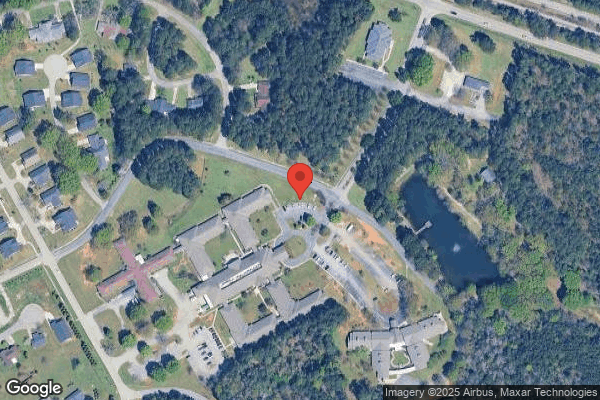
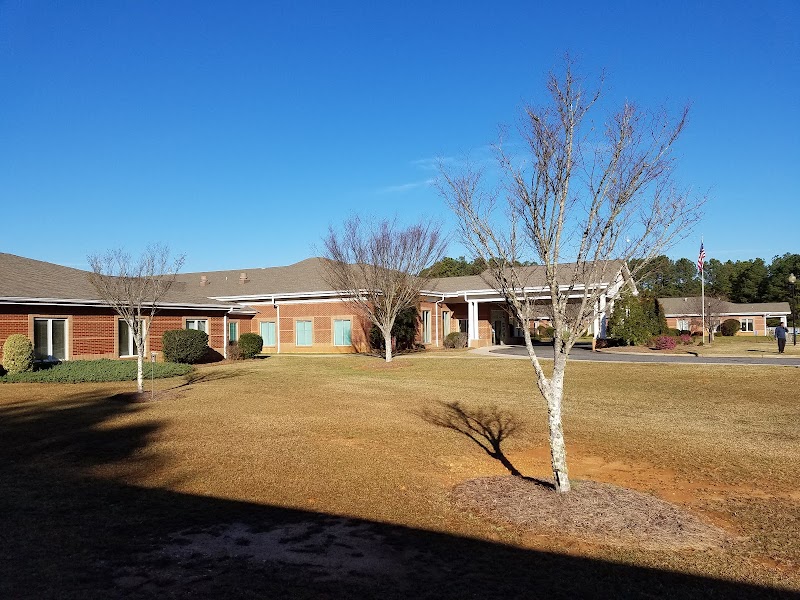
201 Fortress Drive, White Rock, SC 29177 (803) 732-3000
Non profit - Corporation 176 Beds Independent Data: November 2025
Trust Grade
33/100
#183 of 186 in SC
Last Inspection: September 2024

Within standard 12-15 month inspection cycle. Federal law requires annual inspections.

Overview

The Heritage At Lowman Rehab And Healthcare has received a Trust Grade of F, indicating significant concerns about the quality of care provided. Ranking #183 out of 186 facilities in South Carolina, it is in the bottom half of state facilities, and it is the lowest-ranked option in Richland County. Although the facility is trending towards improvement, having reduced issues from 15 in 2024 to 1 in 2025, it still reported 25 issues, including a serious incident where a resident fell and suffered multiple injuries due to staff negligence during care. Staffing is average, with a 3/5 star rating and a turnover rate of 53%, which is comparable to the state average. However, the facility is also facing challenges, like $14,664 in fines and concerns about medication management, where discontinued medications were not removed from medication carts, posing potential risks to residents. Overall, families should weigh these strengths and weaknesses carefully when considering this nursing home for their loved ones.
Trust Score
F
33/100
In South Carolina
#183/186
Bottom 2%
Safety Record
Moderate
Needs review
Inspections
Getting Better
15 → 1 violations
Staff Stability
⚠ Watch
53% turnover. Above average. Higher turnover means staff may not know residents' routines.
Penalties
✓ Good
$14,664 in fines. Lower than most South Carolina facilities. Relatively clean record.
Skilled Nurses
○ Average
Each resident gets 30 minutes of Registered Nurse (RN) attention daily — about average for South Carolina. RNs are the most trained staff who monitor for health changes.
Violations
⚠ Watch
25 deficiencies on record. Higher than average. Multiple issues found across inspections.
★☆☆☆☆
1.0
Overall Rating
★★★☆☆
3.0
Staff Levels
★★☆☆☆
2.0
Care Quality
★☆☆☆☆
1.0
Inspection Score
Stable
2024: 15 issues
2025: 1 issues

The Good

  • Full Sprinkler Coverage · Fire safety systems throughout facility
  • No fines on record

Facility shows strength in fire safety.

The Bad

1-Star Overall Rating

Below South Carolina average (2.8)

Significant quality concerns identified by CMS

Staff Turnover: 53%

Near South Carolina avg (46%)

Higher turnover may affect care consistency

Federal Fines: $14,664

Below median ($33,413)

Minor penalties assessed

The Ugly 25 deficiencies on record

1 actual harm
Aug 2025 1 deficiency
CONCERN (D) 📢 Someone Reported This

A family member, employee, or ombudsman was alarmed enough to file a formal complaint

Potential for Harm - no one hurt, but risky conditions existed

Quality of Care (Tag F0684)

Could have caused harm · This affected 1 resident

**NOTE- TERMS IN BRACKETS HAVE BEEN EDITED TO PROTECT CONFIDENTIALITY** Based on record review, interviews, and review of facility policies, the facility failed to identify and communicate a change in...

Read full inspector narrative →
**NOTE- TERMS IN BRACKETS HAVE BEEN EDITED TO PROTECT CONFIDENTIALITY** Based on record review, interviews, and review of facility policies, the facility failed to identify and communicate a change in the breakdown of skin in the perineal area for Resident (R)2 for 1 of 1 resident reviewed for changes in skin condition.Findings include:Review of the facility policy titled, Change in Resident's Condition or Status, with a revision date of 02/2021, revealed, The facility promptly notifies the resident, his or her attending physician, and the resident representative of changes in the resident's medical/mental condition and/or status. The nurse will notify the resident's attending physician or physician on call when there has been a(an):.d. significant change in the resident's physical/emotional/mental condition. A ‘significant change' of condition is a major decline or improvement in the resident's status that: a. Will not normally resolve itself without intervention by staff or by implementing standard disease-related clinical interventions (is not self-limiting).Review of the facility policy titled, Prevention of Pressure Ulcers/Injuries, with a revision date of 07/2017, revealed, The purpose of this procedure is to provide information regarding identification of pressure ulcer/injury risk factors or eliminate those considered modifiable. The section, Monitoring, reads, Evaluate, report, and document potential changes in the skin.Review of R2's Face Sheet showed she was admitted to the facility on [DATE]. R2 was admitted with diagnoses including, but not limited to: endocarditis (an infection of the heart's inner lining), serotonin syndrome (life-threatening condition associated with taking certain medications), chronic respiratory failure, urinary tract infection, multiple sclerosis (an autoimmune disease affecting the central nervous system), bipolar II disorder (mood disorder), muscle weakness, dementia, and dependence on supplemental oxygen.Review of R2's discharge Minimum Data Set (MDS) with an Assessment Reference Date (ARD) of 06/30/25 revealed staff reported her to have memory problems, severe impairment of making daily life decisions, and disorganized thinking, which fluctuated. The MDS further details R2 had no unhealed pressure ulcers/injuries. She was dependent with toileting, needed maximal assistance with bed mobility, and set-up/clean-up assistance with personal hygiene. She was not reported to reject care or have any physical or verbal behaviors directed towards others.Review of R2's Care Plan revealed a focus of potential for alteration in skin related to mobility, incontinence, malnutrition, morbid obesity, dementia, chronic pain, and cellulitis (infection of the skin and soft tissue). On 07/08/25, her Care Plan was updated to include a stage 2 pressure ulcer of the sacrum, moisture-associated skin damage (MASD) of the genitals, and excoriation. Interventions included avoiding scratching, keeping nails short, keeping hands and body parts from excessive moisture, medications and treatments as ordered, observing and documenting edema and excessive bruising, and air mattress as ordered. Review of R2's Order Recap Report from 03/01/25 showed an order for cleansing resident's perineal area, buttocks, and skin folds with Remedy No Rinse Foam Cleanser and applying zinc paste as needed with brief changes and every day shift for wound care was added on 07/10/25.Review of R2's Treatment Administration Record (TAR) for June 2025 does not indicate any wound care or skin treatments were provided to R2. Review of R2's TAR for July 2025 shows cleansing Resident's perineal area, buttocks, and skin folds with Remedy No Rinse Foam Cleanser and applying zinc paste as needed with brief changes and every day shift for wound care was added on 07/10/25.Review of the facility's Weekly Wound Report dated 06/03/25 revealed documentation of R2 having a sacral pressure wound and moisture-associated wound on right anterior thigh.Review of R2's CSC Skin Check dated 06/06/25 indicated, No new skin concerns at this time. Review of CSC Skin Check on 06/18/25 indicated, Blanchable area to left buttocks.Review of R2's Wound/Ostomy Care note from Lexington Medical Center dated 07/01/25 revealed, Perineal, bilateral thighs posterior and anterior with severe incontinence-associated dermatitis prior to admission (POA). Erythema present with full thickness tissue injury right upper anterior thigh and left posterior thigh. Epidermal peeling noted to perineum and bilateral thighs. Sacrum with mixed etiology of incontinence-associated dermatitis POA and pressure POA. Left buttocks with hyperpigmentation and a bulla that is non-blanchable. Cannot rule out deep tissue pressure injury (DTPI). Will continue to assess for involvement.Review of the Discharge Summary Note from Lexington Medical Center dated 07/07/25 revealed, Upon arrival, patient had extensive wounds over her body including: Redness and excoriation in perineal area, intertrigo under both breasts, blisters on sacrum, and a linear fissure along inner thigh area from brief being place too tightly at an outside facility.Review of R2's Progress Notes revealed a CSC Skin Check entered on 07/14/25 as a late entry for 06/25/25 indicating three new skin issues: 1. Stage 2 pressure ulcer/injury on sacrum, 2. MASD on genital area, and 3. Pink groin and buttock areas. No note found indicating wound care nurse or provider was notified of these findings. A provider communication sheet entitled, Non-Urgent Issues, was submitted to show communication of these skin issues to the Nurse Practitioner (NP). However, this communication was dated 06/28/24.During an interview with R2's daughter on 08/05/25 at 1:10 PM, revealed, When my mother was sent to the emergency room (ER), she had two indentations in her inner thighs that were starting to turn black. The hospital staff said it was from her brief being too tight at [NAME]. The skin on her thighs and backside were extremely red. She also had a sore on her inner thigh. When she arrived at the ER, her briefs were soiled and on extremely tight. The hospital staff all said her wounds needed to be and should have been treated by a wound care specialist. The hospital staff took pictures of the wounds. I sent those pictures to the Social Worker, Director of Nursing (DON), and Administrator at [NAME]. We had a meeting in person to talk about her care because she has been transferred to the hospital for respiratory failure seven times since she has been at [NAME]. The [NAME] staff said they were going to investigate the wounds and skin concerns. They, of course, said it will never happen again, and actions are being taken with the staff. They also indicated they would change my mom's room if needed. When asked if she felt the issues were resolved to her satisfaction as indicated on the Grievance Log, she stated, They didn't resolve anything, so no. I am really glad you are looking into this.During an interview with Certified Nursing Assistant (CNA)1 on 08/05/25 at 2:36 PM, she revealed, I took care of [R2] occasionally. I work as needed. When I was assigned to her, I would speak to her, check and change her briefs. When I took care of her, she could stand, pivot, and turn herself. I would help her position herself with pillows and prop her legs up. I would change her three to four times per shift. As for redness or wounds, she would get red when she had diarrhea. During that time, I would change her more often. If I saw anything that was different, I would tell the nurses. During an interview with the Assistant Director of Nursing (ADON) on 08/05/25 at 2:45 PM, she stated, I've been the ADON for about two months. Before that, I worked on the floor, so I took care of [R2] a lot. When the nurses do the skin checks, they are supposed to look at the resident with their own eyes, not rely on reports from the CNAs. I know [R2] had a rash on her upper back. She would also have redness on her backside off and on. She didn't like to keep her brief secured. She always complained that her brief was too snug on her right side. I would make sure it was not too tight and cutting into her skin. She always wanted it unattached. I think she was in the biggest brief we have - 3xl/bariatric brief. She sweated a lot too. She didn't have any skin breakdown the last time I took care of her. I would talk to the CNAs about her care and keeping her clean and dry. She would also sometimes scratch herself.During an interview with Registered Nurse (RN)2 on 08/05/25 at 3:30 PM, revealed, I started working here within the last couple of months. I really don't remember a whole lot about [R2] because I was new. I do remember when she came back from the hospital, she had a lot of redness in her perineal area. I don't think I was aware of her having any wounds prior to that. After she came back from the hospital, I was assessing her wound status. When we do wound care, we do the measurements and skin assessments.During an interview with RN1 on 08/05/25 at 3:30 PM, revealed When we sent [R2] out on 06/30/25, the CNA came out and told me about her wounds on her sacrum and her inner thighs. She saw them when she was cleaning [R2] before the ambulance came. I was mad! She did not have those wounds when I last saw her. When I did her skin audit a few days before that, there were no wounds. I actually go in and look at the resident's skin when I do a skin audit. I told the DON and the administrator about what I saw (the wounds) and let them know that we need to have a plan in place for when she returns from the hospital. I was so mad! I know my CNAs would have let me know if there were any wounds when I was working. They know I am a [NAME] for skin changes. Someone should have noticed and reported her skin condition. The skin in her inner thighs look like they were black. After that, the DON and wound care nurse did training sessions on not double briefing, doing body audits, and measuring for proper brief size. I am not aware of any root cause analysis that was done after the wounds were found.During an interview with the DON on 08/05/25 at 4:00 PM, she stated, We keep creams available to use for barrier protection. We do skin audits weekly. When asked about the skin audit for R2 she documented on 07/14/25 for 06/25/25, she stated she realized she had not put a note in when she was looking through her own handwritten notes. When asked what she did once she saw the wounds, she stated, I notified the NP, ordered an air mattress, and put zinc oxide on the wounds and redness.During an interview with the Nurse Practitioner (NP) on 08/06/25 at 10:40 AM, she revealed, [R2] always had a little bit of moisture all over. The nurse will typically report wounds to me. When a wound progresses to stage 2, they will notify me via the communication book. I will ask if the wound care nurse was notified and if she has assessed the wound. I am not an expert in wound care, so I usually defer to what the wound care nurse and VOHRA (wound care consultants) recommend for treatment. I think for [R2] we were using wound cleanser and zinc oxide. Usually when someone has wounds, we consult with VOHRA, our wound care consultants. They round on Mondays. I can't say 100% if the DON had or hadn't notified me of [R2']s wounds before she went into the hospital the time before last. On 06/30/25, I do remember [RN1] coming to me and reporting the redness and wounds she saw when cleaning R2 prior to the ambulance arriving. Prior to going into the hospital this last time, I talked with the daughter, and the plan was to have [R2] complete her course of intravenous antibiotics and then be referred for hospice. I do not order air mattresses. The wound care doctor would be the one to order it.During an interview with R2's daughter on 08/06/25 at 11:05 AM, she was asked what was discussed during her meeting with the DON and Administrator in July 2025. She stated they discussed the pictures from the hospital showing her mother's wounds and skin breakdown, the concerns from the hospital, and the care of her mother.During an interview with the Social Woker (SW) at Lexington Medical Center (LMC) on 08/06/25 at 11:05 AM, revealed The hospital staff all thought this was very serious. The most concerning thing was what looked like cuts on [R2's] inner thighs and back of thighs. It appeared as if her briefs were secured too tight. When asked if the medical personnel indicated how long it would take for those types of wounds to appear, she stated, No, the medical personnel did not indicate how long that would take to have for the wounds to occur. Her daughter was very surprised at what she was seeing, but she could not give me a lot of information. Our nursing staff did tell me that when [R2] would urinate it would be a lot and often, so I can see how that would be difficult to manage.During an interview with the DON on 08/06/25 at 11:40 AM, she was asked about the communication sheet she copied for the surveyor to show she notified the NP of R2's wounds and skin breakdown on 06/25/25. When asked about the note being dated 06/28/24, she stated at first, I didn't date that, and she was not able to identify who would have dated it. The first two residents on the communication sheet provided had been discharged from the facility in 2024. The DON indicated the communication books were disorganized. When asked about how others are supposed to know what is communicated if books are in disarray, she stated, We also have report boards and report sheets. The DON stated the documentation of her notification to the NP would be in her assessment note. When told there was no documentation in the chart of any communication with the NP about the wounds and skin breakdown, she stated, I talk with the NP all day. We are constantly texting and talking to each other. The DON also stated that she ordered an air mattress, which was documented in the communication book on 06/28/24. The DON was asked to explain the order for R2 which indicated she had an air mattress already, she stated, She had a different type of air mattress. Surveyor asked her to clarify how the orders work for an air mattress. She stated a new order doesn't need to be put in to change the model. When asked how someone would know what model to order if there isn't a specific order for it, she stated, I do the ordering, so I knew what to order.During an interview with the Administrator on 08/06/25 at 12:25 PM, she stated she had a meeting with R2's daughter while R2 was in the hospital. She stated the daughter was concerned about R2's brief size and asked about changing the unit R2 was housed on. The Administrator denied receiving or seeing the pictures of R2's wounds and skin breakdowns that R2 had upon admission to the ER. She indicated she would have to go back to her records to see if there were any quality assurance projects related to the information about R2's wounds or skin conditions. When asked about the communication of information about residents, she stated, We have stand up and clinical meetings with the entire community daily, including the MDS nurse, ADON, and DON. I participate in the clinical meeting as needed; I am non-clinical. The information about the wounds and skin breakdown came from R2's daughter. I told the team to reassess R2 when she returned from the hospital. I am sure we discussed the wounds and skin conditions, but I cannot recall. The daughter's main concern was whether R2's briefs fit properly. I would have to go back and look at notes; I do not know the exact details. Our NP is very accessible. I know they also use communication books, and if there is something that needs to be noted, I would hope that it would be. When asked about notifying the provider about new wounds, she stated, Yes, I definitely would expect that the communication with the provider would be documented in the clinical record. The Administrator included that air mattress orders go through Central Supply. They are run through the DON. Whether or not there is an invoice is dependent on whether we had one in house or had to order it. During an interview with the Central Supply Manager on 08/06/25 at 1:15 PM, revealed, I am the Supply Manager for all the communities here. I find out about things that need to be ordered by phone calls and being notified by people when walking down the halls. When asked how she gets notified about durable medical equipment needs, she stated, Wheelchair requests and mattresses - big things like those - will go through the DON. Air mattress requests go through the wound care nurse and the DON to make sure the air mattress is up to par for the resident. When asked if she ever had a request or communication from the DON or the Administrator about changing R2's air mattress, she stated, I never replaced her air mattress. I never had any communication from the DON or administrator about changing R2's mattress for any reason.
Sept 2024 14 deficiencies
CONCERN (D)

Potential for Harm - no one hurt, but risky conditions existed

Resident Rights (Tag F0550)

Could have caused harm · This affected 1 resident

**NOTE- TERMS IN BRACKETS HAVE BEEN EDITED TO PROTECT CONFIDENTIALITY** Based on observation, interview, record review, and review of facility policy, the facility failed to ensure one resident (Resid...

Read full inspector narrative →
**NOTE- TERMS IN BRACKETS HAVE BEEN EDITED TO PROTECT CONFIDENTIALITY** Based on observation, interview, record review, and review of facility policy, the facility failed to ensure one resident (Resident (R) 108) of one resident out of a sample of 30 residents was given the opportunity to make choices regarding being able to utilize regular plates and utensils instead of Styrofoam containers and plastic utensils during a COVID-19 outbreak on the unit. This failure placed the resident for a diminished quality of life. Findings include: Review of the facility's policy titled, Resident Self-Determination and Participation, dated February 2021, revealed Our facility respects and promotes the right of each resident to exercise his or her autonomy regarding what the resident considers to be important facets of his or her life . Review of an undated facility's policy titled, Isolation Precautions, dated December 2020, revealed .Dishes, Glasses, Cups, and Eating Utensils .No special precautions are needed for dishes, glasses, cups, or eating utensils .Reusable dishes and utensils are used for patients/residents on isolation . Review of the Face Sheet located in the Admission tab of the electronic medical record (EMR) revealed R108 was admitted to the facility on [DATE] and had diagnoses which included irregular heart rhythm, diabetes, and chronic kidney disease. Review of the admission Minimum Data Set (MDS) located in MDS tab of the EMR with and Assessment Reference Date (ARD) of 05/27/24 revealed R108 had a Brief Interview for Mental Status (BIMS) score of 15 out of 15 which indicated she was cognitively intact. During an observation and interview on 09/02/24 at 11:45 AM, R108 was observed with a meal tray in front of her on the over bed table. The tray consisted of a Styrofoam container, plastic utensils, and paper cups. R108 stated, Lately, we have been getting plastic silverware and paper plates at each meal. I don't have COVID, like others on my hall. I would prefer to have regular silverware and plates. During an observation and interview on 09/03/24 at 2:10 PM, Certified Nurse Aide (CNA)1 was observed picking up trays from resident rooms on the Damascus unit. When asked why all the trays contained Styrofoam containers and plastic utensils, CNA1 stated, They tell me if one person is on isolation, then all of the residents get Styrofoam. During an interview on 09/03/24 at 2:34 PM, the Registered Dietician (RD) was asked about the Styrofoam containers on the Damascus unit. The RD stated, I know that was a DON [Director of Nursing] and Administrator decision that was made. I think they go off the Lutheran policy. That is my understanding. During an interview on 09/03/24 at 4:58 PM, with the Administrator and the [NAME] President of Clinical Operations (VP) regarding residents right to have their preferences honored. The VP stated that was very important. They were asked about the usage of the Styrofoam containers and plastic utensils on the Damascus unit. The VP stated, Because it (Covid) has involved the unit, everybody will get Styrofoam and plastic utensils. The VP was asked if residents, who are not affected by Covid or in isolation, would require Styrofoam containers and plastic utensils. The VP stated, I did not know that she had expressed desire to have the regular plates and utensils, but it has been our process to use Styrofoam. During an interview on 09/03/24 at 5:18 PM, the DON stated that the policy from Lutheran was when most of the residents had Covid, then all the residents on the unit were given Styrofoam and plastic utensils.
CONCERN (D)

Potential for Harm - no one hurt, but risky conditions existed

Deficiency F0553 (Tag F0553)

Could have caused harm · This affected 1 resident

**NOTE- TERMS IN BRACKETS HAVE BEEN EDITED TO PROTECT CONFIDENTIALITY** Based on interview, record review, and review of facility policy, the facility failed to ensure one of one resident (Resident (R...

Read full inspector narrative →
**NOTE- TERMS IN BRACKETS HAVE BEEN EDITED TO PROTECT CONFIDENTIALITY** Based on interview, record review, and review of facility policy, the facility failed to ensure one of one resident (Resident (R) 95) reviewed for care planning of 30 sample residents was afforded the right to participate in his care planning process. This failure placed the resident at risk of not being aware of the goals and outcomes of his care. Findings include: Review of facility policy titled, Care Planning-Interdisciplinary Team, dated September 2013, revealed .Our facility's care planning/interdisciplinary team is responsible for the development of an individualized comprehensive care plan for each resident .The resident, the resident's family and/or the resident's legal representative/guardian or surrogate are encouraged to participate in the development of and revisions to the resident's care plan .Every effort will be made to schedule care plan meetings at the best time of the day for the resident and family . Review of the Face Sheet located in the Admissions tab of the electronic medical record (EMR) revealed R95 was admitted to the facility on [DATE] with diagnoses which included osteoarthritis and major depressive disorder. Review of the significant change Minimum Data Set (MDS) located in the MDS tab of the EMR with an Assessment Reference Date (ARD) of 07/09/24 revealed R95 had a Brief Interview for Mental Status (BIMS) score of 15 out of 15 which indicated he was cognitively intact for daily decision-making. Review of the Care Plan Documentation located in the Care Plan tab of the EMR revealed the last Care Plan Meeting was on 01/13/22. During an interview on 09/02/24 at 2:12 PM, R95 was asked if he attends his Care Planning Meetings. R95 stated, I don't know anything about them. During an interview on 09/03/24 at 4:36 PM, the Social Services Director (SSD) was asked if he was responsible for the Care Plan Meetings. The SSD stated, Yes. The SSD was asked how often the Care Plan Meetings were held. He stated, For long-term care residents, it's every 90 days. The SSD was asked if R95 had a Care Plan Meeting in the last 90 days. He stated, We did review with him on 07/18/24, but I did not do a full 'Care Plan Meeting.' The SSD was asked if there was documentation related to this meeting. He stated, I cannot find the documentation. The SSD confirmed that when the Care Plan Meetings were held with the resident and/or representative, the meeting was to be documented in the EMR.
CONCERN (D)

Potential for Harm - no one hurt, but risky conditions existed

Deficiency F0554 (Tag F0554)

Could have caused harm · This affected 1 resident

**NOTE- TERMS IN BRACKETS HAVE BEEN EDITED TO PROTECT CONFIDENTIALITY** Based on observation, record review, staff interview and policy review, the facility failed to ensure that a resident was assess...

Read full inspector narrative →
**NOTE- TERMS IN BRACKETS HAVE BEEN EDITED TO PROTECT CONFIDENTIALITY** Based on observation, record review, staff interview and policy review, the facility failed to ensure that a resident was assessed for self-administration of medications prior to medications being left at the bedside for one of 30 sampled residents (Resident (R)114). This failure had the potential for the resident to over medicate themselves or medications being accessed by other residents. Findings include: Review of R114's Face Sheet located under the Resident Info tab in the electronic medical record (EMR) revealed R114 was readmitted to the facility on [DATE] with the diagnosis of dementia, congestive heart failure and asthma. Review of R114's quarterly Minimum Data Set (MDS) with an Assessment Reference Date (ARD) of 07/05/24 and located under the MDS tab in the EMR revealed R114 was coded as having a Brief Interview for Mental Status (BIMS) score of 13 out of 15 which represented R114 was cognitively intact. Review of R114's Physician Orders located under the Orders tab in the EMR revealed an order dated 10/05/23 for Breyna 80 mcg (micrograms)-4.5 mcg/actuation HFA aerosol inhaler two puffs twice a day. There was an order dated 07/12/24 for medication clotrimazole-betamethasone 1%-0.05% topical cream apply as needed twice a day for 14 days. Neither of the medications were ordered to be kept at the bedside of R114. During an observation on 09/02/24 at 1:06 PM revealed R114 had an inhaler (Breyna) and one tube of clotrimazole-betamethasone cream lying on the resident's bed. R114 stated she uses the cream for itching on the neck area and the inhaler if she gets short of breath. During an observation and interview with Licensed Practical Nurse (LPN)7 on 09/03/24 at 11:14 AM, revealed R114 had a tube of the clotrimazole-betamethasone cream but could not find the inhaler. LPN7 confirmed that R114 was not to have the medication at the bedside. LPN7 stated, I found the inhaler this morning when I was giving medications to R114. I took it and placed it back in the medication cart because R114 wasn't supposed to have that either. LPN7 also confirmed the resident had not been assessed to self-administer these medications and there was no order for these medications to be left at the bedside. During an interview on 09/03/24 at 3:24 PM, the Director of Nursing (DON) confirmed R114 had not been assessed for self-administration of the inhaler and cream found by the bedside of R114 on 09/02/24. Review of the facility policy Self-Administration of Medications dated 02/21 stated, Residents have the right to self-administer medications if the interdisciplinary team has determined that it is clinically appropriate and safe for the resident to do so .
CONCERN (D)

Potential for Harm - no one hurt, but risky conditions existed

Deficiency F0582 (Tag F0582)

Could have caused harm · This affected 1 resident

**NOTE- TERMS IN BRACKETS HAVE BEEN EDITED TO PROTECT CONFIDENTIALITY** Based on interview and record review, the facility failed to ensure the CMS-10055 (Centers for Medicare and Medicaid Services) S...

Read full inspector narrative →
**NOTE- TERMS IN BRACKETS HAVE BEEN EDITED TO PROTECT CONFIDENTIALITY** Based on interview and record review, the facility failed to ensure the CMS-10055 (Centers for Medicare and Medicaid Services) Skilled Nursing Facility Advanced Beneficiary Notice (SNF-ABN) was accurate and complete prior to discharge from Medicare part A skilled services for two of three residents (Resident (R) 40 and R120) reviewed for SNF Beneficiary Protection of 30 sample residents. This failure placed the residents and/or representatives at risk of not being fully informed. Findings include: 1.Review of the Face Sheet located in the Admissions tab of the electronic medical record (EMR) revealed R40 was admitted to the facility on [DATE] with a diagnosis of Parkinson's disease (a neurological disease). Review of the ABN notice provided to the resident representative indicated that R40 no longer required skilled care effective 03/16/24. Review of Section D of the ABN revealed, In patient stay at this facility .The patient no longer requires skill level nursing care. Medicare will not pay for your stay at this time unless skills care is needed .Estimated Cost: Private Pay. Review of Section G of the ABN Options revealed: Option 1: I want the D. Skill Care listed above. You may ask to be paid now, but I also want Medicare billed for an official decision on payment, which is sent to me on a Medicare Summary Notice (MSN). I understand that if Medicare doesn't pay, I am responsible for payment, but I can appeal to Medicare by following the directions on the MSN. If Medicare does pay, you will refund any payments I made to you, less co-pays or deductibles. Option 2: I want the D. Skill Care listed above, but do not bill Medicare. You may ask to be paid now as I am responsible for payment. I cannot appeal if Medicare is not billed. Option 3: I don't want the D. Skill Care listed above. I understand with this choice I am not responsible for payment, and I cannot appeal to see if Medicare would pay. Section G was left blank, and no options were marked, as required. 2. Review of the Face Sheet located in the Admissions tab of the EMR revealed R120 was admitted to the facility on [DATE] with a diagnosis of dementia. Review of the ABN notice provided to the resident representative indicated R120 no longer required skilled level of care effective 06/07/24. Review of Section D of the ABN revealed, In patient stay at this facility .The patient no longer requires skill level nursing care. Medicare will not pay for your stay at this time unless skills care is needed .Estimated Cost: Medicaid Pending. Review of Section G of the ABN Options revealed: Option 1: I want the D. Skill Care listed above. You may ask to be paid now, but I also want Medicare billed for an official decision on payment, which is sent to me on a Medicare Summary Notice (MSN). I understand that if Medicare doesn't pay, I am responsible for payment, but I can appeal to Medicare by following the directions on the MSN. If Medicare does pay, you will refund any payments I made to you, less co-pays or deductibles. Option 2: I want the D. Skill Care listed above, but do not bill Medicare. You may ask to be paid now as I am responsible for payment. I cannot appeal if Medicare is not billed. Option 3: I don't want the D. Skill Care listed above. I understand with this choice I am not responsible for payment, and I cannot appeal to see if Medicare would pay. Section G was left blank, and no options were marked, as required. During an interview on 09/03/24 at 9:20 AM, the Social Services Director (SSD) was asked why the estimated cost per day was not documented on the ABN. The SSD stated, I wasn't aware that the cost per day needed to be in the box. The SSD was asked why the Options box was not checked. He stated, The options box should have been checked.
CONCERN (D)

Potential for Harm - no one hurt, but risky conditions existed

Comprehensive Care Plan (Tag F0656)

Could have caused harm · This affected 1 resident

**NOTE- TERMS IN BRACKETS HAVE BEEN EDITED TO PROTECT CONFIDENTIALITY** Based on interview, record review, and policy review, the facility failed to ensure Care Plans for behavioral symptoms were deve...

Read full inspector narrative →
**NOTE- TERMS IN BRACKETS HAVE BEEN EDITED TO PROTECT CONFIDENTIALITY** Based on interview, record review, and policy review, the facility failed to ensure Care Plans for behavioral symptoms were developed for three (Residents (R)115, R120, and R25) of 30 sampled residents reviewed for care plans. This failure could cause unmet care needs for the residents. Findings include: Review of the facility policy titled Care Plans, Comprehensive person-Centered revised 12/26, revealed A comprehensive, person-centered care plan that includes measurable objectives and timetables to meet the resident's physical, psychosocial and functional needs is developed and implemented for each resident . 2. The care plan interventions are derived from a thorough analysis of the information gathered as part other comprehensive assessment . 8. The comprehensive, person-centered care plan will: . b. describe the services that are to be furnished to attain or maintain the resident's highest practicable physical, mental, and psychosocial well-being . 10. identifying problem areas and their causes, and developing interventions that are targeted and meaningful to the resident, are the endpoint of an interdisciplinary process . 11. a. When possible, interventions address the underlying source(s) of the problem area(s), not just addressing only symptoms or triggers. 1. Review of R115's quarterly MDS with an ARD date of 06/12/24, located in the MDS tab of the EMR, revealed an admission date of 12/14/23. R115 had a BIMS score of 13 out of 15 indicating R115's cognition was intact. R115 had diagnoses diabetes mellitus, depression, and heart failure, and no behaviors exhibited. Review of R115's Clinical Notes dated 07/23/24, located in the EMR under the Note tab revealed .Res yelling out most of 2nd and 3rd shift. Repetitively asks for remote to tv or bed even when she's holding them. Often states she doesn't know why she's calling out or that she's forgotten. Several alert and oriented residents have made complaints of res disruptive behavior stating at night she keeps them awake . Review of R115's Orders located in the EMR under the Order tab revealed Lorazepam 0.5 mg tablet (1 tablet) Tablet Oral for unspecified dementia, severe, with anxiety, dated 08/03/24 and sertraline 100 mg tablet (l tab) tablet oral, for depression, unspecified, dated 08/20/24. Review of R115's Clinical Notes dated 08/11/24, located in the EMR under the Note tab revealed Resident was up out of bed this shift and ate lunch in unit dining room and is showing s/s [signs/symptoms] of anxiety of yelling out so much residents and families of residents were complaining. So resident was then sitting at nurses station and continued to yell out hello over and over. When not talking to resident she is constantly yelling out hello, denies any pain. Review of R115's Clinical Notes dated 08/17/24, located in the EMR under the Note tab revealed Rsd [Resident] continuously yelling out, Lorazepam 0.5 mg given at 1:20 AM, seemed to be effective about 30 min after given. rsd started yelling again around 2:30 [NAME] has continued to do so through remainder of night. Review R115's Care Plan located in the EMR under the Care Plan tab revealed there was no evidence the resident had a Care Plan for managing behavioral symptoms of yelling continuously. During an interview on 09/03/24 at 3:20 PM, Licensed Practical Nurse (LPN)4, LPN4 stated R115 had been exhibiting behaviors of yelling out continuously for about one month. LPN4 stated R115 is given PRN (as needed) Ativan. LPN4 stated R115's yelling was due to her constant desire for companionship. LPN4 stated when R115 is up, out of bed, she doesn't scream or when staff is with her, she doesn't scream. 2. Review of R120's admission MDS with an ARD date of 05/27/24, located in the MDS tab of the EMR, revealed an admission date of 05/10/24. R120 had a BIMS score of six out of 15 indicating R120's cognition was severely impaired. R120 had diagnoses of dementia, chronic kidney disease, unspecified protein-calorie malnutrition, and macular degeneration and no behaviors exhibited. Review of R120's Care Plan dated 05/15/24 to present, located in the EMR under the Care Plan tab revealed Potential for negative side effects from the use of psychotropic medication(s) risperidone and escitalopram. The goal included R120 will have no negative side effects from medications through next review period. An intervention included Observe for signs of depression, mood and behavior changes such as poor appetite, weight loss or excessive weight gain, loss in social interests. No care plan was found addressing R120's behaviors that caused her to be prescribed psychotropic medication. Review of R120's orders, located in the EMR under the Order tab revealed escitalopram 10 mg tablet (1 tablet) Tablet Oral, every one day, for anxiety disorder, unspecified, dated 05/21/24 and risperidone 1 mg disintegrating tablet 1 mg (1 tablet) Tablet, disintegration Oral for restlessness and agitation, dated 05/22/24. Review of R120's August 2024 and September 2024 Medication Administration record (MAR) located in the EMR under the Order tab revealed No Behaviors Noted. Review of R120's clinical notes, dated 05/10/24 to 09/04/24, located in the EMR under the Note tab revealed no documentation of behavioral symptoms. 3. Review of R25's admission MDS with an ARD date of 06/13/24, located in the MDS tab of the EMR, revealed an admission date of 06/07/24. R25 had a BIMS score of nine out of 15 indicating R25's cognition was moderately impaired. R25 had diagnoses of dementia, anxiety, and hypertension, and no behaviors exhibited. Review of R25's Orders located in the EMR under the Order tab revealed orders for buspirone 5 mg tablet, once a day for anxiety disorder, unspecified, dated 06/07/24, risperidone 0.25 mg tablet, once a day for anxiety disorder, unspecified, dated 06/07/24, Quetiapine 25 mg tablet, two times a day for anxiety disorder, unspecified, dated 09/03/24, and Lorazepam 0.5 mg tablet as needed every two hours, for anxiety disorder, unspecified, dated 06/07/24. Review of R25's Care Plan dated 06/10/24 to present, located in the EMR under the Care Plan tab revealed Potential for negative side effects from the use of psychotropic medication(s). The goal included R25 will have no negative side effects from medications through next review period. An intervention included Observe for signs of depression, mood and behavior changes such as poor appetite, weight loss or excessive weight gain, loss in social interests. No care plan was found addressing R25's behaviors that caused her to be prescribed psychotropic medication. Review of R25's August 2024 and September 2024 Medication Administration record (MAR) located in the EMR under the Order tab revealed behaviors of refusing care, crying out/screaming, verbally abusive, hallucinations, disruptive behavior, delusions, hitting, kicking, etc. During an interview on 09/03/24 at 4:49 PM, LPN6 stated R25 gets medication for anxiety. LPN6 stated R25 yells out and exhibited other anxiety symptoms. LPN6 stated R25 had a sitter but the sitter doesn't come any more. LPN6 stated she has observed R25 exhibit such behaviors. During an interview on 09/04/24 at 2:49 PM, the Social Service Director (SSD) stated, there were no care plans for specific behaviors, just side effects for the medications used for the behaviors. The SSD stated the MDS person does those care plans which include the development and updates. SSD stated they discuss behaviors in the morning meetings. During an interview on 09/04/24 at 5:47 PM, the MDS Coordinator (MDSC) was asked who care planned behavioral symptoms for R120 and R25. MDSC stated the SSD has always care planned the behaviors because she did the medication side effects.
CONCERN (D)

Potential for Harm - no one hurt, but risky conditions existed

Deficiency F0657 (Tag F0657)

Could have caused harm · This affected 1 resident

**NOTE- TERMS IN BRACKETS HAVE BEEN EDITED TO PROTECT CONFIDENTIALITY** Based on interview, record review, and review of facility policy, the facility failed to ensure the Comprehensive Care Plan was ...

Read full inspector narrative →
**NOTE- TERMS IN BRACKETS HAVE BEEN EDITED TO PROTECT CONFIDENTIALITY** Based on interview, record review, and review of facility policy, the facility failed to ensure the Comprehensive Care Plan was accurate for one resident (Residents (R) 40) of 30 sample residents reviewed for care plans. This failure placed the resident at risk of unmet care needs. Findings include: Review of the facility's policy titled, Care Plans-Comprehensive Person-Centered, dated December 2016, revealed .A comprehensive, person-centered care plan that includes measurable objectives and timetables to meet the resident's physical, psychosocial and functional needs is developed and implemented for each resident .The comprehensive, person-centered care plan will .Describe the services that are to be furnished to attain or maintain the resident's highest practicable physical, mental, and psychosocial well-being . Review of the Face Sheet located in the Admission tab of the electronic medical record (EMR) revealed R40 was admitted to the facility on [DATE] with diagnoses that included Parkinson's disease (a neurological disease) and dementia. Review of the quarterly Minimum Data Set (MDS) located in the MDS tab of the EMR with an ARD of 06/26/24 revealed R40 had a Brief Interview for Mental Status (BIMS) score of zero out of 15 which indicated he was severely impaired in cognition, had no behaviors and was receiving hospice care. Review of R40's Nutrition Care Plan, dated 02/27/24 and located in the Care Plan tab of the EMR revealed, [R40] is at risk for Nutrition/Hydration problems R/T [related to] mechanically altered diet as ordered . Interventions included the following but not limited to: Observe for diabetic problems-hyper/hypoglycemia to include headaches, nausea, weakness, appetite changes, dry skin, dry mouth, excessive thirst, blurred vision .FSBS [finger stick blood sugar] by licensed nurse as needed if symptomatic . During an interview on 09/03/24 at 2:36 PM, the Registered Dietician (RD) stated, I am responsible for the development of the Comprehensive Nutritional Care Plan. The RD was asked if R40 was diabetic. She stated, No. The RD was asked why R40's Care Plan had interventions for diabetics. The RD stated, I don't know why those interventions are on his Care Plan. The RD further stated that her expectation was that the care plan interventions were to be accurate.
CONCERN (D)

Potential for Harm - no one hurt, but risky conditions existed

Pressure Ulcer Prevention (Tag F0686)

Could have caused harm · This affected 1 resident

Based on observation, interview, record review, and policy review, the facility failed to ensure one Resident's (R) 94 heels were elevated as ordered out of three residents reviewed for pressure ulcer...

Read full inspector narrative →
Based on observation, interview, record review, and policy review, the facility failed to ensure one Resident's (R) 94 heels were elevated as ordered out of three residents reviewed for pressure ulcers out of a sample of 30 residents. This failure had the potential for R94's deep tissue injury to reoccur. Findings include: Review of the facility policy titled Prevention of Pressure Injuries revised April 2020, revealed 1. Reposition all residents with or at risk of pressure injuries on an individualized schedule, as determined by the interdisciplinary care team. Review of R94's quarterly Minimum Data Set (MDS) with an Assessment Reference Date (ARD) date of 06/11/24, located in the MDS tab of the electronic medical record (EMR), revealed an admission date of 01/13/22. R94 had no Brief Interview for Mental Status (BIMS) score and R94's cognition was severely impaired. R94 had diagnoses of hemiplegia or hemiparesis, anxiety, and depression, at risk for pressure ulcers, and had no deep tissue injury. Review of R94's Care Plan dated 01/13/22 to present, located in the EMR under the Care Plan tab revealed Alteration in skin integrity related to limited mobility, incontinence. At increased risk for skin tears related to frail aging skin Moisture Associated Skin Damage to Right Buttock. Interventions included Administer medications/treatments as ordered and Treatments as ordered. See MAR/TAR [medication administration record/treatment administration record]. The Care Plan included a diagnosis of Pressure-induced deep tissue damage of right heel. Review of R94's Orders located in the EMR under the Order tab revealed Heels Up, By Shift, Ensure heels are floated on device while in bed, dated 07/13/23. Review of R94's September 2024 TAR located in the EMR under the Order tab revealed documentation R94's heels were up on 09/03/24 on the day shift, evening shift, and night shift and on 09/04/24 on the day shift. During observations on 09/02/24 at 6:55 PM, 09/03/24 at 10:29 AM, and 4:35 PM, R94 was observed in bed. R94's feet did not appear elevated and had no obvious positioning device in place. During an observation and interview on 09/03/24 at 5:11 PM, Licensed Practical Nurse (LPN)6, came into R94's room and checked R94's feet. LPN6 confirmed R94's feet were not up stating R94's feet should be elevated. LPN6 confirmed R94 had past skin issues and stated, that's why R94 is on an air mattress. During an observation and interview with Certified Nurse Aide (CNA)3 on 09/04/24 at 8:13 AM, R94 was observed in bed with her feet under the covers. The residents feet were not elevated. CNA3stated she didn't know if R94's feet should be elevated. CNA3 confirmed this R94's feet were not elevated. During an interview on 09/04/24 at 8:53 AM, LPN5 stated R94's wounds are healed and there were no current open wounds. LPN5 was unaware if R94 should have her feet elevated.
CONCERN (D)

Potential for Harm - no one hurt, but risky conditions existed

Deficiency F0688 (Tag F0688)

Could have caused harm · This affected 1 resident

Based on observation, interview, record review, and facility policy review, the facility failed to carry out orders for a splint/palm protector for one (Resident (R)94) of two residents reviewed for r...

Read full inspector narrative →
Based on observation, interview, record review, and facility policy review, the facility failed to carry out orders for a splint/palm protector for one (Resident (R)94) of two residents reviewed for range of motion (ROM) out of a sample of 30 residents. This failure had the potential cause further decrease of ROM and/or pain for the resident. Findings include: Review of the facility policy titled Resident Mobility and Range of Motion revised 07/17, revealed . 3. Residents with limited mobility will receive appropriate services, equipment and assistance to maintain or improve mobility unless reduction in mobility is unavoidable. Review of R94's quarterly Minimum Data Set (MDS) with an Assessment Reference Date (ARD) date of 06/11/24, located in the MDS tab of the electronic medical record (EMR), revealed an admission date of 01/13/22. R94 had no Brief Interview for Mental Status (BIMS) score and R94's cognition was severely impaired. R94 had diagnoses of hemiplegia or hemiparesis, anxiety, and depression, and no splint or brace assistance. Review of R94's Care Plan dated 01/13/22 to present, located in the EMR under the Care Plan tab revealed Self-care deficit related to CVA [cerebral vascular accident] with right sided weakness, aphasia, HTN [hypertension], HPLD [hyperlipidemia], GERD [gastroesophageal reflux disease] and depression. Interventions included Observe for pain which may interfere with ADL progress/status. Allow resident to rest, assist with positioning/meds [medications] . and Turn and reposition on a frequent and routine basis and as needed for comfort. Use pillows for positioning and comfort. The Care Plan did not address R94's contracture or the splint/palm protector. Review of R94's Orders located in the EMR under the Order tab revealed Splint continuous - R [right] Palm protector to be used PRN [as needed] for positioning and contracture mgt [management]. Skin checks per company policy, PROM [passive range of motion] R UE [upper extremity] with ADLs [activities of daily living], pillows under R UE for positioning, turn schedule per company policy to decrease risk of skin breakdown, dated 09/13/23 and Splint PRN - Clarification: R UE palm protector and/or elbow splint to decrease contracture, increase positioning and decrease risk of skin breakdown to be worn PRN or per pt [patient] tolerance, dated 08/21/23. Review of R94's September 2024 Treatment Administration Record (TAR) located in the EMR under the Order tab revealed no documentation of R94's splint/palm protector being applied. During an observation on 09/02/24 at 11:40 AM, at 2:36 PM, at 6:55 PM, on 09/03/24 at 10:29 AM, at and 4:35 PM R94 was observed in her chair in her room. R94's hands were observed resting on her chest with no device in place. During an interview and observation on 09/03/24 at 5:11 PM, with Licensed Practical Nurse (LPN)6, LPN6 walked into R94's and observed R94's hands. LPN6 confirmed there were no splints in place and there should be per the order. LPN6 checked and found a blue hand roll in a top drawer and two splint-like devices in another drawer. During an observation with Certified Nurse Aide (CNA)3 on 09/04/24 at 8:13 AM, R94 was in bed, there were no splints observed. During an interview on 09/04/24 at 8:53 AM, LPN5 sated she didn't know if R94 should have splints in place. During an interview on 09/04/24 at 9:57 AM, the Director of Therapy (DT) stated R94 had a palm protector and not a splint for one hand, but he wasn't sure if left or right hand. The palm protector was for hygiene, to prevent breakdown, and further prevention of contracture for hygiene purposes. The DT stated it's a PRN order and at the staff's discrepancy but the orders, continuous verses PRN did contradict each other. During an observation and interview on 09/04/24 at 10:07 AM, the DT came into R94's room and found the same blue hand roll LPN6 found. The DT stated, this hand roll would do. The DT opened R94's right hand and stated, R94 definitely needs it. During an interview on 09/04/24 at 12:26 PM, the Occupational Therapist (OT) stated there was no choice in the EMR system to add a palm protector, so she used splint. The OT stated she wanted the order to reflect PRN but another therapist put in the order for continuous. The OT stated she last saw R94 one year ago and that was when the hand device was put in place for prevention of further contracture. However, since there were new nursing staff, she wasn't sure how or when the order was being carried out. The OT stated the order should be used for prevention of further contracture. During an interview on 09/04/24 at 5:31 PM, the Director of Nursing (DON) was asked about R94's splint/palm device order and where it was documented when it was applied. The DON stated it should pop up on the TAR but she would have to review the order. During an interview on 09/04/24 at 6:05 PM, DON provided the September 2024 TAR. Review of the TAR revealed no documentation that the splint/palm protector had been applied.
CONCERN (D)

Potential for Harm - no one hurt, but risky conditions existed

Accident Prevention (Tag F0689)

Could have caused harm · This affected 1 resident

**NOTE- TERMS IN BRACKETS HAVE BEEN EDITED TO PROTECT CONFIDENTIALITY** Based on observation, record review, interview, and facility policy review, the facility failed to properly store an oxygen tank...

Read full inspector narrative →
**NOTE- TERMS IN BRACKETS HAVE BEEN EDITED TO PROTECT CONFIDENTIALITY** Based on observation, record review, interview, and facility policy review, the facility failed to properly store an oxygen tank in one of three resident's room out of 30 sampled residents (Resident (R)100) and in one of four storage rooms ([NAME] unit). This failure had the potential for the pressurized oxygen inside the tank to rapidly escape causing injury or damage to surrounding objects or residents. Findings include: 1.Review of R100's Face Sheet located under the Resident Info tab in the electronic medical record (EMR) revealed R100 was admitted to the facility on [DATE] with the diagnosis of acute and chronic respiratory failure, chronic obstructive pulmonary disease (COPD), and other viral pneumonia. Review of R100's Physician Orders located under the Orders tab in the EMR revealed an order dated 05/23/24 for Oxygen (O2) at 3 L/min [sic] [liters per minute]. During an observation on 09/02/24 at 12:20 PM, revealed an oxygen tank was free standing on the floor in R100's room without being secured in a holder. The oxygen tank holder was sitting directly behind the oxygen tank. During an observation and interview on 09/02/24 at 12:33 PM with Licensed Practical Nurse (LPN)7 stated, This [O2 tank] should not be sitting like this. Then LPN7 placed the oxygen tank in the holder to secure the tank. 2.During an observation and interview on 09/02/24 at 12:48 PM, LPN7 revealed in the storage room where extra oxygen tanks were to be stored was one oxygen tank was observed to be free standing on the floor and not in the storage bend. LPN7 confirmed the oxygen tank should have been sitting in the storage bend that was provided in the storage room. During an interview on 09/03/24 at 10:28 AM, Unit Manager (UM)1 stated, .in the storage rooms, the containers [oxygen tanks] are stored upright in the bends. When asked how the oxygen tanks are to be stored if they are in the resident's rooms, UM1 stated, . placed in the rolling carts . During an interview on 09/03/24 at 10:37 AM, the Director of Nursing (DON) stated, They [oxygen tanks] should be in the stands, and if in the resident's rooms they [oxygen tanks] should be stored in the cylinder carts and not free standing on the floor. Review of the undated facility's policy Oxygen Safety and Prevention stated, .Store oxygen cylinders in racks with chains, sturdy portable carts, or approved stands. Never leave the oxygen cylinders free-standing .
CONCERN (D)

Potential for Harm - no one hurt, but risky conditions existed

Deficiency F0692 (Tag F0692)

Could have caused harm · This affected 1 resident

**NOTE- TERMS IN BRACKETS HAVE BEEN EDITED TO PROTECT CONFIDENTIALITY** Based on observation, interview, record review and policy review, the facility failed to maintain acceptable nutritional paramet...

Read full inspector narrative →
**NOTE- TERMS IN BRACKETS HAVE BEEN EDITED TO PROTECT CONFIDENTIALITY** Based on observation, interview, record review and policy review, the facility failed to maintain acceptable nutritional parameters by not monitoring weights for accuracy, accurately assessing weight changes after readmission, monitoring meal intake, providing meal assistance, providing meal set-up, and/or providing a meal tray for three (Residents (R)68, R120, and R115) of eight sampled residents reviewed for nutrition. This had the potential to cause further weight loss without a root cause analysis and/or additional interventions put in place. Findings include: Review of the facility policy titled Weighing The Resident dated 01/08/24, revealed . 2. If the month-to-month weight shows more than a five-percent gain or loss, the patient/resident is reweighed. Review of the facility policy titled Food and Nutrition Services revised 10/17, revealed Each resident is provided with a nourishing, palatable, well-balanced diet that meets his or her daily nutritional and special dietary needs, taking into consideration the preferences of each resident . 1. The multidisciplinary staff, including nursing staff the attending physician and the dietitian will assess each resident's nutritional needs, food likes, dislikes and eating habits, as well as physical, functional, and psychosocial factors that affect eating and nutritional intake and utilization . 7. Nursing personnel, with the assistance of the food and nutrition services staff will observe for . a Variations from usual eating or intake patterns will be recorded in the resident's medical record and brought to the attention of the nurse. 1. Review of R120's admission Minimum Data Set with an assessment reference date (ARD) of 05/27/24, located in the MDS tab of the EMR revealed an admission date of 05/10/24. R120 had a Brief Interview for Mental Status (BIMS) score of six out of 15 indicating R115's cognition was severely impaired and was independent with eating. R120 had diagnoses of dementia, unspecified protein-calorie malnutrition, and no weight loss with an admission weight of 123 pounds (lbs.). Review of R120's Care Plan dated 05/15/24 to present, located in the EMR under the Care Plan tab revealed R120 had a potential for nutrition risk R/T [related to] PMH [past medical history] including sepsis, CKD [chronic kidney disease], hx [history] of significant weight changes and HTN [hypertension]. She is on a regular diet, eating independently. Interventions included to provide diet as ordered, assist with tray set up in location of resident's choice and offer alternates pm [evening]. Encourage 75-100% completion of meals, fluids, and snacks. Observe and document intake of meals and snacks all shifts,. Encourage self-feeding after set up, cue as needed, spoon feed PRN [as needed] to ensure adequate completion of meal, and provide food and drink preferences as requested, available, and allowable per diet order. Review of R120's Orders located in the EMR under the Order tab revealed Regular, Thin Liquids dated 05/21/24 and Magic cup [nutritional supplement] QD [everyday] with lunch meal for weight stability, dated 08/13/24. Review of R120's Nursing Note dated 05/22/24, located in the EMR under the Note tab revealed Res [resident] is A[alert]&O[oriented] x 1 with confusion. Takes meds [medications] whole. On a regular diet, thin liquid. Able to feed after tray set up at times but may need feeding assistance due to weakness . Review of R120's Nutritional Evaluation dated 08/13/24, located in the EMR under the Assessment tab revealed RD [Registered Dietitian] review for quarterly assessment. Resident is on a regular diet with thin liquids. Tolerating diet as ordered without noted chewing/swallowing difficulties. Dietary tray card updated this date. PO [oral] intake 25-75% of meals per nursing. Per RN [Registered Nurse] on duty, resident mostly eats sweets on her tray, CBW [current body weight]106.6# [pounds], BMI [body mass index] 18.4-slightly underweight. Weight triggers for a significant weight loss x 30 days, from 125# on 7/6 (-14.4%) and x 90 days from 123# on 5/13 (-13%.) Resident would benefit from weight maintenance vs gradual therapeutic weight gain until BMI wnl [within normal level]. RD requested re-weight of August monthly weight this date to verify significant change. Skin intact, no edema noted. RD recommends re-weight for verification. Recommend adding Magic cup QD with lunch meal to provide an additional 290kcal and 9g protein. Continue weights per protocol. Encourage PO intake of meals and snacks. CP [care plan] updated this date. Will continue to monitor weight and follow up prn. Review of R120's Meal Consumption Logs for August 2024 provided by the facility, revealed 12 of 93 meals were documented, four of the meals R120 ate 25%. Review of R120's weight history, located in the EMR under the Weight tab, revealed R120 had lost 13 percent (%) of her body weight in two months: 09/03/24 at 108.60 lbs. 08/14/24 at 106.60 lbs. 08/07/24 at 106.60 lbs. 07/08/24 at 125.20 lbs. 06/06/24 at 124.30 lbs. During an observation on 09/03/24 at 1:23 PM, R120 was served her lunch in the dining room that included hamburger steak, spinach, squash casserole, a magic cup, a fruit cup, and tea. R120 was observed to only eat the magic cup [nutritional supplement] and the fruit cup. R120 was asked why she wasn't eating, and R120 said, I'm just not hungry, the food doesn't taste good. Staff were not observed to encourage her or to offer R120 an alternative. During an interview on 09/03/24 at 2:51 PM, the RD stated she thought the weights were inaccurate but confirmed the weight of 108 lbs. was a reweight. RD acknowledged it was necessary the weights be accurate for her to assess R120's nutritional needs appropriately. During an observation on 09/04/24 at 8:06 AM and at 8:22 AM, R120 was observed with her eyes closed in bed, with her breakfast tray on the overbed table. R120's breakfast included scrambled eggs, bacon, grits, orange juice, a carton of milk, and toast. The only items consumed was half of the bacon and the orange juice. The carton of milk was not opened, the grits was still covered with a plastic lid, the toast remained in the paper sleeve, and the silverware was still wrapped in the napkin. During an interview and observation on 09/04/24 at 8:40 AM, with Certified Nurse Aide (CNA)2 was observed to remove R120's breakfast tray out of her room and placed it on the cart. CNA2 stated she did not open the milk, toast and cereal because R120 didn't like the white milk and grits. CNA2 was asked if she knew R120 didn't like these items, should she get R120 something she did like. CNA2 stated No, because she doesn't like it. During an interview on 09/04/24 at 8:44 AM, Licensed Practical Nurse (LPN)4 stated it was their policy to offer something else when a resident didn't like a food item. During a follow up interview on 09/04/24 at 9:07 AM, RD was informed CNA2 was aware R120 didn't like items on her tray but didn't offer R120 an alternative. RD stated the CNA should have gotten a replacement for the food items R120 didn't like. RD reviewed R120's meal intake sheets and confirmed the documentation was not complete with numerous days/meals were missing. RD confirmed she used the data for her assessments, but she also observed the actual trays. 2. Review of R115's quarterly MDS with an ARD of 06/12/24, located in the MDS tab of the EMR revealed an admission date of 12/14/23. R115 had a BIMSscore of 13 out of 15 indicating R115's cognition was intact and required set-up or clean-up assistance. R115 had diagnoses of diabetes mellitus, and no weight change. Review of R115's Care Plan dated 12/14/24 to present, located in the EMR under the Care Plan tab revealed the resident had the potential for alteration in nutrition/hydration R/T mechanically altered diet as ordered. Interventions included to open all containers; provide special utensils as needed. Allow adequate time to eat; provide cues; encouragement. Feed R115 remaining food items. Monitor food intake at each meal. Document % eaten. Review of R115's Orders located in the EMR under the Order tab revealed Puree diet, Thin Liquids, dated 07/31/24, and a Dietary Supplements BID [twice daily] between meals for weight stability, dated 07/11/24. Review of R115's Nutrition Evaluation dated 06/13/24 located in the EMR under the Assessment tab revealed, resident is on a mechanical soft (ground meats) diet with thin liquids. Tolerating diet as ordered without noted chewing/swallowing difficulties. PO intake 50-100% of most meals. Snacks accepted between meals. Height requested with nursing staff this date. Resident appears to be ~UBW [usual body weight] with no recent reports of significant weight changes. Medications reviewed, skin intact, edema noted to bilateral ankles, per nursing body audit. No nutrition related concerns were identified at this time. RD recommends continuing current POC [plan of care]. Will continue to monitor weight trends and PO intake. Review of R115's Dietary Notes dated 07/11/24 revealed, resident's CBW 171#, taken and verified by RN on duty this date. Weight is down from weight entered on 7/8 of 186.9# (-8.5% significant weight loss.) Previous weights stable ~186-189#, however, questionable weight accuracy of weight on 7/9. Resident continues on a mechanical soft (chopped) diet with thin liquids. PO intake variable, generally 0-50% of most meals. Resident started on Megestrol 7/10, which may attribute to an increased appetite. RD recommends increasing Boost breeze to BID between meals to aid in meeting EER [Estimated Energy Requirement]. Continue weights per protocol, recommend using hoyer lift for all weights for dependable accuracy. RD will continue to monitor weight/PO intake and follow up as appropriate. Review of R115's Nursing Note: dated 07/26/24, located in the EMR under the Note tab revealed, resident continues on mechanical soft diet with thin liquids. Resident observed pocketing food while eating by staff. Resident continuously chews food but does not swallow. Staff encourages resident to swallow food Resident states, I'm trying. No aspiration noted NP notified. Referral to Speech therapy for further evaluation. Review of R115's General Note dated 07/31/24, located in the EMR under the Note tab revealed, Diet downgraded to puree with thin liquids. Review of R115's Meal Consumption Logs for August 2024 provided by the facility, revealed six of 78 meals were documented. This included four refusals and two meals at 25%. Review of R115's Clinical Notes dated 08/22/24, located in the EMR under the Note tab revealed, Resident sent to [hospital] for further treatment and assessment related to dysuria [painful urination] RP [resident representative] notified unit manager notified MD [physician] notified. Review of R115's Clinical Notes dated 08/30/24, located in the EMR under the Note tab revealed, Resident returned to SNF from [hospital]. Review of R115's weight history, located in the EMR under the Weight tab, revealed R115 had lost 15% of her body weight in five months and then a 26% weight gain in eight days. 08/30/24 at 206.20 lbs. 08/16/24 at 163.60 lbs. 08/08/24 at 171.00 lbs. 07/11/24 at 171.10 lbs. 07/09/24 at 171.10 lbs. 07/08/24 at 186.90 lbs. 06/13/24 at 187.00 lbs. 06/05/24 at 187.00 lbs. 05/09/24 at 186.00 lbs. 05/07/24 at 186.00 lbs. 04/11/24 at 188.50 lbs. 04/08/24 at 188.60 lbs. 03/14/24 at 194.00 lbs. During an interview on 09/03/24 at 2:34 PM, the RD stated she reviewed the monthly weights, but not the weekly weights. The RD stated the weights were documented in a progress note and from there she made her recommendations. The RD stated here recommendations were based on food first such as double portions, snacks, and supplements were a last resort. The RD stated she requested a reweight for R115 today (09/03/24) due to her weight from 08/30/24. The RD stated R115 was sent to the hospital for a few days, 08/22/24 to 08/30/24, and RD was surprised to see R115's weight so high when R115 came back. The RD stated she reviewed meal consumption logs and used the information for her assessments. During an observation on 09/04/24 at 8:05 AM and 8:24 AM, R115 was observed in bed with her eyes closed. There was no breakfast tray served. At 8:47 AM CNA2 was observed pushing the breakfast cart off the unit towards the kitchen. R115 still didn't have a meal tray. During an interview on 09/04/24 at 8:48 AM, LPN4 stated she asked all the CNAs and no one fed R115 her breakfast. LPN4 confirmed R115 most likely didn't receive a breakfast tray. During a follow up interview on 09/04/24 at 9:08 AM, RD stated her expectation was for R115 to receive a tray at each meal. The RD reviewed R115's August 2024 and September 2024 intake sheets and confirmed the documentation was not complete, with numerous days/meals missing. RD acknowledged she used the information for her assessments, but she also observed trays as well. During an interview on 09/04/24 at 5:40 PM, the DON stated her expectation would be for R115's needs to be addressed and implement interventions. The DON further said, if the food/meals are refused, then offer an alternate. 3.Review of the Face Sheet located in the Admission tab of the EMR revealed R68 was admitted to the facility on [DATE] with a diagnosis of diabetes. Review of R68's admission MDS located in the MDS tab of the EMR with an ARD of 07/26/24 revealed a BIMS score of 13 out of 15 which indicated she was cognitively intact, weighed 264 lbs., and had weight loss. Review of R68's Nutrition Care Plan, dated 07/22/24, revealed [R68] is at risk for Nutrition/Hydration problems R/T [related to] therapeutic diet as ordered, Resident noted with a hx [history] of significant weight changes. The Goal revealed [R68] will lose 1-3# [pounds] with adequate nutrition and proper consistency. Review of R68's weights located in the Vitals tab of the EMR revealed the following: 07/22/24: 279.60 pounds. 08/16/24: 264.50 pounds (reweight) 08/22/24: 246.80 pounds. There have been no further weights taken since 08/22/24. The resident had 11.69% weight loss since admission. During an interview on 09/03/24 at 8:47 AM, R68 was asked about her weight loss since admission. R68 stated, I have not been aware of any weight loss, but I do have a lot of things going on in my life both medically and personally. During an interview on 09/04/24 at 8:49 AM, the RD was asked about R68's documented weights. The RD stated, I looked at her closely, those weights from admission, I suspect were inaccurate. I did ask for a reweight and on 08/16/24 her weight was 264.50 so I assumed that this was her baseline weight. I did add boost breeze at that time as a supplement. I do ask for reweights during the morning meetings. I see more errors in weights upon admission. I have recently started an intake book and asking staff to document how they weigh the residents as it varies from staff and the time of day. The RD was asked if there were weekly or monthly nutrition at risk meetings when identified residents were discussed and interventions were formulated. The RD stated, No, we do not have this, we only discuss them in morning meetings and that is when I ask for the reweights. The RD further confirmed that having consistent weights had been a problem throughout the facility.
CONCERN (D)

Potential for Harm - no one hurt, but risky conditions existed

Antibiotic Stewardship (Tag F0881)

Could have caused harm · This affected 1 resident

**NOTE- TERMS IN BRACKETS HAVE BEEN EDITED TO PROTECT CONFIDENTIALITY** Based on interview and record review, the facility failed to ensure a prophylactic antibiotic was monitored to ensure continued ...

Read full inspector narrative →
**NOTE- TERMS IN BRACKETS HAVE BEEN EDITED TO PROTECT CONFIDENTIALITY** Based on interview and record review, the facility failed to ensure a prophylactic antibiotic was monitored to ensure continued efficacy for one of two residents (Resident (R) 16) of 30 sample residents reviewed for antibiotic stewardship. This failure placed the resident at risk of unmet care needs related prolonged use of an antibiotic. Findings include: Review of the facility's policy titled, Infection Prevention and Control Program, dated October 2018, revealed .An infection prevention and control program (IPCP) is established and maintained to provide a safe, sanitary and comfortable environment and to help prevent the development and transmission of communicable diseases and infections .Antibiotic Stewardship .Culture reports, sensitivity data, and antibiotic usage reviews are included in surveillance activities .Medical criteria and standardized definitions of infections are used to help recognize and manage infections .Antibiotic usage is evaluated and practitioners are provided feedback on reviews . Review of the Face Sheet located in the Admission tab of the electronic medical record (EMR) revealed R16 was admitted to the facility on [DATE] with diagnoses that included congestive heart failure and dementia. Review of R16's quarterly Minimum Data Set (MDS) located in the MDS tab of the EMR with an Assessment Reference Date (ARD) of 07/14/24 revealed R16 had a Brief Interview for Mental Status (BIMS) score of 14 out of 15 which indicated she was cognitively intact and had been on an antibiotic daily during the seven-day observation period. Review of R16's Comprehensive Care Plan, dated 05/22/23 and located in the Care Plan tab of the EMR, revealed Potential for UTI [urinary tract infections]/ Constipation. History of chronic UTI's. Interventions included the following: Diet as ordered. Offer fluids in between meals and at medication pass as appropriate .Observe for s/s [signs and symptoms] of infection such as color, odor, consistency, burning upon urination while voiding, flank pain, change in mood or increased confusion, altered mental status, fever, chills, frequent urination, and hematuria .Administer medications for confirmed UTI infections. MD [Medical Doctor] diagnosis UTI, labs to indicate UTI and patient exhibiting s/s UTI .Incontinence checks q [every] 2 hours and as needed. Use adult briefs or pull ups for containment and dignity. Review of the Comprehensive Care Plan located in the Care Plan tab of the EMR, did not address prophylactic use of the antibiotic. Review of the Physician Order, dated 05/10/23 and located in the Orders tab of the EMR revealed, Nitrofurantoin (an antibiotic) 25mg one capsule every day for personal history of urinary tract infections. Review of the Note to Attending Physician/Prescriber, dated 05/22/24 and provided by the Director of Nursing (DON) revealed, This resident has received chronic antibiotic prophylaxis for urinary tract infections. Please consider discontinuation of the following antibiotic with documentation of symptom monitoring. Nitrofurantoin 25mg every day. The disagree response from the provider, dated 05/28/24, indicated stable on current regimen. There was no documentation of symptom monitoring or rationale provided for the continued use of the antibiotic. During an interview on 09/04/24 at 8:20 AM, Unit Manager (UM) 1 stated, We have infection control meetings monthly in the QA [quality assurance] meetings. The physician and the pharmacist attend. We do review the prophylactic antibiotic use, but we do not talk about the short-term antibiotics. During an interview on 09/04/24 at 12:51 PM, the [NAME] President of Clinical Operations (VP) stated, The pharmacy looks at that every month and review all medications in the chart. During an interview on 09/04/24 at 2:04 PM, the Pharmacy Consultant (PC) stated, I sent a letter to the physician on 05/22/24 regarding the prophylactic antibiotic. I have not sent a letter since. When asked about long-term use, the PC stated, I would be concerned with antibiotic resistance.
CONCERN (E)

Potential for Harm - no one hurt, but risky conditions existed

Medication Errors (Tag F0758)

Could have caused harm · This affected multiple residents

**NOTE- TERMS IN BRACKETS HAVE BEEN EDITED TO PROTECT CONFIDENTIALITY** Based on interview and record review the facility failed to ensure trigger behaviors were identified for the use of an antipsych...

Read full inspector narrative →
**NOTE- TERMS IN BRACKETS HAVE BEEN EDITED TO PROTECT CONFIDENTIALITY** Based on interview and record review the facility failed to ensure trigger behaviors were identified for the use of an antipsychotic medication for one resident (Resident (R) 40) and failed to ensure psychotropic medications had an end date for three residents (R71, R10, R57). This failure placed the residents at risk of unmet care needs and a diminished quality of life. Findings include: 1. Review of the Face Sheet located in the Admission tab of the electronic medical record (EMR) revealed R40 was admitted to the facility on [DATE] with diagnoses that included Parkinson's disease (a neurological disease) and dementia. Review of the quarterly Minimum Data Set (MDS) located in the MDS tab of the EMR with and assessment reference date (ARD) of 06/26/24 revealed R40 had a Brief Interview for Mental Stats (BIMS) score of zero out of 15 which indicated he was severely cognitively impaired, had no behaviors, and was administered an antipsychotic medication daily during the observation period. Review of R40's Psychotropic Medication Care Plan, dated 02/27/24, revealed Potential for negative side effects from the use of psychotropic medications. Interventions included the following: Anticipate needs and meet as needed. Medications as MD ordered. See MAR [Medication Administration Record.] .Observe for and document behavioral issues PRN [as needed.] . Observe for over-sedation, increased confusion or lethargic behavior report as needed .Observe for signs of depression, mood, and behavior changes such as poor appetite, weight loss or excessive weight gain, loss in social interests .Provide diversion activities prior to using PRN medications as appropriate .Coordinate all care with [name withheld] hospice and family. Review of R40's Physician Order, dated 05/21/24 and located in the Orders tab of the EMR revealed, Quetiapine (an antipsychotic medication) 25mg Give 2 tablets by mouth every day for unspecified Dementia with other behavioral disturbances. In addition, there was a Physician Order, dated 05/22/24, which revealed Quetiapine 50mgs Give one and a half tablets (75mg) at bedtime for unspecified Dementia with other behavioral disturbances. During an interview on 09/04/24 at 8:22 AM, Licensed Practical Nurse (LPN) 3 was asked what specific behaviors were being monitored for the use of the antipsychotic medications. LPN3 stated that behaviors and monitoring are documented on the Treatment Administration Record (TAR) LPN3 pulled up the TAR and stated, I don't see any behaviors listed that are being monitored. During an interview on 09/04/24 at 1:02 PM, the Director of Nursing (DON) was asked what behaviors were being monitored for the use of an antipsychotic medication. The DON reviewed the EMR and stated, There is a note that states 'Behavior monitoring' however, there is nothing specific being monitored. During an interview on 09/04/24 at 2:49 PM, the Social Services Director (SSD) stated, We discuss behaviors, but there are no specific behaviors for [R40]. 2. Review of R71's Face Sheet located under the Resident Info tab in the EMR revealed R71 was admitted to the facility on [DATE] with the diagnosis of anxiety disorder, vascular dementia with behavioral disturbances, dementia, and mood disorder. Review of R71's Physician Orders located under the Orders tab in the EMR revealed orders dated 11/09/23 and 08/15/24 for Lorazepam Intensol two mg/ml (milligram per milliliter) Give one ml (milliliter) by mouth every four as needed for anxiety. There was no end date ordered for this medication either time the physician ordered this medication for R71. 3. Review of R10's Face Sheet located under the Resident Info tab in the EMR revealed R10 was admitted to the facility on [DATE] with the diagnosis of altered mental status, dementia, and major depressive disorder. Review of R10's Physician Orders located under the Orders tab in the EMR revealed an order dated 01/29/24 for Lorazepam 0.5 mg one tablet twice a day as needed for the diagnosis of altered mental status. The review also revealed an order for Lorazepam 0.5 mg one tablet every four hours as needed for the diagnosis of neurocognitive disorder with Lewy bodies. There was no end date ordered for this medications either time the physician ordered this medication for R10. 4. Review of R57's Face Sheet located under the Resident Info tab in the EMR revealed R57 was admitted to the facility on [DATE] with the diagnosis of stroke, bipolar disorder, and dementia. Review of R57's Physician Orders located under the Orders tab in the EMR revealed an order dated 08/26/24 for clonazepam 0.5 mg 1 tablet by mouth one time a day as needed for the diagnosis of anxiety disorder. There was no end date ordered for this medication. During an interview on 09/04/24 at 3:00 PM, the Pharmacy Consultant (PC) stated .as needed psychotropic medications have to have an end date . During an interview on 09/04/24 at 5:30 PM, the Director of Nursing (DON) confirmed the medications ordered for R71, R10, and R57 needed to have end dates.
CONCERN (E)

Potential for Harm - no one hurt, but risky conditions existed

Deficiency F0761 (Tag F0761)

Could have caused harm · This affected multiple residents

**NOTE- TERMS IN BRACKETS HAVE BEEN EDITED TO PROTECT CONFIDENTIALITY** Based on observation, record review, staff interview, and policy review, the facility failed to ensure three Residents (R)282, R...

Read full inspector narrative →
**NOTE- TERMS IN BRACKETS HAVE BEEN EDITED TO PROTECT CONFIDENTIALITY** Based on observation, record review, staff interview, and policy review, the facility failed to ensure three Residents (R)282, R71, and R36) discontinued medications were removed from two of four medication carts. This had the potential for the medications to be diverted or for residents to receive medications with no current physician order. Findings include: Review of the facility policy Medication Labeling and Storage dated 02/23, provided by the facility, revealed . If the facility has discontinued, outdated, or deteriorated medications or biologicals, the dispensing pharmacy is contacted for instructions regarding returning or destroying these items . 1.During an observation on 09/04/24 at 10:07 AM, with Licensed Practical Nurse (LPN)1, of the A cart, revealed R282 had dronabinol (for nausea) 2.5 mg (milligram) and oxycodone (pain medication) 15 mg in the narcotic drawer of the medication cart. LPN1 confirmed R282's dronabinol 2.5 mg and oxycodone 15 mg were in the medication cart with no current orders in place for these medications and should have been removed from the medication cart. There were seven pills of dronabinol 2.5 mg left in the blister pack and seven pills of the oxycodone 15 mg left in the blister pack dispensed from the pharmacy. Review of R282's undated Face Sheet located under the Resident Info tab in the electronic medical record (EMR) revealed R282 was admitted to the facility on [DATE]. Review of R282's Physician's Orders) located under the Orders tab in the EMR revealed an order dated 08/13/24 for dronabinol 2.5 mg give one capsule two times a day for five days for the diagnosis of adult failure to thrive. The end date documented on the order was 08/18/24. R282 also had an order dated 08/13/24 for oxycodone 15 mg give one tablet every eight hours as needed for five days for the diagnosis of unspecified pain. 2.Druing an observation on 09/03/24 at 11:59 AM, with Registered Nurse (RN)2, of the B cart, revealed R71 had alprazolam (anti-anxiety) 0.5 mg in the narcotic drawer of the medication cart. RN2 confirmed R71's alprazolam 0.5 mg was in the medication cart with no current order in place for the medication and should have been removed from the medication cart. There were 26 pills left in the blister pack dispensed from the pharmacy. Review of R71's undated Face Sheet located in the resident's Electronic Medical Record (EMR) under the Resident Info tab revealed the resident was admitted to the facility on [DATE]. Review of R71's Physician Orders located under the Orders tab in the EMR revealed an order dated 01/04/24 for alprazolam 0.5 mg (milligram) Give one tablet as needed every eight hours times 45 days for the diagnosis of generalized anxiety disorder. The end date was documented on the order as being 02/18/24. 3.During an observation made on 09/04/24 at 10:34 AM, with LPN5, of the A cart, revealed R36 had hydrocodone (pain medication) 5 mg-acetaminophen 325 mg and tramadol (pain medication) 50 mg in the narcotic drawer of the medication cart. LPN5 confirmed hydrocodone 5 mg-acetaminophen 3325 mg and tramadol 50 mg were in the medication cart with no current orders and should have been removed from the medication cart. There were 11 pills of hydrocodone 5 mg-acetaminophen 325 mg, and 17 pills of tramadol 50 mg left in the blister packs dispensed from pharmacy. Review of R36's undated Face Sheet located under the Resident Info tab in the EMR revealed R36 was admitted to the facility on [DATE]. Review of R36's Physician's Orders located under the Orders tab in the EMR revealed an order dated 04/24/24 for hydrocodone 5 mg-acetaminophen 325 mg give one tablet every six hours as needed for 14 days for the diagnosis of unspecified pain. The end date documented on this order was 05/07/24. There was also an order for tramadol 50 mg give one tablet every six hours as needed for 14 days. The end date documented on this order was 06/17/24. During an interview on 09/04/24 at 3:00 PM, the Pharmacy Consultant (PC) stated, When the narcotics have ended, they are to be taken off the medication carts and disposed of properly. During an interview on 09/04/24 at 5:30 PM, the Director of Nursing (DON) was notified of the above documented narcotics being left in the medication carts with no current orders. The DON stated the process of removing medications/narcotics from the medication carts was for the nurse to notify the unit manager and the unit manager would take these to her and together they would fill out the log sheet and place the medications/narcotics in a locked container until pharmacy came in and they were disposed of properly. The DON confirmed these medications/narcotics should have been removed from the medications carts when they were discontinued, or the end date had passed.
CONCERN (E)

Potential for Harm - no one hurt, but risky conditions existed

Deficiency F0883 (Tag F0883)

Could have caused harm · This affected multiple residents

**NOTE- TERMS IN BRACKETS HAVE BEEN EDITED TO PROTECT CONFIDENTIALITY** Based on interview, record review, and review of facility policy, the facility failed to ensure pneumonia vaccinations were offe...

Read full inspector narrative →
**NOTE- TERMS IN BRACKETS HAVE BEEN EDITED TO PROTECT CONFIDENTIALITY** Based on interview, record review, and review of facility policy, the facility failed to ensure pneumonia vaccinations were offered and/or provided for three of five residents (Residents (R) 25, R43, and R100) reviewed for immunizations of 30 sample residents. This failure placed the residents at risk for pneumonia. Findings include: Review of facility's policy titled, Vaccination of Residents, dated April 2023, revealed .All residents will be offered vaccines that aid in preventing infectious diseases unless the vaccine is medically contraindicated, or the resident has already been vaccinated . Review of the undated CDC (Centers for Disease Control) located at www.cdc.gov revealed Complete series: PCV [Pneumococcal conjugate vaccine] 13 at any age & PPSV [Pneumococcal polysaccharide vaccine] 23 at [AGE] years of age or older and then at five years. Together, with the patient, vaccine providers may choose to administer PCV20 to adults greater than [AGE] years of age who have already received PCV13 or PPSV 23 at or after age [AGE] years. 1. Review of the Face Sheet located in the Admissions tab of the EMR revealed R25 was admitted to the facility on [DATE] and was [AGE] years old. Review of the Immunizations tab of the EMR revealed R25 had the PCV 13 on 02/29/16 and the PPSV 23 on 03/22/05. There was no further pneumonia vaccines documented. Review of the admission Vaccination Consent Form provided by the Director of Nursing (DON), revealed on 06/07/24, R25's resident representative showed no documentation that a consent for an up-to-date pneumonia vaccine was provided or refused. 2. Review of the Face Sheet located in the Admission tab of the EMR revealed R43 was admitted to the facility on [DATE] and was [AGE] years old. Review of the Immunizations tab located in the EMR revealed R43 had been administered the PPSV 23 on 10/27/22. There was no other pneumonia vaccines documented. Review of the admission Vaccination Consent Form provided by the DON, revealed R43 consented to receiving the updated pneumonia vaccine on 05/22/23 however, it was not administered. 3. Review of the Face Sheet located in the Admission tab of the EMR revealed R100 was admitted to the facility on [DATE] and was [AGE] years old. Review of the Immunizations tab of the EMR revealed R100 had the PCV13 vaccine on 06/18/15. There was no further documentation of pneumonia vaccinations. Review of the admission Vaccination Consent Form provided by the DON, revealed R100 did not indicate whether she consented to having the pneumonia vaccine or refuse to consent on 12/05/23. During an interview on 09/04/24 at 3:02 PM, the DON stated, I have only been here for three weeks and after review of the Vaccination Consent Forms she confirmed that the pneumonia vaccines was not administered.
May 2024 1 deficiency 1 Harm
SERIOUS (G) 📢 Someone Reported This

A family member, employee, or ombudsman was alarmed enough to file a formal complaint

Actual Harm - a resident was hurt due to facility failures

Accident Prevention (Tag F0689)

A resident was harmed · This affected 1 resident

**NOTE- TERMS IN BRACKETS HAVE BEEN EDITED TO PROTECT CONFIDENTIALITY** Based on interviews, record review, and review of facility policy, the facility failed to maintain resident safety from harm for...

Read full inspector narrative →
**NOTE- TERMS IN BRACKETS HAVE BEEN EDITED TO PROTECT CONFIDENTIALITY** Based on interviews, record review, and review of facility policy, the facility failed to maintain resident safety from harm for 1 of 1 resident. Specifically, while providing incontinent care to Resident (R)1 on 04/01/24, staff walked away from R1, resulting in R1 falling to the floor and suffering a hematoma of the scalp, skin tear and hematoma over the right elbow/forearm, and acute closed fracture of the tibia and fibula. Findings include: Review of the facility policy titled Falls with a revision date of 04/04/22 revealed, the facility will identify each patient/resident who is at risk for falls and develop and implement a plan of care. Qualified staff will complete a Fall Risk Evaluation to determine if the patient/resident is a fall risk. Fall risk evaluation assists in identifying the appropriate preventative interventions that will be recorded in the resident's medical record/care plan. Review of R1's Face Sheet revealed that R1 was admitted to the facility on [DATE] with diagnoses to include but not limited to: bed confinement status, encephalopathy, encounter for palliative care, muscle weakness, unsteadiness on feet, abnormalities of gait and mobility, and major depressive disorder. Review of R1's Significant Change Minimum Data Set (MDS) with an Assessment Reference Date (ARD) of 4/10/24, revealed a Brief Interview for Mental Status (BIMS) score of 4 out of 15, indicating the resident is severely cognitively impaired. Further review of R1's MDS revealed that R1 is dependent for all Activities of Daily Living (ADL)s including personal hygiene and toileting. Review of R1's Care Plan revealed, FALLS: Potential for falls and injuries related to imbalance, muscle weakness, and chronic pain. GOALS- will be free of fall-related injuries through the next review. Interventions- Frequent safety checks when in the room alone. Keep the call light in a consistent place and answer it as promptly as possible. Assist with ADLs as needed: see ADL care plan. Keep room/walkways free from clutter and spills. Toilet on a frequent and routine basis and as requested by residents to keep continent as possible. Observe for increased confusion, sedation, and lethargic behavior. Intervene as needed. Labs as MD ordered. Report abnormal results. 12/23/21 Have 2 staff members for transfers, toileting, dressing, bathing, and providing care. Further review of the Care Plan revealed, ADLs: Self-care deficit related to sepsis, hypotension, Vitamin deficiency, anemia, DM2, HTN, GERD, depression, encephalopathy, and muscle weakness. Requires assist x 1-2 persons with ADL's. hospitalized [DATE] left fib/tib fracture and hematoma. Goal- needs will be always anticipated and met by staff. Interventions-Observe for pain that may interfere with ADL progress/status. Allow residents to rest and assist with positioning/meds. Document pain site and intensity/effectiveness of medications/document effectiveness of medication. Allow time for self-performance of ADL regardless of level of assistance. Check resident for incontinence on a frequent and routine basis or PRN request. Use adult briefs/pull-ups/pads for containment and dignity. 12/23/21 Have 2 staff members for transfers, toileting, dressing, bathing, and providing care. Coordinate care with hospice services at all times. Review of R1's Progress Note dated 04/01/24 at 2:11 PM, revealed, Resident had fallen out of bed while being provided incontinence care by 2 [Certified Nursing Assistant] CNAs this am at 5:30 am. It was stated by the CNAs that she had fallen out the bed and landed on her stomach. When I entered the room, the resident was on her back lying next to her bed. Upon evaluation, she had obtained two skin tears to her right elbow that were cleaned, and a dressing was put into place. Upon further evaluation resident LE [lower extremity] appeared to be broken. She also had a hematoma on the right side of her head and a bruise under her right eye. She was also holding her left hip. She was grimacing and vocalizing that she was in pain. A cardboard box, sheets, and tape were used to stabilize resident LLE. Resident's vitals were BP: 173/84, Temp 97.5, Resp 18, SP02 on 2L 92, Pulse was 75. Hospice, Son, and [Director of Nursing] DON were notified of the incident. 911 was called and in route. When EMS arrived, they suggested after they did their assessment of the resident that she be transferred to [local hospital]. Son and Hospice was notified as she was originally going to [local hospital]. The resident left the facility at 5:45 am and was transported to [local hospital]. Both CNAs that were taking care of the resident wrote a detailed statement as requested by DON which was given to the Administrator. Review of R1's Hospital Discharge summary dated [DATE], states, discharge diagnosis: Closed fracture of left tibia and fibula. Hematoma of the right parietal scalp. HPI- 89 y.o. female with past medical history to include hypothyroidism, chronic hypoxic respiratory failure on supplemental oxygen at 2-3 Lpm baseline, and bed-bound on hospice care who had a fall after being dropped at her nursing facility today with resultant hematoma of the scalp, skin tear and hematoma over the right elbow/forearm, and acute closed fracture of the tibia and fibula. Review of a Witness Statement written by Certified Nursing Assistant (CNA)1 on 04/01/24 at 5:25 AM, revealed, This CNA with the Assistance of [CNA2] went into 413 to start round on resident. The resident was turned on her left side as resident had a bowel movement and was being cleaned. This CNA turned away to dispose of wipes in the garbage as I turned back resident was on the floor before I could do anything else. The resident was face down. This CNA looked her over as (CNA2) went to inform the nurse. This CNA stayed with the resident making sure she was responsive, due to her falling face down. The nurse entered and checked the resident as this CNA could see the resident leg appeared to be broken. This CNA stayed at the resident's side to stabilize as the nurse assessed the resident. Review of a Witness Statement written by CNA2 on 04/01/24, revealed, Approximately between 0525 and 0530, [CNA1] and [CNA2] started our final round in room [ROOM NUMBER]. The resident turned on her left side primarily to be cleaned. As she was on her left side she remained in the center of the bed. When [CNA1] turned away to dispose of her soiled items, [R1] abruptly turned and fell off her bed before either of us could proceed to watch her. When the resident fell, it sounded as if her body flopped. [CNA1] and I turned her over because she was face first. After flipping her over, [CNA1] checked her for additional injuries as I went down the hall to find the nurse. The nurse came into the room and also evaluated the resident for injuries. After briefly assessing the resident, she contacted the hospice and the resident's [Power of Attorney] POA, The POA instructed the nurse to send her to [local hospital]. The nurse stabilized her leg because it appeared to be broken and also wrapped her arms as she sustained skin tears. Between 0615 and 0630 the ambulance arrived to further assist. During an interview on 05/14/24 at 2:09 PM, CNA1 revealed she was providing care to the resident along with CNA2. CNA1 stated she turned the resident on her left side and thought the resident was in a stable position and was not holding on to anything for support. CNA1 stated she turned around to throw the soiled brief and used wipes in the trash, and when she turned around, the resident was on the floor face down. CNA1 further stated she was unsure of what CNA2 was doing while she turned her back to discard the brief. CNA1 stated she and CNA2 turned the resident on her back, and CNA2 went to get the nurse. CNA1 concluded the nurse came in, assessed the resident, and Emergency Medical Services (EMS) came and transferred the resident to a local hospital. An attempt to interview CNA2 on 05/14/24 at 2:03 PM, was unsuccessful, a message for a return phone call was left. During a phone interview on 05/14/24 at 2:54 PM, R1's Representative (RR) revealed that he was informed the resident had a fall, which he stated he doesn't believe happened. The RR stated the facility staff dropped his mother during incontinent care. He was told that two CNAs were in the room providing care to his mother because she had a bowel movement, one CNA turned around to discard the brief, and the resident fell. The RR stated that the staff who called him could not tell him what the other CNA was doing and why she didn't prevent the fall from occurring since she was supposed to be on the other side of the bed. The RR further stated the nurse told him that his mother's leg was flopping around and she was getting sent out to a local hospital. The RR revealed the resident had a tibia broken in half, a Fibula fracture in 2 places, and a head contusion the size of a baseball. The RR stated he spoke with the DON and Administrator and requested staff to be available at all times, he also requested bed rails. The RR concluded he just wants his mom to live her last days in peace. During an interview on 05/14/24 at 4:18 PM, the Administrator and DON both confirmed they recalled the resident, her level of care, along with being familiar with the resident's care plan. The DON stated she got a call from the nurse telling her that the resident had a fall and it looked like the resident may have fractured her leg. The DON stated that the staff was providing care, specifically a brief change, and one of the two CNAs turned around to throw wipes and brief in the trash, when one of the CNAs turned around, the resident was on the floor face down. The DON stated CNA2 stated she was on the other side of the bed, and the resident rolled over too quickly and didn't have time to prevent the fall. The DON revealed the resident sustained fractures to the tibia and fibula, along with head trauma.
Nov 2023 2 deficiencies
CONCERN (D)

Potential for Harm - no one hurt, but risky conditions existed

Infection Control (Tag F0880)

Could have caused harm · This affected 1 resident

**NOTE- TERMS IN BRACKETS HAVE BEEN EDITED TO PROTECT CONFIDENTIALITY** Based on observation, interview, record review, and document and policy review, the facility failed to appropriately clean 1 of ...

Read full inspector narrative →
**NOTE- TERMS IN BRACKETS HAVE BEEN EDITED TO PROTECT CONFIDENTIALITY** Based on observation, interview, record review, and document and policy review, the facility failed to appropriately clean 1 of 2 glucometers following its use on Hall 400. Findings included: Review of a policy titled, Obtaining a Fingerstick Glucose Level, last revised in October of 2011, revealed, 18. Clean and disinfect reusable equipment between uses according to the manufacturer's instructions and current infection control standards of practice. Review of an undated manufacturer's recommendation for cleaning the glucometer, Section B - Cleaning, revealed, Contact with blood presents a potential infection risk. We suggest cleaning the meter between patients and To clean the outside of your blood glucose meter, use a lint-free cloth dampened with soapy water or isopropyl alcohol (70-85%). To disinfect the meter, dilute 1 [milliliter] of household bleach (5%-6% sodium hypochlorite solution) in nine [milliliters] of water to achieve a 1:10 dilution (final concentration of 0.5%-0.6% sodium hypochlorite). Review of a Face Sheet revealed Resident #12 was admitted to the facility on [DATE] with a diagnoses including diabetes mellitus. Review of a Physician Order Sheet November 2023 revealed an order dated 10/30/2023 that directed staff to perform blood sugar checks four times a day for Resident #12. During an observation of Licensed Practical Nurse (LPN) #10 on 11/02/2023 at 12:16 PM, LPN #10 performed a blood sugar check for Resident #12 using a glucometer. LPN #10 stated the glucometer was shared between any of the 23 residents in rooms 414 through 427 who required blood sugar checks. LPN #10 then returned to the medication cart, placed the glucometer in the top drawer of the medication cart, and closed the drawer without cleaning the glucometer. During an interview with LPN #10 at the time of the observation, LPN #10 stated the glucometer was supposed to be cleaned with alcohol wipes between each resident use because bleach could be damaging to the machine. LPN #10 then removed the glucometer from the drawer and cleaned it with an alcohol wipe. LPN #10 stated only one resident received blood sugar checks on Hall 400. Regarding a policy for cleaning the glucometer, LPN #10 stated there were probably instructions somewhere regarding cleaning the glucometer; however, she stated she did not know. During an interview with LPN #6 on 11/02/2023 at 1:53 PM, she stated all glucometers were to be cleaned after each use with bleach wipes kept in the bottom drawers of the medication carts. During an interview with the Clinical Services Director on 11/02/2023 at 2:05 PM, she stated glucometers should be cleaned with a disinfectant bleach wipe following each resident use.
CONCERN (E) 📢 Someone Reported This

A family member, employee, or ombudsman was alarmed enough to file a formal complaint

Potential for Harm - no one hurt, but risky conditions existed

Deficiency F0761 (Tag F0761)

Could have caused harm · This affected multiple residents

**NOTE- TERMS IN BRACKETS HAVE BEEN EDITED TO PROTECT CONFIDENTIALITY** Based on observation, interview, and policy review, the facility failed to secure 2 of 2 medication carts on 1 (Hall 400) of 4 h...

Read full inspector narrative →
**NOTE- TERMS IN BRACKETS HAVE BEEN EDITED TO PROTECT CONFIDENTIALITY** Based on observation, interview, and policy review, the facility failed to secure 2 of 2 medication carts on 1 (Hall 400) of 4 halls. Findings included: A review of a policy titled, Security of Medication Cart, last revised in April of 2007, revealed, The medication cart shall be secured during medication passes. A policy interpretation and implementation section revealed, 1. The nurse must secure the medication cart during the medication pass to prevent unauthorized entry. 2. Medication carts must be securely locked at all times when out of any nurse's view. 3. When the medication cart is not being used, it should be locked and parked at the nurses' station or inside the medication room. 1. During an observation on 11/02/2023 at 1:24 PM, a medication cart for resident rooms 401-413 was observed unlocked, unattended, and out of view of a nurse. The medication cart was located against a wall outside a dayroom on Hall 400. Resident rooms 401-413 were located around the corner from the medication cart. During the observation Licensed Practical Nurse (LPN) #6 was observed around the corner from the medication cart on the resident hall. During an observation on 11/02/2023 at 1:44 PM, LPN #13 was observed walking from Hall 300 to Hall 400 past the medication cart in question; however, LPN #13 did not look at or lock the medication cart. During an observation on 11/02/2023 at 1:46 PM, LPN #6 returned to the medication cart, removed medication, and turned the corner back down the resident hall at 1:50 PM. Continued observation showed the medication cart remained unlocked. On 11/02/2023 at 1:51 PM, the surveyor opened the medication cart top drawer and confirmed the medication cart was unlocked. During an interview with LPN #6 on 11/02/2023 at 1:53 PM, she stated she should always lock a medication cart while away from the cart. 2. During an observation on 11/03/2023 at 11:50 AM, LPN #10 left a medication cart near the nursing station unlocked. Observation showed LPN #10 walked to room [ROOM NUMBER]B and then down the hall to room [ROOM NUMBER]. On 11/03/2023 at 11:51 AM, LPN #14 (Unit Manager) locked LPN #10's medication cart. LPN #10 returned to the medication cart near the nursing station at 12:00 PM. During an interview with LPN #10 on 11/03/2023 at 12:00 PM, she stated the medication cart in question should have been locked. During an interview with LPN #14 (Unit Manager) on 11/03/2023 at 12:03 PM, she confirmed she locked the medication cart being used by LPN #10. During an interview with the Executive Director on 11/03/2023 at 12:15 PM, she stated medications should be locked whenever a nurse left a medication cart.
Jul 2022 2 deficiencies
CONCERN (D)

Potential for Harm - no one hurt, but risky conditions existed

ADL Care (Tag F0677)

Could have caused harm · This affected 1 resident

**NOTE- TERMS IN BRACKETS HAVE BEEN EDITED TO PROTECT CONFIDENTIALITY** Based on observation, interview, and record review, the facility failed to ensure a resident who was dependent on staff for acti...

Read full inspector narrative →
**NOTE- TERMS IN BRACKETS HAVE BEEN EDITED TO PROTECT CONFIDENTIALITY** Based on observation, interview, and record review, the facility failed to ensure a resident who was dependent on staff for activities of daily living (ADLs) received the necessary services to maintain personal hygiene, specifically a shower. This involved one of 26 sampled residents (Resident (R) 107). Findings include: Review of R107's admission Minimum Data Set (MDS) with an Assessment Reference Date (ARD) of 06/20/22 indicated R107 was admitted to the facility from the hospital on [DATE] with a diagnosis of fracture; multiple trauma. The resident had a Brief Interview for Mental Status (BIMS) score of 14 out of 15 which revealed the resident was cognitively intact. This assessment indicated R107 required one person physical assistance with bathing. Review of document provided by facility titled Damascus CNA Assignment Sheet indicated R107 was scheduled for a shower on the 3:00 PM to 11:00 PM shift Tuesdays, Thursdays and Saturdays, which would have given the opportunity for 13 showers. Review of Occupational Therapy Treatment Encounter Note dated 07/11/22 provided by the facility indicated the Therapist provided ADL training for toileting, bathing, and dressing .resident continued to require assistance for bowel movement (BM) hygiene. Functional Skills Assessment revealed Mobility Self Care assessment indicated supervision or touching assistance is required for .sit to stand, chair/bed-to chair transfer, toilet hygiene and shower. On 07/15/22, Occupational Therapy provided setup for bathing and dressing. During an observation and interview on 07/17/22 at 4:02 PM, R107 stated he was admitted on [DATE] with a femur fracture, and showers were rare and would prefer more, at least a couple times a week. He stated he had received one shower since being admitted and that was given by therapy. He also revealed he asked staff for a shower one time and couldn't recall who he spoke to, but was told they would check, and he never heard back. Follow up observation and interview with R107 on 07/19/22 at 9:10 AM revealed R107 was observed sitting in a chair, brushing his teeth. He stated he was able to sponge bathe most of his body, but was unable to reach his backside. Review of a document provided by the facility titled Point of Care Documentation Completion for 06/16/22 through 07/19/22 indicated R107 had a bath/shower on 07/05/22 at 11:18 AM and 07/19/22 at 10:43 AM. The bath report failed to indicate R107 had a bath/shower three times weekly during the period. No documentation was identified or reported R107 refused a shower on the other days. During an interview on 07/19/22 at 9:12 AM, Certified Nursing Assistant (CNA)1 stated R107 would get a shower on 07/20/22 prior to R107 leaving the facility for a home trial visit. When asked about the shower schedule indicating R107 was scheduled for showers on Tuesdays, Thursdays, and Saturdays. CNA1 indicated R107 would shower today and tomorrow. She did not indicate why R107 missed 11 showers since his admission. When asked if there were not enough staff to give showers as scheduled, CNA1 responded, sometimes. During an interview on 07/19/22 at 10:00 AM, the Director of Nursing (DON) stated R107 was on the rehab hall, and she personally overstaffs with CNAs to accommodate the needs of the residents as they are in the facility for a short time for rehab, returning to their homes and often had increased needs.
CONCERN (E)

Potential for Harm - no one hurt, but risky conditions existed

Menu Adequacy (Tag F0803)

Could have caused harm · This affected multiple residents

Based on observation, document review, and staff interview, the facility failed to follow the menus for the correct amount of food to be served for 21(Resident (R) 43, R42, R12, R41, R108, R112, R11, ...

Read full inspector narrative →
Based on observation, document review, and staff interview, the facility failed to follow the menus for the correct amount of food to be served for 21(Resident (R) 43, R42, R12, R41, R108, R112, R11, R75, R80, R62, R103, R160, R96, R99, R260, R16, R64, R98, R95, R24, and R51) of 21 resident trays observed. This had the potential to affect 114 of 120 residents in the facility who receive their meals from the kitchen and the potential for the 21 residents not to receive the appropriate calories and nutrients. Findings include: On 07/18/22, [NAME] 1 (C1) was observed serving the lunch meal for the 100 unit from 12:15 PM through 12:24 PM. C1 was observed using a 3-ounce ladle to serve the regular spinach, the pureed spinach, and the pureed dressing. At 12:15 PM, prior to beginning the meal service, C1 verified she was using a 3-ounce scoop to serve the regular spinach, the puree spinach, and the puree dressing. During the observation, C1 served 21 meal trays for the first 100-unit cart. Review of the First Cart Resident List and the Roster Report provided by the facility revealed this affected Resident (R) 43, R42, and R12 on regular no concentrated sweet diets; R41, R108, R112, R11, R75, R80, R62, and R103 on regular diets; R160 and R96 on pureed diets: R99 on a low concentrated sweets puree diet; R260, R16, and R64 on mechanical soft ground meat diets; and R98, R95, R24, and R51 on mechanical soft chopped meat diets. The menu spread sheet titled Monday - Week 4 was provided by the Dietitian. The menu was reviewed with the Dietitian and revealed the residents on regular diets, mechanical soft/chopped diets, and low concentrated sweets diets were supposed to receive 4-ounces of spinach and the residents on pureed diets were supposed to receive 4-ounces of pureed spinach and 4-ounces of pureed dressing. She verified the staff should have used a 4-ounce scoop and not a 3-ounce scoop to serve the spinach, the pureed spinach, and the pureed dressing.
Jan 2021 5 deficiencies
CONCERN (D)

Potential for Harm - no one hurt, but risky conditions existed

Notification of Changes (Tag F0580)

Could have caused harm · This affected 1 resident

Based on record review, interview and review of the facility policy titled, Accidents and Incidents - Investigation and Reporting, the facility failed to ensure Resident #71's physician was notified o...

Read full inspector narrative →
Based on record review, interview and review of the facility policy titled, Accidents and Incidents - Investigation and Reporting, the facility failed to ensure Resident #71's physician was notified of a fall on 11/9/2020. The fall was documented as no injury, but resulted in a fractured hip for 1 of 3 resident's reviewed for Accidents. The findings included: Resident #71 was admitted to the facility with diagnoses including, but not limited to, Dementia, Muscle Weakness, Pressure Ulcer of the Right Heel, Neuropathy, and Unsteadiness with Abnormalities of Gait. Review on 1/27/2021 at approximately 2:23 PM of the medical record and an Occurrence Report for Resident #71 revealed a fall on 11/9/2020. Further review on 1/27/2021 of the medical record revealed no documentation to ensure Resident #71's physician was notified of the fall. Additional review, on 1/27/2021 at approximately 2:35 PM, of the Occurrence Report stated no injury and due to the no injury. documentation the physician was not notified. The medical record did include an X-ray that revealed the fall on 11/9/2020 did result in a hip fracture. An interview on 1/27/2021 at approximately 2:50 PM with the Director of Nursing, confirmed that the physician was not notified even though the fall did result in a fractured hip. Review on 1/27/2021 at approximately 3:00 PM of the facility policy titled, Accidents and Incidents - Investigating and Reporting, states under #2, The following date, as applicable, shall be included on the Report of Incident form, g. The time the injured person's Attending Physician or designee was notified. The physician or designee should receive verbal communication of incidents causing injury.
CONCERN (D)

Potential for Harm - no one hurt, but risky conditions existed

Deficiency F0657 (Tag F0657)

Could have caused harm · This affected 1 resident

Based on record review and interviews the facility failed to ensure Resident #71 was invited to attend care planning meetings and to have input on focused care areas, goals and interventions recognize...

Read full inspector narrative →
Based on record review and interviews the facility failed to ensure Resident #71 was invited to attend care planning meetings and to have input on focused care areas, goals and interventions recognized by the facility for 1 of 1 residents not included in the care planning process. The findings included: Resident #71 was admitted to the facility with diagnoses including, but not limited to, Dementia, Muscle Weakness, Pressure Ulcer of the Right Heel, Neuropathy, and Unsteadiness with Abnormalities of Gait. BIMS (Brief Interview for Mental Status) of a 14 out of 15. During an interview on 1/25/2021 at approximately 1:37 PM with Resident #71, he/she stated that he/she was not invited to care plans and the results had not been discussed with him/her. Review on 1/25/2021 at approximately 2:20 PM of the medical record for Resident #71 revealed a care planning attendance sheet that did not included Resident #71. During an interview on 1/27/2021 at approximately 1:30 PM with Social Service worker #2, confirmed that Resident #71 had not been included in the care planning process.
CONCERN (D)

Potential for Harm - no one hurt, but risky conditions existed

Food Safety (Tag F0812)

Could have caused harm · This affected 1 resident

Based on observations, interview and review of the facility's Food Preparation and Service policy, the facility failed to ensure that food was prepared, served and distributed properly. A thick dried ...

Read full inspector narrative →
Based on observations, interview and review of the facility's Food Preparation and Service policy, the facility failed to ensure that food was prepared, served and distributed properly. A thick dried brown substance was noted on the large manual can opener, a large wet square pan was noted on the dry rack on other large squared pans and a staff member was observed in the kitchen without a hairnet. 1 of 1 main kitchen observed. The findings included: A random observation on 1/25/2021 at approximately 11:15 AM revealed a large industrial size can opener noted with a thick dried brown substance noted on the pointed cutting blade as well as the shaft the the can opener. The Dietary Manager (DM) attempted to moved some of the dried substance with his/her fingernail but the substance remained. The DM stated that the dietary staff used the can opener this morning. A random observation on 1/26/2021 at approximately 11:40 AM revealed a staff member in the kitchen preparing pimento cheese sandwiches without wearing a hairnet. The DM confirmed the observation and requested that the staff member put on a hairnet. At approximately 11:50 AM, an observation on the drying rack for pots/pans revealed a large wet square steel pan over three other large steel pans. The DM confirmed the observation. A review of the facility's Food Preparation and Service policy under Food Services/Distribution number 7 revealed Food and nutrition services staff wear hair restraints (hair net, hat, beard restraint, etc.) so that hair does not contact food.
CONCERN (E)

Potential for Harm - no one hurt, but risky conditions existed

Resident Rights (Tag F0550)

Could have caused harm · This affected multiple residents

**NOTE- TERMS IN BRACKETS HAVE BEEN EDITED TO PROTECT CONFIDENTIALITY** Resident #113 was admitted with diagnoses including but not limited to dementia, Parkinson's disease, anxiety disorder, muscle w...

Read full inspector narrative →
**NOTE- TERMS IN BRACKETS HAVE BEEN EDITED TO PROTECT CONFIDENTIALITY** Resident #113 was admitted with diagnoses including but not limited to dementia, Parkinson's disease, anxiety disorder, muscle weakness, and an unspecified bladder disorder. Observation of resident #113 on 1/25/2021 at approximately 1:04 PM revealed the resident was lying in bed with the door to their room open. The resident was visible from the doorway, as was their catheter bag which hung from the bed. The catheter collection bag was uncovered, and the resident's urine was visible. Observation of resident #113 on 1/25/2021 at approximately 3:18 PM revealed the same concerns. The resident's door was open, and the urine collection bag was uncovered and visible from the doorway. Observation of resident #113 on 1/26/2021 at approximately 1:58 PM revealed the same concerns. The resident's door was open, and the urine collection bag was uncovered and visible from the doorway. Interviews with both Licensed Practical Nurse (LPN) #1 and LPN #5 confirmed the resident's urine collection bag was visible from the open doorway. Review of facility policy on 1/27/2021 at approximately 10:01 AM revealed that Demeaning practices and standards of care that compromise dignity are prohibited. Staff are expected to promote dignity and assist residents. This includes Helping the resident keep urinary catheter bags covered. Based on observations, interviews and record review, the facility failed to ensure that residents were treated with respect and dignity related to staff entering multiple residents rooms without knocking for 1 of 4 units observed and a privacy bag/cover was not provided for 1 of 2 sampled residents reviewed with a catheter. Staff on the [NAME] Unit were observed entering residents rooms without knocking. Resident #113 catheter bag was not covered and could be seen from the hallway. The findings included: During a random meal observation on 1/25/2021 at approximately 12:30 PM Certified Nursing Aide (CNA) #3 was observed entering room [ROOM NUMBER] to delivery a meal tray without knocking. The same CNA then pulled down his/her face mask touched his/her hand to forehead to chin got another food tray preceded to room [ROOM NUMBER] with food tray without pulling up his/her face mask, without washing hands or knocking on the door before entering the room. An interview with CNA #3 who confirmed the observation stated I just was not thinking. An interview and observation on 1/25/21 at approximately 12:39 PM revealed Licensed Practical Nurse (LPN) #8 going to multiple rooms looking/peeping through the corner of the doors then entering the residents room without knocking on the [NAME] Unit. An interview with LPN #8 revealed he/she was just checking to make sure a specific posting was in the room. LPN #8 the acknowledged he/she should have knocked before entering the residents rooms. An interview and observation on 1/25/21 at approximately 12:42 PM revealed LPN #8 entering room [ROOM NUMBER] without knocking. LPN #8 confirmed the observation and stated he/she was not thinking and further stated he/she should have knocked.
CONCERN (E)

Potential for Harm - no one hurt, but risky conditions existed

Deficiency F0761 (Tag F0761)

Could have caused harm · This affected multiple residents

**NOTE- TERMS IN BRACKETS HAVE BEEN EDITED TO PROTECT CONFIDENTIALITY** Based on observations, interviews and review of the facility policy titled, Storage of Medications, the facility failed to ensur...

Read full inspector narrative →
**NOTE- TERMS IN BRACKETS HAVE BEEN EDITED TO PROTECT CONFIDENTIALITY** Based on observations, interviews and review of the facility policy titled, Storage of Medications, the facility failed to ensure expired medications were removed and not stored with other resident medications in use for 2 of 8 medication carts, 2 of 4 medication storage rooms and 1 of 4 treatment carts. The findings included: Review on 1/26/2021 at approximately 7:30 AM of the medication room on [NAME] Hall revealed one bottle of Milk of Magnesia, 16 ounces, 473 milliliters, Manufactured by Geri Care was expired on 9/2020. During an interview on 1/26/2021 at approximately 7:30 AM, Licensed Practical Nurse, (LPN) #2 verified the findings and removed the medication from storage. An observation on 1/26/2021 at approximately 8:30 AM revealed 1 Carrasyn V cream with date 8/2020 in the treatment cart on the Damascus Hall. An observation on 1/26/2021 at approximately 8:50 AM revealed 1 expired Probiotic Gummies with date 12/2020. An interview on 1/26/2021 at approximately 8:50 AM with Registered Nurse #1, Unit Manager confirmed the findings on the Damascus Hall. Review on 1/26/2021 at approximately 3:00 PM of the Medication Cart A on [NAME] Hall revealed 130 capsules of Reguloid Capsule (Metamucil) 0.4 grams Manufactured by Rugby with lot number 171623 was expired on 5/2020. Further review of the Medication Cart A on [NAME] Hall revealed 30 Capsules of Reguloid Capsule (Metamucil) 0.4 grams Manufactured by Rugby with lot #71623 was expired on 6/2020. An additional review of the Medication Cart A on [NAME] Hall revealed 23 caplets of Anti-Diarrheal 2 milligram (mg)caplets Lot #8EE1674 Mfg by Amerisource expired 2/2020. Anti -Diarrheal 2mg caplets 12 caplets Lot #9EE2489 Mfg by Amerisource expired on 7/2020. Anti-Diarrheal 2mg caplets with Lot #9CE3722 Mfg by Amerisource, 6 caplets expired on 6/2020. Anti-Diarrheal 2mg caplets Lot# 9KE2645 Mfg by Amerisource, 16 caplets expired on 12/2020. And 22 caplets of Loperamide 2mg caplets and Manufactured by Geri Care expired 9/2020. An interview on 1/26/2021 at approximately 3:00 PM with LPN #1 verified the findings and removed the expired medications from the medication cart. Review on 1/26/2021 at approximately 3:30 PM of the Bethel Hall, Medication Cart B revealed 3 Dulcolax suppositories Mfg by [NAME] Co. was expired on 11/2020. Further review on 1/26/2021 at approximately 3:30 PM of the Bethal Hall Medication Cart B revealed Risperdal Oral Solution 1mg/1ml - 30 milliliters with Lot #06738014A expired on 11/20. The Risperdal Solution was Mfg. by Amneal Pharmaceuticals. An interview on 1/26/2021 at approximately 3:30 PM with LPN #7 verified the findings and removed the medications from the cart. Review on 1/26/2021 at approximately 5:00 PM of the facility policy titled, Storage of Medications, states under the policy statement, The facility stores all drugs and biologicals in a safe, secure and orderly manner. The policy interpretation and implementation states under #5, Discontinued, outdated, or deteriorated drugs, biological's are returned to the dispensing pharmacy or destroyed.
Understanding Severity Codes (click to expand)
Life-Threatening (Immediate Jeopardy)
J - Isolated K - Pattern L - Widespread
Actual Harm
G - Isolated H - Pattern I - Widespread
Potential for Harm
D - Isolated E - Pattern F - Widespread
No Harm (Minor)
A - Isolated B - Pattern C - Widespread

Questions to Ask on Your Visit

  • "Can I speak with families of current residents?"
  • "What's your RN coverage like on weekends and overnight?"

Our Honest Assessment

Strengths
  • • Licensed and certified facility. Meets minimum state requirements.
Concerns
  • • 25 deficiencies on record, including 1 serious (caused harm) violation. Ask about corrective actions taken.
  • • $14,664 in fines. Above average for South Carolina. Some compliance problems on record.
  • • Grade F (33/100). Below average facility with significant concerns.
Bottom line: Trust Score of 33/100 indicates significant concerns. Thoroughly evaluate alternatives.

About This Facility

What is The Heritage At Lowman Rehab And Healthcare's CMS Rating?

CMS assigns The Heritage At Lowman Rehab And Healthcare an overall rating of 1 out of 5 stars, which is considered much below average nationally. Within South Carolina, this rating places the facility higher than 0% of the state's 100 nursing homes. A rating at this level reflects concerns identified through health inspections, staffing assessments, or quality measures that families should carefully consider.
How is The Heritage At Lowman Rehab And Healthcare Staffed?
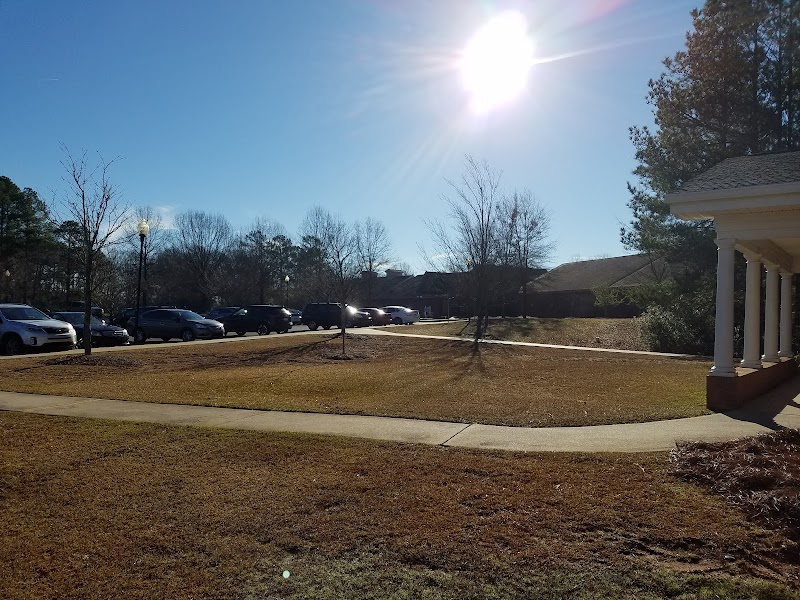
CMS rates The Heritage At Lowman Rehab And Healthcare's staffing level at 3 out of 5 stars, which is average compared to other nursing homes. Staff turnover is 53%, compared to the South Carolina average of 46%. RN turnover specifically is 63%, which is notably high. RNs provide skilled clinical oversight, so turnover in this role can affect medical care quality.

What Have Inspectors Found at The Heritage At Lowman Rehab And Healthcare?

State health inspectors documented 25 deficiencies at The Heritage At Lowman Rehab And Healthcare during 2021 to 2025. These included: 1 that caused actual resident harm and 24 with potential for harm. Deficiencies causing actual harm indicate documented cases where residents experienced negative health consequences.

Who Owns and Operates The Heritage At Lowman Rehab And Healthcare?

The Heritage At Lowman Rehab And Healthcare is owned by a non-profit organization. Non-profit facilities reinvest revenue into operations rather than distributing to shareholders. The facility operates independently rather than as part of a larger chain. With 176 certified beds and approximately 131 residents (about 74% occupancy), it is a mid-sized facility located in White Rock, South Carolina.

How Does The Heritage At Lowman Rehab And Healthcare Compare to Other South Carolina Nursing Homes?

Compared to the 100 nursing homes in South Carolina, The Heritage At Lowman Rehab And Healthcare's overall rating (1 stars) is below the state average of 2.8, staff turnover (53%) is near the state average of 46%, and health inspection rating (1 stars) is much below the national benchmark.

What Should Families Ask When Visiting The Heritage At Lowman Rehab And Healthcare?

Based on this facility's data, families visiting should ask: "Can I visit during a mealtime to observe dining assistance and food quality?" "How do you handle medical emergencies, and what is your hospital transfer rate?" "Can I speak with family members of current residents about their experience?"

Is The Heritage At Lowman Rehab And Healthcare Safe?

Based on CMS inspection data, The Heritage At Lowman Rehab And Healthcare has a clean safety record: no substantiated abuse findings (meaning no confirmed cases of resident harm), no Immediate Jeopardy citations (the most serious violation level indicating risk of serious injury or death), and is not on the Special Focus Facility watch list (a federal program monitoring the lowest-performing 1% of nursing homes). The facility has a 1-star overall rating and ranks #100 of 100 nursing homes in South Carolina. While no facility is perfect, families should still ask about staff-to-resident ratios and recent inspection results during their visit.

Do Nurses at The Heritage At Lowman Rehab And Healthcare Stick Around?

The Heritage At Lowman Rehab And Healthcare has a staff turnover rate of 53%, which is 7 percentage points above the South Carolina average of 46%. Moderate turnover is common in nursing homes, but families should still ask about staff tenure and how the facility maintains care continuity when employees leave.

Was The Heritage At Lowman Rehab And Healthcare Ever Fined?

The Heritage At Lowman Rehab And Healthcare has been fined $14,664 across 2 penalty actions. This is below the South Carolina average of $33,226. While any fine indicates a compliance issue, fines under $50,000 are relatively common and typically reflect isolated problems that were subsequently corrected. Families should ask what specific issues led to these fines and confirm they've been resolved.

Is The Heritage At Lowman Rehab And Healthcare on Any Federal Watch List?

The Heritage At Lowman Rehab And Healthcare is not on any federal watch list. The most significant is the Special Focus Facility (SFF) program, which identifies the bottom 1% of nursing homes nationally based on persistent, serious quality problems. Not being on this list means the facility has avoided the pattern of deficiencies that triggers enhanced federal oversight. This is a positive indicator, though families should still review the facility's inspection history directly.